Les Marais, deuxième partie (2); Jewish quarter and the Jardin des Rosiers – Joseph-Migneret

As I mentioned in my last post on Le Marais, this area is also the most famous Jewish quarter in Paris and, in fact, in much of Europe, still maintaining strong traditions.

fullsizeoutput_a85


There have been Jews living in Paris on and off since the region was conquered by Rome in the first century BC.

rosiers 1

The Rue Rosiers is a key street in the historical Jewish center of Paris; it is a charming pedestrian road and is known as the Pretzl or “little place” in Yiddish. The rue des Rosiers name refers to the “street of the rosebushes.”

Jews have a long history in France (full of prosperity as well as expulsions and persecution), but in Le Marais in particular. This area became the center of Jewish life in Paris in the 19th and early 20th centuries as Sephardic Jews came over from Eastern Europe.

And, while Paris has been a place of Jewish prosperity, scholarship, and greatness, it has also seen a lot of sorrow. For centuries, the Jewish community lived within France only at the sufferance of the king. Expulsions were common, and it was not until the French Revolution and then Napoleon Bonaparte that Jews finally had some measure of civil and religious freedom.

In Paris, in Le Marais, you will find kosher and Jewish style restaurants cheek by jowl with Jewish bookshops, small synagogues, prayer rooms, and kosher boulangeries and charcuteries. You will also see trendy shops, a sign of the increasingly gentrified nature of the neighborhood.

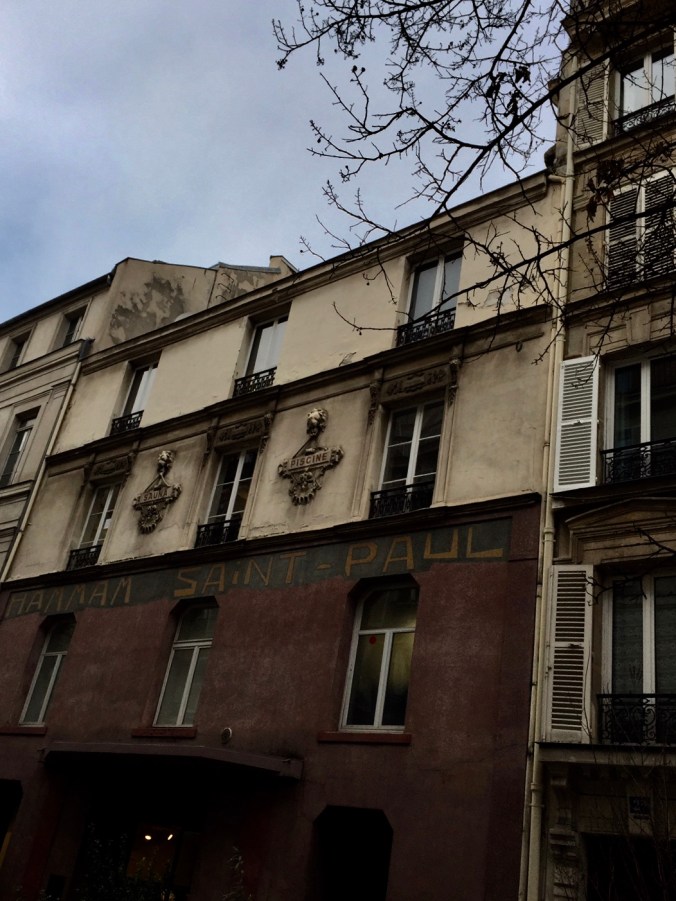
There’s an interesting pinkish building with “Hammam Saint Paul” written on it.  Today the building houses a fashionable boutique, not a Turkish bathhouse.

fullsizeoutput_a90

The building dates to 1856 on the Rue des Rosiers and this bathhouse survived for 130 years, give or take. The hammam closed its doors in 1990. You can still see the painted name of the building in yellow on a blue background, dating from 1928, work by architects Boucheron and Jouhaud.

On the second floor are two sculptures on the piers, decorated with lion heads and stating the words Sauna and Pool.  These date from 1901.
fullsizeoutput_a90


In an earlier post, I talked about 2 falafel restaurants; both are located on Rue des Rosiers: https://laurettadimmick.com/2018/12/29/a-little-friendly-competition/

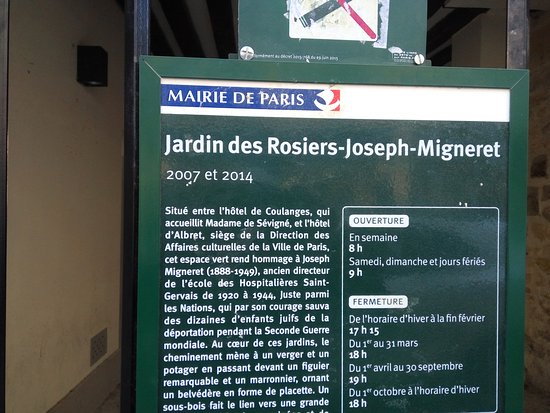
Jardin des Rosiers – Joseph-Migneret

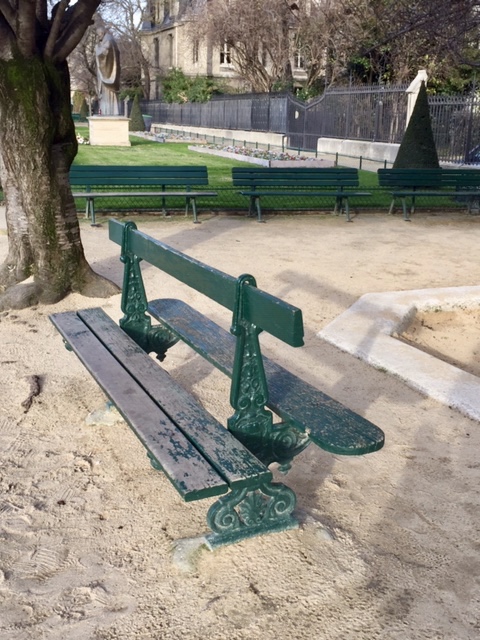
And then we come to a lovely small park, known as the Jardin des Rosiers – Joseph-Migneret.

During World War II, Joseph Migneret was the principal of the elementary school of Hospitaliers St. Gervais, located nearby at 10 rue des Hospitalières-Saint-Gervais.

During the round-ups of 1942, 165 Jewish children from this school were deported, mostly of them to Auschwitz, and not a single one survived. The school now bears a plaque that reads “165 enfants juifs de cette école déportés en Allemagne durant la Seconde Guerre mondiale furent exterminés dans les camps nazis. N’oubliez pas!”  (In English: 165 Jewish children of this school deported to Germany during WWII were exterminated in the Nazi camps. Do not forget!”)

After the loss of so many of his students–only 4 students returned to school on October 1, 1942–Joseph Migneret dedicated himself to the Resistance and to helping the Jewish families escape further round-ups and persecution. He hid many of them in his own home. He died shortly after the end of the war; it is said he died of sadness on account of everything his students endured.

Jardin des Rosiers

P1000946-copie-24a0c34bf831c060595075de9b48f94bbimagesdoor-sign


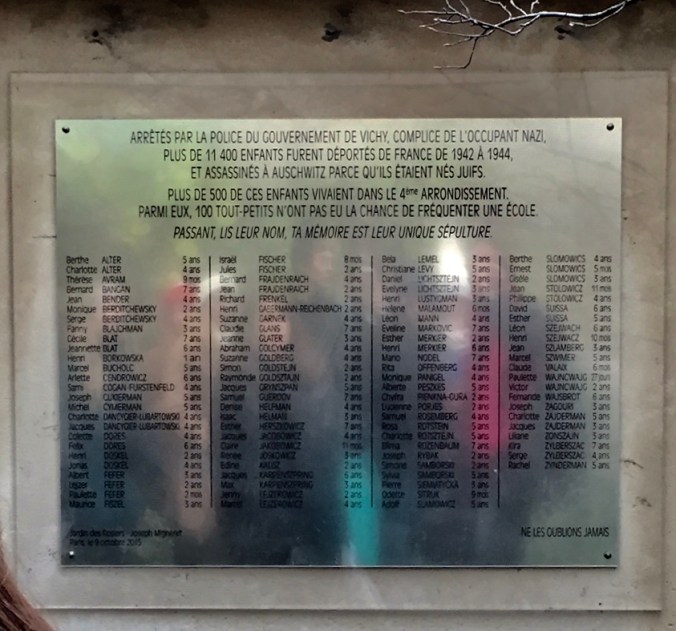
And, an equally heinous history is what happened to Jewish infants in the same city.  There is a plaque imprinted with the names of 101 infants of the fourth arrondissement in Paris, who were arrested by French police of the Vichy Regime and handed over to the Nazis for extermination.
fullsizeoutput_a8a

They were all too young to attend school. (If they had been old enough, their names would already have been placed on plaques at the schools they attended at the time of their arrest.)

The youngest was 27 days old.

The five lines at the top of the plaque set out their common fate:

“Arrested by the police of the Vichy government, accomplice of the Nazi occupation forces, more than 11,000 children were deported from France and murdered in Auschwitz because they were born Jewish. More than 500 of these children used to live in the fourth arrondissement. Among them, 101 were so young that they didn’t have a chance to go to school.

“These lines are followed by a message to passersby, who will pause to glimpse into the ugly past:

“Passerby, read their names. Your memory is their only tombstone. We must never forget them.”


Next up: Jardin Saint Gilles Grand-Veneur

The Grand-Veneur hotel was built in the 17th century for Hennequin d’Ecquevilly, captain general of the King’s Vénerie: he was in charge of organizing the court hunts of the king. This square occupies the garden of this mansion.

The garden, built in 1988, pays tribute since 2010 to Pauline Roland (1805-1852), close to Georges Sand, former teacher, initiated to Saint-Simonian ideas in his youth, feminist and socialist activist.


.fullsizeoutput_ae5

fullsizeoutput_a8cfullsizeoutput_a8b


Along the rue de Rosiers, you’ll find the best Falafel in town and a few remaining orthodox eateries. The best falafel is apparently at L’as du Falafel. That said, I assure you, they’re all good.


https://www.algemeiner.com/2015/10/08/paris-to-unveil-memorial-for-infant-victims-of-the-holocaust/
Jardin des Tuileries

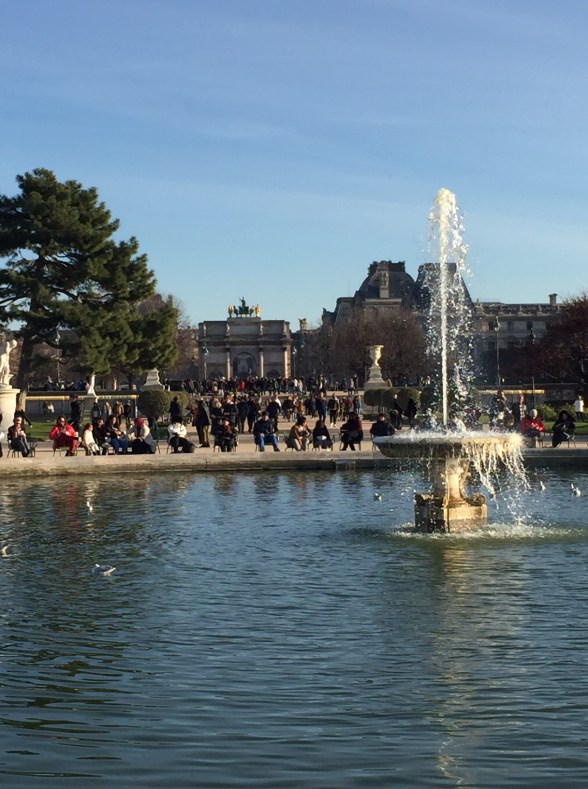
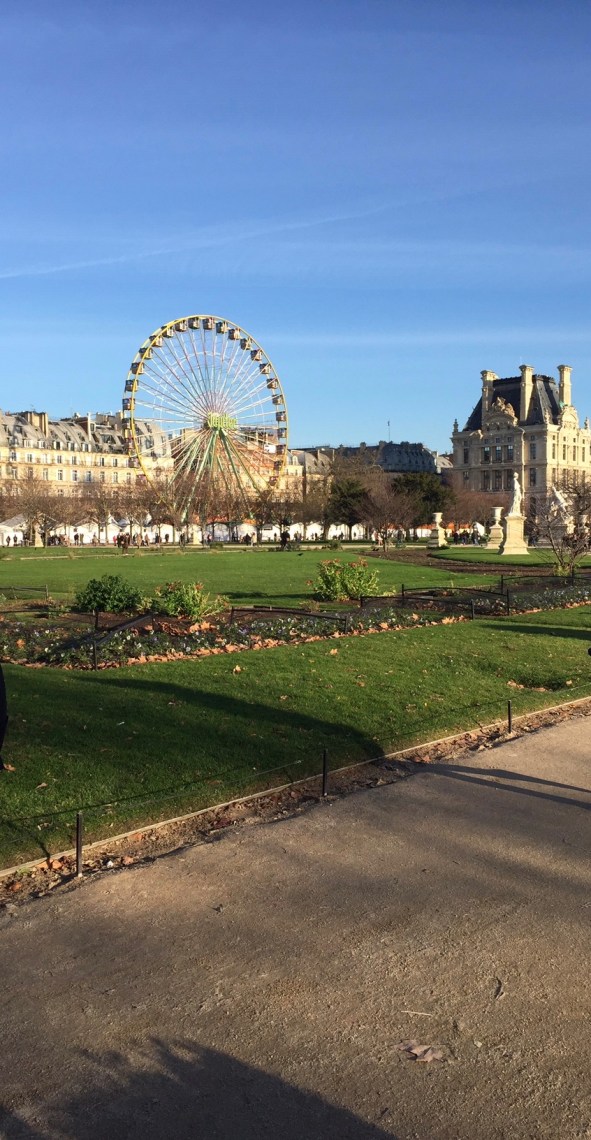
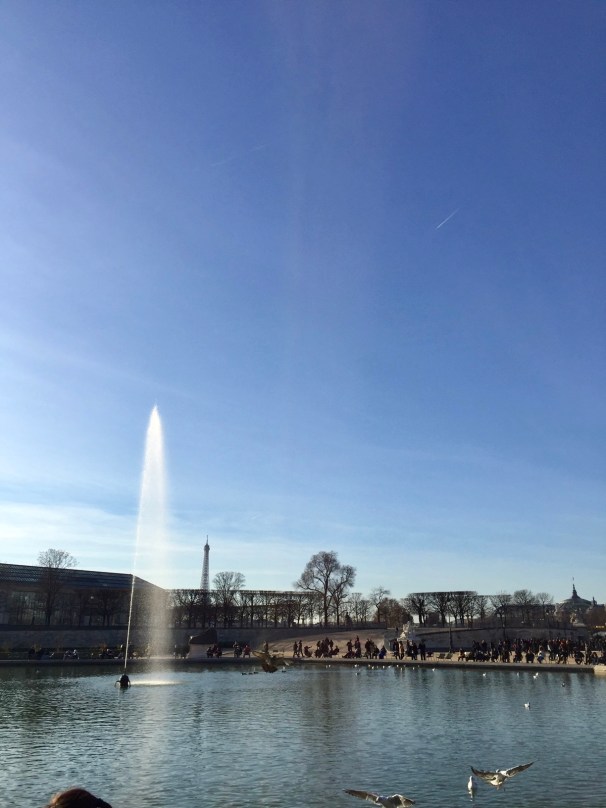
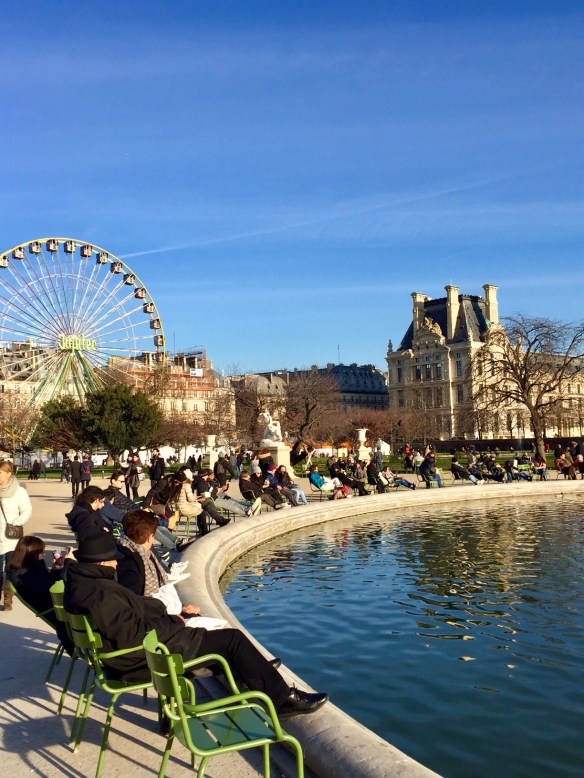
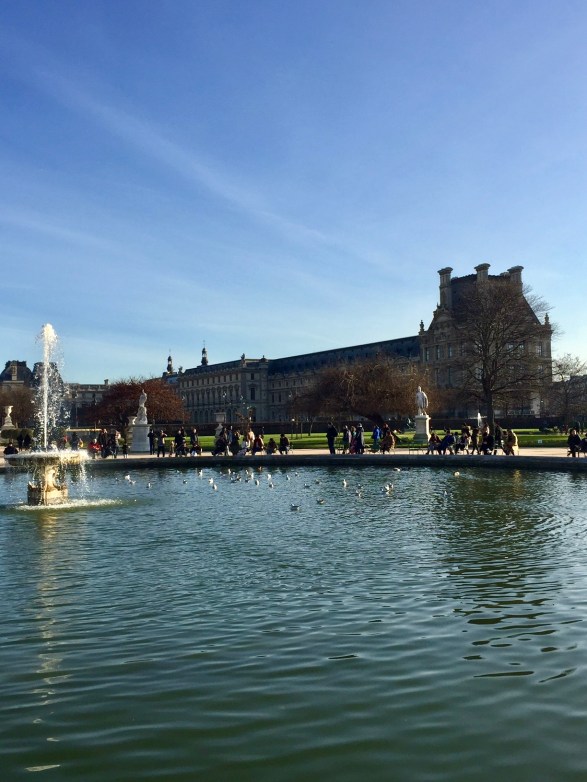
The Jardin des Tuileries, aka, the Tuileries Garden is a great civic garden located between the Louvre and the Place de la Concorde in the 1st arrondissement of Paris. Created by Catherine de’ Medici as the garden of the Tuileries Palace in 1564, it was eventually opened to the public in 1667 and became a public park after the French Revolution. From the 19th century moving forward, the Tuileries is a place where Parisians celebrate, meet, stroll and relax.  I spent the afternoon there recently.


fullsizeoutput_8d2


fullsizeoutput_8d3


IMG_4440


fullsizeoutput_8d7


fullsizeoutput_8d8


fullsizeoutput_8da

IMG_4424IMG_4423IMG_4422

IMG_4419IMG_4420


La belle Paris!

It’s been a few years since I’ve been in this elegant beautiful capital and I’ve missed her! Just arrived last night and spent a fun day revisiting old haunts.  More to come!

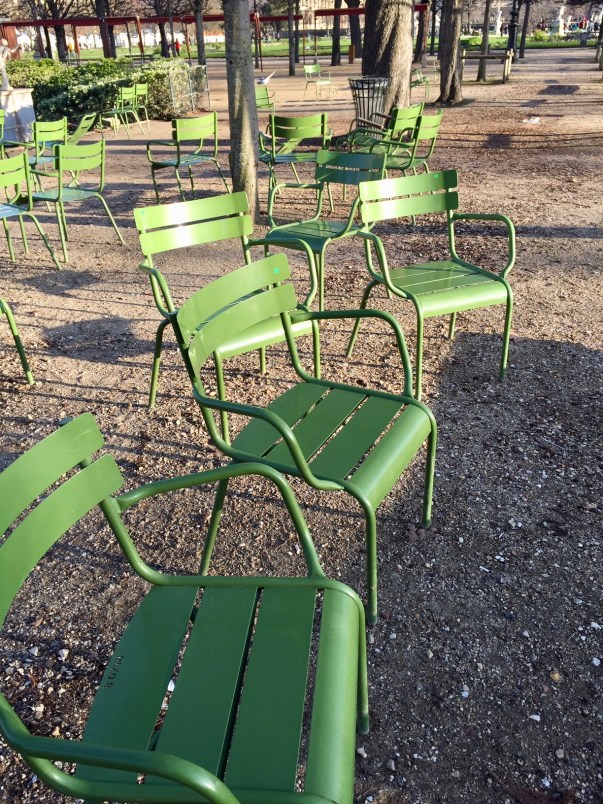
Green is the color of the best shots of the day:

fullsizeoutput_87c


fullsizeoutput_85b


fullsizeoutput_856


fullsizeoutput_87b


So, what’s new in gay Paree?

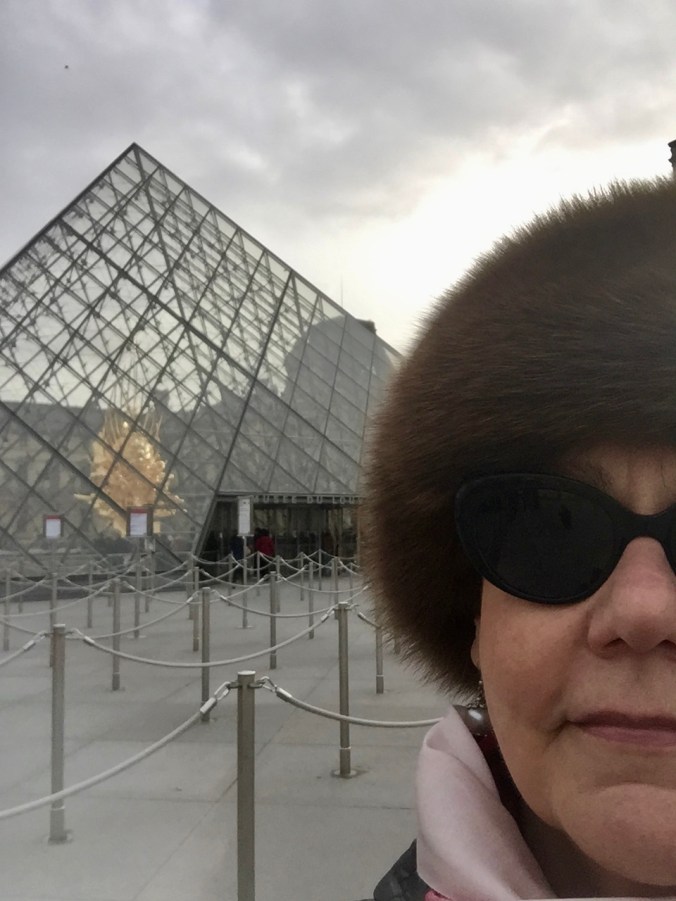
Well, the I.M. Pei Louvre Pyramid has a gold throne floating inside:

fullsizeoutput_864

It’s the Throne by Kohei Nawa, exhibited from July 2018 – January 14, 2019.

A monumental floating throne by the sculptor Kohei Nawa. As part of “Japonismes 2018: Souls in Resonance,” the pyramid of the Louvre will house a monumental sculpture by Kohei Nawa, beginning in the month of July 2018 and running through 14 January 2019.  The work, inspired by the shapes and origins of the chariots used in the Orient during religious festivals, is a combination of the art of gold leaf gilding, which dates back to Ancient Egypt, and the latest 3D modeling techniques.

fullsizeoutput_886

This 10.4 meter-high monumental sculpture will float in the middle of the Louvre Pyramid for six months, in order to question the notions of power and authority that have been perpetuated in the past, and to question the future that awaits us.

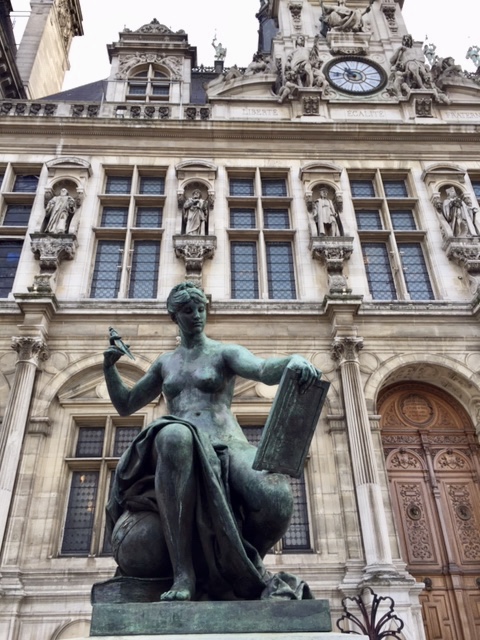
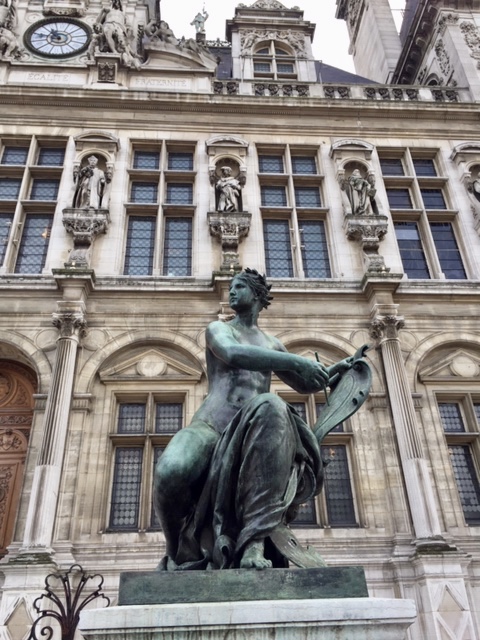
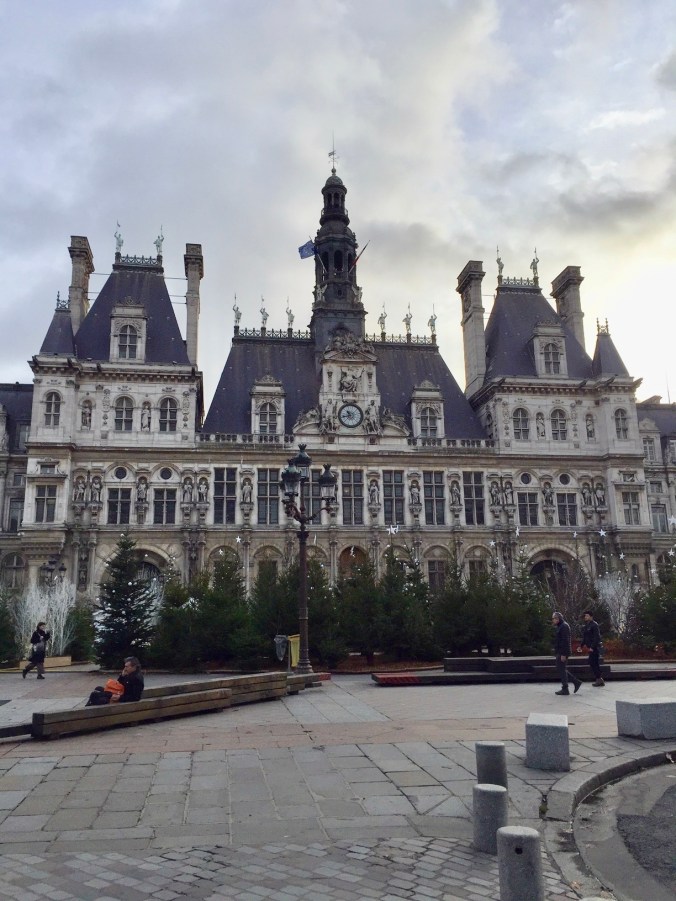
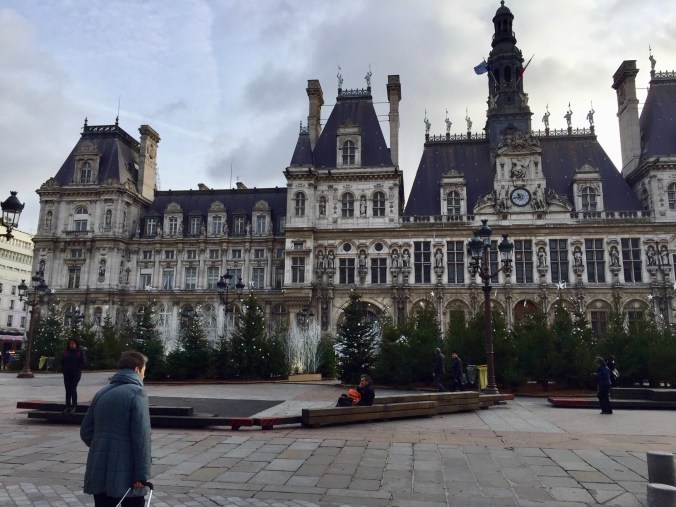
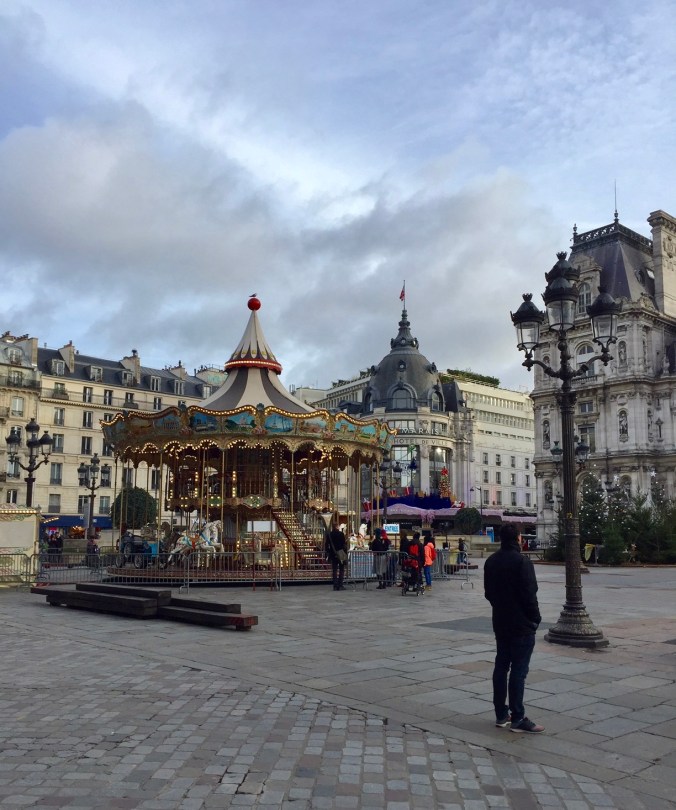
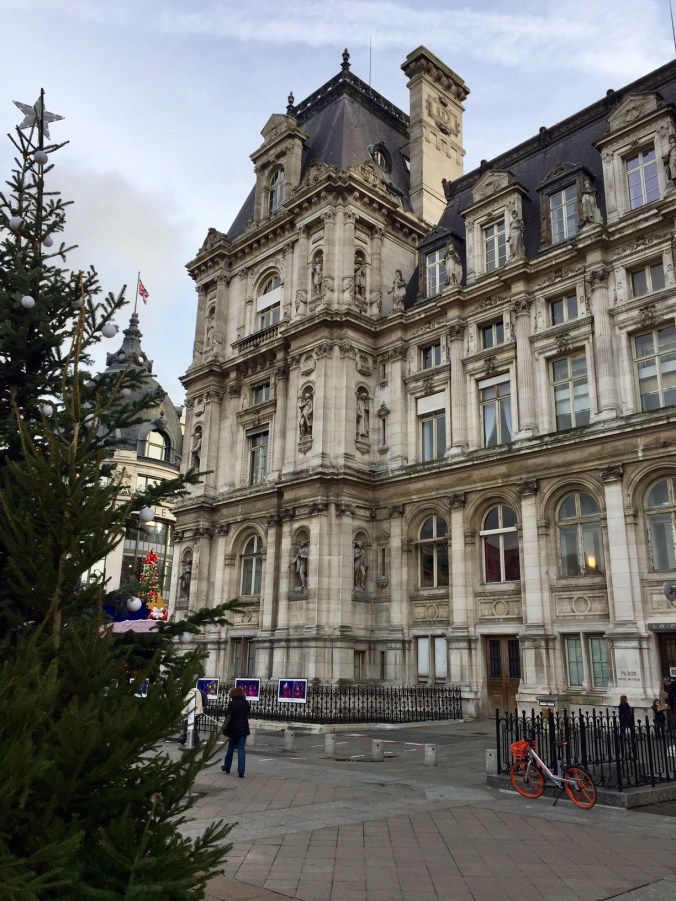
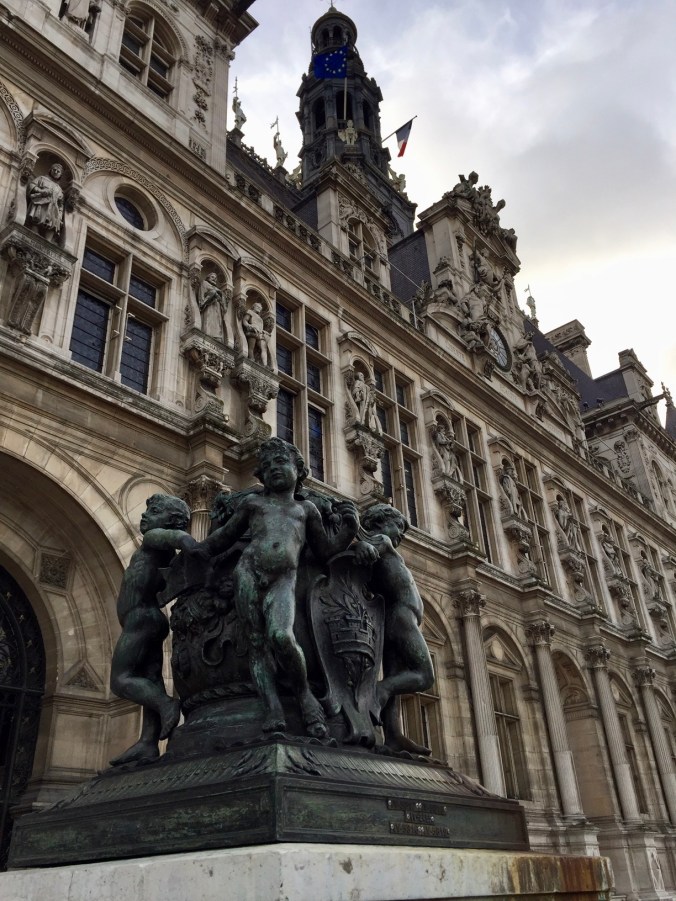
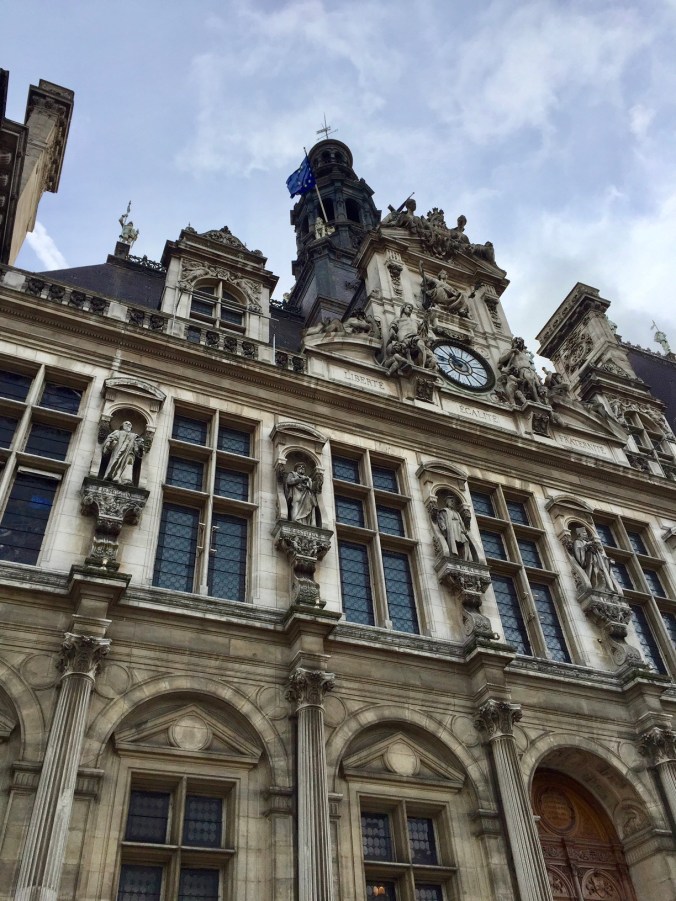
Place de l’Hôtel-de-Ville; no other city hall ever looked so good! I am still a sucker for great Neoclassical sculpture:

fullsizeoutput_885fullsizeoutput_884

fullsizeoutput_89ffullsizeoutput_8a1fullsizeoutput_8a2fullsizeoutput_8a4fullsizeoutput_8b7fullsizeoutput_8b6fullsizeoutput_8b5fullsizeoutput_8b4fullsizeoutput_8b3


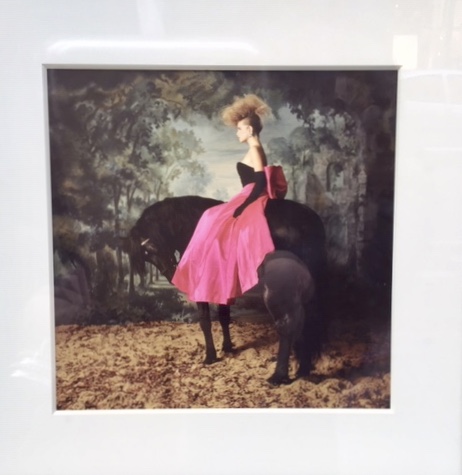
Strolling through the city I saw this fashion photo in a vitrine; the best way to ride a horse is in your pink silk taffeta ballgown!  I wish I had known that growing up on the back of my horse!

fullsizeoutput_880


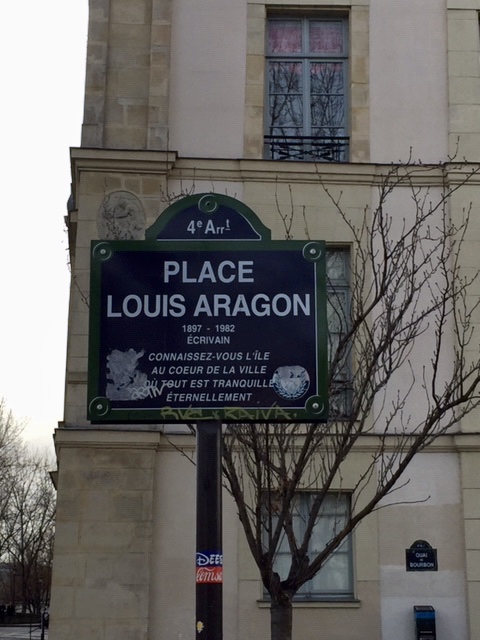
Not far from city hall I wandered by Place Louis Aragon.

fullsizeoutput_87f

I was intrigued by the inscribed lines speaking of a tranquil island.

Connaissez-vous l’île
Au cœur de la ville
Où tout est tranquille
Éternellement


In English:

Do you know the island

In the heart of the city

Where everything is quiet

Eternally

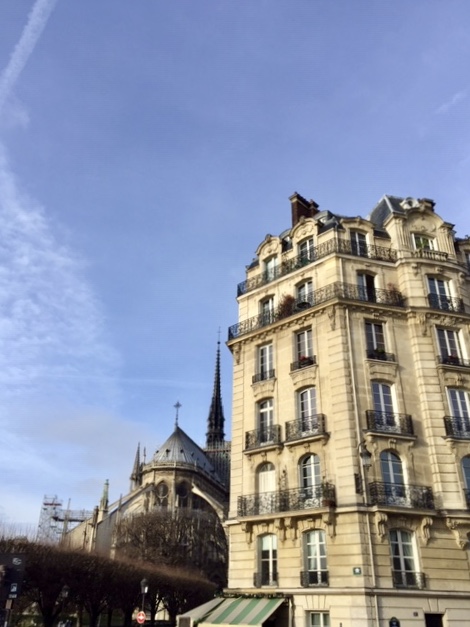
I looked Louis Aragon up when I got back to my hotel:  Louis Aragon (1897 – 1982) was a French poet and one of the leading voices of the surrealist movement in France. Place Louis Aragon is located at the tip of Ile Saint-Louis, near Quai de Bourbon, with amazing views of the cathedral of Notre Dame and the Seine This small but extraordinarily located square is close to the apartment of Aurelian, where in Aragon’s novel of the same name the hero lived.


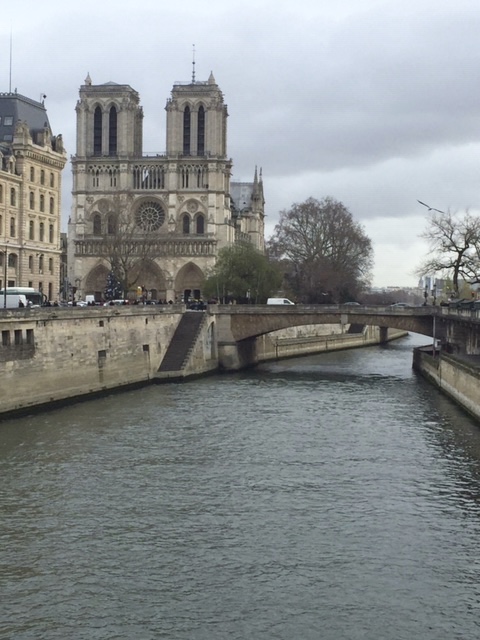
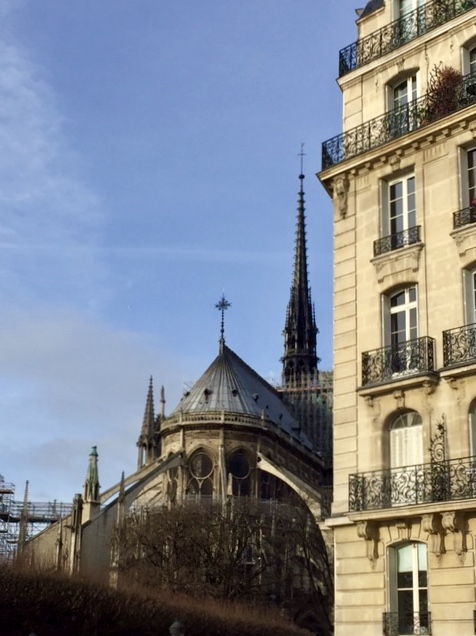
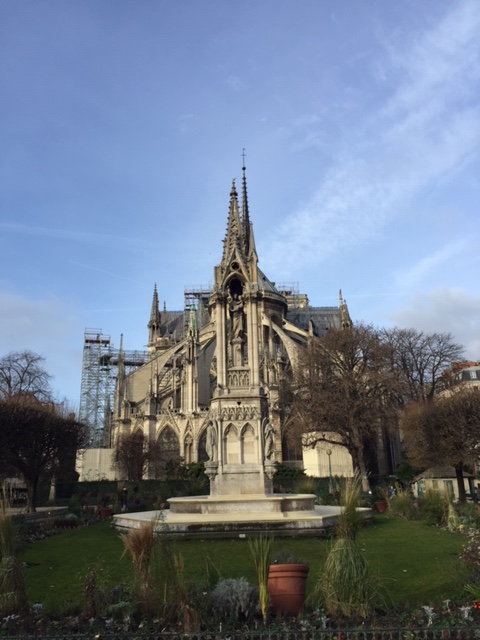
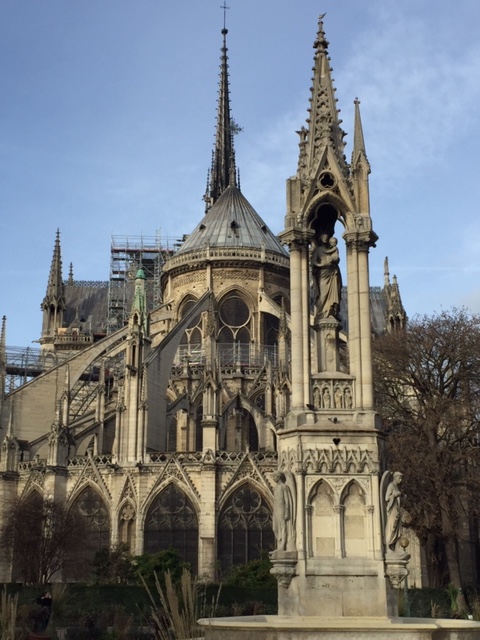
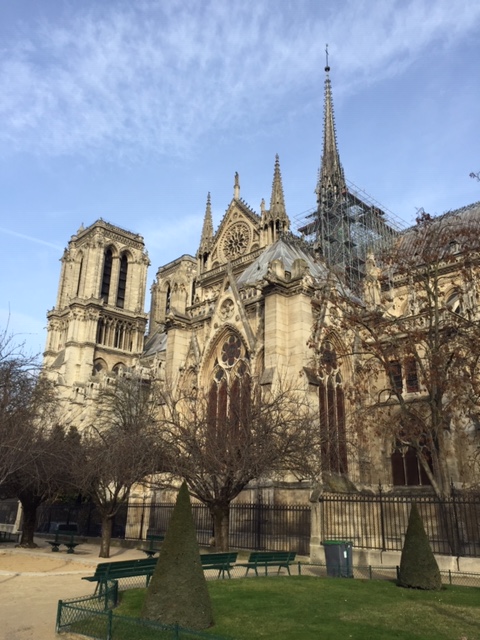
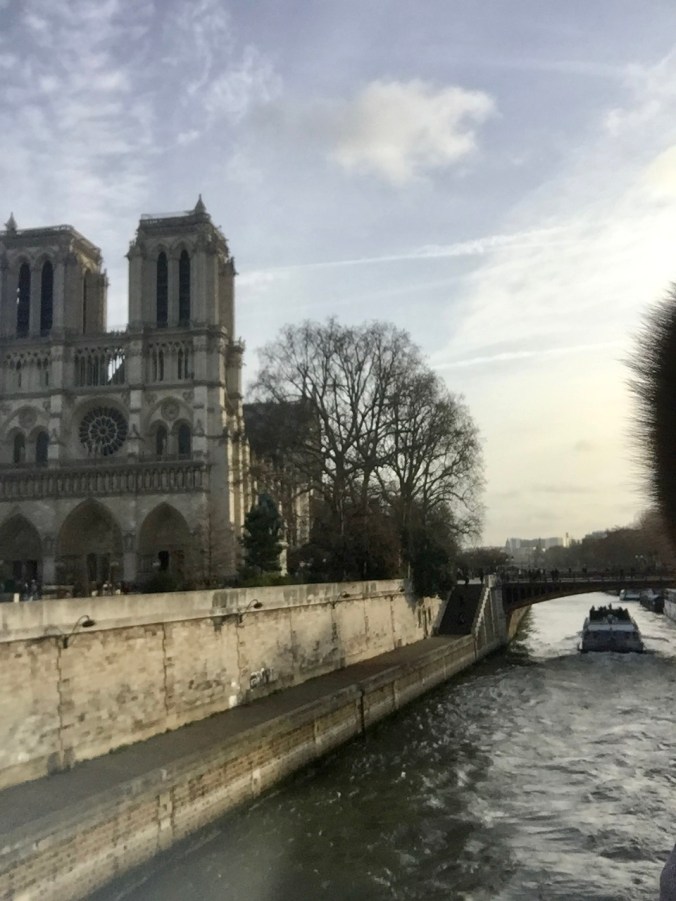
The apse end of Notre Dame begins to beckon:

fullsizeoutput_87e


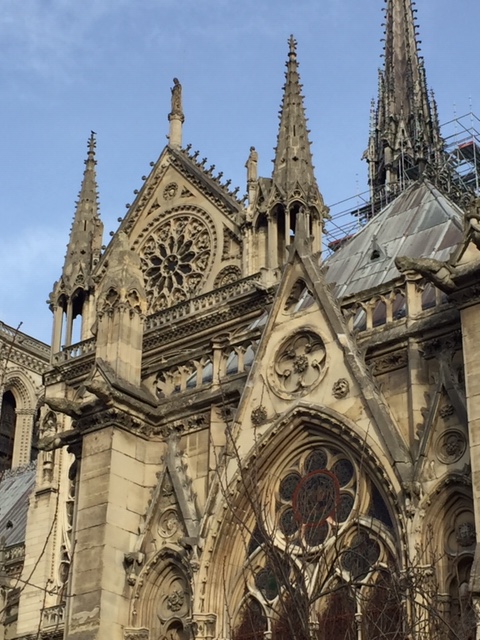
I spy the famed flying buttresses!

fullsizeoutput_87d


IMG_3951


IMG_3952


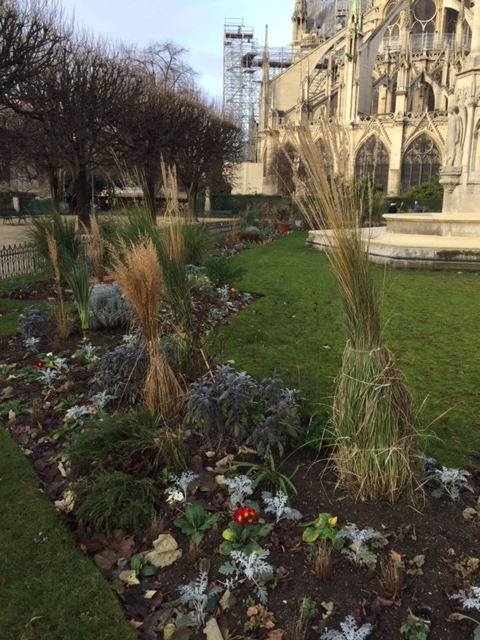
Once a garden designer, always a garden designer.  I was interested to see that the gardeners here had tied up the ornamental grass plants.  That must mean that the grasses don’t winter kill in Paris (they do in Colorado where my garden is), so they want to maintain the foliage.  Who knew?!

IMG_3954


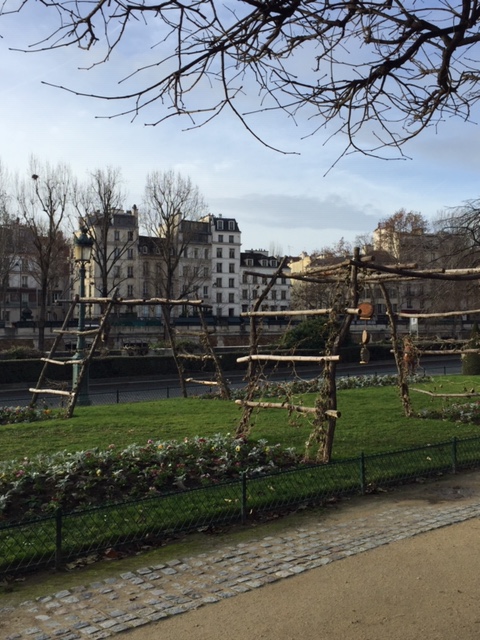
Walking along the Seine and rounding Notre Dame from the back to the front, I saw other gardens with roughly-cut and crudely crafted structures for plants to climb. These came as a surprise in Paris, where everything is so formal and structured.

IMG_3957


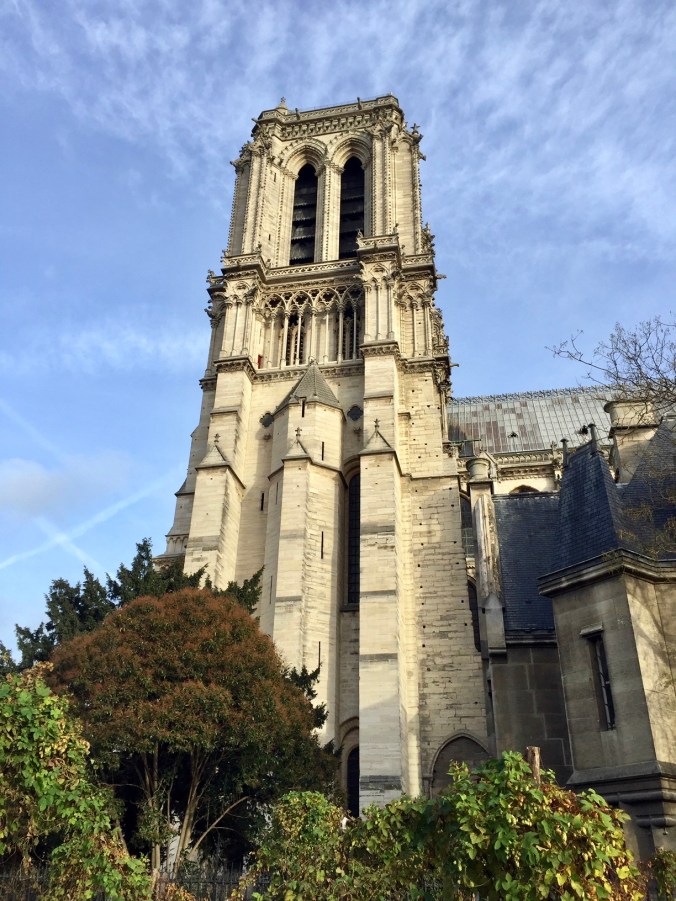
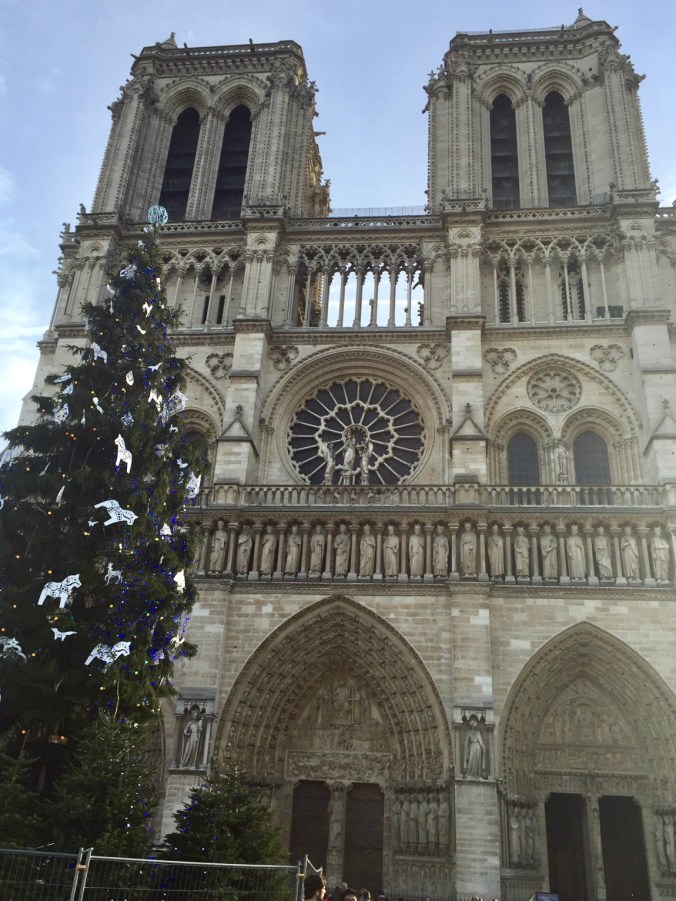
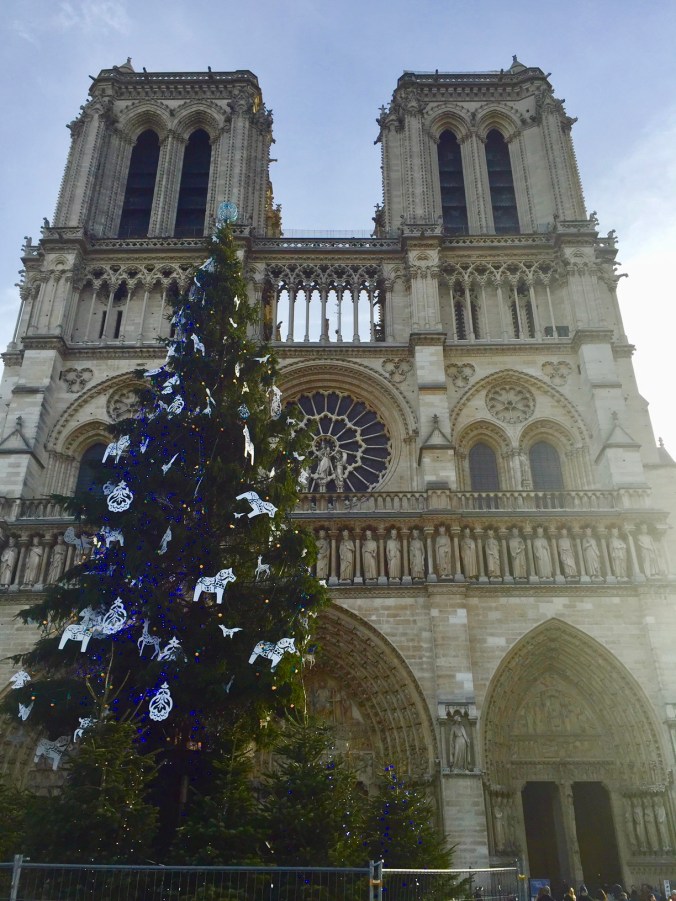
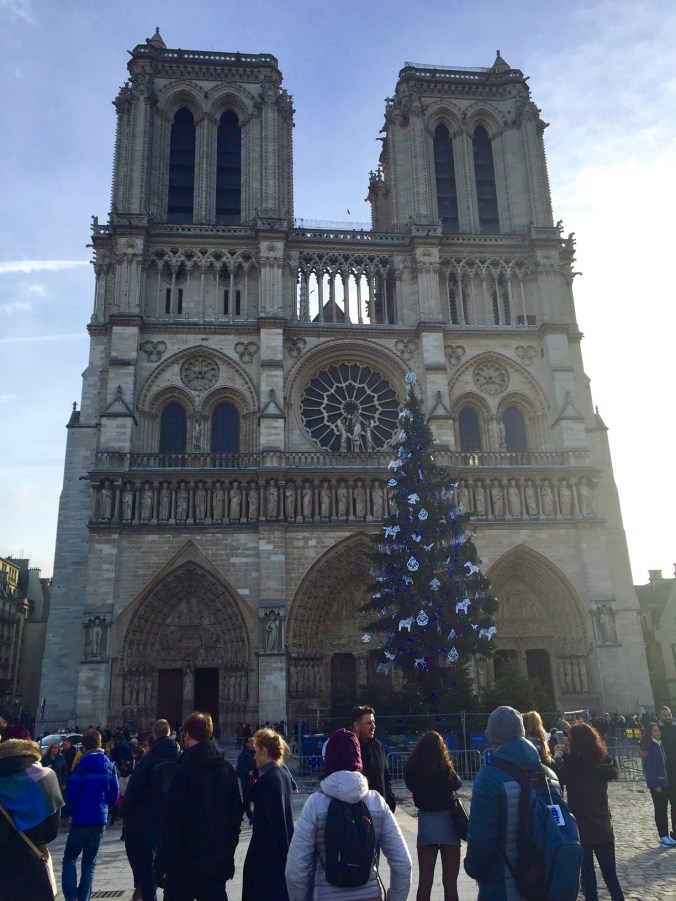
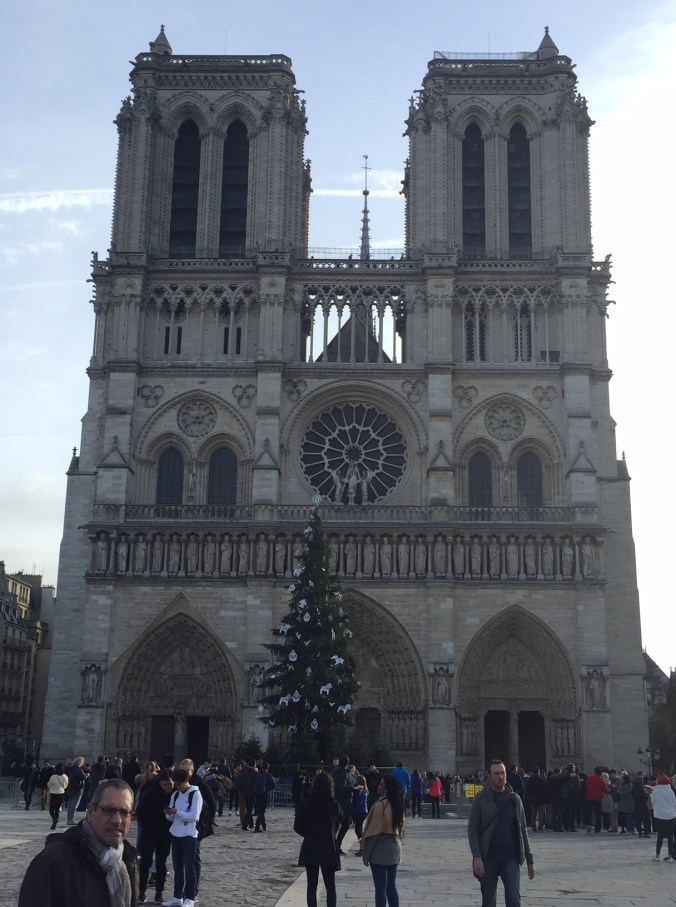
I’m going to post the next few pix of Notre Dame in silence.  This beautiful, iconic building needs nothing from me:

IMG_3958


IMG_3959


fullsizeoutput_895


fullsizeoutput_896


fullsizeoutput_8a5


fullsizeoutput_8a6

fullsizeoutput_8a7fullsizeoutput_8a8IMG_3974


fullsizeoutput_87b

fullsizeoutput_8af


Giardino Giusti, Verona

There’s a place in Verona that thrills my soul. You guessed it, it’s a garden. Until last week (December 2018) I had never even heard of this amazing place!  Italia never ceases to amaze!

Here’s an amuse bouche:


This magnificent Italian garden, designed and created in the 16th century, belonged to the Giusti family. It contains age-old trees, gargoyles, fountains, grottoes (which echo strangely) and ancient inscriptions all immersed in a carefully landscaped setting which take advantage of the various levels of the terrain.

The garden was visited by famous tourists such as Goethe and Mozart.

The Giusti Palace in Verona, a Mannerist design, was also built in the 16th century.

The garden is considered one of the finest examples of Italian garden design. The gardens were planted in 1580 and are regarded as some of the most beautiful Renaissance gardens in Europe, a splendid park of terraces climbing upon the hill.

They include a parterre and hedge maze, and expansive vistas of the surrounding landscape from the terrace gardens.

First, only two square parterres right and left hand of the cypress way were designed, and a maze behind the right one, as figured in Nürnbergische Hesperides in 1714.

Some years later, four additional flower parterres were laid out left hand, as to be seen at a map in the Verona State Archives. The booklet, Il paradiso de’ Fiori by Francesco Pona (1622) informs about the plants used in this time in Giardino Giusti as does also some planting sketches by Pona included in the new edition of this book, Milano 2006.

The actual unifying layout of the garden parterres dates from early 20th century. The maze was reconstructed after 1945.

The Giusti family, owner of the palace since the 16th century, was entitled by the Austro-Hungarian Emperor to change its original surname to “Giusti del Giardino” because of the importance of the gardens.

Address: Via Giardino Giusti, 2 – 37121 Verona.

Opening hours: every day: Summer (April-September) 9.00-20.00 – Winter (October-March): 9.00-19.00

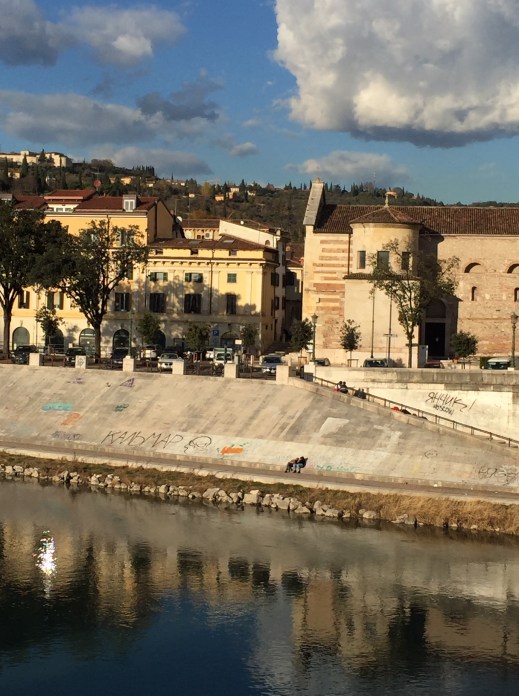
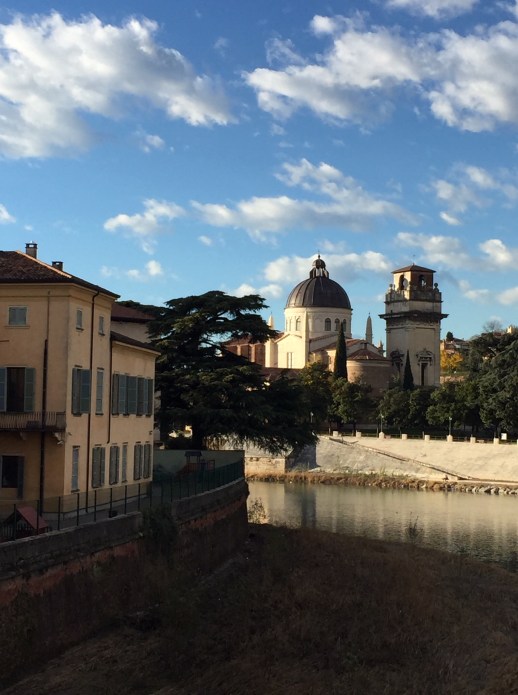
Here’s a view of Verona from the Belvedere at the top of Giardino Giusti:


IMG_3698


IMG_3624


IMG_3626


IMG_3629


IMG_3638


IMG_3639


IMG_3640


IMG_3641


IMG_3642


IMG_3643


IMG_3644


IMG_3645


IMG_3646


IMG_3647


IMG_3649


I love acanthus plants.  The ancient Greeks used the shape of the leaves in the design of their capitals on their monumental columns.  That’s why I like them. :-)

IMG_3653

Screen Shot 2018-12-17 at 15.56.09


IMG_3654


IMG_3655


IMG_3656


IMG_3657


IMG_3658


IMG_3659


IMG_3660


IMG_3662


IMG_3663


IMG_3664


IMG_3648


IMG_3669


IMG_3670


IMG_3671


IMG_3676


IMG_3677


IMG_3678


IMG_3679


IMG_3681


IMG_3684


IMG_3685


IMG_3686


IMG_3688IMG_3689IMG_3694IMG_3695IMG_3696IMG_3697
A 16th century Renaissance garden and palazzo, described as the “Jewel of Verona”, has been put up for sale after years of squabbling among the aristocratic family who own it.

The Giardino Giusti, which is on the market for €15m (£10.3m), could now become a luxury hotel or a casino – a prospect that has dismayed many of its admirers.

It attracts tourists from all over the world. Its many illustrious visitors of the past include Mozart, Cosimo de’ Medici and Goethe, who wrote about its magnificent cypress avenue during his travels in Italy in 1786. The avenue leads up to a stalactite grotto, above which is a gargoyle which appears to be emitting flames from its mouth. From there, visitors climb up to a belvedere offering a panoramic view of Verona.

Advertisement

The English writer Sir George Sitwell proclaimed it one of the three best gardens in Italy.

However, the property has been at the centre of a family feud since its owner, Justo Giusti, an Italian diplomat, died several years ago. Under Italian inheritance laws, it was to be shared among 20 heirs.

One relative, Marina Giusti, disputed the terms of the will and floated the idea of splitting up the property, causing conflict between her and her mother, Contessa Matilde, and other family members. The issue went before the courts in 1997 and, after years of hearings, a ruling was made that the property could not be divided because of its historical importance.

The family were told they should try to “remain united” and work together to keep the place intact. Since then, the Giardino Giusti has become a tourist attraction and is rented out for weddings and special events. But family members now say they can no longer afford its upkeep.

The Giardino Giusti was designed in 1570 by Agostino Giusti, a Venetian knight and squire of the grand duchy of Tuscany. He created the gardens on a series of levels and they remain true to his original designs today.

Some are in an Italianate style, with manicured hedges, fountains and marble statues, while other parts have been left as natural woodland. The mix of formal and informal gardens is said to give the place a fairytale feel.

The gardens were badly damaged during the second world war, but have been restored.

News of the sale has upset many of the people who have included the property on their Verona itinerary. “Please don’t sell it,” implores one entry in the visitors’ book. “I wish it were mine,” says another.

The newspaper Corriere della Sera commented that the property, which has been designated a national monument, was not only “the jewel of a noble and historic Veronese family, but of all of Italy”. It demanded to know: “In whose hands will it end up?”

Giorgio Vigano, a Milanese agent handling the sale, said he believed that the property would attract international investors.

“It is a very special place,” he said.


Giardino Giusti Verona

http://www.italymagazine.com/featured-story/giardino-giusti-verona
Kate Wickers | Monday, May 7, 2012 – 13:53
5 Google +2 10 5

Venture over the Ponte Romano to the eastern bank of Verona’s river Adige and you will find yourself in an oasis of peace and calm. Hidden behind the crumbling orange façade of Via Giardino is one of Italy’s most attractive Renaissance gardens and best-kept secret – Giardino Giusti. A garden of such tranquillity that in an instant you are taken from a dusty Italian street full of irate drivers honking their horns and transported into a world of Renaissance refinement. And you’ll know immediately what the English traveller Thomas Coryate meant when in 1611 he described this garden as a “second paradise”.
Agostino Giusti was a Knight of the Venetian Republic and Squire of the Grand Duke of Tuscany and the man responsible for the design of this lovely garden, which served as a backdrop for his palace. Laid out in 1570 with all the quintessential Italian charm of that period, with statuary and nature deliberately juxtaposed, it was lovingly restored in the 1930s and has most of its original features intact from fountains to mythological statues to a maze and an acoustic grotto. Not to mention an impressive collection of Roman remains.
Giardino Giusti – Verona
In the western section of the parterre (formal garden with flower beds and gravel paths), are greenhouses brimming with lemon and orange trees that are built against the surviving 12th century city walls. The warm air is full of zest with uplifting citrus smells and I breathed in deeply as I followed in the footsteps of illustrious past visitors, among them Cosimo De’ Medici, Emperor Joseph II, Goethe and Mozart. Today though (because thankfully the gardens are not on Verona’s tour bus itinerary), there’s hardly ever anyone there and I had the entire gardens to myself.
The terraces are ordered so that they gradually uncover the views of the city. The lower area of tightly clipped and perfectly manicured box hedges contrasts with the upper area of natural wilderness, which would have been perfect for a game of hide and seek between a Renaissance lady and her lover. The terrace is hidden by woodland, home to cuckoos and warblers, and has the atmosphere of secret trysts and whispered promises. It is undoubtedly a place reserved for romance and the secluded benches hidden amongst the foliage are obvious invitations for this. According to local folk law, lovers who manage to find each other in the tiny maze are destined to stay together forever.
It’s a joy to wander up the old stone steps of the cypress avenue, with the 16th century ‘mascherone’, the immense grotesque stone mask with bulging eyes, gnashing teeth and flaring nostrils, looking down on you. From here you can climb up to the stalactite grotto, an artificial cave carved in to the hillside with an arched entrance flagged by columns and pediment, giving it the appearance of a temple. This was originally covered with an intricate design of shells, mosaic and mother of pearl but little remains today.
Giardino Giusti – Verona
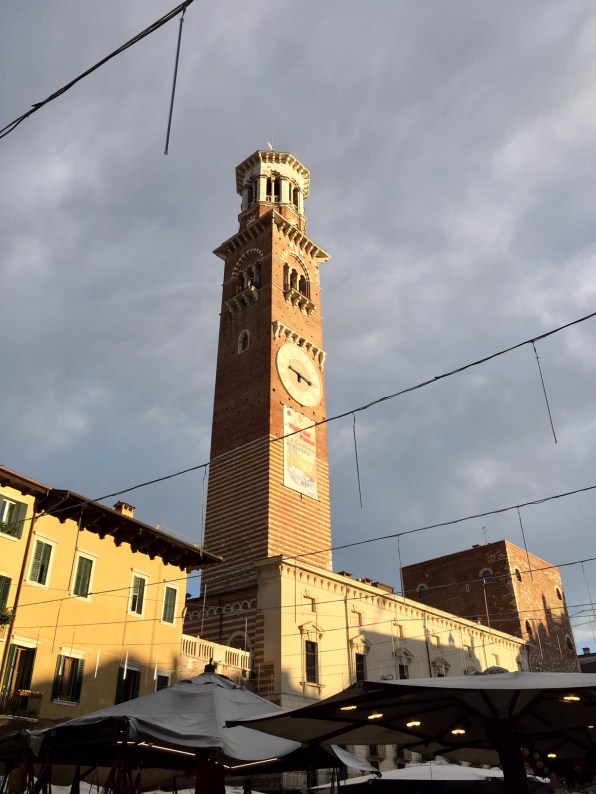
The final climb takes you to the belvedere (meaning beautiful view) where you are treated to one of the most stunning panoramic vistas of the city with the Lamberti Tower, the Basilica di Sant Anastasia and the Duomo all in sight.
Giardino Giusti is a place to unwind, reflect and linger away from all the hustle and bustle of life. A place you never hurry away from but always scurry back to.


Verona, Italy in December

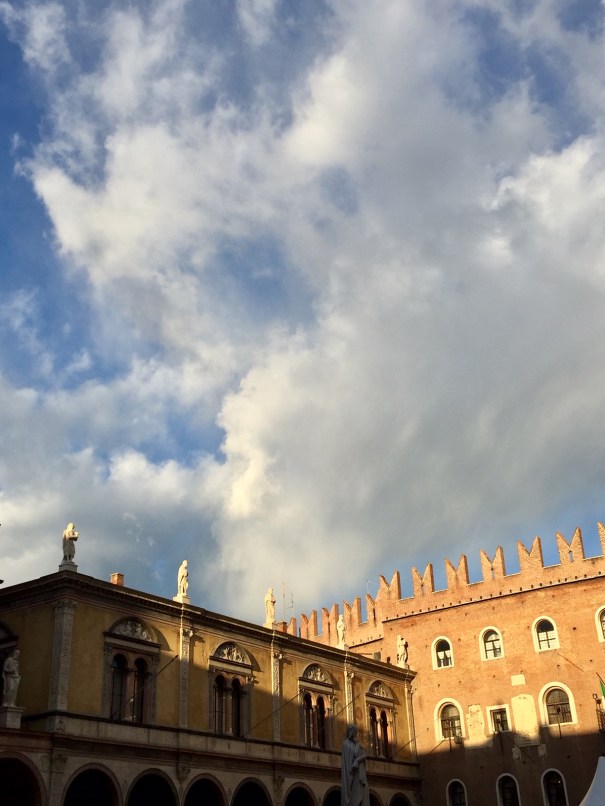
What a lovely small city is Verona.  I understand why Shakespeare chose it as his setting for Romeo and Juliet!

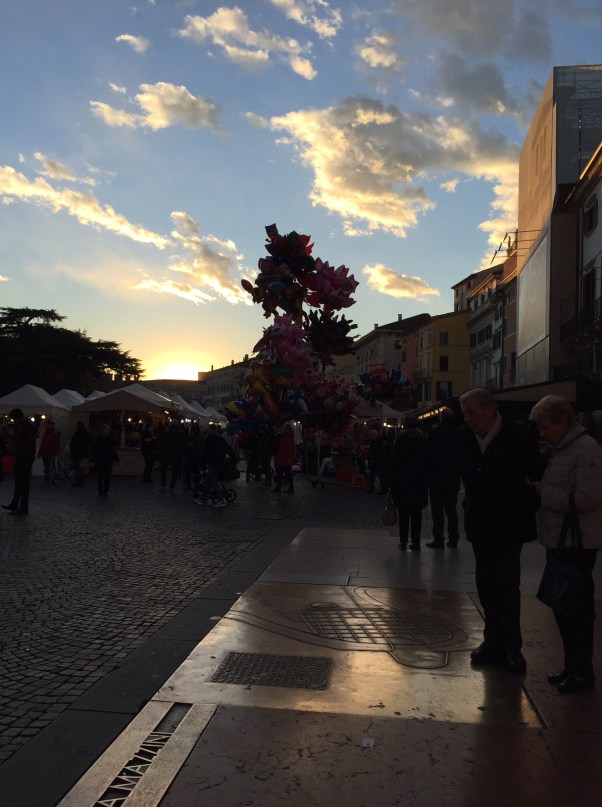
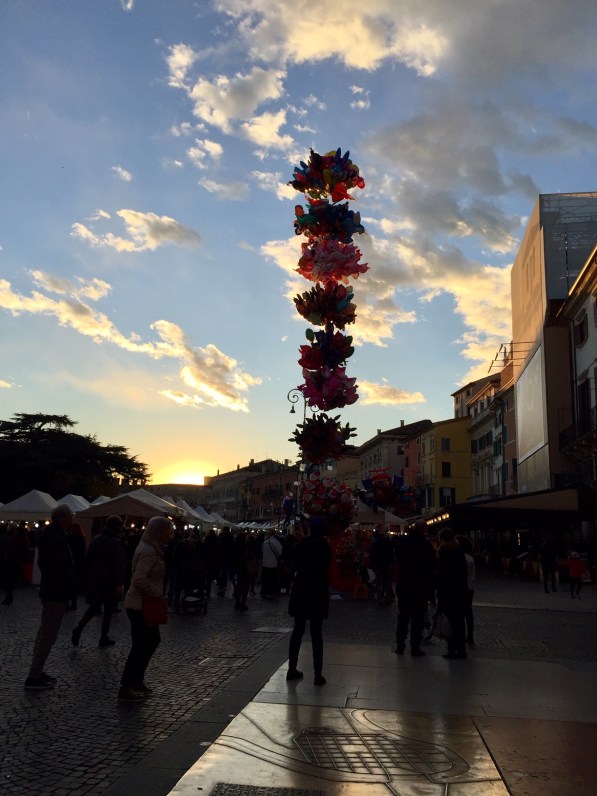
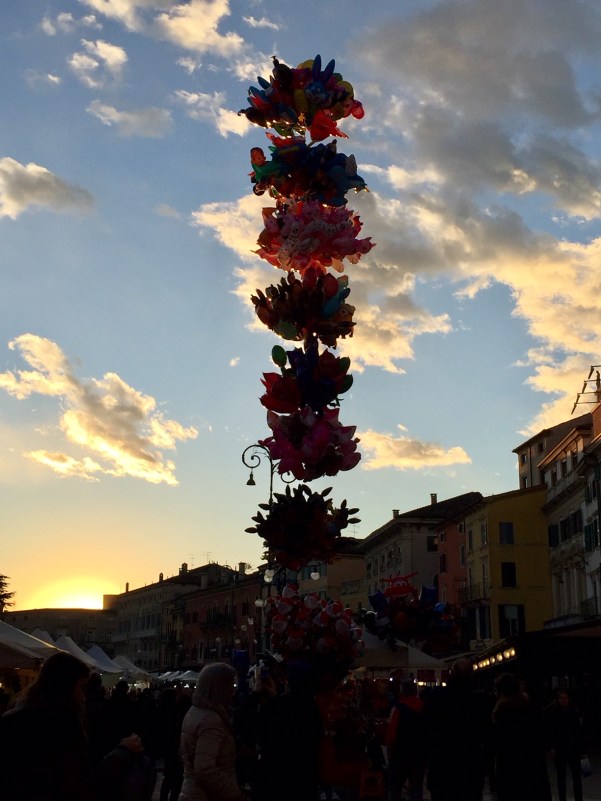
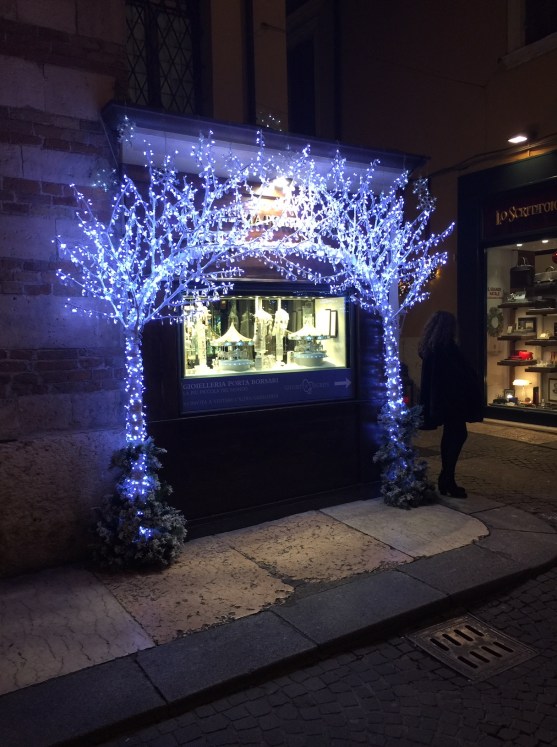
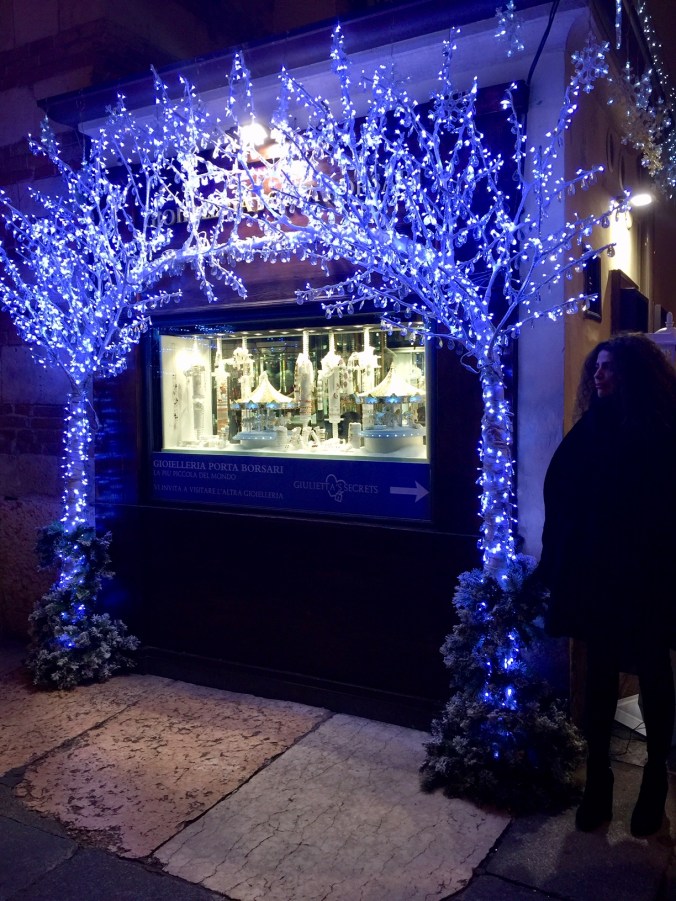
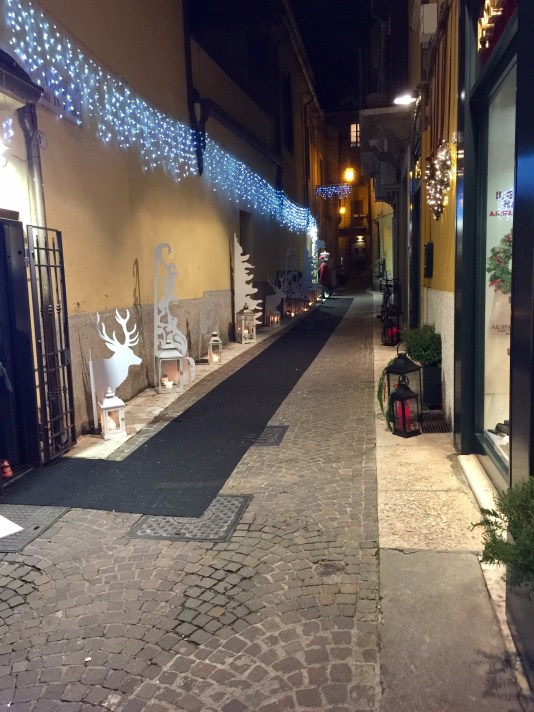
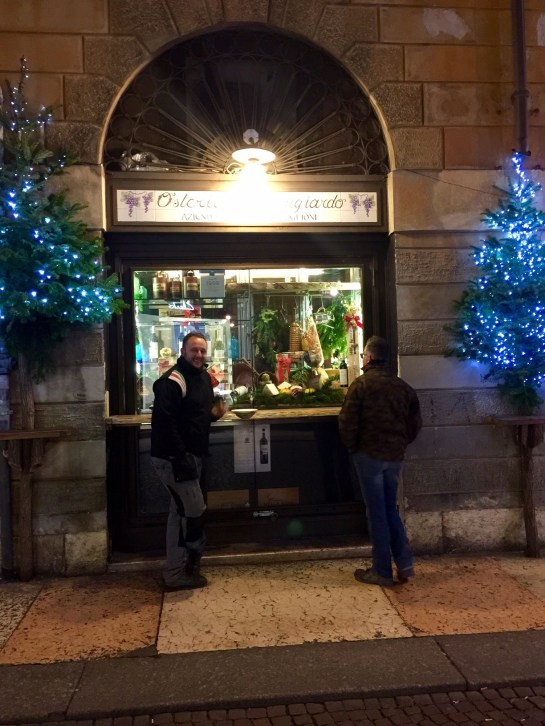
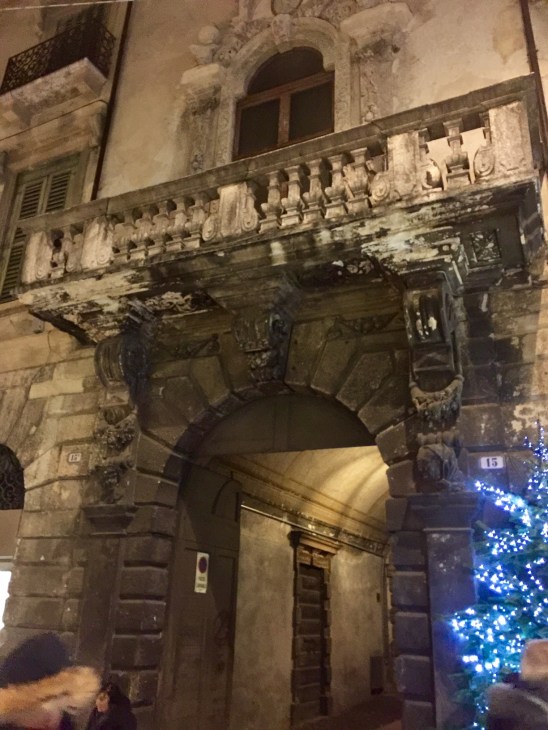
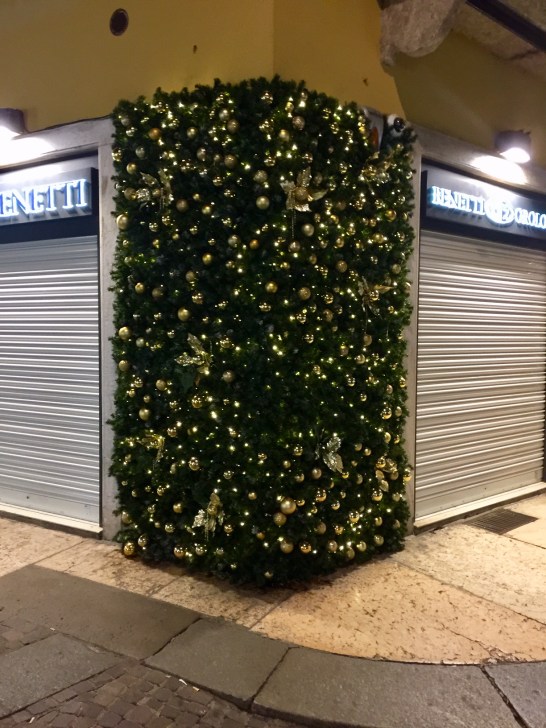
I had the good fortune to spend a few days in Verona recently and the city was all decked out for Christmas.

To begin, here is our home away from home, with a beautiful terrace next to the Adige River.  A large persimmon (cachi in Italiano) tree attracted many local ucelli!


Here are some of my favorite pictures:

IMG_3463


IMG_3464


IMG_3465


IMG_3467


IMG_3469


IMG_3470


IMG_3471


IMG_3472


IMG_3474


IMG_3475


IMG_3478


IMG_3479


IMG_3480


IMG_3481


IMG_3482


IMG_3483


IMG_3484

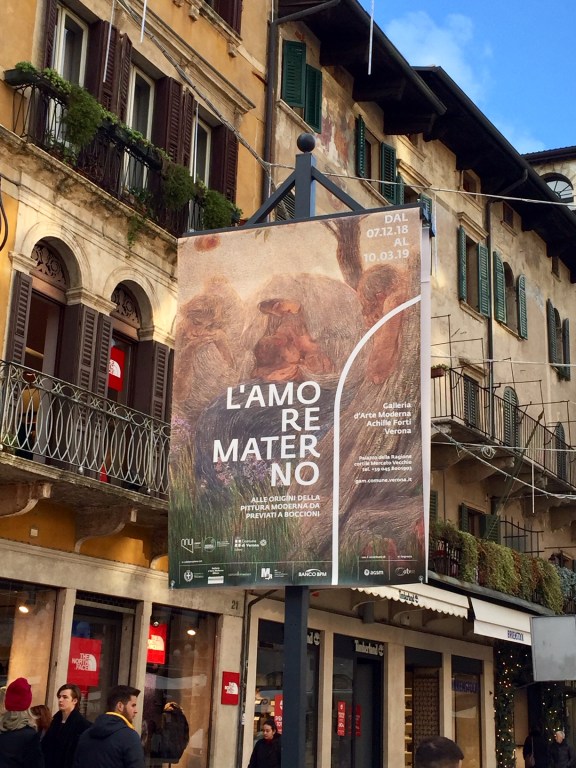
L’amore materno–Mother Love


IMG_3485


IMG_3486


IMG_3487


IMG_3488


IMG_3489


IMG_3491


IMG_3494


IMG_3495


IMG_3496


IMG_3497


IMG_3500


IMG_3503


IMG_3506


IMG_3507


IMG_3508


IMG_3510


IMG_3511


IMG_3512


IMG_3513


IMG_3514


IMG_3517


IMG_3519


IMG_3520


IMG_3522


IMG_3524


IMG_3525


IMG_3526


IMG_3527


IMG_3532


IMG_3535


IMG_3536


IMG_3537


IMG_3538


IMG_3540


IMG_3541


IMG_3542


IMG_3543


IMG_3544


IMG_3548


IMG_3552


IMG_3556


IMG_3557


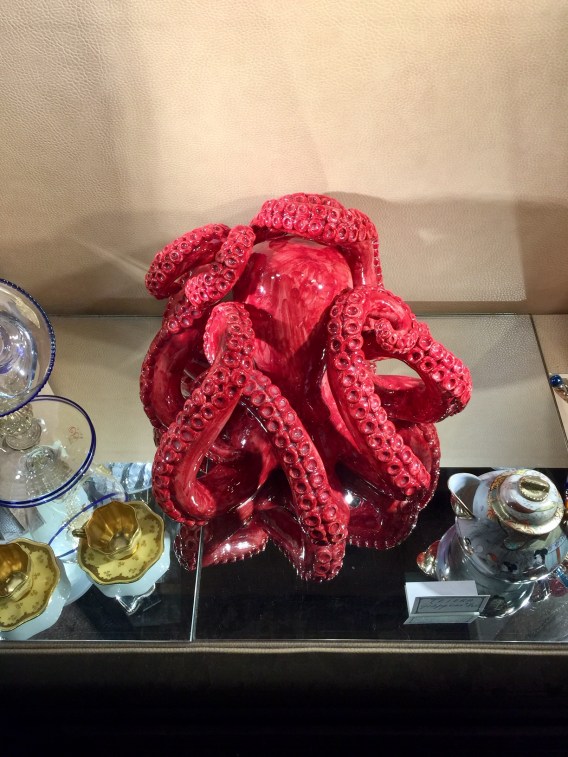
I love a decorative octopus!

IMG_3559


IMG_3560


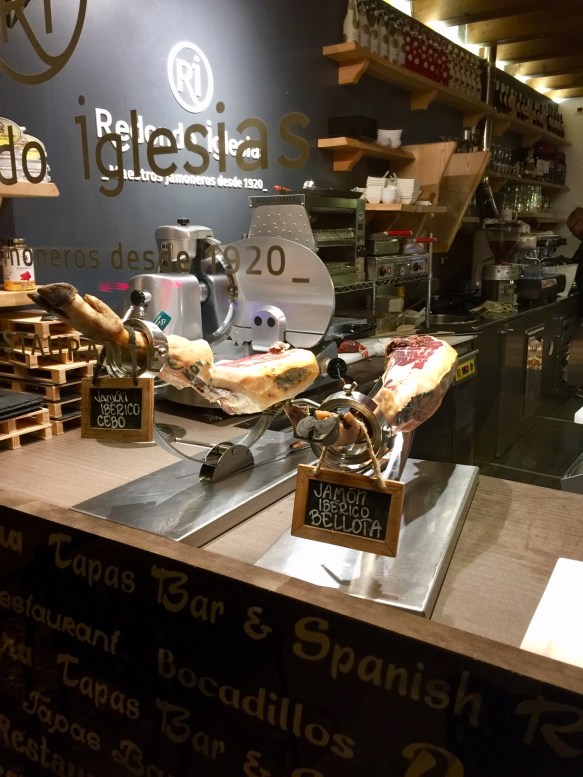
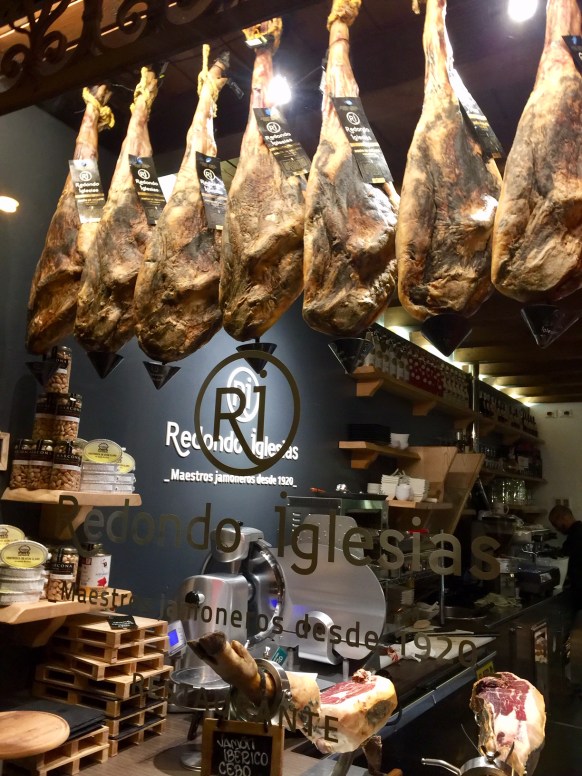
Check out the foot still attached to this prosciutto!  OMG!

IMG_3561


IMG_3562


IMG_3563


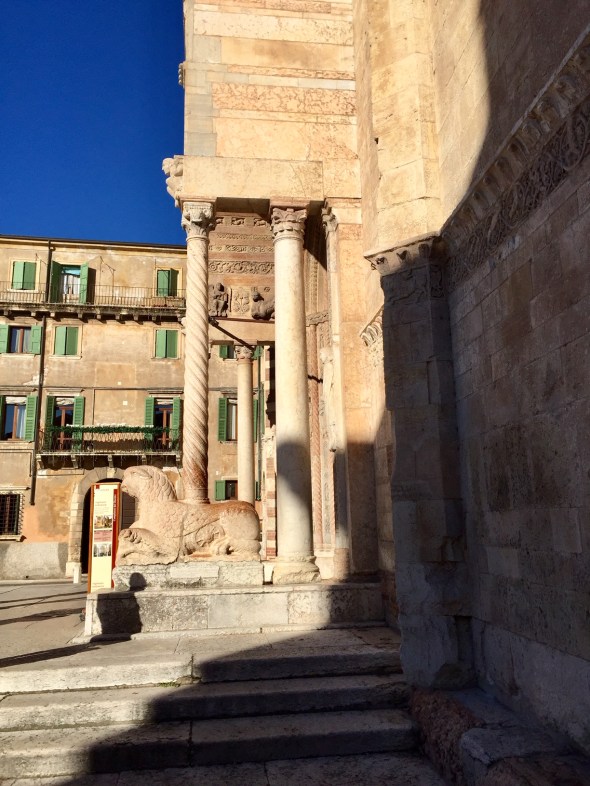
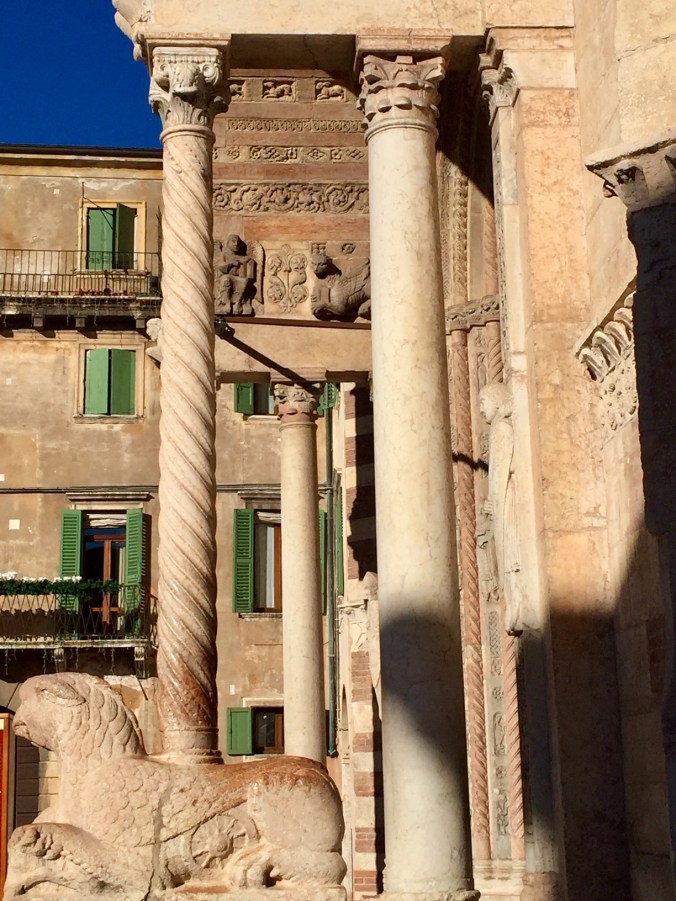
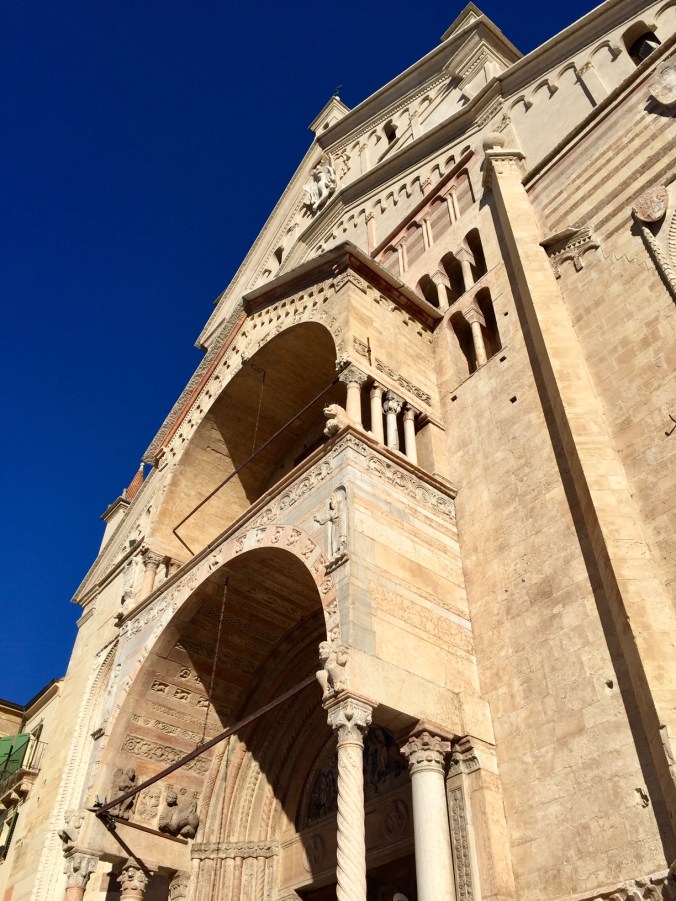
Verona’s magnificent Duomo below:

IMG_3573


The bell tower:IMG_3569


The apron front of the facade reminded me of church architecture in Lucca.

IMG_3570


IMG_3571


IMG_3572


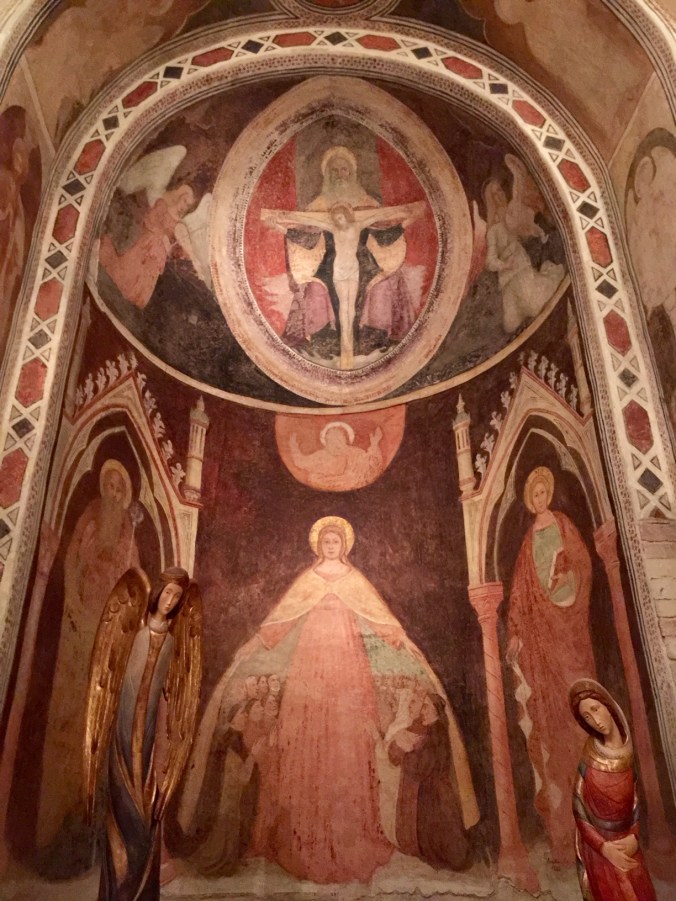
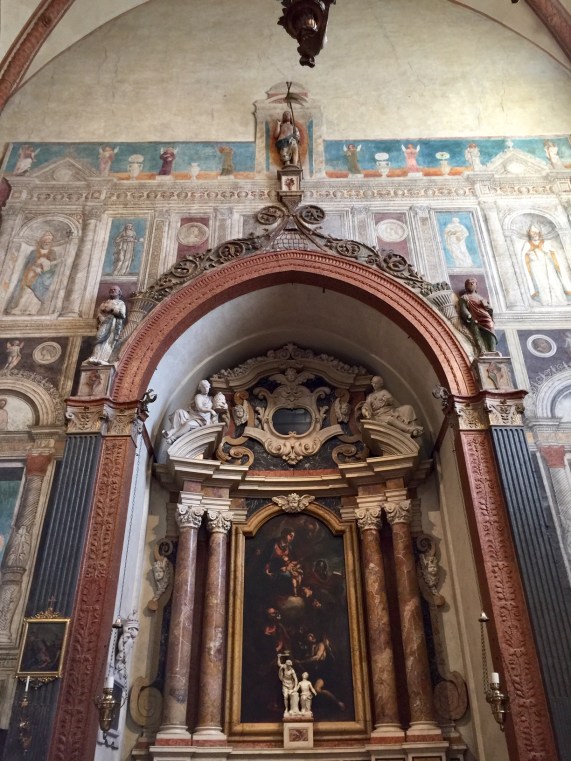
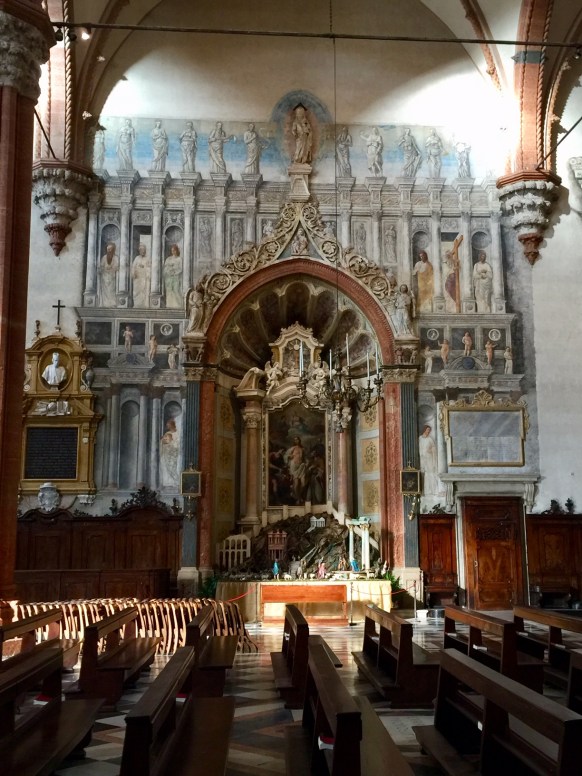
The altar below is painted and has matching sculptures in front.  I’d never seen anything like this before.

IMG_3577


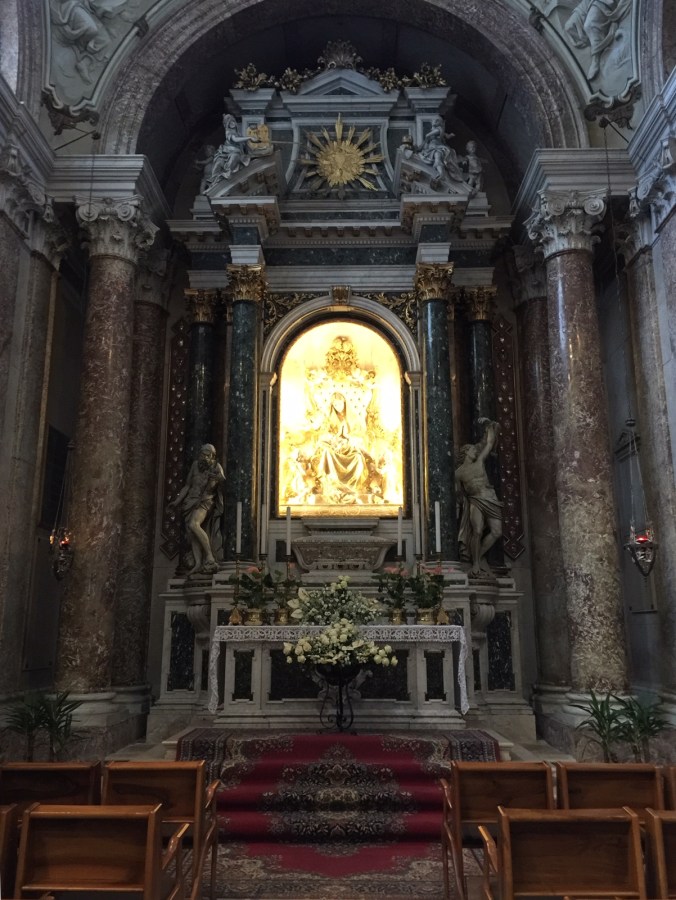
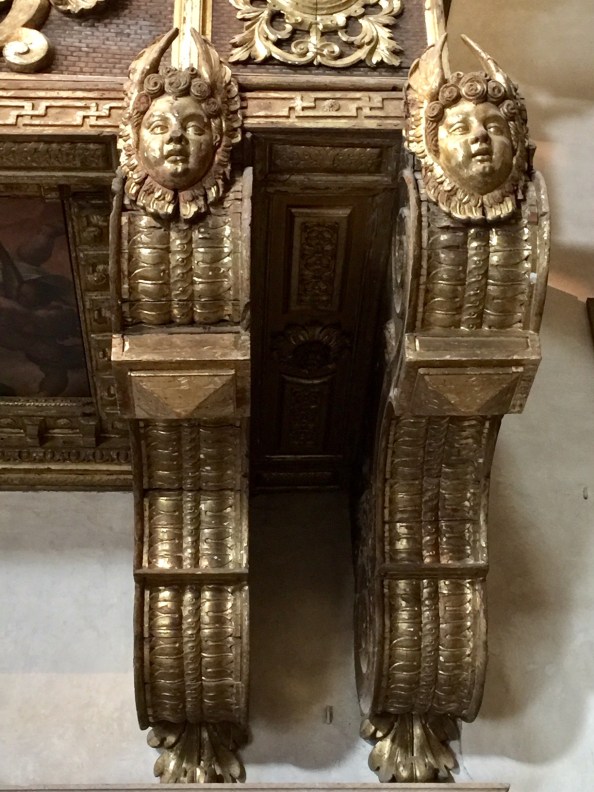
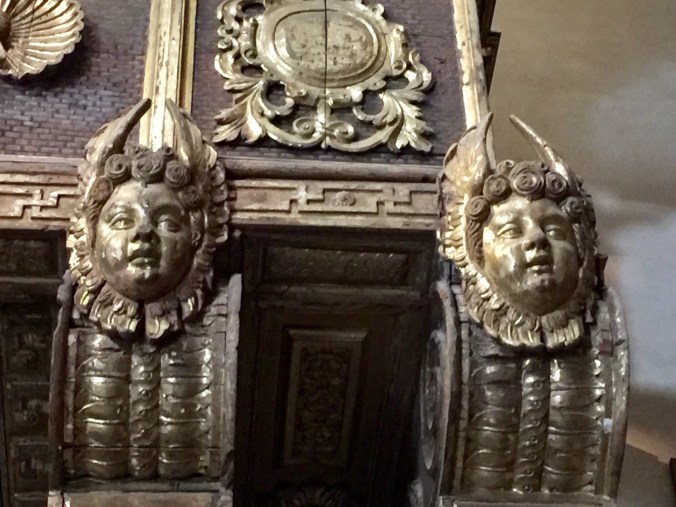
The altar below beckons from across the church.  Such lavish gold, again, I’ve never seen anything quite like this and I’ve seen a lot of altars in my day.  I love that Italy is always surprising me.

IMG_3578

See what I mean below:

IMG_3579


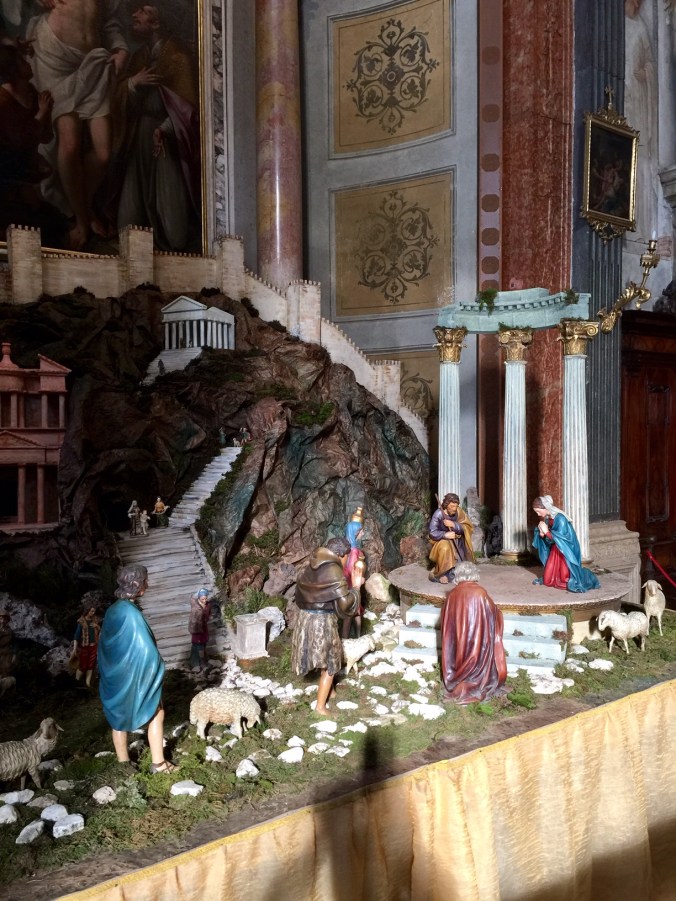
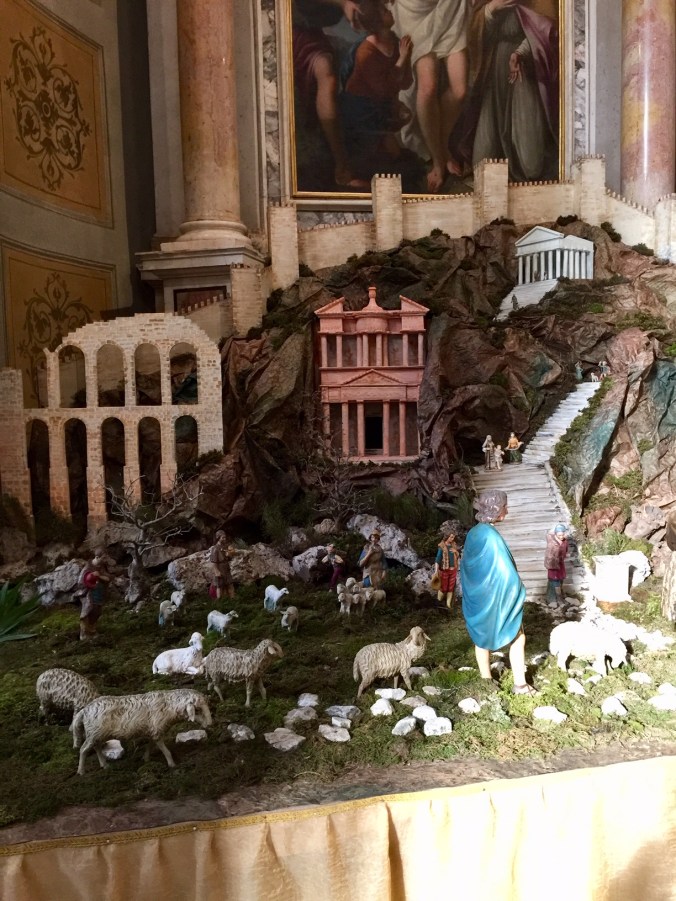
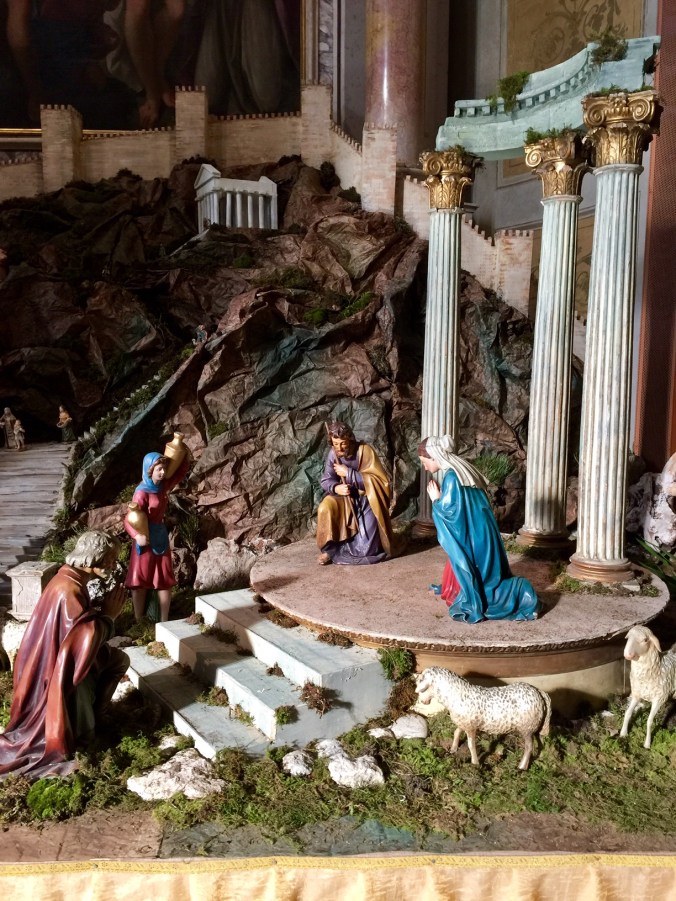
The ubiquitous December creche scene: the figure of the baby Jesus will not appear until midnight of the 25th.

IMG_3580


IMG_3581


IMG_3582


I guess the placard below is for those sinners who don’t remember or know how to confess.

IMG_3583


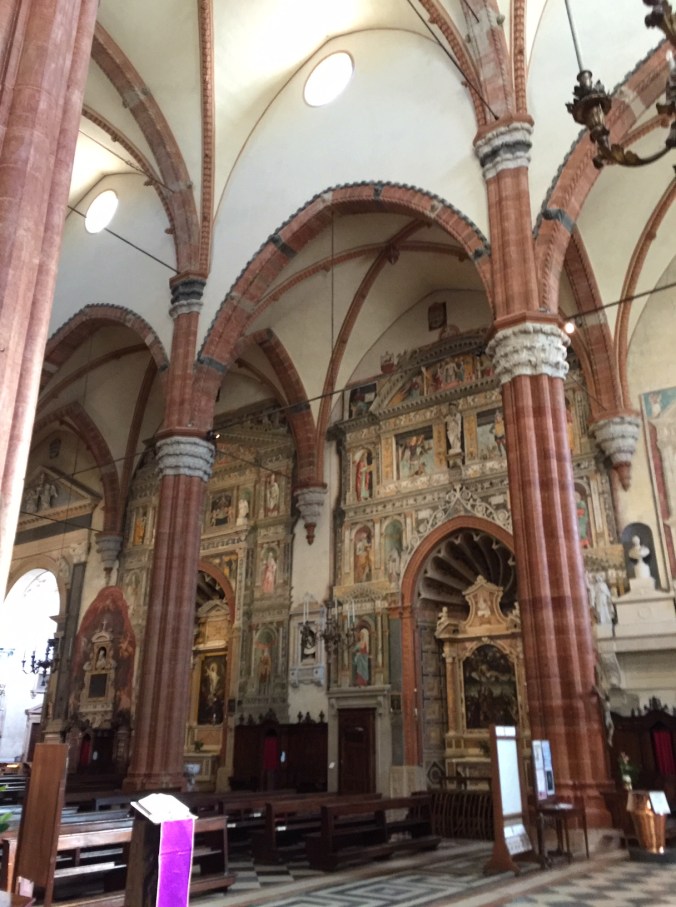
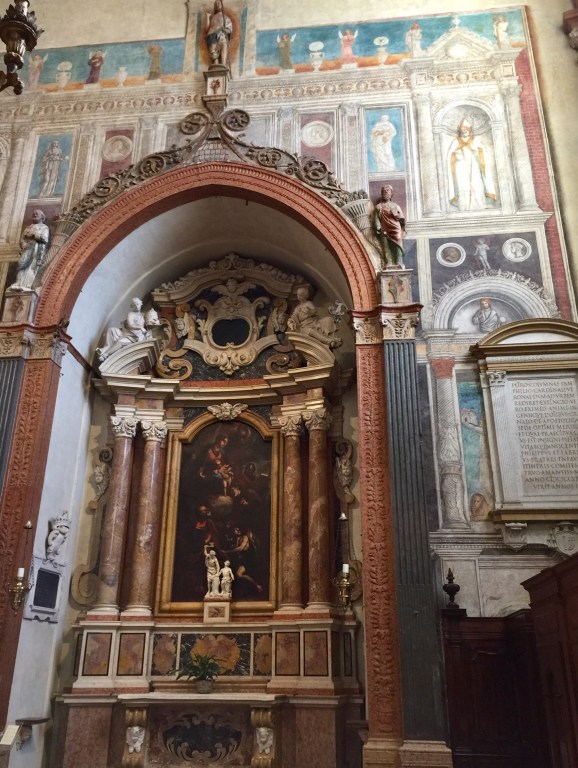
These pictures are from the interior of the duomo in Verona.  It is a beautiful church.  Verona was obviously a wealthy city during the Renaissance and after, as it still is today.

IMG_3584


IMG_3585


IMG_3588


IMG_3589


IMG_3590


IMG_3591


IMG_3592


IMG_3593


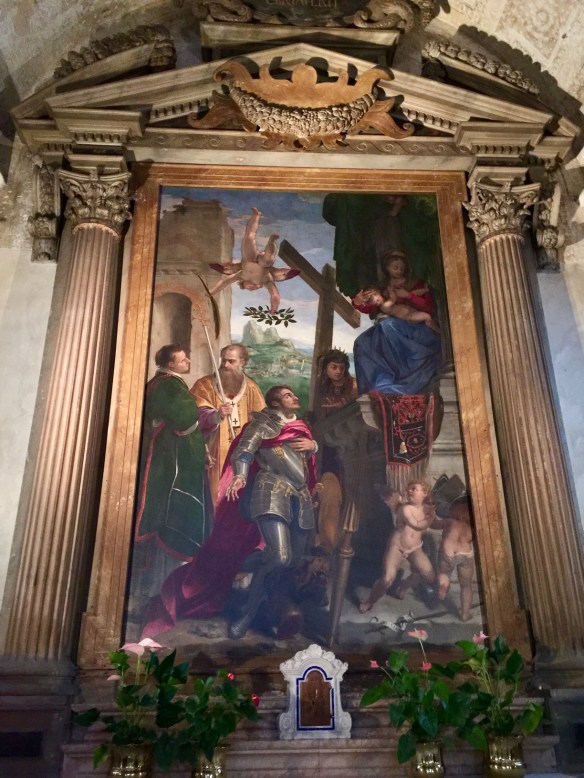
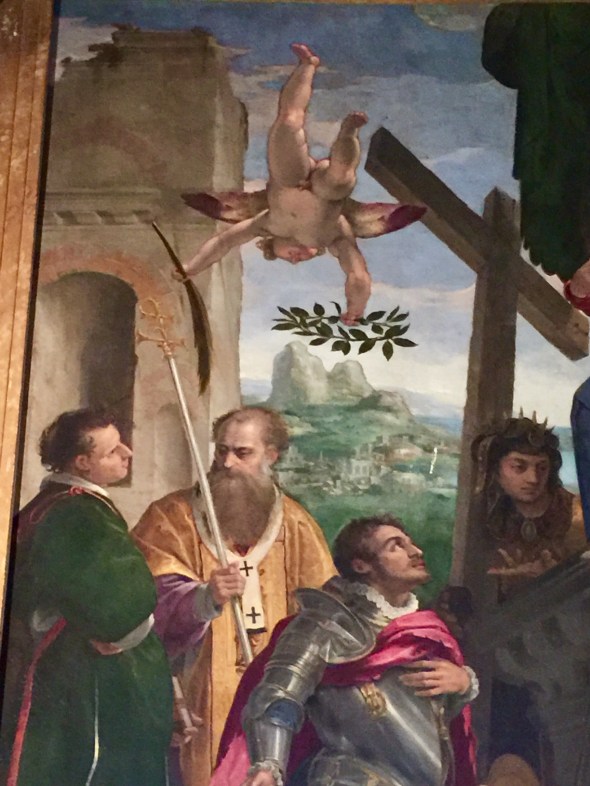
I’ve looked at a lot of paintings in my day, but I’ve never seen such a foreshortened putto flying in from this angle, to crown with laurel the knight in armor.

IMG_3594


IMG_3595


While this sculpted doorway below looks to be monumental, it was actually at my eye level on a wall in the duomo, and measured about 12 inches tall.

IMG_3596


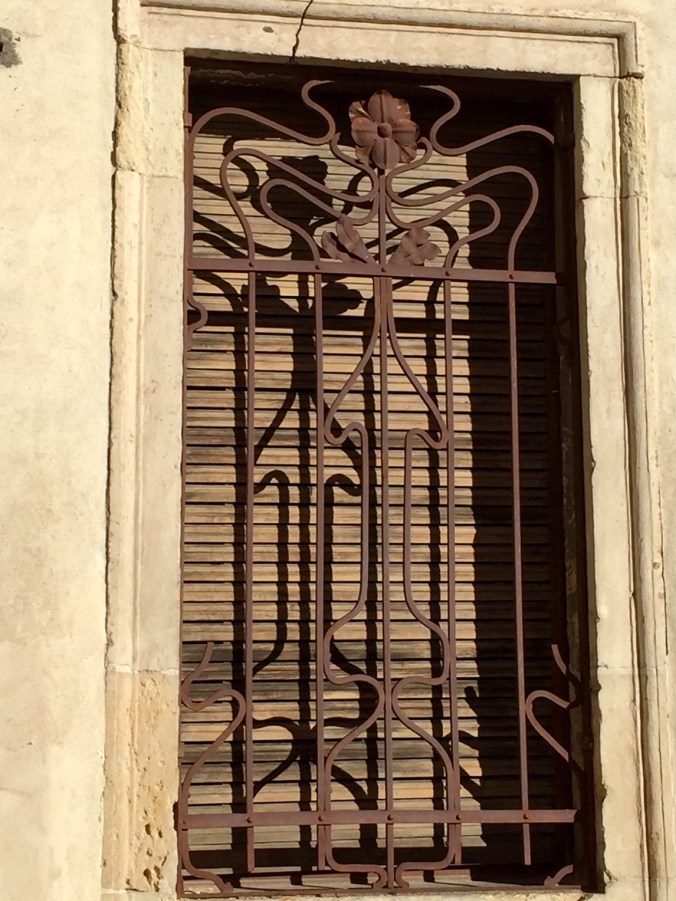
Back out in the lovely streets of Verona, I admired this art nouveau wrought iron in a window.  It’s unusual for Italy and I love it.

IMG_3597


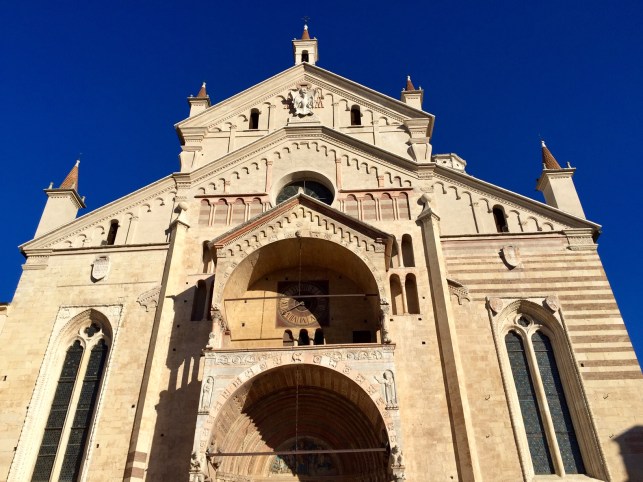
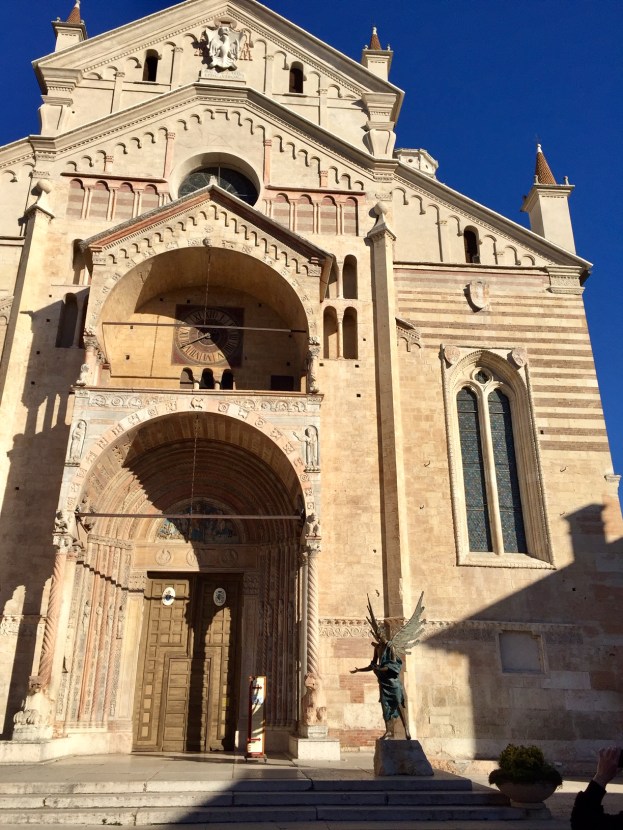
Below is the gorgeous facade of the duomo.

IMG_3598


IMG_3599


IMG_3600


IMG_3604


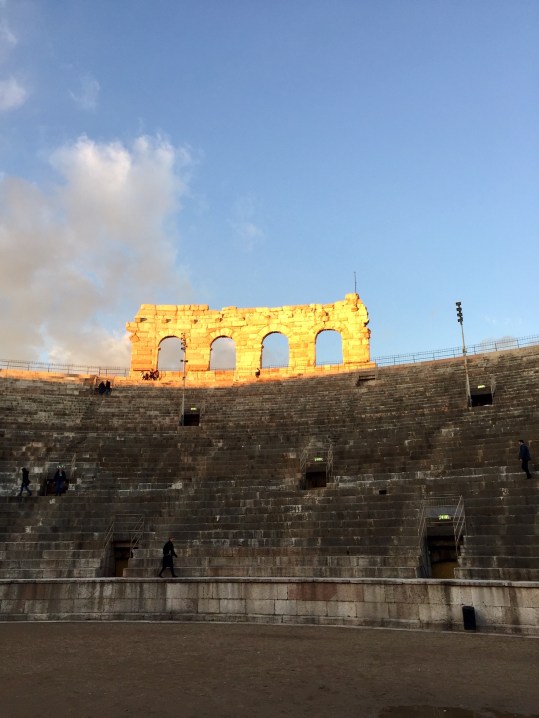
There are Roman ruins on the hillsides in Verona.  I took this picture to remind me of this new (to me) fact: I want to go back and see more of the town.

IMG_3607


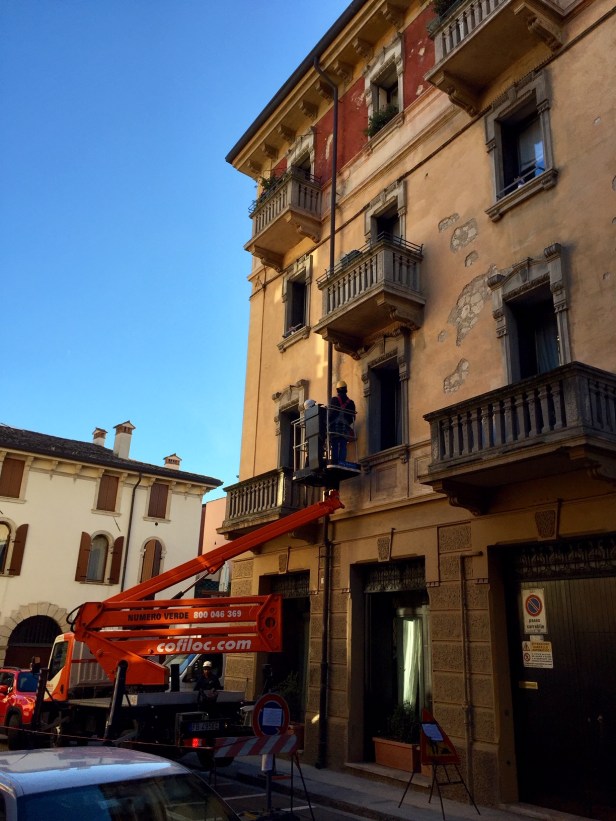
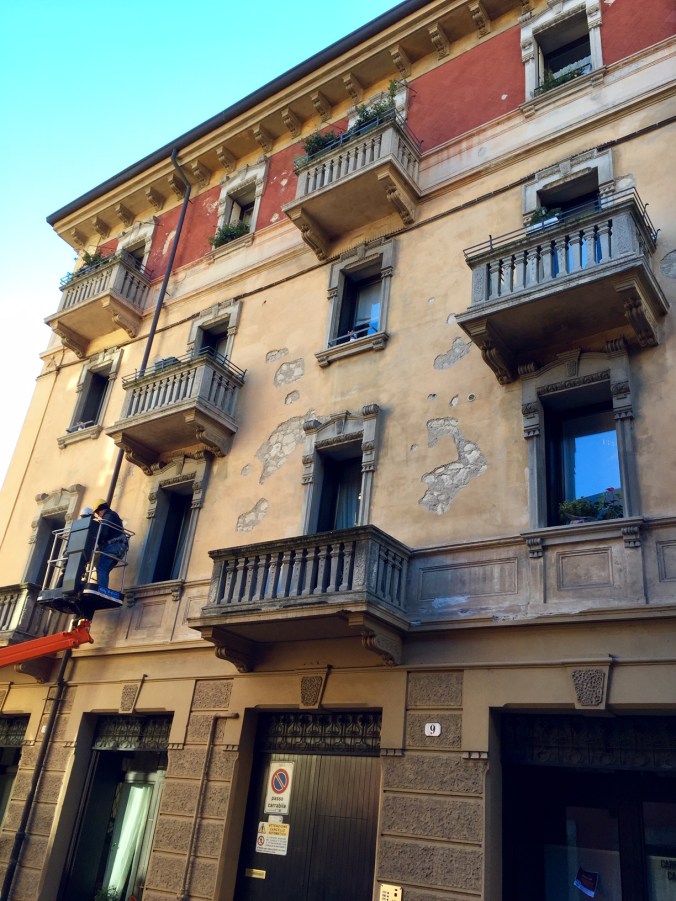
The facade below is getting some TLC.

IMG_3608


IMG_3609


IMG_3610


IMG_3611


IMG_3612


IMG_3615


IMG_3616


IMG_3617


IMG_3618


IMG_3619


Walking along on the sidewalk along a wall, there are death notices posted.  I find these fascinating.


IMG_3700


IMG_3702


IMG_3705


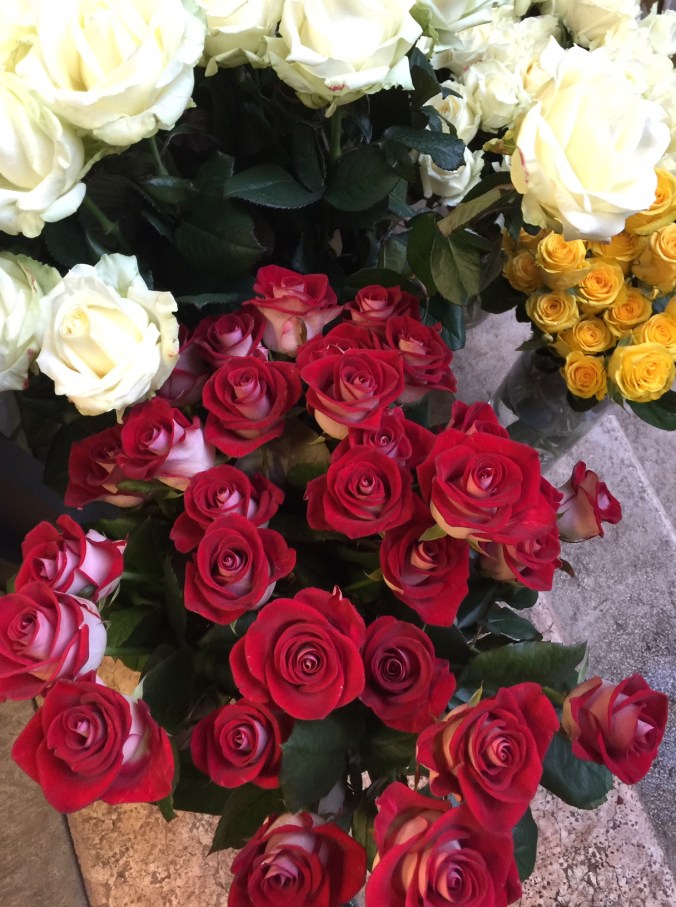
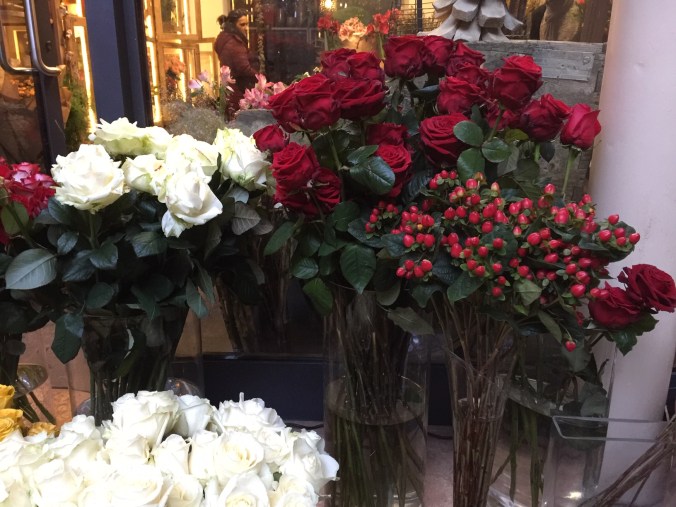
Flower shops are magnets to me:


IMG_3707


IMG_3713


IMG_3714


IMG_3715


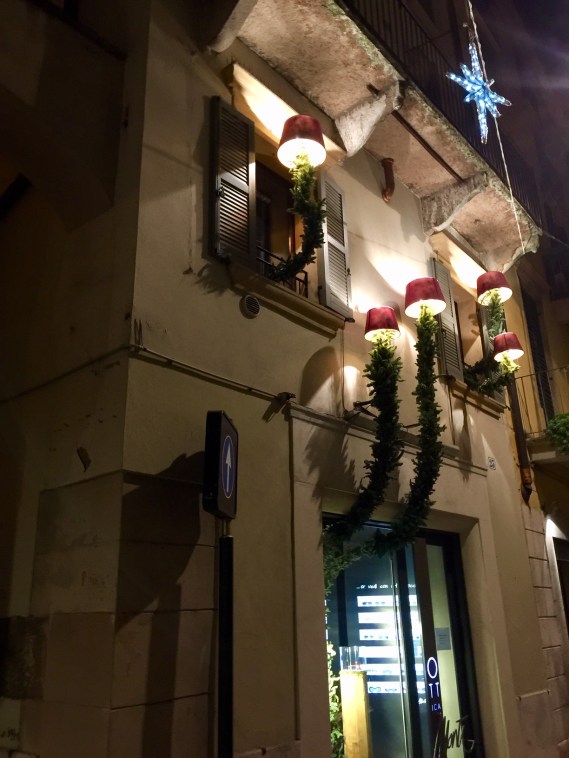
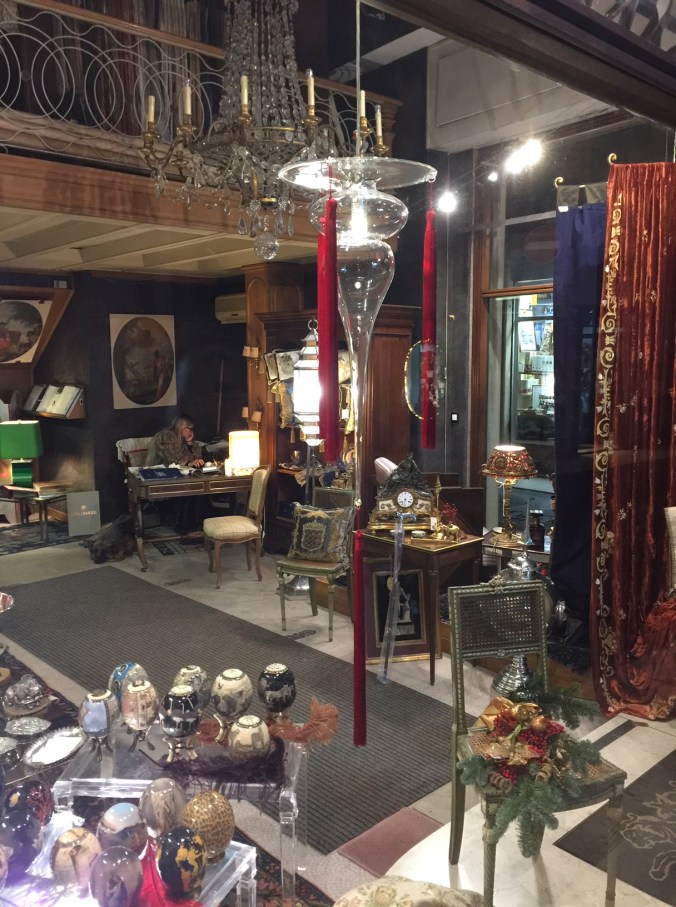
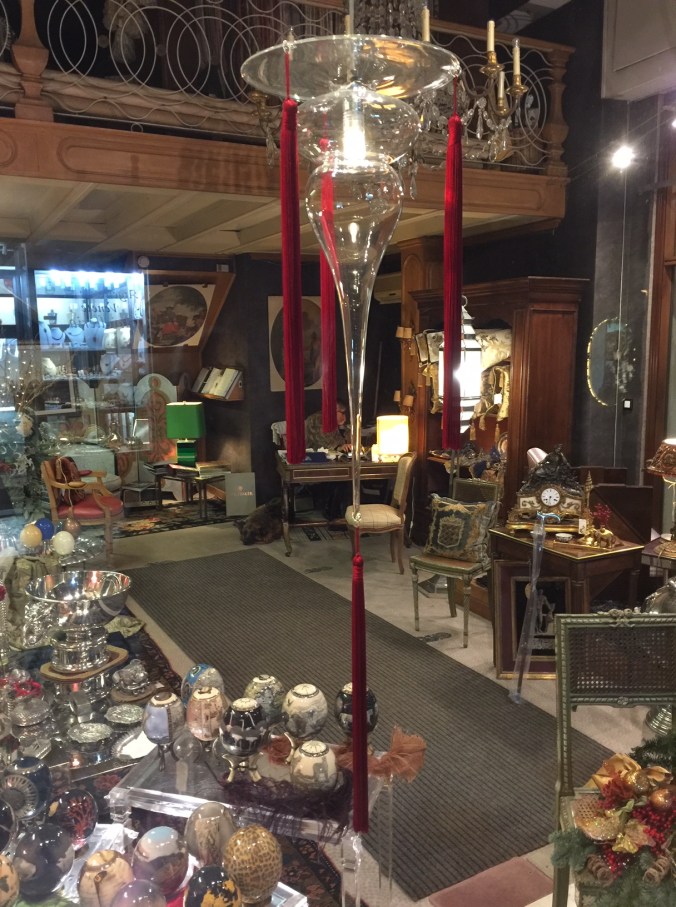
I am obsessed with this crystal lamp with the red tassels.  Obsessed.

IMG_3716


Obsessed I tell you!

IMG_3717


Finally, the end.  A shout out to my girl, Jenny, for being an awesome traveling companion.  More to come, I am sure!

Oh, and p.s., I have a few more Verona posts coming, including Giardino Giusti.  Watch this space!


Florence in the 1930s

38451352_281168199358008_6363169605812224000_n-2

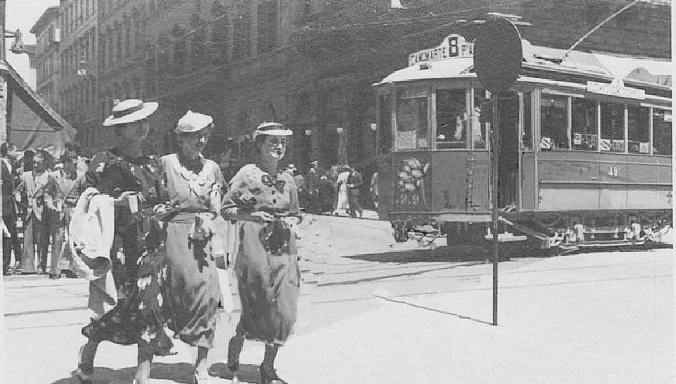
Piazza del Duomo e via Martelli negli anni 30, il tram 8 che andava a Campo di Marte. Piazza del Duomo and via Martelli in the 1930s.  The tram #8 was going to Campo di Marte.

39145043_291154088359419_1043258143292784640_n

Festa dell’Uva, grande corteo da via Cavour nel 1938. Grape festival, great procession on Via Cavour in 1938.

39441563_294865881321573_5580196238822735872_n
Le pecore fiorentine e aldilà d’Arno la Biblioteca Nazionale inaugurata nel 1935. Bella immagine di un mondo scomparso.
Florentine sheep with the facade of the National Library in background.  The library was opened in 1935.  A beautiful image of a lost world.

What I saw on a Sunday walk in the hills outside of Florence

Last Sunday was beautiful; it was sunny, not too hot, and I found myself deep within the hills outside of Fiesole.  I love these random wanderings and the things I see.

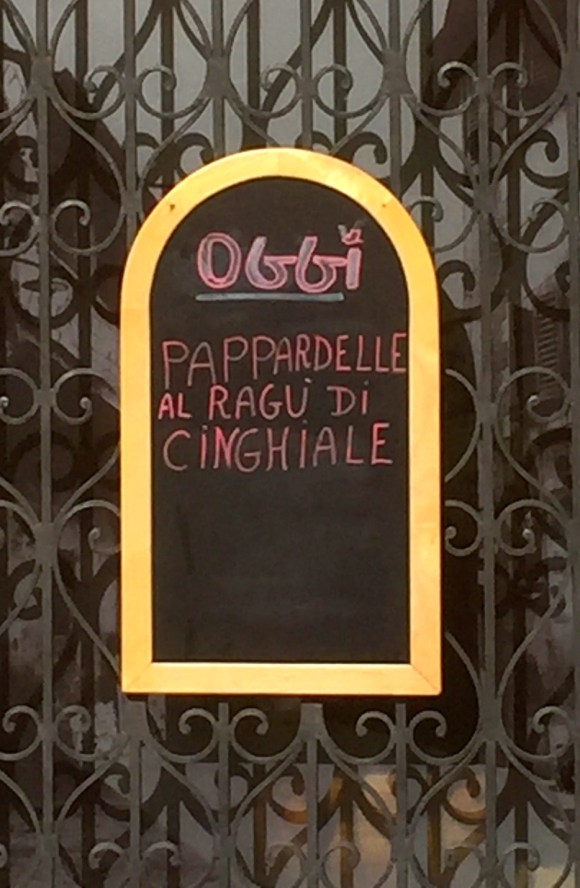
It’s hunting season now and wild boar is a usual casualty.  Florentines love dining on these cinghiale, and I saw this advertisement in an osteria making good use of the hunt.

IMG_2222


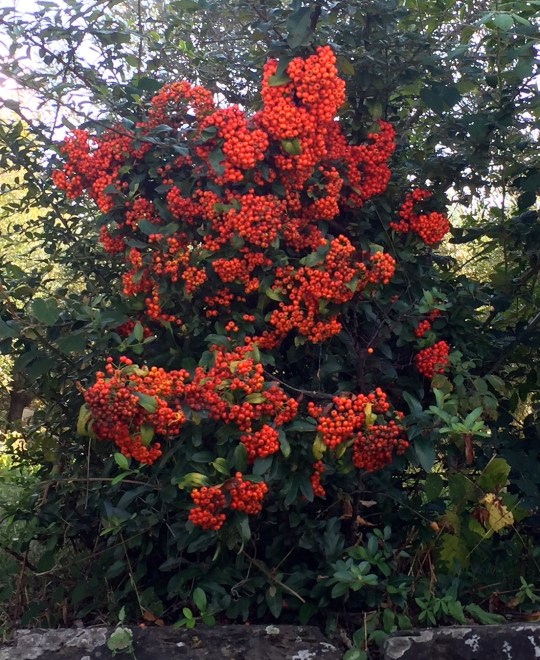
The colors of fall on the trees are just beginning to reveal themselves in these lovely hills,  but pyracantha is almost shining, it is so bright. Very pretty!

IMG_2215


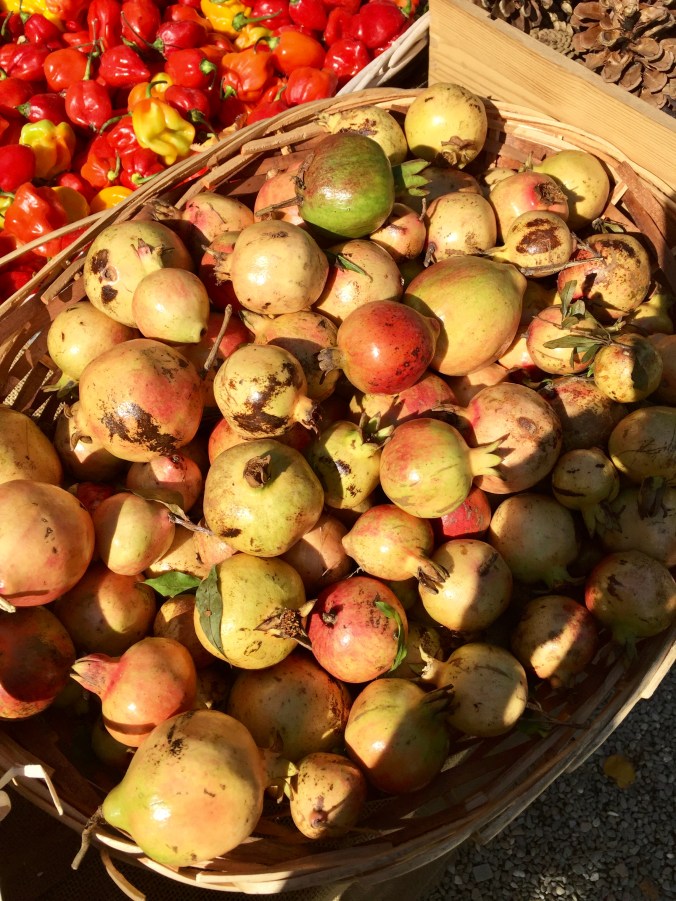
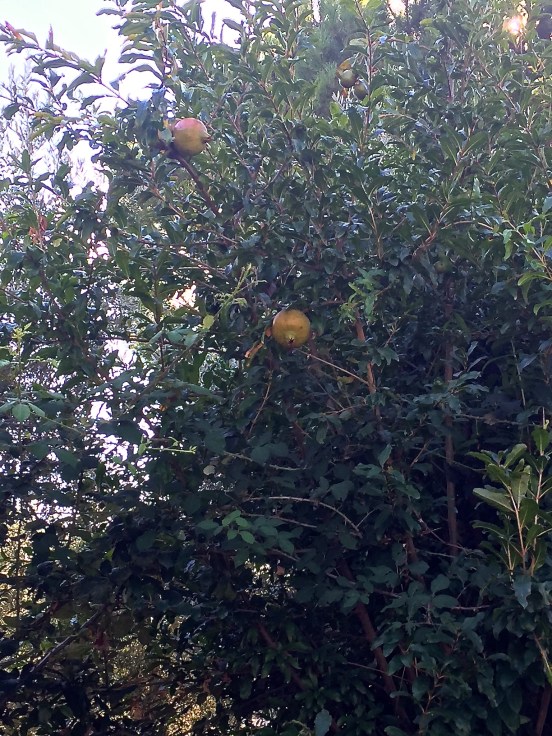
Edible crops are alive and well in the hills near Fiesole, and I never, ever tire of seeing pomegranate trees bearing fruit.

IMG_2217


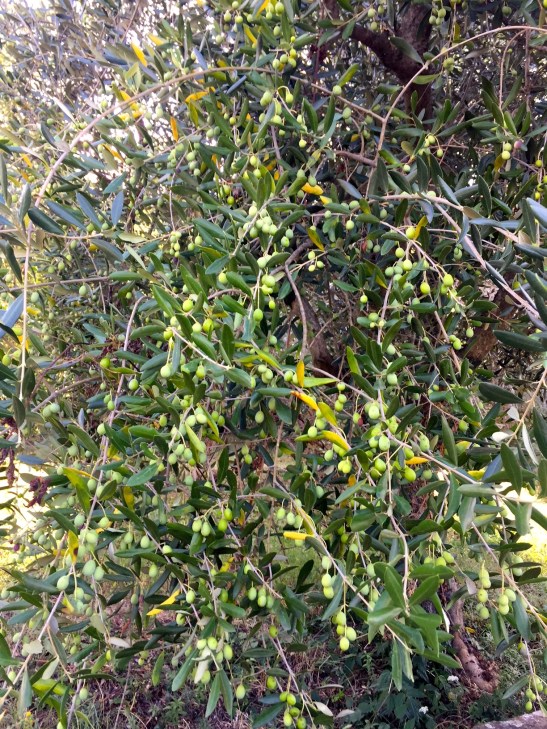
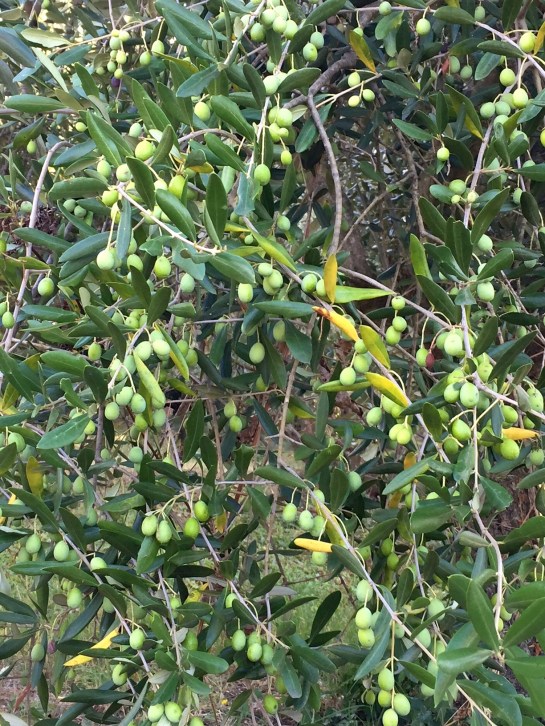
The olive harvest this year looks to be very good and I encountered many trees heavily laden with these green fruit.

IMG_2218IMG_2219


There are olive orchards all through these hills, but there are also fig trees, plum trees and, as below, plenty of apple trees.

IMG_2204


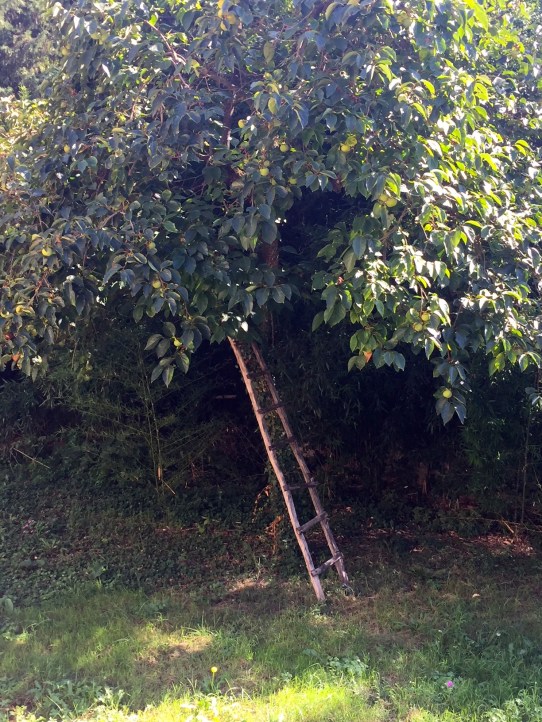
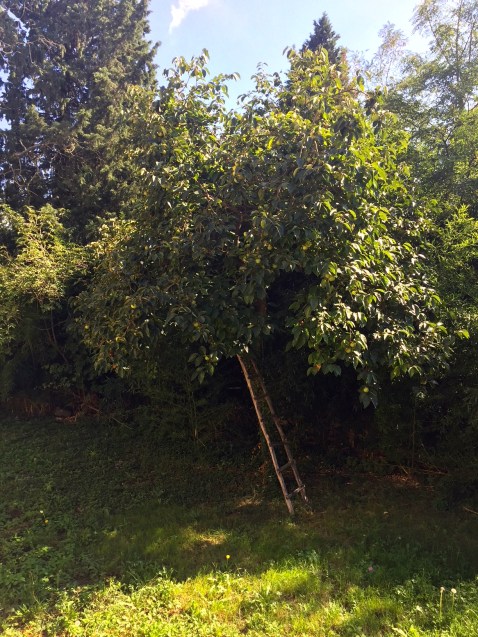
I loved looking at this particular apple tree and I will admit that I was sorely tempted to climb the ladder that was already in place to access the apples high up.  I contained myself and didn’t do it!

IMG_2206


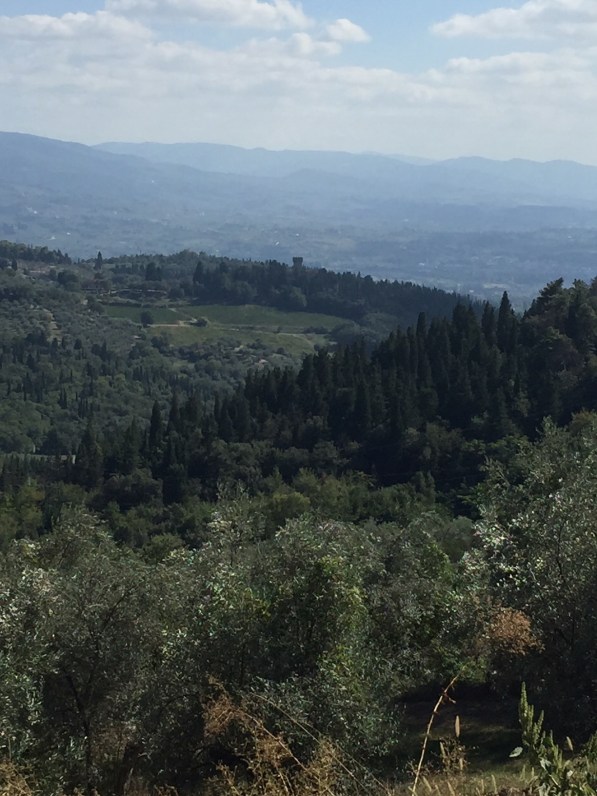
The views and vistas on all sides of me were attractive and beckoning.  Another day I’ll climb other of these hills.

IMG_2208

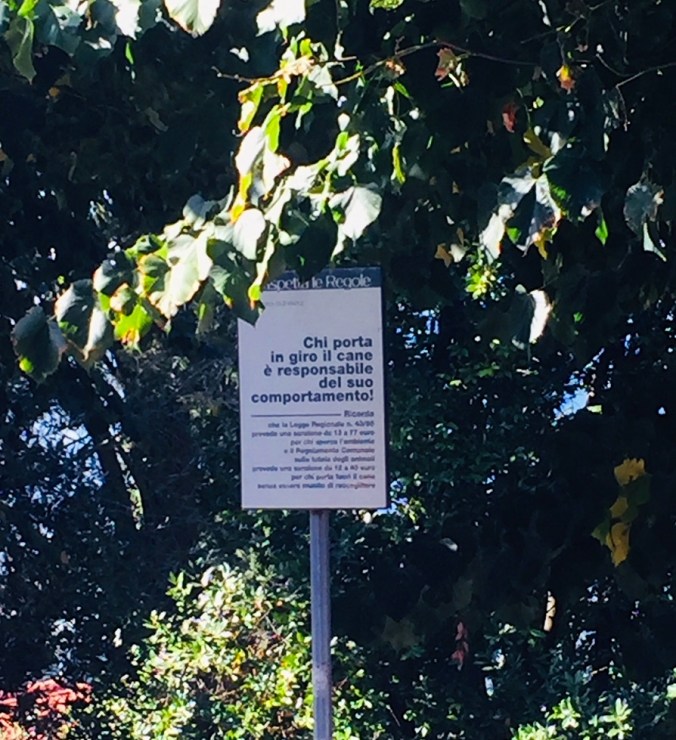
In the village of Fiesole itself I smiled when I saw this sign.  “Whoever takes a dog on a walk is responsible for the dog’s comportment.”  Hear hear!

IMG_2230