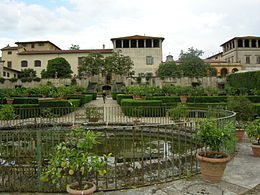
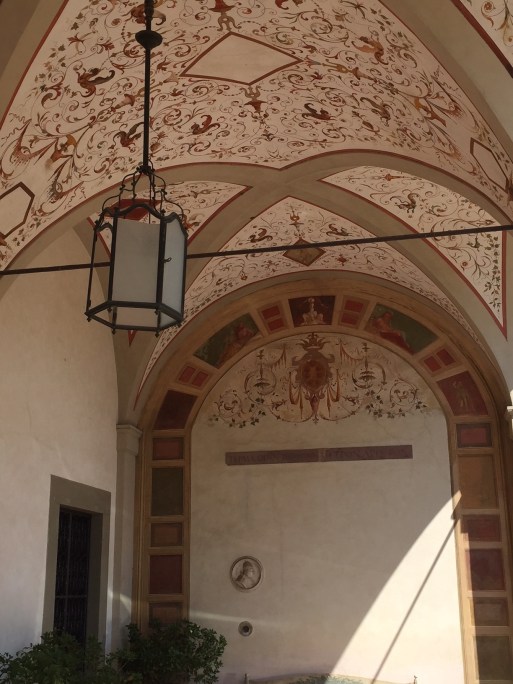
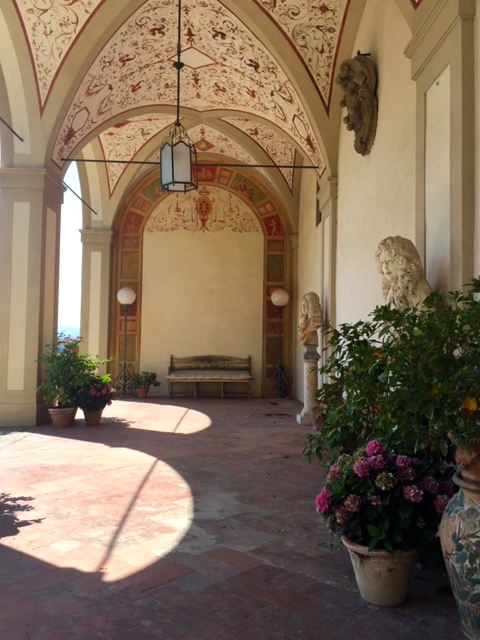
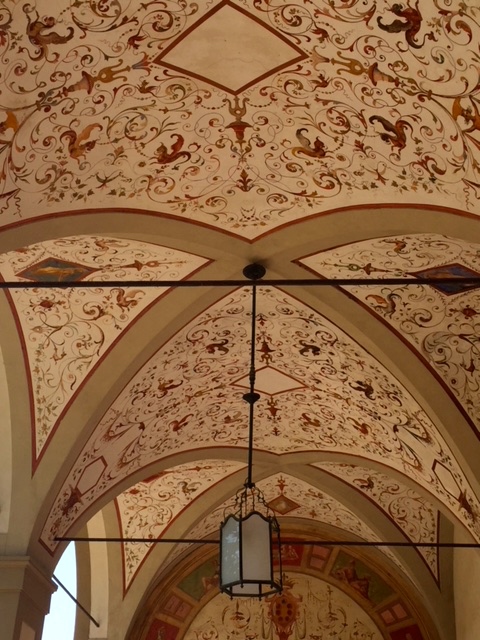
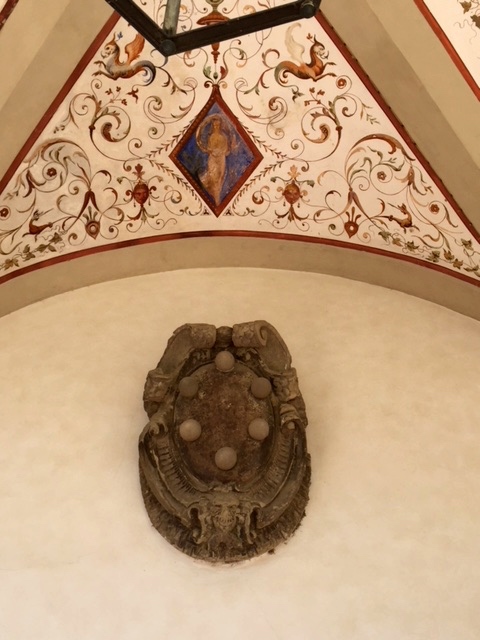
Villa Peyron, Fiesole

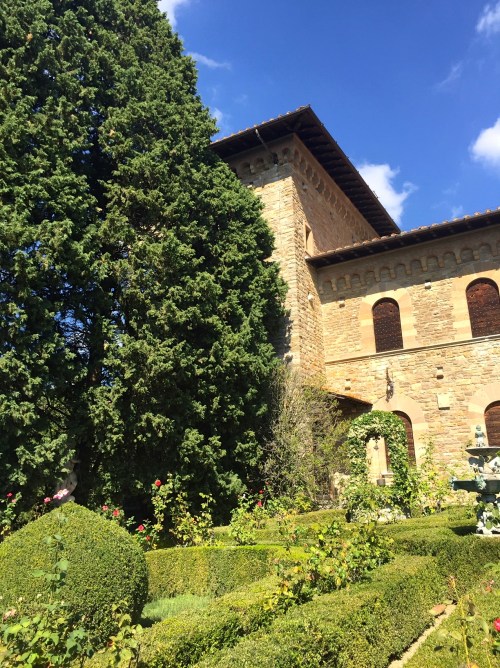
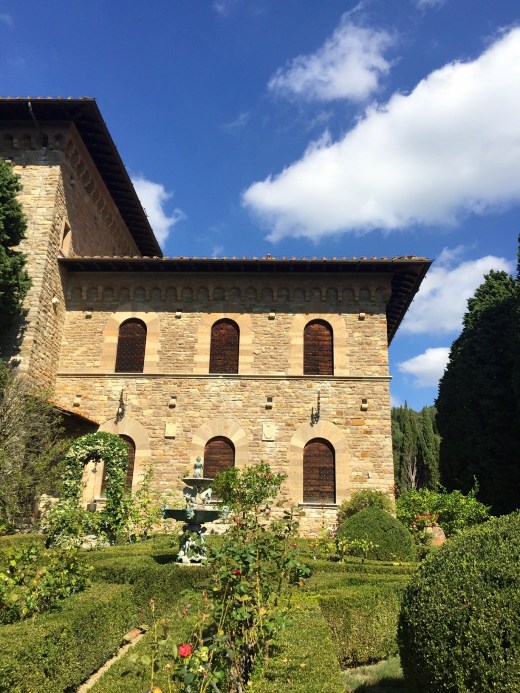
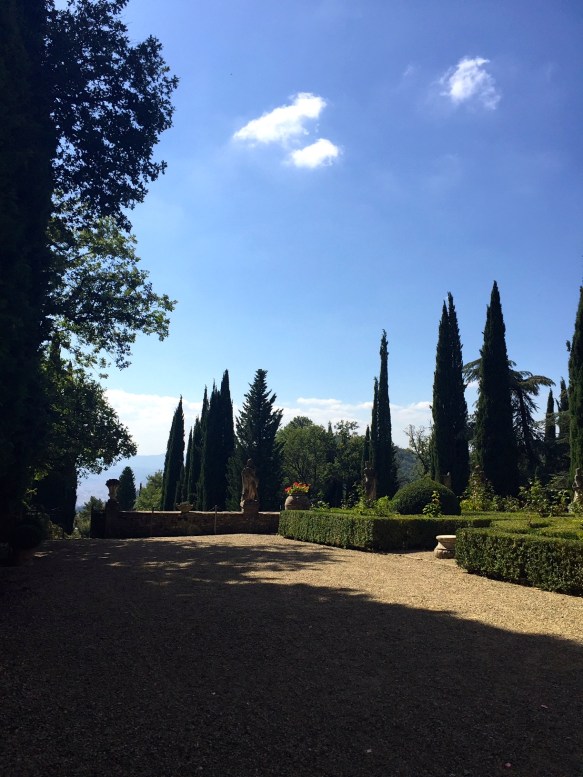
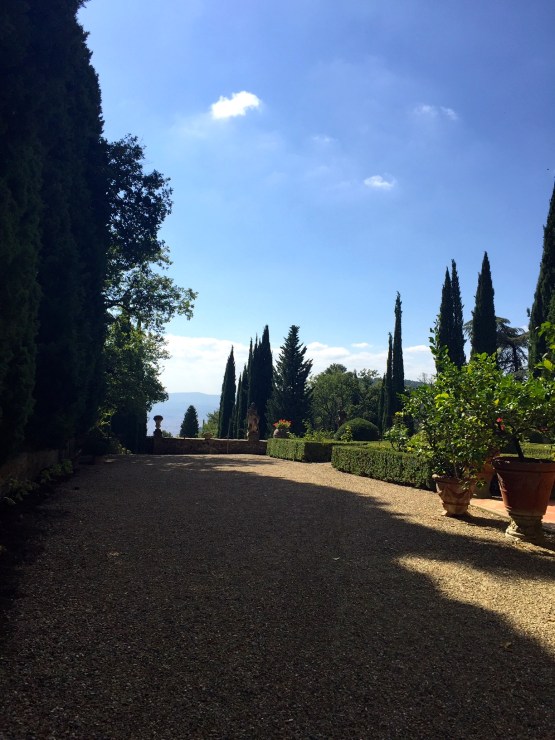
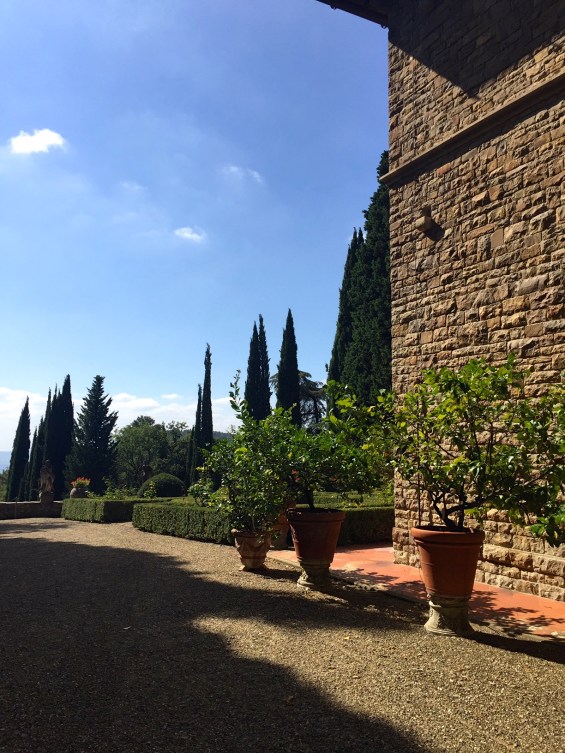
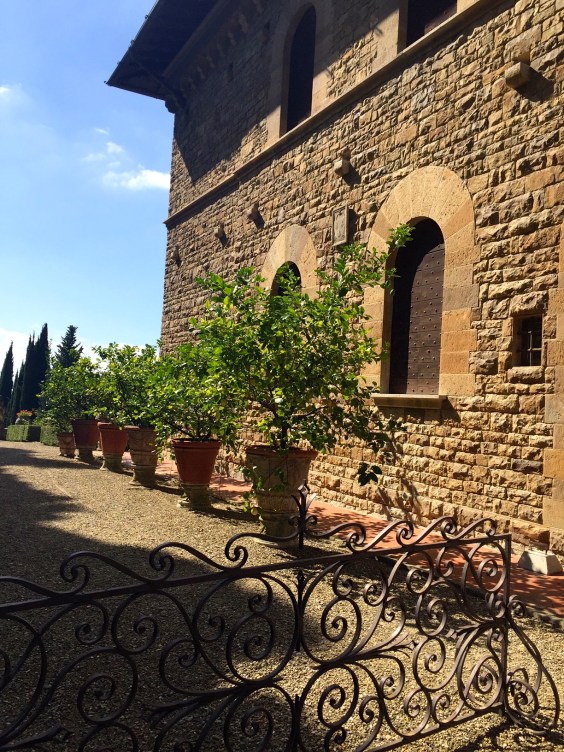
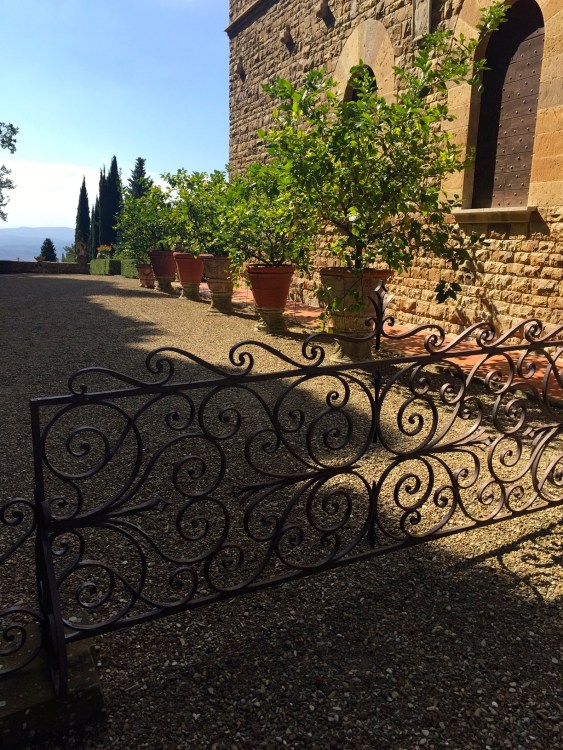
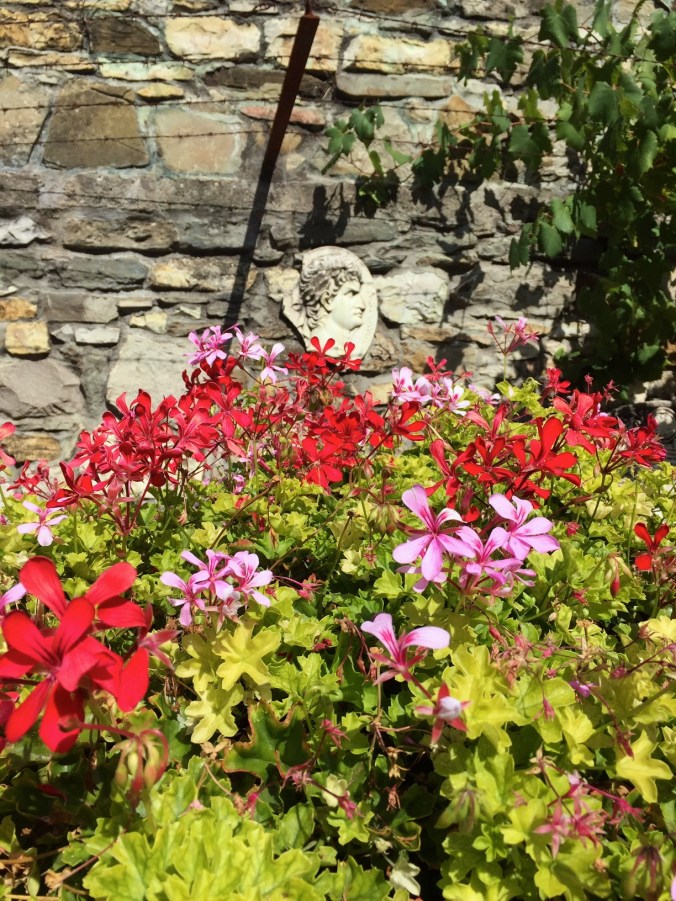
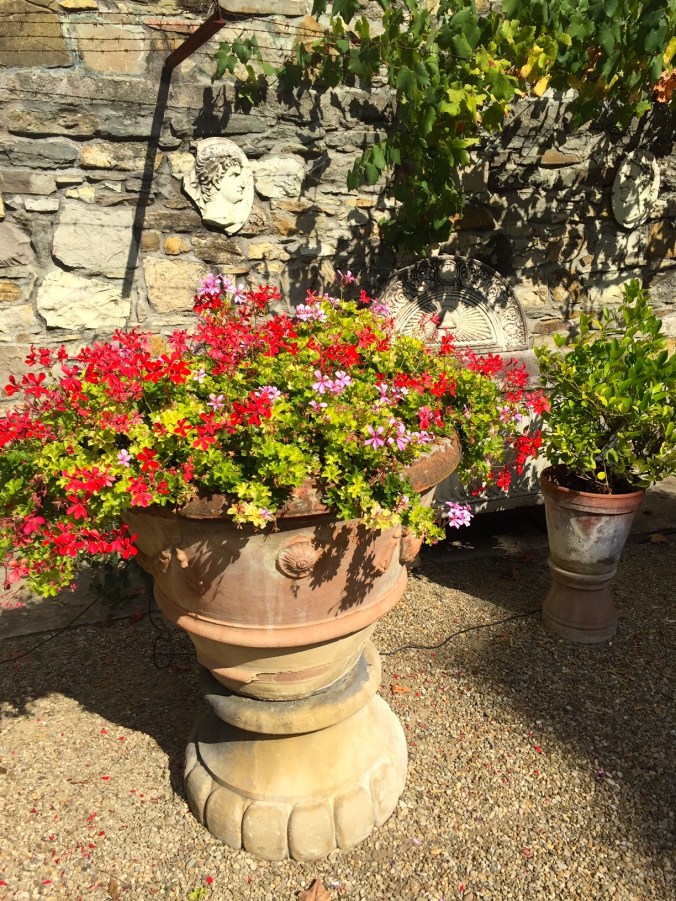
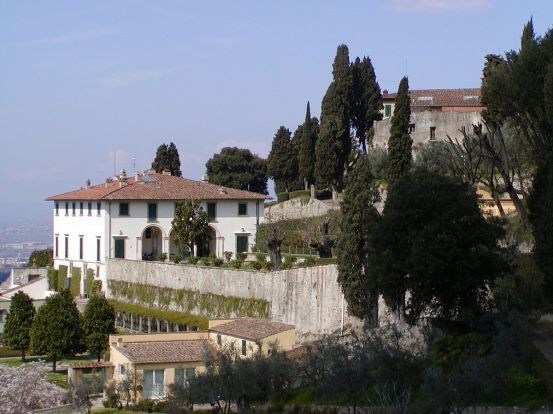
Oh, Villa Peyron!  How lovely you are, sitting in your pretty setting high above Florence!

IMG_2071


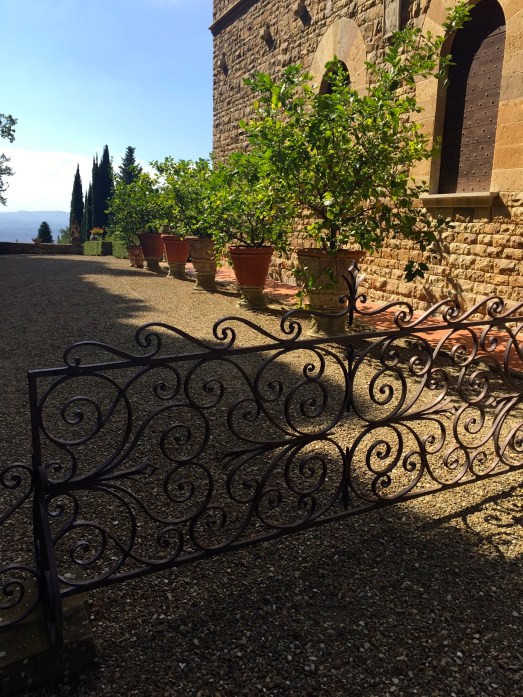
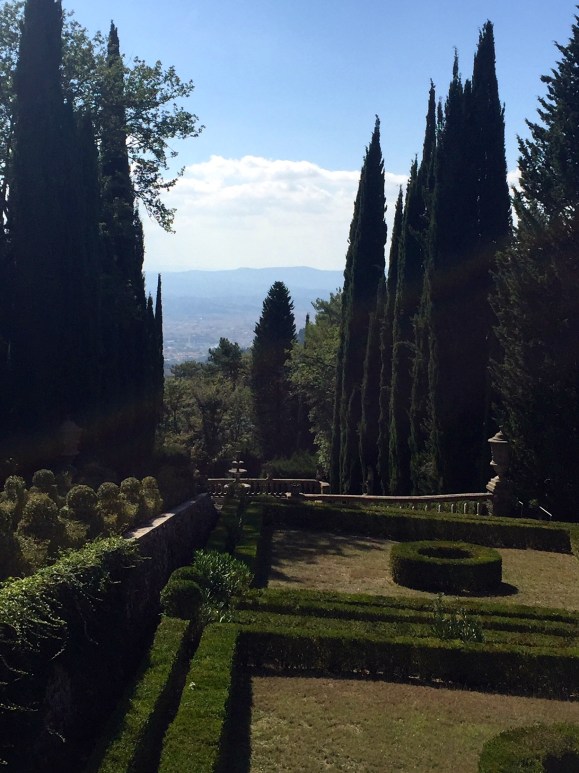
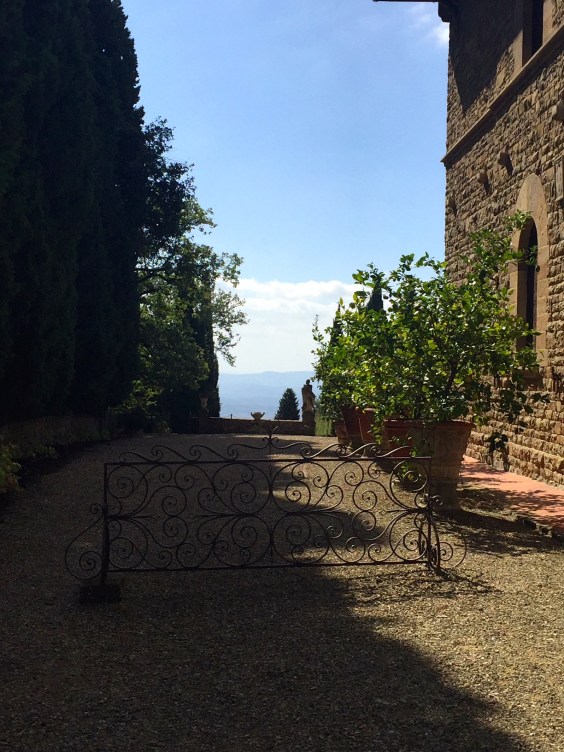
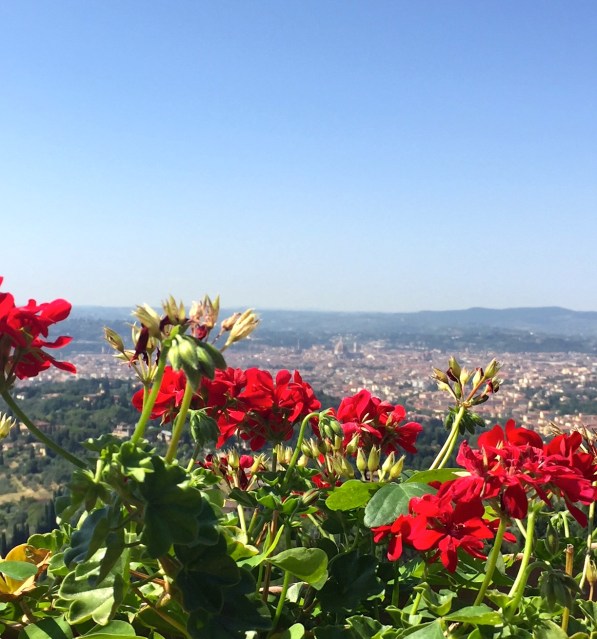
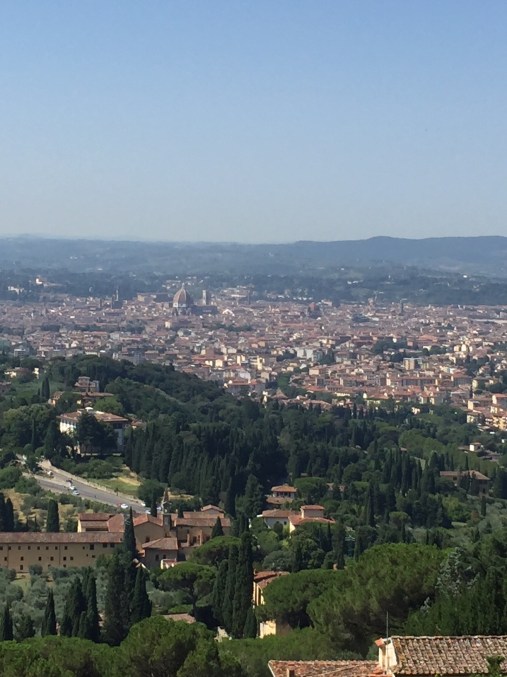
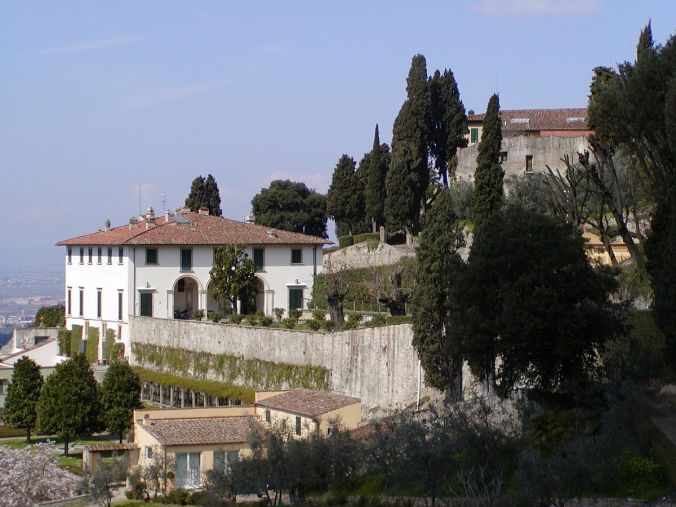
Situated in a beautiful position up in the hills around Fiesole, one can view both Florence and Castel di Poggio from the Villa.

IMG_2065

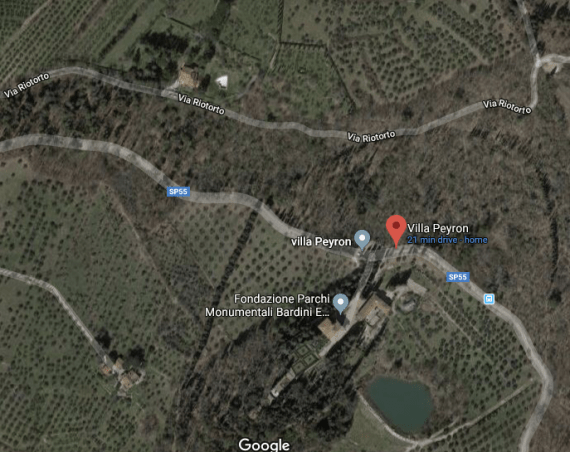
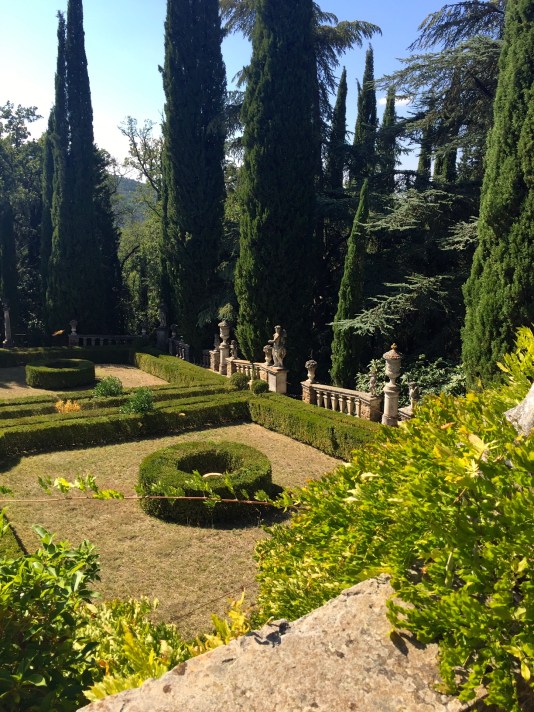
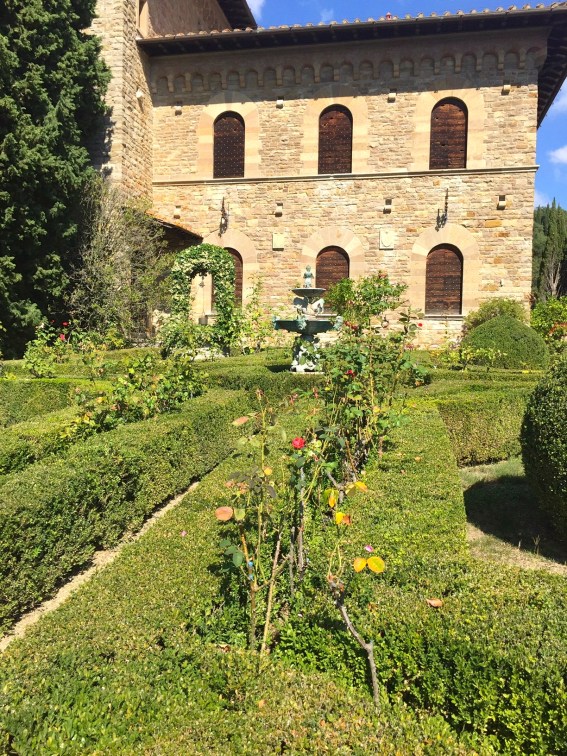
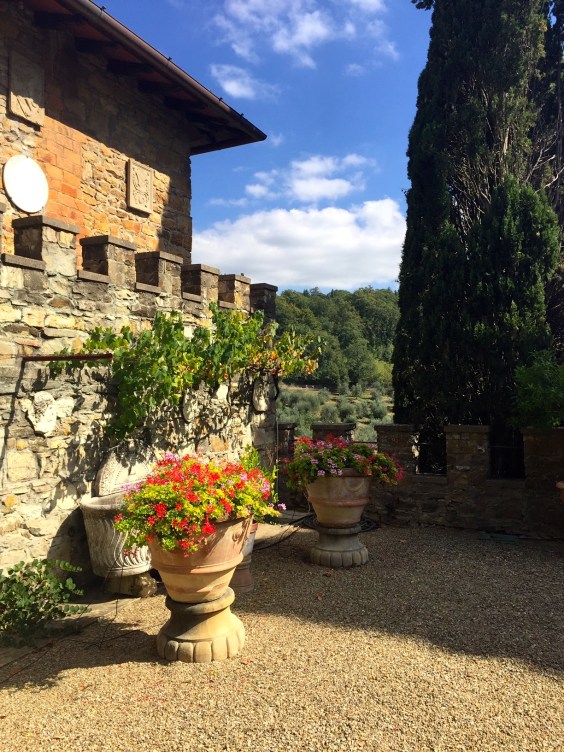
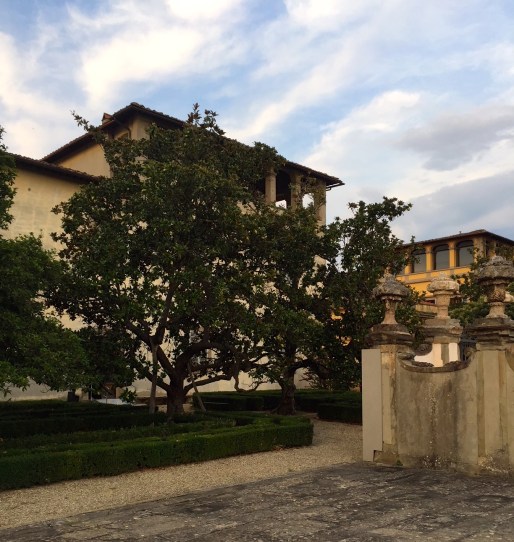
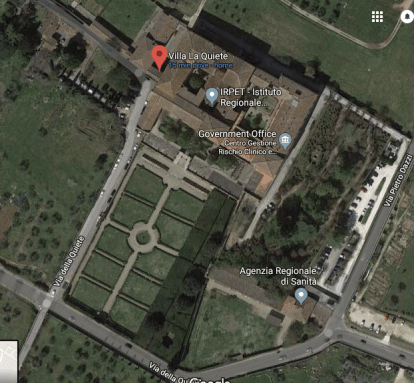
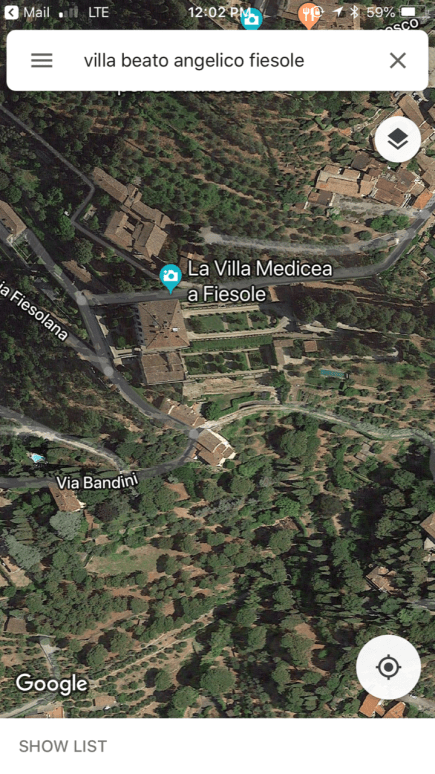
The Villa Peyron is a large complex, with buildings, formal gardens, and the surrounding olive groves. The villa is located in the woods named Il Bosco di Fonte Lucente, named after a spring above the villa

Screen Shot 2018-09-27 at 1.05.55 PM

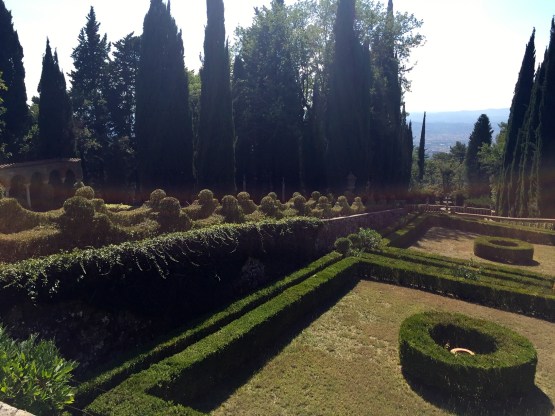
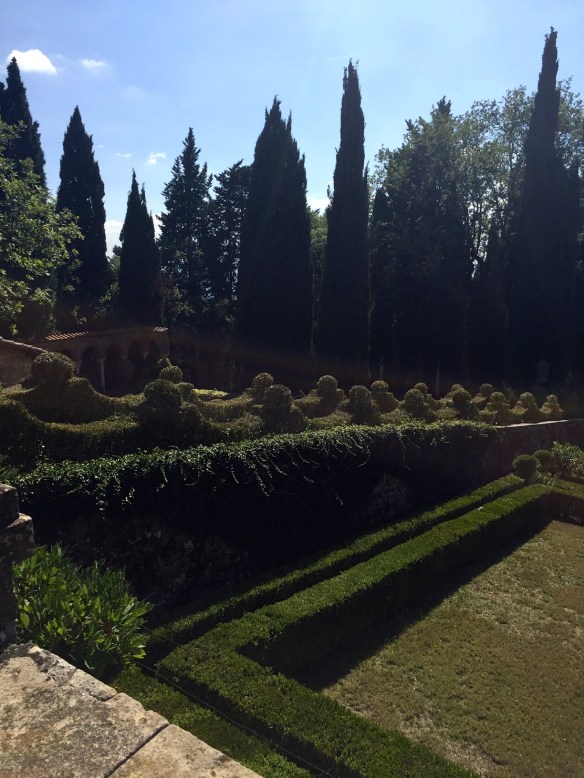
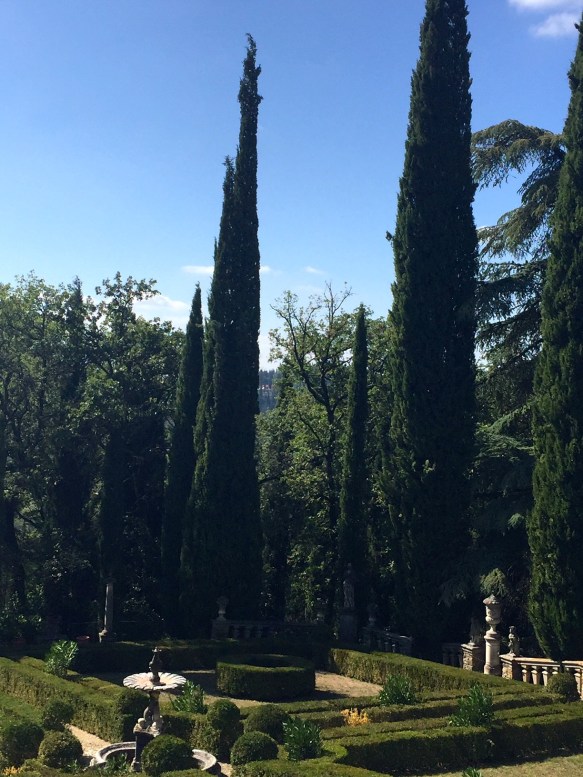
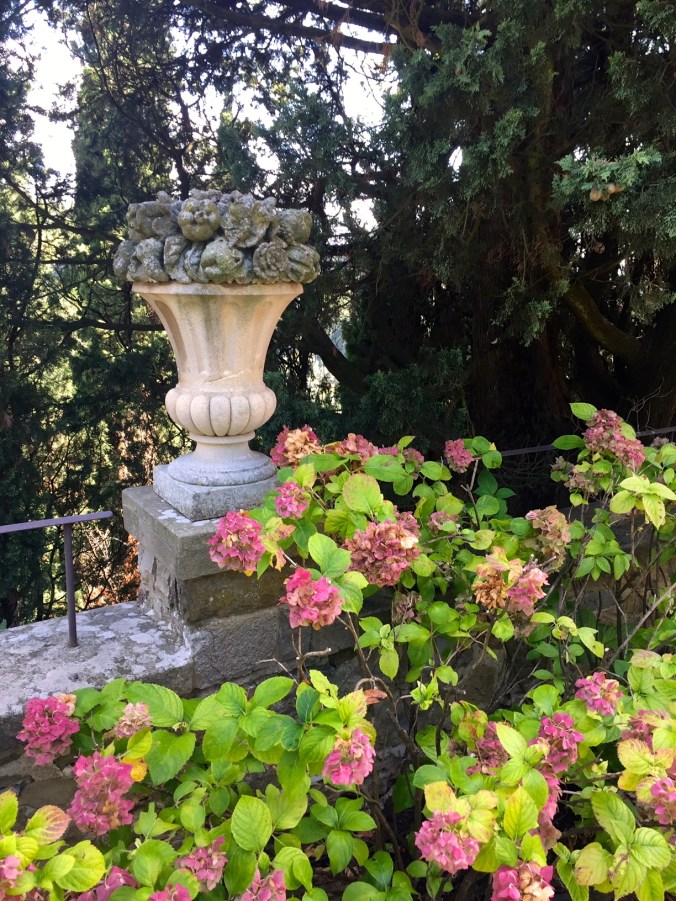
The spring is said to supply the water necessary to work the many fountains in the garden and park, although I will say that the fountains weren’t working when I was there recently. Even without the fountains, the gardens are beautiful.

IMG_2115

IMG_2117

It is likely that the villa itself was built on top of Etruscan ruins, traces of which can be seen in the underground chambers and in the immediate surroundings; there are, for example, antique stones in the walls found in the forests around the villa.

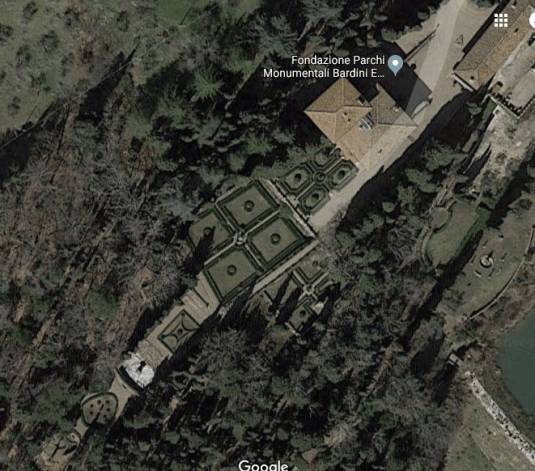
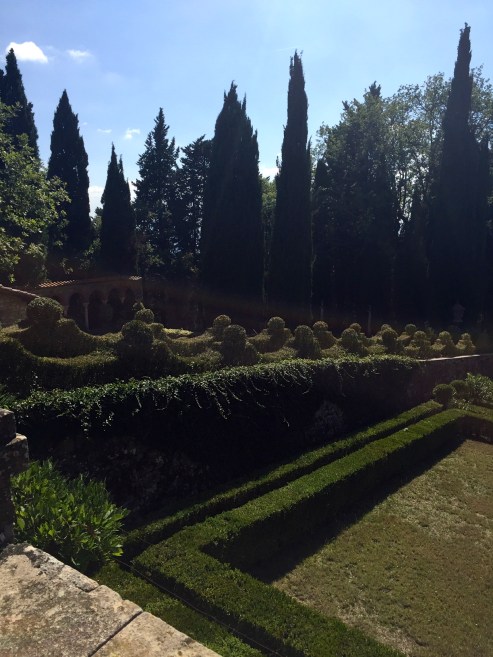
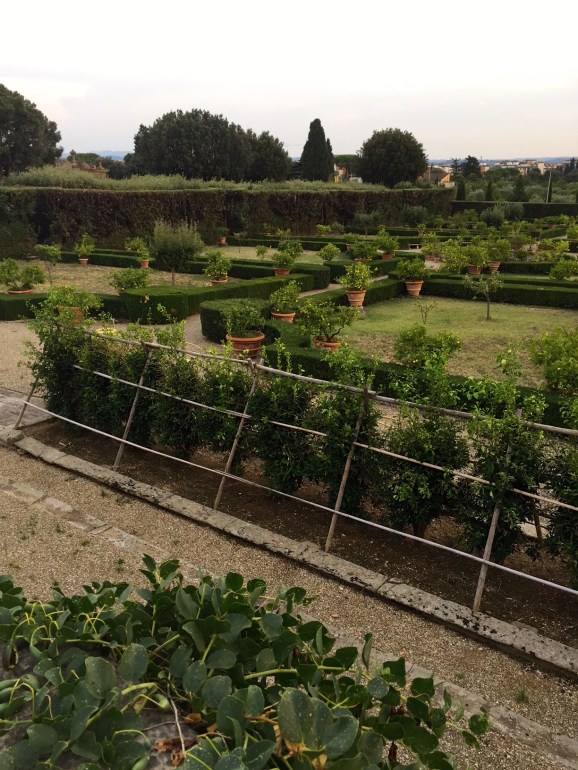
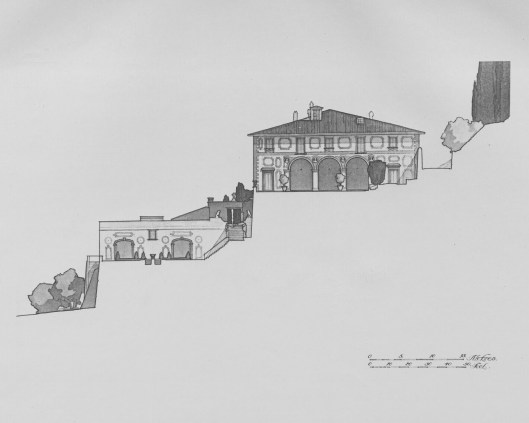
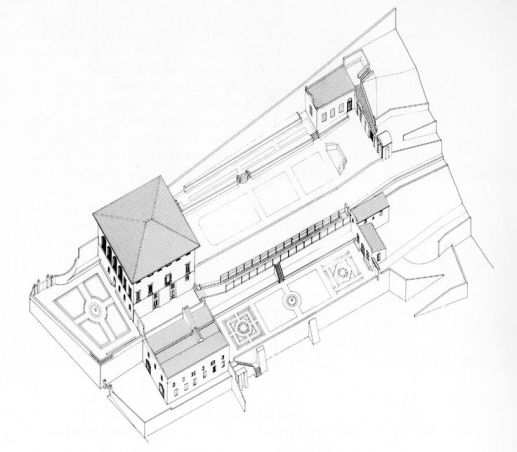
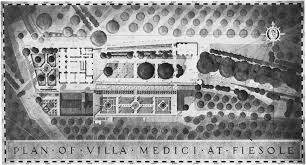
The garden is built on three terraces that slope southwards and has a wooded parterre parallel to the villa.

Screen Shot 2018-09-27 at 1.08.38 PM

What we see today bears nothing harking back to the Etruscans, but of course the villa has been subjected to a series of renovations and transformations over many centuries.

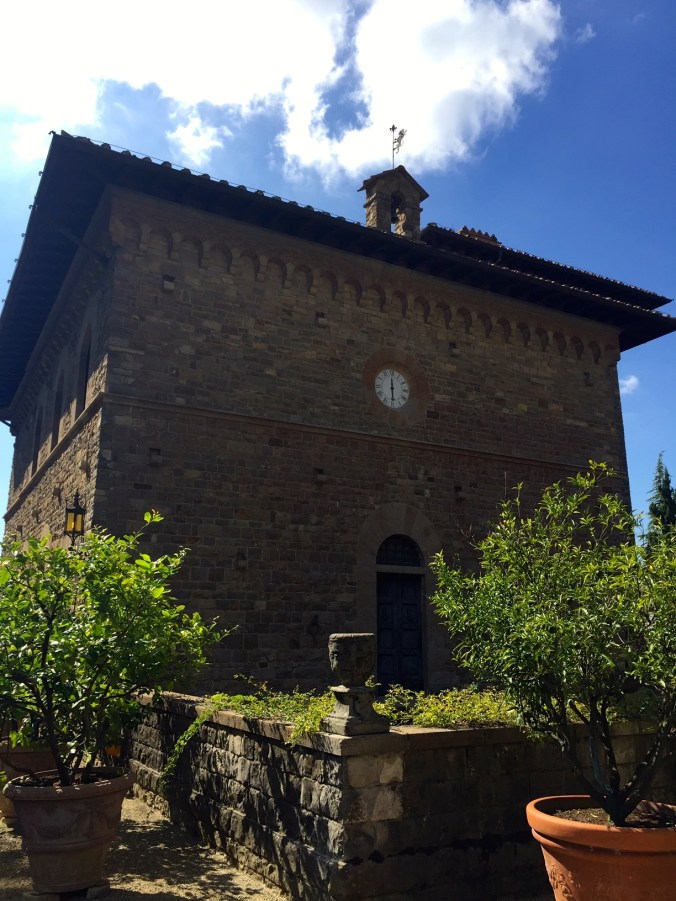
In the late 19th century, the Florentine architect, Ugo Giovannozzi (1876-1957), gave the villa its current appearance, working for Peyron family members who envisioned a very grand villa.

IMG_2100


IMG_2088

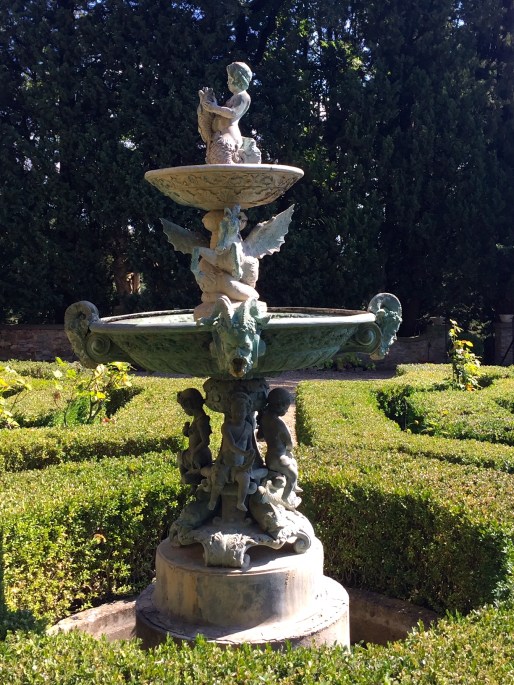
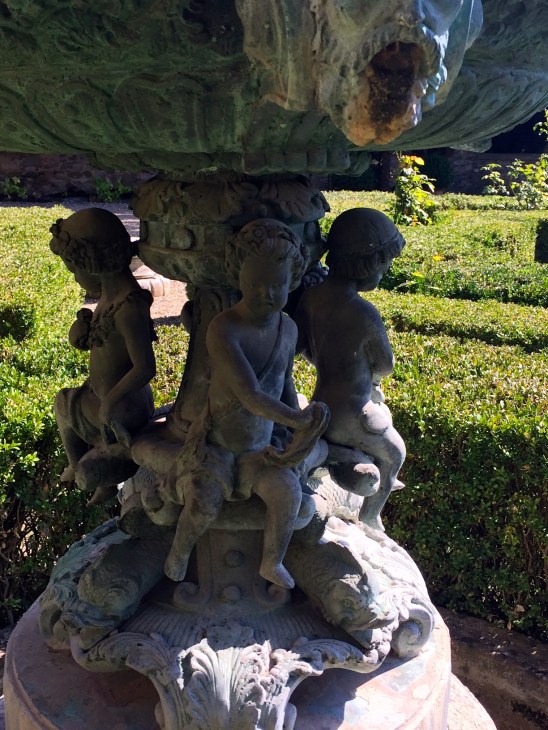
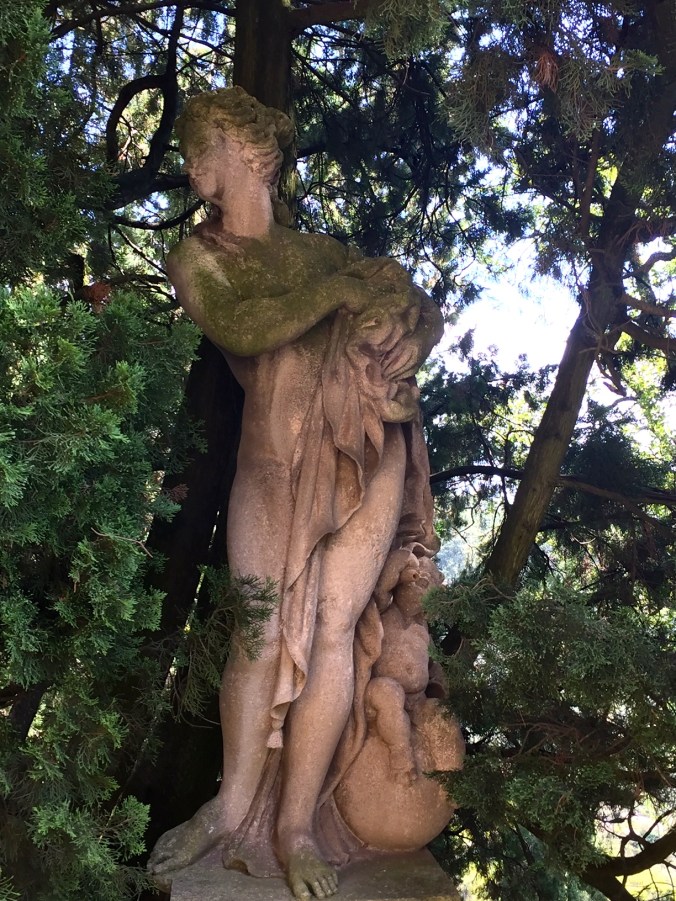
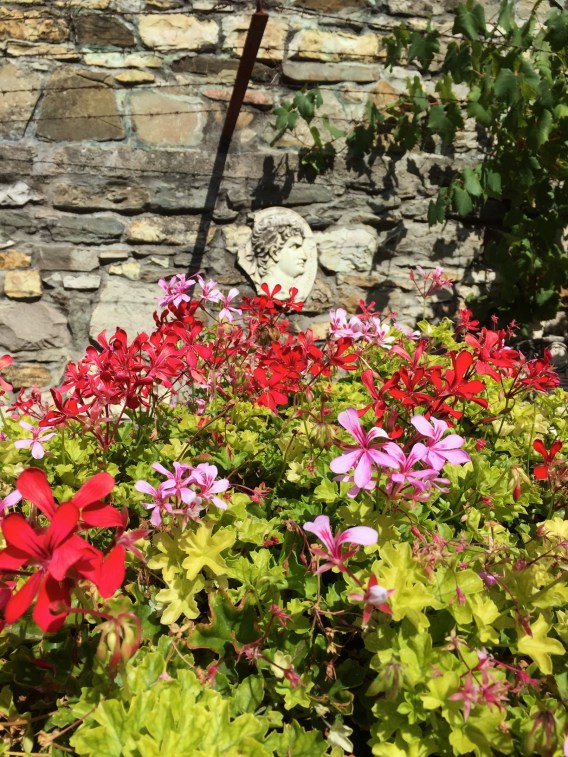
There’s a lot of statuary placed throughout the villa grounds; these sculptures come from the Venetian villas of the Brenta. These prestigious works were installed to take the place of those which were destroyed during World War II.


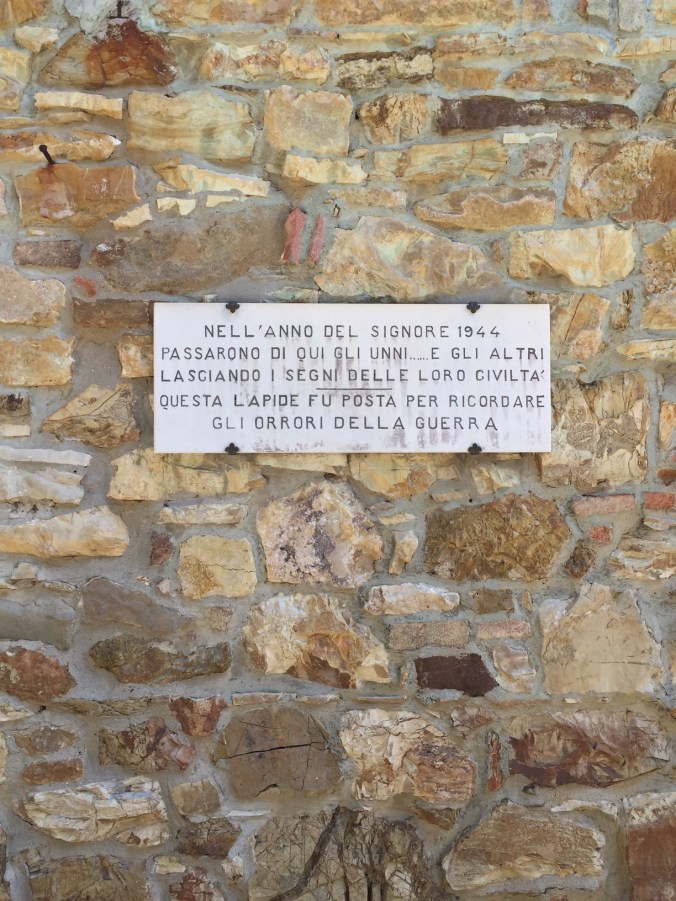
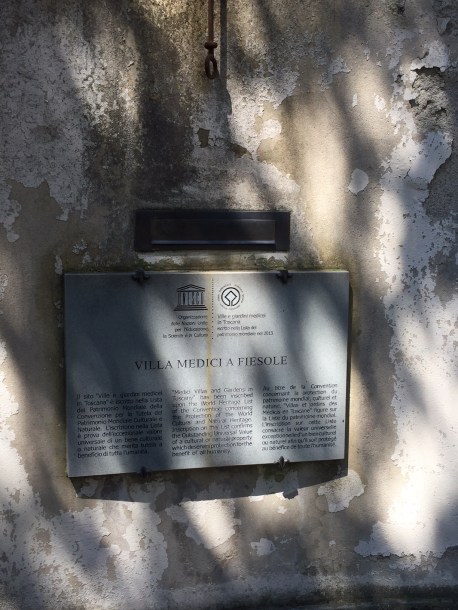
In fact, a plaque is installed on a building near the entrance to the villa grounds, which speaks to the horrors of war.  During WWII, the villa was requisitioned by the high German command. Later it was occupied by the Allies who also installed a military hospital there. (I can’t help thinking of the film, The English Patient.)

IMG_2054

You might say that some of the minor horrors of war were even clearly imprinted on this villa. When Paolo Peyron returned to his home after the war, it was a very bittersweet homecoming: all the objects that  Peyron had tried to save by hiding them in a room in the farmhouse were destroyed and scattered in the garden. Paintings and gilded frames were mockingly attached to olive trees; furniture was smashed; rare books, incunabula and prints of Piranesi, inherited from his father’s library, lay on the ground in the open, irremediably spoiled by the rain.

And now I will stop talking and simply place the photos of this beautiful locale on my post.  Enjoy!

IMG_2105


IMG_2104


IMG_2106


IMG_2103


IMG_2101


IMG_2100


IMG_2097


IMG_2096


IMG_2092


IMG_2080


IMG_2079


IMG_2072


IMG_2071


IMG_2068


IMG_2056


IMG_2058


IMG_2064


IMG_2062


IMG_2060


IMG_2059

This gorgeous villa, open for visits, lies just beyond Fiesole.  It’s an easy trip by Ataf bus (#7) from Florence to Fiesole, and catch a connecting bus #47.  The #47 is unreliable (it has only 3 runs on Sundays, for example, and they are all in the morning).  But you can do what I did, and take a taxi to the Villa from Fiesole.

IMG_2059


IMG_2058


IMG_2057


IMG_2056


La vendemmia: the grape harvest

It’s that time again!  Grape harvest all over the vineyards in Italia!

(And the news is excellent coming from France too:) https://www.independent.co.uk/news/world/europe/french-champagne-makers-record-harvest-quality-grapes-vintage-wine-a8507911.html

42059255_447777639079085_7734383553382711296_n

The word “vendemmia” comes from the Latin words “vinum” (wine) and “demere” (take away).
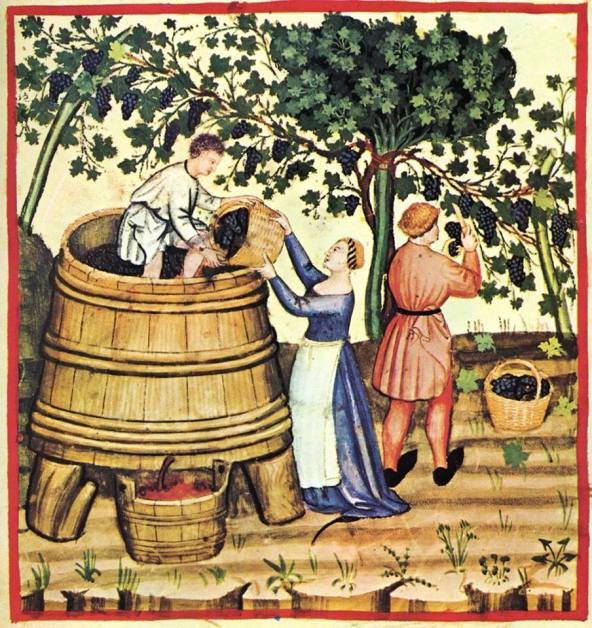
In the past, grapes were picked either directly by hand or with the help of small knifes or scissors. The grapes were put in baskets, made of wicker or wood, and later they were moved into larger wood containers “tini” or vats, which were used for the crushing.
As most Americans will remember, Lucille Ball excelled at stomping grapes when she visited Italy on I Love Lucy.
Indeed, the crushing was done using the feet of the workers or with some special wooden sticks called “ammostatori,”  shaped like baseball bats.
The ammostatori were often used in small containers, while for larger and taller vats, ladders were used by workers, descending from the top.

In the common imagination the idea of feet crushing is well rooted, a ritual still done by some wine estate just because it keeps a sort of ancient fascination.

42231083_449118475611668_8731459042918006784_n


(Foto proveniente dall’archivio privato della famiglia Colombini. -1945, Neutro Martini, guardiacaccia della Fattoria dei Barbi, con un bigonzo di uva in spalla durante la vendemmia nella vigna dei podernovi.)

— at Museo Della Comunità Di Montalcino E Del Brunello.

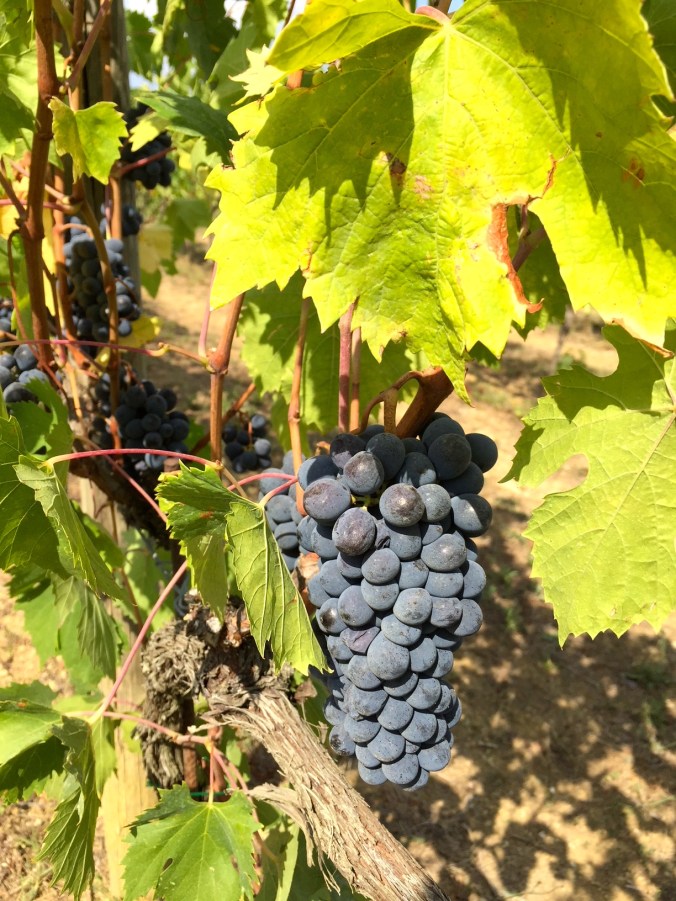
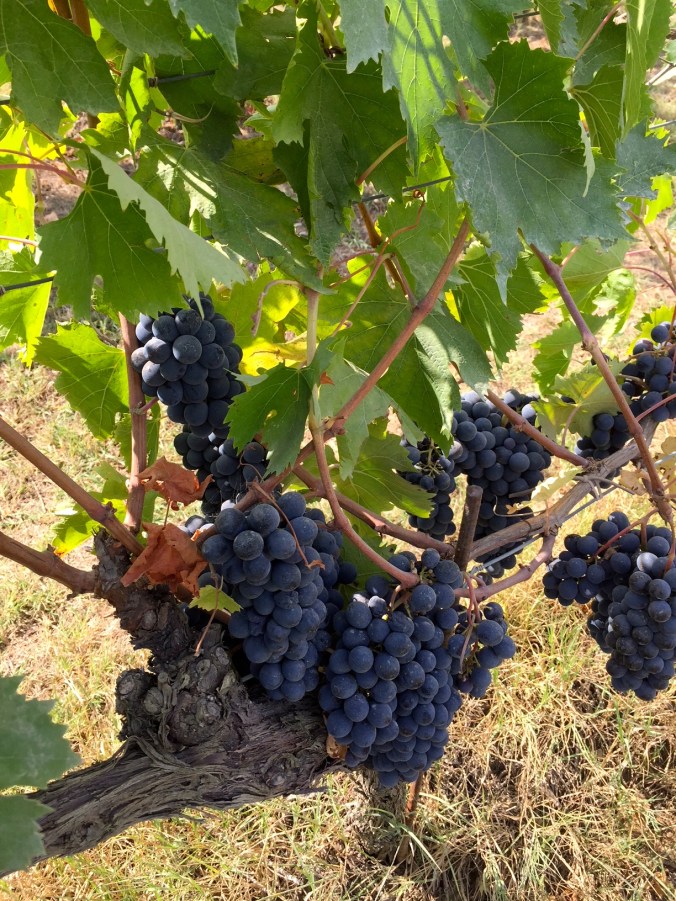
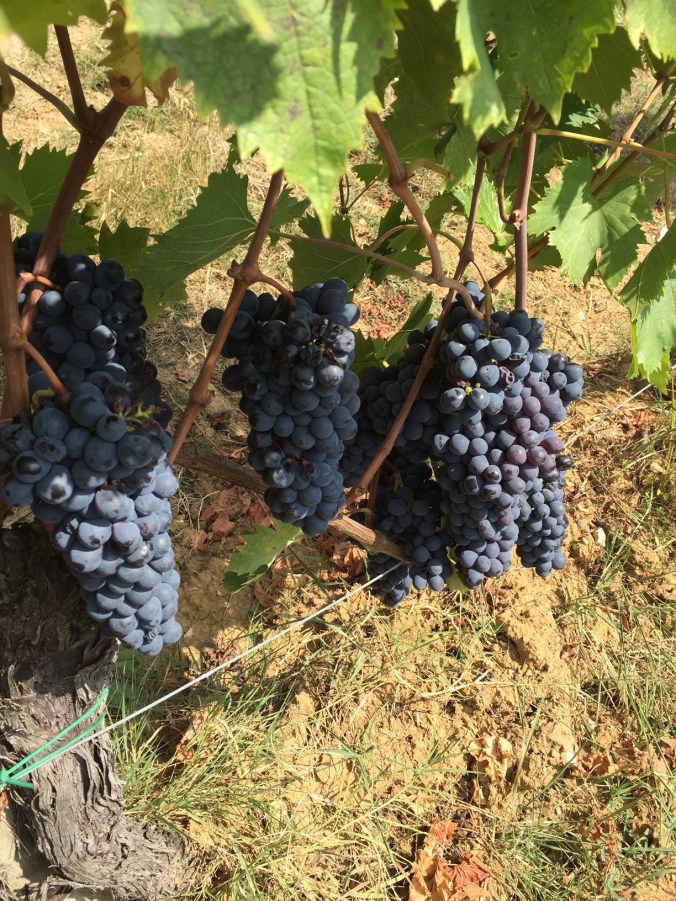
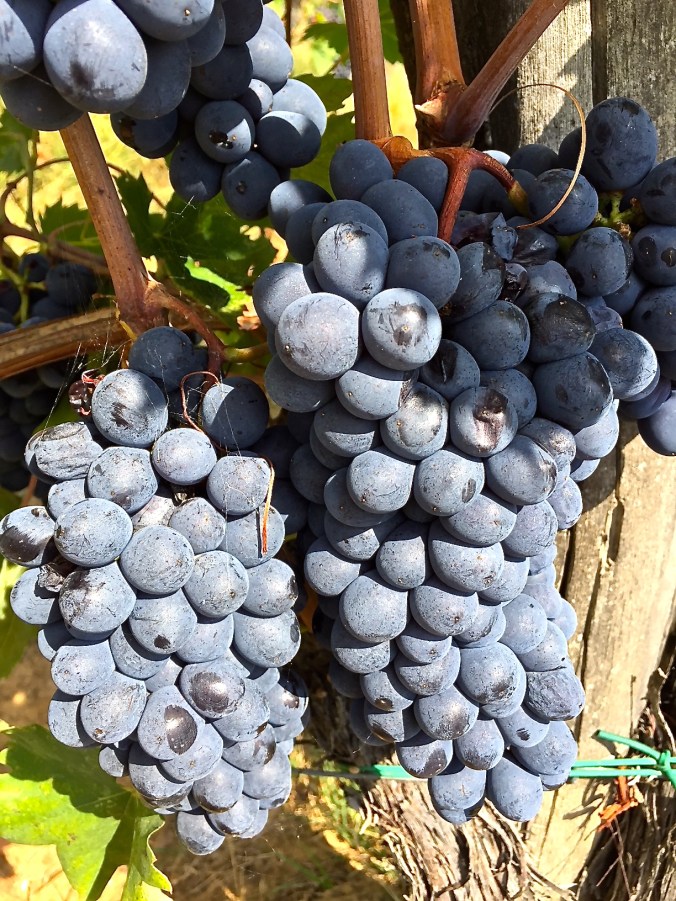
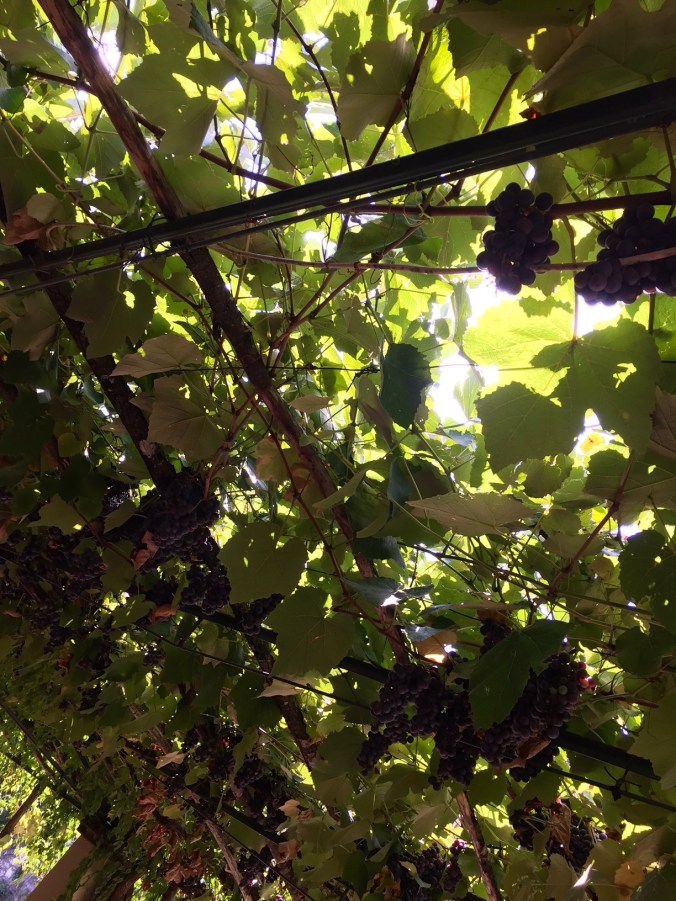
Personally, I’ve spent some time recently in the rows of grape vines heavy with pendant grapes. What a treat to be in Chianti at the time of la vendemmia!
IMG_1892IMG_1893IMG_1894IMG_1895
IMG_1938IMG_1939IMG_1944IMG_1945IMG_1947

Villa la Quiete, Firenze

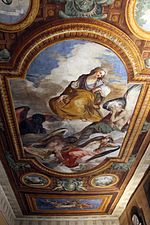
I recently visited, on a lovely parcel of land just outside of beautiful Firenze, a once-magnificent villa known as Villa la Quiete. Located upon the Castello hill, at the foot of the Monte Morello, this villa is considered to be among the most important settings of its kind.  It takes its name from a fresco by Giovanni da San Giovanni entitled, La Quiete, which dominates the winds (see below).

Villa_la_quiete_01

IMG_1472IMG_1470

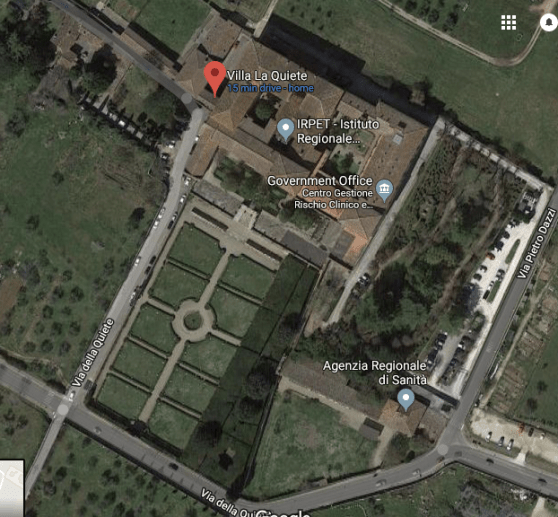
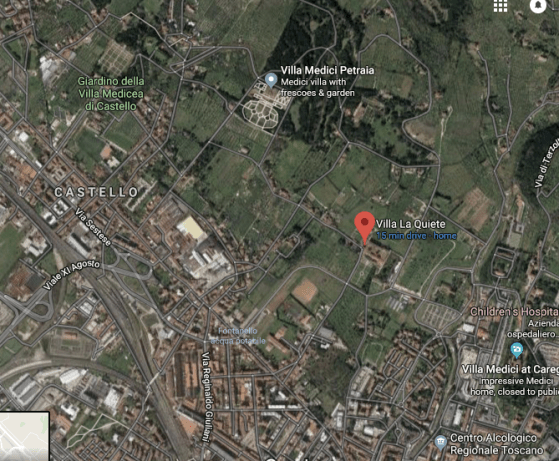
The Medici family particularly loved this area and owned some of its most beautiful residences, including the Villa di Careggi, Villa di Castello, and the Villa della Petraia. You can locate Villa la Quiete on these 2 Google Earth slides below and, in the last one, also locate the 3 Medici villas just mentioned.

Screen Shot 2018-08-27 at 12.23.18 PM

Screen Shot 2018-08-27 at 12.23.38 PM

This parcel of land has lots of history, naturally.  In 1438 it was given by the Florentine Republic to the condottiere Niccola da Tolentino, for his military services. In 1453 the Medici acquired the land, and later Cosimo I passed it to the commander of the Order of Santo Stefano.

220px-Villa_la_quiete,_giardino_02

In 1627 the property was again acquired by a Medici, this time by Cristina di Lorena.  She had the palazzo rebuilt, and had a suspended passage constructed (a small variant of the Vasari Corridor), connecting the villa to a nearby Camaldolese monastery.  Cristina also commissioned the painting of la quiete che pacifica i venti, by Giovanni da San Giovanni in 1632.

Giovanni_da_san_giovanni,_la_quiete_che_pacifica_i_venti,_1632,_01

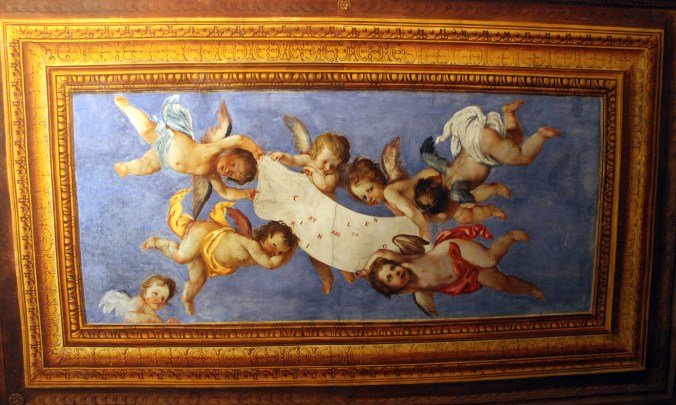
Cristina’s name even appears in another fresco, by Giovanni da San Giovani. in which curious anagram masquerading as a hymn inscribed on a scroll supported by putti in flight.

The villa has, thereafter, been known as Villa la Quiete.

Giovanni_da_san_giovanni,_la_quiete_che_pacifica_i_venti,_1632,_putti_in_alto_01


The complex was bequeathed to Cristina’s grandson, the Grand Duke Ferdinando II. Later on, in 1650, the villa was sold to Eleonora Ramirez de Montalvo, who dedicated it as a country retreat for a congregation she founded, the Montalves.  At that time the villa was called Istituto della Quiete.

IMG_1485

After Eleonora’s death, her friend the Grand Duchess Vittoria della Rovere administered the Institute, and sponsored the construction of the Montalve church, completed in 1688.

Anna Maria Luisa de’ Medici, the last descendant of the Medici family, resided in the villa between 1720 and 1730 and she furnished it with objects from the Palazzo Vecchio and Palazzo Pitti.

Anna Maria had the villa renovated and redecorated and she installed a beautiful grand garden, bringing water to it by a pipe to the nearby Fonte delle Lepricine.

Villa_la_quiete_01

The director of this new, vast garden was the botanist Sebastiano Rapi, who just happened to be the person in charge of the Giardino Boboli.  Rapi, with the support of Anna Maria, brought the best botanical and fruit species from the various Medici villas.

Even today, the specimen magnolia trees they selected still grow in a courtyard connecting the garden to the palazzo.

IMG_1481


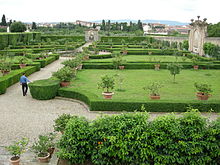
The garden today remains one of the rare examples of an 18th-century garden, with no changes in the plantings, other than refreshing them.  You can see the layout of the formal, rectangular gardens, lined with pots of lemon trees, in the Google slide:

Screen Shot 2018-08-27 at 12.23.18 PM


The secular order of Montalve, dedicated to the education of girls of good family, only had to abandon their church of San Jacopo di Ripoli in 1886, and they brought their numerous furnishings and works of art with them to the Villa la Quiete.

It was only in 1937 that the order became religious. The villa complex remained for a long time the seat of the education institute, ending only in 1992. The last pupil graduated in 2001.

In February 1992 the villa, together with the entire real estate of the Conservatory of the Montalve alla Quiete, passed University of Florence. A small part of the villa has been used by the University for the Center for Culture for Foreigners and Polo offices. 

It is possible to visit the villa, as I did, only by appointment and in the months of July and August on Tuesday and Thursday evenings. To arrange a visit, contact the Ufficio Servizi Didattico Divulgativi, Sistema Museale D’Ateneo, tel 055-2756444 or by email to edumsn@unifi.it.
In a few days I will be writing a post about the artworks located in the villa.

IMG_1477


Villa Medici a Fiesole, the garden edition

A few days ago I posted on the marvel that is the Villa Medici a Fiesole.  There I covered the construction and importance of the Villa as a precursor for Renaissance villa design. That post kept growing and growing, so I decided to make a 2nd post on just the gardens.

So, let’s talk (garden) turkey:

images

In the imagine (picture, in Italian) above you see how Michelozzo and later architects sited the palazzo and its wonderful gardens.  The palazzo itself sits on the center left side of the plan.

IMG_0782

Looking outward from the palazzo within the gardens at the villa.

Below, with stonework that recalls grotto architecture, is the entrance to the gardens.  I can’t remember who the sculptured bust represents, but it is no doubt one Medici or another.  The coat-of-arms beneath the bust is, of course, most definitely that of the Medici.

IMG_0760


So, let’s look at a plan of the site. The palazzo is not numbered but you can see where the 4 main gardens exist.

Screen Shot 2018-07-24 at 5.26.58 PM

We’ll start our tour in garden #1.  You walk through or beside #1 when you enter the grounds and approach the palazzo from the west. You can see the white-washed palazzo on the far right side.


As you walk along the pea gravel path from the entry gate to the palazzo, you have this immediate view of the garden with its terracotta pots filled with apple-red geraniums.

IMG_0762

If you can peel your eyes away from the palazzo, which is now fully presented ahead of you, you can already gaze over the geraniums and be rewarded with a spectacular view of Florence. The unmistakable center of the city is marked with the dome of the Duomo.

IMG_0764


Below, the city of Florence as seen from garden #1 at Villa Medici. Wow.

IMG_0761


I’m going to try to avoid the view for a minute, because it always steals the show.  Let’s look at just the plantings and layout of garden #1, shall we?

The north side of garden #1 is constructed with a high wall covered with vines, a small outbuilding, used I think, like a pavillion.  A border of pink roses line the length of the north side of garden #1.

IMG_0796


IMG_0795


Within garden #1, as you look back from the Palazzo end, is laid out with large specimen trees, grass (very unusual in an Italian garden), and potted citrus, lemon and oranges mostly.  The building in the lower section of the photo is the entry gate to the Villa.

IMG_0801IMG_0802

Along this northern border of the garden, a fountain, with a grotto-like finishing of stones, is set into the short wall.  It provides a relief from the steady gaze of border wall with its oval form, and on both sides of the fountain one can walk up a few steps to walk to the pavillion at the west end.

IMG_0793


Below: looking back at the palazzo and garden #1 from west to east:

IMG_0821


To enter garden #2, you must pass along the walkway to the south of the palazzo.  You  climb this tall hill, which is guarded by 2 terracotta lions.

IMG_0846


Angels in the architecture of the gate proclaim the (almost?) divine majesty of the Medici family.

IMG_0851


Through the gate, you see garden #2, with its own set of panoramic views, awaiting you.

IMG_0849


I don’t know if everyone else is like me, but when I passed under the gate leading to garden #2, I was drawn like a magnet to the end walls of the property, where this view, framed by cypress trees, awaits the spectator.  I mean, come on (and people ask me why I choose to live in Italy…don’t I miss the USA???)!!

IMG_0855


Garden #2 is a more private, secluded space than #1.  The palazzo on this, the west side, has magnificent magnolia trees, and, as you can see, the palazzo itself has many windows and arched openings to give those inside the palazzo a gorgeous smallish garden to observe, with extraordinary views available to anyone standing near the short walls that separate the site from the ravines below.


IMG_0860


A low and wide fountain occupies the geometrically divided garden #2.

IMG_0857


After strolling through this garden, lost in thought about the people who had walked through this garden throughout the last 500+ years, I tore myself away, for new gardens #3 & 4 awaited.


This is what the view leading back to garden #1 looks like. You pass through the gateway again, and walk along the gravel path to a structure on the east end of garden #1.

IMG_0856IMG_0856


On the west end of garden #1, sits the backside of the first gateway.  However, this is no regular backside! It is a semi-enclosed room with its own frescoes. The main fresco provides an imaginary walkway to follow into the depths of an imaginary garden.

IMG_0830IMG_0831IMG_0826

IMG_0824


To the right side of this small structure, you find a set of stairs leading to gardens 3 and 4.  Unfortunately, caught up in the wonder of this Medici sponsored experience of passing between gardens, I forgot to take pictures. Dang it.  The stairs lead you to a long, plant covered passage.  This passage is quite long, with another pea stone path.  It was the end of July when I visited this Medici villa, and the plants splayed over this path were not in bloom.  I am not sure what the plant is, but it didn’t look like wisteria.  Maybe it is honeysuckle? Not sure.  Whatever it is, this covered passageway is garden #3 and I don’t have any pictures of it.

Garden #3 takes you from the east end of the site to the center of garden #4, pictured below.  As you walk through garden #3, you have tantalizing views of garden #4, and, once again, the city of Florence in the background.  Is it any wonder that I failed to take pictures of garden #3 itself?!

IMG_0842IMG_0841IMG_0903

Oh wait, I do have one photo of garden #3

IMG_0874

Beautiful, isn’t it, garden #3?


To enter the final garden, #4,  you take these picturesque stairs below to the lower level. Now you are in the final garden, and it more than earns its position as the climax of this site’s garden experience:

IMG_0878

Each side of this marvelous little stairway is planted with wisteria, and although the wisteria season is essentially over in the Arno valley, I could see the purple racemes in my imagination.  I loved walking down these stairs, the wisteria branches tried to wrap you up from both sides.  It was a very cool experience.


Here’s the big reward awaiting any visitor to garden #4, an unparalleled vista of the city of Florence, spread out before your eyes.

IMG_0844


When you can tear yourself away from the views that open from garden #4, you can get lost for a while in the flowers that take center stage in this lowest level of the Villa Medici a Fiesole.

For example, below is the closest thing to an English-style border that I’ve ever seen in Italy. You are looking up from garden #4 through the passage (garden #3), and don’t fail to notice the cypress trees that also grace these plantings.

IMG_0880IMG_0883


Let’s look for a second at the geometric beds laid out in garden #4.  It is mostly marigolds which fill these beds.

IMG_0884IMG_0888IMG_0889


Look back up at the palazzo from garden #4, and this is what you see.

IMG_0892


The picture below show how landscape architects (could it have been Michelozzo who designed the palazzo?) treated the change in levels.  This picture serves like a painting, with fore, middle, and backgrounds treated with hard and soft scapes.

IMG_0893

IMG_0889

IMG_0901


Much use of wisteria is made on the west end of garden #4, which also has some modern architecture in it.  Can you imagine living here, at the west end of the Medici villa?

IMG_0894


IMG_0843IMG_0844

Water makes a lovely cameo in garden #4, in the shape of a low circle at the exact center of the site.

IMG_0900

Before departing, let’s take one last look at Florence from way up here:

IMG_0844IMG_0844


And, finally, we must depart, or else the custodian might get nervous and come looking for us.


And now we depart, climbing the beautiful framed stairway from garden #4 to #3.

IMG_0902

Pass through garden #3, constantly looking back and down and notice your senses have been used to the max.  Seeing, hearing, touching, and the scent of the carefully used roses, have worked together to create an unforgettable experience.

IMG_0914


Walking along the Via Beato Angelico that leads from the center of Fiesole down into the outskirts of Florence.  One last backward glance, to see the Villa Medici in all its glory.  Note the swimming pool that I doubt very much was added originally by Michelozzo.  Or, who knows?!


IMG_0922


Villa Medici at Fiesole

I was in Fiesole this morning, to catch a breath of fresher, cooler air than at home in Florence and also to see a Medici Villa.  I had an appointment to see the grounds of the Villa Medici at Fiesole; the villa itself can’t be visited as it is a private residence.

IMG_0764

Can you see the tiny Duomo of Florence over the red geraniums, right in the middle?

This is a view you would have of Florence if you were a Medici.

IMG_0760

It’s a pretty well-known fact that Florence tends to get a little hot in the summer.  That is actually an understatement.  Today it was 33 Celsius, with is pretty darn hot.

It is cooler in Fiesole, high above on the hills north of Florence. That is why the Medici had this villa constructed.

IMG_0761

Located on the via Beato Angelico 2 stands one of the oldest villas belonging to the Medici family, the 4th, after the 2 villas in Mugello (Cafaggiolo and Il Trebbio) and the Villa at Careggi. Sometimes called Belcanto or the Palagio di Fiesole, this villa is among the best preserved of the many Medici villas, but at the same time it is also among the less well-known.

Here is a Google earth view of the Villa.

IMG_0926IMG_0927IMG_0928

The villa was built between 1451-57. The site was obviously chosen for its panoramic views, despite the fact that the site is on a very steep slope.  It was necessary to make a large terrace, to support the palazzo, the out buildings and the vast gardens.

KIC000148

Villa Medici at Fiesole by Michelozzi in 1460

8d8e5e742d0b6afe3ee4495bf1f358ce--medici-villas


images

Michelozzo was not bound by pre-existing buildings and built a sober quadrangular palazzo which was whitewashed and had windows framed by stone cornices. Large open galleries, with incredible views of the landscape, were a main feature of the design.

1200px-Villa_Medici_a_Fiesole_1

Here are some views of the main loggia at the front of the palazzo.

IMG_0765

IMG_0768

IMG_0785IMG_0789IMG_0775

You know you are in Medici country when you see the coat-of-arms with the Medici palle in a prominent position within the loggia.

IMG_0776


This villa was very different from previous Medici villas: it is much more open to the outer world than any previous villa, and it has no central courtyard.

There are no defensive-military components, meaning there are no turrets, no elevated walkways supported by corbels, or any moats.

The formal and functional innovations of the villa in Fiesole revealed new aesthetic values; including, above all, a new attention to the landscape and the visual domain.

Likewise, the agricultural and productive components of villa design were essentially elminated, in favor of a total dedication to leisure and physical activity that favored contemplation and intellectual activity.

It was, in fact, the first time that a rural residence had only a garden, instead of being surrounded by an agricultural estate.

These factors, combined with the lack of military structures, are the significant characteristics that make this villa one of the clearest prototypes for later Renaissance villa design.

1200px-Villa_Medici_a_Fiesole_1

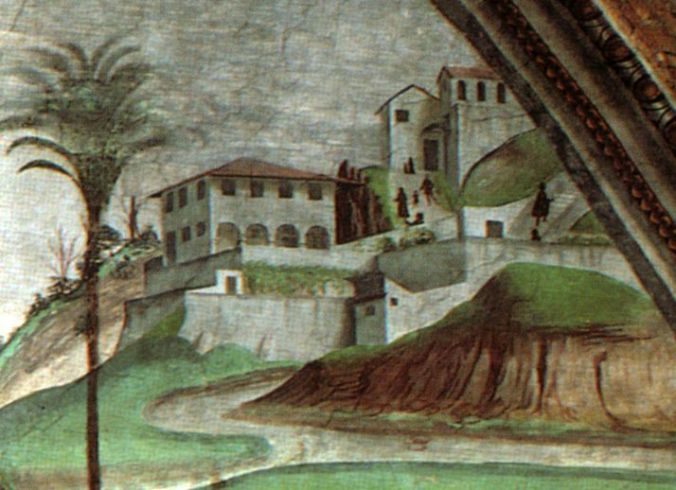
Amazingly, we have a contemporary Renaissance-era view of the villa, as depicted in this fresco by Domenico Ghirlandaio in the Cappella Tornabuoni  at the church of Santa Maria Novella, painted between 1485 and 1490. Art historians live for moments like this. It is very rewarding to have a painted picture to give us an idea about how the villa originally looked and it is just plain fun to have such a record of an extant Renaissance building.

07434f395cdf87f87d3c7cf76a64c362-2

The Villa Medici is linked to one of the most dramatic events of the Medici family history: the Pazzi Conspiracy (1478), when some members of the Pazzi family, along with Francesco Salivate and Cardinal Girolamo Riario, and supported by Pope Sixtus IV, designed a plot to get rid of what they considered to be the increasingly oppressive growth of the power of the Medici within the Florentine Republic. 

Originally, the plan was to kill the two scions of the Medici family, Lorenzo and Giuliano, during a banquet organized at this Medici Villa at Fiesole on April 25, 1478, through the use of poison that Jacopo de’ Pazzi and Cardinal Riario would surreptitiously place in the drinks meant for the two brothers.

The plot was foiled when Giuliano became suddenly ill.  The dinner was canceled and made the enterprise useless.  Undiverted from their aim, the murderers were postponed until the following day, during the Mass at the Florence Cathedral. Of course, we know that while Giuliano was killed, Lorenzo was able to save himself by bolting himself into the sacristy.

It is so interesting to walk around the palazzo and out buildings, thinking about the history that happened here, and who was walking these paths 500 years and more ago.  That is not to even mention the connected gardens, about which I’ll be writing a separate post soon.


.


Ortensia

I have only one child and it is a lucky thing for both of us, because I am sure if I had more than one, I would have favorites.  I believe this is true, because I have favorites in flowers, in colors, in numbers, etc.

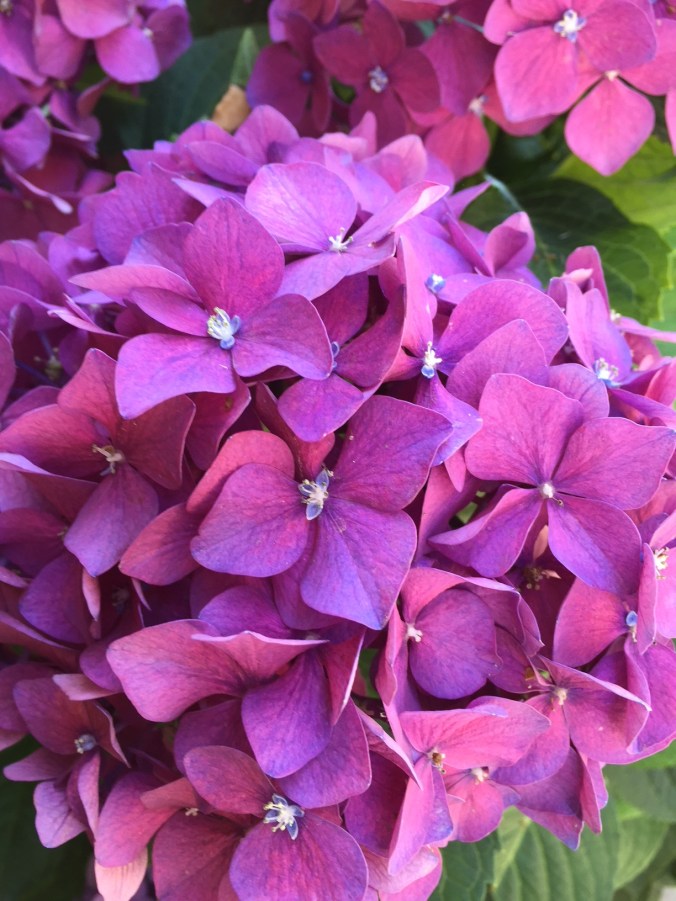
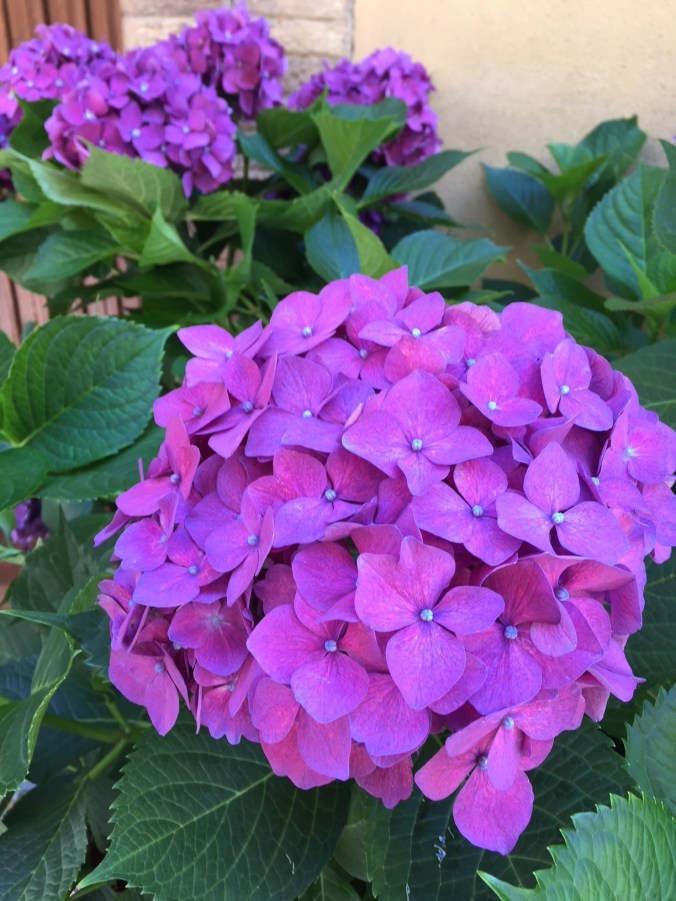
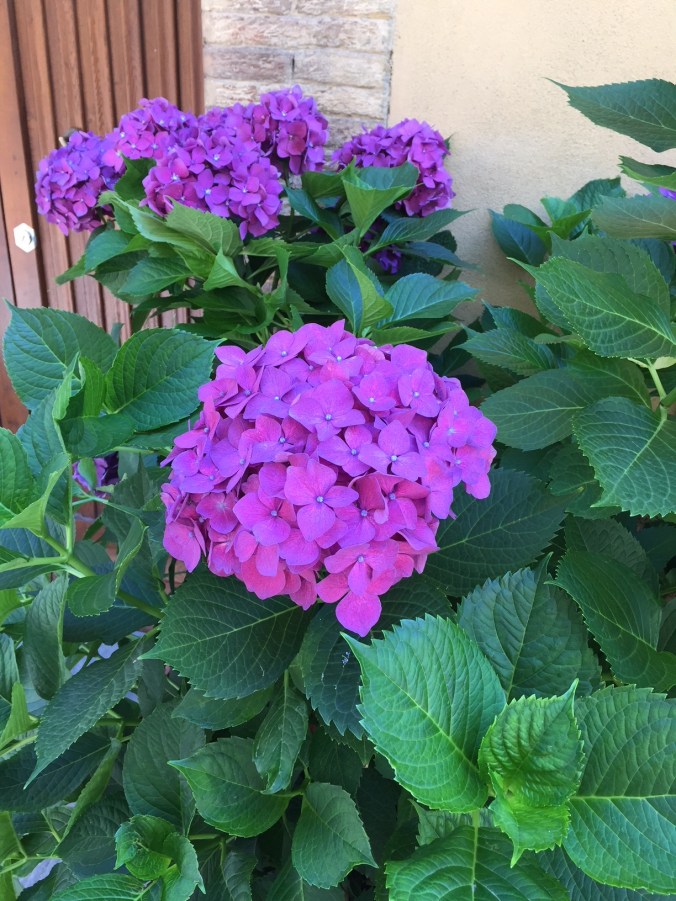
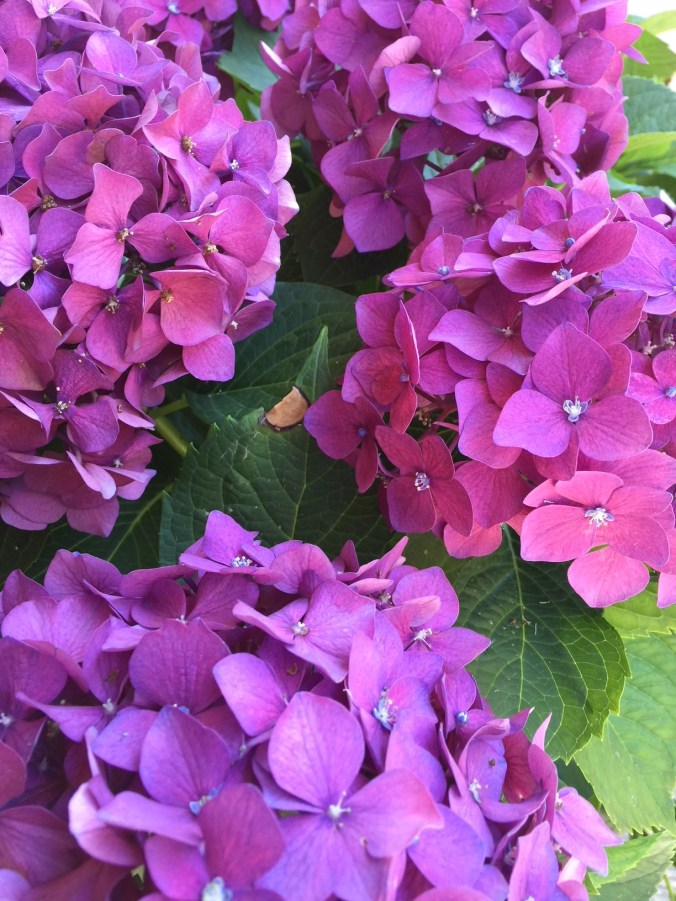
In the world of flowers,  my favorite today is the hydrangea, which is ortensia in italiano. Do you ever wonder, like I do, why does everything sounds prettier in Italian?

IMG_0163


I feel like it’s easy to see why it’s my favorite!
 

IMG_0161IMG_0162IMG_0164