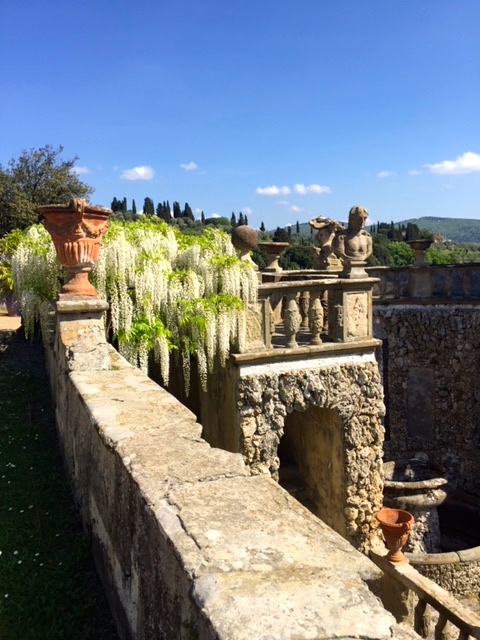
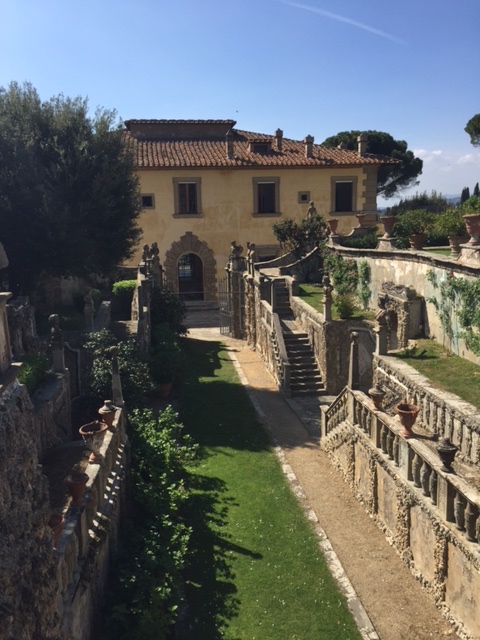
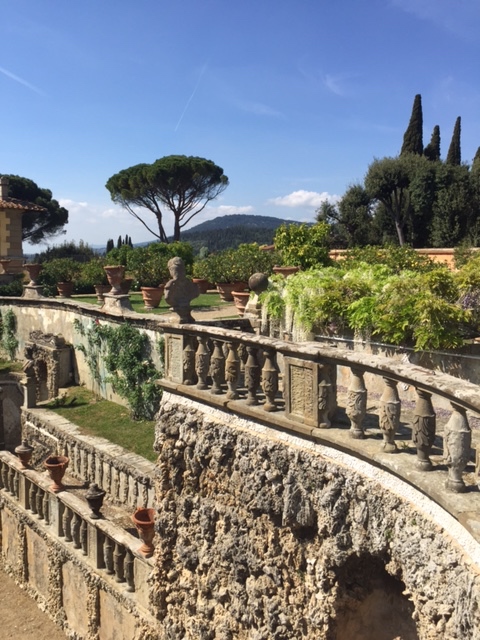
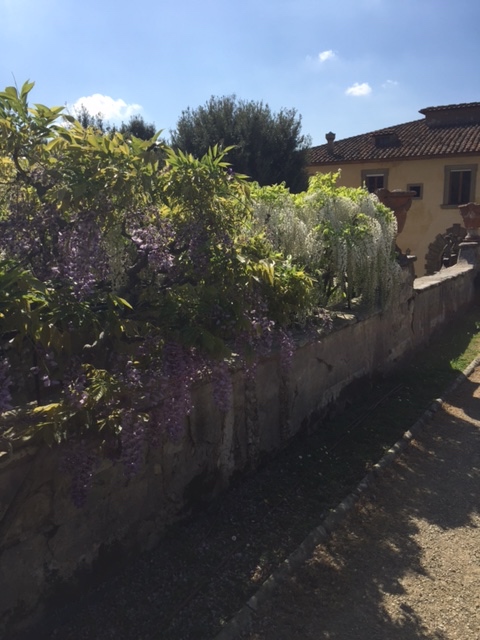
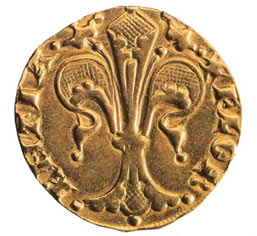
You knew I would soon veer to art, didn’t you?

Oranges and Italian art:

Because of a combination of new artistic techniques and some apparently reasonable, but mistaken, assumptions about the history of citrus, oranges appeared frequently in paintings by any number of the great masters of the Italian Renaissance.

In making the break from Byzantine scholasticism to the new humanism of the Renaissance, artists began setting their religious figures against naturalistic backgrounds. Not having seen the Holy Land, they glibly set their Annunciations and Resurrections in Italian villas and on Italian hills.

Crusaders, among others, had long since reported that orange trees flourished in Palestine, so, as a kind of hallmark of authenticity, the painters slipped orange trees into masterpiece after masterpiece, remaining ignorant to their deaths that in the time of Christ there were no orange trees in or near the Holy Land.

In his “Maestà,” the Sienese painter Duccio di Buoninsegna showed Jesus entering Jerusalem through the streets of Siena, past orange trees in full fruit.

Fra Angelico painted Jesus resting under an orange tree.

It was almost unthinkable for a great master to do a “Flight into Egypt” without lining the route with orange trees.

A “Last Supper” was incomplete without oranges on the table, although there is no mention of oranges in the Bible.

Titian’s “Last Supper,” which hangs in the Escorial, shows oranges with fish.

A Domenico Ghirlandaio “Last Supper” goes further: a mature orange grove is depicted in murals behind the Disciples.

The deterioration of Leonardo’s “Last Supper” has been too extensive for any oranges in it to be identified, but in all likelihood, according to Tolkowsky, they were there.

Most painters thought of the Annunciation as occurring indoors, and Paolo Veronese, for one, moved orange trees indoors to authenticate the scene, setting the plants in trapezoidal pots, of the type in which orange trees were grown in his time in northern Italy.

Fra Angelico also used orange trees to give a sense of the Holy Land to his “Descent from the Cross,” which was otherwise set against the walls of Florence, and, like many of his contemporaries, when he painted the Garden of Eden he gave it the appearance of a citrus grove.

Benozzo Gozzoli’s frescoes in a family chapel of the Medici show Melchior, Balthasar, and Gaspar looking less like three wise kings from the East than three well-fed Medici, descending a hill that is identifiable as one near Fiesole, dressed as an Italian hunting party, and passing through stands of orange trees bright with fruit.

Actually, Gozzoli’s models for the magi were Lorenzo de’ Medici; Joseph, Patriarch of Constantinople; and John Palaeologus, Emperor of the East.


~~~~~~~~~~~~~~~~~

The orange tree was more than a misplaced landmark. It was also a symbol of the Virgin, erroneously derived from an earlier association that medieval theologians had established between Mary and the tall cedars of Lebanon.

Thus, countless paintings of the Madonna or of the Madonna and Child were garlanded with orange blossoms, decorated with oranges, or placed in a setting of orange trees.

Mantegna, Verrochio, Ghirlandaio, Correggio, and Fra Angelico all complemented their Madonnas with oranges.

Sandro Botticelli, in his “Madonna with Child and Angels,” set his scene under a tentlike canopy thickly overhung with the branches of orange trees full of oranges.

In the Neo-Latin of the Renaissance, oranges were sometimes called medici— an etymological development that had begun with the Greek word for citron, or Median apple.

It is no wonder, therefore, that in art and interior decoration the Medici themselves went in heavily for oranges. In Florence, oranges are painted all over the ceilings of the Medici’s Pitti Palace.

The Grand Duke Francesco de’ Medici was one of the world’s earliest collectors of citrus trees, and in Tolkowsky’s view the five red spheres on the Medici coat of arms were almost certainly meant to represent oranges.

When Botticelli painted his “Primavera,” under a commission from the family, he shamelessly included Giuliano de’ Medici as the god Mercury, picking oranges.

Botticelli also painted his “Birth of Venus” for the Medici.

It was Venus, and not the Hesperides, according to a legend current at the time, who had brought oranges to Italy.

Botticelli’s model was Simonetta dei Cattanei, wife of Marco Vespucci and Giuliano de’ Medici’s Platonic love. Simonetta came from Porto Venere, where Venus was alleged to have landed with the original oranges, so Botticelli painted her in the celebrated scallop shell bobbing on the gentle swells off Porto Venere, and lined the coast behind her with orange trees.

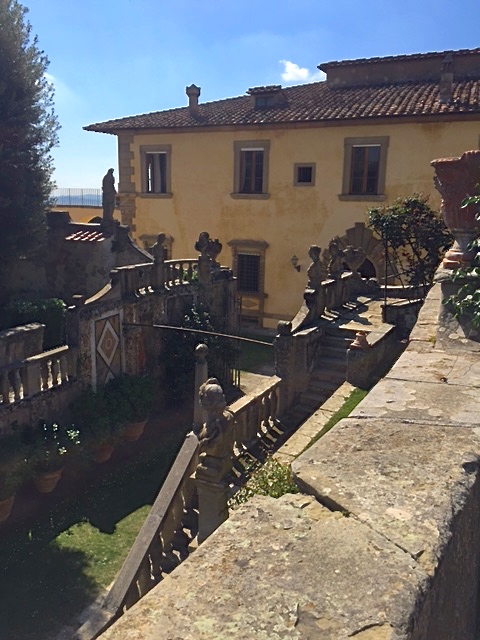
Giuliano’s son, Giulio de’ Medici, who became Pope Clement VII, commissioned Raphael to design a villa for him with a great double stairway leading to a sunken garden full of orange trees.

All this was bound to engage the envy of royalty in the north, and at the end of the fifteenth century, in an expedition often said to mark the dividing point between medieval and modern history, Charles VIII of France went to Italy intending to subdue the peninsula by force of arms. Instead, he fell in love with Italian art, architecture, and oranges. When he returned to France, every other man in his retinue was an Italian gardener, an Italian artist, or an Italian architect. Charles was going to transform the castles and gardens of France.

McPhee, John (2011-04-01). Oranges. Farrar, Straus and Giroux. Kindle Edition.


Pardon me, I’m still not finished…

on oranges:

It is only in comparatively recent centuries that oranges, in Western countries, have actually been eaten as a food. Their earliest popularity in Europe seems to have been based on the ornamental appearance of the trees and the inspiring aroma of the peel and the blossoms.

At the table, they were used as a seasoning for meat and fish and seldom consumed in any other way. Before 1500, European orange growers mainly grew Bitter Oranges, because they were more aromatic, better as seasoning, and hence more valuable.

Dinner guests could measure their importance in the regard of their hosts by the number of oranges that came to the table. One fourteenth-century cookbook, describing a dinner given by an abbott of Langy for his superior, the Bishop of Paris, indicates how impressive a meal it was by noting that the roast fish was seasoned with powdered sugar and Sour Oranges.

In 1529, the Archbishop of Milan gave a sixteen-course dinner that included caviar and oranges fried with sugar and cinnamon, brill and sardines with slices of orange and lemon, one thousand oysters with pepper and oranges, lobster salad with citrons, sturgeon in aspic covered with orange juice, fried sparrows with oranges, individual salads containing citrons into which the coat of arms of the diner had been carved, orange fritters, a soufflé full of raisins and pine nuts and covered with sugar and orange juice, five hundred fried oysters with lemon slices, and candied peels of citrons and oranges.

At about that time, Portuguese ships returned home from India with sweet orange trees, and a new type spread through Europe. It became known as the Portugal Orange, and it quickly replaced the Bitter Orange in popularity throughout the continent. The word “Portugal” became synonymous with good sweet oranges in numerous countries, and, in fact, sweet oranges are still called Portugals in Greece, Albania, Rumania, parts of the Middle East, and some parts of Italy.

In most of Western Europe, the favor held by the Portugal Orange was less enduring. Within a century after the first trees had come from India, Portuguese missionary monks sent word back from China that Chinese oranges were sweeter than sugar itself. One Portuguese Jesuit wrote that “the oranges of Canton might well be muscat grapes disguised.”

In 1635, a Chinese orange tree reached Lisbon, and before long the China Orange— a term still used in many countries to denote a fine sweet orange— was in demand all over Europe. The botanical name of the modern sweet orange, in fact, is Citrus sinensis.

McPhee, John (2011-04-01). Oranges (p. 70). Farrar, Straus and Giroux. Kindle Edition.

Where did “oranges” come from, anyway?

The word “orange” evolved from Sanskrit. The Chinese word for orange, in ancient as well as modern Chinese, is jyu, but it did not migrate with the fruit.

India was the first major stop in the westward travels of citrus, and the first mention of oranges in Sanskrit literature is found in a medical book called the Charaka-Sambita, which was compiled approximately two thousand years ago.

The Hindus called an orange a naranga, the first syllable of which, according to Tolkowsky, was a prefix meaning fragrance.

This became the Persian naranj, a word the Muslims carried through the Mediterranean. In Byzantium, an orange was a nerantzion.

This, in Neo-Latin, became variously styled as arangium, arantium, and aurantium— eventually producing naranja in Spain, laranja in Portugal, arancia in Italy, and orange in France.


~~~~~~~~~~~~~~~~~~~~


Meanwhile, the Roman city of Arausio, in the South of France, had become, in the Provençal language, Aurenja— a name almost identical in sound and spelling to auranja, the Provençal word for orange. Gradually, the names of the city and the fruit evolved in the Provençal tongue to Orenge, and then to Orange.

In the early sixteenth century, Philibert of Orange, prince of the city, was awarded a good part of the Netherlands for his political and military services to the Holy Roman Emperor, Charles V.

The Prince had no immediate heir, and his possessions and titles eventually passed to a German nephew. This was William of Nassau, Prince of Orange, who founded the Dutch Republic and the House of Orange.

In honor of William’s descendants, Dutch explorers named the Orange River, in South Africa, and Cape Orange, in northern Brazil.

Fort Orange was the name of a Dutch settlement that eventually developed into Albany, New York.

After a Protestant prince of the House of Orange had served as King William III of England, a movement known as Orangeism was founded by Irish Protestants, who established the Orange Society, and even called their part of Ireland “The Orange.”

Commemorating their cause on the landscape of the New World, emigrant Orangemen gave the name “Orange” to towns, cities, and bodies of water, from Lake Orange, Maine, to Orangeburg, South Carolina.

Orangemen changed the name of Newark Mountains, New Jersey, to Orange Dale, which eventually became simply Orange, New Jersey, with its satellite towns of West Orange, South Orange, and East Orange— all as the result of a similarity of sound between the name of a transalpine Roman city and the name of a citrus fruit.


~~~~~~~~~~~~~~~~~~~~~~~~


Nominal confusion also resulted from a tendency among Romans and Greeks to call any kind of fruit an apple.

When the Romans discovered the pomegranate in Punic Mauretania— now Morocco and Algeria— they called it the malum punicum.

When they came upon the peach, in Persia, they called it the malum persicum.

Centuries earlier, in Media and in Persia, botanists traveling with the conquering armies of Alexander the Great had found the citron and had named it, variously, the Median apple and the Persian apple.

Working later with material left by Alexander’s scientists in the archives of Babylon, Theophrastus, the greatest of Greek botanists, also described citrons as Persian and Median apples, and his work disseminated the terms throughout the ancient world.

It was a “golden apple” that Paris gave to Aphrodite, thus opening his way to the heart of Helen. In Antiphanes’ The Boeotian Girl, written in the fourth century B.C., a young man presents a citron to his mistress, and she says, “I thought it came from the Hesperides, For there they say the golden apples grow.”

Other Greeks, it appears, thought that the golden apples were quinces. Tolkowsky points out that a frieze in the Temple of Zeus at Olympia shows Herakles holding a handful of quinces.

In Rome, however, universal agreement seems to have been reached that the golden apples were citrus. According to Father Ferrari, the Romans thought that citrons, oranges, lemons, and other citrus fruits came to Italy in the arms of the Hesperides— the daughters of Hesperis and Atlas— who crossed the Mediterranean from Africa in a giant shell. Oranges actually reached the Italian peninsula from India.

In the first and second centuries A.D., it was only a seventy-day trip across the Indian Ocean from the Malabar Coast to the western shore of the Red Sea, twelve more days from Berenice by camel to the Nile, and another twelve down the river to waiting galleys at Alexandria. (Orange groves were established at Berenice and elsewhere on this route, which eventually branched into the Levant.)

Toward the end of the Roman Empire, oranges were flourishing on the Italian peninsula.

After the fall of Rome, oranges played a part in the great Lombard invasion. A Byzantine governor of Rome, enraged at being summarily called back to Byzantium, sent an embassy with a selected display of Italian oranges to Alboin, King of theLombards, inviting him to overrun Italy, which Alboin did.

In the sixth and seventh centuries, the forces of Islam conquered a wide corridor across the world from India to Spain, and orange, tangerine, and lemon trees today mark the track of the Muslim armies.

After Moorish capitals had been established in Andalusia, desert artisans and architects, delirious in the presence of water, filled and surrounded their buildings with pools, cascades, and fountains, planting a small grove of oranges in the Great Mosque of Cordova and oranges and lemons in the interior courts of the Alhambra in Granada.

One curious footnote to the rise of Islam developed in Italy in the eleventh century. A group of Norman pilgrims, on their way home from the Holy Land, came upon a band of warrior Muslims who were about to destroy the person and possessions of a Christian prince of Salerno. The Normans saved the prince and drove the Muslims away. Fearful of further attacks, the prince, like the Byzantine governor of Rome nearly five hundred years before him, sent an embassy with the pilgrims to the Duke of Normandy, accompanied by a mountainous gift of beautiful oranges, frankly tempting the Duke to conquer southern Italy— which he did, taking Sicily, too. The Norman conquest of Sicily turned into something of a scandal. Norman minds dissolved in the vapors of Muslim culture.

Austere knights of Honfleur and Bayeux suddenly appeared in the streets of Palermo wearing flowing desert robes, and attracted to themselves harems of staggering diversity, while the Church raged.

Norman pashas built their own alhambras. The Normans went Muslim with such remarkable style that even Muslim poets were soon praising the new Norman Xanadus. Of one such place, which included nine brooks and a small lake with an island covered with lemon and orange trees, the poet Abd ur-Rahman Ibn Mohammed Ibn Omar wrote: The oranges of the Island are like blazing fire Amongst the emerald boughs And the lemons are like the paleness of a lover Who has spent the night crying …


McPhee, John (2011-04-01). Oranges. Farrar, Straus and Giroux. Kindle Edition.


Easing my mind…citrus from cedar

When my mind is jangled from too much input, artistic or social, I retreat to my studies.  To wit:


Citrus:

The evolution of citrus probably began in the Malay Archipelago at least twenty million years ago, when the islands of the South Pacific were still part of a body of land that included Asia and Australia.

A bitter ancestral plant apparently made its way to what is now the Asian mainland, and from it developed the modern fruit. The evidence that this event occurred in the area of southern China is overwhelming, beginning with the fact that more citrus varieties and more citrus parasites can be found there than anywhere else.

Spreading out to the rest of the world, Chinese citrus jumped the East China Sea and reached Japan by way of Formosa and intervening island groups. It moved eastward into the South Pacific, and the frequency of citrus in the islands today diminishes with distance from the mainland.

In the junks of merchant seamen, seeds and trees were carried south to the shores of the Java Sea and into the Strait of Malacca, which was a kind of departure point for sometimes unexpected migrations to India and Africa on the strong westward currents of the Indian Ocean.

Among the first citrus varieties to make this journey —and then to go on into the Mediterranean basin— was the citron, which acquired its name because of an early confusion with another tree [the cedar and its cones].

The second-century writer Apuleius, for one, objected. He had been born in Africa and knew a cedar cone from an orange. In the eighteenth century, the Swedish botanist Carolus Linnaeus nonetheless made the name “citrus” official for the genus. So lemons, limes, citrons, oranges, grapefruit, and tangerines are now grouped under a name that means cedar.

McPhee, John (2011-04-01). Oranges (p. 63). Farrar, Straus and Giroux. Kindle Edition.


Il Giardino dell’ Iris, Firenze

Today was a magnificent spring day!  Oggi era magnifico!  A great day to check out the iris garden located just steps from Piazzale Michelangelo.

The iris are just starting to bloom; in a week they should be at prime.

IMG_2342

The Iris Garden is open from now through 20 May,  daily from 10:00 to 13:00 and from 15:00 to 19:30.  It is open Saturday and Sunday from 10:00 to 19:30.  Entrance is free.  You can catch the bus (Numbers 12 and 13) at SMN Station.
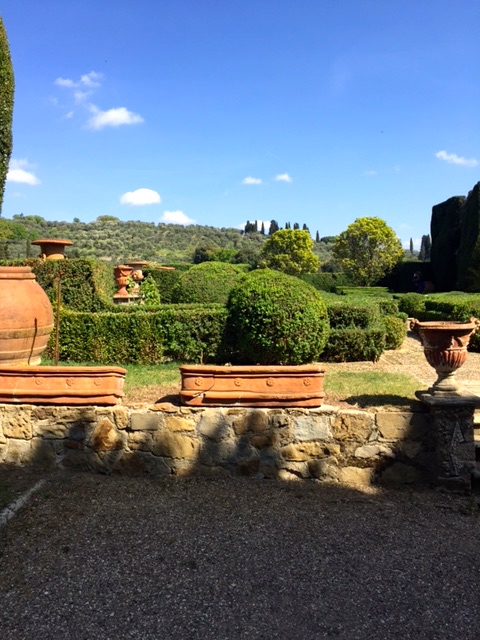
IMG_2340

The garden is located in a prime Florentine location, just off the Piazzale Michelangelo.  It is nicely laid out on the side of a hill, with the iris beds nestled in among healthy olive trees.

IMG_2341

IMG_2343IMG_2344

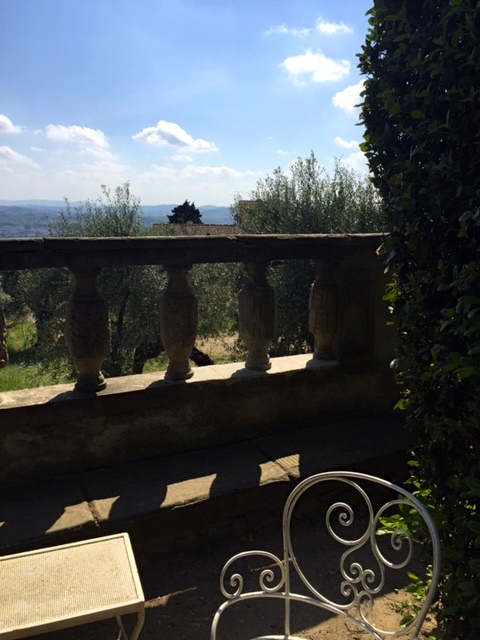
Today the garden was open to the public and paintings of flowers were interspersed into the garden.
IMG_2364IMG_2365IMG_2366IMG_2367

IMG_2354IMG_2356

IMG_2348IMG_2347IMG_2346IMG_2345

The tags remind us that this is a competition garden as well as a pleasure garden.  In particular, 2 Iris rhysomes planted in 2014 are planted side by side: “Broad Minded Sutton” from the USA, in completion with “Marruchi” from Italia.
IMG_2352

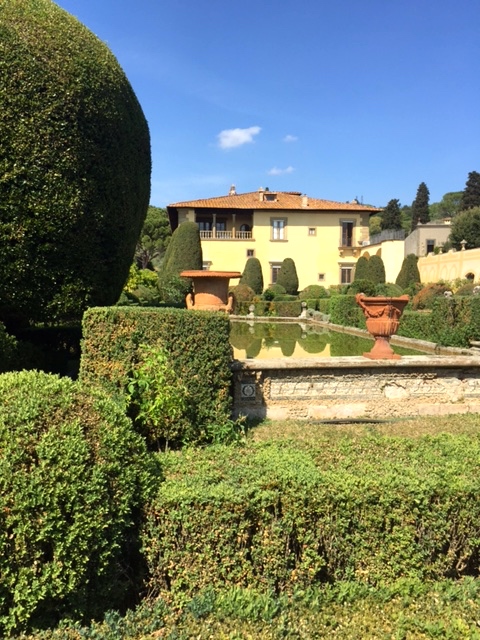
Some rose bushes are in full bloom in the iris gardens.

IMG_2353

Pretty stone paths wind through the gardens, amongst the olive trees.

IMG_2359IMG_2360IMG_2362IMG_2350

Rome’s birthday and her rose and Japanese gardens

I’m headed to Roma soon!

Start your engines!

Rome its 2,770th birthday on Friday 21 April, with events lasting until Sunday 23 April. Known as Natale di Roma, the annual birthday celebration is based on the legendary foundation of Rome by Romulus in 753 BC.


On the roses, see:

http://www.wantedinrome.com/whatson/romes-rose-garden-2/

On Japanese garden, see:

http://www.wantedinrome.com/whatson/japanese-gardens-in-rome-3/

Villa Gamberaia, Settignano

There’s a beautiful spot just outside Florence.

images-5

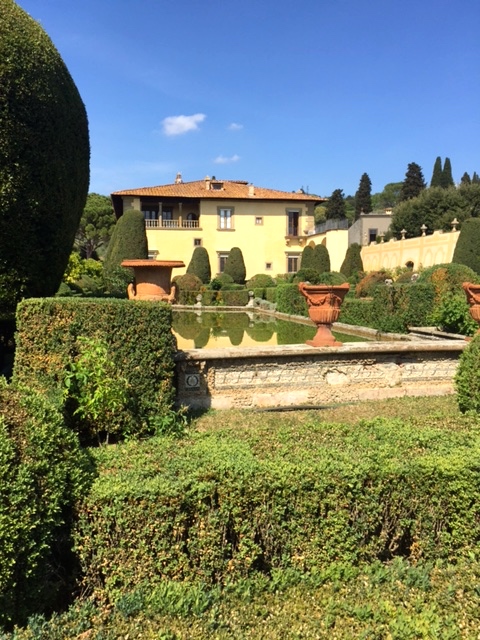
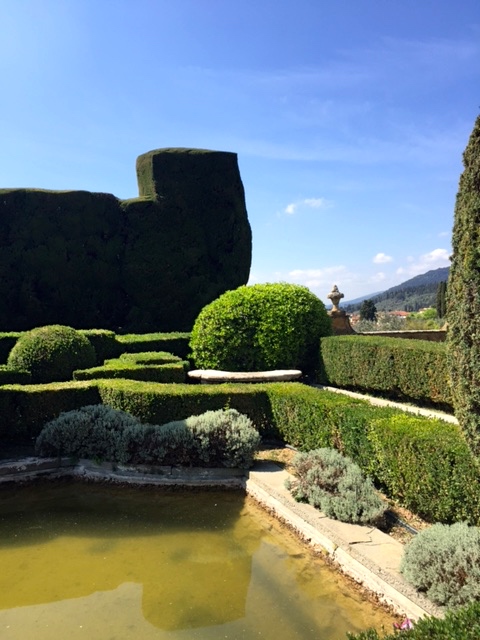
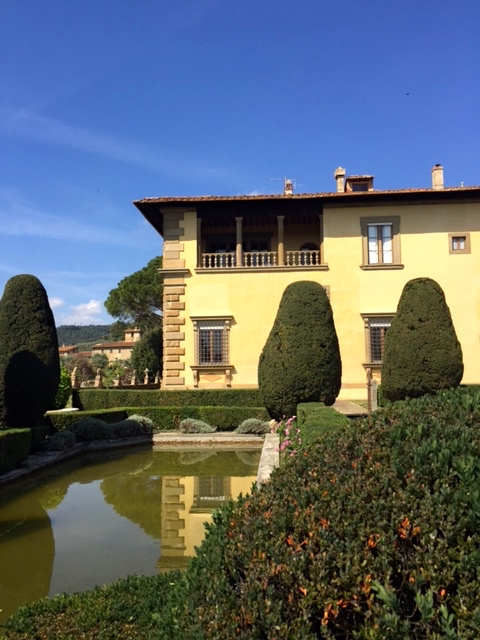
Last week I paid my first visit to the Villa Gamberaia, the 17th-C villa near Settignano, in the hills just outside of  Florence.  It is a lovely trip out into the country and up into the colline beyond Firenze.

images-2

images-3

images-4

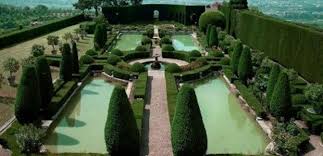
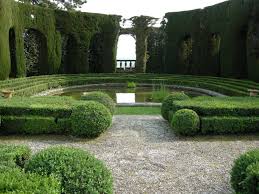
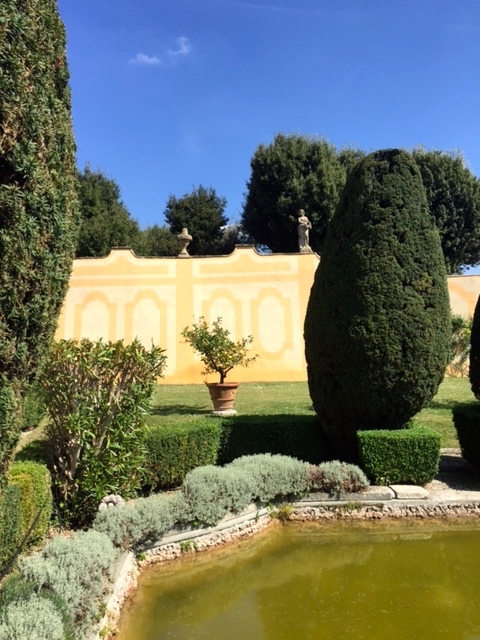
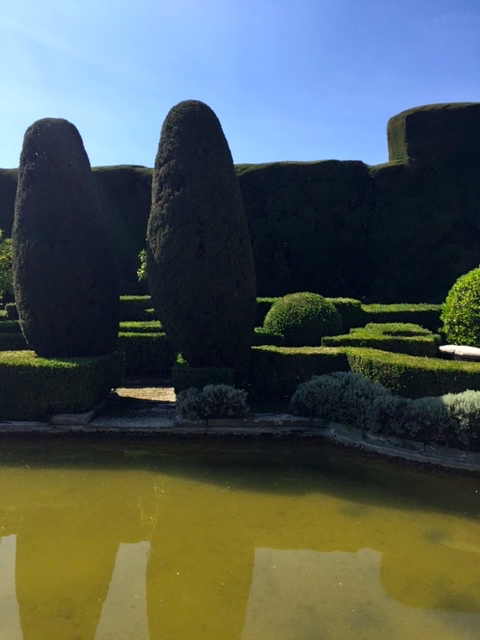
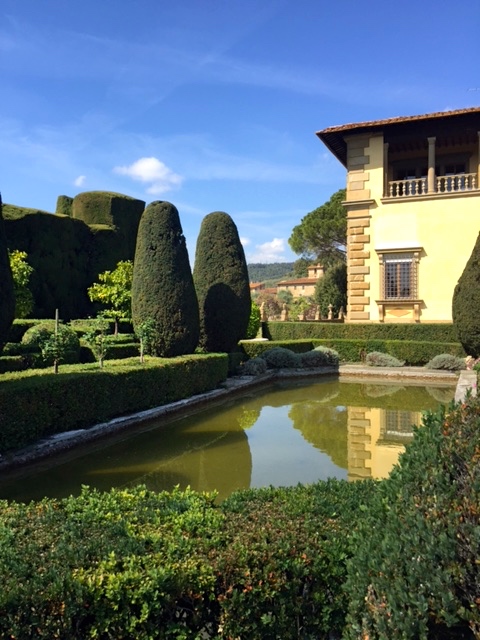
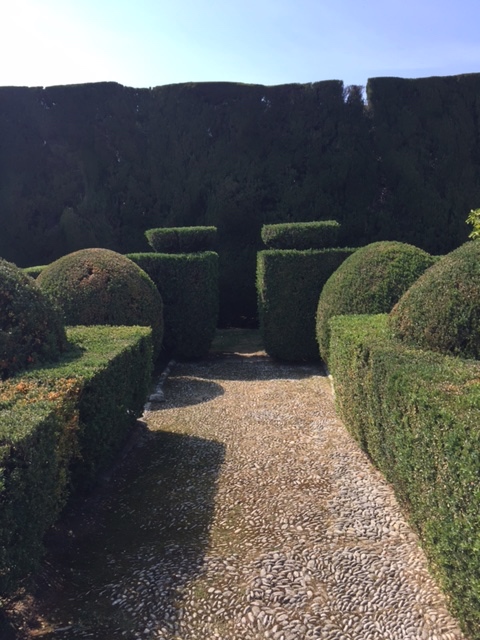
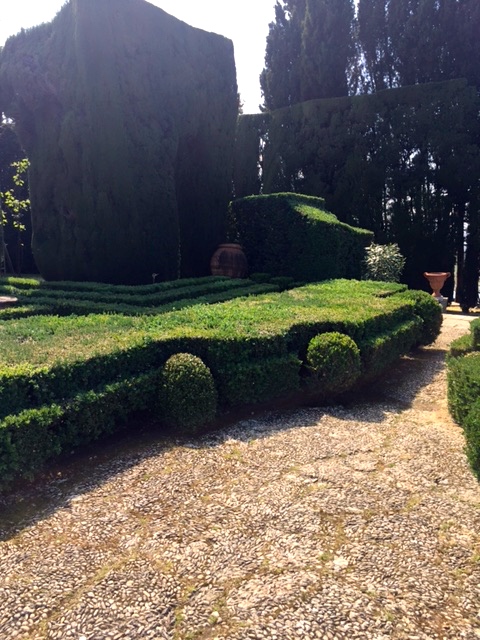
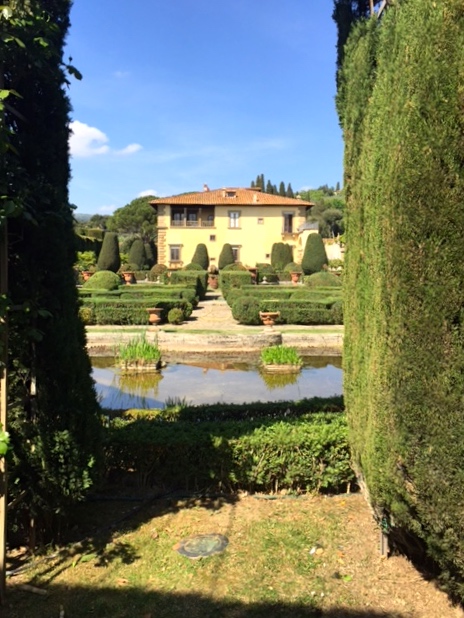
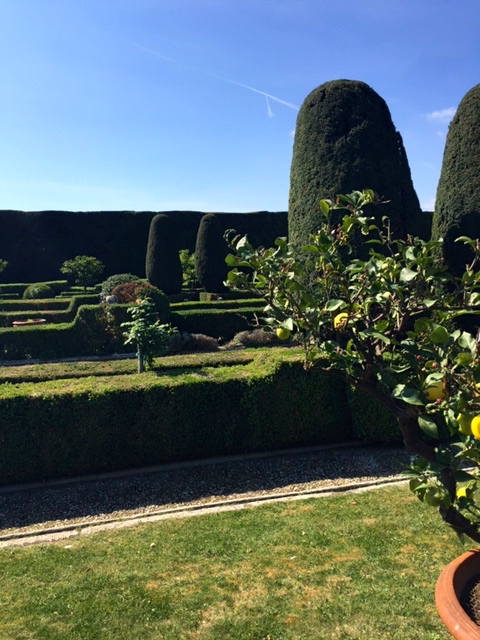
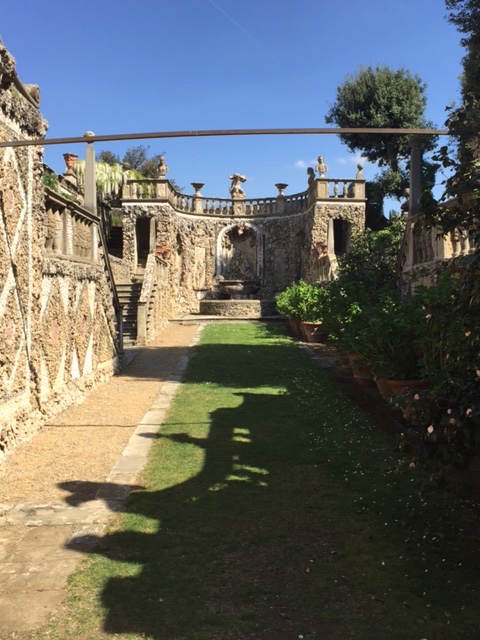
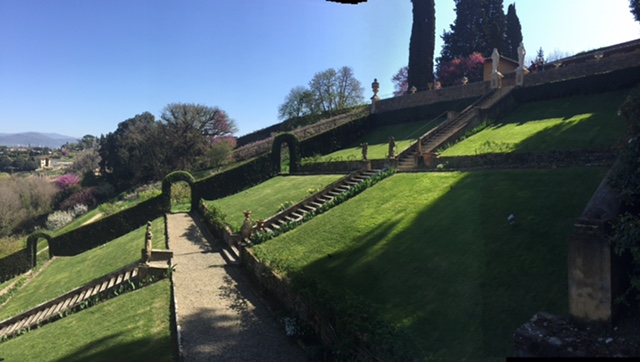
The villa has a lovely, formal 18th-century terraced garden, beautifully restored and open to anyone who presents themselves to the front gate.  There is an entrance fee.

IMG_2026IMG_2029IMG_2030IMG_2031IMG_2033
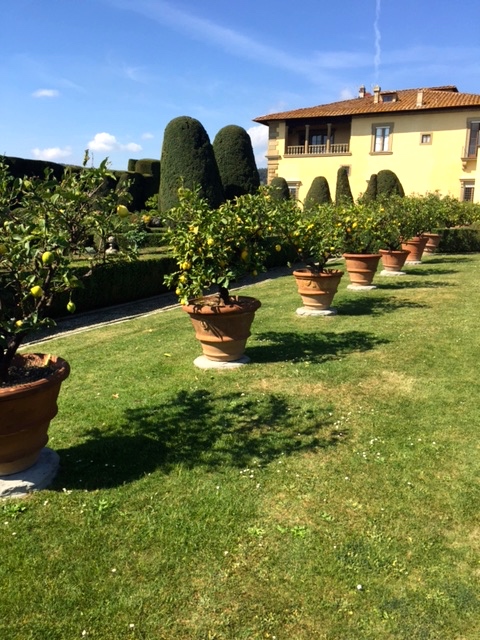
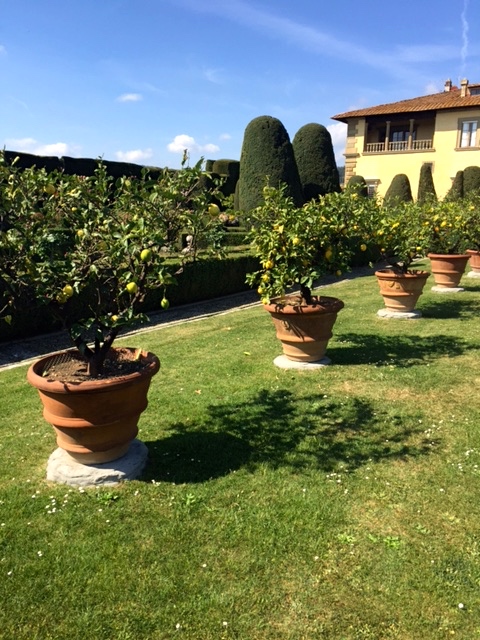
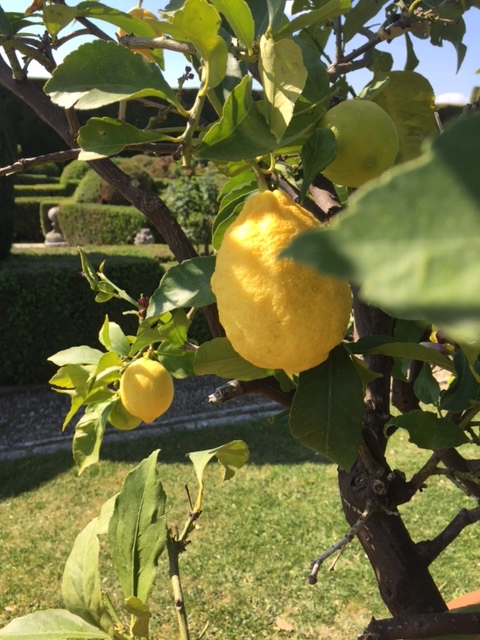
The villa, originally a farmhouse; was owned by Matteo Gamberelli, a stonemason, at the beginning of the 15th century. His sons Giovanni and Bernardo became famous architects under the name of Rossellino. After Bernardo’s son sold it to Jacopo Riccialbani in 1597, the house was greatly enlarged, then almost completely rebuilt by the following owner, Zenobi Lapi; documents of his time mention a limonaia and the turfed bowling green that is part of the garden layout today.

IMG_2027

IMG_2046IMG_2047IMG_2048IMG_2055

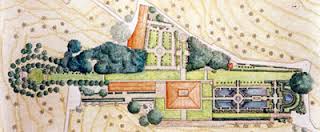
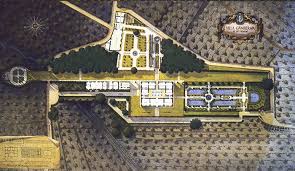
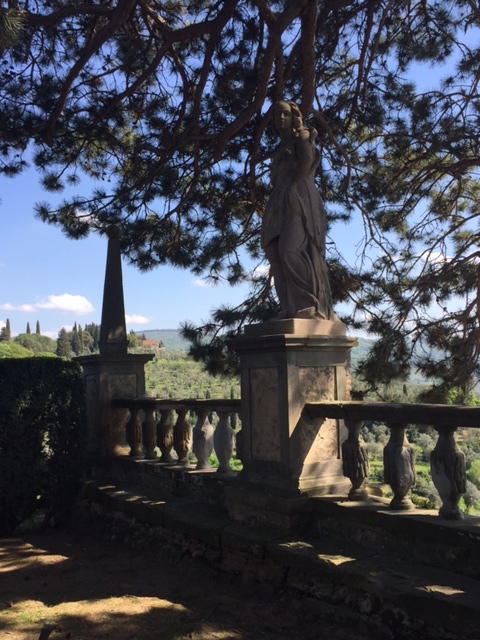
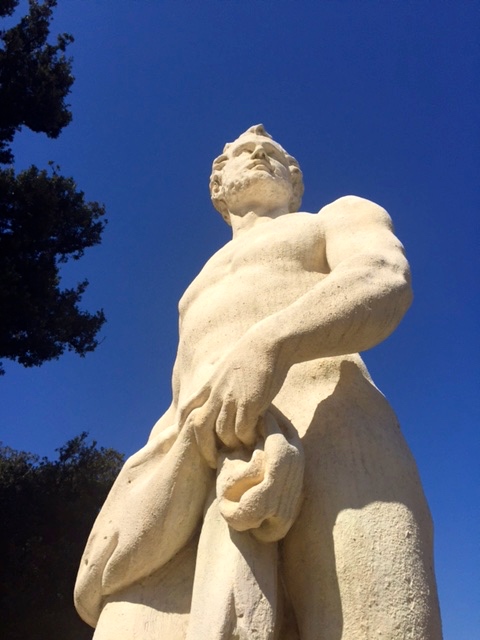
In 1717 La Gamberaia passed to the Capponi family. Andrea Capponi laid out the long bowling green, planted cypresses, especially in a long allée leading to the monumental fountain enclosed within the bosco (wooded area), and populated the garden with statues, as can be seen in an etching by Giuseppe Zocchi.

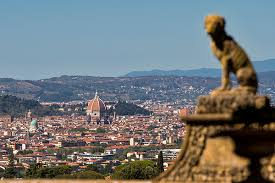
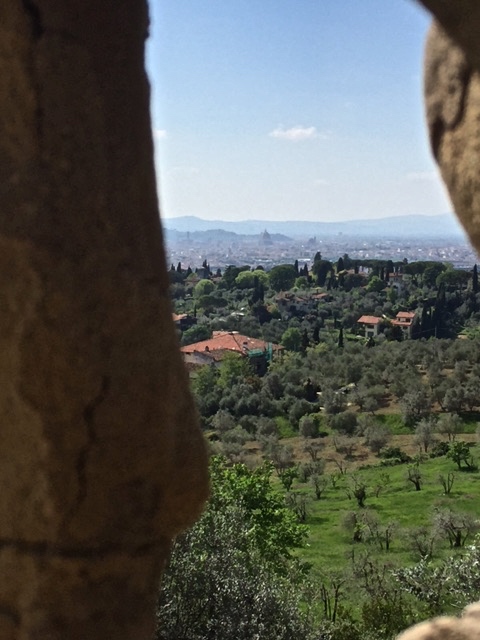
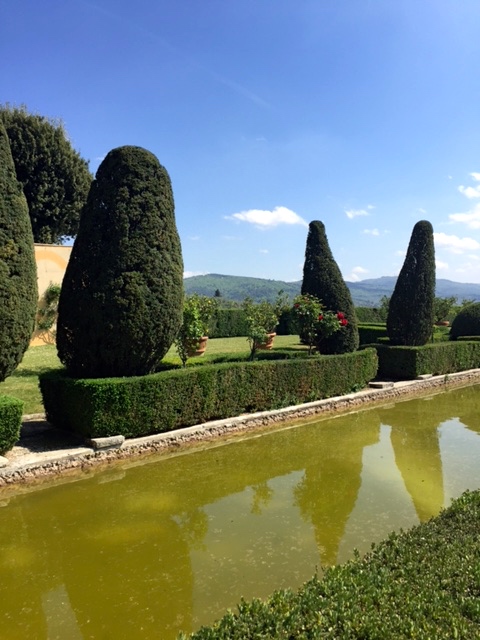
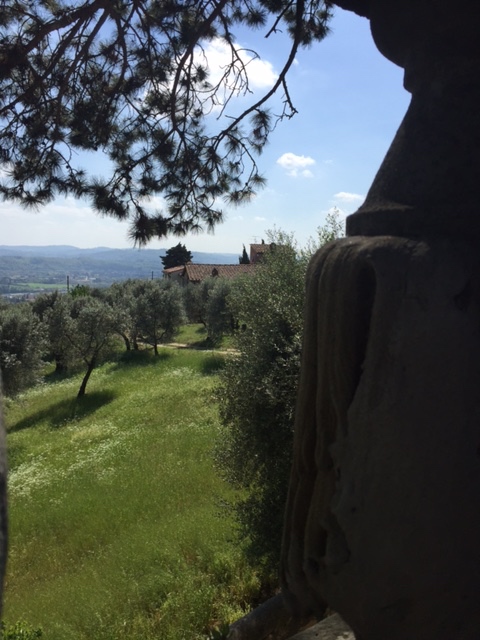
By that time, the villa already stood on its raised platform, extended to one side, where the water parterre is today. The parterre was laid out with clipped broderies in the French manner in the eighteenth century, as a detailed estate map described by Georgina Masson demonstrates. Olive groves have always occupied the slopes below the garden, which has a distant view of the roofs and towers of Florence.

images

IMG_2014

IMG_2017

IMG_2018

IMG_2019

IMG_2020

IMG_2021

IMG_2022

IMG_2025

The setting was praised by Edith Wharton, who saw it after years of tenant occupation with its parterre planted with roses and cabbages.  Wharton attributed the preservation of the garden at the Villa Gamberaia to its “obscure fate” during the 19th century, when more prominent gardens with richer owners, in more continuous attendance, had their historic features improved right out of existence.

IMG_2035

IMG_2039

IMG_2040

IMG_2042

Shortly after Wharton saw the villa, it was purchased in 1895 by Princess Jeanne Ghyka, sister of Queen Natalia of Serbia, who lived here with her American companion, Miss Blood, and thoroughly restored it.  It was she who substituted pools of water for the parterre beds.

During World War II, the villa was almost completely destroyed. Marcello Marchi restored it after the war, using old prints, maps and photographs for guidance.

Georgina Masson also wrote about seeing Villa Gamberaia;  she saw it after it was restored by Marchi.

IMG_2011IMG_2013IMG_2015IMG_2016

IMG_2044IMG_2045IMG_2053

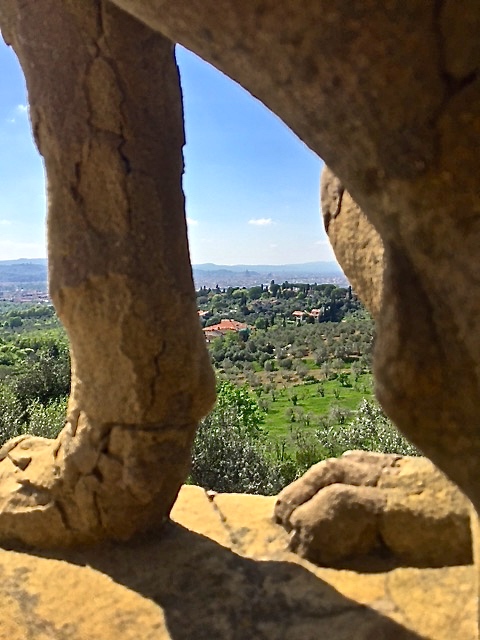
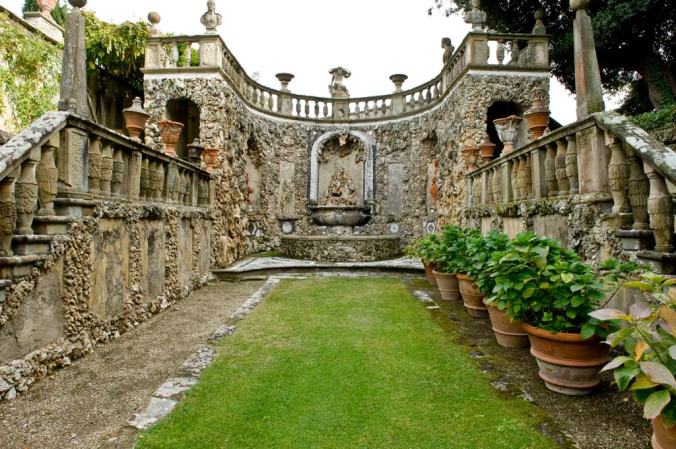
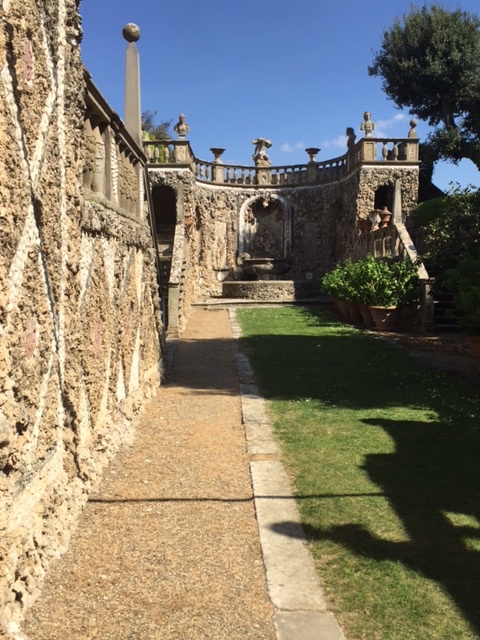
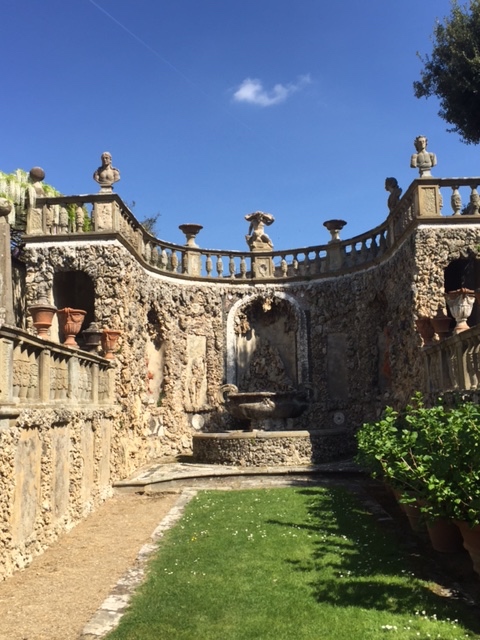
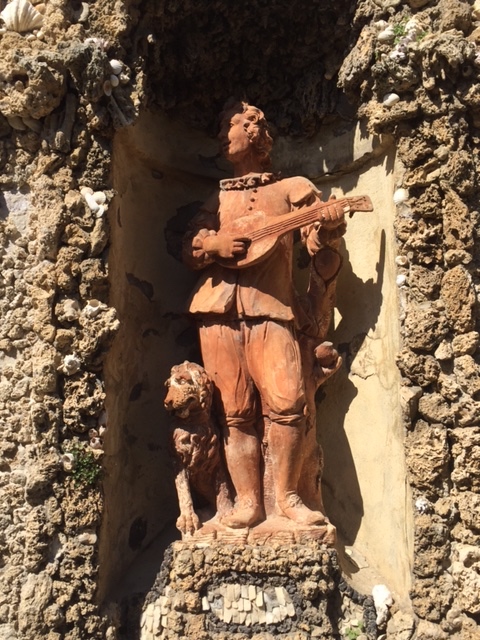
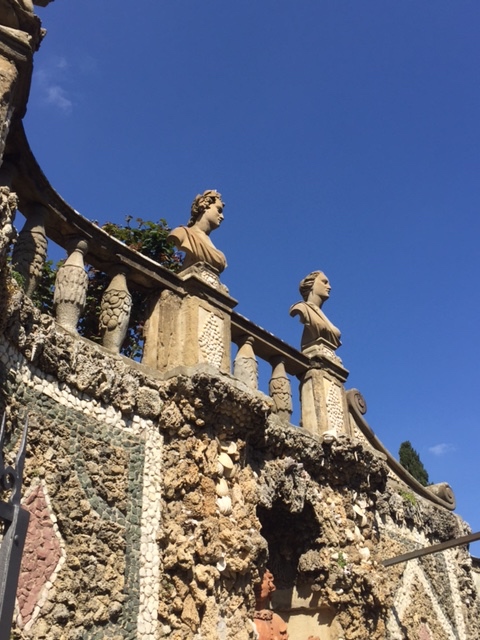
The monumental fountain set in a grotto in the steep hillside at one lateral flank of this terraced garden has a seated god next lions in stucco relief in a niche decorated with pebble mosaics and rusticated stonework.

villa_gamberaia_01l

IMG_2064

IMG_2067IMG_2066IMG_2065IMG_2084IMG_2085IMG_2086IMG_2093IMG_2094IMG_2095IMG_2096IMG_2097IMG_2098IMG_2099IMG_2100IMG_2101IMG_2088IMG_2089IMG_2090IMG_2091IMG_2092IMG_2062IMG_2063

IMG_2057IMG_2059IMG_2060IMG_2061

IMG_2104IMG_2105IMG_2106IMG_2107IMG_2108IMG_2109

IMG_2113

Florence’s Iris Garden


img01


Attenzione! 
2017---The 59th International Iris Show
59° CONCORSO INTERNAZIONALE DELL'IRIS
8 - 13 Maggio 2017

The Iris Garden at Piazzale Michelangelo was begun in
1954. Florence has always had an association with 
the iris; the city's banner has a red iris on a white 
field (and not a lily, as is erroneously believed).

images

The City of Florence, in collaboration with the Italian 
Iris Society,holds an annual International Iris
Competition, since 1954 (high bearded and border). 
To date, 150 new varieties of iris have
been introduced.

The rhizomes of each iii variety are sent to Florence 
from breeders around the world in the June-September
period and are grown at the Iris Garden of
Piazzale Michelangelo for three years before being
judged by an International Jury.
It is a 'anonymous contest,' with each registered
plant marked by a code so that the jury learns
the name of the variety and the breeder only after
the judging.

A special prize is offered each year by the city to
the red variety that is closest to that of the Iris 
represented on the City's banner.


fiorino

P1060192_2-2
 Don't miss it!  I'll see you there!