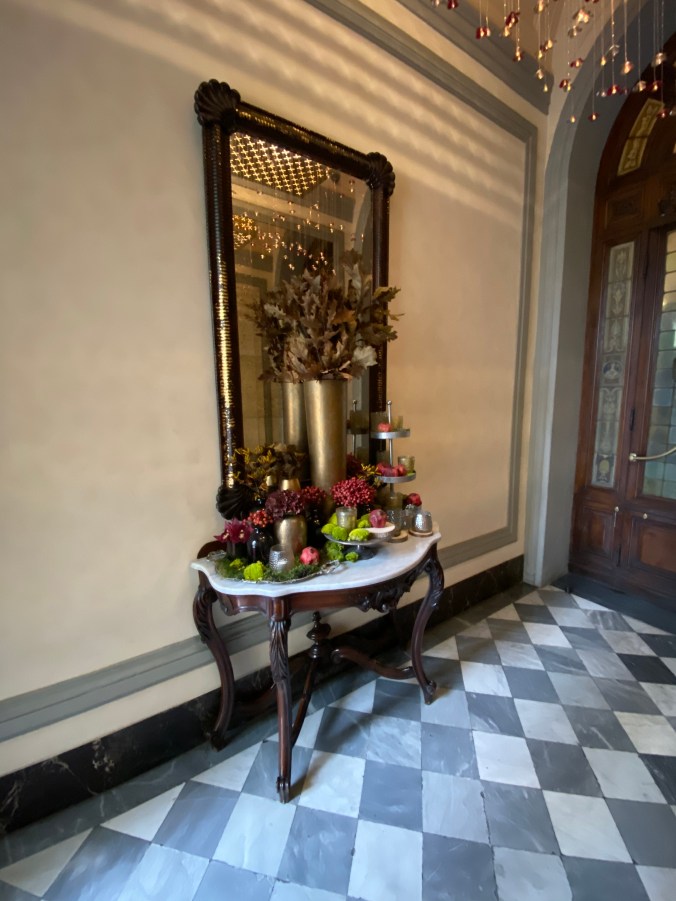


Horticulture
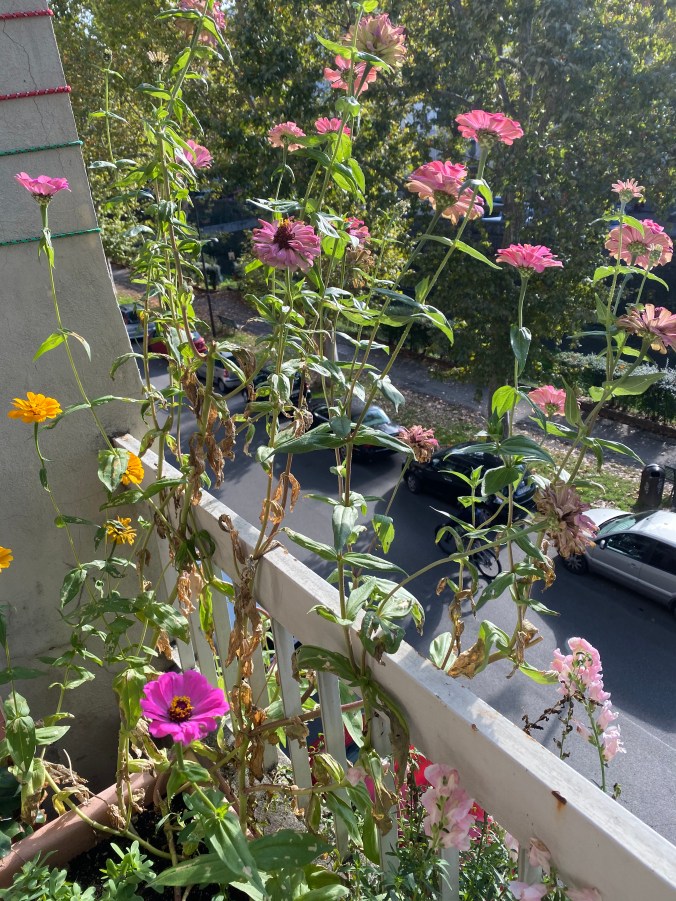
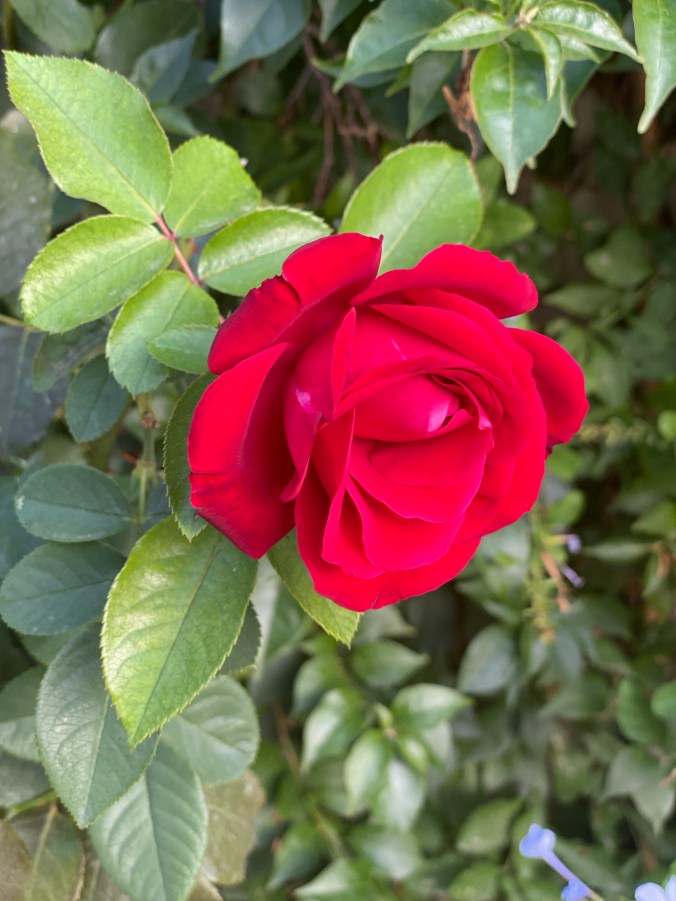
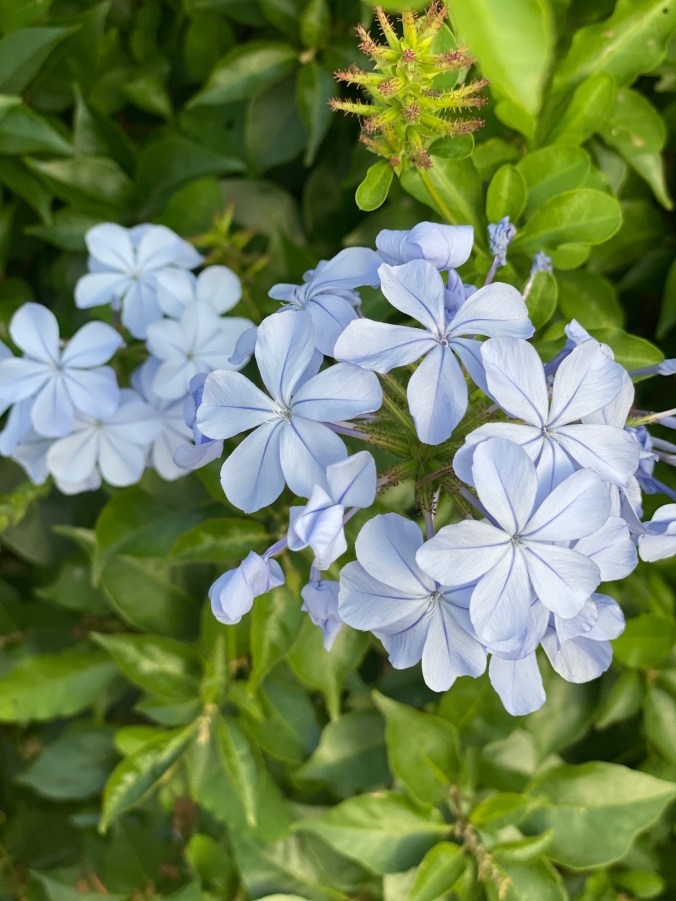
My last blooms from summer, Nov. 1, 2019

Florence’s Protestant Cemetery, also called the English Cemetery
There’s an interesting place in Florence that was, when it was founded in 1828, an extremely bucolic locale.

Today, it stands isolated as an island (Piazzale Donatello) in a ring road system, which is really too bad. Nevertheless, knowing how land development works all over the world, it is a comfort that the place still survives.


The cemetery was founded to provide a solution to a very real problem. Before 1827, non-Catholics who died in Florence had to be buried in Livorno. The cemetery acquired the name ‘English’ because Protestants, most of whom were English, had to be buried outside the medieval city walls.


The English Cemetery was officially closed in 1877, when the medieval walls of Florence came down, making burials within the city boundary illegal, and for a century and a quarter the mini-necropolis remained locked and neglected.
Fortunately, Julia Bolton Holloway, a literary scholar specialising in the works of Elizabeth Barrett Browning – whose Penguin Classic Anthology she co-edited – took on responsibility for the cemetery. It was reopened to the public in 2003 for the reception of ashes but not bodies, and Holloway is actively raising restoration funds.
Ted Jones, wrote the following in his book, Florence and Tuscany: A Literary Guide for Travellers:
When I called, she [Julia Bolton Holloway] was re-lettering a gravestone, and she has set up a number of charitable institutions to ensure its future maintenance. Today, with the gardens replanted and well-maintained and the memorials inscribed and re-erected, it is a pleasure to visit, and well worth the slalom through the traffic – safe in the knowledge that if you don’t make it to the cemetery, there is a hospital next door.
What should be done about Pompeii?
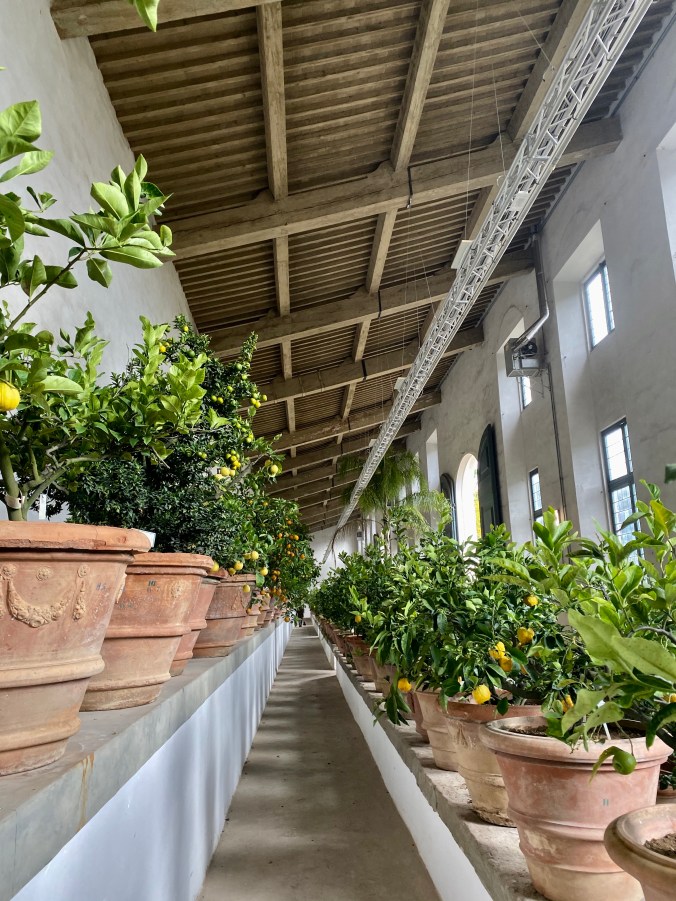
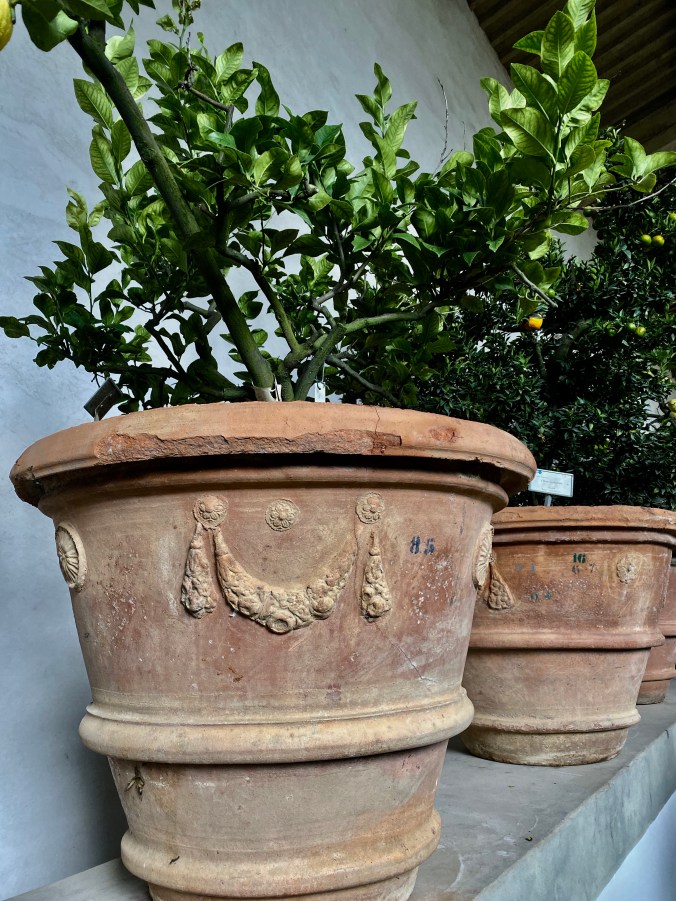
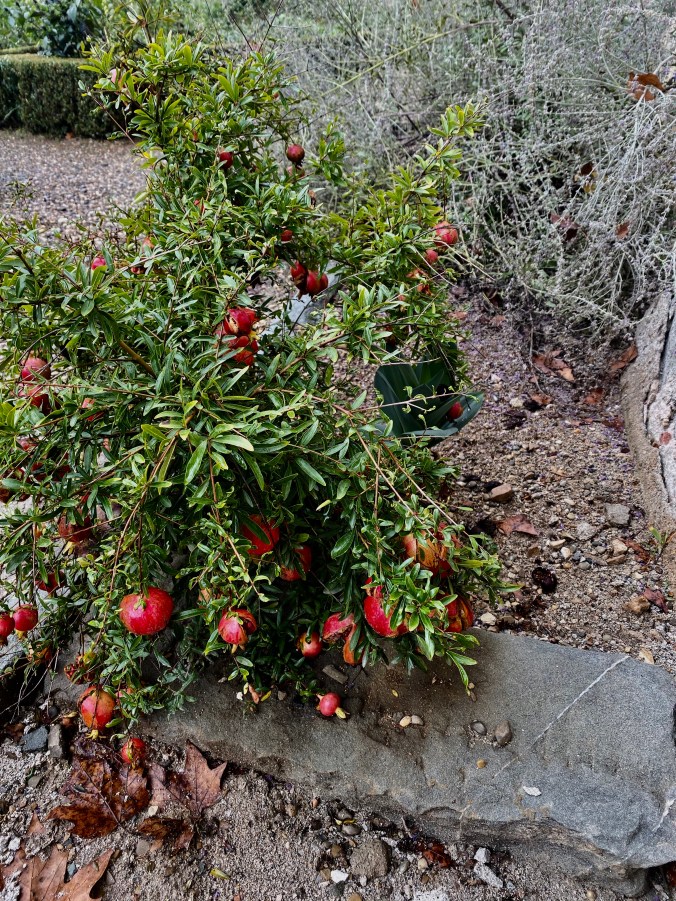
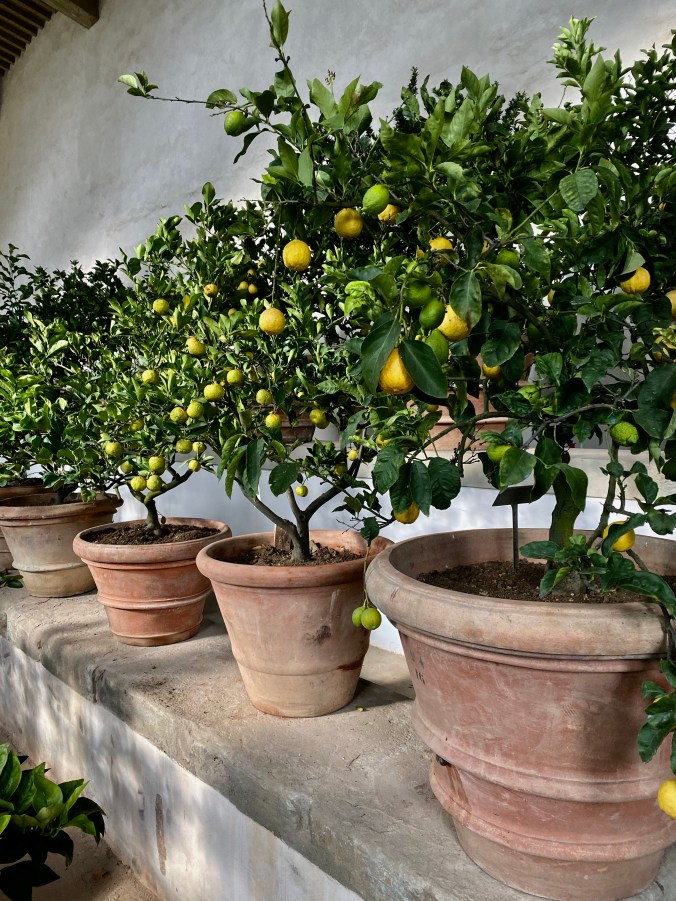
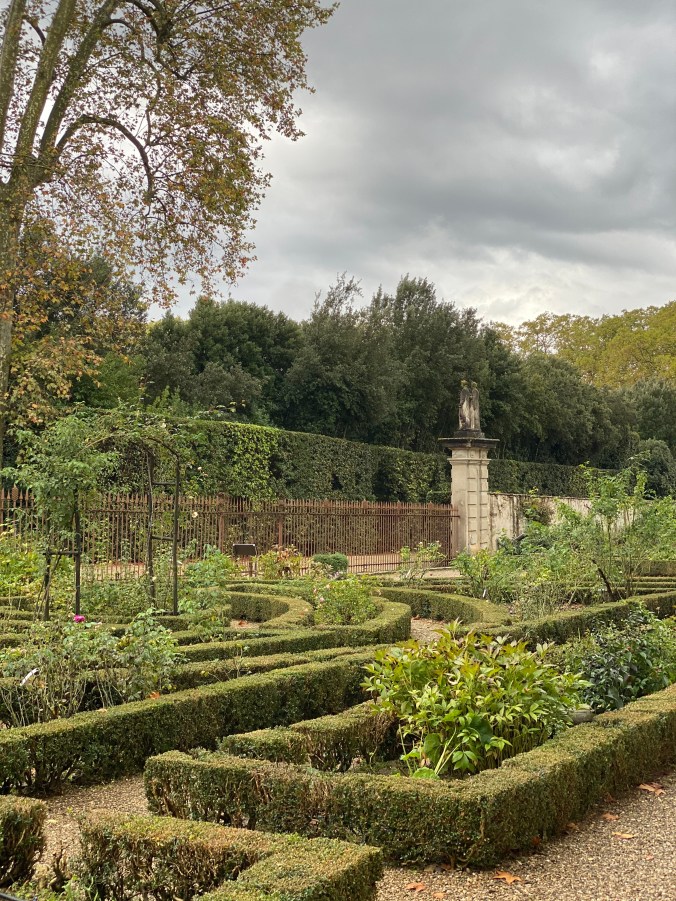
6 November 2019; this week at the Boboli


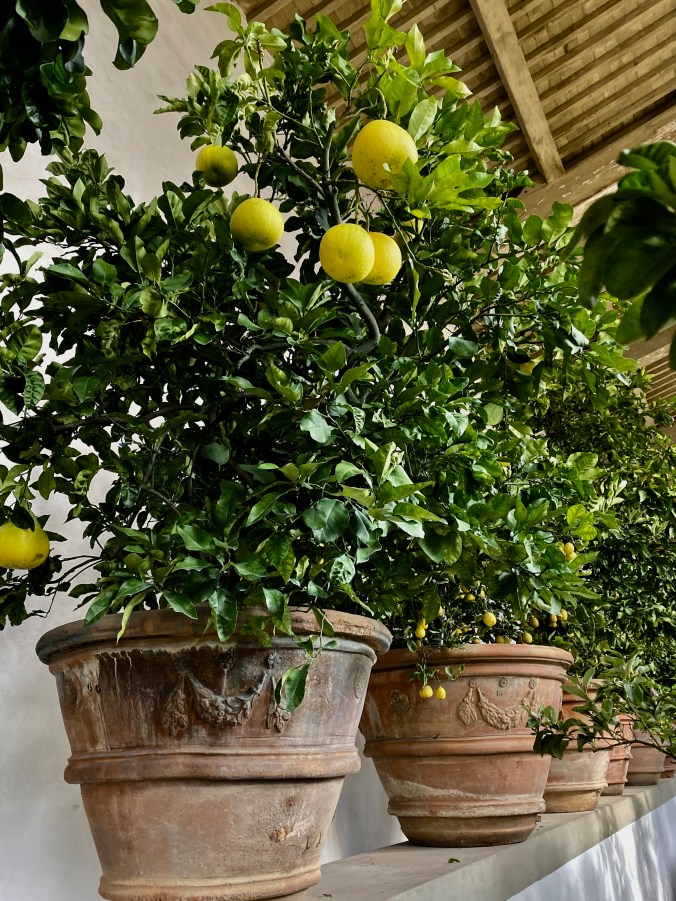


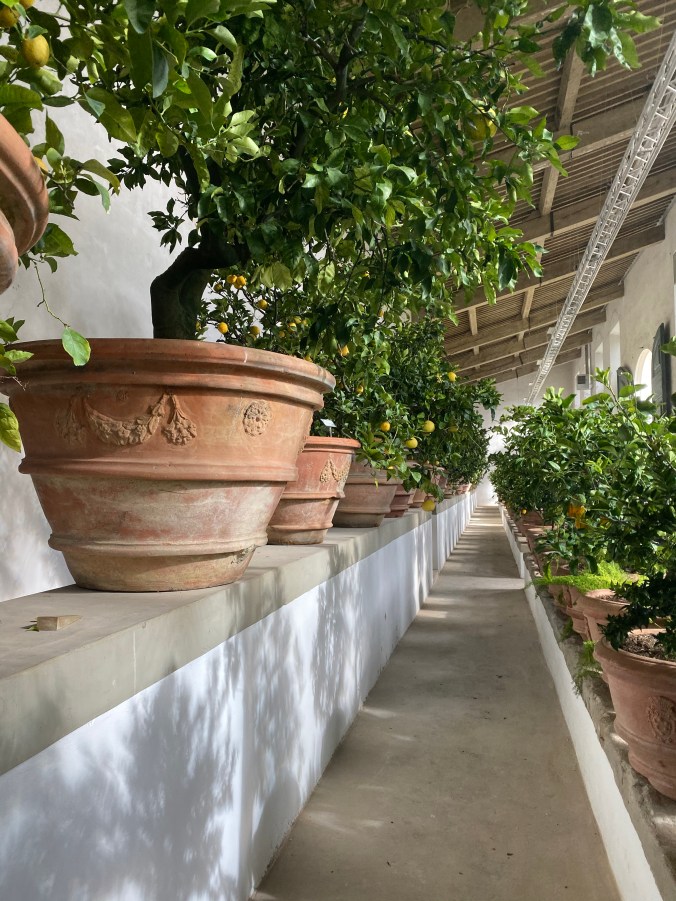
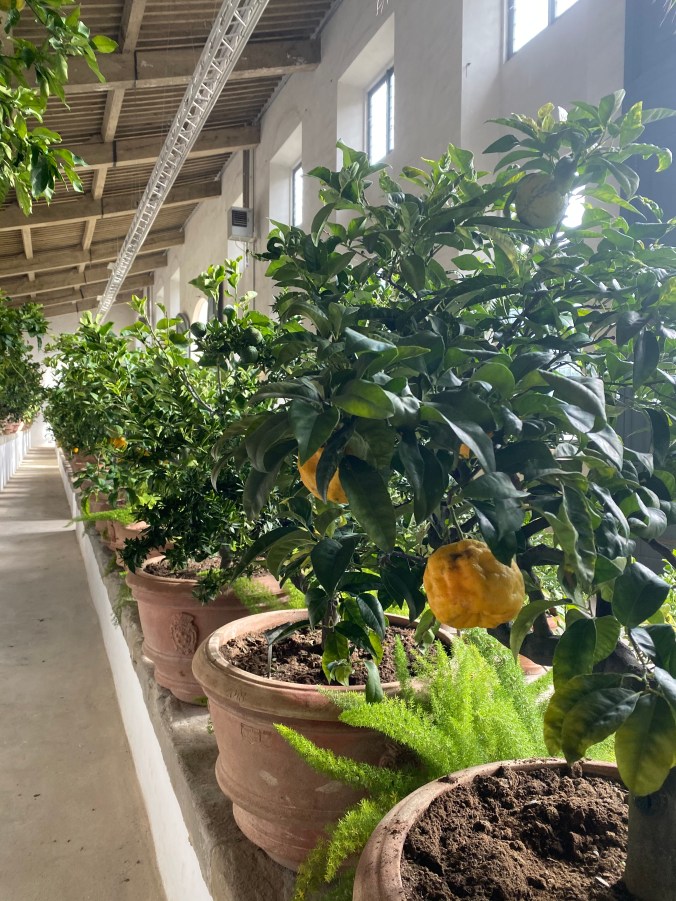
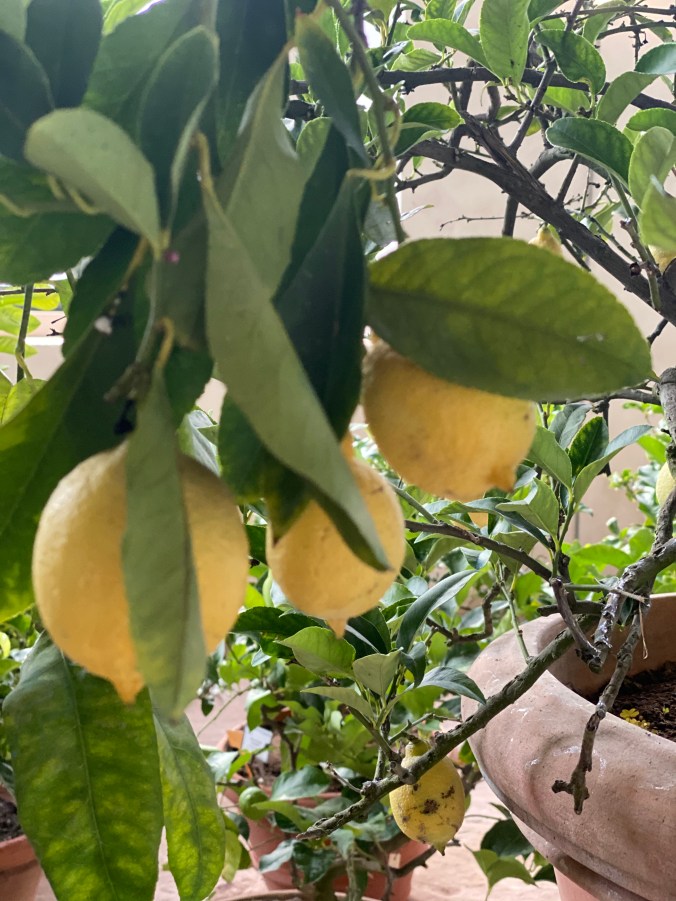


Olive harvesting
In Maremma no one picks olives before November 2 (All Souls’ Day), by which point the green has begun mottling into black. This is why Tuscan olive oil is so justly famous; Umbrians and Apulians, by contrast, wait for the fruit to fall before they gather it, which makes their oil more acidic.
Usually it took us about three weeks, working six hours a day, to harvest our olives (from 38 trees). Once we were done, we’d pack them in plastic crates and haul them to one of the two frantoi (olive presses), this one located in a warehouse behind the consorzio agrario.
In the room through which you entered, tons of olives, either loose or in burlap bags through which a little moisture was already seeping, waited to be weighed and pressed. There would be at least one truck parked outside, bearing the immense crop of one of the larger aziende, a thousand kilos in comparison to which our five crates seemed meager.
Still, we gave them to the frantoiano to weigh, and he told us to how much oil we were entitled, using as the basis for his calculations a mysterious algorithm that took into account not only the quantity of olives but their relative oiliness in comparison to other years (on average, about twenty percent of the weight of the fruit). We’d nod acceptance of his terms.
Then he’d take our olives and throw them onto the pile with all the others, for generally speaking only huge crops were pressed individually; in the case of small harvests, the olives of several different families would be mixed together, which meant that one could never say truthfully, “This oil is mine,” though of course everyone said it anyway. Having deposited our olives, we followed the frantoiano into the next room, where the machinery itself was located.
This consisted of a huge tub and a stone grinding wheel, operated not by hand, as in the last century, but by a sophisticated system of gears. For sheer scale, it was daunting. The wheel was easily twice the size of the Bocca della Verità in Rome.
As for the tub: if you fell into it you would certainly be crushed in a matter of seconds. At the bottom, a muddy sludge of olive residue shifted and churned, while from its side a stainless steel pipe led to a series of distillation tubes and then to a tap from which a stream of oil was always pouring.
The oil was such a deep shade of green that you could not see light through it unless you held the bottle up to the sun. It gave off a slightly mulchy odor. This was the cold-pressed “extra virgin” oil for which Tuscany is famous. Later, the pulp would be pressed a second time, producing a paler oil; later still, the crumbly residue, by now the texture and color of potting soil, would be forced, thanks to the addition of certain chemicals, to yield yeta third grade of oil, almost colorless and used chiefly for deep frying.
Next the frantoiano—Paolo) who in the summer worked at the Bar Sport, and in the spring did construction at the Terme—asked us if we wanted to take our oil then or wait until “our” olives were pressed. We told him that now would be fine, at which point he began to fill our thirty-liter stainless steel oil urn.
One of our neighbors, a farmer with a lot of land, walked in and greeted us. We would have felt intimidated by his bigger harvest (this is the curse of masculinity) had not a tiny old man followed him in. In his right hand he held a straw basket containing at most twenty olives, in his left a biberon—a baby bottle.
Leavitt, David. In Maremma: Life and a House in Southern Tuscany (pp. 131-132). Counterpoint. Kindle Edition.
Leavitt, David. In Maremma: Life and a House in Southern Tuscany (p. 130). Counterpoint. Kindle Edition.
Leavitt, David. In Maremma: Life and a House in Southern Tuscany (p. 130). Counterpoint. Kindle Edition.
Brenta Canal, Part 3
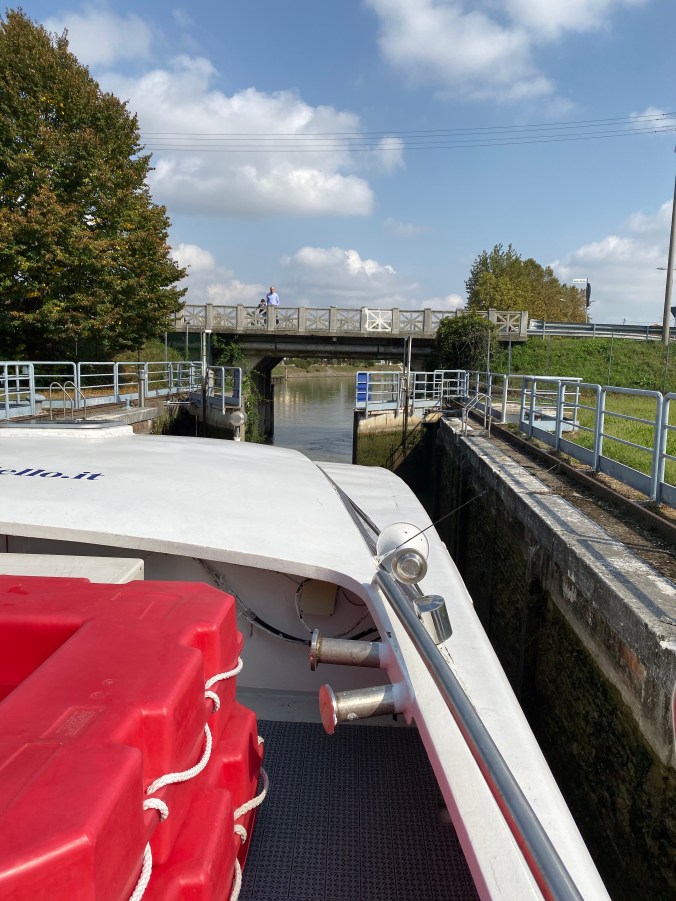
Back onboard the Burchiello, my cruise continued toward Venice from Stra. First we had to sail through the Dolo Locks.
Soon we were passing many amazing ville, visible on the left and right banks of the canal. This area is around Mira, and has a high percentage of villas per square mile! We also passed very beautiful sections of the canals, with willow trees skimming the water and many fisherman catching their Sunday lunch.
It was smooth sailing and I had one of the best seats on the boat.

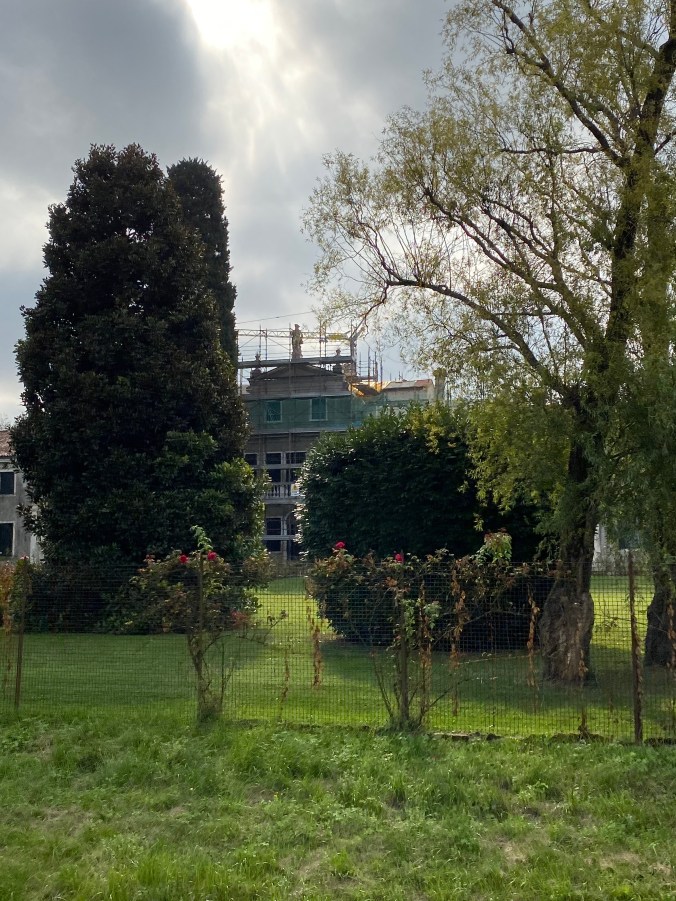


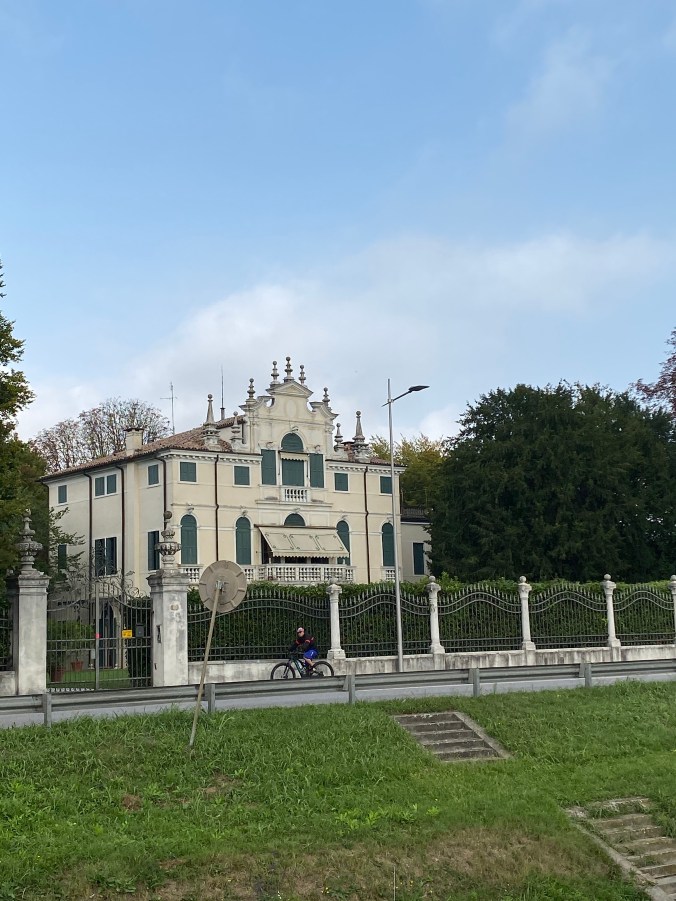


Next we passed through the Mira Locks.


We stopped at Villa Widmann, said to be a typical 18th century residence (that is if you were a part of the aristocracy!). It houses luscious frescoes and has lovely gardens.


To be continued.
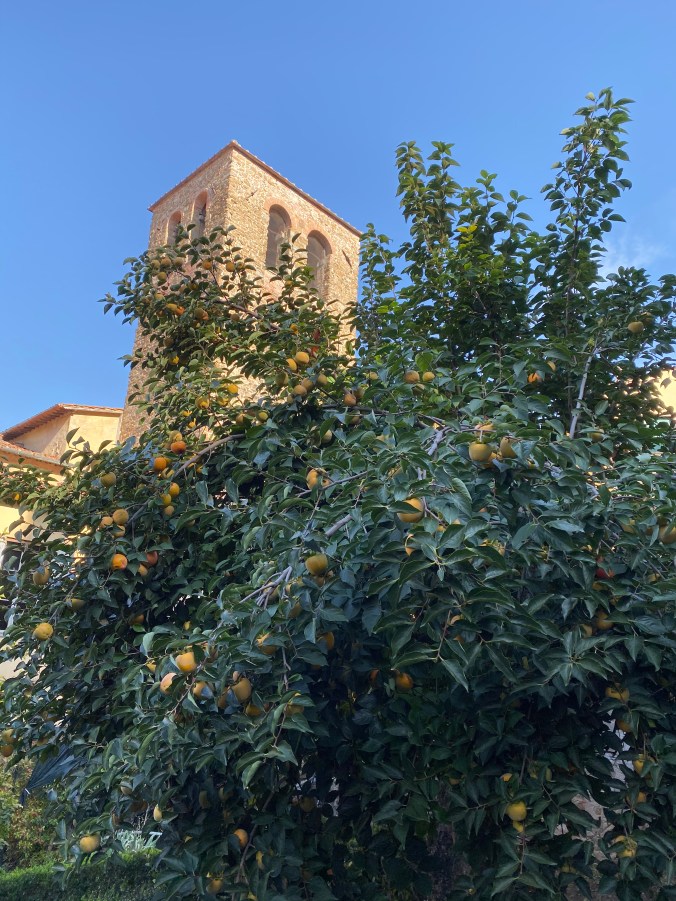
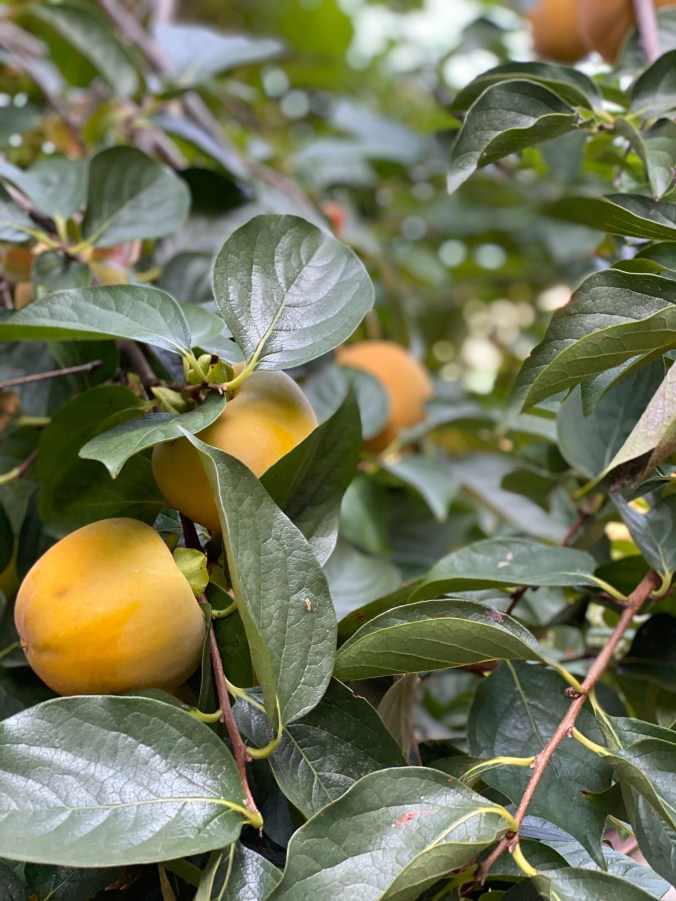
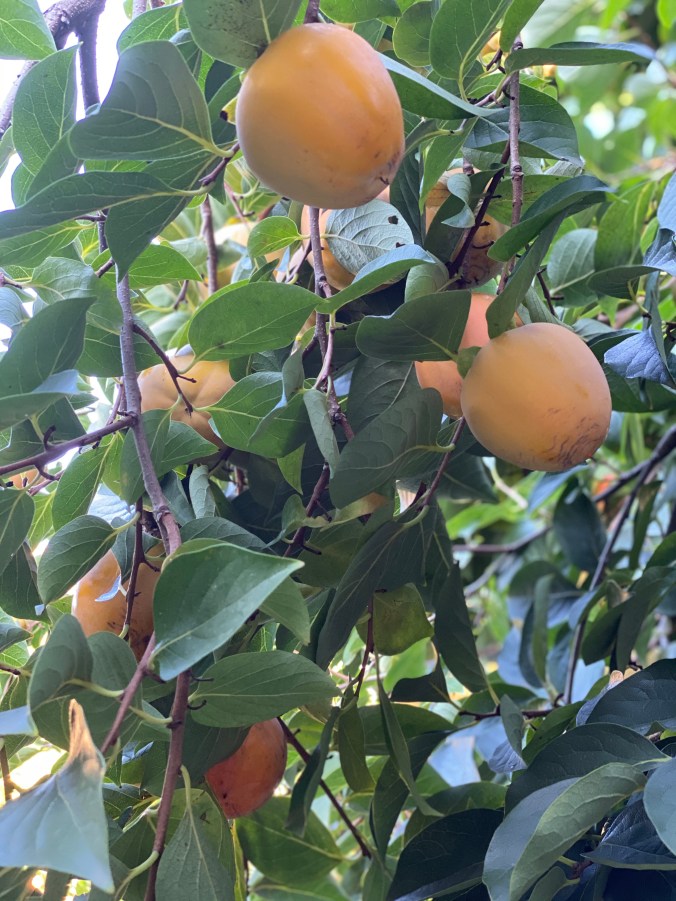
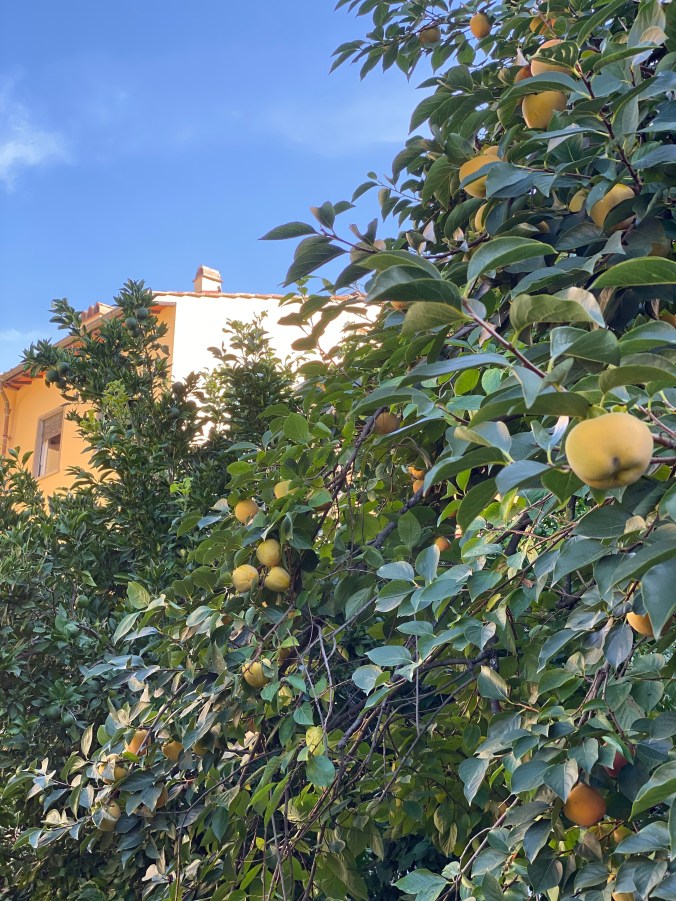
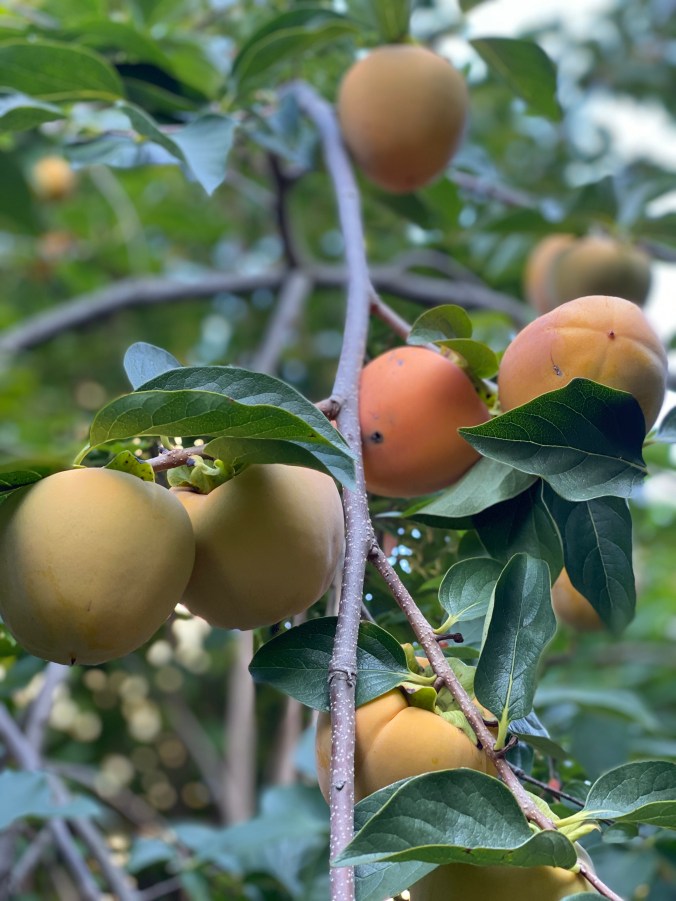
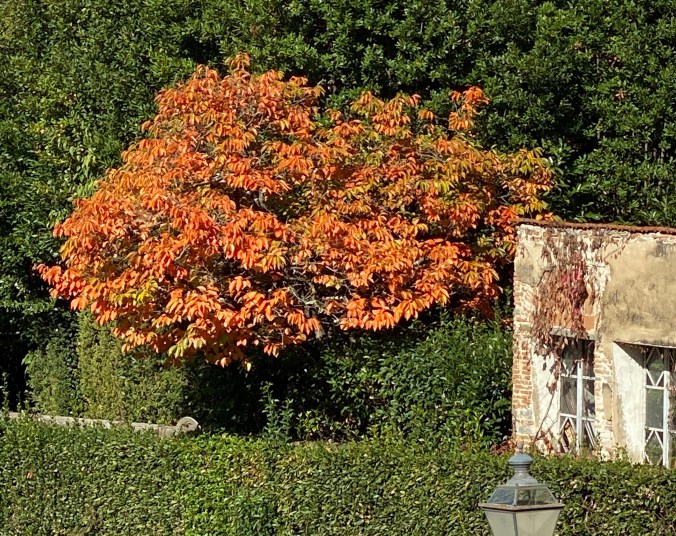
Autumn in the Boboli garden, Florence
The persimmons are beginning to ripen in shades of yellow, gold and coral.




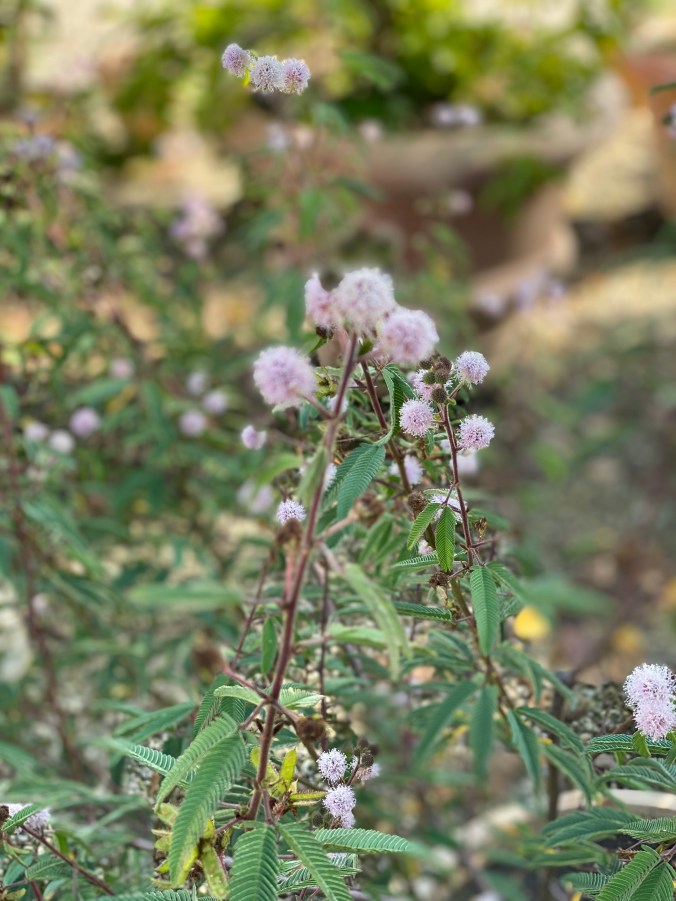
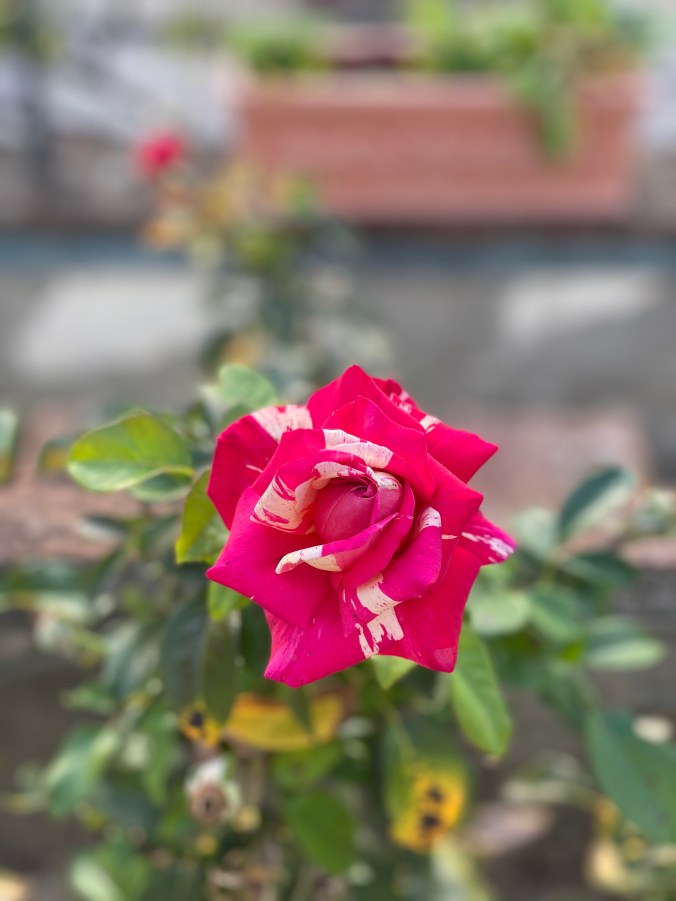
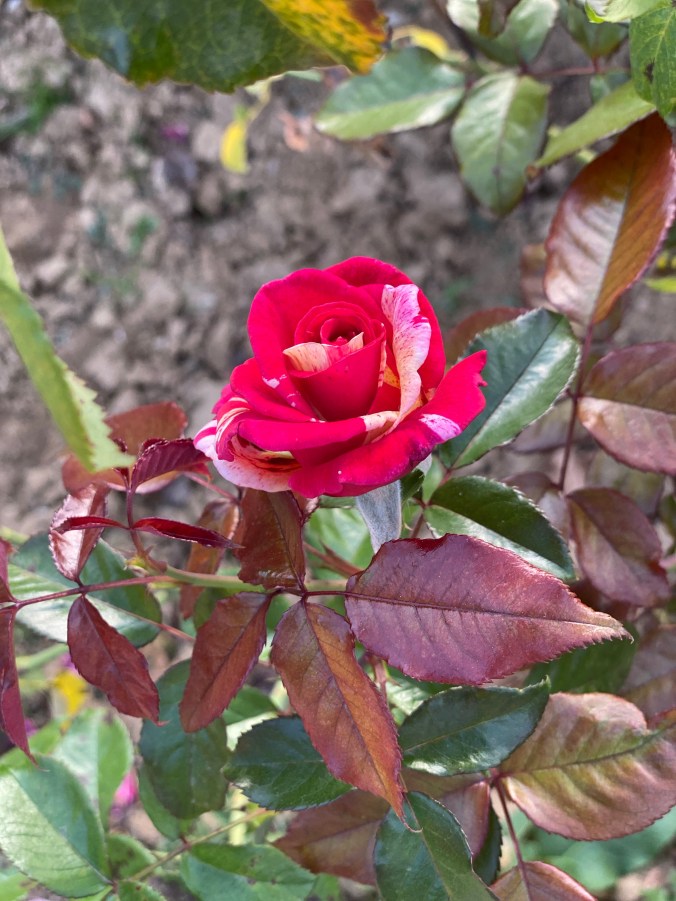
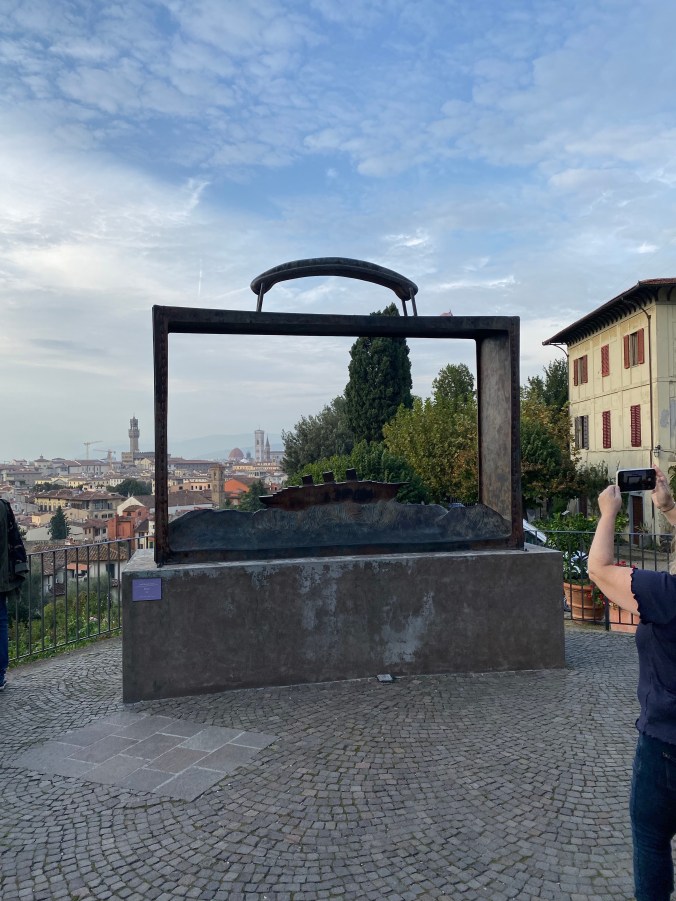
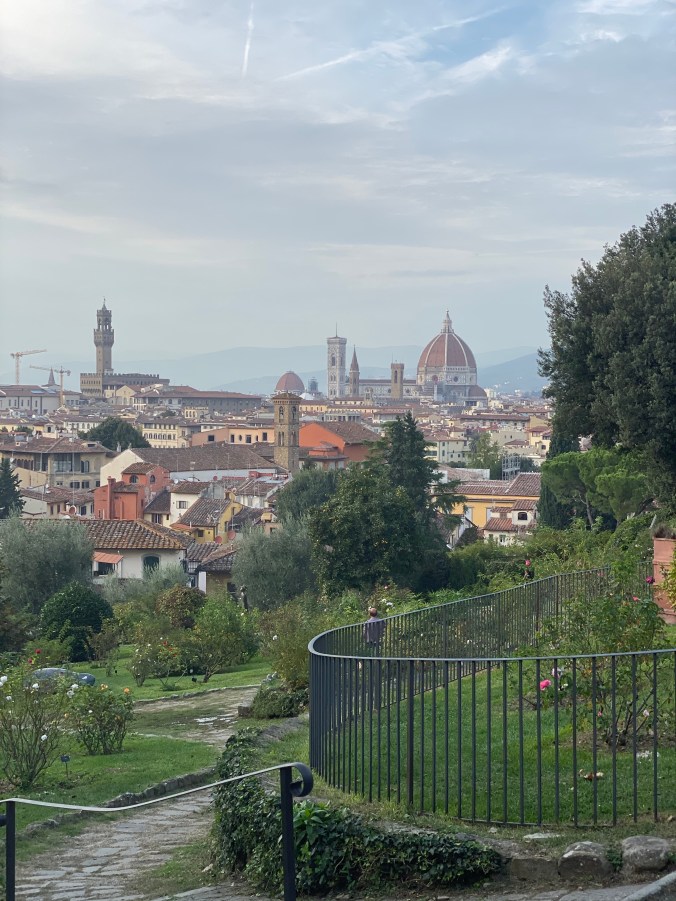
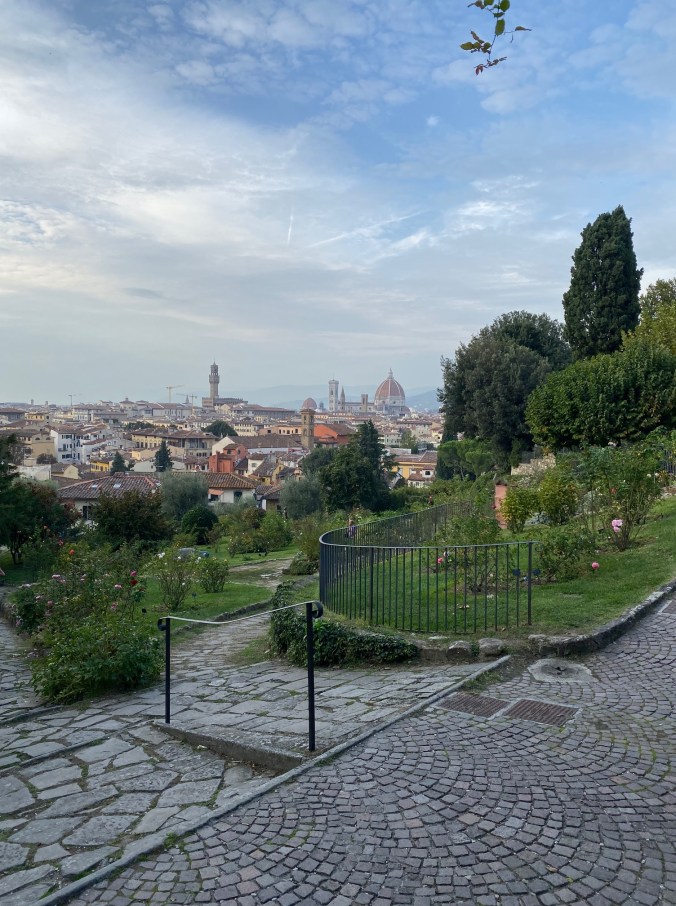
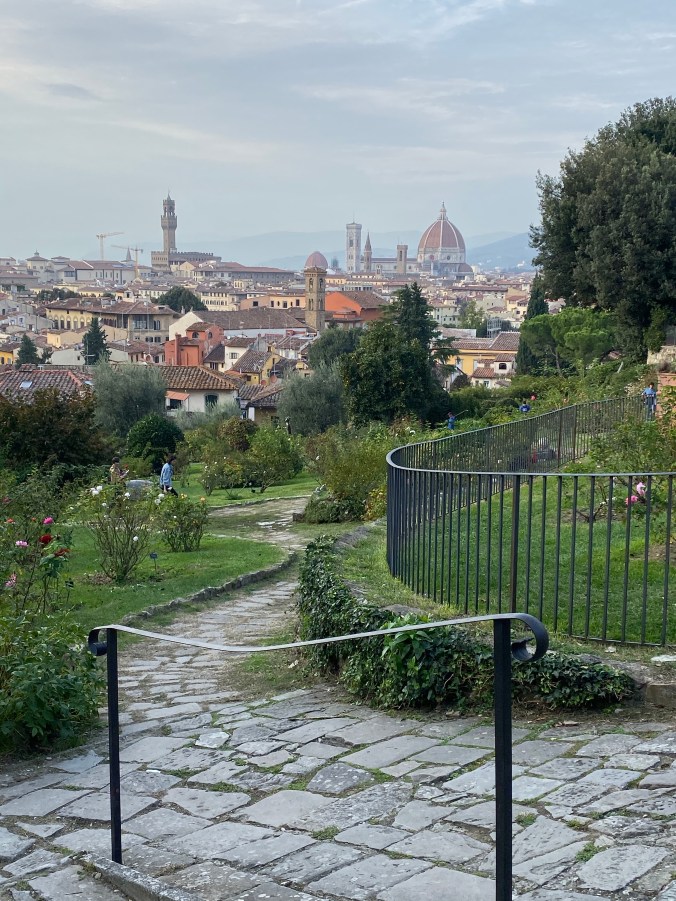
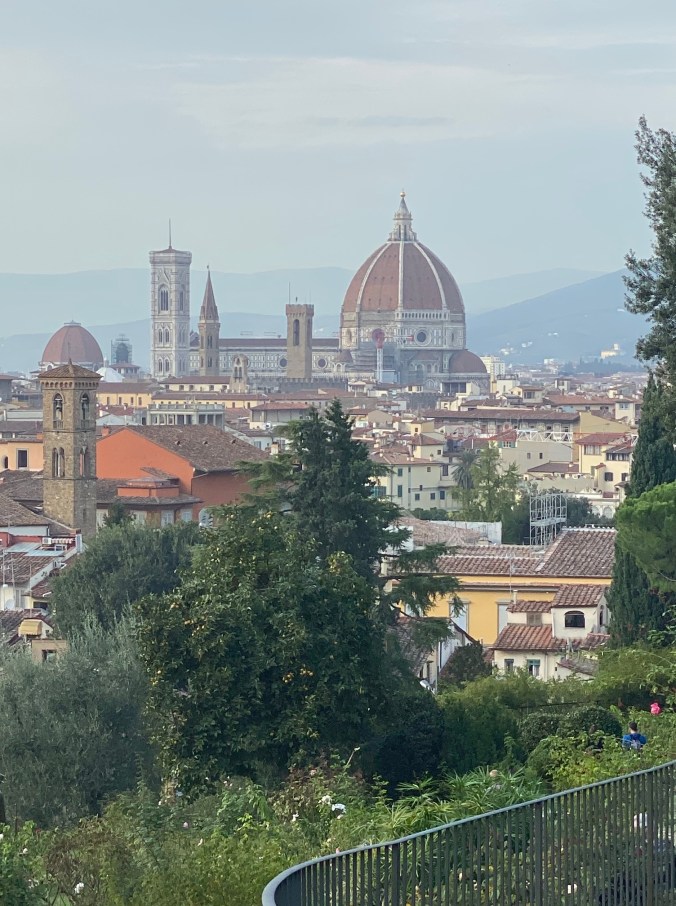
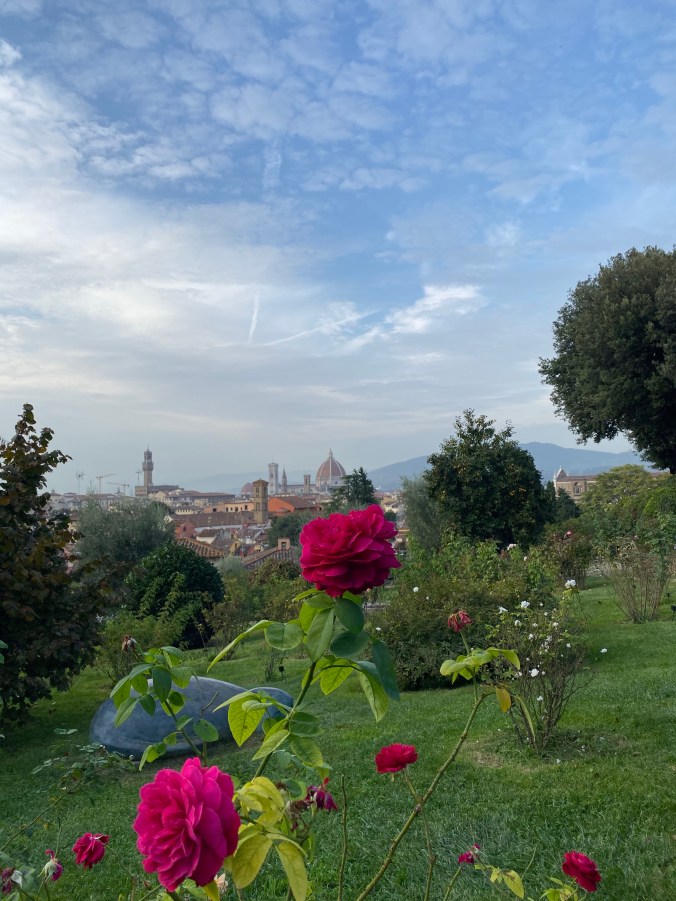
Florence’s rose garden in October, 2019
What a beautiful place to visit, any time of year. Somehow the blooming roses are more poignant and beautiful in late fall.
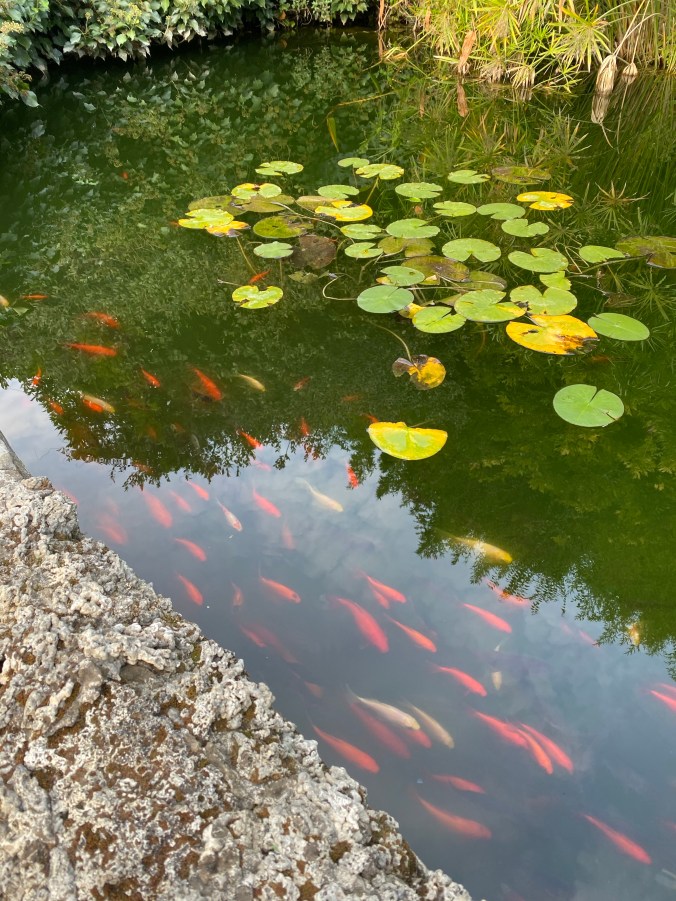
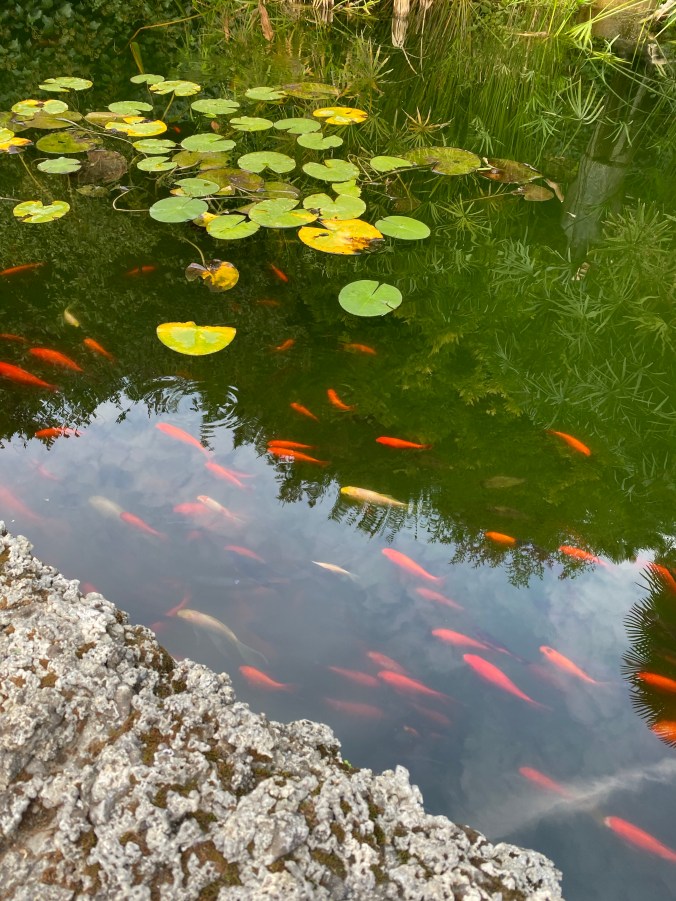
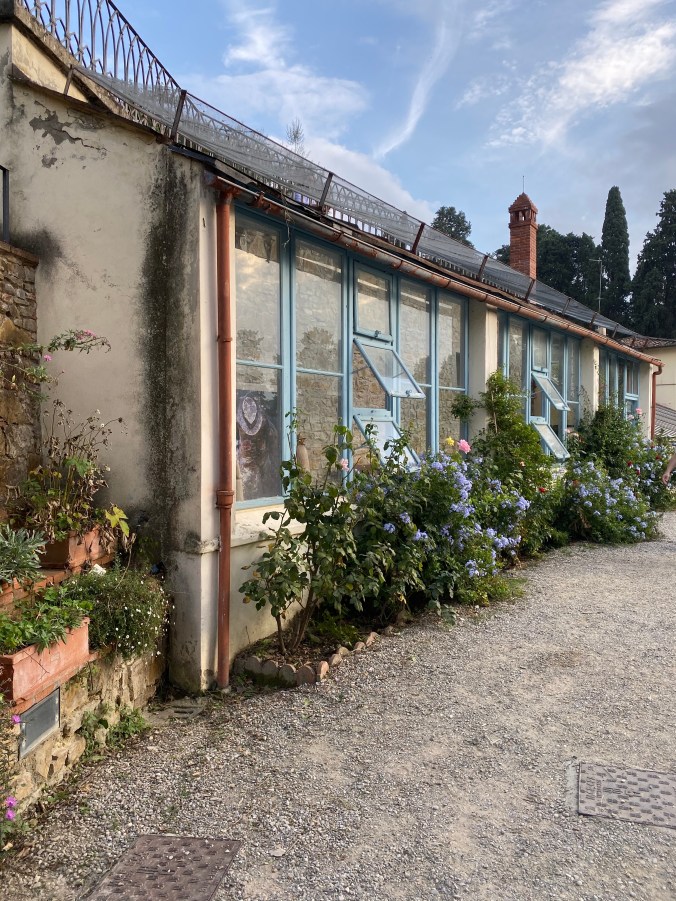

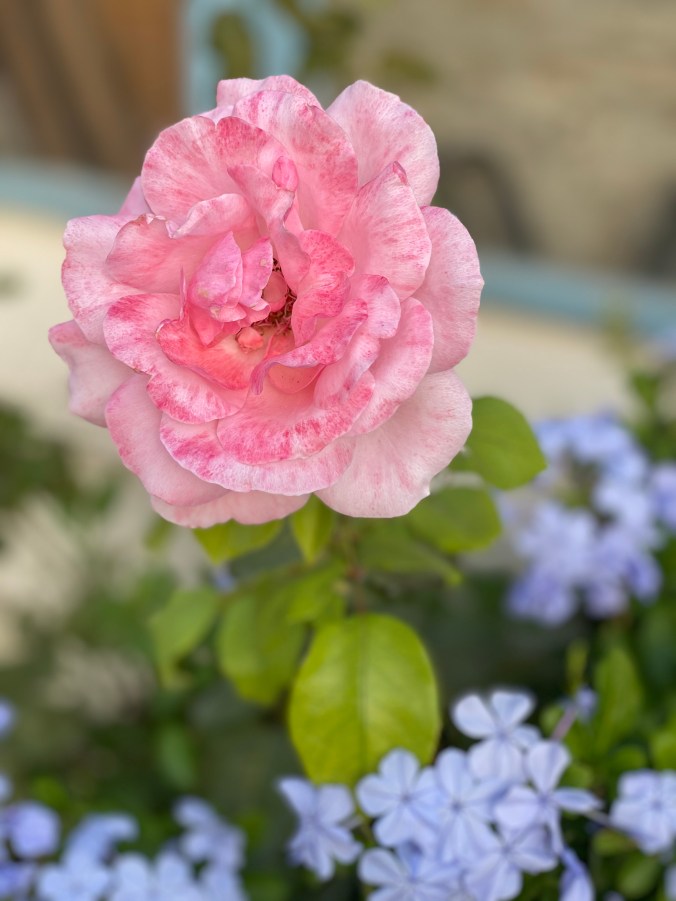

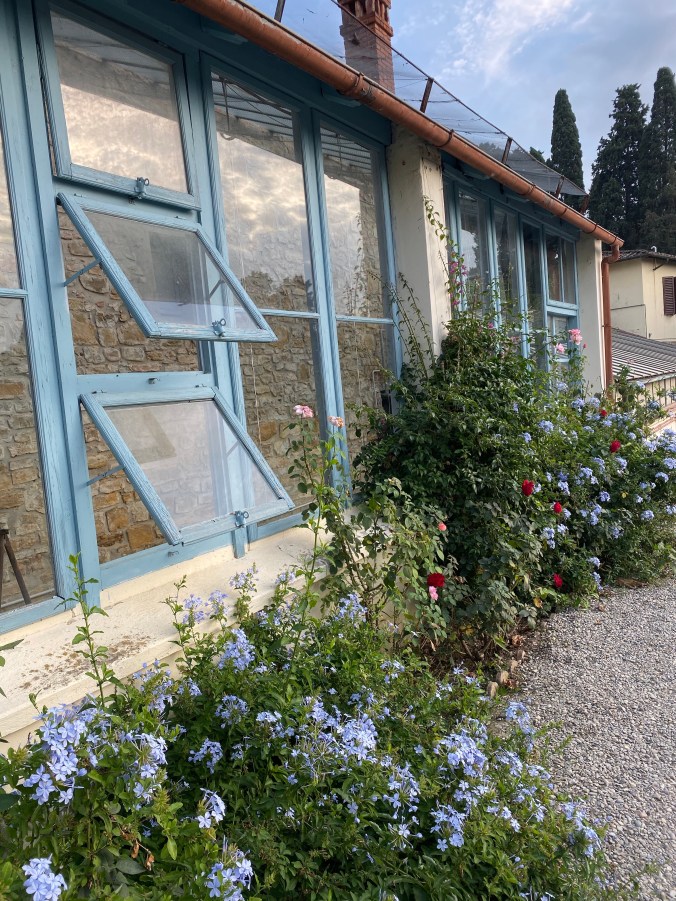





The fall sale at the Giardino dell’ Orticultura, Florence
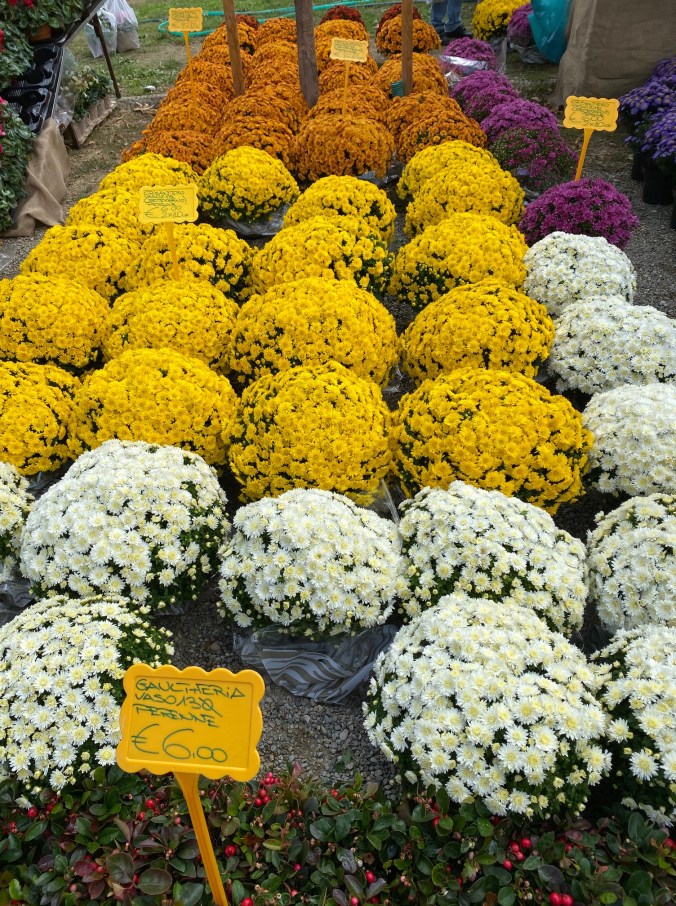
On an early October weekend in Florence, once of the city’s best semi-annual events take place, right in my neighborhood. Florence’s Horticulture Garden (Giardino dell’Orticultura), located at Via Vittorio Emanuele II, 4, is a great place to witness fall’s bounty in the shape of plants and flowers at the Mostra dei Fiori, or the flower fair.
True Florentines are well-acquainted with these fairs which are held every fall and spring. They have been organized almost every year since 1855, and are always attended with great enthusiasm.
You may read all about the place here: www.societatoscanaorticultura.it.
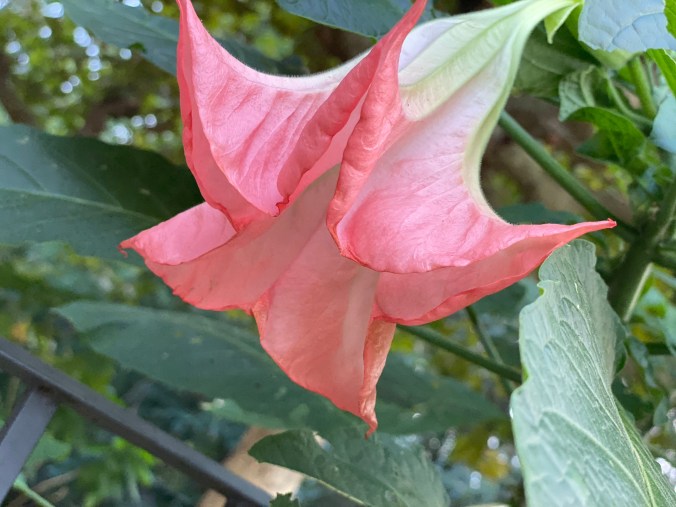
I eagerly await the fall and spring sales and this year was no exception. I was greeted by this beautiful blooming plant, and couldn’t resist taking a picture of it and also a close-up. Wow! What a specimen!


Next up were the glorious displays of chysanthemum (crisantemo in Italian) and cyclamen:

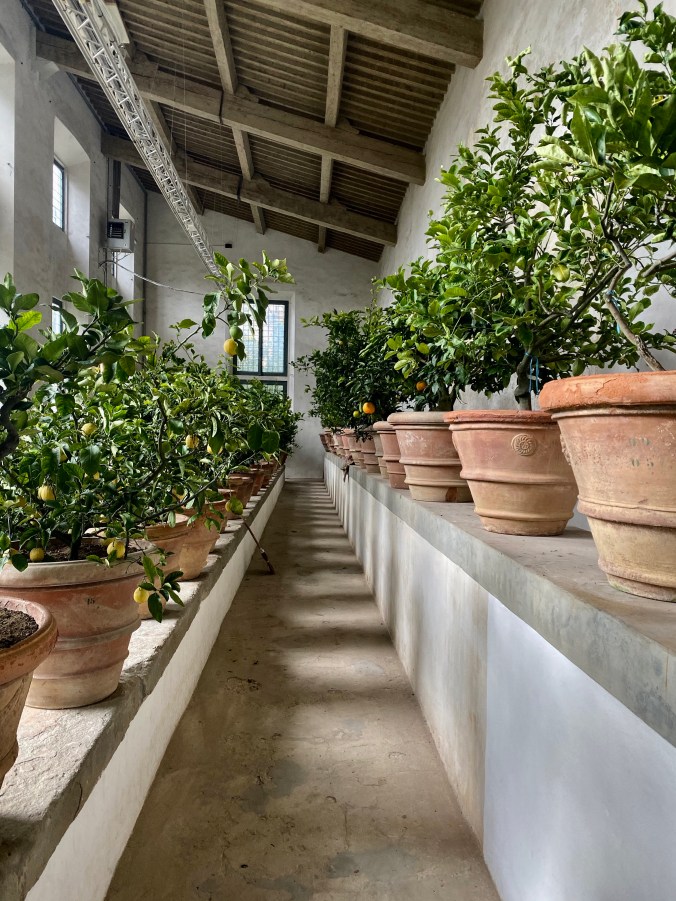
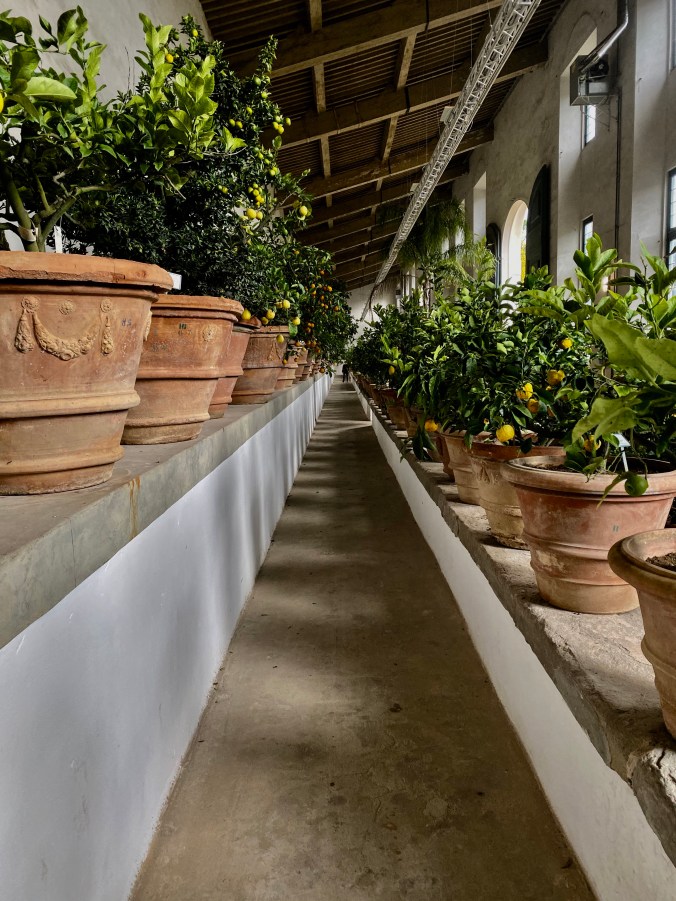
This year one of the exhibitors had a fabulous showing of Italian lemons in their many forms:


Another exhibitor did the same with grapes, apples and nuts! What a display!


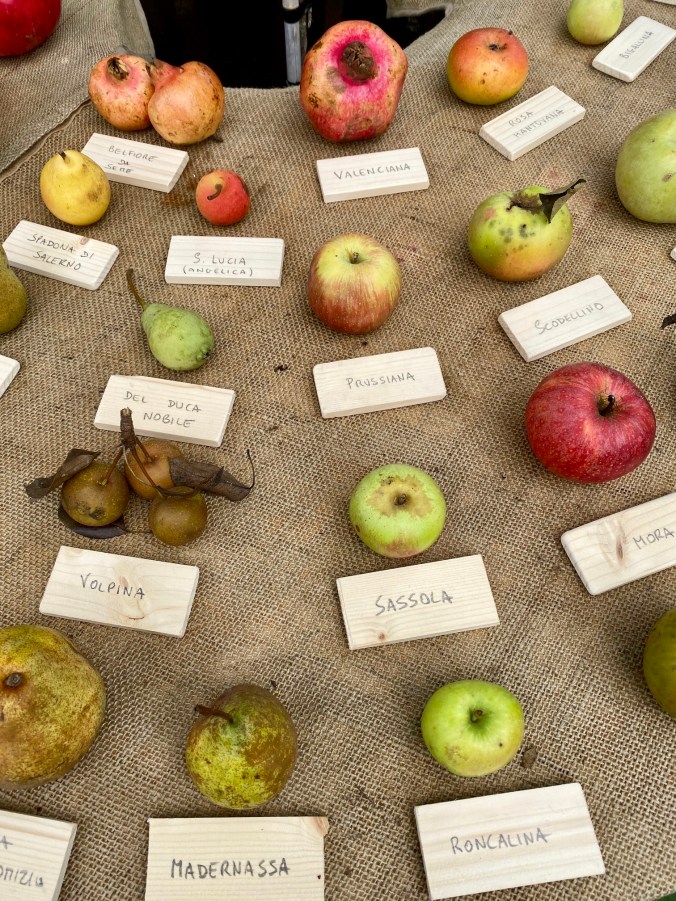
I took home a smallish fig tree to grow inside my home, and a couple of perennials to add color to my fall terrace garden! I eagerly await the spring sale!
All of this botanical splendor serves to remind me that, at heart, I am simply a farmer’s daughter.
The following is for die-hards:
Taken from Italian Wikipedia, with my own translation. You’ve been warned!
Nel 1852, constatato il diffondersi della pratica per l’arte del giardinaggio, l’Accademia dei Georgofili nominò una commissione con l’incarico di formare in Toscana una società d’orticoltura: la Società Toscana di Orticoltura. Da qui nasce l’esigenza dell’attivazione di un orto o giardino sperimentale, che si concretizzò nel 1859, anno in cui alla Società, venne concesso in enfiteusi un terreno posto fuori porta San Gallo all’inizio di via Bolognese di proprietà del marchese Ludovico Ginori Lisci e della marchesa Marianna Venturi.
Dopo tre anni di lavoro la Società aveva realizzato un piantatoio, una vigna ed un pomerio ed aveva impiantato nella parte bassa, verso la città, eccentriche e rare piante ornamentali.
Un radicale riordinamento del giardino si ebbe a partire dal 1876 con lo scopo principale di poter ospitare future esposizioni nazionali e mostre prestigiose. Nel 1880 la Federazione orticola italiana organizzò a Firenze la prima esposizione nazionale e proprio per onorare degnamente l’incarico, la Società toscana decise di completare il proprio giardino con la costruzione di un tepidario (serra in ferro e vetro) di grandi dimensioni che non aveva precedenti in Italia. Fu promossa una sottoscrizione fra i soci al fine di trovare i fondi necessari alla nuova costruzione. L’incarico di redigere il progetto fu affidato all’ingegnere e architetto Giacomo Roster e realizzato dalle Officine Michelucci di Pistoia, con le colonnine in ghisa della fonderia Lorenzetti, sempre di Pistoia. Il tepidarium è a base rettangolare e misura 38,50×17 metri, con una superficie coperta che tocca il 650 m2. L’interno, che era riscaldato da stufe, è abbellito da due vasche con nicchie decorate da rocce spugnose, un omaggio all’architettura manierista, opera dell’intagliatore fiorentino Francesco Marini. In totale vennero assemblati ben 9.700 pezzi, con otto tonnellate di ferro cilindrato che sostengono la struttura. Dopo l’inaugurazione del 19 maggio 1880, il cronista de La Nazione lo definì “palazzo di cristallo.”
L’attività promotrice della Società s’intensificò ulteriormente con l’esposizione organizzata nel 1887, in questa occasione il giardino venne arricchito dalla presenza di un caffè restaurant e da una seconda serra, proveniente dal giardino Demidoff di San Donato.
Nel 1911, il giardino fu nuovamente teatro di una grande mostra internazionale di floricoltura per le celebrazioni promosse dal comune di Firenze nell’ambito del cinquantenario dell’Unità d’Italia. In tale occasione furono operate delle considerevoli modifiche alcune delle quali si conservano tutt’oggi, il cavalcavia sulla ferrovia, l’ingrandimento del viale d’accesso, la decorazione del cancello con stendardi e la costruzione della Loggetta Bondi da parte della Manifattura di Signa. Con nuovi padiglioni addossati al muro si poterono accogliere le esposizioni di libri, ceramiche, attrezzi da giardino e fotografie dell’epoca. alcuni padiglioni erano dedicati alle piante ad alto fusto ed uno unicamente alle rose. Oltre ai numerosi ospiti stranieri, per la prima volta a Firenze, fecero la parte del leone gli esemplari provenienti dalle collezioni dei fiorentini Carlo Ridolfi e Carlo Torrigiani.
Con la prima guerra mondiale cominciò un lento ma inesorabile declino dell’attività della Società toscana d’orticoltura: perciò, nel 1930 il giardino venne acquistato dal Comune, che lo destinò a giardino pubblico. Il grande tepidario del Roster denunciava un grave stato di abbandono, tanto che il Comune stanziò, fra il 1933 e il 1936, dei fondi speciali per il restauro di questo. Il tepidario subì di nuovo alcuni danni, specialmente durante la seconda guerra mondiale; recentemente, nel 2000, è stato restaurato, tornando all’antico splendore.
Attraverso un passaggio pedonale oltre la ferrovia si accede al cosiddetto “giardino degli orti del Parnaso”, una piccola area verde posta su un dislivello panoramico, dove spicca una fontana a forma di serpente o drago, che si snoda fantasiosamente sulla scalinata. Questo giardino, in particolare la zona vicino all’ingresso da via Trento, è uno dei migliori punti della città per vedere “I Fochi di San Giovanni”, lo spettacolo pirotecnico che si tiene ogni anno il 24 giugno per la festa di San Giovanni, patrono di Firenze. In questo giardino ha sede il Giardino dei Giusti sulla falsariga di quello esistente a Gerusalemme.
La serra oggi è utilizzata per eventi, aperitivi, party ed attività culturali, come per esempio l’iniziativa Un tè con le farfalle.
Mentre il Giardino ospita anche la Biblioteca comunale dell’Orticoltura.
Nel giardino sono state girate alcune scene dei film Amici miei – Atto IIº (1982) di Mario Monicelli e Sotto una buona stella (2014) di Carlo Verdone.
In 1852, the l’Accademia dei Georgofili established a committee to consider establishing a society for horticulture in Tuscany: la Società Toscana di Orticoltura. From that origin, came the formation of an experimental garden was established in 1859, the year in which the committee was given lease on land outside of the Porta San Gallo at the beginning of Via Bolognese, [the land] owned by the landowner of the Marquis Ludovico Ginori Lisci and of the Marquise Marianna Venturi.
After 3 years work the Societa had built a garden with a vineyard and a tomato house and had planted rare ornamental plants in the lower part [of the plot], towards the city.
From 1876 the garden was radically reorganized in order to become a suitable place to host future national expositions and prestigious exhibits. In 1880 the Italian Horticulture Federation organized in Florence the first national exposition and, in honor of that, the Tuscan Societa decided to complete its garden by construction a large tepidarium (greenhouse in iron and glass), which was without precedent in Italy.
A subscription was formed to finance the work of the new construction. The project was drawn up by the engineer and architect Giacomo Roster and carried out by the Offices of Michelucci of Pistoia, with the cast iron columns from the Lorenzetti foundry, also from Pistoia. The tepidarium has a rectangle base and measures 38.50 x 17 meters, with a covered area that is 650 square meters.
The interior was heated by 2 stoves, is adorned with niches decorate with red spongy stone, a tribute to Mannerist architecture, the work of the master Florentine stone cutter, Franscesco Marini. The entire building is made up of more than 9,700 pieces with 8 tons of cylindrical cast iron supporting the structure. After the inauguration on 19 May 1880, the reporter of La Nazione called it a “Palace of Crystal.”
The Society’s promotion of its work intensified with the exhibition organized in 1887, on this occasion the garden was outfitted with a caffe restaurant and a second greenhouse, supplied by the Demidoff garden of San Donato.
In 1911, the garden was once again the site of a great international floriculture exhibition for the celebrations promoted by the municipality of Florence to commemorate the 50th anniversary of the Italian Unification. On this occasion, modifications, some of which are still preserved today, the railway overpass, the enlargement of the driveway, the decoration of gate, and the construction of the Bondi Loggia by the Signa Manufacture.
With new pavilions inside the wall, exhibitions of books, ceramics, garden tools and period photography, could be accommodated. Some pavilions were dedicated to tall trees and one dedicated to roses. In addition to the numerous foreign guests, for the first time in Florence, the lion’s share of specimens came from the Florentine collections of Carlo Ridolfi and Carlo Torrigiani.
With the beginning of WWI the Society’s activities slowed and declined; therefore, in 1930 the garden was purchased by the Municipality, which turned it into a public garden. The large tepidarium of the Roster denounced he grave state of disrepair, so that the Commune allocated, between 1933 and 1936, special funds for its restoration. The tepidarium again suffered damage, especially during the WWII; recently, in 2000, it was restored and returned to its former glory.
A pedestrian walkway leads to the so-called “garden of the Parnassus” a small green area on a leveled panoramic site, where a snake or dragon-shaped fountain plays, winding imaginatively up the stairs. This garden, in particular the zone near the entrance of Via Trento, is one of the best spots in the city to see the Fireworks of St. John, the fireworks display held every year on 24 June for the holiday of San Giovanni, patron of Florence. In this garden is the “Garden of the Righteous” along the lines of the one in Jerusalem.
Today the greenhouse is used for events, aperitifs, parties and cultural activities, such as the initiative “A tea with butterflies.”
The Garden also houses the municipal Horticultural Library.
In the garden some scenes of the films Amici miei – Atto IIº (1982) by Mario Monicelli and “Under a good star” Sotto una buon stella (2014) by Carlo Verdone were shot.
 get back, lauretta!
You must be logged in to post a comment.