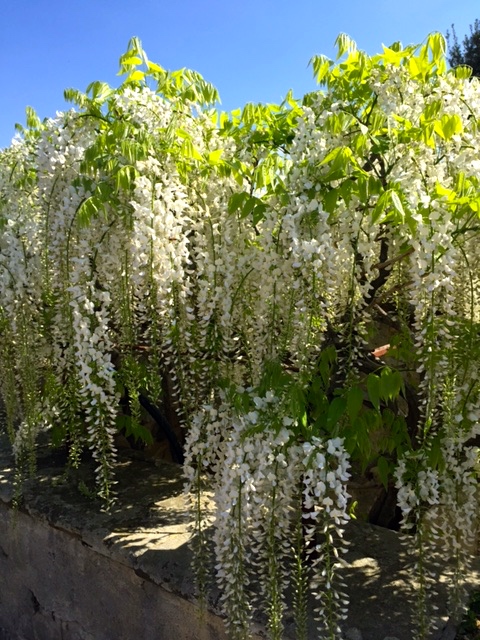
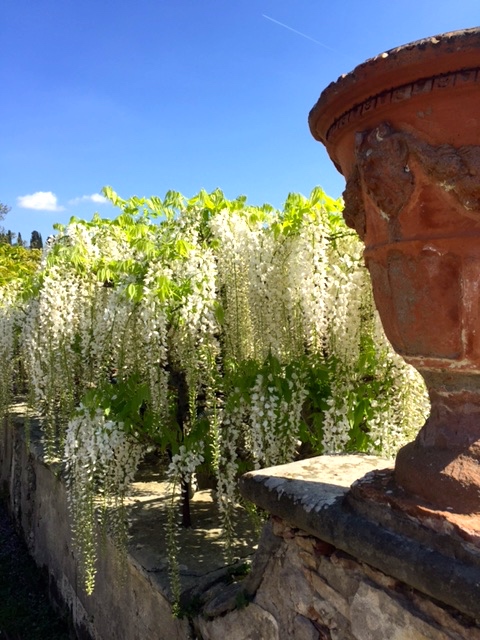
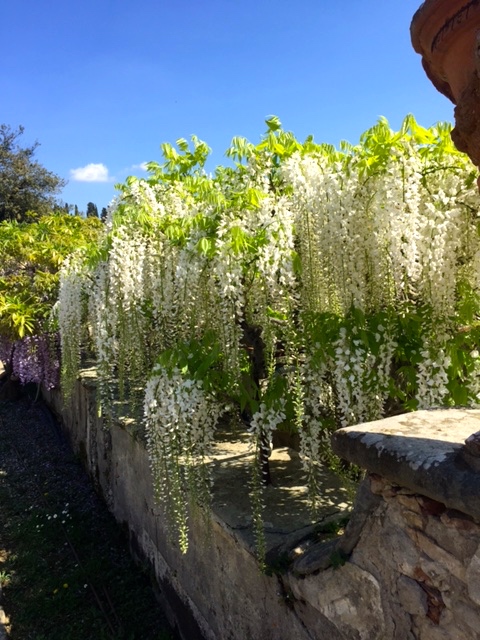
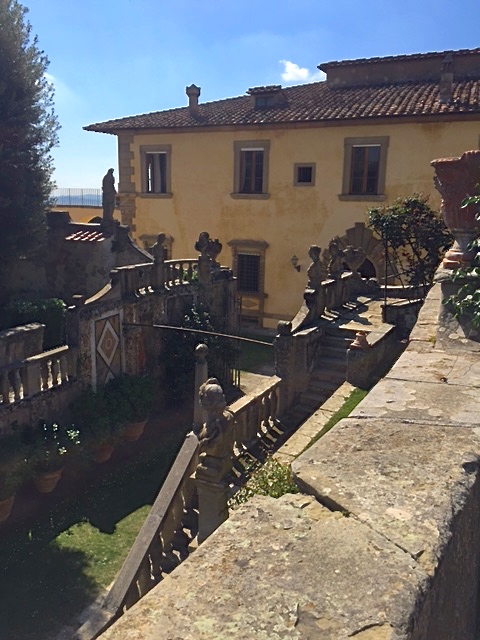
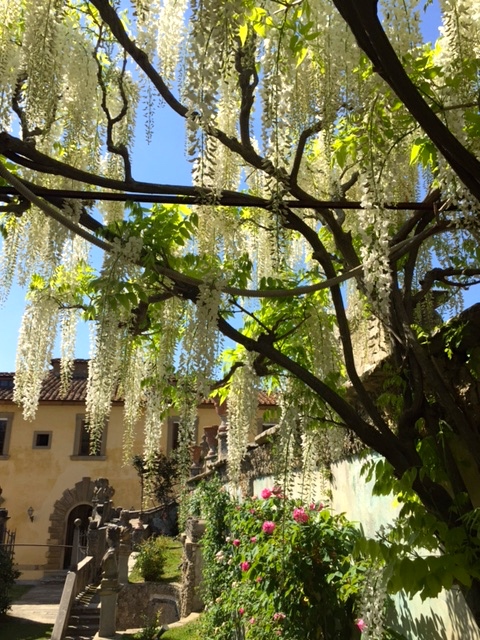
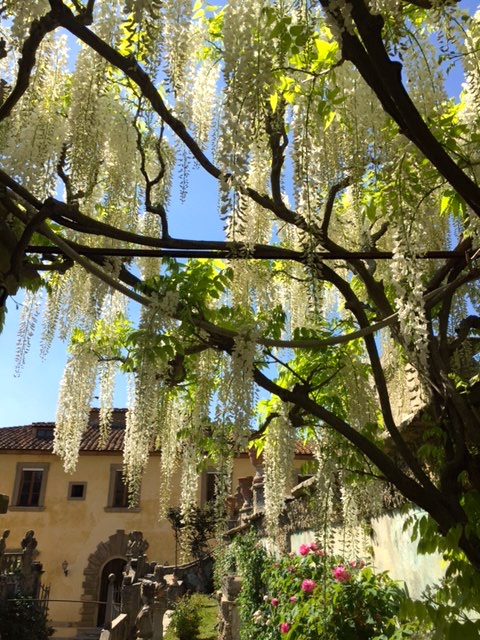
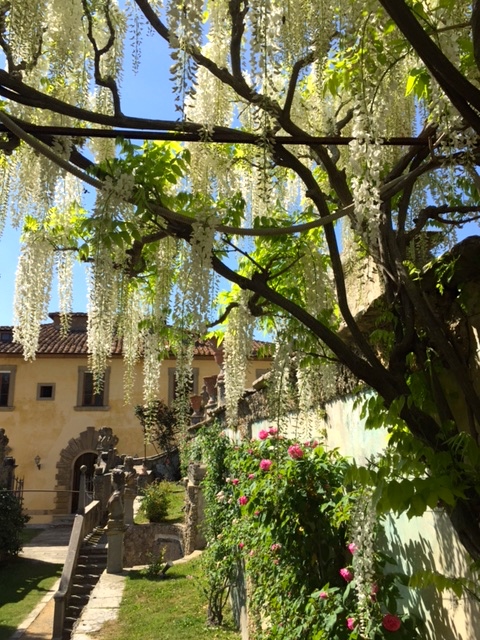
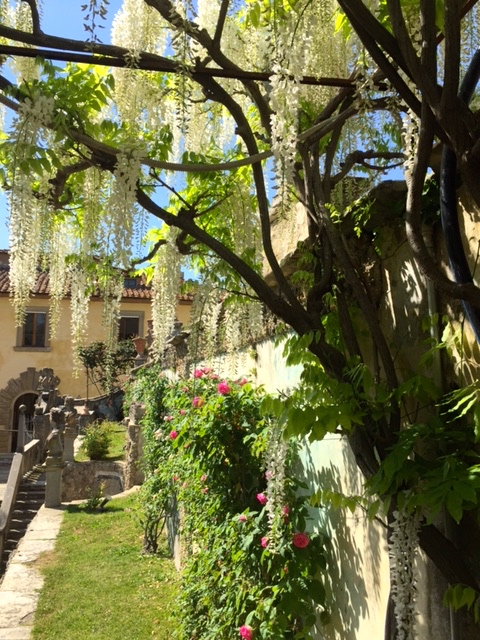
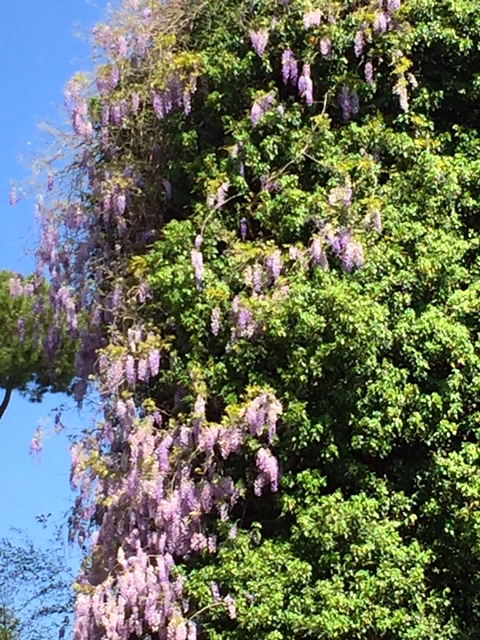
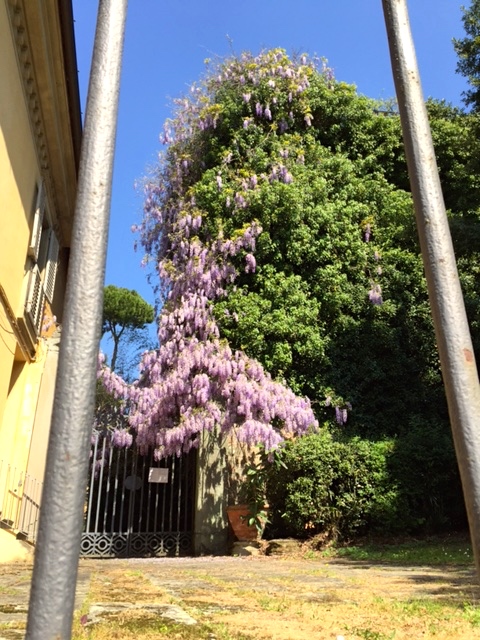
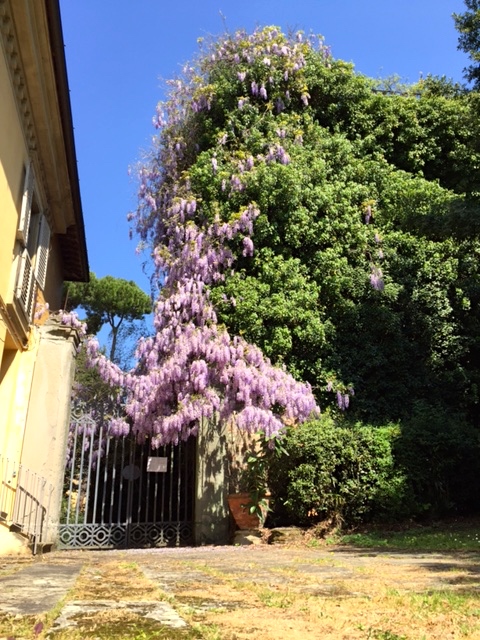
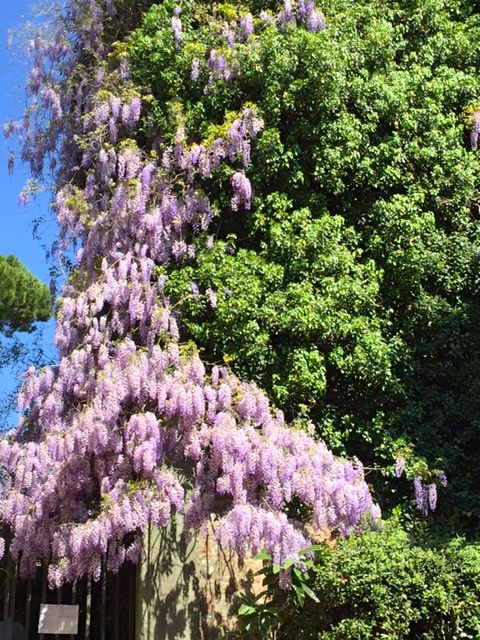
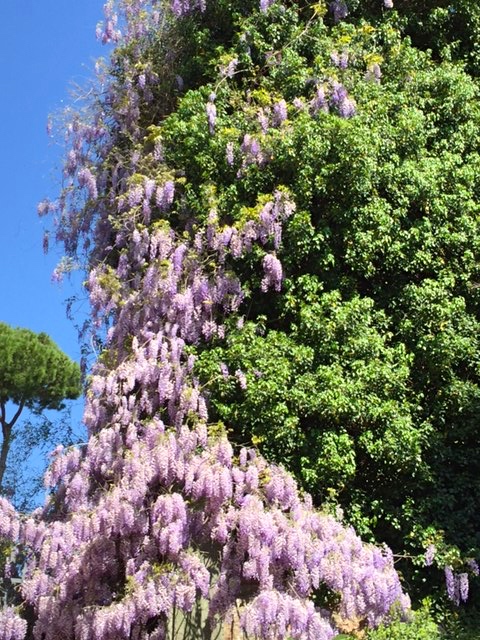
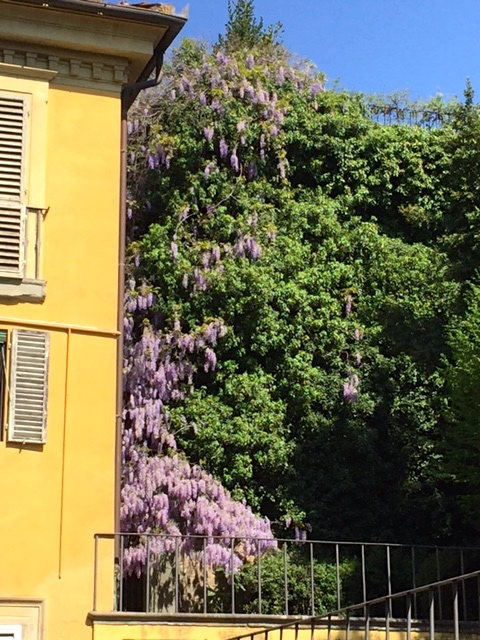
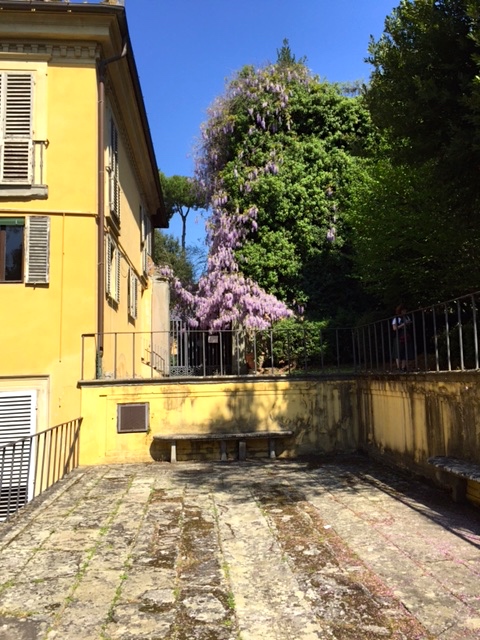
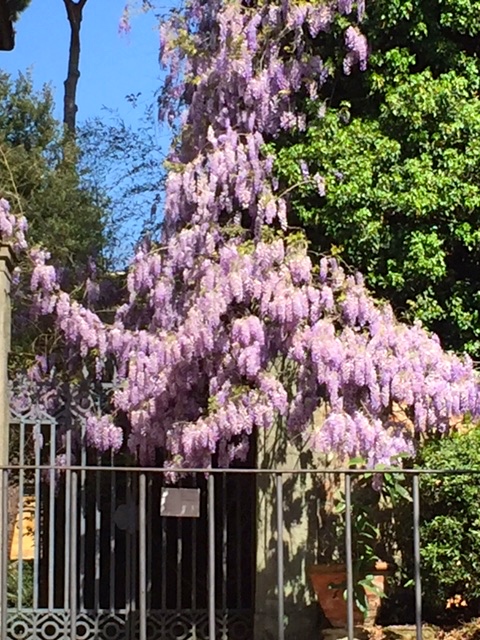
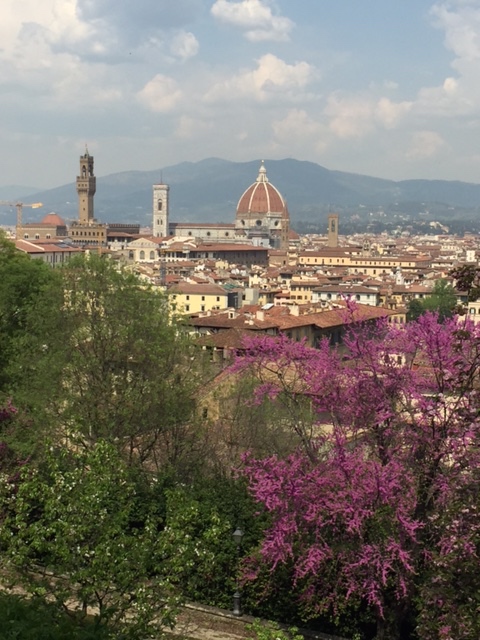
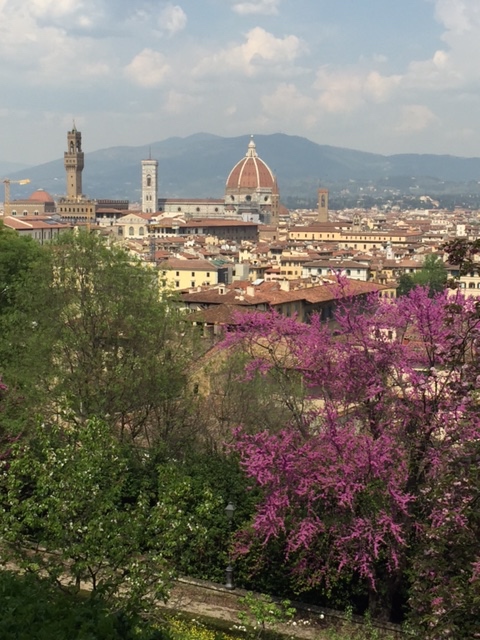
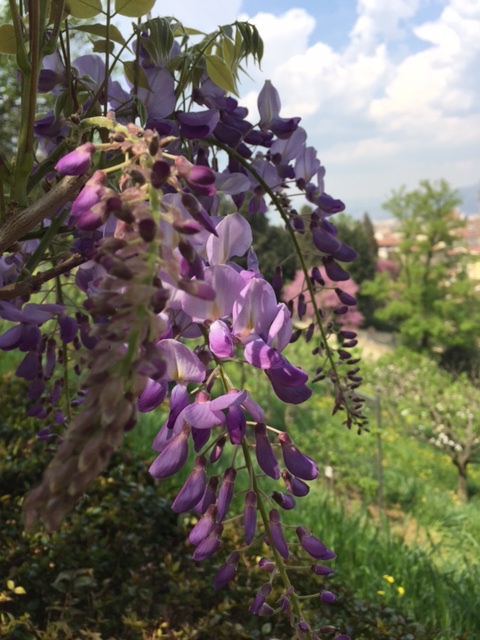
Aprile in italia

Aprile, apriletto, un dì freddo un dì caldetto” –(April, oh April, one day you’re cold, the next you’re warm.)

IMG_2333

The weather has been all over the place lately, exactly like it is supposed to be in April! Sunny and almost hot and then windy, rainy and cold.  Infatti, Aprile is quite notorious and has a pretty wild reputation in Italy. There are an astounding number of old Italian proverbs devoted to this wily month:

Aprile e Maggio son la chiave di tutto l’anno (April and May are the keys to the whole year).

IMG_2329

And then: Aprile fa il fiore e maggio si ha il colore (April brings the flower and May the color.)

IMG_2321

One I really like is: Aprile carciofaio, maggio ciliegiaio. (In April, artichoke. In May, cherries.)

IMG_2031

April rains are their own category of proverbs. To wit:

*Aprile piovoso, maggio ventoso, anno fruttuoso” — Rainy April, windy May, fruitful year.

Error
This video doesn’t exist


*L’acqua d’aprile, il bue ingrassa, il porco uccide, e la pecora se ne ride” — The water of April, the ox grows fat, the pig dies, and the sheep laughs.

OLYMPUS DIGITAL CAMERA

OLYMPUS DIGITAL CAMERA

*Quando tuona d’Aprile buon segno per il barile’ — When it thunders in April, it’s a good sign for the barrel (of wine).

IMG_2327

And the weather can be a guide to men as well:  “Gli uomini sono aprile quando fanno all’amore, dicembre quando hanno sposato.“– (Men are like April when they flirt/court; like December once they are married.)

Hang on, May is almost here!

Il Giardino dell’ Iris, Firenze

Today was a magnificent spring day!  Oggi era magnifico!  A great day to check out the iris garden located just steps from Piazzale Michelangelo.

The iris are just starting to bloom; in a week they should be at prime.

IMG_2342

The Iris Garden is open from now through 20 May,  daily from 10:00 to 13:00 and from 15:00 to 19:30.  It is open Saturday and Sunday from 10:00 to 19:30.  Entrance is free.  You can catch the bus (Numbers 12 and 13) at SMN Station.

IMG_2340

The garden is located in a prime Florentine location, just off the Piazzale Michelangelo.  It is nicely laid out on the side of a hill, with the iris beds nestled in among healthy olive trees.

IMG_2341

IMG_2343IMG_2344

Today the garden was open to the public and paintings of flowers were interspersed into the garden.

IMG_2364IMG_2365IMG_2366IMG_2367

IMG_2354IMG_2356

IMG_2348IMG_2347IMG_2346IMG_2345

The tags remind us that this is a competition garden as well as a pleasure garden.  In particular, 2 Iris rhysomes planted in 2014 are planted side by side: “Broad Minded Sutton” from the USA, in completion with “Marruchi” from Italia.

IMG_2352

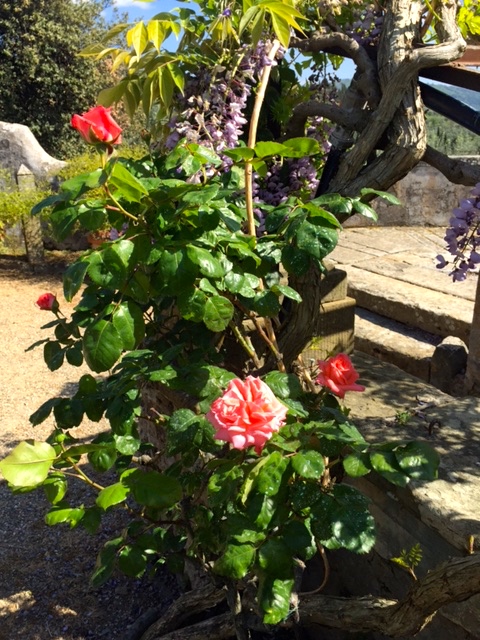
Some rose bushes are in full bloom in the iris gardens.

IMG_2353

Pretty stone paths wind through the gardens, amongst the olive trees.

IMG_2359IMG_2360IMG_2362IMG_2350

Rome’s birthday and her rose and Japanese gardens

I’m headed to Roma soon!

Start your engines!

Rome its 2,770th birthday on Friday 21 April, with events lasting until Sunday 23 April. Known as Natale di Roma, the annual birthday celebration is based on the legendary foundation of Rome by Romulus in 753 BC.


On the roses, see:

http://www.wantedinrome.com/whatson/romes-rose-garden-2/

On Japanese garden, see:

http://www.wantedinrome.com/whatson/japanese-gardens-in-rome-3/

Villa Gamberaia, Settignano

There’s a beautiful spot just outside Florence.

images-5

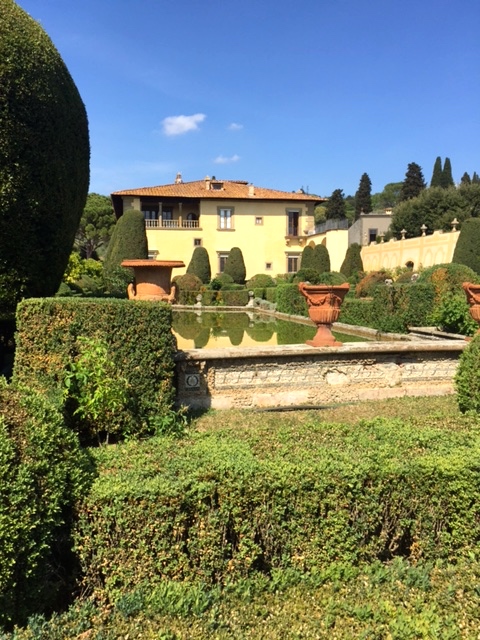
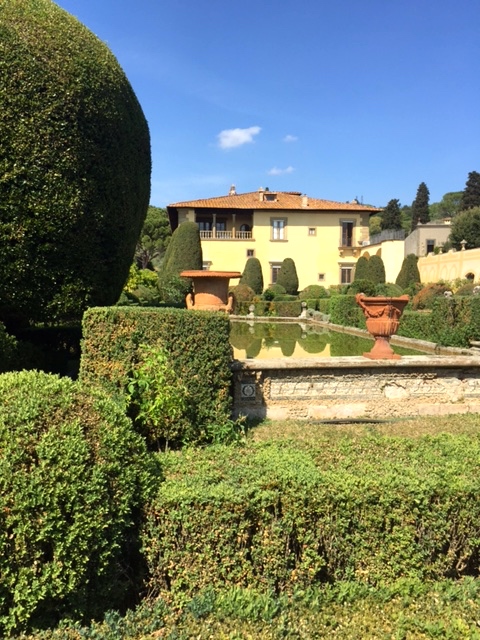
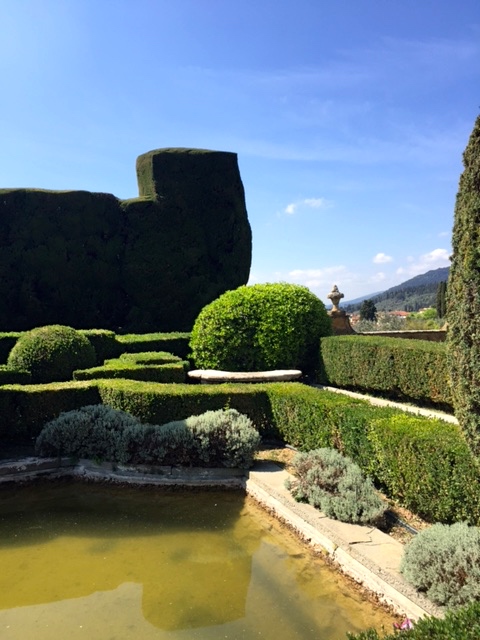
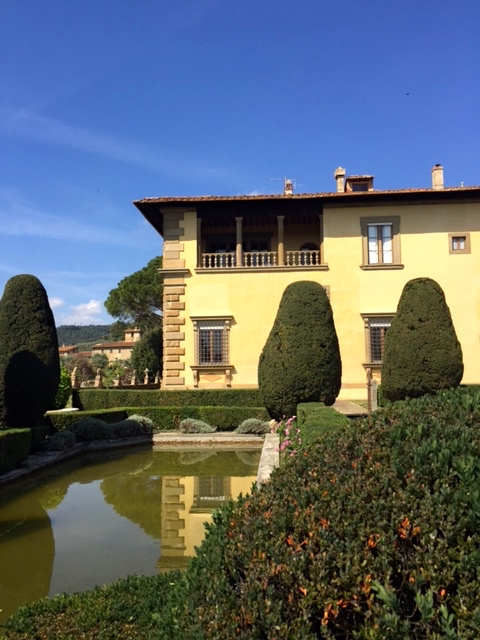
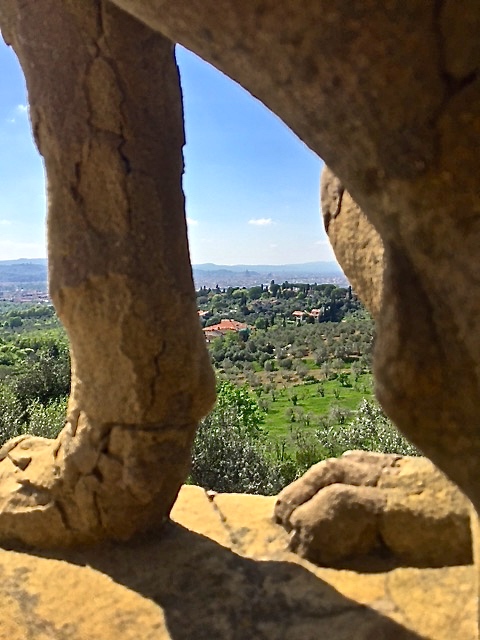
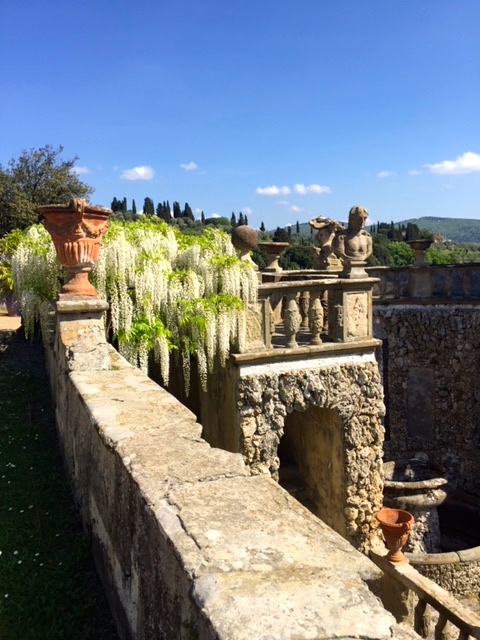
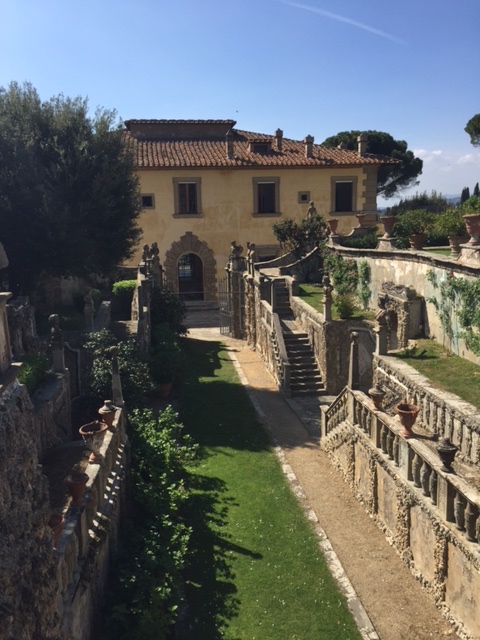
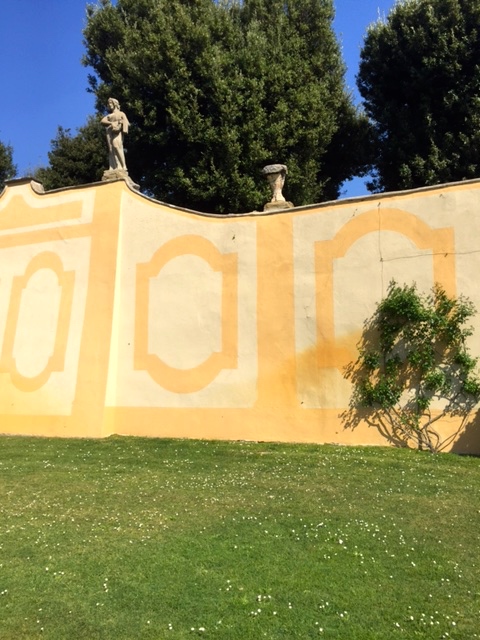
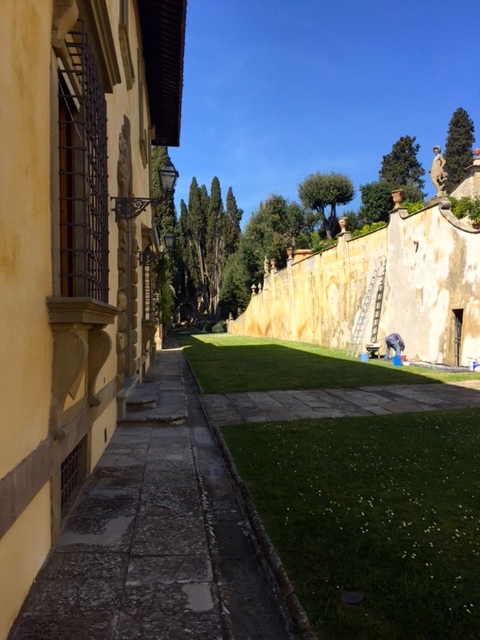
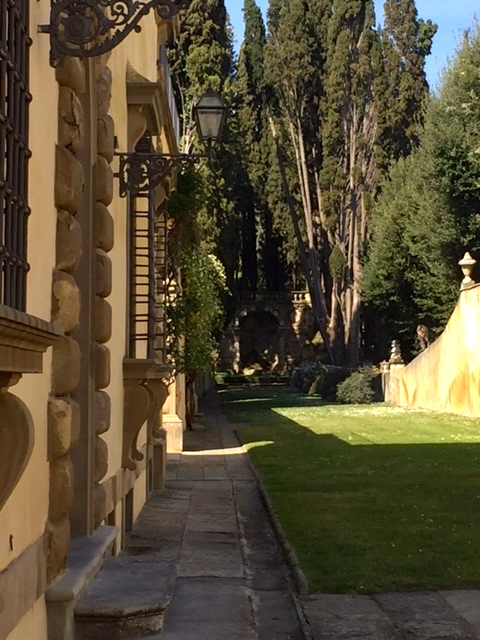
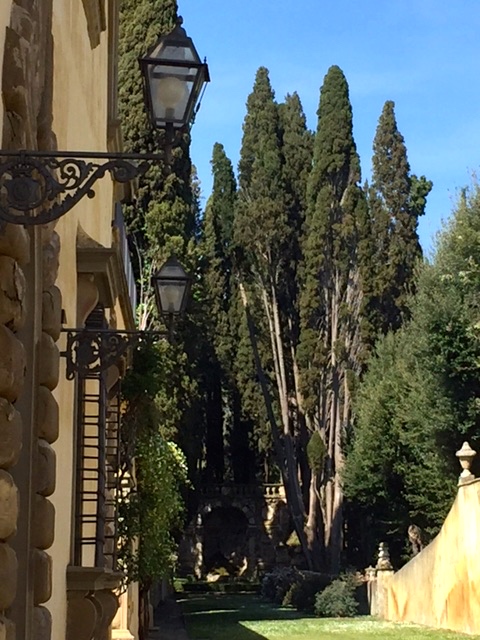
Last week I paid my first visit to the Villa Gamberaia, the 17th-C villa near Settignano, in the hills just outside of  Florence.  It is a lovely trip out into the country and up into the colline beyond Firenze.

images-2

images-3

images-4

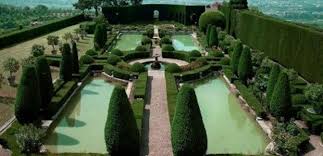
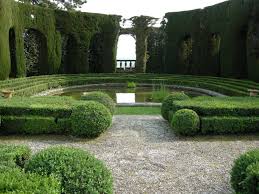
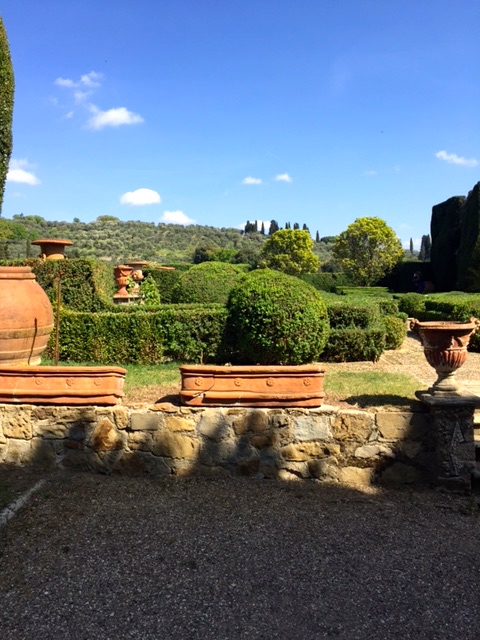
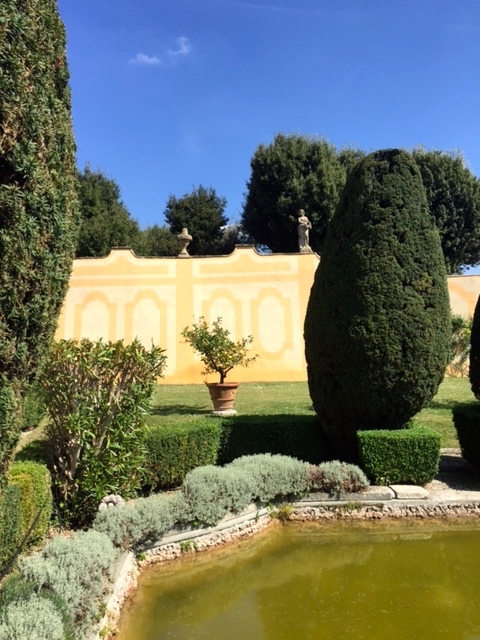
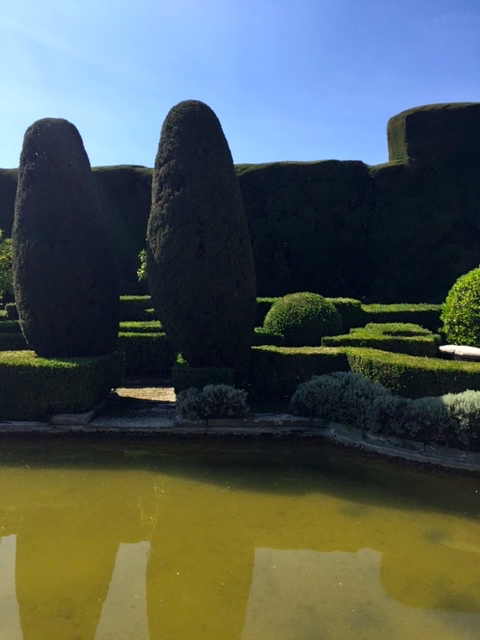
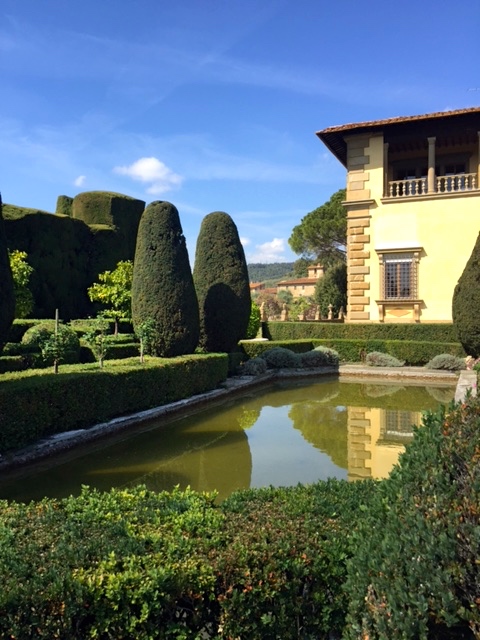
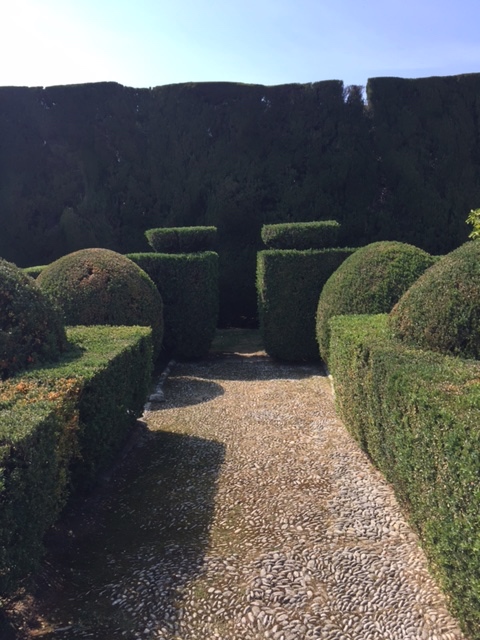
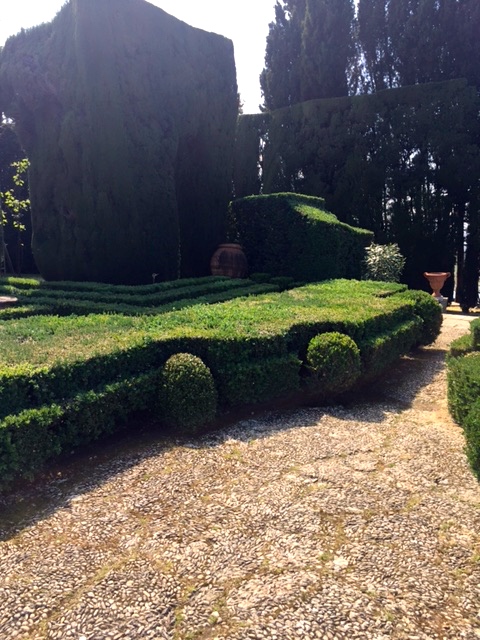
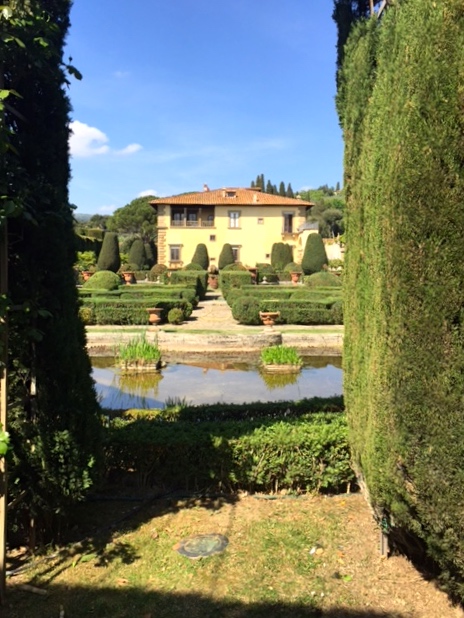
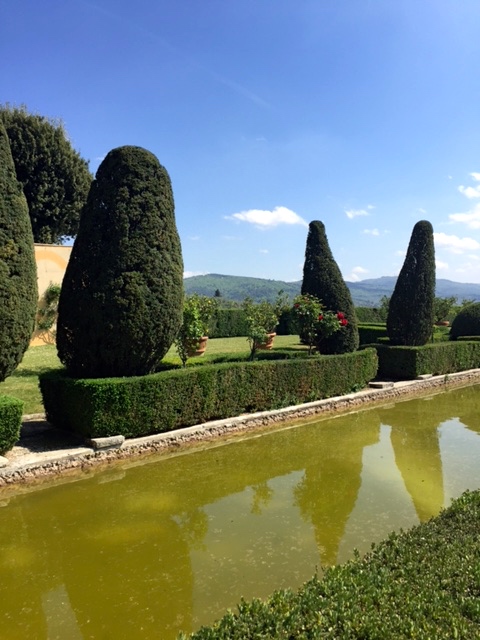
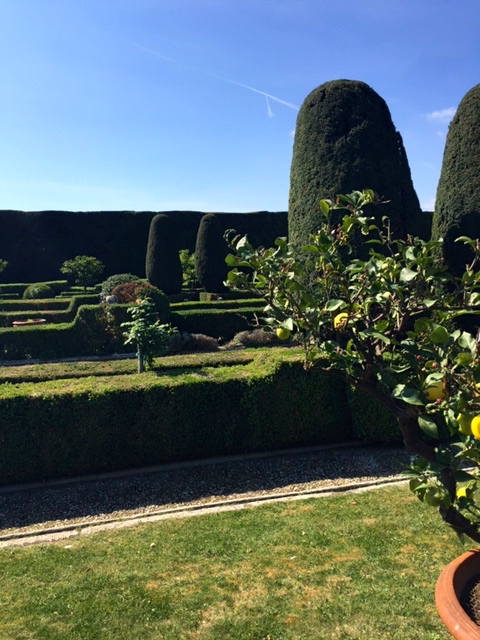
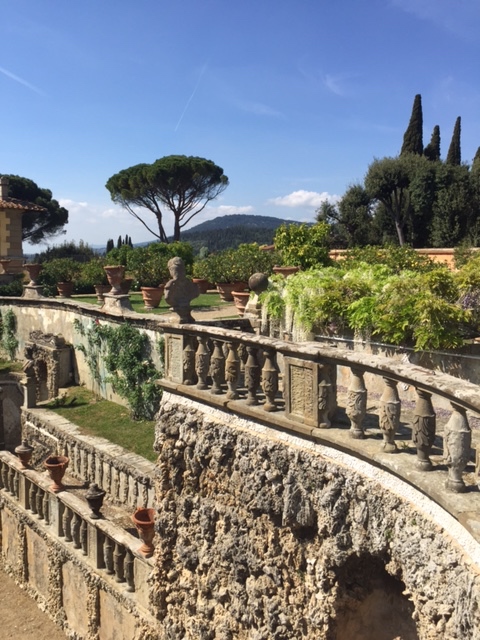
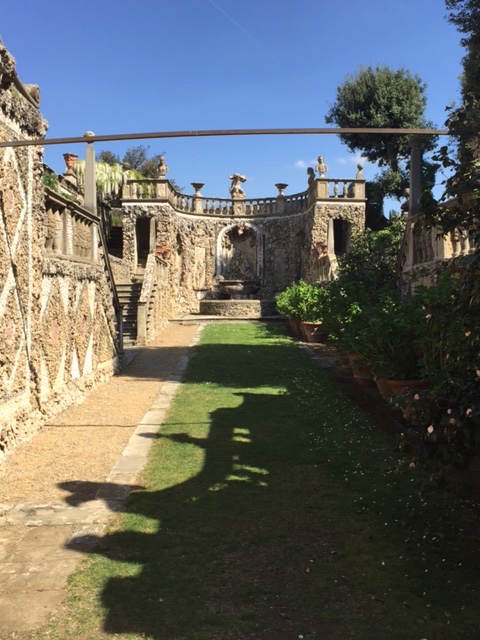
The villa has a lovely, formal 18th-century terraced garden, beautifully restored and open to anyone who presents themselves to the front gate.  There is an entrance fee.

IMG_2026IMG_2029IMG_2030IMG_2031IMG_2033
The villa, originally a farmhouse; was owned by Matteo Gamberelli, a stonemason, at the beginning of the 15th century. His sons Giovanni and Bernardo became famous architects under the name of Rossellino. After Bernardo’s son sold it to Jacopo Riccialbani in 1597, the house was greatly enlarged, then almost completely rebuilt by the following owner, Zenobi Lapi; documents of his time mention a limonaia and the turfed bowling green that is part of the garden layout today.

IMG_2027

IMG_2046IMG_2047IMG_2048IMG_2055

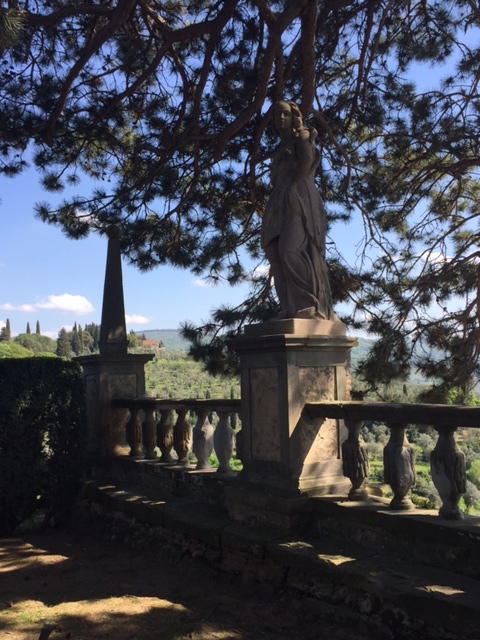
In 1717 La Gamberaia passed to the Capponi family. Andrea Capponi laid out the long bowling green, planted cypresses, especially in a long allée leading to the monumental fountain enclosed within the bosco (wooded area), and populated the garden with statues, as can be seen in an etching by Giuseppe Zocchi.

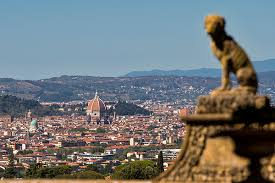
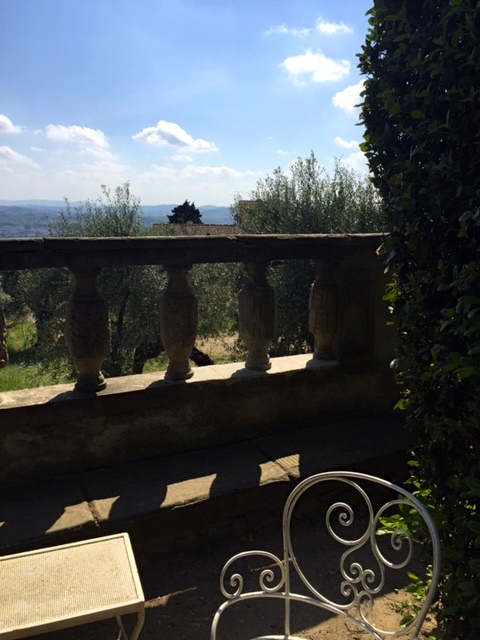
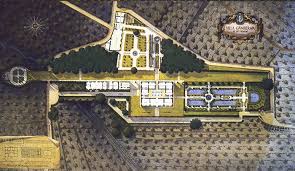
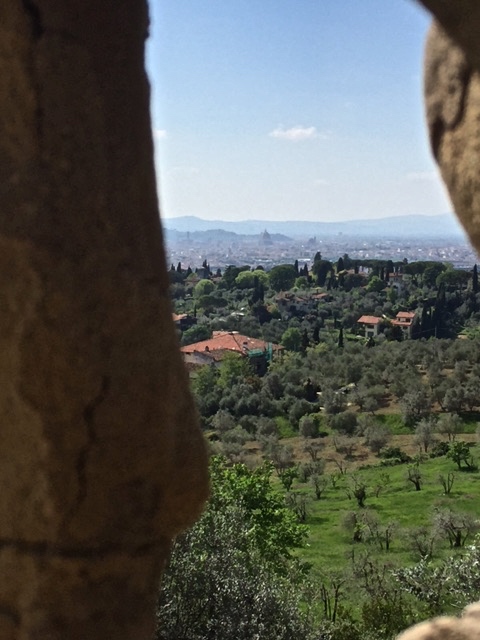
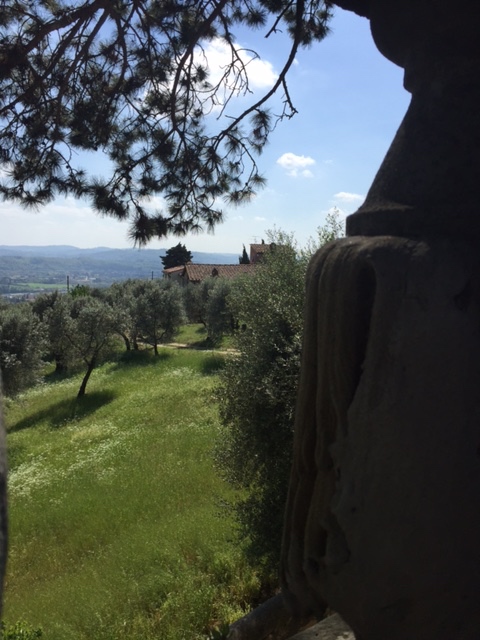
By that time, the villa already stood on its raised platform, extended to one side, where the water parterre is today. The parterre was laid out with clipped broderies in the French manner in the eighteenth century, as a detailed estate map described by Georgina Masson demonstrates. Olive groves have always occupied the slopes below the garden, which has a distant view of the roofs and towers of Florence.

images

IMG_2014

IMG_2017

IMG_2018

IMG_2019

IMG_2020

IMG_2021

IMG_2022

IMG_2025

The setting was praised by Edith Wharton, who saw it after years of tenant occupation with its parterre planted with roses and cabbages.  Wharton attributed the preservation of the garden at the Villa Gamberaia to its “obscure fate” during the 19th century, when more prominent gardens with richer owners, in more continuous attendance, had their historic features improved right out of existence.

IMG_2035

IMG_2039

IMG_2040

IMG_2042

Shortly after Wharton saw the villa, it was purchased in 1895 by Princess Jeanne Ghyka, sister of Queen Natalia of Serbia, who lived here with her American companion, Miss Blood, and thoroughly restored it.  It was she who substituted pools of water for the parterre beds.

During World War II, the villa was almost completely destroyed. Marcello Marchi restored it after the war, using old prints, maps and photographs for guidance.

Georgina Masson also wrote about seeing Villa Gamberaia;  she saw it after it was restored by Marchi.

IMG_2011IMG_2013IMG_2015IMG_2016

IMG_2044IMG_2045IMG_2053

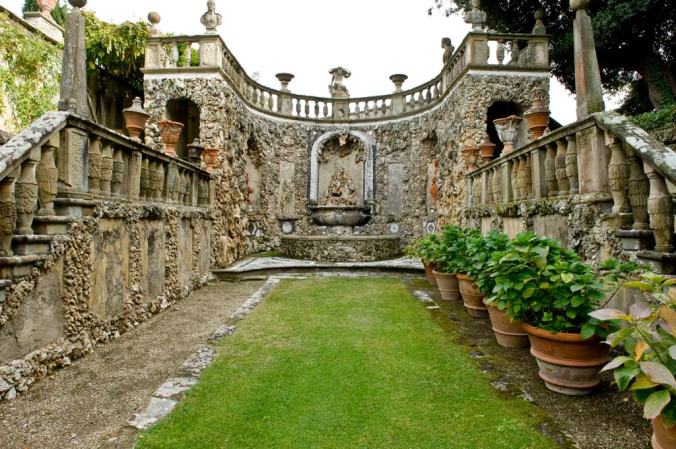
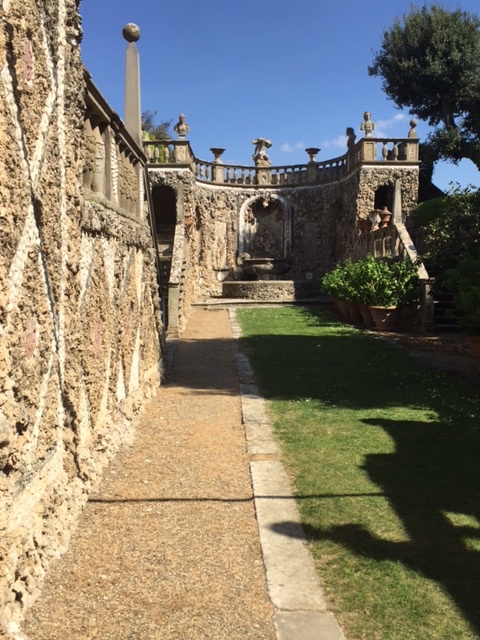
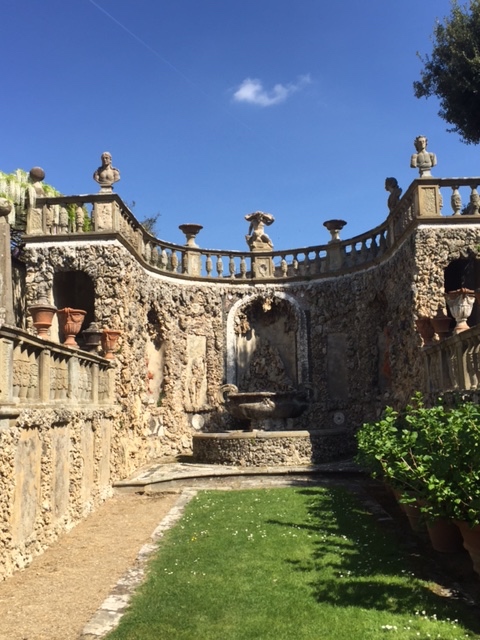
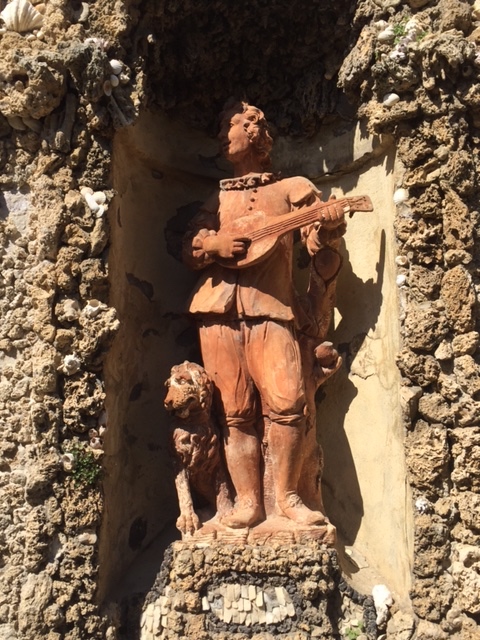
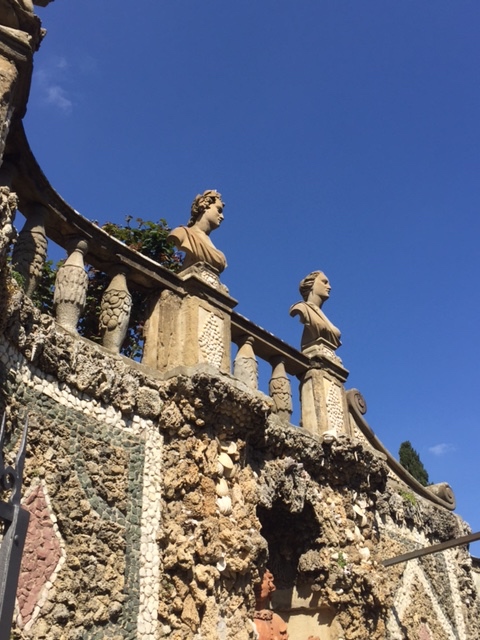
The monumental fountain set in a grotto in the steep hillside at one lateral flank of this terraced garden has a seated god next lions in stucco relief in a niche decorated with pebble mosaics and rusticated stonework.

villa_gamberaia_01l

IMG_2064

IMG_2067IMG_2066IMG_2065IMG_2084IMG_2085IMG_2086IMG_2093IMG_2094IMG_2095IMG_2096IMG_2097IMG_2098IMG_2099IMG_2100IMG_2101IMG_2088IMG_2089IMG_2090IMG_2091IMG_2092IMG_2062IMG_2063

IMG_2057IMG_2059IMG_2060IMG_2061

IMG_2104IMG_2105IMG_2106IMG_2107IMG_2108IMG_2109

IMG_2113

Florence’s Iris Garden


img01


Attenzione! 
2017---The 59th International Iris Show
59° CONCORSO INTERNAZIONALE DELL'IRIS
8 - 13 Maggio 2017

The Iris Garden at Piazzale Michelangelo was begun in
1954. Florence has always had an association with 
the iris; the city's banner has a red iris on a white 
field (and not a lily, as is erroneously believed).

images

The City of Florence, in collaboration with the Italian 
Iris Society,holds an annual International Iris
Competition, since 1954 (high bearded and border). 
To date, 150 new varieties of iris have
been introduced.

The rhizomes of each iii variety are sent to Florence 
from breeders around the world in the June-September
period and are grown at the Iris Garden of
Piazzale Michelangelo for three years before being
judged by an International Jury.
It is a 'anonymous contest,' with each registered
plant marked by a code so that the jury learns
the name of the variety and the breeder only after
the judging.

A special prize is offered each year by the city to
the red variety that is closest to that of the Iris 
represented on the City's banner.


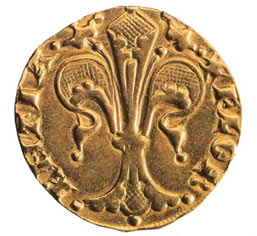
fiorino

P1060192_2-2
 Don't miss it!  I'll see you there!

Lovely Calabrian bergamot: the scent of a spring morning in Italy

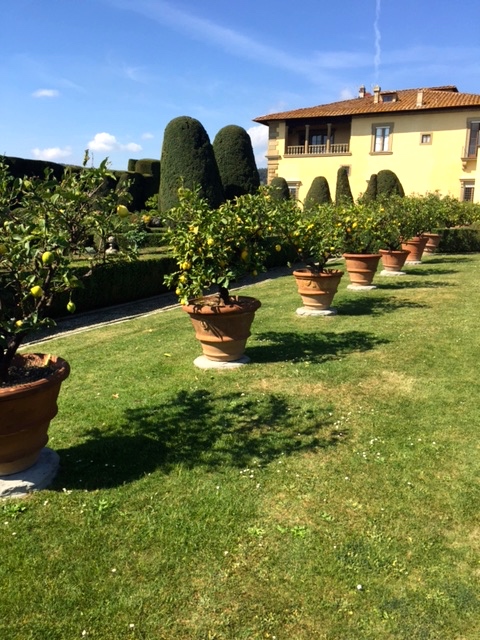
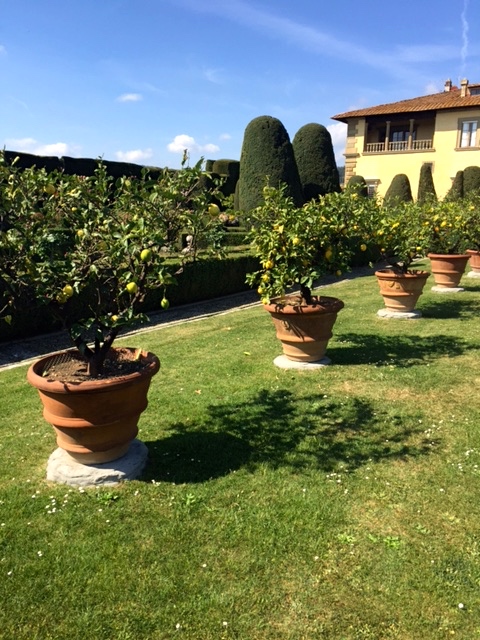
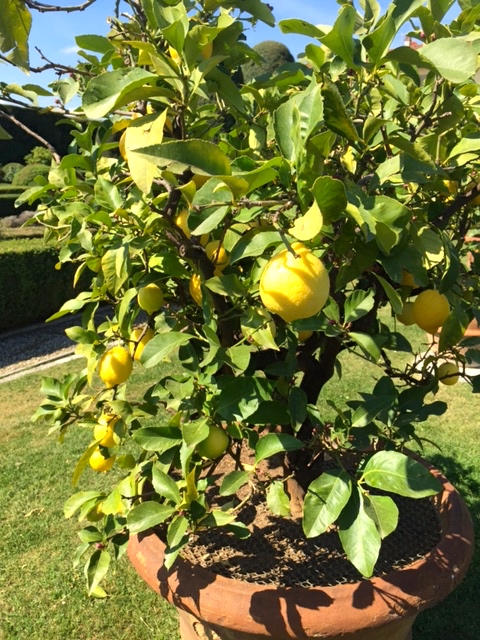
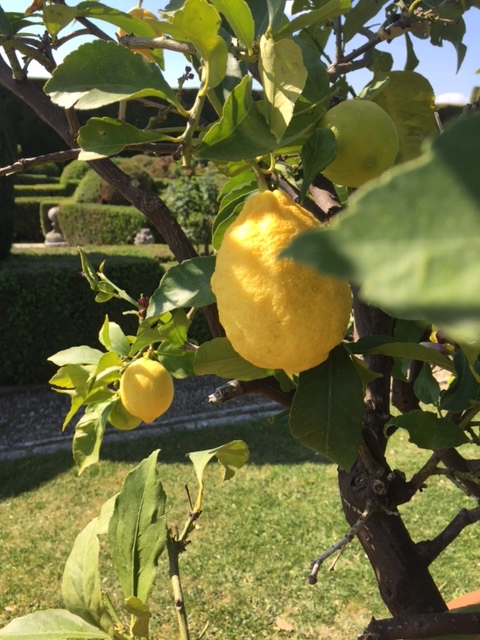
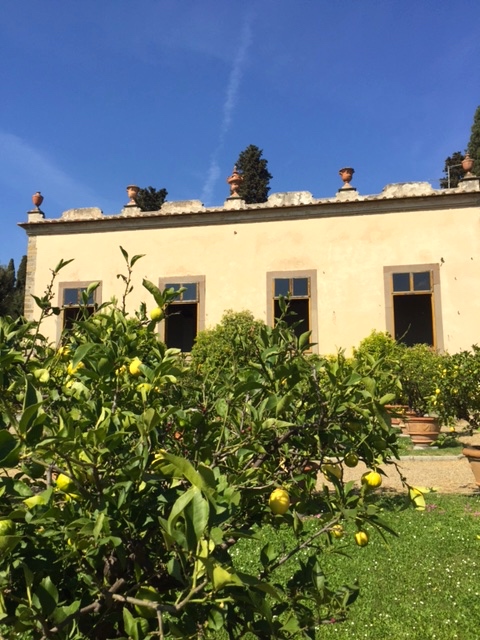
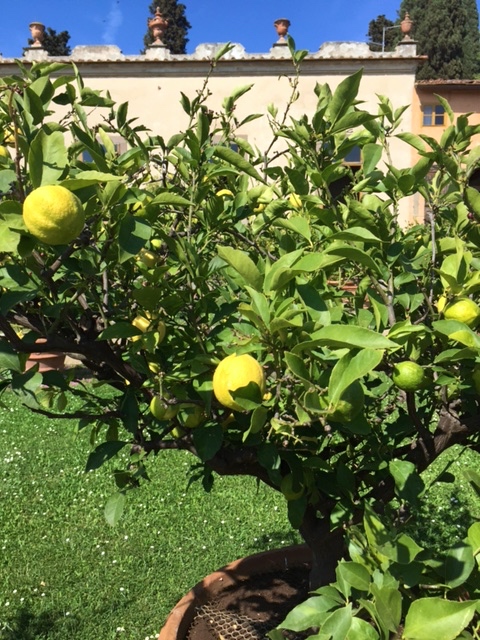
After enjoying the beautiful sight of potted lemon trees all over Villa Gambreia yesterday, as here:

IMG_2102IMG_2103


I started musing about one of my favorite subjects: citrus in Italy in general.  These ramblings always bring me quickly to thoughts of bergamot, the scent of which I adore.  In fact, I wear it everyday in this form:

nd.7826

I adore the fragrance of bergamot! It has been described as “the scent of a spring morning in Italy, of mountain narcissus and citrus blossom after rain.”

I’ve still to see the actual fruit, but I’m going to eventually.  Even if it kills me.  Which I don’t think it will.  I think it just means a (much wanted) 2nd trip (for me, in this lifetime) to Calabria.

Citrus_bergamia_-_Köhler–s_Medizinal-Pflanzen-184                           images

Let’s consult an expert on bergamot:

“Wherever citrus trees are gathered together, whether in open ground or the shelter of a limonaia, they cross-pollinate and over time varieties develop that are peculiar to their setting.

“The first of Calabria’s unique and valuable fruits is bergamot (Citrus bergamia), the product of a natural cross-pollination between a lemon tree and a sour orange that occurred in Calabria in the mid-seventeenth century.

“Essential oil can be extracted from the bergamot’s fruit, and although its extremely high value has inspired many attempts to grow it elsewhere, bergamot is like an animal in its chosen territory: it thrives and fruits successfully only on a thin strip of coastline that runs for seventy-five kilometres from Villa San Giovanni on the Tyrrhenian coast to Brancaleone on the shores of the Ionian Sea.

“Here the tree grows tall and strong, and bears such heavy crops that its brittle branches often snap under the weight of oily fruit. Take it away from its home ground and you make it a perpetual invalid, incapable of tolerating the cold or weathering strong winds.

“Only one thing is certain: its first appearance anywhere in the world was in the mid-seventeenth century in Calabria.

“Drive south from Reggio Calabria towards Bova Marina and you can see bergamot trees on the narrow plain between the foothills of the Aspromonte mountains and the sea. They grow in glistening, dark green swathes between dramatic plugs of volcanic rock and on narrow terraces cut from a sheer cliff face.

“The trees have large glossy leaves similar to a lemon’s and bitter fruit that ripens from green to yellow and is the size and shape of an orange. Anything goes in a bergamot grove. Trees are pruned very lightly only once a year and some of them grow to over four metres high. They are carefree, liberated, untidy and entirely organic, the hippies of the citrus world. It is the essential oil stored in the pores just beneath the surface of the skin that makes bergamot so valuable.

“Ever since the beginning of the eighteenth century the principal and most lucrative use of this oil has been as a fixing agent in the perfume industry. The addition of bergamot oil makes a perfume last longer and brings all its other elements into harmony, rather like the conductor of an orchestra.

“Any essential oil extracted from fruit produced outside Calabria’s bergamot belt is of inferior quality.

“When bergamot first appeared in Calabria it was immediately appreciated for its blossom, which has a stronger scent than any other zagara. The bitter fruit was not considered edible, but bergamots were planted as ornamental trees in the gardens of villas in its homeland near the regional capital, Reggio Calabria.”

Citrus_bergamia_-_Köhler–s_Medizinal-Pflanzen-184


Attlee, Helena (2015-01-05). The Land Where Lemons Grow: The Story of Italy and Its Citrus Fruit (Kindle Locations 2280-2286). Countryman Press. Kindle Edition.

Paradise found.
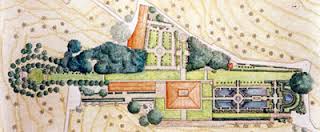
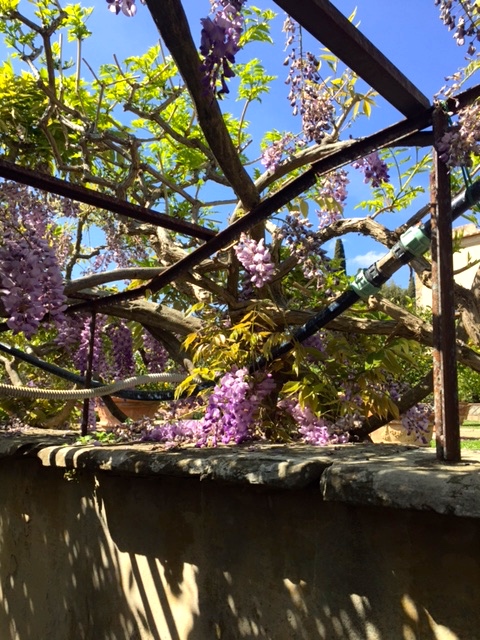
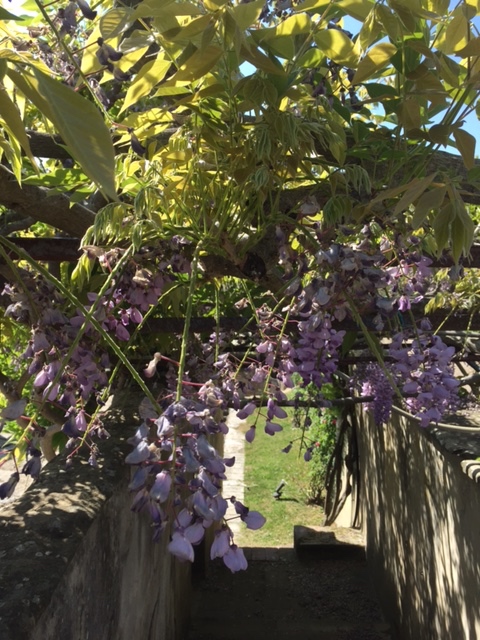
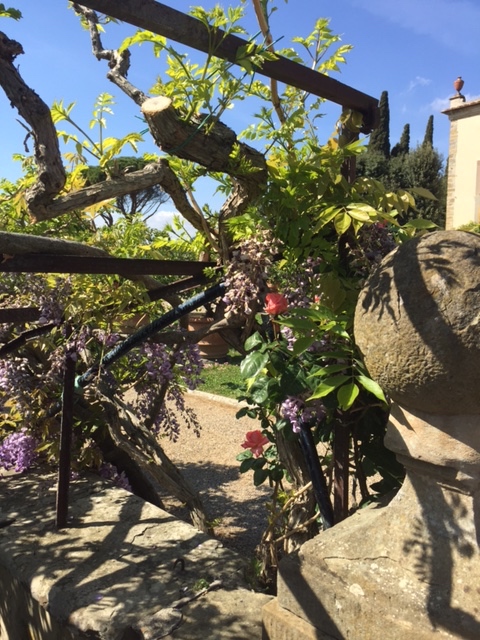
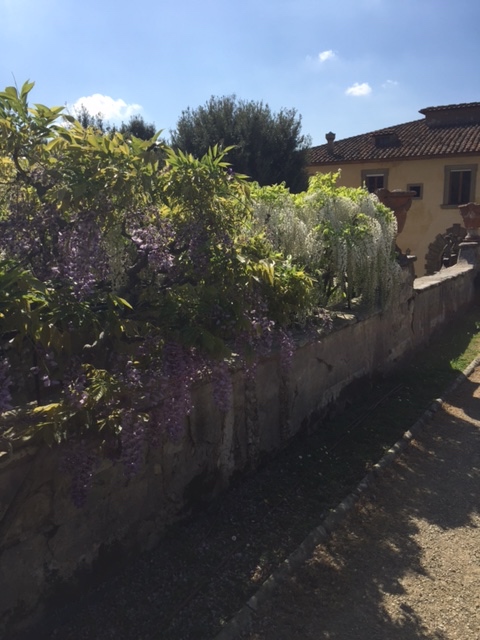
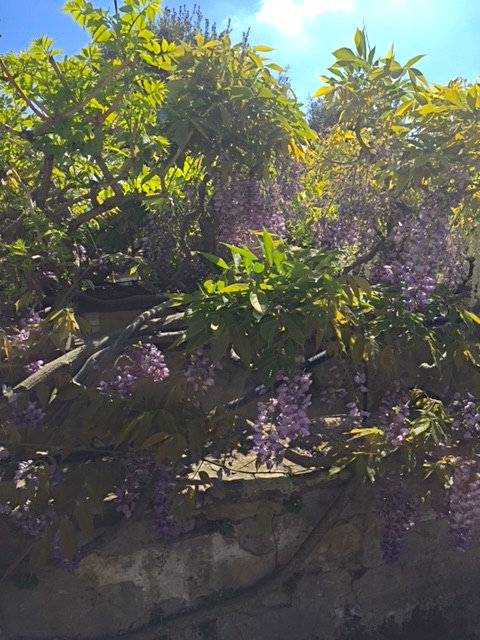
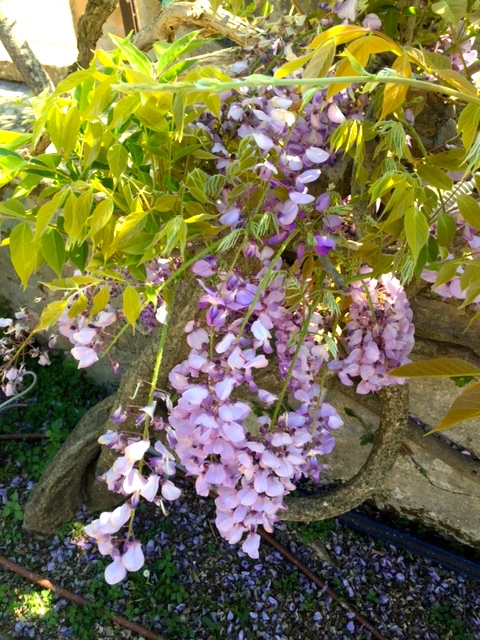
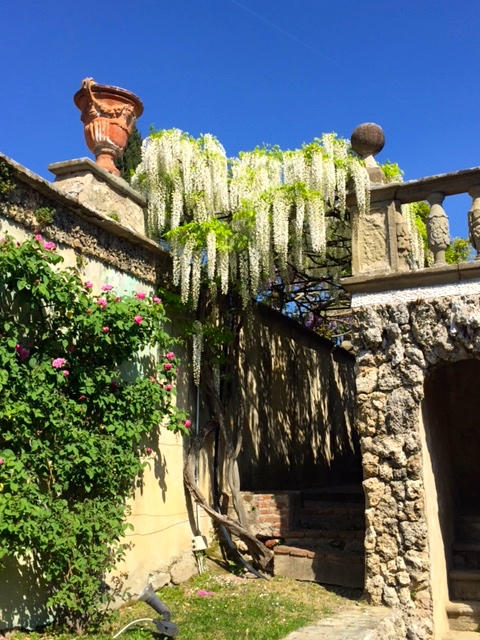
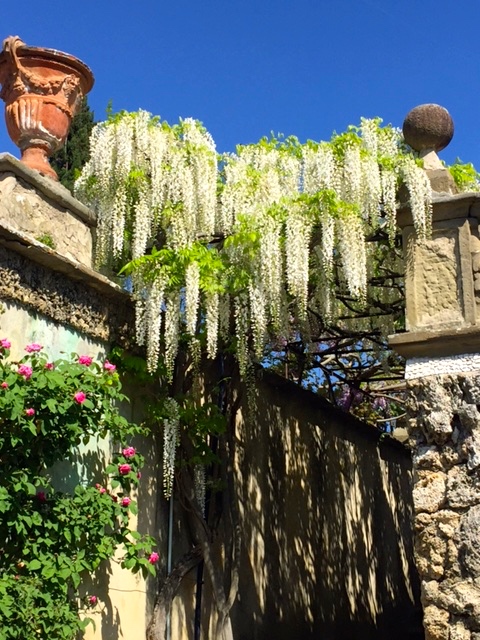
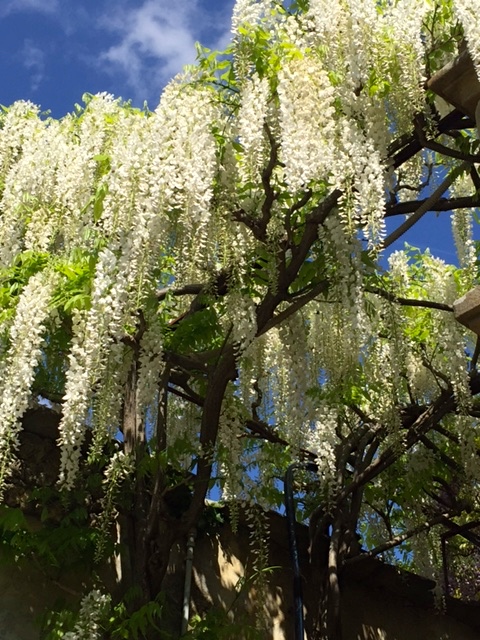
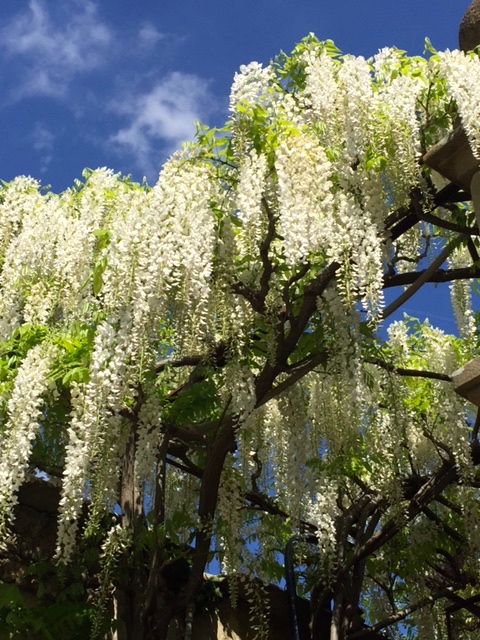
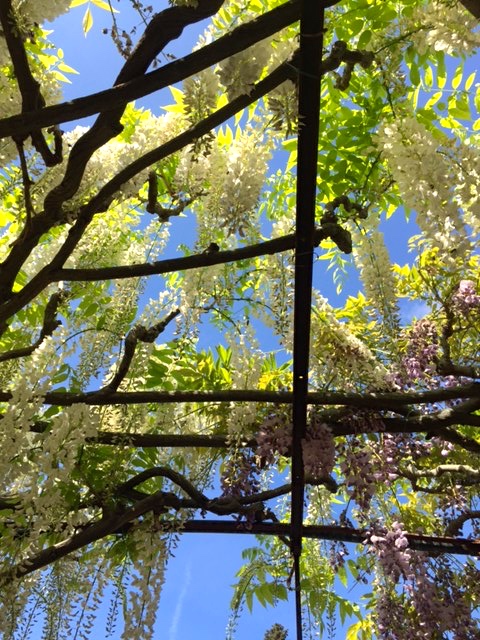
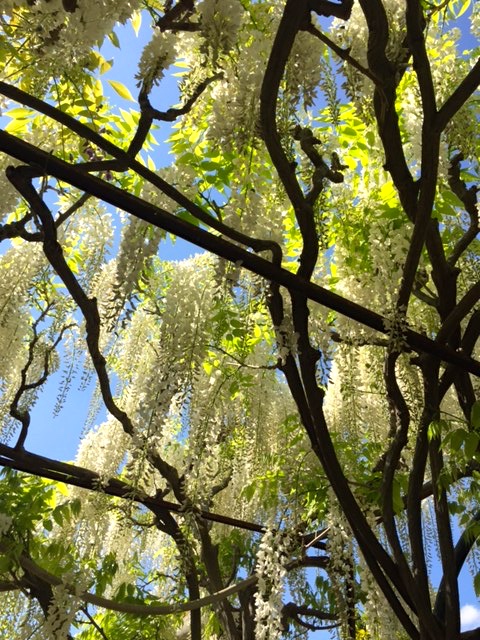
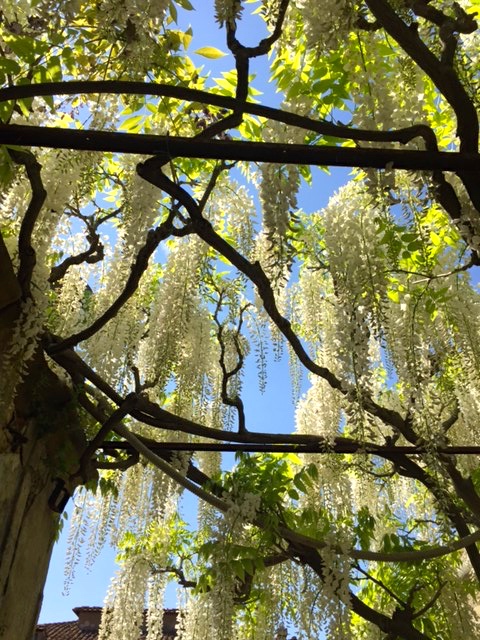
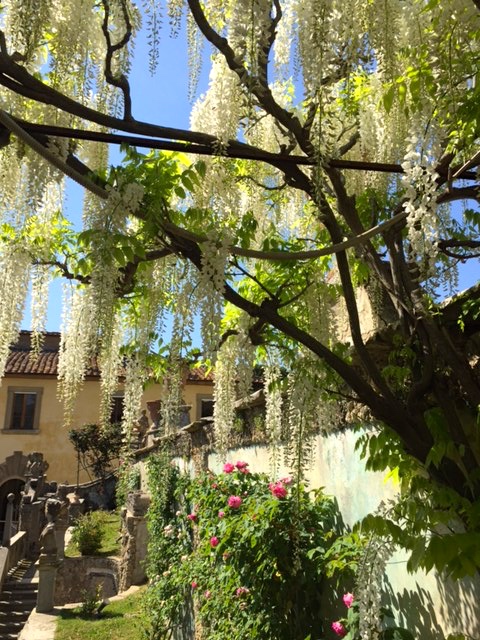
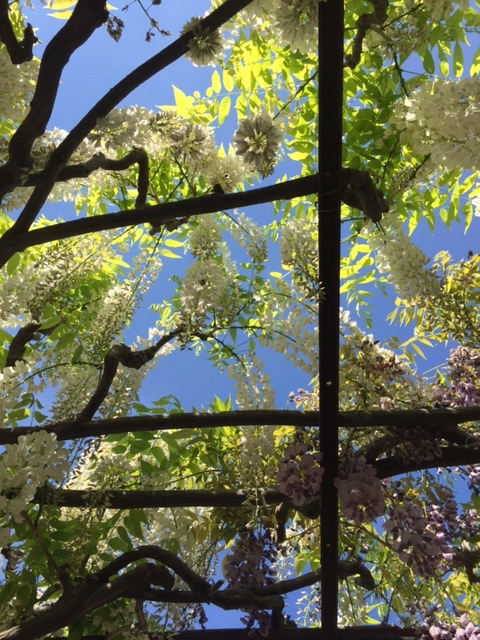
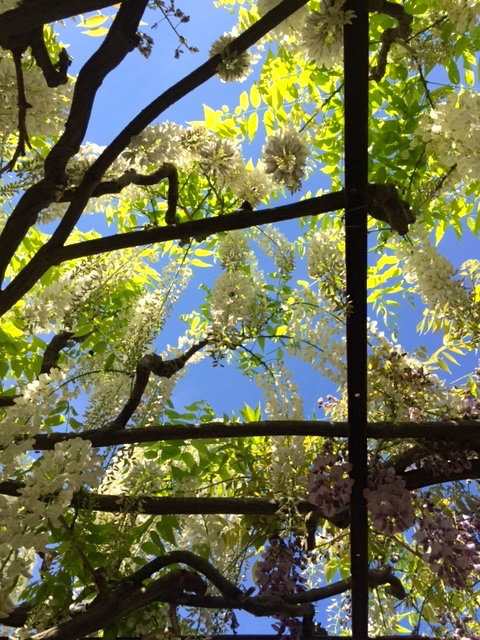
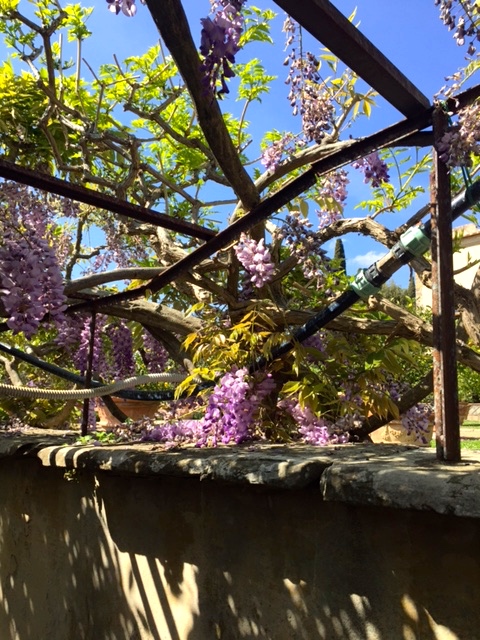
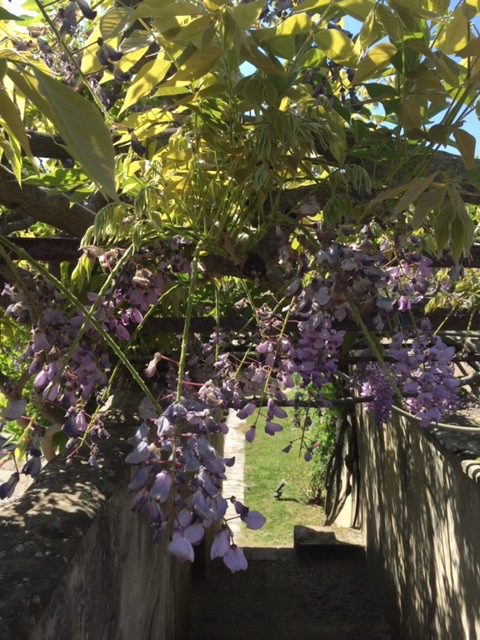
I have never seen anything more beautiful in my life than what I saw/experienced today in Settignano.  The combination of elements was astounding:  perfect weather, perfectly blue sky, warm sunshine, antique architecture and garden elements, gorgeous plantings of white and lavender colored wisteria. Add tranquility and birdsong.  For me, it is the ideal combination of parts.  It makes paradise.

IMG_2068IMG_2069IMG_2070IMG_2071IMG_2072

IMG_2073IMG_2074IMG_2075IMG_2076IMG_2077IMG_2078IMG_2079IMG_2080IMG_2081

IMG_2082IMG_2084IMG_2085IMG_2086

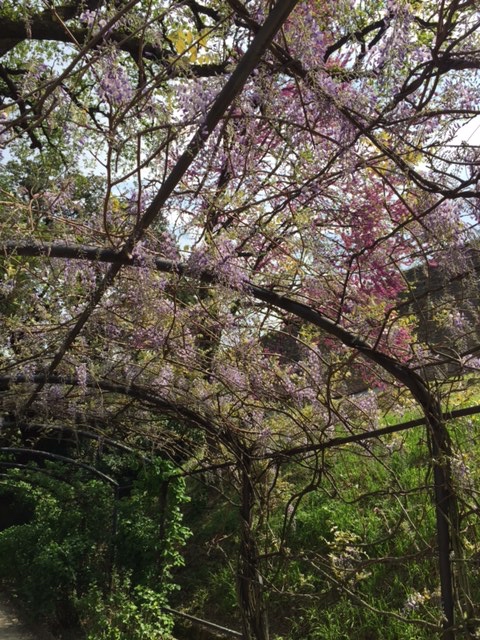
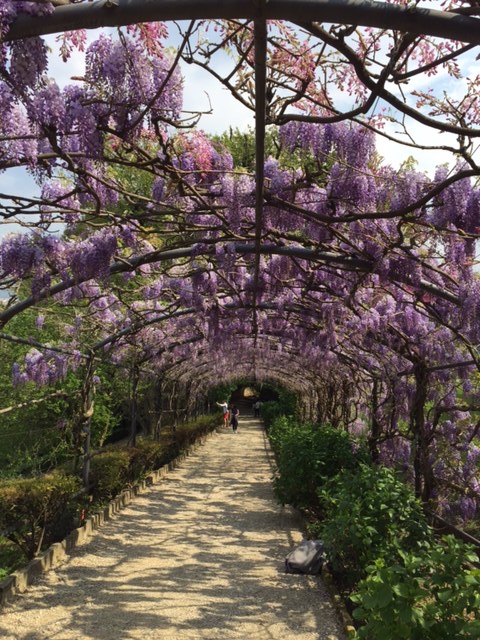
Celebrating the tunnel of wisteria!

When is enough, enough?  When is beauty on overload?

I have no idea.

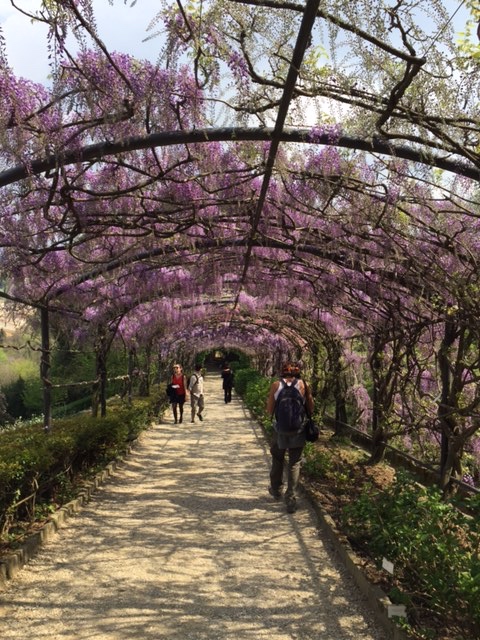
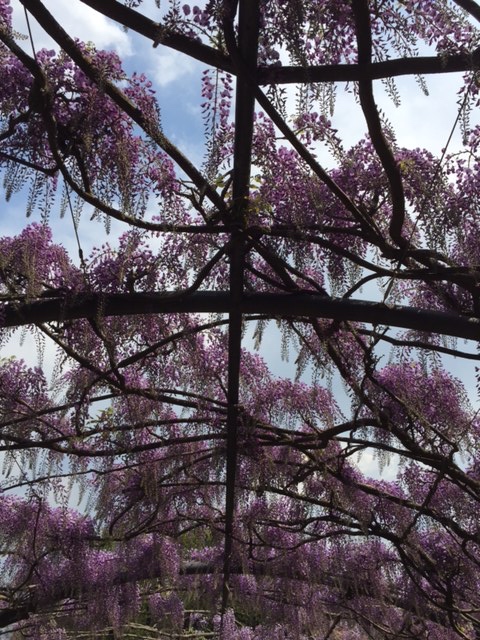
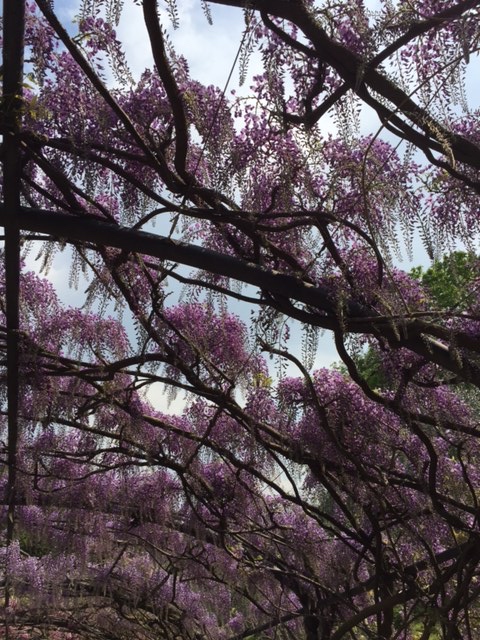
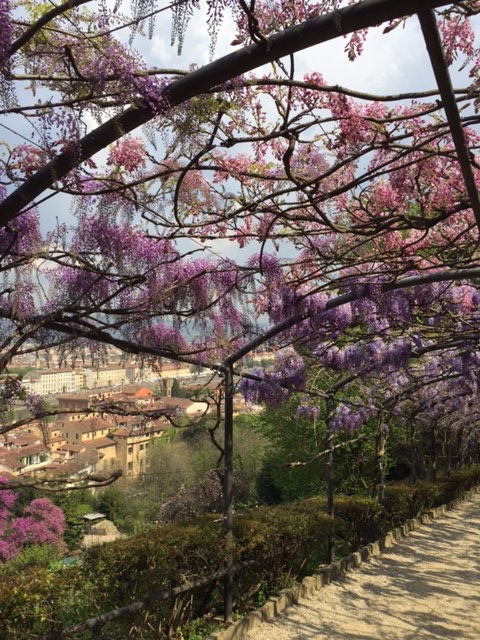
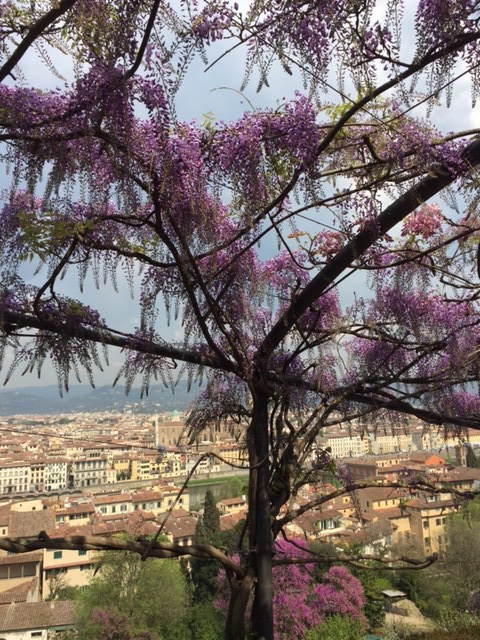
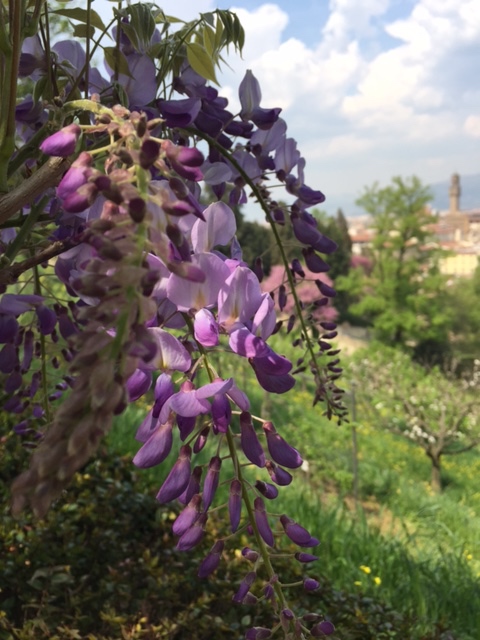
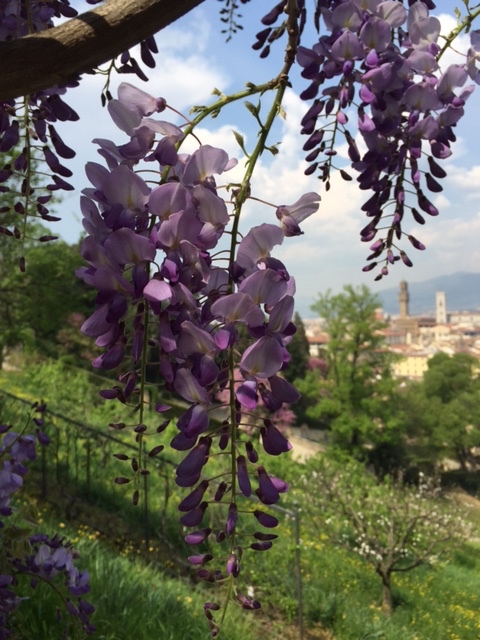
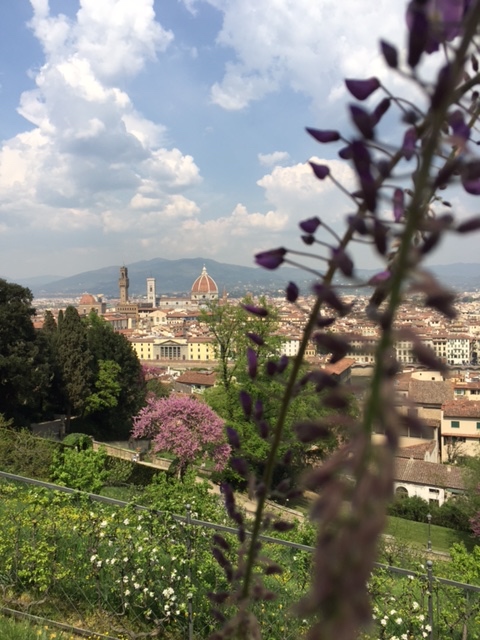
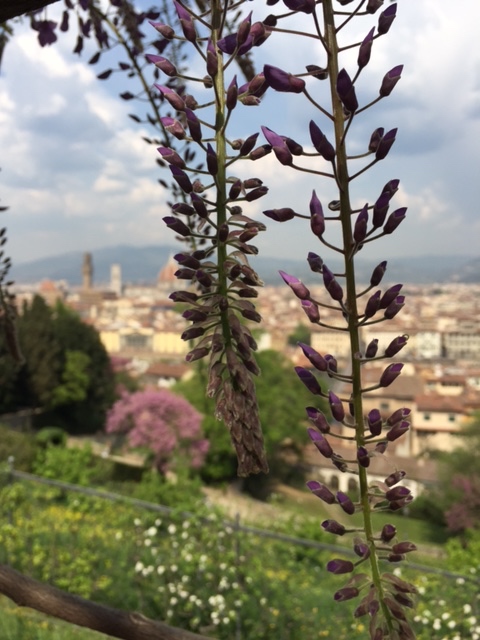
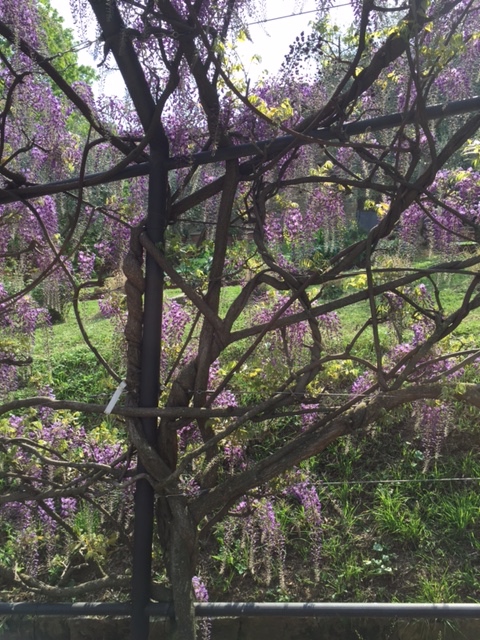
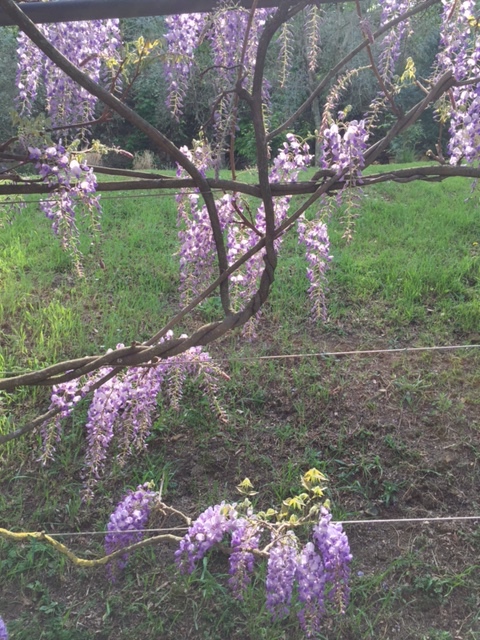
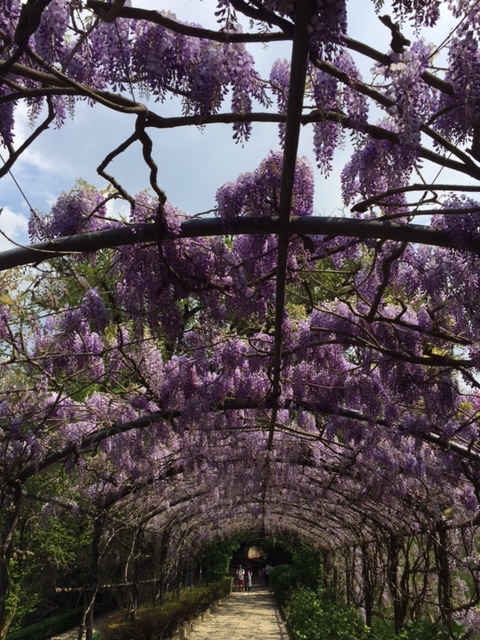
Here’s more beautiful wisteria from Giardino Bardini.  I can never have too much of it.


IMG_1814

Why Leonardo and Raphael, Pontormo and Botticelli, never spent their time painting this glorious flower of the Florentine spring, I will never understand.

IMG_1815


IMG_1816


IMG_1817
 

IMG_1818


IMG_1745


IMG_1753


IMG_1757
 

IMG_1761


IMG_1765


IMG_1768


IMG_1769


IMG_1773


IMG_1777


IMG_1735


IMG_1736


IMG_1739