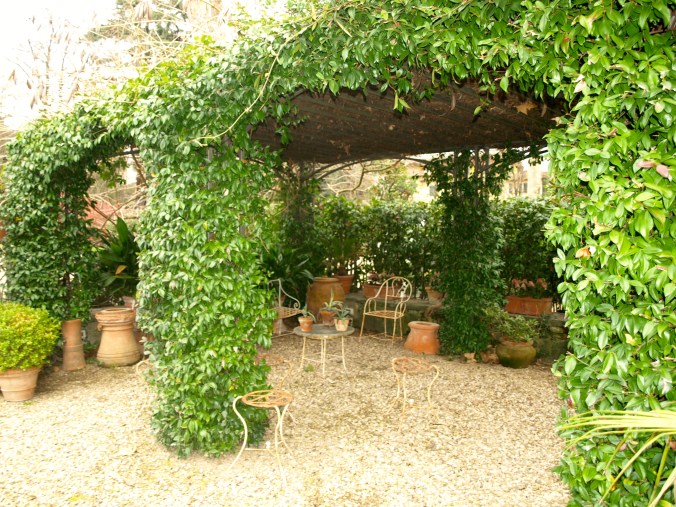
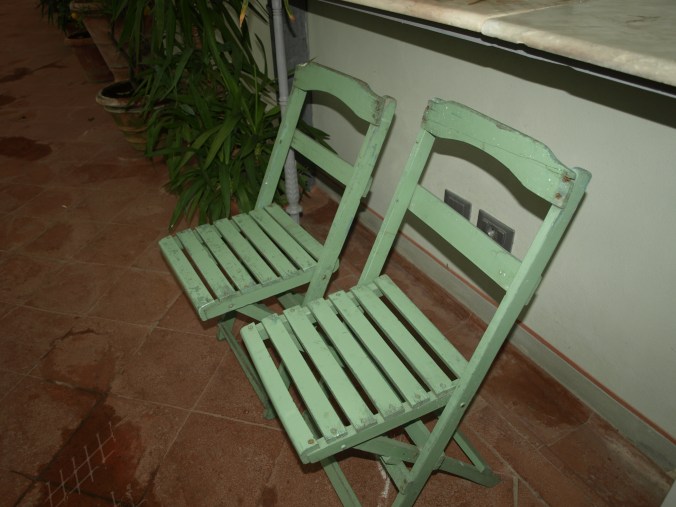
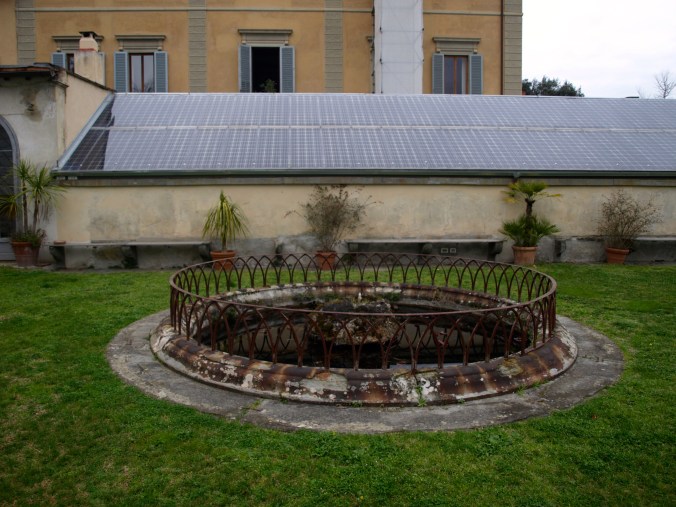
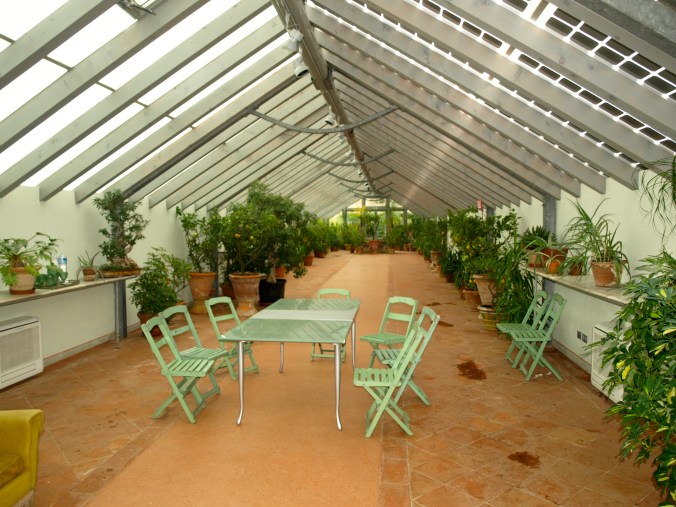
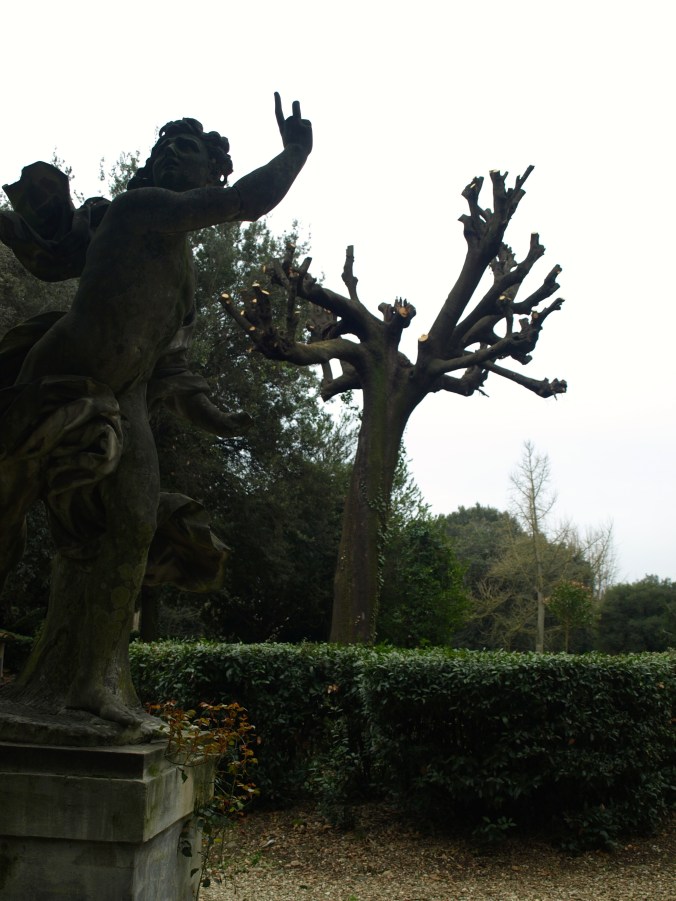
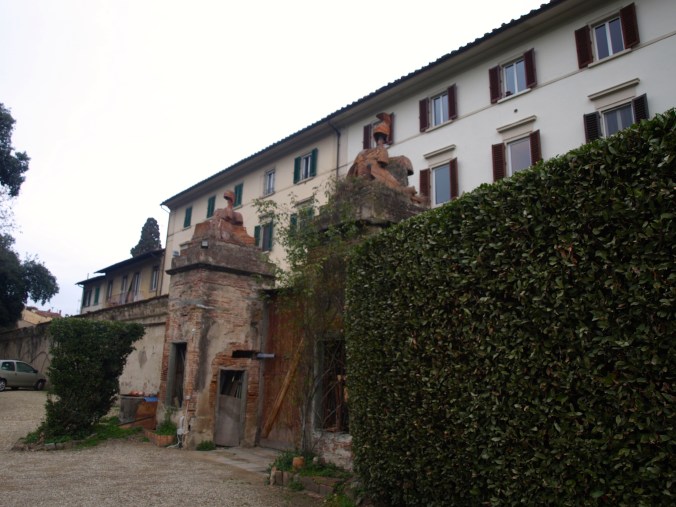
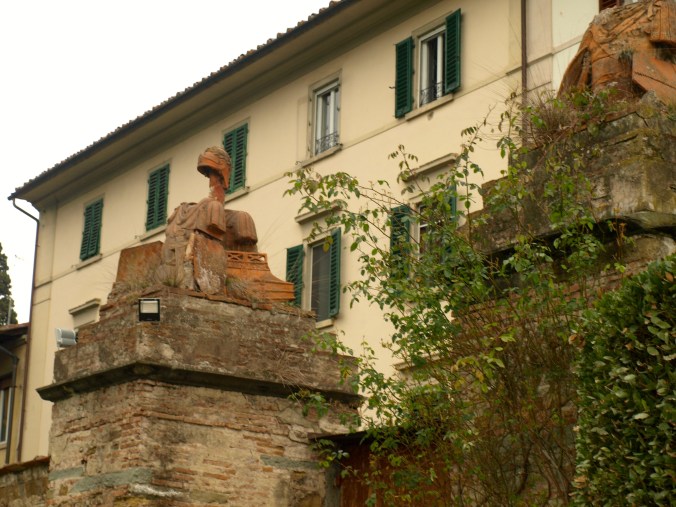
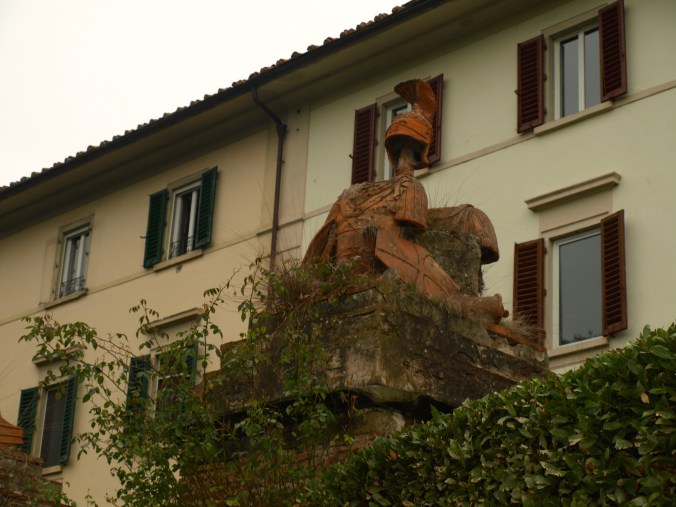
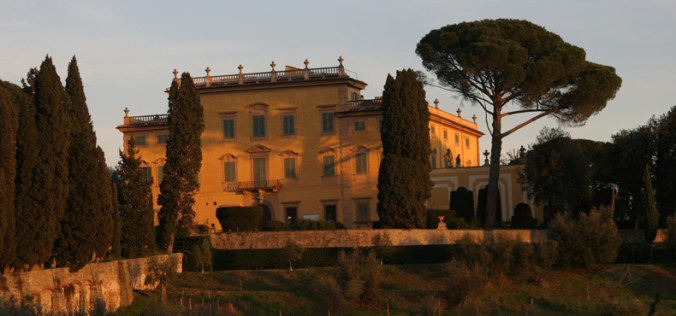
I live in the house where Bartolomeo Ammannati lived and died.

You must pardon my astonishment, but my mind is blown!
images-2

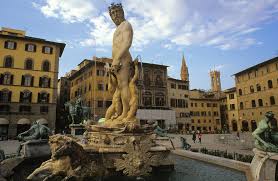
Bartolomeo Ammannati (1511 – 1592), was the Italian architect and sculptor, who is perhaps best known today for his giant Fontana del Nettuno on the Piazza della Signoria in Florence.  Ammannati was born at Settignano, near Florence, and studied with Baccio Bandinelli and Jacopo Sansovino. He carved statues for various Italian cities during the 1530s and 40s.


Although he is best known to us as a sculptor, during his lifetime he was more known for his architecture. He was called to Rome in 1550 by Pope Julius III on the advice of fellow-Florentine, the architect and art historian, Giorgio Vasari. Ammannati’s most important work in Rome was in collaboration with Vasari and Giacomo da Vignola on the villa of Pope Julius, the Villa Giulia (begun 1551).

He also worked in Lucca. We know he assisted Jacopo Sansovino  on the design of the Biblioteca Marciana, in Venice, which closely imitated the style of Michelangelo.

Cosimo de’ Medici (Cosimo I) brought Ammannati back to Florence in 1555; he was to spend almost all of his remaining career in service to the Medicis. His first commission was to finish the Laurentian Library, begun by Michelangelo. Ammannati interpreted a clay model sent him by Michelangelo in 1558 to produce the especially impressive staircase, leading from the vestibule into the library proper.

Ammannati’s masterpiece in Florence is the Palazzo Pitti, where, beginning in 1560 (and through 1570), he enlarged the basic structure by Filippo Brunelleschi, designing a courtyard and facade opening onto the Boboli Gardens. The facade overlooking the courtyard is very unusual in its heavily rusticated (rough-hewn) treatment of successive levels of Doric, Ionic, and Corinthian attached columns. At the Pitti Palace, this rustication provides an appropriately rural yet impressive backdrop for the gardens.


220px-boboli-gardens-from-palazzo
Garden entrance of the Ammannati Courtyard in the Pitti Palace.

Ammannati was named Consul of Academia delle Arti del Disegno in Florence, which was founded by the Duke Cosimo I in 1563.


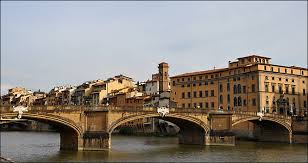
In 1569, Ammanati was commissioned to build the Ponte Santa Trinita, a bridge over the Arno River.
images-3

The bridge’s three arches are elliptic, and though very light and elegant, it has survived even when floods had damaged other Arno bridges at different times. Santa Trinita was destroyed in 1944, during World War II, and rebuilt in 1957.
220px-fountains_of_neptune

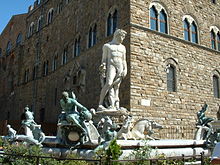
Ammannati designed what is considered a prototypic mannerist sculptural ensemble in the Fountain of Neptune (Fontana del Nettuno), prominently located in the Piazza della Signoria in the center of Florence. The commission was originally given to the aged Bartolommeo Bandinelli; however when Bandinelli died, Ammannati’s design bested the submissions of Benvenuto Cellini and Vincenzo Danti and Ammannati was awarded the commission.

From 1563 and 1565, Ammannati and his assistants, among them Giambologna, sculpted the block of marble that had been chosen by Bandinelli. He took Grand Duke Cosimo I as model for Neptune’s face. The statue was meant to highlight Cosimo’s goal of establishing a Florentine Naval force. When the work on the ungainly sea god was finished, and sited at the other corner of the Palazzo Vecchio of Michelangelo David statue, the then 87-year-old irascible elder sculptor, is said to have scoffed at Ammannati that he had ruined a beautiful piece of marble, with the ditty: “Ammannati, Ammanato, che bel marmo hai rovinato!”


Ammannati continued work on this fountain for a decade, adding around the perimeter a cornucopia of demigod figures: bronze reclining river gods, laughing satyrs and marble sea horses emerging from the water.

In 1550 Ammannati married Laura Battiferri, an elegant poet and an accomplished woman. In his old age, Ammannati was strongly influenced by the Counter-Reformation philosophy of the Jesuits. He repudiated his earlier nude sculptures as lustful, and he designed several austere buildings for the Jesuits.


He died in Florence in 1592.  In my apartment!!
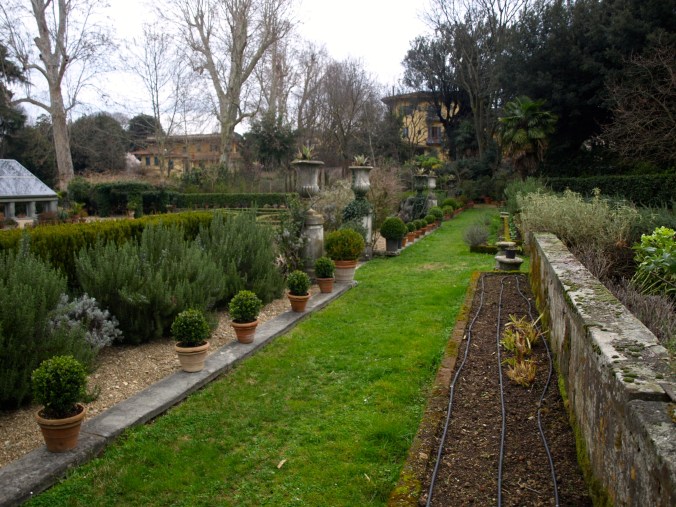
Giardino Torrigiani, Firenze, 4 Marzo 2017

Gardens, with their shady trees, fragrant flowers, and peaceful lanes, have always served as a counterpoint to the narrow, crowded streets of Florence’s city center. During the Renaissance, a new form of garden-design arose, heavily influenced by classical models from Roman villas. Florence, and its surrounding area, is a garden-enthusiasts’ paradise, boasting numerous Renaissance-style gardens, along with examples of 16th-century and English-style designs.

OLYMPUS DIGITAL CAMERA

OLYMPUS DIGITAL CAMERA


Hidden behind a set of high Oltrarno walls, is the Torrigiani garden, the largest private garden within city walls in Italy.

OLYMPUS DIGITAL CAMERA

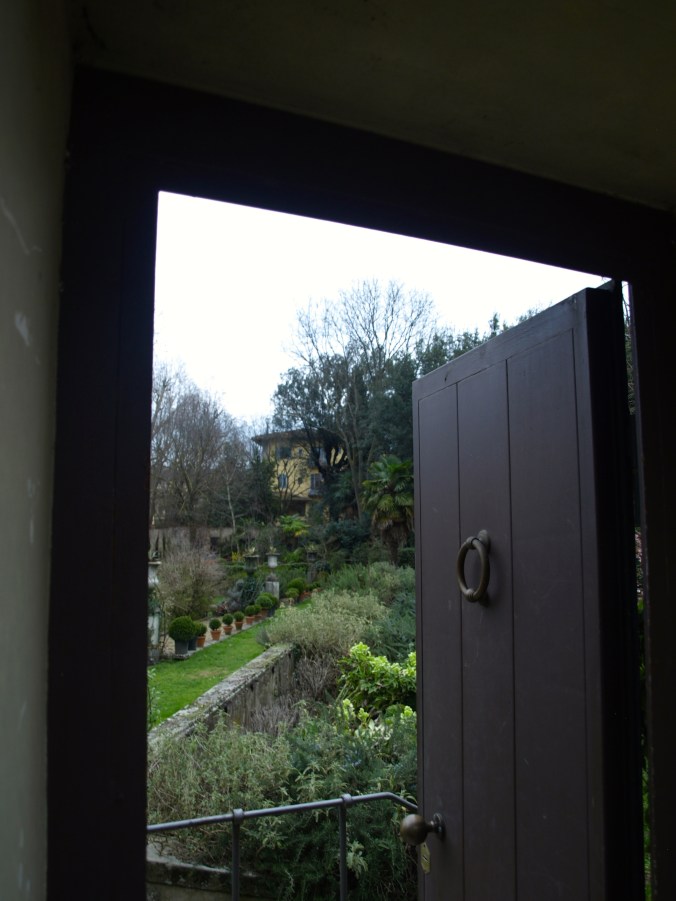
A small entrance to a secret garden


Originally planted by the founder of the Italian Botanical Society – the world’s oldest – the garden still has an uncommonly wide variety of trees, especially exotic species, in keeping with its 19th century “English Landscape” style.

OLYMPUS DIGITAL CAMERA

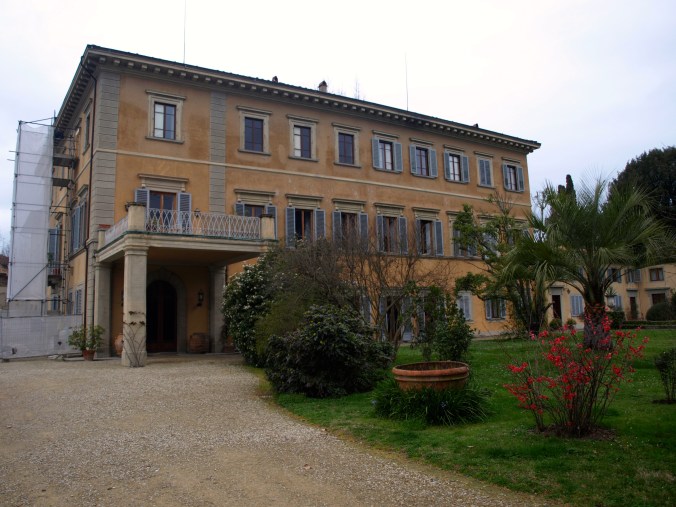
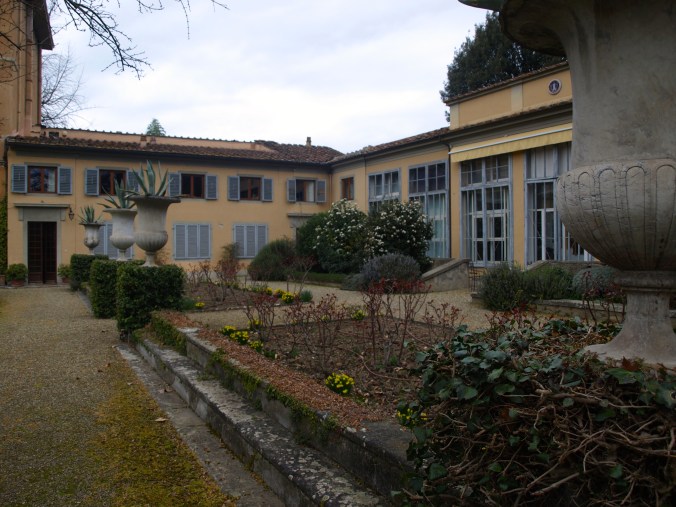
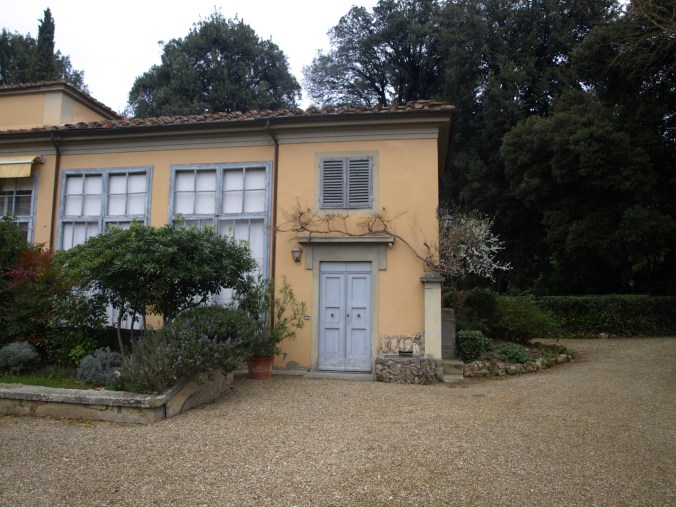
One of the several palazzi on the property

OLYMPUS DIGITAL CAMERA

OLYMPUS DIGITAL CAMERA

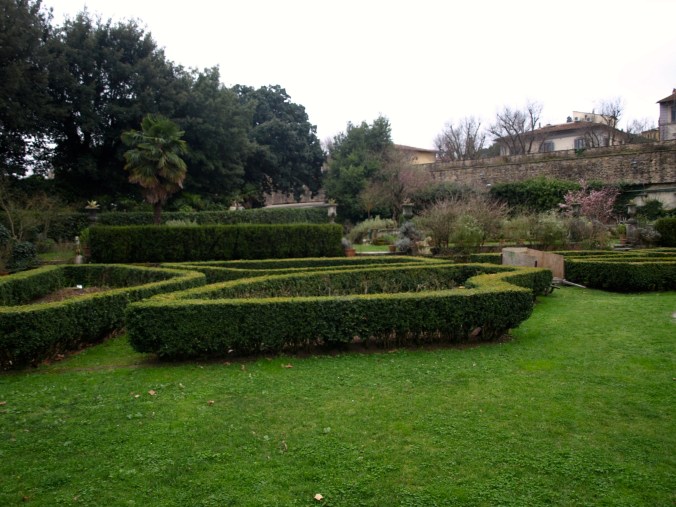
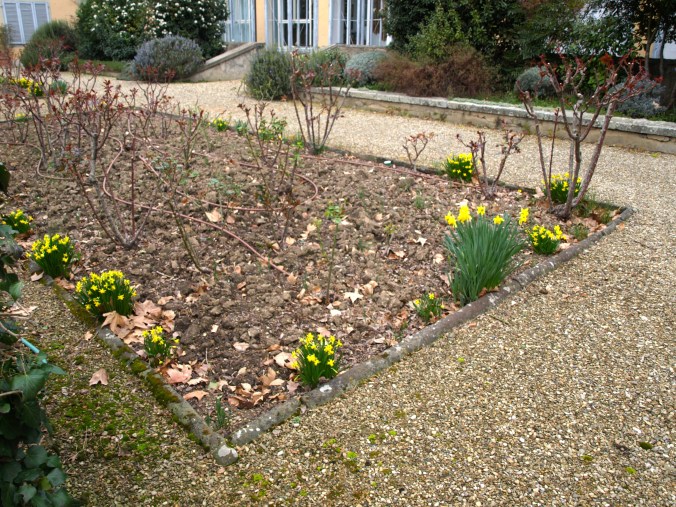
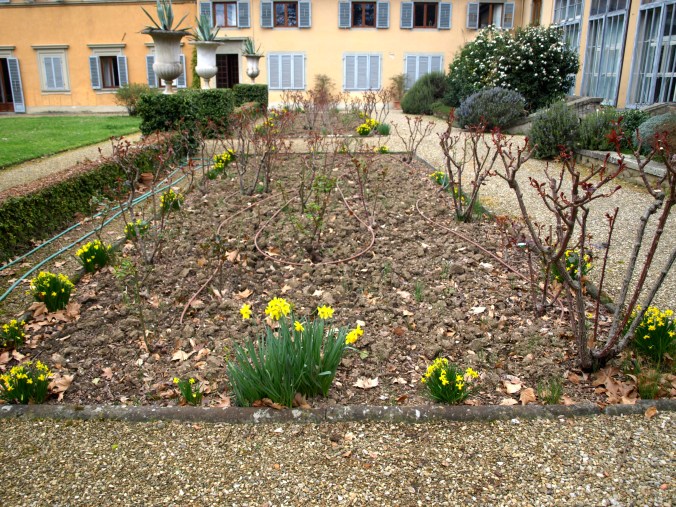
Rose bushes surrounded by clipped box

OLYMPUS DIGITAL CAMERA

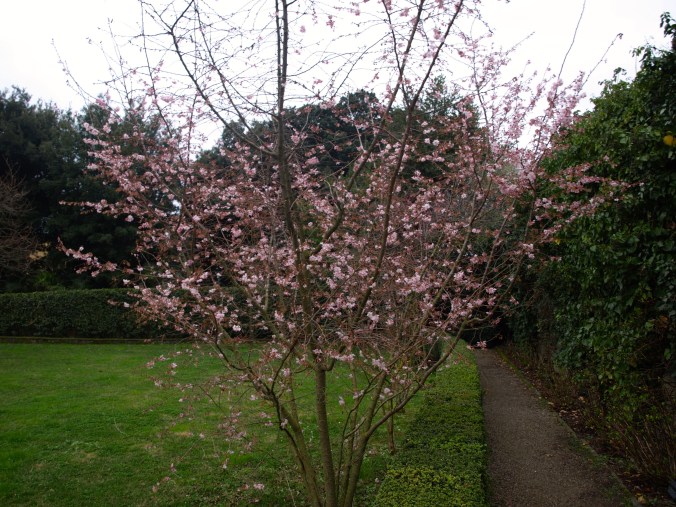
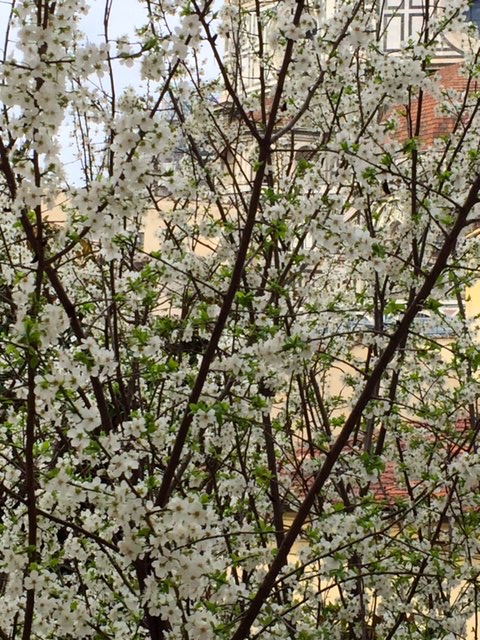
Even in early spring, shrubs were blooming.

OLYMPUS DIGITAL CAMERA

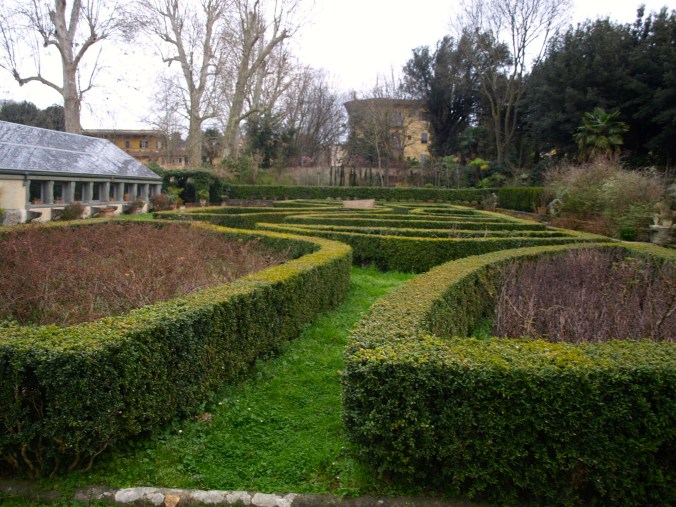
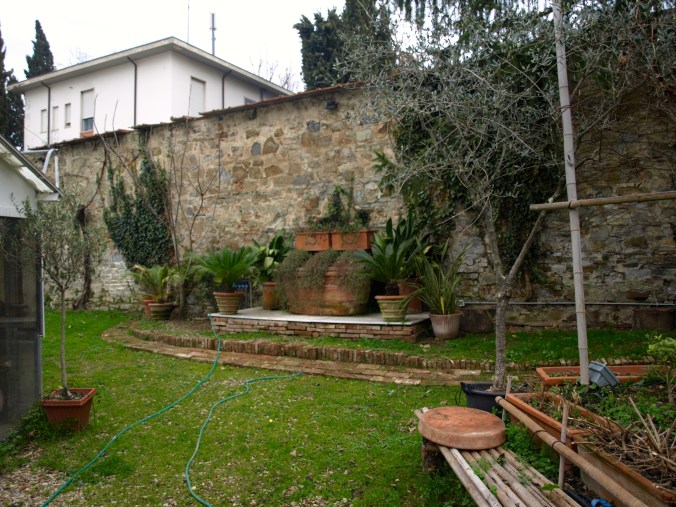
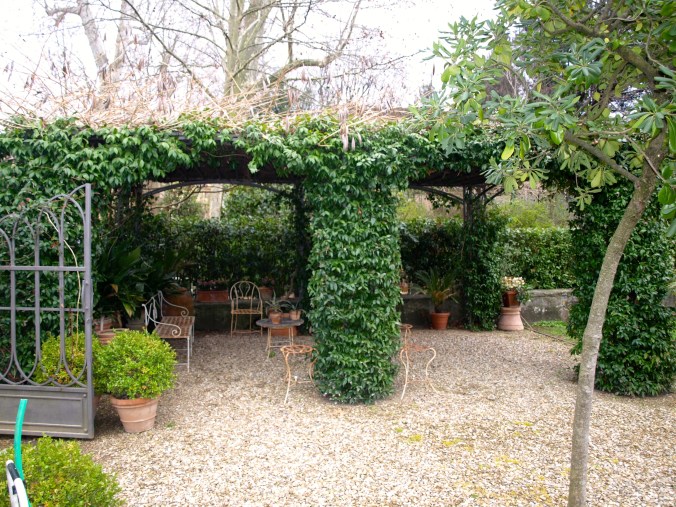
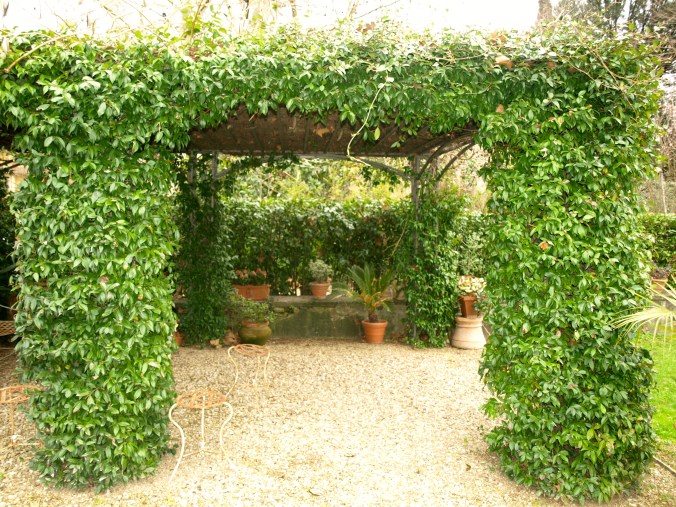
Many small vignettes fill the garden as well


Giardino Torrigiani feels somewhat mysterious, and was, in fact, laid out as an initiation path with secret Masonic symbolism. It includes Gothic follies and the recurring theme of research and enquiry. There is no secret, however, in the dedication to the art and sciences, which are still the owners’ guiding principles, as the Torrigiani garden encloses a successful commercial nursery and regularly hosts lectures on the arts and gardening.

OLYMPUS DIGITAL CAMERA

OLYMPUS DIGITAL CAMERA

OLYMPUS DIGITAL CAMERA

OLYMPUS DIGITAL CAMERA

OLYMPUS DIGITAL CAMERA

OLYMPUS DIGITAL CAMERA

OLYMPUS DIGITAL CAMERA

OLYMPUS DIGITAL CAMERA

OLYMPUS DIGITAL CAMERA

OLYMPUS DIGITAL CAMERA

OLYMPUS DIGITAL CAMERA

OLYMPUS DIGITAL CAMERA

OLYMPUS DIGITAL CAMERA

OLYMPUS DIGITAL CAMERA

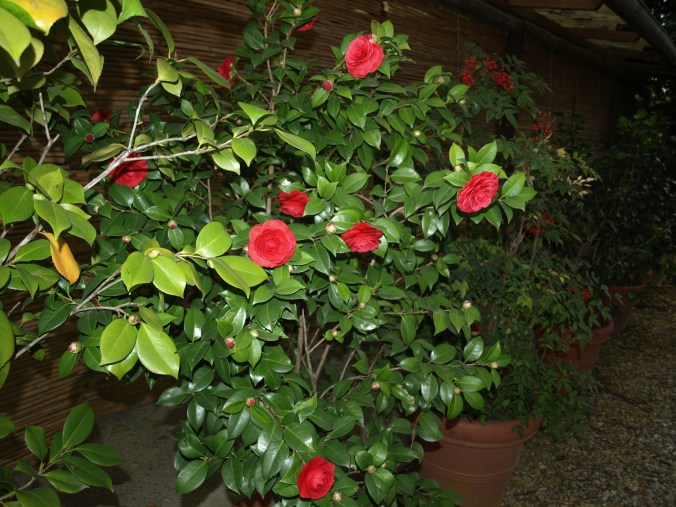
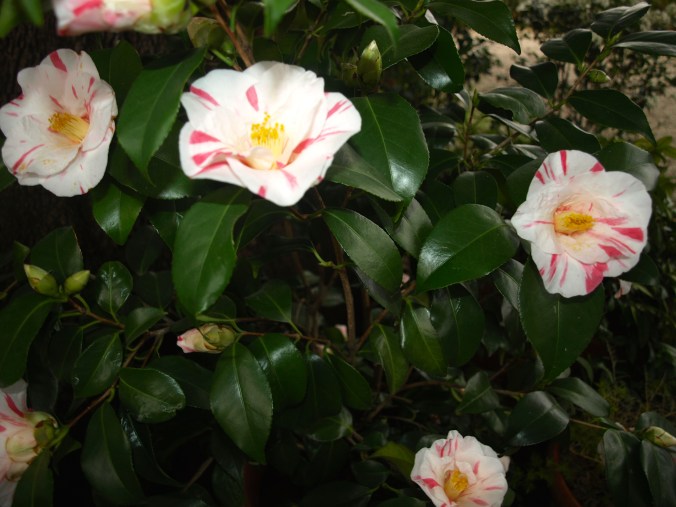
Lovely camellias

OLYMPUS DIGITAL CAMERA

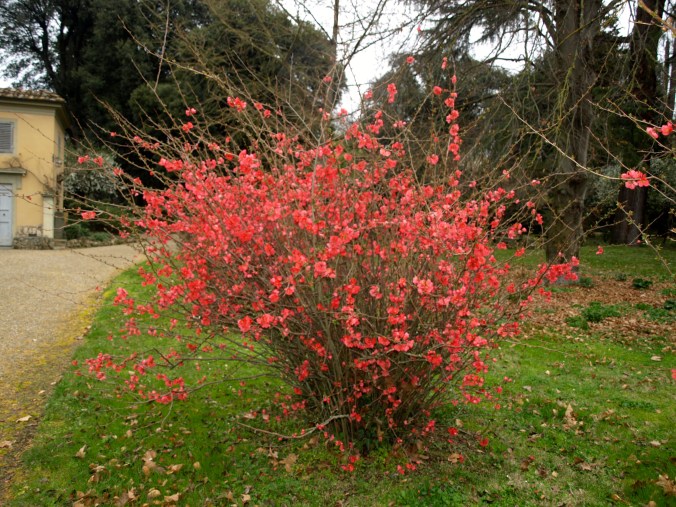
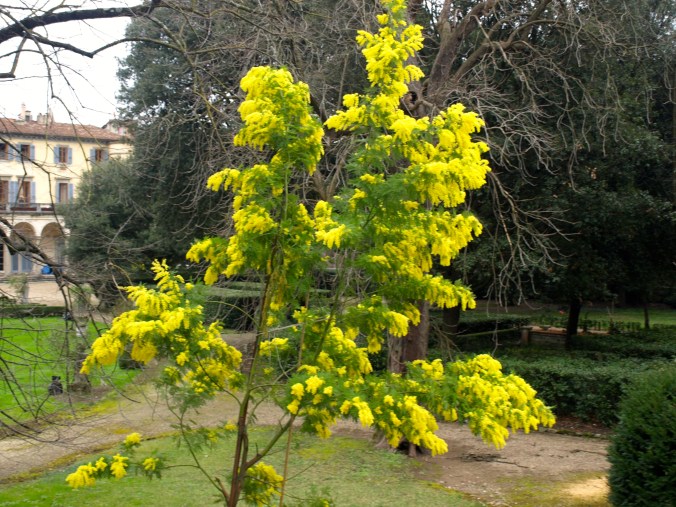
Shots of bright yellow and neon coral spiced the garden yesterday, as the mimosa and quince shrubs were in full bloom.

OLYMPUS DIGITAL CAMERA

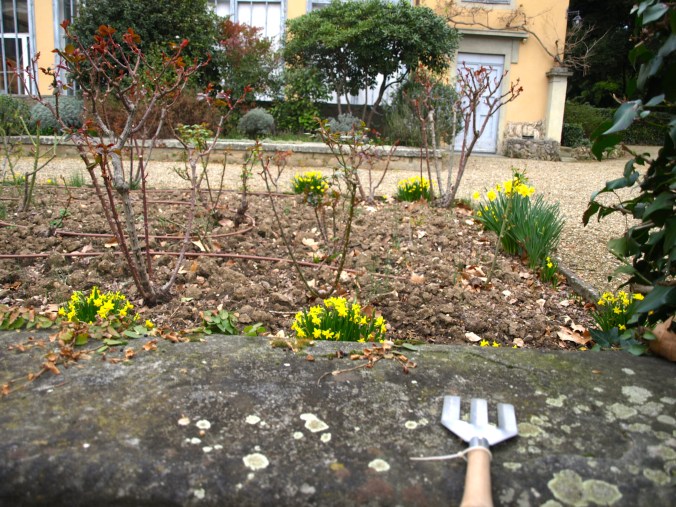
A few hearty narcissi nodded their happy, yellow heads in the spring sunlight.

OLYMPUS DIGITAL CAMERA


Magnificent urns filled with sculptural aloe graced one section of buildings.

OLYMPUS DIGITAL CAMERAOLYMPUS DIGITAL CAMERAOLYMPUS DIGITAL CAMERA

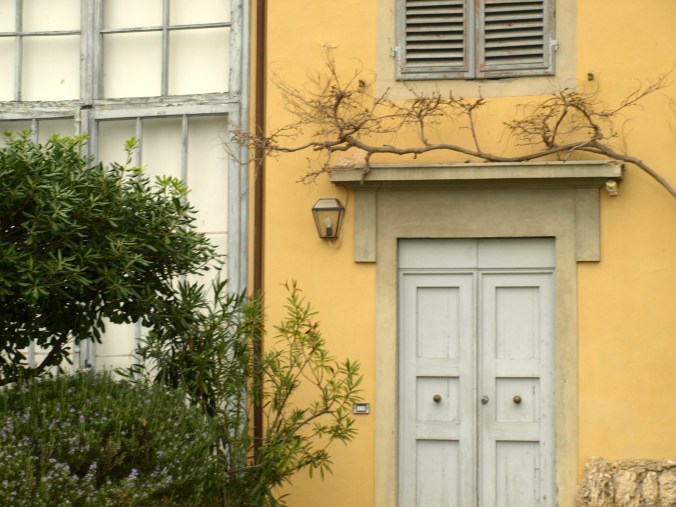
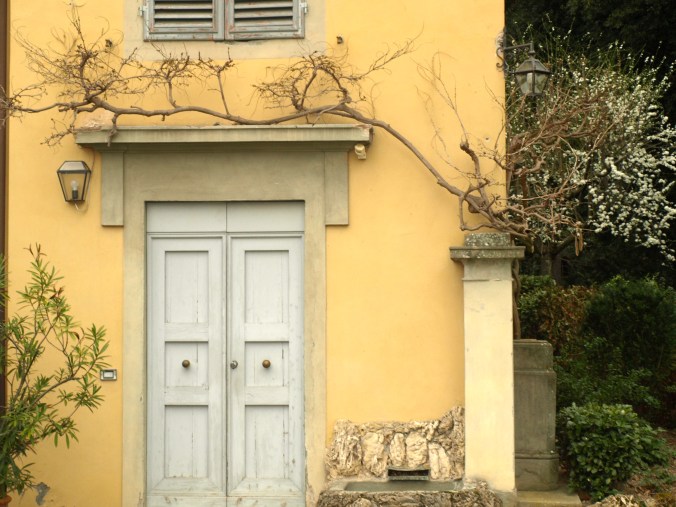
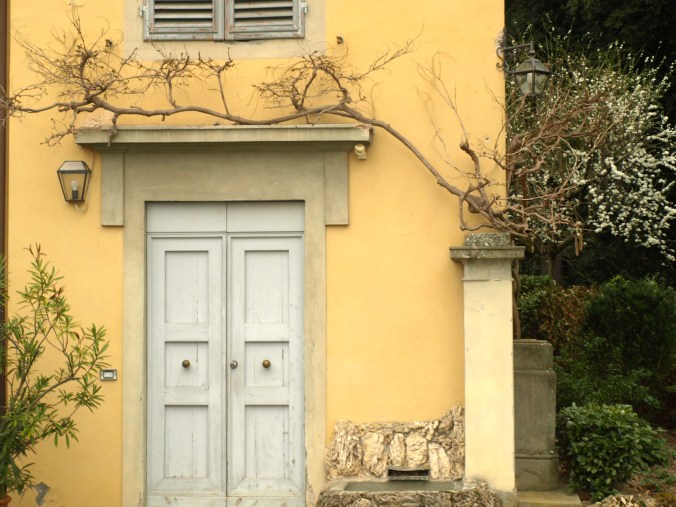
There were many spots to hone in on, but this door, topped with a wisteria vine, was my favorite.


OLYMPUS DIGITAL CAMERAOLYMPUS DIGITAL CAMERA

I hope to return to the garden later this spring when the wisteria is in bloom.

OLYMPUS DIGITAL CAMERAOLYMPUS DIGITAL CAMERAOLYMPUS DIGITAL CAMERA

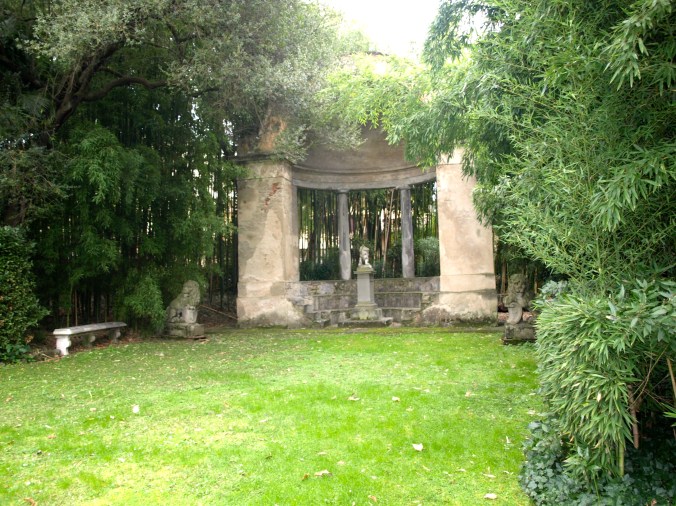
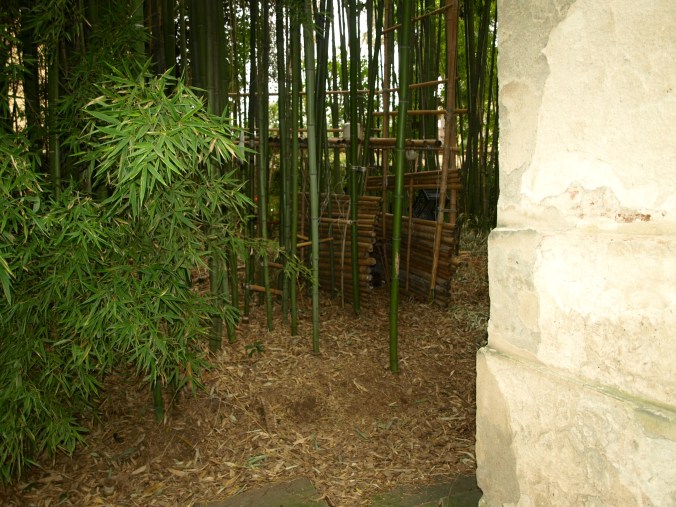
Yes, there is a bamboo grove.

OLYMPUS DIGITAL CAMERA


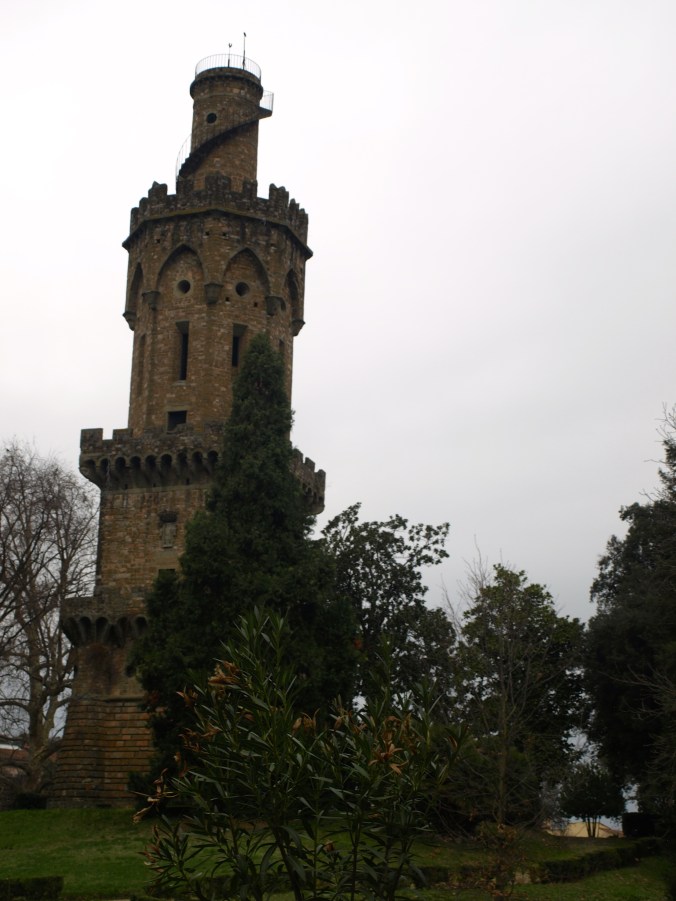
The piece de resistance, the tower:

OLYMPUS DIGITAL CAMERAOLYMPUS DIGITAL CAMERAOLYMPUS DIGITAL CAMERAOLYMPUS DIGITAL CAMERAOLYMPUS DIGITAL CAMERA

OLYMPUS DIGITAL CAMERAOLYMPUS DIGITAL CAMERAOLYMPUS DIGITAL CAMERAOLYMPUS DIGITAL CAMERA

Giardino Bardini, Florence

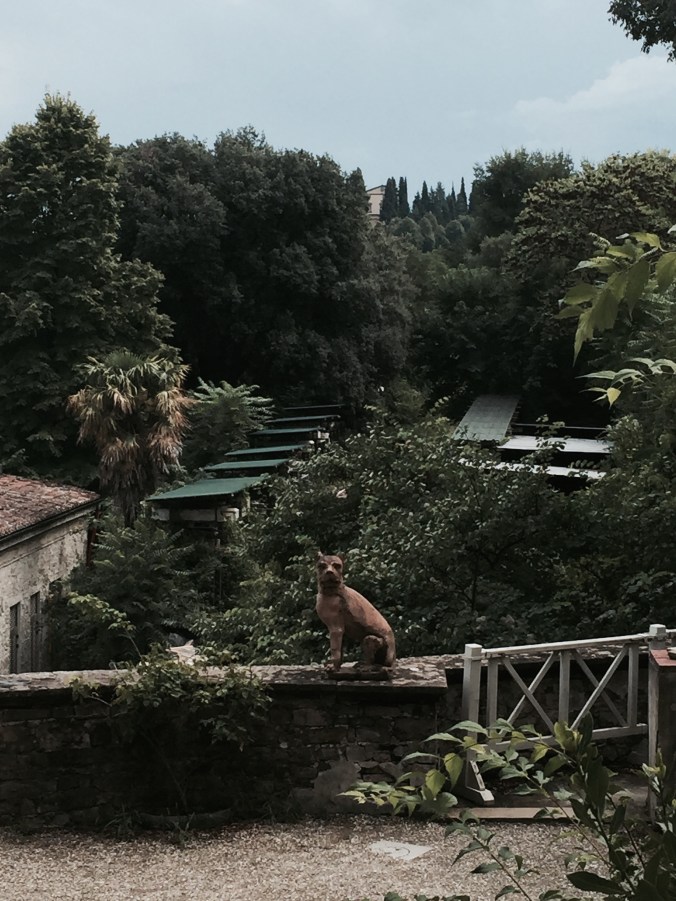
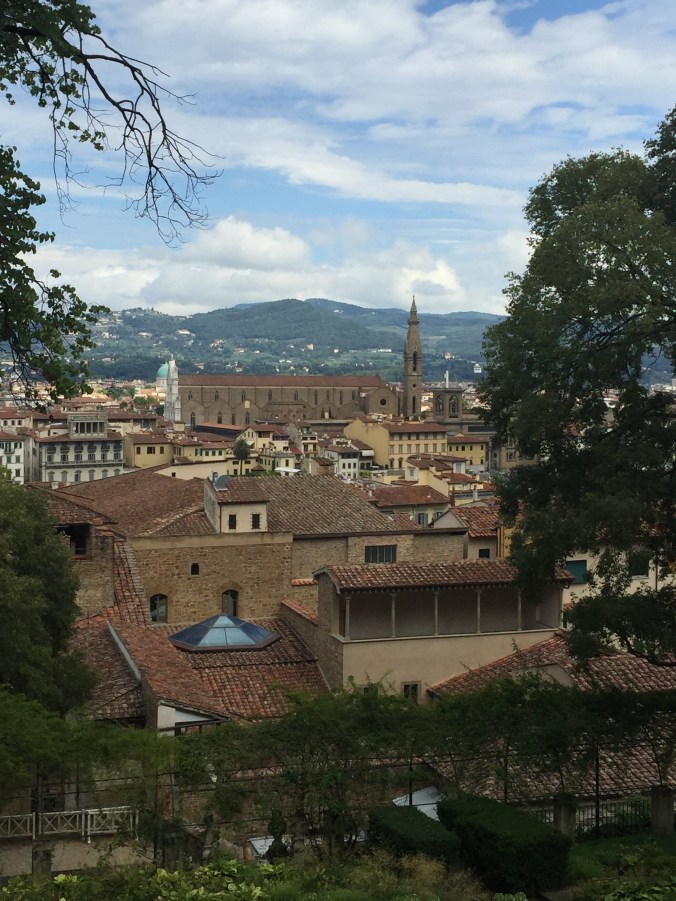
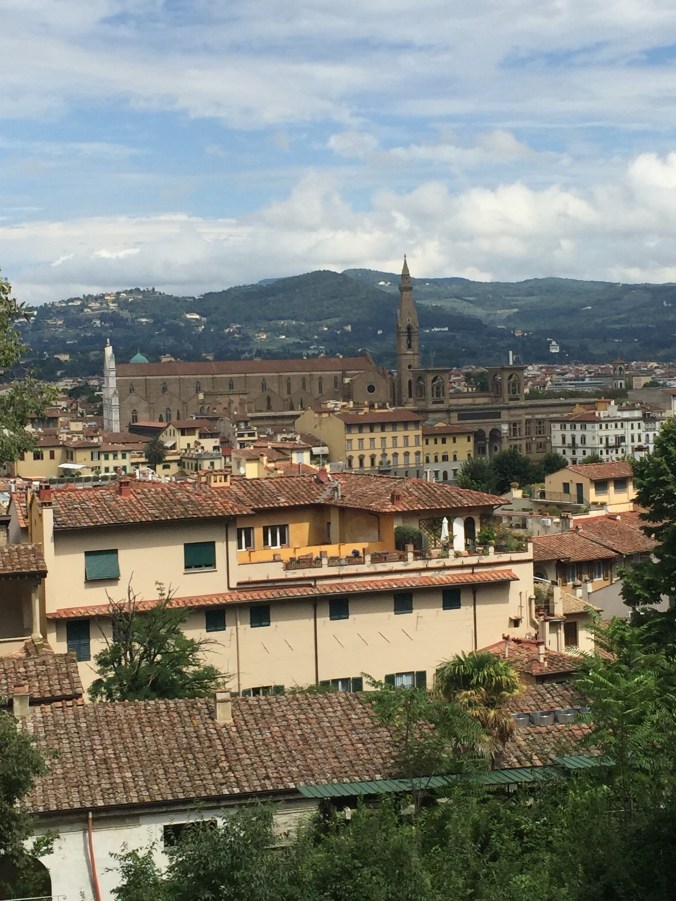
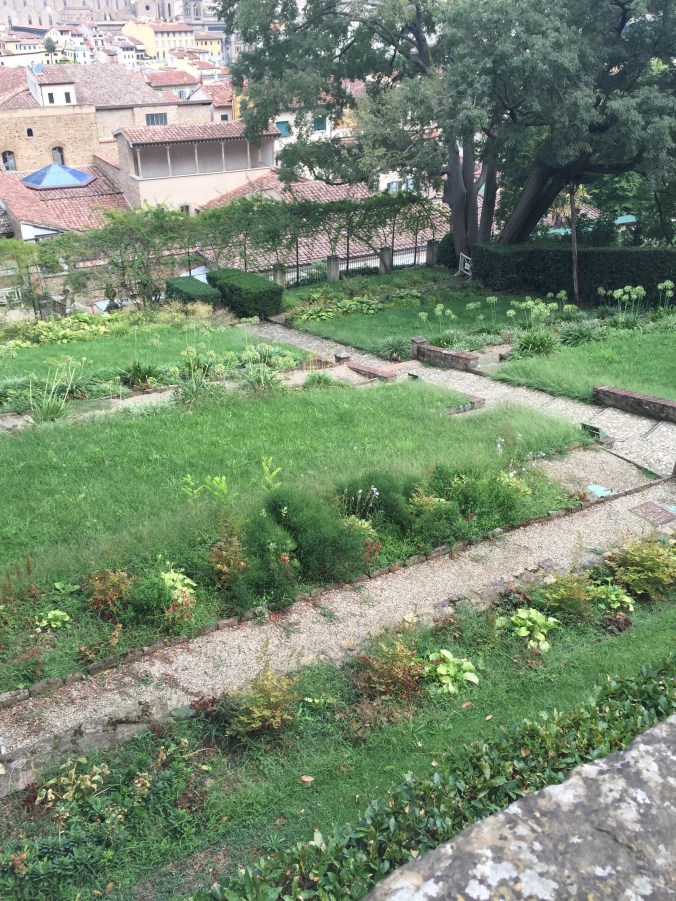
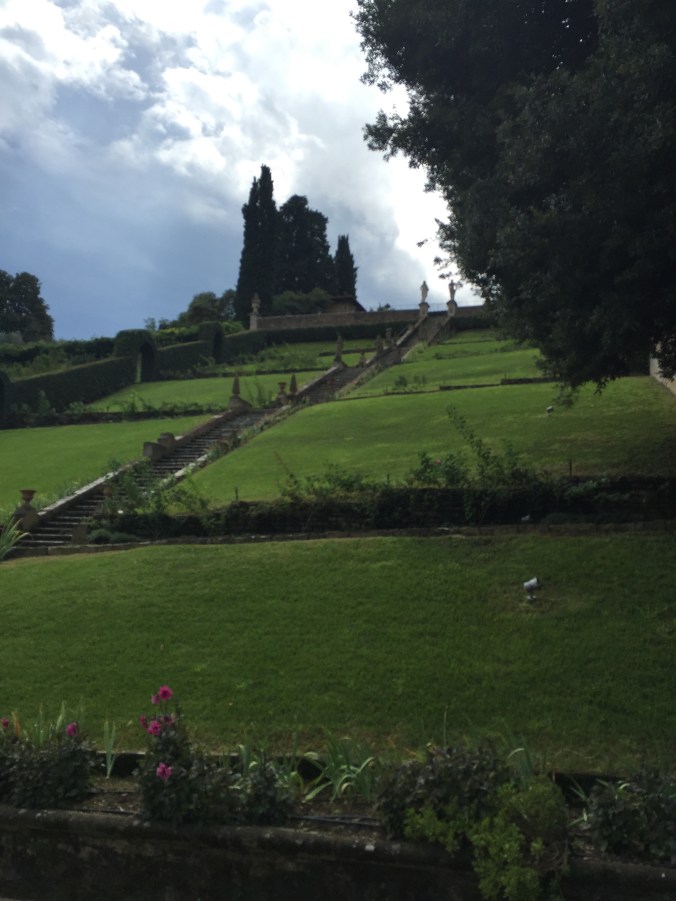
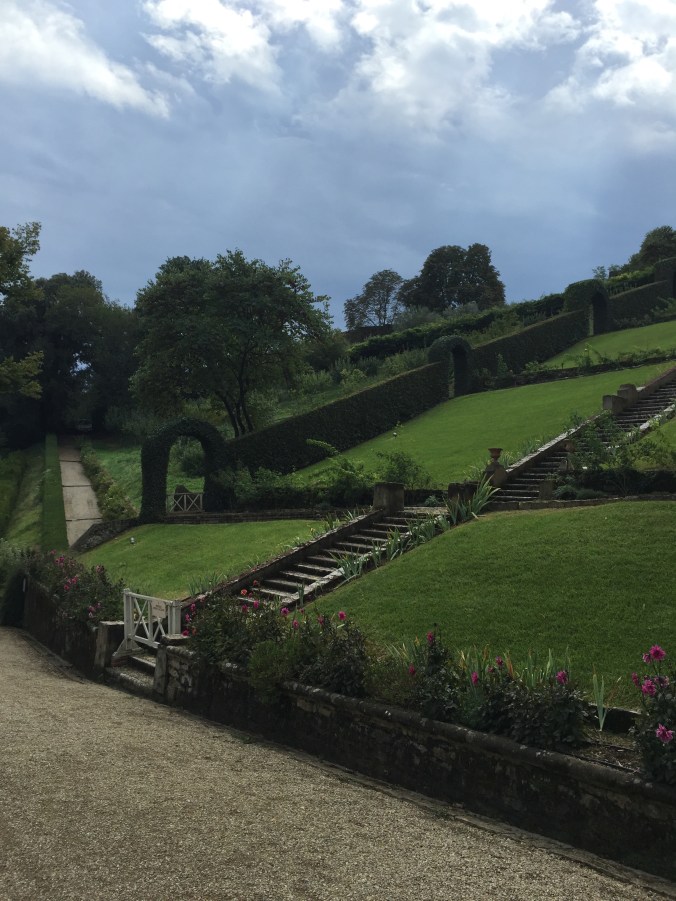
One of the prettiest places in Florence, with incredible views of the city, is Giardino Bardini.  Here are a few of my fav photos I took last summer of the garden and its views.

IMG_5463


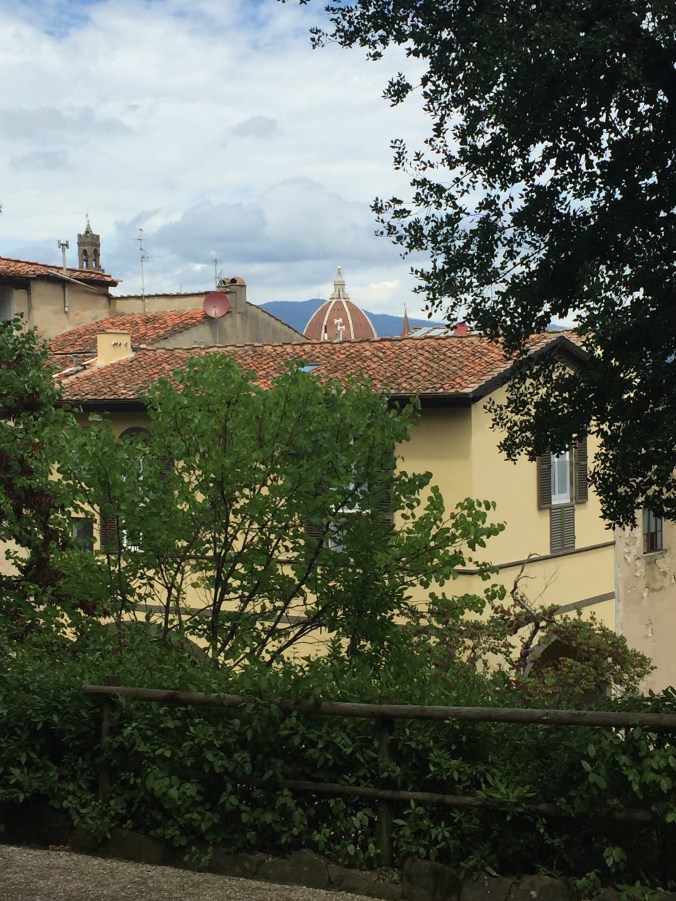
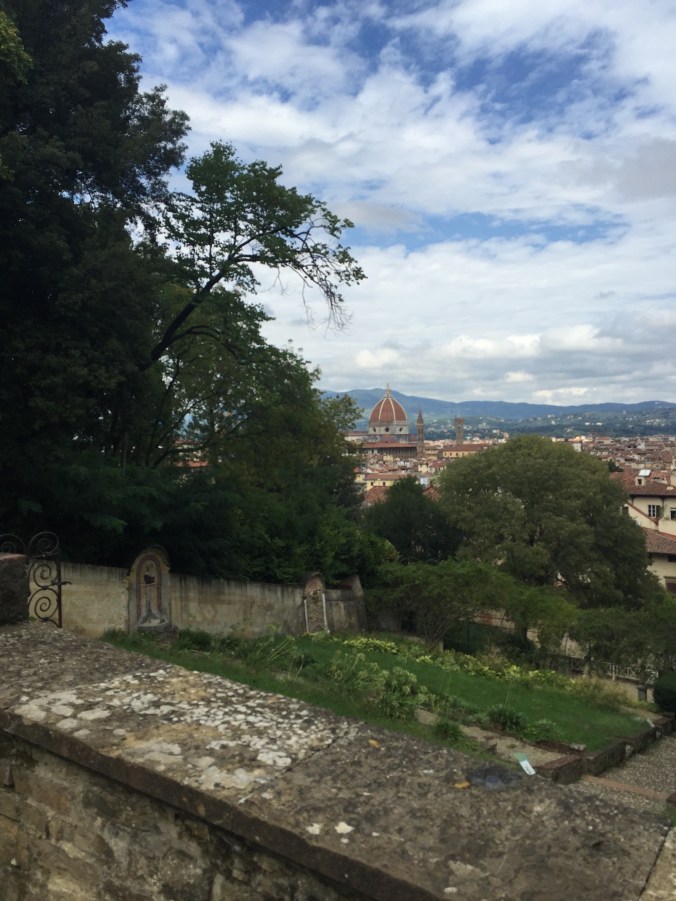
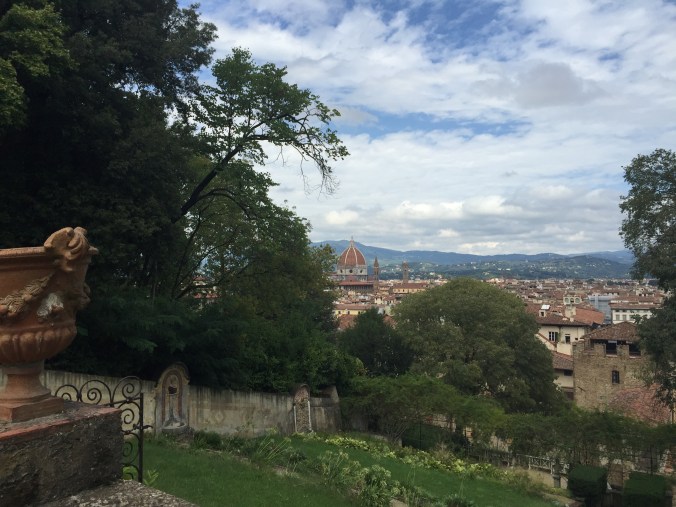
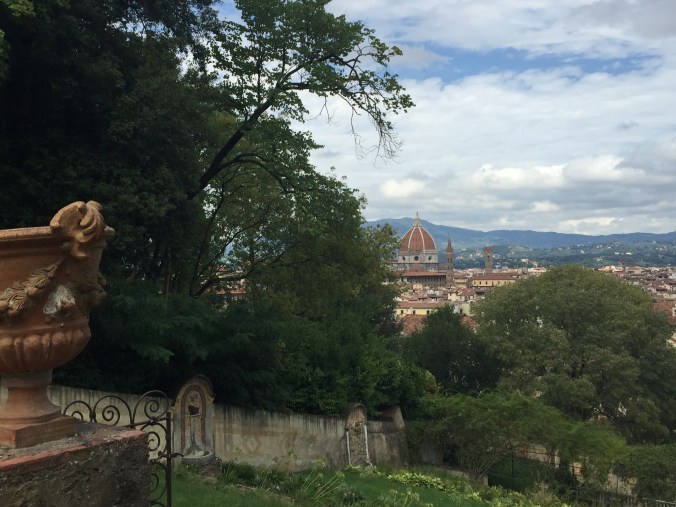
Here comes the first view of the Duomo dome as one walks up and into the garden.

IMG_5464


And here is a view of Santa Croce with it’s campanile at the back and its white marble encrusted facade at the front (left in picture below).

IMG_5465


Here’s a zoomed in shot of Santa Croce from Bardini garden.

IMG_5480


Now I am high enough in the garden to photograph the actual garden, for now some of it is below me.

IMG_5466


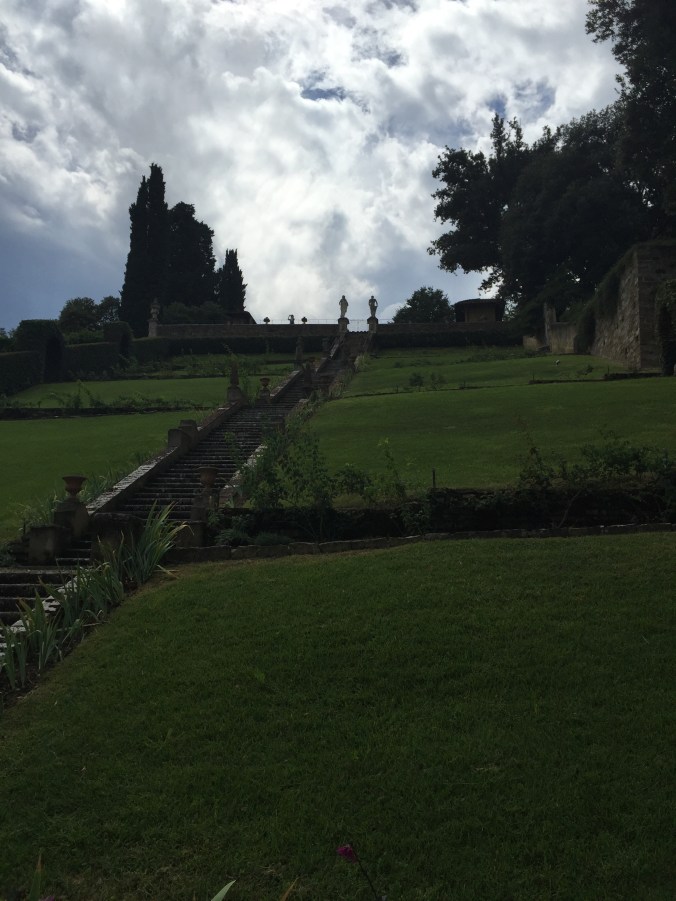
Turning around, here’s the garden terrace above me.  Those Renaissance landscape architects sure knew how to make use of a hill when creating a garden!
IMG_5467

IMG_5468

IMG_5469


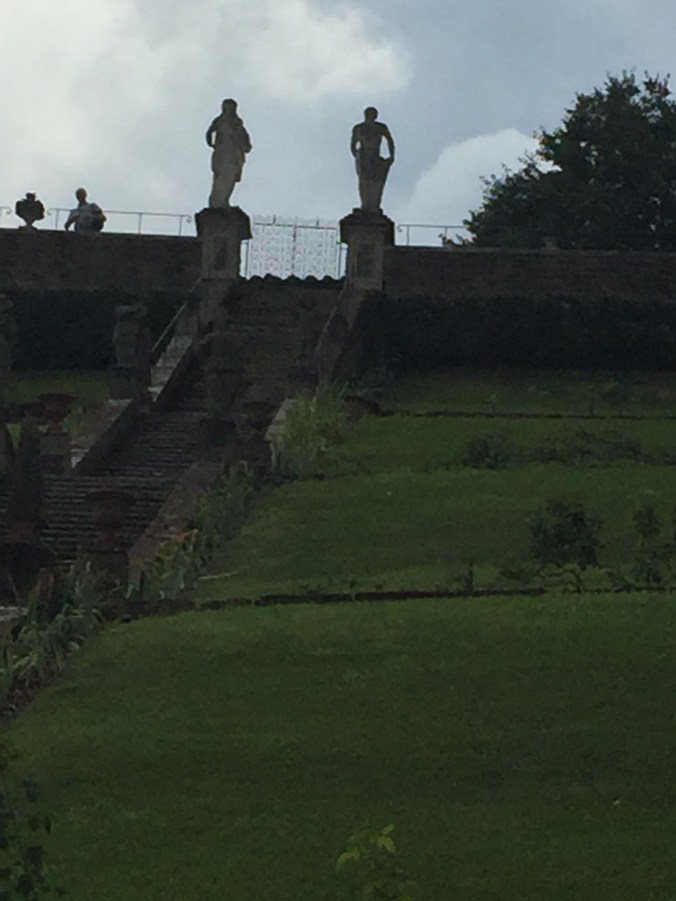
I mean, really, how lovely is this garden?  I love this shot below.  The sky is so dramatic!

IMG_5470

IMG_5475IMG_5471


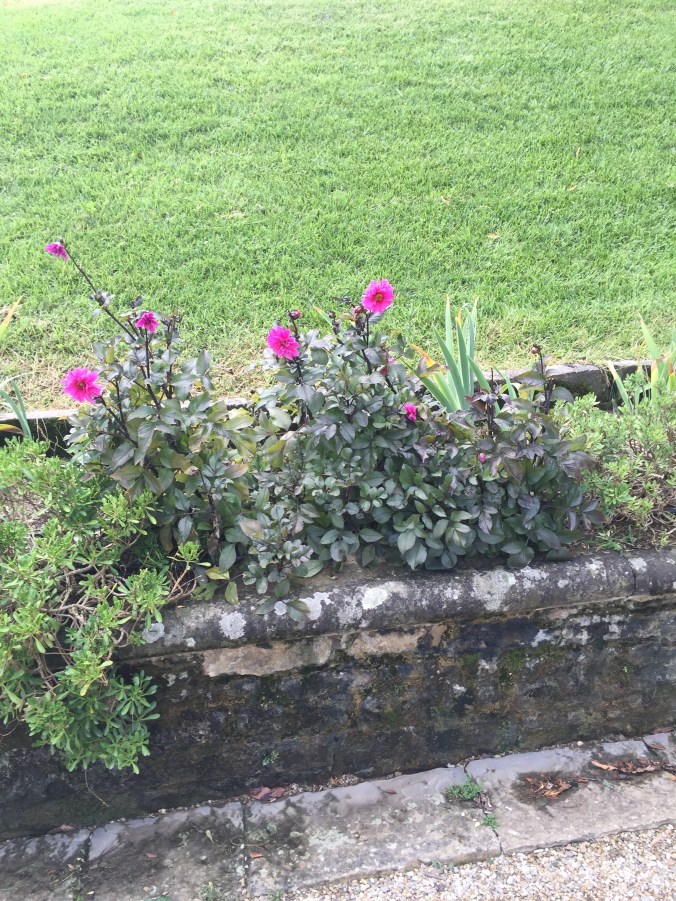
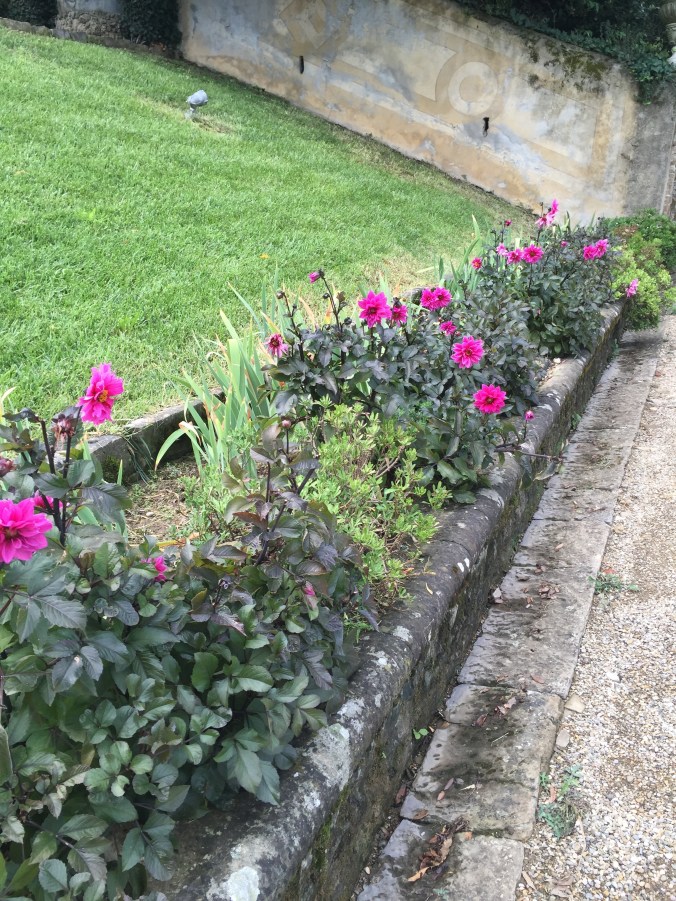
Some blooming dahlias in the garden.  Flowers are not a big part of Italian (or French) formal garden design.

IMG_5472

IMG_5473


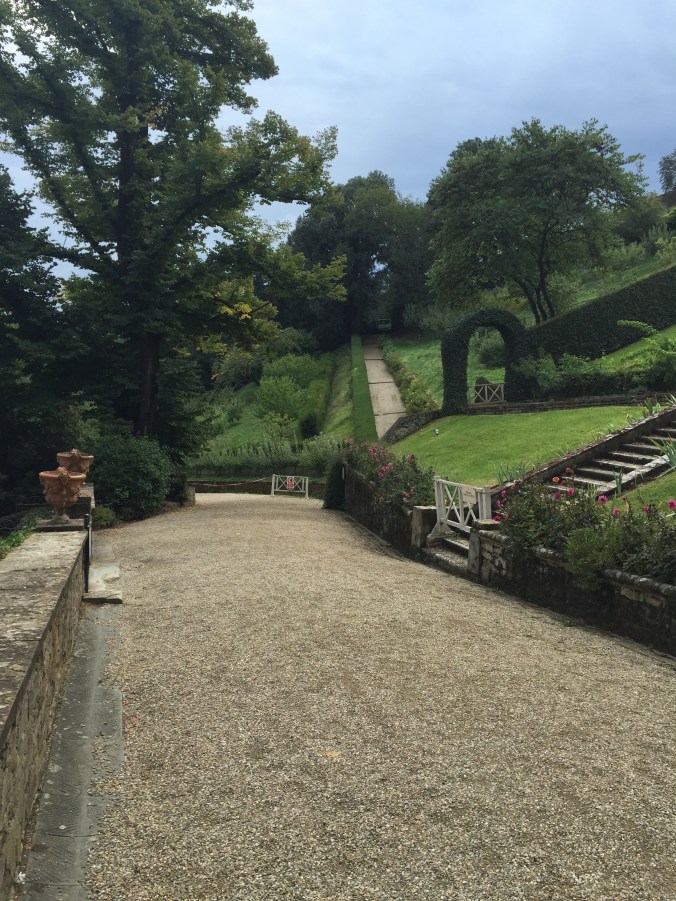
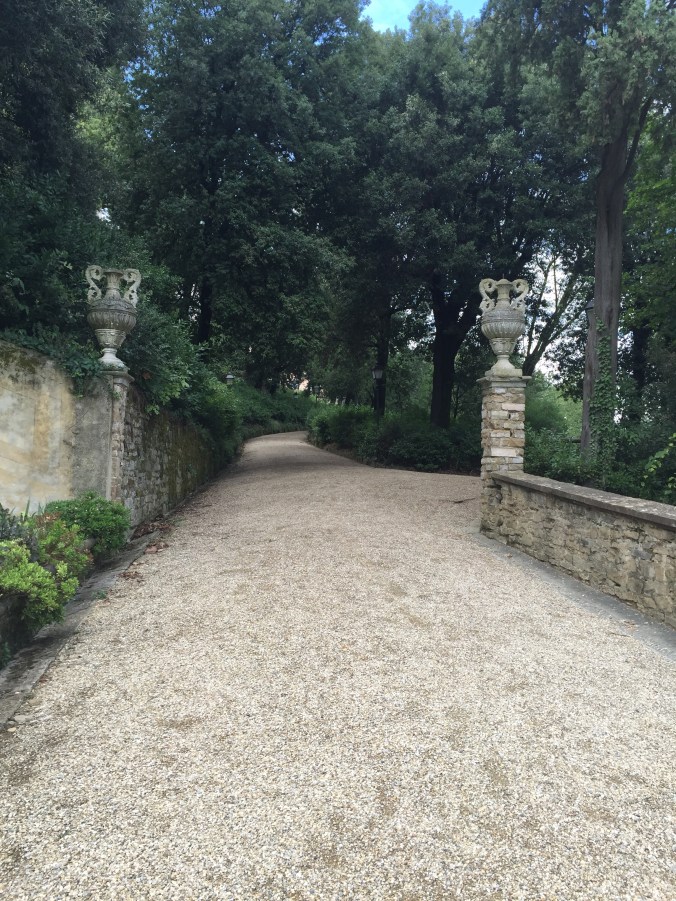
Here is the path I am following.  Gorgeous architectural and horticultural details all along the way to keep you intrigued.

IMG_5474


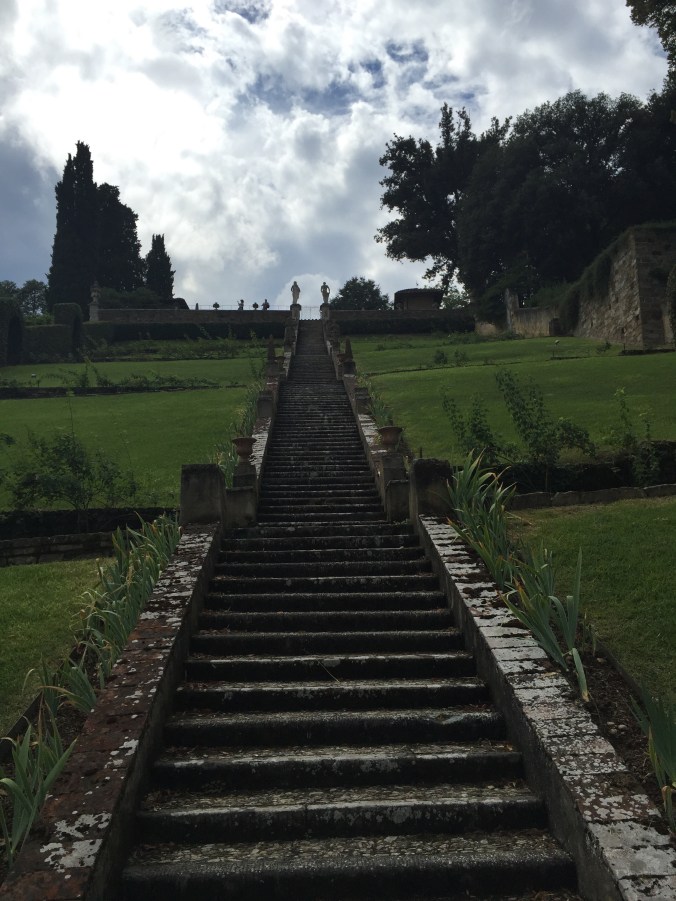
And it may be a hot summer day and you make have pea gravel in your sandals.  You may find the passage challenging because it is mostly uphill (because it is).  But then, there’s this:

IMG_5476


What a view!

IMG_5478IMG_5479

Come back soon for part 2 of this garden tour.  Ciao!

Daily life in Florence c. 1350

Another avenue into Florentine life in the mid 14th century (or any time period of course) is through the visual arts of the period. This is the reason I got mixed up with the history of art to begin with.  I’ve never regretted it.

22101887774_82dae1b520

The scene above is a detail from the fresco cycle by Andrea di Bonaiuto and his pupils in the Spanish Chapel at Santa Maria Novella. We can well imagine that this is how everyday Florentines dressed and behaved as they watch some spectacle taking place on the street below their home. I especially like the woman tending her pot of flowers; she’s my kind of girl.

Now that’s what I call a wisteria vine!

Besides being on-call yesterday for the etiquette police (https://wordpress.com/post/48620893/7789/), I wandered around the Palazzo Medici-Riccardi, taking in as many of its many marvels as possible.

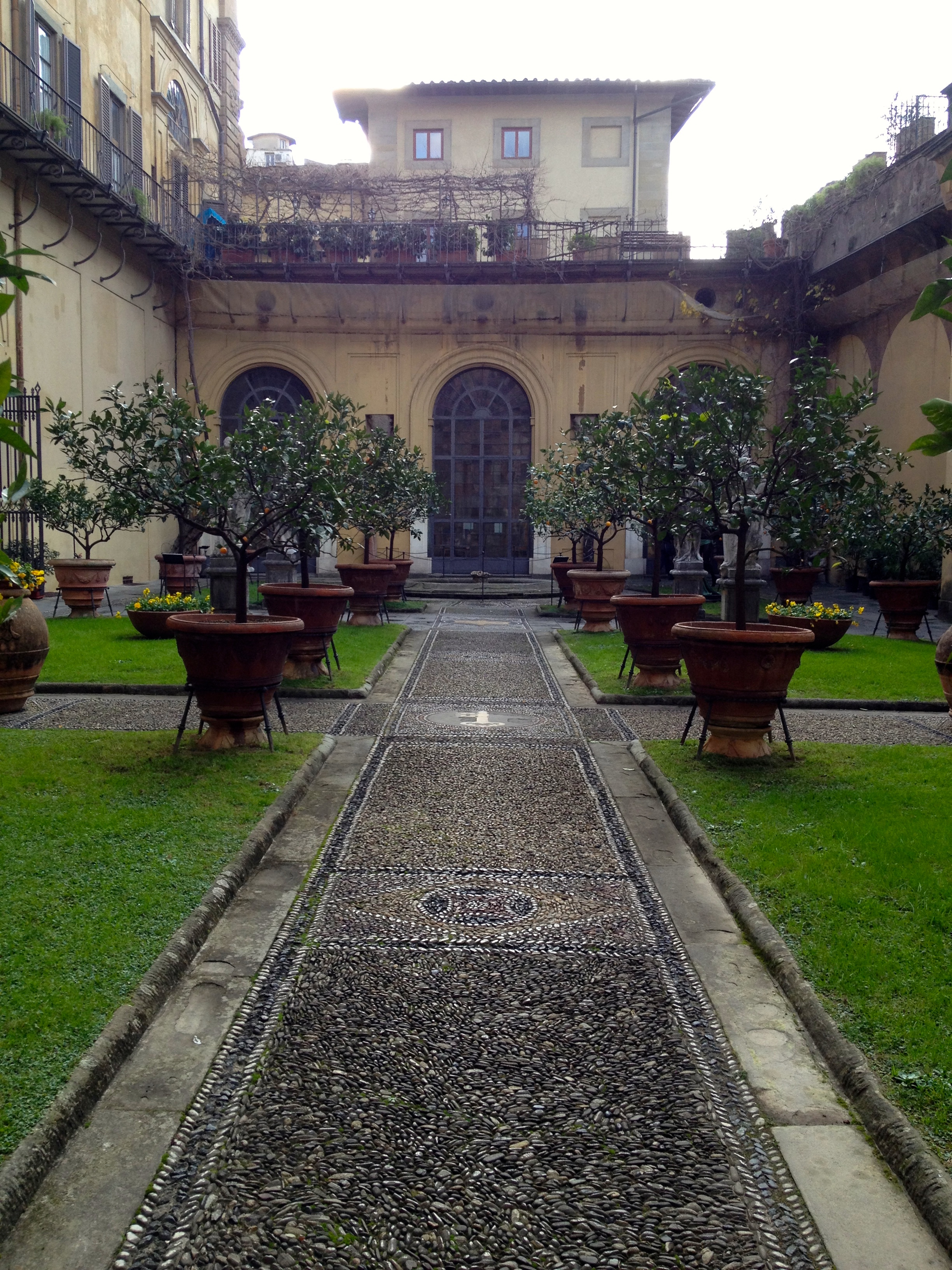
I’ve always loved the garden attached to the side of this gorgeous Renaissance palazzo.  It was looking fabulous yesterday on a day so sunny and warm that it felt like it might be la primavera!

IMG_3096

IMG_3102

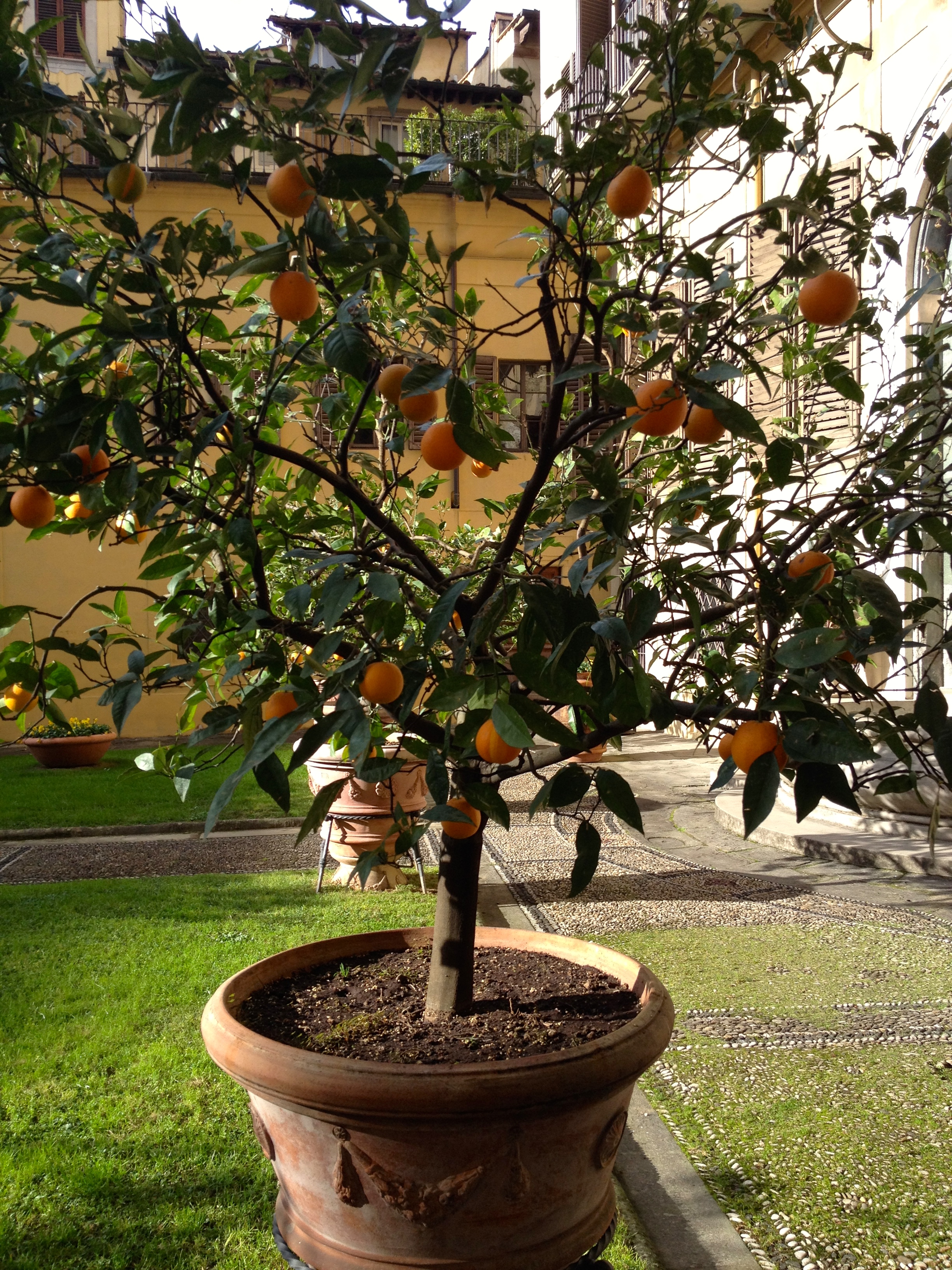
The potted orange trees were looking delightful, bearing their fruit like Christmas tree ornaments.

You know how much I love potted citrus trees in Italy in winter.

IMG_3095

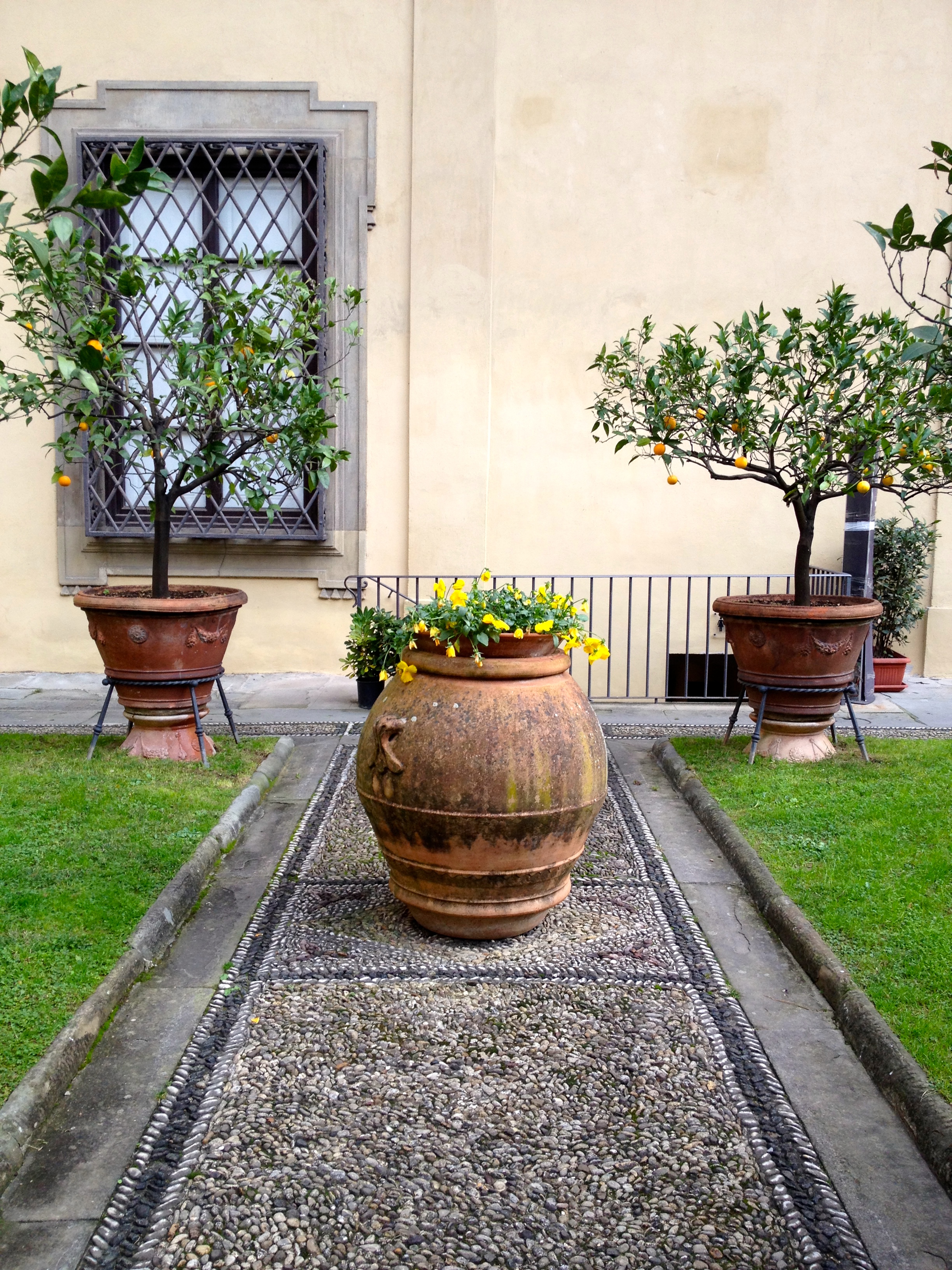
The pansies were holding their cheerful heads up very high, reaching for the warm rays of sunlight.

IMG_3093

Much of the pathway system throughout the garden is made from these hand-set riverstones in concrete.  I first saw this technique used in Japan, but obviously great cultures think alike when it comes to some things.

Hold that thought on the possible influence of Asian techniques for below.

I also like the way the moss has added its own organic modification to the image presented to us.  You can really see the moss on the pavement 3 pictures up, the one of the close-up of the orange tree.  Isn’t that moss wonderful!  And it adds a slight earthy fragrance to the garden, and maybe a little humidity.  Moss rocks!

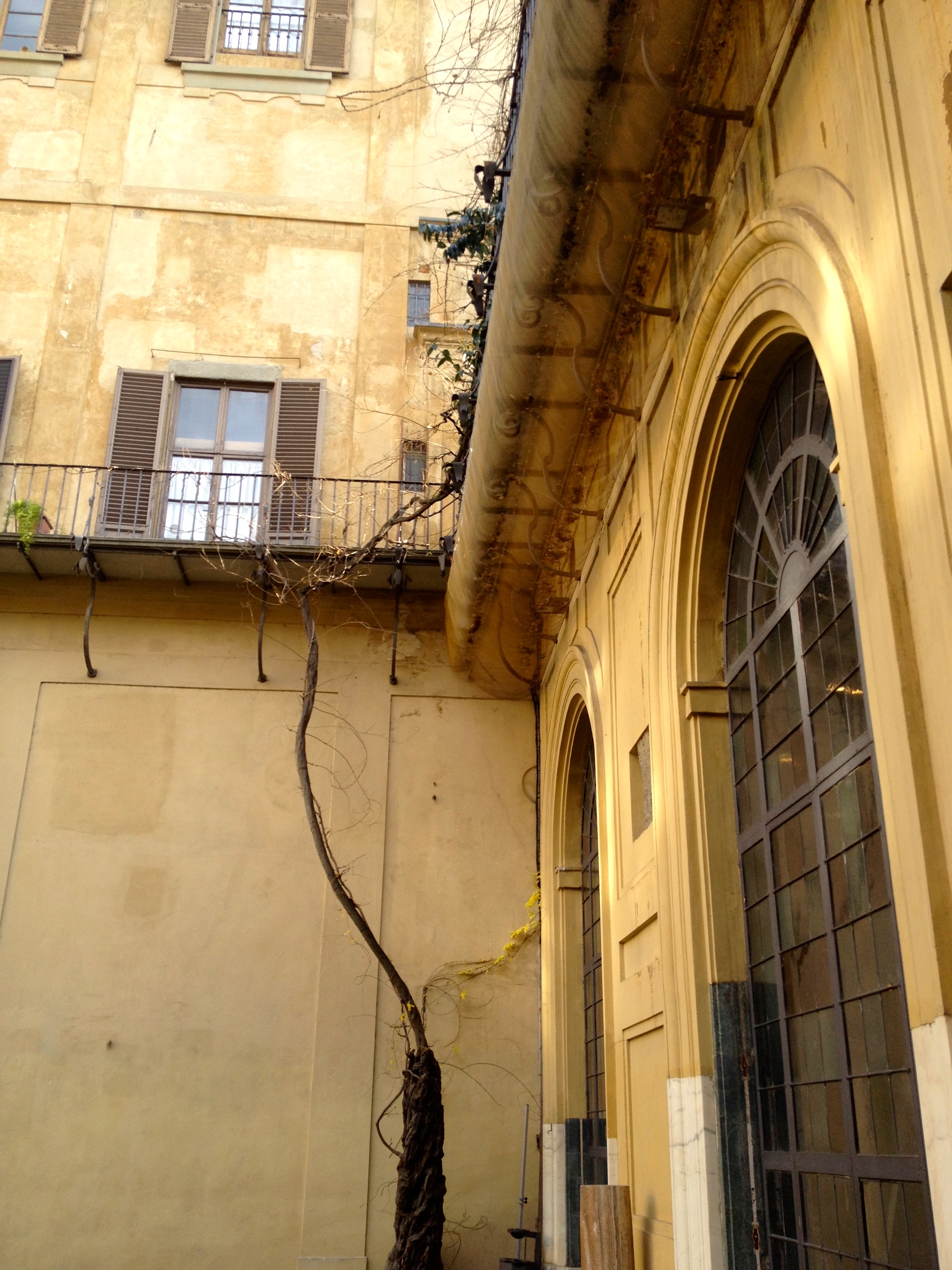
And, at one end of the great formal garden, I noticed a very large and obviously very aged wisteria vine. It added a majestic contrast of wild nature into this otherwise very orderly landscaped space.

IMG_3103

This wisteria trunk is magnificent, for its wildness and strength (wisteria can be a weed in some places). It’s being partially held up by a wire support as you can clearly see. All wisterias need supports, whether they’re in nature or in a man-made garden.

The vine has been severely pruned, obviously, over the centuries, and I couldn’t help but wonder if it were growing here when Lorenzo de Medici was living here in the quattrocento.  It’s possible.

The picture below shows a younger vine trunk on the opposite side of the courtyard.  The two vines are strategically placed so that they meet over one end of the courtyard, covering it with lavender colored blossoms in a manner I can only imagine for its stunning beauty.

IMG_3105

I know an old wisteria vine in Seattle quite well.  When I give tours of the Seattle Japanese Garden to visitors, I never fail to walk them by the braided trunk of that vine and challenge them to guess how old it is.  I don’t have a great picture of the Seattle vine trunk available right now, but if you look at the lower right corner in the following picture, you can make out some of the trunk’s volume and shape.

OLYMPUS DIGITAL CAMERA

This Seattle wisteria plant is about 100 years old, for it was planted in the 1960s when it was already known to be about 40 years old.  The landscape architect for the Japanese Garden hand-selected most if not all of the specimen in that landscape, and it is not a coincidence that an already mature wisteria plant was placed in the Seattle garden.

So, if the Seattle wisteria is about 100, with a diameter of the trunk at about 6 inches

IMG_3103

Just imagine how old the Florence wisteria must be with its largest diameter at about 20 inches.  I think you are starting to get the picture.

So, you see, it is possible that this plant has watched 600 years of human activity in and around it.  We always say, “if walls could talk.”  In this case, I wish plants could talk.  Think what this vine could tell us about the people who lived and plotted here.  It boggles the mind.

And, as far as aesthetics: well, for a person with a vivid horticultural imagination, my mind can go wild with visions of the Florence wisteria in bloom in a few months. As a reminder of wisteria’s glory, take a quick look at the Seattle Japanese Garden vine in bloom about 8 months ago.

Love, love, love. Pendulous racemes, as heavy with flower as a hanging bunch of grapes. Lavender color.  Beauty.

OLYMPUS DIGITAL CAMERA

POW!  Gets me every time. A beauty knock-out!

OK, so one last point: remember the East meets West confluence I noted above with the inlaid riverstone pavement?  Well, add this to the mix.  The source, as always, is my home boy, Wikipedia:

Wisteria (also spelled Wistaria or Wysteria) is a genus of flowering plants in the pea family, Fabaceae, that includes ten species of woody climbing vines native to the Eastern United States and to China, Korea, and Japan. Some species are popular ornamental plants, especially in China and Japan.

Uh-huh, that’s right, wisteria, especially the ornamental type,  is native to Asia. So, we can say with confidence that just as Italy (read Europe) was importing porcelains, teas, silks and exotic spices from the East, plant collectors were hustling hither and yon all over Asia, looking for plant sources that could be grown in Europe and which European would like to grow in their gardens.

I am an art historian by training and, as surely as we study provenance as a tool for determining a painting’s authenticity, horticulturalists study when and how plant materials were introduced to other continents. It is completely plausible that the paving river stones and the use of the ornamental wisteria informed the Medici patrons who built this palazzo, or the Riccardi family who later enlarged it–or perhaps just the garden designers and workers who created this formal giardino— with layers of culture that only the well-informed–then and now–can truly appreciate.  I live for those people.  I am one of those people.

And, finally, a wondrous yet superficial fact: did you know that you can tell if the vines are from China or Japan by whether the vine twines itself around its support in a clock-wise or counter-clockwise pattern.  The Chinese varieties twine clockwise; the Japanese counter-clockwise.  Isn’t nature grand! I just love it for its complications and patterns.

Now, if your mind works like mine does, you are going to ask me which way the Florence wisteria twines.

And I am going to admit that I have no idea, because I wasn’t thinking about that yesterday when I was there, and also because the vines had been so severely pruned that there was no obvious indicator of twining direction.

Which obviously means I will have to come back to Florence in May and June to get to the bottom of this mystery.

Ha ha. Don’t I wish!