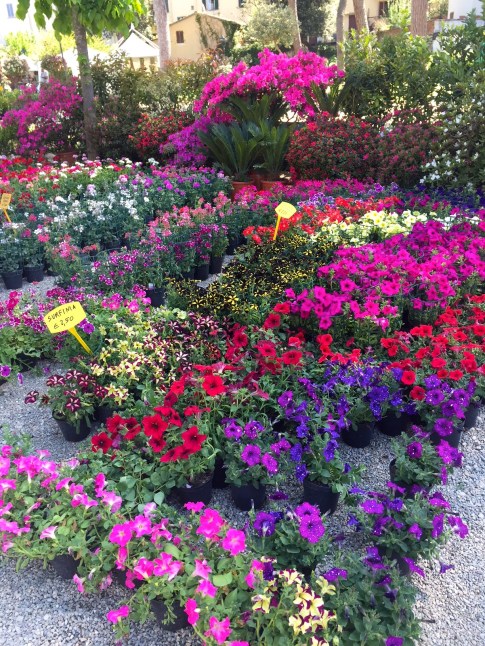
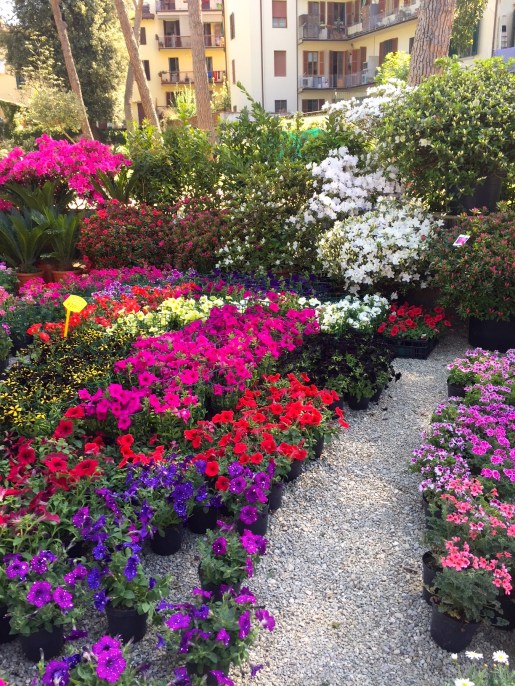
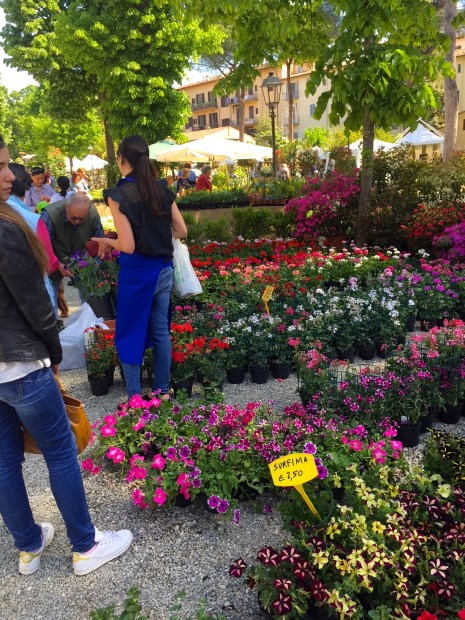
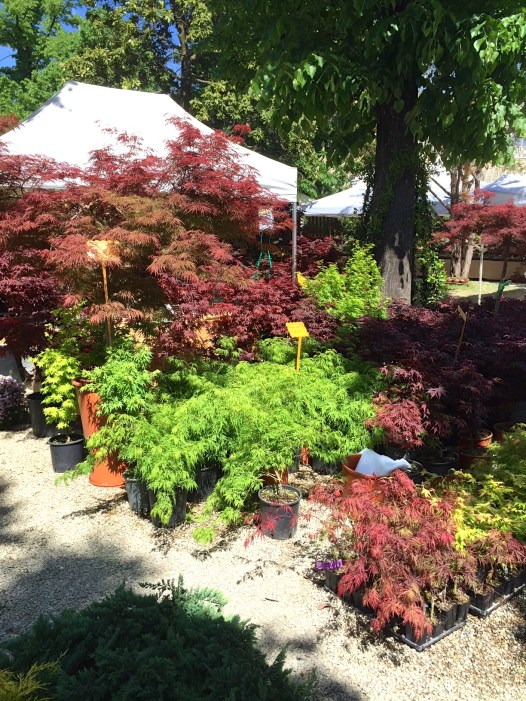
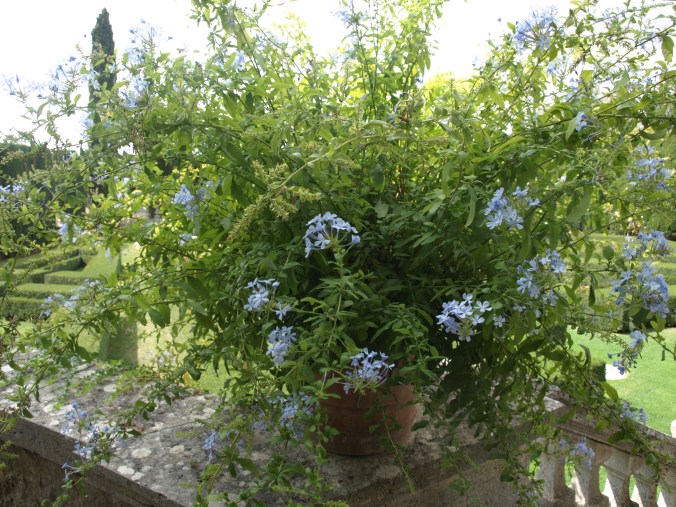
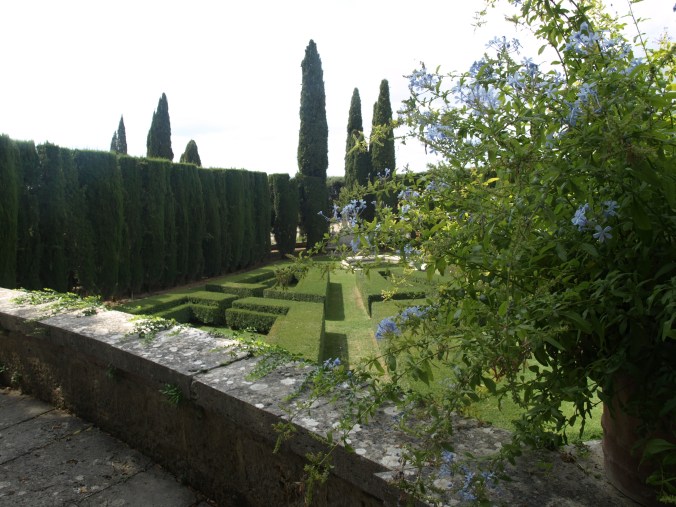
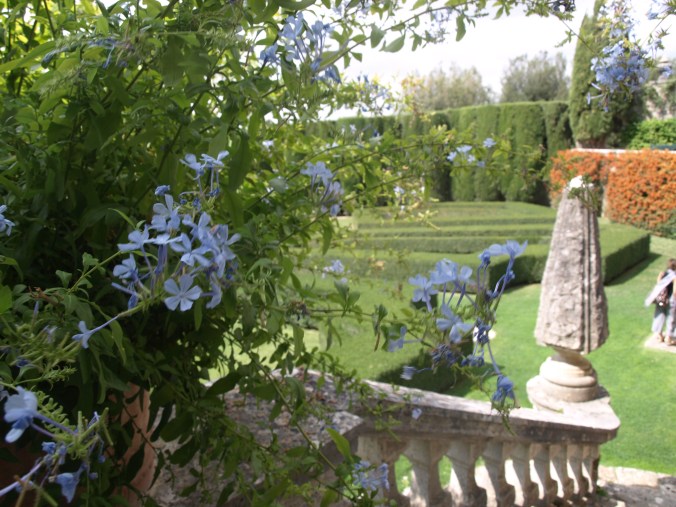
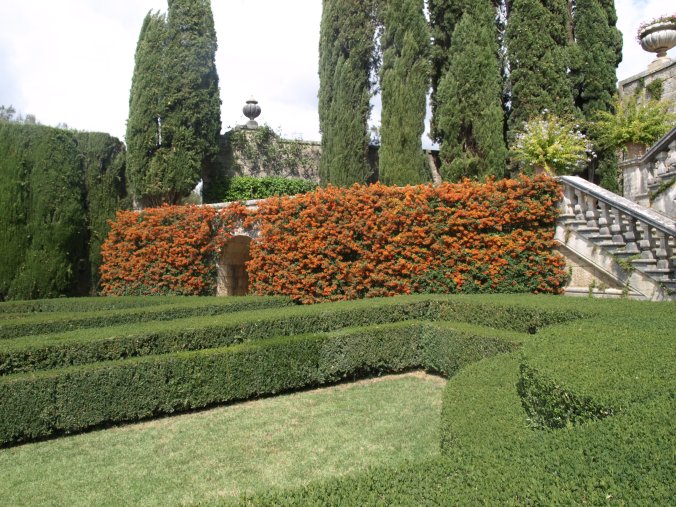
La primavera, i fiori!

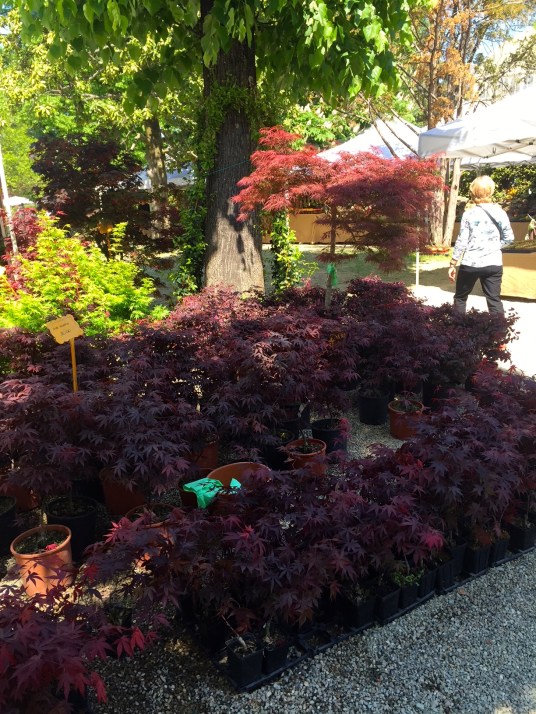
OMG, I’ve been a garden designer, a master gardener, a docent at the Seattle Japanese Garden and so it is fair to say that I’ve been to a few plant sales!

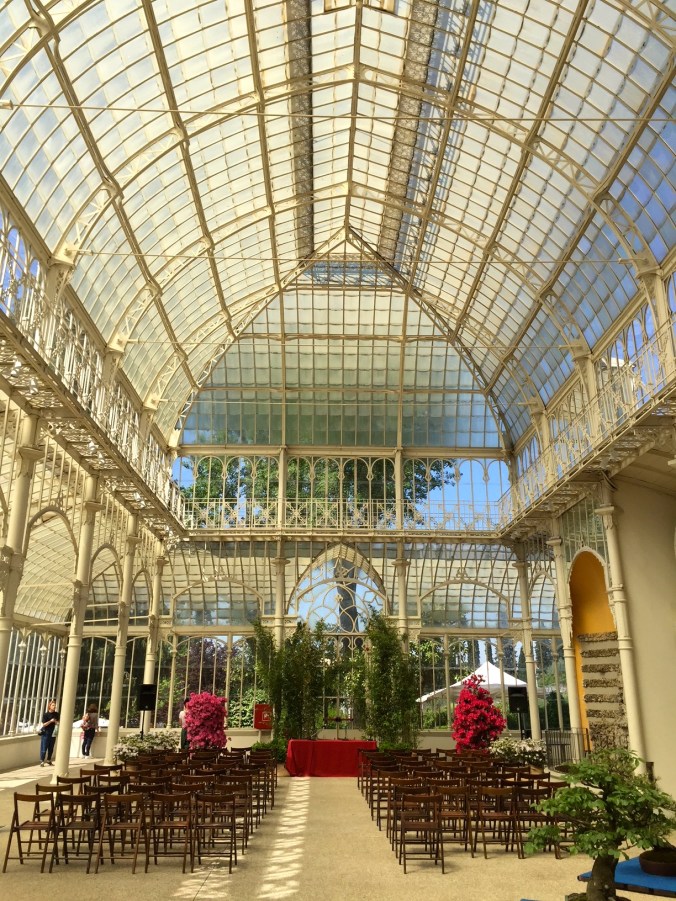
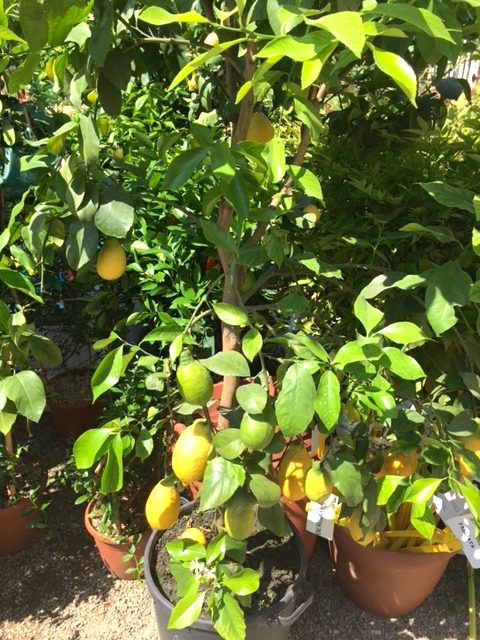
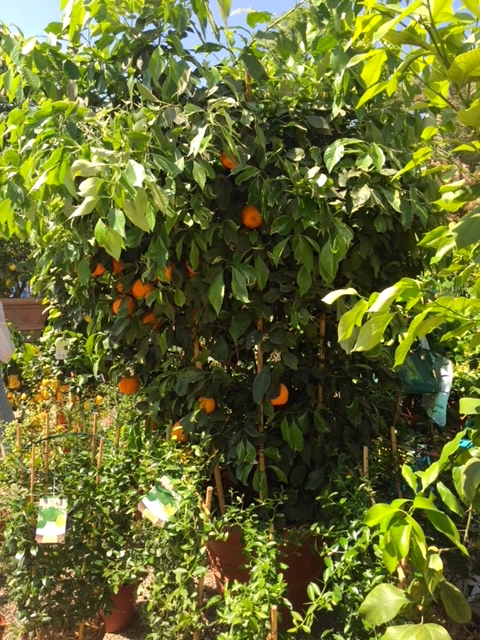
But in all my years in many gardens, I’ve never been to a more beautiful, more inclusive, more accessible, and more affordable sale EVER!

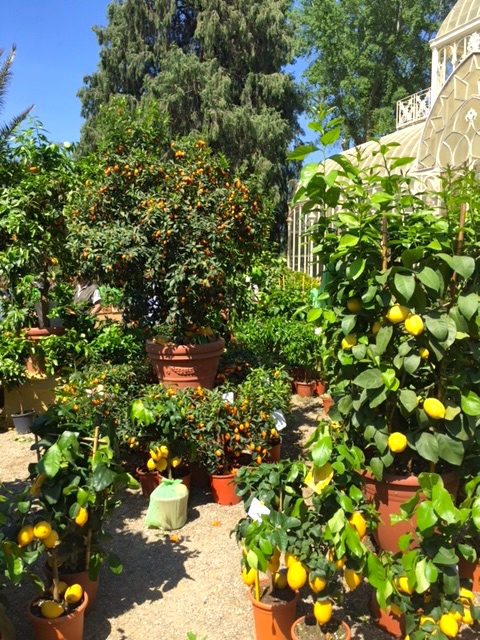
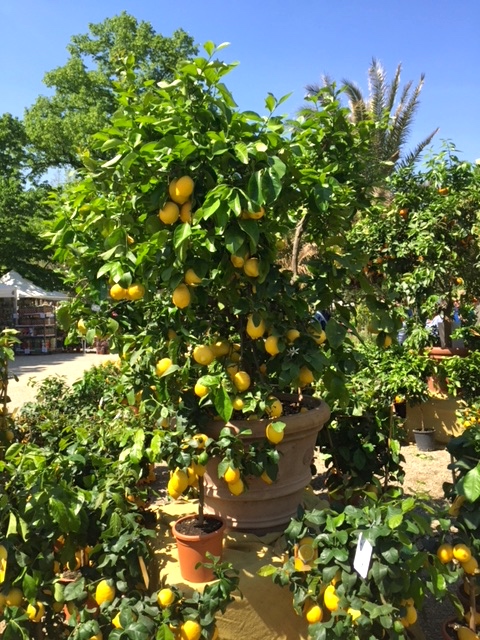
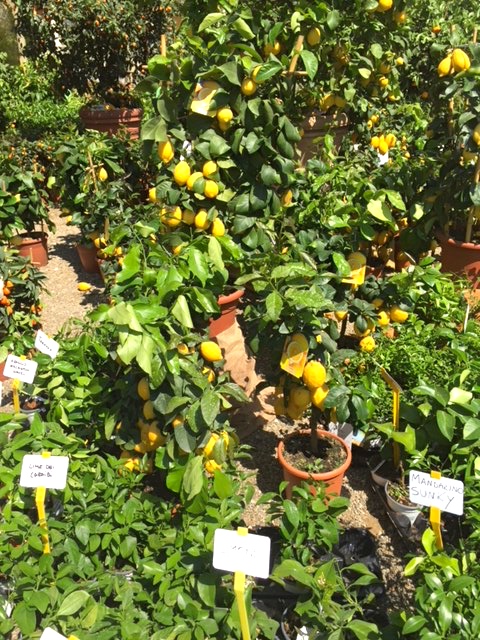
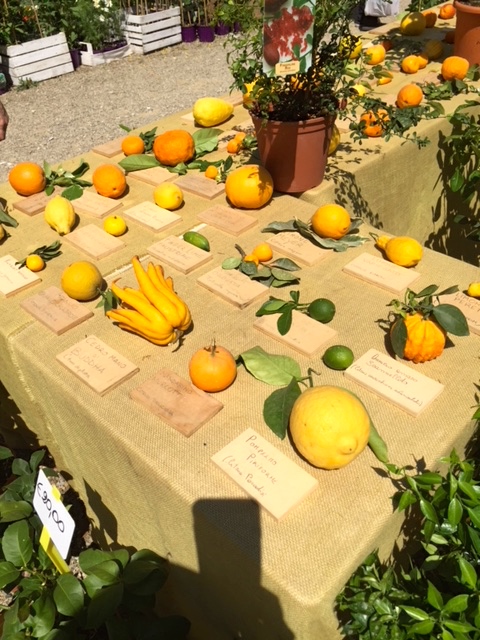
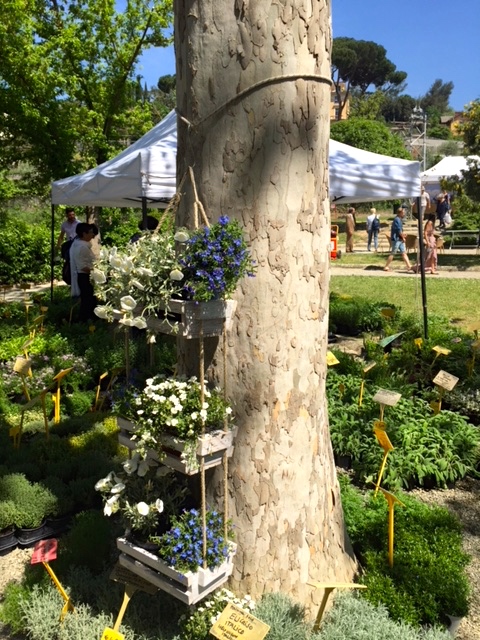
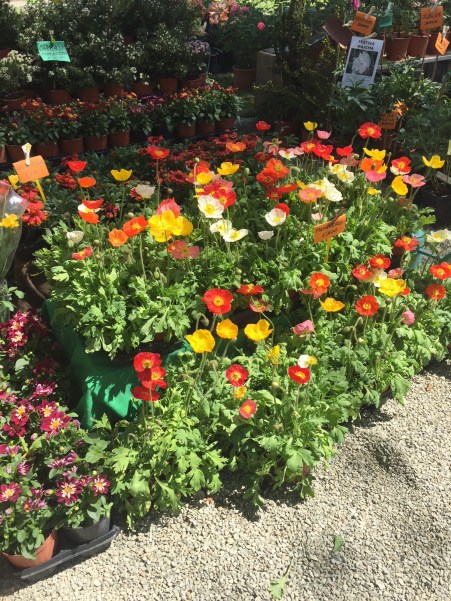
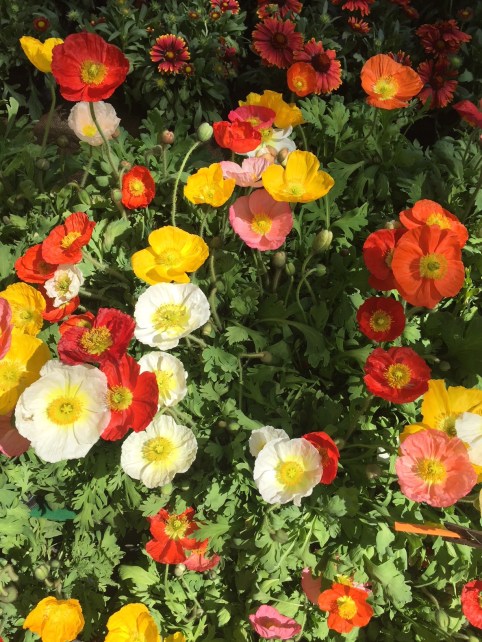
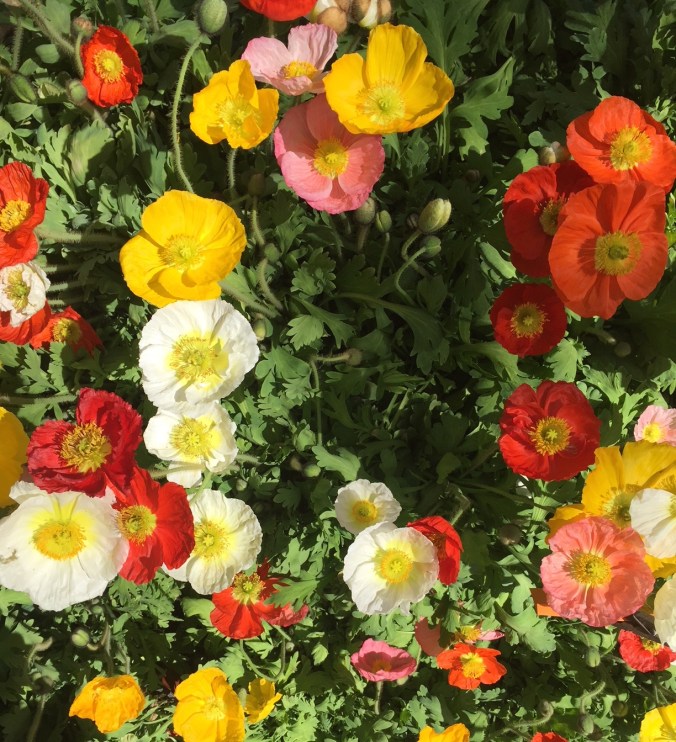
Here are a few pix, I’ll be going back several times in the next few days!

IMG_8721


IMG_8722


IMG_8723


IMG_8724


IMG_8725


IMG_8733


IMG_8734


IMG_8735


IMG_8736


IMG_8737


IMG_8738


IMG_8739


IMG_8741


IMG_8742


IMG_8743


IMG_8744


Early spring blossoms

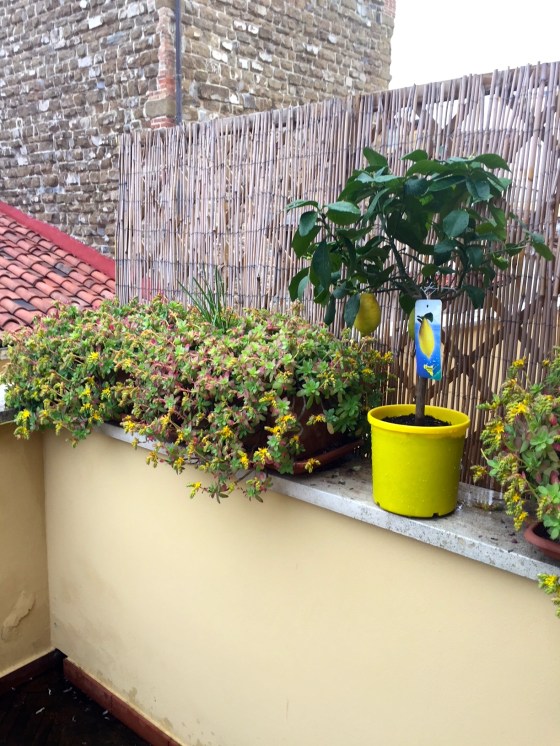
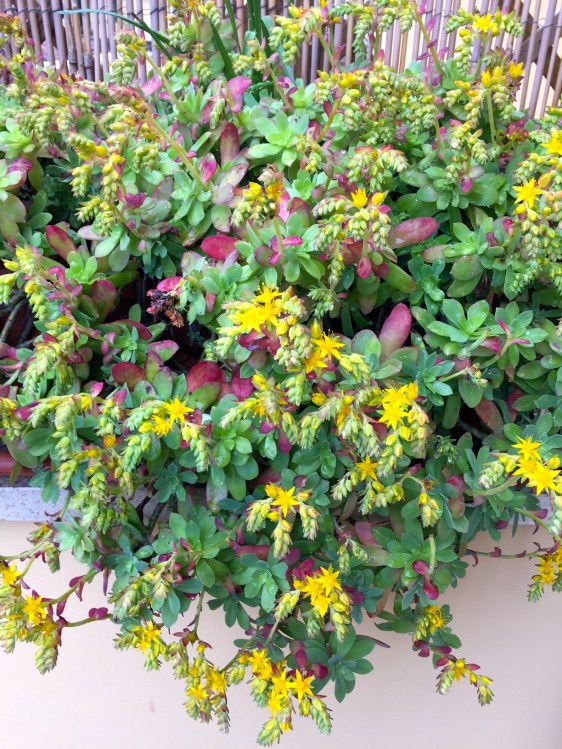
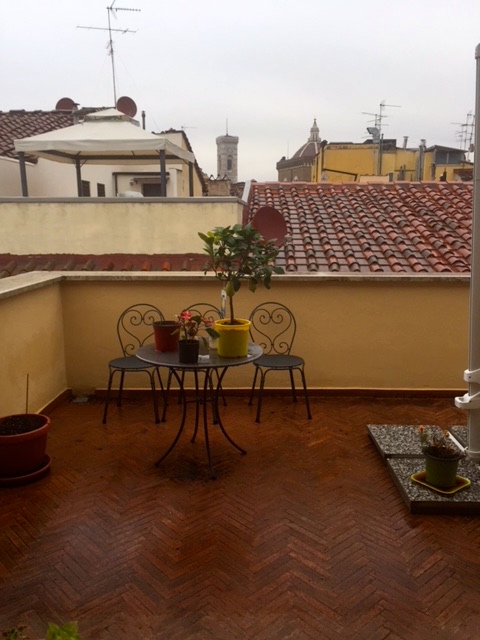
I’ve been fortunate to enjoy some lively blooms on my terrace recently.  Four large containers hold these Tuscan succulents, which are attractive all year long.

IMG_8319

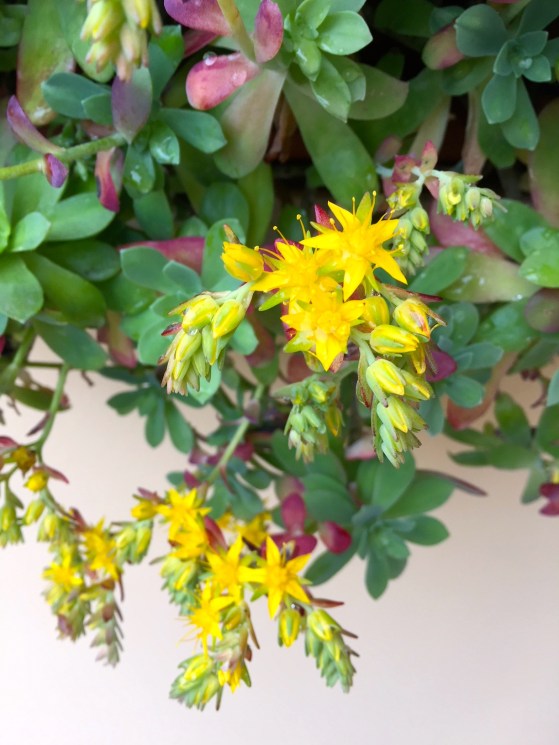
I am calling this pretty, hardworking plant an “Easter cactus” since, like the succulent known as the “Christmas cactus” blooms around December 25 each year, this hardy plant blooms each spring.

IMG_8320


So pretty!  It grows both upright and with suspended trails of stems, leaves and blossoms.

IMG_8321

Bellissimo!


Gucci gucci garden

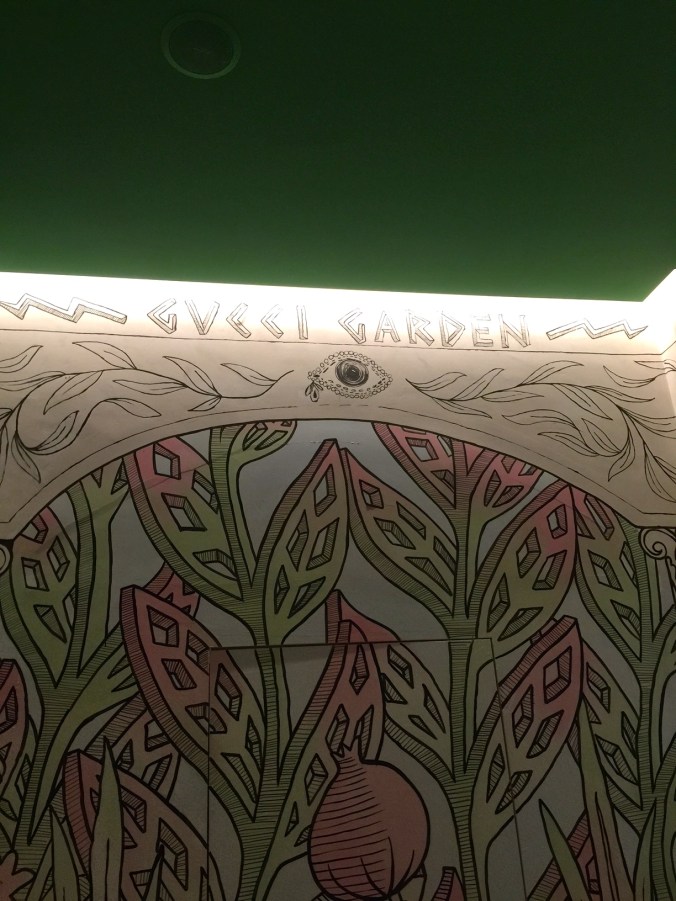
The Gucci Museum recently reopened after renovation.  The restaurant is beautiful and impossible to reserve a table in.  Gucci advertised the new installation as a garden and, silly me, I thought that meant an outdoor space with soil and plants.  It’s possible, there could be a courtyard.

But, no, it’s not an actual garden.  I guess it’s a paper garden.  Anyway here it is:


IMG_8377


Horticulture in Florence

It seems like in every season, something wonderful is in bloom in Italy.  Right now it is mimosa.


IMG_7737IMG_7738

IMG_7739

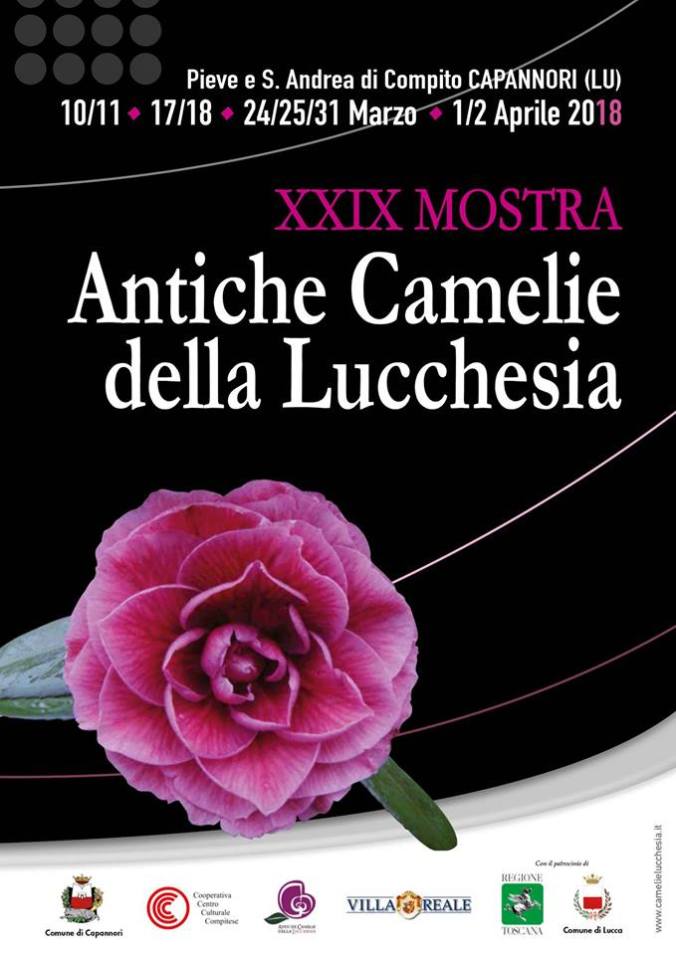
Also beginning to bloom are the camellias

IMG_7645IMG_7646

IMG_7644

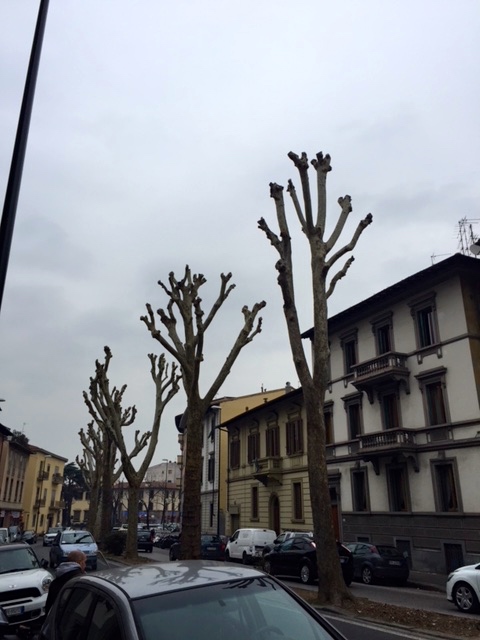
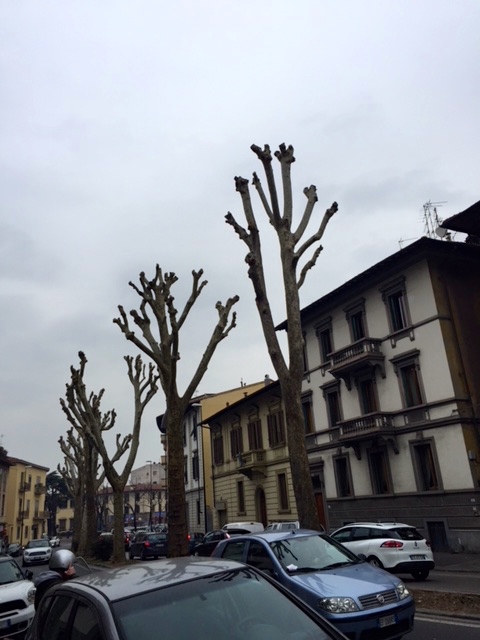
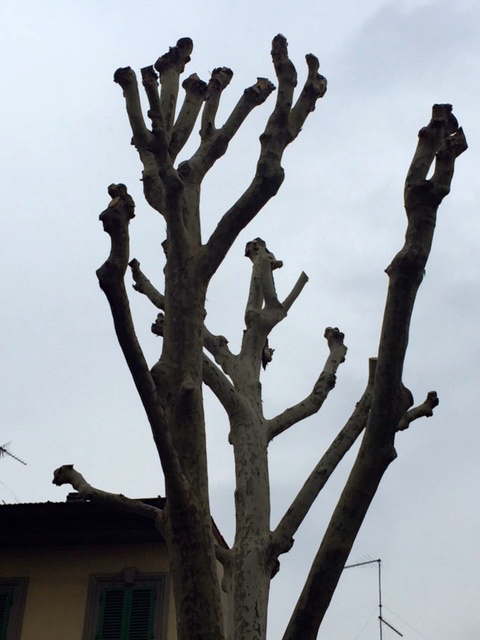
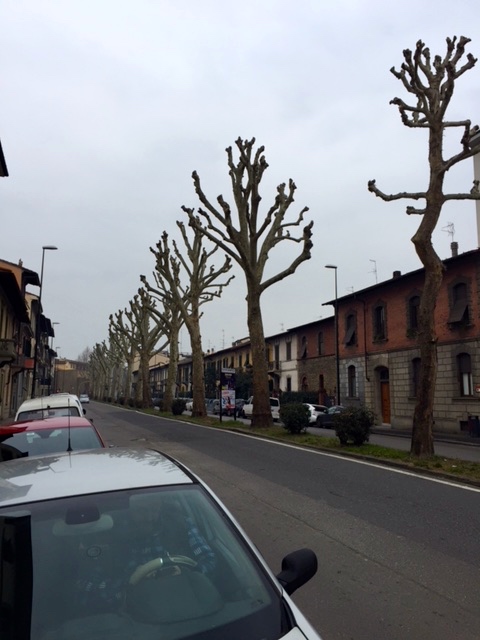
I walked down a wide avenue in western Florence yesterday, where I noticed a long line of street trees that have been severely pruned in the Pollarding method, a pruning system involving the cutting of long branches of a tree, done to promotes a dense head of foliage and branches.


IMG_7740IMG_7741IMG_7742

Pollarded trees look brutal against gray winter skies.


IMG_7729

Tuscany in flowers

I love camellias.  They are my favorite flower along with peonies, penstemen, roses, lily-of-the-valley, violets, marigolds, lilac, viburnum, geranium, anything vining and specifically wisteria, iris, carnations, pinks….I could go on and on.

27336333_10156132894363588_2775332094118318956_n

But, my all-time favorite is the camellia.  Look whats happening in Tuscany this spring!

Persimmons in Arezzo

I love a pretty garden, even in the winter.  I was in Arezzo recently and paid a visit to the Vasari Casa museum.  If you know Vasari’s monumental book on Italian artists (the first of its kind, published in the 16th century), you know how important he is for more or less beginning the field of art history.  As such, he is sort of my patron saint, with lower case letters.

IMG_7190IMG_7158IMG_7159IMG_7160IMG_7161

So I was delighted to visit Vasari’s home in Arezzo, and ponder how it was his refuge from the busy life he led in Florence. But, as often happens for me, while I found his modest palazzo to be interesting for it’s structure and fresco decorations (much of it Vasari himself), it was the garden that drew me like a magnet.

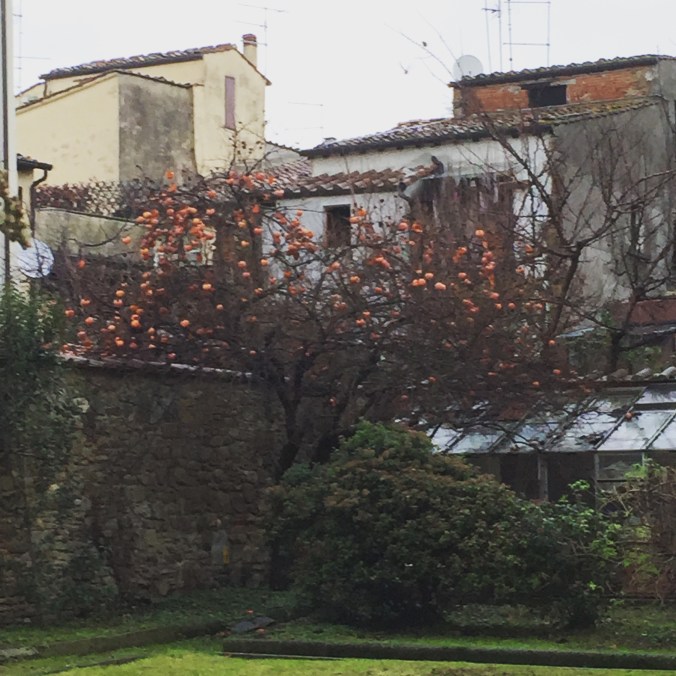
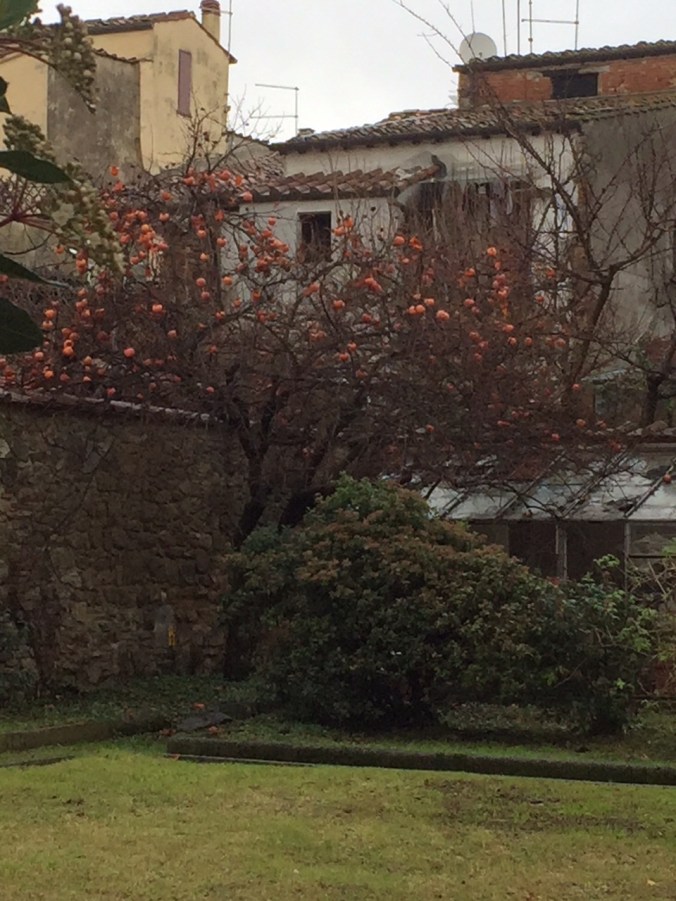
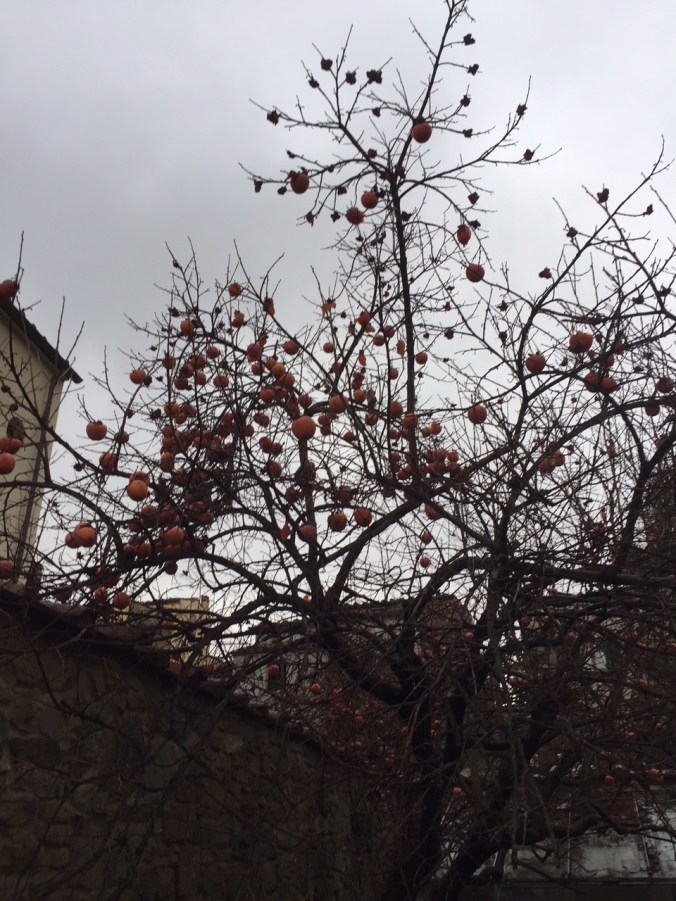
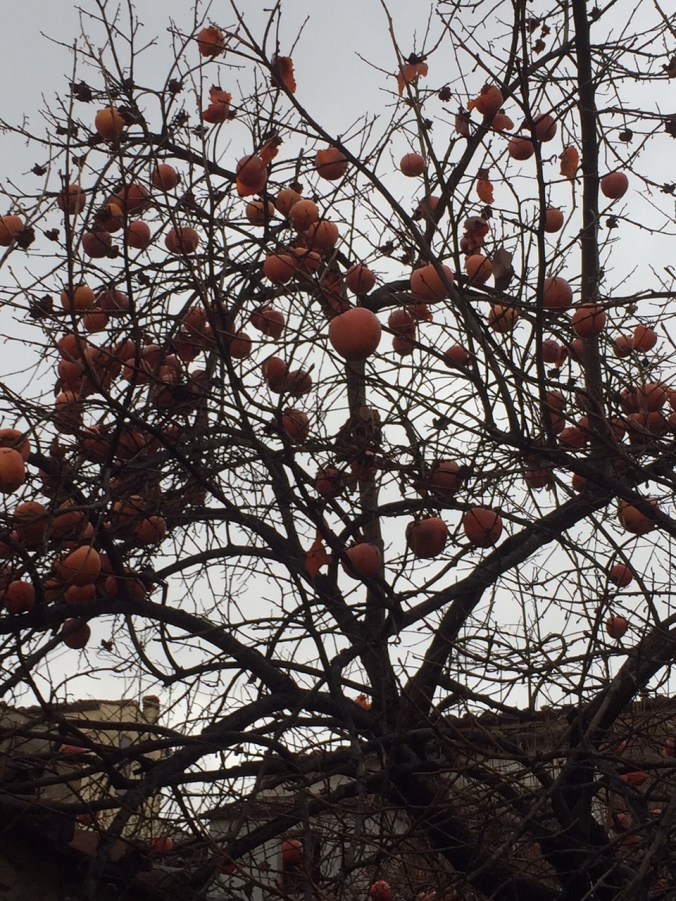
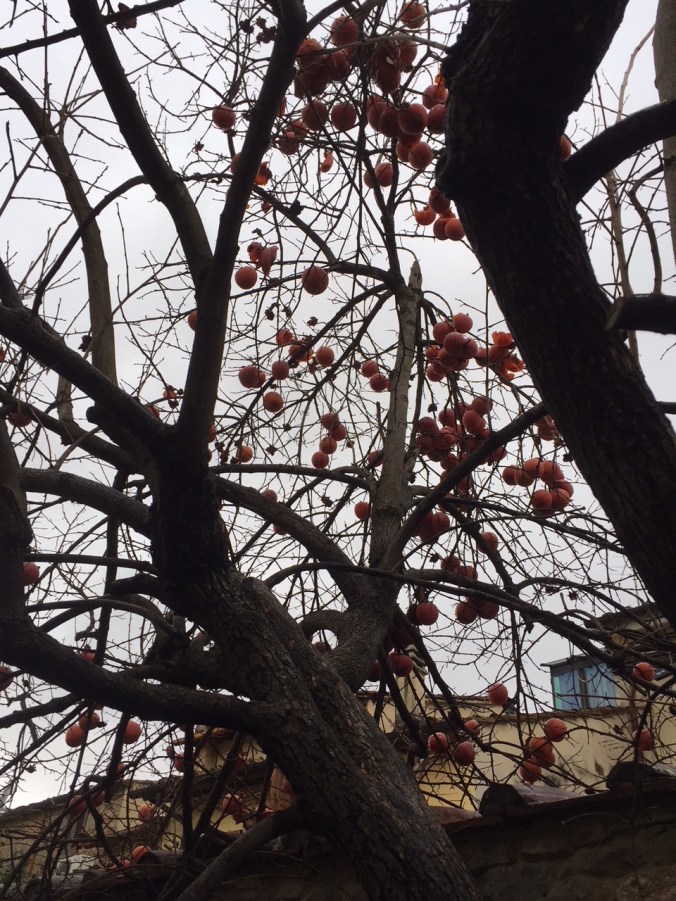
And in his garden I spied this beautiful, ancient persimmon tree.  I love how the tree looks without any leaves: only brown bark, branches, and the fruit that look like Christmas decorations.

Santa Maria Novella, Firenze: fruits and vegetables

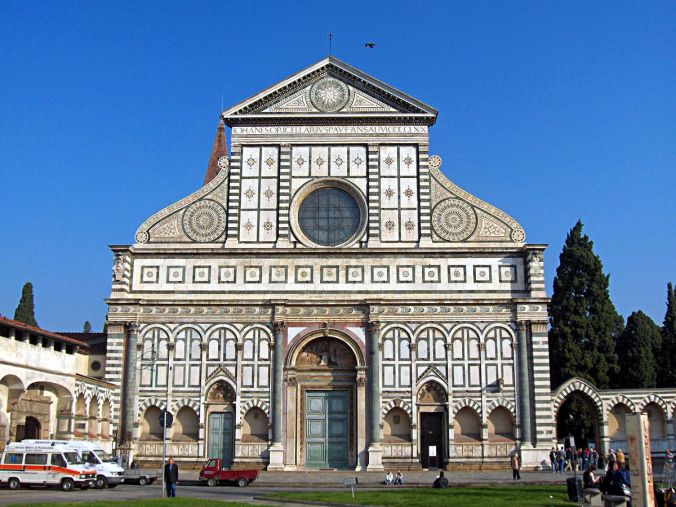
If you’ve ever been to Florence and walked around the city enjoying architectural masterpieces, you have no doubt spent time appreciating the gorgeous green and white marble exterior of the church of Santa Maria Novella.
1200px-Santa_Maria_Novella

I was meeting a friend recently and we agreed to rendezvous in front of the center door of the church. I got there early and had time to study the high-quality marble carving of the panels to either side of the main door.
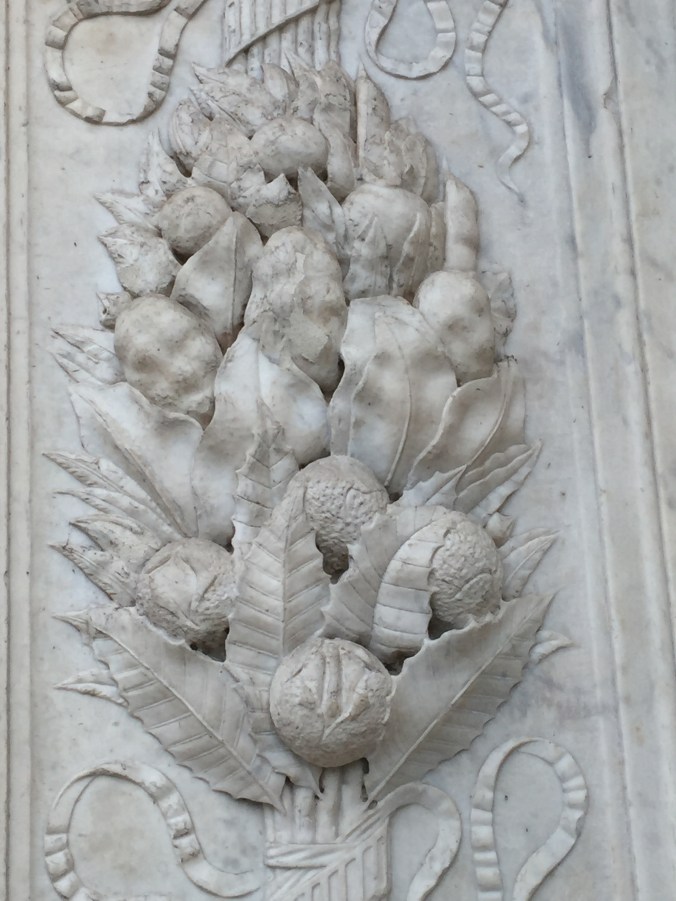
IMG_7179

These white marble panels were clearly carved by a master sculptor, for the quality of the carving is very high.  A variety of leaf types are depicted in the stone, as well as many recognizable fruits and even some vegetables. The background of each grouping of edible plant parts is a grouping of fasces, tied with a ribbon to create the bundle of rods, a symbol utilized in the Roman empire and reused ever since.
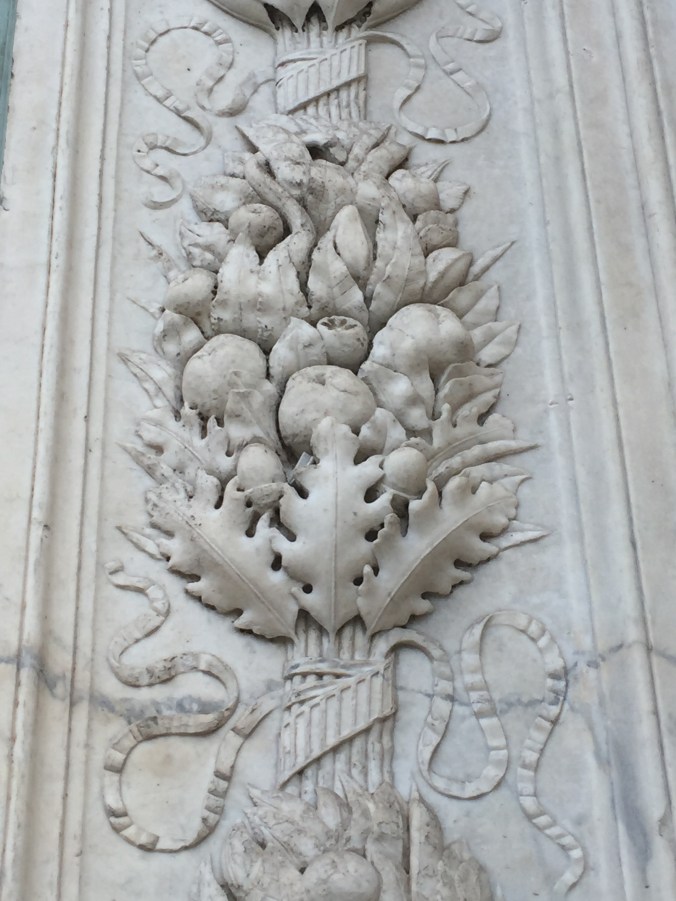
IMG_7180

In the grouping above you can clearly see oak leaves, plums, and apples.
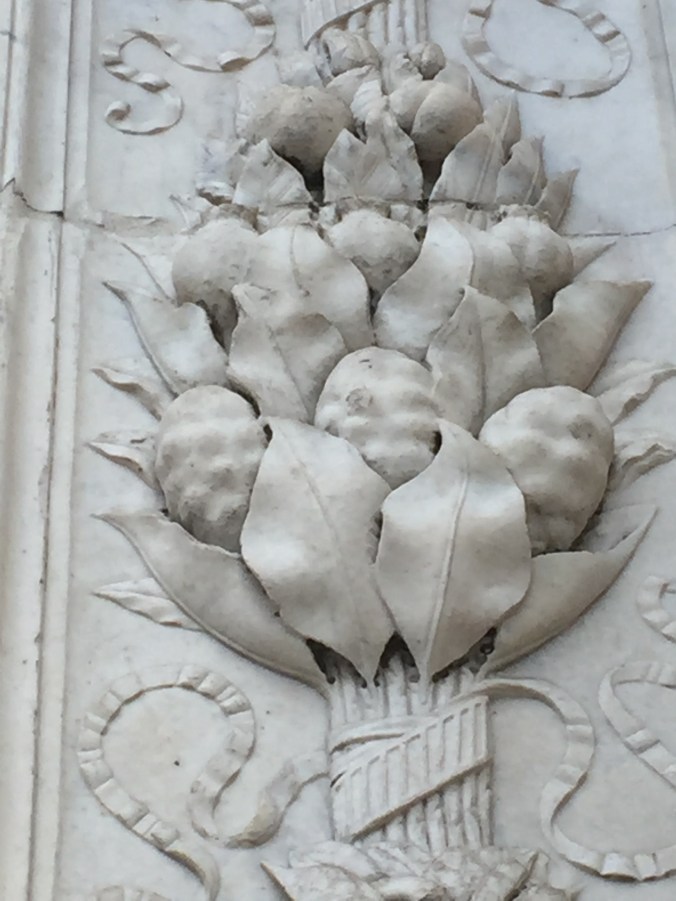
IMG_7181

The relief above looks like laurel leaves are depicted as well as what look like potatoes.  Potatoes?  I’m not sure.
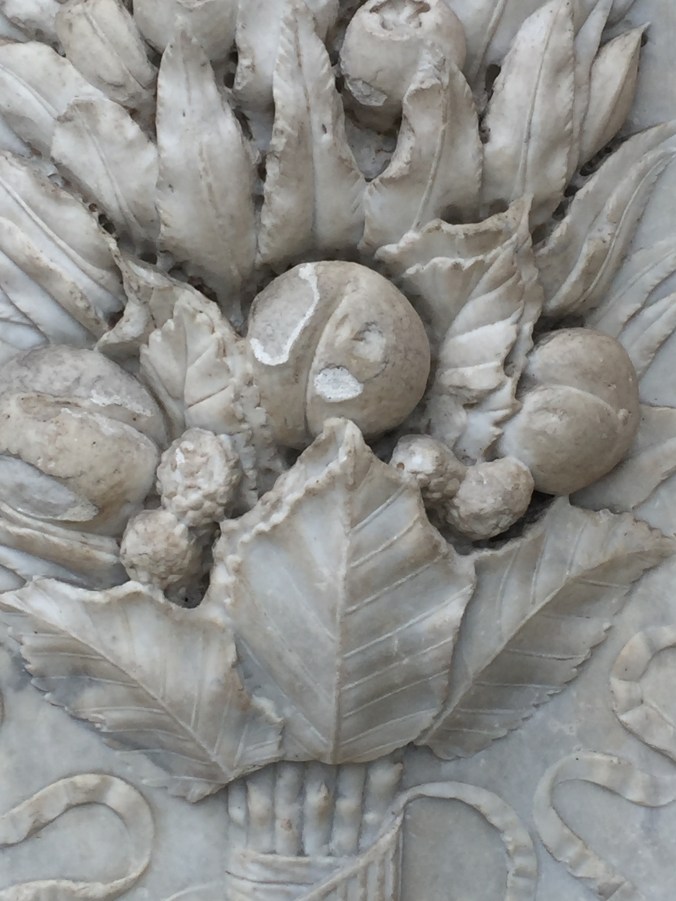
IMG_7182

I think the fruits above might be peaches?
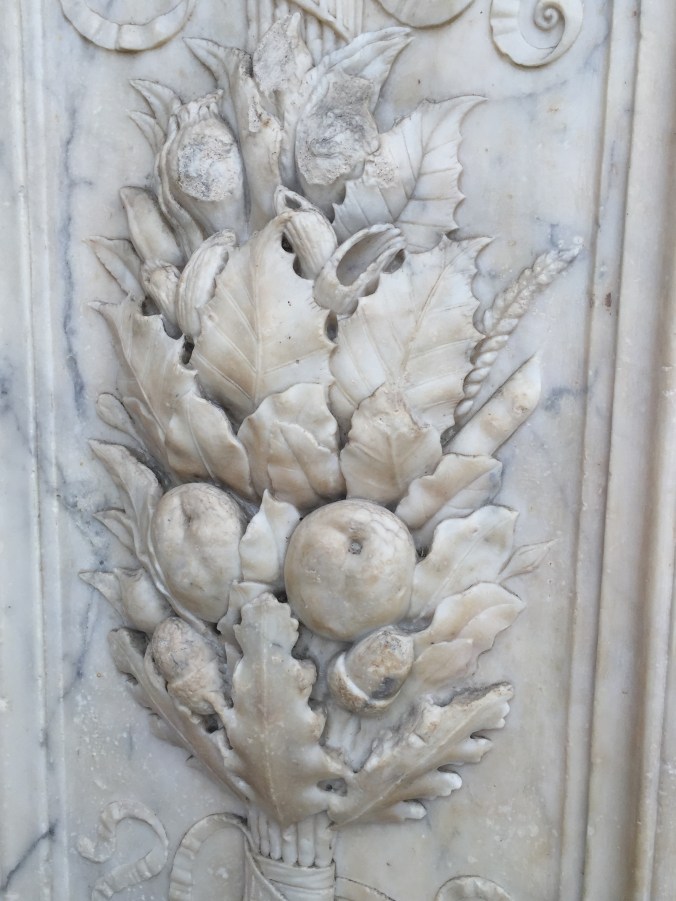
 

IMG_7183

In this picture, I think I see acorns, oak leaves, and apples. Perhaps those are poppy heads at the top?
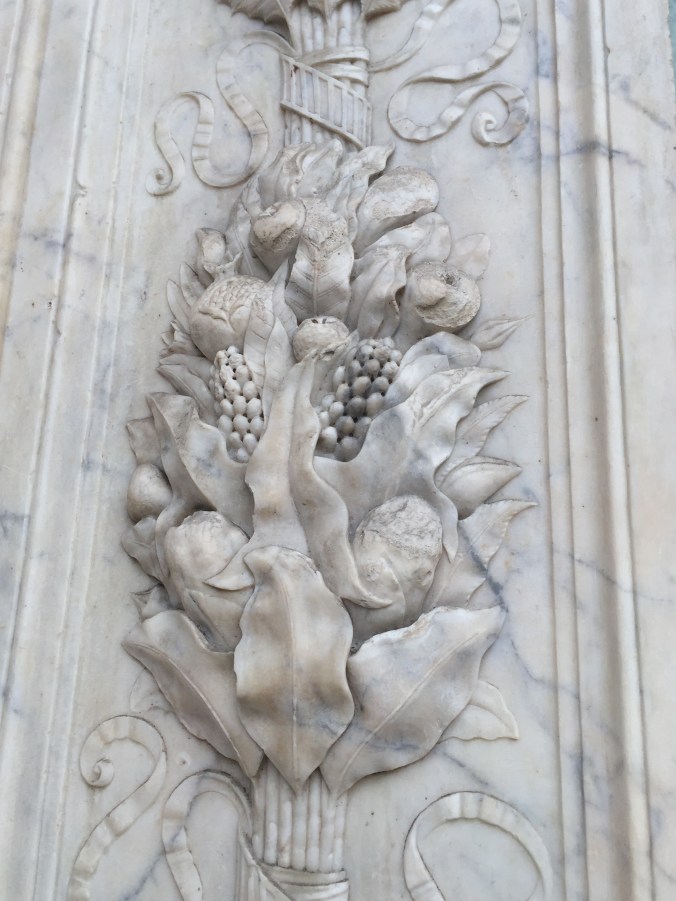
IMG_7184

This picture seems to include grapes.
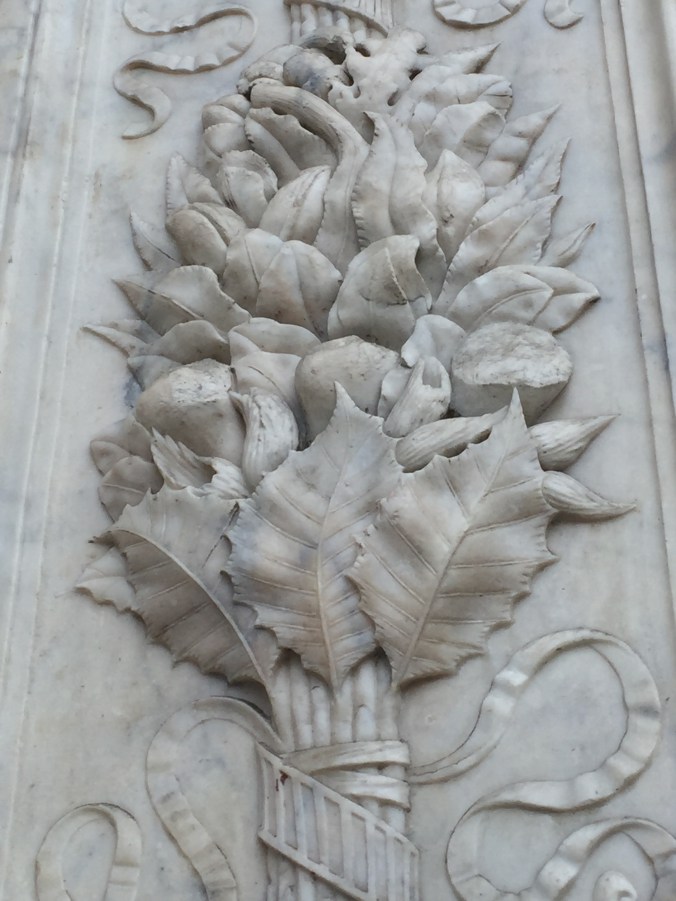
IMG_7185

I hope you will tell me what you see.  I’m sure I’ve missed many things!