The 500th anniversary of Leonardo’s death

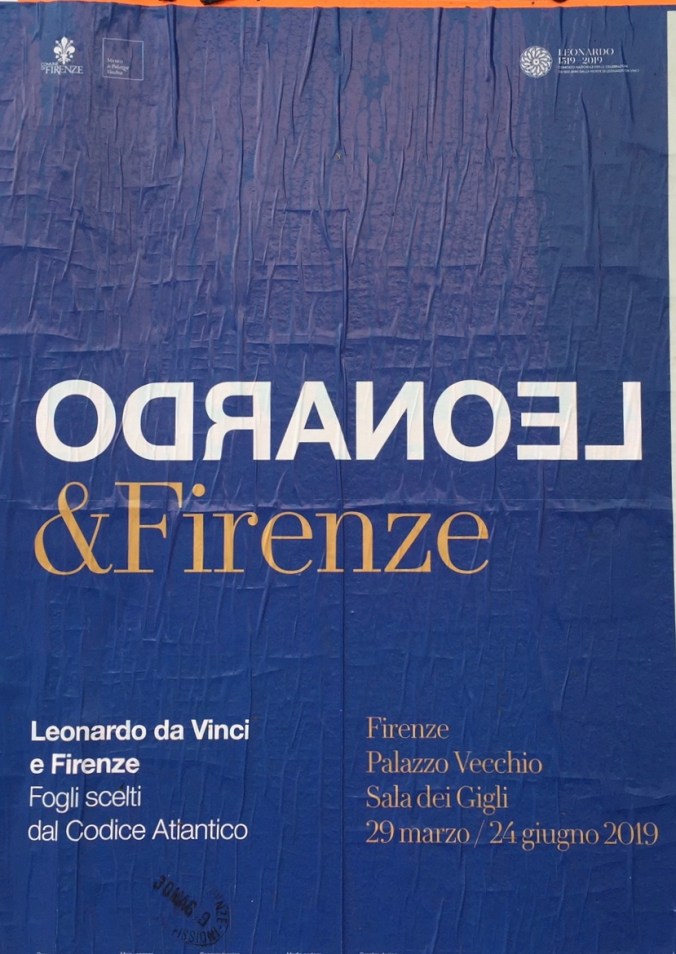
2019 is the 500th anniversary of the death of Leonardo da Vinci and Italy is doing it up right to mark the occasion.  All over Italy, but especially in Tuscany and Florence in particular, and in Milan, exhibitions are celebrating his art and life.

I love the comic relief one get’s from a poster like the one below.  At least we can have a little fun with the fact that he often wrote backwards!


fullsizeoutput_f65

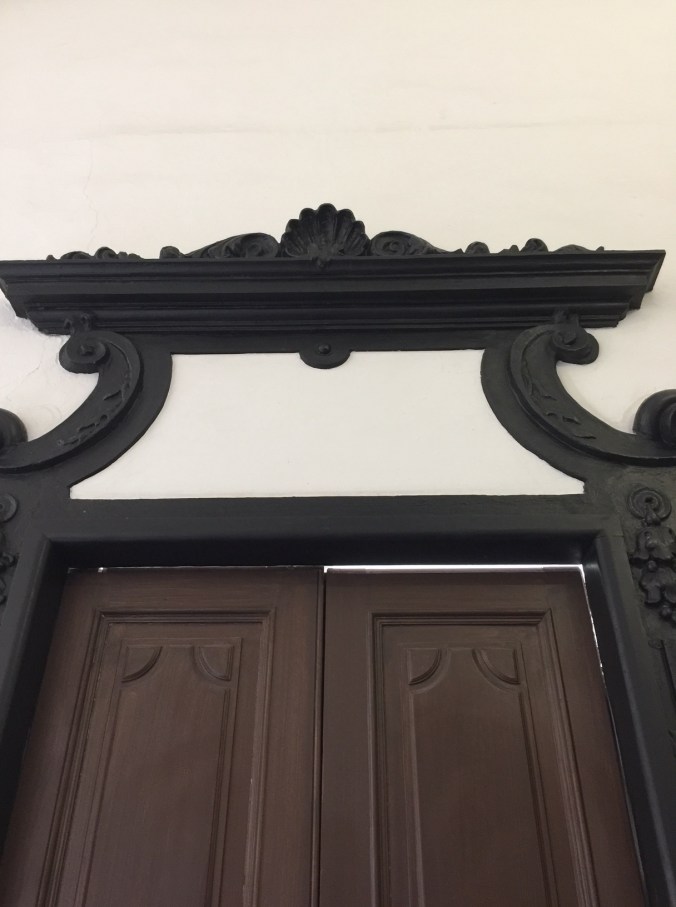
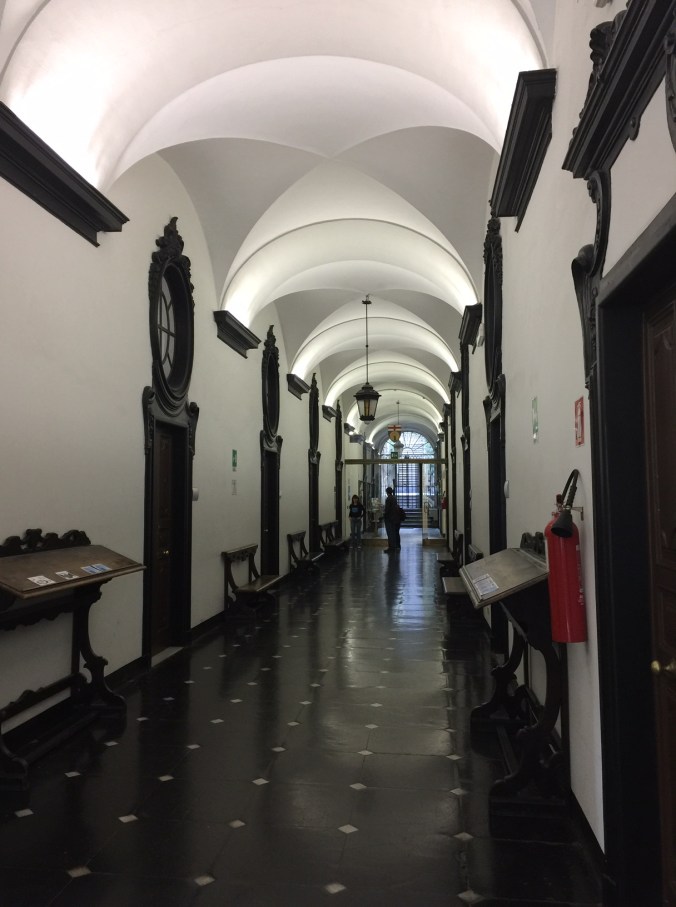
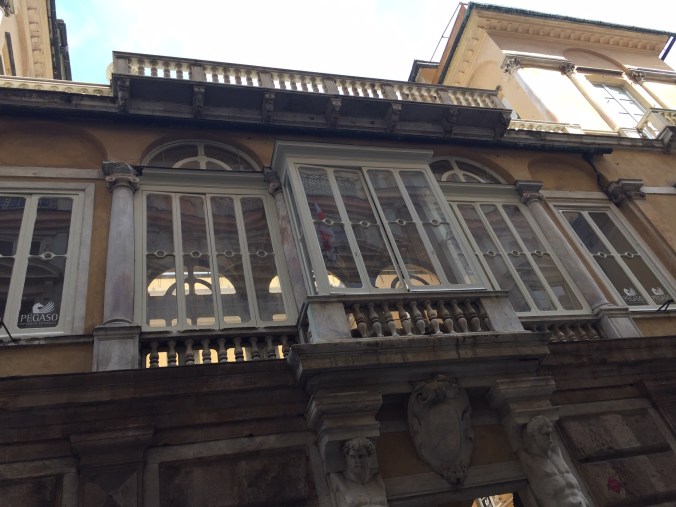
Genoa’s incredible palaces: Rolli Days 1

Genoa, Italy was once a naval powerhouse.  Sometimes it outshone even the Venetian republic in its power and influence.

During the heyday of Genoa’s power, very rich families vied to impress each other by building magnificent palazzi.  Today, more than 100 of them still survive and Genoa is protected under UNESCO status for these buildings.


IMG_7011

Of the more than 100 palazzi still extant, about 31 of them are opened for viewing one or two times a year.  The event is known as “Rolli Days.” Rolli means list in Genoa and the “list” referred to is the list of fabulous mansions that were kept on file by the political leaders of Genoa.


IMG_7012

They kept this prestigious list and, when a dignitary came to town–which happened a lot–the leaders decided which of the 100 family mansions would be chosen to host any expected dignitary.  It must have been an honor to be on that list, even though it meant that the family would foot the entire bill for housing and entertaining the dignitary.  Some of these included Popes and European royalty, to name but a couple.

IMG_7013


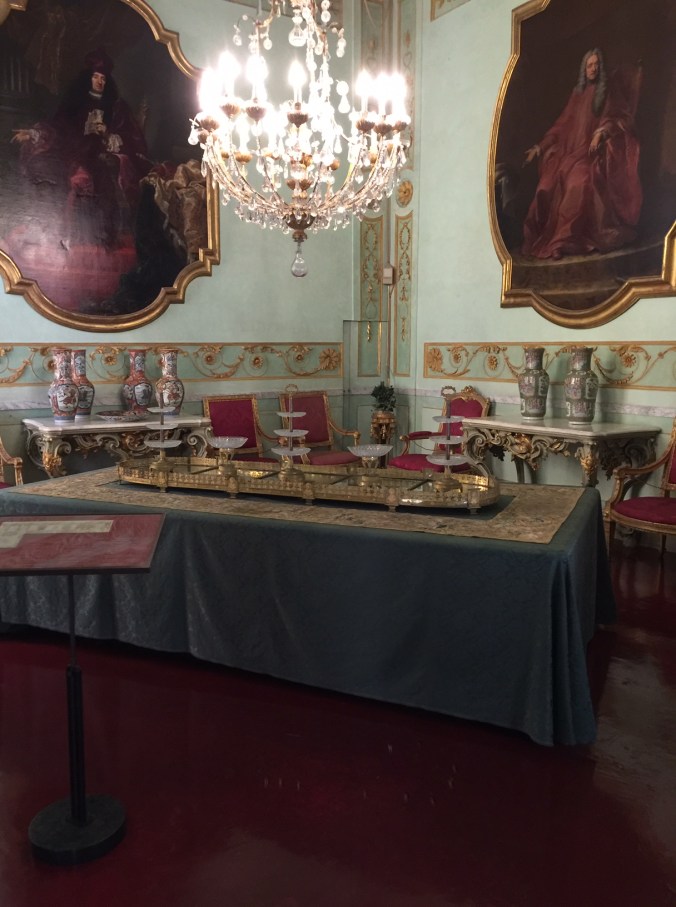
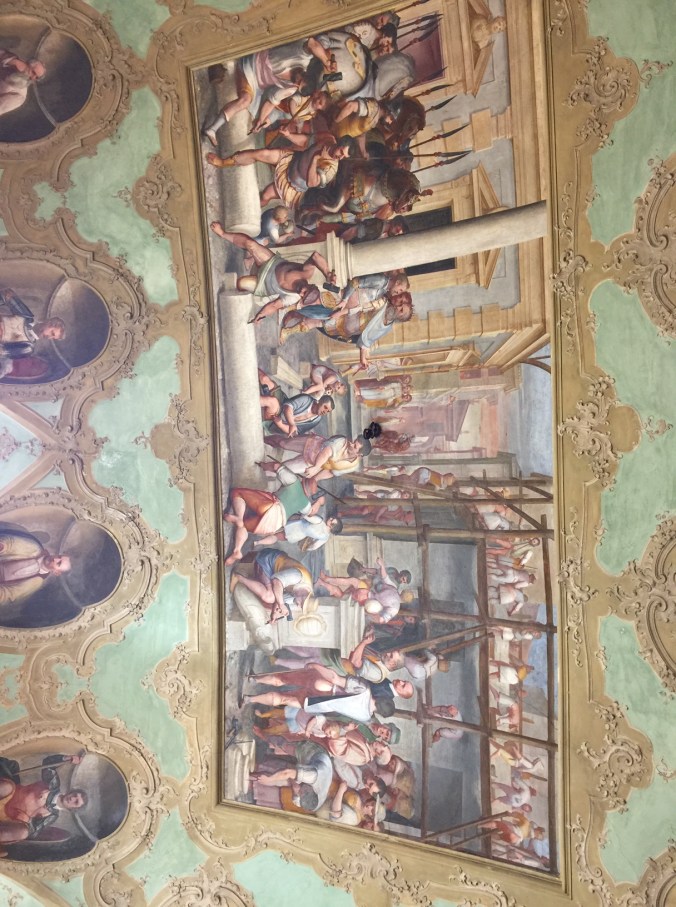
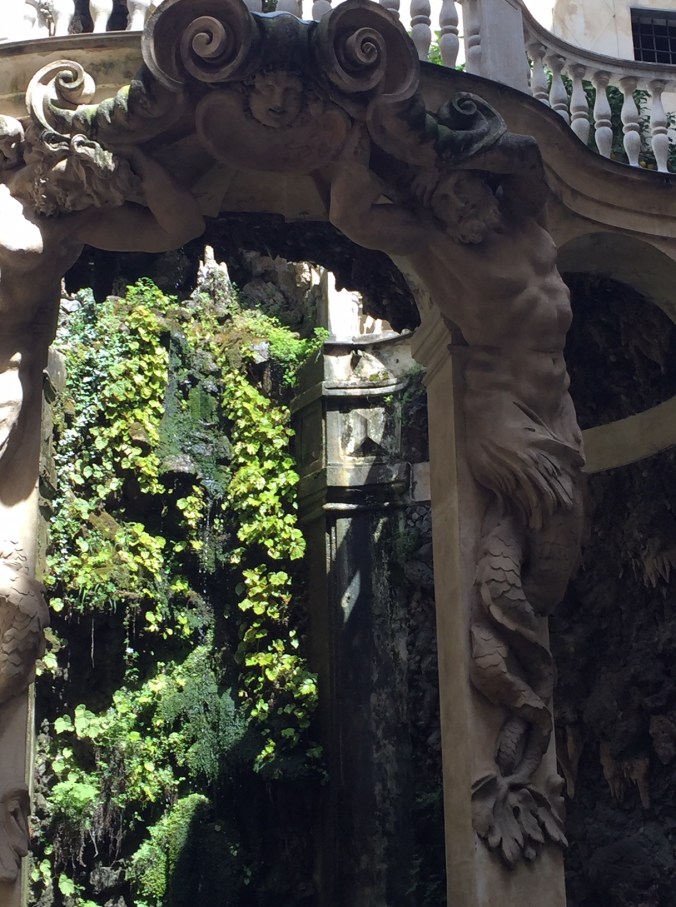
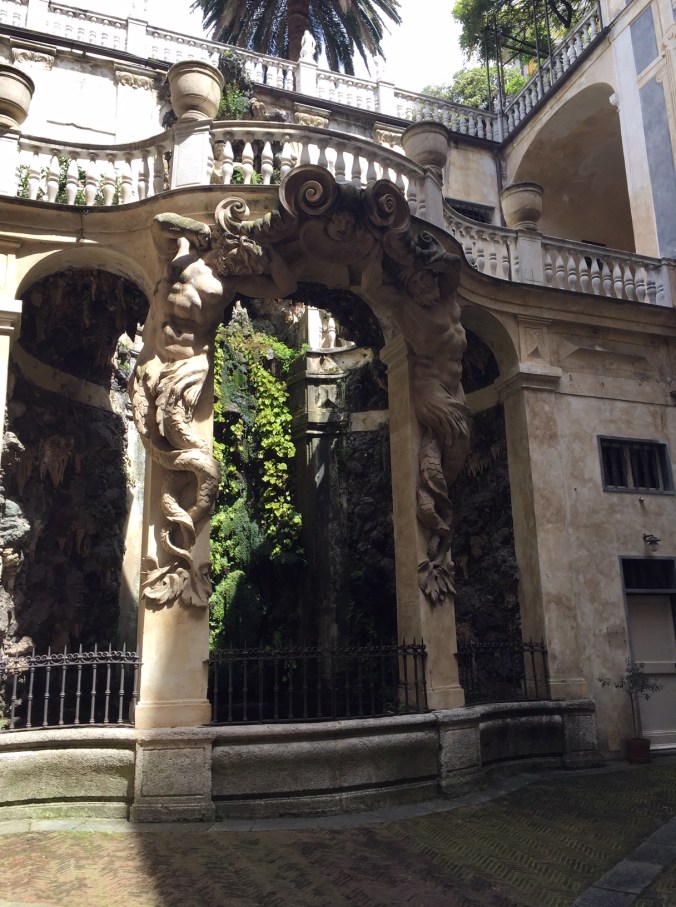
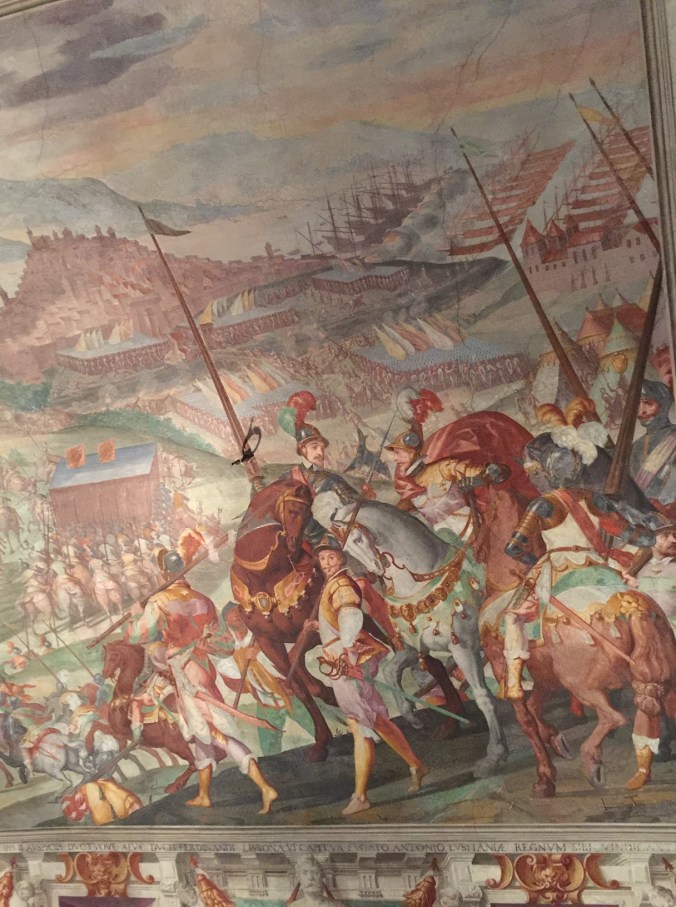
I had the pleasure of visiting Genoa recently to take advantage of the opportunity to see some of these amazing mansions.  There were about 30 open and I saw a good number of them.  One of the most impressive is the Palazzo Francesco Grimaldi, aka Galleria Nazionale di Palazzo Spinola.  Below are just some of the fabulous things I saw:

IMG_7014IMG_7015IMG_7030IMG_7032IMG_7034IMG_7035IMG_7037IMG_7038IMG_7039IMG_7040IMG_7041IMG_7042


The Grimaldi family tree.  Now that’s how to illustrate a family tree!

IMG_7044IMG_7045IMG_7046

IMG_6867IMG_6868IMG_6872IMG_6873

IMG_6874IMG_6875IMG_6876IMG_6877IMG_6878IMG_6880IMG_6881IMG_6882IMG_6883IMG_6884IMG_6885IMG_6886

IMG_6887IMG_6889IMG_6890IMG_6891IMG_6892IMG_6893IMG_6894IMG_6895IMG_6896IMG_6897IMG_6901IMG_6902

IMG_7013IMG_7014IMG_7015IMG_7016IMG_7017IMG_7019IMG_7020IMG_7021IMG_7022IMG_7023IMG_7024IMG_7025


Genoa’s majestic cathedral

The Genoa Gothic-style Cathedral was consecrated in 1118, completed 17th century. Interchangeably referred to as the Cathedral of Saint Lawrence (or, in Italian: il Duomo di Genova, Cattedrale di San Lorenzo), this magnificent edifice is a show stopper.

IMG_7153IMG_7154IMG_7155

IMG_7156IMG_7157IMG_7158IMG_7159IMG_7160IMG_7161

IMG_7162


I have looked at a lot of art in my lifetime, and lots in particular of religious artwork in Italy.  In all of my life, I have never seen any female figures shown while obviously pregnant, even though pregnancy is often a part of the narrative behind the work.

But, live and look and one day…you may see it!

IMG_7163IMG_7164IMG_7165IMG_7166

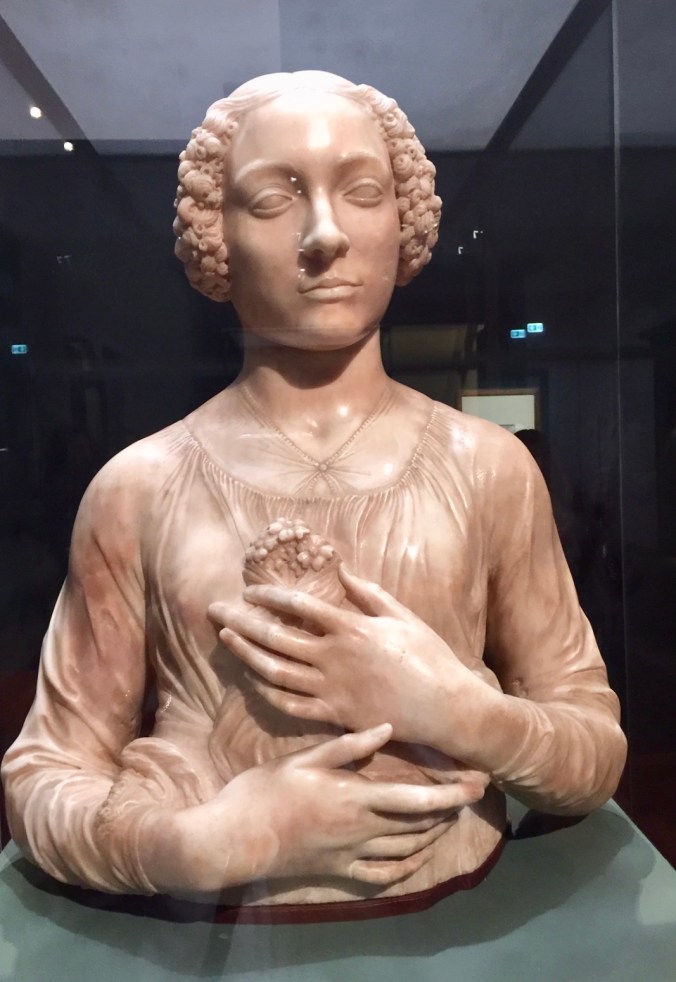
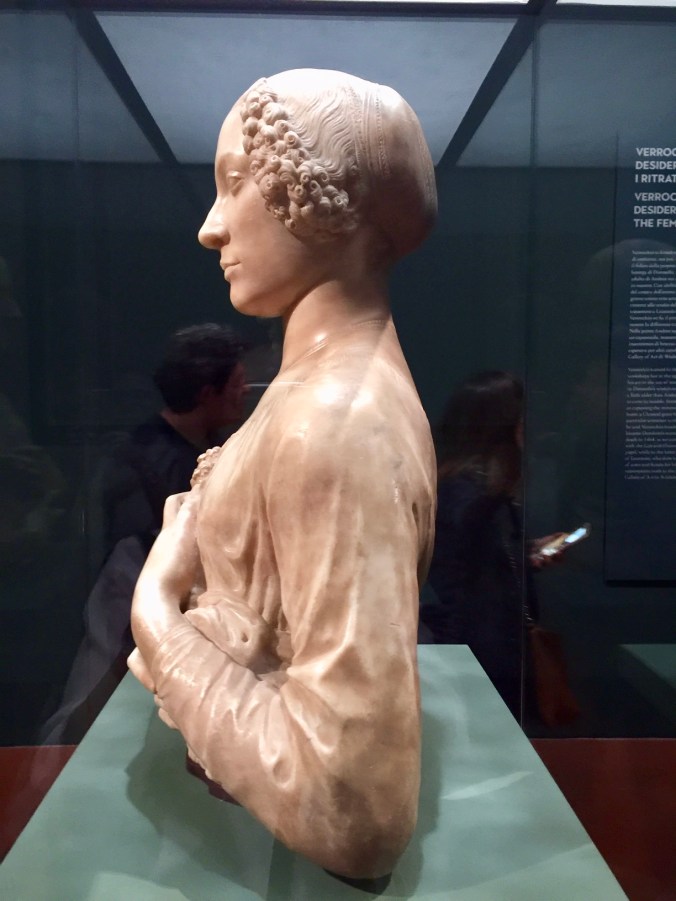
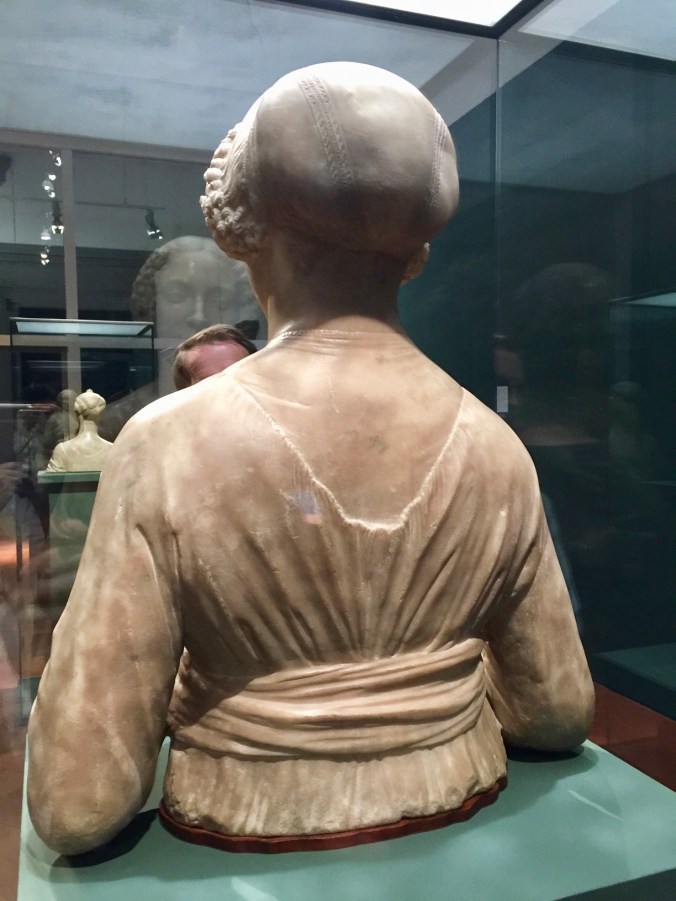
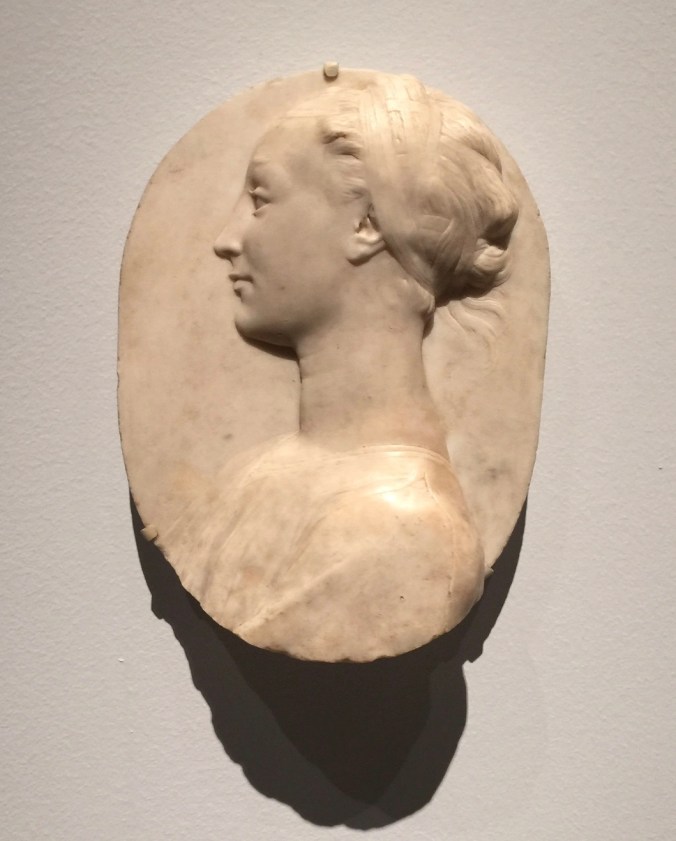
Verrochio, Renaissance master

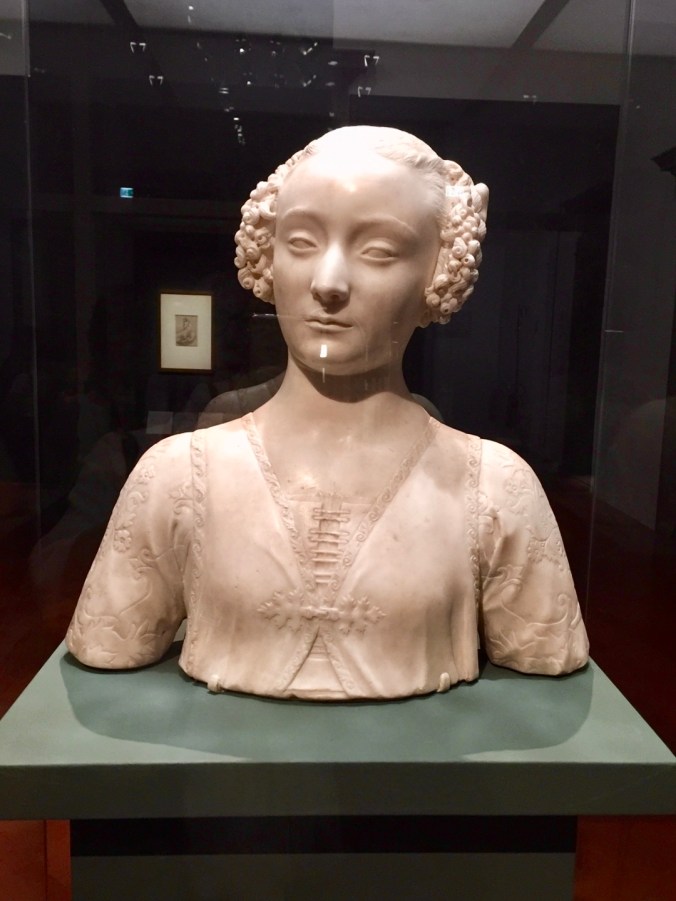
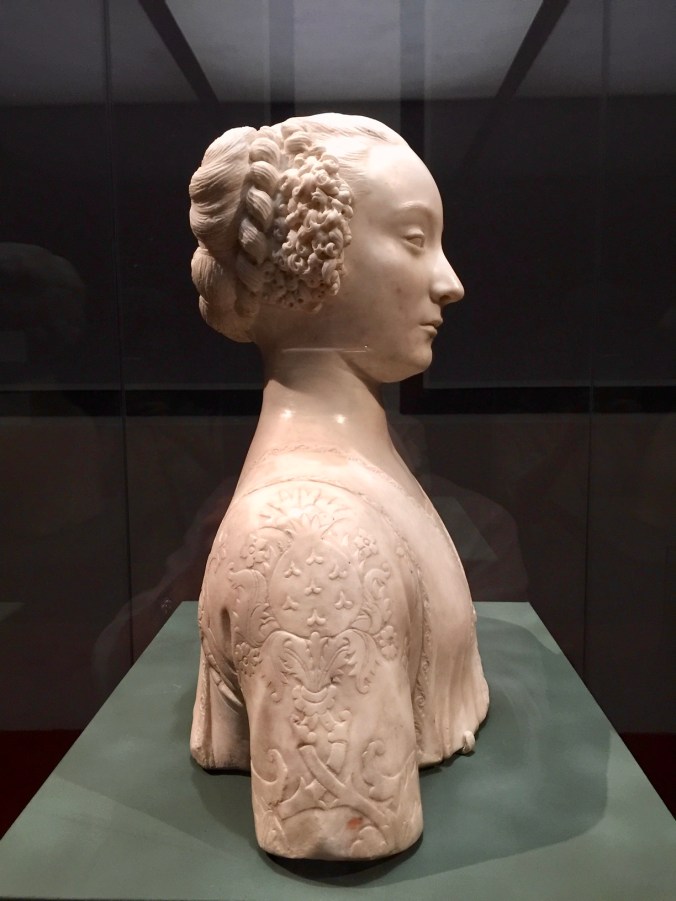
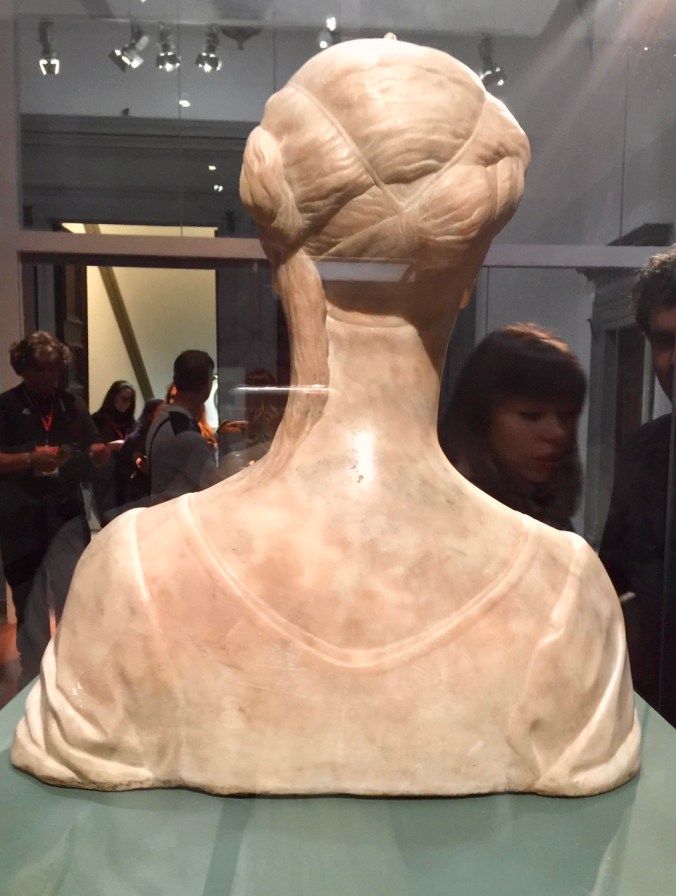
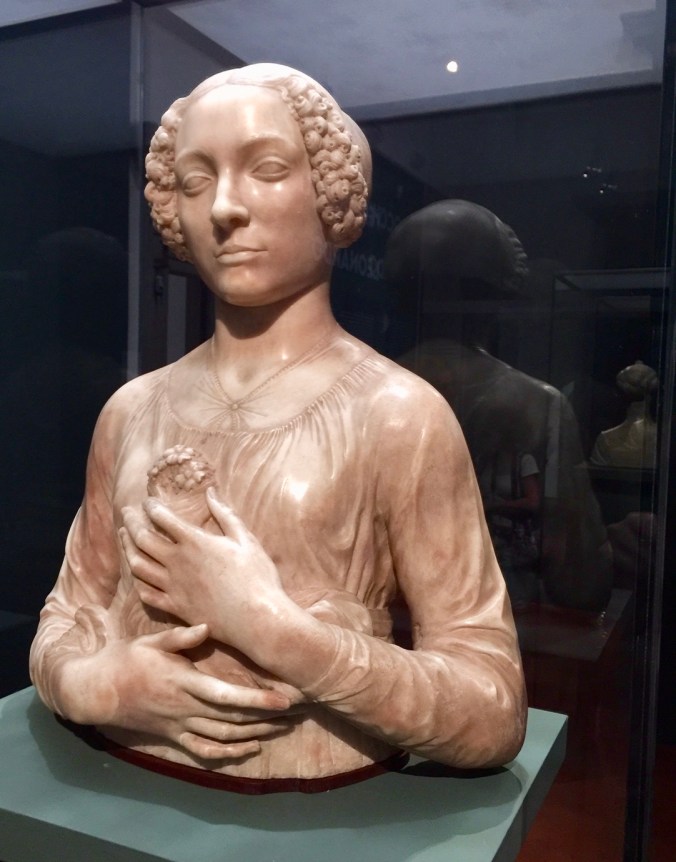
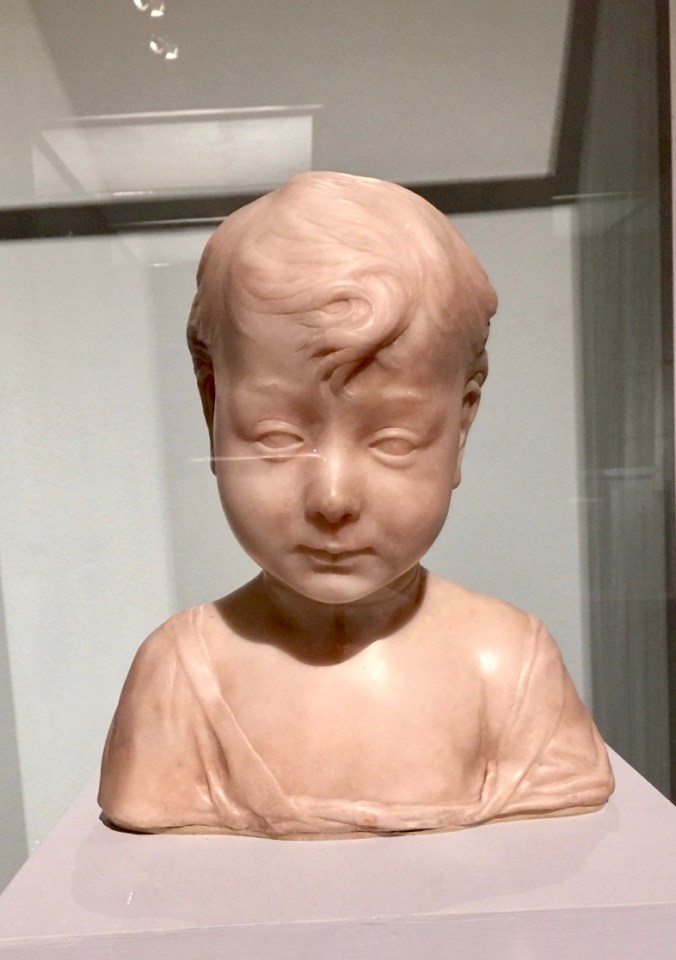
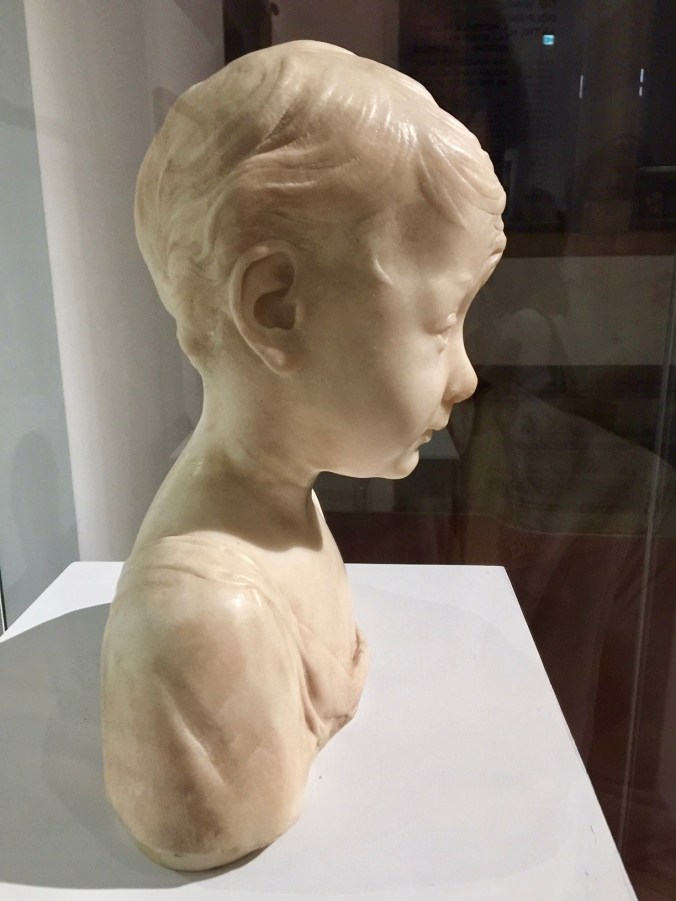
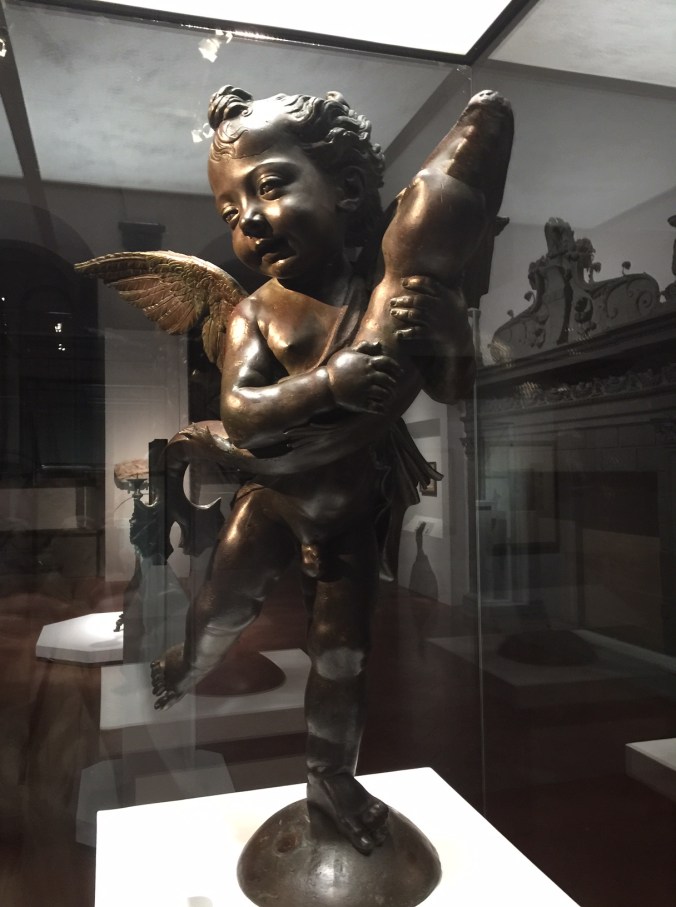
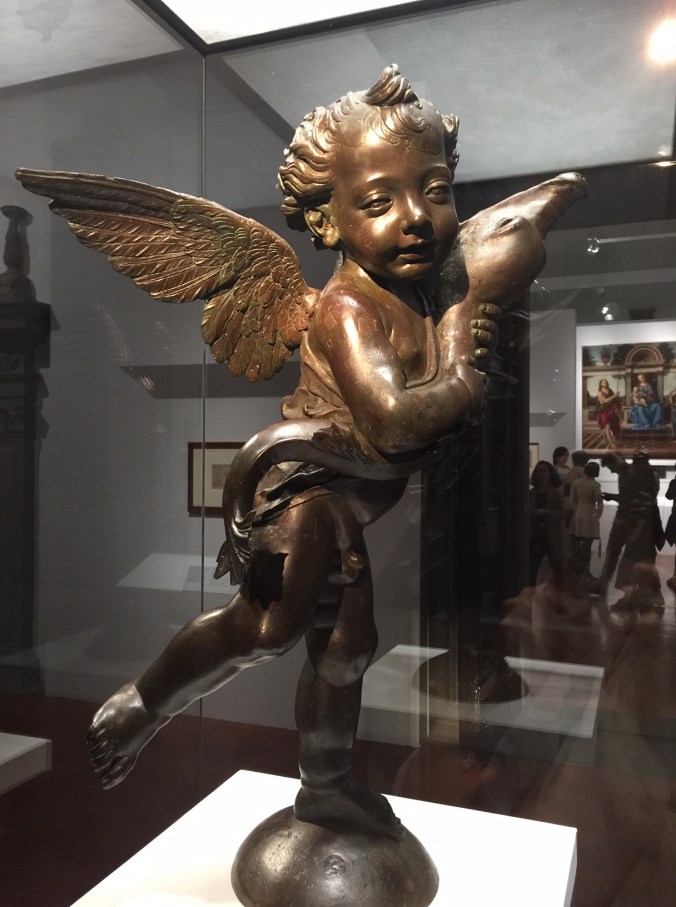
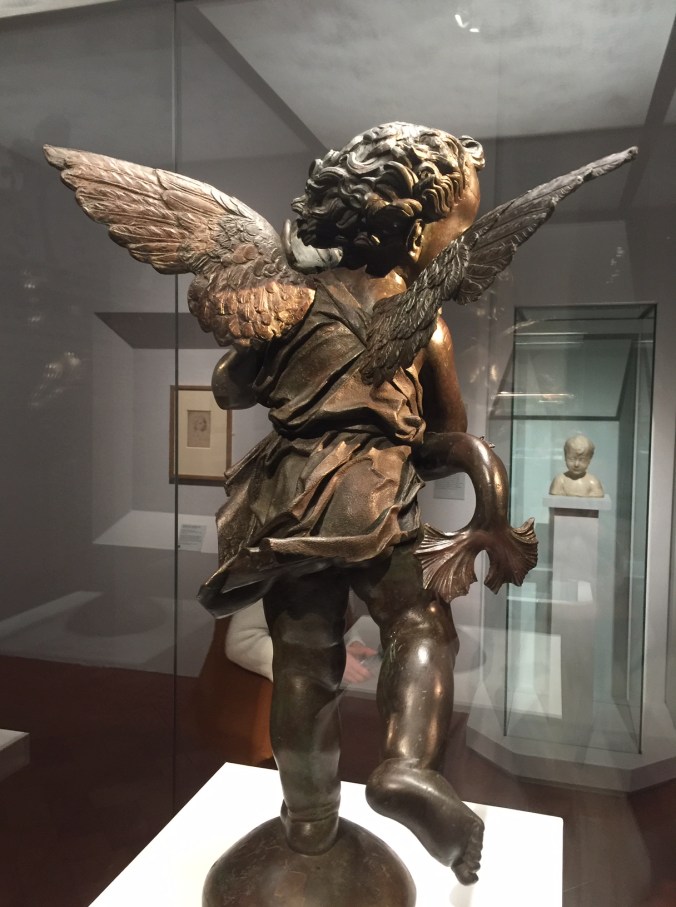
I have always loved the sculpture of Verrochio (1435-88).

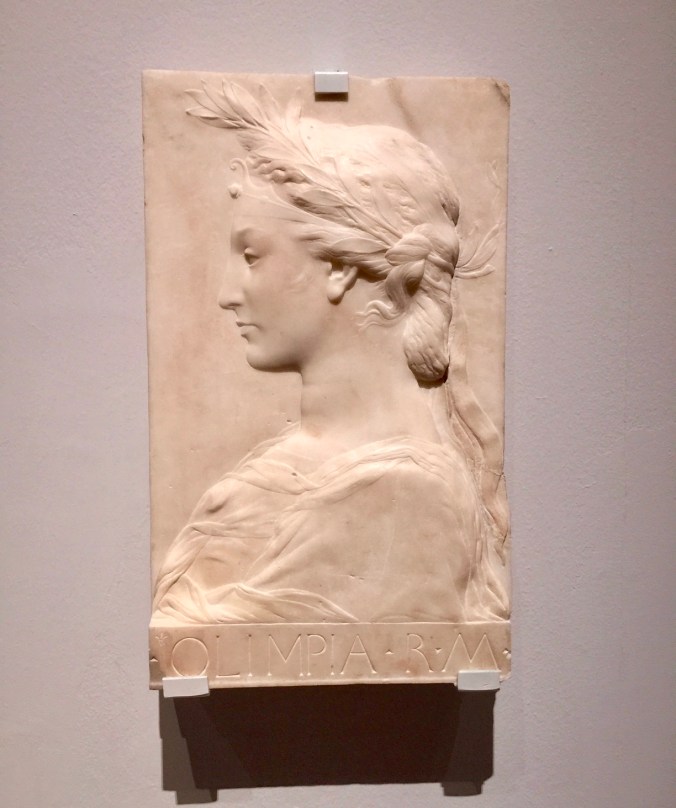
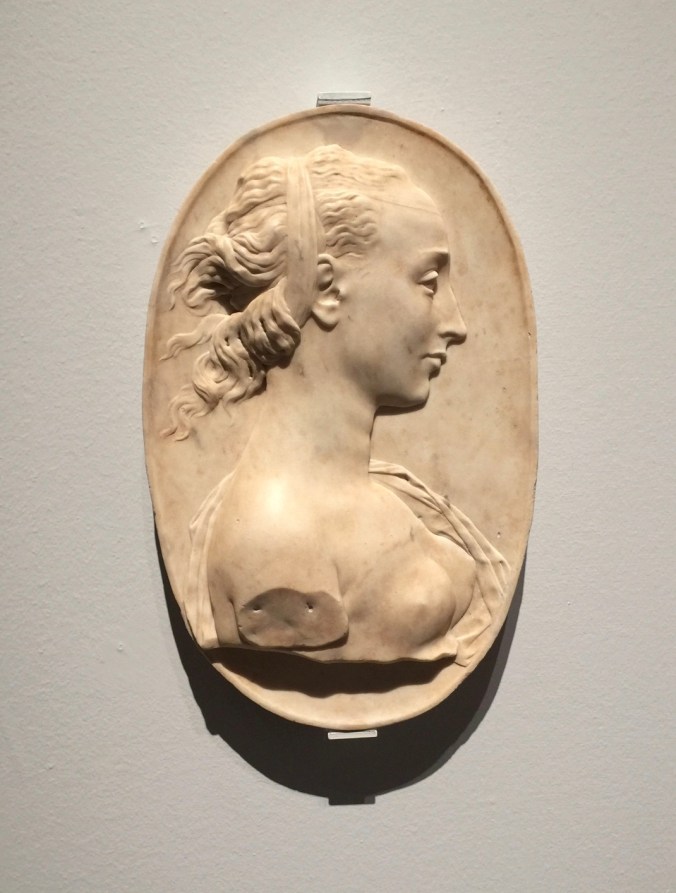
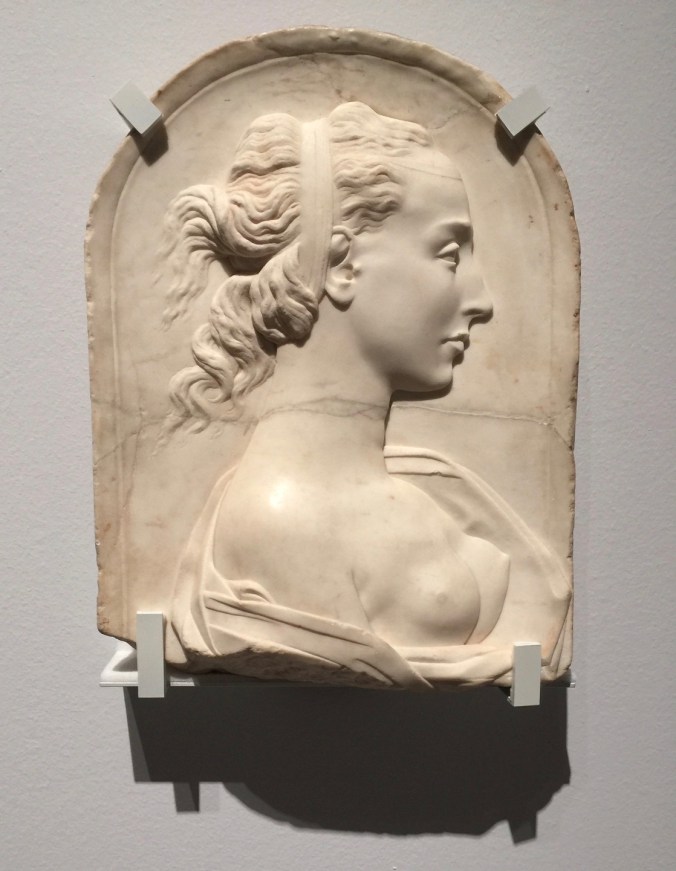
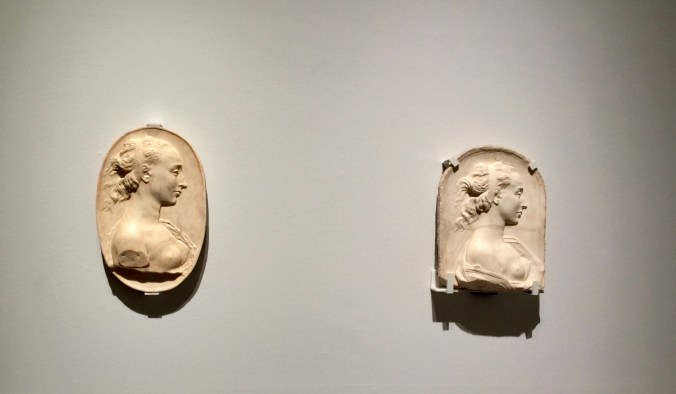
fullsizeoutput_e5afullsizeoutput_e5cfullsizeoutput_e5e

And, since there’s currently a fabulous exhibition in Florence featuring some of the master’s work in painting, sculpture, and work in gold, I think it is high time I wrote a post on him here.

fullsizeoutput_e63fullsizeoutput_e65fullsizeoutput_e67fullsizeoutput_e68

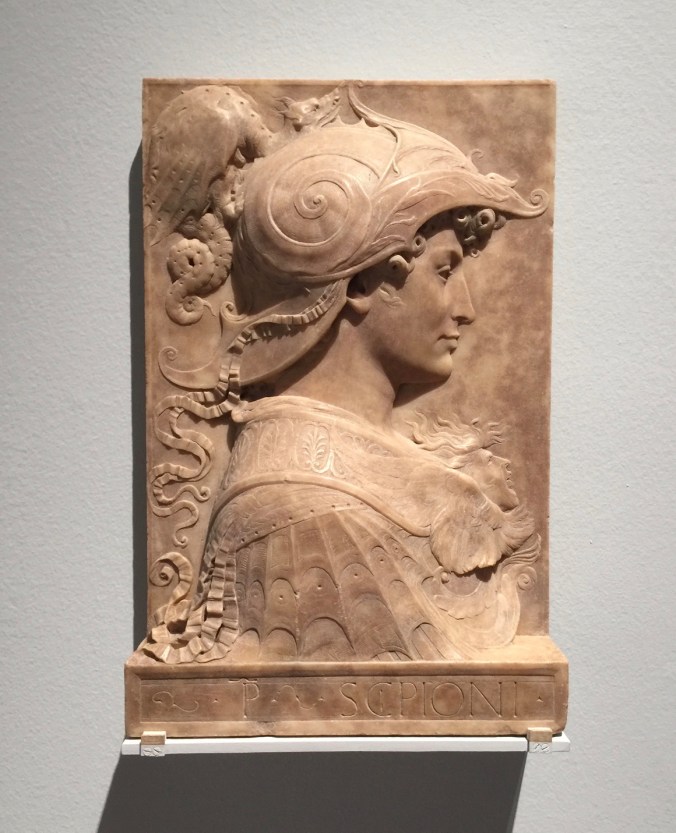
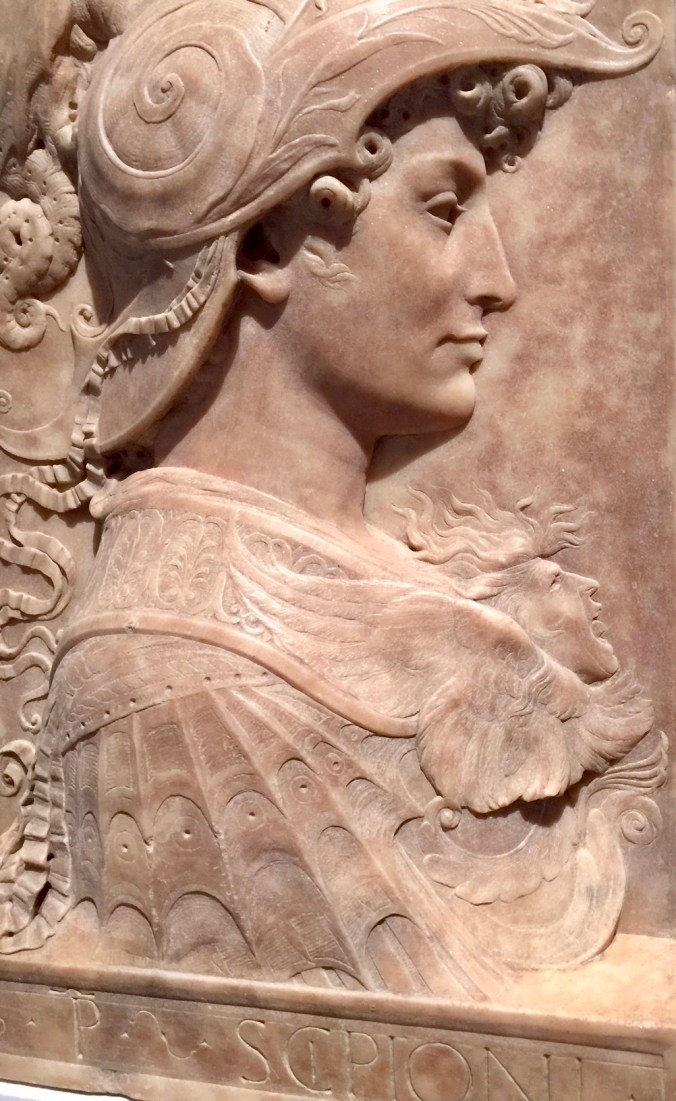
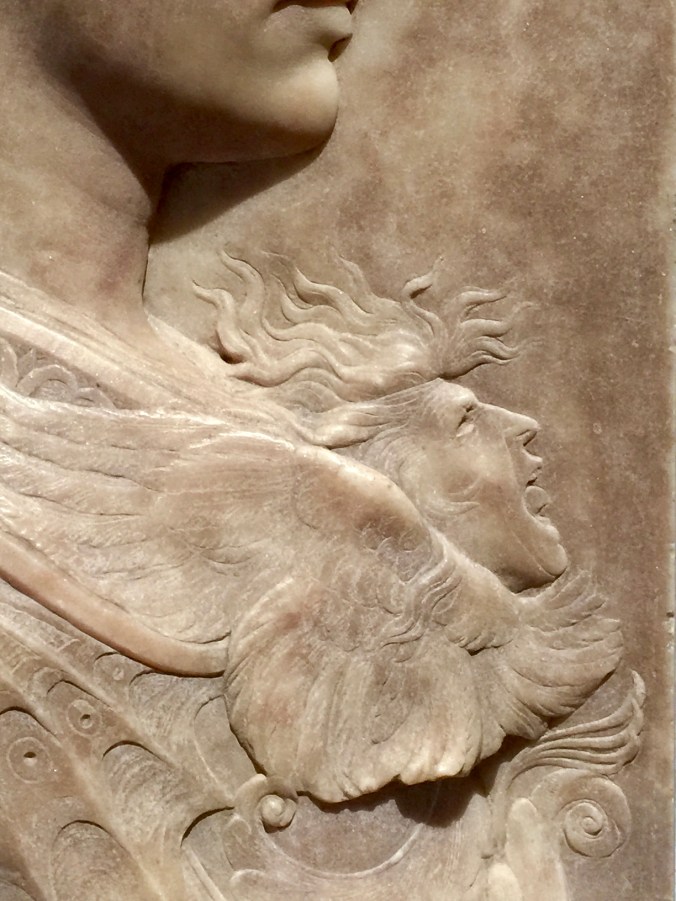
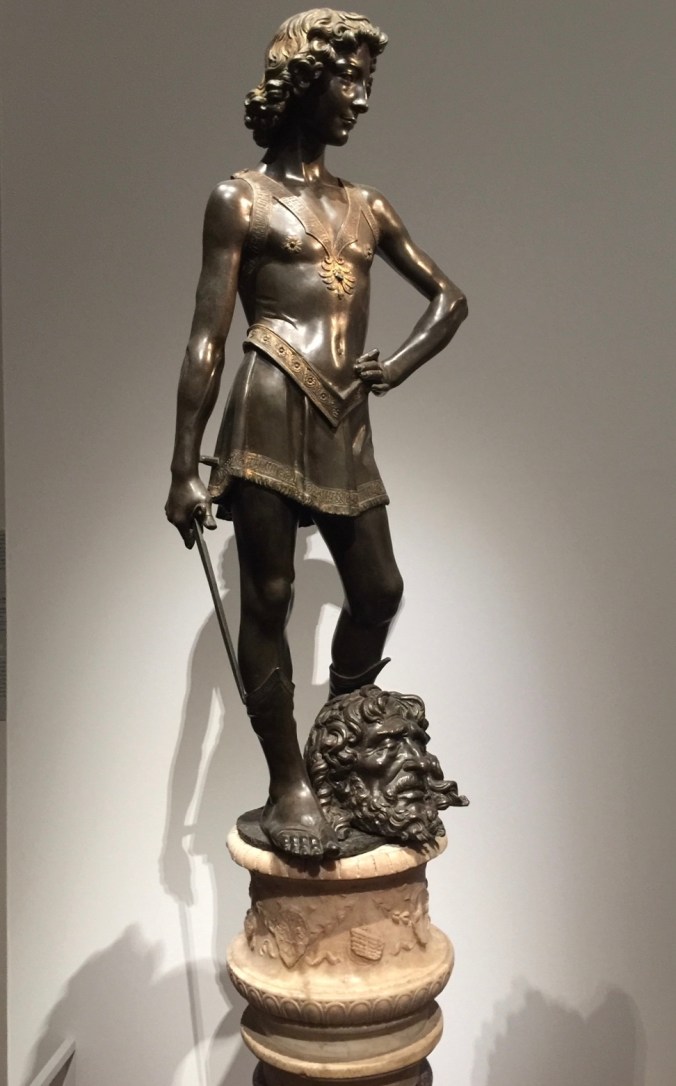
The exhibition, “Verrocchio, Master of Leonardo” can be seen from now until mid-July at the Palazzo Strozzi.

The show was organized by Fondazione Palazzo Strozzi and the Musei del Bargello in collaboration with the National Gallery of Art, Washington. The curators are Francesco Caglioti e Andrea De Marchi; both are leading experts in the art of the quattrocento.

This major exhibition showcases over 120 paintings, sculptures and drawings from the world’s leading museums and collections, including the Metropolitan Museum of New York, the Musée du Louvre in Paris, the Rijksmuseum in Amsterdam, the Victoria and Albert Museum in London and the Gallerie degli Uffizi in Florence.

The exhibition, with a special section at the Museo Nazionale del Bargello, brings together for the first time Verrocchio’s celebrated masterpieces and most important works by the best-known artists associated with his workshop in the second half of the 15th century, such as Domenico Ghirlandaio, Sandro Botticelli, Pietro Perugino and Leonardo da Vinci.  Leonardo was his most famous pupil, and the exhibition reconstructs Leonardo’s early career and interaction with his master, thanks to outstanding loans and unprecedented juxtapositions.

This year is a big one all over the Italian cultural scene, for it marks the 500th anniversary of Leonardo’s death. The Strozzi exhibition is, moreover, the first retrospective ever devoted to Verrocchio.

At the same time the exhibition explores the early years of Leonardo da Vinci’s career,  providing an overview of artistic output in Florence from roughly 1460 to 1490, which just happened to be the age of Lorenzo the Magnificent.

Few paintings are attributed to him with certainty, but a number of important painters were trained at his workshop. His pupils included Leonardo da Vinci, Pietro Perugino and Lorenzo di Credi. His greatest importance was as a sculptor and his last work, the Equestrian statue of Bartolomeo Colleoni in Venice, is generally accepted as a masterpiece.

Little is known about his life. His main works are dated in his last twenty years and his advancement owed much to the patronage of Lorenzo de’ Medici and his son Piero. His workshop was in Florence where he was a member of the Guild of St Luke. Several great artists like Leonardo da Vinci and Lorenzo di Credi passed through his workshop as apprentices; beyond this, artists like Domenico Ghirlandaio, Francesco Botticini, and Pietro Perugino were also involved and their early works can be hard to distinguish from works by Verrocchio.

At the end of his life he opened a new workshop in Venice where he was working on the statue of Bartolomeo Colleoni, leaving the Florentine workshop in charge of Lorenzo di Credi. He died in Venice in 1488.

So, okay, as a life-long art historian, I can’t seem to break the habit of providing lots of context.  But, let’s leave that now and look at some of the beautiful work by Verrochio.

fullsizeoutput_e69fullsizeoutput_e6afullsizeoutput_e6bfullsizeoutput_e6c

fullsizeoutput_e6dfullsizeoutput_e6efullsizeoutput_e70fullsizeoutput_e71

fullsizeoutput_e73fullsizeoutput_e74fullsizeoutput_e76IMG_6691

IMG_6692IMG_6699


Palazzo dei Mozzi, Firenze

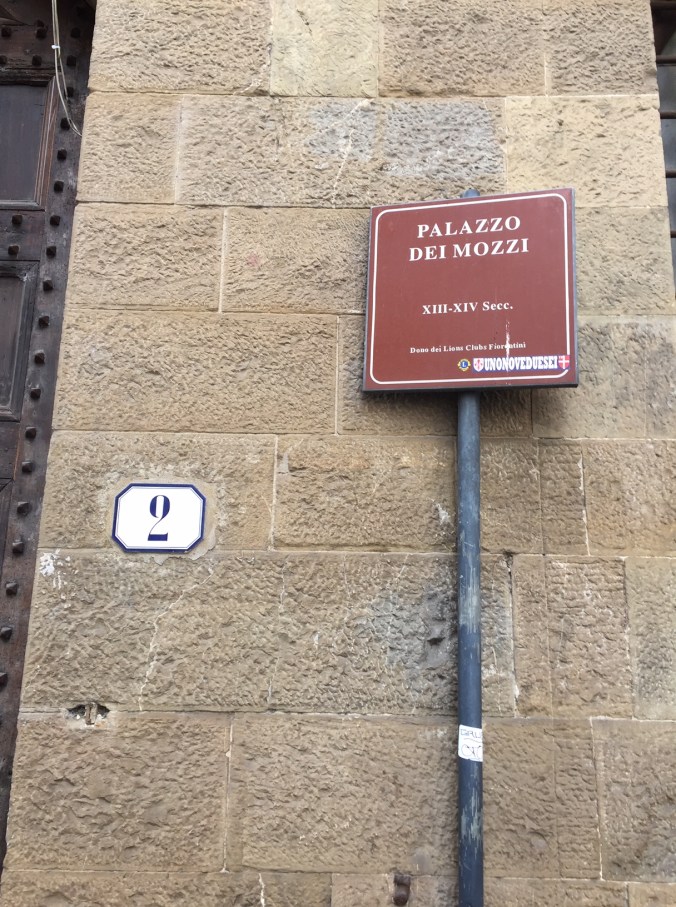
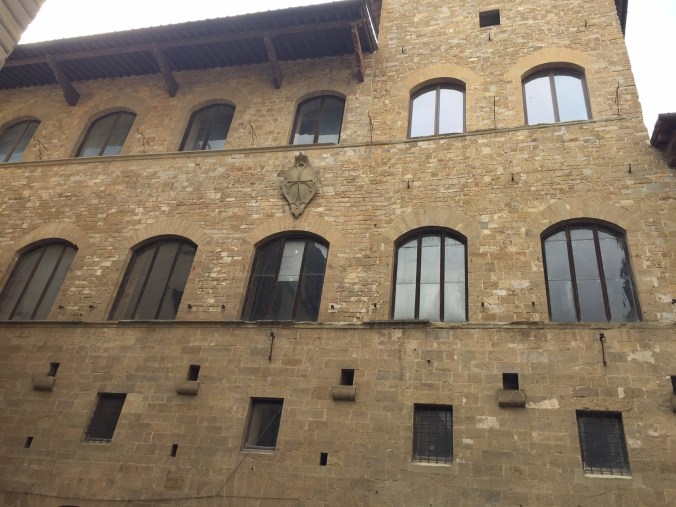
The Palazzo dei Mozzi is a grand old palace beautifully situated on the piazza of the same name, in the Oltrarno section of Florence. It was built around the middle of 13th century as a part of the fortifications guarding the old Ponte di Rubaconte (today’s Ponte alle Grazie): hence its fortress-like structure.

IMG_6427

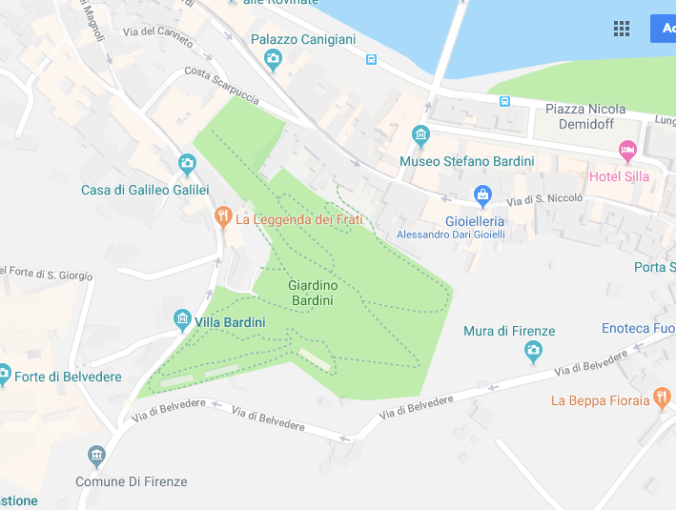
The palazzo is an early Renaissance building, located at the south end of the Piazza dei Mozzi that emerges from Ponte alle Grazie and leads straight to the palace where via San Niccolò becomes via de’ Bardi in the Quartiere of Santo Spirito (San Niccolò).

Screen Shot 2019-04-25 at 10.47.52

IMG_6423

The Mozzi family was among the most important and powerful families in the city in the Medieval period, and many important persons were received in the palace during their official visits in Florence; Pope Gregory X, for example, visited the palazzo in 1273.

IMG_6424

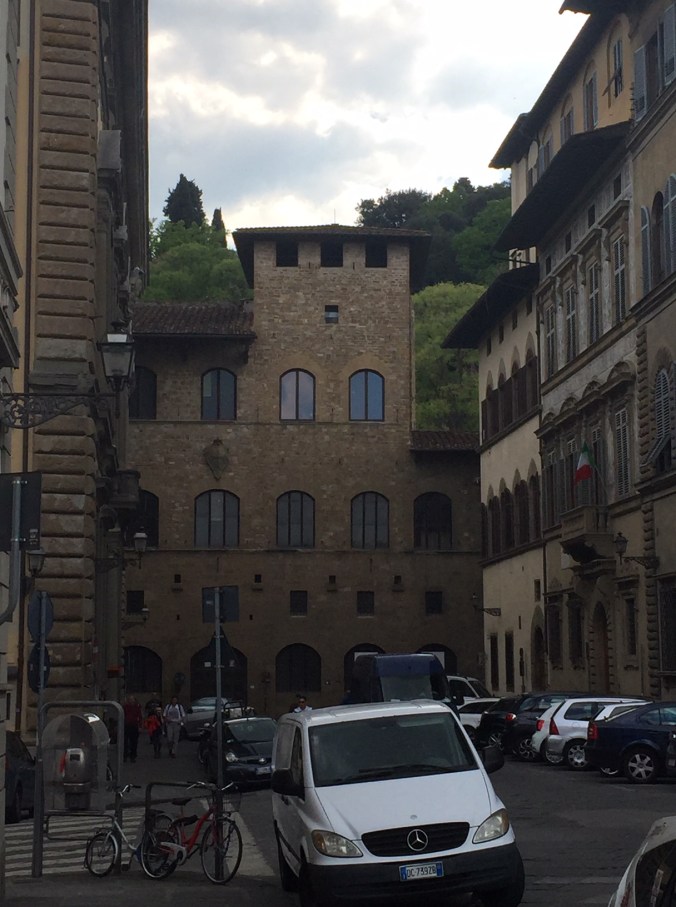
On the facade facing the Via de’ Bardi, we see the tower and the large coat-of-arms of the Mozzi family. Also note the tower’s crenellation, covered nowadays by a roof.

IMG_6425

The large garden on the rear of the palace was built in 16th century, when the Mozzi bought a wide plot of ground in order to transform it into an olive-grove.

Around the middle of 19th century, the palace was purchased by the antiquarian Stefano Bardini, who owned another palazzo across the street (see pictures below). Today that amazing garden is open to the public as a part of the Museo Bardini complex. It is one of the most spectacular gardens in all of Florence, especially in spring when the trees and wisteria are in full bloom!

Screen Shot 2019-04-25 at 10.49.06

Bardini transferred his extensive art collections and laboratories to the Palazzo dei Mozzi and changed the olive-grove into a garden; he decorated the garden with statues and elements he saved from the demolition of ancient buildings in the center of Florence. In a subsequent time the garden was futher decorated with a loggia and big stairs.

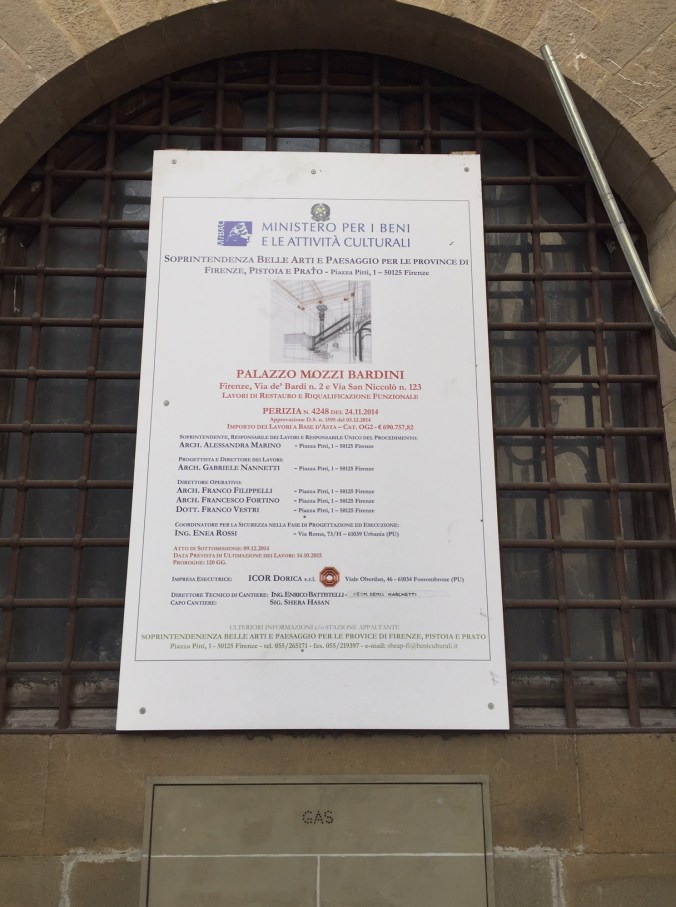
After the death of Ugo Bardini, the son of Stefano, the palace remained closed for a long time, until it was bought by the Italian State; it is currently under restoration and will become a centre for exhibitions and cultural events.

IMG_6426


IMG_6511IMG_6512


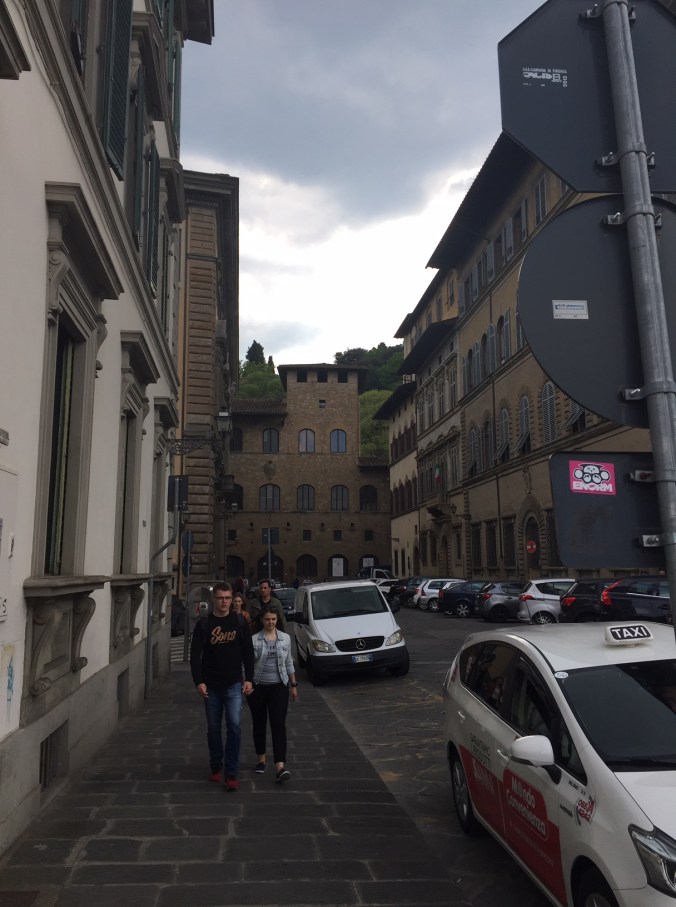
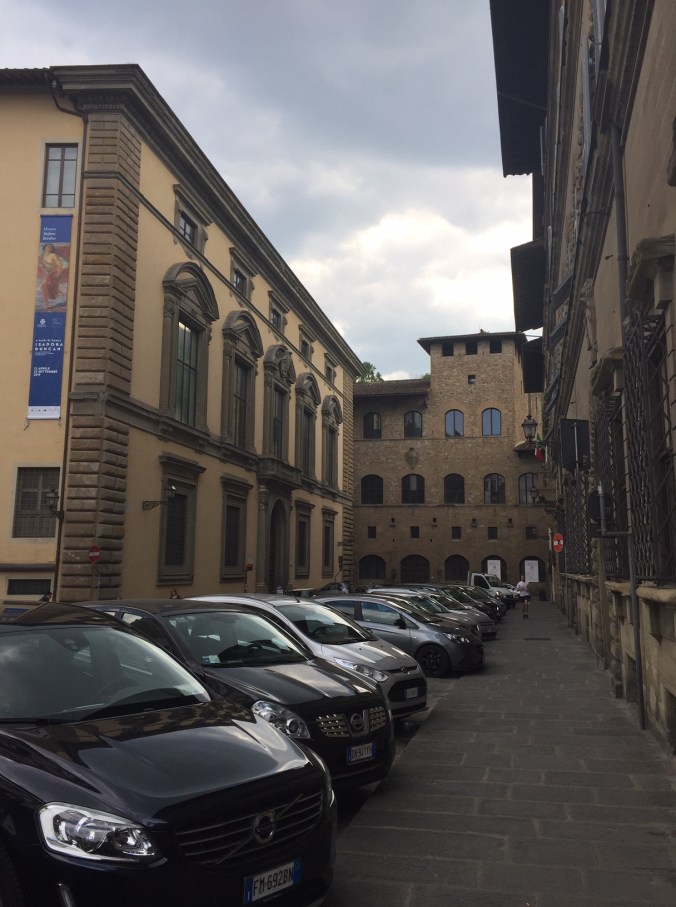
Palazzo Bardini on left, Palazzo dei Mozzi at far end.

IMG_6513IMG_6515IMG_6516


Below, another view of facade of Palazzo dei Mozzi, looking eastward along via San Niccolò.

800px-Palazzo_de'_Mozzi


Fra Fillipo Lippi fresco cycle in Prato duomo; Prato cathedral Part 2

Late last week I had the great pleasure of visiting Prato with a new friend who was born and raised there.  There is nothing like visiting a lovely small Italian town with someone who knows their way around.  My friend showed me things I would have found on my own!

IMG_5897

IMG_5951

I wrote a post on the Duomo of Prato, where I discussed the architecture and sculpture.  The Duomo is such a rich repository of masterworks that it needs several posts.  Today I will deal only with the Far Fillips Lippi frescoes created between 1452-66.

Let’s start with this basic premise: these paintings are gorgeous and in excellent condition!  I have waited an art historian’s lifetime to see them and they did to disappoint.

This is the apse end of the basilica in all of its glory.  The Far Fillipo Lippi frescoes are in the chapel in the center:

00view0

These frescoes show the master, Fra Filippo Lippi, at his finest. They were produced slowly and sporadically between 1452 and 1466.

The enormous scale of the choir, and consequently the painted subjects, were a far cry from the intimacy of the Brancacci Chapel.  The cycle has been restored recently, revealing powerful yet sensitive images produced with verve and facility during a late period in Lippi’s development.

The Prato frescoes were both an artistic and a physical challenge for the aging painter, and, particularly in the large scenes on either side of the choir with stories of St John the Baptist and St Stephen, scholars believe that a significant share of the execution may be attributed to workshop assistants.

Below: View of the chapel filled with the fresco cycle

00view0

00view


South Wall

Below: overview of the right (south) wall of the main chapel

00view2

Beginning at top, coming down, we begin with “The Birth and Naming St John”
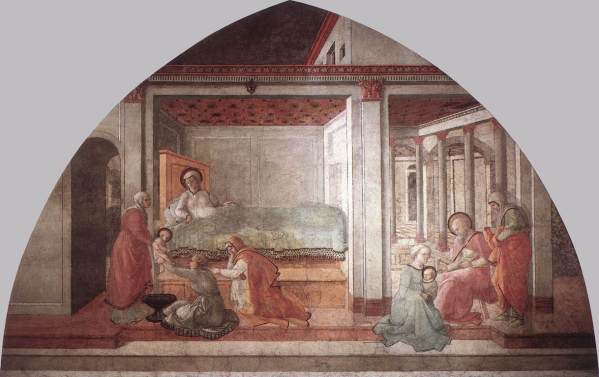
21birth

The Birth and Naming St John (detail)

21birth1


The 2nd fresco down from the top: “St. John Taking Leave of His Parents”
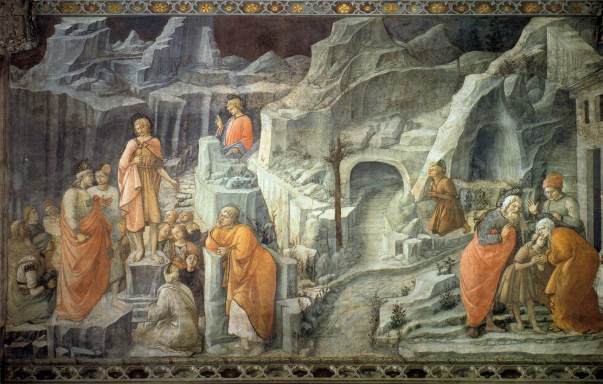
22leave

St. John Taking Leave of his Parents (detail)

22leave1

St. John Taking Leave of His Parents (detail)

22leave3

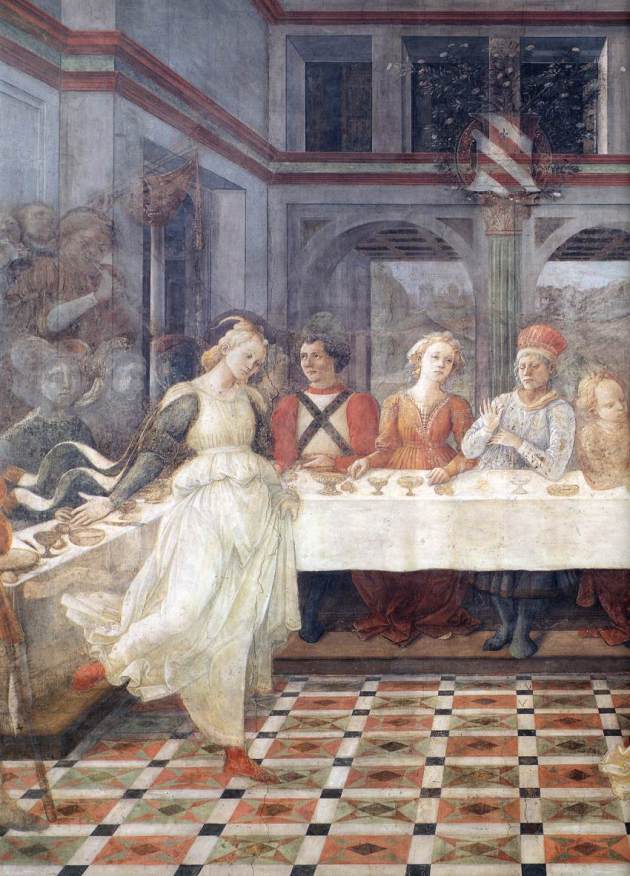
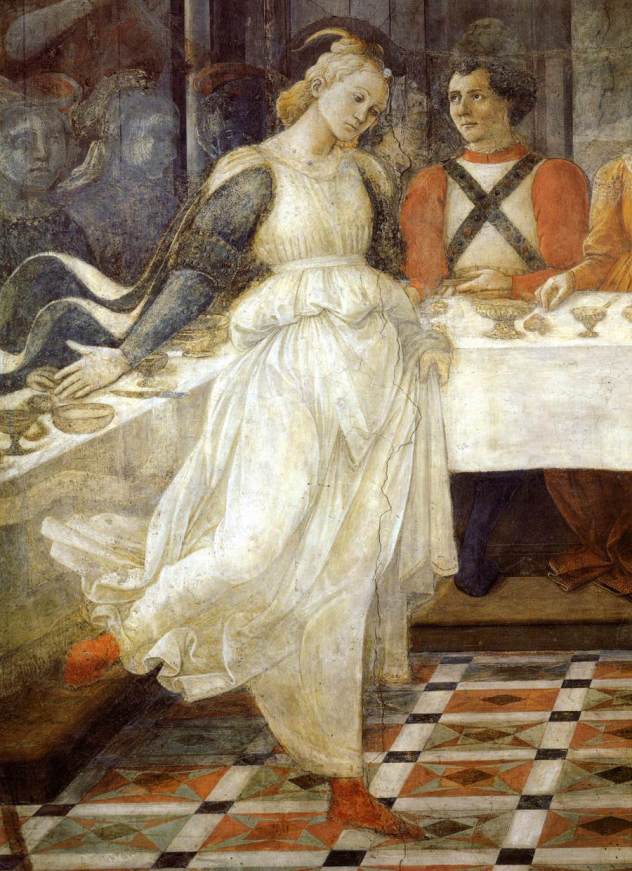
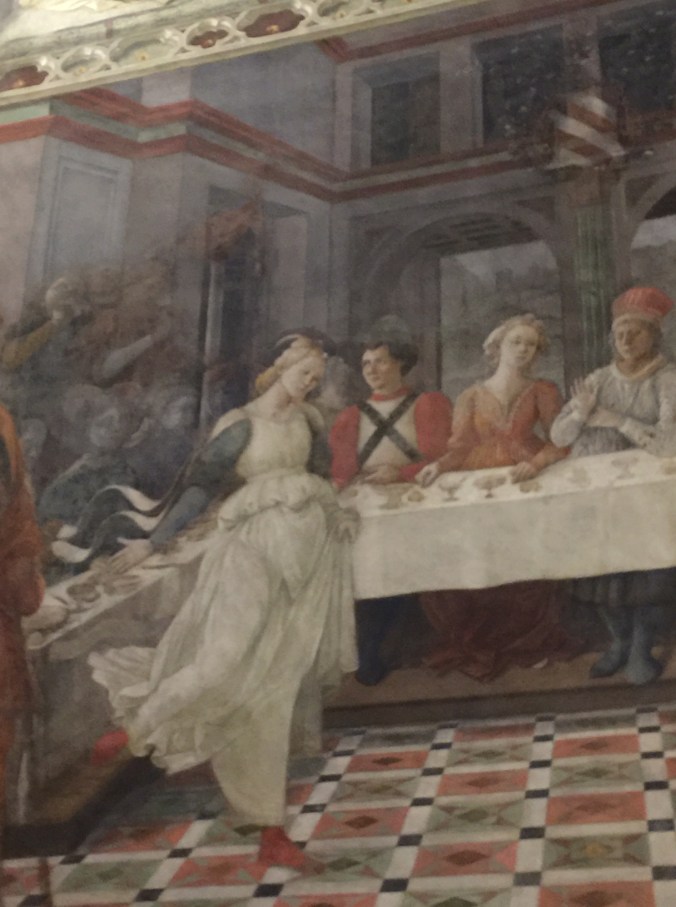
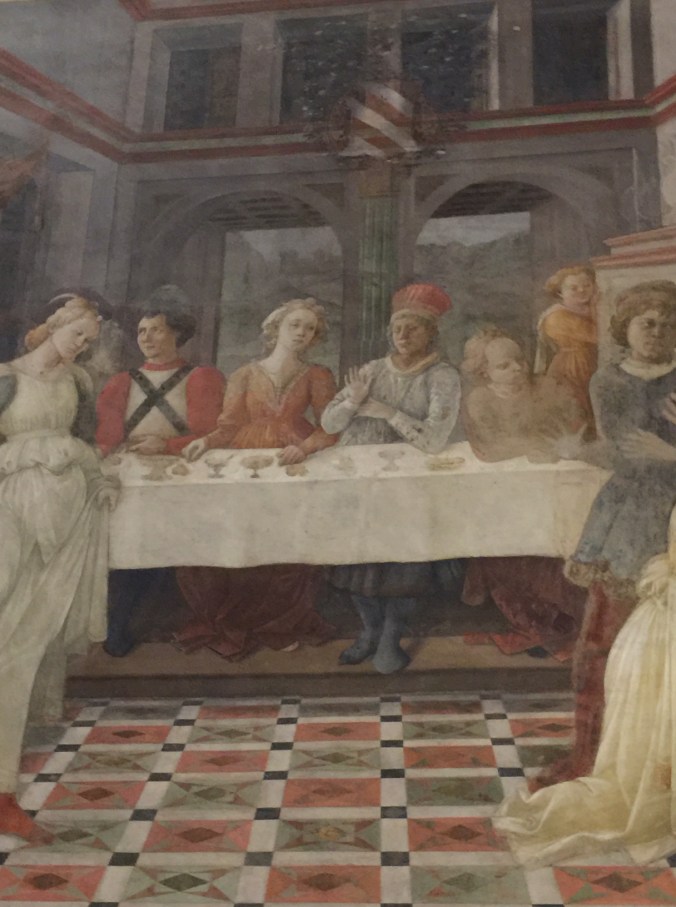
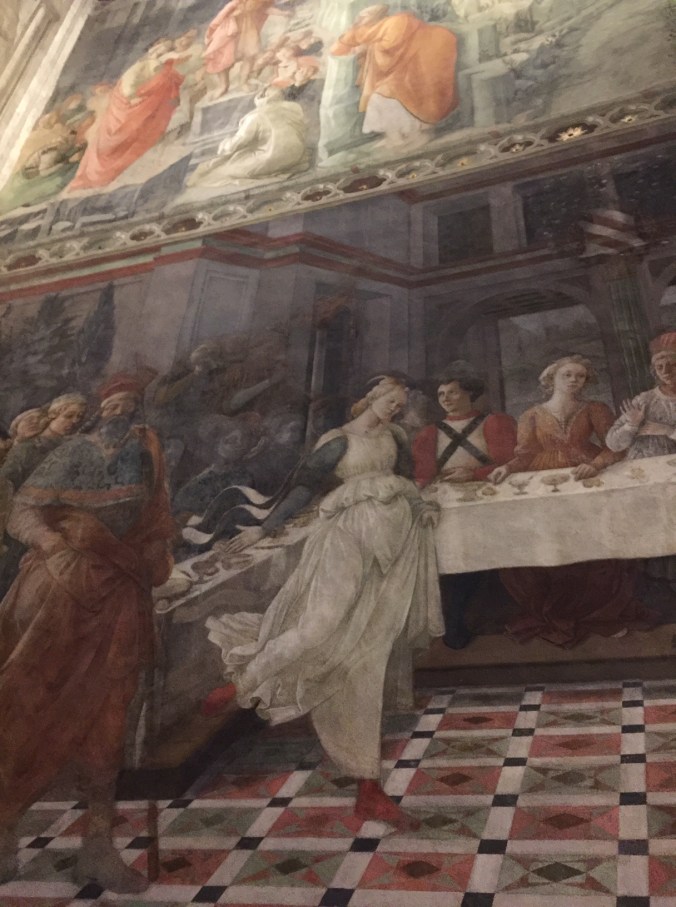
Third scene down from the top: Herod’s Banquet

23herod

Herod’s Banquet (detail)

23herod0

Herod’s Banquet (detail)

23herod1

Herod’s Banquet (detail)

23herod2

Herod’s Banquet (detail)

23herod3


Herod’s Banquet (detail)

23herod4


The Beheading of John the Baptist, scene to the far left of the main fresco

24behead


North Wall:

View of the left (north) wall of the main chapel
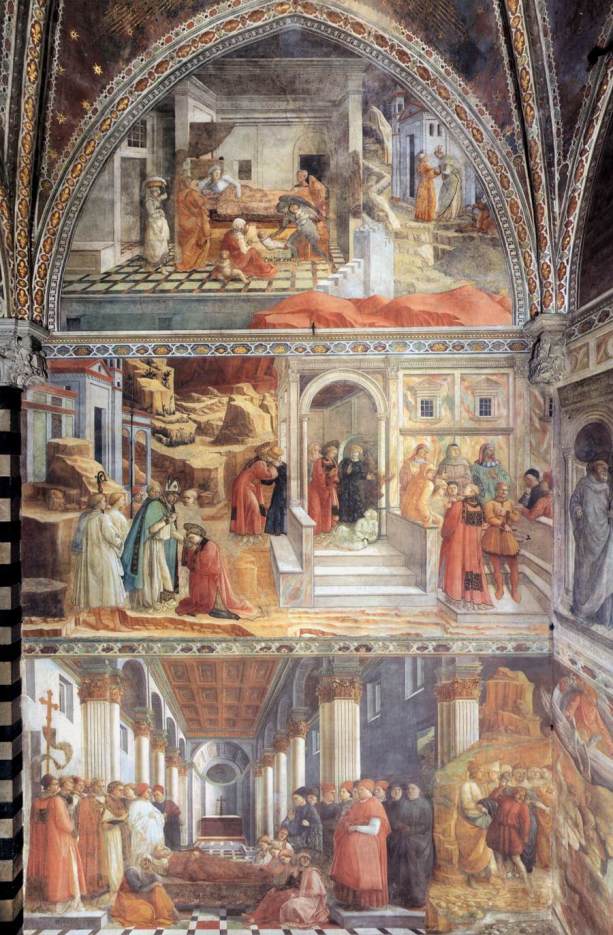
00view1


Beginning at top of fresco on North wall: St Stephen is Born and Replaced by Another Child

11birth

St Stephen is Born and Replaced by Another Child (detail)

11birth0

St Stephen is Born and Replaced by Another Child (detail)

11birth2

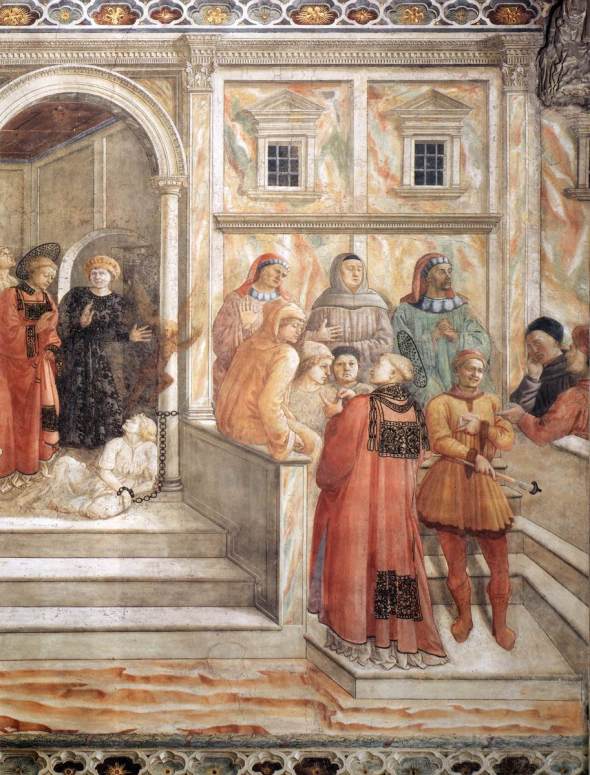
2nd Fresco down from top, The Disputation in the Synagogue
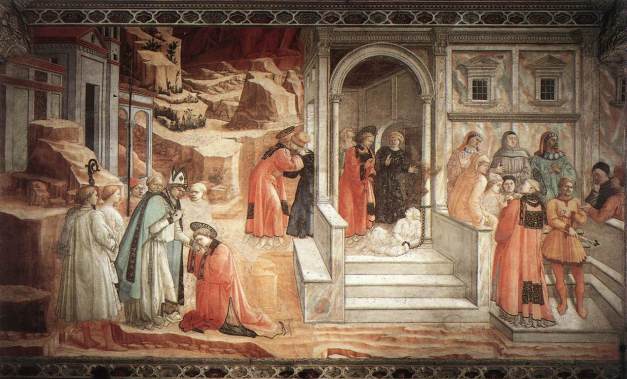
12dispu

The Disputation in the Synagogue (detail)
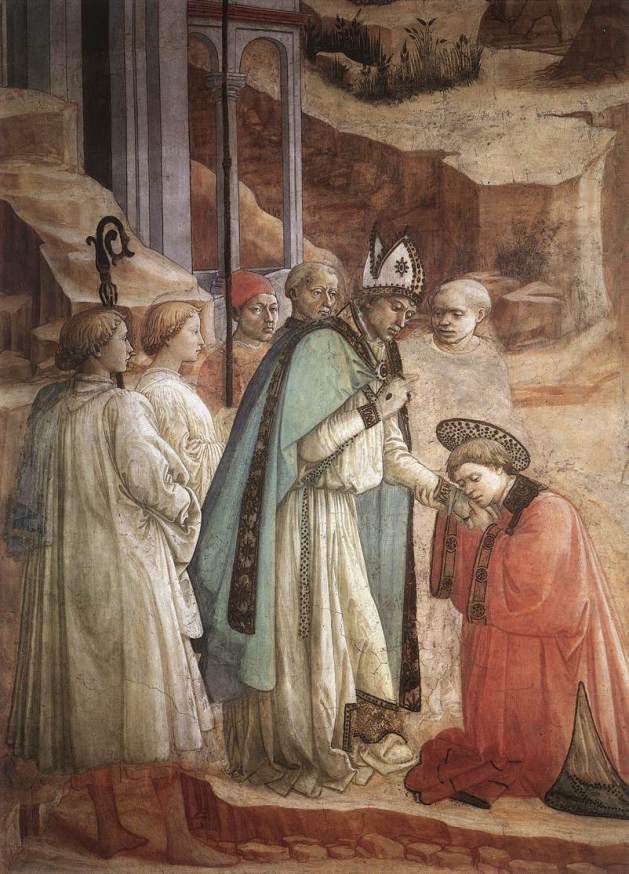
12dispu1

The Disputation in the Synagogue (detail)

12dispu2

The Disputation in the Synagogue (detail)

12dispu3

The  Disputation in the Synagogue (detail)
12dispu4

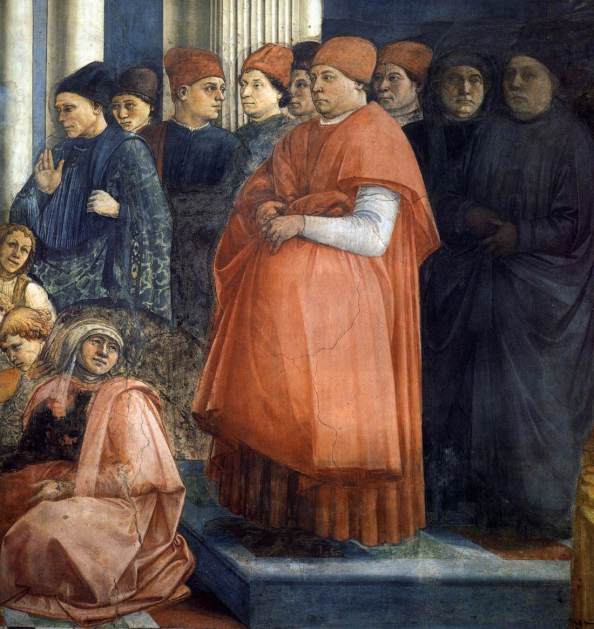
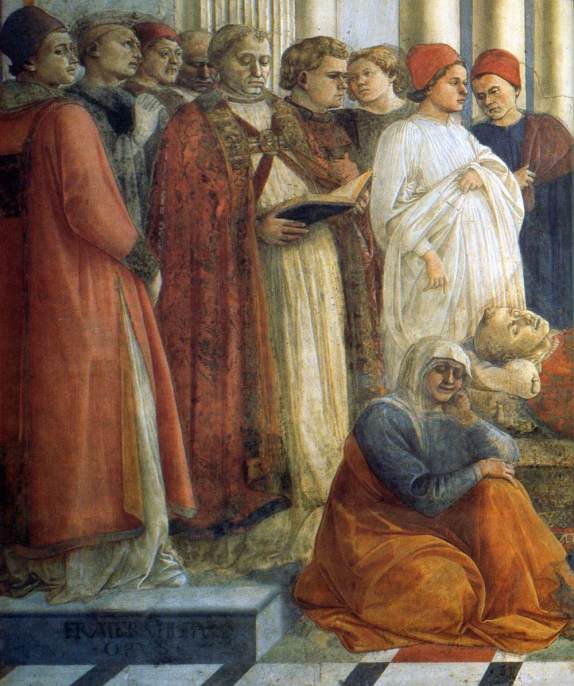
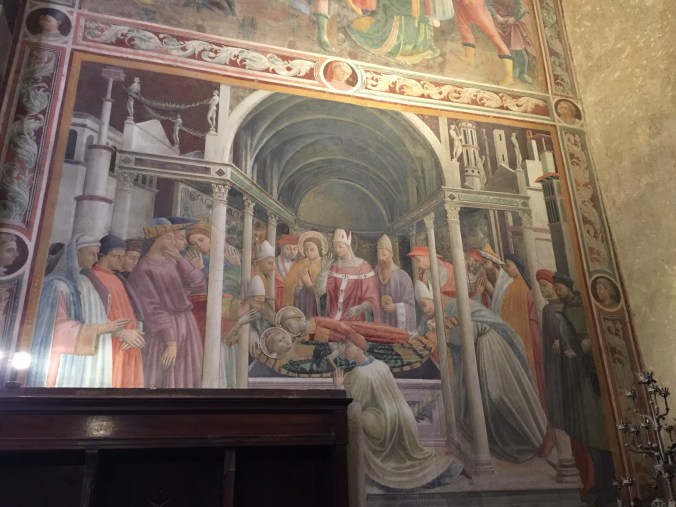
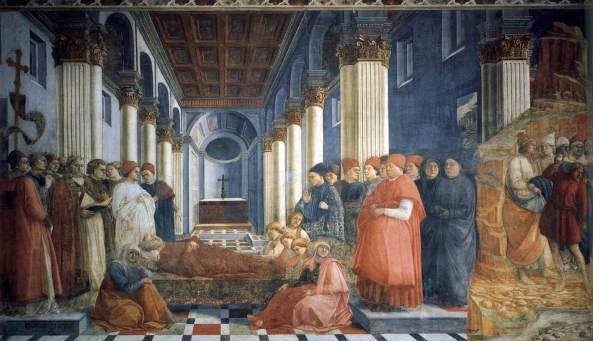
Third fresco down from the top: The Funeral of St Stephen
13funer


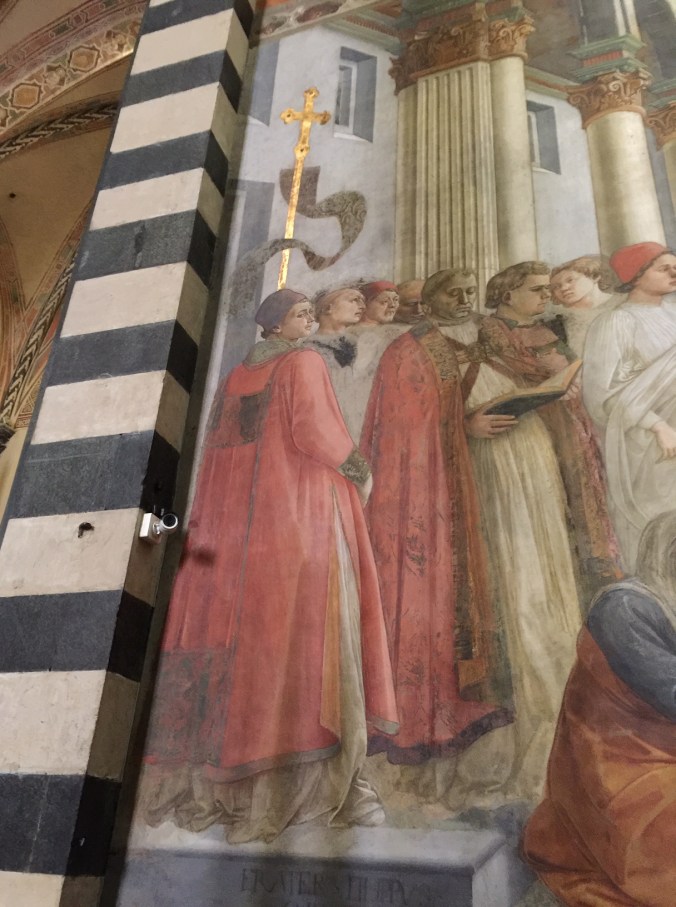
The Funeral of St Stephen (detail)

13funer1

The Funeral of St Stephen (detail)

13funer2

The Funeral of St Stephen (detail)

13funer3

The Funeral of St Stephen (detail)

13funer4

The Funeral of St Stephen (detail)

13funer5

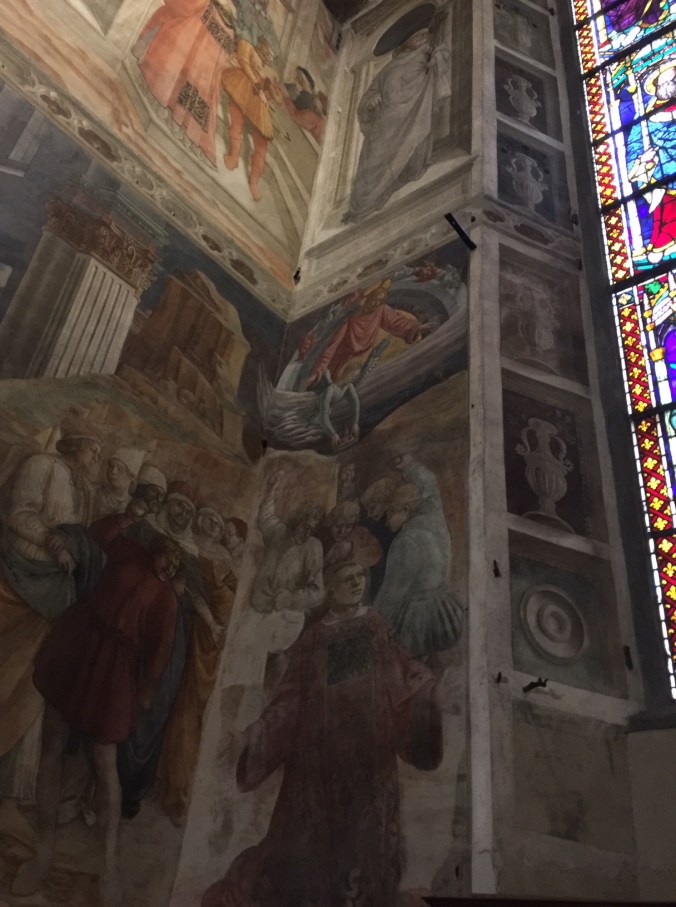
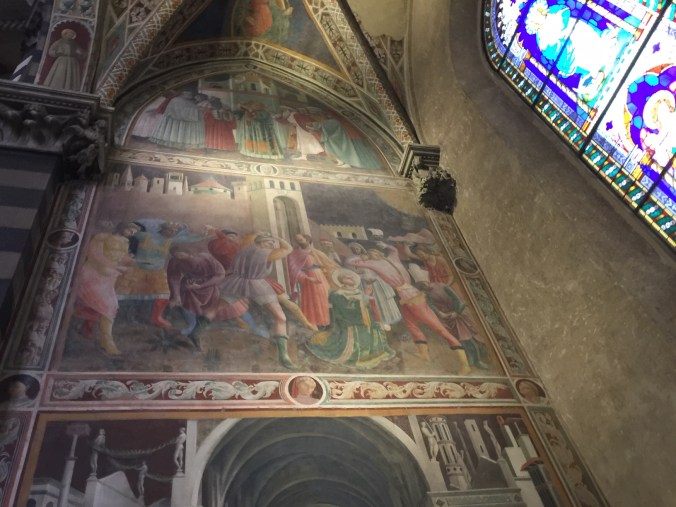
Scene to the far right of the main fresco: The Martyrdom of St Stephen

14martyr

St Alberto of Trapani

15albert

St Alberto of Trapani

15alberx

Allora, I have shown you the main paintings within this fresco cycle and explained the location.  Now let me simply share the pictures I took with my phone.  My phone was never pointed at anything more beautiful…and that is saying something!

IMG_5854IMG_5855IMG_5856IMG_5857IMG_5858IMG_5859IMG_5860IMG_5861IMG_5862IMG_5864IMG_5865IMG_5866IMG_5839IMG_5840IMG_5841IMG_5867


IMG_5868IMG_5869IMG_5870

Vasari Corridor, Uffizi, Florence

It was recently announced that the Vasari Corridor will open again in 2021.  Until then, and for those who have never seen this great hallway filled with self-portraits of hundreds of artists, here is a great video that takes you through the entire corridor in a very fast pace.


Also, see here:

https://firenze.repubblica.it/tempo-libero/articoli/cultura/2019/02/18/news/firenze_il_corridoio_vasariano_riaprira_nel_2021_schmidt_-219437766/?fbclid=IwAR2T_oKK3hiUb6tw_BQdl76o0sKSYeyXyiUx8qgqL3Fg-HgfU1T3tVGmFIo