Museo Bardini has re-opened in Florence

And I paid a visit.  It was not like the old days, where you could wander at will, which is very sad.  Now they have a “percorso” or path, which you have to follow and they have guards in every room watching you like a hawk.  It didn’t feel like they were watching out for Covid.  It felt like they thought I was going to damage or steal the art.  I didn’t care for it.  Plus, I was one of 3 visitors.  I mean, really?

Despite my complaints, the museum is still a wonderful place with a fascinating collection. It is one of my favorite museums in Florence.  Here are a few of my favorite things:


fullsizeoutput_37d9

u0mFmpWkTV6SMSqbNGc28g

JRKX3QjiT%Gdqj7rG3wg8A

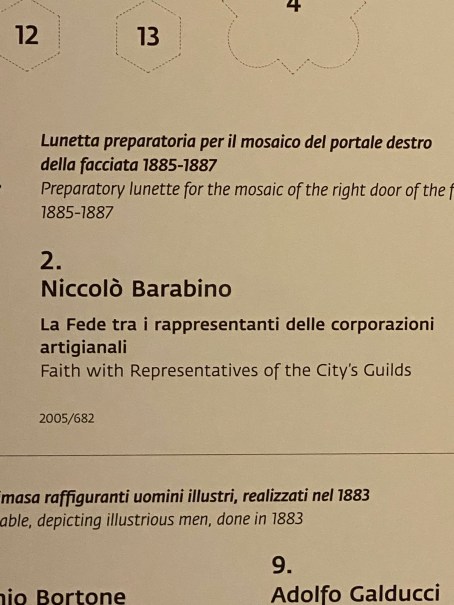
The unusual sculpture above, showing a woman breast feeding 2 children at once, is explained in the label above.


fullsizeoutput_3787

fullsizeoutput_3785


Here’s some info about the collector for whom the museum is named:

fullsizeoutput_3771

%2T1EyiDQy6FTZapRJWzgg


And here are some of his eclectic objets:

9YHqZw8eSEiWBvb57VHjzQ

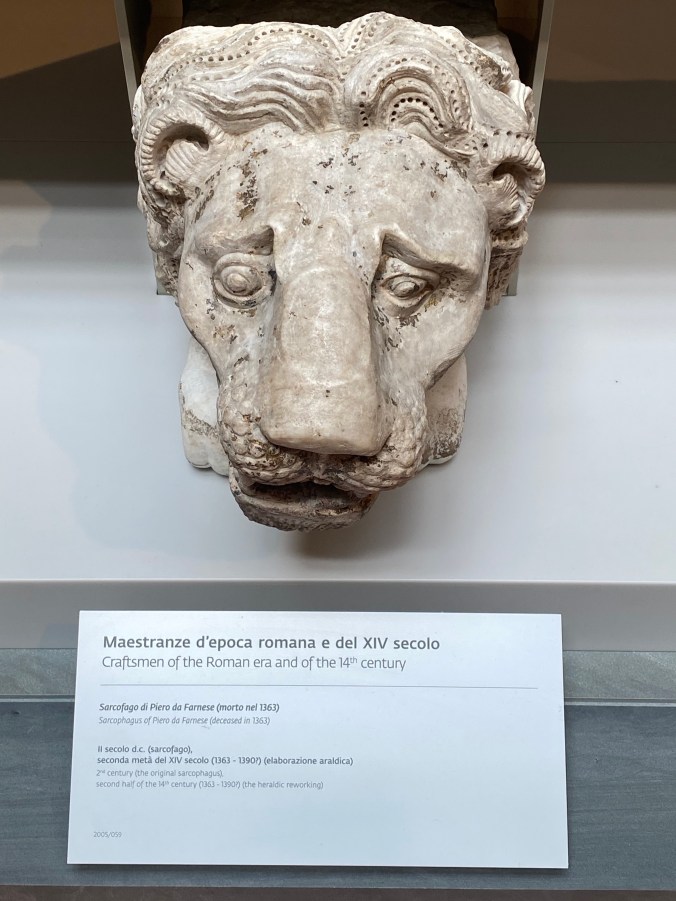
It’s official.  My new favorite art form is medieval sculpture.  I mean, look at the examples above and below.  Did you ever see a sweeter angel above?

Toz7B9JuQGeQFcIigeTwGQ

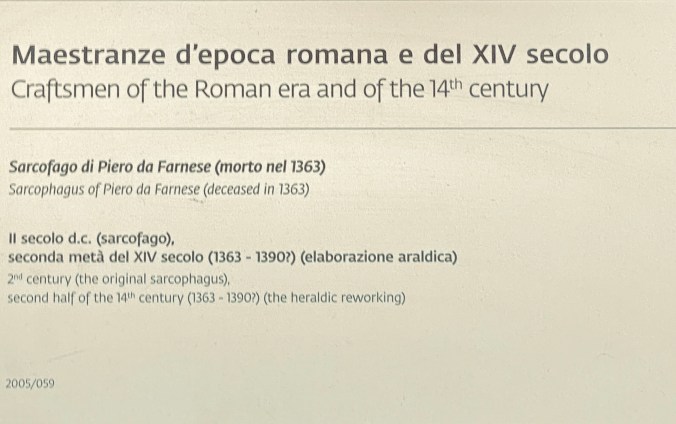
And, above, check out the lion caryatid figure.  Notice that he has a poor ram pinned below his feet, for all eternity.  The poor ram.  I love the primitive charm of these sculptures!


When I backtracked to take a picture of this gorgeous Renaissance doorway was when I knew my visit yesterday was not going to be the carefree affair of the olden days.  A mean, older woman reprimanded me for taking a few steps back towards where I had come from (although how you would notice the far side of the doorway you are walking through is beyond me), cackling at me that you must follow the path forward (I saw no signs showing me the path ahead either).

But, forget about her…look at the sumptuous doorway.  Wow.  What it must have felt like to use such casings.

W1XCFe0wTgCVo6UJvb0TgA


Going upstairs, like a good girl, I arrived in the room for which I had come.  I could spend hours in this gallery, if they would turn on all of the lights and get rid of the guards acting like I was going to damage the artworks.


fullsizeoutput_378d


fullsizeoutput_378f


fullsizeoutput_378b


Donatello’s Madonna and Child with the Apple

fullsizeoutput_3794


fullsizeoutput_3798

fullsizeoutput_37a8


Donatello’s Madonna and Child, known as the Madonna and the Ropemakers:

fullsizeoutput_37a0


fullsizeoutput_37a4


fullsizeoutput_37a6


And then there are the cassone, or the wooden chests (like a hope chest for an aristocratic Italian woman), that Bardini collected.  If they would turn on the lights in the gallery and let me get close to the works, I would be in heaven.  As it is, I’m halfway to heaven, just looking at the furniture and thinking about the girls/women whose lives they represent.


fullsizeoutput_378f


fullsizeoutput_37b4


fullsizeoutput_37aa


fullsizeoutput_37ac44lFH4W0QkyTmYca8ktY4w


And then there are the cornice: the incredible frames that Bardini collected. Any American art museum would give eye teeth for one of these marvelous frames.


fullsizeoutput_37b6


Moving into another gallery, I pass through another sumptuous doorway casing:

fullsizeoutput_37b8


Beautiful painted crucifixes were also collected by Bardini.  Below them, more cassone.

fullsizeoutput_37be


fullsizeoutput_37bc


fullsizeoutput_37c2


I could spend a day in this museum just studying the ceilings:

fullsizeoutput_37c4


fullsizeoutput_37c6


Or the Sienese sculpture:

fullsizeoutput_37ca

fullsizeoutput_37cf


Below, you might think you are looking at a rug on a floor, but it is a ceiling:

fullsizeoutput_37d1


Upon leaving my favorite galleries, I go down this stairway, lined with rugs hung on walls.  Very effective.

fullsizeoutput_37d5

What a collection.  Despite the guards, I love this museum!
San Giovani Day, June 24, 2020

The Feast of St. John, a Public Holiday in Florence

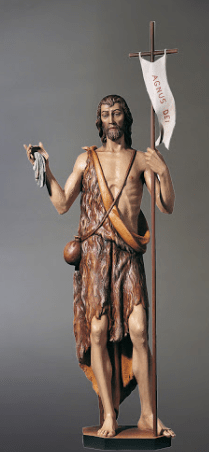
Today, June 24, is The Feast of St. John the Baptist, and therefore a public holiday in Florence. It is a day off for the general population, with schools and most businesses closed.

In Florence, a parade traditionally occurs at the city center, followed by fireworks in the evening.

This year, with social distancing, will be quite different:

On June 24, San Giovanni, the city’s patron saint, is usually remembered by the pomp and circumstance of a parade, the final of bombastic local sport Calcio Storico and a spectacular late-night firework display. For obvious reasons, crowds will not be cramming the streets this year. Instead, an impressive combined celebration is in the making by Florence, Genoa and Turin, who share a patron saint in St John the Baptist [read]. Florence will be illuminated by a light show instead of fireworks, lasting from sunset until midnight. Porta San Gallo, Porta alla Croce, Torre di San Niccolò, Porta Romana, Porta al Prato, Porta San Frediano, San Miniato al Monte and Istituto degli Innocenti will all act as canvases for the illuminations, but the highlight is likely to be three streams of light cast onto the lantern at the top of Brunelleschi’s Dome.

June 24 will be a day of culture for all, with free entrance to the Museum of the Palazzo Vecchio Museum (10am-3pm), the Bardini Museum and Novecento Museum (both 3-8pm). In terms of music, singer-songwriter Irene Grandi will perform in the Palazzo Vecchio’s Salone dei Cinquecento and Zubin Mehta will conduct the orchestra of the Maggio Musicale Fiorentino opera house in the Duomo.

St. John the Baptist (San Giovanni) is Florence’s patron saint. He was beheaded around the year 30 CE, having been a preacher and religious leader during Jesus’ lifetime. Baptism rituals in the Jordan River were an important part of his ministry. St John’s birthday is celebrated on June 24 in many churches.

Screen Shot 2020-06-22 at 13.42.49

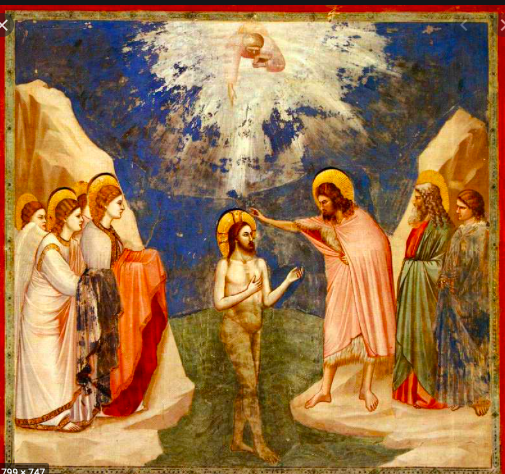
Images of St John the Baptist often depict him wearing a camel-skin robe and with a cross and a lamb. He is often shown baptizing people, particularly Jesus. Below is Giotto’s imagining of the event:

Screen Shot 2020-06-22 at 13.44.41

It is believed that the Cathedral of San Lorenzo in Genoa keeps relics such as John the Baptist’s ashes.  Florence’s cathedral also is said to own some of his relics.

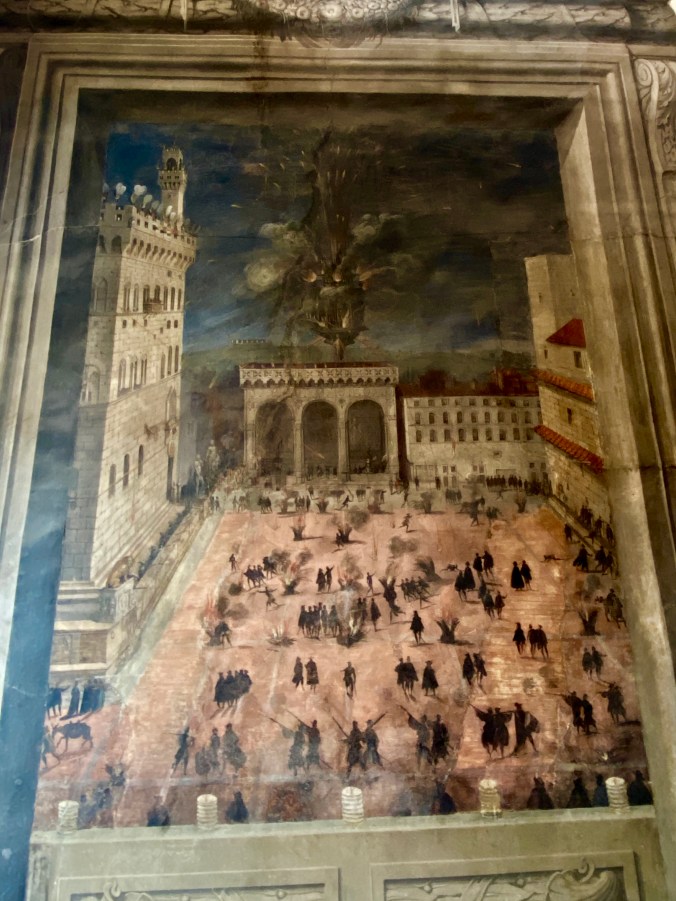
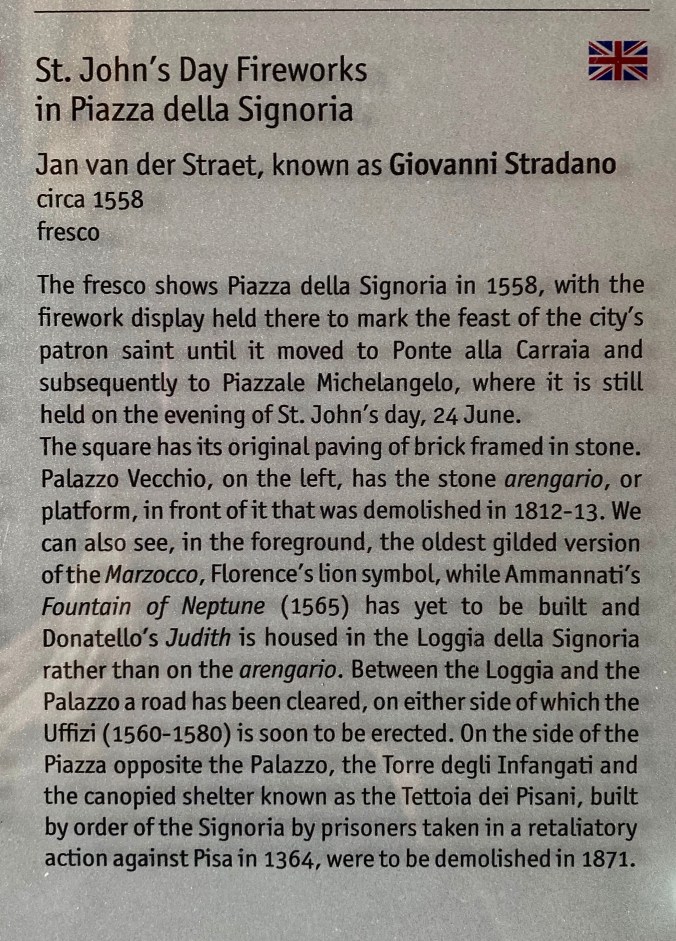
On my recent visit to the Palazzo Vecchio in Florence, I happened upon this interesting fresco which shows the celebration of St. John in the 1500s.  I guess this fireworks tradition is truly an old tradition.

img_6630


img_6629


img_6628


img_6627


So why is St. John the patron saint of Florence?
Well, it happened so long ago we really can’t know for sure, but there are some theories. After their conversion to Christianity (yes, that is how long ago we are talking), the Roman Florentines selected the patron saint that correlated to their original pagan patron, the god Mars.

To make conversion easier, Christians came up with a clever way of associating certain saints with a Roman counterpart.

St. John must have seemed pretty rugged, hanging out in the desert with his hairy undergarment, so maybe that’s why he got matched up with the God of War.

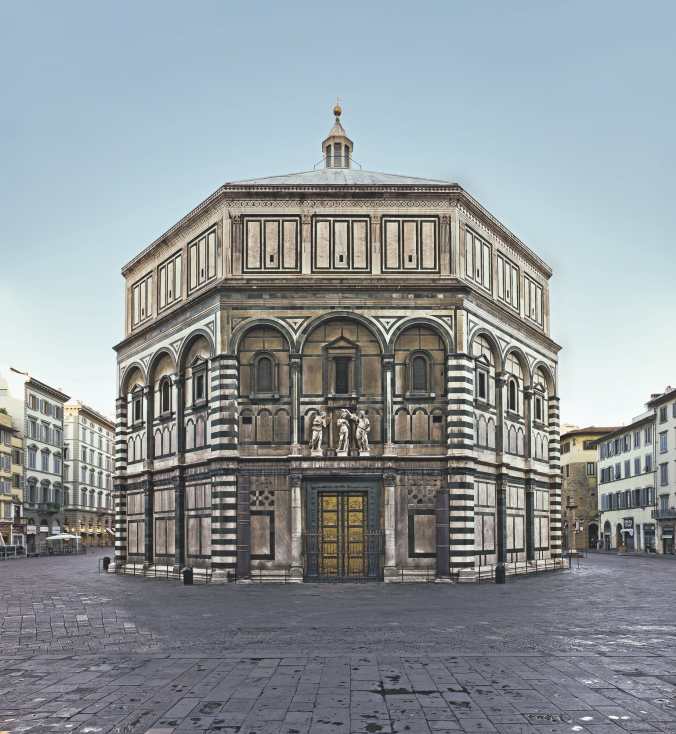
According to tradition, the new Christians then re-founded their main temple to Mars, what we now call the Baptistery, as a church to St. John. The dating is problematic, but we won’t get into that now. Let’s just note that Dante called the building the “beautiful San Giovanni.”

getImage.php

After the mid-13th century, St. John even decorated one half of the new Florentine coin, the florin.

Screen Shot 2020-06-22 at 13.47.42

It is understandable, then, that the feast day of Saint John has been celebrated in Florence from the Middle Ages and on. Traditionally, this holiday included festivities that lasted for as many as three days, corresponding to the European celebration of the Summer Solstice, which typically falls on June 21 – June 24th. Contemporary celebrations, however, tend to be condensed into one day.

So, every year on June 24th, –at least prior to Covid 19– the saint’s feast day, Florence (along with a few other pro-John cities) celebrates the feast of this great patron. The now single-day festival begins with a historic parade, which starts at Piazza Signoria and continues to the Baptistery, with an offering of candles for the Saint in his most sacred house. After the parade, there is a mass, which includes a public showing of the Saint’s relics (an event that only occurs on that day and hence is very holy).

June 24th ends with a traditional fireworks display in Piazzale Michelangelo. Crowds gather around the Arno for the best view of the hill and there is a general sense of merriment all around. These fireworks, called fuochi di San Giovanni, are pretty big and visible from quite a few spots along the water. It is a good show and a great end to a gorgeous summer day full of fun, parades, and costumes.

The Pazzi Chapel at Santa Croce

Part 6 of my recent visit to the magnificent Franciscan basilica of Santa Croce. You can find the other posts here.

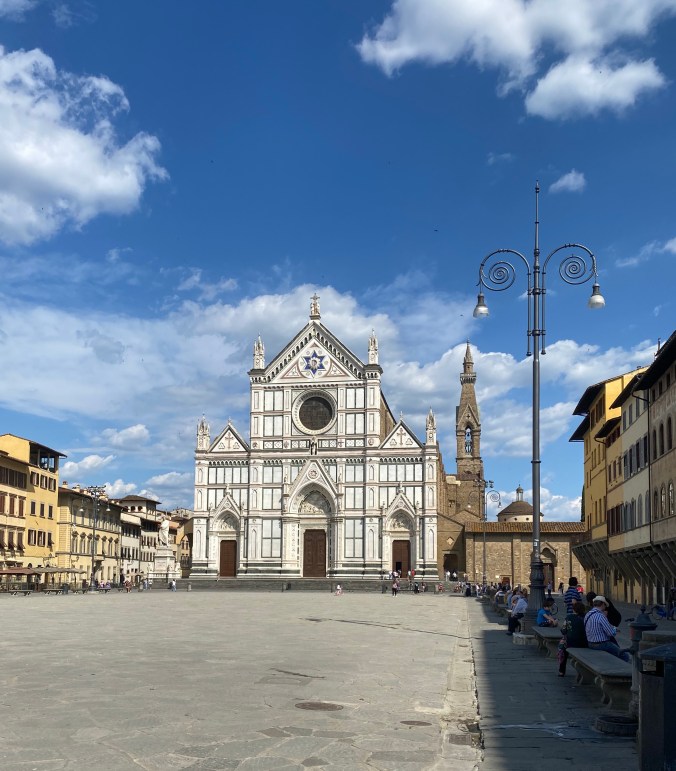
Check out Santa Croce from the front.  I wonder how long we can enjoy the city before the tourists return? Not sure, but I am enjoying every second of the city in its current, quieter state.

fullsizeoutput_348e


When you leave the interior of the church, walking into the cortile, you immediately see the splendid Pazzi Chapel.  The chapel wasn’t accessible yet when I was there, but even a look from the outside is enough to calm the soul.


8JlXcMXGRK+2d5B3fm9G3A

The Pazzi is seen in the plan below; note the circle in the plan and that’s the chapel. You can see how the green lawn in front sets it off.  Green grass is a rare commodity in Florence.


fullsizeoutput_34b6


fullsizeoutput_3480


5NCb63pHQ9qzr3EucBhSsg


5FelixgBRyGIUJVVspbFtg


vOVH4ftsRReNpD18NEX%yQ


f0+pdrvbSqutAPXb1Yst2g


n9xrLOGdTi+OmmtAN+MLQQ


Sm4IPF3nRkGufnv6lwXIUQ


bXVld1%JTFeTg8pWFHg


7VniUzNdRj2I36K81j9kiA


RhNZYjcCTN6nVK8hQeoyaw


A5IKIuoWQHSDdvASFLjGHQ

Santa Croce, Part 5, June 2020

We have finally reached the final stretch of my recent visit to Santa Croce.  For the past few days, I have posted similarly on other parts of the church (you can find the posts here).

First, this tomb commemorating Rossini:

tCCPqLXyQA+k2n24+2WbHw


Next up is one of the masterpieces of Santa Croce.  It is the tomb for Leonardo Bruni, created by Bernardo Rossellino:

mZpdjWGFTiCmxwq0gmRA2g

fullsizeoutput_347f


EsBdF4C9Q+CE5EPLoQtWHQ


LBl4U3uzSX6H1K2d6whfBQ


Then, the creme de la creme of sculpture in all of the Renaissance, in my humble opinion.  I adore this monument by Donatello.


fullsizeoutput_3485


fullsizeoutput_3489


9JeBp3xURHuwLPo2ttfArg


fullsizeoutput_348a


Moving further along towards the western end of the side aisle, we arrive at Canova’s tomb to Alfieri. I used to swoon for Canova and Neoclassicism.  I still like this sculptural work.

IN1cjypURZ+zEsYz%ygBOg


QC6ODowoQYinwtsFZTLrmw


dZz07b03Qd2VXi7fNJUBDw


And Dante, who was exiled and whose body is preserved in Ravenna.  In the 19th century he was given this cenotaph in the celebrity burial place of Florence, Santa Croce.


V4fBu4ERR1yhlFs7e0Q88g

I love the way the couple is admiring this monument in these pictures.

fTahUOhhSeWZ5Ru0E296UA


And then, of course, there is the tomb for Michelangelo, created by Vasari.

CNoxjAJuQ4i+BB7s+zCc0Q


r8RszXovRu+0rGxahkl9EQ


tLfnTI6pT1eOO2NxhEM+tQ


2uVoWJR4Q0uCa1bRFl0u6A


i45d1RziT9OqczLmTiCDaQ


x4iXrbjWQdKMcC5+keYe4g


And, upon leaving (or entering) the basilica, the font with holy water for the faithful is perhaps the most beautifully wrought example of its kind:

Q7N2qqCoTLu5F1zGLbRP4Q


YwHeHDdjTDaDZIG+h3ZFJA


i8JASWvMRfelVFVSXRjj+g


2zxIXRXsRzWKWjUs7GGnTg


FYM5tF4ZSV2dn+wjRY%K+g


Niccolini tomb on the western wall, between 2 portals.

U8V4O7zbS2OcMLKtIQCzJg


fullsizeoutput_348c


NxdyE98IQTudKE7oytapnA


Santa Croce, part 4, June 2020

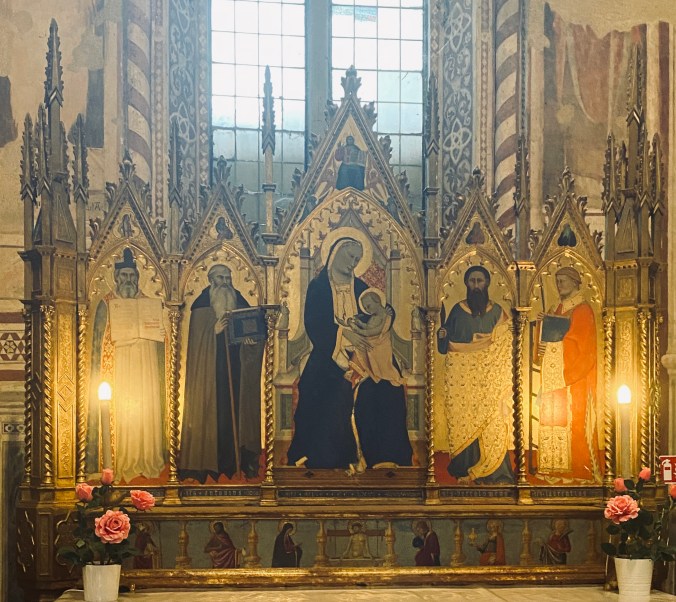
Following the recent reopening of this Franciscan basilica, I continue with my first visit of the church (for parts 1, 2 and 3 see here).  We begin here at the east end of the basilica, in the chapels to the right of the Peruzzi Chapel:

fullsizeoutput_34b6


KtRzaByKQvye1a6rtU+Rrw


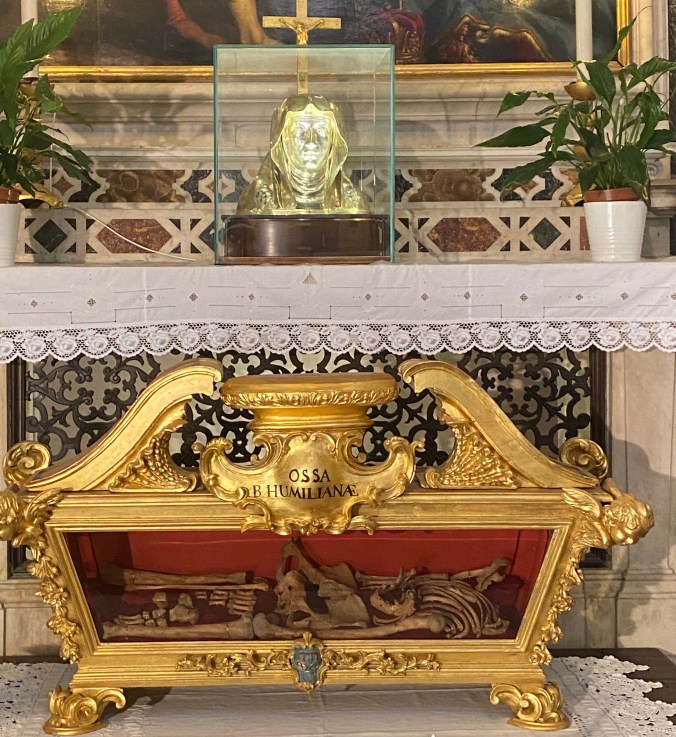
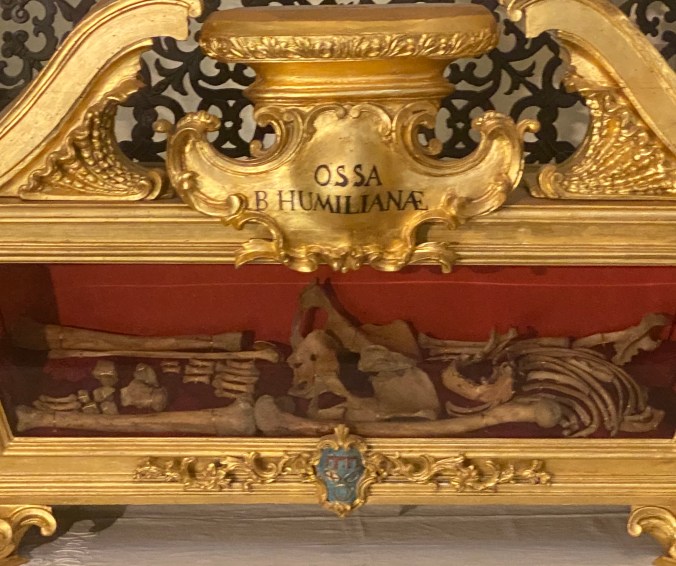
Below is a major reliquary.  I find this aspect of the Roman Catholic Church so strange.

fullsizeoutput_346f


fullsizeoutput_3471


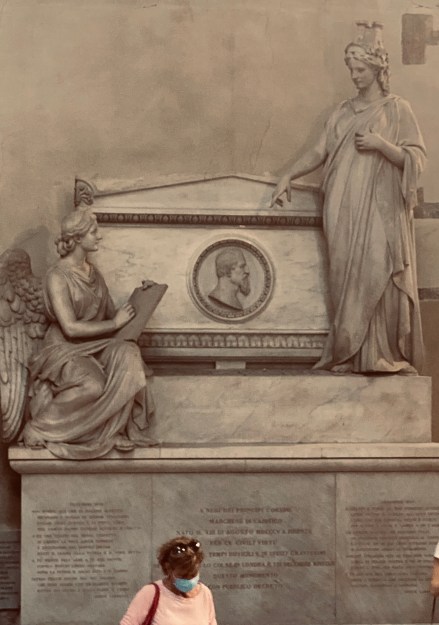
Looking west from the eastern wall, I see this neoclassical tomb.

fullsizeoutput_3473


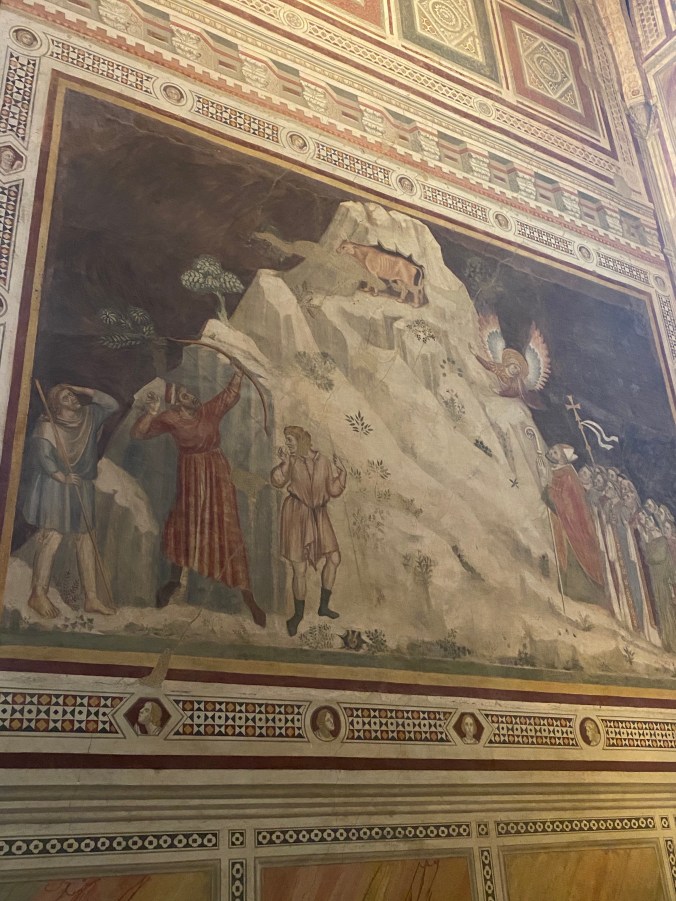
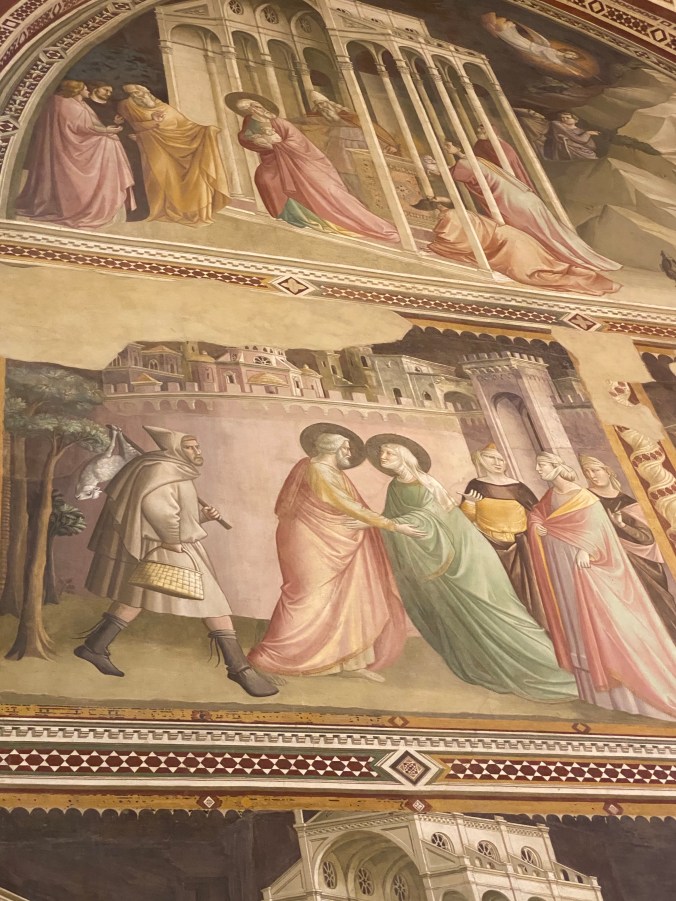
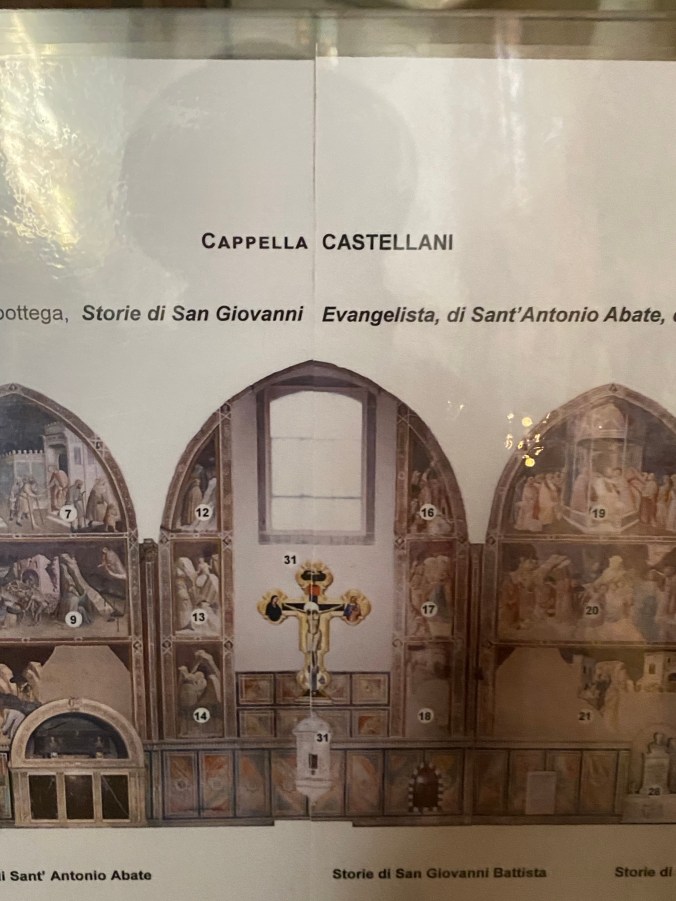
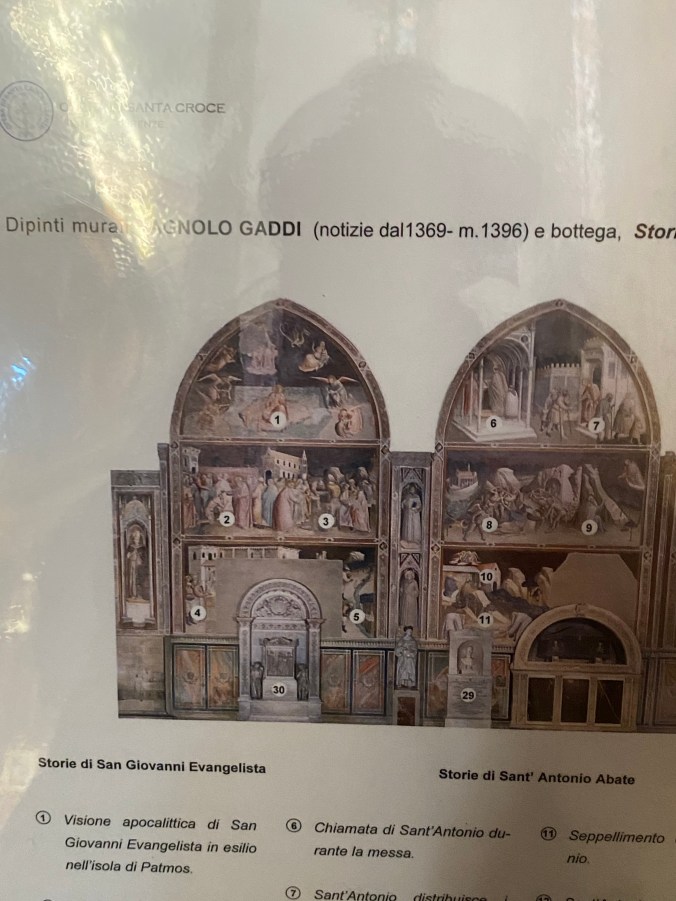
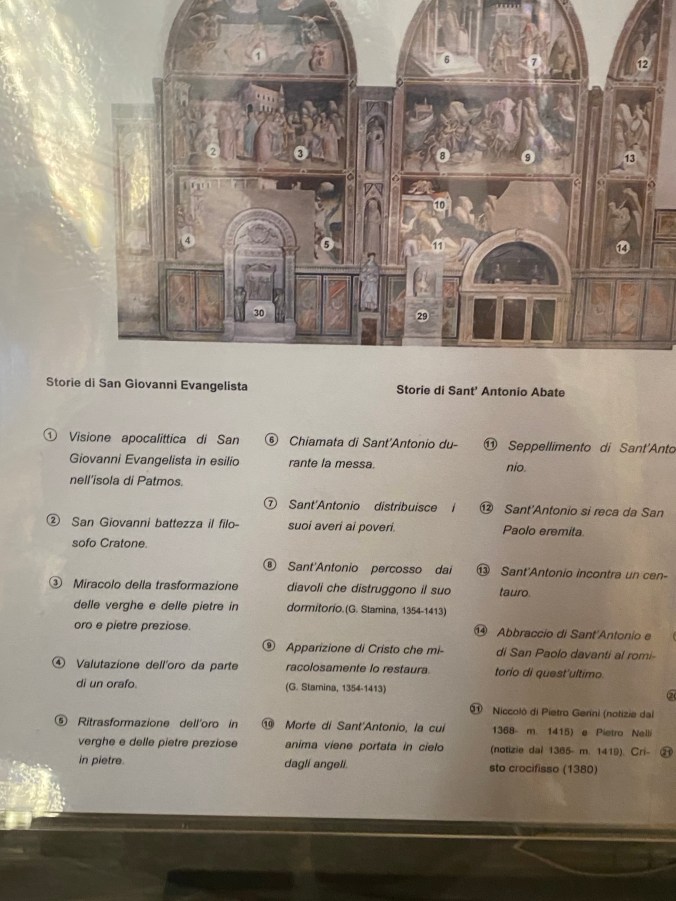
Castellani Chapel by Agnolo Gaddi and his workshop:

eIKdYzYVQoafhbe0AuTBgA


fullsizeoutput_3475


fullsizeoutput_347a


viyZGciWSF2GXb3U3t5dkw


fullsizeoutput_347b


fullsizeoutput_347d


jm40Eki2TpatpIT7oi8mbw


cdUDYZzRRa+ePrKLMxzaSw


Ougdn8MmQMi%DMAhb5roEw


LEYfucfcRVOioiXbntzuFw


Ev8v80KaSB+FoayKWR52jw


8xejta0JTguM6JZ95S2BlQ


IeeIKByBTbGEdDys5WP5wA


yO2mVXHwTN2tkCr2et+xUw


TugNgI7iSdK50aamCjaV6A


tsoyYC3SQtKQvaCc7QV1Aw


Iy9y9RCuRDWDt73fwXlqig


7Kd4vBB4R8mQ90QeoyrmvQ


rhej2NSsSaKPsjjMOuWZqw


PfHys3x0SBCDoMZTmXgq0g


5WSW7AVpRbW8a8sQRMxU0g


Santa Croce, part 3, June 2020

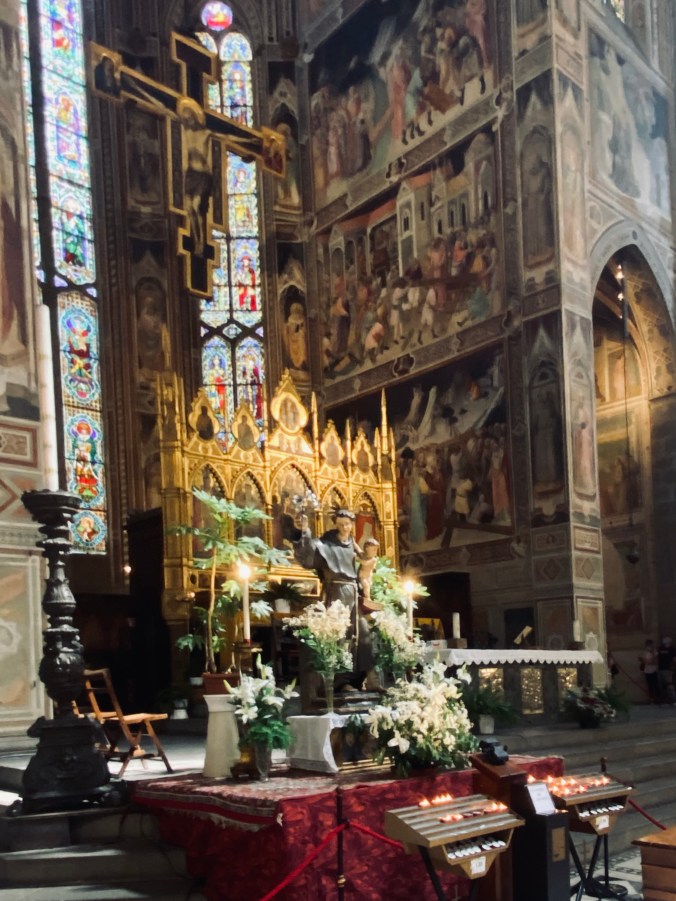
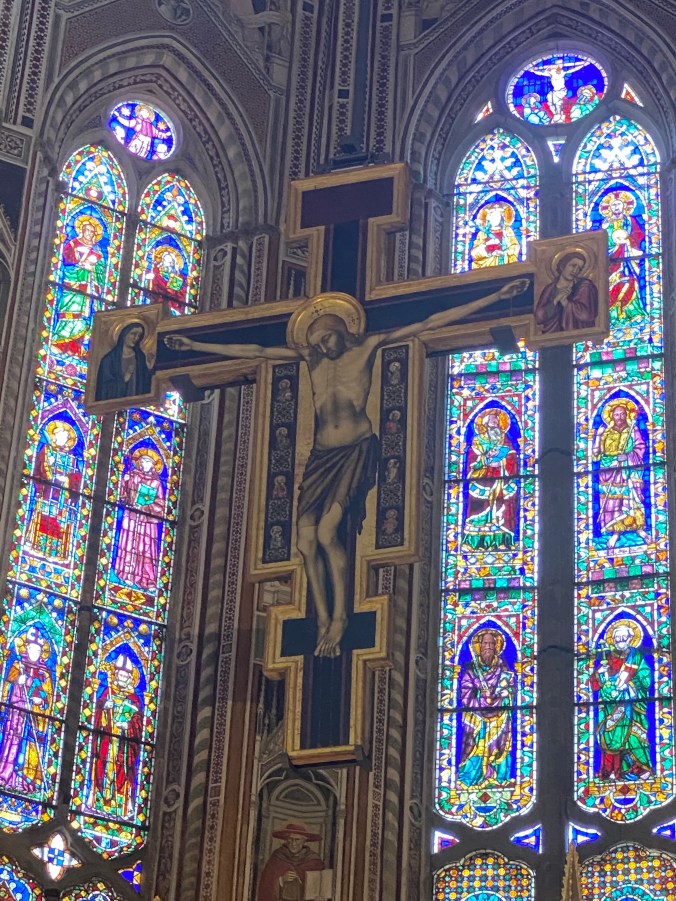
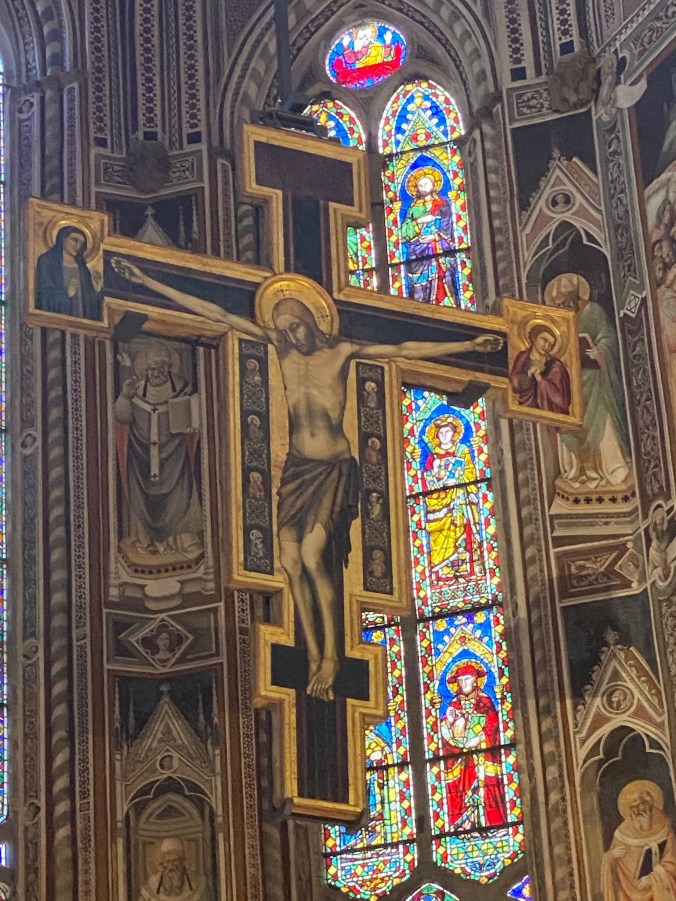
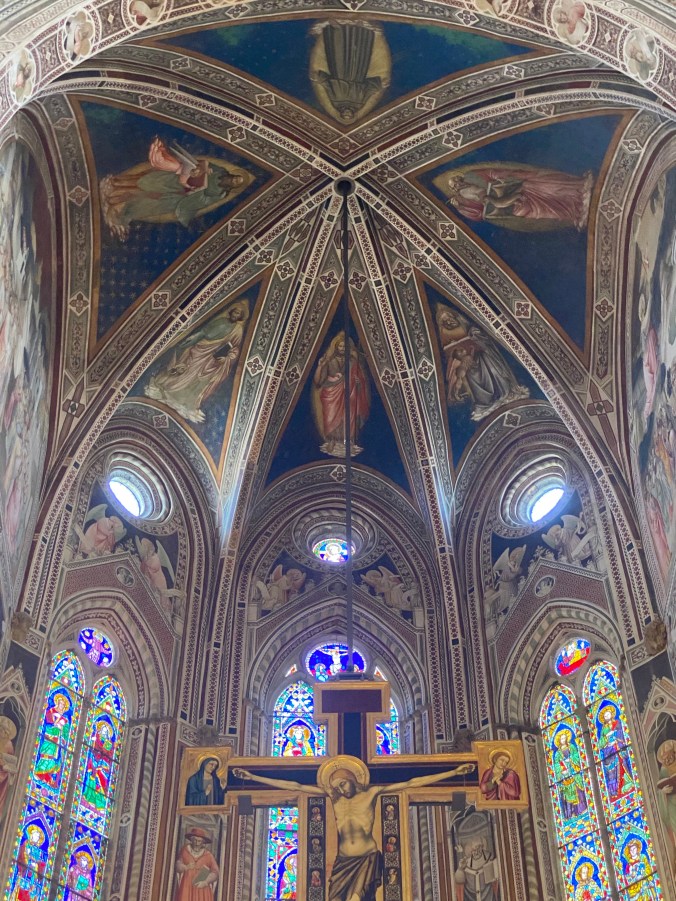
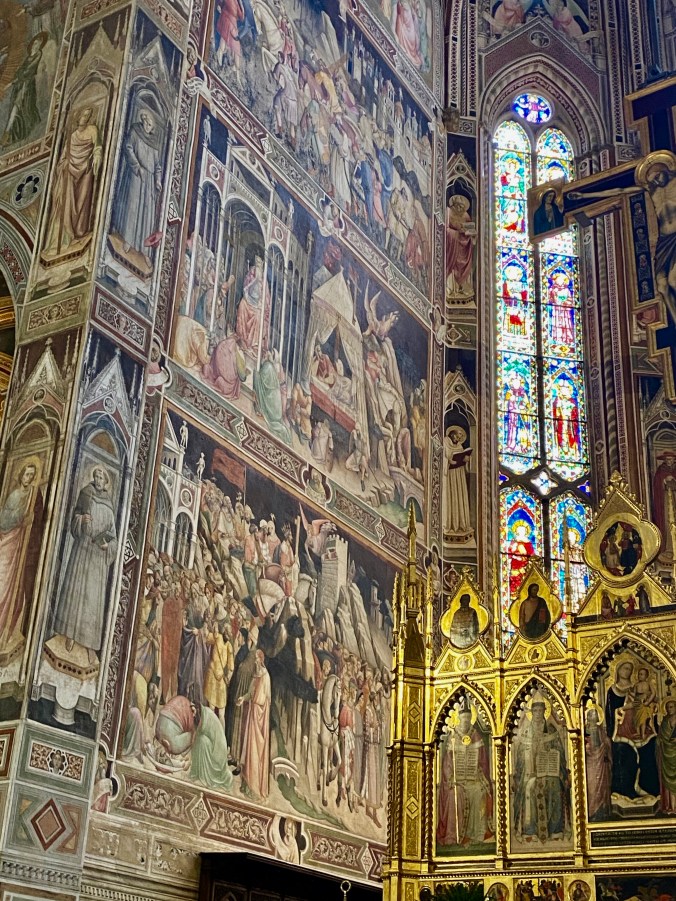
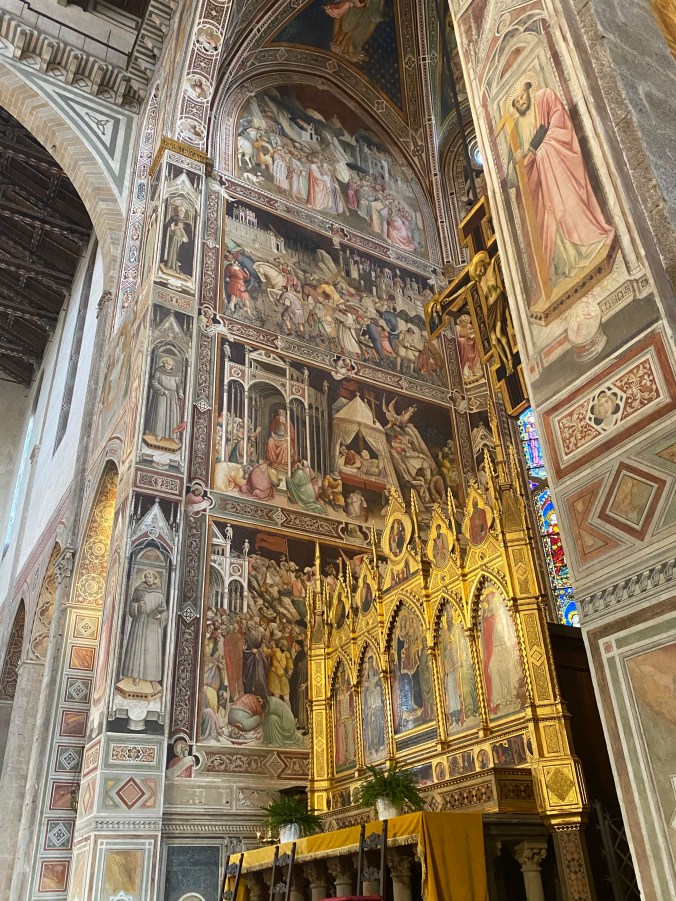
Following the recent reopening of Florence’s major Franciscan basilica, this is part 3 of my first visit of the church (parts 1 and 2 are here and here).  We have reached the altar end of the basilica and here it is in all its glory!

fullsizeoutput_3415

fullsizeoutput_34b6

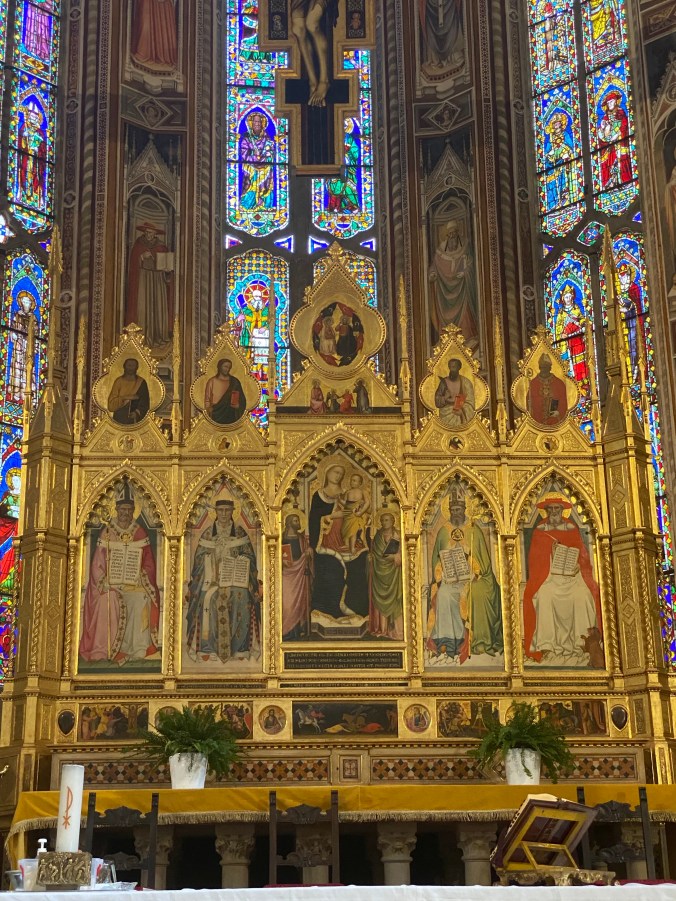
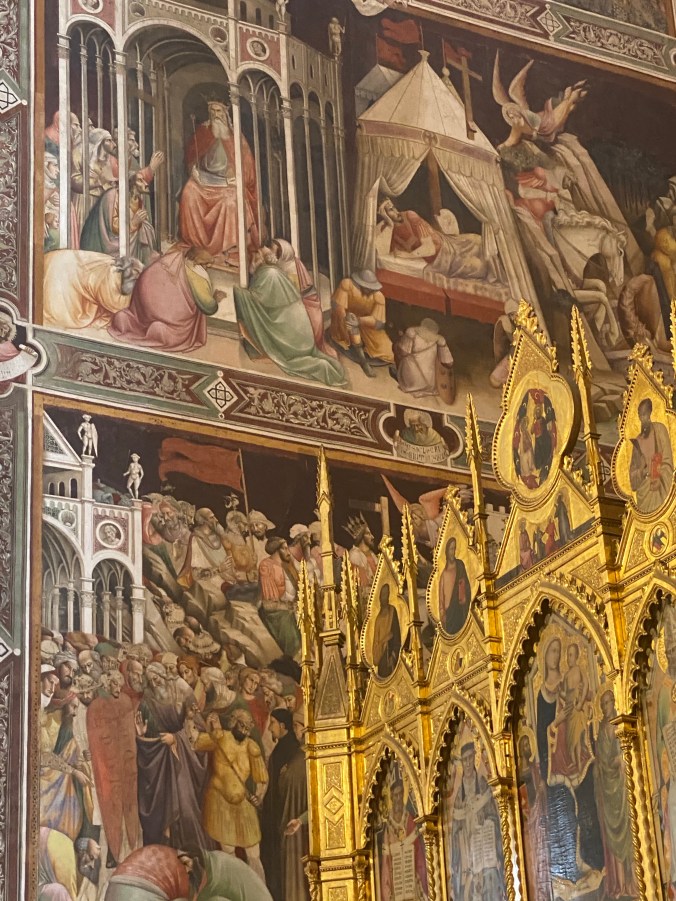
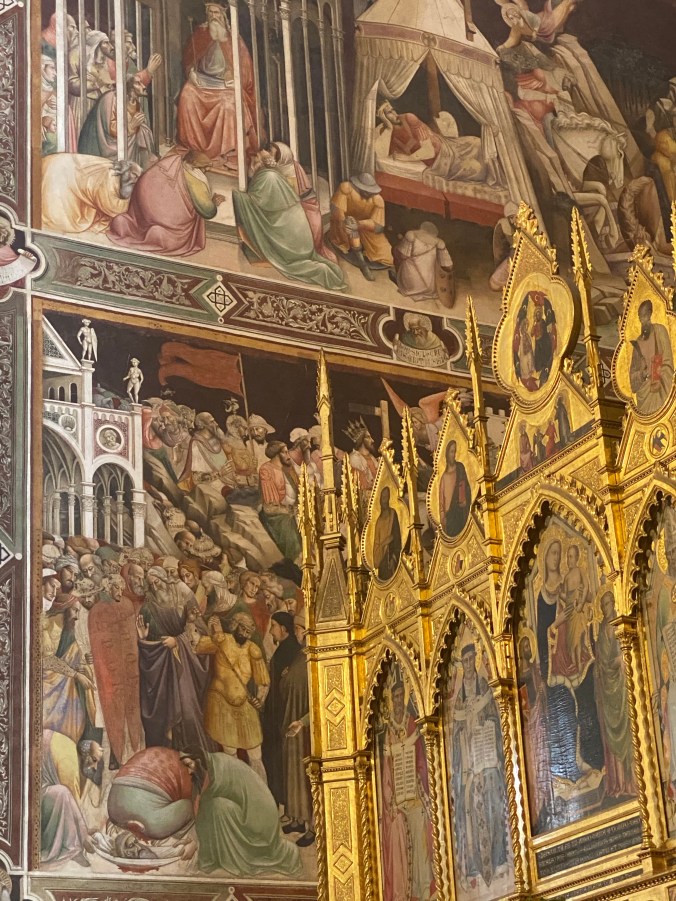
First, let’s have a detailed look at the altar in front of the apse:

fullsizeoutput_3463

w+OYYTNMQ6+yk6ErcEezNg

9sqA1xi6Qr6cSLEBnVRvYg


grsCH98+Qd6PjWbspjoOEQ


nrbh3wPzTFW4cQAmlDJ9cQ


hcfVzOi0RGK0HUWZgeoqcw


pFySFus3QACk7+G1xZF42Q


BvWpSEIYQUejGMCfveLJ8g


fullsizeoutput_35ac


fullsizeoutput_35ae


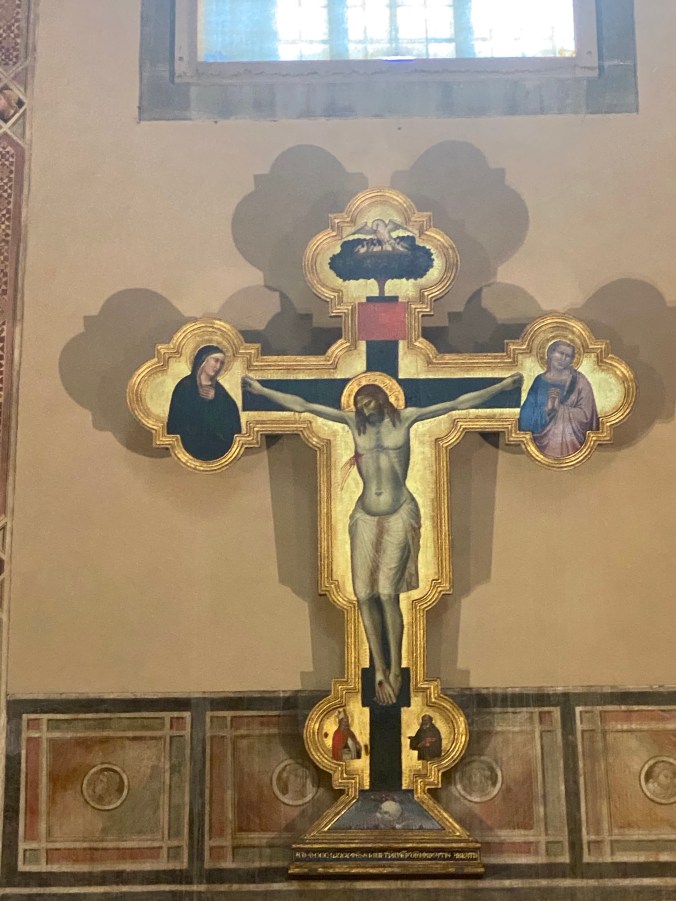
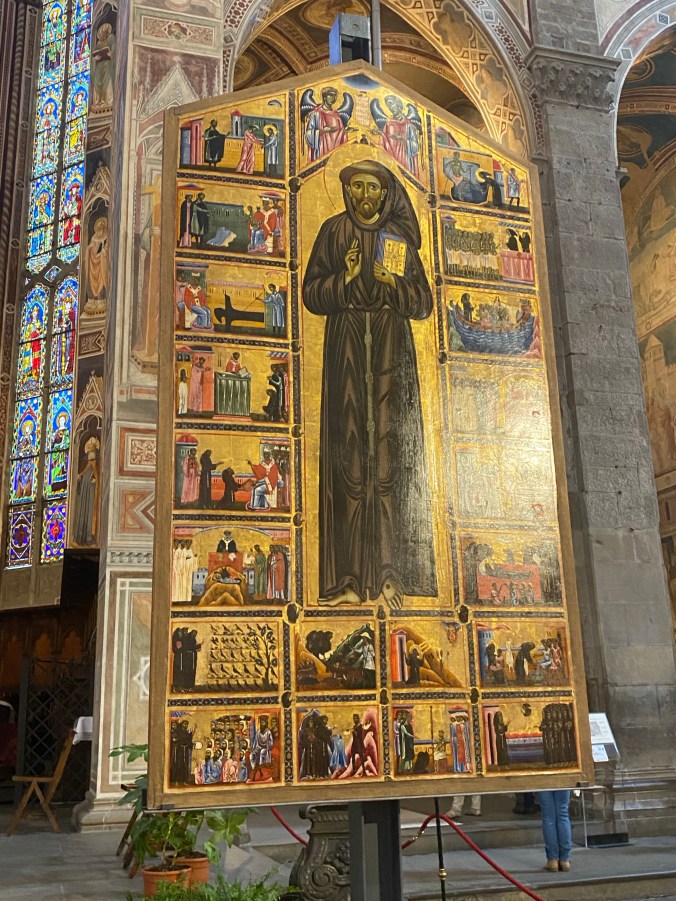
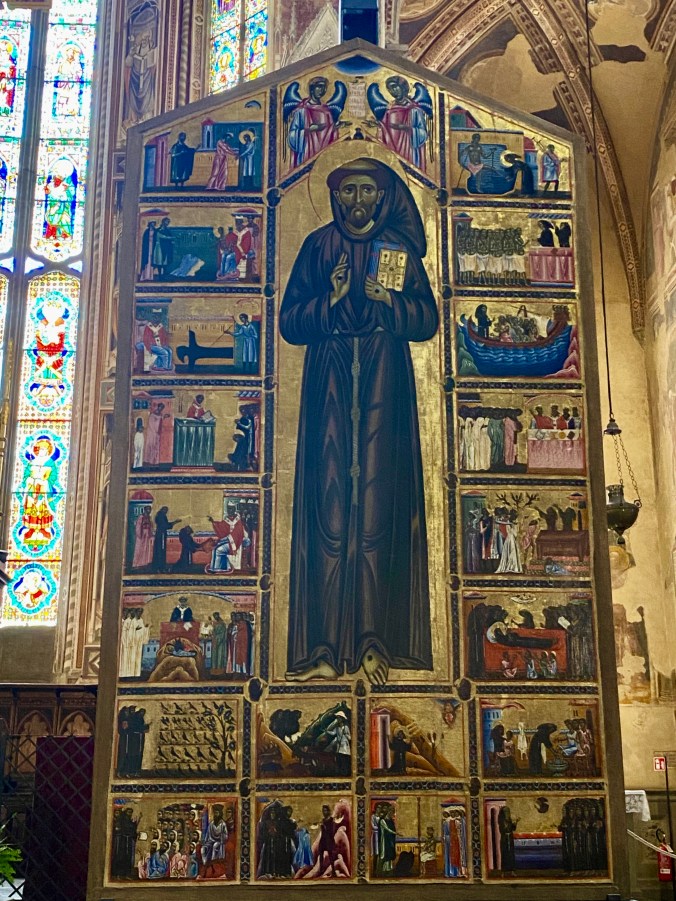
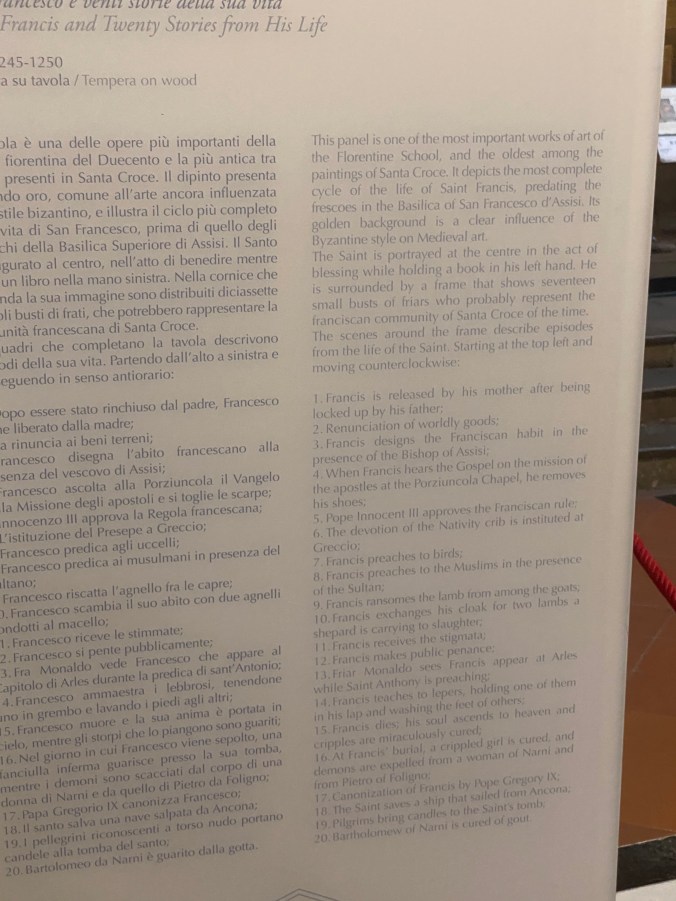
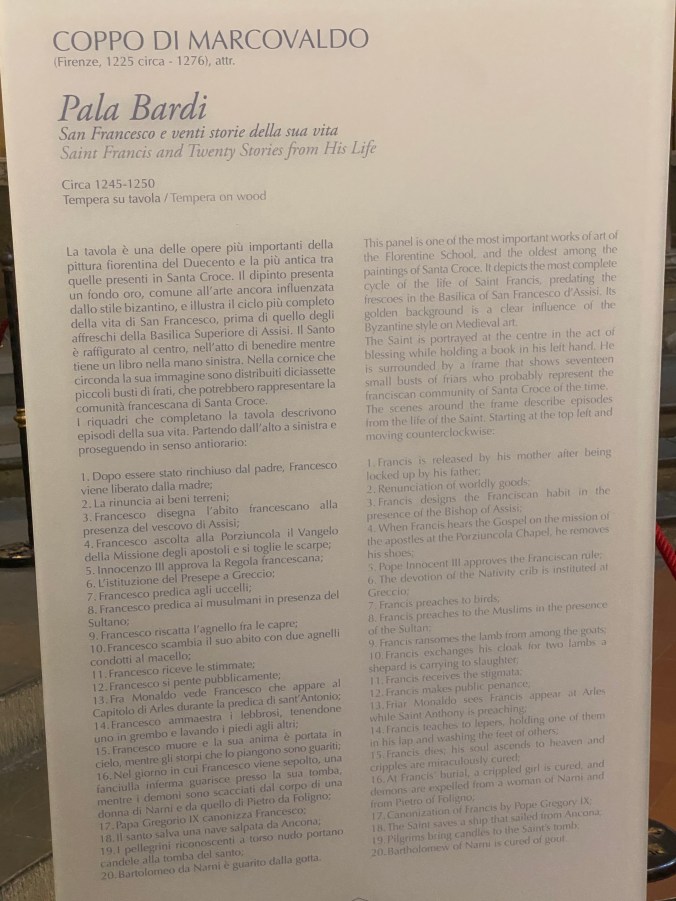
Also on display near the altar is this incredible Medieval painted altarpiece depicting St. Francis and scenes from his life:

o367pnJuS%q%+RilpCT1qA

fullsizeoutput_35b9

W60coa6fQKKci4WteWxXIQ


0njb5nLXSk2ZjPAK9EX+mw


OcVx7%YWRJ28sCLRada%Sw


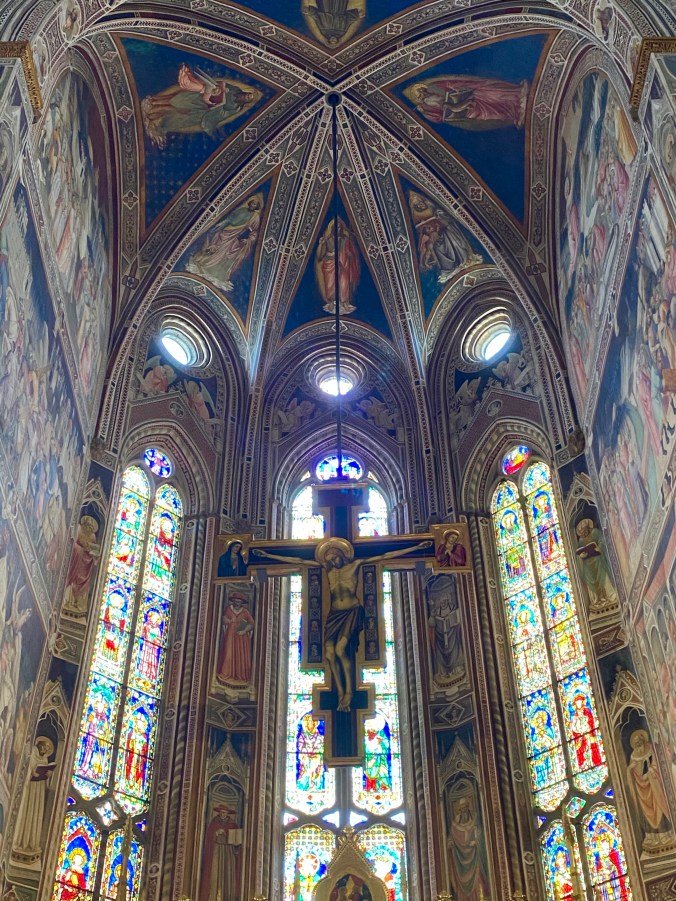
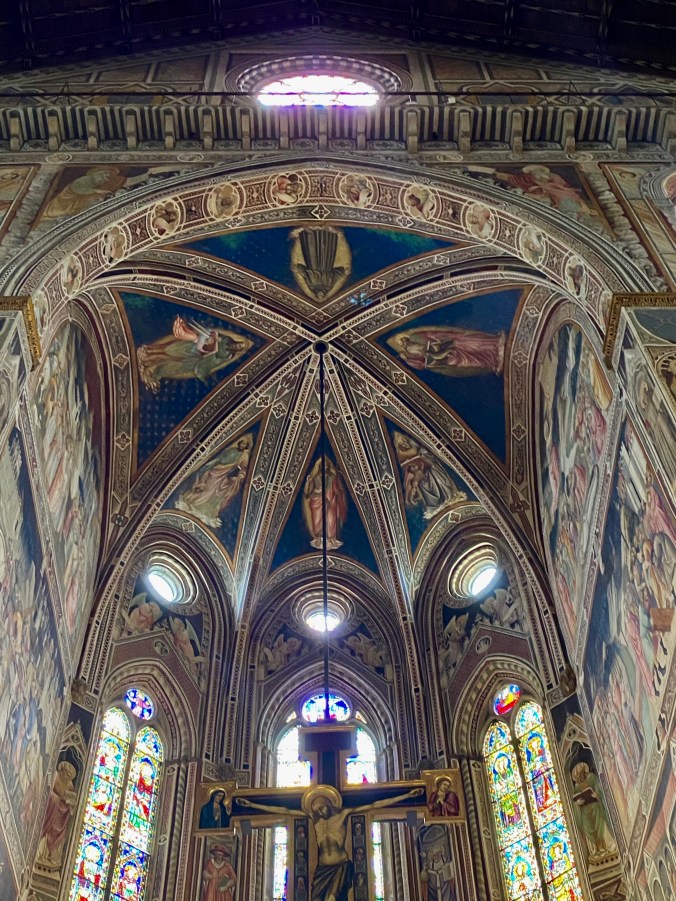
I will be writing a post on the frescoes in the main chapel behind the altarpiece.  Right now, they have it roped off and I couldn’t get into it to take decent pictures. Looking into the apse area behind the main painted altarpiece:

fullsizeoutput_35b2

ELV5QTKsQAaXxcfZ6tTPuw


F0Cn3NiKQy2RTLmo6AJTGg


AAn8LQCiTbKpbEZY3G66Xg


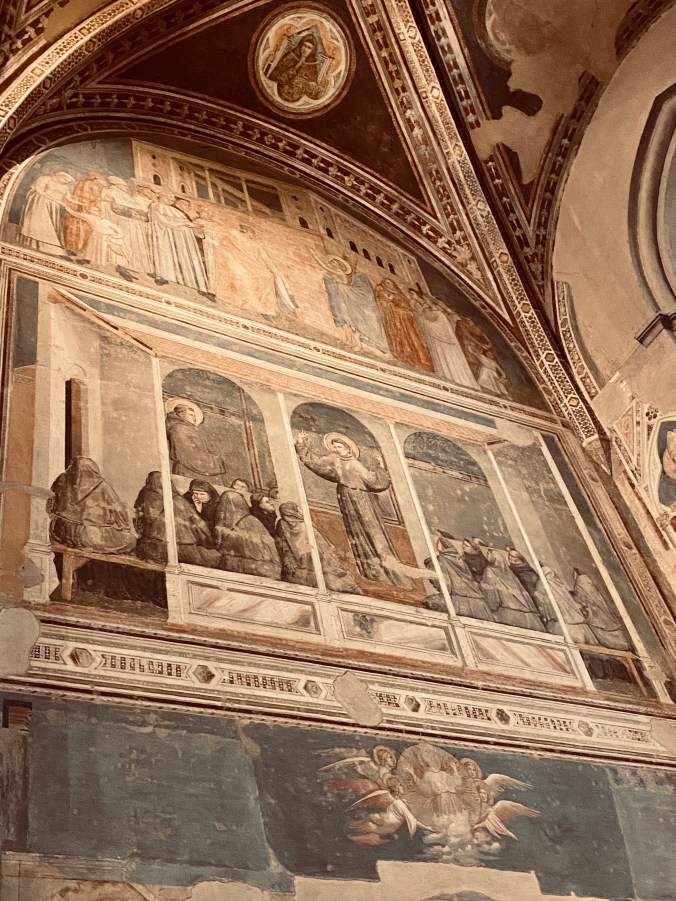
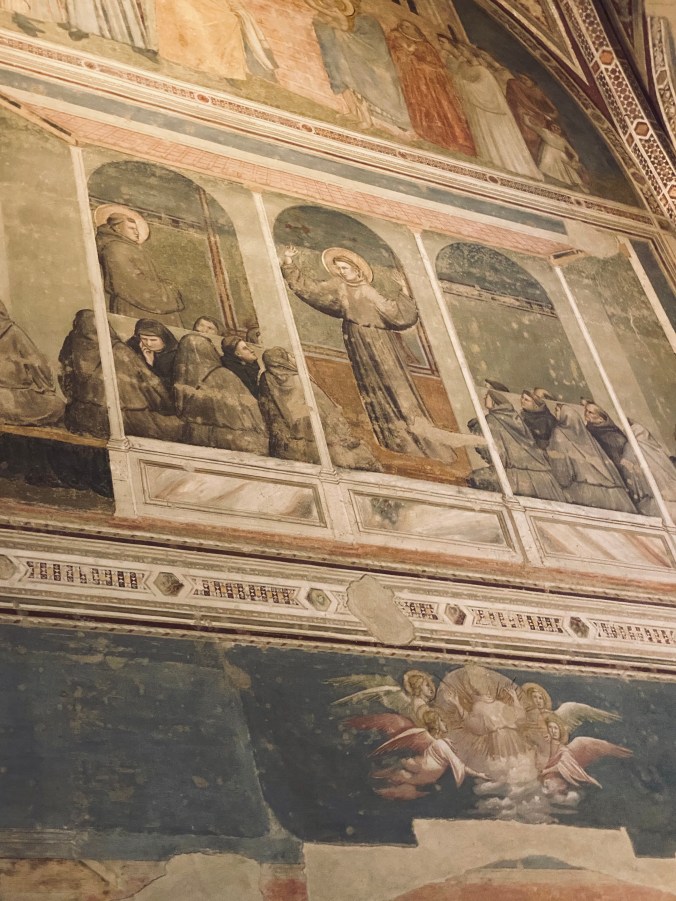
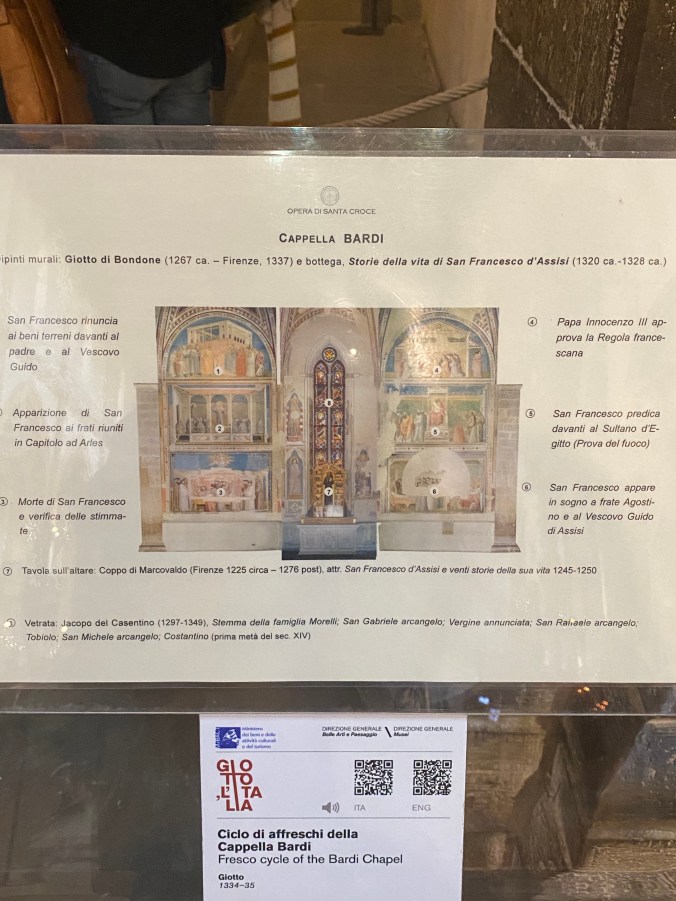
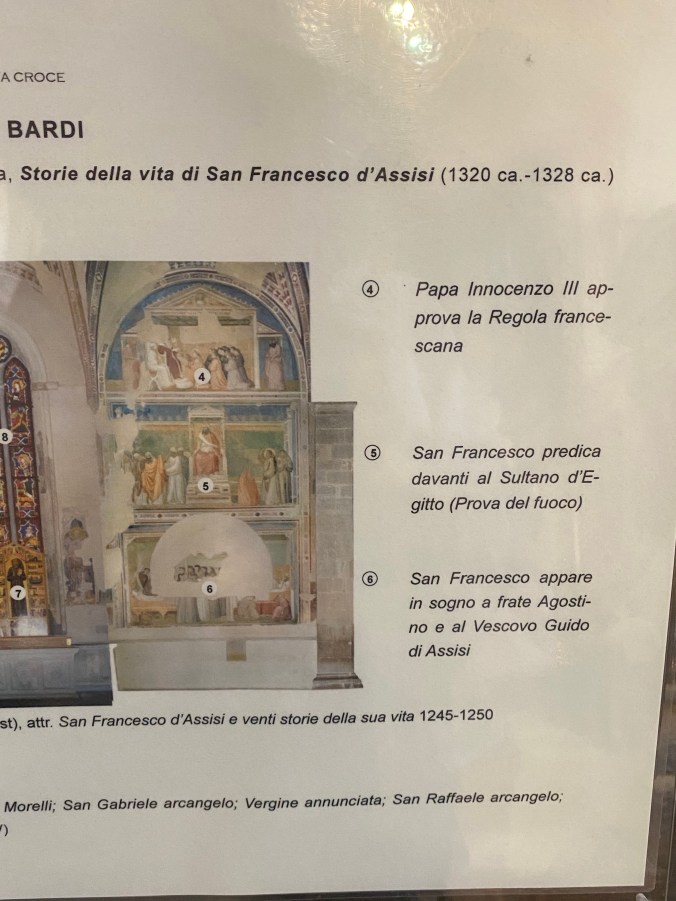
OK, so now we move into the big leagues as far as art historian are concerned.  Two of Giotto’s major works are to be found in adjoining chapels in Santa Croce.  They are the Bardi and Peruzzi family chapels. The first one is the Bardi chapel, depicting scenes from the life of St. Francis:

TgAsfx7uTI2J8I5aSzkFPw


fullsizeoutput_3465


fullsizeoutput_346a


A3GGNPlFTcOxHAPfSACDfQ


fullsizeoutput_346e


R+QJSvklTGm7fJpRBPSMag


w%2smJeLTyek4Bax6EoUrQ


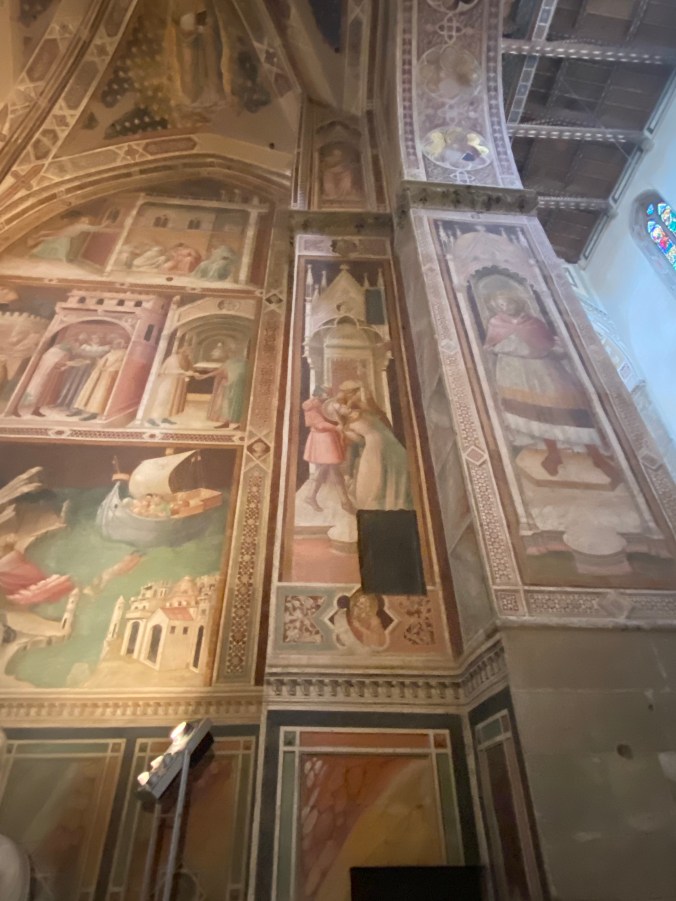
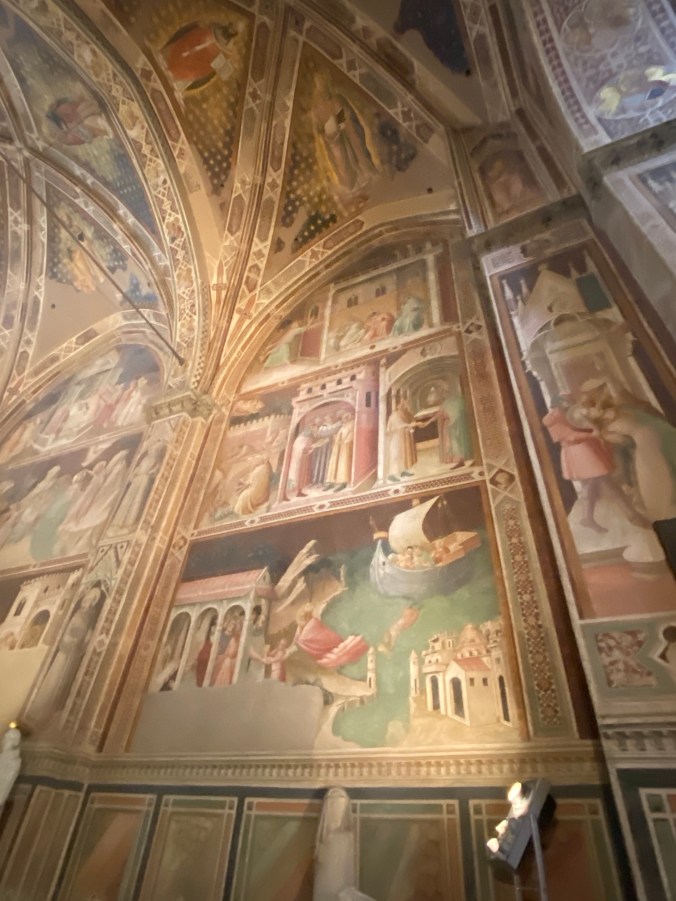
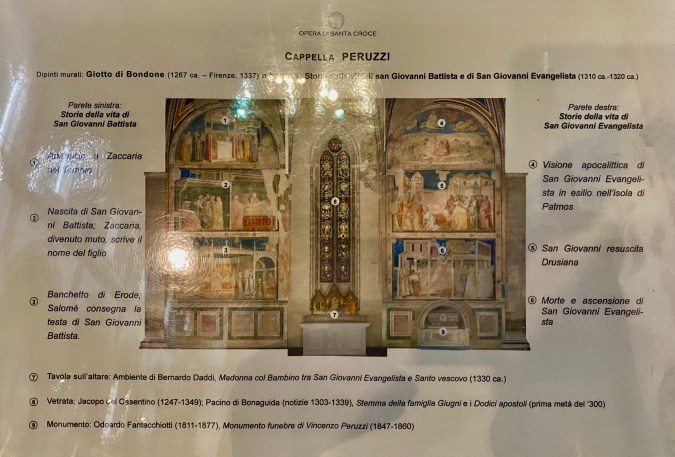
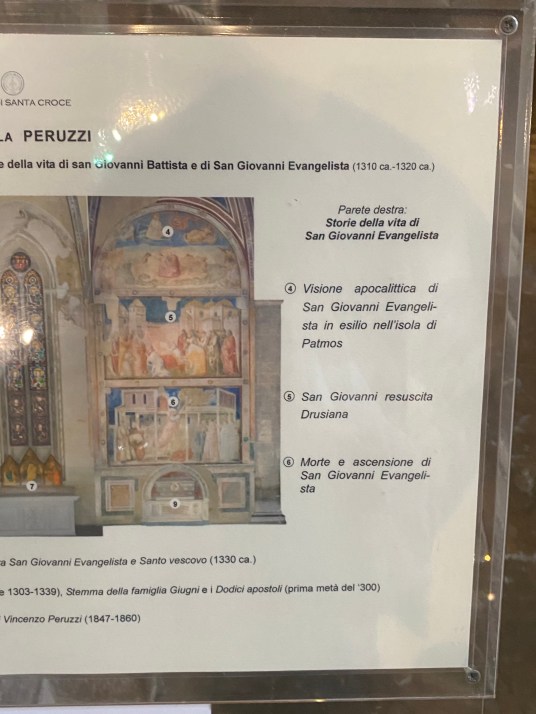
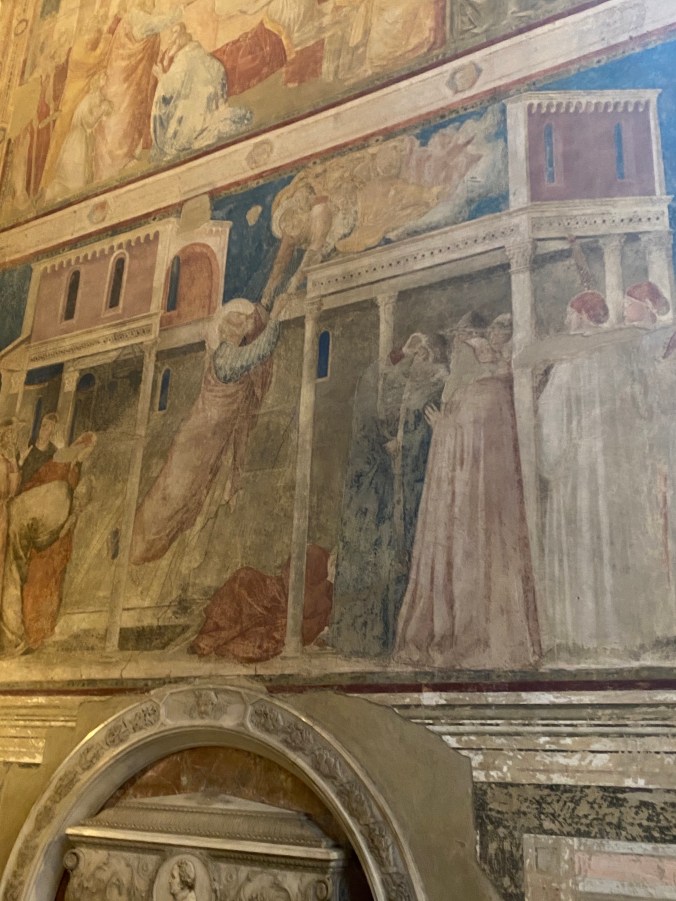
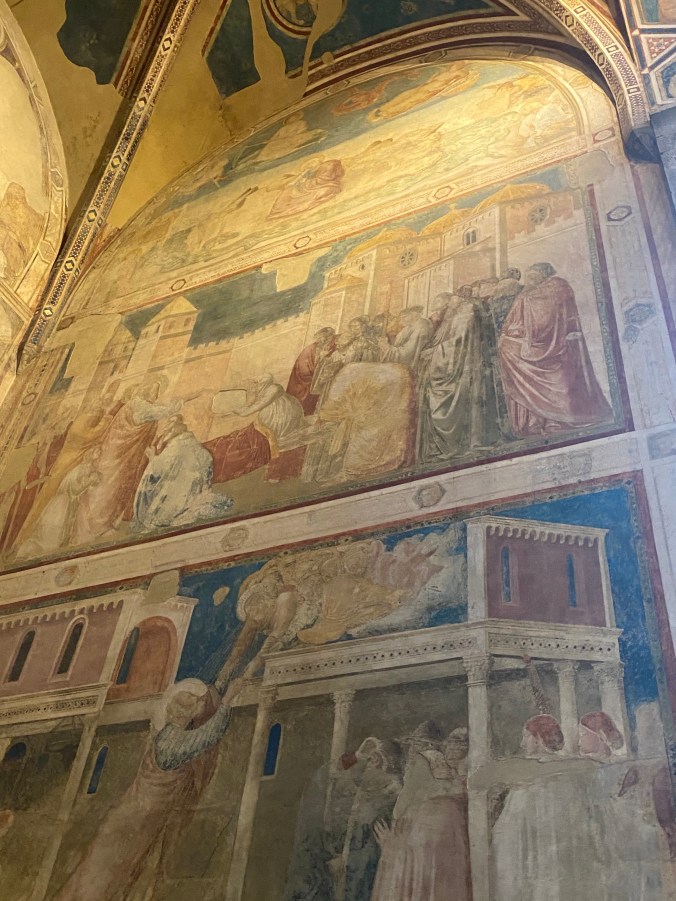
And now, the Peruzzi Chapel. Sadly, the frescoes are in very bad condition, having been partially painted a secco by Giotto, which means the true fresco technique did not allow the colors to become a part of the wall.  Plus, the frescoes were badly abused over the centuries, sometimes even being covered with white wash.

fullsizeoutput_3649

8CJ0AdReShezDQ2lkt766w


X9ReF8MKSWCMnjMzy%LaPQ


QEFtFX3VTYGq7D1qtvbrMw


WTu6Z8bcQGy9giICm+A1IA


G3rnjXtSQe66rINIb7lQQA


jojawYVYQq23%5JU9fSoSA


fullsizeoutput_35dd


fullsizeoutput_35df


fullsizeoutput_35e1


fullsizeoutput_35e3


fullsizeoutput_35e5


fullsizeoutput_35e7


fullsizeoutput_35e9


fullsizeoutput_35eb


Here’s an overall view of the 2 family chapels next to each other on the east end of the church. The Bardi is to the left, under the stained glass window, and the Peruzzi is to the right of it:

OZEgILRvT92C4hfo8XgQaw


Santa Croce, part 2, June 2020

Following the recent reopening of this Fransciscan basilica this week, I continue (see Part 1 here) with my  visit of the church following the quarantine.

fullsizeoutput_3415

Below is a plan of the church.  My tour is coming from West to East along the north side of the basilica.

fullsizeoutput_34b6


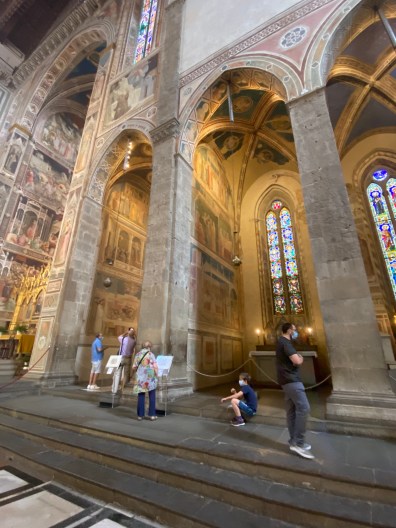
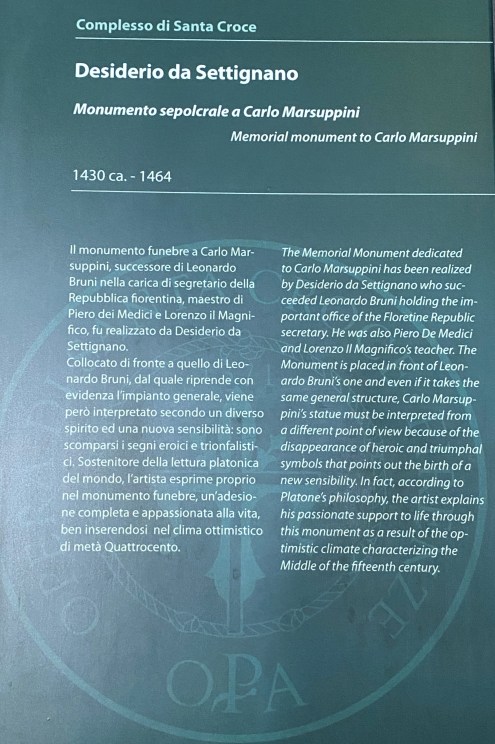
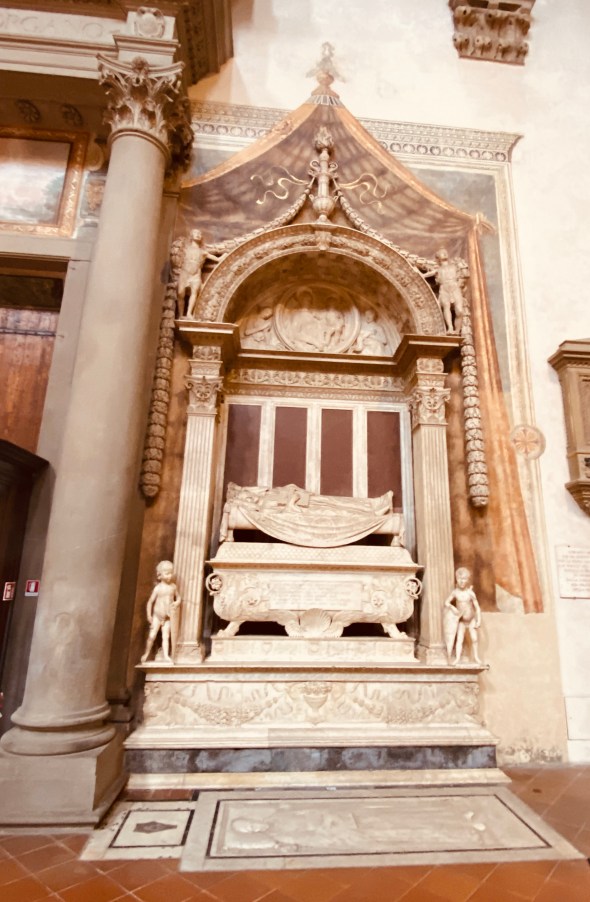
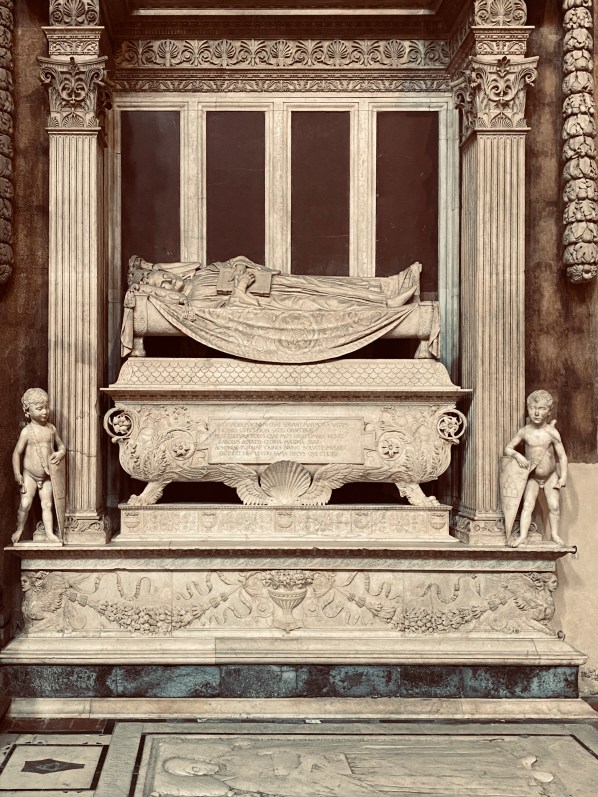
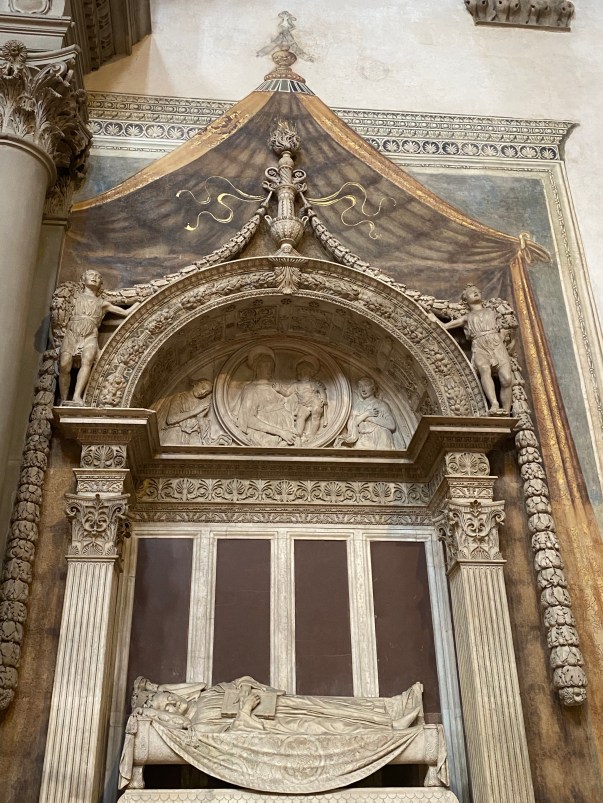
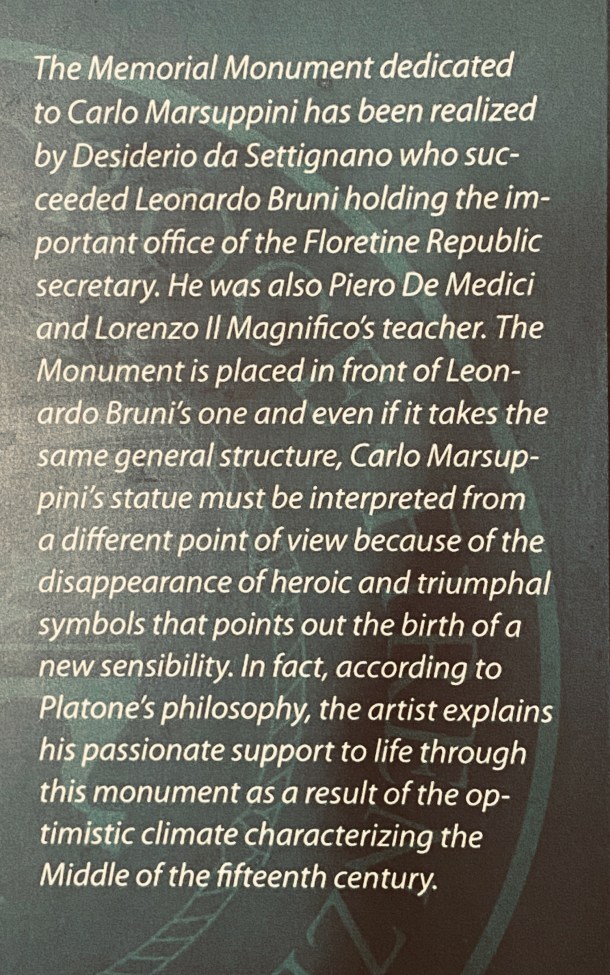
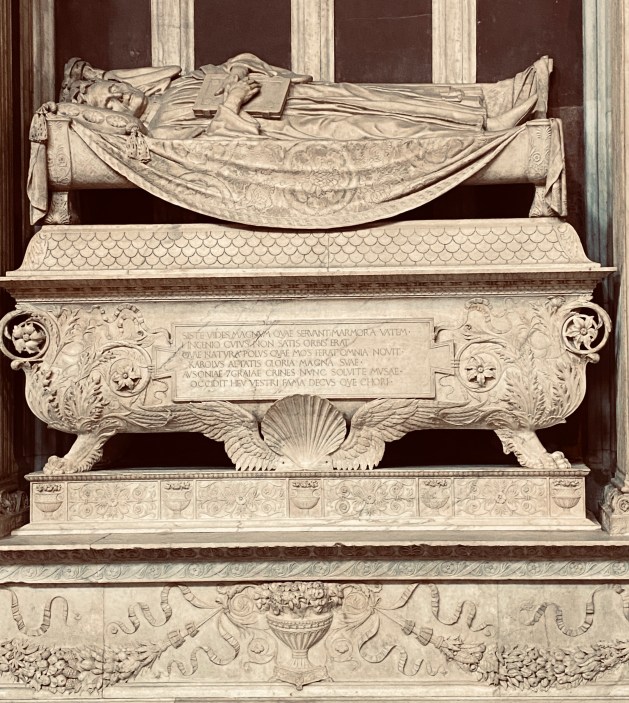
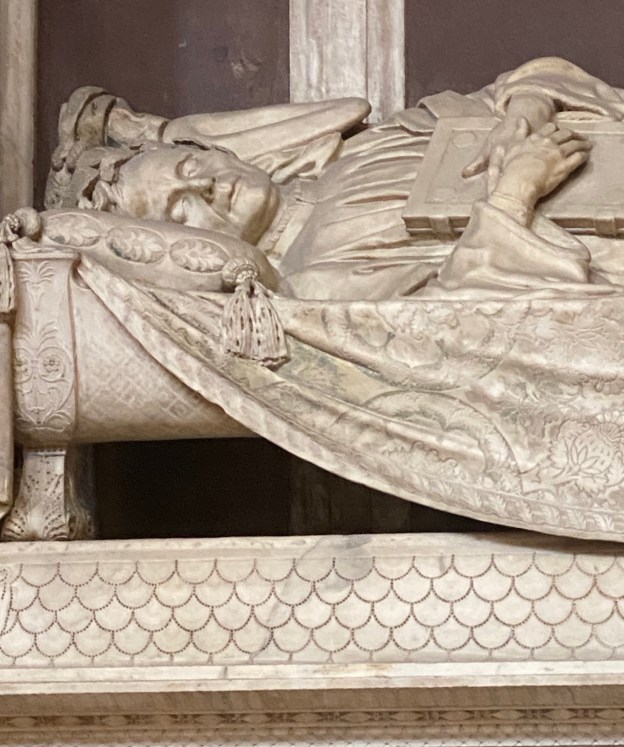
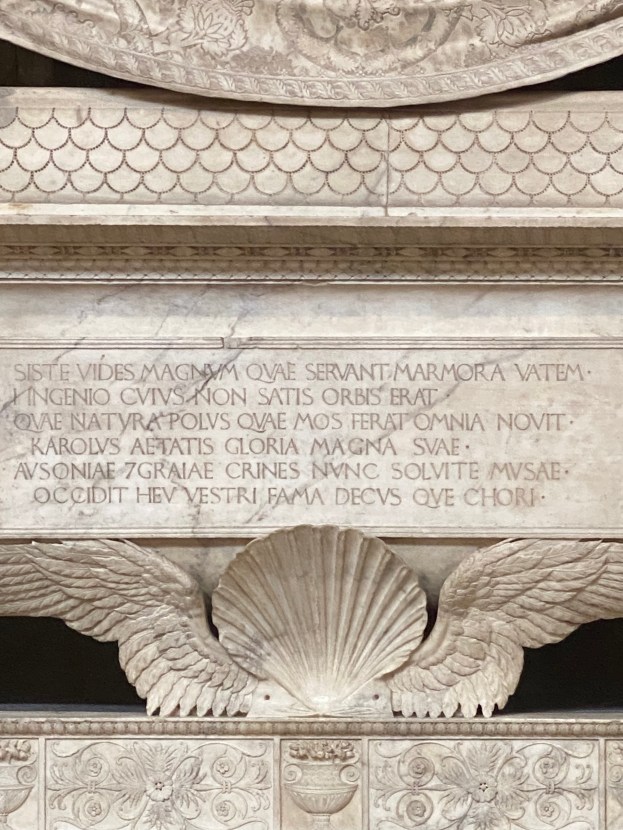
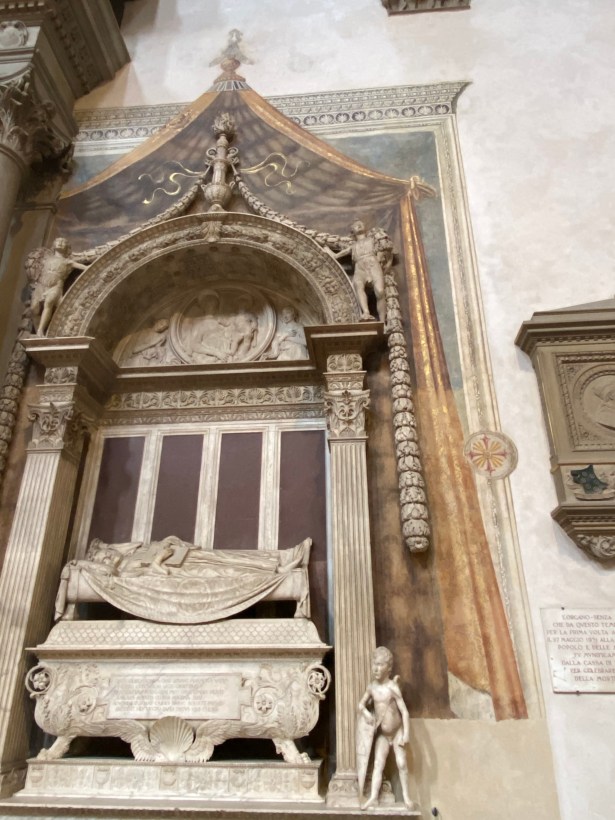
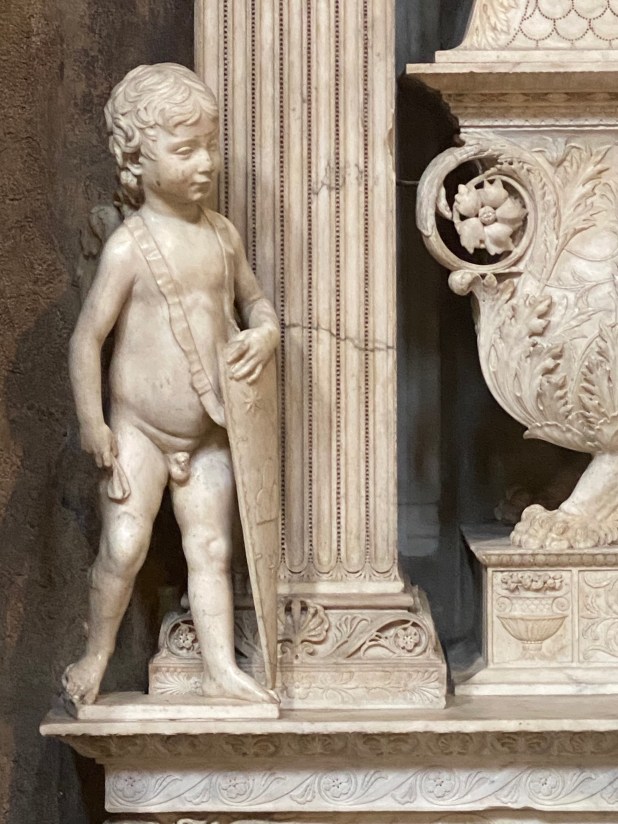
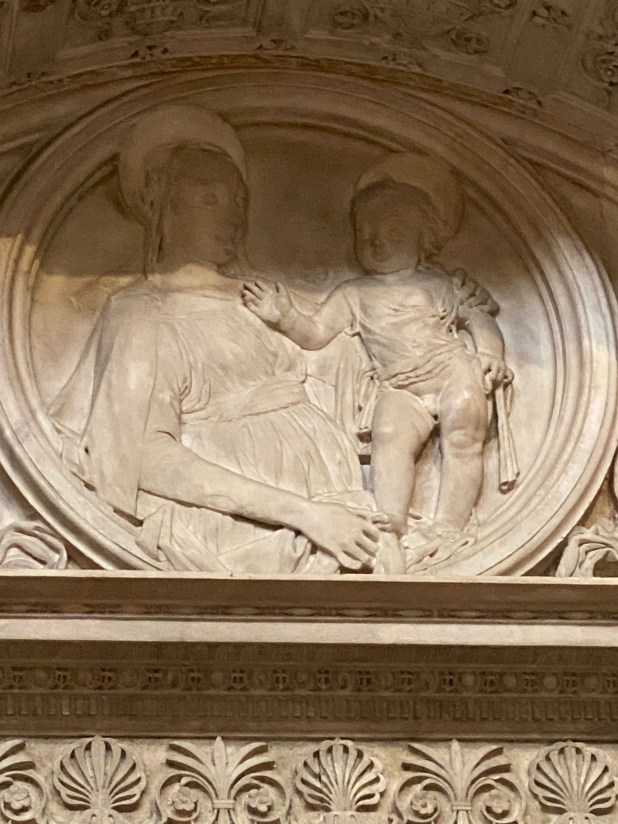
Below,  I pick up my tour from the almost at the crossing. The first work on this tour today is Desiderio da Settignano’s tomb for Carlo Marsuppini. Santa Croce is rich in artworks and this is one of the best. Try as I might, these pictures do not do the tomb justice.

fullsizeoutput_3434

fullsizeoutput_342a


fullsizeoutput_342b


fullsizeoutput_3430


fullsizeoutput_3431


fullsizeoutput_3438


fullsizeoutput_343b


fullsizeoutput_3444


fullsizeoutput_3445


Gm6dleT5QSeMLqfCkTsxig


5rZ5wdNQSIOwerjMCqkmTw


c4WWPA%JQTGVZkth5mHcpg


YfgzpDlUTtCvIw2wOAO7gQ


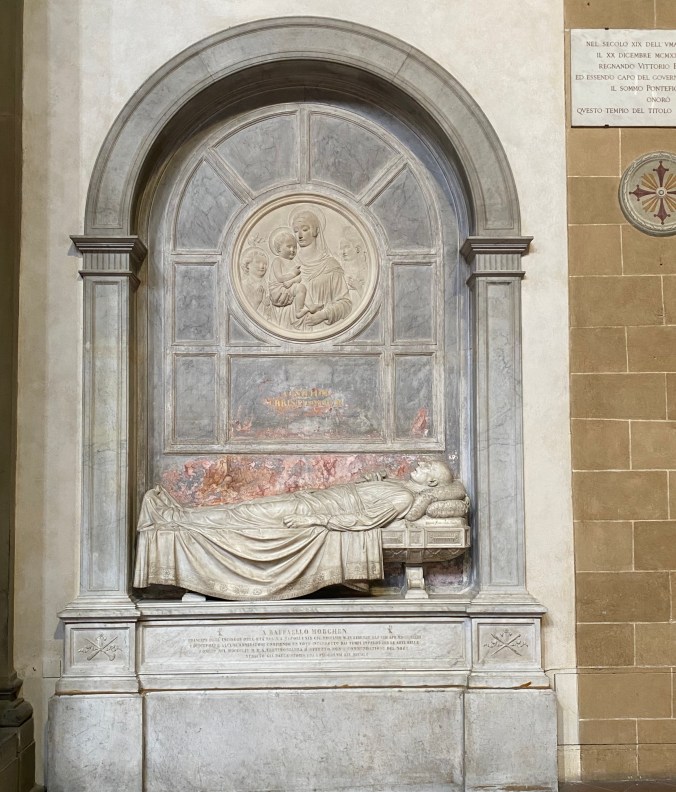
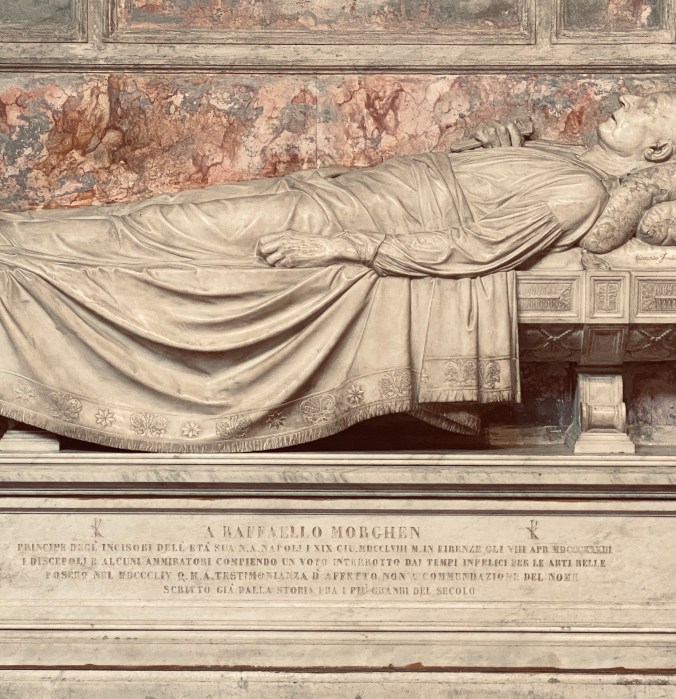
Moving on to the next tomb on this side aisle, we have the monument to Raffaello Morghen, by Odoardo Fantacchiotti (1809-1877). Morghen was a celebrated engraver of Leonardo’s Last Supper in Pinacoteca Repossi. Morghen died in Florence in 1833.

fullsizeoutput_344a


fullsizeoutput_344e


6xOeiYPgReGZoXZiR1rCpg


fullsizeoutput_3451

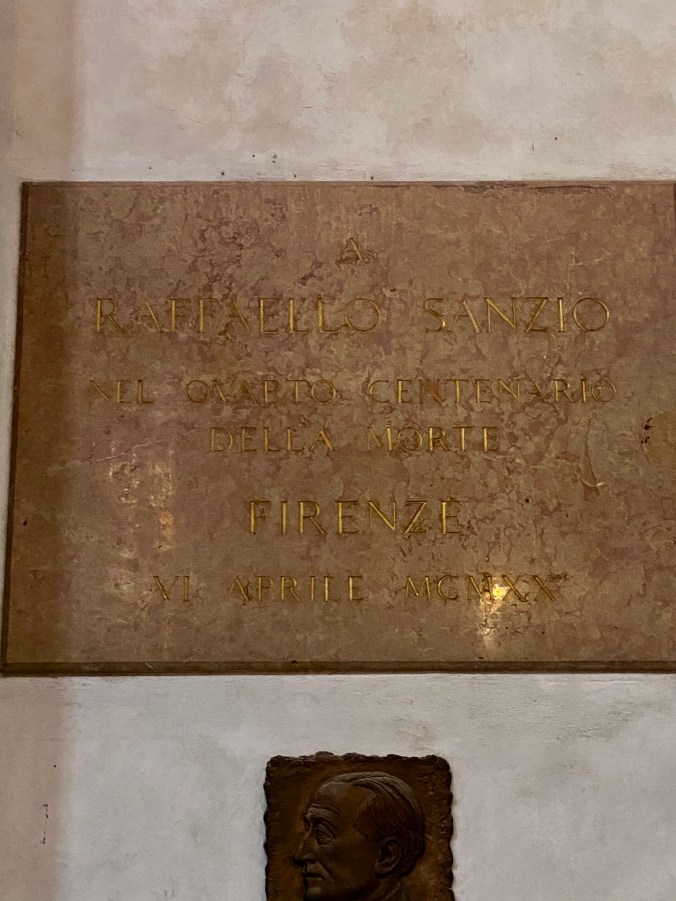
Next is a plaque honoring Raphael.  It commemorates the 500th anniversary of his death.  His tomb in in the Pantheon in Rome.

fullsizeoutput_33c4


There is more to come.  Watch this space.