
Full disclosure: I took this pic from my Facebook feed. Isn’t it wonderful??
Full disclosure: I took this pic from my Facebook feed. Isn’t it wonderful??
Think of Italian music and you are likely to start humming this classic pop number: Nel blu depito di blu. Or, as it is more popularly known: Volare.
“Nel blu dipinto di blu” (literally “In the blue that is painted blue”), popularly known as “Volare” (meaning “To fly”), is the iconic song recorded by Italian singer-songwriter Domenico Modugno. Modugno and Franco Migliacci wrote the song together an edit was released as a single in 1958.

So here it is, the original song by the songwriter himself, in the 1950s, on the Ed Sullivan Show:
And now for your listening pleasure is the same song, reworked by Gianna Nannini. I love the song in both of its forms!
Buon ascolta!
And then, when you want to know the lyrics in Italian (first) or English (after), here you go:
Volare, oh oh…
Cantare, ohohoho…
Nel blu dipinto di blu
Felice di stare lassù
E volavo, volavo felice
Più in alto del sole ed ancora più su
Mentre il mondo pian piano spariva, lontano laggiù
Una musica dolce suonava soltanto per me
Volare, oh oh…
Cantare, ohohoho…
Nel blu dipinto di blu
Felice di stare lassù
Ma tutti i sogni nell’alba svaniscono perché
Quando tramonta, la luna li porta con sé
Ma io continuo a sognare negli occhi tuoi belli
Che sono blu come un cielo trapunto di stelle
Volare, oh oh…
Cantare, ohohoho…
Nel blu degli occhi tuoi blu
Felice di stare quaggiù
E continuo a volare felice
Più in alto del sole ed ancora più su
Mentre il mondo pian piano scompare negli occhi tuoi blu
La tua voce è una musica dolce che suona per me
Volare, oh oh…
Cantare, ohohoho…
Nel blu degli occhi tuoi blu
Felice di stare quaggiù
Nel blu degli occhi tuoi blu
Felice di stare quaggiù con te
Flying, oh oh…
Singing, ohohoho…
In the blue painted blue
Happy to be up there
And I was flying, flying happily
Higher than the sun and even higher
While the world was slowly disappearing, far beneath
A soft music was playing just for me
Flying, oh oh..
Singing, ohohoho…
In the blue painted blue
Happy to be up there
But all the dreams fade away at dawn, because
While setting, the moon takes them away
But I keep dreaming in your beautiful eyes
Which are as blue as a sky quilted with stars
Flying, oh oh…
Singing, ohohoho…
In the blue of your blue eyes
Happy to be down here
And I keep flying happily
Higher than the sun and even higher
While the world is slowly disappearing in your blue eyes
Your voice is a soft music playing for me
Flying, oh oh…
Singing, ohohoho…
In the blue of your blue eyes
Happy to be down here
In the blue of your blue eyes
Happy to be down here with you
The Italian culture loves beauty, depends on beauty, is addicted to beauty. The single word to describe all good things, whether they mean great, terrific, wonderful, marvelous, fantastic, satisfying, or well done, is bello.
The roots go way, way back.
Even the Etruscans, the people who occupied the peninsula between the Arno (Florence) and Tiber (Rome) Rivers in the first millennium B.C. before they were ultimately conquered and wiped out by the Romans toward the end of that period, were lovers of beauty. Visit the Etruscan museum at the Villa Giulia in Rome and you will see their civilization, taken whole from the many burial grounds they left behind. There are perfume bottles, containers for makeup, rings that went into hair, and large baskets into which all the combs, brushes, ointments, and powders were put in an effort to please the gods, to make themselves beautiful in the eyes of the deities so that the beauty of their bodies would reflect the beauty of their souls.

And that’s how it stood until Judaism and then Christianity came along to break the connection between outer magnificence and inner purity. The one no longer had anything to do with the other.
Epstein, Alan. As the Romans Do: The Delights, Dramas, And Daily Diversio (pp. 75-76). HarperCollins. Kindle Edition.
“One doesn’t come to Italy for niceness. One comes for LIFE!”
–E.M. Forster, A Room with a View

The Italians have named a necessary life skill, that of arrangiarsi. This means the ability to make the best of a bad situation.
“Quello che voi siete noi eravamo; quello che noi siamo voi sarete.”
“That which you are, we were; that which we are, you will be.”

On the Via Veneto in Rome is a small church, Santa Maria della Concezione, attached to which is a crypt of Capuchin monks. The burial ground consists of a few small chapels, the pilasters, arches, and vaults profusely decorated with the bones of four thousand exhumed monks that were brought to the church in 1631.


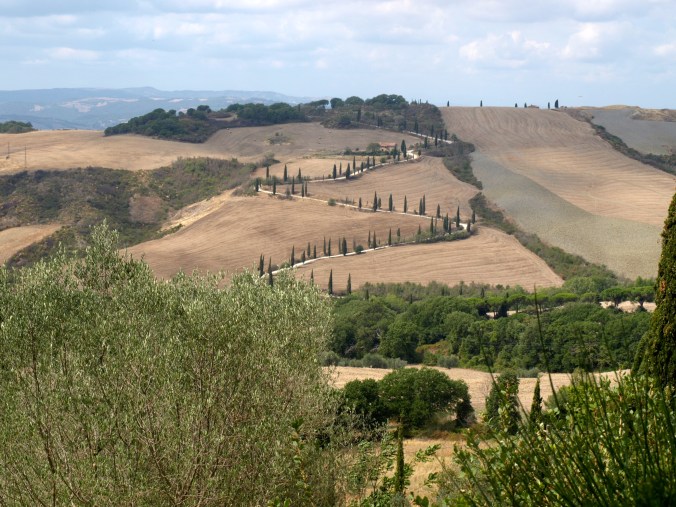
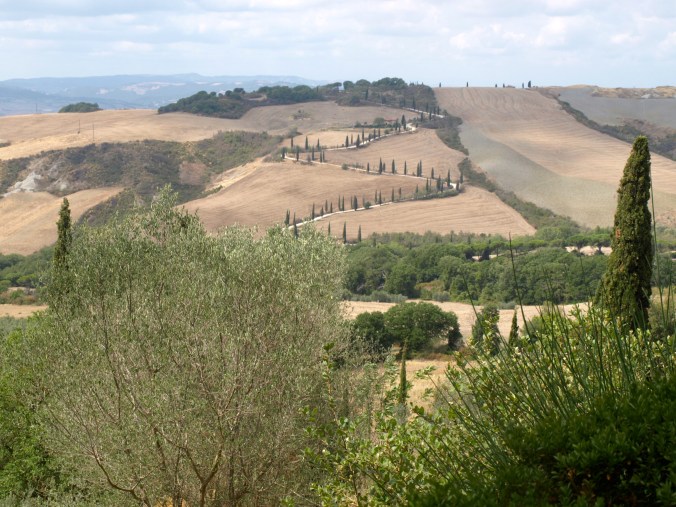
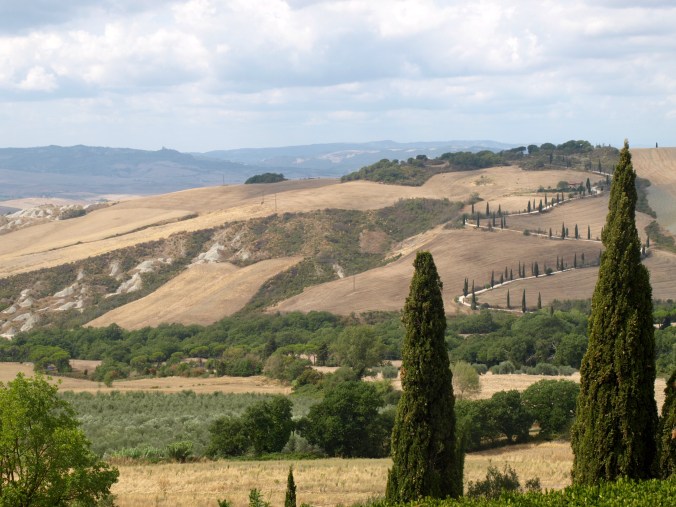
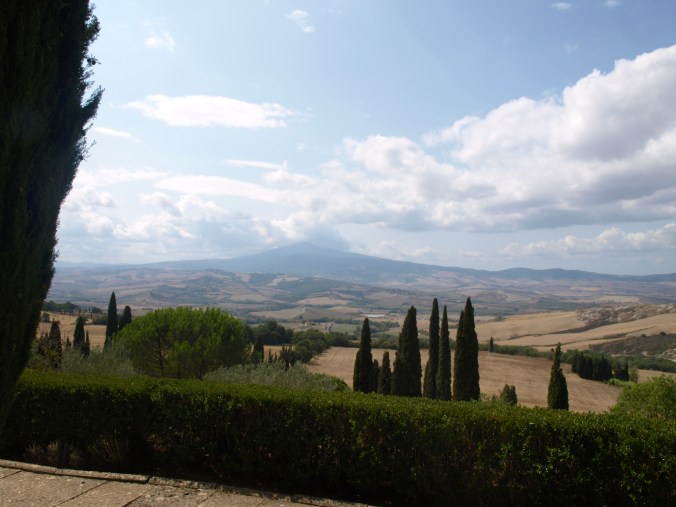
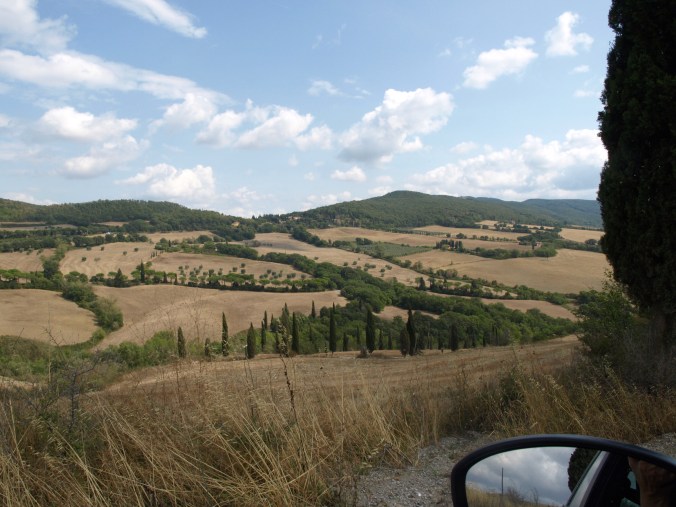
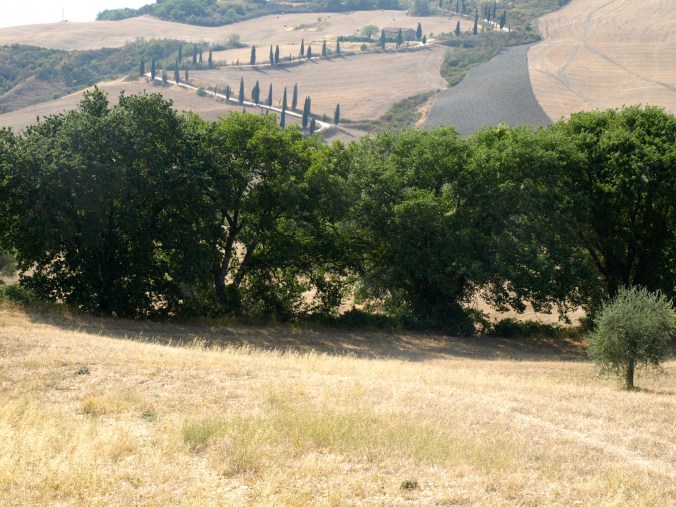
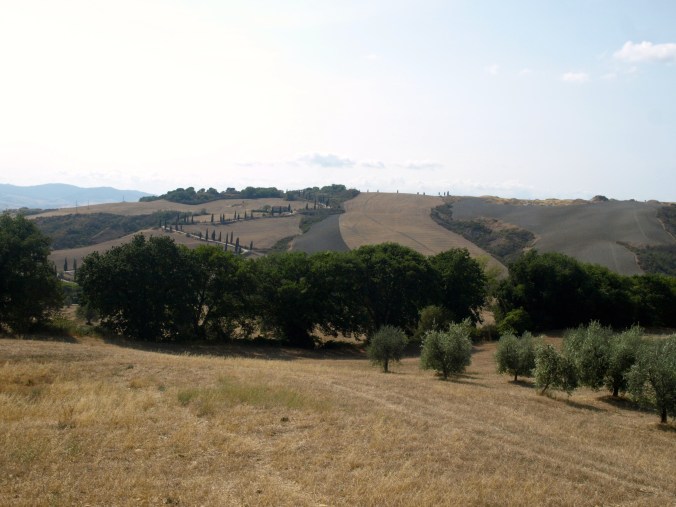
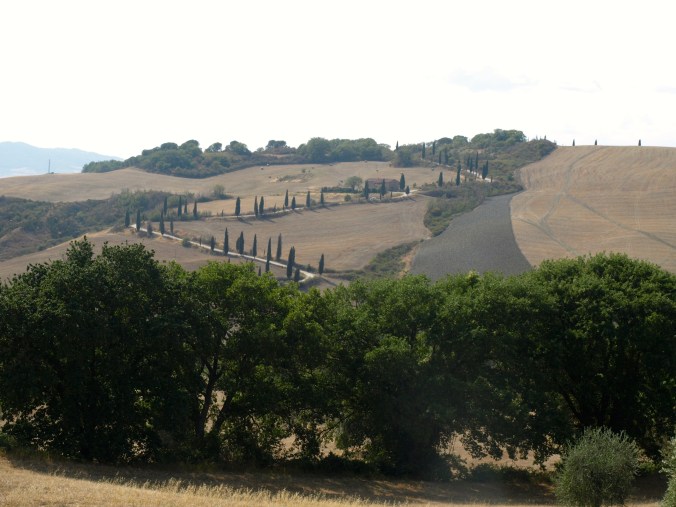
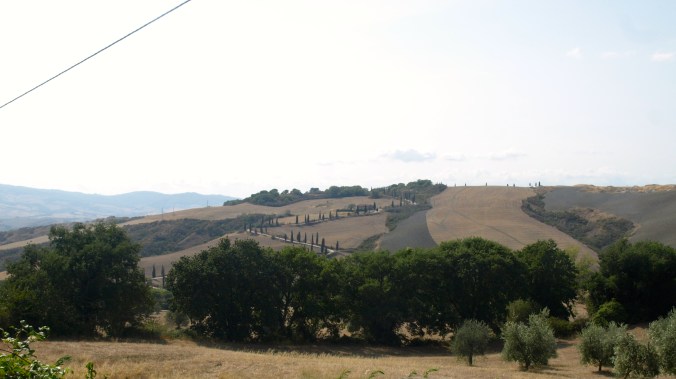
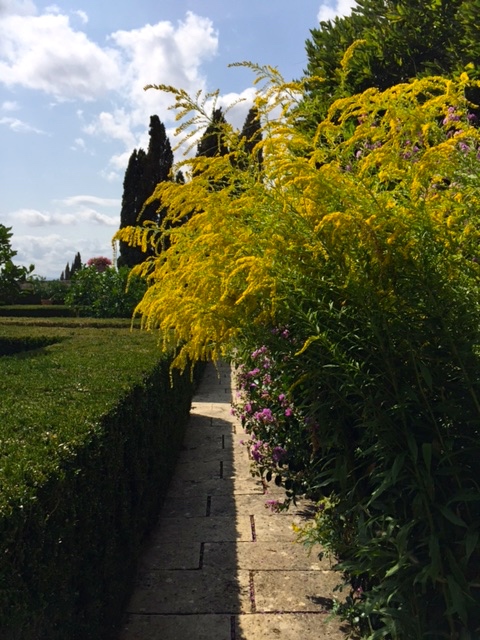
The Strada di Valoresi from Villa La Foce.
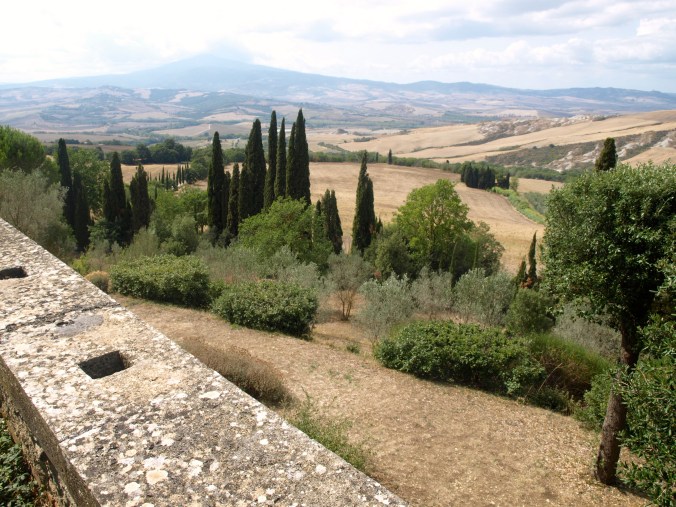
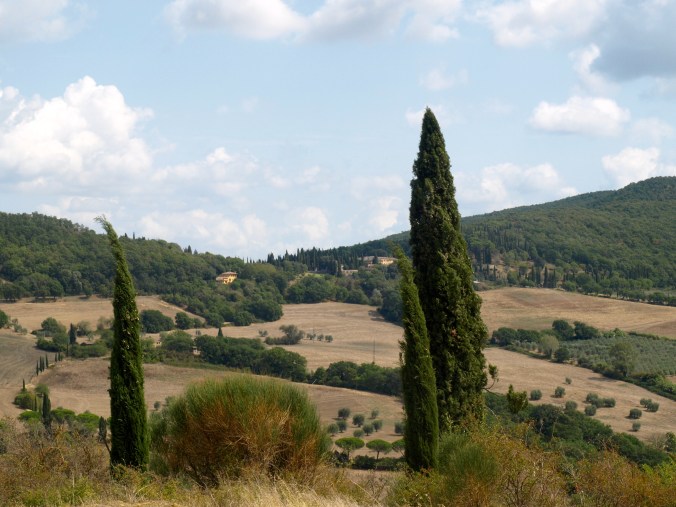
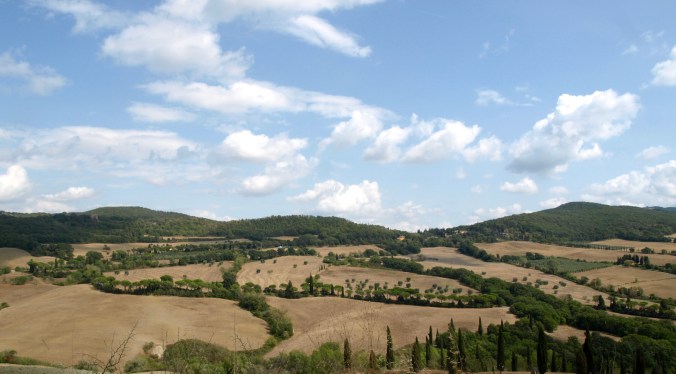
And the surrounding area.
OLYMPUS DIGITAL CAMERA
OLYMPUS DIGITAL CAMERA
OLYMPUS DIGITAL CAMERA
OLYMPUS DIGITAL CAMERA

OLYMPUS DIGITAL CAMERA
OLYMPUS DIGITAL CAMERA
OLYMPUS DIGITAL CAMERA

OLYMPUS DIGITAL CAMERA
OLYMPUS DIGITAL CAMERA
OLYMPUS DIGITAL CAMERA
OLYMPUS DIGITAL CAMERA

OLYMPUS DIGITAL CAMERA
OLYMPUS DIGITAL CAMERA
OLYMPUS DIGITAL CAMERA
OLYMPUS DIGITAL CAMERA
OLYMPUS DIGITAL CAMERA
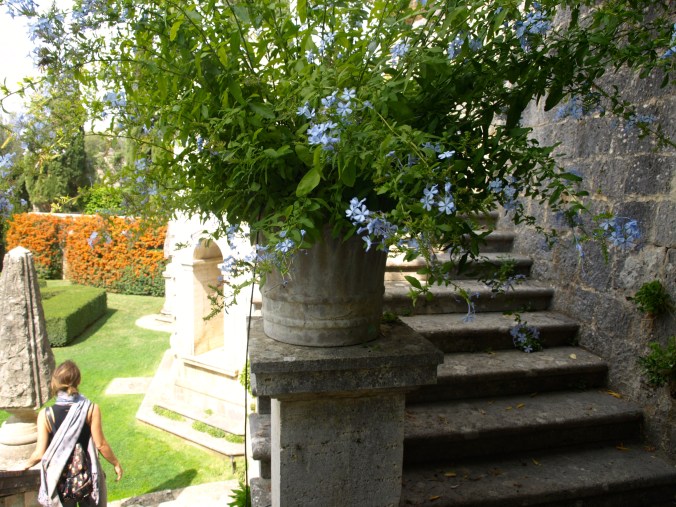
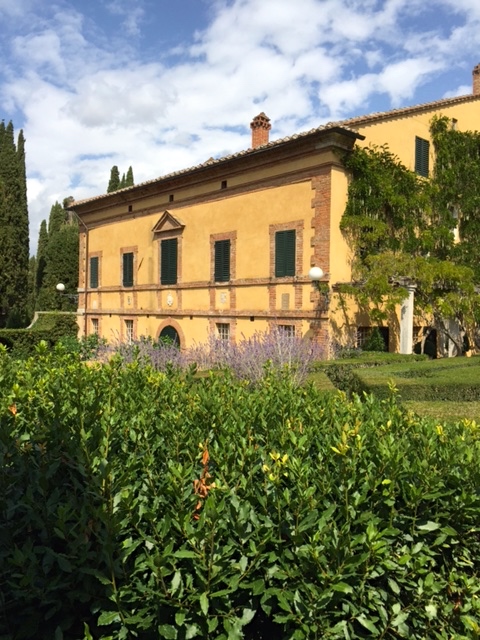
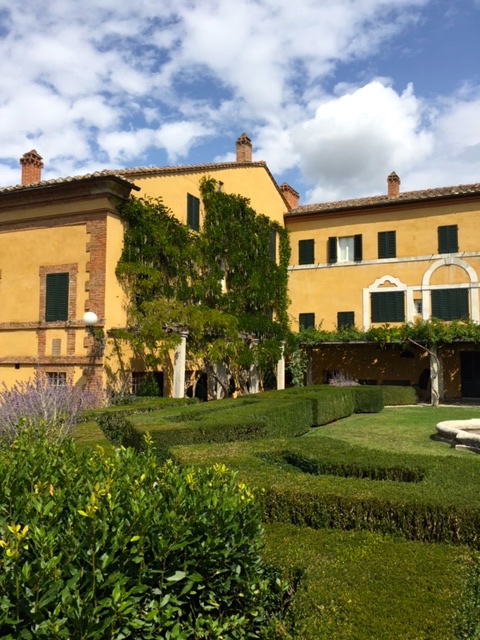
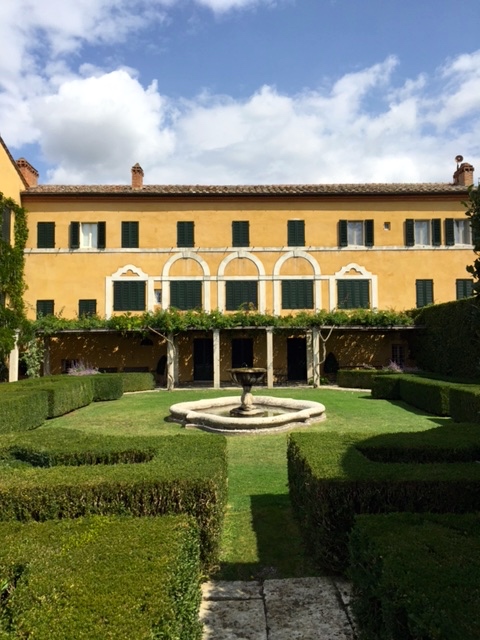
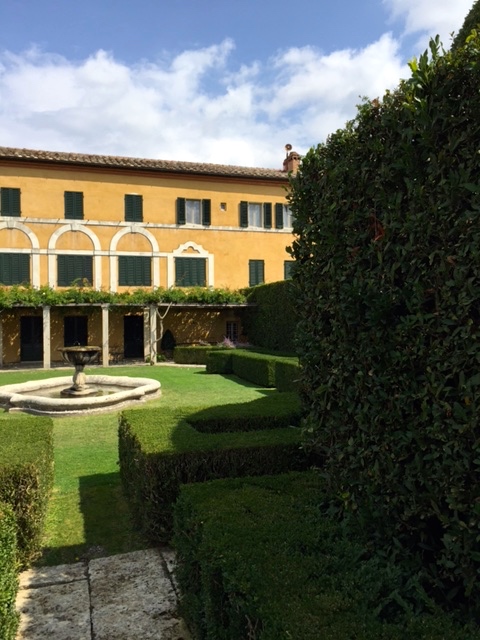
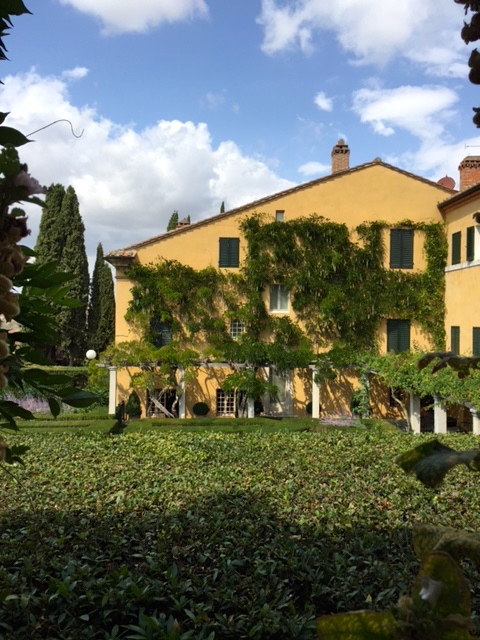
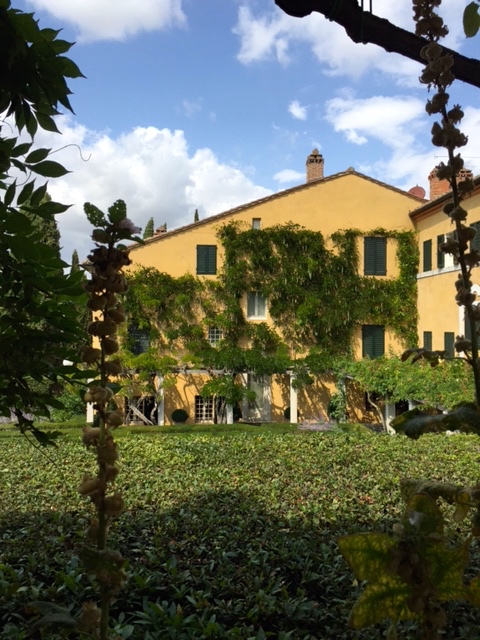
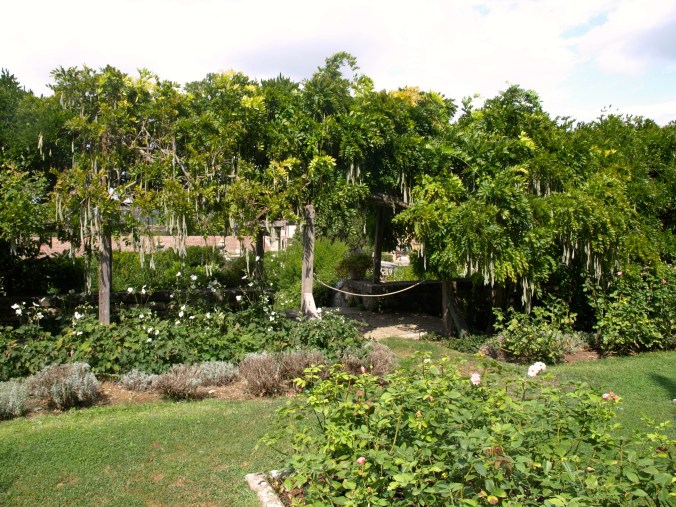
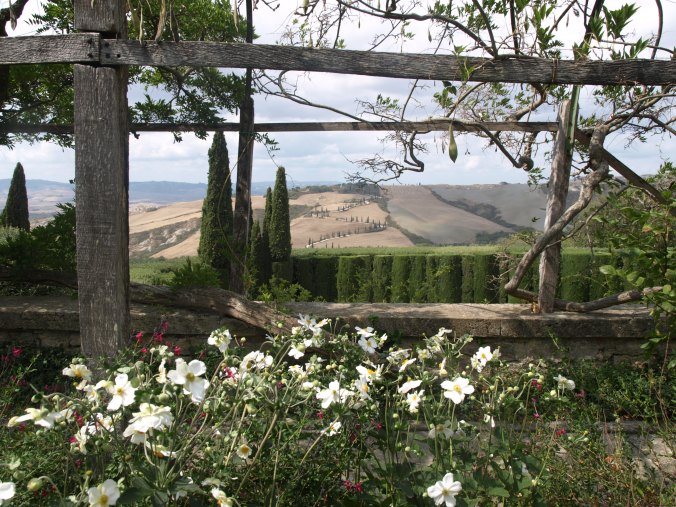
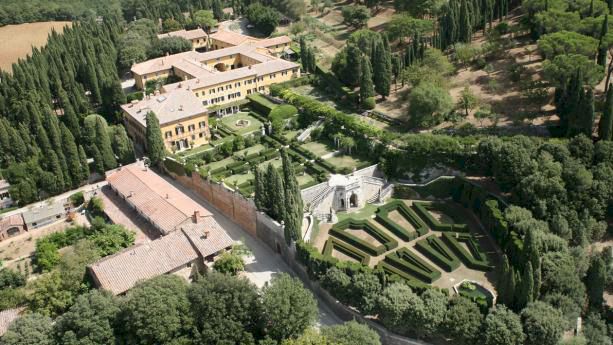
I’ve been a few places. I’ve seen a few gardens. So you can trust me when I tell you that Villa La Foce, the villa and farm created by Iris Origo and her husband, Antonio Origo, is truly magnificent.
|
|
The villa is located in the crete sense (clay hills of Sienna) overlooking the beautiful Val d’orcia in souther Tuscany. La Foce is located near the site of an Etruscan settlement and burial-place that were in use from the 7th C. BC to the 2nd C. AD.
La Foce has been continuously inhabited for many centuries, partly because of its location on the Via Francigena (“the road that comes from France,” this ancient highway was a pilgrim route running from France [some say Canterbury, England] to Rome. In medieval times it was an important road and pilgrimage route for those wishing to visit the Holy See and the tombs of the apostles Peter and Paul).
The Origos dedicated their lives to bringing prosperity and cultural and social changes to this formerly poverty-stricken area of the Val d’Orcia. Years of work were devoted to preparing the difficult terrain for modern agriculture.
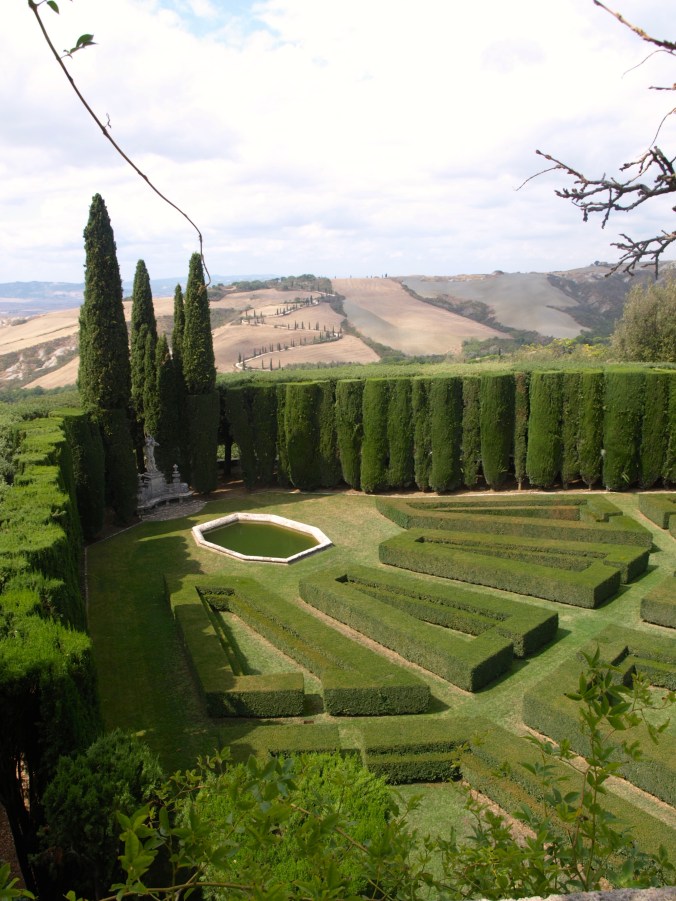
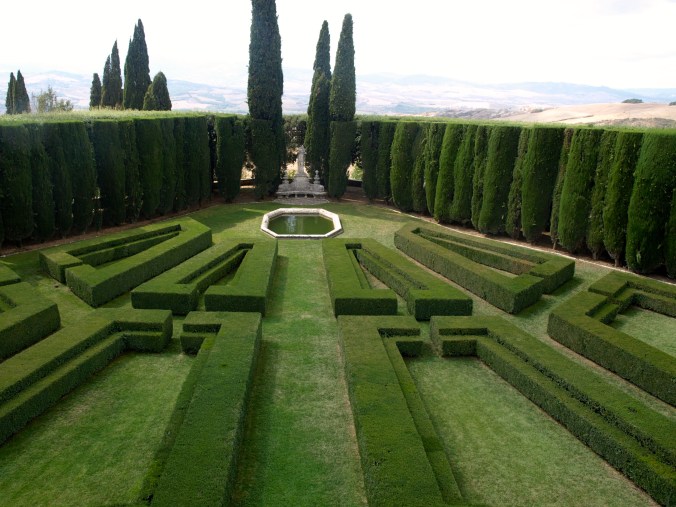
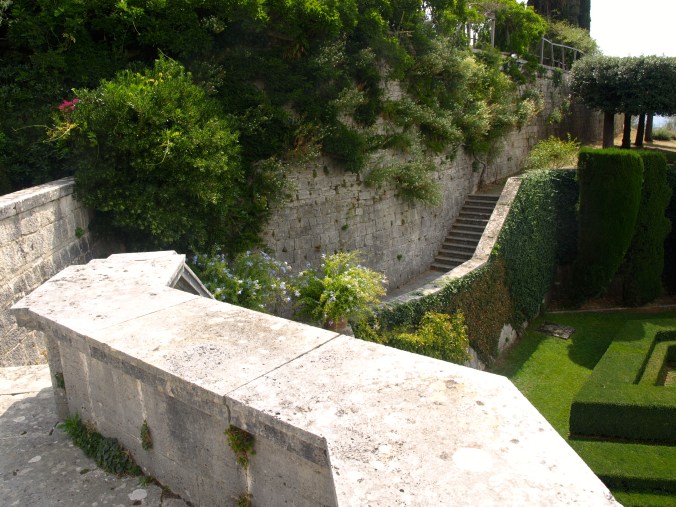
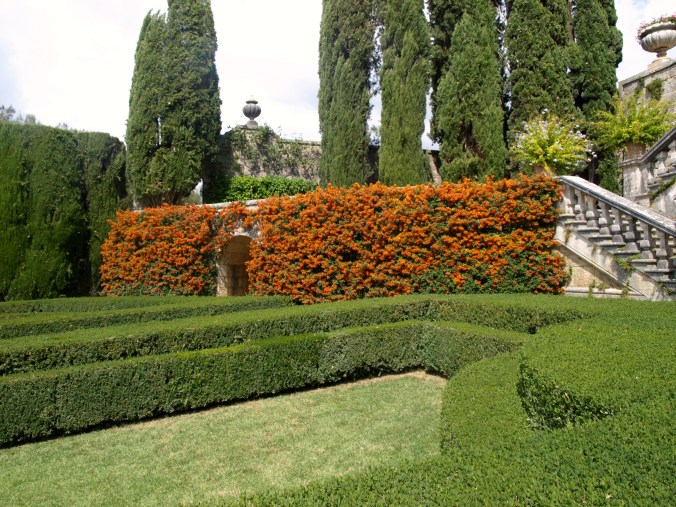
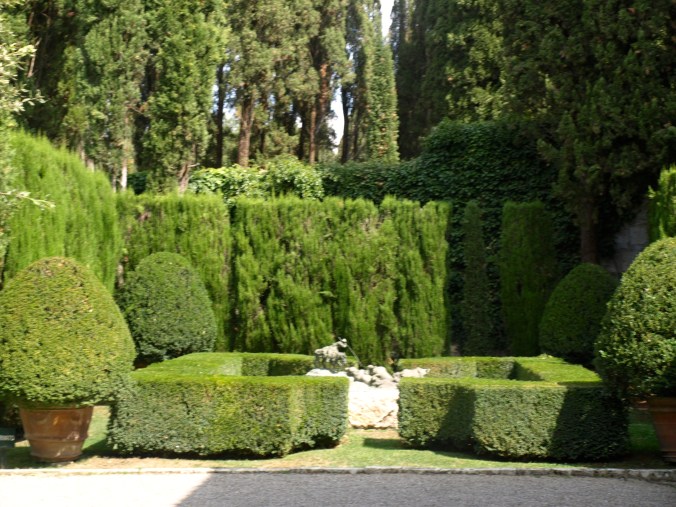
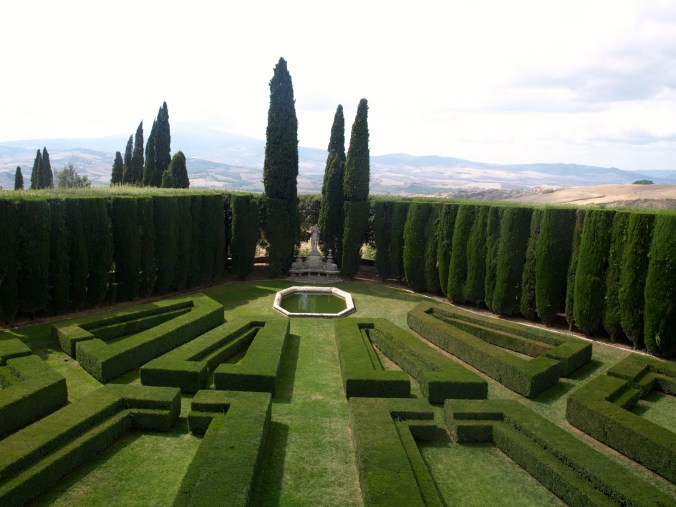
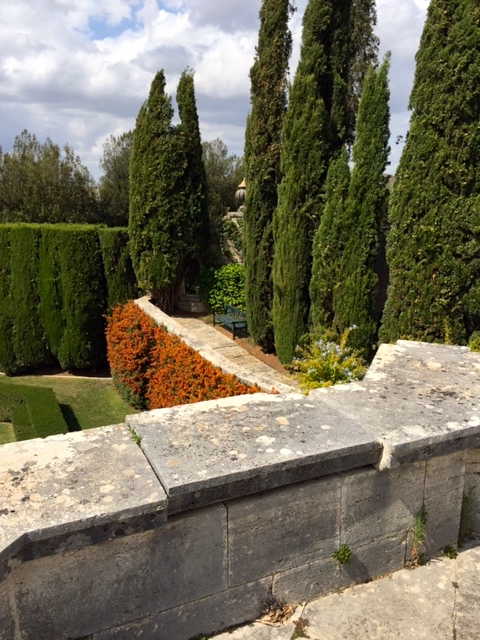
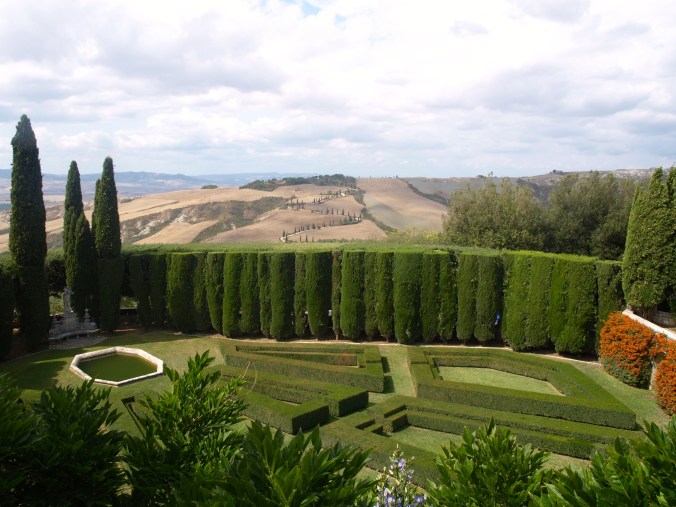
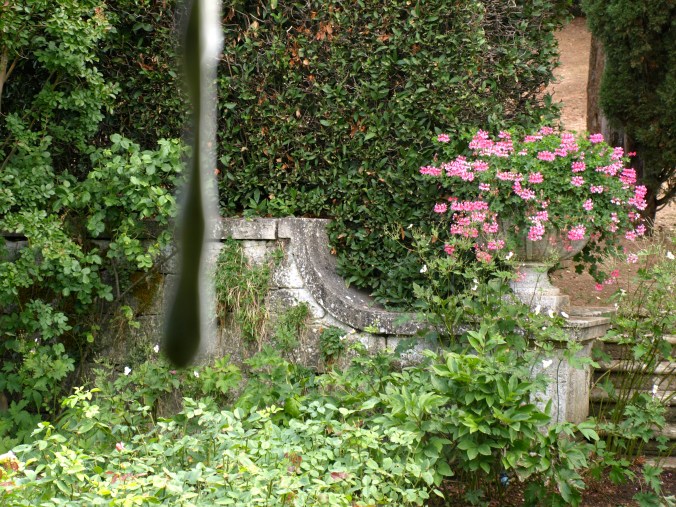
The gardens and estate of La Foce are among the most important and best kept early 20th-century gardens in Italy. Amid 3,500 acres of farmland in the countryside near Pienza, with sweeping views of the Tuscan landscape, La Foce was the dream garden of Iris Origo.
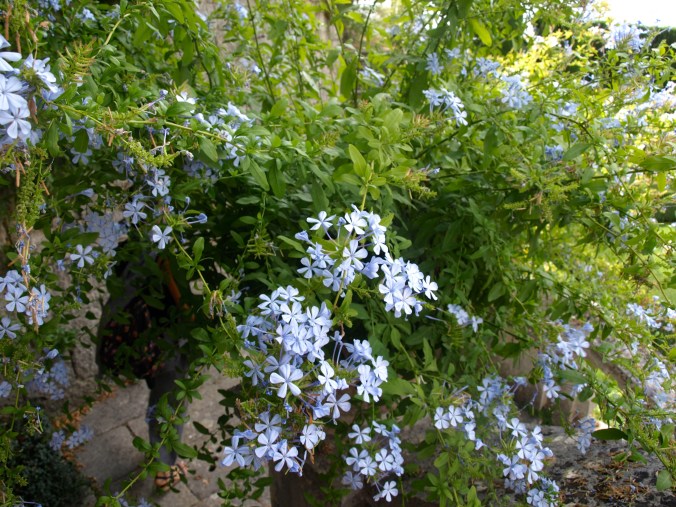
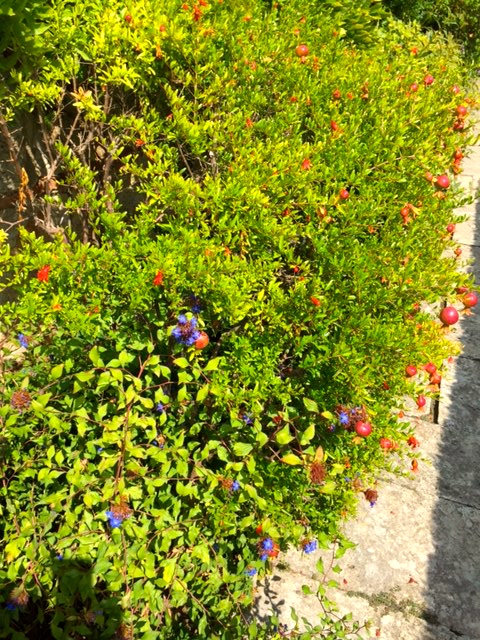
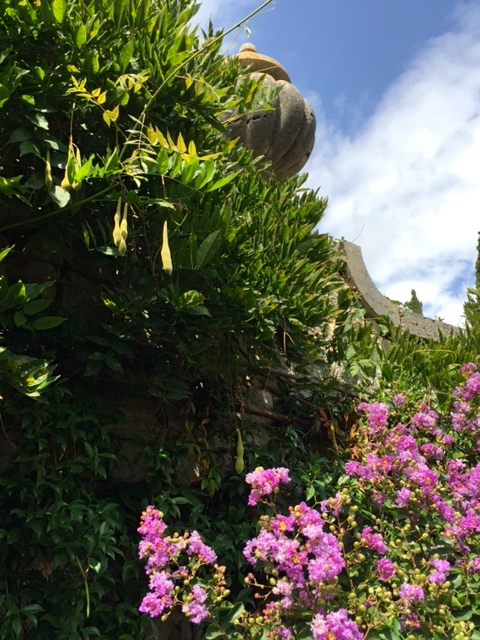
Passionate about the order and symmetry of Florentine gardens, she and Antonio employed the talented English architect and family friend Cecil Pinsent, who had designed the gardens at Villa Medici, to enhance the natural beauty of the site. Pinsent designed the structure of simple, elegant, box-edged beds and green enclosures that give shape to the Origos’ shrubs, perennials and vines, and created a garden of soaring cypress walks, native cyclamen, lawns and wildflower meadows.
Today the estate is run by the Origo daughters, Benedetta and Donata, and is open to the public one day a week.
The property was purchased in 1924 by Antonio Origo and his Anglo-American wife, Iris. Iris was the daughter of Lady Sybil Cutting who owned the Villa Medici at Fiesole, where Iris spent much of her childhood.
The Villa itself was built in the late 15 C as a hospice for pilgrims and merchants traveling on the via Francigena.
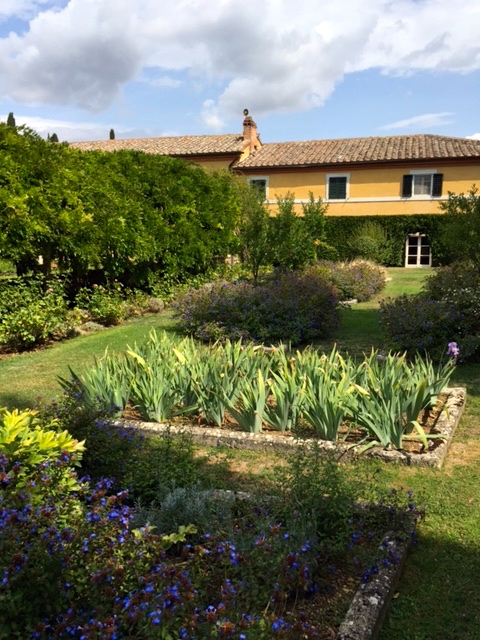
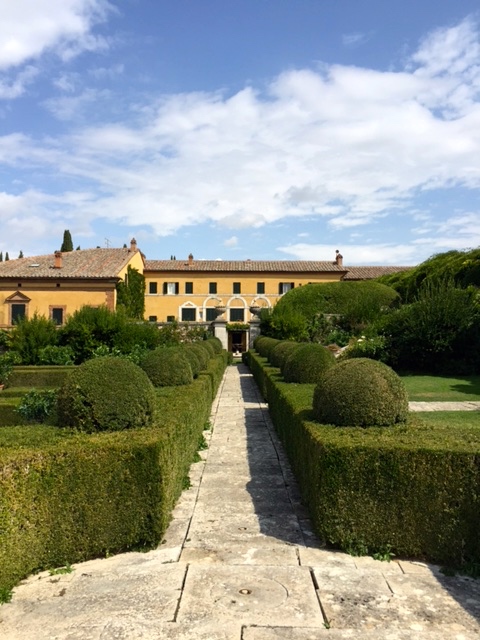
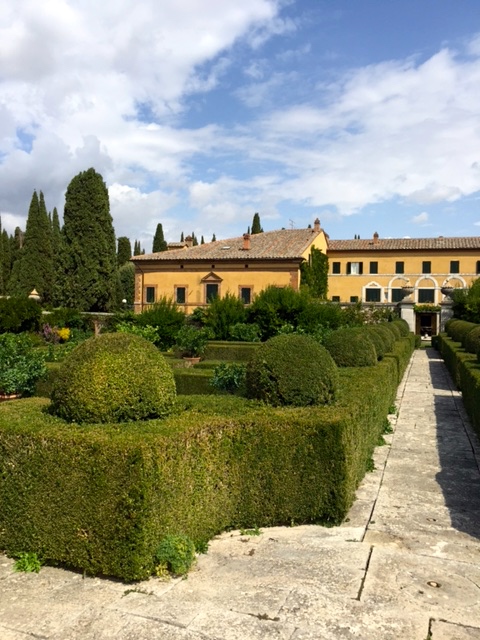
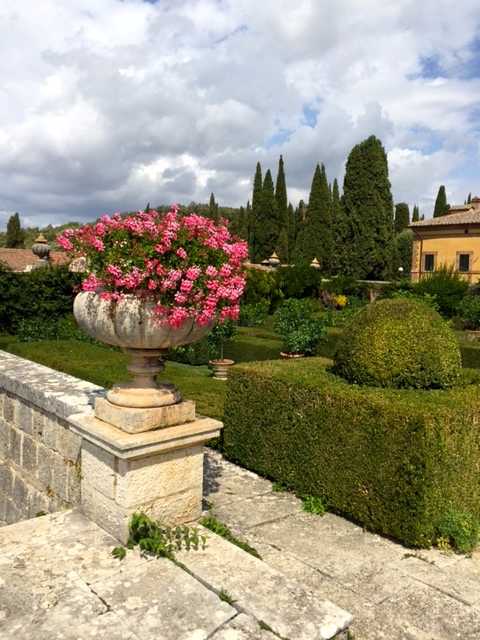
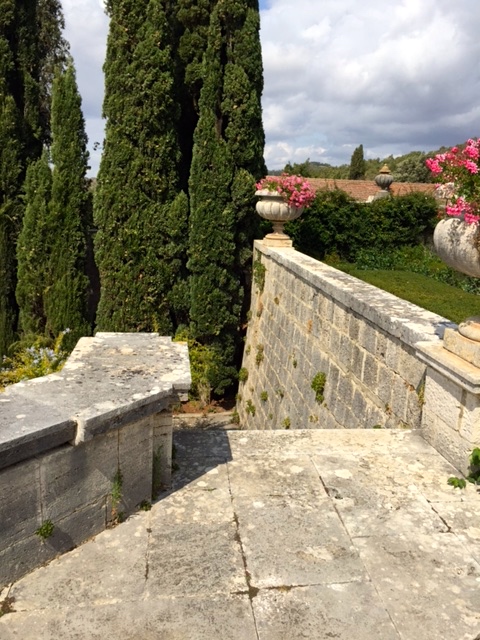
The garden is divided into three distinct sections on different levels, and was created between 1927 and 1939 in several stages, all parts composed to follow the lay of the land.




 get back, lauretta!
You must be logged in to post a comment.