Italy
The Russian Orthodox Church in Florence
I have the good fortune to live 2 blocks from this gorgeous landmark. It is almost never open for visits, but I got lucky and snagged a ticket for a rare tour recently.


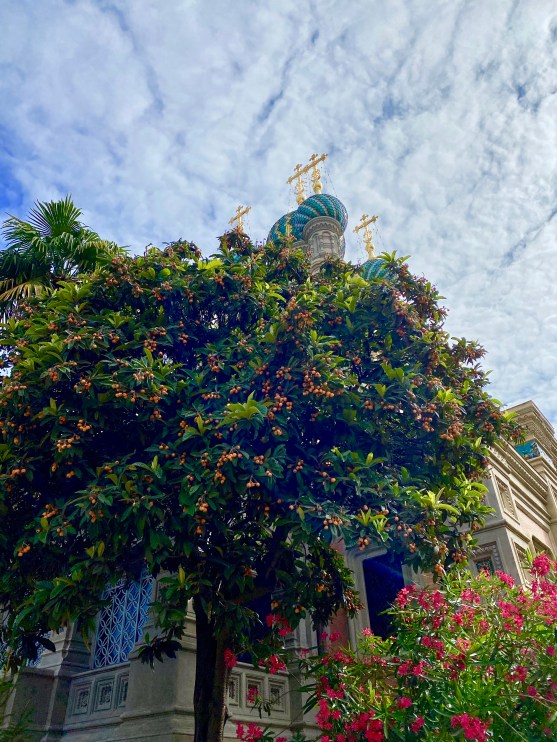
Known as the Church of the Nativity of Christ and St. Nicholas the Wonderworker (Chiesa della Natività di Nostro Signore Gesù Cristo e San Nicola Taumaturgo), The Russian Orthodox church is located on via Leone X. Its style is a late 19th and early 20th century imitation of the earlier Naryshkin Baroque.
By the end of the 19th century, there was a small but elite Russian colony in Florence. Their much desired permanent place of worship came to fruition between 1899 and 1903. It was the first Russian Orthodox church to be built in Italy and was designed by Russian architect Mikhail Preobrazhensky (1854–1930), who had trained at Moscow’s Academy of Arts, and was erected under the supervision of Italian architects Giuseppe Coccini (1840–1900) and Giovanni Paciarelli (1862–1929). The church is a fine combination of Russian and Italian artistry.

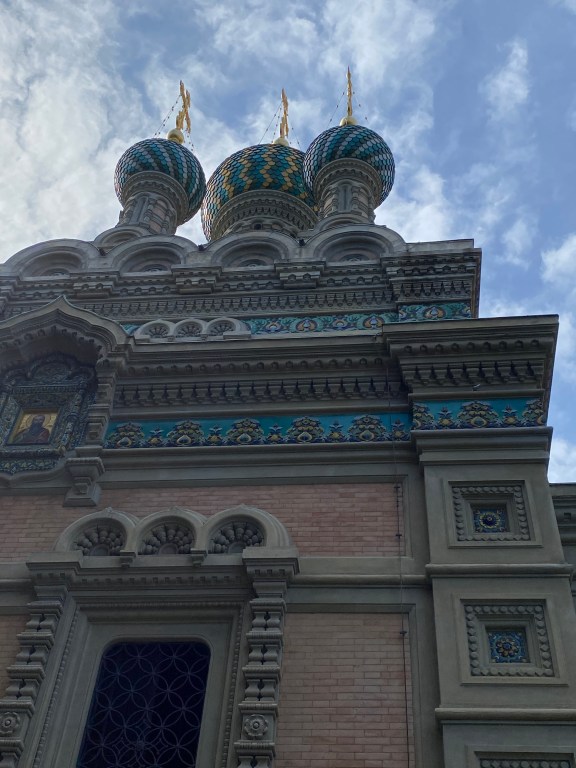
The church is topped with one large central onion-shaped dome and four smaller ones, all covered with bright turquoise, green and white scales of majolica (manufactured by the Cantagalli factory of Florence) and topped with gilt crosses and chains. Laid out in the form of a Greek cross, the church grounds are surrounded by an iron railing fence with three monumental gates decorated with the double-headed imperial eagle and Florentine lily forged by the Michelucci foundry of Pistoia.

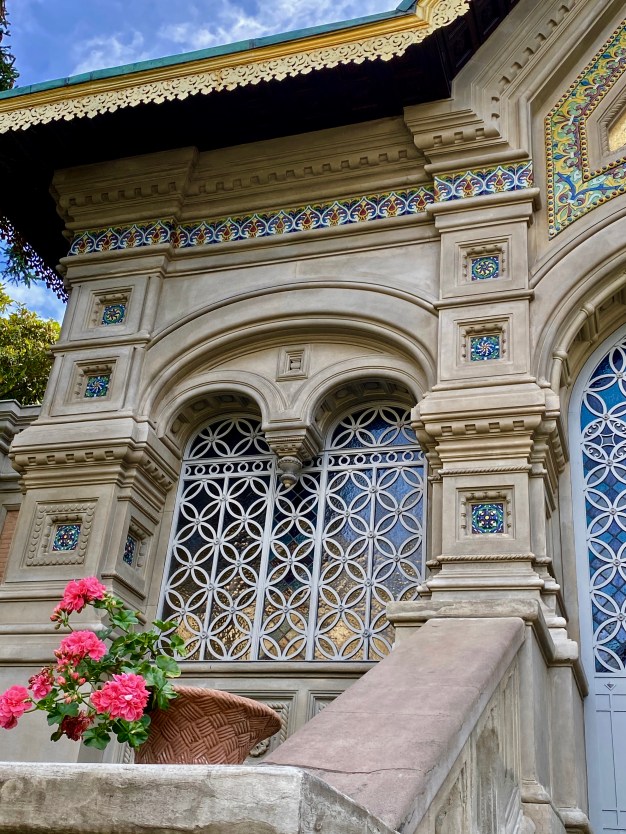
The church itself, constructed in red brick and grey stone (pietra Serena) from quarries near Fiesole, is decorated with 52 semi-circular or ogival arches known as kokočniki (named after the traditional Russian female headdress) and featuring six winged cherubs, like those of the Cathedral of the Resurrection of Christ in St. Petersburg.
Above the doorway, a canopy houses a Venetian-made mosaic icon of “Znamenie,” the mother of God, between stems of flowering lilies. On the north and south sides of the church, two other tabernacles house mosaics of the Peter and Paul.
The splendid wooden entrance door, which came from the private chapel at Villa Demidoff at San Donato, was inspired by Ghiberti’s Gates of Paradise. Depicting 22 scenes from the Old Testament, it had won its creator Rinaldo Barbetti first prize in a national exhibition in Florence in 1861.


True impetus was given to the church-building project when Archipriest Vladimir Levitsky (1840–1923) arrived in Florence in 1878. Despite many setbacks regarding, for instance, the designation of the land where the church should be built, Levitsky persevered and, in 1890, travelled to St. Petersburg to present the procurator-general of the synod with drawings prepared by the chosen architect, Preobrazhensky. A decree authorizing the construction of the church was issued in May 1891, but it took another seven years before the Russian Ministry of Foreign Affairs finally gave its permission.




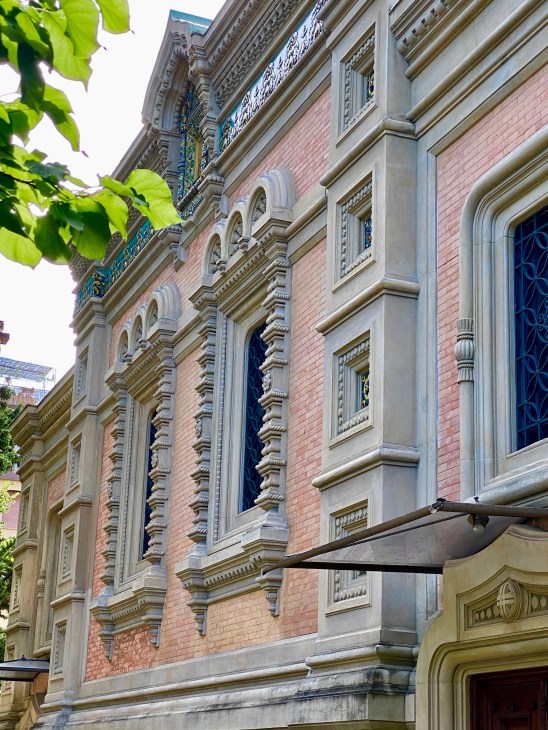


Typical of Orthodox churches in northern Russia at the time, the Florence church was built on two storeys: the lower church, designed to be warmer in winter, was dedicated to Saint Nicholas, in memory of the Demidoff chapel. The upper church, cooler in summer, was dedicated to the Nativity and features a magnificent marble iconostasis with icons of the patron saints of the imperial family gifted by the assassinated Tsar Nicholas II, a martyr of the Orthodox Church.




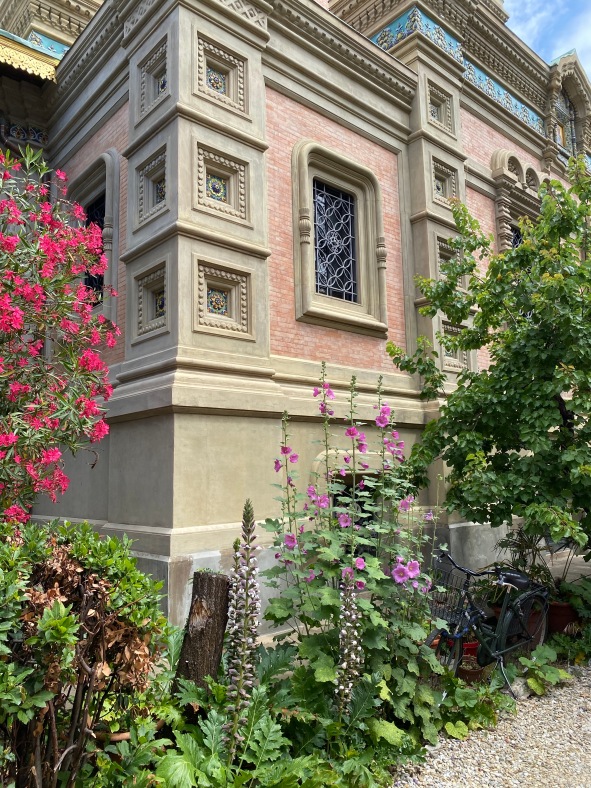


Here’s the article from Wikipedia:
Nicholas I of Russia’s daughter Grand Duchess Maria Nikolaïevna first had the idea of building a church for Florence’s Russian community in 1873, but it was only six years later that a large gift from prince Paul Pavlovitch Demidoff of San Donato allowed construction to commence. Pietro Berti was initially taken on to design it by archpriest Vladimir Levitsky, then curate of the Orthodox church at the Russian embassy. However, he later switched to the Russian academician Mikhail Preobrazhensky and the Florentine engineer Giuseppe Boccini.
Preobrajensky’s first designs of 1883-85 were too ambitious, so a temporary church was built on a site acquired by the embassy. This became the parish church in 1888. Levitsky eventually raised enough funds to build a permanent structure and in 1897 the Russian ambassador and foreign minister approved plans produced in 1890 by Preobrajensky.
The first stone was laid on 28 October 1899 at a ceremony attended by count Caracciolo di Sarno, prefect of Florence, general Antonio Baldissera, the Russian ambassador Aleksandr Nelidov and consul general Tchelebidaky.
The lower part of the church (dedicated to St Nicholas the Wonderworker) was consecrated on 21 October 1902 and the upper church (dedicated to the Nativity of Christ) was consecrated on 8 November 1903. However, the building as a whole was only fully completed the following year.
After the 1917 Revolution the church in Florence lost Russian state support and in 1921 it became independent from the church back in Russia despite attempts by Soviet diplomats to claim ownership of the building. From 1920 onwards it was under the jurisdiction of Eulogius and in February 1931 it joined the jurisdiction of the Archdiocese of Russian Orthodox churches in Western Europe.
Constantine I of Greece died in exile in Palermo on 11 January 1923 and later that year he was buried in the church, followed in 1926 by his mother queen Olga Constantinovna of Russia and in 1932 by his widow Sophia of Prussia. All three sets of remains were moved to the Tatoi Palace in Greece in November 1936, a year after the restoration of the Greek monarchy.


To visit the church, it is necessary to make an appointment. For further information call +39 055 477986.
Taking longer to do less
Sometimes I like to talk honestly about my life here in Italy. It is a privilege to live in Florence and I wouldn’t trade it for anything. But, it has its downs as well as its ups.
Recently, I’ve had a small issue with my cellphone carrier. It is hard, in Italian, to have a phone call about serious issues with critical information, so I decided to go to the Fastweb office in person. I had another thing to do in the center on Saturday, so after that and before 12:00 noon, I went to the Fastweb office to take care of business. It was closed. I had to wait until Monday morning to find it open.
So, I showed up bright and early at Fastweb on Monday and waited for my turn to be let into the store, what with the Covid 19 rules, and was able to quickly and pretty easily get the information I needed to solve the overall issue I had with my phone service.
Then, I innocently inquired what the balance was on my account that lets me make phone calls and use data. I like to keep a good balance in there, because you never know, right? I found out that I had less than 3 euro on balance.
I asked if I could pay to bring my balance up and the kind clerk said of course. He handed me off to a newer employee to finish this minor procedure. I told her I wanted to put 100 Euro on the account and she got out 2 plastic cards, each worth 50 Euro, to refresh my balance. She did a bunch of procedures with the 2 cards, scraping off the “skin” over the codes and processed them, and I received 2 dings from my phone that my Fastweb account had been recharged for 100 Euro in 2 blocks of 50 Euro.
Good enough. All this time I had my credit card lying on the top of her desk for her to charge the payment(s). At this point, she began to process my card. It was denied. She called her colleague over, he tried, it was denied. So, they are in a pickle. They gave me the credit but didn’t have a way to charge me.
I expected the to tell me that my credit card was faulty, but they didn’t. Then it came out that they had just received a new credit card processor machine and there were problems with it. For the next 1.5 hours, they attempted to call their headquarters and get the thing worked out. They kept me there because they needed my actual card. Finally, 2 hours after I walked in, I told them I had to leave. I happened to have 50 Euro with me in cash, which I left with them, and promised to return tomorrow (since I had appointments all day today) to either bring them another 50 Euro or better, have them try again to run my credit card. BTW, they tried their own credit cards to see if it truly was their new machine, and it was.
My life in Italy. It takes longer to do less. :-))
Postscript, a few days later. I went back to the store. The credit card machine still wasn’t working. How can they do business like this? A major cellphone carrier in the 21st century. It amazes me.
Harvesting saffron in Italy
And now, for some good news!
Bella Ciao for Italian Liberation Day
April 25, the day that honors the end of the Nazi Occupation of Italy.
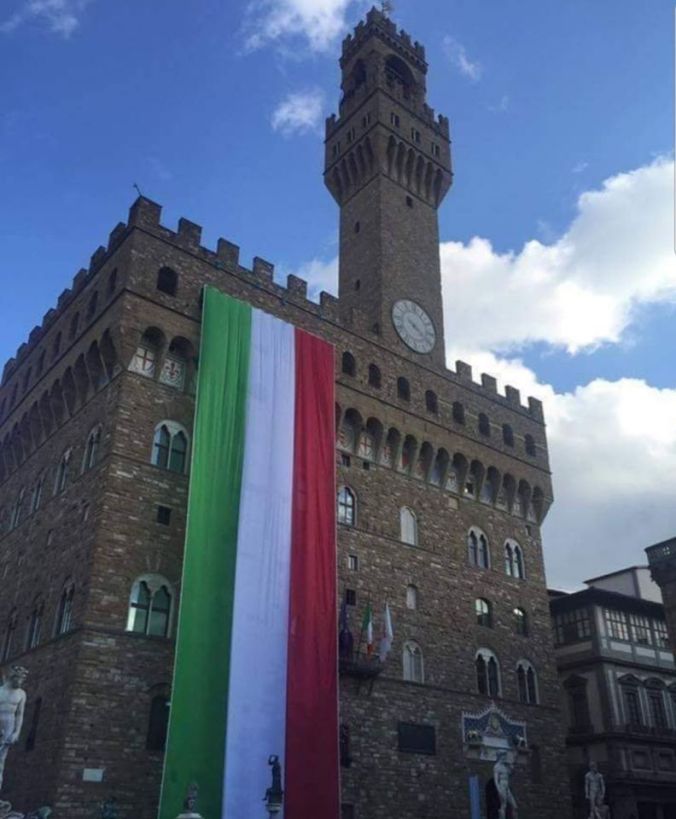
Astrology and the virus
Tableau vivant
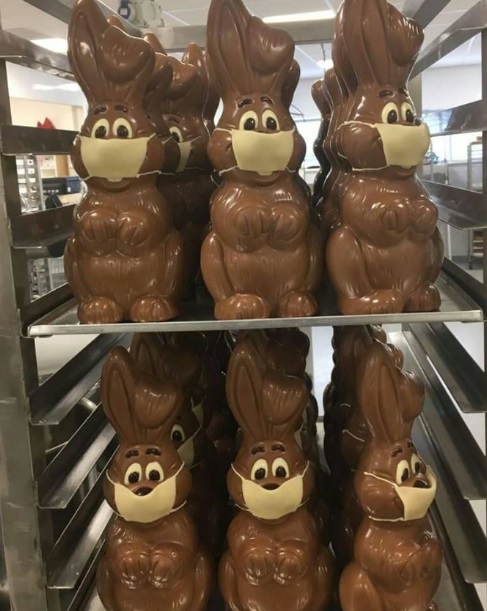
Buona pasqua, 2020!
Wisteria in full bloom!
On my walks to run errands, I was happy to pass by not only my usual wisteria spotting on the passerella, but additional flourishes in my neighborhood. What a season!
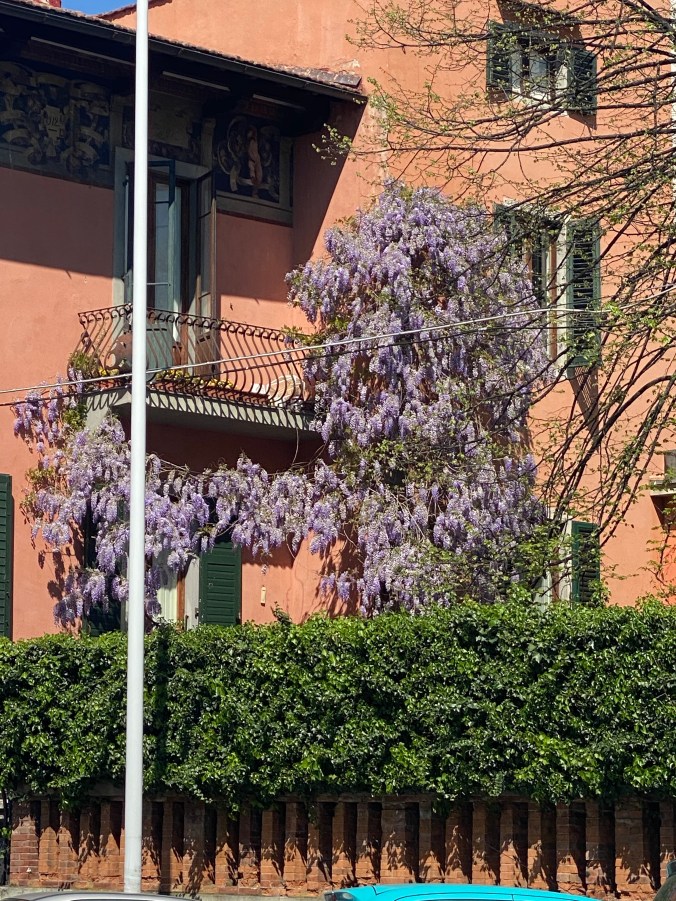

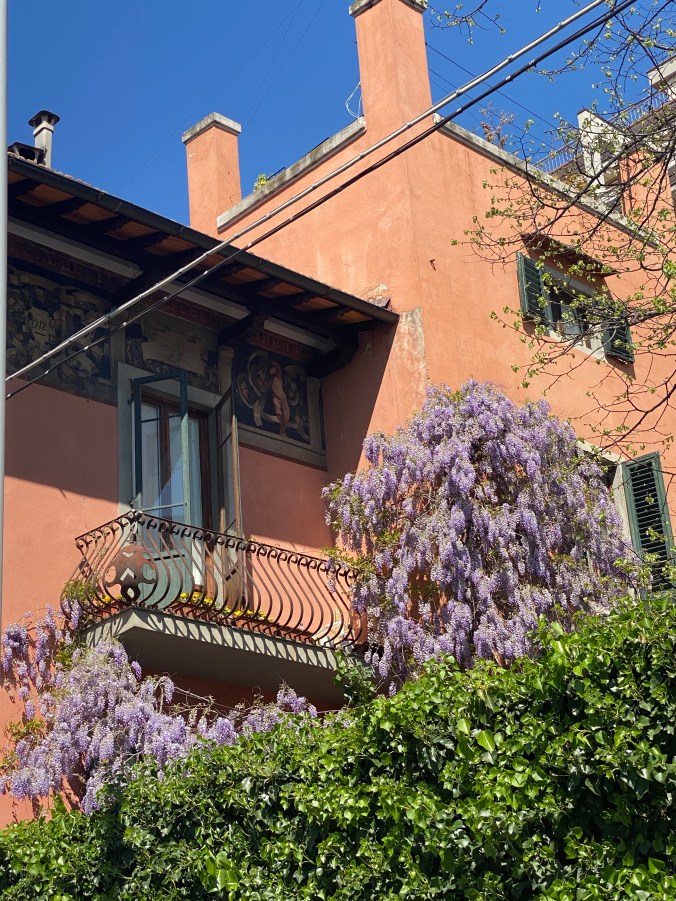
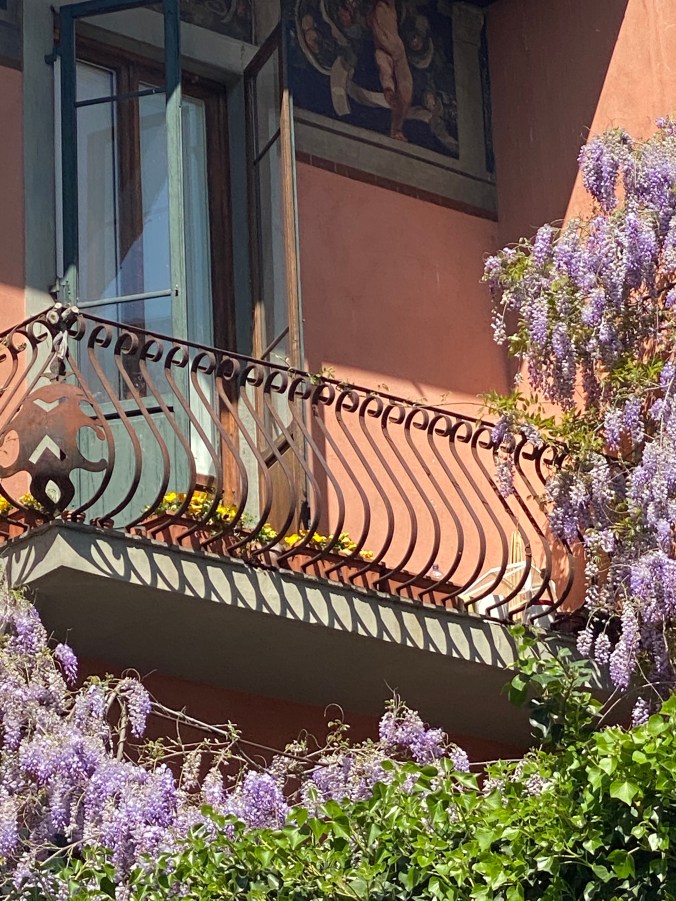

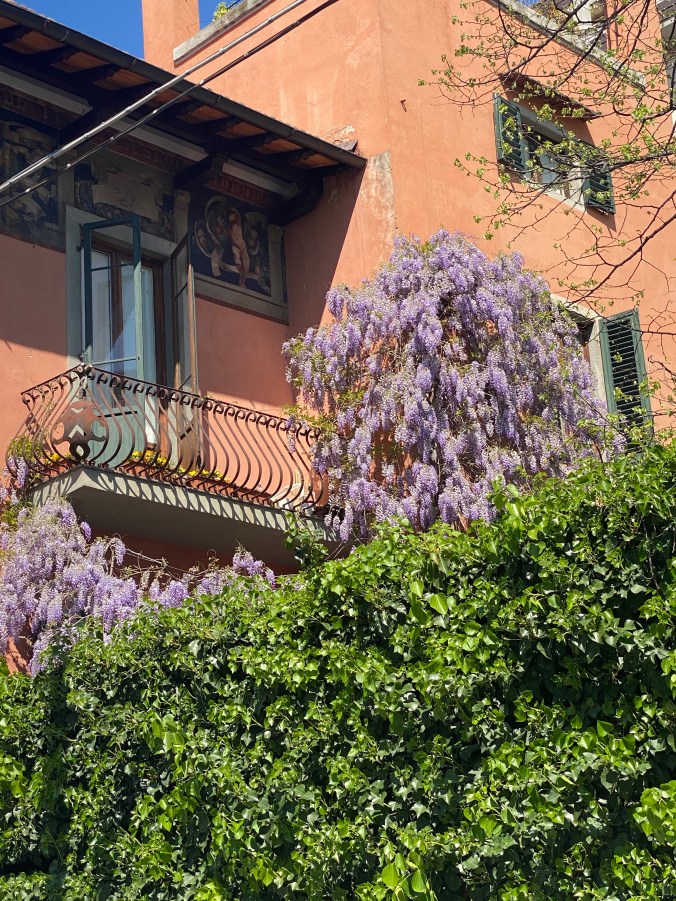
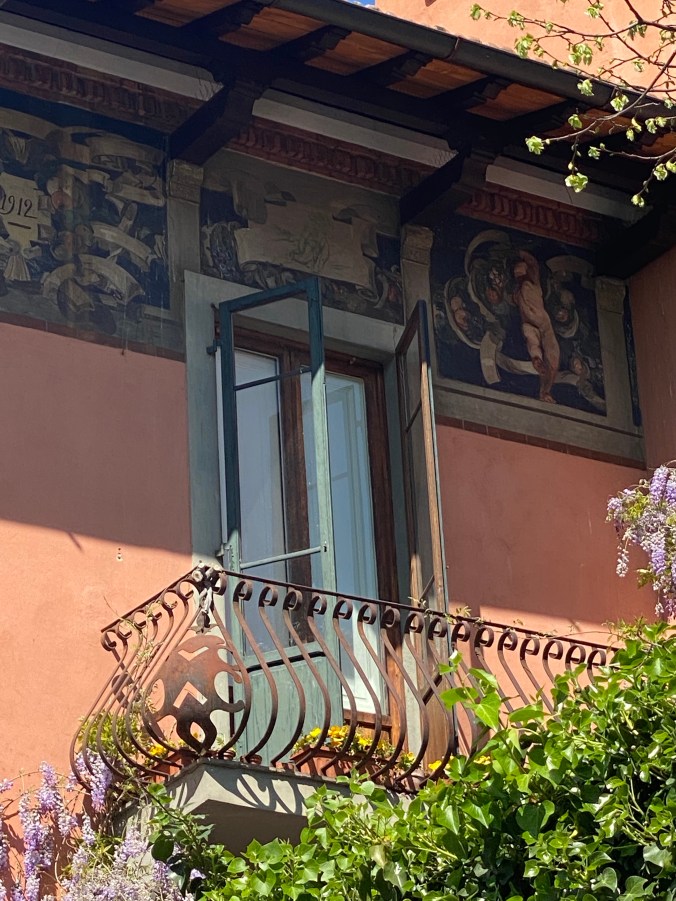
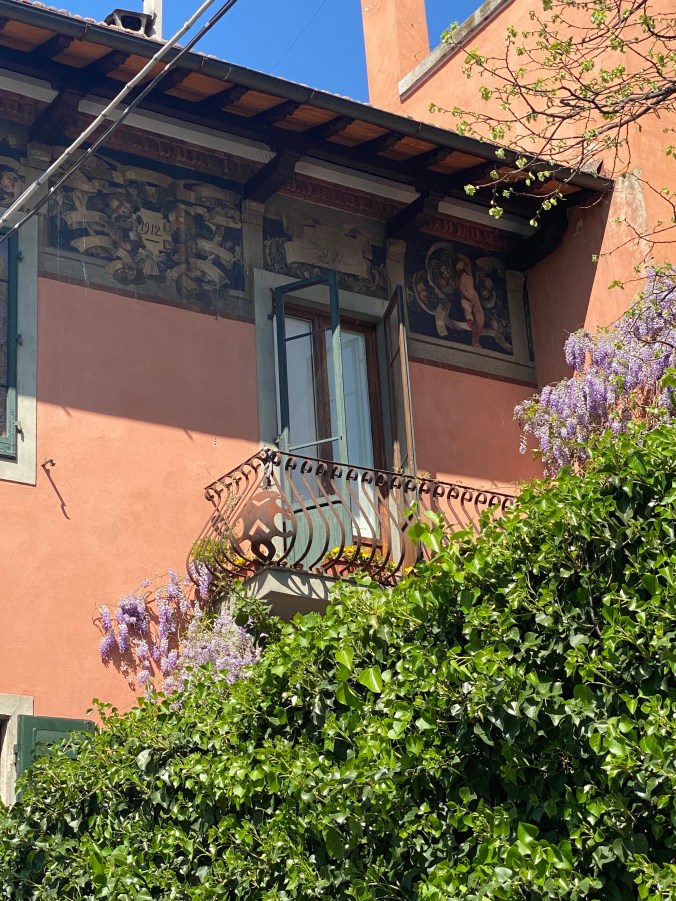
And, a second location: the local high school:
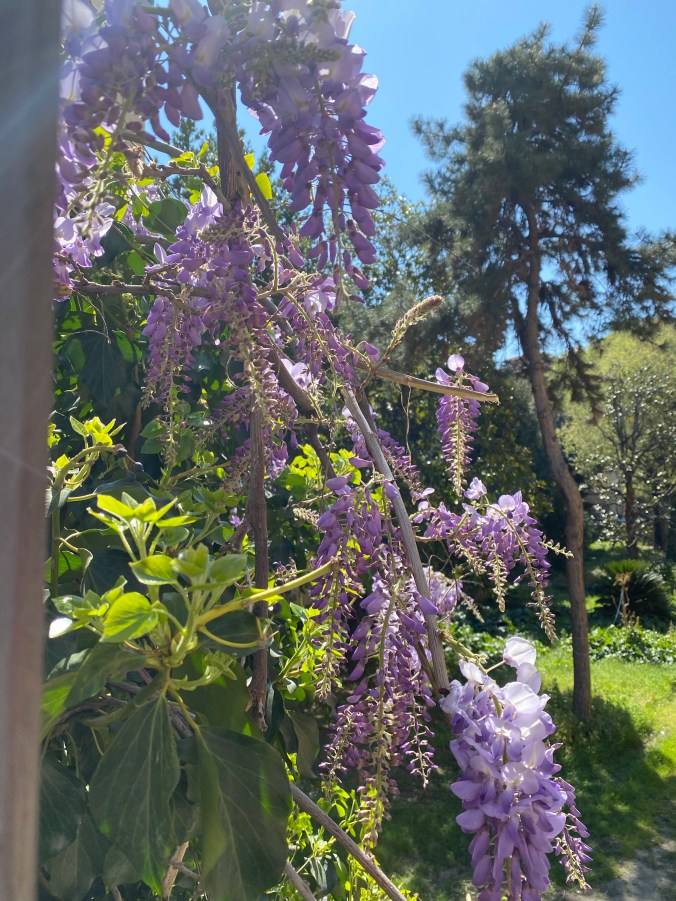
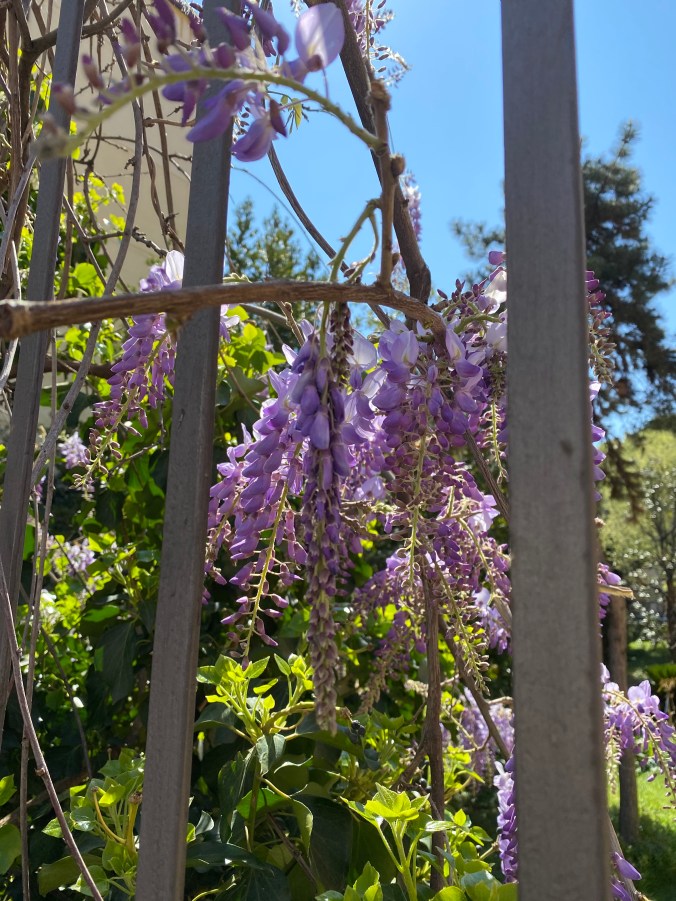
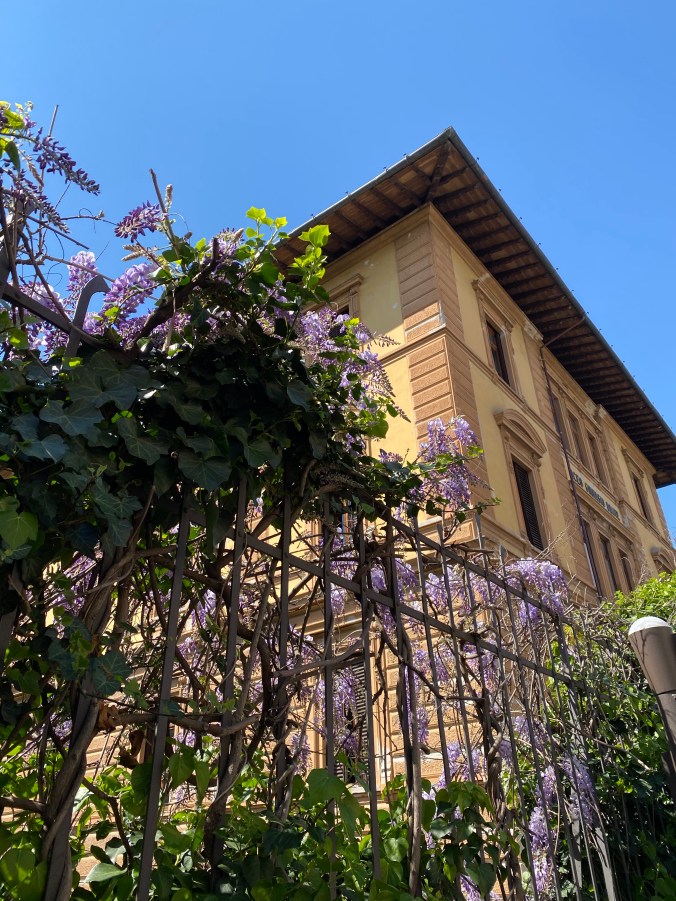
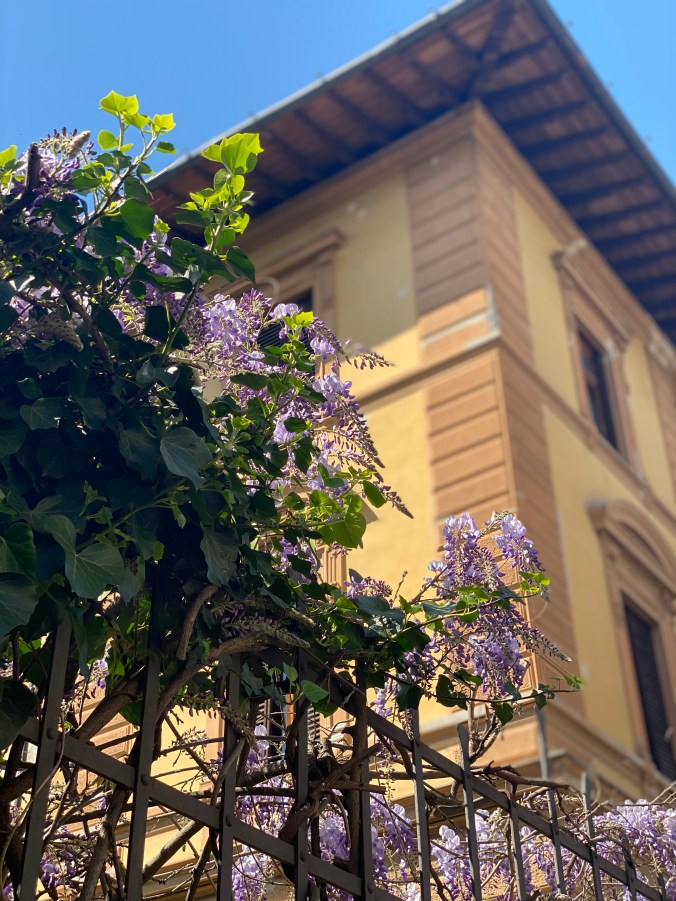
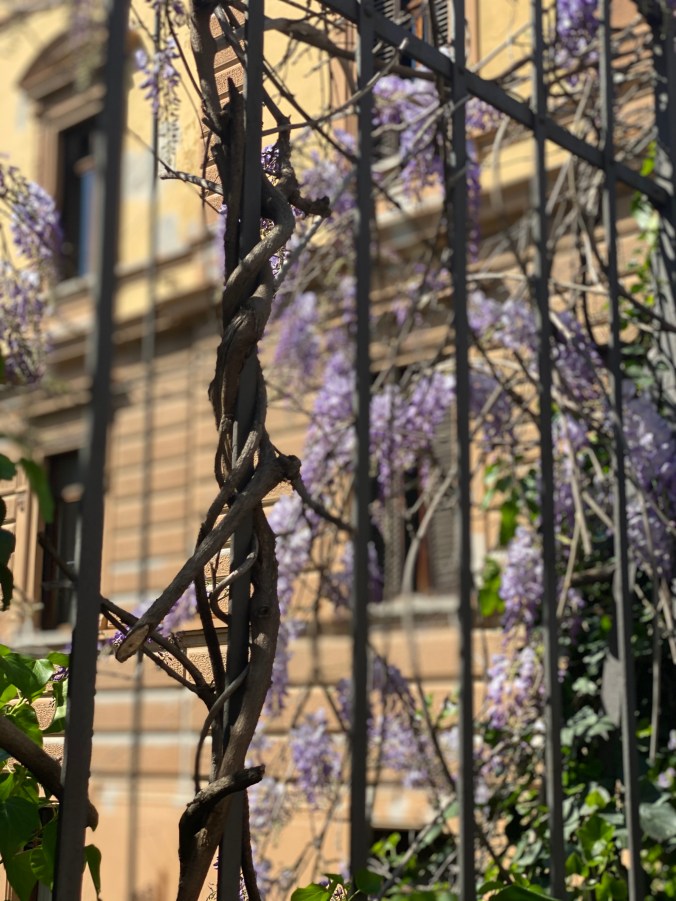
I wistfully think of the Giardino Bardini, which must be alive with wisteria blossoms right now. After the quarantine ends, I shall high-tail it over there to see my favorite spot in Florence. :-))
 get back, lauretta!
You must be logged in to post a comment.