Updated 9 Feb 2017


OLYMPUS DIGITAL CAMERA

OLYMPUS DIGITAL CAMERA


 The best of all.


OLYMPUS DIGITAL CAMERA

OLYMPUS DIGITAL CAMERA
Updated 9 Feb 2017
OLYMPUS DIGITAL CAMERA
OLYMPUS DIGITAL CAMERA
The best of all.
OLYMPUS DIGITAL CAMERA
OLYMPUS DIGITAL CAMERA


Before the month of January slips entirely through my fingers, I want to get the rest of my Epiphany photos posted.
Here are the animals waiting patiently at the creche scene at the Duomo. They await the three Wise Men and their entourages, marking the end of the long, ceremonious cavalcade.


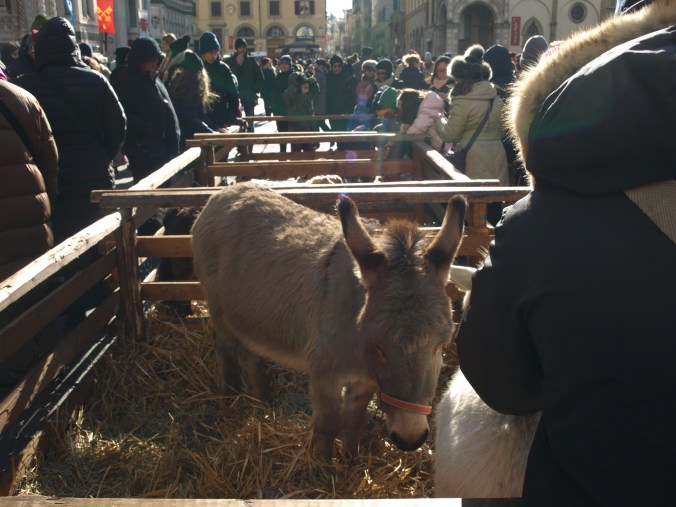


Once the Wise Men appear with their gifts, they are received by the magistrates of the city in a spectacular blending of church and state!


The gifts are taken to the living creche scene.

After all the enactment, the hundreds of balloons, something I doubt Mary and Joseph ever imagined let alone saw, are set free!


The entire day is a spectacle not to be missed! I am so glad I got to see it!
So, I love to bake. The funny thing is that I am not much of a sweets eater, but I love to bake.
So, naturally, I’ve been experimenting in my new kitchen in Florence with baking. It has been a hoot and a half getting to know the baking aisles at my local grocery stores, where I can often be found reading the fine print on the back of boxes, doing my best to understand the complicated Italian language as it describes the mysteries found inside the box!
For example: what do you think this is?

From the picture on the box, you might think it is a cake mix. Ha ha! You’d be very wrong. It is potato flour/starch. Some of the recipes I’ve been playing with here require this completely new to me ingredient. I felt like a winner when I finally found it on a grocery store shelf.

Here’s the back of the box. I decided to make these ricotta muffins, muffin all ricotta, but turn the muffins into a torta or cake. I am still getting used to measuring grams rather than cups. You can see the ingredients list is:
125 g di ricotta fresca ricotta
80 g di zucchero sugar
70 g di farina 00 flour, ground to 00
50 g di fecola di patate potato flour/starch
50 g di burro butter
1 uovo egg
a mela rosso red apple (later we learn to slice thinly with skin on and lay a piece of apple inside the batter in each muffin cup)
mezza di bustina lievito per dolce 1/2 a packet of rising agent for sweets
mezzo limone 1/2 lemon (later in recipe we learn it is to be lemon peel)
pizzico di sale pinch of salt
zucchero a velo vanigliato vanilla-flavored powdered sugar
To the best of my ability to understand Italian baking products, below we have the equivalent of what we call baking powder in the United States. Only here it comes in packets and I share with you now what I’ve learned the hard way thus far (see below the picture).

Read the recipe very carefully! Because when the recipe says to use “mezza bustina di lievito per dolce” then you want to use 1/2 a packet.
I know this now, because I missed that adjective when I was baking my ricotta torta, and I wound up with a product that was completely overpowered by the taste of baking powder. Which is a nice way to say the cake tasted awful and I had to throw the whole thing out.
Fortunately, I am very patient with myself when it comes to baking (very unlike how I am when it comes to learning to speak Italian!!). I was not very upset to bake a cake and throw it away. :-(
Whenever I bake, I like to play around with the ingredients somewhat, and I think almost every confection tastes better with vanilla. I am accustomed to using a vanilla bean in the United States, or a high quality vanilla extract. I haven’t been able to find that here yet, although I am certain it exists.
What I have found is this weird product:

It is a consistency somewhere between an extract and a paste, and seems to be filled with millions of vanilla seeds, and it imparts a decent vanilla flavor to whatever I’m mixing up.
In addition, the product below is widely available in the baking aisle. It is a white powdered version of what must be imitation vanilla? The package says it imparts the “aroma per dolci di vanillina” or the “aroma for sweets of vanilla extract.”
Well, it does smell like vanilla but to me it doesn’t add much in the way of flavor to my baking. I will stick to the above estratto until I can find real vanilla here.

So, I can’t show you my finished ricotta torta, because I didn’t photograph it before I dumped it. But here I include a picture of a torta margherita I successfully achieved a while back.


The picture says it all! It was wonderful!
Win some, lose some. Questa è la vita.
I won’t stop trying!! :-))
P.S. I’m going to try again to make the ricotta torta this weekend for a classmate’s birthday on Monday. Wish me luck! I am undeterred.
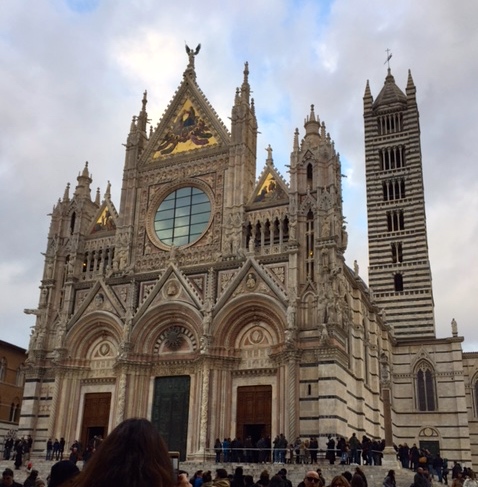


Siena still seems one of the blessed places of the Earth, a town whose beauty alone might justify the claim inscribed on the Camollia Gate: – ‘Siena opens her heart wide to you’. From the shell-shaped Piazza del Campo, the three terzi (districts) spread along the town’s three curving ridges, their harmonious buildings constructed in the bricks of that warm hue known to artists as ‘burnt sienna’. In the prosperous years before the Black Death, ‘the city of the Virgin’, as it was called, had a population of over 50,000 in addition to another 50,000 in its contado, the country districts and small towns it controlled to its south and west. By the time of Lorenzetti’s frescoes, Siena had added Grosseto and Massa Marittima to its domains.
By the 1330s Florence had twice as many inhabitants as Siena, yet it was at this time that the smaller city, already possessor of the striking zebra-striped cathedral we see today, decided to erect the largest church in Christendom. The project was halted by the Black Death, which killed half the town’s population, and was abandoned soon afterwards, but some of its pillars and arches still stand as testament to monumental ambition. The existing cathedral, which is pretty large itself, would have become merely the transept of the greater glory. Siena’s rulers, whom their subjects might
Gilmour, David (2011-10-25). The Pursuit of Italy: A History of a Land, Its Regions, and Their Peoples (Kindle Locations 1226-1230). Farrar, Straus and Giroux. Kindle Edition.
The work of Emilio Pucci (1914-92), Florentine fashion designer and Marchese di Barsento, has been on my radar all of my life. I absolutely love it.
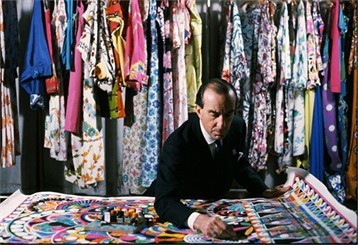
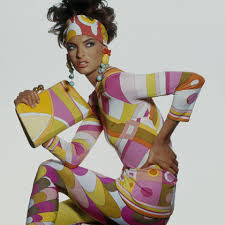
I mean, what’s not to love?
Pucci was born in 1914 to one of Florence’s oldest aristocratic families, and he both lived and worked at his family’s Palazzo Pucci, which is a stone’s throw from the Duomo in Florence, for much of his life. Check out his Palazzo here.
Pucci had an amazingly wide variety of interests and was an avid sportsman, who swam, skied, fenced, played tennis and raced cars. He attended the University of Milan for two years and then studied agriculture, of all things, in the United States at the University of Georgia. In 1935 he started school at Reed College in Oregon, where he eventually received a Master’s degree in social science. Pucci was on the ski team at Reed and his first real fashion design was created for this team.
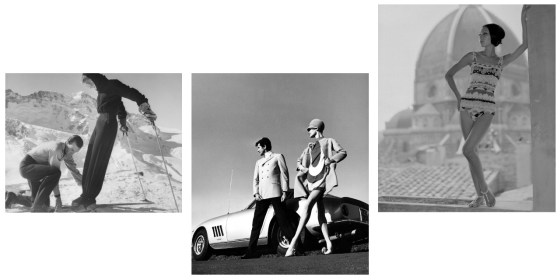
That same year he was awarded a (an honorary degree one has to suppose ) laurea in poli science from the University of Florence. Always invested in Italian politics, even at Reed College he was known as a staunch defender of the Fascist regime in Italy.
When Pucci returned home he joined the Italian air force, rising to the rank of captain. He became entwined in the lives of Benito Mussolini’s oldest daughter, Edda and her husband, which led to Pucci being arrested and tortured by the Gestapo. He lived in Switzerland until the war ended.
Pucci’s first recognition for his design was in the 1948 issue of Harper’s Bazaar. He had designed some ski wear for a friend, utilizing the new stretch fabrics, and his sleek new designs caused a sensation.
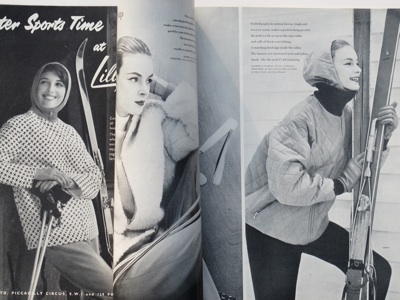
Several American manufacturers offered to produce this glamorous new ski wear, but Pucci instead set up his own atelier in the fashionable resort of Canzone del Mare on Capri, which was a brilliant strategy, for Capri was a destination for the world’s new international jet set.
Pucci’s business thrived almost immediately. He experimented with the stretch fabrics to create a swimwear line in 1949, but found his voice in designing brightly-colored patterned silk scarves. Neiman Marcus, the high end American retailer, noticed Pucci’s scarves and suggested Pucci create blouses and then a popular line of wrinkle-free printed silk dresses. He seemed to be made of gold, for his designs caught on immediately. He opened a boutique in Rome. Pucci was a hot designer commodity by the mid 1950s.
Marilyn Monroe discovered Pucci in the early 1960s and enhanced the designer by wearing his creations in some of her last photo shoots. Many celebrities wore Pucci, including Sophia Loren and Jacqueline Kennedy.
In 1959, Pucci decided to create a line of lingerie. Since he’d had some textile related issues in Italy in the 1940s, he deiced to give his lingerie contract to Formfit-Rogers mills in Chicago. It was a successful venture. In 1959, Pucci met Cristina Nannini, a Roman baroness, whom he married.
During the go-go 1960s, Braniff International Airways engaged Pucci to update the airline’s image by designing new clothing for the flight attendants (or stewardesses–as the almost exclusively female crew were then known).
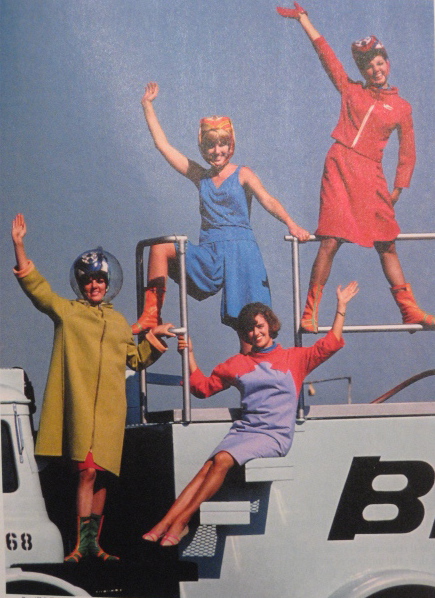
Pucci designed six complete collections for Braniff hostesses, pilots and ground crew between 1965 and 1974. The 1968 garments were copied for the very popular Barbie doll.
Among the more unusual aspects of Pucci’s Braniff designs was the so-called “bubble helmet” – a clear plastic hood worn by flight attendants between terminal building and aircraft to protect their hairdos from rain and the blast of jet engines.
Pucci’s influence even extended all the way to the Moon! He suggested the three bird motif for the Apollo 15 mission patch.

Last week I had the great pleasure of dining at Cantinetta Antinori, one of my all-time favorite Florentine eateries. As a starter, I enjoyed a raw artichoke and parmesan cheese salad. It was dressed with the finest olive oil and fresh lemon juice, salt and pepper.
I didn’t get the chance to photograph my salad, as sometimes that just seems inappropriate. But, I haven’t forgotten the salad and today I found a nice primer on how to prepare it.
I didn’t take a photo of my lunch, but I did capture the place and time!


Wherever you are, whatever you are doing to celebrate the arrival of 2017, I send you auguri!
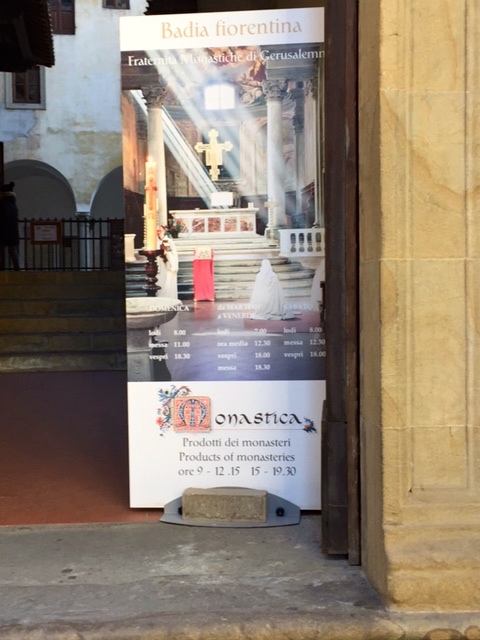
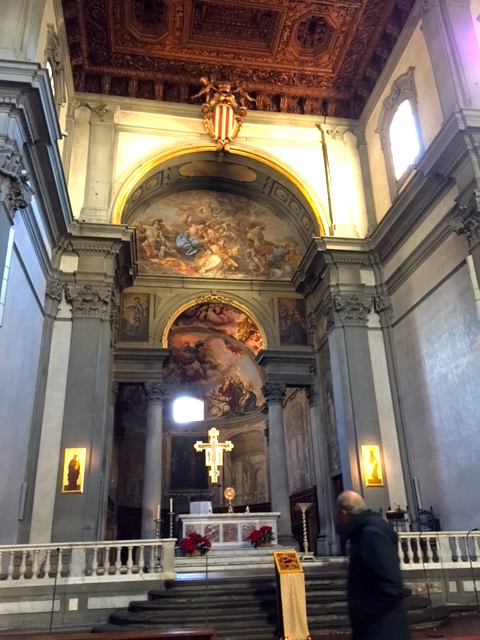
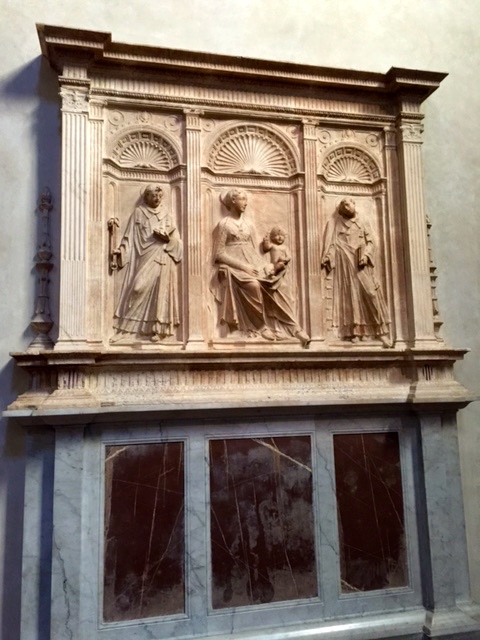
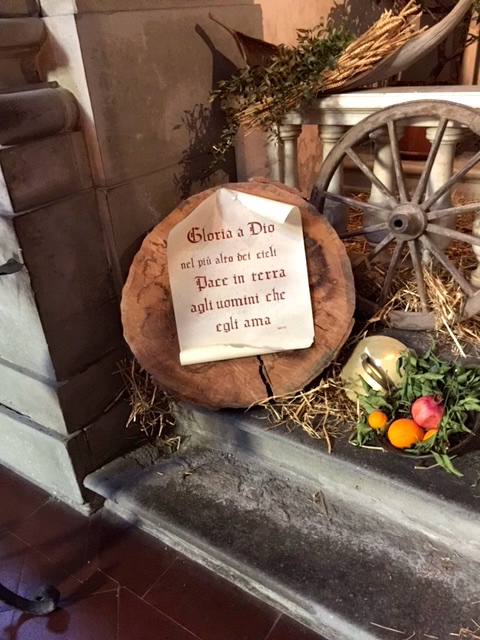
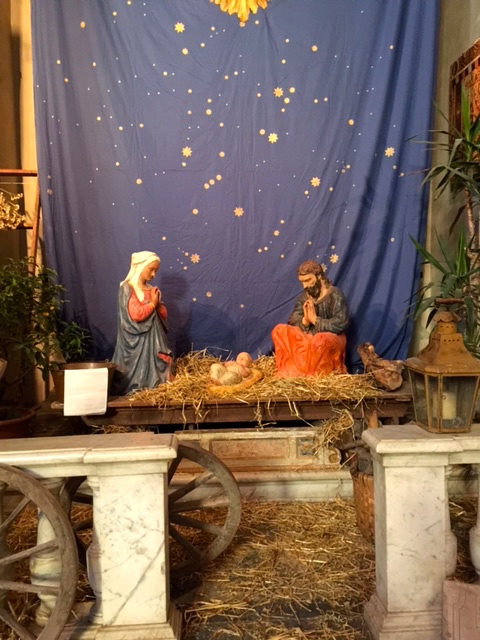
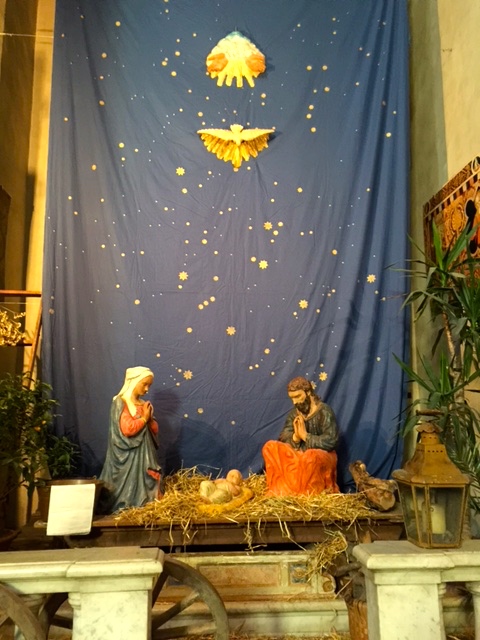
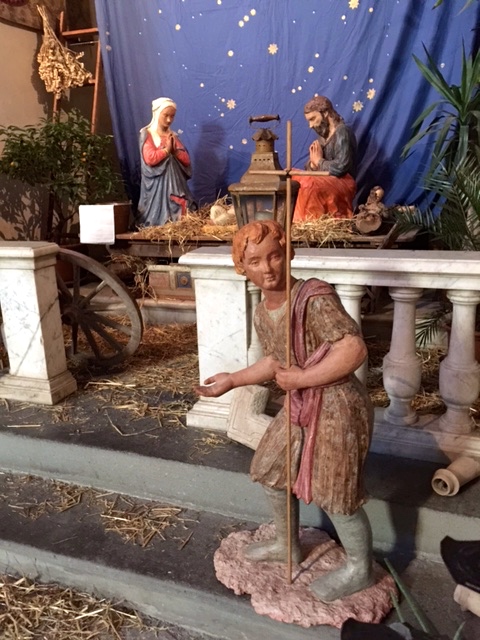
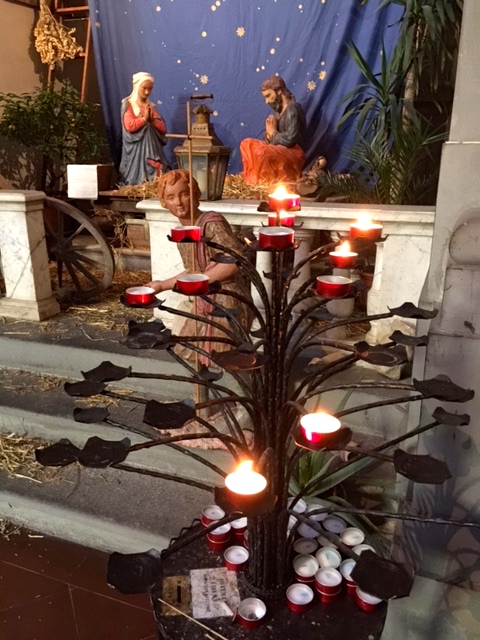
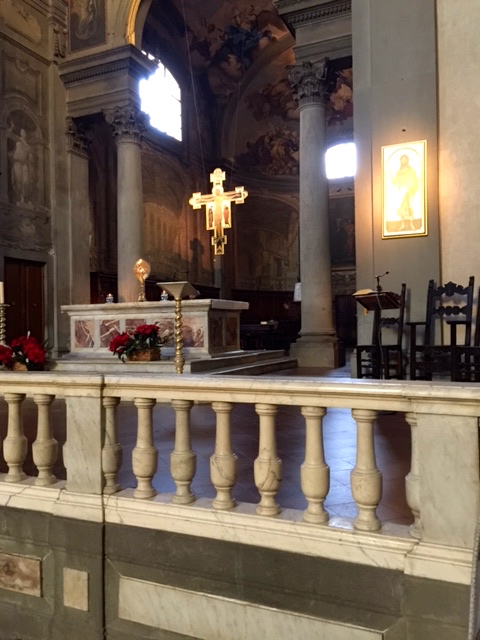
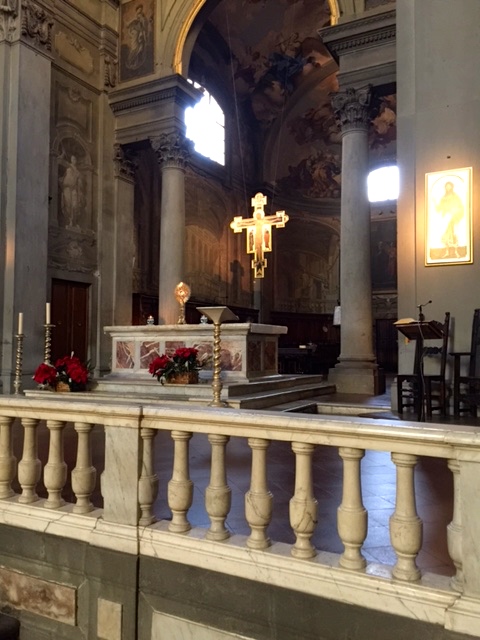
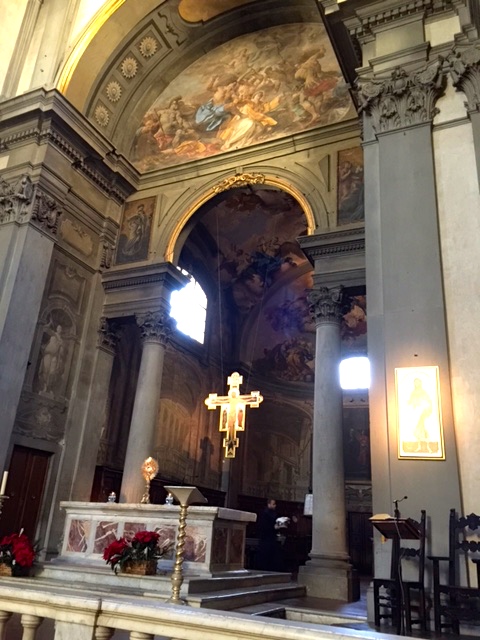
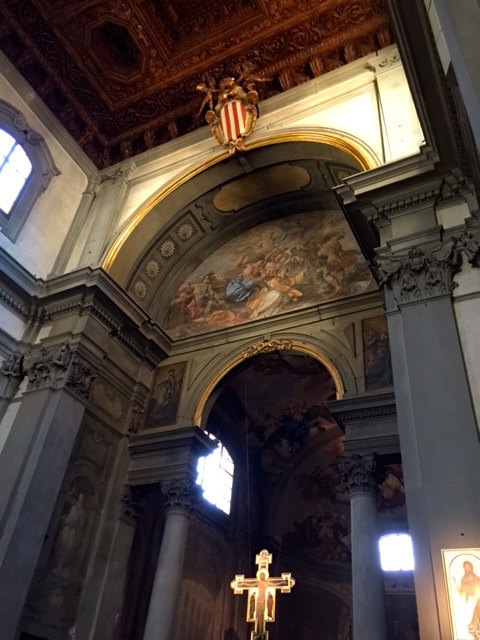
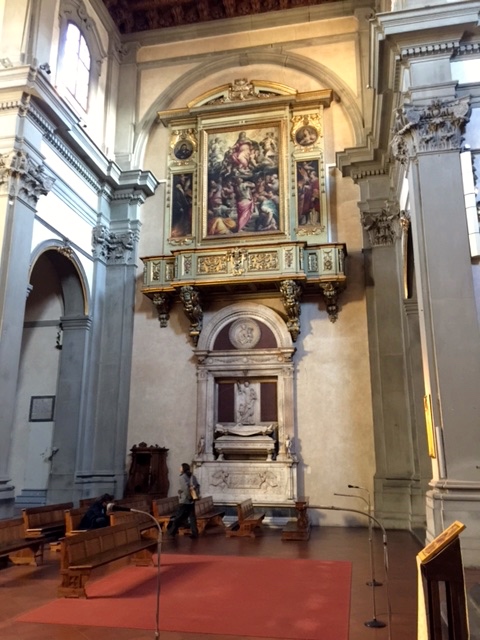
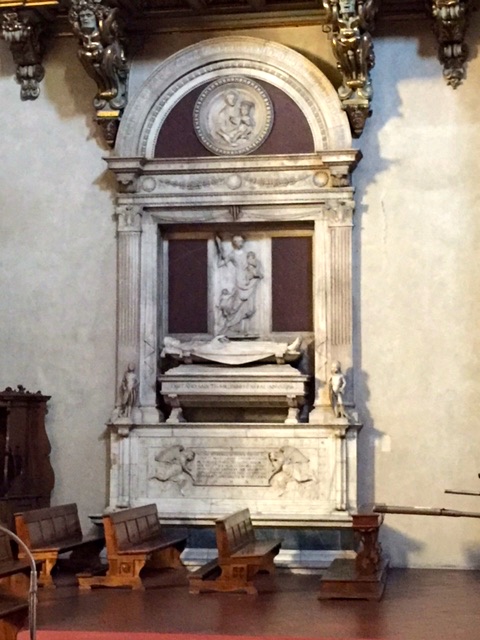
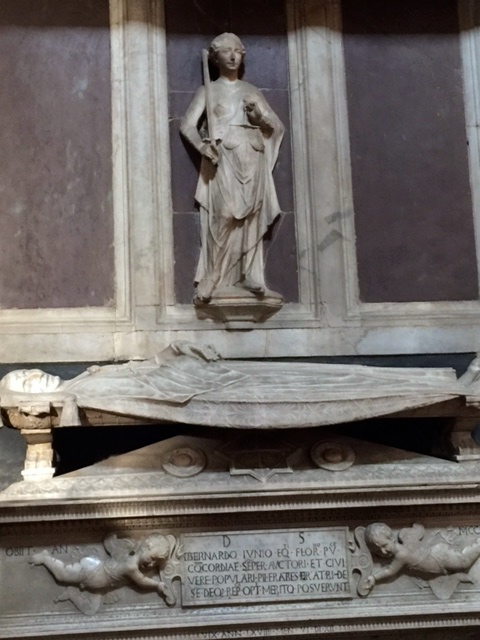
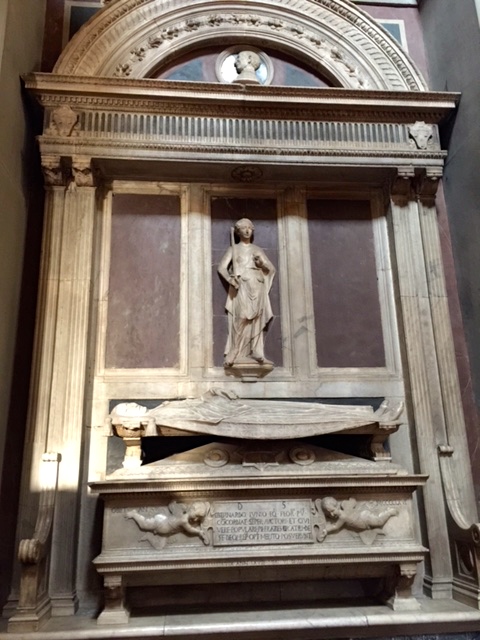
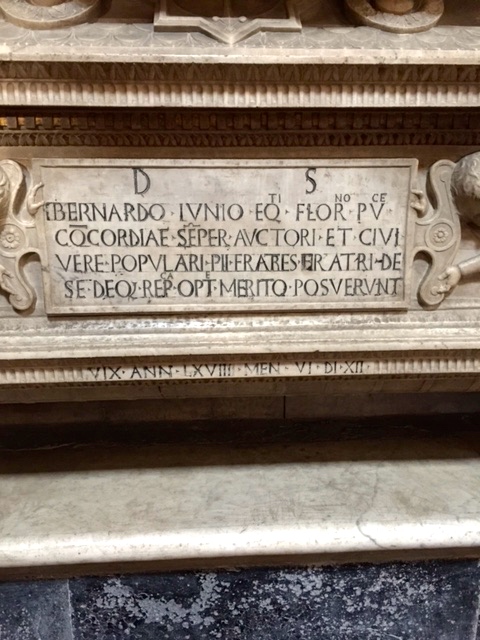
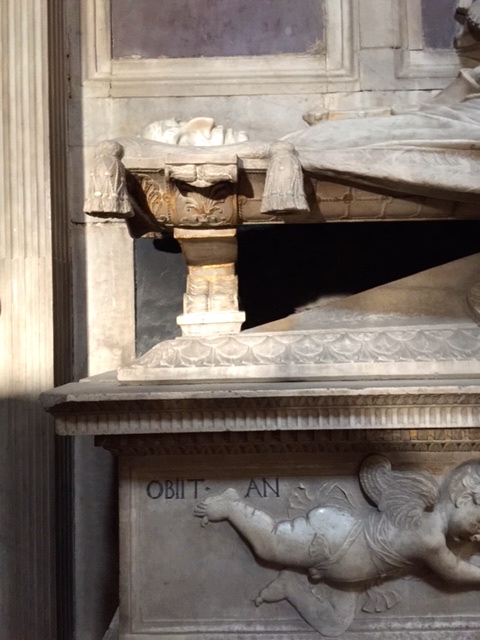
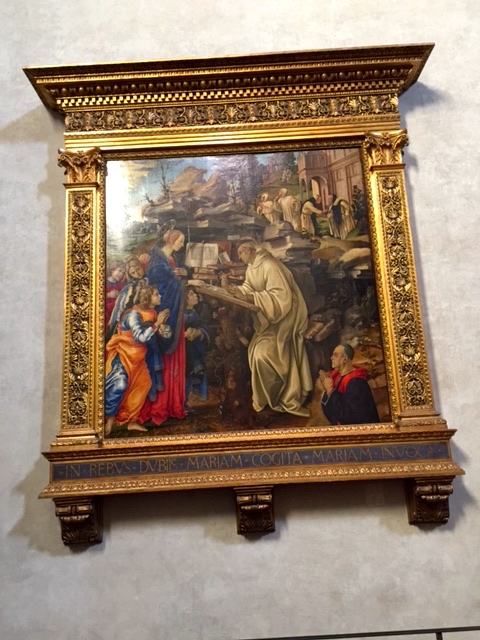
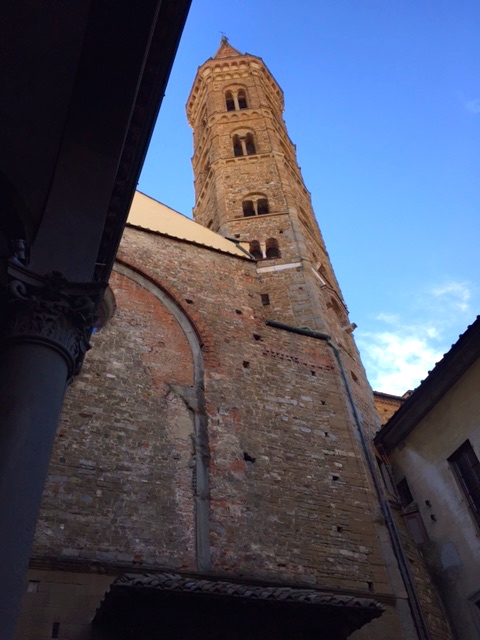
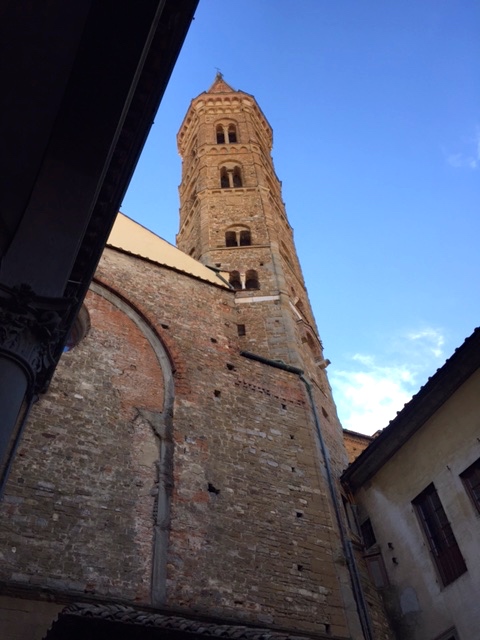
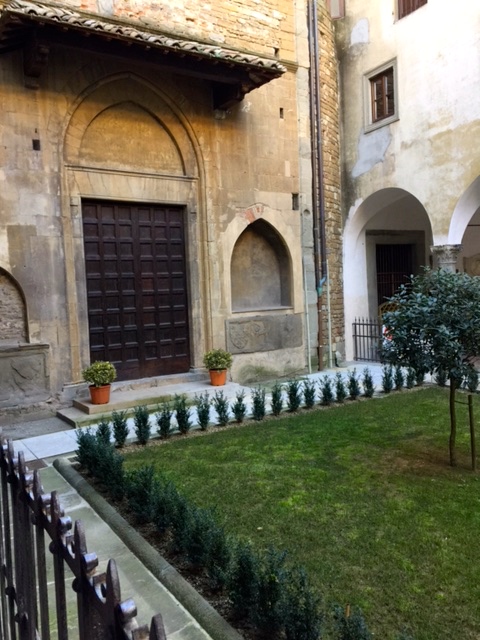
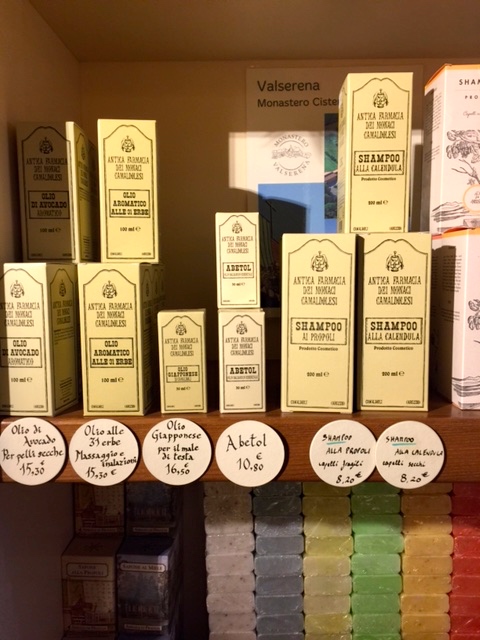
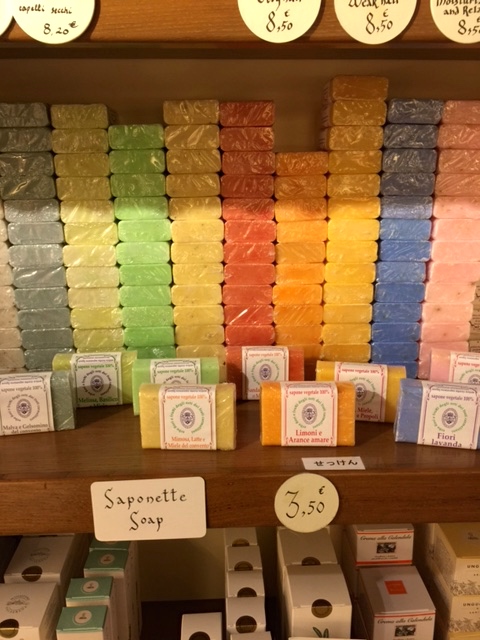
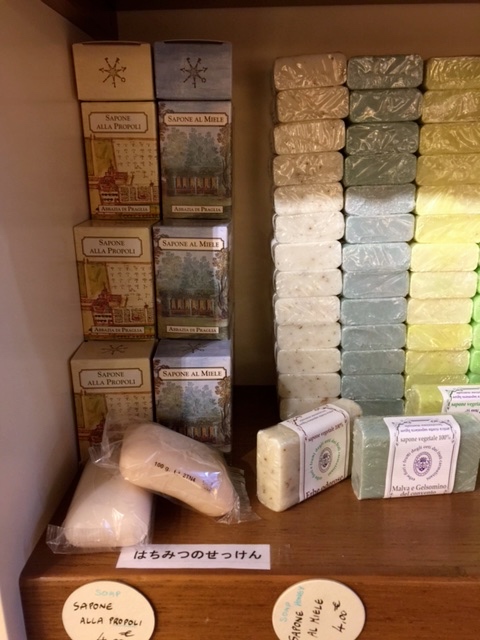
I’ve been busy, although I haven’t been posting much this past week. But today I share with you the photos I took today of the Badia fiorentina, complete with its Nativity scene. Two major tombs are part of the interior of this fine, ancient church in Florence, as well as a gorgeous coffered wood ceiling. Also, a fine altarpiece by Fra Filippo Lippi is still in situ.
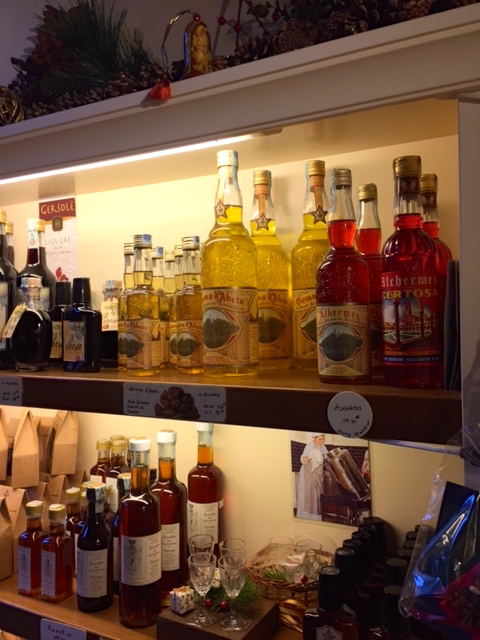
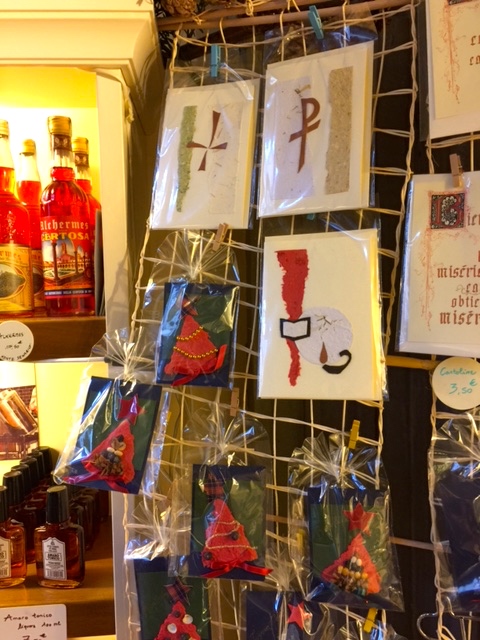
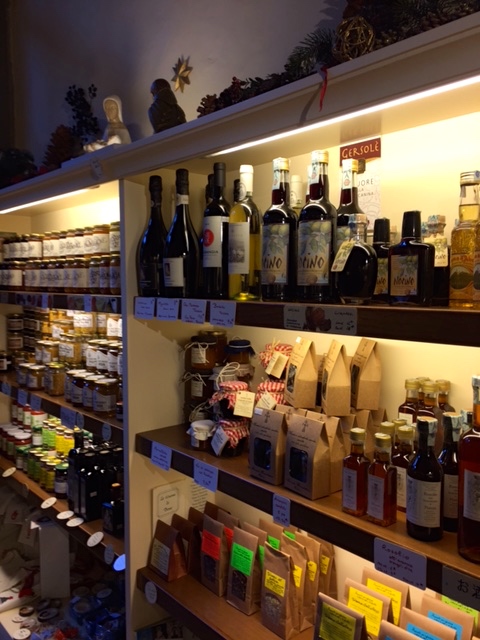
At the end of the pictures, I’ve included the offerings from the shop attached to the church. Here one may buy jams and jellies, spirits and wines, soaps and lotions, all made by the monastic orders.
Please enjoy!
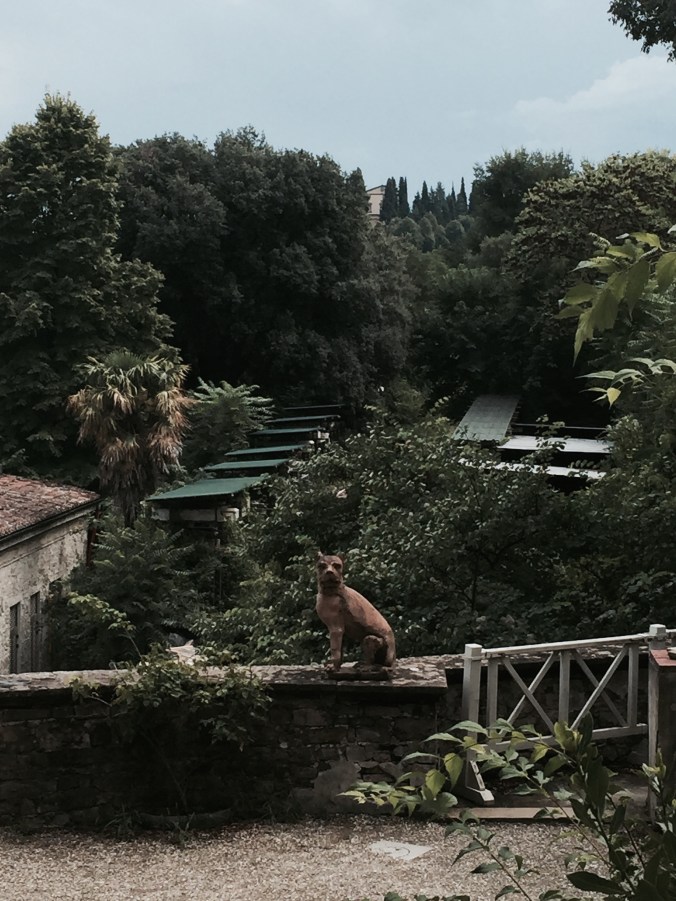
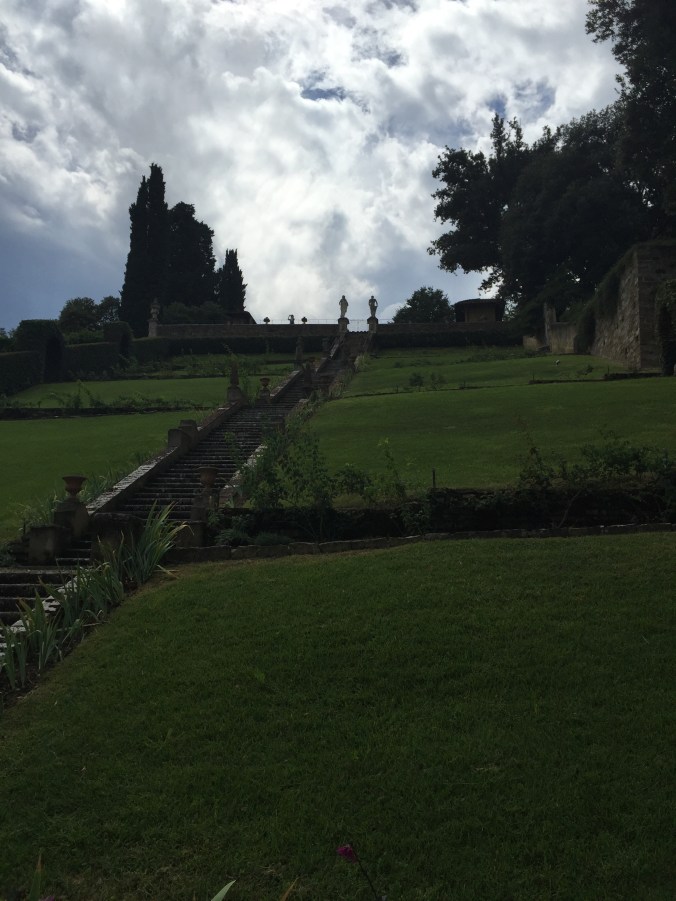
One of the prettiest places in Florence, with incredible views of the city, is Giardino Bardini. Here are a few of my fav photos I took last summer of the garden and its views.
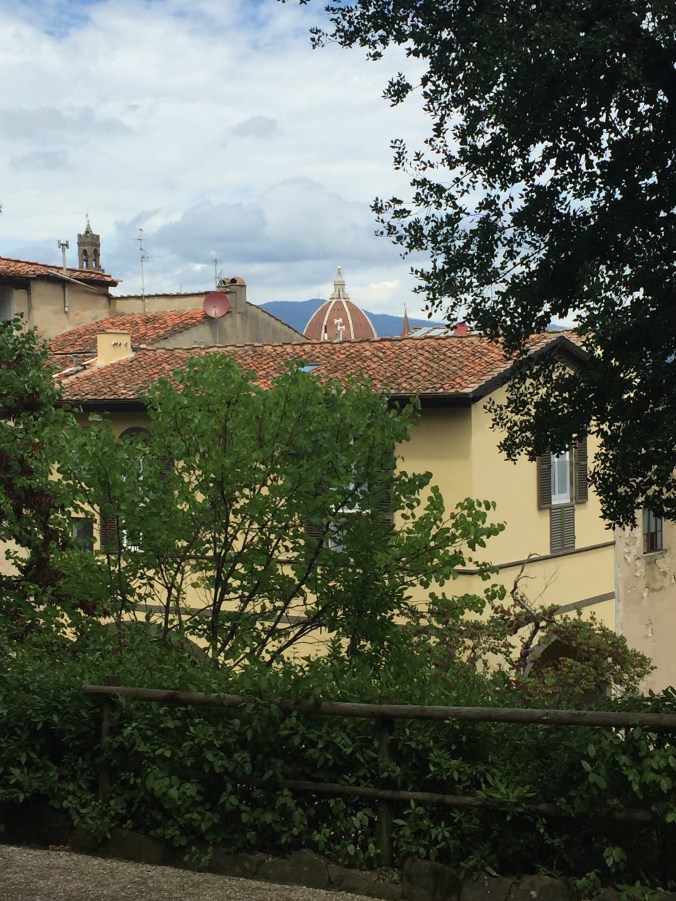
Here comes the first view of the Duomo dome as one walks up and into the garden.
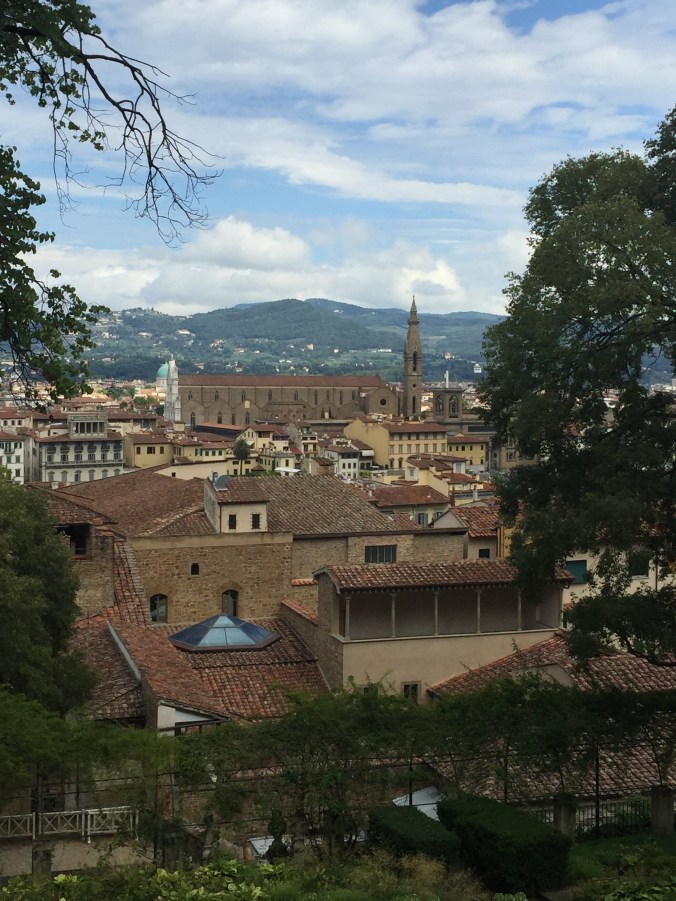
And here is a view of Santa Croce with it’s campanile at the back and its white marble encrusted facade at the front (left in picture below).
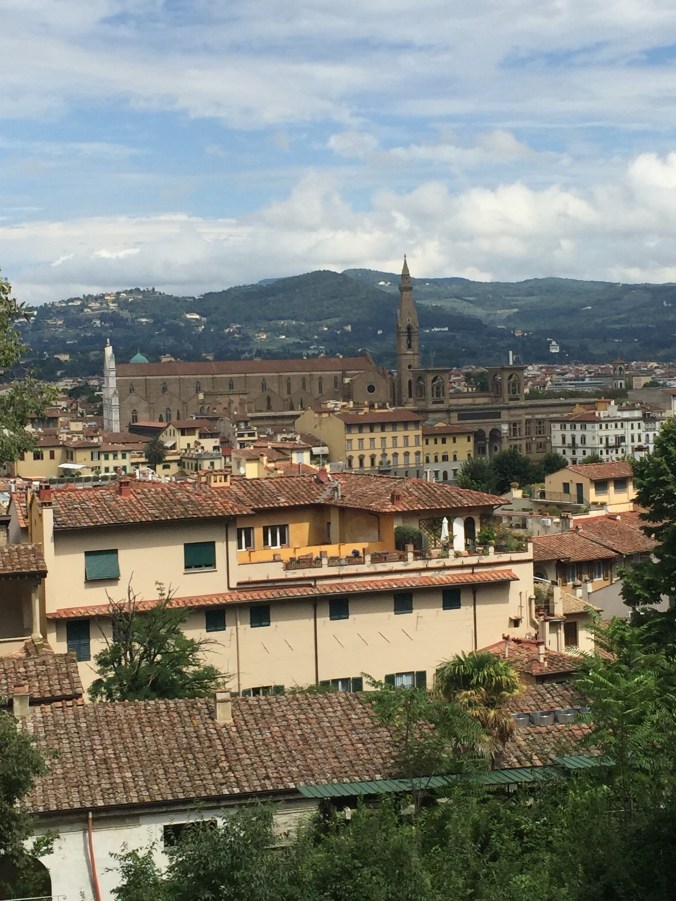
Here’s a zoomed in shot of Santa Croce from Bardini garden.
Now I am high enough in the garden to photograph the actual garden, for now some of it is below me.
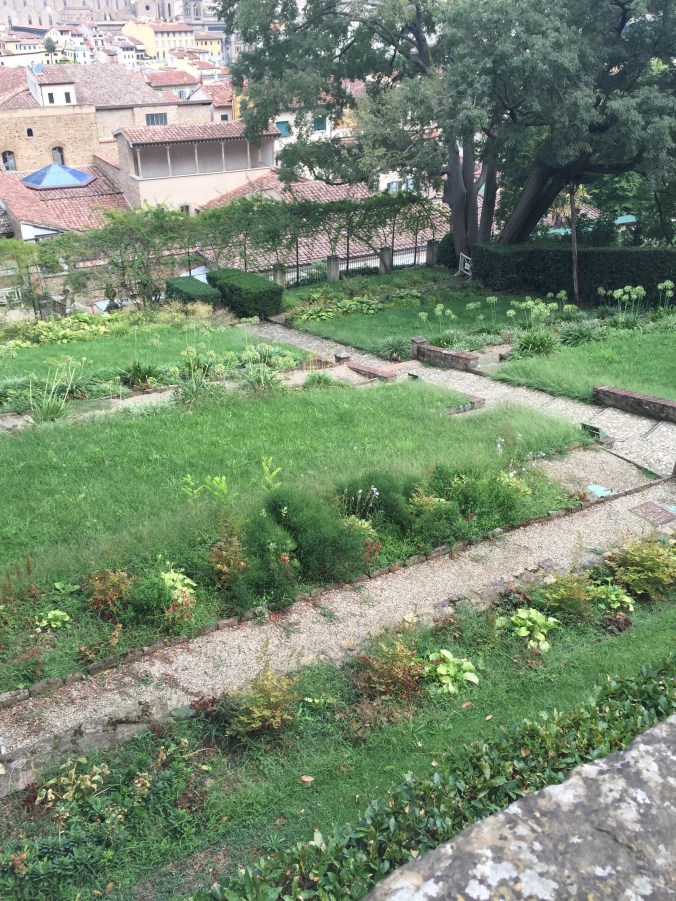
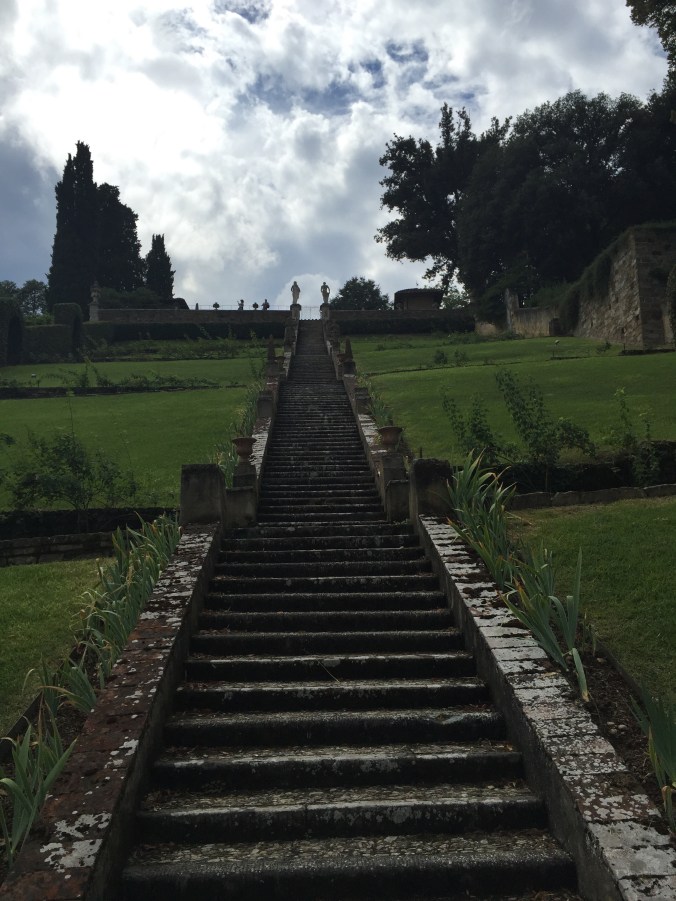
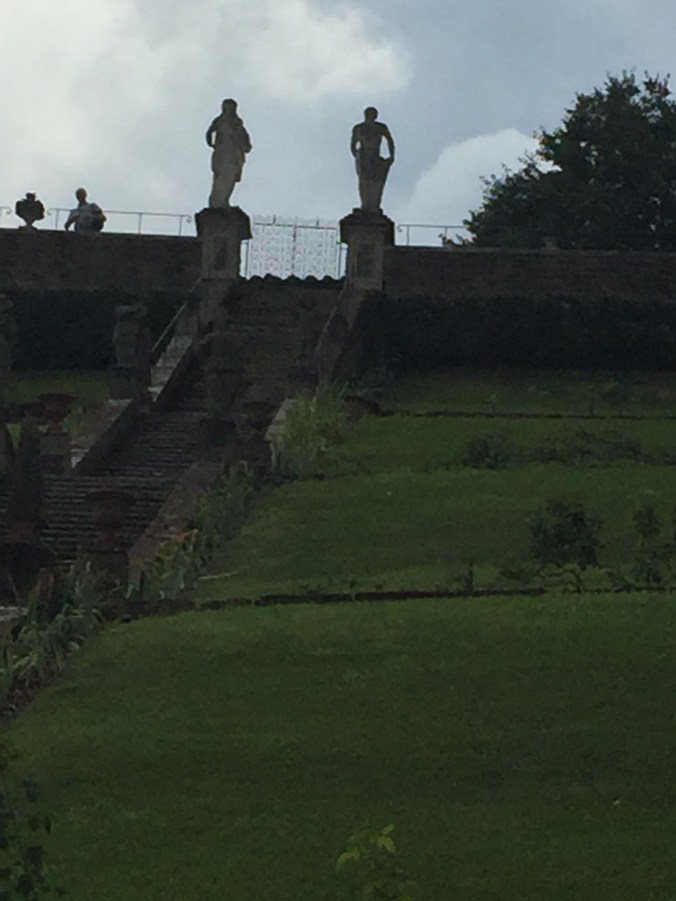
Turning around, here’s the garden terrace above me. Those Renaissance landscape architects sure knew how to make use of a hill when creating a garden!
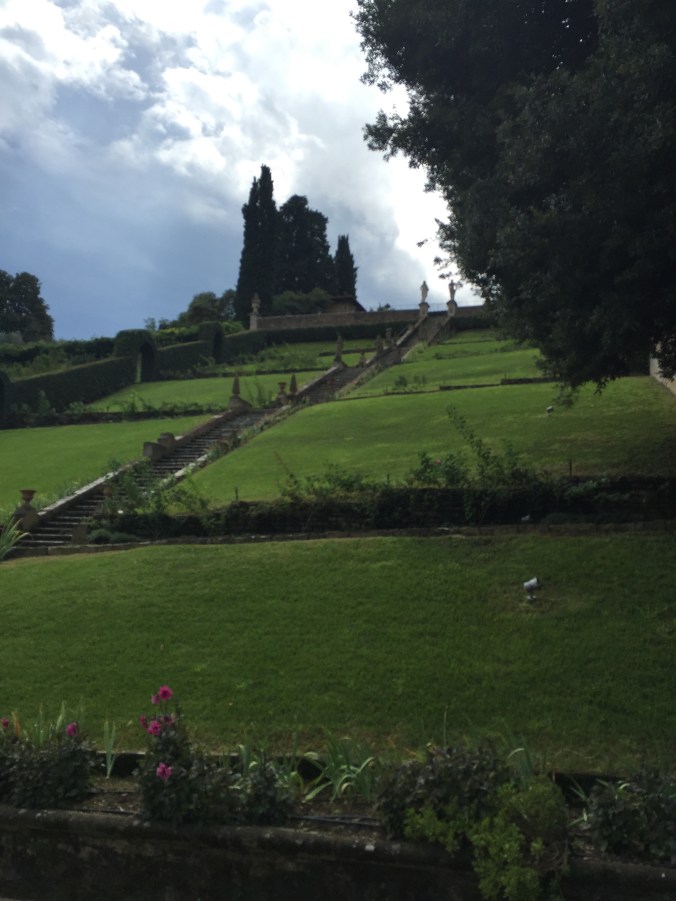
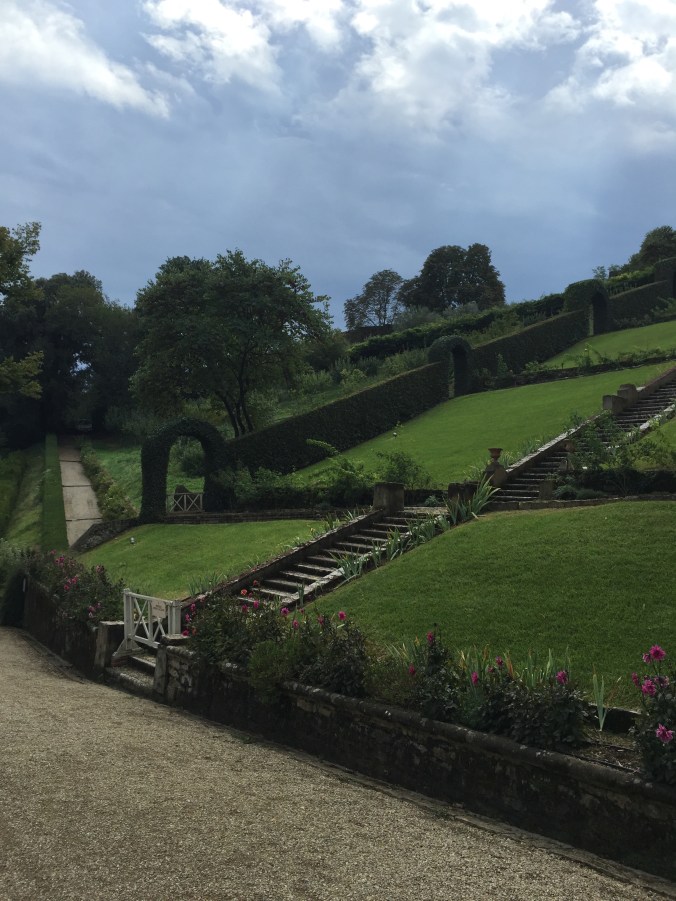
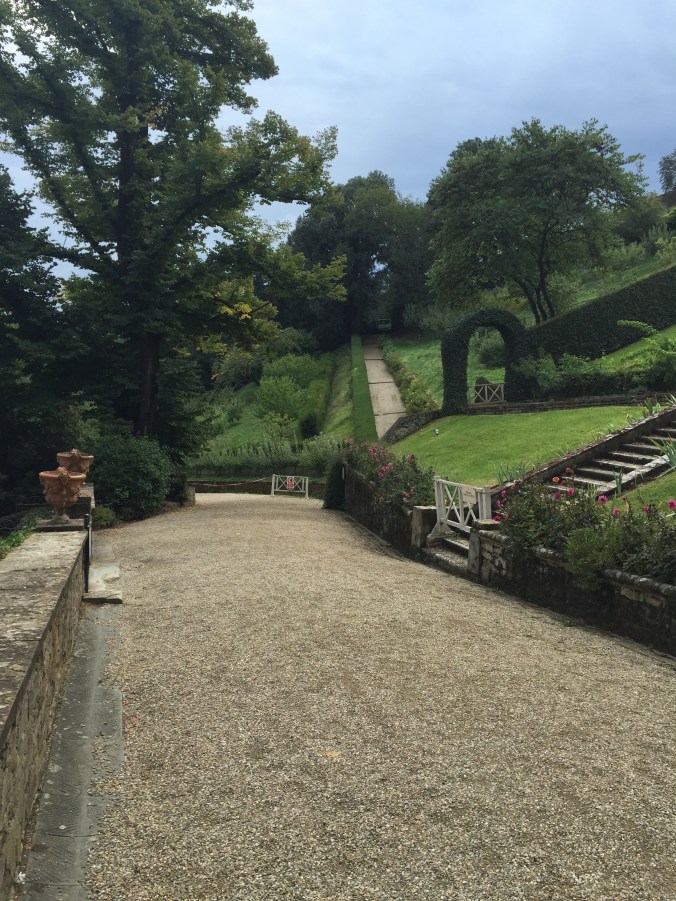
I mean, really, how lovely is this garden? I love this shot below. The sky is so dramatic!
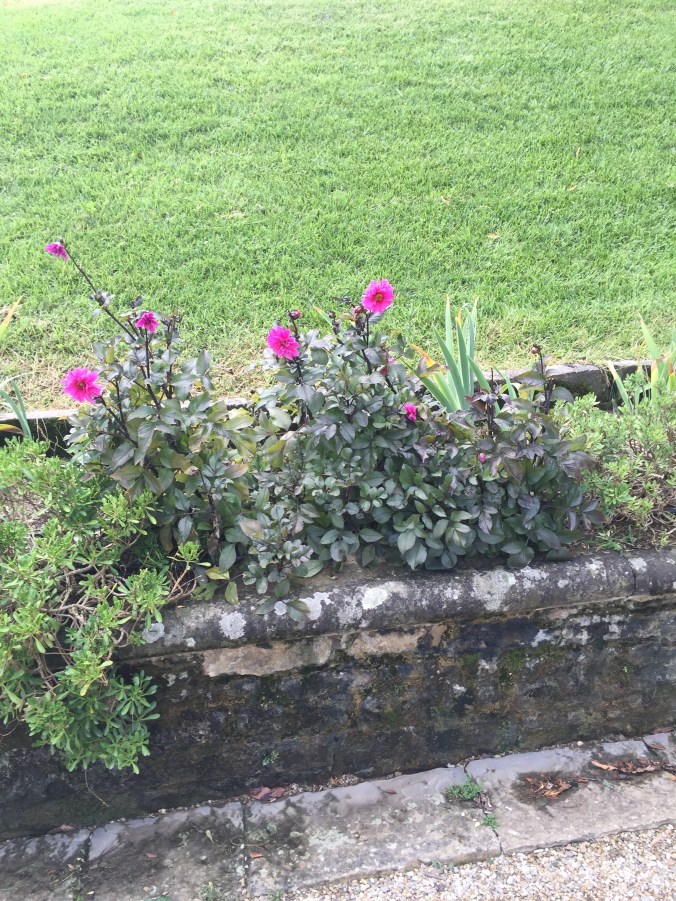
Some blooming dahlias in the garden. Flowers are not a big part of Italian (or French) formal garden design.
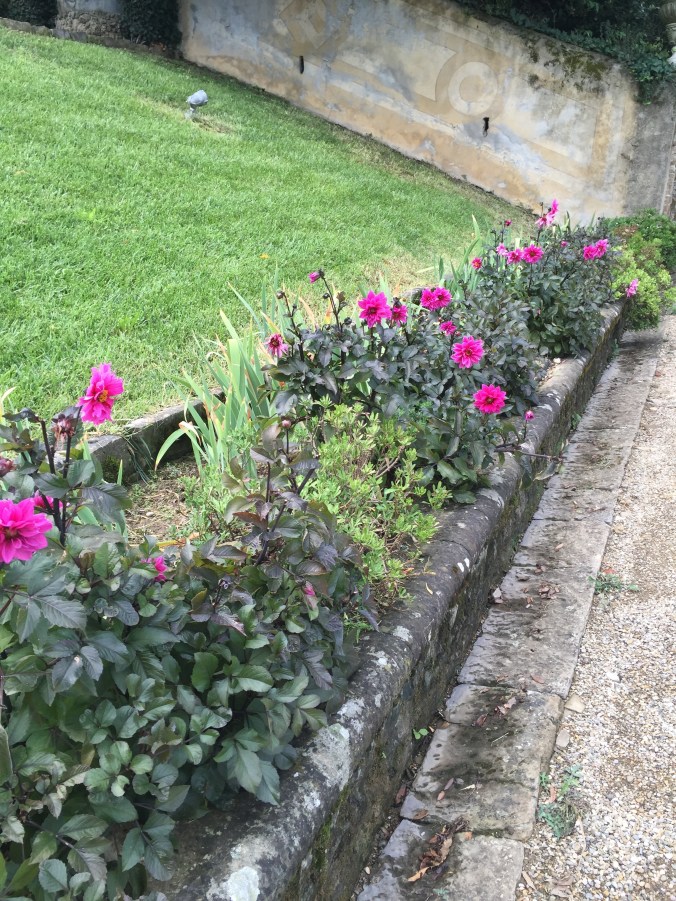
Here is the path I am following. Gorgeous architectural and horticultural details all along the way to keep you intrigued.
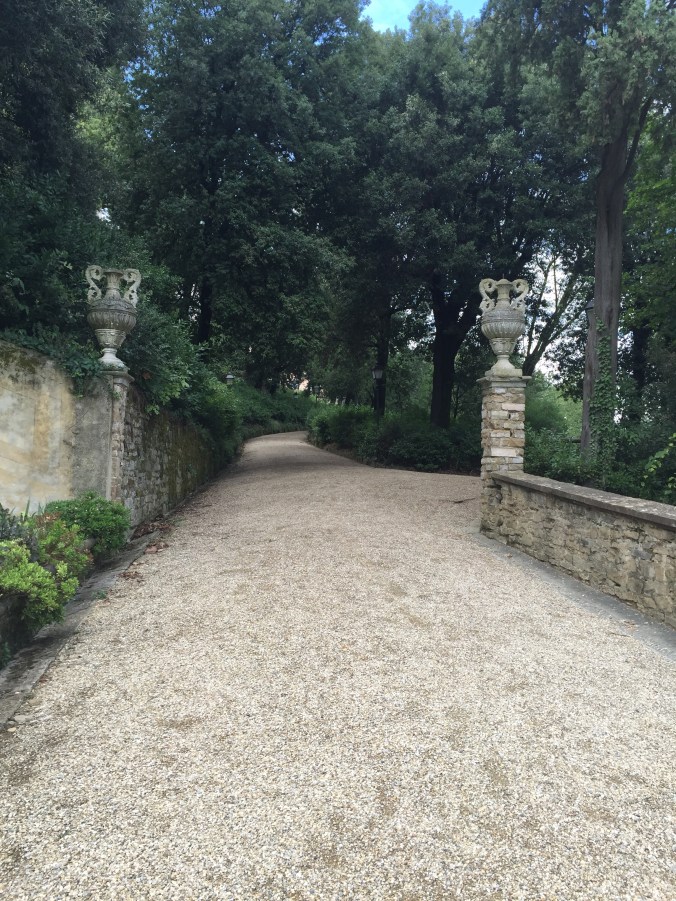
And it may be a hot summer day and you make have pea gravel in your sandals. You may find the passage challenging because it is mostly uphill (because it is). But then, there’s this:
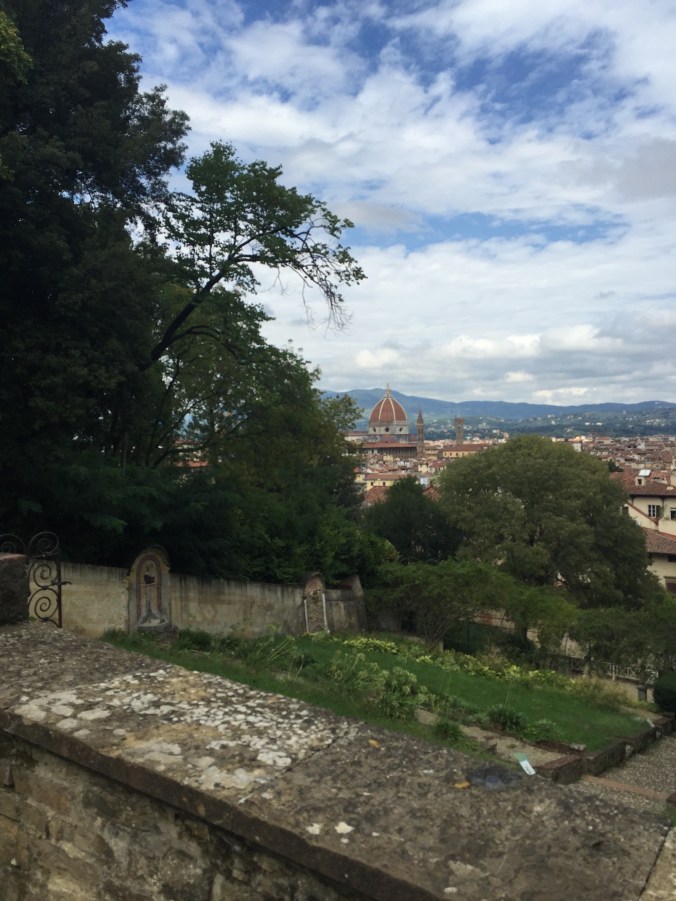
What a view!
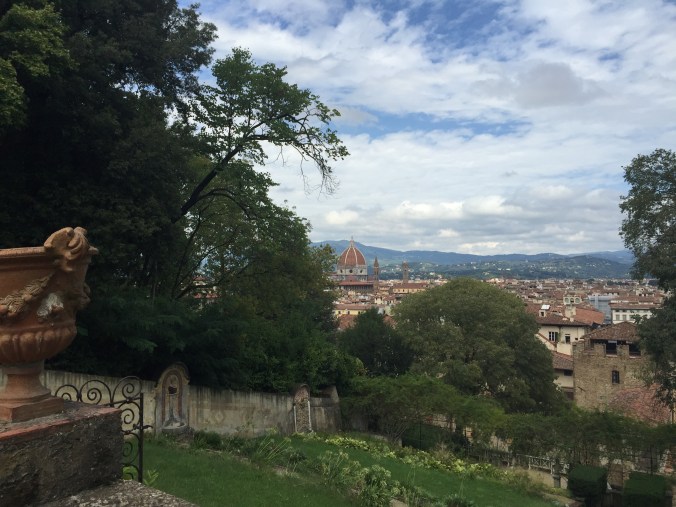
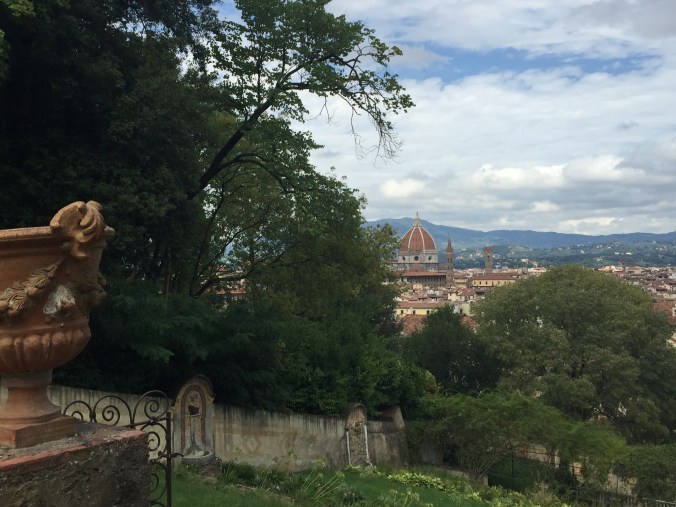
Come back soon for part 2 of this garden tour. Ciao!
1967, Rome.

 get back, lauretta!
You must be logged in to post a comment.