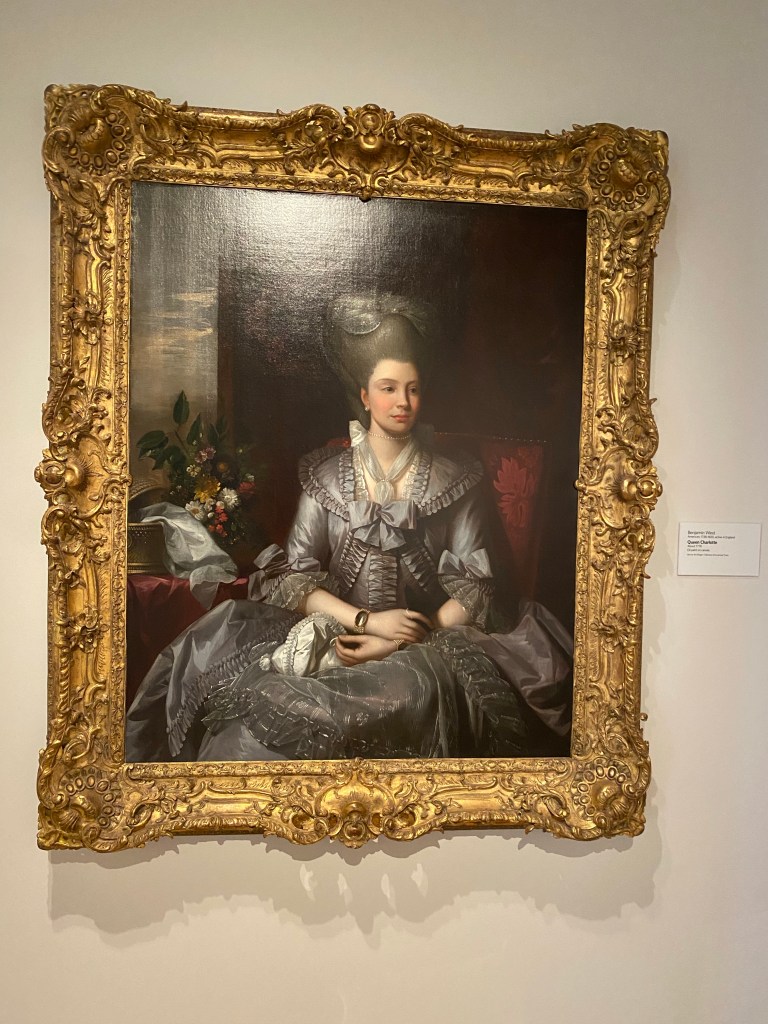
Benjamin West’s Portrait of Queen Charlotte

On loan to Denver Art Museum.
Benjamin West is a fascinating figure in American art history. He was born in 1738 in Pennsylvania, in a house that is now in the borough of Swarthmore on the campus of Swarthmore College. He was the tenth child of an innkeeper, John West, and his wife, Sarah Searson. The family later moved to Newtown Square, Pennsylvania, where his father was the proprietor of the Square Tavern, still standing in that town.

West told the novelist John Galt, with whom, late in his life, he collaborated on a memoir, The Life and Studies of Benjamin West, that, when he was a child, Native Americans showed him how to make paint by mixing some clay from the river bank with bear grease in a pot. West was an autodidact; while excelling at the arts, “he had little [formal] education and, even when president of the Royal Academy, could scarcely spell”. One day, his mother left him alone with his little sister Sally. Benjamin discovered some bottles of ink and began to paint Sally’s portrait. When his mother came home, she noticed the painting, picked it up and said, “Why, it’s Sally!”, and kissed him. Later, he noted, “My mother’s kiss made me a painter”.

From these simple origins, he went on to become a major figure in British art history, of which the painting on loan in Denver is a representative.

From 1746 to 1759, West worked in Pennsylvania, mostly painting portraits. While West was in Lancaster in 1756, his patron, a gunsmith named William Henry, encouraged him to paint a Death of Socrates based on an engraving in Charles Rollin’s Ancient History. His resulting composition, which significantly differs from the source, has been called “the most ambitious and interesting painting produced in colonial America”.

Dr William Smith, then the provost of the College of Philadelphia, saw the painting in Henry’s house and decided to become West’s patron, offering him education and, more importantly, connections with wealthy and politically connected Pennsylvanians. During this time West met John Wollaston, a famous painter who had immigrated from London. West learned Wollaston’s techniques for painting the shimmer of silk and satin, and also adopted some of “his mannerisms, the most prominent of which was to give all his subjects large almond-shaped eyes, which clients thought very chic”.

West was a close friend of Benjamin Franklin, whose portrait he painted. Franklin was the godfather of West’s second son, Benjamin.

Benjamin Franklin Drawing Electricity from the Sky, c. 1816, now housed in the Philadelphia Museum of Art


In 1760 West went abroad, first to Italy. Sponsored by Dr. Smith and William Allen, then reputed to be the wealthiest man in Philadelphia, West traveled to Italy in 1760 in the company of the Scot William Patoun, a painter who later became an art collector. In common with many artists, architects, and lovers of the fine arts at that time he conducted a Grand Tour. West expanded his repertoire by copying works of Italian painters such as Titian and Raphael direct from the originals. In Rome he met a number of international neo-classical artists including German-born Anton Rafael Mengs, Scottish Gavin Hamilton, and Austrian Angelica Kauffman.

In August 1763, West arrived in England, on what he initially intended as a visit on his way back to America. In fact, he never returned to America. He stayed for a month at Bath with William Allen, who was also in the country, and visited his half-brother Thomas West at Reading at the urging of his father. In London he was introduced to Richard Wilson and his student Joshua Reynolds. He moved into a house in Bedford Street, Covent Garden. The first picture he painted in England, Angelica and Medora, along with a portrait of General Robert Monckton, and his Cymon and Iphigenia, painted in Rome, were shown at the exhibition in Spring Gardens in 1764.

In 1765, he married Elizabeth Shewell, an American he met in Philadelphia.

Dr Markham, then Headmaster of Westminster School, introduced West to Samuel Johnson, Edmund Burke, Thomas Newton, Bishop of Bristol, James Johnson, Bishop of Worcester, and Robert Hay Drummond, Archbishop of York. All three prelates commissioned work from him. In 1766 West proposed a scheme to decorate St Paul’s Cathedral with paintings. It was rejected by the Bishop of London, but his idea of painting an altarpiece for St Stephen Walbrook was accepted. At around this time he also received acclaim for his classical subjects, such as Orestes and Pylades and The Continence of Scipio.

West was known in England as the “American Raphael.” His Raphaelesque painting of Archangel Michael Binding the Devil is in the collection of Trinity College, Cambridge.

Drummond tried to raise subscriptions to fund an annuity for West, so that he could give up portraiture and devote himself entirely to more ambitious compositions. Having failed in this, he tried—with greater success—to convince King George III to patronise West. West was soon on good terms with the king, and the two men conducted long discussions on the state of art in England, including the idea of the establishment of a Royal Academy. The academy came into being in 1768, with West one of the primary leaders of an opposition group formed out of the existing Society of Artists of Great Britain; Joshua Reynolds was its first president.

West painted around sixty pictures for George III between 1768 and 1801. From 1772 he was described in Royal Academy catalogues as “Historical Painter to the King” and from 1780 he received an annual stipend from the King of £100. In the 1780s he gave drawing lessons to the Princesses and in 1791 he succeeded Richard Dalton as Surveyor of the King’s Pictures.

Between 1776 and 1778 George III commissioned as set of five double or group portraits of his family to hang together in the King’s Closet at St James’s Palace. His Queen and twelve of his children are included in the arrangement (two appear twice); every portrait is filled with action, instruction and affection, making them seem almost like extended versions of the conversation pieces commissioned by George III’s parents. In this double portrait the Queen and the Princess Royal are engaged in tatting a piece of material or embroidery between them; on the table beside the Queen is a bust of Minerva, a sheet of music and papers; in the distance are St James’s Park and Westminster Abbey. As if all this were not improving enough there is a sheet of drawings by Raphael. West was paid 150 guineas for this painting which was exhibited at the Royal Academy in 1777.

The American Memorial Chapel at London’s St. Paul’s Cathedral

Screen Shot 2019-08-29 at 20.03.41

The website of  St Paul’s proudly states that “the UK has had a long relationship with the American people, formed largely after the Second World War, a conflict in which thousands of Americans based within the UK were to give their lives.”
The most visible striking reminder of this sacrifice and subsequent deep friendship can be found beyond the High Altar at the very east end of the Cathedral, in the American Memorial Chapel, a space rebuilt after being destroyed in the Blitz and dedicated in its entirety to the American dead of WWII.


At the heart of the chapel sits a huge, 500-page, leather-bound book; a roll of honor to the 28,000 Americans – from Aaberg to Zingale – stationed in the UK who gave their lives throughout the War. The book opens:

Defending freedom from the fierce assault of tyranny

they shared the honor and the sacrifice.

Though they died before the dawn of victory their names and deed

will long be remembered where ever free men live.

Thousands of the men named in the roll of honor died on the Normandy beaches on D-Day, as well as in training operations in the lead up to the campaign and in the subsequent battles on the European mainland, right up until the day on which the Allies celebrated Victory in Europe.

The book was unveiled in 1958 at a service to dedicate the Chapel, attended by The Queen and American Vice President, Richard M Nixon.

Screen Shot 2019-08-29 at 20.05.09


A year later, President Dwight D Eisenhower visited the Chapel and the roll of honor. Words in the book written by the President, who as a soldier commanded the Allied troops on D-Day, read:

Each name inscribed in this book is a story of personal tragedy and a grieving family; a story repeated endlessly in white crosses girdling the globe. The Americans, whose names here appear, were part of the price that free men have been forced a second time to pay in this century to defend human liberty and rights.

Fittingly, this roll of honor has been enshrined by the Mother Country of all English-speaking democracies in this special chapel of St Paul’s, once a target of barbaric attack. Here, we and all who shall hereafter live in freedom will be reminded that to these men and their comrades of all the Allies we owe a debt to be paid with grateful remembrance of their sacrifice and with the high resolve that the cause for which they died shall live eternally.

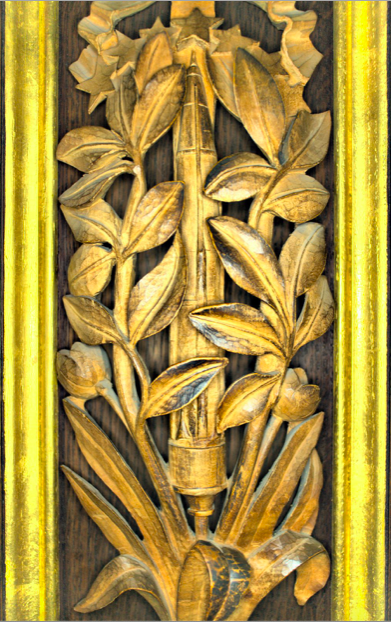
St Paul’s proudly states that the chapel itself is truly a place for all Americans. The three stained-glass windows contain the state symbols of every American state. The wood carvings contain the birds, plants and flowers of America and hidden away in one panel are a space rocket and stars – a nod to the space program that was being developed at the time the Chapel was completed.

Screen Shot 2019-08-29 at 20.07.05

Each November, St Paul’s holds a US Thanksgiving service, to which all Americans in London are invited.

Screen Shot 2019-08-29 at 20.06.14


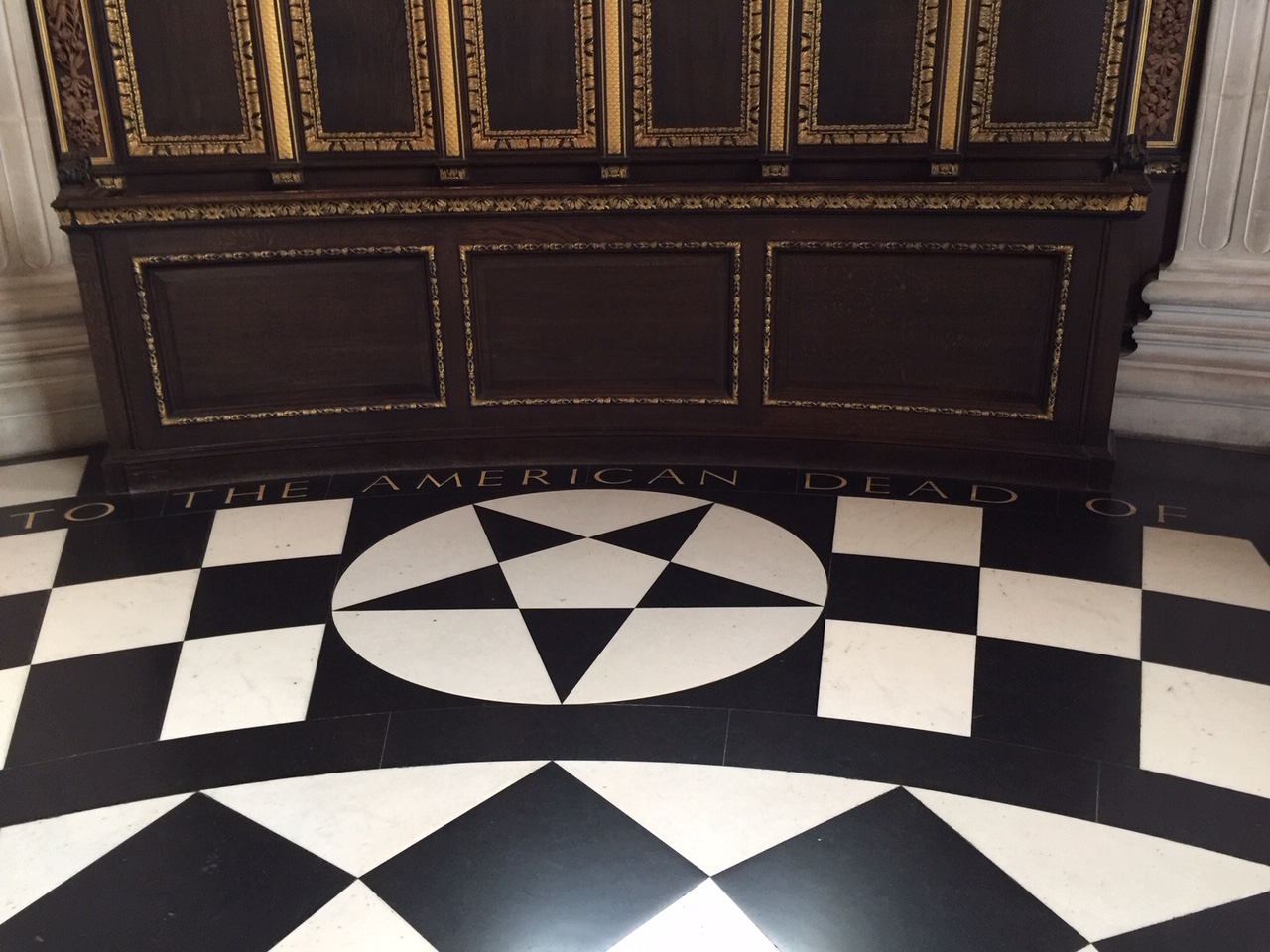
I visited this august memorial last month and was struck by its peaceful majesty.  In this calm, quiet space, the American war dead are remembered.  The inscription in the floor tells the story, simply and beautifully. It reads: “To the American dead of the Second World War from the People of Britain.”

Screen Shot 2019-08-29 at 20.20.26

IMG_0084


IMG_0085

img_0088


Mary Quant

fullsizeoutput_1716

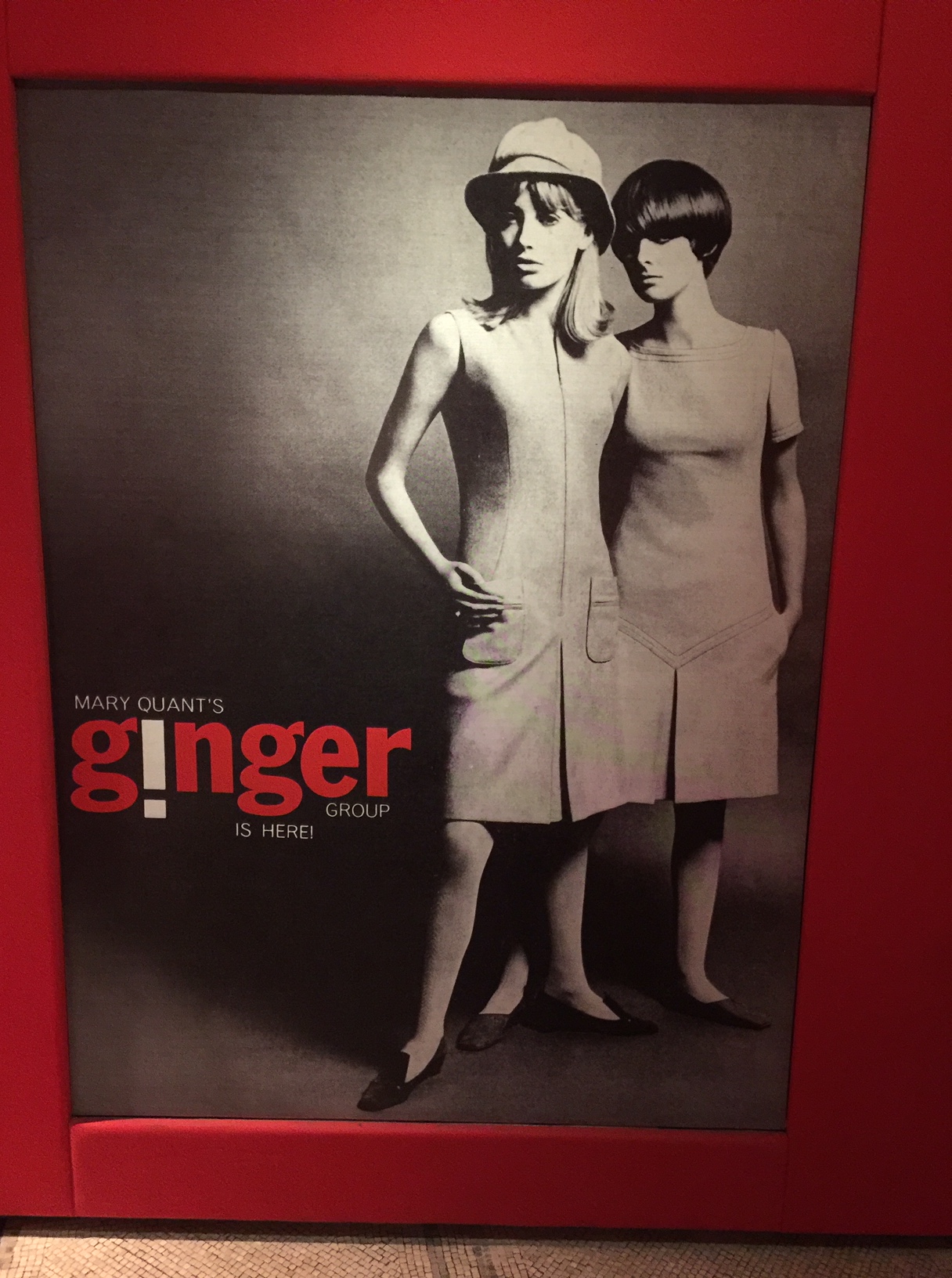
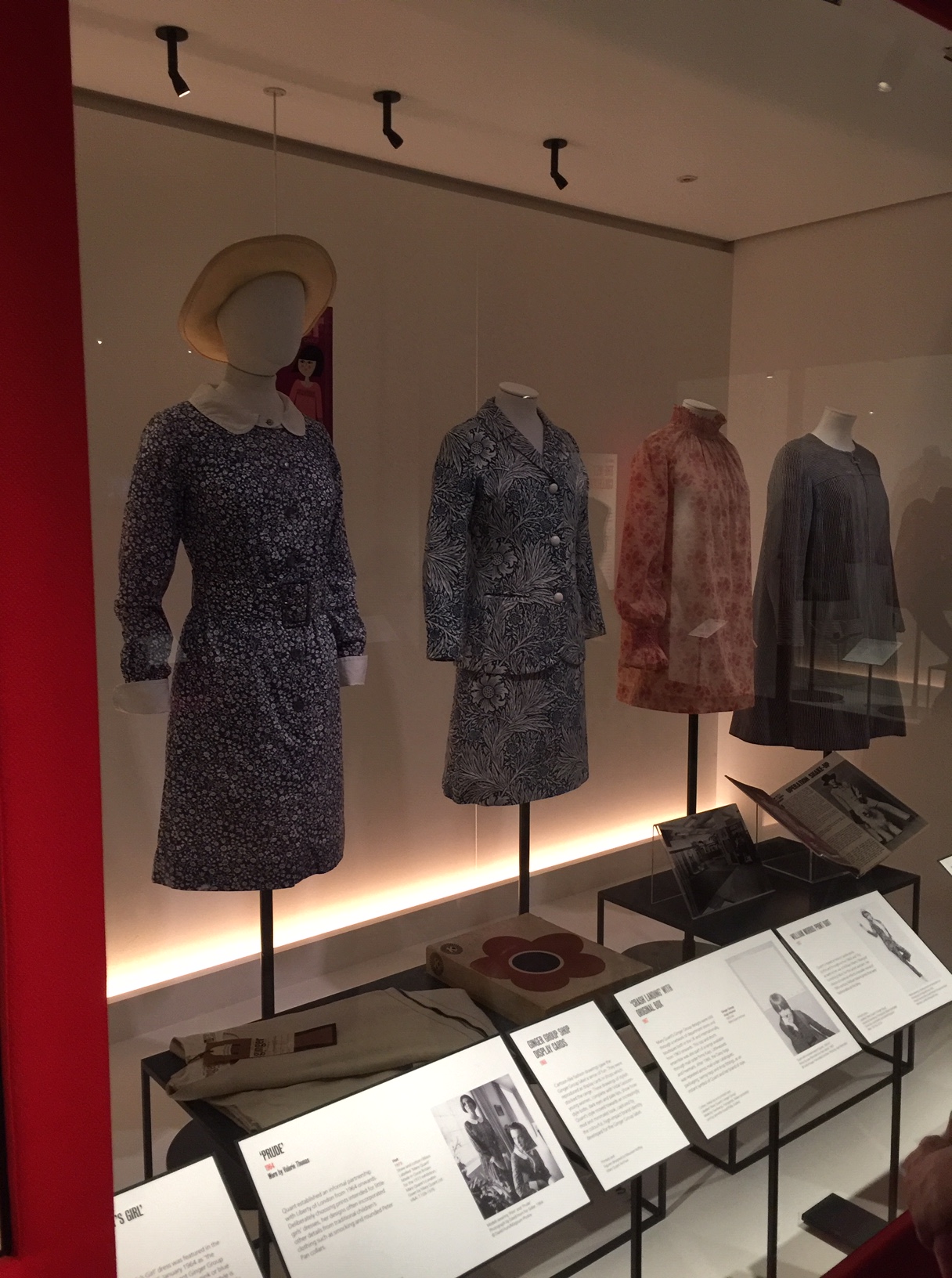
Last month I got to see the Mary Quant exhibition at the Victoria and Albert Museum in London.  It was a childhood dream to wear Mary Quant fashion.  Her work was not for sale in the small interior West American town where I grew up.  But, my mother could sew anything and she fashioned some Quant designs for me.  It breaks my heart that we didn’t keep all of those great things my mom sewed. But, they are stored in my memory and I remember how I felt when I wore them.  That suffices in a pretty big way.  Thanks mom!

IMG_0522

But Mary Quant’s fashions, along with Twiggy and the Beatles, were a big part of my burgeoning (teenage) identity.  Well, I mean that’s obvious.  The name of my blog is from the Beatles: “Get back!”

fullsizeoutput_1719


The photo above of legs and the next 3 of hair were the kind of thing that fired my imagination.  I couldn’t buy her fashions in South Dakota in the 1960s, but I could wear the tights and haircuts she inspired!  And I did!


fullsizeoutput_1718


fullsizeoutput_1715


IMG_0548


The rest of my pictures of the V & A exhibition are in no particular order.  It was a great and very fun show, and I loved seeing and snapping pix of it.


IMG_0519


IMG_0521

IMG_0523


IMG_0525

IMG_0520

IMG_0526


IMG_0530


IMG_0531


IMG_0543


IMG_0541

IMG_0542

IMG_0540

IMG_0539


IMG_0537


IMG_0538


IMG_0544


IMG_0546


IMG_0549


fullsizeoutput_171a


The next photo was completely my scene.  I wore these styles, these colors, and this vibe.


fullsizeoutput_1717


IMG_0560

IMG_0561

IMG_0562

I didn’t know about Mary Quant’s paper dolls, or sticker books, or I would have been seeking them out.  We didn’t have the internet back then, but I bet I could have figured it out, long-hand, so to speak.  I guarantee you that I would have placed an international order with my babysitting money and waited for months to receive my treasures.  This is how I honed my long game, which I still use with great results.

IMG_0563

IMG_0564IMG_0565IMG_0570


The jersey dress changed fashion.  I’m a big fan and I still wear it.

IMG_0571IMG_0574IMG_0575IMG_0576IMG_0577IMG_0578IMG_0579IMG_0580


IMG_0581IMG_0582IMG_0584IMG_0585IMG_0586IMG_0588

IMG_0589IMG_0590IMG_0592


Liberty of London

fullsizeoutput_16d8

A fixture in the London shopping scene, Liberty is a department store in Great Marlborough Street, in the West End of London. It sells highly curated selections of women’s, men’s and children’s clothing, make-up and perfume, jewelry, accessories, furniture and furnishings, stationery and gifts. The firm is well known for its floral and graphic prints.

IMG_0809

I love any business with a great history and didactic information in a store window.  They could just as well be showing their product line for sale, but they choose to edify.  That’s my kinda store. Especially when it’s Liberty of London!

IMG_0803

While the exterior of this classic London stop has remained in its mock Tudor style best, the interior and the product lines have changed vastly, even in my lifetime.  While I prefer the way the store was when I first visited it with my mother in the 1980s, I have no doubt the management knows how to keep the store vital.  I always enjoy a visit to this lovely emporium on any trip to London.

IMG_0804


IMG_0805


IMG_0806

IMG_0807


IMG_0808

Before this summer, the last time I was at Liberty was in the early 2000s with my then 11-year-old red-headed son. At that time, Paula Pryke had a flower shop at the Liberty main entrance.  It was dynamic! Her shop is gone and the store still has a ghost of a flower shop at its front door.  But, I miss seeing Paula Pryke’s gorgeous arrangements there.  He was less interested in Liberty than in going in and out of tube stations and traveling by train.

IMG_0811

IMG_0812


IMG_0815


IMG_0814

Liberty was created by Arthur Lasenby Liberty, who was born in Chesham, Buckinghamshire, in 1843. His father was a draper and, beginning work at 16, he was apprenticed to a draper. Later, Liberty took a job at Farmer and Rogers, a women’s fashions specialist in Regent Street, rising quickly up the ranks.

He was employed by Messrs Farmer and Rogers  in 1862, the year of the International Exhibition. By 1874, inspired by his 10 years of service, he decided to start a business of his own, which he did the next year.

Screen Shot 2019-08-21 at 09.26.31

With a £2,000 loan from his future father-in-law, Liberty took the lease of half a shop at 218a Regent Street with three staff members. His shop opened in 1875 selling ornaments, fabric and objets d’art from Japan and the East.

Liberty hadn’t wanted to open just another store — he dreamed of an “Eastern Bazaar” in London that could fundamentally change homeware and fashion. Naming his new shop “East India House,” his collection of ornaments, fabrics and objects d’art from the Far East captured the attention of London, already in the crux of orientalist fervor.

It only took 18 months for Liberty to repay his loan, purchase the second half of the store, and begin to add neighbouring properties to his portfolio. From the beginning, the store also imported antiques, with the original V&A museum actually purchasing pieces of Eastern embroidery and rugs for its collection. As the business grew, neighboring properties were bought and added.

In 1884, he introduced the costume department, directed by Edward William Godwin (1833–86), a distinguished architect and a founding member of The Costume Society. Godwin and Liberty created in-house apparel to challenge the fashions of Paris.

Screen Shot 2019-08-21 at 09.31.36

In 1885, 142–144 Regent Street was acquired and housed the ever-increasing demand for carpets and furniture. The basement was named the Eastern Bazaar, and it was the vending place for what was described as “decorative furnishing objects”.

Screen Shot 2019-08-21 at 09.27.41

Liberty renamed the property “Chesham House,” after the place in which he grew up. The store became the most fashionable place to shop in London, and Liberty fabrics were used for both clothing and furnishings. Some of its clientele included famous Pre-Raphaelite artists.

800px-Liberty_(store)_London_UK

To show the kind of innovative approach Liberty had for his business, in November of 1885, he brought 42 villagers from India to stage a living village of Indian artisans.

Liberty’s specialised in Oriental goods, in particular imported Indian silks, and the aim of the display was to generate both publicity and sales for the store.

Liberty_art_fabrics_advertisement_May_1888

During the 1890s, Liberty built strong relationships with many English designers. Some of these designers, including Archibald Knox, practiced the artistic styles we now call  Arts and Crafts and Art Nouveau.  Liberty helped develop Art Nouveau in England through his encouragement of such designers. The company became associated with this new style, to the extent that even today in Italy, Art Nouveau became known as the Stile Liberty, after the London shop.

In 1882, author and playwright Oscar Wilde went on a tour of the United States, bringing with him a wardrobe full of clothes from Liberty, creating a demand for the store’s fashions with Americans. Wilde was obviously a huge fan of Liberty.

Screen Shot 2019-08-21 at 09.28.10

The iconic Tudor revival building was built by Liberty so that business could continue while renovations were being completed on the other premises.  This great building was constructed in 1924 from the timbers of two ships: HMS Impregnable (formerly HMS Howe) and HMS Hindustan.

Screen Shot 2019-08-21 at 09.47.49

HMS Impregnable (c.1900), one of the two ships used to build Liberty

The emporium was designed by Edwin Thomas Hall and his son, Edwin Stanley Hall. They designed the building at the height of the 1920s fashion for Tudor revival.

In 1922, the builders had been given a lump sum of £198,000 to construct it, which they did from the timbers of two ancient ‘three-decker’ battle ships. Records show more than 24,000 cubic feet of ships timbers were used including their decks now being the shop flooring: The HMS Impregnable – built from 3040 100-year-old oaks from the New Forest – and the HMS Hindustan, which measured the length and height of the famous Liberty building.

The ships were not Liberty’s only association with warfare. Carved memorials line the department store’s old staircase pay tribute to the Liberty staff who lost their lives fighting in WWII for a different kind of liberty – freedom from the regimes of the Axis powers.

One only need to look up to the roof , upon which stands a marvel of a gilded copper weathervane. Standing four feet tall and weighing 112 pounds, this golden ship recreates The Mayflower, the English vessel famous in American history for taking pilgrims to the new world in 1620.

Screen Shot 2019-08-21 at 09.49.55


The interior of the shop was designed around three light wells that form the main focus es of the building. Each of these wells was surrounded by smaller rooms to create a cosy feeling. Many of the rooms had fireplaces and some of them still exist.


Screen Shot 2019-08-21 at 09.46.47

Liberty of London was designed to feel like a home, with each atrium was surrounded by smaller rooms, complete with fireplaces and furnishings.

Ever the purveyor of craftsmanship, Arthur Liberty had a furniture workshop in Archway, London. Run by Lawrence Turner, the workshop produced Liberty Arts and Crafts furniture and the intricately carved panels and pillars found throughout the store. The craftsmen allowed his fantasy, ensuring every ornament was a one-off – paving the way for discovery.

Screen Shot 2019-08-21 at 09.31.57

Sadly, Arthur died seven years before the building’s completion and so never saw his dream realised. But, his statue stands proudly at our Flower Shop entrance to welcome you warmly into his emporium of wonder.

Screen Shot 2019-08-21 at 09.27.32

The architectural historian Nikolaus Pevsner was very critical of the building’s architecture, saying: “The scale is wrong, the symmetry is wrong. The proximity to a classical façade put up by the same firm at the same time is wrong, and the goings-on of a store behind such a façade (and below those twisted Tudor chimneys) are wrongest of all”.

Screen Shot 2019-08-21 at 09.51.02


During the 1950s, the store continued its tradition for fashionable and eclectic design. All departments in the shop had a collection of both contemporary and traditional designs. New designers were promoted and often included those still representing the Liberty tradition for handcrafted work.

Screen Shot 2019-08-21 at 09.31.47

In 1955, Liberty began opening several regional stores in other UK cities; the first of these was in Manchester. Subsequent shops opened in Bath, Brighton, Chester, York, Exeter and Norwich.

During the 1960s, extravagant and Eastern influences once again became fashionable, as well as the Art Deco style, and Liberty adapted its furnishing designs from its archive.

Screen Shot 2019-08-21 at 09.23.42

LIBERTY PRINT ‘CONSTANTIA,’ 1961

In 1996, Liberty announced the closure of all of its department stores outside London, and instead focused on small shops at airports.

Since 1988, Liberty has had a subsidiary in Japan which sells Liberty-branded products in major Japanese shops. It also sells Liberty fabrics to international and local fashion stores with bases in Japan.

Liberty’s London store was sold for £41.5 million and then leased back by the firm in 2009, to pay off debts ahead of a sale. Subsequently, in 2010, Liberty was taken over by private equity firm BlueGem Capital in a deal worth £32 million.

Screen Shot 2019-08-21 at 09.51.09

In 2013, Liberty was the focus of a three-part hour-long episode TV documentary series titled Liberty of London, airing on Channel 4. The documentary follows Ed Burstell (Managing Director) and the department’s retail team in the busy lead up to Christmas 2013.

Channel 4 further commissioned a second series of the documentary on 28 October 2014. This series featured four, one hour-long episodes based on six months worth of unprecedented footage. Series two aired in 2014.

Liberty has a history of collaborative projects – from William Morris and Dante Gabriel Rossetti in the nineteenth century to Yves Saint Laurent and Dame Vivienne Westwood in the twentieth.

Recent collaborations include brands such as Scott Henshall, Nike, Dr. Martens, Hello Kitty, Barbour, House of Hackney, Vans, Onia, Manolo Blahnik, Uniqlo, Superga, Drew Pritchard of Salvage Hunters and antique lighting specialist Fritz Fryer.

The website for Liberty also has these suggestions for you to watch for as you sally throughout the sprawling store:

Screen Shot 2019-08-21 at 09.37.47

The clock on the Kingly Street entrance of the Liberty store has some words of wisdom for the shoppers who pass by. It says “No minute gone comes back again, take heed and see ye do nothing in vain.” Above the clock, the striking of the hour chime brings out figures of St. George and the Dragon, to recreate their legendary battle every sixty minutes. On each corner of the clock are the angels of the Four Winds: Uriel (south), Michael (east), Raphael (west), and Gabriel (north).


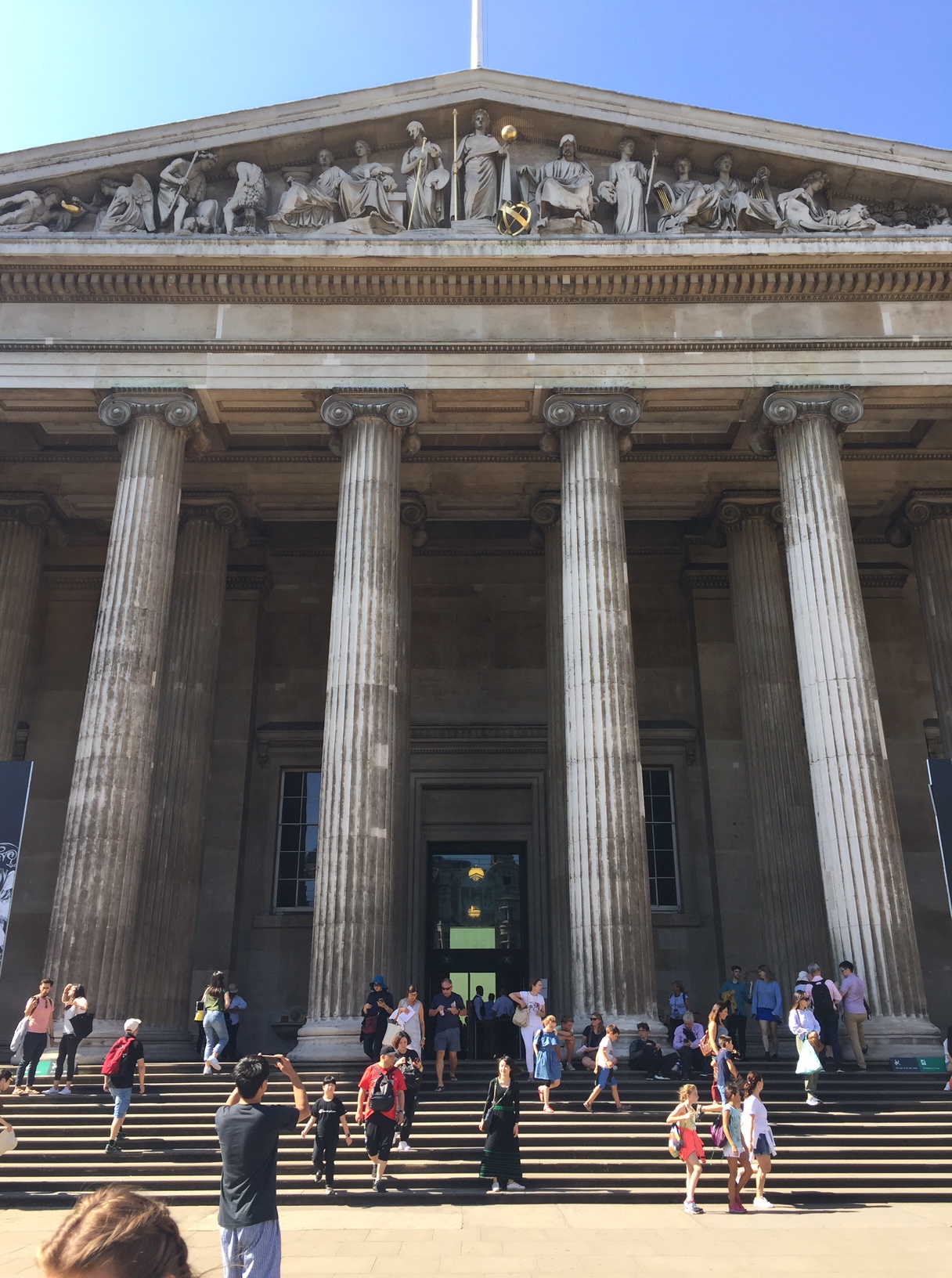
The (extraordinary) British Museum

What can I say that hasn’t already been said 1,00,000 times or more about this incredible museum?

I will let my pictures speak for me.


IMG_0997


IMG_0923


IMG_0926

IMG_0927


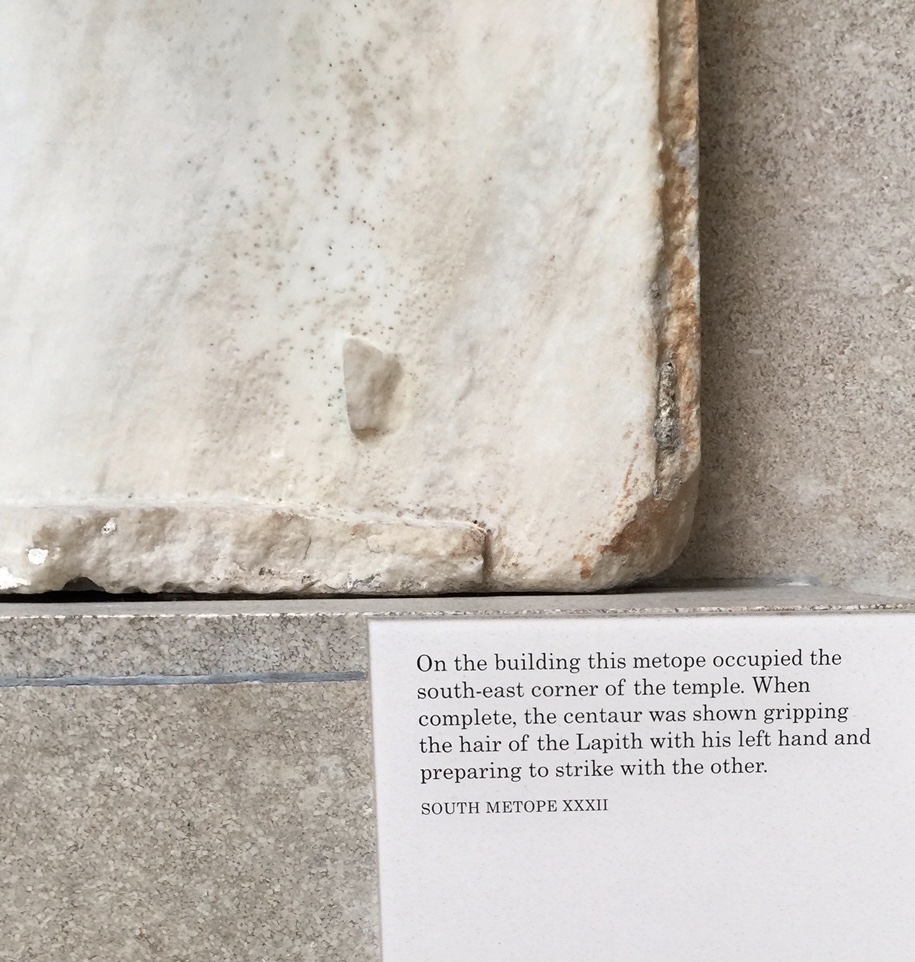
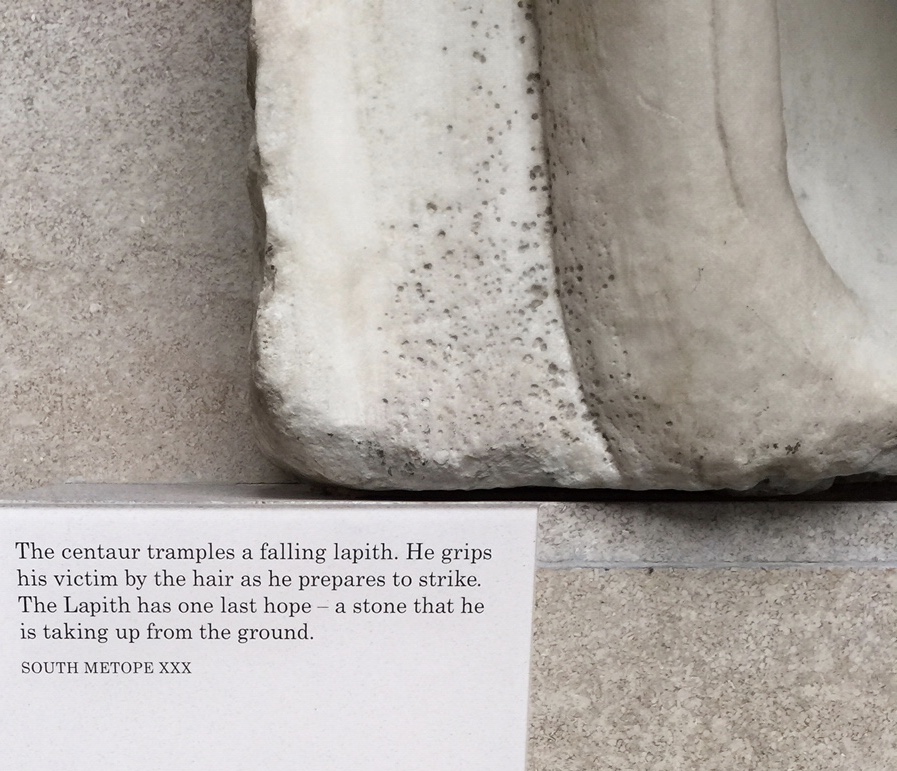
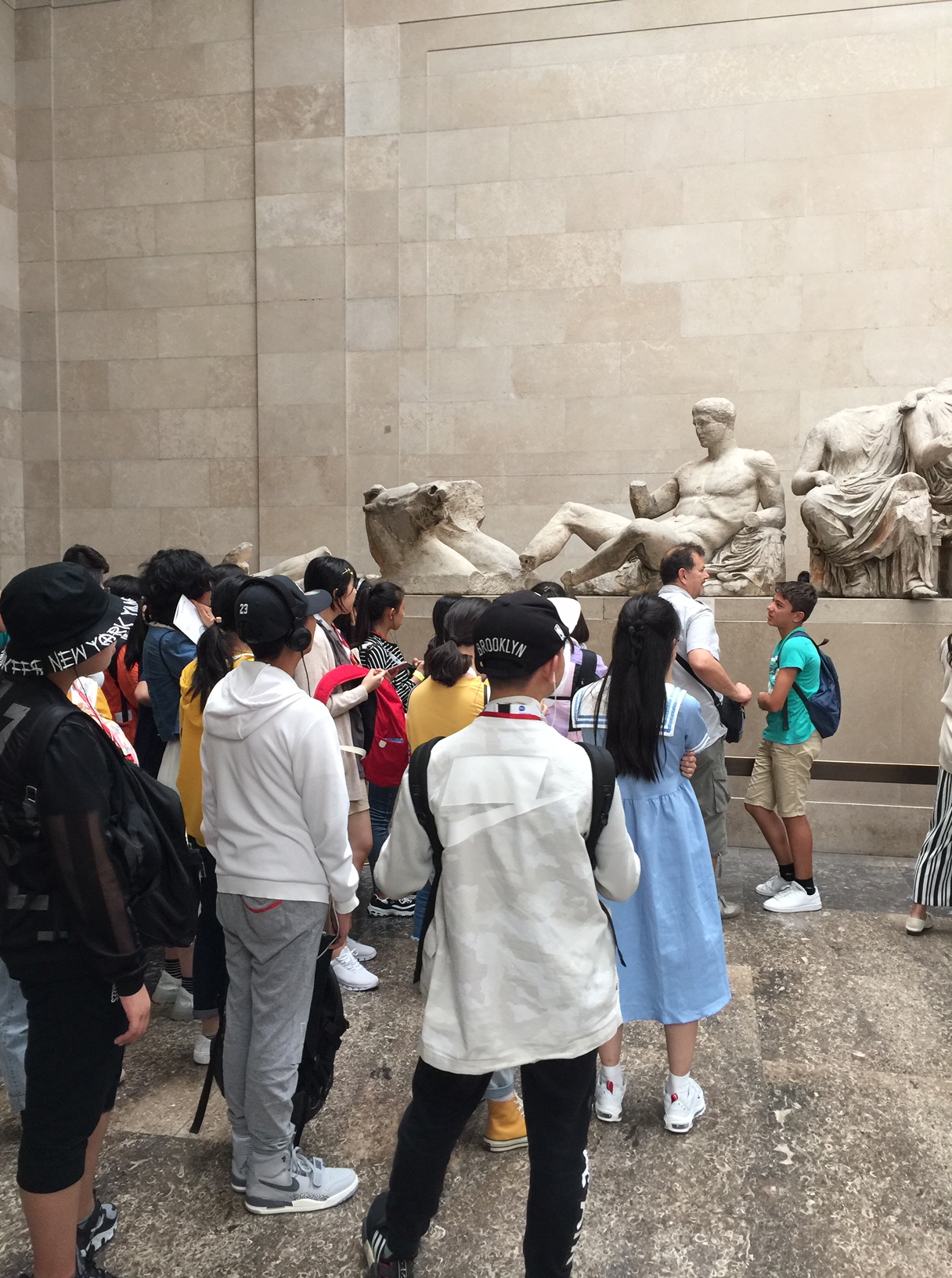
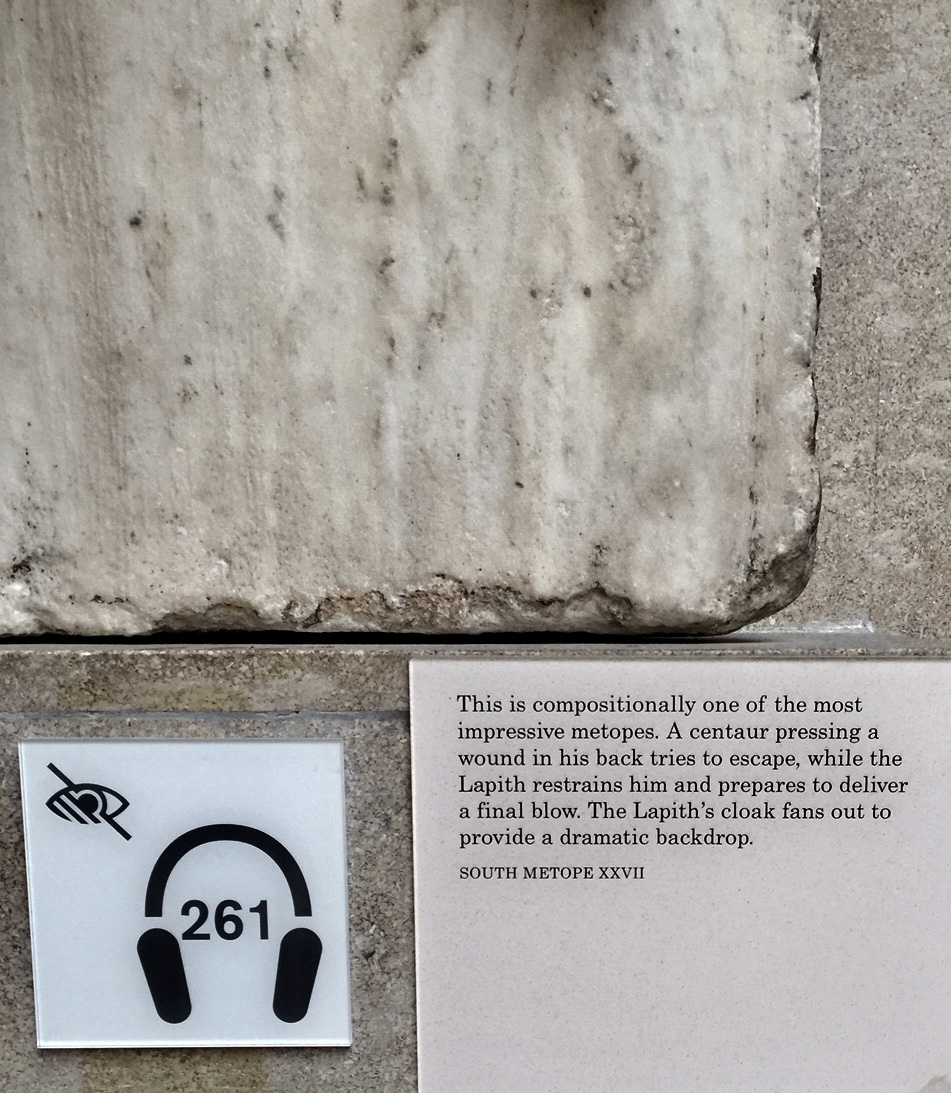
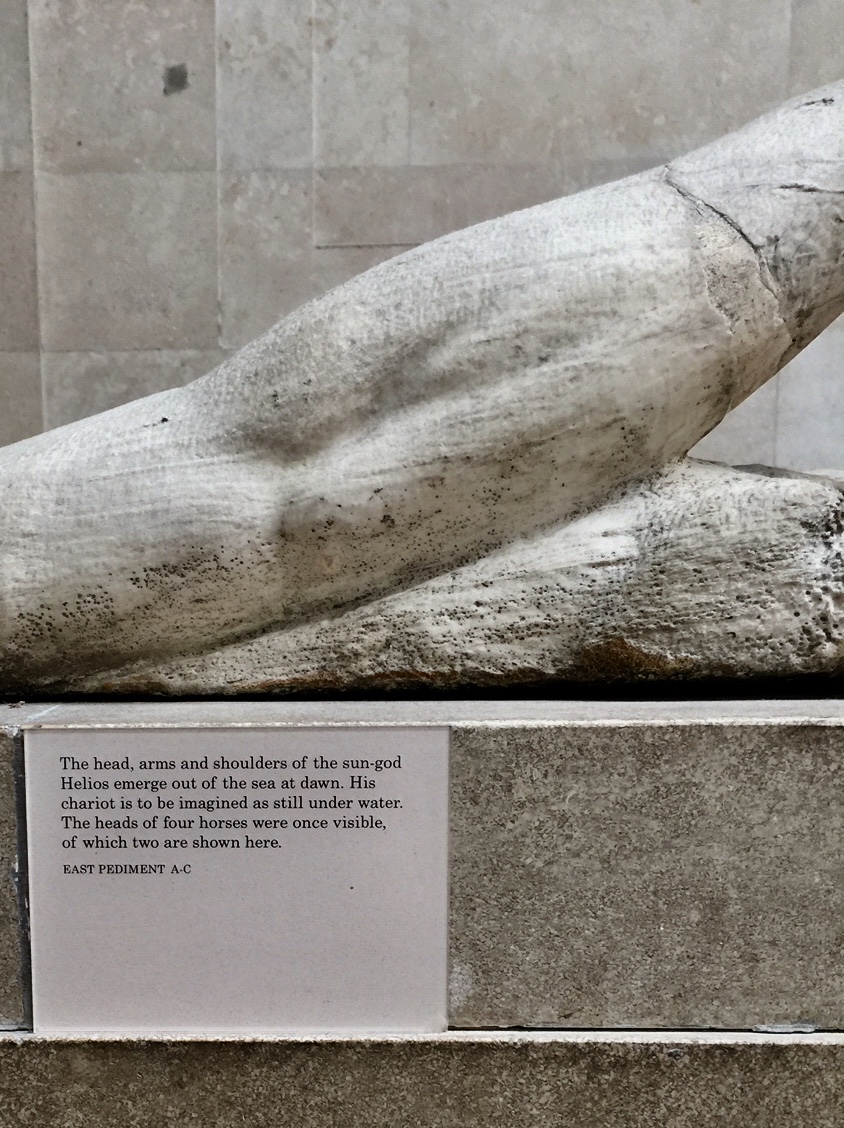
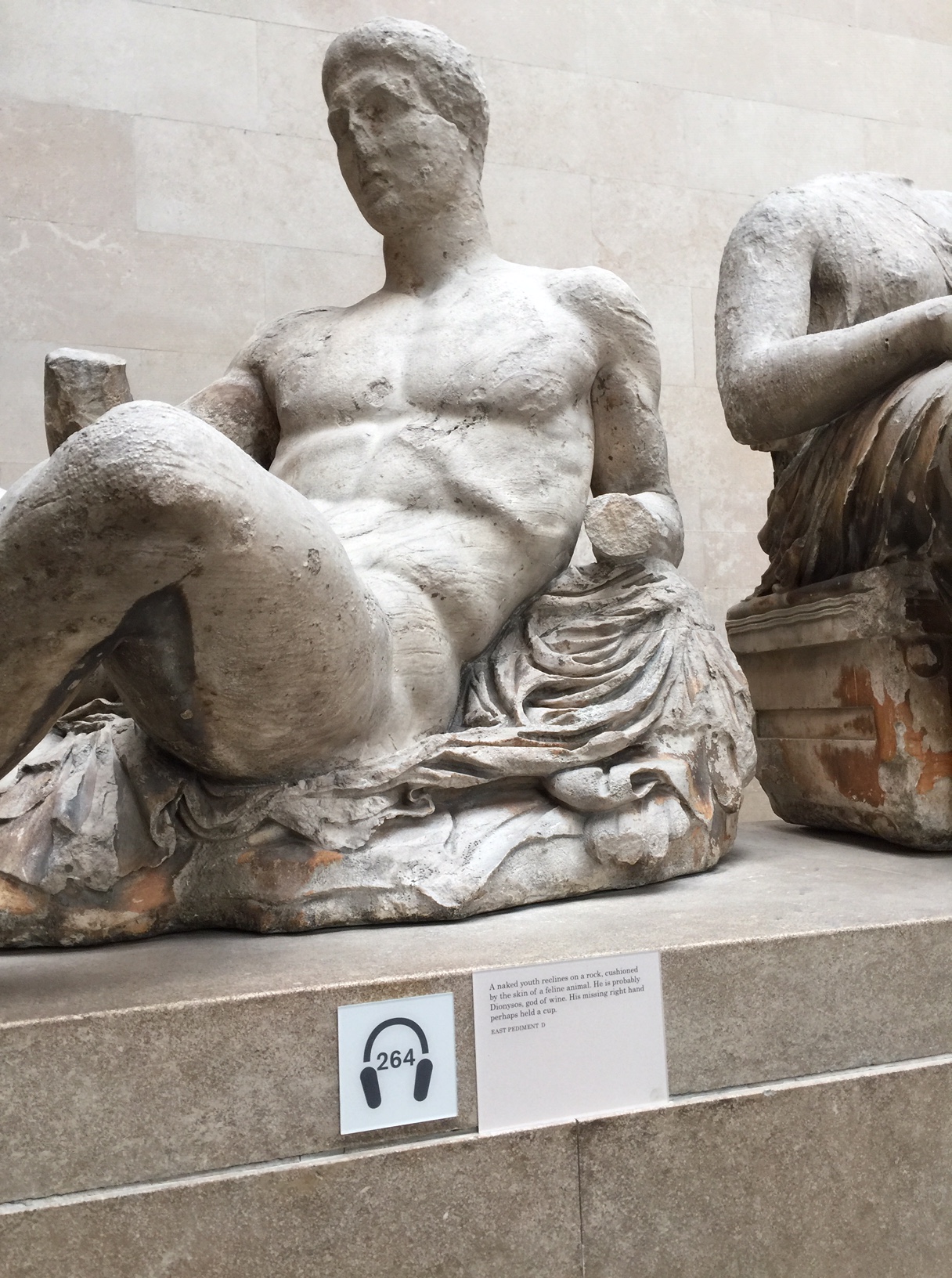
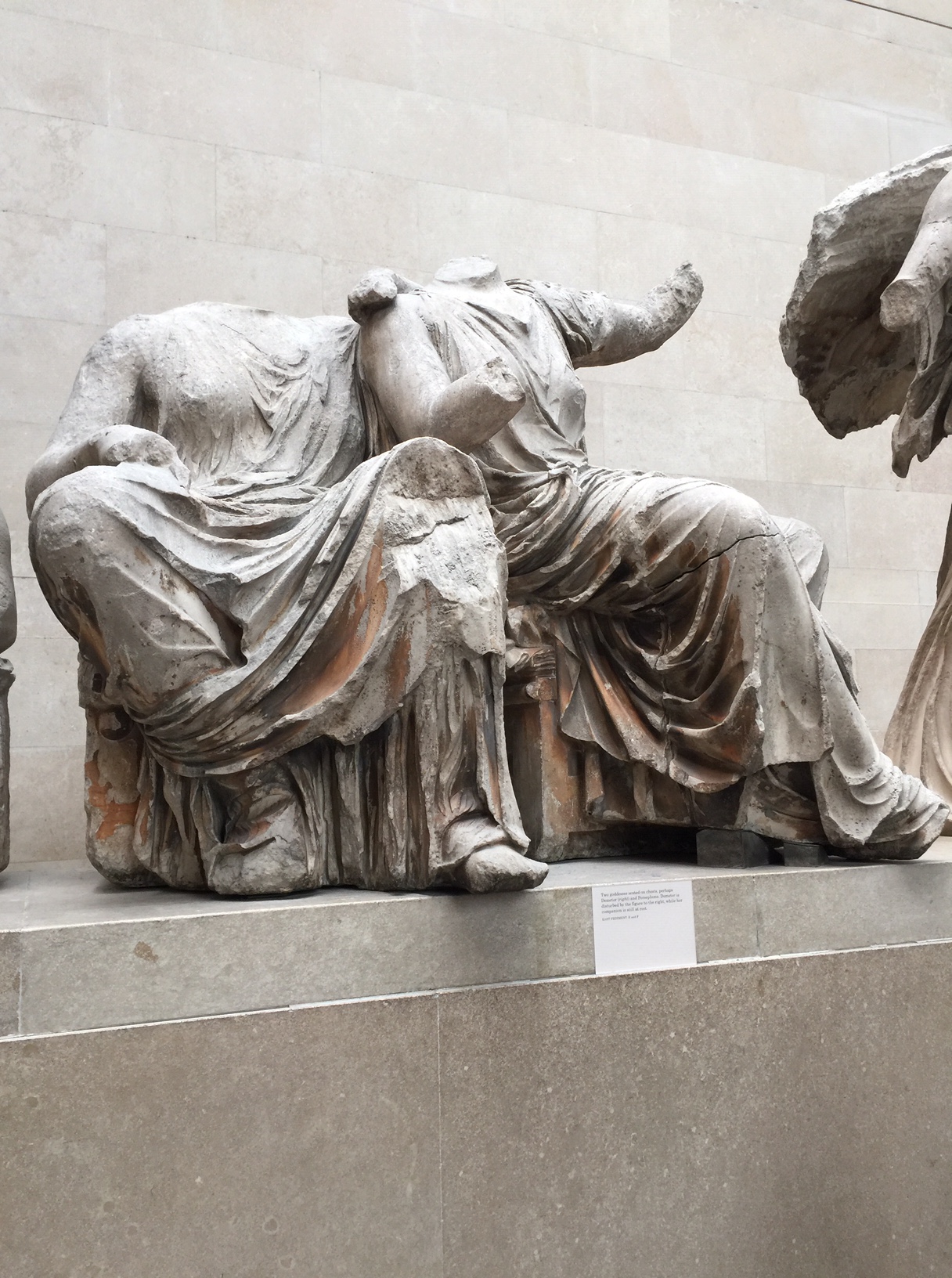
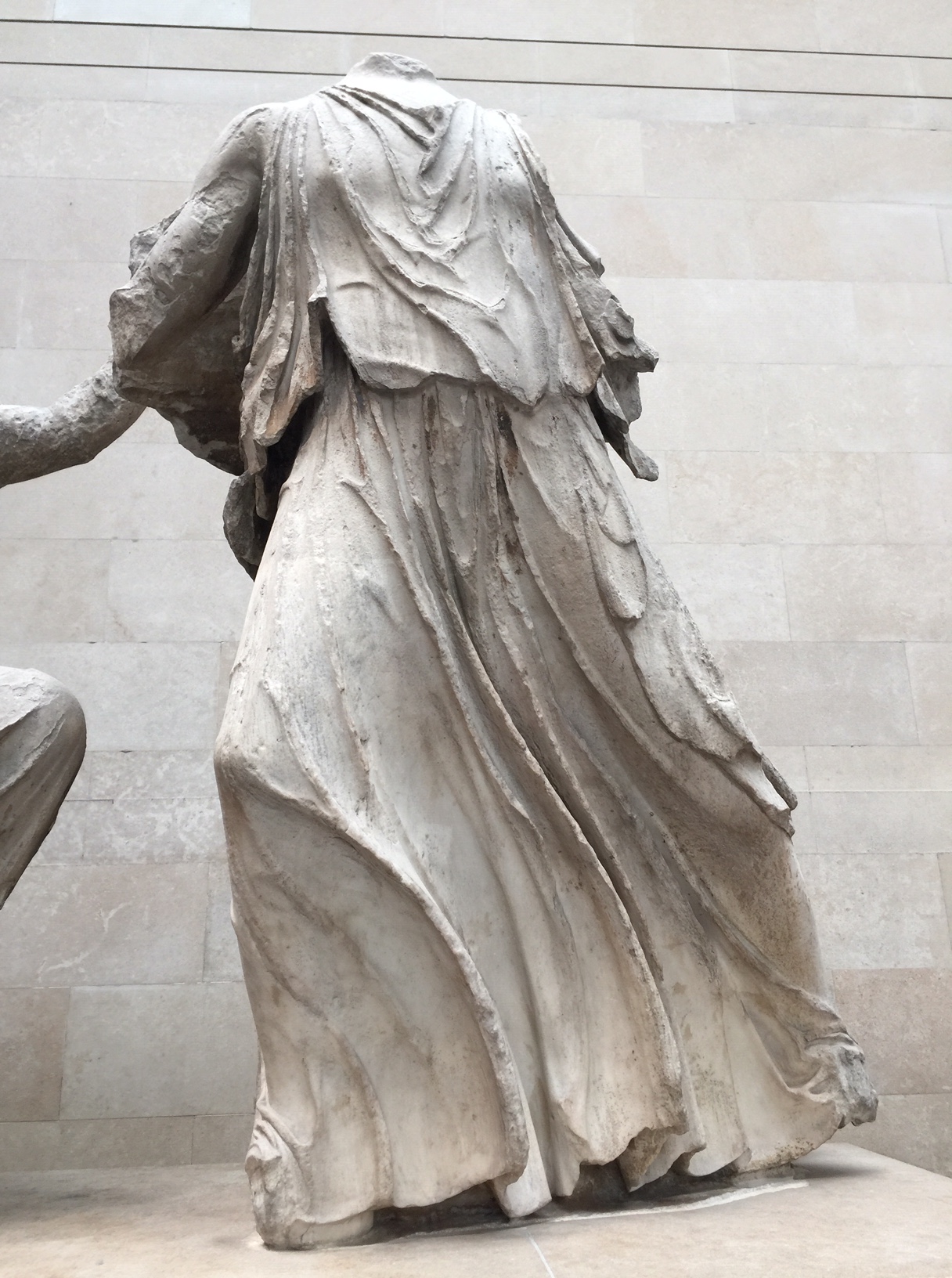
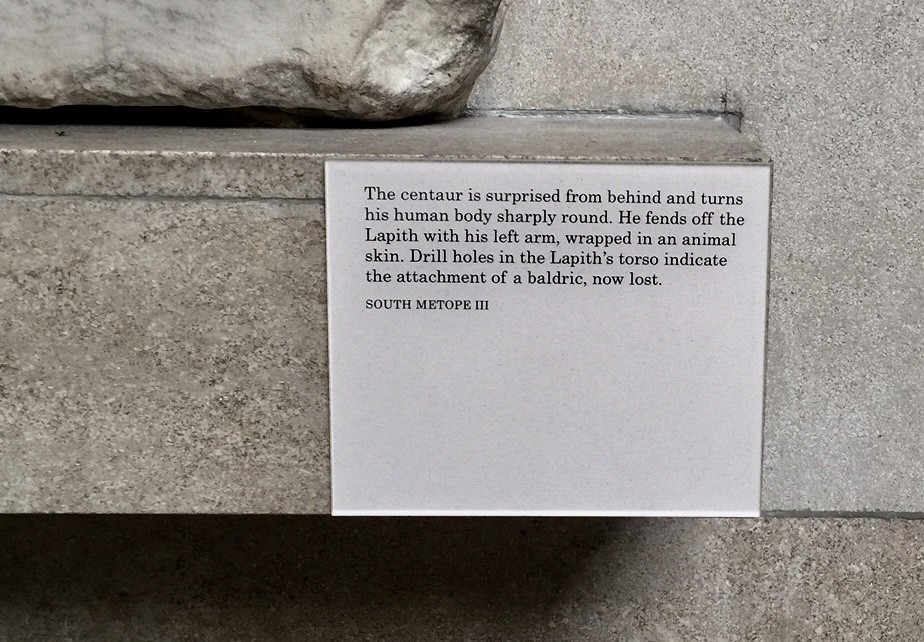
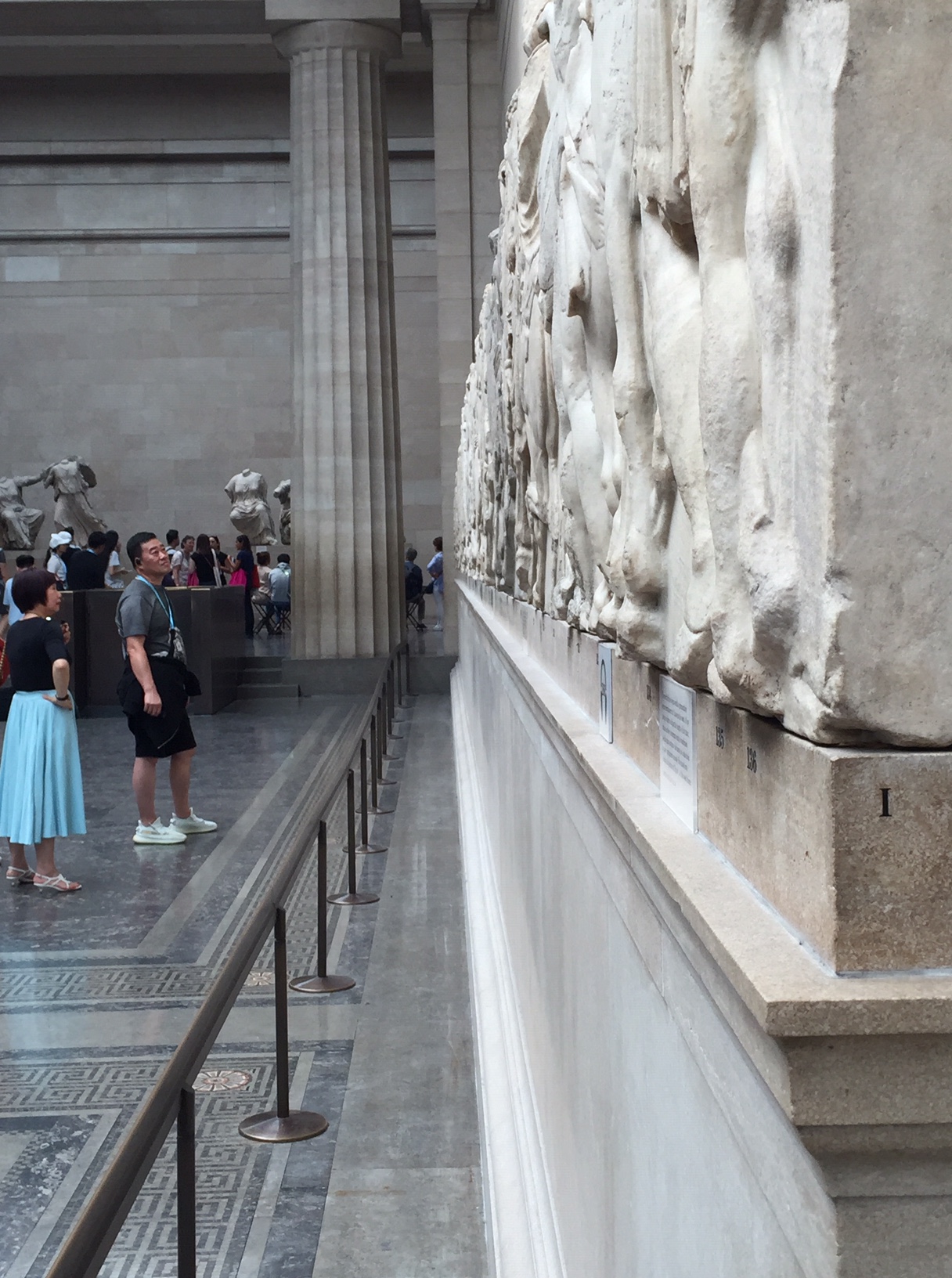
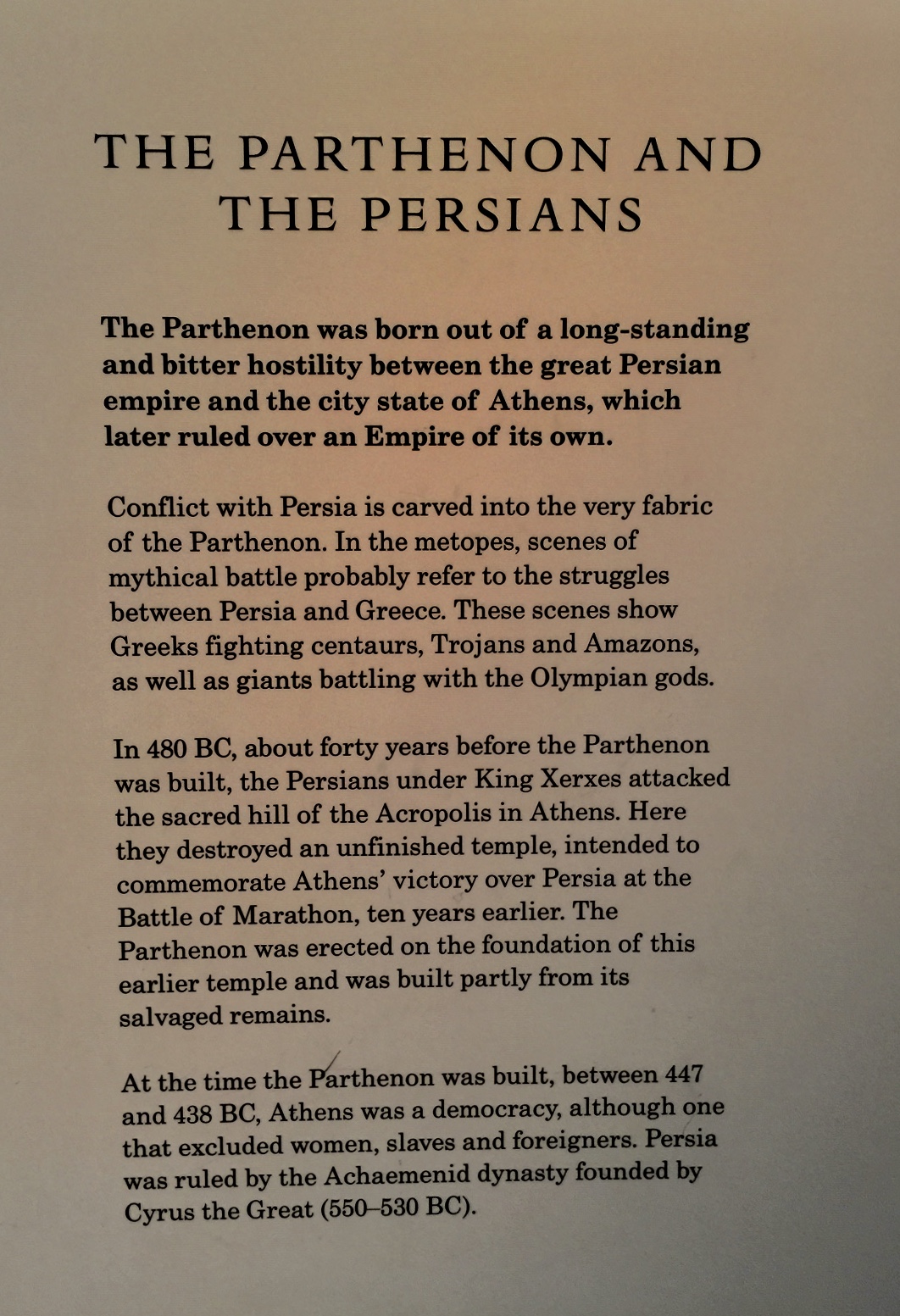
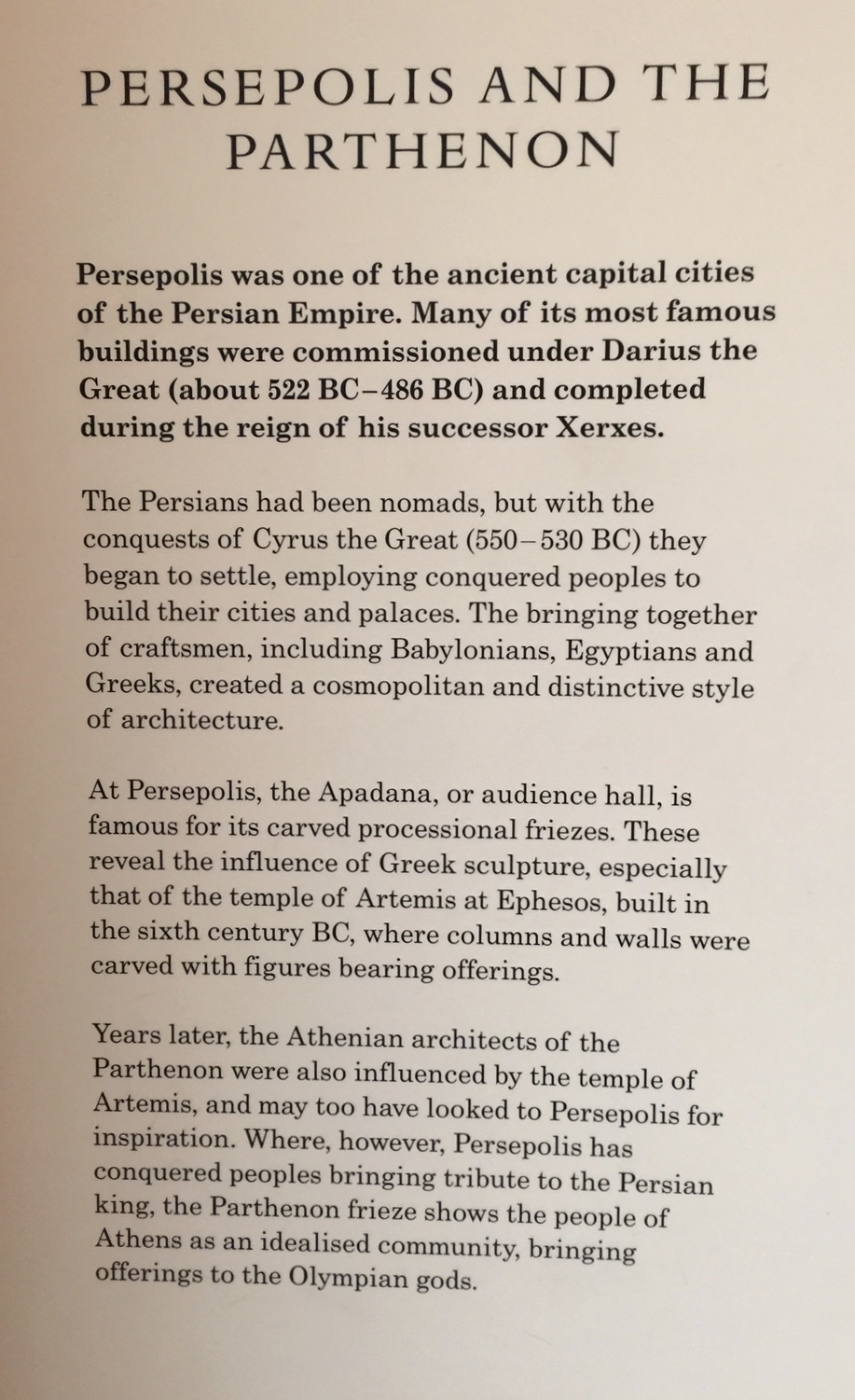
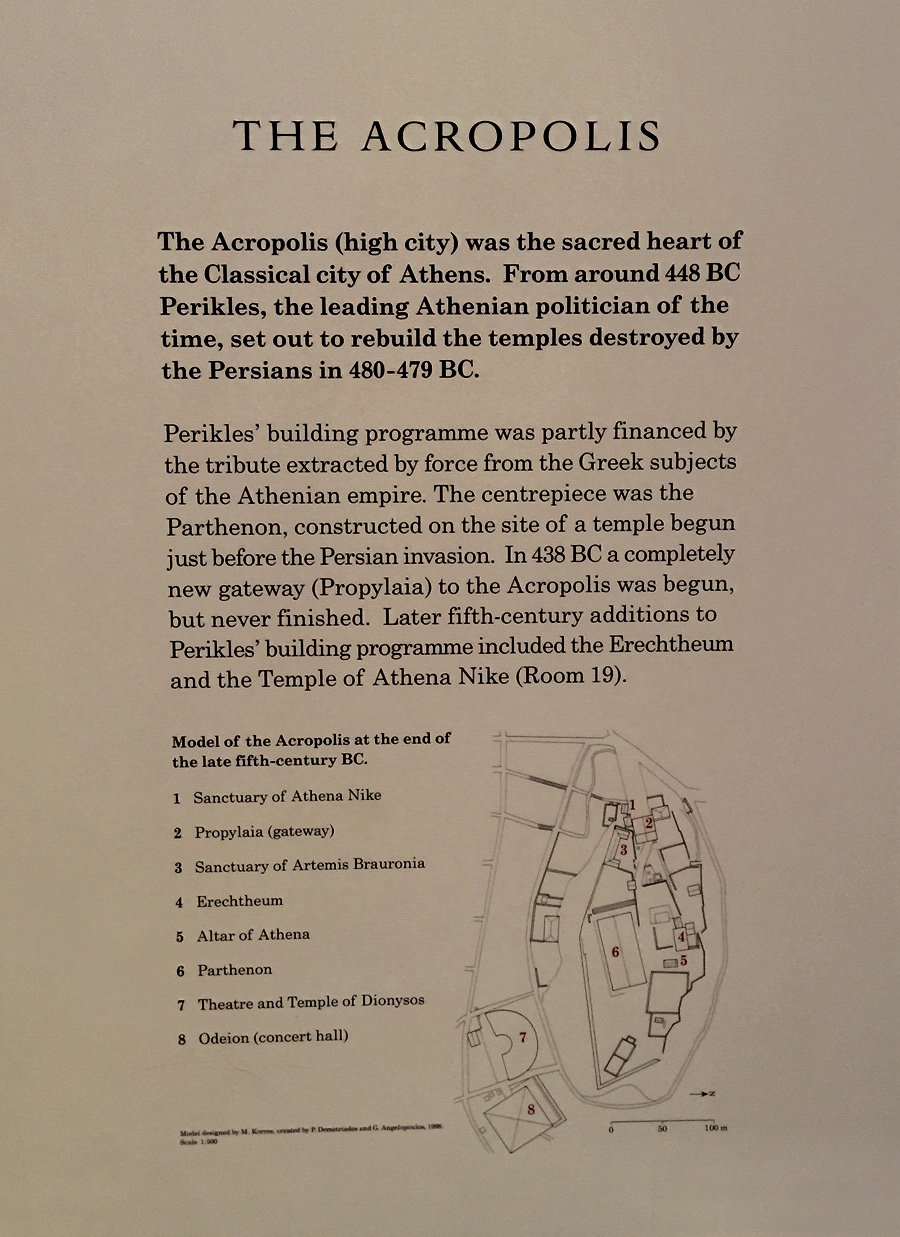
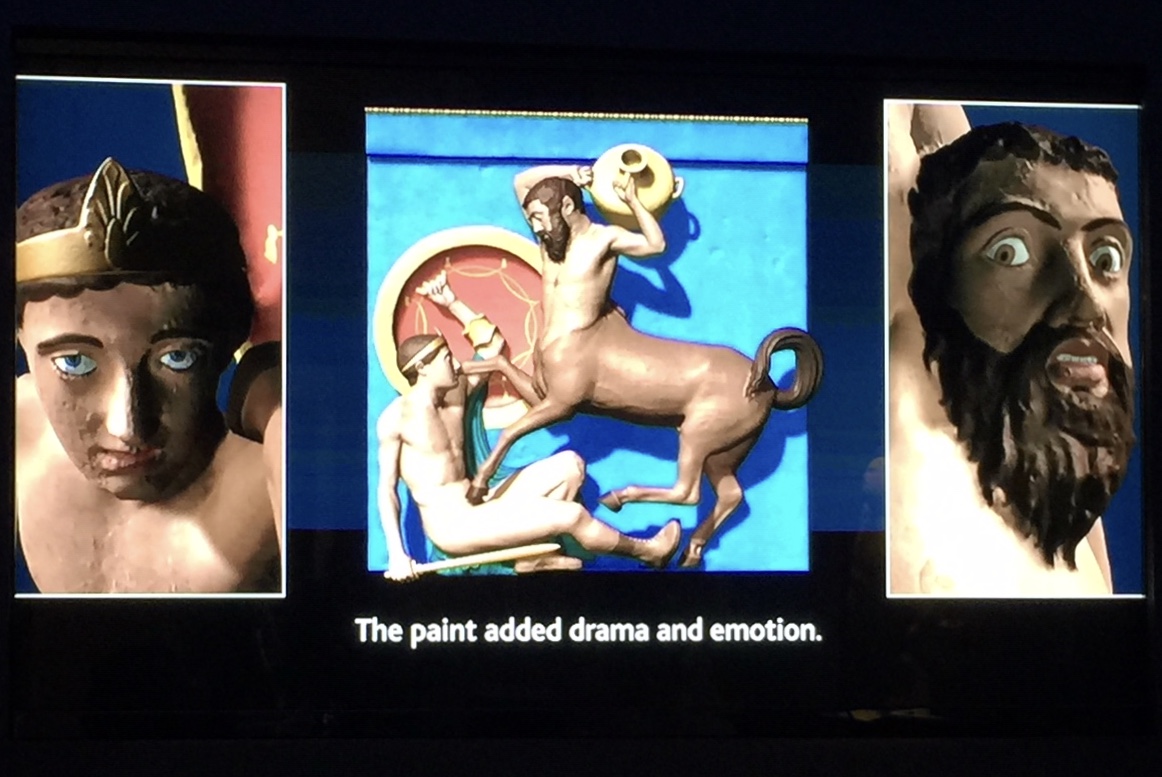
Whenever I am lucky enough to visit the British Museum, I always go right to the Elgin Marbles.

fullsizeoutput_16a6fullsizeoutput_16a4fullsizeoutput_16a0

IMG_0928

IMG_0929

IMG_0930

IMG_0931

fullsizeoutput_16c3

IMG_0933

fullsizeoutput_16c2

IMG_0935

fullsizeoutput_16c1

IMG_0937

IMG_0938

Mass tourism is the bane of my existence.  I hate it with every fiber in my being.


IMG_0939

IMG_0940

fullsizeoutput_16c0

IMG_0942

fullsizeoutput_16bf

IMG_0944

fullsizeoutput_16bd

IMG_0946

fullsizeoutput_16bb

IMG_0948

IMG_0949

Did I mention that I detest mass tourism? I do.

IMG_0950

IMG_0951

fullsizeoutput_16b9

IMG_0953


IMG_0954

IMG_0955


IMG_0956


IMG_0957


IMG_0958


fullsizeoutput_16b7


fullsizeoutput_16b4


fullsizeoutput_16b2


IMG_0962

fullsizeoutput_16b0


IMG_0964


IMG_0965

Mass tourism.


IMG_0966IMG_0967IMG_0968fullsizeoutput_16aefullsizeoutput_16acIMG_0971IMG_0972IMG_0973IMG_0974fullsizeoutput_16aaIMG_0976fullsizeoutput_16a8IMG_0978IMG_0979fullsizeoutput_16a6fullsizeoutput_16a4fullsizeoutput_16a2fullsizeoutput_16a0fullsizeoutput_169efullsizeoutput_169dfullsizeoutput_169bfullsizeoutput_1699fullsizeoutput_1697fullsizeoutput_1695fullsizeoutput_1694fullsizeoutput_1692fullsizeoutput_1690fullsizeoutput_168eIMG_0996