


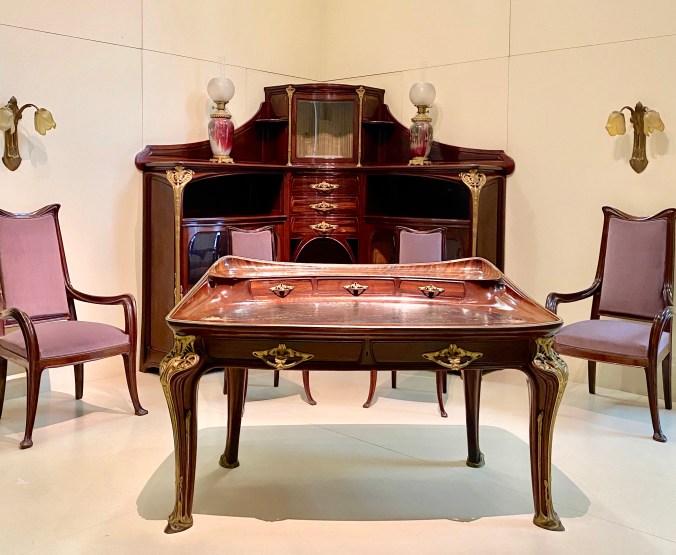
You may know the work of Hector Guimard if you are familiar with his iconic Paris Metro signs and stations.

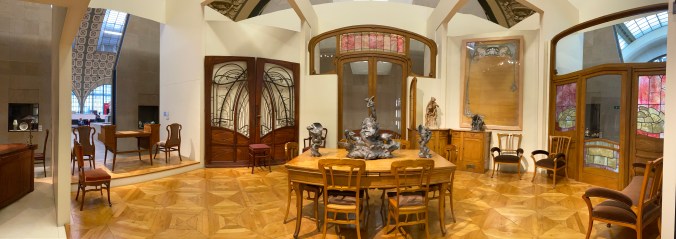
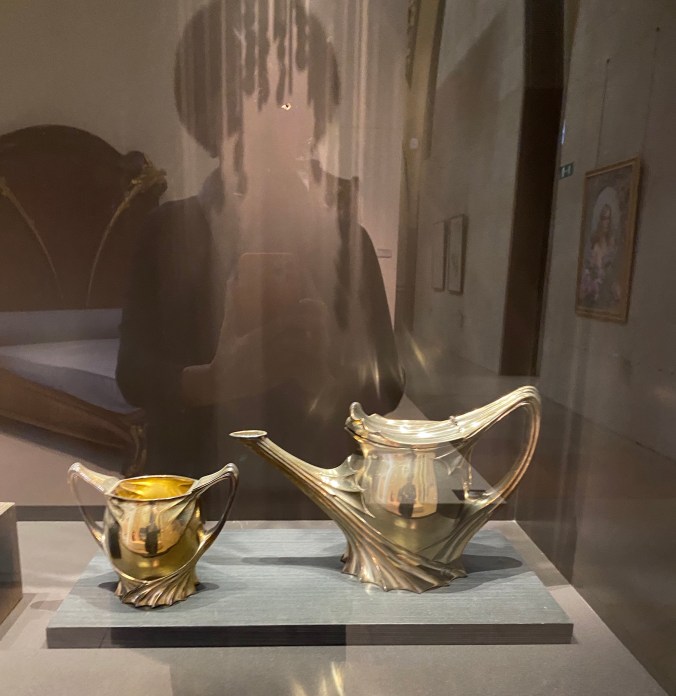
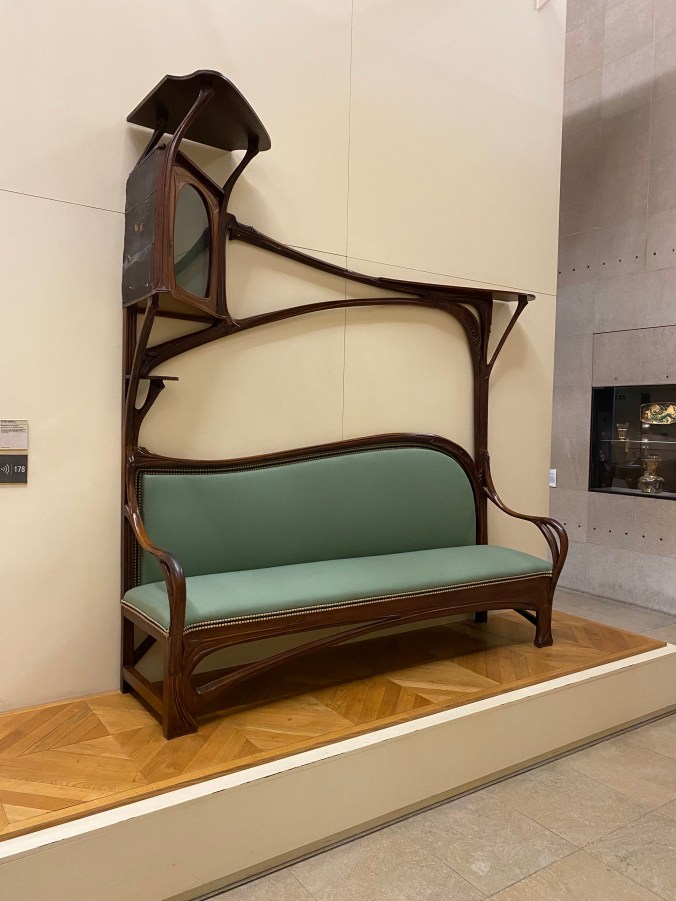
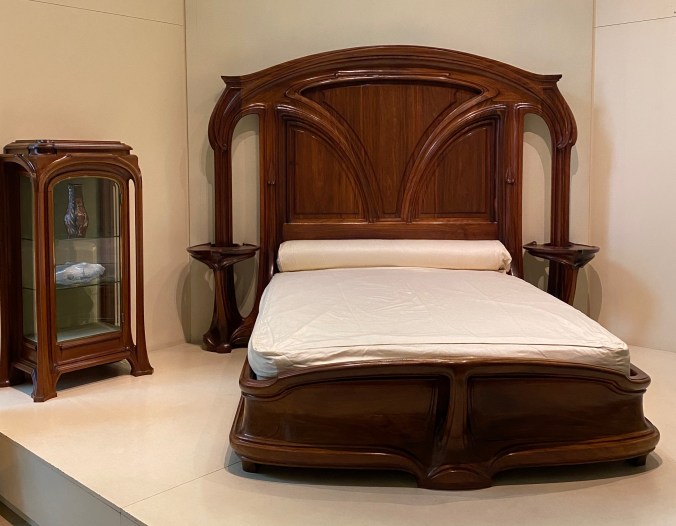
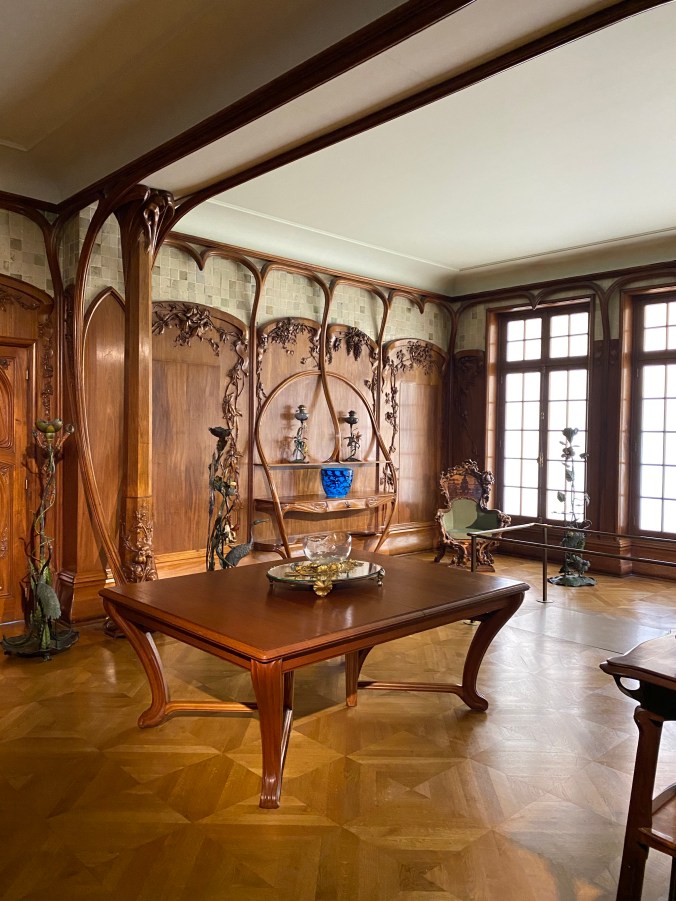
What you may not know is that the Musee d’Orsay has a fabulous collection of his furniture. The collection also includes outstanding furniture by other Art Nouveau artists.
Here is just a glimpse of some of the wonders I saw:











Hi Janis, I’m disappointed we didn’t get a chance to meet up again before our trips to the US! I hope you are well again. I am happy to say I am almost well. The 2nd round of antibiotics and nebulizer did the trick.
I’ve been wanting to share a couple of things from my Paris trip that only you will understand! You know how we are always saying that “things aren’t like they used to be” in the art world in Italy. You can’t just pop in at the Medici Chapel and expect to find it open and empty like it would have been in the olden days! We are ancient!
And you know how we are always saying that we don’t like going to special exhibitions nowadays because you have to fight the crowds to get close to a painting. It is too much work and it ruins the experience.
So, in that vein, I have a couple of things:
First, I can spend an entire vacation without going into an art museum at all nowadays! I think that not only do I dislike the two items above, but I am just tired of art museums in general and my interests have evolved. I have to face the fact that I’m no longer a devoted student of art.
So, on one of our first days in Paris, staying well out of the center of the city and relying on the Metro, but the Metro was on strike…we decided to walk to the Pompidou Center. I haven’t been there in 30 years. My son has never been there. We had a lovely walk through a fascinating section of Paris and, when we arrived at the Pompidou, we joined a small group of people waiting to enter. We got inside, I looked around, and every fiber in my being said “leave!” There is all of Paris to experience and I don’t feel like getting lost in this big, modern building looking at art I really couldn’t care less about. My son was only too happy to leave. He was drug into so many art museums as a child that his right arm is longer than his left, or so we joke.
We were in Paris for 10 days and the one Metro line that you could count on working was the #1, which goes East to West, stopping at the Louvre. We rode that line almost every day and many a time we got off at the Louvre, the center of the city.
We walked by the pyramid almost daily, and even though the museum was always open, we decided not to go in and save our complete Louvre experience for the 17th, when we had Leonardo tickets.
So the days go by and we are planning to see the Louvre on the 17th. We depart Paris on the 19th.
We arrive at the Louvre about 11 a.m. on the 17th, even though our tickets were for 1 pm. I notice immediately that the usual line to enter the pyramid is not there and there is a pretty good sized group of people in the area, but it is helter scelter. I find a Louvre official and show him my Leonardo ticket on my phone. He scoffs. I’m confused. Then it becomes clear, on the 17th of January (my birthday and Michelle Obama’s too, btw!) the Louvre employees decided to join the strike. No one is getting into the museum!
I am in shock. This was one scenario I didn’t see coming. We planned our entire trip around this exhibition.
And yet, another part of me was just fine with this outcome. We gathered ourselves up and headed to the Left Bank where I treated us to a delicious birthday lunch at Les Deux Magots! It was perfect.
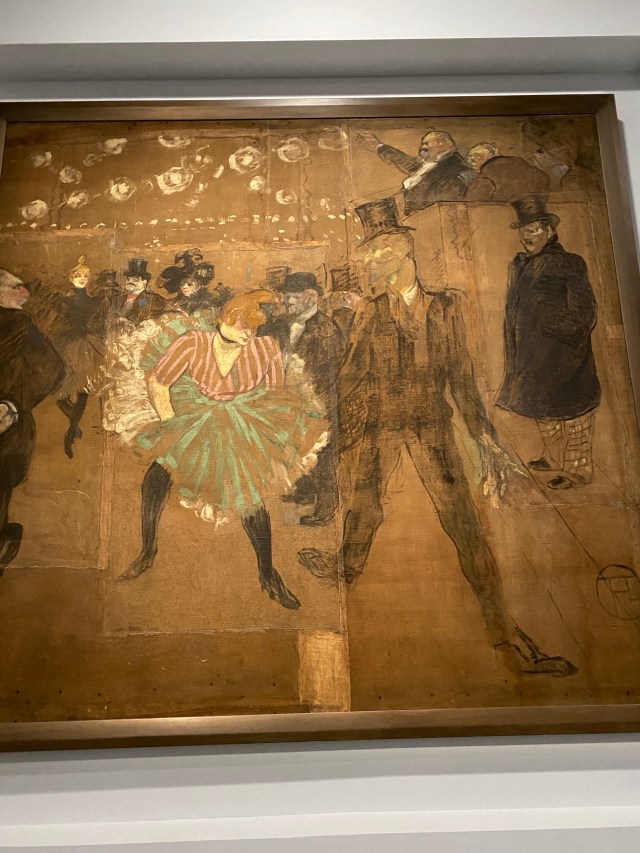
I hasten to add that during the 10 days I was in Paris I did attend 2 special art exhibitions: Toulouse Lautrec at the Grand Palais and Degas at the Opera at the Musee d’ Orsay. Both exhibitions were very crowded (in January for god’s sake!) and not enjoyable from that standpoint. I had been dreading the Leonardo show because I assumed it would be even more crowded.
So, what did I learn? I learned that I have made my last plan around a special art exhibition. Those days are officially over for me. Yes, I will always look at art. But, no more blockbusters unless I get a personal invitation to visit privately when the museum is closed to the public. And, while that used to happen in my life, that ain’t gonna happen again in this lifetime!
Only a fellow (sister?) art historian can understand the greatness of this tale!!
Ciao for now, sister, Lauretta
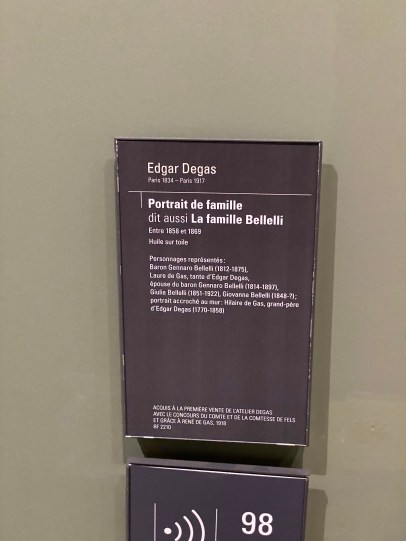
There was a wonderful exhibition on Edgar Degas at the Musee d’Orsay when I was there recently. Here are some of the works that caught my eye:


I had a copy of the print below hanging in my childhood bedroom. I know and love this beautiful work as well as I know my own hands.


Below, I wonder…little dreamers? And, if so, dreaming of being a ballerina or a painter?


What a glorious place in Paris!
What a glorious winter afternoon! January 2020. So glad I came to Paris, despite the record breaking long strikes of the Metro system and other things.


What a glorious city!






The Gates of Hell:
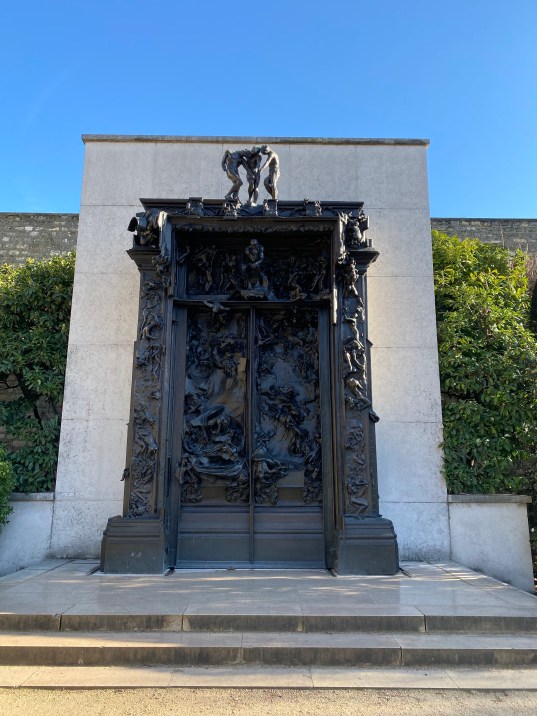


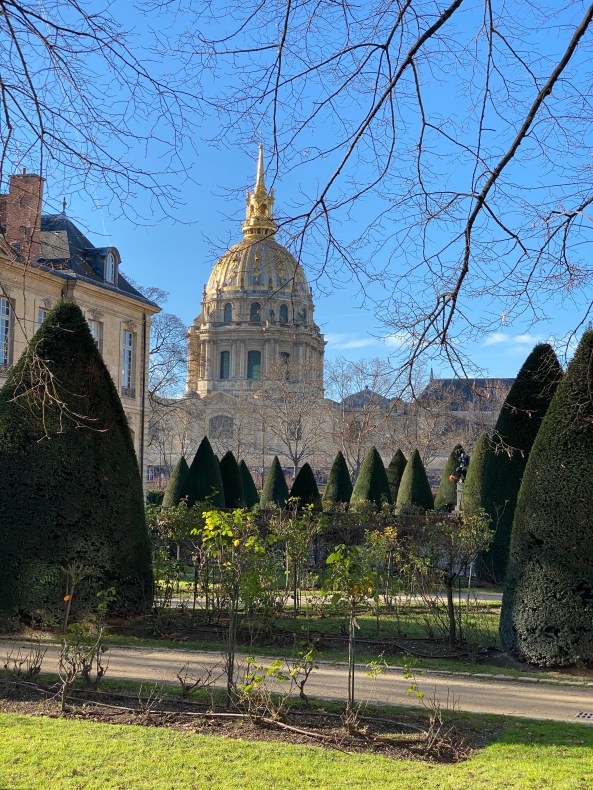
The Burghers of Calais:


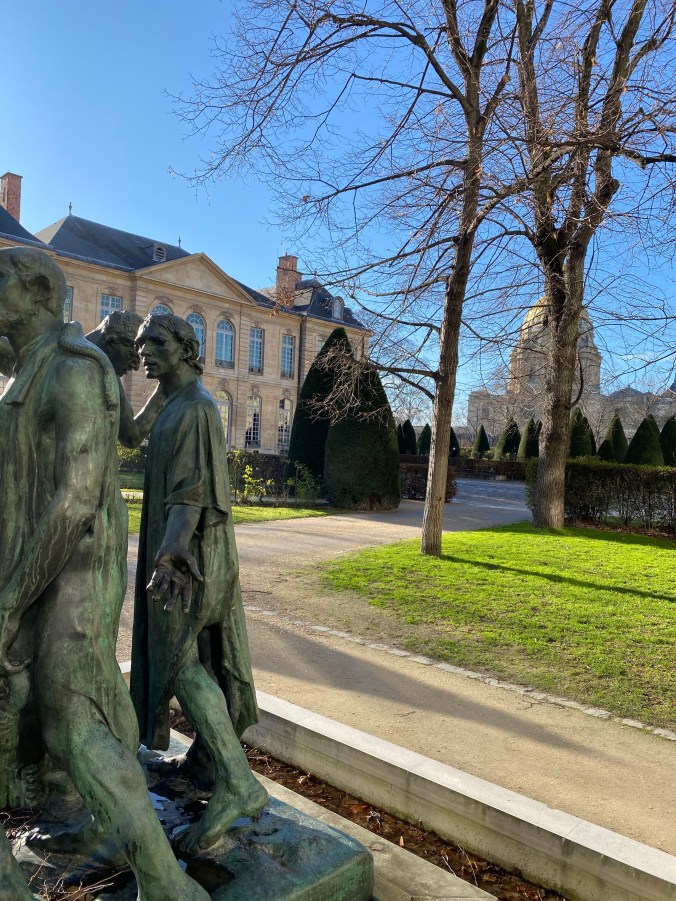


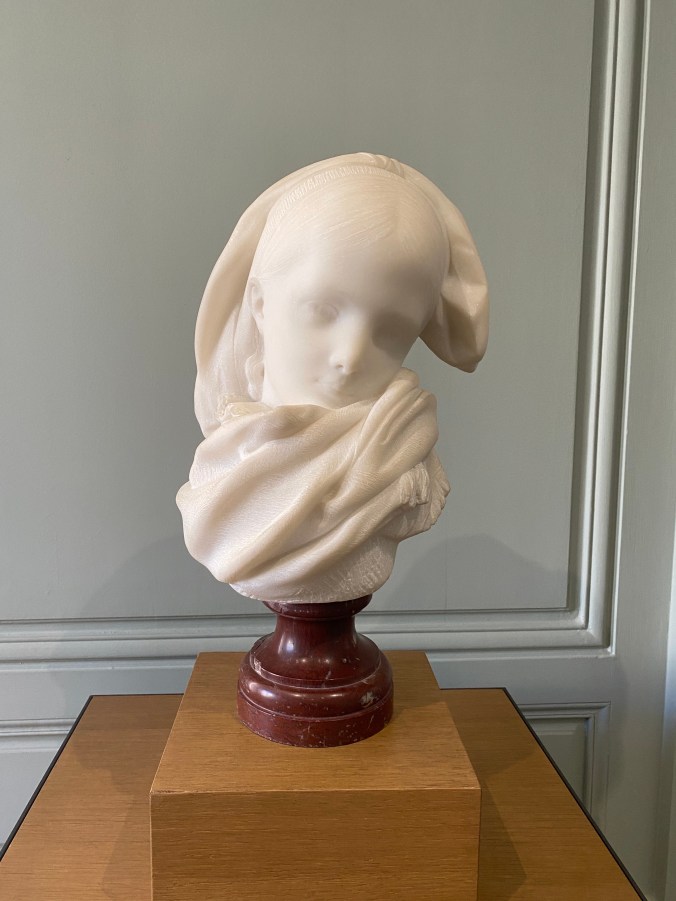


The Musée Rodin was opened in 1919, primarily dedicated to the works of the French sculptor Auguste Rodin. It has two sites: the Hôtel Biron and surrounding grounds in central Paris, as well as just outside Paris at Rodin’s old home, the Villa des Brillants at Meudon, Hauts-de-Seine. The collection includes 6,600 sculptures, 8,000 drawings, 8,000 old photographs and 7,000 objets d’art. The museum receives 700,000 visitors annually.
From 1908, while living in the Villa des Brillants, Rodin used the Hôtel Biron as his workshop. He subsequently donated his entire collection of sculptures – along with paintings that he owned by Vincent van Gogh, Claude Monet and Pierre-Auguste Renoir to the French State on the condition that they turn the buildings into a museum dedicated to his works.
The Musée Rodin contains most of Rodin’s significant creations. Many of his sculptures are displayed in the museum’s extensive garden. The museum includes a room dedicated to the works of Camille Claudel and one of her two castings of The Mature Age.
The gardens around the museum building contain many of the famous sculptures in natural settings. Behind the museum building are a small lake and casual restaurant. Additionally, the nearby Métro stop, Varenne, features some of Rodin’s sculptures on the platform.
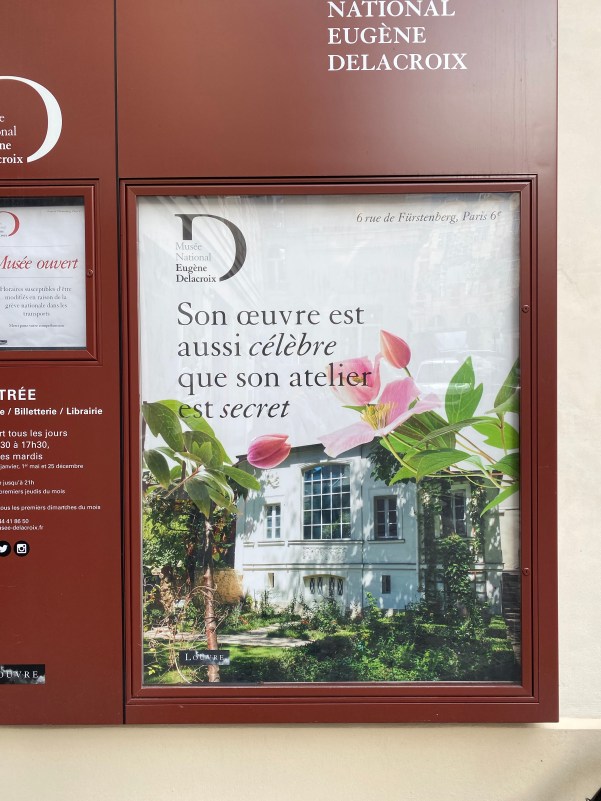
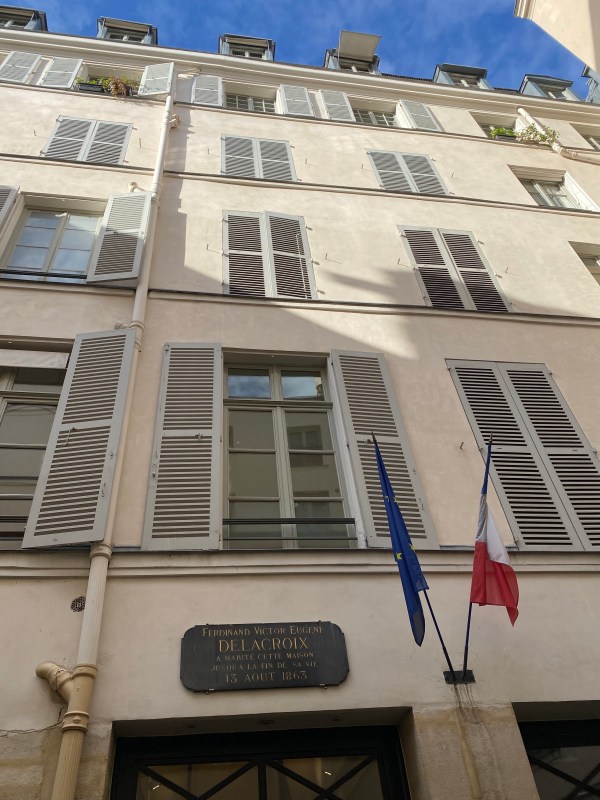
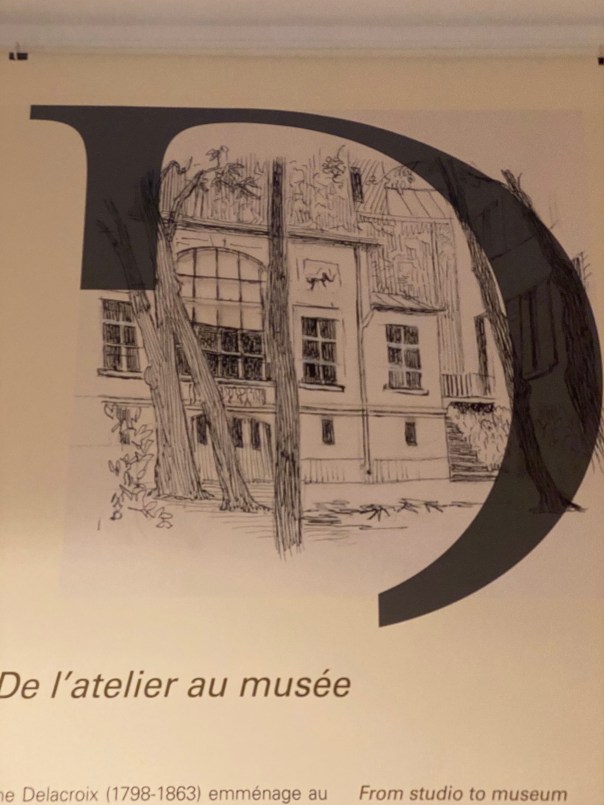
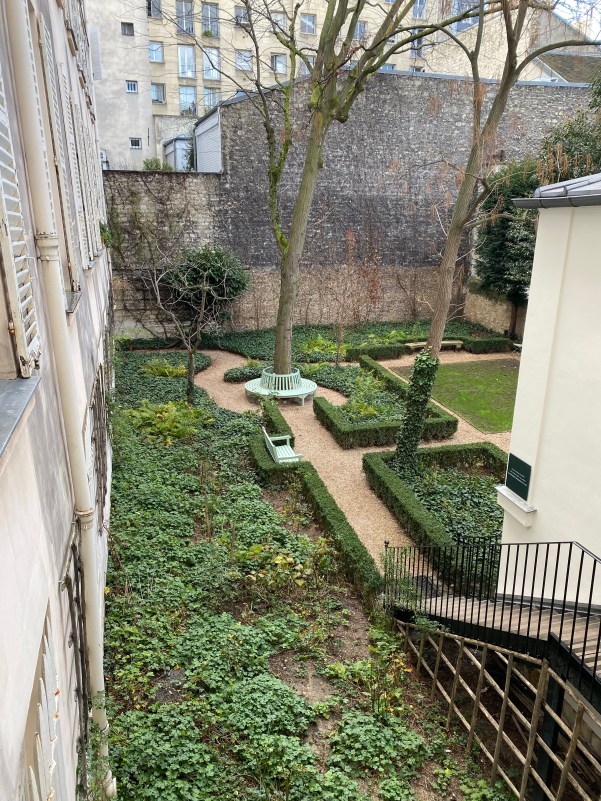
For a long time I have wanted to visit this small, but excellent museum. Last week I got my chance. I enjoyed it a lot and the lovely hidden garden was a delight to discover! This left bank artist home is well worth a visit.




I first fell in love with the graphic works of Toulouse-Lautrec in college. Posters of his magnificent advertisements covered my dormitory room walls. I still love his work.


I also love the Grand Palais. I mean, just look at it! Construction of the building began in 1897 following the demolition of the Palais de l’Industrie as part of the preparation works for the Universal Exposition of 1900, which also included the creation of the adjacent Petit Palais and Pont Alexandre III. It has been listed since 2000 as a historique monument by the French Ministry of Culture.

Although the Palais appears to be in the style of Beaux-Arts architecture as taught by the École des Beaux-Arts of Paris, and the building reflects the movement’s taste for ornate decoration on its stone facades, its structure, in fact, is made of iron, light steel framing, and reinforced concrete. These were very innovative techniques and materials at the time, and included the glass vault.




A stained glass design by the artist. I had no idea he had worked in this medium.


The design for the glass:






Yes, here is the ad for the magazine La revue blanche! This design has always been a favorite!


The exhibition was excellent. I am becoming a very lazy art historian. I’m sorry to say that I don’t enjoy muscling my way through exhibitions anymore. I am spoiled because, once upon a time, I could view these shows privately. It’s not nice to be just another visitor. Boo hoo.
Still, the show was magnificent and I’m glad I saw it!
And, because so much of Lautrec’s work was devoted to the entertainments of Montmartre, the curators included this great film clip:
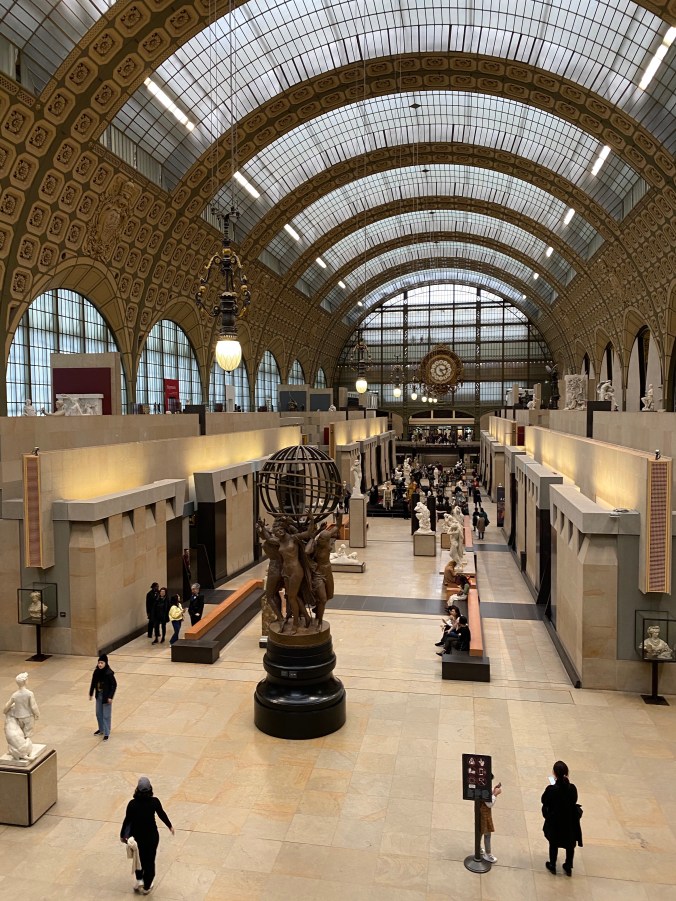
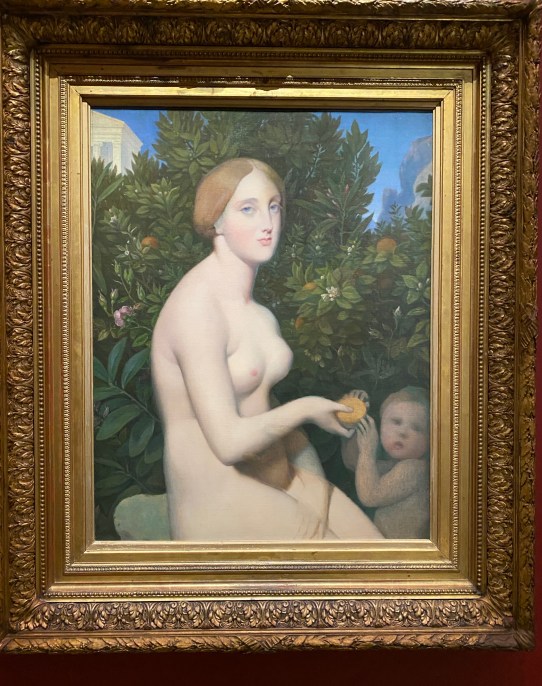
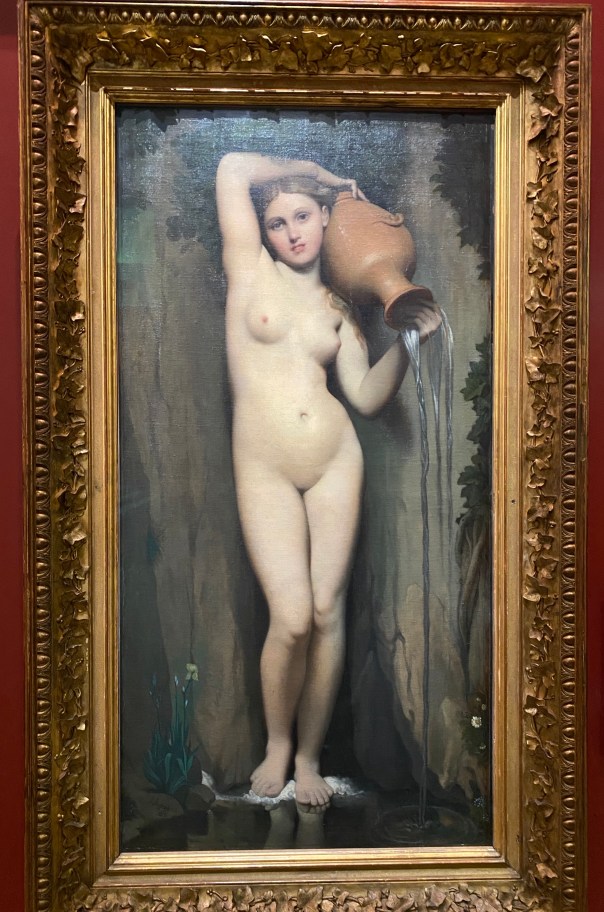
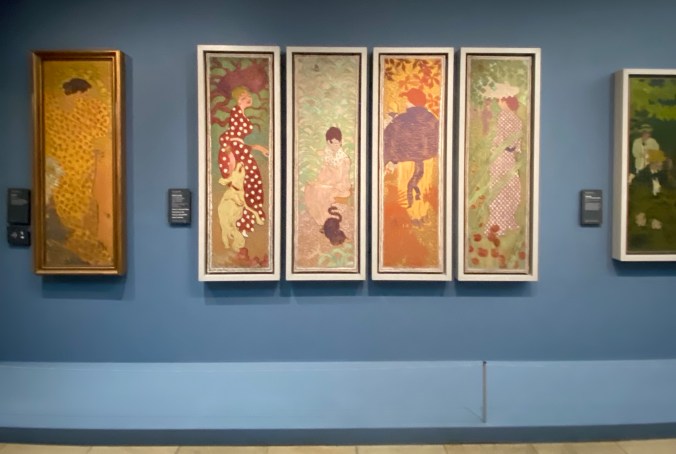
Head’s up! This will be a long post. Lots of pictures. The Musee d’Orsay is an incredible museum. Much smaller than the Louvre, it is still a huge collection. Many days are needed to truly see everything. But, I gave it the old college try again in one day recently.
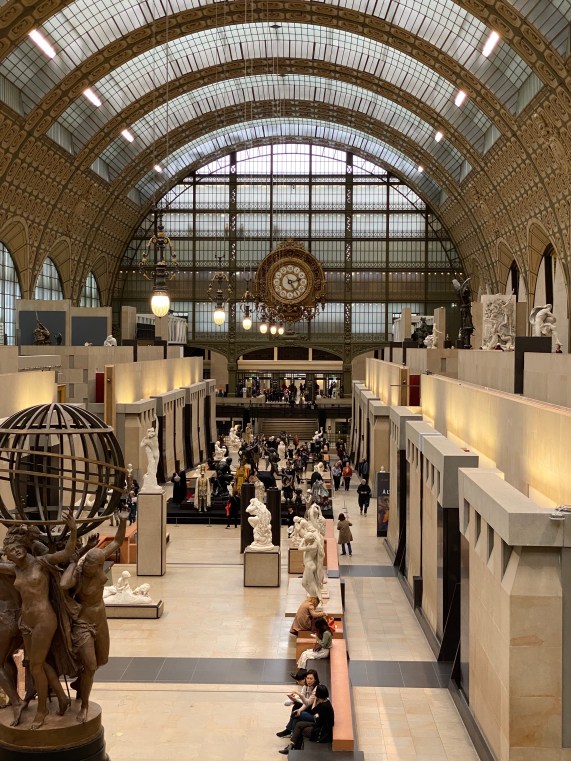
The views out the windows are pretty spectacular.
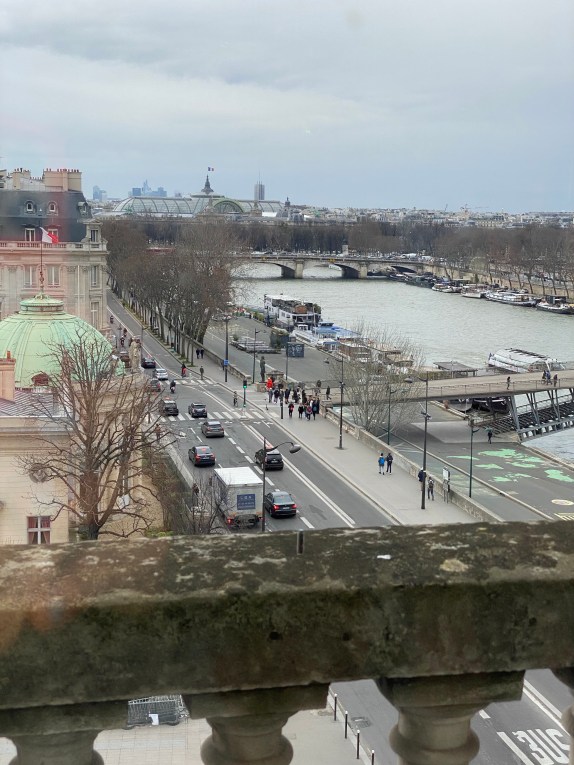

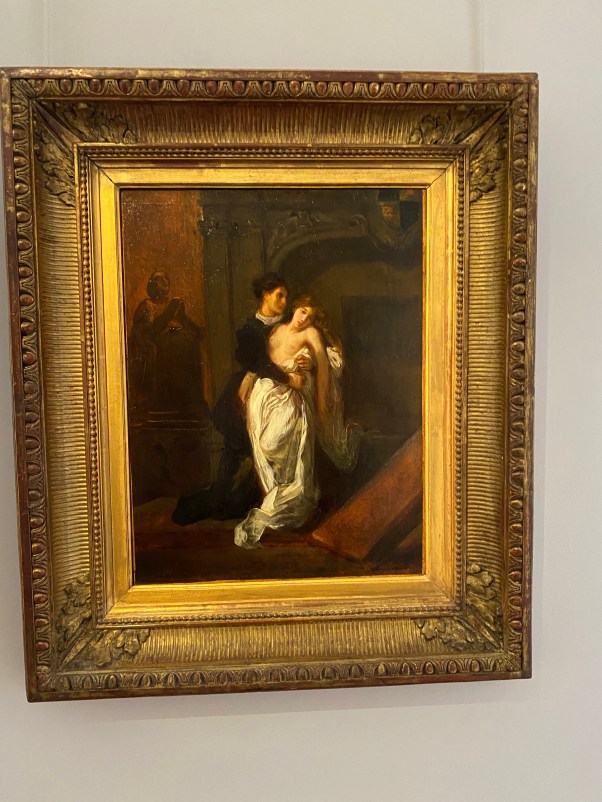
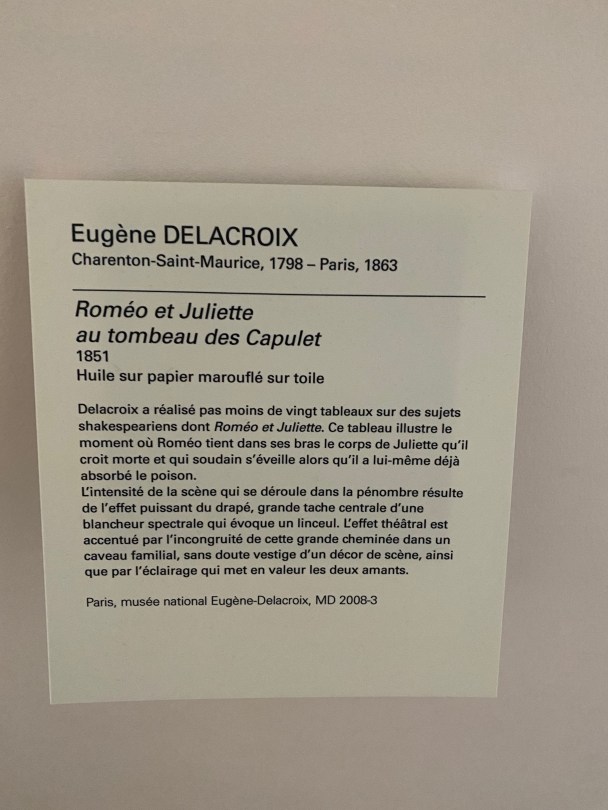
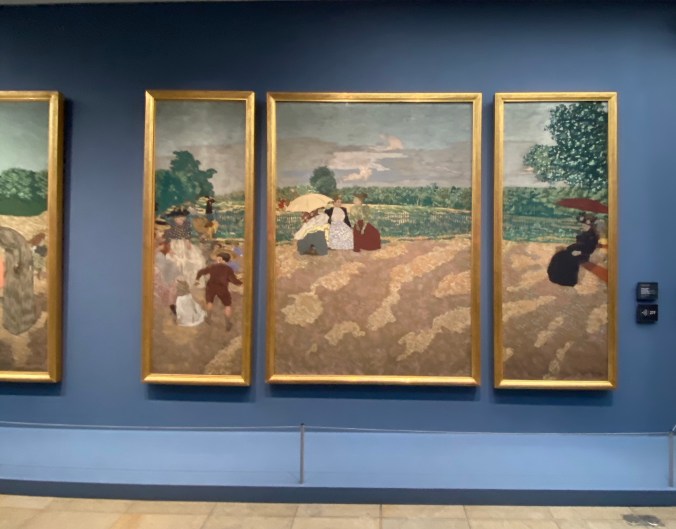
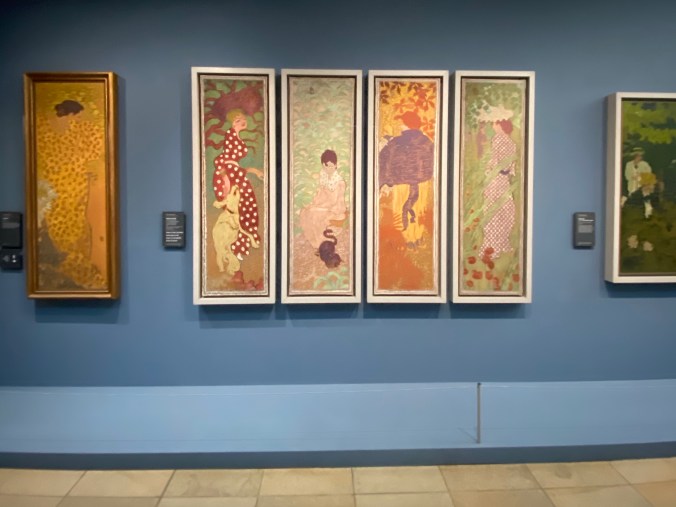
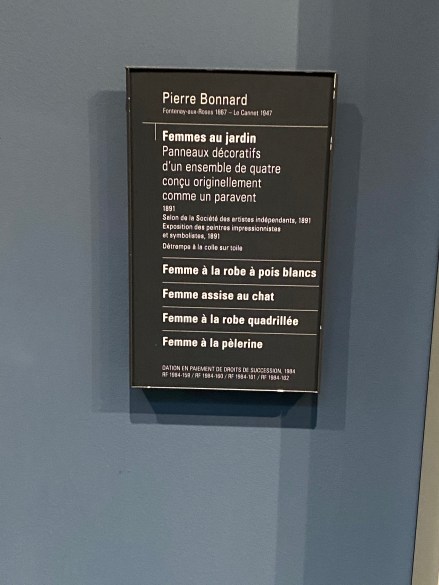
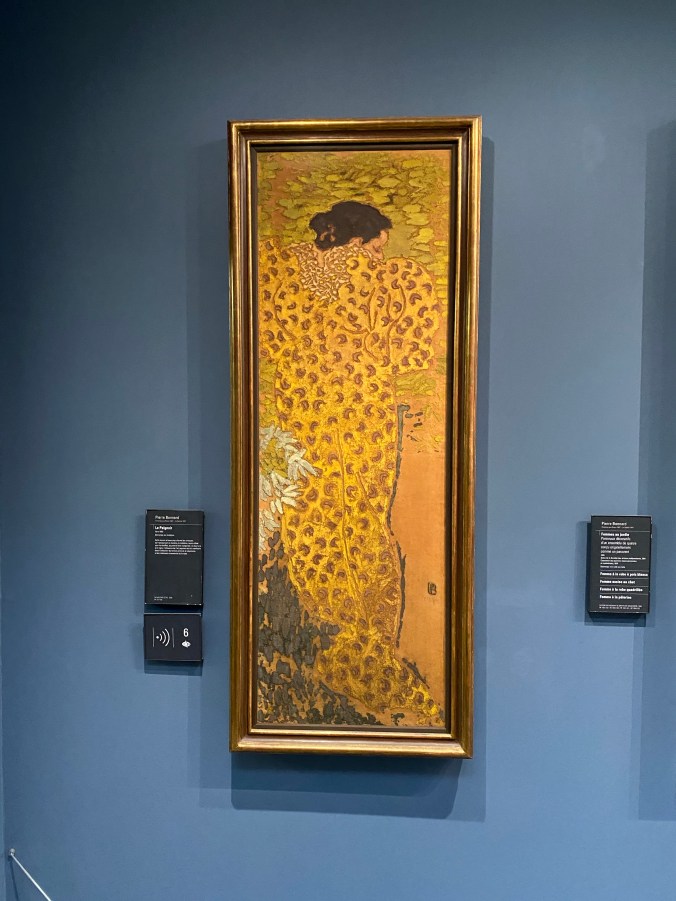
I am fascinated by how my tastes change over time. When I visit a museum these days, new things I might never have noticed now take center stage for me. Below are pictures of the works that caught my eye this time.


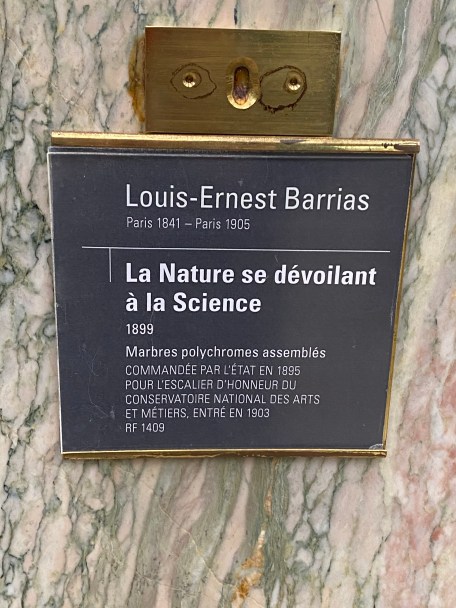

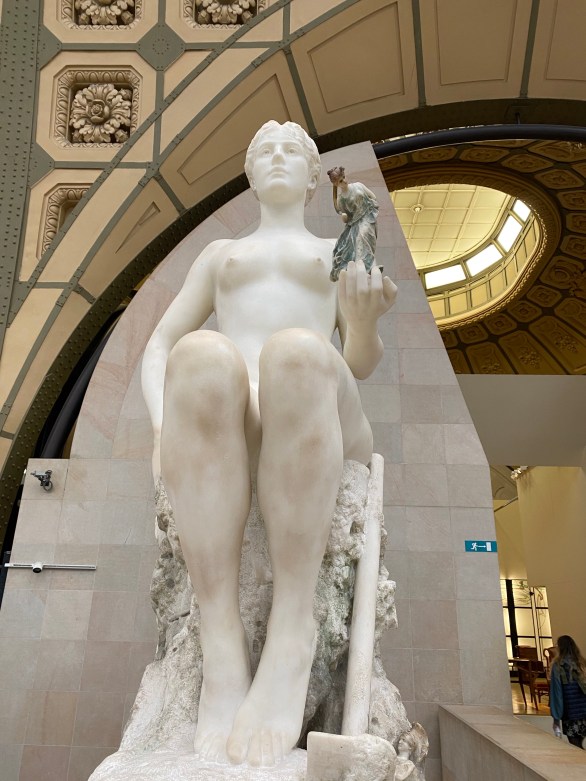


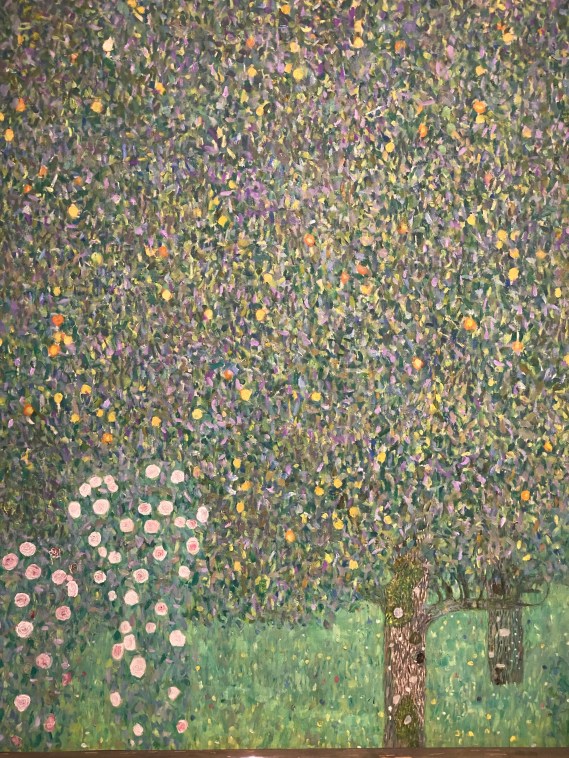

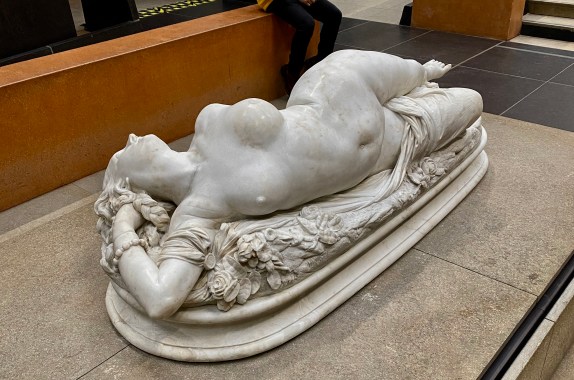
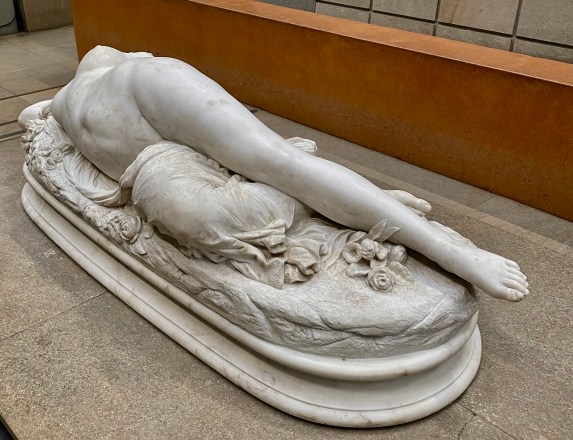
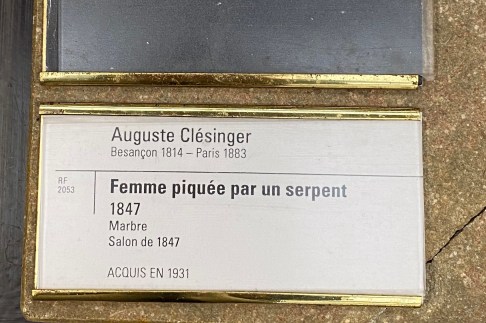


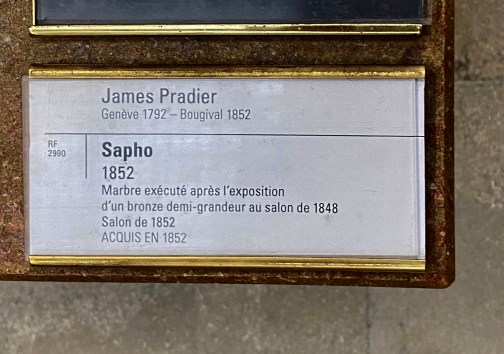


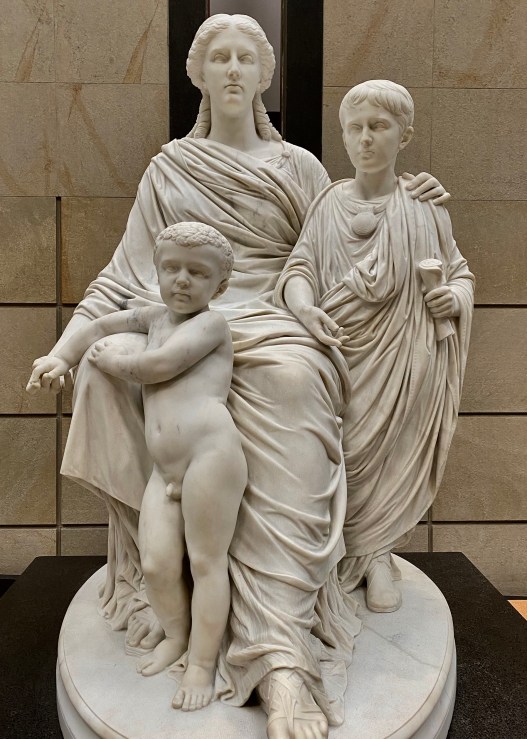

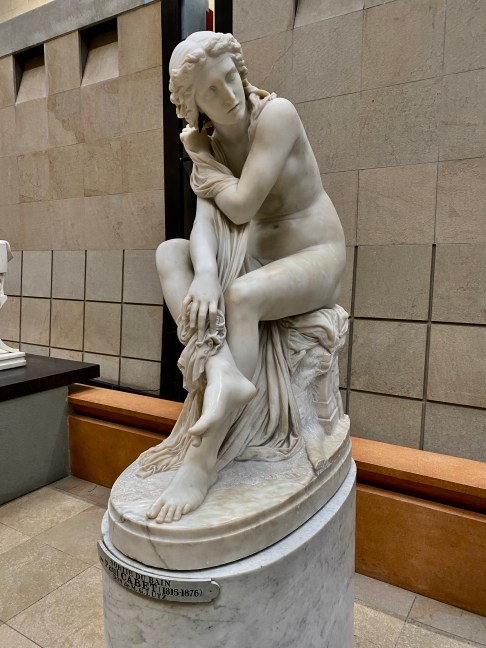
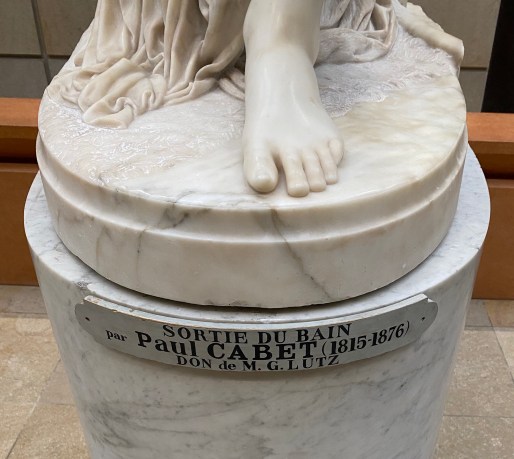
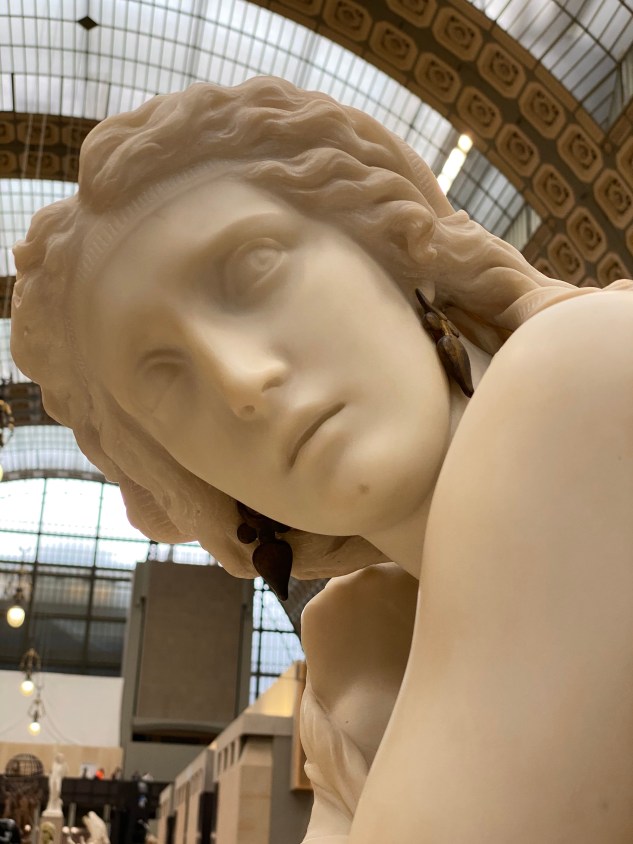
Of course I always love white marble neoclassical sculpture from the 19th century. It’s the stuff I cut my art history teeth with. But this was a new take: I have never seen a neoclassical (or any other period) sculpture that is adorned with actual earrings!



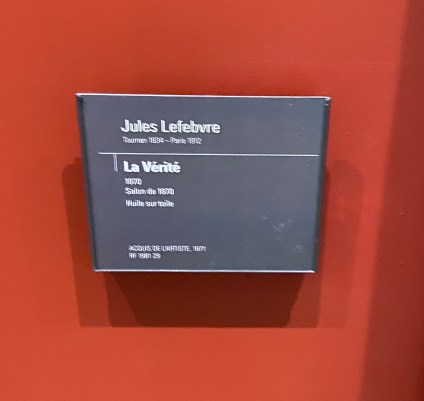
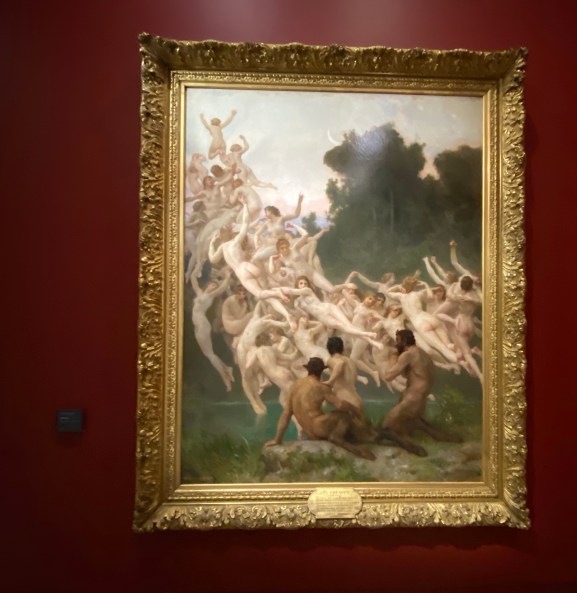

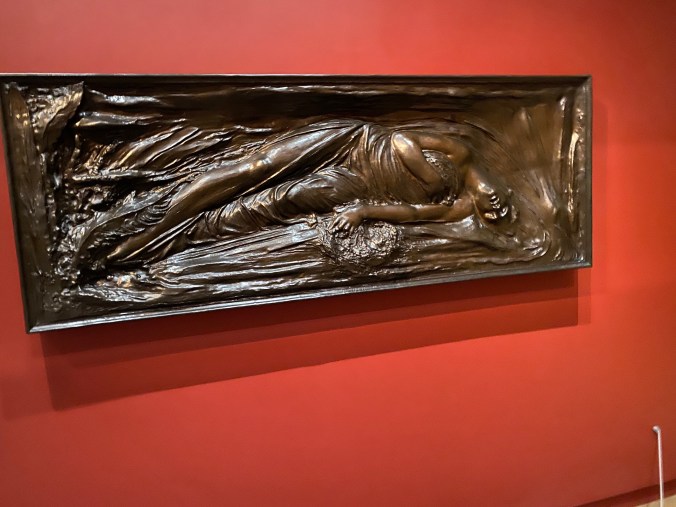
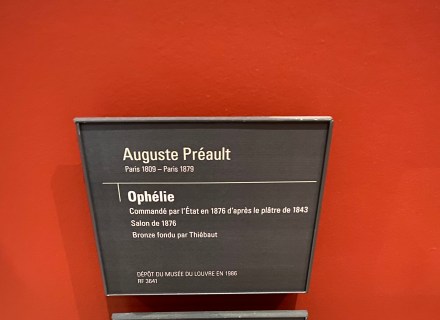
I loved this Annunciation, especially since I see Quattrocento versions in Florence almost daily. I love the French term for the title: La salutation Angelique. Everything sounds better in French.


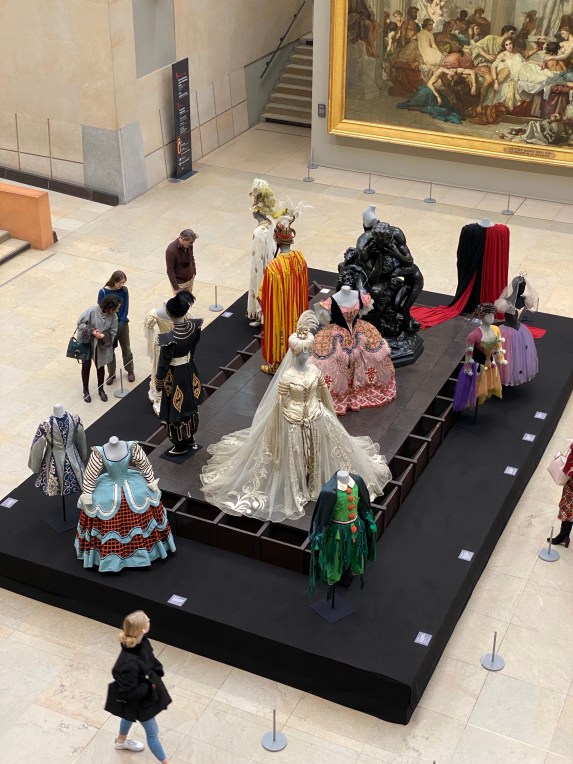
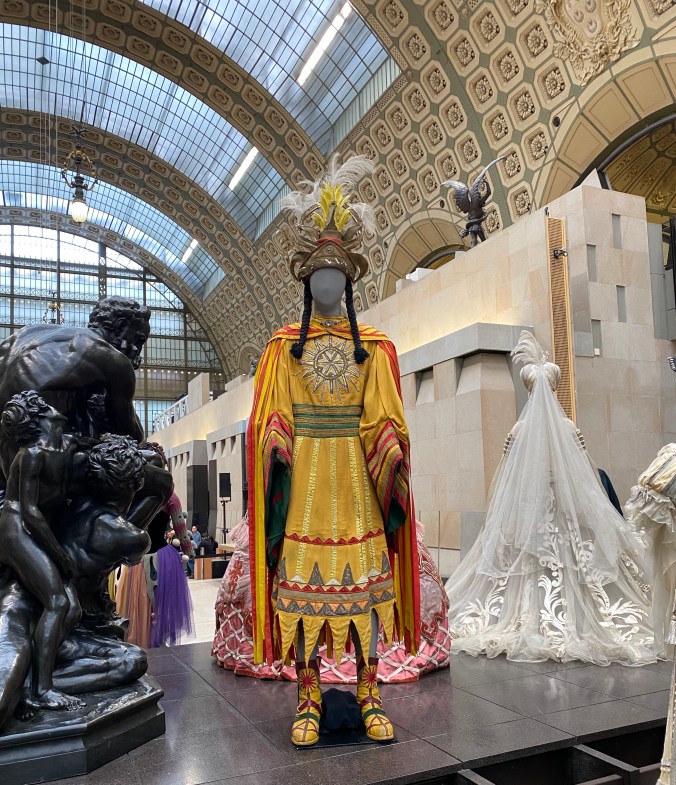
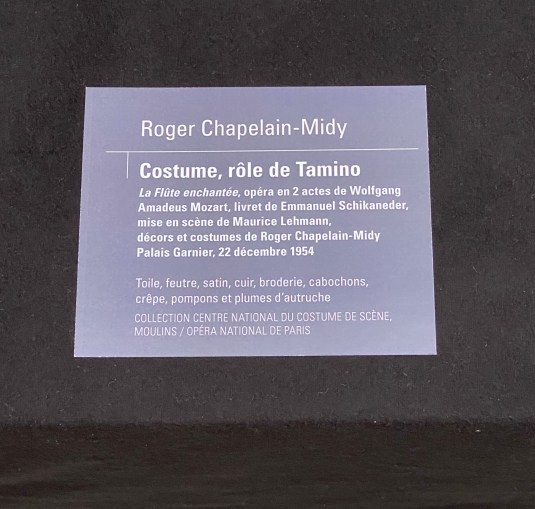
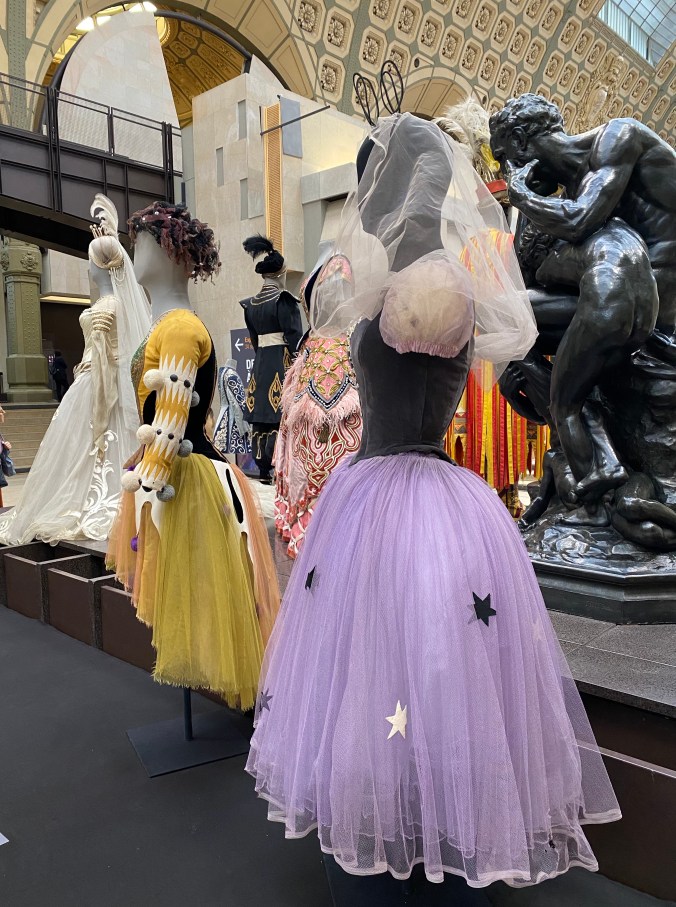
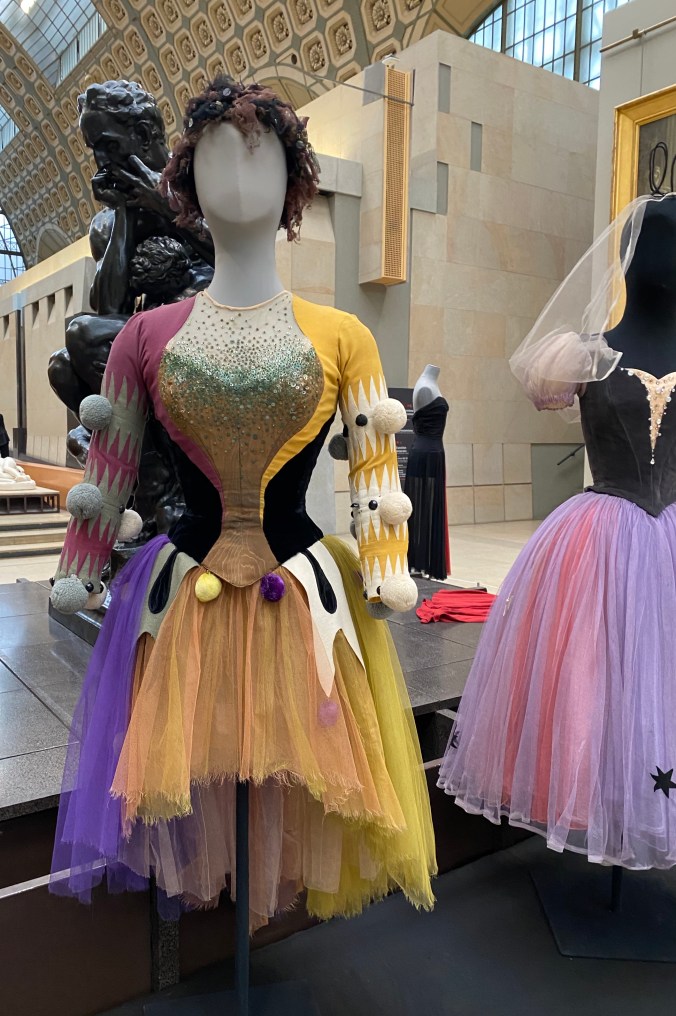
I can’t remember seeing costumes on display in art museums in the past. I was so happy to see these from the early 20th century. Such a delight!
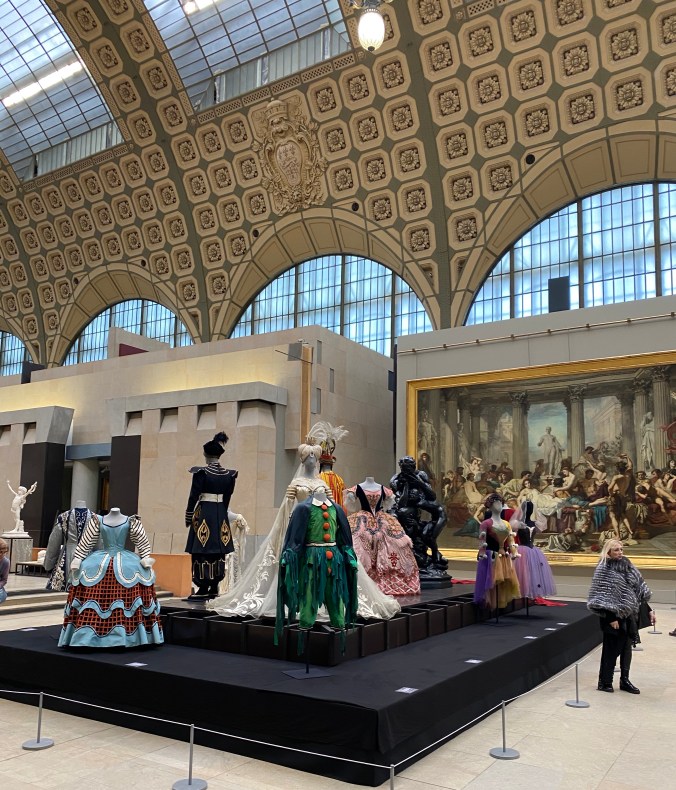
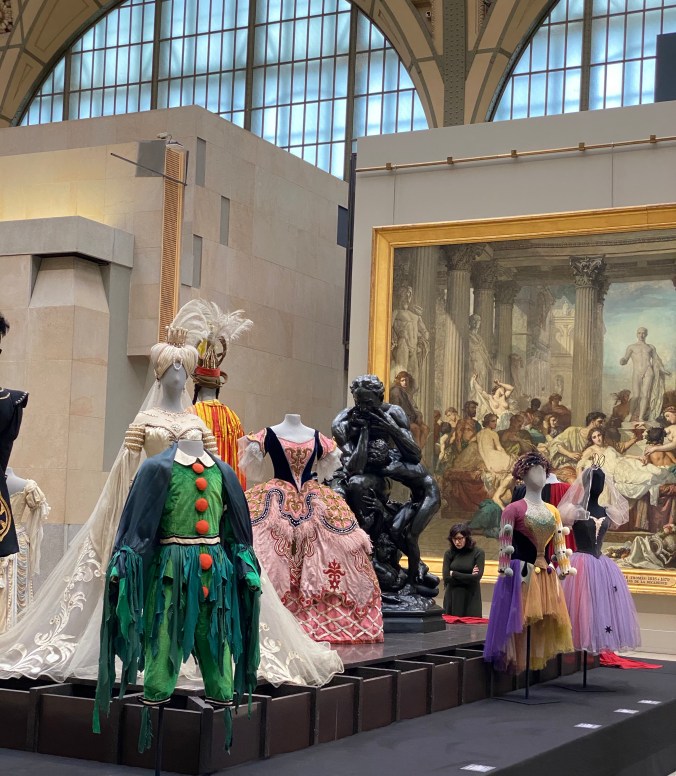


A French costume version of an American Indian:


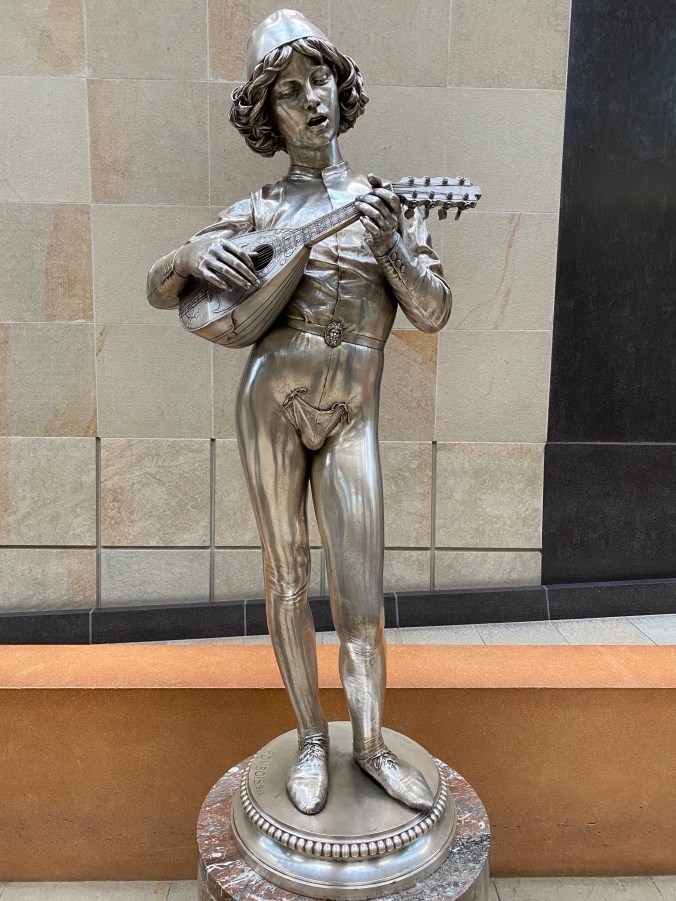
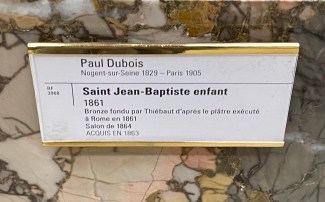
I found this sculpture by Dubois very interesting. It feels Quattrocentoesque to me, which I like, but the main thing I like about it is the silvery finish.

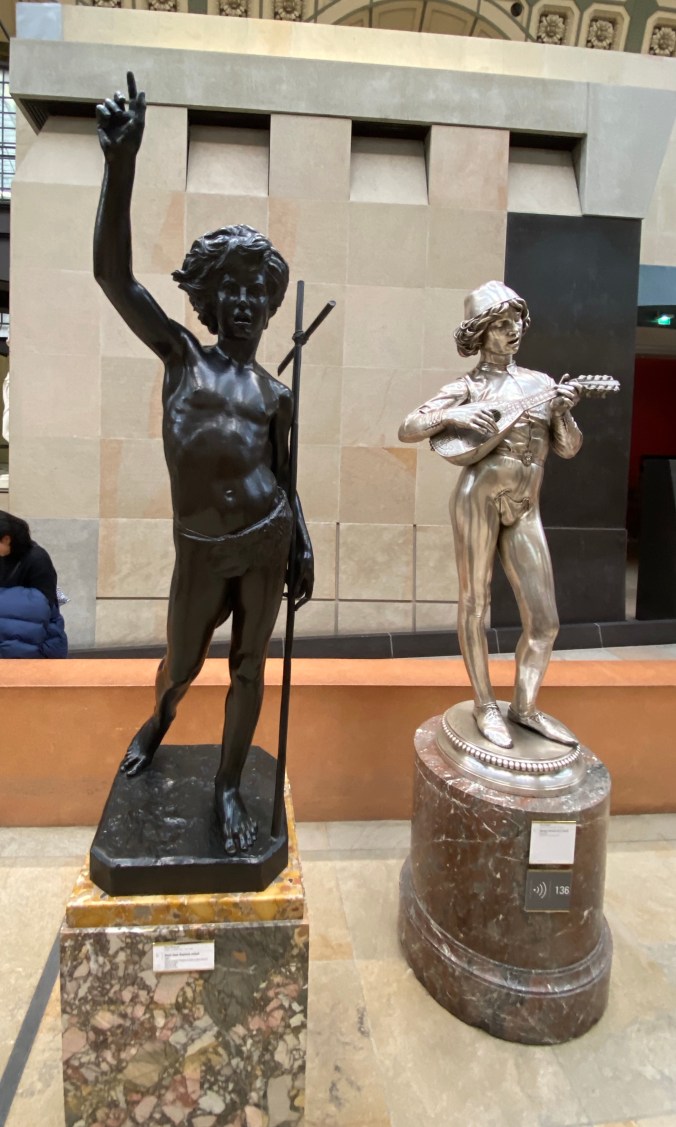
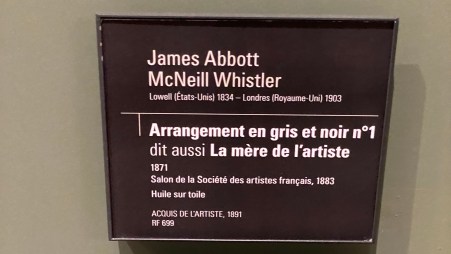
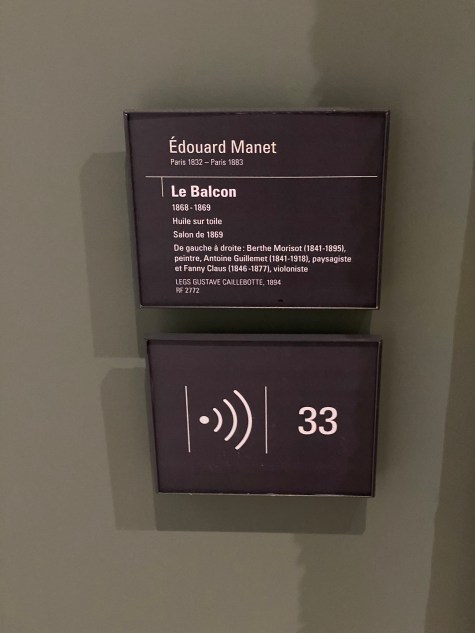
Hello Whistler! How’s your mom? Nice to see a fellow American here!


















The riches of Florence continue to amaze me. Every week brings a new discovery. Some things are hidden, others are hiding in plain sight.
The Teatro della Pergola is one of the obvious places one intrinsically knows will be a delight. One only needs the time to explore.

For me, that time arrived in mid November. I was fortunate to have a guided tour of the theater with one of the key people in the organization, Claudia. It was easy to set up as 1, 2, 3. You email Claudia at museo@teatrodellatoscana.it, or check this website: https://www.destinationflorence.com/it/dettagli/5522-pergola-gran-tour. Soon you will be time traveling in a beautiful space ship: a 17th century Baroque theater in the heart of Florence. The street is Via della Pergola, a 5 minute walk from the Duomo.

For those who can’t get to Florence to view this fantastic place, thank your lucky stars that we are living in the 21st century! You can take a virtual tour of the theater on Google’s Art and Culture platform.
The Teatro della Pergola in Florence was the first theater in Italy, and the third overall after the Opéra in Paris and the National Theater in London, to be virtually hosted on the Google Cultural platform,making the vast European artistic heritage virtually accessible for aall the world to enjoy.
Where did the name of the theater come from? Pergola means trellis, or a structure on which climbing or trailing plants can grow. The front of the theater is covered with ivy, which trails down over the small projecting metal and glass canopy over the entrance and lends a pastoral feel to the theater. Claudia told me that when the original building was constructed here, there was already a small vineyard planted, which undoubtedly had some sort of pergola. The name stuck.
A self-formed group of Florentines, calling themselves the Accademia degli Immobili, were dedicated to the cultivation of the arts in their city. While there was already a theater in Florence (the Teatro del Cocomero, later replaced and renamed by the still extant Teatro Niccolini), it was too small for the Accademia’s needs.
They commissioned Ferdinando Tacca (son of Pietro Tacca, who designed the two fountains in Piazza SS. Annunziata), to build them a theater. It was probably inspired by the courtyards of Renaissance palaces. One possible model is the Cortile Ammannati at Palazzo Pitti. The functionality of these courtyards was in part that they allowed spectators (noble and aristocratic of course) to view all kinds of shows in the square or rectangular spaces within the palazzi. They could watch games, mock battles and all manner of entertainment, without mixing with the entertainers, one imagines.
The theater commission proved to be notable opportunity for the architect, Tacca. What he designed for the Accademicians was no less than the first “Italian theater,” whose design, with its incredible acoustics, served as the basis for later theaters built throughout Europe and the world.
Tacca took the basic horseshoe design which the Greeks and Romans had already established as the ideal shape for watching theatrical performances. He constructed the floor of the theater in a spoon shape, with rises at the back of the orchestra and the stage.
One of the most notable aspects of Tacca’s design were the boxes that surround the outline of the theater on 3 levels, with a gallery on the 4th level. This was the birth of this particular feature of classic Italian theater design. For the first time, small separate spaces allowed each noble family to admire the show, and to be admired by the fellow theater-goers, from a privileged position.
The boxes are worthy of their own post. Claudia told me that all manner of things happened in these separate spaces, whose doors could be locked from the inside and whose heavy draperies at the front of the box could be drawn closed. Florentines were proverbially argumentative and territorial, and it was hoped that by assigning a box to each family, the continual feuds could be managed. Unfortunately, along with the food, wine, sexual exploits that took place in the boxes, we know that even murders were perpetrated.
The coats-of-arms of the various noble families announced the ownership of each box. When the theater was renovated in subsequent centuries, the shields were taken down; the extant ones hang in the lobby of the theater.


There are 25 boxes on each level and, currently, there are only two restricted boxes: the number 1 of the first level, which remained reserved for the last heirs of the founding members of the Accademia, and the box on the opposite side. This box is the 25th on the first level, and is reserved for the theater director. You can see it in the photo below: It is the first box on the first level, just to the right of the stage. It has pink marble facing it, unlike the other boxes which have white stucco facing.

The photo below was taken from the stage. You can see the Royal Box in the center taking up the 2nd and 3rd level spaces in the center. The size of this theater is small and intimate. I can see how it would be ideal for theatrical or musical performances and I am eager to experience them soon.

Together with the large stage, and the boxes and gallery, another distinctive feature of the Pergola are the incredible acoustics. Tacca created a perfect space for hosting theater and music; the voices of the great actors are enhanced, thanks to the horseshoe outline.
One thing Claudia explained to me is that the only things made from metal allowed in the theater design are the necessary brackets for holding electrical stuff, such as the house lights and the stage lights. Everything else is stone or wood, because metal changes the sound waves in the theater.
The theater was completed in 1661. The inaugural production was the comic opera Il podestà di Colognole by Giovanni Andrea Moniglia.
The stage set was hidden from view at the beginning of performances with a large painted curtain depicting Florence and the Arno. The curtain that covers the stage today is itself quite grand.


The Accademia degli Immobili, or the founders of the theater, took for themselves the rather incongruous (to me) Dutch windmill as their theater symbol. I could not understand this choice until Claudia explained that Florence’s riches were at the time based upon the trade with the north and, I suppose, especially the Netherlands. The windmill is used throughout the theater in subtle design features. It even appears on the knobs on the box door handles:

Initially reserved for the court and aristocracy, the theater was reopened from 1718 to the paying public. The operatic works of the great composers, such as Antonio Vivaldi, were staged.
Below are photos of the to-scale model of the theater as it would have originally appeared. You can see the coats-of-arms over each first level box. Claudia told me that the benches with backs and cushions were reserved for women, and the benches without backs were for me.


The neoclassical lobby was a later addition. It provides a grand welcome to all visitors.


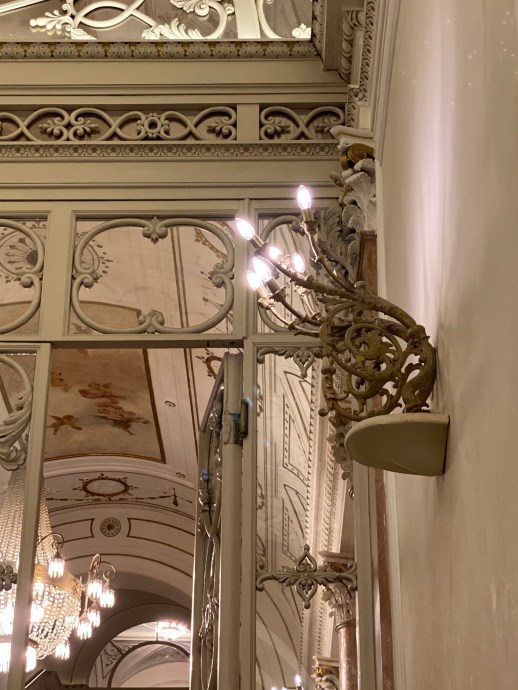
The building of La Pergola was remodeled several times. It was enriched with new decorative schemes and enlarged with all of the crafts and skills of the stage art.
In 1801 the Saloncino, a large room with stuccos dedicated to music and dance, was opened on the first floor by architect Luca Ristorini (completely restored in 2000; it is the second hall of the theater). Ristorini had also, in 1789, had renovated the great hall, changing the box design to create a very large royal box at the far end of the theater, directly opposite the stage.
The period between 1823 and 1855 were great years for the Pergola, for it was managed by the impresario Alessandro Lanari. Under his direction, Florence became one of the most important stages of Italian classic opera. The most important composers, beginning with Bellini, made important appearances on Via della Pergola and Florentines first hear the music of Giuseppe Verdi when he made his renowned Macbeth debut in 1847. The museum under the main hall has a wooden chair built especially for Verdi to sit upon while directing rehearsals. He was having problems with his legs and the chair made life better for him.


In 1826, Gasparo Martellini painted the historical curtain depicting the coronation of Petrarca in Campidoglio which is still used at galas. The machinist, Cesare Canovetti, designed and constructed an ingenious wooden machine for lifting the stalls which forms the basis for the museum under the hall. It was used when the hall was converted into a ballroom, to make the floor a single plane with the stage. The architect, Baccani, modernized the theater, designing the the “Atrium of the Columns.” And, very notably, a young stage apprentice, Antonio Meucci, experimented with a voice communication system between the attic where the curtains and sets were managed from above and the the stage. Meucci’s invention was the ancestor of the telephone, which Meucci perfected, when he emigrated to the United States. According to Claudia, Meucci sold the design of his invention to Alexander Graham Bell who went on to produce the first telephone.
The theater’s illumination was upgraded to gas lights, and Florence enjoys the rank of capital of Italy. The theater board sells a share of the Academy to the King Vittorio Emanuele II. Later financial problems encountered by the theater were partially solved by the intervention of the Commune.
Electric lighting was incorporated in 1898. The theater underwent drastic changes along with the lighting: plays were substituted for the opera (which moved to the larger Florentine theaters, the Politeama and Pagliano).
In December 1906, Eleonora Duse arrives at the Pergola with the legendary Rosmersholm by Ibsen. This play was directed by Edward Gordon Craig and a dressing room was designed for the grand dame. This Primo Camerino, is still in use, conveniently located right next to the stage.


In 1925, the Pergola became a national monument. During WWII, the theater was managed by Aladino Tofanelli. Ownership was ceded to the state in 1942 and it soon became a part of the newly created Ente Teatrale Italiano.
When Tofanelli died, the young, brilliant and innovative Alfonso Spadoni, arrived and revitalized the Pergola, primarily with great dramas. The Pergola is seamlessly woven into the urban fabric of Florence, providing a setting for important cultural events.
Another brilliant young man, Marco Giorgetti, is at the helm now. Since 1999 Giorgetti has been hard at work, reestablishing the ties between the theater and the city.
Today the Pergola is much more than a theater. At the epicenter of the Teatro della Toscana Foundation and a theater of national importance, the Pergola is a living cultural center, using its history and prestige. It maintains very active programming. The brightest stars in the theater firmament shine at the Pergola.
Walking in the corridors of the theater is like reading a book sprinkled with immortal names. All the objects tell a story, the individual fibers of fabric or wood particles bear witness to memorable events.
Below: the neoclassical painting on the ceiling of the grand hall.


The stage as it appeared the day I visited:


Some vintage posters in the museum:


Wow. Just wow. I don’t know why I never paid a visit to this astounding place before now!








And, last, but certainly not least, you don’t see a lot of elephants in Italian art, but here is a big exception to the rule.


 get back, lauretta!
You must be logged in to post a comment.