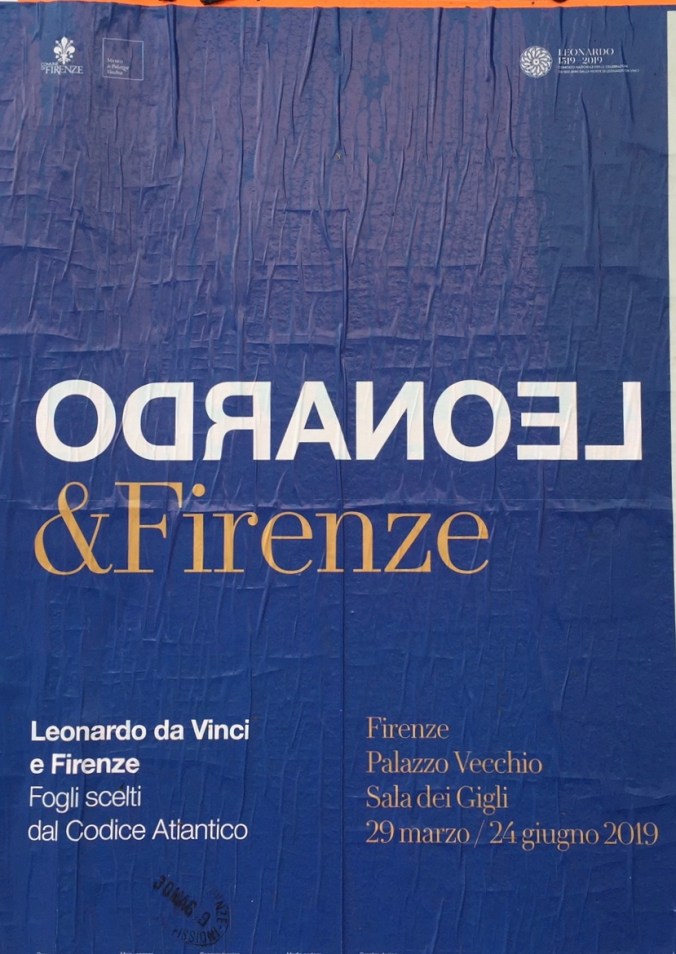
2019 is the 500th anniversary of the death of Leonardo da Vinci and Italy is doing it up right to mark the occasion. All over Italy, but especially in Tuscany and Florence in particular, and in Milan, exhibitions are celebrating his art and life.
I love the comic relief one get’s from a poster like the one below. At least we can have a little fun with the fact that he often wrote backwards!
Genoa, Italy was once a naval powerhouse. Sometimes it outshone even the Venetian republic in its power and influence.
During the heyday of Genoa’s power, very rich families vied to impress each other by building magnificent palazzi. Today, more than 100 of them still survive and Genoa is protected under UNESCO status for these buildings.
Of the more than 100 palazzi still extant, about 31 of them are opened for viewing one or two times a year. The event is known as “Rolli Days.” Rolli means list in Genoa and the “list” referred to is the list of fabulous mansions that were kept on file by the political leaders of Genoa.
They kept this prestigious list and, when a dignitary came to town–which happened a lot–the leaders decided which of the 100 family mansions would be chosen to host any expected dignitary. It must have been an honor to be on that list, even though it meant that the family would foot the entire bill for housing and entertaining the dignitary. Some of these included Popes and European royalty, to name but a couple.
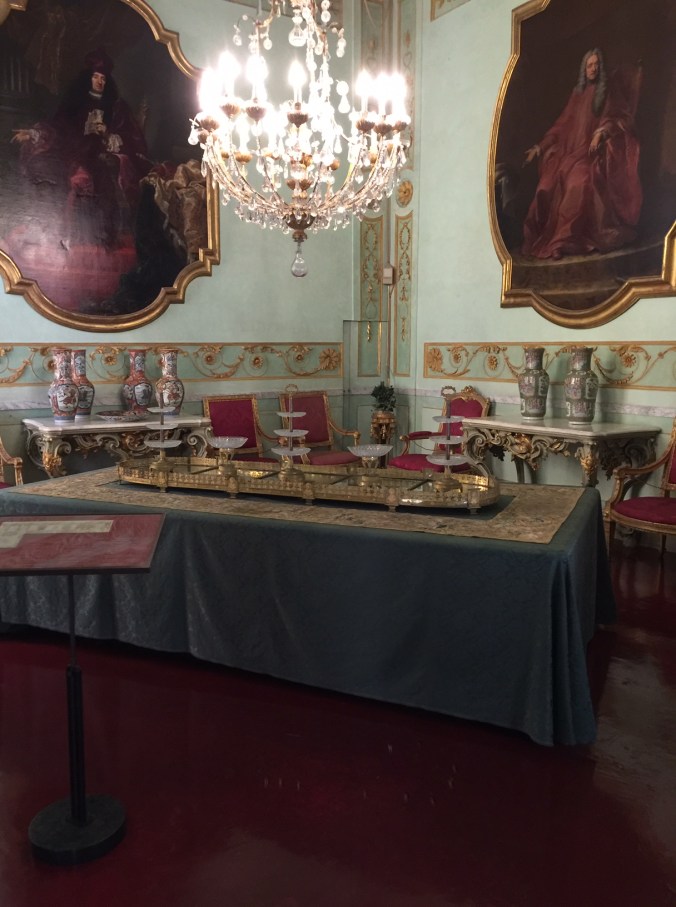
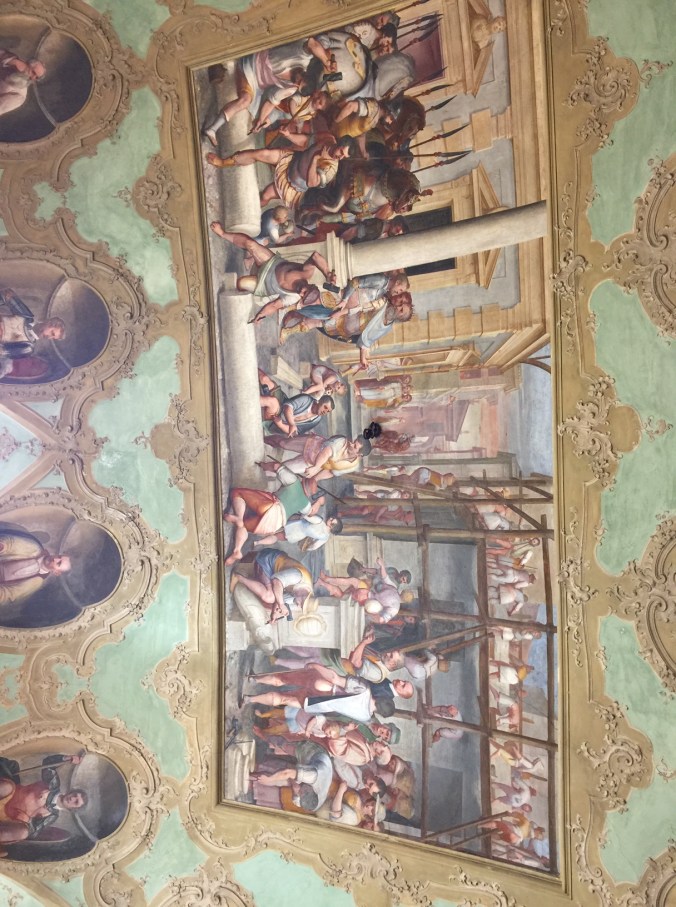
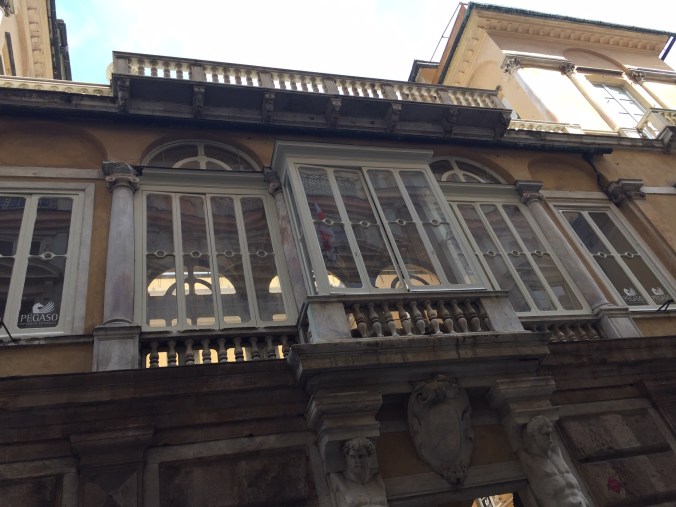
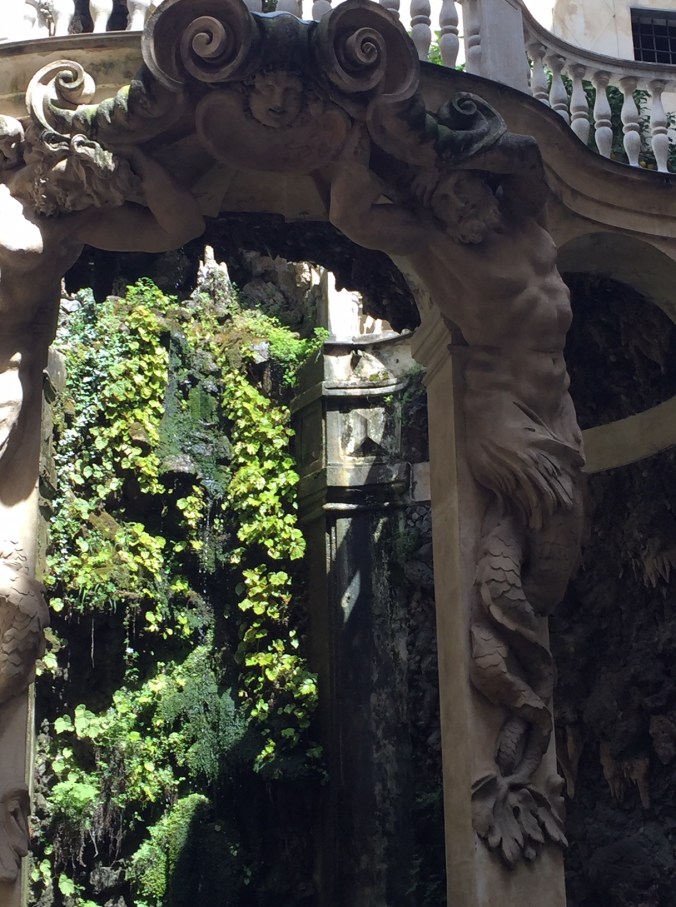
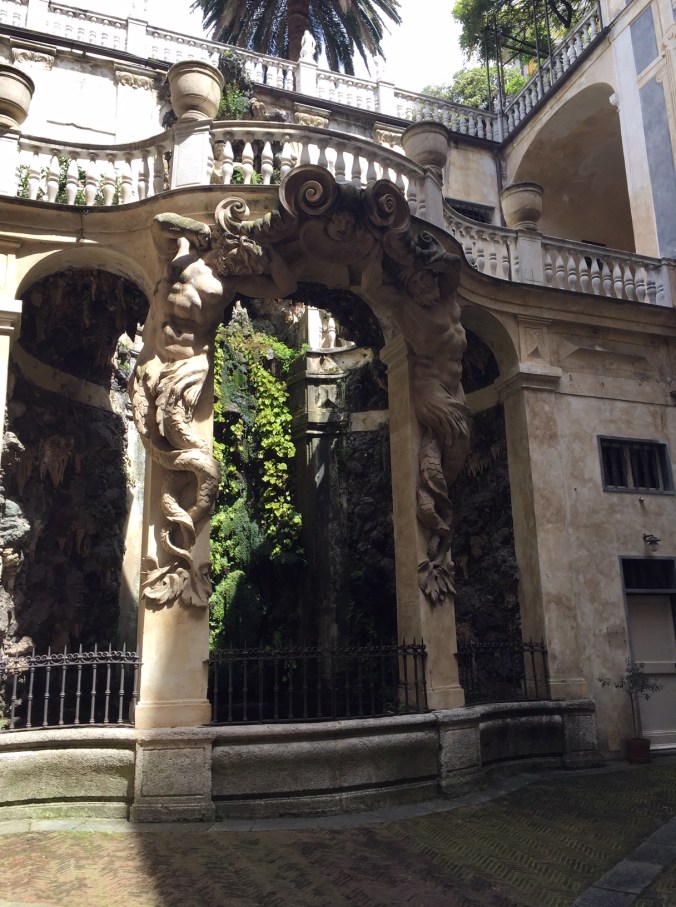
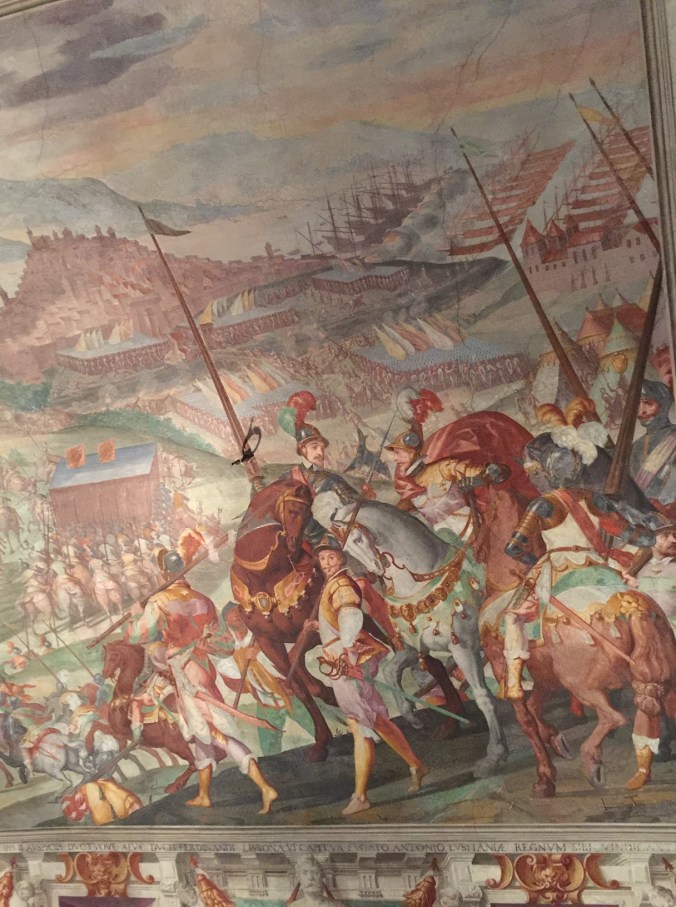
I had the pleasure of visiting Genoa recently to take advantage of the opportunity to see some of these amazing mansions. There were about 30 open and I saw a good number of them. One of the most impressive is the Palazzo Francesco Grimaldi, aka Galleria Nazionale di Palazzo Spinola. Below are just some of the fabulous things I saw:
The Grimaldi family tree. Now that’s how to illustrate a family tree!
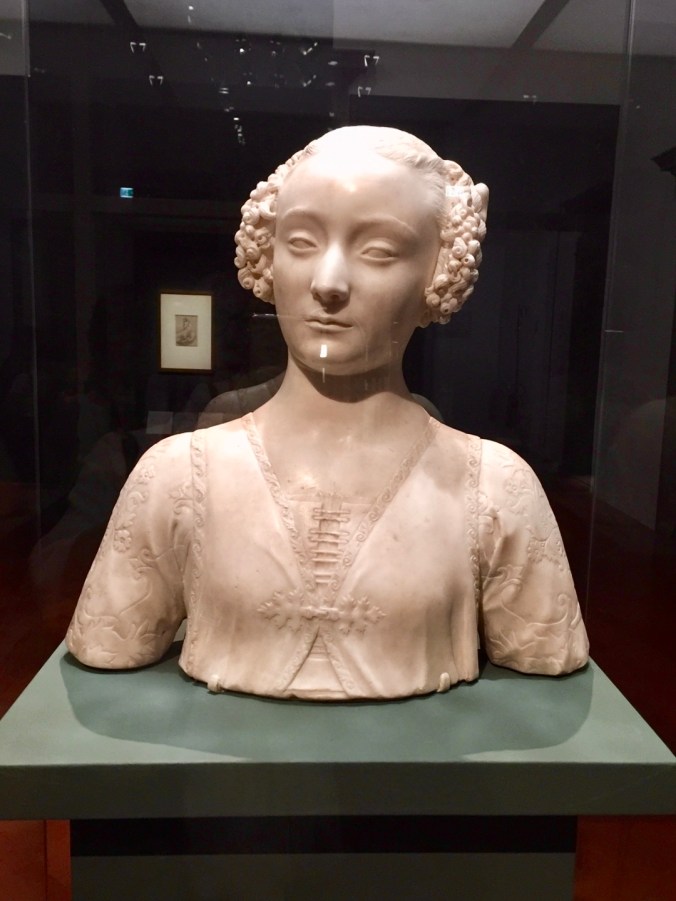
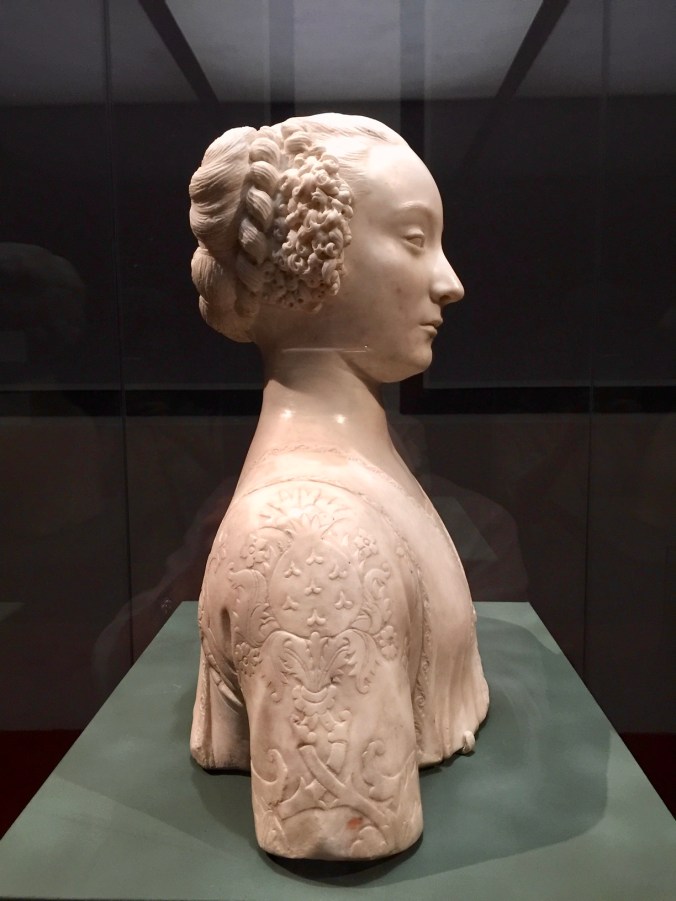
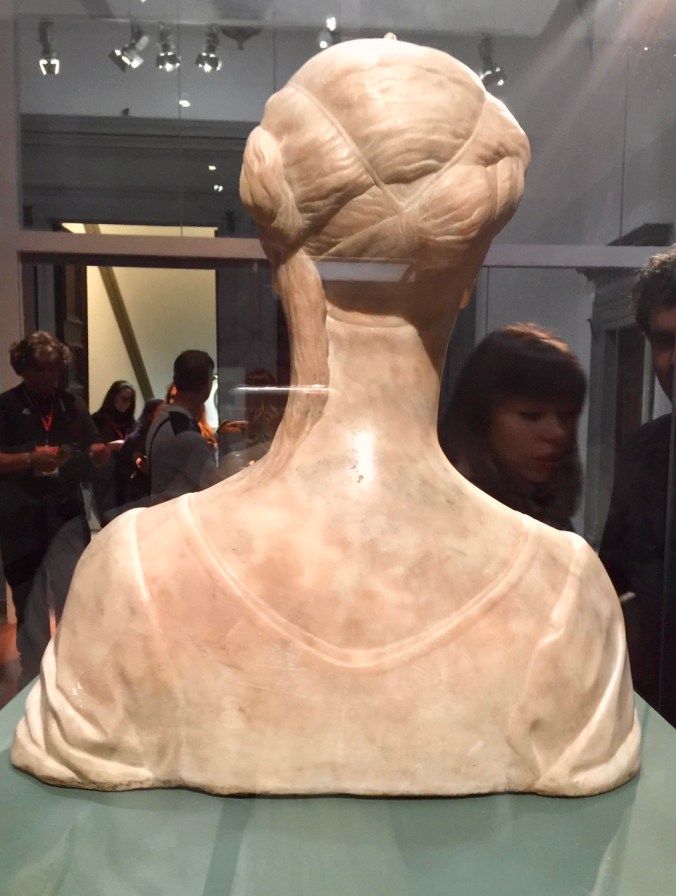
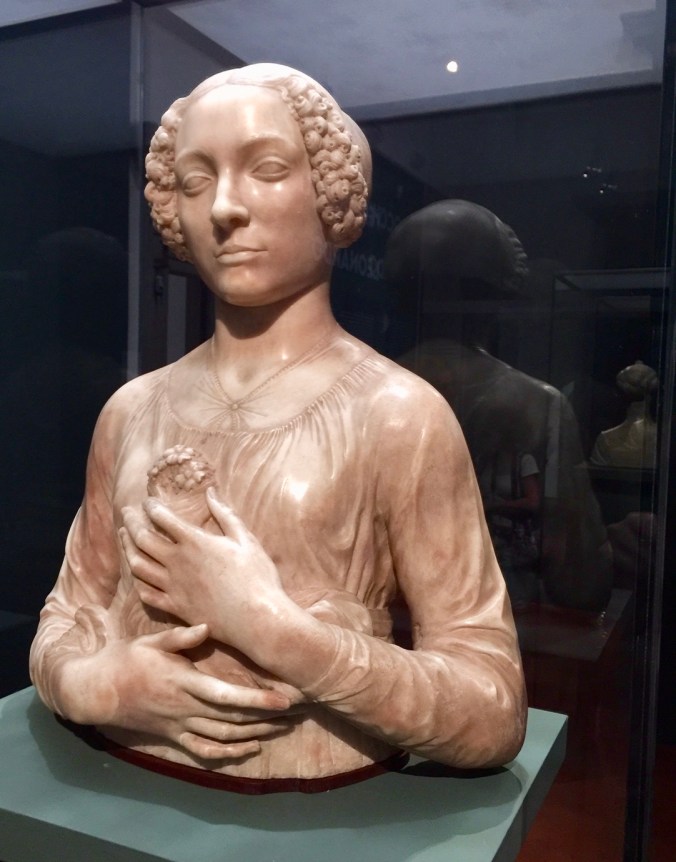
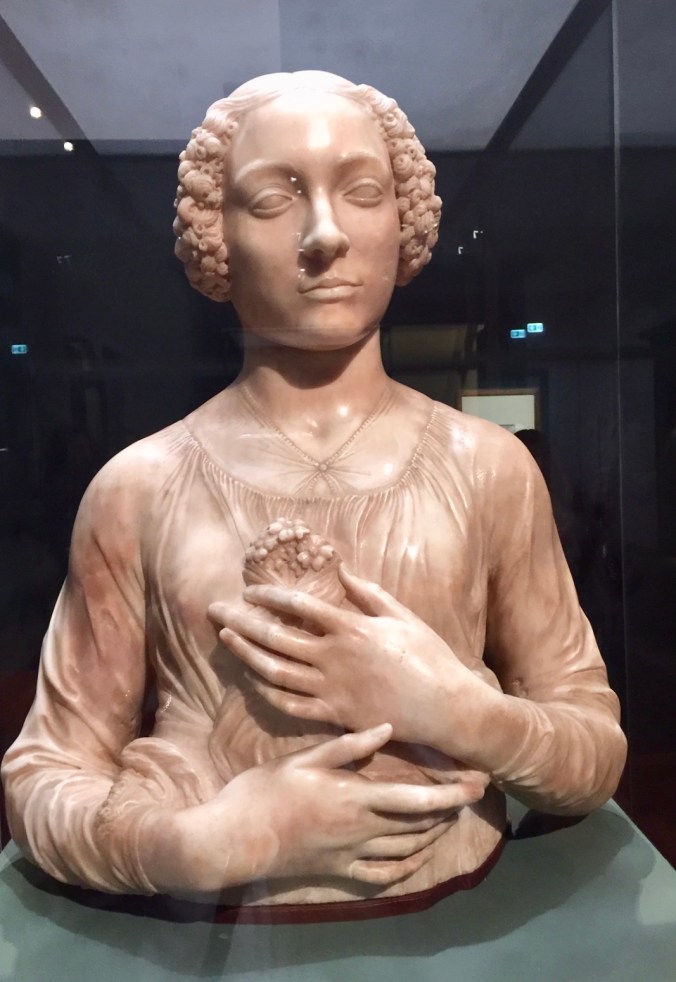
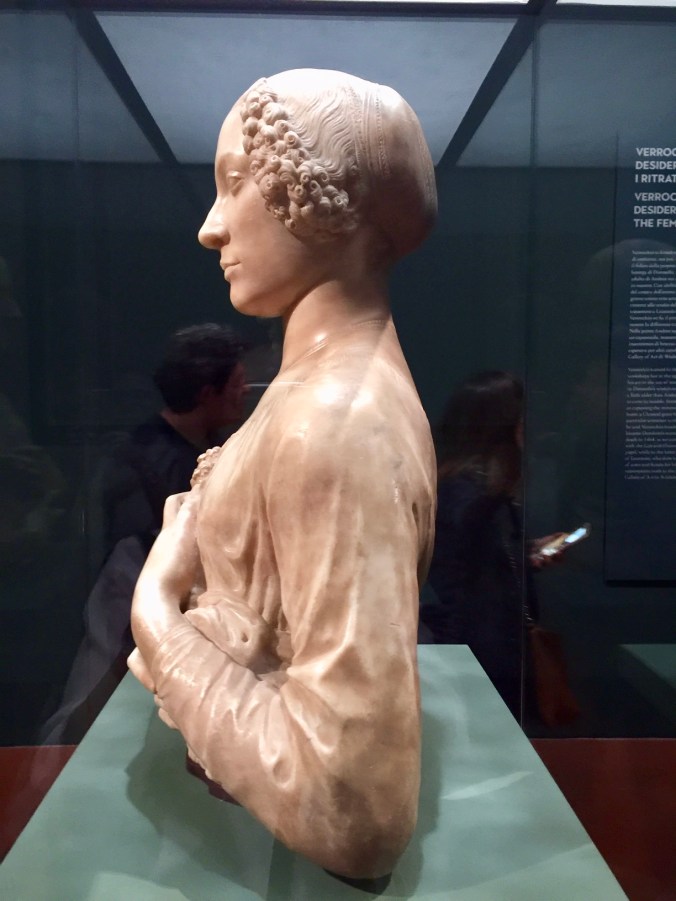
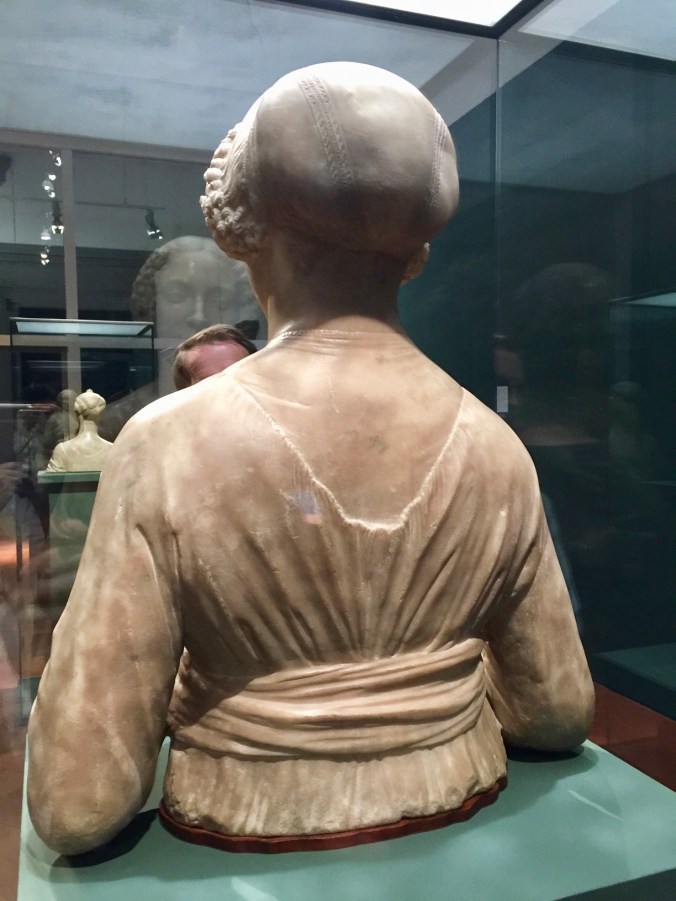
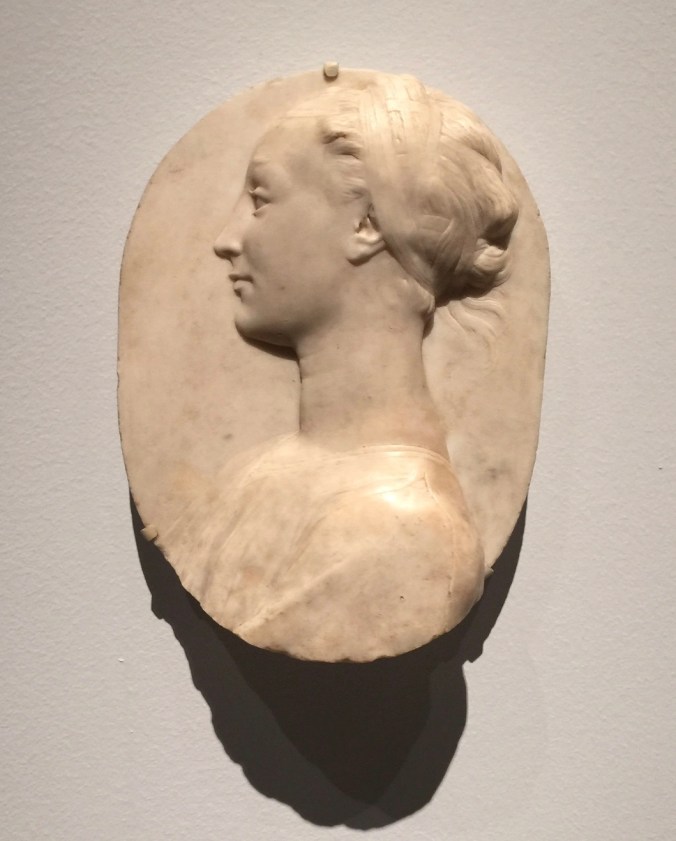
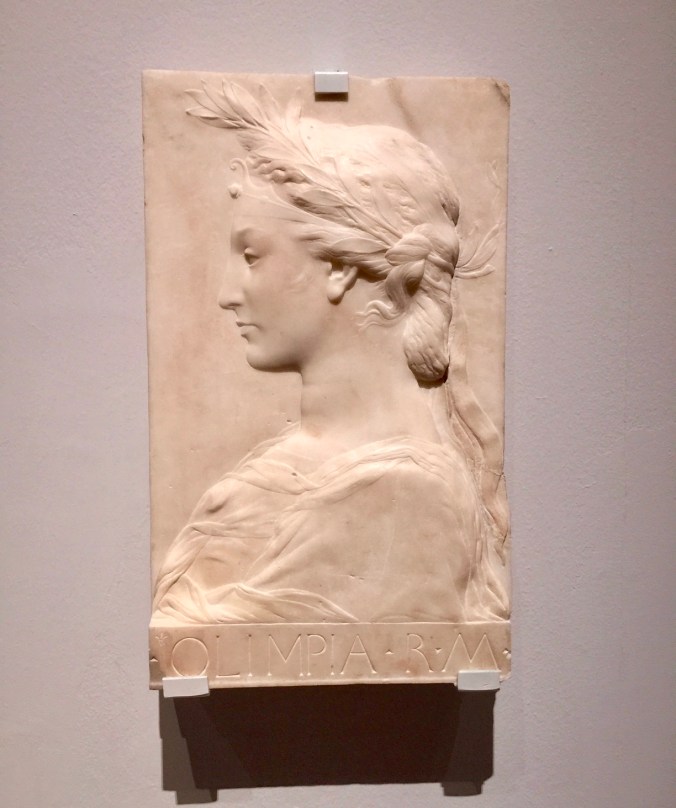
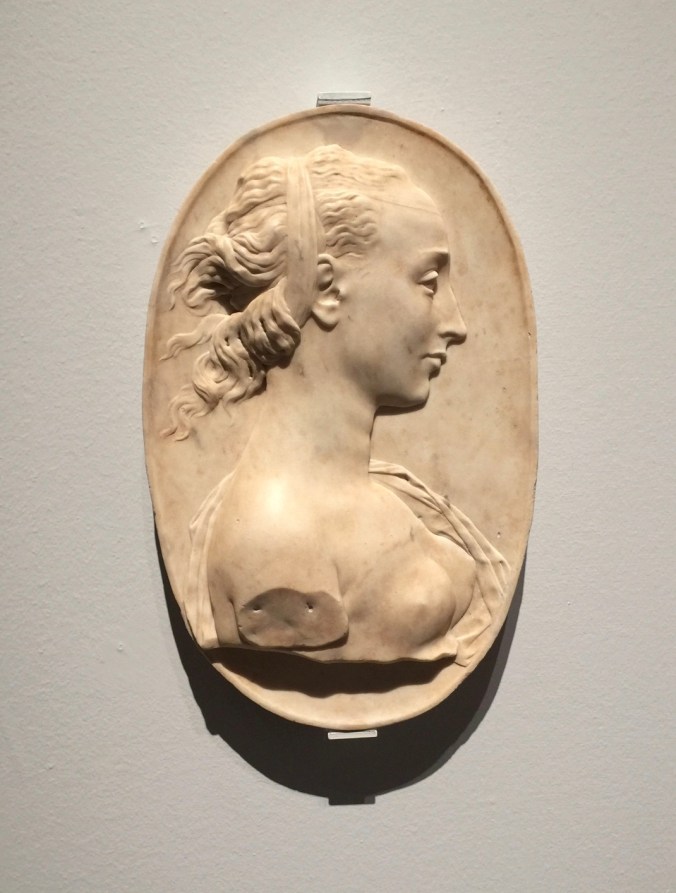
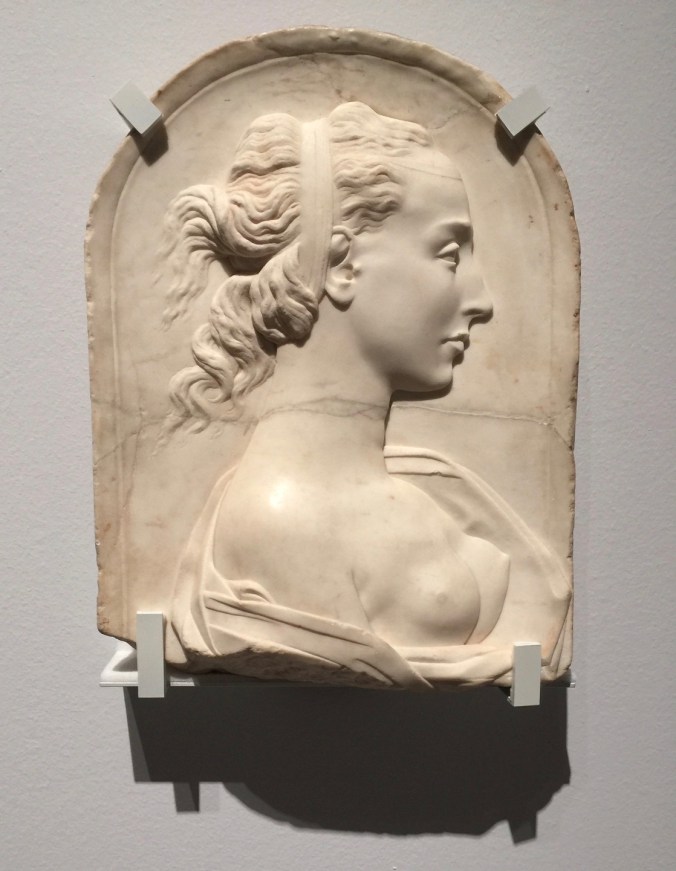
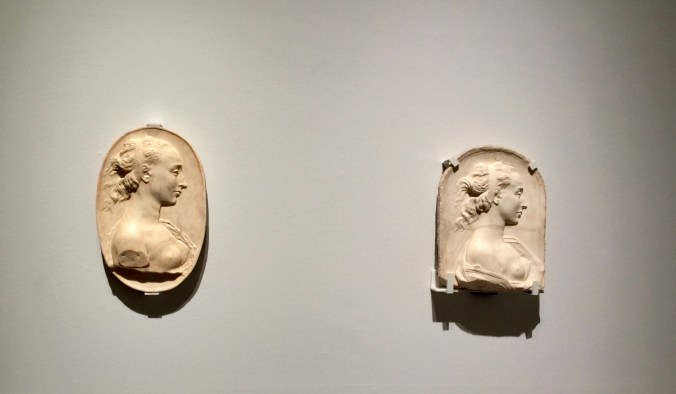
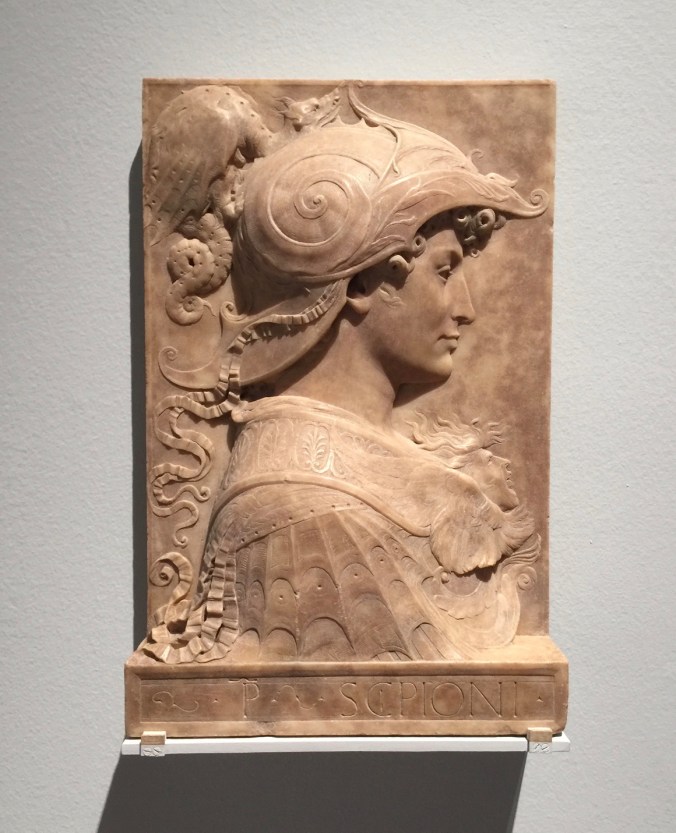
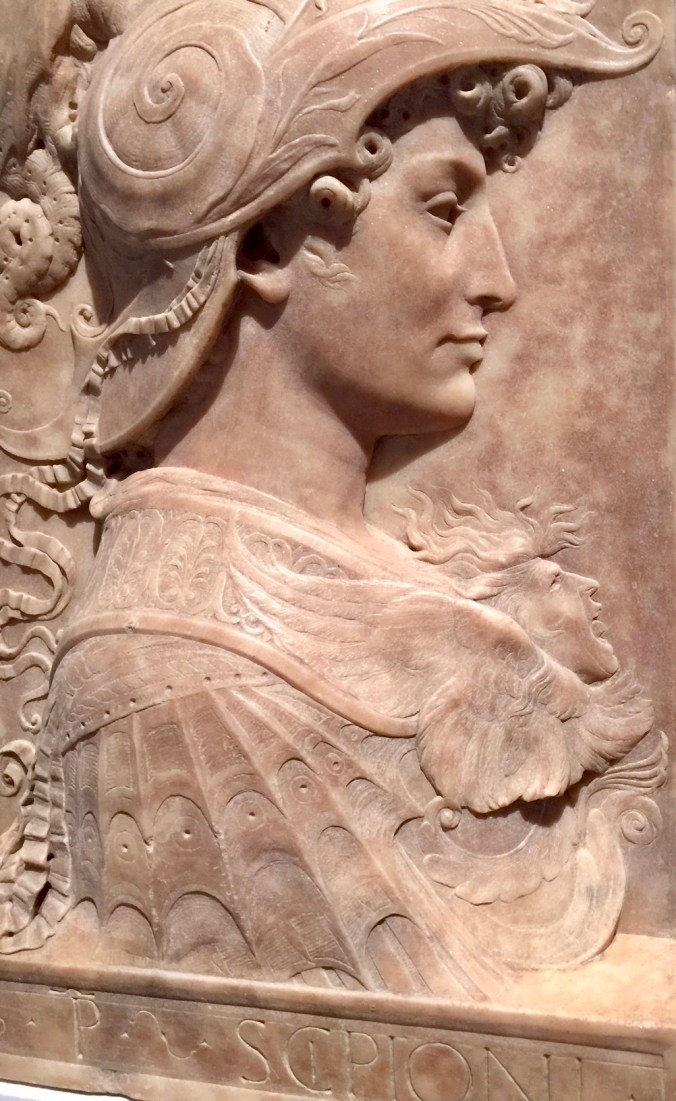
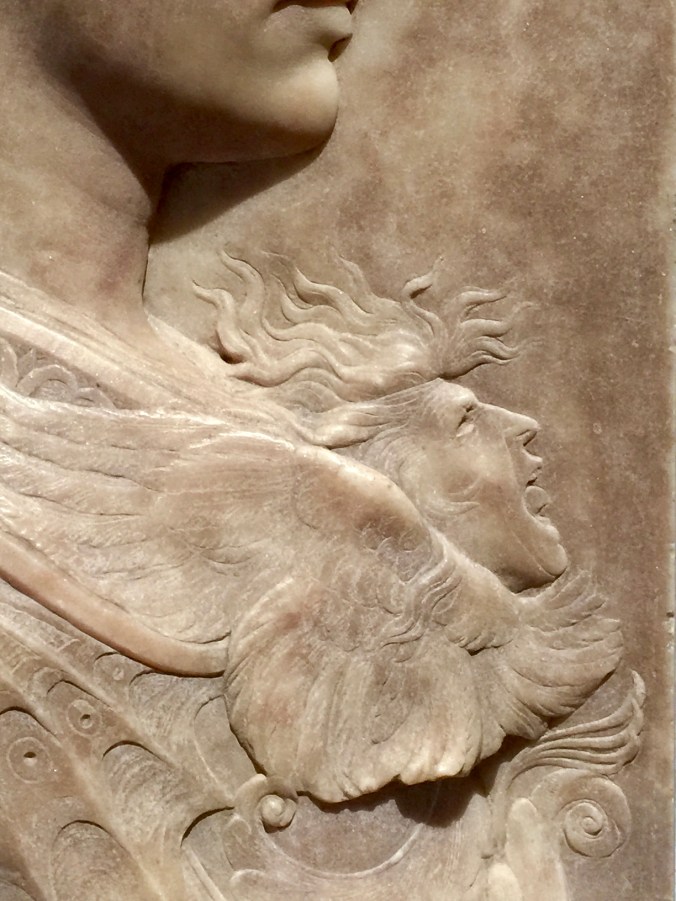
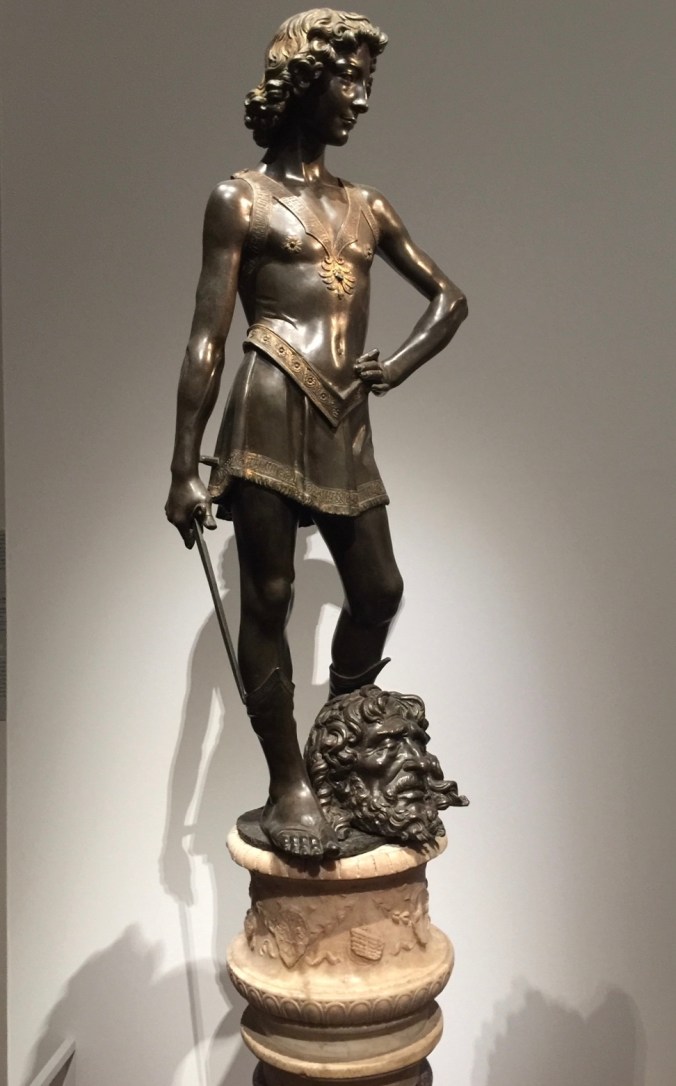
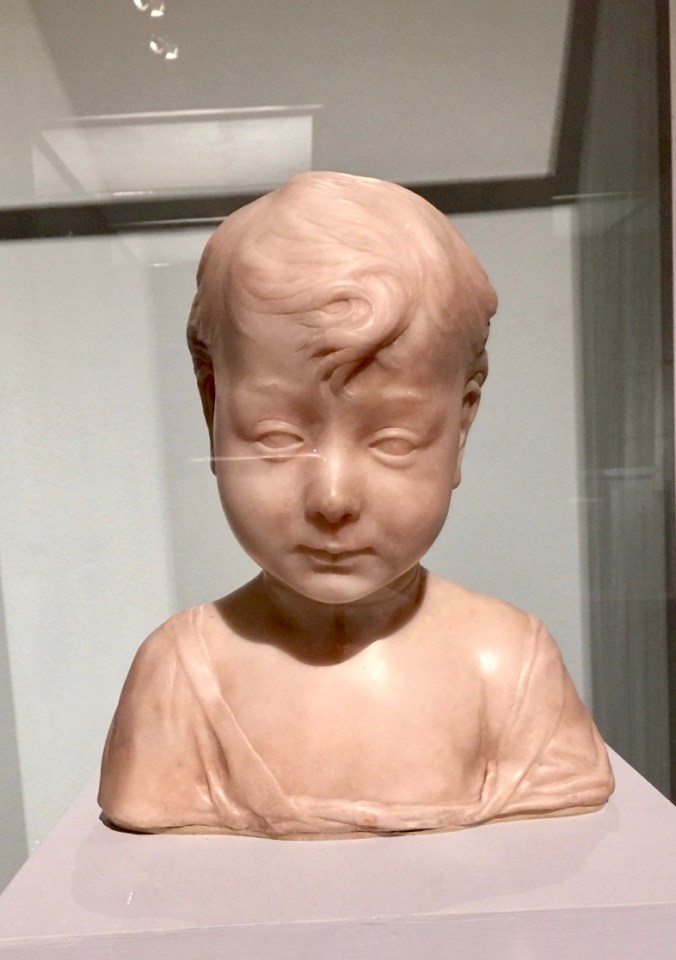
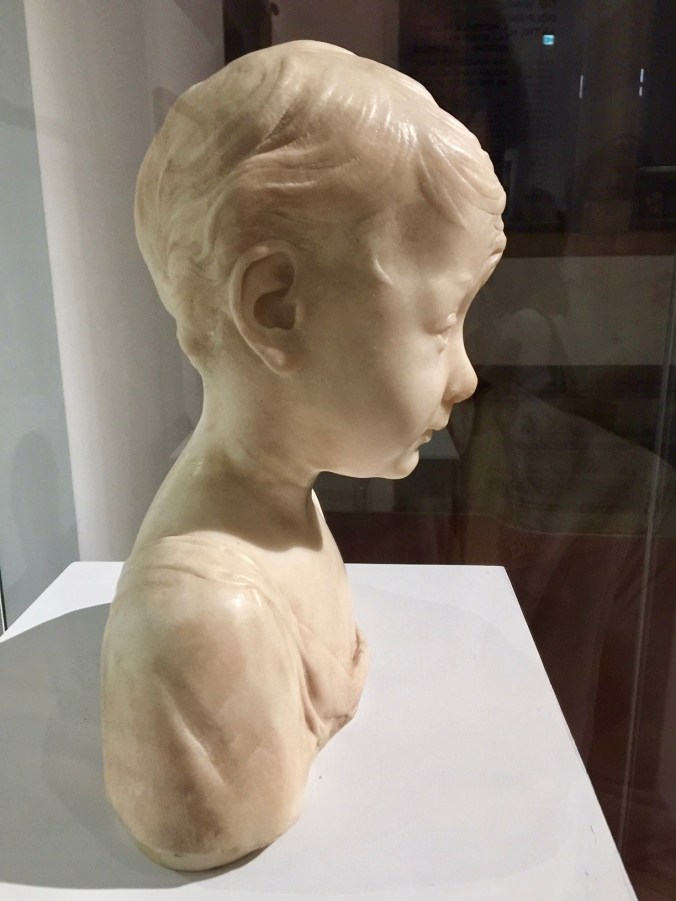
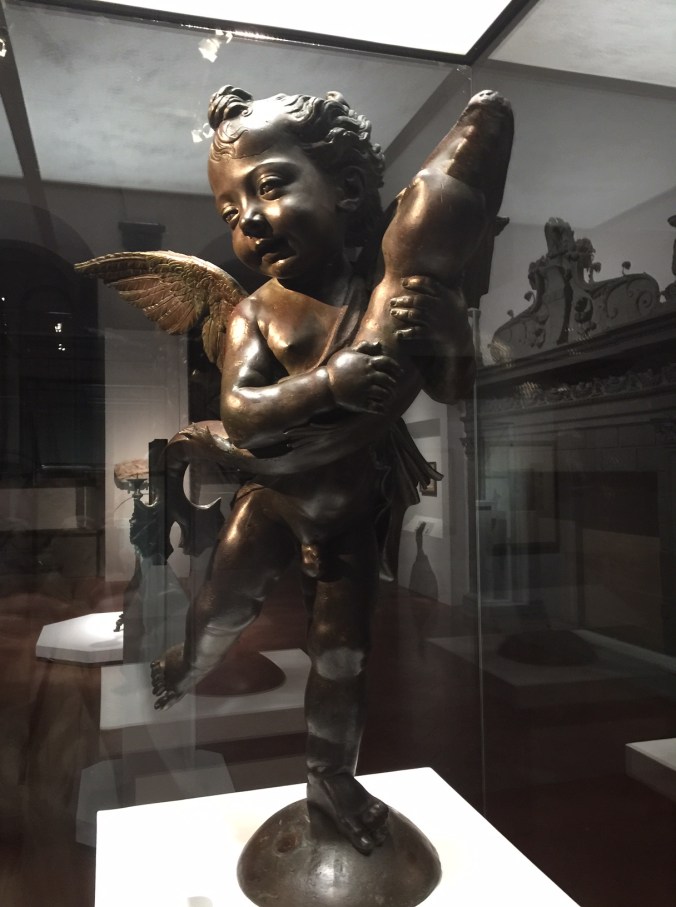
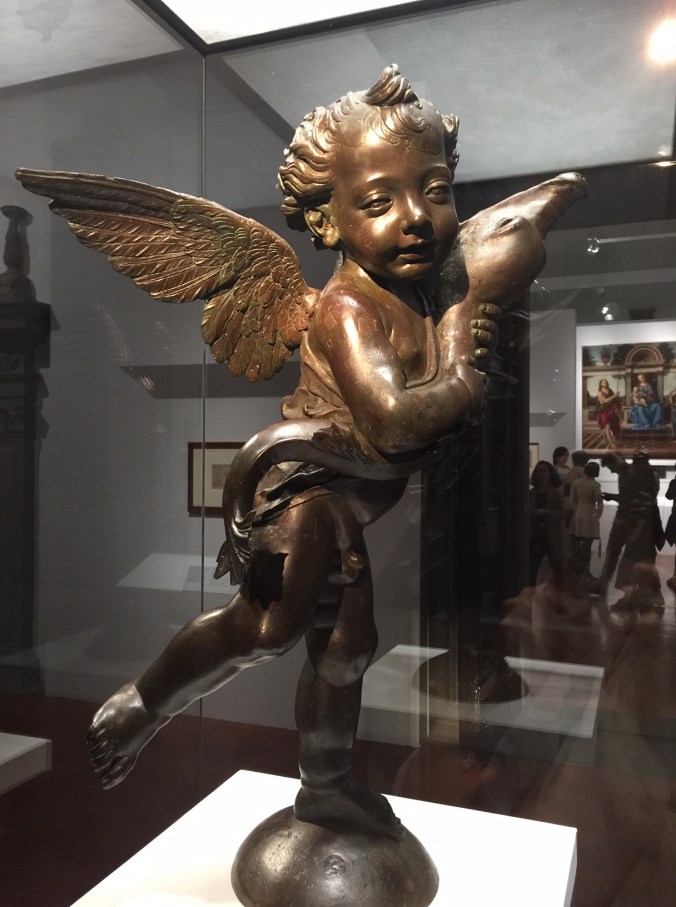
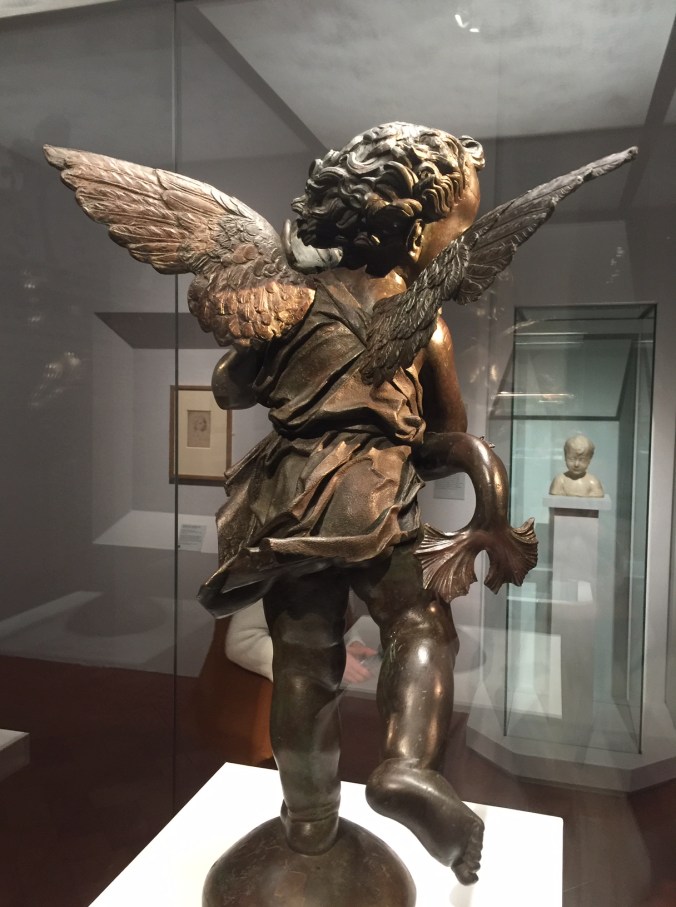
I have always loved the sculpture of Verrochio (1435-88).
And, since there’s currently a fabulous exhibition in Florence featuring some of the master’s work in painting, sculpture, and work in gold, I think it is high time I wrote a post on him here.
The exhibition, “Verrocchio, Master of Leonardo” can be seen from now until mid-July at the Palazzo Strozzi.
The show was organized byFondazione Palazzo Strozzi and the Musei del Bargello in collaboration with the National Gallery of Art, Washington. The curators are Francesco Caglioti e Andrea De Marchi; both are leading experts in the art of the quattrocento.
This major exhibition showcases over 120 paintings, sculptures and drawings from the world’s leading museums and collections, including the Metropolitan Museum of New York, the Musée du Louvre in Paris, the Rijksmuseum in Amsterdam, the Victoria and Albert Museum in London and the Gallerie degli Uffizi in Florence.
The exhibition, with a special section at the Museo Nazionale del Bargello, brings together for the first time Verrocchio’s celebrated masterpieces and most important works by the best-known artists associated with his workshop in the second half of the 15th century, such as Domenico Ghirlandaio, Sandro Botticelli, Pietro Perugino and Leonardo da Vinci. Leonardo was his most famous pupil, and the exhibition reconstructs Leonardo’s early career and interaction with his master, thanks to outstanding loans and unprecedented juxtapositions.
This year is a big one all over the Italian cultural scene, for it marks the 500th anniversary of Leonardo’s death. The Strozzi exhibition is, moreover, the first retrospective ever devoted to Verrocchio.
At the same time the exhibition explores the early years of Leonardo da Vinci’s career, providing an overview of artistic output in Florence from roughly 1460 to 1490, which just happened to be the age of Lorenzo the Magnificent.
Few paintings are attributed to him with certainty, but a number of important painters were trained at his workshop. His pupils included Leonardo da Vinci, Pietro Perugino and Lorenzo di Credi. His greatest importance was as a sculptor and his last work, the Equestrian statue of Bartolomeo Colleoni in Venice, is generally accepted as a masterpiece.
Little is known about his life. His main works are dated in his last twenty years and his advancement owed much to the patronage of Lorenzo de’ Medici and his son Piero. His workshop was in Florence where he was a member of the Guild of St Luke. Several great artists like Leonardo da Vinci and Lorenzo di Credi passed through his workshop as apprentices; beyond this, artists like Domenico Ghirlandaio, Francesco Botticini, and Pietro Perugino were also involved and their early works can be hard to distinguish from works by Verrocchio.
At the end of his life he opened a new workshop in Venice where he was working on the statue of Bartolomeo Colleoni, leaving the Florentine workshop in charge of Lorenzo di Credi. He died in Venice in 1488.
So, okay, as a life-long art historian, I can’t seem to break the habit of providing lots of context. But, let’s leave that now and look at some of the beautiful work by Verrochio.
It was recently announced that the Vasari Corridor will open again in 2021. Until then, and for those who have never seen this great hallway filled with self-portraits of hundreds of artists, here is a great video that takes you through the entire corridor in a very fast pace.
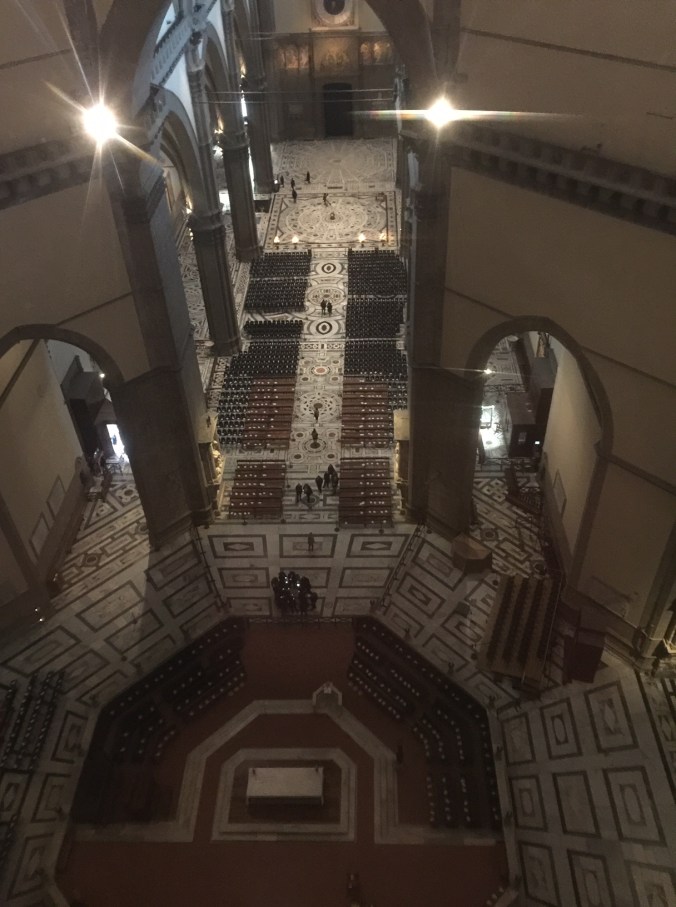
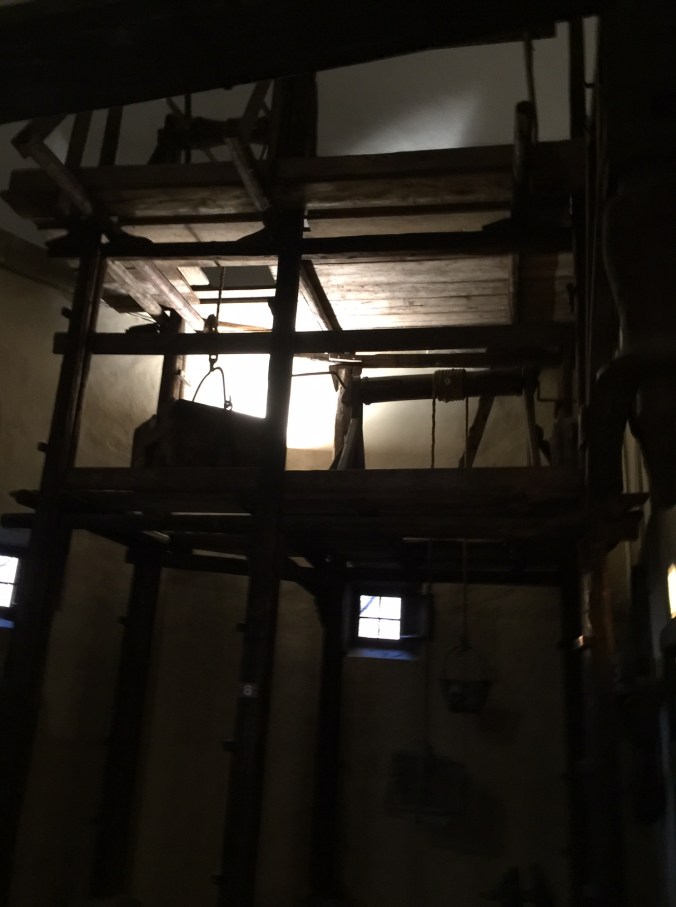
Last month found me climbing the millions of steps to the top of the Florence cathedral dome. Wow, what a hike and what an incredible view from the top!
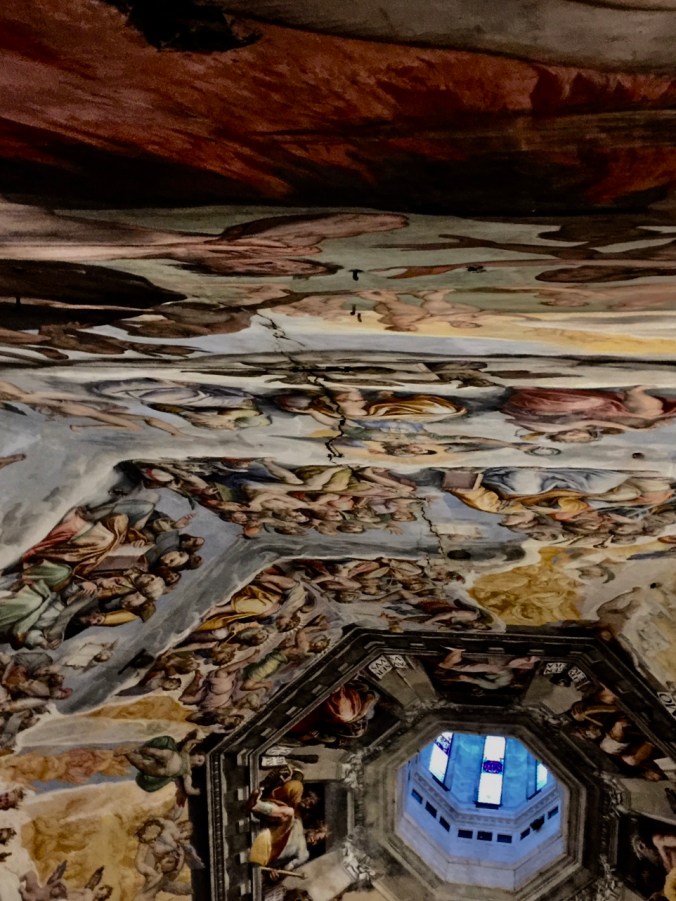
One of the many treats of that worthwhile climb is the opportunity to see the Vasari frescoes of the Last Judgement, that adorns the interior of Brunelleschi’s magnificently engineered dome. This post is dedicated to the Vasari paintings.



























 get back, lauretta!
You must be logged in to post a comment.