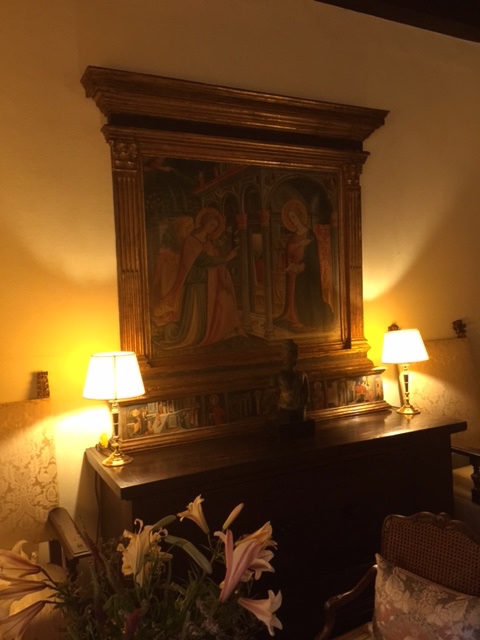
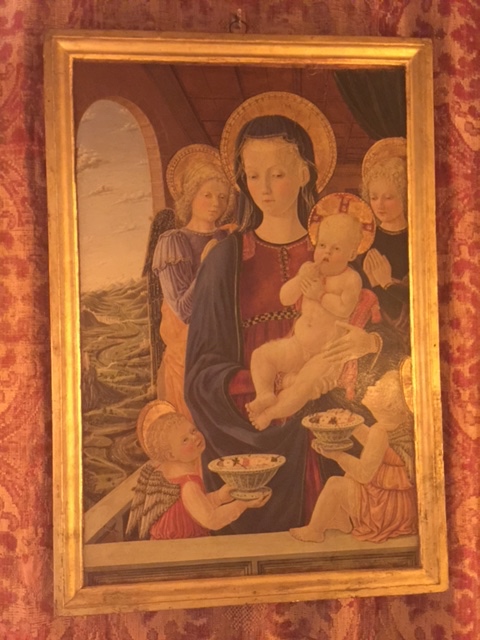
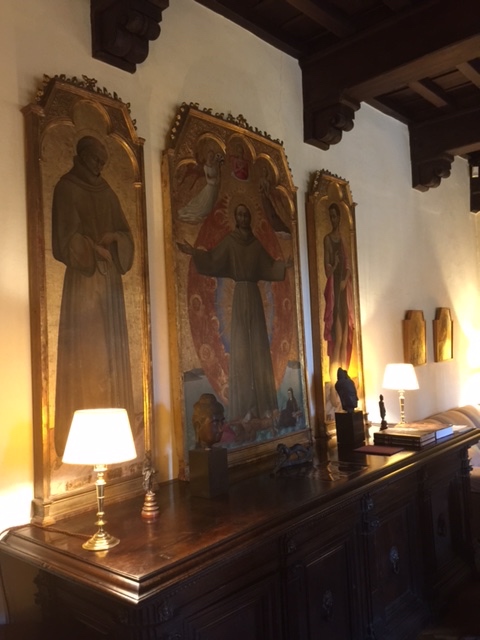
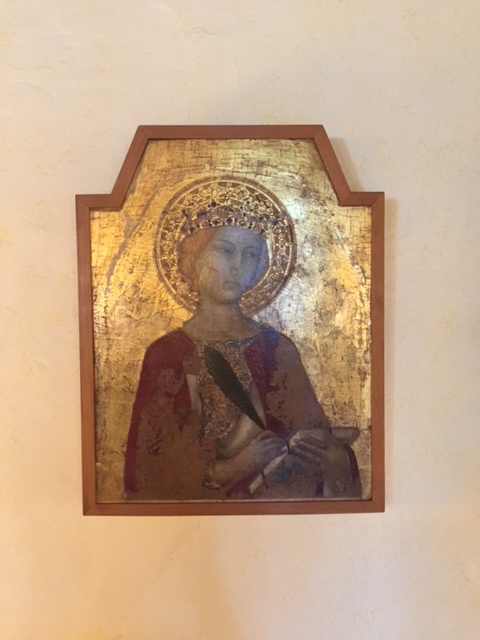
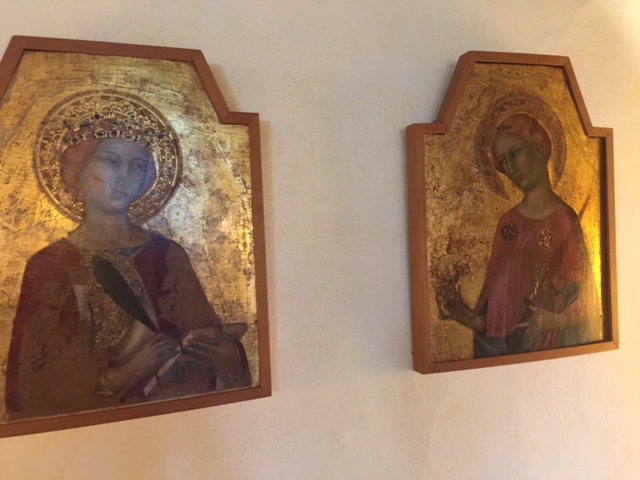
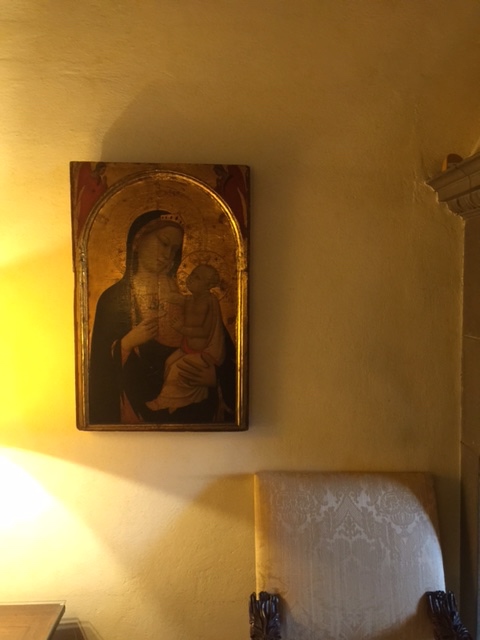
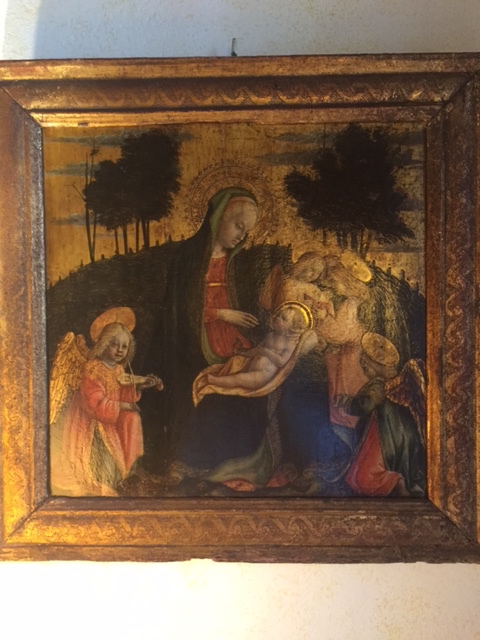
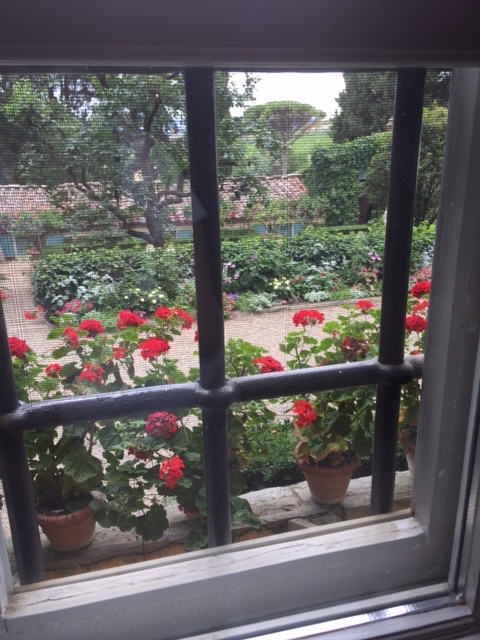
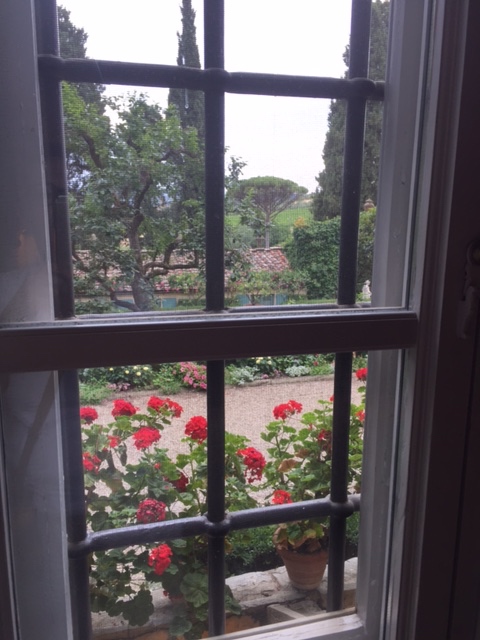
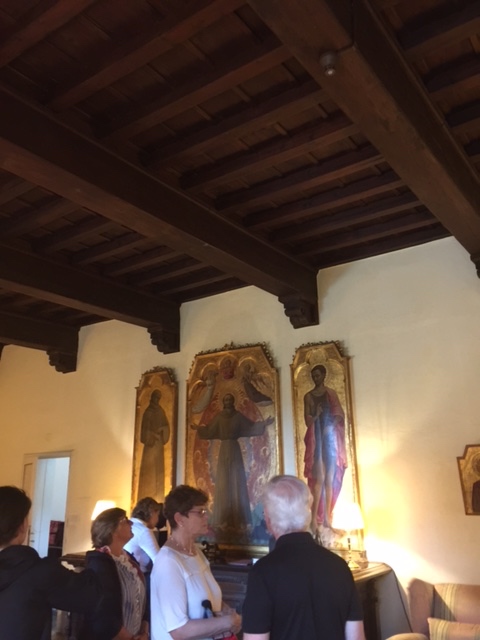
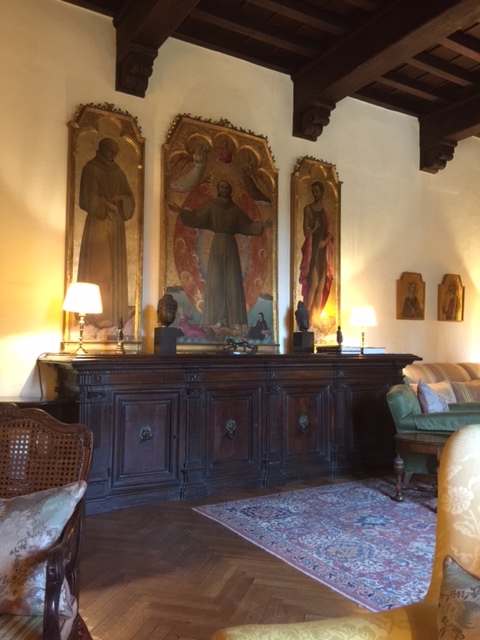
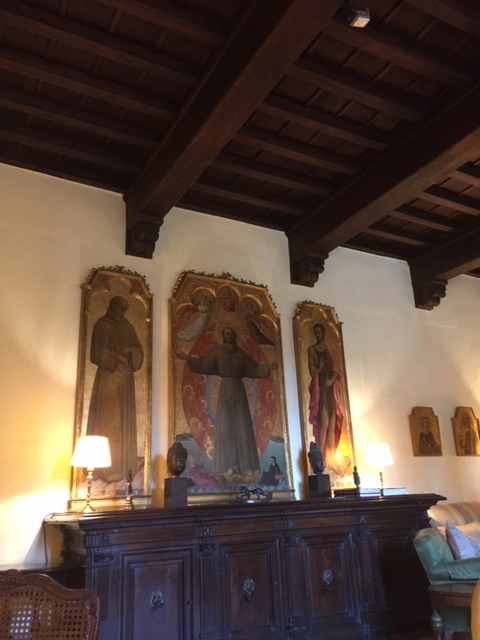
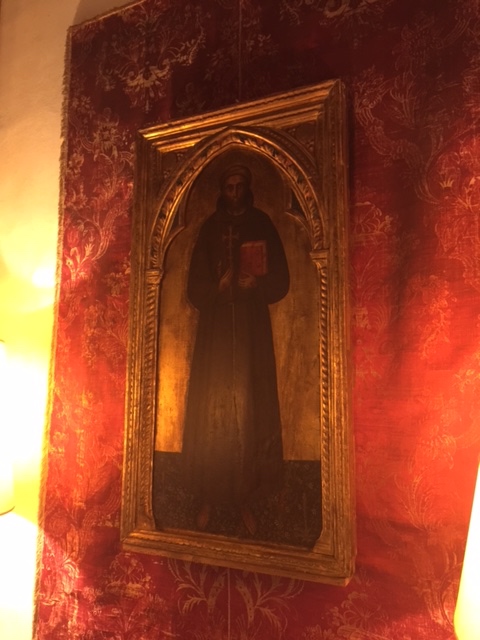
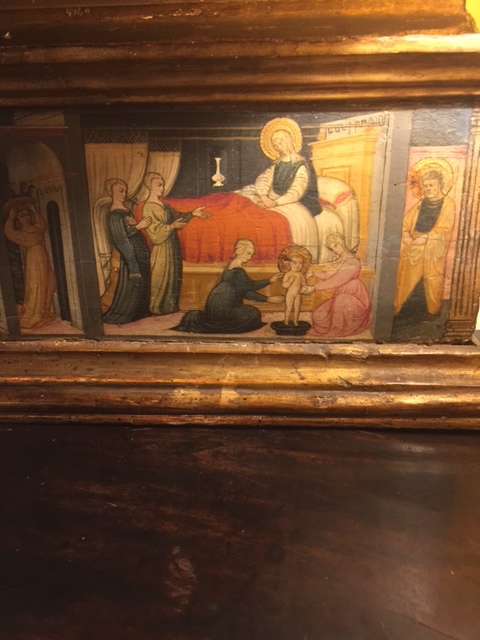
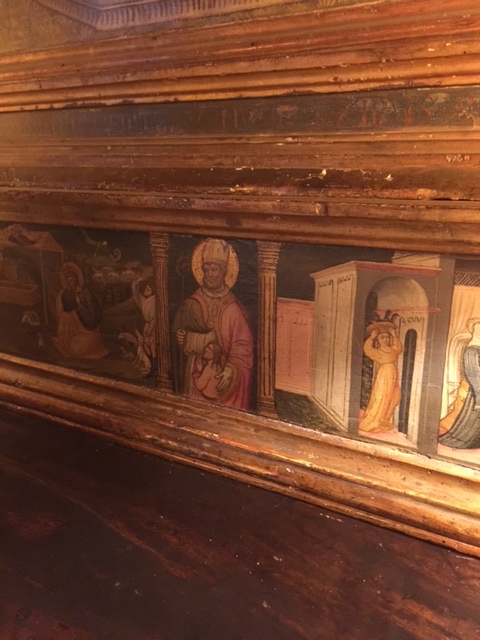
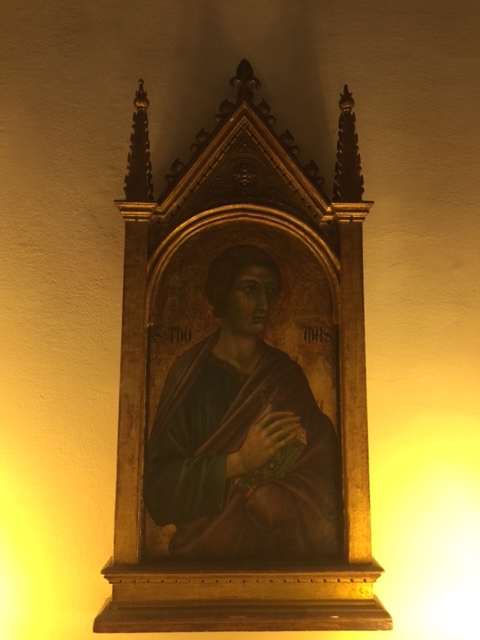
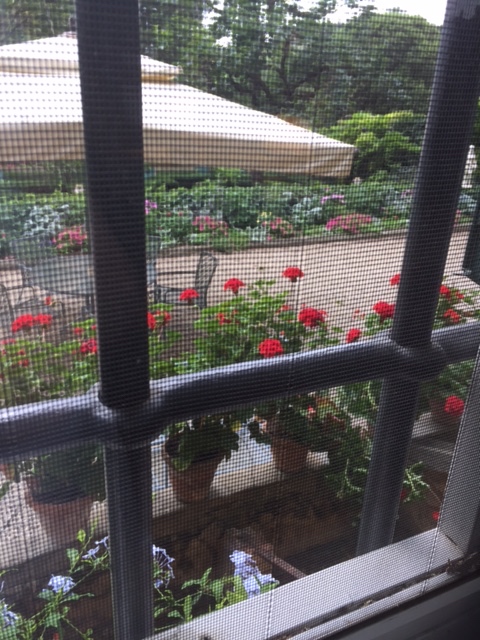
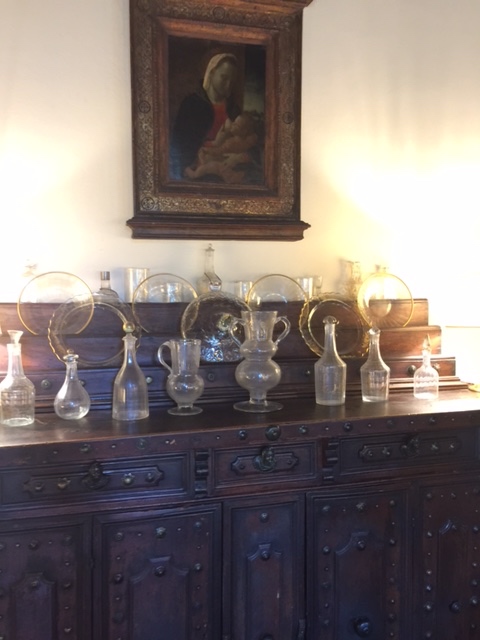
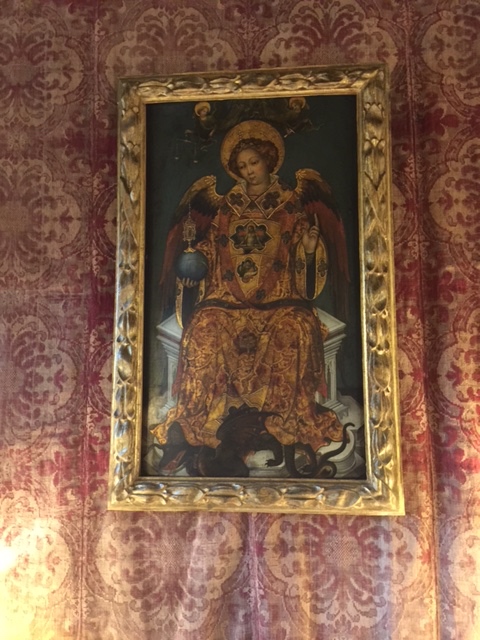
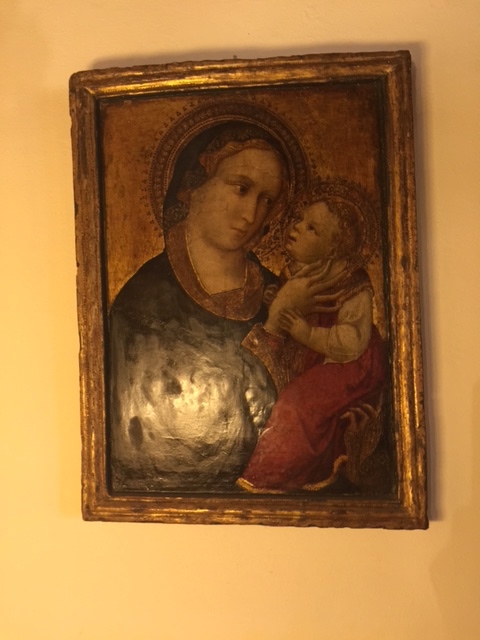
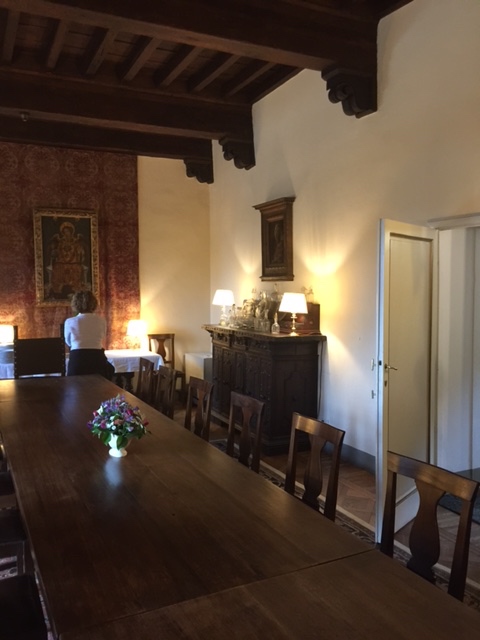
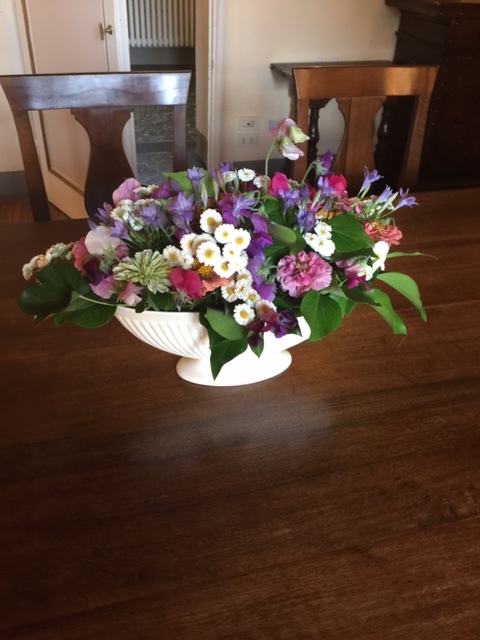
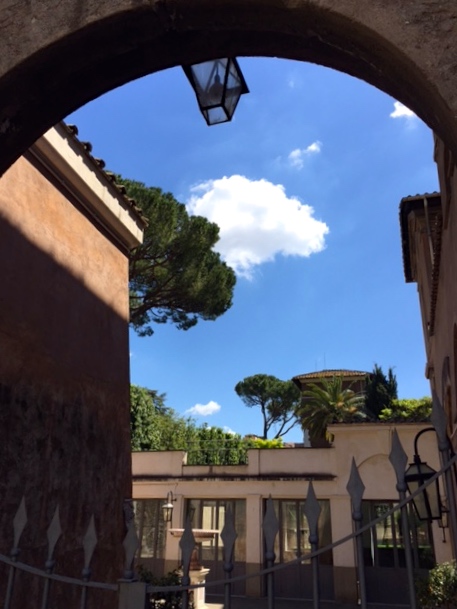
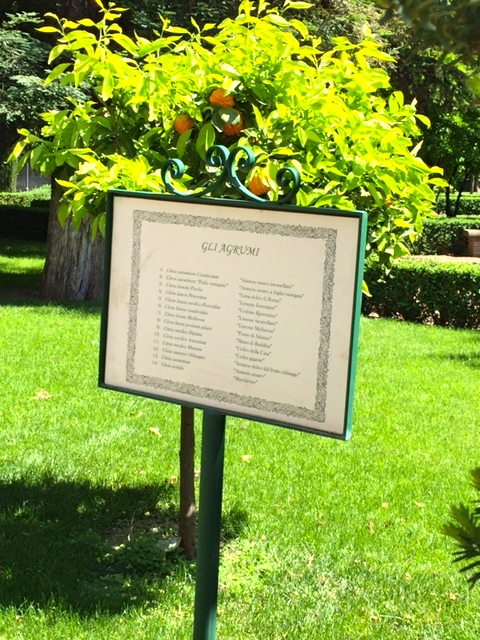
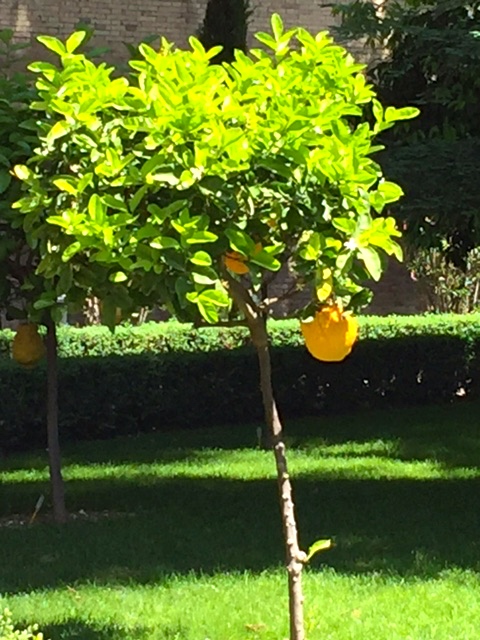
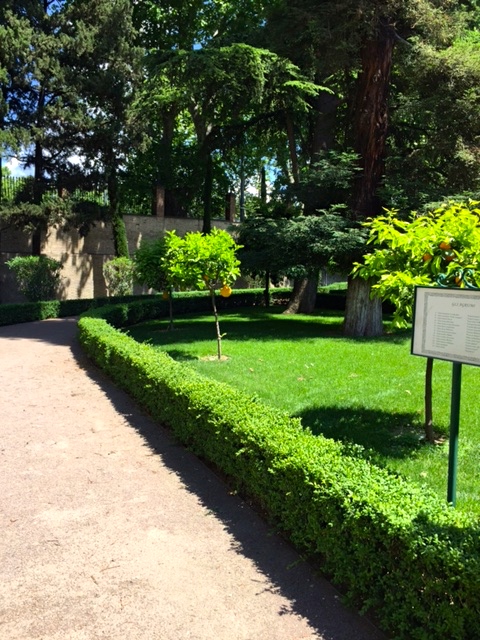
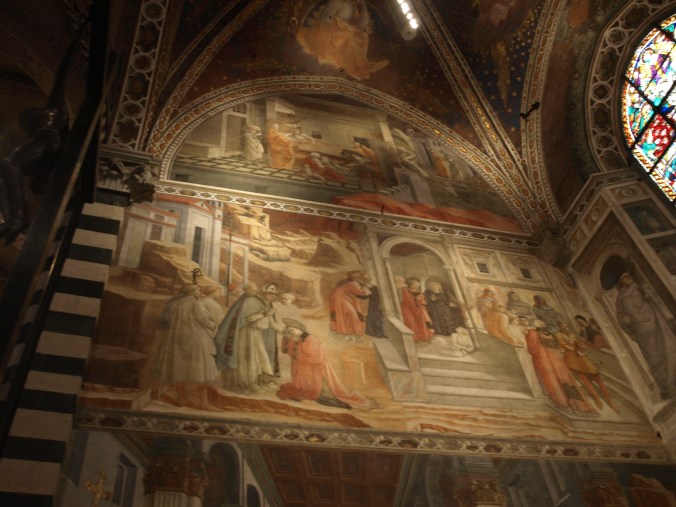
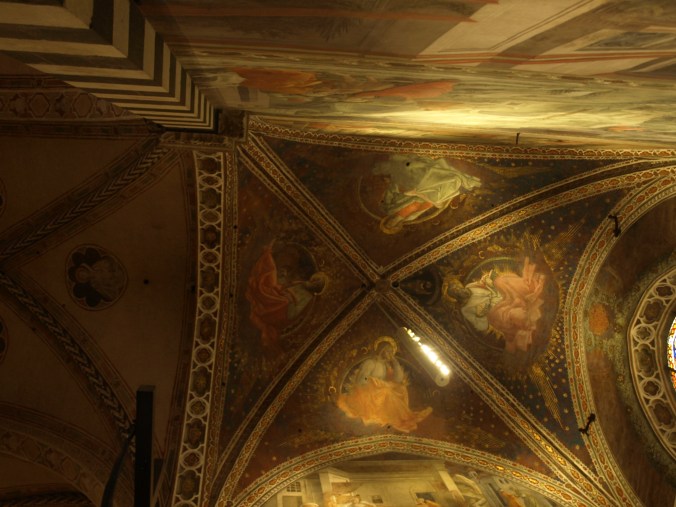
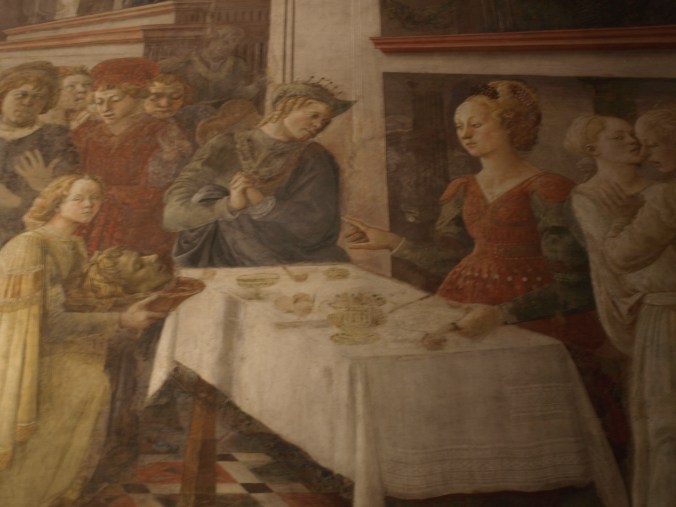
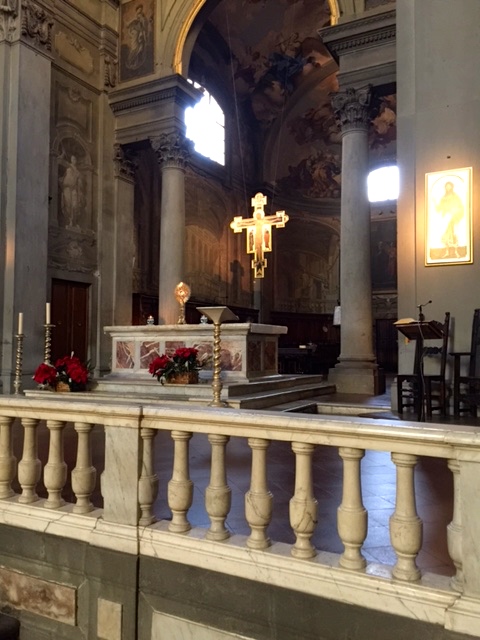
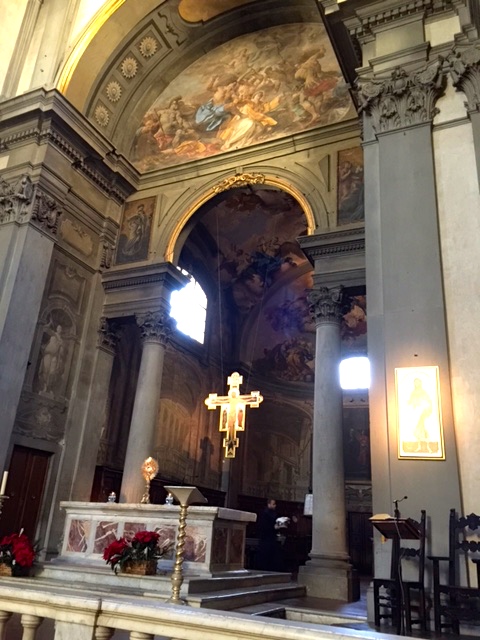
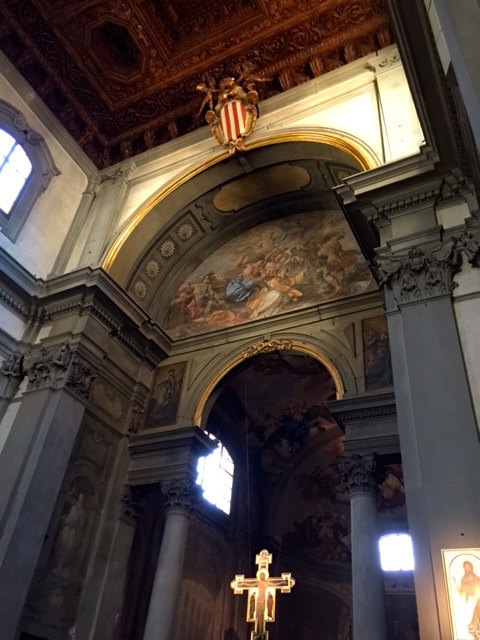
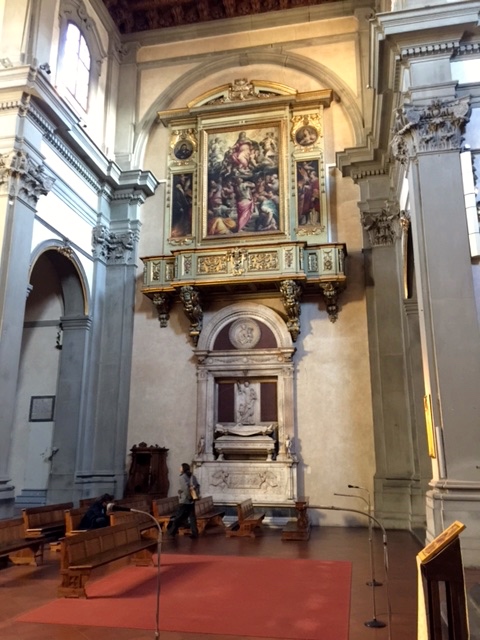
Villa i Tatti; inside the palazzo and library

IMG_3417

I’m a rule breaker and a rebel.

The following pictures were not allowed.

I’m not sorry. :-)


Somehow I feel Bernard Berenson would understand me.  I mean, he took a few liberties (ahem) in his gathering and collecting of Italian paintings.  Ahem.

If the Villa would like to lock me up for having snapped these pictures (with no flash), I’d be happy to do time at the Villa.  Just let me know.  I’ll be right over to start my incarceration.


IMG_3418

IMG_3419

IMG_3420

IMG_3421

IMG_3422

IMG_3423

IMG_3424

IMG_3425


IMG_3426

IMG_3427

IMG_3428

IMG_3429

IMG_3430

IMG_3431

IMG_3432

IMG_3433

IMG_3434

IMG_3435

IMG_3436

IMG_3437

IMG_3438

IMG_3439

IMG_3440

IMG_3441

IMG_3442

IMG_3443

IMG_3444

IMG_3445

IMG_3446

IMG_3447

IMG_3448

IMG_3449

IMG_3450

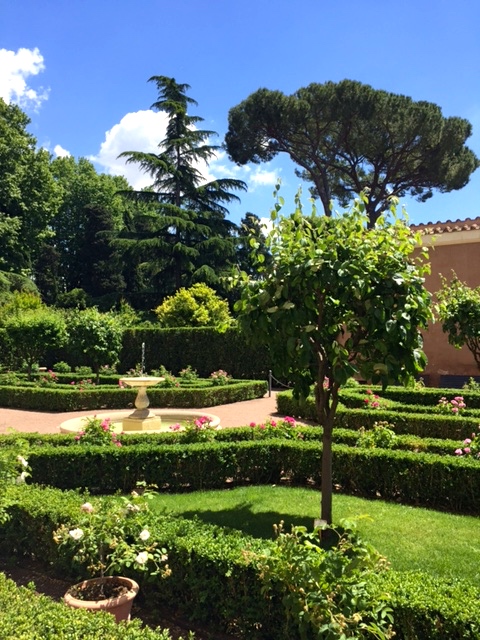
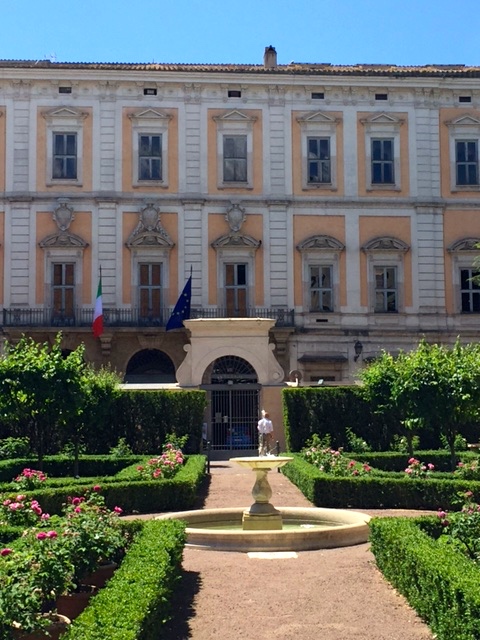
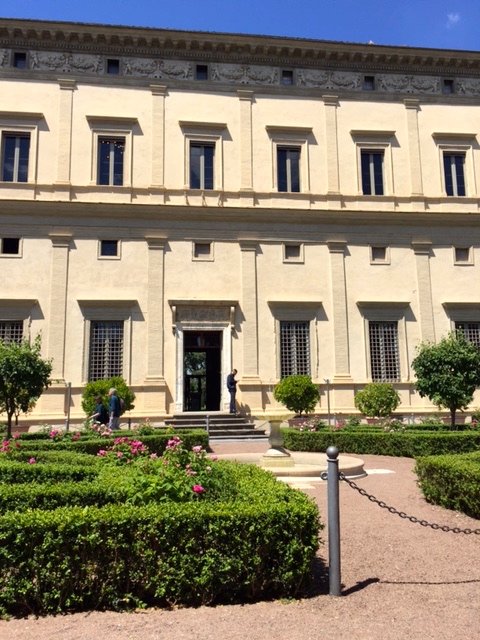
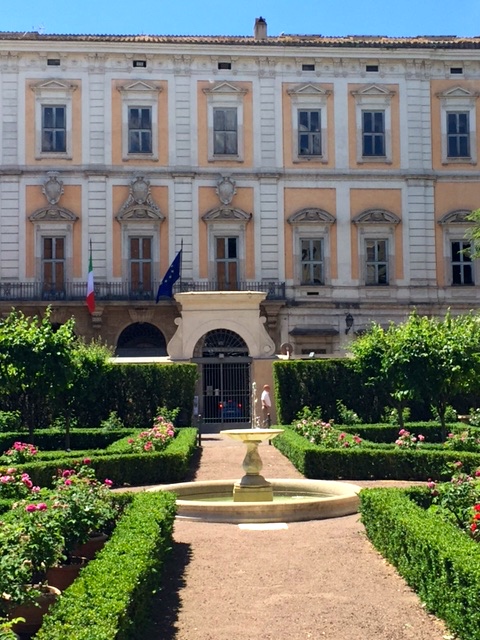
Villa Farnesina

Well, darn it!  I made a big mistake.  I left my camera cord in Florence so I can’t transfer my photos from my camera to my computer for another couple of weeks.  So, I am going to have some big holes in my posts until I get back home to Florence.  Oh well, what can you do?

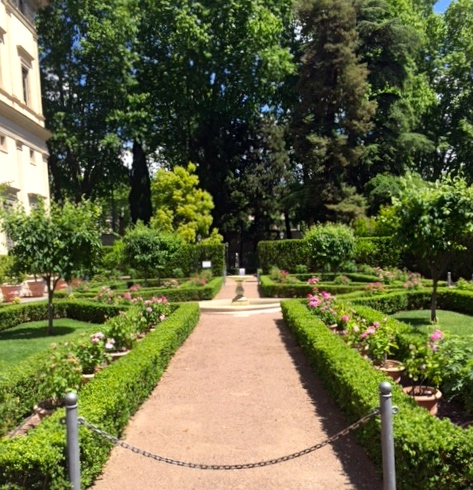
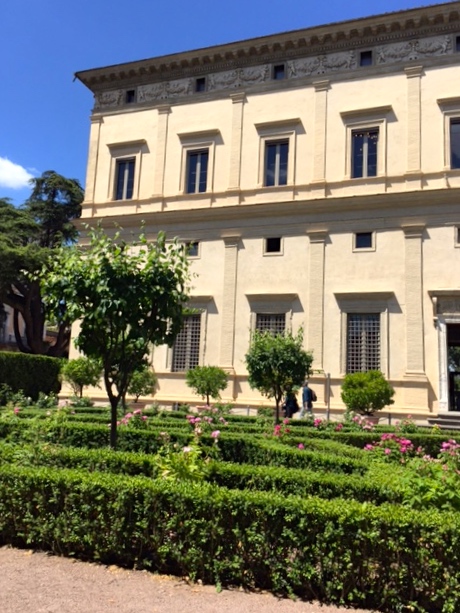
Until then, here are some shots I snapped with my phone camera at the gorgeous Villa Farnesina today.  The place is so amazing, even the phone shots are pretty great!  Also, the weather….70 degrees and sunny skies.

Allora, on to the Villa, the quintessential Renaissance palazzo.

The Villa’s exterior:

IMG_2613


IMG_2614


IMG_2615


IMG_2637


IMG_2640


IMG_2639


IMG_2638


IMG_2637


IMG_2641


IMG_2636


IMG_2635


IMG_2634


IMG_2633


IMG_2632


IMG_2631


IMG_2630


Before we head inside, let’s have a history lesson.

Sala-Galatea-villa-farnesin

Villa Farnesina: a Renaissance suburban villa in the Via della Lungara, in the district of Trastevere in Rome.

The villa was built for Agostina Chigi, a rich Sienese banker and the treasurer of  Pope Julius II.  Between 1506–1510, the Sienese artist and pupil of Bramante, Baldassarre Peruzzi, aided perhaps by Giuliano da Sangallo, designed and erected the villa.

The novelty of this suburban villa design can be discerned from its differences from that of a typical urban palazzo (palace). Renaissance palaces typically faced onto a street and were decorated versions of defensive castles: rectangular blocks with rusticated ground floors and enclosing a courtyard.

This villa, intended to be an airy summer pavilion, presented a side towards the street and was given a U shaped plan with a five bay loggia between the arms. In the original arrangement, the main entrance was through the north facing loggia which was open. Today, visitors enter on the south side and the loggia is glazed.

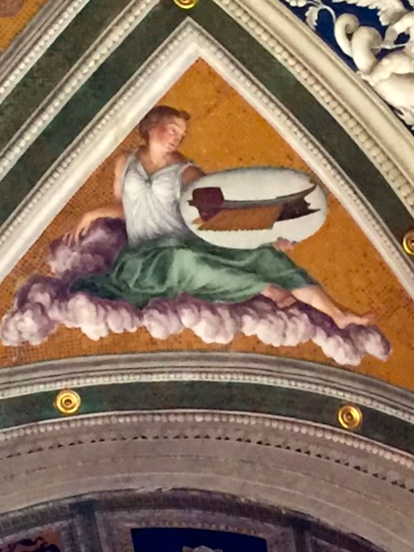
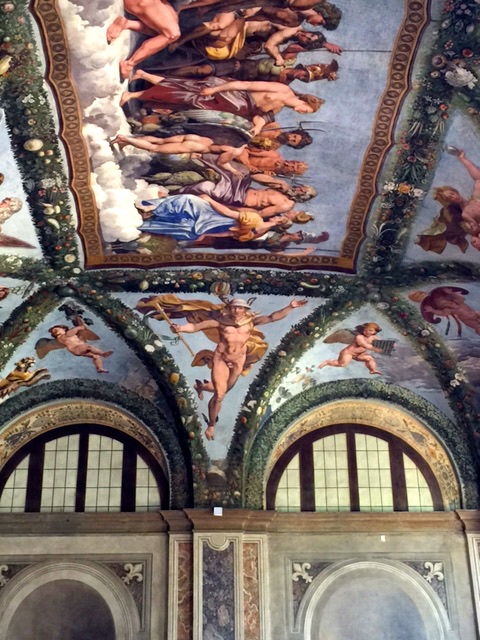
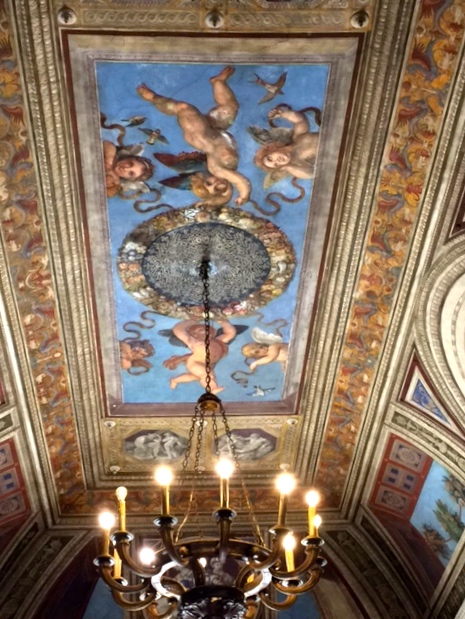
Chigi also commissioned the fresco decoration of the villa by artists such as Raphael, Sebastian del Piombo, Giulio Romano, and Il Sodoma. The themes were inspired by the Stanze of the poet Angelo Poliziano, a key member of the circle of  Lorenzo de Medici.

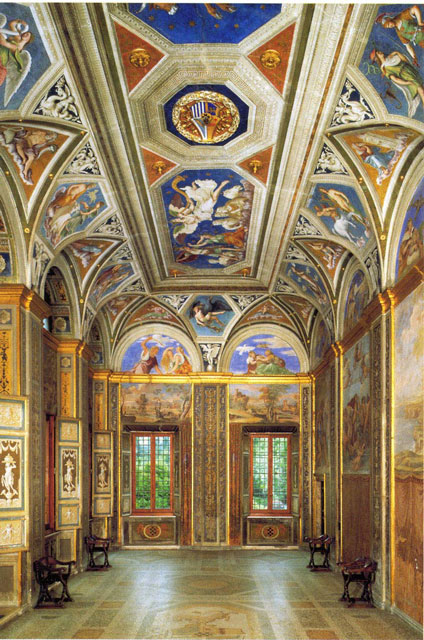
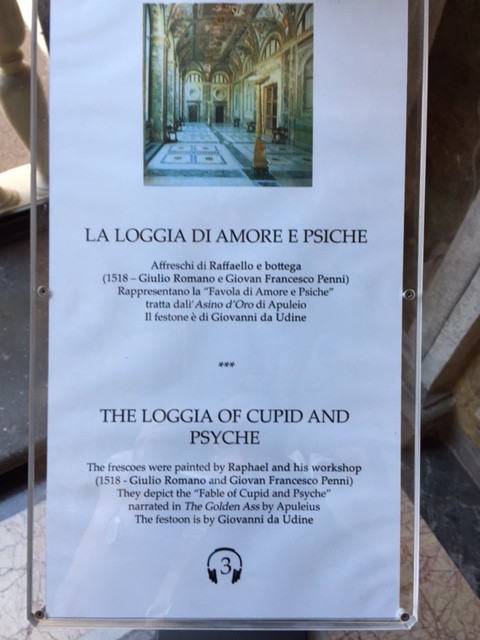
Best known are Raphael’s frescoes on the ground floor; in the loggia depicting the classical and secular myths of Cupid and Psyche, and The Triumph of Galatea. This, one of his few purely secular paintings, shows the near-naked nymph on a shell-shaped chariot amid frolicking attendants and is reminiscent of Botticelli’s The Birth of Venus.

This same “Galatea” loggia has a horoscope vault that displays the positions of the planets around the zodiac on the patron’s birth date, 29 November 1466. The two main ceiling panels of the vault give his precise time of birth, 9:30 pm on that date.

On the piano nobile, Peruzzi painted the main salone with troupe l’oeil frescoes of a painted grand open loggia with city and countryside views beyond. The perspective view only works from a fixed point in the room otherwise the illusion is broken.

In the adjoining bedroom, Sodoma painted scenes from the life of Alexander the Great, the marriage of Alexander and Roxana, and Alexander receiving the family of Darius.

The villa became the property of the Farnese family in 1577 (hence the name of Farnesina). The Villa’s second owner, Cardinal Alessandro Farnese, became Pope Paul III in 1534, and the Farnese family’s wealth and influence continued to soar. Also in the 16th century, Michelangelo proposed linking the Palazzo Farnese on the other side of the Tiber River, where he was working, to the Villa Farnesina with a private bridge. This was initiated, remnants of a few arches are in fact still visible in the back of Palazzo Farnese towards via Giulia on the other side of the Tiber, but was never completed.

Today, the Villa is owned by the Italian State; it accommodates the Accademia dei Lincei,  a long-standing and renowned Roman academy of sciences. Until 2007 it also housed the Gabinetto dei Disegni e delle Stampe (Department of Drawings and Prints) of the Istituto Nazionale per la Grafica, Roma.

The Villa’s interior (better photos are coming, in about 2 weeks; see above):

IMG_2618


IMG_2619


IMG_2624


IMG_2627


IMG_2628


IMG_2629


You knew I would soon veer to art, didn’t you?

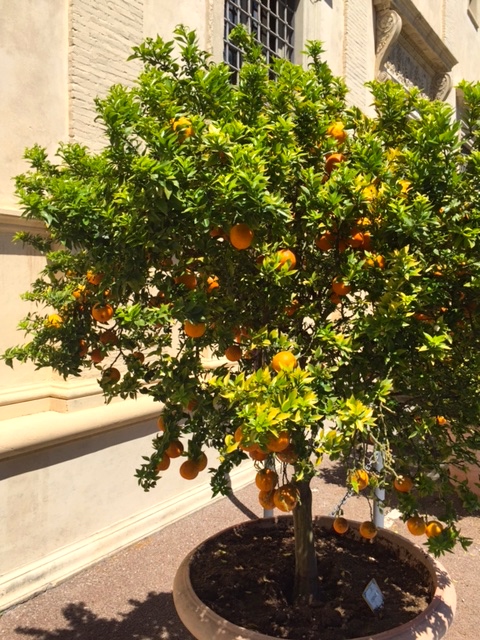
Oranges and Italian art:

Because of a combination of new artistic techniques and some apparently reasonable, but mistaken, assumptions about the history of citrus, oranges appeared frequently in paintings by any number of the great masters of the Italian Renaissance.

In making the break from Byzantine scholasticism to the new humanism of the Renaissance, artists began setting their religious figures against naturalistic backgrounds. Not having seen the Holy Land, they glibly set their Annunciations and Resurrections in Italian villas and on Italian hills.

Crusaders, among others, had long since reported that orange trees flourished in Palestine, so, as a kind of hallmark of authenticity, the painters slipped orange trees into masterpiece after masterpiece, remaining ignorant to their deaths that in the time of Christ there were no orange trees in or near the Holy Land.

In his “Maestà,” the Sienese painter Duccio di Buoninsegna showed Jesus entering Jerusalem through the streets of Siena, past orange trees in full fruit.

Fra Angelico painted Jesus resting under an orange tree.

It was almost unthinkable for a great master to do a “Flight into Egypt” without lining the route with orange trees.

A “Last Supper” was incomplete without oranges on the table, although there is no mention of oranges in the Bible.

Titian’s “Last Supper,” which hangs in the Escorial, shows oranges with fish.

A Domenico Ghirlandaio “Last Supper” goes further: a mature orange grove is depicted in murals behind the Disciples.

The deterioration of Leonardo’s “Last Supper” has been too extensive for any oranges in it to be identified, but in all likelihood, according to Tolkowsky, they were there.

Most painters thought of the Annunciation as occurring indoors, and Paolo Veronese, for one, moved orange trees indoors to authenticate the scene, setting the plants in trapezoidal pots, of the type in which orange trees were grown in his time in northern Italy.

Fra Angelico also used orange trees to give a sense of the Holy Land to his “Descent from the Cross,” which was otherwise set against the walls of Florence, and, like many of his contemporaries, when he painted the Garden of Eden he gave it the appearance of a citrus grove.

Benozzo Gozzoli’s frescoes in a family chapel of the Medici show Melchior, Balthasar, and Gaspar looking less like three wise kings from the East than three well-fed Medici, descending a hill that is identifiable as one near Fiesole, dressed as an Italian hunting party, and passing through stands of orange trees bright with fruit.

Actually, Gozzoli’s models for the magi were Lorenzo de’ Medici; Joseph, Patriarch of Constantinople; and John Palaeologus, Emperor of the East.


~~~~~~~~~~~~~~~~~

The orange tree was more than a misplaced landmark. It was also a symbol of the Virgin, erroneously derived from an earlier association that medieval theologians had established between Mary and the tall cedars of Lebanon.

Thus, countless paintings of the Madonna or of the Madonna and Child were garlanded with orange blossoms, decorated with oranges, or placed in a setting of orange trees.

Mantegna, Verrochio, Ghirlandaio, Correggio, and Fra Angelico all complemented their Madonnas with oranges.

Sandro Botticelli, in his “Madonna with Child and Angels,” set his scene under a tentlike canopy thickly overhung with the branches of orange trees full of oranges.

In the Neo-Latin of the Renaissance, oranges were sometimes called medici— an etymological development that had begun with the Greek word for citron, or Median apple.

It is no wonder, therefore, that in art and interior decoration the Medici themselves went in heavily for oranges. In Florence, oranges are painted all over the ceilings of the Medici’s Pitti Palace.

The Grand Duke Francesco de’ Medici was one of the world’s earliest collectors of citrus trees, and in Tolkowsky’s view the five red spheres on the Medici coat of arms were almost certainly meant to represent oranges.

When Botticelli painted his “Primavera,” under a commission from the family, he shamelessly included Giuliano de’ Medici as the god Mercury, picking oranges.

Botticelli also painted his “Birth of Venus” for the Medici.

It was Venus, and not the Hesperides, according to a legend current at the time, who had brought oranges to Italy.

Botticelli’s model was Simonetta dei Cattanei, wife of Marco Vespucci and Giuliano de’ Medici’s Platonic love. Simonetta came from Porto Venere, where Venus was alleged to have landed with the original oranges, so Botticelli painted her in the celebrated scallop shell bobbing on the gentle swells off Porto Venere, and lined the coast behind her with orange trees.

Giuliano’s son, Giulio de’ Medici, who became Pope Clement VII, commissioned Raphael to design a villa for him with a great double stairway leading to a sunken garden full of orange trees.

All this was bound to engage the envy of royalty in the north, and at the end of the fifteenth century, in an expedition often said to mark the dividing point between medieval and modern history, Charles VIII of France went to Italy intending to subdue the peninsula by force of arms. Instead, he fell in love with Italian art, architecture, and oranges. When he returned to France, every other man in his retinue was an Italian gardener, an Italian artist, or an Italian architect. Charles was going to transform the castles and gardens of France.

McPhee, John (2011-04-01). Oranges. Farrar, Straus and Giroux. Kindle Edition.


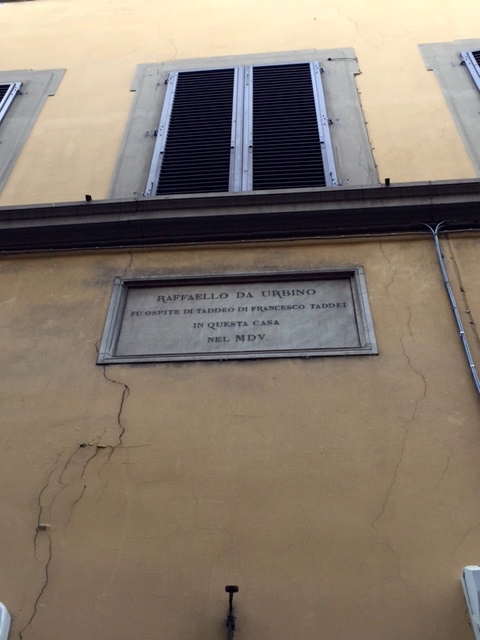
Amazing. Raffaelo da Urbino.

IMG_2383

I walk up and down this street every day, sometimes many times each day.  And only today did I notice that I’m neighbors with Raphael!  According to this sign on Via de’ Ginori, roughly a block from my current street (where Ammannati lived), “Raffaelo da Urbino. Fu ospite Taddeo di Francesca Taddei, in Questa Casa, Nel MDV.”  Or, in inglese, “Raphael, was the guest of Taddeo di Francesca Taddei in this house in 1505.”  This city never ceases to amaze me!!

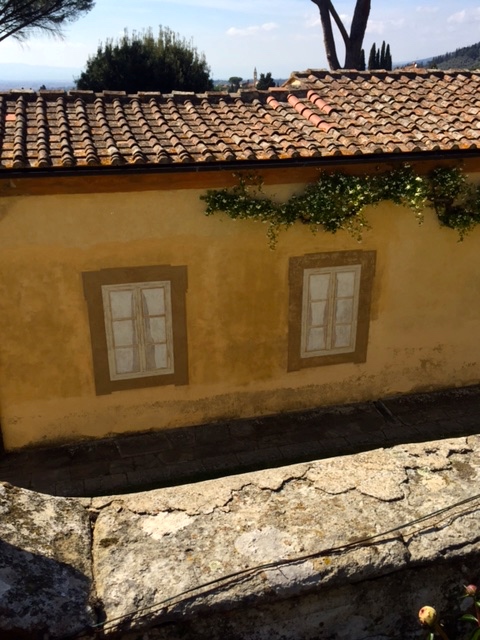
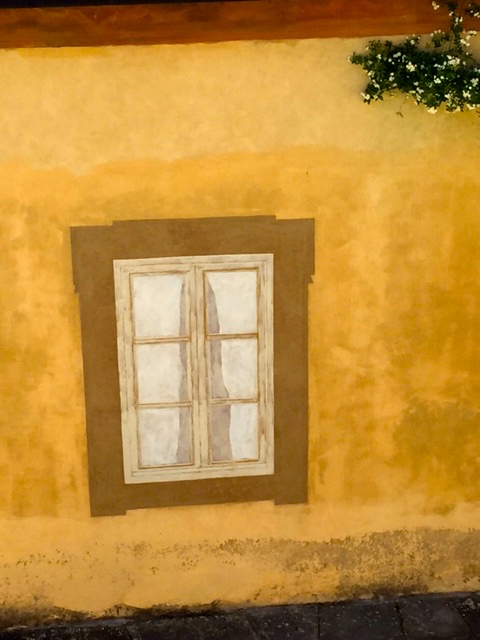
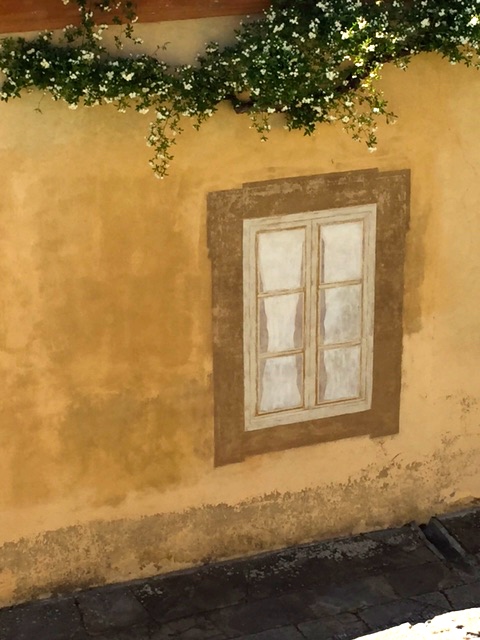
Faux painting

I love it to pieces!

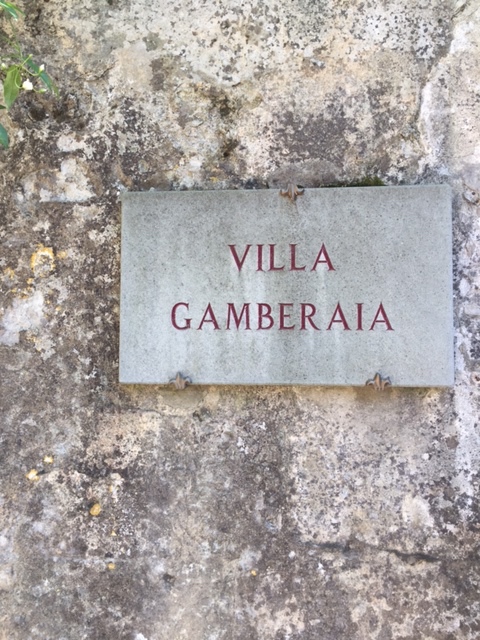
At Villa Gamberaia recently I saw this exterior faux:

IMG_2144


IMG_2108IMG_2109IMG_2110


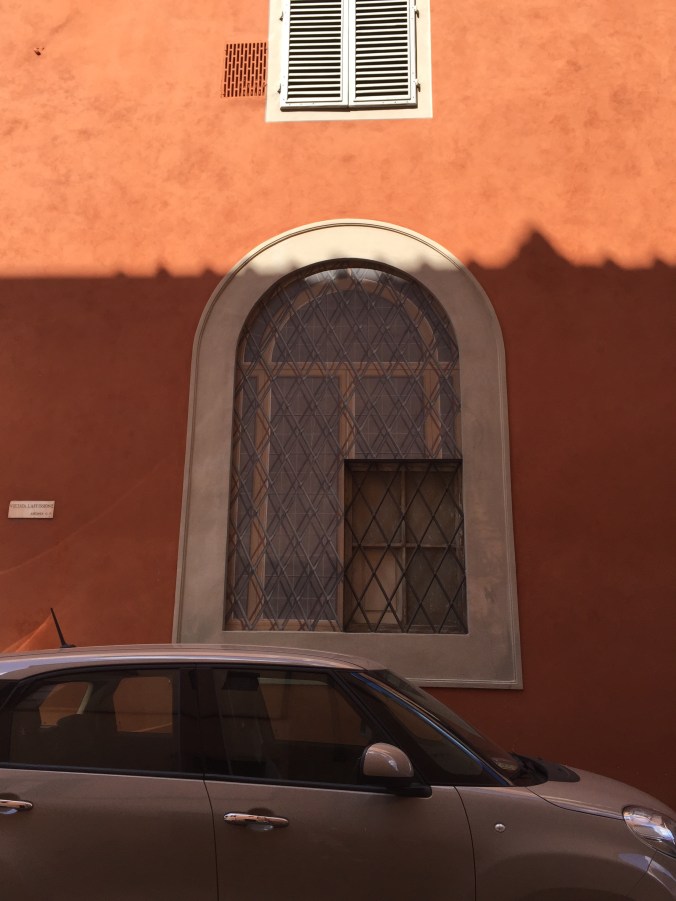
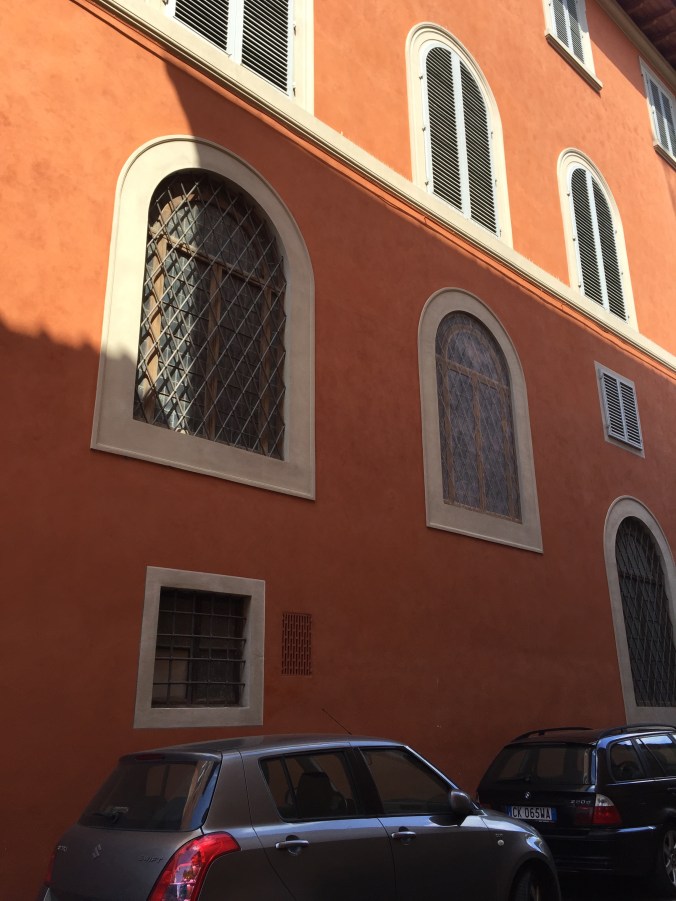
Then on Saturday I noticed this in the San Nicolo neighborhood in Florence.

IMG_2374IMG_2376


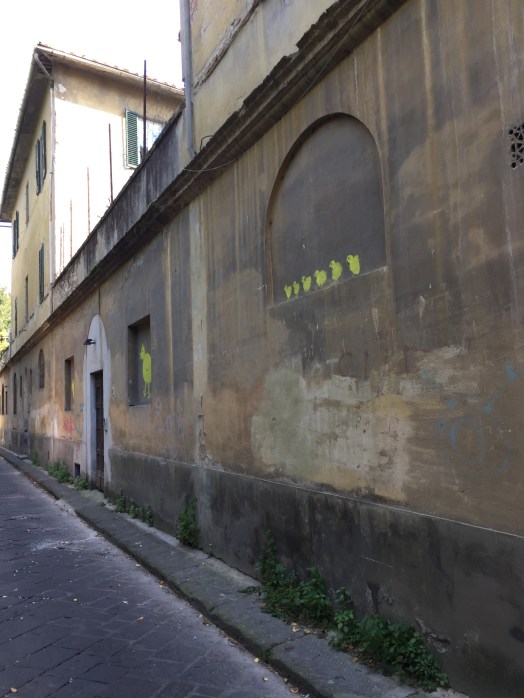
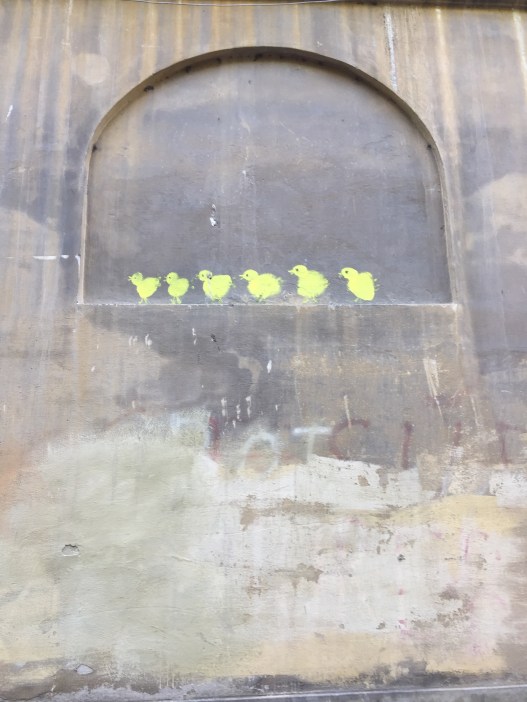
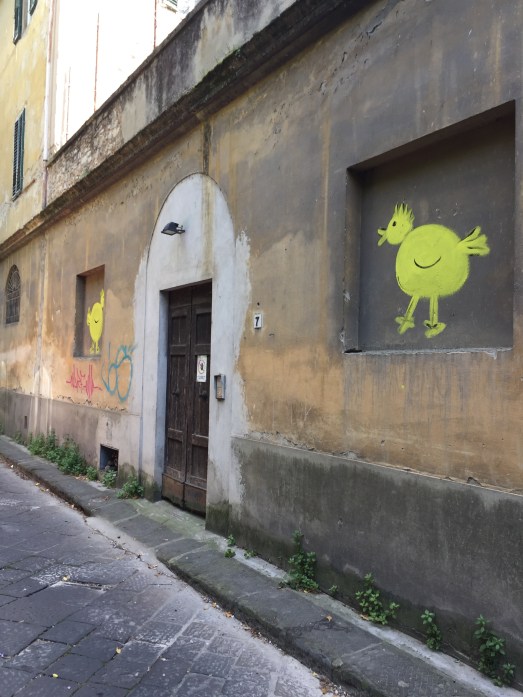
And then there was this series of chicks painted on a building nearby.  It isn’t an example of faux painting; it’s just cute.  I believe the building housed a school for young children.

IMG_2373IMG_2371IMG_2372

Prato and Michelozzo and Donatello, oh my! And don’t forget Fra Filippo Lippi either!

I had the great pleasure of visiting Prato for the first time yesterday.  I am so sorry I waited so long to go!  It is a hop, skip and a jump from Florence by train, for the high cost of 2.50 Euro! Best of all, it is a city full of great art!  Va se può!  

Yes, there is a large Chinatown in Prato and that development gets all of the attention for this fine, large city that is a neighbor of Florence.  I’m here to talk about the art, come sempre!

IMG_1649

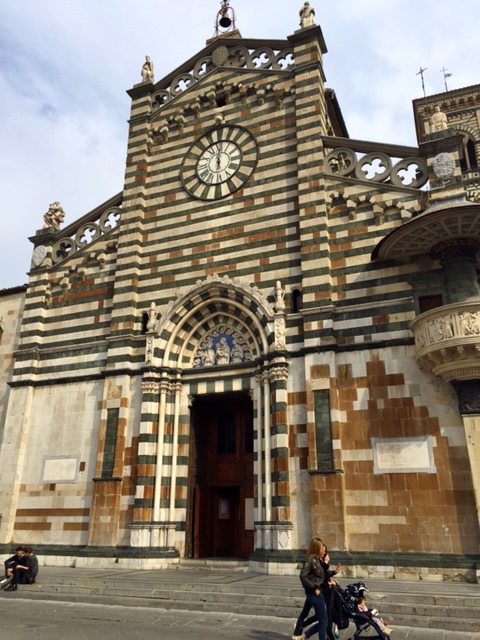
The duomo, or Cattedrale di San Stefano, is a lyrical design in the Gothic/Romanesque Tuscan vein.  I found it beautiful!  I am a huge aficionado of the striped marble facing many Tuscan churches.

IMG_1649

The façade has a single central portal, surmounted by a lunette in glazed terra-cotta sculpture by Andrea della Robbia, depicting the Madonna with Saints Stephen and John.


IMG_1650

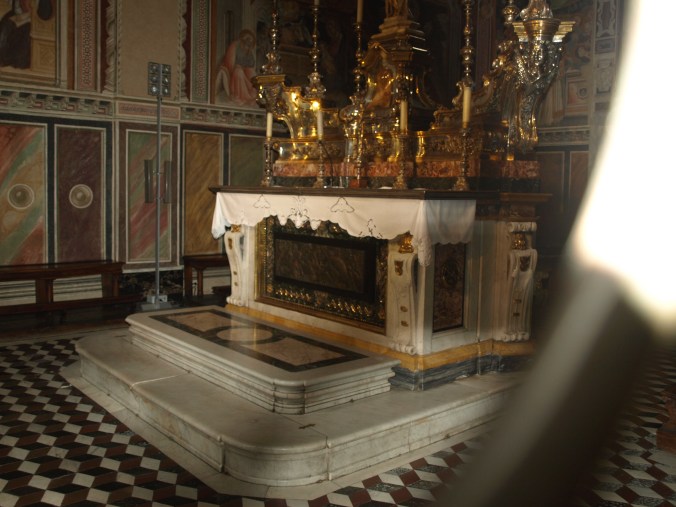
San Stefano has a very important relic, the Sacra Cintola or belt of the Virgin Mary, acquired during the 14th century. To house such an important relic, the church added a transept attributed to Giovanni Pisano, but probably the work of a pupil of Giovanni’s father, Nicola Pisano. The lavish interior Capella Cintola was also built at this time to house the relic.

The picture below does no justice to this grand Capella.  You notice it the second you walk into the lovely church.

OLYMPUS DIGITAL CAMERA

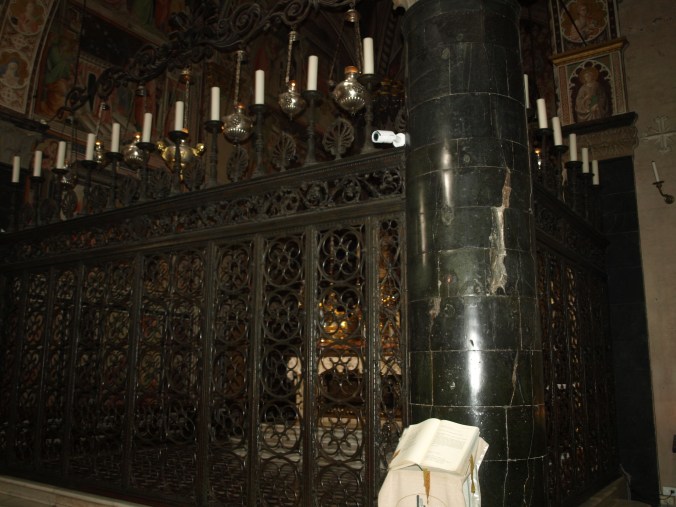
The picture below is of the interior of the Capella.  Still no justice is done!  The chapel was designed by Lorenzo di Filippo between 1386 and 1390.

The Sacra Cintola is a knotted textile cord meant to be used as a belt.  According to a medieval legend, the belt was dropped by the the Virgin Mary as she lifted into heaven.  She wanted Thomas the Apostle to have the belt, to prove to him (doubting Thomas) as proof of her assumption.
 The Sacra Cintola or Sacro Cingolo is an 87-centimeter-long strip of fine material made from goat’s hair dyed green and embroidered with gold thread.  It is encased in a glass and gold reliquary, and the reliquary is kept inside a silver casket within the altar of the special chapel.
(For more on the miraculous belt, see https://en.wikipedia.org/wiki/Girdle_of_Thomas).

The legend of the belt dropping by Mary was frequently depicted in the art of Florence and indeed, all of Tuscany,  and the keeping and display of the relic at Prato generated commissions for several important artists of the early Italian Renaissance.

OLYMPUS DIGITAL CAMERA

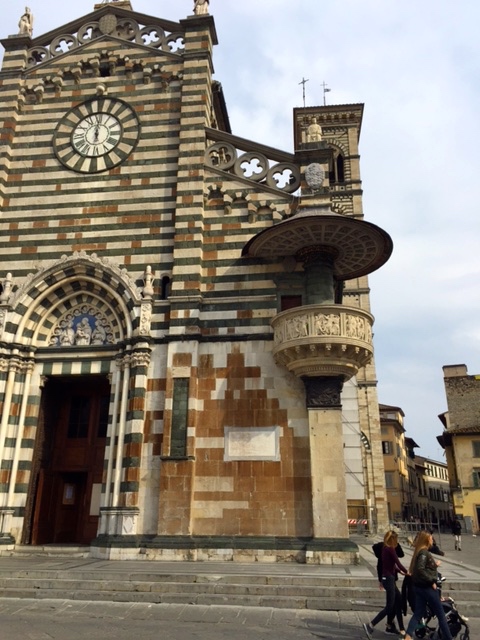
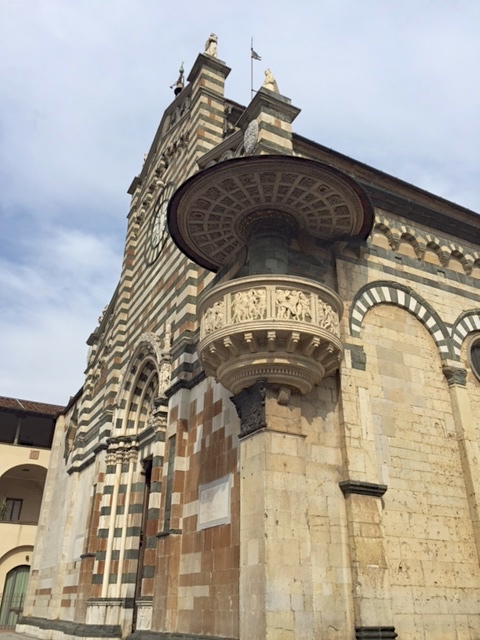
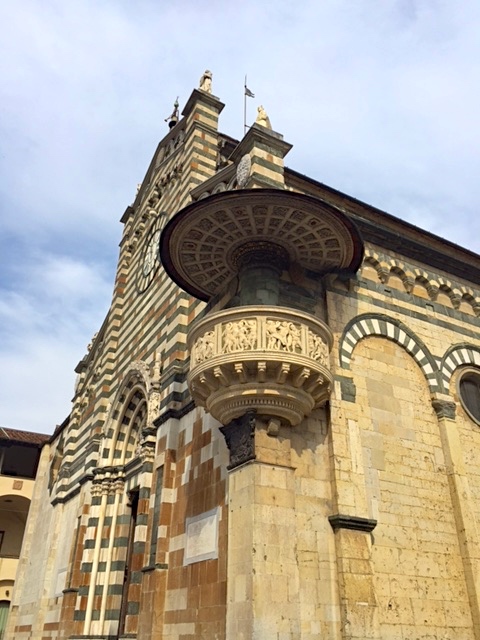
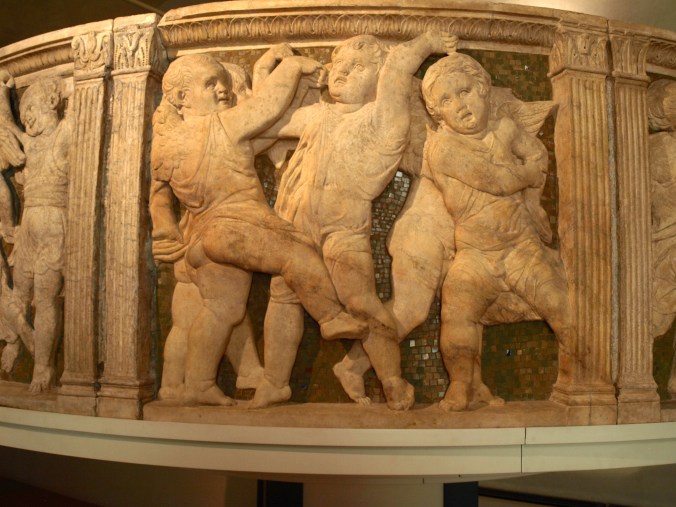
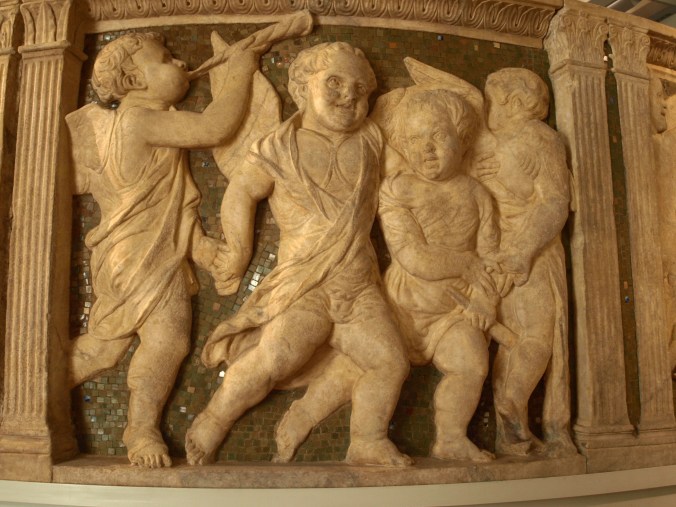
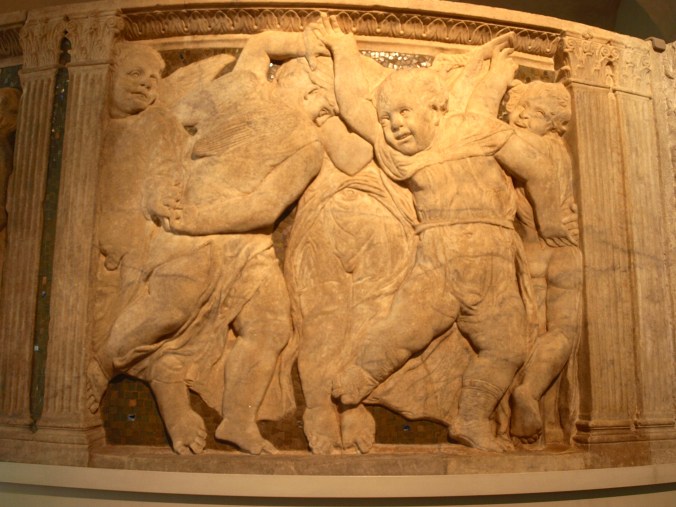
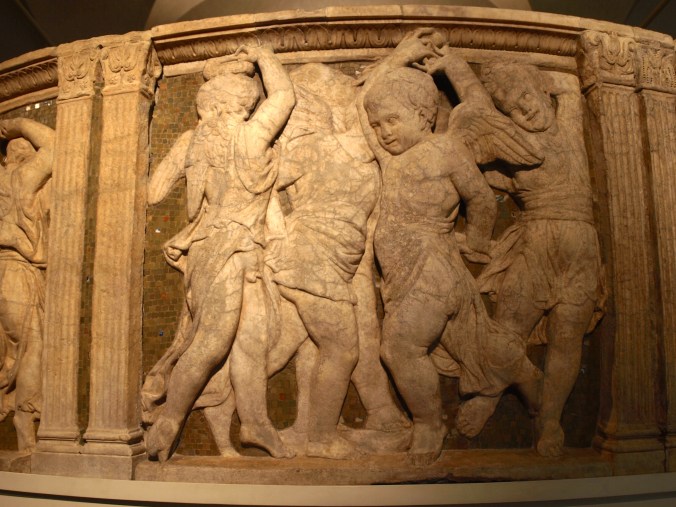
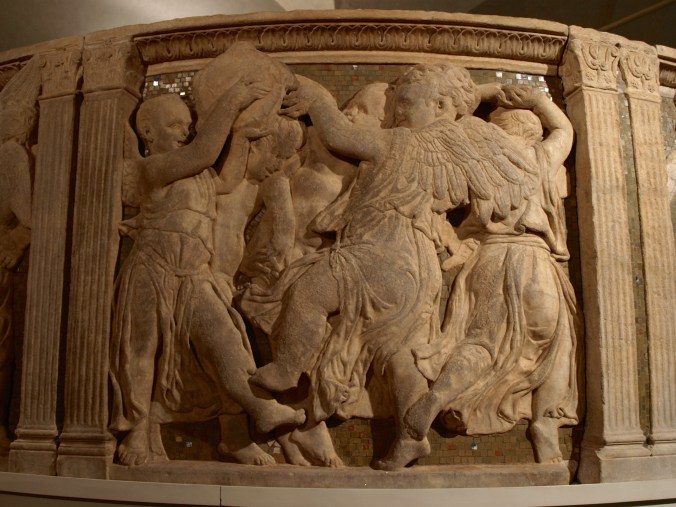
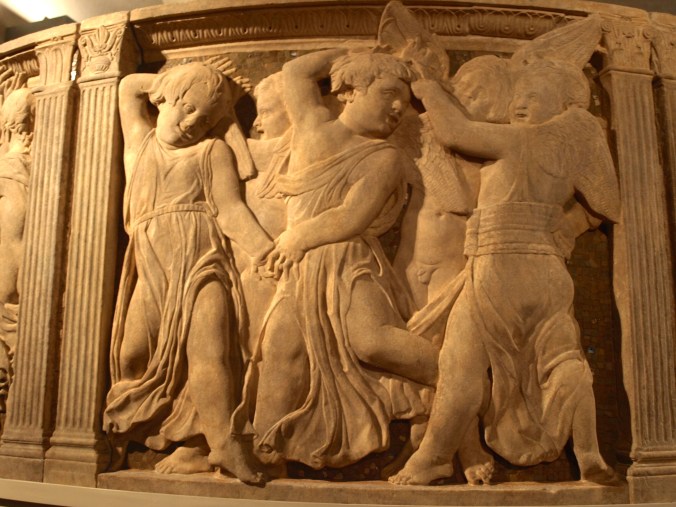
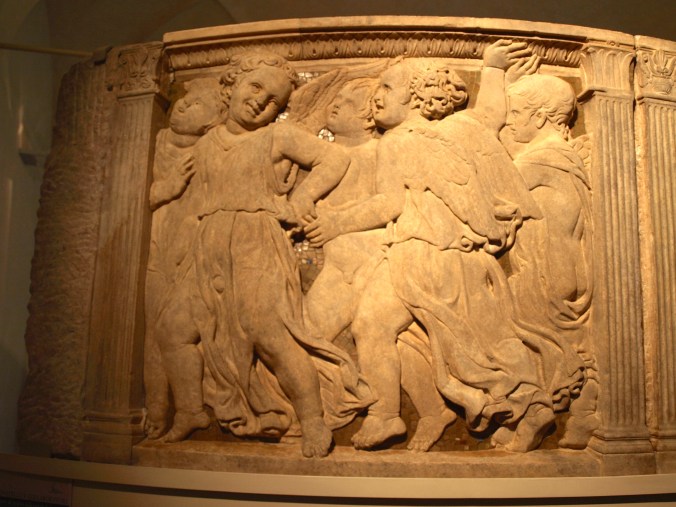
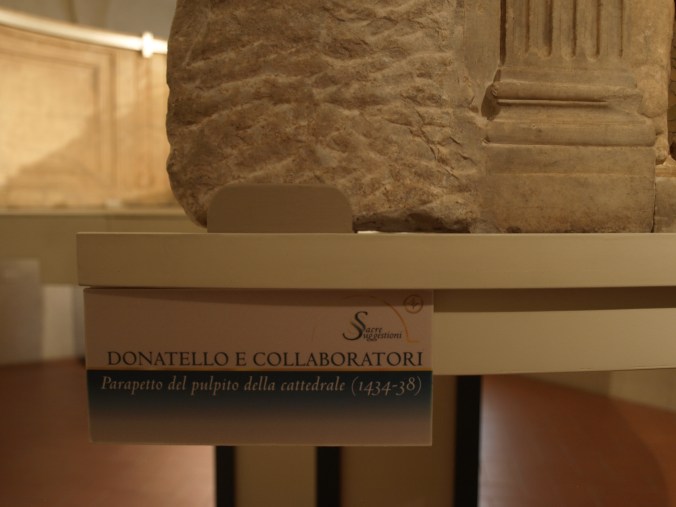
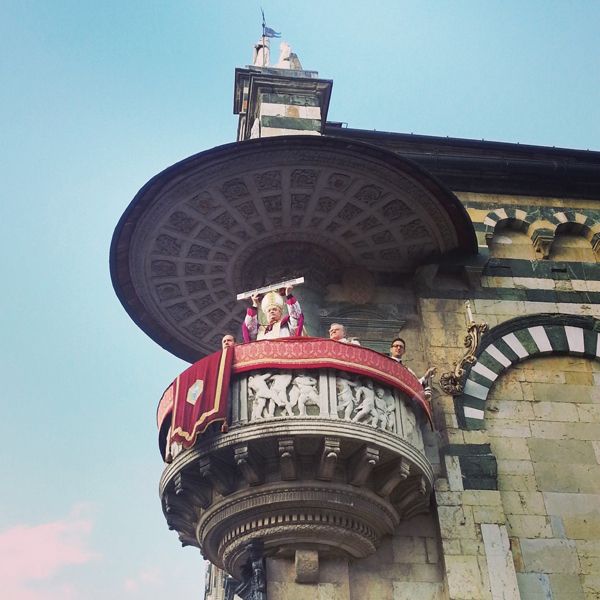
One of the most interesting aspects of the the duomo is the exterior pulpit on the facade.  I have never seen such a feature on any other church.  It was designed by Michelozzo and decorated by Donatello with seven relief sculptures between 1428 and 1438.

IMG_1650


IMG_1647


IMG_1648

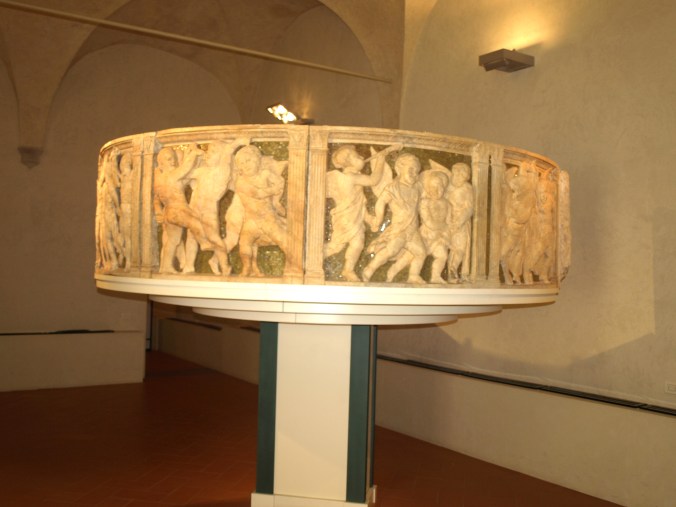
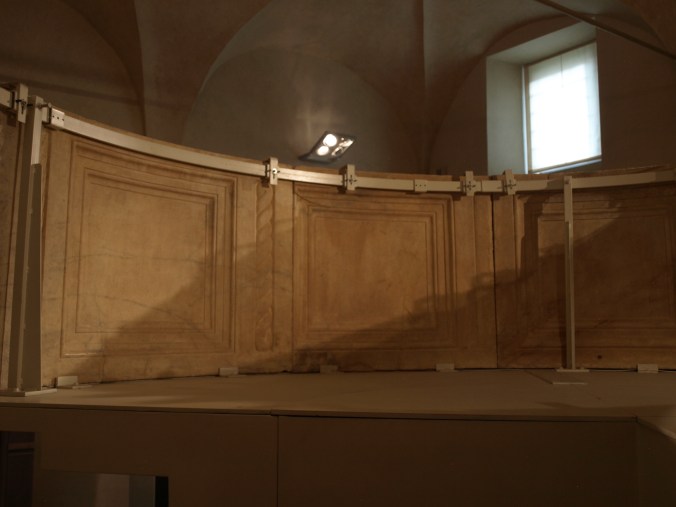
The seven original reliefs of the parapet were removed from the pulpit in 1967 and can be seen today in cathedral museum.  This is a rather fortunate development for students of art history, because we can get up close and personal with the stunning sculptures by Donatello.  It is possible to study the forms so closely you can sometimes see where the chisel landed on the marble.

OLYMPUS DIGITAL CAMERA


The subtle inlay of mosaic behind the shallow relief sculptures adds life to the forms.

OLYMPUS DIGITAL CAMERA


OLYMPUS DIGITAL CAMERA


OLYMPUS DIGITAL CAMERA


OLYMPUS DIGITAL CAMERA


OLYMPUS DIGITAL CAMERA


OLYMPUS DIGITAL CAMERA


OLYMPUS DIGITAL CAMERA


OLYMPUS DIGITAL CAMERA

Another nice aspect about having the pulpit on display at eye level in the museum is the fact that one can see the interior of the pulpit as well, as below.

OLYMPUS DIGITAL CAMERA

In the Middle Ages, few items of clothing were more symbolic than the belt from which important objects were hung, including a sword and keys. As the story of Mary’s belt in Prato spread, from about 1270 onwards, it prompted some of the most extraordinary iconography in the history of Renaissance art.

One such painting is Filippo Lippi’s Madonna of the Sacred Belt, in the collection of the Prato Civic Museum. Likewise, over the centuries, many illustrious pilgrims have visited Prato’s shrine, including Saint Francis of Assisi, Maria de’ Medici and several popes, including the late Pope John Paul II in 1986.

 Each December 25, people flock to Prato to see the ceremony, which is repeated on four other occasions during the year as part of the Roman Catholic calendar:

Easter;

May 1, marking the month dedicated to the Virgin;

August 15, in celebration of Mary’s assumption;

and September 8, the day devoted to her nativity.

Following a procession through the city streets led by musicians and other people dressed in Renaissance costumes, a solemn mass is held in the cathedral, during which the archbishop of Prato will retrieve the Sacra Cintola from the casket using three keys (one key is always in his possession while the other two are kept in the mayor’s custody).

After passing an incense-burning censor over the relic, the prelate will then display it three times from Ghirlandaio’s loggia to the faithful seated inside the basilica before moving outside to the beautiful external pulpit decorated by Donatello. Here, he will hold it up high for the public in the piazza below to see, exhibiting it three times in three different directions.

x2013-051.jpg.pagespeed.ic.Rrgjnk7YSk

Finally, before the relic is returned to its vault, worshippers are invited to line up and kiss the reliquary. 


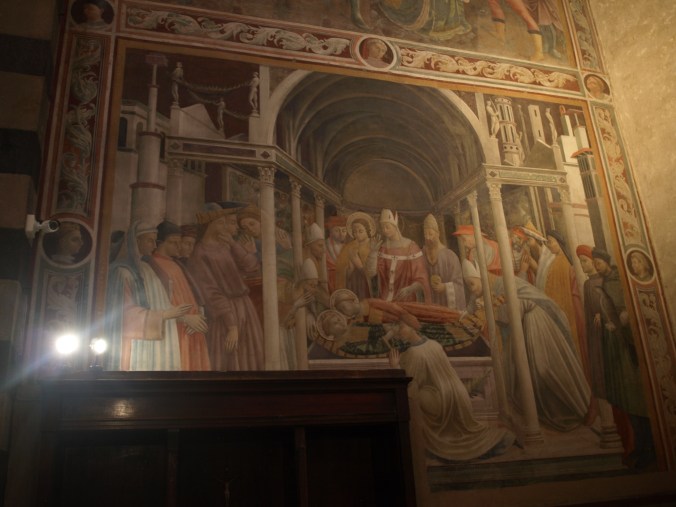
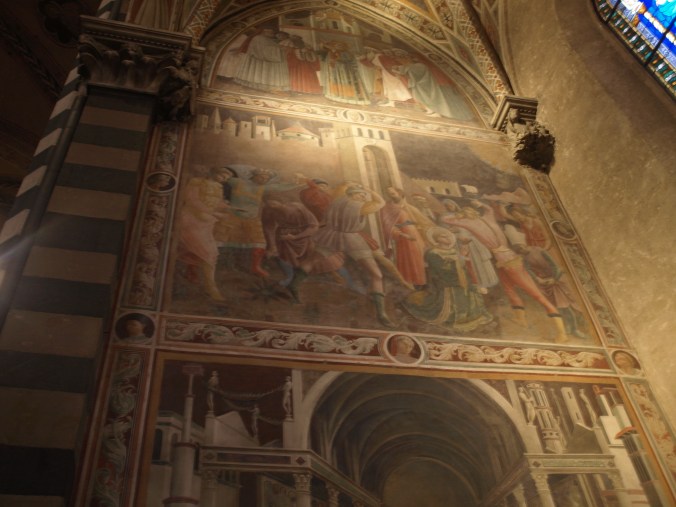
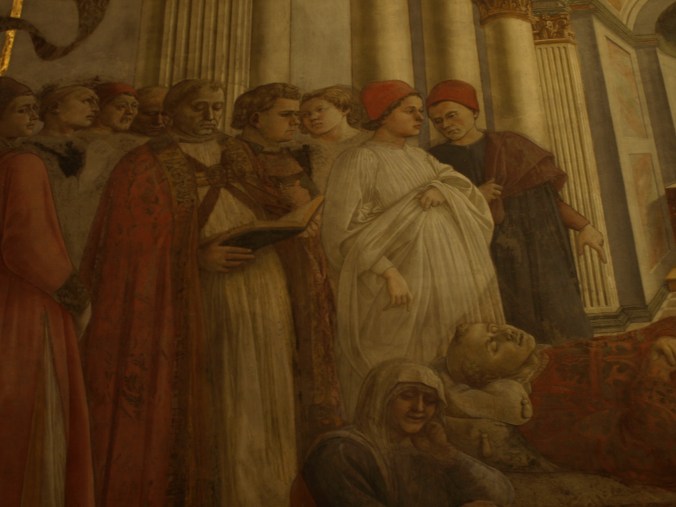
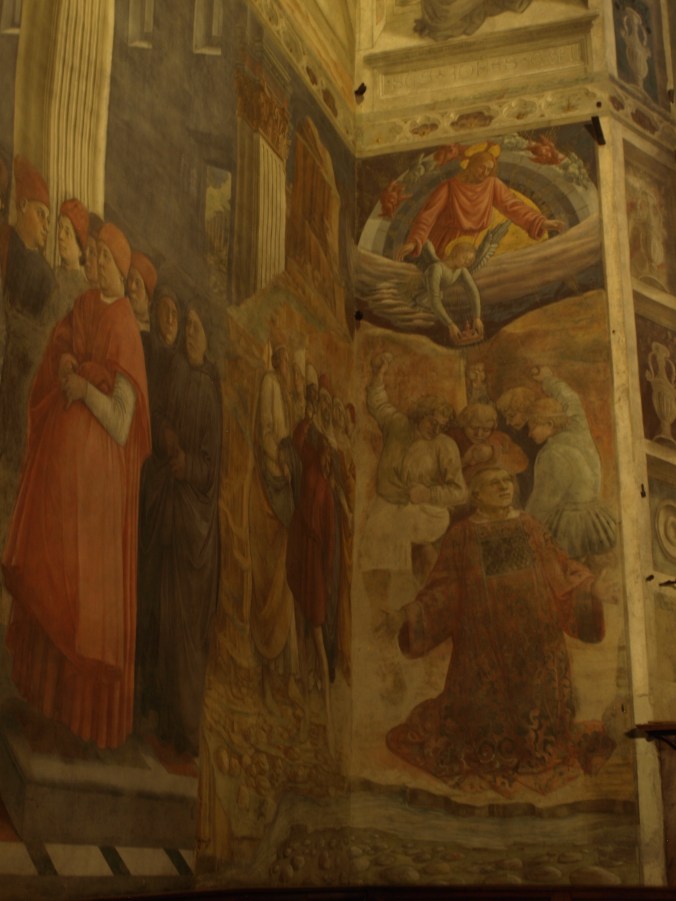
The Duomo houses yet another important treasure: a glorious fresco cycle depicting the stories of San Stefno and Saint John the Baptist by Filippo Lippi and his workshop from 1452 to 1465. The magnificent frescoes, which flank the main altar area, were restored in 2008.

OLYMPUS DIGITAL CAMERAOLYMPUS DIGITAL CAMERA

OLYMPUS DIGITAL CAMERAOLYMPUS DIGITAL CAMERA

OLYMPUS DIGITAL CAMERAOLYMPUS DIGITAL CAMERAOLYMPUS DIGITAL CAMERAOLYMPUS DIGITAL CAMERA


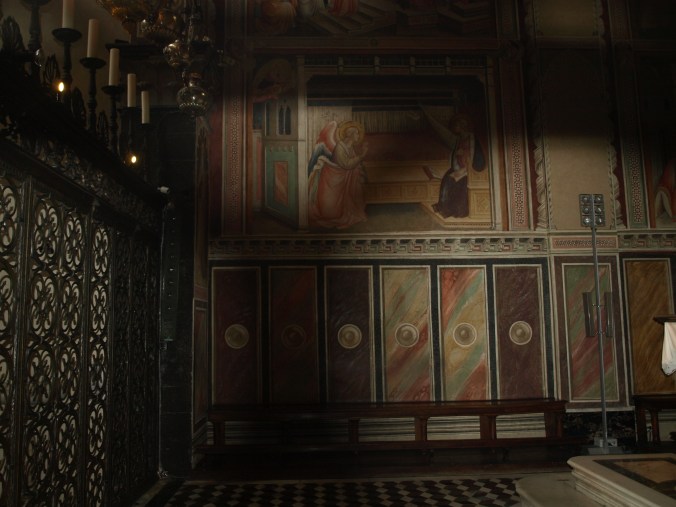
Scenes from the Madonna’s life and the story of the relic cover the chapel’s walls, frescoes done by Agnolo Gaddi in 1392-1395. Behind the additional protection of magnificent bronze gates created by Maso di Bartolomeo, Giovanni Pisano’s statue of the Madonna with Child looks down from the chapel’s altar.

OLYMPUS DIGITAL CAMERA

The walls of Settignano.

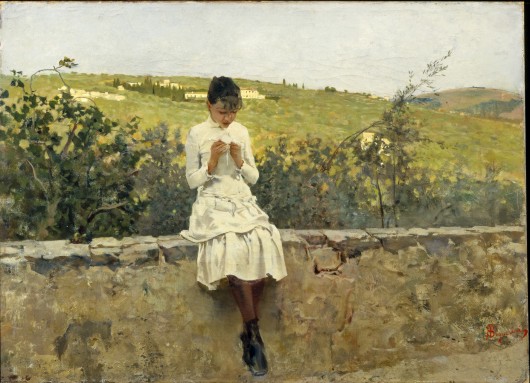
Telemaco Signorini (1835 – 1901) was an Italian artist who belonged to the group known as the Macchiaioli.  He painted this lovely, impressionistic painting of his daughter Fanny in 1885.

PIC2828O

The walls running through Settignano look exactly the same today.  I love the everyday, slice-of-life aspect of this painting, which puts me immediately in Settignano, then or today.

Buon anno! Auguri!

Wherever you are, whatever you are doing to celebrate the arrival of 2017, I send you auguri!

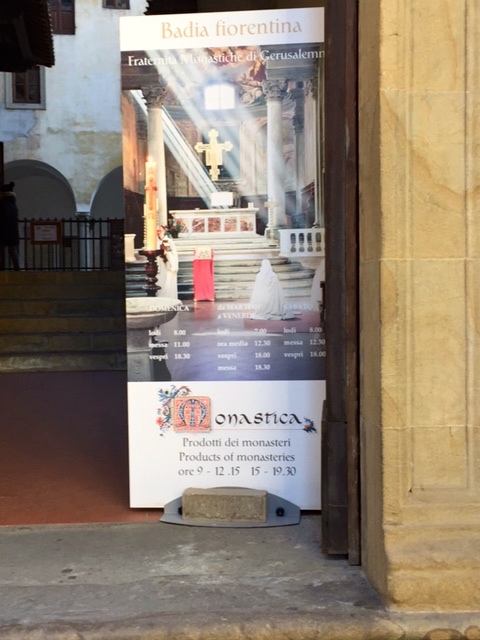
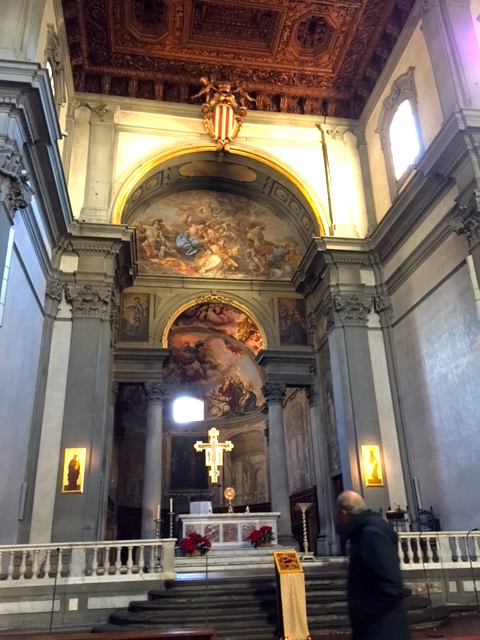
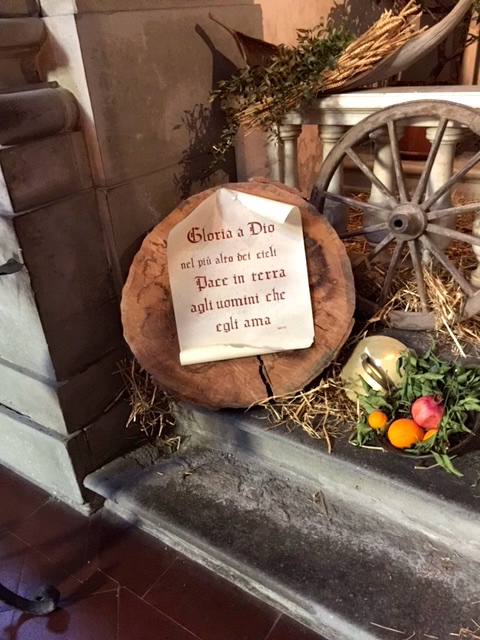
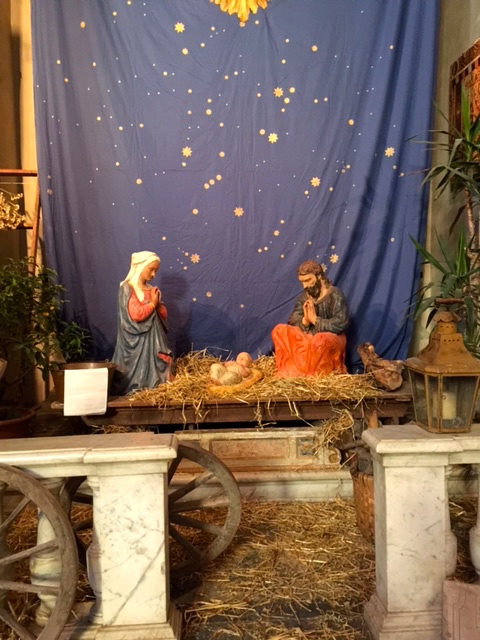
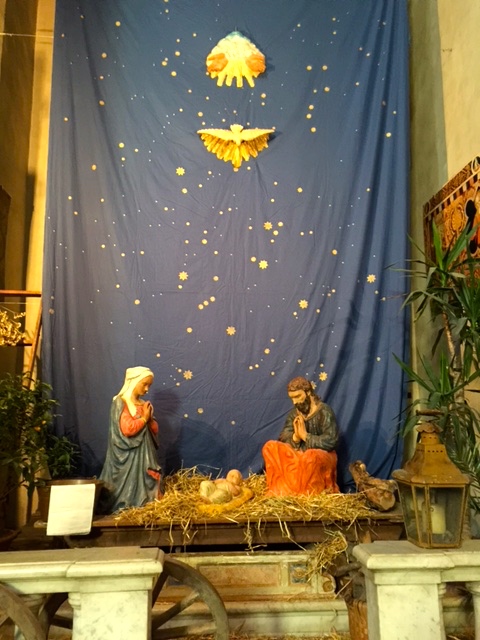
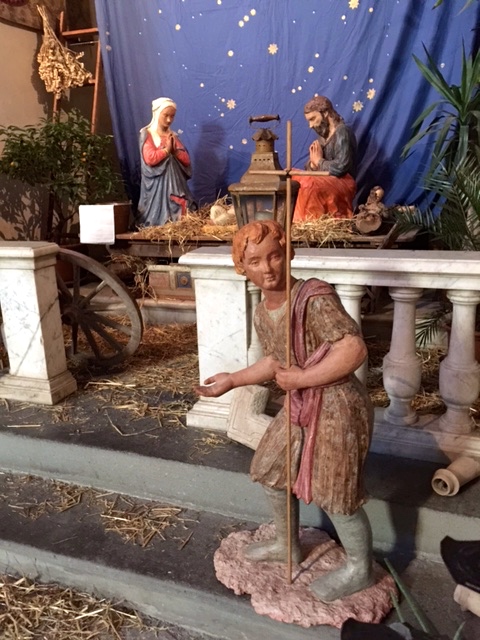
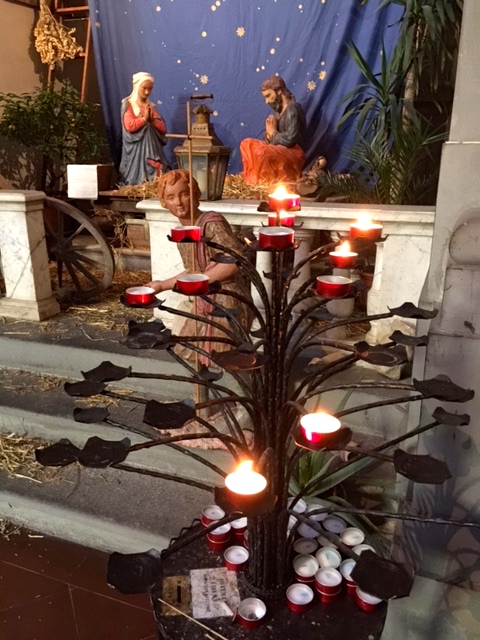
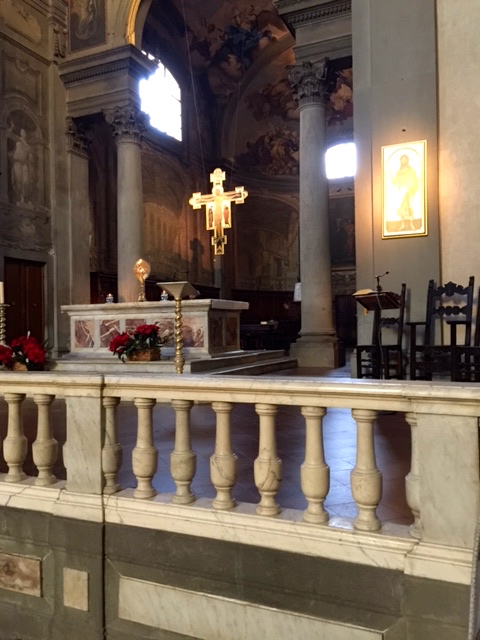
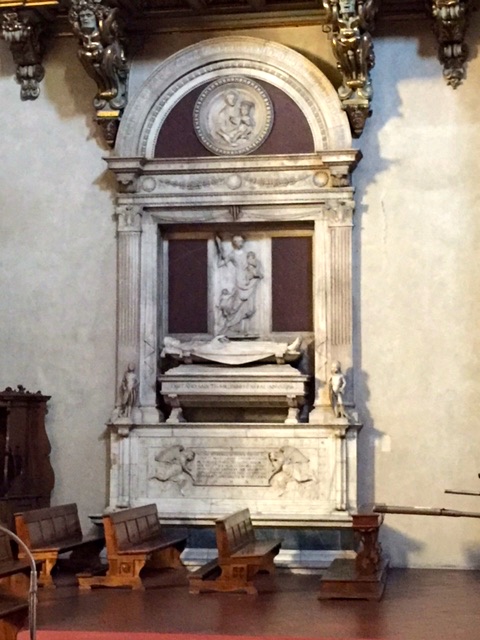
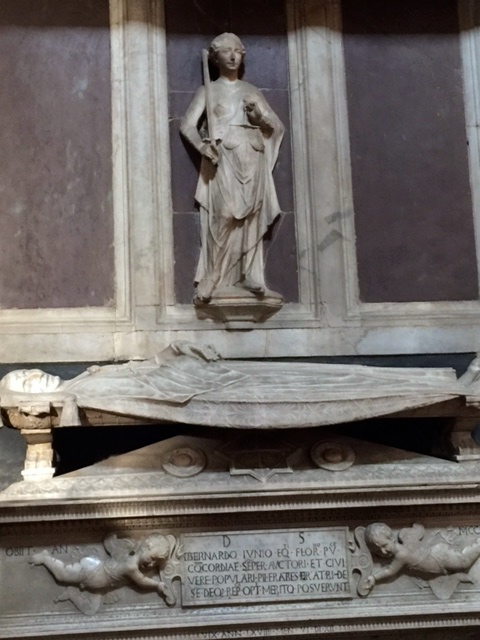
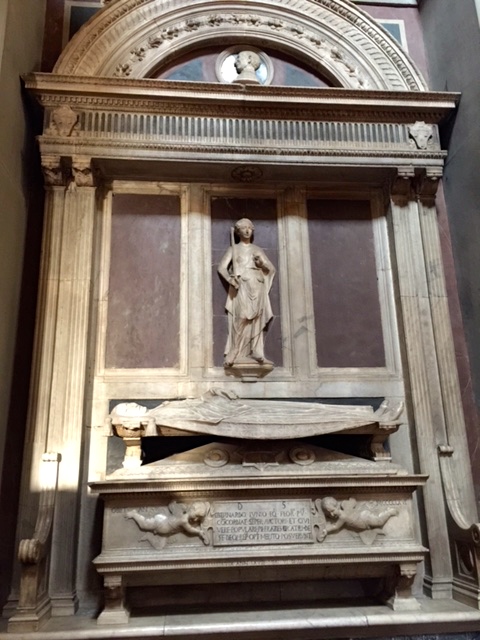
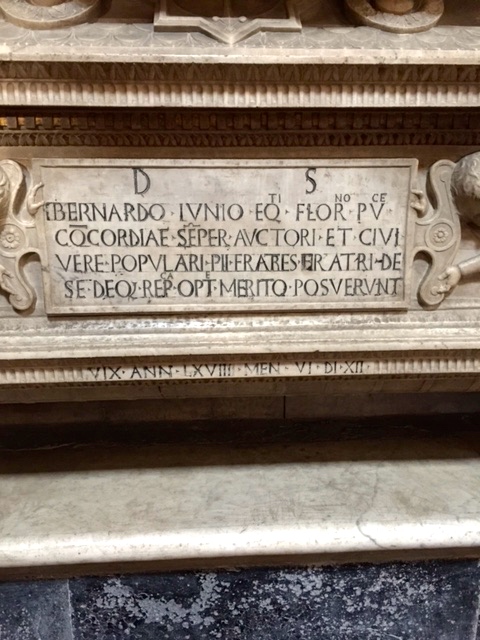
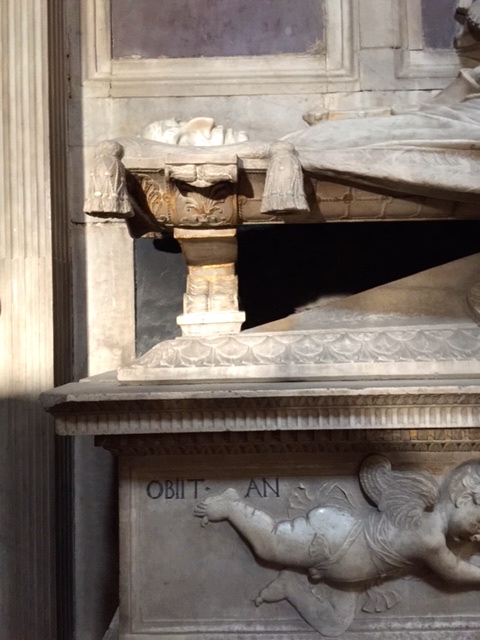
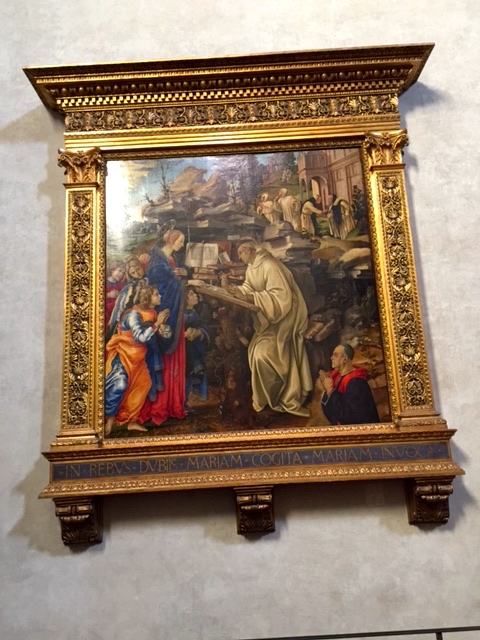
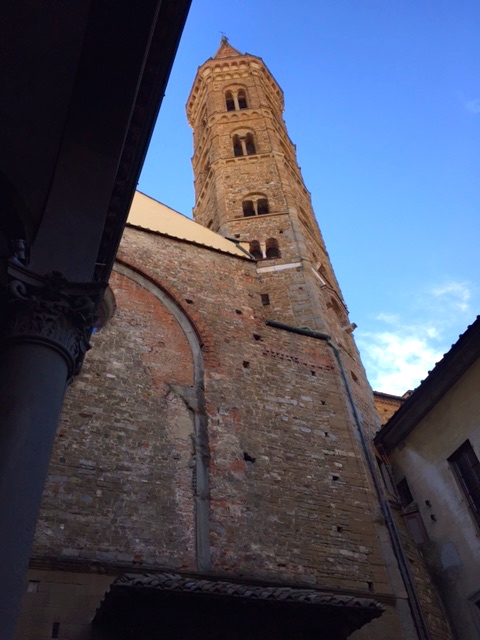
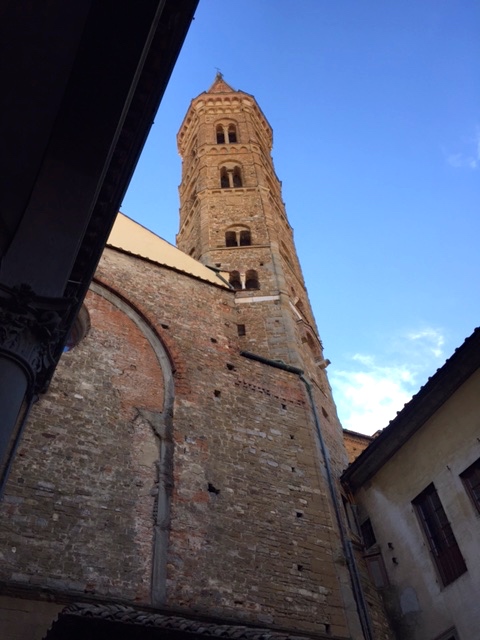
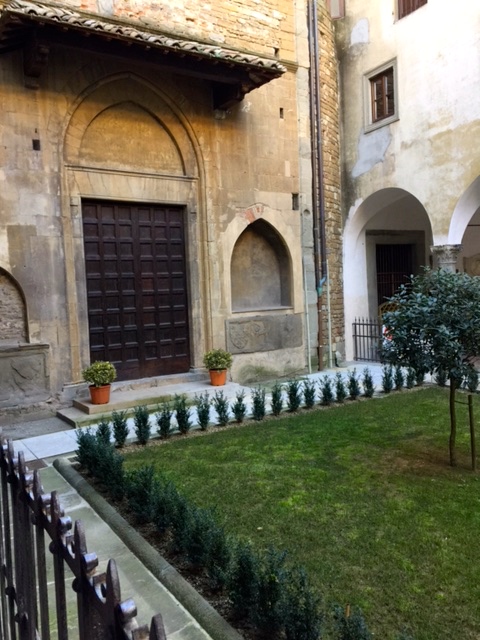
I’ve been busy, although I haven’t been posting much this past week.  But today I share with you the photos I took today of the Badia fiorentina, complete with its Nativity scene.  Two major tombs are part of the interior of this fine, ancient church in Florence, as well as a gorgeous coffered wood ceiling.  Also, a fine altarpiece by Fra Filippo Lippi is still in situ.

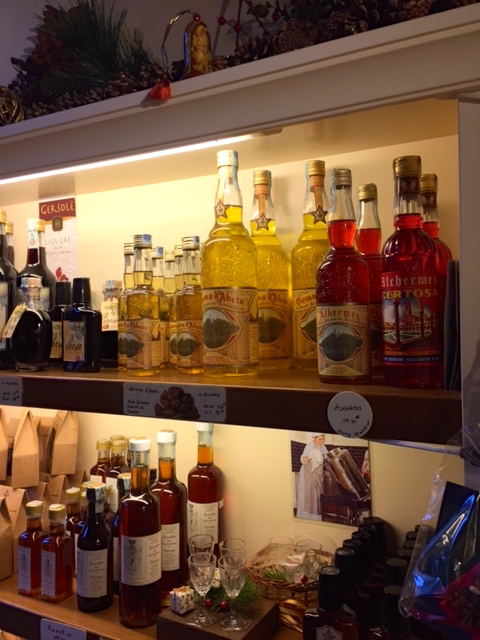
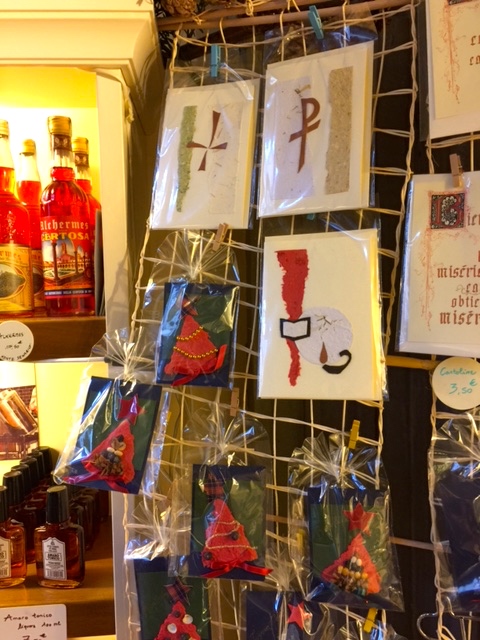
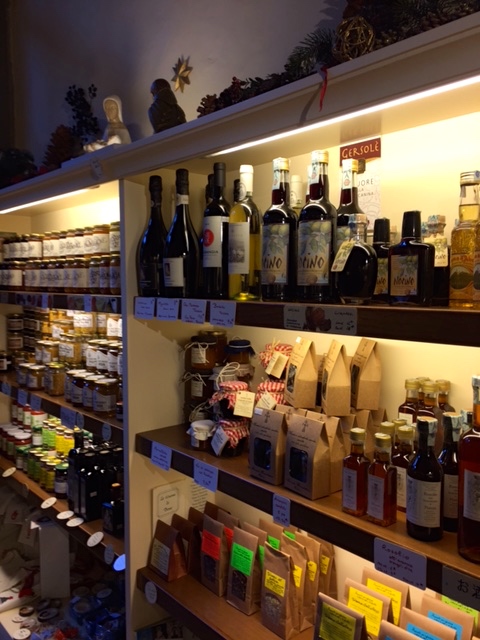
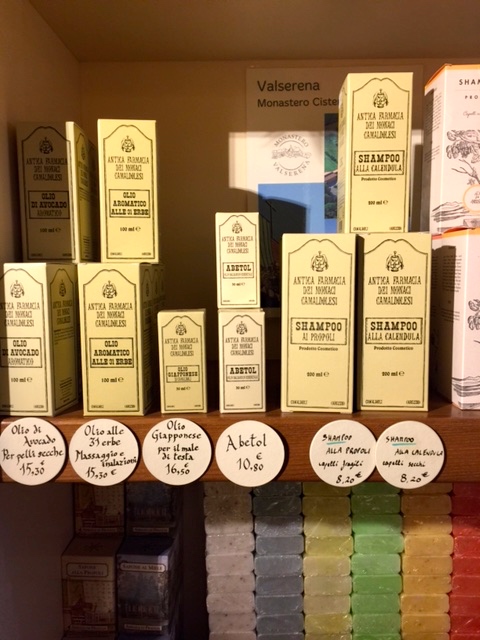
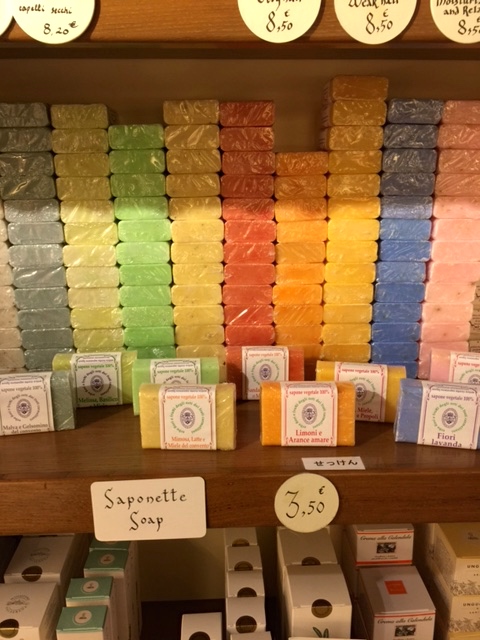
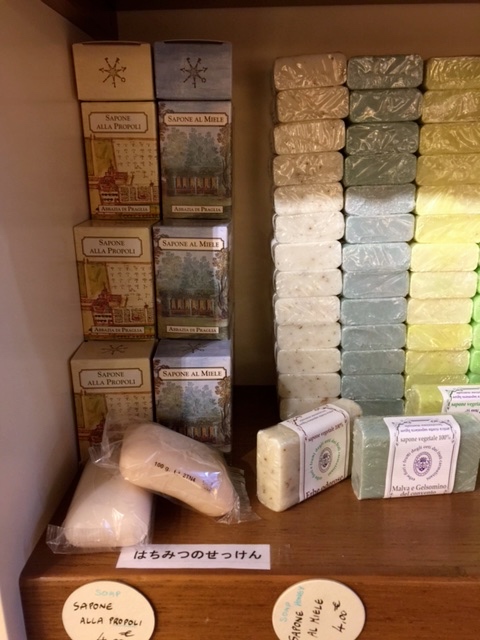
At the end of the pictures, I’ve included the offerings from the shop attached to the church.  Here one may buy jams and jellies, spirits and wines, soaps and lotions, all made by the monastic orders.

Please enjoy!

img_8764img_8766

img_8768img_8769img_8770img_8771img_8772img_8773img_8775img_8776img_8777

img_8778img_8779img_8780img_8781img_8782img_8783img_8784img_8785img_8786

img_8787img_8788img_8789img_8790img_8791img_8792img_8793img_8794

Cutting edge old master art

IMG_2986

I posted about Cellini’s Perseus here a couple of days ago. Ms. Medusa should never have messed with Mr. Perseus if she wanted to keep her gorgeous head attached to her beautiful body.

IMG_2984

Spending the better part of a day yesterday admiring the fabulous collection at the Uffizi Gallery, I couldn’t help but notice how often heads seemed to be rolling.  Or prepared to be rolling.  Could no one find a better way to solve a problem than beheading?  With a sharp edge?

IMG_2985

Poor adolescent Isaac in this painting.  His dad, Abraham, was willing to cut off his head to please his god. If you know the story, you know that at the lost possible moment an angel showed up and talked Abraham back from the ledge.

Yikes! Stay away from cutting edges if you inhabit the historical world.  It is a very dangerous place!

And don’t even get me started on David and Goliath! I’ll be at the Bargello in coming days and I promise I’ll be discussing that theme and Donatello after that.

Prepare yourselves.

This might get bloody.

Ha ha.  Never.