


And I bet you didn’t know that Marilyn spoke Italian!

And I bet you didn’t know that Marilyn spoke Italian!
(As I posted yesterday, I can’t use my best photos until I get home to my camera cord! Coming soon!)
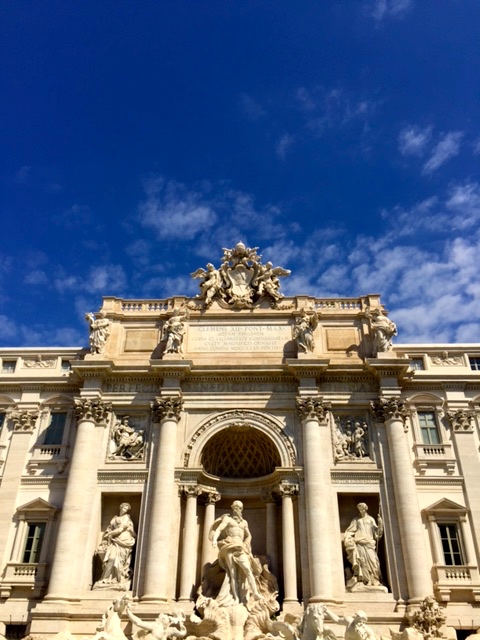
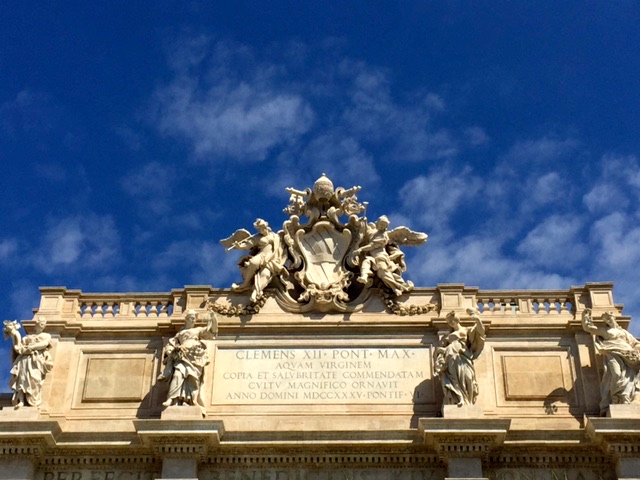
Trevi Fountain, always spectacular.

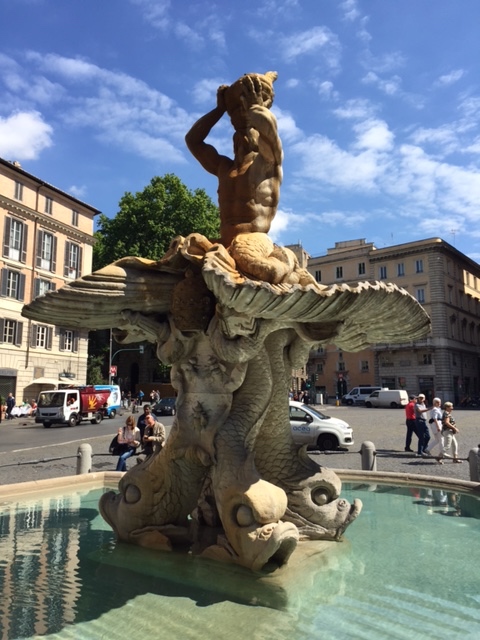
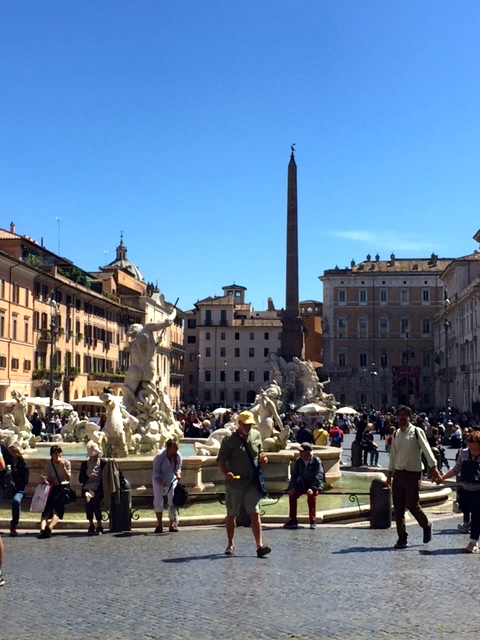
Bernini’s Triton Fountain. Always enjoyable, even without the water flowing as today.
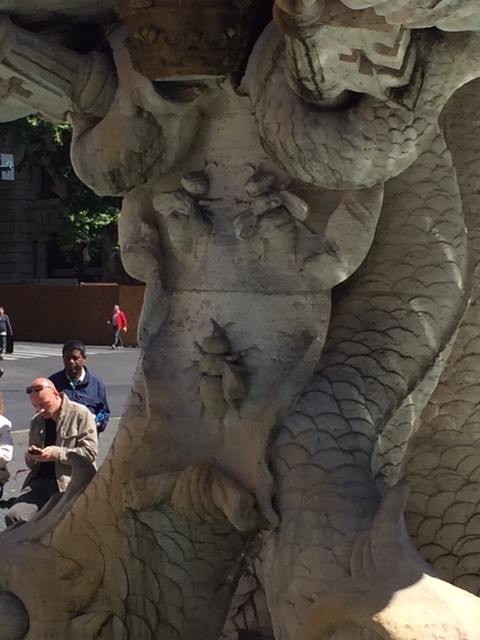
Love those Barberini bees!
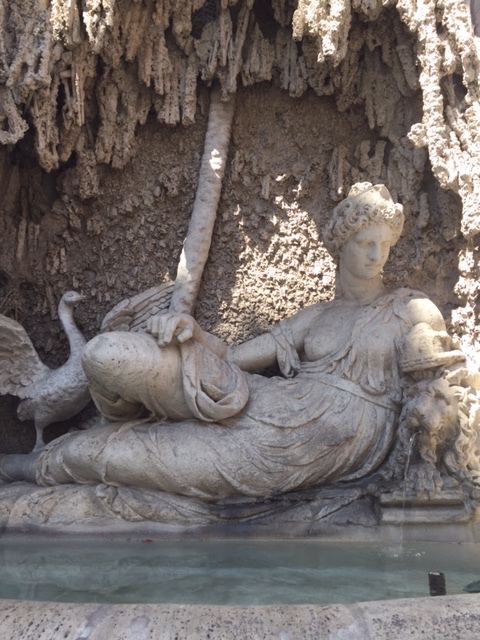
Quattro Fontane. Always requires risking your life to look at on one of Rome’s busiest streets!

Borromini’s lovely church, San Carlo alle Quattro Fontane.


Bougainvillea
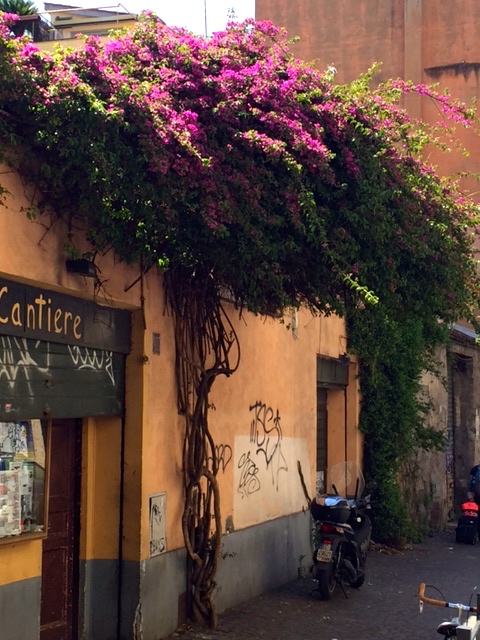
Jasmine

And misc:


Deus meus! this city is overwhelming!  Follow my posts as
I attempt (and not for the first time) to get some sort of
handle on it for myself!


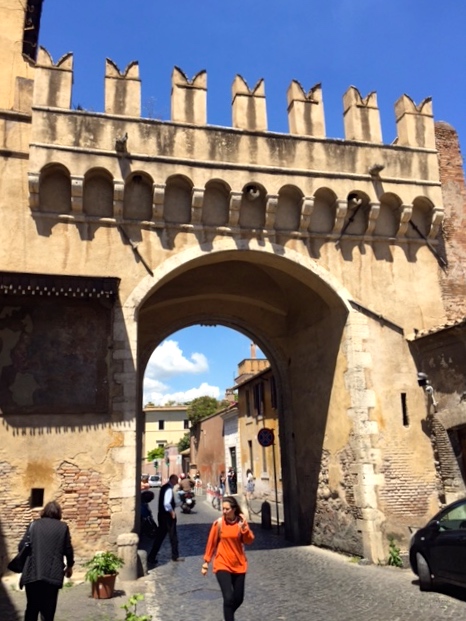
The Servian Wall was constructed around the city of Rome in the early 4th century BC. The wall was up to 10 metres (32.8 ft) in height in places, 3.6 metres (12 ft) wide at its base, 11 km (7 mi) long, and is believed to have had 16 main gates, though many of these are mentioned only from writings, with no other known remains.
The map below show the Servian Wall and its gates in Blue.

The Aurelian Walls (red) were constructed in the 3rd century AD.
The Servian wall was built from large blocks of tuff (a volcanic rock made from ash and rock fragments ejected during an eruption) quarried from the Grotta Oscura quarry near Rome’s early rival Veii. In addition to the blocks, some sections of the structure incorporated a deep fossa, or ditch in front of it, as a means to effectively heighten the wall during attack from invaders.
Along part of its topographically weaker northern perimeter was an agger, a defensive ramp of earth heaped up to the wall along the inside. This thickened the wall, and also gave defenders a base to stand while repelling any attack. The wall was also outfitted with defensive war engines, including catapults.
The wall was still maintained through the end of the Republic and in the early Empire. By this time, Rome had already begun to grow outside the original Servian Wall. The organization of Rome into regions under Augustus placed regions II, III, IV, VI, VIII, X, and XI within the Servian Wall, with the other sections outside of it.
The wall became unnecessary as Rome became well protected by the ever-expanding military strength of the Republic and of the later Empire. As the city continued to grow and prosper, it was essentially unwalled for the first three centuries of the Empire.
When German tribes made further incursions along the Roman frontier in the 3rd century AD, Emperor Aurelian had the larger Aurelian Walls built to protect Rome.
Well, darn it! I made a big mistake. I left my camera cord in Florence so I can’t transfer my photos from my camera to my computer for another couple of weeks. So, I am going to have some big holes in my posts until I get back home to Florence. Oh well, what can you do?
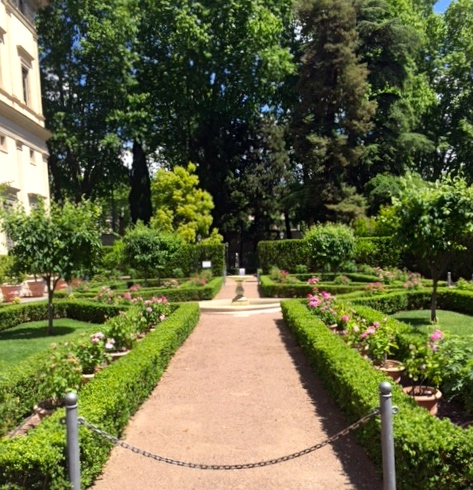
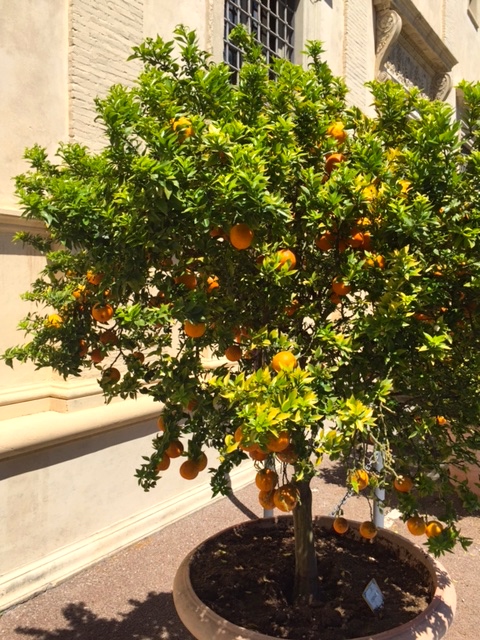
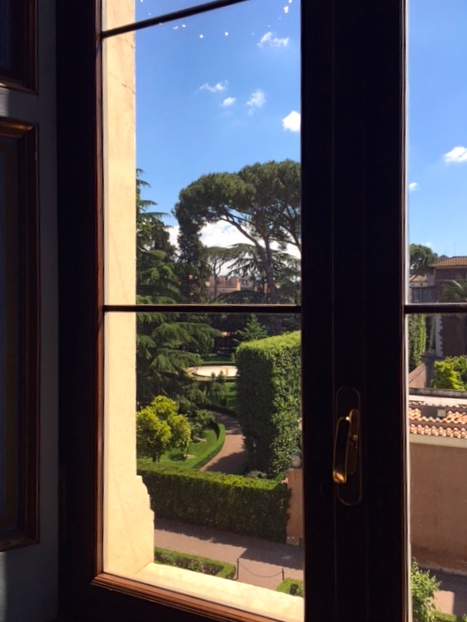
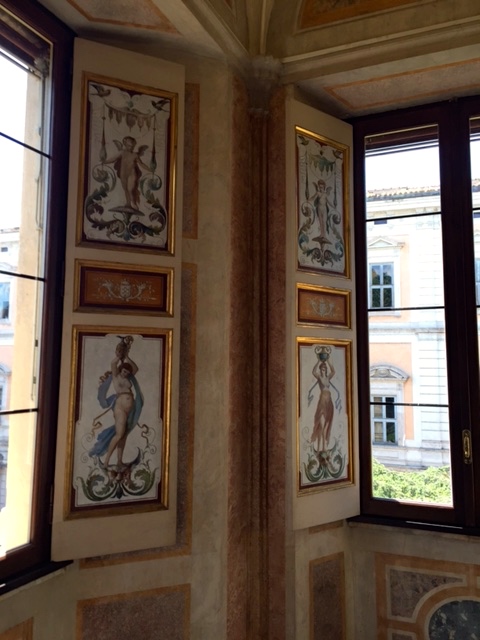
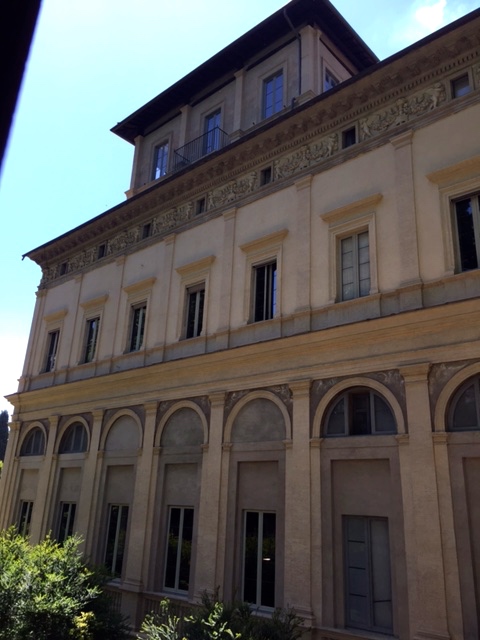
Until then, here are some shots I snapped with my phone camera at the gorgeous Villa Farnesina today. The place is so amazing, even the phone shots are pretty great! Also, the weather….70 degrees and sunny skies.
Allora, on to the Villa, the quintessential Renaissance palazzo.
The Villa’s exterior:
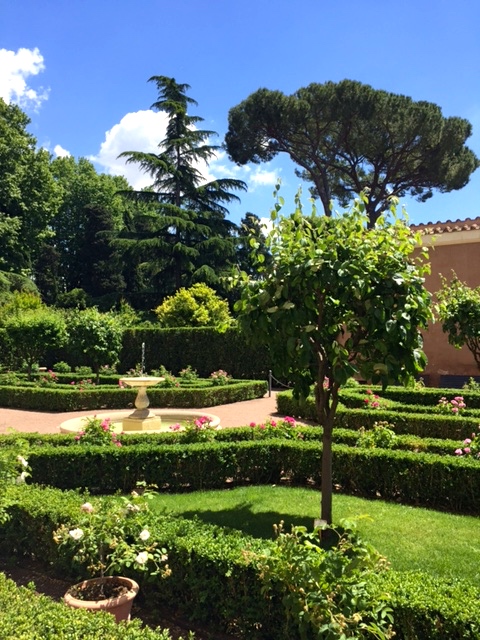
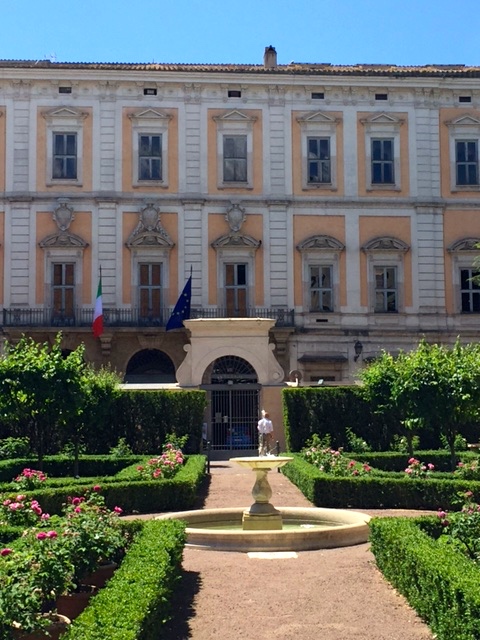
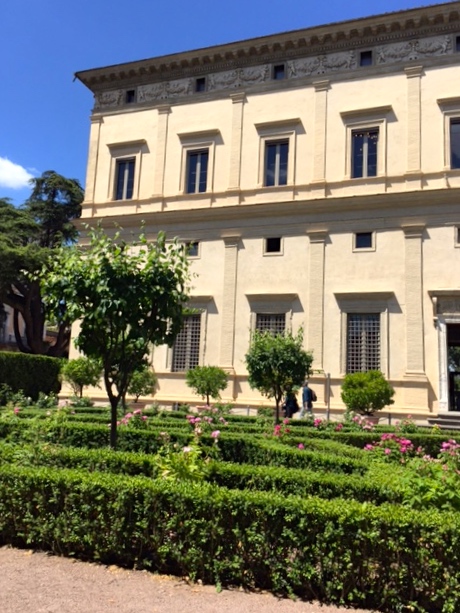
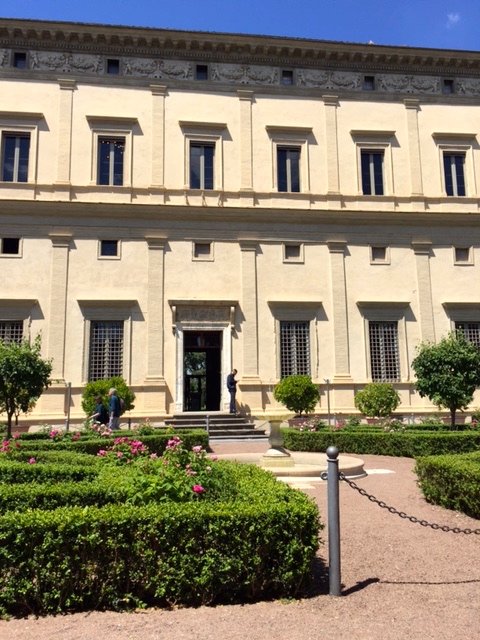
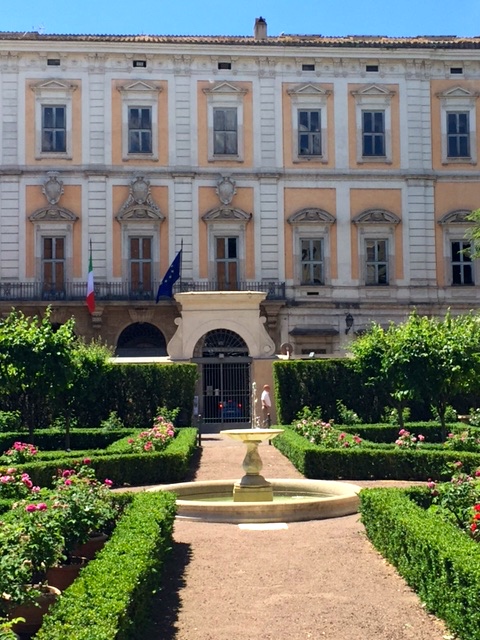
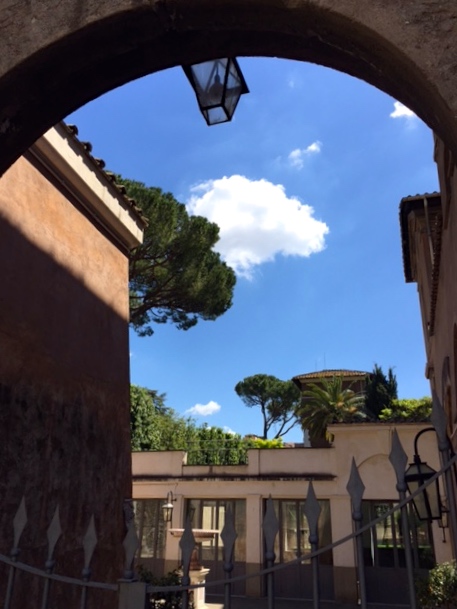
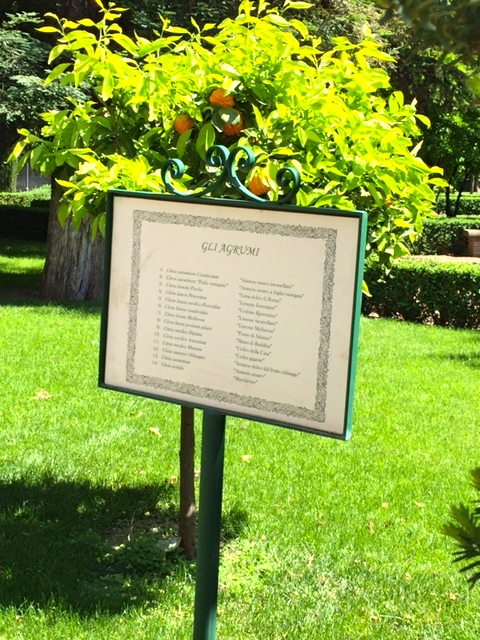
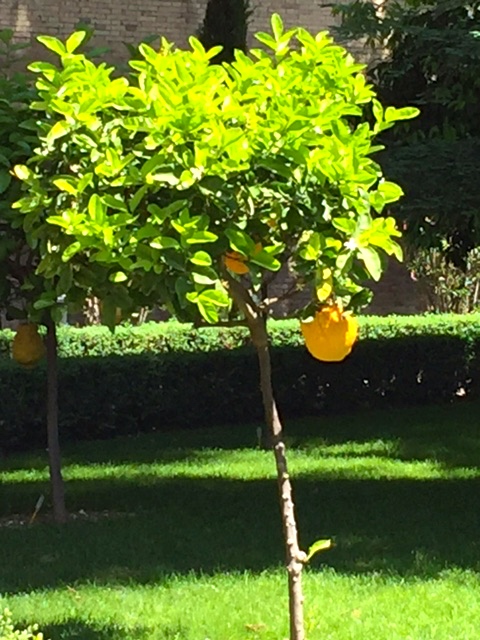
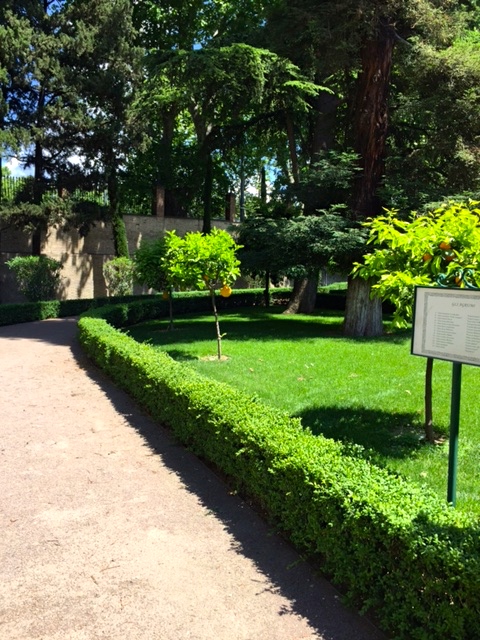
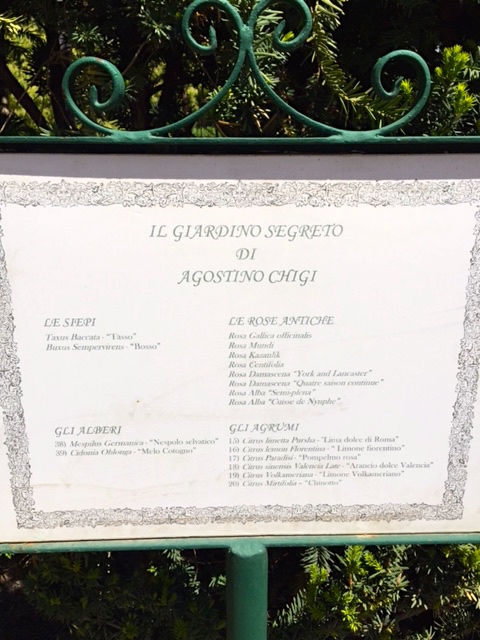
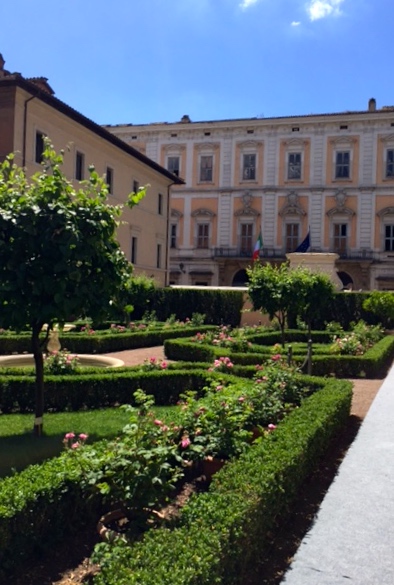
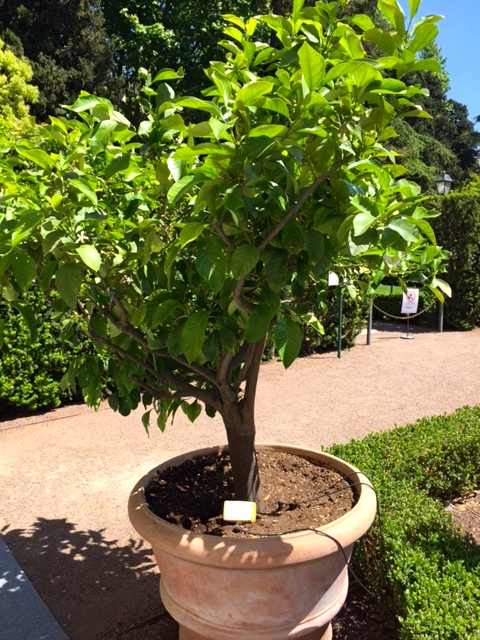
Before we head inside, let’s have a history lesson.
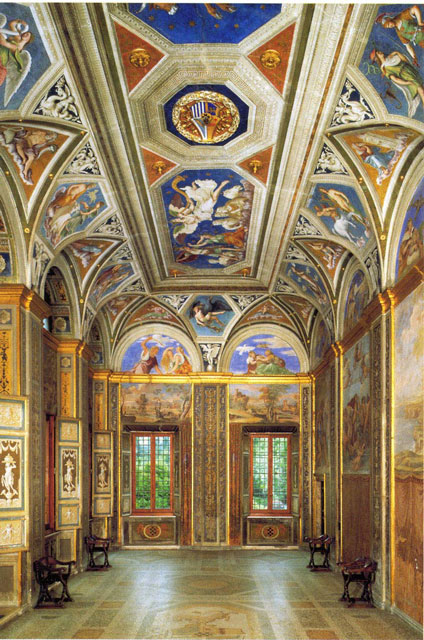
Villa Farnesina: a Renaissance suburban villa in the Via della Lungara, in the district of Trastevere in Rome.
The villa was built for Agostina Chigi, a rich Sienese banker and the treasurer of Pope Julius II. Between 1506–1510, the Sienese artist and pupil of Bramante, Baldassarre Peruzzi, aided perhaps by Giuliano da Sangallo, designed and erected the villa.
The novelty of this suburban villa design can be discerned from its differences from that of a typical urban palazzo (palace). Renaissance palaces typically faced onto a street and were decorated versions of defensive castles: rectangular blocks with rusticated ground floors and enclosing a courtyard.
This villa, intended to be an airy summer pavilion, presented a side towards the street and was given a U shaped plan with a five bay loggia between the arms. In the original arrangement, the main entrance was through the north facing loggia which was open. Today, visitors enter on the south side and the loggia is glazed.
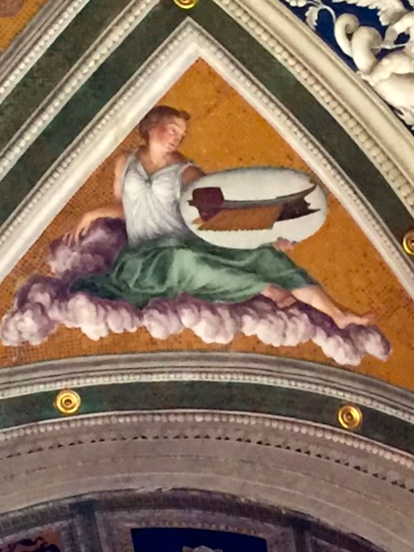
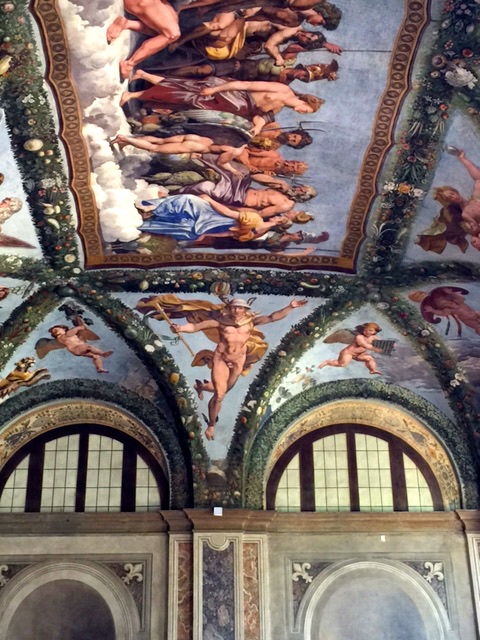
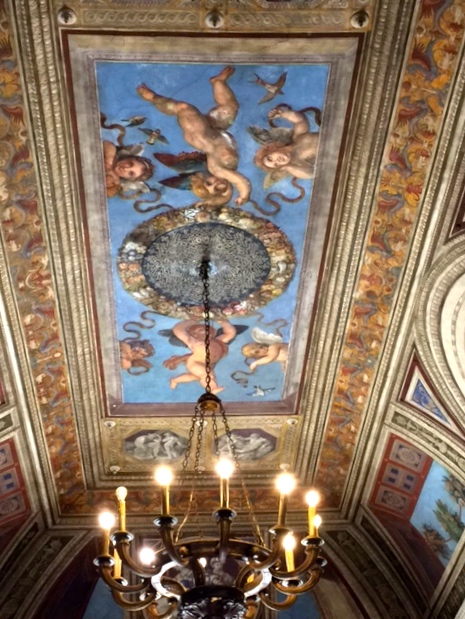
Chigi also commissioned the fresco decoration of the villa by artists such as Raphael, Sebastian del Piombo, Giulio Romano, and Il Sodoma. The themes were inspired by the Stanze of the poet Angelo Poliziano, a key member of the circle of Lorenzo de Medici.
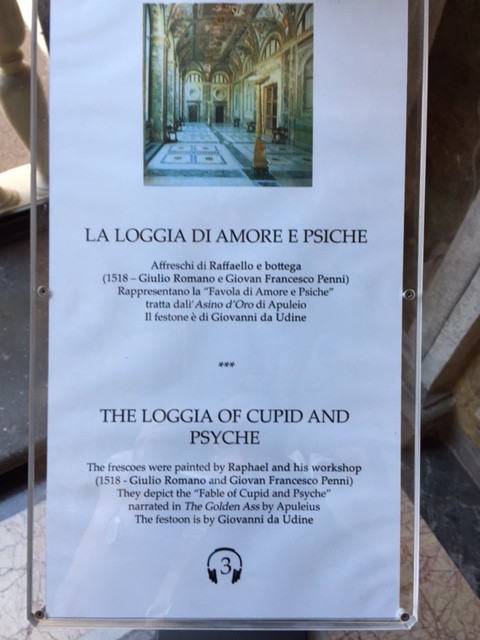
Best known are Raphael’s frescoes on the ground floor; in the loggia depicting the classical and secular myths of Cupid and Psyche, and The Triumph of Galatea. This, one of his few purely secular paintings, shows the near-naked nymph on a shell-shaped chariot amid frolicking attendants and is reminiscent of Botticelli’s The Birth of Venus.
This same “Galatea” loggia has a horoscope vault that displays the positions of the planets around the zodiac on the patron’s birth date, 29 November 1466. The two main ceiling panels of the vault give his precise time of birth, 9:30 pm on that date.
On the piano nobile, Peruzzi painted the main salone with troupe l’oeil frescoes of a painted grand open loggia with city and countryside views beyond. The perspective view only works from a fixed point in the room otherwise the illusion is broken.
In the adjoining bedroom, Sodoma painted scenes from the life of Alexander the Great, the marriage of Alexander and Roxana, and Alexander receiving the family of Darius.
The villa became the property of the Farnese family in 1577 (hence the name of Farnesina). The Villa’s second owner, Cardinal Alessandro Farnese, became Pope Paul III in 1534, and the Farnese family’s wealth and influence continued to soar. Also in the 16th century, Michelangelo proposed linking the Palazzo Farnese on the other side of the Tiber River, where he was working, to the Villa Farnesina with a private bridge. This was initiated, remnants of a few arches are in fact still visible in the back of Palazzo Farnese towards via Giulia on the other side of the Tiber, but was never completed.
Today, the Villa is owned by the Italian State; it accommodates the Accademia dei Lincei, a long-standing and renowned Roman academy of sciences. Until 2007 it also housed the Gabinetto dei Disegni e delle Stampe (Department of Drawings and Prints) of the Istituto Nazionale per la Grafica, Roma.
The Villa’s interior (better photos are coming, in about 2 weeks; see above):


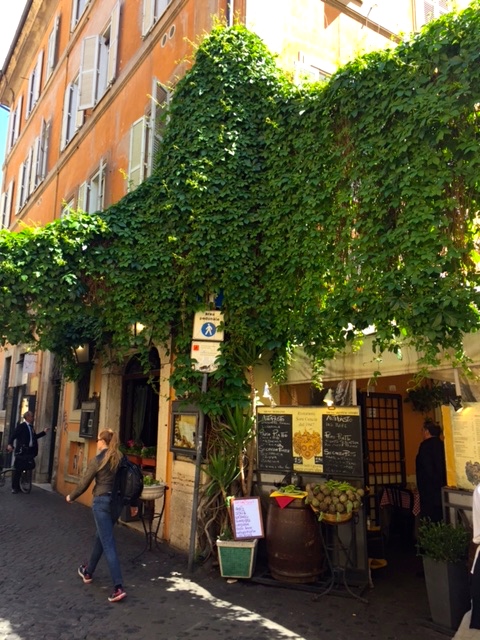

Above all, this month is about artichokes and fava beans.
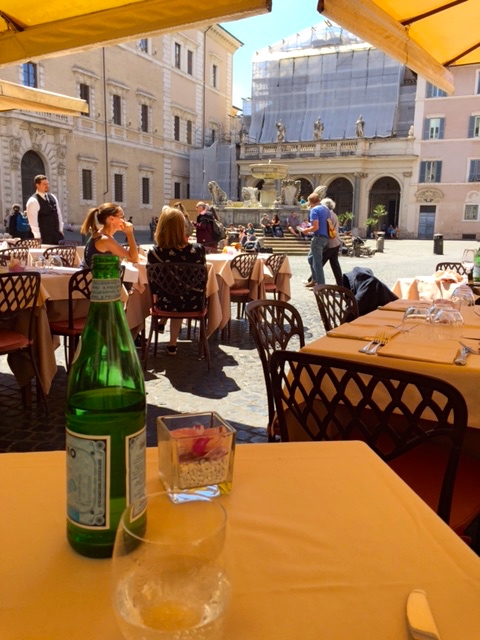
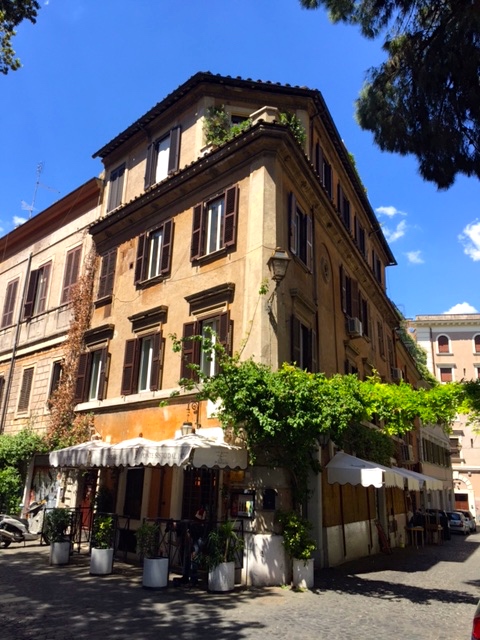
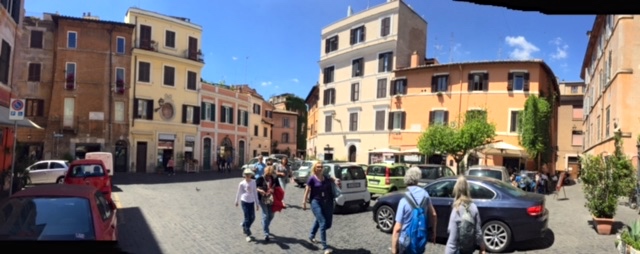
Today I did my part by dining at Sabatini in Trastevere, where Carciofi alla giudia was divine.







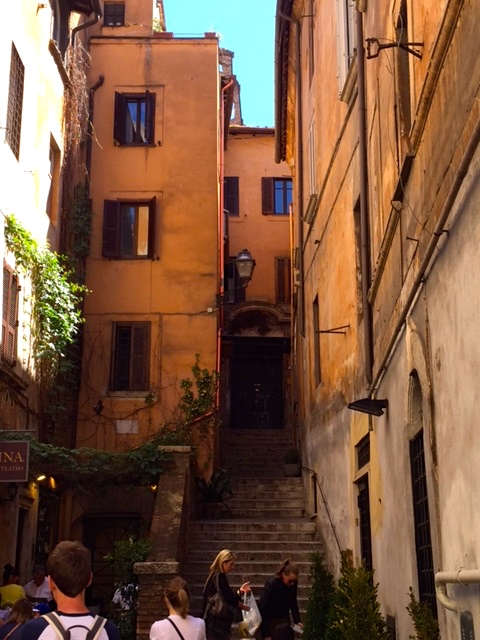


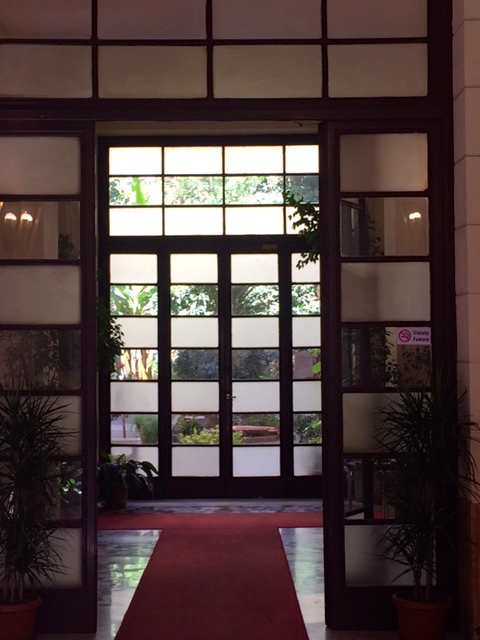
 get back, lauretta!
You must be logged in to post a comment.