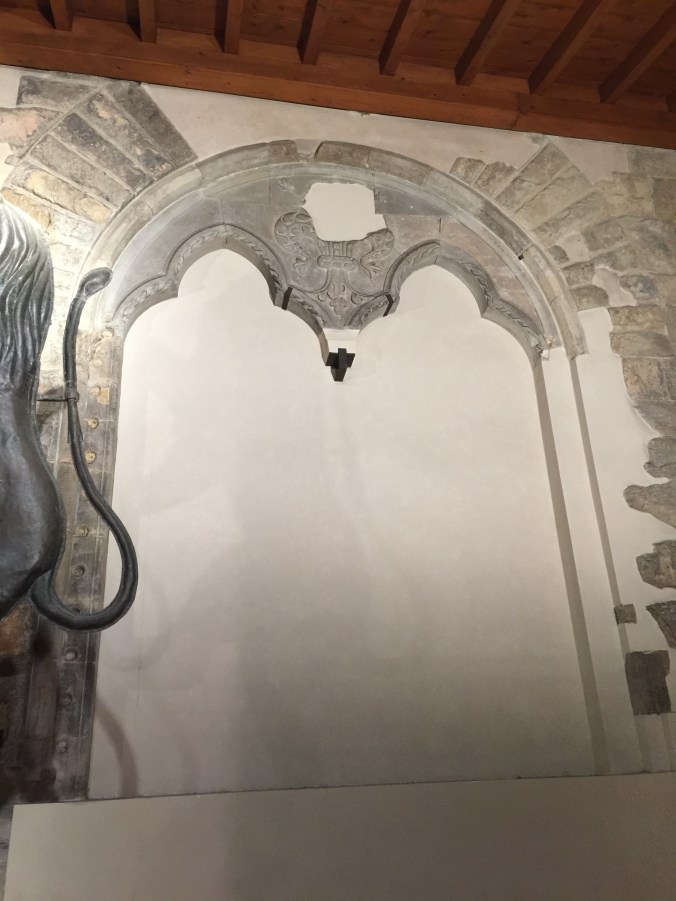
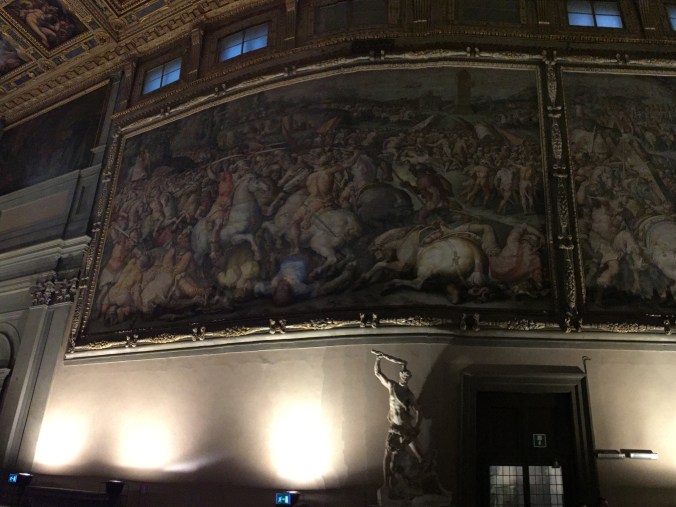
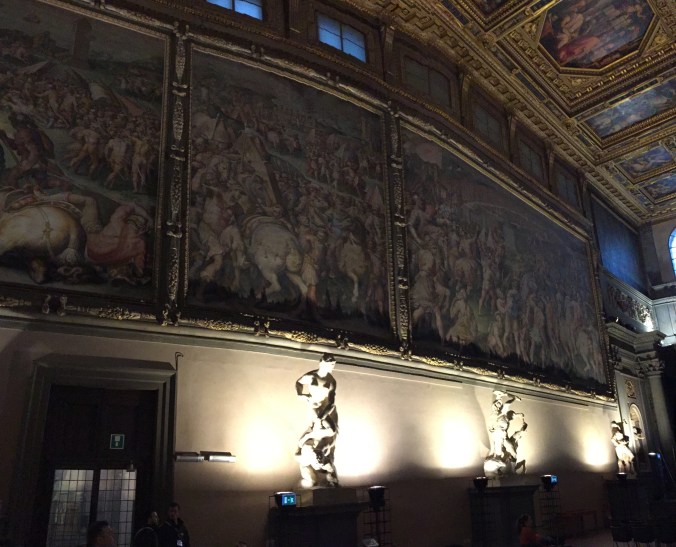
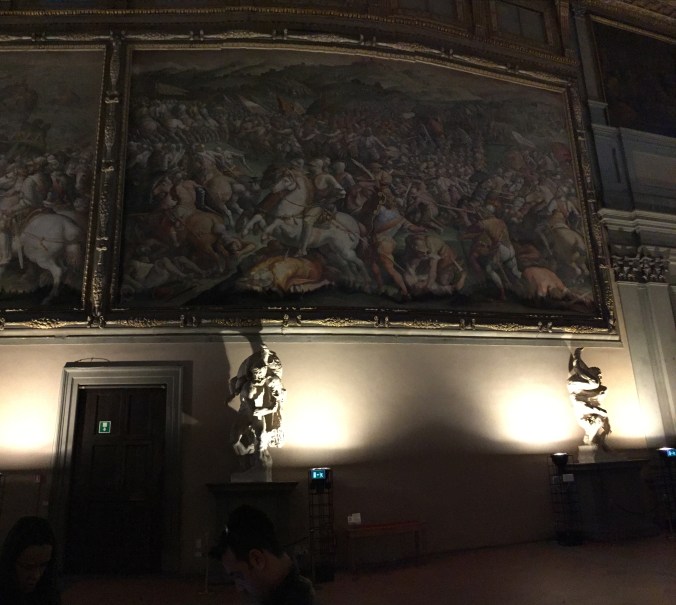
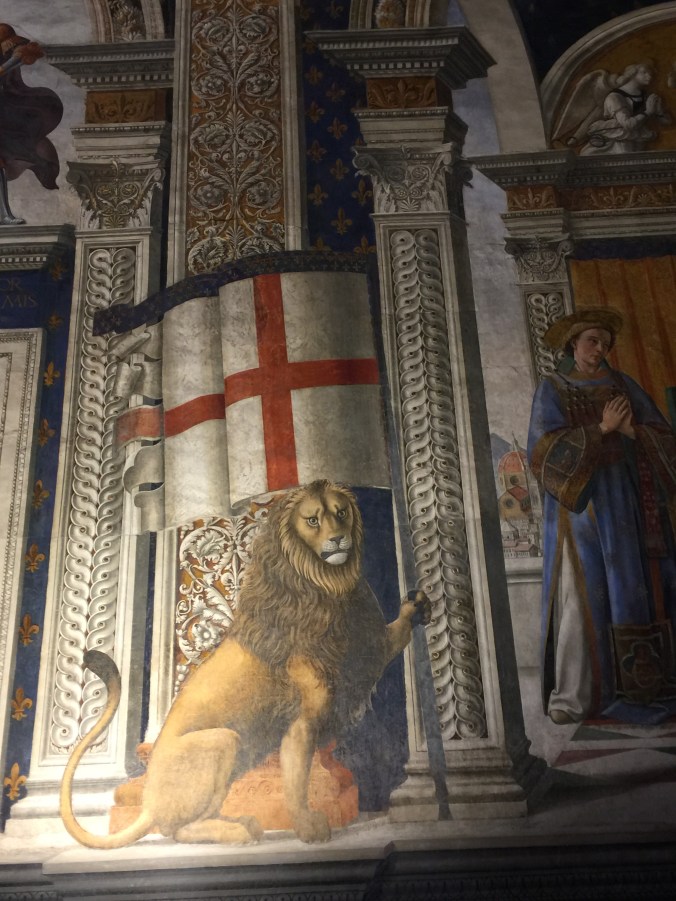
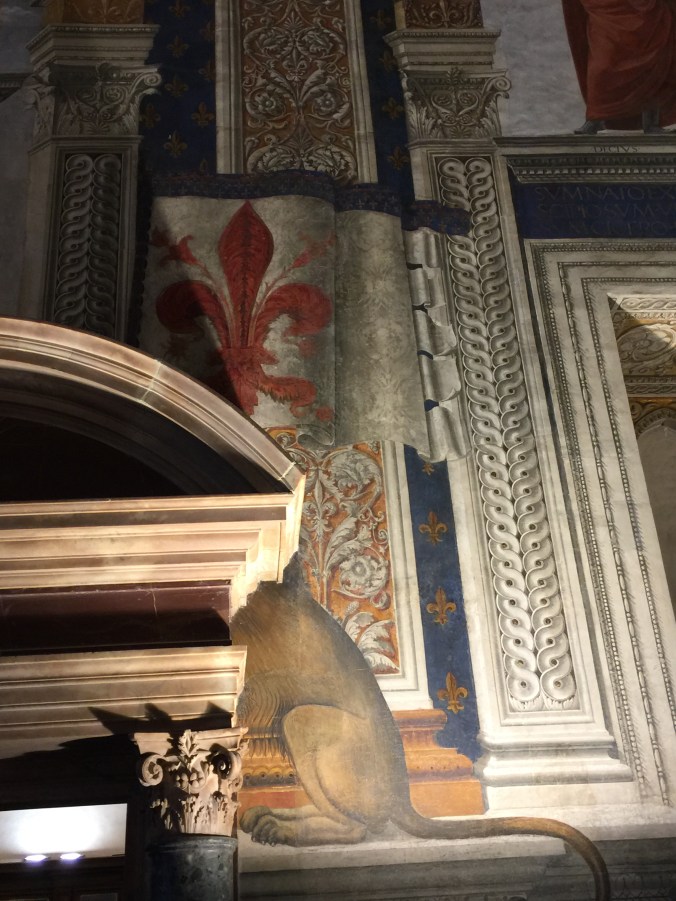
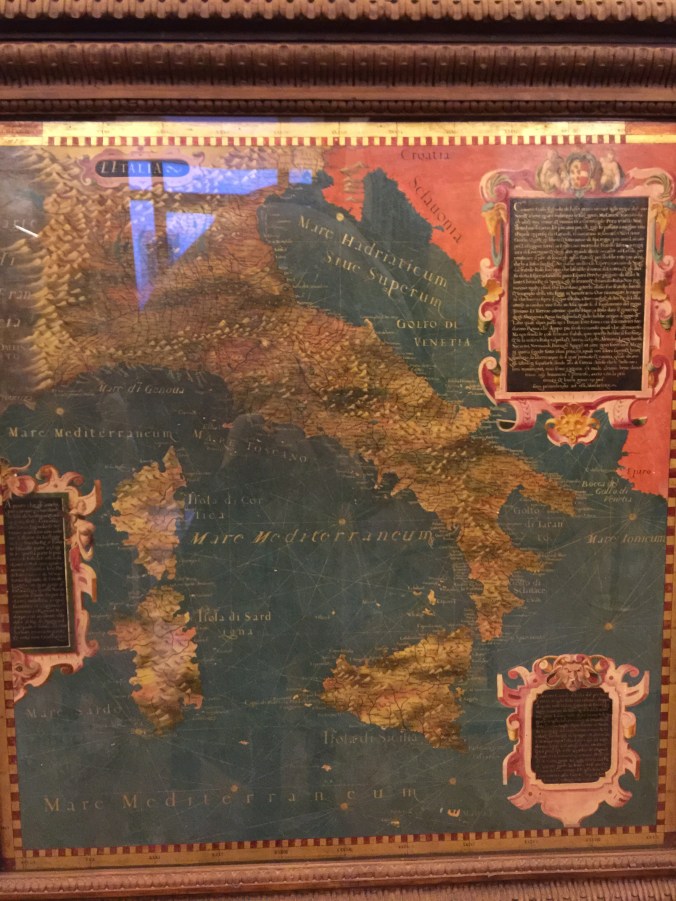
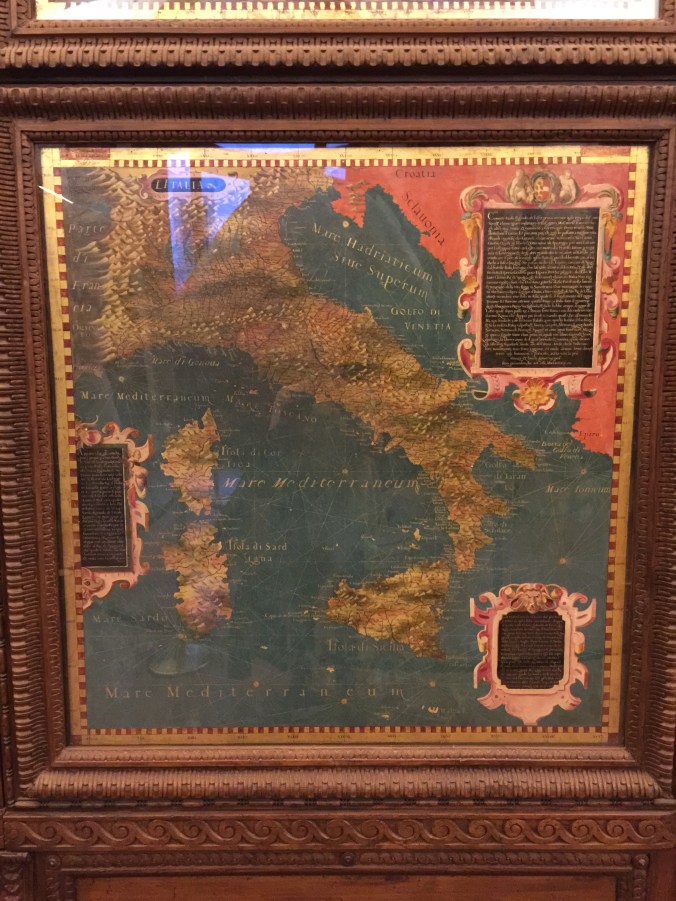
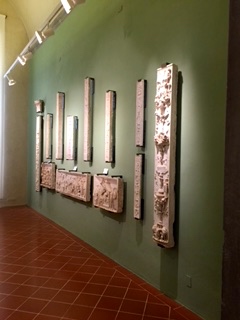
Orsan Michele, Firenze

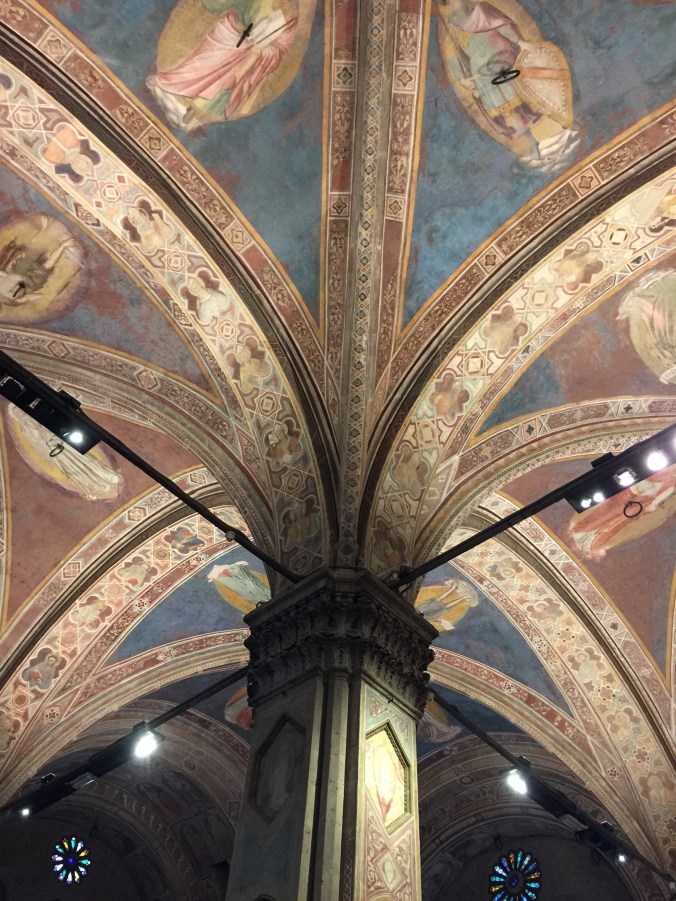
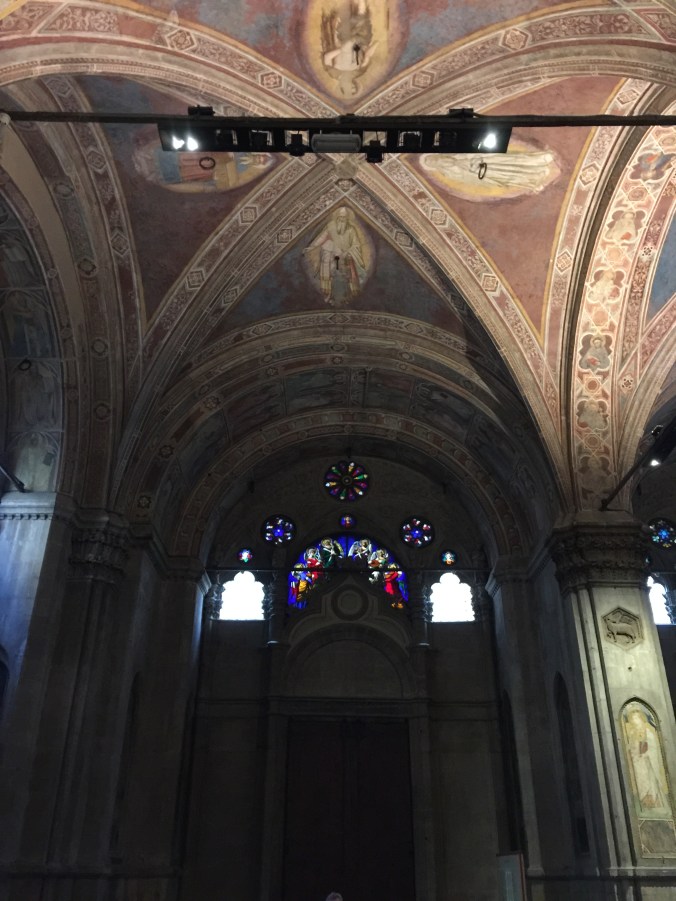
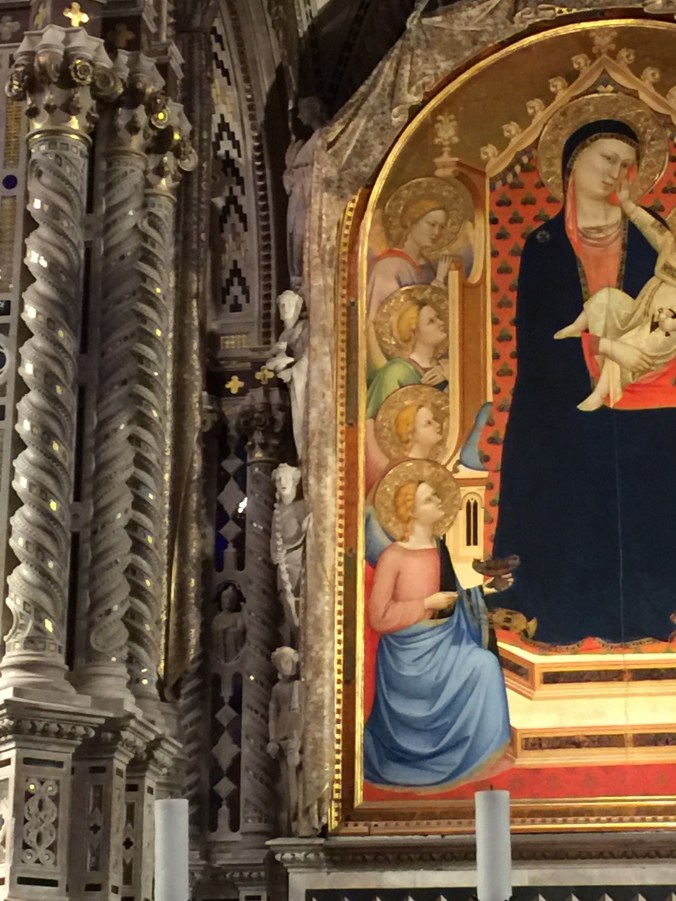
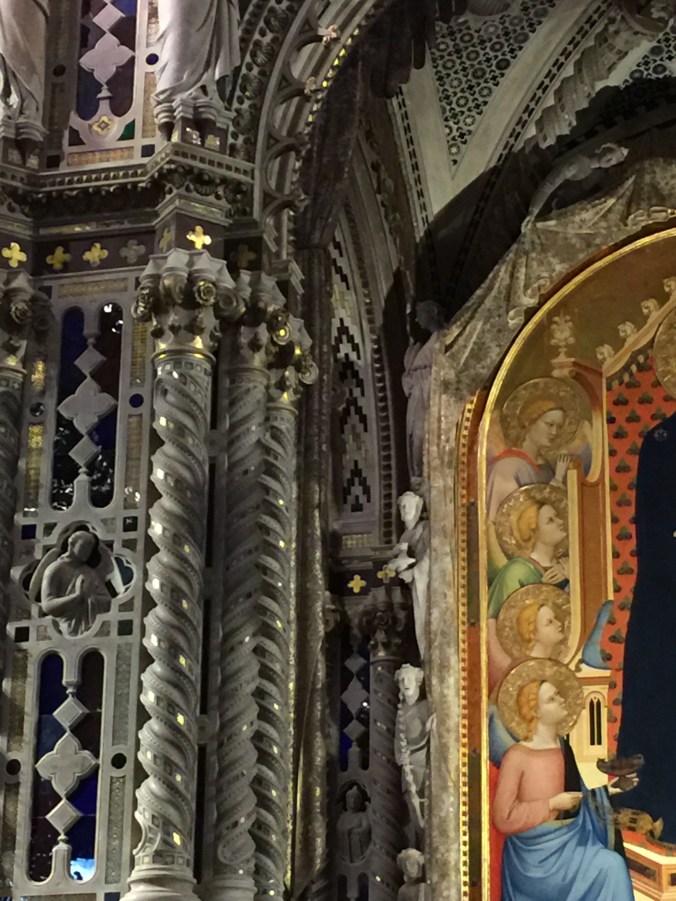
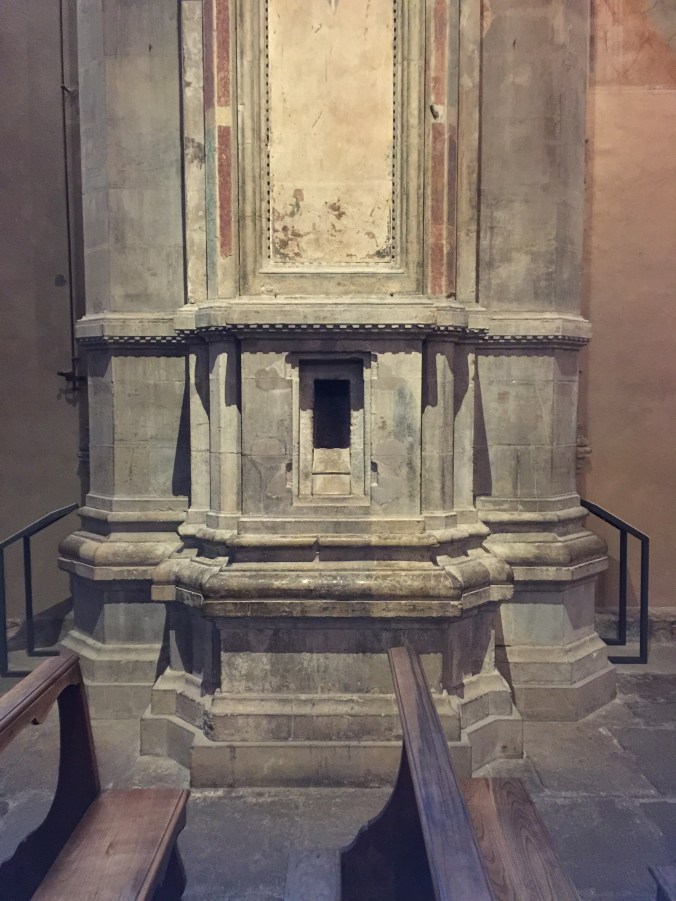
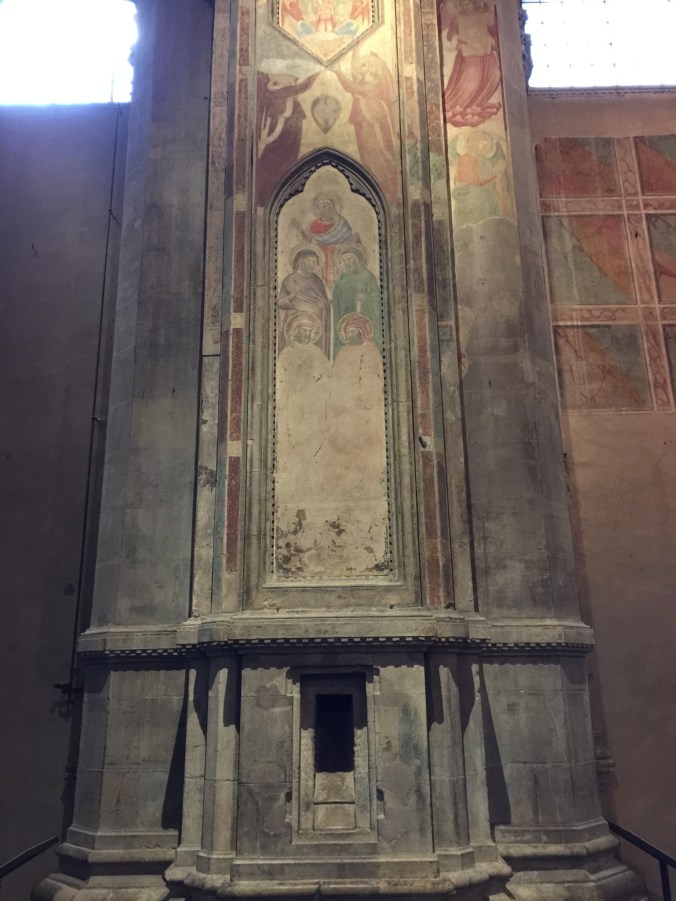
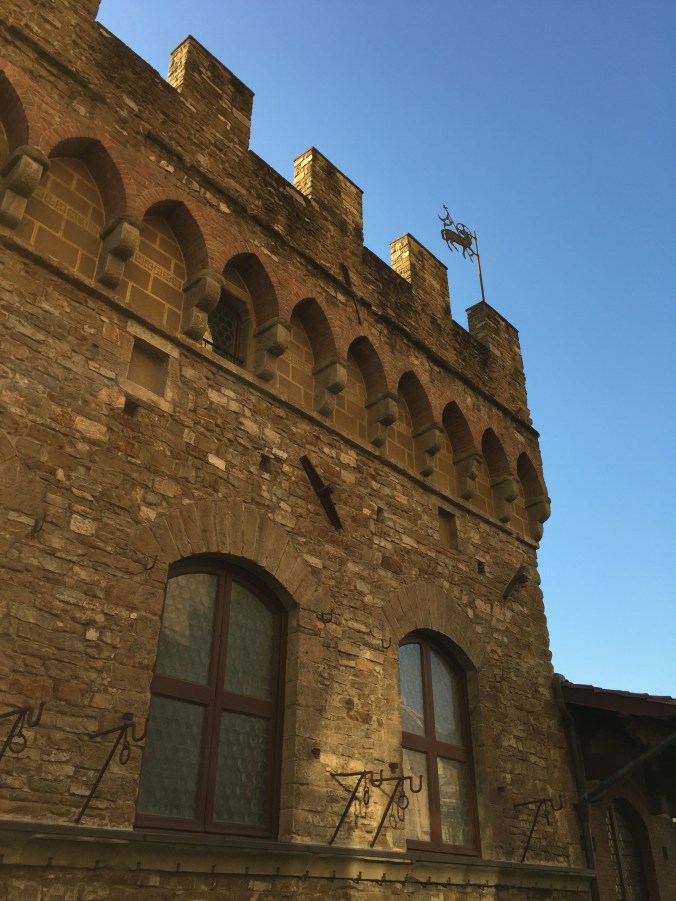
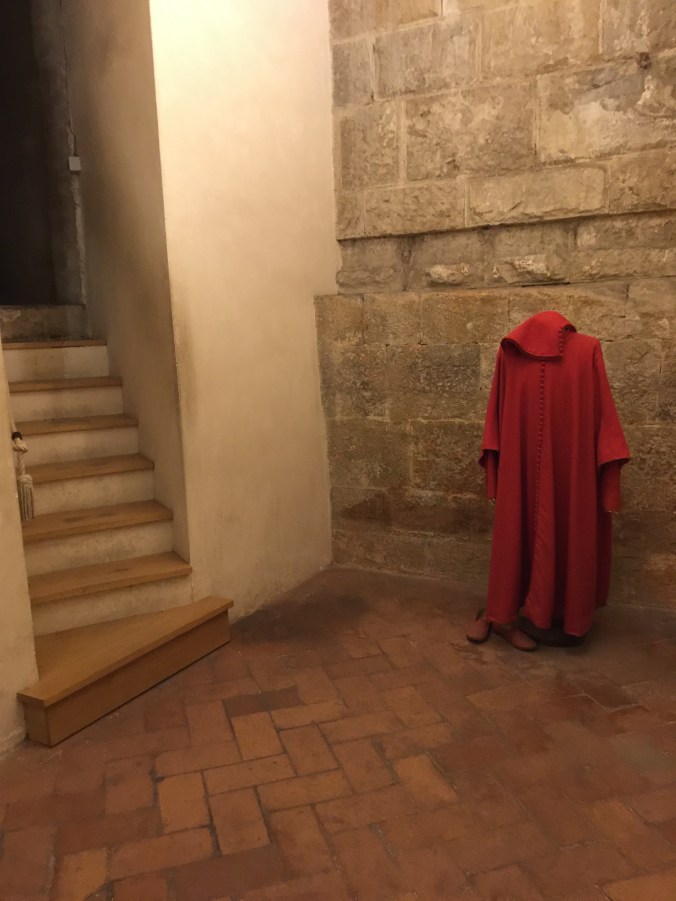
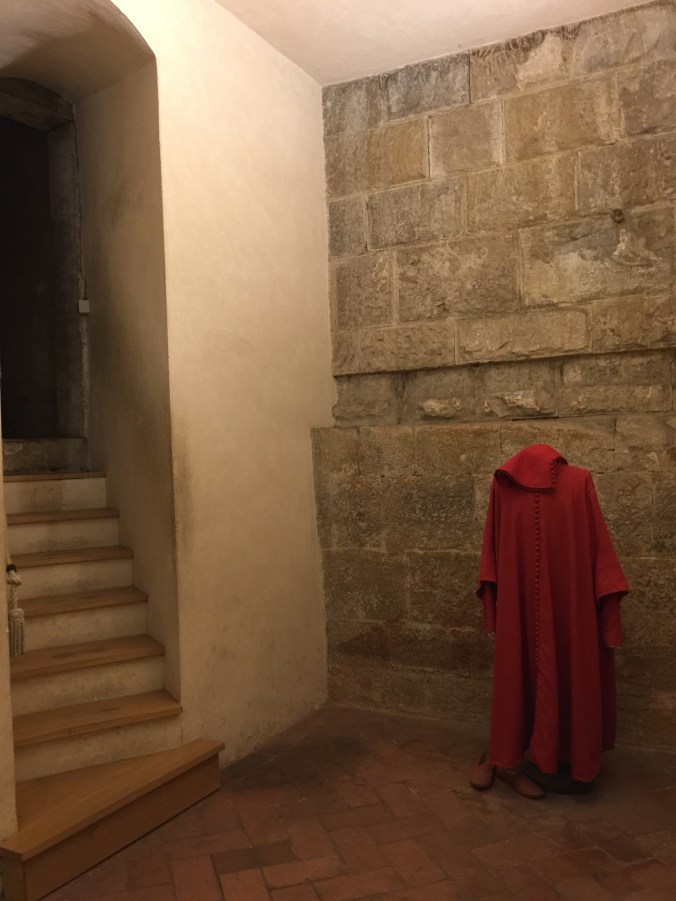
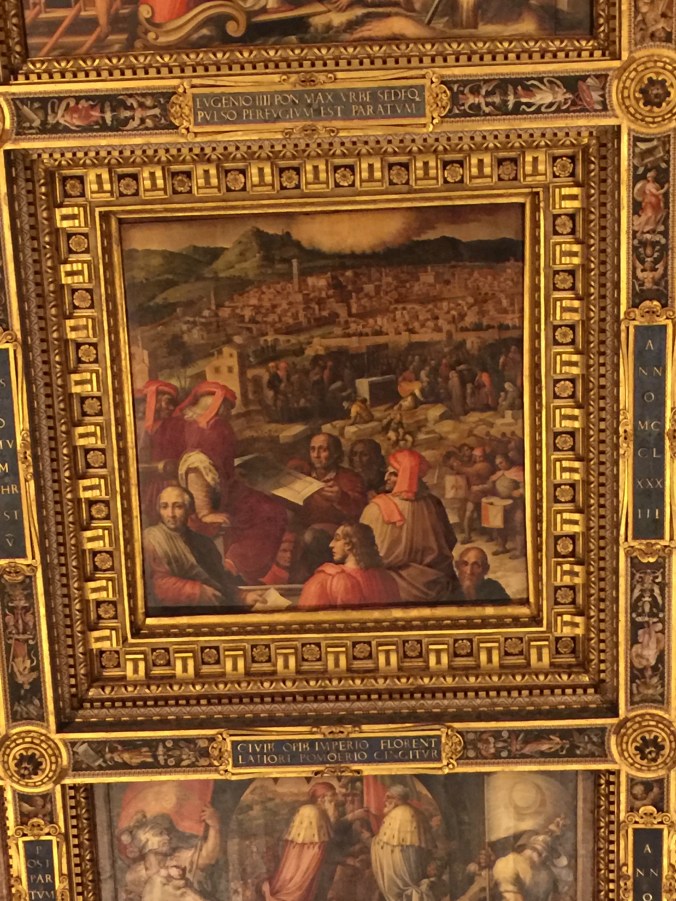
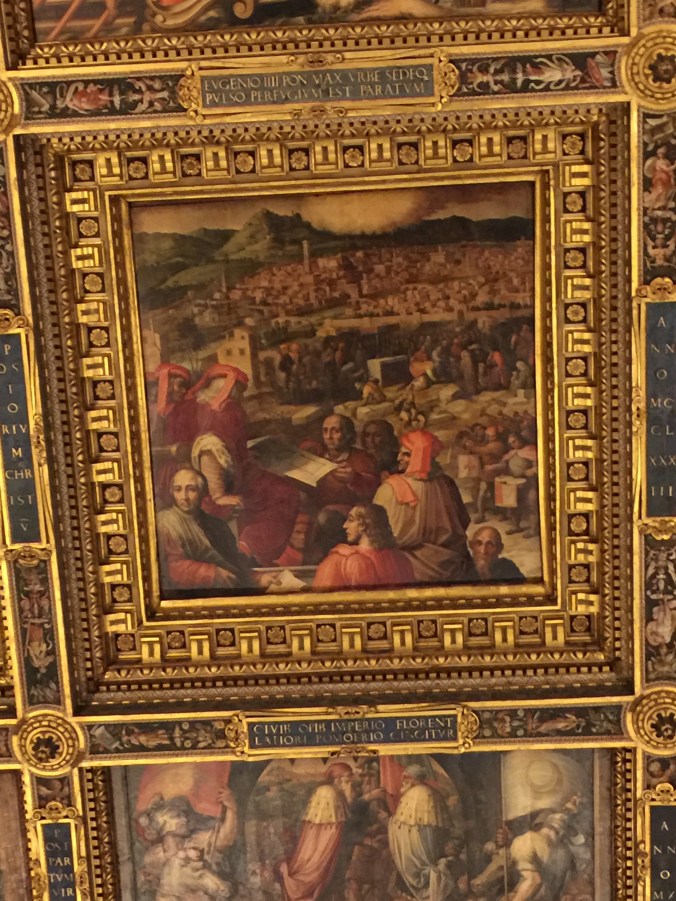
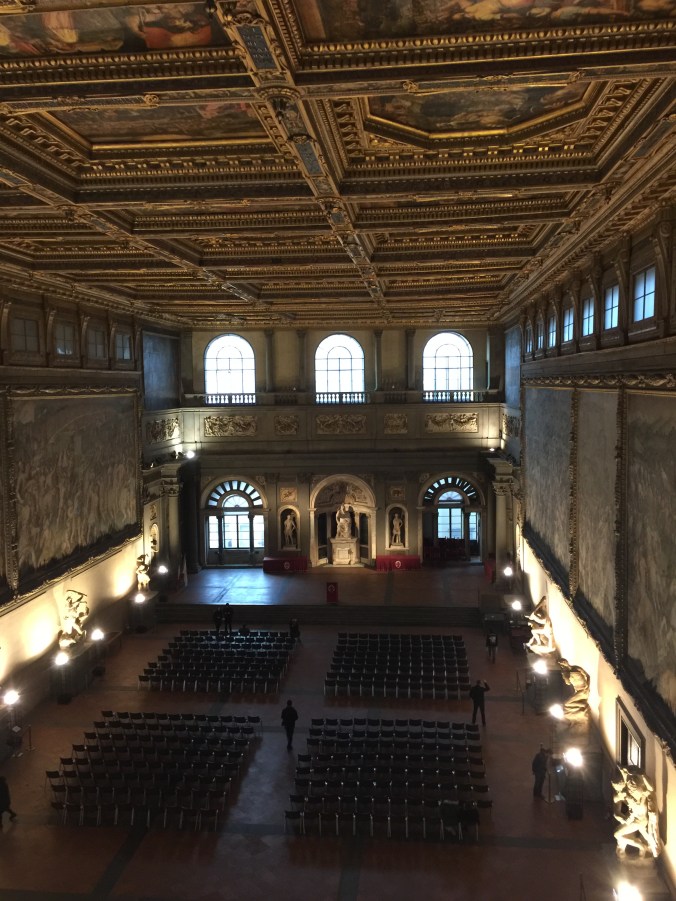
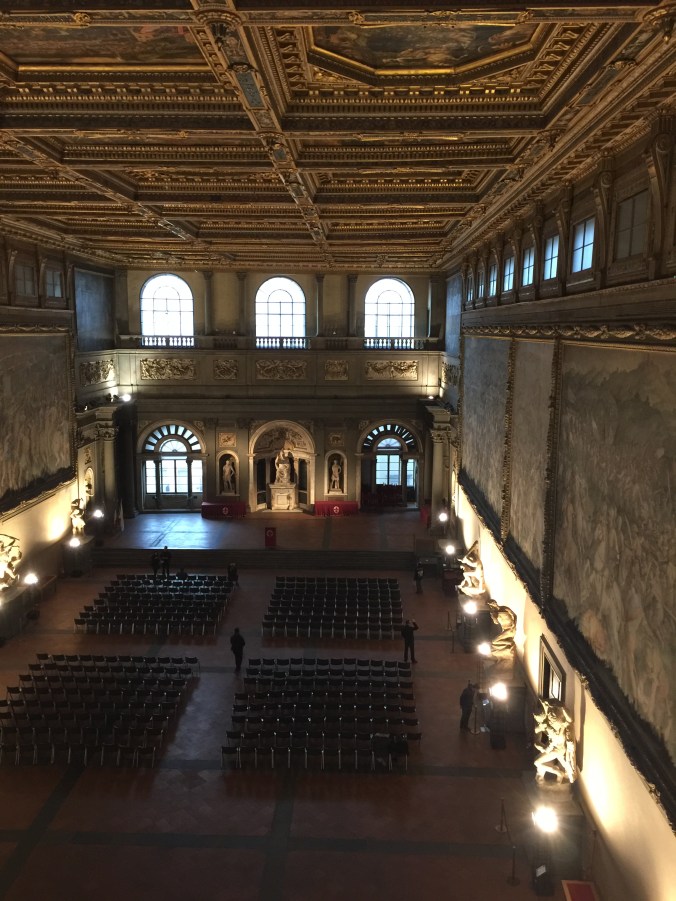
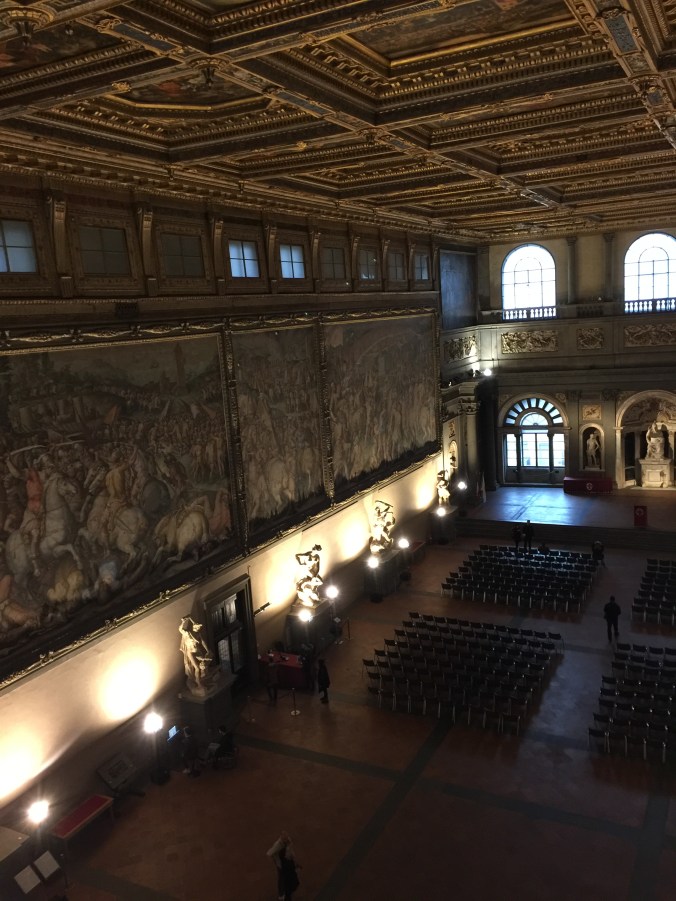
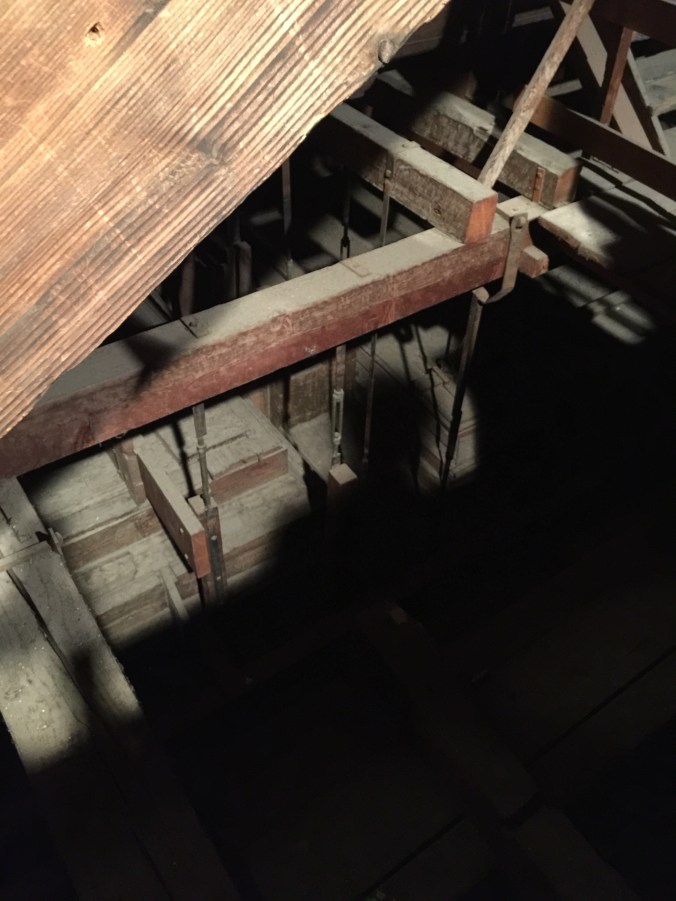
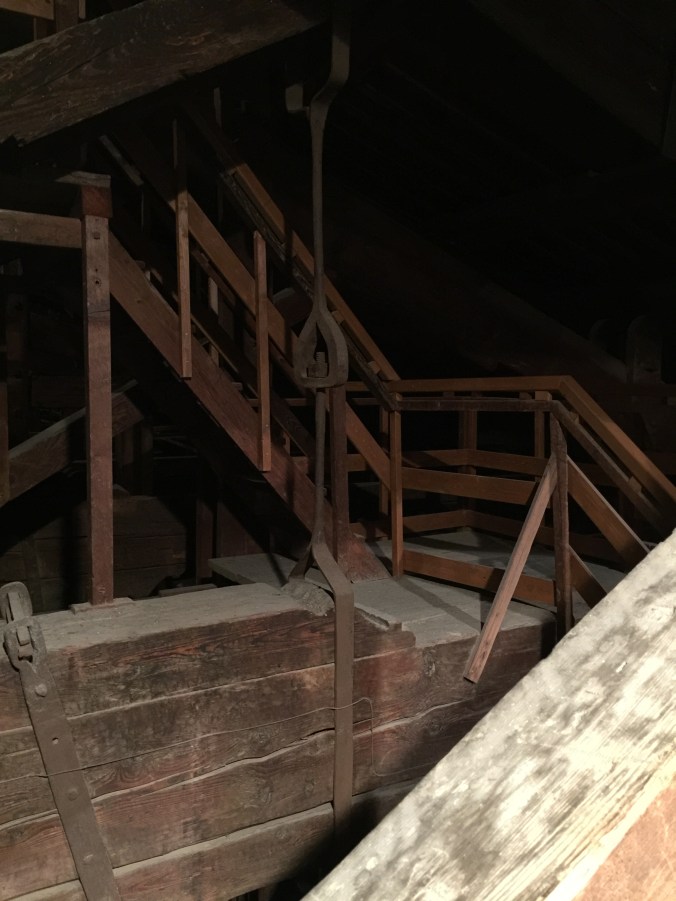
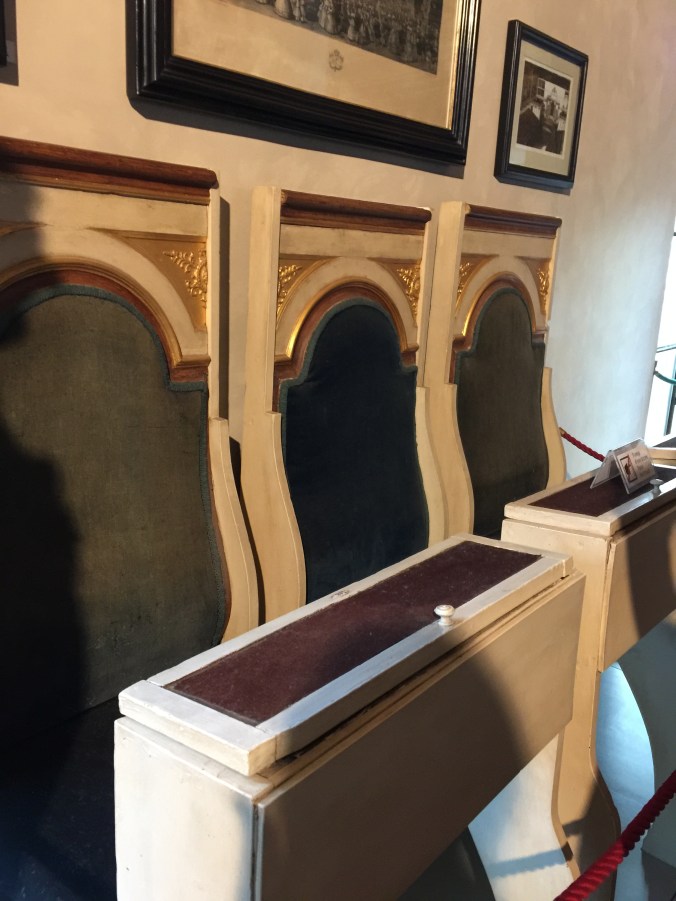
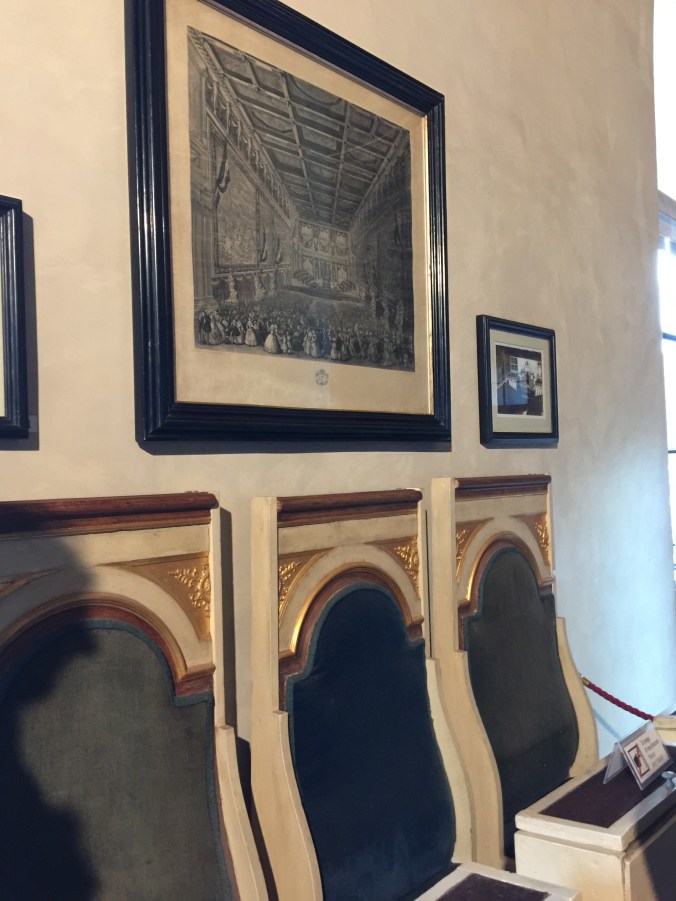
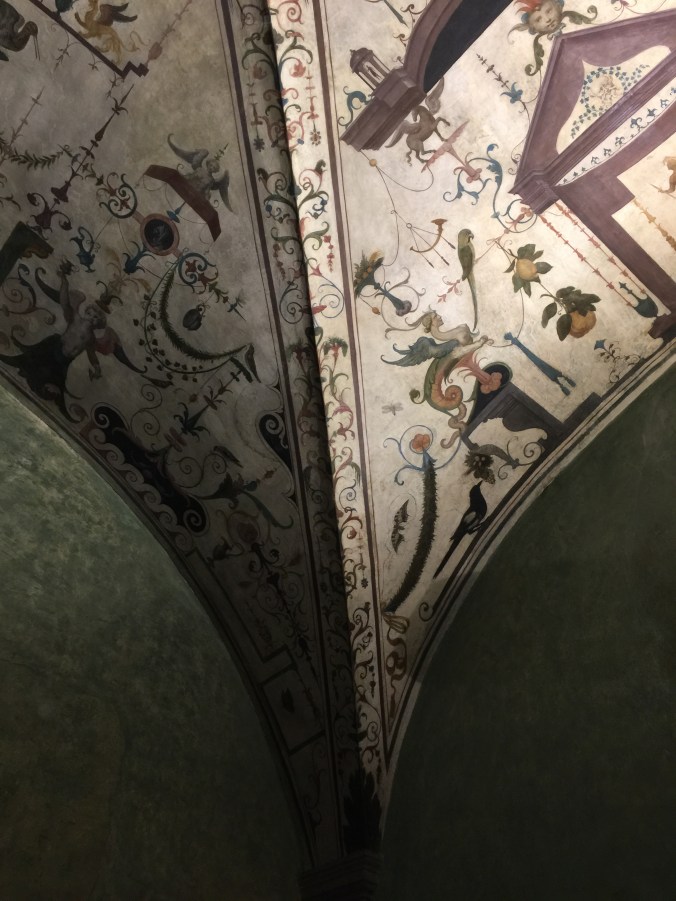
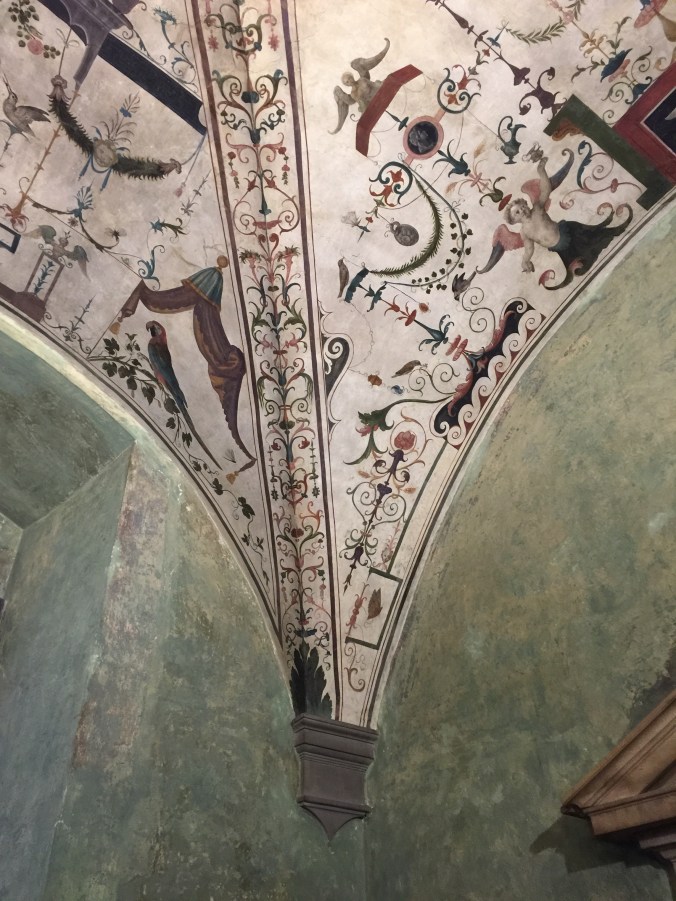
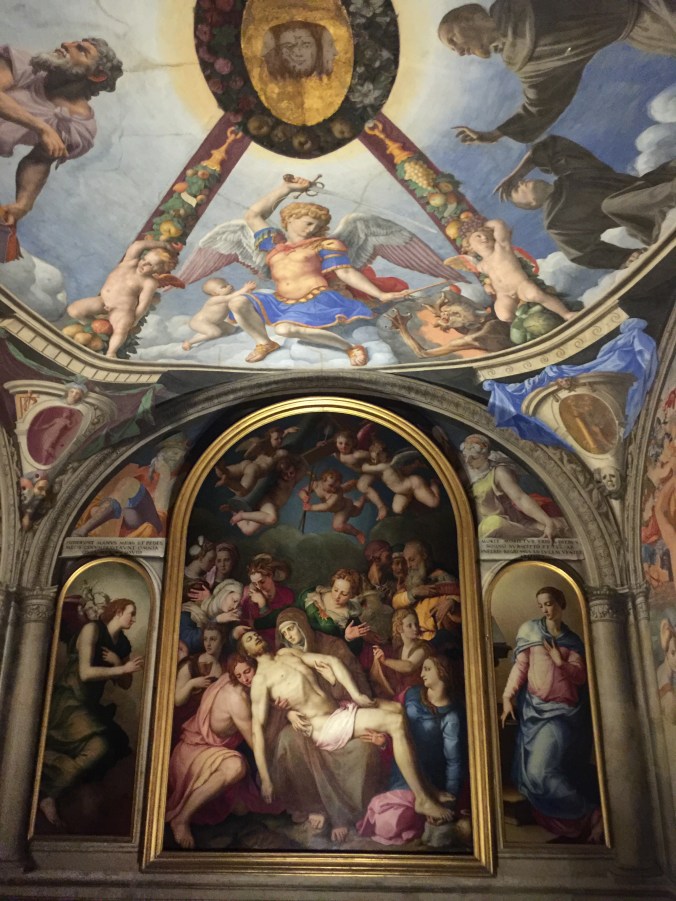
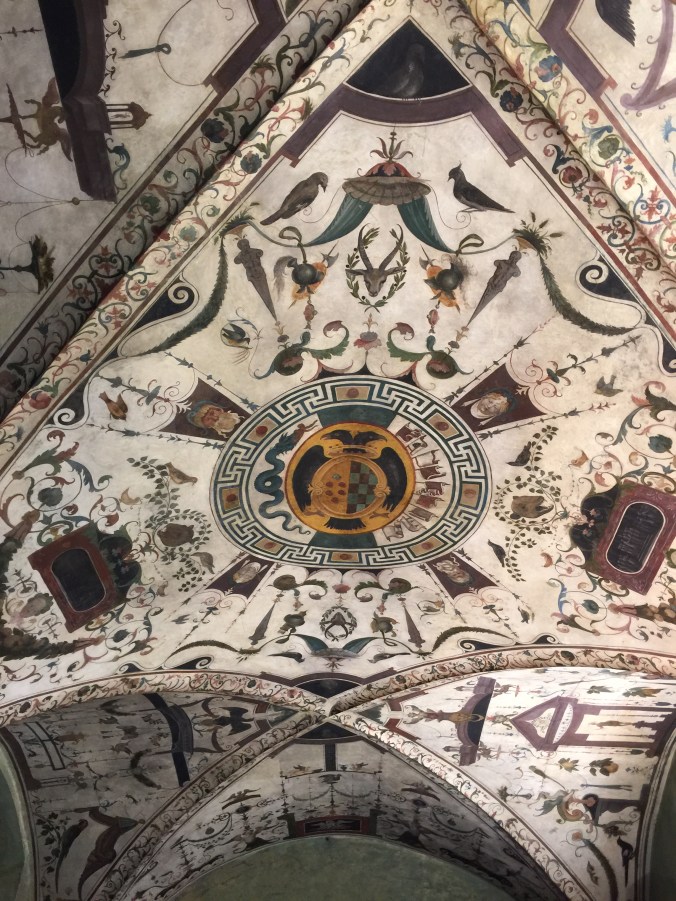
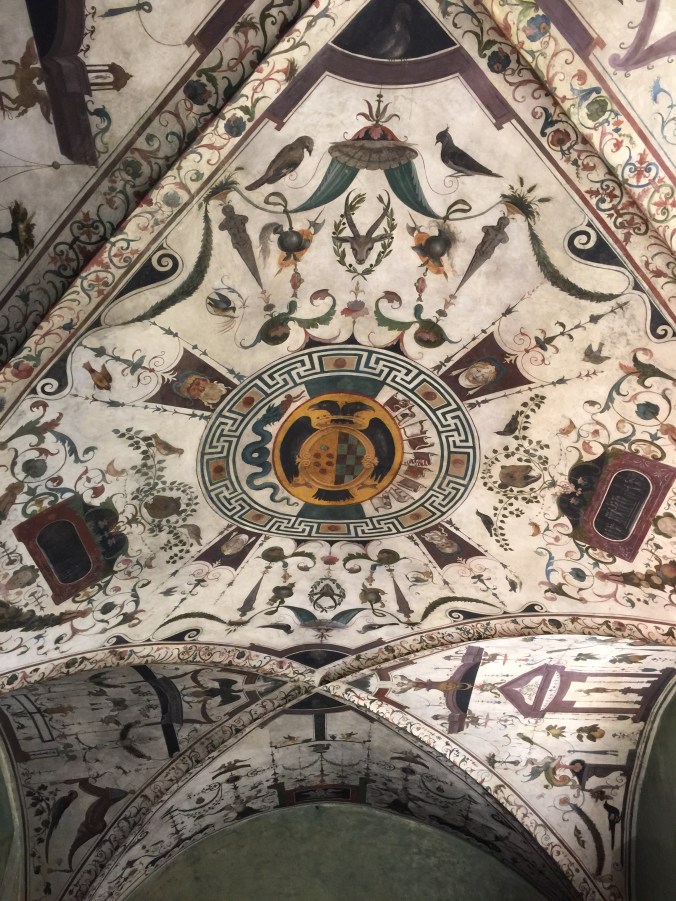
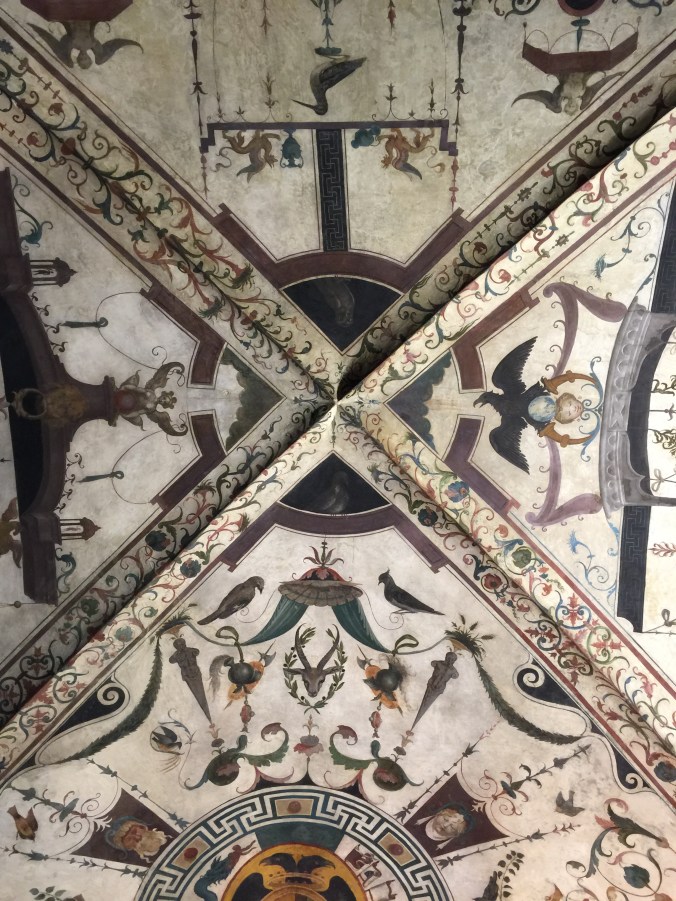
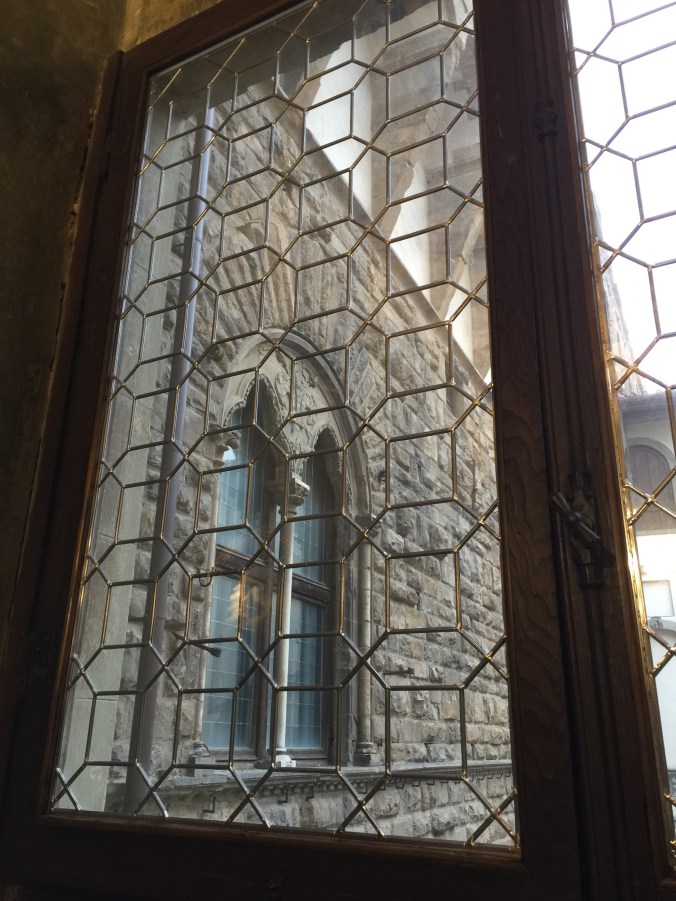
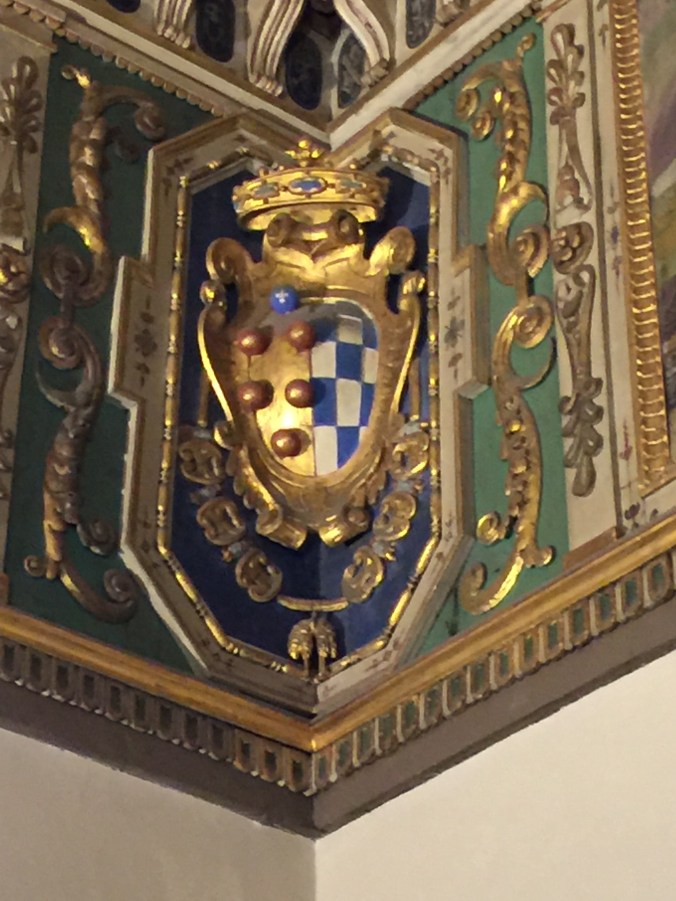
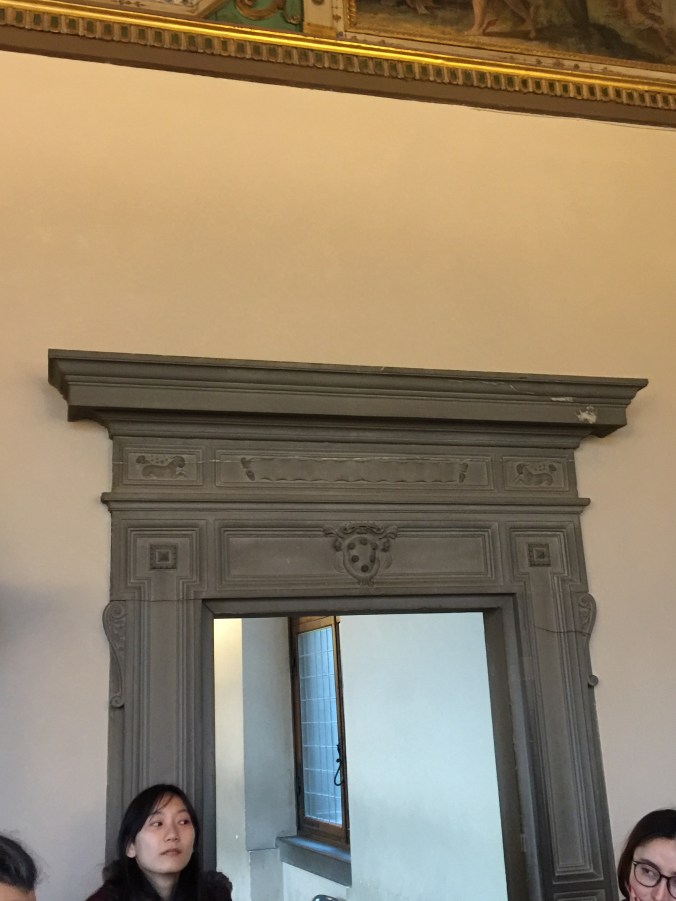
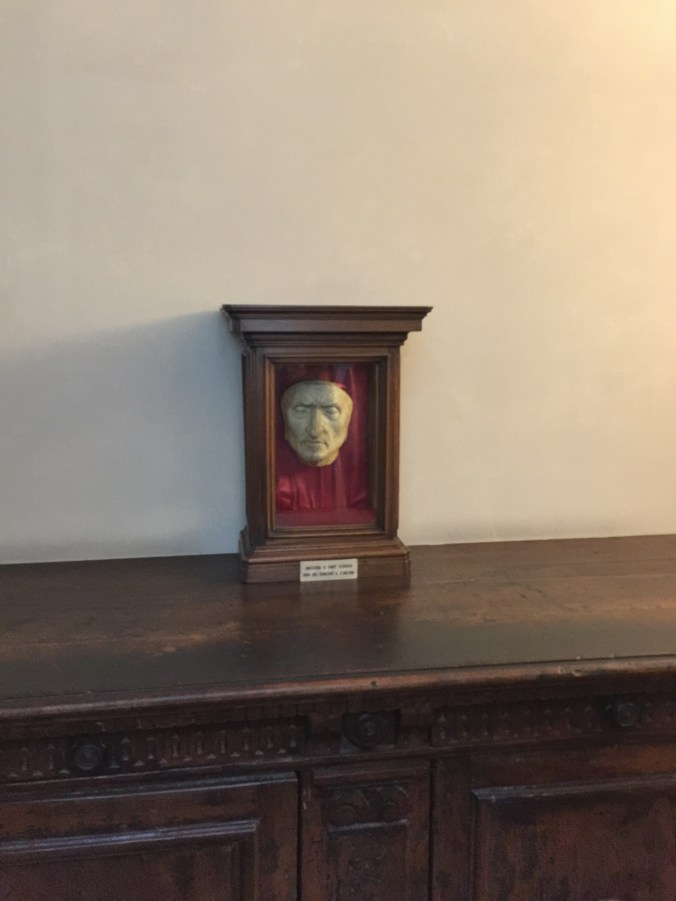
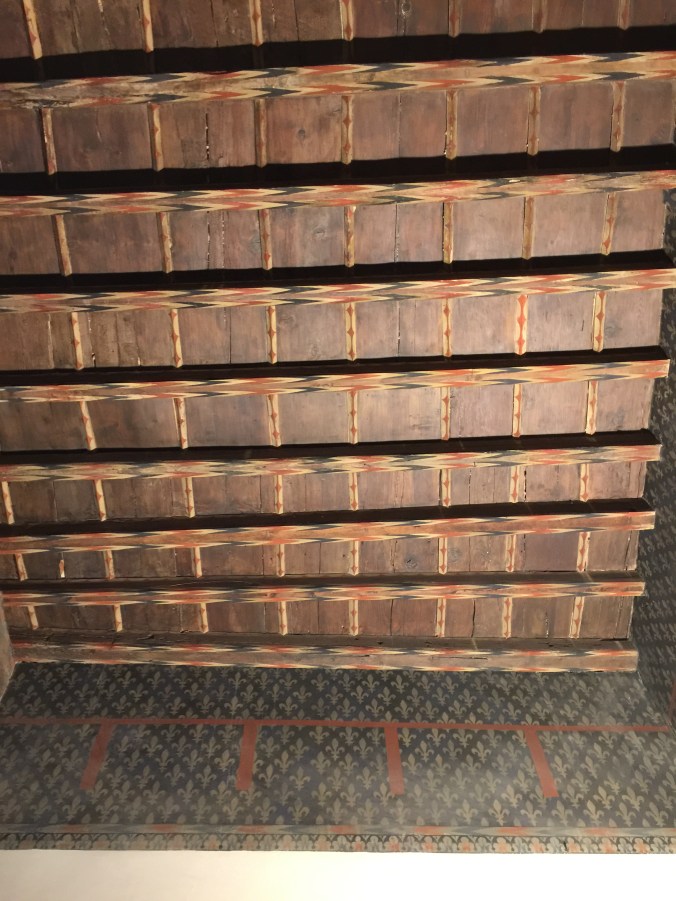
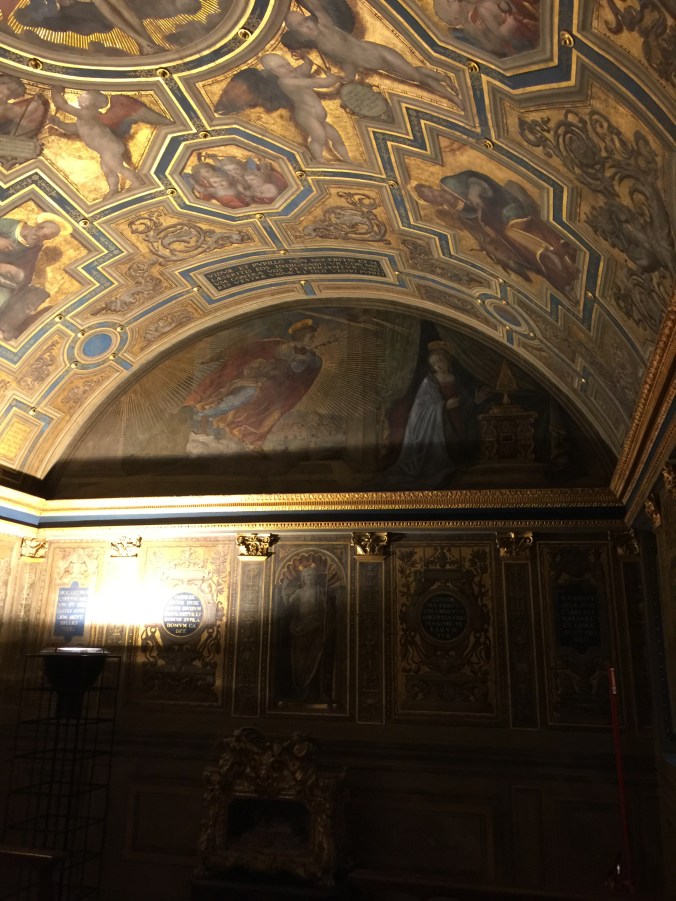
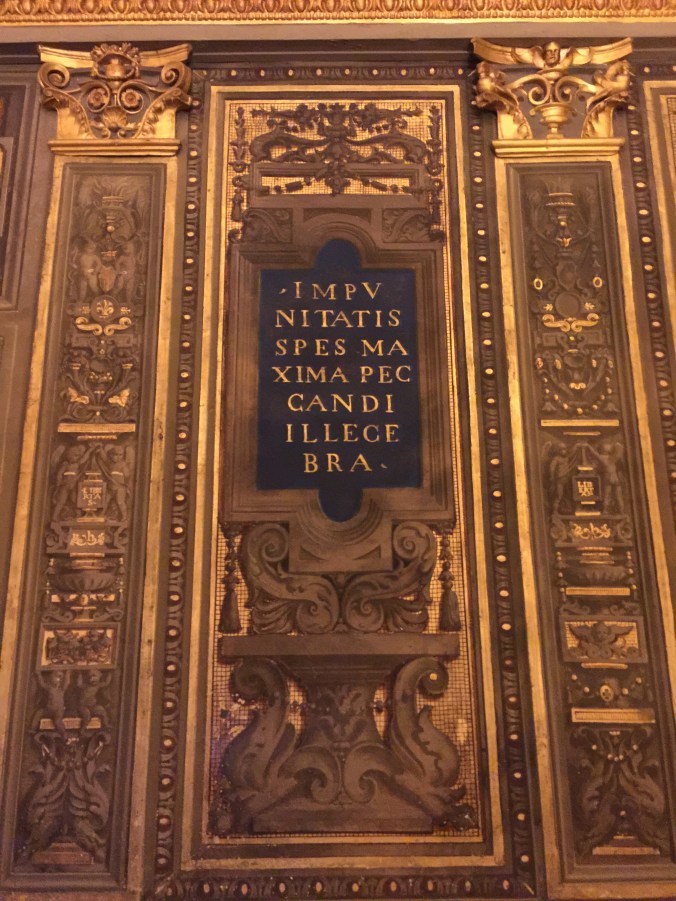
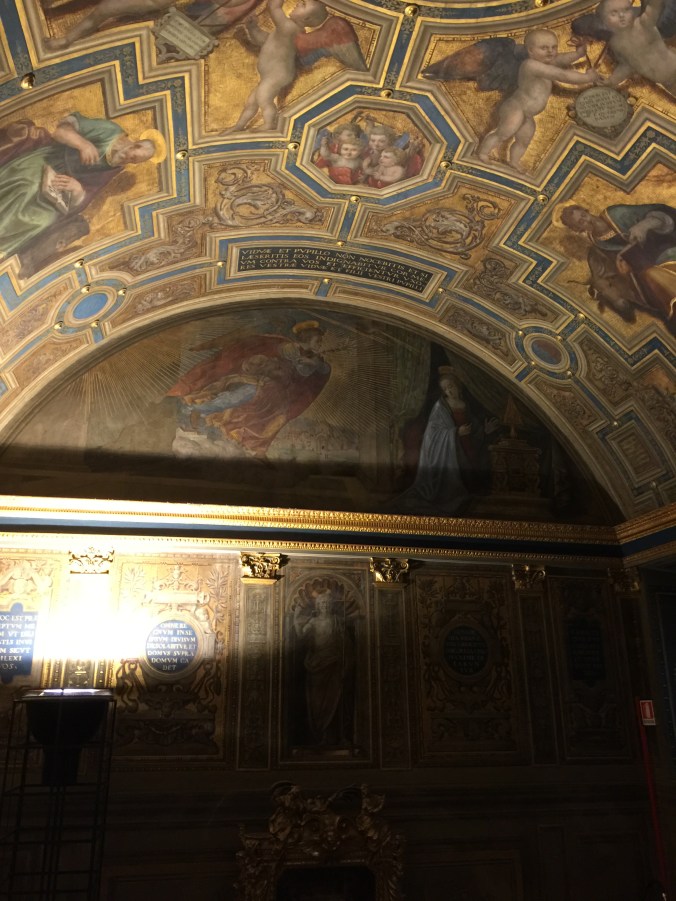
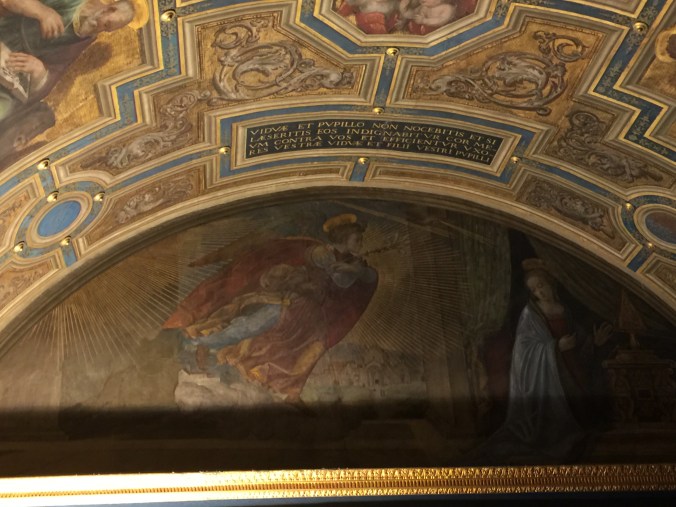
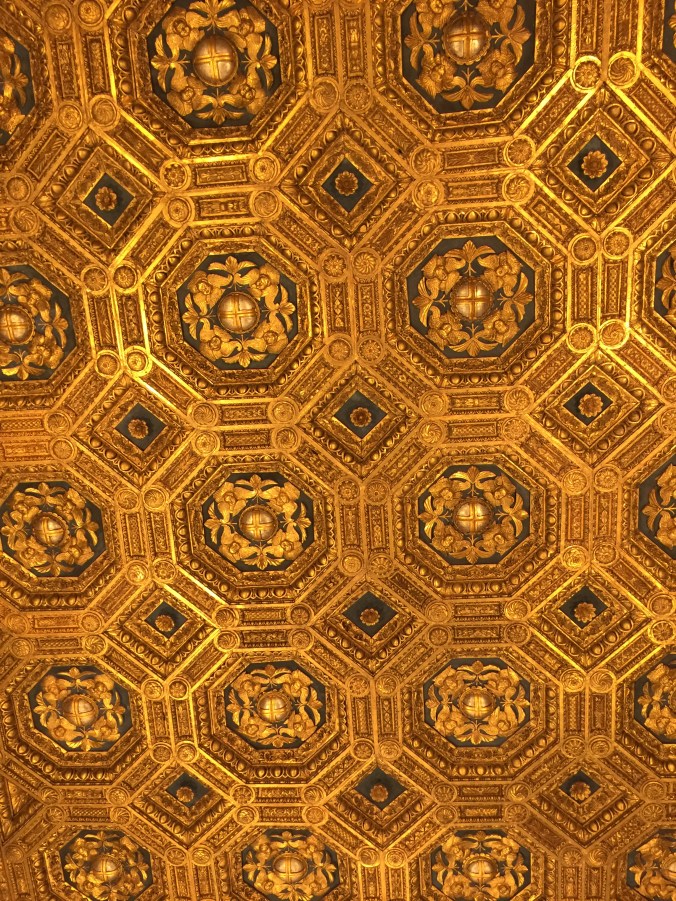
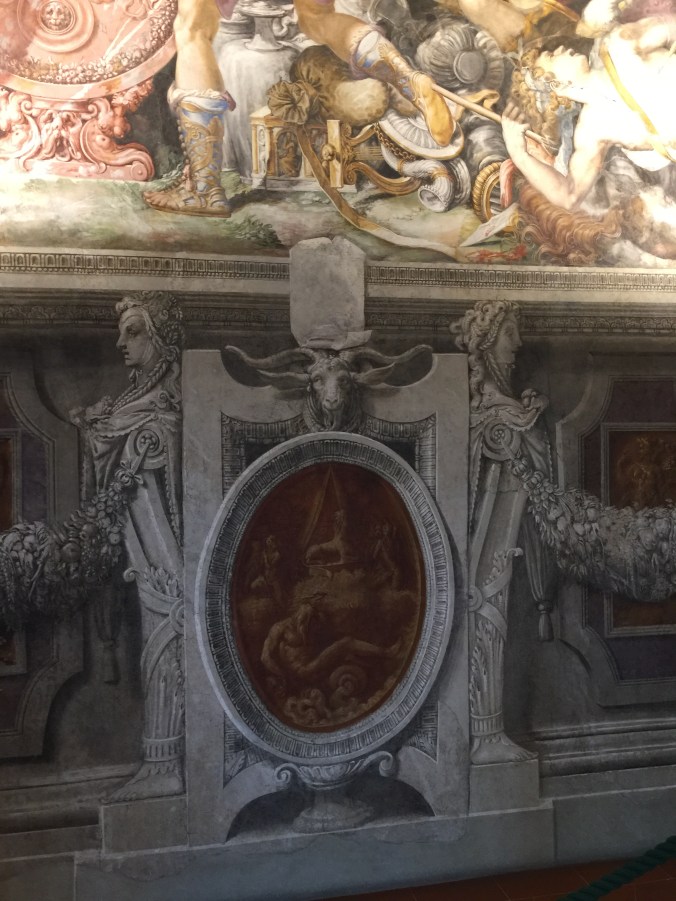
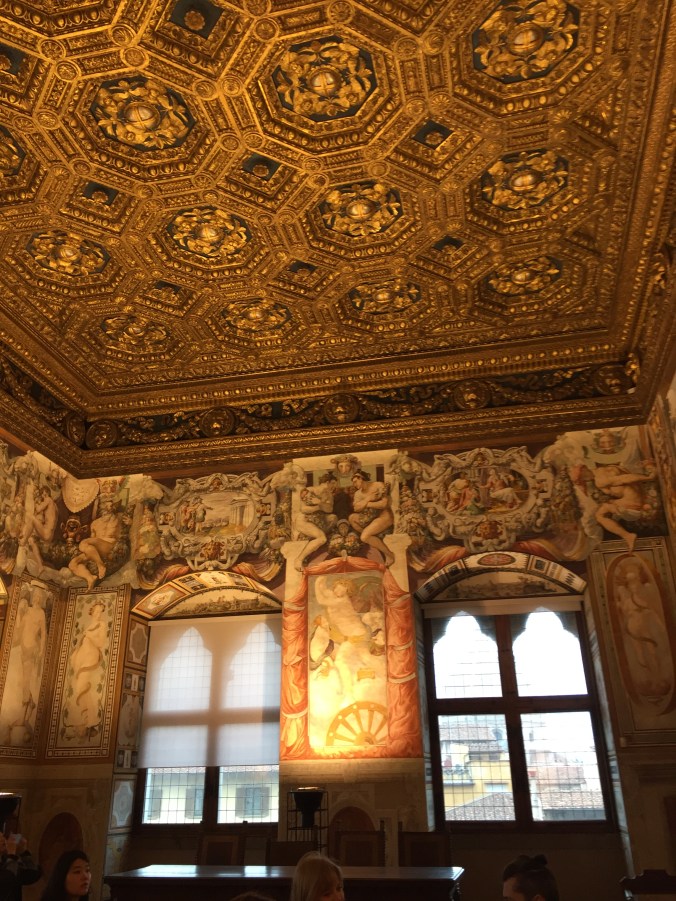
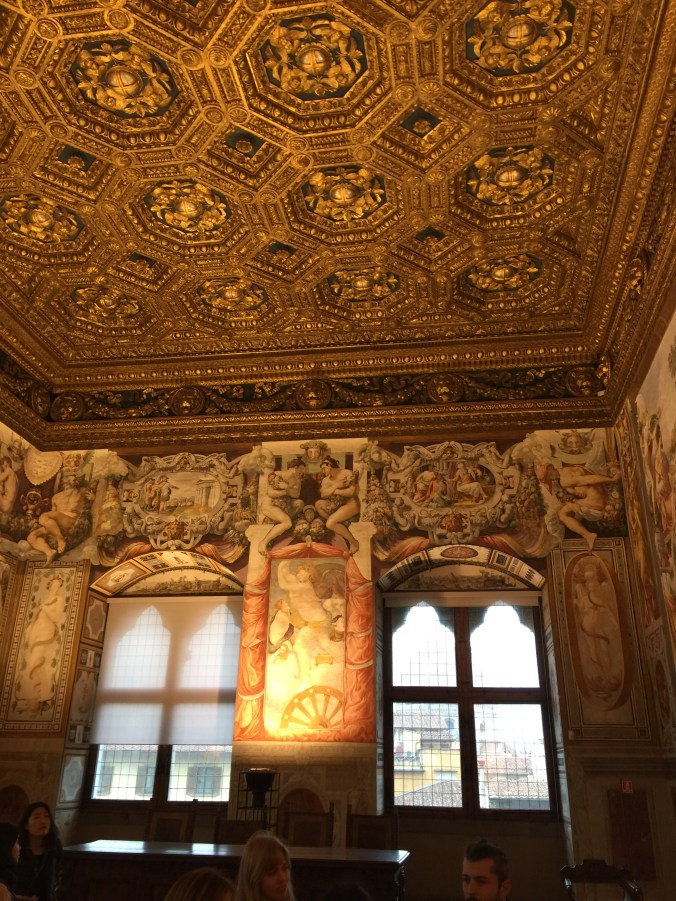
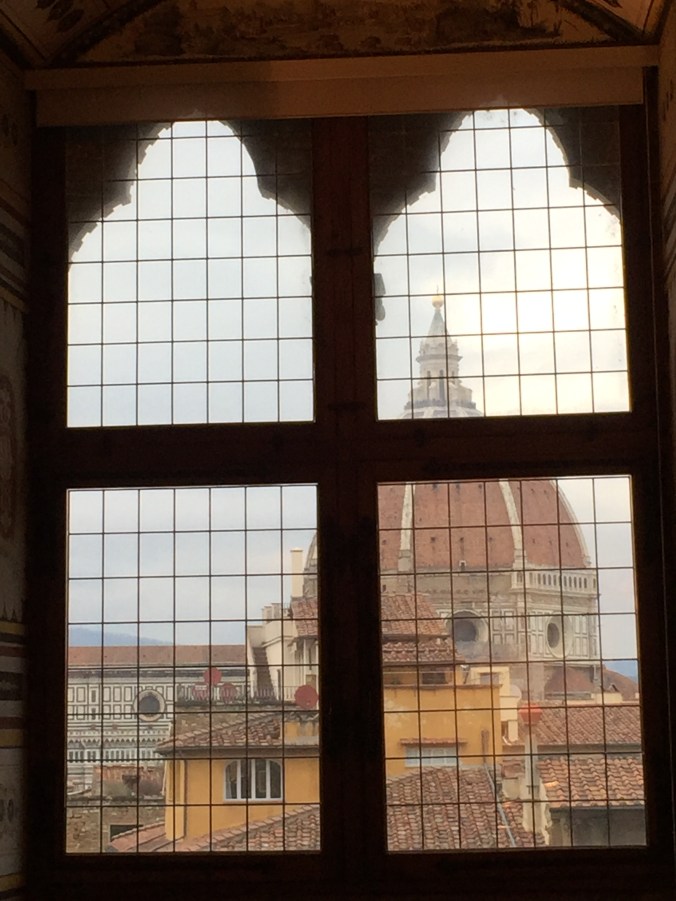
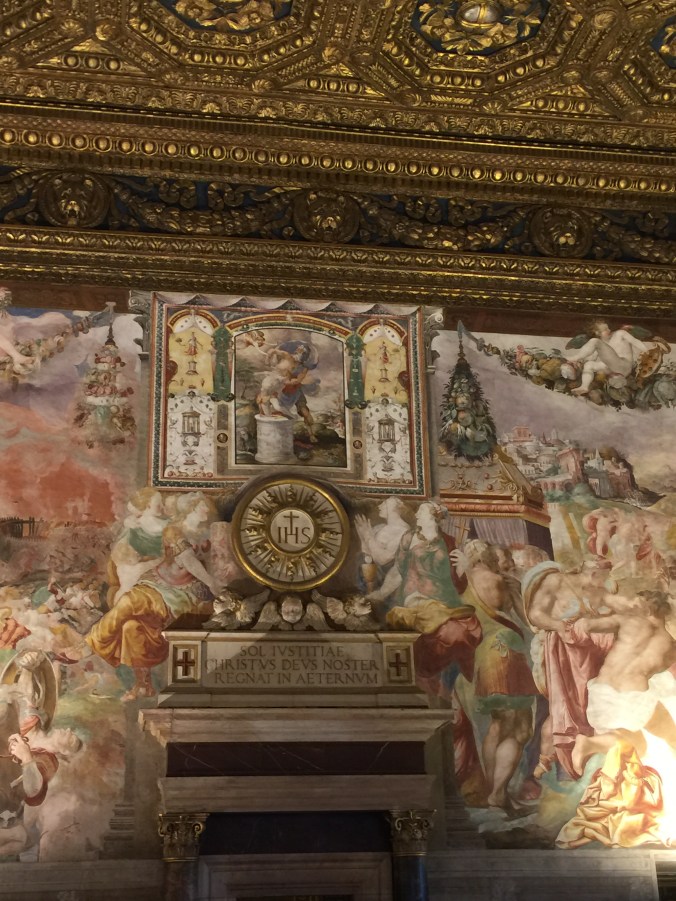
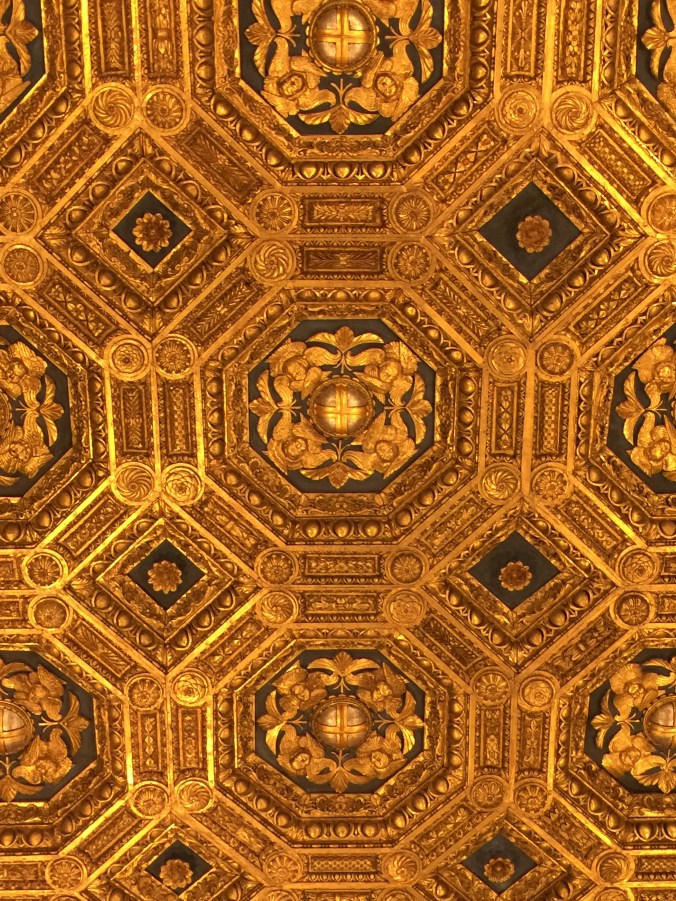
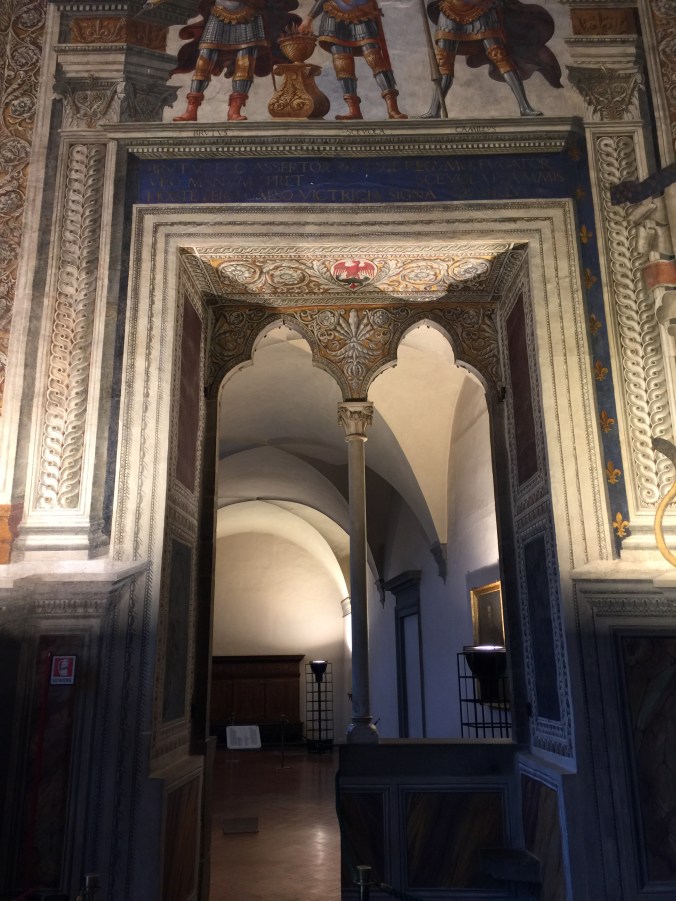
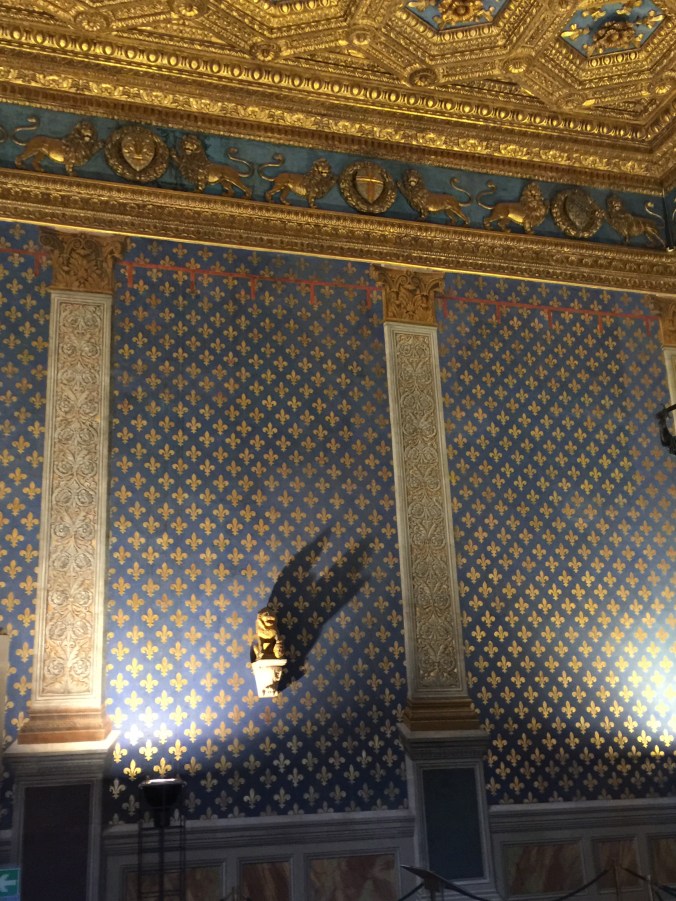
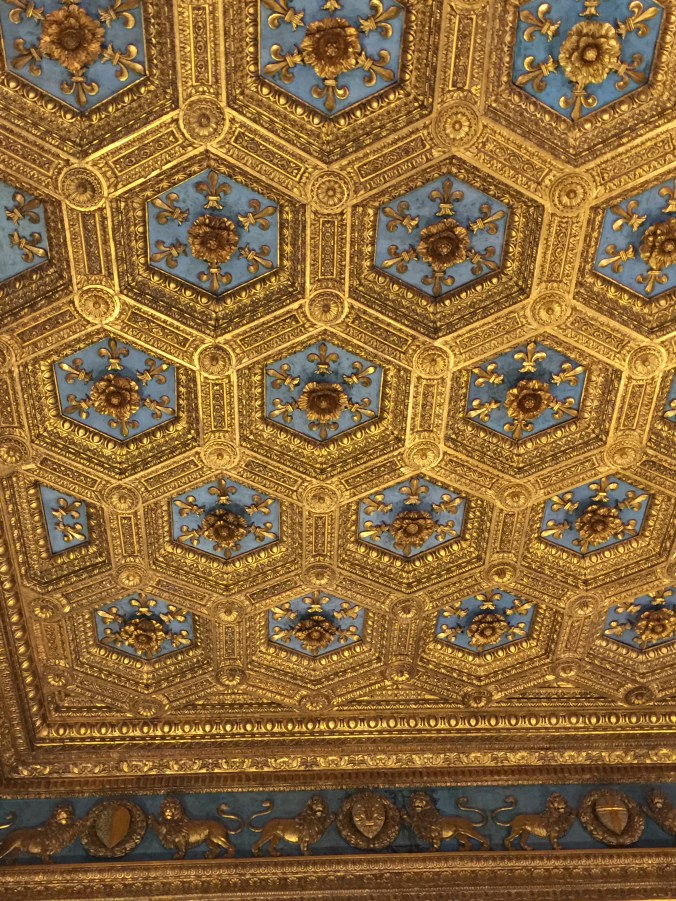
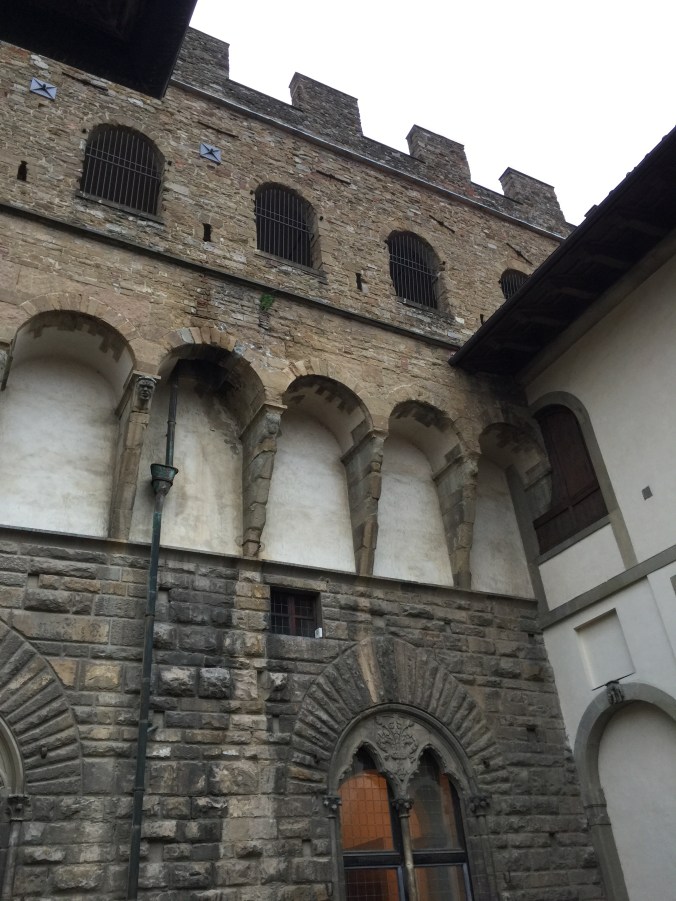
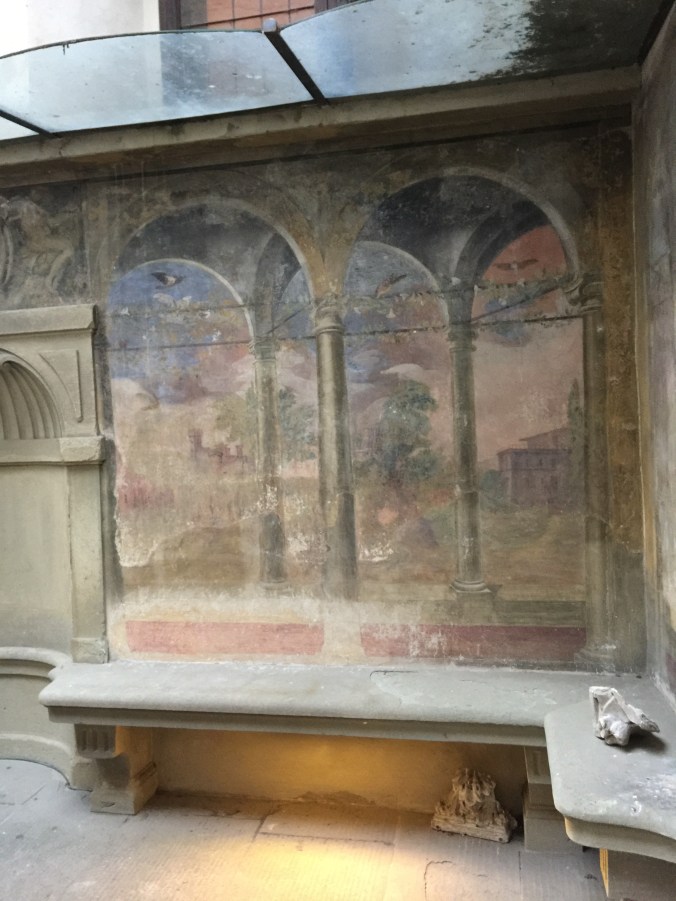
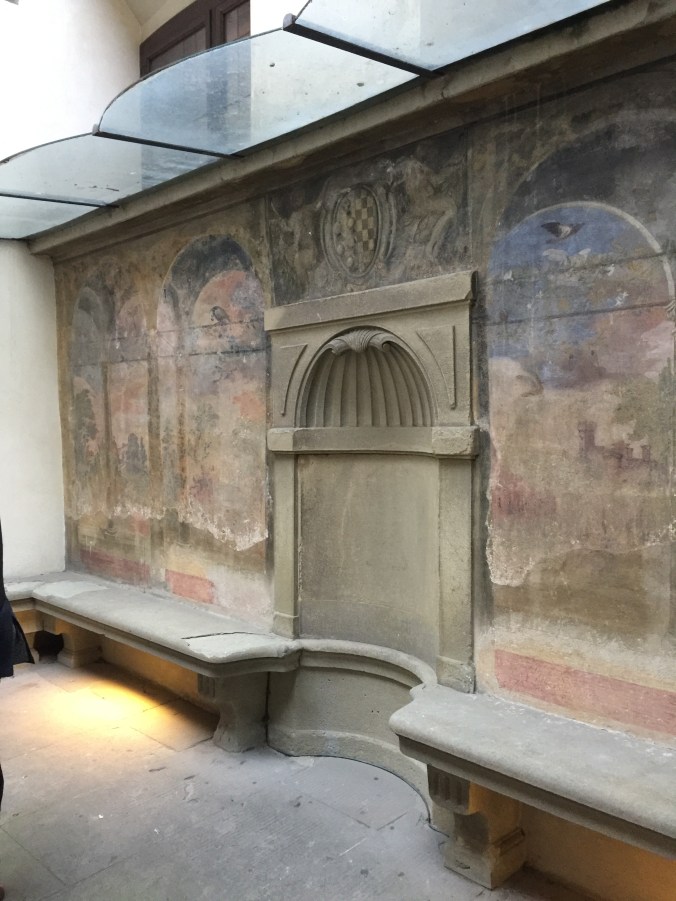
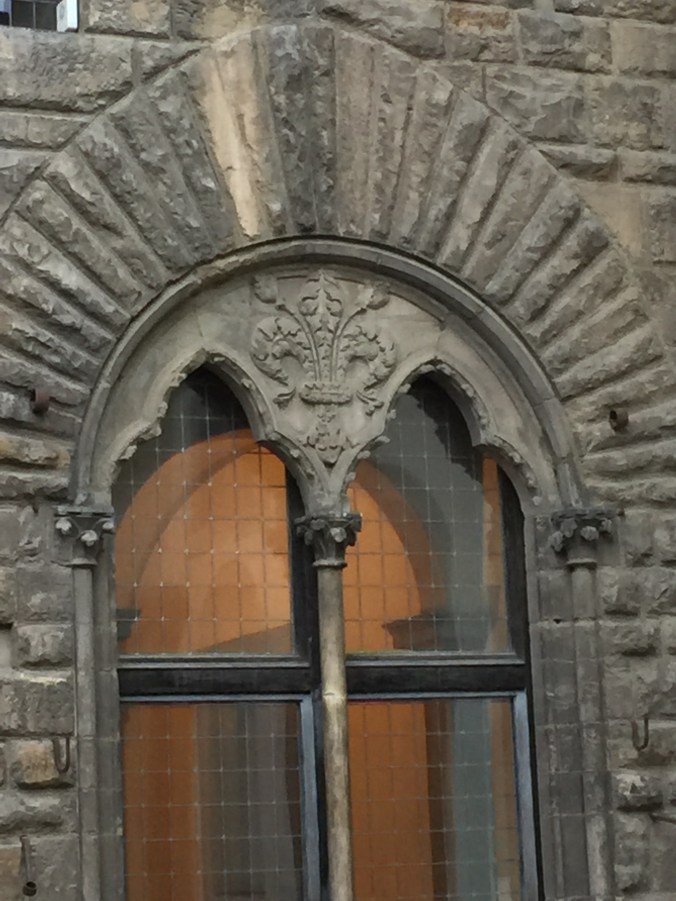
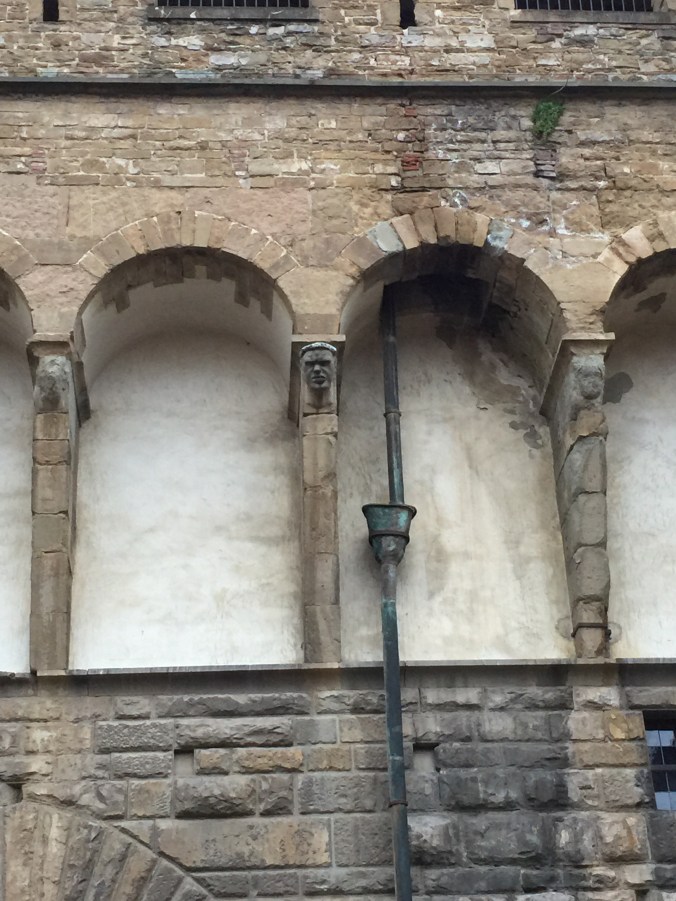
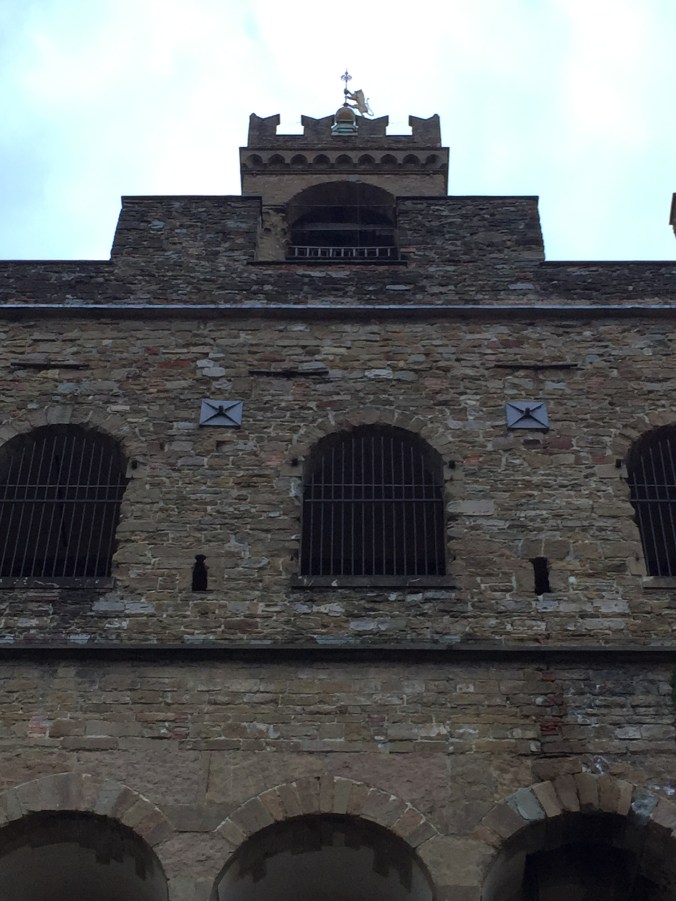
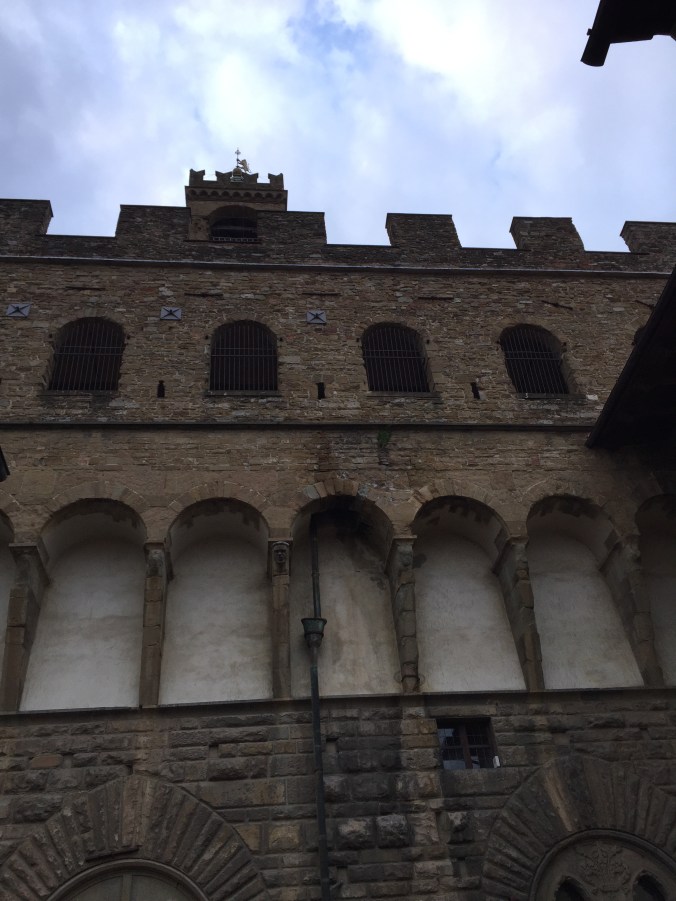
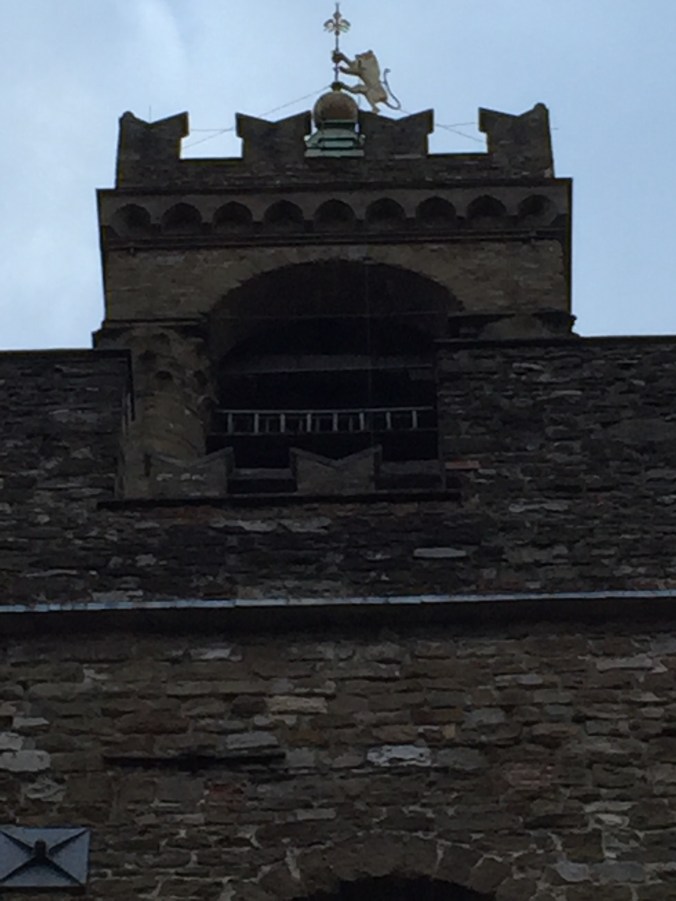
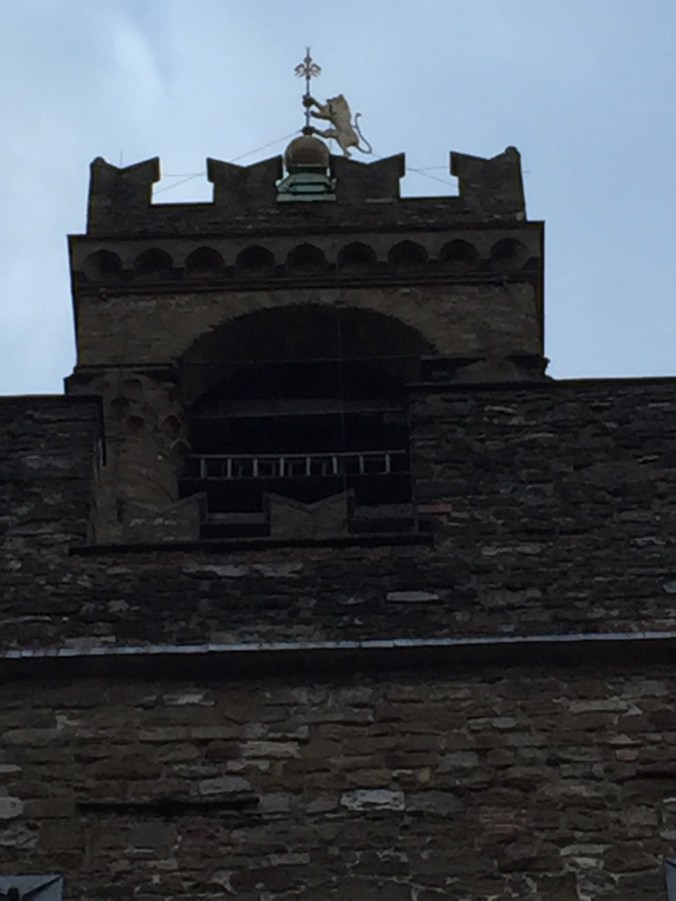
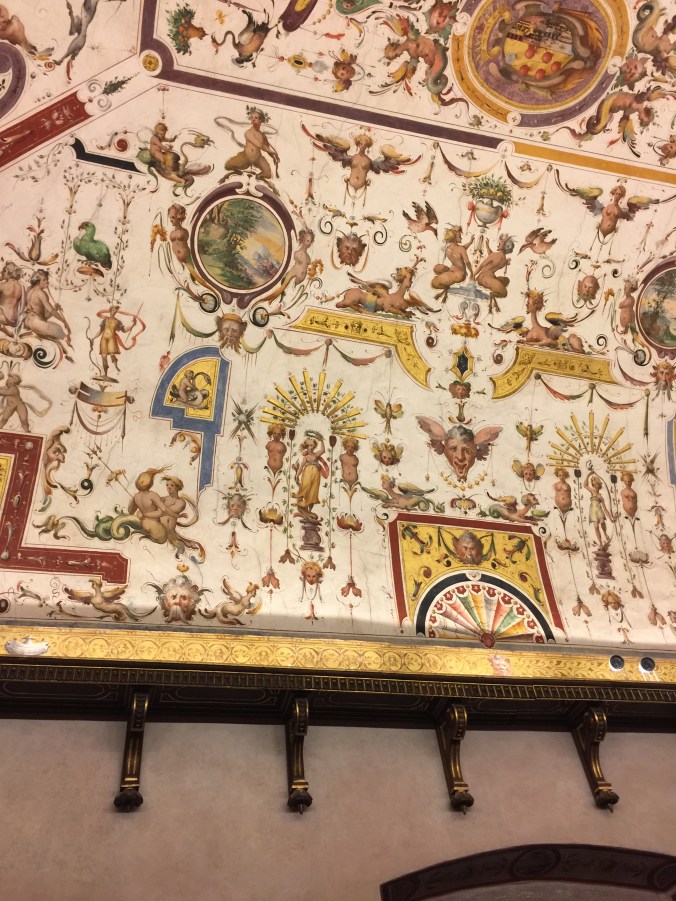
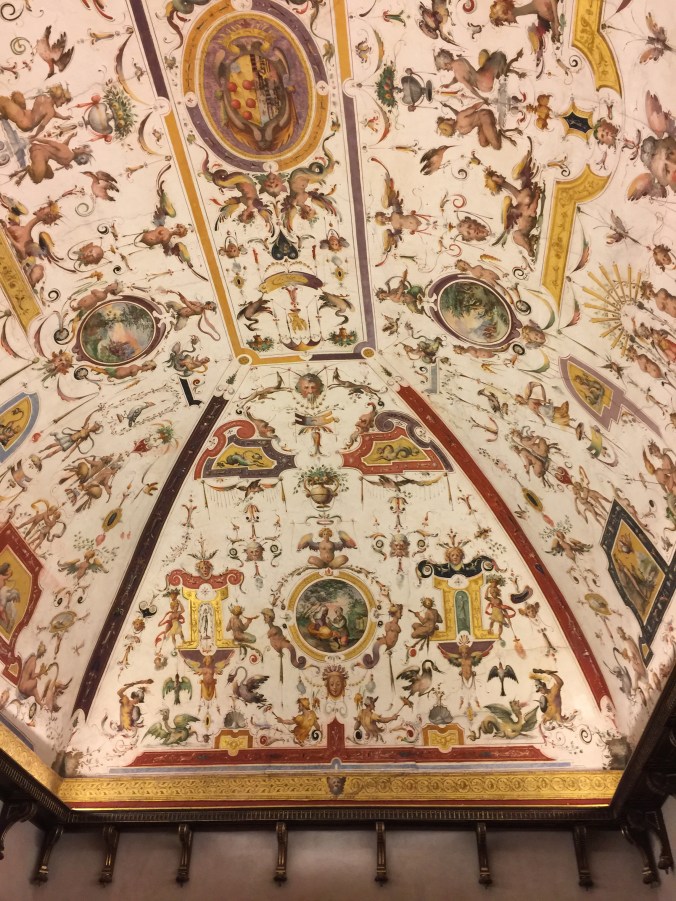
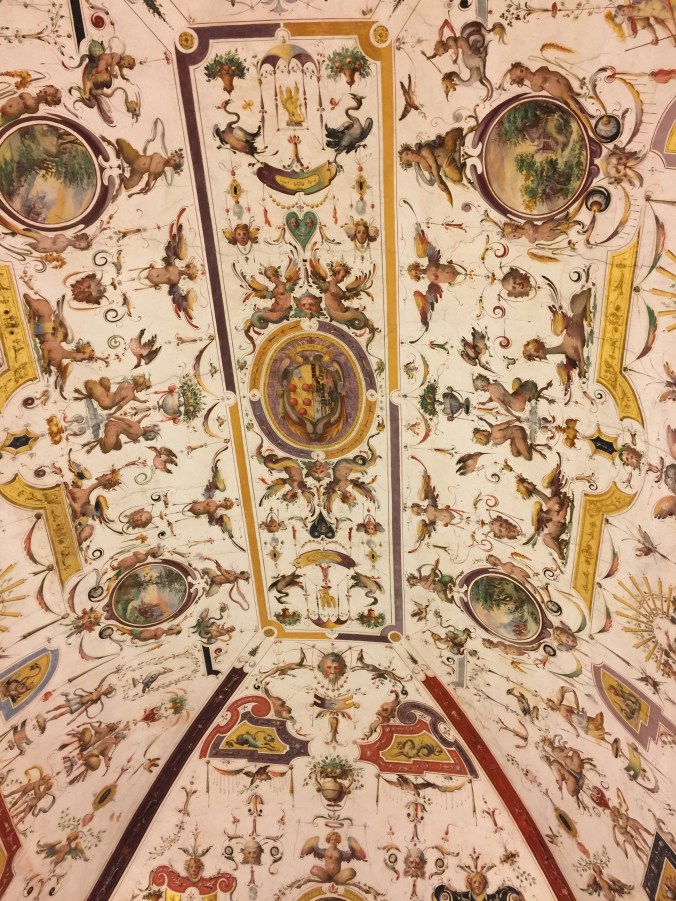
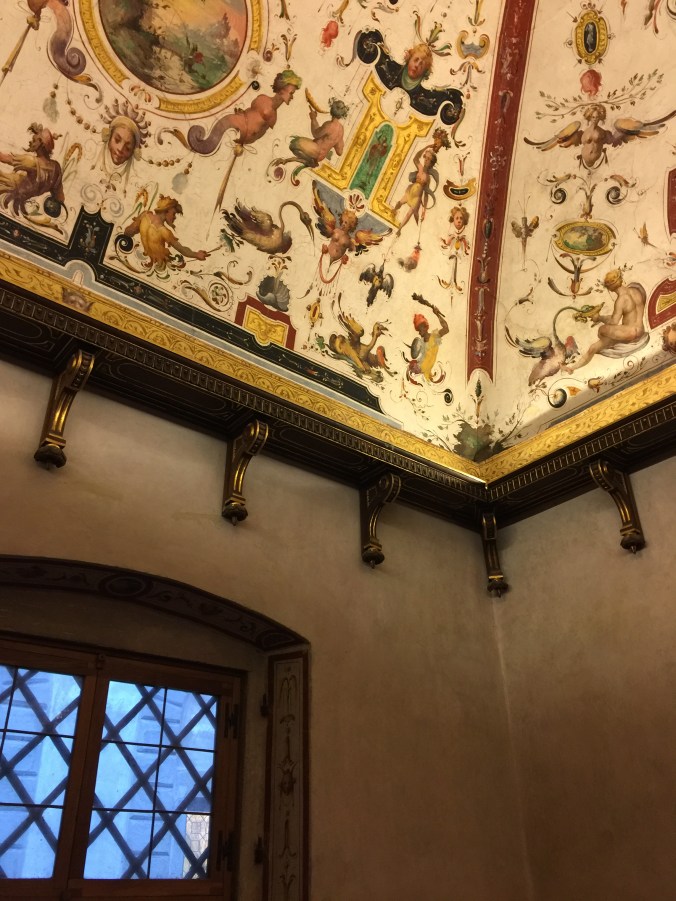
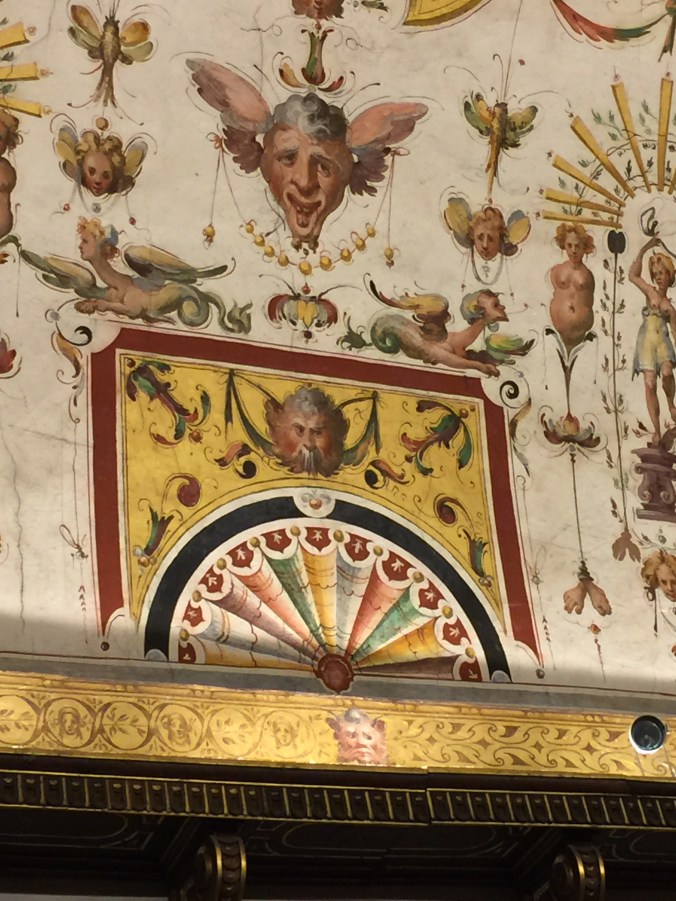
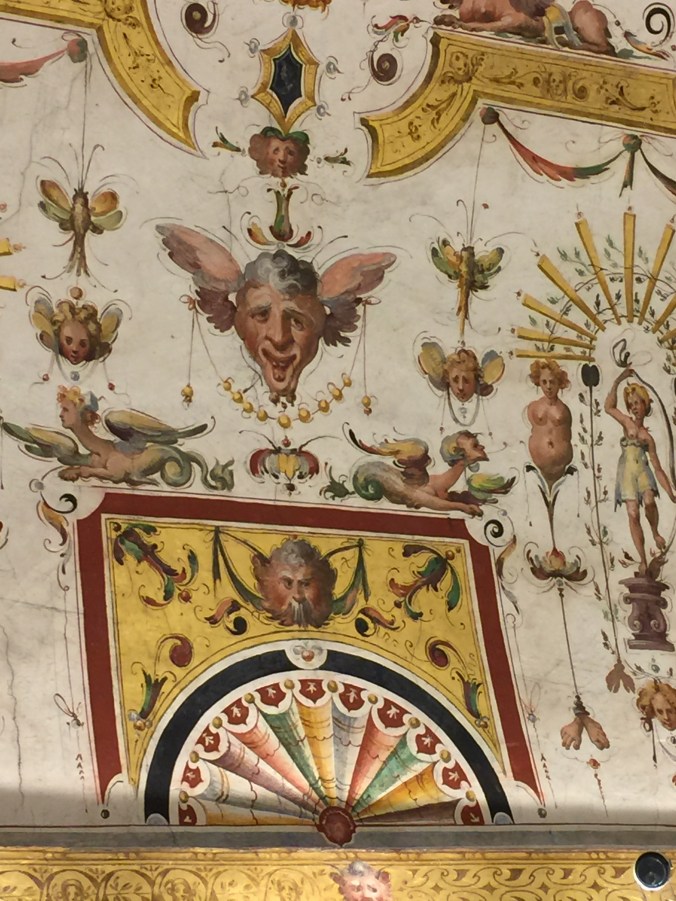
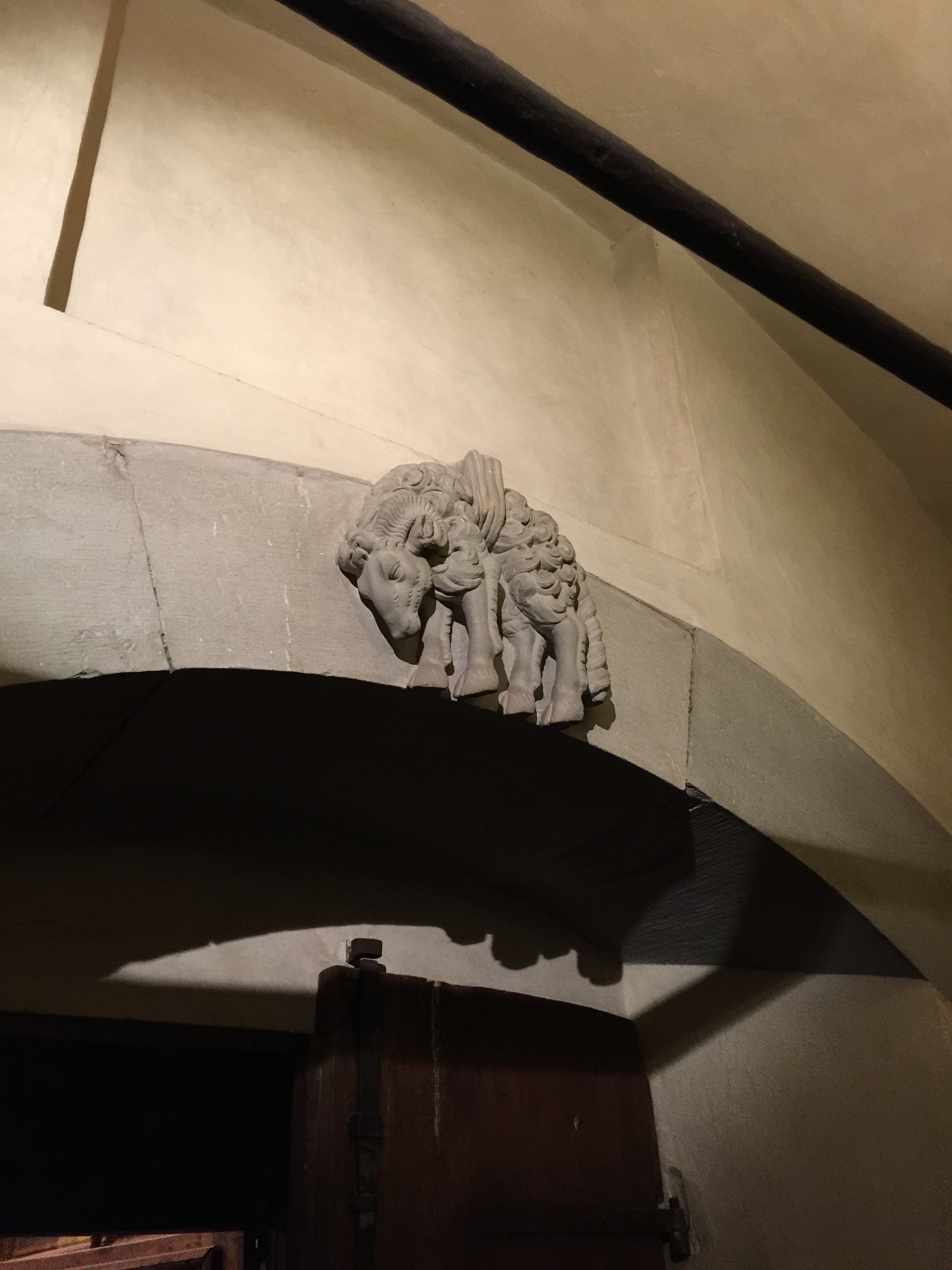
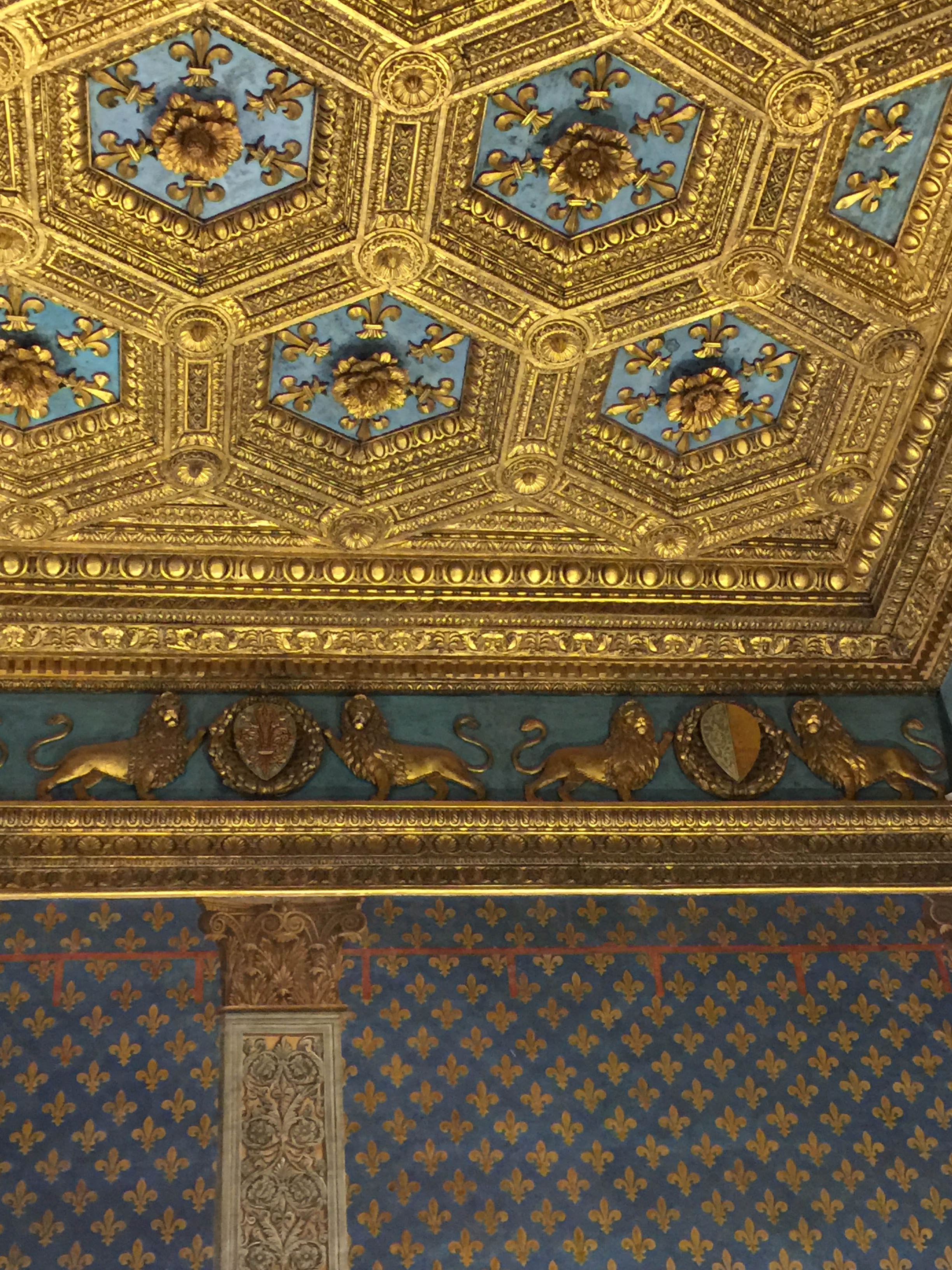
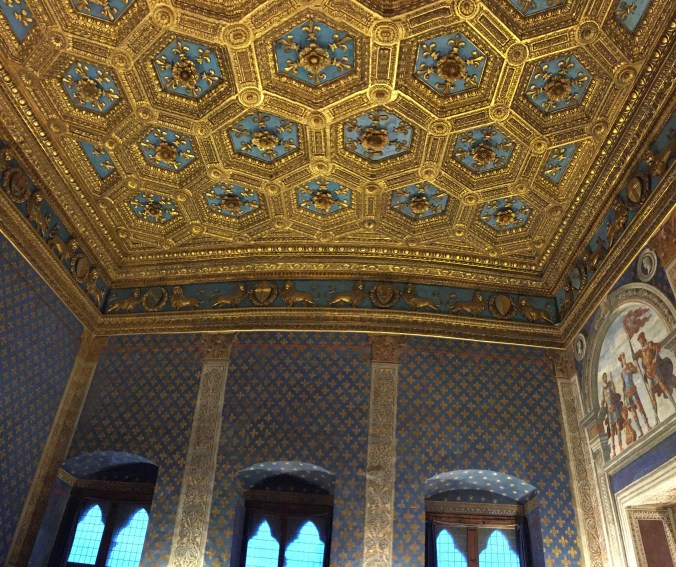
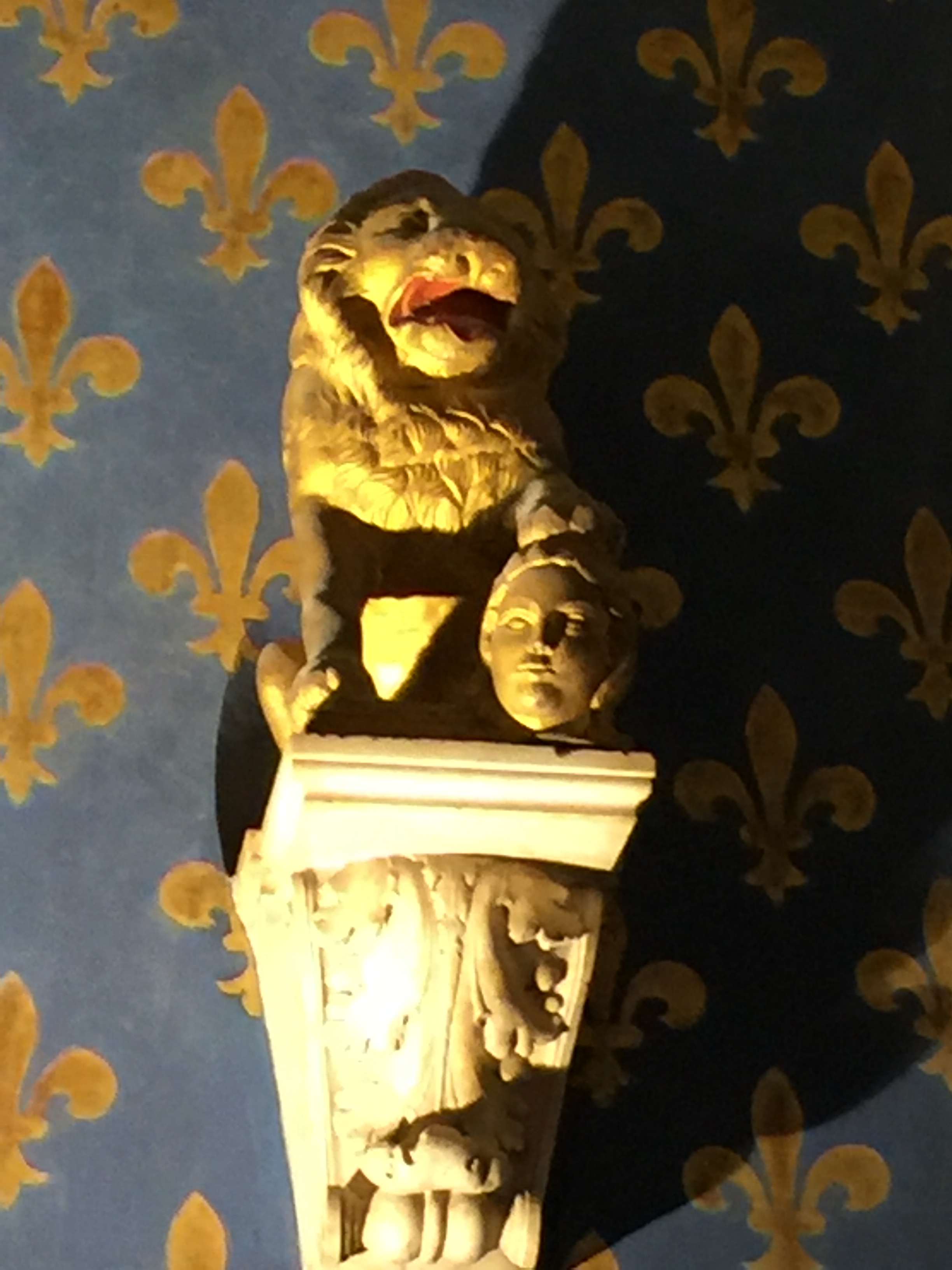
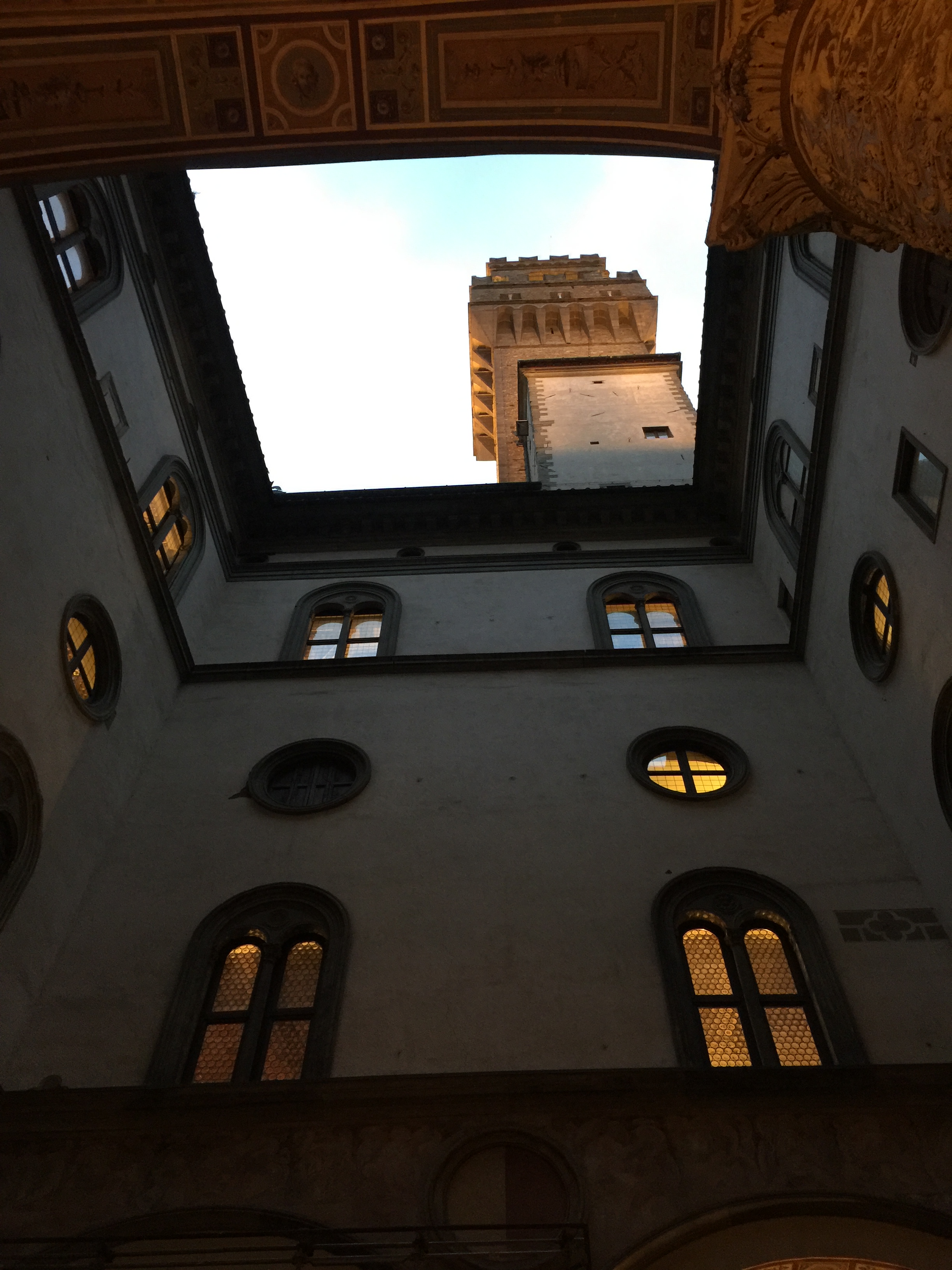
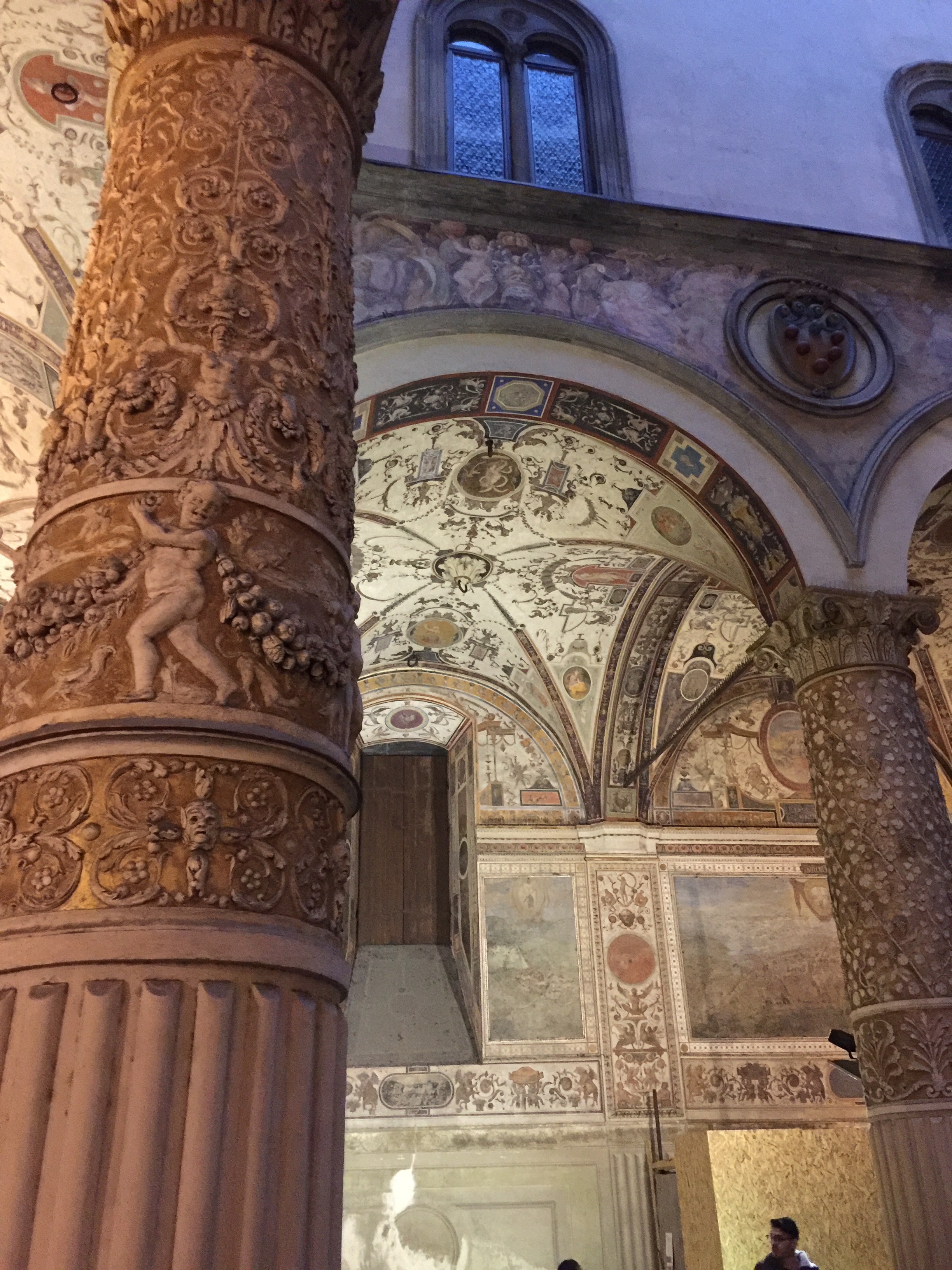
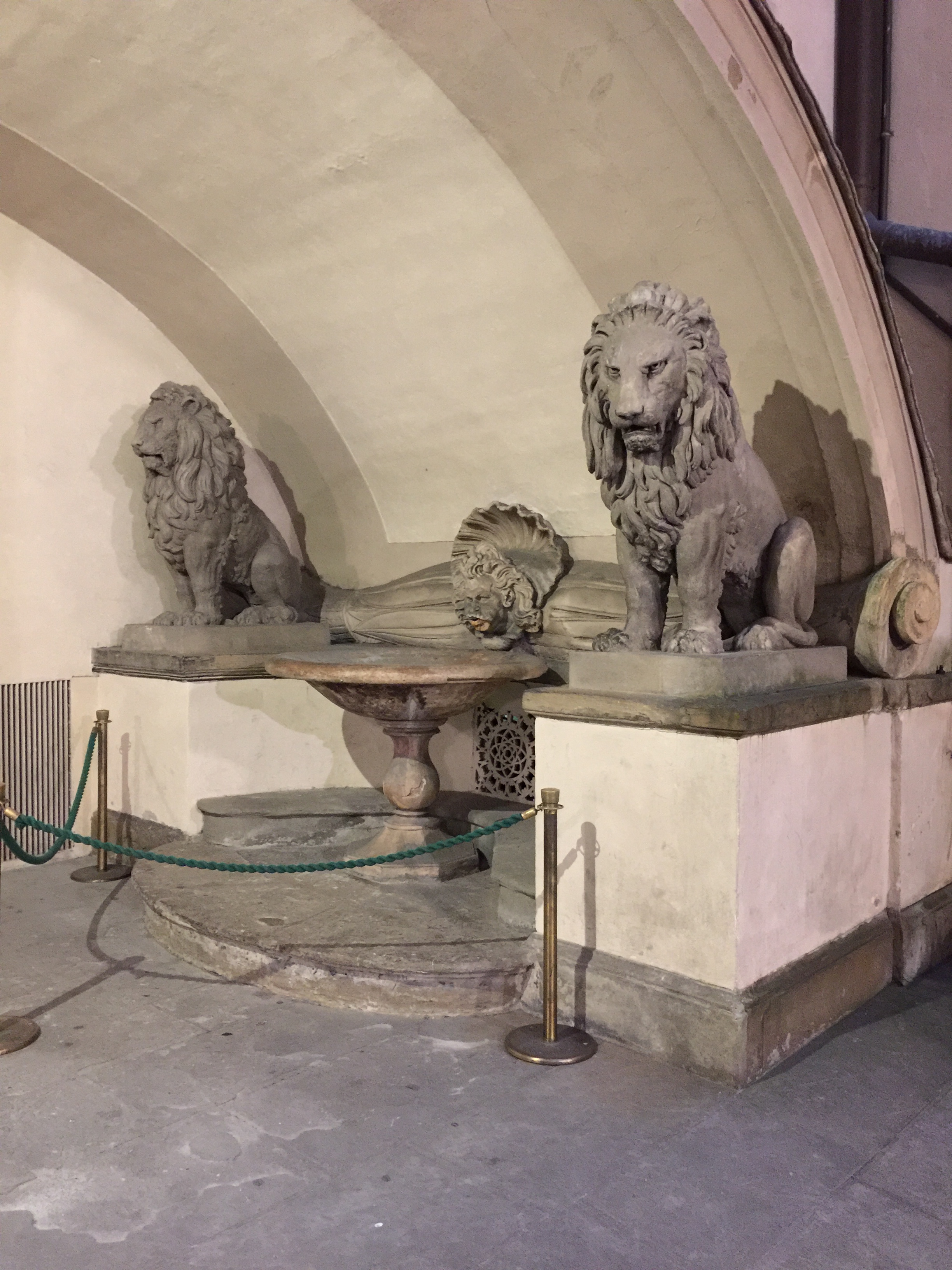
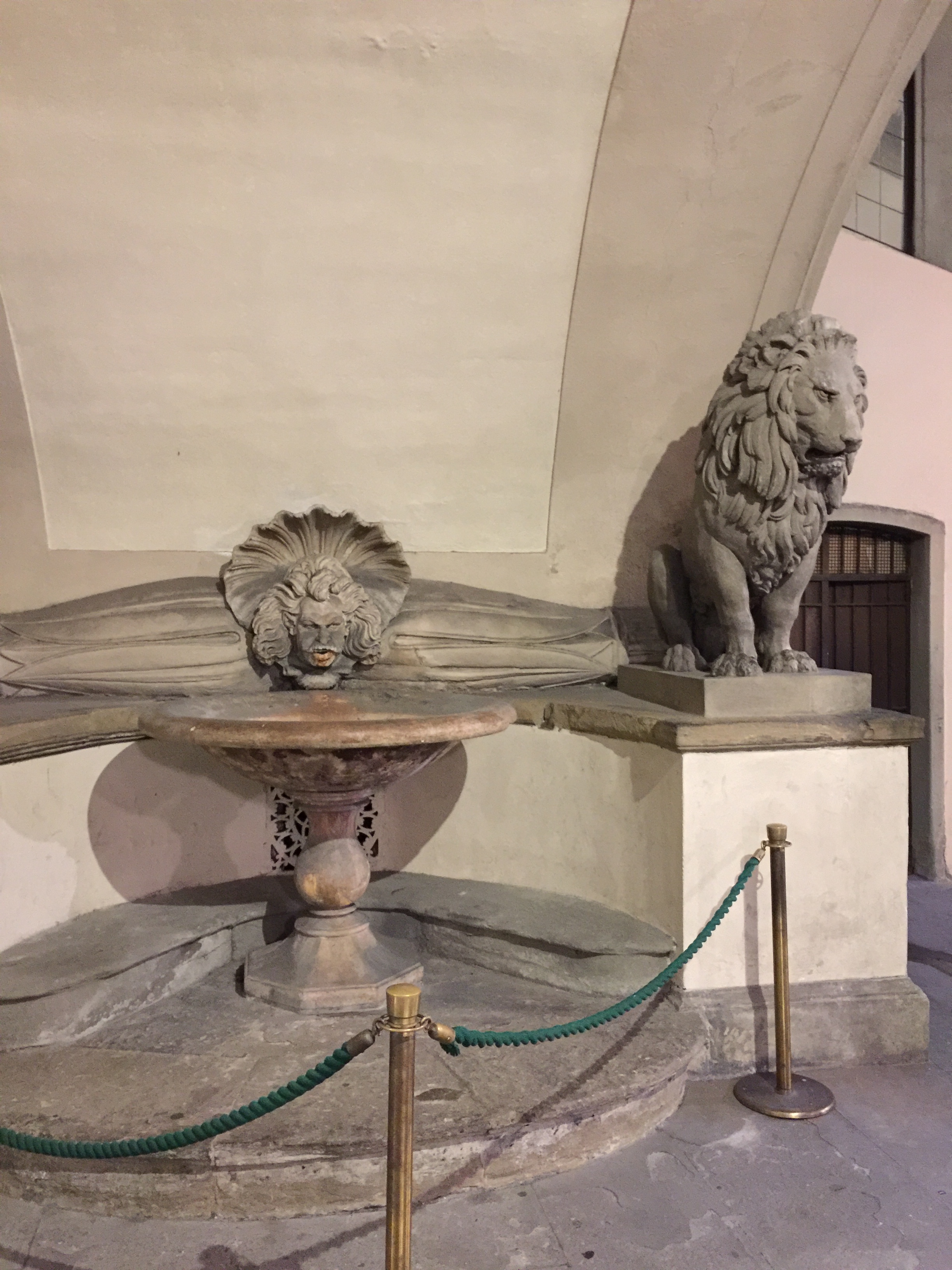
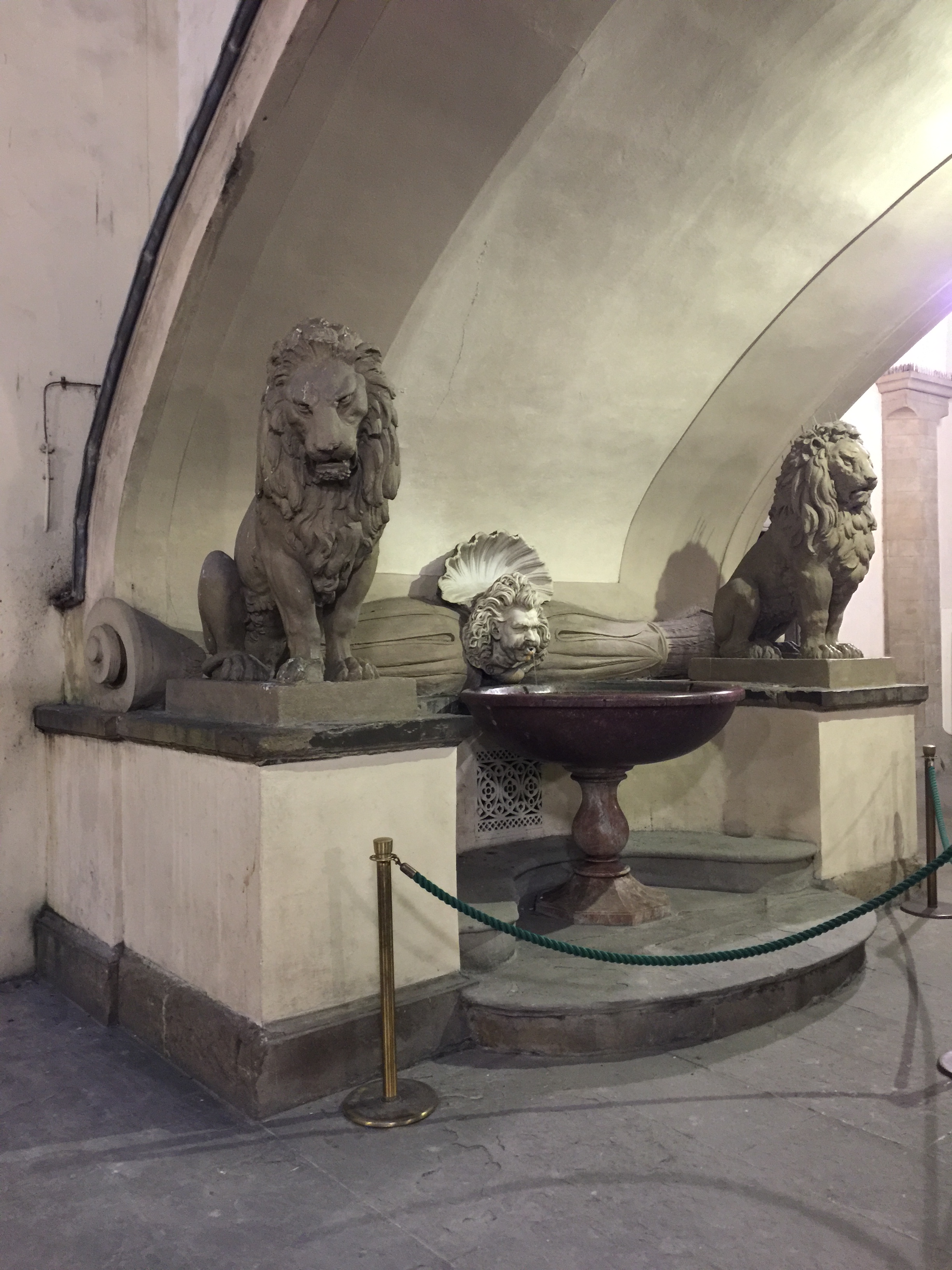
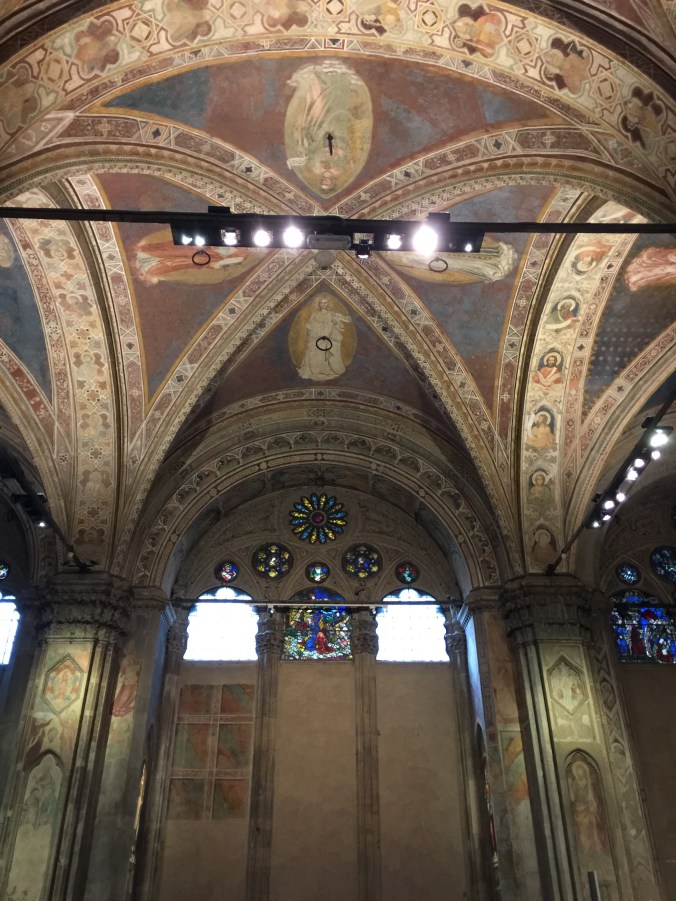
A while back I took the opportunity to pay a visit to the famous Florentine church, built in a former granary.  It is opulent and lovely.

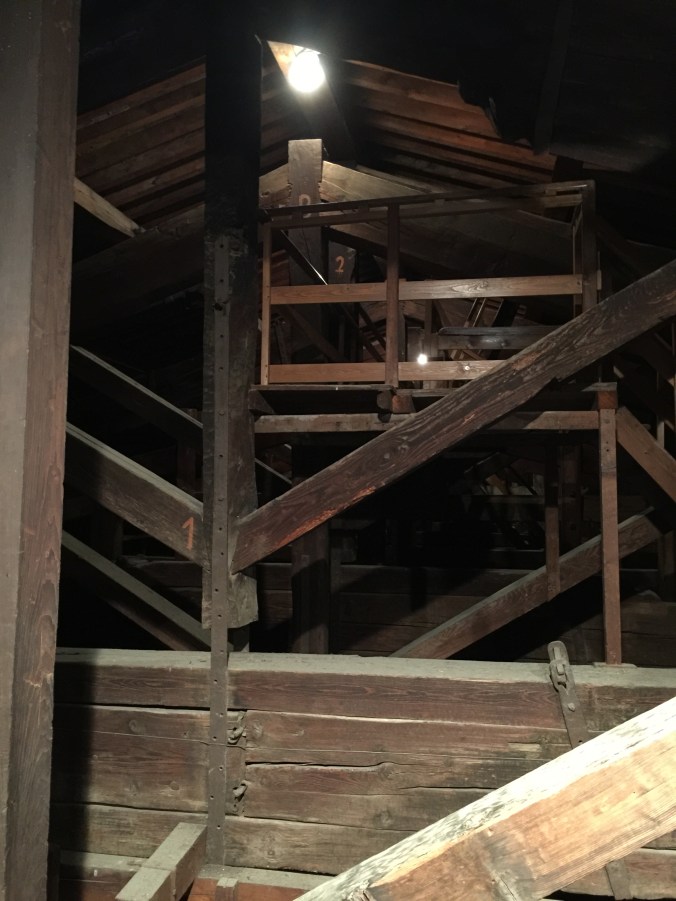
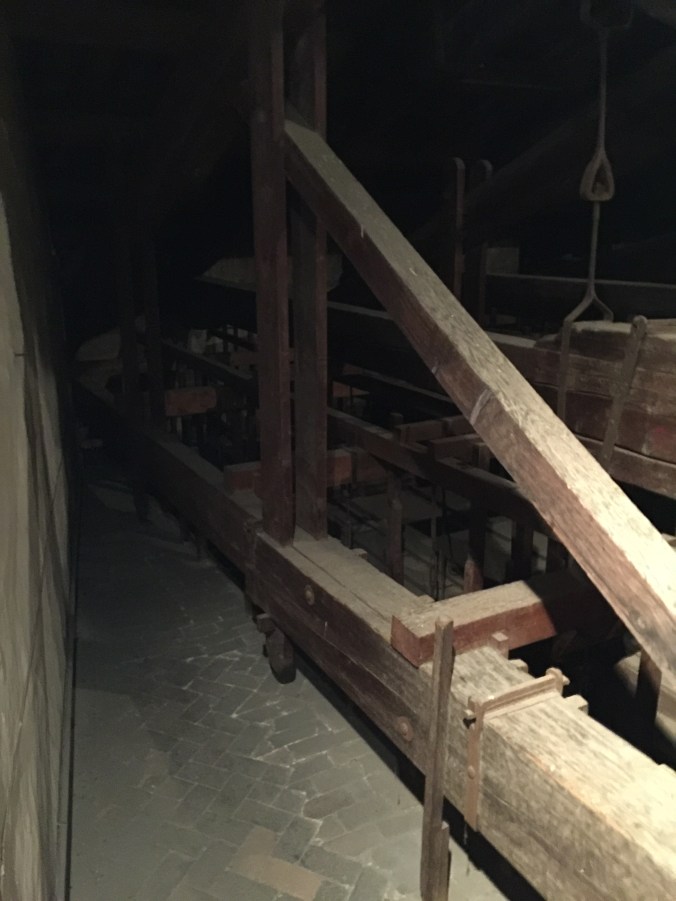
IMG_0570IMG_0571IMG_0572IMG_0573IMG_0574IMG_0575IMG_0576

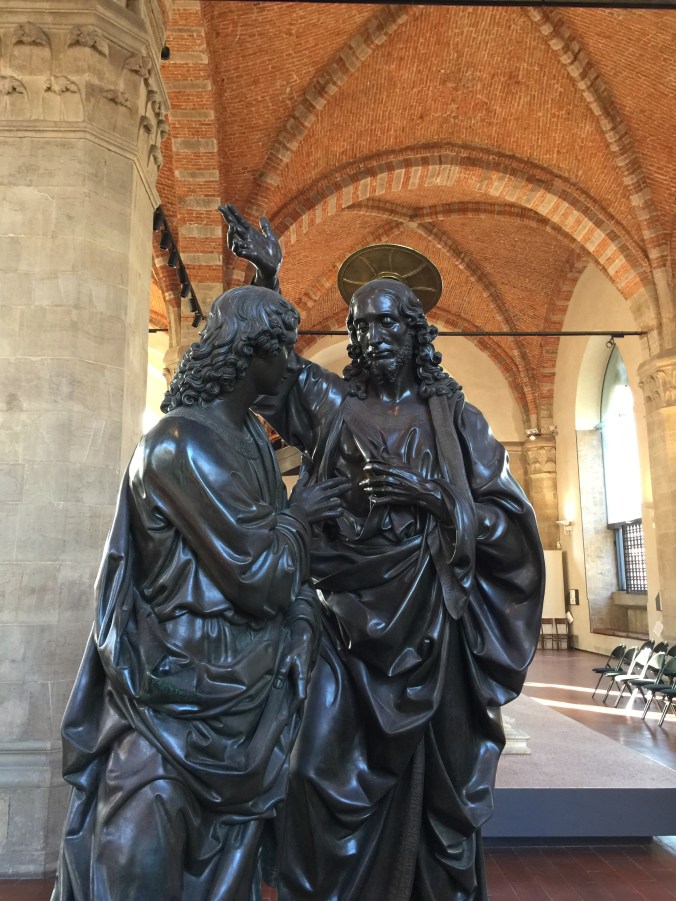
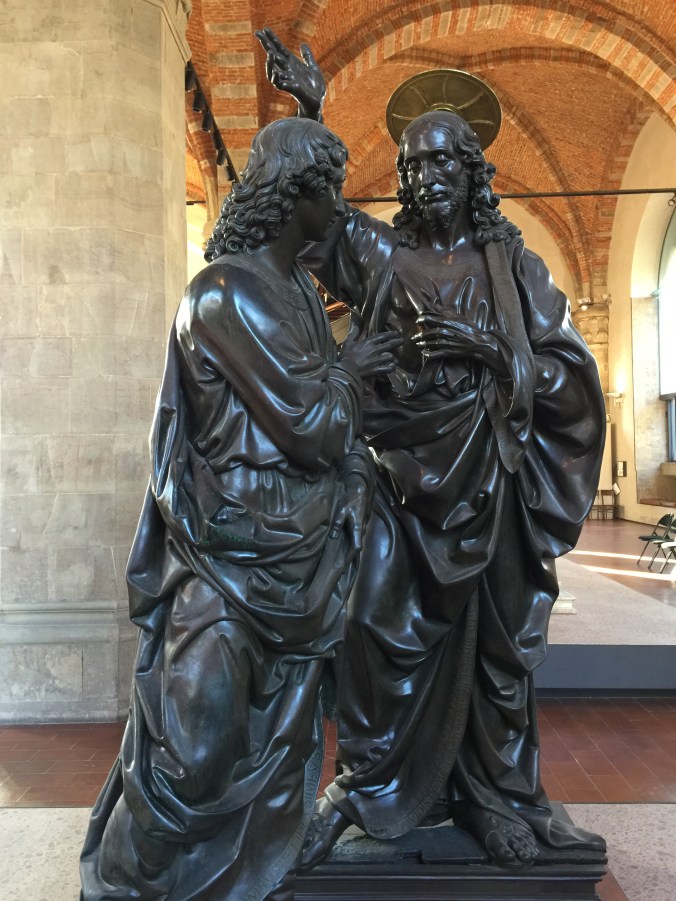
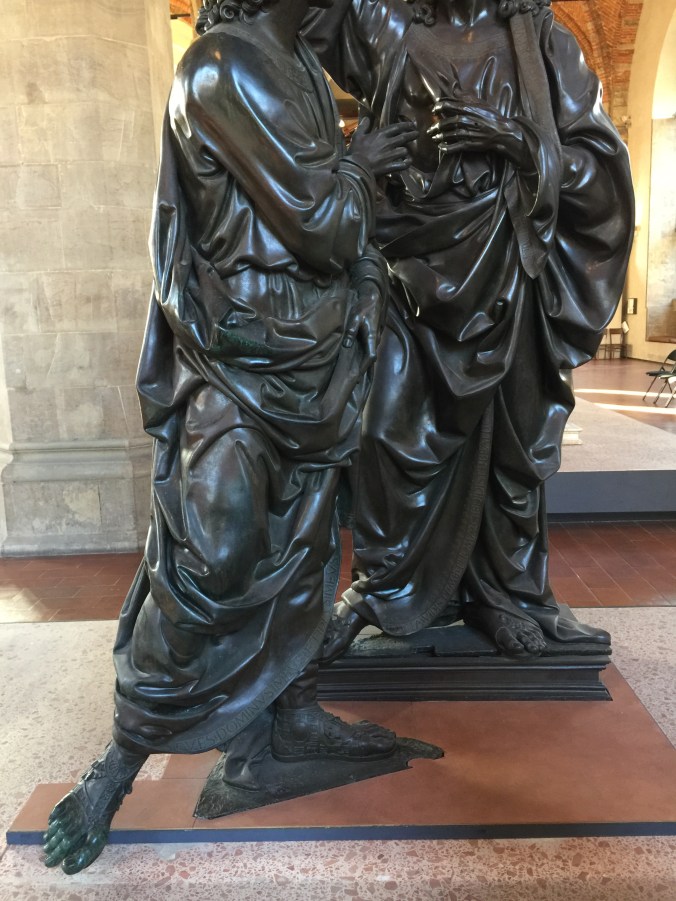
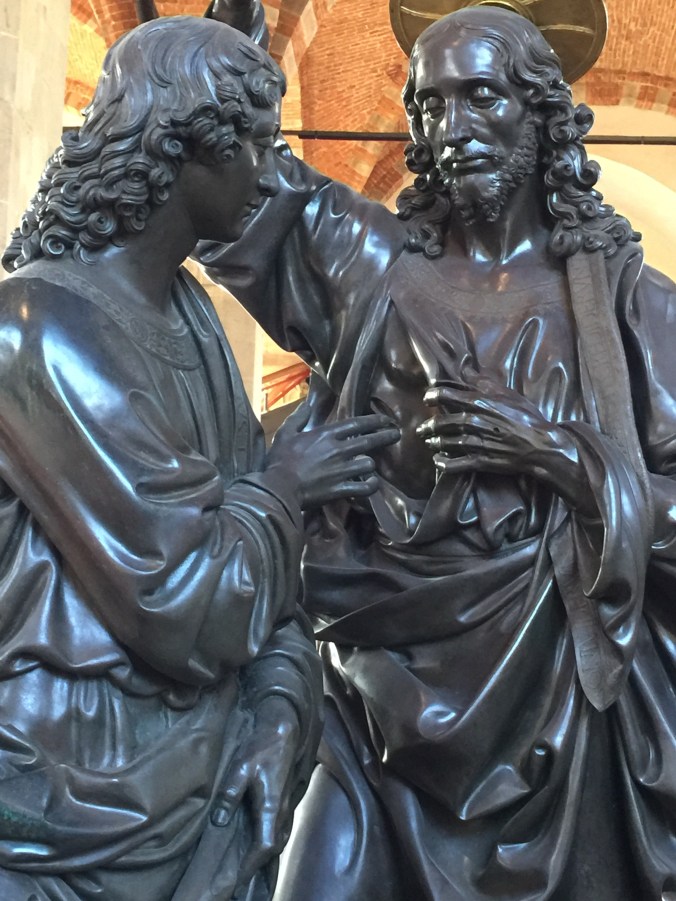
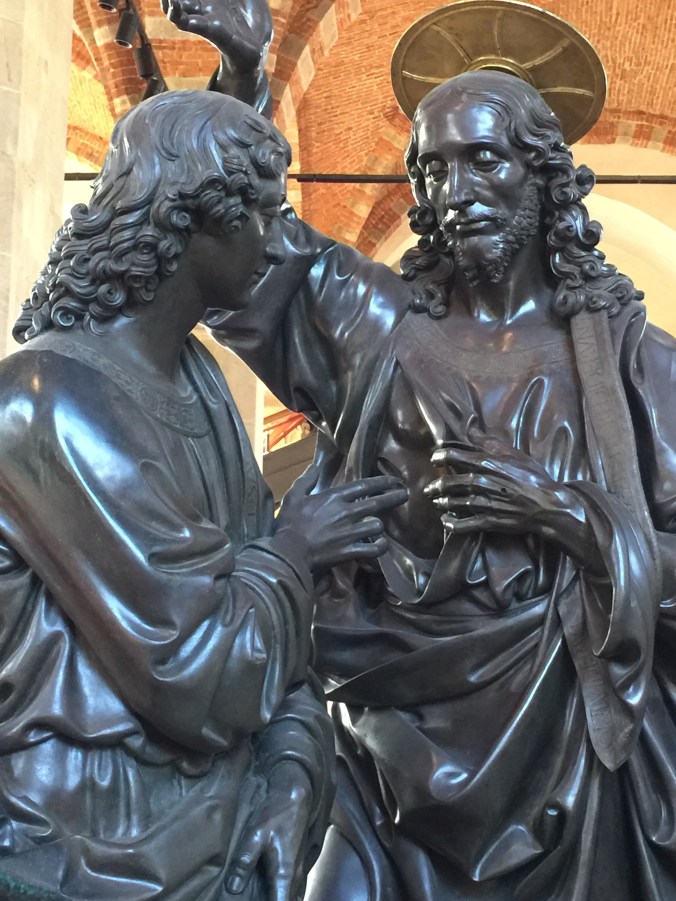
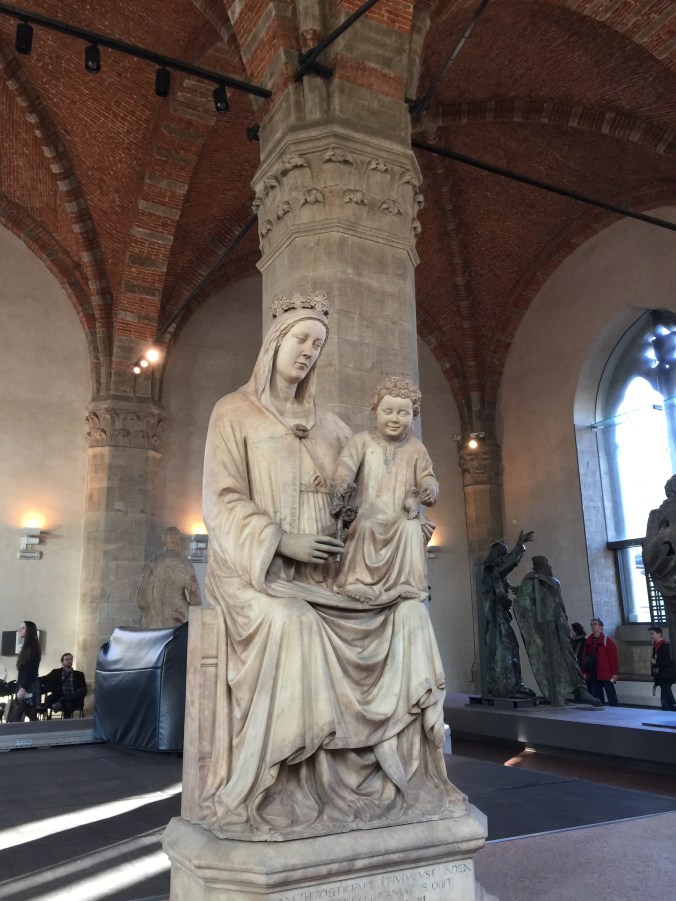
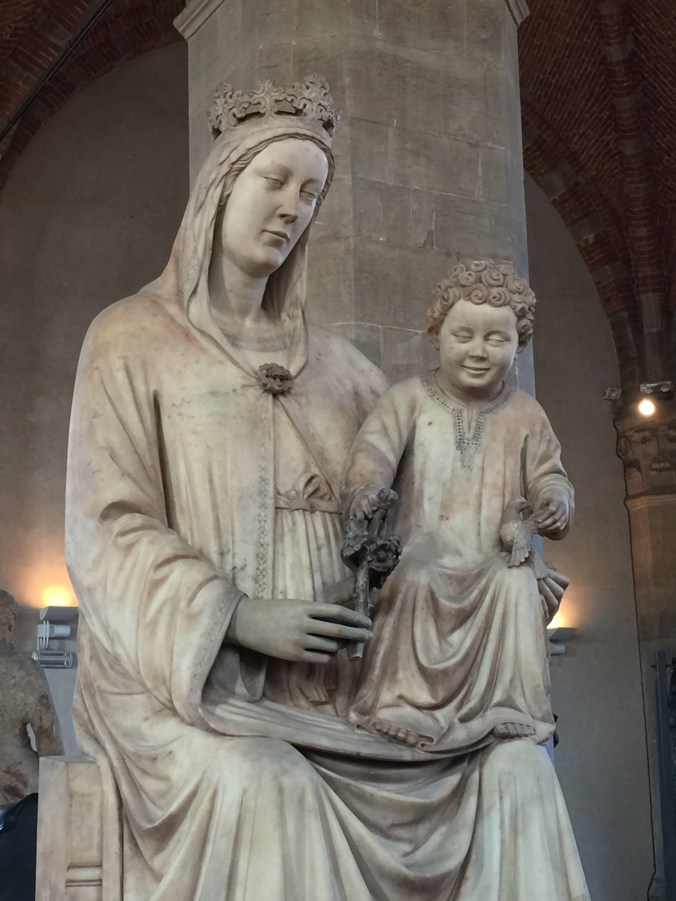
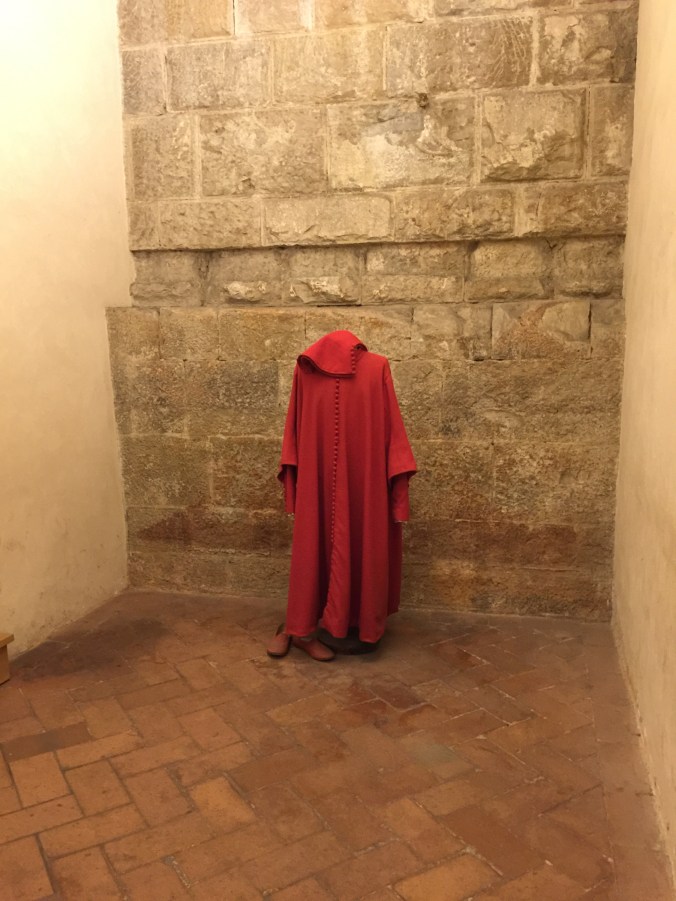
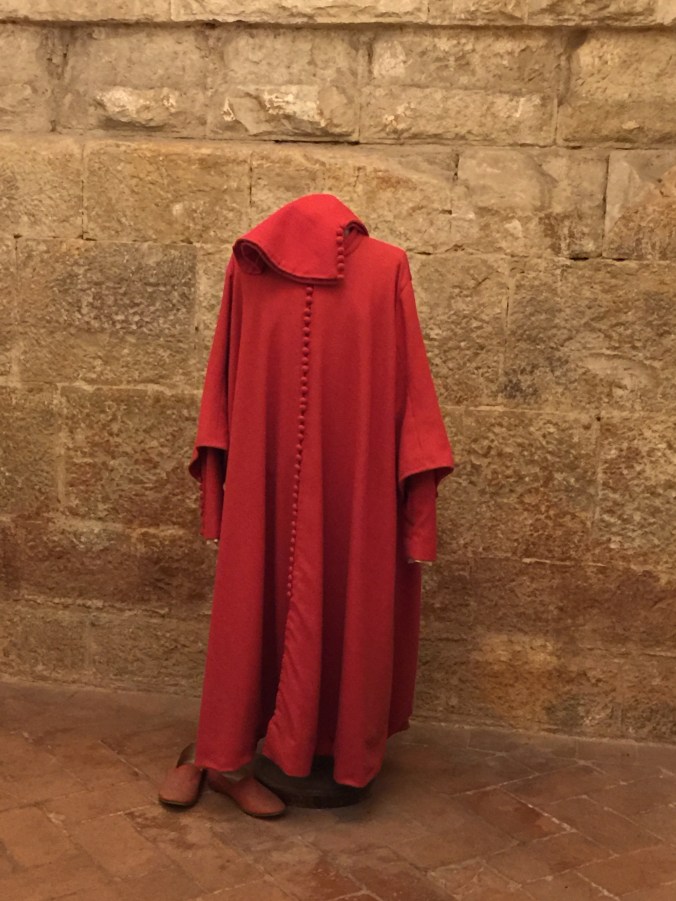
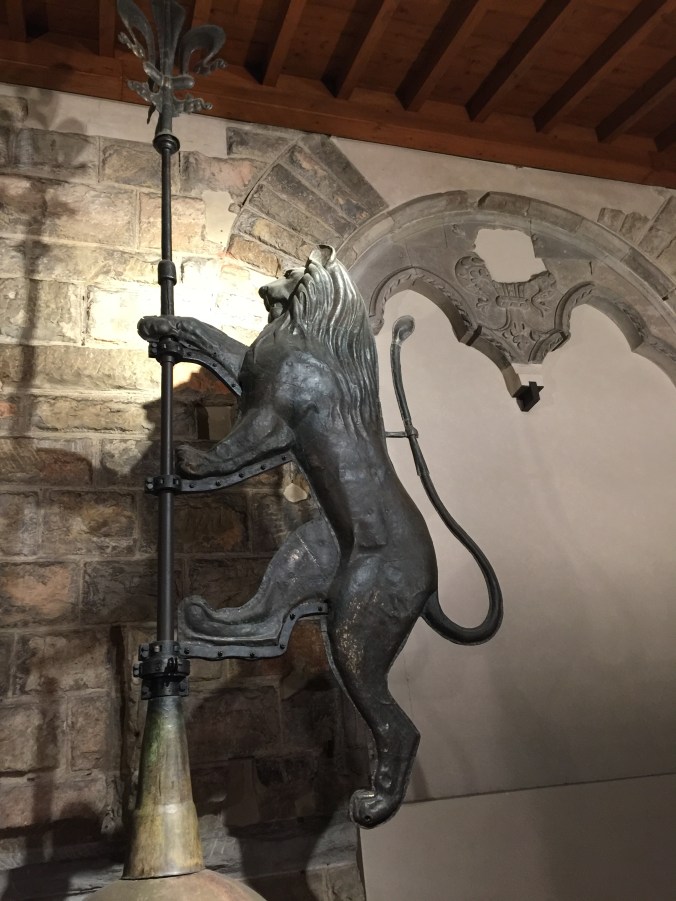
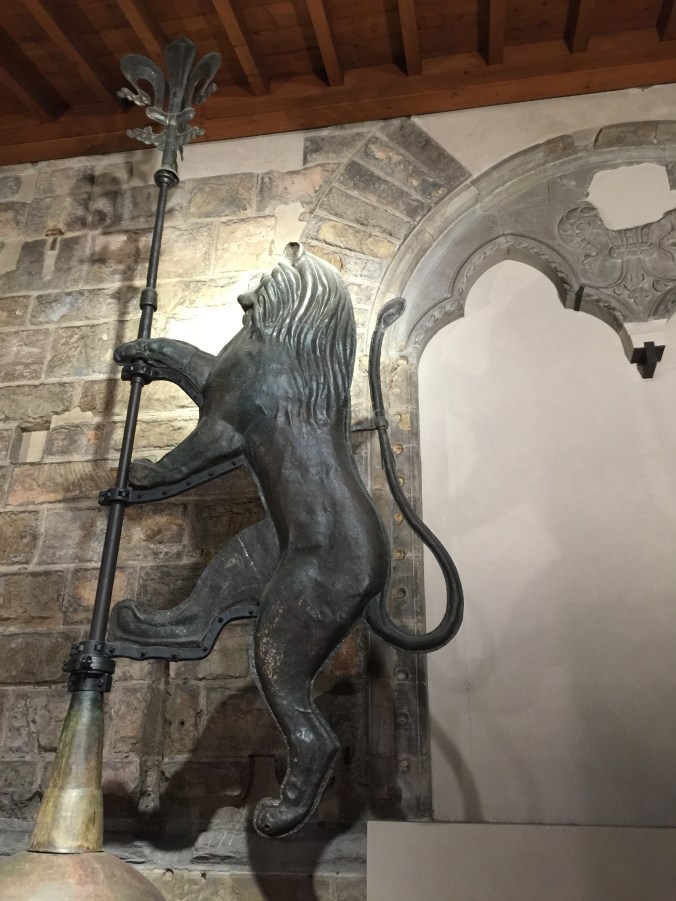
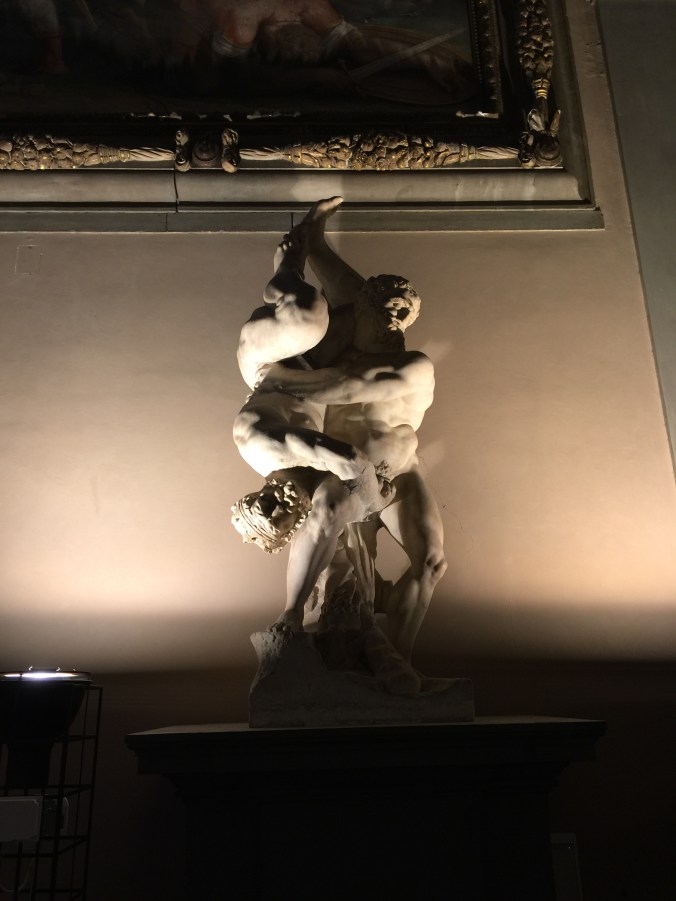
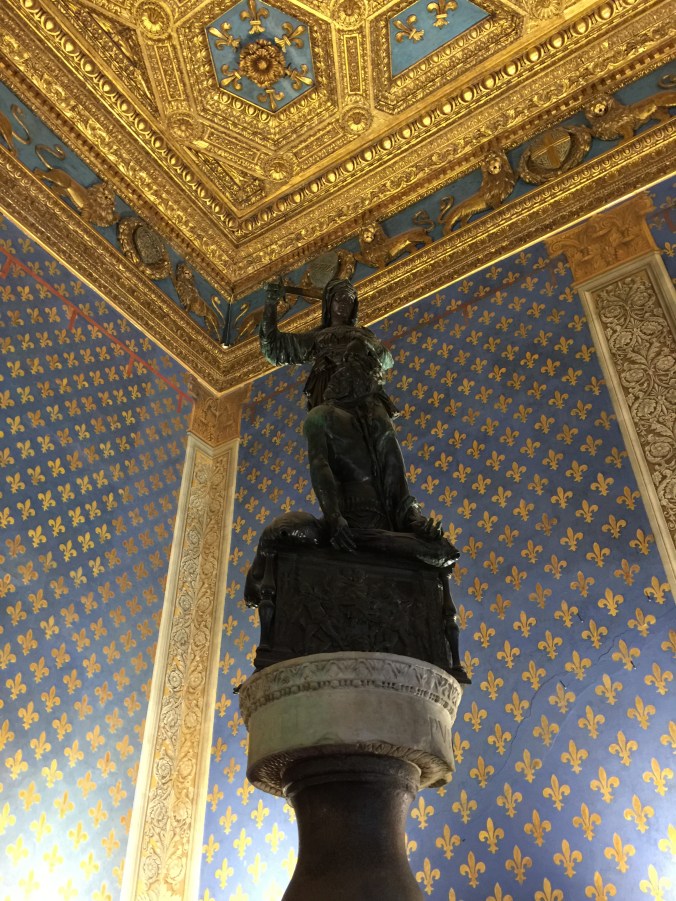
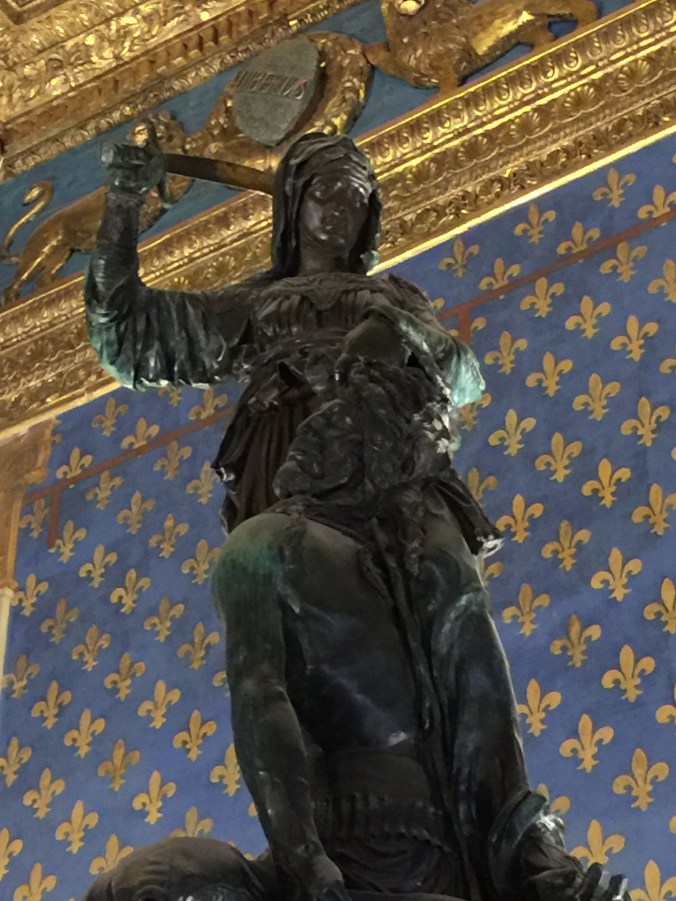
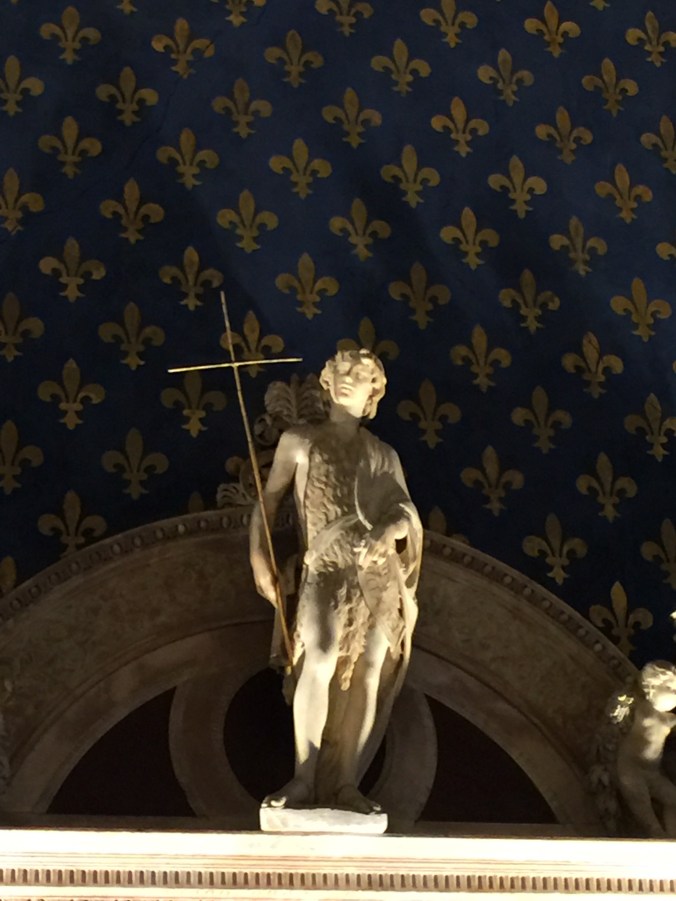
Above the church is a museum where all of the significant Renaissance sculptures originally placed in niches on the 4 facades of the church are now housed.  Copies of these grand works are now in the niches on the building’s facade.

Here are some of the original works:

IMG_0577IMG_0579IMG_0580IMG_0581IMG_0582IMG_0583IMG_0584

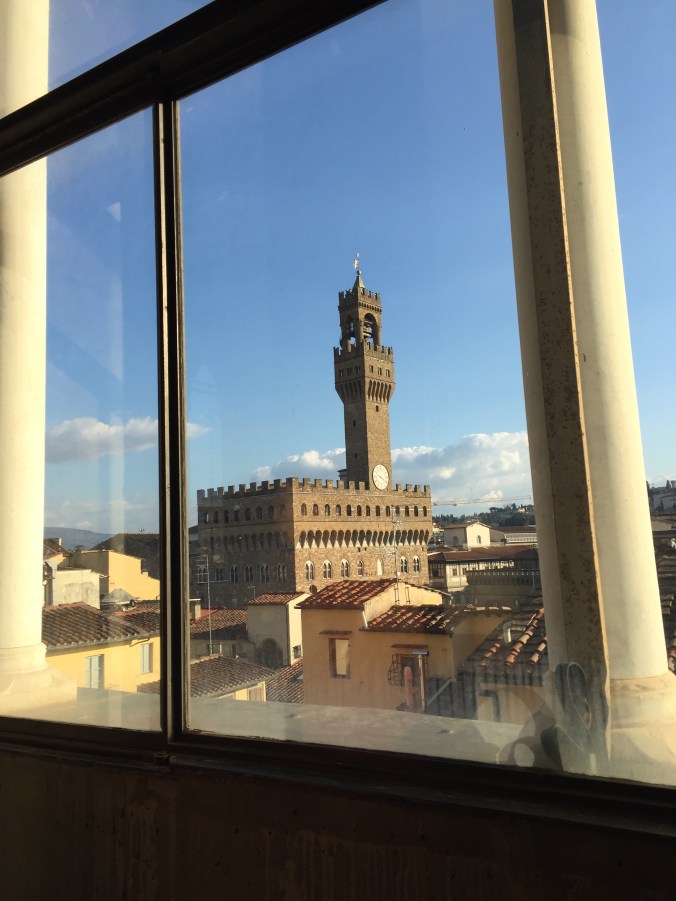
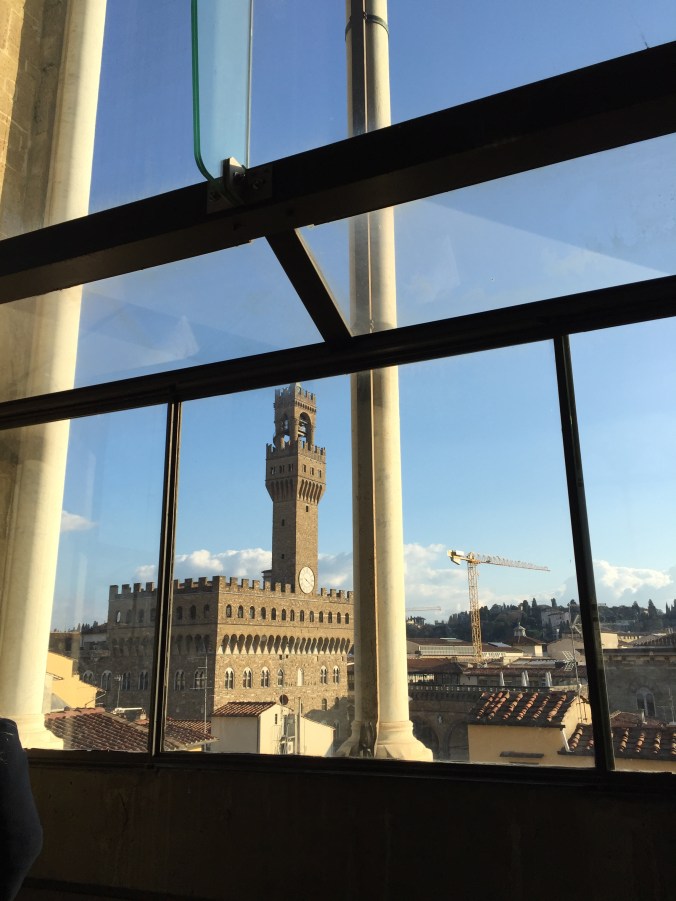
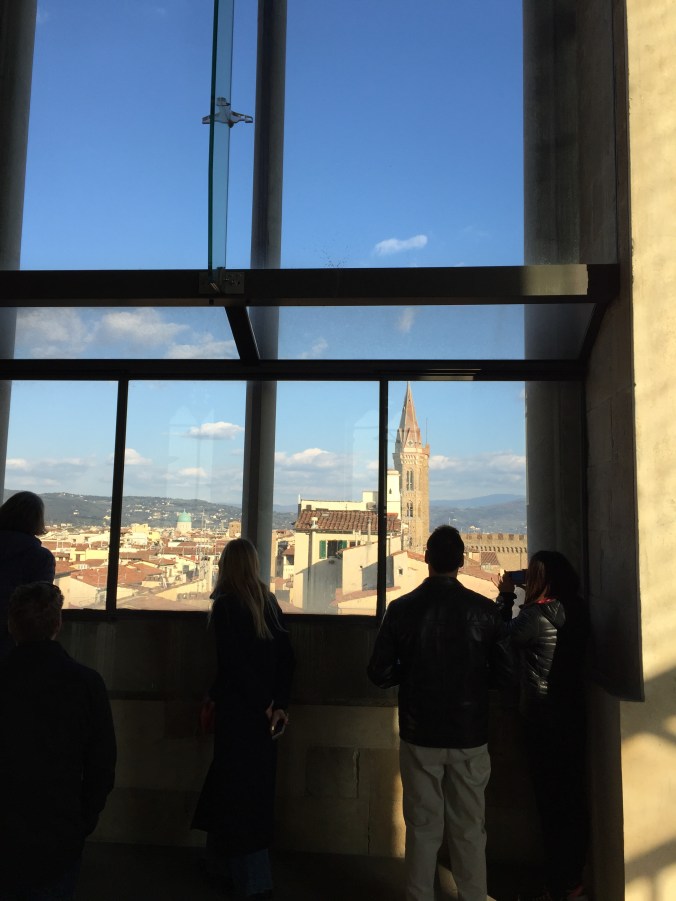
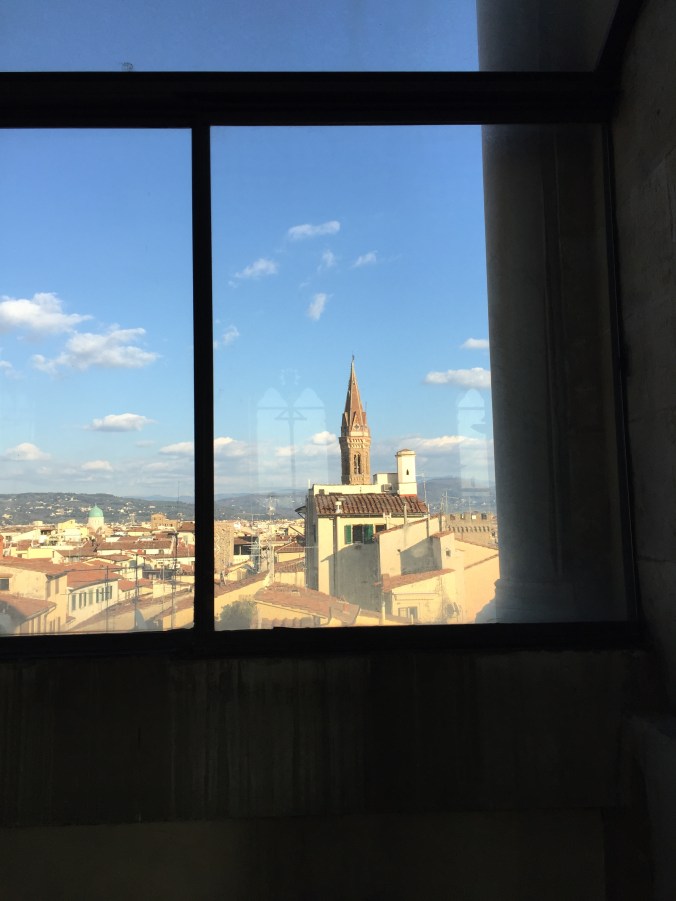
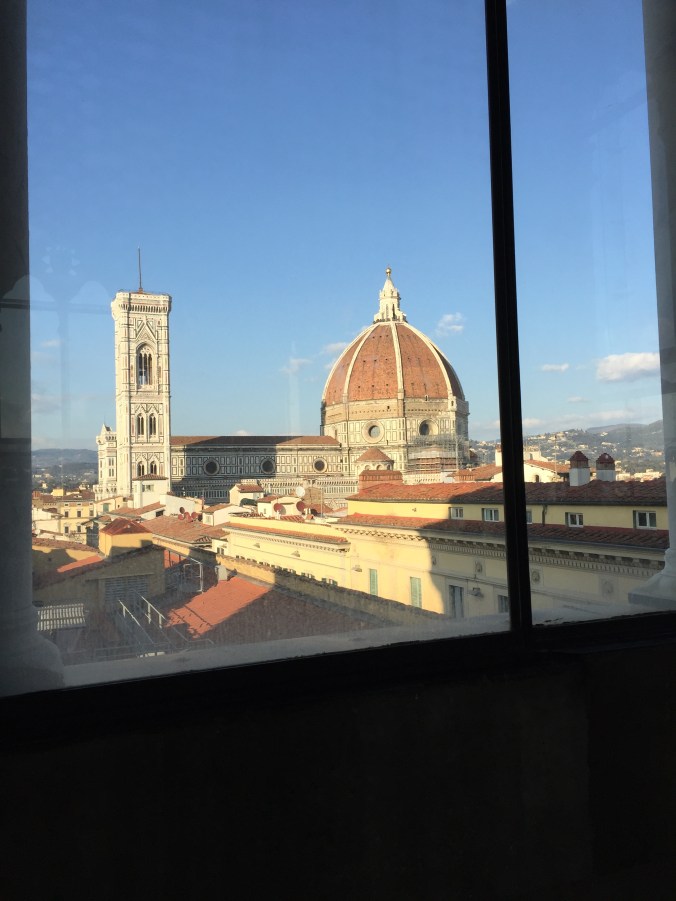
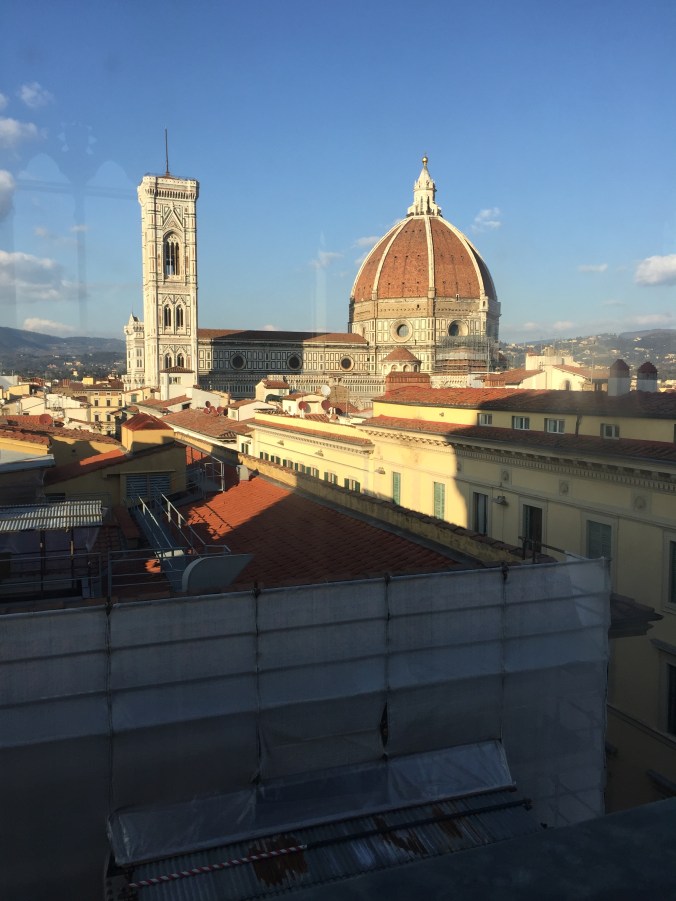
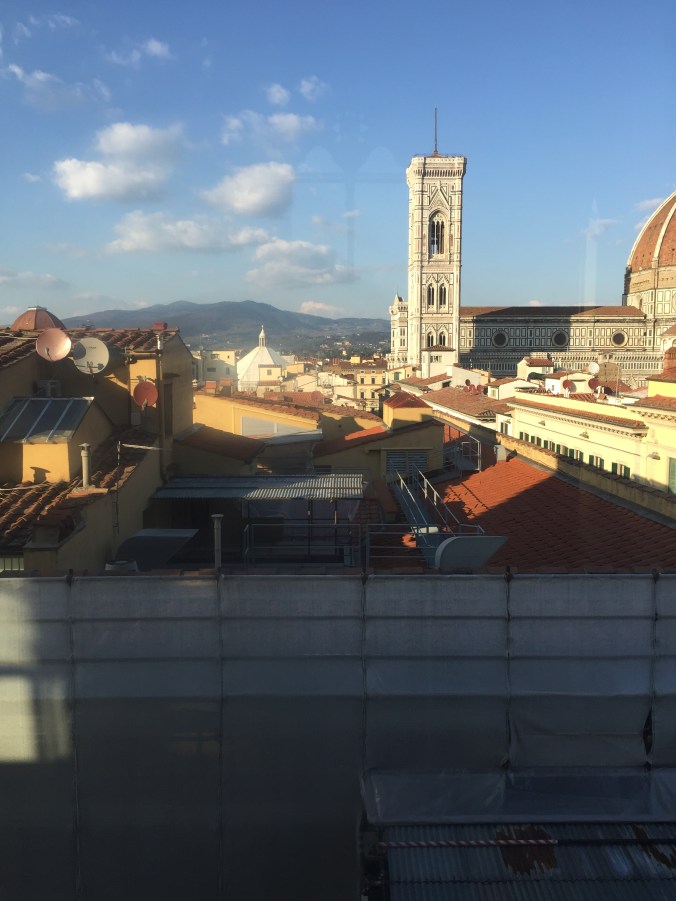
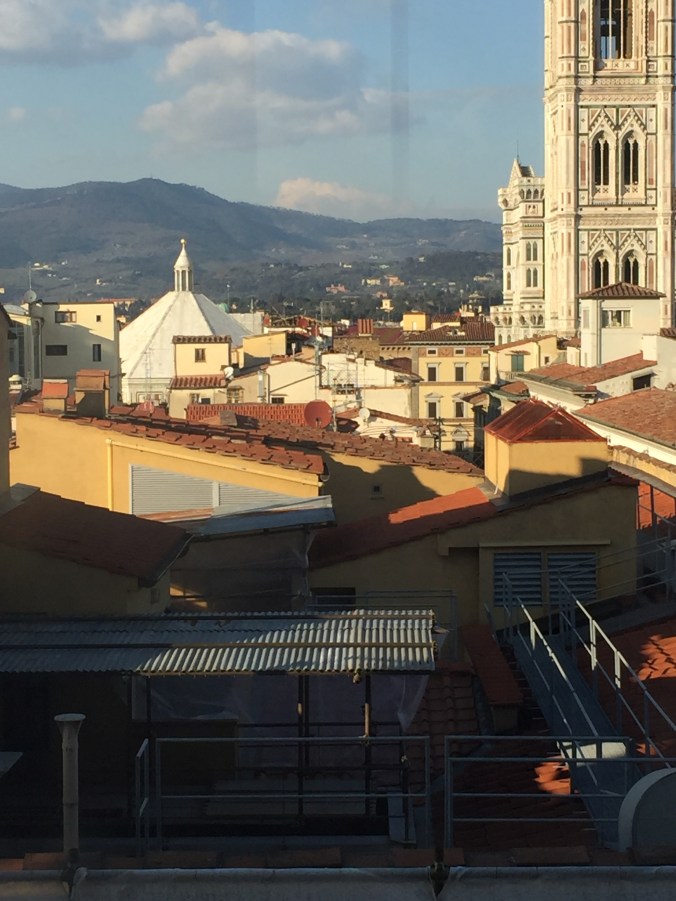
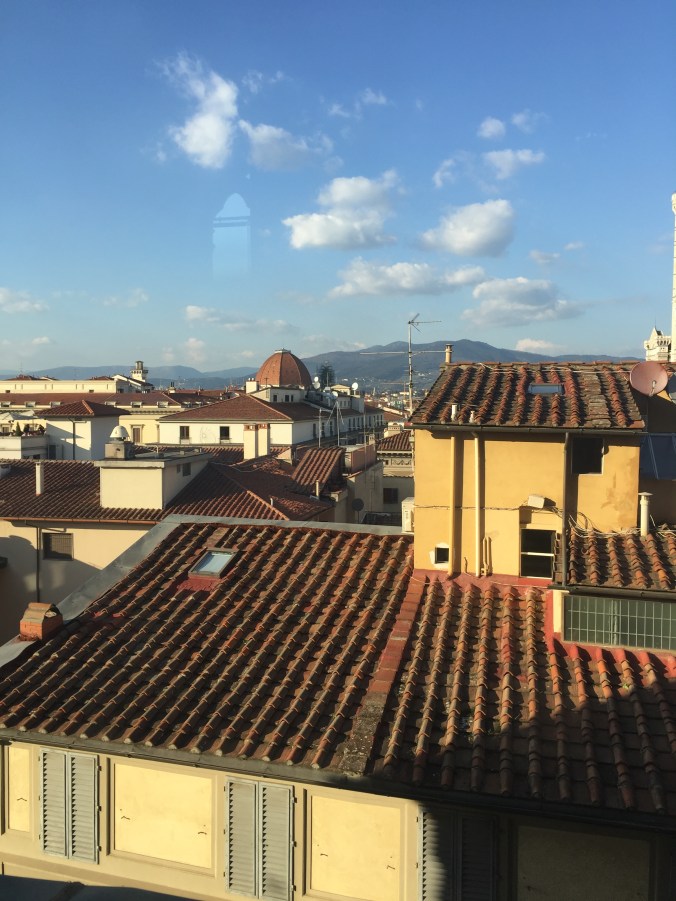
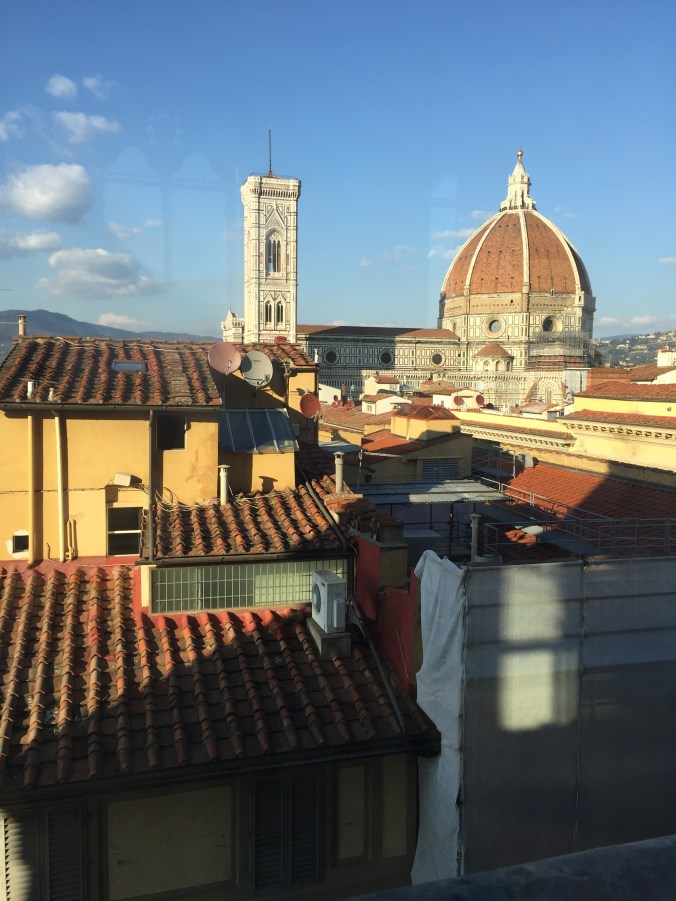
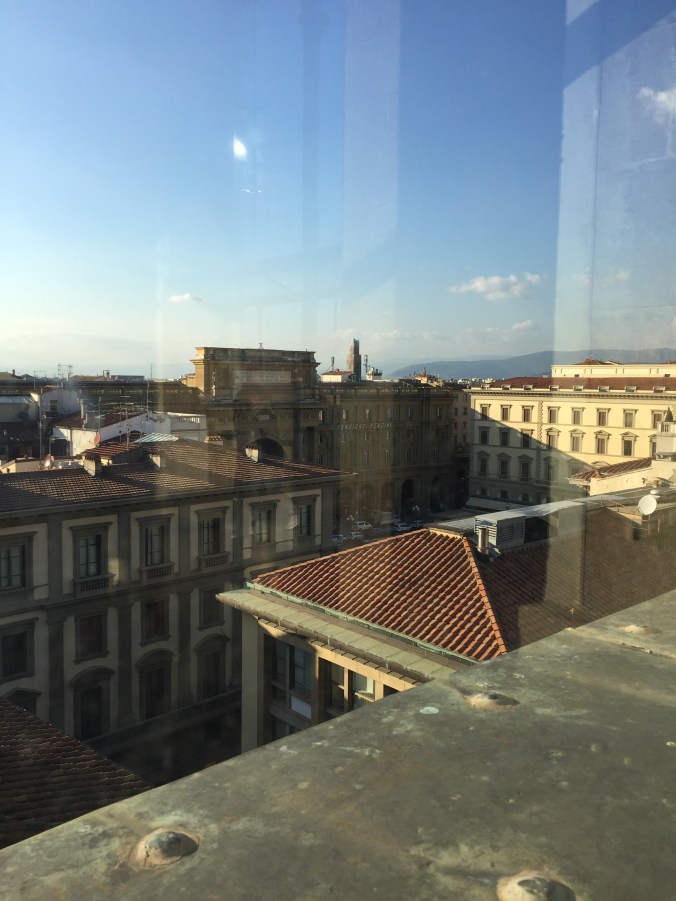
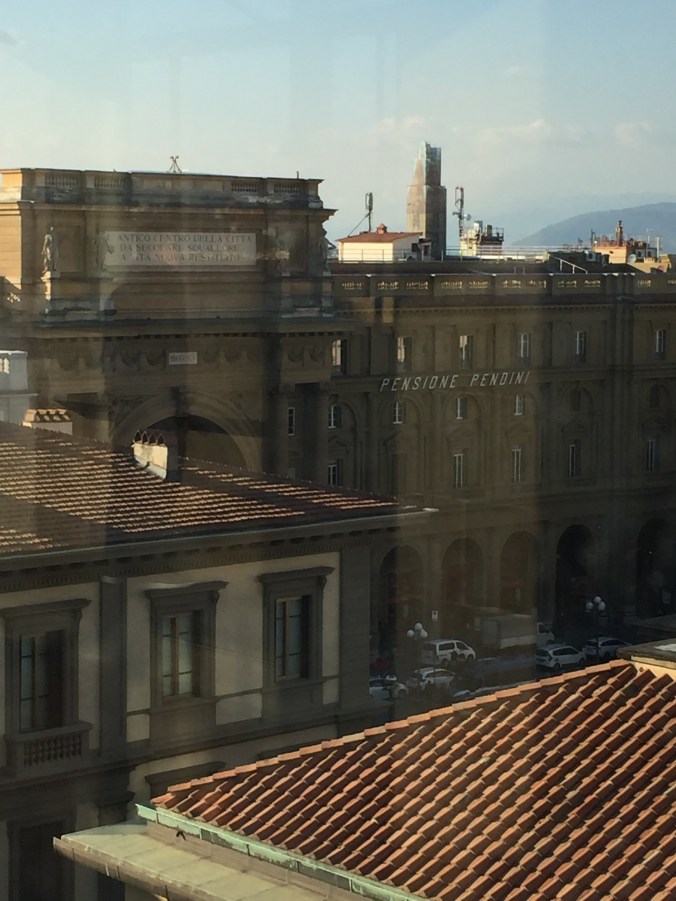
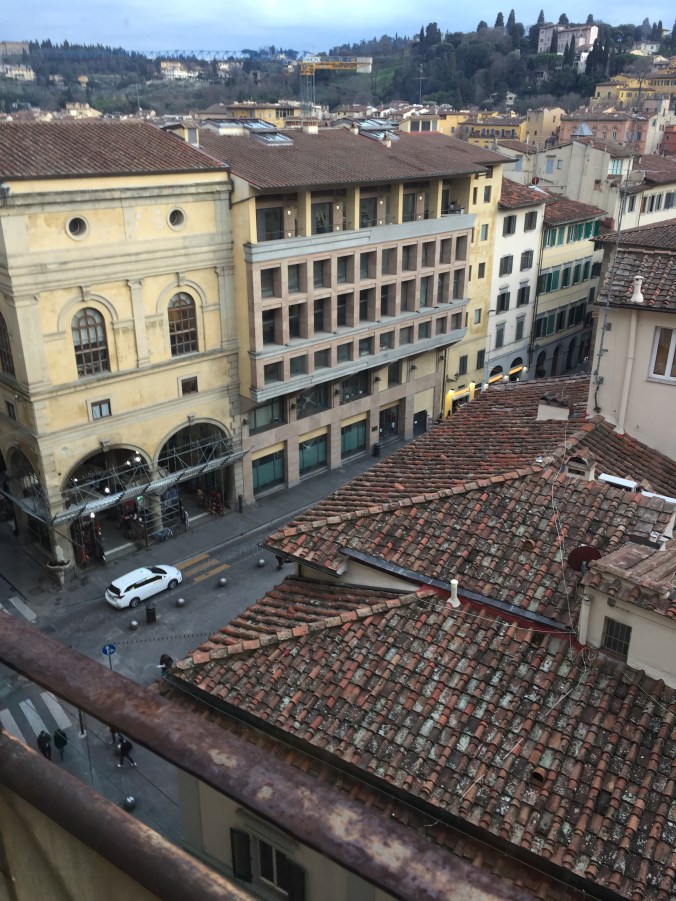
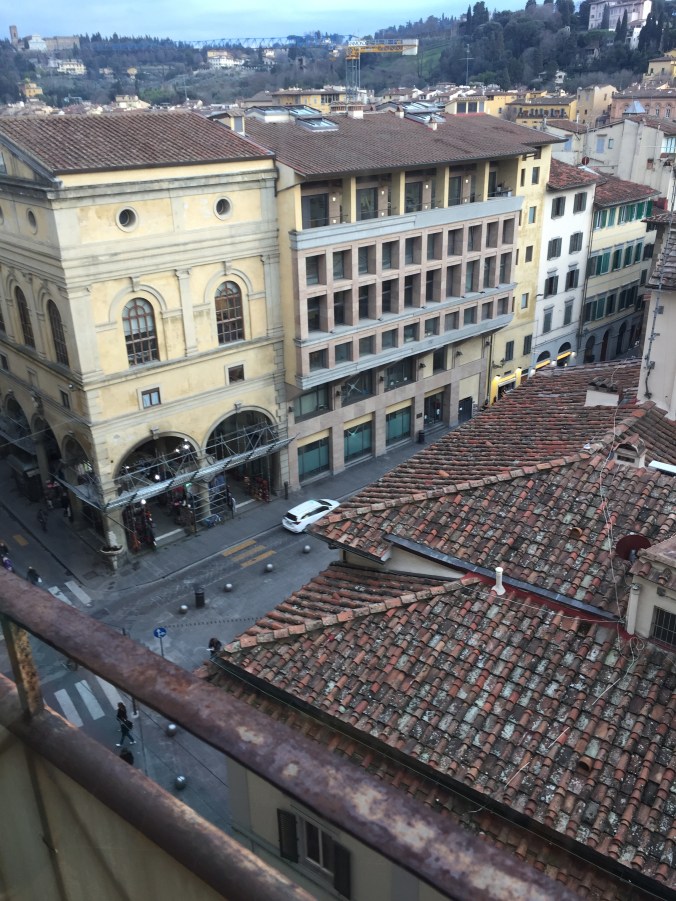
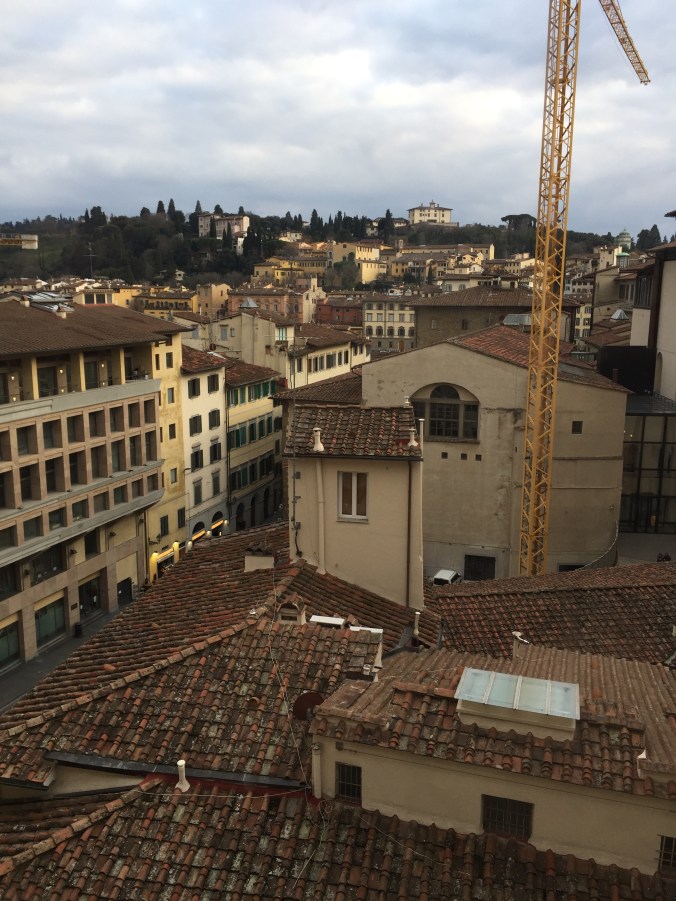
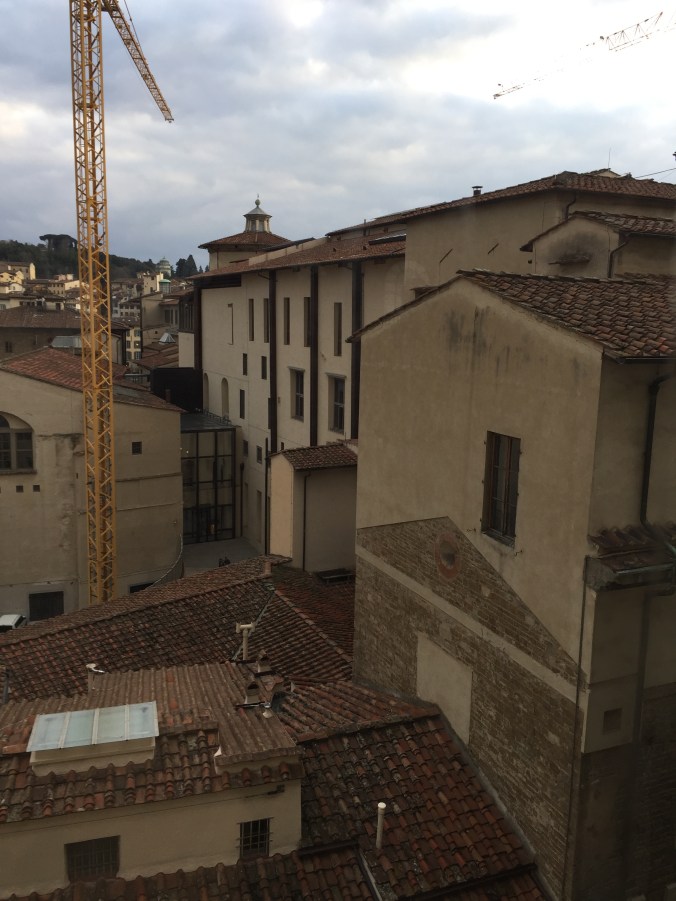
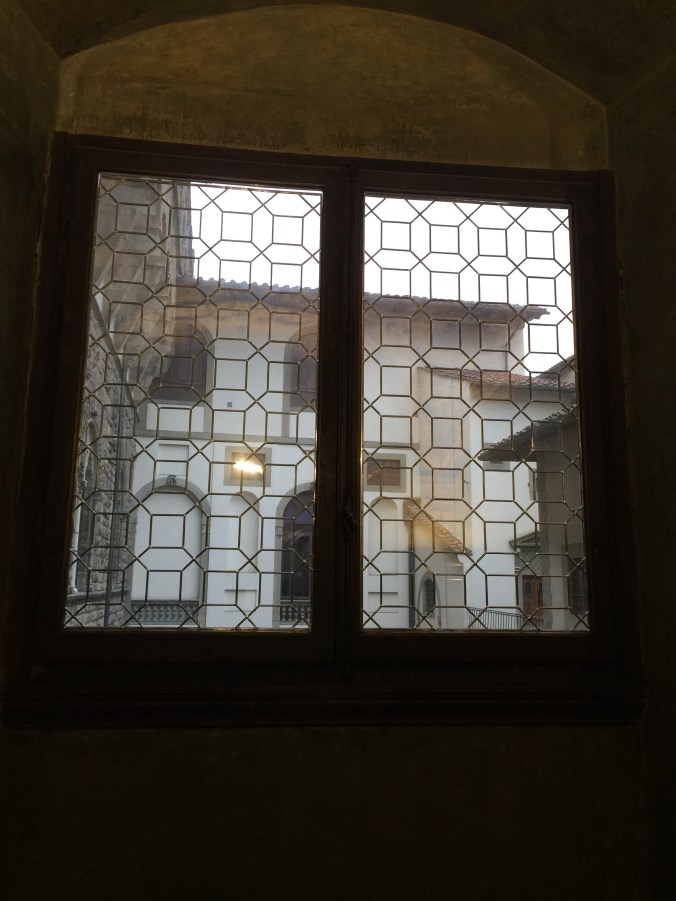
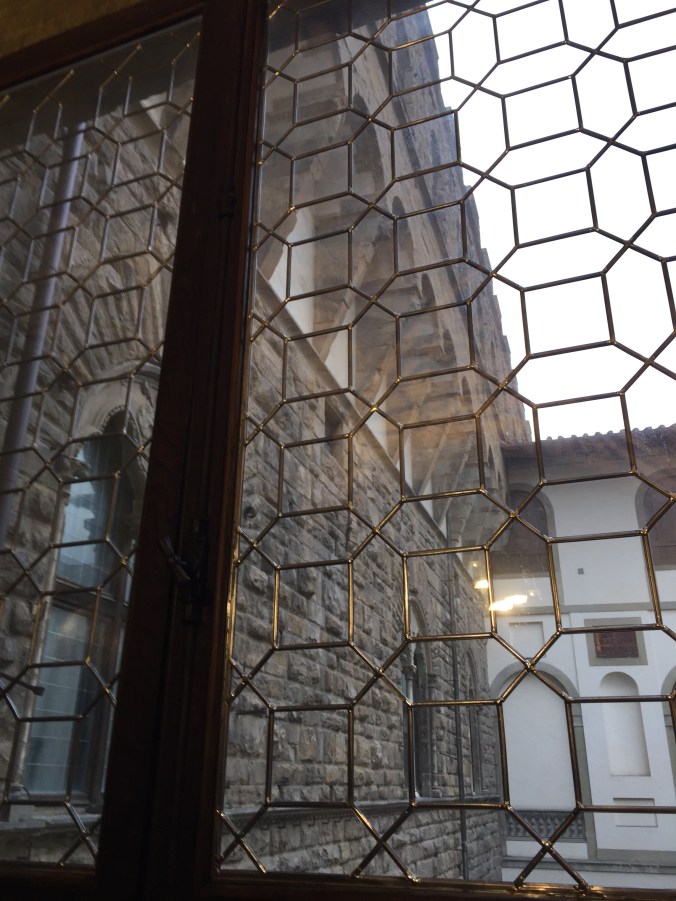
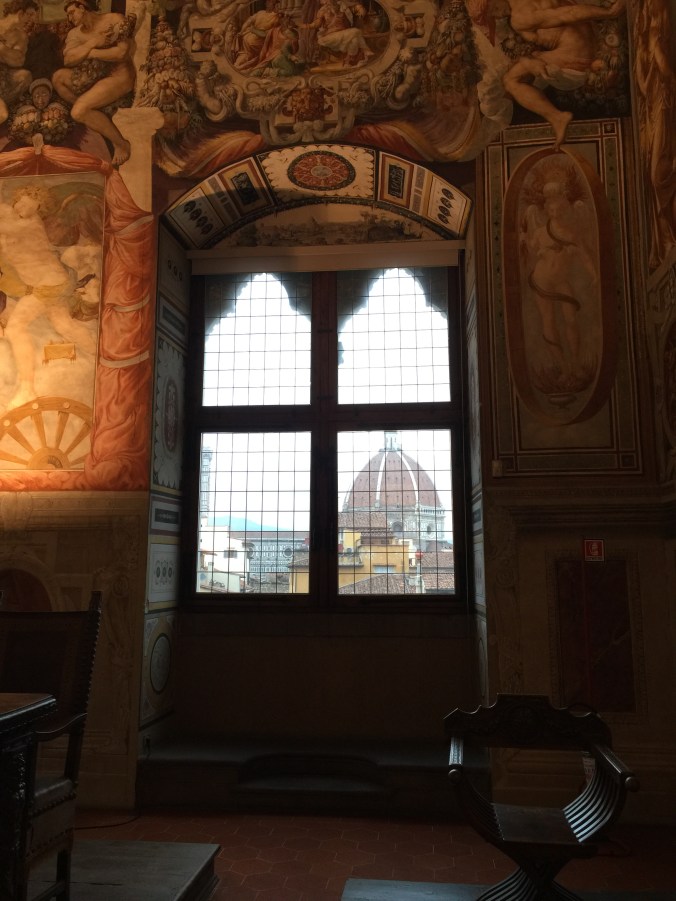
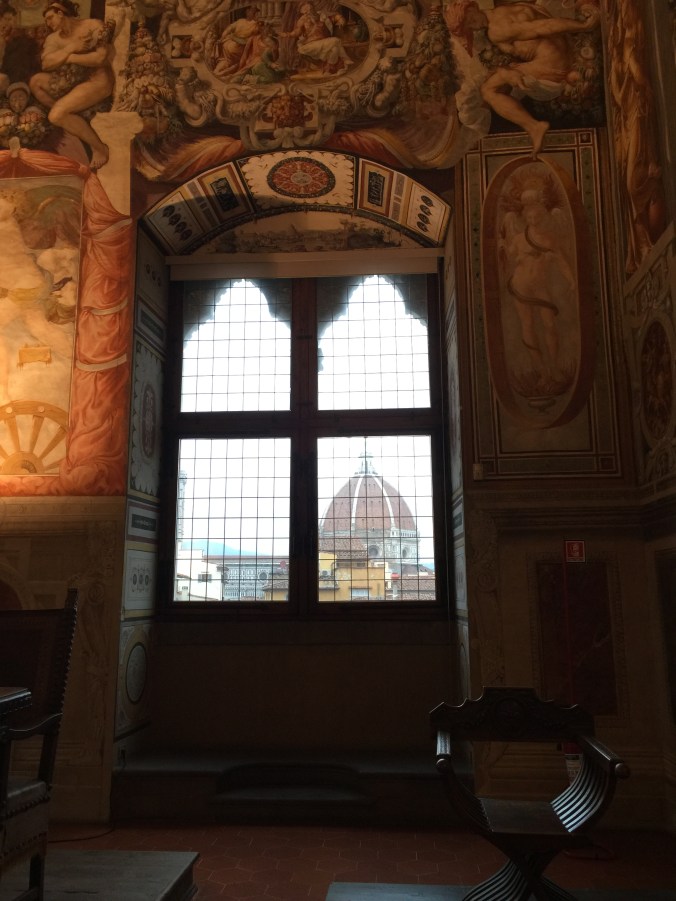
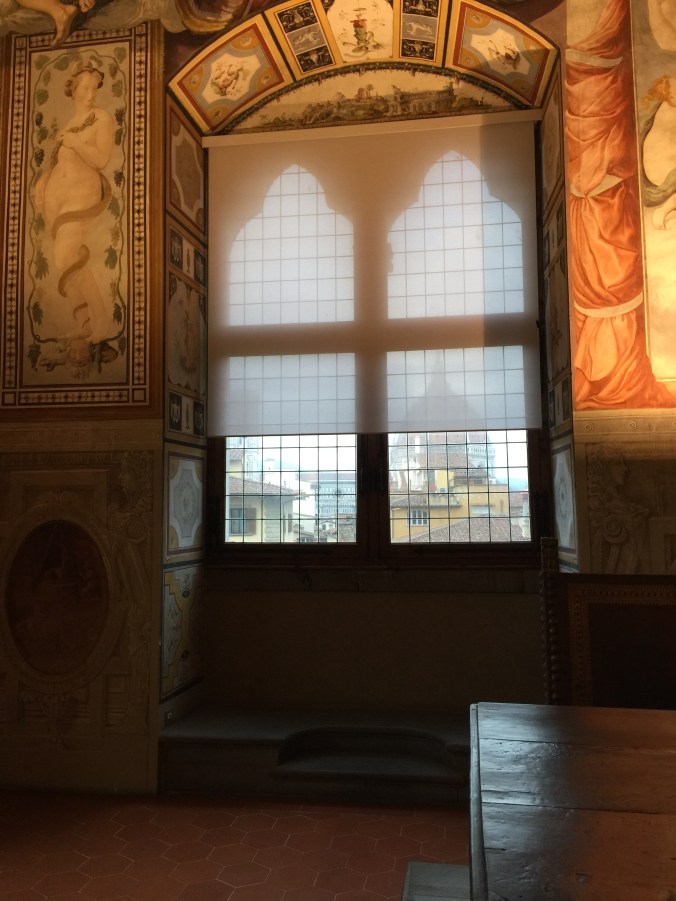
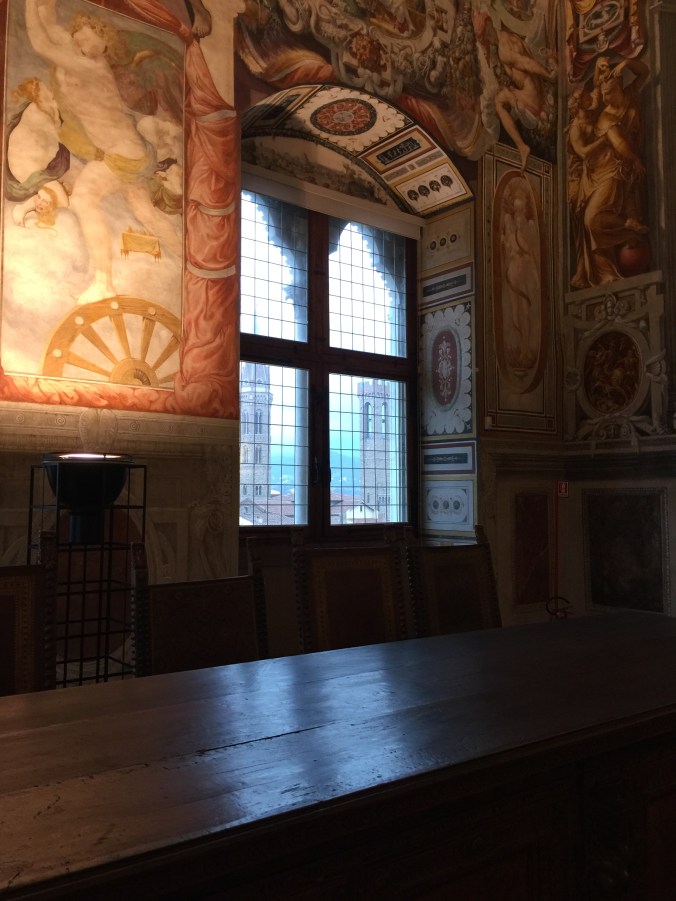
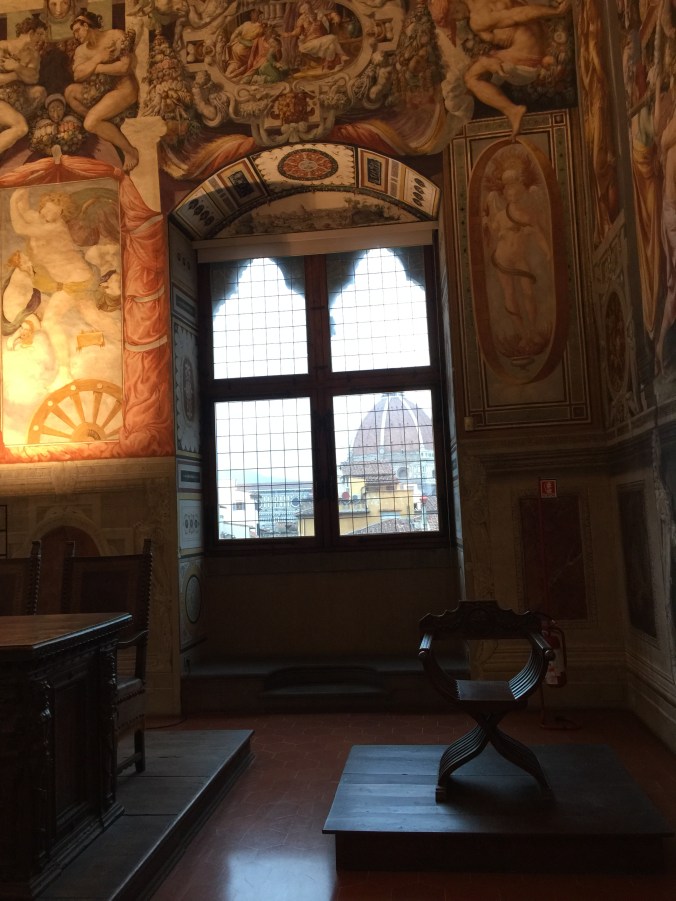
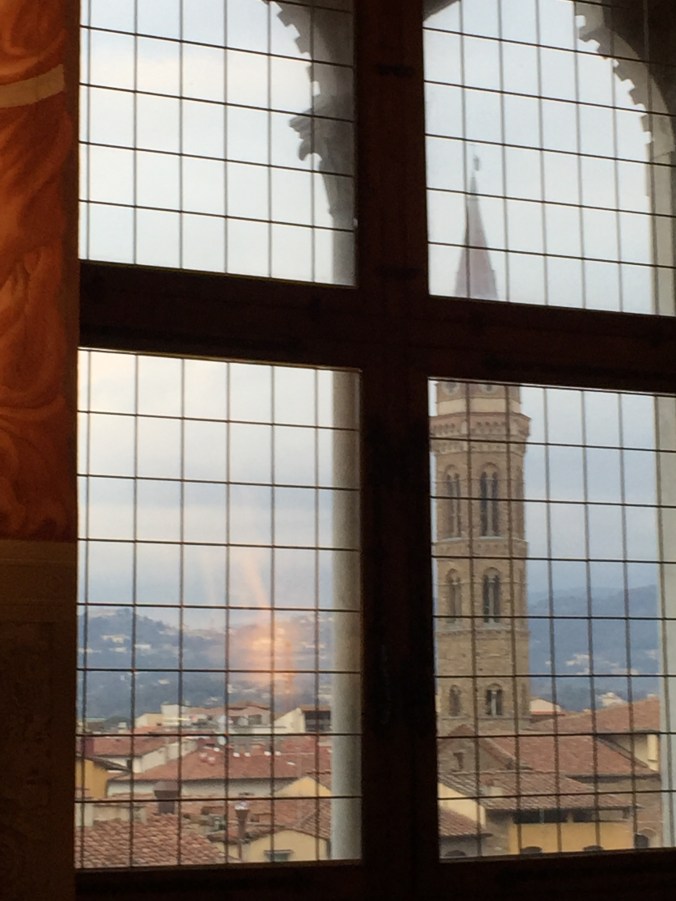
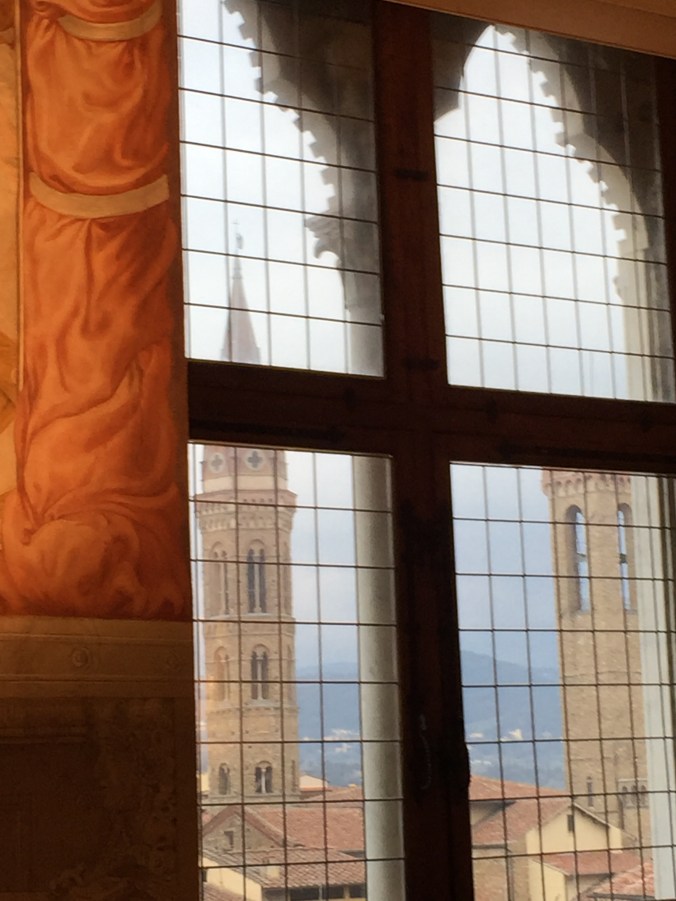
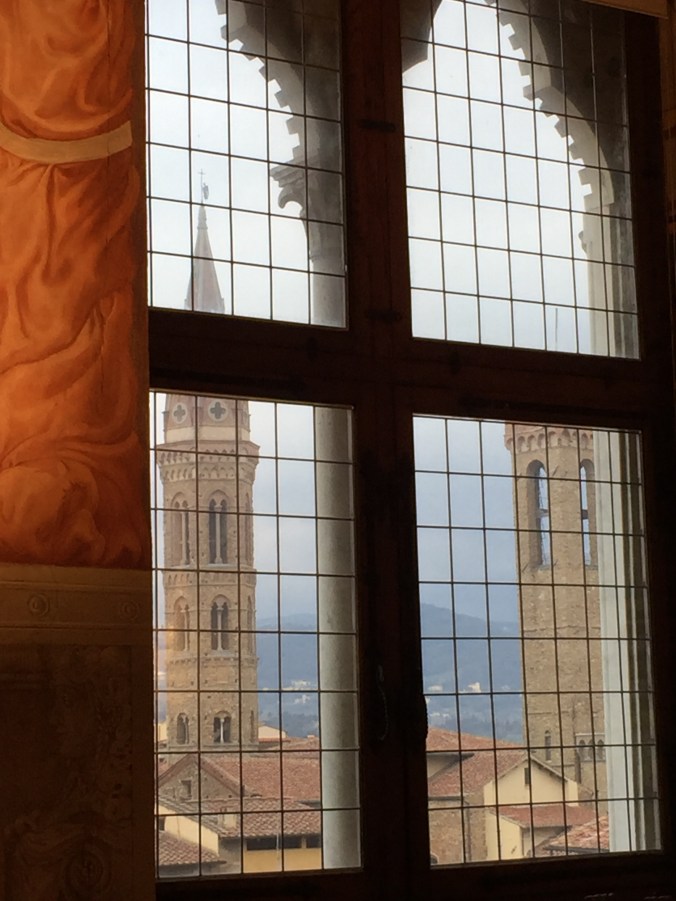
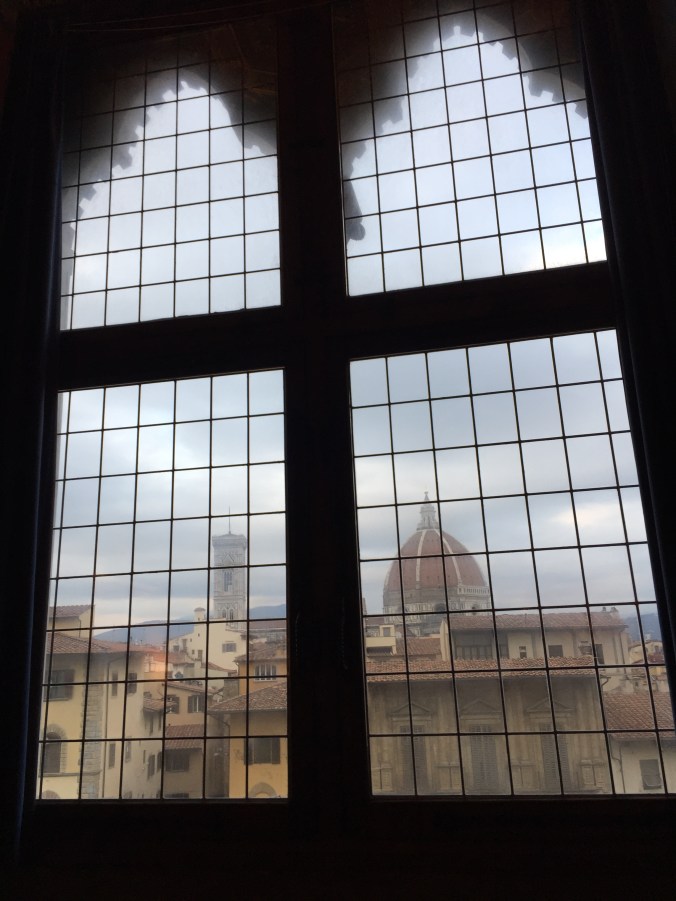
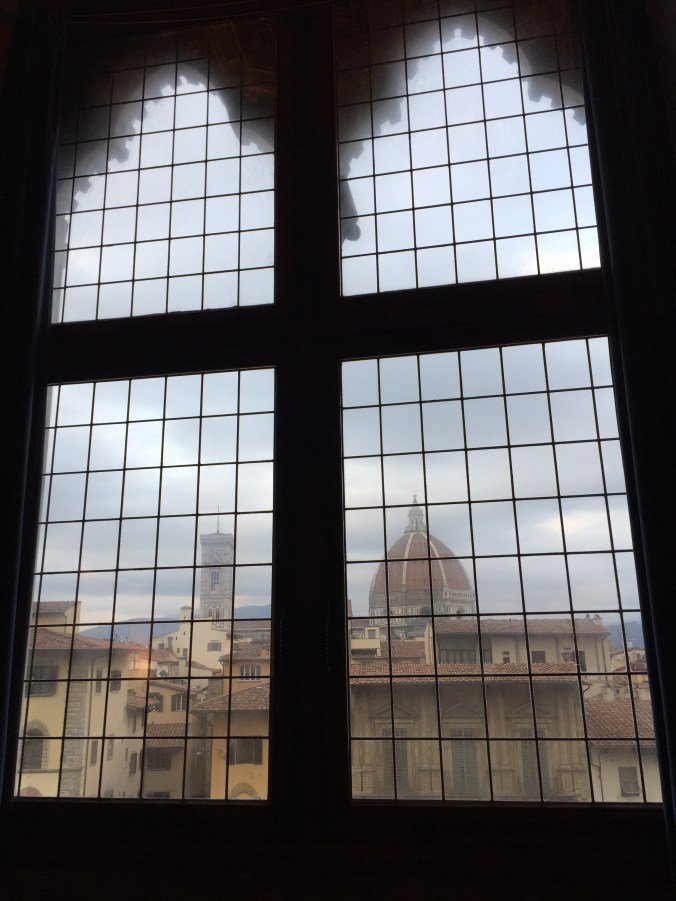
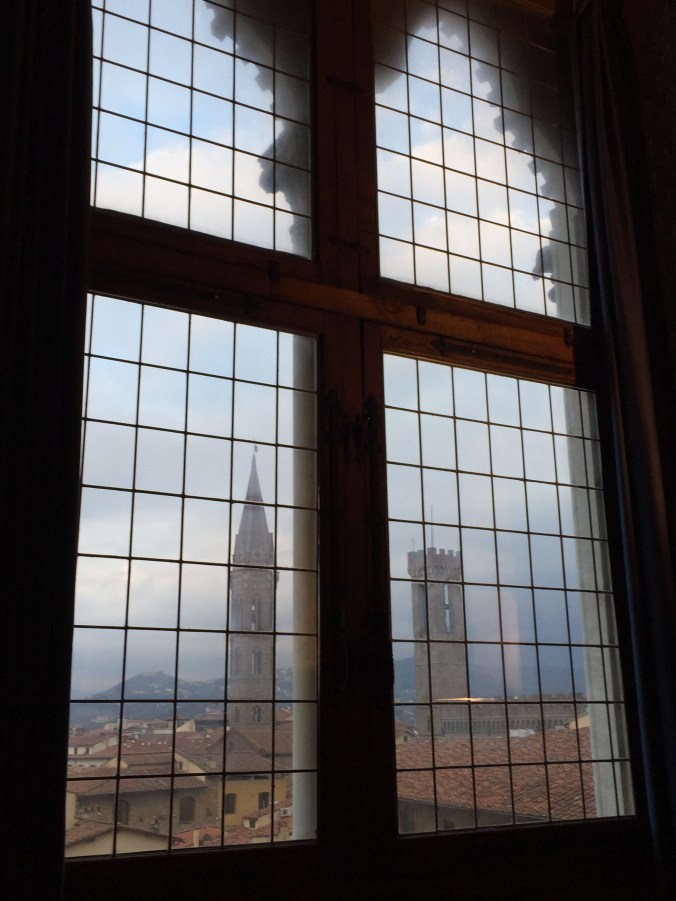
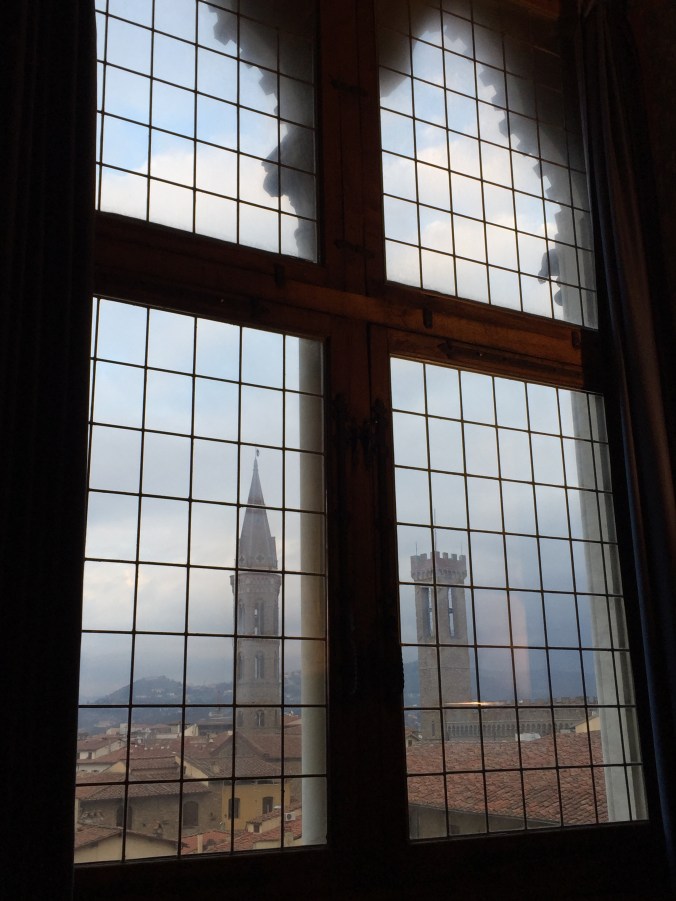
The views of the city from the 2nd floor of Orsan Michele are pretty amazing.

IMG_0585IMG_0586IMG_0587IMG_0588IMG_0589IMG_0590IMG_0591IMG_0592IMG_0593IMG_0594IMG_0595IMG_0596


IMG_0599

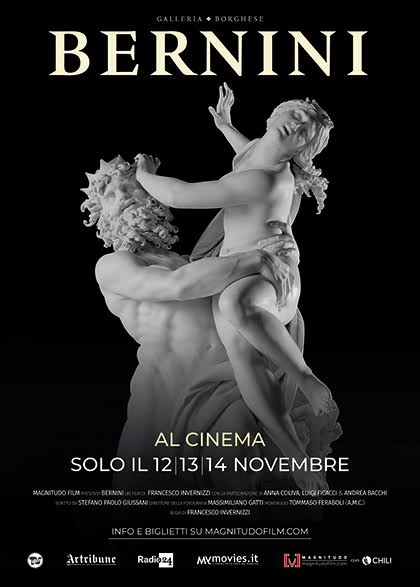
Bernini, the film

I was fortunate enough to see the newly-released film, Bernini, in the Odeon Theatre in Florence this week.  OMG, it is fantastic.

images
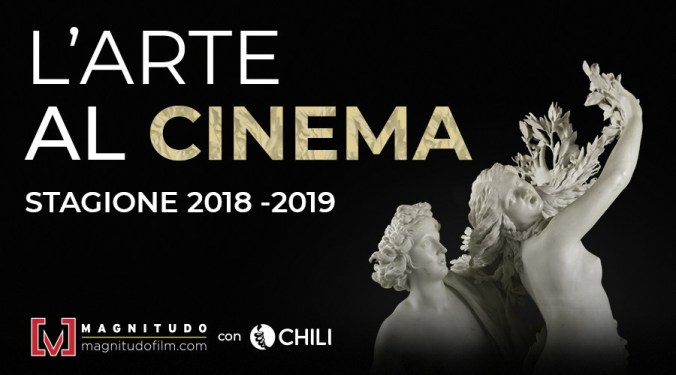
The director of this beautiful guided tour through the Villa Borghese in Rome was directed by Francesco Invernizzi; Anna Coliva, Luigi Ficacci, and Andrea Bacchi are key presenters. Titolo originale: Bernini. Genere Documentario – Italia, 2018.

stagione_900x500

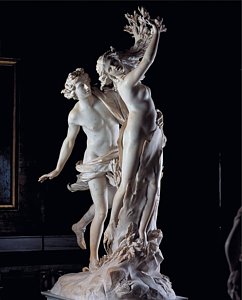
From the movie release, we are informed: La selezione di oltre 60 capolavori in esposizione alla Villa Borghese di Roma è stata definita dagli esperti di arte come il ritorno a casa di Bernini. A cinque secoli dalla nascita dei maestosi gruppi scultorei dell’artista, attraverso riprese inedite ed esclusive, i protagonisti di questa grande Mostra raccontano ed analizzano i dettagli delle opere giunte dai più prestigiosi musei del mondo per questa straordinaria occasione.

The selection of more than 60 masterworks on exhibition at the Villa Borghese in Rome has been defined by experts as a return to the home of Bernini. Five centuries after his  birth, we appreciate the majestic sculptural groups Bernini created, through the unprecedented and exclusive shots. Experts of this great exhibition recount and analyze the infinite details of the sculpture, with Bernini works borrowed from the most prestigious museums in the world for this extraordinary event.

bernini-gian-lorenzo-apollo-everett
“No artist defined 17th-century Rome more than Gian Lorenzo Bernini did, working under nine popes and leaving an indelible mark on the Eternal City. And there is probably no better place to appreciate his talent and genius than the Borghese Gallery in Rome, the villa — now a museum — built by his first patron, Cardinal Scipione Borghese, where Bernini revealed his talent for capturing tension and drama in stone. But during the remarkable exhibition titled “Bernini,” visiting may be a once-in-a-lifetime experience.” The New York Times

The Neptune Fountain in Florence is disassembled for restoration

Nine bronze statues, depicting nymphs, fauns and satyrs, were removed with a crane and taken to a workshop in via Livorno, where they will be restored by Ires e Nicola Salvioli Restauri. Work on the fountain began in February 2017, using funds donated by the Salvatore Ferragamo fashion house, which is providing 1.5 million euro throughout the project. The bronze statues will be restored not only on the outside but on the inside as well, which has deteriorated substantially due to water and atmospheric agents.


In 1559, Cosimo I de’ Medici held a competition for the creation of the city’s first public fountain, with Bartolomeo Ammannati and his Neptune design eventually taking the prize, judged the best for its clear exaltation of the Grand Duchy of Tuscany’s glorious seafaring achievements. The sculpture was completed in 1565 and inaugurated for the wedding of Francesco I de’ Medici and the Grand Duchess Giovanna d’Austria on December 10 of that year. Close observers might notice that Ammannati used Cosimo I’s features to depict the strapping Neptune rising above the other figures.

http://www.theflorentine.net/news/2018/11/restoration-continues-neptune-fountain/

The statue of Dovizia, Firenze

I love to let my mind wander into the distant past, trying to picture the way things might have been.

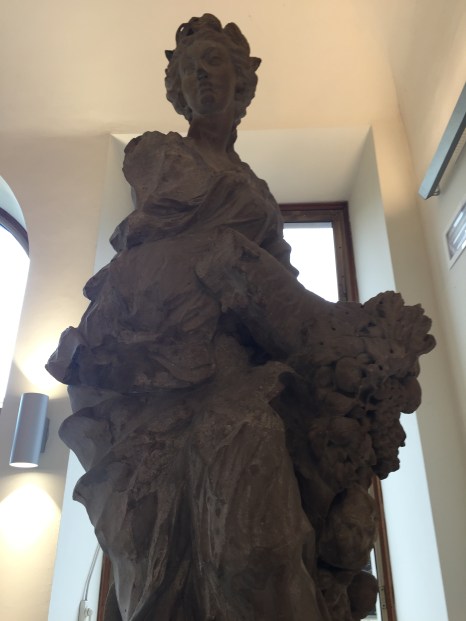
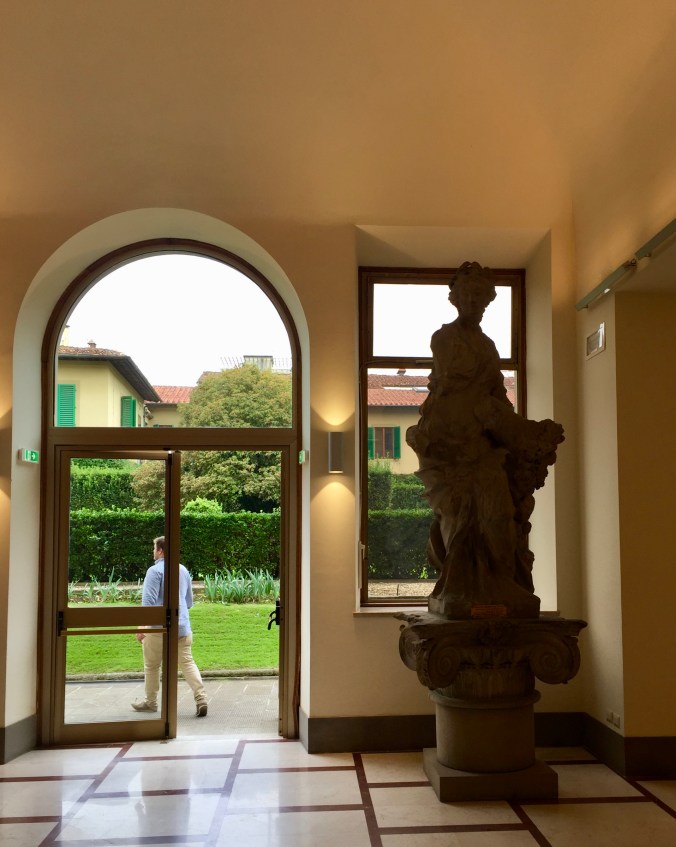
Last week I was invited to visit a show in the beautiful exhibition space of the Fondazione Cassa di Risparmio di Firenze on via Bufalini.  There I bumped into a heroically-sized statue of a somewhat recognisable woman.  “Hey, I know you!” I thought to myself.

IMG_2502

She certainly looked familiar.  I wondered if she was related to one of the four allegorical statues of the seasons occupying the corners of the Ponte Santa Trinita. (Those four statues were done by Pietro Francavilla [Spring], Taddeo Landini [Winter] and Giovanni Caccini [Summer and Autumn] and placed on the bridge in 1608.)

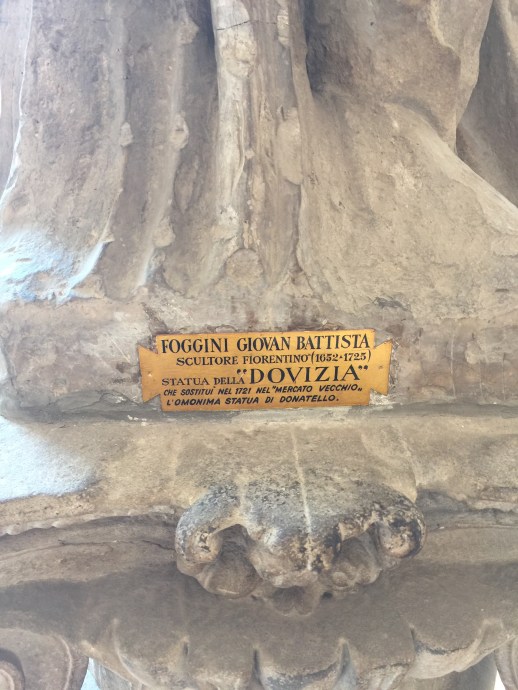
Fortunately, a label attached to the statue revealed the figure and the sculptor: La Dovizia (Abundance) by Giovan Battista Foggini:

IMG_2501

Ah ha! I now knew exactly what I was looking at!  My mind zinged back into two places almost simultaneously, first to the camp and later the Forum of Roman Florence. and then to the Renaissance placement of a statue of Abundance by Donatello.

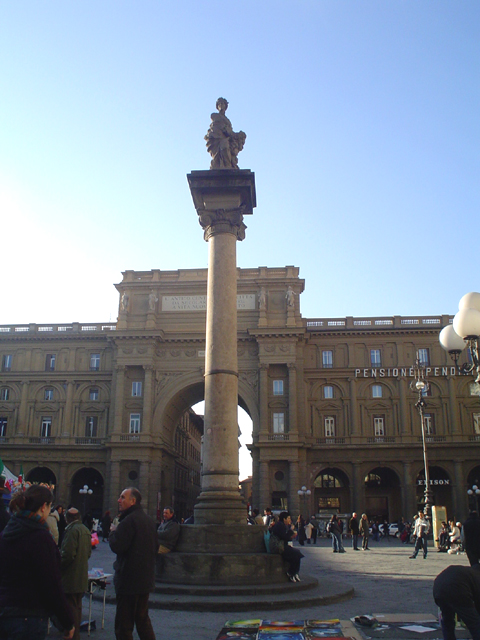
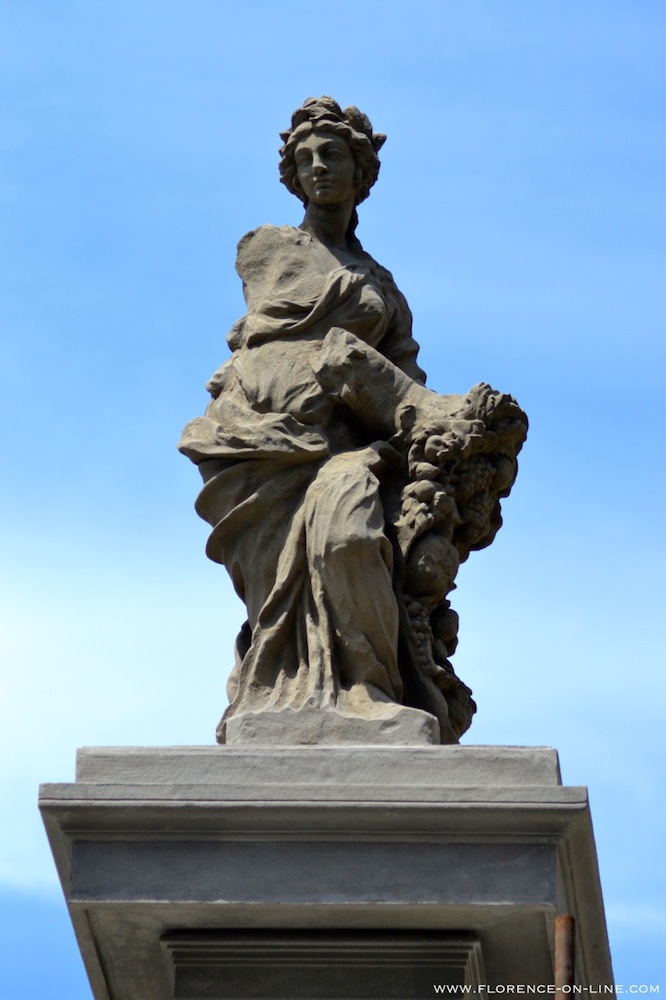
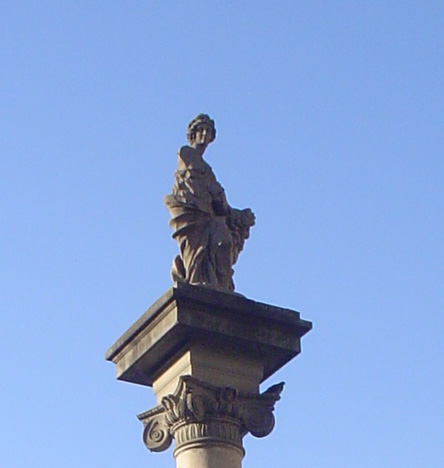
Both of these past moments happened in the space now occupied by the Piazza della Repubblica in Florence. The giant woman I encountered last week on the Via Bufalini was the statue of Abundance that replaced Donatello’s (now lost) figure on the same column, a replacement which occurred in 1721 (according to the label).

colonna_abbondanza

The column, still topped by a statue, sits at the exact point where the two Roman roads intersected in ancient Florence, the cardo (now via Roma and via Calimala) and decumanus (now via degli Strozzi, via degli Speziali, and via del Corso).


donatello-statue

statua_piazza_repubblica


Now I needed to find out more about Giovanni Battista (Giambattista) Foggini, to satisfy my curiosity.  He was an artist in Florence (1652 – 1725) who became, in 1676, the court sculptor for Cosimo III. He went on to become the Medici’s Architetto Primario e Primo scultore della Casa Serenissima as well as Soprintendente dei Lavori (1687–1725).

Foggini is best known today as the creator of many small bronze statuary figures and groups. In 1687, Foggini acquired the foundry in Borgo Pinti that had once belonged to the sculptor Giambologna. This allowed him to specialise in small bronzes, produced mainly and profitably for export. His adaptation of Pietro Tacca’s Moors was, for example, the basis of the bronze and ceramic reproductions for the connoisseur market well into the 18th century.

220px-Giovan_battista_foggini,_corsaro_legato_02


fullsizeoutput_49a


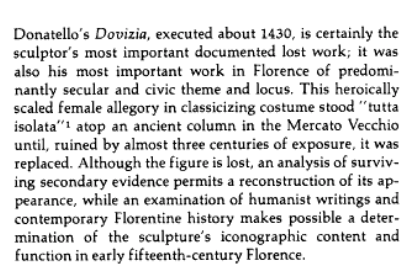
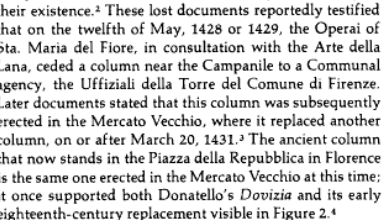
One of my grad school professors published an article on the Donatello Abundance (“Donatello’s Lost Dovizia for the Mercato Vecchio: Wealth and Charity as Florentine Civic Virtues by David G. Wilkins).  Here are couple of excerpts from that scholarly publication:

Screenshot 2018-10-15 at 09.49.23

Screenshot 2018-10-15 at 09.52.01

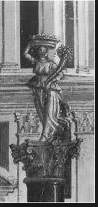
Here is an image of what Donatello’s lost sculpture might have looked like:   Screenshot 2018-10-15 at 11.08.14

You just never know who or what you will bump into in this fascinating city of Florence.


Famous 19th-century Americans in Florence: Horatio Greenough, sculptor

IMG_1395

From the book by Clara Louise Dentler: Screen Shot 2018-08-15 at 3.30.23 PM


Where Greenough lived, worked, or exhibited in Florence:

  1. in a villa a mile out of Florence, thought to be opposite the Collegio della Querce on Via Piazzola
  2. he built a beautiful octagonal studio for the exhibition of his works at the corner of Piazza della Liberta’ (then called Piazza Maria Antonietta) and Via Santa Caterina
  3. places he lived include Casa le Blanc on Costa San GiorgioPalazzo Pucci-Baciocchi on Via de’ Pucci; and the popular Villa Brichieri.


The reasons why Italian cemeteries are so interesting to visit

Wealthy middle-class Italians of the 19th century seldom established art collections as their counterparts did in Britain and Germany. Their most conspicuous expenditure on visual art was on funerary sculpture, on the creation of vast, ornate, often beautiful monuments to deceased members of their families.

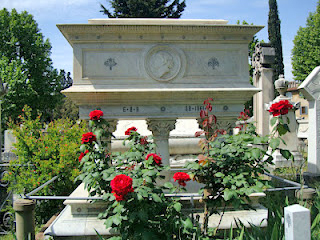
EBBtomb Tomb of Elizabeth Barrett Browning, Florence

The erection of these was traditionally a private matter even for public figures – the Venetian Republic did not provide them for its doges – except in the case of remote heroes such as Dante, who was awarded a dismal cenotaph in Florence’s Santa Croce in 1829.

The state concerned itself with public statues of heroic and exemplary men, works that could be seen not in a chapel or a cemetery but in the middle of a square.

Gilmour, David (2011-10-25). The Pursuit of Italy: A History of a Land, Its Regions, and Their Peoples (Kindle Locations). Farrar, Straus and Giroux. Kindle Edition.


The (almost) unknown Florentine museum attached to the refectory of San Michele a San Salvi

Yesterday I posted about Andrea del Sarto’s Last Supper in Florence.  Attached to the same building is a small but fine museum of 15th and 16th century art, in addition to the main event of the Last Supper.

IMG_0102

I might lose my membership in the world of art historians because while I took pictures of a few of the artworks that grabbed my attention in this smallish museum, I didn’t take adequate pictures (or, god forbid, hand-written notes) of the labels that identify the artist.  From the depths of my heart, I apologize.  It was a hot, hot, hot day in Florence and I simply failed to live up to my creed. :-)


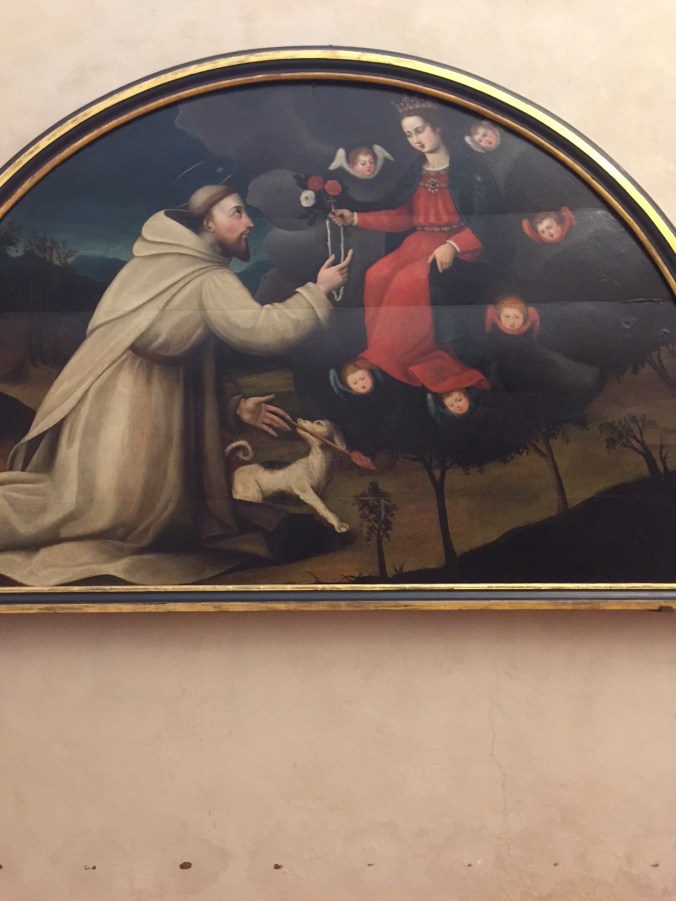
IMG_0103

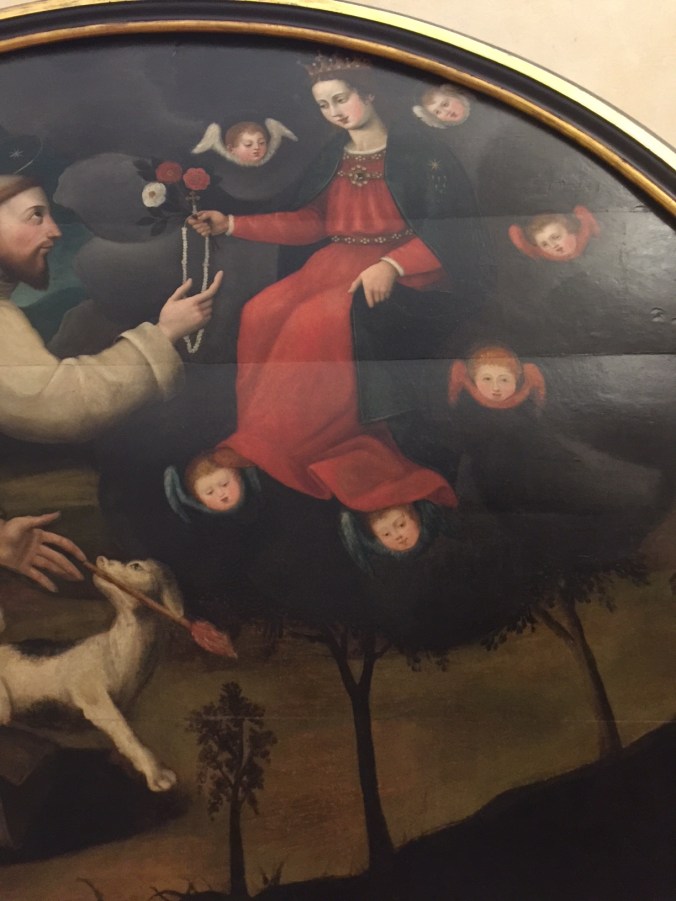
But this odd painting certainly did grab my attention!  It is, I assume, a vision of Saint Mary in heaven, bestowing a string of pearls? beads? to someone below her on earth, I would guess?

Anyway, what I liked is the bodiless angels floating around Mary in the shape of a mandorla (almond).  Their heads and wings are kind of creepy, floating as they do around Mary.


And, speaking of being surrounded by cherubim and seraphim, look at this oil painting!

IMG_0100

Again, I would be fired as a curator, but I don’t know who painted this work. (But I know where the label is if I need the info; it’s right beside the painting for goodness sake! My art historical training is playing out in this post, as a kind of Catholic guilt.  I am smiling as I write this silly thing.)

But, check out the multitudes surrounding Christ on the cross, above whom is God the Father, and below is Mary and 2 others.


But, as entertaining to me as the 2 works above were, the one that really gave me a jolt was this:

IMG_0089


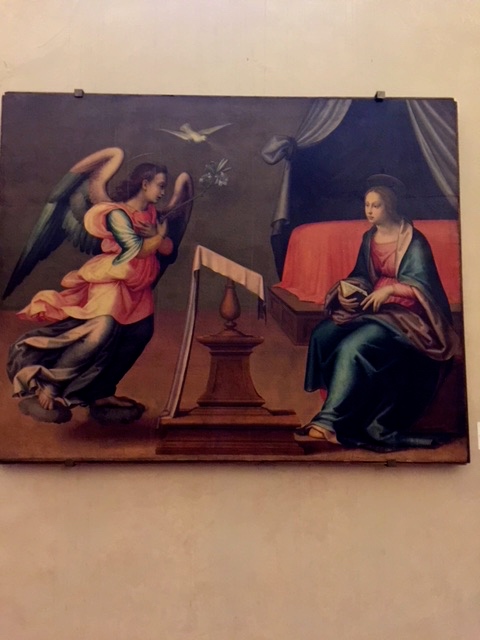
It represents, of course, the Annunciation, when the angel Gabriele tells the Virgin Mary that she will bear the Son of God.  I’ve seen thousands of renditions of this scene, which one of the most hopeful moments in Christian art.

But, what I have never seen before is Gabriel standing on 2 little clouds, one for each foot, that makes it look like he is hover-boarding up to Mary!

IMG_0090

Crazy funny to me!

There are many fine works of painting and some sculpture in this fine museum.

IMG_0098

Vai!  You’ll be glad you did!

In and under Orvieto

Above and underground in Orvieto

This past week I have been very lucky to have a very dear friend visiting, and so I’ve been playing a bit more tourist than I normally do in Italy. We wanted to get out of Florence a bit, so we headed to nearby Orvieto, somewhere I have never been, and only about two hours on the regional (slow) train. Orvieto is located on a (very tall) hill, so we took the funicular from the bottom of the hill where the train dropped us off to the old town, and then headed straight for the main piazza del Duomo. We picked up tickets for our main interest first, and while we waited headed into the Duomo. Orvieto’s Duomo is pretty low-key overall, but the chapels are what are most noticeable and they are much more ornate than the rest of the empty-feeling church.

IMG_1970

The church is similar in feel to the Duomo in Siena, but as previously noted the chapels here are what are incredibly ornate. One chapel in particular was created for a piece of bloody cloth from when the wafer began to drip with the actual blood of Christ to convince a doubting priest. The cloth and host were taken to the pope, a miracle was declared and the chapel was built where the cloth is enshrined to this day. The majority of the frescos in that chapel were done by Luca Signorelli, and are said to have influenced Michelangelo’s frescos in the Sistine Chapel. The influence is obvious; Signorelli’s figures are incredibly muscular.

After viewing the church we headed from the beautiful city aboveground to under the ground, to the main attraction of Orvieto and what we were most excited to see: the Orvieto underground. During the time of the Etruscans thousands of man-made caves were dug out of the hillside and they are spread throughout the city. I tried to find an example of the map that you can see there, but was unsuccessful, but imagine a small Italian town city map: now draw thousands of red circles all over it and you’ll have an idea of how many caves there were and the reach of them. We took a guided tour in English, and were able to get some backstory on the caves and see them up close and personal.

The caves look pretty much like you would expect– they are caves after all– but what is perhaps most surprising is the temperature drop after you descend even just one level down into the caves. It is so much cooler there, and it is no surprise that the Etruscans used the caves for things such as olive oil making. Below you can see an ancient olive oil press. The straining mat is modern, but something similar would have been used to press the oil out of the olives and prevent pieces of the olives from joining the oil.

IMG_1979The caves were incredibly extensive; we felt we had seen so much, but in reality we only covered two tiny circles on the map of thousands. At one point our guide pointed out that while it seemed we had covered a lot of ground, it had all been vertical, and there certainly were a lot of stairs– this was not a tour for those who can’t do stairs– or the claustrophobic! The caves were quite spacious, but the tiny staircases and passages between them, not so much.

IMG_1981

Many of the rooms in the caves were studded with holes, as you can see in the photograph above. For a long time they believed that these holes had a different purpose, but now archeologists are pretty certain that they were used to raise pigeons, which are actually a pretty common food in Orvieto, one of the things the city is known for (the others being ceramics, Orvieto classico wine from Trebbiano grapes, and olive oil). The pigeons were self-maintaining, because they would fly out the window that was ever-present to eat, and also bring back food for their young. Unlike other animals such as rabbits, people did not have to put in as much effort to raise them.

After some time the caves reached their final hurrah when the people of Orvieto were forbidden from digging out any more caves due to the instability of the area; landslides, thanks to the instability caused by the caves were increasing and there was fear that the entire city might disappear. Now there are spikes driven through the hill to protect the city, but the caves are now an archeological and historical site as opposed to a functional one.

Orvieto, being a hill town, had beautiful views, and we spent the rest of the afternoon wandering and enjoying them before heading back to Florence on the train. Below you can see a convent (I believe) from the hillside where we entered the underground caves.

IMG_1975Orvieto was sacked by the Romans, but the city withstood their attacks for two years thanks to its prime hilltop position: easy to defend. There are walls around the city as well, and facing the train station you can climb atop for the best view of the valley below.

IMG_1984Sometimes living in Florence it’s easy to forget that Italy isn’t really a land of cities. I’m lucky enough to have a view of the hills from my balcony, but visiting a small hill town is a good reminder of what Italian life is really like for most people– in the past, and in the present.

IMG_1988

· · in Escapes, Europe, Off the Beaten Track, Out & About. ·