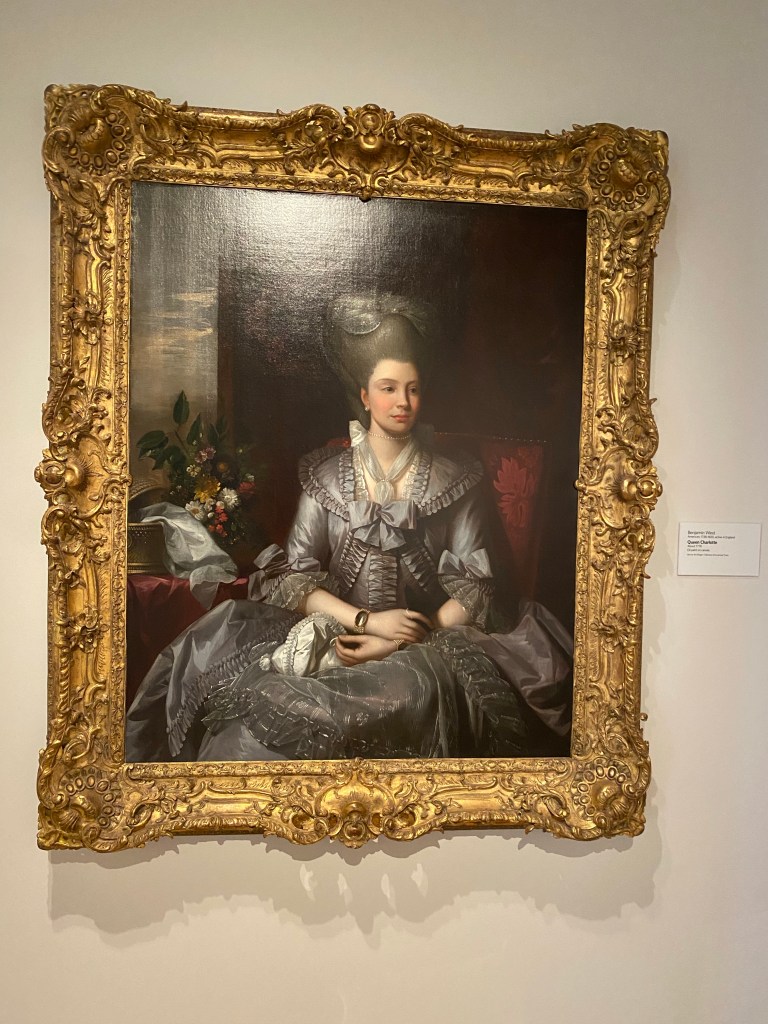
Benjamin West’s Portrait of Queen Charlotte

On loan to Denver Art Museum.
Benjamin West is a fascinating figure in American art history. He was born in 1738 in Pennsylvania, in a house that is now in the borough of Swarthmore on the campus of Swarthmore College. He was the tenth child of an innkeeper, John West, and his wife, Sarah Searson. The family later moved to Newtown Square, Pennsylvania, where his father was the proprietor of the Square Tavern, still standing in that town.

West told the novelist John Galt, with whom, late in his life, he collaborated on a memoir, The Life and Studies of Benjamin West, that, when he was a child, Native Americans showed him how to make paint by mixing some clay from the river bank with bear grease in a pot. West was an autodidact; while excelling at the arts, “he had little [formal] education and, even when president of the Royal Academy, could scarcely spell”. One day, his mother left him alone with his little sister Sally. Benjamin discovered some bottles of ink and began to paint Sally’s portrait. When his mother came home, she noticed the painting, picked it up and said, “Why, it’s Sally!”, and kissed him. Later, he noted, “My mother’s kiss made me a painter”.

From these simple origins, he went on to become a major figure in British art history, of which the painting on loan in Denver is a representative.

From 1746 to 1759, West worked in Pennsylvania, mostly painting portraits. While West was in Lancaster in 1756, his patron, a gunsmith named William Henry, encouraged him to paint a Death of Socrates based on an engraving in Charles Rollin’s Ancient History. His resulting composition, which significantly differs from the source, has been called “the most ambitious and interesting painting produced in colonial America”.

Dr William Smith, then the provost of the College of Philadelphia, saw the painting in Henry’s house and decided to become West’s patron, offering him education and, more importantly, connections with wealthy and politically connected Pennsylvanians. During this time West met John Wollaston, a famous painter who had immigrated from London. West learned Wollaston’s techniques for painting the shimmer of silk and satin, and also adopted some of “his mannerisms, the most prominent of which was to give all his subjects large almond-shaped eyes, which clients thought very chic”.

West was a close friend of Benjamin Franklin, whose portrait he painted. Franklin was the godfather of West’s second son, Benjamin.

Benjamin Franklin Drawing Electricity from the Sky, c. 1816, now housed in the Philadelphia Museum of Art


In 1760 West went abroad, first to Italy. Sponsored by Dr. Smith and William Allen, then reputed to be the wealthiest man in Philadelphia, West traveled to Italy in 1760 in the company of the Scot William Patoun, a painter who later became an art collector. In common with many artists, architects, and lovers of the fine arts at that time he conducted a Grand Tour. West expanded his repertoire by copying works of Italian painters such as Titian and Raphael direct from the originals. In Rome he met a number of international neo-classical artists including German-born Anton Rafael Mengs, Scottish Gavin Hamilton, and Austrian Angelica Kauffman.

In August 1763, West arrived in England, on what he initially intended as a visit on his way back to America. In fact, he never returned to America. He stayed for a month at Bath with William Allen, who was also in the country, and visited his half-brother Thomas West at Reading at the urging of his father. In London he was introduced to Richard Wilson and his student Joshua Reynolds. He moved into a house in Bedford Street, Covent Garden. The first picture he painted in England, Angelica and Medora, along with a portrait of General Robert Monckton, and his Cymon and Iphigenia, painted in Rome, were shown at the exhibition in Spring Gardens in 1764.

In 1765, he married Elizabeth Shewell, an American he met in Philadelphia.

Dr Markham, then Headmaster of Westminster School, introduced West to Samuel Johnson, Edmund Burke, Thomas Newton, Bishop of Bristol, James Johnson, Bishop of Worcester, and Robert Hay Drummond, Archbishop of York. All three prelates commissioned work from him. In 1766 West proposed a scheme to decorate St Paul’s Cathedral with paintings. It was rejected by the Bishop of London, but his idea of painting an altarpiece for St Stephen Walbrook was accepted. At around this time he also received acclaim for his classical subjects, such as Orestes and Pylades and The Continence of Scipio.

West was known in England as the “American Raphael.” His Raphaelesque painting of Archangel Michael Binding the Devil is in the collection of Trinity College, Cambridge.

Drummond tried to raise subscriptions to fund an annuity for West, so that he could give up portraiture and devote himself entirely to more ambitious compositions. Having failed in this, he tried—with greater success—to convince King George III to patronise West. West was soon on good terms with the king, and the two men conducted long discussions on the state of art in England, including the idea of the establishment of a Royal Academy. The academy came into being in 1768, with West one of the primary leaders of an opposition group formed out of the existing Society of Artists of Great Britain; Joshua Reynolds was its first president.

West painted around sixty pictures for George III between 1768 and 1801. From 1772 he was described in Royal Academy catalogues as “Historical Painter to the King” and from 1780 he received an annual stipend from the King of £100. In the 1780s he gave drawing lessons to the Princesses and in 1791 he succeeded Richard Dalton as Surveyor of the King’s Pictures.

Between 1776 and 1778 George III commissioned as set of five double or group portraits of his family to hang together in the King’s Closet at St James’s Palace. His Queen and twelve of his children are included in the arrangement (two appear twice); every portrait is filled with action, instruction and affection, making them seem almost like extended versions of the conversation pieces commissioned by George III’s parents. In this double portrait the Queen and the Princess Royal are engaged in tatting a piece of material or embroidery between them; on the table beside the Queen is a bust of Minerva, a sheet of music and papers; in the distance are St James’s Park and Westminster Abbey. As if all this were not improving enough there is a sheet of drawings by Raphael. West was paid 150 guineas for this painting which was exhibited at the Royal Academy in 1777.

Three young British girls from around 1610


We don’t know who painted Three Young Girls; however, we do know that it was created between 1610 and 1620, and that it was painted in the style of William Larkin. William Larkin was an English artist who painted some of the most fashionable figures of his time. Until he was definitively identified in the 1900s, Larkin was simply known as the “curtain master” for his characteristic inclusion of curtains to frame the figures in his portraits.

Since Larkin was an active and very popular artist during the early 1600s, it seems likely that the anonymous painter of Three Young Girls purposely emulated Larkin’s distinctive style to please his patrons. Some features of Larkin’s style visible in this painting include strong lighting, polished treatment of flesh, and close attention to the details of rich fabrics, jewelry, and oriental carpets.

Three Young Girls was painted during what is known as the Jacobean period in England (1603-1625). This period corresponds to the rule of James I, son of Mary, Queen of Scots. Jacobean portraits are characterized by brilliant, jewel-like color and heavily decorated figures. Every detail of jewelry and fabric is meticulously delineated and recorded.

The girls’ matching earrings depict hunting-horns, or bugle-horns. These horns are a common motif in families’ coats of arms. Having a coat of arms was a symbol of status during this time because they had to be confirmed or granted by the king’s heralds. The hunting-horn motif suggests that the girls’ family were landowners and possibly members of the nobility or gentry (one class below the nobility).

The gold ring the middle girl wears could be either an engagement or a mourning ring. It’s possible that she had already become engaged and wears the symbol of her betrothal. At this time, stringing jewelry on black ribbon was popular. It’s also possible this ring belonged to the girl’s mother and she wears it as a symbol of mourning for her mother’s death.

The three unidentified girls in this painting are a mystery, but by carefully studying the details in the piece, we can learn several things about them. The girls are dressed in matching outfits, a sort of fashionable family uniform. Since fashions go in and out of style, the clothing worn by the figures helps us identify time period and status. The low necklines, lace collars, high waistlines, and yellow lace date the painting to somewhere around 1620. The expensive fabrics and gold, diamond, and coral jewelry the girls wear make it clear that they come from a wealthy family.

Certain details in this painting lead some art historians to theorize that it was painted after the death of the girls’ mother. The gold ring attached to a black string on the hand of the middle girl is one detail that could support this hypothesis. In addition to symbolizing an engagement, rings were used in the 1600s to symbolize mourning. The ring could have belonged to the girl’s mother, hence the large size, and she wears it in remembrance. The youngest girl’s “lady” or “fashion” doll is another clue that supports this theory. The doll is dressed in clothes that represent the style of clothing their mother would have worn. The black fabric of her dress, traditionally the color of death, would then be appropriate. The marigold, blue hyacinth, and periwinkle flowers the two youngest girls wear in their hair can represent, among other things, grief, despair, death, and mourning.

The red and yellow coral bracelets the oldest and youngest girls wear not only reaffirm their wealthy origins but may have been intended as powerful talismans (objects believed to have special powers). Coral beads were talismans of safety and good health, especially for children. Child mortality was high during this time, so perhaps these young girls were given coral to protect them from bad luck, illness, and death.

The Fruit: Traditionally in art, ripe fruit has represented fertility. However, the fruit held by the oldest and middle girls are only semi-ripe; they could be symbols of the girls’ immaturity and a suggestion of physical development in the future. In that light, the grapes and the pears may be symbols of the sisters’ future roles as mothers and wives. Grapes are symbolic of good luck. The pear is a celebration of a woman’s form.

The Flowers: The two youngest girls have marigolds, blue hyacinths, and blue-purple periwinkles in their hair; the eldest wears a red carnation. Although each flower has many meanings, marigolds traditionally symbolize affection and obedience; carnations symbolize betrothal; blue hyacinth, grief and mourning; and periwinkle, many things, from death to immortality to lovemaking. Although the individual flowers can be associated with love, affection, virginity, constancy, and marriage (all perhaps appropriate for a painting of young girls), they can all also represent grief, despair, death, and mourning.

Red, yellow, and green are the dominant colors in this painting. The artist probably chose these colors to make the painting vibrant and intense. The red can primarily be found in the dresses and the girls’ skin; the yellow in the lace, braiding, and ribbons on their dresses; and the green in the heavy drapes gathered behind the girls in the background.

The girls stand in a row holding each others’ hands and arms, indicating they have a close relationship. Their dresses and jewelry are identical and their headdresses are very similar. Each girl wears her hair in the same style, and they all have the same blue-gray eyes, red lips, pale skin, rosy cheeks, and long, slender noses.

The info above and more can be found at https://www.denverartmuseum.org/en/edu/object/three-young-girls

The American Memorial Chapel at London’s St. Paul’s Cathedral

Screen Shot 2019-08-29 at 20.03.41

The website of  St Paul’s proudly states that “the UK has had a long relationship with the American people, formed largely after the Second World War, a conflict in which thousands of Americans based within the UK were to give their lives.”
The most visible striking reminder of this sacrifice and subsequent deep friendship can be found beyond the High Altar at the very east end of the Cathedral, in the American Memorial Chapel, a space rebuilt after being destroyed in the Blitz and dedicated in its entirety to the American dead of WWII.


At the heart of the chapel sits a huge, 500-page, leather-bound book; a roll of honor to the 28,000 Americans – from Aaberg to Zingale – stationed in the UK who gave their lives throughout the War. The book opens:

Defending freedom from the fierce assault of tyranny

they shared the honor and the sacrifice.

Though they died before the dawn of victory their names and deed

will long be remembered where ever free men live.

Thousands of the men named in the roll of honor died on the Normandy beaches on D-Day, as well as in training operations in the lead up to the campaign and in the subsequent battles on the European mainland, right up until the day on which the Allies celebrated Victory in Europe.

The book was unveiled in 1958 at a service to dedicate the Chapel, attended by The Queen and American Vice President, Richard M Nixon.

Screen Shot 2019-08-29 at 20.05.09


A year later, President Dwight D Eisenhower visited the Chapel and the roll of honor. Words in the book written by the President, who as a soldier commanded the Allied troops on D-Day, read:

Each name inscribed in this book is a story of personal tragedy and a grieving family; a story repeated endlessly in white crosses girdling the globe. The Americans, whose names here appear, were part of the price that free men have been forced a second time to pay in this century to defend human liberty and rights.

Fittingly, this roll of honor has been enshrined by the Mother Country of all English-speaking democracies in this special chapel of St Paul’s, once a target of barbaric attack. Here, we and all who shall hereafter live in freedom will be reminded that to these men and their comrades of all the Allies we owe a debt to be paid with grateful remembrance of their sacrifice and with the high resolve that the cause for which they died shall live eternally.

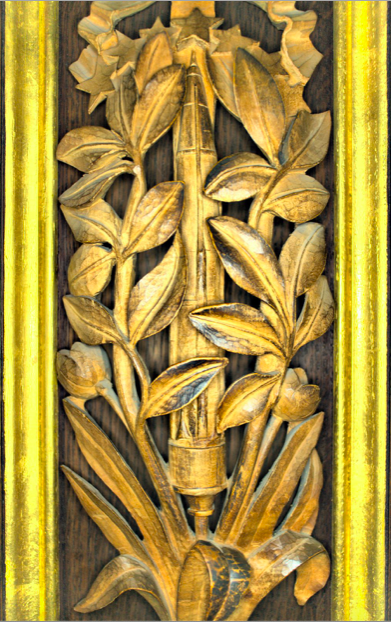
St Paul’s proudly states that the chapel itself is truly a place for all Americans. The three stained-glass windows contain the state symbols of every American state. The wood carvings contain the birds, plants and flowers of America and hidden away in one panel are a space rocket and stars – a nod to the space program that was being developed at the time the Chapel was completed.

Screen Shot 2019-08-29 at 20.07.05

Each November, St Paul’s holds a US Thanksgiving service, to which all Americans in London are invited.

Screen Shot 2019-08-29 at 20.06.14


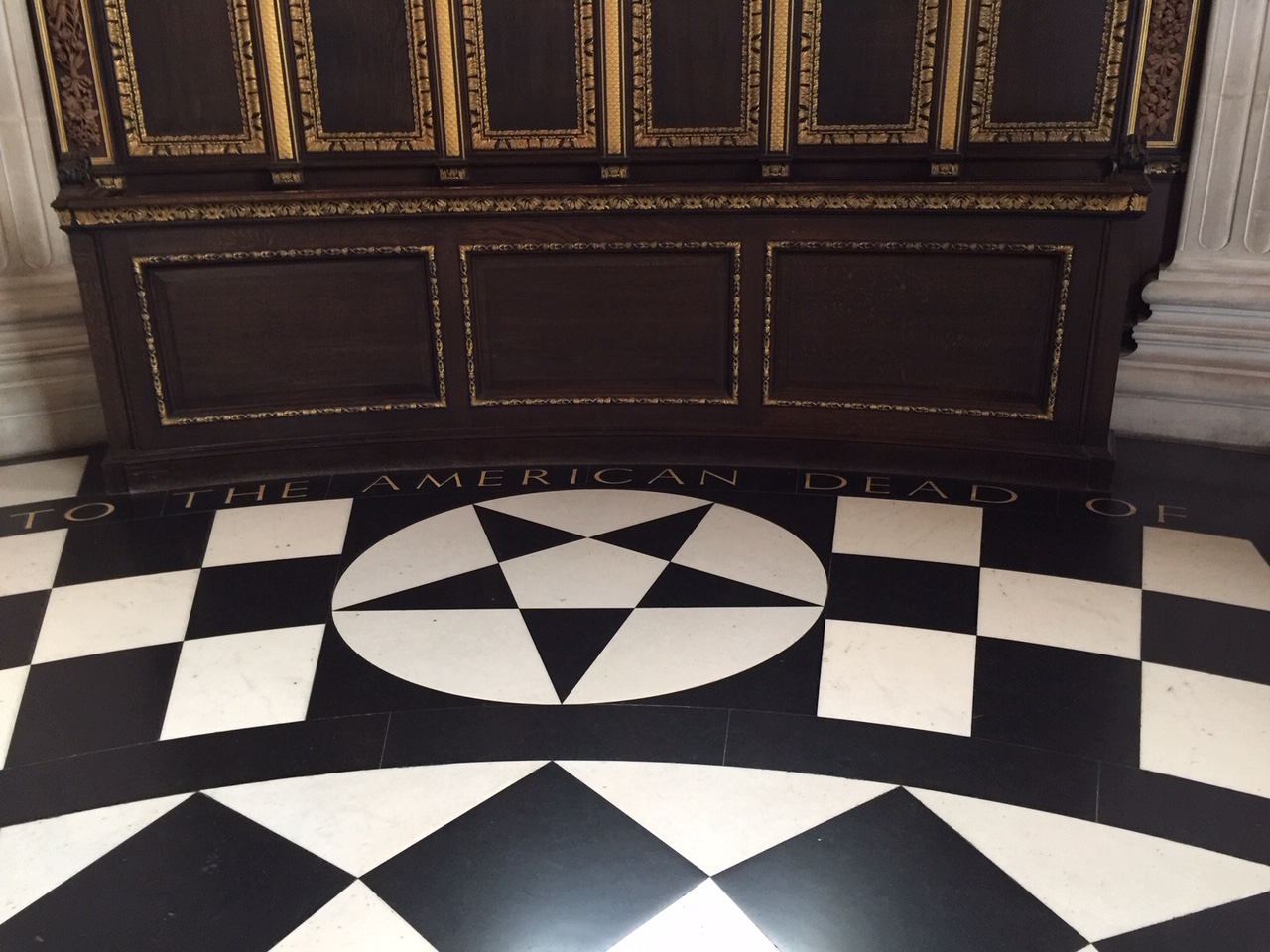
I visited this august memorial last month and was struck by its peaceful majesty.  In this calm, quiet space, the American war dead are remembered.  The inscription in the floor tells the story, simply and beautifully. It reads: “To the American dead of the Second World War from the People of Britain.”

Screen Shot 2019-08-29 at 20.20.26

IMG_0084


IMG_0085

img_0088


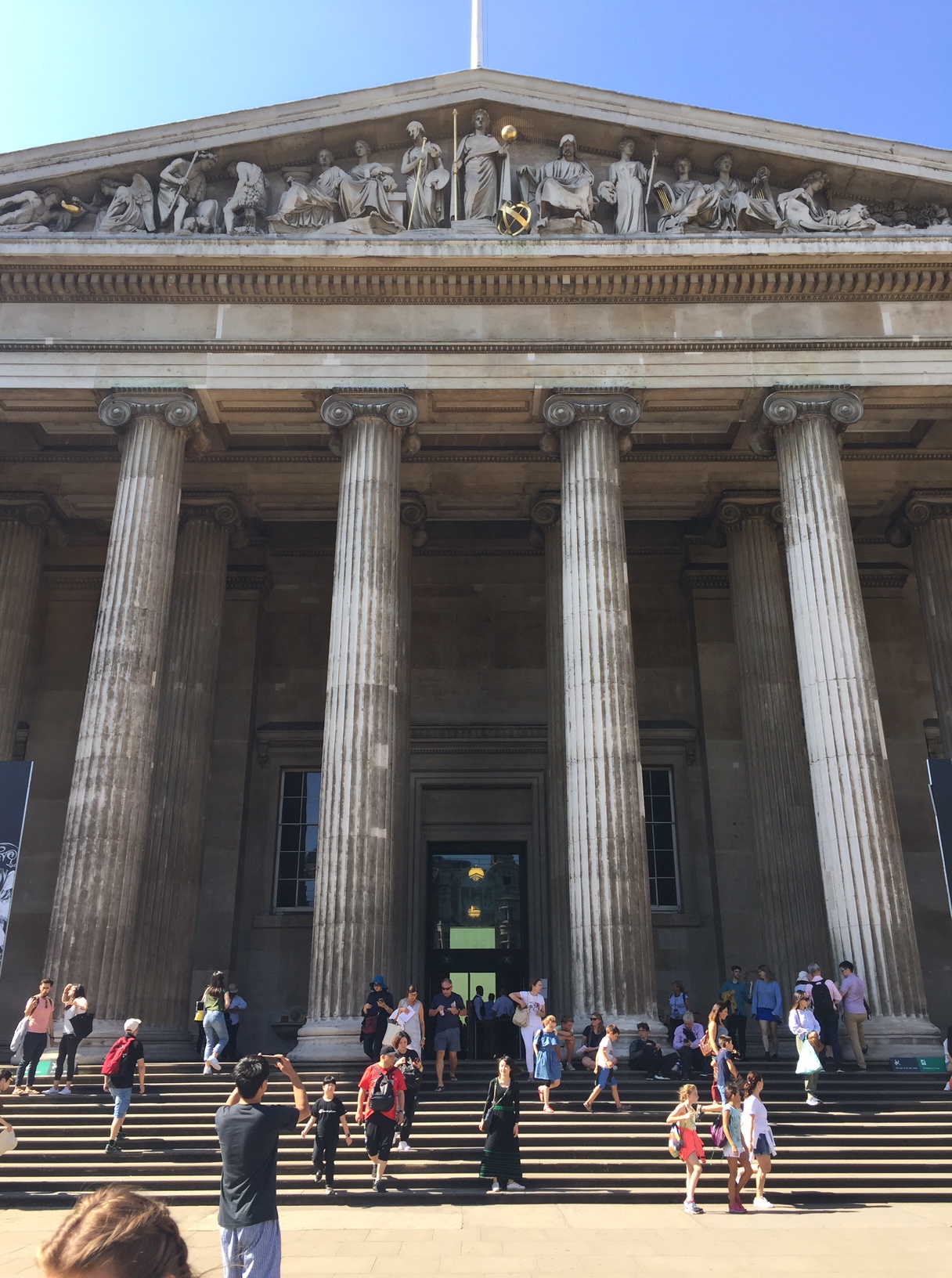
The (extraordinary) British Museum

What can I say that hasn’t already been said 1,00,000 times or more about this incredible museum?

I will let my pictures speak for me.


IMG_0997


IMG_0923


IMG_0926

IMG_0927


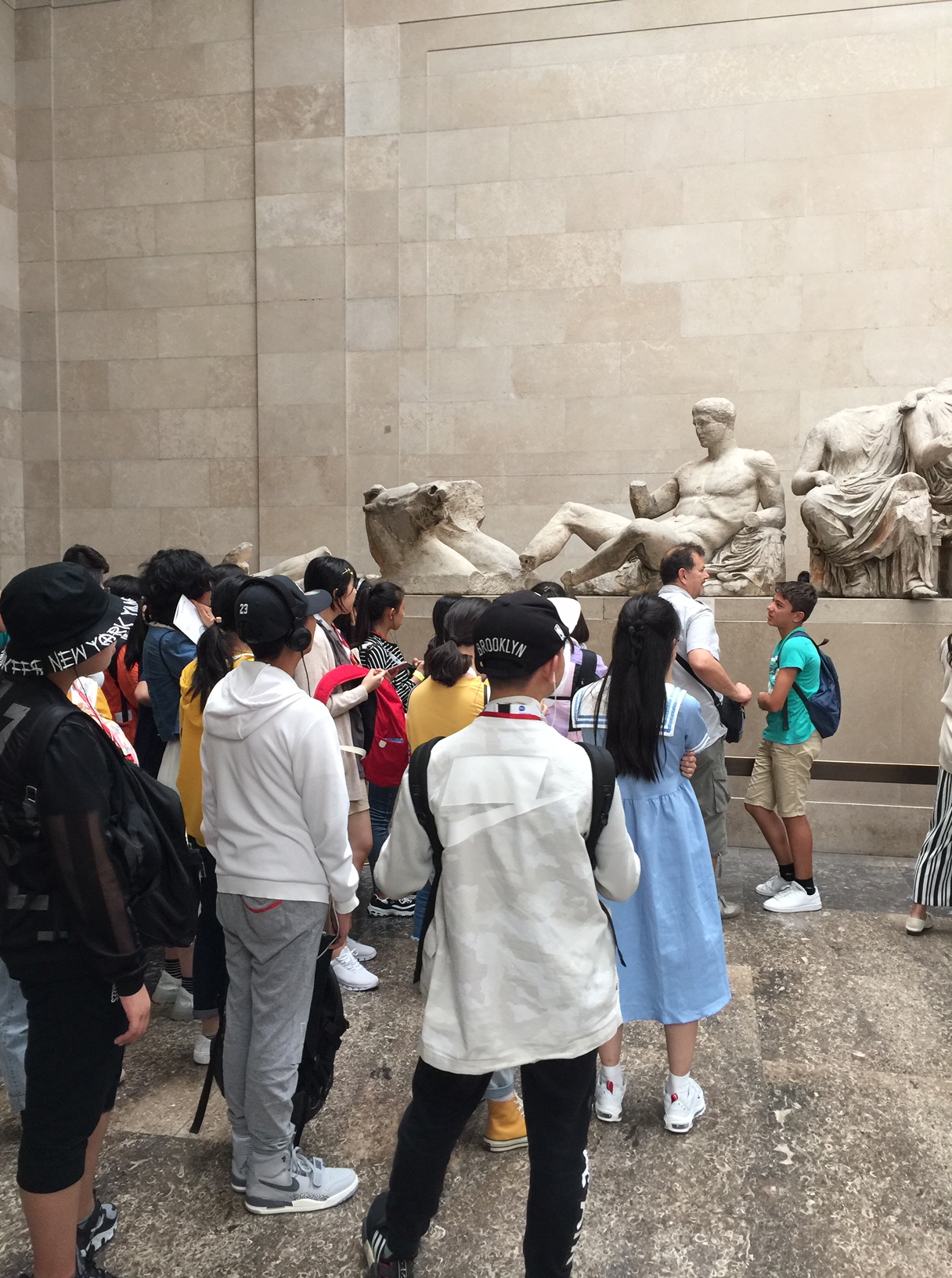
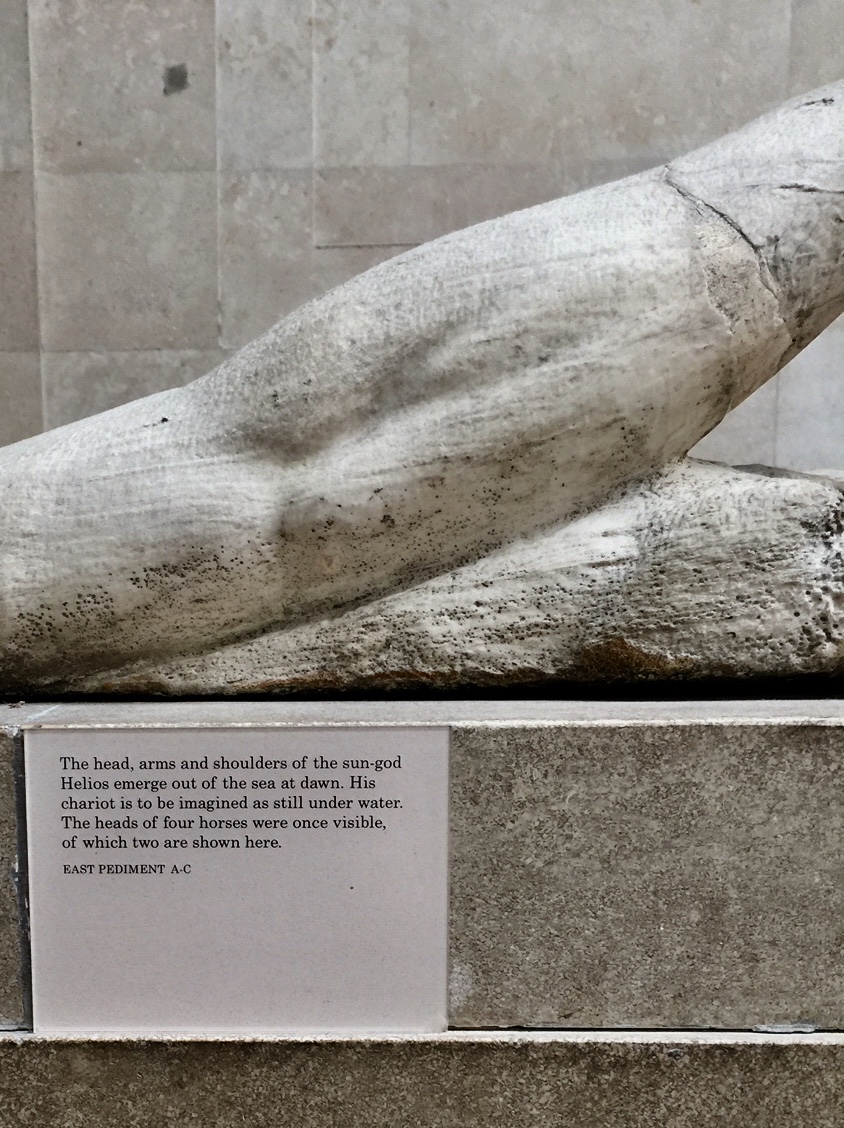
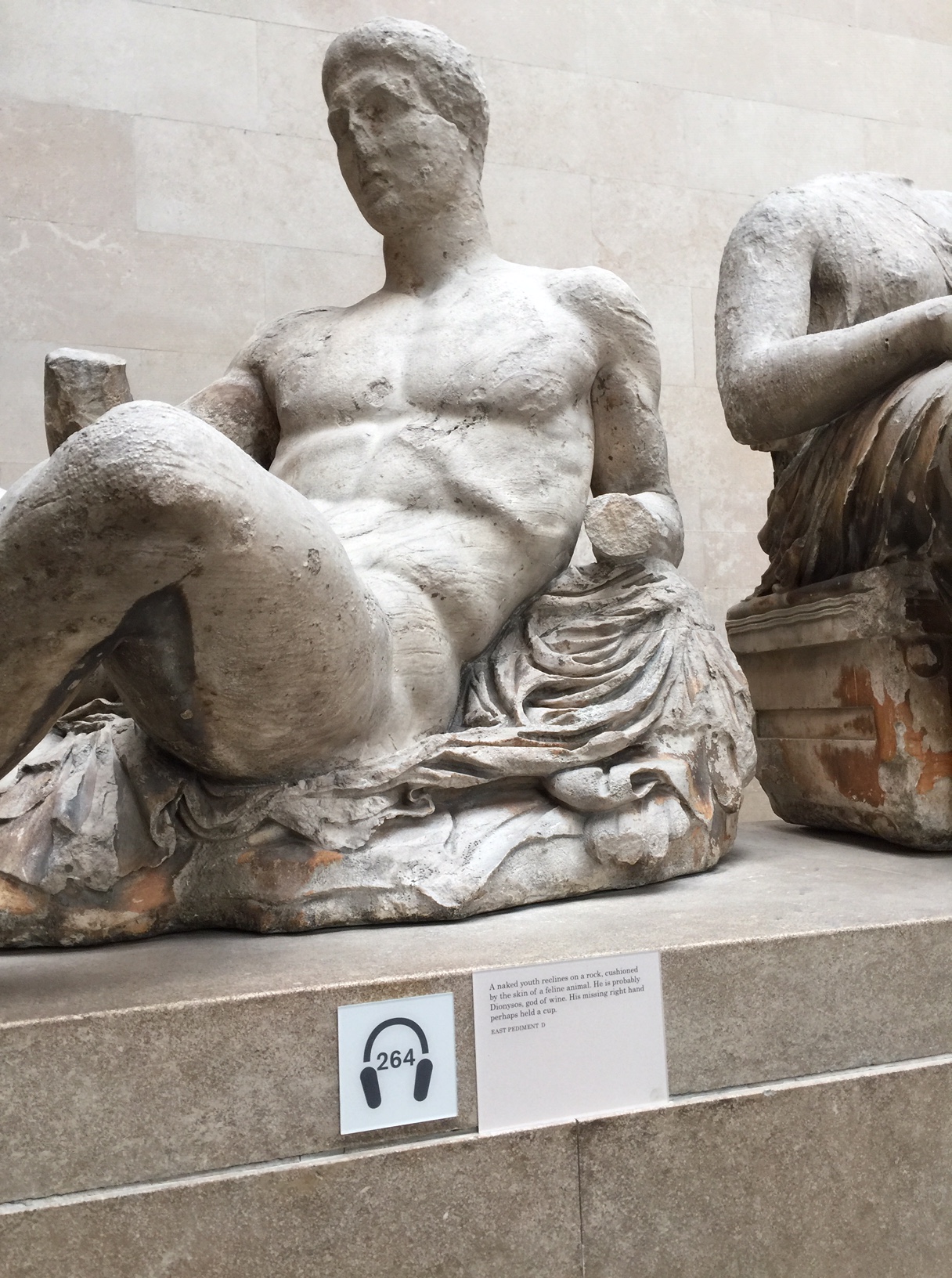
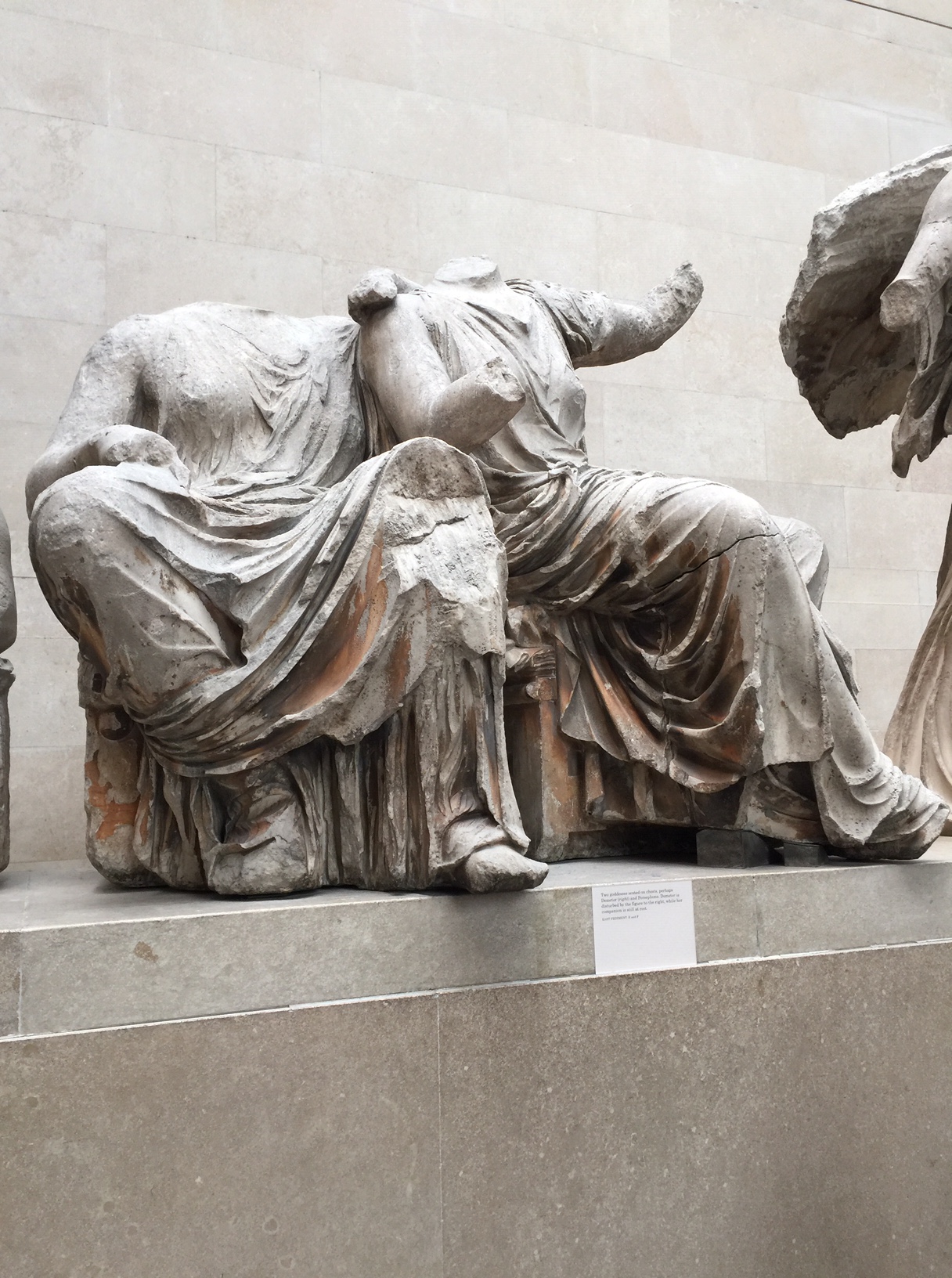
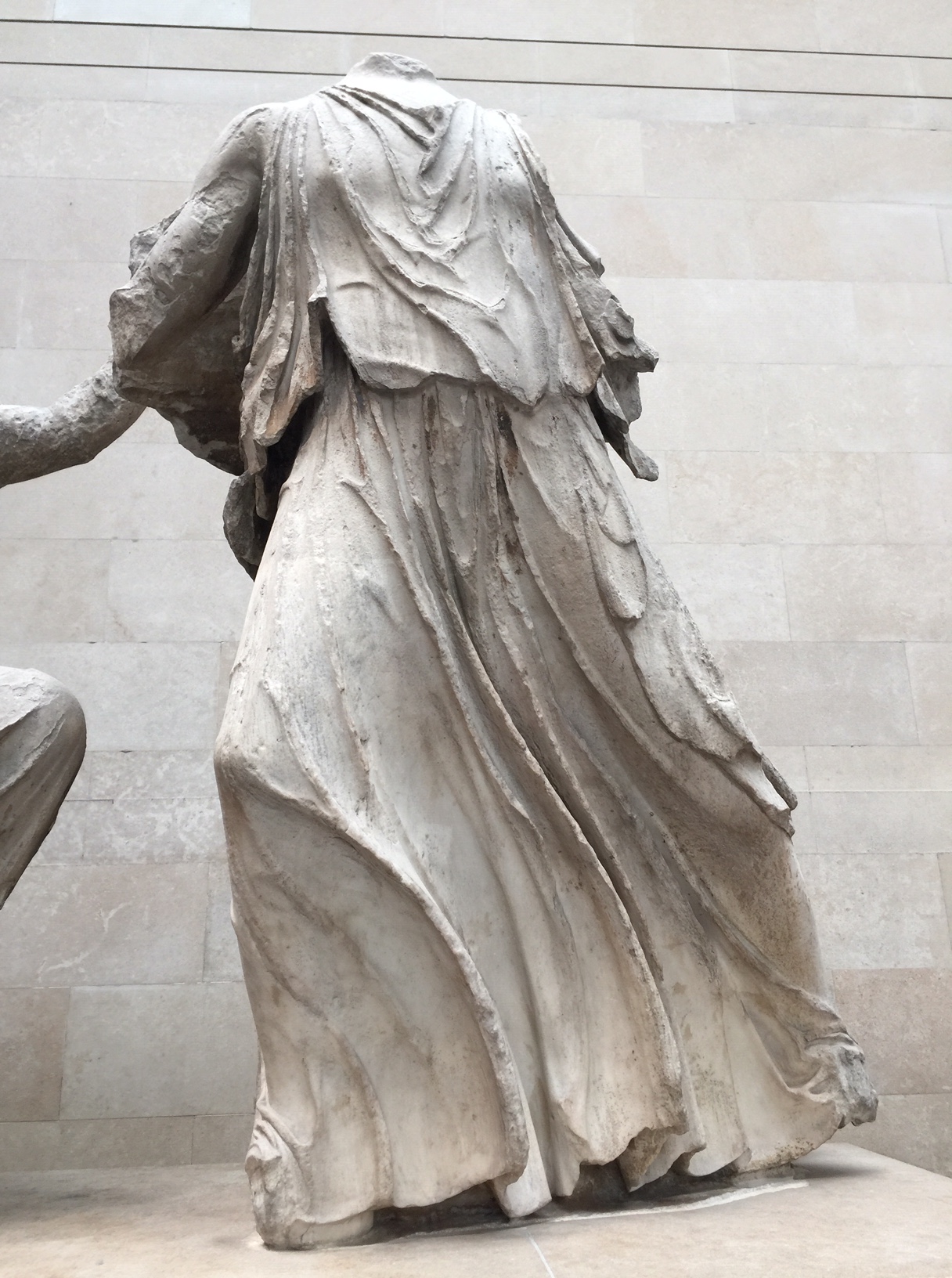
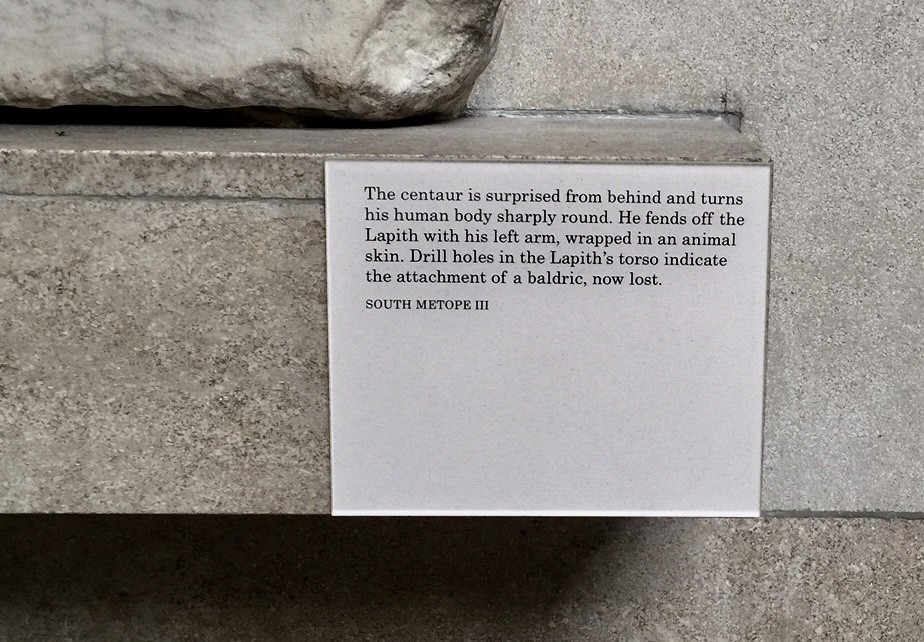
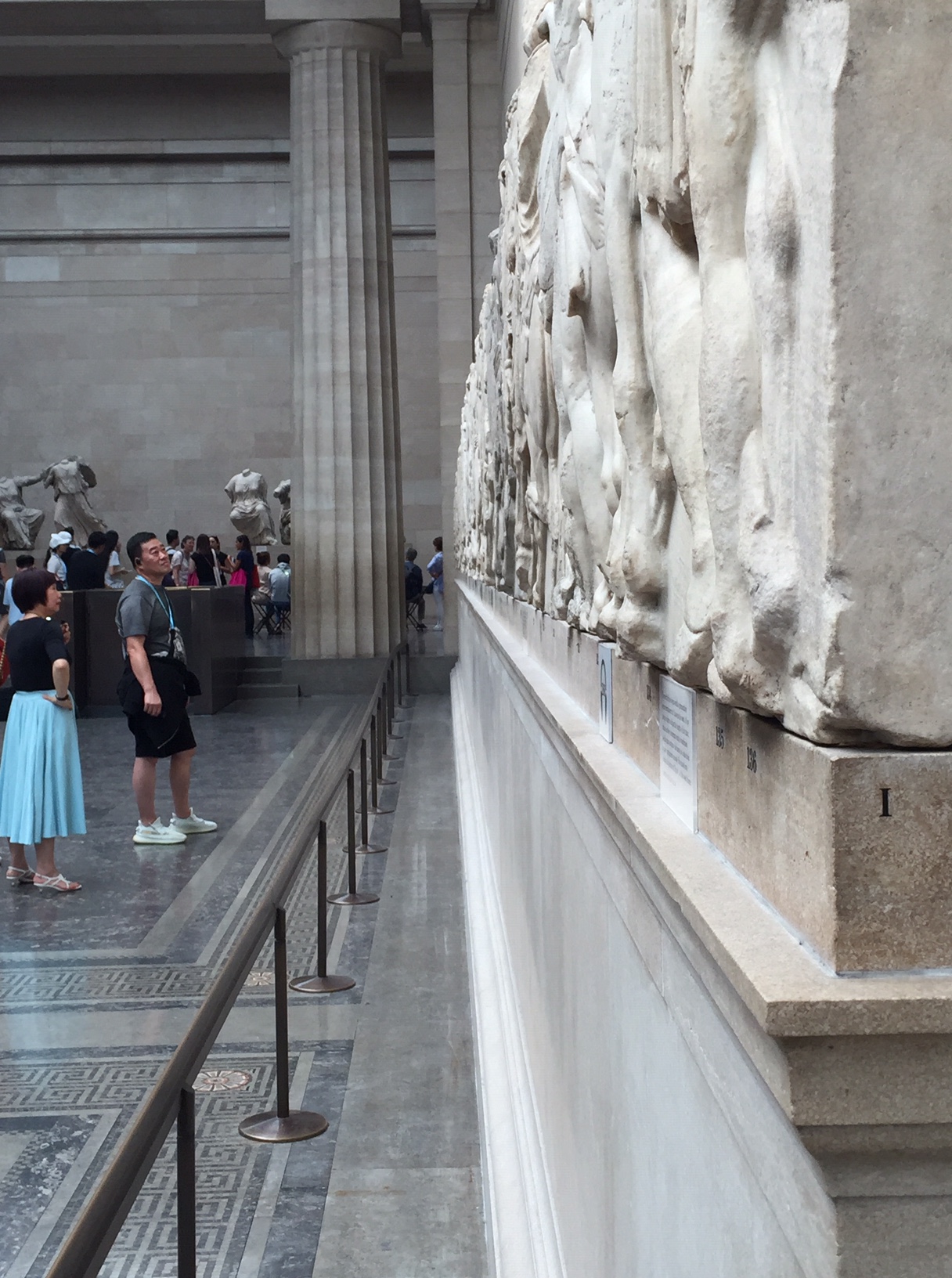
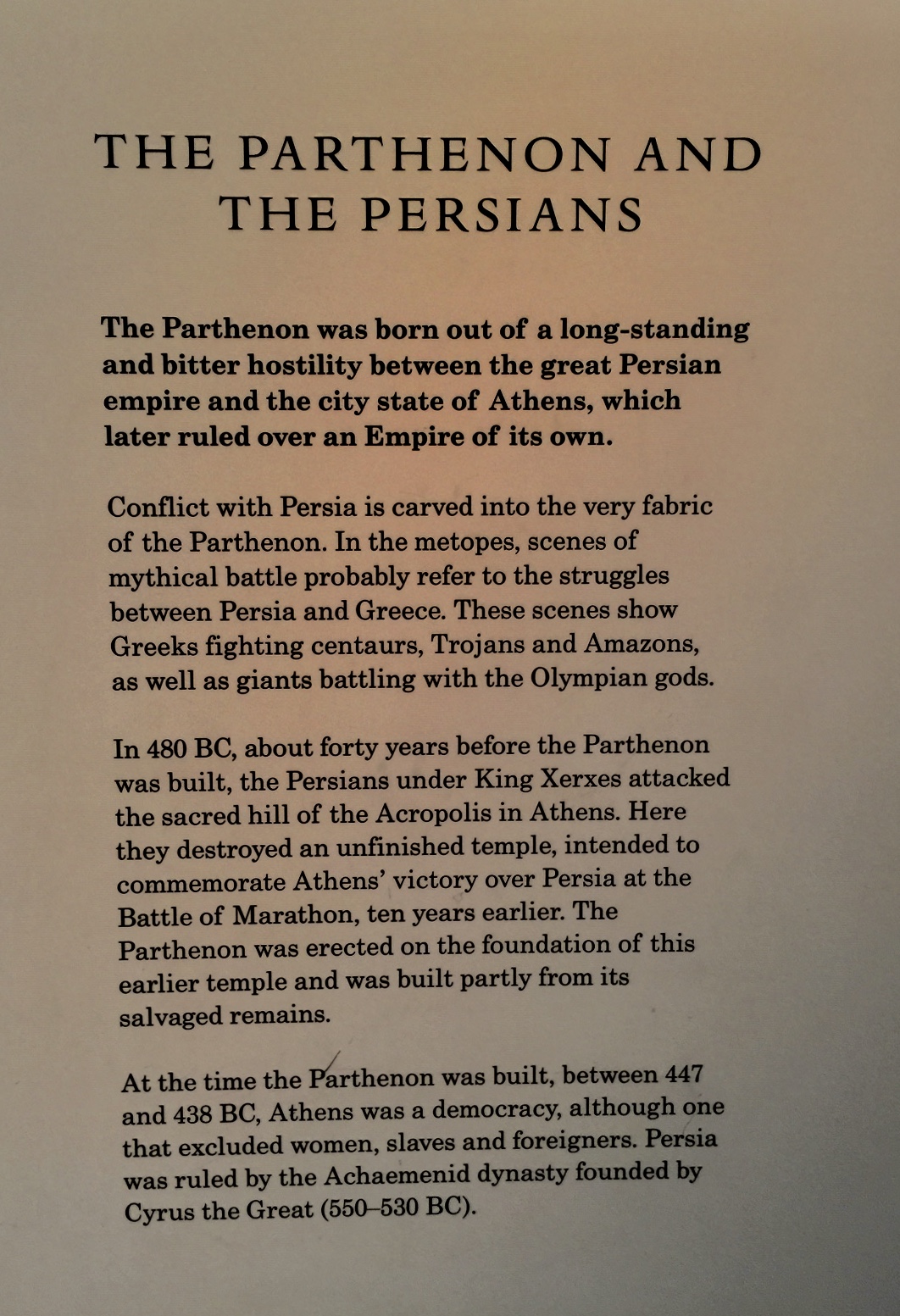
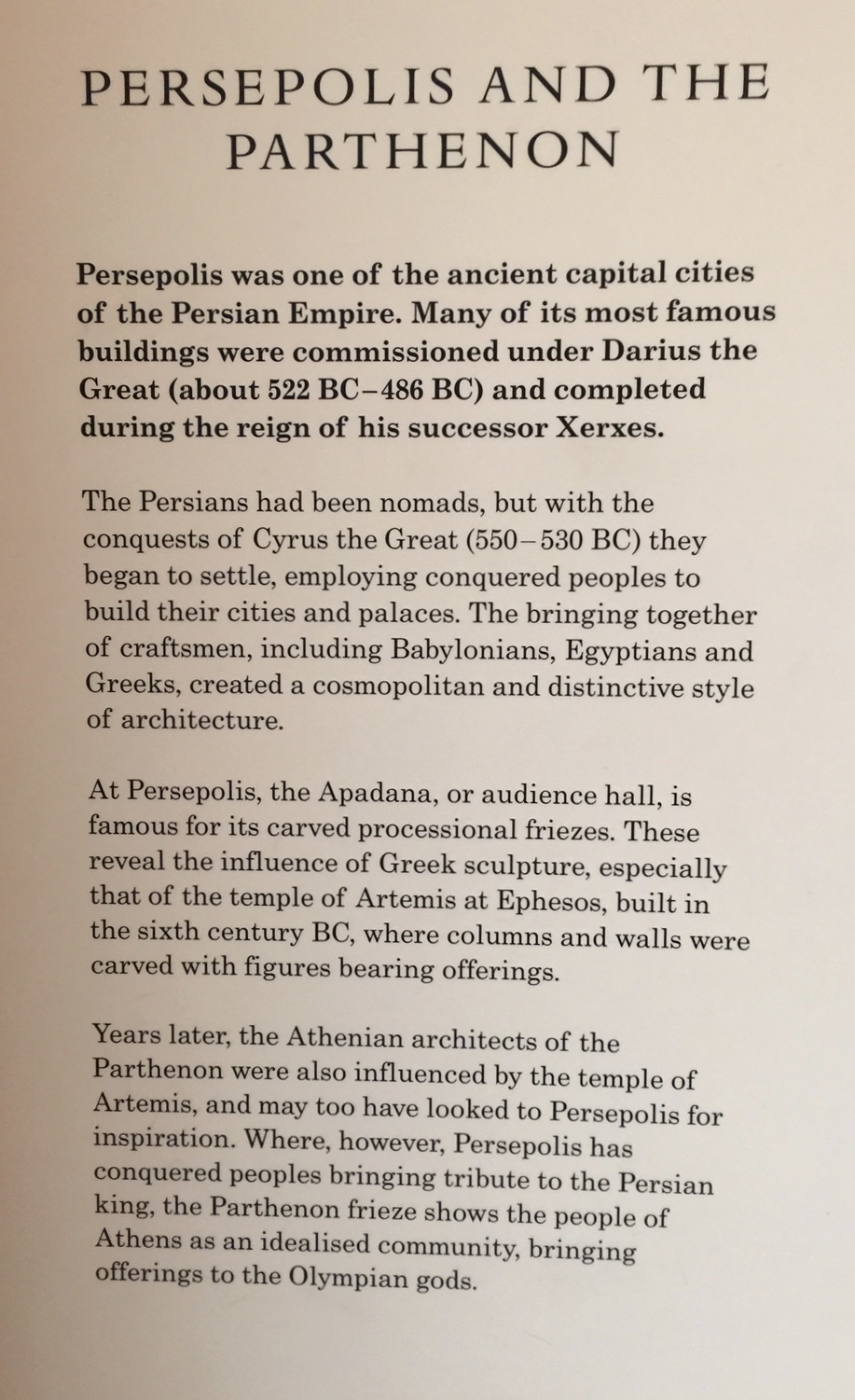
Whenever I am lucky enough to visit the British Museum, I always go right to the Elgin Marbles.

fullsizeoutput_16a6fullsizeoutput_16a4fullsizeoutput_16a0

IMG_0928

IMG_0929

IMG_0930

IMG_0931

fullsizeoutput_16c3

IMG_0933

fullsizeoutput_16c2

IMG_0935

fullsizeoutput_16c1

IMG_0937

IMG_0938

Mass tourism is the bane of my existence.  I hate it with every fiber in my being.


IMG_0939

IMG_0940

fullsizeoutput_16c0

IMG_0942

fullsizeoutput_16bf

IMG_0944

fullsizeoutput_16bd

IMG_0946

fullsizeoutput_16bb

IMG_0948

IMG_0949

Did I mention that I detest mass tourism? I do.

IMG_0950

IMG_0951

fullsizeoutput_16b9

IMG_0953


IMG_0954

IMG_0955


IMG_0956


IMG_0957


IMG_0958


fullsizeoutput_16b7


fullsizeoutput_16b4


fullsizeoutput_16b2


IMG_0962

fullsizeoutput_16b0


IMG_0964


IMG_0965

Mass tourism.


IMG_0966IMG_0967IMG_0968fullsizeoutput_16aefullsizeoutput_16acIMG_0971IMG_0972IMG_0973IMG_0974fullsizeoutput_16aaIMG_0976fullsizeoutput_16a8IMG_0978IMG_0979fullsizeoutput_16a6fullsizeoutput_16a4fullsizeoutput_16a2fullsizeoutput_16a0fullsizeoutput_169efullsizeoutput_169dfullsizeoutput_169bfullsizeoutput_1699fullsizeoutput_1697fullsizeoutput_1695fullsizeoutput_1694fullsizeoutput_1692fullsizeoutput_1690fullsizeoutput_168eIMG_0996