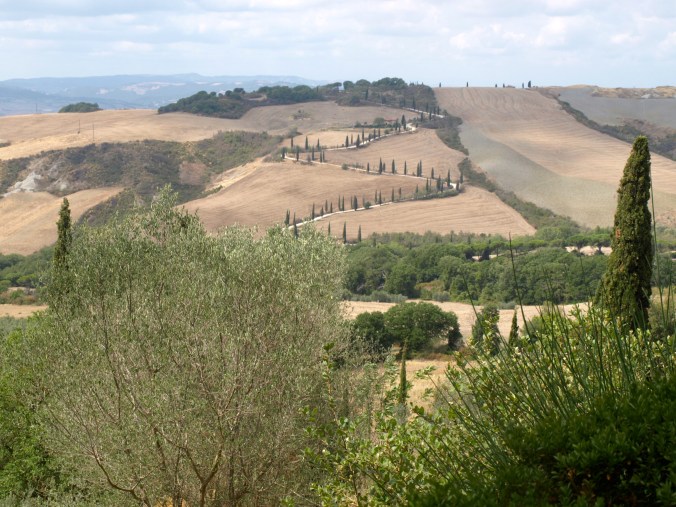
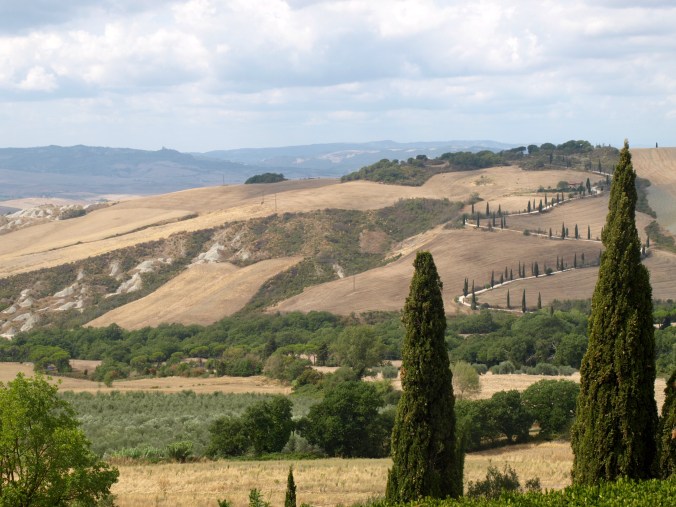
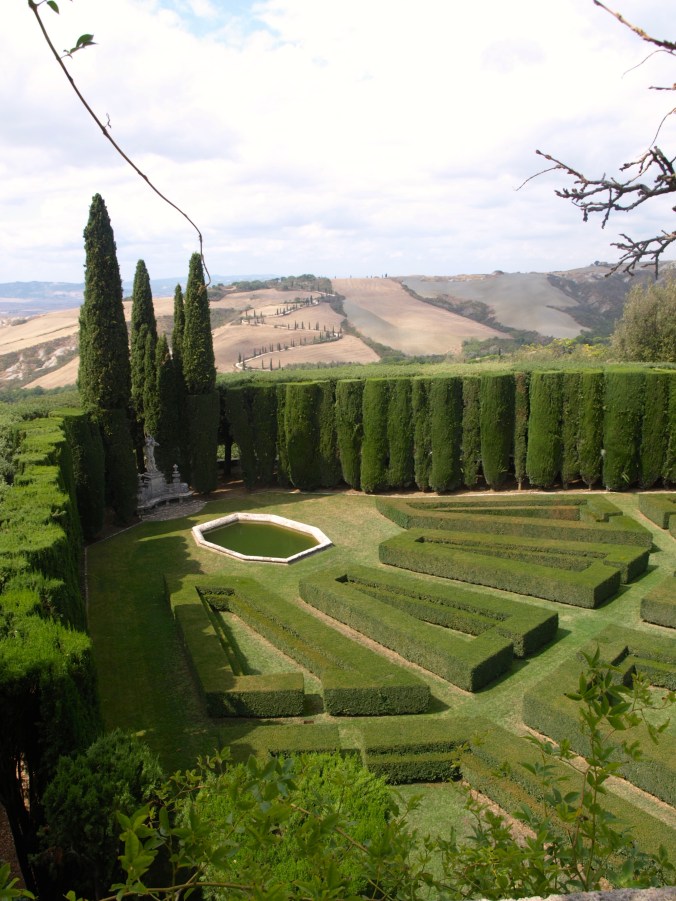
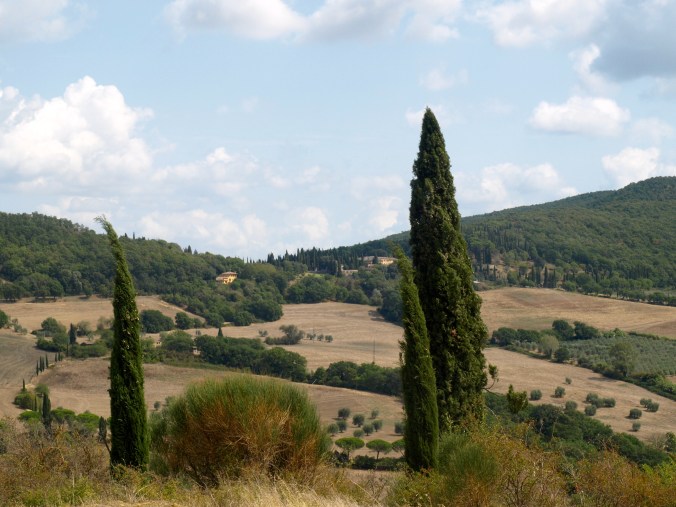
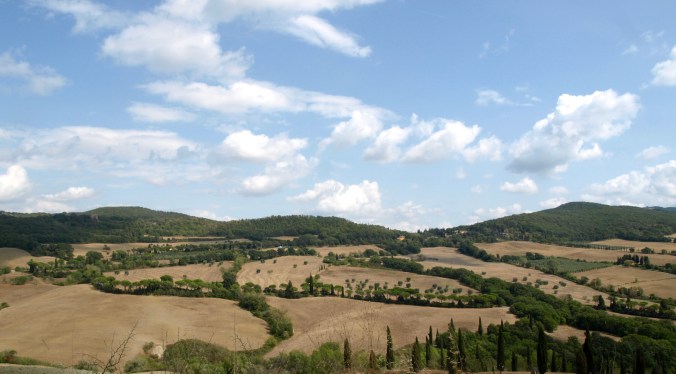
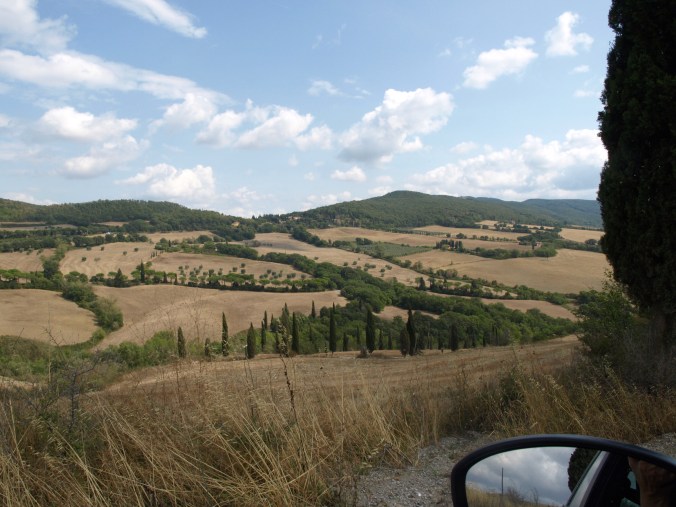
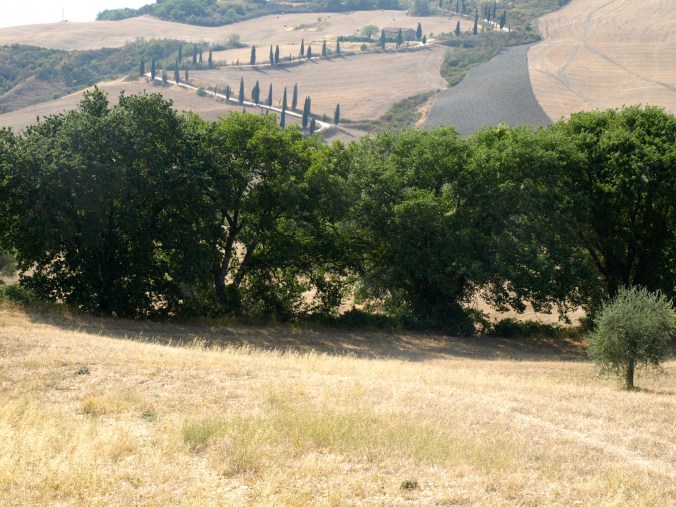
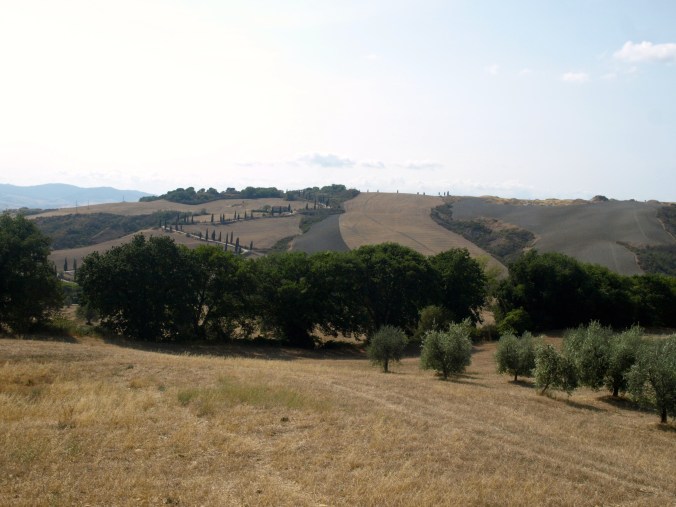
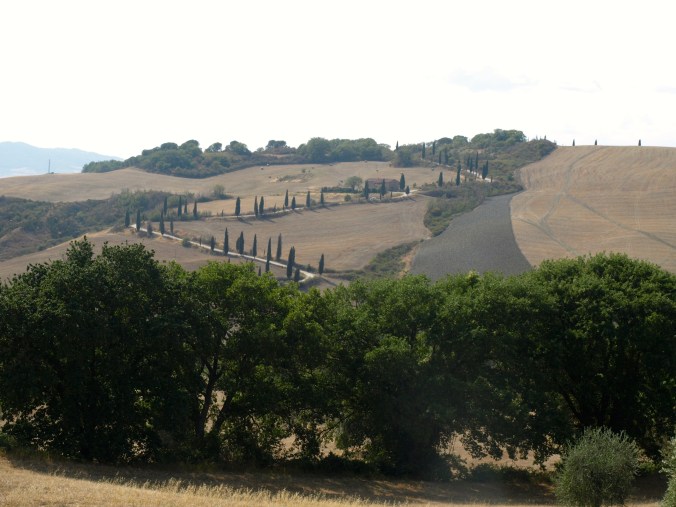
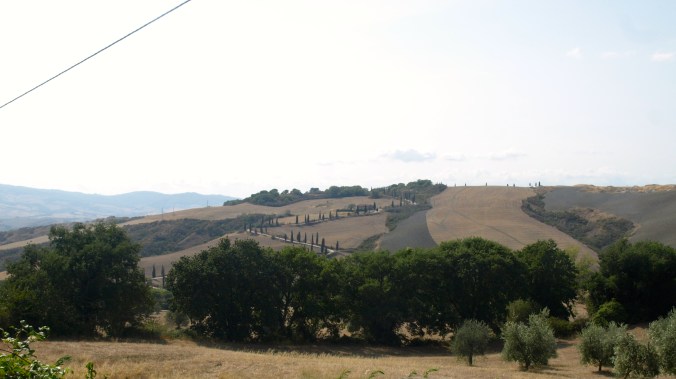
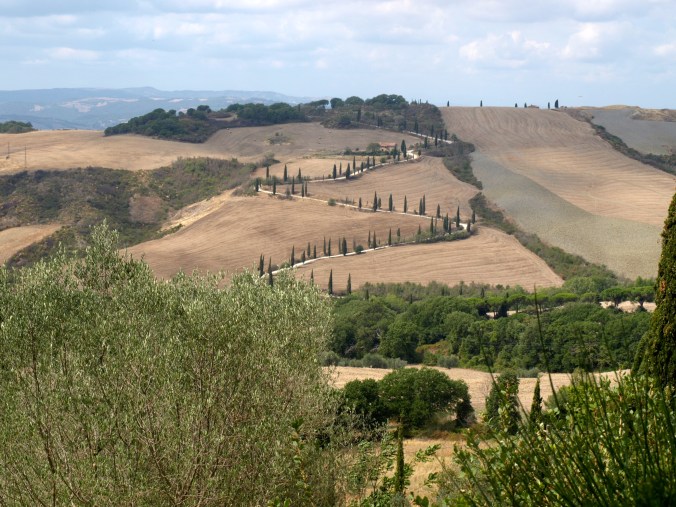
The most iconic roadway in Italy; the Strada di Valoresi

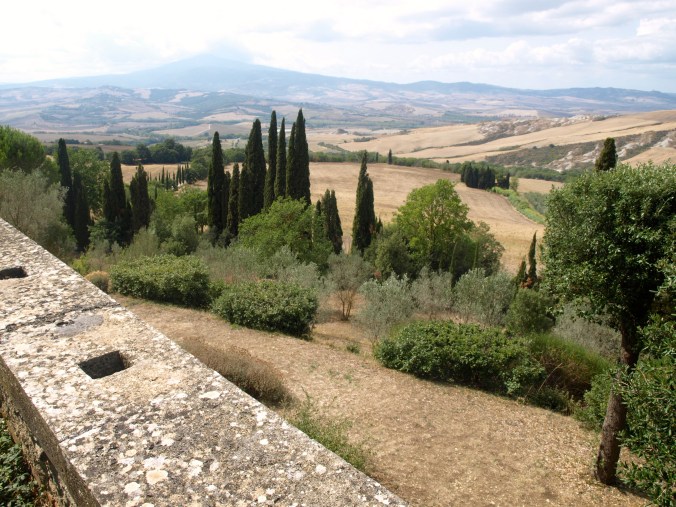
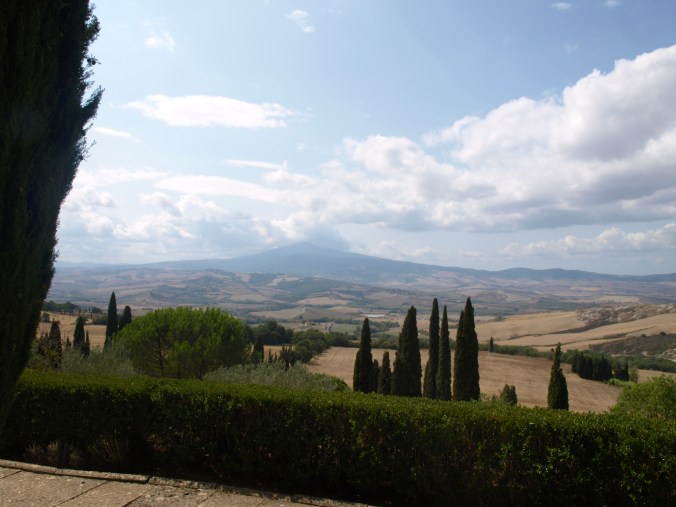
The Strada di Valoresi from Villa La Foce.

And the surrounding area.

OLYMPUS DIGITAL CAMERA

OLYMPUS DIGITAL CAMERA

OLYMPUS DIGITAL CAMERA

OLYMPUS DIGITAL CAMERA

OLYMPUS DIGITAL CAMERA

OLYMPUS DIGITAL CAMERA

OLYMPUS DIGITAL CAMERA

OLYMPUS DIGITAL CAMERA

OLYMPUS DIGITAL CAMERA

OLYMPUS DIGITAL CAMERA

OLYMPUS DIGITAL CAMERA

OLYMPUS DIGITAL CAMERA

OLYMPUS DIGITAL CAMERA

OLYMPUS DIGITAL CAMERA

OLYMPUS DIGITAL CAMERA

OLYMPUS DIGITAL CAMERA

OLYMPUS DIGITAL CAMERA

OLYMPUS DIGITAL CAMERA

OLYMPUS DIGITAL CAMERA

OLYMPUS DIGITAL CAMERA

OLYMPUS DIGITAL CAMERA

OLYMPUS DIGITAL CAMERA

OLYMPUS DIGITAL CAMERA

OLYMPUS DIGITAL CAMERA

OLYMPUS DIGITAL CAMERA

OLYMPUS DIGITAL CAMERA

OLYMPUS DIGITAL CAMERA

OLYMPUS DIGITAL CAMERA

OLYMPUS DIGITAL CAMERA

OLYMPUS DIGITAL CAMERA

OLYMPUS DIGITAL CAMERA

OLYMPUS DIGITAL CAMERA

Sometimes you get lucky.

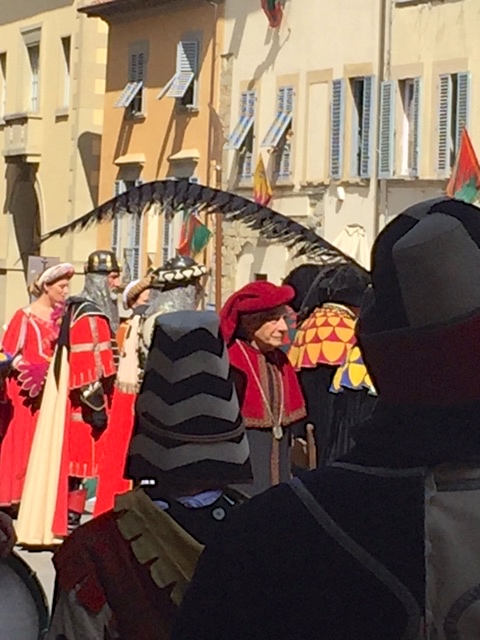
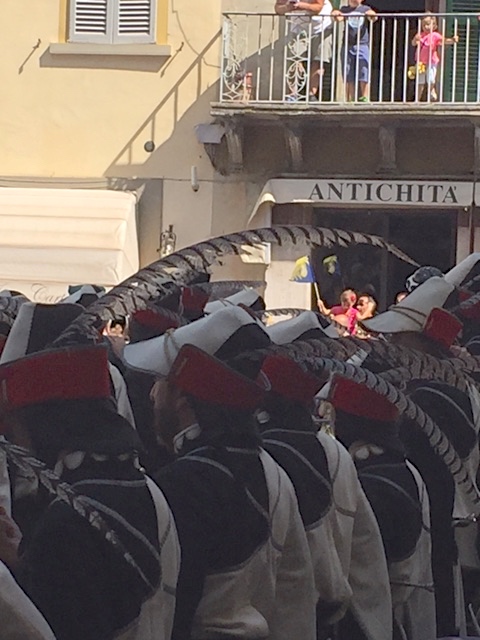
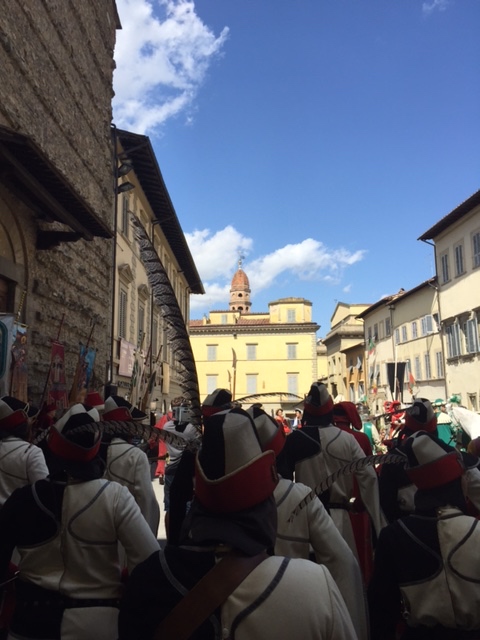
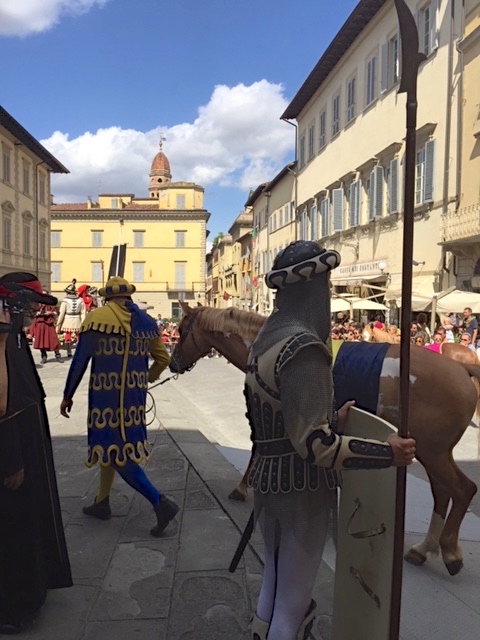
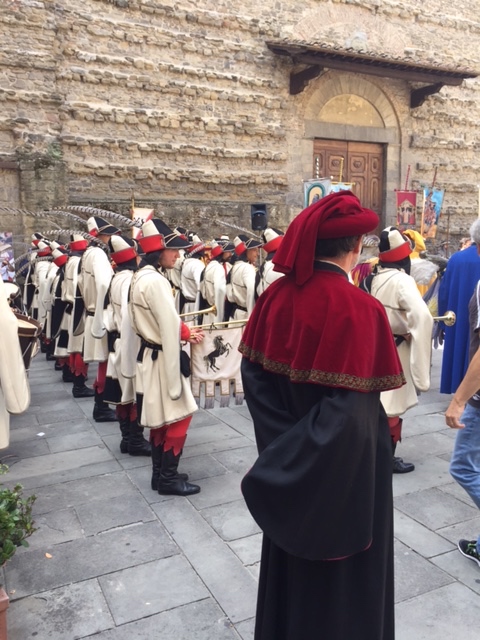
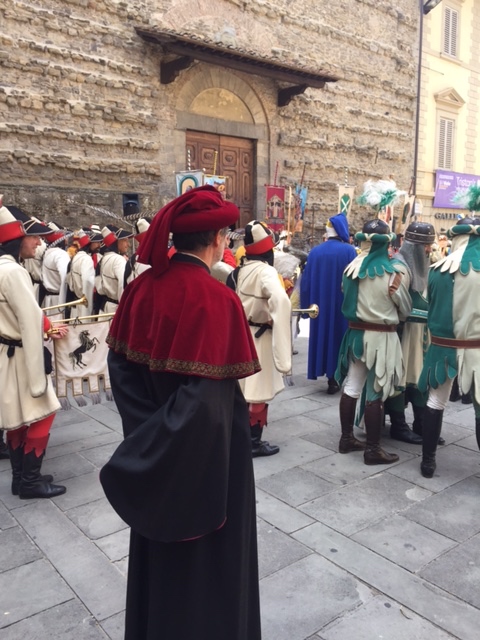
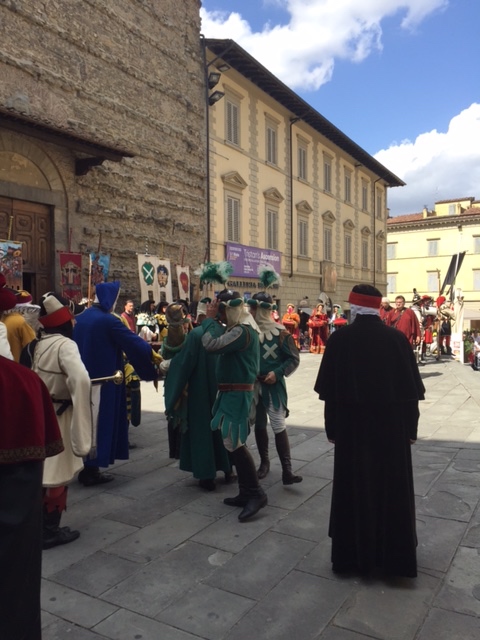
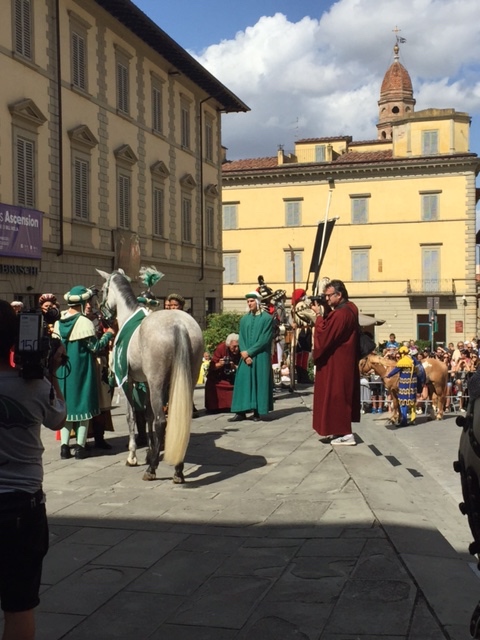
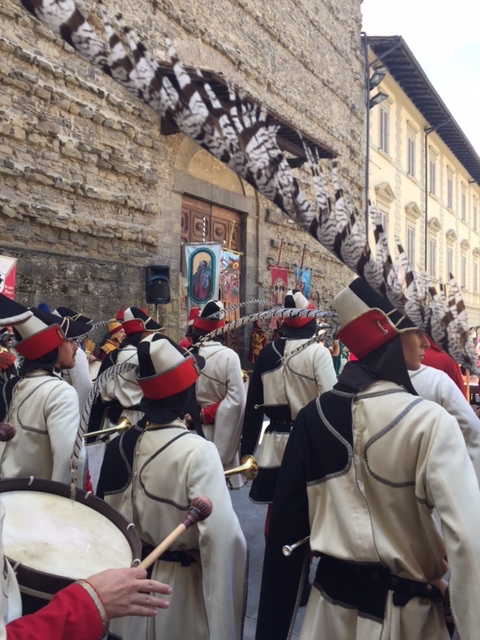
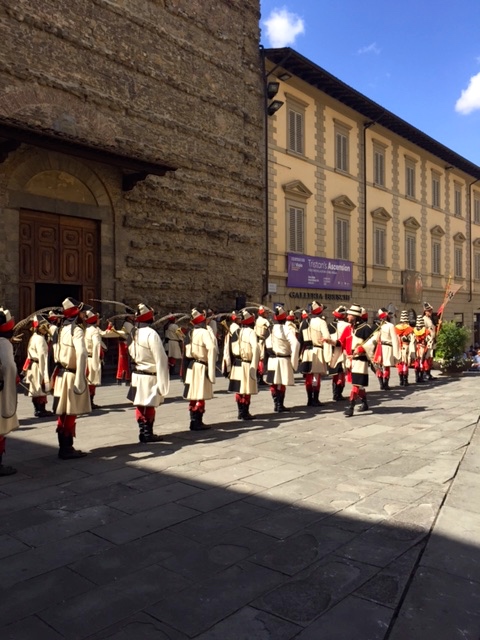
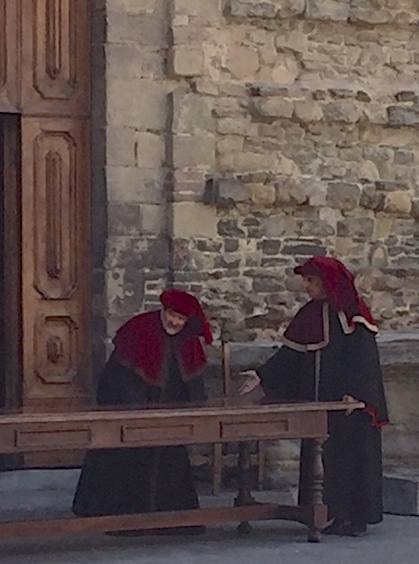
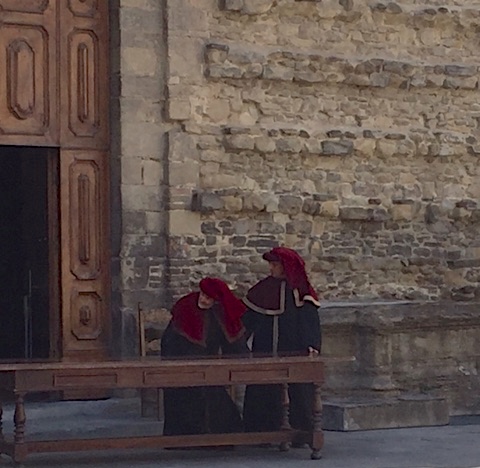
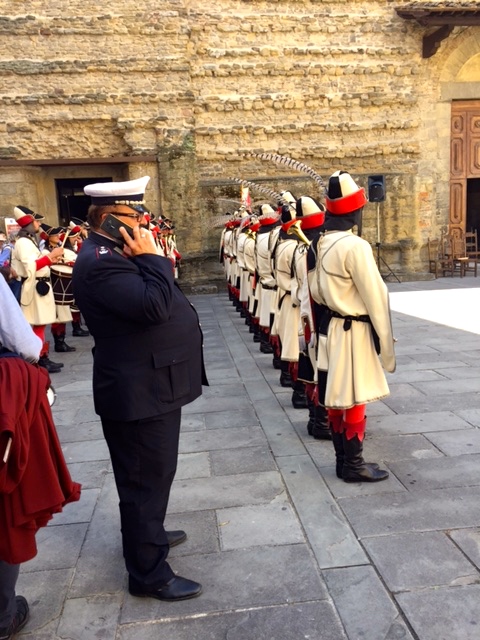
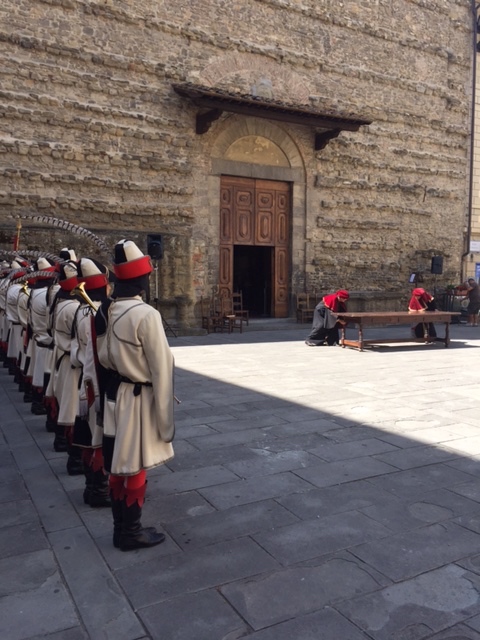
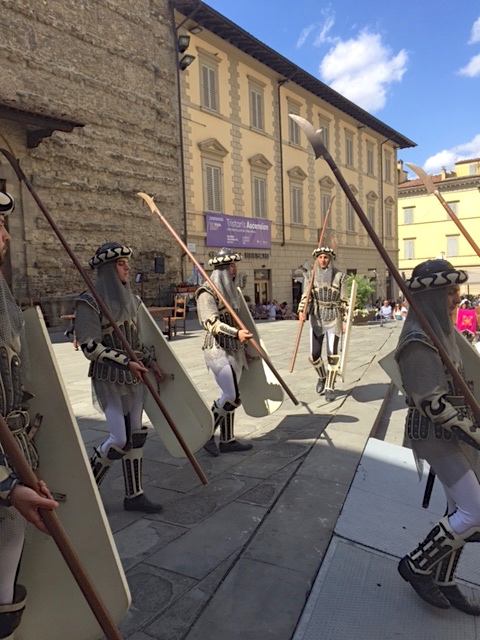
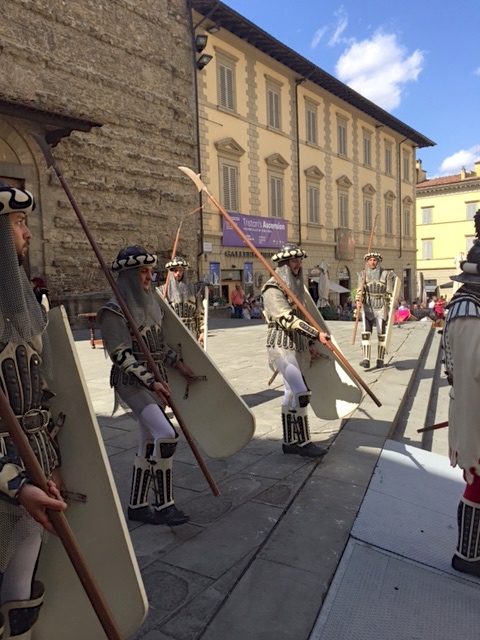
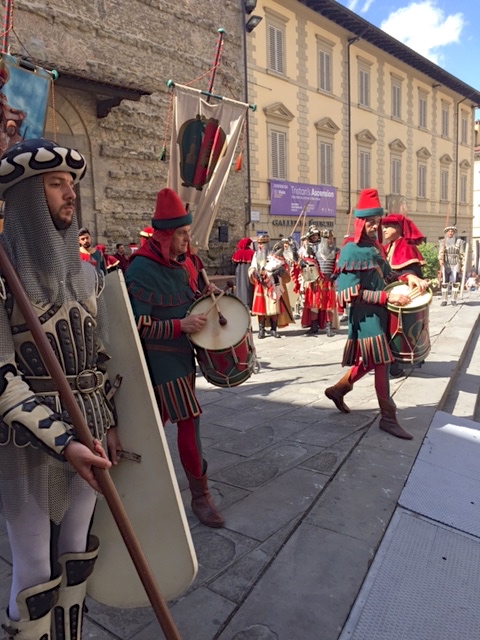
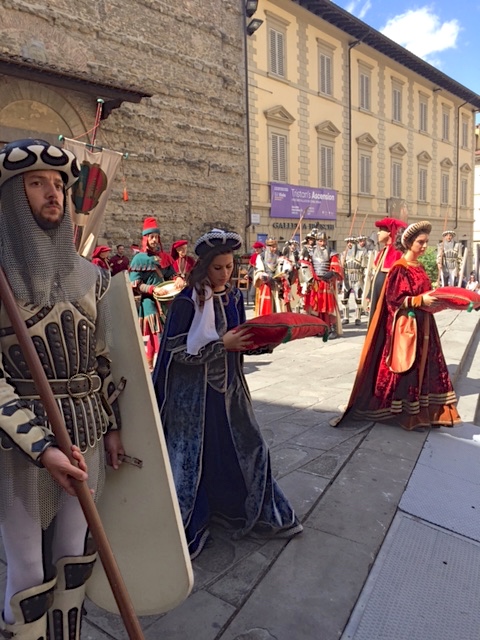
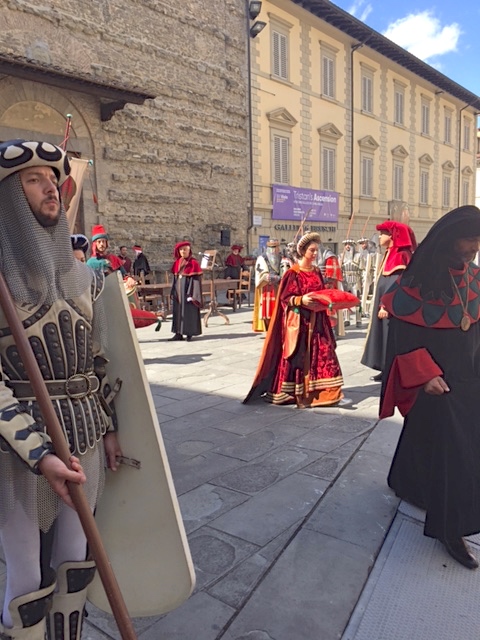
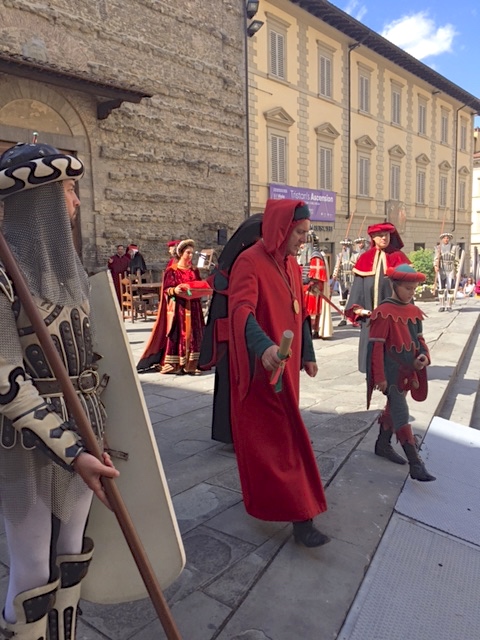
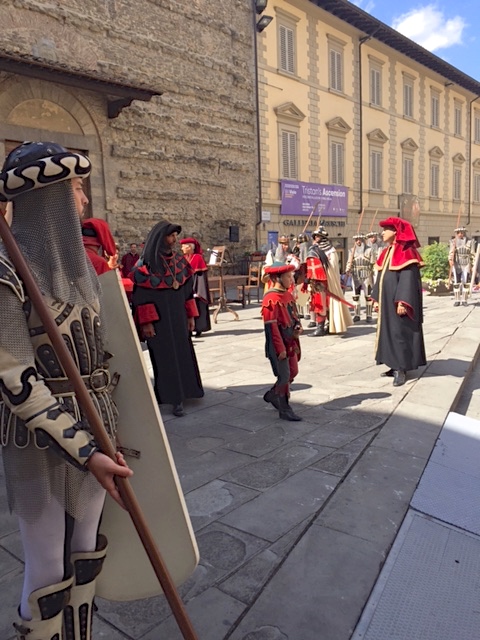
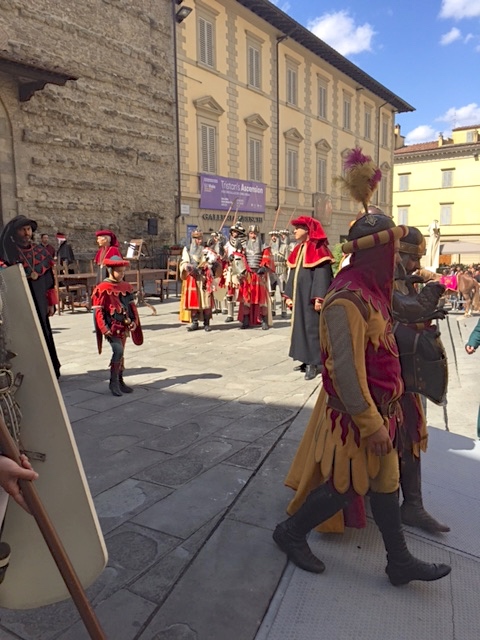
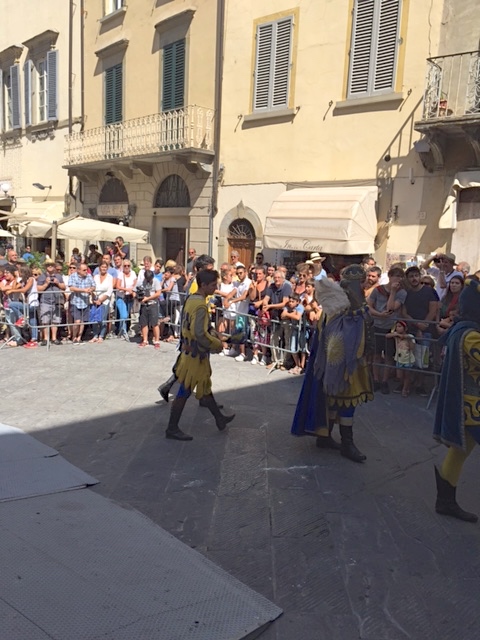
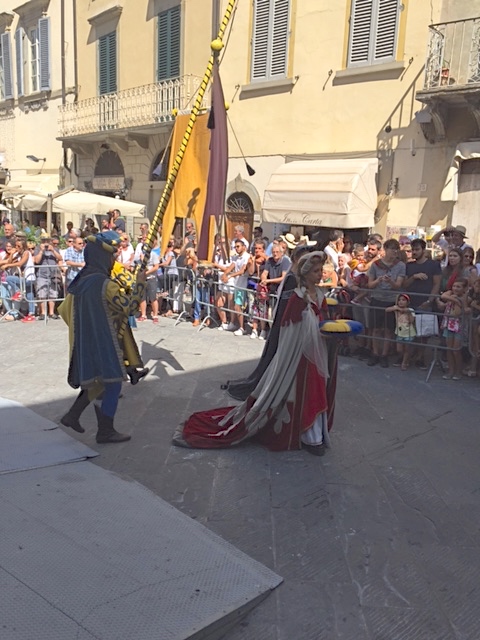
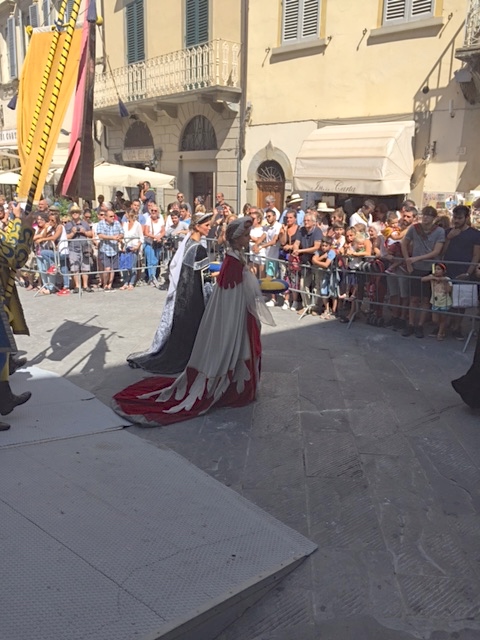
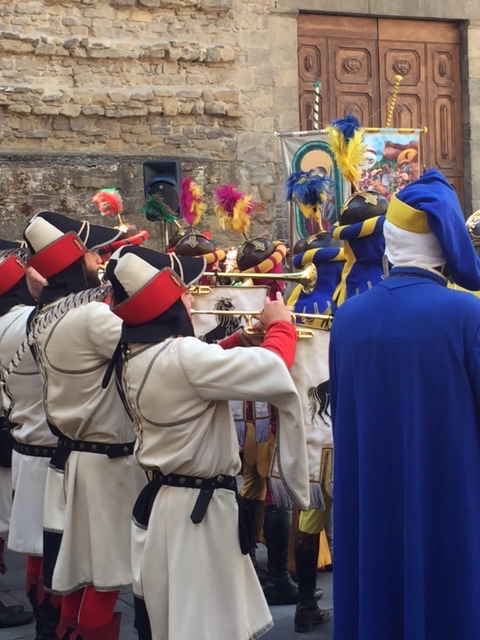
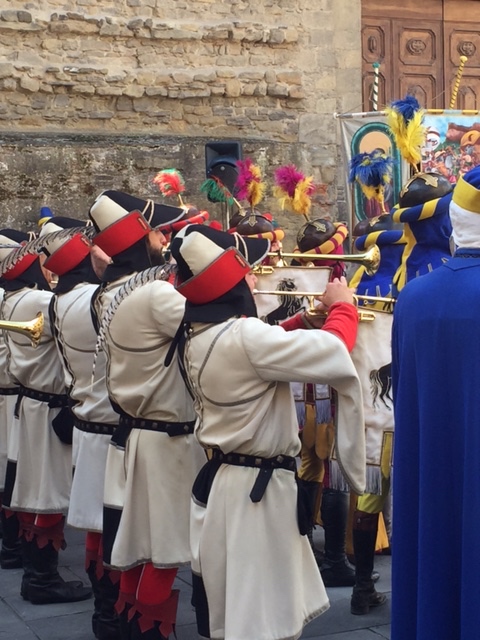
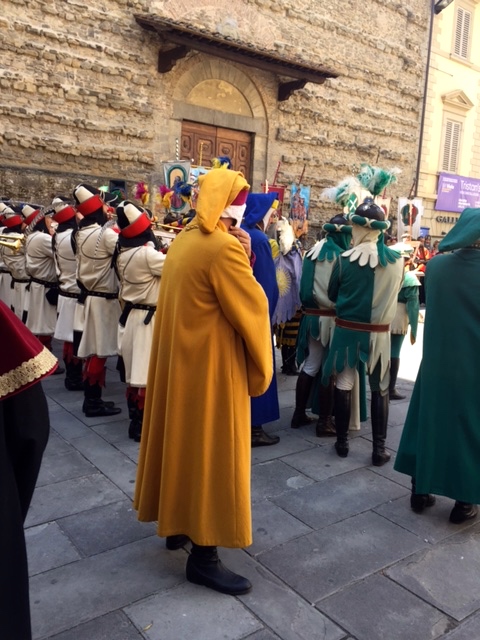
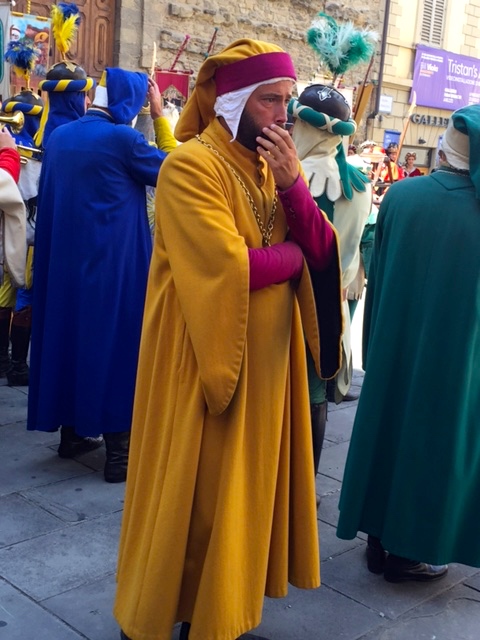
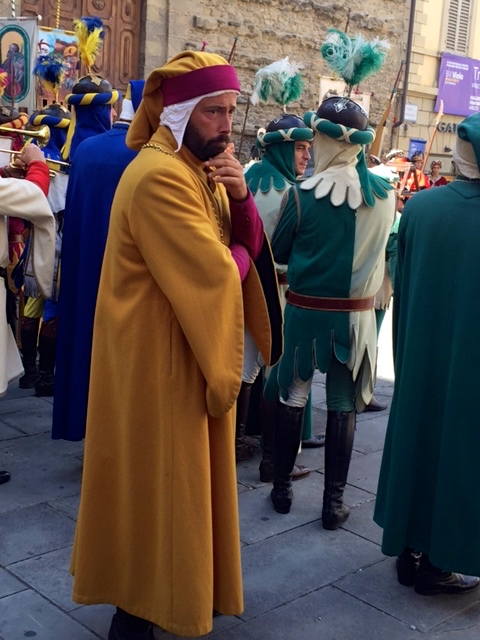
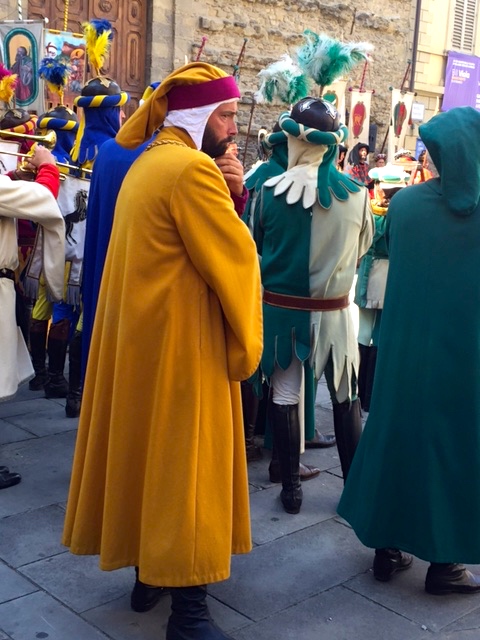
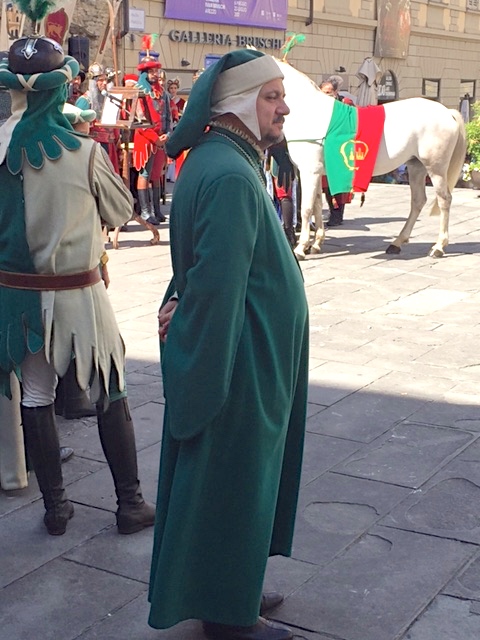
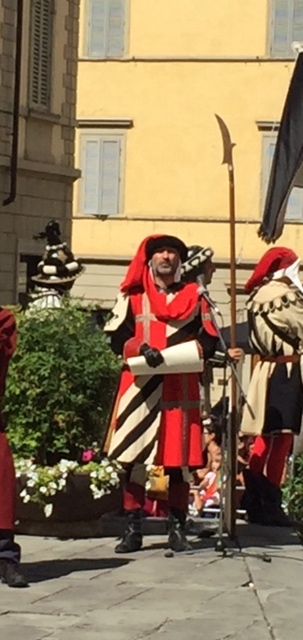
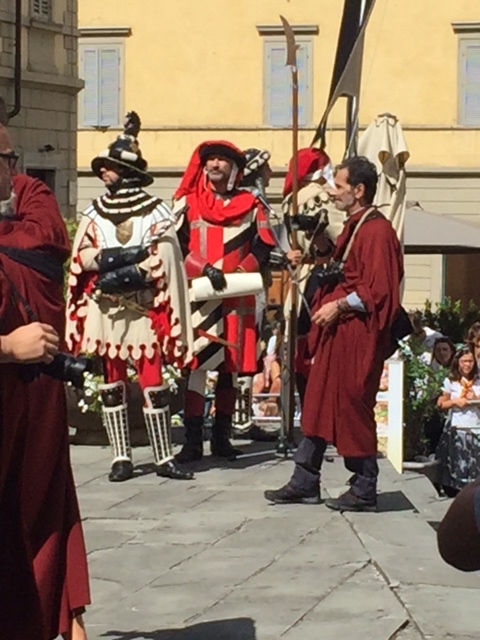
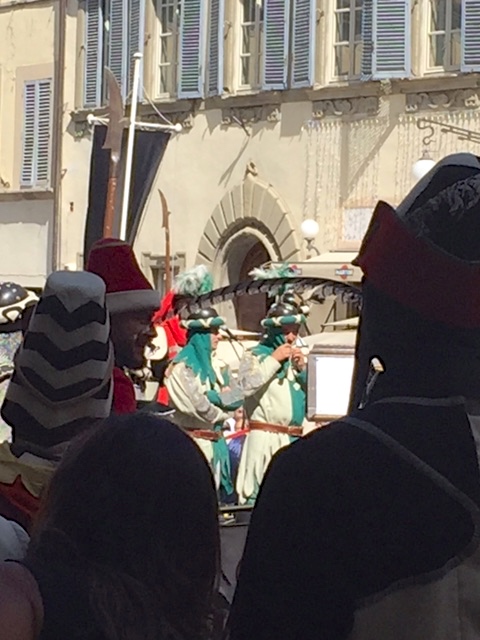
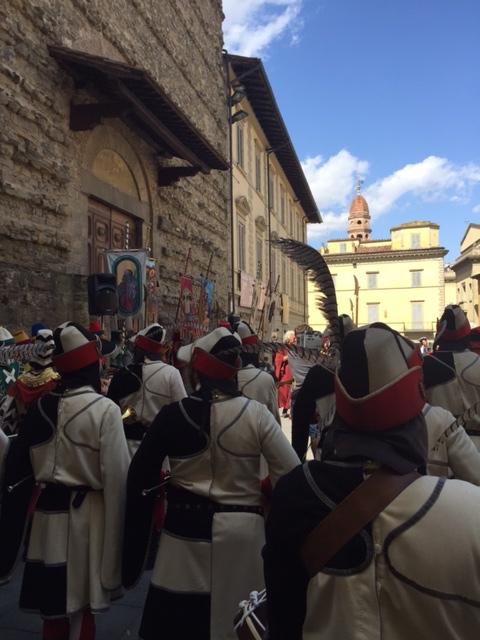
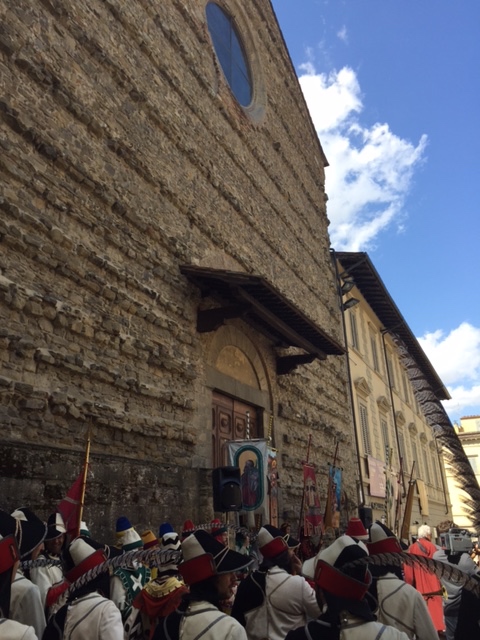
Sometimes you are at the right place at the right time.  I had that fortunate experience yesterday in Arezzo, as the commune prepared for today’s Medieval Saracen Joust.

The Saracen joust of Arezzo (Giostra del Saracino, Giostra ad burattum) is an ancient game of chivalry, dating back to the Middle Ages and born as an exercise for military training.

IMG_5087IMG_5088IMG_5089IMG_5090IMG_5091IMG_5092IMG_5106IMG_5104IMG_5103IMG_5098IMG_5094IMG_5093

The game acquired an important social function within the urban community: it was used to commemorate great public events, such as during the visit of important sovereigns or princes, and was also used to make certain civil feasts more solemn (carnivals and local aristocratic weddings).

IMG_5153IMG_5150IMG_5149IMG_5148IMG_5147IMG_5144IMG_5143IMG_5140IMG_5139

The joust – which became a typical tradition of Arezzo at the beginning of the 17th century – declined progressively during the 18th century and eventually disappeared, at least in its “noble” version. After a brief popular revival between the 18th and 19th century, the joust was interrupted after 1810 to reappear only in 1904 in the wake of the Middle Ages reappraisal. The joust was restored in 1931 as a form of historical re-enactment set in the 14th century, and quickly acquired a competitive character.

IMG_5138IMG_5137IMG_5136IMG_5135IMG_5133IMG_5132IMG_5131IMG_5129IMG_5128

The historical reenactment takes place every year in Arezzo on one Saturday night in June (the so-called San Donato Joust, dedicated to the patron saint of the town) and on the afternoon of the first Sunday of September.

IMG_5123IMG_5126IMG_5125IMG_5124

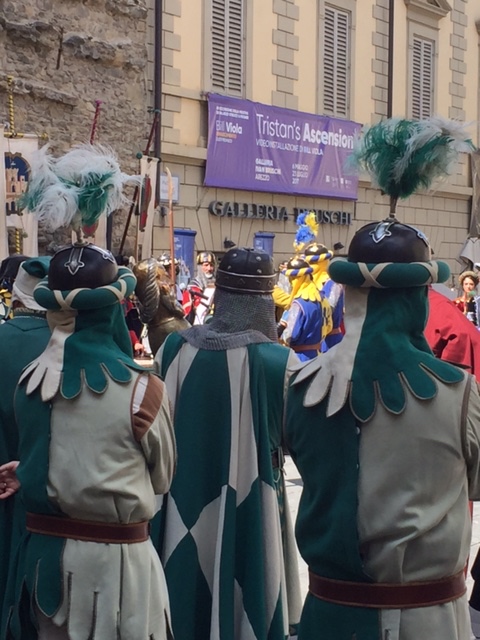
The teams in the event are the four quarters of the town of Arezzo:

  • Porta Crucifera, known as Culcitrone (green and red),
  • Porta del Foro, known as Porta San Lorentino (yellow and crimson),
  • Porta Sant’Andrea (white and green)
  • Porta del Borgo, today called Porta Santo Spirito (yellow and blue).

The jousting day starts in the morning, when the town’s Herald reads the proclamation of the joust challenge, and then continues with a colorful procession of 350 costume characters and 27 horses parading along the streets of Arezzo. The highlight of the parade, which is given by the Bishop of Arezzo and takes place on the steps of the Duomo, is the blessing of the men-at-arms and their horses.

IMG_5122IMG_5121IMG_5120IMG_5115IMG_5114

The knights’ tournament is held in the Piazza Grande, guided by the Maestro di Campo and preceded by the costumed characters and the town’s ancient banners entering the square, accompanied by the sound of trumpets and drums.  The highest authorities of the Joust enter the square (the magistrates, the Jury, the quarters’ presidents), the performance of flag-wavers, the jousters galloping into the racing field, each knight representing an ancient noble family of Arezzo, the knights’ arrangement on the lizza (jousting track), the Herald reading the Challenge of Buratto (a poetic composition written in octaves in the 17th century), the crossbowmen and the soldiers greeting the crowd shouting “Arezzo!”, the magistrates’ authorization to run the joust and finally the Joust’s musicians playing the Saracen Hymn, composed by Giuseppe Pietri (1886–1946).

Then, the real competition starts. The jousters of the four gates gallop their horses with lance in rest against the Saracen, an armor-plated dummy representing a Saracen (“Buratto, King of the Indies”) holding a cat-o’-9-tails. The sequence of charges is drawn on the week preceding the joust during a costumed ceremony in Piazza del Comune. It’s almost impossible to foresee  the result of the joust will be: it depends on the ability, the courage and the good-luck of the eight jousters who alternate on the packed-earth sloping track (the lizza) that runs transversally across Piazza Grande.

The competition is won by the couple of knights who hit the Saracen’s shield obtaining the higher scores. The quarter associated to the winning knight receives the coveted golden lance. In the event of a draw between two or more quarters after the standard number of charges (two sets of charges for each jouster), the prize is assigned with one or more deciding charges. At the end of the joust, mortar shots hail the winning quarter.

The rules of the tournament are contained in technical regulations that repeat – virtually unchanged – the Chapters for the Buratto Joust dating back to 1677. They are easy to understand, and yet worded in such a way as to guarantee a long-lasting suspense. The outcome of the fight between the Christian knights and the “Infidel” is undecided until the very last moment due to dramatic turns of events. For instance, jousters may be disqualified if they ride accidentally off the jousting track, or their scores may be doubled if their lance breaks after violently hitting the Saracen.


I’m going to Arezzo today and I cannot wait! Non vedo l’ora!!

  • Musa - 0

DISCOVER AREZZO

DISCOVER AREZZO, CITY OF ART, HISTORY AND TRADITION, KNOWN WORLDWIDE FOR THE WONDERS OF ITS MUSEUMS, FOR THE FAMOUS SARACEN JOUST, FOR THE MOST ANCIENT ANTIQUES FAIR (FIRST WEEKEND OF EACH MONTH), FOR ROBERTO BENIGNI’S THREE ACADEMY AWARD WINNING FILM “LIFE IS BEAUTIFUL”.

From the Etruscans to the Romans, then on through the Middle Ages and the Renaissance, Arezzo has been home to many illustrious names, such as the poet Petrarca and many great artists, including Piero della Francesca, Giorgio Vasari, Masaccio, Michelangelo, Luca Signorelli and Pietro da Cortona, who all helped the city achieve a splendour that has remained unparalleled over the centuries. Even now, Arezzo is honoured to be the custodian of several unquestioned artistic masterpieces, in particular:

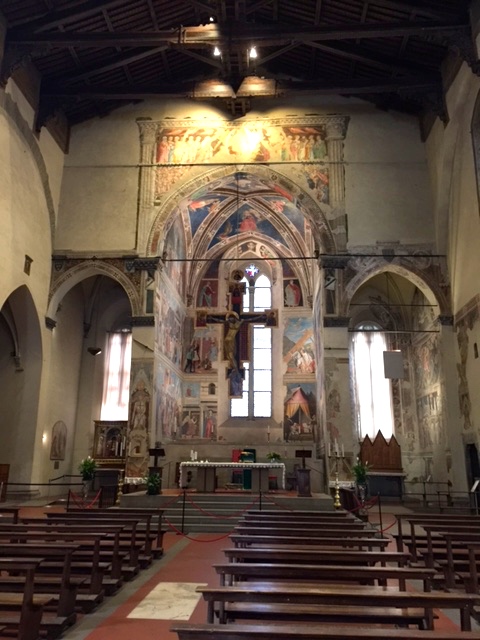
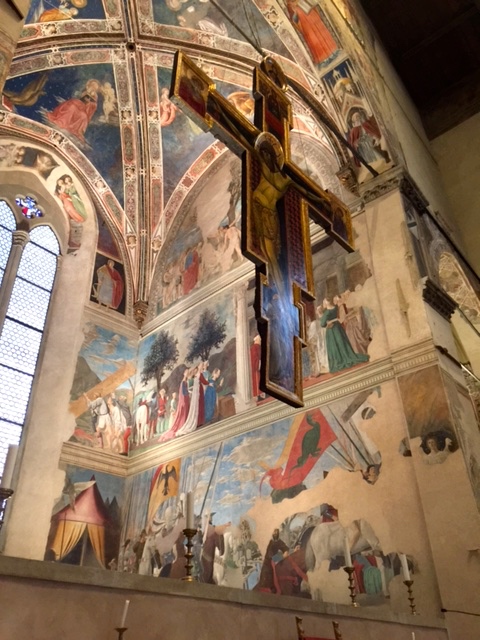
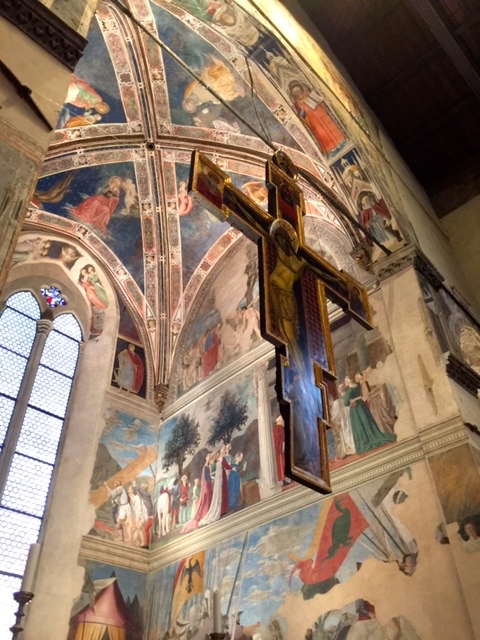
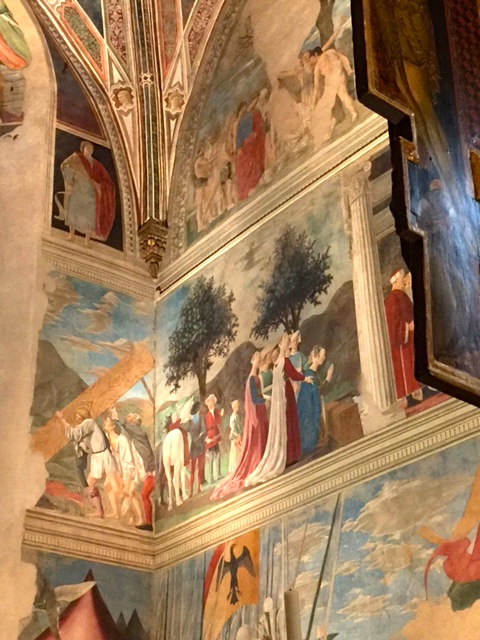
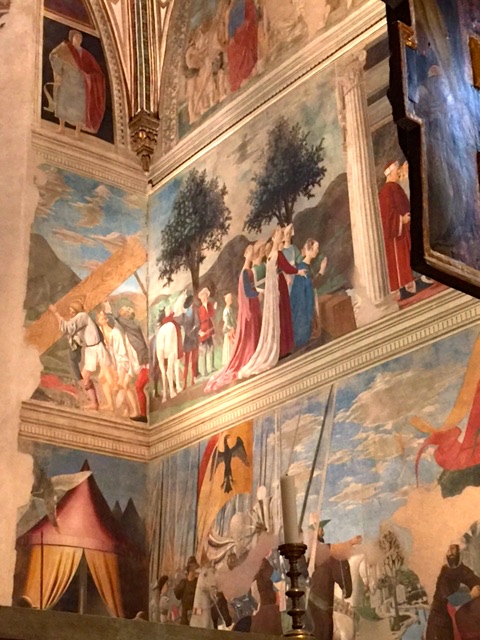
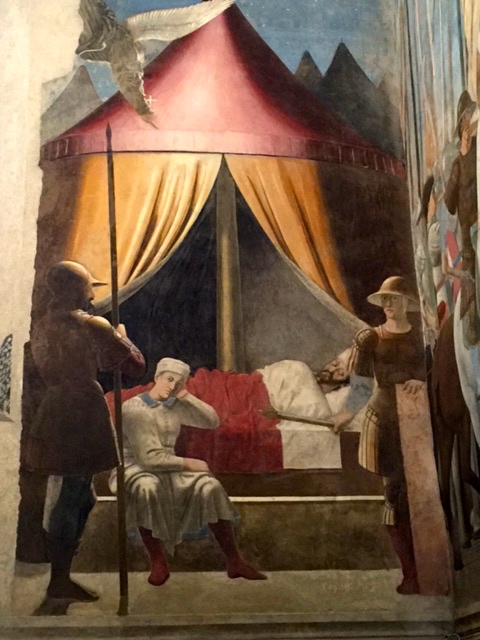
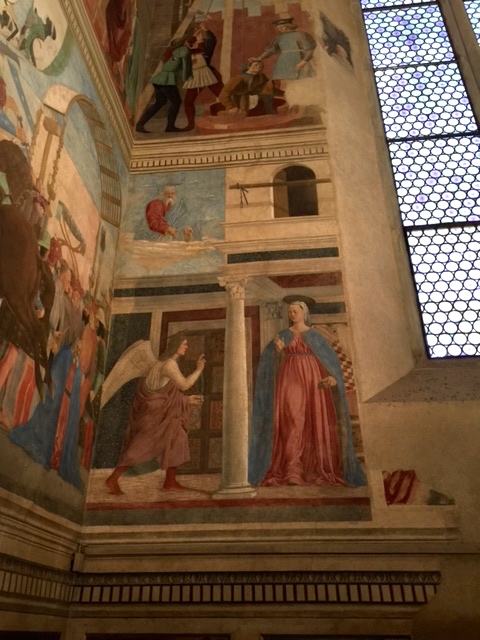
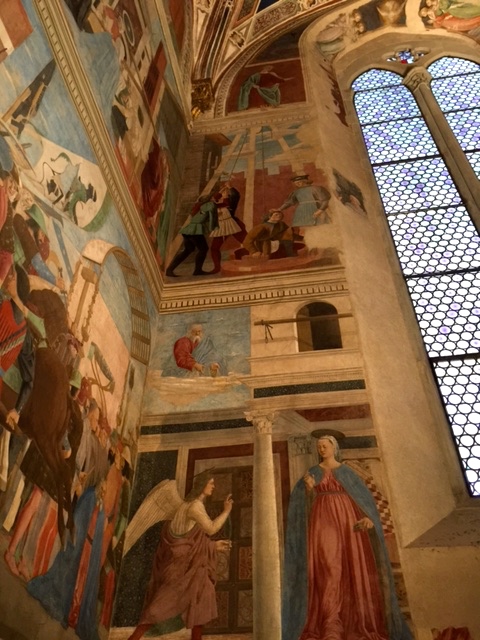
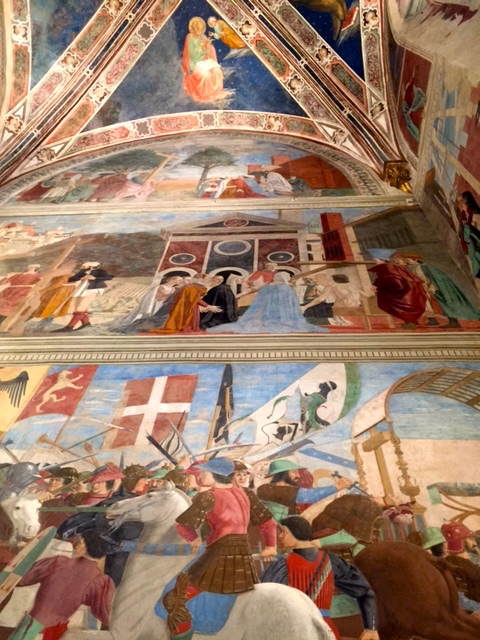
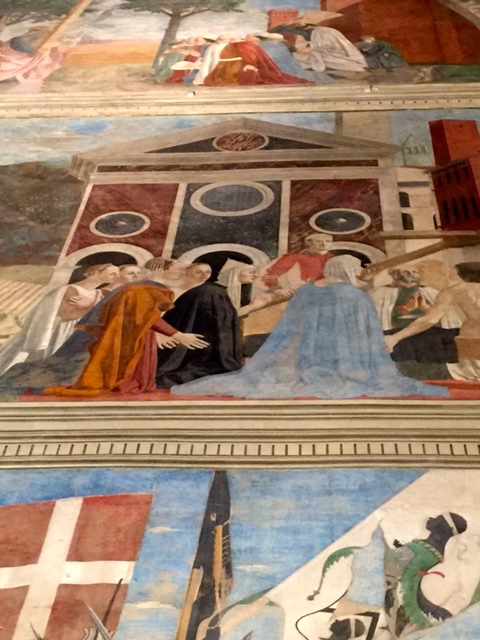
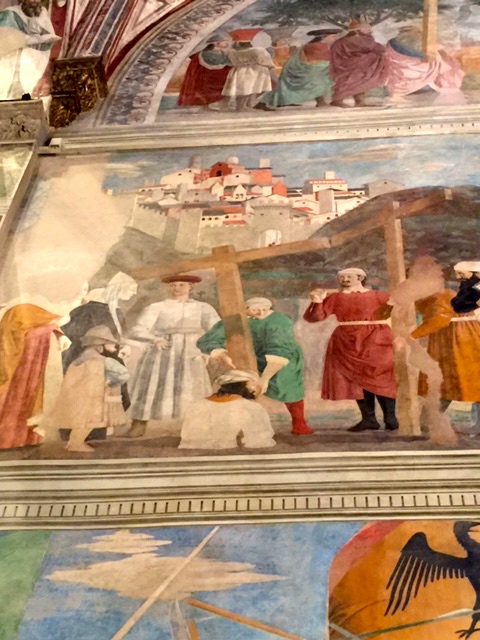
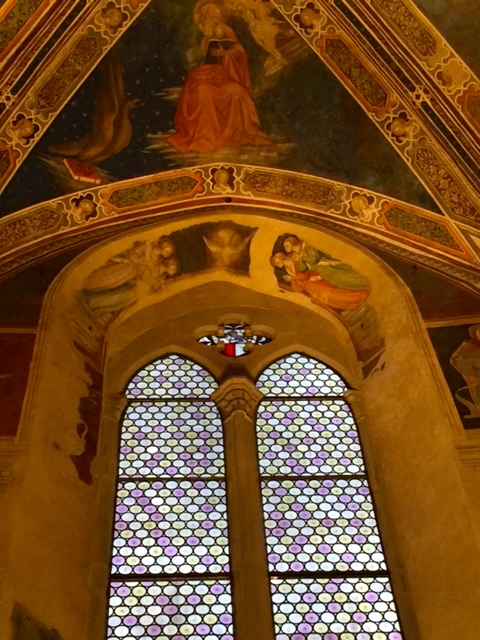
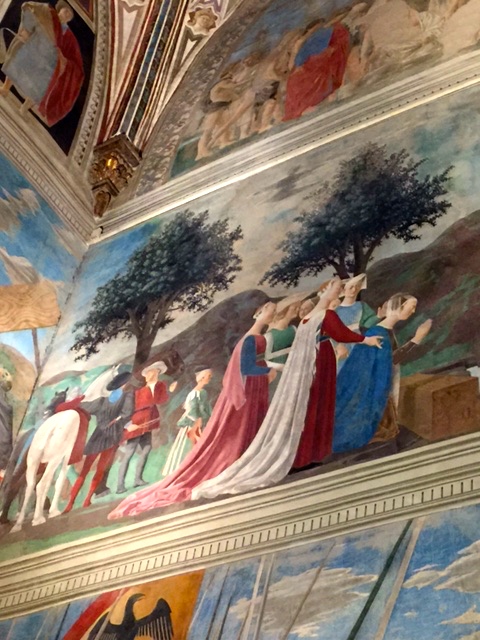
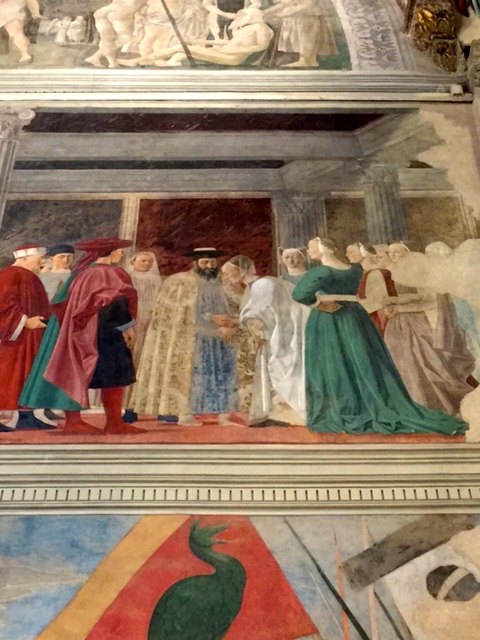
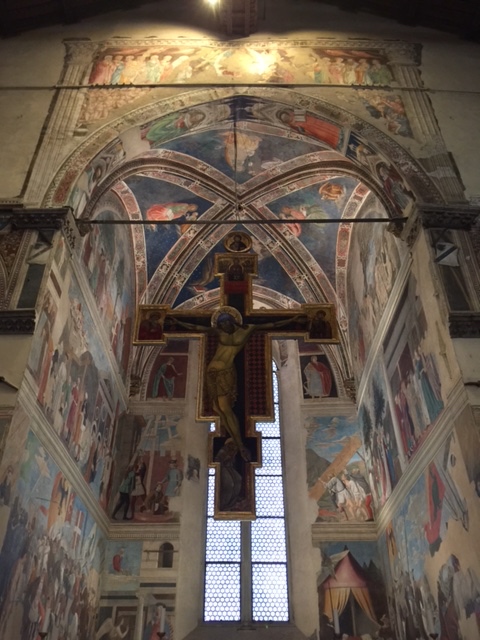
  • The Basilica of St Francis, with frescos by Piero della Francesca. The Bacci Chapel constitutes one of the masterpieces of all Renaissance painting, the cycle of frescos of the Legend of the True Cross painted by Piero della Francesca between 1452 and 1466, which depicts historical episodes from the lives of the emperor Constantine and his mother, the empress Helena, including the world-famous Dream of Constantine.
  • The Vasari House Museum was the family home of the painter, architect and art historian Giorgio Vasari. It now houses a small but priceless collection of works of art and above all the magnificent frescos executed by Vasari himself in some of the rooms.
  • The Gaius Cilnius Maecenas National Archaeological Museum and Roman Amphitheatre, housed in the building that was previously the Monastery of the Olivetan Benedictines of St Bernardo Romano and is now home to an important collection of Etruscan and Roman artefacts, including the world-famous “coralline” ceramics known as sealed Arezzo ware. Every summer, the Roman Amphitheatre hosts an important programme of live music, theatre, performances and other events.
  • The State Museum of Mediaeval and Modern Art houses works by Arezzo’s leading artists (Margarito, Spinello Aretino, Luca Signorelli and Giorgio Vasari), a coin collection and one of the most interesting collections of Renaissance pottery wares.
  • The Ivan Bruschi House Museum was established in Arezzo as a tribute to Ivan Bruschi, who first devised the celebrated City of Arezzo Antiquities Fair back in the 1960s. Now housed in a venerable mediaeval building, the Palazzo del Capitano del Popolo, it contains artefacts that date from the prehistoric period to late antiquity. The Banca Etruria established the Ivan Bruschi Foundation, basing it on the bequest of Bruschi’s own priceless collections and the labour of the Banca Etruria manager. Its purpose is to make Ivan Bruschi’s dying wish come true: to spread a love of art and of the culture of antiquities.
  • The Palazzo della Fraternita dei Laici, completed by Bernardo Rossellino in the sixteenth century in the Renaissance style, is the home of the Secular Fraternity, a body whose 750 years of history is peppered with important events that determined the development of the city of Arezzo. The Fraternity has a special focus on assisting the needy and on cultural undertakings, whose aim is to preserve its artistic heritage and make it accessible and enjoyable.


  • Piazza Grande, with the Vasari Loggias, is the city’s oldest piazza and one of the most beautiful in all of Italy. Although the buildings that line it date to all sorts of different periods, the overall effect of the piazza is incredibly harmonious. The buildings along the southern and eastern sides are mediaeval (Palazzo Tofani and the Làppoli Tower), while the northern side is occupied by a sixteenth-century building with the Vasari Loggias and the west is graced by the Parish Church of St Mary, the Court Building and the fifteenth-century Palazzo of the Secular Fraternity. Twice every year, Piazza Grande, which the world came to know and admire in Roberto Benigni’s film Life is Beautiful, provides the setting for the traditional Saracen Joust, as well as hosting the Antiquities Fair on the first Sunday of every month and the preceding Saturday.


  • Piazza Guido Monaco is a circular piazza laid out in the nineteenth century at the intersection of three very important streets: via Guido Monaco, via Petrarca and via Roma. In the centre of the piazza is a monument, the work of Salvino Salvini (1882), to Guido Monaco (also known as Guido D’Arezzo), who first devised modern musical notation and the system of the four horizontal lines used to inscribe it, known as the tetragram.
  • The Petrarca House, in via dell’Orto. It was here that the celebrated poet was born in 1304, although the building that now stands on the site is the result of reconstruction in the sixteenth-century and successive restoration projects. It now houses the Petrarca Academy of Letters, Arts and Sciences.
  • The Medici Fortress was built by the Florentine ruling family of the Medici in the sixteenth century at the highest point of the hill of Arezzo, where it boasts a marvellous panoramic view. The Fortress is now laid out as a public park and the gardens know as the Prato (or lawn).
  • The Cathedral of St Donatus is the home church of the people of Arezzo, whose chequered history it has followed over the centuries. Built on the site of the city’s ancient acropolis, it boasts breathtakingly beautiful stained glass by Guillaume de Marcillat and the Mary Magdalene painted by Piero della Francesca in 1465. The Diocesan Museum next door is home to several masterpieces by Vasari, Luca Signorelli and others. The marble panel depicting the Baptism of Christ that decorates the font in the cathedral has been attributed to Donatello.
  • The Basilica of St Dominic is a must on any itinerary, because of the major attraction of the Cimabue Crucifixion. Standing more than three metres tall, this great cross is the first work attributed to Cimabue, who painted it at some time between 1268 and about 1271. A belfry adorns the otherwise incomplete façade of the basilica’s Romanesque-Gothic exterior. Inside, the single nave is decorated with frescos, most of which have decayed, while the Gothic altar in the Dragondelli Chapel is still clearly visible.
  • The Palazzo dei Priori, or Priors’ Palace, now home to the Arezzo City Council, is located in Piazza della Libertà. Built in the fourteenth century, it has a typical tower on a square footprint and a large loggia on three levels. Inside are frescos by Parri di Spinello and by Teofilo Torri, as well as canvases by Giorgio Vasari and other artists from Arezzo.
  • Visit the Parish Church of Santa Maria Assunta to see a polyptych by Pietro Lorenzetti (1320), as well as a Madonna and Saints and a wooden cross by Margarito (thirteenth century). Features in the original twelfth-century façade include the lunette with a bas relief depicting the Crowned Madonna and two angels and the extraordinary cycle illustrating the twelve months of the year, a masterpiece of mediaeval sculpture that painstaking, detailed restoration has now rendered once again visible.
  • Arezzo’s hinterland is also a treasure trove of incredibly valuable artistic venues. To single out just a few of them, don’t miss the Castle of the Counts of Guidi at Poppi, which looms high above the mediaeval hilltop town of Poppi and now houses the Rilliana Library, with its hundreds of mediaeval manuscripts and incunabula, and the Chapel of the Counts of Guidi, with a cycle of fourteenth-century frescos attributed to Taddeo Gaddi, a pupil of Giotto. Our guided tours also feature a fascinating itinerary that starts from a jewel of the Renaissance, the Piero della Francesca masterpieces in the Basilica of St Francis in Arezzo, and progresses to the mediaeval jewel of Poppi, on a journey that takes in the hills of the Casentino area and also includes a welcome stop to savour some fine foods and wines.

Arezzo also hosts several major events, some with traditions going back a thousand years:

  • The Antiquities Fair was established in 1968 and has been held every month of the year ever since, without a single interruption in over 45 years, on the first Sunday of every month and the preceding Saturday, in Piazza Grande and the adjacent streets in the city centre, where more than 500 exhibitors showcase large numbers of objects.
  • OroArezzo is the event devoted to the art of the goldsmiths, silversmiths and jewellery craftsmen that showcases the output of Italy’s leading gold working district. This exhibition of original jewellery work offers an important preview of the stylistic trends to be expected from the forthcoming creations of Italy’s jewellery and gold craftsmen, who are increasingly in tune with trends in fashion. This prestigious event offers its exhibitors an opportunity to present previews of their new jewellery designs and include them in the exhibition’s major promotions and visibility campaign.
  • The Saracen Joust is a competition on horseback that is held in Arezzo in the evening of the last Saturday but one of the month of June (the Joust of St Donatus) and in the daytime on the first Sunday in September (the September Joust). Preceded by a colourful procession, in which more than 350 participants dressed in historical costumes parade along the city streets, the actual tournament takes place in the unique setting of Piazza Grande. The joust consists of a challenge between the city’s four quarters, which are named after its main gates (gate in Italian is porta): Porta del Foro, Porta Crucifera, Porta Sant’Andrea and Porta Santo Spirito. The aim is to hit a target placed on the shield wielded by the Buratto (a dummy that represents the Saracen “King of the Indies” and turns on its own axis) with a stroke of the lance at the end of a fast charge on horseback… all without the rider being struck in turn on the back of the head by the weapon wielded by the Buratto himself: a string of three lead balls that is activated by a spring-loaded mechanism.
  • The Arezzo Wave is a festival, mostly of rock music, that has been held in July every year since 1987. First established to provide a launch platform for young Italian rock bands, it now lasts up to six hours. In recent years, the festival has started featuring multiple stages all over the city, where increasing numbers of non-musical cultural activities also take place.

A short history of Tuscany.

Like most parcels of European territory, what we now know as Tuscany has gone through endless slicings and dicings, expansions and contractions, changes of name and possession.

Much of it was, of course, home to the Etruscans. Their realm, Etruria, after being annexed by Rome, came to be called Tuscia, which in the sixth century was made a duchy by the conquering Lombards, with Lucca as its capital.

This entity metamorphosed, under the Franks, into the Margravate of Tuscany, which in the eleventh century produced the first Tuscan of real historical stature: Matilda of Tuscany, one of the shrewder military leaders of the Middle Ages and among the period’s most formidable women.

After Matilda’s death in 1115, there ensued a long struggle between popes and Holy Roman emperors for control of the margravate, and the lack of firm external rule allowed for the rise of the great city-states, above all Florence. For more than three hundred years there was no Tuscany per se.

Florence, though, had been gradually extending its dominion over one comune after another, and in 1569 the House of Medici capped this consolidation by inducing Pius V to create the Grand Duchy of Tuscany, with Cosimo I as its first ruler. Except for a brief Napoleonic hiatus, the grand duchy was to survive right up to 1859, when it was absorbed into the United Provinces of Central Italy, which in turn was folded into the new Kingdom of Italy.

Downing, Ben (2013-06-18). Queen Bee of Tuscany: The Redoubtable Janet Ross (pp. 79-80). Farrar, Straus and Giroux. Kindle Edition.

A new red!

I’m barely literate when it comes to wine, so take this with a grain of…grapes.  But last Sunday I had the great pleasure of taking an al fresco yoga class at an aguritismo in Chianti.

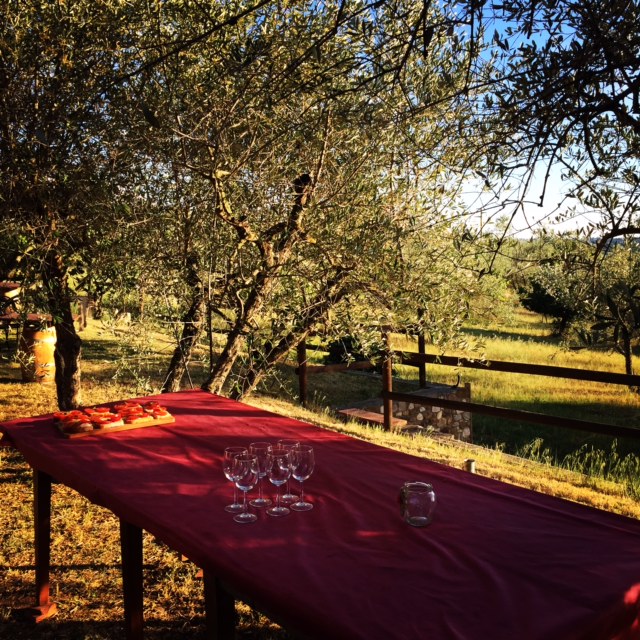
This being Italy, after yoga we shared a beautiful aperitivo (wine and snacks).  I was drawn like a magnet to this beautiful young red wine, which is best served chilled!!  Who knew!!

Which is nice, because I don’t know if you know this, but Italy is very warm. As in hot.  Non mi piace! And a bracing, chilled red is mighty nice after a yoga session, after which one is molto relassato!

I managed to come home with a couple of bottles!  Woo hoo!

IMG_3674


I’m planning to return to this farm in the fall to help harvest grapes and olives to make wine and oil.  I’m told they stomp grapes as in I Love Lucy!!

IMG_3678


You knew I would soon veer to art, didn’t you?

Oranges and Italian art:

Because of a combination of new artistic techniques and some apparently reasonable, but mistaken, assumptions about the history of citrus, oranges appeared frequently in paintings by any number of the great masters of the Italian Renaissance.

In making the break from Byzantine scholasticism to the new humanism of the Renaissance, artists began setting their religious figures against naturalistic backgrounds. Not having seen the Holy Land, they glibly set their Annunciations and Resurrections in Italian villas and on Italian hills.

Crusaders, among others, had long since reported that orange trees flourished in Palestine, so, as a kind of hallmark of authenticity, the painters slipped orange trees into masterpiece after masterpiece, remaining ignorant to their deaths that in the time of Christ there were no orange trees in or near the Holy Land.

In his “Maestà,” the Sienese painter Duccio di Buoninsegna showed Jesus entering Jerusalem through the streets of Siena, past orange trees in full fruit.

Fra Angelico painted Jesus resting under an orange tree.

It was almost unthinkable for a great master to do a “Flight into Egypt” without lining the route with orange trees.

A “Last Supper” was incomplete without oranges on the table, although there is no mention of oranges in the Bible.

Titian’s “Last Supper,” which hangs in the Escorial, shows oranges with fish.

A Domenico Ghirlandaio “Last Supper” goes further: a mature orange grove is depicted in murals behind the Disciples.

The deterioration of Leonardo’s “Last Supper” has been too extensive for any oranges in it to be identified, but in all likelihood, according to Tolkowsky, they were there.

Most painters thought of the Annunciation as occurring indoors, and Paolo Veronese, for one, moved orange trees indoors to authenticate the scene, setting the plants in trapezoidal pots, of the type in which orange trees were grown in his time in northern Italy.

Fra Angelico also used orange trees to give a sense of the Holy Land to his “Descent from the Cross,” which was otherwise set against the walls of Florence, and, like many of his contemporaries, when he painted the Garden of Eden he gave it the appearance of a citrus grove.

Benozzo Gozzoli’s frescoes in a family chapel of the Medici show Melchior, Balthasar, and Gaspar looking less like three wise kings from the East than three well-fed Medici, descending a hill that is identifiable as one near Fiesole, dressed as an Italian hunting party, and passing through stands of orange trees bright with fruit.

Actually, Gozzoli’s models for the magi were Lorenzo de’ Medici; Joseph, Patriarch of Constantinople; and John Palaeologus, Emperor of the East.


~~~~~~~~~~~~~~~~~

The orange tree was more than a misplaced landmark. It was also a symbol of the Virgin, erroneously derived from an earlier association that medieval theologians had established between Mary and the tall cedars of Lebanon.

Thus, countless paintings of the Madonna or of the Madonna and Child were garlanded with orange blossoms, decorated with oranges, or placed in a setting of orange trees.

Mantegna, Verrochio, Ghirlandaio, Correggio, and Fra Angelico all complemented their Madonnas with oranges.

Sandro Botticelli, in his “Madonna with Child and Angels,” set his scene under a tentlike canopy thickly overhung with the branches of orange trees full of oranges.

In the Neo-Latin of the Renaissance, oranges were sometimes called medici— an etymological development that had begun with the Greek word for citron, or Median apple.

It is no wonder, therefore, that in art and interior decoration the Medici themselves went in heavily for oranges. In Florence, oranges are painted all over the ceilings of the Medici’s Pitti Palace.

The Grand Duke Francesco de’ Medici was one of the world’s earliest collectors of citrus trees, and in Tolkowsky’s view the five red spheres on the Medici coat of arms were almost certainly meant to represent oranges.

When Botticelli painted his “Primavera,” under a commission from the family, he shamelessly included Giuliano de’ Medici as the god Mercury, picking oranges.

Botticelli also painted his “Birth of Venus” for the Medici.

It was Venus, and not the Hesperides, according to a legend current at the time, who had brought oranges to Italy.

Botticelli’s model was Simonetta dei Cattanei, wife of Marco Vespucci and Giuliano de’ Medici’s Platonic love. Simonetta came from Porto Venere, where Venus was alleged to have landed with the original oranges, so Botticelli painted her in the celebrated scallop shell bobbing on the gentle swells off Porto Venere, and lined the coast behind her with orange trees.

Giuliano’s son, Giulio de’ Medici, who became Pope Clement VII, commissioned Raphael to design a villa for him with a great double stairway leading to a sunken garden full of orange trees.

All this was bound to engage the envy of royalty in the north, and at the end of the fifteenth century, in an expedition often said to mark the dividing point between medieval and modern history, Charles VIII of France went to Italy intending to subdue the peninsula by force of arms. Instead, he fell in love with Italian art, architecture, and oranges. When he returned to France, every other man in his retinue was an Italian gardener, an Italian artist, or an Italian architect. Charles was going to transform the castles and gardens of France.

McPhee, John (2011-04-01). Oranges. Farrar, Straus and Giroux. Kindle Edition.


Il Giardino dell’ Iris, Firenze

Today was a magnificent spring day!  Oggi era magnifico!  A great day to check out the iris garden located just steps from Piazzale Michelangelo.

The iris are just starting to bloom; in a week they should be at prime.

IMG_2342

The Iris Garden is open from now through 20 May,  daily from 10:00 to 13:00 and from 15:00 to 19:30.  It is open Saturday and Sunday from 10:00 to 19:30.  Entrance is free.  You can catch the bus (Numbers 12 and 13) at SMN Station.
IMG_2340

The garden is located in a prime Florentine location, just off the Piazzale Michelangelo.  It is nicely laid out on the side of a hill, with the iris beds nestled in among healthy olive trees.

IMG_2341

IMG_2343IMG_2344

Today the garden was open to the public and paintings of flowers were interspersed into the garden.
IMG_2364IMG_2365IMG_2366IMG_2367

IMG_2354IMG_2356

IMG_2348IMG_2347IMG_2346IMG_2345

The tags remind us that this is a competition garden as well as a pleasure garden.  In particular, 2 Iris rhysomes planted in 2014 are planted side by side: “Broad Minded Sutton” from the USA, in completion with “Marruchi” from Italia.
IMG_2352

Some rose bushes are in full bloom in the iris gardens.

IMG_2353

Pretty stone paths wind through the gardens, amongst the olive trees.

IMG_2359IMG_2360IMG_2362IMG_2350