Things are so much clearer now

Oh, the pleasures of Florence without the crowds!  It was almost worth enduring the pandemic.
fullsizeoutput_2e54


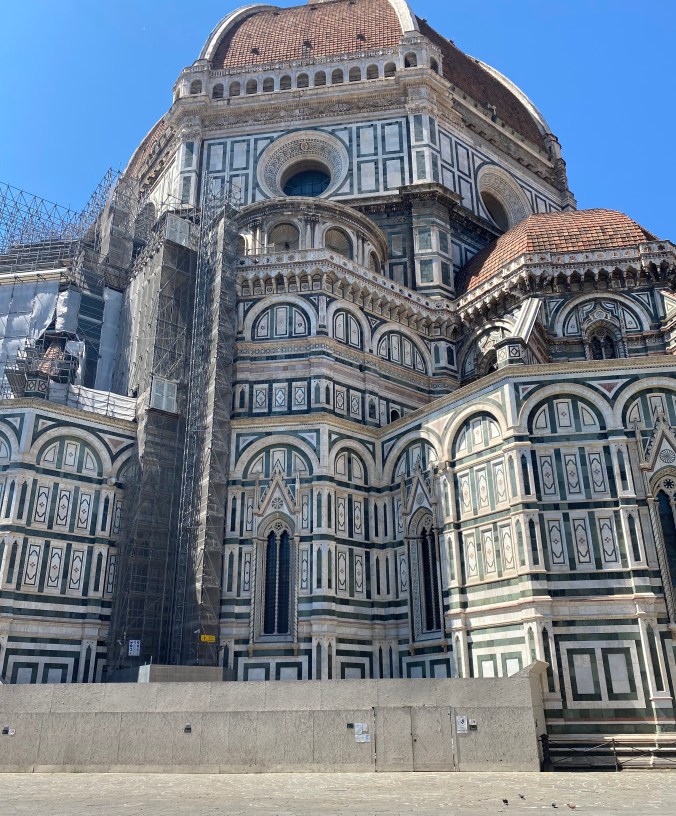
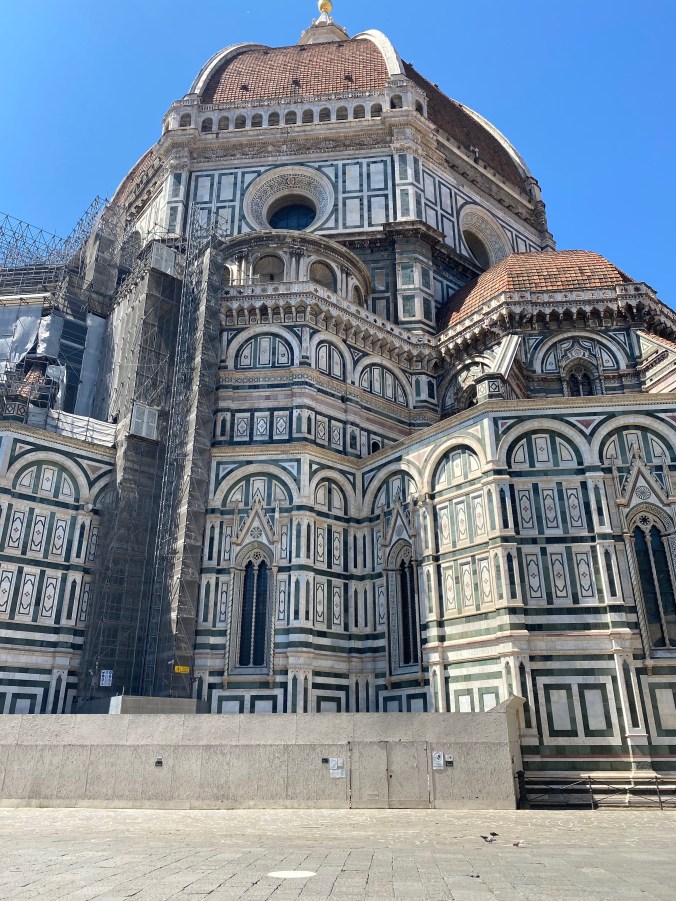
The familiar places in this open-air museum speak to me in a new language without the tourists and hordes. The buildings appear smaller without the crowds.  I don’t know why that is true, but I notice it all the time.
tQv79MD5QUqGVtnObQFypg


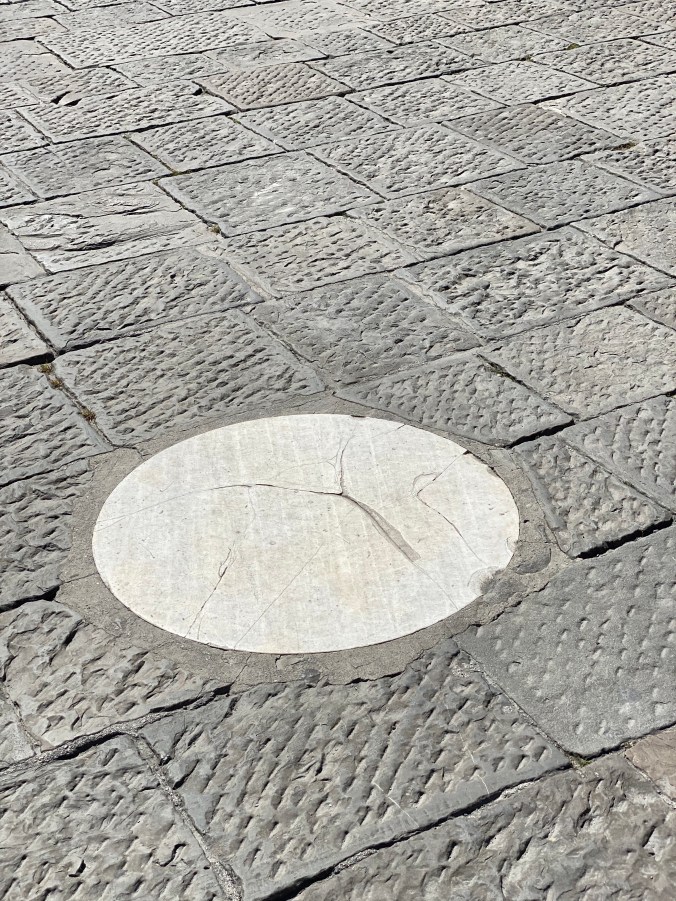
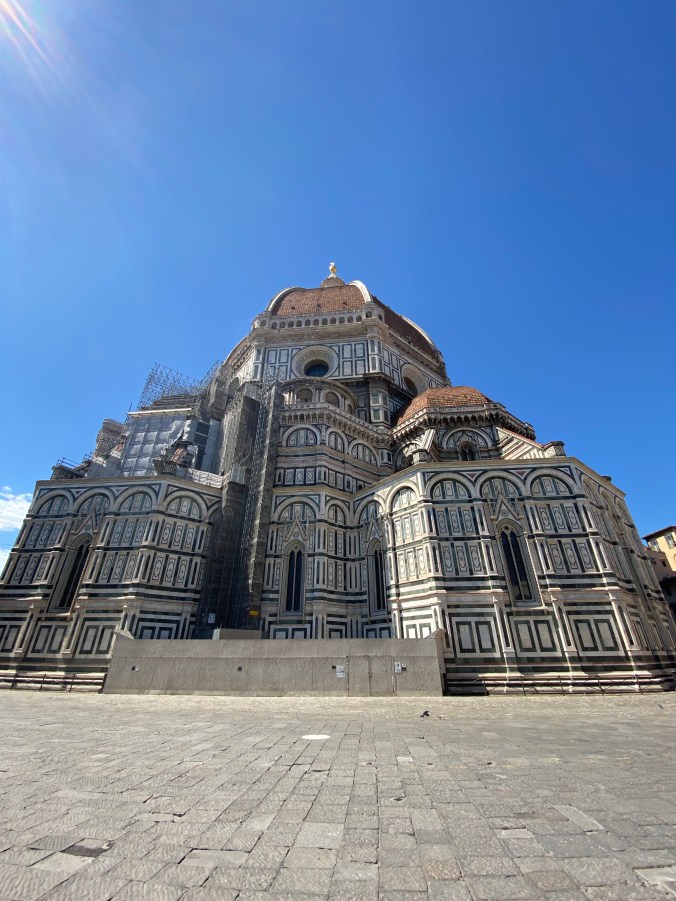
But also, I see things I didn’t see before.  For example, Verrochio’s golden ball was knocked off the top of the duomo in the 1600s. It was struck by lightening and fell to earth.  I had read that the spot where it landed in the piazza has a marker, but I’ve never found it even though I have asked lots of Florentines if they know where it is.
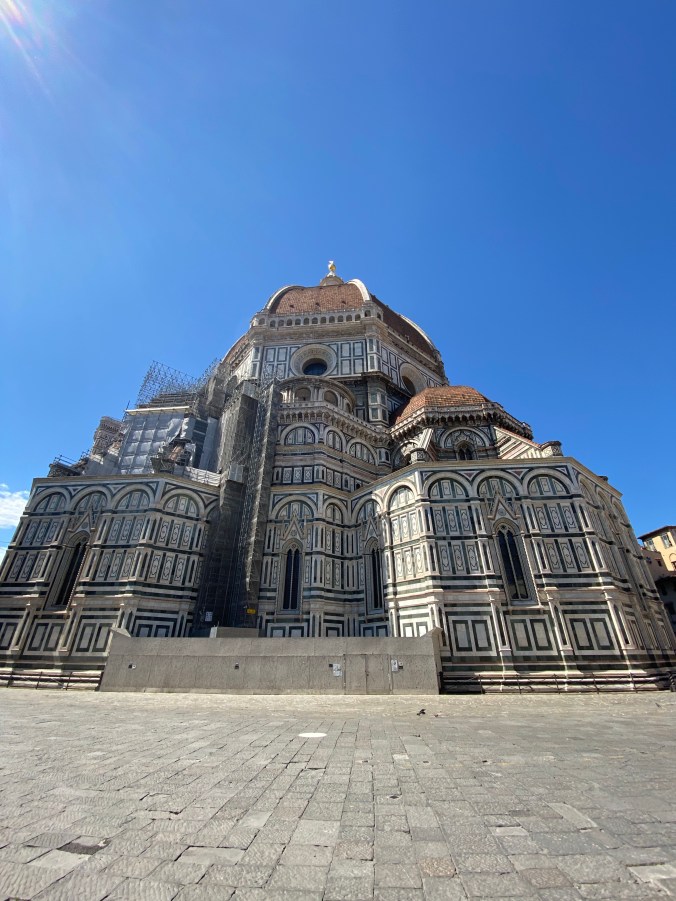
 

3l6UtimASvu0Y+6KN9E0fg

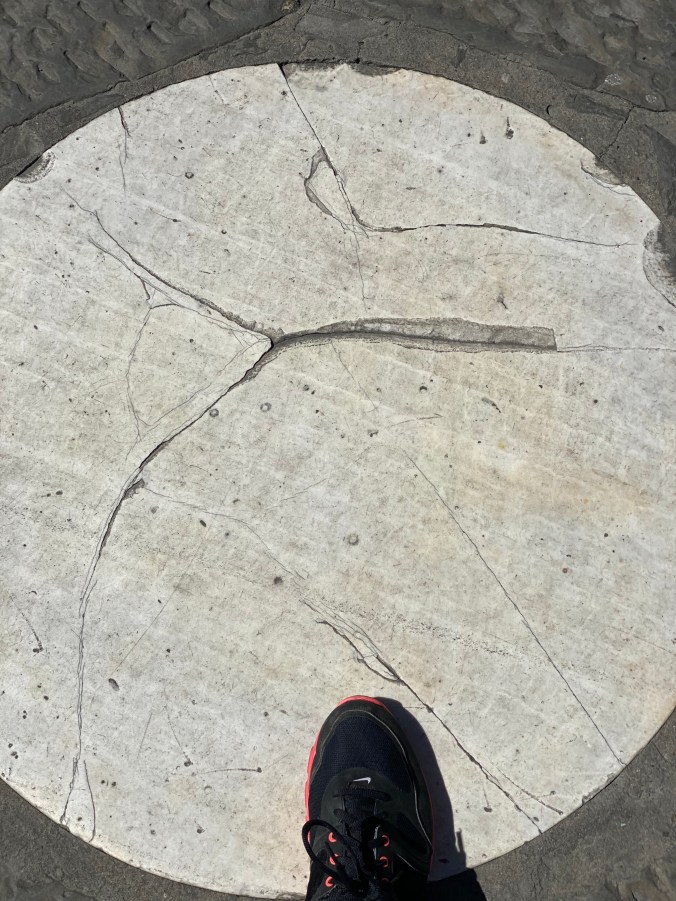
And then yesterday, approaching il duomo from the east, I saw it!  The white circle marks the spot.
YXKRRJeVT12W%fQSA%5IQw


bTJcQ9A8To2IdtP7Fc9uxw


“The golden ball of Santa Maria del Fiore Cathedral was built by Andrea del Verrocchio in 1468. Placed on the Cathedral on 27th of May in 1471, the ball immediately became a symbol for Florence citizens.

In particular on 8th of April in 1492 when, almost as premonition, of Lorenzo de Medici’s imminent death, lightning struck Verrocchio’s work.

On the night of 17th of January, 1601, when the golden ball, with its 2.30 meters in diameter and 18 tons in weight, was struck by lightning and fell down from the Cathedral. In order not to forget the danger and damage of lightning on the Cathedral and in the square, in the exact spot of the fall was marked by a slab of marble, still visible today.” http://www.manetti.com/en/2014/04/02/golden-ball-santa-maria-del-fiore/
Ri1PEXrPQGWZWiZ7h%uQKA


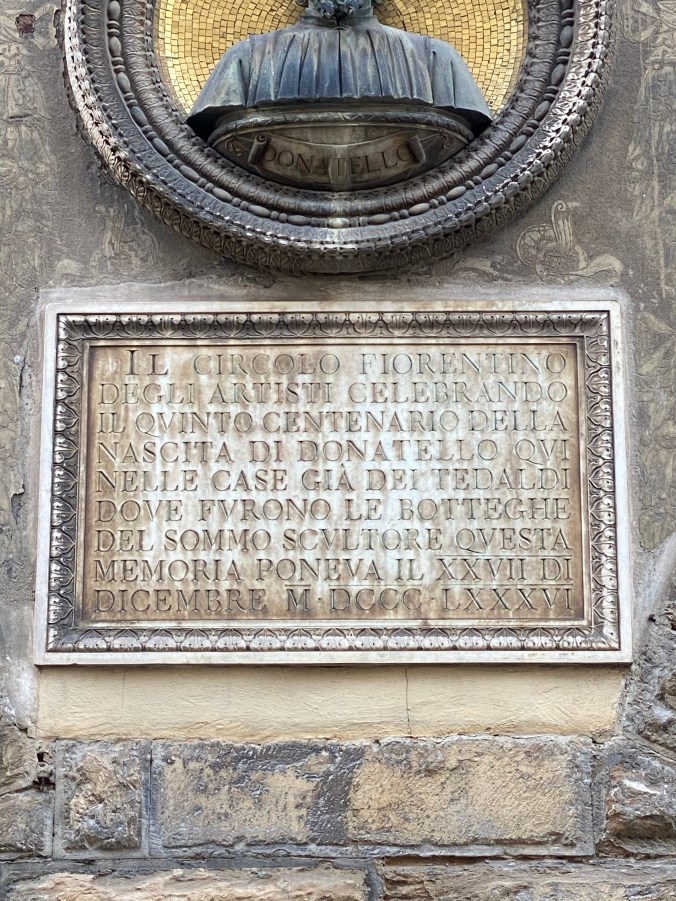
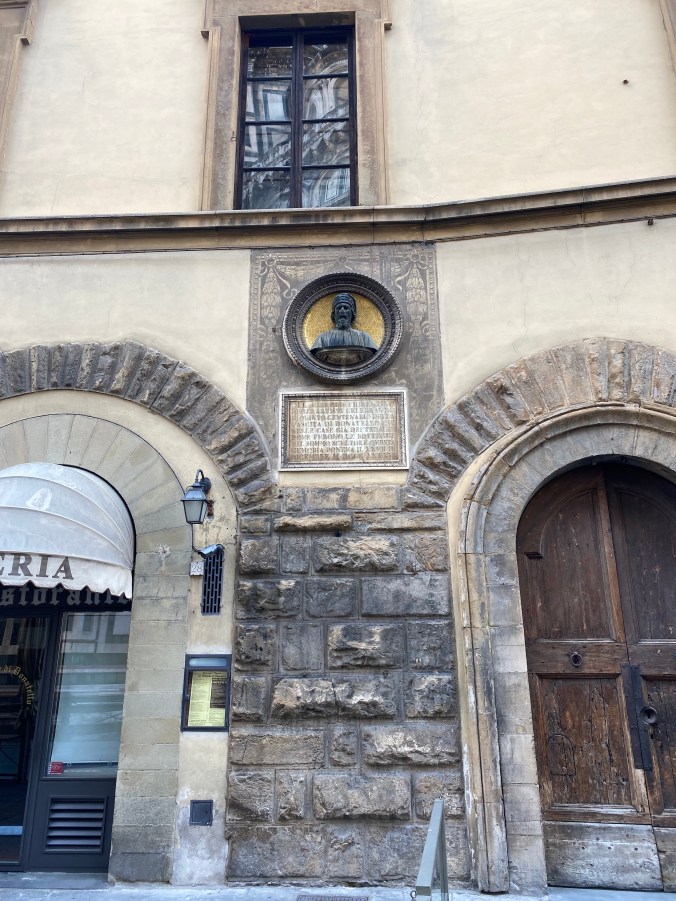
And then, check out the house nearby where Donatello had his studio. The plaques and bust mark the spot.
wNpTNUEIR0uznHWdMuzWcQ


qa+vtTZnSjCUTZCDDqH5RQ


XDPRA70tR1SDycth0U8GeA


Now, go back 3 pictures and look at the reflection of the beautiful duomo in the window above Donatello’s bust. Cool, right?

The iris are blooming at the English Cemetery in Florence

This is the season in which the iris blooms.  Alas, we are at the beginning of Phase 2 here in Italy and can’t enter spaces like the English cemetery or the Boboli Gardens yet.  Still, I wanted to have a look, even from the outside.

fullsizeoutput_2f0f


fullsizeoutput_2f10


fullsizeoutput_2f11


fullsizeoutput_2f12


fullsizeoutput_2f13


fullsizeoutput_2f14


fullsizeoutput_2f15


fullsizeoutput_2f17


fullsizeoutput_2f18


fullsizeoutput_2f18


fullsizeoutput_2f19


fullsizeoutput_2f1b


fullsizeoutput_2f1d


fullsizeoutput_2f1f


fullsizeoutput_2f21


fullsizeoutput_2f22


fullsizeoutput_2f23


fullsizeoutput_2f24


fullsizeoutput_2f25


fullsizeoutput_2f26


fullsizeoutput_2f27


Bye, sweet place.  I’ll be back to see you soon from the inside as well!

Florence, wonderful Florence!

Oh, how I have missed you! Your hidden secrets and outward beauties!

fullsizeoutput_2f36


fullsizeoutput_2e57


fullsizeoutput_2f35


fullsizeoutput_2e5c


fullsizeoutput_2e5d


fullsizeoutput_2e5e


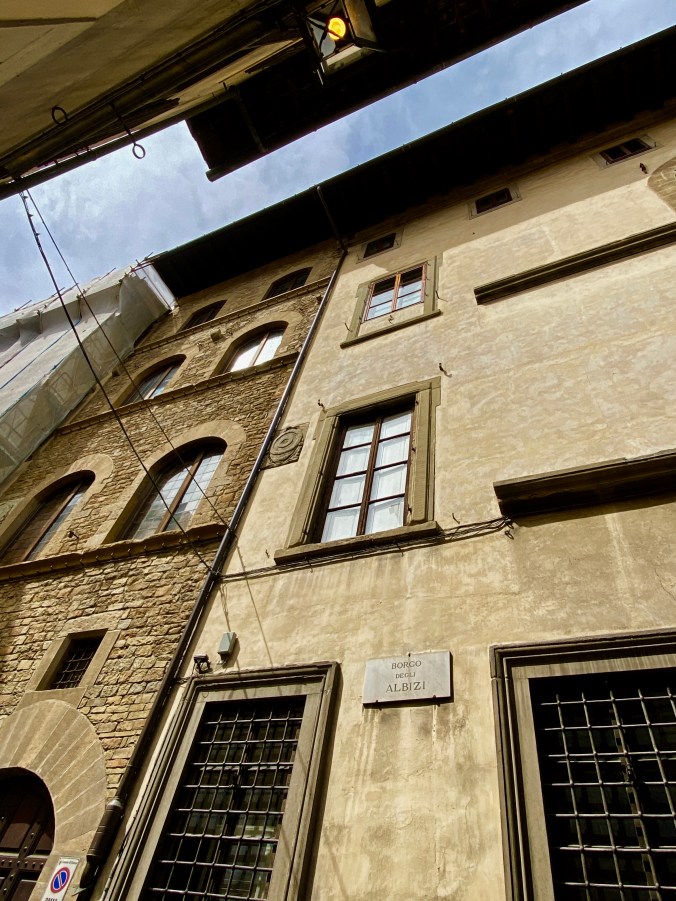
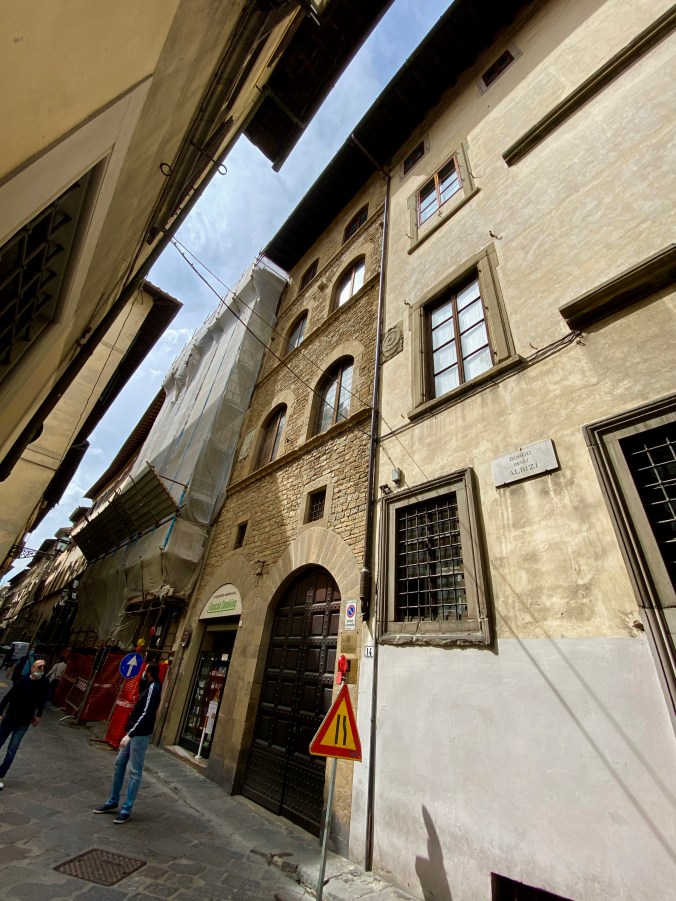
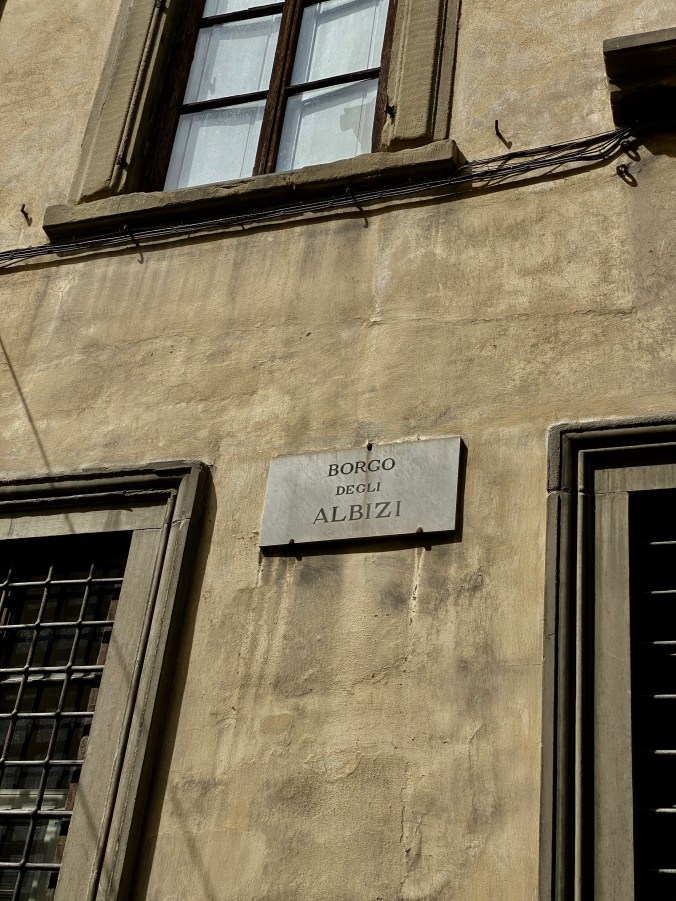
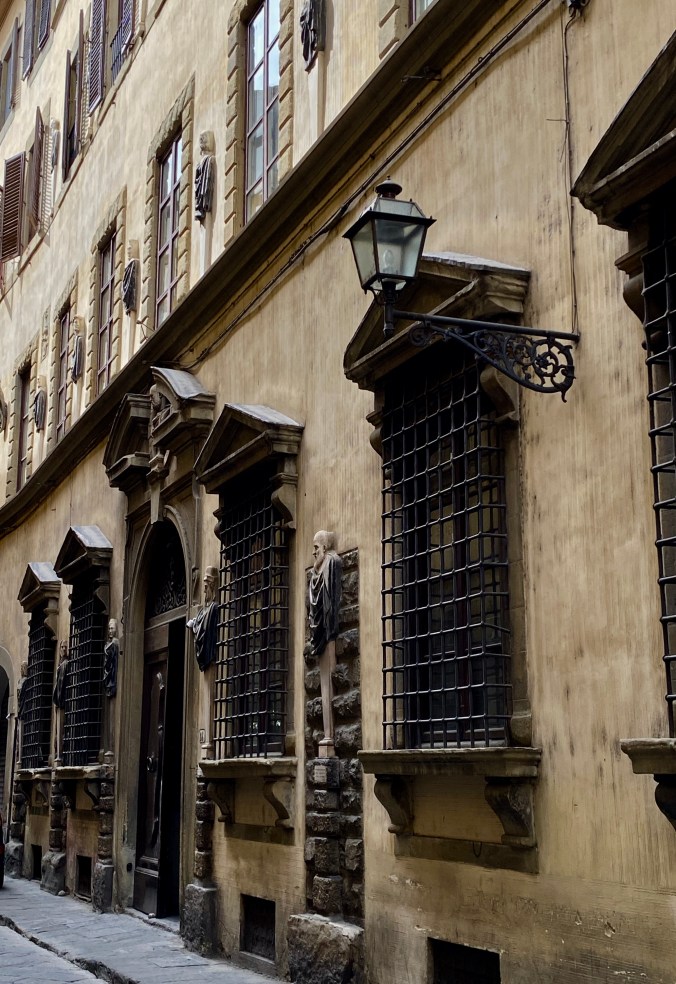
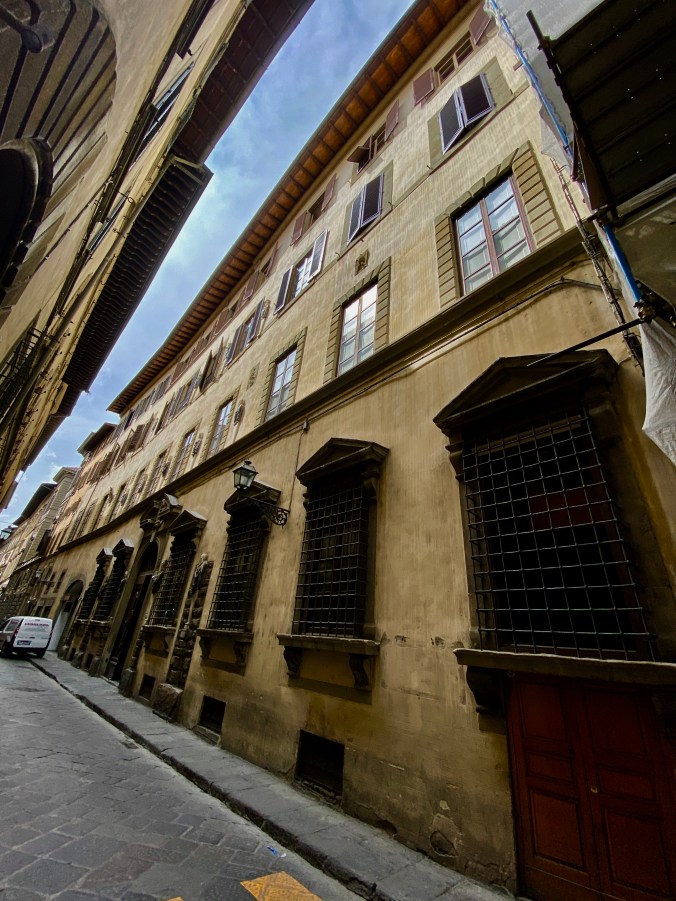
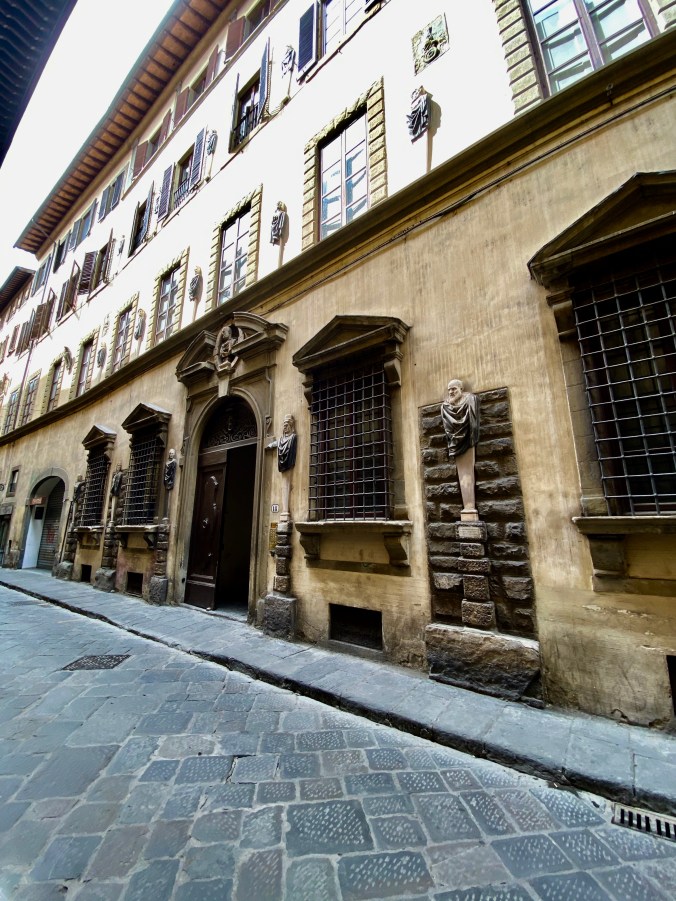
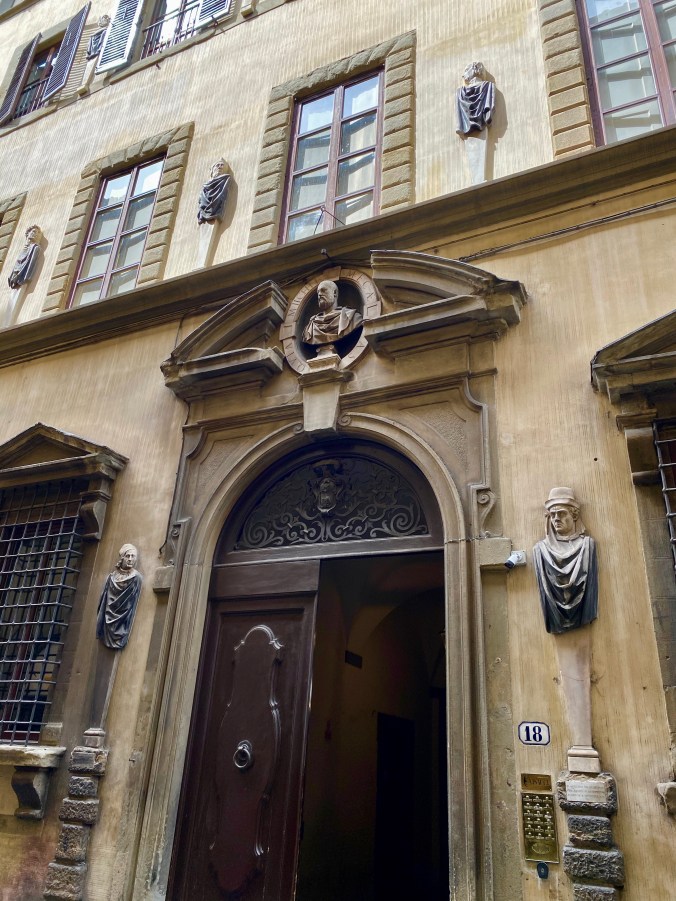
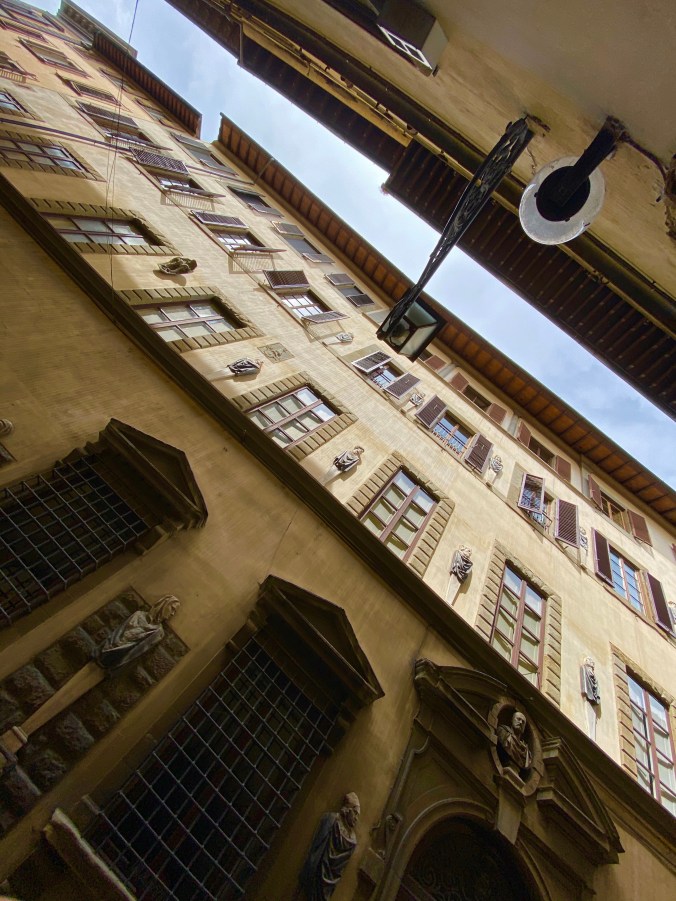
The Albizi family headquarters; they were the mortal enemies of the Medici family:

fullsizeoutput_2e5f


fullsizeoutput_2e60


fullsizeoutput_2e61


fullsizeoutput_2e63


fullsizeoutput_2e62


fullsizeoutput_2e64


fullsizeoutput_2e66


fullsizeoutput_2e67


fullsizeoutput_2e68


fullsizeoutput_2e69


fullsizeoutput_2e6a


fullsizeoutput_2e6c


fullsizeoutput_2e6d


fullsizeoutput_2e6e


fullsizeoutput_2e70


fullsizeoutput_2e71


fullsizeoutput_2e72


fullsizeoutput_2e81


fullsizeoutput_2e83


fullsizeoutput_2e84


fullsizeoutput_2e85


fullsizeoutput_2e87


fullsizeoutput_2e86

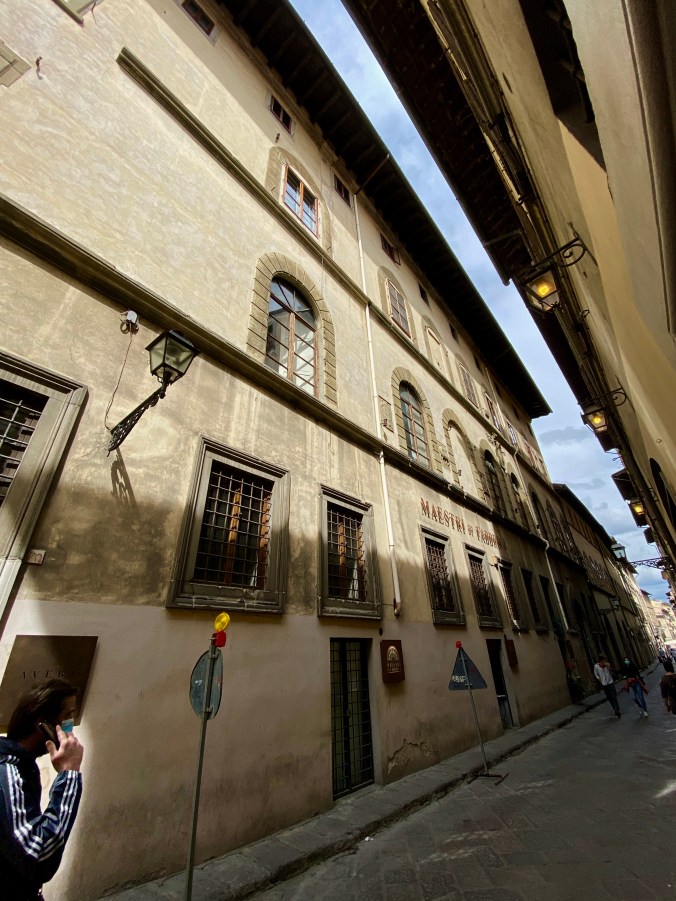
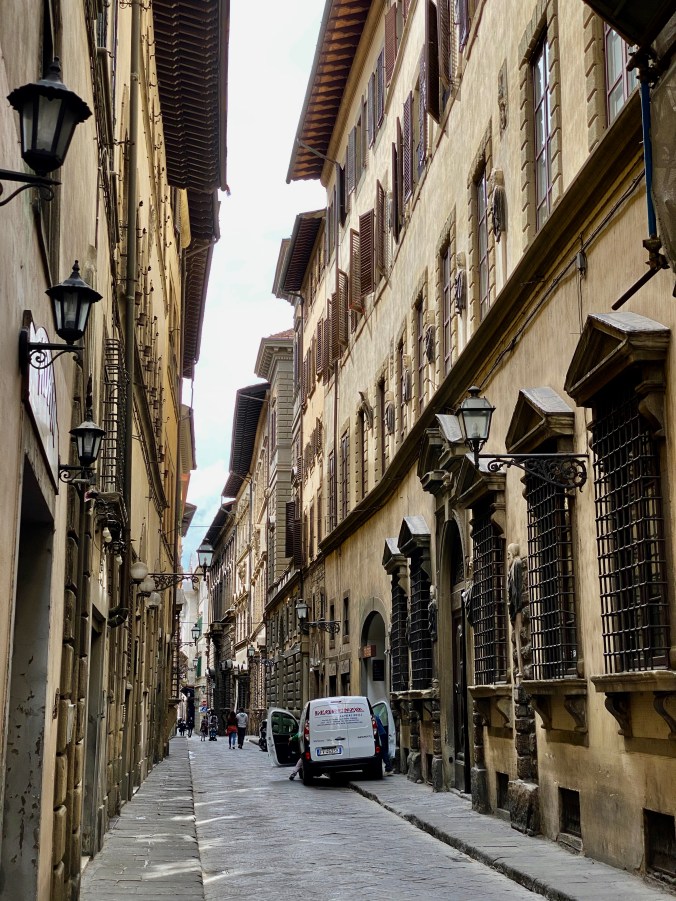
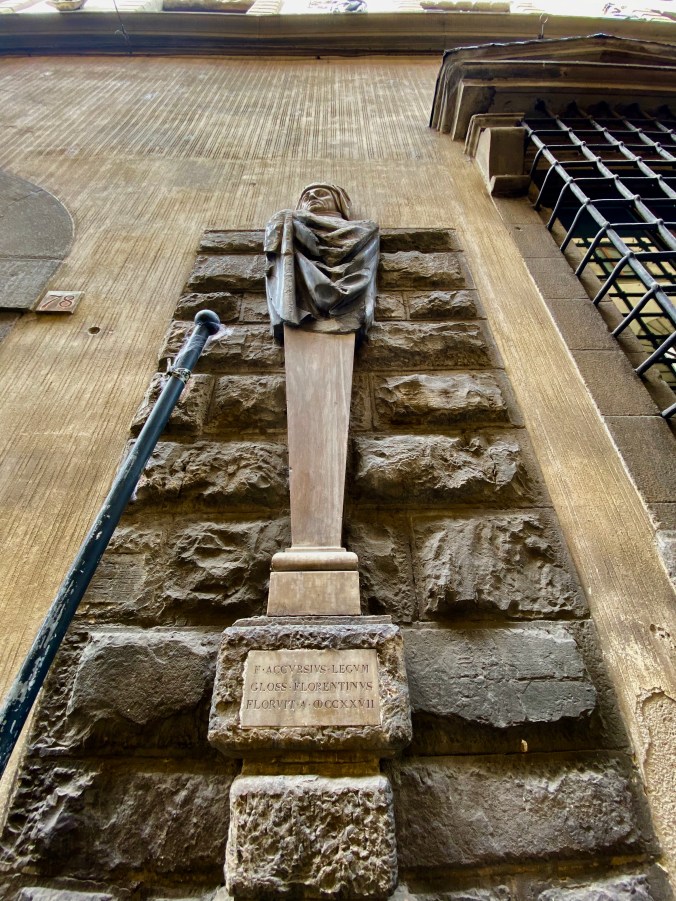
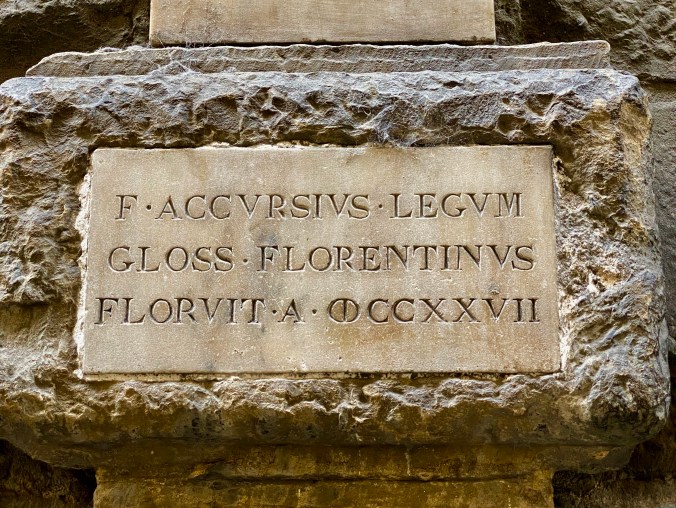
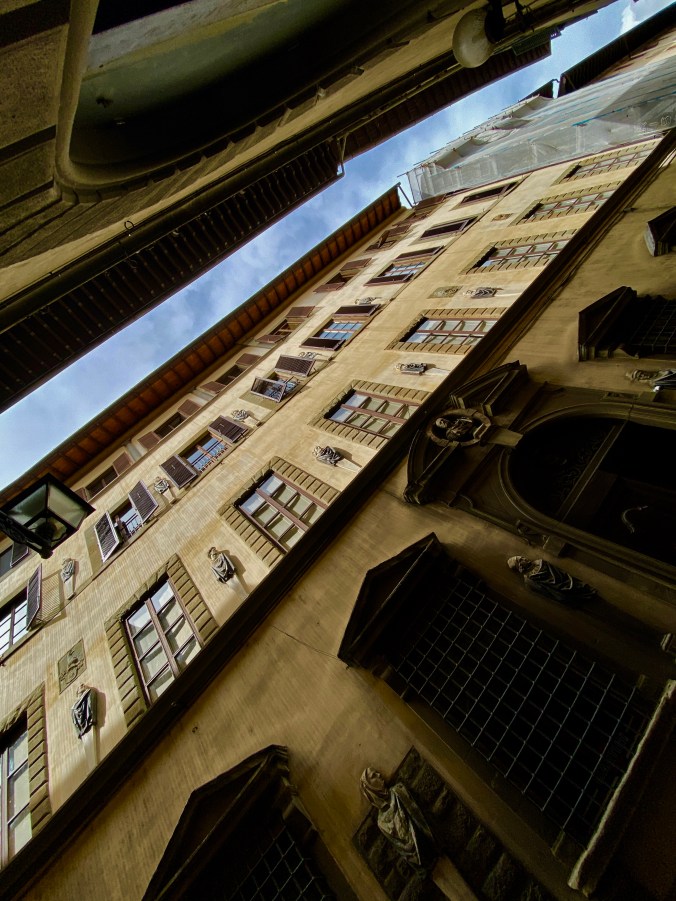
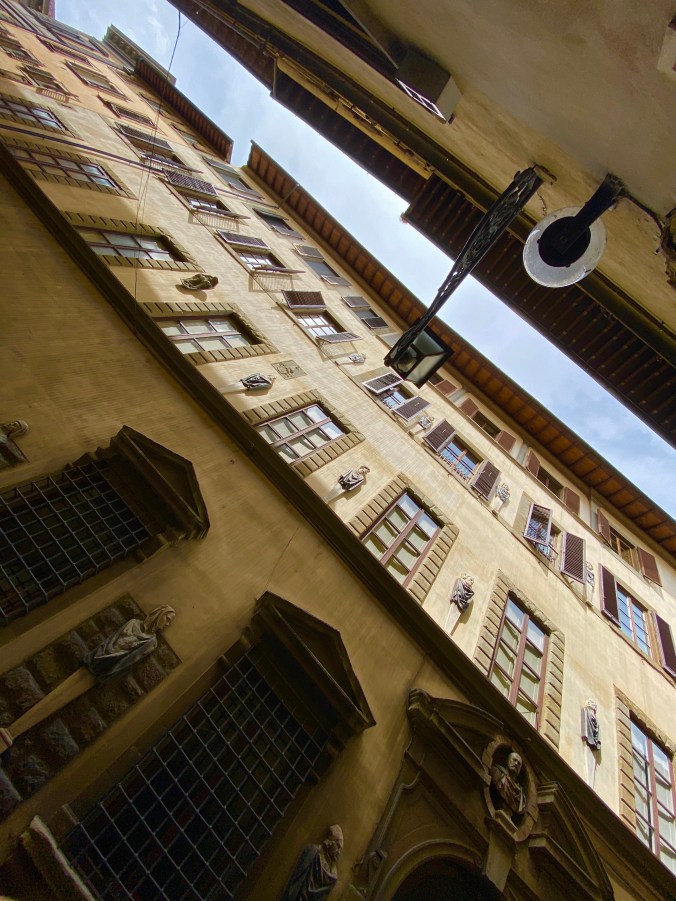
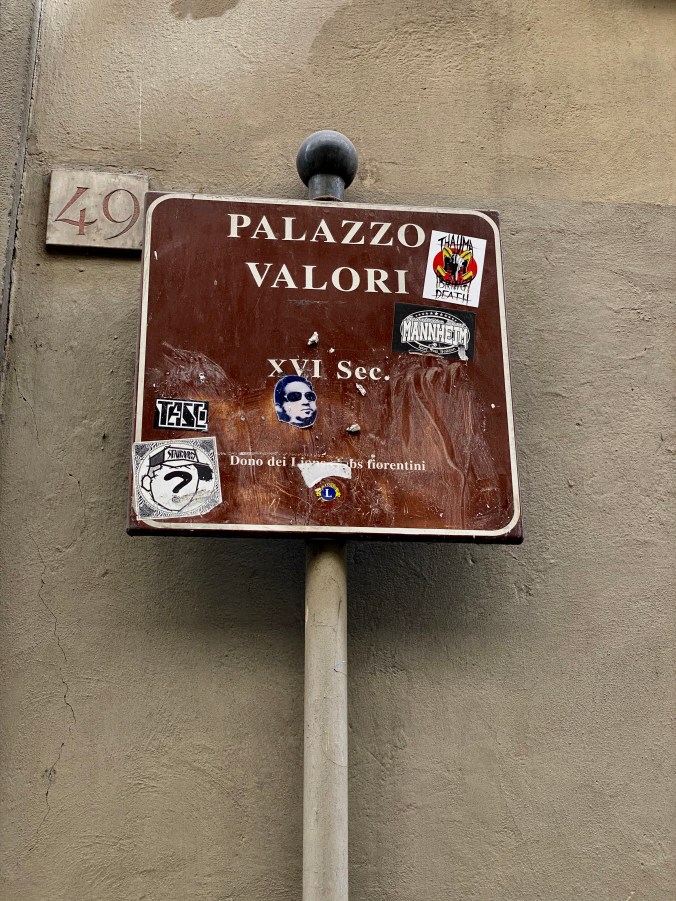
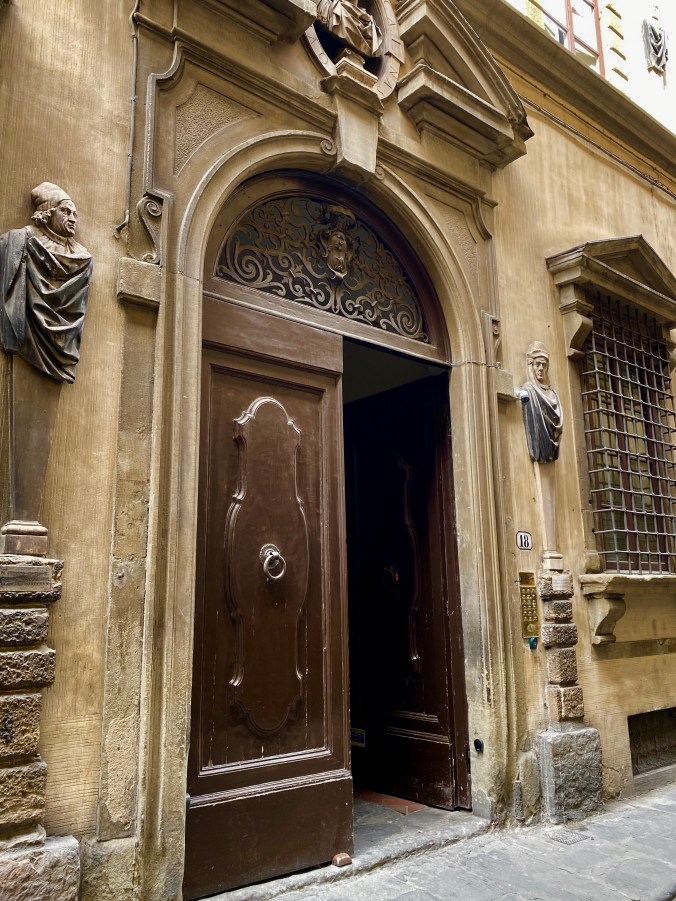
The Valori Altoviti Palace was built in the 15th century by the Albizzi family. The palazzo was taken away from the family after the exile of Rinaldo Albizzi, who had opposed Cosimo il Vecchio in a frantic struggle for power.

The palazzo was purchased by the Valori, and the humanist Baccio Valori had a new palace constructed at the end of the 16th century, bringing together this palace, a Strozzi palace, and another residence.

On the new façade, Baccio Valori had the stelae painted by Giovan Battista Caccini with the busts of 15 illustrious men, but little known by the people, who called it the Palazzo Visacci  (nasty faces). The palazzo was restored in the 18th century, and later became the property of the Altoviti family.


fullsizeoutput_2e89


fullsizeoutput_2e8b


fullsizeoutput_2e8c


fullsizeoutput_2e8d

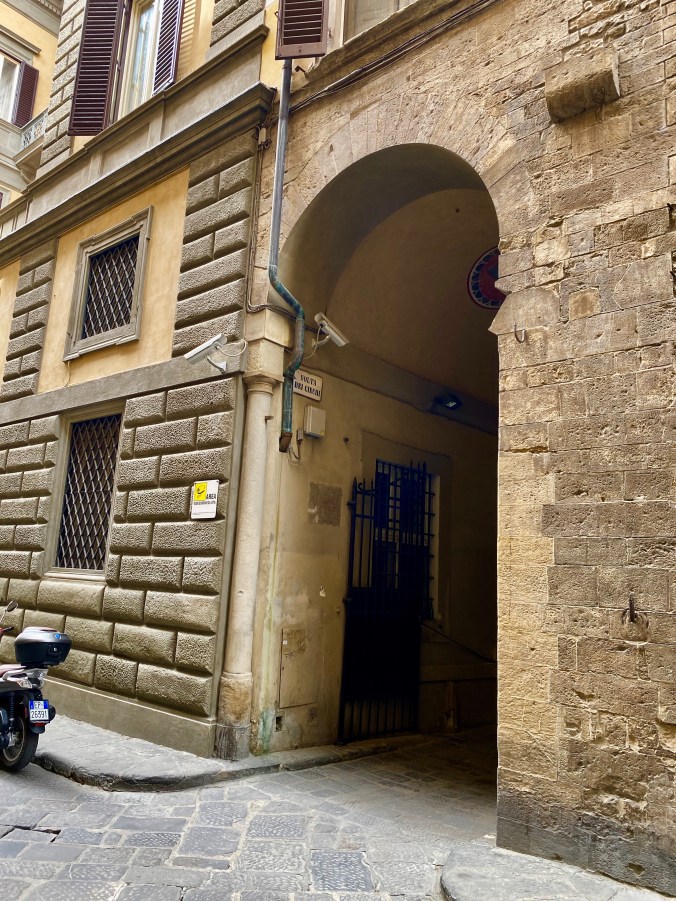
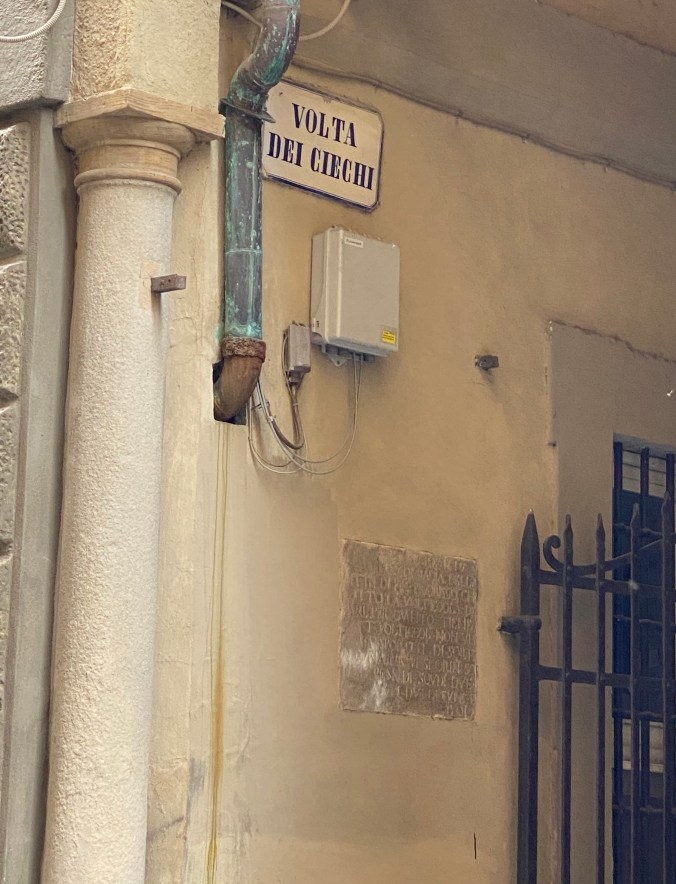
Vault of the blind.