Bottega d’arte Lastrucci and the fine art of commesso Fiorentina (pictorial stone inlay)

83%9Mz2wRLufV5icquVmwA

I just discovered an artisanal workshop last week in Florence.  The shop is old and has an excellent pedigree.  I’ve never had a big interest in the art of mosaics or pietre dure, so I’ve never sought out the shops.

But, I’ve always remembered that no less an expert than Giorgio Vasari described the finished works as “eternal paintings.”

And, I found out that the art form is more appealing to me than I had earlier realized.  Just check out, in particular, this great studio and their artworks.

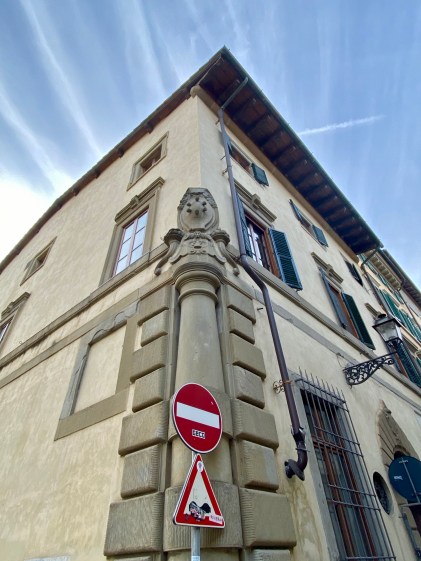
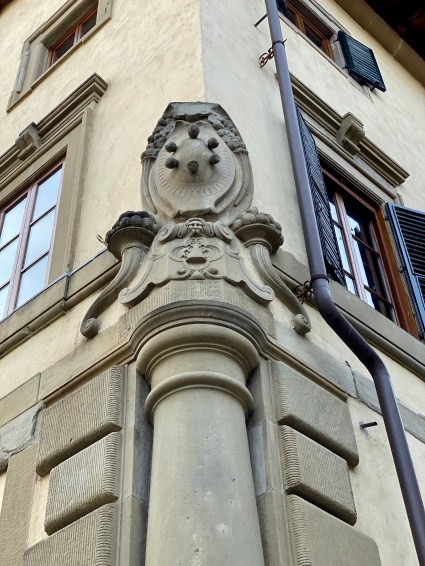
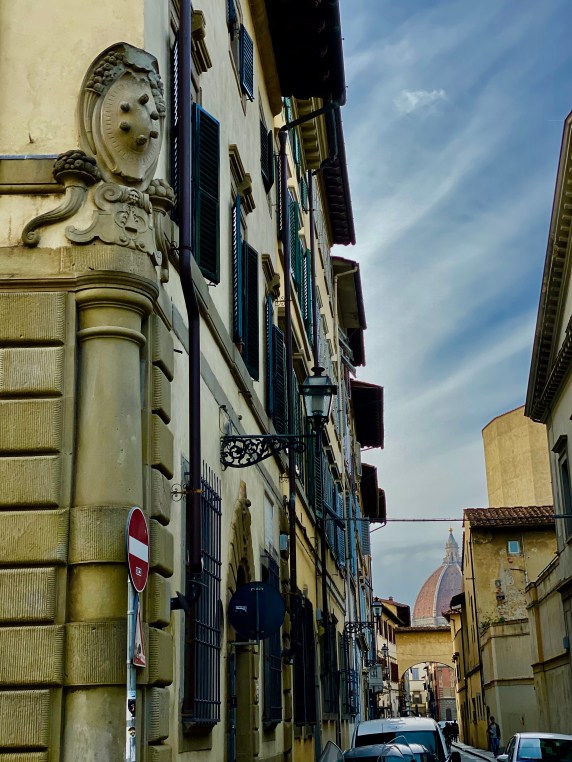
First, the location: the studio is housed within this important old palazzo, which is reason enough to pay them a visit. It is housed within:

qRk2QvjnRW6of8vtoEGn3A

From the Lastrucci website:

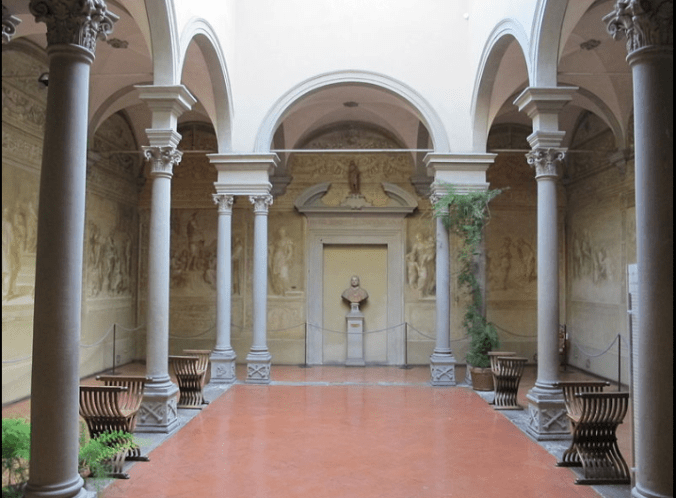
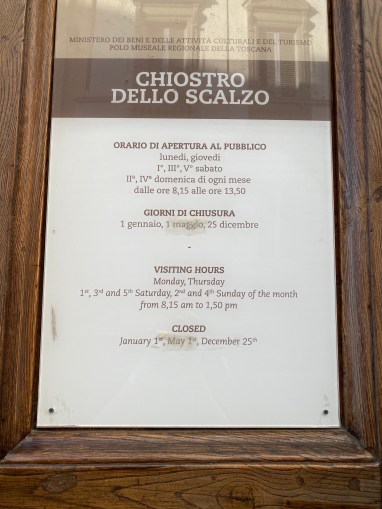
The artistic studio of the Masters Jacopo and Bruno Lastrucci is situated in the ancient Spedale di San Francesco de’ Macci in Florence, in the street of the same name, just a few steps from the celebrated Basilica di Santa Croce.

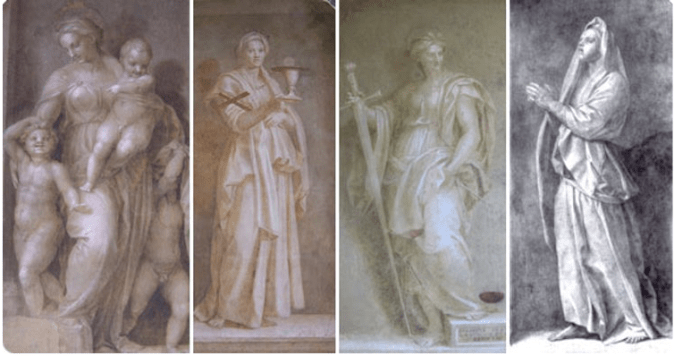
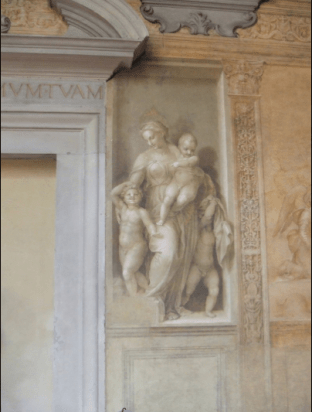
The medieval building dates back to 1335 and for several centuries housed the famous “Madonna of Harpies,” a painting by Andrea del Sarto now in the collection of the Uffizi Gallery.
A visit to these historical rooms, which today form the headquarters of the Studio Musivo Lastrucci, is certainly an unforgettable experience.

All of the mosaics are entirely produced in the according to the original techniques dating back to the 16th century, which highlight the natural color of every stone.

As in the 16th century, every piece is cut with a simple saw made of a tree branch bent in the form of a bow with an iron wire stretched from end to end and covered with water and emery powder; the pieces are then glued together with a mixture of virgin wax and pine resin.

The tools used are of ancient origin; progress and technology have not been able to create suitable substitutes for them, because the original tools were crafted for recreating a sense of beauty that modern technology is unable to reproduce.

The artists personally follow the whole creative process and all mosaics are entirely produced in the studio of the Masters Iacopo and Bruno Lastrucci, situated in Via de’ Macci 9 and annexed to the Galleria Musiva, selling Florentine mosaics of their own production.


Something I want to clear up in case you, like me, were/are confused about the art form known as commesso Fiorentina.   I thought the name commesso Fiorentina referred to some sort of Florentine commission, or office, or something official promoting the artisanal artworks of Florence.  In fact, it is the (kind of inexact, if you ask me) name given to the fine art of making pictures with stone inlay.  Put another way, this ain’t your grandma’s mosaic.

I was happy to read online that in appreciating commesso Fiorentina,  I’m not the only one who confused it with regular mosaics. I always thought a mosaic is a mosaic is a mosaic.  Ho hum.  But commesso Fiorentina is in fact is a very separate (and elevated) technique, that just happened to have been created and developed in Tuscany.

Here’s an example:

CZWYWKTiT3Ofn%Qgssmo3w

Perhaps you won’t be surprised to learn that the Medici family was the first to recognize qualities of this technique and they played a big role in promoting it. Cosimo I  had a strong interest in ancient precious marbles, and his interest extended to a new experimentation with precious stones.

Francesco I lured stone artists to Florence and Ferdinando I started the construction of the family mausoleum in San Lorenzo, adopting this artistic technique.

Here are the stages of a production in stone:

The idea comes to life in a preparatory drawing and then continues with the choice of the stones that will be used in the execution of the work – porphyry, lapis lazuli, granite or other precious stones.

Then the stones are cut, but they are not cut geometrically like mosaics.  This, in fact, is one of the enormous differences as compared to mosaic.  There is a particular and age-old way of cutting the stones in commesso Fiorentina. The stone cutting and the impeccable finishing and polishing work that follows, are part of what makes this technique exceptional.

QeSw2HLSSJ6dZGgo+ZzBOQ

The Studio Lastrucci was awarded the 2010 special Prize of Bottega Artigiana Fiorentina (under the patronage of UNESCO).

After working for years as artistic director of the most famous Florentine mosaic studio and workshop, in 2011, master Bruno, along with his son, decided to work exclusively on his own creations in the art studio in Via de ‘ Macci 9.

Bruno began his studies in this ancient art at the tender age of eight. Once he finished primary school, he spent all of his time in the mosaic workshop of Montici, owned by an American artist, Richard Almond Blow. The Montici school produced collaborations with some international contemporary painters.

Bruno Lastrucci is a craftsman and visionary artist engaged in the technique of commesso fiorentina and he uses only the traditional tools and techniques. He focuses mainly on portraiture; his celebrated portrait of Joseph Lancaster is in the collection of the Lizzadro Lapidary Art Museum, and other important works of art are in prestigious private collections.

His passion and dedication was transmitted to son Iacopo, who was also apprenticed in the art.

3mFW3ukBRaeP0oqUTLkn8w


G2sR6vUrR2iP6OTXvI4IGw


fN7b6HZKRfaLfekMaExBiQ


The masters Jacopo and Bruno Lastrucci perform the artisan work of the Florentine technique known as Commesso Fiorentino. This technique entails the use of hot glues (beeswax primarily) and uses only natural colored stones. The technique dates back to the Medici period, and the Medici family was  a great patron of it.  The technique, of course, dates back to the classic mosaic artistry of the Roman era, using the artistic inlay of stones, with the creation of very realistic pictures, similar to paintings.

Although the working of hard stones has ancient origins, it was thanks to the support of the Medici that the work was perfected, to the point to that a specifically established entity, the Opificio delle Pietre Dure, still exists today.

tAuEmpZOTe2WSwpYtv1irw


s+av1JD5SPKB4NLywPZMvw

The largest number of works made to order are kept at the Opificio delle Pietre Dure, a renowned institute in the field of restoration.

The ancient factory was founded by Ferdinando I, who needed to train the workers needed to carry out the ambitious project of the Chapel of the Princes in San Lorenzo.

This first reality merged then, at the beginning of the 20th century, with the birth of the first modern restoration laboratory in Italy.

On the occasion of the tragic flood of 1966, the factory was confirmed as the excellence that it had already demonstrated to be, bringing back to light some extraordinary masterpieces that could have disappeared forever.

Examples of committed works can be found right inside the Chapel of the Princes.
Given the funeral tone of the work, more muted and dark colors were chosen with porphyry and granite for the upper part of the structure; in the wainscot instead, the colors become more vivid, to reproduce the coats of arms of the families loyal to the Medici . In the niches the statues of the Grand Dukes should have entered, also these in the order, the work turned out however too ambitious and only two were realized.
The salesman is a small jewel belonging to the city of Florence , still made today and a great treasure to be preserved, preserved and admired.


JKf56TlES82MRNc0K62pRg


G1cgbudqREOQx2H7DAXOBw


Wzf0Zs4bQyeS7QVTR3SArw


CZWYWKTiT3Ofn%Qgssmo3w


nE%vkdZcS+e7sRBPVj+Rlw


QeSw2HLSSJ6dZGgo+ZzBOQ


PfZ86ORMTpqjlP2hmvmRpw


l3Cwur2yQtCEuqx2Ho7eXA


SwYK7TOzSV2p5ojL1PZi3A


NU3f69IEQdGFlnJ%yEi7hg


tj+LjaD5Semy+BzOY+xbeg


qQkbcnJrSv2IRKml1PjcCw


K%+35SGASymQ047VVx+XvQ


EBO8g6swQkavUUMQQai0Ug


WYdF+yBCTha2RbHn3hm1PQ


xsYwsVlLRiumdOPJj%g8og

http://www.imosaicidilastrucci.it/index.php?i-mosaici-di-lastrucci-firenze


https://translate.google.com/translate?hl=en&sl=it&u=https://www.lastampa.it/casa-design/2015/04/03/news/commesso-fiorentino-la-pietra-che-decora-br-1.35269029&prev=search

Shopping on the Ponte Vecchio

I’ve been going to and from the Ponte Vecchio for decades.  I’ve watched some of the shops change over the years (as indeed Florence has changed).  I am no expert on the jewelry shops that line the famous bridge, but I am informed by knowledgeable persons that these shops pictured below are some of the oldest and have the finest reputations.  Just my public service to my reader. :-))


haRdxPb7RLGu7l6xmQfSCQ


AgXFXY97QbqbWDvAQSThIg


WW3LhtIeT7WPiiJiCAxZqg


wJq9ooDNSwOGQ9YSuaX%PQ

The view from an elegant Ponte Vecchio jewelry shop

Last week I did something very unusual for me. I shopped in a jewelry store on the famed Ponte Vecchio. Looking at the photos I took from that shop on that beautiful autumn day makes me wonder if I purchased because I was entranced by the view. Maybe or maybe not. I must say, I do love what I bought.

But, check it out! I think you’ll understand!

IMG_0889


IMG_0890


I was invited to go upstairs in the tiny Ponte Vecchio shop to take in the view from the terrace above.  Amazing.

IMG_0877


IMG_0879


IMG_0880


IMG_0881


The tiny wooden stairway that led to the upper level was a work of art.  The photo below does not do it justice. It was taken from above, looking down.


IMG_0888

I was very surprised to see how spacious the upper level was.  I didn’t see it, but I am told that from the bathroom up here, you can see into the Vasari Corridor.


WzvBGro2Tnudh9Htguwipg

Looking at these 2 large rooms in this supremely situated space, I had to wonder about creating an apartment to live here.  A nice pipe dream.

kePFYeIoR+msffu21XVFUQ


And last, but not least, I am always fascinated by the textile trim work to be found in this beautiful country!


IMG_0891


IMG_0892

6uMAQAZPSeam1CMU4S646Q

The fall sale at the Giardino dell’ Orticultura, Florence

On an early October weekend in Florence, once of the city’s best semi-annual events take place, right in my neighborhood.  Florence’s Horticulture Garden (Giardino dell’Orticultura), located at Via Vittorio Emanuele II, 4,  is a great place to witness fall’s bounty in the shape of plants and flowers at the Mostra dei Fiori, or the flower fair.

True Florentines are well-acquainted with these fairs which are held every fall and spring. They have been organized almost every year since 1855, and are always attended  with great enthusiasm.

You may read all about the place here: www.societatoscanaorticultura.it.

I eagerly await the fall and spring sales and this year was no exception.  I was greeted by this beautiful blooming plant, and couldn’t resist taking a picture of it and also a close-up. Wow!  What a specimen!

fullsizeoutput_1a0c


fullsizeoutput_1a0d


Next up were the glorious displays of chysanthemum (crisantemo in Italian) and cyclamen:

fullsizeoutput_1a0a

IMG_0789


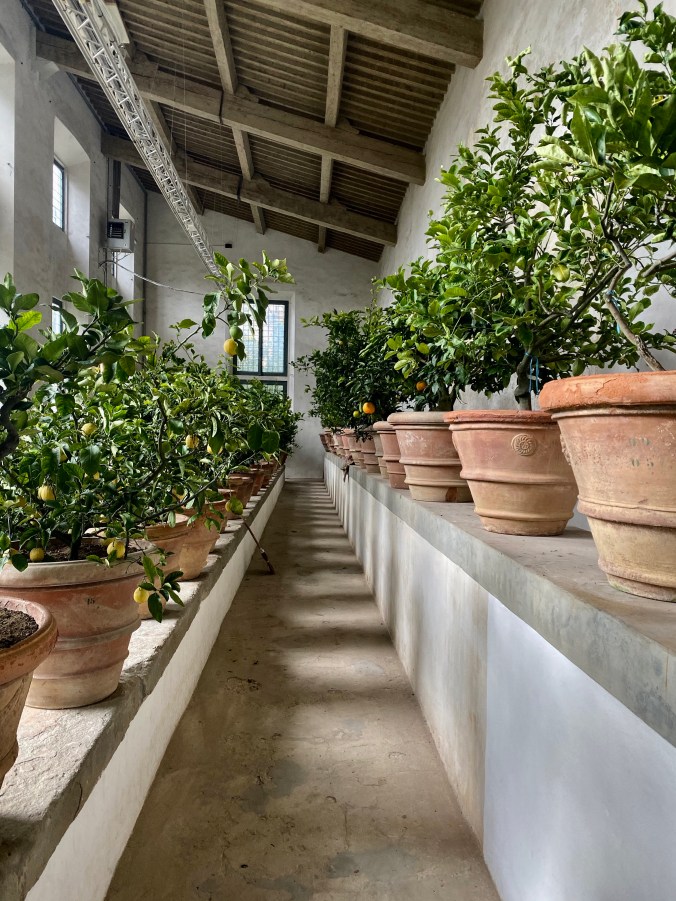
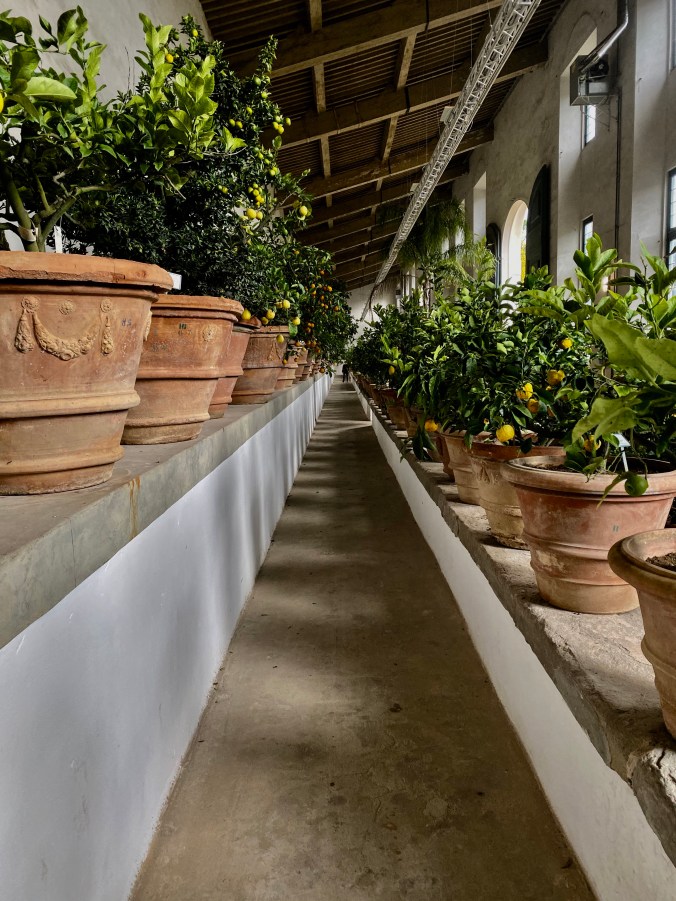
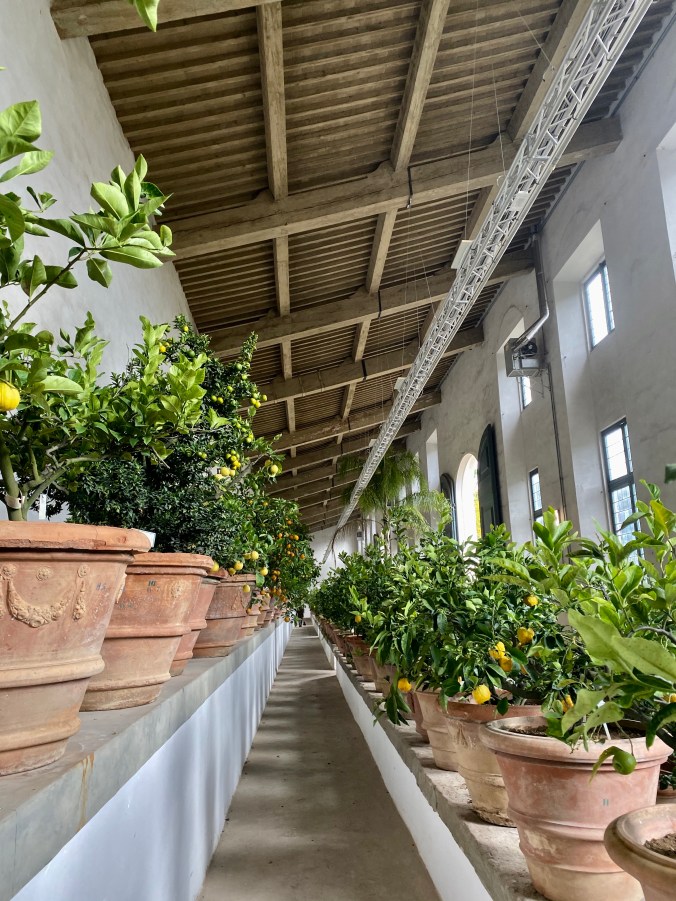
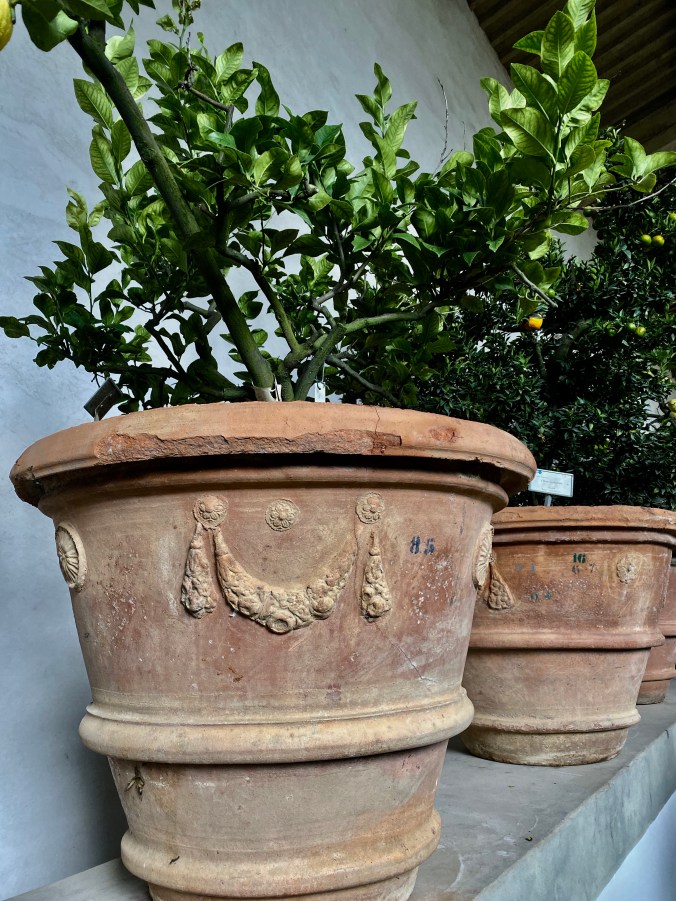
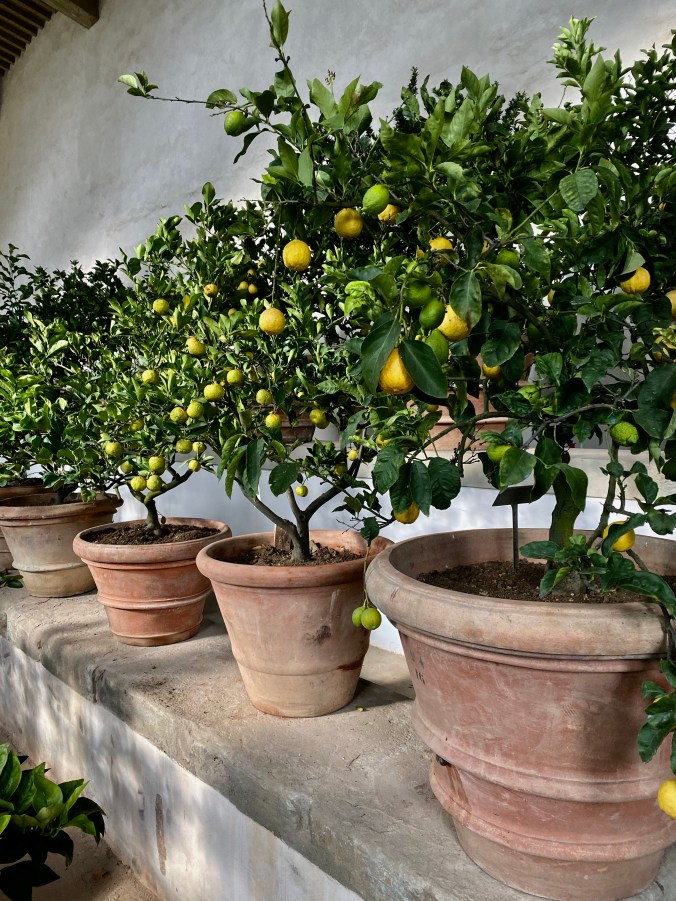
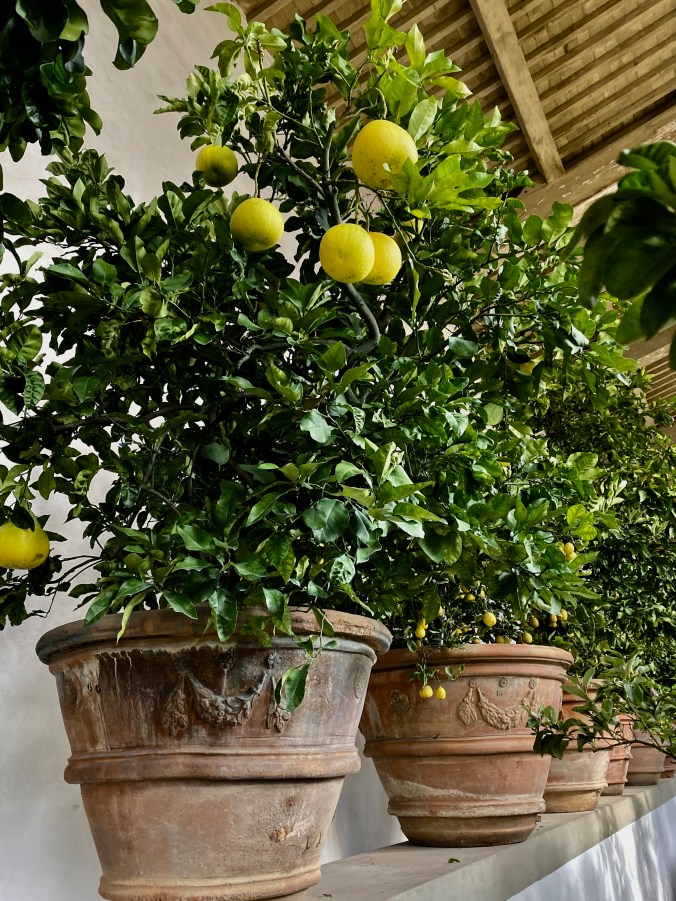
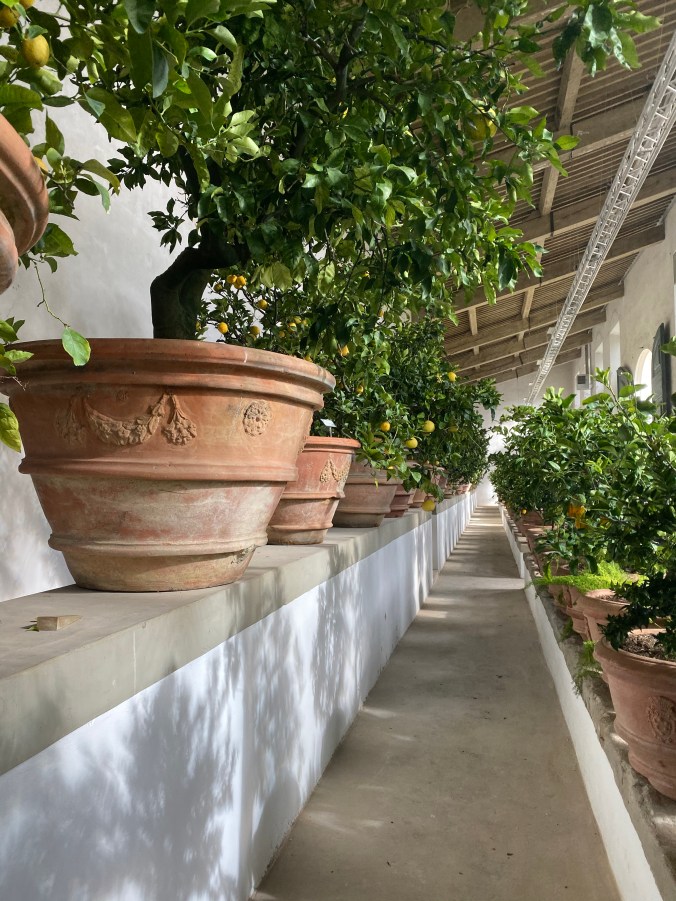
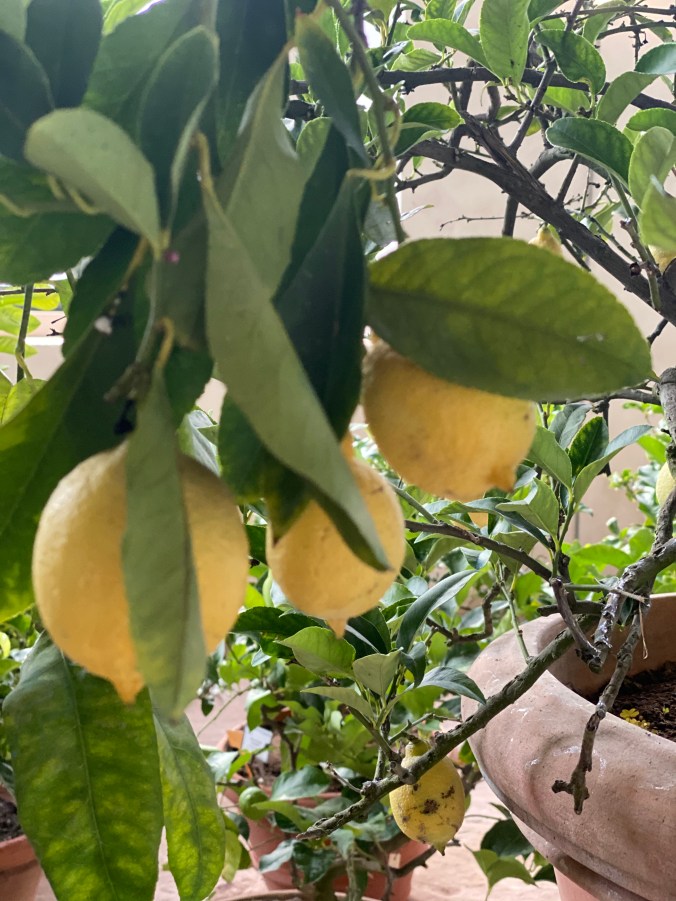
This year one of the exhibitors had a fabulous showing of Italian lemons in their many forms:

fullsizeoutput_1a0e


fullsizeoutput_1a0f


fullsizeoutput_1a10


fullsizeoutput_1a11


Another exhibitor did the same with grapes,  apples and nuts!  What a display!

fullsizeoutput_1a12


IMG_0798


fullsizeoutput_1a14


fullsizeoutput_1a15


fullsizeoutput_1a16


fullsizeoutput_1a17


fullsizeoutput_1a18


fullsizeoutput_1a19


fullsizeoutput_1a1a


fullsizeoutput_1a1b


fullsizeoutput_1a1c


fullsizeoutput_1a1d


I took home a smallish fig tree to grow inside my home, and a couple of perennials to add color to my fall terrace garden! I eagerly await the spring sale!

All of this botanical splendor serves to remind me that, at heart, I am simply a farmer’s daughter.


The following is for die-hards:

Taken from Italian Wikipedia, with my own translation. You’ve been warned!


Nel 1852, constatato il diffondersi della pratica per l’arte del giardinaggio, l’Accademia dei Georgofili nominò una commissione con l’incarico di formare in Toscana una società d’orticoltura: la Società Toscana di Orticoltura. Da qui nasce l’esigenza dell’attivazione di un orto o giardino sperimentale, che si concretizzò nel 1859, anno in cui alla Società, venne concesso in enfiteusi un terreno posto fuori porta San Gallo all’inizio di via Bolognese di proprietà del marchese Ludovico Ginori Lisci e della marchesa Marianna Venturi.

Dopo tre anni di lavoro la Società aveva realizzato un piantatoio, una vigna ed un pomerio ed aveva impiantato nella parte bassa, verso la città, eccentriche e rare piante ornamentali.

Un radicale riordinamento del giardino si ebbe a partire dal 1876 con lo scopo principale di poter ospitare future esposizioni nazionali e mostre prestigiose. Nel 1880 la Federazione orticola italiana organizzò a Firenze la prima esposizione nazionale e proprio per onorare degnamente l’incarico, la Società toscana decise di completare il proprio giardino con la costruzione di un tepidario (serra in ferro e vetro) di grandi dimensioni che non aveva precedenti in Italia. Fu promossa una sottoscrizione fra i soci al fine di trovare i fondi necessari alla nuova costruzione. L’incarico di redigere il progetto fu affidato all’ingegnere e architetto Giacomo Roster e realizzato dalle Officine Michelucci di Pistoia, con le colonnine in ghisa della fonderia Lorenzetti, sempre di Pistoia. Il tepidarium è a base rettangolare e misura 38,50×17 metri, con una superficie coperta che tocca il 650 m2. L’interno, che era riscaldato da stufe, è abbellito da due vasche con nicchie decorate da rocce spugnose, un omaggio all’architettura manierista, opera dell’intagliatore fiorentino Francesco Marini. In totale vennero assemblati ben 9.700 pezzi, con otto tonnellate di ferro cilindrato che sostengono la struttura. Dopo l’inaugurazione del 19 maggio 1880, il cronista de La Nazione lo definì “palazzo di cristallo.”

L’attività promotrice della Società s’intensificò ulteriormente con l’esposizione organizzata nel 1887, in questa occasione il giardino venne arricchito dalla presenza di un caffè restaurant e da una seconda serra, proveniente dal giardino Demidoff di San Donato.

Nel 1911, il giardino fu nuovamente teatro di una grande mostra internazionale di floricoltura per le celebrazioni promosse dal comune di Firenze nell’ambito del cinquantenario dell’Unità d’Italia. In tale occasione furono operate delle considerevoli modifiche alcune delle quali si conservano tutt’oggi, il cavalcavia sulla ferrovia, l’ingrandimento del viale d’accesso, la decorazione del cancello con stendardi e la costruzione della Loggetta Bondi da parte della Manifattura di Signa. Con nuovi padiglioni addossati al muro si poterono accogliere le esposizioni di libri, ceramiche, attrezzi da giardino e fotografie dell’epoca. alcuni padiglioni erano dedicati alle piante ad alto fusto ed uno unicamente alle rose. Oltre ai numerosi ospiti stranieri, per la prima volta a Firenze, fecero la parte del leone gli esemplari provenienti dalle collezioni dei fiorentini Carlo Ridolfi e Carlo Torrigiani.

Con la prima guerra mondiale cominciò un lento ma inesorabile declino dell’attività della Società toscana d’orticoltura: perciò, nel 1930 il giardino venne acquistato dal Comune, che lo destinò a giardino pubblico. Il grande tepidario del Roster denunciava un grave stato di abbandono, tanto che il Comune stanziò, fra il 1933 e il 1936, dei fondi speciali per il restauro di questo. Il tepidario subì di nuovo alcuni danni, specialmente durante la seconda guerra mondiale; recentemente, nel 2000, è stato restaurato, tornando all’antico splendore.

Attraverso un passaggio pedonale oltre la ferrovia si accede al cosiddetto “giardino degli orti del Parnaso”, una piccola area verde posta su un dislivello panoramico, dove spicca una fontana a forma di serpente o drago, che si snoda fantasiosamente sulla scalinata. Questo giardino, in particolare la zona vicino all’ingresso da via Trento, è uno dei migliori punti della città per vedere “I Fochi di San Giovanni”, lo spettacolo pirotecnico che si tiene ogni anno il 24 giugno per la festa di San Giovanni, patrono di Firenze. In questo giardino ha sede il Giardino dei Giusti sulla falsariga di quello esistente a Gerusalemme.

La serra oggi è utilizzata per eventi, aperitivi, party ed attività culturali, come per esempio l’iniziativa Un tè con le farfalle.

Mentre il Giardino ospita anche la Biblioteca comunale dell’Orticoltura.

Nel giardino sono state girate alcune scene dei film Amici miei – Atto IIº (1982) di Mario Monicelli e Sotto una buona stella (2014) di Carlo Verdone.


In 1852, the l’Accademia dei Georgofili established a committee to consider establishing a society for horticulture in Tuscany: la Società Toscana di Orticoltura.  From that origin, came the formation of an experimental garden was established in 1859, the year in which the committee was given lease on land outside of the Porta San Gallo at the beginning of Via Bolognese, [the land] owned by the landowner of the Marquis Ludovico Ginori Lisci and of the Marquise Marianna Venturi.

After 3 years work the Societa had built a garden with a vineyard and a tomato house and had planted rare ornamental plants in the lower part [of the plot], towards the city.

From 1876 the garden was radically reorganized in order to become a suitable place to host future national expositions and prestigious exhibits. In 1880 the Italian Horticulture Federation organized in Florence the first national exposition and, in honor of that,  the Tuscan Societa decided to complete its garden by construction a large tepidarium (greenhouse in iron and glass), which was without precedent in Italy.

A subscription was formed to finance the work of the new construction. The project was drawn up by the engineer and architect Giacomo Roster and carried out by the Offices of Michelucci of Pistoia, with the cast iron columns from the Lorenzetti foundry, also from Pistoia.  The tepidarium has a rectangle base and measures 38.50 x 17 meters, with a covered area that is 650 square meters.

The interior was heated by 2 stoves, is adorned with niches decorate with red spongy stone, a tribute to Mannerist architecture, the work of the master Florentine stone cutter, Franscesco Marini.  The entire building is made up of more than 9,700 pieces with 8 tons of cylindrical cast iron supporting the structure.  After the inauguration on 19 May 1880, the reporter of La Nazione called it a “Palace of Crystal.”

The Society’s promotion of its work intensified with the exhibition organized in 1887, on this occasion the garden was outfitted with a caffe restaurant and a second greenhouse, supplied by the Demidoff garden of San Donato.

In 1911, the garden was once again the site of a great international floriculture exhibition for the celebrations promoted by the municipality of Florence to commemorate the 50th anniversary of the Italian Unification. On this occasion,  modifications, some of which are still preserved today, the railway overpass, the enlargement of the driveway, the decoration of gate, and the construction of the Bondi Loggia by the Signa Manufacture.

With new pavilions inside the wall,  exhibitions of books, ceramics, garden tools and period photography, could be accommodated. Some pavilions were dedicated to tall trees and one dedicated to roses. In addition to the numerous foreign guests, for the first time in Florence, the lion’s share of specimens  came from the Florentine collections of Carlo Ridolfi and Carlo Torrigiani.

With the beginning of WWI the Society’s activities slowed and declined; therefore, in 1930 the garden was purchased by the Municipality, which turned it into a public garden.  The large tepidarium of the Roster denounced he grave state of disrepair, so that the Commune allocated, between 1933 and 1936, special funds for its restoration. The tepidarium again suffered damage, especially during the WWII; recently, in 2000, it was restored and returned to its former glory.

A pedestrian walkway leads to the so-called “garden of the Parnassus” a small green area on a leveled panoramic site, where a snake or dragon-shaped fountain plays, winding imaginatively up the stairs. This garden, in particular the zone near the entrance of Via Trento, is one of the best spots in the city to see the Fireworks of St. John, the fireworks display held every year on 24 June for the holiday of San Giovanni, patron of Florence. In this garden is the “Garden of the Righteous” along the lines of the one in Jerusalem.

Today the greenhouse is used for events, aperitifs, parties and cultural activities, such as the initiative “A tea with butterflies.”

The Garden also houses the municipal Horticultural Library.

In the garden some scenes of the films Amici miei – Atto IIº (1982) by Mario Monicelli and “Under a good star” Sotto una buon stella (2014) by Carlo Verdone were shot.