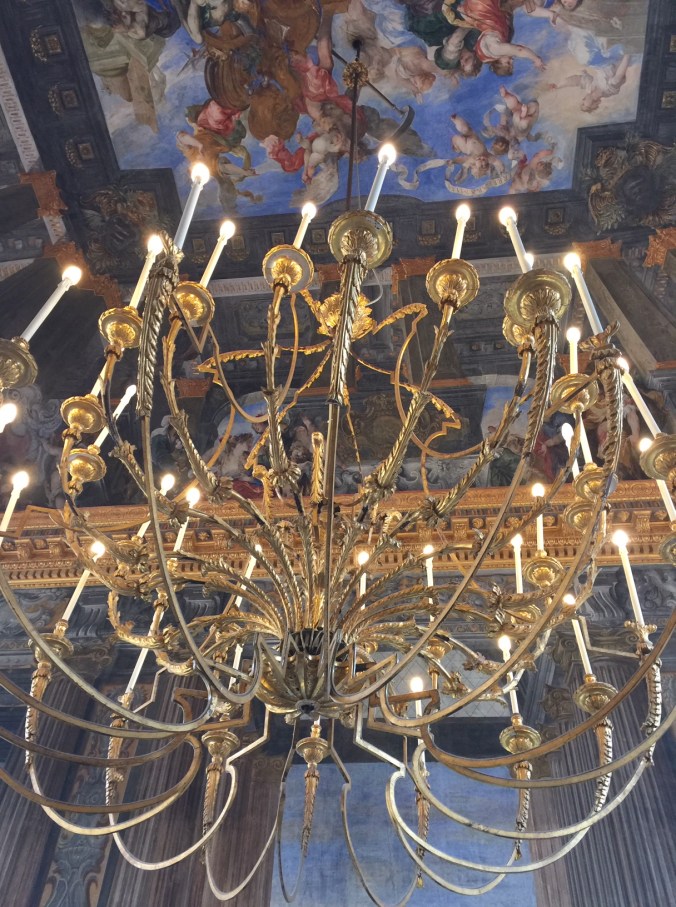
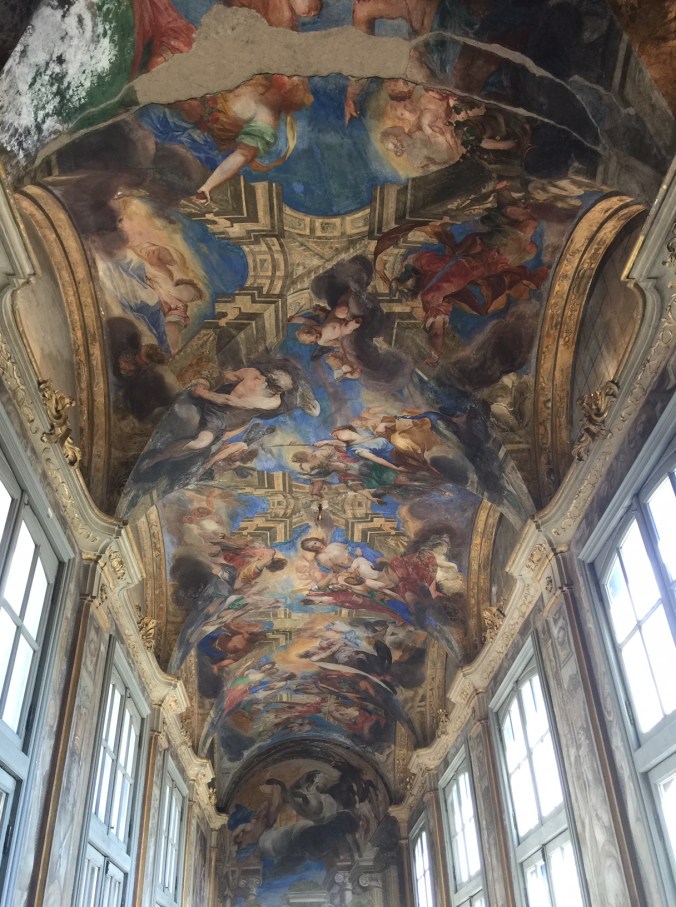
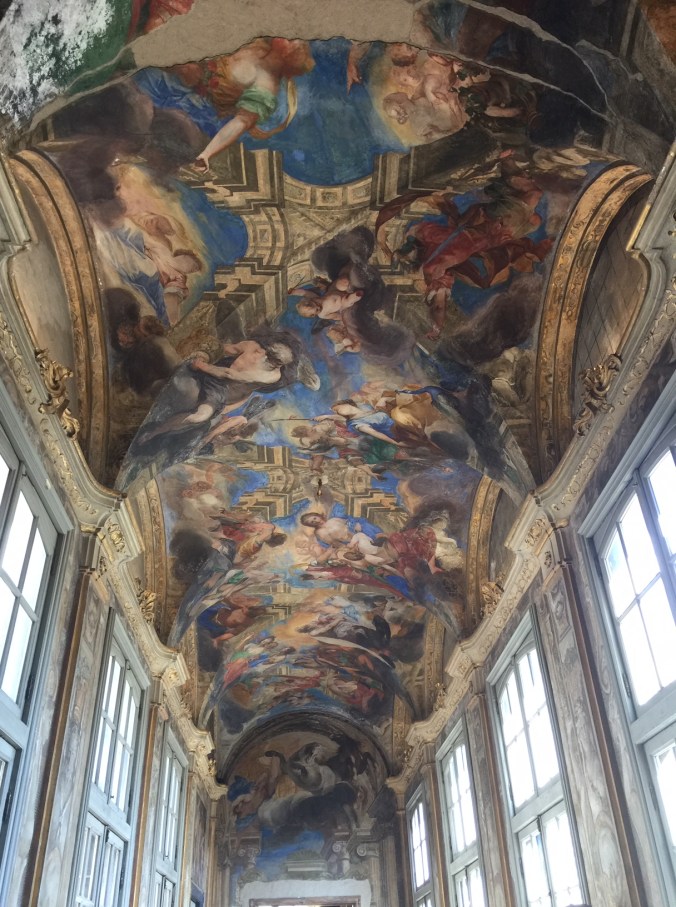
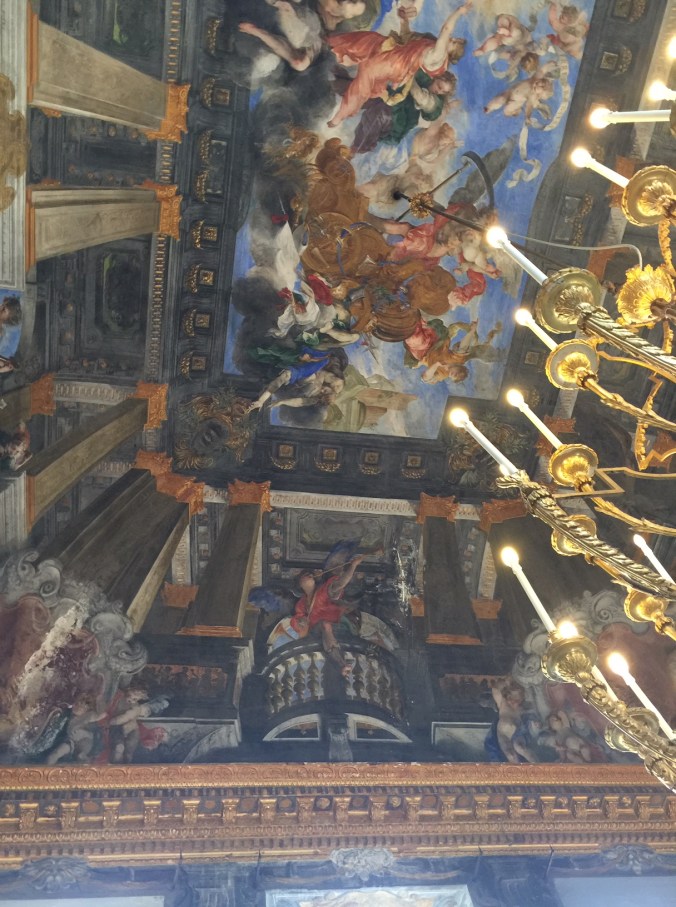
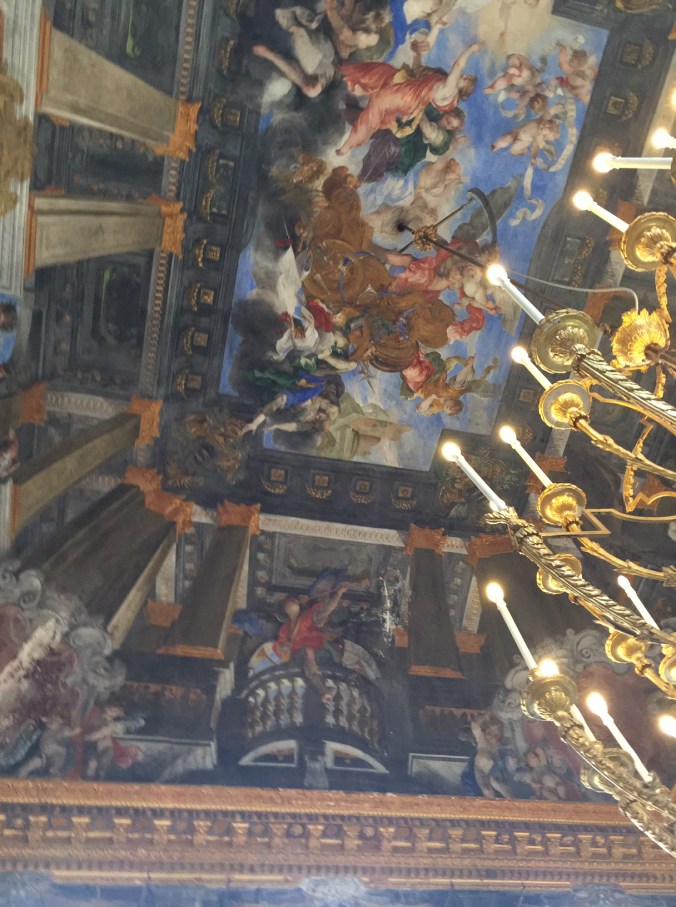
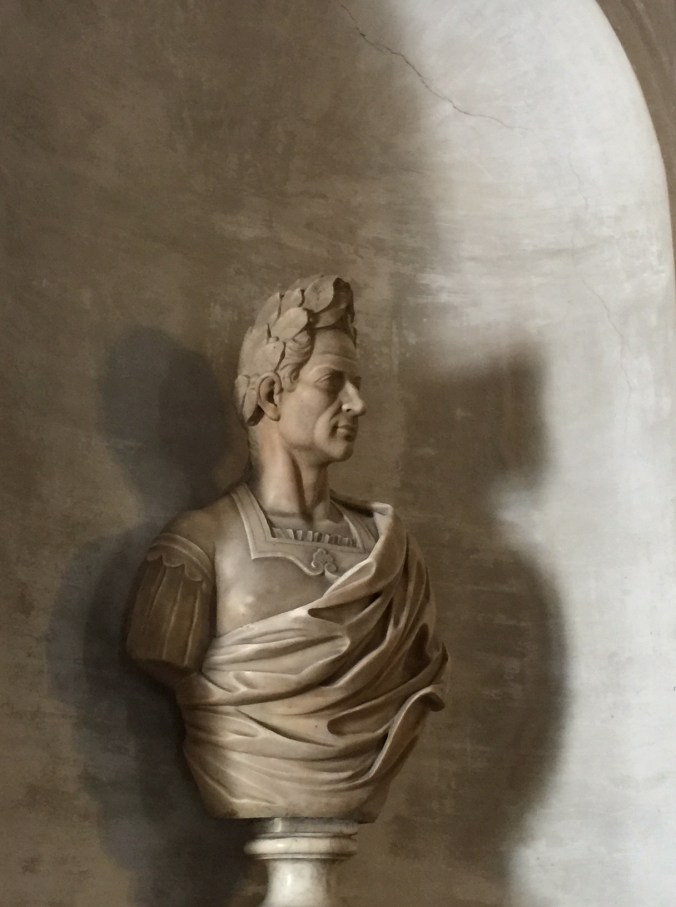
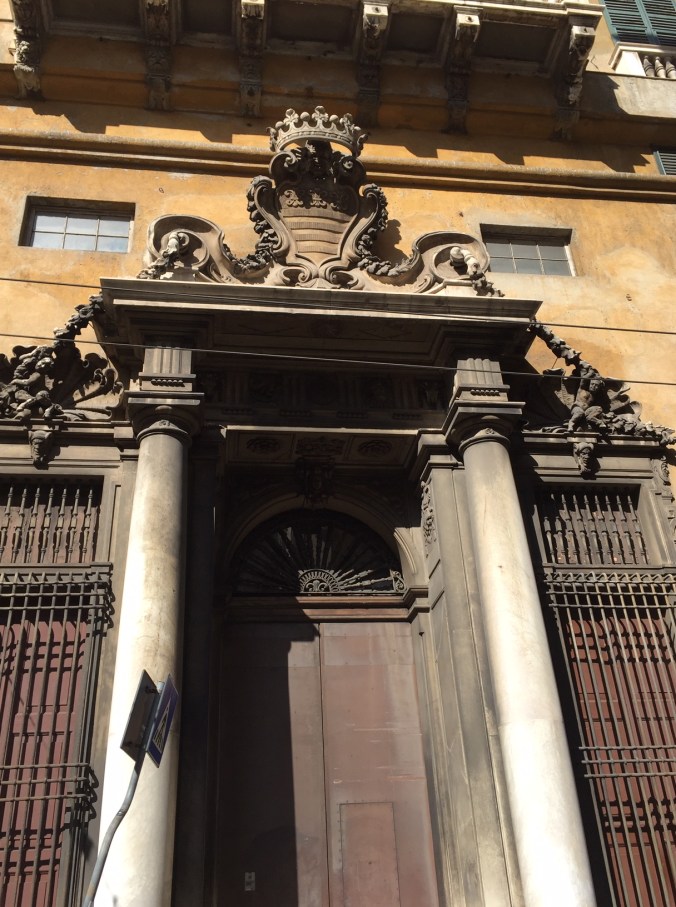
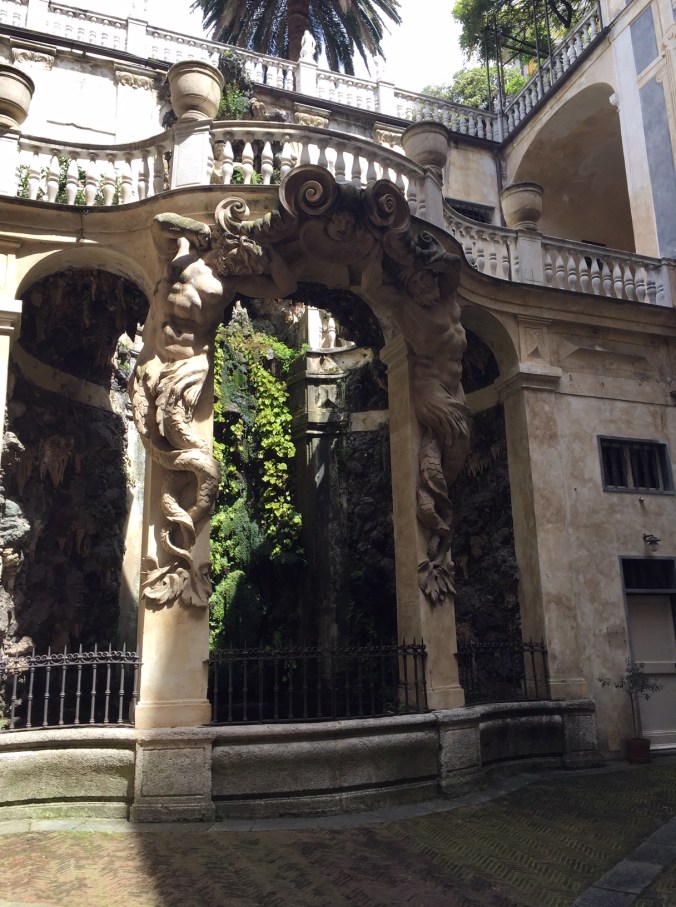
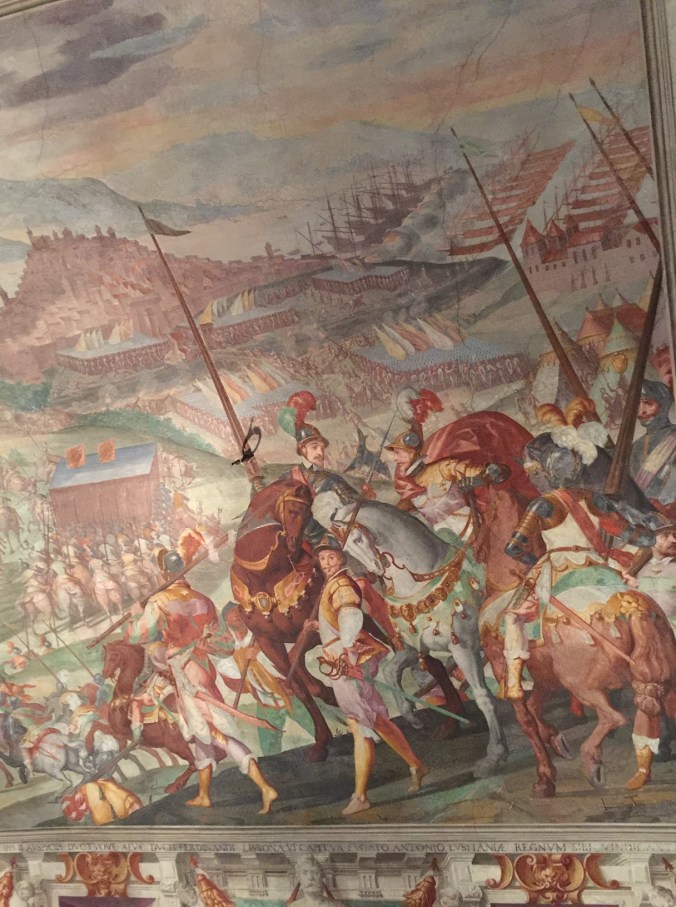
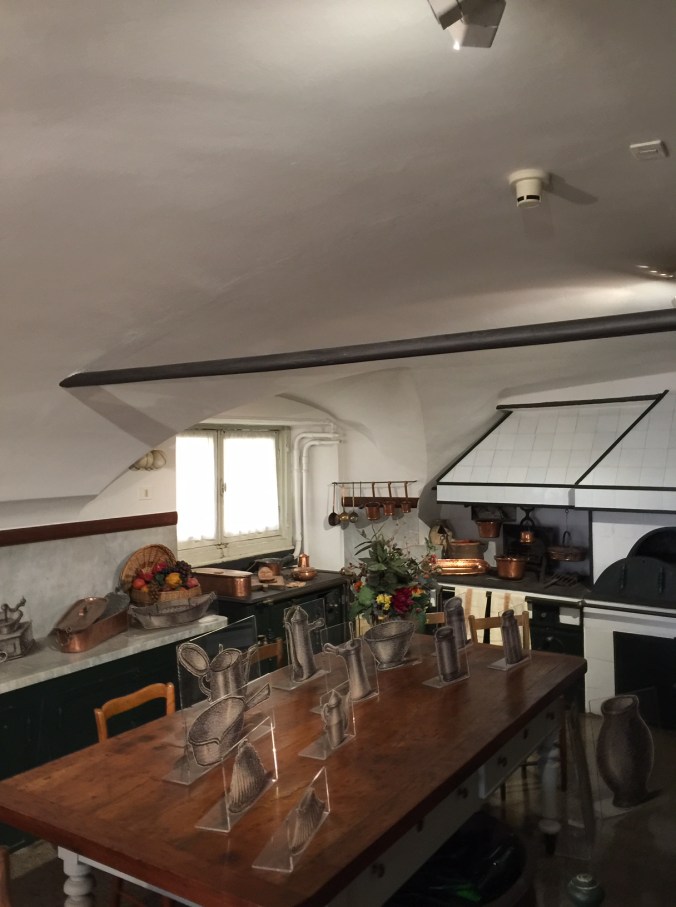
A Rolli palazzo, Genova; keeping track

Or not. You know what, dear reader?!  It is a lot of trouble to keep these posts coming within a few days of when I took the pictures!  Sometimes I get so far behind that I can’t remember anything about anything! Italy just continues to deliver wonders and I can’t keep up! Such a happy problem to have!

IMG_7084

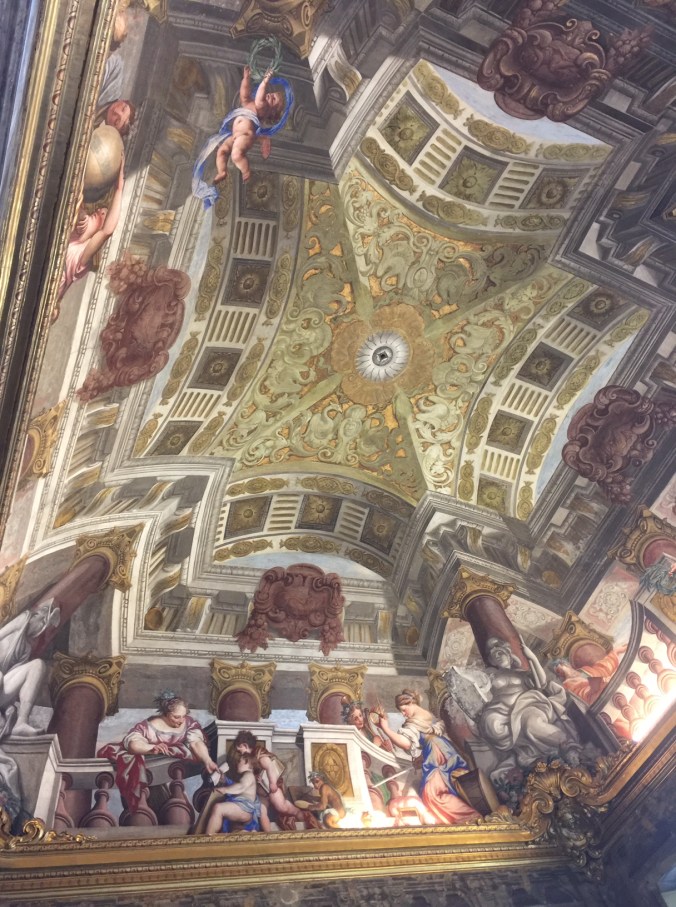
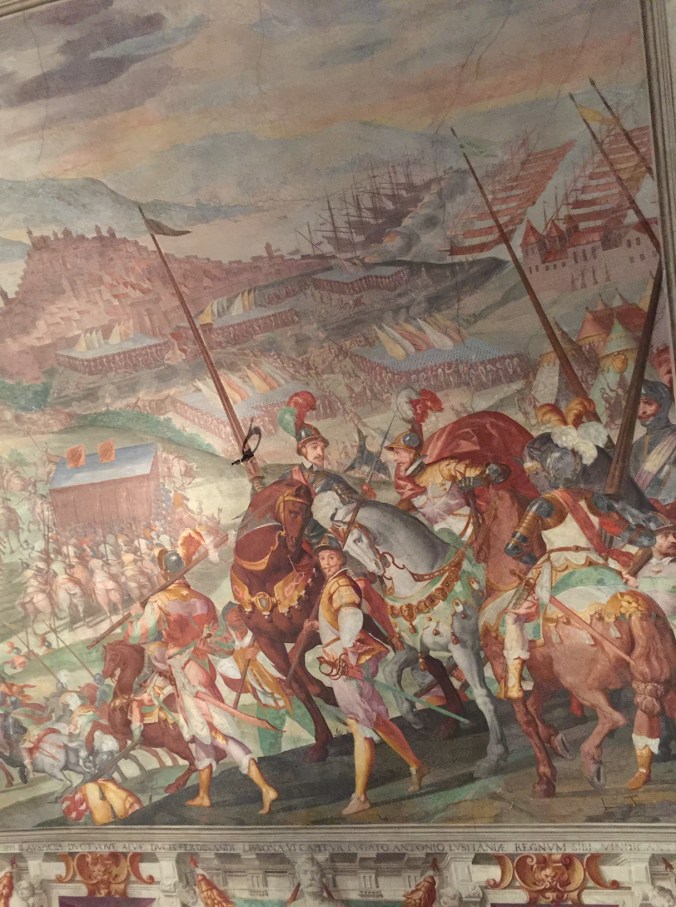
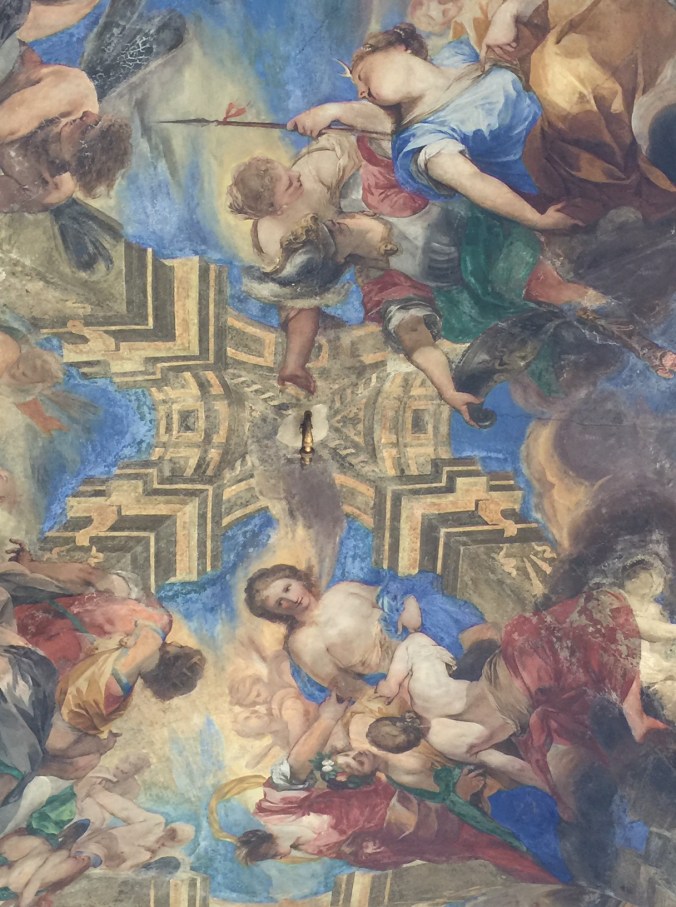
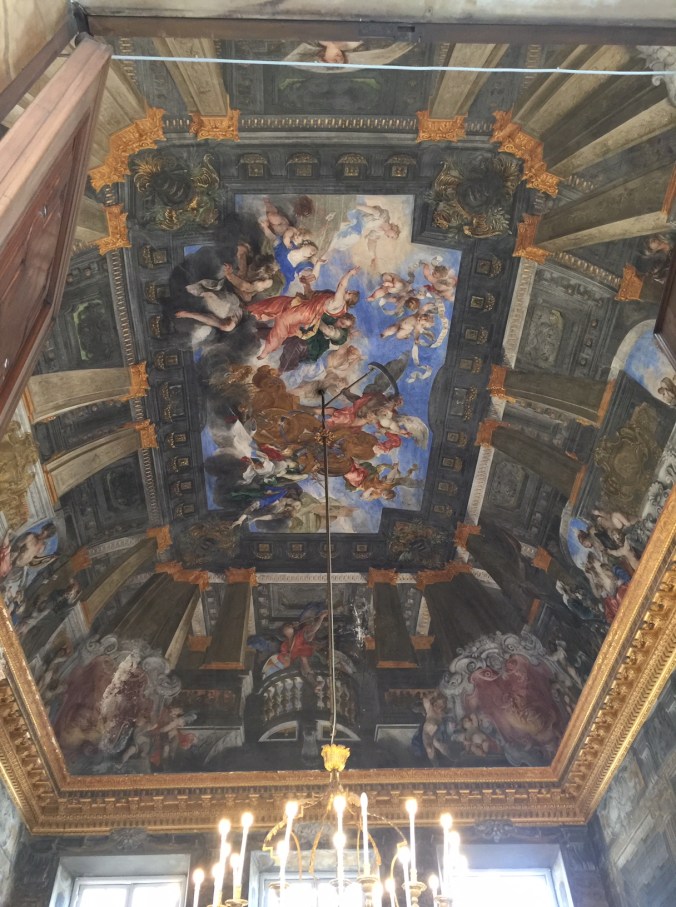
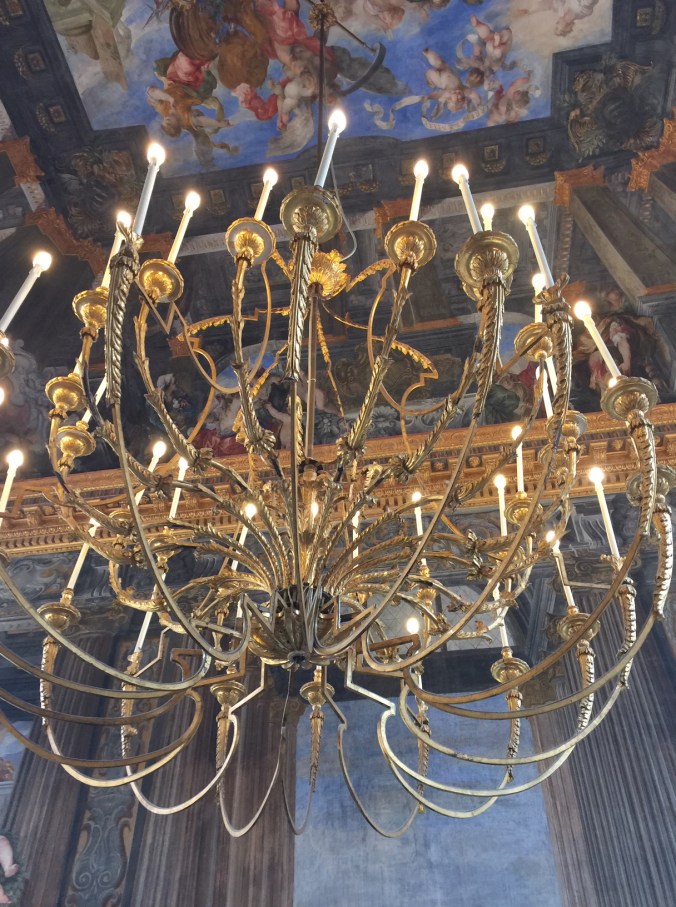
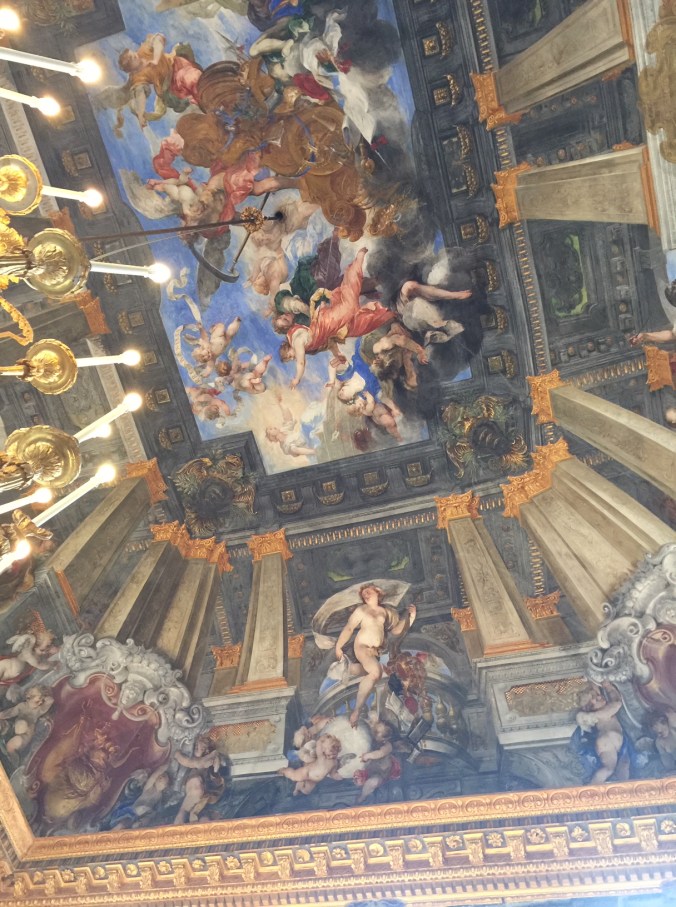
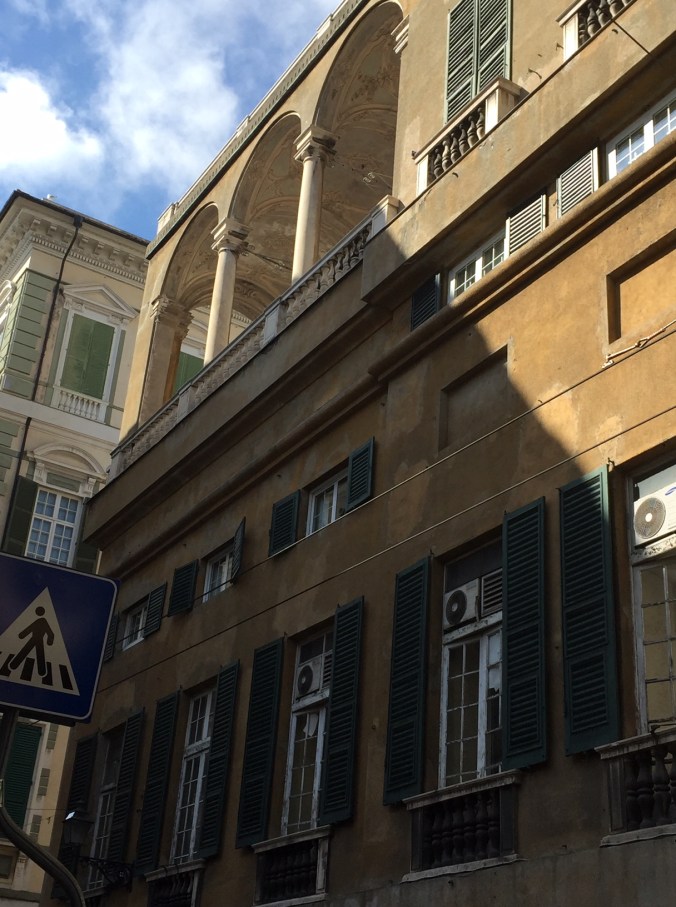
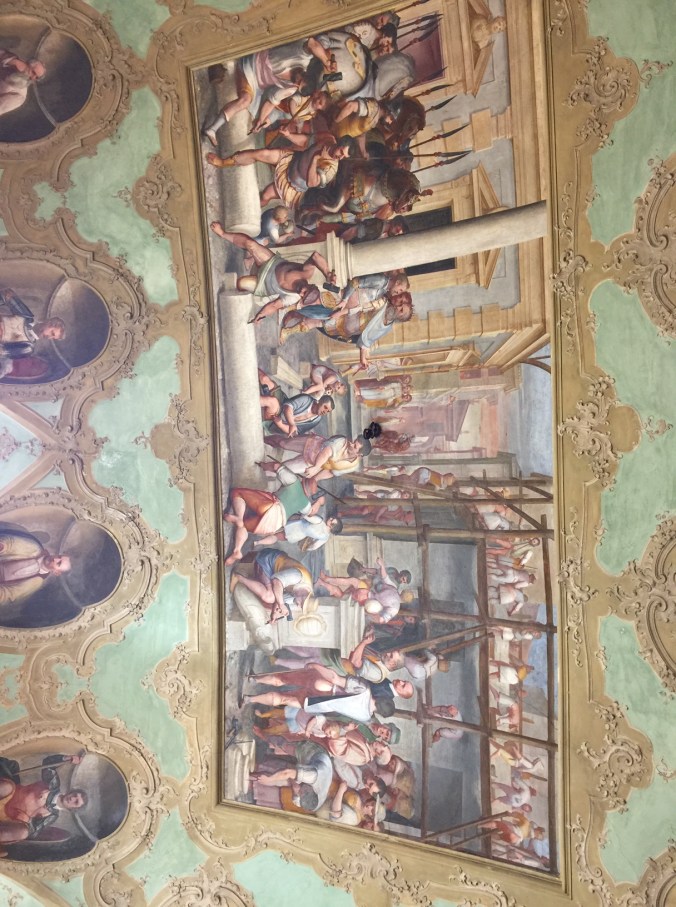
But, I can tell you this much: this amazing palazzo is among those listed on the “Rolli” lists in Genoa and I visited it last weekend.  Enjoy!


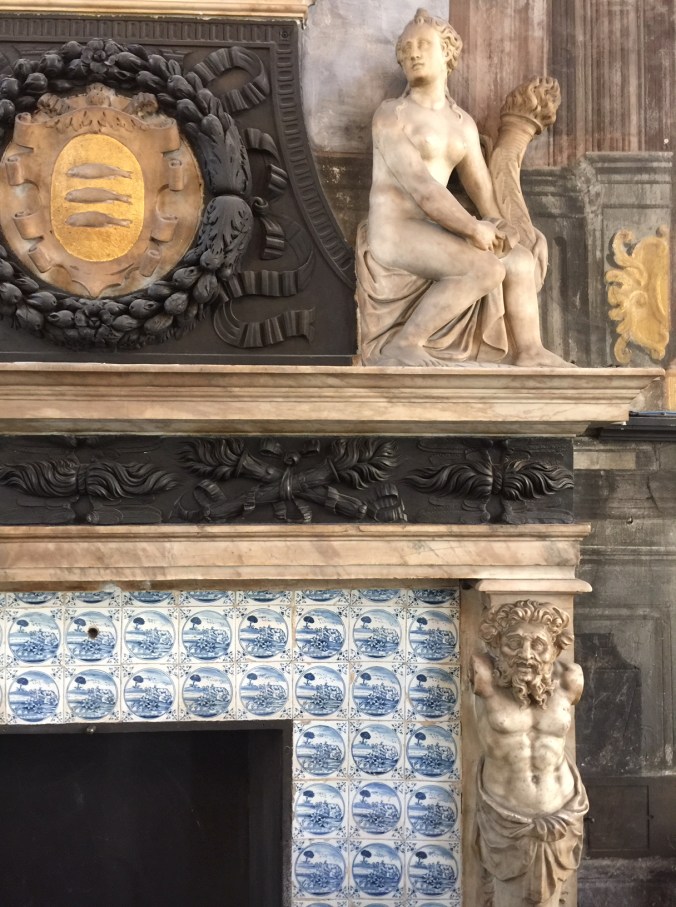
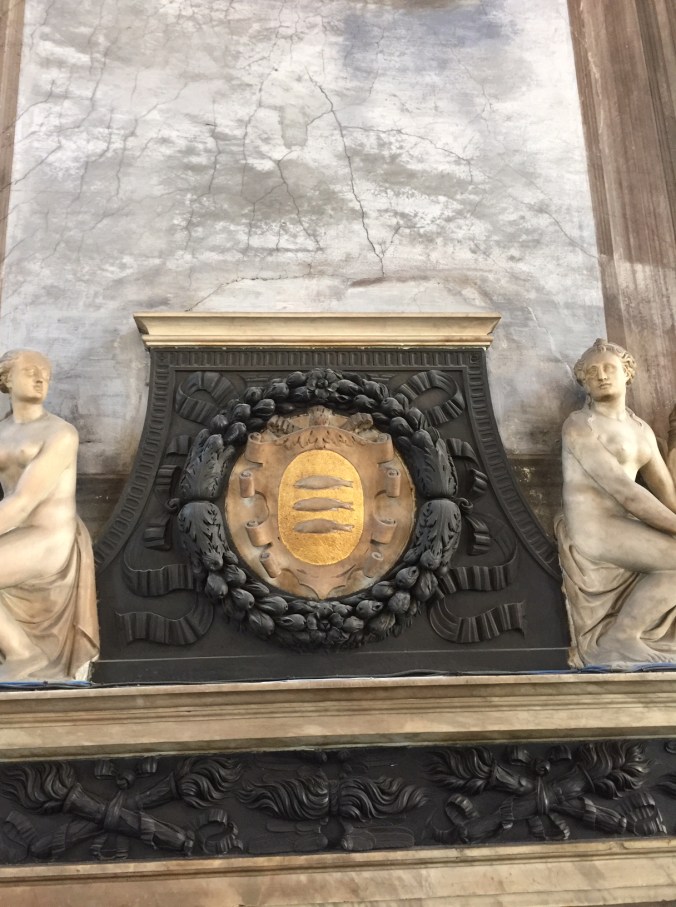
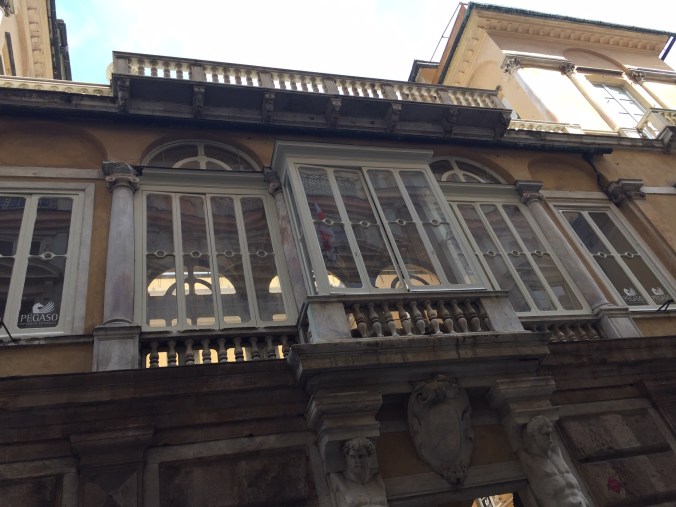
Check out the coat of arms below! You can tell you are in a seafaring town because the medallion boasts 3 fish!

IMG_7085

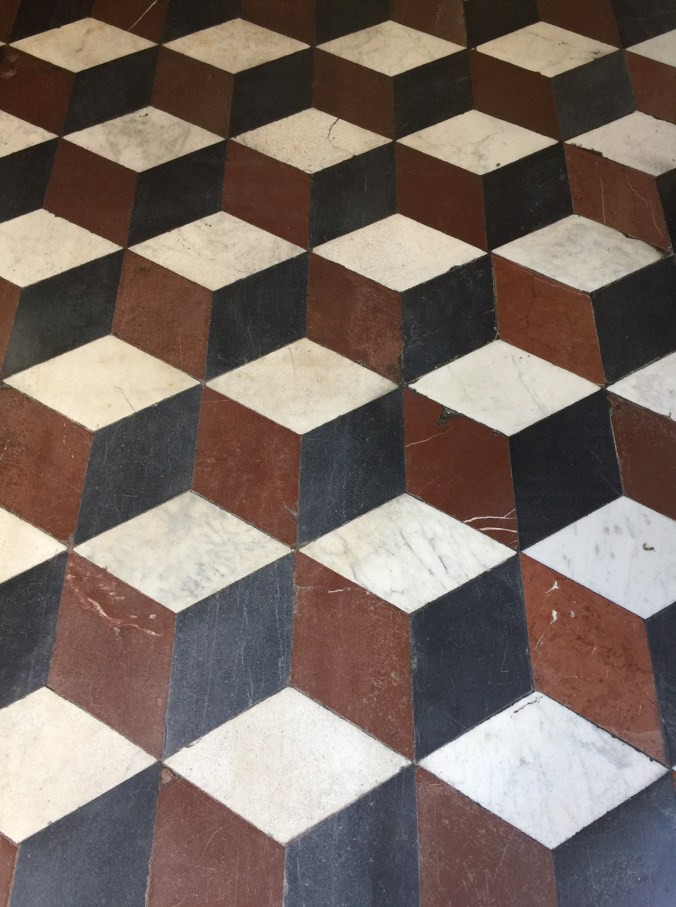
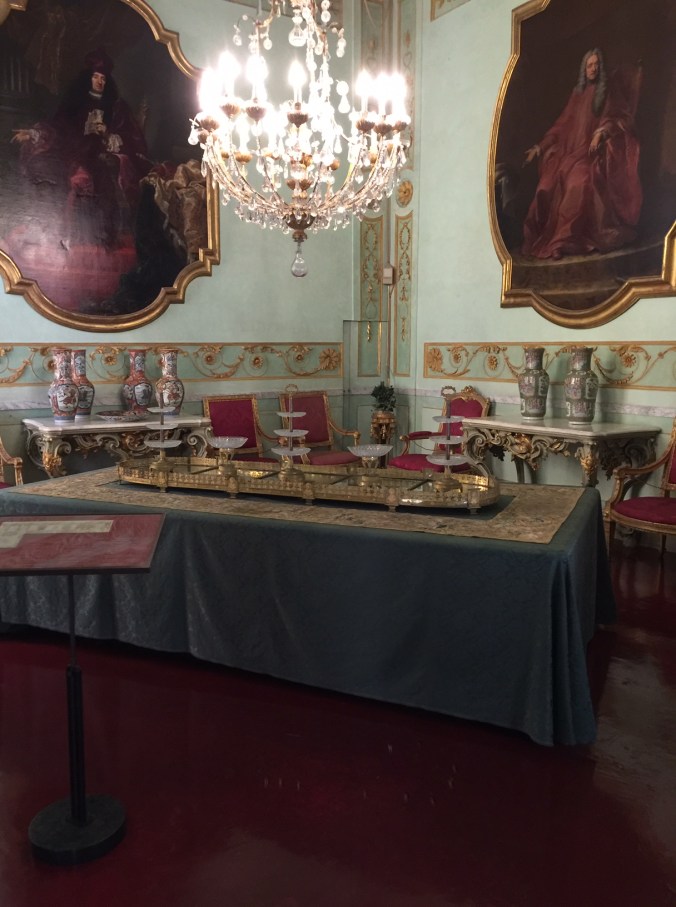
This was another unique experience in that I have never seen Dutch style tiles in an Italian extravagant interior.  Live and see!


IMG_7086

IMG_7069


IMG_7070IMG_7073


IMG_7015


IMG_7074IMG_7075IMG_7076IMG_7077IMG_7078IMG_7079IMG_7080IMG_7081IMG_7082IMG_7083

Genoa’s incredible palaces: Rolli Days 1

Genoa, Italy was once a naval powerhouse.  Sometimes it outshone even the Venetian republic in its power and influence.

During the heyday of Genoa’s power, very rich families vied to impress each other by building magnificent palazzi.  Today, more than 100 of them still survive and Genoa is protected under UNESCO status for these buildings.


IMG_7011

Of the more than 100 palazzi still extant, about 31 of them are opened for viewing one or two times a year.  The event is known as “Rolli Days.” Rolli means list in Genoa and the “list” referred to is the list of fabulous mansions that were kept on file by the political leaders of Genoa.


IMG_7012

They kept this prestigious list and, when a dignitary came to town–which happened a lot–the leaders decided which of the 100 family mansions would be chosen to host any expected dignitary.  It must have been an honor to be on that list, even though it meant that the family would foot the entire bill for housing and entertaining the dignitary.  Some of these included Popes and European royalty, to name but a couple.

IMG_7013


I had the pleasure of visiting Genoa recently to take advantage of the opportunity to see some of these amazing mansions.  There were about 30 open and I saw a good number of them.  One of the most impressive is the Palazzo Francesco Grimaldi, aka Galleria Nazionale di Palazzo Spinola.  Below are just some of the fabulous things I saw:

IMG_7014IMG_7015IMG_7030IMG_7032IMG_7034IMG_7035IMG_7037IMG_7038IMG_7039IMG_7040IMG_7041IMG_7042


The Grimaldi family tree.  Now that’s how to illustrate a family tree!

IMG_7044IMG_7045IMG_7046

IMG_6867IMG_6868IMG_6872IMG_6873

IMG_6874IMG_6875IMG_6876IMG_6877IMG_6878IMG_6880IMG_6881IMG_6882IMG_6883IMG_6884IMG_6885IMG_6886

IMG_6887IMG_6889IMG_6890IMG_6891IMG_6892IMG_6893IMG_6894IMG_6895IMG_6896IMG_6897IMG_6901IMG_6902

IMG_7013IMG_7014IMG_7015IMG_7016IMG_7017IMG_7019IMG_7020IMG_7021IMG_7022IMG_7023IMG_7024IMG_7025


Genoa’s majestic cathedral

The Genoa Gothic-style Cathedral was consecrated in 1118, completed 17th century. Interchangeably referred to as the Cathedral of Saint Lawrence (or, in Italian: il Duomo di Genova, Cattedrale di San Lorenzo), this magnificent edifice is a show stopper.

IMG_7153IMG_7154IMG_7155

IMG_7156IMG_7157IMG_7158IMG_7159IMG_7160IMG_7161

IMG_7162


I have looked at a lot of art in my lifetime, and lots in particular of religious artwork in Italy.  In all of my life, I have never seen any female figures shown while obviously pregnant, even though pregnancy is often a part of the narrative behind the work.

But, live and look and one day…you may see it!

IMG_7163IMG_7164IMG_7165IMG_7166

The illustrious Grimaldi family, born in Genoa, moved to Monaco

I recently posted about the fabulous Grimaldi Palazzo in Genoa.  Interestingly, many Americans will recognize the Grimaldi name, for that was the fabulously wealthy and royal family from Monaco into which Grace Kelly married in 1956.

Grace Kelly wedding1.png

Here’s what Wikipedia reports about the family:

The Grimaldis descend from Grimaldo, a Genoese statesman at the time of the early Crusades. Grimaldo became a consul in 1160, 1170 and again in 1184. His numerous descendants led maritime expeditions throughout the Mediterranean, the Black Sea, and soon the North Sea. They became one of the most powerful and wealthy families of Genoa.

IMG_7014

The Grimaldis feared that the head of a rival Genoese family could break the fragile balance of power in a political coup and become lord of Genoa, as had happened in other Italian cities. They therefore entered into a Guelphic alliance with the Fieschi family and defended their interests with the sword.

But the Guelfs were banned from the City in 1271, and took refuge in their castles in Liguria and Provence. They signed a treaty with Charles of Anjou, King of Naples and Count of Provence to retake control of Genoa. In 1276, they accepted a peace under the auspices of the Pope which, however, did not put an end to the civil war.

In 1299, the Grimaldis and their allies launched a few galleys to attack the port of Genoa before taking refuge on the Western Riviera. During the following years, the Grimaldis entered into different alliances that would allow them to return to power in Genoa.

This time, it was the turn of their rivals, the Spinola family, to be exiled from the city. During this period, both the Guelphs and Ghibellines took and abandoned the castle of Monaco, which was ideally located to launch political and military operations against Genoa.

In the early 14th century, the Aragonese raided the shores of Provence and Liguria, challenging Genoa and King Robert of Provence. In 1353, the combined fleet of eighty Venetian and Aragonese galleys gathered in Sardinia to meet the fleet of sixty galleys under the command of Anthony Grimaldi. Only nineteen Genoese vessels survived the battle. Fearing an invasion, Genoa rushed to request the protection of the Lord of Milan.
Several of the oldest feudal branches of the House of Grimaldi appeared during these conflicts, such as the branches of Antibes, Beuil, Nice, Puget, and Sicily. In 1395, the Grimaldis took advantage of the discords in Genoa to take possession of Monaco, which they then ruled. This is the origin of today’s principality.

As was customary in Genoa, the Grimaldis organised their family ties within a corporation called albergo. In the political reform of 1528, the Grimaldi became one of the 28 alberghi of the Republic of Genoa, which included the Doria and Pallavicini families, and to which other families were formally invited to join. The House of Grimaldi provided several doges, cardinals, cabinet ministers, and military officers of historical note.