Uncategorized
Lemon tree, so very pretty!
If I were still living my old and easy life, back in the USA, I would never write this kind of post. However, as you know, I’m in Florence, building a new life from the ground up. It takes time (ci vuole tempo) and a lot of perseverance and just plain hard work to build a new life in a new country, no matter how many times you were in that country on vacation.
I’m not complaining! I love this challenge. But my little daily victories might not seem like much of anything, but to me they are ginormous. And that brings me to my new lemon tree!
Here it is in all of its new splendor on my Florentine terrazzo. Isn’t she pretty? I think she will have a name and I’m considering the possibilities, but in the meantime, let me share my small win.
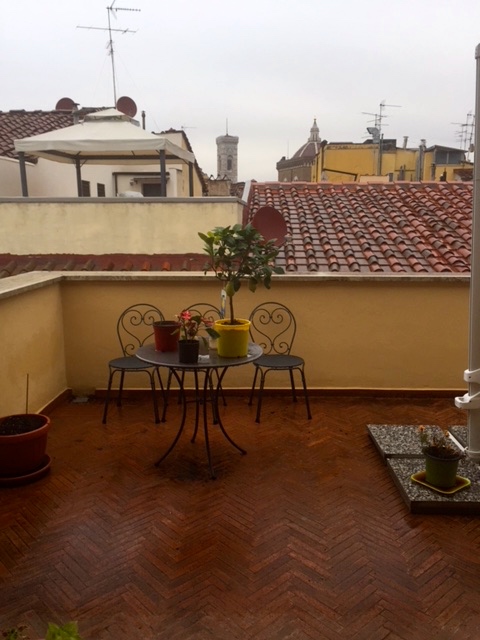
So, first of all, I never dreamed in my life that I would ever be able to grow a lemon tree! And it remains to be seen if I can. But, here I am, living in a place where it is possible to do! That right there is a big victory for me.
She has two large lemons already (can you see them, hanging near the bottom–the so-called “low lying fruit” that are so easy to pick when discussing politics) and I think I spotted a bud for a 3rd.
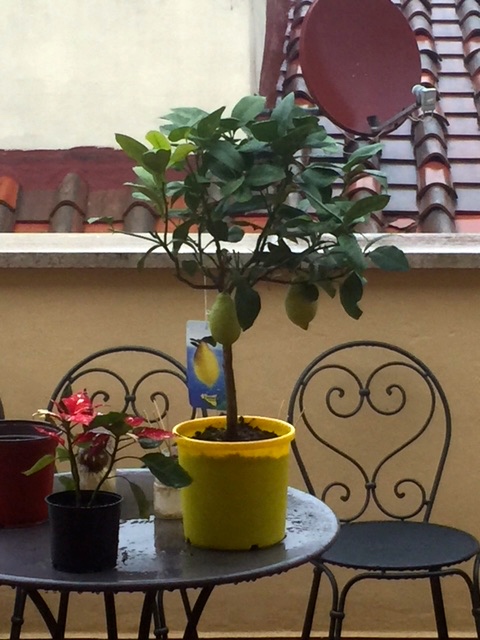
Another aspect of this small win is that I spotted my tree in a forgotten corner of my local supermarket, a place I go at least every other day. Don’t forget I carry all my supplies and groceries home, bag by bag, and you know I only have the two hands!
My lonely lemon tree was sitting next to one friend, who, I must say, was not as attractive as mine. And it only had one lemon hanging. I looked and looked, turning both pots around and around, looking for the price. Not found. So, I summoned up my courage and said mi scusi to the store manager, who is often to be seen sitting in his tiny cage of an office near the front door of the store. He turned and I asked him, in my best student Italiano, “how much are the lemon trees?”
He looked confused (was it my accent, or my murdering of Italian?), then he asked me, in italiano, “what lemon trees?”
I replied that I would show him and he went with me to the outside corner of the store and he turned the two pots around and around and he couldn’t find a price for them either. But he had a resource! I followed him into his office and he looked the price up on the computer.
He told me that the trees were 24.99 Euro oggi (Wednesday), but he leaked some valuable info to me. And here is where my victory begins! I understood what he was telling me. So, I casually asked, in Italian, “well, what will the price be tomorrow?” The truth is I would have happily paid 25 Euro to become a lemon tree grower.
He smiled (Florentines are thrifty people) at me and said domani the price will be 19 Euro, but you have to have a Conad loyalty card! I smiled back and said “I have a loyalty card” in italiano and I added, in italian, that I was afraid that if I waited until tomorrow my tree would be gone, someone else will buy it. He hear and understood me and he offered me a solution. He said he would hold the tree for me!!
He got some paper and asked for my name. Now, here is another virtue, for me personally, of living in Italia. In every other place I have ever lived or visited, I have had to spell my long, unusual name. Not a big deal, but it gets tiresome. People usually misspell it anyway and so I typically, in the USA, say my name is Laura. That’s the root of my name anyhow and much easier for people to navigate.
But, I’m living in Italia now and, by some quirk of destiny, I have an Italian name! How I came by my name is a long story, but just know that I have no Italian heritage and my grandmother had my name before me in a similar fluke history.
So, Wednesday, with the store manager in Florence, I proudly pronounced my name the correct way and he wrote it down without one missing letter! and he didn’t turn any of the letters around either! These are always very satisfying moments!
So, I watched him write my name, tape it to the pot, and pick up and carry my tree to the back room. I waited anxiously because the truth is that I didn’t know if he wanted me to pay for it then and pick it up tomorrow or if I was supposed to come back tomorrow.
I quickly decided to stop looking so needy and do what I’d do if I were at home in the states. I left the store, planning to arrive the next day to pay and pick up my plant.
And, that’s what I did. And it worked perfectly! And I got my new tree for 19.99Euro with my Conad card!
I’ll just add that yesterday, when I went to pick up my tree, it was pouring rain and the store was almost empty. I have never seen it so deserted. So, when I carried my lovely up to the cassa there were two bored cashier ladies, and their eyes lit up when they saw my beautiful tree come around the corner. They kept remarking how “bellina” my tree is and asked me if I had a place outdoors to grow it. I happily assured them that I did! They seemed genuinely happy for me and my tree!
And, now my lovely little lemon tree is sitting in a place of honor my living room, waiting for warmer weather and the opportunity to grow as nature intended, in the heat and sun of a Tuscan summer!
Wish me luck! In bocca al lupo!
Michelangelo’s David in clothing?
James Joyce taught English?! in Italy??!!
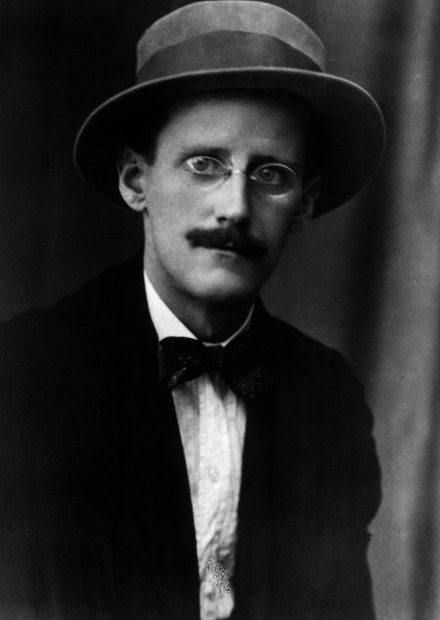
I didn’t know that, but he did! He lived in Trieste for about 10 years and taught English at Berlitz. I mean, can you imagine?
Happy from Italy!
What I learned at the Florentine Cavalcada last Saturday
I was riding horses before I could walk. You may think I am exaggerating, but this is true. I wasn’t riding solo as a baby and toddler, but I was in the arms of my dad as he sat atop his horses. And, I was riding solo by the time I was 5 or so, and competing in amateur rodeos throughout my childhood and tween years. Then I developed a voice of my own and stopped riding.
Because of my equestrian background, I believed I had seen it all. But, not so!

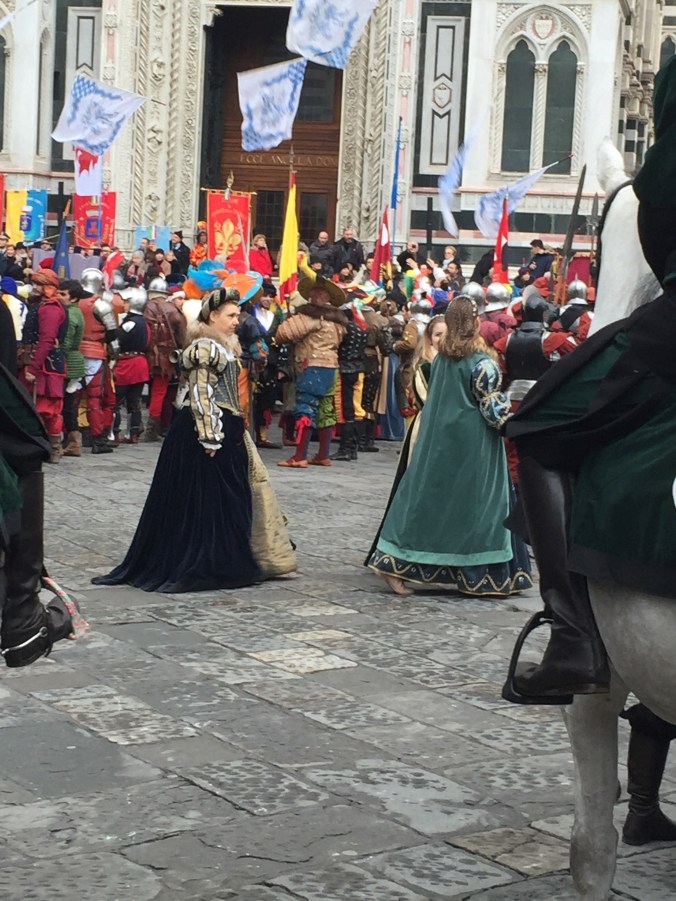
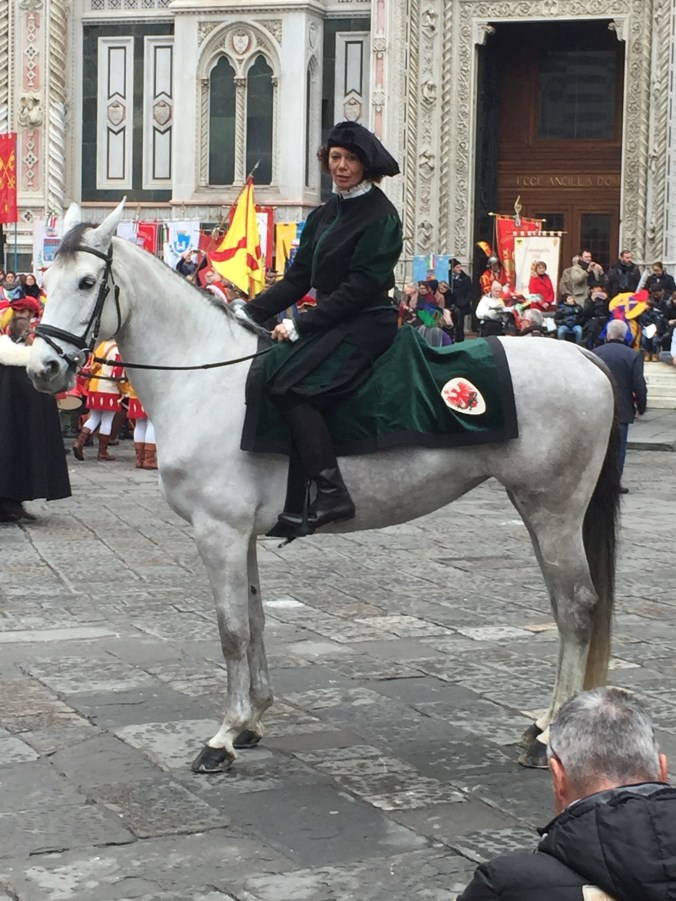
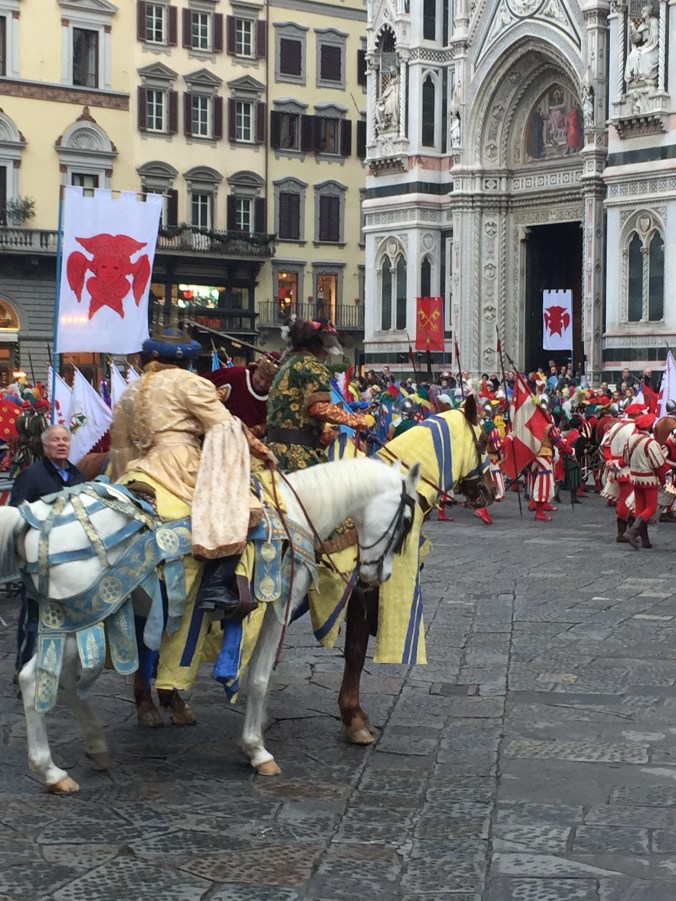
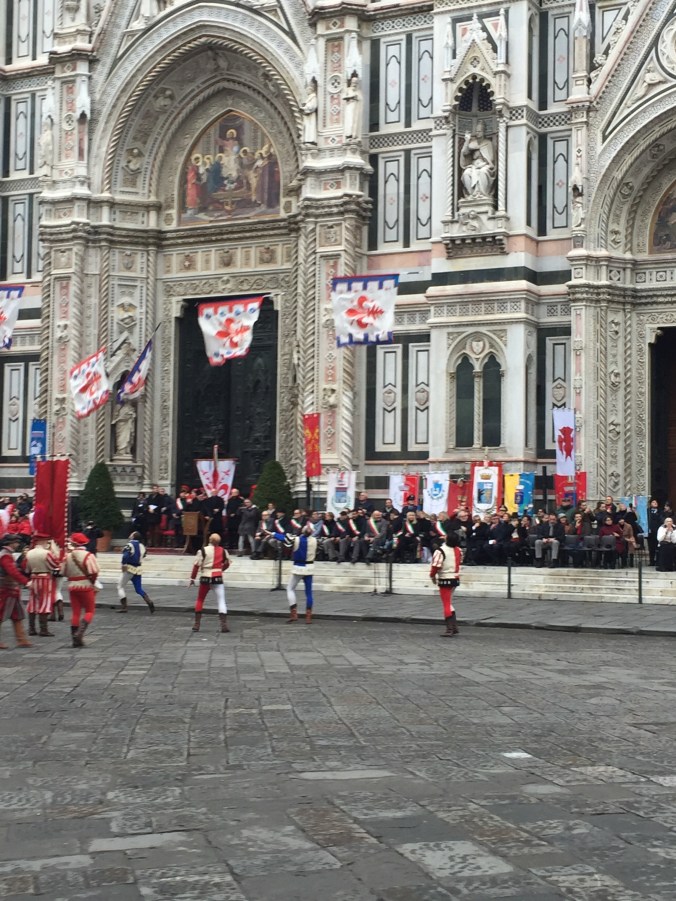
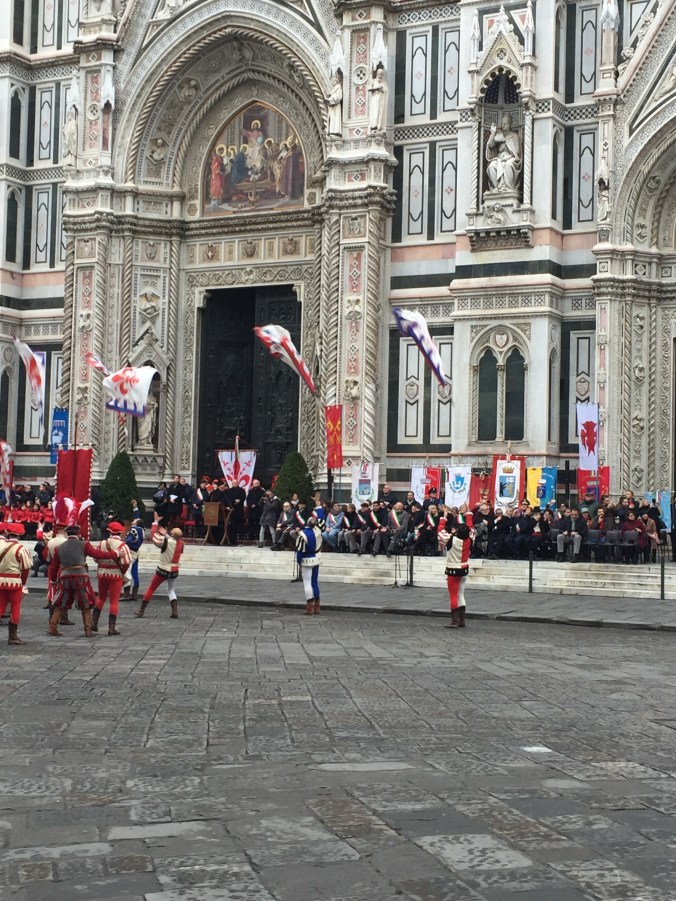
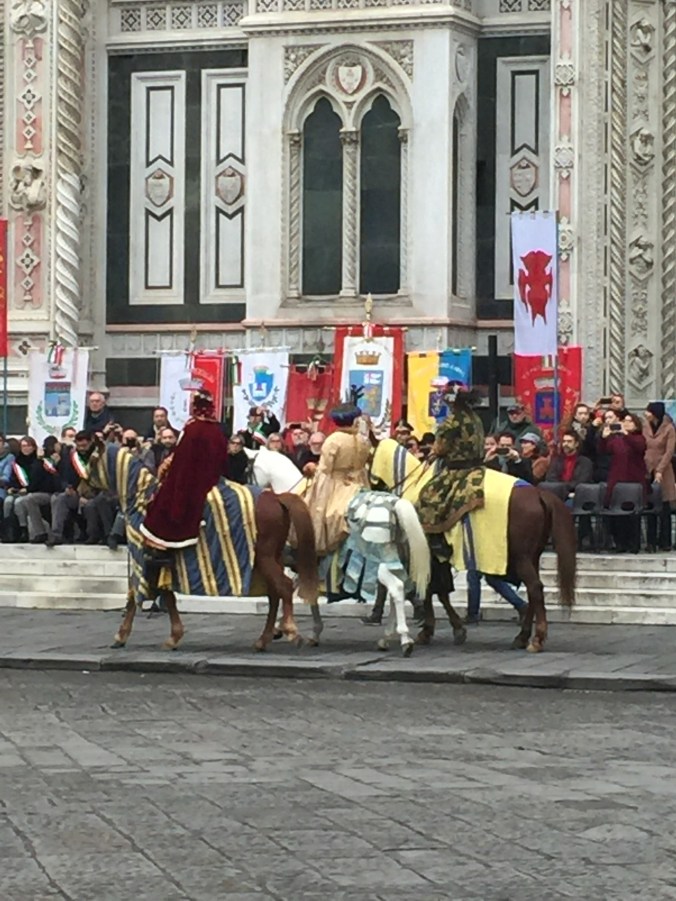
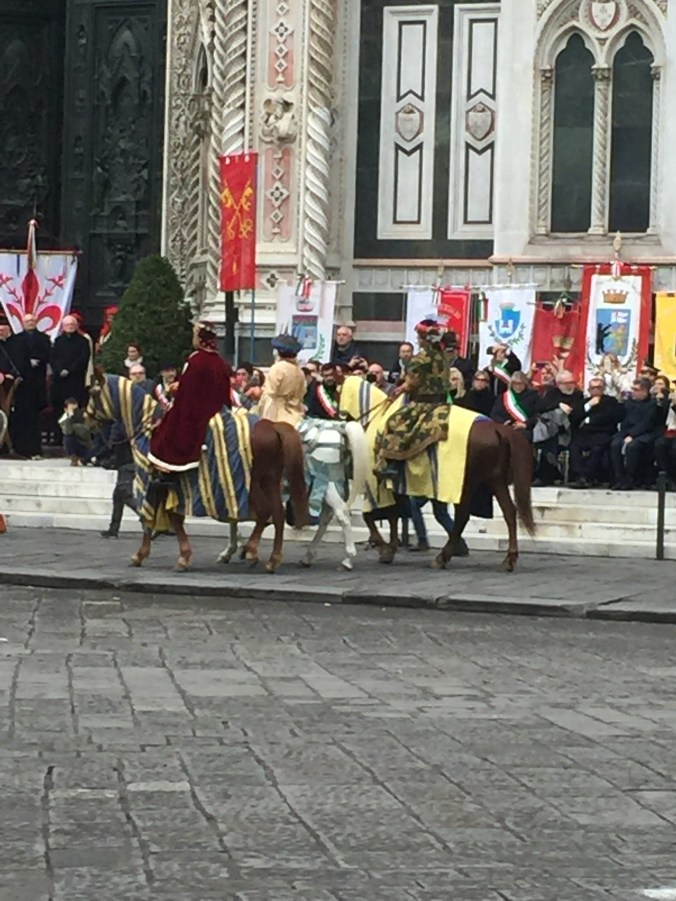
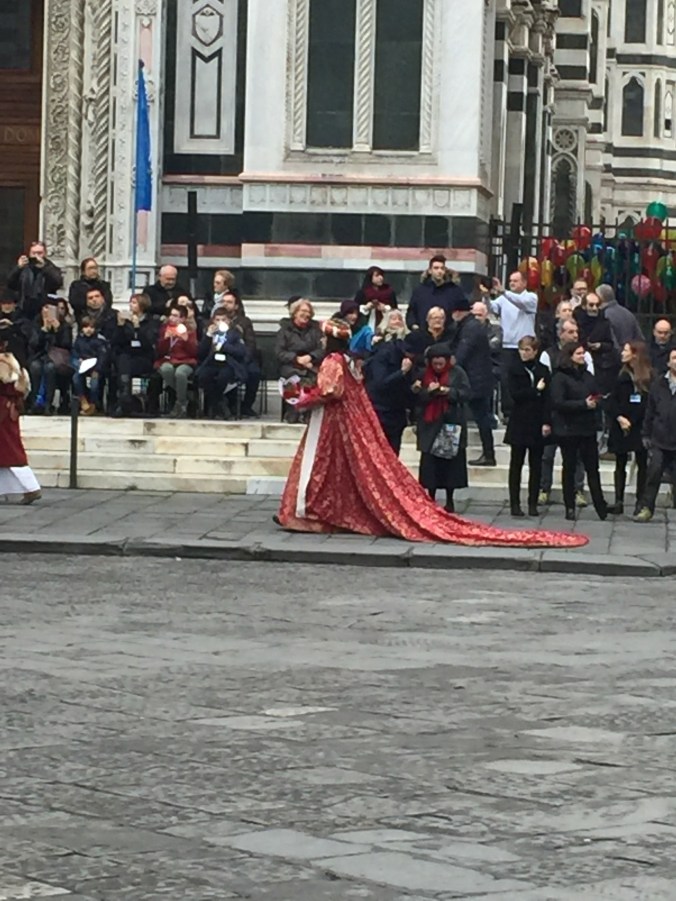
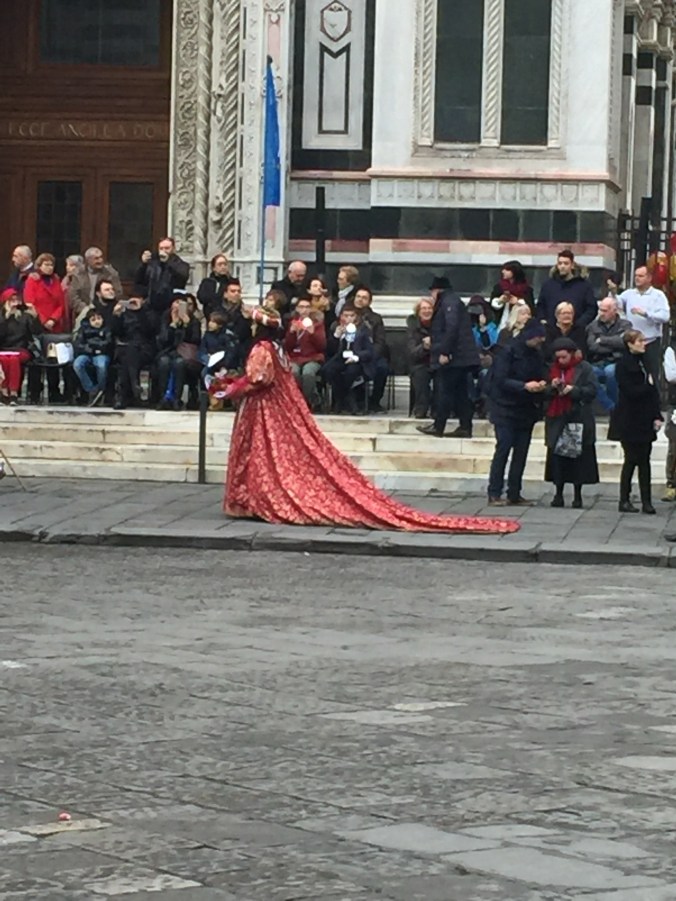
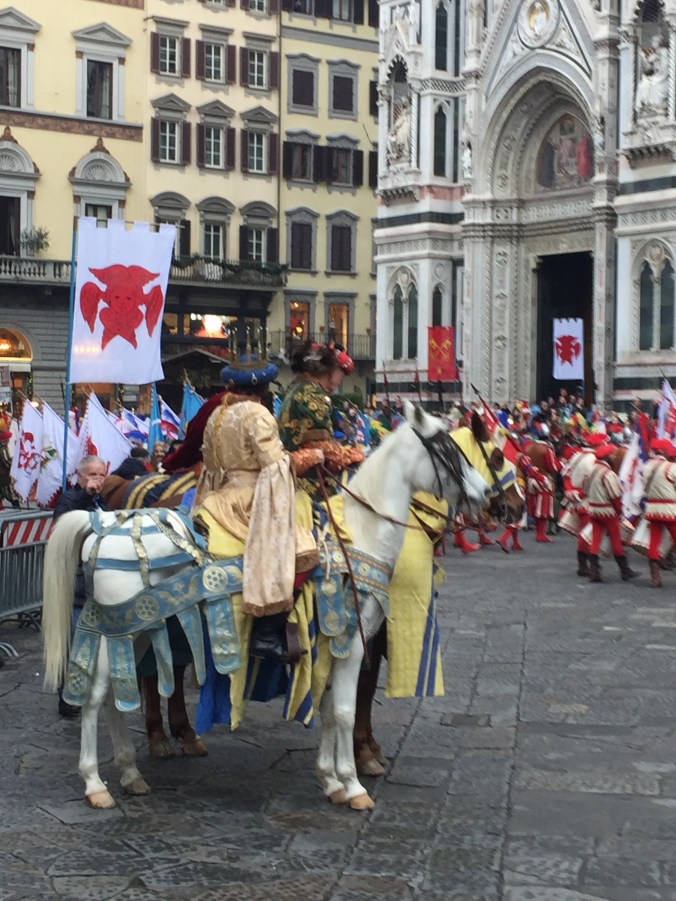
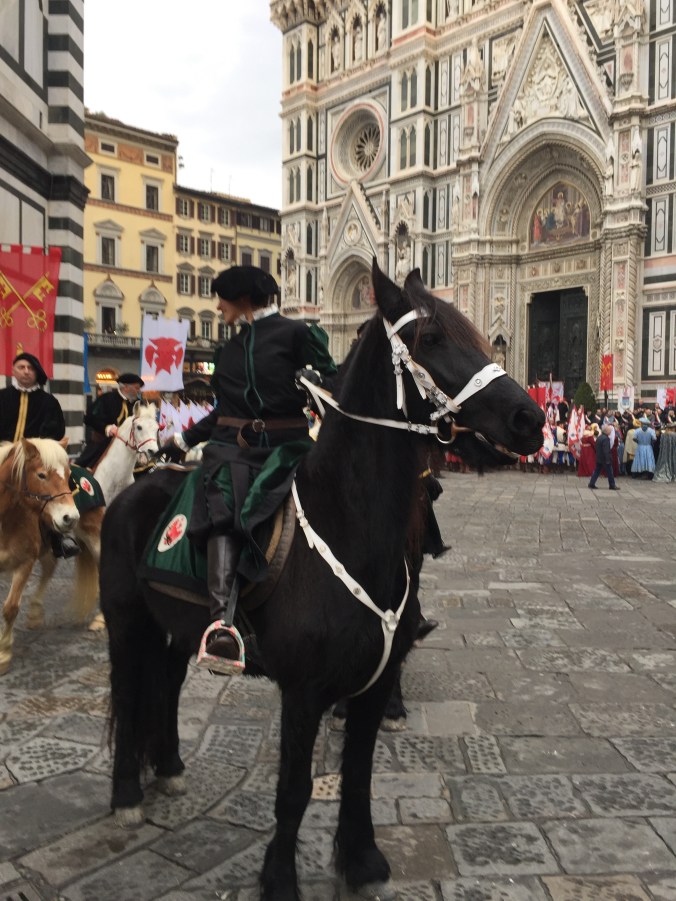
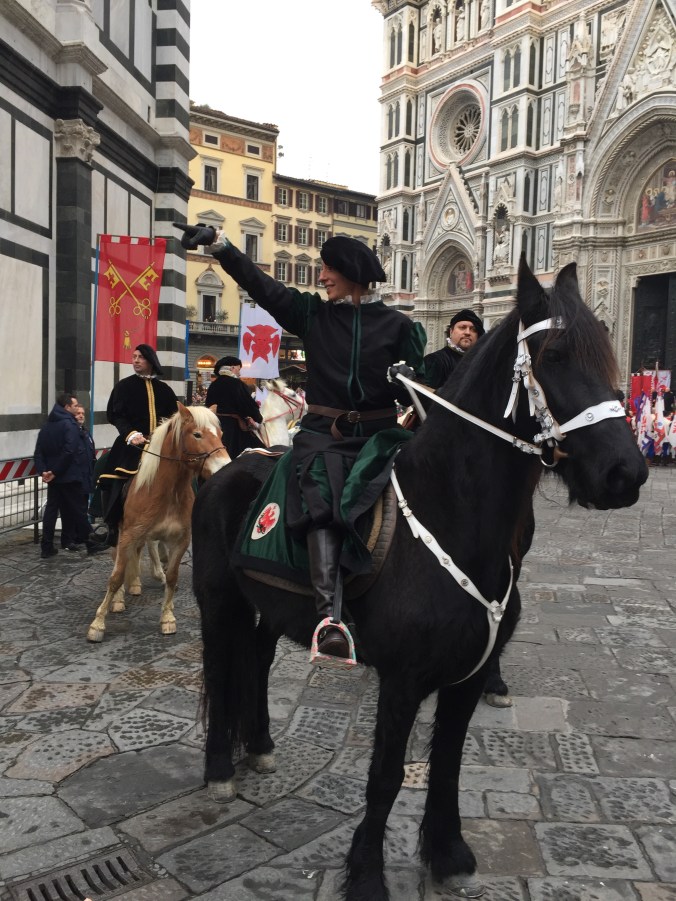
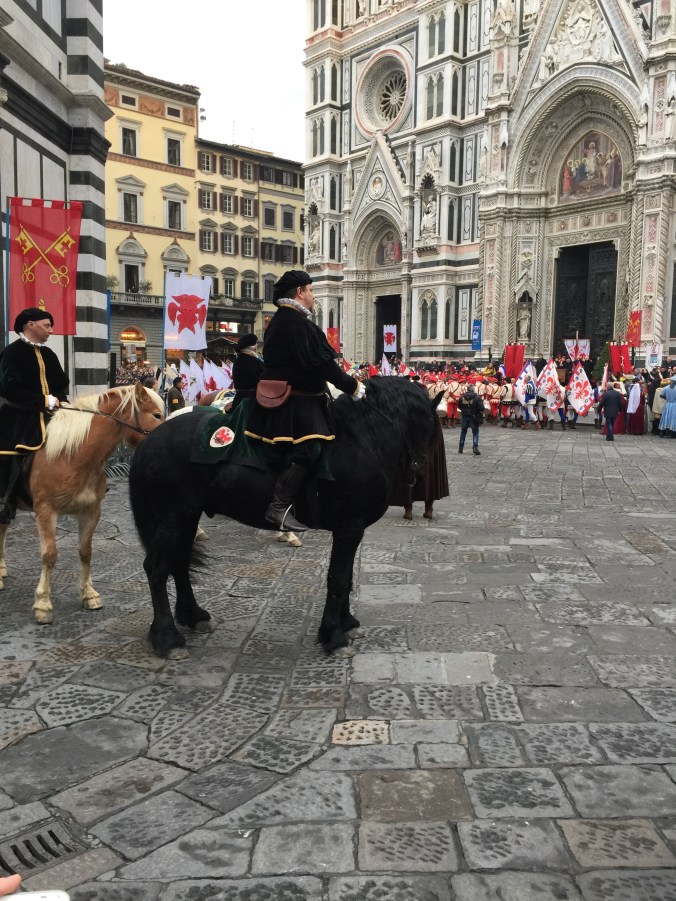
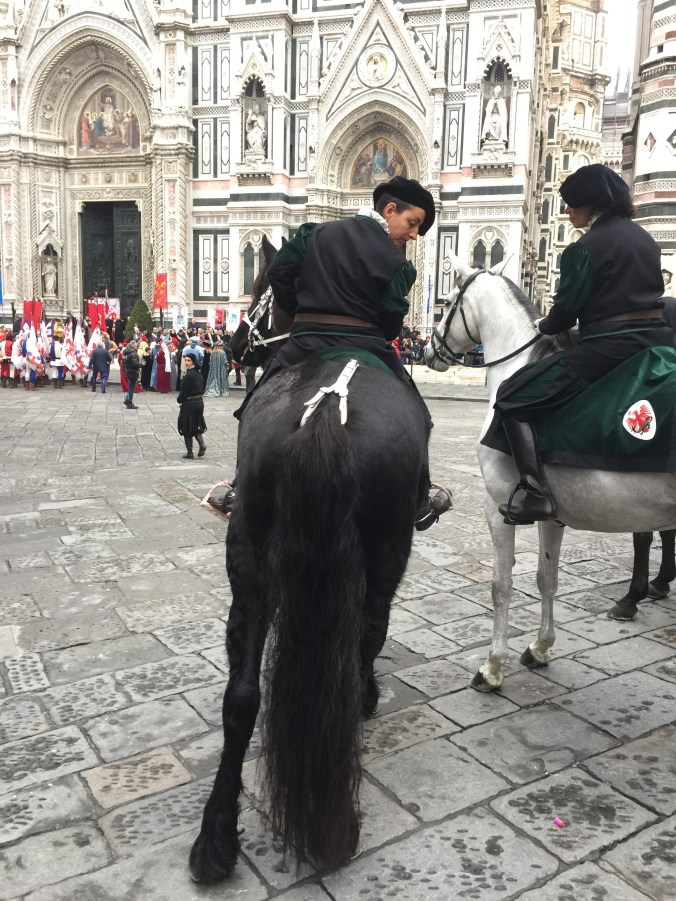
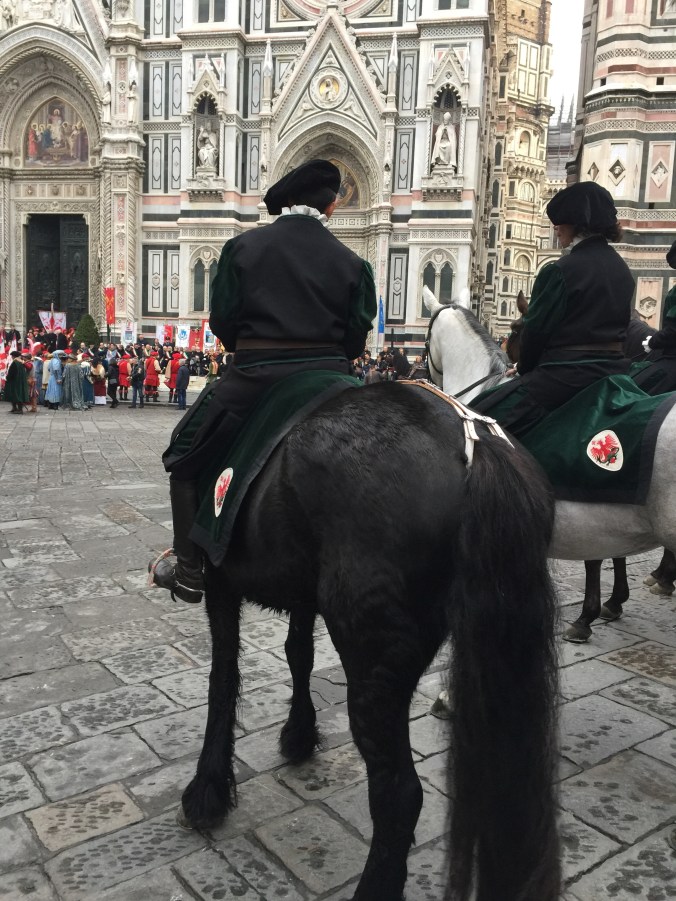
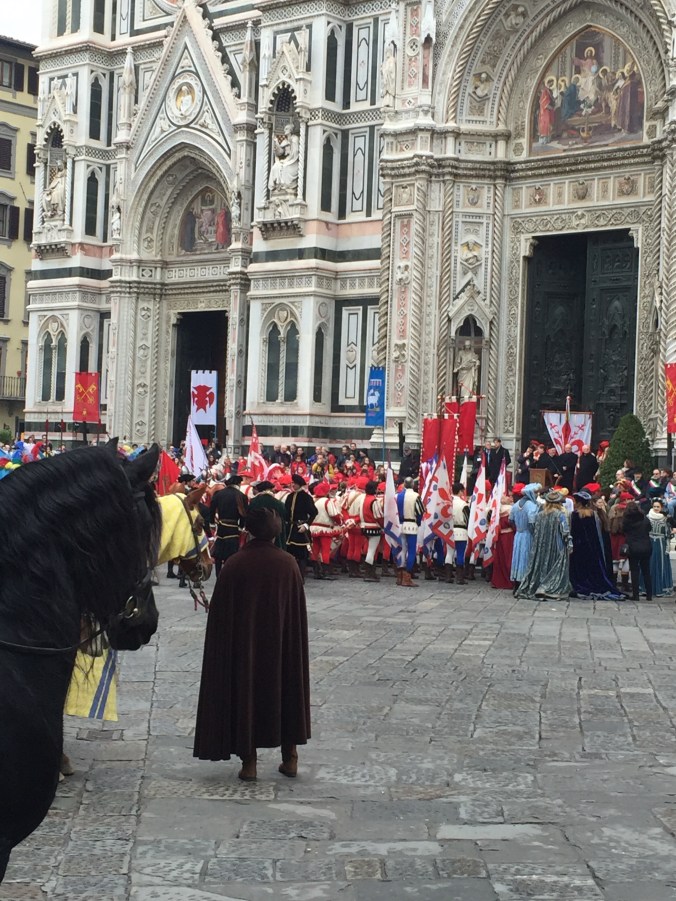
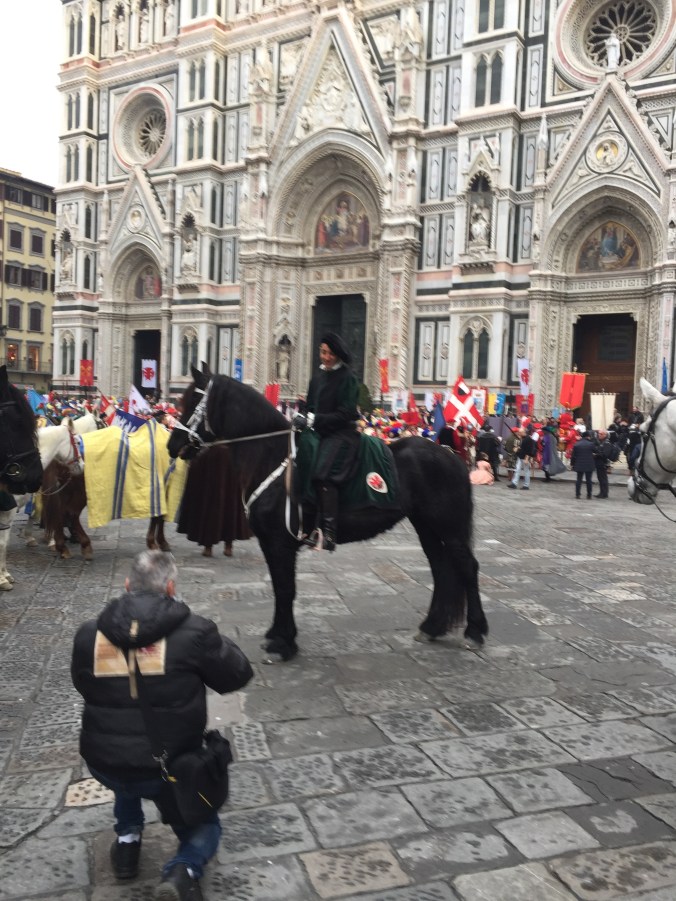
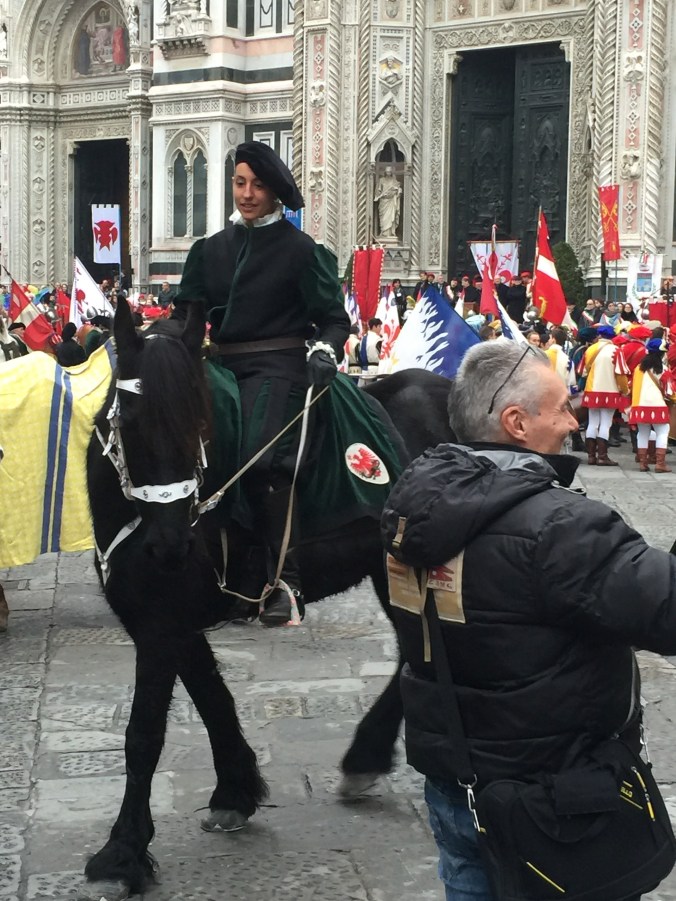
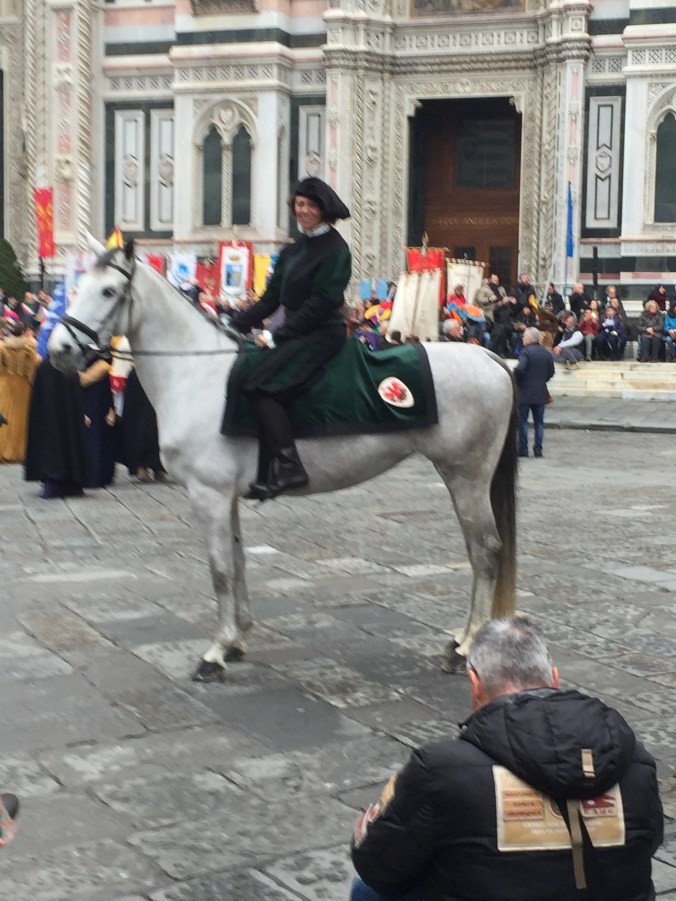
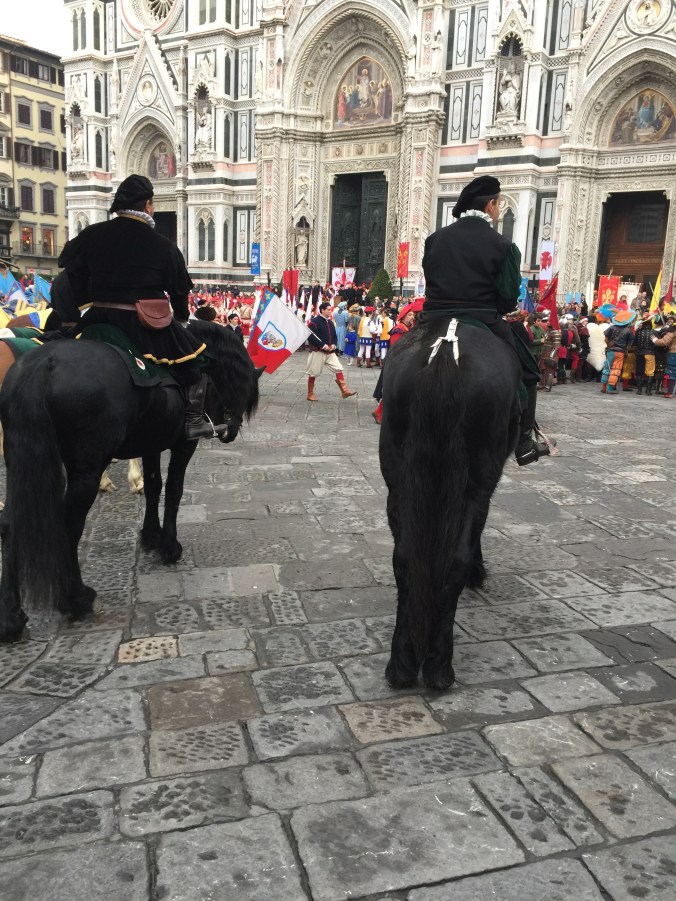
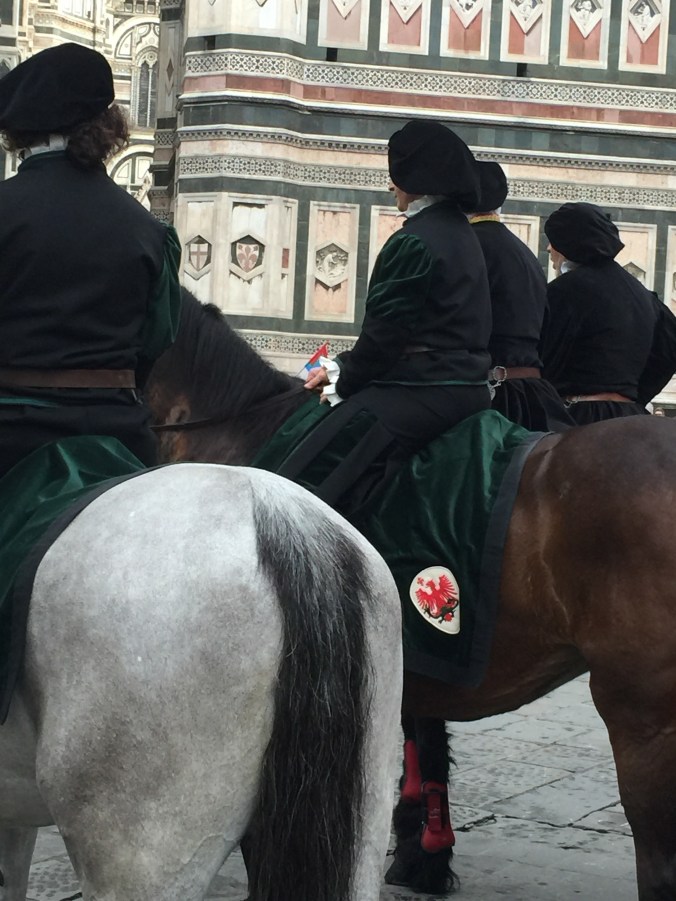
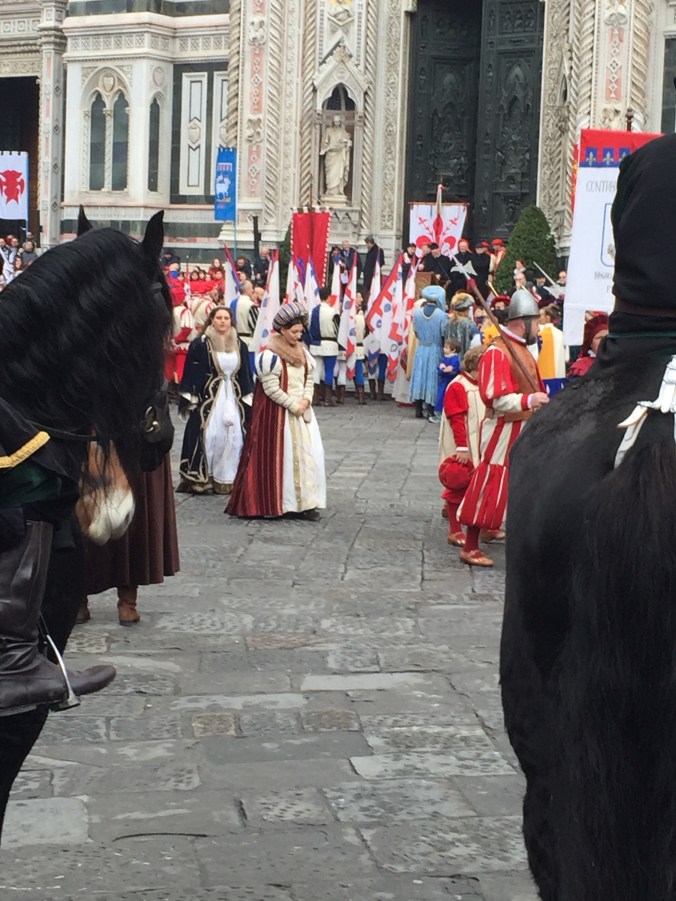
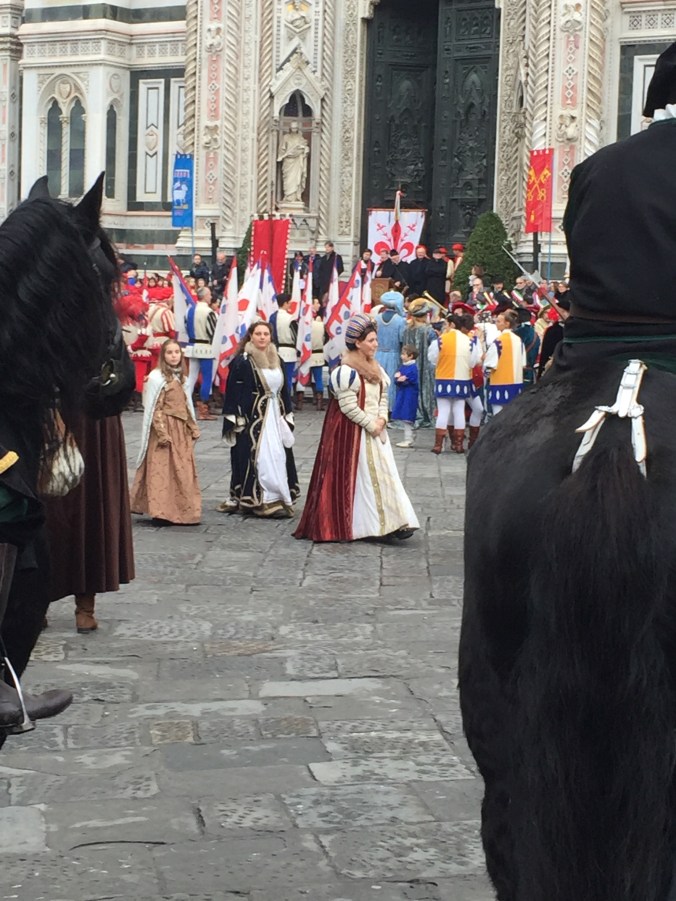
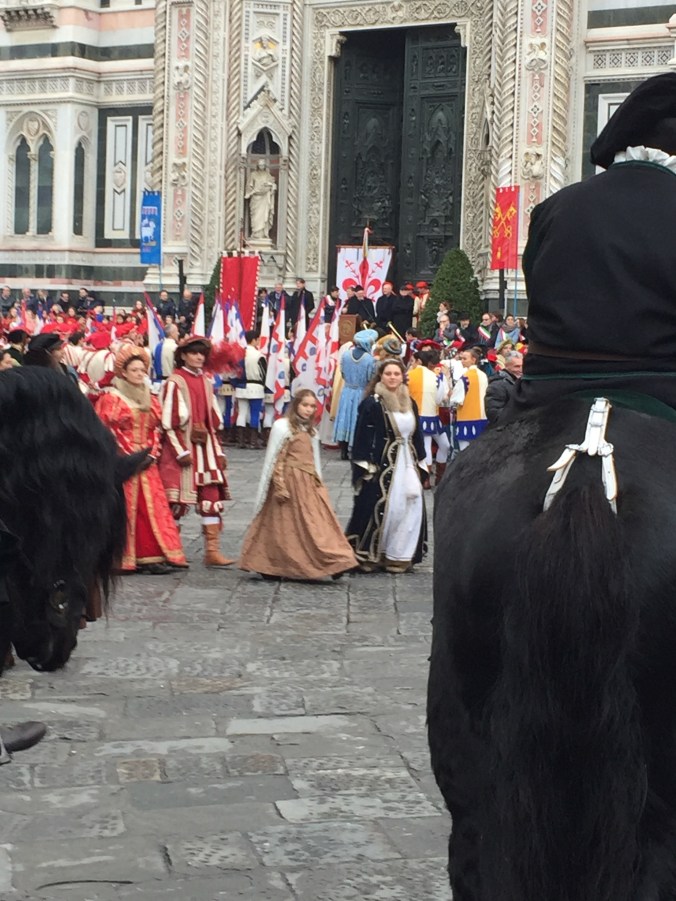
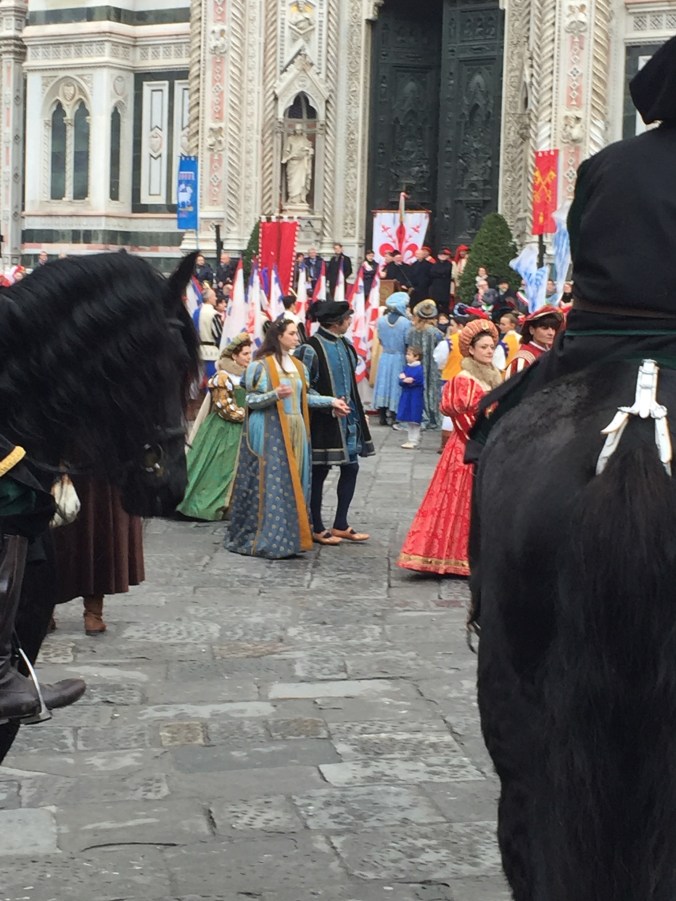
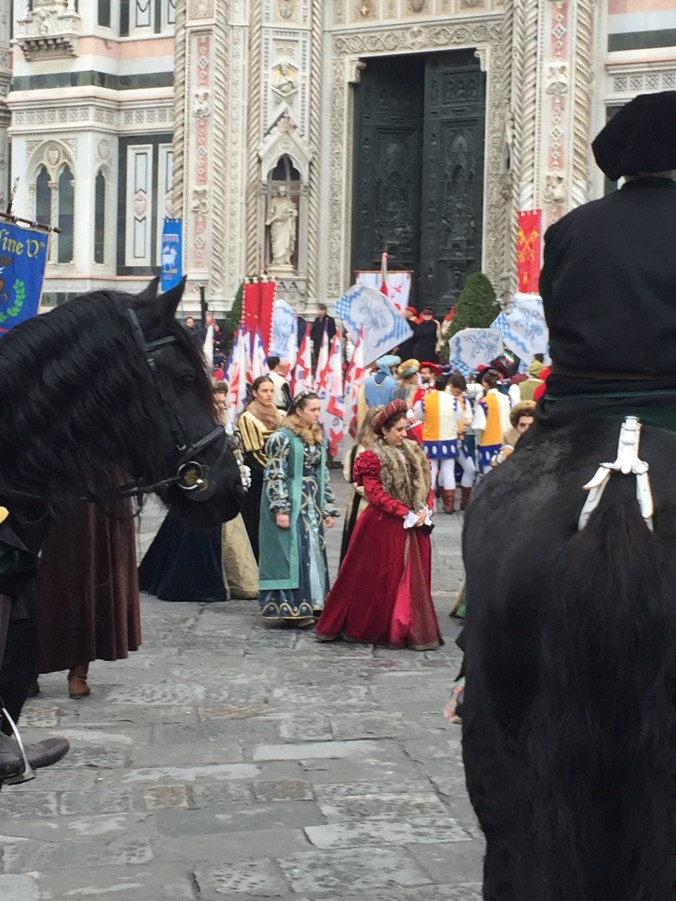
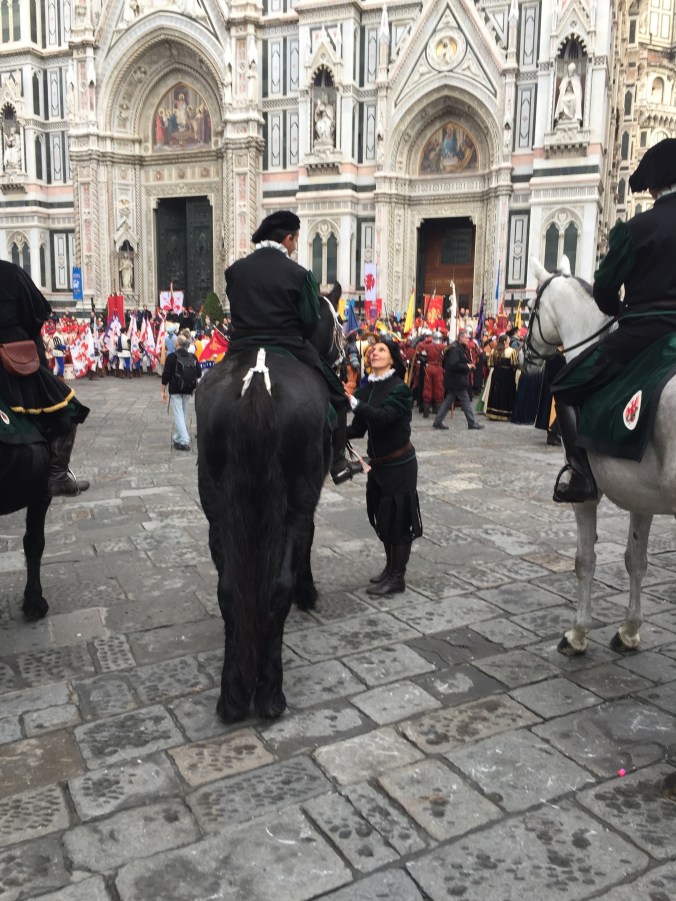
I don’t know if you can see it in these 2 photos, but it is possible to bow to authority on a horse. I had never seen this before!
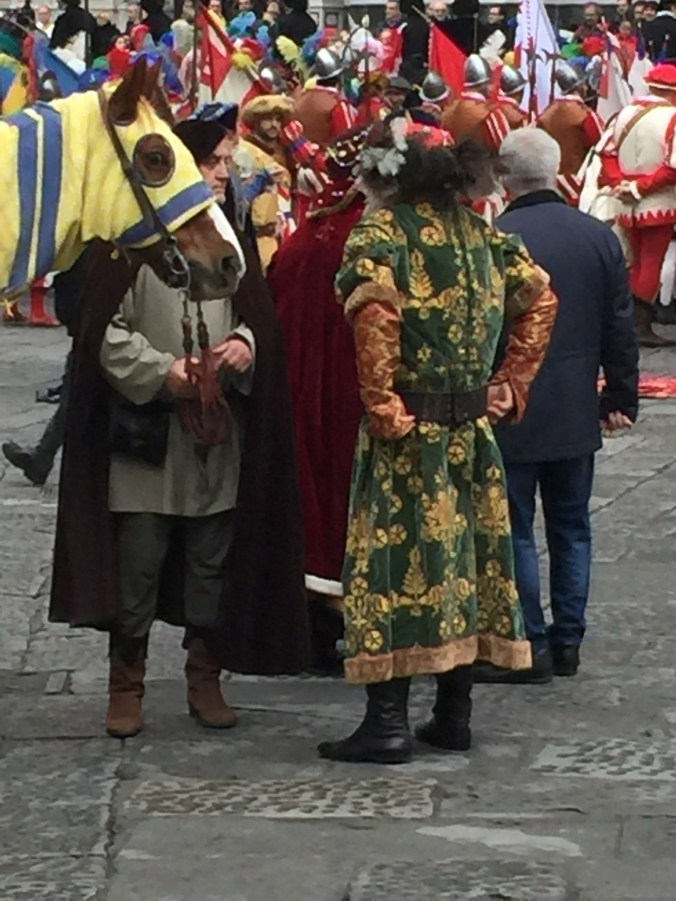
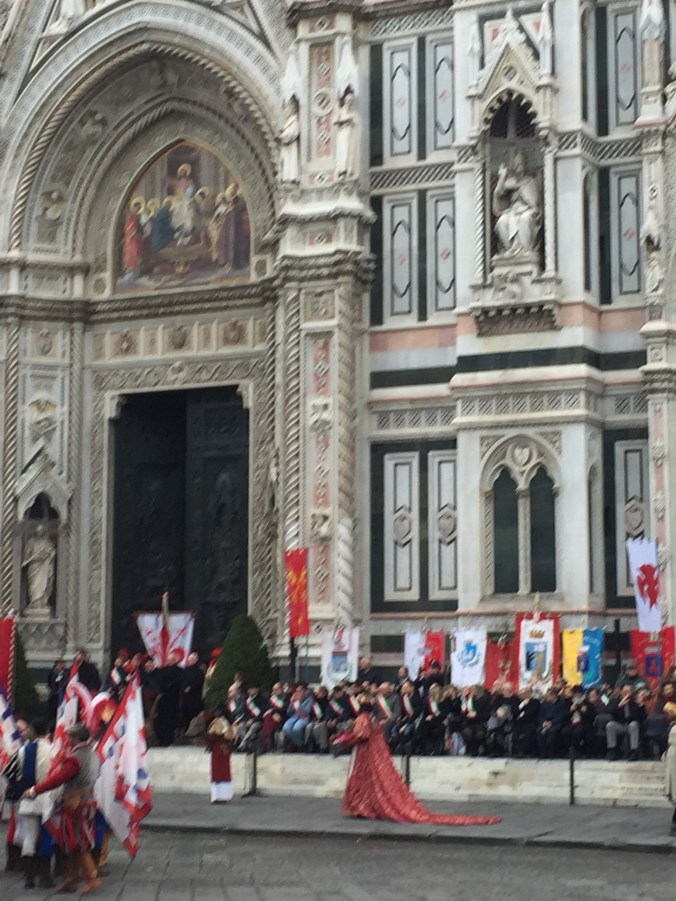
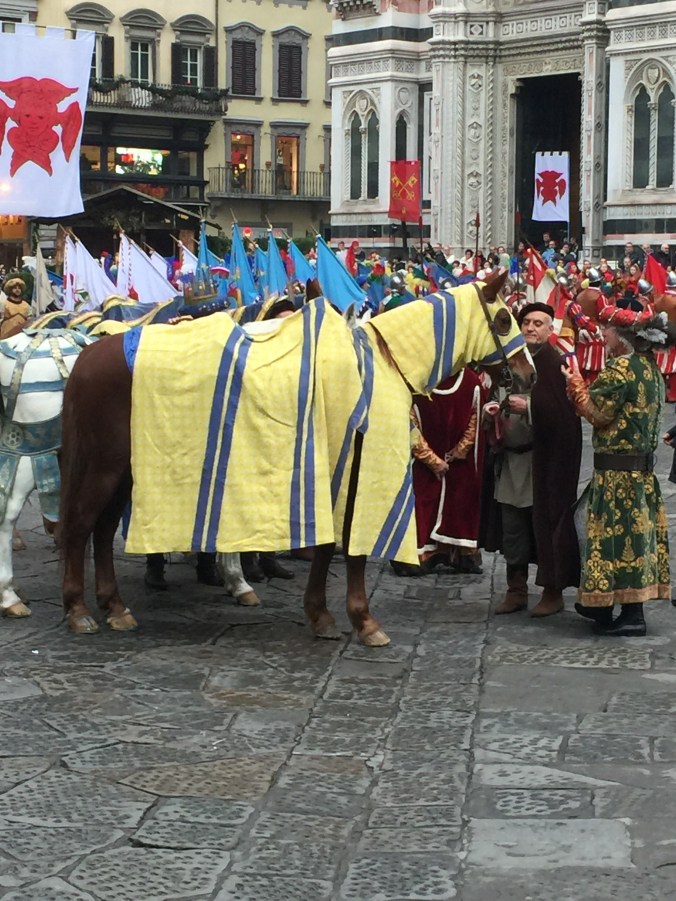
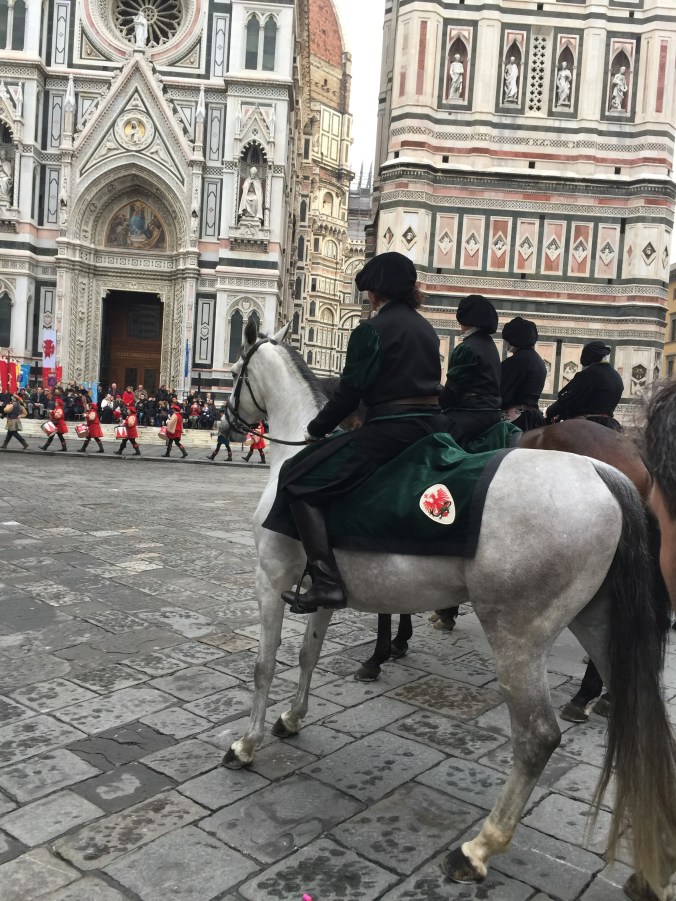
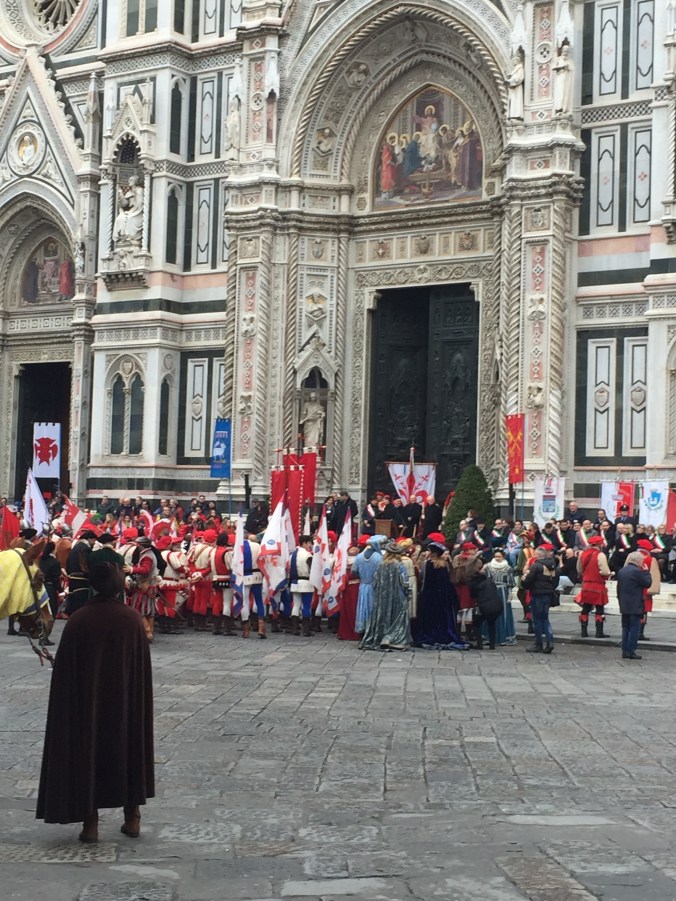
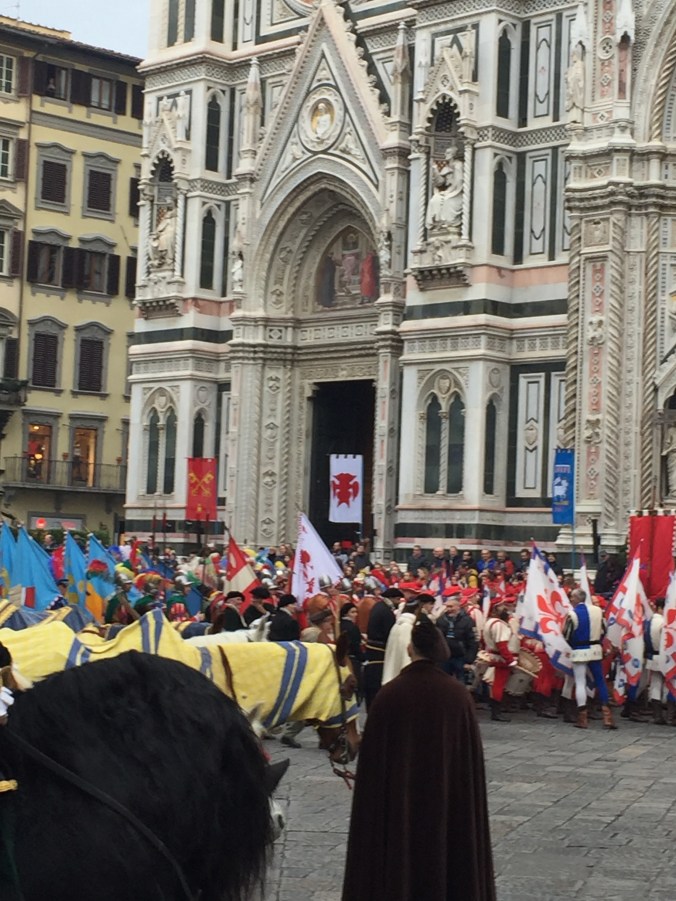
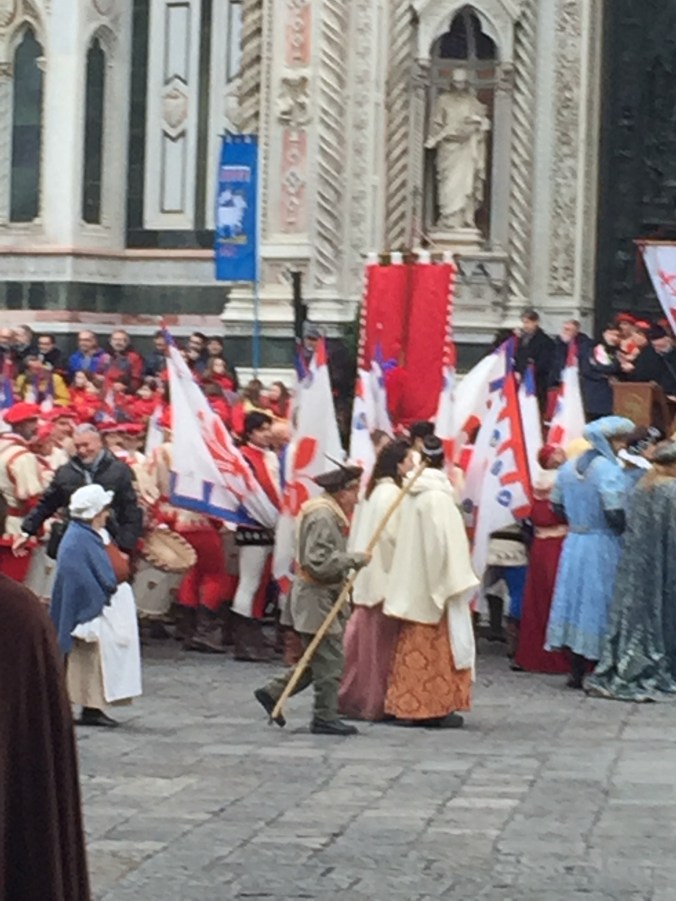
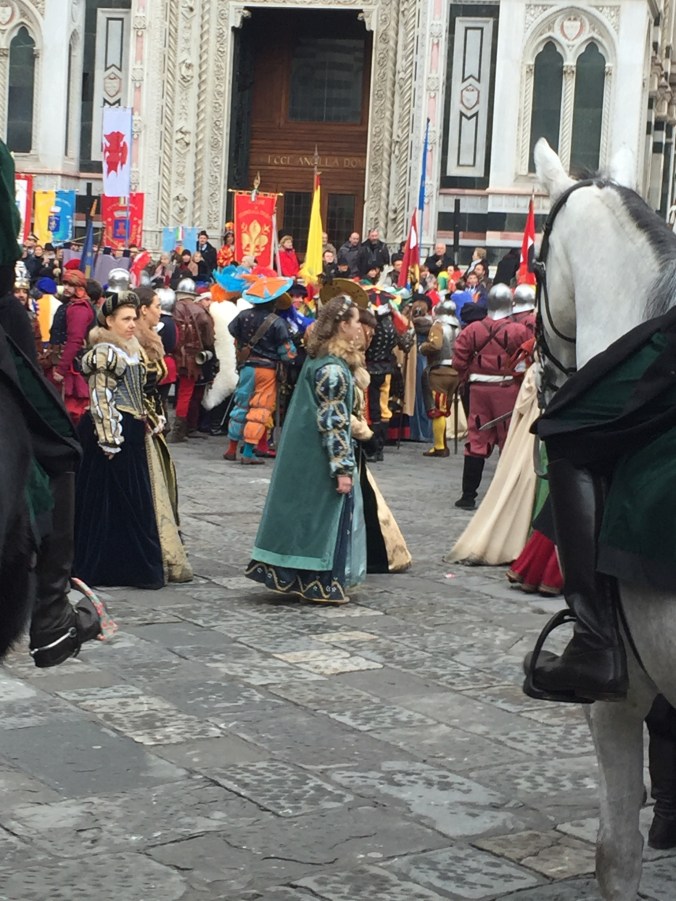
During the Cavalada in Florence last Saturday, in honor of the national holiday of Epiphany, a moment arrived in which all the participants in the parade bowed their heads before the religious and civic leaders on the podium. And to my amazement, the equestrians bowed their heads while leaning as far forward as possible over the back of their horses. As well, they all held their right arms as far back as they could. And, they held this pose for several minutes. There was no mistaking it: these horseback riders were bowing.
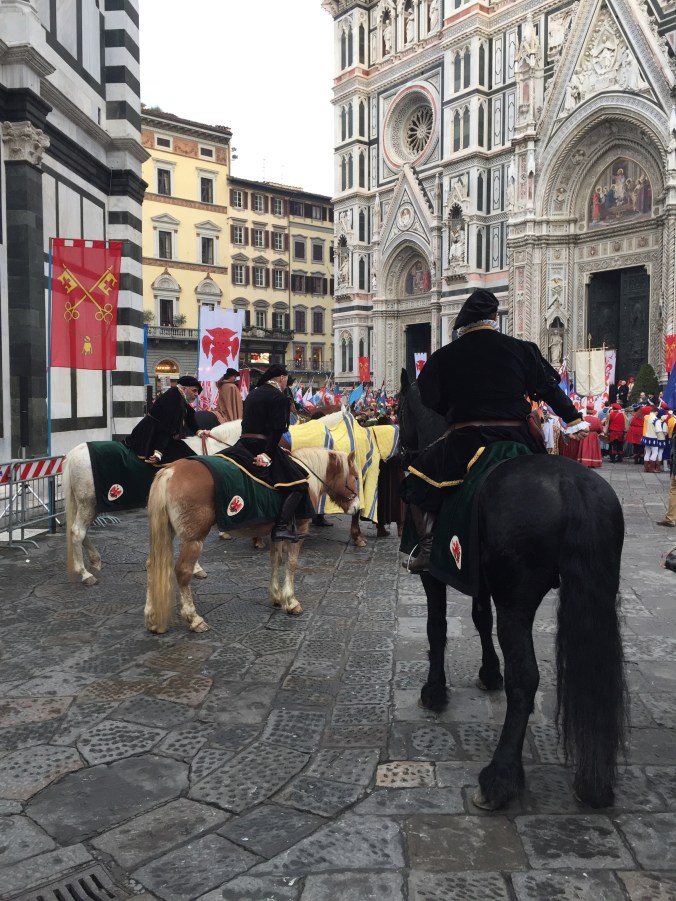
Live and learn and Italy is the best place in the world for me to do it!!
A lifetime is not enough
The Italians have a saying about the marvels of Rome: “Non basta una vita”, meaning that a lifetime is not enough to enjoy all the incredible things to be found in Rome.
I feel that way about Italy in general. I’m fortunate enough to live in the center of Florence and each day I venture out, I see, feel, touch, smell, or hear something new. It is a wonderful way to life life!
I love Firenze in the springtime!
On these gray, cloudy, rainy days, it’s nice to remember the spring will come! This is Florence last spring.
Bella Firenze a notte
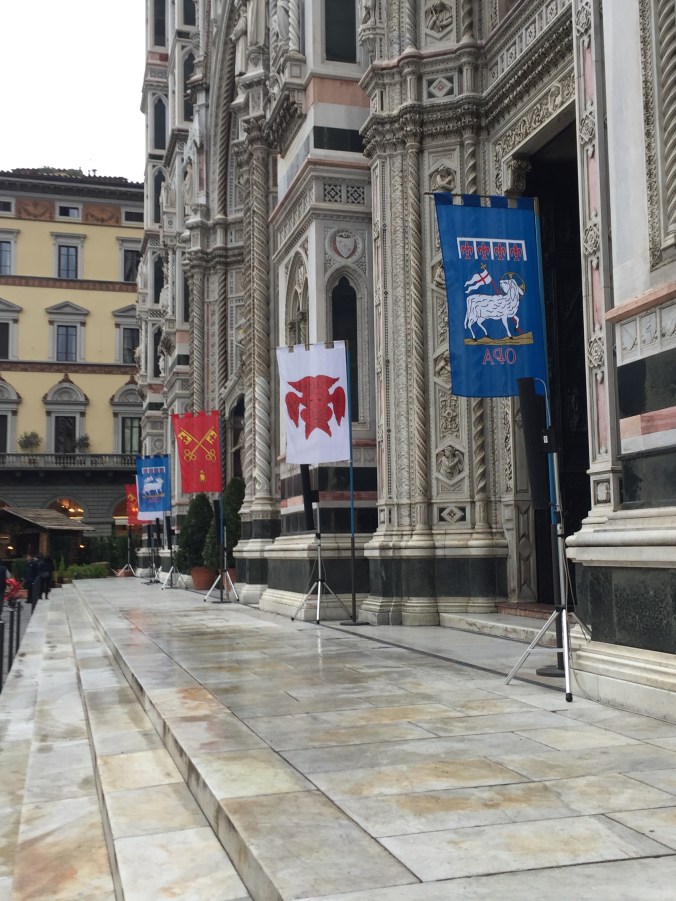
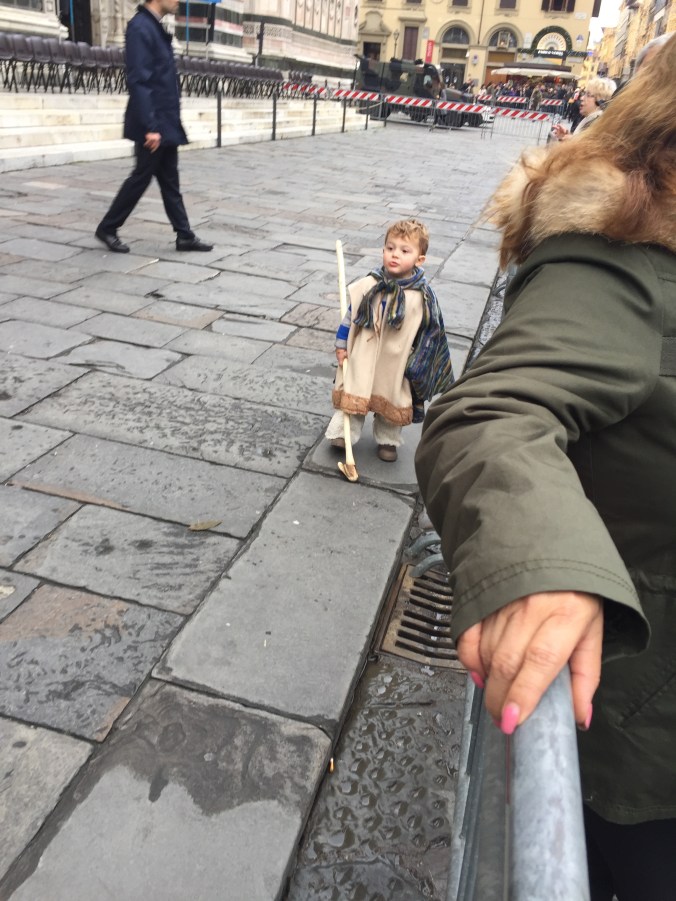
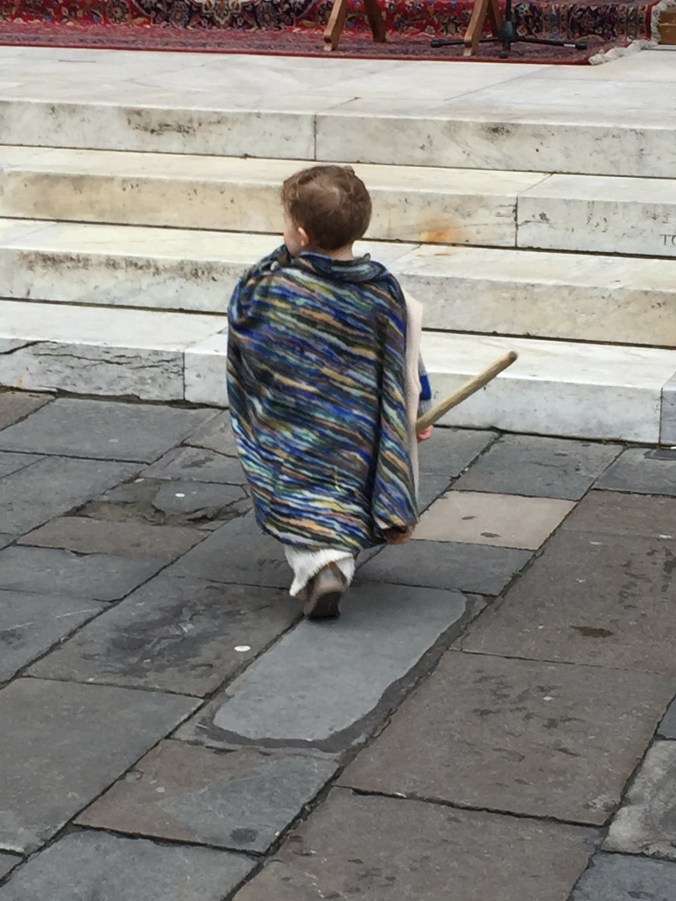
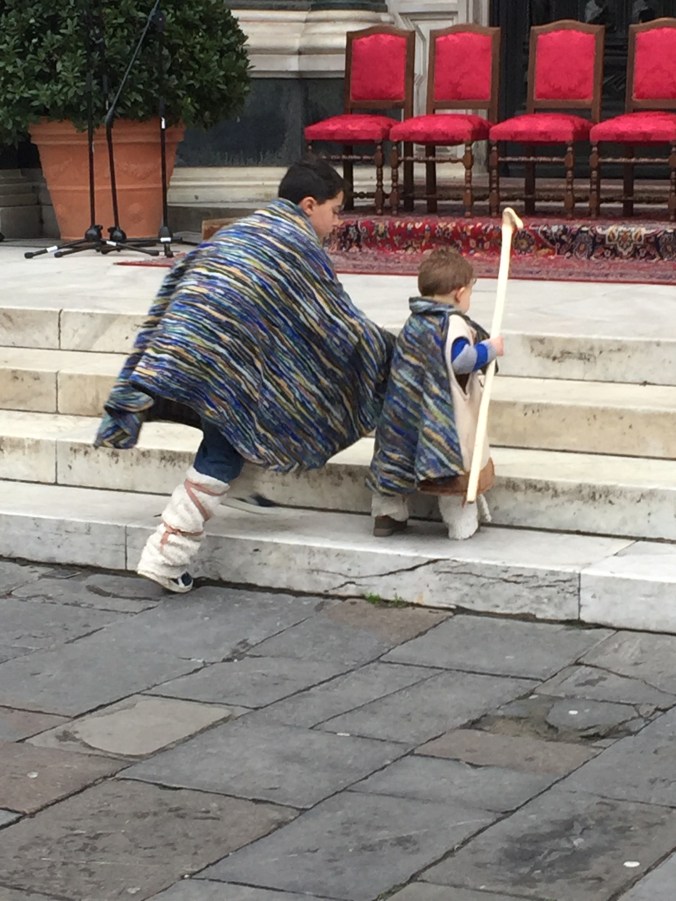
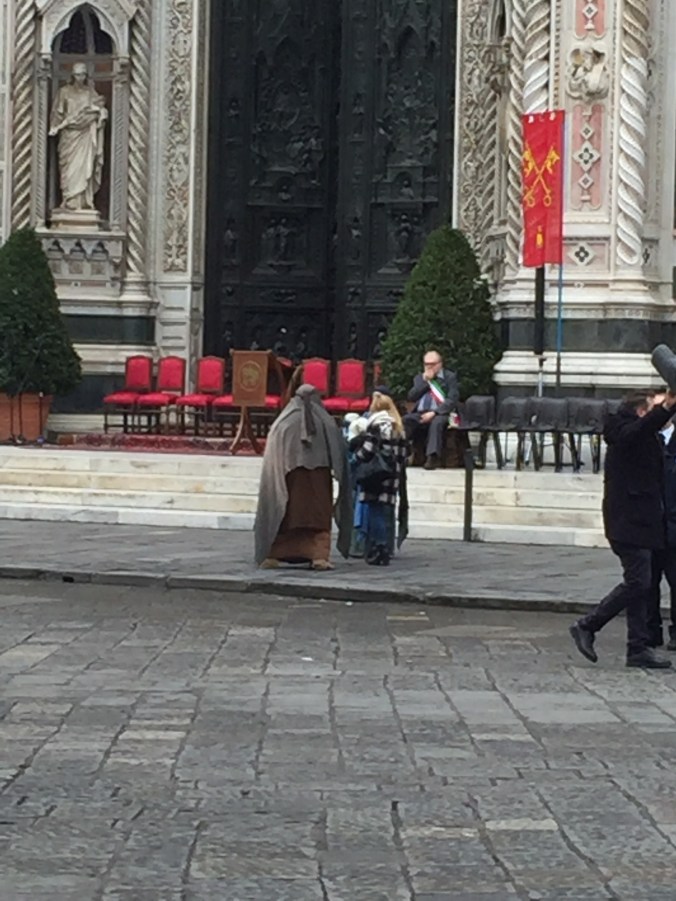
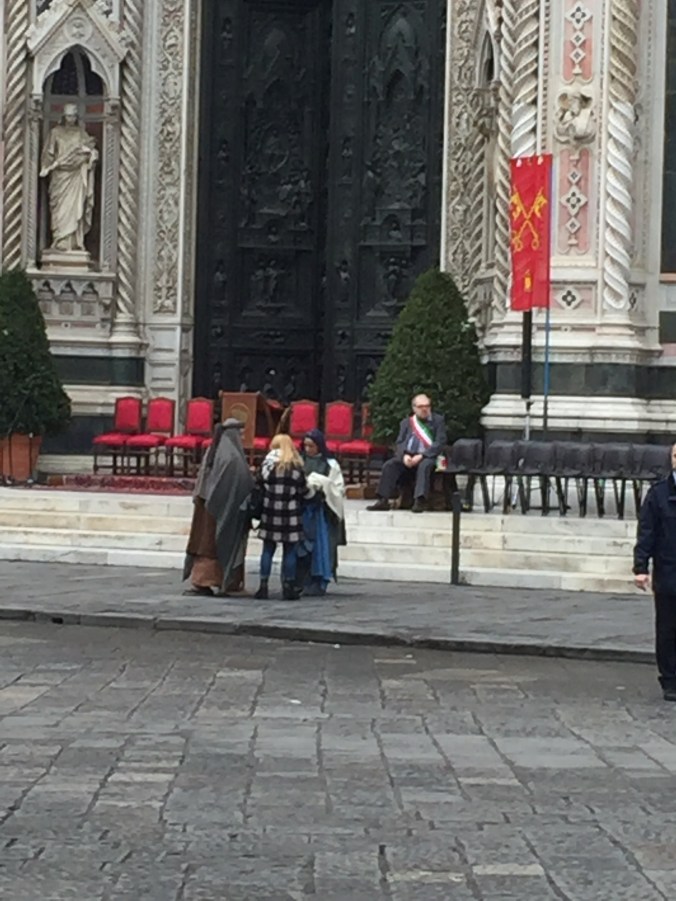
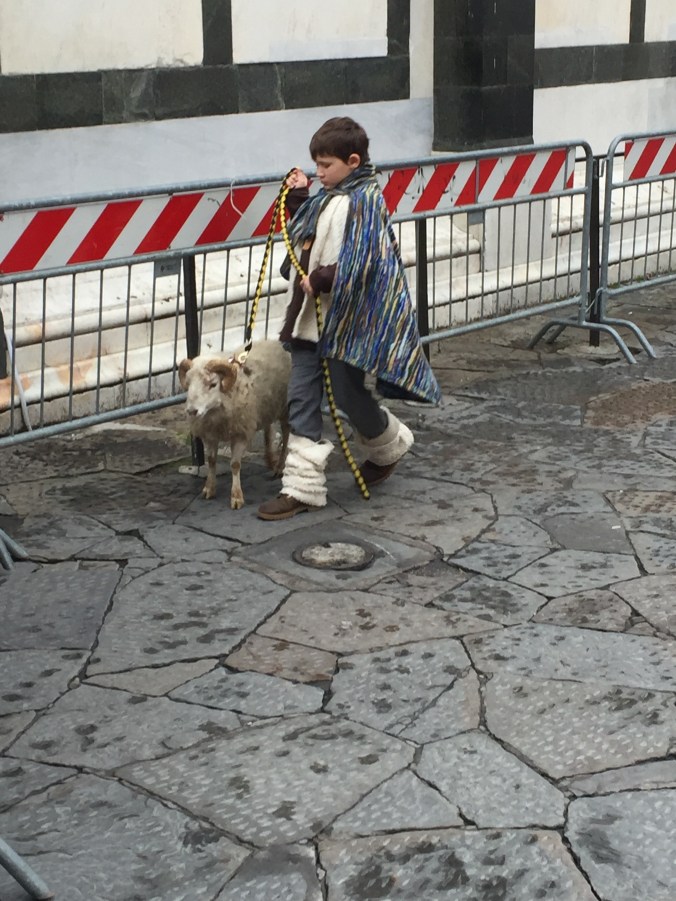
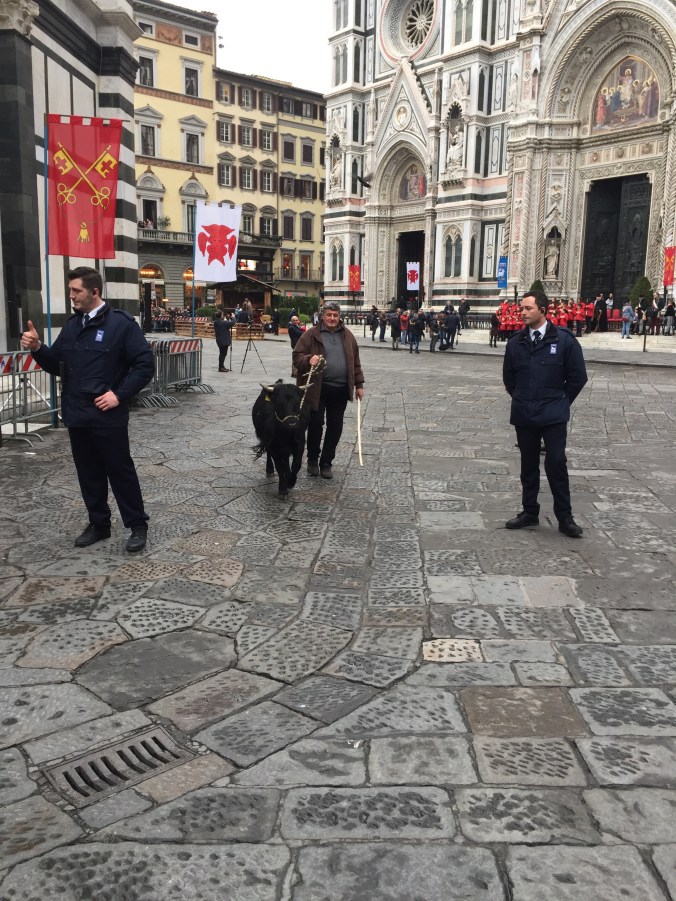
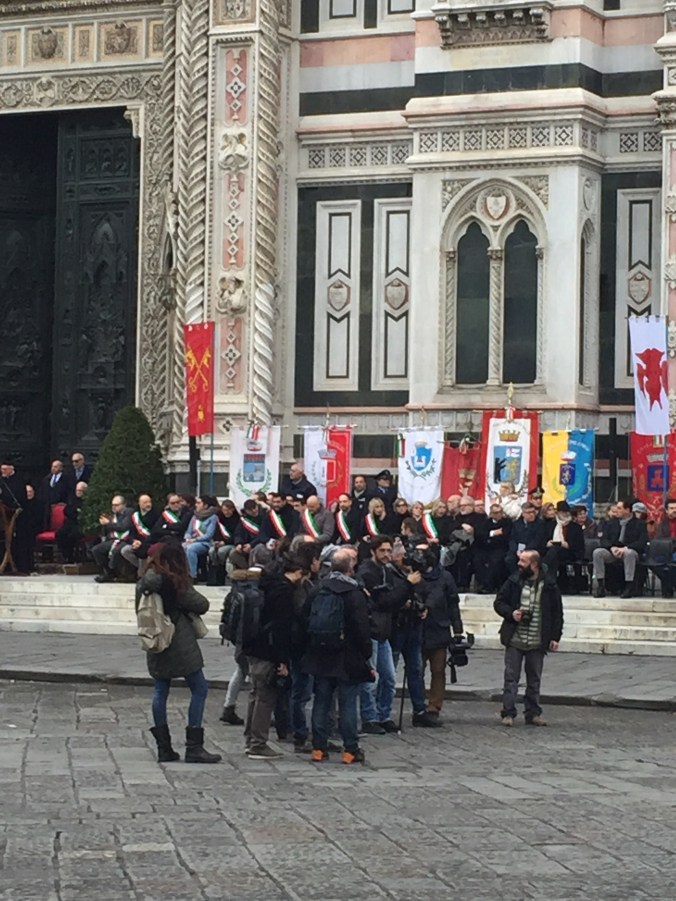
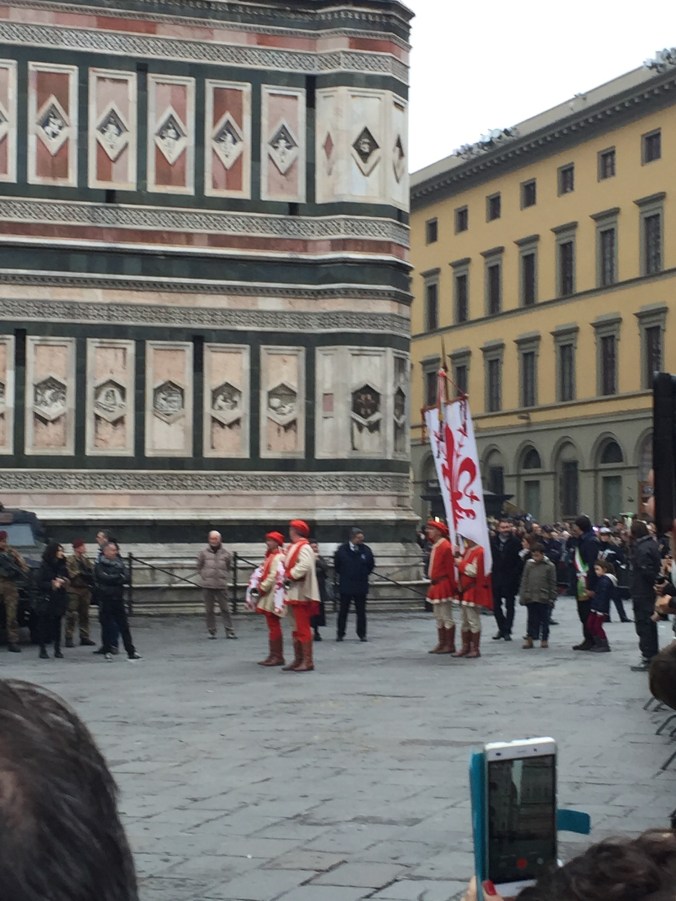
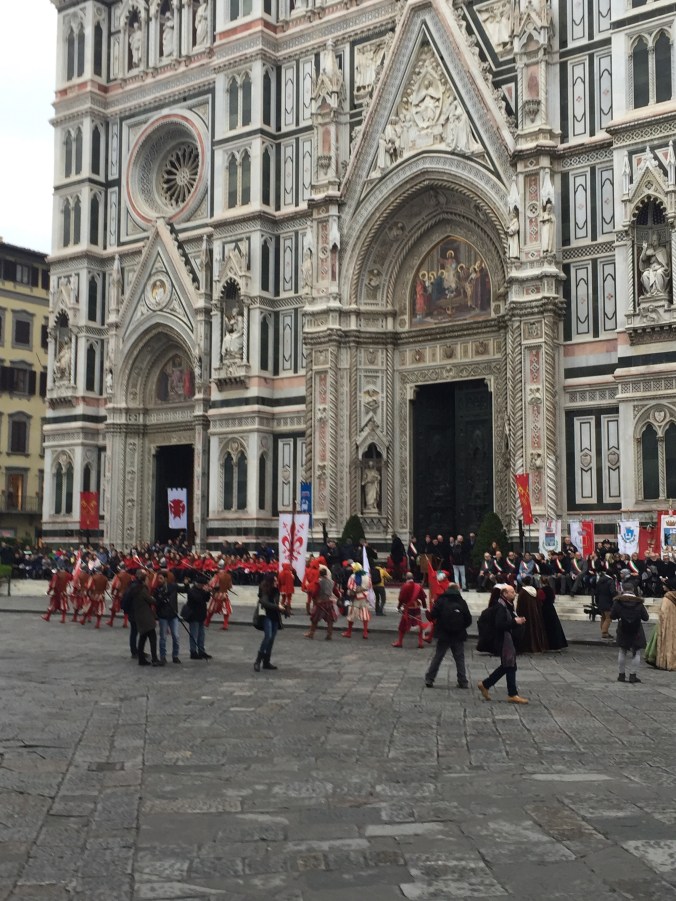
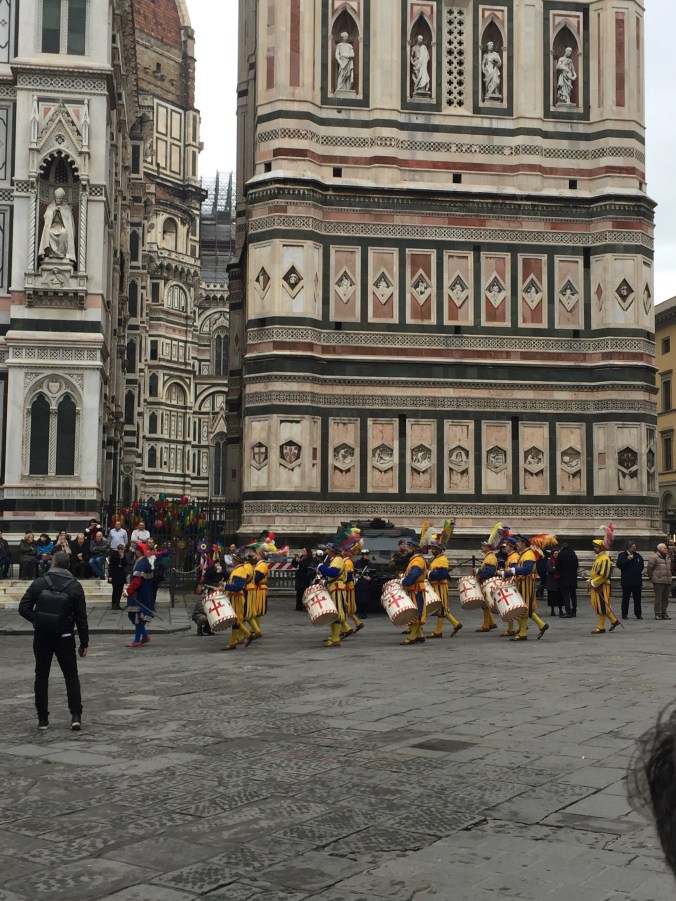
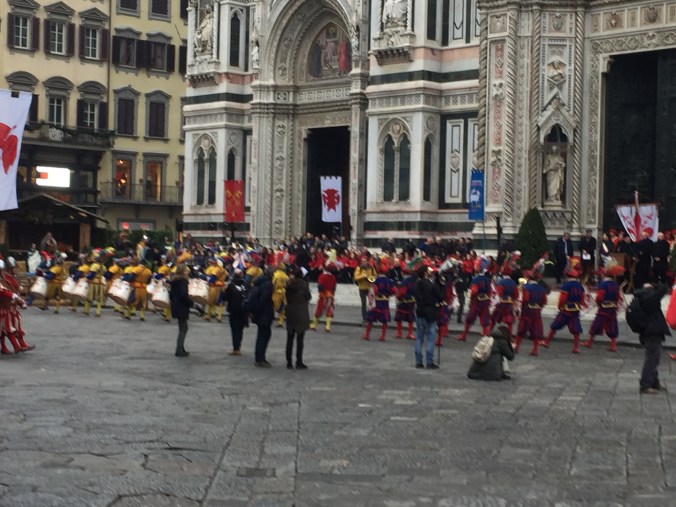
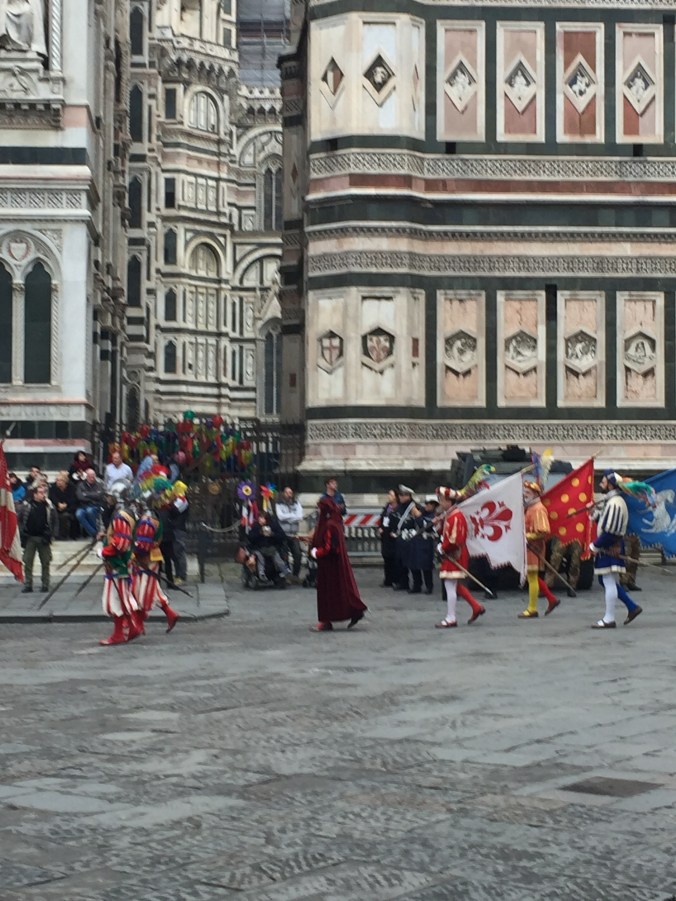
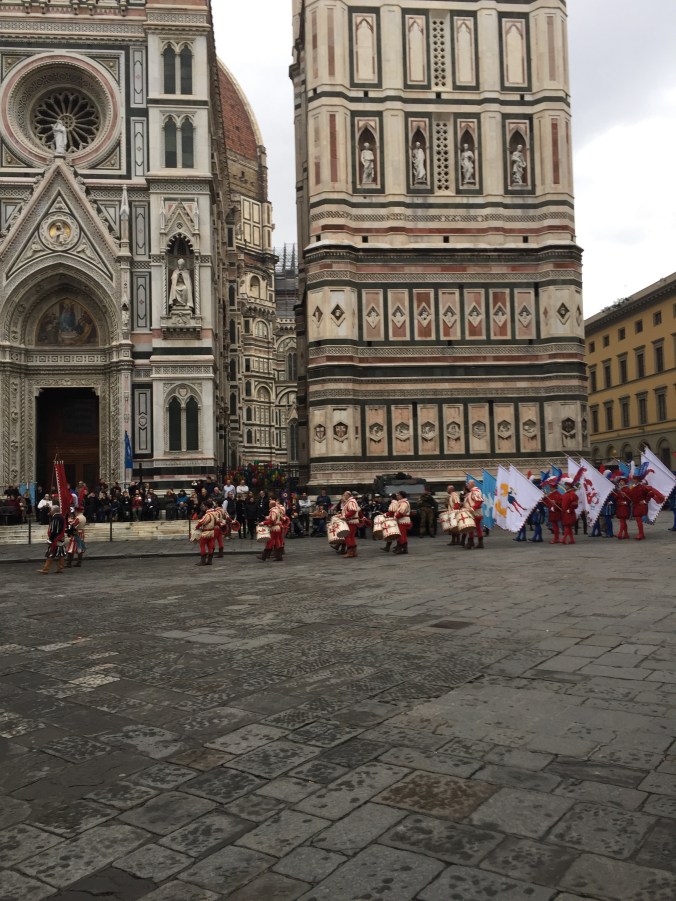
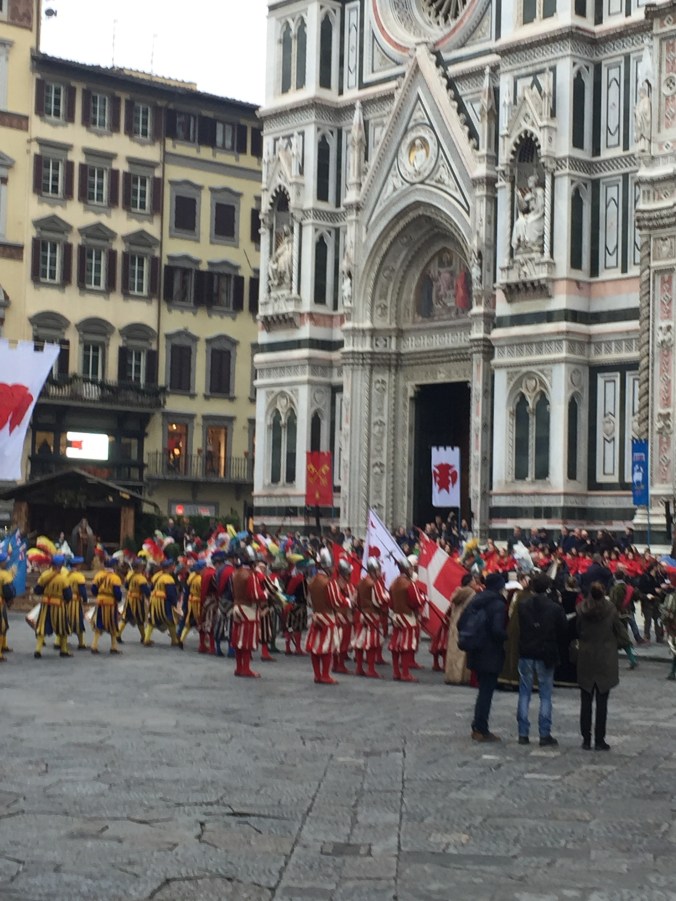
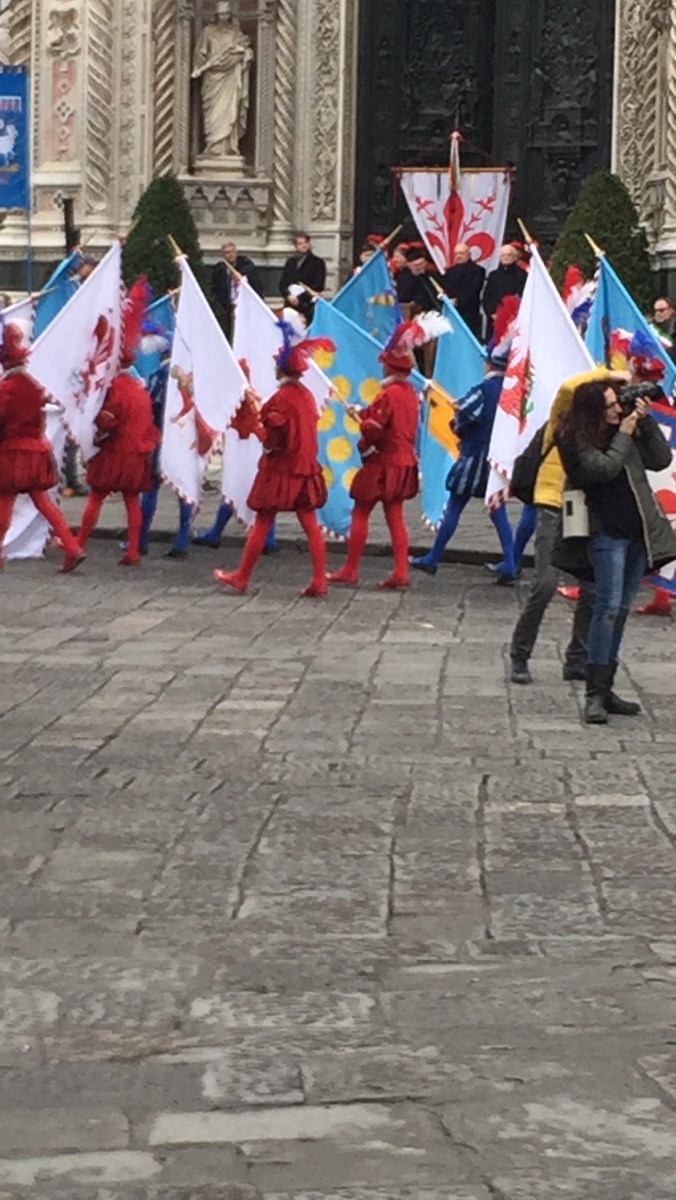
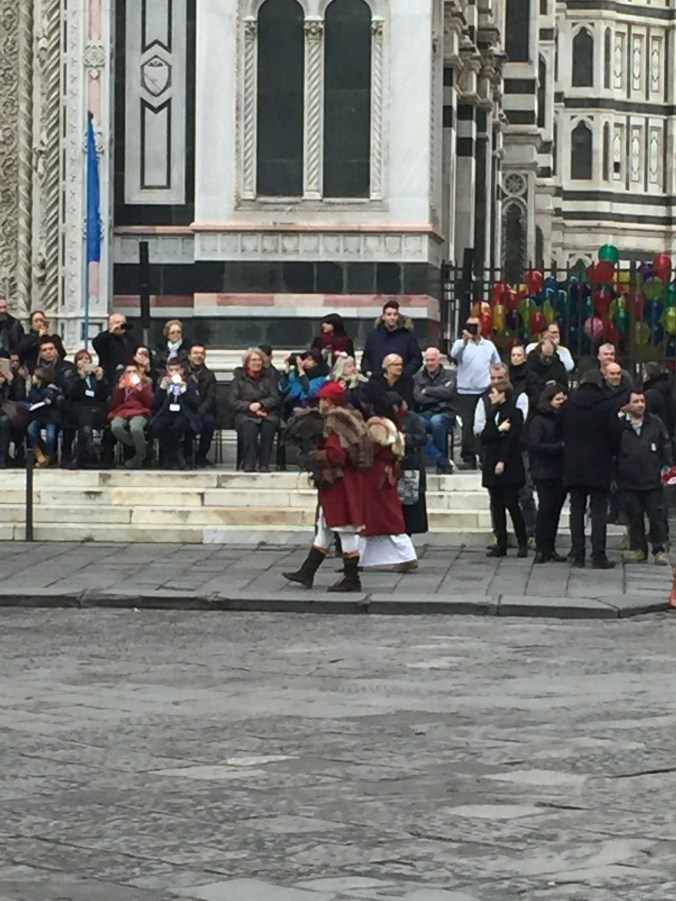
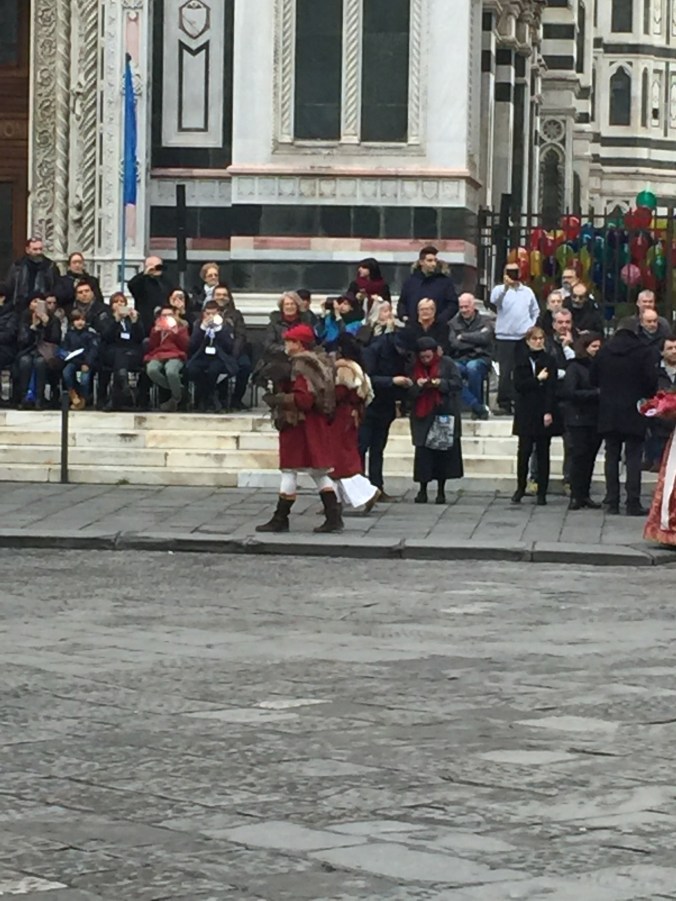
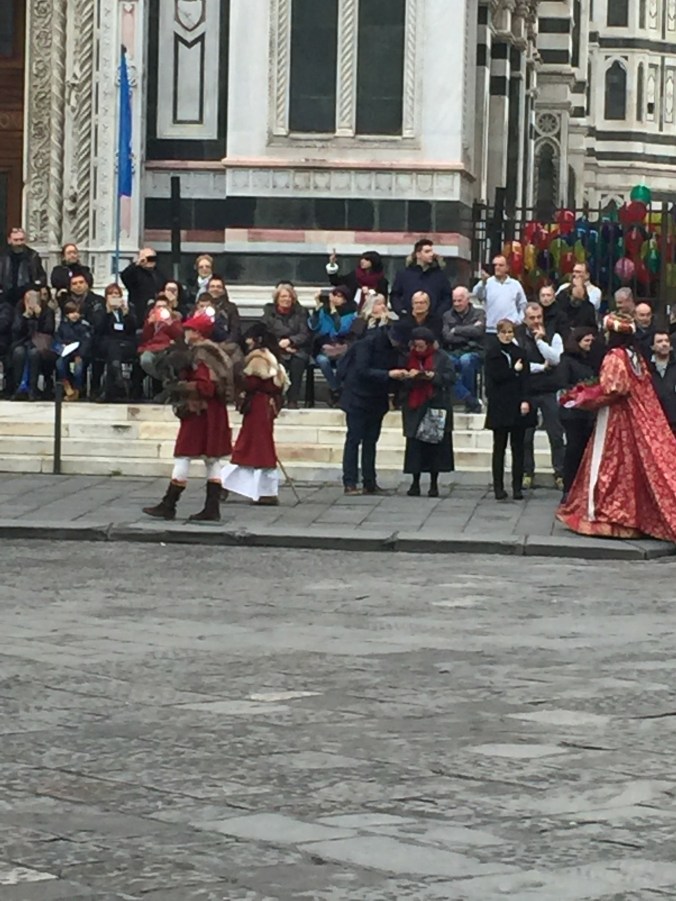
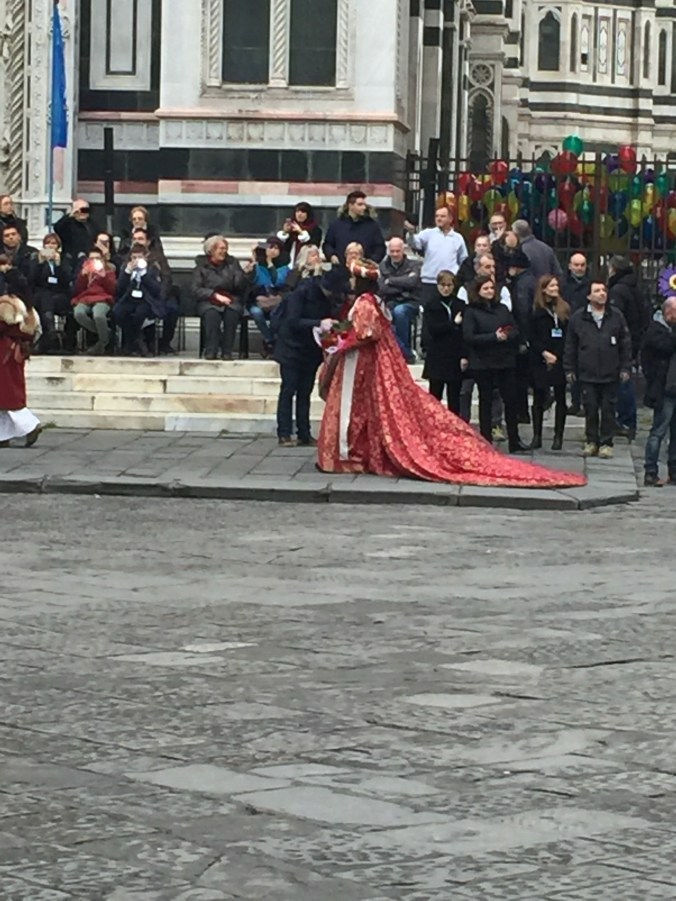
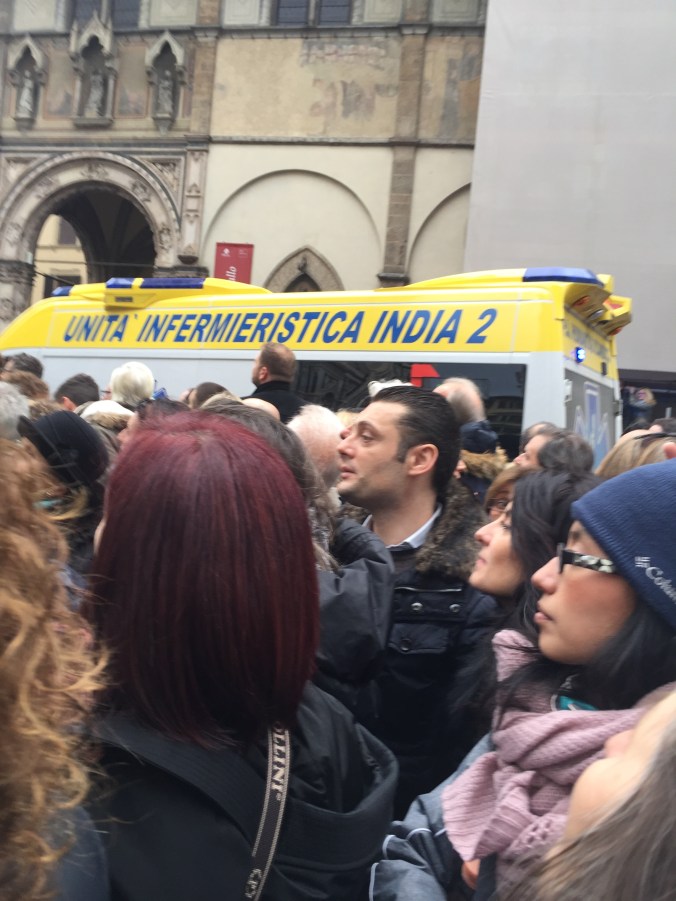
Come with me to the Epiphany parade in Florence today!





















You must be logged in to post a comment.