
Uncategorized
Fichi d’India
Personally, I’d never seen these fruits until I spotted them in Italy. Fichi d’India = Indian figs. They are actually part of the cactus family and originated in Mexico! Their name is a bit of a puzzle!
A friend and I bought a couple of the figs at the Sant’ Ambrogio market and had the vendor show us how to cut into it. It was sweet and juicy, but not pleasant with all the seeds.
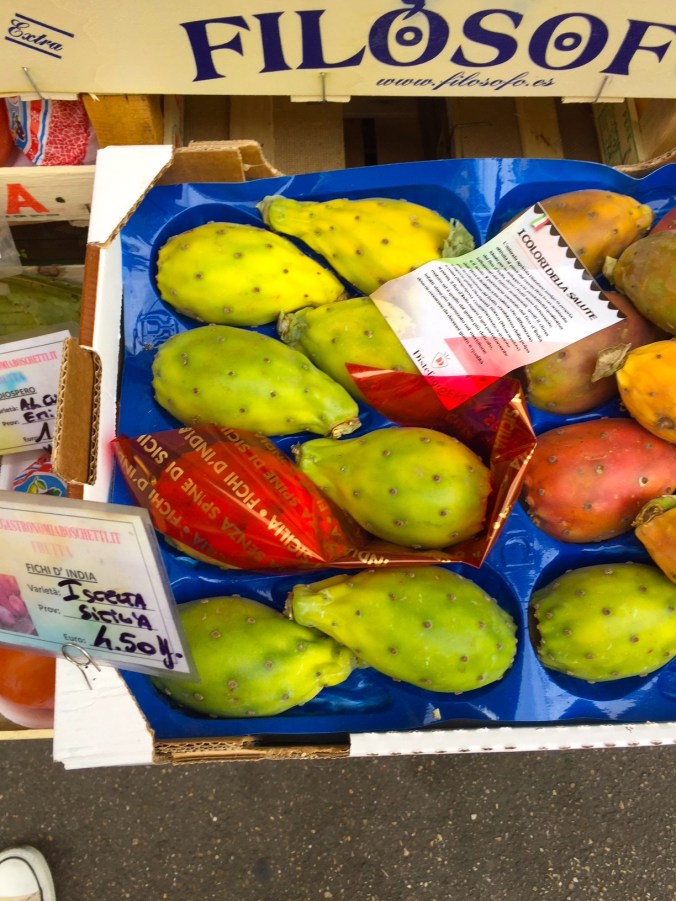
Indian Fig
Common names – Barbary Fig, Cactus Pear, Christian Fig, Indian Fig opuntia, prickly pear are some of the common names for Indian fig.
Origin – Indian fig is native to Mexico.
Scientific Name – Opuntia ficus indica
Appearance – The flesh of the fruit will be in bright red/purple or white/yellowish color. The fruit contains many tiny seeds that are usually swallowed.The fruit is often used in the preparation of jams and jellies which resembles both strawberries and figs in flavor and color. Opuntia ficus indica is used as a dietary supplement to decrease oxidative stress and lower blood lipid levels.
The fashion of Cristóbal Balenciaga
Lisa Fonssagrives-Penn wearing coat by Cristóbal Balenciaga, Paris, 1950. Photograph by Irving Penn © Condé Nast, Irving Penn Foundation.

Cristóbal Balenciaga’s vintage fashion innovations are still striking today. #Balenciaga’s talent for clothing seemed to rival architecture, from the way garments were structured and held together to the modern shapes that he introduced. Explore the work of the Master and his profound influence on modern fashion in the current exhibition at London’s Victoria and Albert Museum https://goo.gl/bCSfgL .
Long lost painting by Leonardo, new auction record

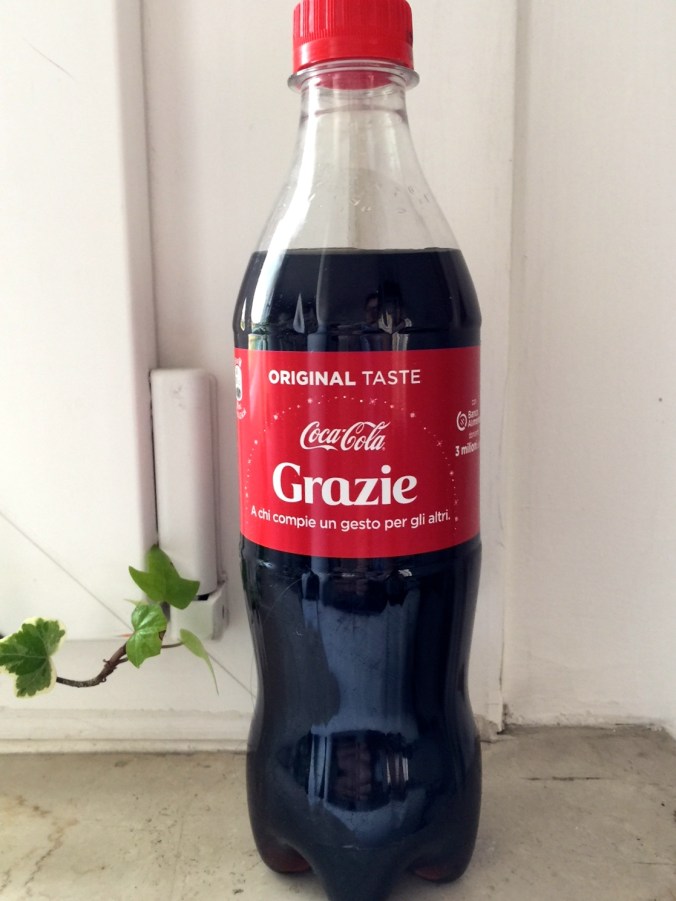
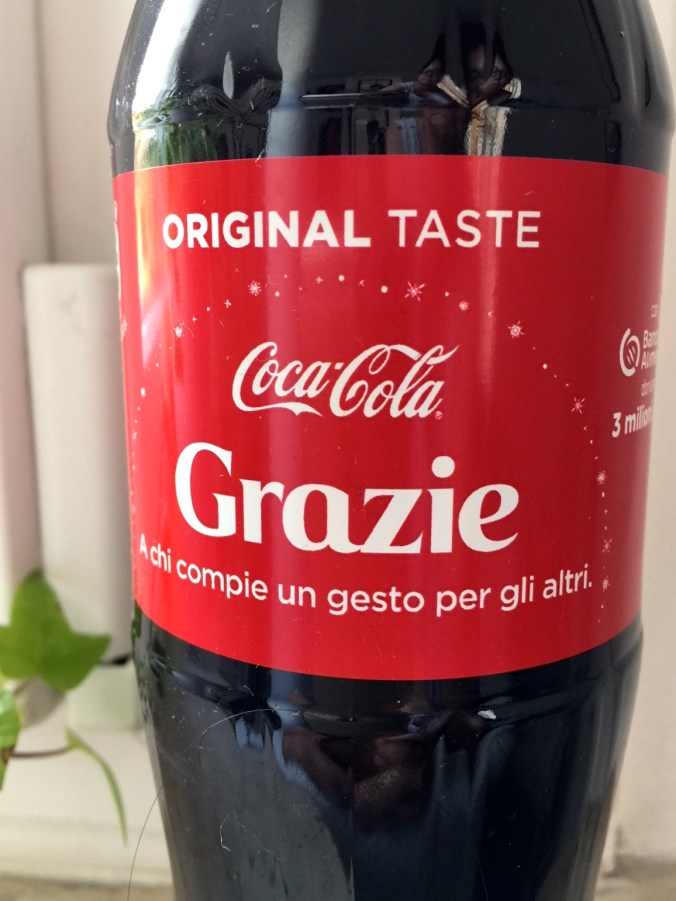
How to say “thank you” in Italian


Apple in Florence
It seems somewhat incongruous, but Apple is alive and well in the beautiful 19th-century palazzi that surround the Piazza della Repubblica. Marble encrusted “sidewalks” lead to Apple, under the arcades. There can’t be a better placed Apple store anywhere!



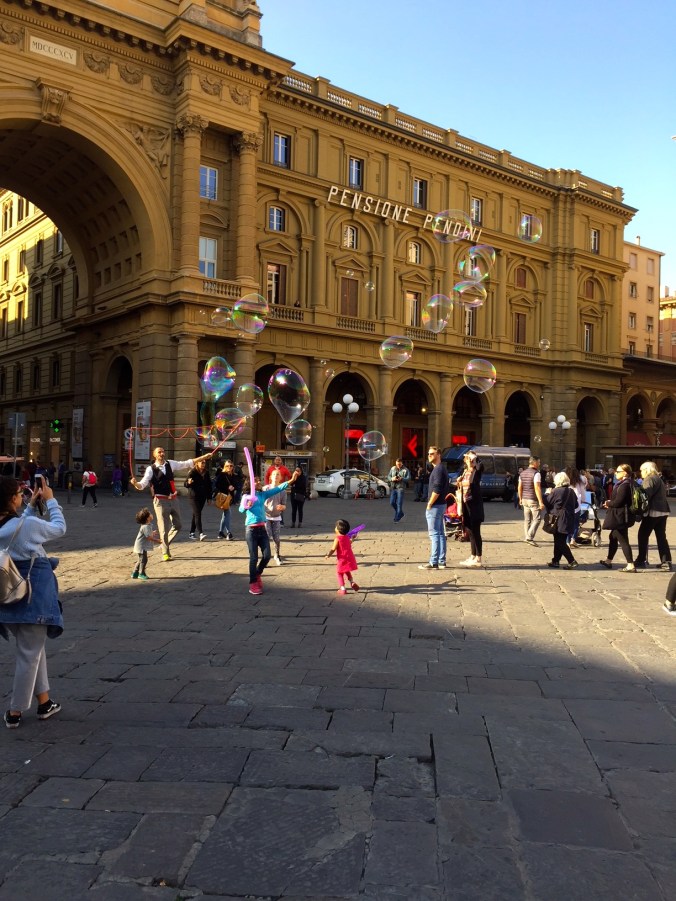
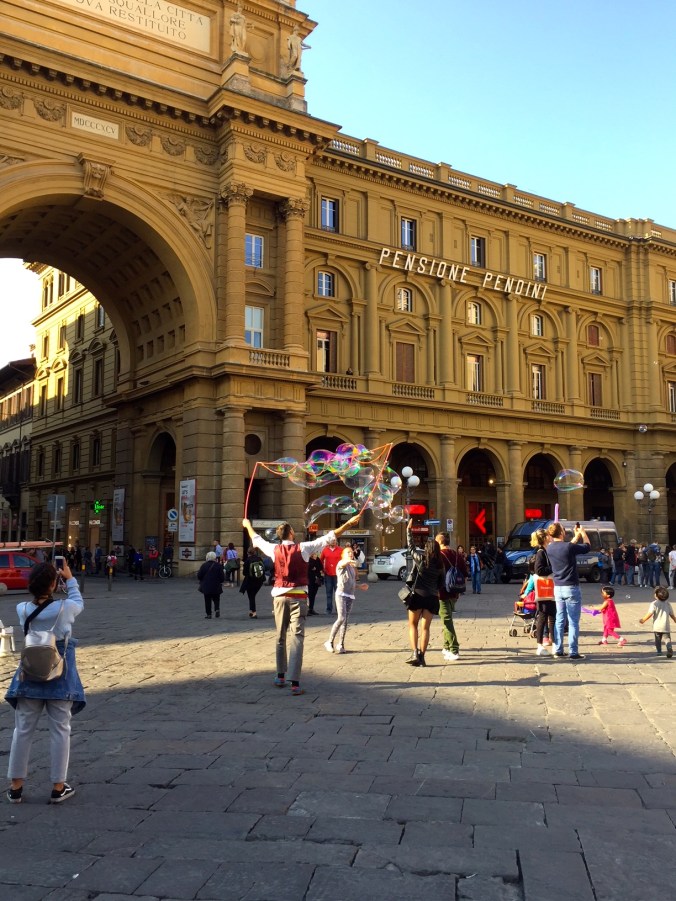
The bubble-maker and the children






Random Florence
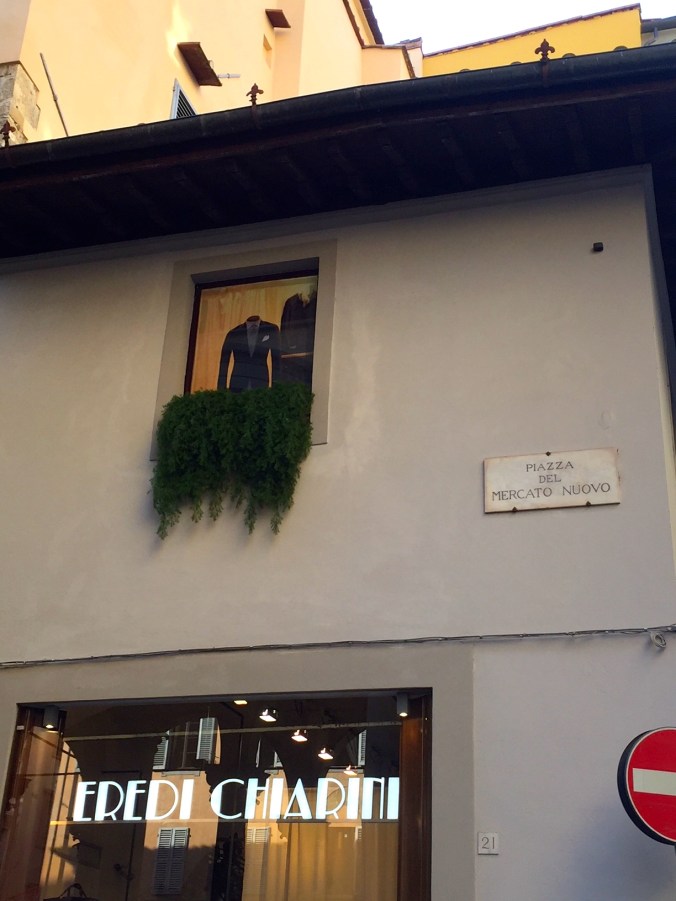

Something old, something new
Old on left, new on right:

Why does the new have to be so flashy?!
Veni…vedi…



You must be logged in to post a comment.