Brandi Carlile’s memoir and the love for horses
I’ve become a big fan of Brandi Carlile this winter, having discovered her through her work with Tanya Tucker and her documentary on the singer.
I’ve been reading her memoir, Broken Horses, and when I read this passage, I completely related:
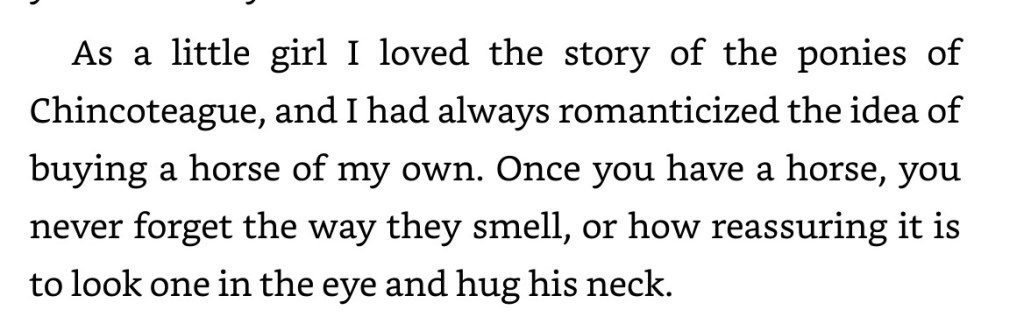
Brandi is right. I can remember right now the heavenly scent of the fur of my black quarter horse and how I loved to stroke his long, strong neck and study his big black eyes. I loved hanging from his neck too. When riding him, I loved his mane. Sometimes my dad would shave it off, but I loved it long. And I loved his forelock as well. If I had known then what I know now, I would have decorated my black horse, in the way they did in the European courts. It would have been a more humble version, but I would have loved it and my horse enjoyed all of my attention (we had a special bond, he and I) and I think he’s have borne it well.
A souvenir from Morocco
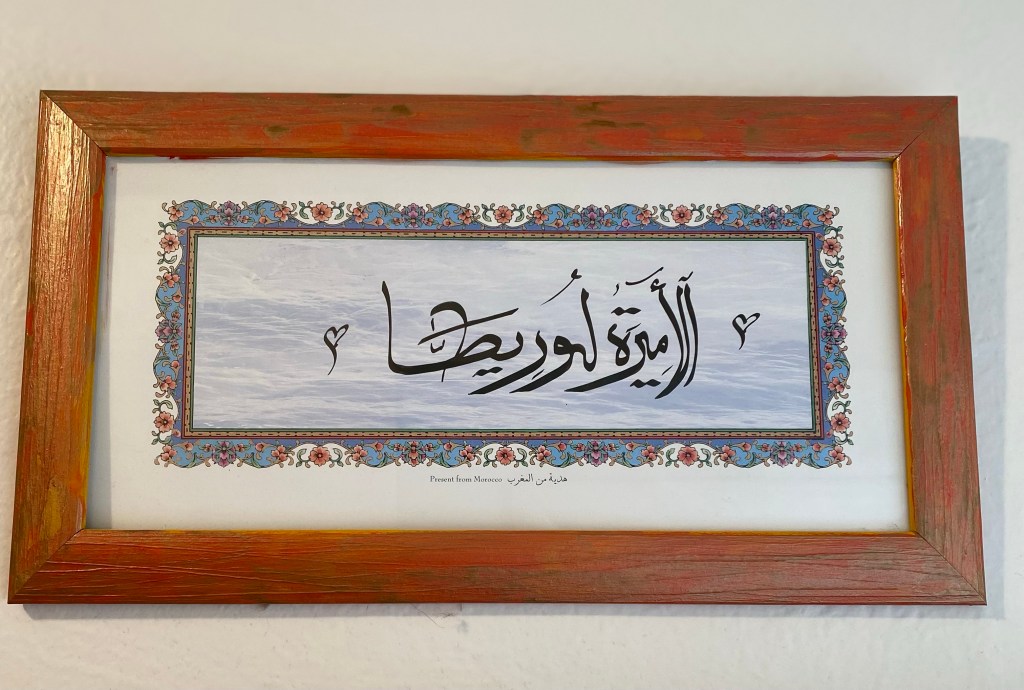
A few years ago I had the good fortune to visit Morocco. I loved it and found my way back later for a second time. I’m hoping there will still be at least a 3rd time!
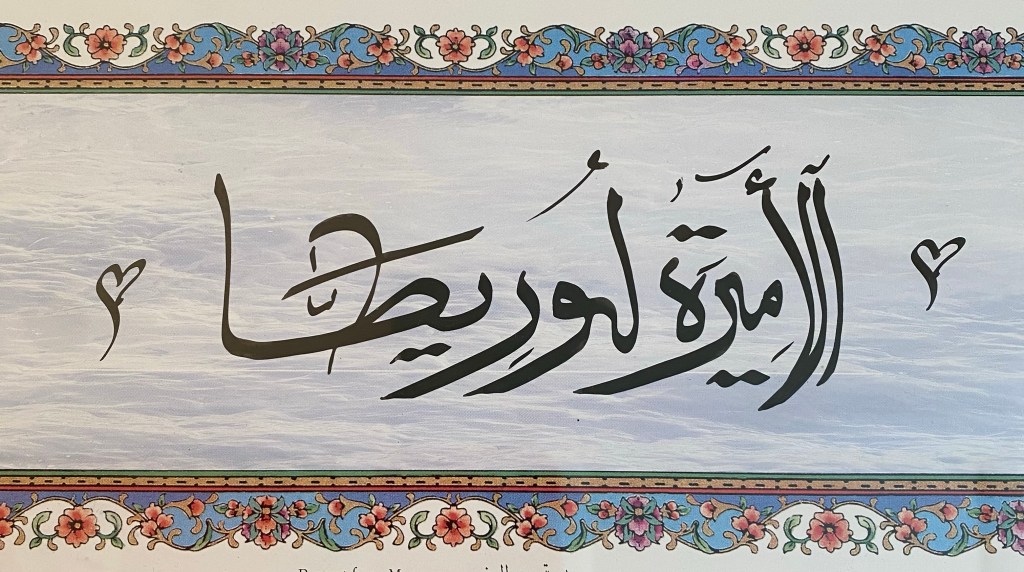
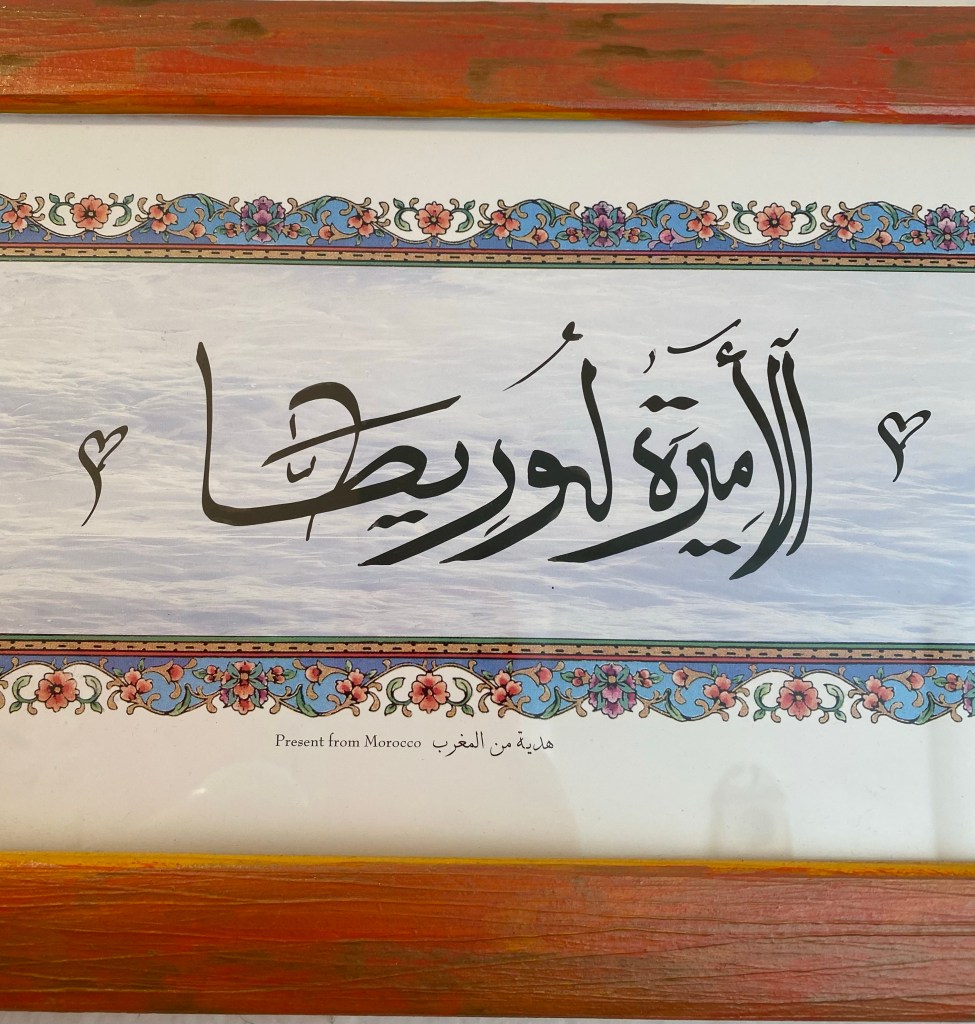
In the meantime, I can gaze at this lovely object I was lucky enough to bring home. It’s my first name in Arabic. I love it!


When in Paris…
I have my name painted at the door of the Eiffel Tower by a Chinese artist! Don’t you as well?

This talented and enterprising Asian man (perhaps Chinese?) set up a small stand at the foot of the Tower and painted names for 5 Euro each. I stopped and watched him and joined in the fun.
Below, the letter L

Below, the letter a

The letter u
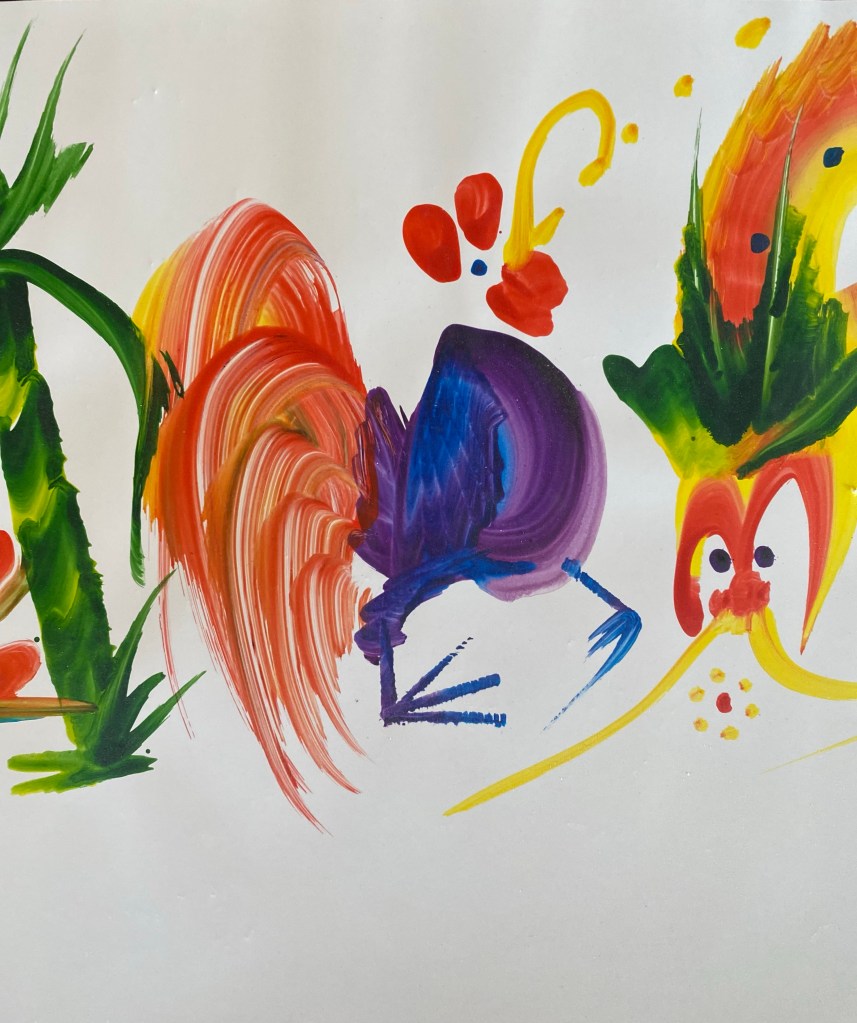
The letter r
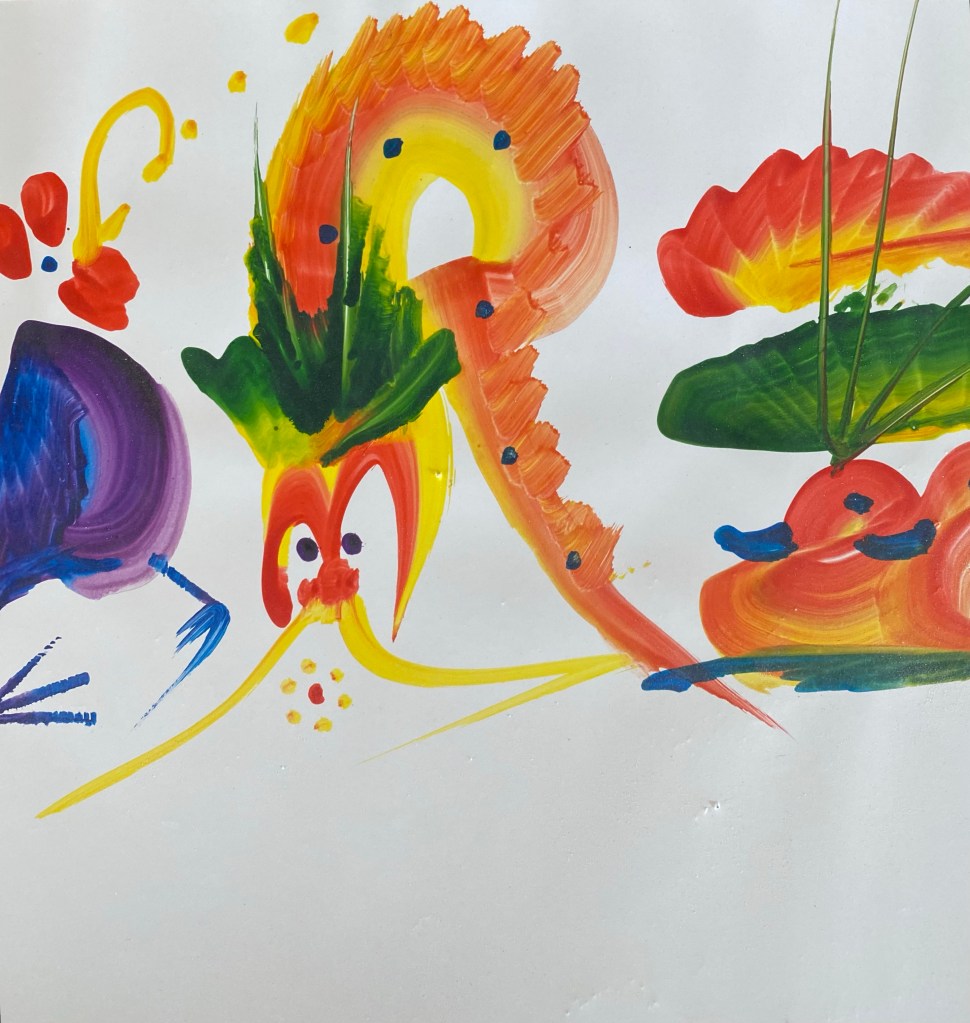
The letter e
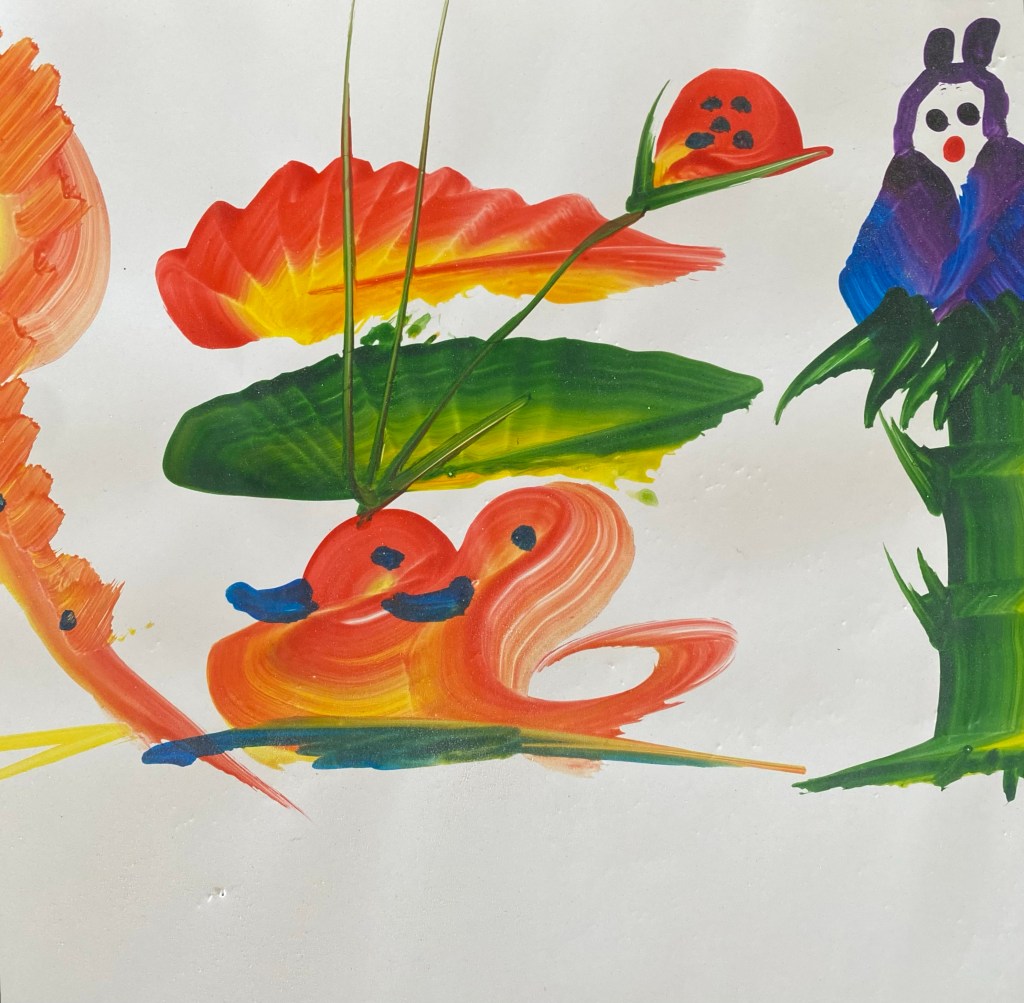
I am really partial to this, the double letter t
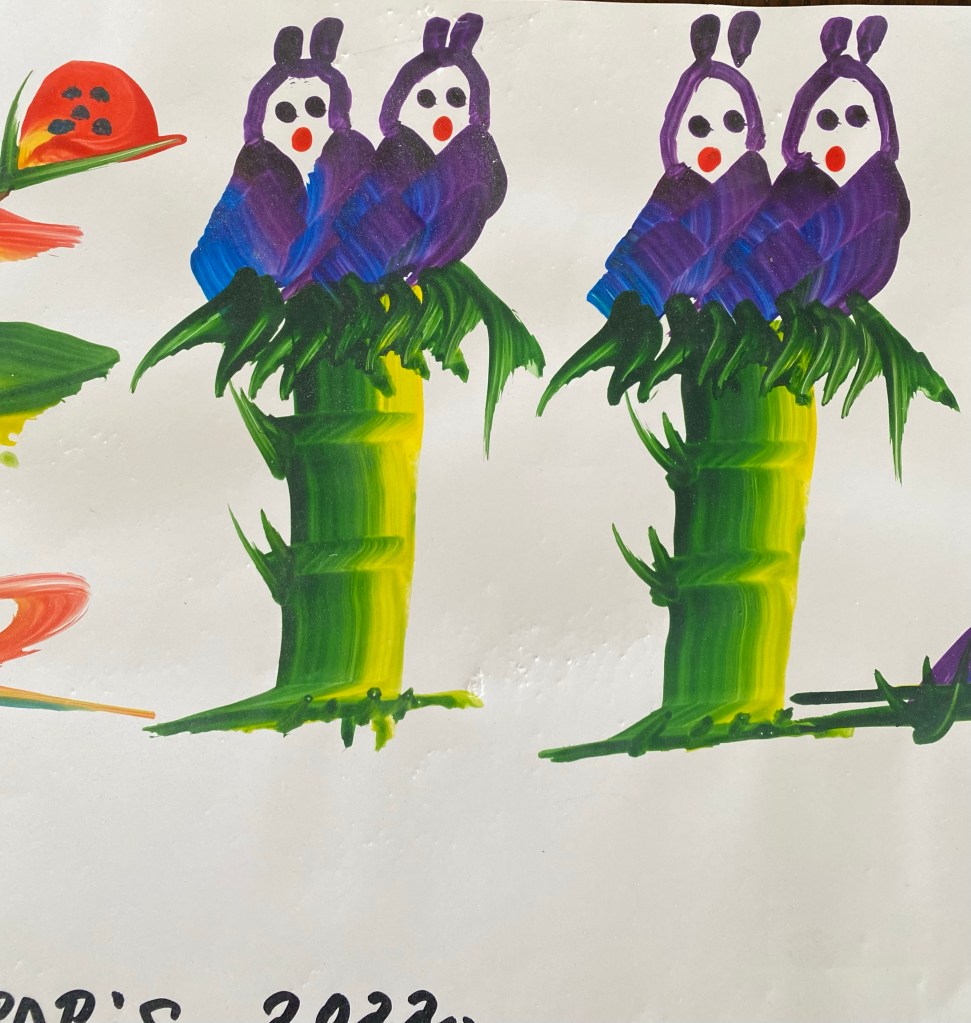
No, no, my favorite letter is this final a, in the shape of the Eiffel Tower!
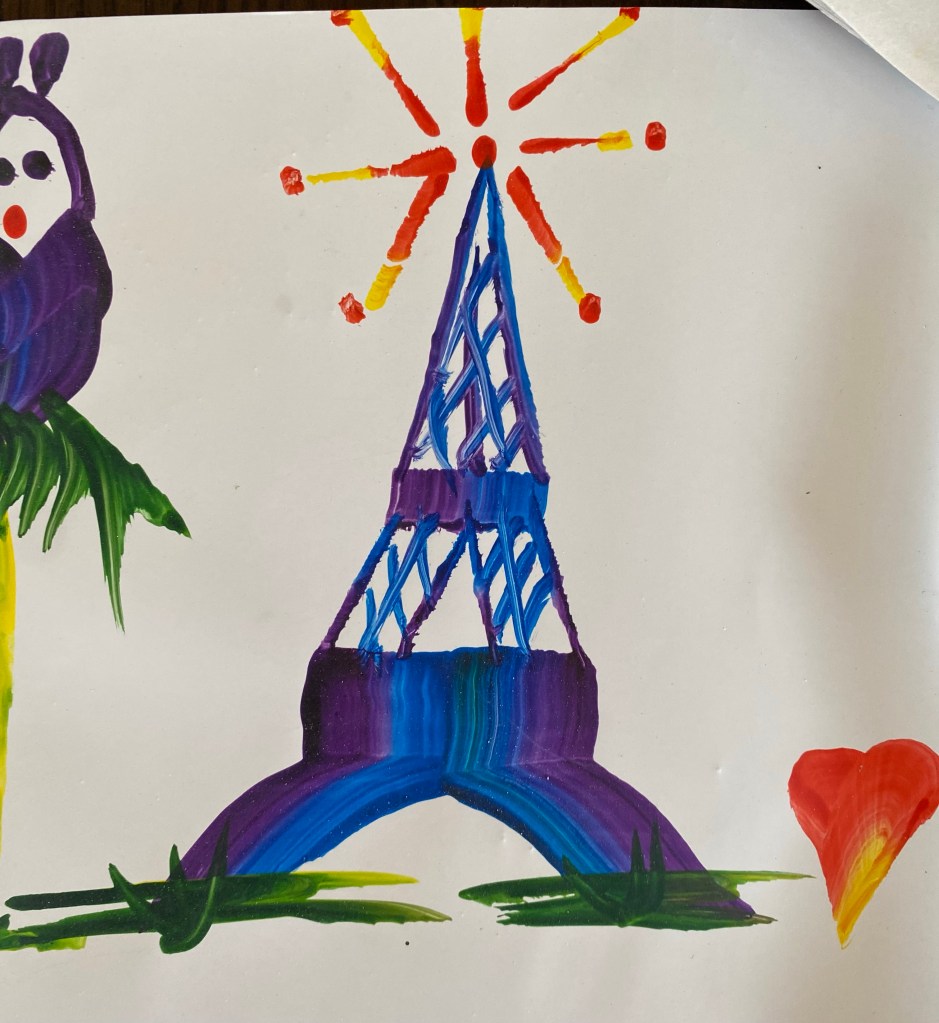
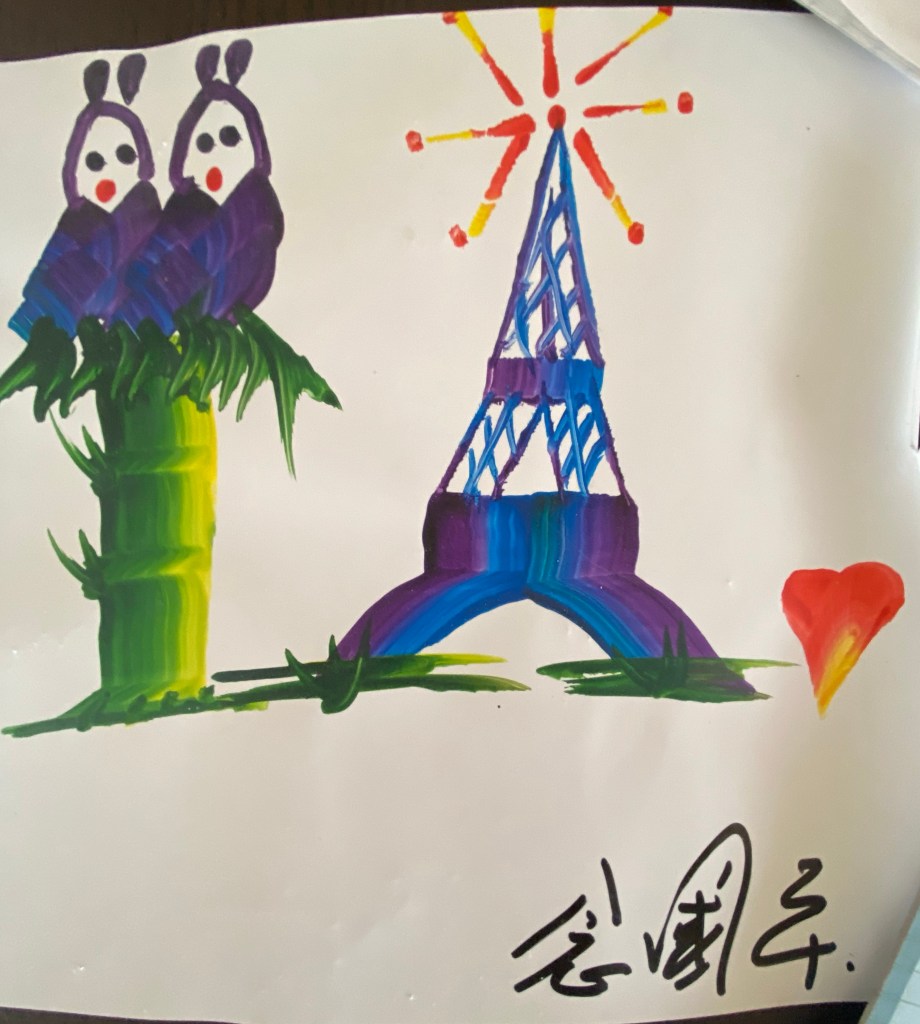

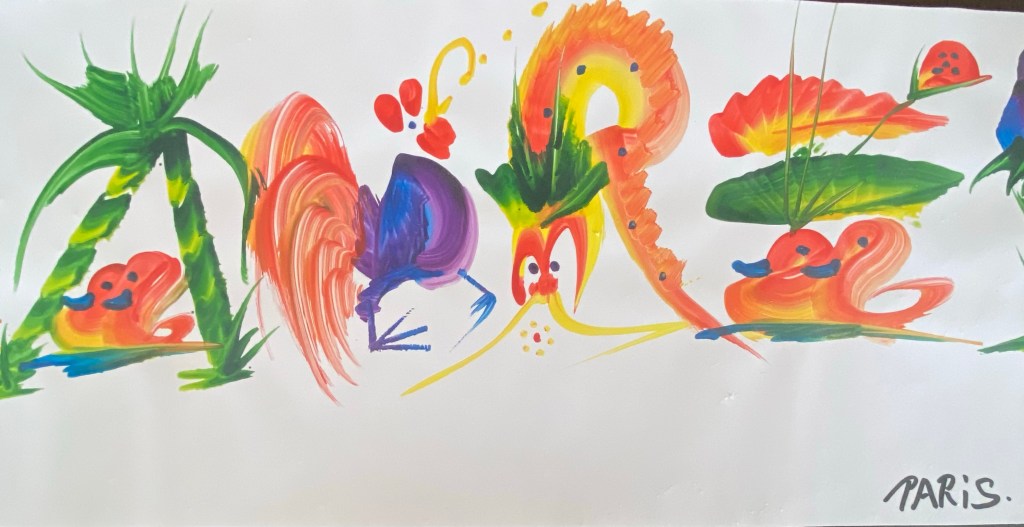
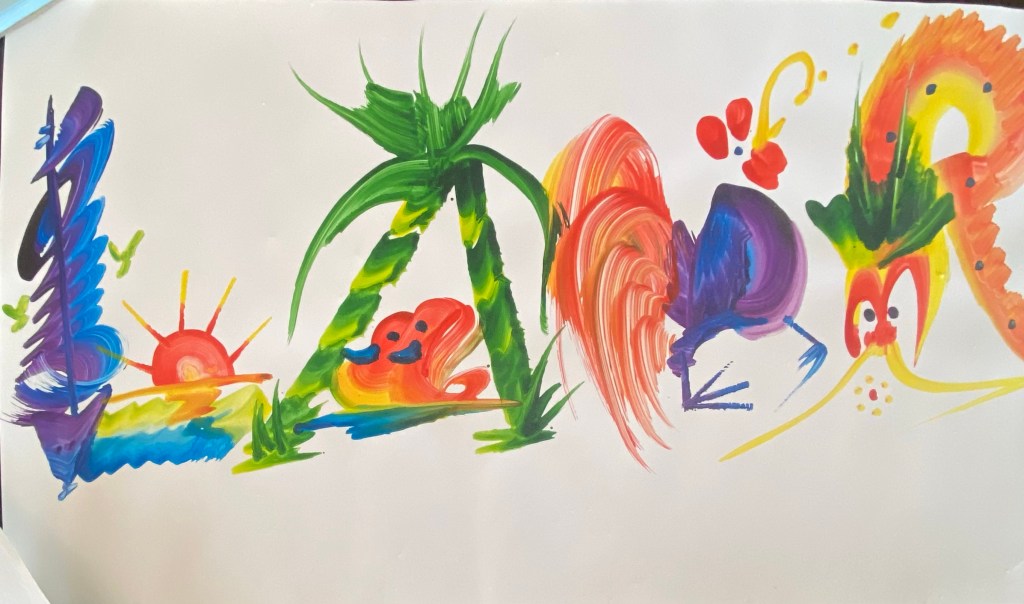
I also commissioned him to create the name James for my son. I gave James his work of art for Christmas.
Chinese artist at work in Paris
He had set up a stand near the foot of the Eiffel Tower. I commissioned him to paint two works, one of my son’s name and one of mine. It was fun to watch him create these colorful paintings with flowers, birds, and characters.
Here he is writing Lauretta
2nd Carpaccio lecture from National Gallery of Art, Washington, DC
You will need to add the passcode at bottom to watch video.
Passcode: y^3?$NMe
Museo di Cenacolo di Sant’Apollonia, Florence; Part 4
This is the final post on this small but excellent museum in the center of Florence.

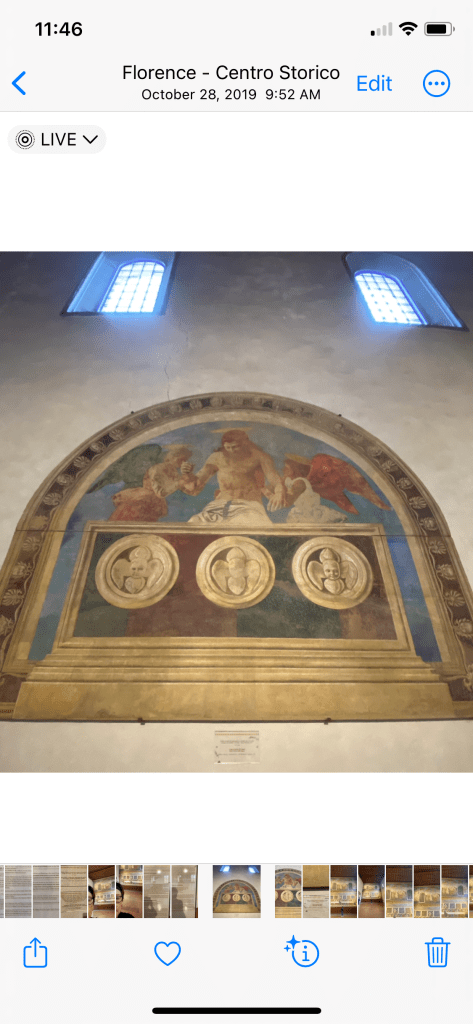
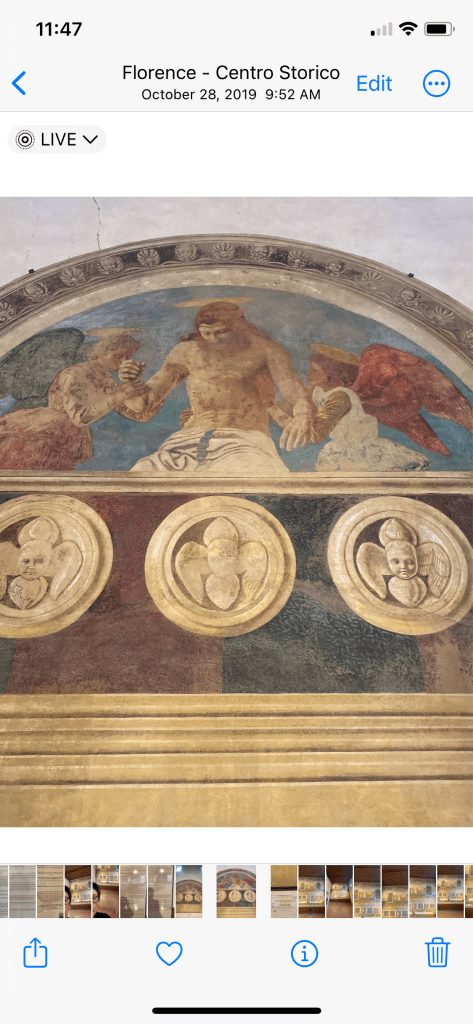
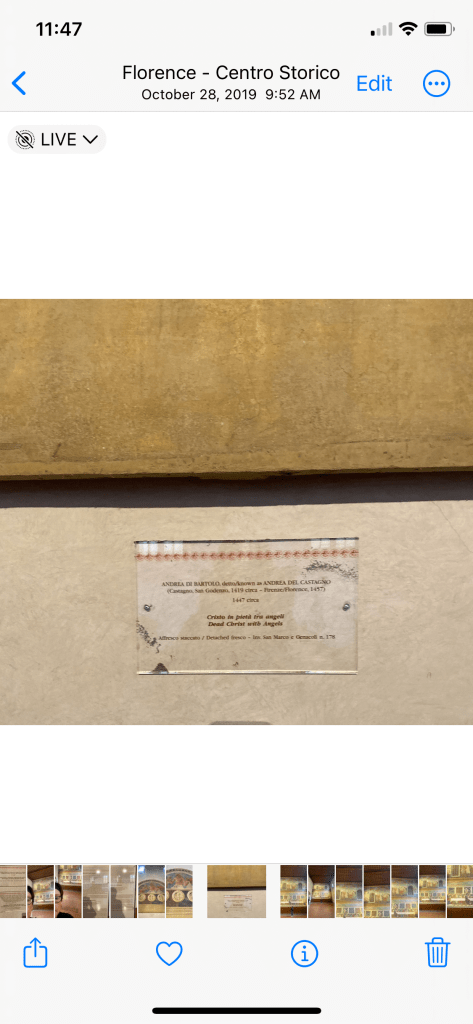


Museo di Cenacolo di Sant’Apollonia, Florence; Part 3
Today’s pst includes some of the other paintings housed within this fine museum in the center of Florence. See earlier post entitled True Confessions for info on why these pics are formatted as they are.

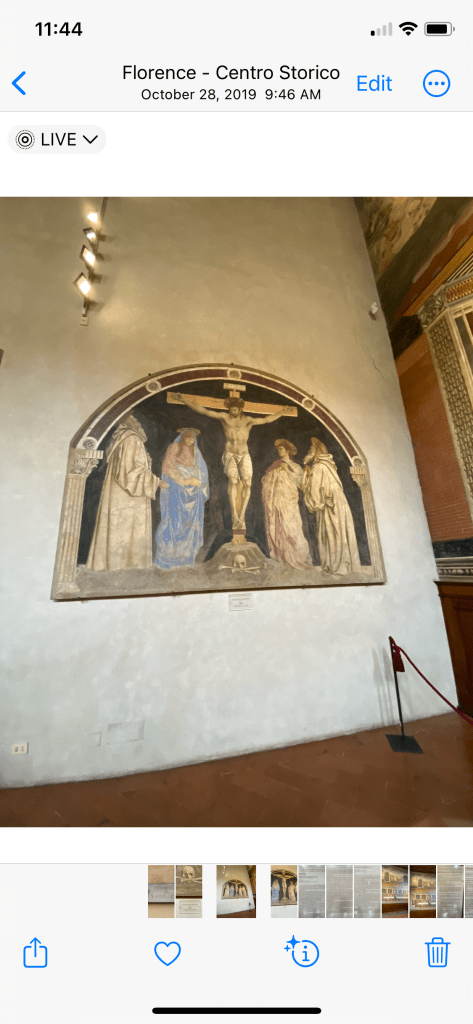
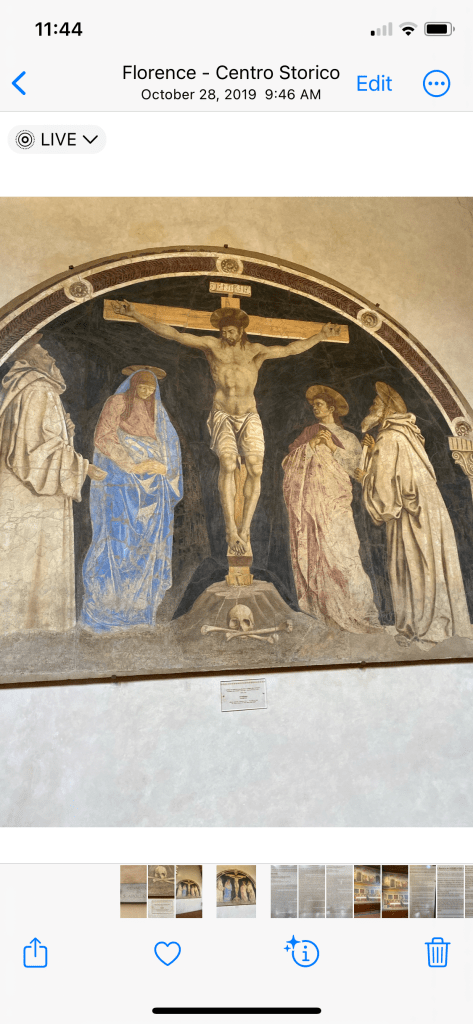
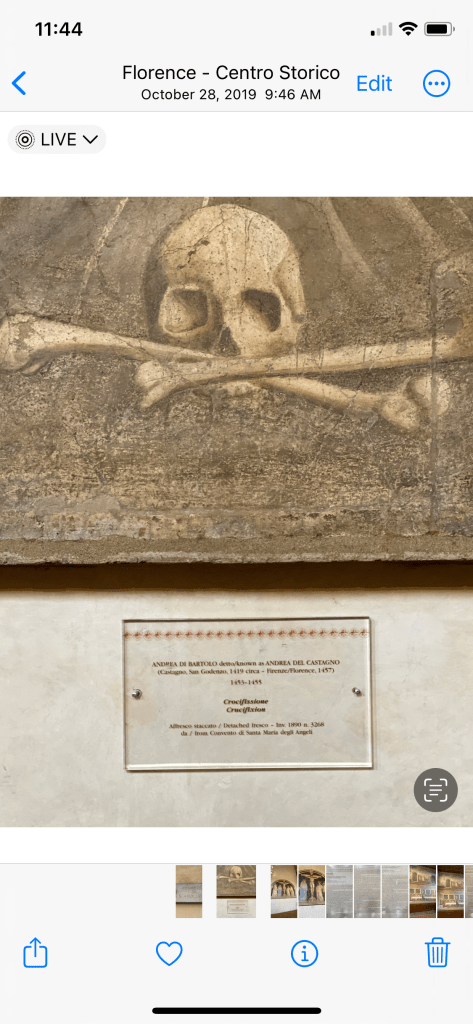
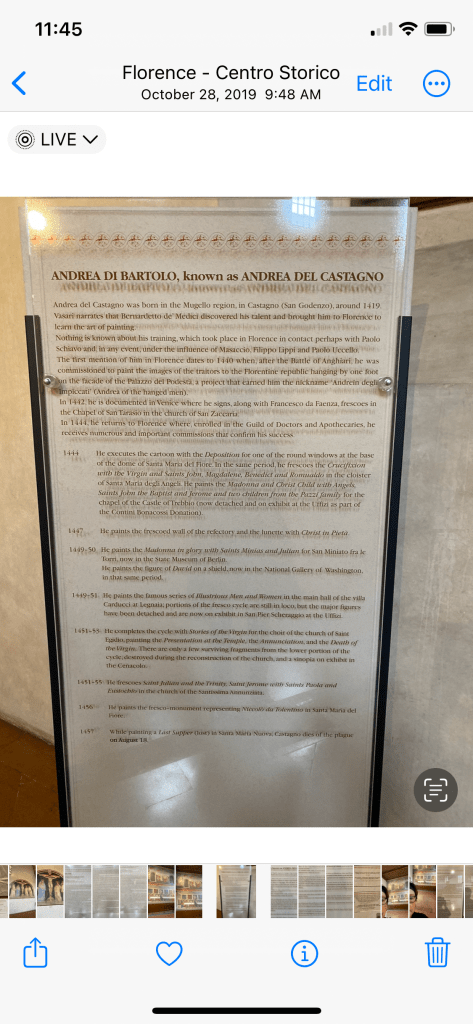
Andrea del Castagno, Crucifixion, c. 1450

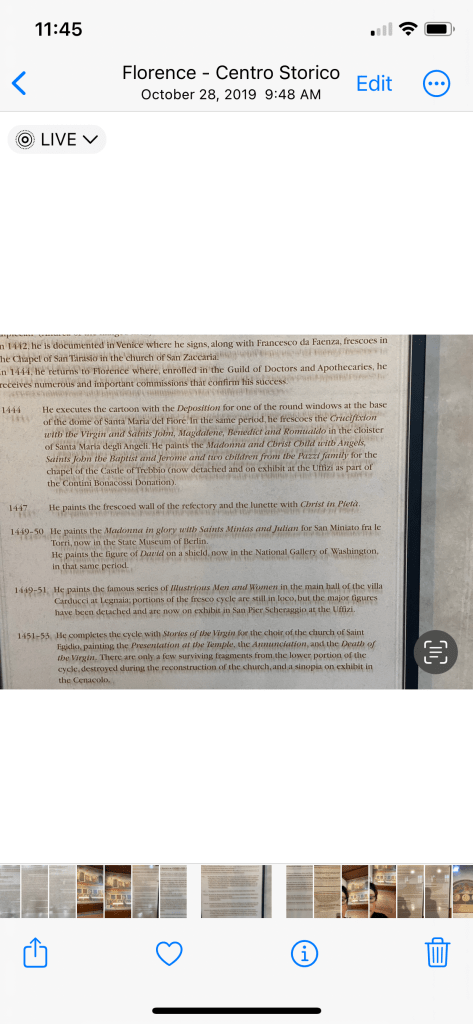
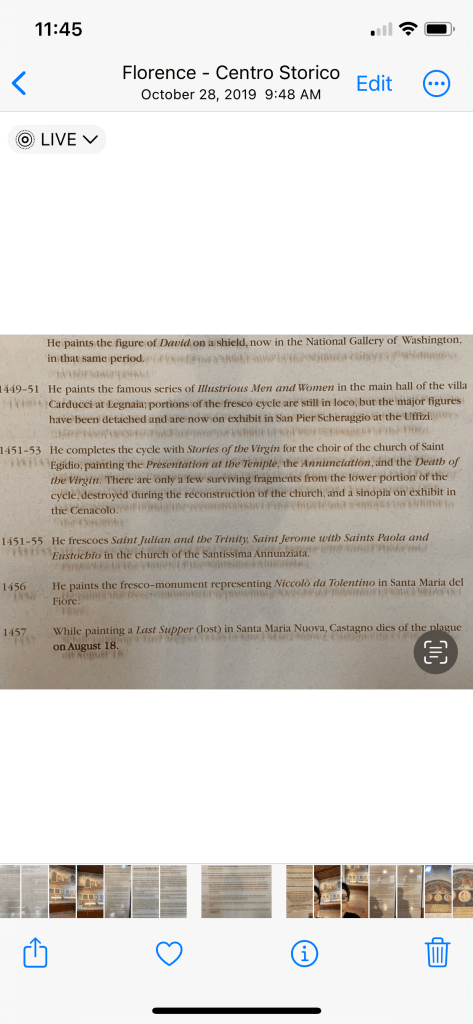


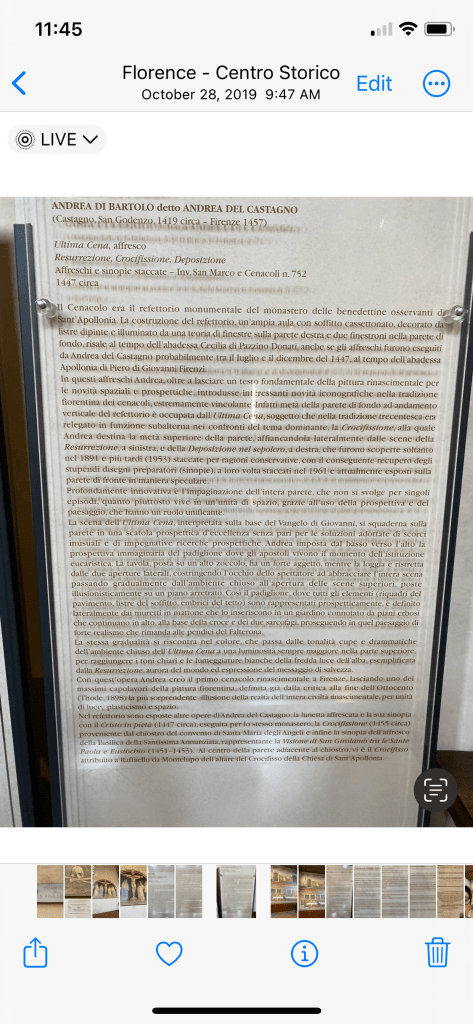
Museo di Cenacolo di Sant’Apollonia, Florence; Part 2
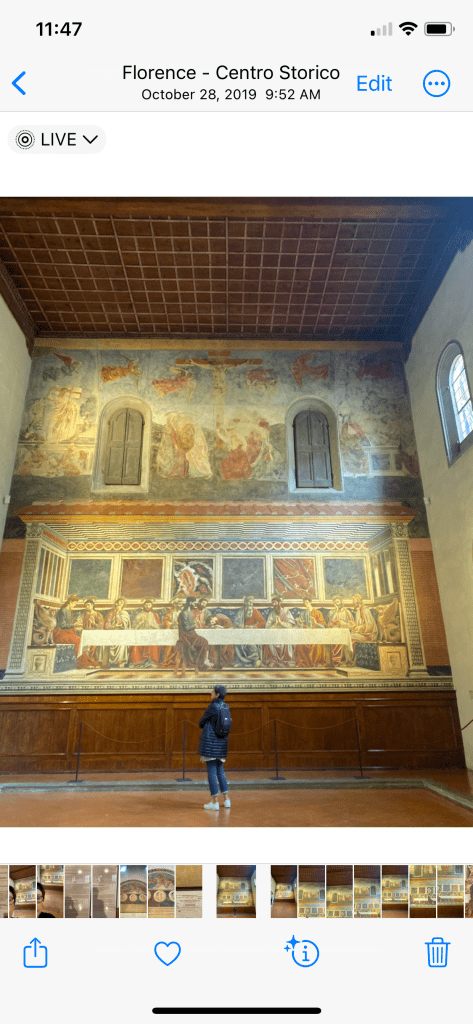
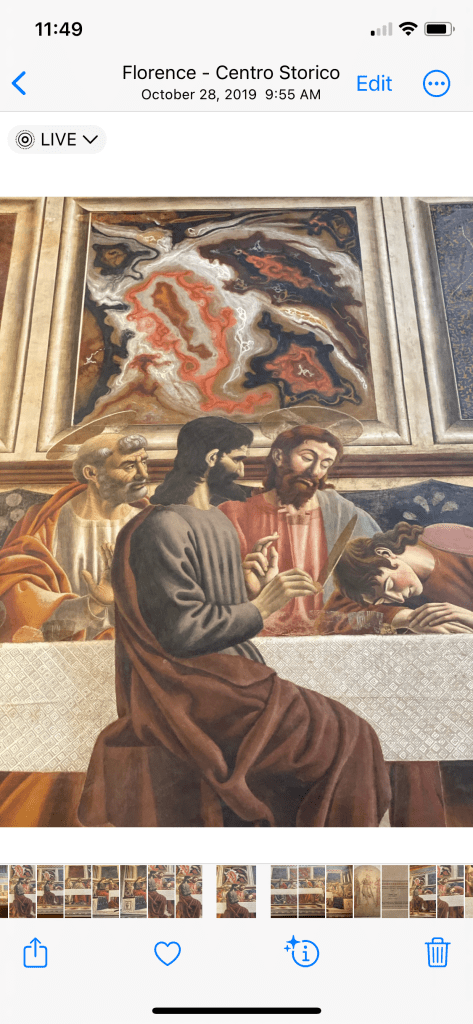
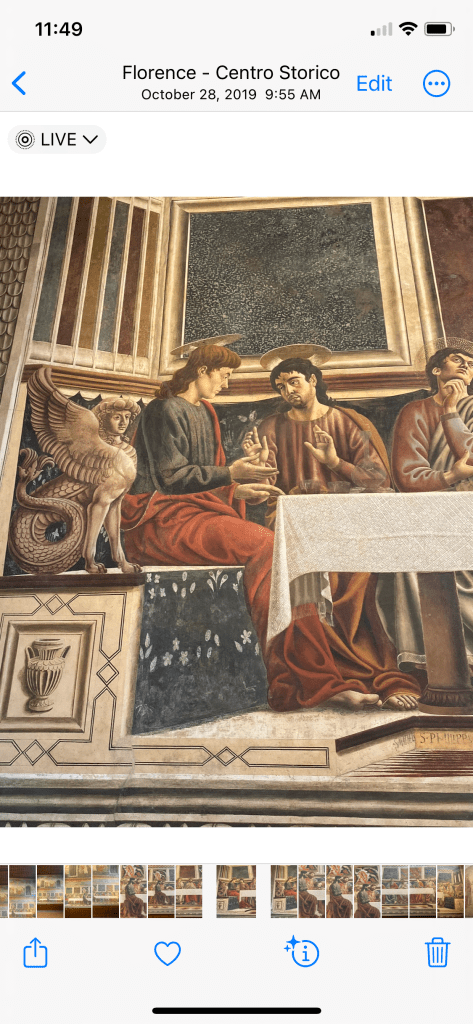
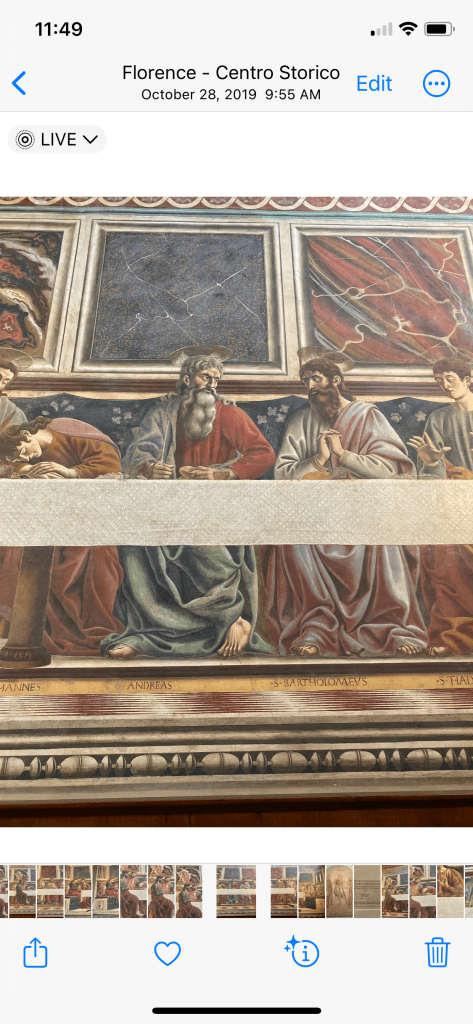
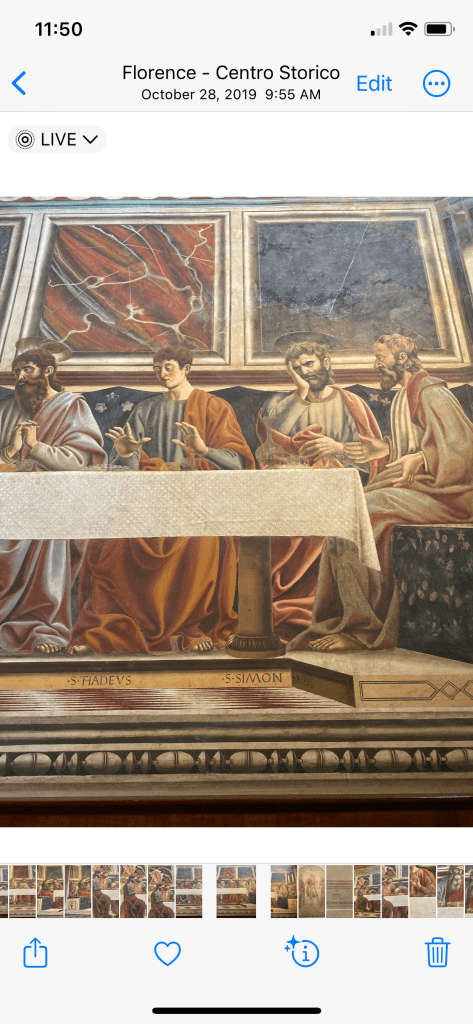
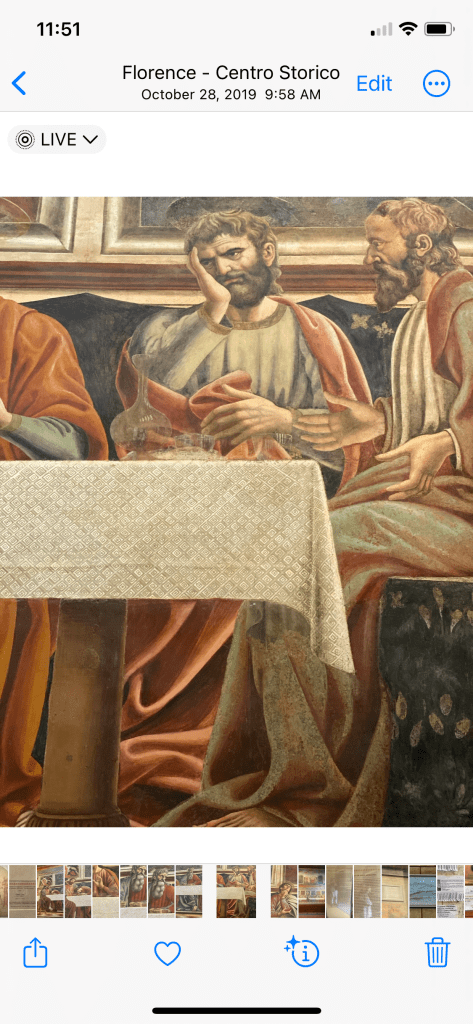
Here are details of the fantastic Last Supper by Castagno. See yesterday’s post for overview and information. More coming tomorrow.









Museo di Cenacolo di Sant’Apollonia, Florence, Part 1
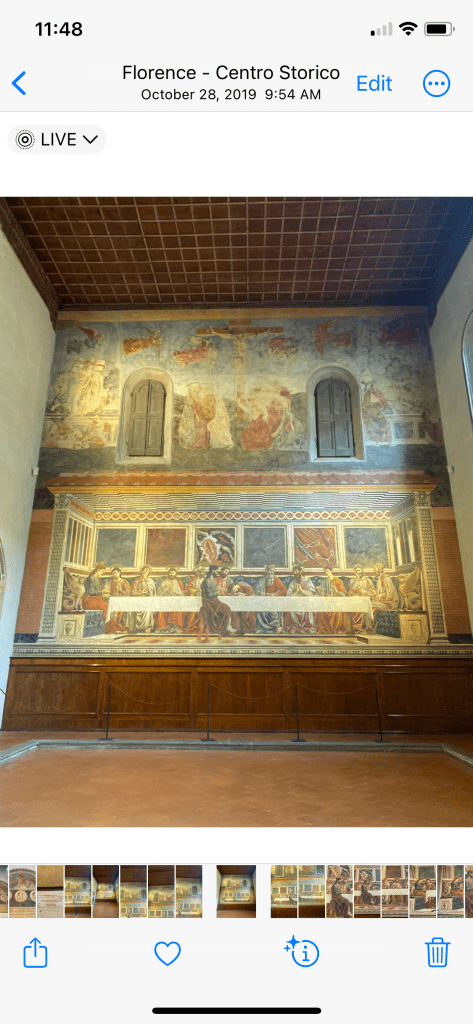
In roughly the center of Florence stands what is currently known as the title above, a small museum space in what used to be a 14th century convent. This little museum holds a major landmark of Italian Renaissance painting, Andrea del Castagno’s Last Supper fresco. Amazingly, Badari seems not to know of this work in his Lives if the Artists. That’s probably because it was housed in a female only convent and relatively unknown before the convent was suppressed in the 1860s.
The reason my photos in this post are not edited from my iPhone is because they were taken in Live mode and…it’s a long story. See my previous post entitled True Confessions.
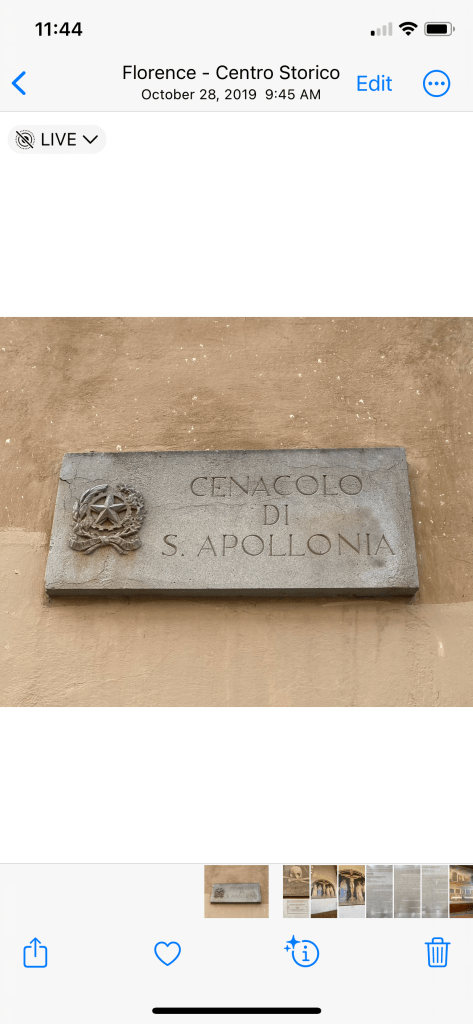
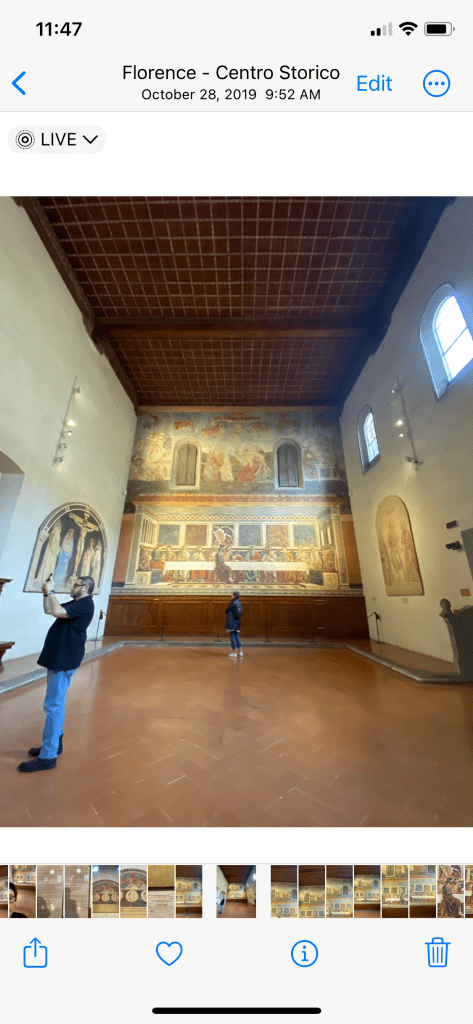
The room conserved is the former refectory of the convent, which harbors the well-conserved The Last Supper, as well as Castagno’s Dead Christ Supported by Two Angels, originally above a door in the convent. The small museum also displays other fresco designs and works by Castagno, Neri di Bicci, Paolo Schiavo, and Raffaello da Montelupo.
Here are some pictures I took of these artworks and the museum in late 2019 while living in Florence.




You must be logged in to post a comment.