Getting a good seat in the Roman colosseum, back in the day
My simple pleasures in Paris
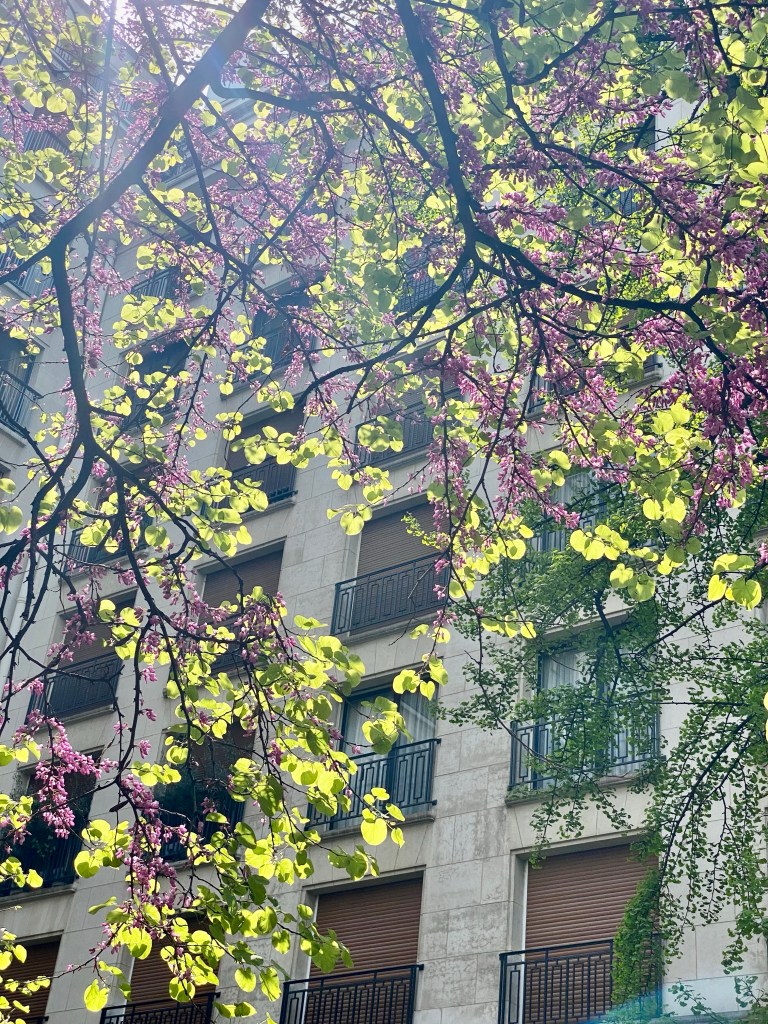
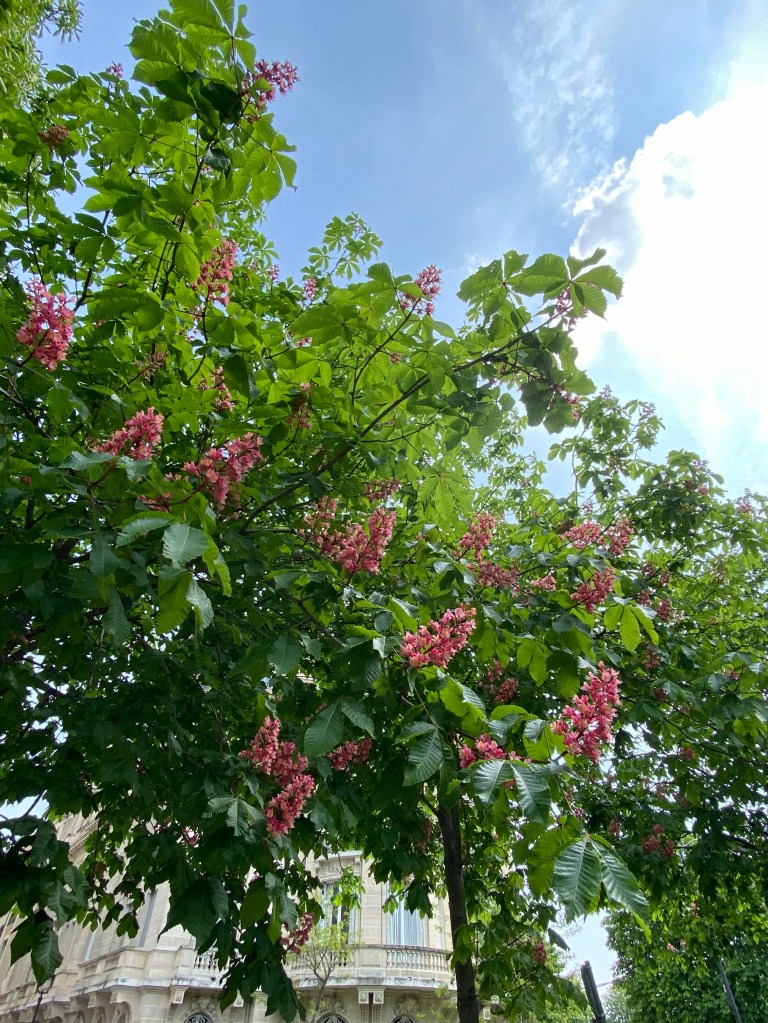
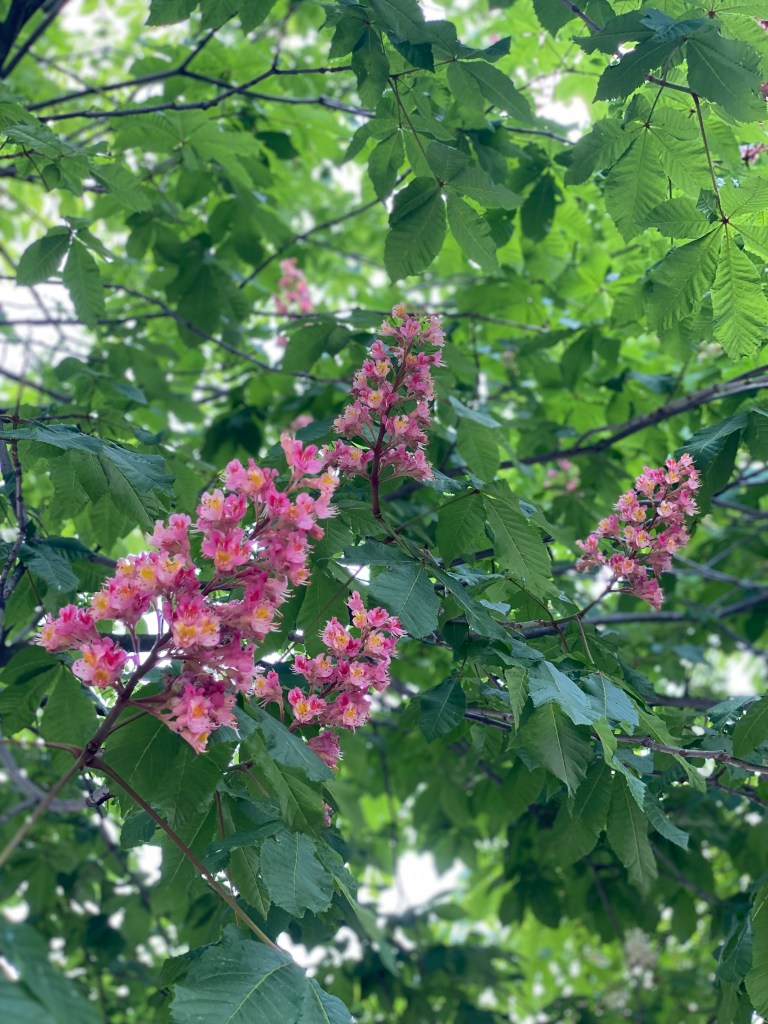
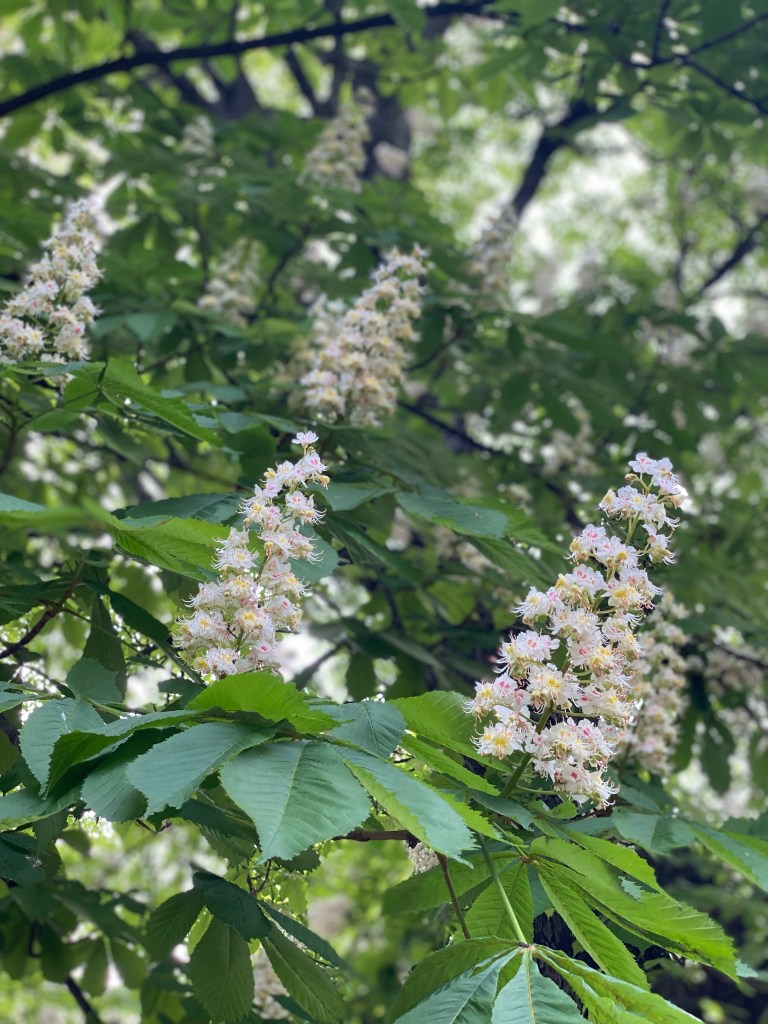
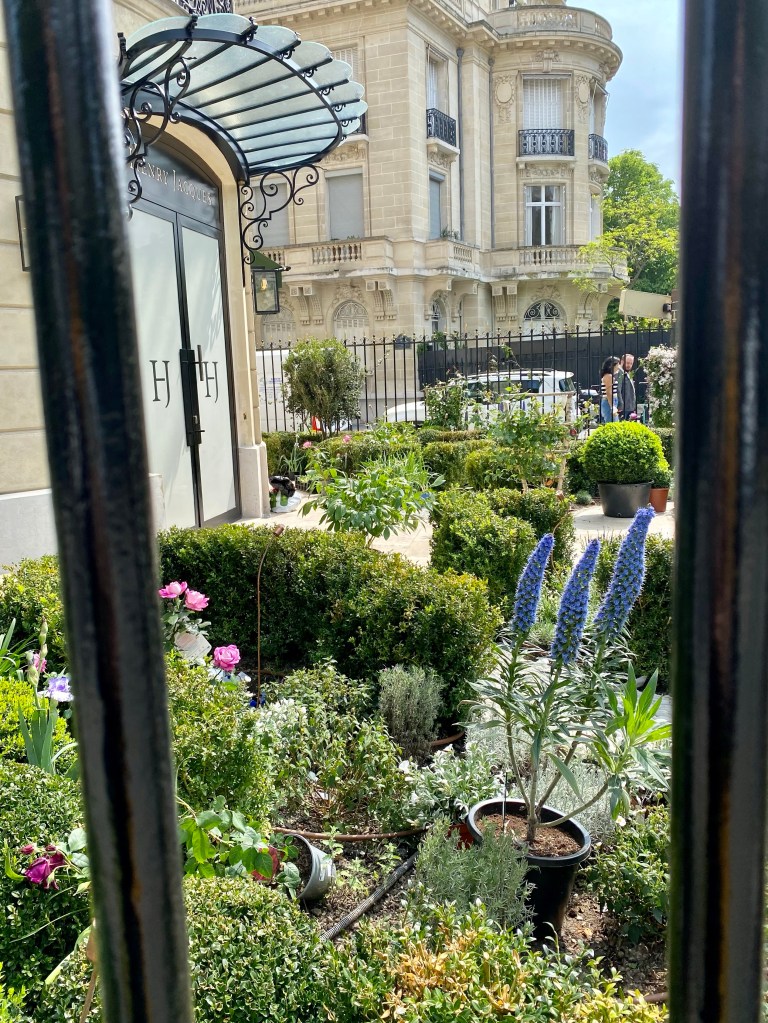
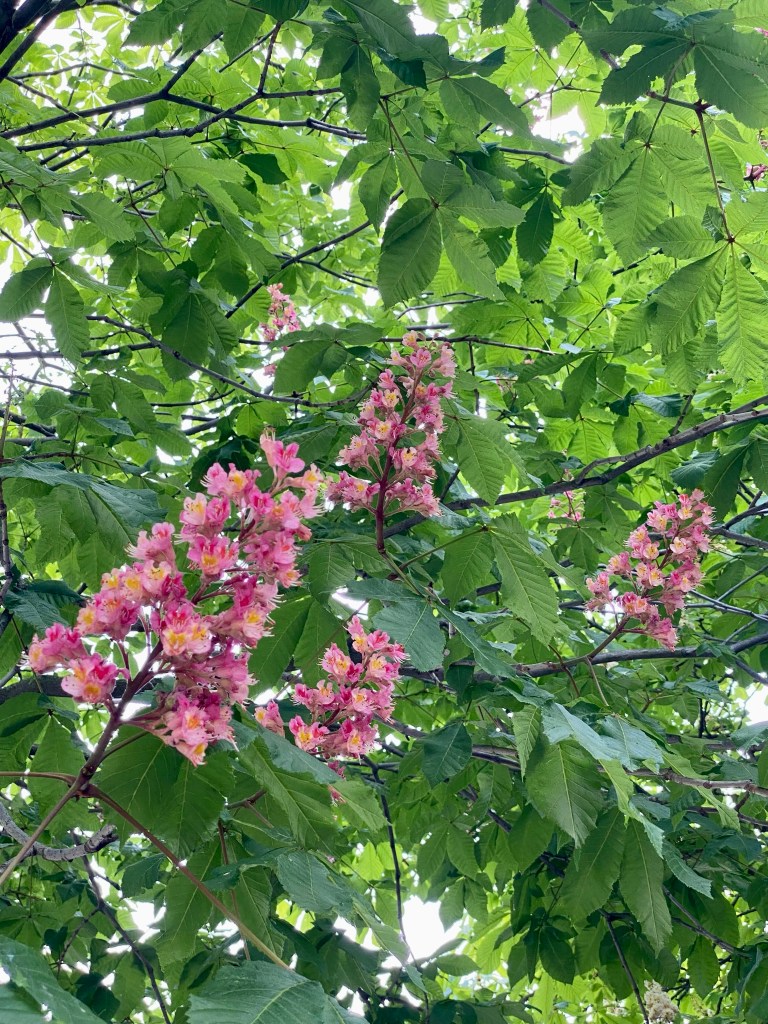
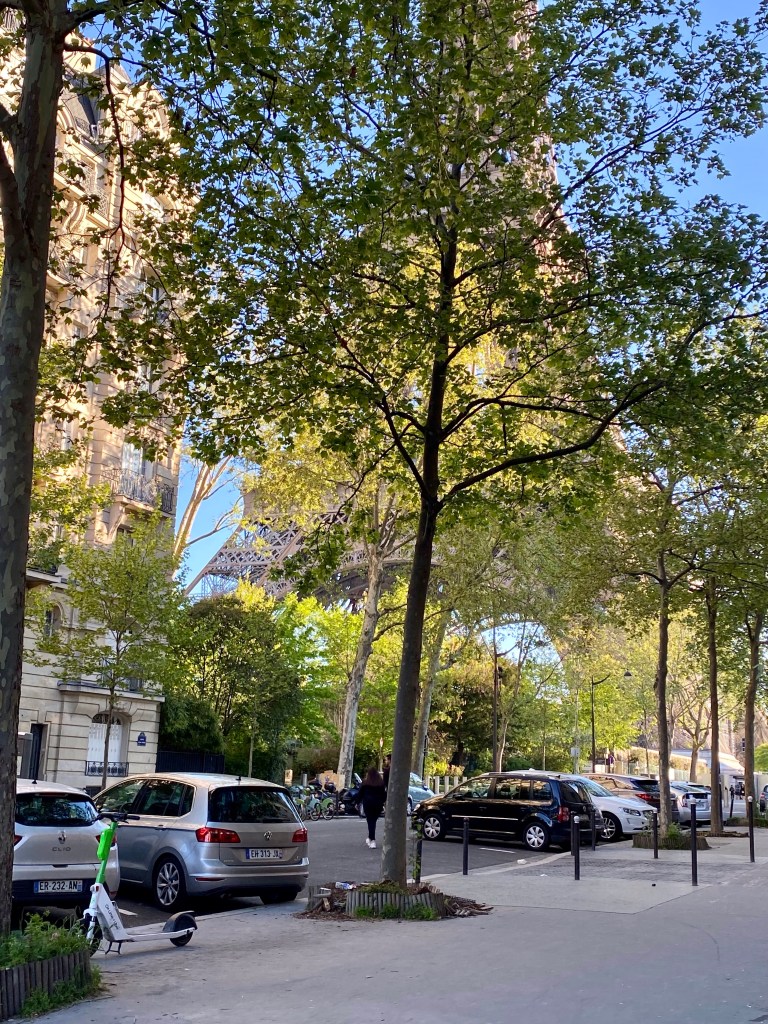
Backlit newly sprouted tree leaves and blossoms, against a backdrop of Parisian architecture:
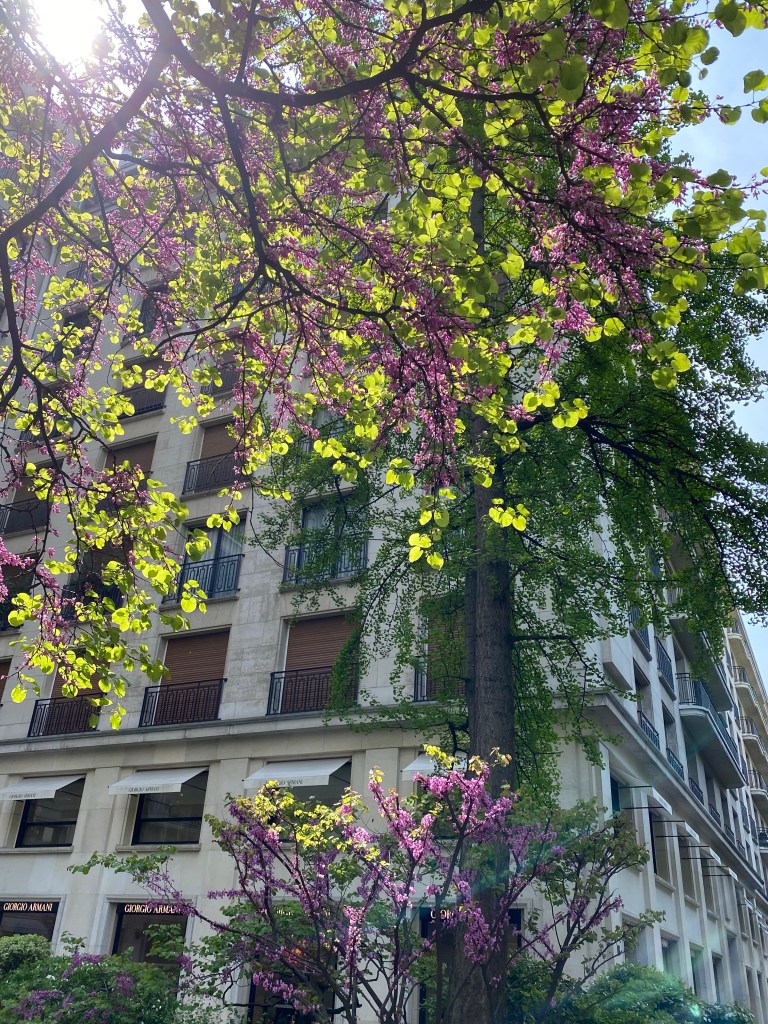
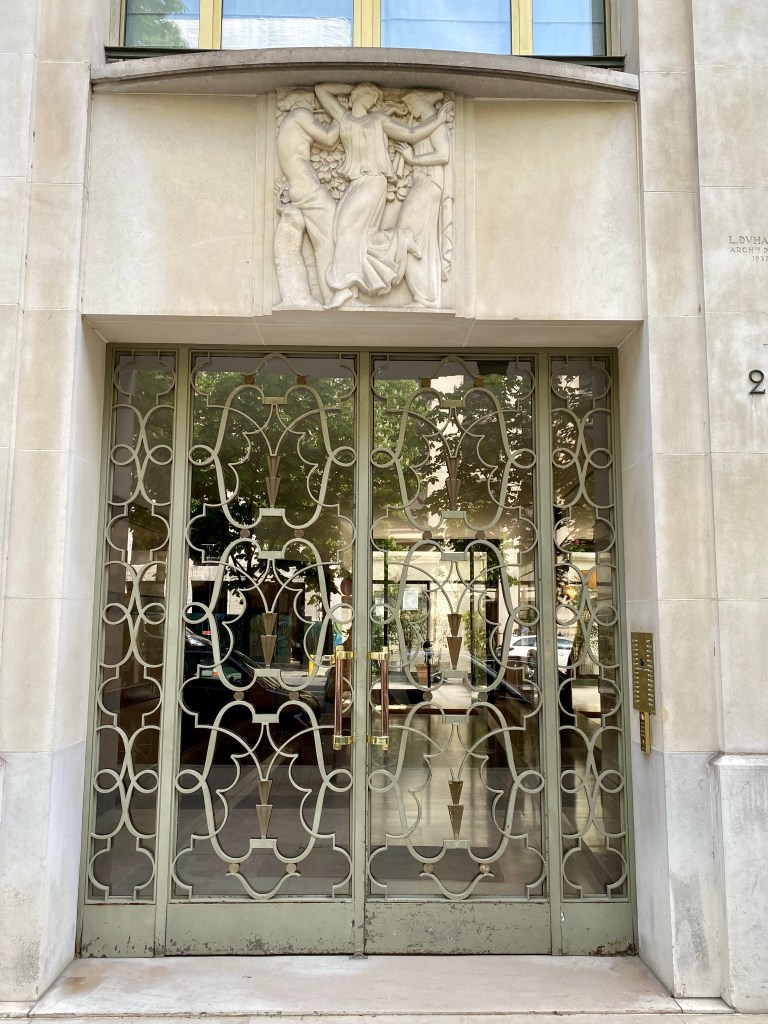
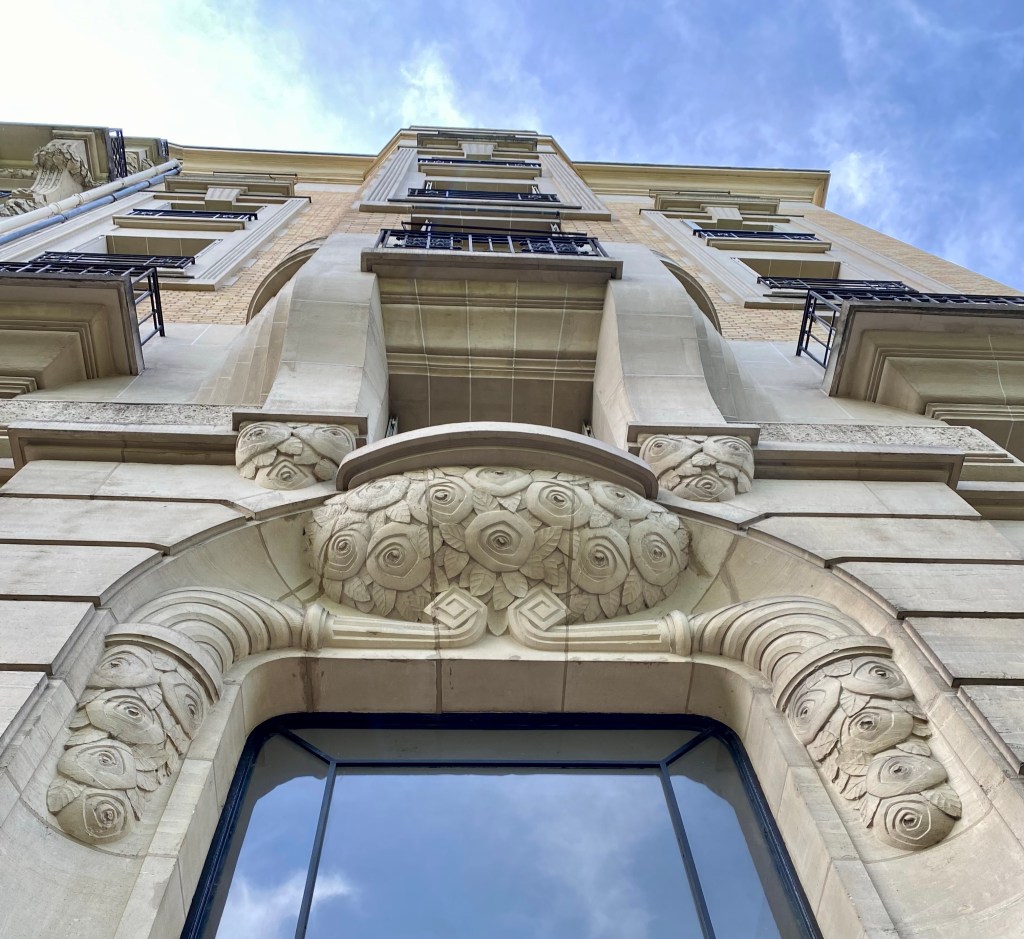
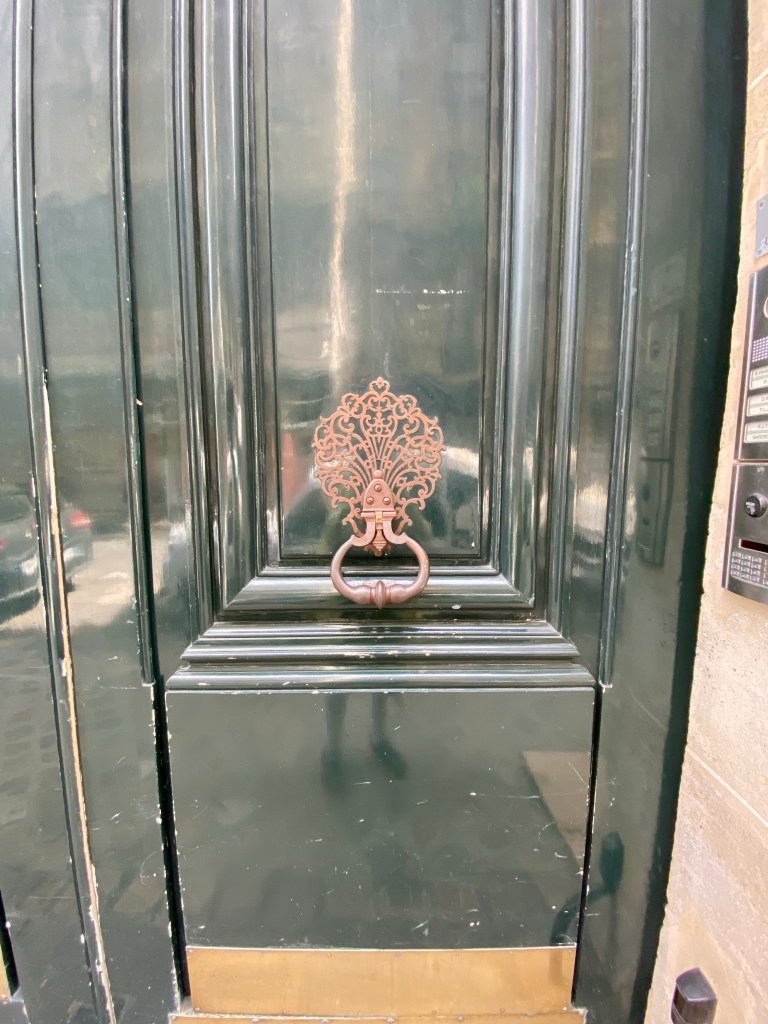
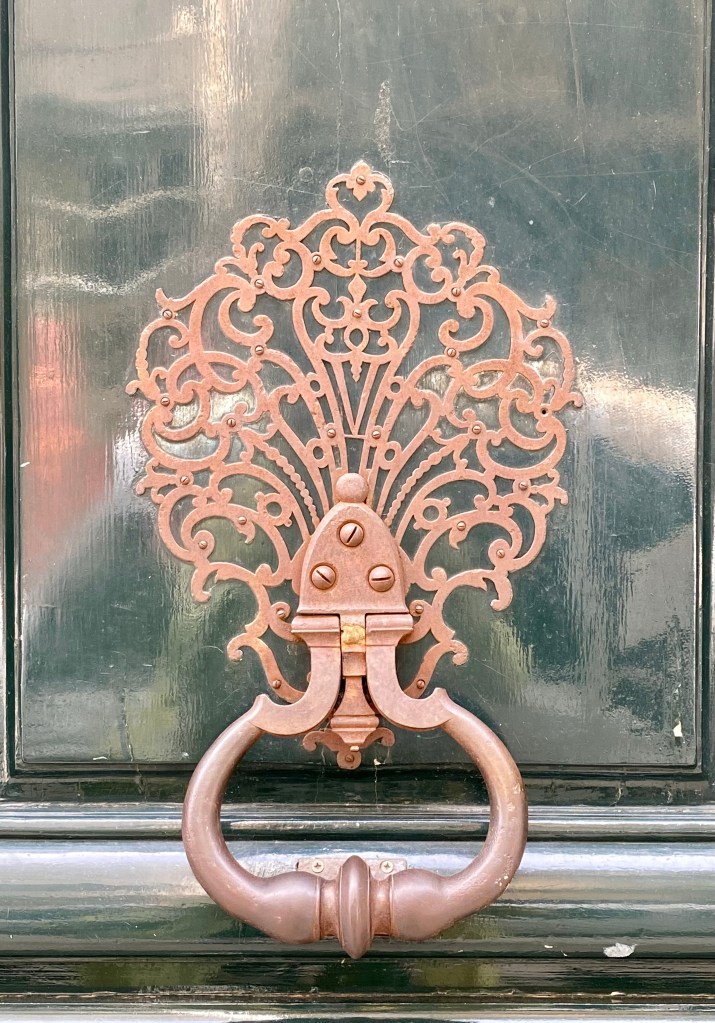
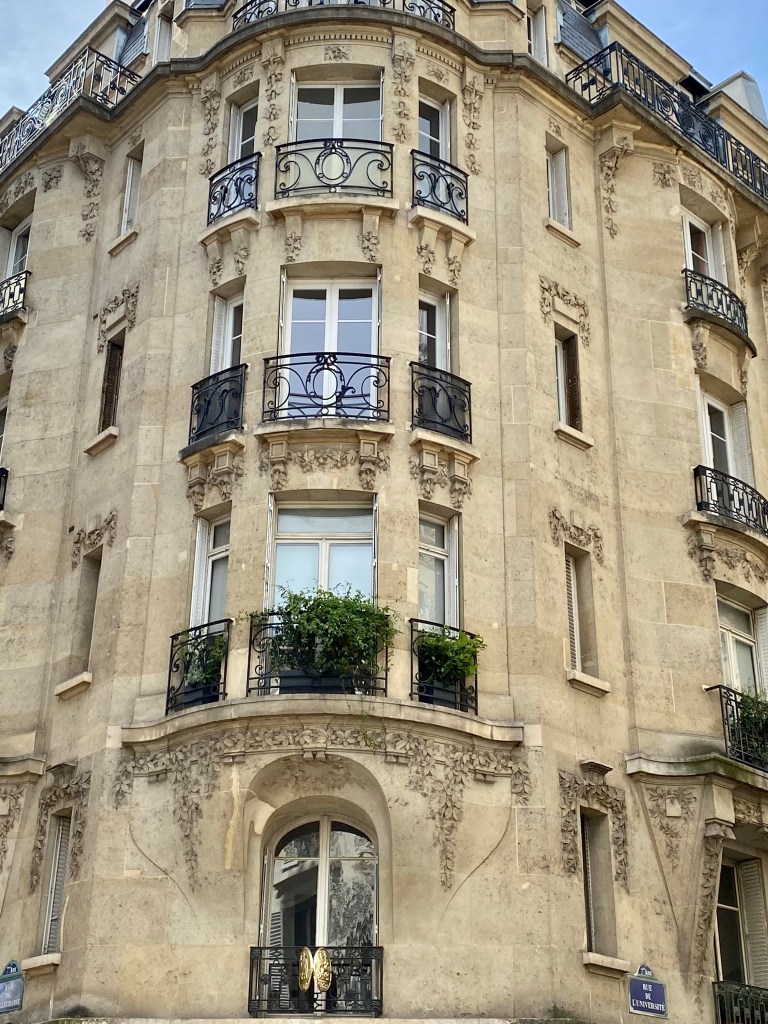
And, last but not least, sometimes there’s an anomaly in the architecture styles. The one below is on Avenue Montaigne. Lovely Art Deco.
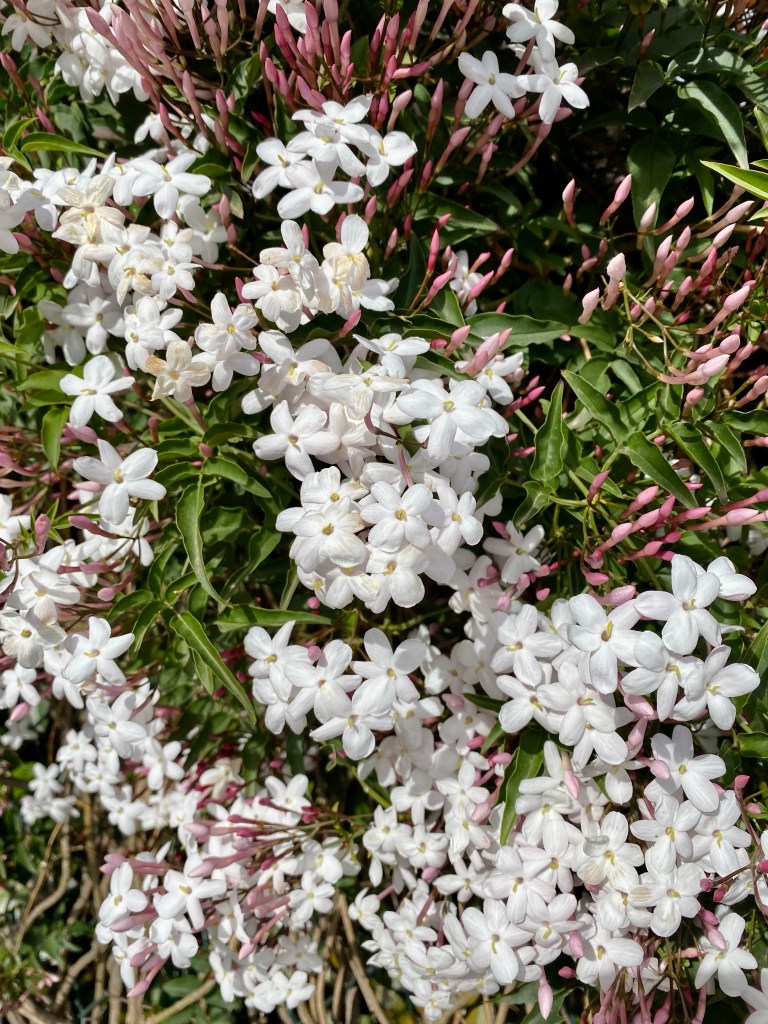
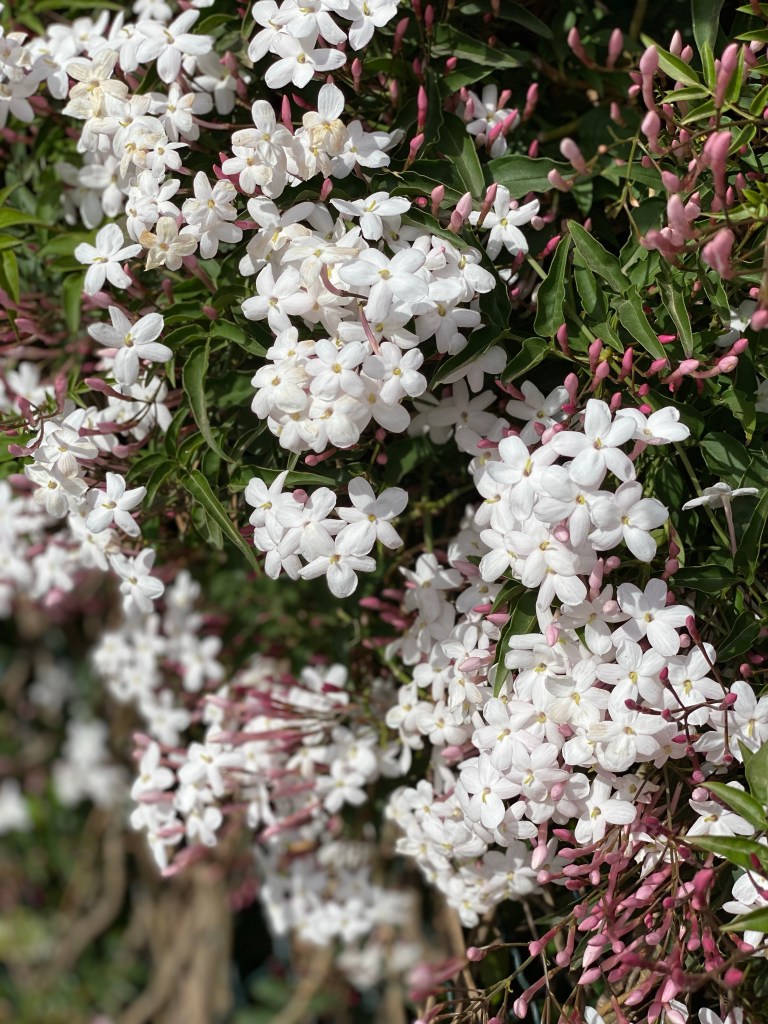
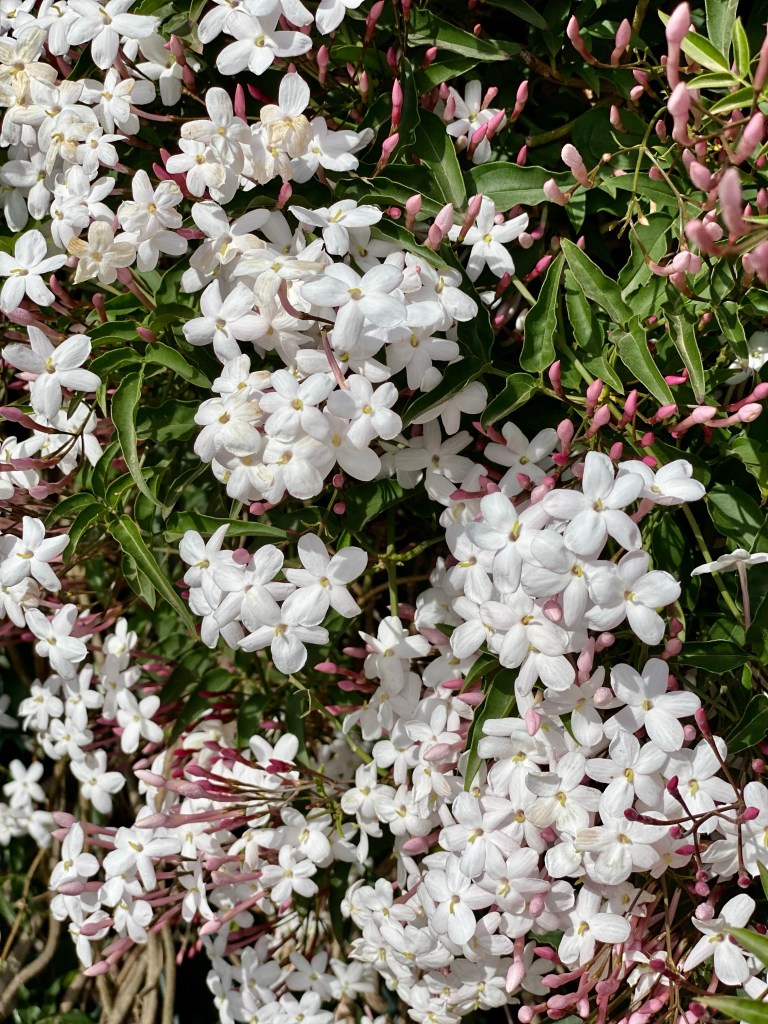
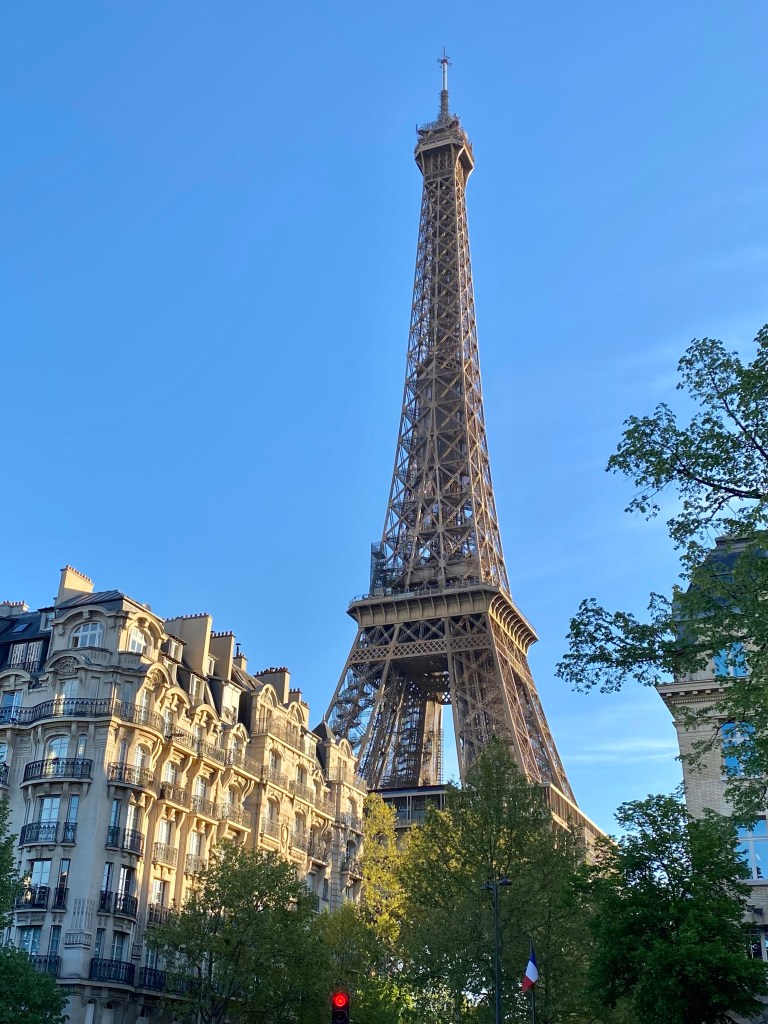
The Eiffel Tower, in spring, in the early morning sun
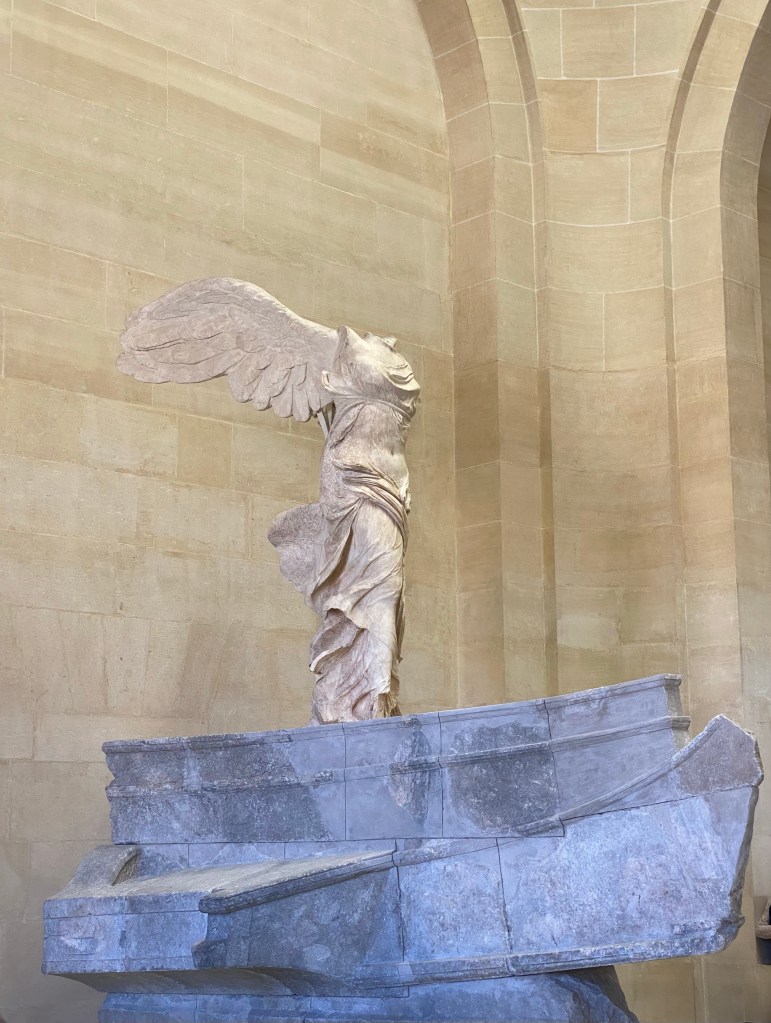
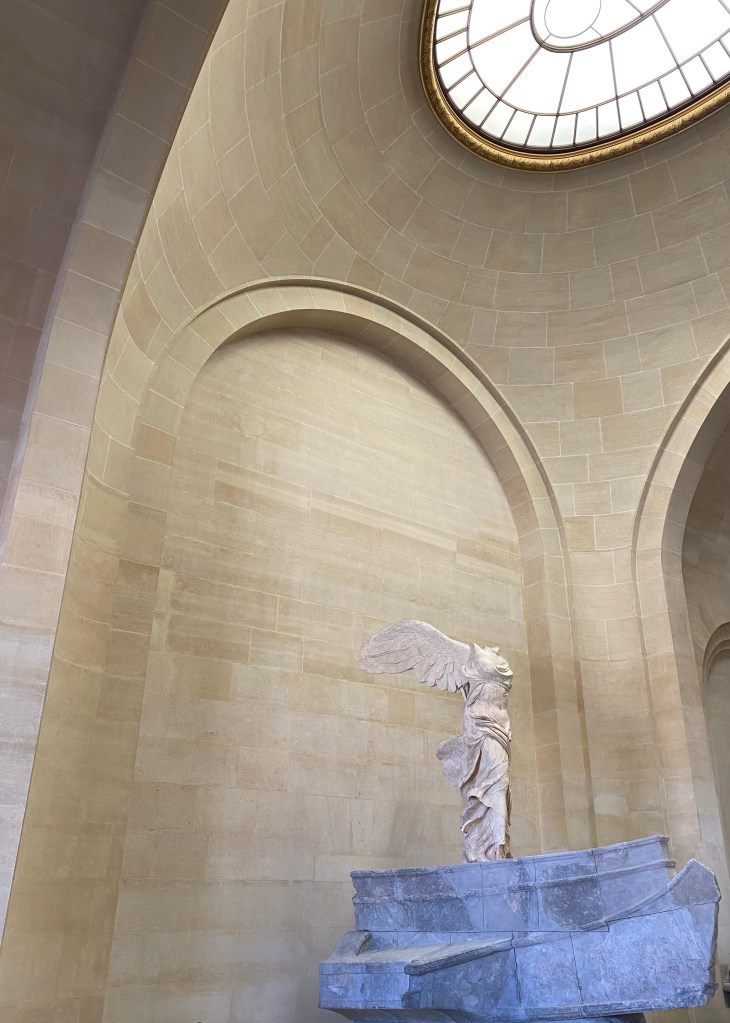
Nike of Samothrace
Just one work. That’s all it takes.
At the Louvre. Nothing else comes close or, for that matter, matters.
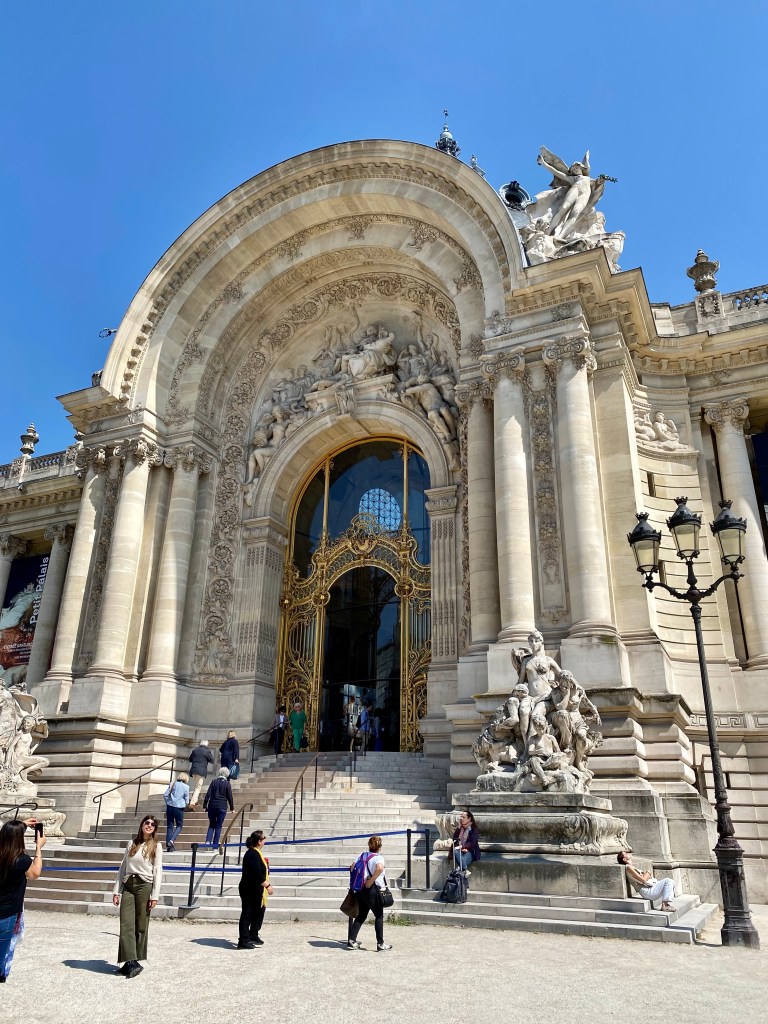
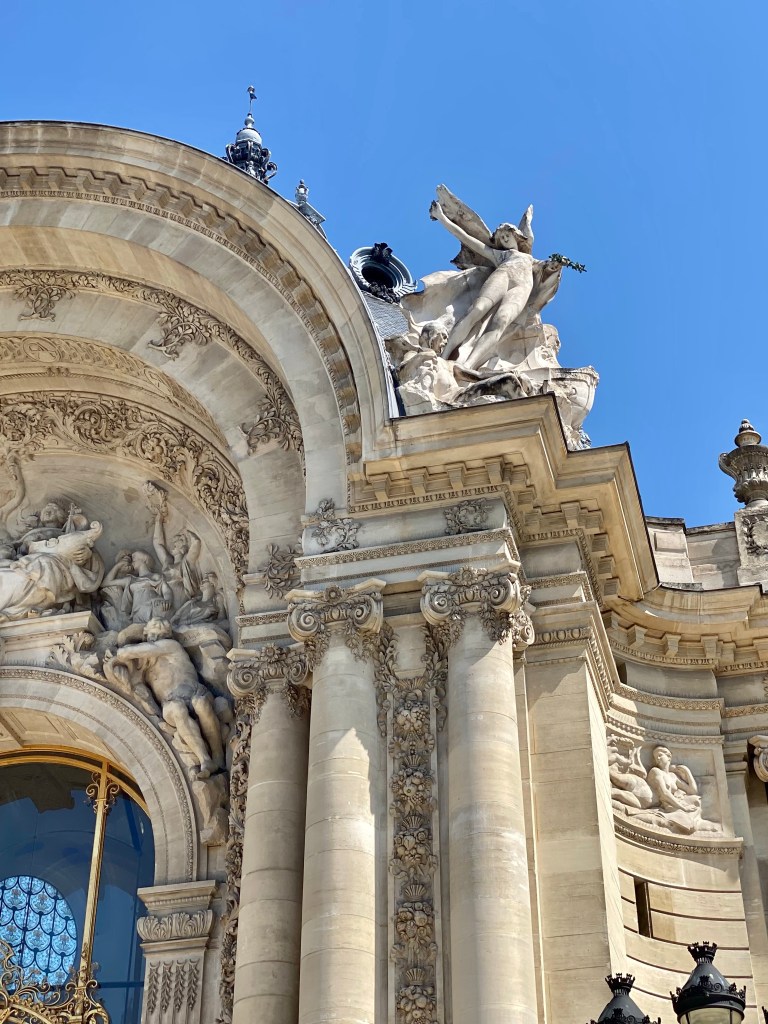
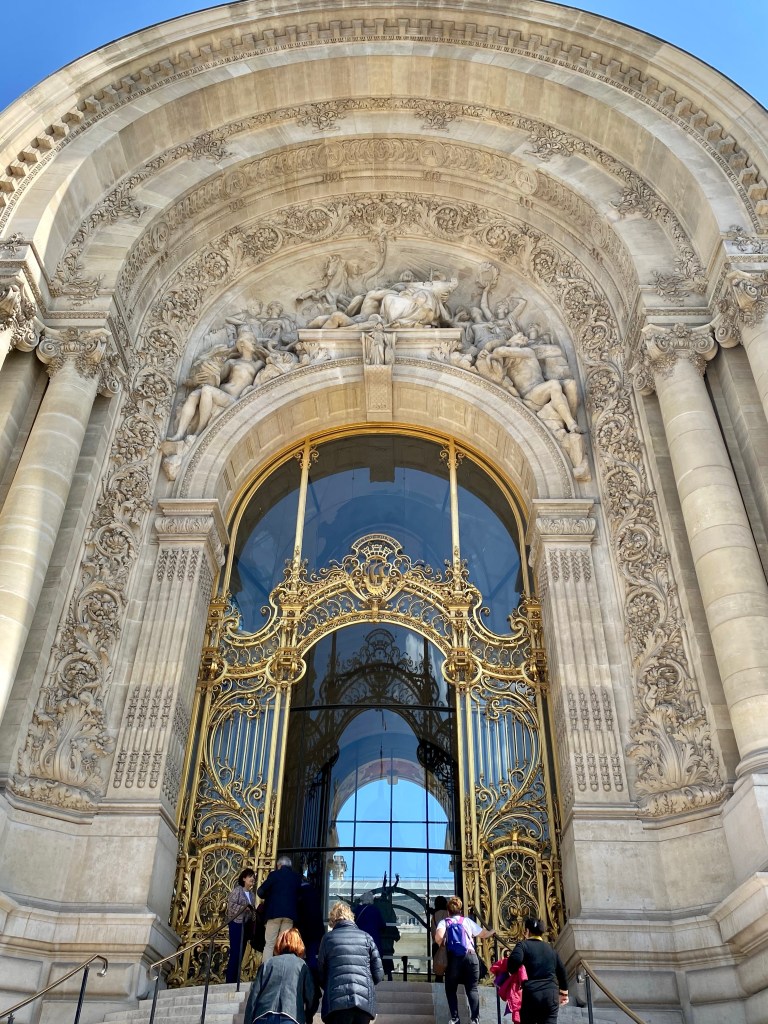
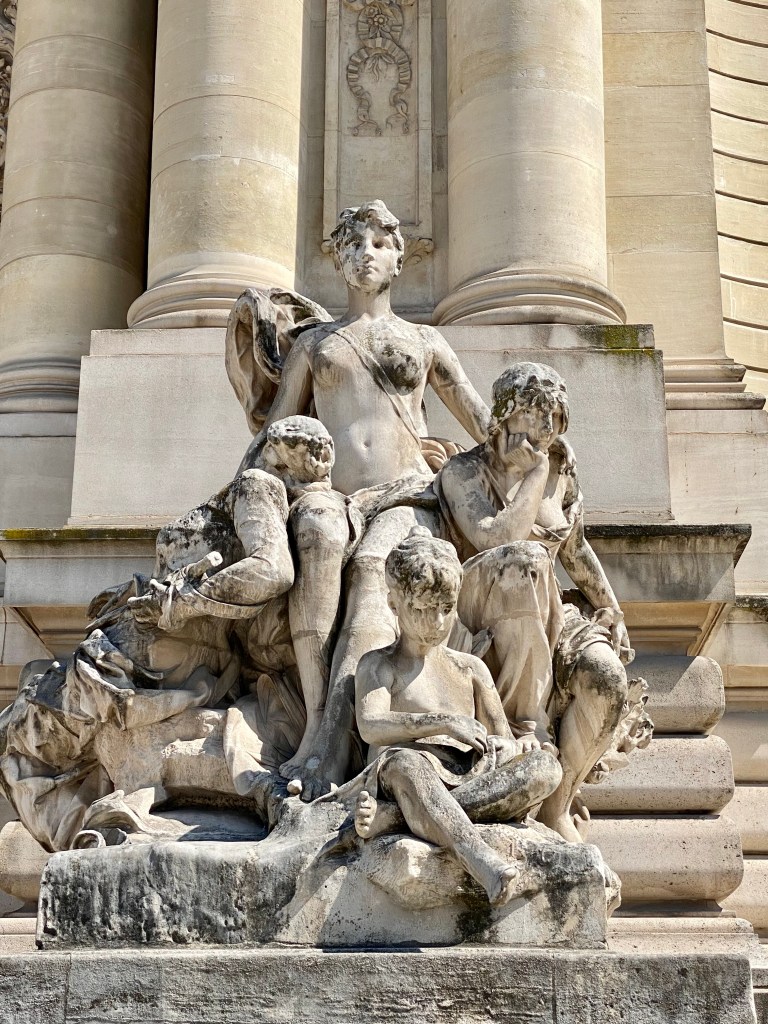
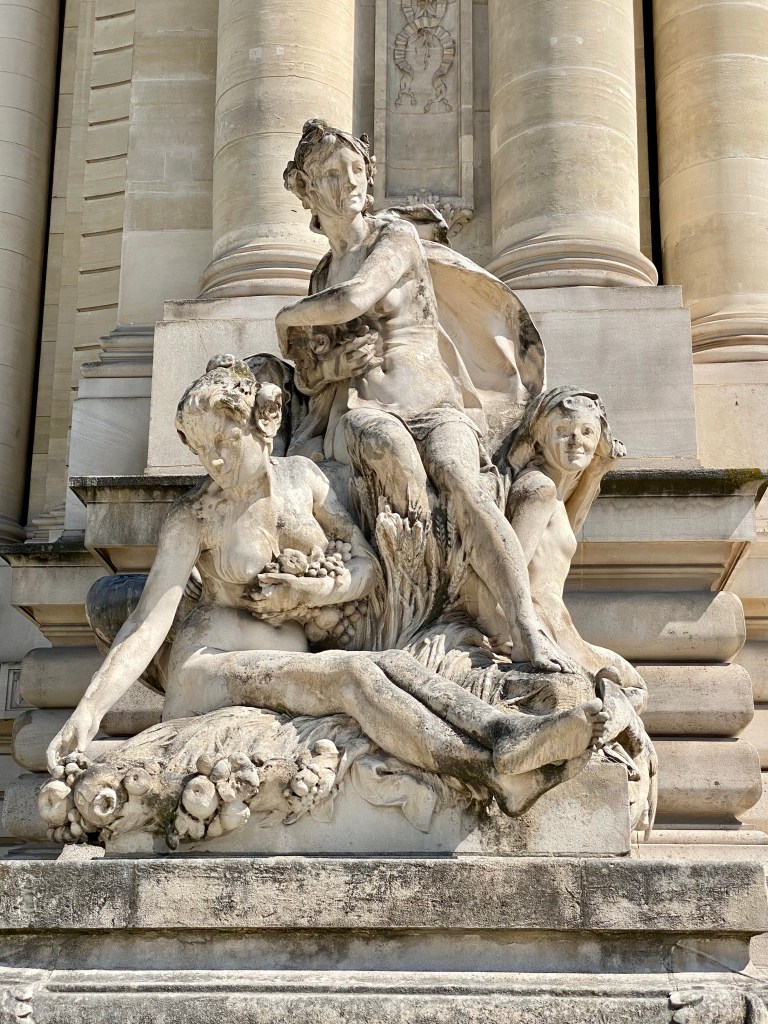
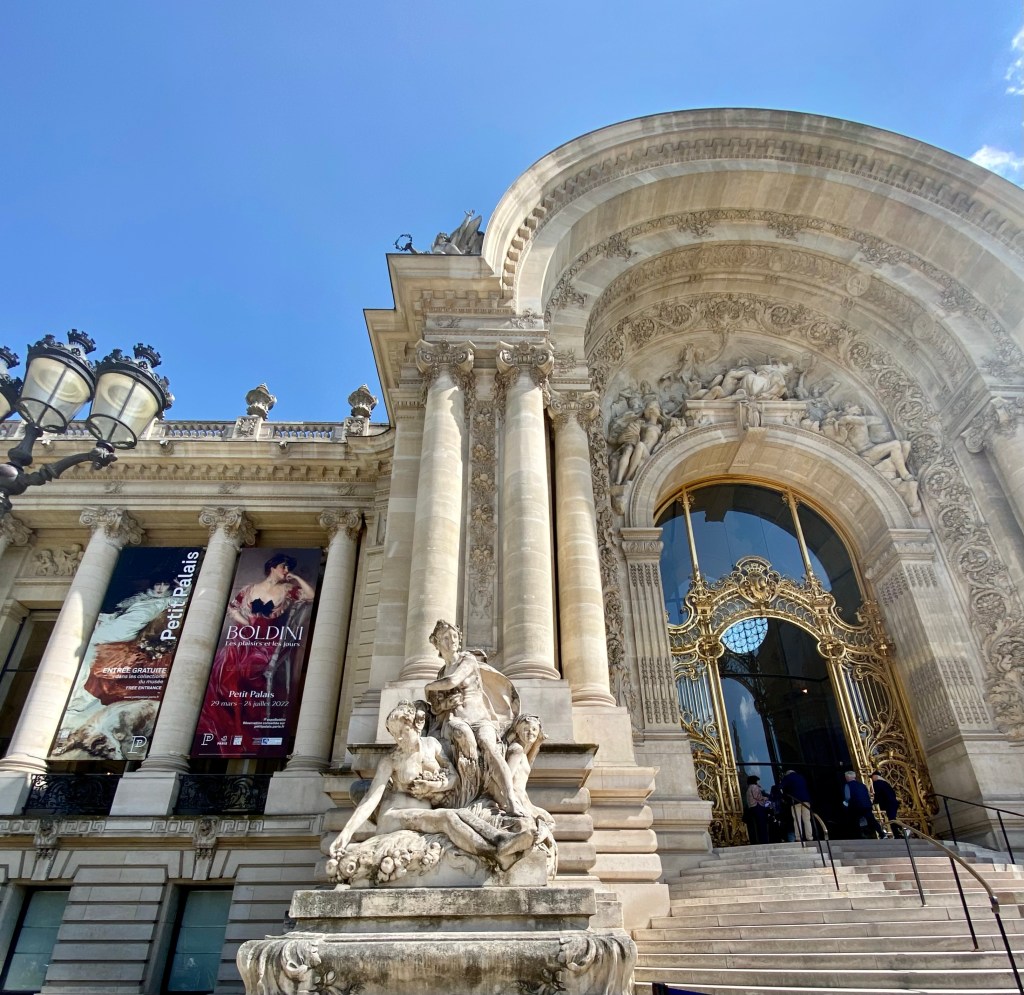
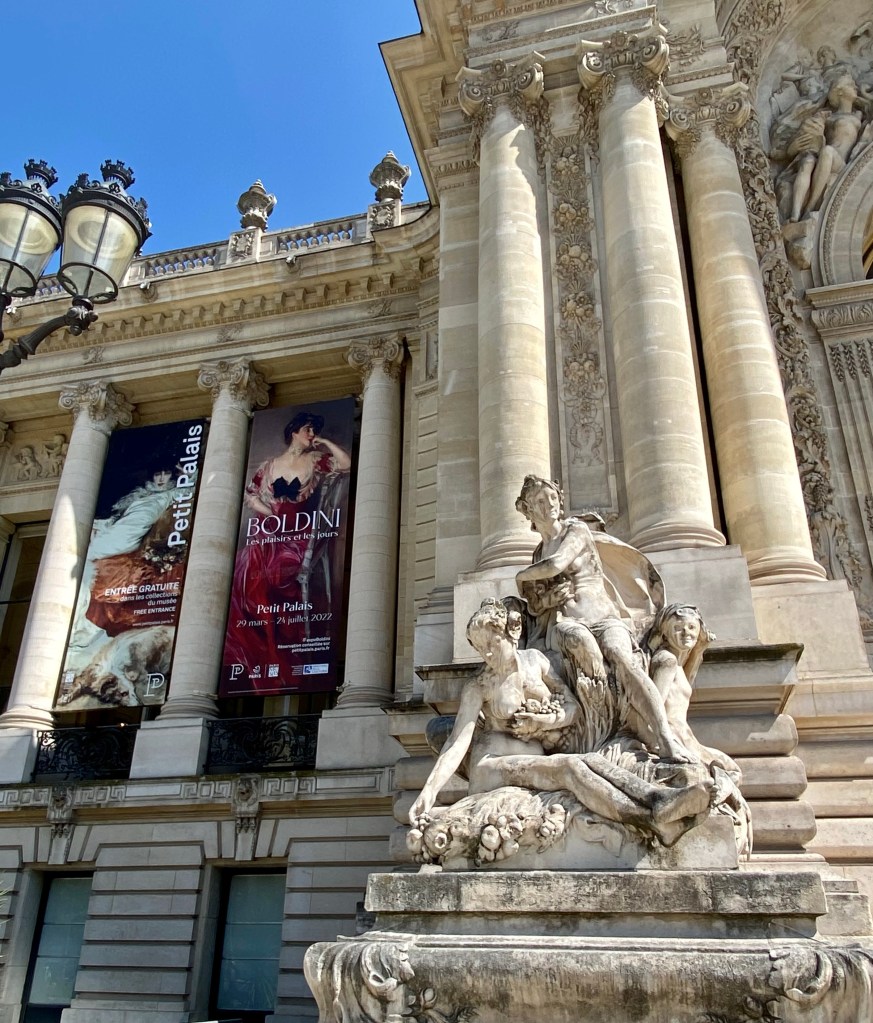
The gorgeous facade of Paris’s Petit Palais
On a casual walk through Paris, on my way to somewhere else, I stop and say a little prayer of thanks to all the people who envisioned and built this and so many other treasures. I thank you from the bottom of my American heart!
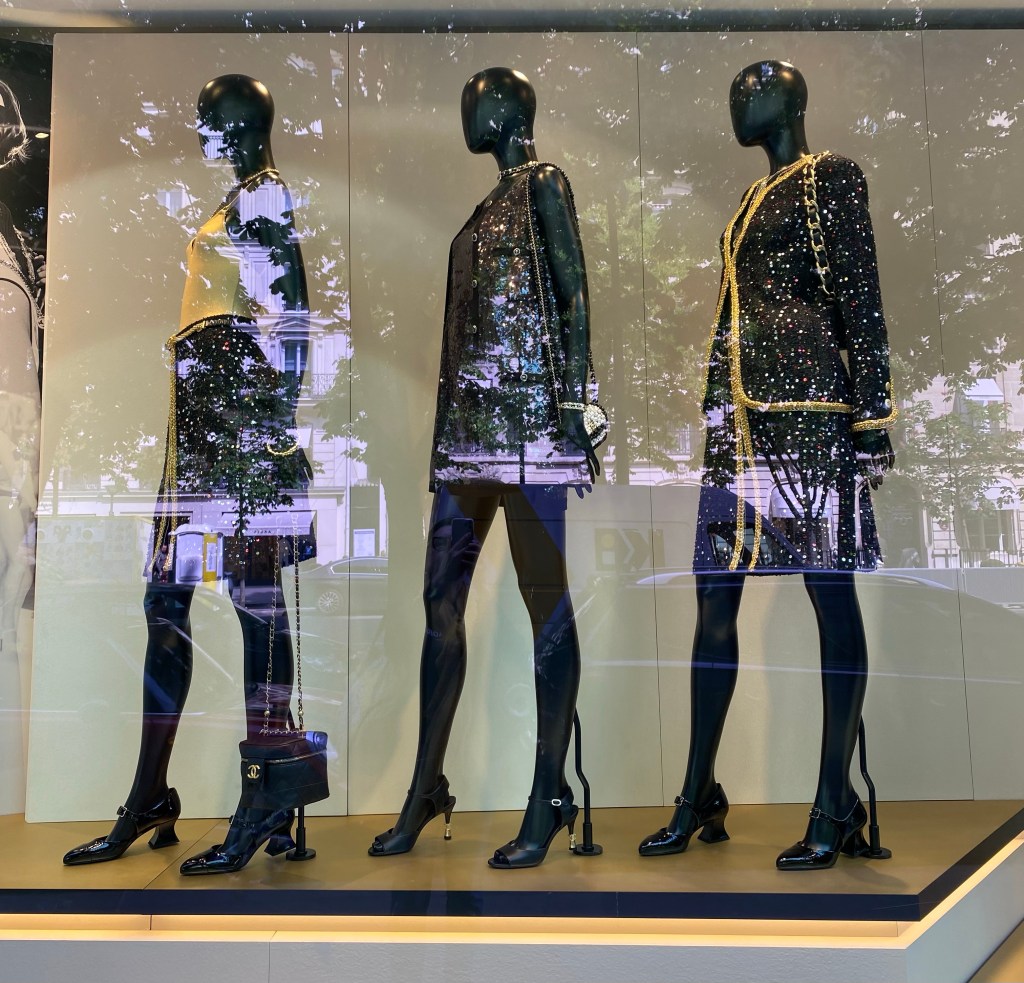
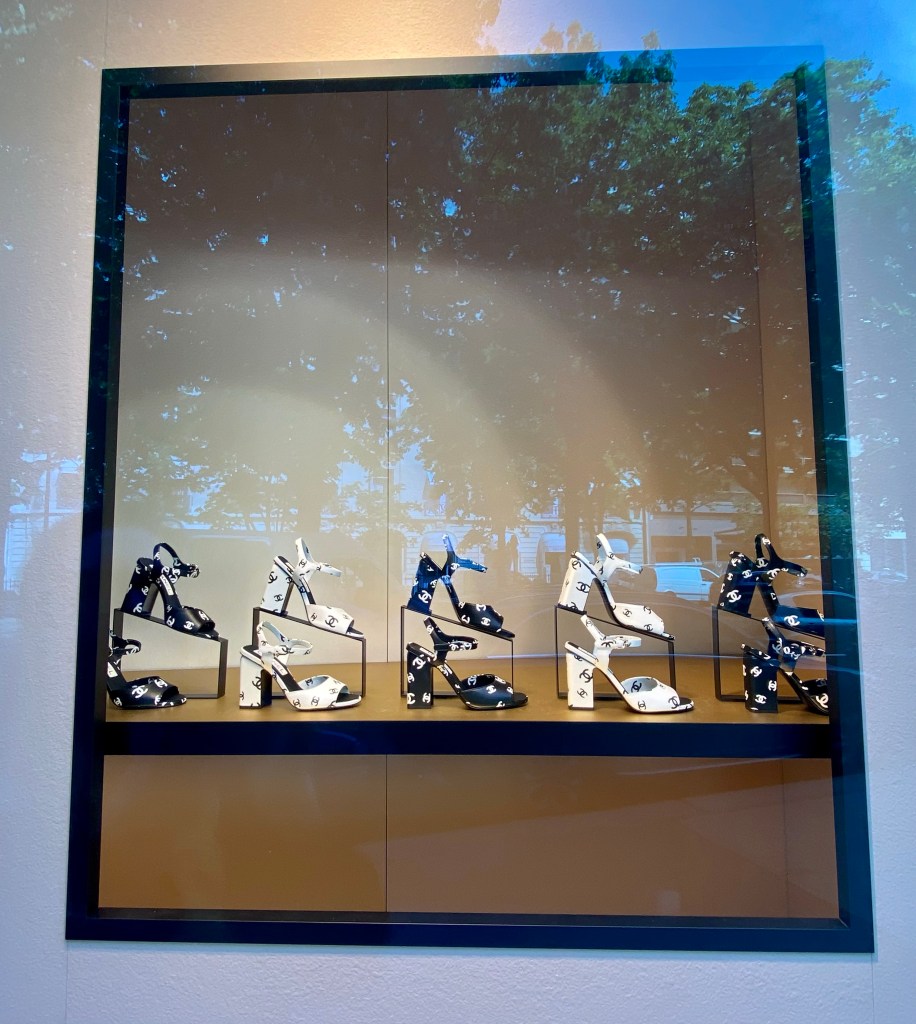
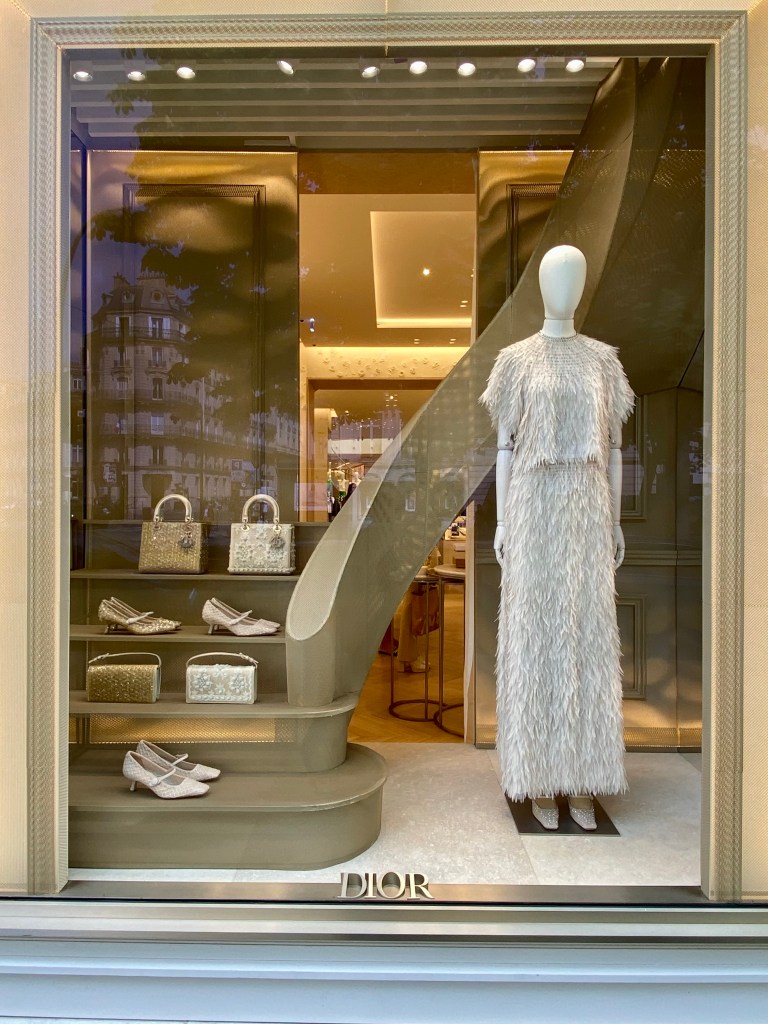
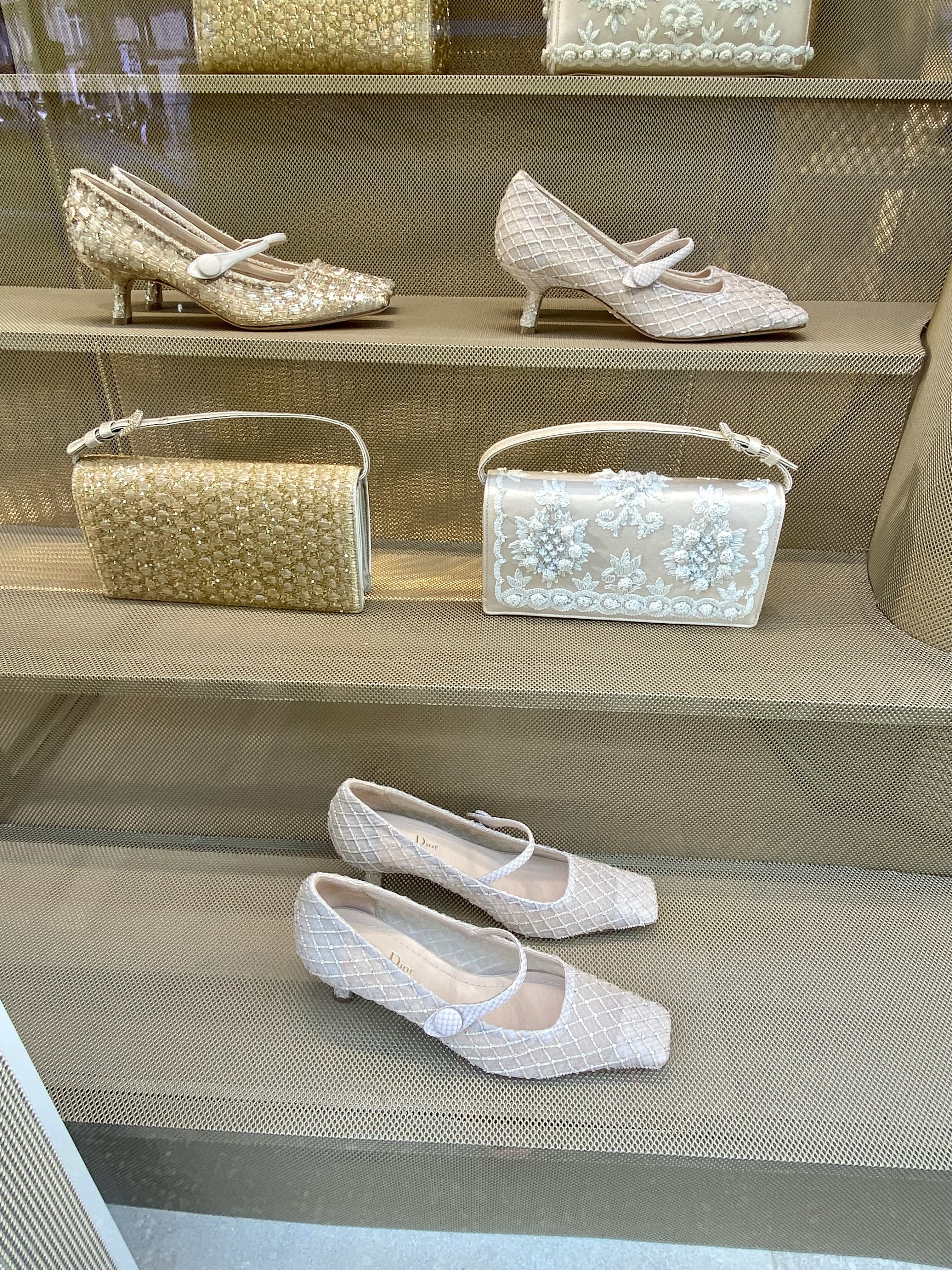
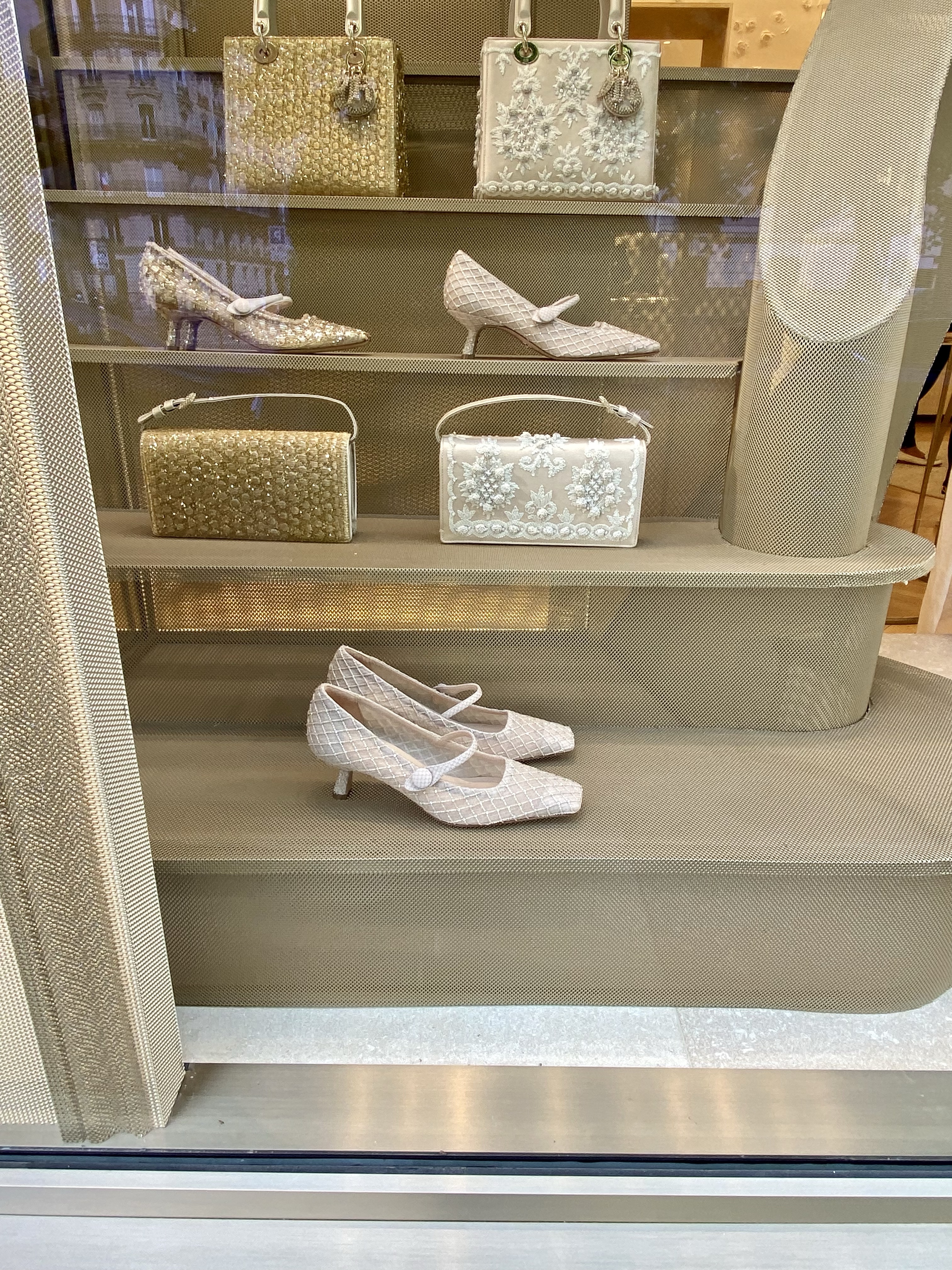
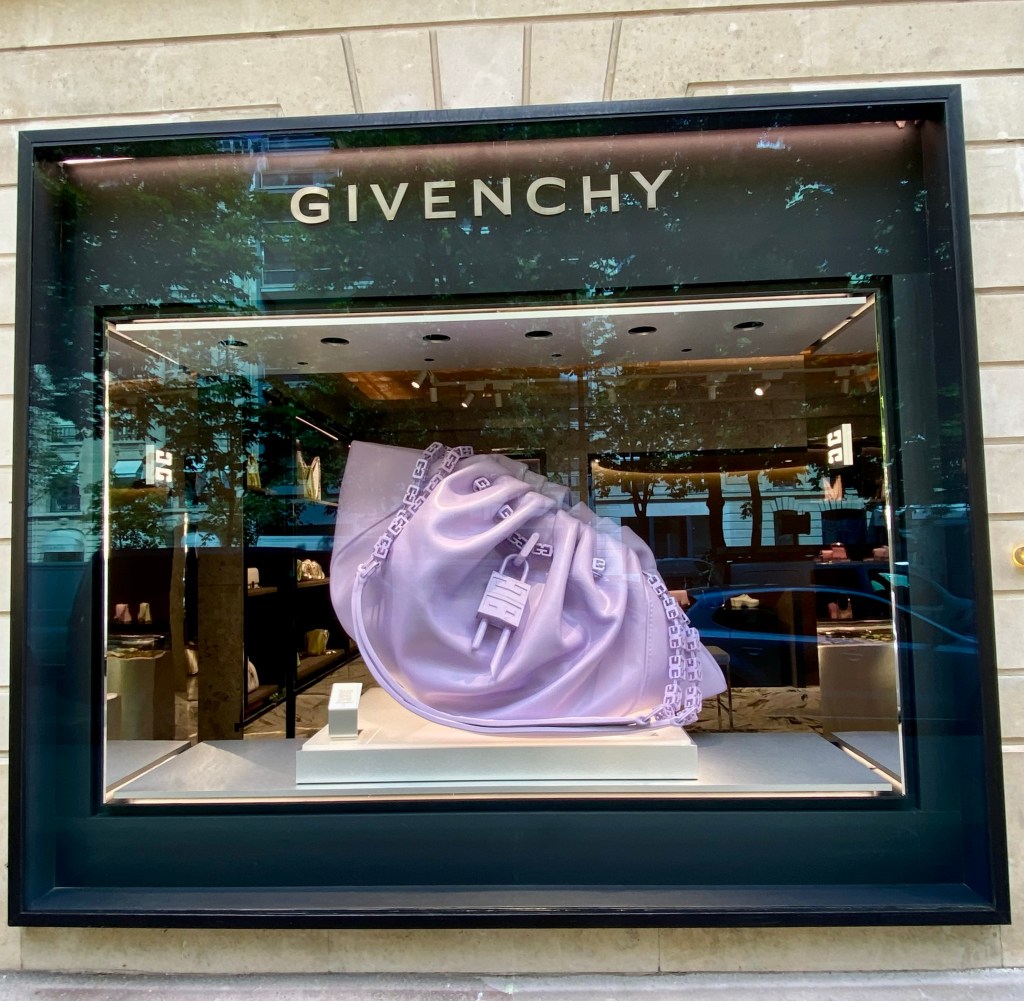
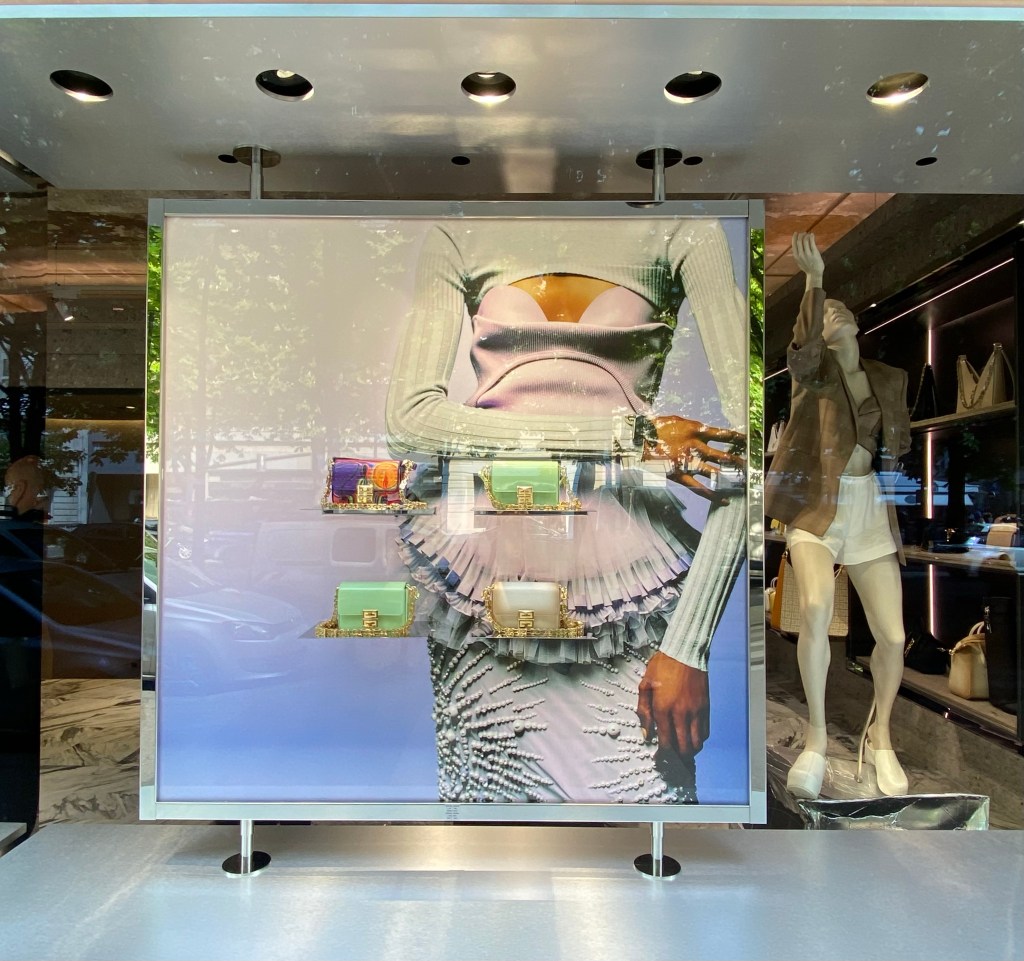
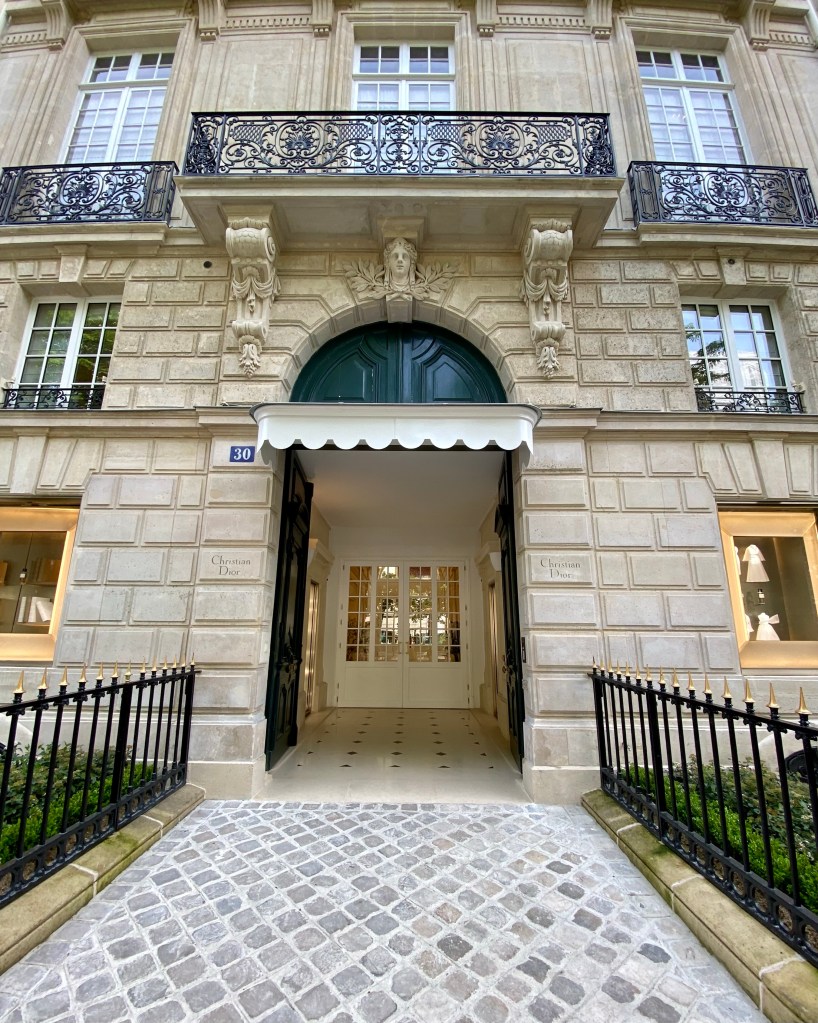
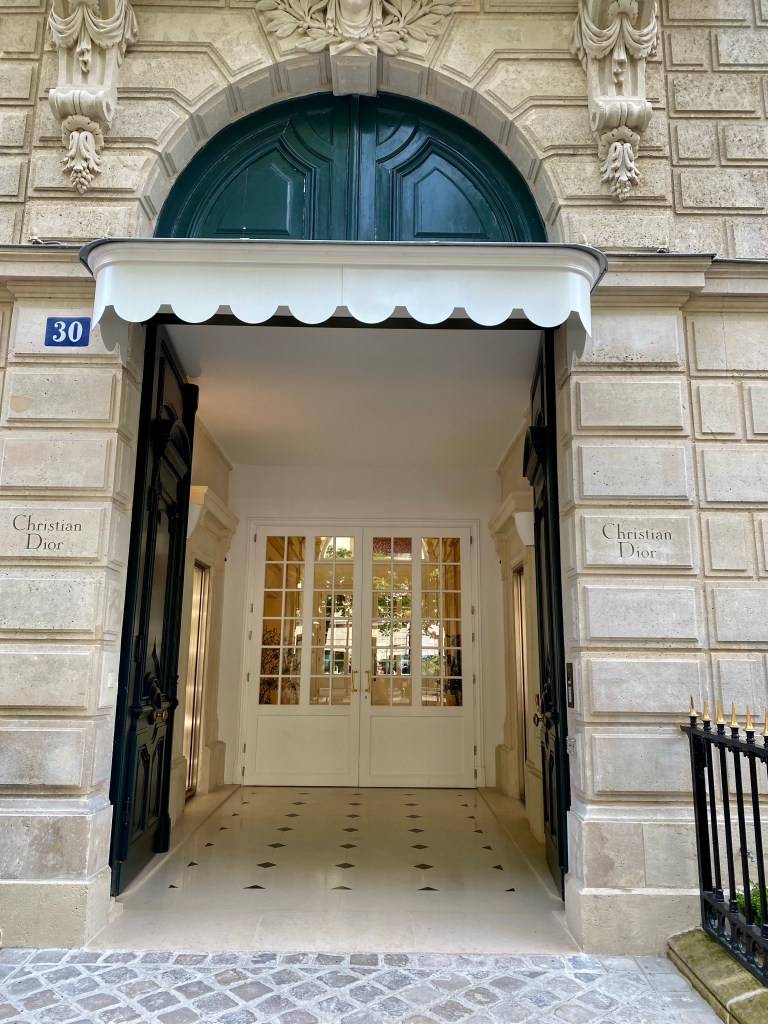
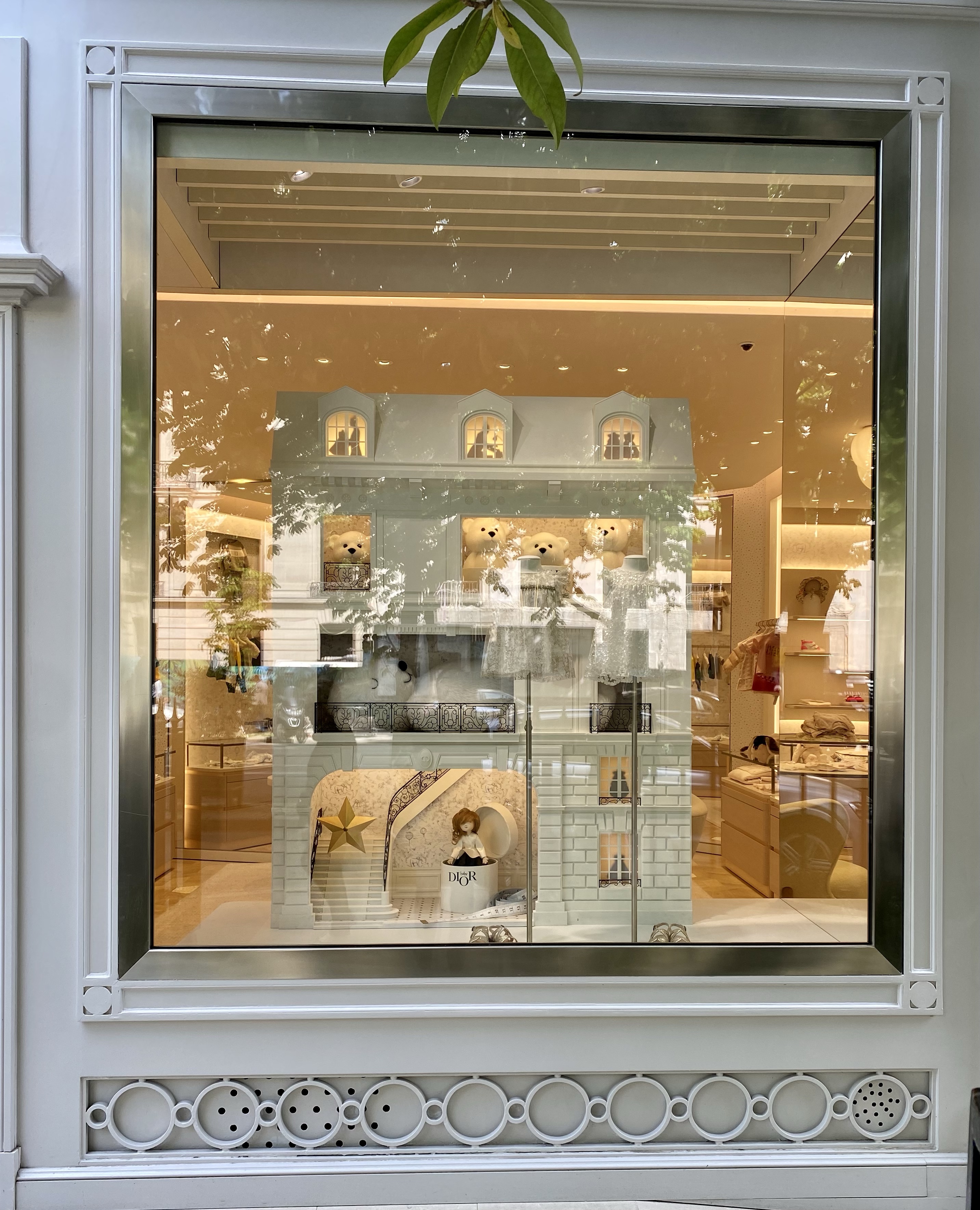
Window shopping (licking) on the Avenue Montaigne
The French call window shopping “window licking.” Yesterday I spent some time licking windows on the grand Avenue Montaigne. It’s not something I indulge in very often, having walked by windows like these in New York and Florence for years. But, in Paris…it’s something special!
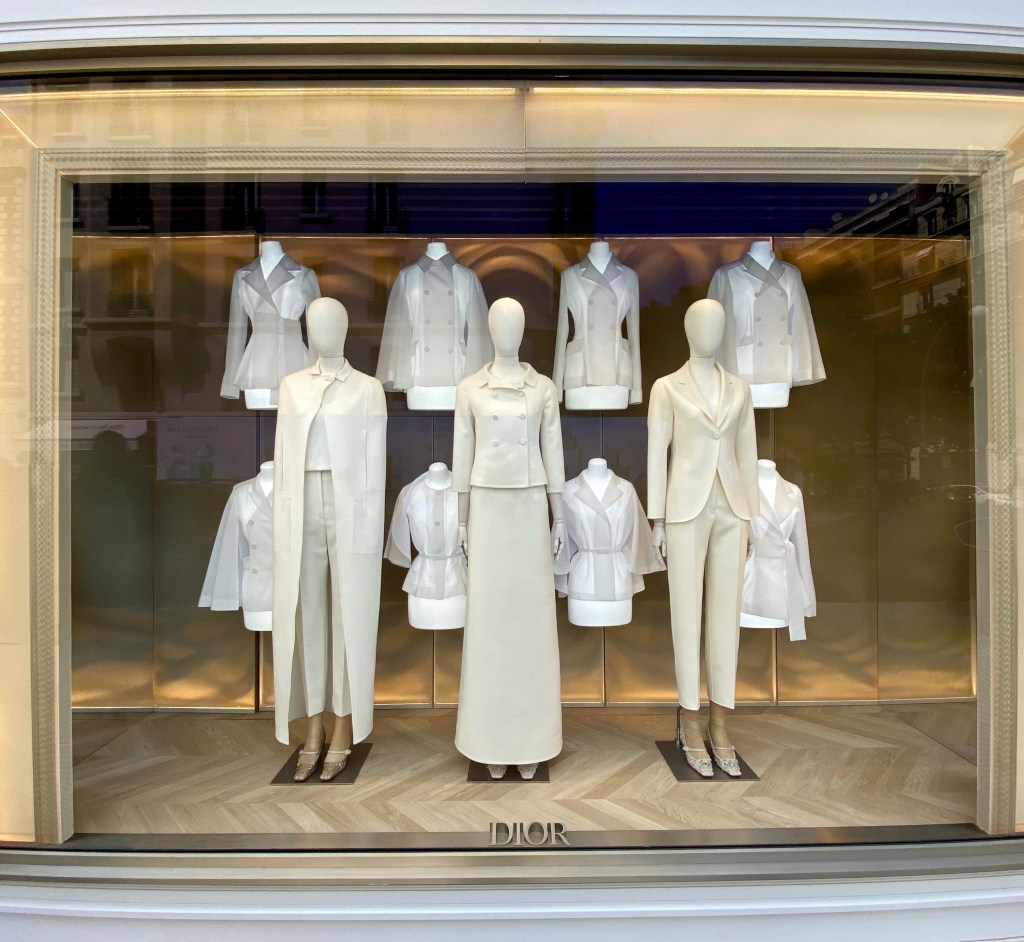
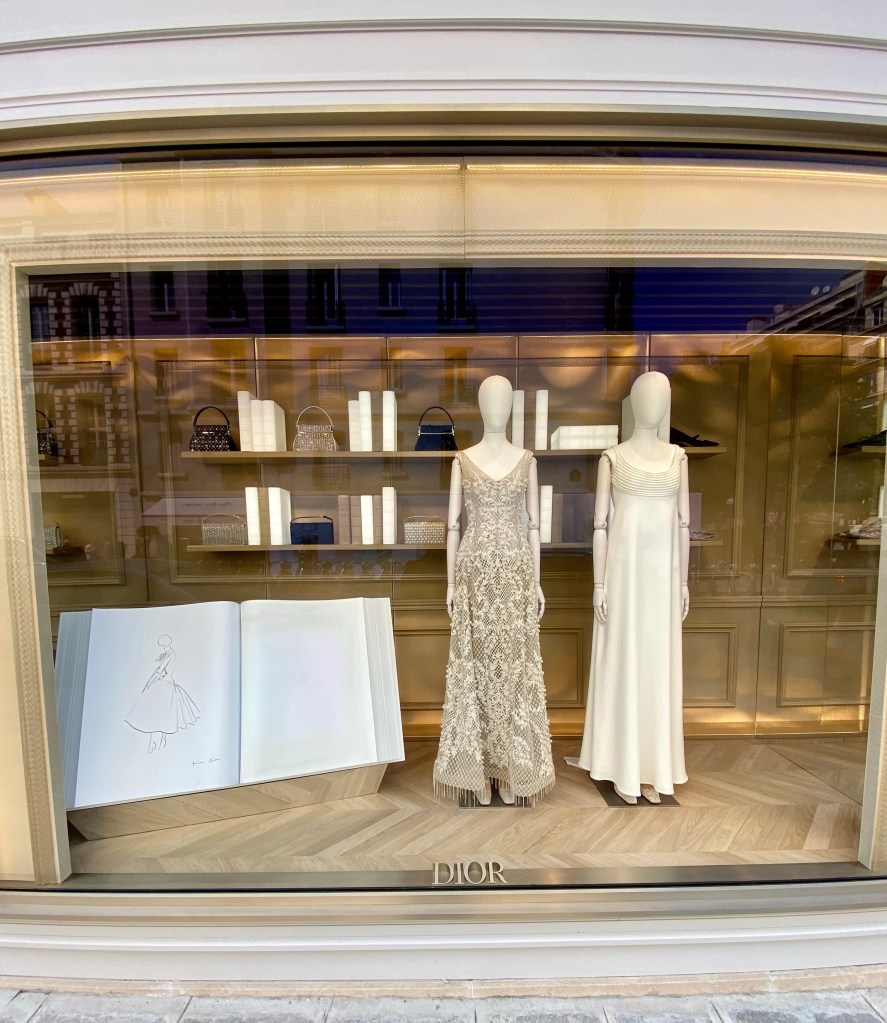
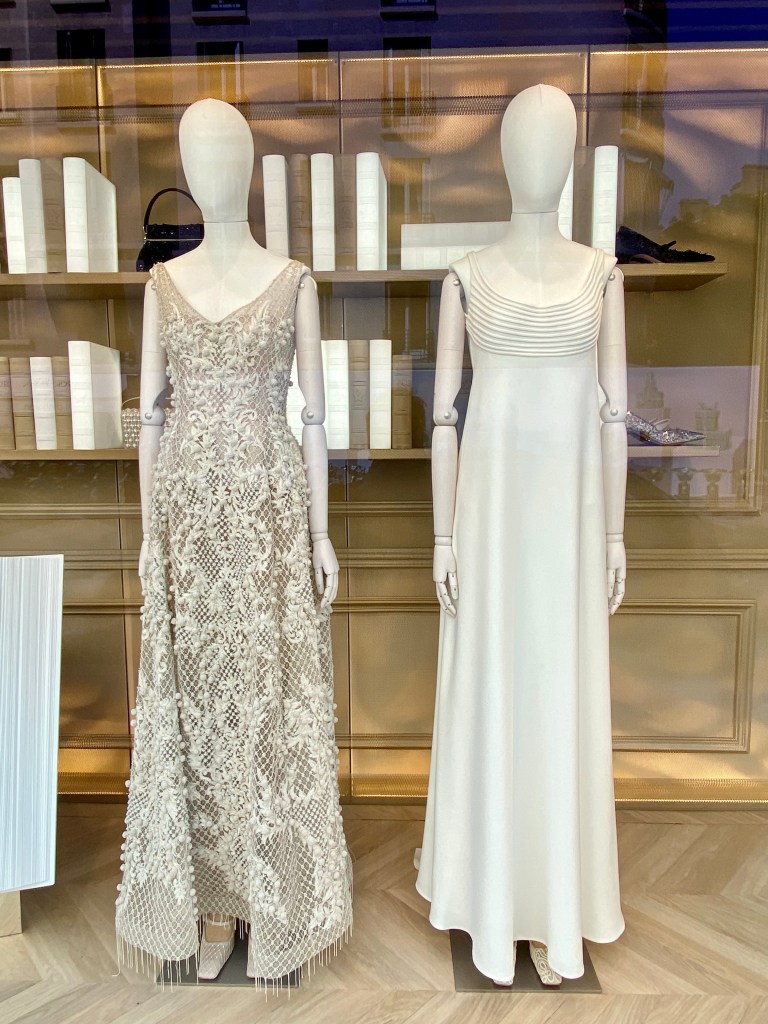
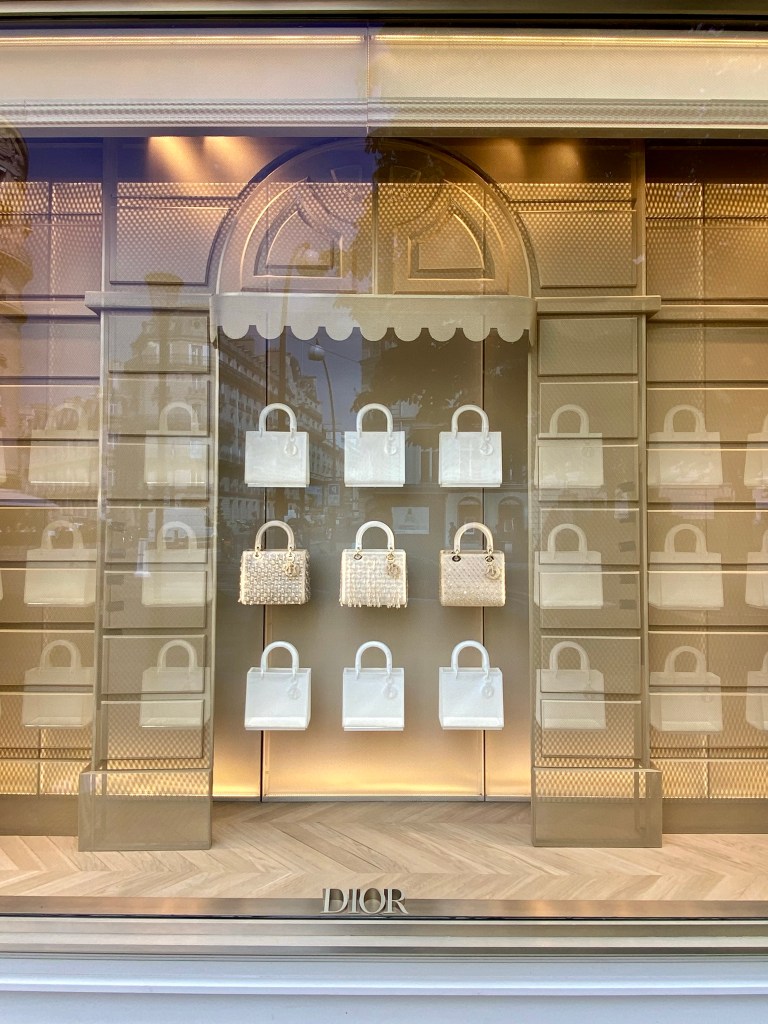
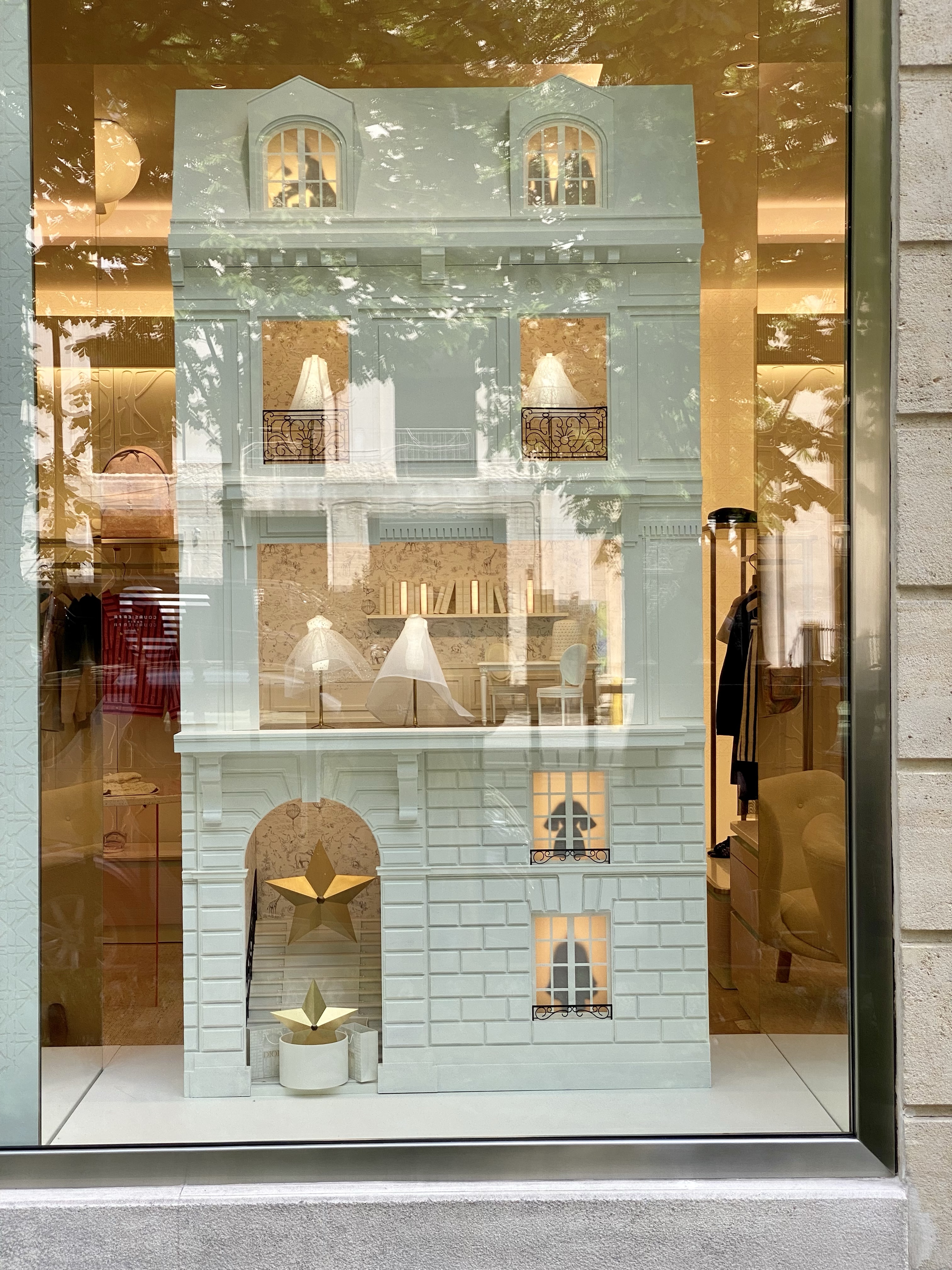
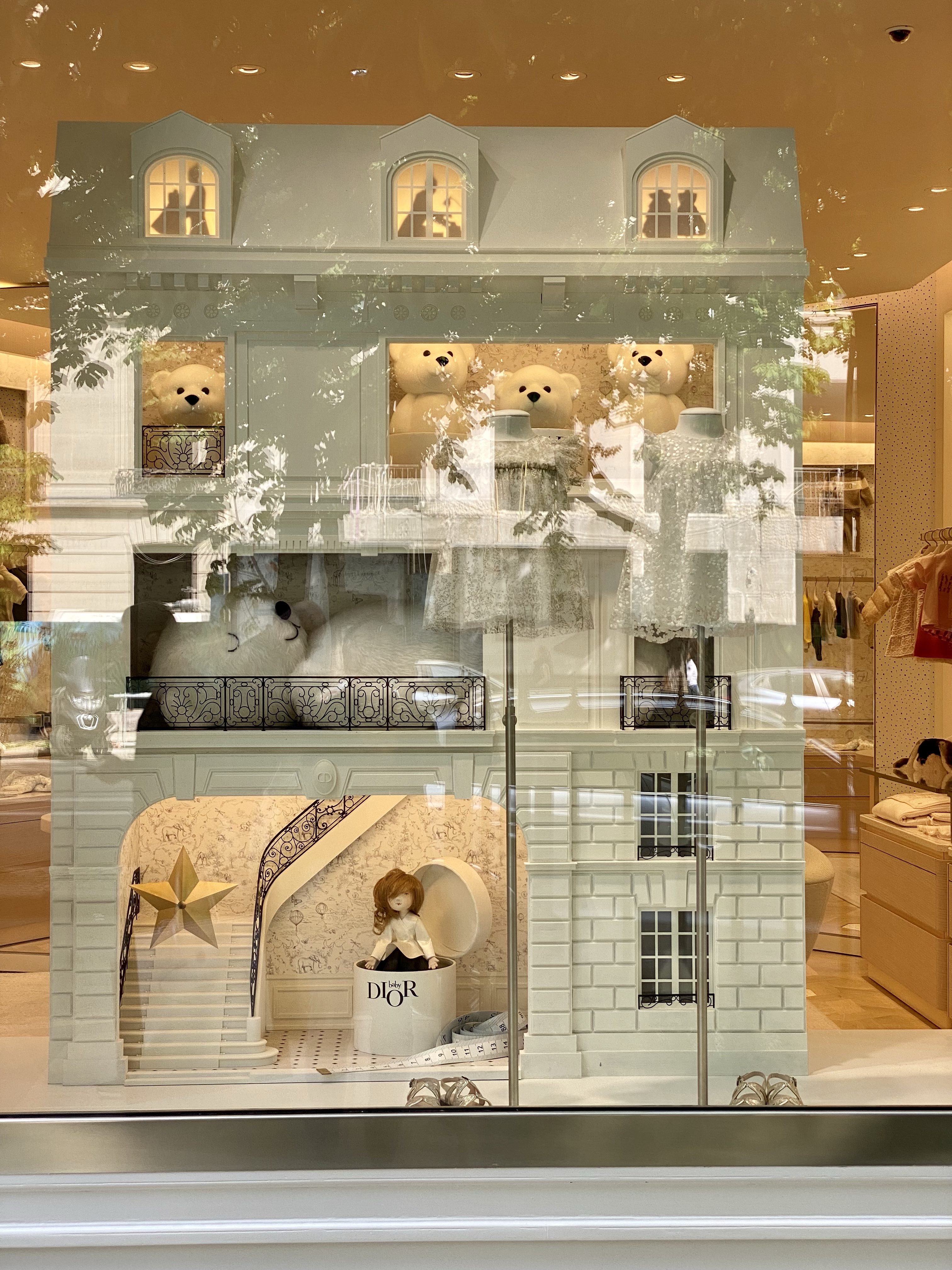
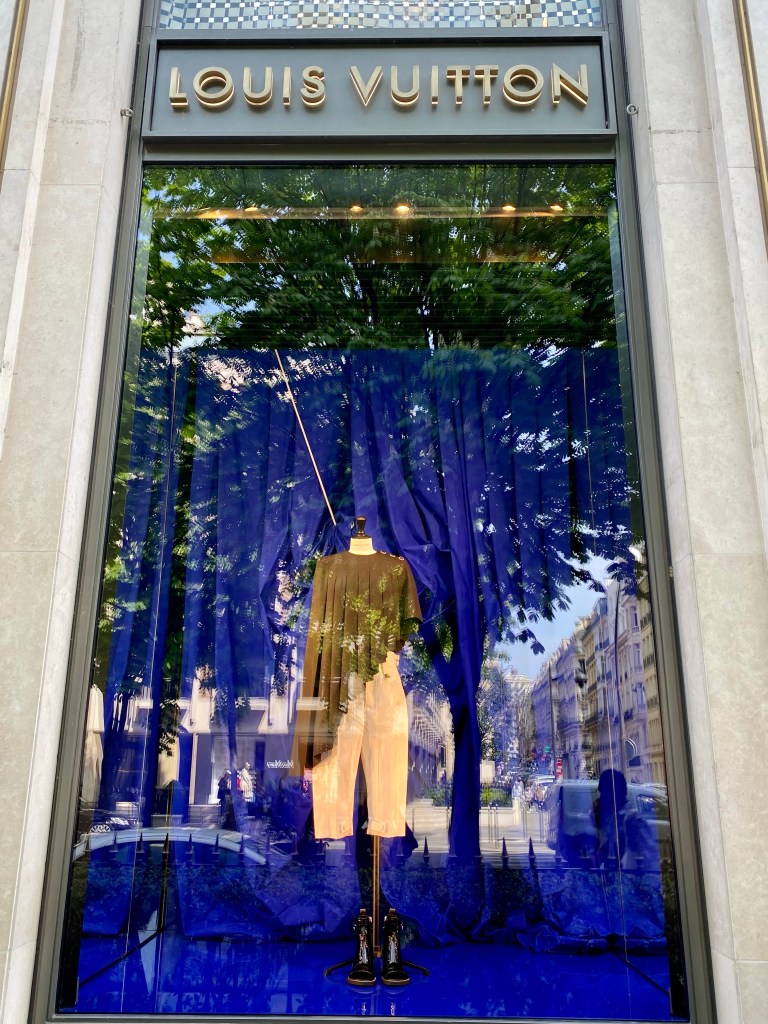
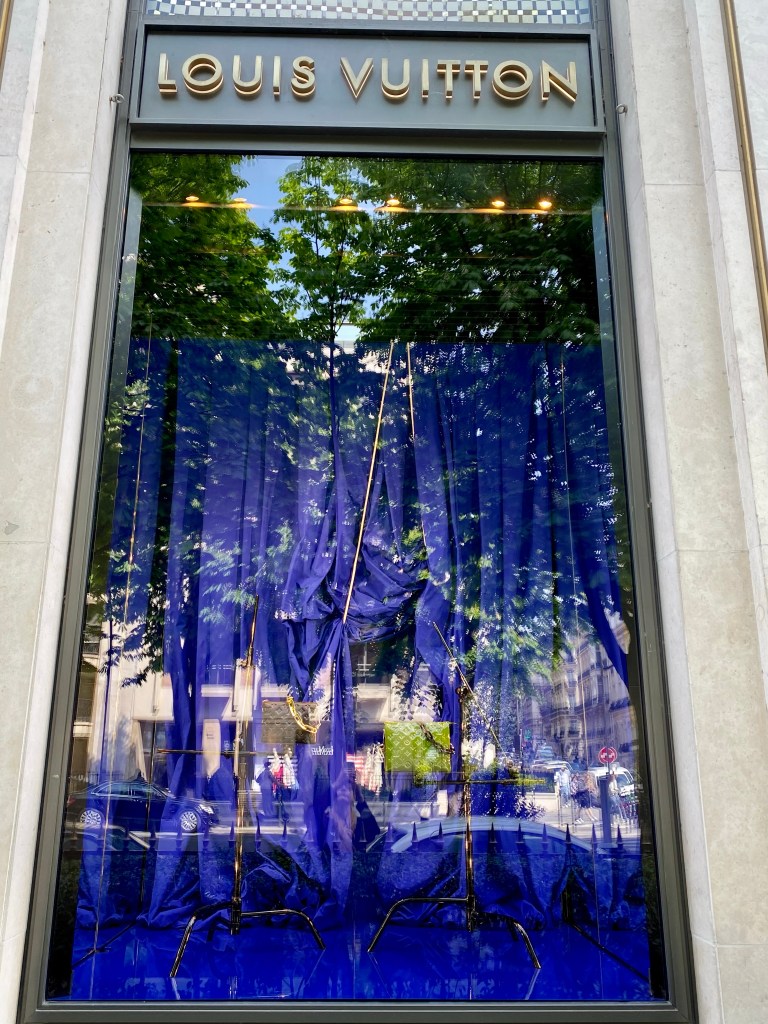
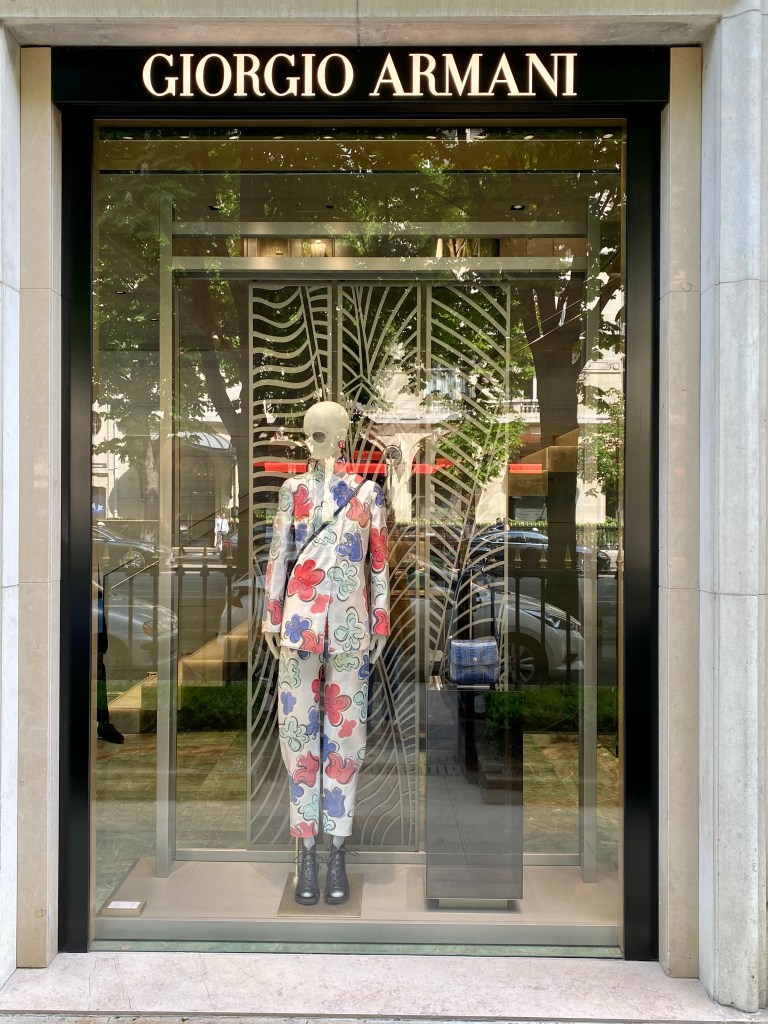
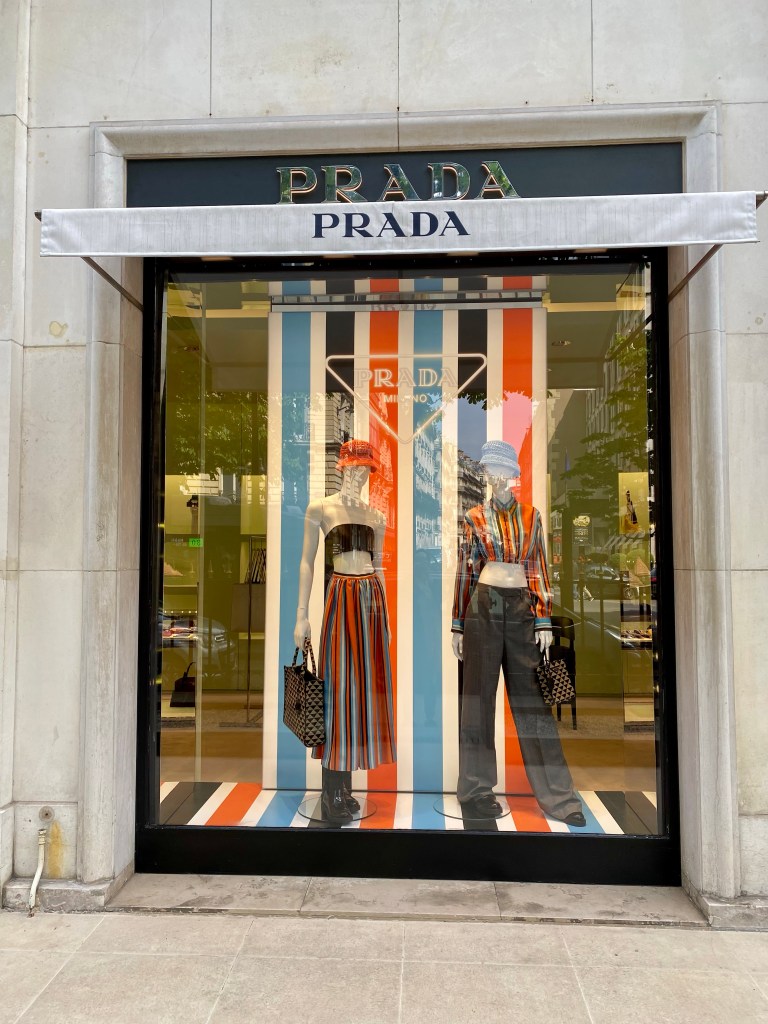
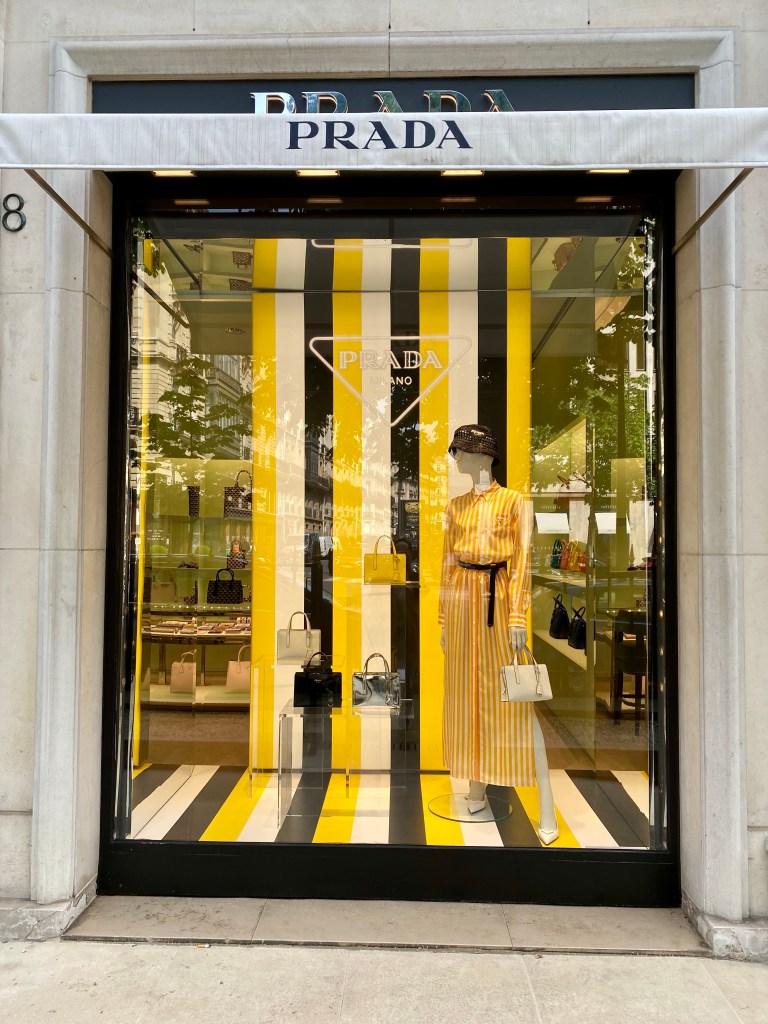
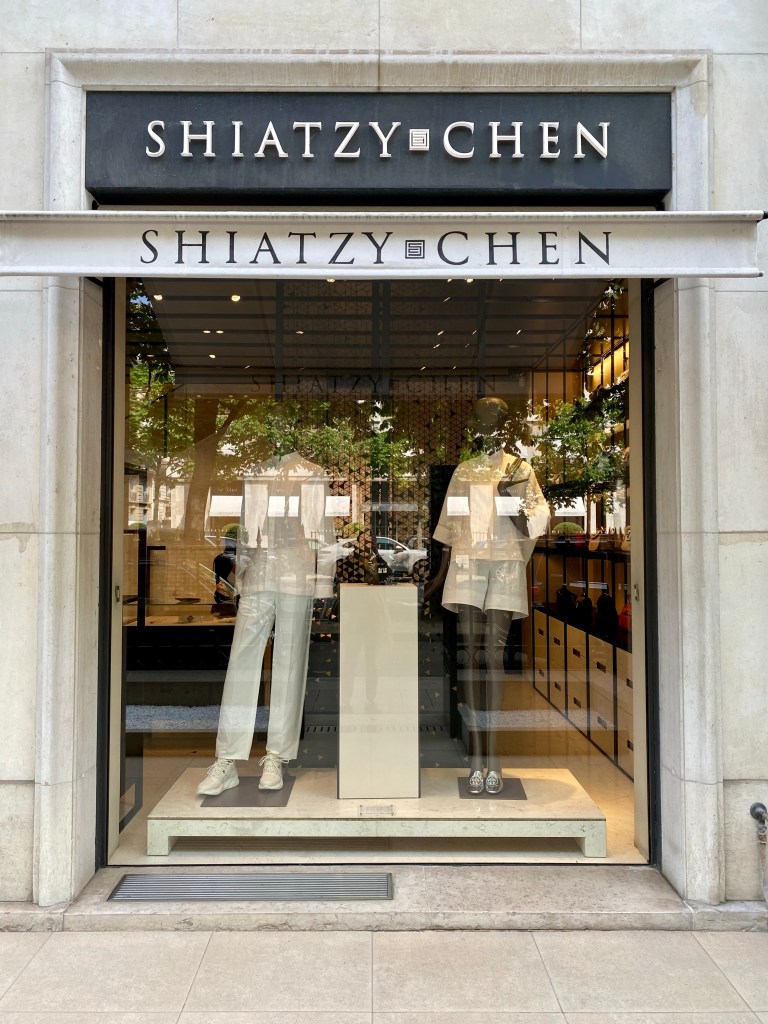
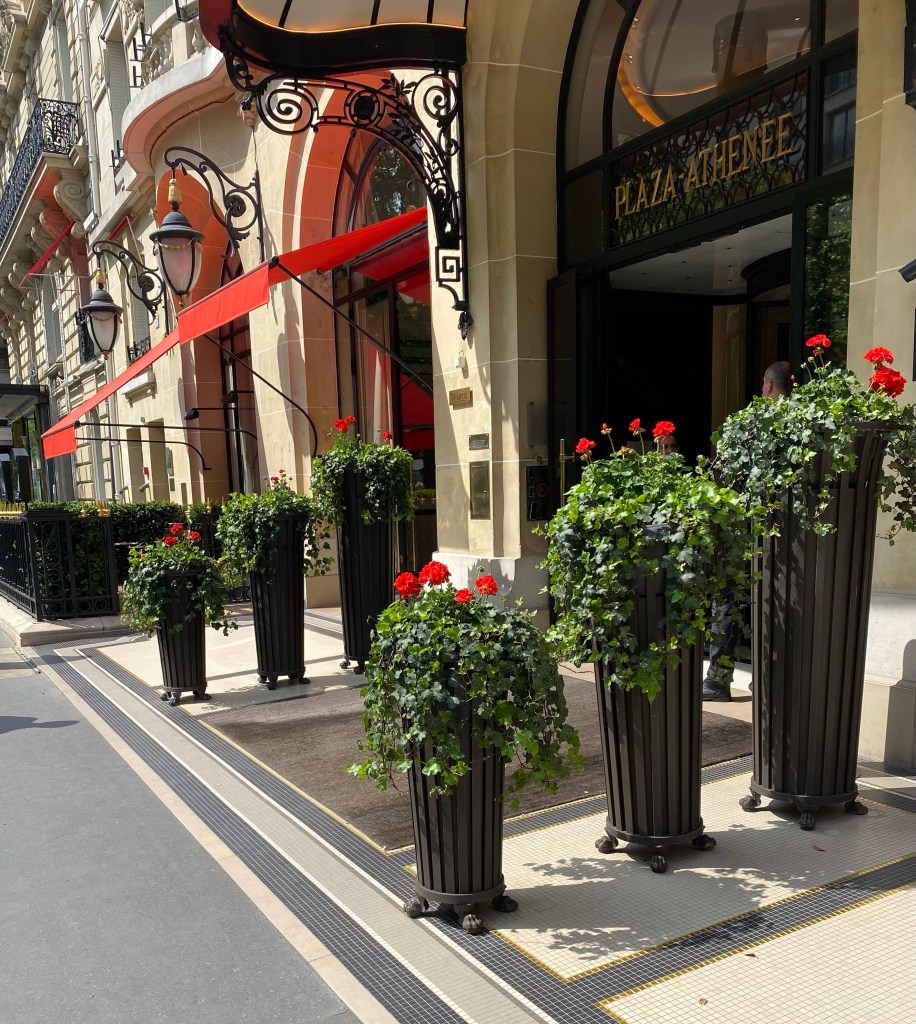
Also on this grand avenue is the Plaza Athenee hotel. Wow, wow, wow! I was attracted to it by the red awnings and then I saw the red geraniums and had to move in for a closer look.
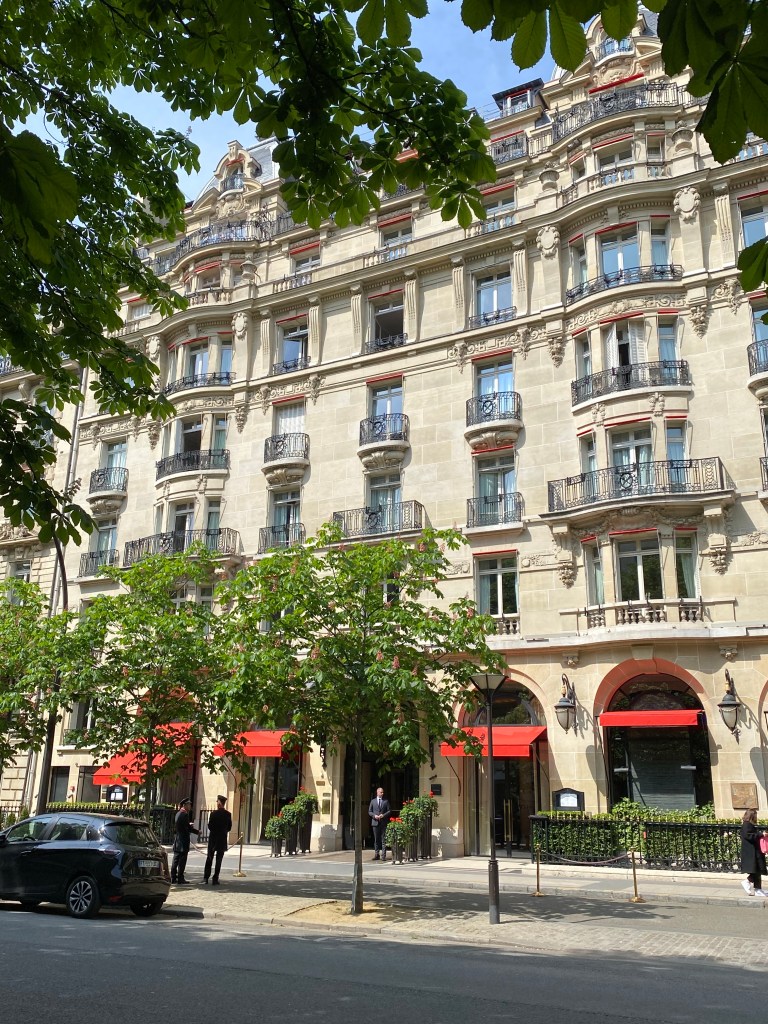
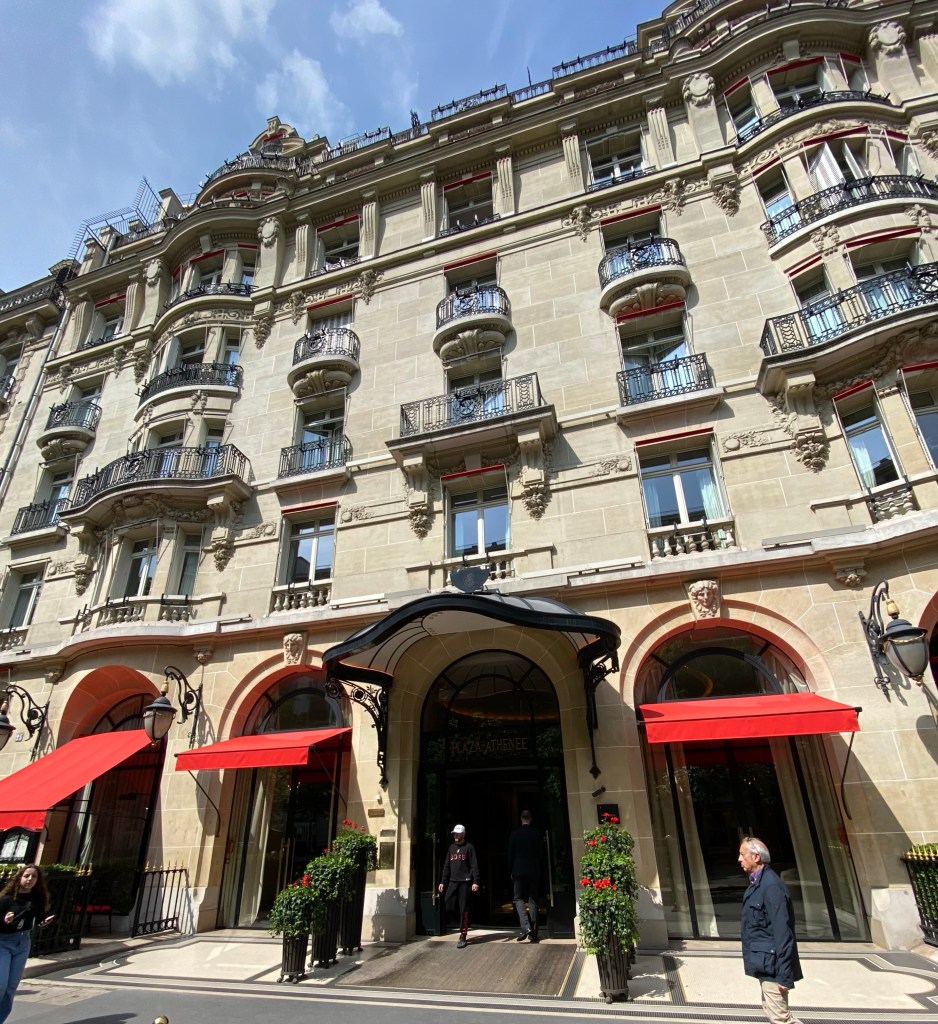
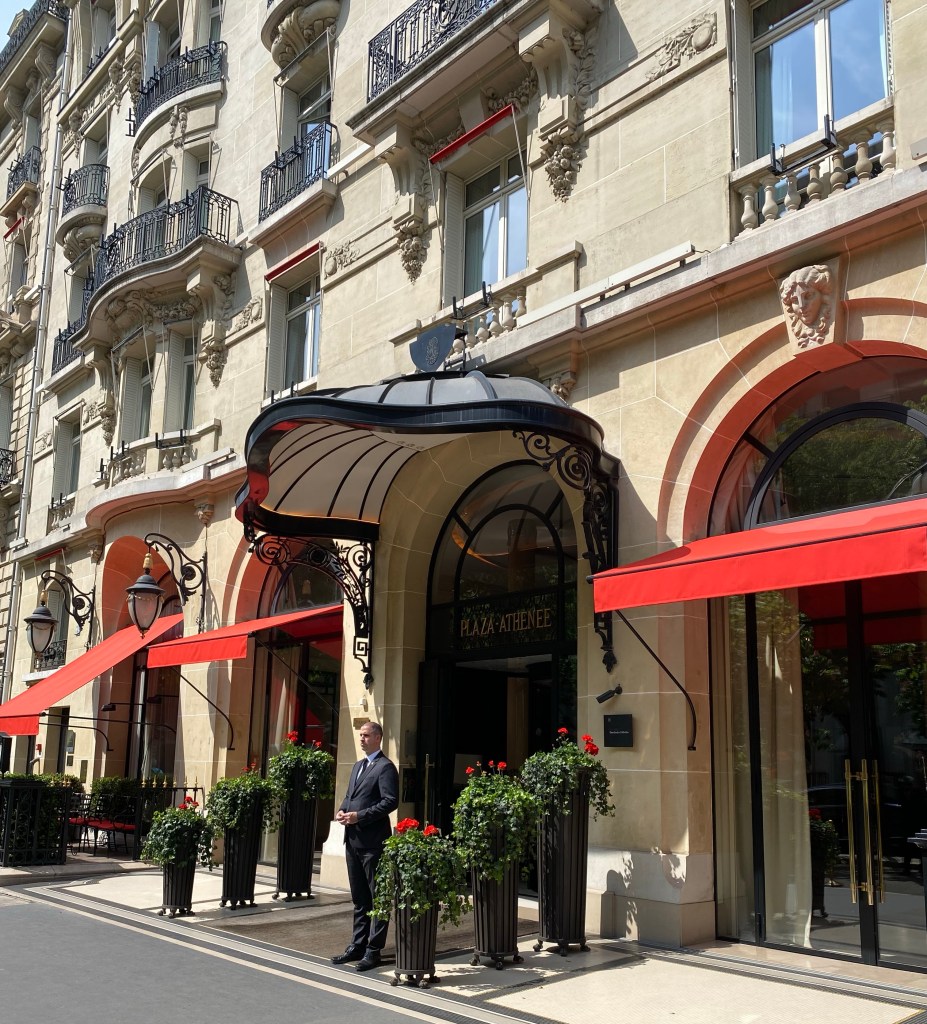
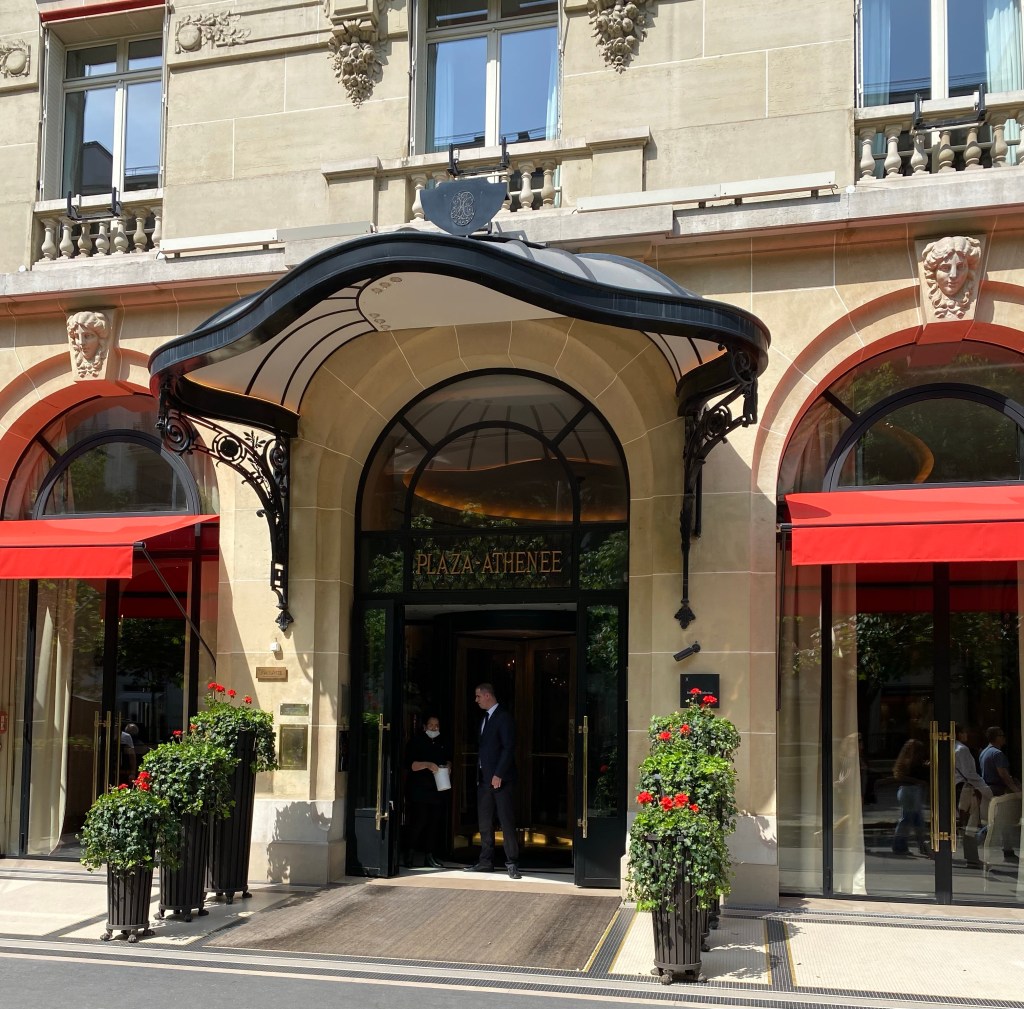
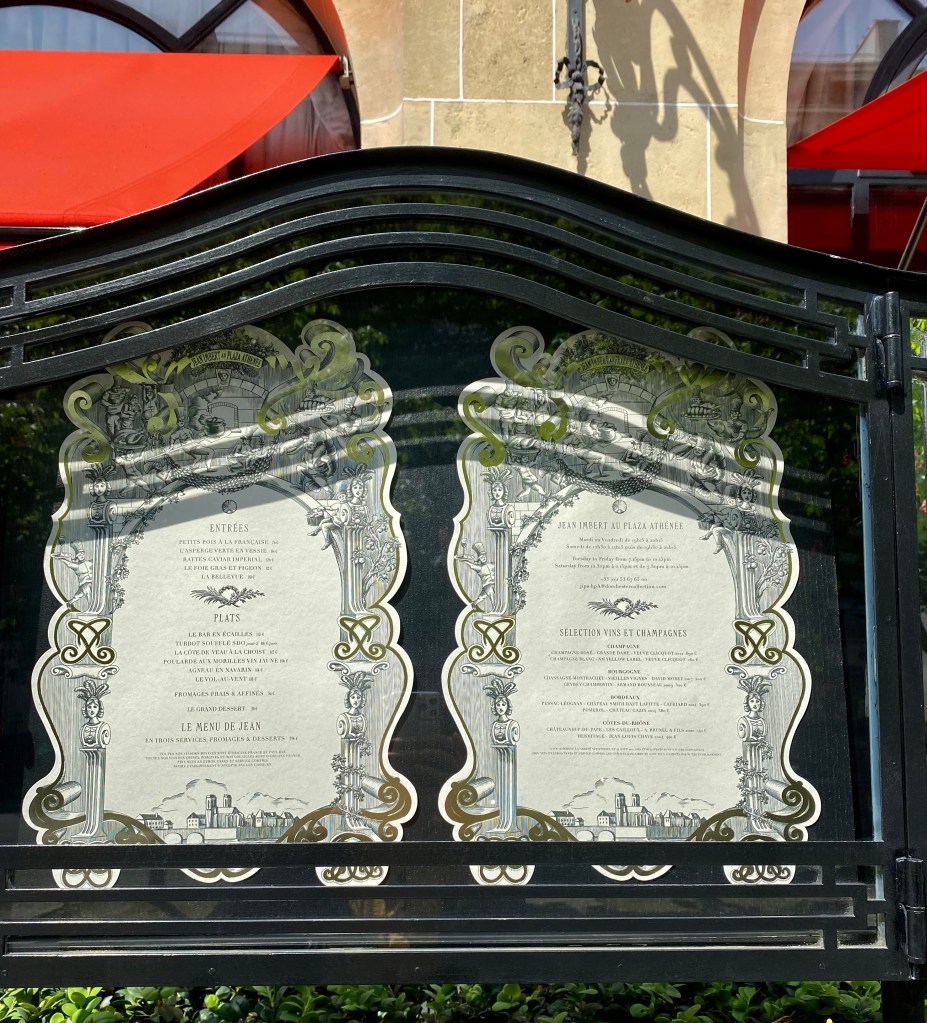
Below, even the menu is grand. You can dine here for merely a few hundred euros per meal.
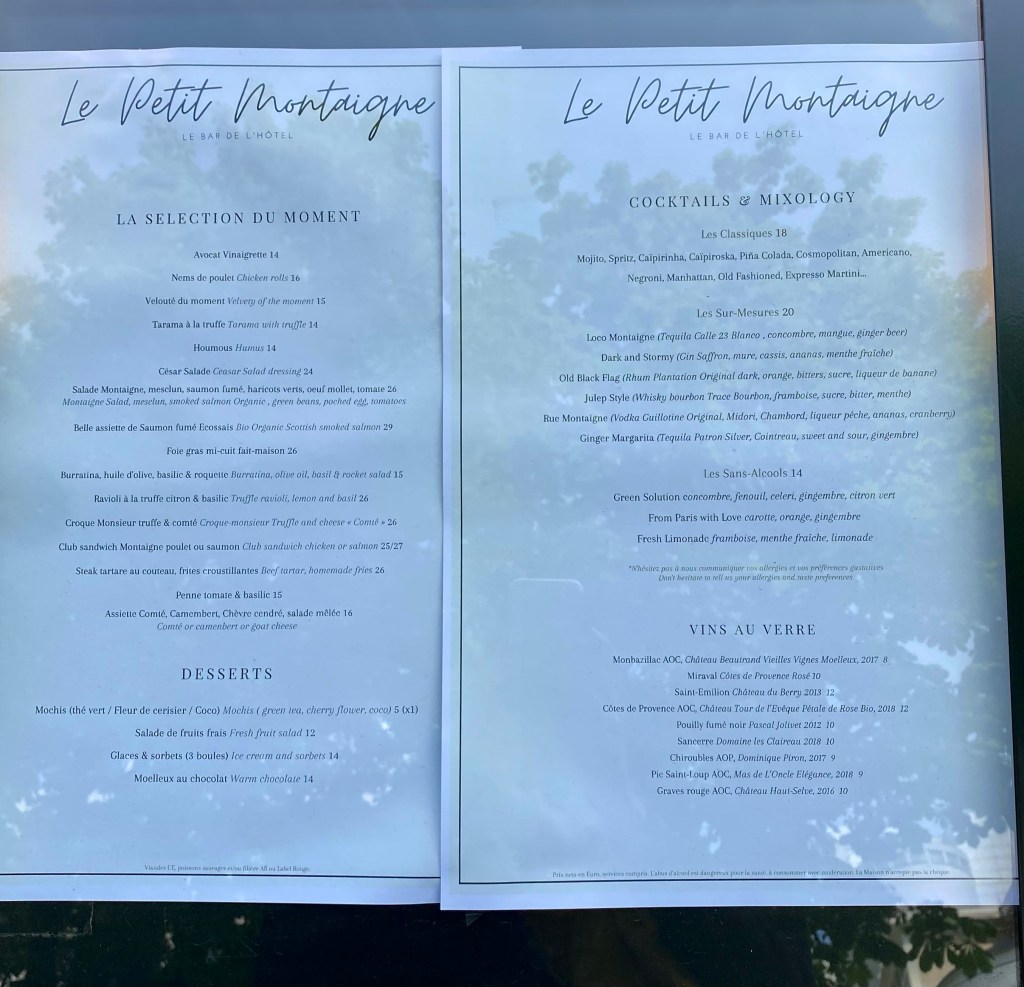
A little further down the avenue is another hotel and restaurant menu proudly displayed outdoors.
The fountains of Rome
The first one is fromthe garden of the Palazzo Madama, Rome
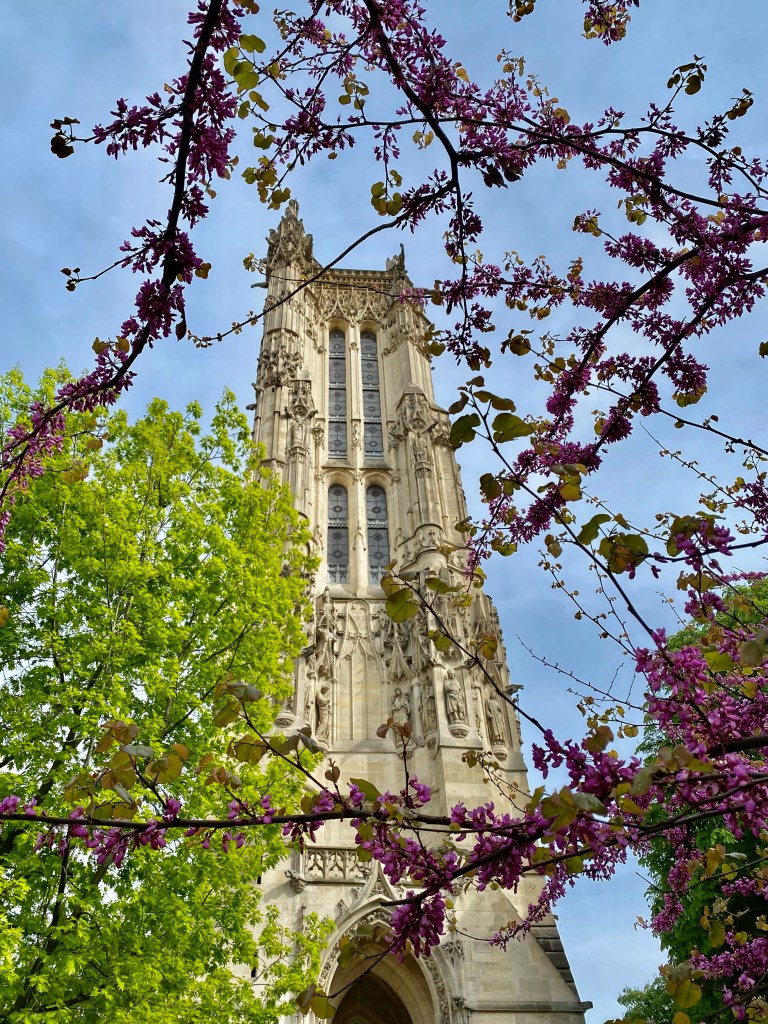
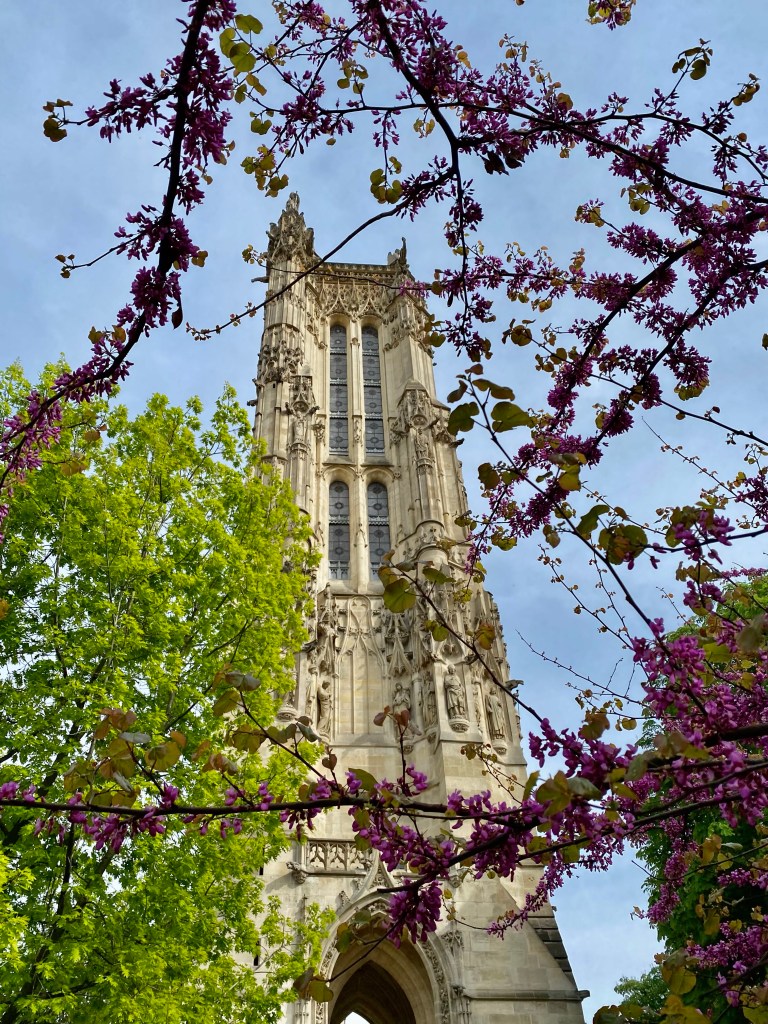
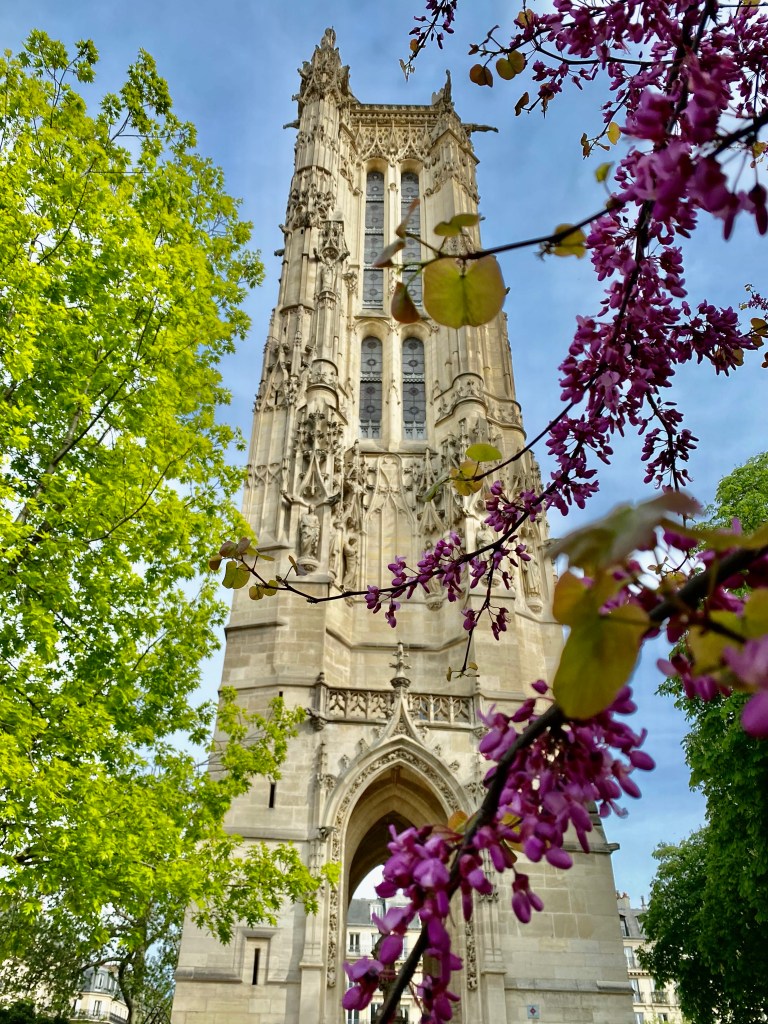
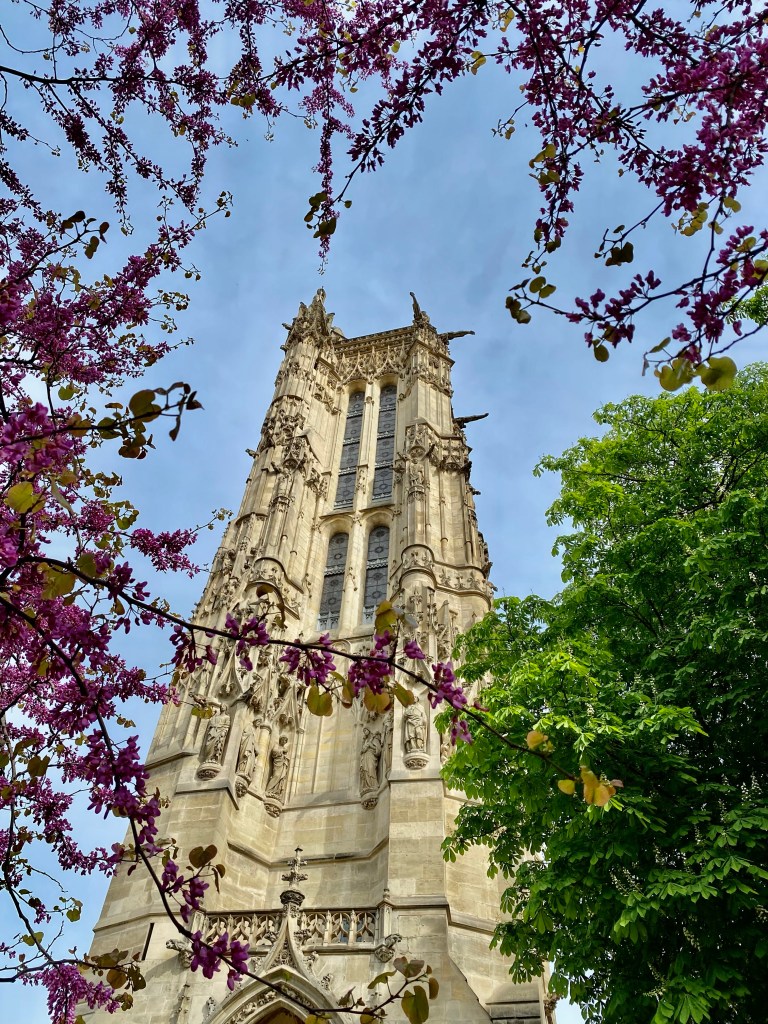
The St. Jacques Tower in Paris
Paris begs to have its photo taken in spring! This is the tower of St. Jacques.
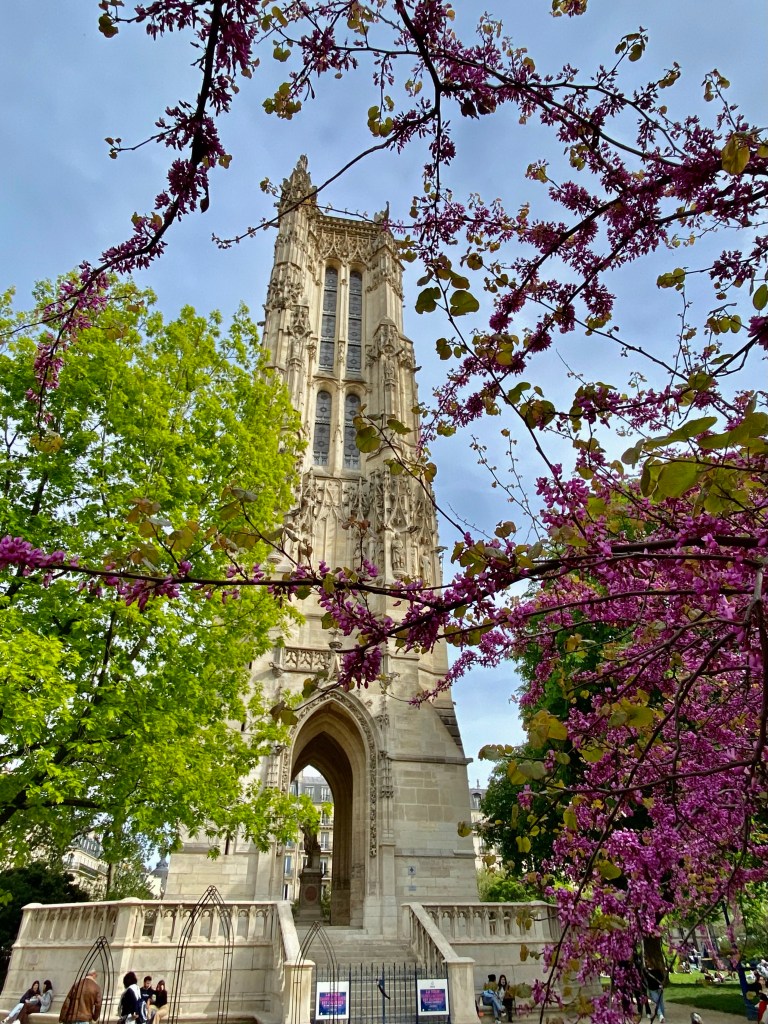
The Tour Saint-Jacques (Saint James’s Tower) is a monument located in the 4th arrondissement of Paris, at the intersection of Rue de Rivoli with Rue Nicolas Flamel. This 52-metre (171 ft) Flamboyant Gothic tower is all that remains of the former 16th-century Church of Saint-Jacques-de-la-Boucherie “Saint James of the butchers”, which was demolished in 1797, during the French Revolution, leaving only the tower.
What remains of the destroyed church of Saint-Jacques-de-la-Boucherie is now considered a national historic landmark.
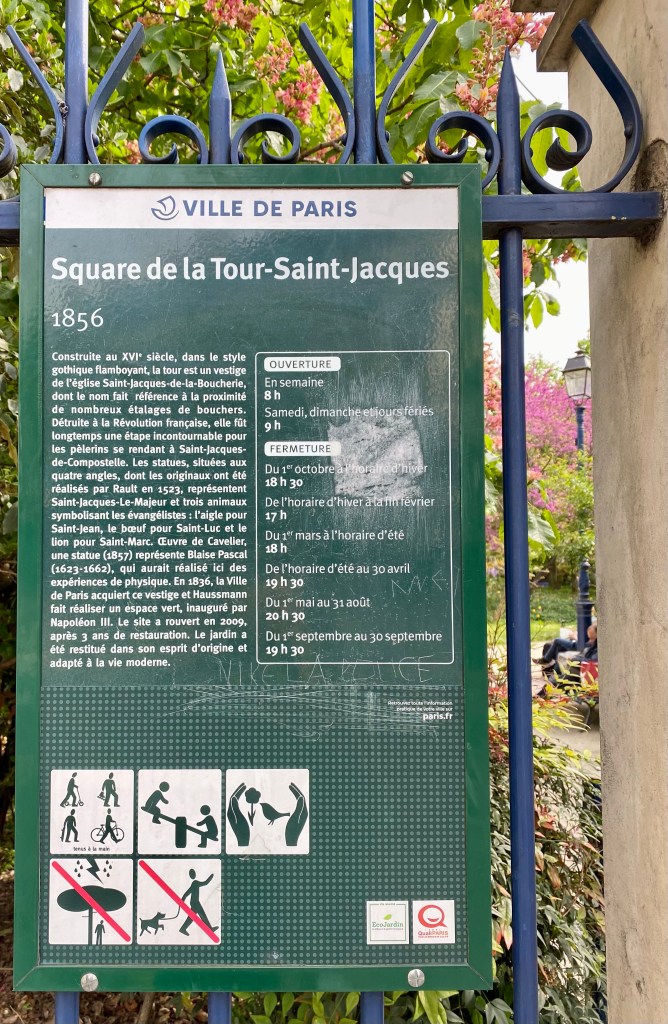
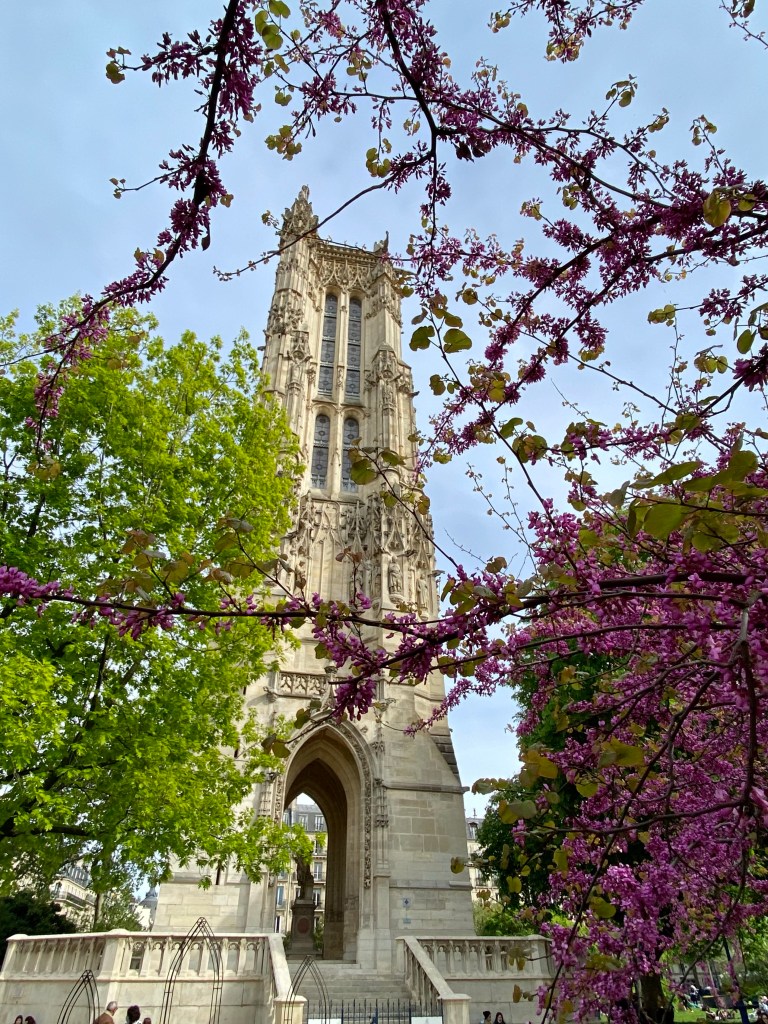
The Way of St. James: The tower’s rich decoration reflects the wealth of its patrons, the wholesale butchers of the nearby Les Halles market. The masons in charge were Jean de Felin, Julien Ménart and Jean de Revier. It was built between 1509 and 1523, during the reign of King Francis I.
With a dedication to Saint James the Greater, the ancient church and its landmark tower welcomed pilgrims setting out on the road that led to Tours and headed for the Way of St James, which led to the major pilgrimage destination of Santiago de Compostela in Spain.
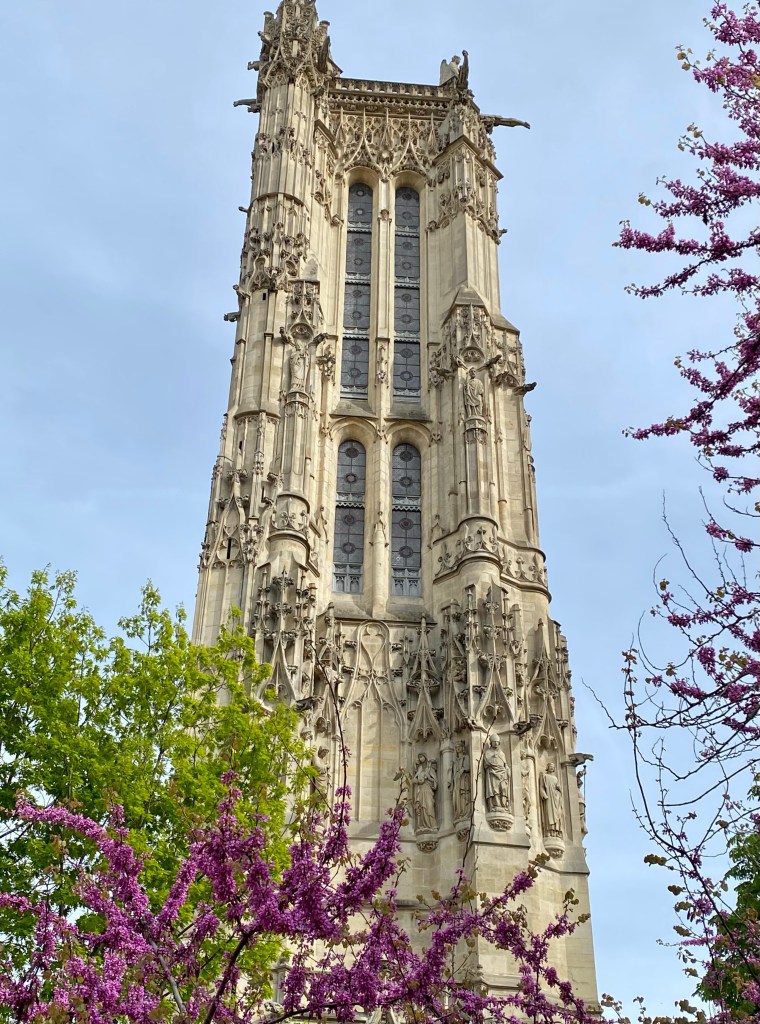
A relic of the saint preserved in the church linked it the more strongly and in modern times occasioned its listing in 1998 as a World Heritage Site by UNESCO among the sites and structures marking the chemins de Compostelle, the pilgrimage routes in France that led like tributaries of a great stream headed towards Santiago in the northwest of Spain.
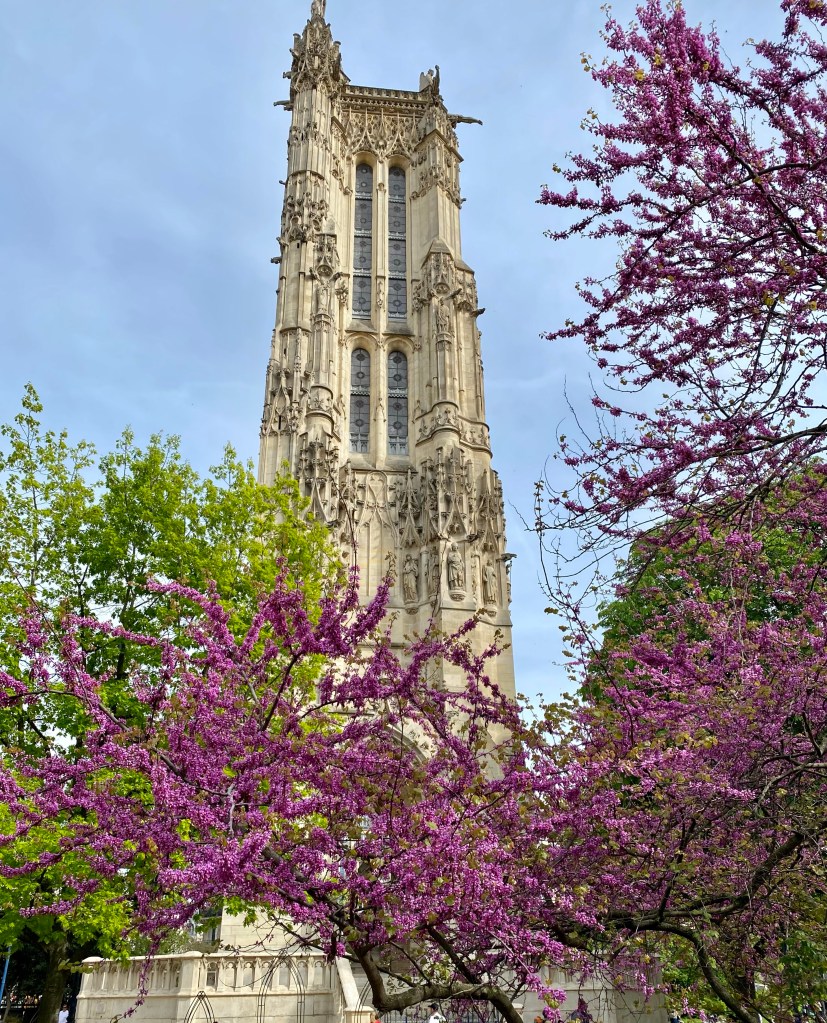

The church which was attached to this tower was demolished in 1793; preservation of the tower was a condition of the contract by which the church was bought for the value of its building materials.
In 1824 it was being used as a shot tower to make small shot. It was repurchased by the City of Paris in 1836 and declared a Monument Historique in 1862. A statue of the saint was installed on the top of the tower during the 19th century.
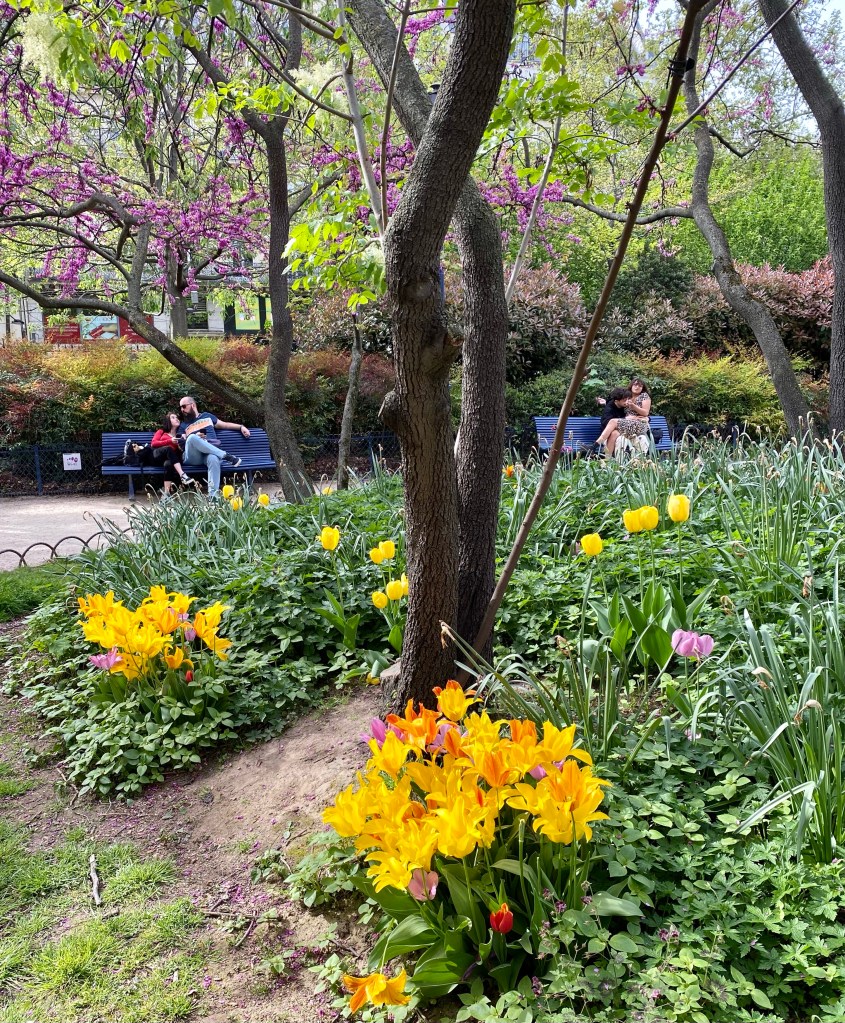
During the Second Empire, the architect Théodore Ballu restored the tower, placing it on a pedestal and designing a small city park around it. This coincided with the construction of the rue de Rivoli and the avenue Victoria nearby, requiring huge quantities of earth to be removed to ensure the rue de Rivoli a smooth flat path. The pedestal allowed the tower to retain its original elevation: nowadays, the change in ground level can best be appreciated in rue St-Bon, just northeast of the tower, where a staircase leads up to the original street level at rue de la Verrerie.
A statue of Blaise Pascal is located at the base of the tower, commemorating the experiments on atmospheric pressure, though it is debated whether they were performed here or at the church of Saint-Jacques-du-Haut-Pas. A meteorological laboratory is also installed at the top of the tower.
The tower inspired Alexandre Dumas to write the play La tour Saint-Jacques-de-la-boucherie in 1856.
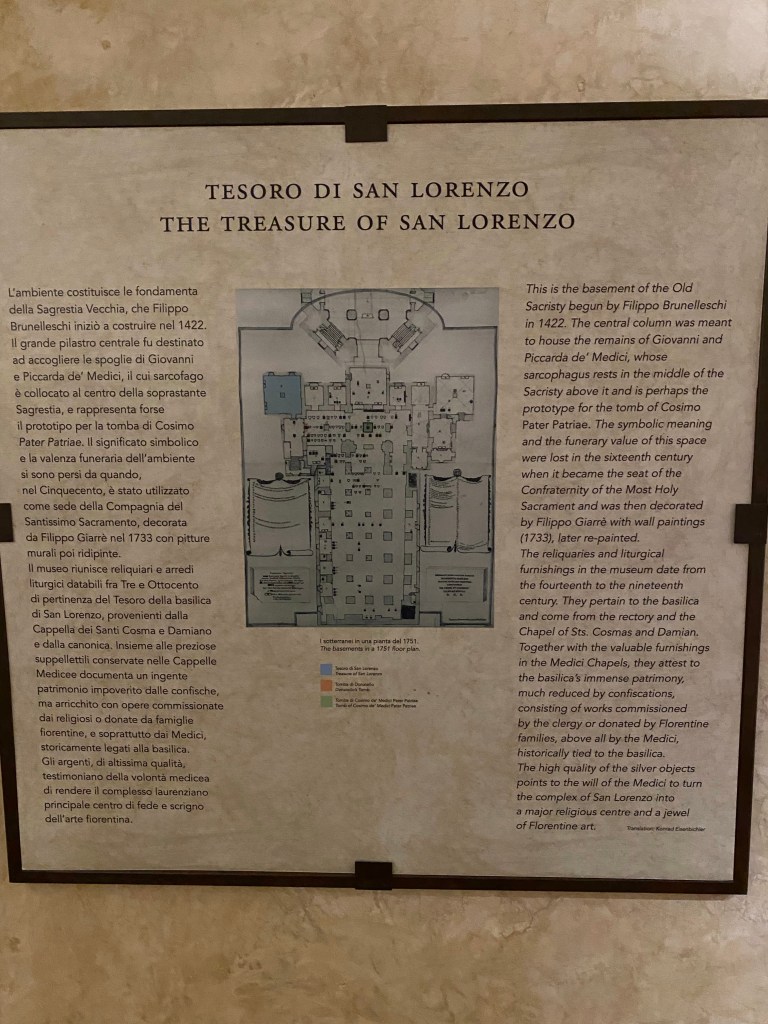
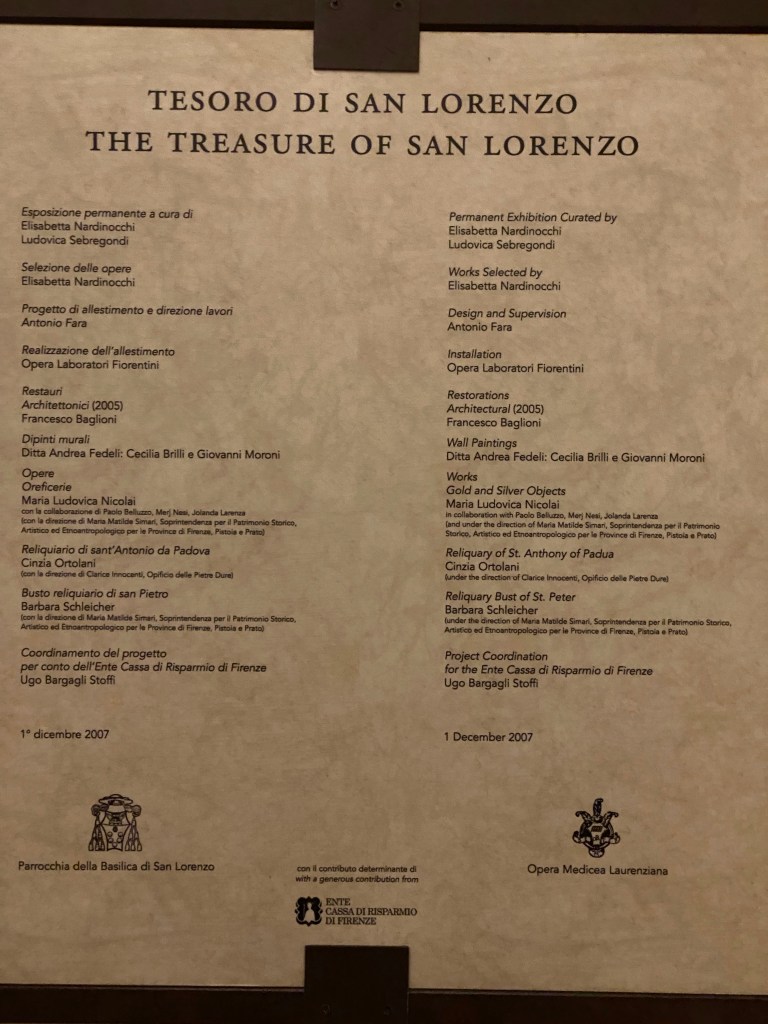
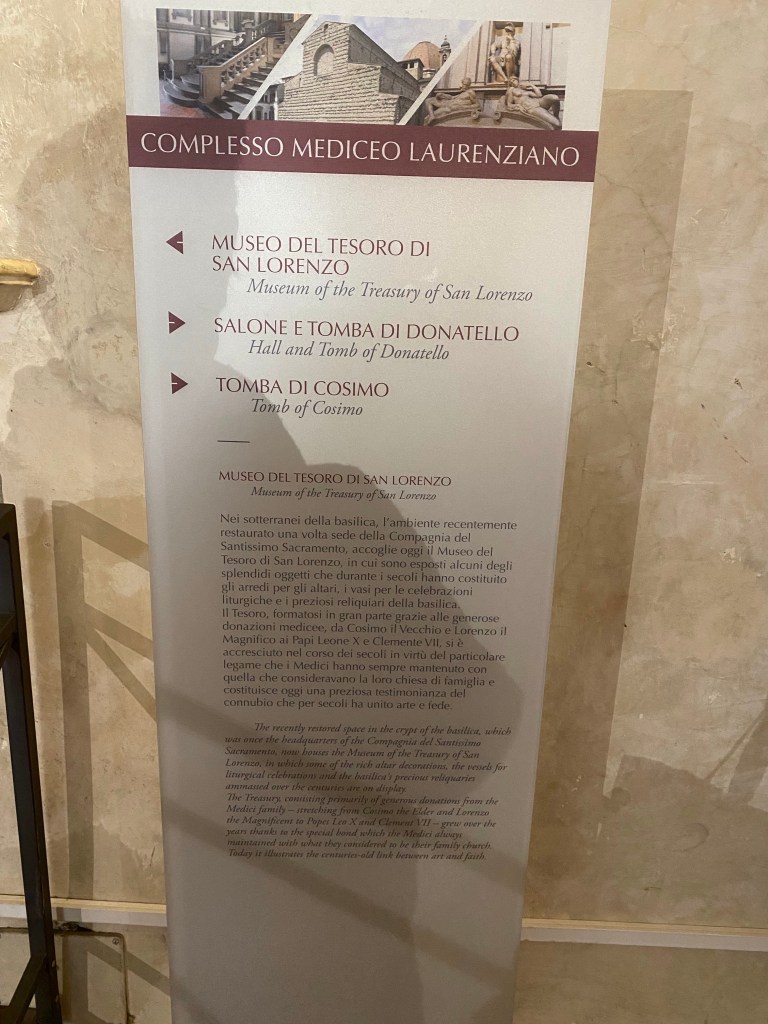
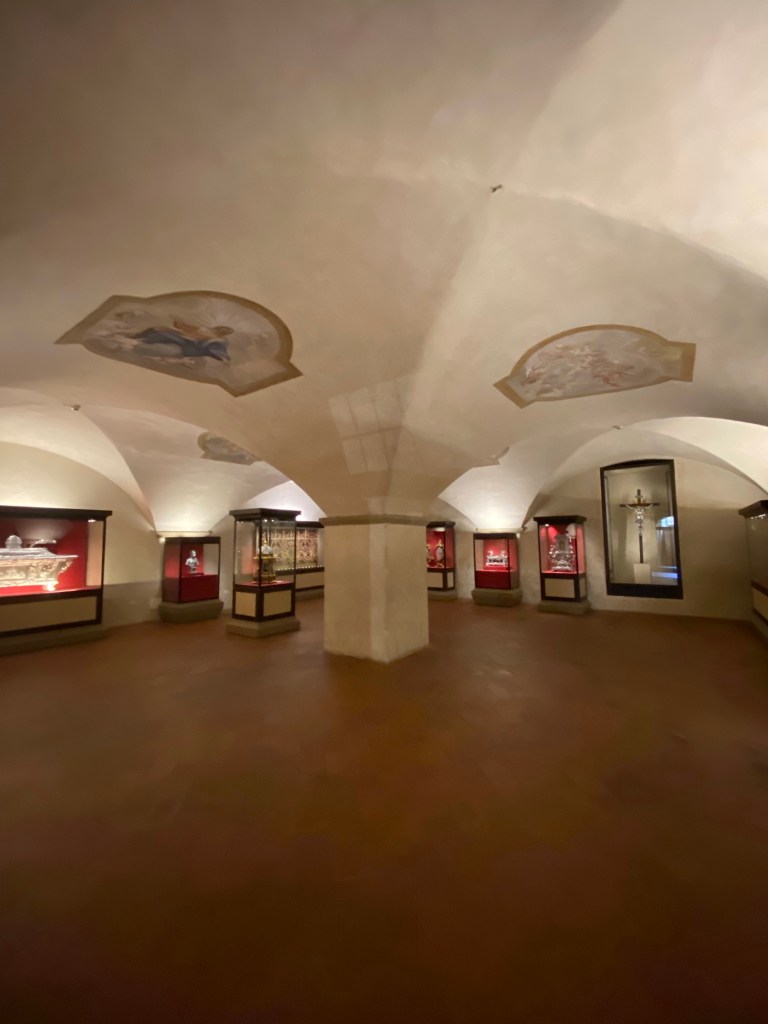
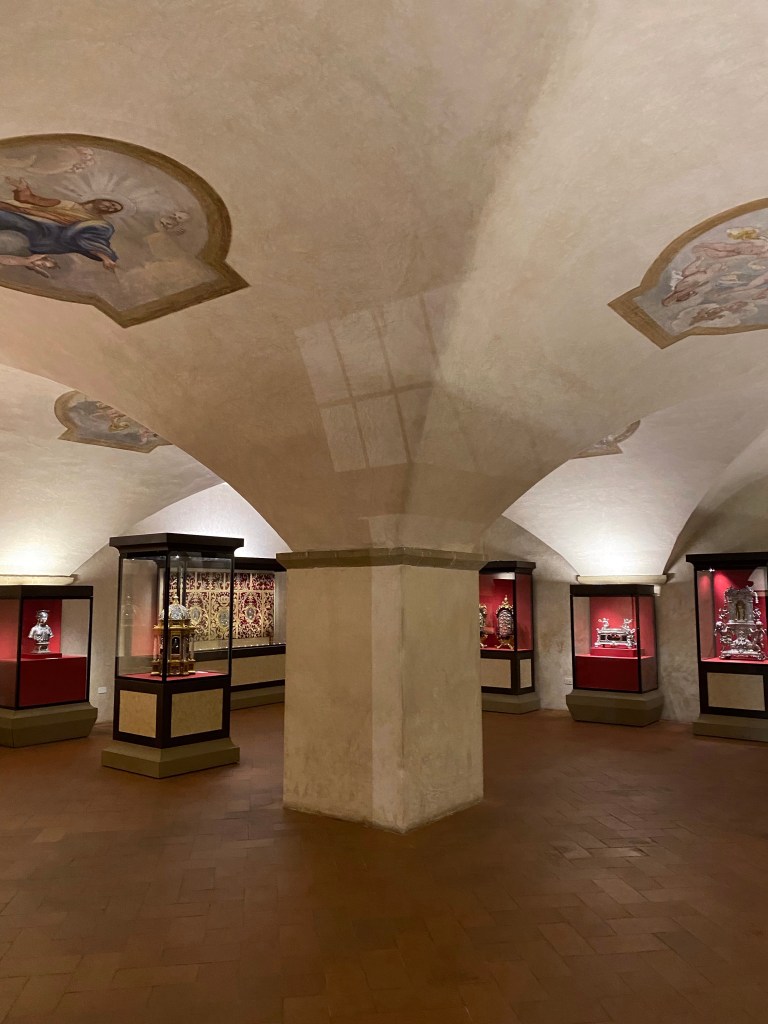
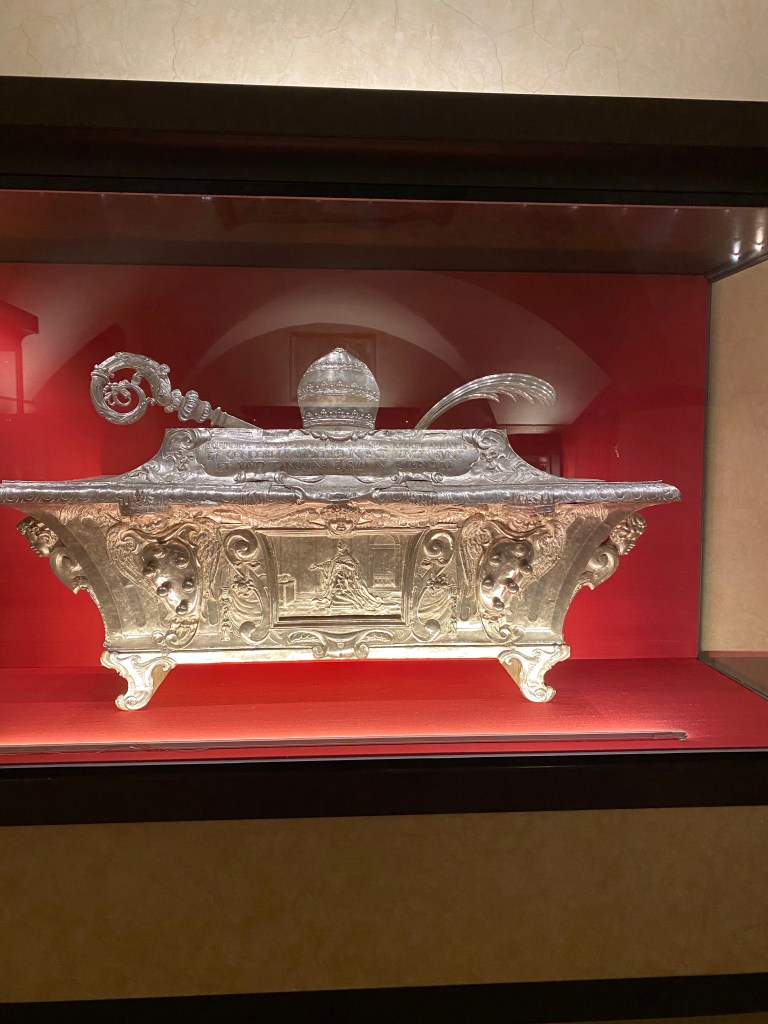
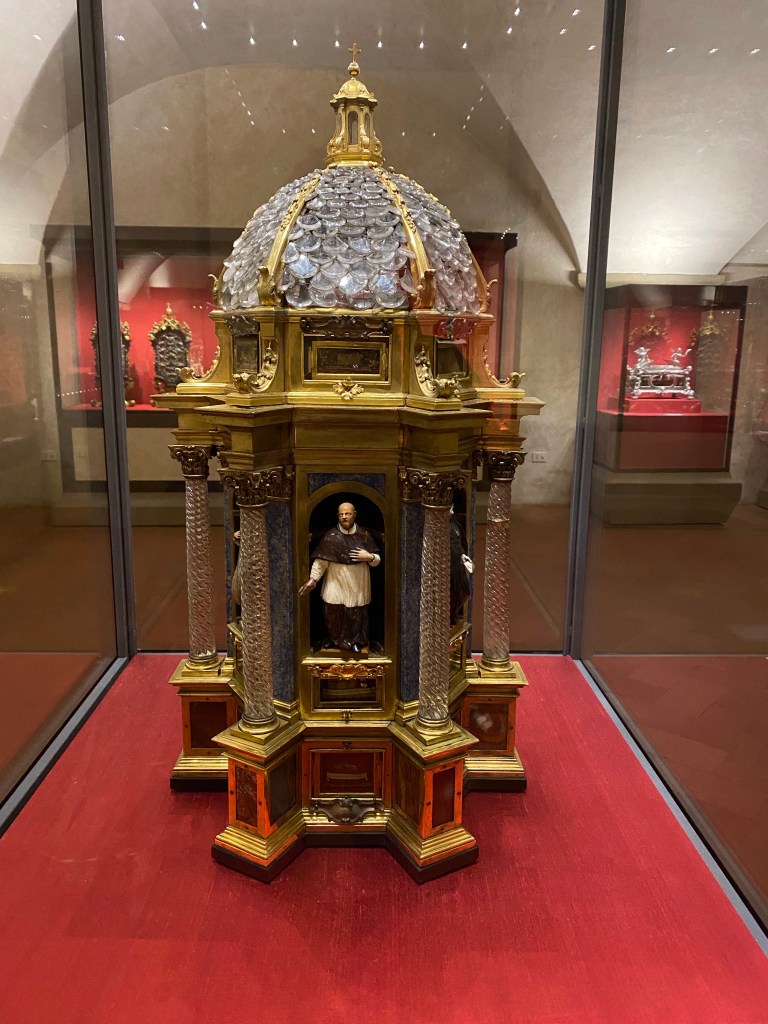
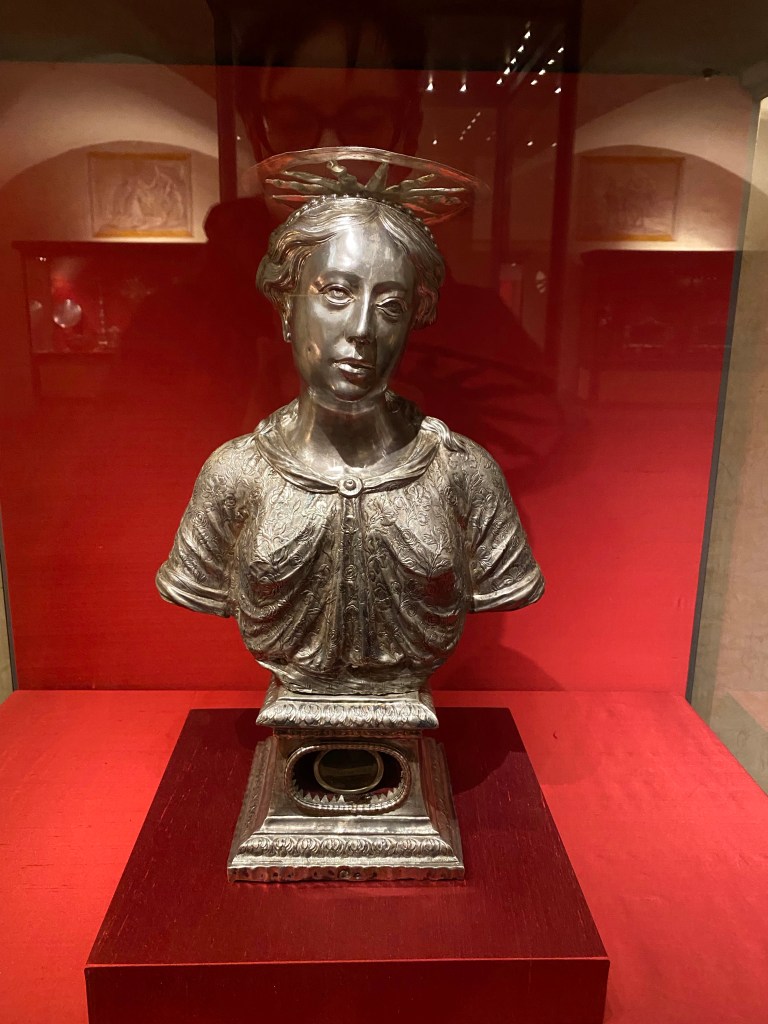
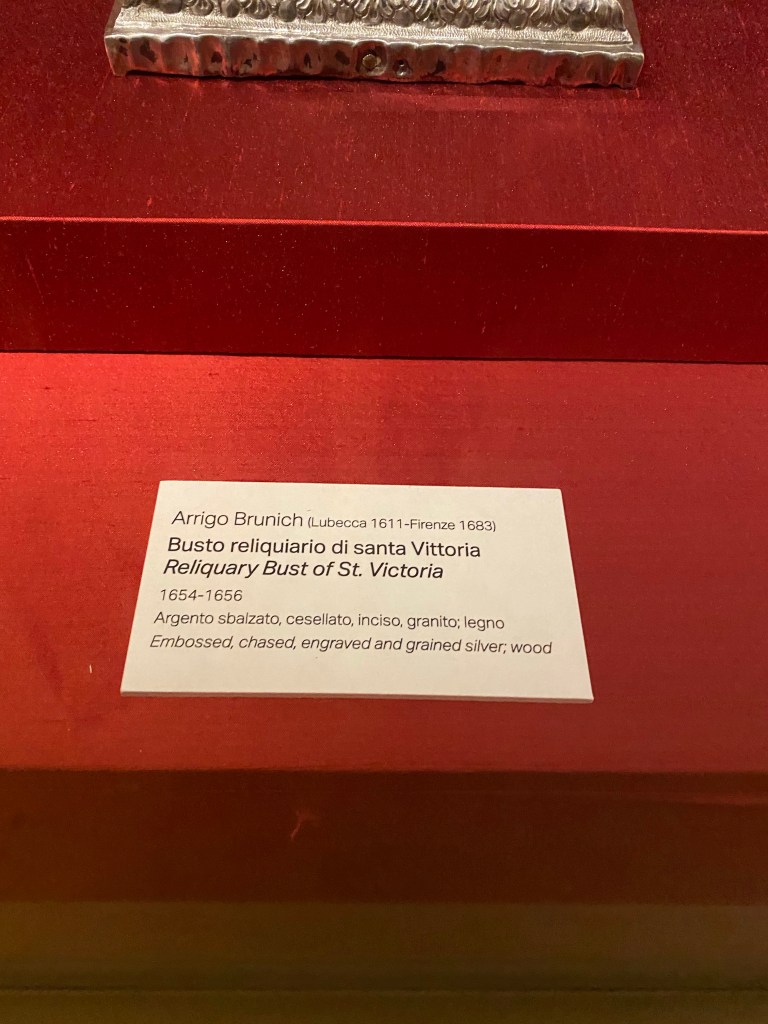
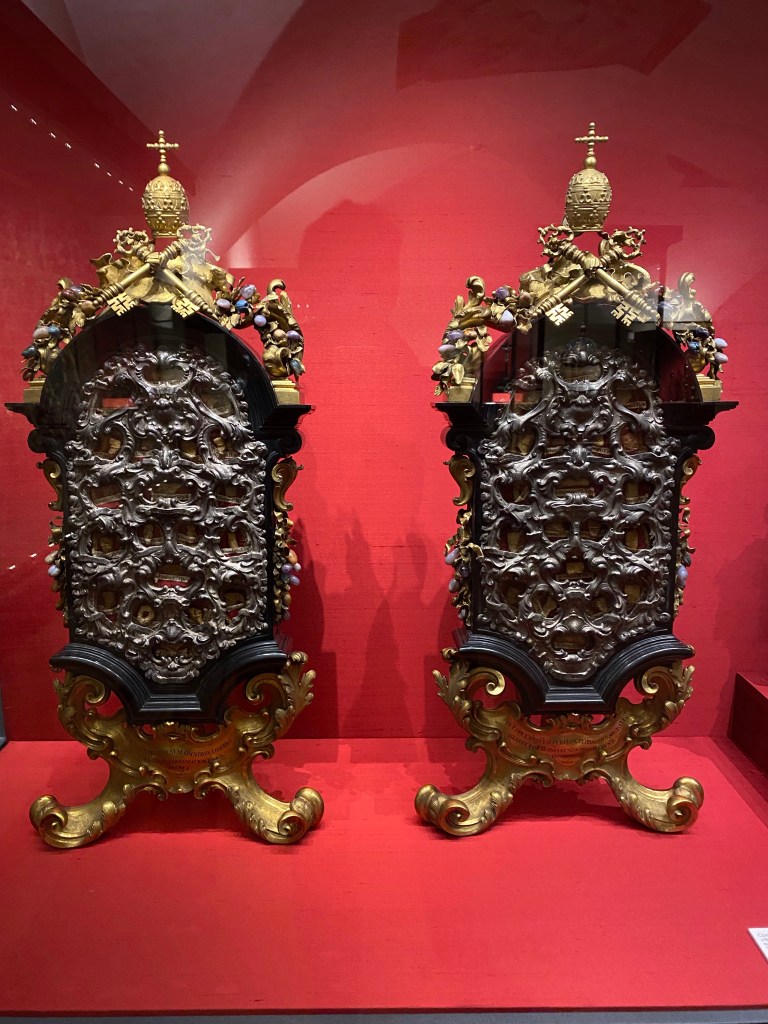
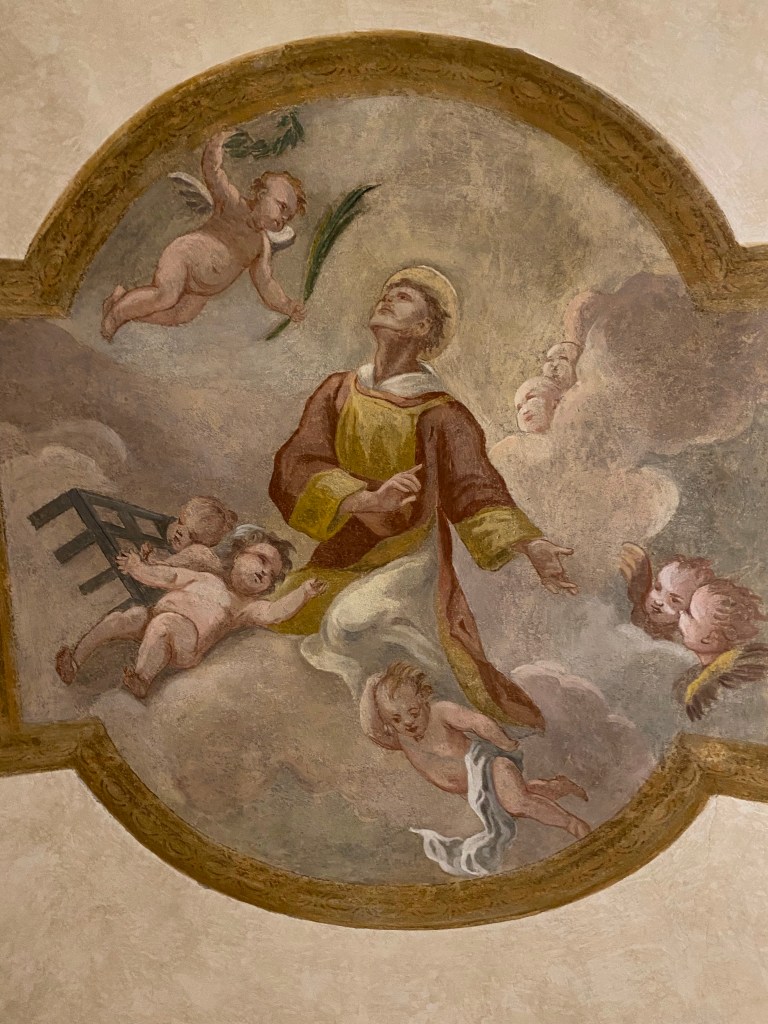
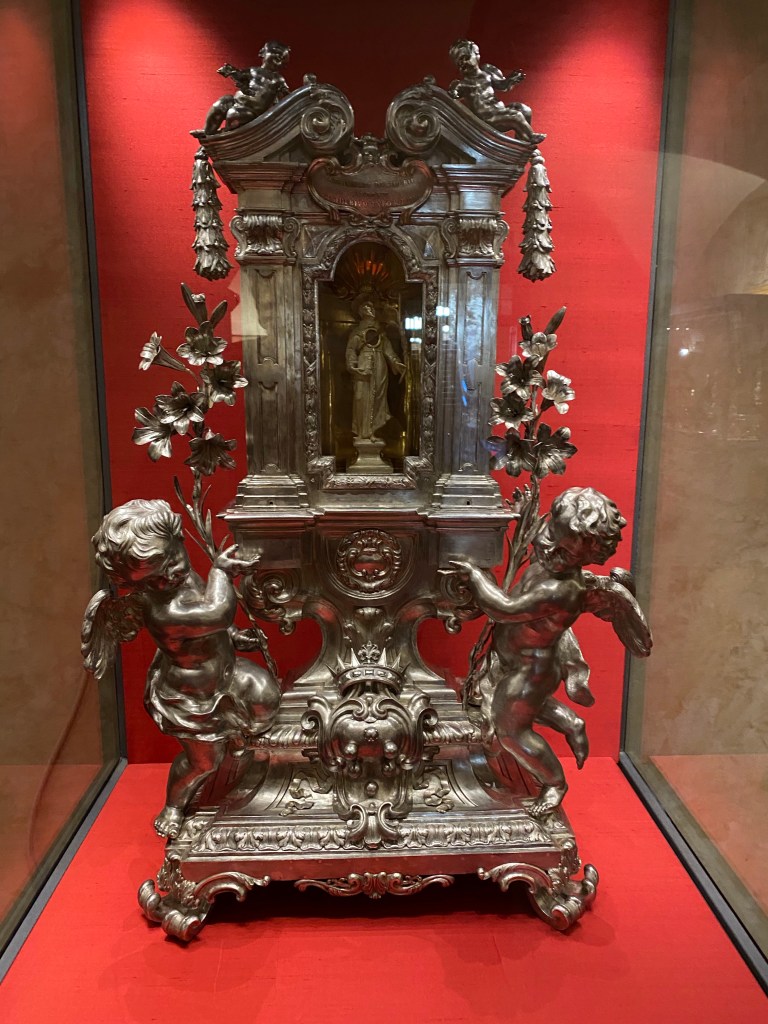
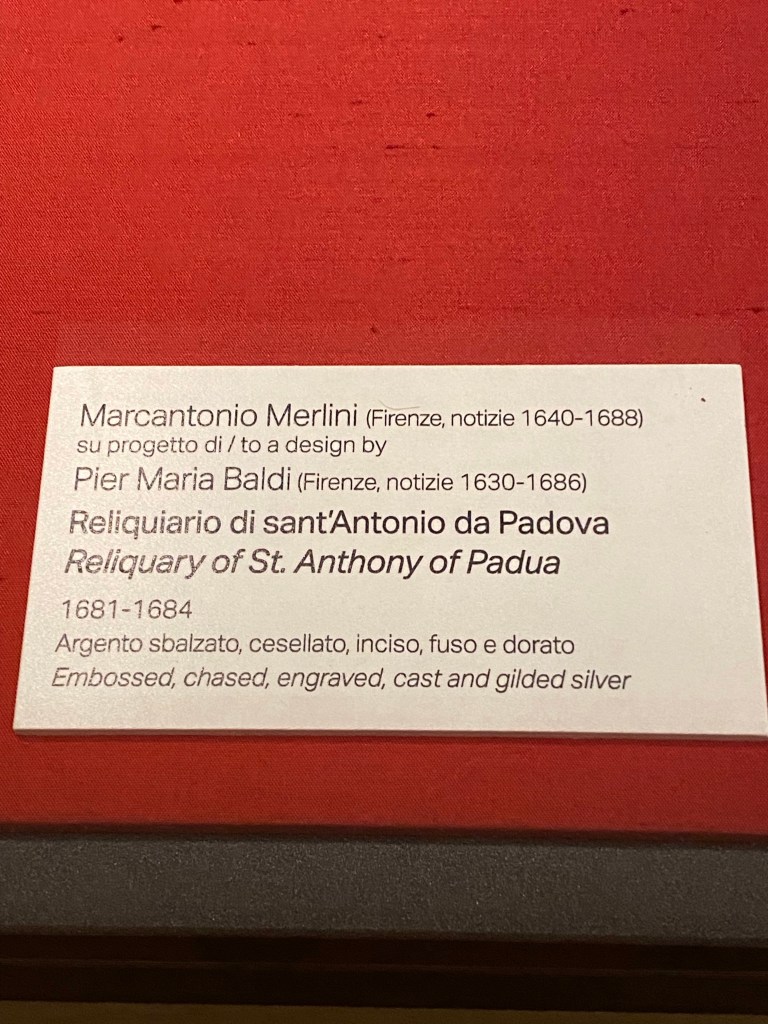
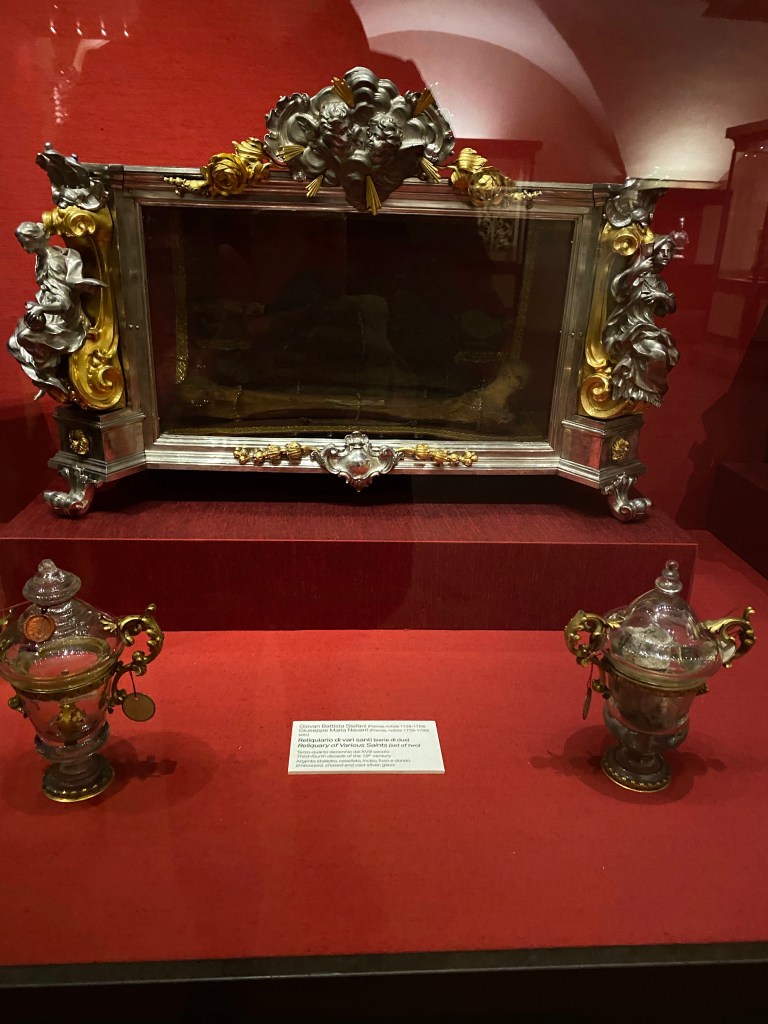
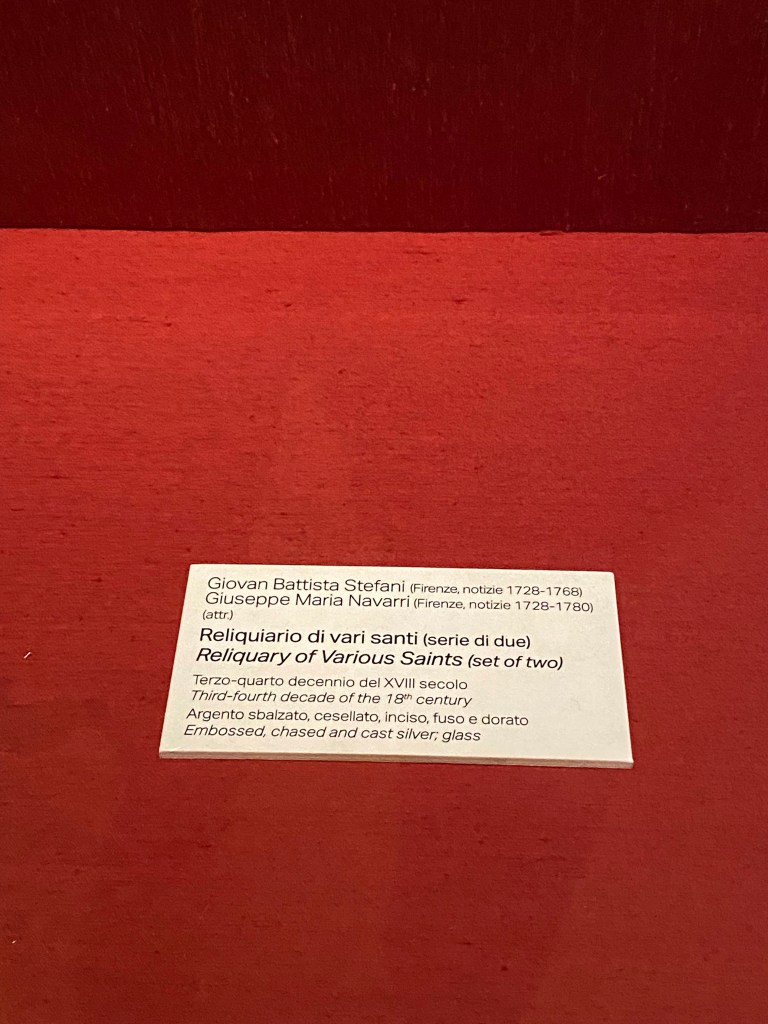
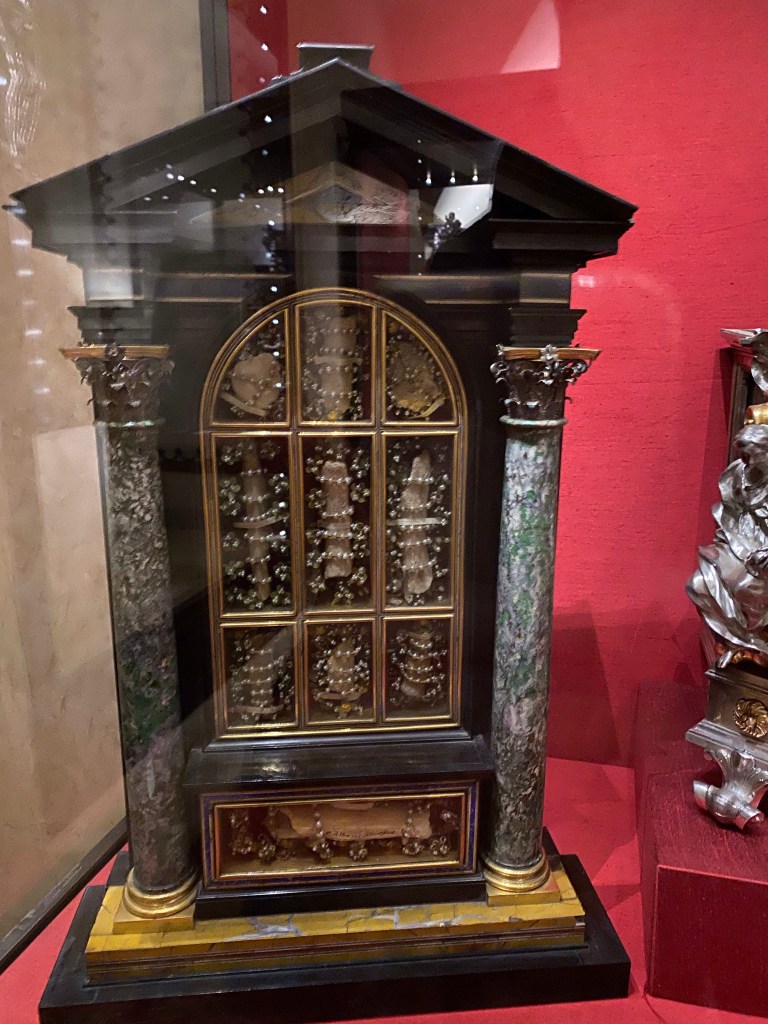
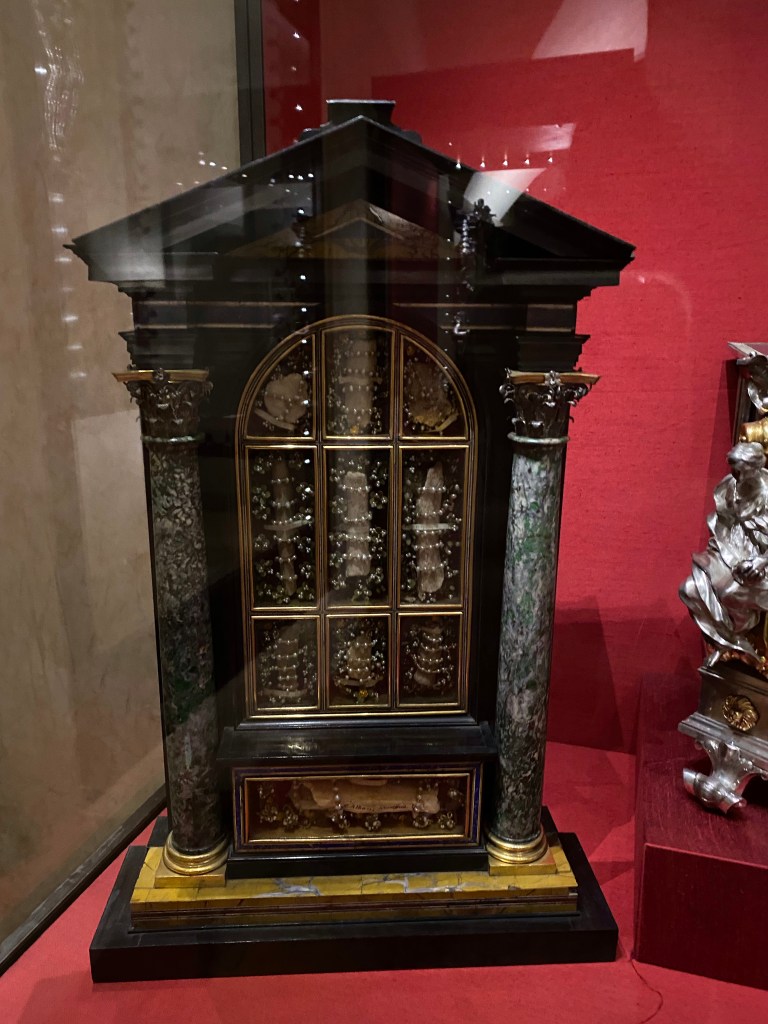
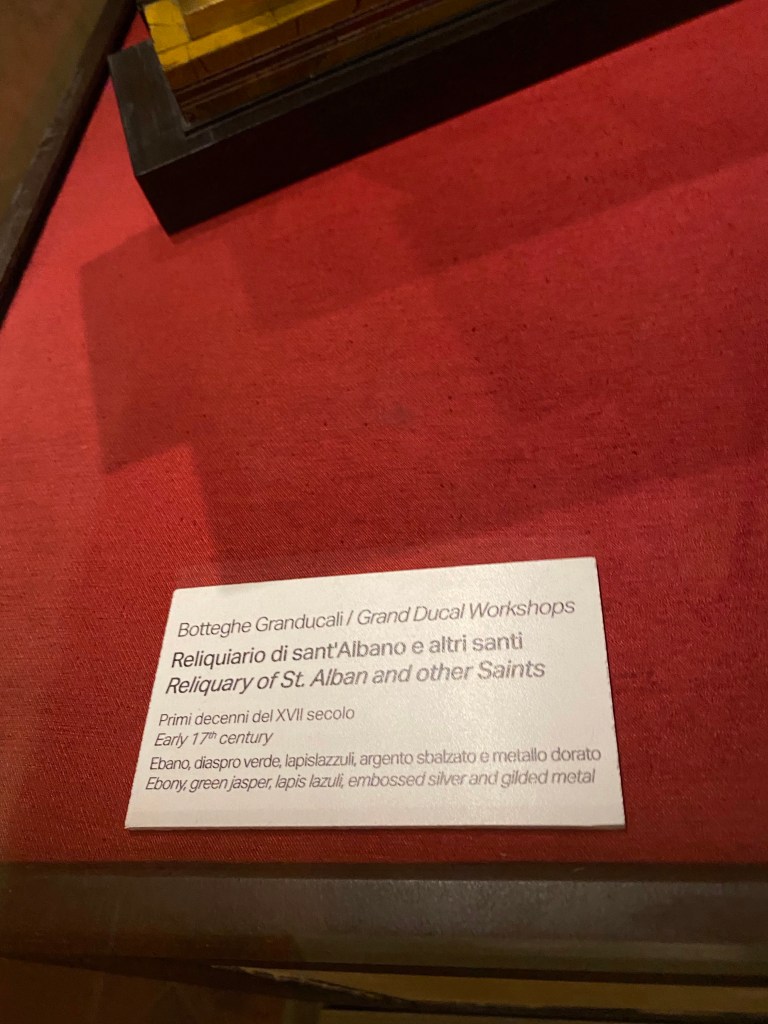
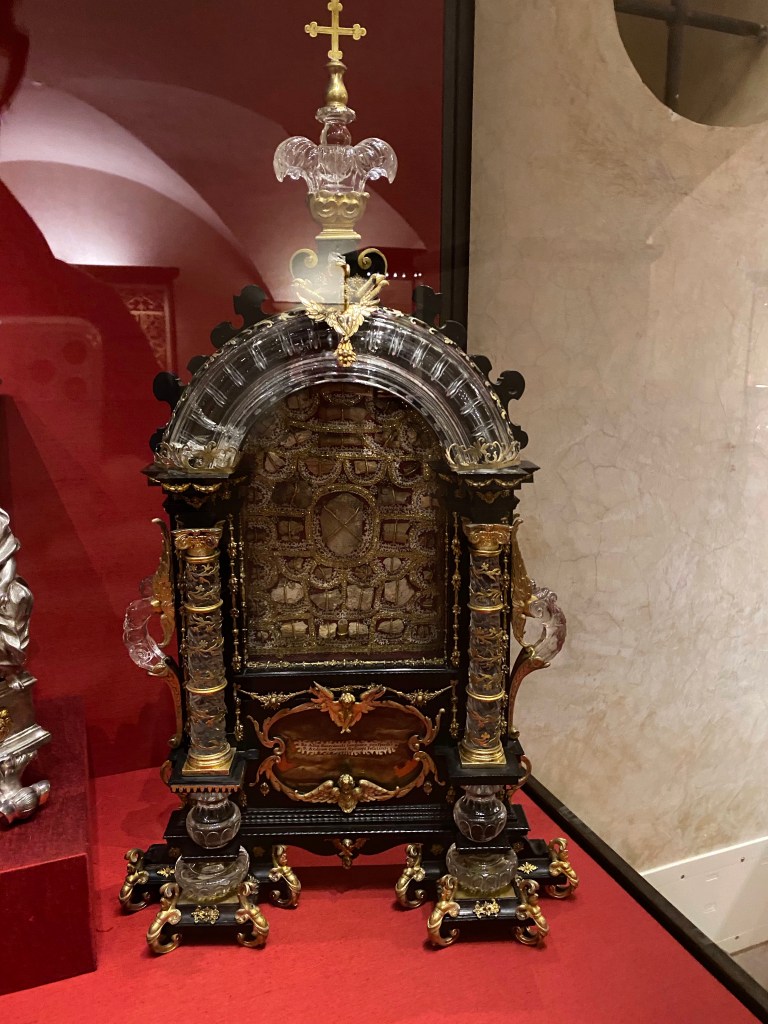
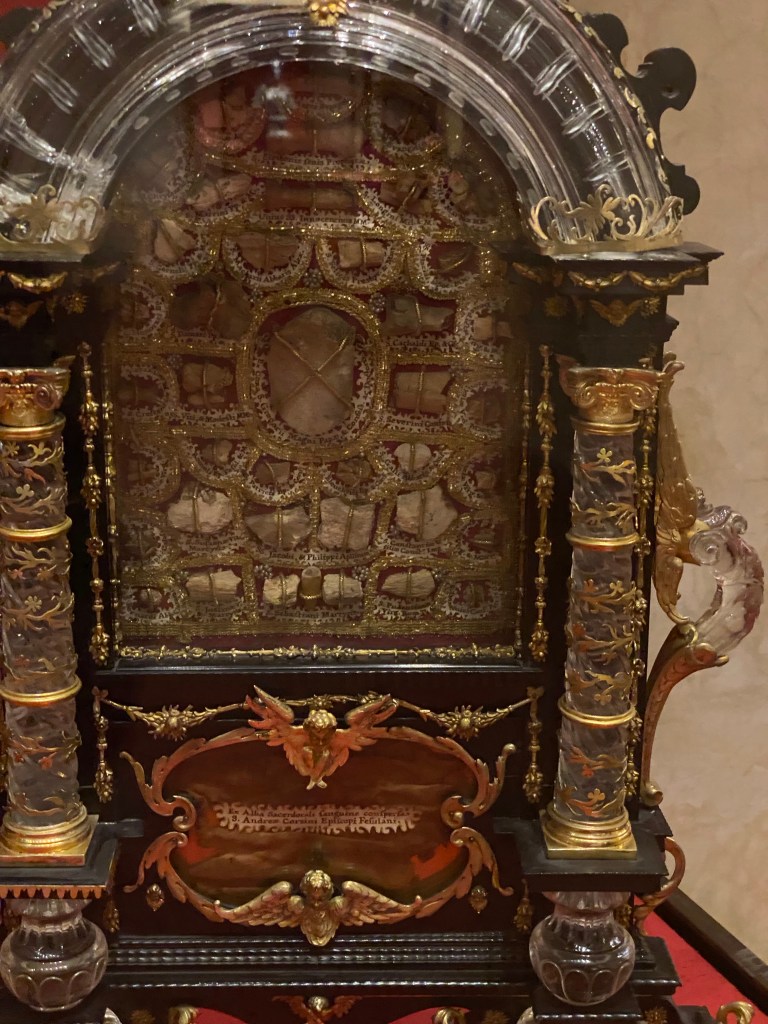
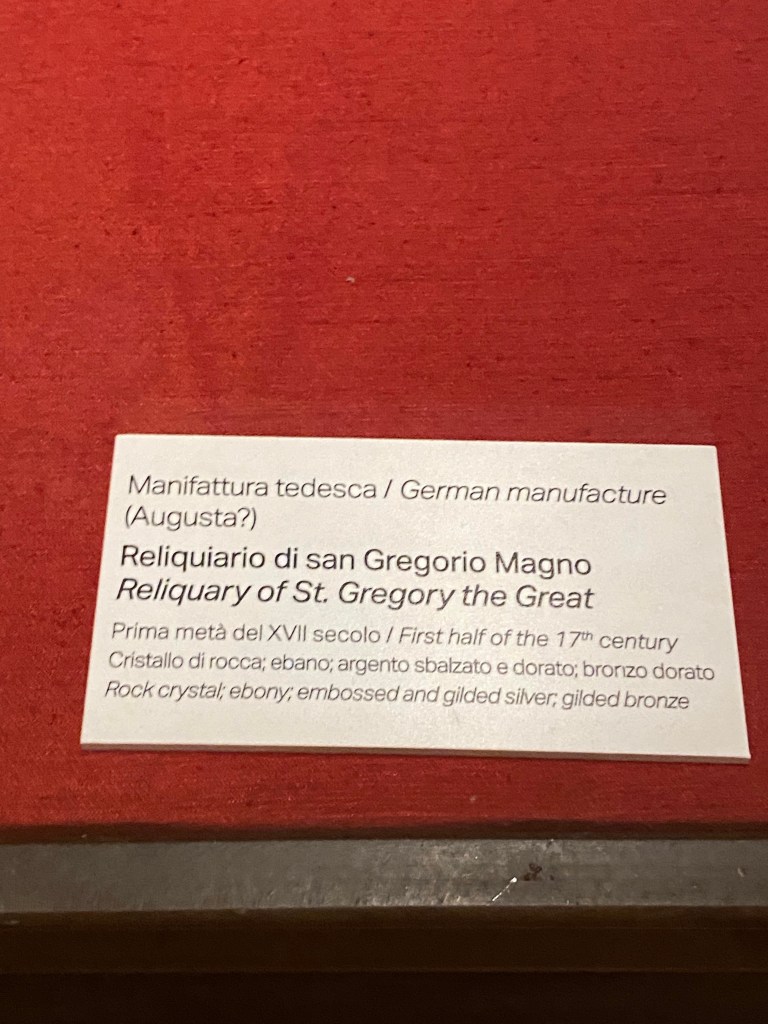
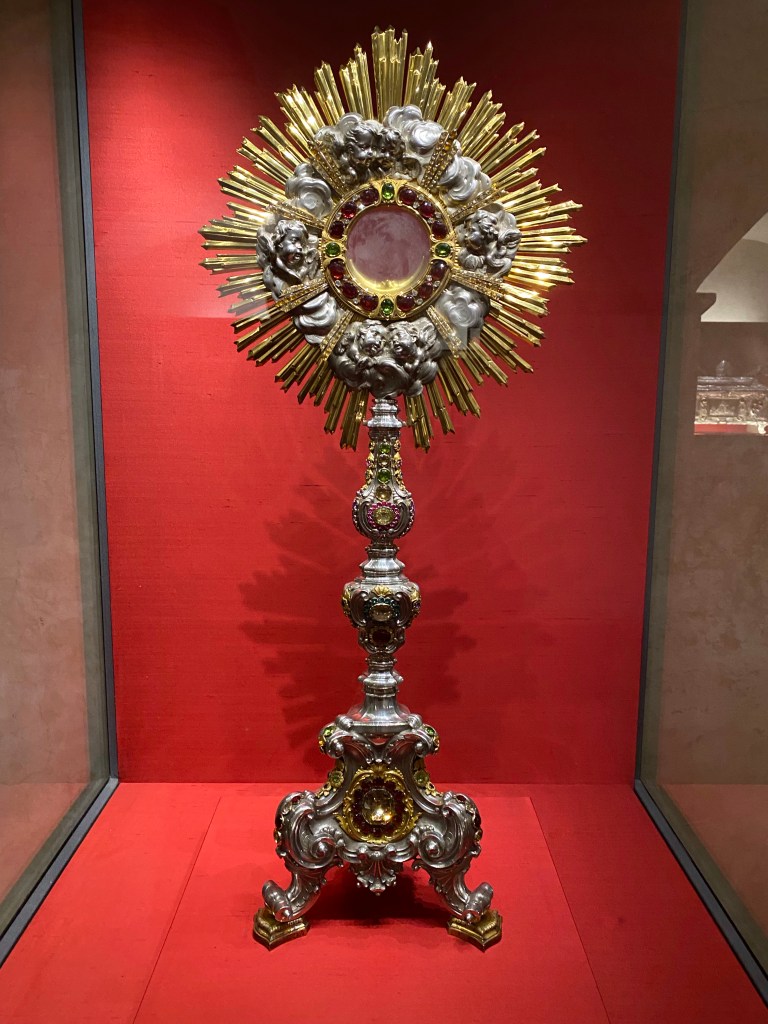
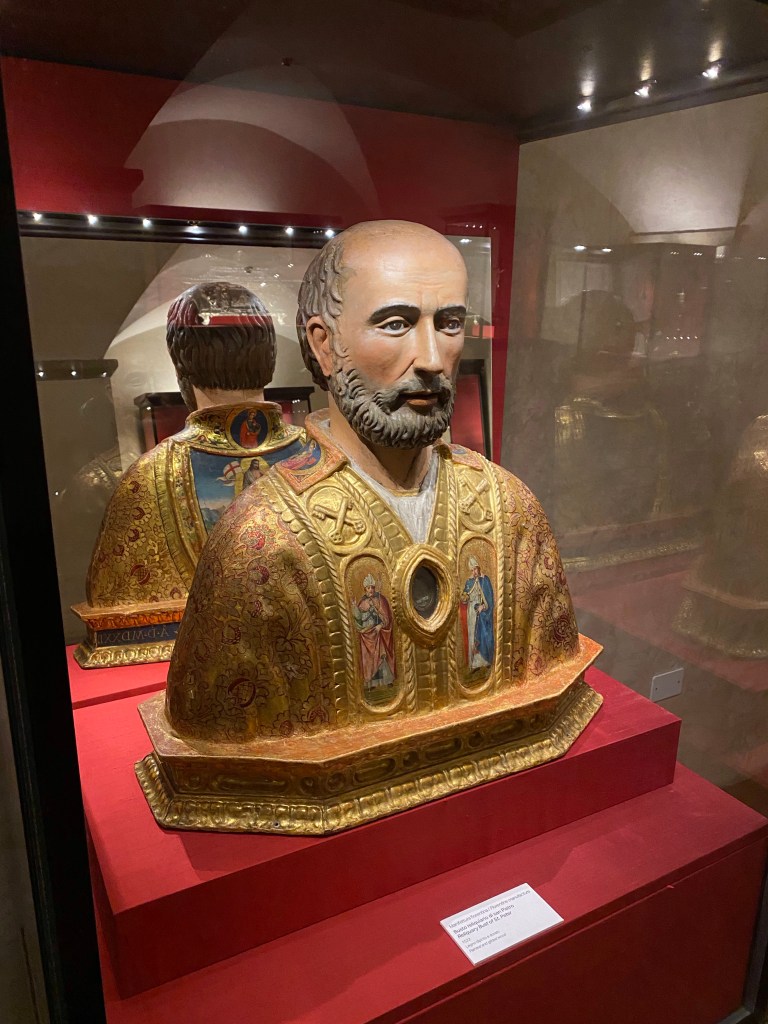
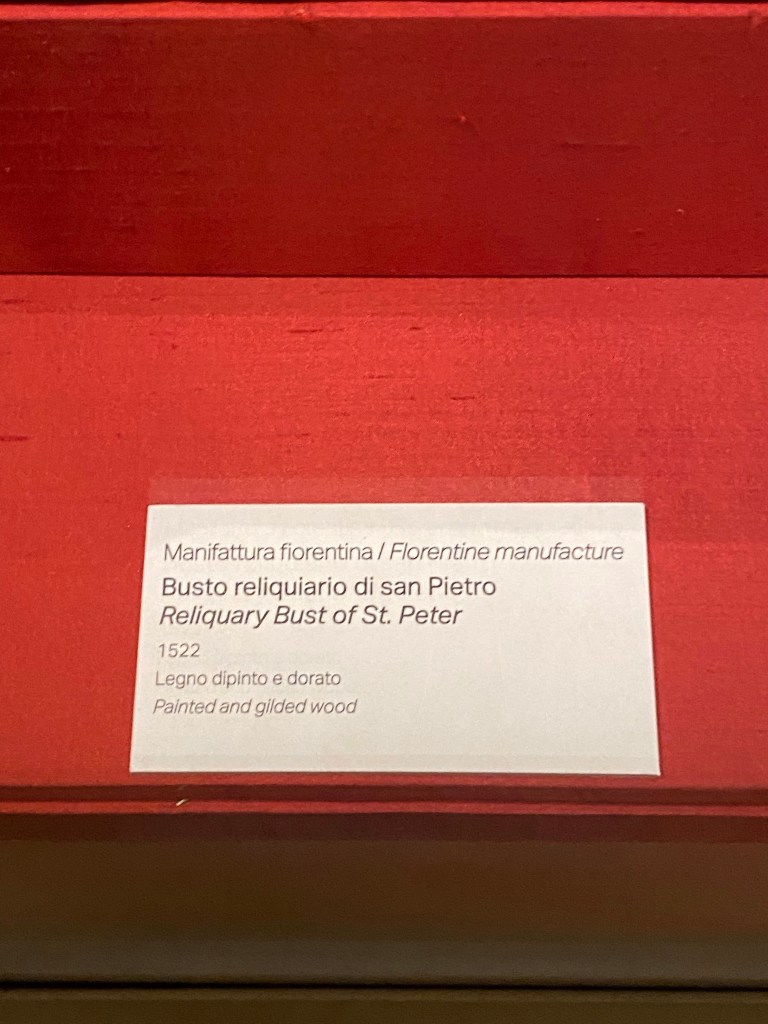
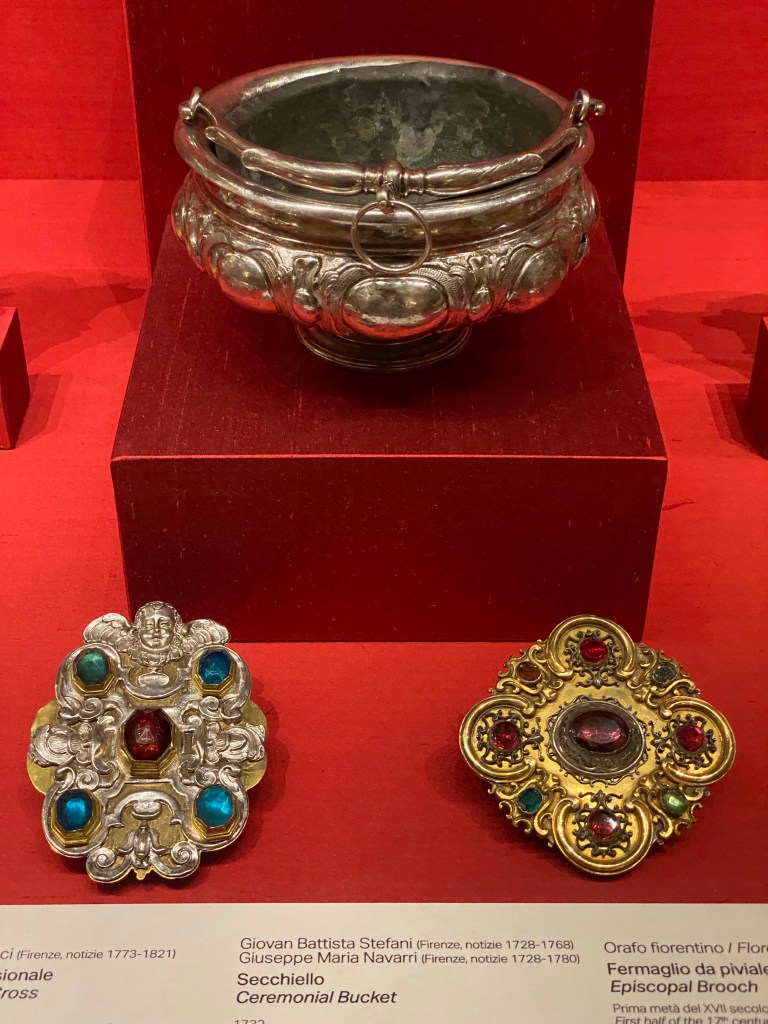
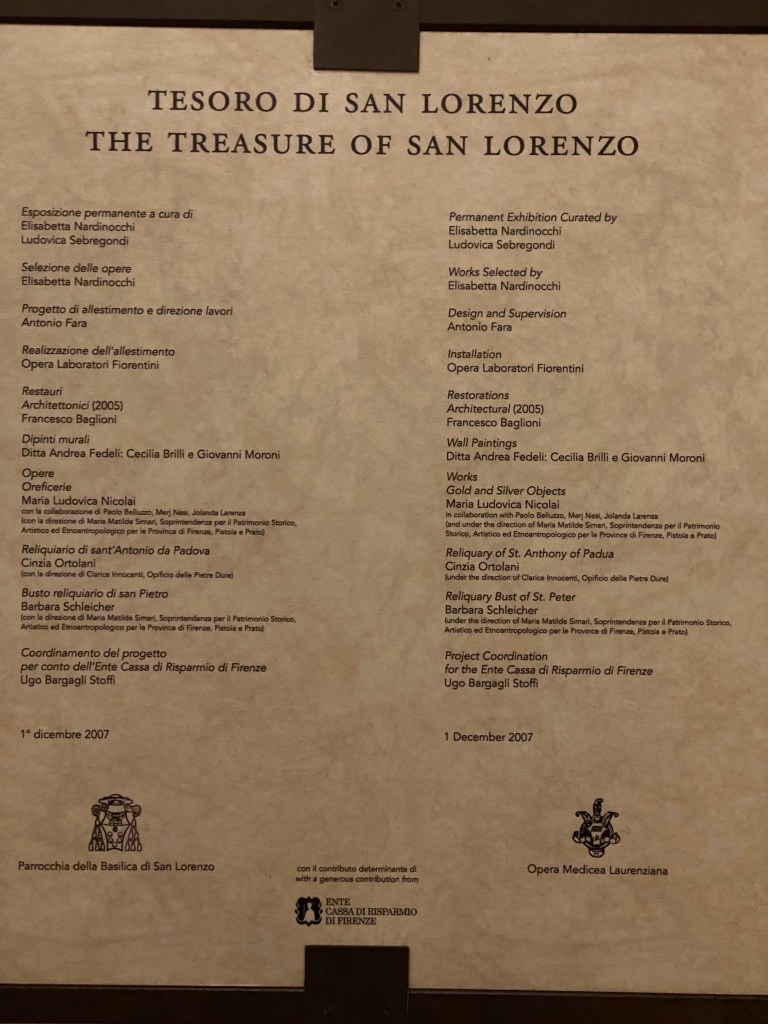
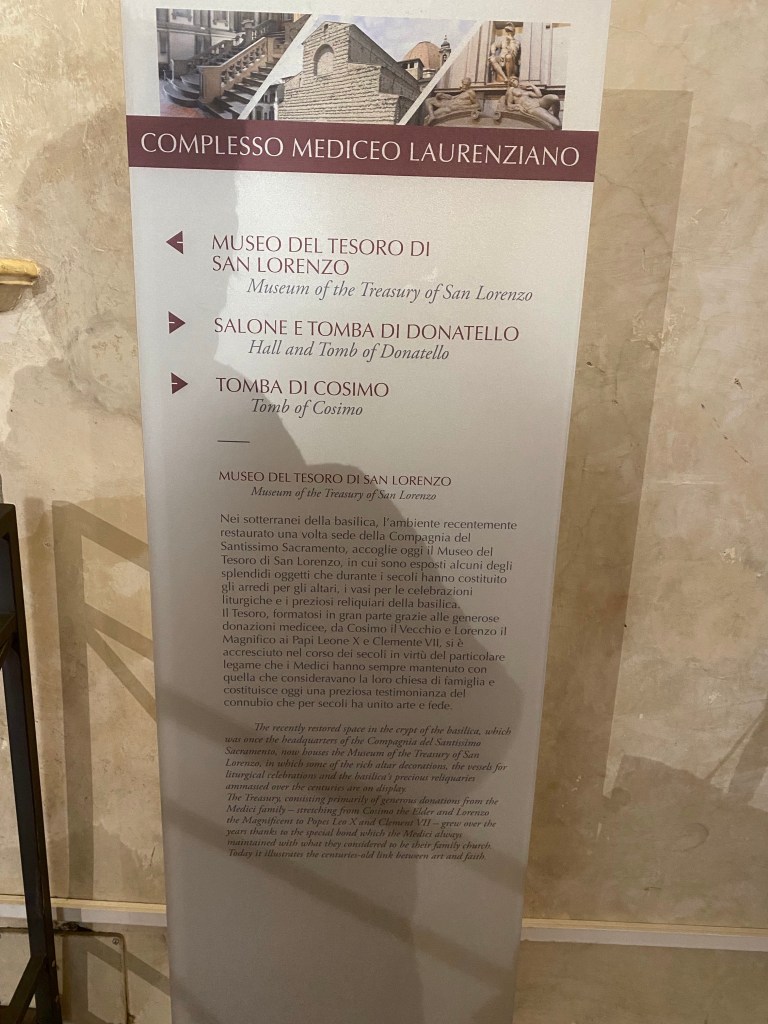
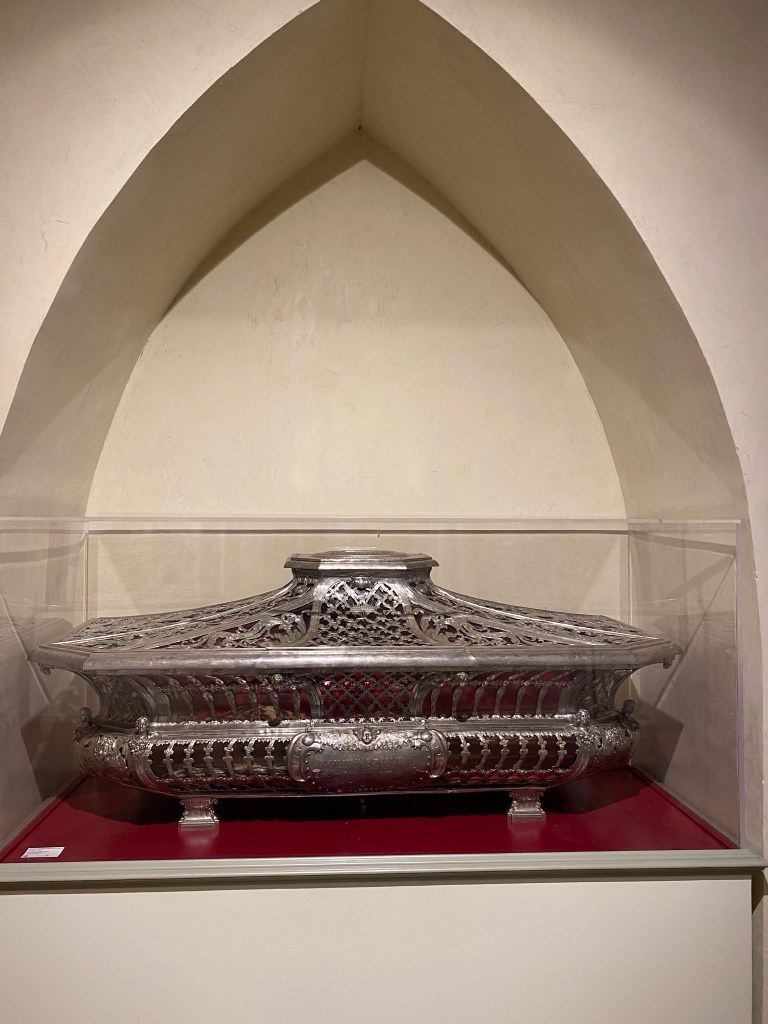
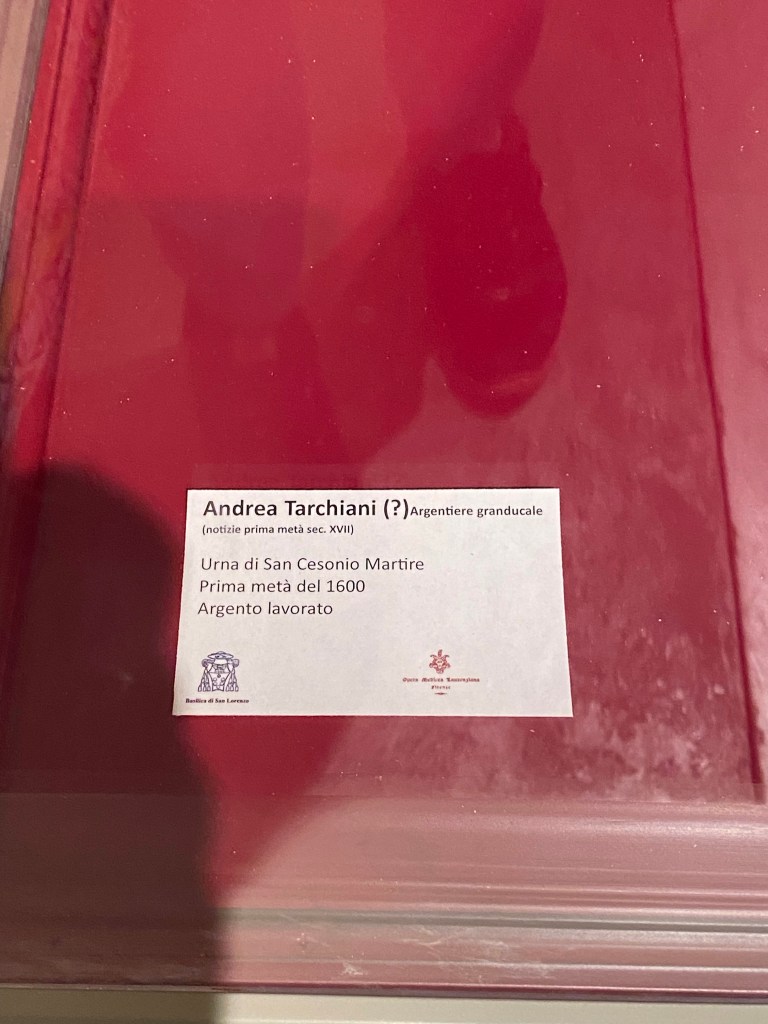
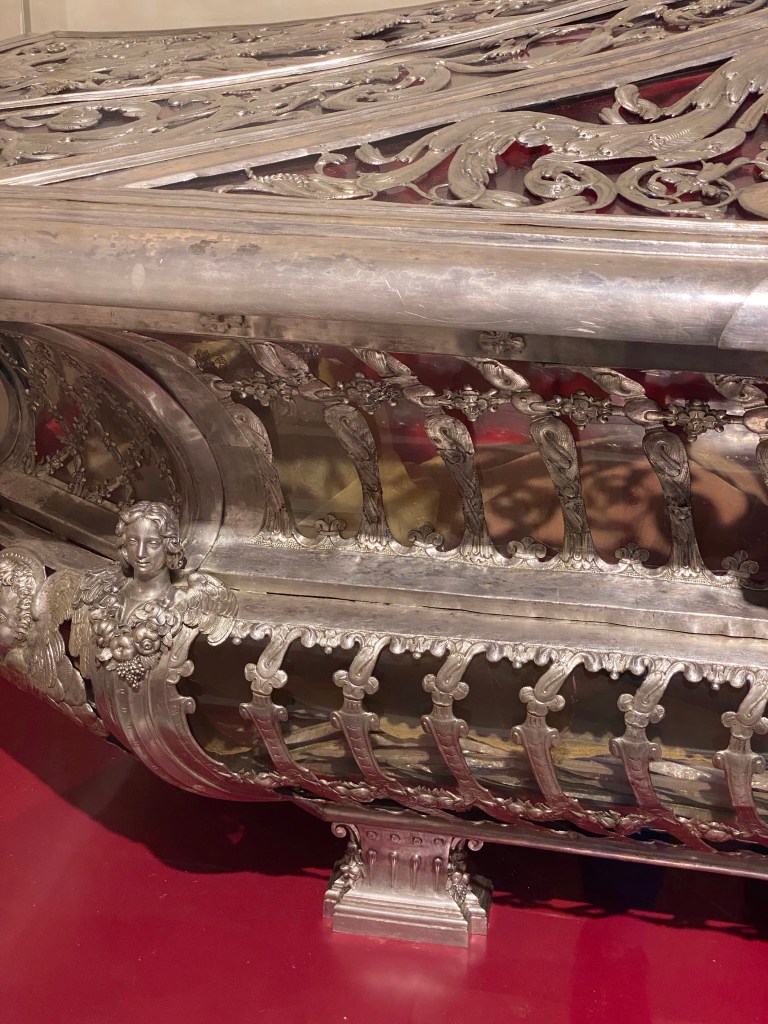
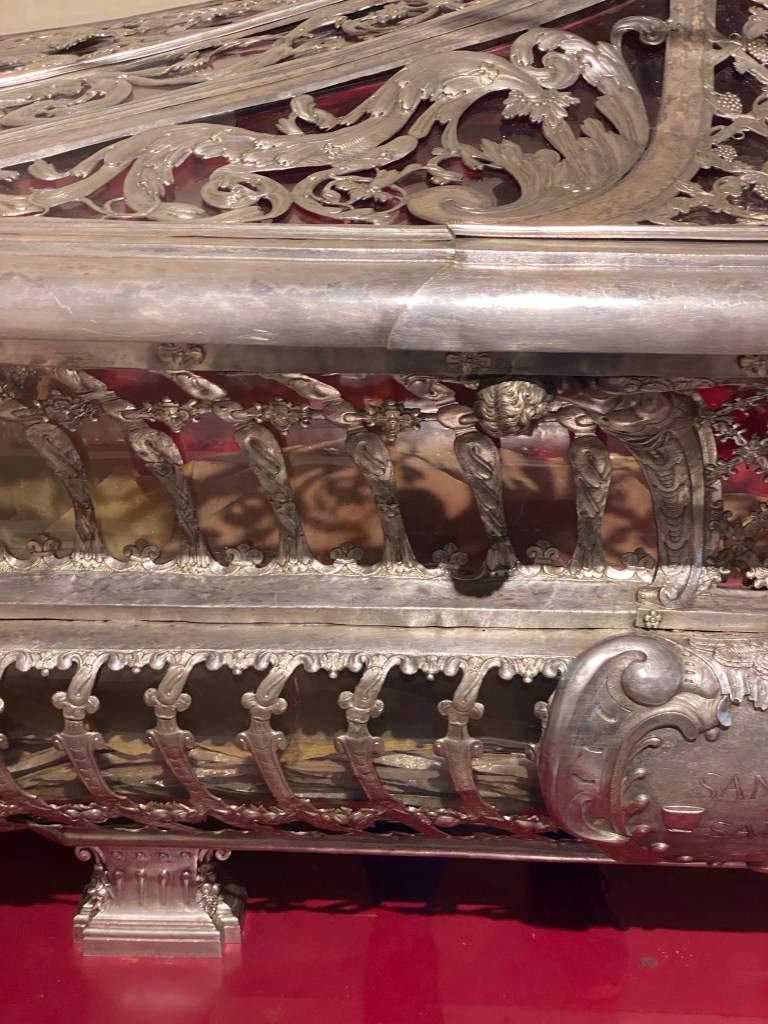
The “Museum of Treasures” San Lorenzo, Florence
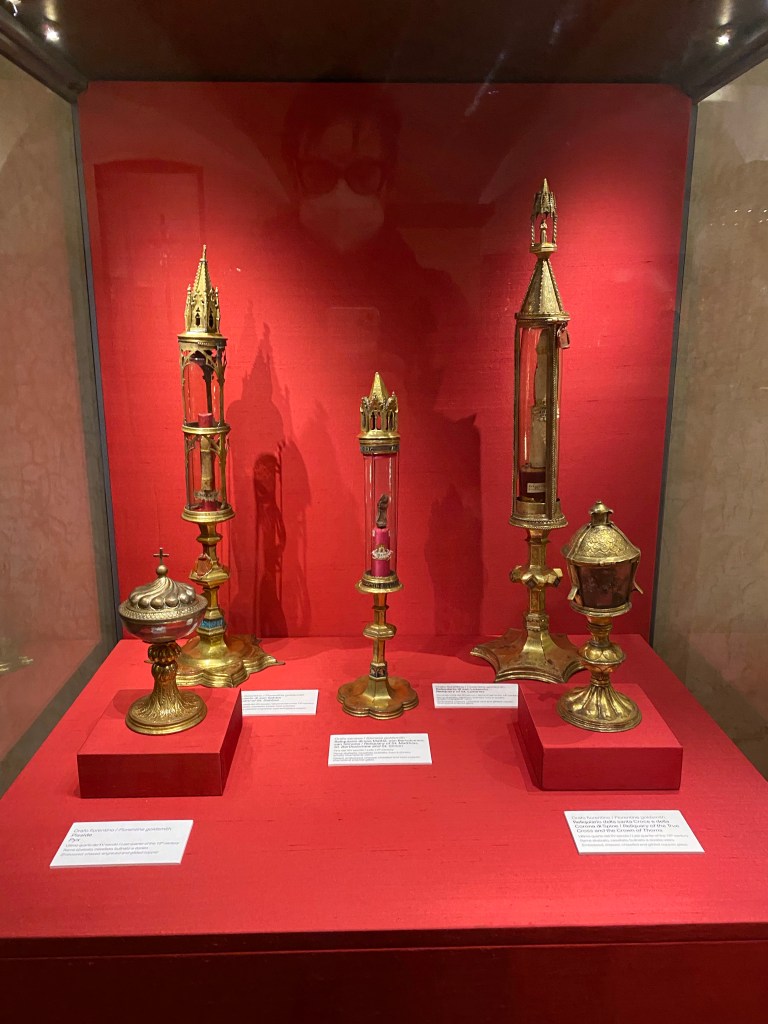
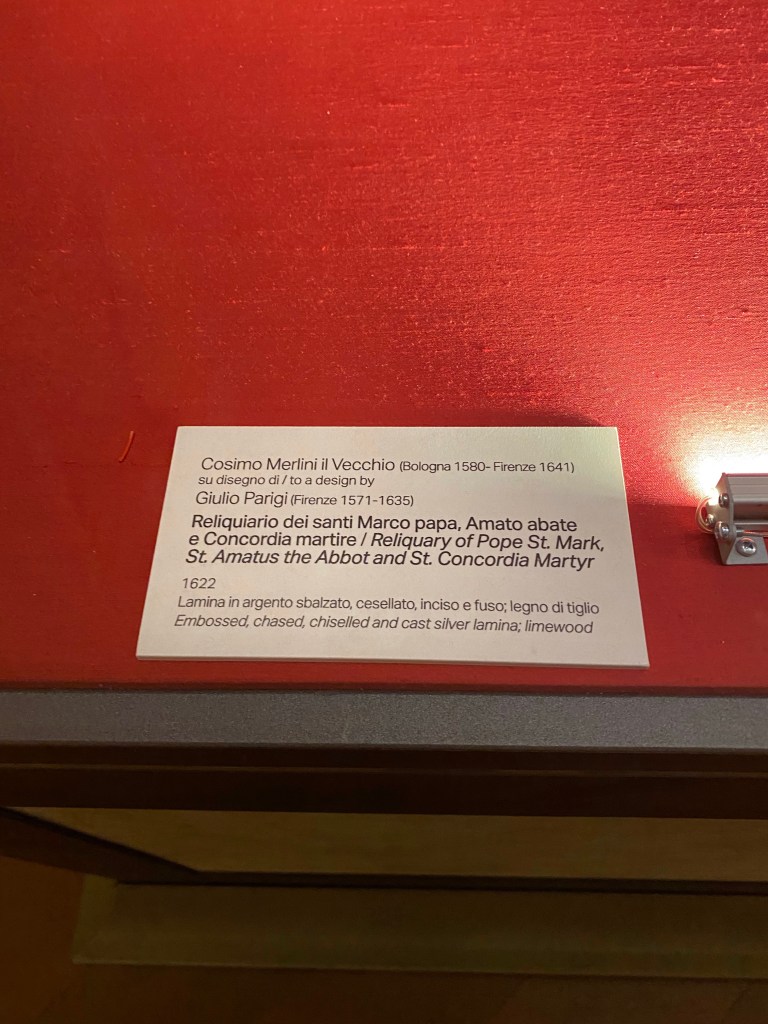
In these pages on my blog, you will rarely find this kind of post. I’m never too interested in the decorative arts collected by the various churches in the world. Italy of course has some of the richest treasuries, despite the fact that they were, over the centuries, constantly pilloried during the endless wars the peninsula has endured.
But, I’m making my farewell tour of some Florentine churches and thought it only right that I document at least a few of these amazing objets.


You must be logged in to post a comment.