Having been an expert on 19th century American sculpture in an earlier part of my life, my reflexes make me photograph any didactic material found in such capitals of art as Paris.
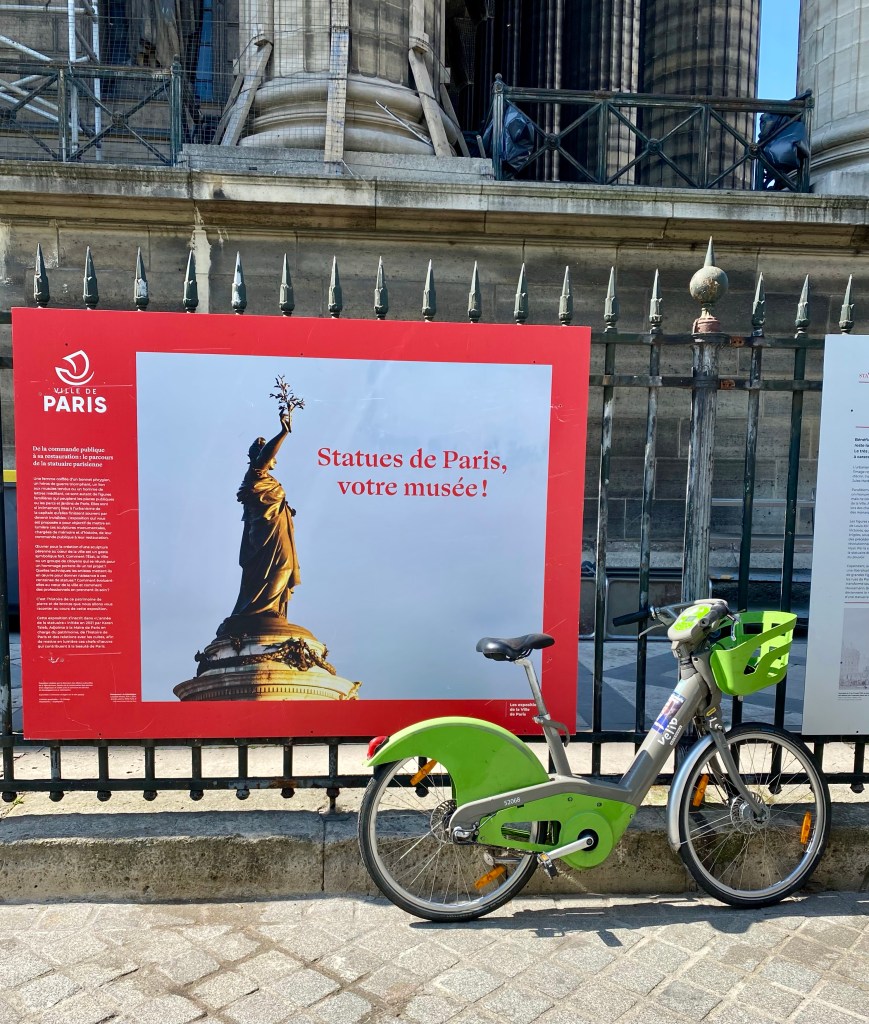
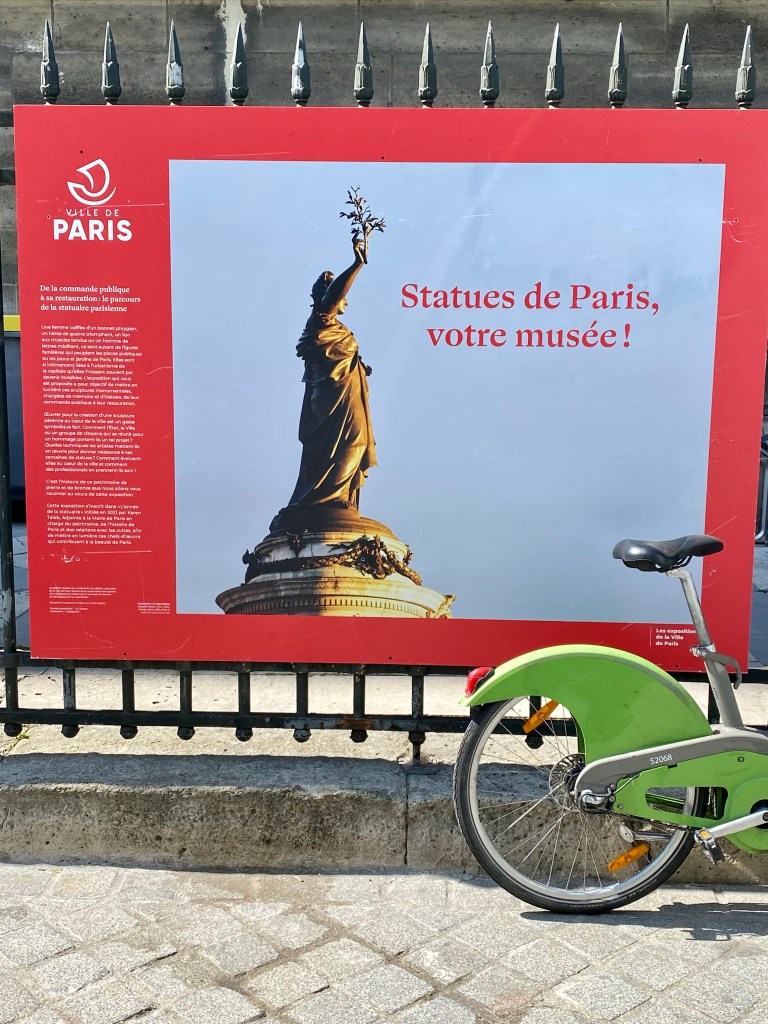
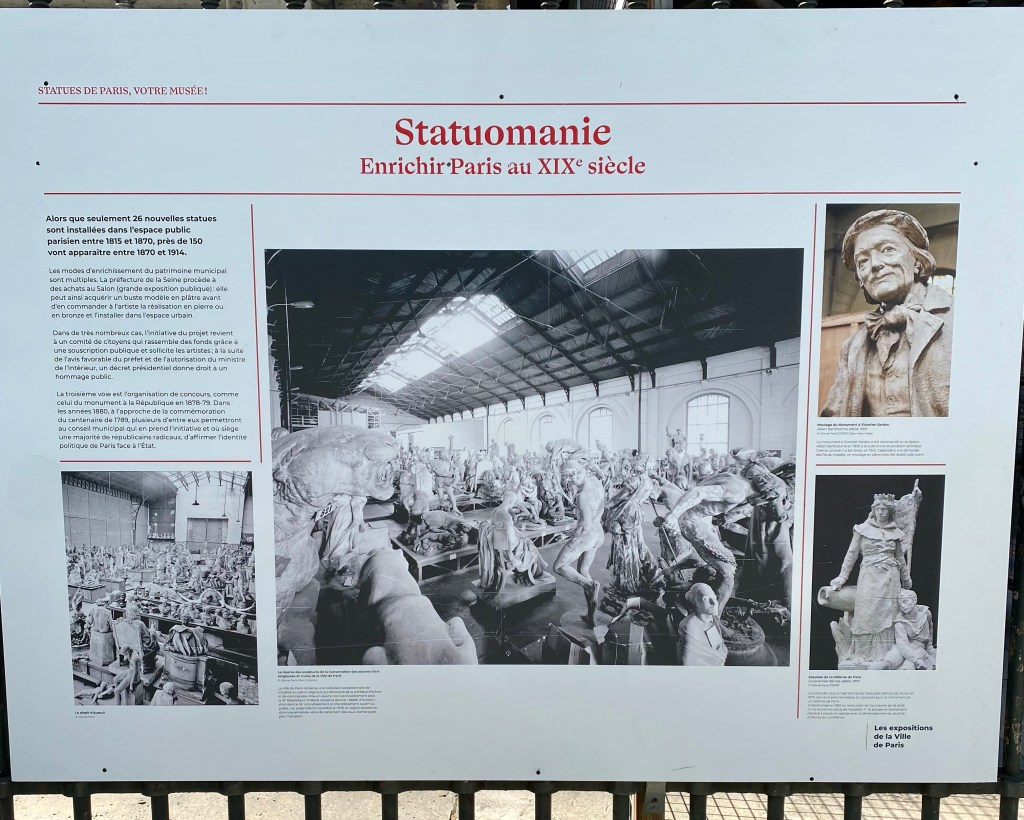
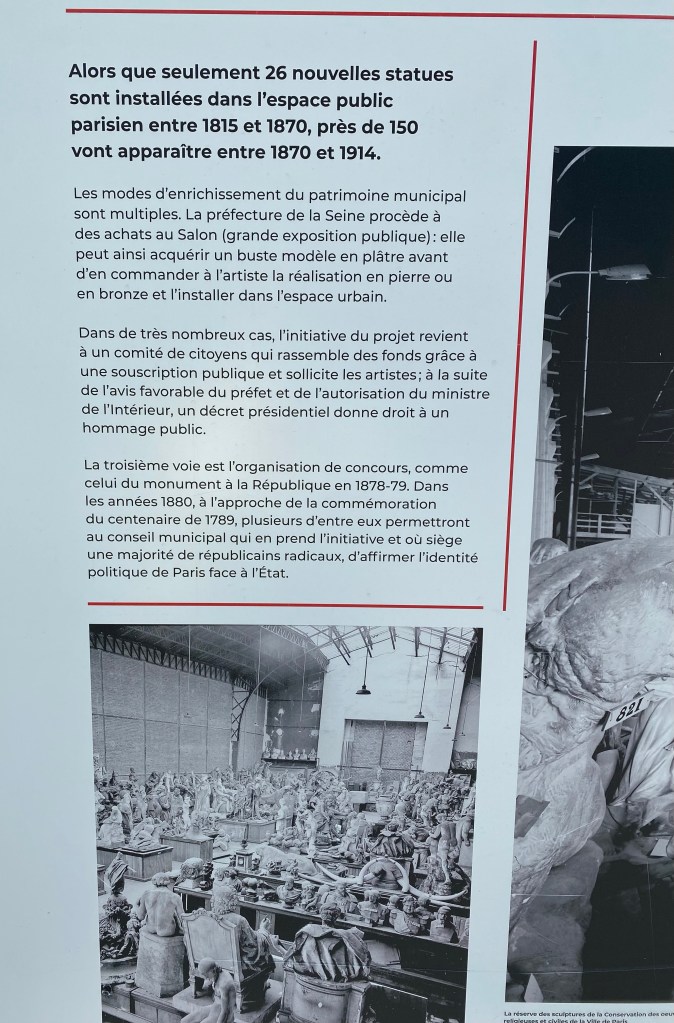
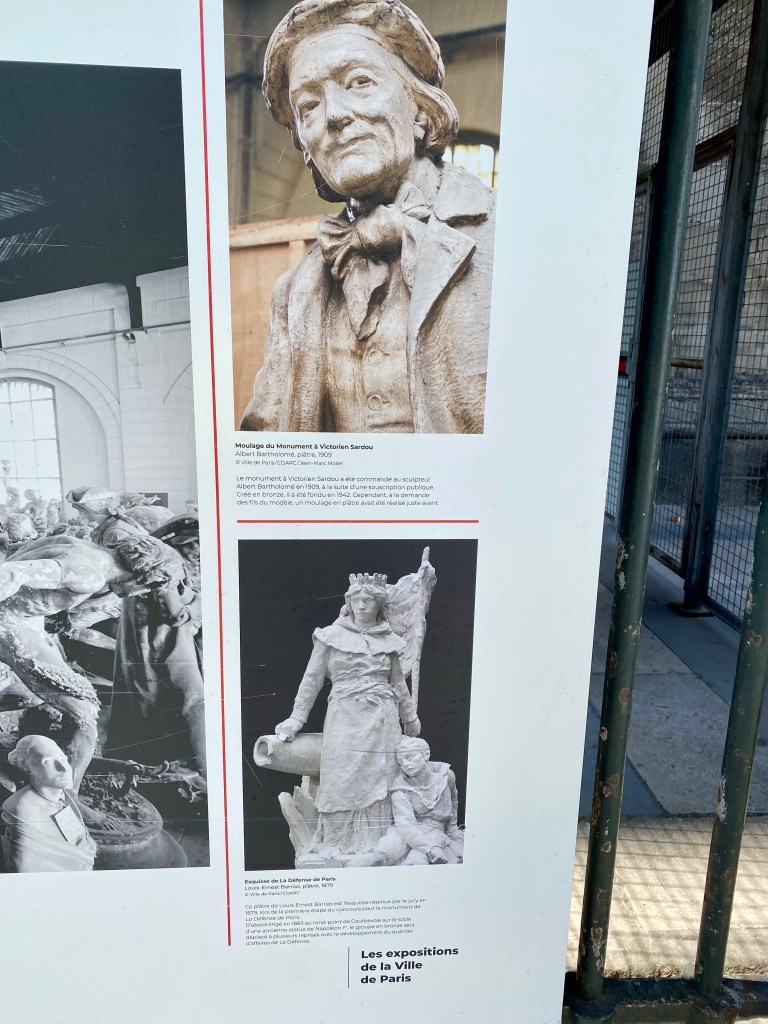
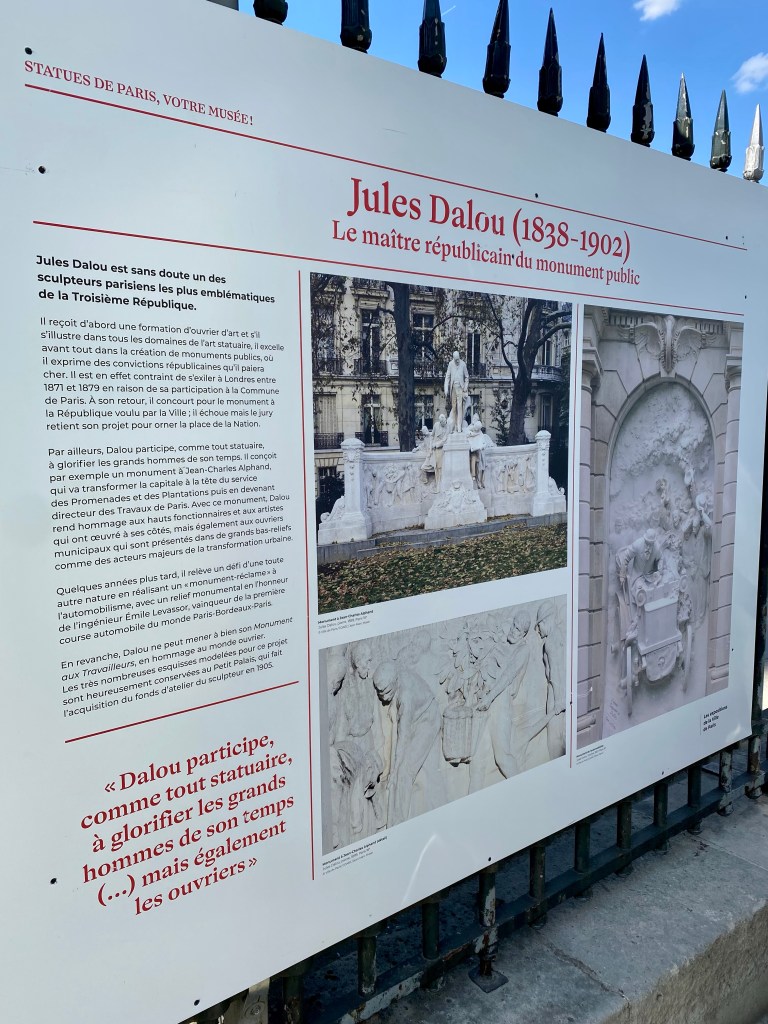
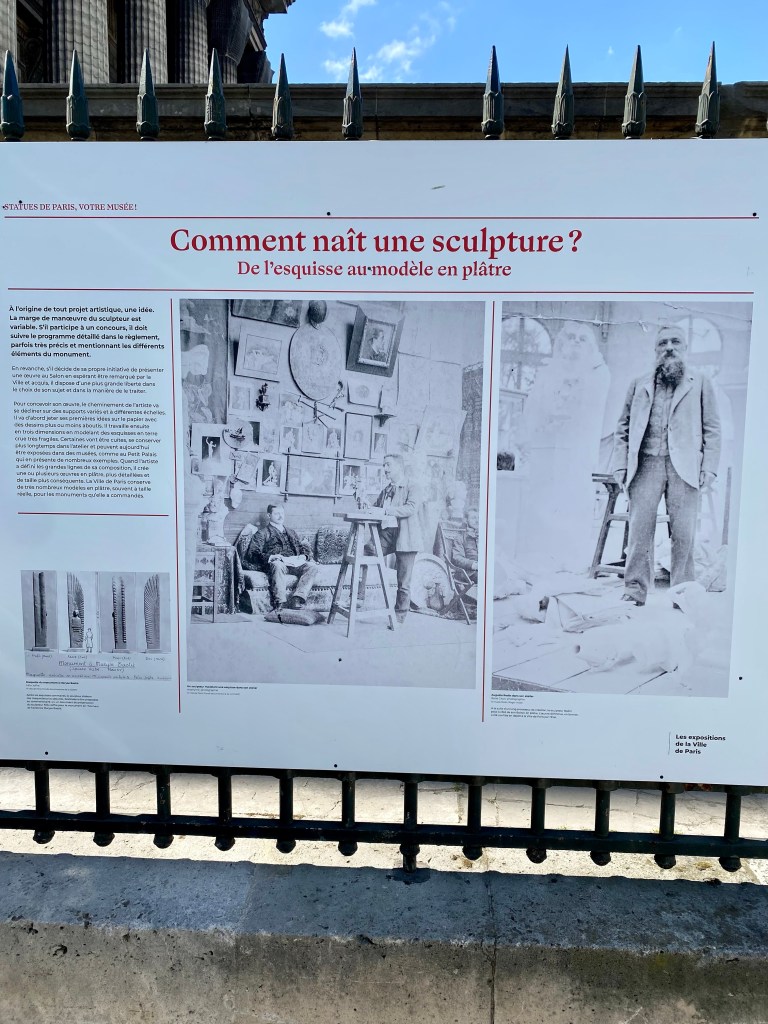
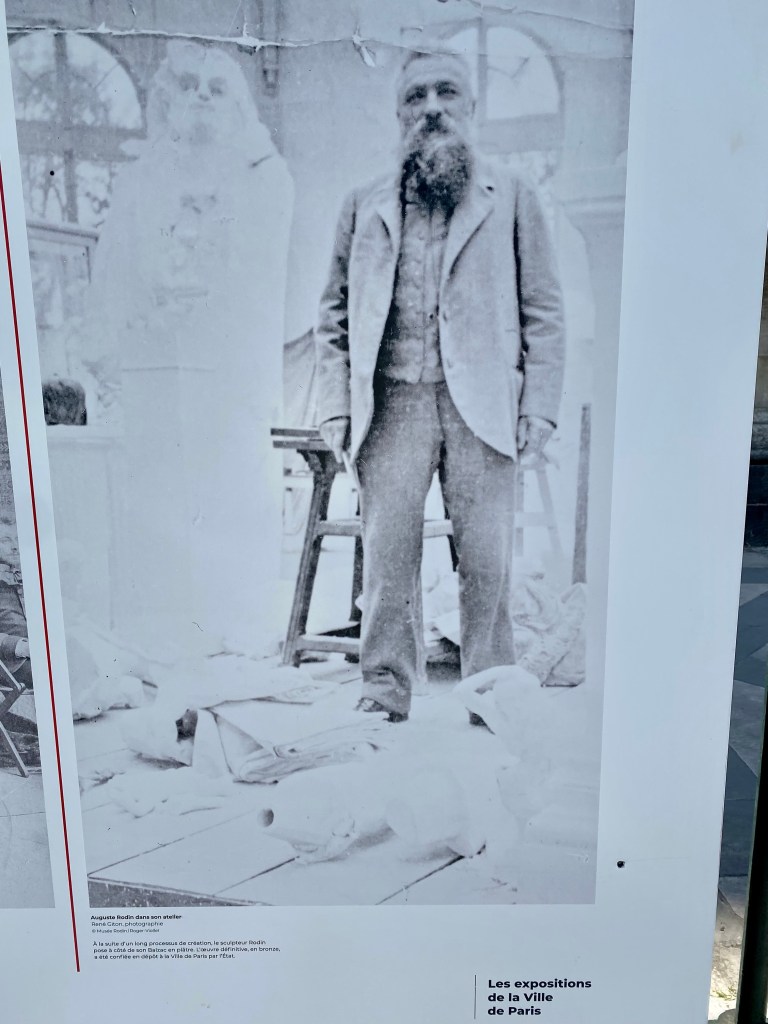
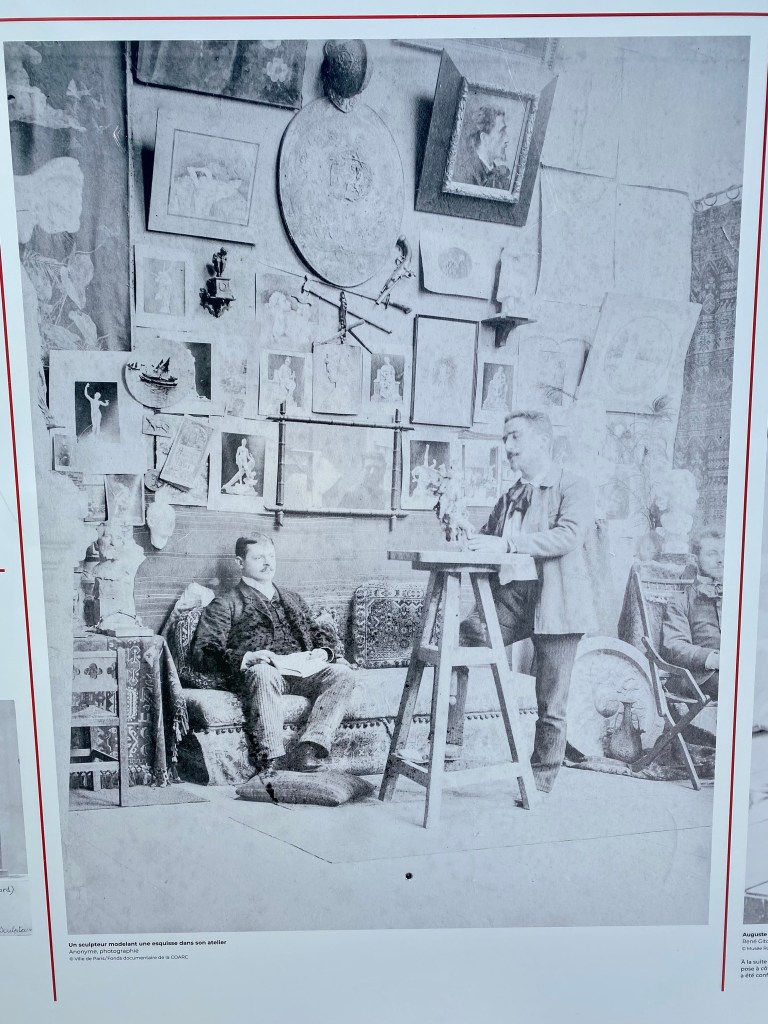
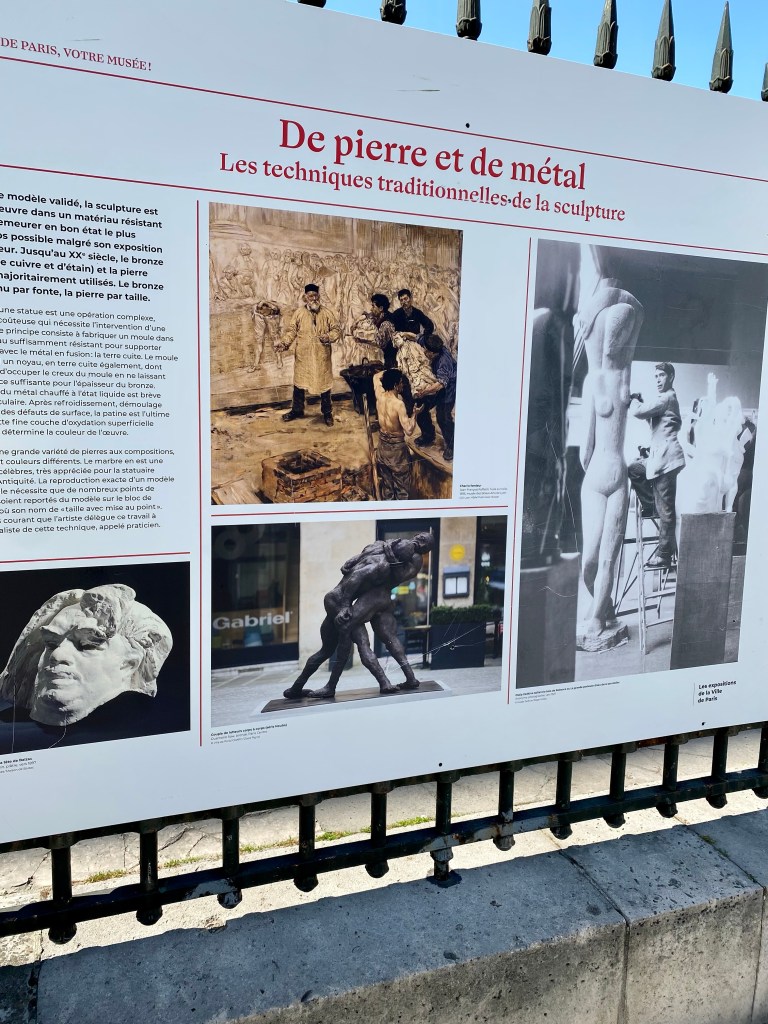
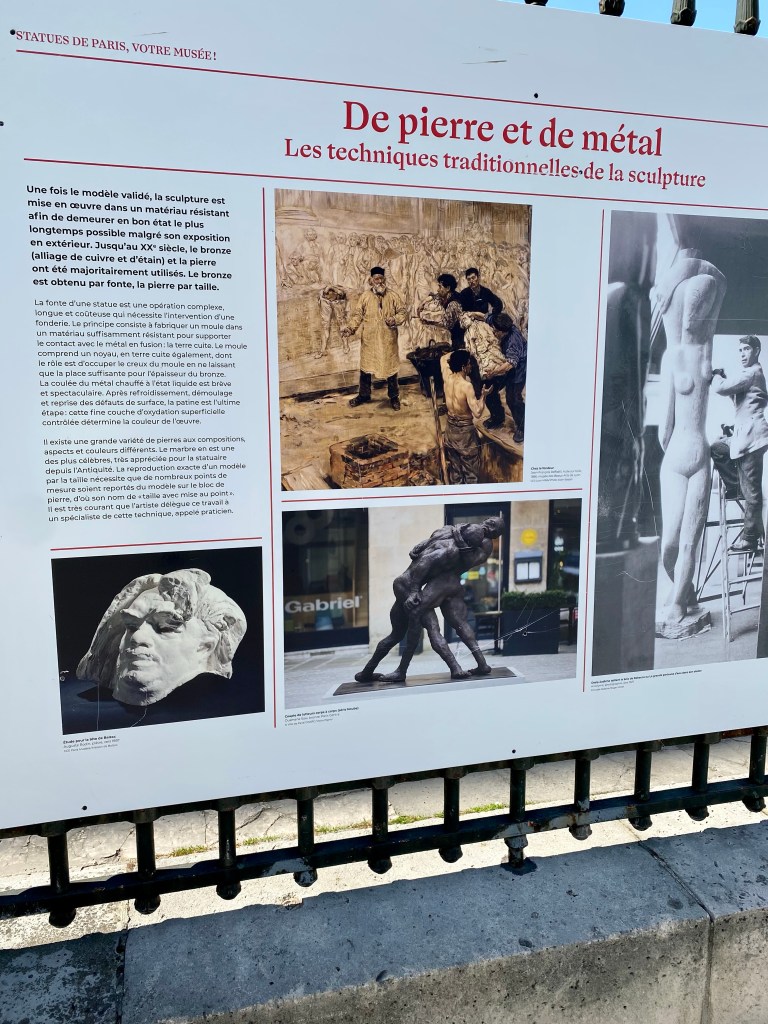
I was recently walking around the church of La Madeleine in Paris, and hanging on the metal fence around the church was this excellent lesson about “statue-mania.” I loved the title and the idea of this material, so I took a few shots.
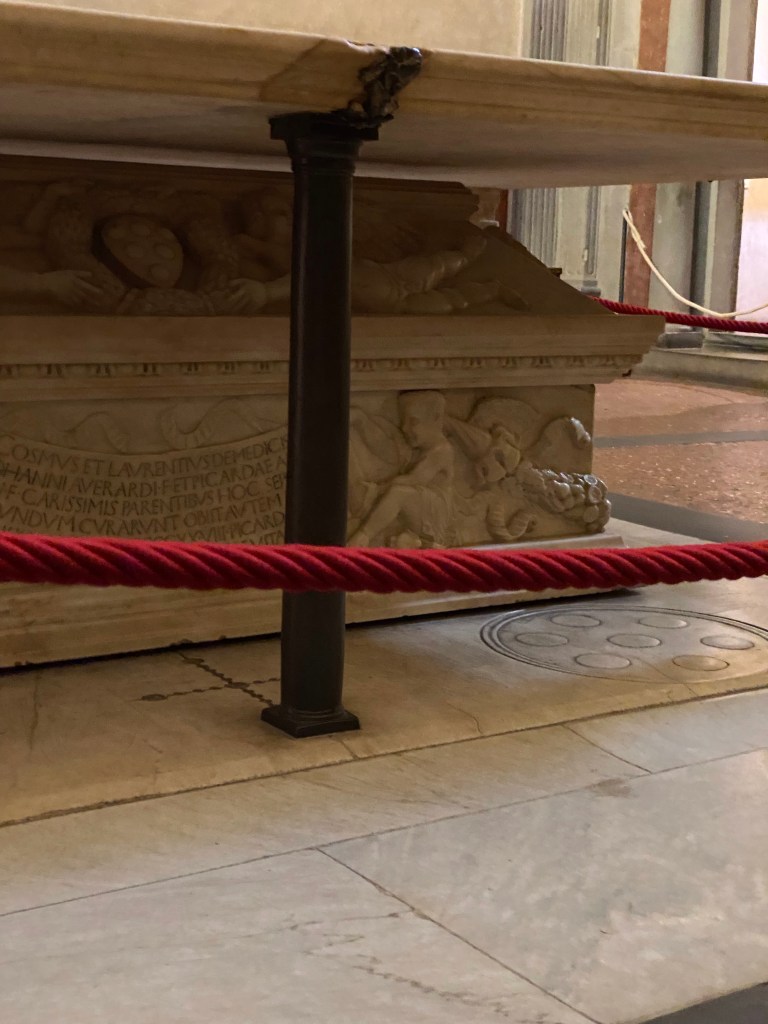
The Basilica of San Lorenzo is considered a milestone in the development of Renaissance architecture. The basilica has a complicated building history. The project was begun around 1419, under the direction of Filippo Brunelleschi. Lack of funds slowed the construction and forced changes to the original design. By the early 1440s, only the sacristy (now called the Old Sacristy) had been worked on, as it was being paid for by the Medici.
In 1442, the Medici stepped in to take over financial responsibility of the church as well. After Brunelleschi’s death in 1446, the job was handed either to Antonio Manetti or Michelozzo; scholars are uncertain. Though the building was largely completed by 1459 in time for a visit to Florence by Pius II, the chapels along the right-hand aisles were still being built in the 1480s and 1490s.
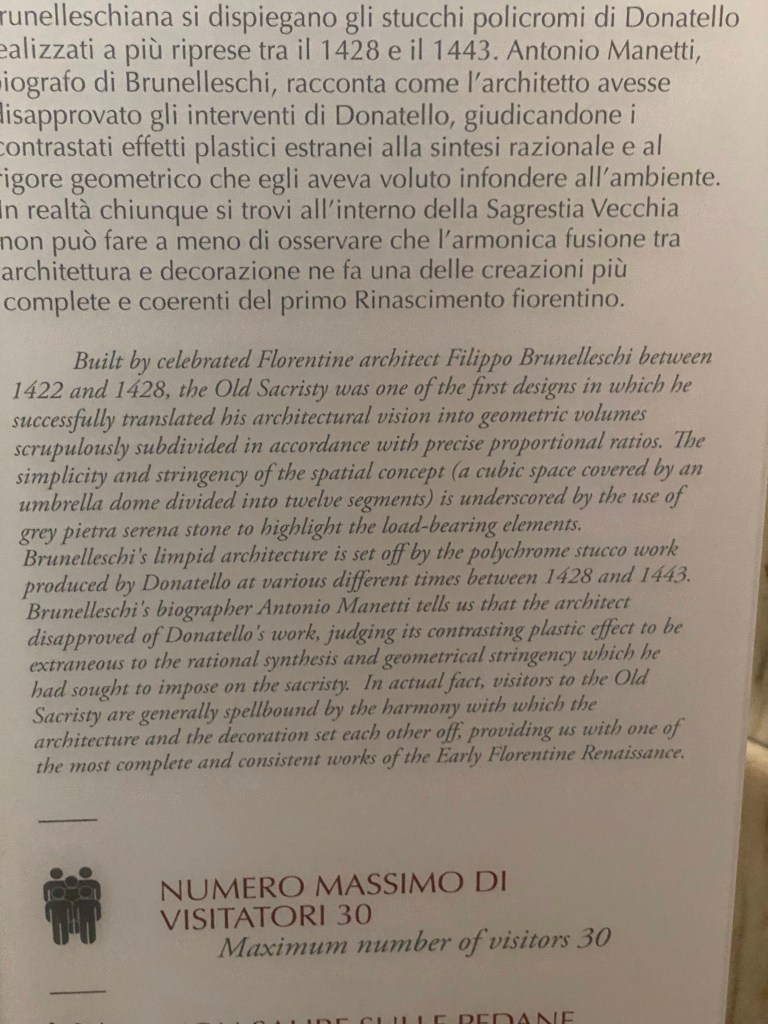
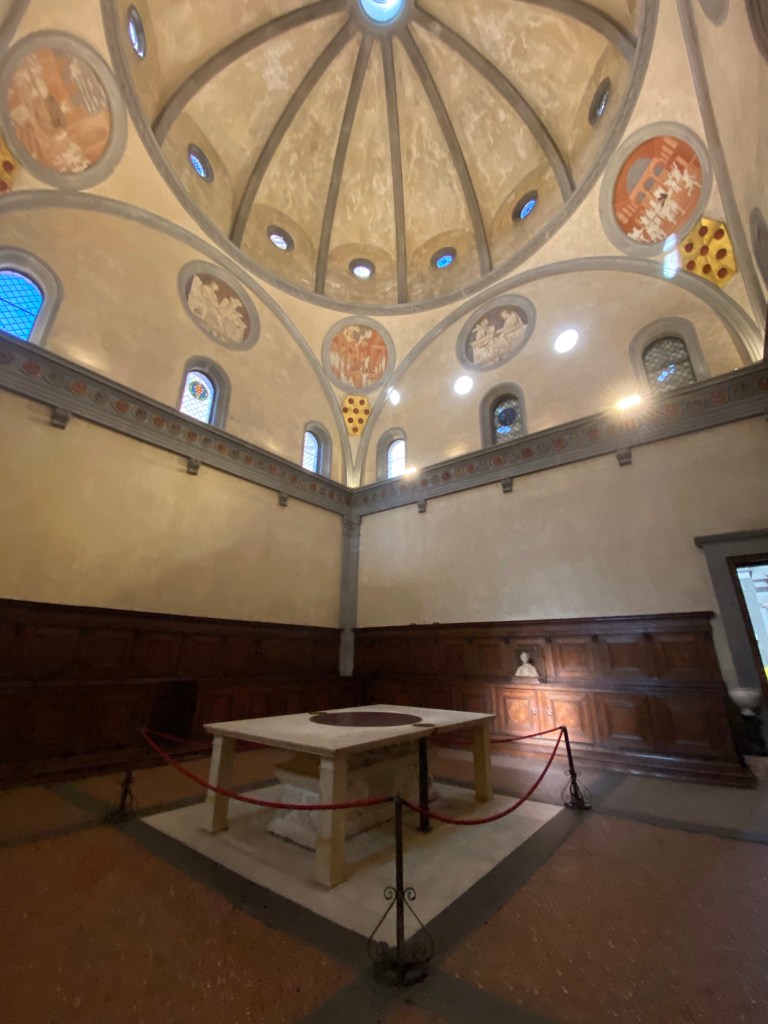
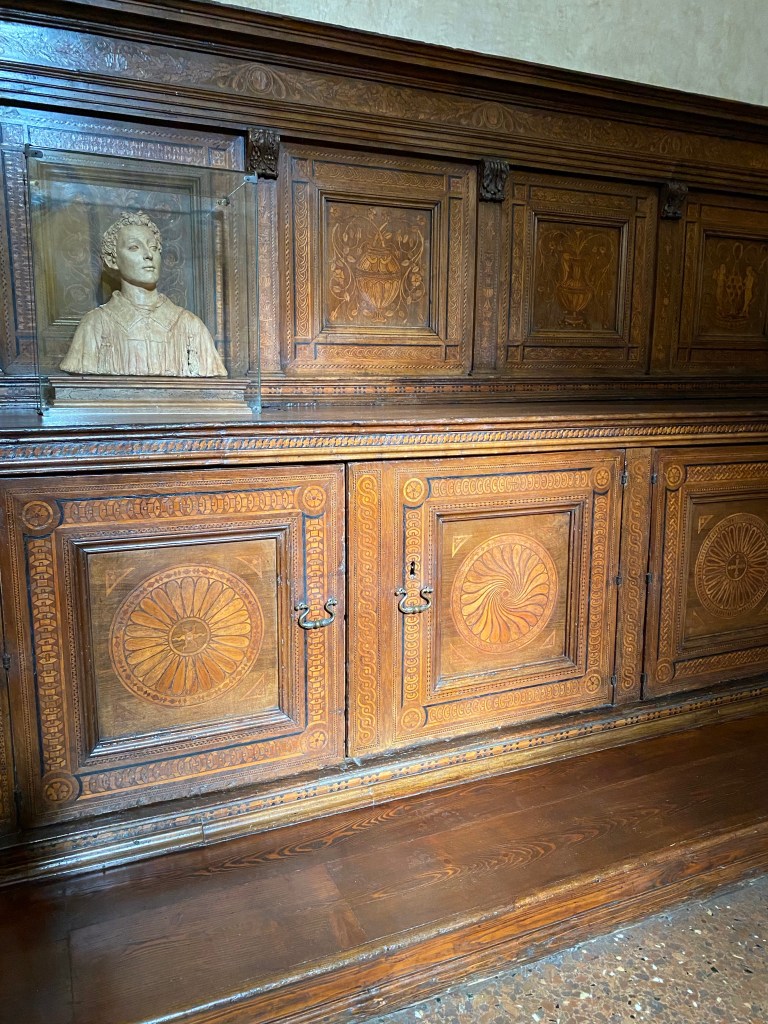
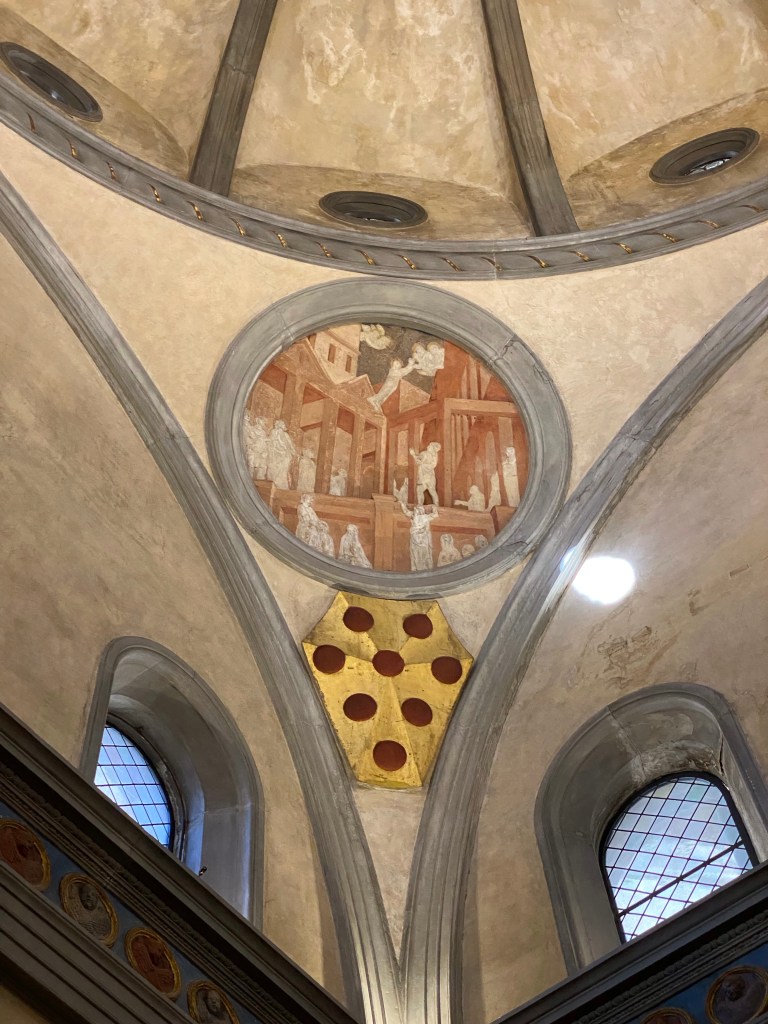
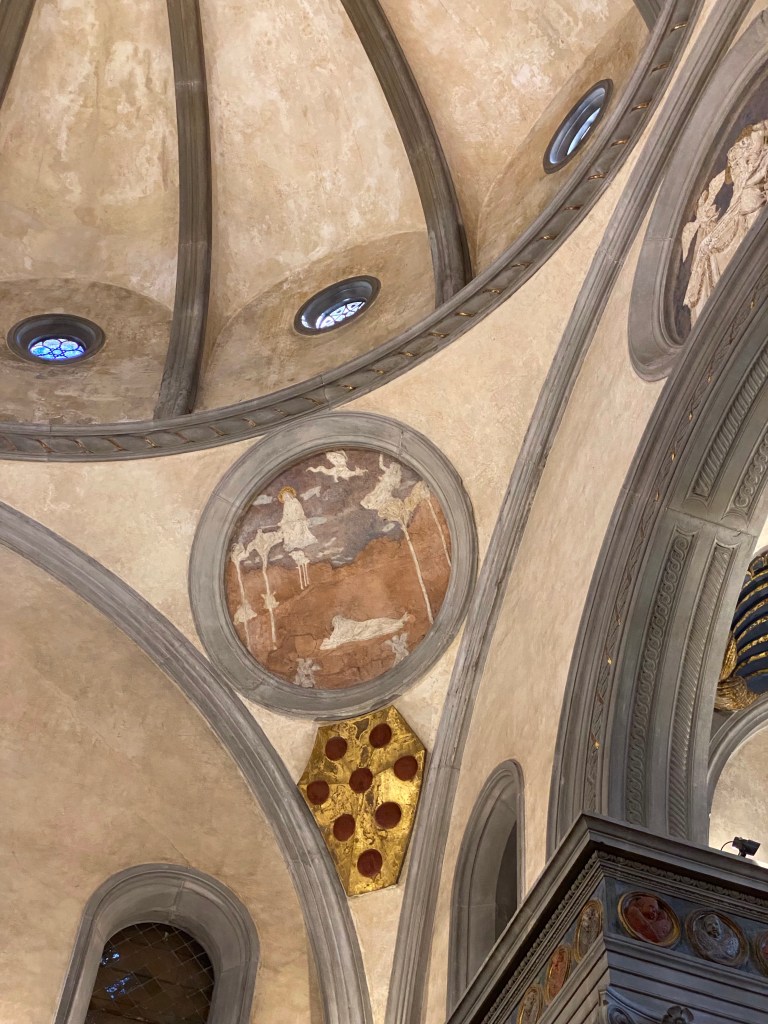
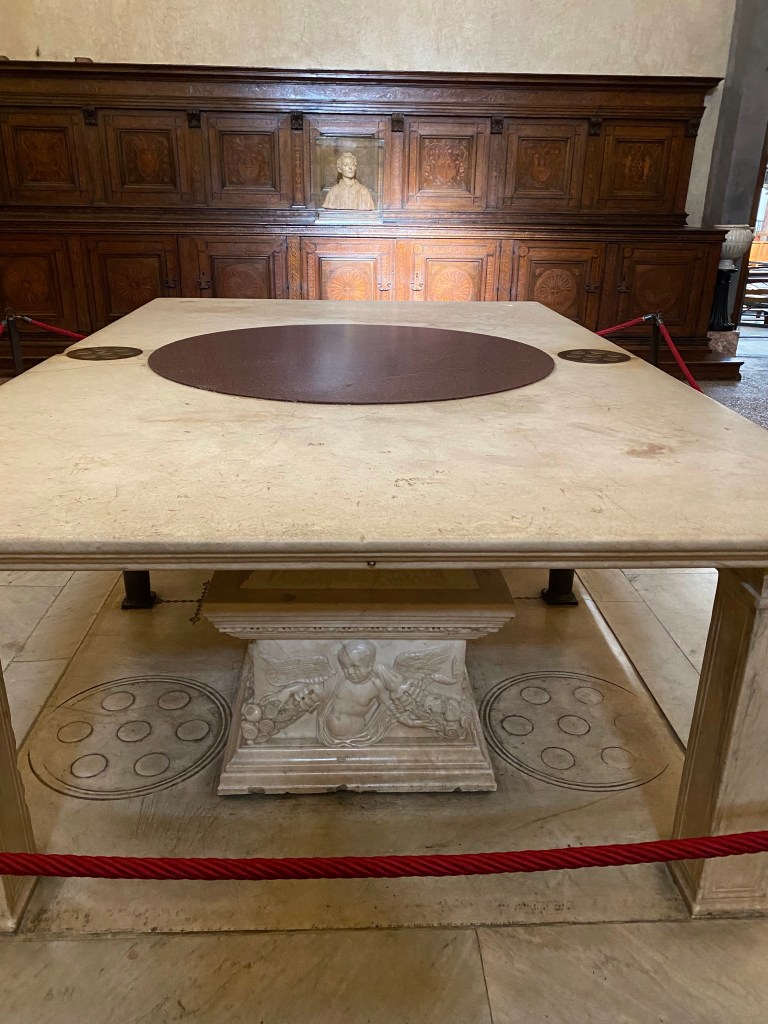
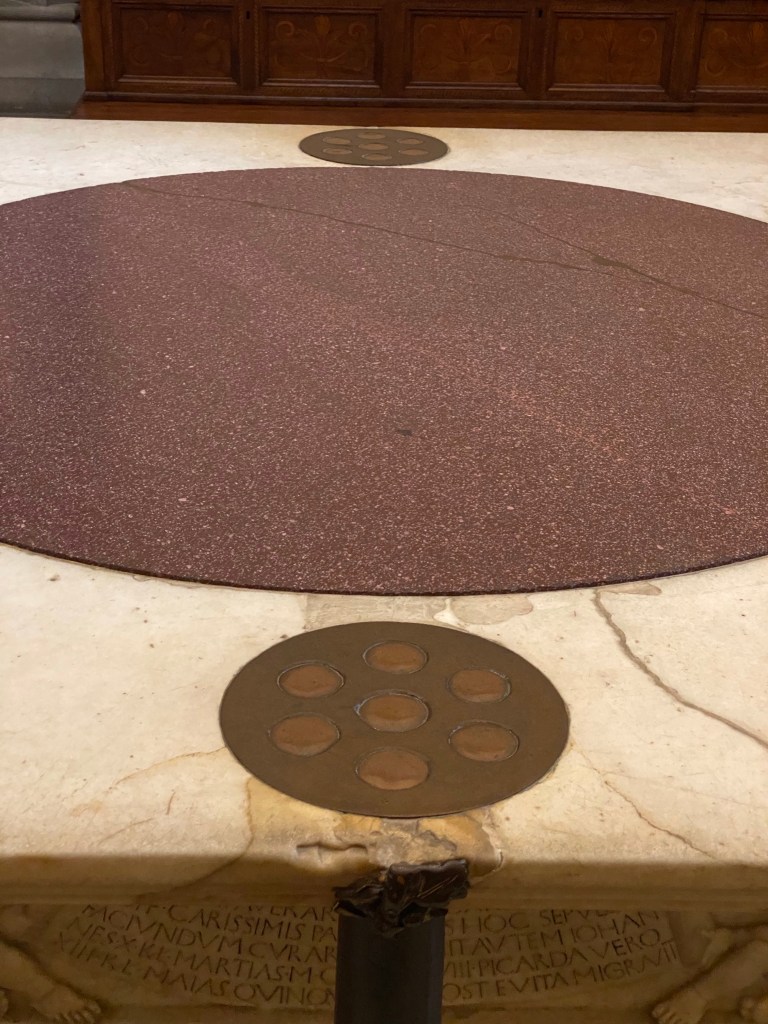
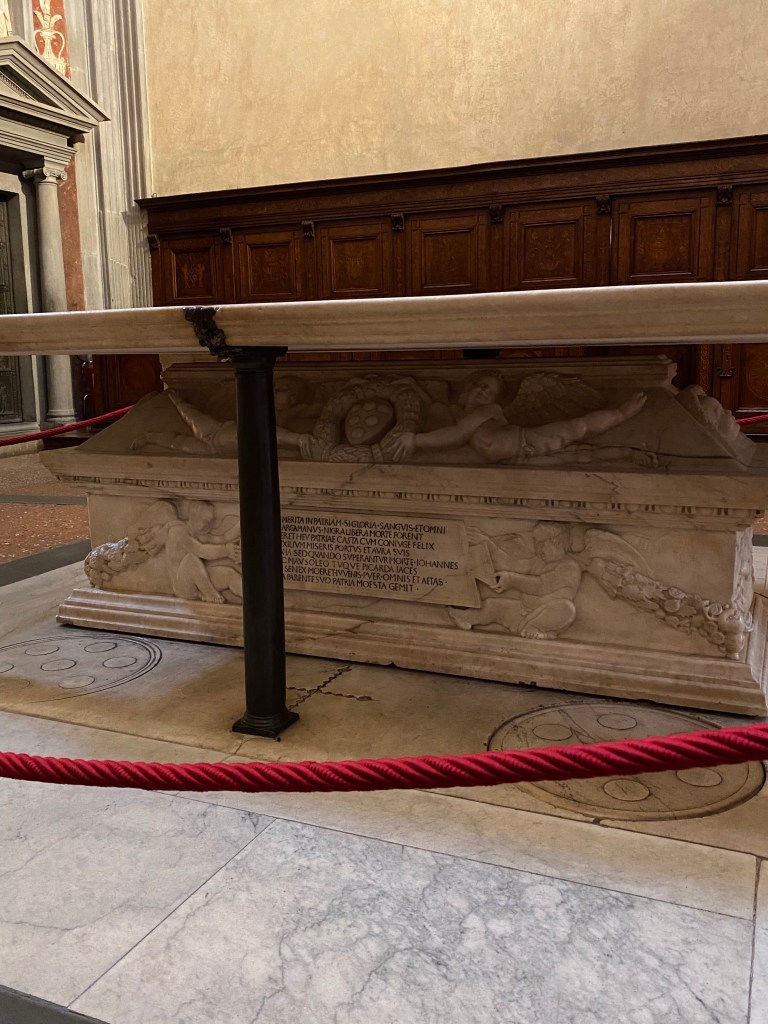
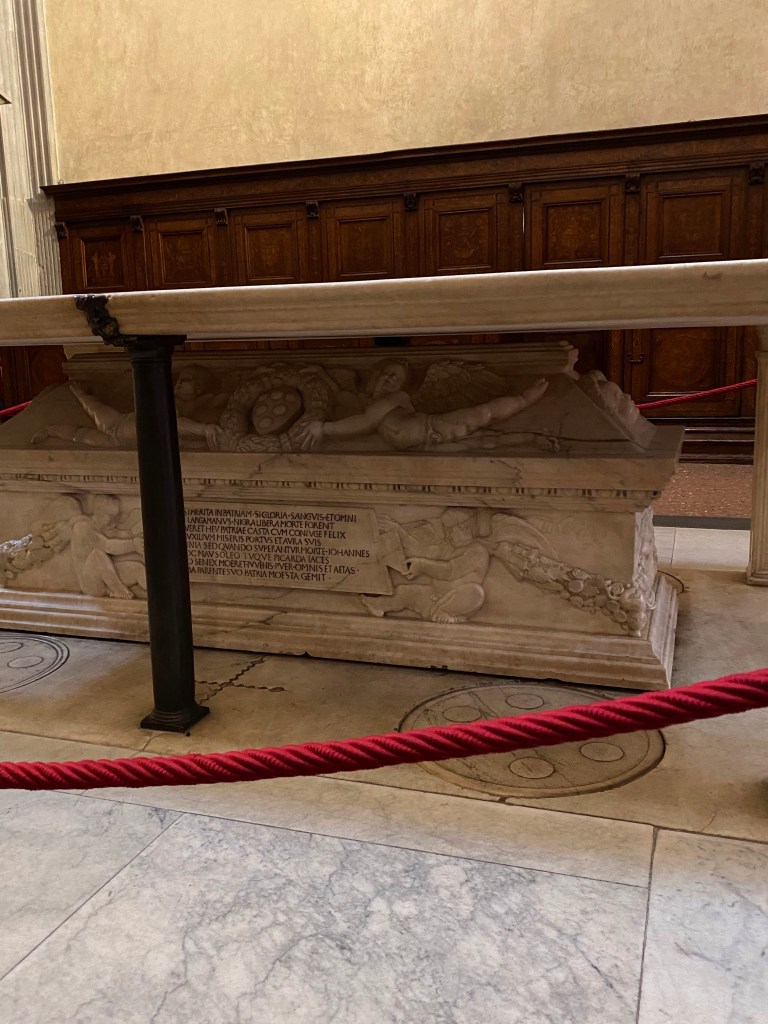
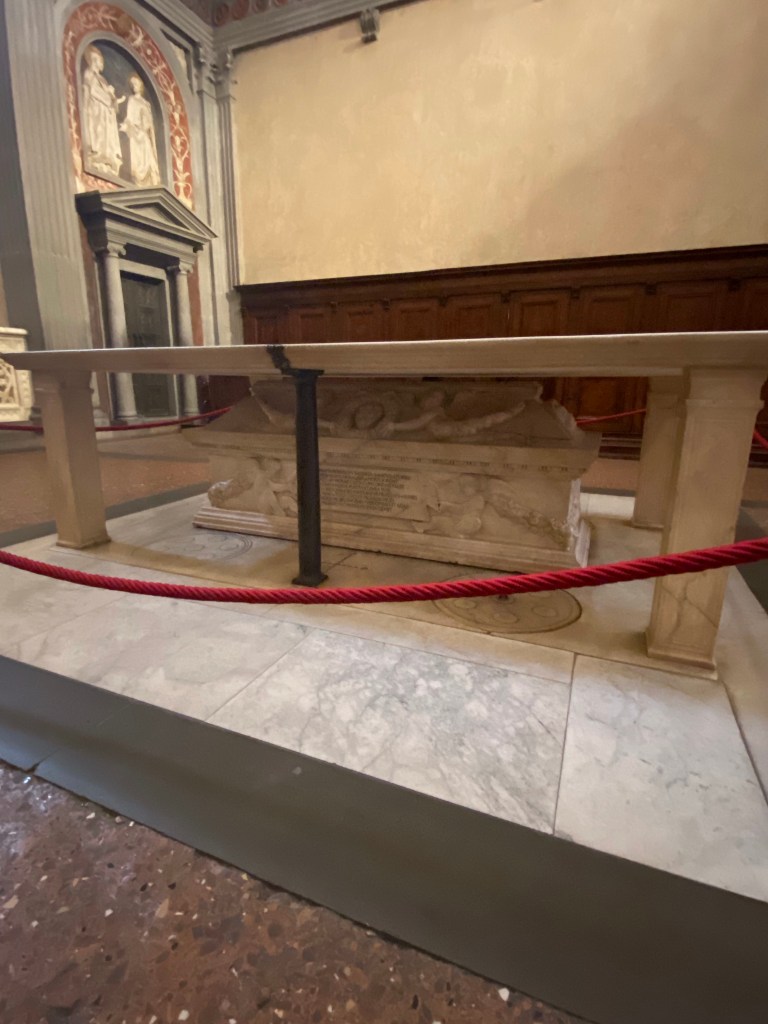
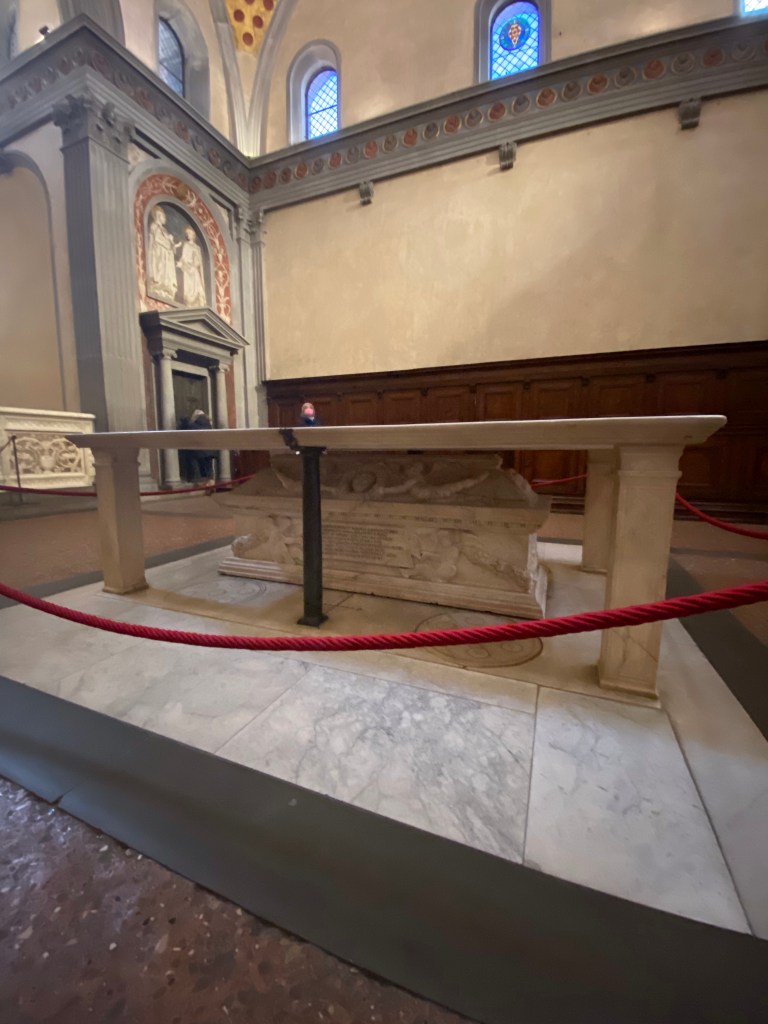
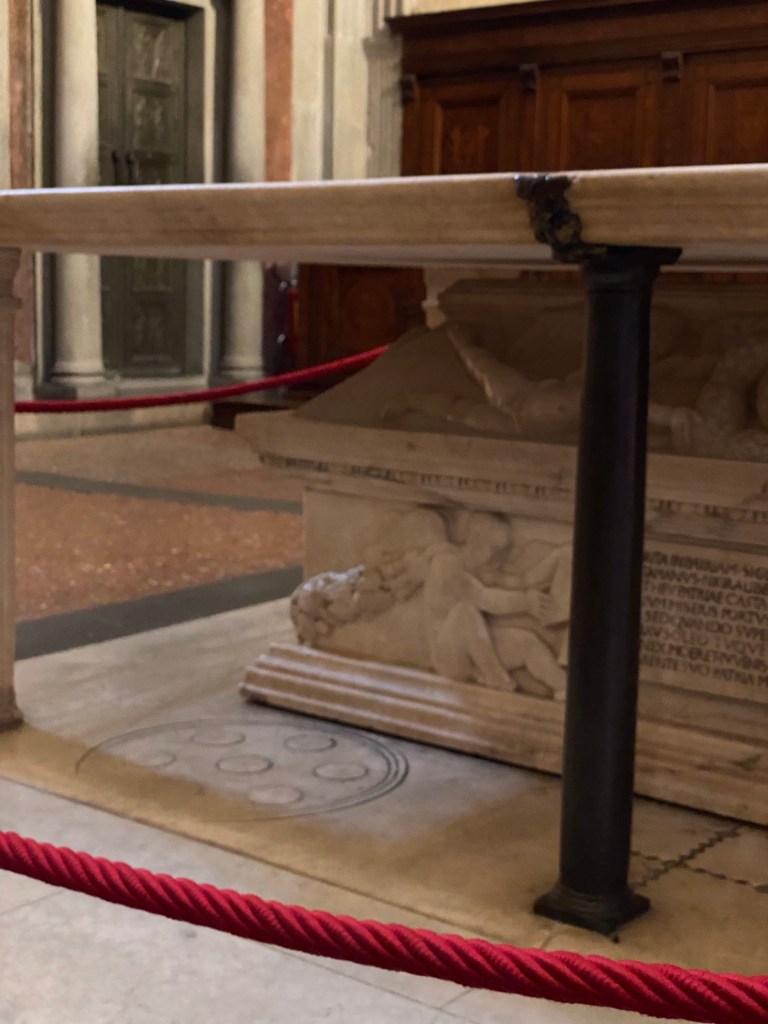
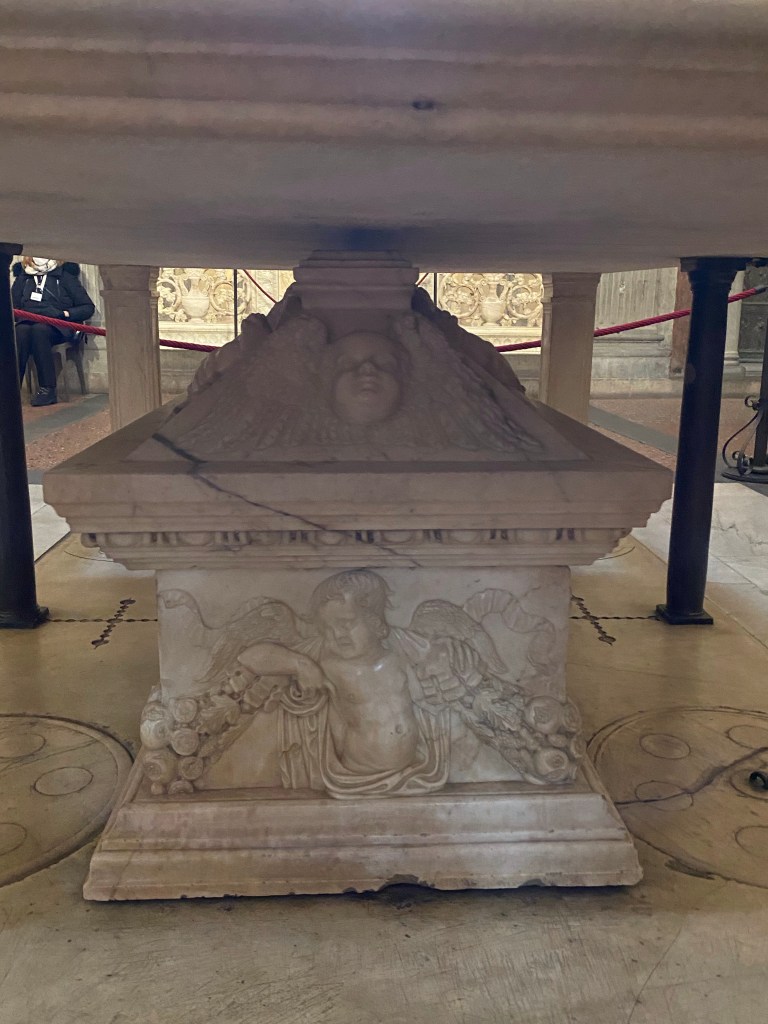
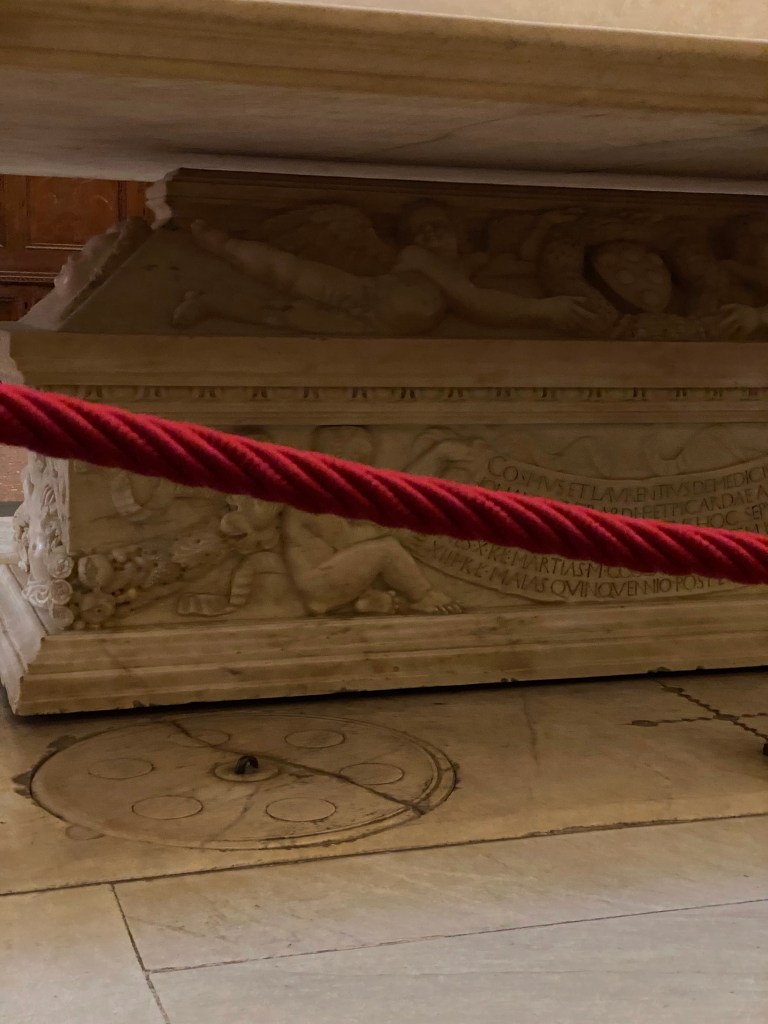
Old Sacristy Opening off the south transept is the square, domed space, the Sagrestia Vecchia, or Old Sacristy, that was designed by Brunelleschi and that is the oldest part of the present church and the only part completed in Brunelleschi’s lifetime; it contains the tombs of several members of the Medici family.
Sagrestia Vecchia Opening off the south transept is the square, domed space, the Sagrestia Vecchia, or Old Sacristy, that was designed by Brunelleschi and that is the oldest part of the present church and the only part completed in Brunelleschi’s lifetime; it contains the tombs of several members of the Medici family. It was composed of a sphere on top of a cube; the cube acting as the human world and the sphere the heavens.
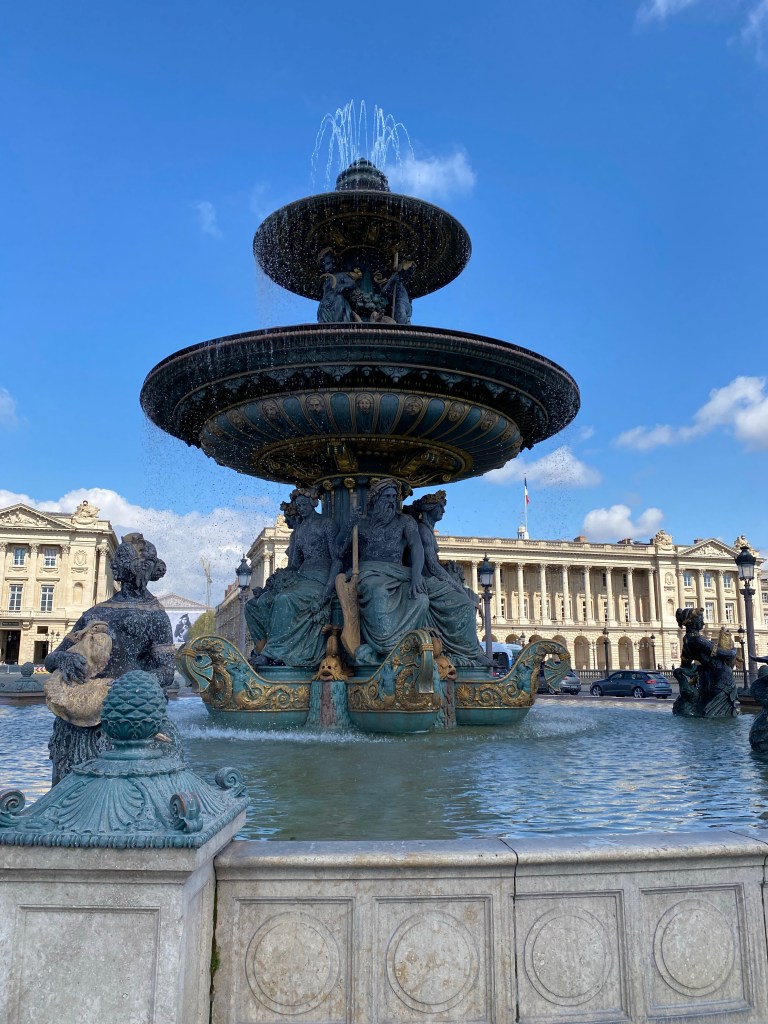
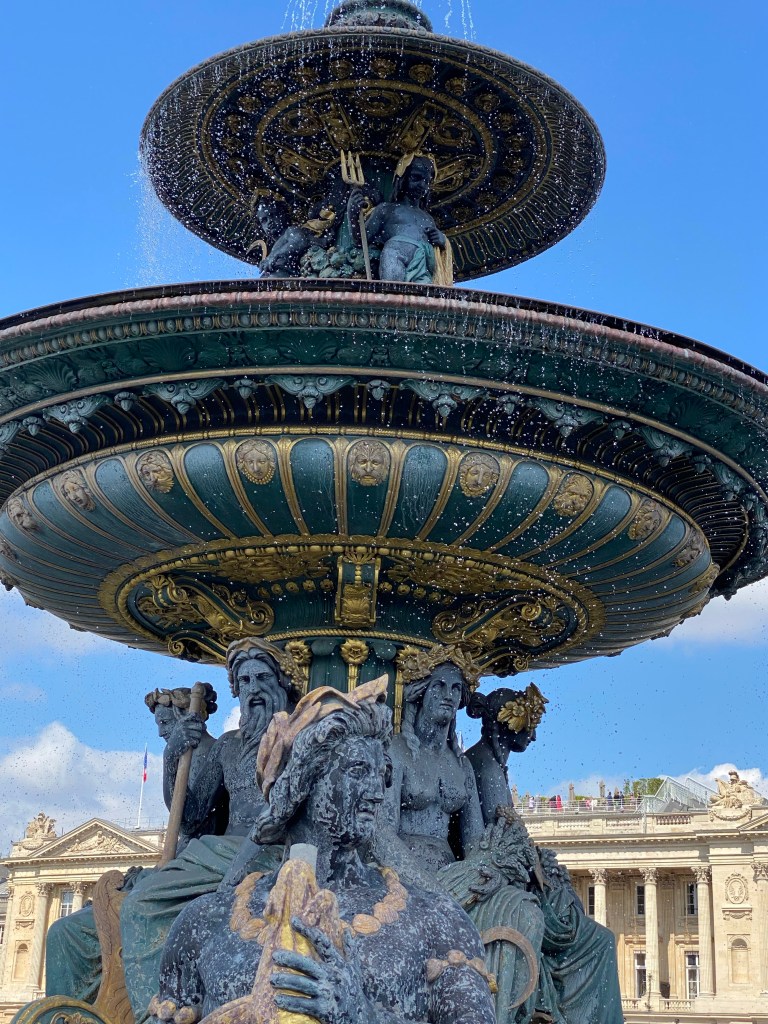
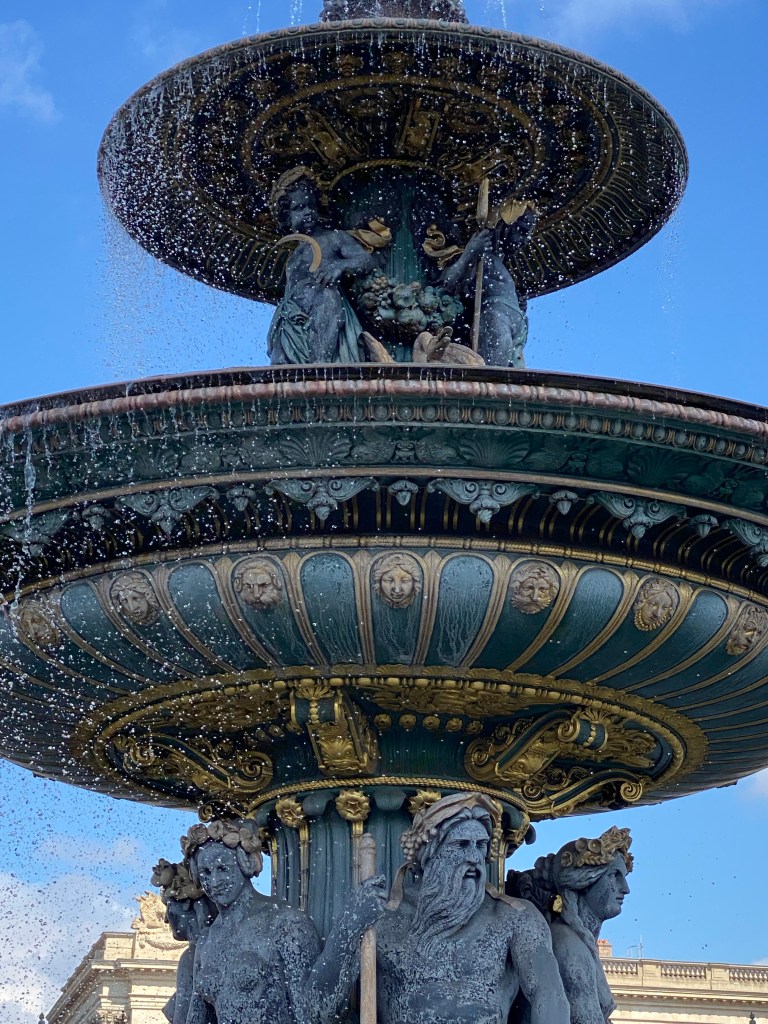
Paris is a vast city and it takes a lot of energy to walk across it! The same could be said for just one section, say, for example, the Place de la Concorde.Dodging traffic, mopeds, scooters and pedestrians, you need to be on your toes at all times.Nevertheless, I am always beguiled by the beautiful fountains that adorn the Place.For nerds who are my kindred spirits and need a little more info, here’s what Wikipedia says about these fountains:
When he had completed the installation of the Luxor Obelisk, in 1836, Jacques-Ignace Hittorff, chief architect of the square, moved ahead with two new fountains to complement the obelisk. Hittorff had been a student of the Neoclassical designer Charles Percier at the École des Beaux-Arts. The had spent had spent two years studying the architecture and fountains of Rome, particularly the Piazza Navona and Piazza San Pietro, each of which had obelisks aligned with fountains.
Hittorff’s fountains were each nine meters high, matching the height of the earlier columns and statues around the Place representing great French cities. The Maritime Fountain was on the south, between the obelisk and Seine, and illustrated the seas bordering France, while the Fluvial Fountains or river fountain, on the north, between the Obelisk and the Rue Rue Royale, illustrated the great rivers of France. It is located in the same place where the guillotine which executed Louis XVI had been placed.
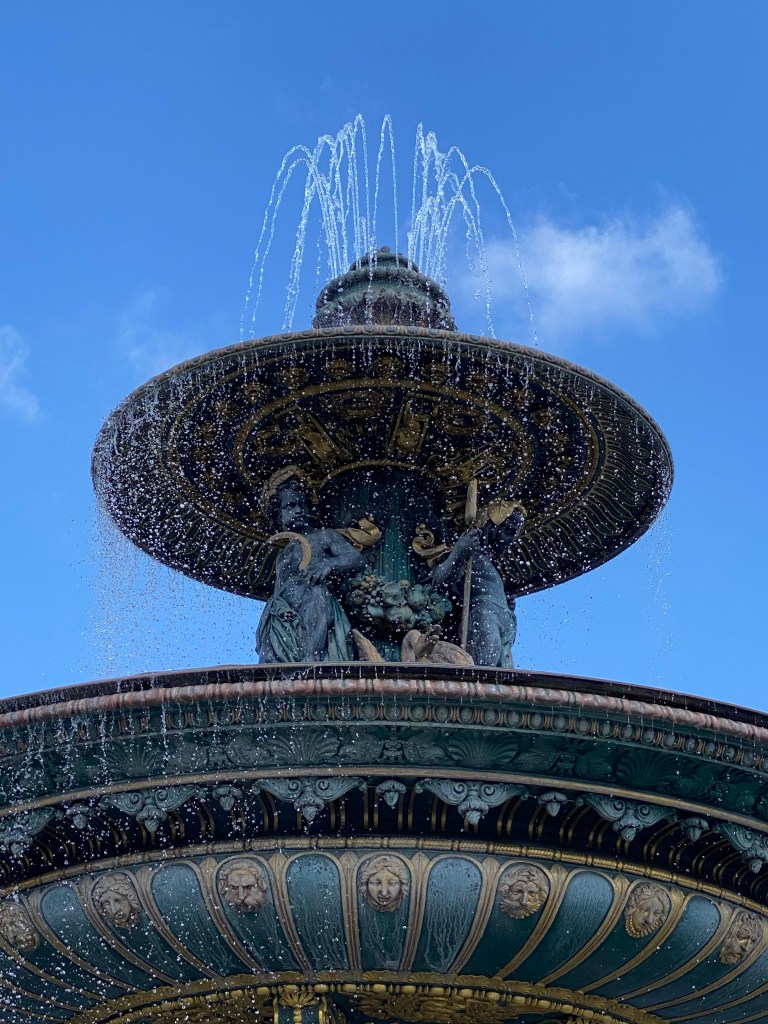
Both fountains had the same form: a stone basin; six figures of tritons or naiads holding fish spouting water; six seated allegorical figures, their feet on the prows of ships, supporting the pedestal, of the circular vasque; four statues of different forms of genius in arts or crafts supporting the upper inverted upper vasque; whose water shot up and then cascaded down to the lower vasque and then the basin.
The north fountain [which is what my photographs are of] was devoted to the Rivers, with allegorical figures representing the Rhone and the Rhine, the arts of the harvesting of flowers and fruits, harvesting and grape growing; and the geniuses of river navigation, industry, and agriculture.
The south fountain, closer to the Seine, represented the seas, with figures representing the Atlantic and the Mediterranean; harvesting coral; harvesting fish; collecting shellfish; collecting pearls; and the geniuses of astronomy, navigation, and commerce.
If, like me, you’ve read and read on 19th century art and come across references to this famous art school at least 1,000,000 times, you’ll find this video very interesting!










You must be logged in to post a comment.