Whenever I am lucky enough to come back to Paris, this view knocks me out all over again.
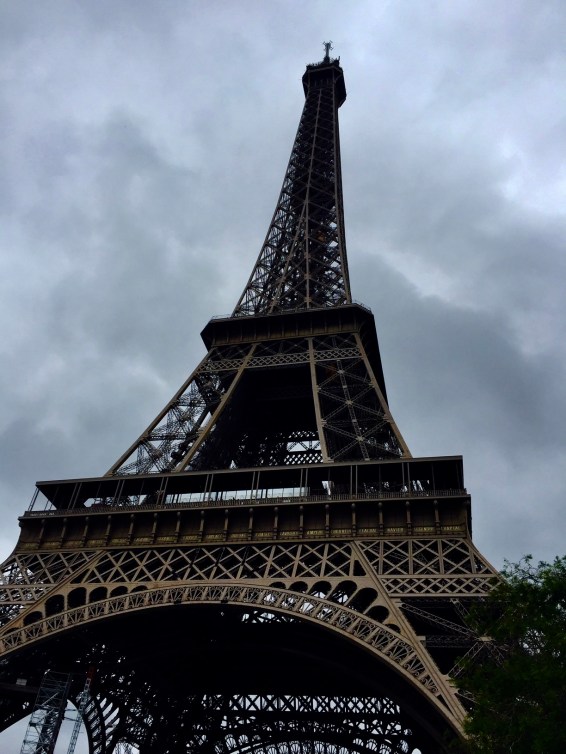
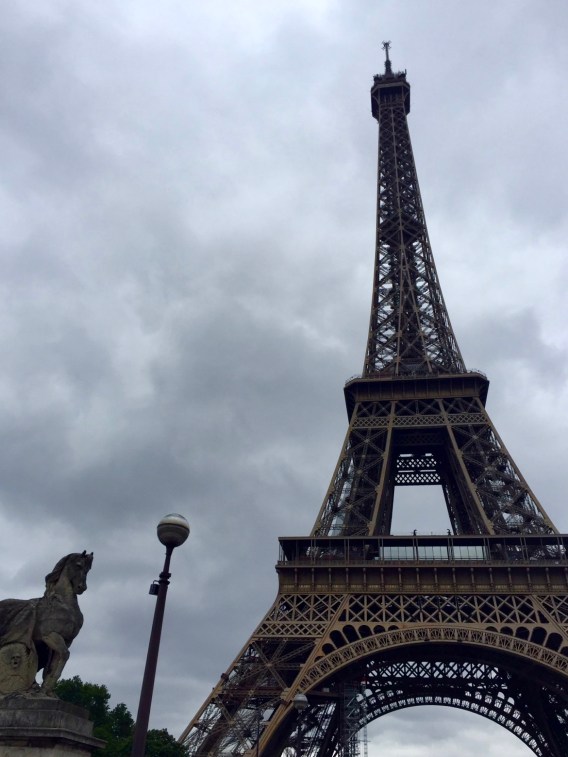
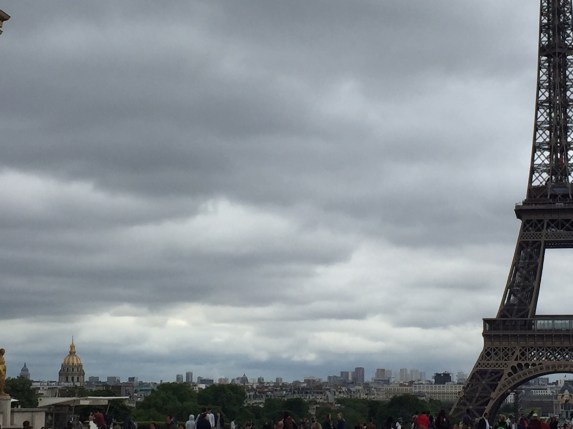
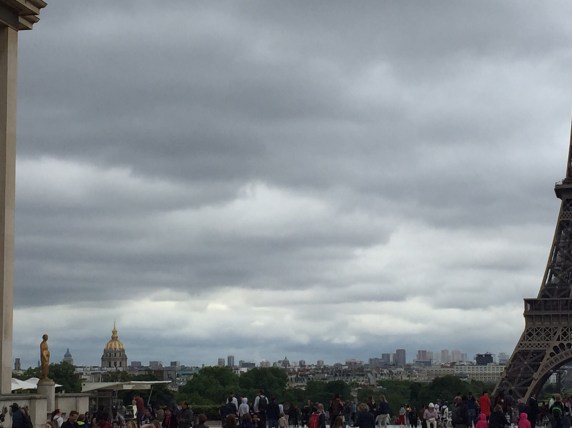
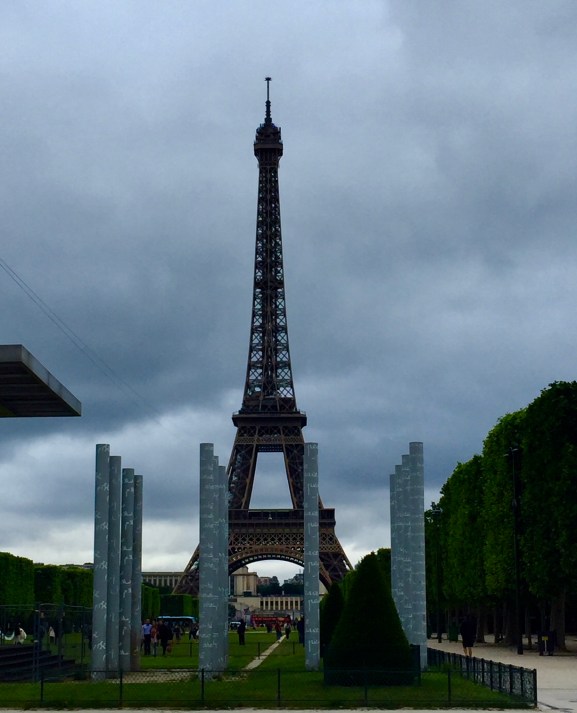
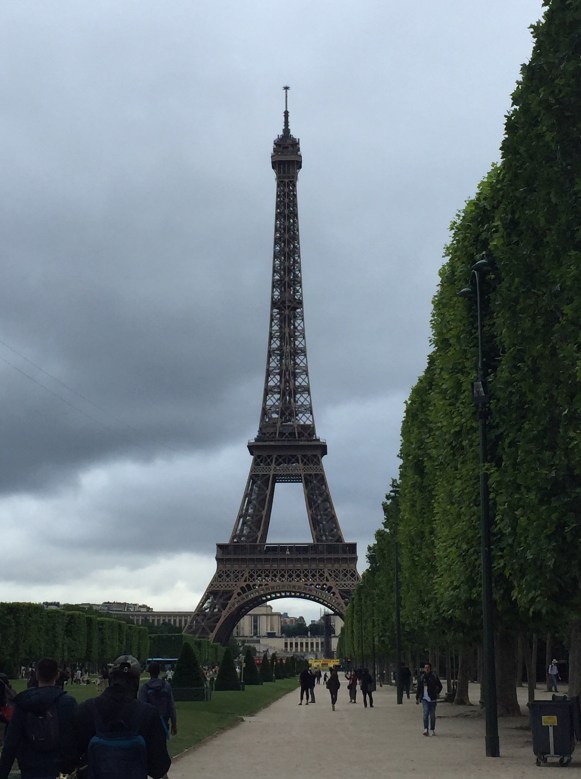
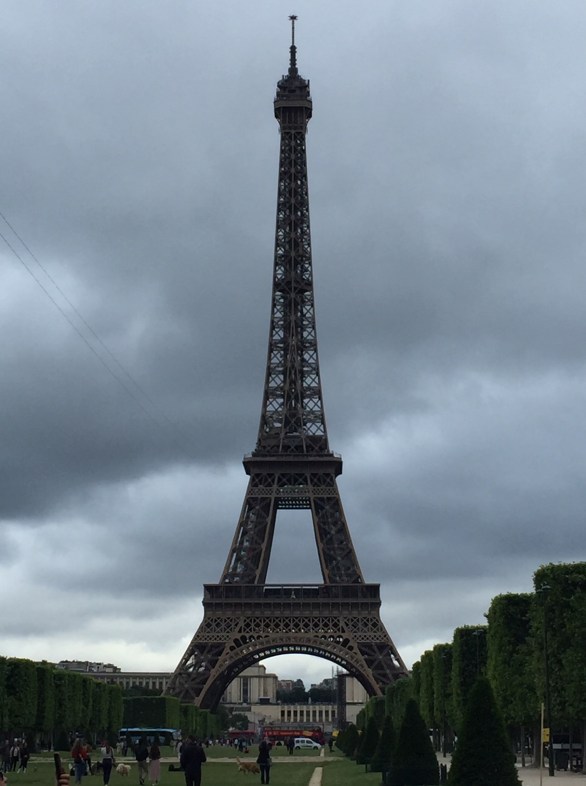
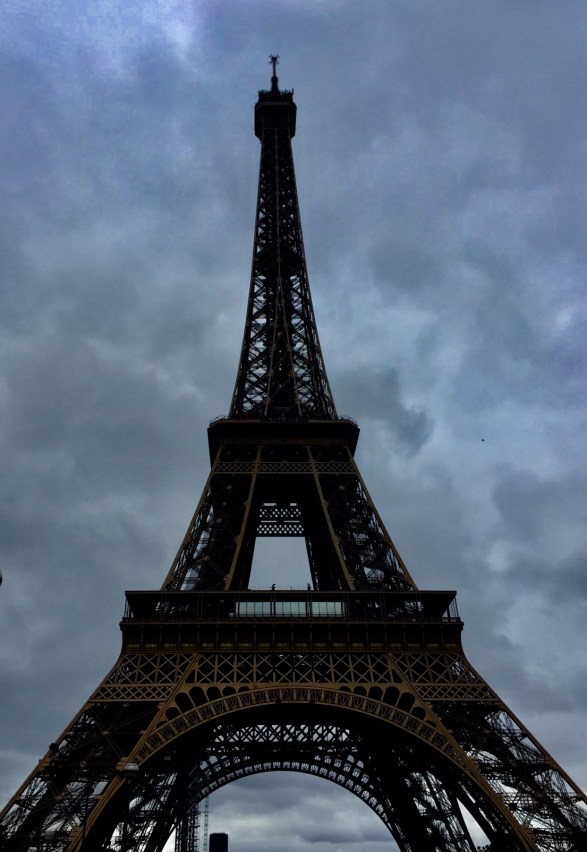
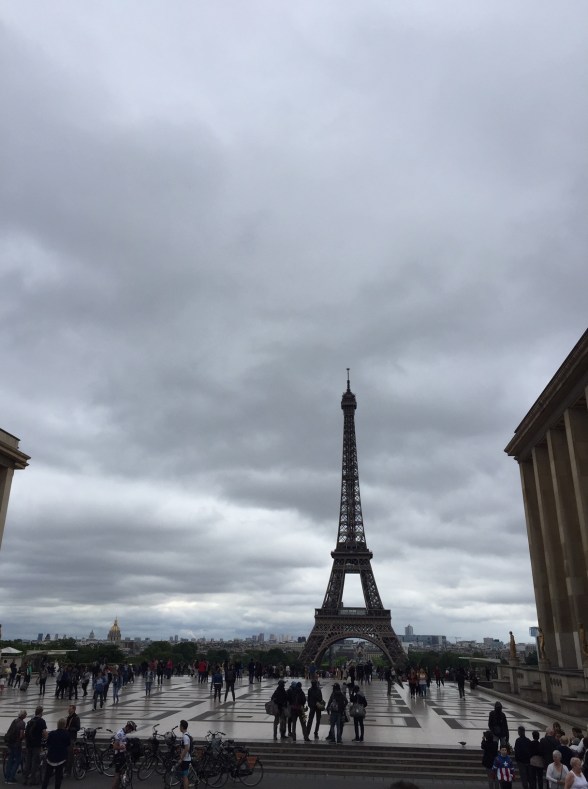
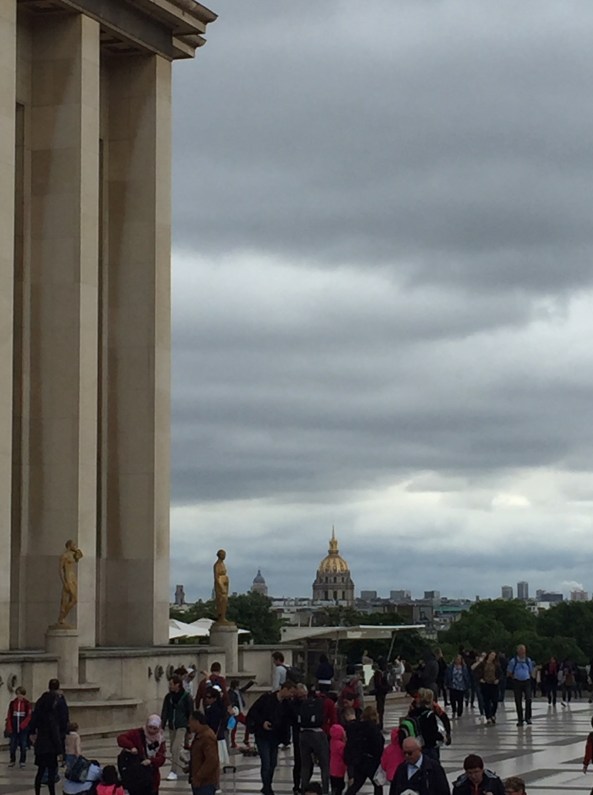
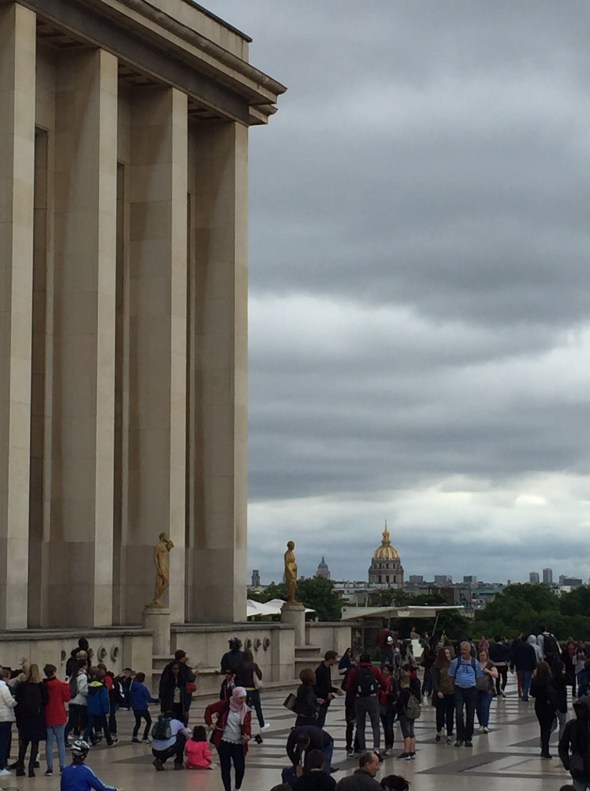
Whenever I am lucky enough to come back to Paris, this view knocks me out all over again.
I love to visit this beautiful shop in Paris! I may not wear tutus anymore, but I still love them! And toe shoes, and tights. Tutus and toe shoes and leotards, oh my!


L’estate e’ arrivata!!! Summer has arrived! Big time! Florence is sizzling, even earlier this year that the last 2!

The thermostat rarely dips below 90, even at night, it seems.
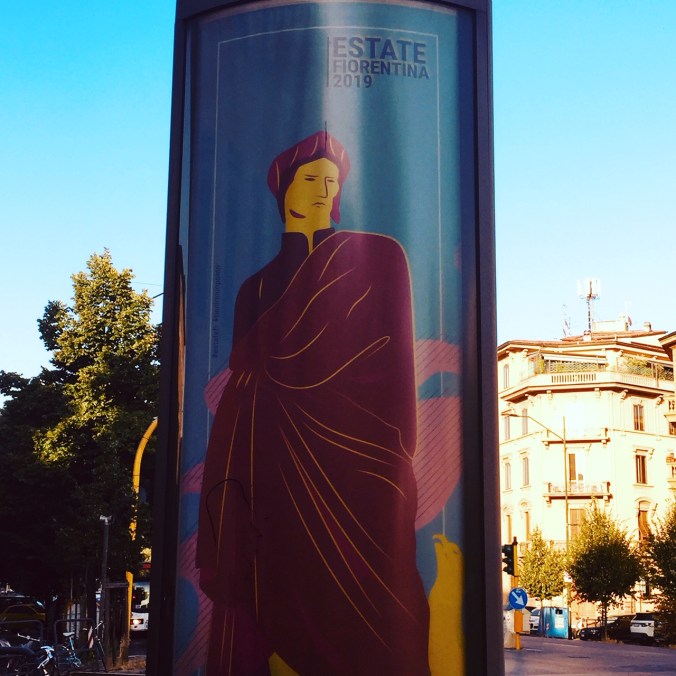
The city of Florence prepared these great posters of Estate Fiorentina 2019! I think Dante is going to want to drop that red cloak, or maybe he just finished swimming in the Arno and is using the coat as a beach towel? That makes perfect sense to my heat-fried brain!
But, in Florence, you can always cool off with these summertime fruits (candies)! Have a great summer, wherever you are!


P.S. I’m not a fan of hot summer weather. I’m planning another getaway next month. Here’s a hint: 
I’m praying London’s weather stays like this!!
A bronze replica of the south door of the Baptistery by Andrea Pisano was unveiled today on the feast day of Florence’s patron saint John the Baptist. The copy of Andrea Pisano’s masterpiece was made using 700-year-old techniques.
Earlier this month I had the good fortune to visit Paris and the Fondation Louis Vuitton in the Bois de Boulogne. While there, I had the best kind of close encounter: Soto’s kinetic creation, Pénétrable BBL Bleu.
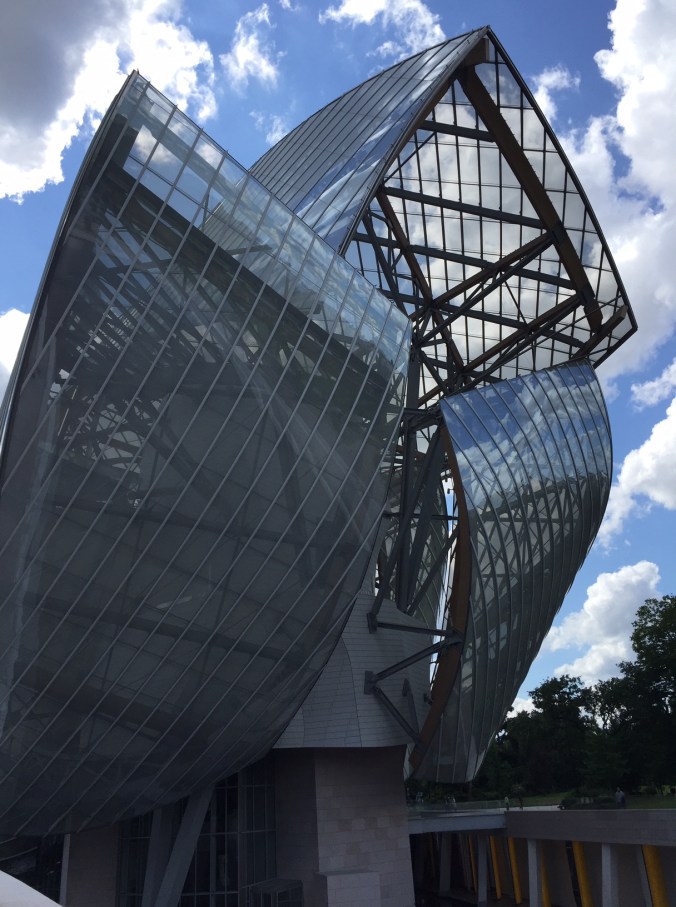
Soto’s striking installation was on an open level of the Frank Gehry building, which suited it perfectly.
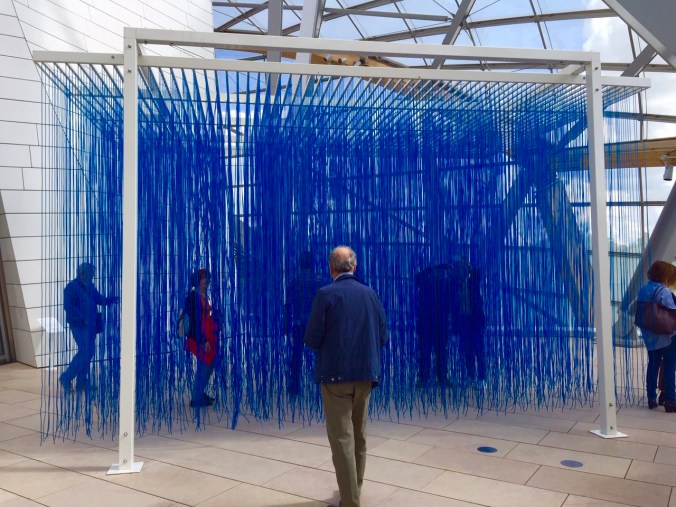
In case you didn’t know, Jesús Rafael Soto was a Venezuelan artist who was best known for his kinetic sculptures and large scale optical installations. Born in 1923 in Ciudad Bolivar, Soto remained in Venezuela for his formative years, before moving to Paris in 1950 where he would remain for the rest of his life, while keeping a workshop in Caracas from 1975 onwards.
Very early on, he attached himself to post-war avant-garde modernism and became part of the abstract art circles. His participation in the Salon des Réalités Nouvelles in 1951, followed by his involvement in the celebrated exhibition Le Mouvement at the Galerie Denise René in Paris in 1955 alongside Marcel Duchamp, Alexander Calder, and Victor Vasarely, bears witness to this commitment.
By the late 1960s, Soto was known as a leader in kinetic art, with works that were remarkable for their illusions of sensory vibrations.
Soto’s Pénétrable BBL Bleu is what I saw and experienced in Paris.
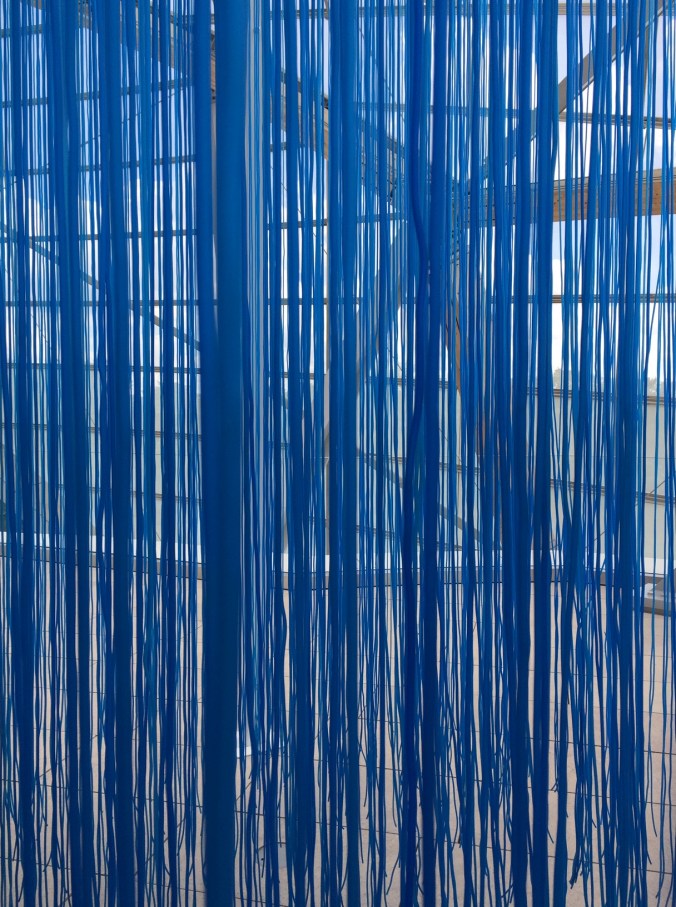
You can read more about it here:
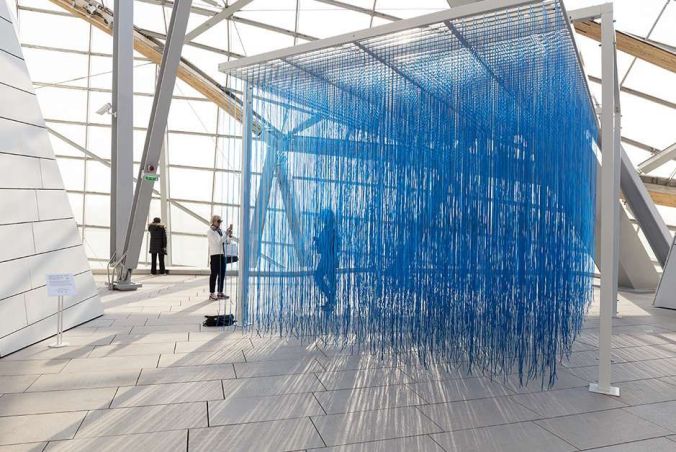
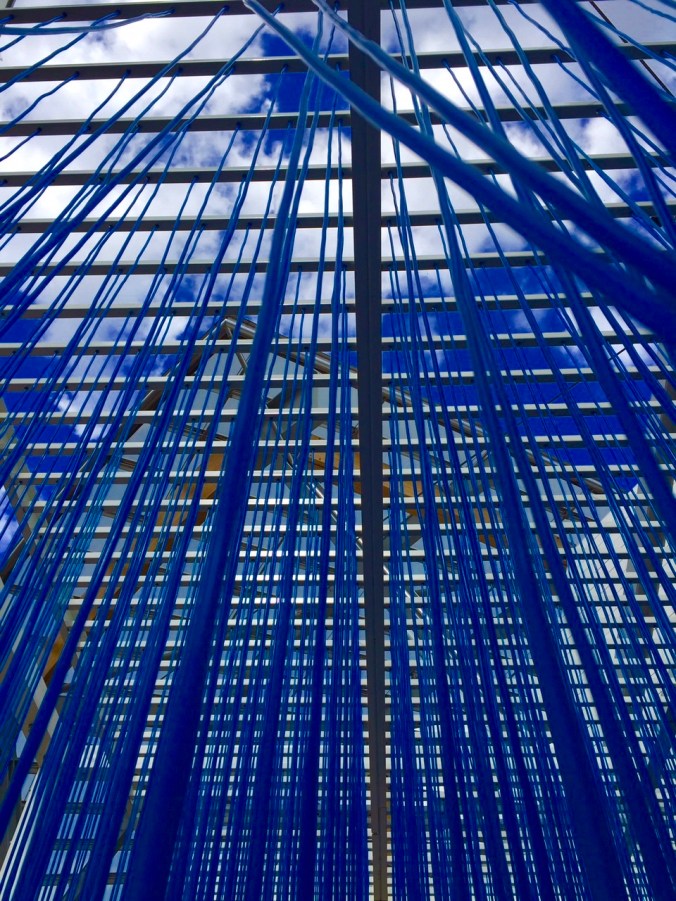
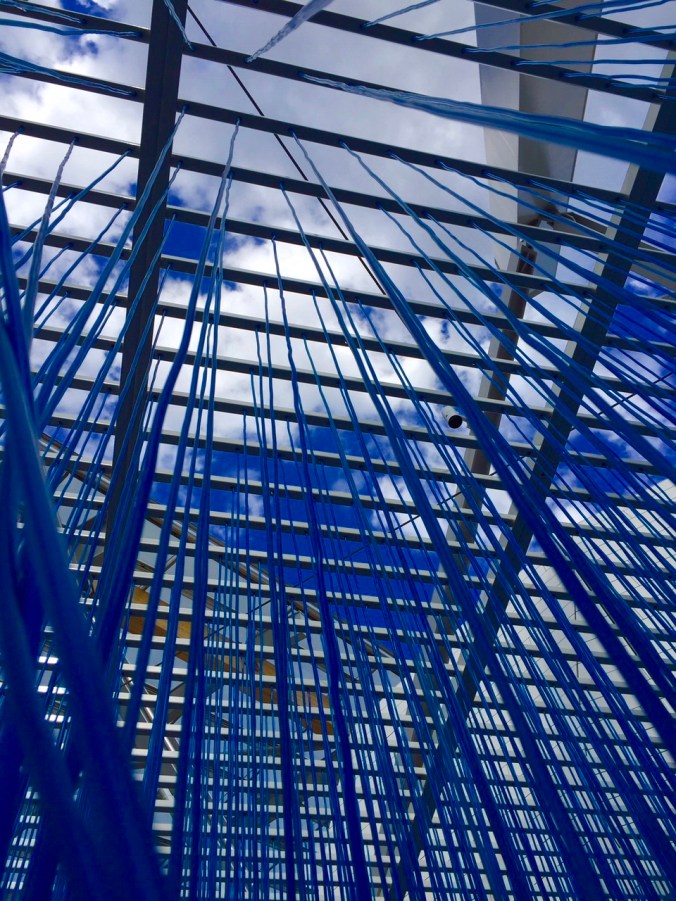
I loved experiencing this installation!
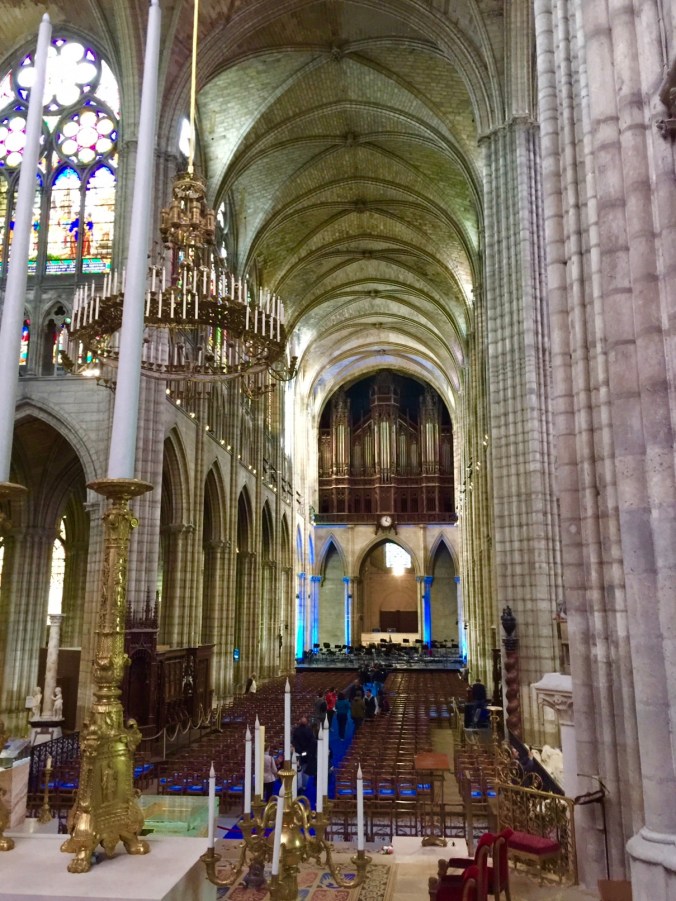
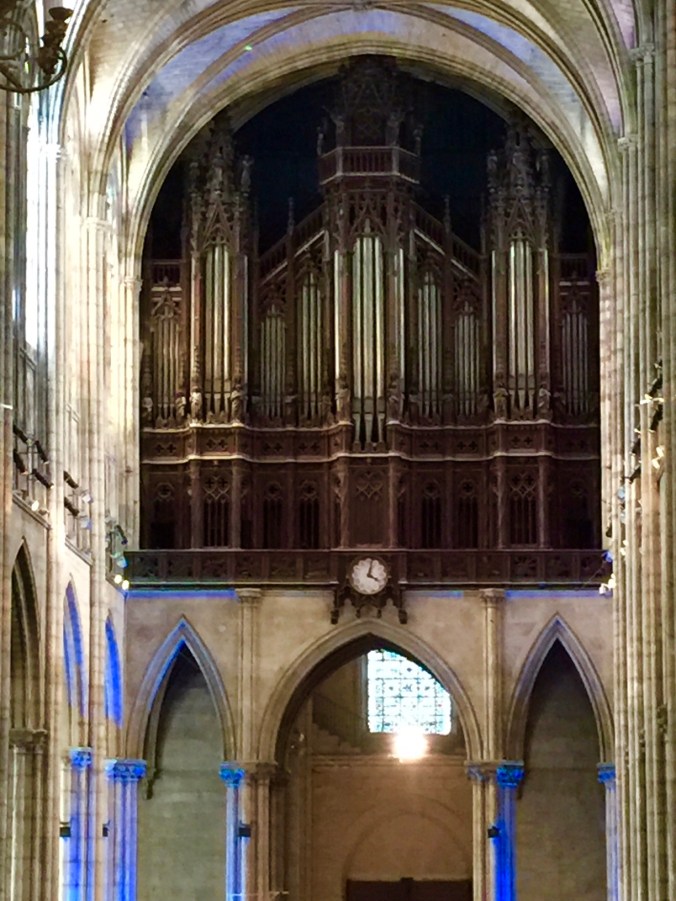
La Basilique Royale de Saint-Denis is not only the first true example of the Gothic style of architecture, but also the burial place for French royalty. It would be an understatement to state that it is a major church in Christendom.
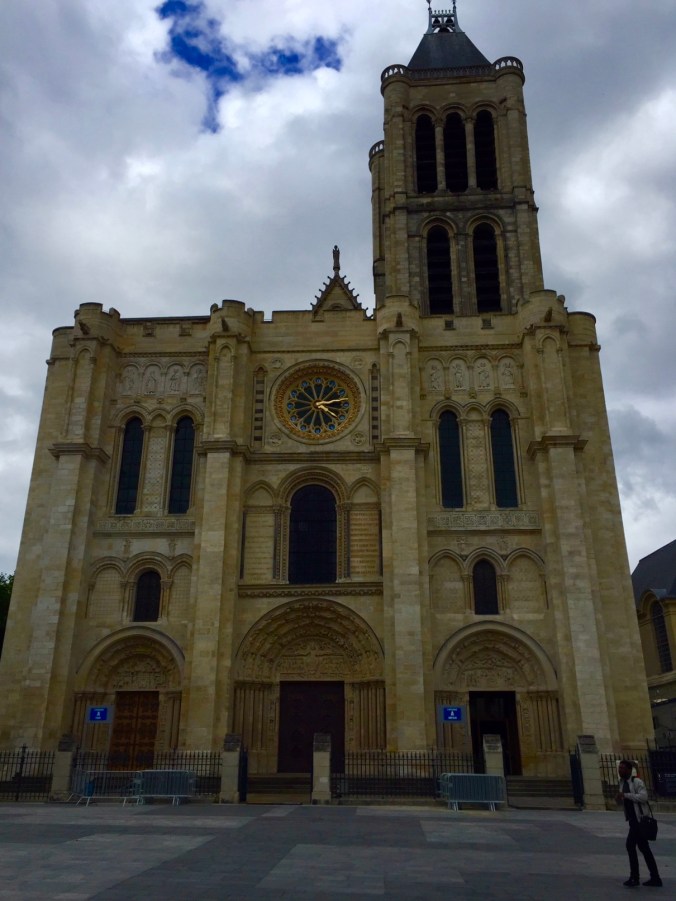
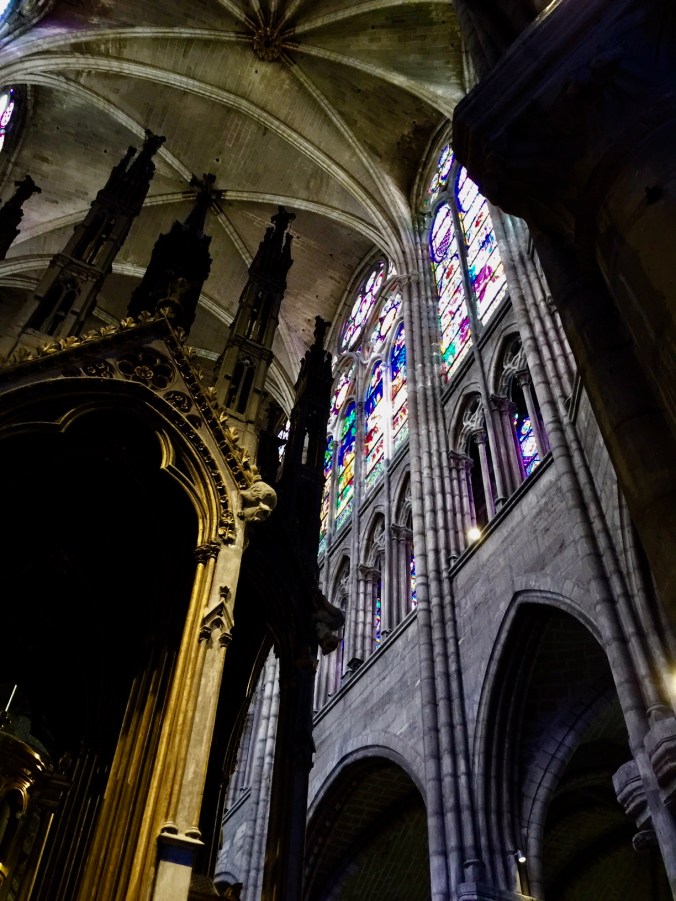
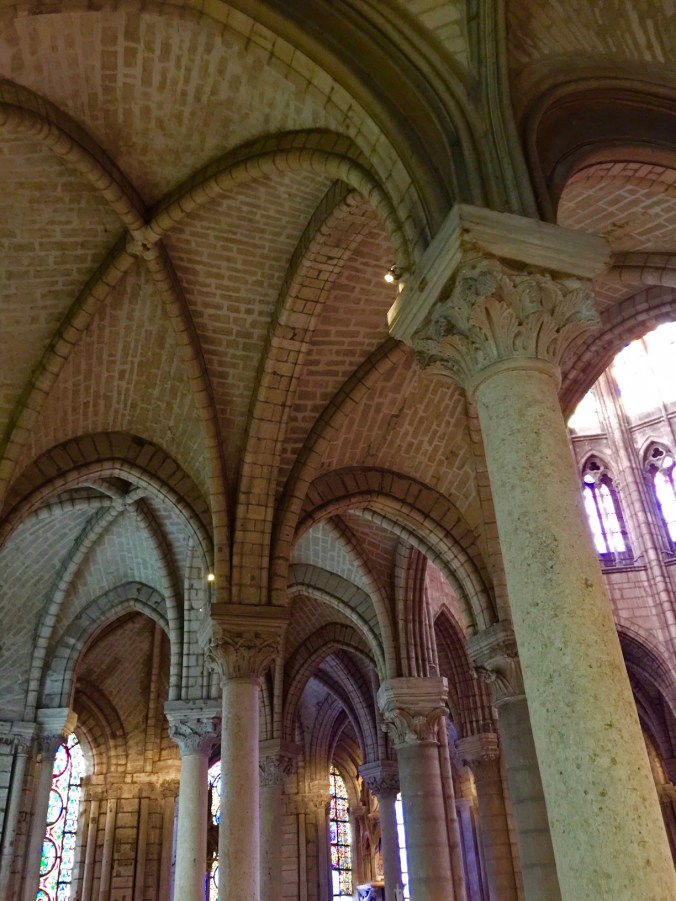
The Basilica of Saint-Denis (French: La Basilique royale de Saint-Denis, or simply Basilique Saint-Denis) is a large medieval abbey church in the city of Saint-Denis, now a northern suburb of Paris. The building is of singular importance historically and architecturally as its choir, completed in 1144, shows the first use of all of the elements of Gothic architecture. Watch this brief Khan Academy video to get up to speed on Gothic.
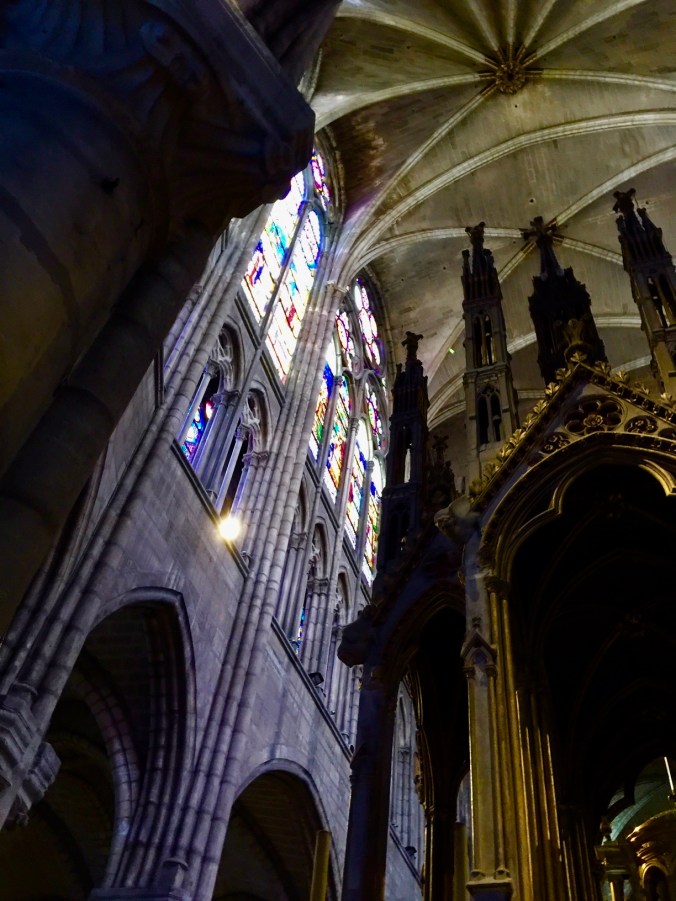
Saint Denis was the patron saint of France and became the first bishop of Paris. He was decapitated on the hill of Montmartre in the mid-third century with two of his followers, and is said to have subsequently carried his head to the site of this current church, indicating where he wanted to be buried. A martyrium was erected on the site of his grave, which became a famous place of pilgrimage during the fifth and sixth centuries.
The site originated as a Gallo-Roman cemetery in late Roman times. The archeological remains still lie beneath the cathedral; the people buried there seem to have had a faith that was a mix of Christian and pre-Christian beliefs and practices.
Around 475 St. Genevieve purchased some land and built Saint-Denys de la Chapelle. In 636 on the orders of Dagobert I the relics of Saint Denis, the patron saint of France, were reinterred in the basilica.
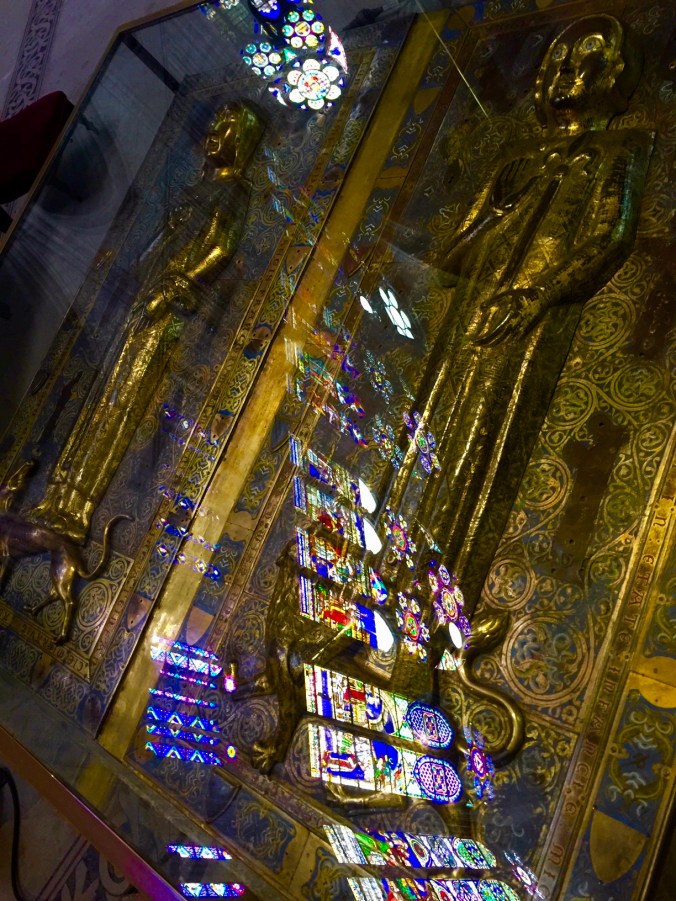
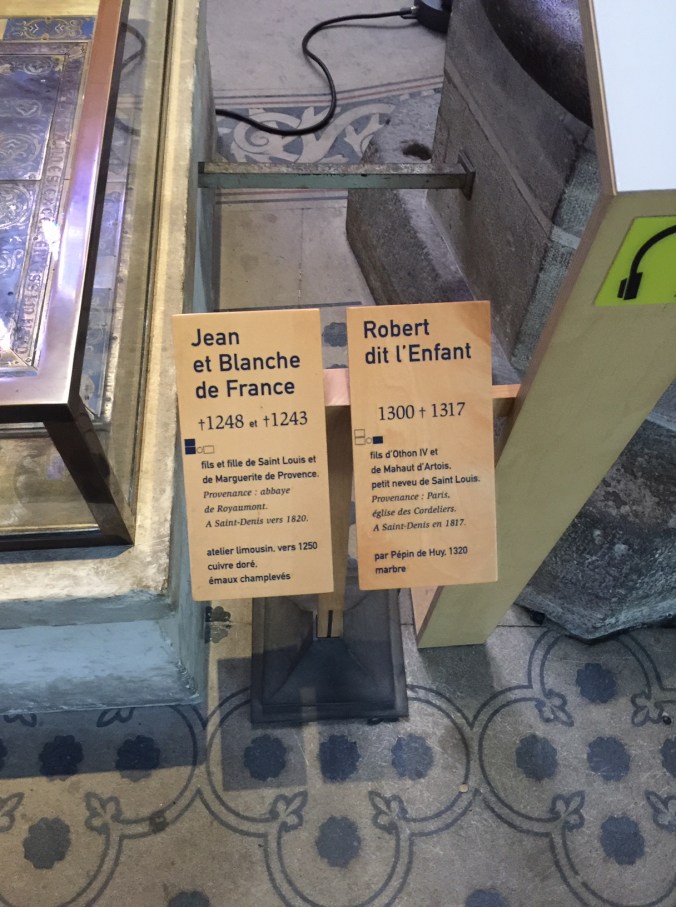
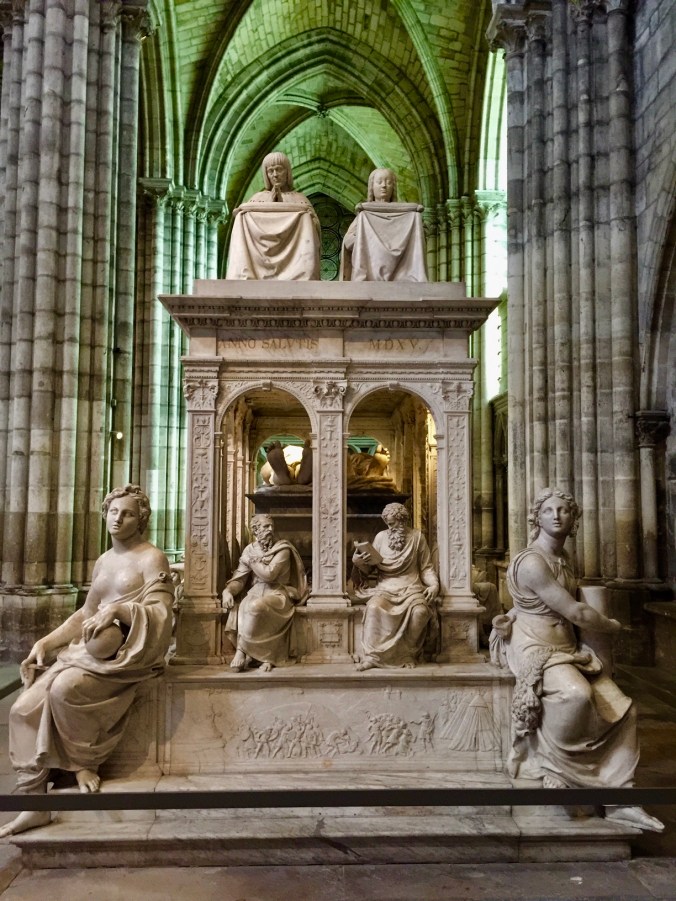
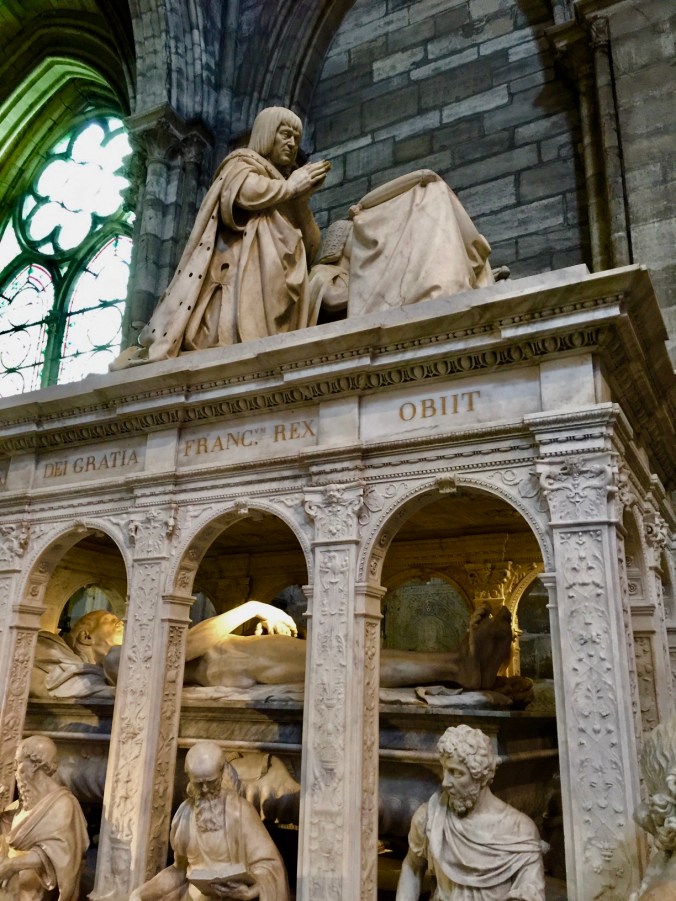
The basilica became a place of pilgrimage and the burial place of the French kings and queens, with nearly every king from the 10th to the 18th centuries buried there. Moreover, there were many royal tombs from previous centuries.
St. Denis was not used for the coronations of kings, that function being reserved for the Cathedral of Reims; however, French Queens were commonly crowned there. “Saint-Denis” soon became the abbey church of a growing monastic complex.
All but three of the monarchs of France from the 10th century until 1789 have their remains here. Some monarchs, like Clovis I (465–511), were not originally buried at this site. The remains of Clovis I were exhumed from the despoiled Abbey of St Genevieve which he founded.
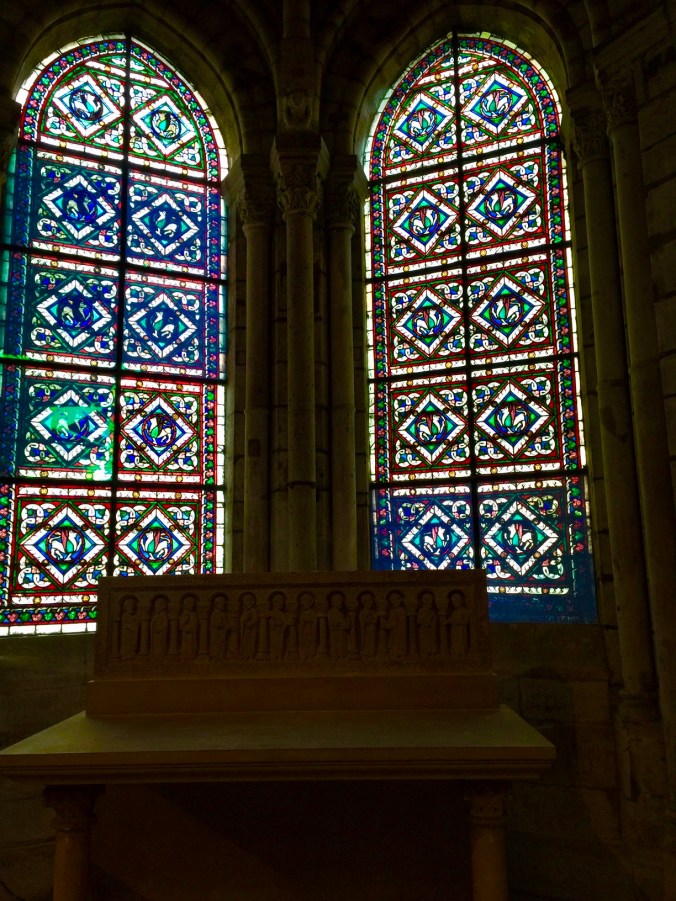
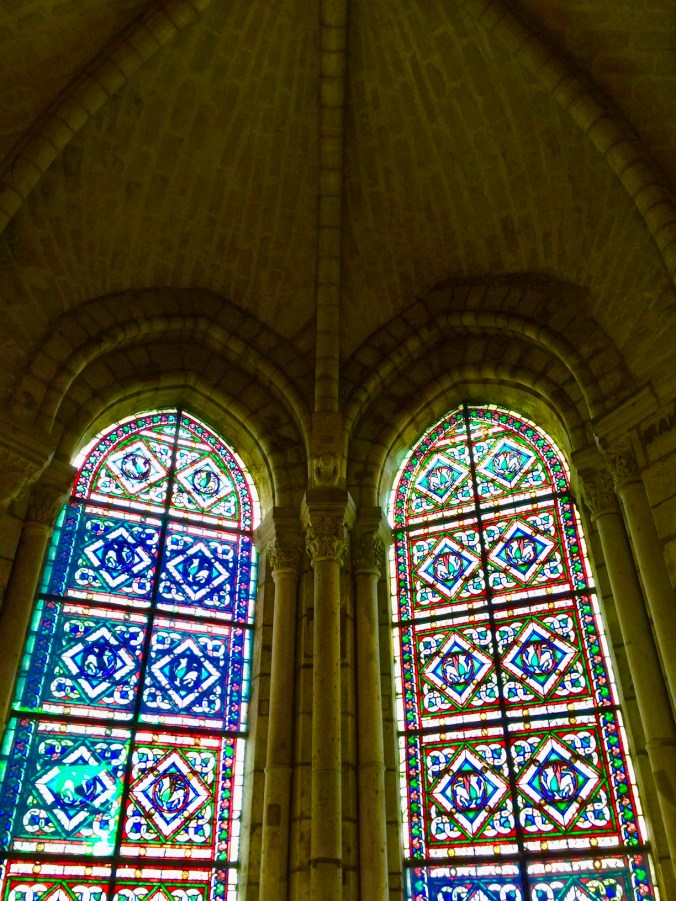
In the 12th century, the Abbot Suger rebuilt portions of the abbey church using innovative structural and decorative features. In doing so, he is said to have created the first truly Gothic building. The basilica’s 13th-century nave is the prototype for the Rayonnant Gothic style, and provided an architectural model for many medieval cathedrals and abbeys of northern France, Germany, England and many other countries.
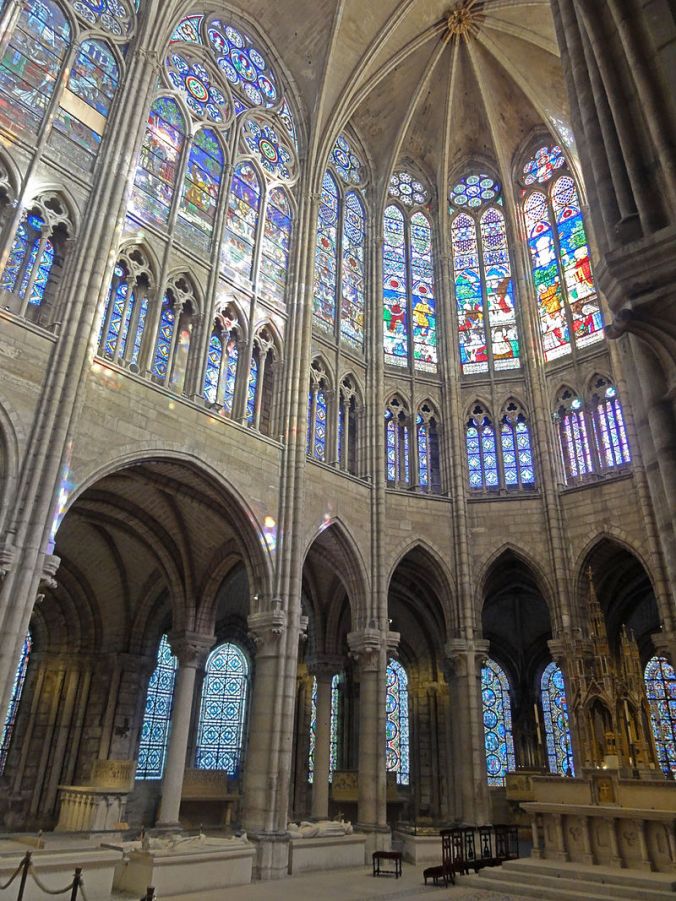
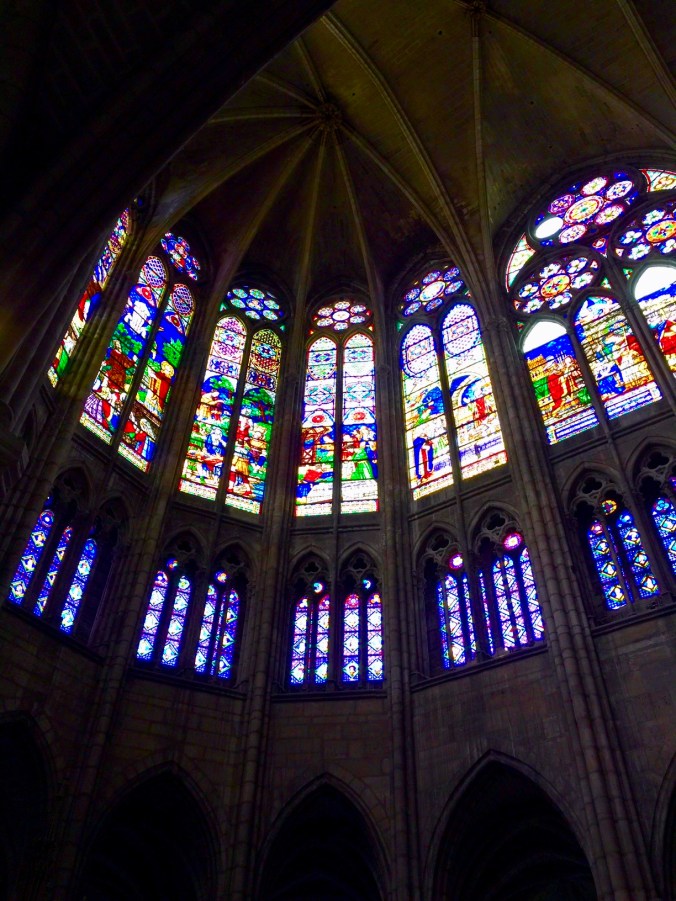
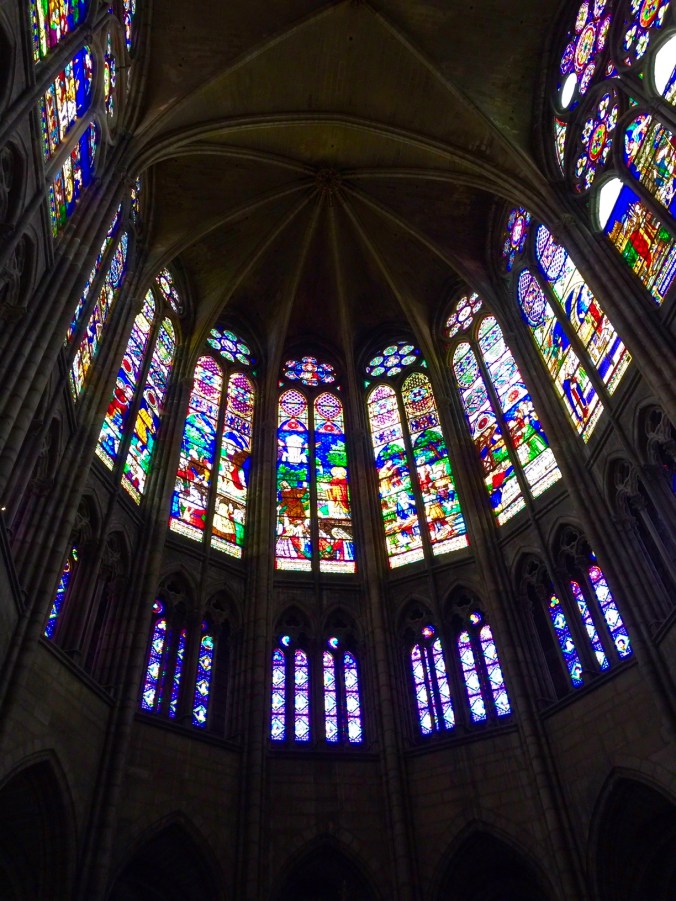
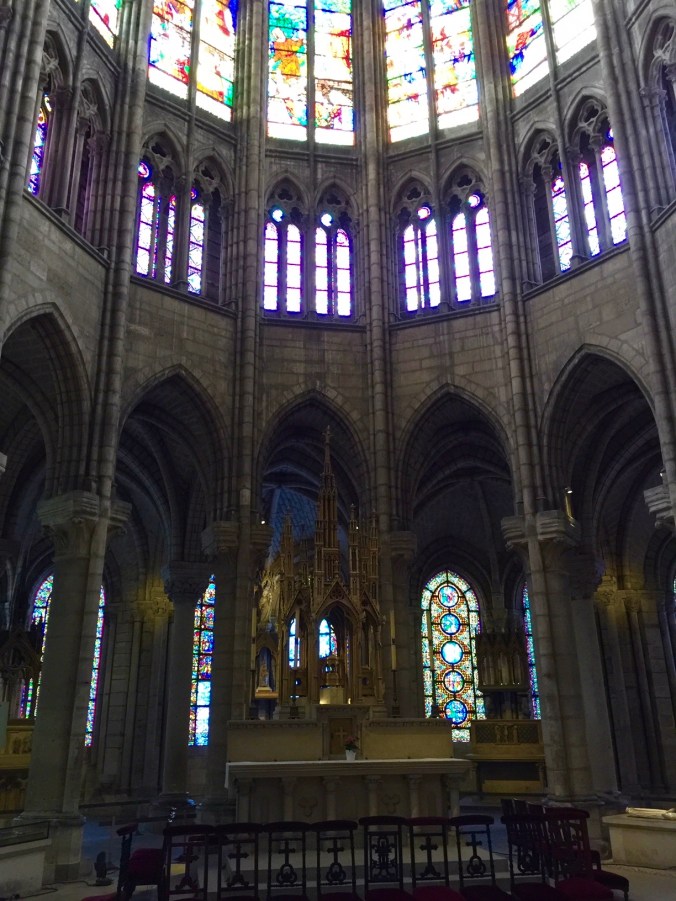
Above: the Rayonnant Gothic choir of St Denis.
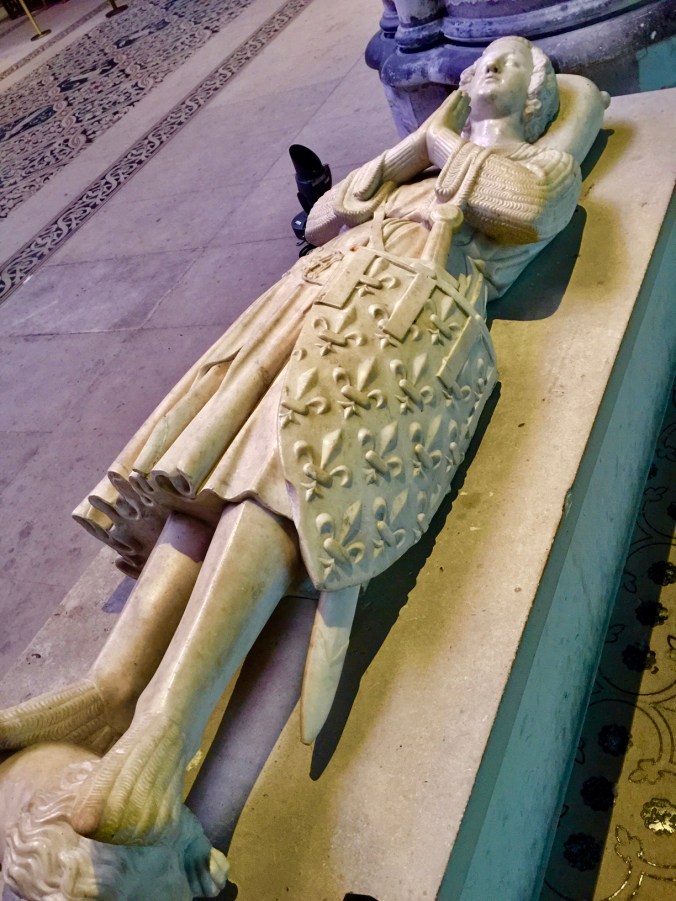
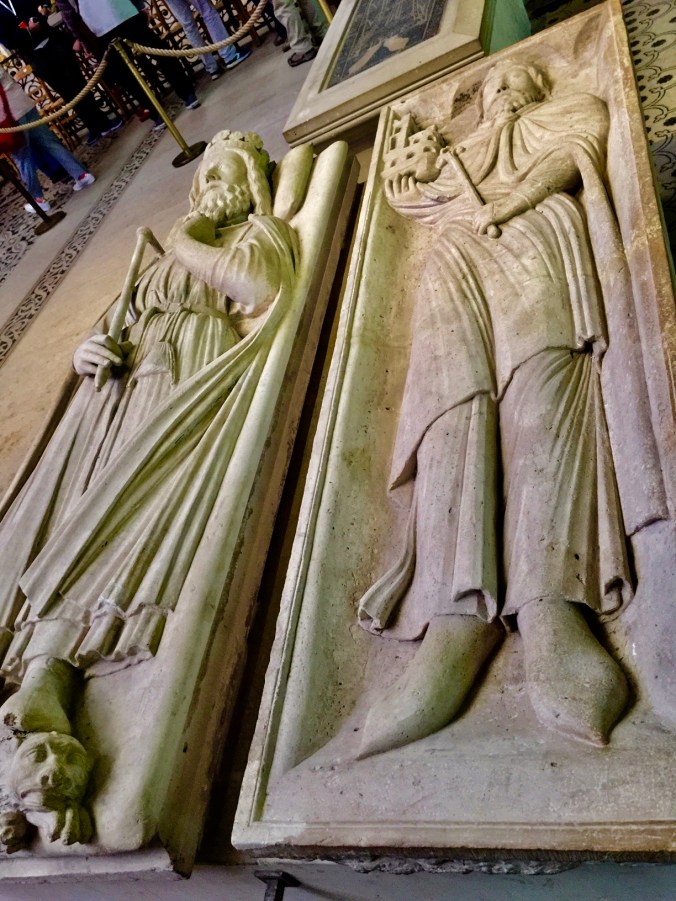
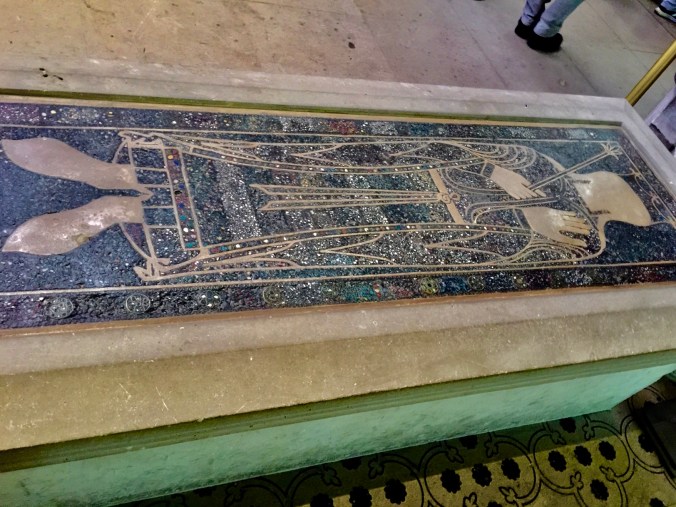
Dagobert, the king of the Franks, reigned from 628 to 637, and he refounded the church as the Abbey of Saint Denis, a Benedictine monastery. Dagobert commissioned a new shrine to house the Saint Denis’s remains, which was created by his chief councillor, Eligius, a goldsmith by training.
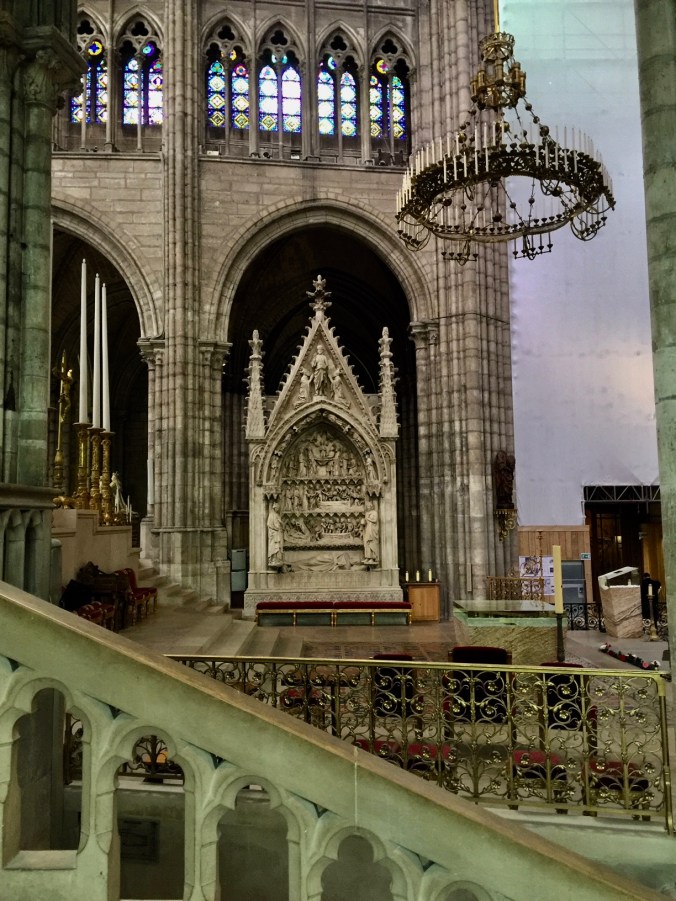
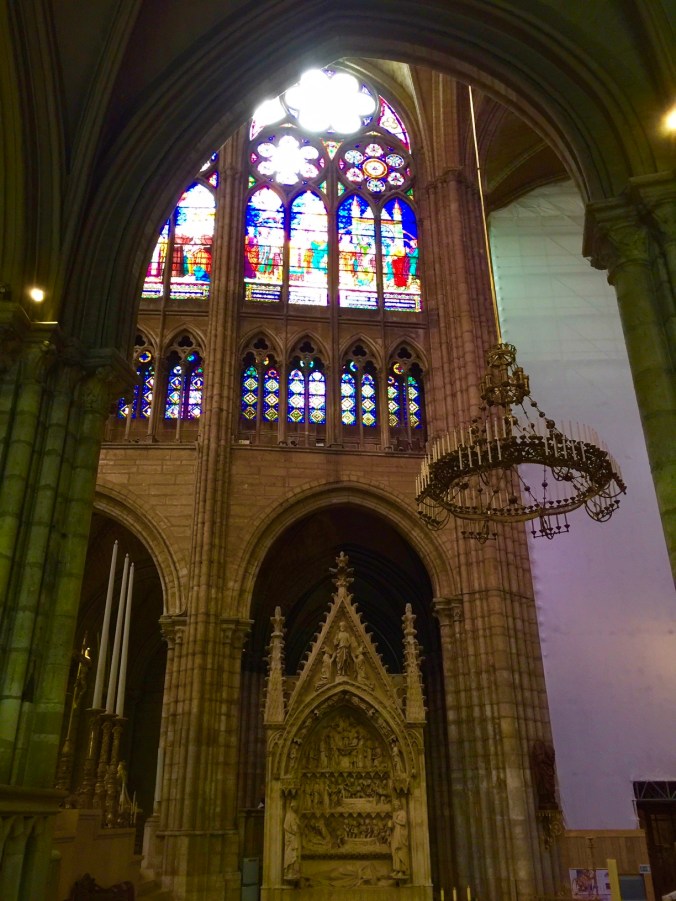
King Dagobert’s own tomb in St. Denis below:
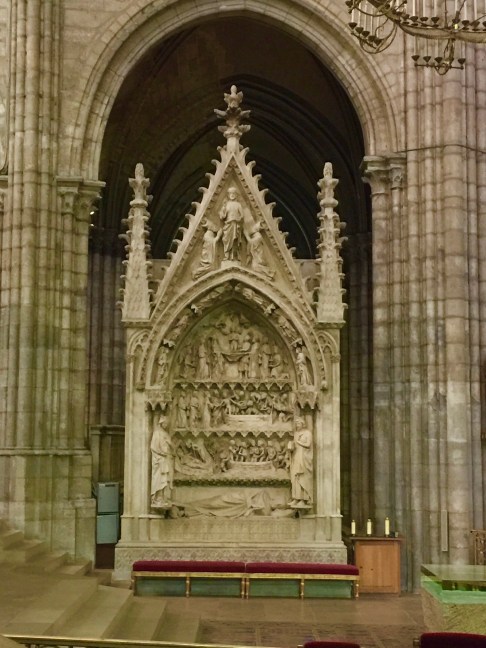
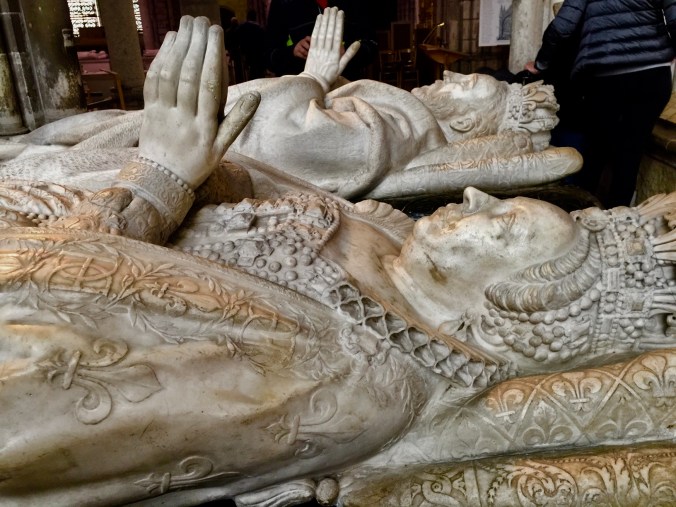
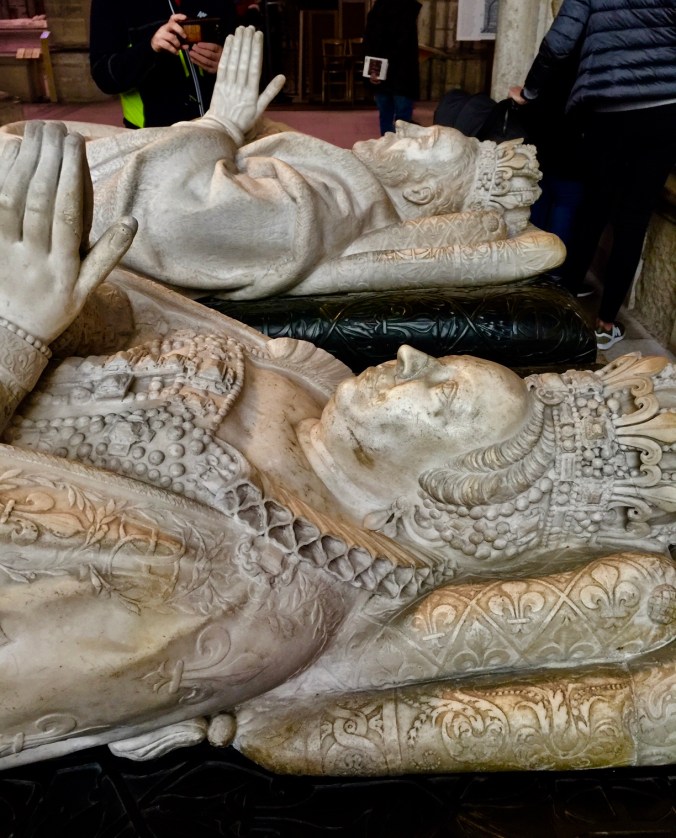
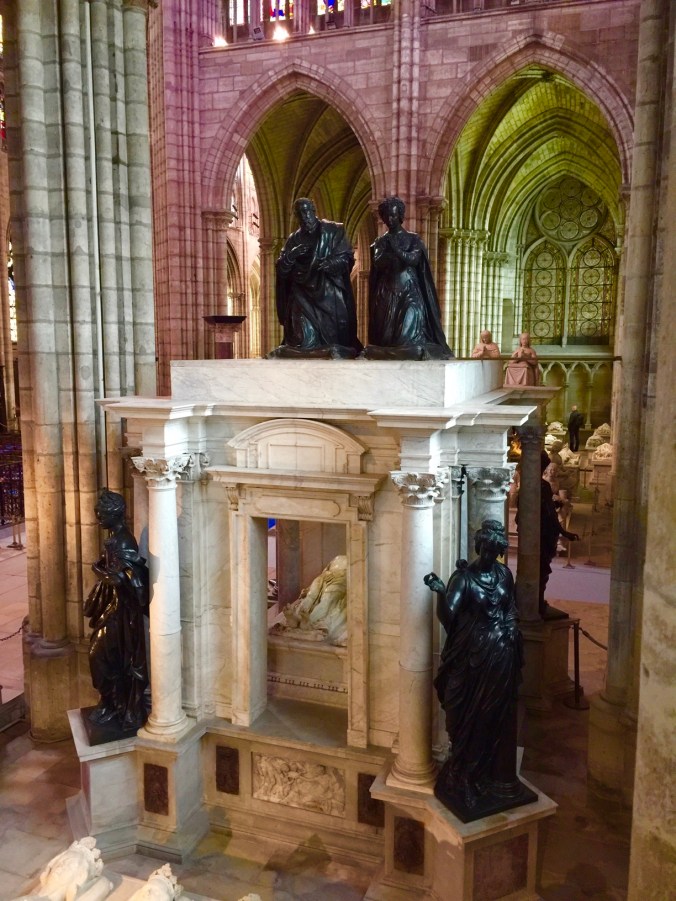
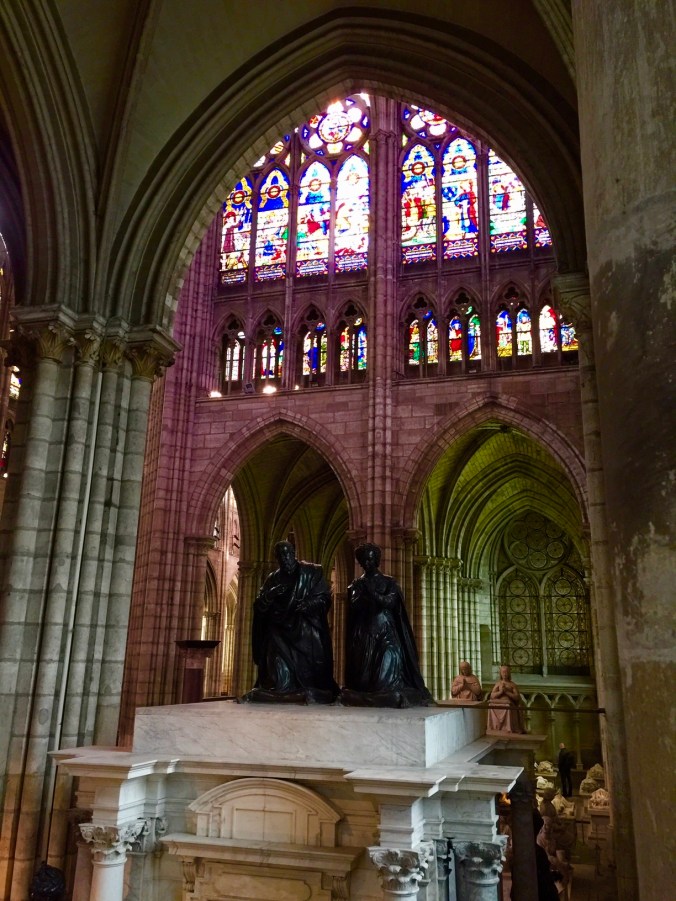
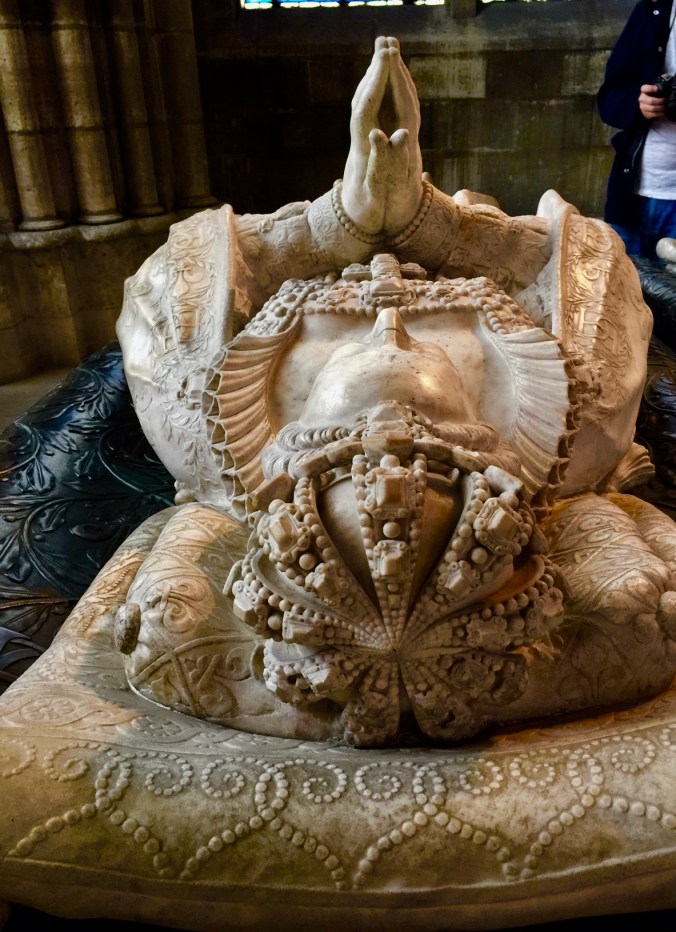
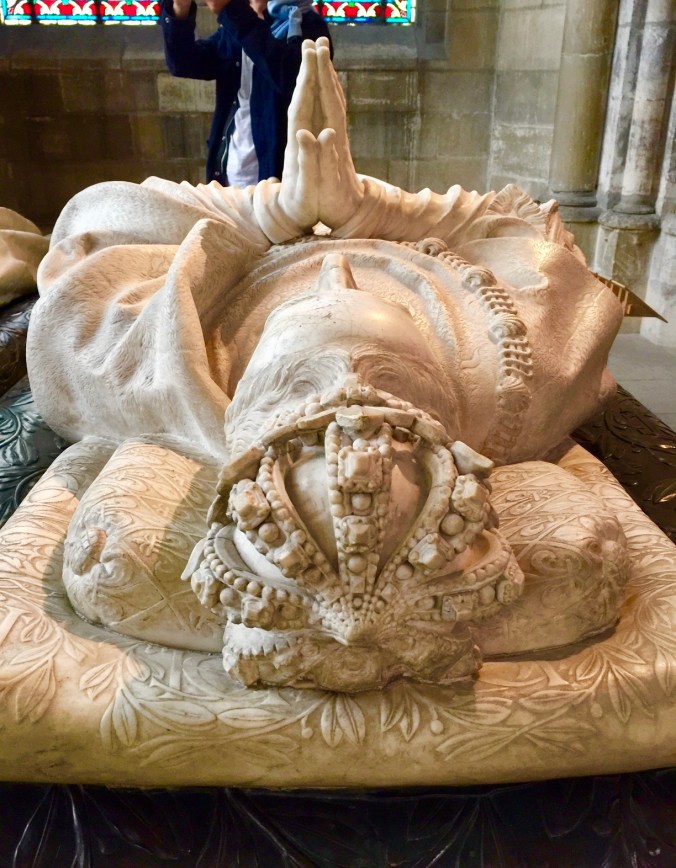
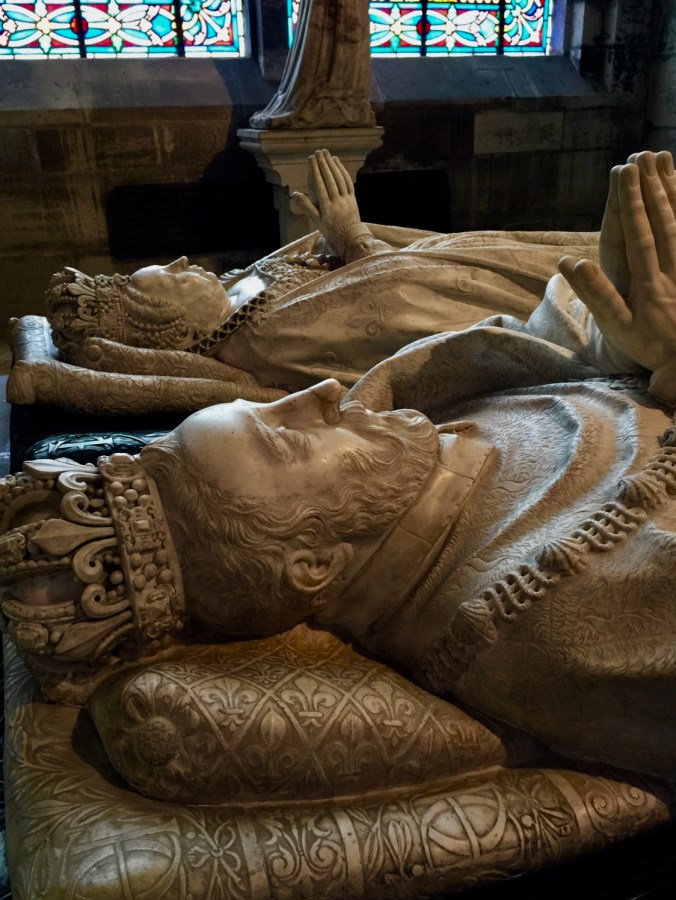
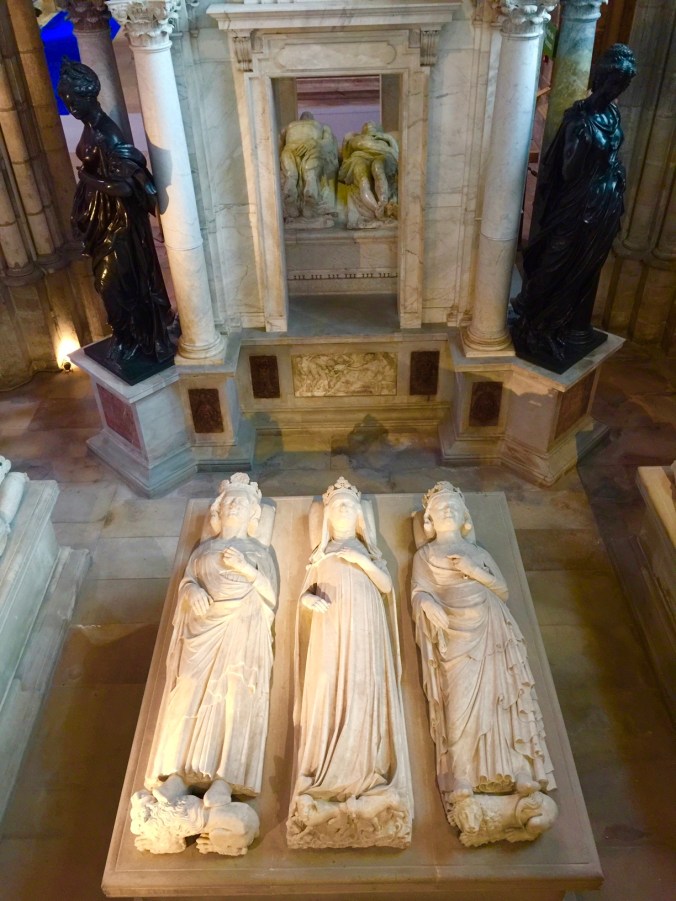
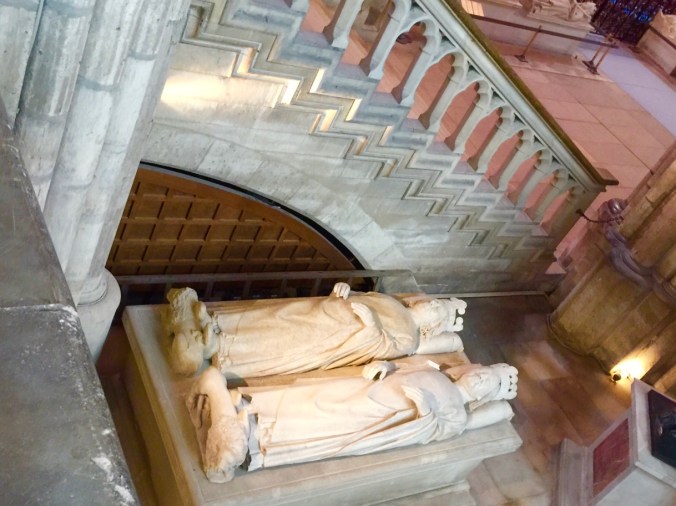
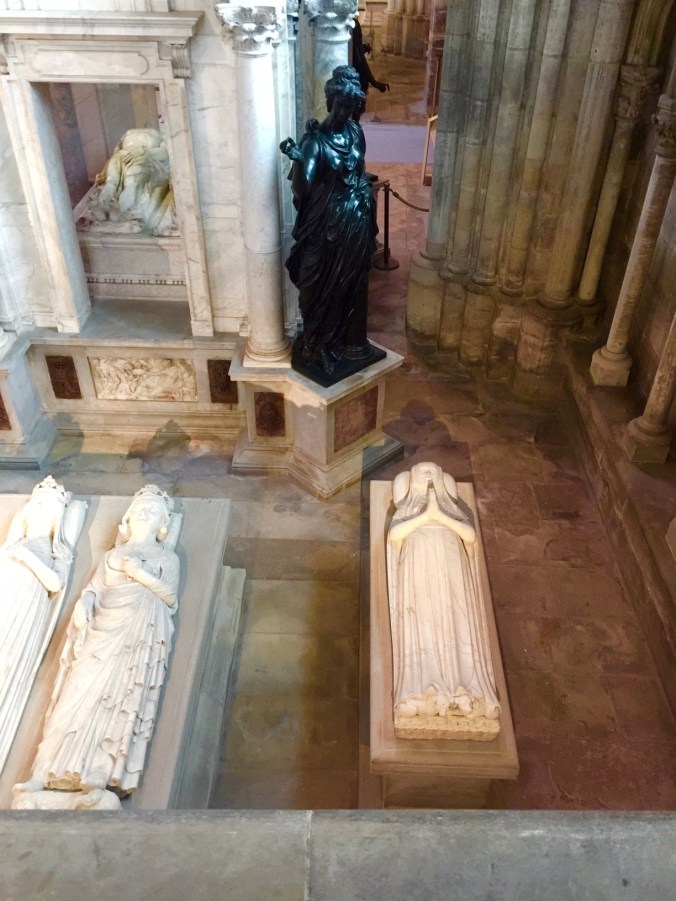

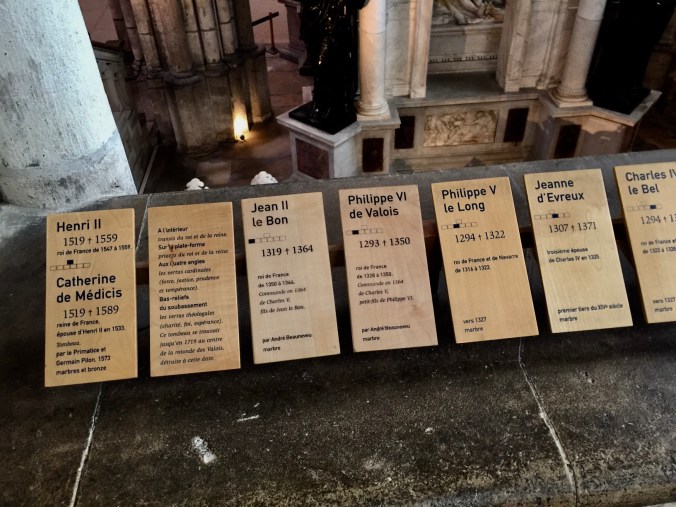
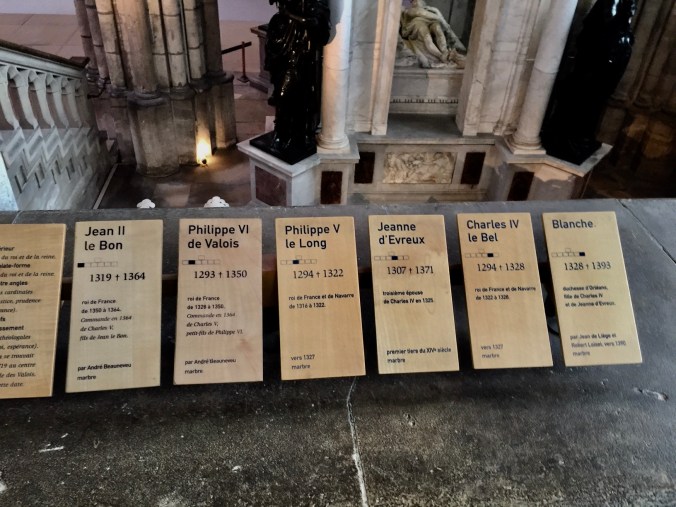
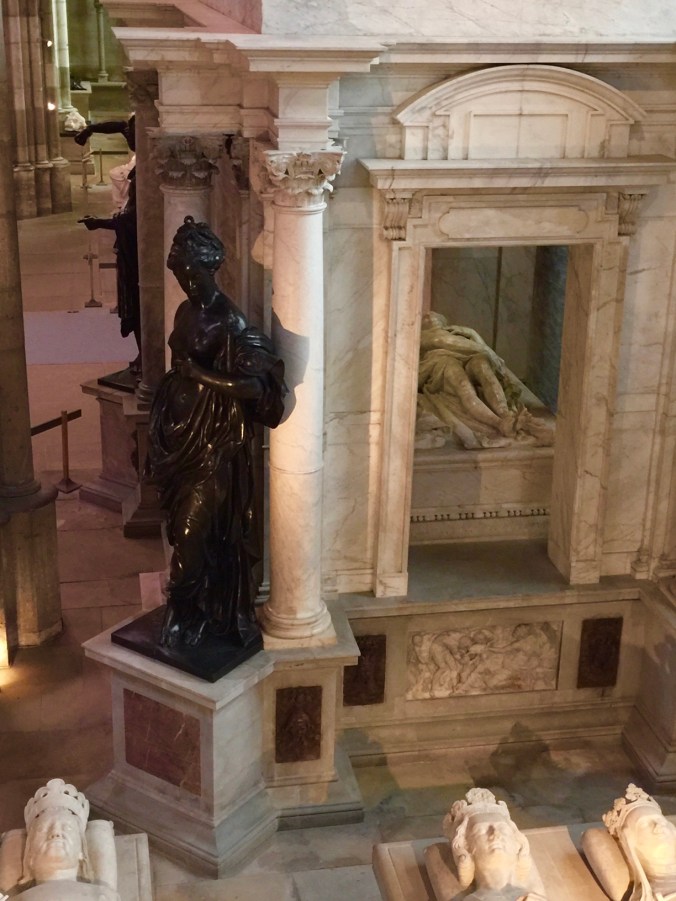
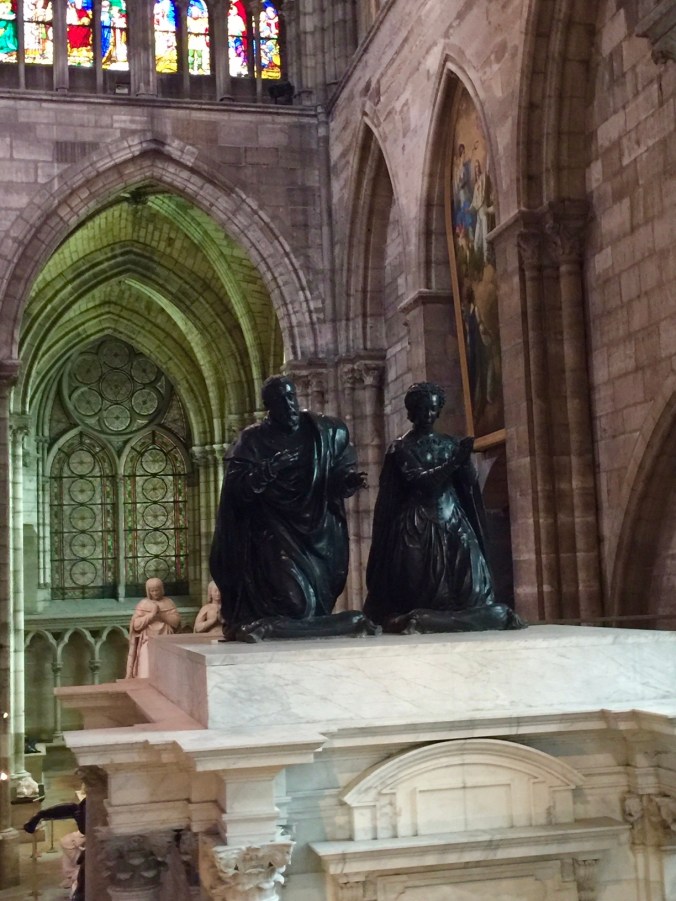
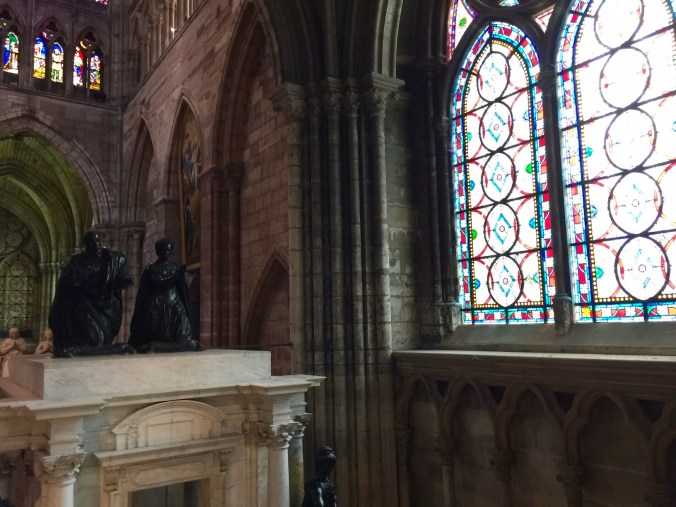
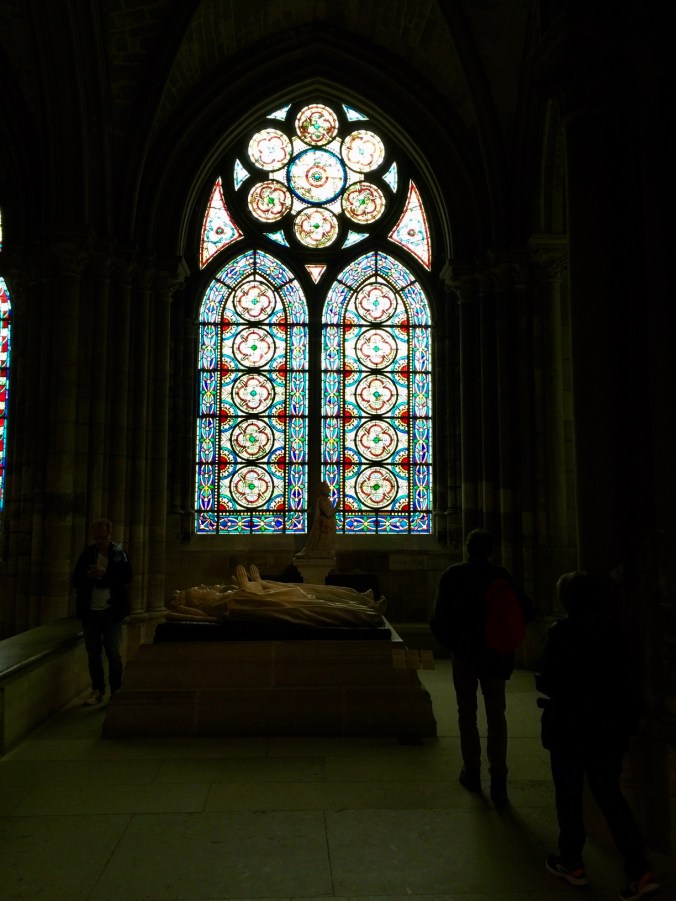
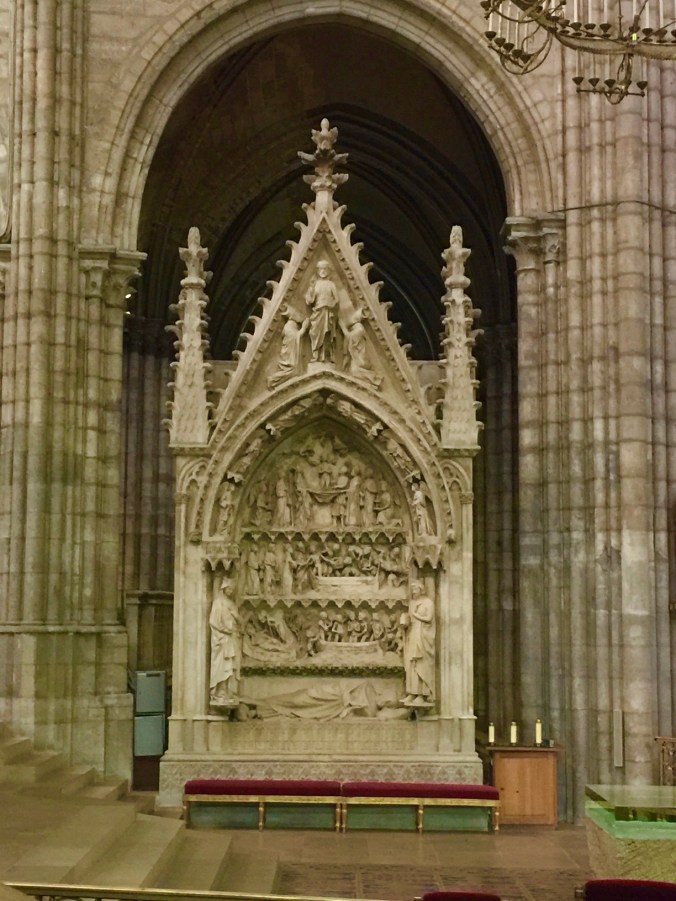
Above and below: the tomb of King Dagobert
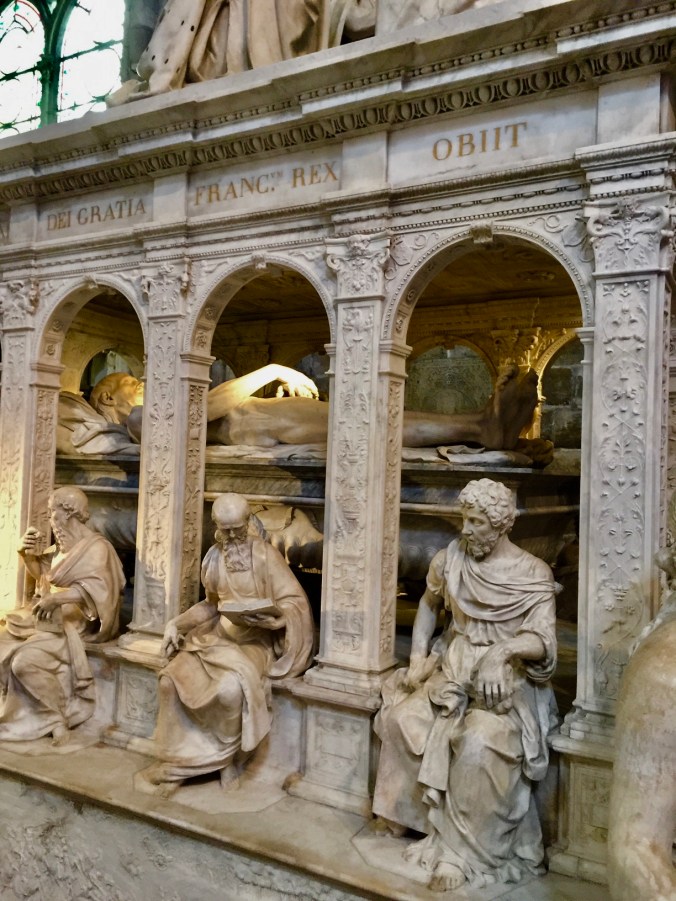
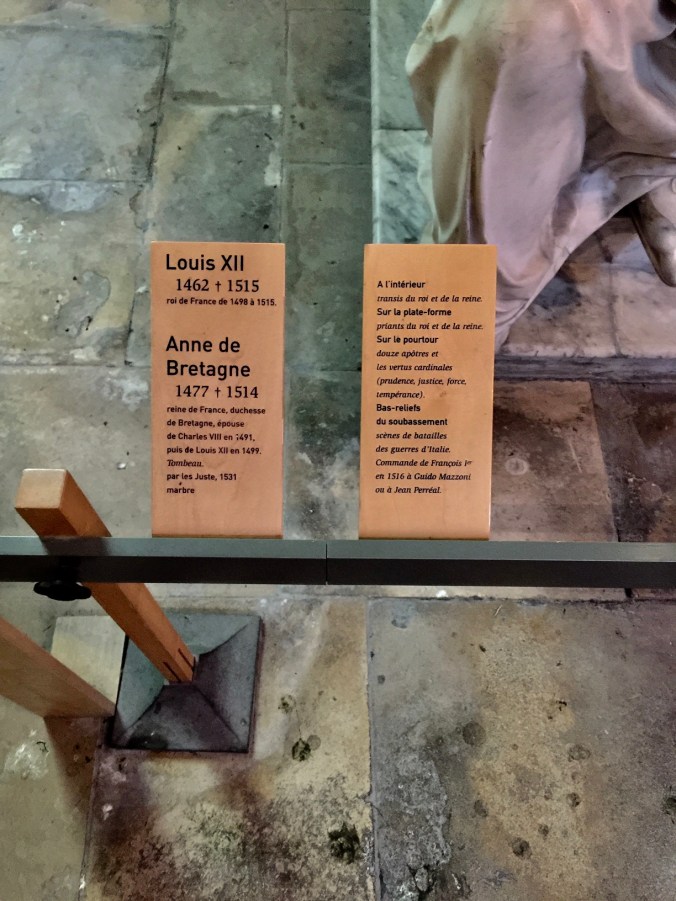
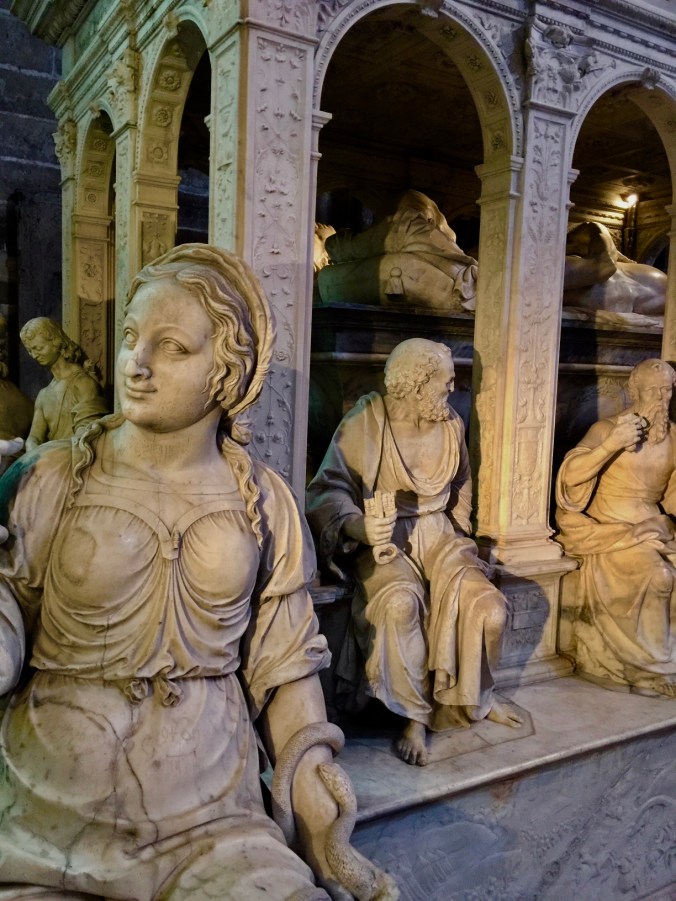
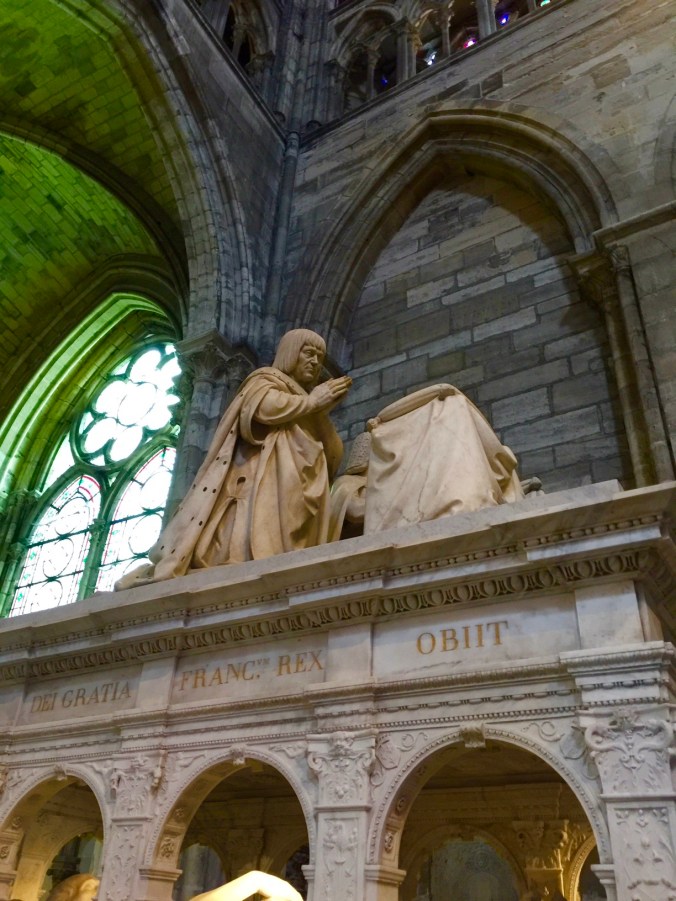
When Abbot Suger was modifying the church, the façade was also redesigned and included tall, thin statues of Old Testament prophets and kings attached to columns (known as “jamb figures”) flanking the portals.
These jamb statues were an attractive addition to the Gothic façade, and were subsequently used at the cathedrals of Paris and Chartres, constructed a few years later, and became a feature of almost every Gothic portal thereafter.
Above the doorways, the central tympanum was carved with Christ in Majesty, displaying his wounds while the dead emerge from their tombs below. Scenes from the martyrdom of St. Denis were carved above the south (right hand) portal, while above the north portal was a mosaic (now lost), even though this was already retardataire, or, as Suger put it: “contrary to the modern custom.”
The French Revolution, havoc wreaked:
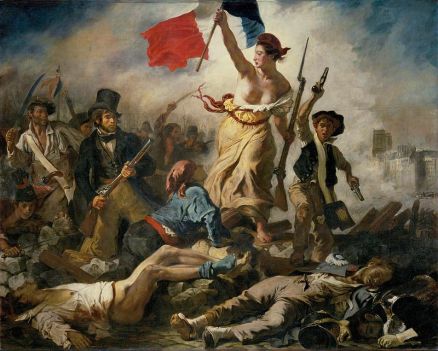
Delacroix’s Liberty Leading the People.
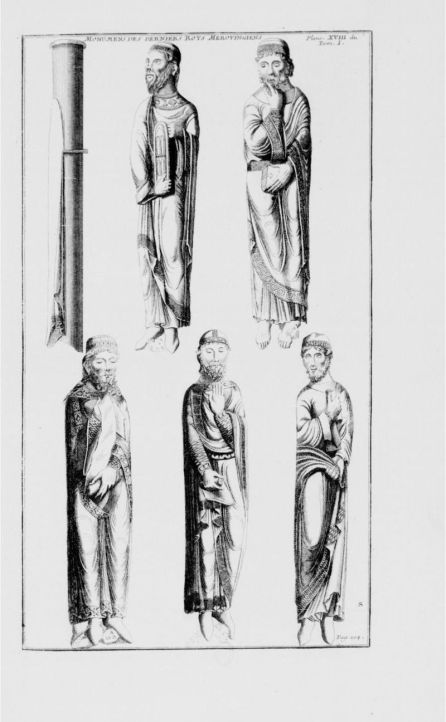
Because of the church’s connections to the French monarchy and proximity to Paris, the abbey of Saint-Denis was a prime target of revolutionary vandalism. All of the medieval monastic buildings were demolished in 1792 and, unfortunately, the facade of the church suffered much mutilation at the hands of the revolutionaries. They mistakenly believed that the jamb statues depicted the kings of France. In this mistake, they battered the Gothic statuary, leaving little of the exterior’s decorative program intact.
Fortunately, especially for the study of the history of art, we have a record of how the jamb sculptures appeared in Montfaucon’s drawings.
The portal tympana sculpture was also defaced.
The tombs and effigies were obviously at risk during this chaotic time and so they were wisely relocated, by calmer minds than those of the pesky revolutionaries, to the Musée des Monuments Français by Alexandre Lenoir in 1798.
For a relatively brief period, the relics of St-Denis were transferred to the parish church of the town in 1795; they were returned to the abbey in 1819.
Of the original sculpture, very little remains, most of what is now visible being the result of rather clumsy restoration work in 1839. Some fragments of the original sculptures survive in the collection of the Musée de Cluny in Paris.
Although the revolutionaries left the church itself standing, it was deconsecrated, its treasury confiscated and its reliquaries and liturgical furniture melted down for their metallic value (although some objects, including a chalice and aquamanile donated to the abbey in Suger’s time, were successfully hidden and survive to this day) and the remaining royal tombs desecrated.
The church was reconsecrated (reopened) by Napoléon in 1806 and the tomb sculptures returned to Saint-Denis when Lenoir’s Musée des Monuments Français was closed after the restoration of the monarchy.
The royal remains, however, were left in the mass graves to which they had been placed in 1798.
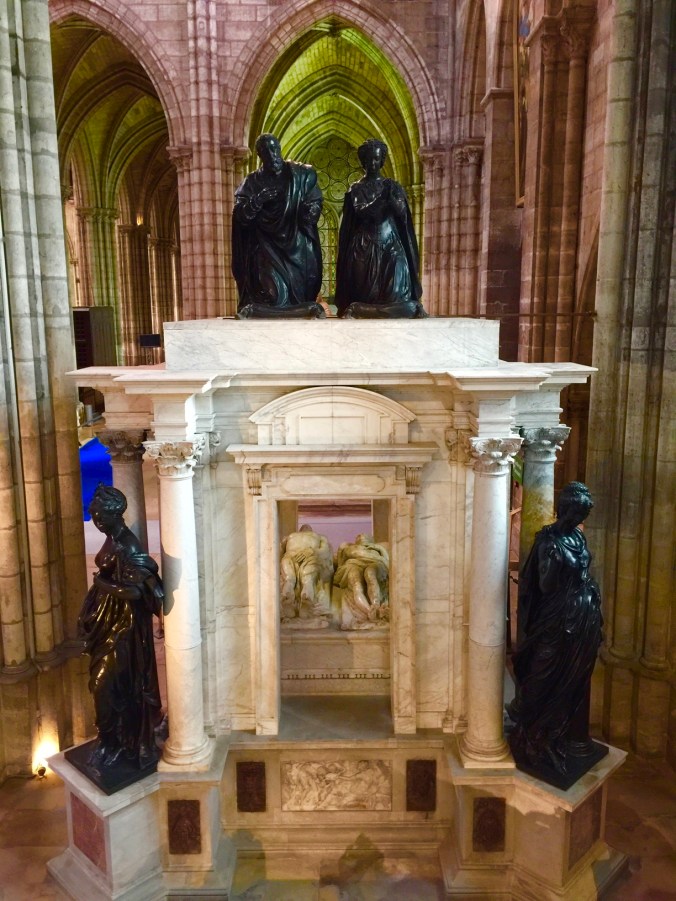
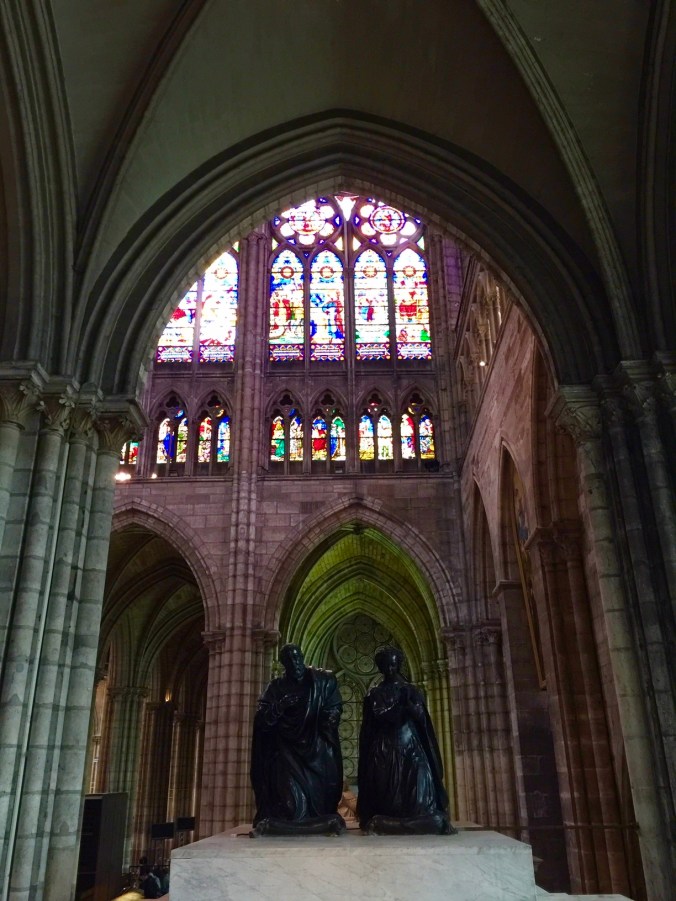
Below is the Bourbon crypt, or the Memorial to King Louis XVI and Queen Marie Antoinette, sculptures (1830) by Edme Gaulle and Pierre Petitot
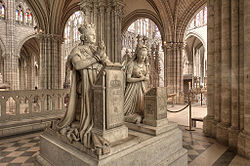
Under the direction of architect Viollet-le-Duc, famous for his work on Notre-Dame de Paris, church monuments that had been taken to the Museum of French Monuments were returned to the church. The corpse of King Louis VII, who had been buried at Barbeau Abbey and whose tomb had not been touched by the revolutionaries, was brought to Saint-Denis and buried in the crypt. In 2004, the mummified heart of the Dauphin, the boy who would have been Louis XVII, was sealed into the wall of the crypt.
The abbey church contains some fine examples of cadaver tombs. The effigies of many of the kings and queens are on their tombs, but their bodies were removed during the French Revolution. The ancient monarchs were removed in August 1793 to celebrate the revolutionary Festival of Reunion, then the Bourbon and Valois monarchs were removed to celebrate the execution of Marie Antoinette in October 1793. The bodies were dumped into three trenches and covered with lime to destroy them.
Archaeologist Alexandre Lenoir saved many of the monuments by claiming them as artworks for his Museum of French Monuments. The bodies of several Plantagenet monarchs of England were likewise removed from Fontevraud Abbey during the French Revolution.
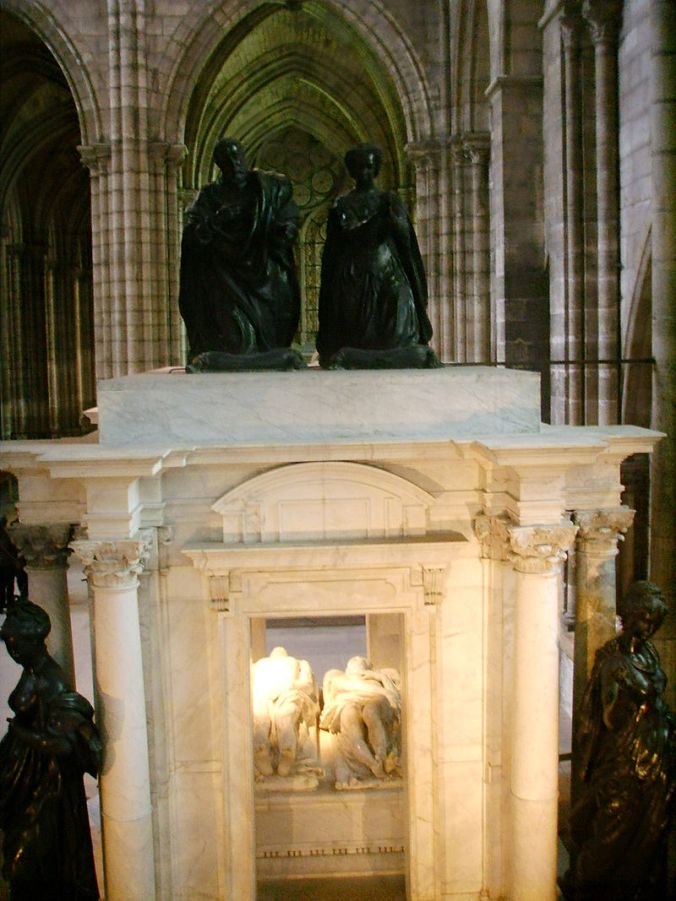
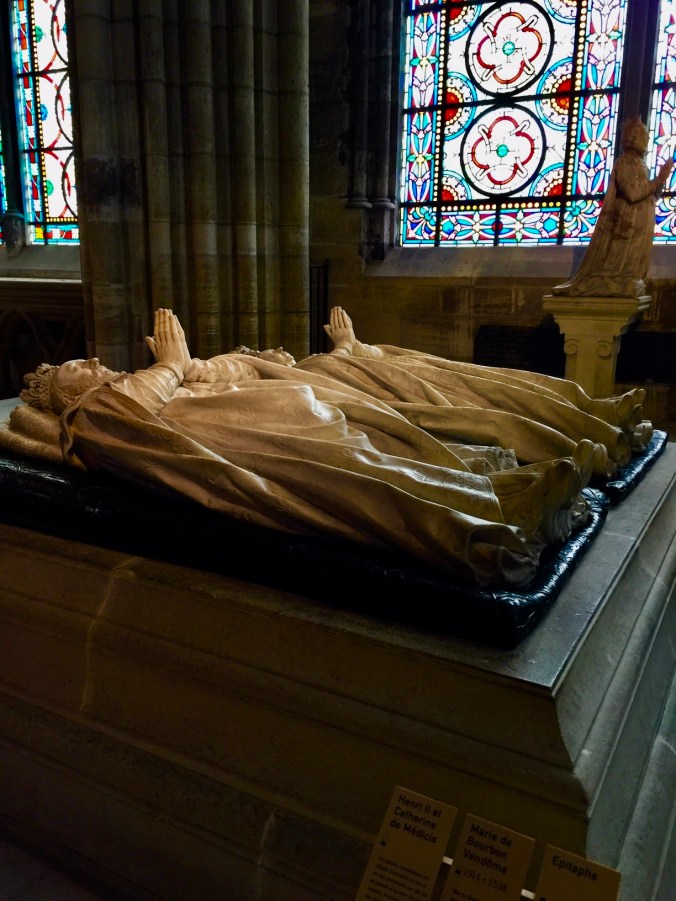
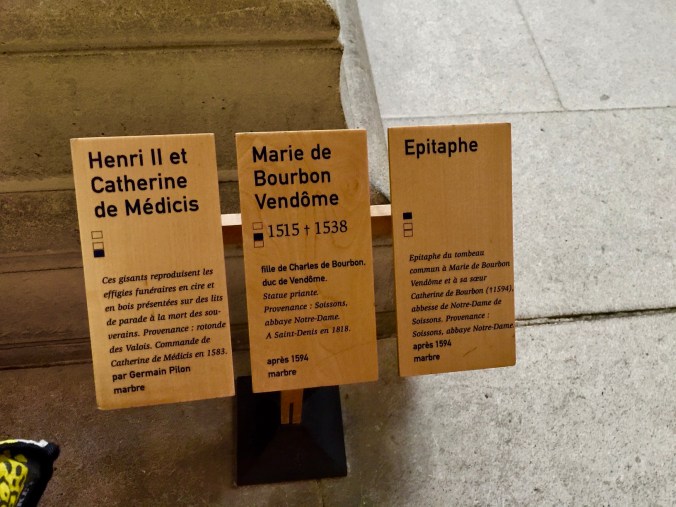
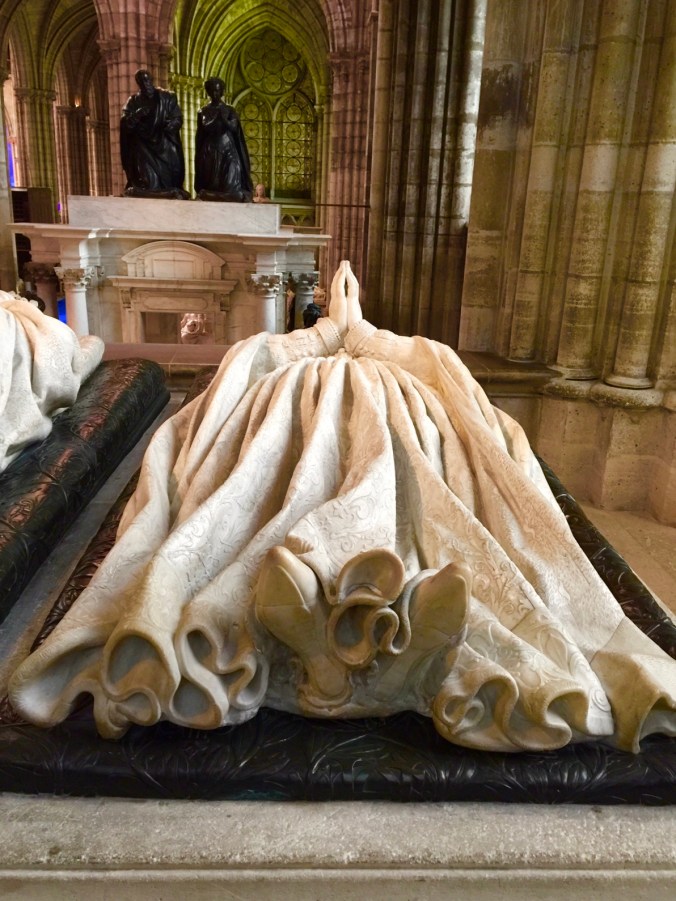
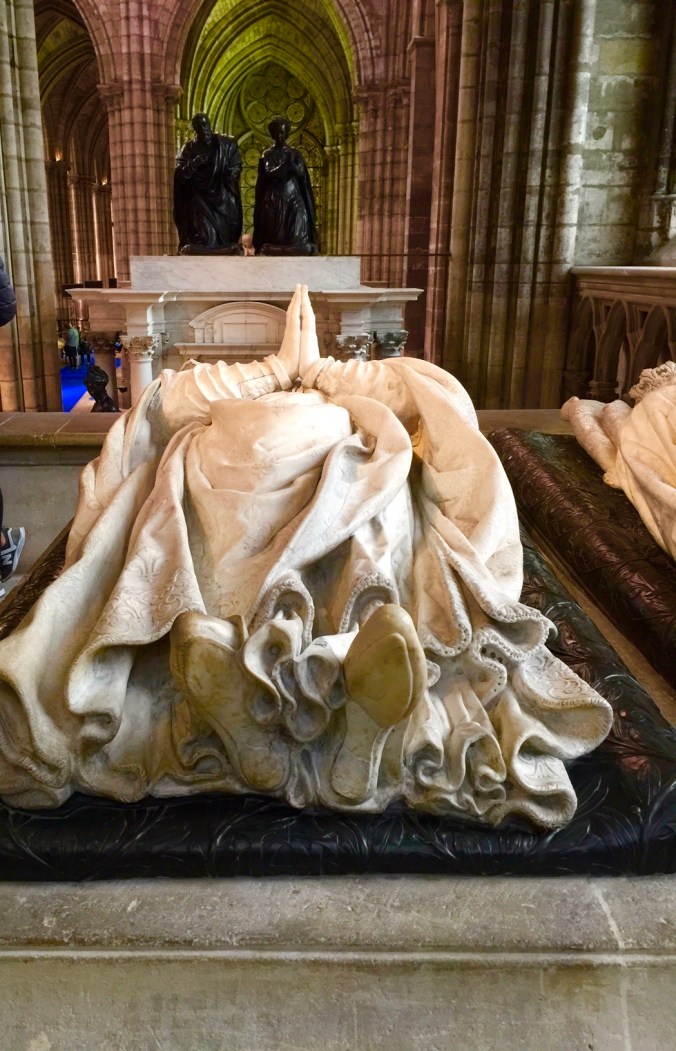
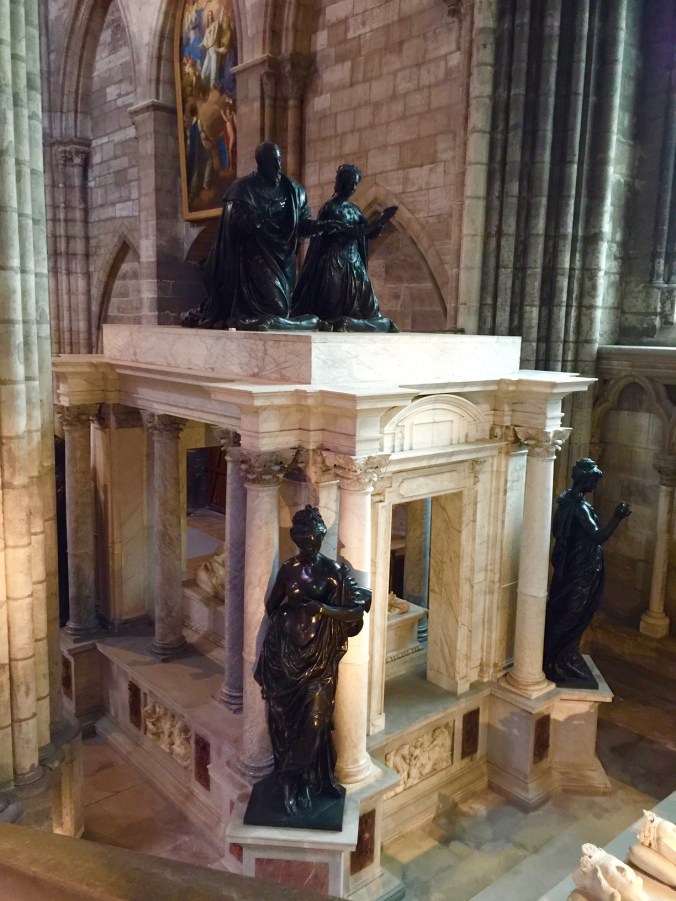
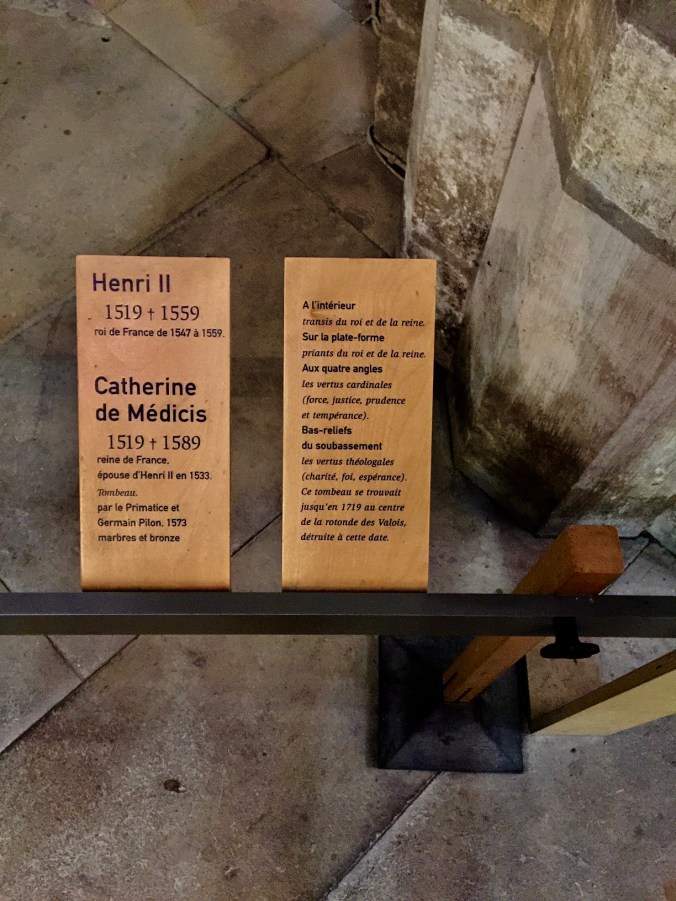
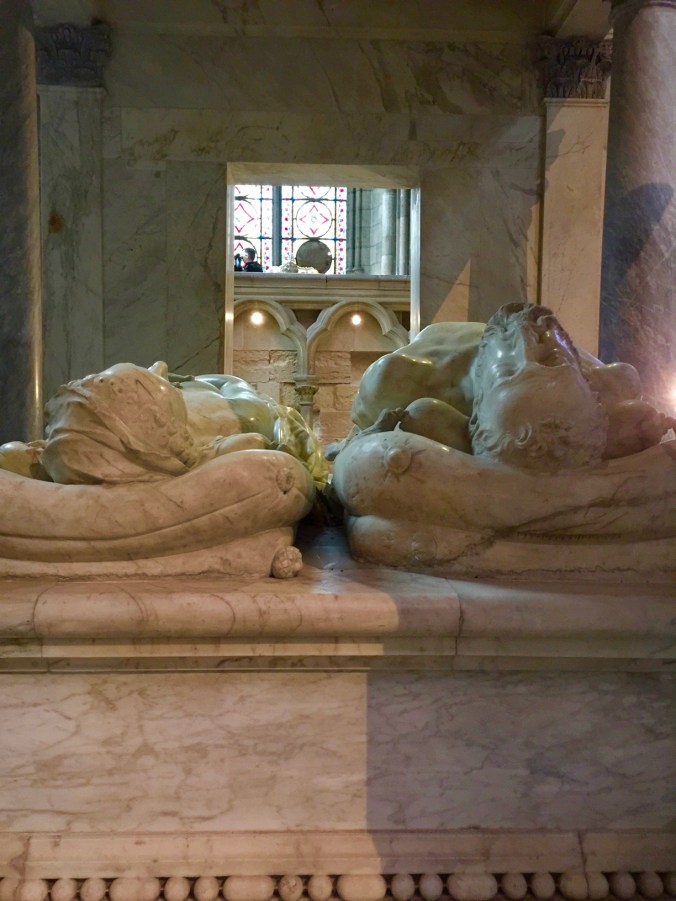
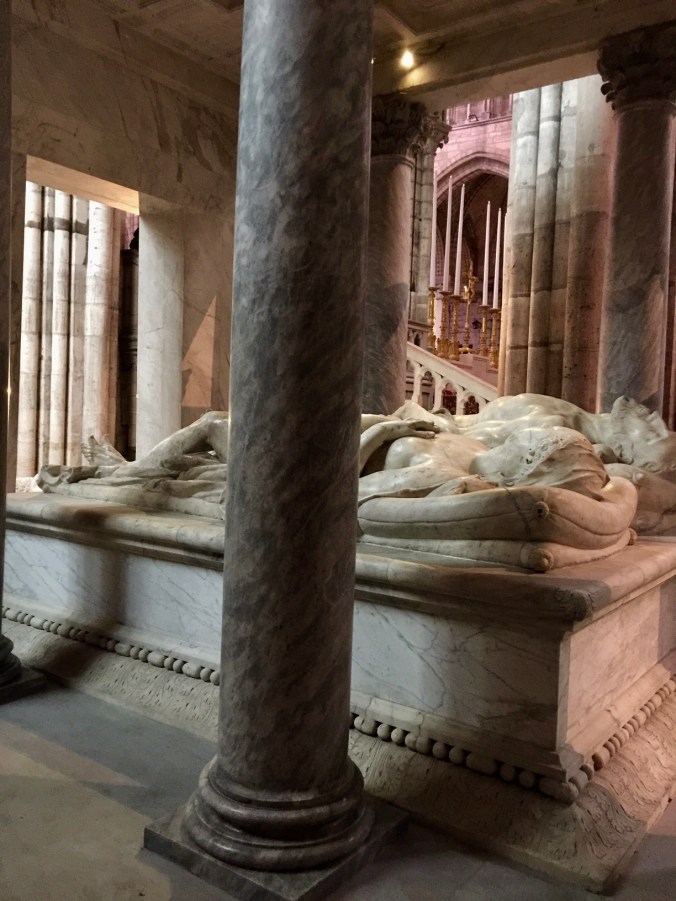
At top are Effigies on the tomb of Henry II and Catherine de’ Medici, carved by Germain Pilon.
The bodies of the beheaded King Louis XVI, his wife Marie Antoinette of Austria, and his sister Madame Élisabeth were not initially buried in Saint-Denis, but rather in the churchyard of the Madeleine, where they were covered with quicklime.
The body of the Dauphin, who died of illness and neglect at the hands of his revolutionary captors, was buried in an unmarked grave in a Parisian churchyard near the Temple.
In 1817, the restored Bourbons ordered the mass graves to be opened, but only portions of three bodies remained intact. The remaining bones from 158 bodies were collected into an ossuary in the crypt of the church, behind marble plates bearing their names.
During the restoration the Bourbons ordered search for the corpses of Louis XVI and Marie Antoinette, but only a few bones were found that were presumably the king’s and a clump of greyish matter containing a lady’s garter, were found on 21 January 1815. They were brought to Saint-Denis and buried in the new Bourbon crypt.
King Louis XVIII, upon his death in 1824, was buried in the center of the crypt, near the graves of Louis XVI and Marie Antoinette. The coffins of royal family members who died between 1815 and 1830 were also placed in the vaults.
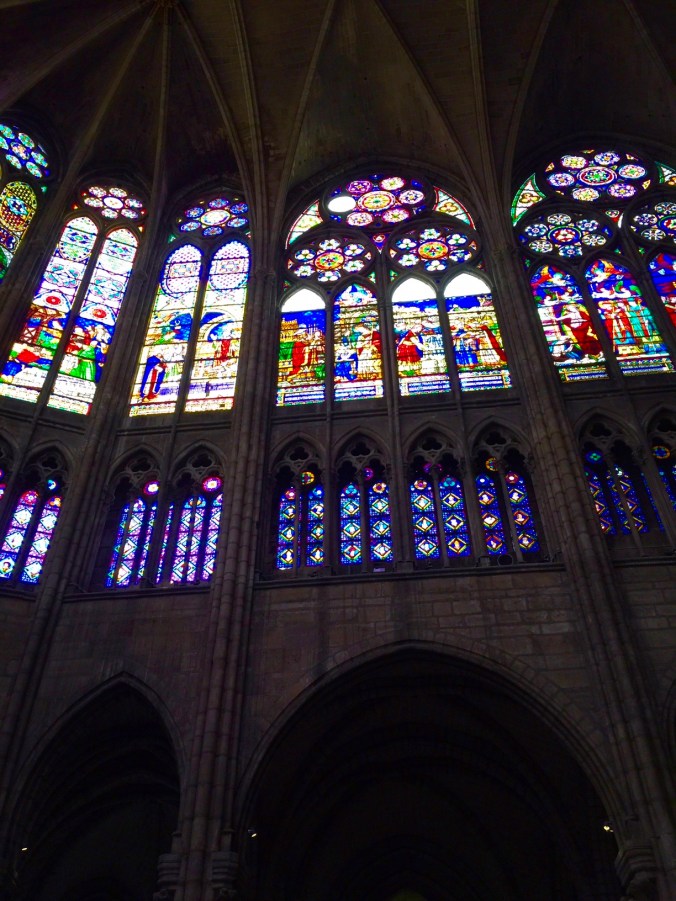
The church, including the architectural sculpture and stained glass windows (of which very little medieval glass survives) was heavily restored in the mid-nineteenth century by Eugène Viollet-le-Duc, the same architect responsible for the restoration of the Cathedral of Notre-Dame. Under Viollet-le-Duc’s direction, church monuments that had been taken to the Museum of French Monuments were returned to the church.
The present location of the tomb effigies does not correspond to their medieval locations.
The corpse of King Louis VII, who had been buried at Barbeau Abbey and whose tomb had not been touched by the revolutionaries, was brought to Saint-Denis and buried in the crypt. In 2004, the mummified heart of the Dauphin, the boy who would have been Louis XVII, was sealed into the wall of the crypt.
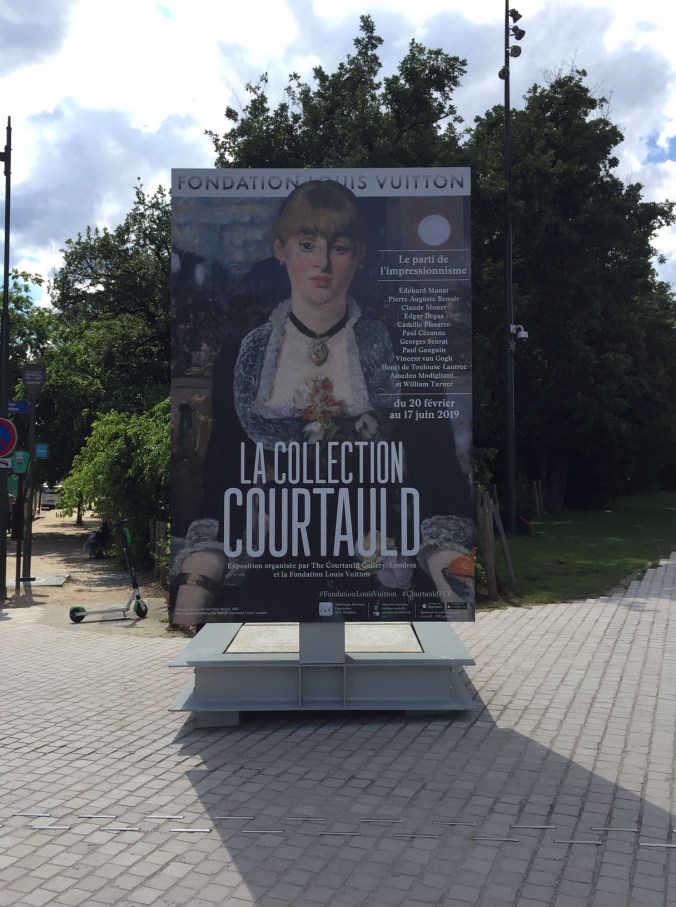
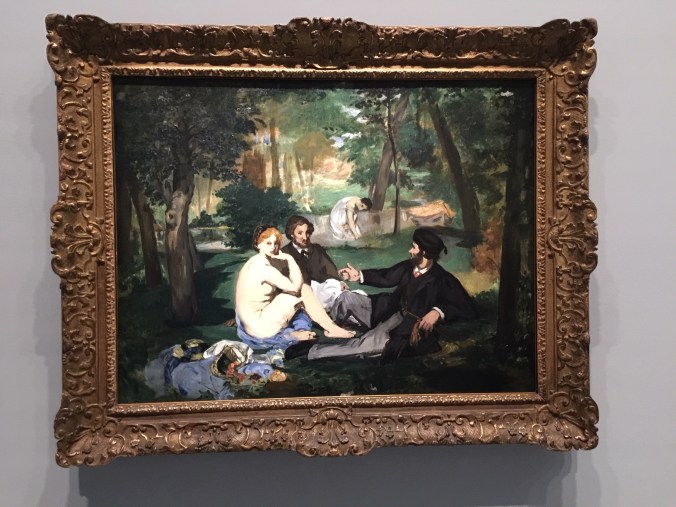
I was so fortunate when I visited the Fondation Louis Vuitton recently that an excellent exhibition from London was on view. I couldn’t help myself: it was so refreshing to see “modern art” in Paris after non stop Renaissance art in Florence all of the time. Ha! Never thought I’d live to say those words!


You must be logged in to post a comment.