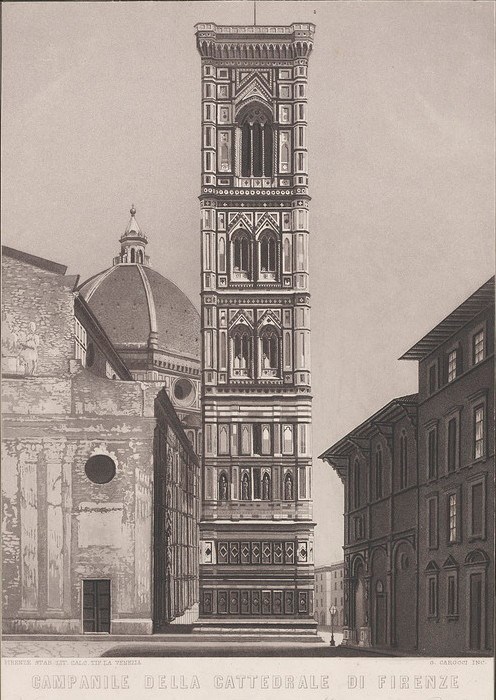
Here are wonderful images of how Florence looked as late as 1870s:
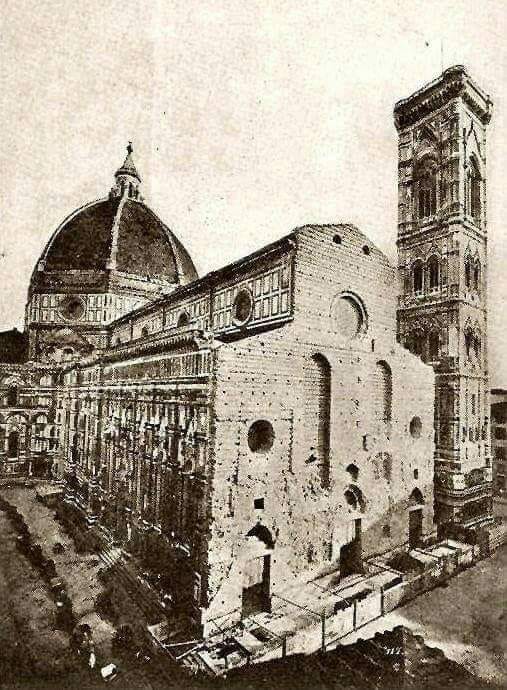
The façade was then left bare until the 19th century.
In 1864, a competition held to design a new façade was won by Emilio De Fabris (1808–1883) in 1871. Work began in 1876 and was completed in 1887. This neo-gothic façade in white, green and red marble forms a harmonious entity with the cathedral, Giotto’s bell tower and the Baptistery, but some think it is excessively decorated. The whole façade is dedicated to the Mother of Christ.
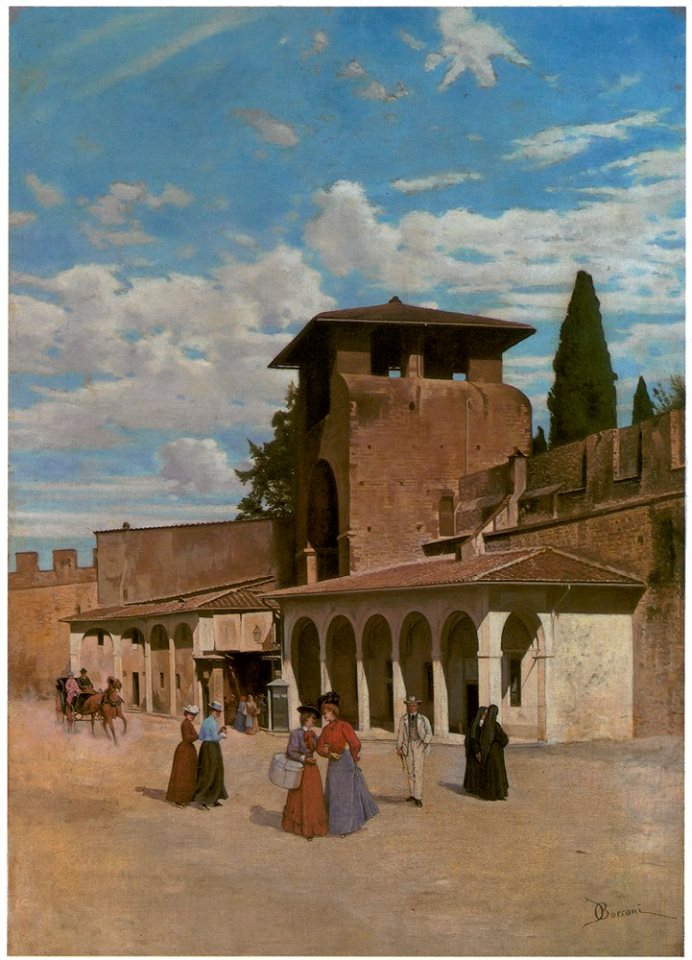
This is an oil painting of La Porta di San Gallo by Odoardo Borrani, c. 1880. I admire it for its flavour and for showing us how the medieval walls around Florence still looked.
The city walls surrounding Florence were widened and rebuilt many times over the millennia .
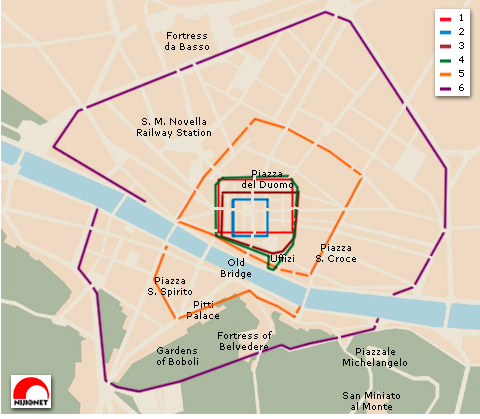
- In the 2nd century A.D. Florence had 10,000 inhabitants and was surrounded by a 1st wall
2. After the fall of the Western Roman empire, the city suffered deeply and in the 6th century it had only 1000 inhabitants: a 2nd city wall was built, protecting a smaller area than the earlier Roman one.
3. Florence flourished again, and, at the beginning of 10th century the city was surrounded by a wider 3rd wall, which for the first time extended itself to the river Arno.
4. The building of the 4th wall was begun in 1078: Florence was a 20,000 inhabitants city and the Duke of Tuscany had moved his capital from Lucca to Florence. The new city walls surrounded also Piazza del Duomo, but the quarters of Oltrarno remained still unprotected.
5. In the years 1173-1175, the city built a 5th city wall: for the first time a defence wall was built also in Oltrarno, due to the increasing importance of the dwellings around the churches of San Felice, San Jacopo in Soprarno and Santa Felicita. Three city gates were built in Oltrarno (near today’s Piazza San Felice, Costa de’ Magnoli and Piazza Frescobaldi), but a real stone wall was not built: the protection consisted of palisades connecting the gates and houses whose outer façades were built without windows in order to offer more protection.
6. A 6th wall was planned by at least 1284 (possibly under direction of Arnolfo di Cambio). These walls enclosed a very wide area and protected the whole city with all its newer and outer dwellings. The gates were 35 meters tall, and were decorated with religious frescoes (the Madonna and Saints); originally, on the square in front of each gate was also a statue of a famous Florentine writer or poet. The building of the walls was completed in 1333 – and finally the quarters of Oltrarno received a complete protection.
In 16th century, the city prepared to face the army of the German emporer, Charles V, and in 1530 new fortifications were added around San Miniato al Monte. After that, Grand-duke Ferdinando I commissioned Bernardo Buontalenti to build a fortress; it was completed in the years 1590-1595 near the gate of San Giorgio and was named Fortress of Santa Maria, but became rapidly known as Fortezza Belvedere.
Between 1865 and 1871 Florence was provisory Capital of Italy: the city walls were demolished in order to build the new ring road. Only the walls in Oltrarno survived, with all their towers.
In 1998 a part of the wall between the gate of Porta Romana and Piazza Tasso has been restored and opened to visitors.


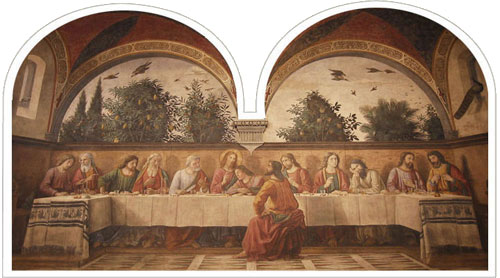

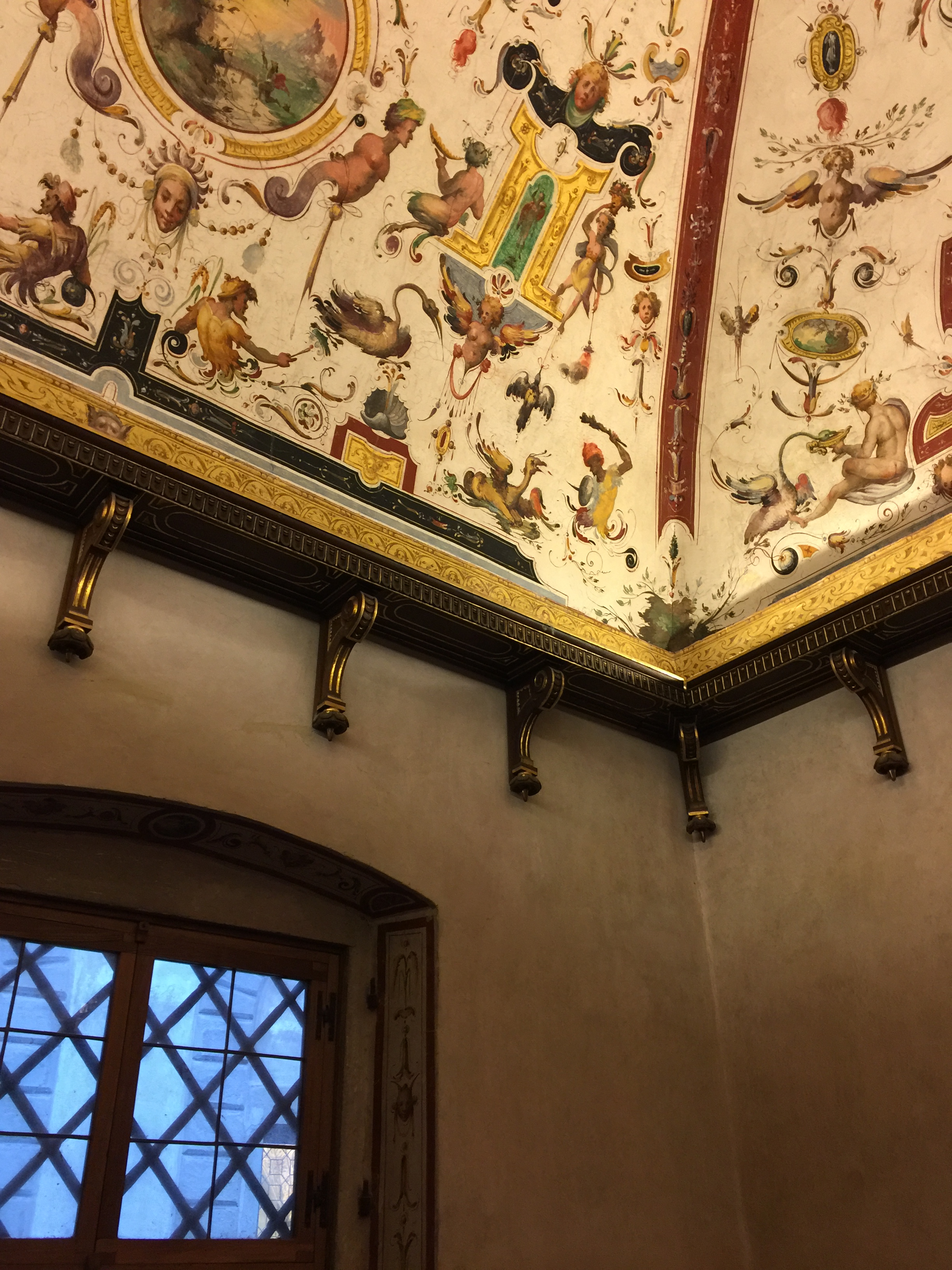
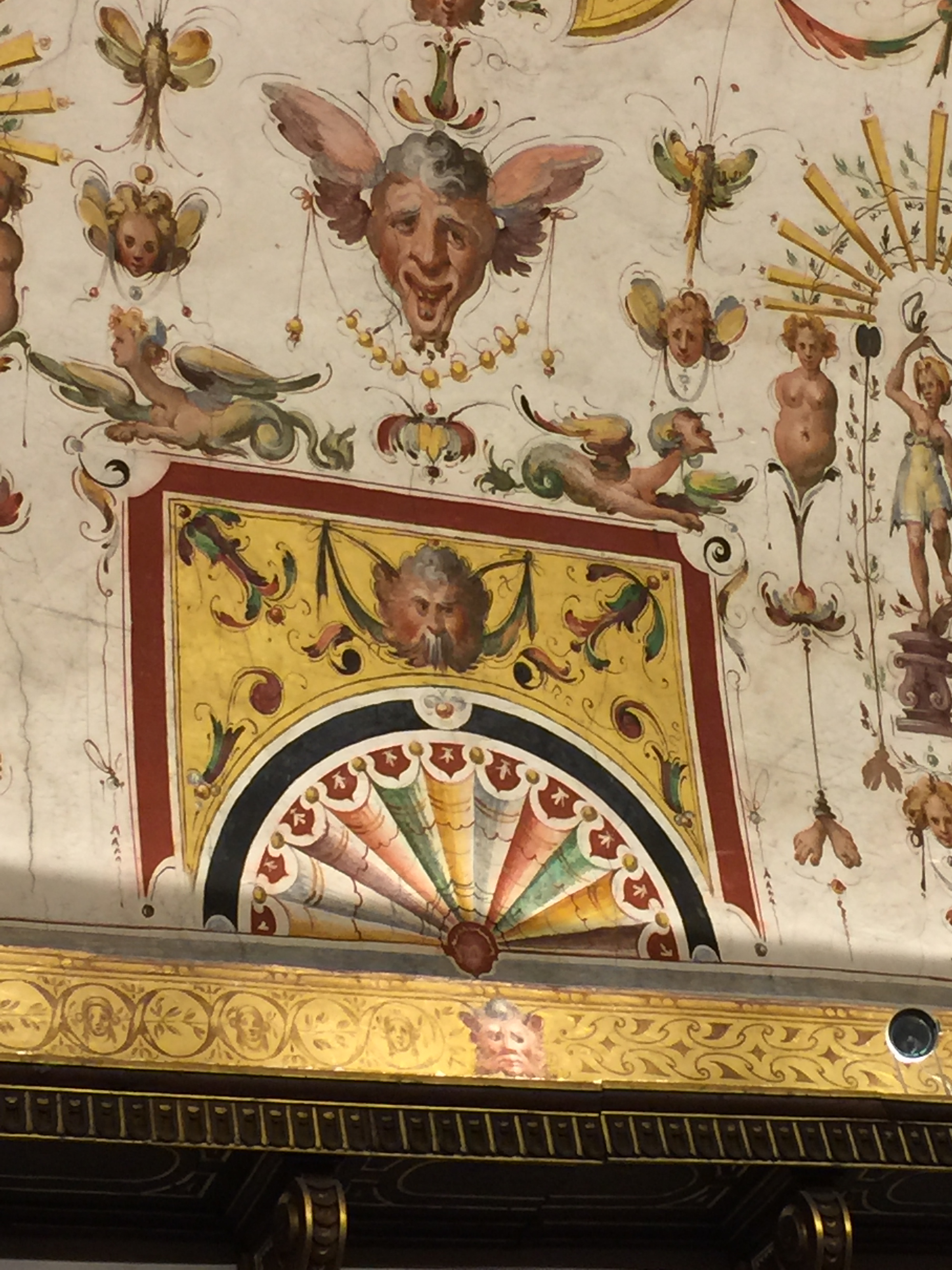
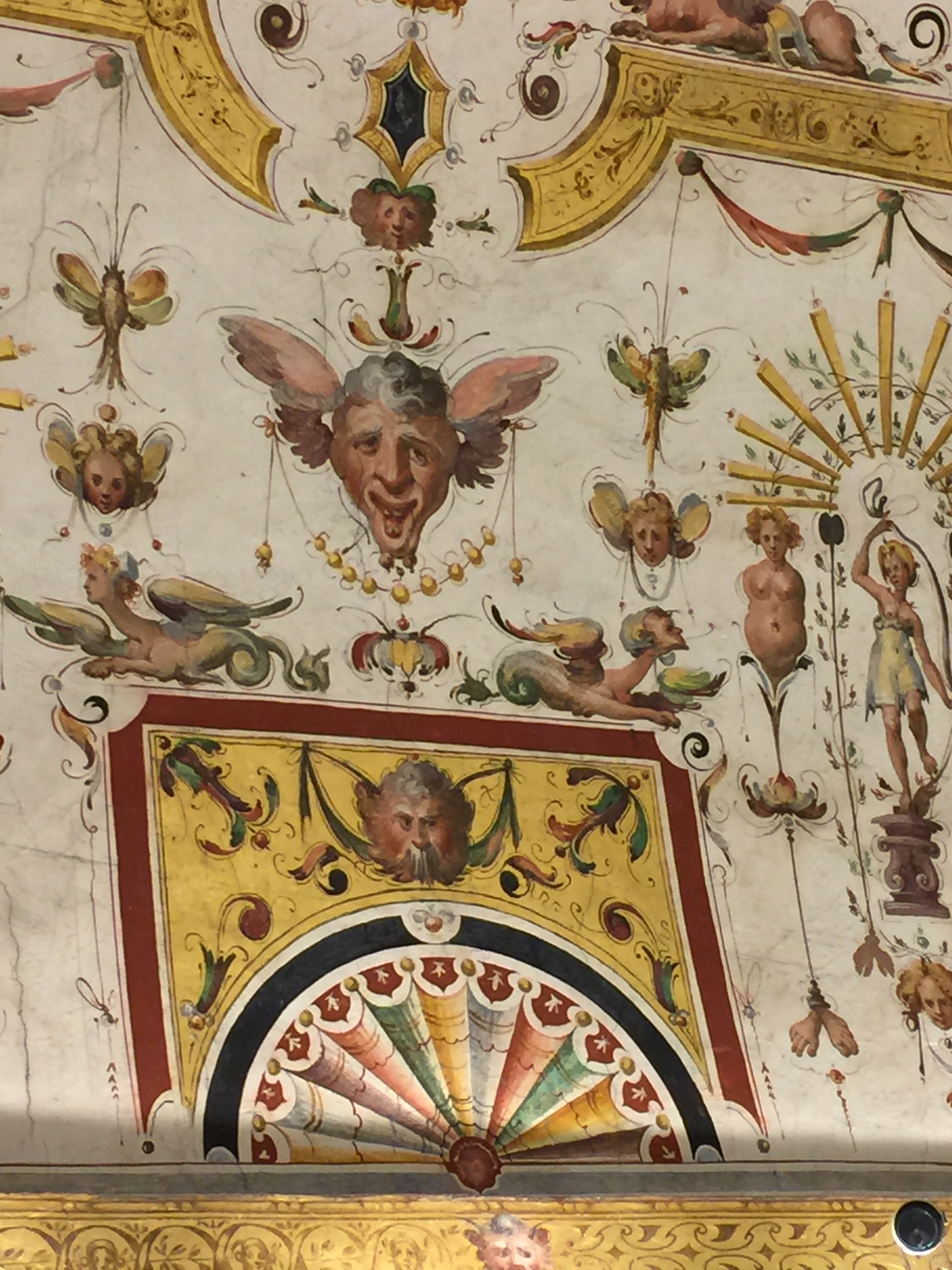
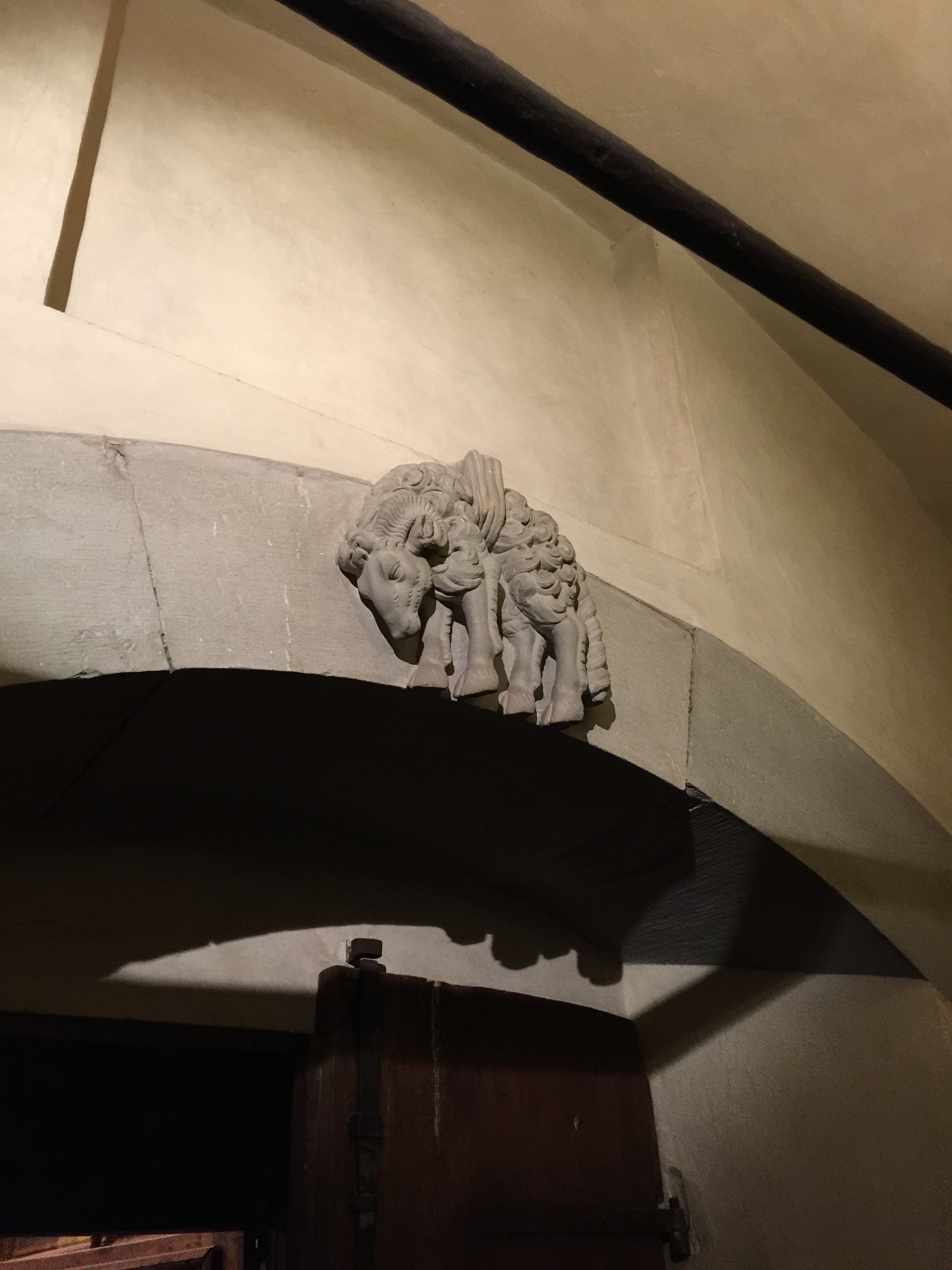

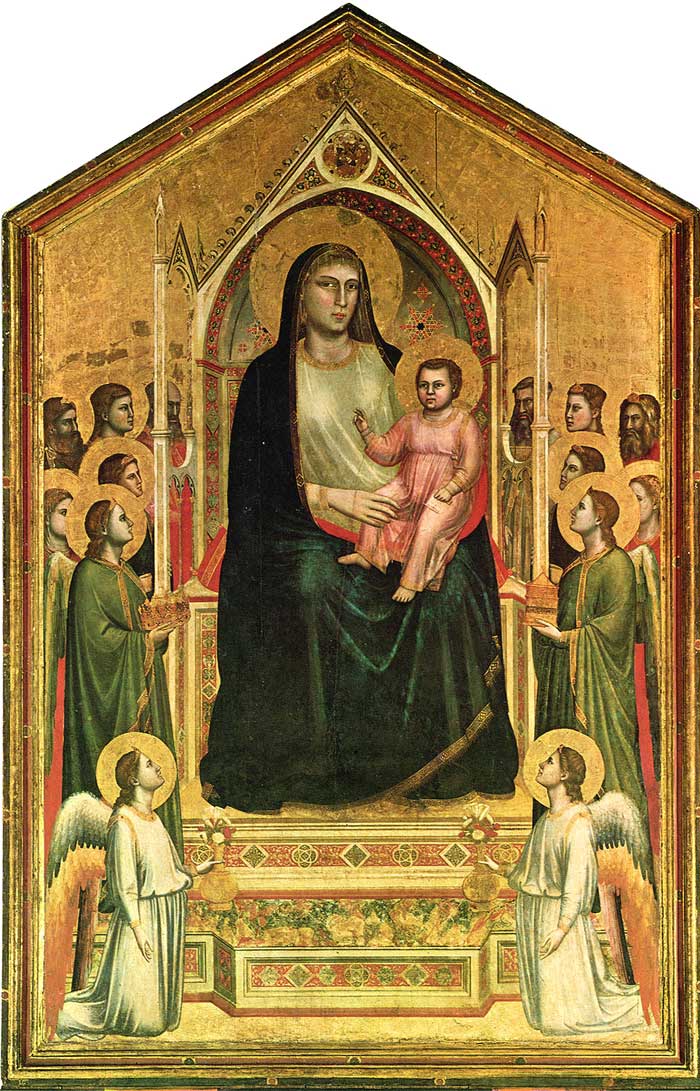
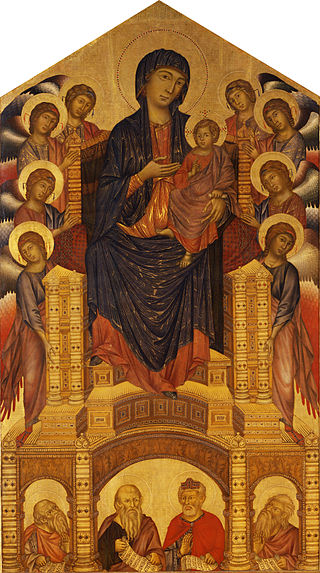 In the Uffizi galleries, Cimabue’s celebrated altarpiece (above), which was created for the same type of setting and dealing with the same subject matter as Giotto’s altarpiece, one can witness the changes in artistic approach.





You must be logged in to post a comment.