In the 14th century, the castle of the Montegonzi was built on this property land already belonged to the Del Palagio. In 1445, Arcangelo Montegonzi sold it to Alamanno Salviati , the man who introduced the cultivation of salamanna and jasmine grapesin Tuscany.
Alamanno commissioned Mielcozzian workers to reduce the castle to a villa, with a garden and woods . In 1490, the nephews of Alamanno, dividing their uncle’s assets, and gave the villa to Jacopo, who was related to Lorenzo de ‘Medici.
In 1493, new, considerable renovations were undertaken, to which perhaps Giuliano da Sangallo took part and which lasted about a decade.
Giovan Francesco Rustici also took part in the works. Between 1522 and 1526 he created for the villa a series of terracotta roundels with mythological subjects (such as Apollo and Marsyas or Jupiter and Bellerophon ).
In 1529, the house was sacked by the anti-cult faction and between 1568 and 1583 Alamanno di Jacopo Salviati and his son Jacopo further enlarged and embellished the villa, with the gardens ( 1570 – 1579 ) and the buildings that border the northern border and create a scenic backdrop connected to the villa.
New Year’s eve, 1638, was an event to remember. That evening, in this villa, the severed head of the lover of Caterina Canacci, was brought to the villa, hidden under the linen that the wife of Salviati, Veronica Cybo, sent him weekly.
The villa then passed to the Aldobrandini – Borghese and on December 30th 1844 it was bought “with a closed gate” (ie with all the furnishings) from the Englishman Arturo Vansittard.
Then came the tenor Giovanni Matteo De Candia aka Mario, who lived there with his wife, the soprano Giulia Grisi , the Swedish banker Gustave Hagerman and finally, in 1901, the Turri.
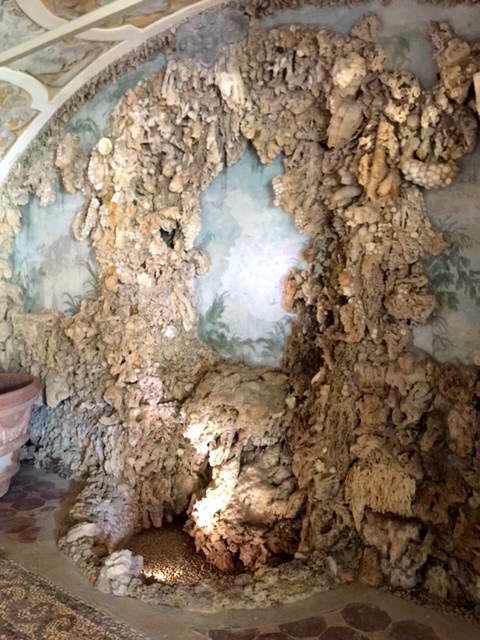
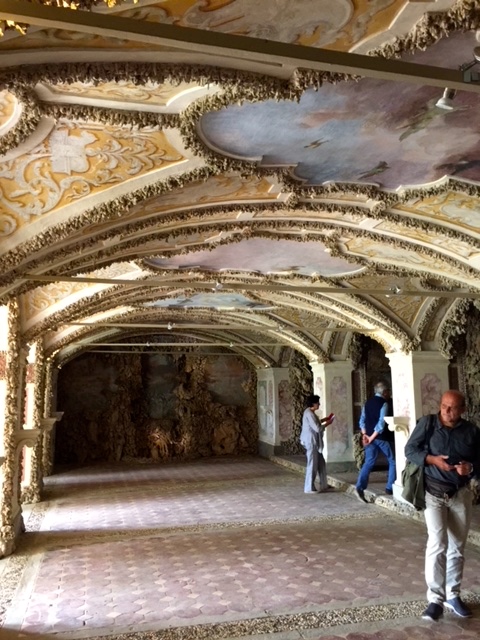
During the WWII, the grotto was used as the post of an allied command: Lensi Orlandi recounted the memory of nocturnal visits of “kind and rich Florentine, often mature matrons”, who “crossed the threshold of those rooms to give honor to the admired winners” [2 ] .
There followed a long semi-abandonment, in which the villa was not accessible even to scholars (he visited Lensi-Orlandi in 1950, but could not Harold Acton in 1973 ).
In 2000 the monumental complex, together with its gardens, was purchased by the Italian Government to be destined for the European University Institute , which made it the seat of the Historical Archives of the European Union ; one can mention, among the various documents contained in them, the personal papers of the founding fathers, such as Alcide De Gasperi , Paul-Henri Spaak , Altiero Spinelli and Ernesto Rossi .
The end of the renovations took place in October 2009 and on December 17, 2009 the President of the Republic Giorgio Napolitanoinaugurated the Historical Archives of the European Union .
This villa was in communication with Villa Emilia (which was higher up) – which in ancient times was a convent of Cistercian nuns suppressed in 1453 – through an underground gallery : hence the other name with which the villa is known, “del Ponte at the Badia “.
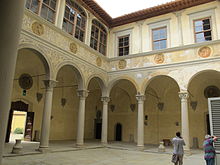
The courtyard
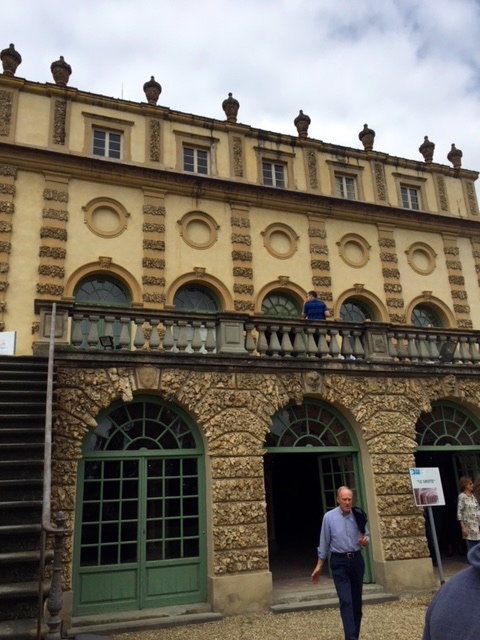
The main body of the villa reveals its military origins, especially in the two crenellated turrets, in the corner, and in the crowning with the walkway on corbels , very similar, for example, to that of the villa of Careggi . It is made up of two adjacent buildings, but with similar architectural features: the east one is more massive and tall, the west one is of smaller volume and height.
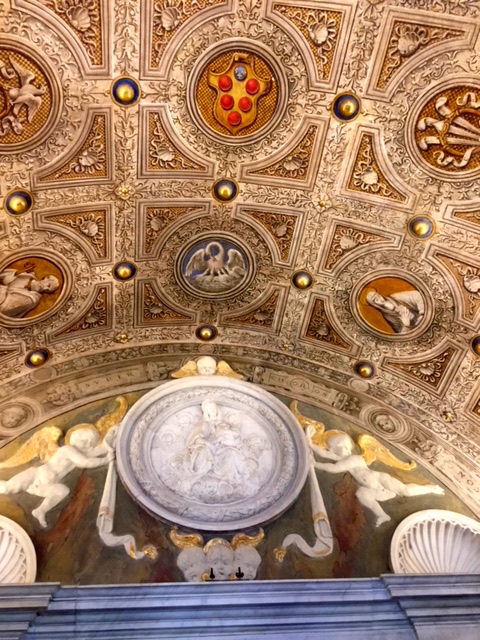
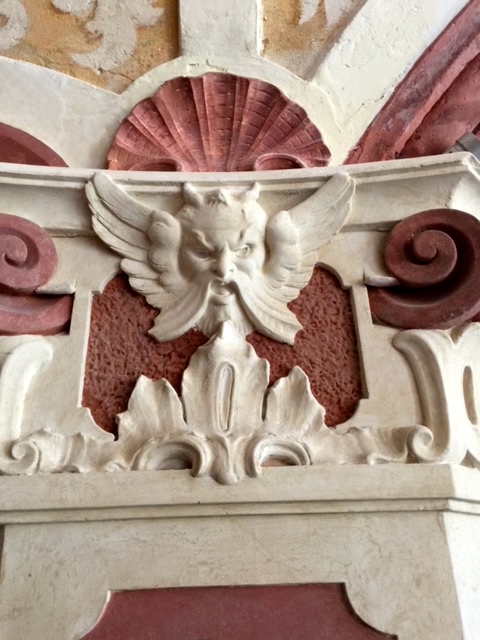
The building is arranged around the central courtyard, portico on three sides with columns in pietra serena with Corinthian capitals ;the entablature towards the inside is decorated with graffito friezes, with the rounds of the Rustici inserted into this strip in correspondence with the round arches.
The interiors are often covered by vaulted , barrel and cross vaults .

The gardens
You get to the south facing of the villa through a long cypress avenue that once led to the Via Faentina and that after the construction of the railway was modified, creating a passage on it.
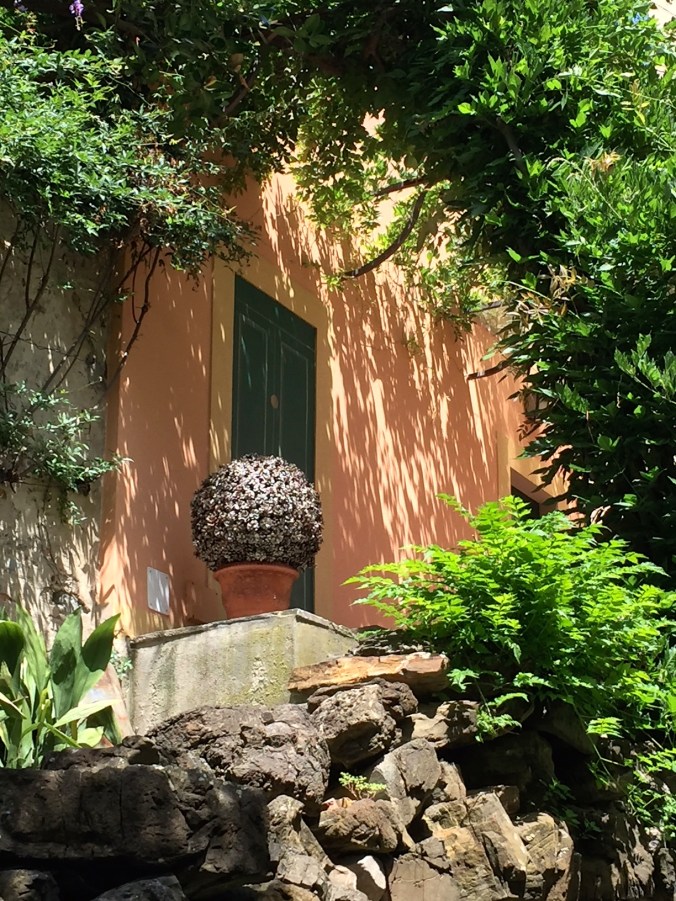
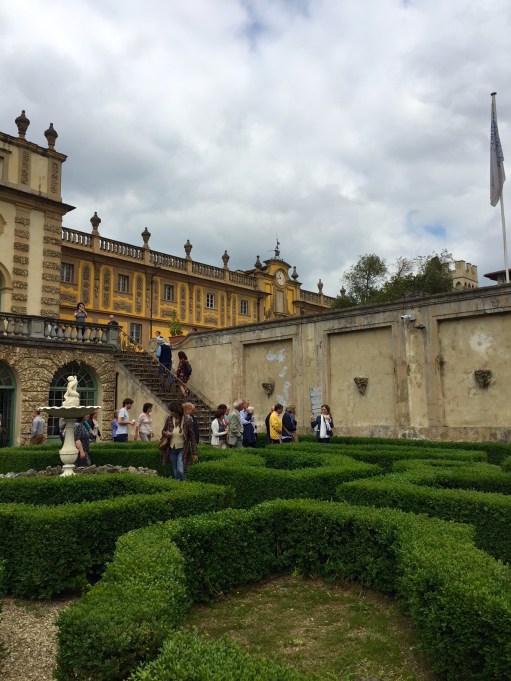
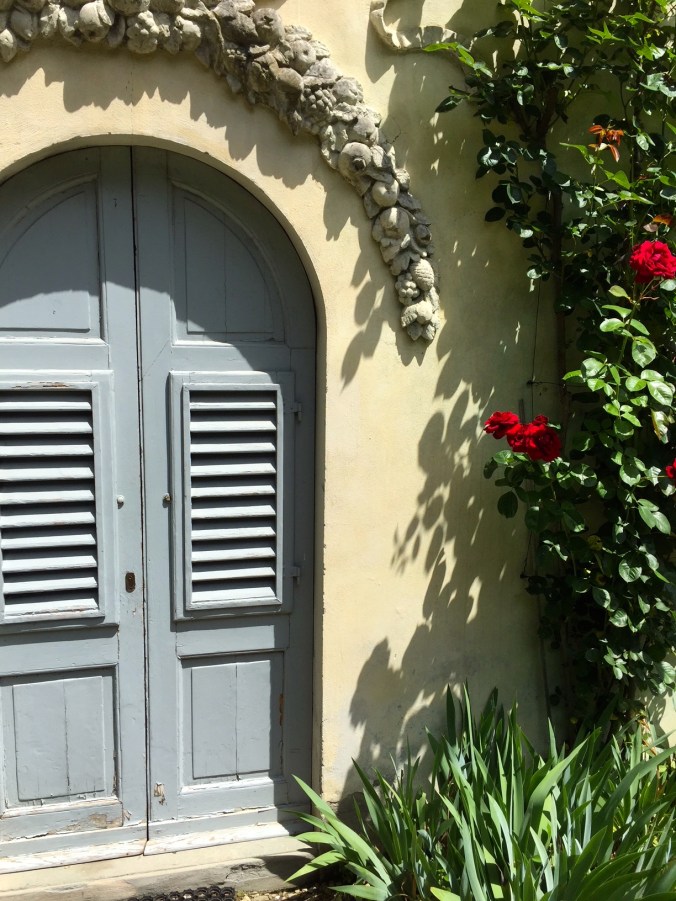
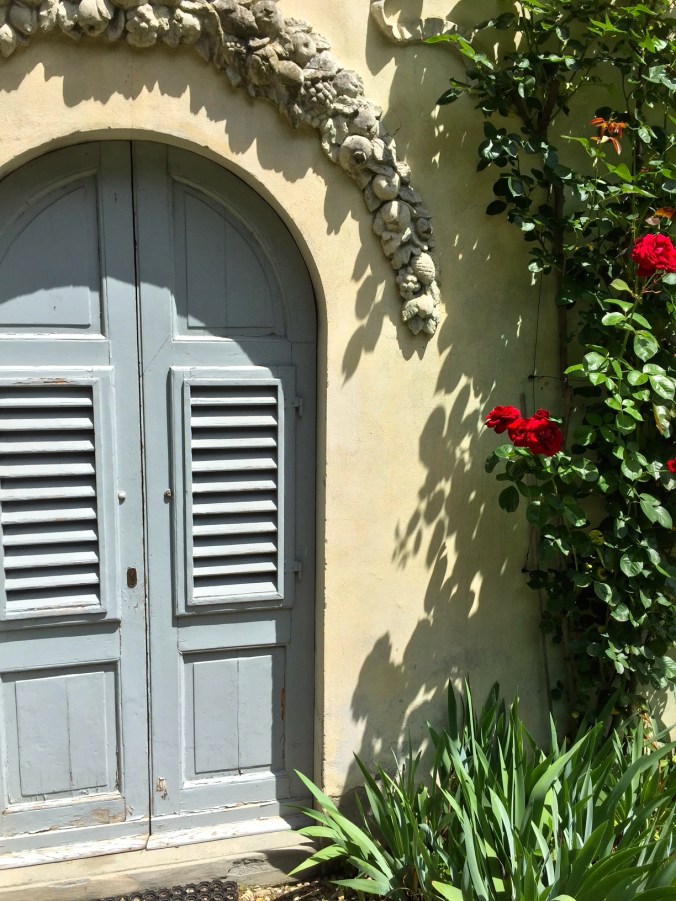
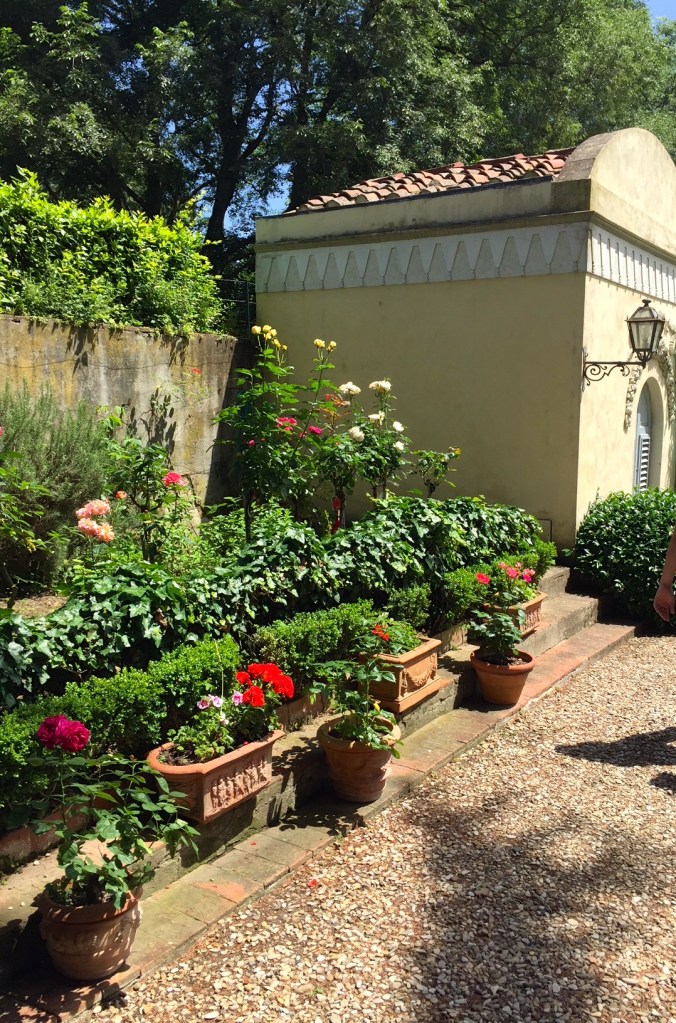
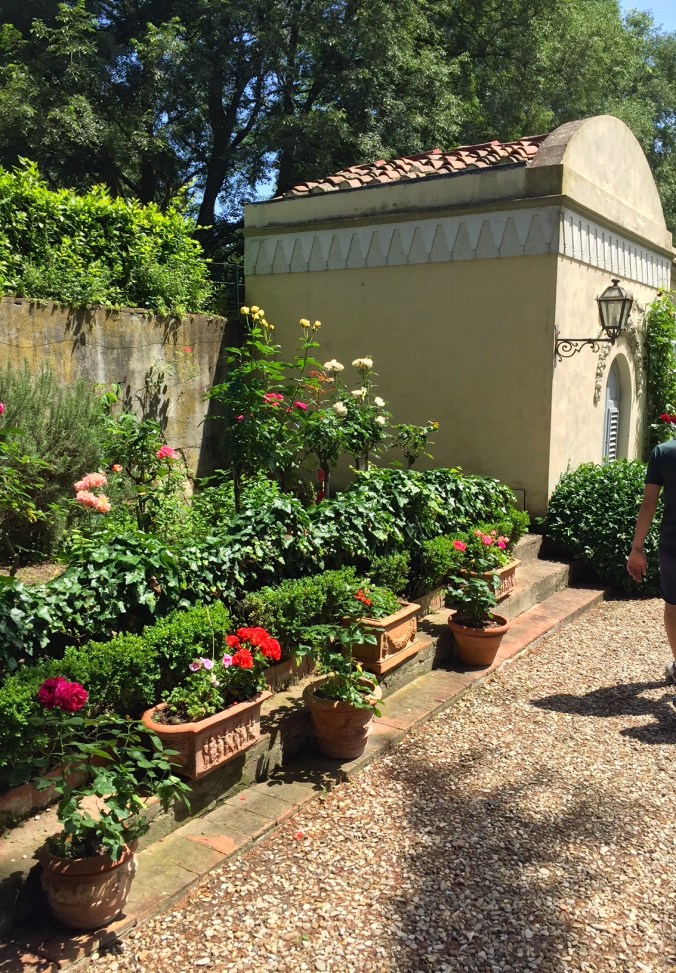
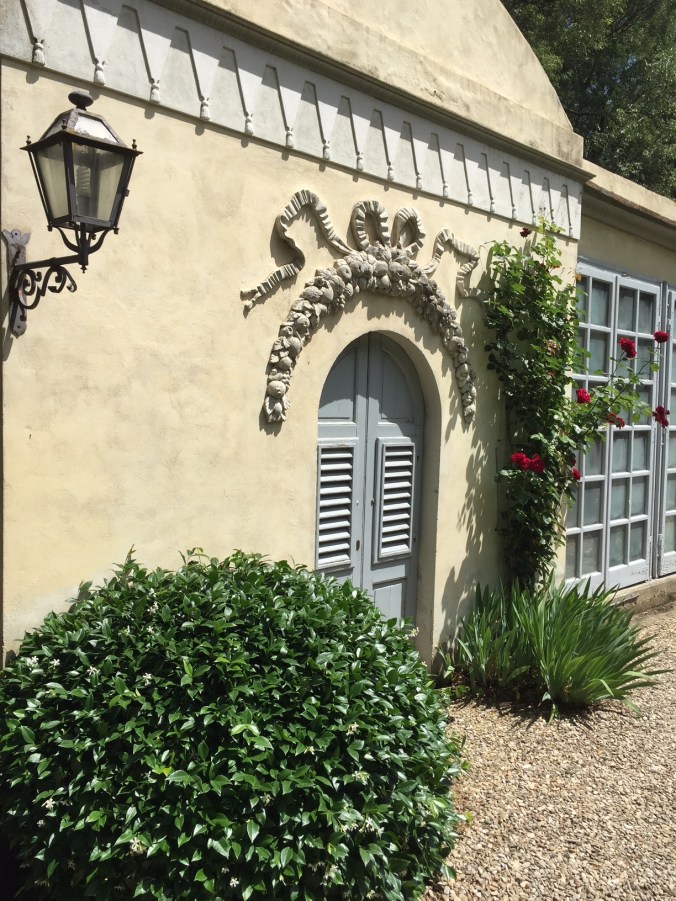
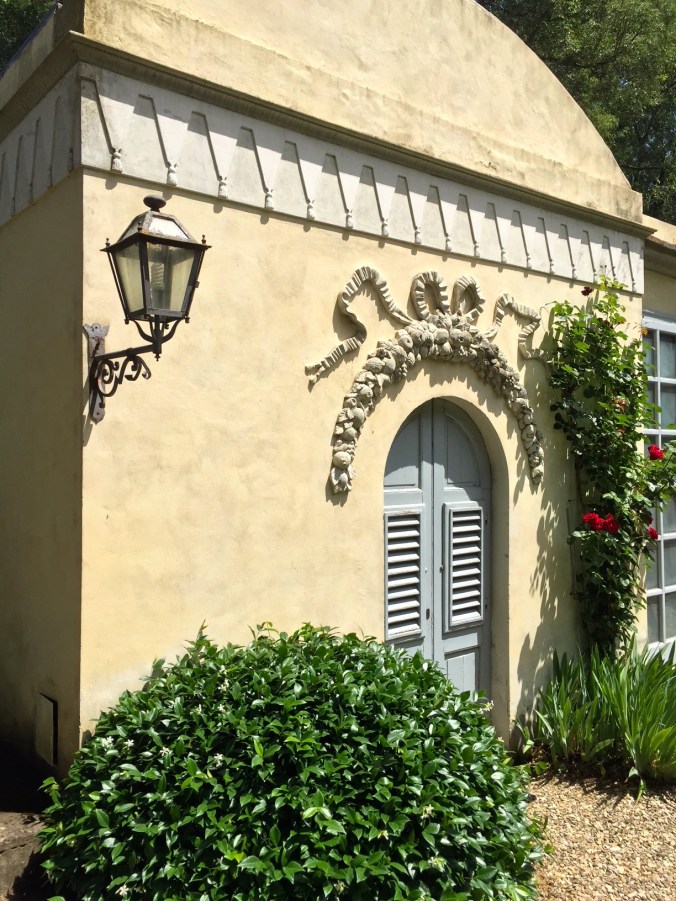
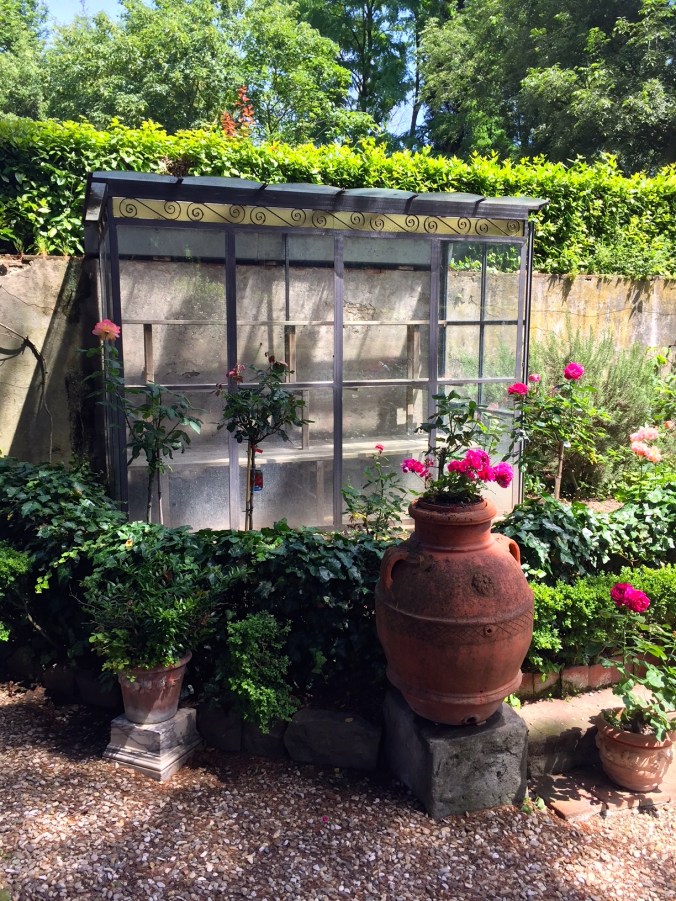
The Italian garden , in front of the villa, is built on three terraces at different levels and, although it is being restored, it is made up of geometric flower beds in boxwood with flowery essences. The property is then surrounded by a large English park , where there are, among other things, a bamboo grove, two ponds and, scattered here and there, various items of furniture, such as statues, temples, caves, fountains, pavilions and more.
Villa Salviati , or villa of the Ponte alla Badia , is located along the homonymous street near via Bolognese in Florence , [1]







You must be logged in to post a comment.