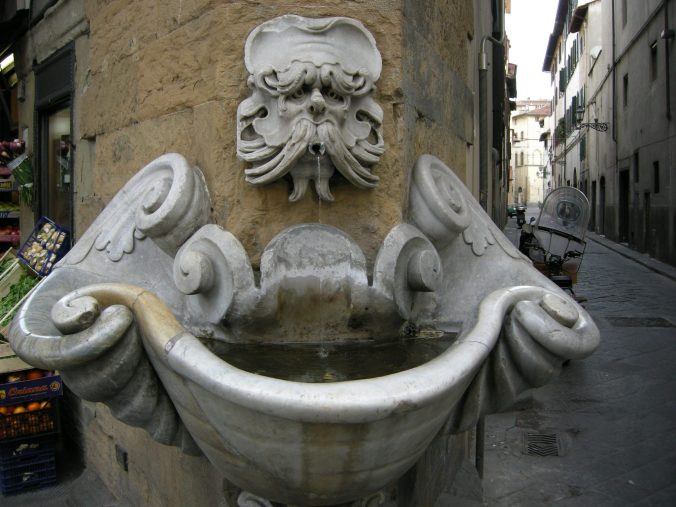
You can count on one hand the famous fountains of Florence. Here’s a good survey of them.
http://www.theflorentine.net/art-culture/2018/04/fountains-in-florence-italy/
You can count on one hand the famous fountains of Florence. Here’s a good survey of them.
http://www.theflorentine.net/art-culture/2018/04/fountains-in-florence-italy/
A few years ago it was announced that the Corcoran Gallery of Art, Washington’s oldest private art museum, and its venerable college of art and design would cease to exist as an independent institution, and its components — artwork, historic building and school program — will be taken over by the National Gallery of Art and George Washington University.
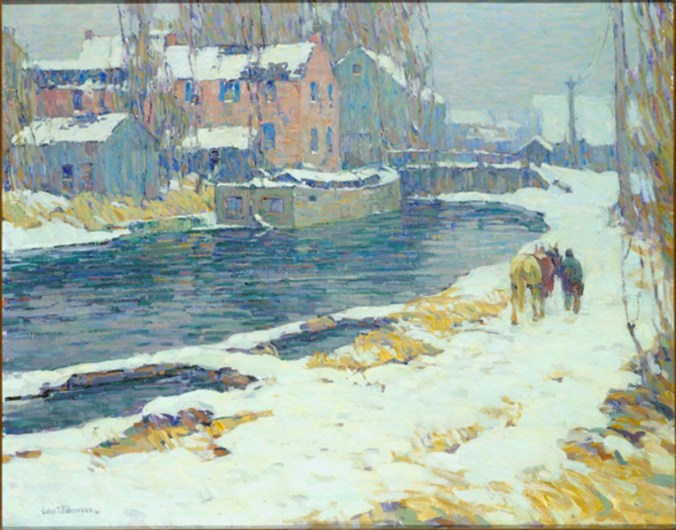 John Fulton Folinsbee’s “Grey Thaw,” one of the works in the Corcoran’s collection. (Corcoran Gallery of Art’s board of trustees )
This week it was announced that the Corcoran’s board of trustees has decided that it will distribute almost 11,000 works remaining in its renowned collection, a historic giveaway that includes paintings by Washington Color School artist Sam Gilliam, photographs by Ansel Adams and Dorothea Lange, and prints by 19th-century French master Honoré Daumier.
Almost 9,000 pieces will go to the American University Museum at the Katzen Arts Center, with others headed to 10 Smithsonian Institution museums, several universities and the U.S. Supreme Court.
The distribution marks the final stage of the dismantling of the famed Washington institution. Under a controversial 2014 deal, the National Gallery of Art had first dibs on the entire collection and ended up acquiring about 40 percent of the 19,493 works. George Washington University gained control of the museum’s independent school and its two historic buildings, including the Flagg Building on 17th Street NW.
For more, please see these sources:
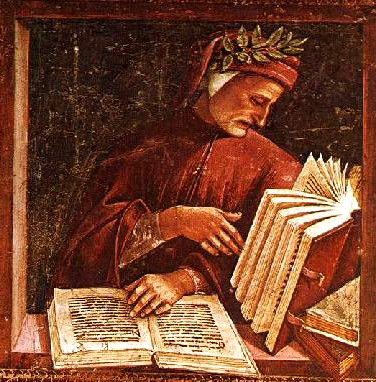
Dante, the Divine Comedy: “Consider your origins: you were not made to live as brutes, but to follow virtue and knowledge.”

Città Nascosta – Via Lungarno B. Cellini 25, 50125 Firenze
Tel. 055.68.02.590 / 055.68.01.680 | info@cittanascosta.it
Fondata nel 1994, Città Nascosta è un’associazione culturale nata per promuovere la conoscenza del patrimonio artistico e storico di Firenze e della Toscana.
Le attività proposte prevedono visite guidate, itinerari ed eventi personalizzati, esperienze uniche e indimenticabili, alla scoperta dei gioielli d’arte più nascosti della città e della regione.
Storici dell’arte, architetti, botanici, restauratori, proprietari e addetti ai lavori accompagnano i visitatori, offrendo sempre una prospettiva originale e privilegiata, con un’attenzione particolare alla qualità dei contenuti e alla modalità della loro divulgazione.
 Marcella Cangioli, storica dell’arte e Presidente dell’Associazione, coordina e gestisce l’associazione.
Maria De Peverelli, storica dell’arte, lavora a Londra e si occupa di collezionismo privato.
Tiziana Frescobaldi, storica, si occupa dell’immagine e comunicazione dell’azienda di famiglia.
 Marcella Cangioli, presidente, storica dell’arte. Si occupa della promozione, del coordinamento e della gestione delle attività dell’associazione, e dei progetti speciali in italiano e in lingua straniera. Contatto: marcella@cittanascosta.it
Arianna Nizzi Grifi, segretario, storica dell’arte. Si occupa del programma dei soci “Percorsi d’Arte”, del coordinamento del programma dei soci “Sostenitori” e dell’organizzazione delle attività per clienti italiani. Contatto: arianna@cittanascosta.it
Sylvie Levantal, consigliere, storica dell’arte. Si occupa dell’organizzazione delle gite, viaggi e delle attività per i clienti stranieri, in particolare francesi. Contatto: info@cittanascosta.it
Emily Grassi, consigliere, storica dell’arte e guida turistica di Firenze e provincia. Si occupa della comunicazione, del coordinamento del programma “Grand tour fiorentino” e dell’organizzazione delle attività per i clienti stranieri, in particolare anglofoni. Contatto: emily@cittanascosta.it
Carlotta Quentin, consigliere, storica dell’arte. Si occupa della segreteria organizzativa e dell’accoglienza dei soci italiani e stranieri, in particolare anglofoni. Contatto: info@cittanascosta.it
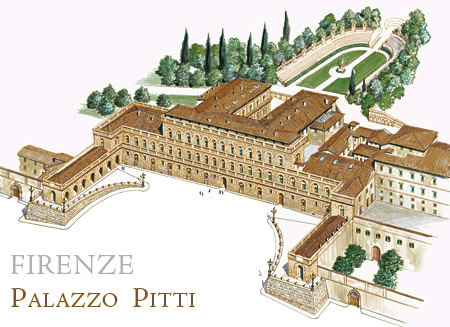
At Palazzo Pitti, the builders had it much easier, since their source [of stone] (the Boboli hill) was right behind the palace. In fact, Palazzo Pitti sits on the hollowed out part of one of these quarries.
My lovely little lemon tree is still alive and survived the move to my new place. Here are some recent close-ups:
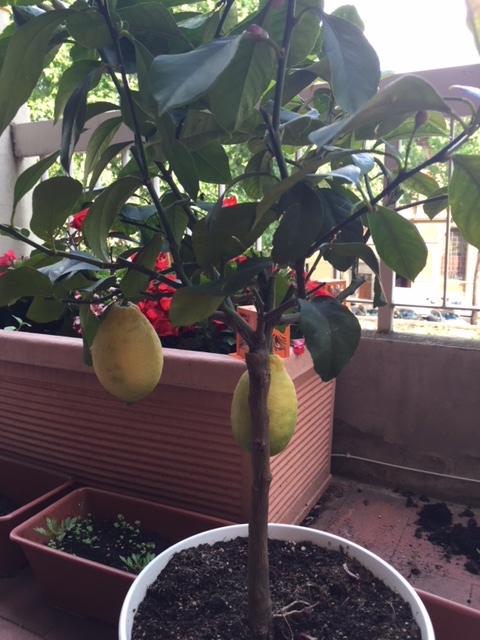
The same 2 original lemons are still hanging on for dear life. I was amazed they didn’t fall off in my recent move.
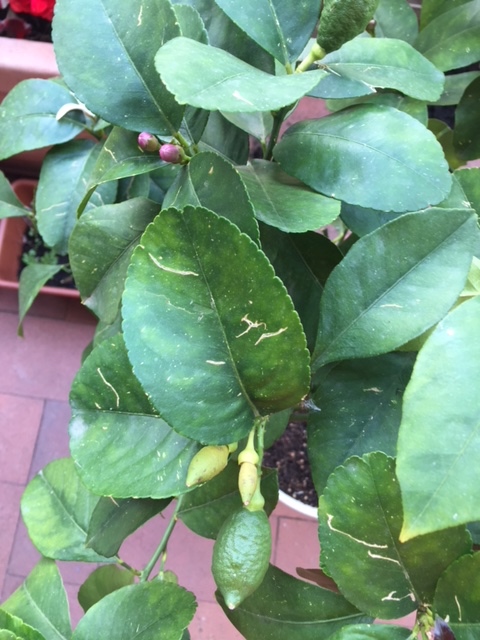
Some baby lemons have started to form.
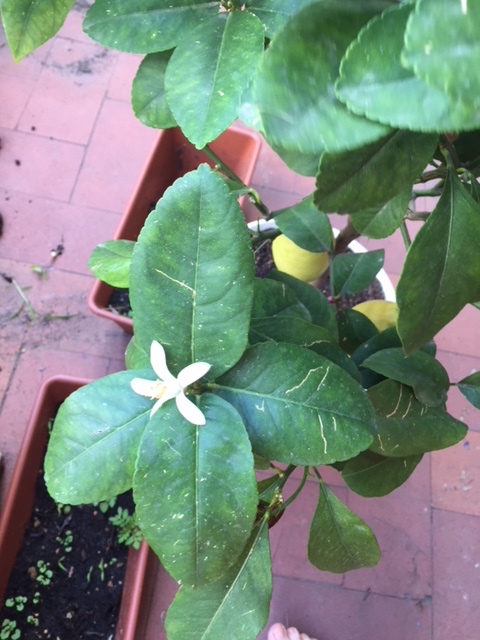
And new blooms still show up from time to time. This tree is very active. Something is happening all of the time!
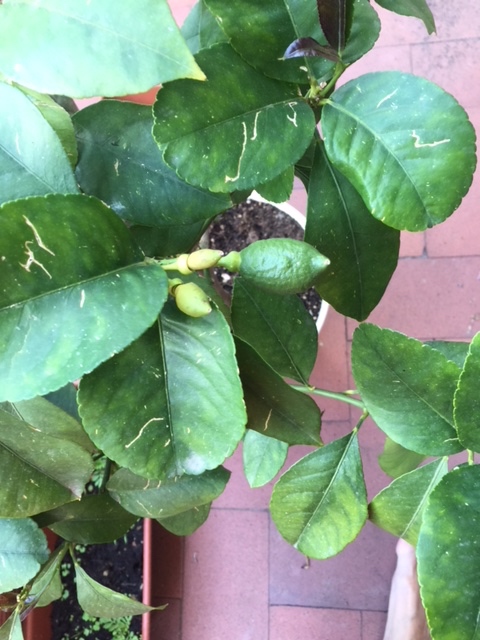
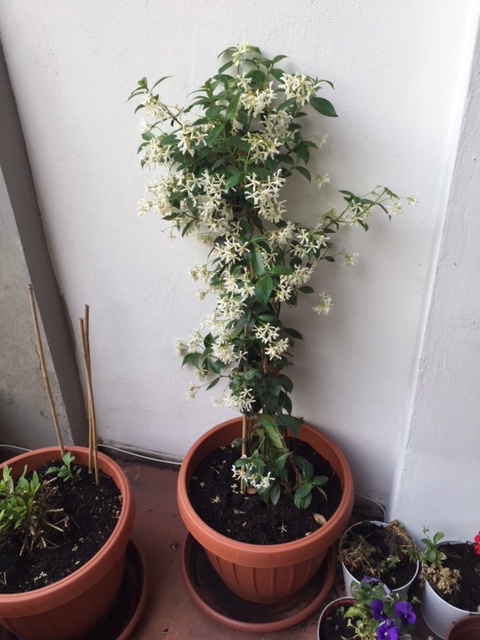
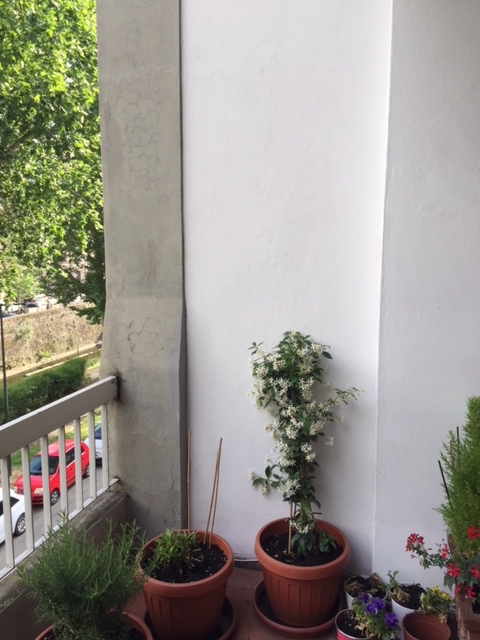
And, may I introduce my new jasmine plant! It came home with me from the recent plant sale at the horticultural garden near my new apartment. It is so fragrant. I have big plans for this vining plant, I have a big terrace to cover!
Papal excess, the Metropolitan Museum of Art and Stephen Colbert.
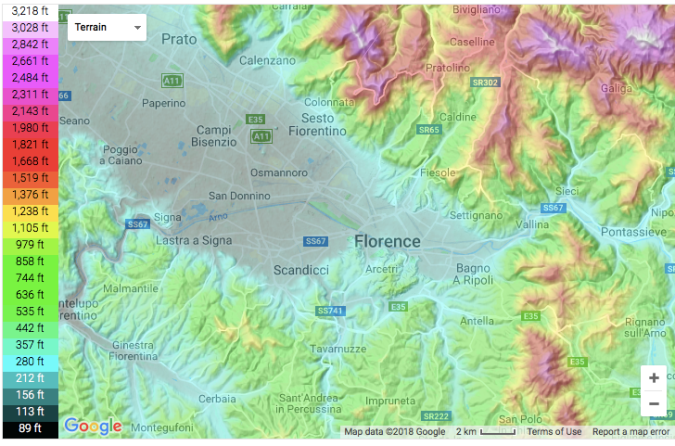
Has it ever occurred to you that the stony city of Florence was literally carved out of the surrounding hills? It’s quite true. Countless local quarries provided the blocks of stone for the walls of medieval and Renaissance churches and palaces, and for the columns and architectural ornaments to decorate them. Pietraforte, a kind of light brown limestone, came from quarries at Costa San Giorgio, in the Boboli hill between Santa Felicità and Porta Romana, at Bellosguardo, and around Marignolle and Le Campore, all south of the Arno. To the north, the hills of Fiesole, Maiano and Settignano provided the blueish-grey sandstone pietra serena.
In the 13th century, load after load of pietraforte was hauled over the Arno to the outskirts of Florence to construct the enormous basilicas of Santa Maria Novella and Santa Croce. Even the piers inside these two churches are of pietraforte. Look at Palazzo Vecchio, the Log-gia dei Lanzi, the Bargello and Orsanmichele, and you are looking at pieces of the southern hills transformed into architecture. The gigantic blocks of rustication that you see on the façades of the 15th-century Palazzo Medici were cut out of pietraforte quarries. Filippo Strozzi, whose palace rivals that of the Medici in size, had endless loads of stone brought from quarries at Boboli and Marignolle. It is said that between November 1495 and March 1497, Strozzi’s heavily-laden carts rattled over the Arno more than a thousand times. At Palazzo Pitti, the builders had it much easier, since their source (the Boboli hill) was right behind the palace. In fact, Palazzo Pitti sits on the hollowed out part of one of these quarries.
If pietraforte was used mainly for the construction of walls, pietra serena was used above all for columns, stairs, doors and windows. The oldest of these quarries, dating back to Etruscan times, were at Monte Ceceri in Fiesole, and they continued to be worked during the Roman and early medieval periods. The demand for pietra serena was so high that in the 13th century new quarries had to be opened further east, around Vincigliata and Settignano. By the 15th century, when Brunelleschi’s architectural style boosted the popularity of pietra serena to unprecedented heights, it was also being extracted at Golfolina, west of Florence.
Brunelleschi chose quarries that would provide enormous blocks of pietra serena from which he could cut entire column shafts. He quarried the stone for the loggia of the Ospedale degli Innocenti at Trassinaia, near Vincigliata. The columns for San Lorenzo came from a site nearby, still known as the Cava delle Colonne.
http://www.theflorentine.net/art-culture/2006/09/quarries-near-florence/
Lauretta makes a final plea to her father with “O mio babbino caro” (Oh, my dear papa), in Puccini’s Gianni Schicchi. Performed today in Fiesole in a Renaissance villa. Magical.
One lifetime isn’t long enough!
View original post 3,320 more words


You must be logged in to post a comment.