
BBC “A Stitch in Time” is my favorite new show
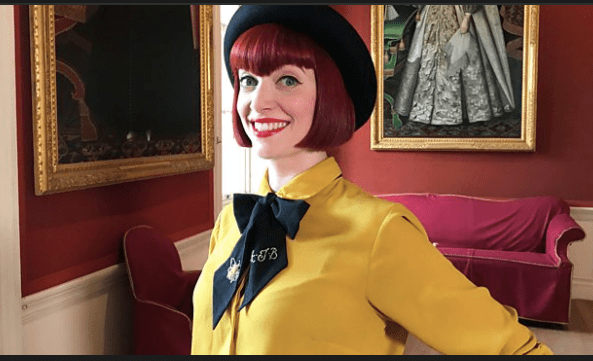
New this New Year is a great premiering show on BBC4, which fuses biography, art and the history of fashion. Fashion historian Amber Butchart explores the lives of historical figures through the clothes they wore.
What I saw today
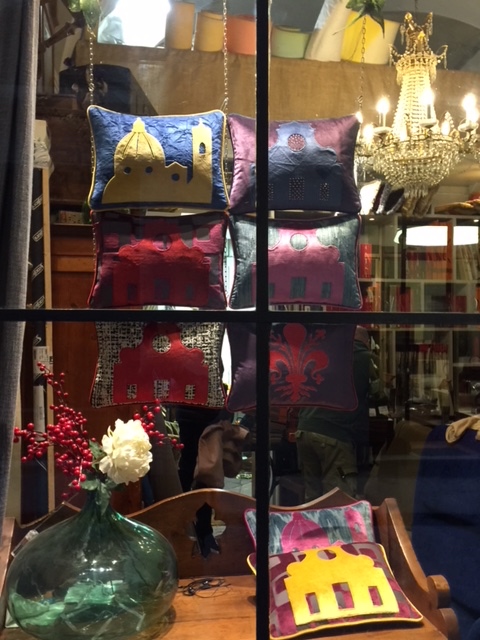
Great Florentine throw pillows
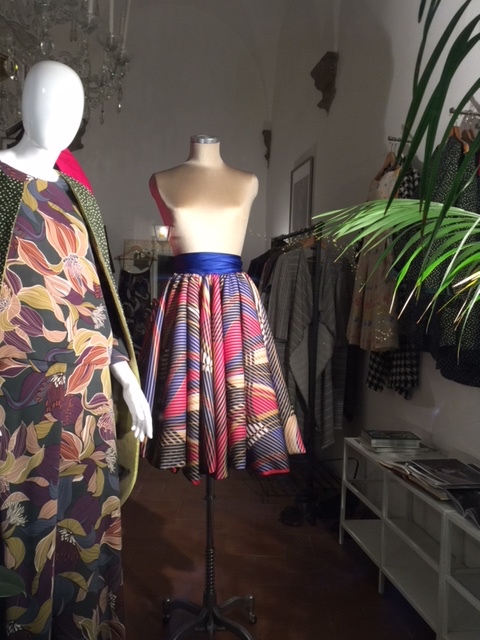
A beautiful skirt
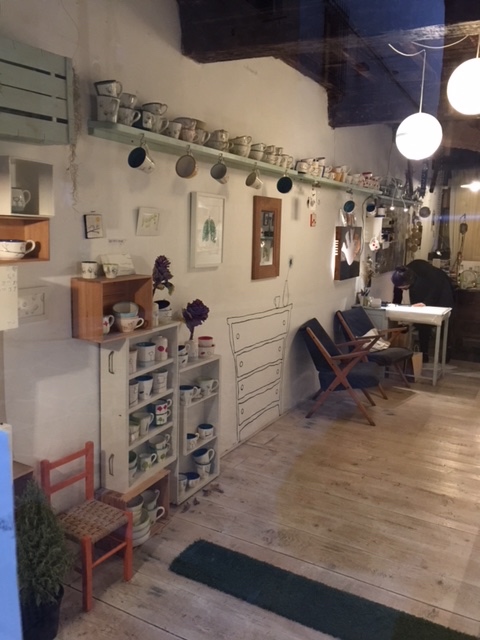
Faux painted chest of drawers. I want this!
French dressing
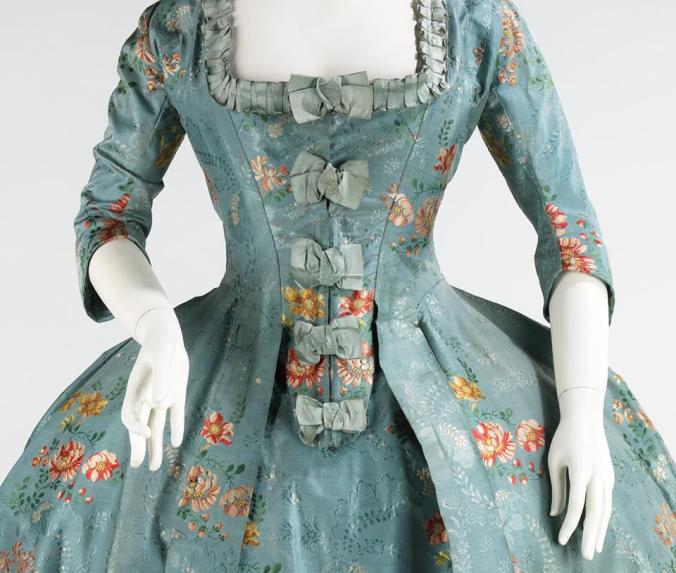
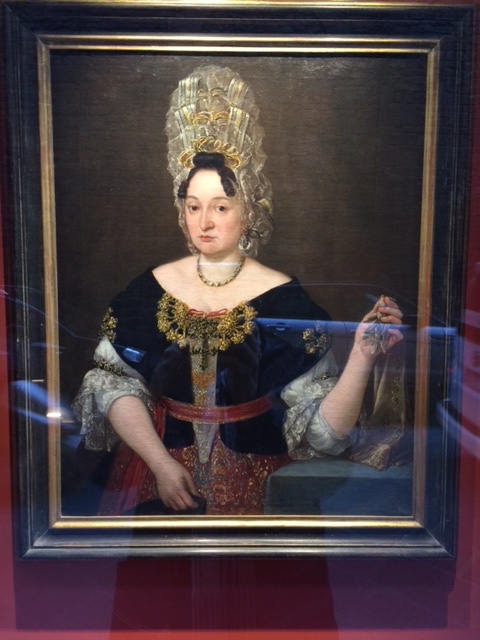
1760-1770, France
Robe à la Française
Silk, cotton
Collection, Metropolitan Museum of Art
Let there be light, Oltrarno edition

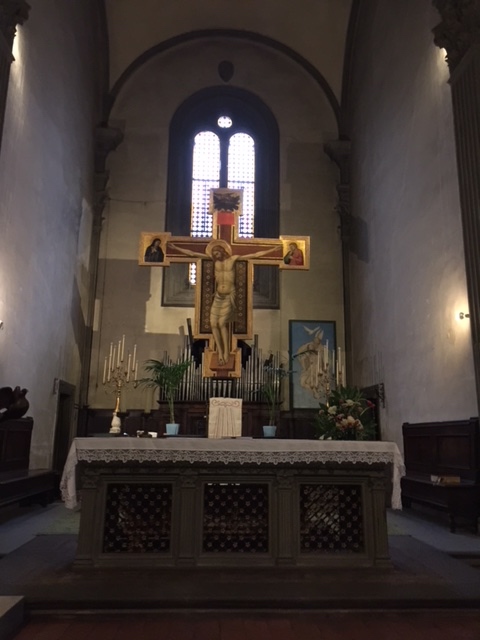
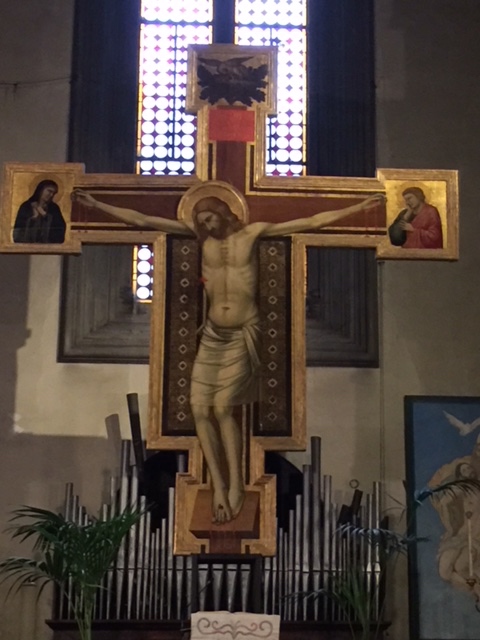
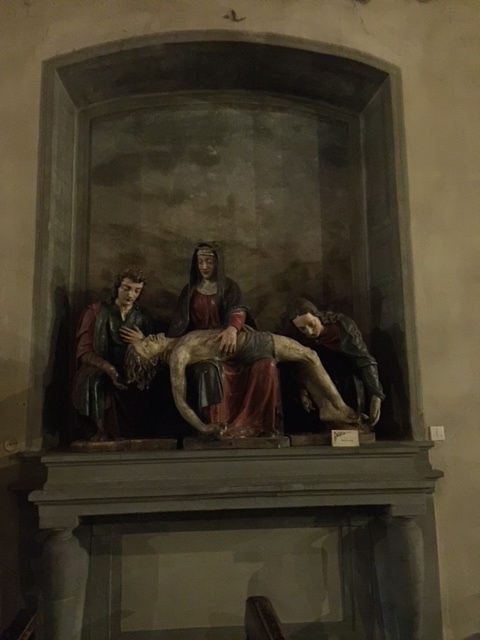
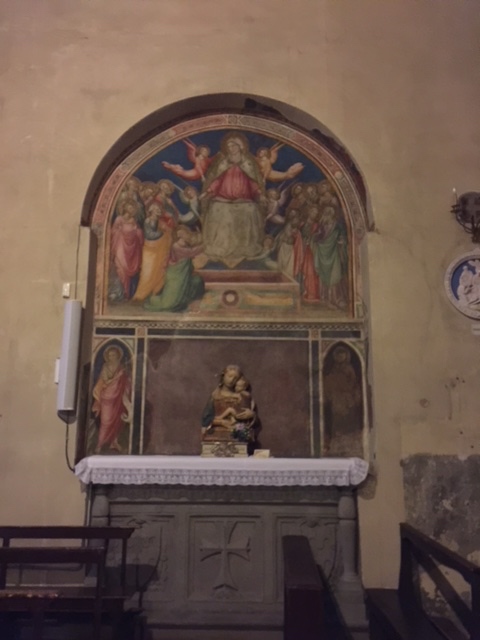
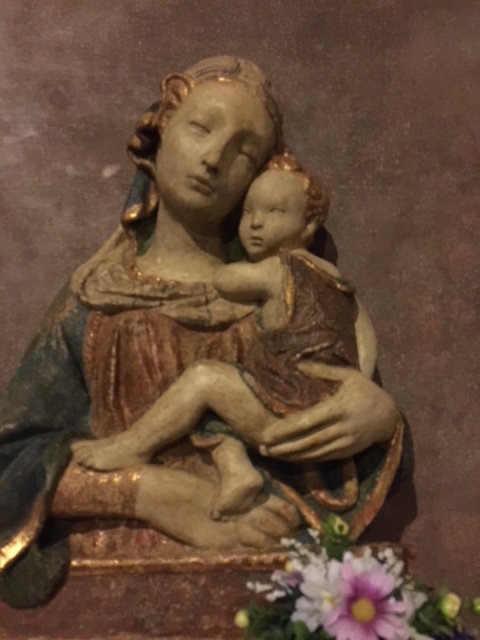
The church of San Felice in Piazza, Firenze
I stopped by this church today for the first time ever. Inside, the church felt well-used and well-loved. This would be a great church to visit if wanting to understand a service. I wanted to light some candles, but couldn’t find any candles to add to the stand. Maybe it’s a bring-your-own-candle situation?


My walk home
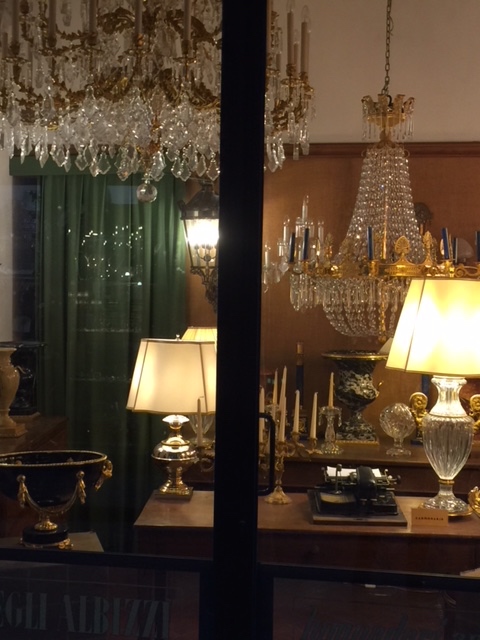
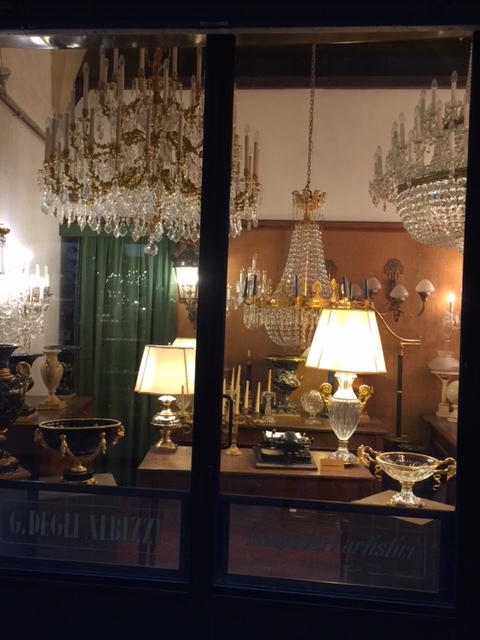
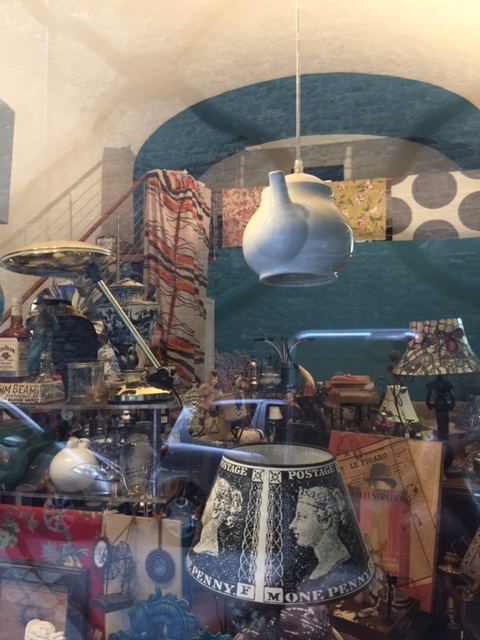
Today I wandered around the Oltrarno after the hairdresser. Great window-shopping!
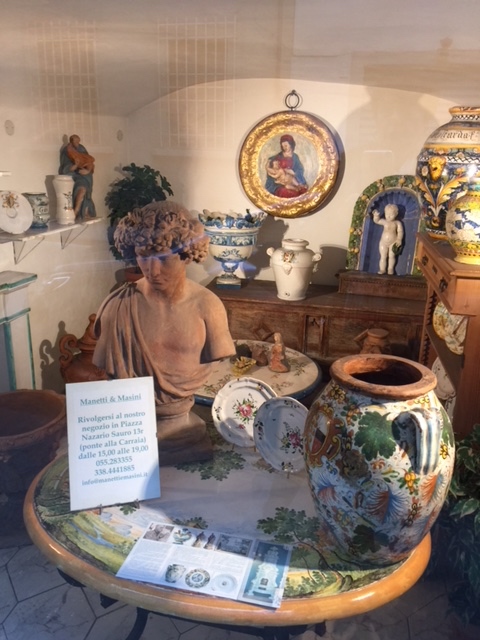
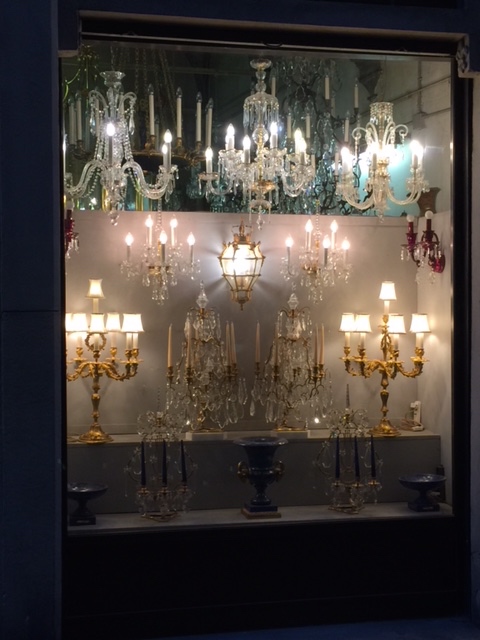
I like the teapot chandelier below!
I want this…hat?…fascinator?...chissa!
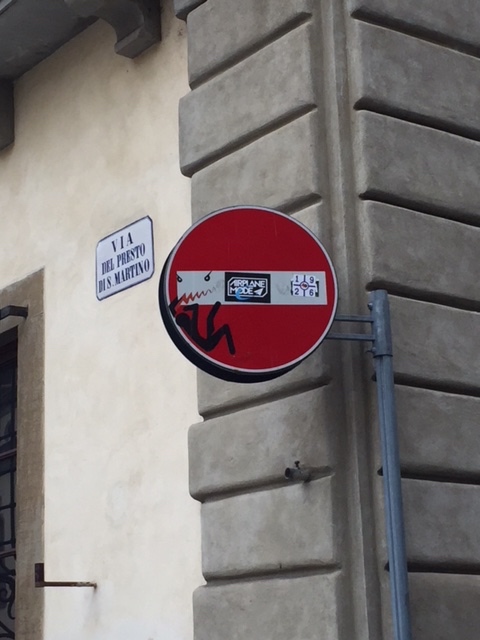
Art by Clet:

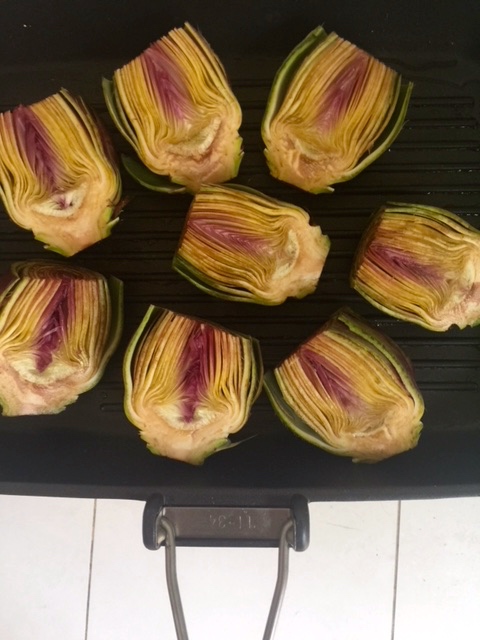
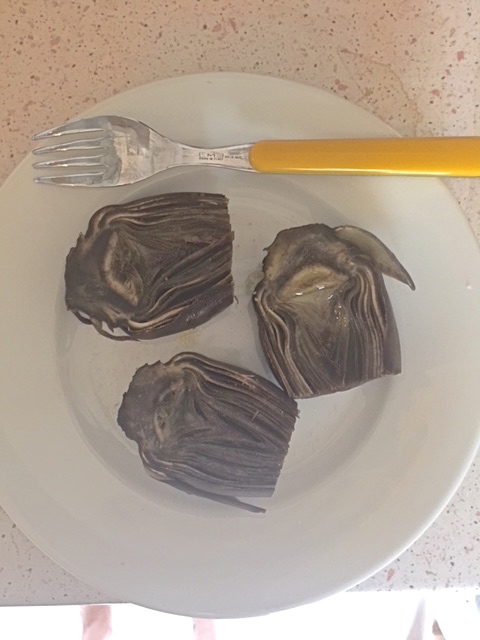
Artichoke season!
And I am learning how to prepare them! For years I have steamed them and eaten them with tons of melted butter. The butter seems to outweigh the benefit of consuming the veg.
But a friend showed me how to roast them and you can see my first attempt below. The cooked chokes don’t look like much, but the taste is divine, with fresh olive oil and no butter!
Frances McDormond
I couldn’t sleep last night and wanted something to lull me to lala land. Boy, did I pick the wrong movie!
I was reading the NYTimes about the Oscar nominations for this year and one thing led to another and I started reading about one of my fav actors, Frances McDormand. I’ve been a fan of hers since Fargo.
Reading about her career, I ran across her first film, Blood Simple. I found it online and watched an hour before I had to shut off my computer. The movie woke me up big time!
I finished watching it today and can’t recommend it highly enough! McDormand is amazing in it, and the film is first-rate, all around.
I don’t, however, recommend watching it when you are planning to go to sleep soon. It will keep you riveted!
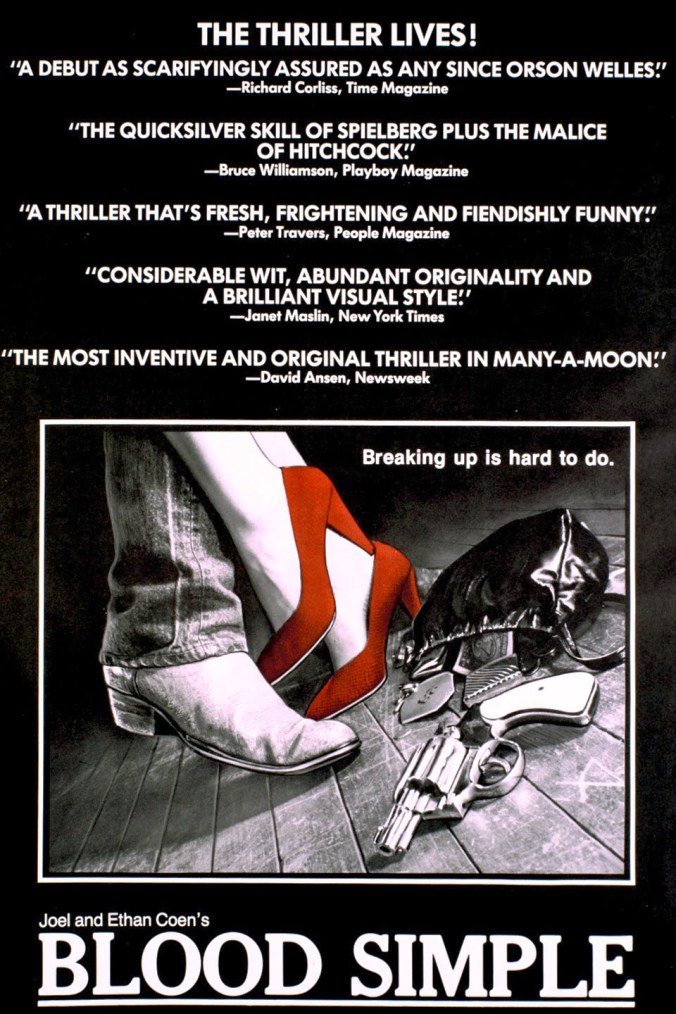
From Wiki:
Blood Simple is a 1984 American neo-noir crime film written, edited, produced, and directed by Joel and Ethan Coen. It was the directorial debut of the Coens and the first major film of cinematographer Barry Sonnenfeld, who later became a noted director, as well as the feature film debut of Joel Coen’s wife Frances McDormand, who subsequently starred in many of his features.
The film’s title derives from the Dashiell Hammett novel Red Harvest (1929), in which the term “blood simple” describes the addled, fearful mindset of people after a prolonged immersion in violent situations.[3]
More Clet in Florence
 get back, lauretta!
You must be logged in to post a comment.