Every 25 years Rome celebrates a Jubilee, during which modern day pilgrims flock to Rome. In 2025 the city expects to have 30,000,000 visitors alone. The Jubilee effectively begins on December 25, 2024.
Make your plans accordingly! I’ll be avoiding Rome all year long!
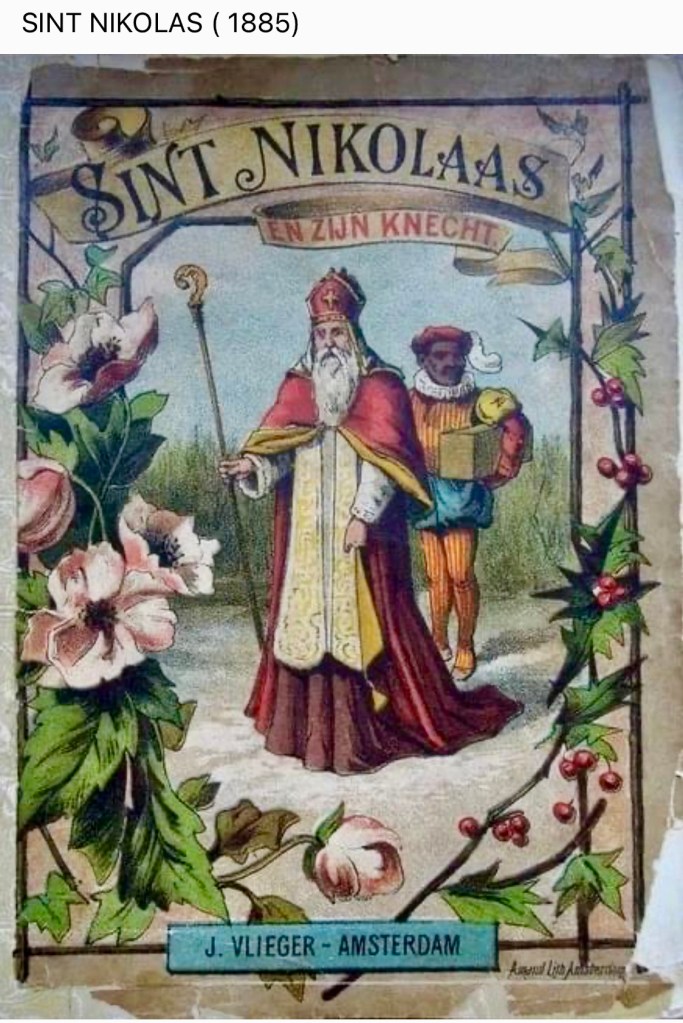
This is a day that will always mean a lot to me personally, as it became a part of my early art historical research and the basis for an article published in the prestigious Art Journal.
But, beyond my little life, Saint Nicholas is commemorated in the Catholic world on this day, his feast day.
The week of the last American presidential election, my friend Cindy and I went to the Botanical Garden because we were sorely in need of something to raise our sunken spirits.
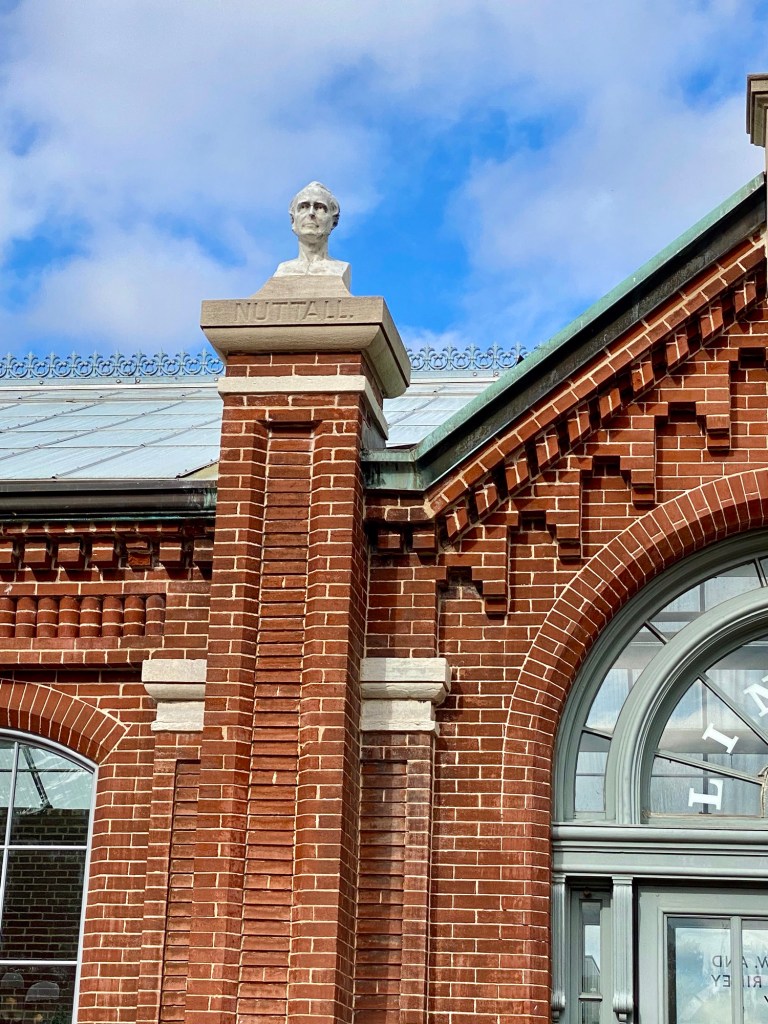
I decided to use this time to bone up on my botanical studies (:-)), after I encountered three eminent scientists sitting atop a building.
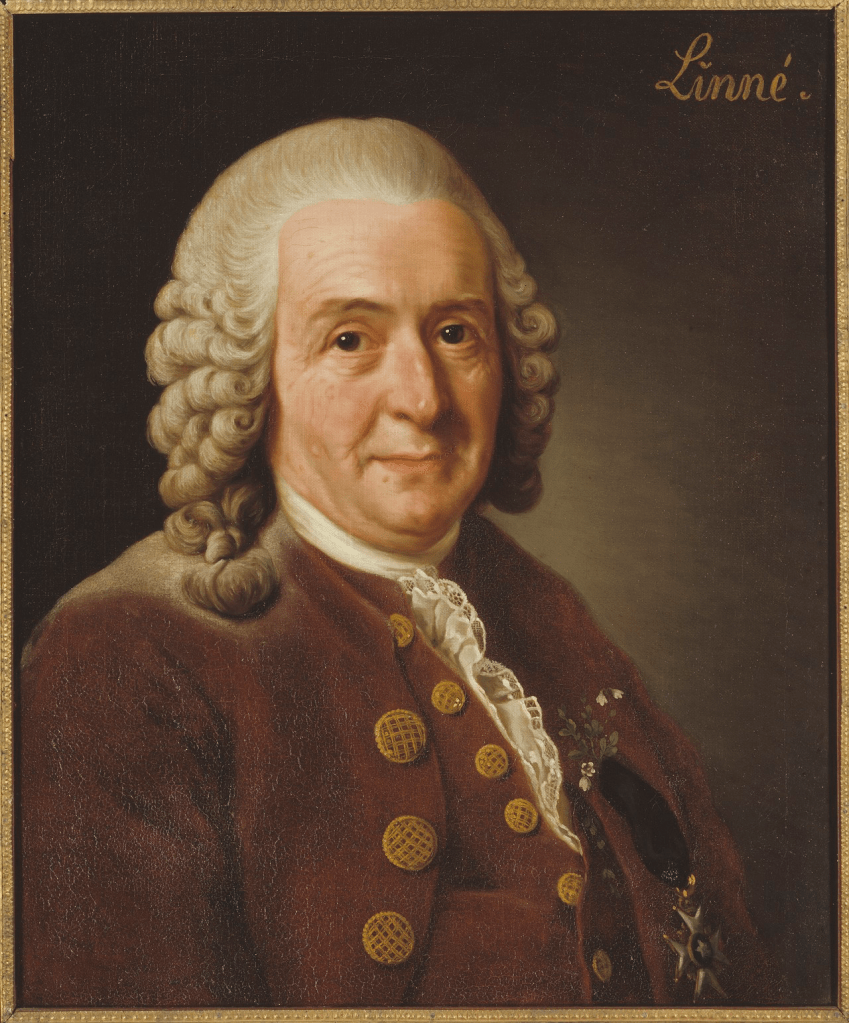
As you can plainly see, Carl Linnaeus, the Swedish physician and biologist, is well-remembered at this fine institution. His name inscribed under his portrait bust on the center of the pediment of this red brick 19th century building. The father of modern taxonomy, he formalized binomial nomenclature, the modern system of naming organisms. Look at the Latin name of any plant or animal and you are calling up his work. Pretty impressive!
But, who are these other men represented slightly below him?
On a lower level of the pediment and to one side is a bust of Thomas Nuttall. You don’t remember him from your high school biology classes? Let me refresh your memory. Nuttall (1786- 1859) was an English botanist and zoologist who lived and worked in America from 1808 until 1841.
In 1810 Nuttall travelled to the Great Lakes and in 1811 joined the Astor Expedition led by William Price Hunt on behalf of John Jacob Astor up the Missouri River. Nuttall was accompanied by the English botanist John Bradbury, who was collecting plants on behalf of the Liverpool botanical gardens. Nuttall and Bradbury left the party at the trading post with the Arikara Indians in South Dakota, and continued farther upriver with Ramsay Crooks. In August they returned to the Arikara post and joined Manuel Lisa’s group on a return to St. Louis.
Although Lewis and Clark had travelled this way previously, many of their specimens had been lost. Therefore, many of the plants collected by Nuttall on this trip were unknown to science. The imminent war between Britain and America caused him to return to London via New Orleans. In London he spent time organizing his large plant collection and discussing his experiences with other scientists.
After the War of 1812, Nuttall returned to America In 1815, and spent some more time collecting which he published in The Genera of North American Plants (1818). In 1817, Nuttall was elected a member of the American Philosophical Society. From 1818 to 1820, he travelled along the Arkansas and Red Rivers, returning to Philadelphia and publishing his Journal of Travels Into the Arkansas Territory During the Year 1819 (1821). He was elected an Associate Fellow of the American Academy of Arts and Sciences in 1823. In 1825, he became curator of the botanical gardens at Harvard University. He published his Manual of the Ornithology of the United States and of Canada (1832 and 1834)
In 1834, he resigned his post and set off west again on an expedition led by Nathaniel Jarvis Wyeth, this time accompanied by the naturalist John Kirk Townsend. They travelled through Kansas, Wyoming, and Utah, and then down the Snake River to the Columbia. Nuttall then sailed across the Pacific Ocean to the Hawaiian Islands in December. He returned in the spring of 1835 and spent the next year studying the botany of the Pacific Northwest, an area already covered by David Douglas.
On the Pacific coast, Nuttall heard of the ship Alert leaving San Diego in May 1836, bound for Boston. It is here that he encountered Richard Henry Dana Jr., a former student of his at Harvard who had set sail from Boston on a two-year voyage to the California coast at about the same time Nuttall had begun his expedition. Dana writes in his memoir, Two Years Before the Mast (1840), of his amazement at seeing his old professor “strolling about San Diego beach, in a sailor’s pea jacket, with a wide straw hat, and barefooted, with his trousers rolled up to his knees, picking up stones and shells.” Nuttall joined the Alert as a passenger along with many of his flora and fauna specimens, which he brought back to Boston to be cataloged and preserved for posterity. Dana writes that though the professor spent much of the voyage in his cabin, he had some occasions to speak with Nuttall about his botany.
From 1836 until 1841, Nuttall worked at the Academy of Natural Sciences in Philadelphia. During this time he made contributions to the Flora of North America being prepared by Asa Gray and John Torrey. The death of his uncle then required Nuttall to return to England. By terms of his uncle’s will, to inherit the property, Nuttall had to remain in England for nine months of each year. His North American Sylva: Trees not described by F. A. Michaux, which was the first book to include all the trees of North America, was finished just before he left the US in December 1841.
The World Register of Marine Species lists 44 marine genera and species named after him with the epithet nuttalli. Various plants and birds were named after Nuttall, including Nuttall’s woodpecker Dryobates nuttallii, and yellow-billed magpie Pica nuttalli and common poorwill Phalaenoptilus nuttallii. He is also commemorated in the Pacific dogwood Cornus nuttallii, Nuttall’s larkspur Delphinium nuttallianum, Nuttall’s oak Quercus texana, the catclaw briar Mimosa nuttallii, Nuttall’s violet Viola nuttallii, Nuttall’s saltbush Atriplex nuttallii, Nuttall’s rayless goldenrod Bigelowia nuttallii, and other plants.
The Nuttall Ornithological Club of Cambridge, Massachusetts, is named after him.
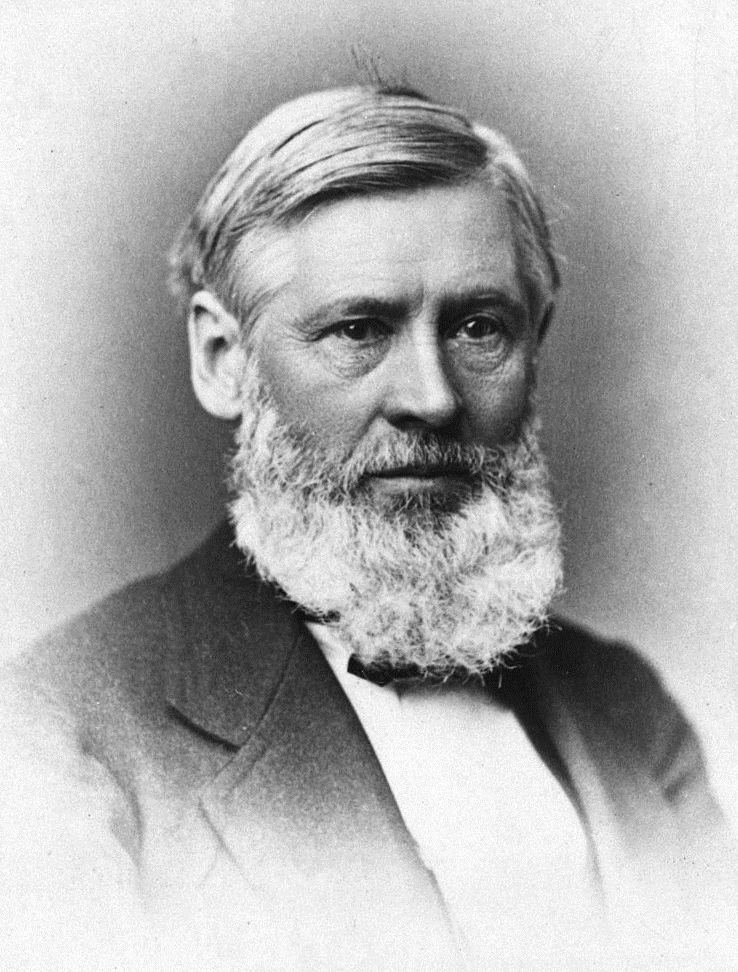
And, finally, in this small pantheon of 3 major scientists we come to Dr. Asa Gray. Gray (1810–1888) is considered the most important American botanist of the 19th century. His Darwiniana was considered an important explanation of how religion and science were not necessarily mutually exclusive. Gray was adamant that a genetic connection must exist between all members of a species. He was also strongly opposed to the ideas of hybridization within one generation and special creation in the sense of its not allowing for evolution. He was a strong supporter of Darwin, although Gray’s theistic evolution was guided by his concept of a creator.
As a professor of botany at Harvard University for several decades, Gray regularly visited, and corresponded with, many of the leading natural scientists of the era, including Charles Darwin, who held great regard for him. Gray made several trips to Europe to collaborate with leading European scientists of the era, as well as trips to the southern and western United States. He also built an extensive network of specimen collectors.
A prolific writer, he was instrumental in unifying the taxonomic knowledge of the plants of North America. Of Gray’s many works on botany, the most popular was his Manual of the Botany of the Northern United States, from New England to Wisconsin and South to Ohio and Pennsylvania Inclusive, known today simply as Gray’s Manual. Gray was the sole author of the first five editions of the book and co-author of the sixth, with botanical illustrations by Isaac Sprague. Further editions have been published, and it remains a standard in the field. Gray also worked extensively on a phenomenon that is now called the “Asa Gray disjunction,” namely, the surprising morphological similarities between many eastern Asian and eastern North American plants. Several structures, geographic features, and plants have been named after Gray.
In 1848, Gray was elected as a member of the American Philosophical Society.
The Elements of Botany (1836), an introductory textbook, was the first of Gray’s many works. In this book Gray espoused the idea that botany was useful not only to medicine, but also to farmers. Gray and Torrey published the Flora of North America together in 1838. By the mid-1850s the demands of teaching, research, gardening, collecting, and corresponding had become so great, and he had become so influential, that Gray wrote two high school-level texts in the late 1850s: First Lessons in Botany and Vegetable Physiology (1857) and How Plants Grow: A Simple Introduction to Structural Botany (1858). The publishers pressured Gray to make these two books non-technical enough so that high school students and non-scientists could understand them.
Gray worked extensively on a phenomenon that is now called the “Asa Gray disjunction,” namely, the surprising morphological similarities between many eastern Asian and eastern North American plants. In fact, Gray felt the flora of eastern North America is more similar to the flora of Japan than it is to the flora of western North America, but more recent studies have shown this is not so. While Gray was not the first botanist to notice this (it was first noticed in the early 18th century), beginning in the early 1840s he brought scientific focus to the issue. He was the first scientist in the world to possess the requisite knowledge set to do so as he had intimate knowledge of the northeast and southeast United States as well as eastern Asia – due to several contacts he had there. The phenomenon involves about 65 genera and is not limited to plants, but also includes fungi, arachnids, millipedes, insects, and freshwater fishes. It was believed that each pair of species might be international sister species, but it is now known that this is not generally the case; the species involved are less closely related to one another. Today, botanists suggest three possible causes for the observed morphological similarity, which probably developed at different times and via different pathways; the species pairs are: (1) the products of similar environmental conditions in separate locations, (2) relics of species that were formerly widely distributed but diversified later, (3) not as morphologically similar as was previously believed.[96] Gray’s work in this area gave significant support to Darwin’s theory of evolution and is one of the hallmarks of Gray’s career.
It must have been heady stuff, exploring and collecting all these undiscovered flora across parts of North America and Hawaii and beyond. As I walked with Cindy through the gardens in Missouri, I benefited from the vast contributions to the world of botany by these 3 men and many more with similar interests. Thanks guys, the world needed you!
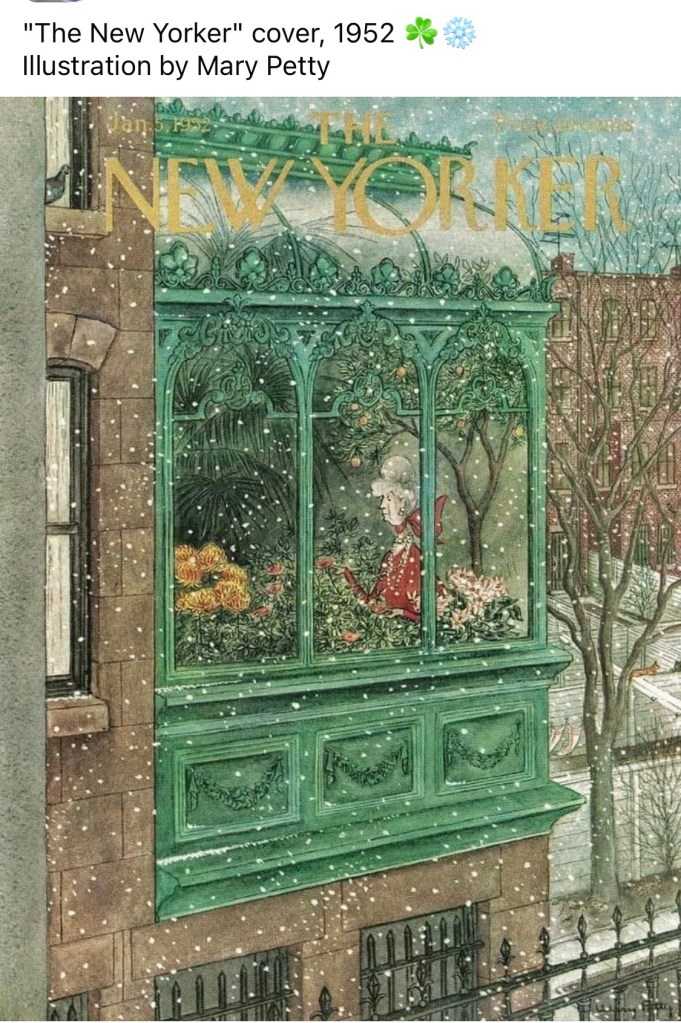
I really love this illustration. I saw several glass houses like this one attached to upper floors of the 19th century villas in Florence. Oh my. I miss Italy so much! sigh.
Until I can get back to Florence, I’m enjoying Lake Jasper. Here’s my up to date version of illustration above! My view is a bit more rustic, but lovely still. I put the suet out for the birds and am thrilled to see them eating from it!
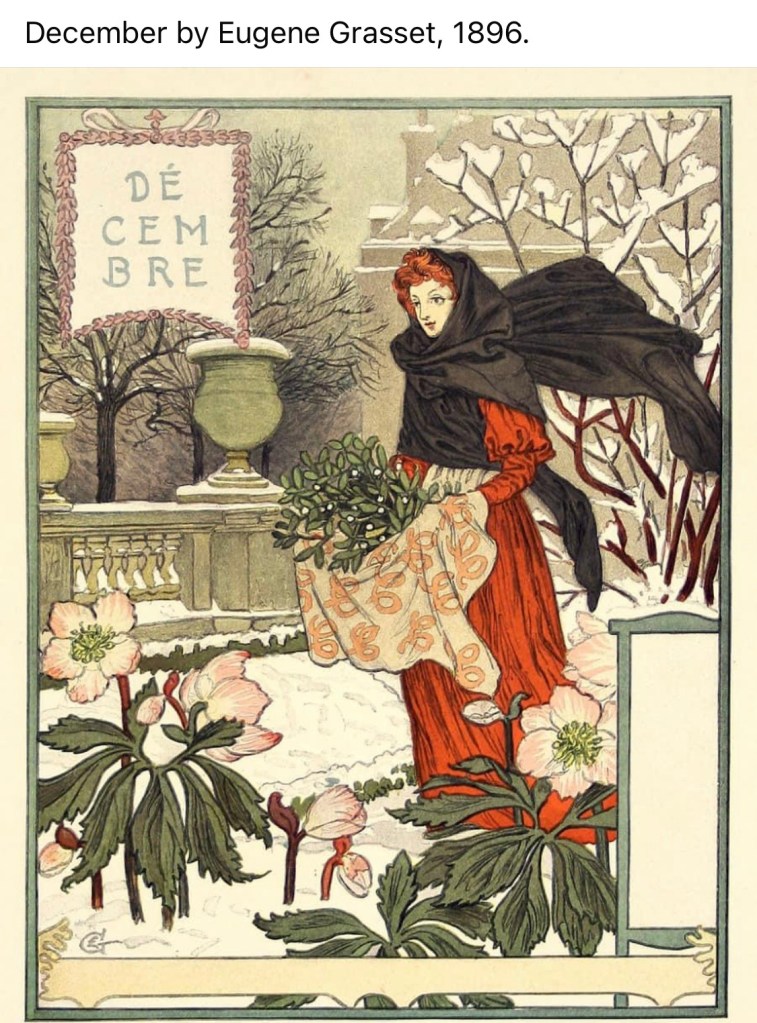
A little French by way of an illustration and a taste of the British tradition of greeting the first day of the month by saying “rabbit, rabbit” when you awake! Let’s be international this month!
I’ve already been out in the woodland to gather greenery. I love foraging!
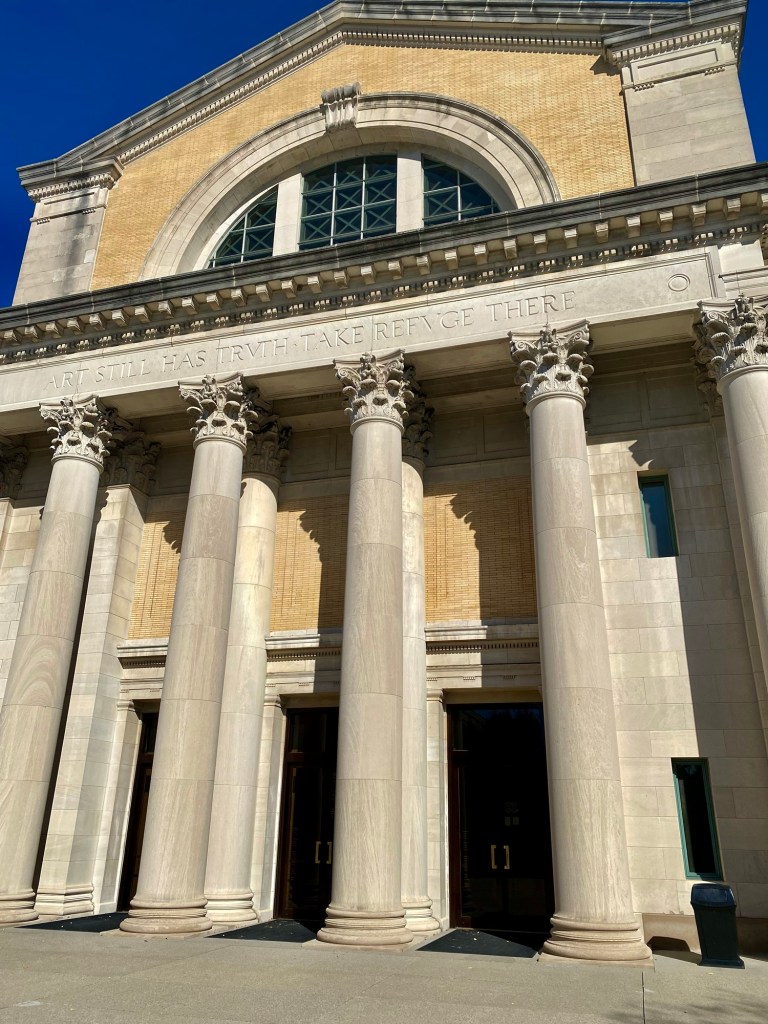
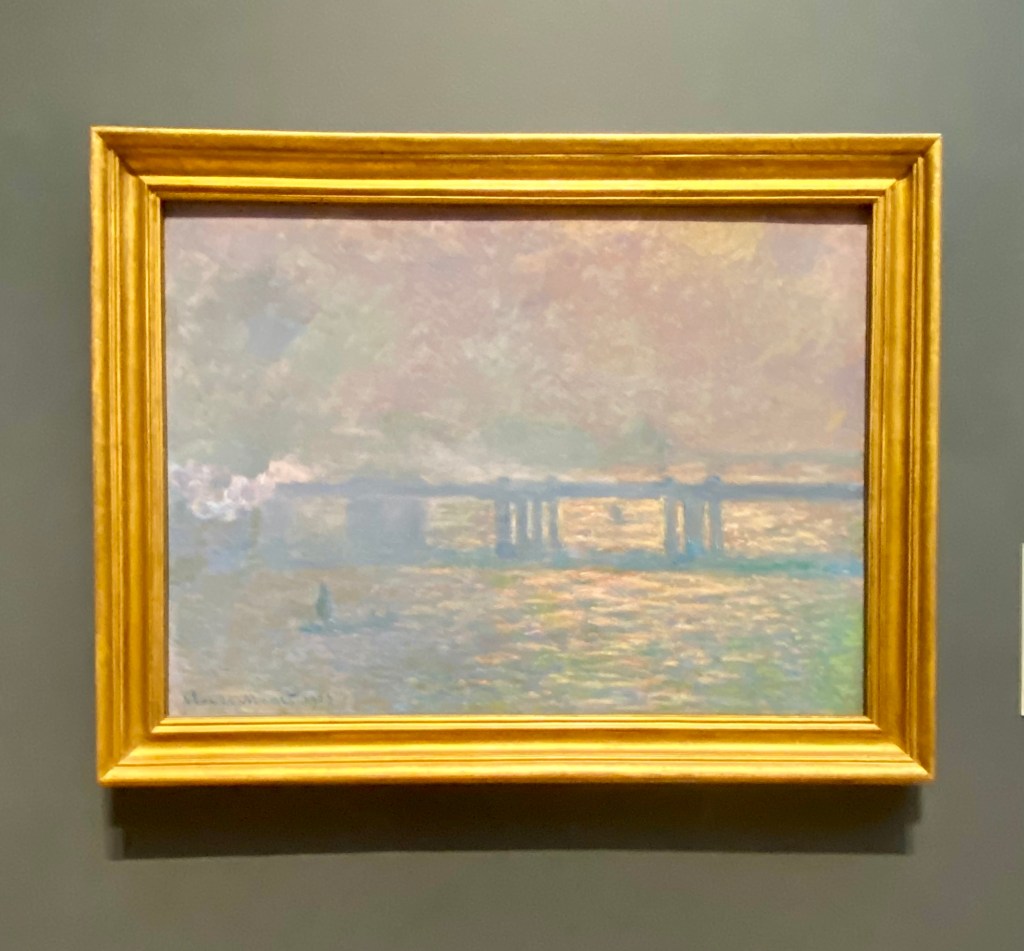
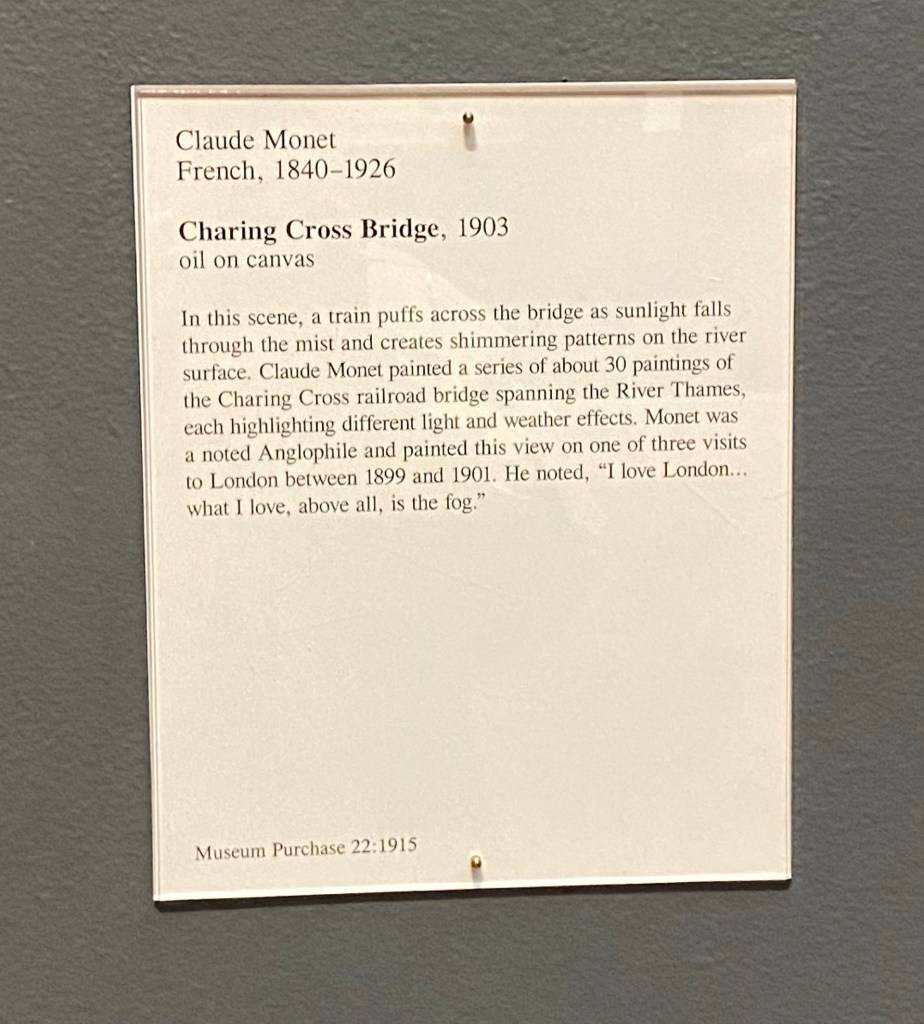
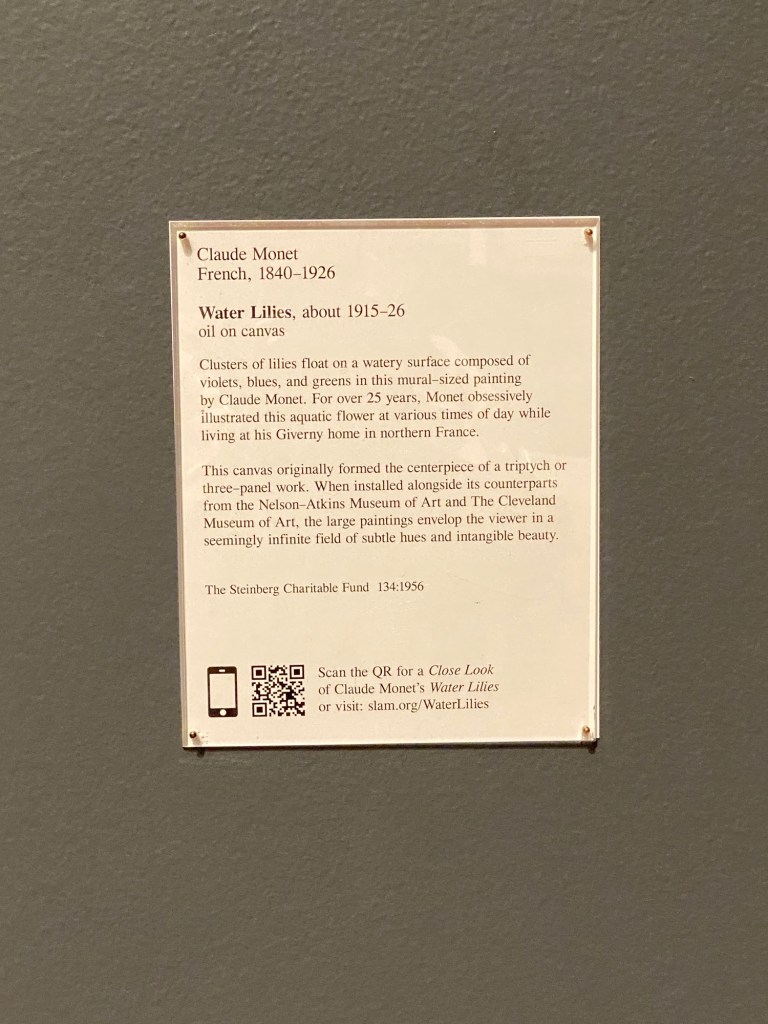
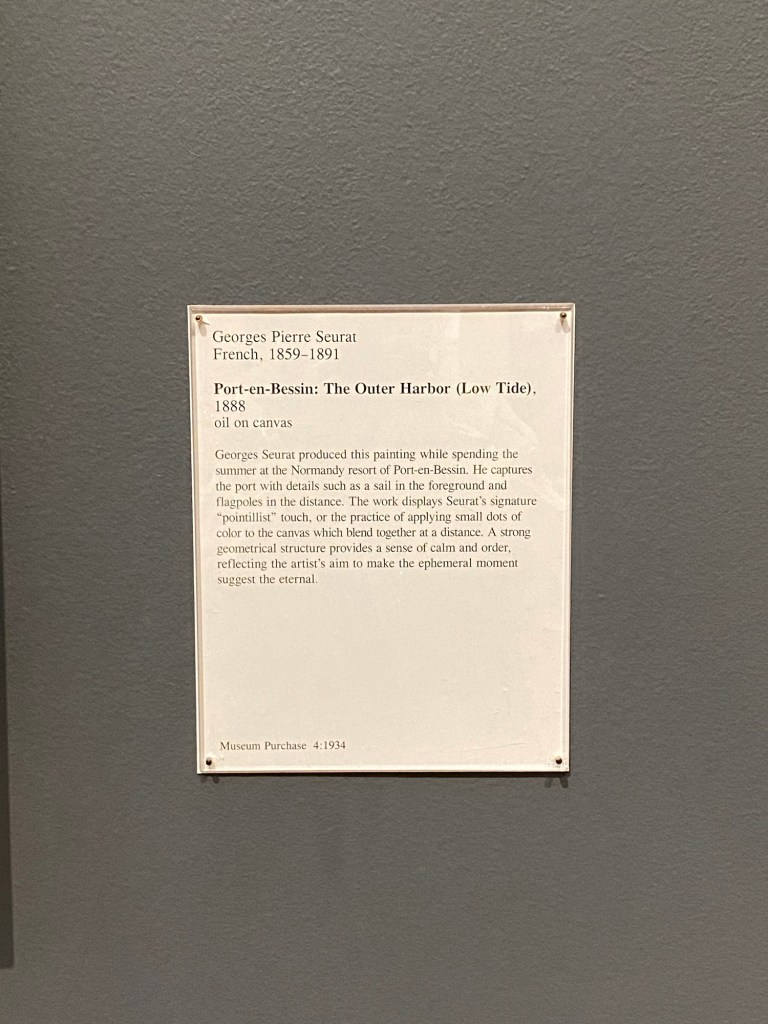
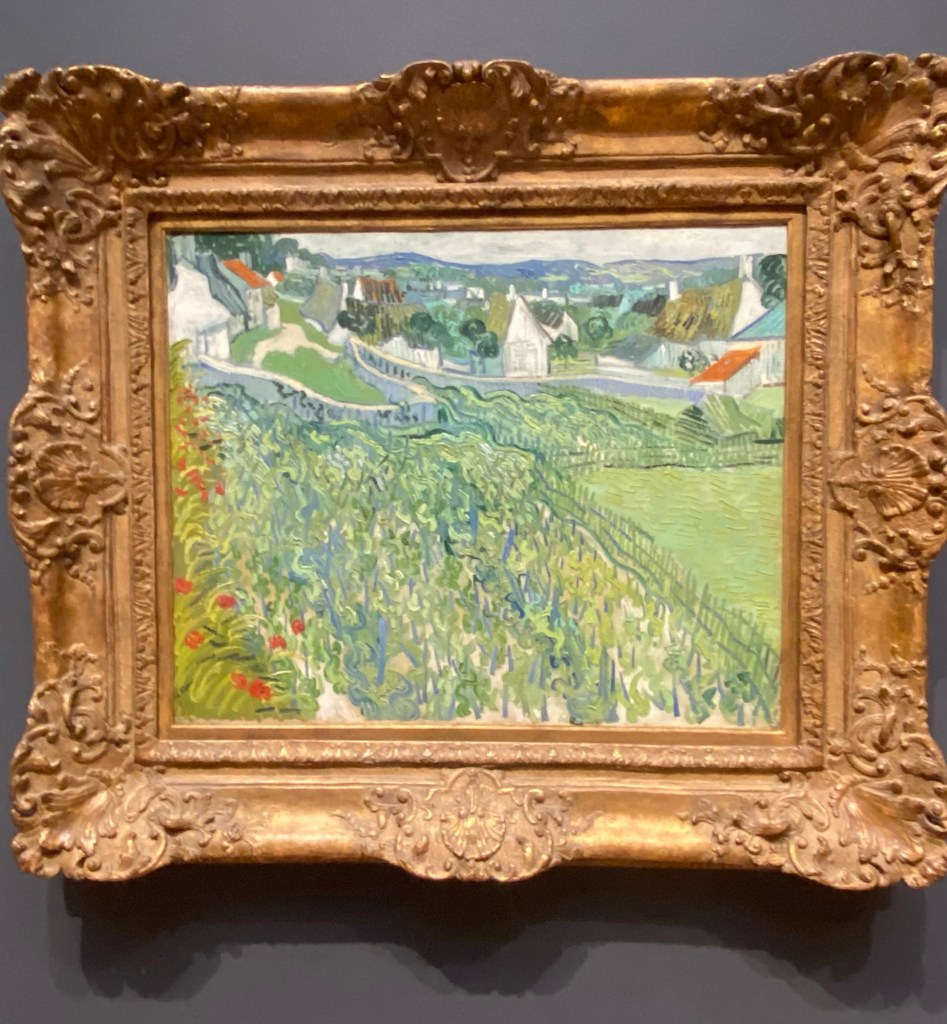
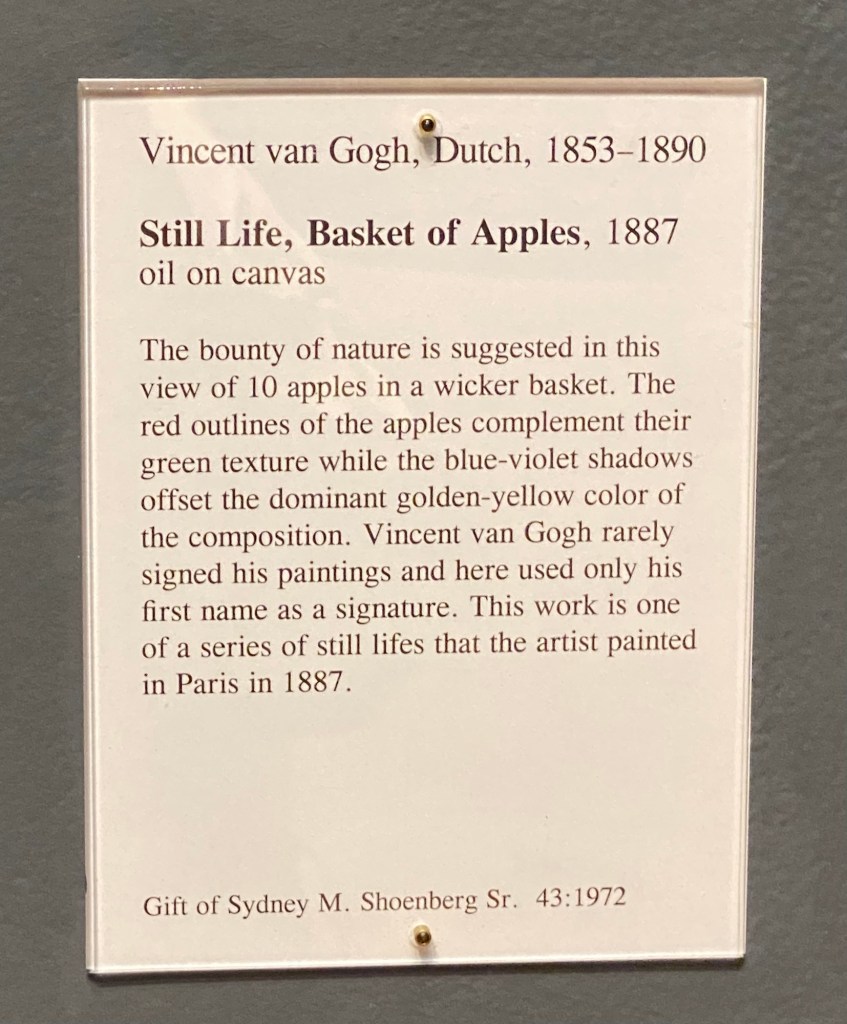
Riches? Yes! Fabulous riches! Come see what graces the walls at St. Louis Art Museum. These are some of the millions of things I am grateful for this year and every year.

















 get back, lauretta!
You must be logged in to post a comment.