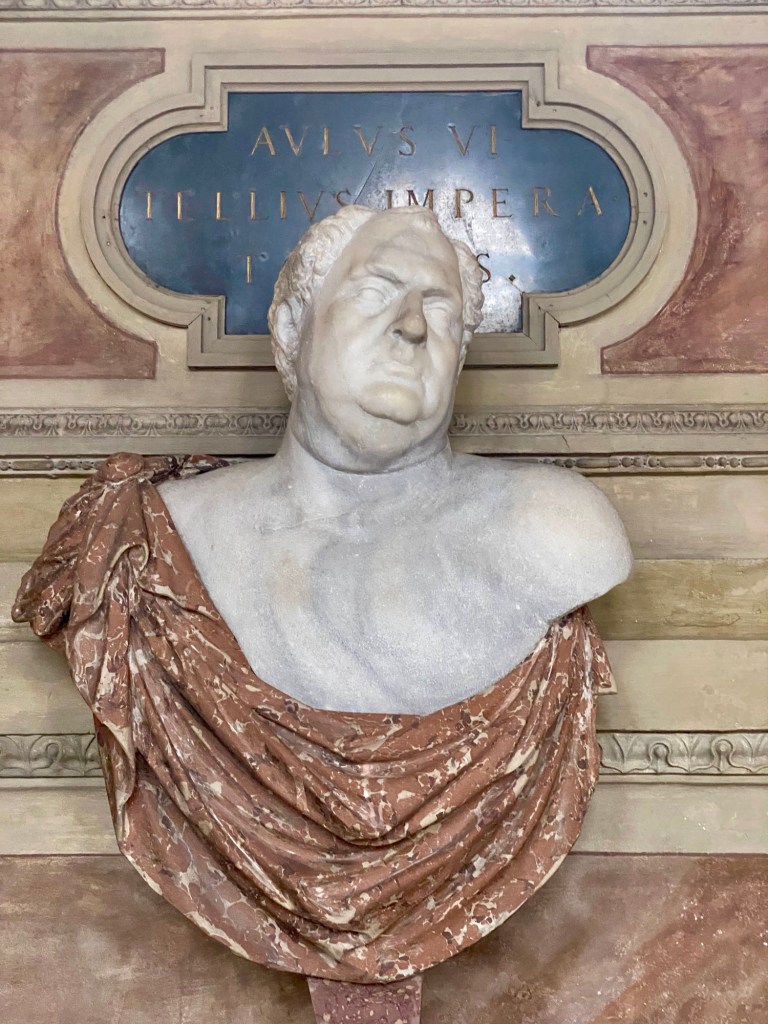
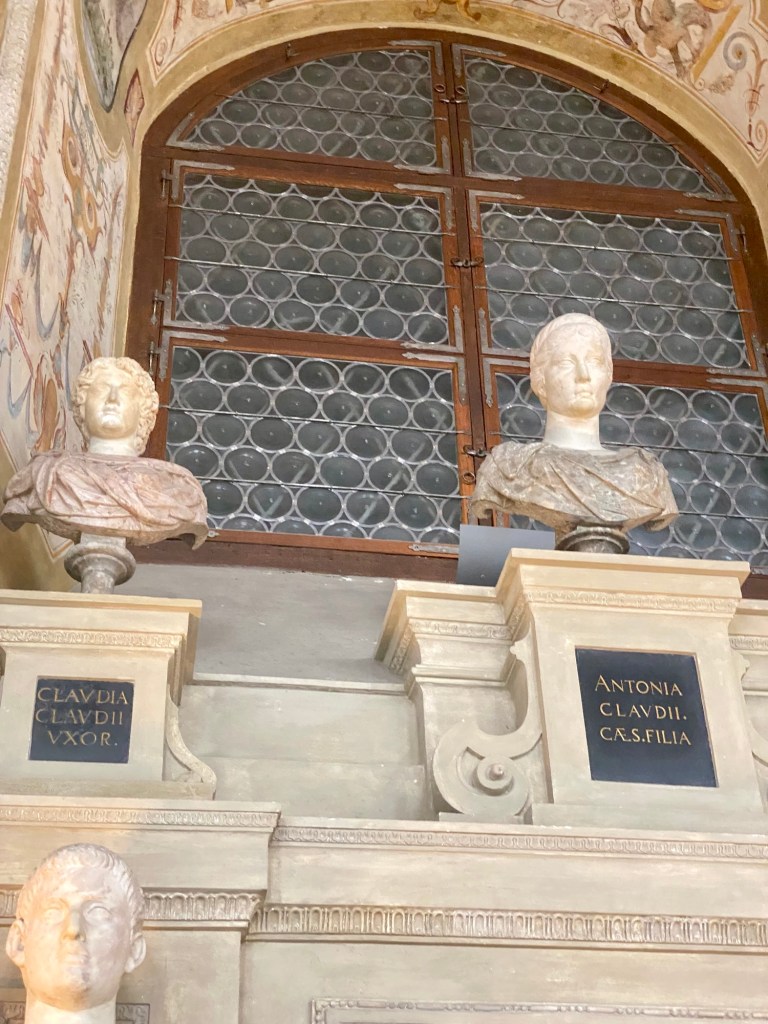
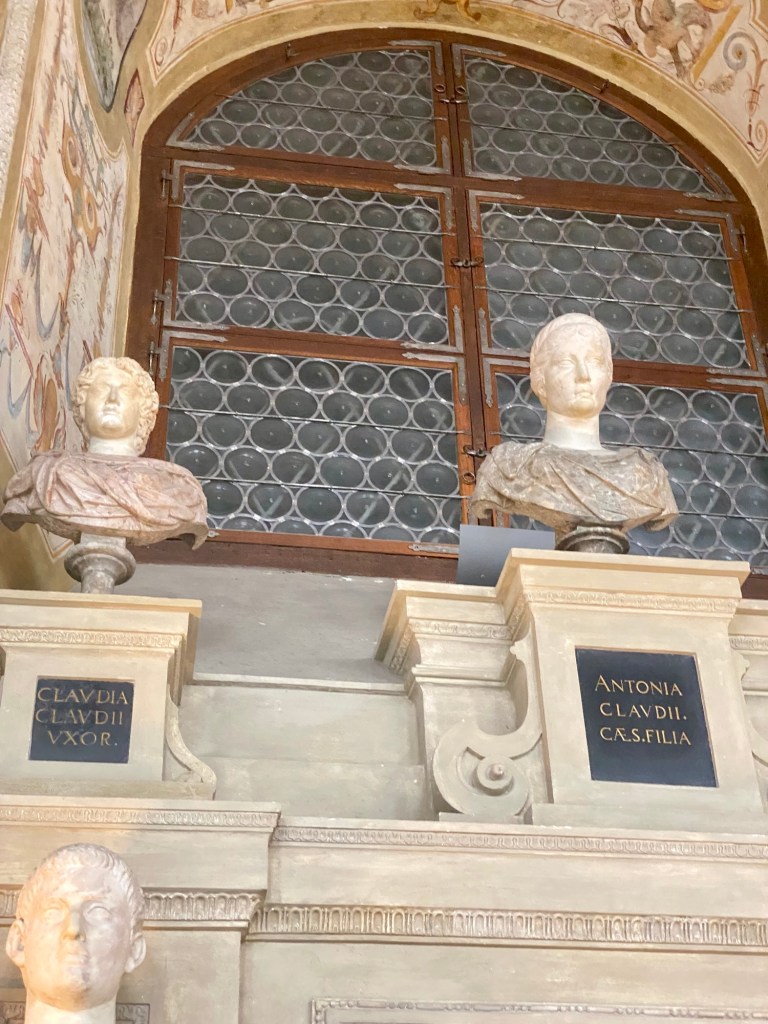
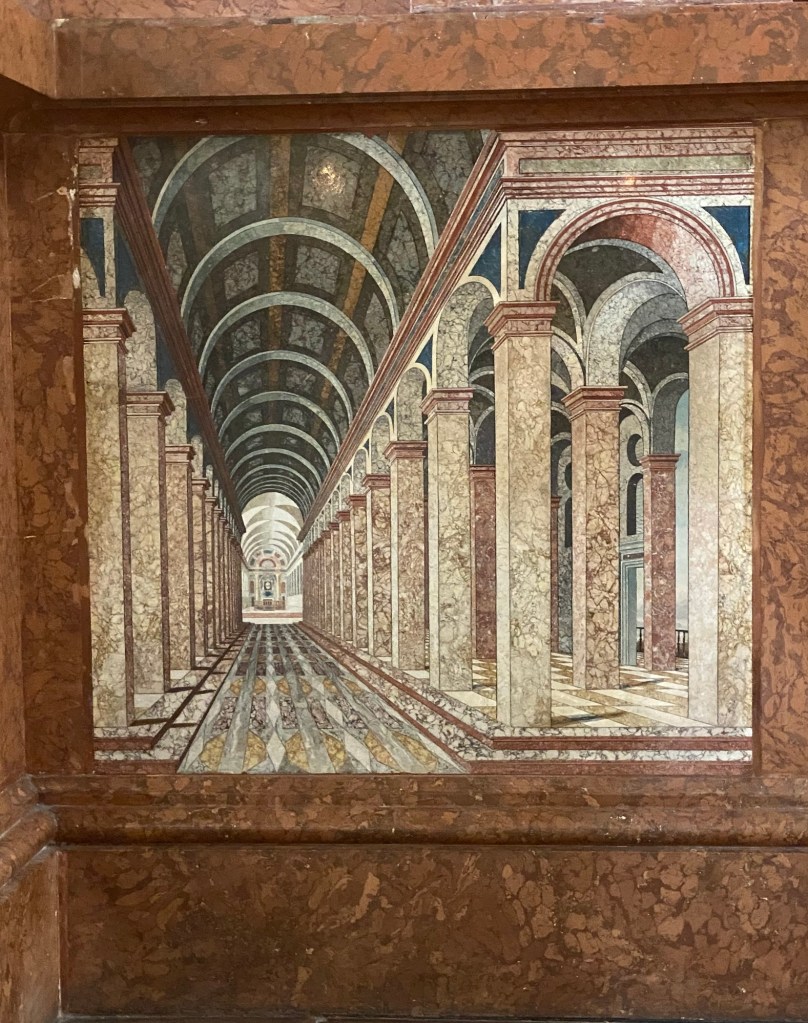
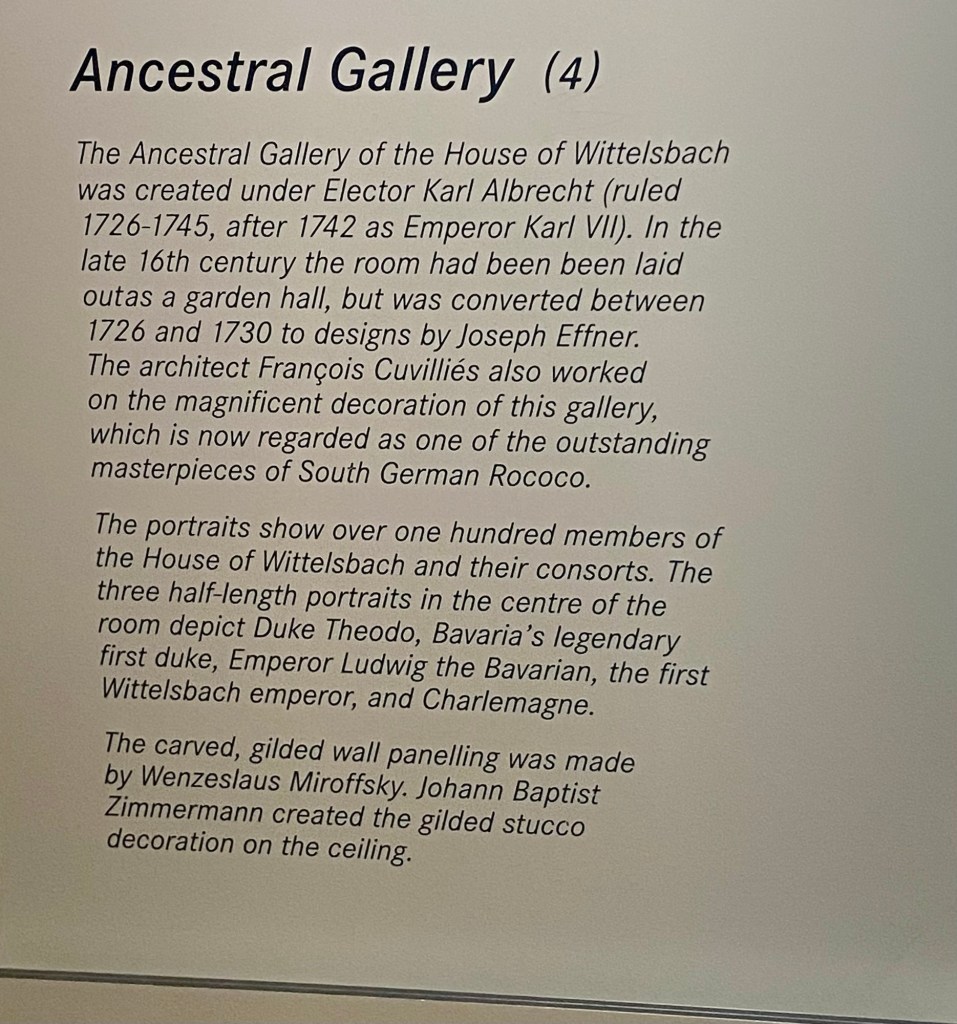
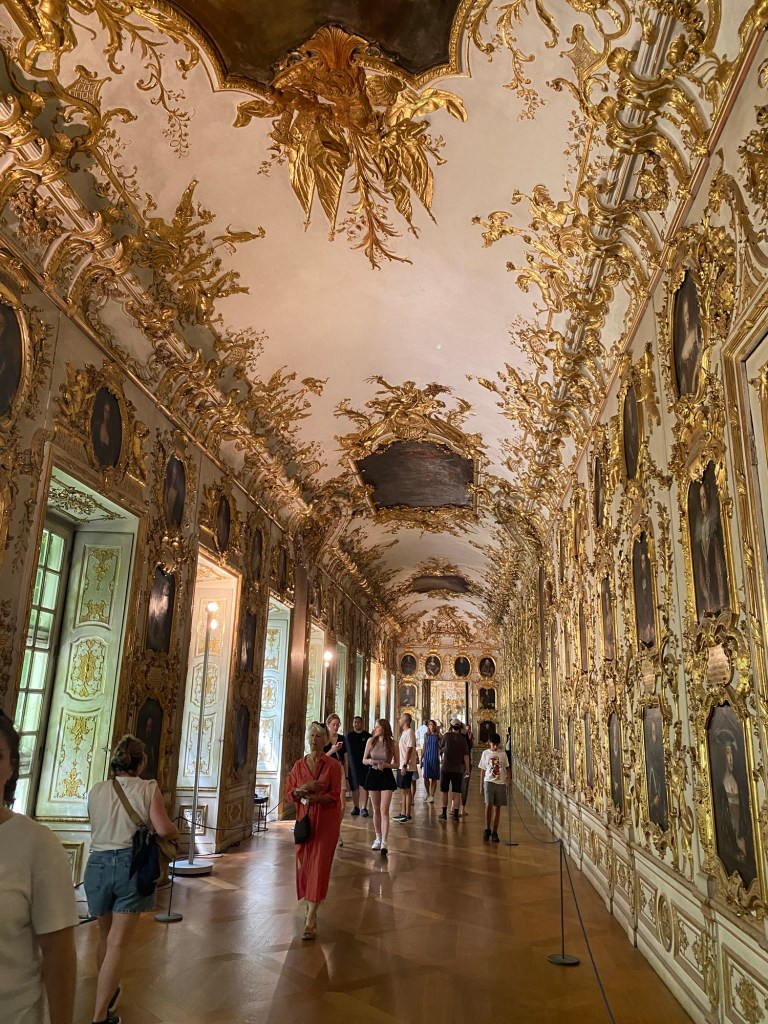
This was the most interesting gallery for me in the whole of the Residence.
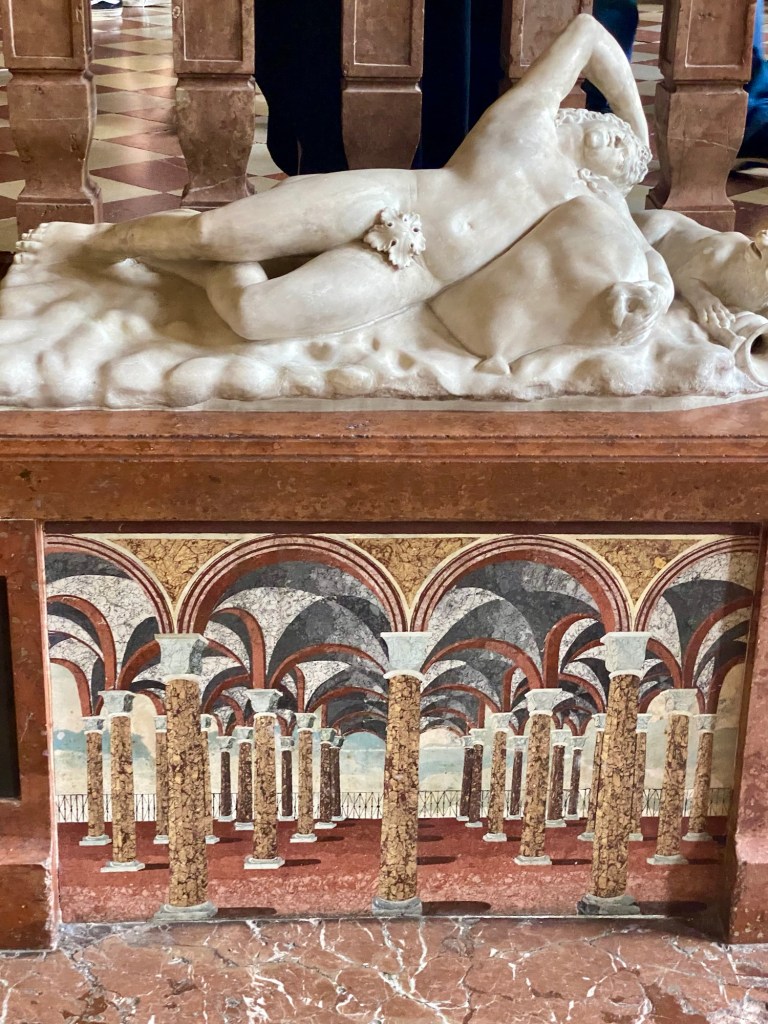
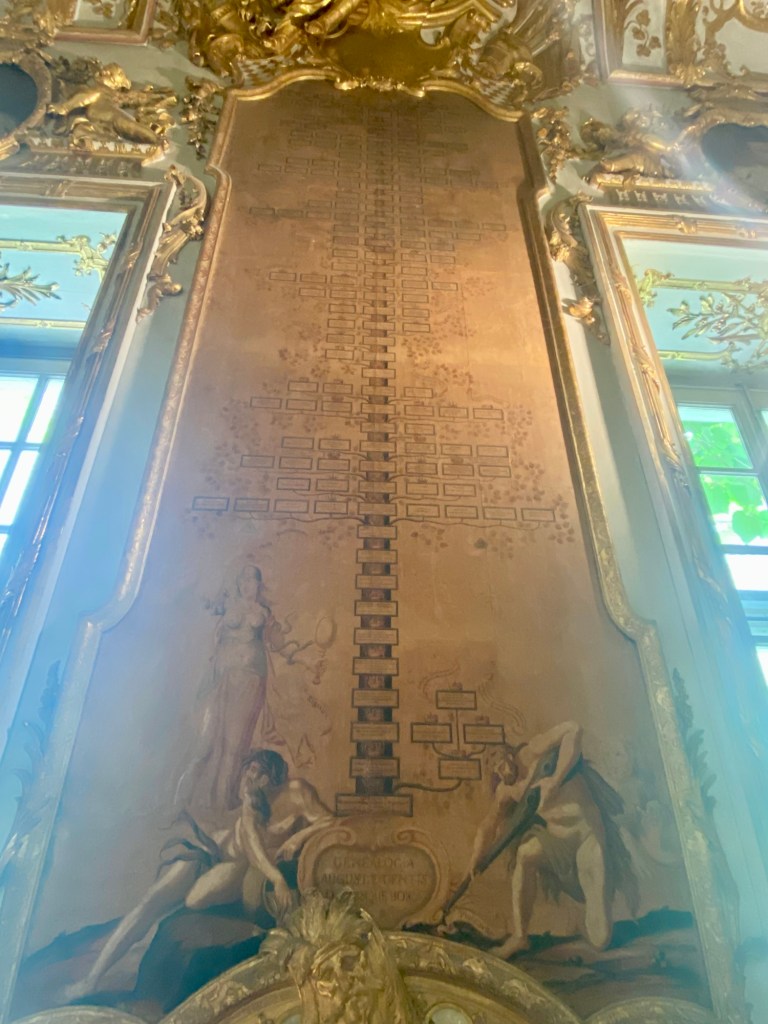
The picture above is composed of inlaid stone. Its quite impressive and a clear sign the Bavarian knew what was happening in Florence, where this type of inlay developed as a fine art.
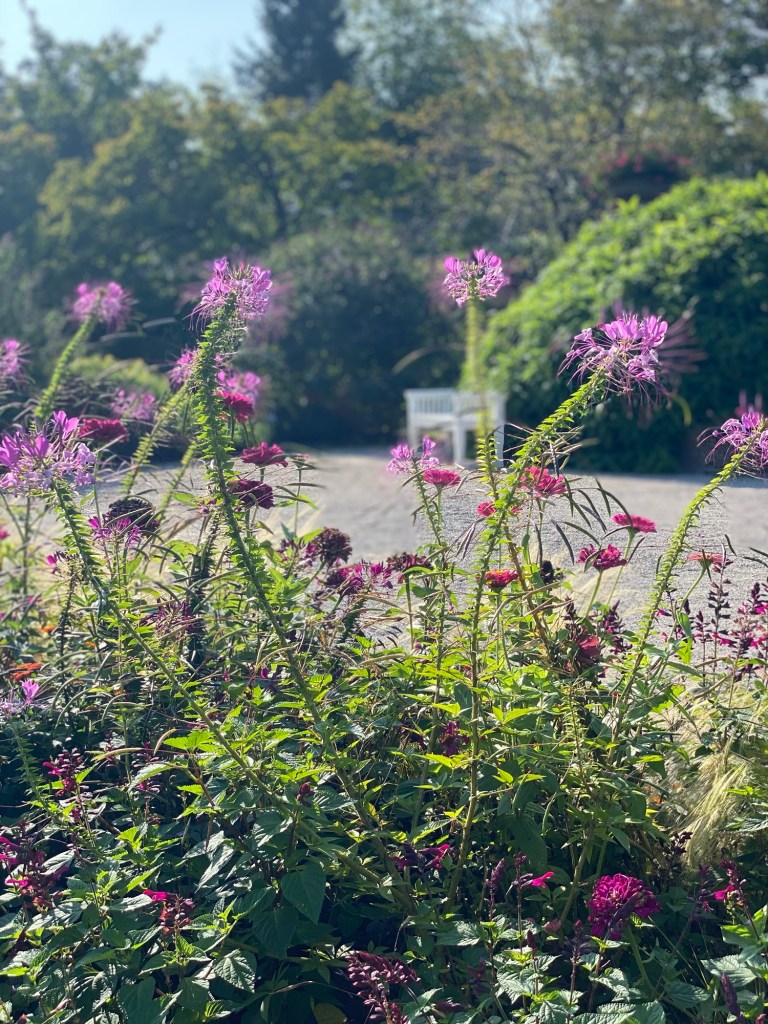
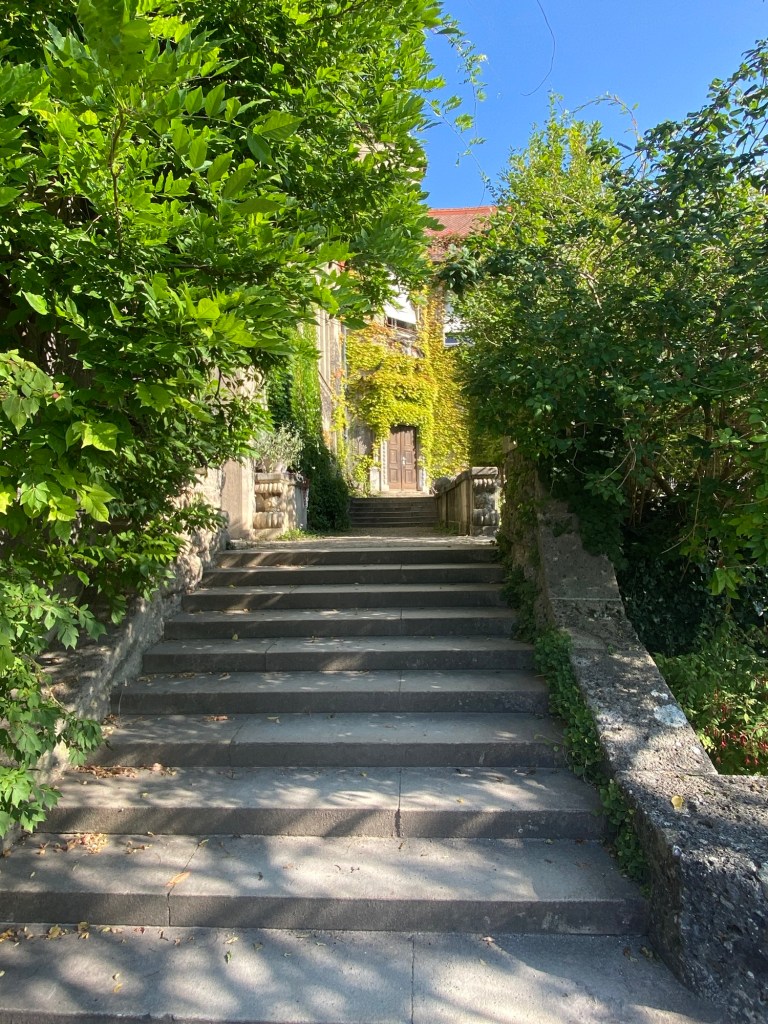
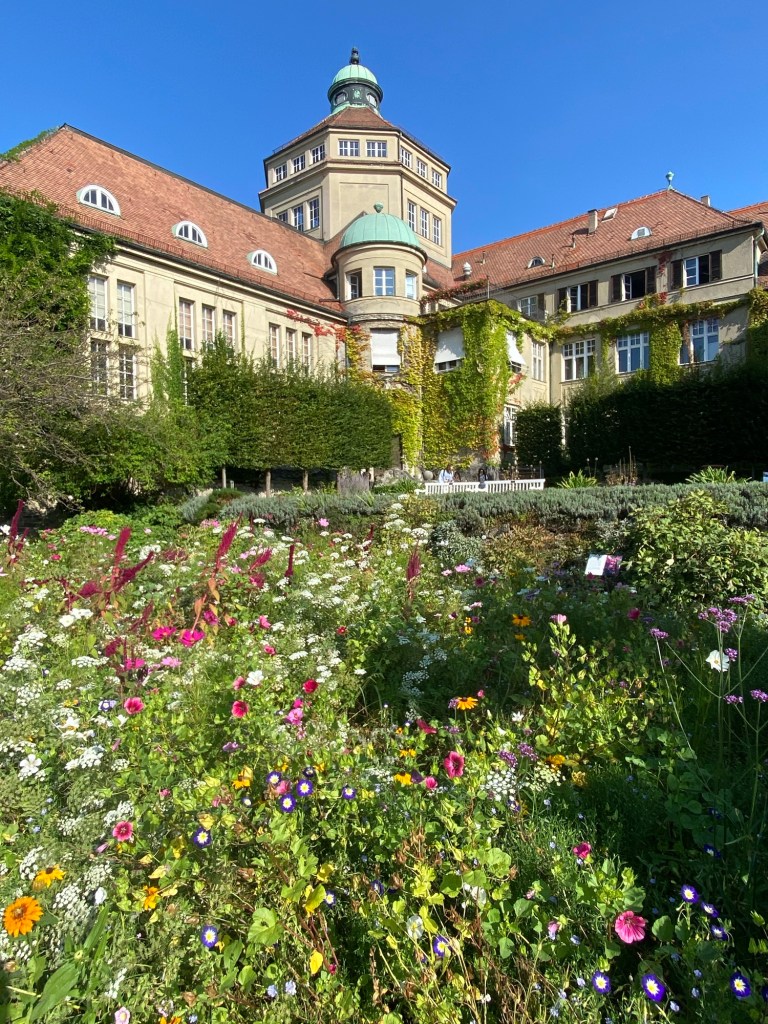
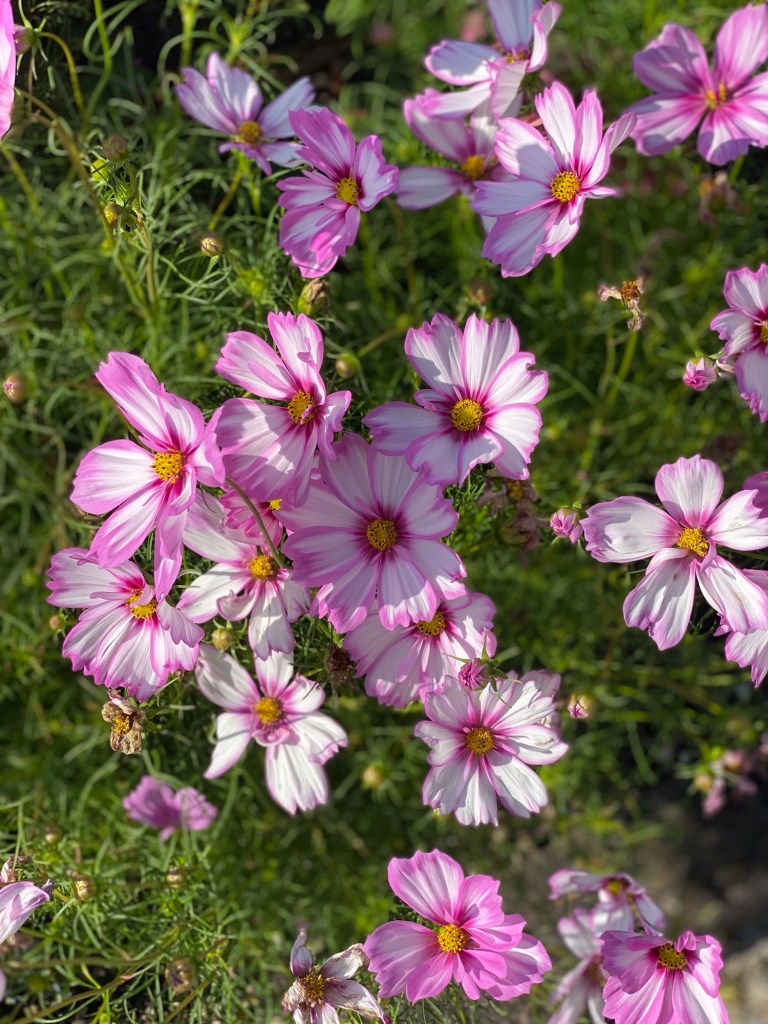
How about a break from paintings and sculpture?!! I know I need a day in the great outdoors and I found the perfect spot in Munich to delight the senses and relax the mind. The Botanic Gardens.
Andiamo! A short trip on a subway car followed by the #143 bus got me there in 20 minutes. A couple of gracious Munichers helped me find the way. It was a glorious morning, around 9:15 when I arrived.
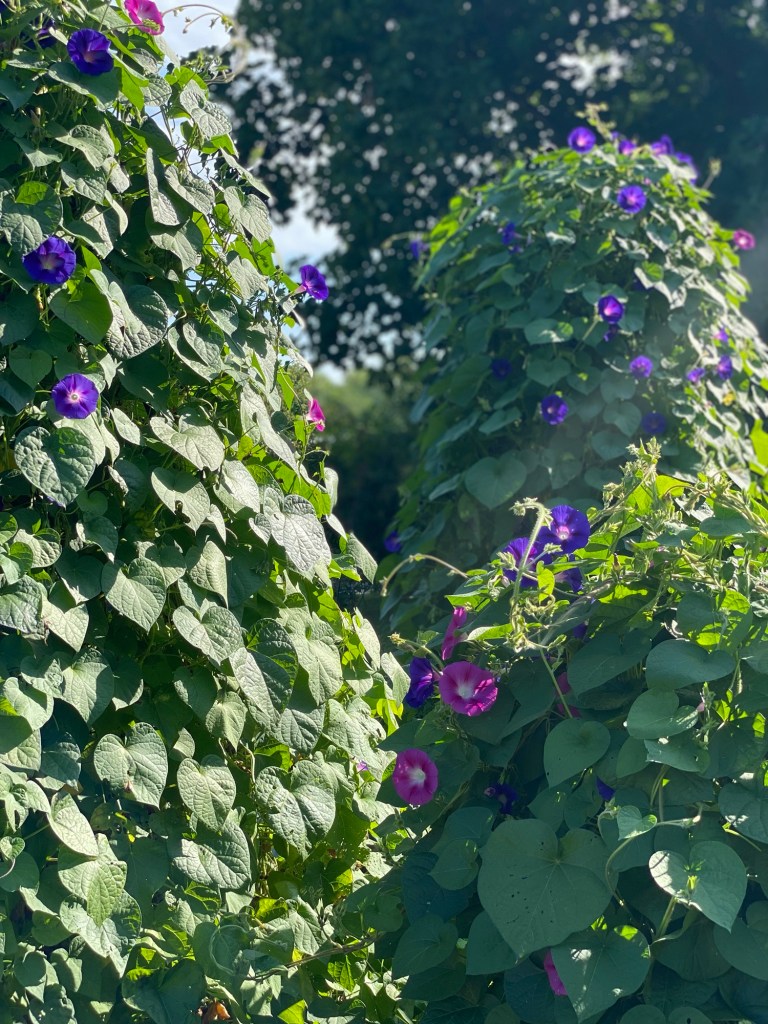
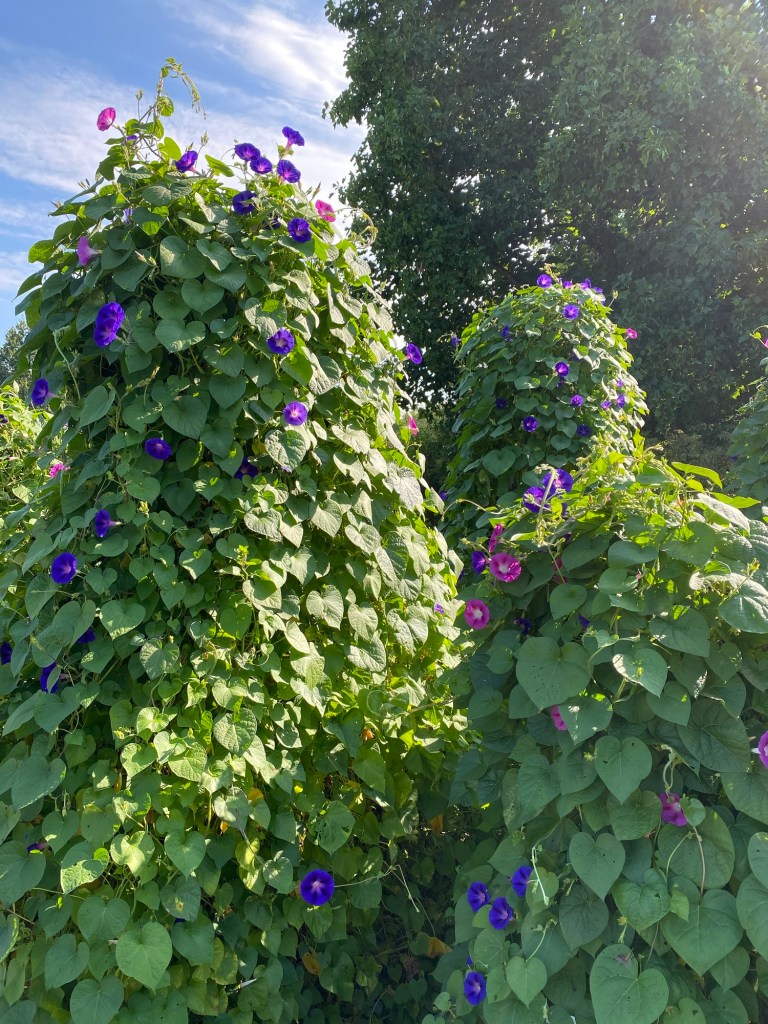
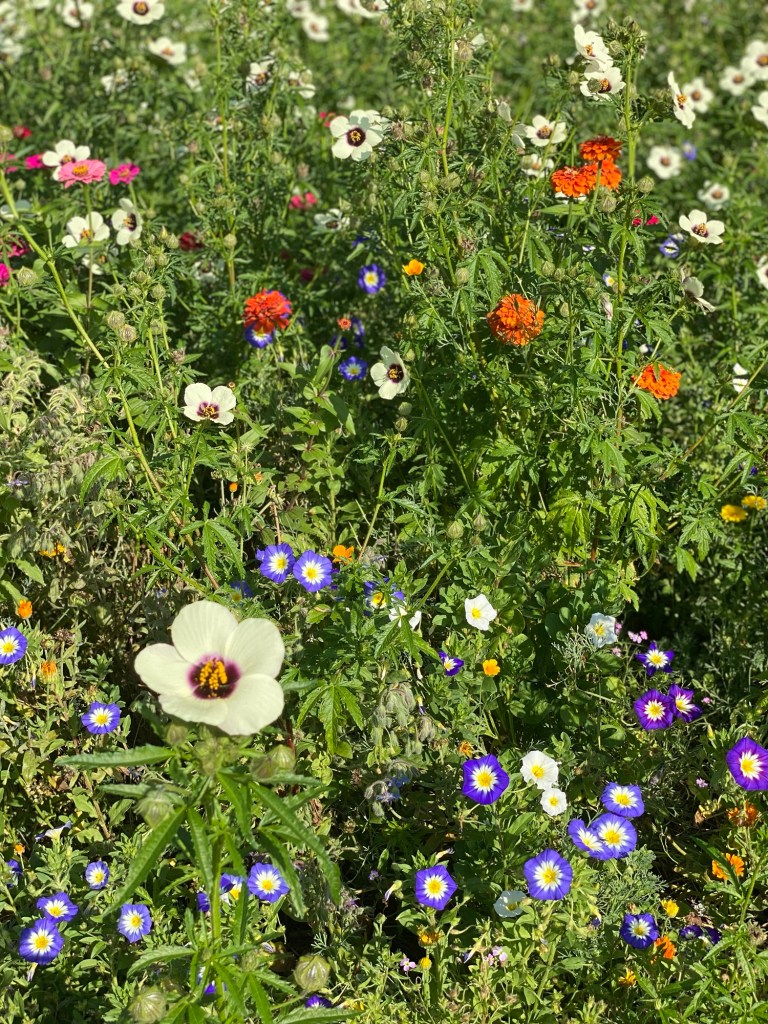
I loved how these morning glory vines were trained over some kind of support to create a group of tall mounds. You have no sense of it in these pictures, but theses mounds of flowers were 7 feet tall. It was something very interesting and pretty.
I wasn’t the only one who needed a day out. This lovely mother and son were enjoying the late summer day as well. This lucky toddler had just received a kiss on his sweet face.
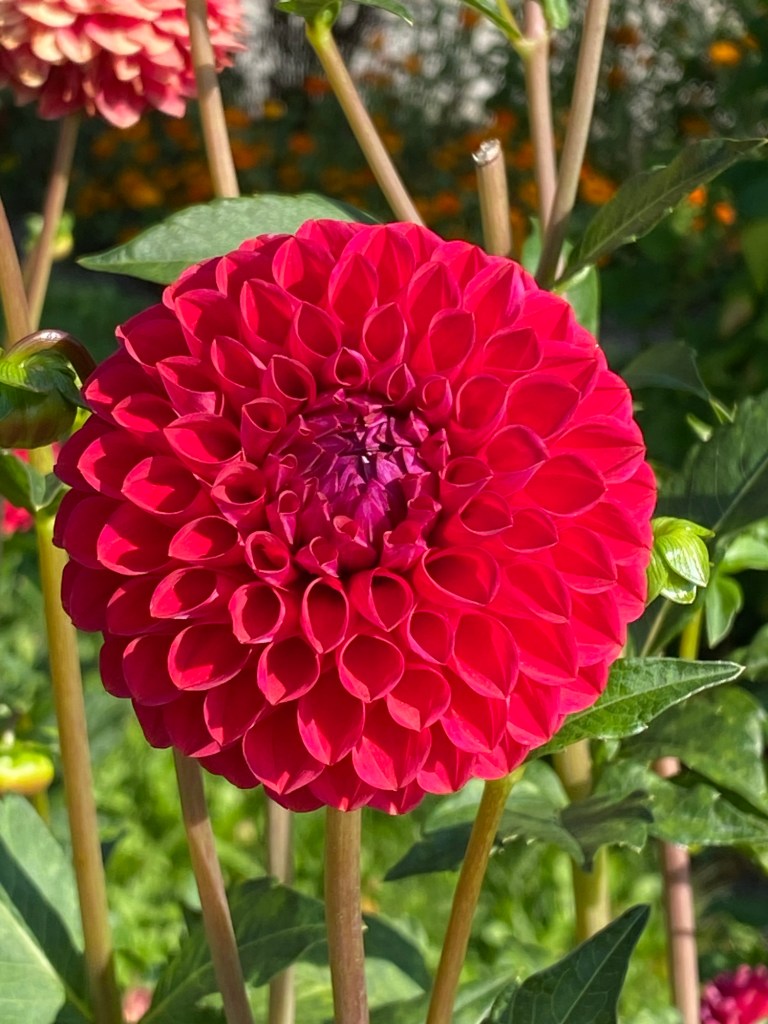
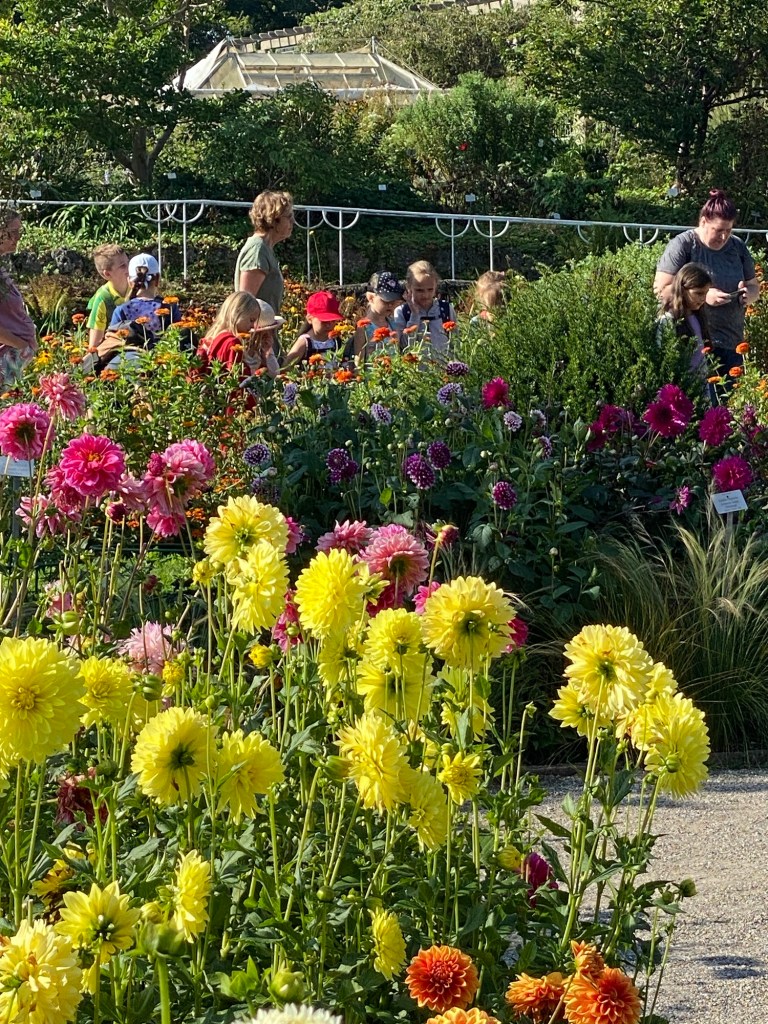
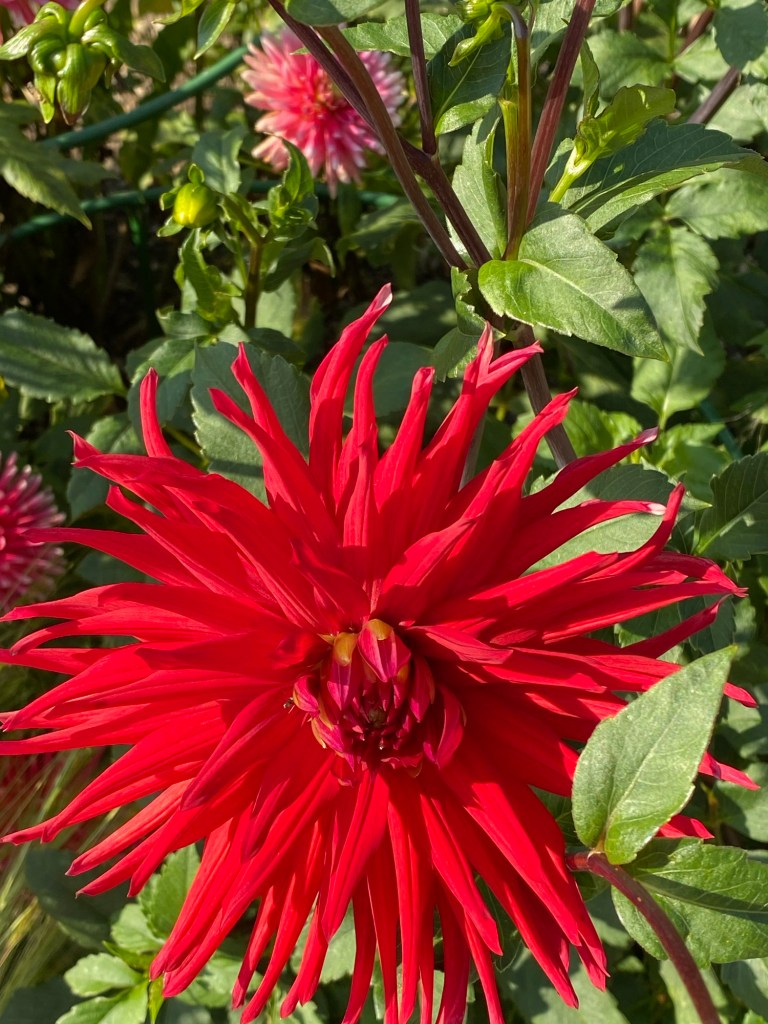
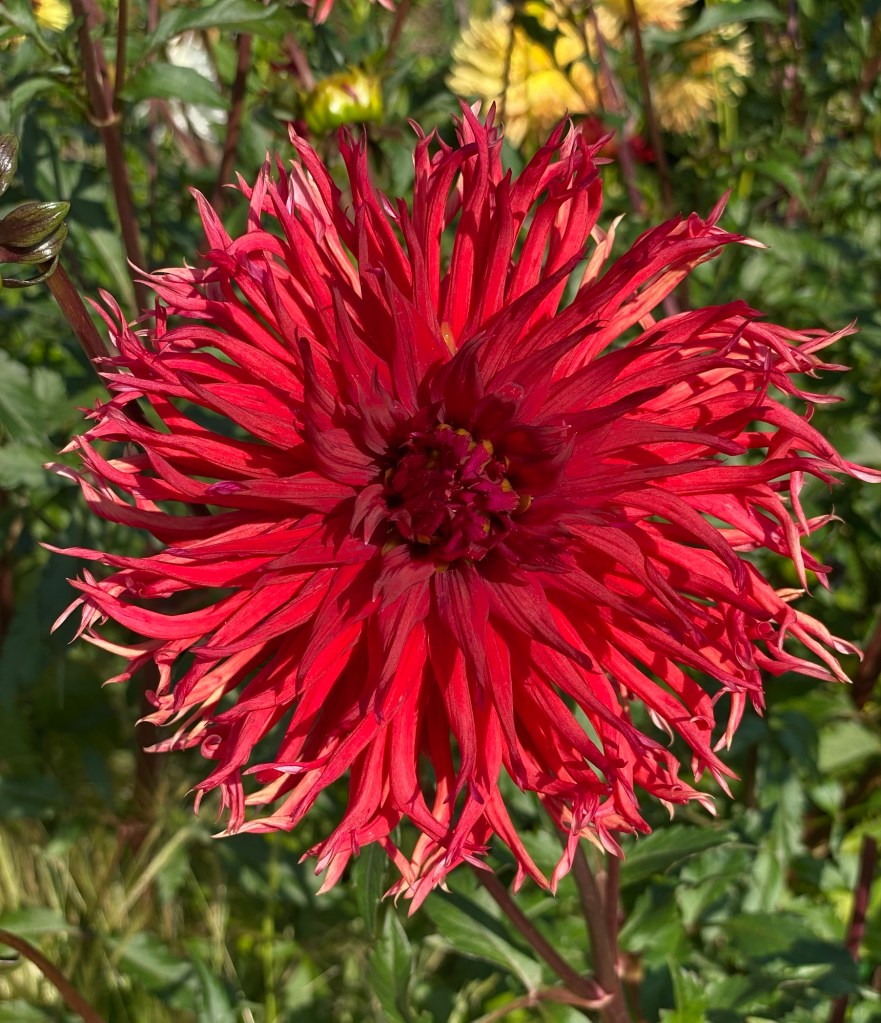
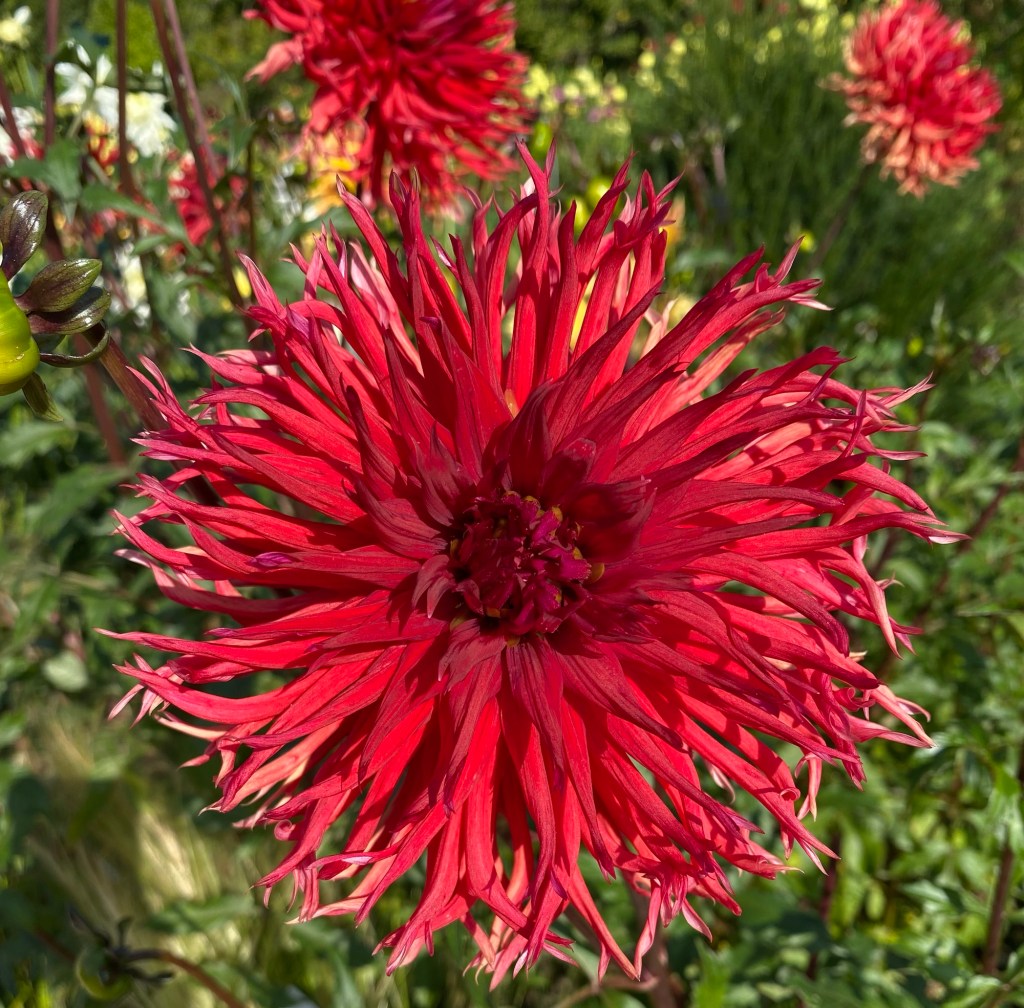
The dahlias were spectacular!
There were a group of school children on a wonderful field trip! Their little heads bobbed around like the flower blossoms.
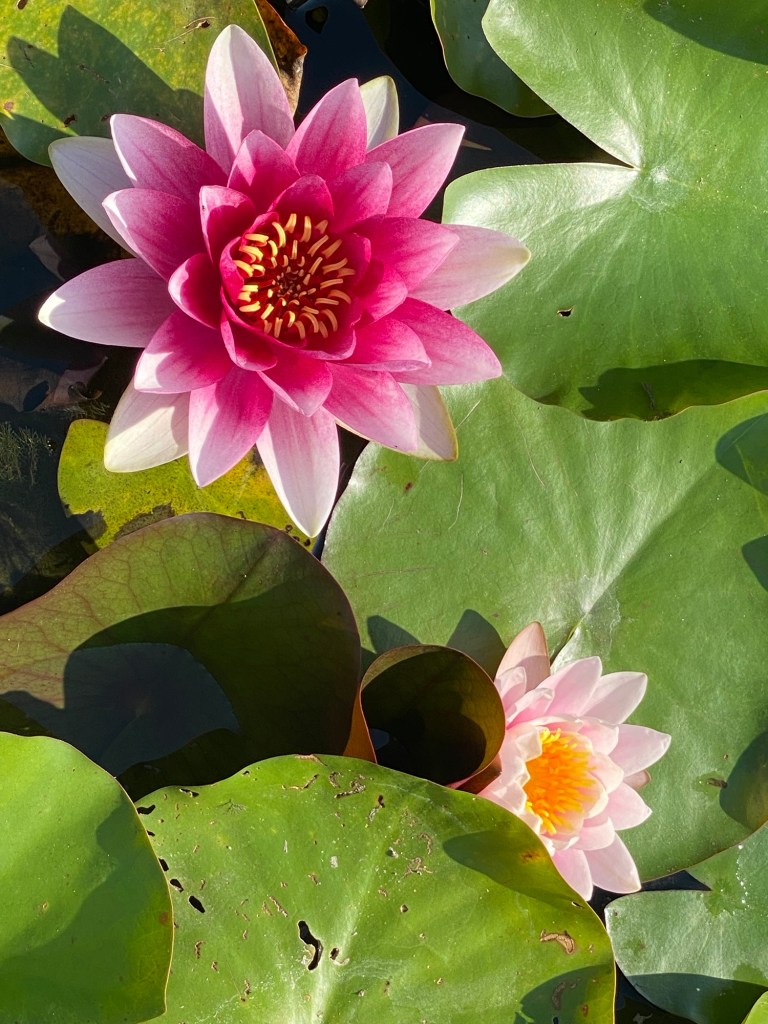
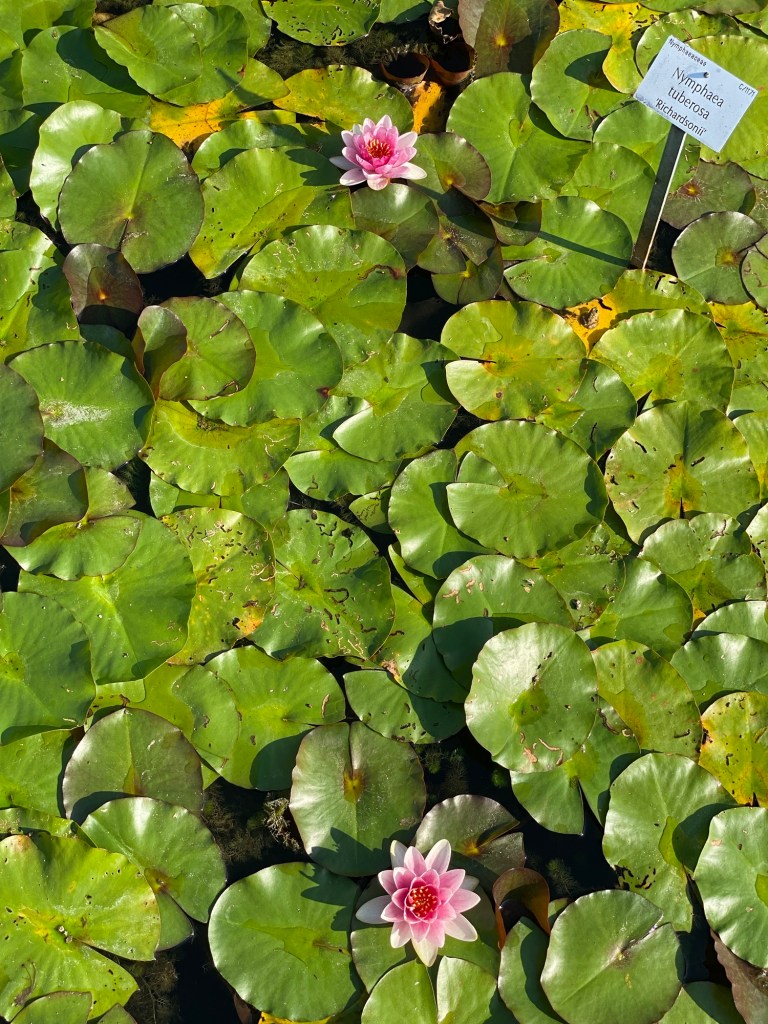
A pond held waterlilies and wild life:
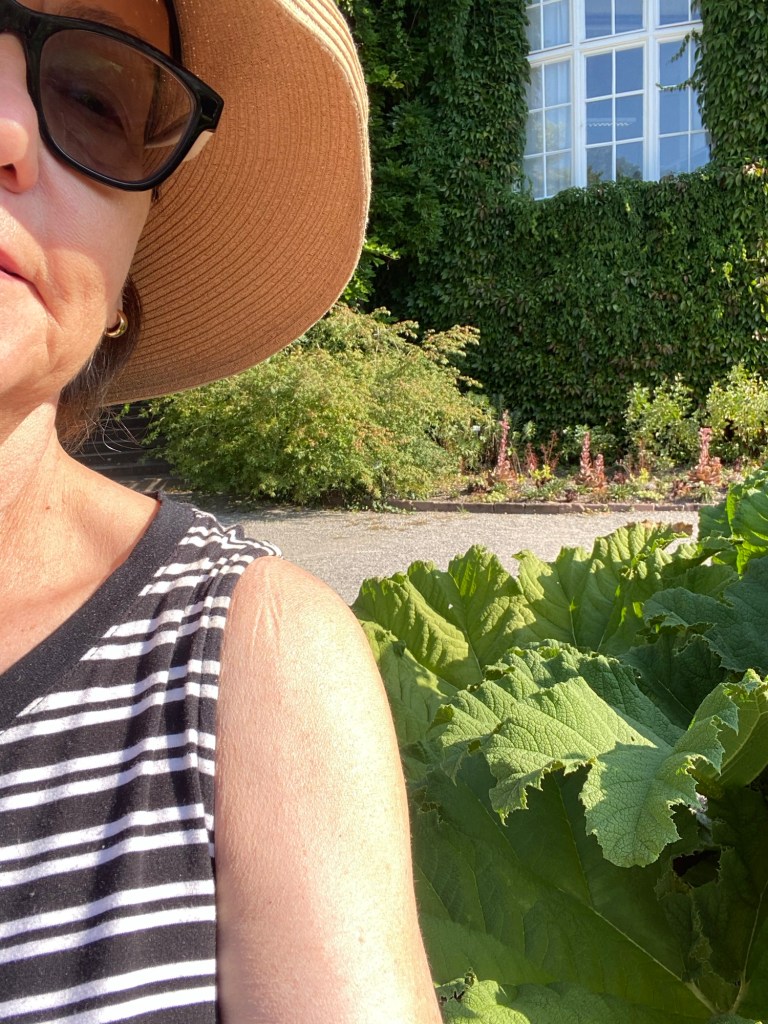
This gunnera plant had leaves so big I included my shoe in the picture for scale!
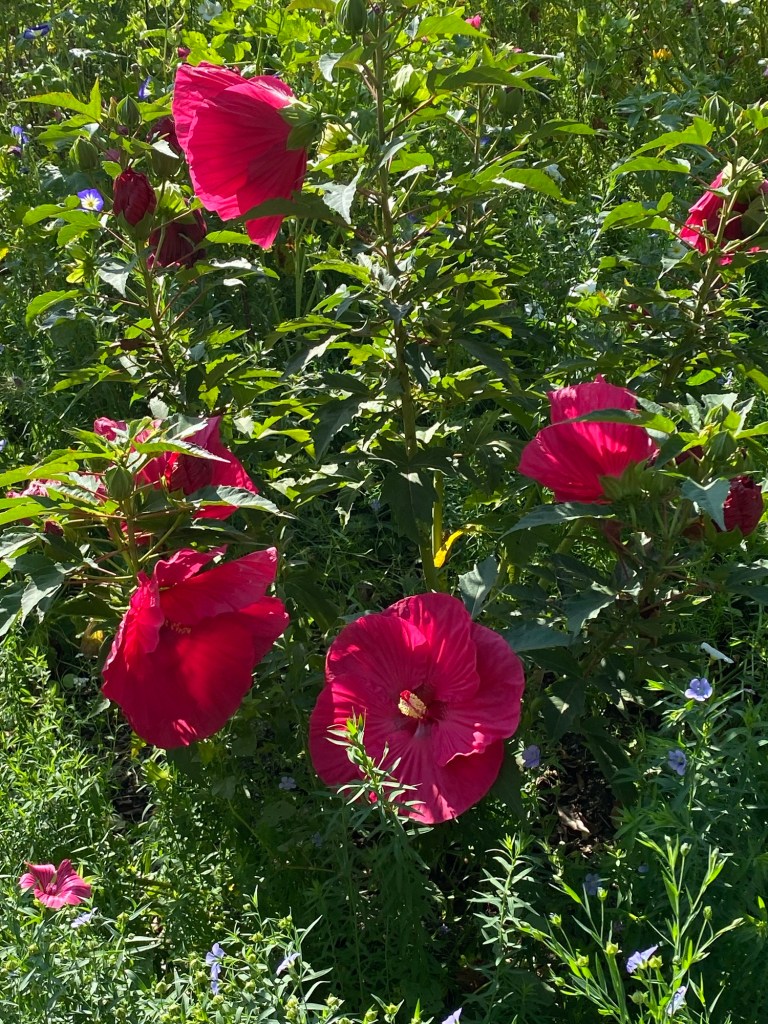
This hibiscus had blossoms the size of a dinner plate!
I love little reminders I’m not in Kansas anymore.
I spent half a day at the Royal Munich Residence recently and will be posting about its interiors soon. Before I started that, I wanted to give a little background of this amazing complex.
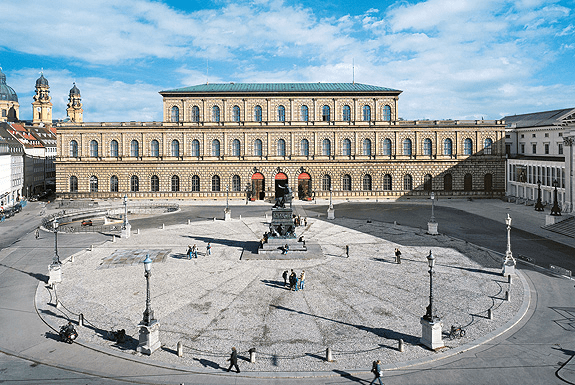
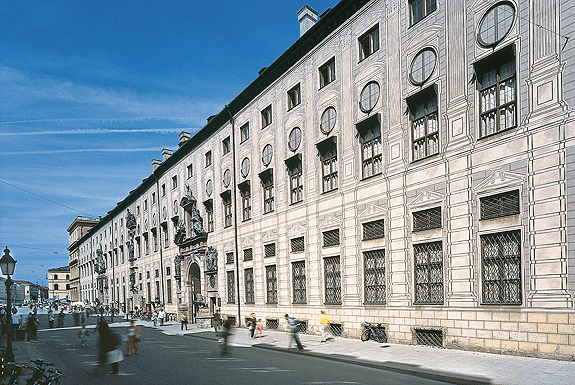
The facade above looks so much like the Pitti Palace in Florence; this was intentional.
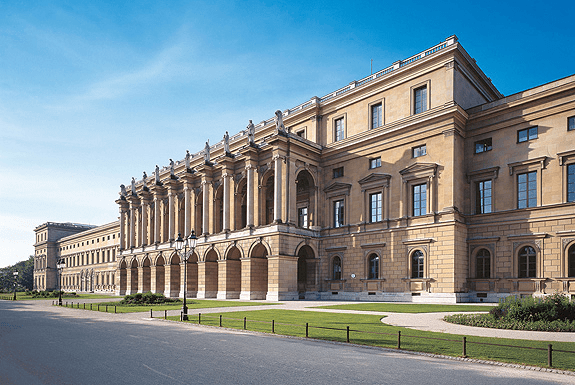
The Residenz in central Munich is the former royal palace of the Wittelsbach monarchs of Bavaria. The Residenz is the largest city palace in Germany and is today open to visitors for its architecture, room decorations, and displays from the former royal collections.
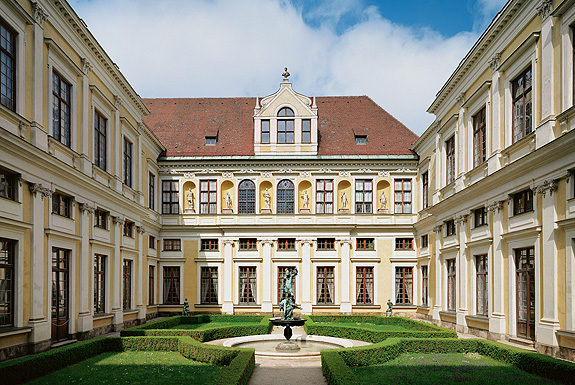
The complex of buildings contains ten courtyards and displays 130 rooms. The three main parts are the Königsbau (near the Max-Joseph-Platz), the Alte Residenz (Old Residenz; towards the Residenzstraße) and the Festsaalbau (towards the Hofgarten). A wing of the Festsaalbau contains the Cuvilliés Theatre since the reconstruction of the Residenz after World War II. It also houses the Herkulessaal (Hercules Hall), the primary concert venue for the Bavarian Radio Symphony Orchestra. The Byzantine Court Church of All Saints (Allerheiligen-Hofkirche) at the east side is facing the Marstall, the building for the former Court Riding School and the royal stables.
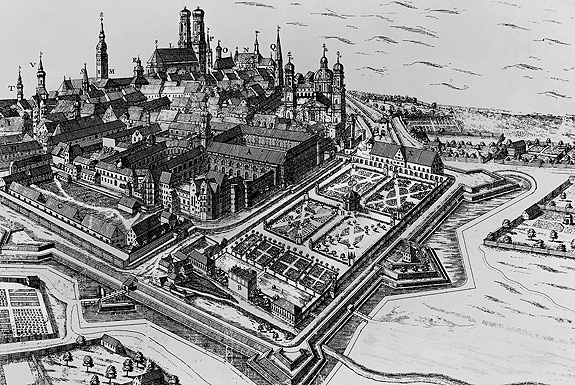
The Munich Residence served as the seat of government and residence of the Bavarian dukes, electors and kings from 1508 to 1918. What began in 1385 as a castle in the north-eastern corner of the city (the Neuveste, or new citadel), was transformed by the rulers over the centuries into a magnificent palace, its buildings and gardens extending further and further into the town.
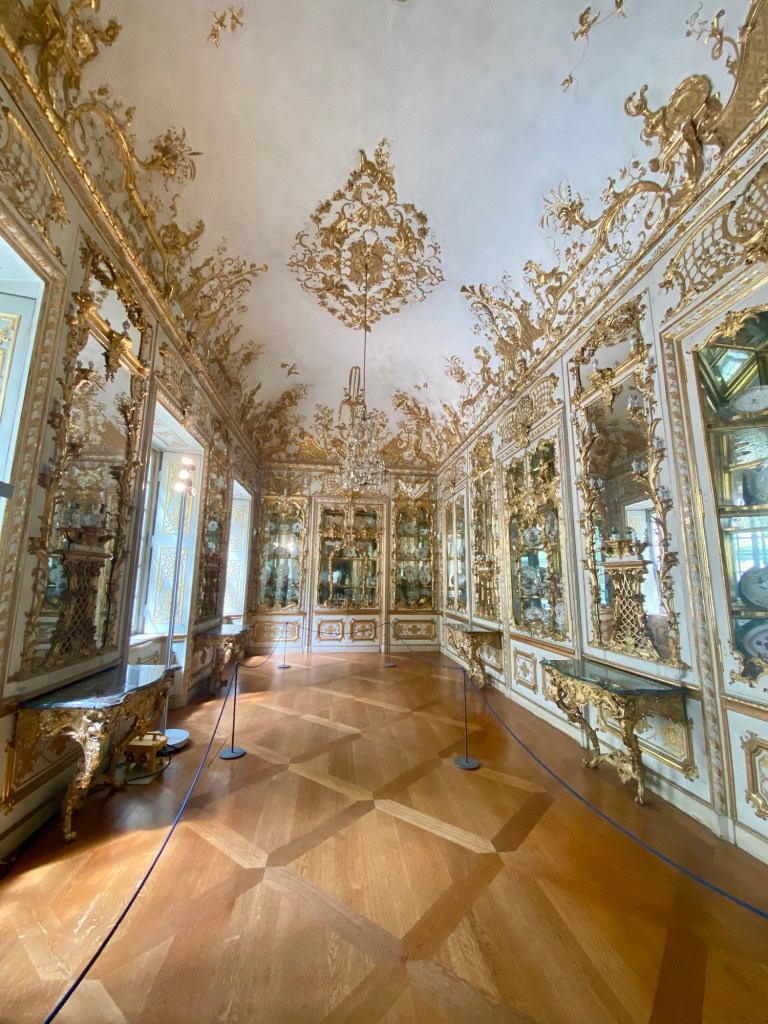
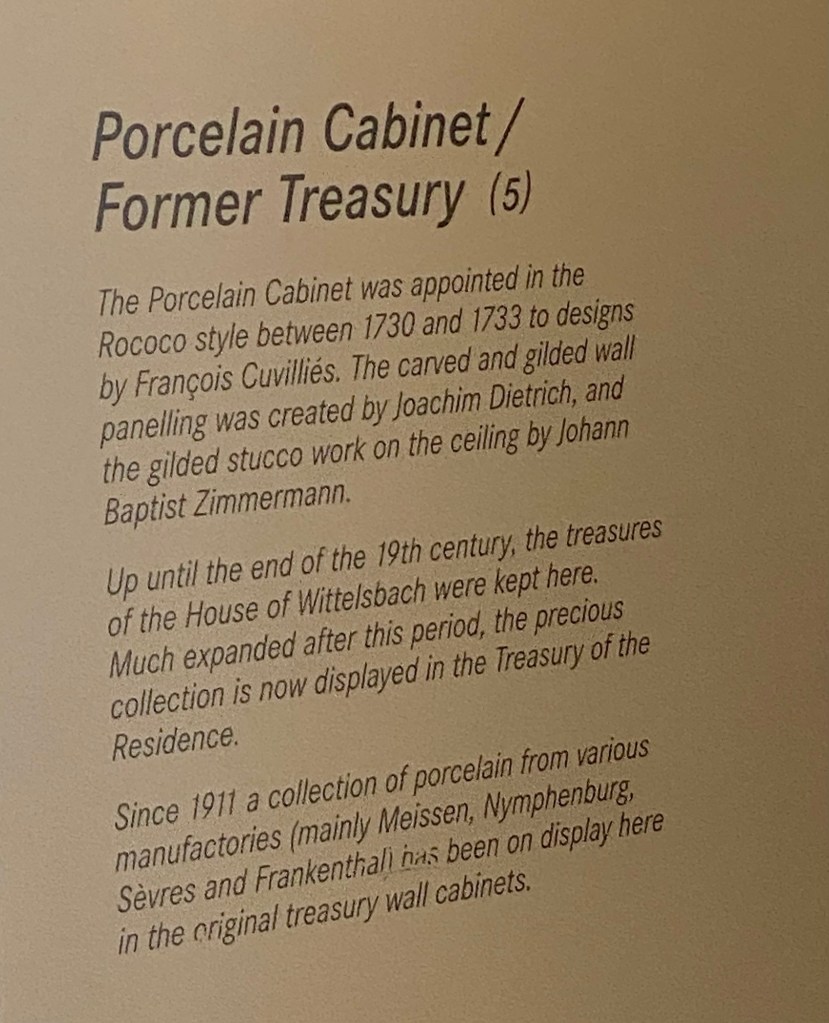
The rooms and art collections spanning a period that begins with the Renaissance, and extends via the early Baroque and Rococo epochs to Neoclassicism, bear witness to the discriminating taste and the political ambition of the Wittelsbach dynasty.
Much of the Residence was destroyed during WWII, and from 1945 it was gradually reconstructed. Today, with the museums of the Bavarian Palace Administration (the Residence Museum itself, the Treasury and the Cuvilliés Theatre) along with other cultural institutions, this is one of the largest museum complexes in Bavaria.
The first buildings at this site were erected in the year 1385 and were financed by the township of Munich as a sanction for a failed uprising against Stephen III (1375–1413) and his younger brothers. The Silver Tower (Silberturm), as the strongest bastion, was significantly situated next to the inner walls protecting the castle against the city. This sturdy new castle (Neuveste – new fortress), surrounded by wide moats and located at the very north eastern corner of the new double ring of town walls, replaced the difficult to defend Alter Hof (the Old Court) located in the middle of the town as residence of the Wittelsbach rulers. For the Dukes of the often divided country had felt the need to keep some distance from the frequently rebellious city dwellers at the one hand and for some defence against their warlike relatives at the other. As a result, they sought to build themselves a shelter impregnable and easy to leave (directly towards the glacis, without having to enter city lanes) at the same time. Around 1470, under Albert IV (1465–1508), the fortress walls and the gate in the north were built, followed by the construction of two turrets.
The gothic foundation walls and the basement vaults of the old castle including the round pillars of the so-called ballroom cellar (Ballsaalkeller) are today the oldest surviving parts of the palace. The Residenz’s development over the centuries didn’t only take place out of its main centre, the Neuveste, but in addition grew out of several single parts and extensions, the first of which used to be the Antiquarium. Finally, after more than four centuries of development, the giant palace had practically replaced a whole former city quarter with barracks, a monastery, houses and gardens. It contains the styles of the late Renaissance, as well as of Baroque, Rococo and Neo-Classicism.
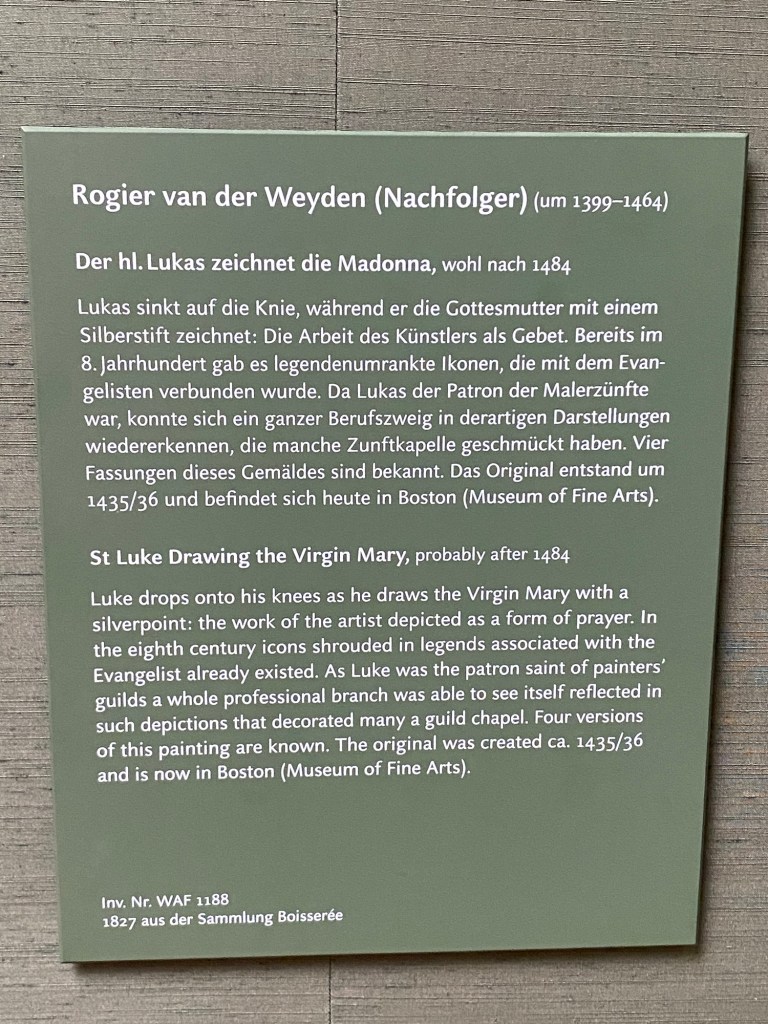
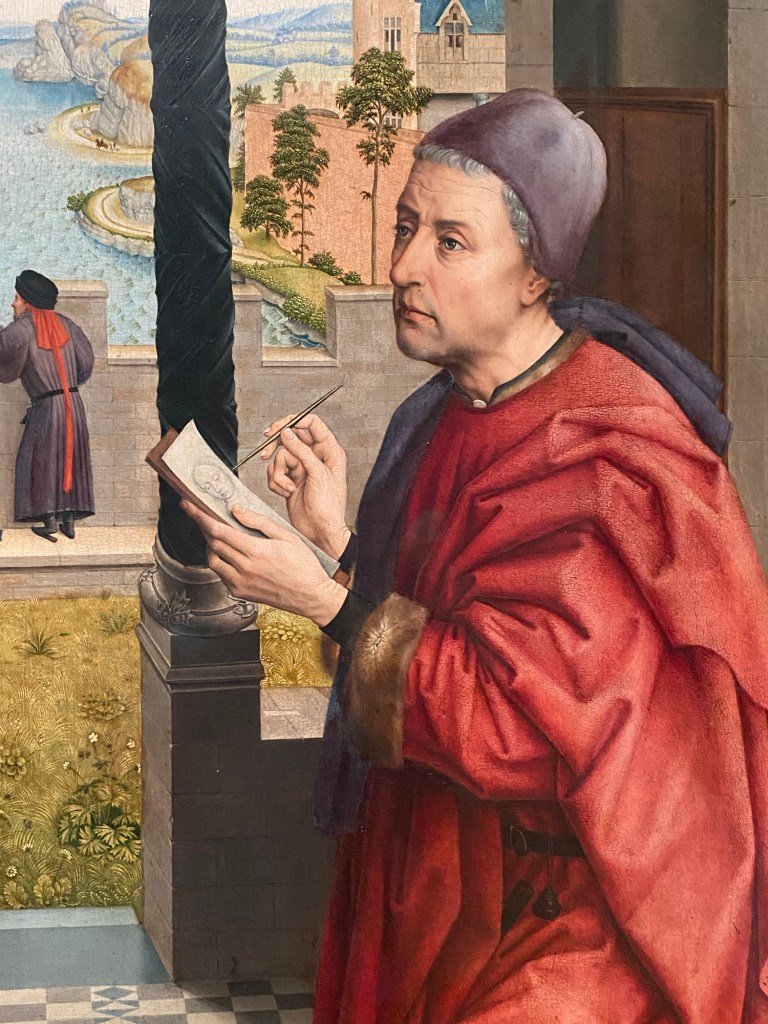
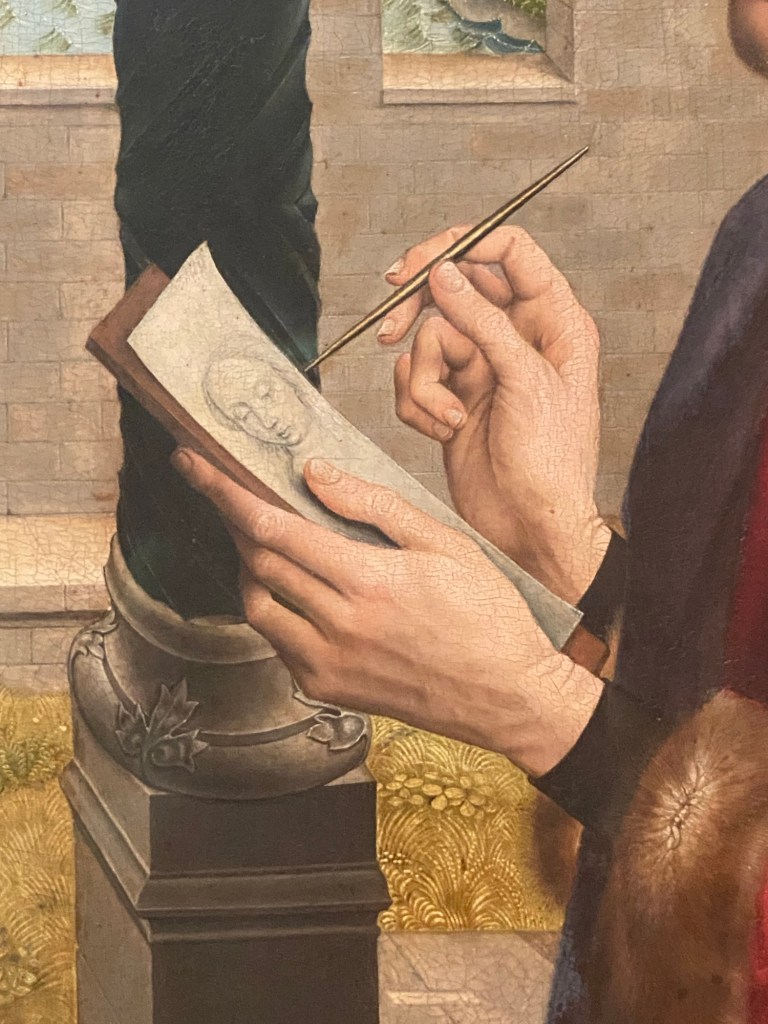
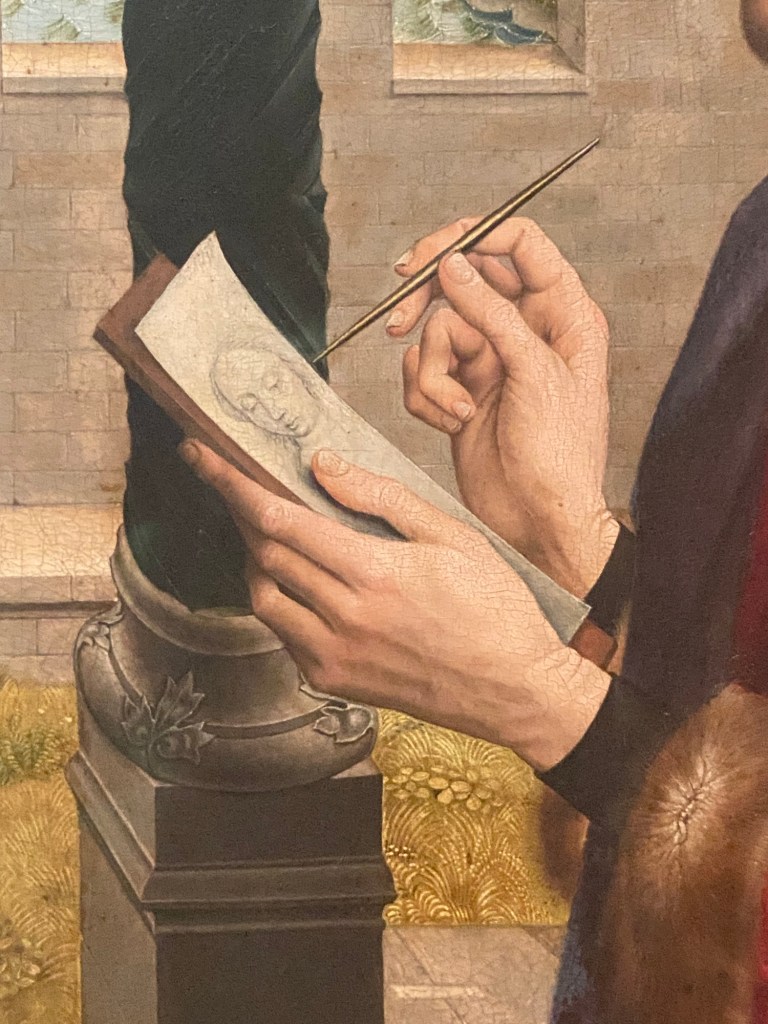
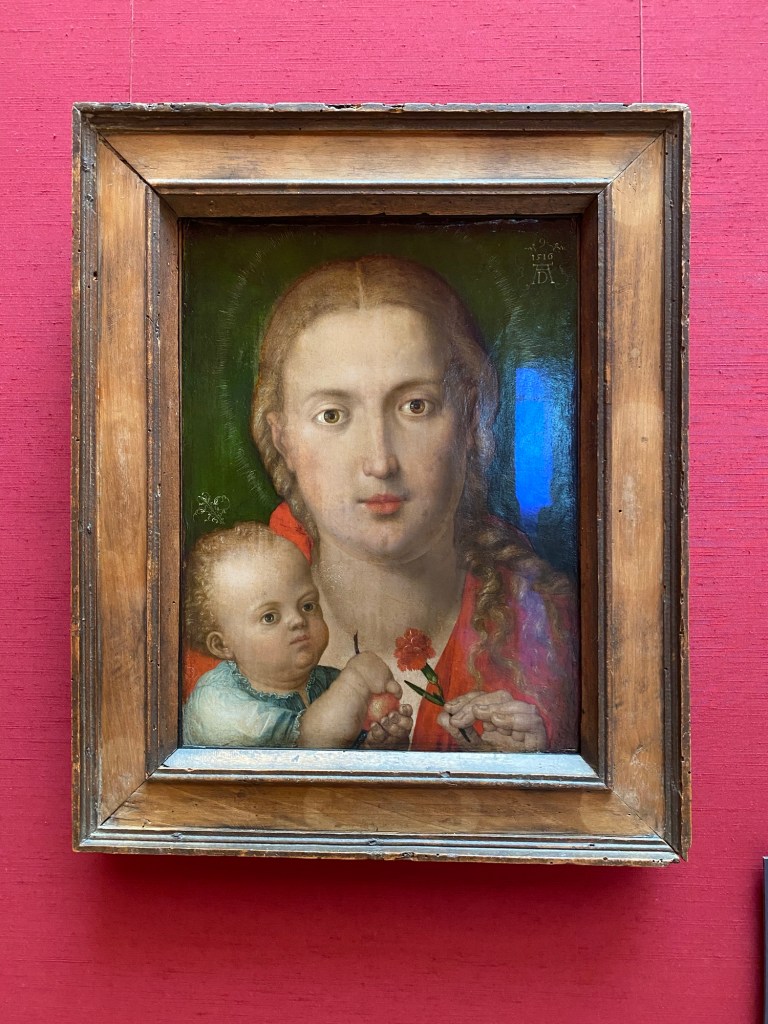
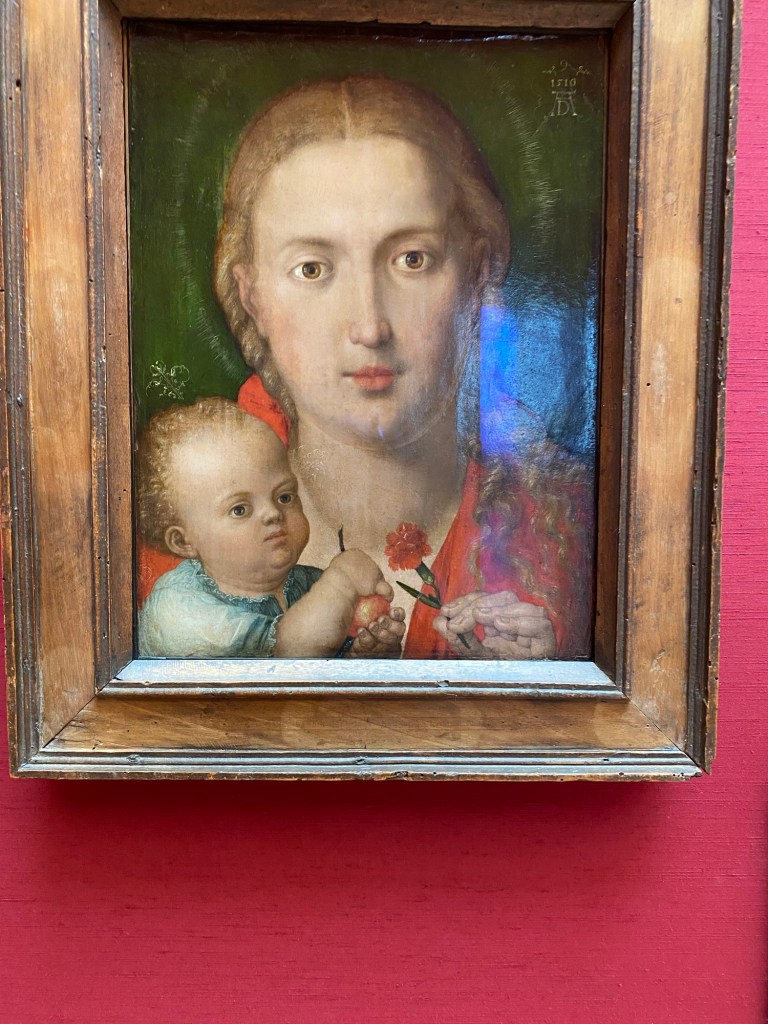
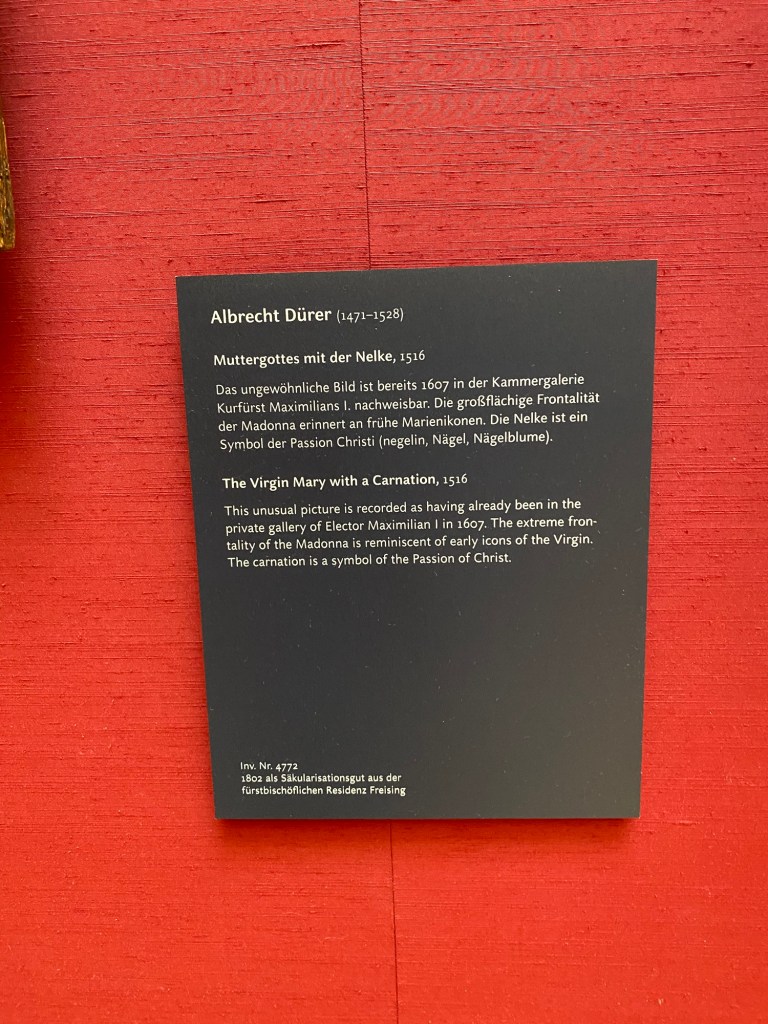
I love the subject of this painting. St Luke is the patron saint of the guilds of painting because according to legend, he painted the portrait of the Virgin Mary. This rendition is very interesting to me.









































































You must be logged in to post a comment.