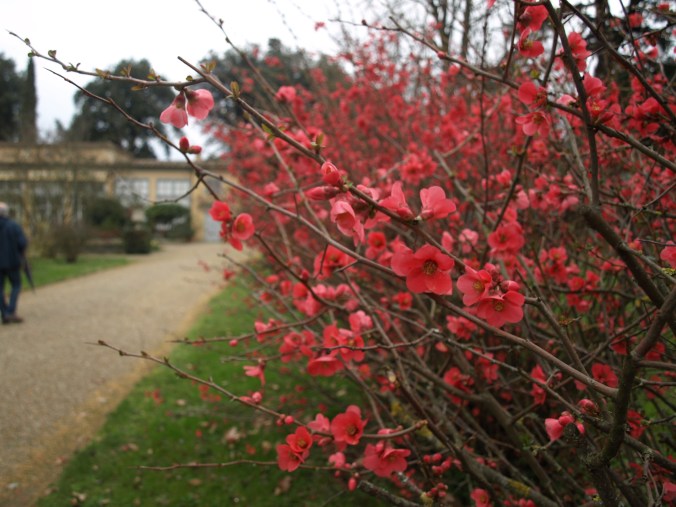
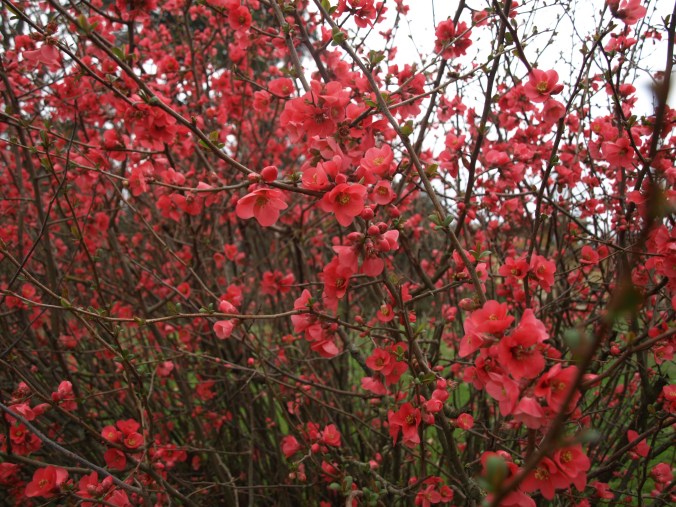
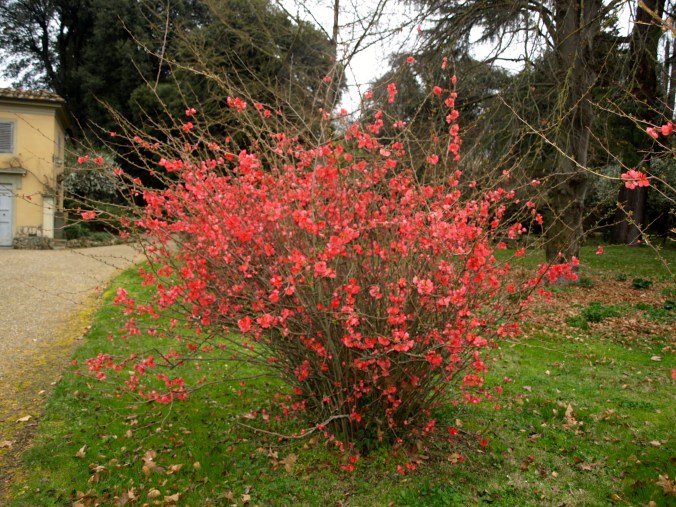
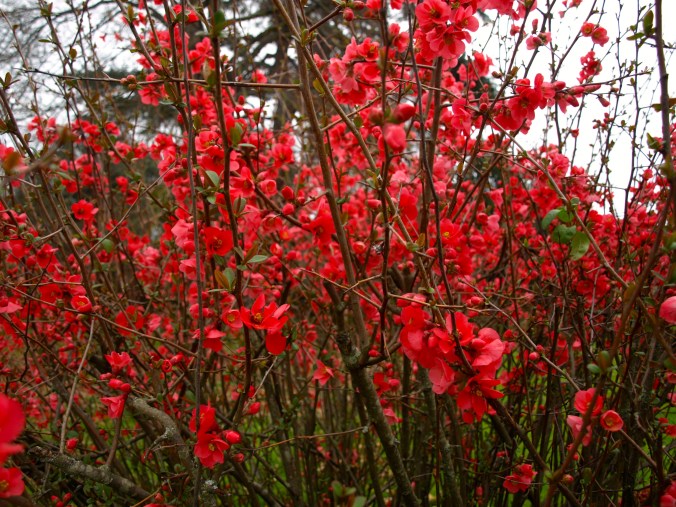
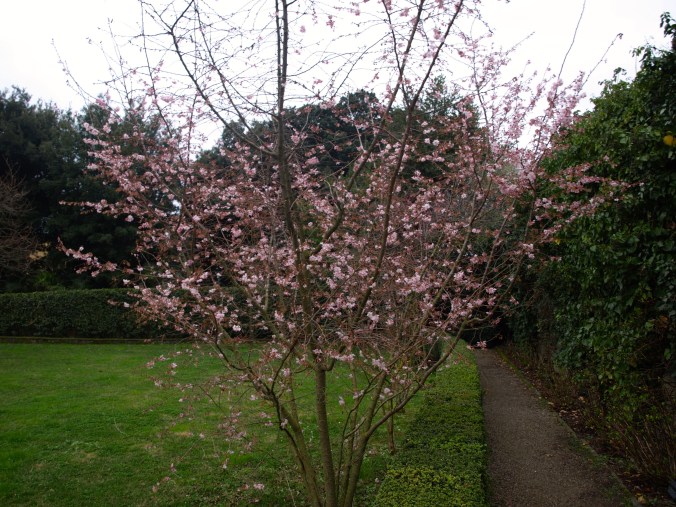
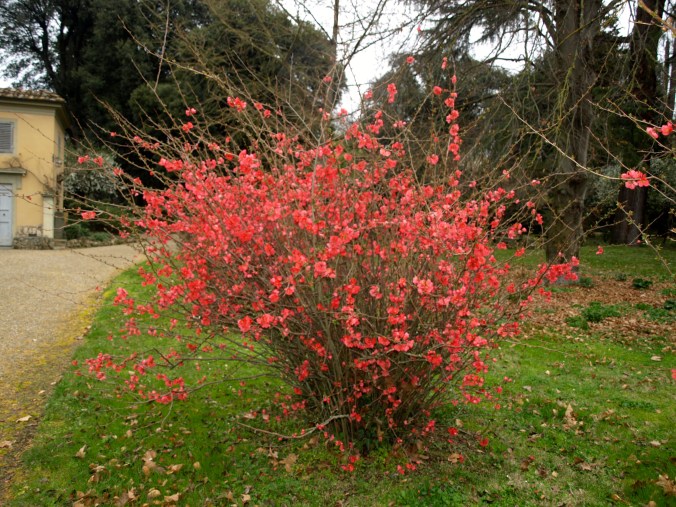
Japanese flowering quince (Chaenomeles Japonica), now flowering in Florence.

Last weekend I paid a visit to the amazing private Giardino Torrigiani in the heart of Florence.  The chaenomeles japonica was in full bloom.  Oh, how I love this coral colored madness!

16938454_1328946867148180_6896632114334611131_n

OLYMPUS DIGITAL CAMERA

OLYMPUS DIGITAL CAMERA


Japanese flowering quince shrubs are a heritage ornamental plant. These shrubs light up the spring with a brief, but memorably dramatic, floral display.

OLYMPUS DIGITAL CAMERA

OLYMPUS DIGITAL CAMERA

This species is an old one, and has been cultivated in Asia for thousands of years. A member of the rose family, it arrived in Europe and the United States in the 1800’s.

OLYMPUS DIGITAL CAMERA

OLYMPUS DIGITAL CAMERA

OLYMPUS DIGITAL CAMERA

OLYMPUS DIGITAL CAMERA

OLYMPUS DIGITAL CAMERA

OLYMPUS DIGITAL CAMERA

Fountain of Neptune, Florence, 1574

images-2

Ammannati’s huge white marble statue of Neptune, surrounded by rearing seahorses and frolicking bronze satyrs, towers over visitors to Piazza della Signoria. Despite its imposing character and lavish design, Bartolomeo Ammannati’s Fountain of Neptune has not always been well received. Almost as soon as it was unveiled on December 10, 1574, it was criticised by Florentines as a waste of marble: “Ammannato Ammannato, quanto marmo hai sciupato!” residents are said to have chanted.

neptune-fountain-florence-guillaume-piolle-1-680x453

Now, however, 1.5 million euro was being spent to restore the fountain, once considered barely worth the raw materials used to create it. The money, donated by Salvatore Ferragamo SpA thanks to the Italian Art Bonus legislation that promotes cultural patronage through tax breaks, will finance a new pump system, allowing water to circulate through the fountain for the first time in years. The donation also goes towards repairing the damaged marble, returning it to its original white brilliance. The restoration project is set to take just over two years; the plan is to unveil the fountain anew on December 10, 2018, the same day it was originally unveiled in 1574.

In 1559, Cosimo I de’ Medici launched a competition to design the first public fountain in Florence. This followed technical innovations in the water systems of the city and the construction of a new aqueduct. The figure of Neptune, god of the sea, is likely to have been chosen to symbolise Florence’s maritime prowess at the time. It was said that the sculpted Neptune’s face, fierce and bearded, actually resembled that of the Grand Duke Cosimo himself.

Baccio Bandinelli, who had recently worked on the Hercules and Cacus statue also in Piazza della Signoria, was chosen for the commission, but managed to complete only the design before he died. Ammannati was drafted in to take over the job, much to the annoyance of competitor Benvenuto Cellini, who wrote a satirical poem expressing his pity for the marble in Ammannati’s hands.

It was hoped that the fountain would be completed in time for the wedding procession of Francesco I de’ Medici and Joanna of Austria in 1565, which was to pass through the piazza, but a series of unfortunate events—“porcherie” as Ammannati described them in his letters to the Duke—delayed the completion date again and again. The arrival of the marble, from the quarries of Seravezza and Carrara, was postponed many times; when it finally did arrive, the marble cutter damaged it so much that it could not be used. As a result, for the wedding ceremony Ammannati had to cobble together the horses and river gods out of painted stucco, which promptly disintegrated in the water.

When the statue was completed in 1574, it was greeted by Florentines with a mixture of amusement and bewilderment. It certainly wasn’t the fearsome emblem of Florentine might that had been intended. The statue of Neptune was swiftly dubbed Il Biancone (“the white giant”), a nickname still used now with a certain affection. Residents decided to wash clothes and inkpots in the basin almost as soon as the fountain was unveiled, and still today we can read the plaque dated 1720 on the wall of the Palazzo Vecchio, which forbids such irreverent activities. The sculptures have been vandalised many times over the years, most recently in 2005.

Perhaps the new restoration project for the Fountain of Neptune will bring with it a fresh respect for this late Renaissance monument. Let’s hope these works do not face the same delays as those of the poor Ammannati, and that the fountain will be ready for our appraisal by the end of 2018.

This article is largely taken from:

http://www.theflorentine.net/art-culture/2016/07/new-life-neptune-fountain/

I live in the house where Bartolomeo Ammannati lived and died.

You must pardon my astonishment, but my mind is blown!
images-2

Bartolomeo Ammannati (1511 – 1592), was the Italian architect and sculptor, who is perhaps best known today for his giant Fontana del Nettuno on the Piazza della Signoria in Florence.  Ammannati was born at Settignano, near Florence, and studied with Baccio Bandinelli and Jacopo Sansovino. He carved statues for various Italian cities during the 1530s and 40s.


Although he is best known to us as a sculptor, during his lifetime he was more known for his architecture. He was called to Rome in 1550 by Pope Julius III on the advice of fellow-Florentine, the architect and art historian, Giorgio Vasari. Ammannati’s most important work in Rome was in collaboration with Vasari and Giacomo da Vignola on the villa of Pope Julius, the Villa Giulia (begun 1551).

He also worked in Lucca. We know he assisted Jacopo Sansovino  on the design of the Biblioteca Marciana, in Venice, which closely imitated the style of Michelangelo.

Cosimo de’ Medici (Cosimo I) brought Ammannati back to Florence in 1555; he was to spend almost all of his remaining career in service to the Medicis. His first commission was to finish the Laurentian Library, begun by Michelangelo. Ammannati interpreted a clay model sent him by Michelangelo in 1558 to produce the especially impressive staircase, leading from the vestibule into the library proper.

Ammannati’s masterpiece in Florence is the Palazzo Pitti, where, beginning in 1560 (and through 1570), he enlarged the basic structure by Filippo Brunelleschi, designing a courtyard and facade opening onto the Boboli Gardens. The facade overlooking the courtyard is very unusual in its heavily rusticated (rough-hewn) treatment of successive levels of Doric, Ionic, and Corinthian attached columns. At the Pitti Palace, this rustication provides an appropriately rural yet impressive backdrop for the gardens.


220px-boboli-gardens-from-palazzo
Garden entrance of the Ammannati Courtyard in the Pitti Palace.

Ammannati was named Consul of Academia delle Arti del Disegno in Florence, which was founded by the Duke Cosimo I in 1563.


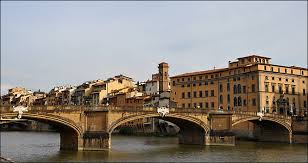
In 1569, Ammanati was commissioned to build the Ponte Santa Trinita, a bridge over the Arno River.
images-3

The bridge’s three arches are elliptic, and though very light and elegant, it has survived even when floods had damaged other Arno bridges at different times. Santa Trinita was destroyed in 1944, during World War II, and rebuilt in 1957.
220px-fountains_of_neptune

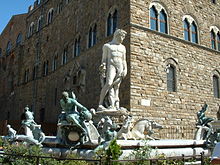
Ammannati designed what is considered a prototypic mannerist sculptural ensemble in the Fountain of Neptune (Fontana del Nettuno), prominently located in the Piazza della Signoria in the center of Florence. The commission was originally given to the aged Bartolommeo Bandinelli; however when Bandinelli died, Ammannati’s design bested the submissions of Benvenuto Cellini and Vincenzo Danti and Ammannati was awarded the commission.

From 1563 and 1565, Ammannati and his assistants, among them Giambologna, sculpted the block of marble that had been chosen by Bandinelli. He took Grand Duke Cosimo I as model for Neptune’s face. The statue was meant to highlight Cosimo’s goal of establishing a Florentine Naval force. When the work on the ungainly sea god was finished, and sited at the other corner of the Palazzo Vecchio of Michelangelo David statue, the then 87-year-old irascible elder sculptor, is said to have scoffed at Ammannati that he had ruined a beautiful piece of marble, with the ditty: “Ammannati, Ammanato, che bel marmo hai rovinato!”


Ammannati continued work on this fountain for a decade, adding around the perimeter a cornucopia of demigod figures: bronze reclining river gods, laughing satyrs and marble sea horses emerging from the water.

In 1550 Ammannati married Laura Battiferri, an elegant poet and an accomplished woman. In his old age, Ammannati was strongly influenced by the Counter-Reformation philosophy of the Jesuits. He repudiated his earlier nude sculptures as lustful, and he designed several austere buildings for the Jesuits.


He died in Florence in 1592.  In my apartment!!
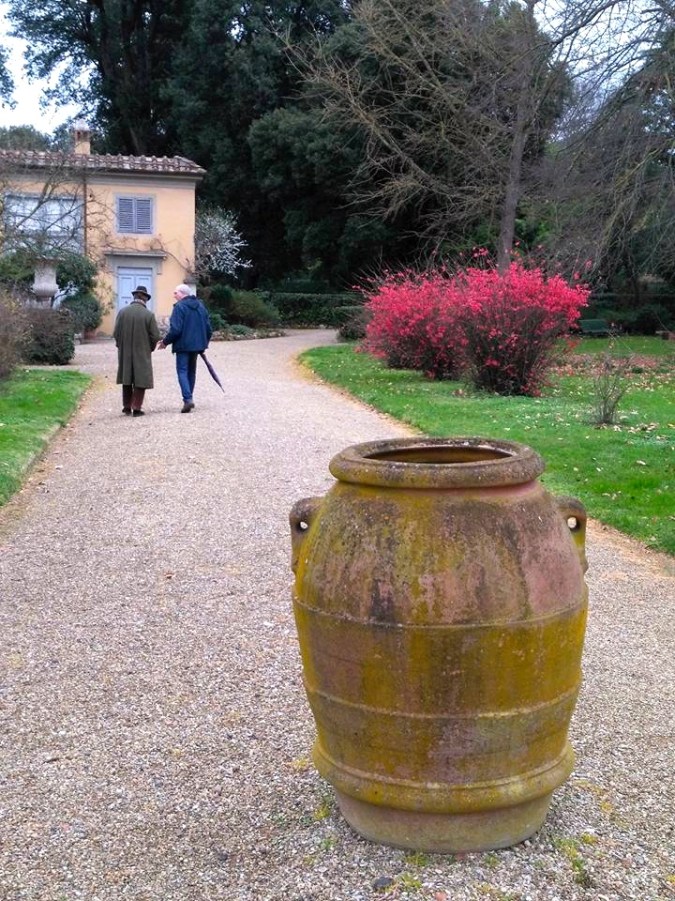
Giardino Torrigiani, Firenze, 4 Marzo 2017

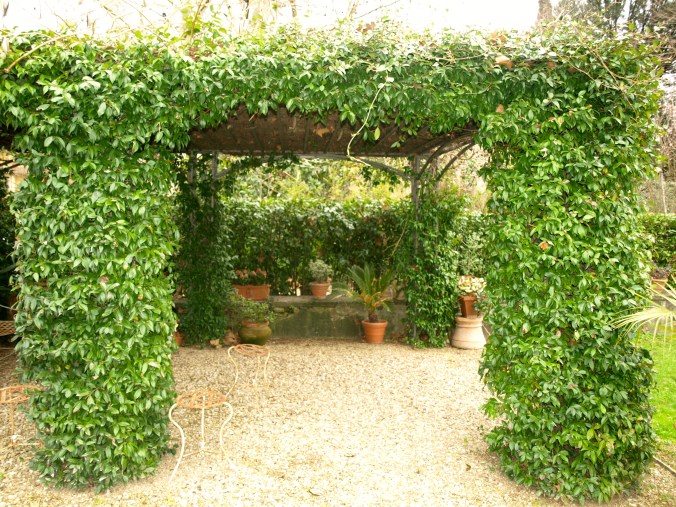
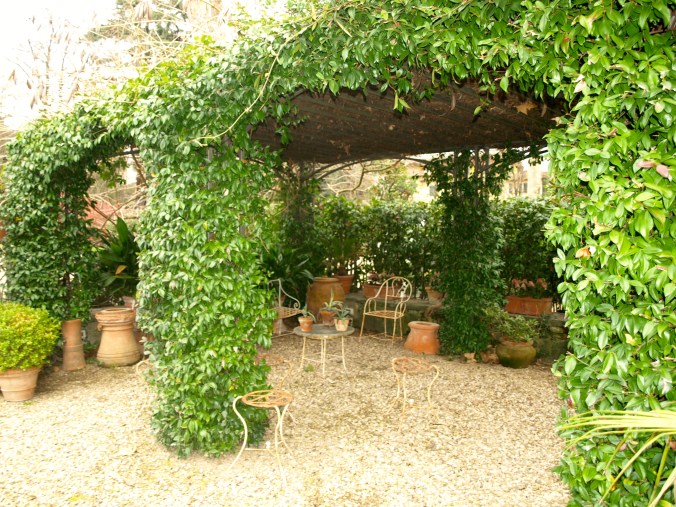
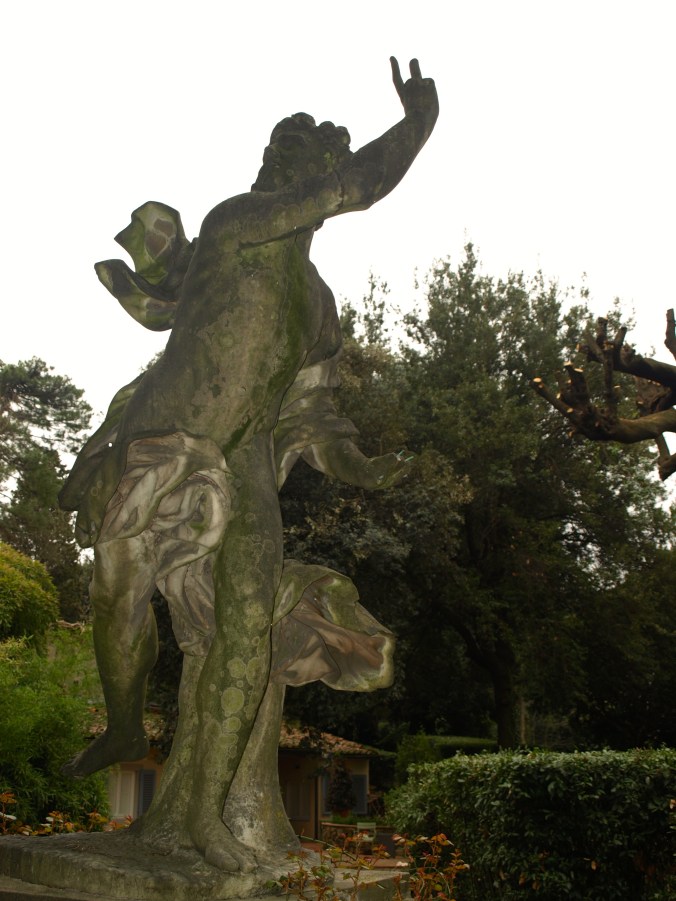
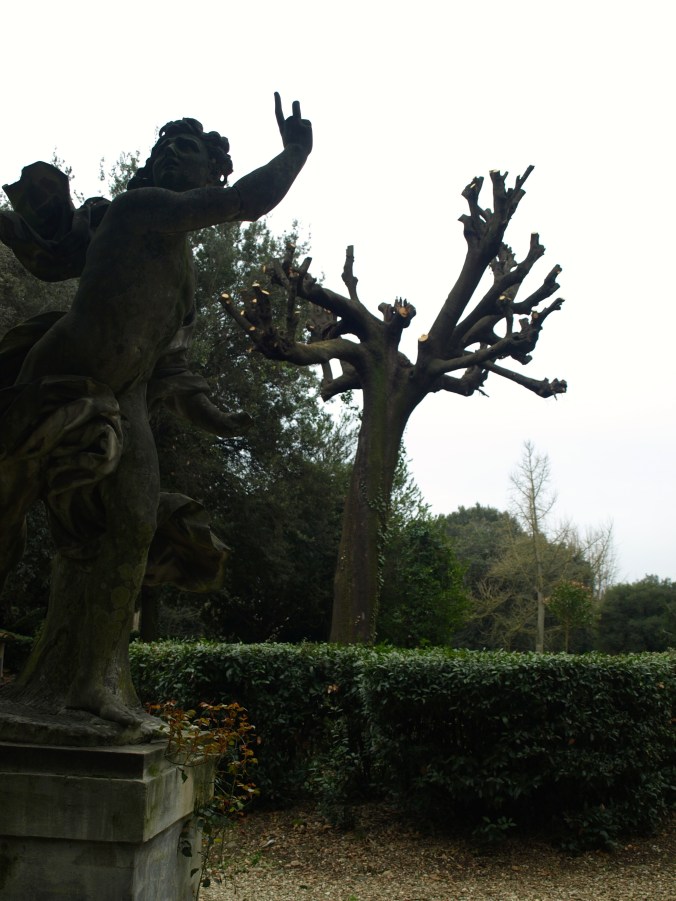
Gardens, with their shady trees, fragrant flowers, and peaceful lanes, have always served as a counterpoint to the narrow, crowded streets of Florence’s city center. During the Renaissance, a new form of garden-design arose, heavily influenced by classical models from Roman villas. Florence, and its surrounding area, is a garden-enthusiasts’ paradise, boasting numerous Renaissance-style gardens, along with examples of 16th-century and English-style designs.

OLYMPUS DIGITAL CAMERA

OLYMPUS DIGITAL CAMERA


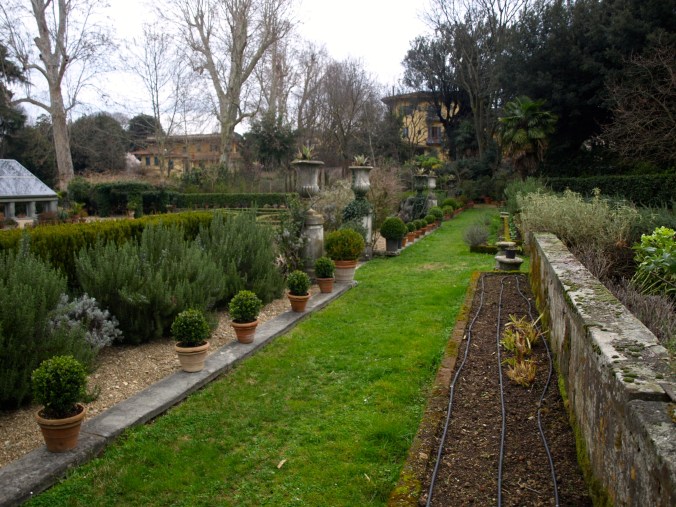
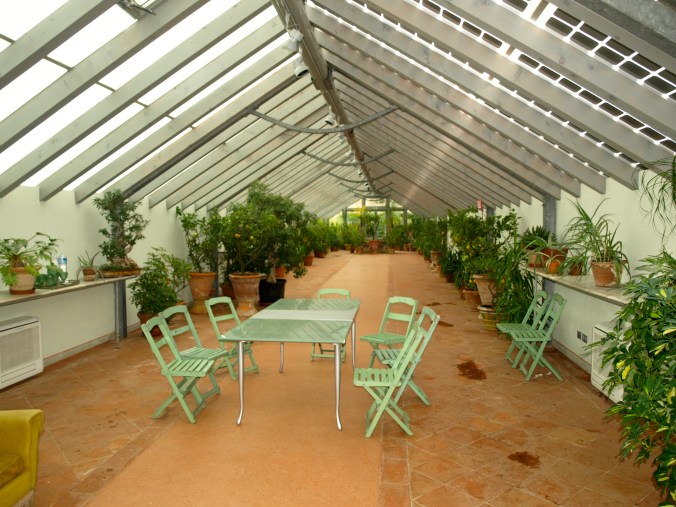
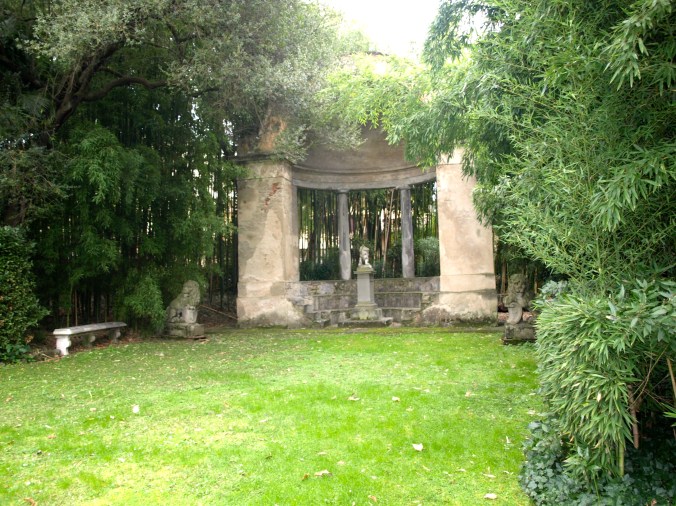
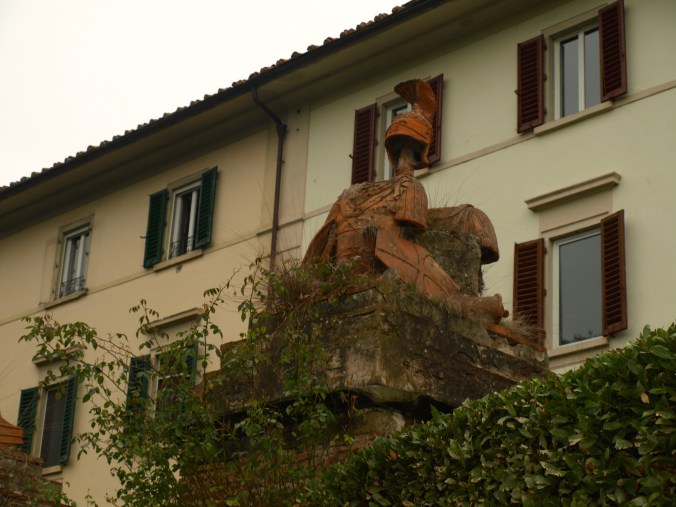
Hidden behind a set of high Oltrarno walls, is the Torrigiani garden, the largest private garden within city walls in Italy.

OLYMPUS DIGITAL CAMERA

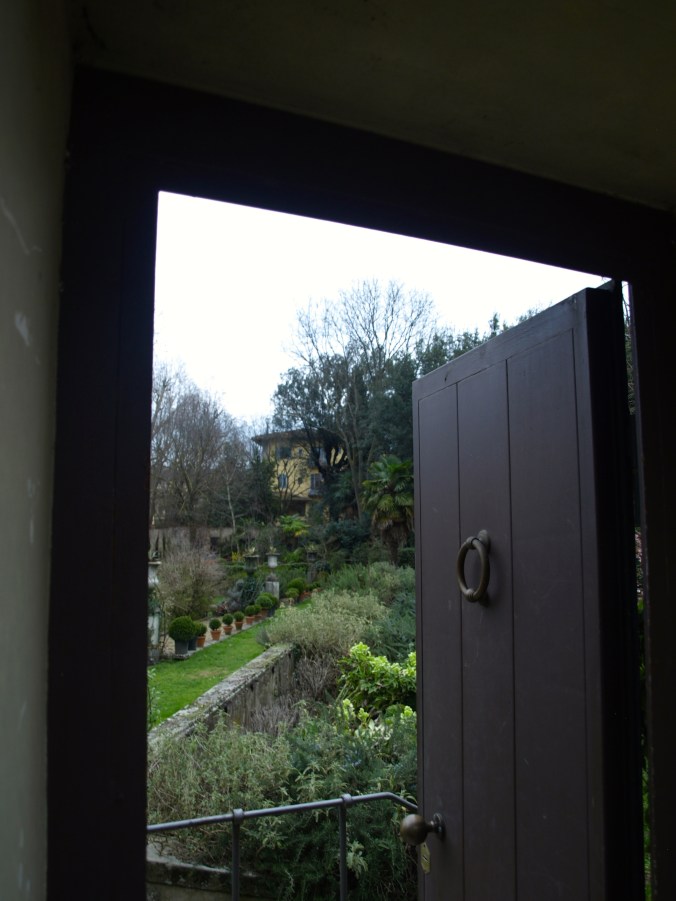
A small entrance to a secret garden


Originally planted by the founder of the Italian Botanical Society – the world’s oldest – the garden still has an uncommonly wide variety of trees, especially exotic species, in keeping with its 19th century “English Landscape” style.

OLYMPUS DIGITAL CAMERA

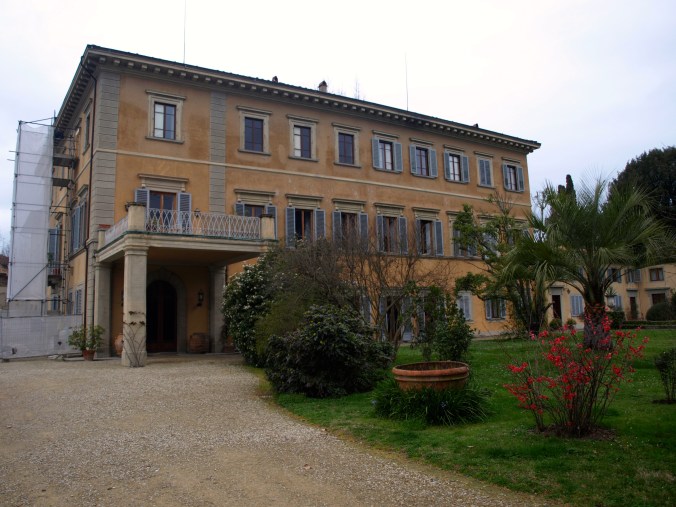
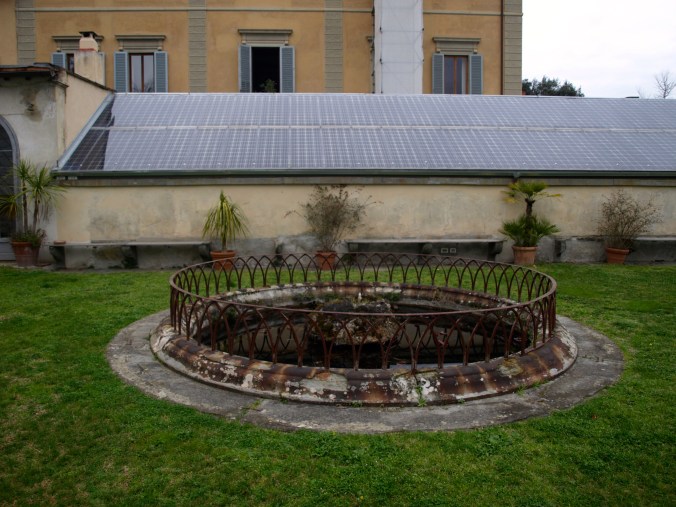
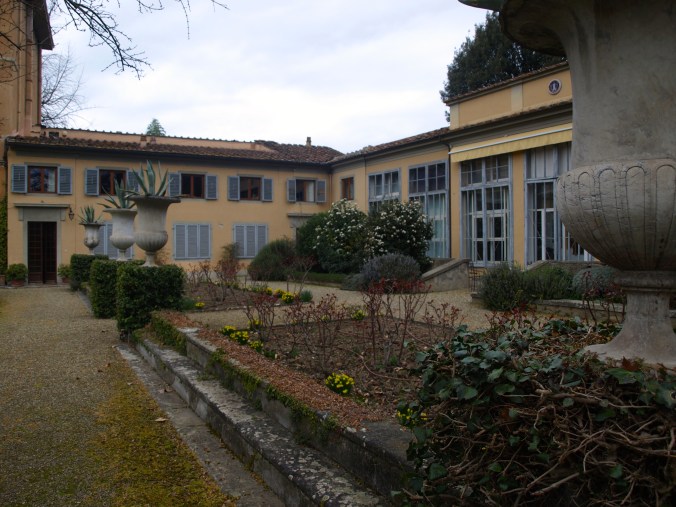
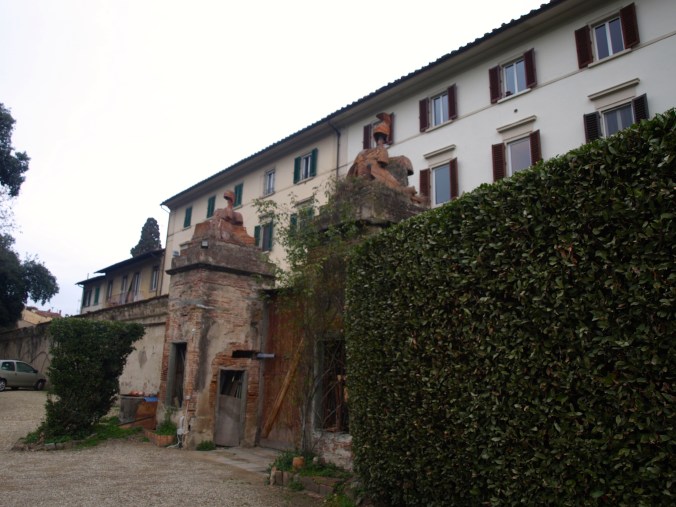
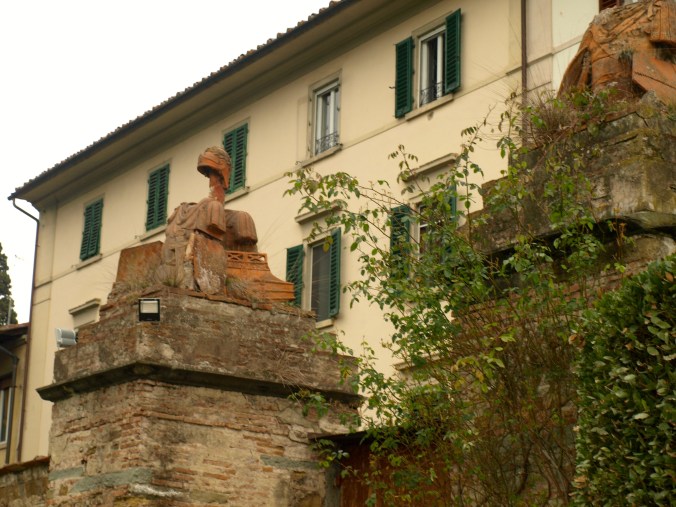
One of the several palazzi on the property

OLYMPUS DIGITAL CAMERA

OLYMPUS DIGITAL CAMERA

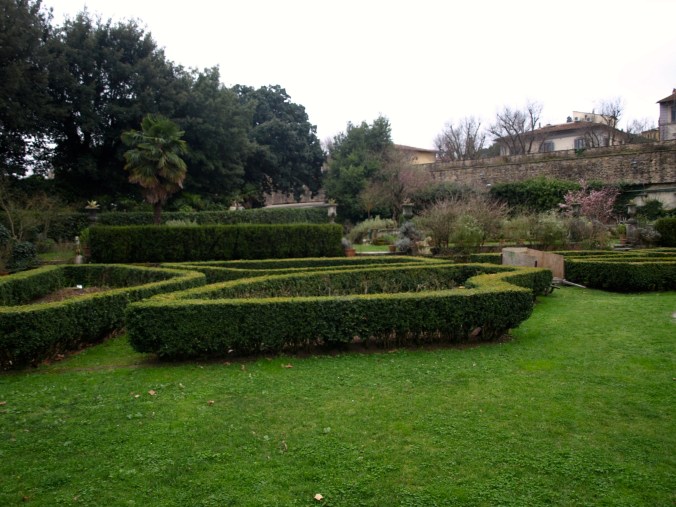
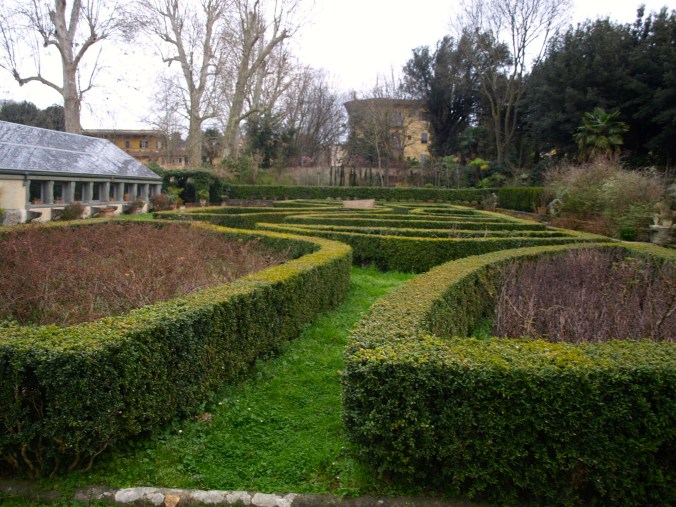
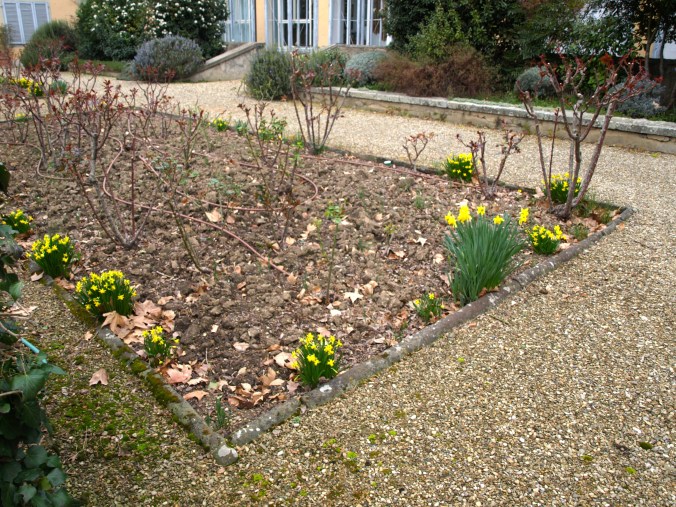
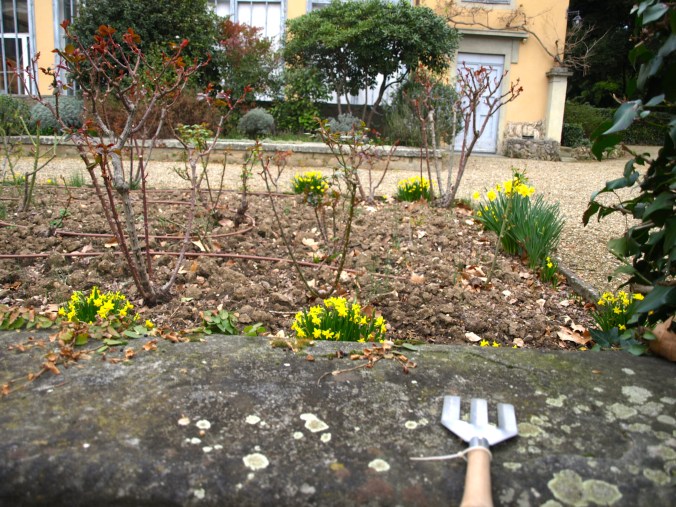
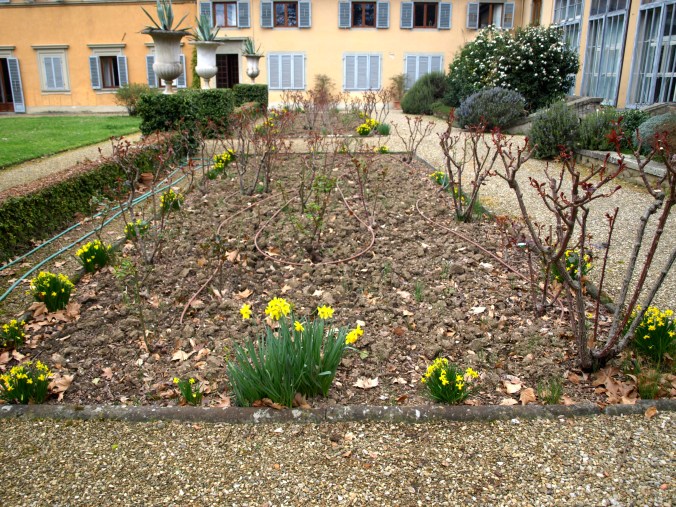
Rose bushes surrounded by clipped box

OLYMPUS DIGITAL CAMERA

Even in early spring, shrubs were blooming.

OLYMPUS DIGITAL CAMERA

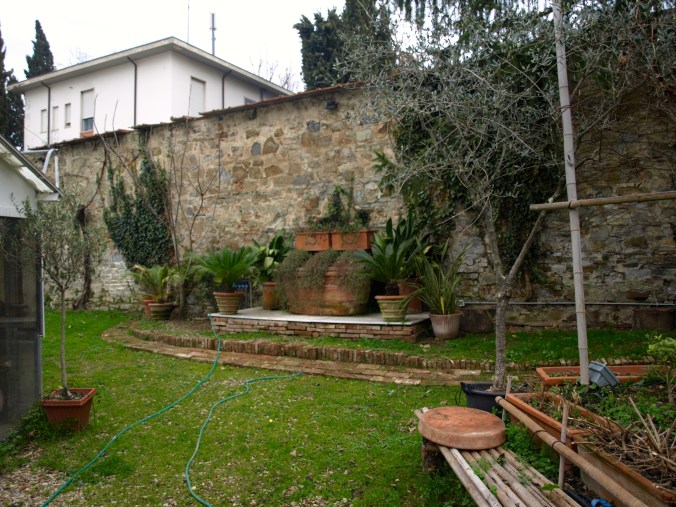
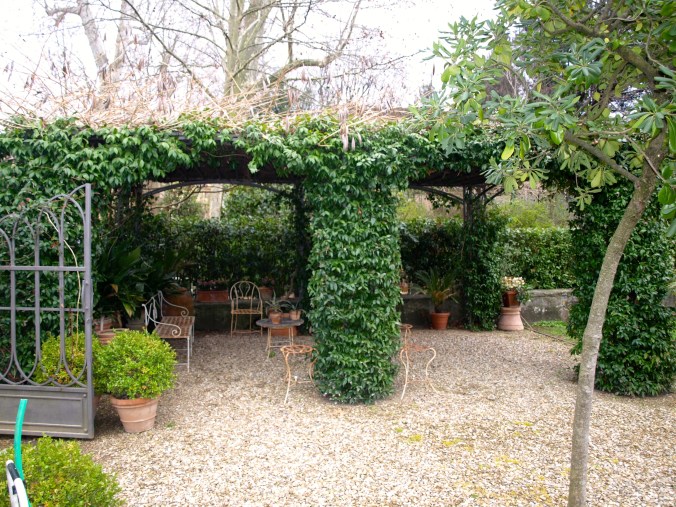
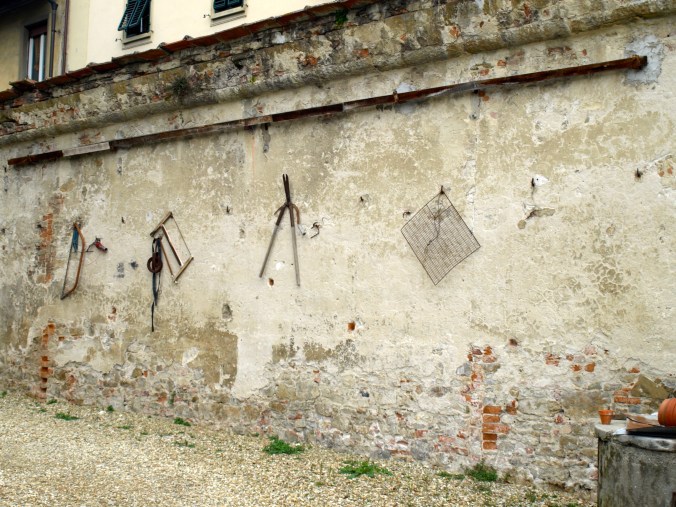
Many small vignettes fill the garden as well


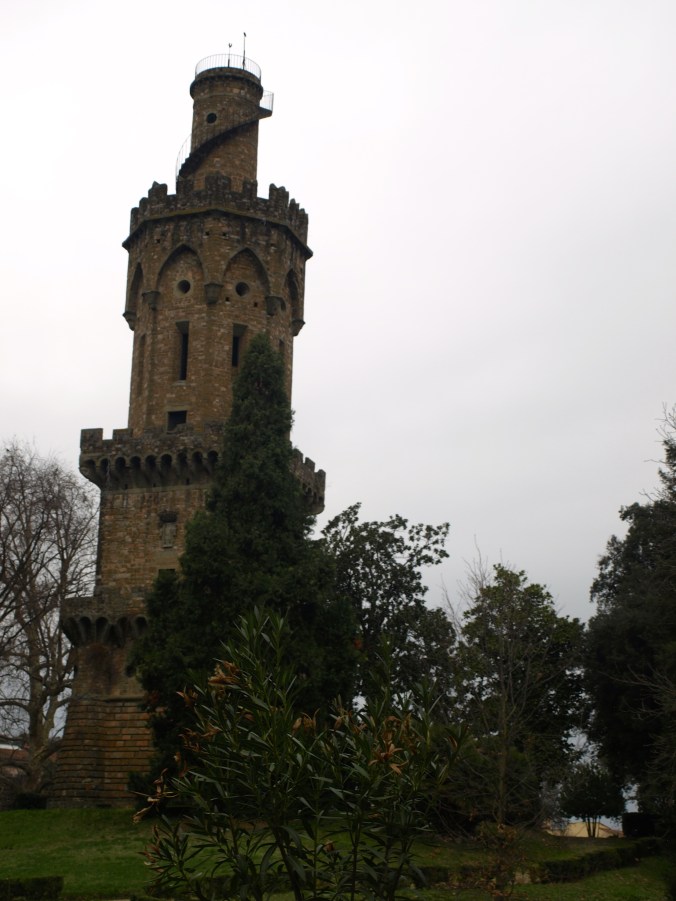
Giardino Torrigiani feels somewhat mysterious, and was, in fact, laid out as an initiation path with secret Masonic symbolism. It includes Gothic follies and the recurring theme of research and enquiry. There is no secret, however, in the dedication to the art and sciences, which are still the owners’ guiding principles, as the Torrigiani garden encloses a successful commercial nursery and regularly hosts lectures on the arts and gardening.

OLYMPUS DIGITAL CAMERA

OLYMPUS DIGITAL CAMERA

OLYMPUS DIGITAL CAMERA

OLYMPUS DIGITAL CAMERA

OLYMPUS DIGITAL CAMERA

OLYMPUS DIGITAL CAMERA

OLYMPUS DIGITAL CAMERA

OLYMPUS DIGITAL CAMERA

OLYMPUS DIGITAL CAMERA

OLYMPUS DIGITAL CAMERA

OLYMPUS DIGITAL CAMERA

OLYMPUS DIGITAL CAMERA

OLYMPUS DIGITAL CAMERA

OLYMPUS DIGITAL CAMERA

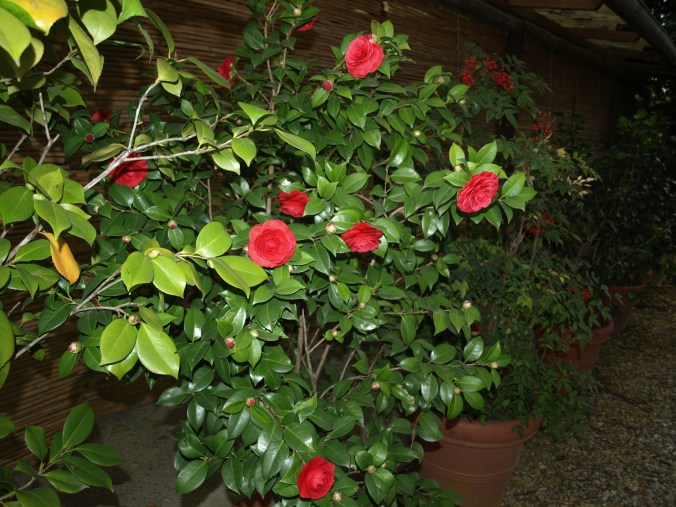
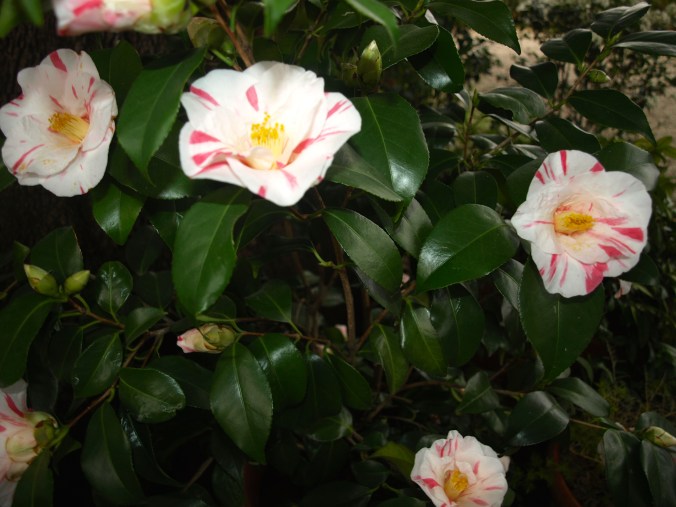
Lovely camellias

OLYMPUS DIGITAL CAMERA

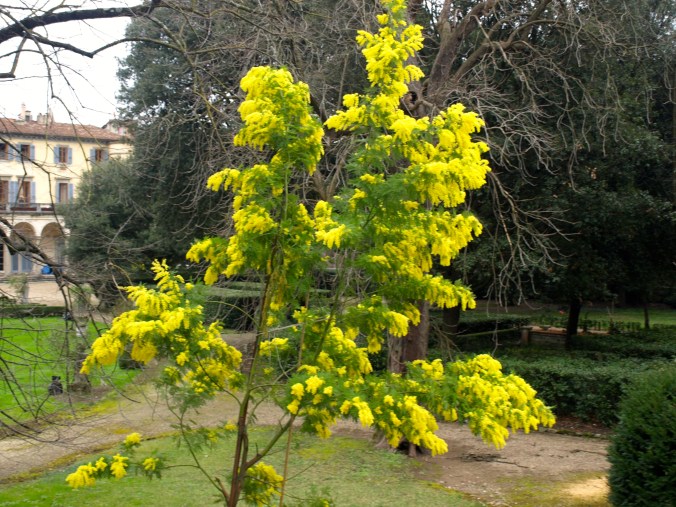
Shots of bright yellow and neon coral spiced the garden yesterday, as the mimosa and quince shrubs were in full bloom.

OLYMPUS DIGITAL CAMERA

A few hearty narcissi nodded their happy, yellow heads in the spring sunlight.

OLYMPUS DIGITAL CAMERA


Magnificent urns filled with sculptural aloe graced one section of buildings.

OLYMPUS DIGITAL CAMERAOLYMPUS DIGITAL CAMERAOLYMPUS DIGITAL CAMERA

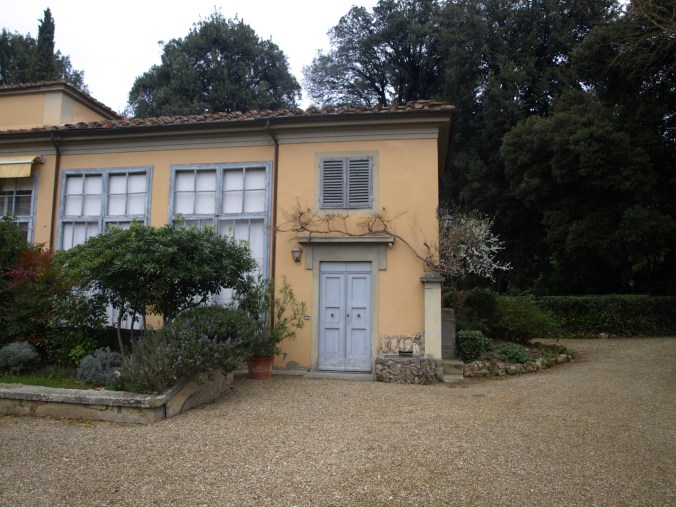
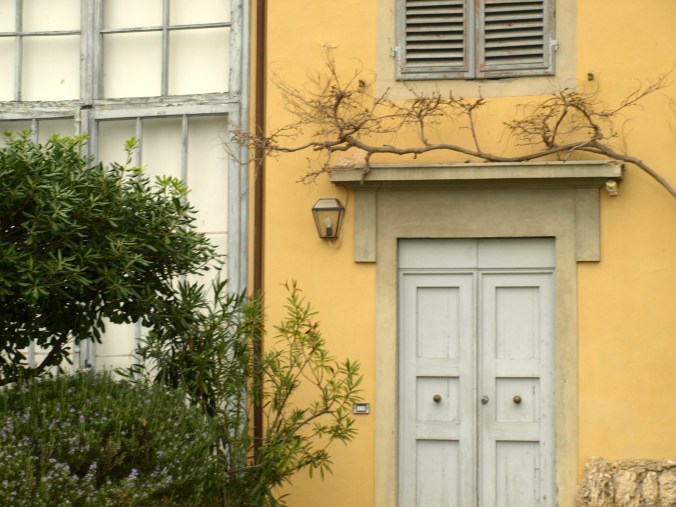
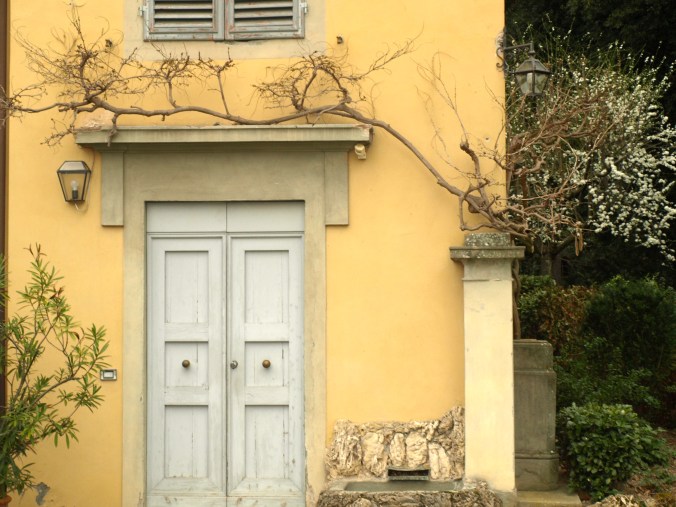
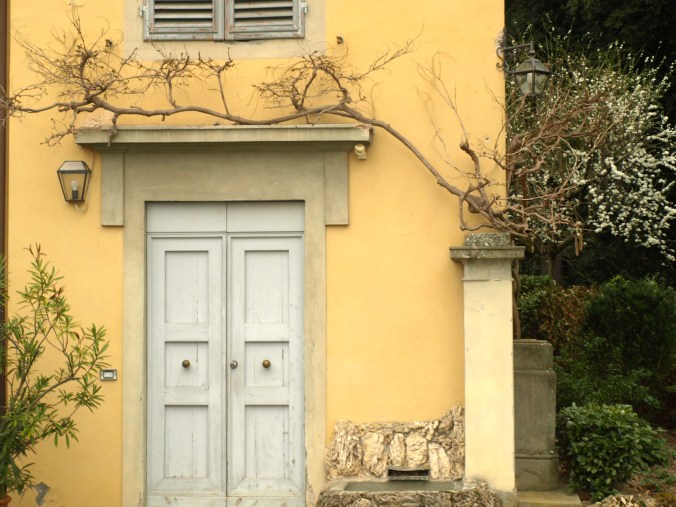
There were many spots to hone in on, but this door, topped with a wisteria vine, was my favorite.


OLYMPUS DIGITAL CAMERAOLYMPUS DIGITAL CAMERA

I hope to return to the garden later this spring when the wisteria is in bloom.

OLYMPUS DIGITAL CAMERAOLYMPUS DIGITAL CAMERAOLYMPUS DIGITAL CAMERA

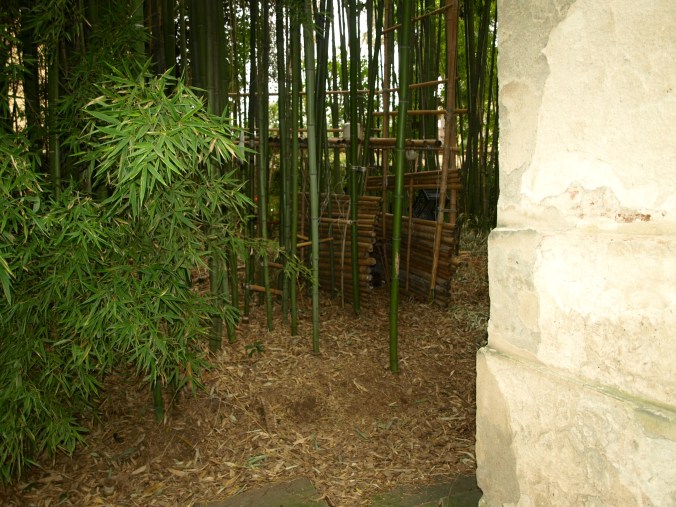
Yes, there is a bamboo grove.

OLYMPUS DIGITAL CAMERA


The piece de resistance, the tower:

OLYMPUS DIGITAL CAMERAOLYMPUS DIGITAL CAMERAOLYMPUS DIGITAL CAMERAOLYMPUS DIGITAL CAMERAOLYMPUS DIGITAL CAMERA

OLYMPUS DIGITAL CAMERAOLYMPUS DIGITAL CAMERAOLYMPUS DIGITAL CAMERAOLYMPUS DIGITAL CAMERA