
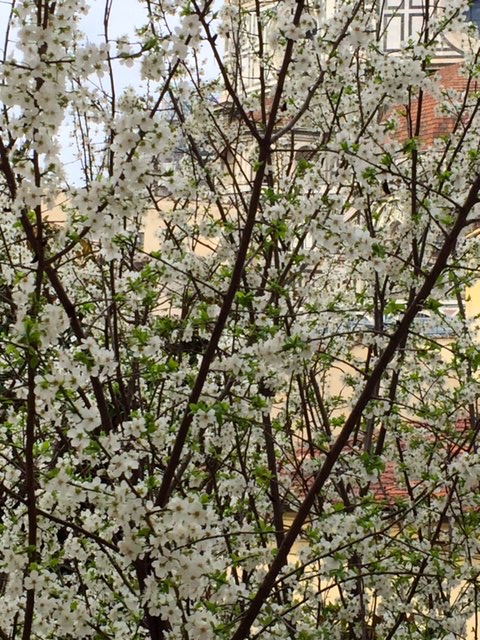
Month: March 2017
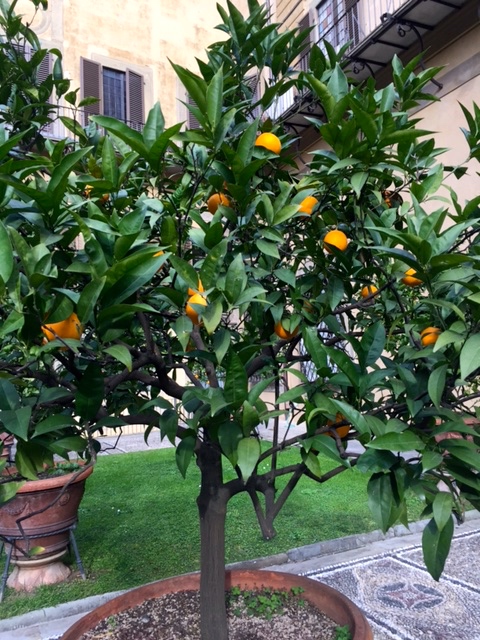
Giardino Torrigiani, Firenze


Marchese Giorgini nella Villa Torrigiani, 12 Febraio 1951


Diane von Furstenberg: first wrap dress made in Florence.


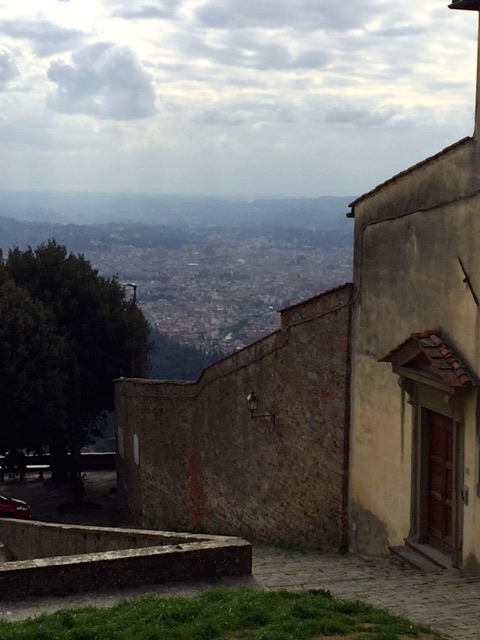
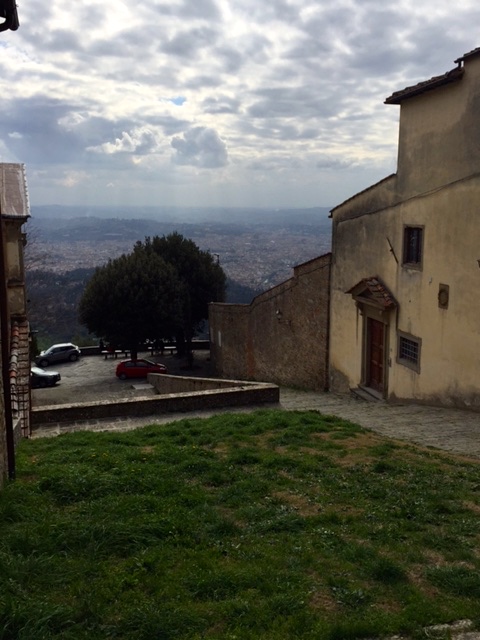
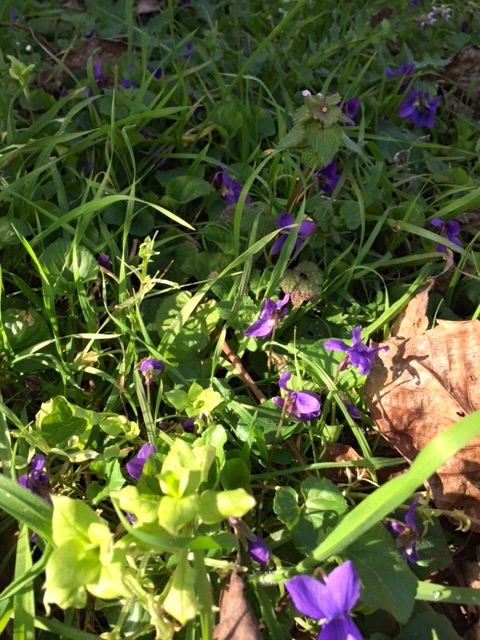
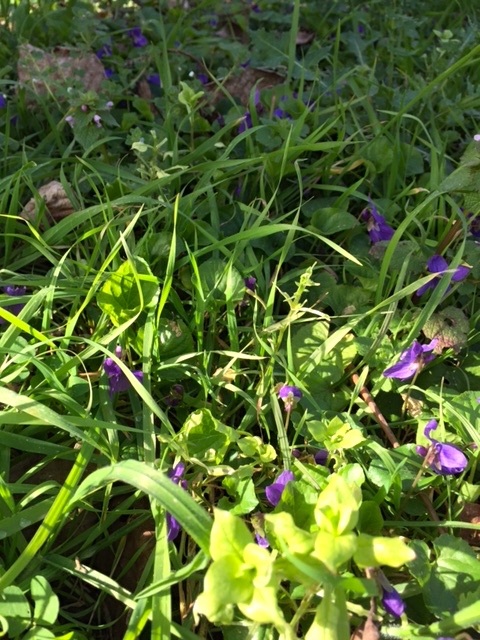
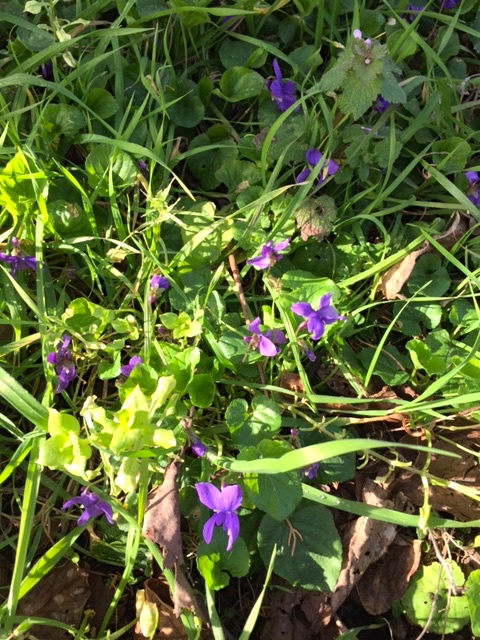
Fiesole in la primavera!
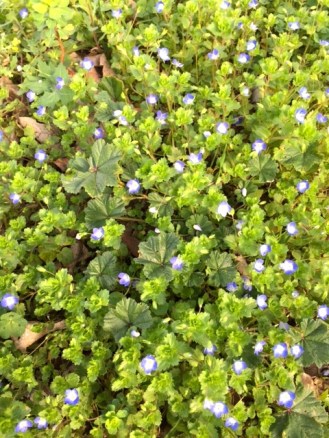
Bella Fiesole!
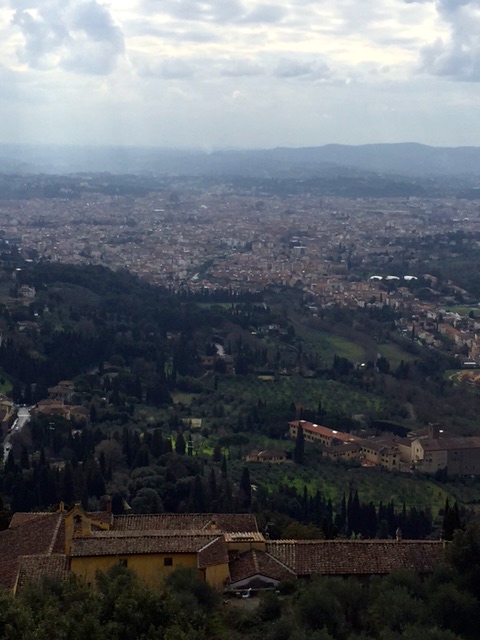
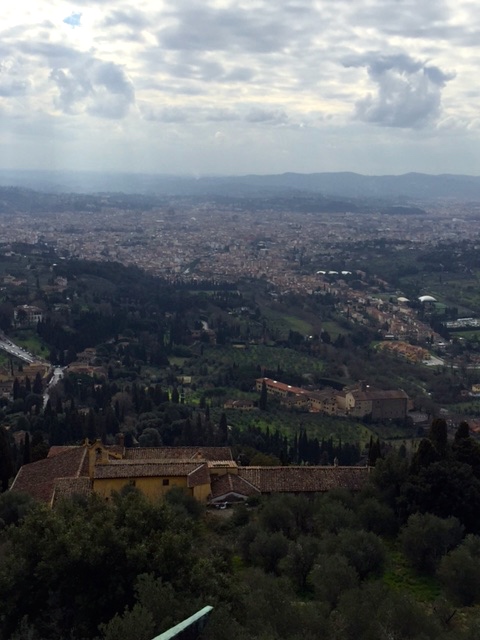
For there below us Florence was laid out like a glittering carpet of gold, wrought by
a thousand Persian infidels. The Duomo was now no tiger sentinel, but a warm
copper bell, the Arno a twisting ribbon of gilt. A city of fable and
infinite beauty in the brand-new light of the day. **
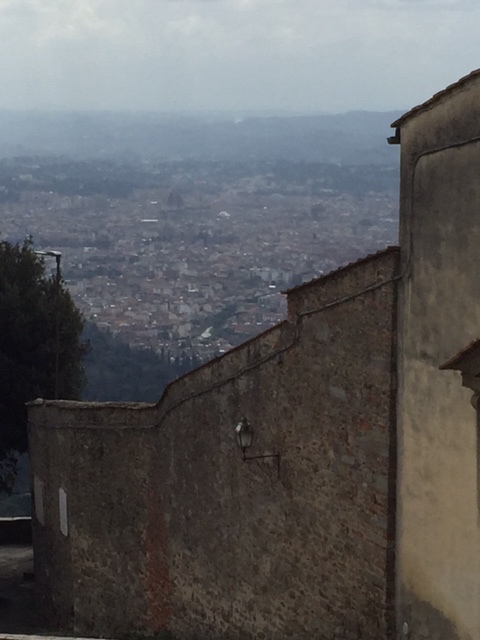
Fiesole was well established as an Etruscan stronghold in the 8th century BC, until the Romans were finally able to dominate, building a thriving town of their own over the remains.
For centuries it existed as a powerful rival to Florence, until once again it was subdued and its ruling nobles were forced to take up residence within the walls of the conquering city. In the 14th century, it became known as the new living quarters for the rich and famous Florentines looking for new territory to build their villas surrounded by cypress trees and spectacular gardens.
The hillside looms 295 meters above Florence, offering a special and stunning panorama of the Renaissance city. The city contains its historical museums, gardens & villas, picturesque streets, churches, trails and parks.
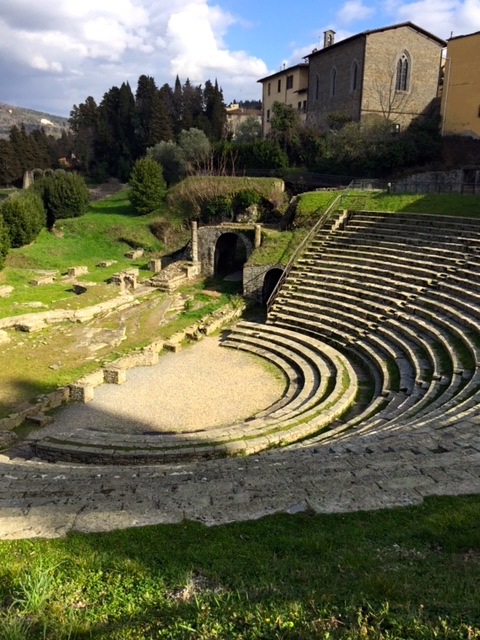
The Roman Theatre
Built into the natural rocks of one of the Fiesole’s hills, the Roman theatre has been extensively restored and still remains one of the best preserved buildings in Fiesole. It was built shortly after the reoccupation of the site in the first century BC and was situated along the Cardo, one of the Roman town’s main streets that led to the forum.
The best seats in the house, situated near the orchestra and tribunalia arcades were reached by a series of vaulted passages that ran under the cavea or rows of seats. Several flights of stairs that ran up through the cavea could be used for seating elsewhere. Each stairway consisted of three flights of ten steps. The original rightside staircase of the theatre are still visible today.
Only the foundations of the frons scenae or stage area remained. These are sufficient to show the three doors, actors used to access the stage. The most interesting area of the backstage is a semi circular room that would have been used to operate the mechanism that opened the theatre’s curtain.
The theatre was redecorated in the third century AD. Only a few fragments of the ornamentation of the multicoloured orchestra mosaics remains as well as marble reliefs of mythical scenes and deities, preserved in the site’s museum.
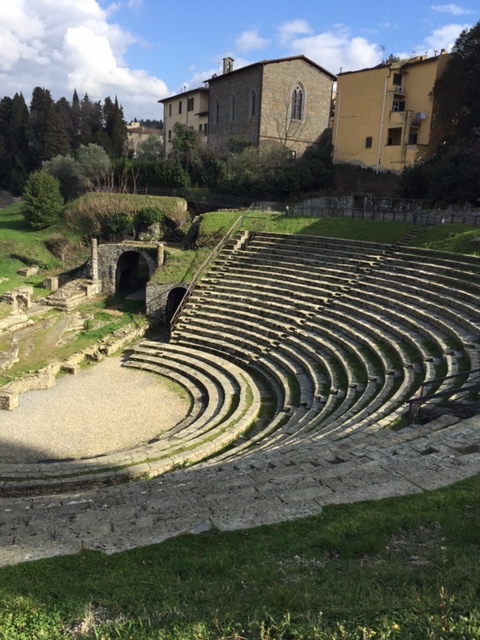
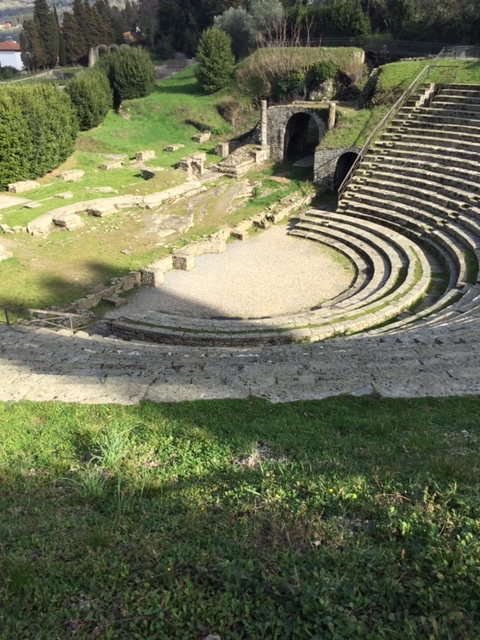
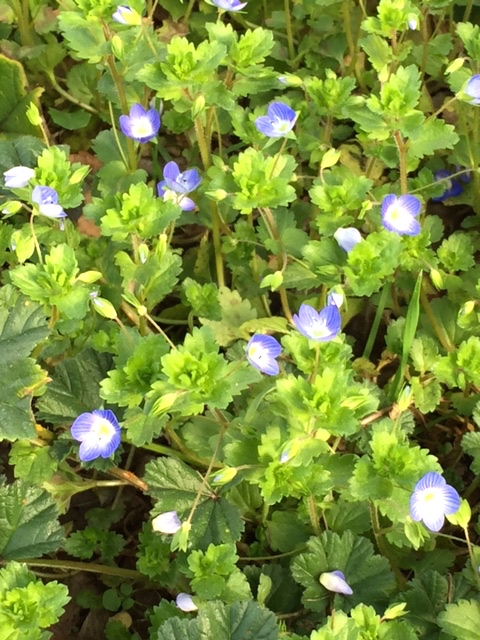
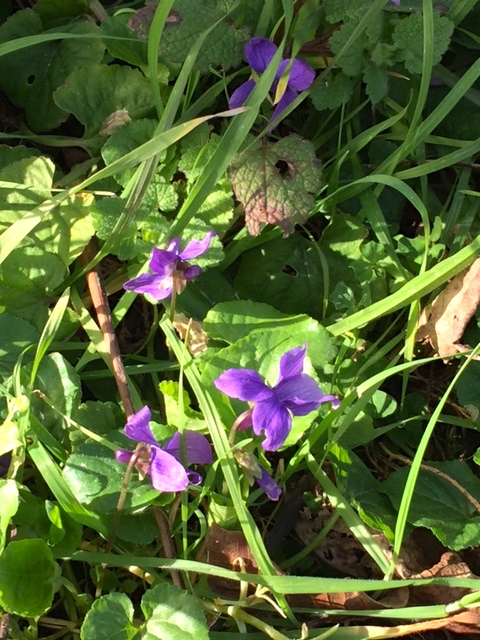
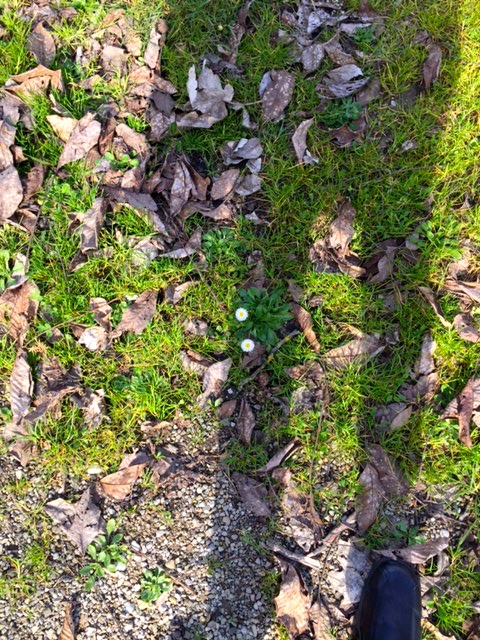
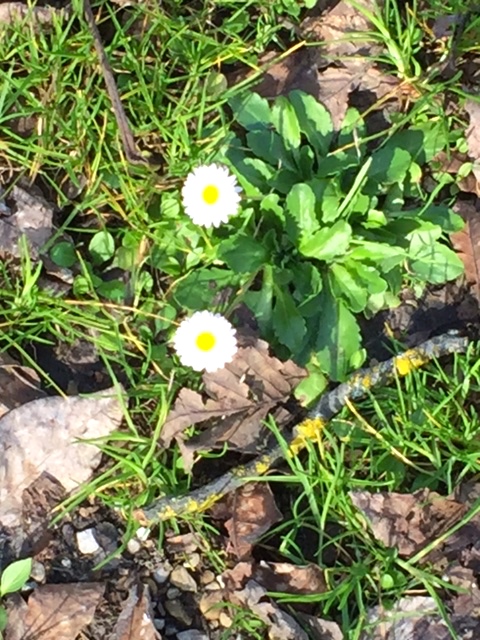
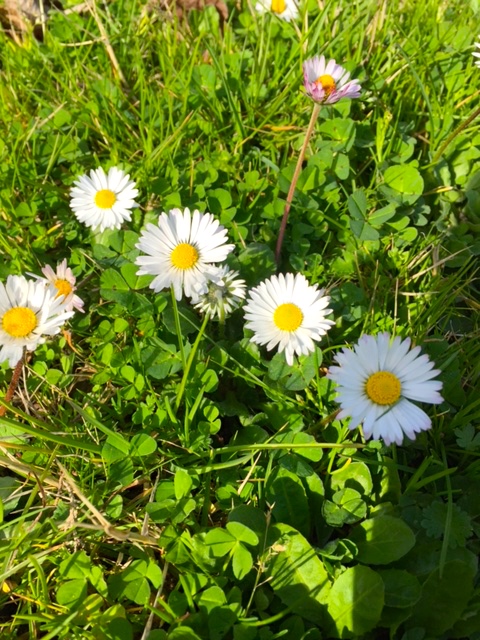
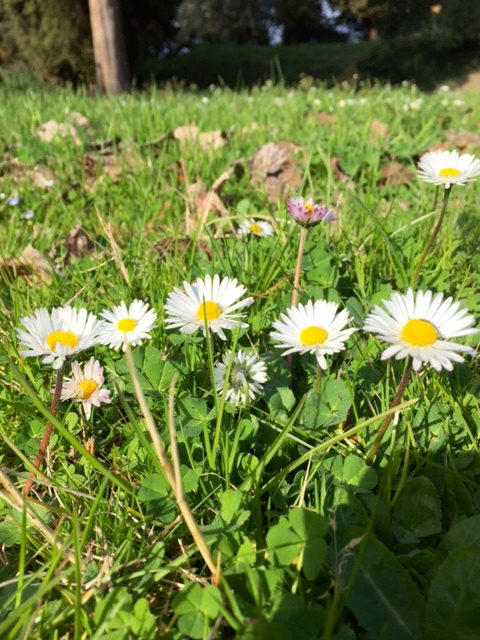
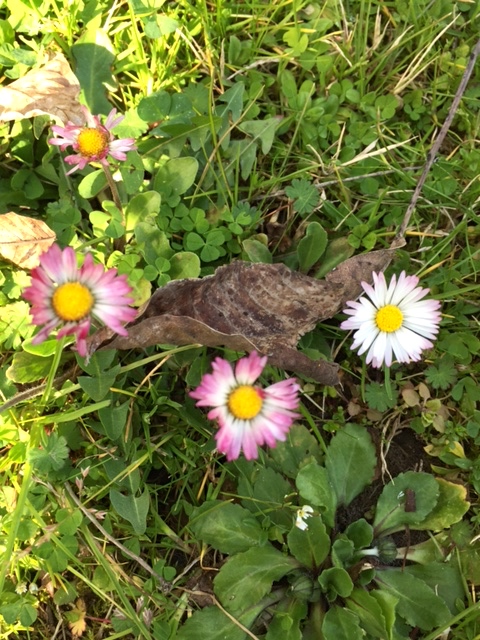
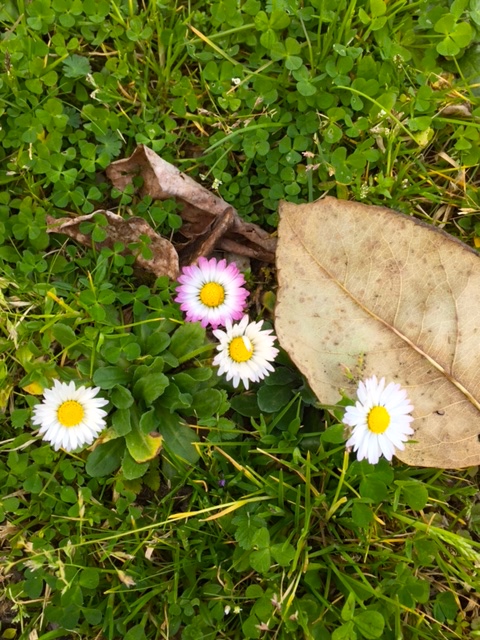
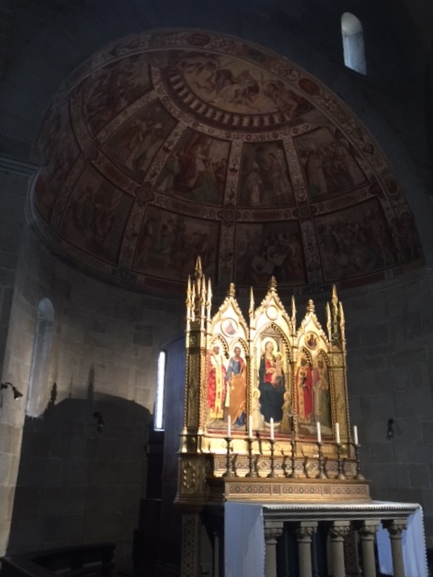
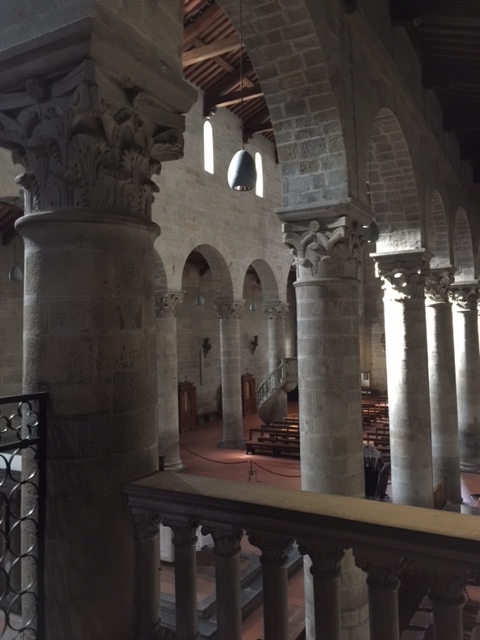
The mystical beauty of Fiesole, less than 10 km outside of Florence, encompasses centuries of history and it is amazing well preserved. Largely unknown by many, this small town hides a wealth of surprises: the massive stones that make up the Etruscan walls, the remains of Roman baths, the green hilltop where Leonardo da Vinci first experimented with the concept of flight, and the Roman amphitheater that still serves as a stage for the EstateFiesolana summer events. The small city center is home to a wide range of historical sites, churches and parks.
**Fiorato, Marina (2010-03-30). The Botticelli Secret (Reading Group Gold) (Kindle Locations 799-801). St. Martin’s Press. Kindle Edition.
Who are you?
“The privilege of a lifetime is to become who you truly are.” C. G. Jung
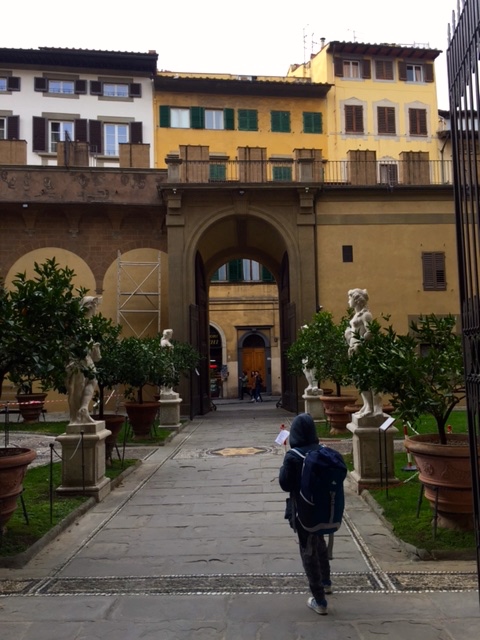
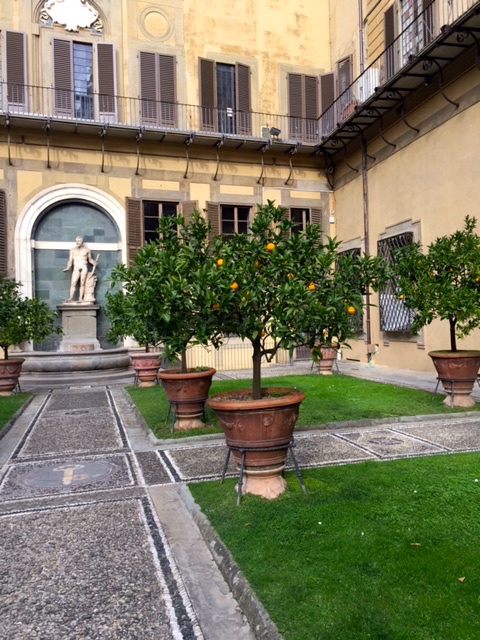
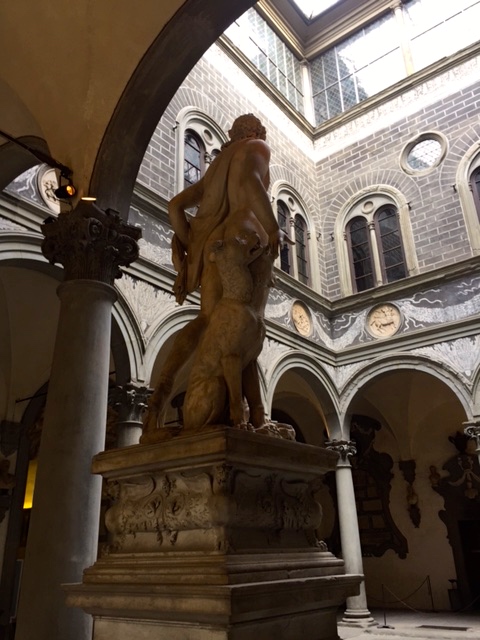
Palazzo Medici in early spring.
ly 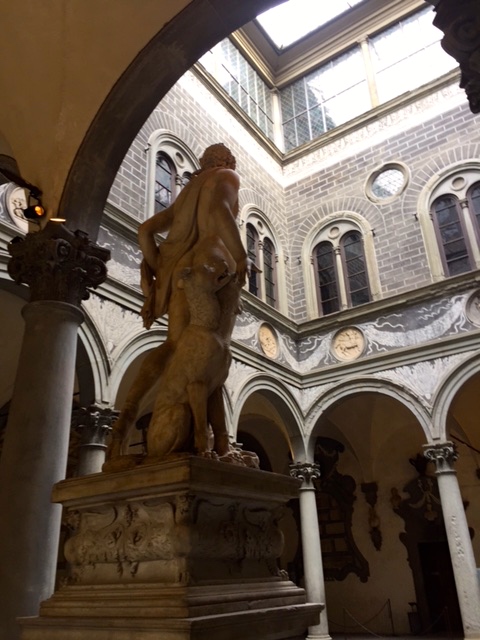


 get back, lauretta!
You must be logged in to post a comment.