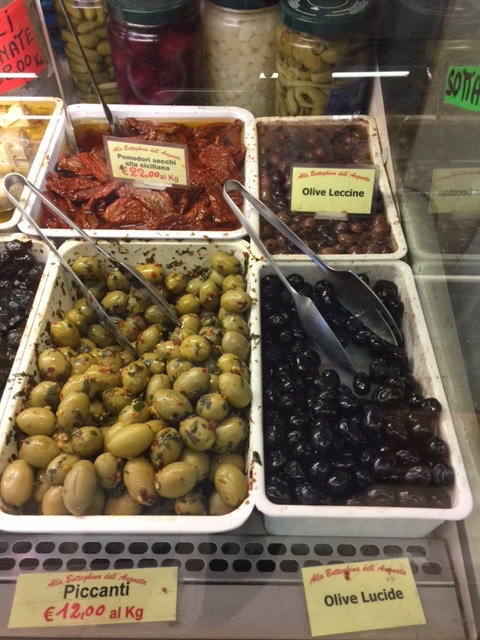
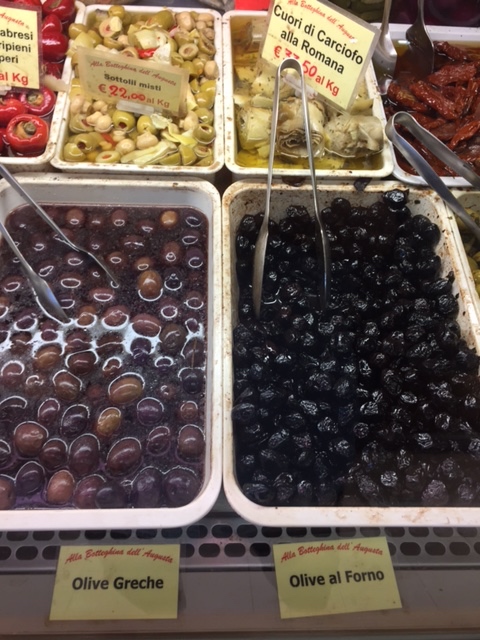
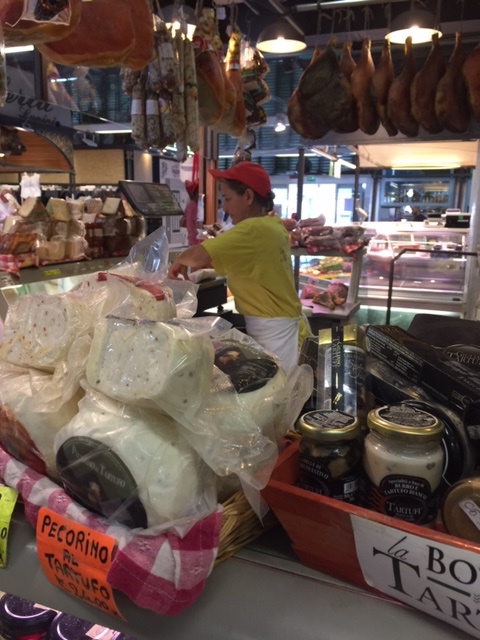
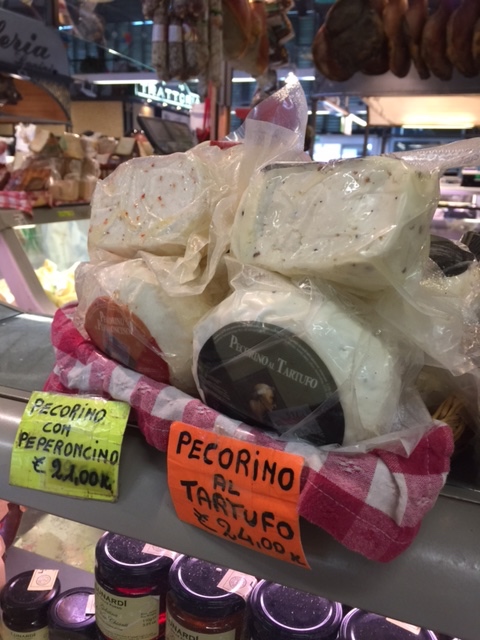
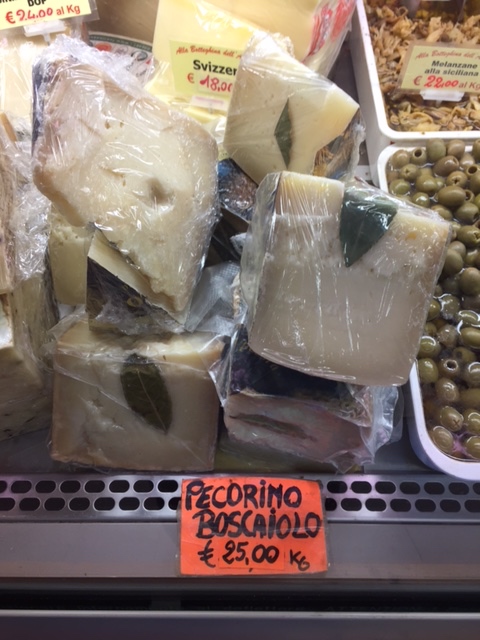
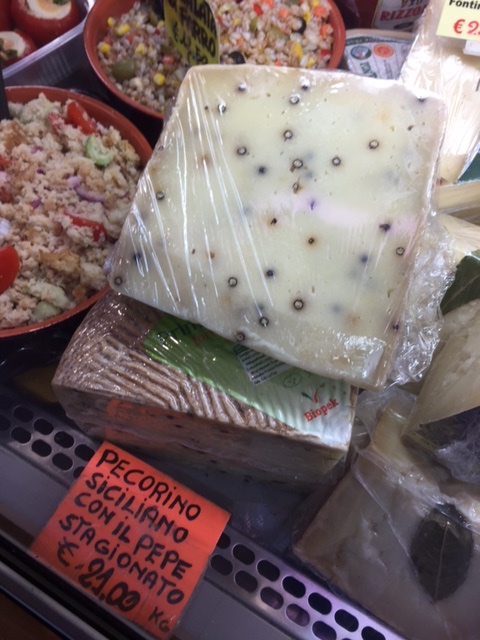
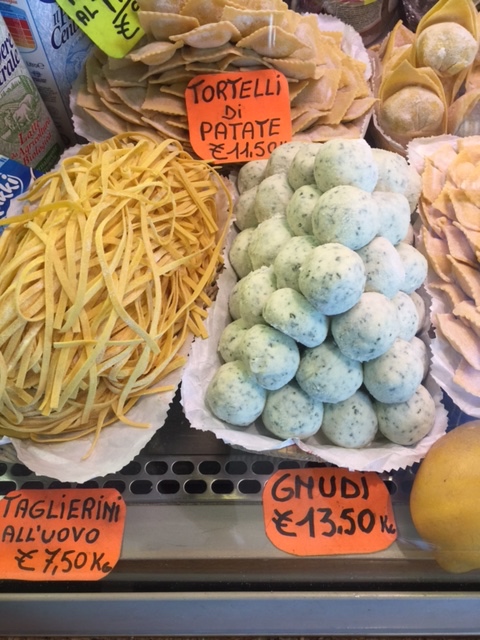
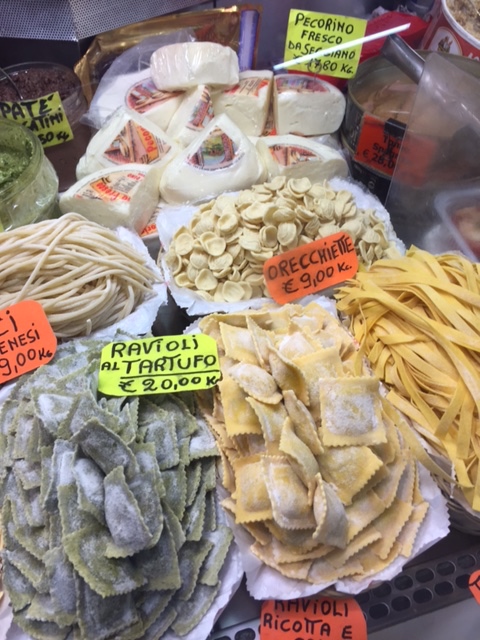
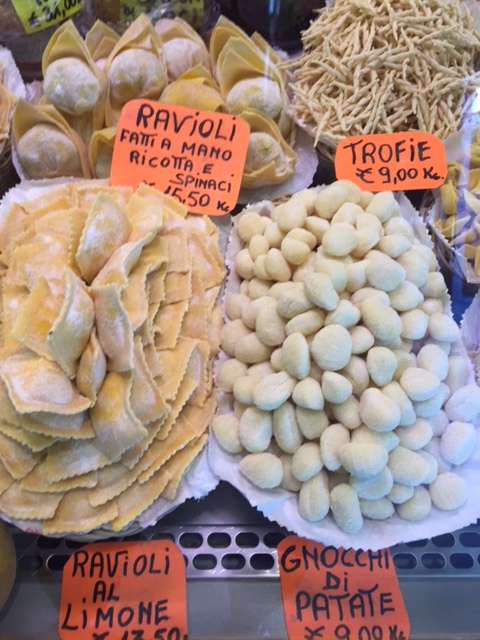
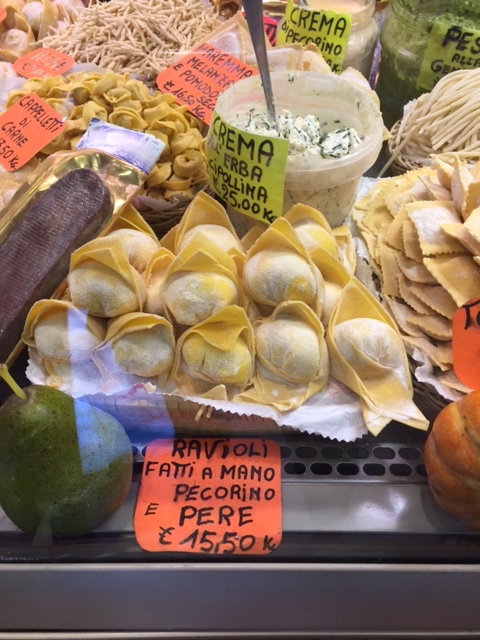
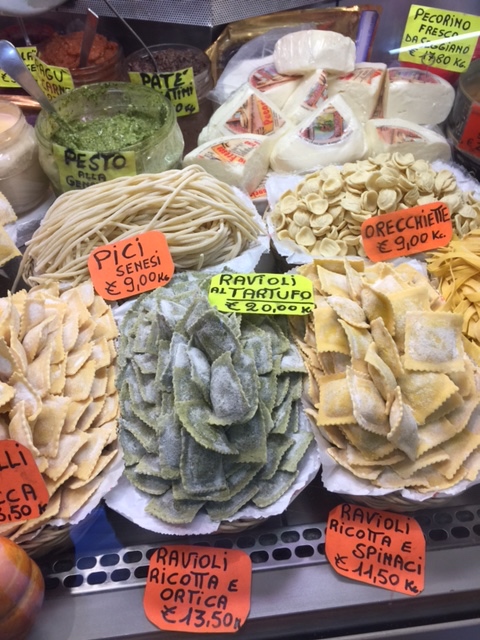
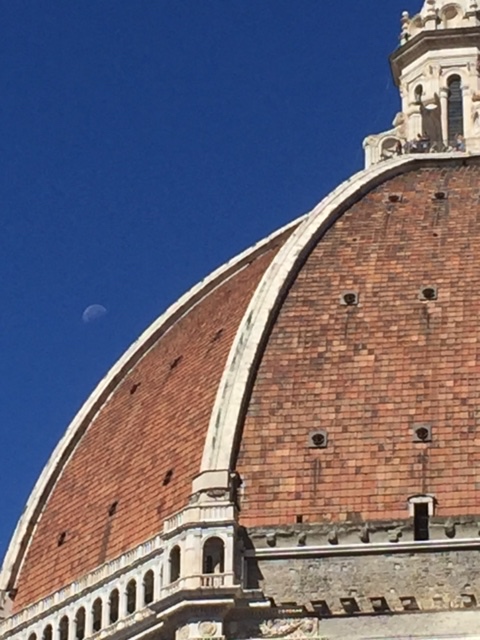
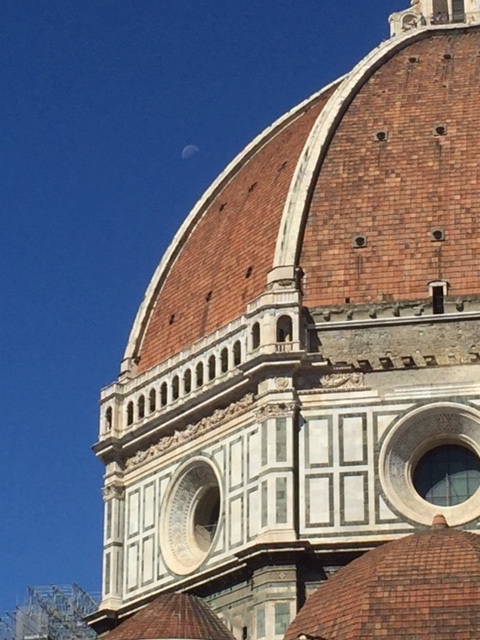
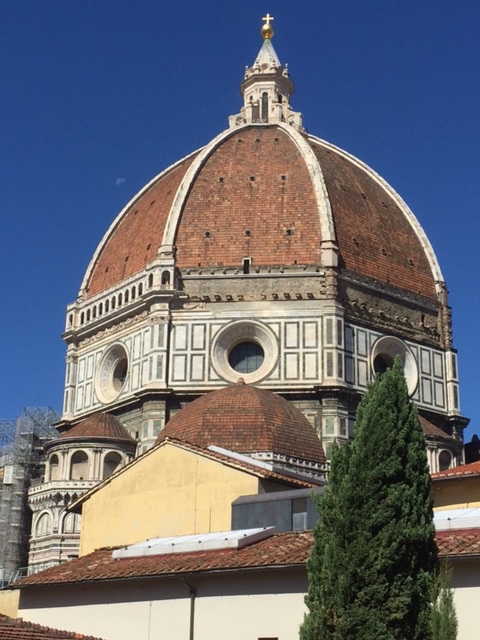
On display

The Chinese are coming! The Chinese are coming!

Actually, they are already here (and everywhere else)!    You have to be careful in Florence if you don’t want to get swept up in an avalanche on Chinese tourists as you walk through any major area.  I long for winter, when the hoards are gone.
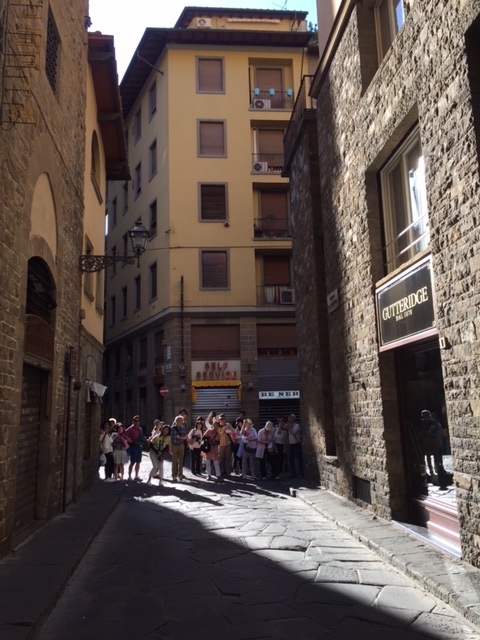
 

IMG_4826

I am so fortunate to live on a fabulous medieval street that is little changed from its beginnings.  In many parts of Florence, old buildings have made way for new ones in many areas.  On my street, the fabric of the city is pretty much the same as when Michelangelo walked these streets.

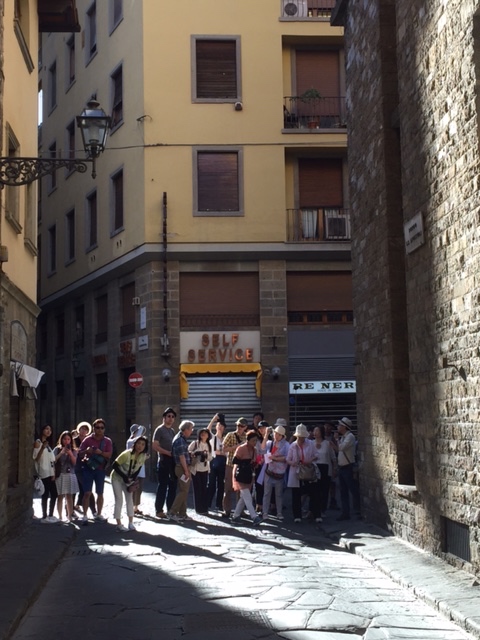
And so, my street is often discussed by tour guides.  Last week, as I left home for school in the morning, this group of Chinese tourists assembled at the opening of my street and for a moment, it felt like I was a fish in a fishbowl and they were looking at me.  It was a strange feeling, but it passed.


IMG_4827

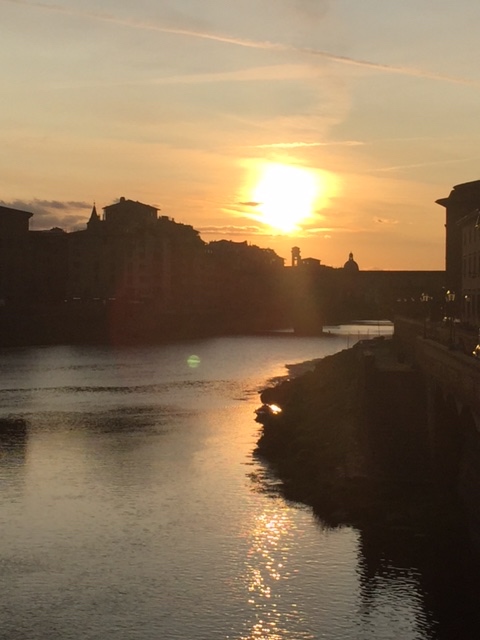
But, I do know how Florence feels, being looked at all of the time!
In Italy, nothing can be done, or at least, not done quickly

“But the Italian knows that nothing can or will be done in his country, and that if it is done it certainly will not be done quickly.

This is his experience. After all, with all the shifting coalitions and merry-go-round of prime ministers, most people here haven’t seen a real change of government in their lifetime.

Thus an Italian’s satisfaction, when he talks about politics, will lie in feeling that he has analyzed the situation accurately, appreciated its ironies, seen the pros and the cons, absorbed the subtleties, and above all gone beyond the crude simplicity of foreigners who talk in ingenuous terms about changing things.


Parks, Tim. Italian Neighbors (Kindle Locations 1400-1405). Grove/Atlantic, Inc.. Kindle Edition.

La tavola/il tavolo

“The role of the table in Italian life is relentlessly emphasized in advertising of all kinds and even reflected in the grammar of the language.

Il tavolo is the word for the physical object, whereas la tavola— the same word but in the feminine— is untranslatable into English.

Its connotations encompass the meal and its preparation, quality, consumption and— most important— enjoyment.

Il tavolo is a piece of furniture on which to rest plates and cutlery.

La tavola signifies an experience in which china and glass, knives and forks play only a very small and functional part. When, for example, Italians want to describe the joys of good eating and drinking, they talk of i piaceri della tavola.

Hooper, John. The Italians (pp. 96-97). Penguin Publishing Group. Kindle Edition.

Assumption Day, a national holiday

Assumption of Mary / Ferragosto in Italy

Every year many Italians observe Assumption Day, also known as Ferragosto, on August 15. This national holiday celebrates the Catholic belief that God took the body of Jesus’ mother Mary into heaven at her death.

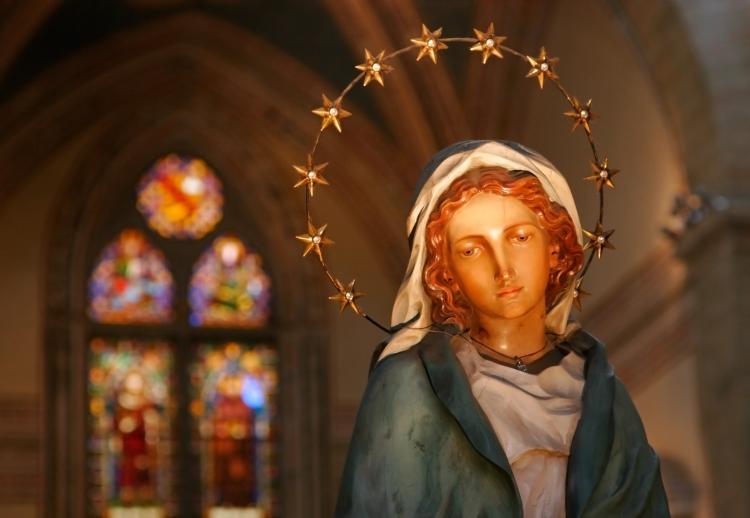
Colorful wooden statue of Mary.
A statue of Jesus’ mother Mary, who is honored in Italy on Assumption Day.
©iStockphoto.com/Gijs van Ouwerkerk

What Do People Do?

Ferragosto is a widely celebrated national holiday in Italy during the summer. It involves processions of people carrying the statue of Jesus’ mother Mary in many towns and cities.

One of the days of the Palio di Siena, or Il Palio in the city of Siena in Tuscany is held on August 16, coinciding with Assumption Day. This event involves a horse race around the Piazza in the city. Firework celebrations also take place on evening of Assumption Day.

For many years, many Catholic churches in Italy celebrate Ferragosto, or the feast day of the Assumption of Mary. Many churches in Italy believe that August 15 is the day that God assumed the Virgin Mary into Heaven at the end of her life.

However, its origins date further back to pre-Christian times when August 15 was a Pagan holiday. The Catholic church later adopted this date to commemorate the belief of Mary’s assumption into heaven.