A German hero in Florence during WWII

When I walk across the Ponte Vecchio, I often notice this marble plaque.

Who, I always wonder, was Gerhard Wolf?


img_4906

Knowing that Germany occupied Florence during the war, I’ve been puzzled to find a German commemorated on the one bridge in Florence that wasn’t destroyed by German forces when they departed the city as the Allied Forces moved ever northward during the war.

It turns out that Wolf was the Consul in Florence and was a reluctant member of the Nazi Party.  I read that he only joined the Party because it was necessary in order to be in the diplomatic corps.

Despite being German and a Nazi, Wolf risked his life while he rescued political prisoners and Jews during the barbarism of the War.  Apparently he assisted the famous American, Bernard Berenson, who was Jewish, making it possible for Berenson to successfully hide from the Nazis. The plaque also says that Wolf was instrumental in the saving of the Ponte Vecchio.

Interestingly enough, I’ve read quite a lot about Florence during the war and, outside of this plaque, I’ve never read anything about the fact that Gerhard Wolf helped  Berenson specifically or that he played a role in saving the Ponte Vecchio when the retreating Germans blew up all of the other Florentine bridges.  I have no reason to not believe Wolf’s role in these things, but I am surprised I’ve never found this information anywhere else.  Oh, well…live and learn.  I’ll keep my eyes pealed for future references.

So, here’s a translation of what the plaque says: “Gerhard Wolf (1886–1971). German consul, born at Dresden—subsequently twinned with the city of Florence—played a decisive role in saving the Ponte Vecchio (1944) from the barbarism of WWII and was instrumental in rescuing political prisoners and Jews from persecution at the height of the Nazi occupation. The commune places this plaque on 11 April 2007 in memory of the granting of honorary citizenship.”

Here’s what Wikipedia adds to the Wolf story:

Wolf was born in Dresden, the 7th child of an attorney of family law. After serving in the military, he studied philosophy, art history and literature, and completed a doctorate in philosophy. In 1927, he joined the foreign ministry and was posted to Rome at the time Adolf Hitler came to power in 1933. He was first invited to join the Nazi Party that year, but he declined and did not join until 1 March 1939, after it became clear that his diplomatic work would be impossible otherwise.

Between 1940 and 1944, Wolf was the German Consul in Florence. After the German occupation of Italy in 1943, he worked to save many Jews from the Holocaust, including the famous art historian Bernard Berenson, who testified to that in 1946. In his efforts, he was supported by Rudolf Rahn, the deputy ambassador at Rome. Wolf, along with Ludwig Heinrich Heydenreich, director of the Kunsthistorisches Institut in Florenz, also saved many artworks from being spirited off to Germany. He also prevented the Ponte Vecchio from being destroyed.

In 1955, Wolf was made an honorary citizen of Florence. Ten years after his retirement, he died in Munich. In 2007, a marble plaque in his honour was unveiled on the Ponte Vecchio by the acting mayor of Dresden.
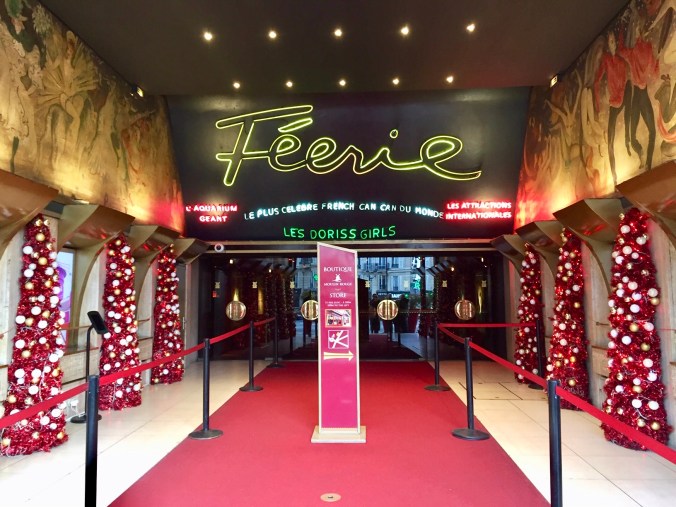
The Moulin Rouge, Paris

fullsizeoutput_b2e

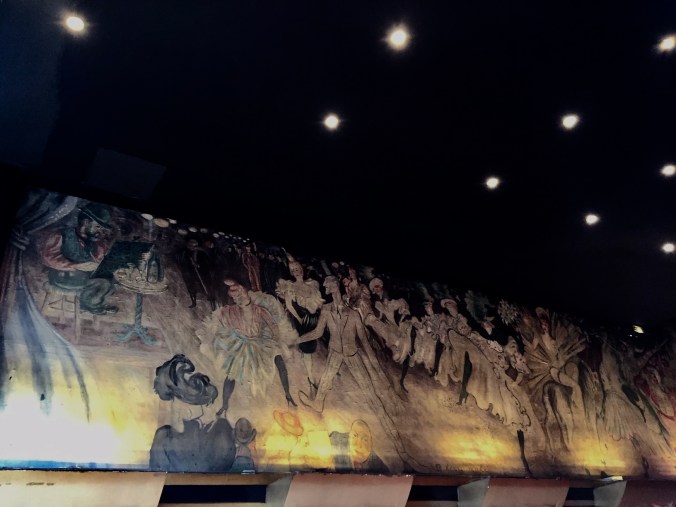
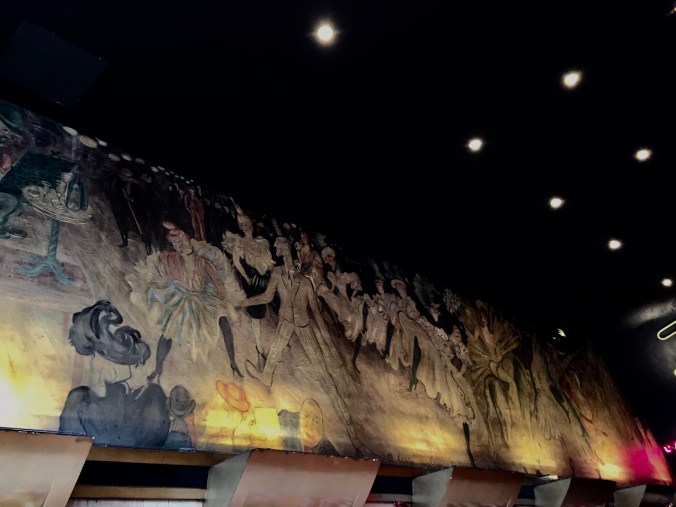
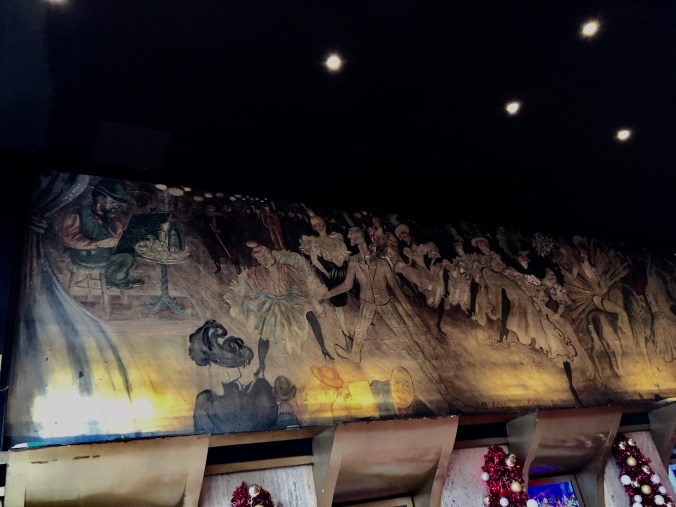
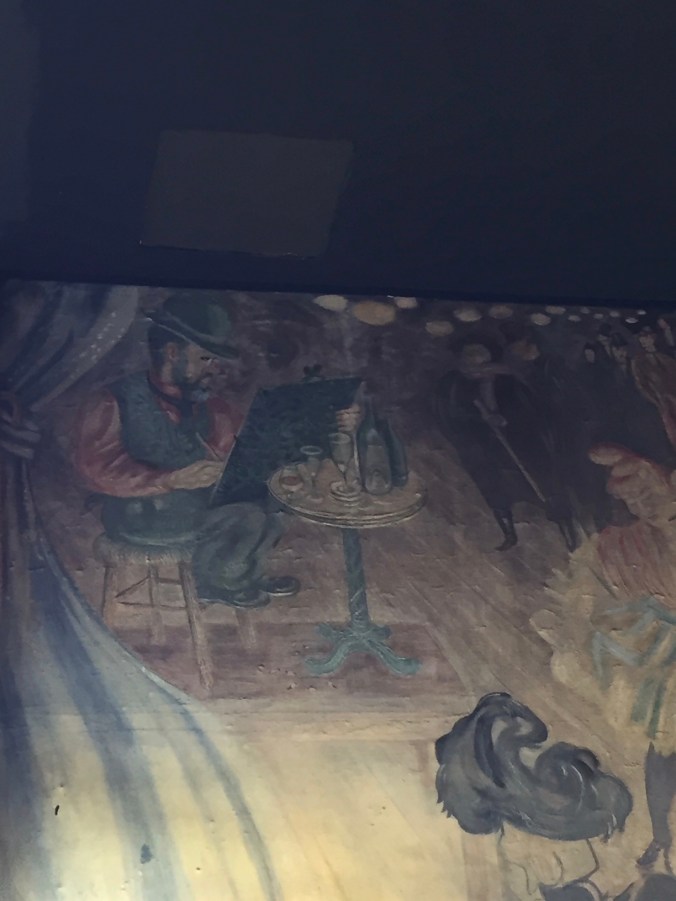
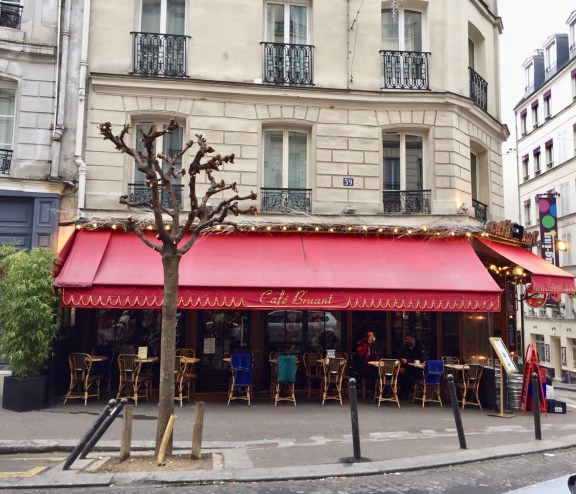
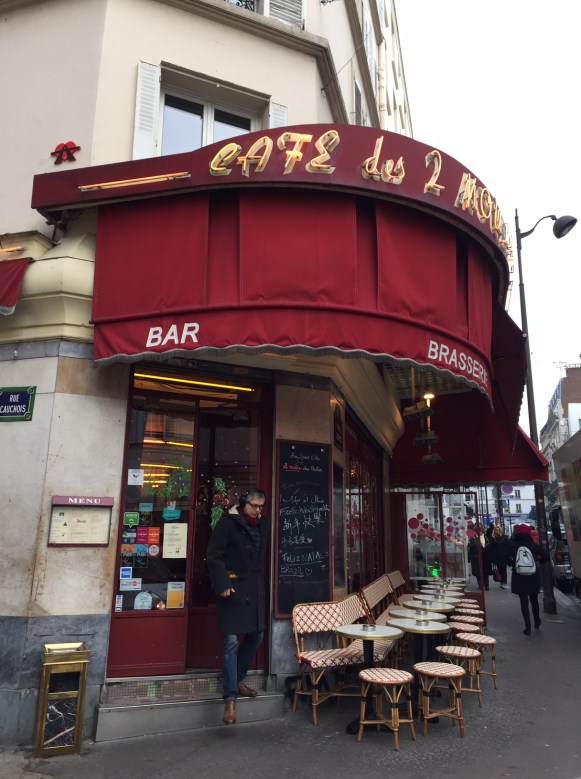
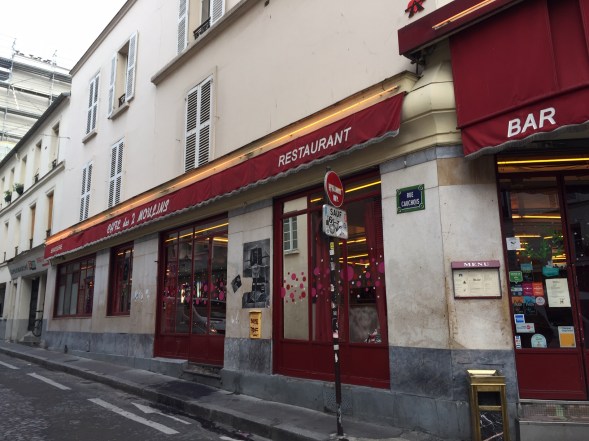
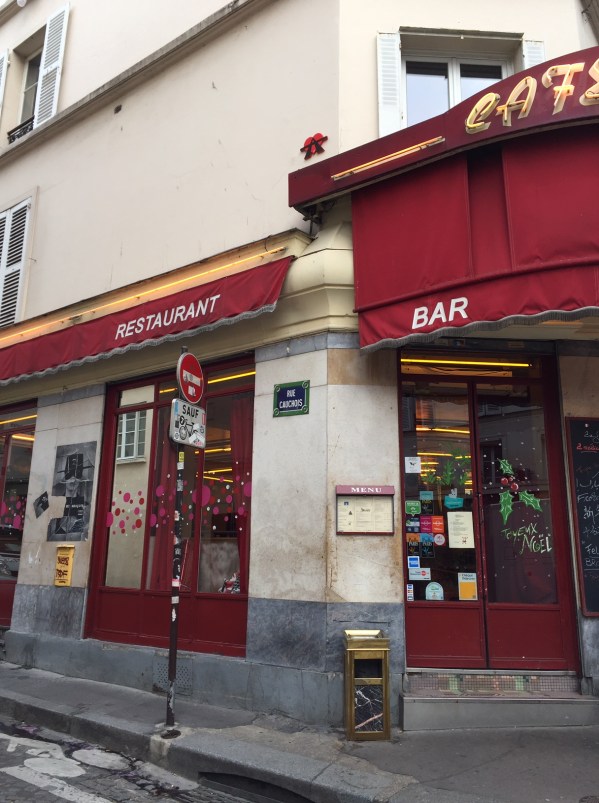
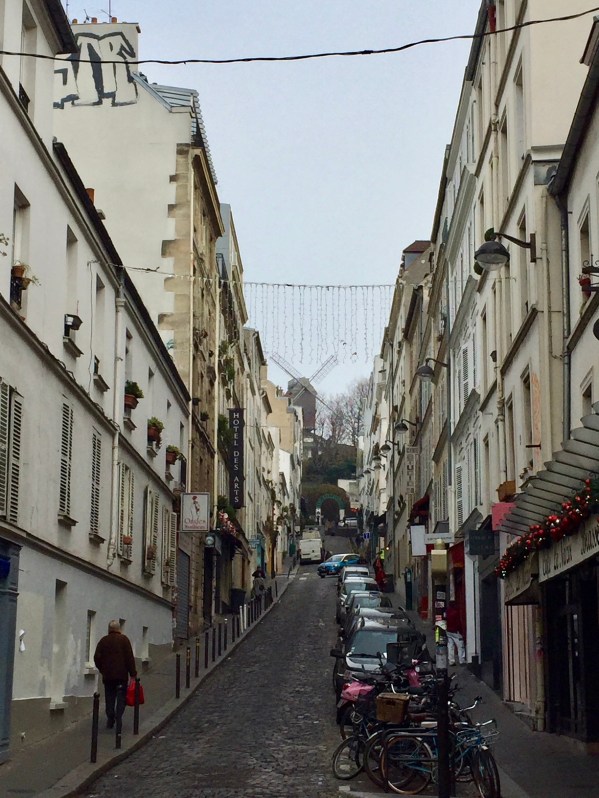
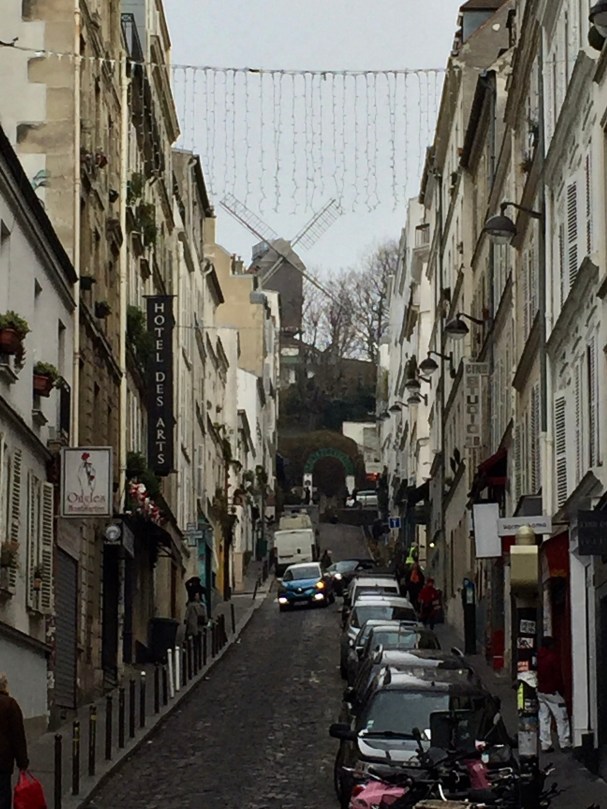
I’ve never been to a performance at the Moulin Rouge, and it is unlikely I ever will go.  Nevertheless, on my recent trip to gay Paree, I took a guided tour through the area of Montmartre and this is where we started.
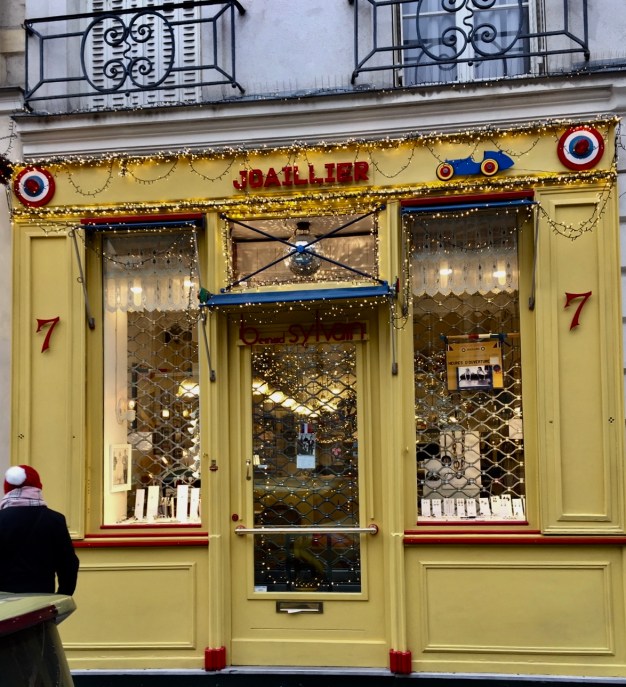
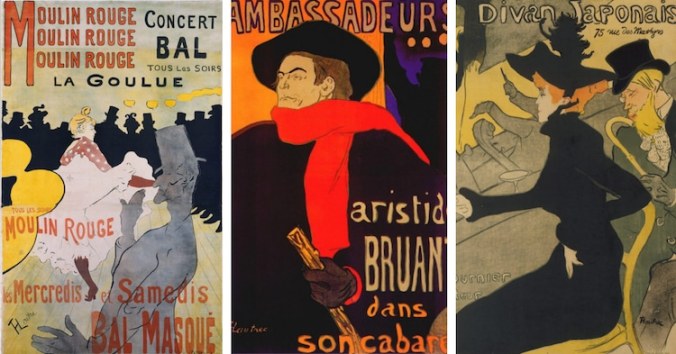
It threw me right back to late 19th century French painting, especially with Henri de Toulouse-Lautrec.  How I do love his posters of this genre!  Before I add some of them, please enjoy these candid shots taken on a cold December morning in 2018.


fullsizeoutput_b2f


fullsizeoutput_b30


fullsizeoutput_b31


fullsizeoutput_b32


fullsizeoutput_b34

And now, the real thing(s):

lautrec-bal-moulin-rouge

toulouse-lautrec-posters-1

Winter fashion in the 1940s & 50s

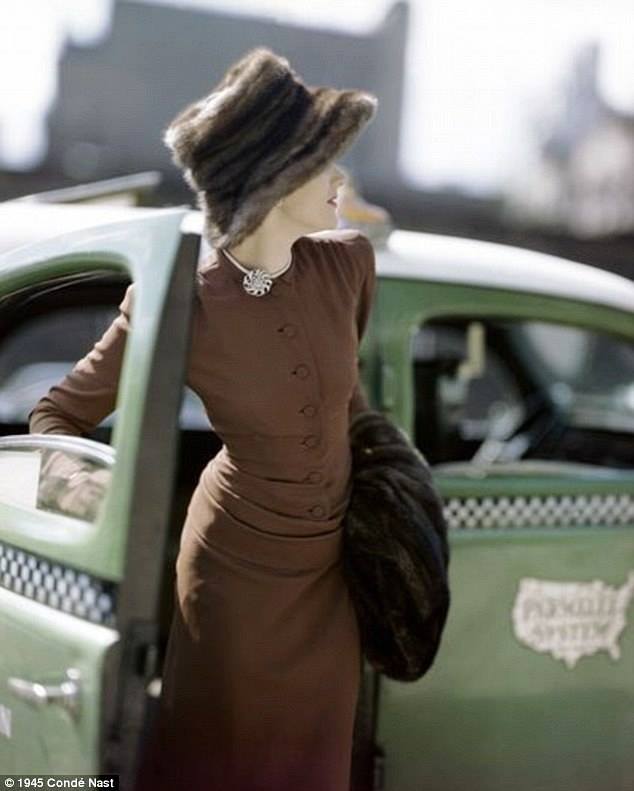
I don’t usually like 1940s fashions.  My interest tends to begin in the 50s.  But, here is the exception that makes the rule!

44060304_2177688612480029_4982856619701305344_n

Fashion photo by Constantin Joffe for Vogue – New York, 1945.


And now, the 50s:

44134970_1540595189373286_3058655002726760448_n

Model Georgia Hamilton, Photo by John Rawlings, 1950s. That is an Eames Aluminum Group chair, originally designed as outdoor furniture by Ray & Charles Eames in 1958. The other stuff in the photo is ok too.

The history of the American consulate in Florence and #Insieme200

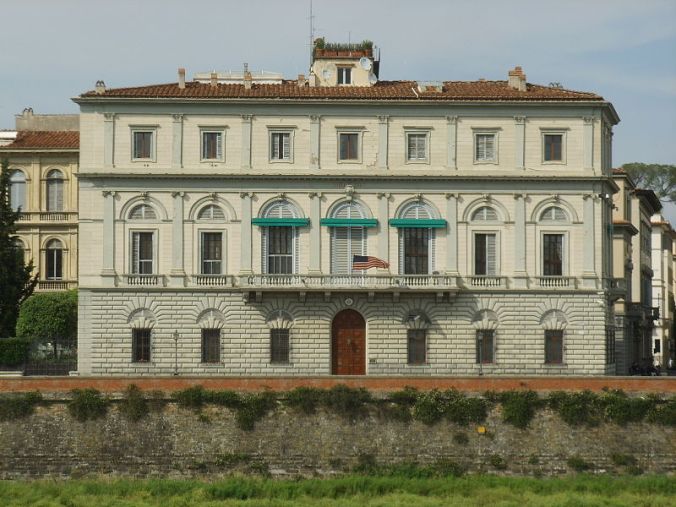
palazzo-calcagnini

The American Consulate in Florence is part of the United States Mission to Italy and is located at Lungarno Vespucci 38, in the former Palazzo Calcagnini (built 1876-77). This palazzo was purchased in 1949 by the American government, to serve as the site of the Consulate General.

Long before the United States acquired the palazzo however, its presence was already in Tuscany.  The first American consulate to the Grand Duchy of Tuscany was established in Livorno (then known in English as Leghorn), with consular agent Phillip Felicchi being appointed on 29 May 1794.

For some reason, Tuscany would not recognize any consulates posted in Florence, so the first U.S. Consular Agent to serve Florence was Vice Consular Agent James Ombrosi, who was under mandate from the U.S. Consulate at Leghorn (Livorno). Ombrosi was accredited on May 15, 1819.

In the years after the U.S. Civil War and the transition of the capital of the Kingdom of Italy from Florence to Rome, the U.S. Consul General was James Lorimer Graham. Graham was a New York banker and art collector; he and his wife Josephine lived in a building that is now known the Palazzo dei Congressi.

In the early 1870s, Florence was suffering the grave economic consequences of the sudden transfer of the capital, a move that left the city deeply in debt and had bankrupted many investors when boom turned to bust in “Firenze Capitale.”

Resulting higher taxes and slower growth led to widespread poverty. Mrs. Graham was a committed philanthropist back in New York, and so responded to this situation in a way familiar to her. She rallied members of the “American Colony” and started selling mistletoe baskets and Christmas trees to raise funds for the poor.

Then there was the more fraught holiday season of December of 1944. Though Florence had been liberated by the Allied Forces in August of that year, there was little rejoicing along the Gothic Line—the German defensive line that stretched from Carrara to Pesaro—as fighting raged and civilian and combatant casualties mounted.

In the early morning hours of a bitterly cold December 26, Axis forces launched a counter-offensive in the Garfagnana region of Lucca province, focused on and around the town of Barga.

The first target was the hilltop village of Sommocolonia, garrisoned by several hundred African-American “Buffalo Soldiers” and a handful of local partigiani.

During the fighting, German forces drove the Allied troops back. To avoid a complete rout, Army Lieutenant John R. Fox remained in his position in the Sommocolonia bell tower, calling in artillery strikes on the town and finally on his own position in order to slow the Axis advance. For Fox’s bravery and self-sacrifice, he was posthumously awarded the U.S.’s highest military honor, the Medal of Honor.

Today the American International League of Florence (AILO), organizes annual events to collect thousands of euro each year that are then donated to local charitable organizations.

Incidentally, the United States also has 5 other representations in Italy: American Consulate in Palermo; American Consulate in Naples; American Consulate in Milan;
American Consulate in Genoa; and the American Embassy in Rome.

The American Consulate in Florence represents one of 402 foreign consular and diplomatic representations from around the world in Italy.


**********************************************************************************

2019 marks 200 years of American presence in Florence

Screen Shot 2019-01-03 at 17.15.20


Do you have personal experiences or stories that were passed on to you about historic events that occurred in Tuscany, Emilia Romagna or the Republic of San Marino? Were you a Mud Angel? Did you have relatives who worked with the American Red Cross during World War I or witnessed the 5th Army’s fight along the Gothic Line in World War II? Are you doing something now that is strengthening the U.S.-Italy partnership? If so, the U.S. Consulate General in Florence would love to hear from you!

The Florence American consulate is collecting stories in anticipation of the bicentennial of its diplomatic presence in Florence in 2019.

Throughout that year, we hope to see a series of events across Tuscany, Emilia-Romagna and the Republic of San Marino exploring all facets of our past, present, and future together.

These commemorative events and related information will be highlighted on the Consulate’s social media platforms with the #Insieme200 (#Together200) hashtag.

Our 200 years here are built on a foundation of millions of personal and organizational ties, so we need your help to properly celebrate our bicentennial!

If your organization has an idea for a 200th anniversary commemorative event—large or small—or wants to get involved with the events being organized by the Consulate, please let us know:CGFIProtocol@state.gov.

To receive updates on the Consulate’s 200th anniversary and more, join the Consulate’s community by liking its Facebook page @USCGFlorence or following on Twitter!

A Roman Christmas tree update

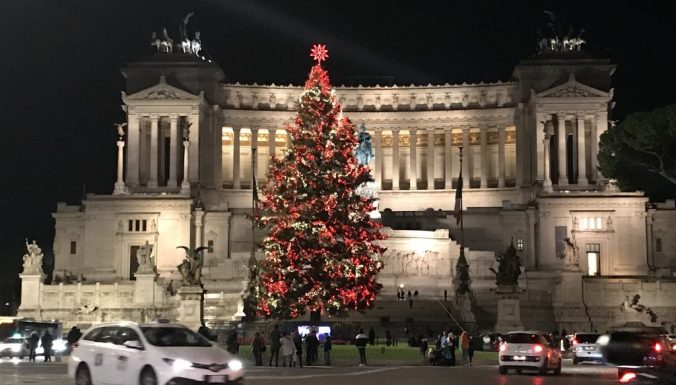
I know this is old news, but it is new news to me.  I just read that Netflix paid for Rome’s main Christmas tree in 2018.

Here’s the tree:

rome-netflix-christmas-tree-1024x584

Sponsoring this tree was a huge expense: 370,000 Euro (about $400,000.00).


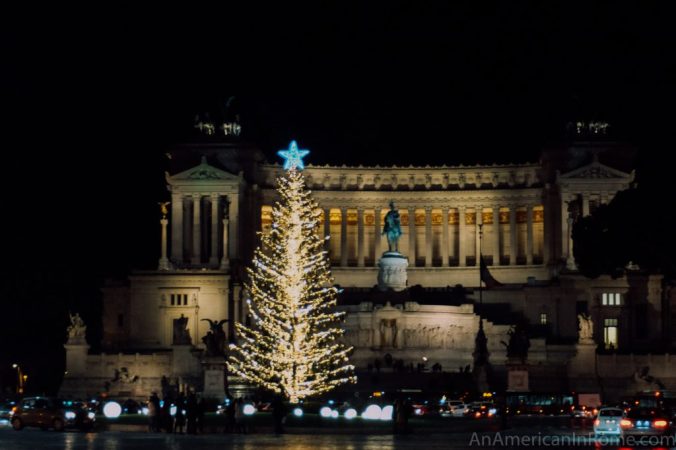
You may have heard about the 2017 Christmas tree that was a big fiasco: it lost all its needles and was a tree skeleton!

christmas-rome-4-1024x683

I had just never heard of an American company sponsoring a Roman (or any) Christmas tree before!  It makes sense, private companies sponsor all kinds of public good works throughout the country.