Have you ever considered the invention of the train and how it revolutionized the world?

I never have.  But, consider this:
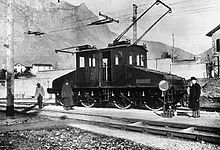
Ganz_engine_Valtellina

On a hot August day in 1837, Queen Marie-Amélie—wife of the French King Louis-Philippe—two of her daughters, assorted ministers, and other dignitaries gathered at the newly built embarcadère de Tivoli, at the northern limits of Paris….[They boarded a train and] the train pulled away from the platform and out of Paris, soon speeding through the countryside on the 13 mile, 26 minute journey to Saint-Germain-en-Laye.

It was the maiden voyage of France’s first passenger railway line, the most visible sign that the Industrial Revolution had come to Paris. Those on board were fascinated by the experience.

Each of the travelers in the car in which we were sitting expressed his impressions in his own way.

One was surprised that, despite such speed, it was as easy to breathe as if we were walking slowly on the ground; another was in ecstasy at the idea that he sensed no movement and felt as though he were sitting in his bedroom; yet another noted that it was impossible to have the time to distinguish, from three feet, on the sand, an insect of the size of a bee, or to recognize the face of a friend; and finally another noted with glee the surprised attitude of the country people upon the passing of this column of smoke and this long succession of cars without horses, sliding along with a slight buzz, and disappearing in the distance almost immediately.

Others, more grave, declared that the good that would come of this invention was incalculable.

The first major intercity lines, from Paris to the city of Rouen, in Normandy, and to Orléans, south of Paris, were inaugurated on two successive days in May of1842.


Kirkland, Stephane. Paris Reborn, St. Martin’s Press. Kindle Edition.
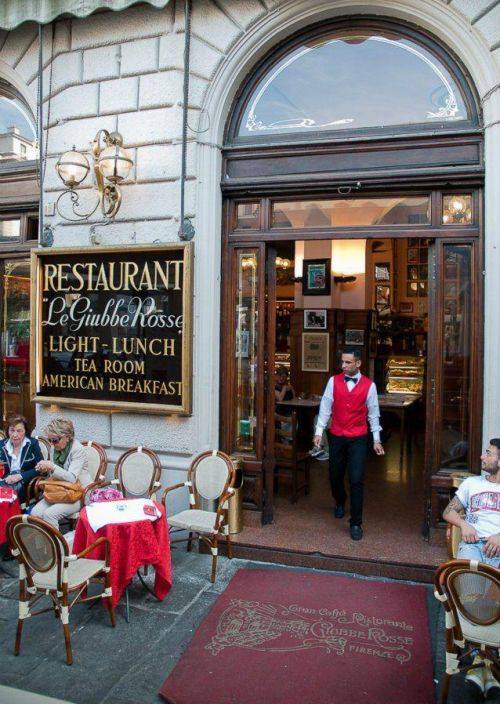
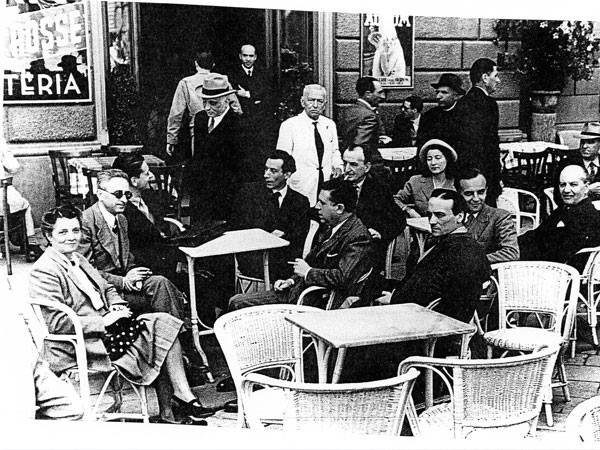
The end of the Caffè Giubbe Rosse in Florence


48381221_2098440303554001_9154871088054796288_n

The end of 2018 in Florence also sees the end of its most famous historic café. The company that owns the café has been declared bankrupt, owing around 3.5 million euros.

Contributing to this debt has been the colossal land rent in the centre of Florence of 25,000 euros per month plus very significant charges for the occupation of public land the large, invasive and very expensive outdoor terrace built on unfortunate directives of the Municipality and of the Superintendency for architectural and environmental heritage).
Caffè Giubbe Rosse is a café in Piazza della Repubblica. When opened in 1896, the cafè was actually called “Fratelli Reininghaus”. It was named “Giubbe Rosse” (Red jackets or coats) in 1910, after the jackets which waiters wear to this very day.
The café has a long-standing reputation as the resort of literati and intellectuals. Alberto Viviani defined the Giubbe Rosse as fucina di sogni e di passioni (“a forge of dreams and passions”).

The Giubbe Rosse was the place where the Futurist movement blossomed, struggled and expanded; it played a very important role in the history of Italian culture as a workshop of ideas, projects, and passions.
Poets such as Ardengo Soffici, Giovanni Papini, Eugenio Montale, Filippo Tommaso Marinetti, Giuseppe Prezzolini and many others met and wrote in this literary café, an important venue of Italian literature in the beginning of the 20th century.

48411840_2098440556887309_5064402037014265856_n
Important magazines such as Solaria and Lacerba originated here from the writers who frequented the café.
Giubbe Rosse was founded by two Germans, the Reininghaus brothers, in 1896.
Let’s hope someone will step in to rescue this historic part of old Florence!

This article was written on Facebook by Freya’s Florence Tours – Freya Middleton
Source: https://www.lanazione.it/…/c…/giubbe-rosse-fallite-1.4357170
http://www.firenzetoday.it/…/giubbe-rosse-firenze-falliment…
https://en.wikipedia.org/wiki/Caffè_Giubbe_Rosse

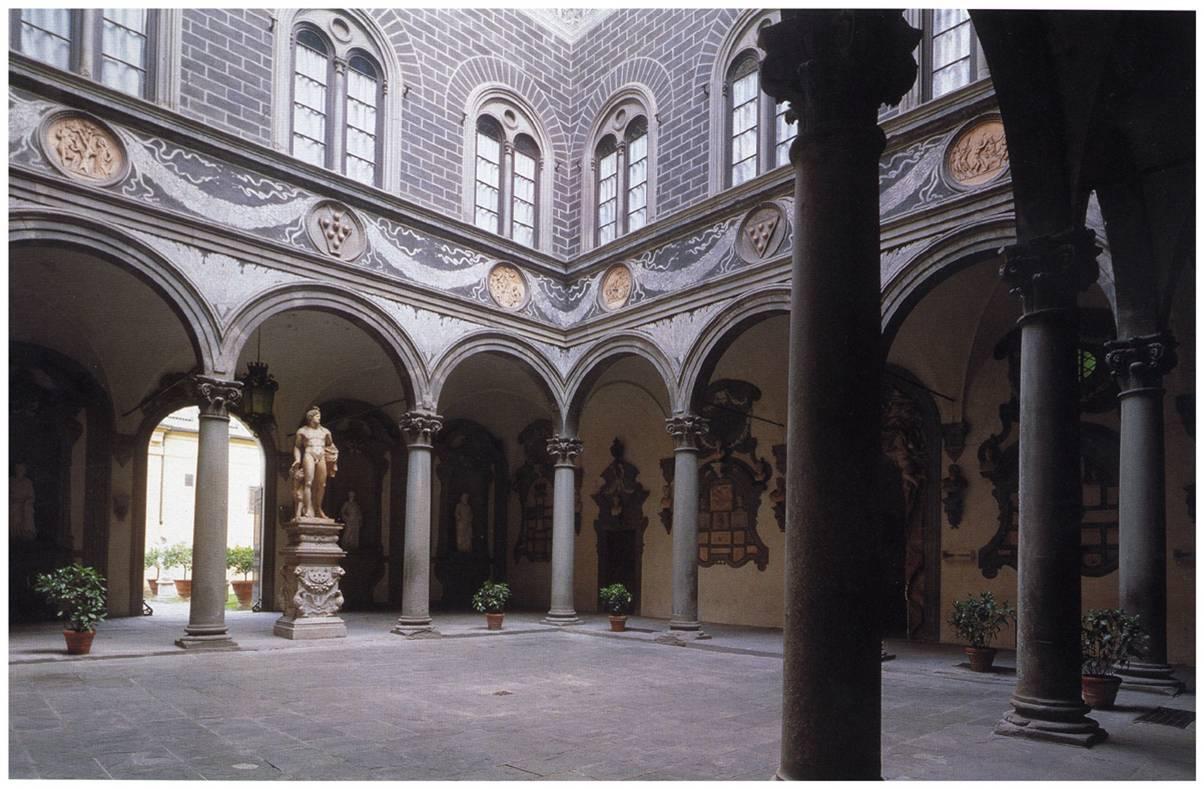
Palazzo Medici-Riccardi, Firenze

Palazzo-Medici-Riccardi-ph.M.-Quattrone-

The palace of the De’ Medici Family has a troubled history.

When Filippo Brunelleschi presented his project of a palazzo to Cosimo De’ Medici, the latter considered it to be too fancy and gave up the idea.

Then came the draft by Michelozzo Michelozzo, Donatello’s pupil, but this time the Florentines said ‘No’ to what at the time must have seemed an urban mess in the San Lorenzo district.

Finally, the works began with the erection of the famous ashlar walls (with protruding stones), the small and narrow windows with grates, heavy doors, all aimed at intimidating everyone who passed or entered the building.

However, beyond the heavy door, the building takes on a much kinder style, with a courtyard that is a real open-air museum with sarcophagi, inscriptions and statues. 

picture71362250925577

In 1659, Gabbriello Riccardi, Marquis of Chianti, became the owner of Palazzo Medici and sold it to the Lorenas, the Grand Dukes of Tuscany, in 1814. After many renovations, it became the seat of the administrative offices and headquarters of the Interior Ministry, in the period when Florence was capital of Italy, between 1865 and 1870.

Since 1874, the Medici Palace is the seat of the Province of Florence and also a museum with works such as the Magi Chapel with frescoes by Benozzo Gozzoli.

Epiphany in Florence

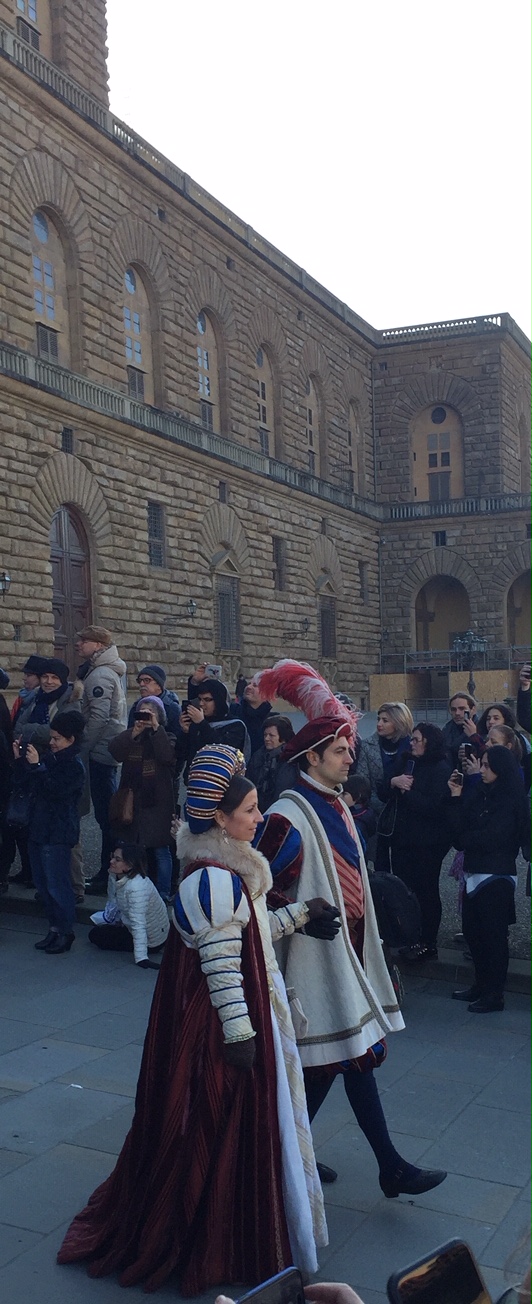
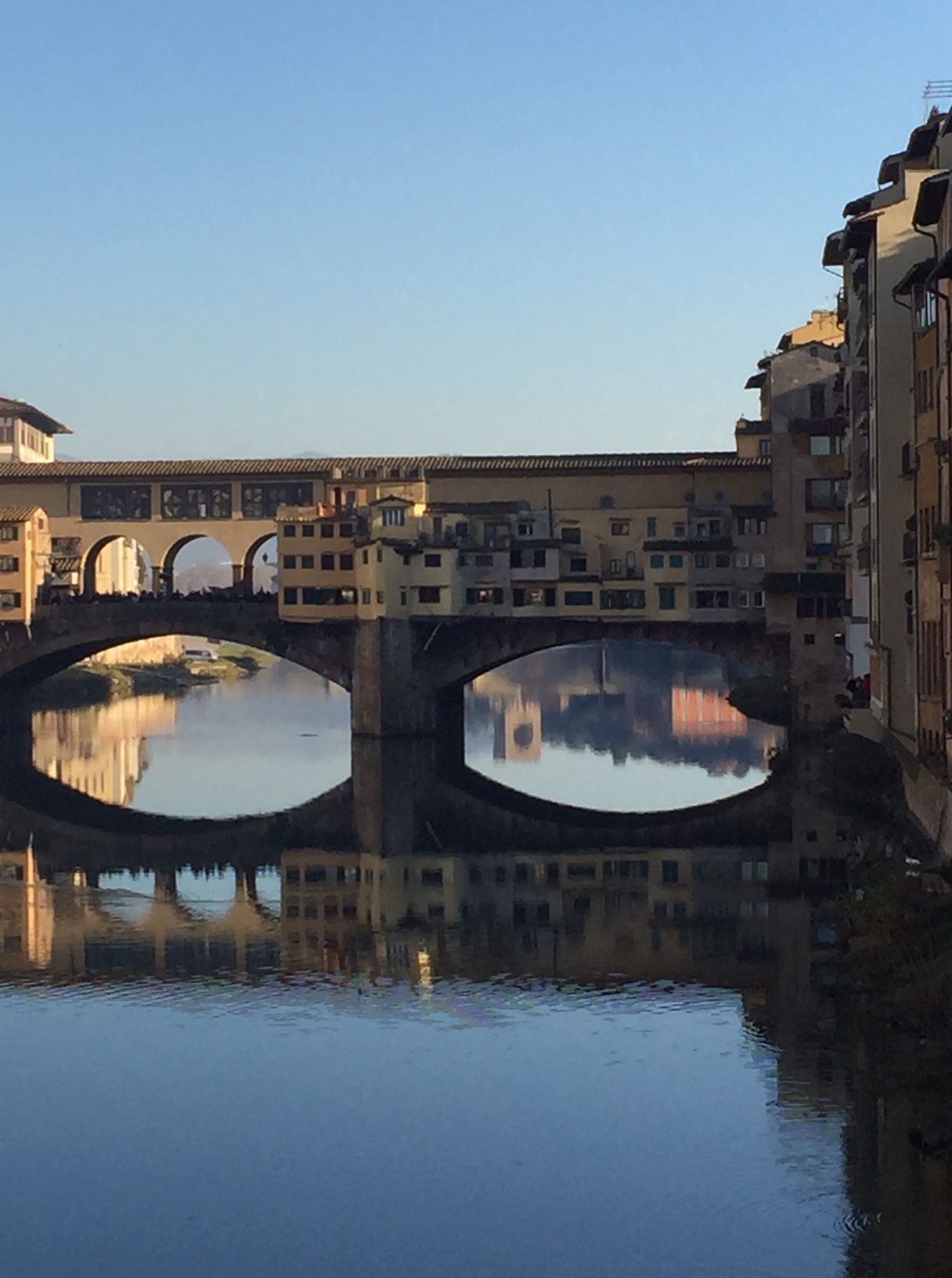
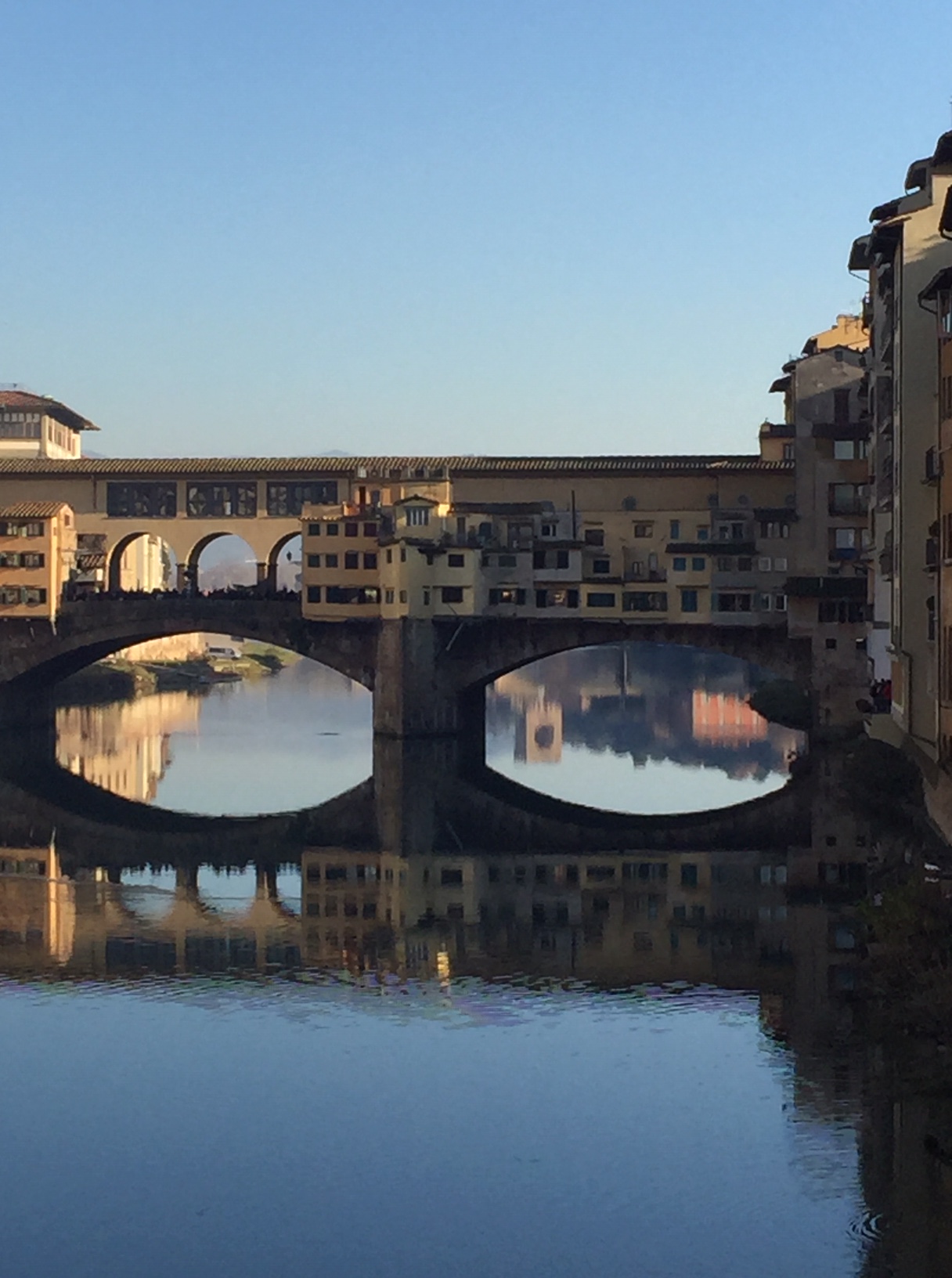
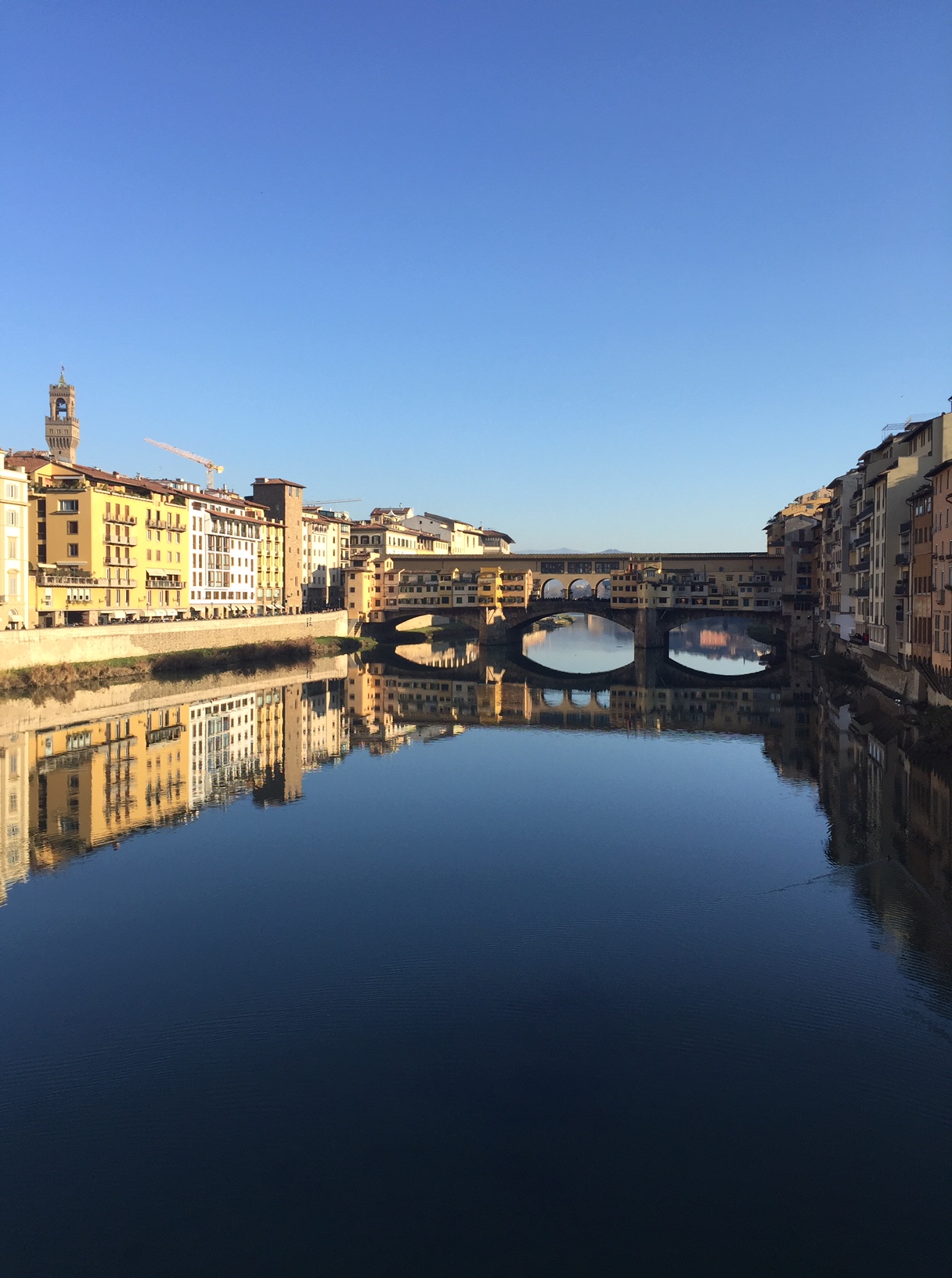
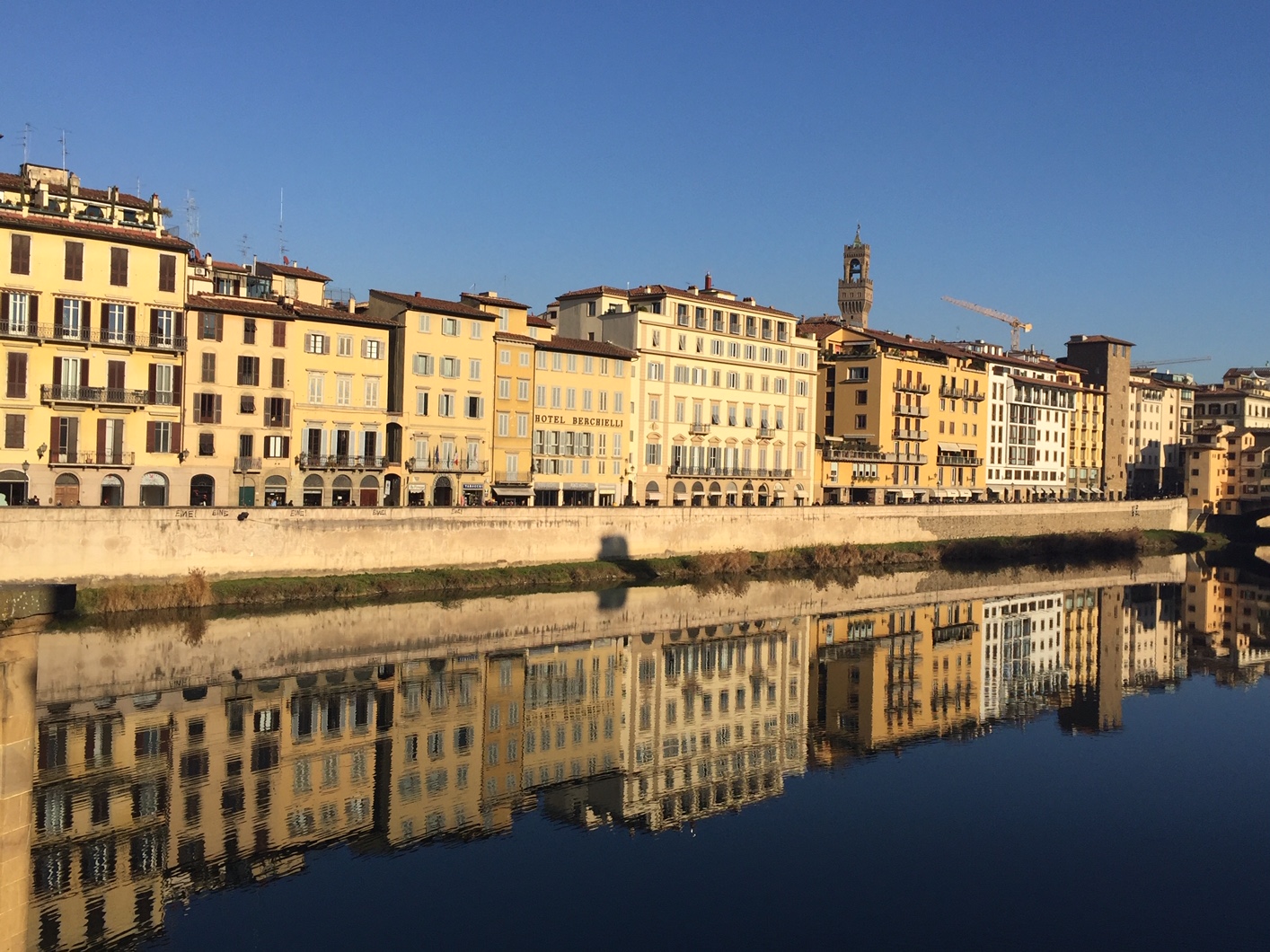
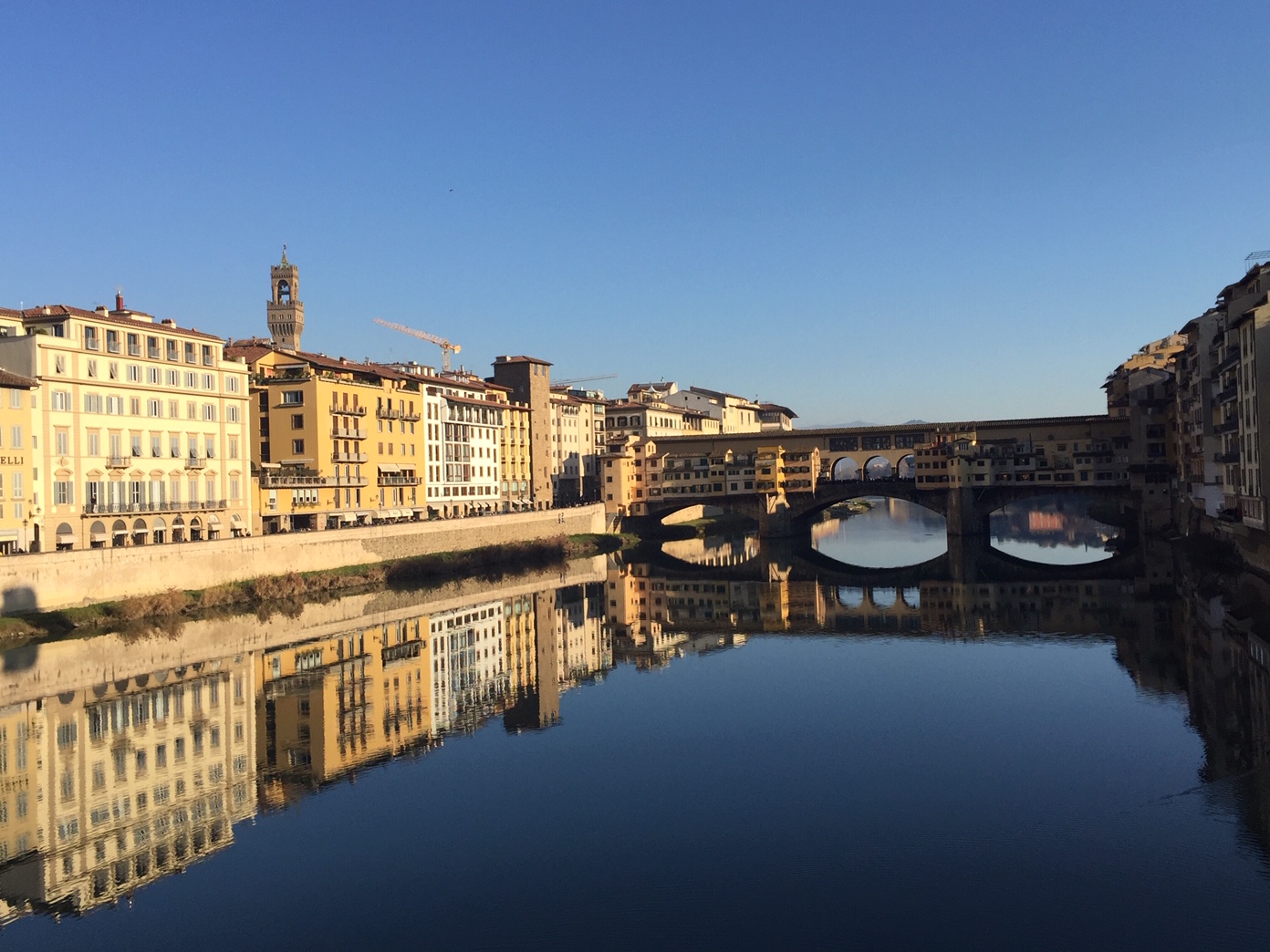
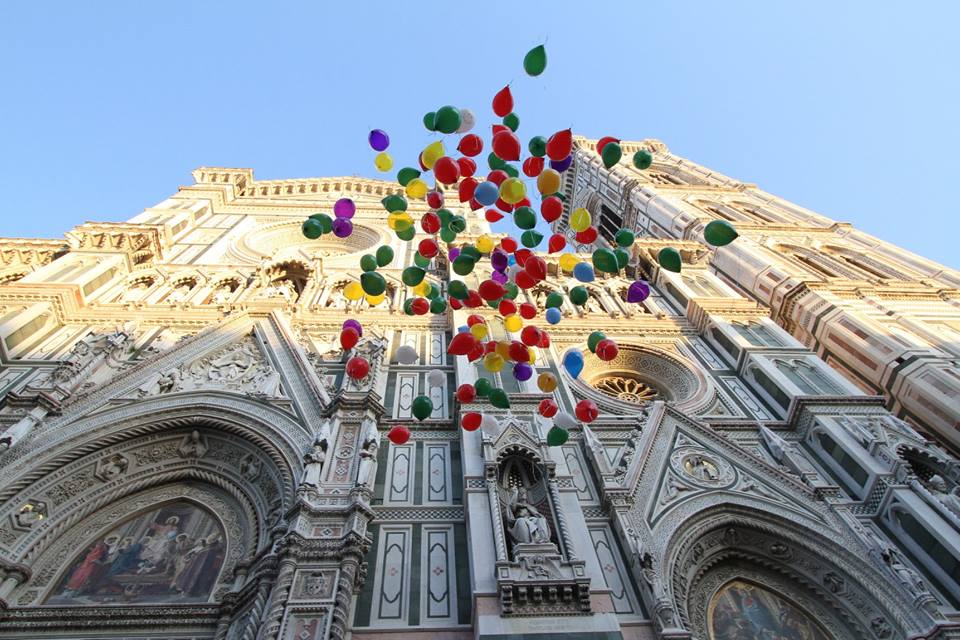
Sunday, 6 January, was a beautiful sunny day in Florence!  And the city was celebrating big-time with the annual cavalcade parade.  I’ve posted about this in years past, so I won’t repeat myself.  But, behold the views of Florence on that gorgeous day!

img_4862


The Arno river was as smooth as glass:

img_4866img_4867img_4868img_4869img_4870


And, when all the festivities were finished, these balloons were released to mark the day!

49494423_2563132247037166_7902840313989824512_n

Bellisimo!

Florence never was a pansy!

“Florence is not as delicate or demure as most travel brochures and coffee-table books might lead us to think.

“The city has a vivid, volatile history—Christian martyrs thrown to lions, neighborhood clans engaged in bloody vendettas in the streets, poorly paid wool-workers rioting in the marketplaces until their voices were heard in the powerful guild halls.

“Florence is a dollhouse setting for much of the theater of Italian social history—in fact, for much of the social history of the Western World.

“Money-making, church-building, and nobility-feuding were the activities of primary importance in the newly cosmopolitan Florence of the thirteenth century. Frescoes, paintings, statues, murals, and tapestries were the artistic accessories to a world that was waking up to self-expression, creativity, vanity, materialism, and physical adornment. The great artworks, the churches, the palaces, the commercial life, and the very shape and pattern of the city were all products of an extraordinary group of men and women who have lived and earned a living here.

“In the first two centuries before Christ, Florence (or Florentia) was little more than a factory town and Roman port. Iron making was probably the chief industry. Ore that was extracted on the island of Elba and shipped up to Pisa was brought down along the wide stretch of the Arno to Florentia.

“Overlooking the port and its activities was the Etruscan town of Fiesole. The Etruscans were a proud group of people who traced their ancestors back to Asian nomads and Sandon, the king of Babylonia.

“When and how they settled in Italy are unresolved matters, but at some time a delegation from southern Lydia in AsiaMinor may have been responsible for introducing Greek art and culture into their lives. Depictions of Hercules, equipped with his bow and metal mace, have been found in Etruscan tombs, and his lion is still part of the emblem of Florence today.

“Fiesole was captured by Roman armies in the second century B.C. Three concentric walls were built around the hilltop, and a fourth wall extended down to Florentia and the Arno.

“The entrances to this enormous citadel were along the river’s edge. Three gates, spaced a mile apart, were the only access to the occupied town.

“The Roman general Sulla parceled out tracts of Florentia to members of his twenty-three legions. The soldiers, in turn, showed their allegiance to the mother city, Rome, by building a miniature copy complete with a Field of Mars, a Forum, a Temple of Mars, baths, a theater, an amphitheater, and an aqueduct.

“Fiesole, meanwhile, played a very different role. The town became the center of soothsaying in the Roman world. Long known for its skilled body of priests trained in the rites of sacrifice and divination, Fiesole annually welcomed twelve Roman youths who were sent to the hillside temples to study augury. In the first century A.D., Pliny remembers the auspicious sight of a Fiesolan entering the gates of Rome accompanied by his seventy-four sons and grandsons and a commission to carry out some serious soothsaying.”


Source: Holler, Anne. Florencewalks: Four Intimate Walking Tours of Florence’s Most Historic and Enchanting Neighborhoods (Kindle Locations 65-68). Henry Holt and Co.. Kindle Edition.
 

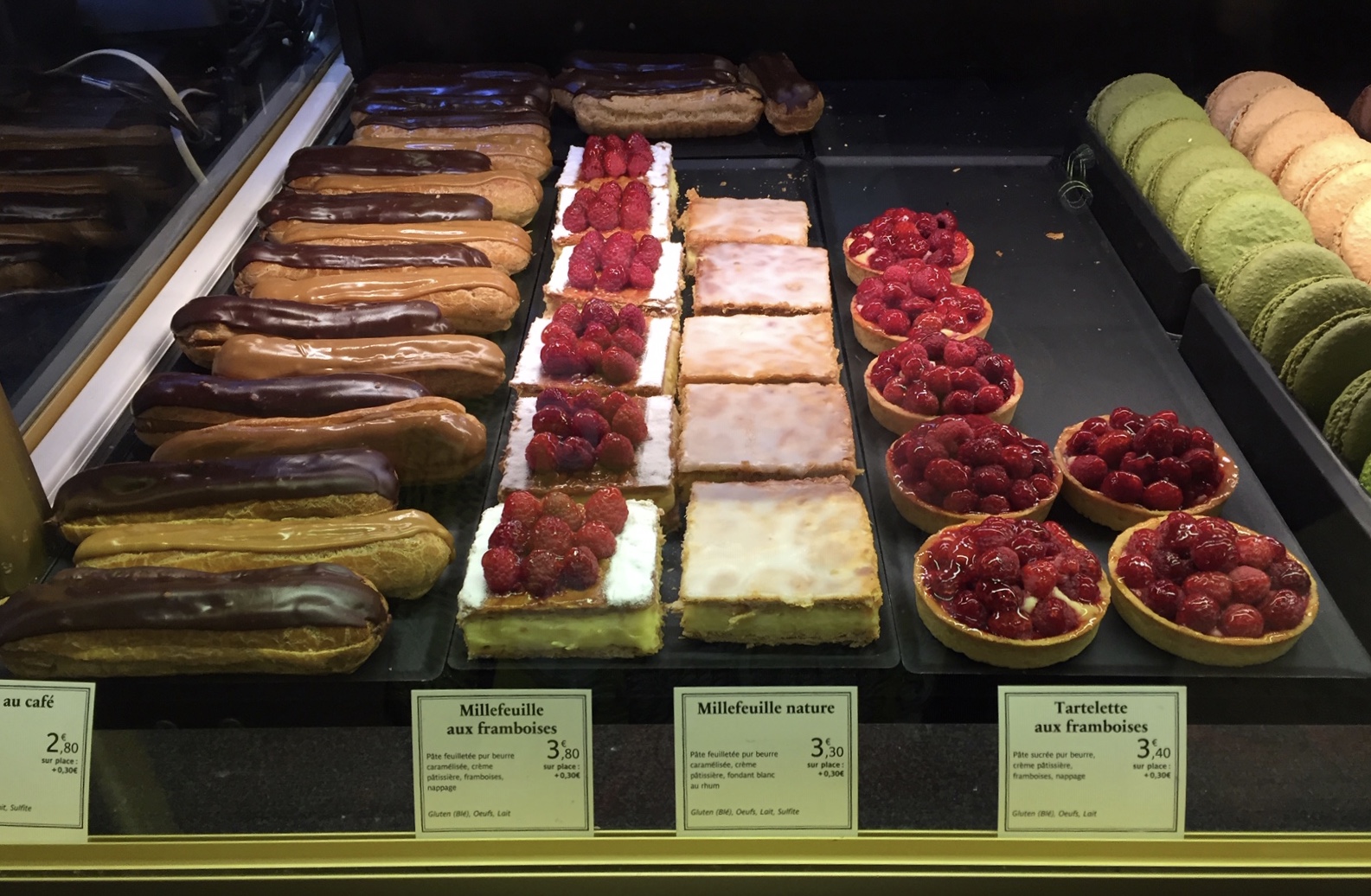
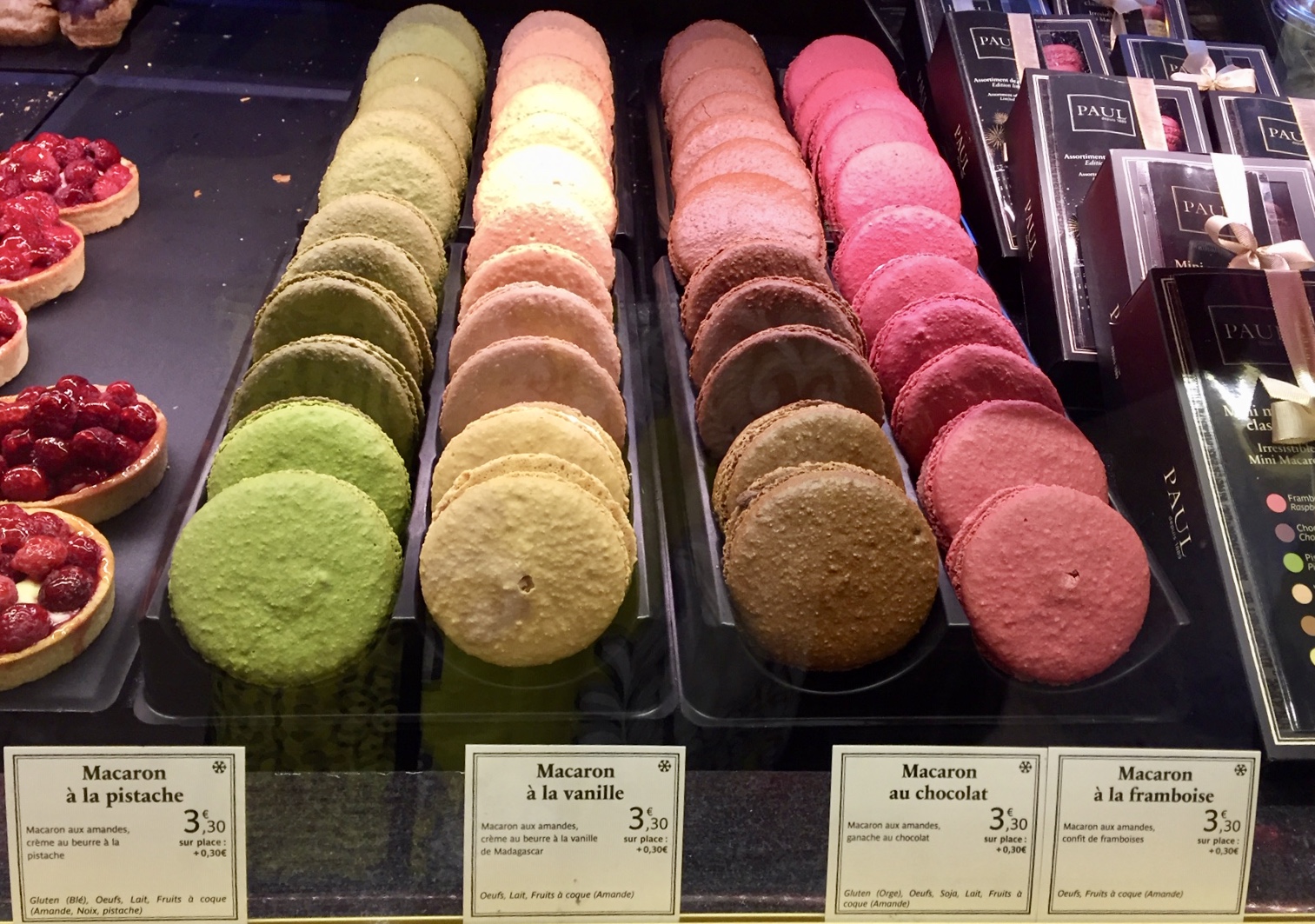
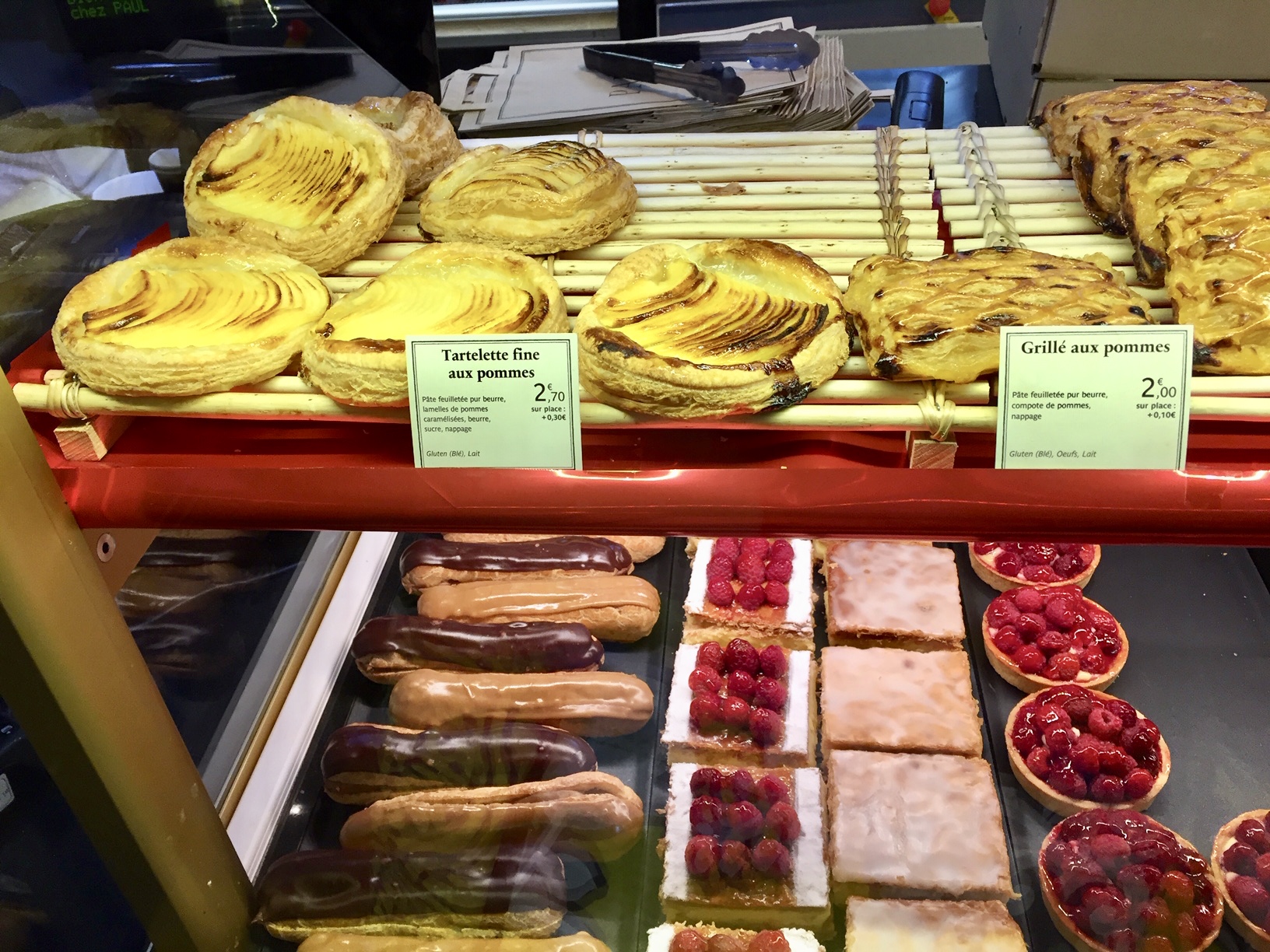
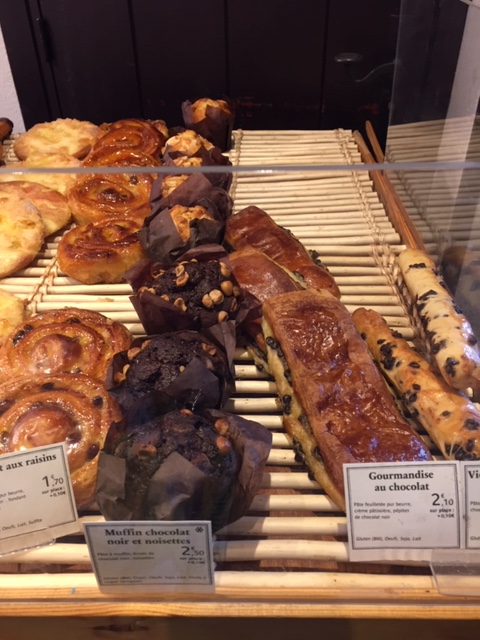
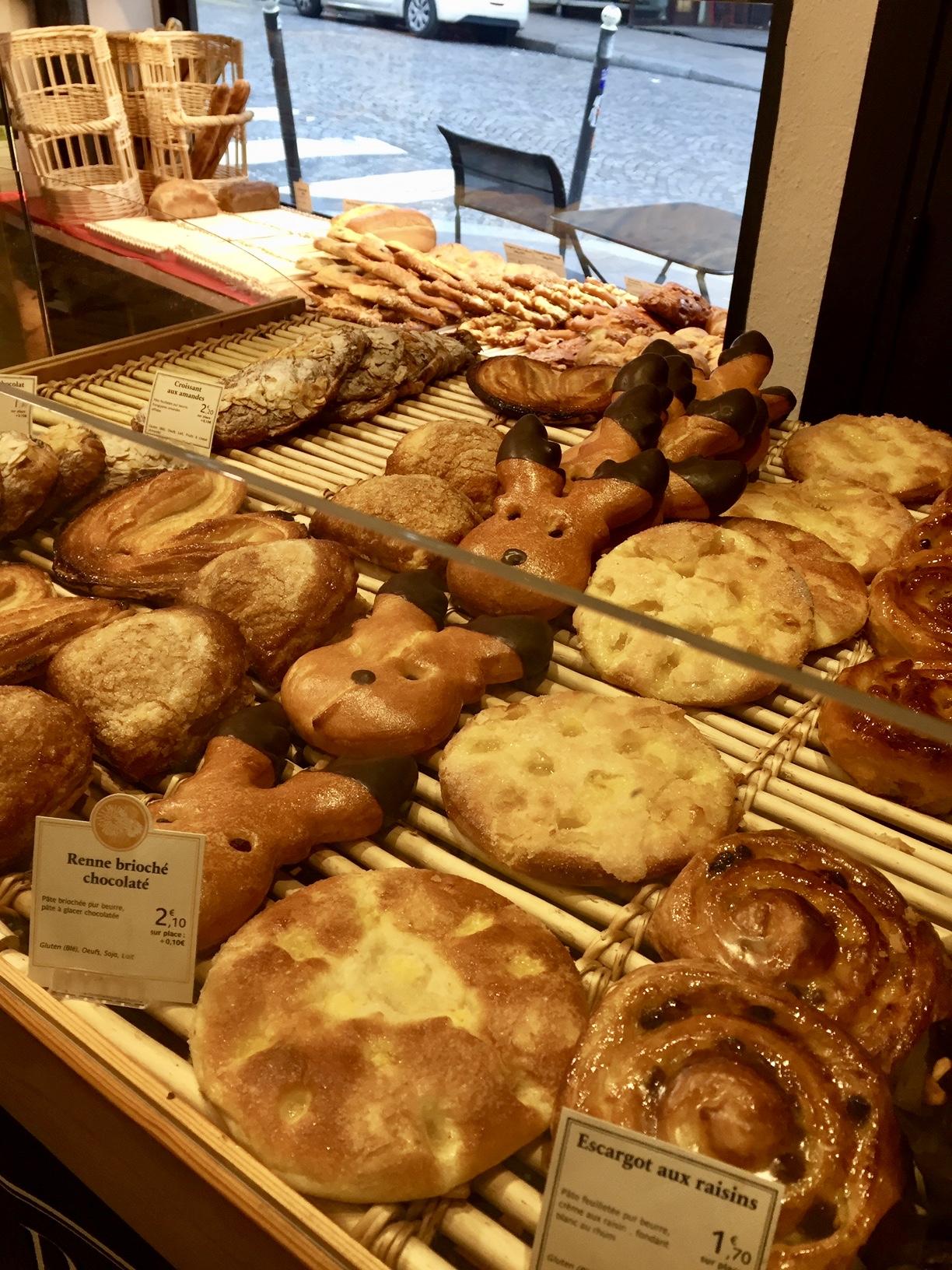
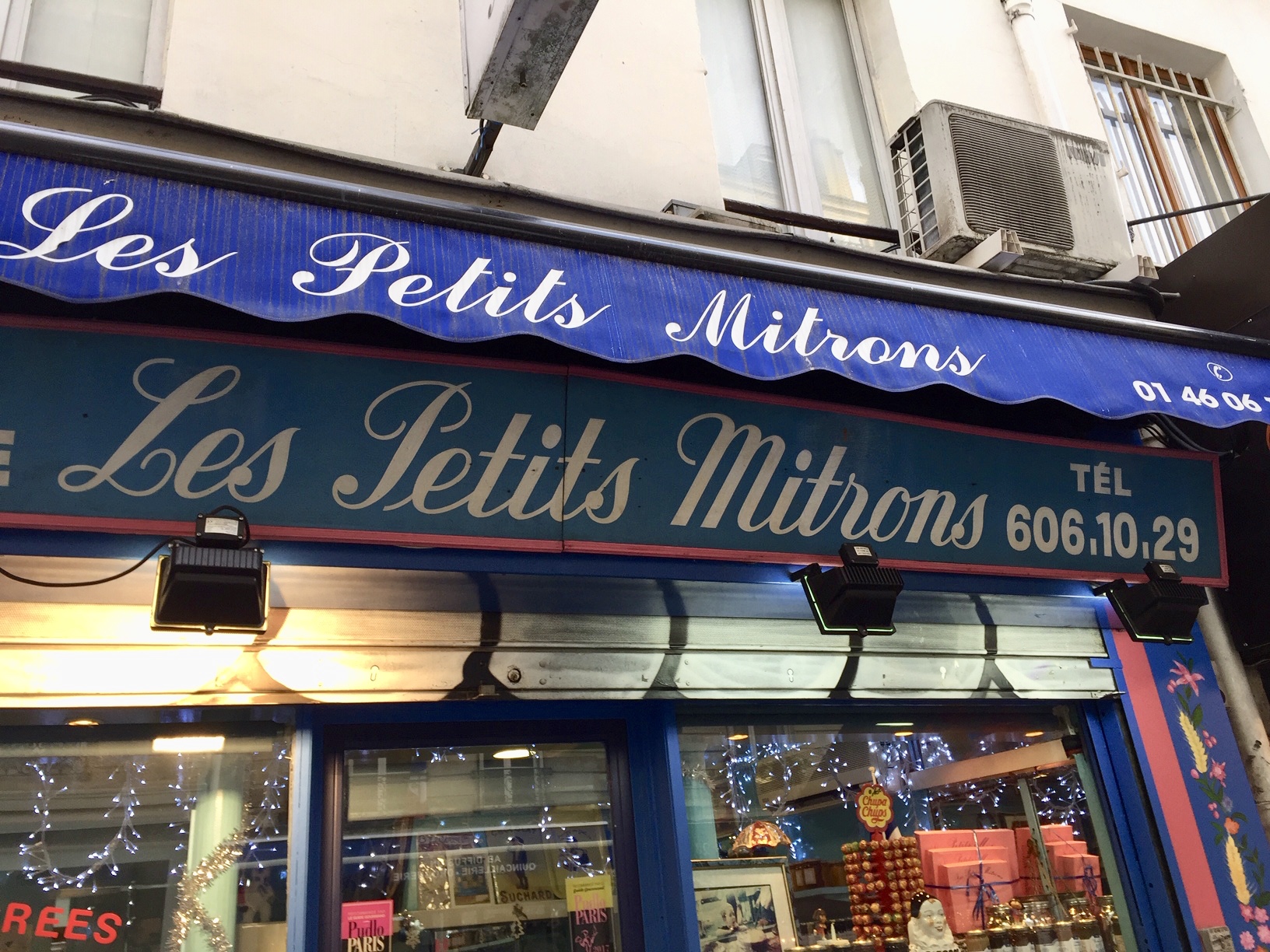
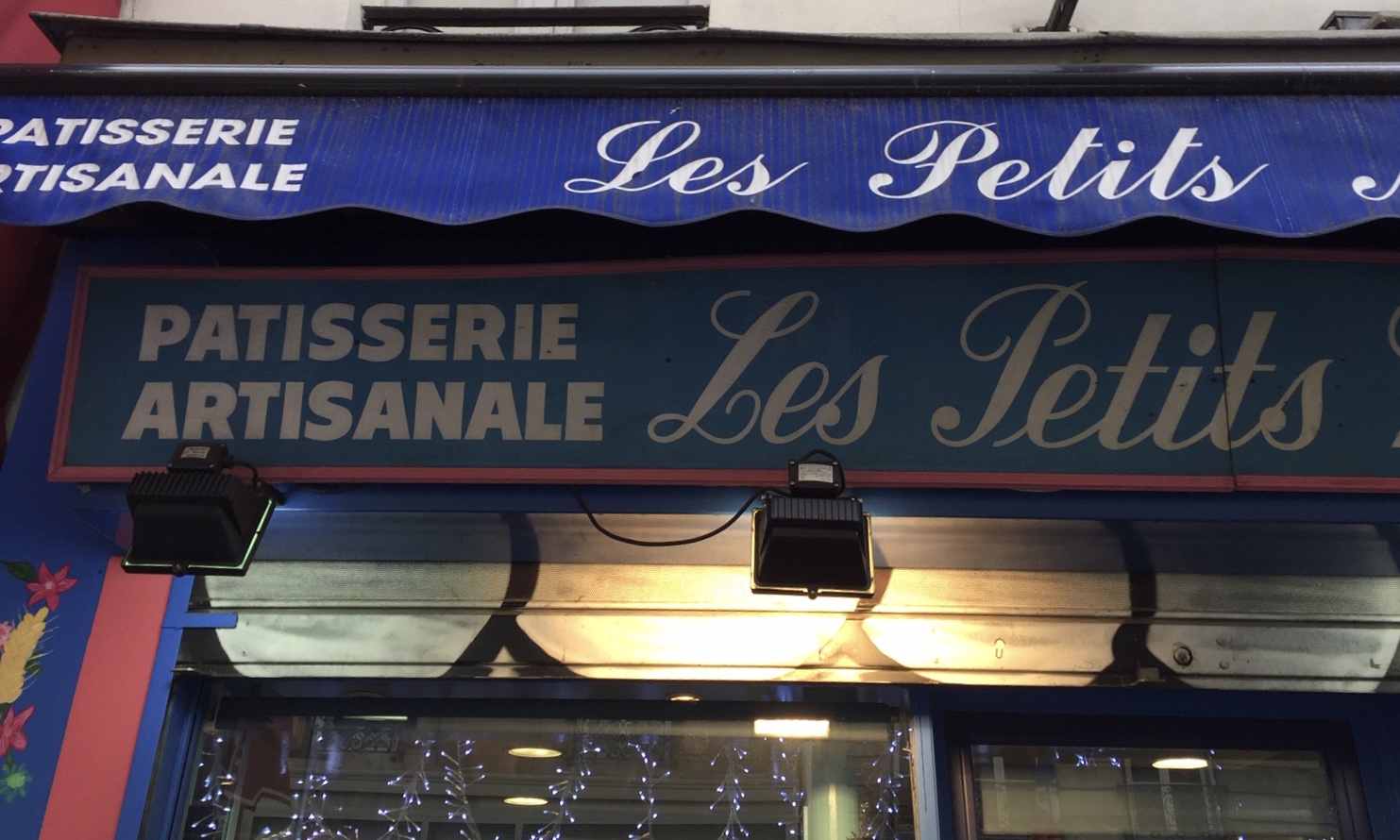
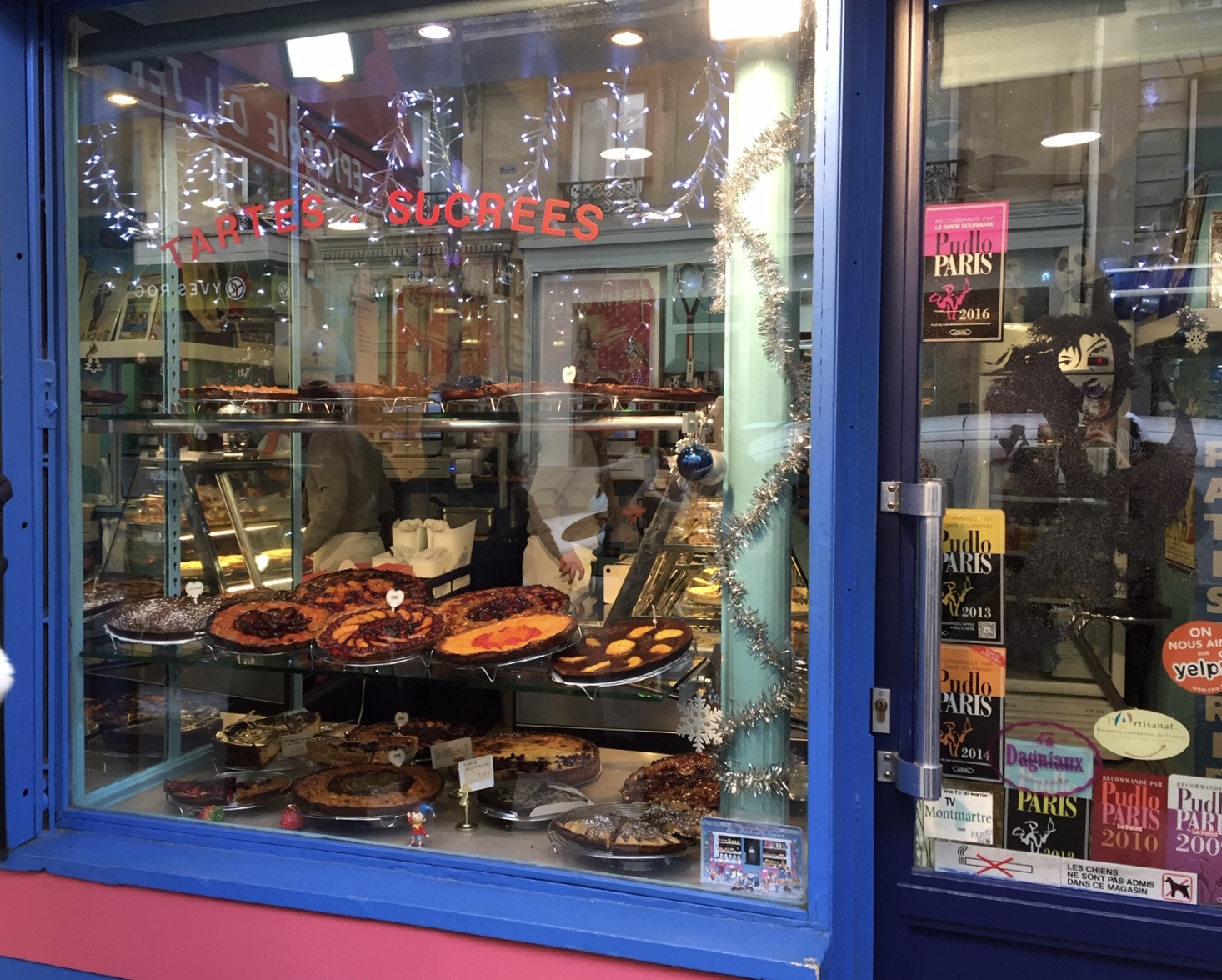
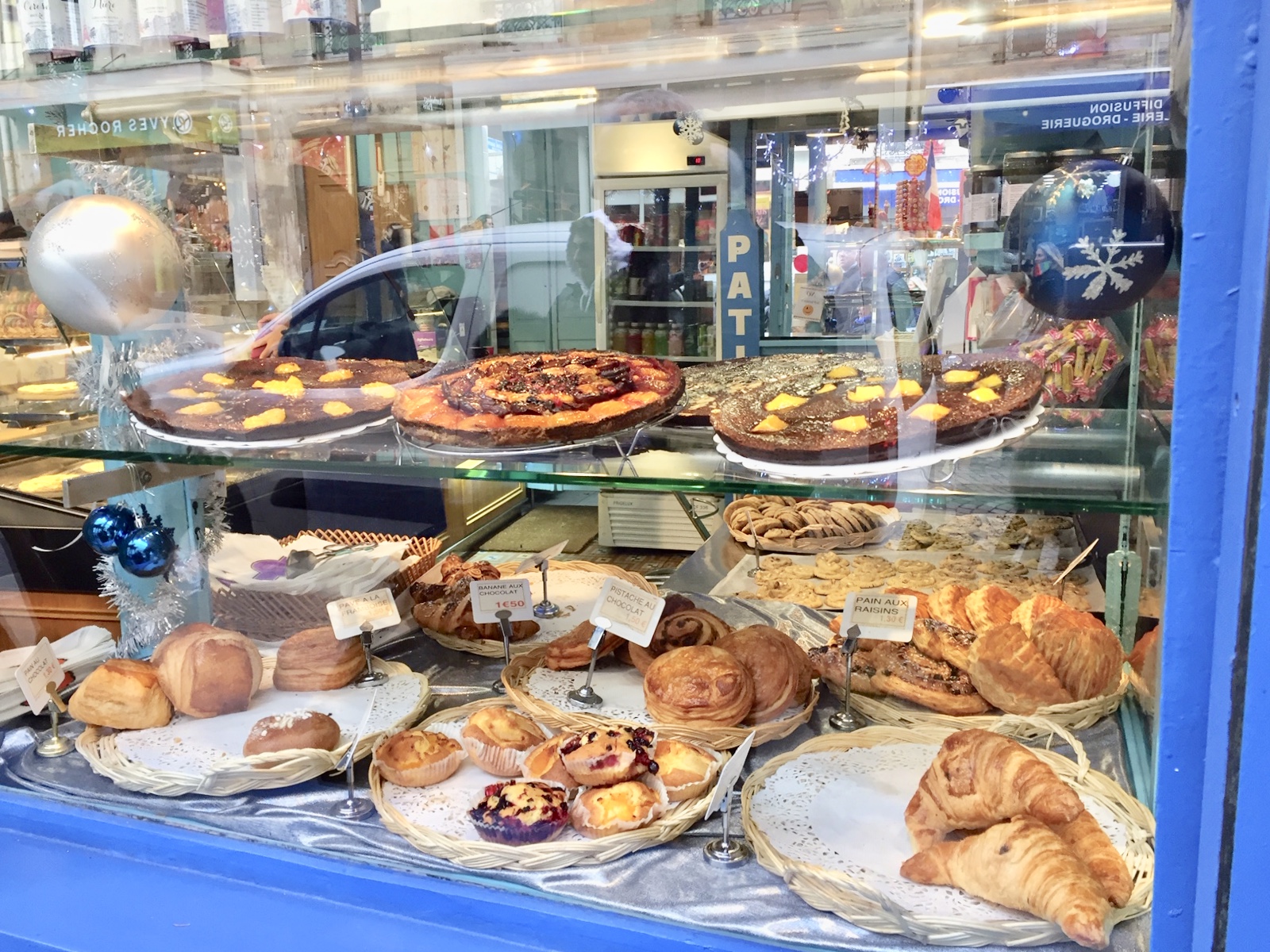
Foods in Paris

So, I was lucky enough to take a guided tour through the old market streets of Montmartre. OMG.  Hang on!
First stop: an artisan boulangerie:

fullsizeoutput_b35


fullsizeoutput_b36


fullsizeoutput_b37


img_4560


fullsizeoutput_b38


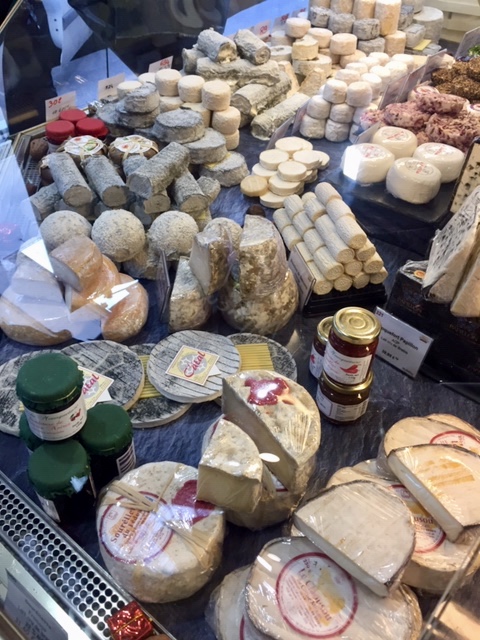
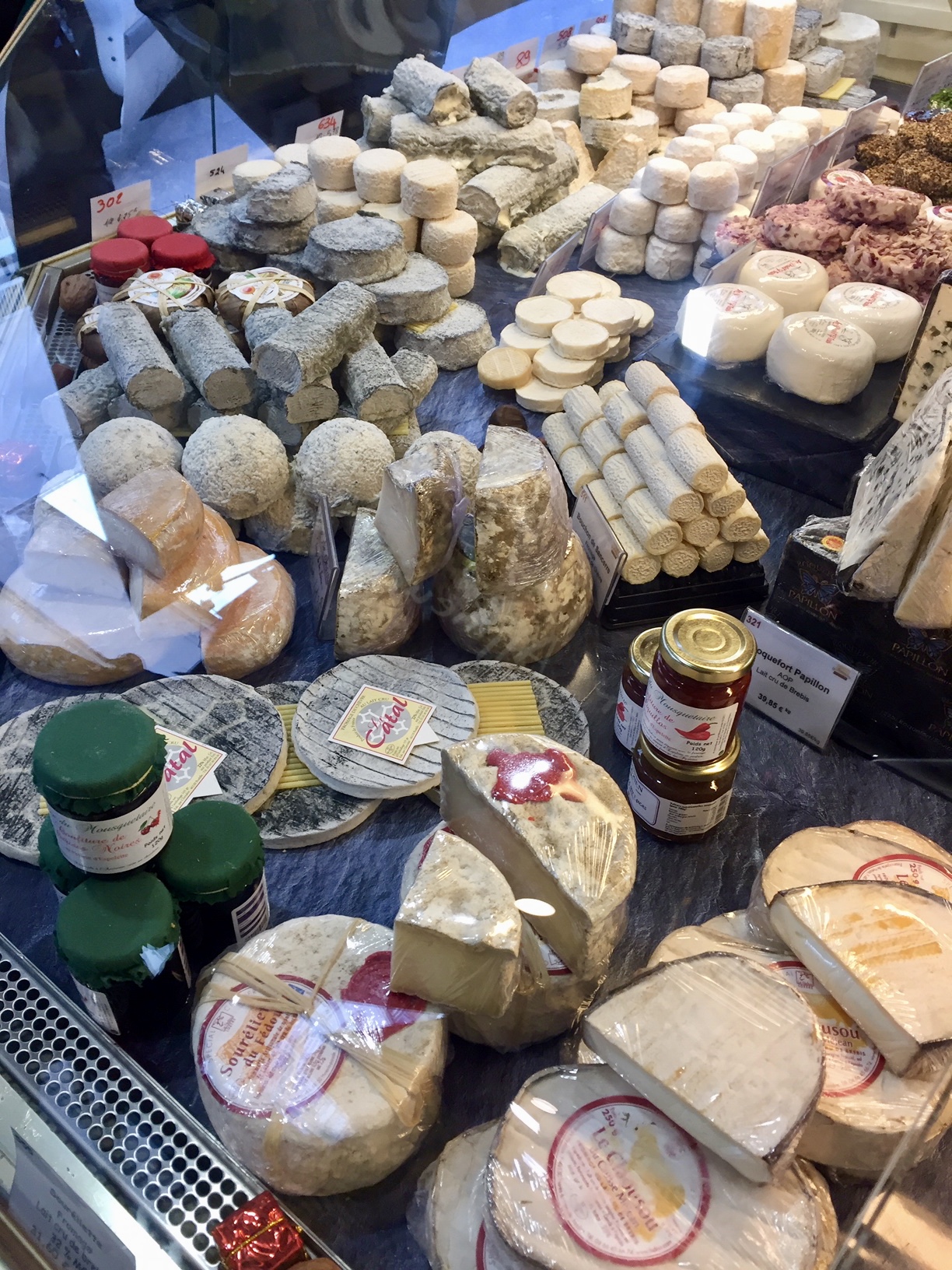
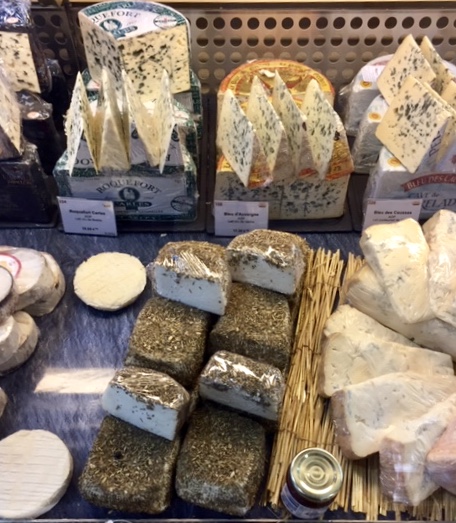
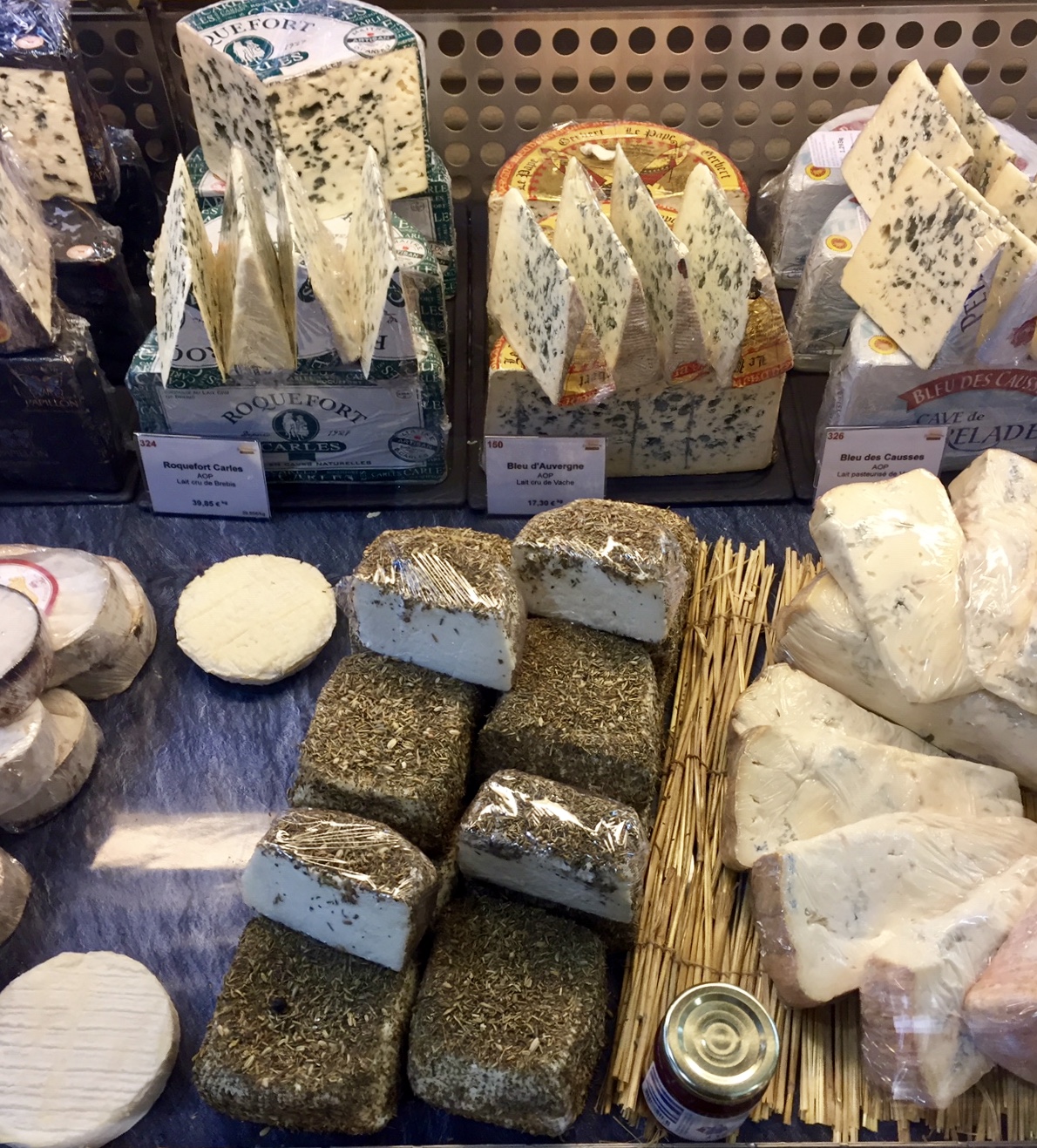
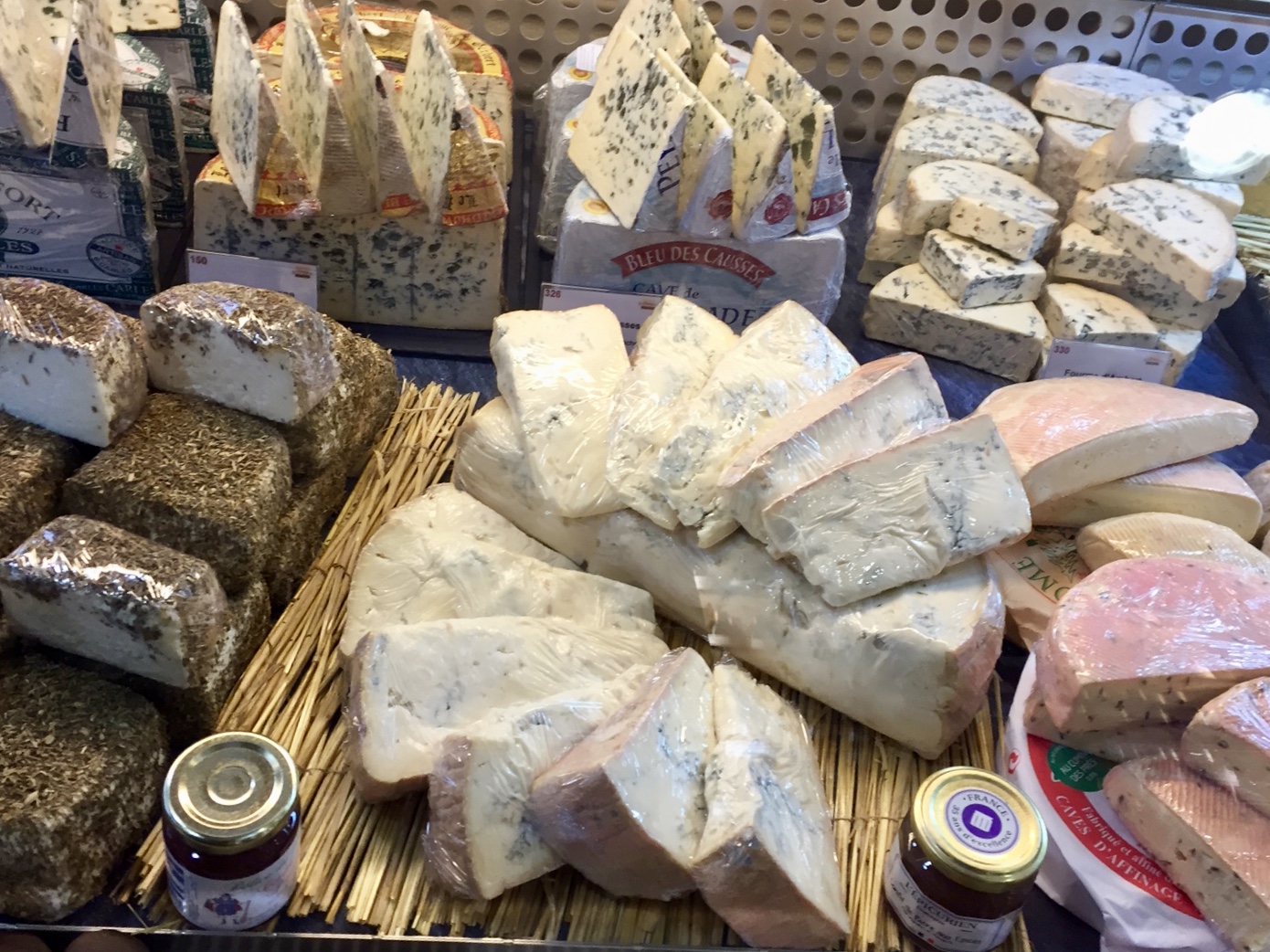
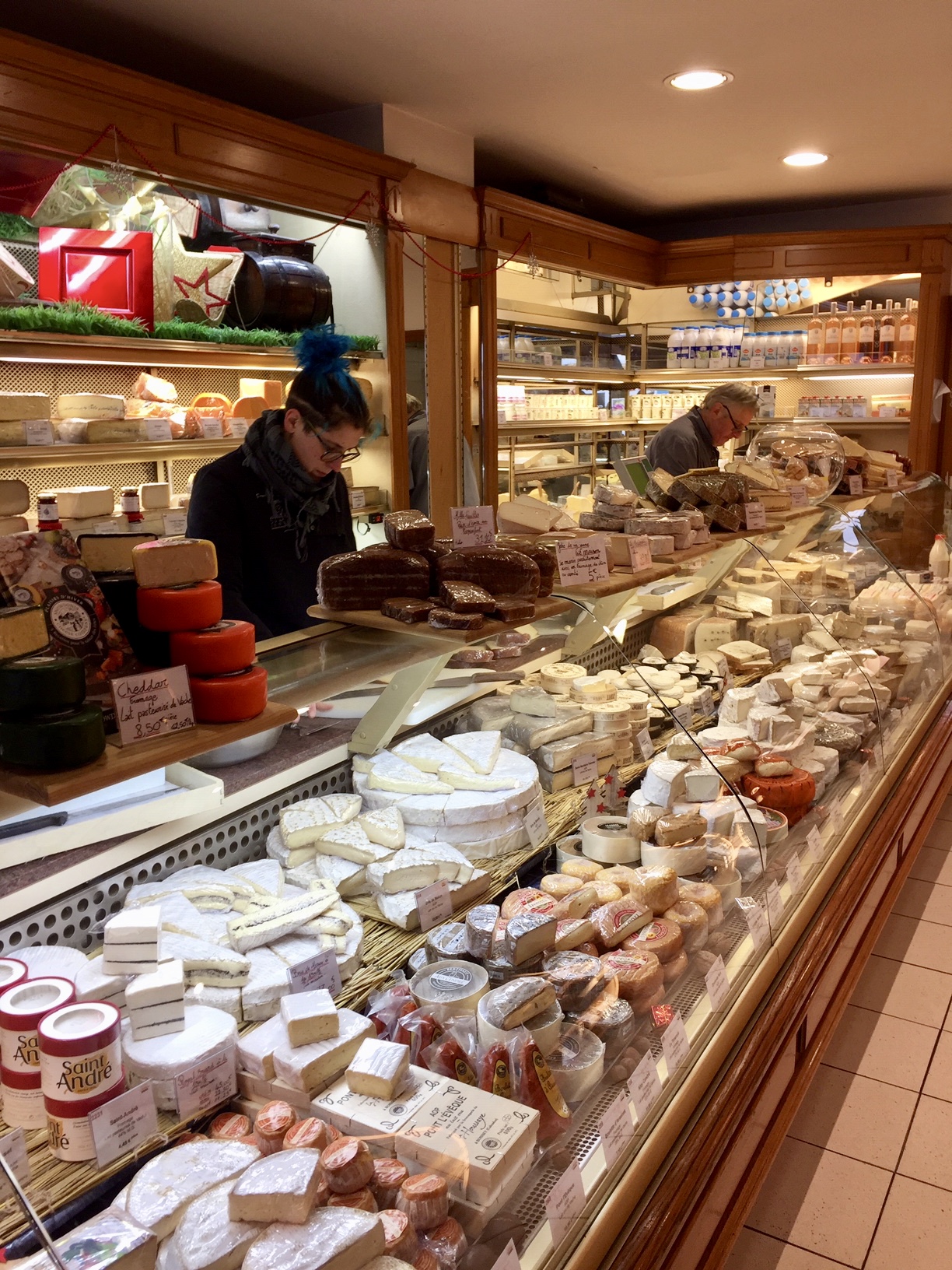
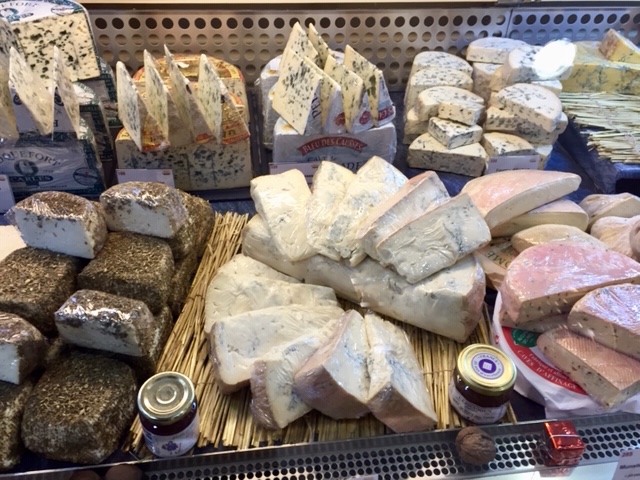
Next stop, a cheese shop:

fullsizeoutput_b3a


fullsizeoutput_b39


fullsizeoutput_b3d


fullsizeoutput_b3c


fullsizeoutput_b3f


fullsizeoutput_b3e


fullsizeoutput_b40


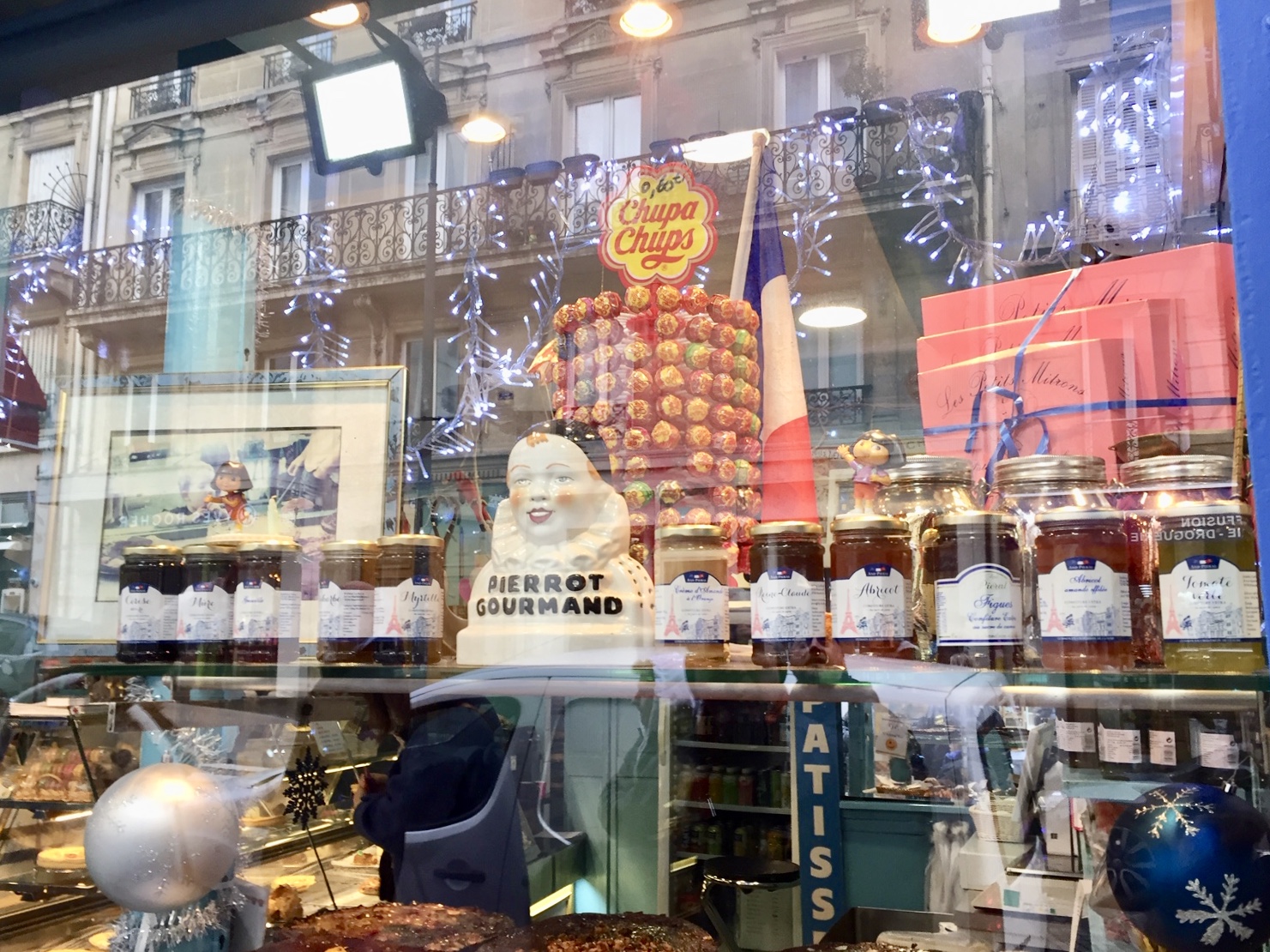
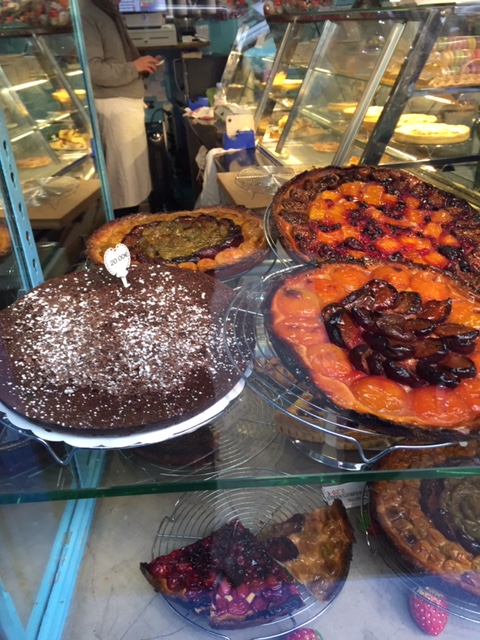
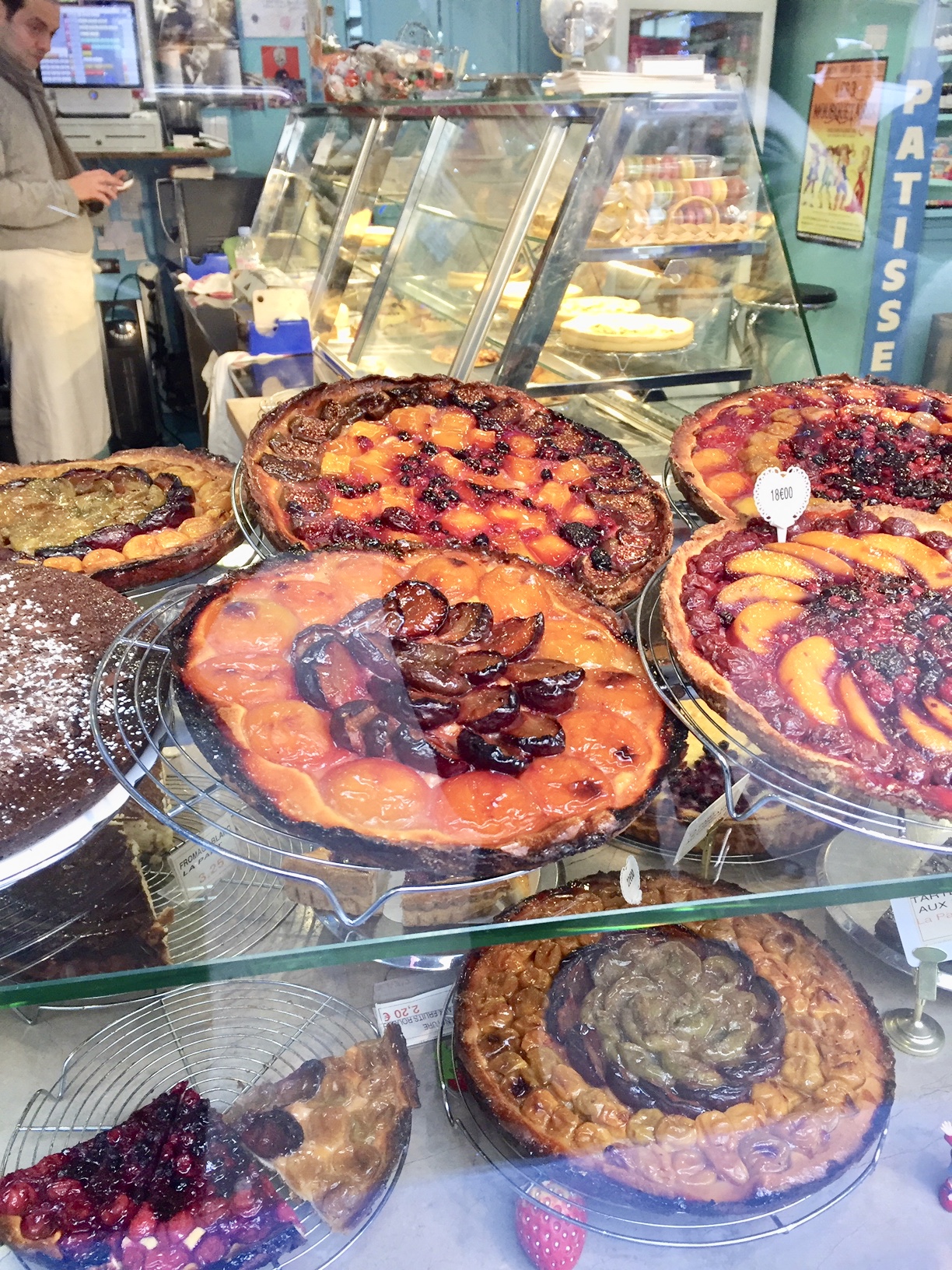
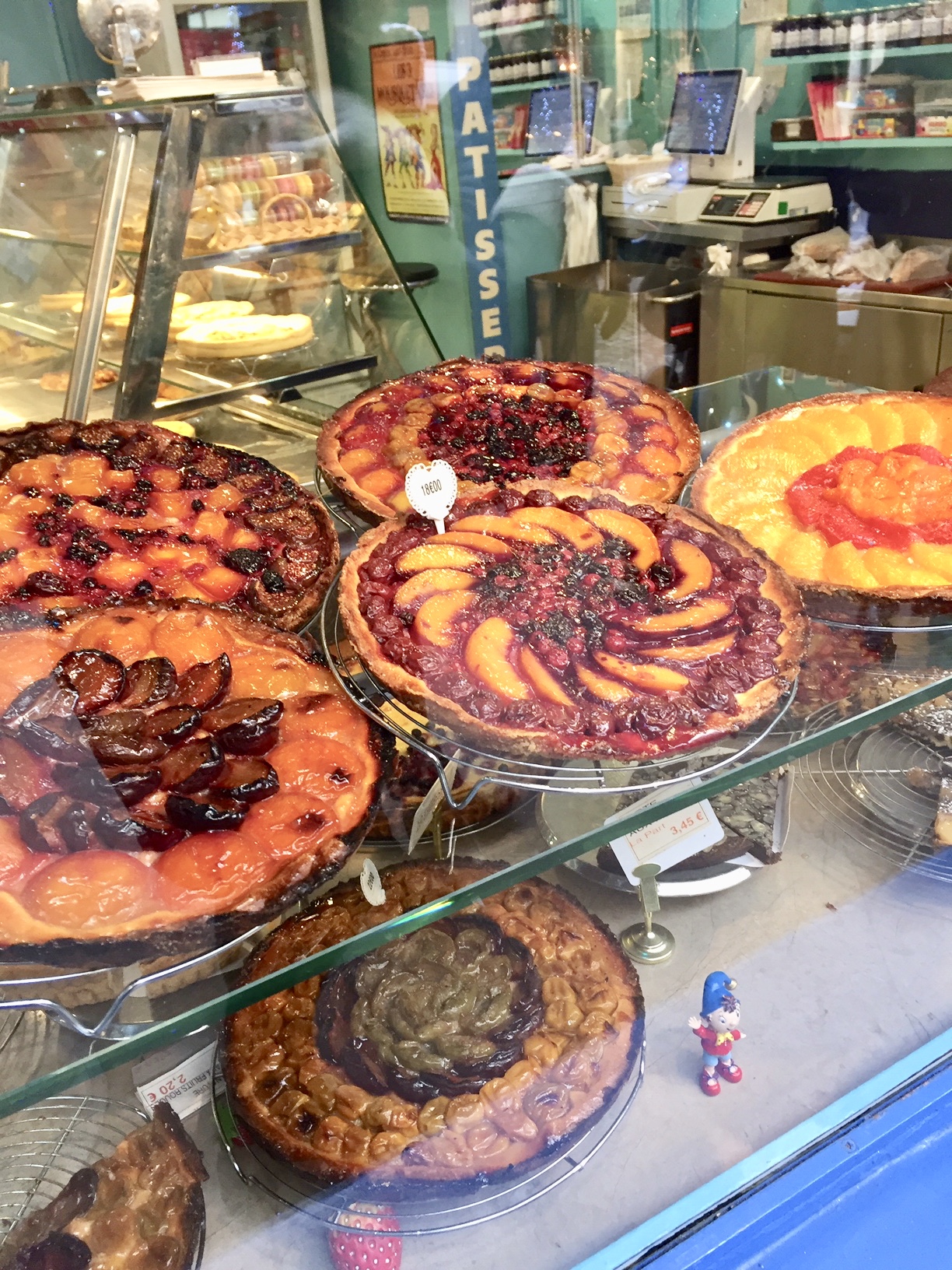
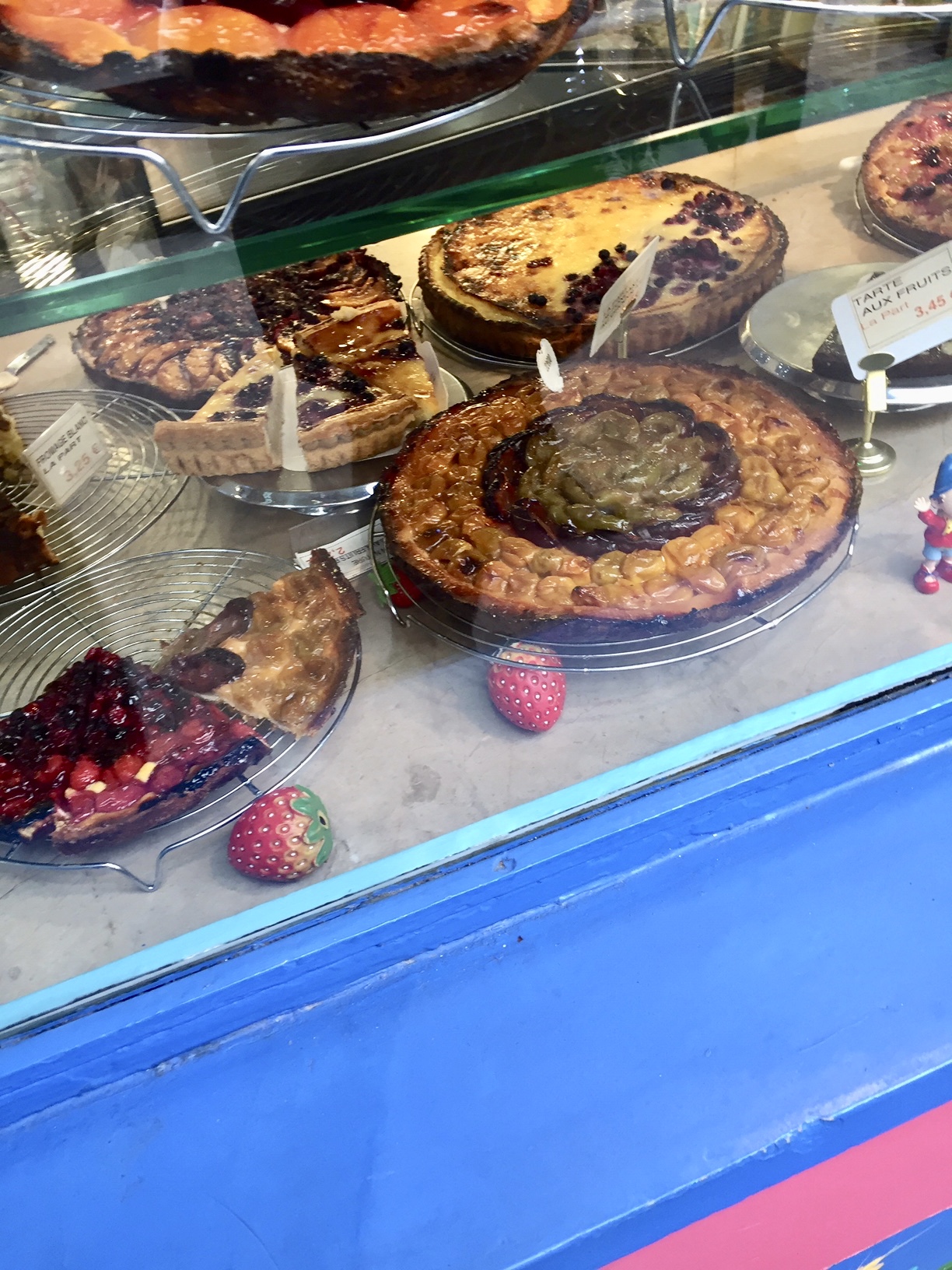
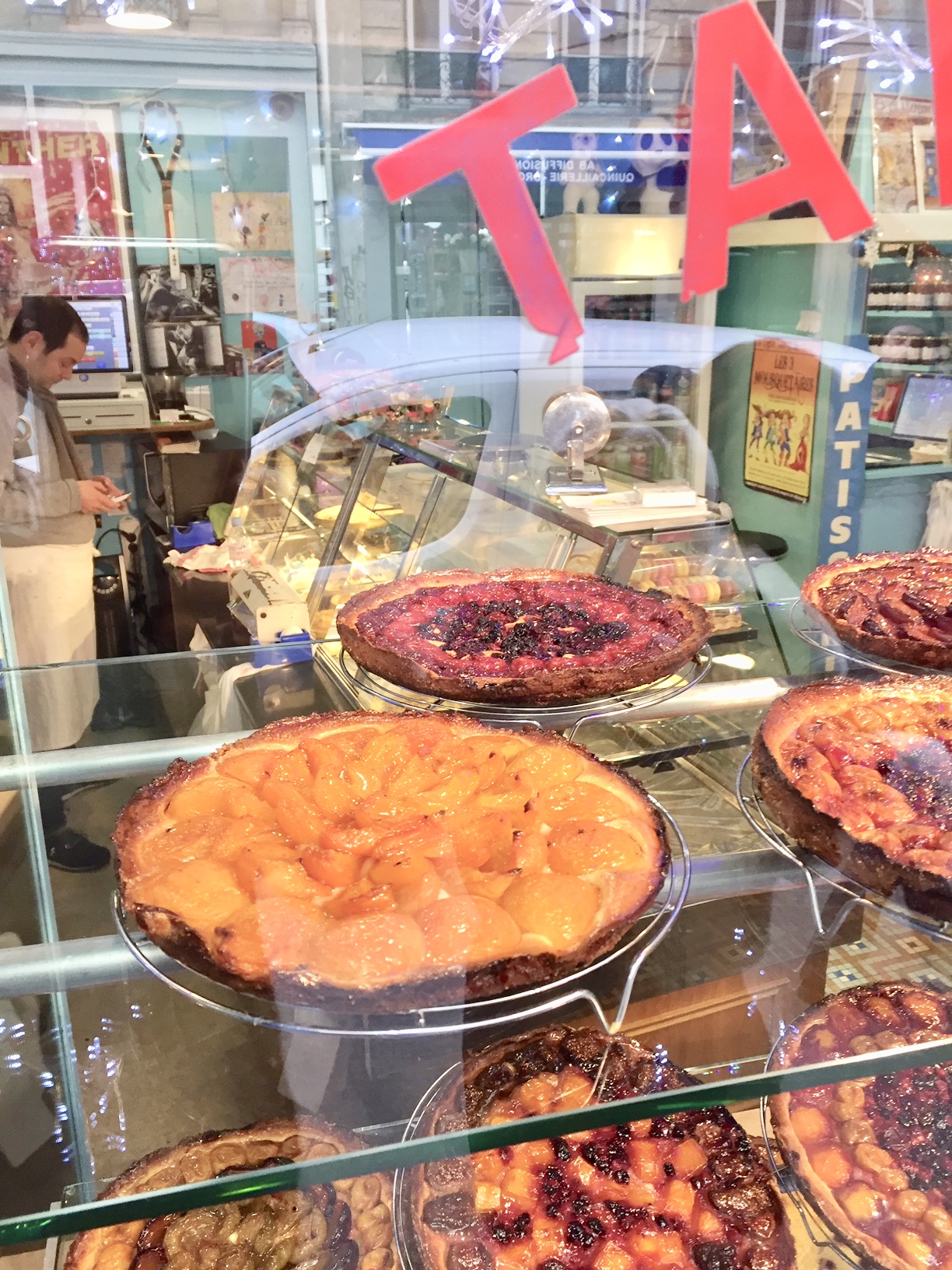
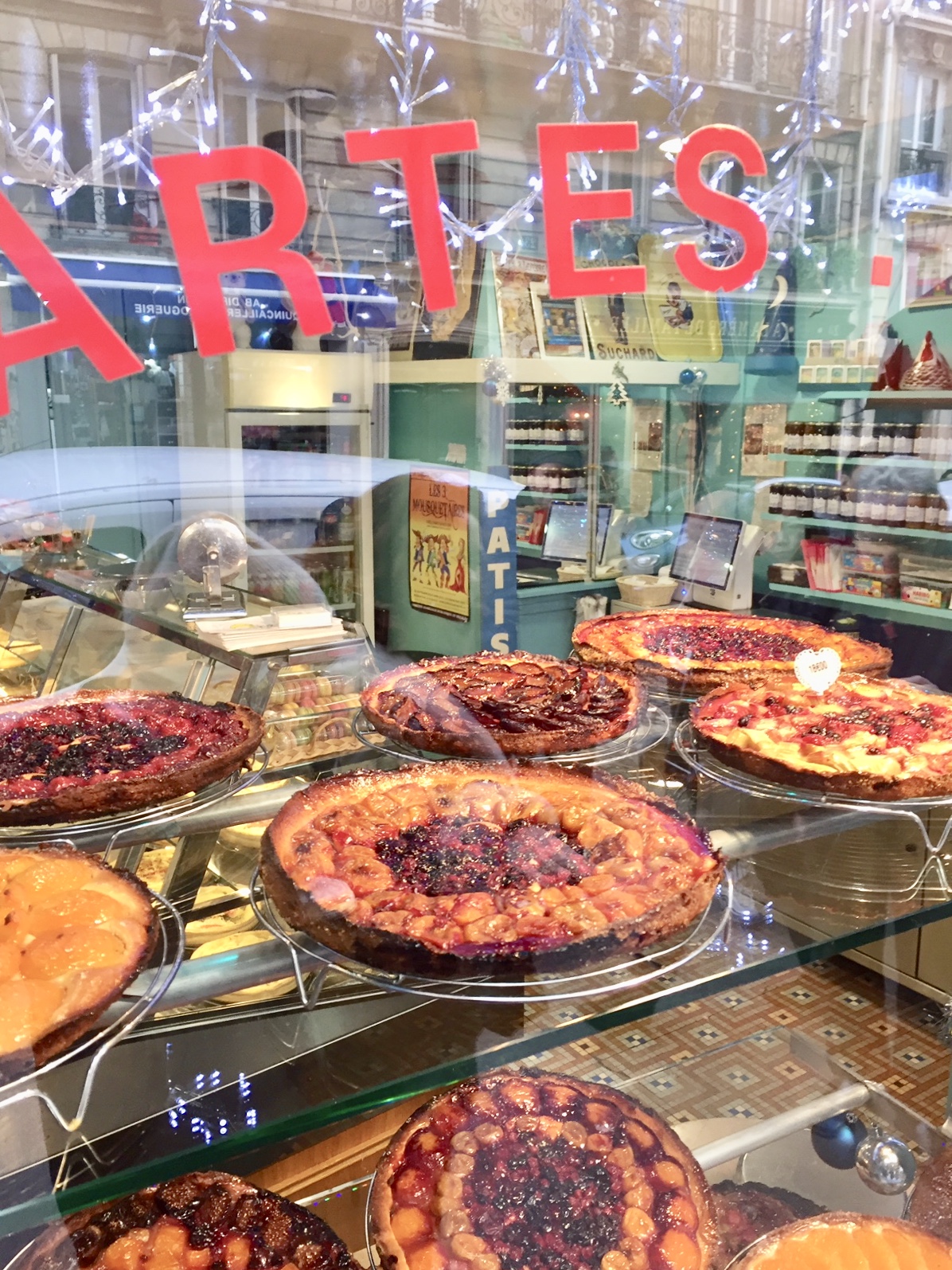
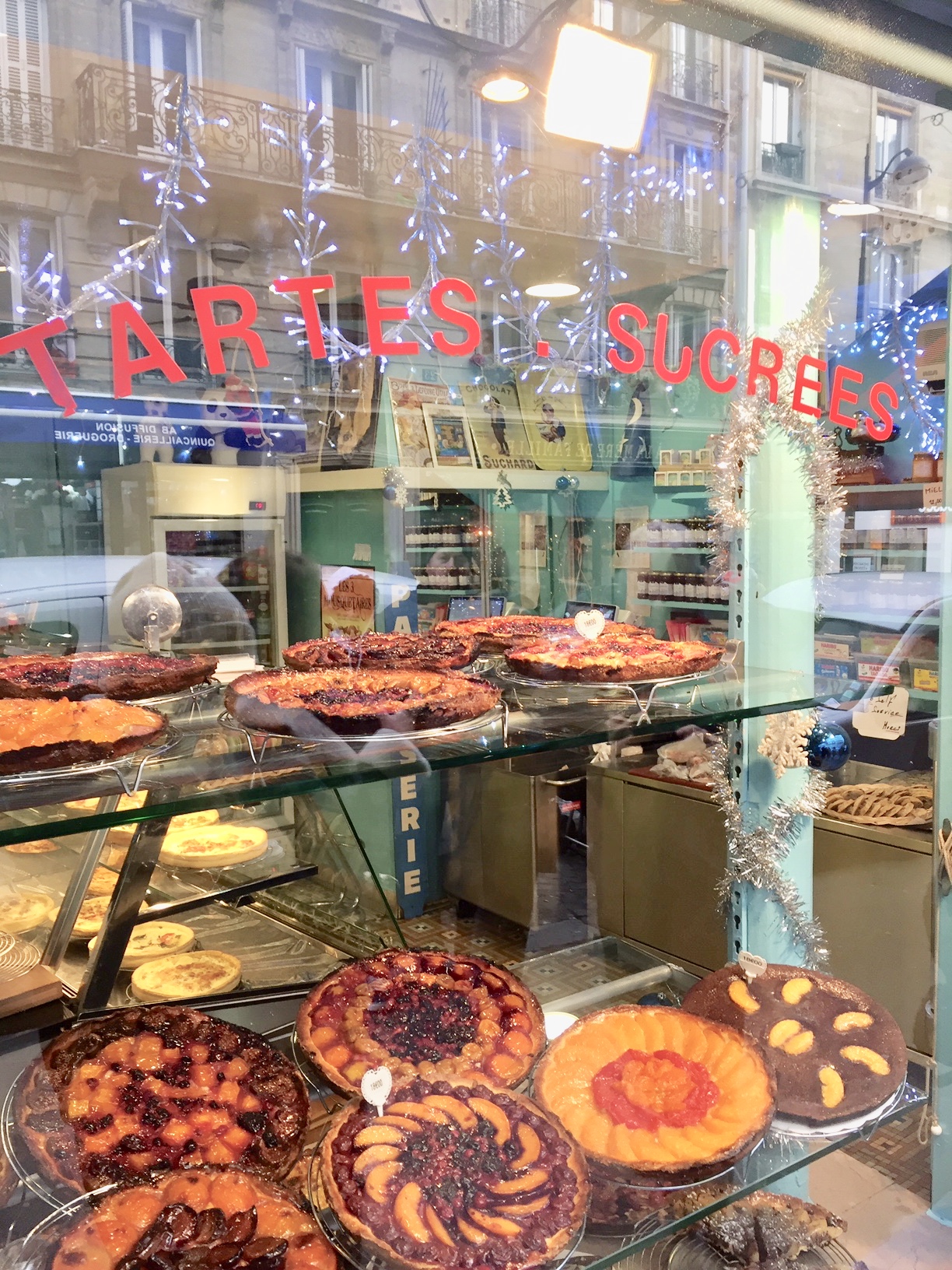
Then we chose a shop for dessert, a fruit tart:

fullsizeoutput_b5cfullsizeoutput_b5d


fullsizeoutput_b5e


fullsizeoutput_b5f


fullsizeoutput_b60


img_4606


fullsizeoutput_b62


fullsizeoutput_b63


fullsizeoutput_b64


fullsizeoutput_b65


fullsizeoutput_b66


fullsizeoutput_b67

There’s more to come, but we need to pace ourselves!