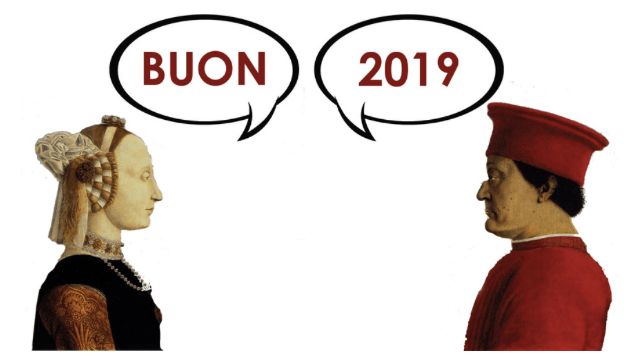
We 3 Kings of Orient are: FÊTE DES ROIS

FÊTE DES ROIS

93095603

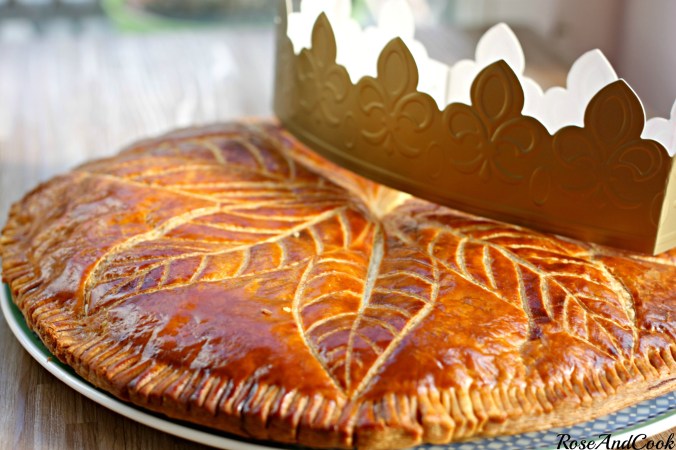
The official end of the Christmas season is the Fête des Rois, or the Three Kings’ Day (Epiphany), and is celebrated throughout France with the galette des rois, or king cake. It’s a flaky pastry generally filled with frangipan (an almond cream), and hidden inside is a fève (tiny baby figurine). Whoever gets the piece with the fève gets to be the king or queen for the day. Most bakeries sell the cakes with a paper crown.

While in Italy:

A completely different approach!  Befana and Epiphany parade: watch this space!

Hot chocolate and Florence

rpt


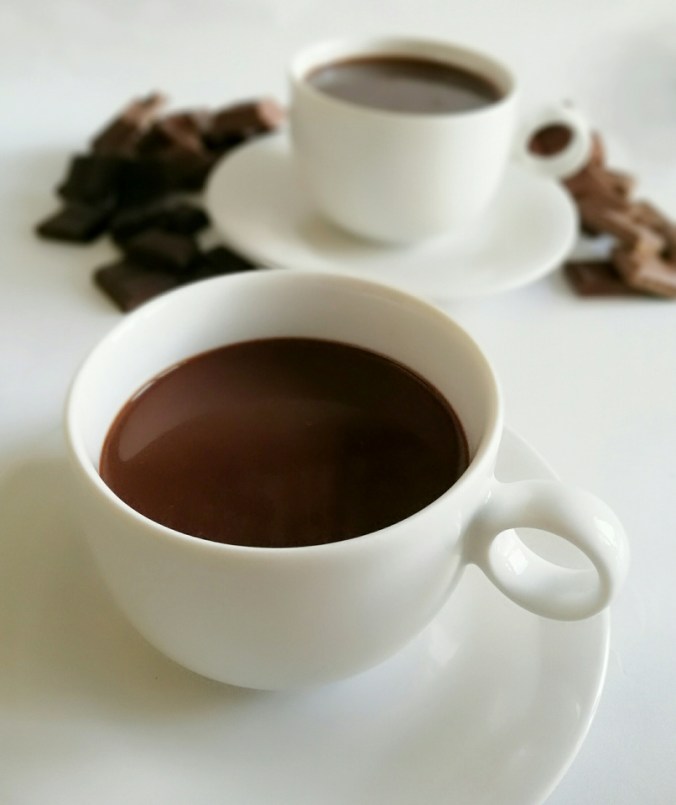
Did you know that hot chocolate is a Florentine tradition? From its first appearance at the Medici court in the 16th century, the city’s nobles went crazy for the bitter drink, which was served instead of wine or water at meals in Palazzo Pitti.

It experienced a second moment of importance in the 19th century, when some of the city’s now-historic bars served it to travelers, aristocrats and intelligentsia. I recently learned about Hot Chocolate in Florence on a thematic tour of the city with Francesca from the cultural association Tre Passi Per Firenze, organized by Yelp Firenze, and I’ve asked her to tell us more about it. The article below is composed thanks to her research, with my words.


History of chocolate in Florence: where and whom

Christopher Columbus may have sailed the ocean blue in 1492 but it took him until his fourth expedition, in 1502, to discover chocolate. The nice people of the island of Guanaja in Honduras sent some home with him, having also served it to him as a drink, which he found disgusting. Cortés did a better job of diffusing the love for chocolate, having found it in Mexico in 1519 and imported it to Spain in 1528. It took half a century until it became regularly available in Europe – Italy was the second country to adopt it.

The “gift from the gods” was prepared as a drink – the possibility to make chocolate harden into a bar came only later – following the methods brought back via Cortés. The seeds of the cacao were ground into a powder and combined with boiled water to make a bitter drink. Early reports say it was healthy and provided much energy. Its success in European cities, including Florence, was that it provided an alternative to wine and beer when the water couldn’t be drunk unless boiled. It wasn’t entirely to the taste of Italians until combined with cane sugar: Girolamo Benzoni, an important merchant, said in the middle of the 16th century that it wasn’t fit for men but for pigs. He changed his mind when he tasted the sugared version.

For the entire article, see:  http://www.arttrav.com/florence/hot-chocolate-in-florence/?fbclid=IwAR3VY-ISIIyTJAYdhw66QfRu9_vXl4d0GlceJWeGyZNI0yuooevWH_gyjbY

Les Marais, part 3: Jardin Saint-Gilles-Grand-Veneur-Pauline-Roland

Le Mairie de Paris is full of fascinating things!  I’ve already posted twice about Les Marais and there is still more to discuss.

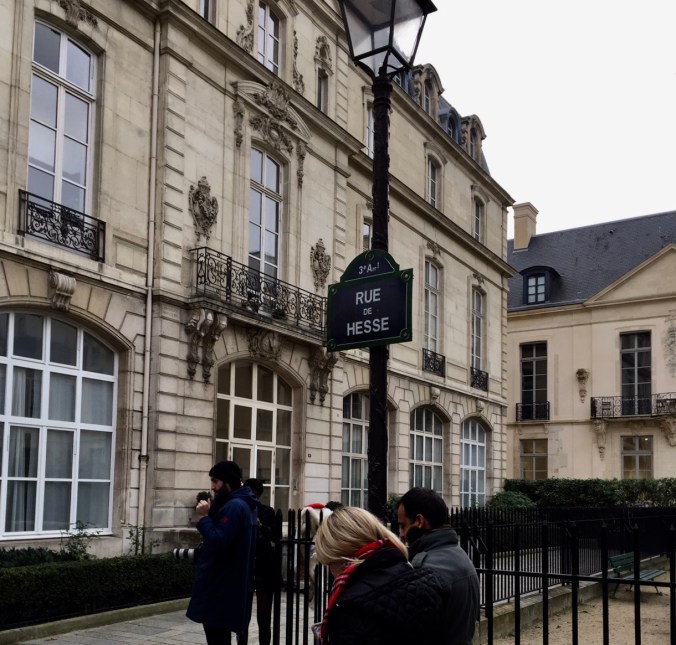
One the 9 Rue du Grand Veneur is located another small, lovely garden: the Jardin Saint-Gilles-Grand-Veneur-Pauline-Roland. The name is a homage, in part, “ à Pauline Roland (1805-1852), une féministe socialiste française.”

fullsizeoutput_ae5

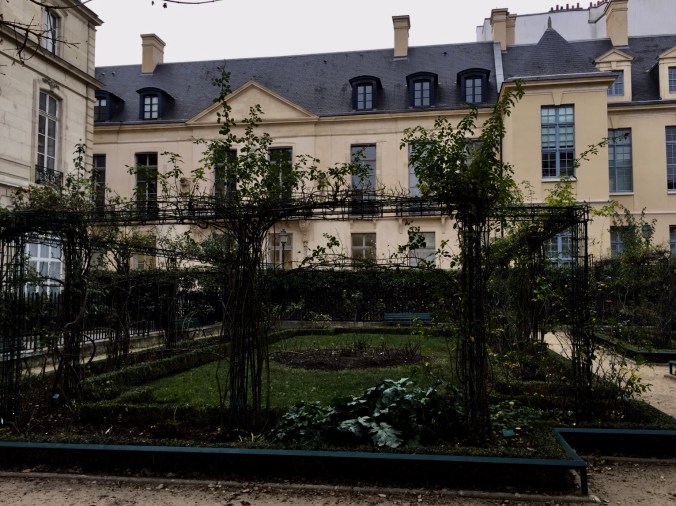
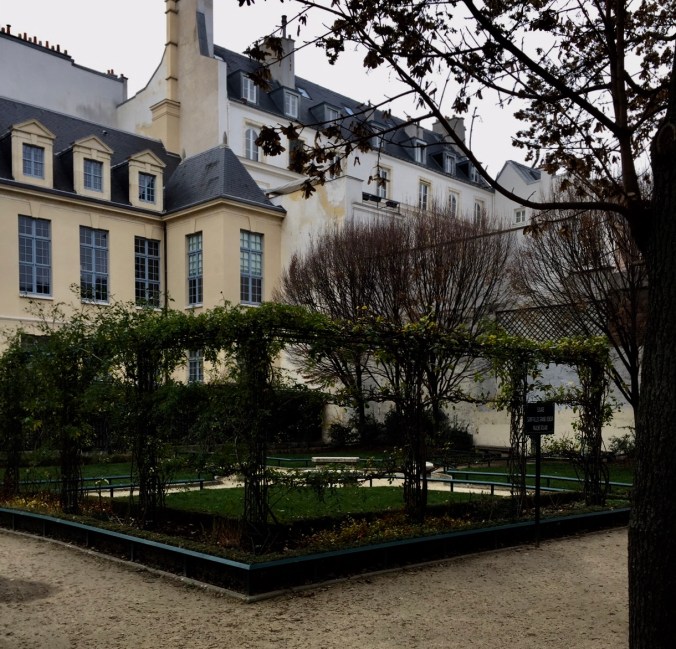
Tucked away within a maze of narrow streets, far from the hustle and bustle of modern Paris, is this little known, rarely visited, but utterly charming haven of peace – the Jardin Saint-Gilles-Grand-Veneur, with its magnificent view of the façade of the Hôtel du Grand Veneur townhouse. Visitors come here is for some peace and quiet, or to settle down on the stone benches in the lovely rose arbor for some calm.

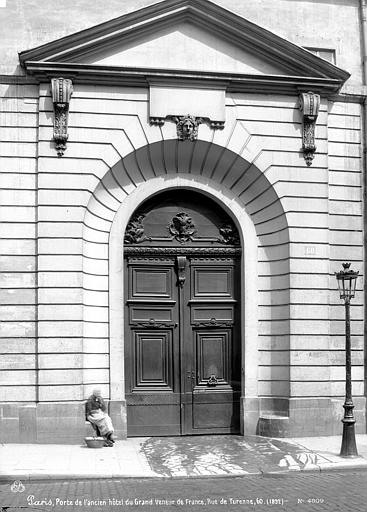
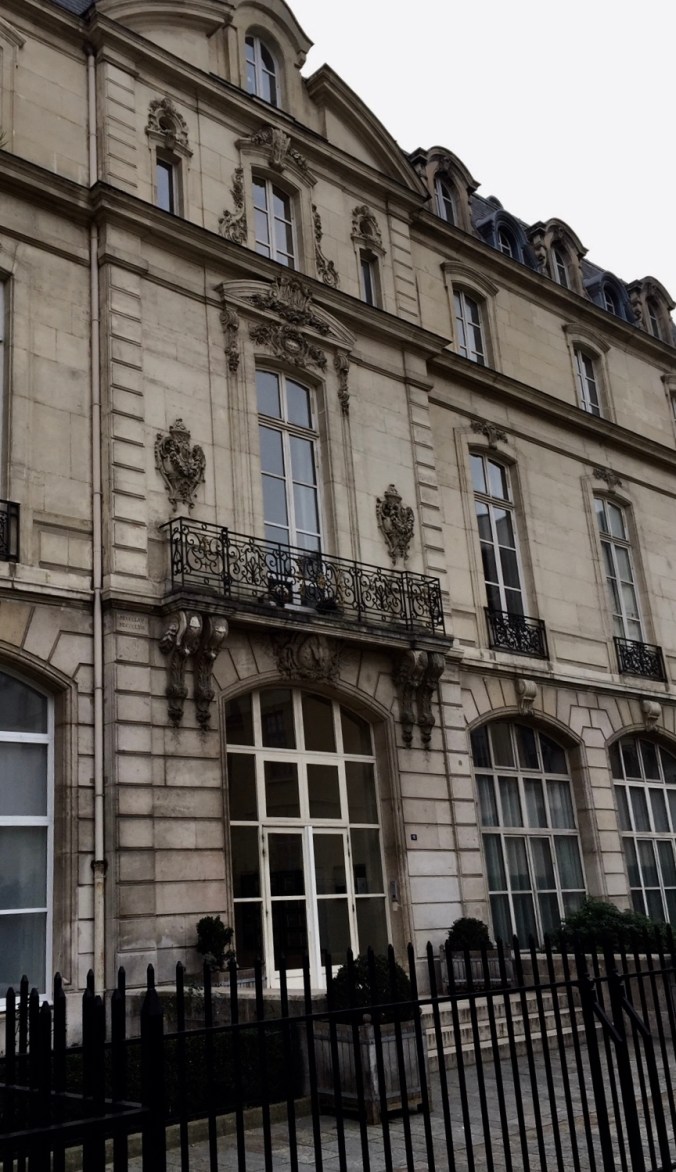
The mansion surrounding the small garden is the Hôtel du Grand Veneur,  a prestigious 17th-century mansion in Le Marais. Listed in the Register of Historic Monuments since 1925, the building consists of three buildings forming a U around a large paved courtyard, in which is located the garden.

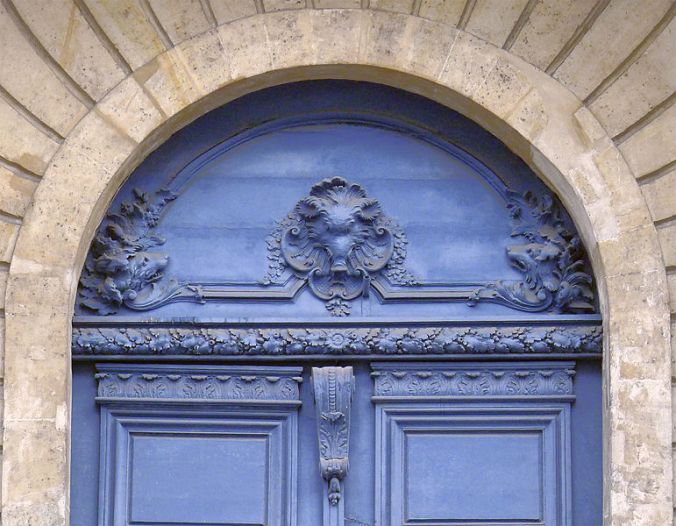
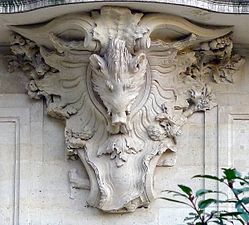
In 1733, Vincent Hennequin who was the captain who organized the king’s hunts, purchased the mansion. He had many hunt-related images carved and applied to the decorations of the Hôtel.

pa00086224

rue_turenne-60_grand_veneur

p1340896_paris_iii_paris_iii_rue_du_grand_veneur_hotel_ecquevilly_detail_rwk


The hotel was confiscated during the French Revolution; it was then purchased in 1823 by the Franciscan ladies of St. Elisabeth who occupied it until 1901.

apmh00004609 Late 19th century photo of exterior


As impressive as this mansion is, it was the garden that drew me in.

fullsizeoutput_ae5


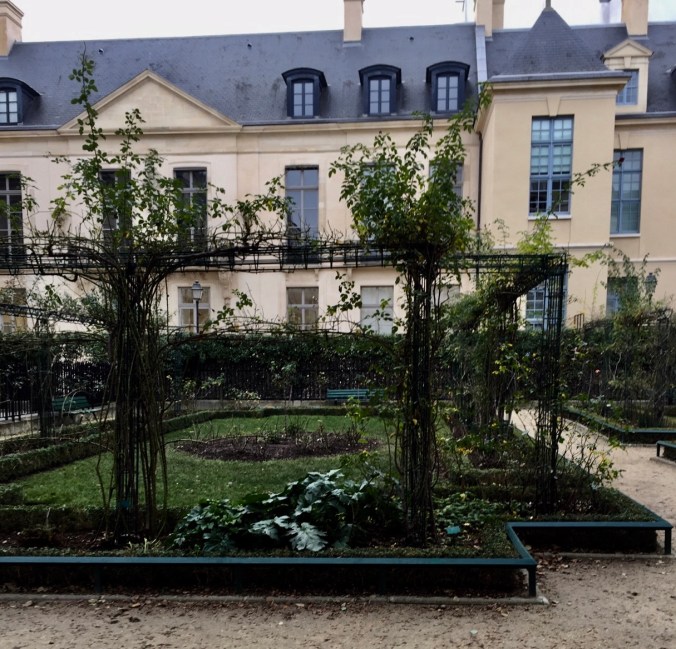
And, here it is!  Remember it was a cold December morning I paid my visit, but the garden had its charms even then.

fullsizeoutput_adf

fullsizeoutput_ae3

fullsizeoutput_ae1


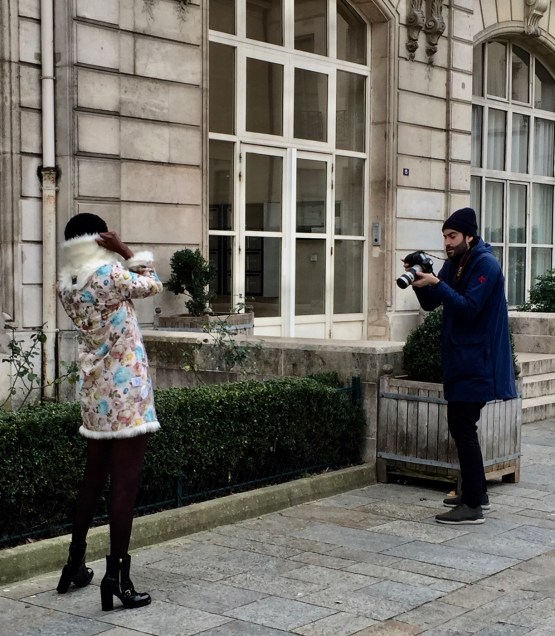
I wasn’t the only person drawn to this fine garden that day.  I saw a fashion photography shoot happening in the courtyard.

fullsizeoutput_aedfullsizeoutput_aea


fullsizeoutput_addfullsizeoutput_af3


Germany has the moral duty to return a painting to Florence, according to the Uffizi’s (German) director

Director of the Uffizi Galleries, Eike Schmidt, has kicked off the new year with an appeal: return a painting stolen from the Palazzo Pitti’s collections by Nazi soldiers, healing a 75-year-old wound that is not uncommon in the post-war art world.

Jan_van_Huysum_-_Vase_of_Flowers
During their retreat in 1944, Wehrmacht soldiers removed Vase of Flowers by Jan van Huysum, along with several other still-life masterpieces from the 17th and 18th centuries, from the Villa Bossi-Pucci, where it was transferred in 1943, having previously been on display in the Palatine Gallery since 1824.

The artwork was eventually brought to Germany, where it ended up in the hands of an unidentified family.

Though its whereabouts were unknown for decades, following reunification in 1991, several intermediaries came forward on behalf of the family to demand the Italian authorities pay to have the painting returned.

These attempts were unsuccessful and Florence’s district attorney’s office eventually concluded that the painting belongs to the Italian State, and so it cannot be bought.

“Germany must abolish its law regarding paintings stolen during the war,” says Schmidt, referring to the statute of limitations preventing prosecution for crimes committed more than 30 years ago, “and ensure that these works be returned to their rightful owners. Germany has a moral duty to return this work to our museum, and I hope that the German state will do so as soon as possible, along with every other work of art stolen by the Nazis.”

Underlining Schmidt’s plea is a black and white reproduction of the painting newly on display in the Sala dei Putti in Palazzo Pitti, alongside an Italian, English and German-language panel explaining that the work was stolen in 1944.

The article above is taken from http://www.theflorentine.net/news/2019/01/return-stolen-artwork-uffizi/?mc_cid=d17a9ccafa&mc_eid=2a398b6f2f

Les Marais, deuxième partie (2); Jewish quarter and the Jardin des Rosiers – Joseph-Migneret

As I mentioned in my last post on Le Marais, this area is also the most famous Jewish quarter in Paris and, in fact, in much of Europe, still maintaining strong traditions.

fullsizeoutput_a85


There have been Jews living in Paris on and off since the region was conquered by Rome in the first century BC.

rosiers 1

The Rue Rosiers is a key street in the historical Jewish center of Paris; it is a charming pedestrian road and is known as the Pretzl or “little place” in Yiddish. The rue des Rosiers name refers to the “street of the rosebushes.”

Jews have a long history in France (full of prosperity as well as expulsions and persecution), but in Le Marais in particular. This area became the center of Jewish life in Paris in the 19th and early 20th centuries as Sephardic Jews came over from Eastern Europe.

And, while Paris has been a place of Jewish prosperity, scholarship, and greatness, it has also seen a lot of sorrow. For centuries, the Jewish community lived within France only at the sufferance of the king. Expulsions were common, and it was not until the French Revolution and then Napoleon Bonaparte that Jews finally had some measure of civil and religious freedom.

In Paris, in Le Marais, you will find kosher and Jewish style restaurants cheek by jowl with Jewish bookshops, small synagogues, prayer rooms, and kosher boulangeries and charcuteries. You will also see trendy shops, a sign of the increasingly gentrified nature of the neighborhood.

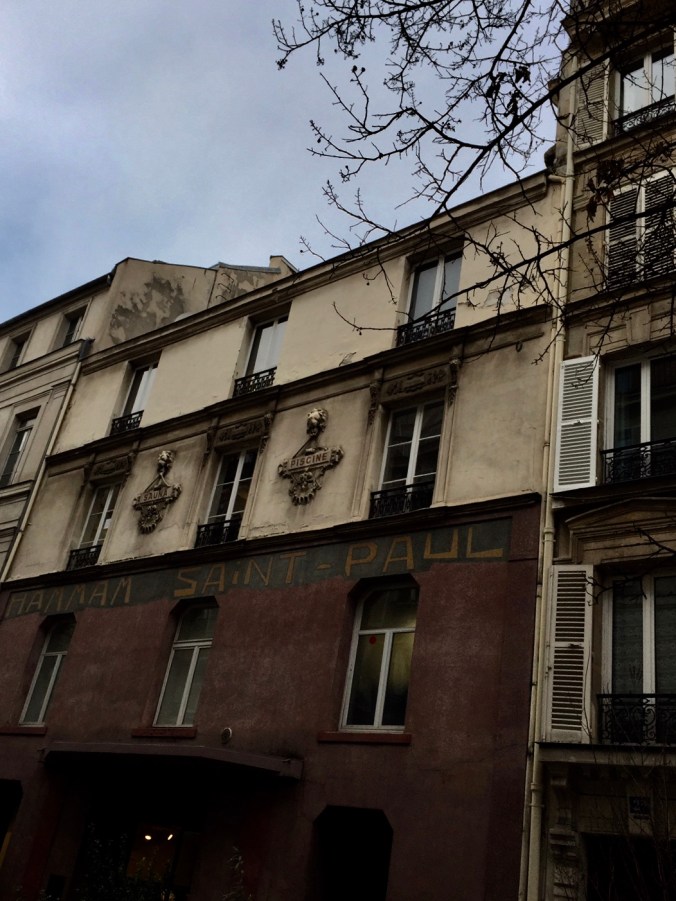
There’s an interesting pinkish building with “Hammam Saint Paul” written on it.  Today the building houses a fashionable boutique, not a Turkish bathhouse.

fullsizeoutput_a90

The building dates to 1856 on the Rue des Rosiers and this bathhouse survived for 130 years, give or take. The hammam closed its doors in 1990. You can still see the painted name of the building in yellow on a blue background, dating from 1928, work by architects Boucheron and Jouhaud.

On the second floor are two sculptures on the piers, decorated with lion heads and stating the words Sauna and Pool.  These date from 1901.
fullsizeoutput_a90


In an earlier post, I talked about 2 falafel restaurants; both are located on Rue des Rosiers: https://laurettadimmick.com/2018/12/29/a-little-friendly-competition/

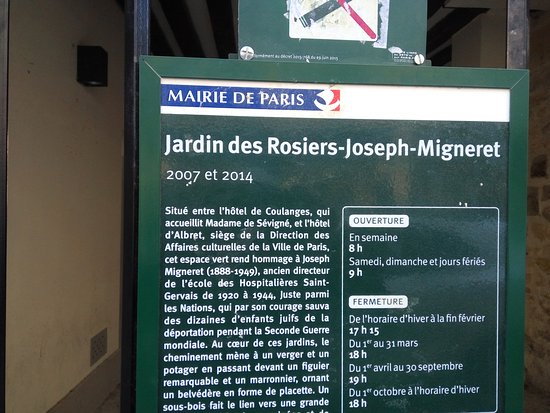
Jardin des Rosiers – Joseph-Migneret

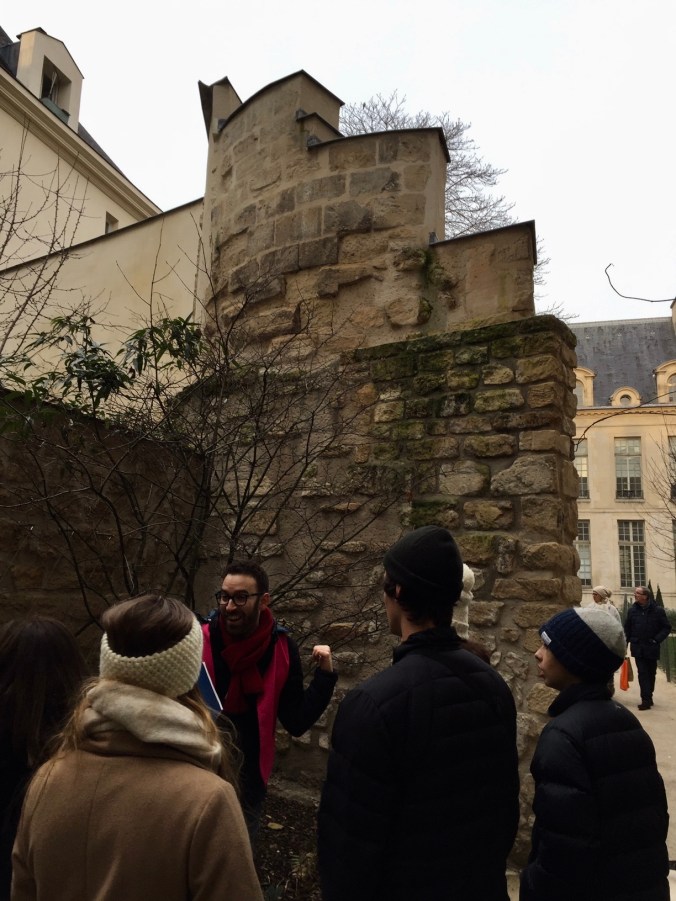
And then we come to a lovely small park, known as the Jardin des Rosiers – Joseph-Migneret.

During World War II, Joseph Migneret was the principal of the elementary school of Hospitaliers St. Gervais, located nearby at 10 rue des Hospitalières-Saint-Gervais.

During the round-ups of 1942, 165 Jewish children from this school were deported, mostly of them to Auschwitz, and not a single one survived. The school now bears a plaque that reads “165 enfants juifs de cette école déportés en Allemagne durant la Seconde Guerre mondiale furent exterminés dans les camps nazis. N’oubliez pas!”  (In English: 165 Jewish children of this school deported to Germany during WWII were exterminated in the Nazi camps. Do not forget!”)

After the loss of so many of his students–only 4 students returned to school on October 1, 1942–Joseph Migneret dedicated himself to the Resistance and to helping the Jewish families escape further round-ups and persecution. He hid many of them in his own home. He died shortly after the end of the war; it is said he died of sadness on account of everything his students endured.

Jardin des Rosiers

P1000946-copie-24a0c34bf831c060595075de9b48f94bbimagesdoor-sign


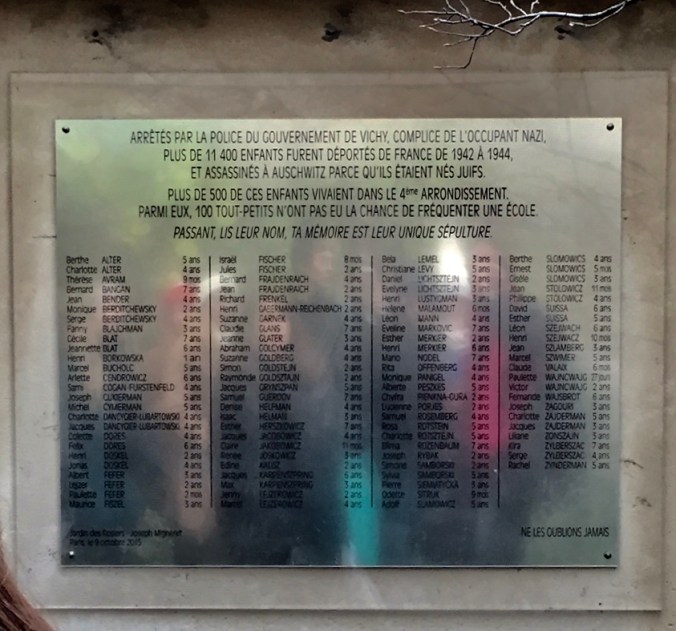
And, an equally heinous history is what happened to Jewish infants in the same city.  There is a plaque imprinted with the names of 101 infants of the fourth arrondissement in Paris, who were arrested by French police of the Vichy Regime and handed over to the Nazis for extermination.
fullsizeoutput_a8a

They were all too young to attend school. (If they had been old enough, their names would already have been placed on plaques at the schools they attended at the time of their arrest.)

The youngest was 27 days old.

The five lines at the top of the plaque set out their common fate:

“Arrested by the police of the Vichy government, accomplice of the Nazi occupation forces, more than 11,000 children were deported from France and murdered in Auschwitz because they were born Jewish. More than 500 of these children used to live in the fourth arrondissement. Among them, 101 were so young that they didn’t have a chance to go to school.

“These lines are followed by a message to passersby, who will pause to glimpse into the ugly past:

“Passerby, read their names. Your memory is their only tombstone. We must never forget them.”


Next up: Jardin Saint Gilles Grand-Veneur

The Grand-Veneur hotel was built in the 17th century for Hennequin d’Ecquevilly, captain general of the King’s Vénerie: he was in charge of organizing the court hunts of the king. This square occupies the garden of this mansion.

The garden, built in 1988, pays tribute since 2010 to Pauline Roland (1805-1852), close to Georges Sand, former teacher, initiated to Saint-Simonian ideas in his youth, feminist and socialist activist.


.fullsizeoutput_ae5

fullsizeoutput_a8cfullsizeoutput_a8b


Along the rue de Rosiers, you’ll find the best Falafel in town and a few remaining orthodox eateries. The best falafel is apparently at L’as du Falafel. That said, I assure you, they’re all good.


https://www.algemeiner.com/2015/10/08/paris-to-unveil-memorial-for-infant-victims-of-the-holocaust/
Rare footage of Monet, Degas, Renoir and Rodin


https://www.chonday.com/16575/moneartist3/?fbclid=IwAR27OVAReOLn6GK0flZfoAdTfGUKSleyWNM1rROkCs72vNhzEZleR0zIZ8E


Rare Film of Monet, Renoir, Rodin and Degas
Fine art enthusiasts will appreciate these fascinating 100-year-old film clips of four of the most celebrated artists in history; Claude Monet, Pierre-Auguste Renoir, Auguste Rodin, and Edgar Degas. In 1915, with the newly innovated film camera, a young Russian-born, French actor named Sacha Guitry captured some of France’s greatest artists and authors.

Are you “bobo” in French?

We’re all familiar with these NYC acronyms:

SoHo
NoHo
Nolita
NoMad
Tribeca
Dumbo

But do you know “bobo” in Paris?

This witty fusion of the words bourgeois and bohème to bobo refers to the mélange of  traditionally polarized social groups. The term has penetrated the vocabulary of even the most reclusive Parisian.

If you’re Parisian and you are one part conservative bourgeoisie, one part young, progressive bohemian, you might just be bobo.

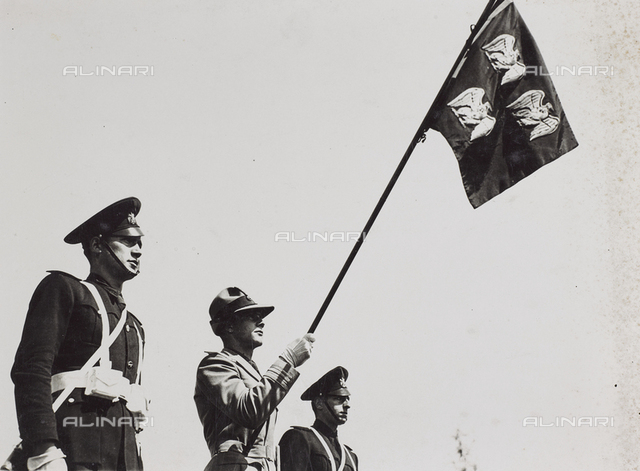
Fascist Italy, 1930s


Student of the Orvieto Fascist Academy of Orvieto on the snow fields

FVQ-F-119688-0000

Student of the Orvieto Fascist Academy of Orvieto on the snow fields

Mandatory photo credit:

Archivi Alinari, Firenze

WARNING:

Permission must be required for non editorial use. Please contact Alinari Archives

Photographer:

Unidentified Author

Image date:

1930-1940

Place of photography

Italy

Collection:

Fratelli Alinari Museum Collections, Florence

FVQ-F-119639-0000

FVQ-F-119639-0000

“The fascist Academy pennant”

Mandatory photo credit:

Archivi Alinari, Firenze

WARNING:

Permission must be required for non editorial use. Please contact Alinari Archives

Photographer:

Unidentified Author

Image date:

1930-1940

Place of photography

Italy

Collection:

Fratelli Alinari Museum Collections, Florence

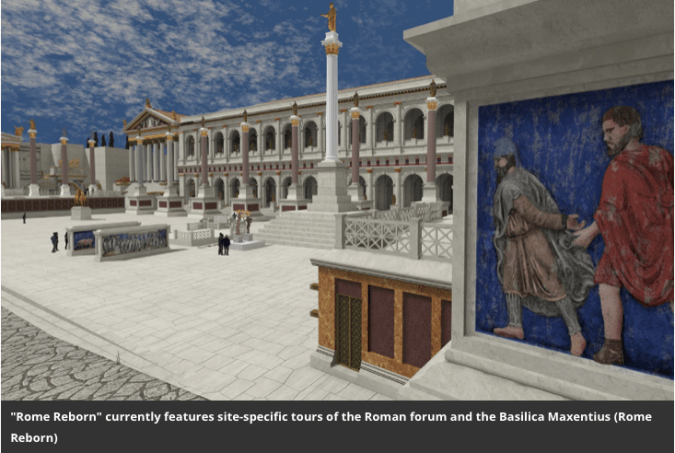
A new way to see Ancient Rome

Ambitious VR Experience Restores 7,000 Roman Buildings, Monuments to Their Former Glory

You can take an aerial tour of the city circa 320 A.D. or stop by specific sites for in-depth exploration

Screen Shot 2018-12-29 at 14.11.08


Read more:

https://www.smithsonianmag.com/smart-news/vr-experience-restores-7000-roman-buildings-monuments-their-former-glory-180970901/?fbclid=IwAR332ZlFSbr4CAzKKwQDrDneevnCKLGnBJ7GPsABMZZvLk597brMNge9Jkc