I found this recently produced video to be smart and entertaining. Hope you do too!
Month: August 2020
Celebrating Raphael: best laid plans
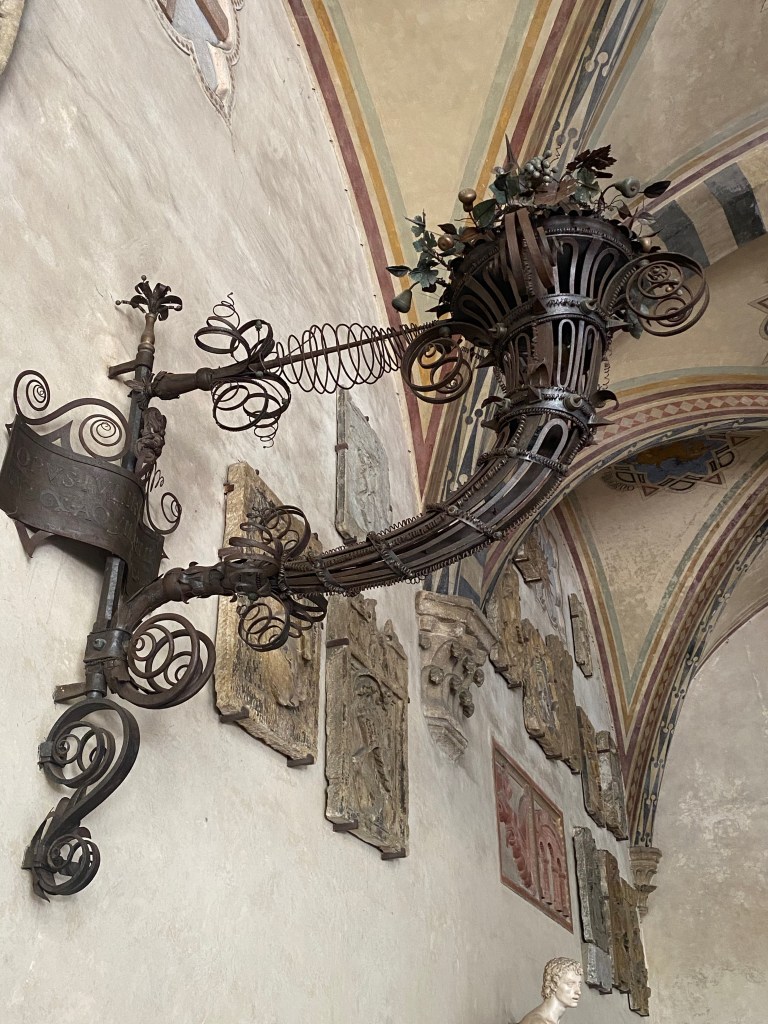
Just a simple Renaissance street light
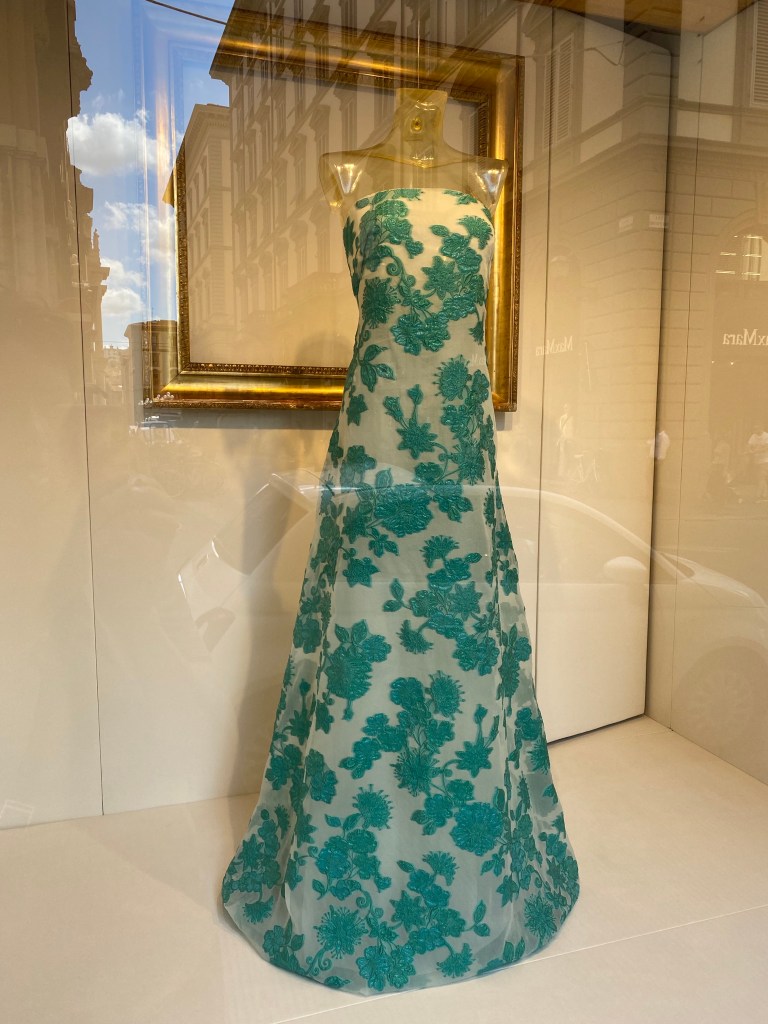
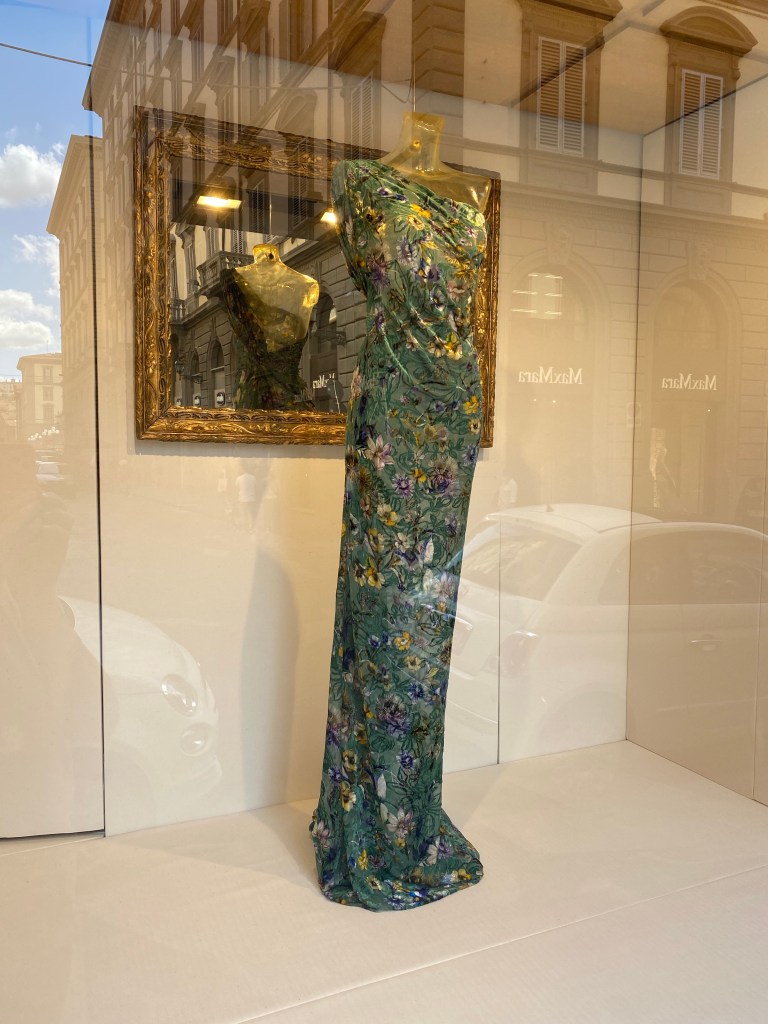
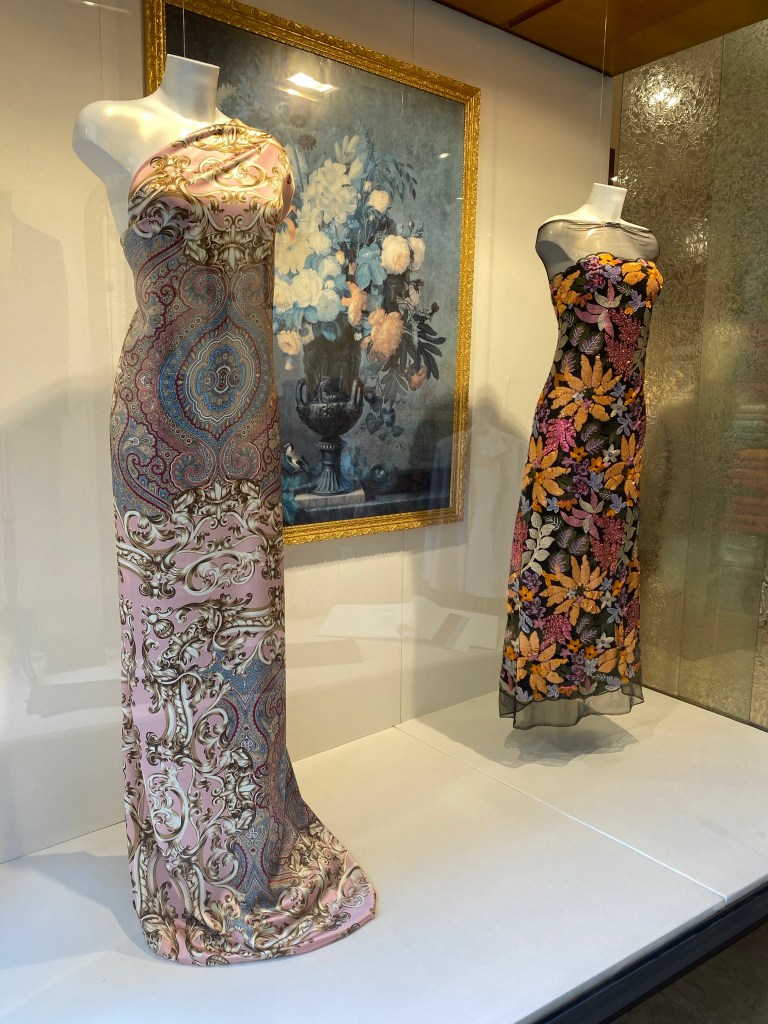
An elegant fabric store in Florence
Yoga in Florence
My favorite studio closed after Covid. It forced me to start looking for another place to practice and, low and behold, I found heaven!

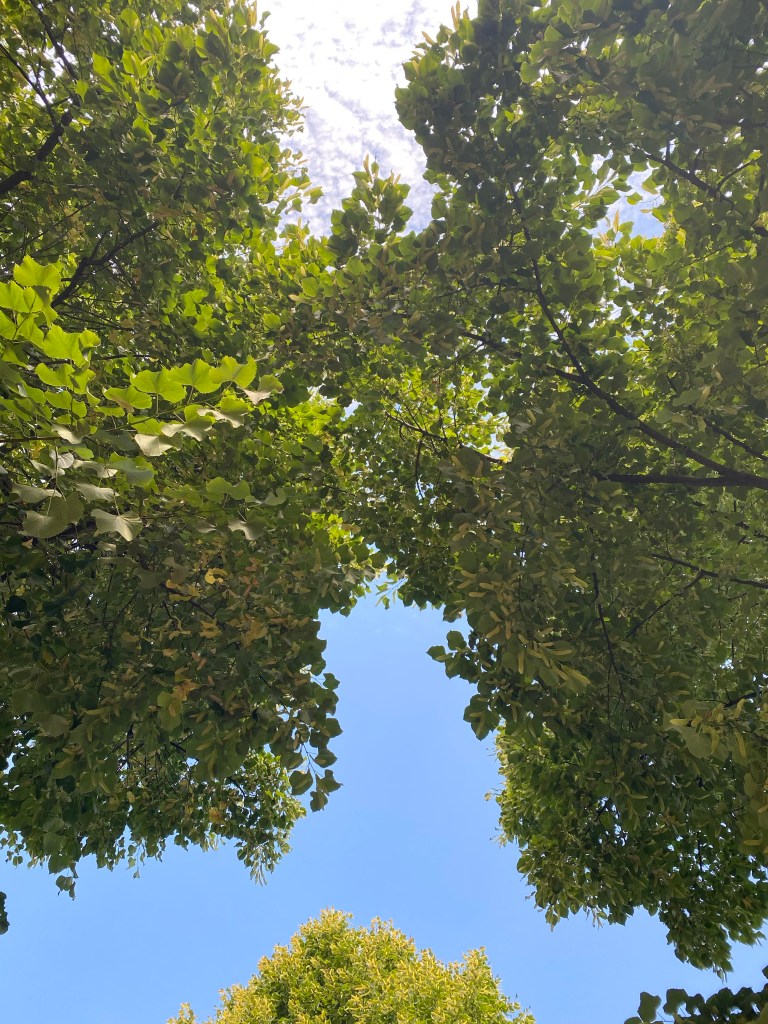
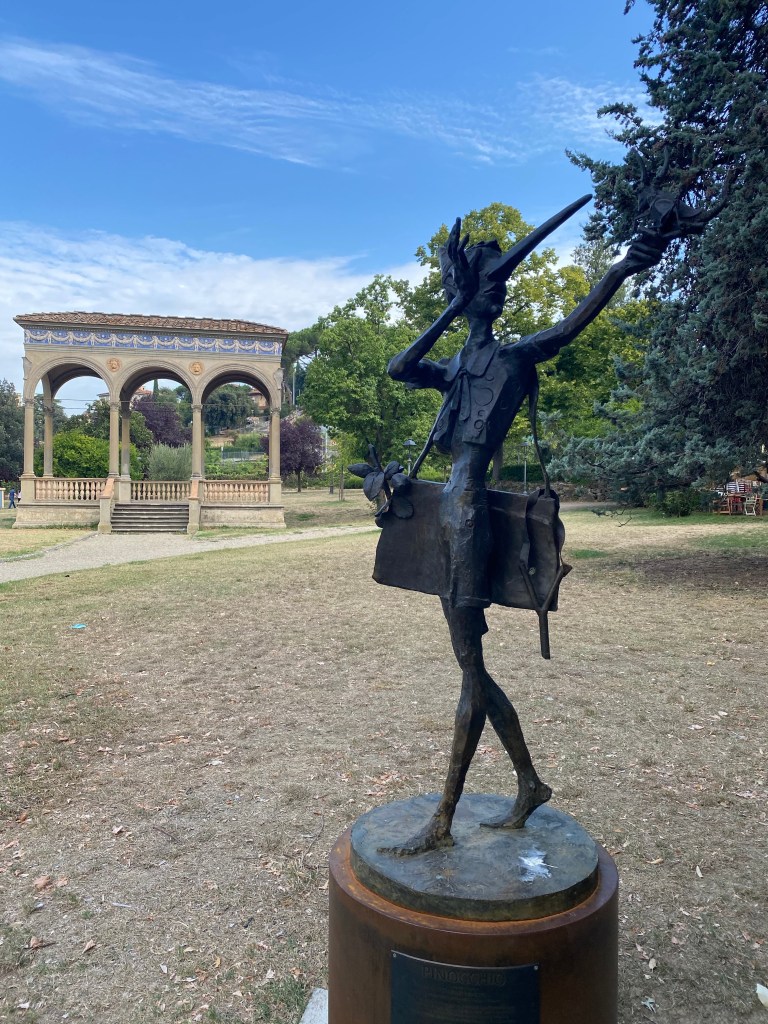
Sky gazing and a statue of Pinnochio at the Giardino Orticultura, Florence


Seasonal treats: schiaciatta uva sfiziosa
Every August, these delicacies start showing up in bakeries around town. Flatbread topped with a grape that is only available now. Yum!


Mozart slept here
You never know who you are going to run into in Florence. I ran into Mozart recently.
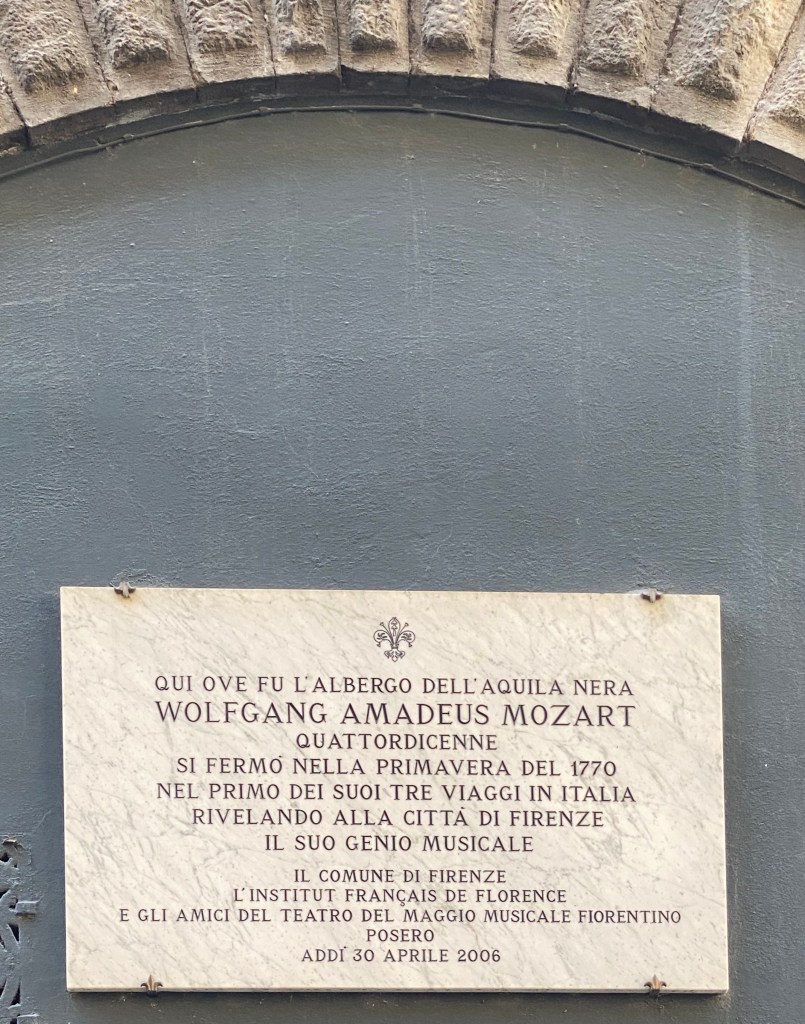
The sign says “Mozart stayed in this hotel when he was 40. He stopped in Florence in the spring of 1770, on the first of his 3 trips to Italy. He revealed his musical genius in the city.” The sign was hung in 2006.
Some pretty horticultural things seen today
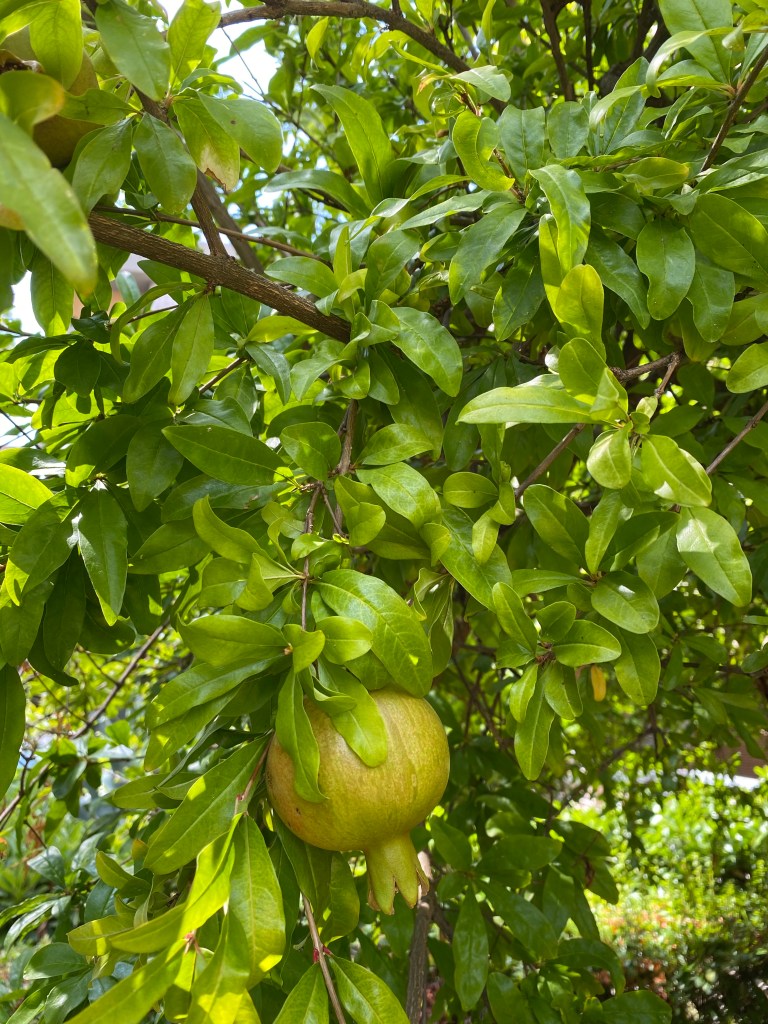
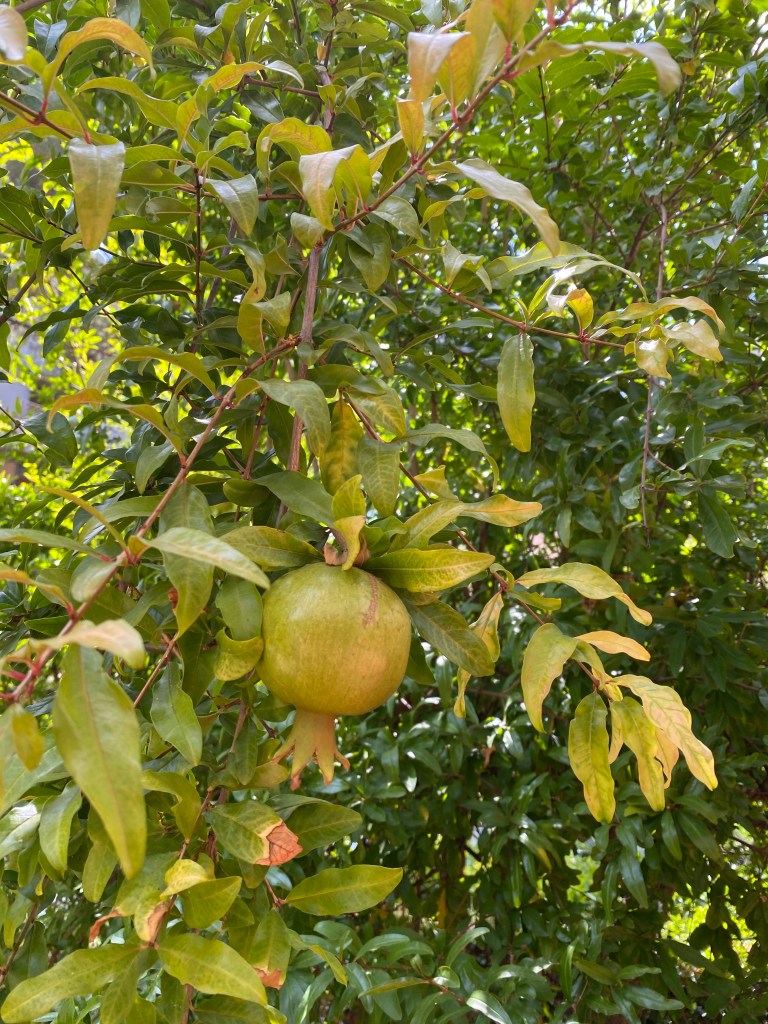
I love watching pomegranate trees throughout the seasons. Late summer is “molto suggestivo.” I can almost taste the fresh pomegranate juice I will enjoy this autumn.
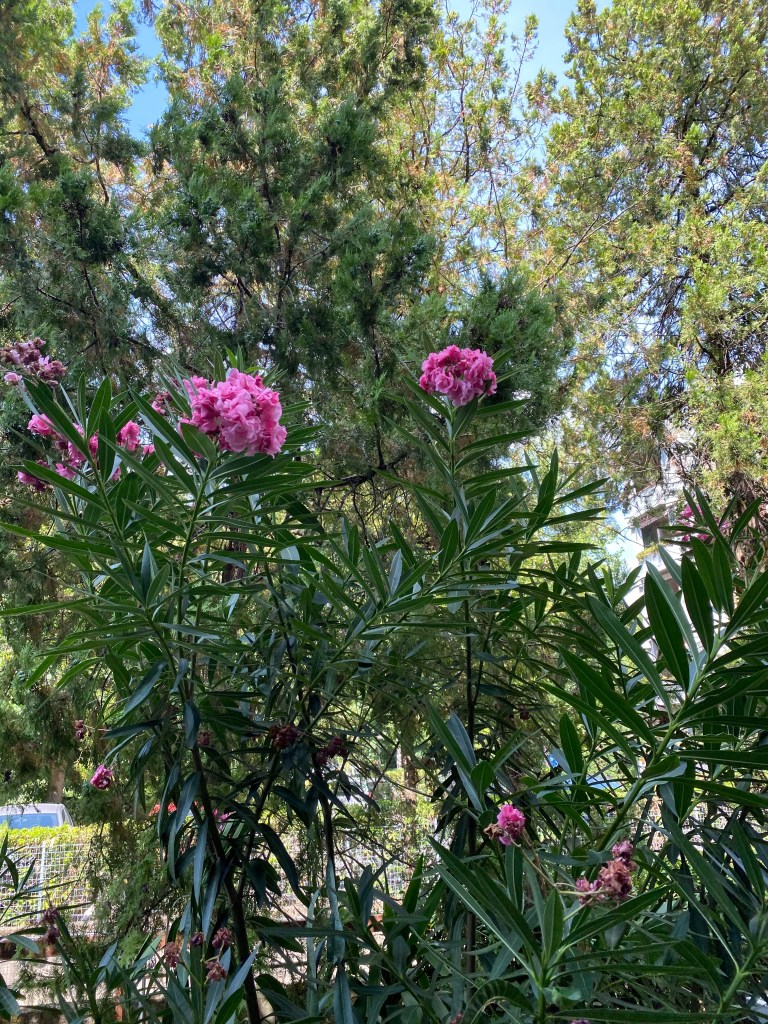
Pretty oleanders swaying in the breeze:
I don’t know what this berry thing below is, but it is beautiful!
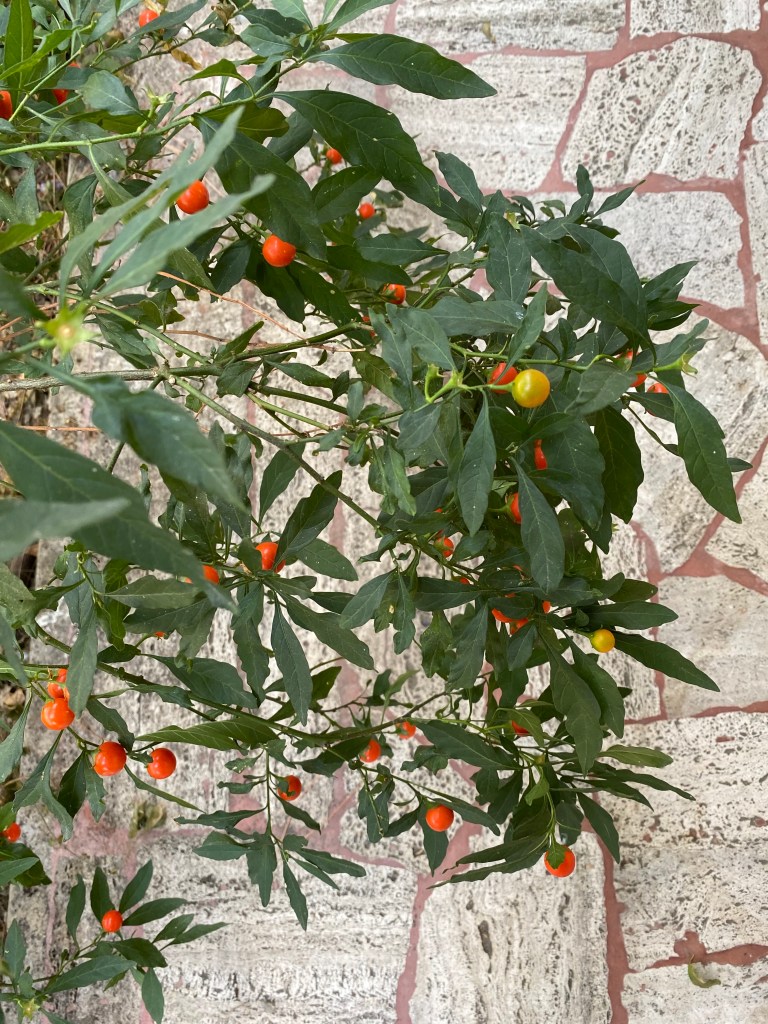
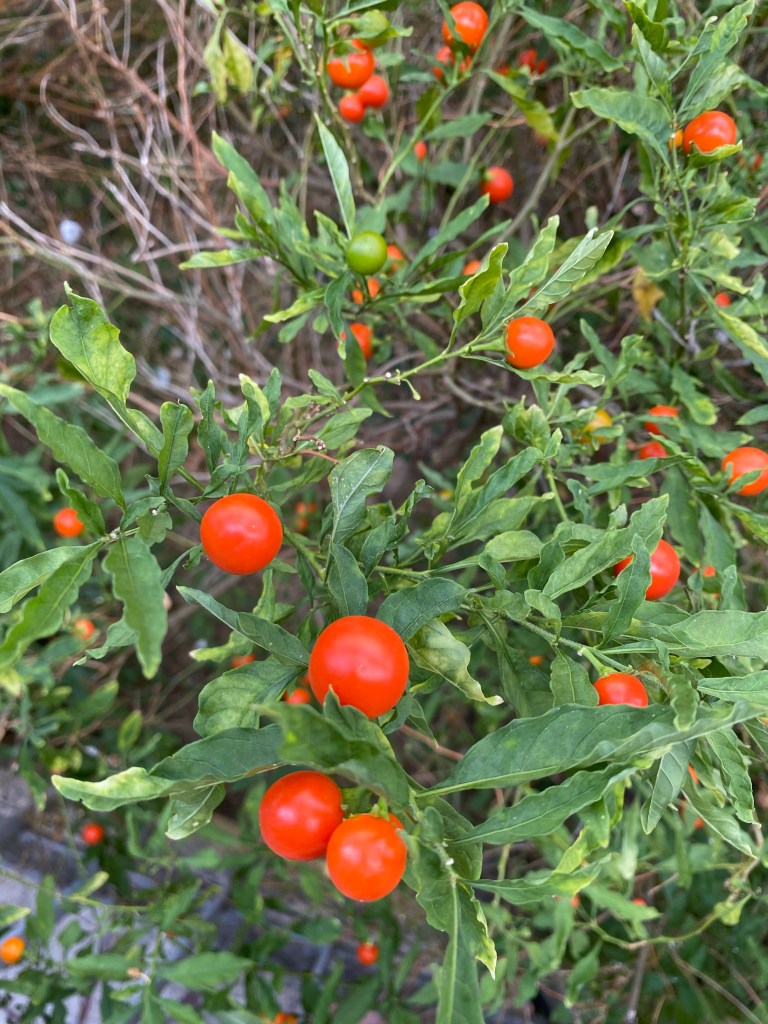
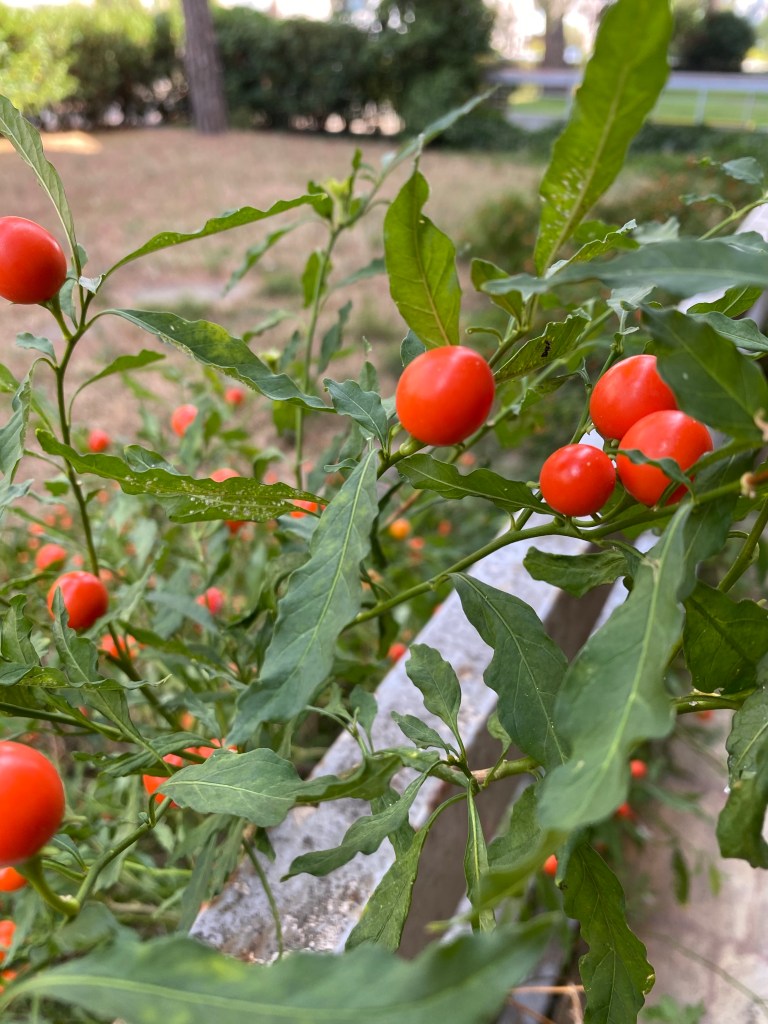
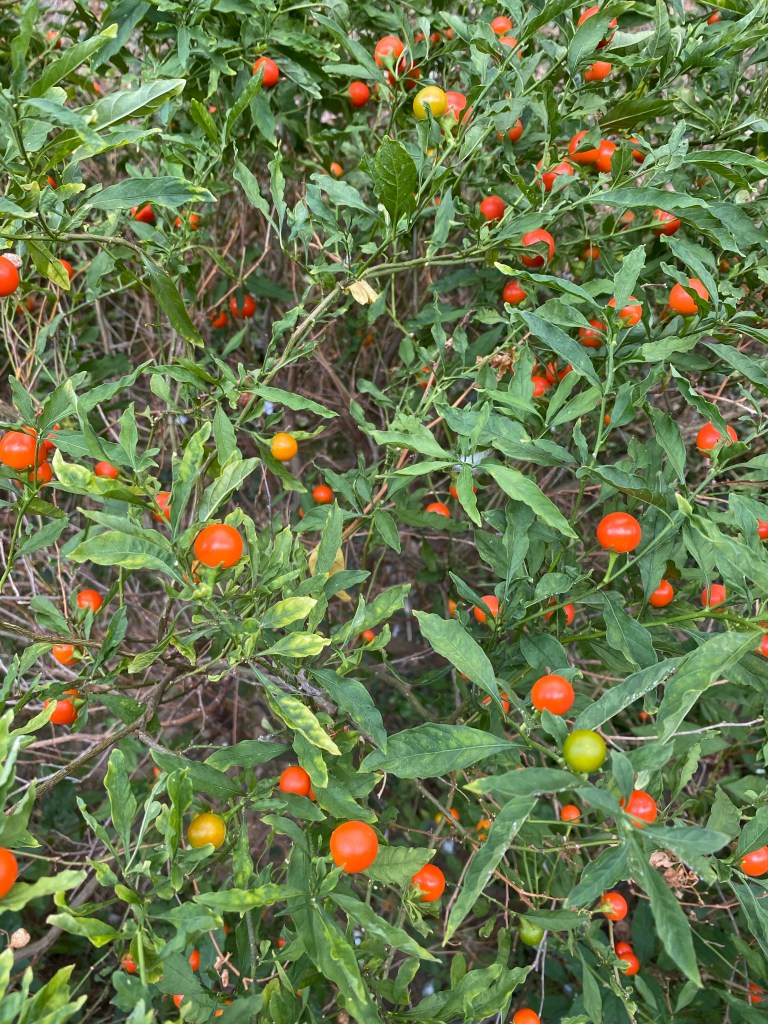
I love that color!
The Spanish Chapel at Santa Maria Novella
Yesterday I posted about the Ghirlandaio fresco cycle at Santa Maria Novella.
https://laurettadimmick.com/2020/08/24/santa-maria-novella-and-the-ghirlandaio-fresco-cycle/
Today I want to show my photos from the Spanish Chapel, which is the former chapter house of this convent.
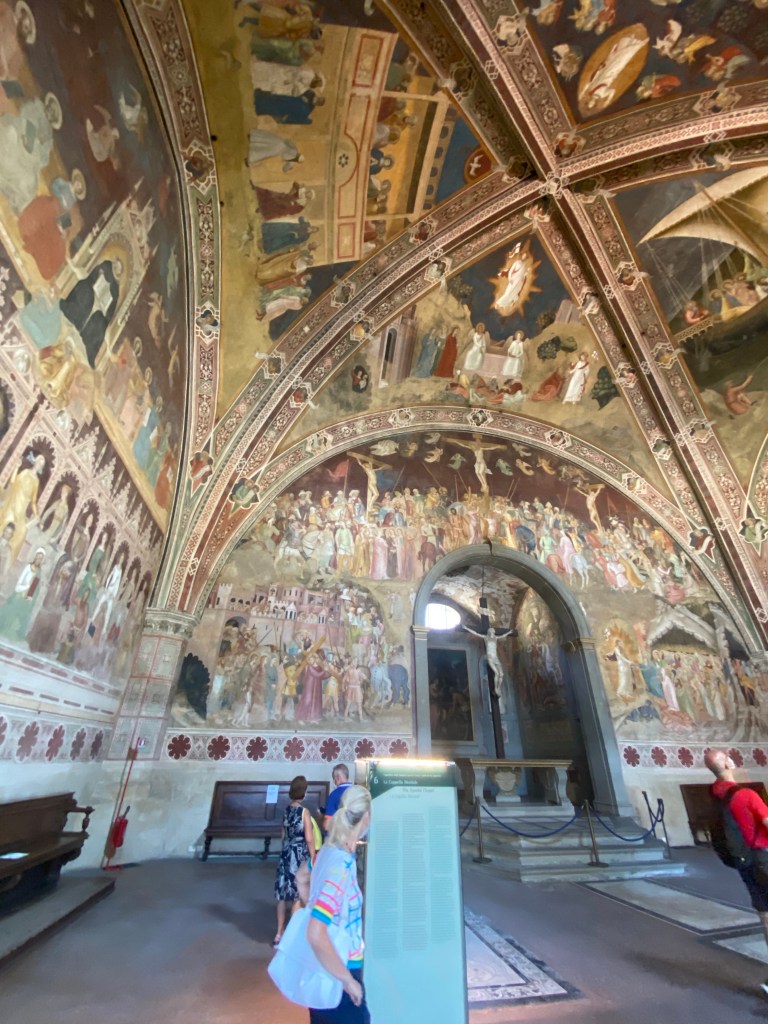
The Spanish Chapel is situated at the north side of the green Cloister (Chiostro Verde). It was commissioned by Buonamico (Mico) Guidalotti as his funerary chapel. Construction started c. 1343 and was finished in 1355. The Guidalotti chapel was later called “Spanish Chapel,” because Cosimo I assigned it to Eleonora of Toledo and her Spanish retinue.
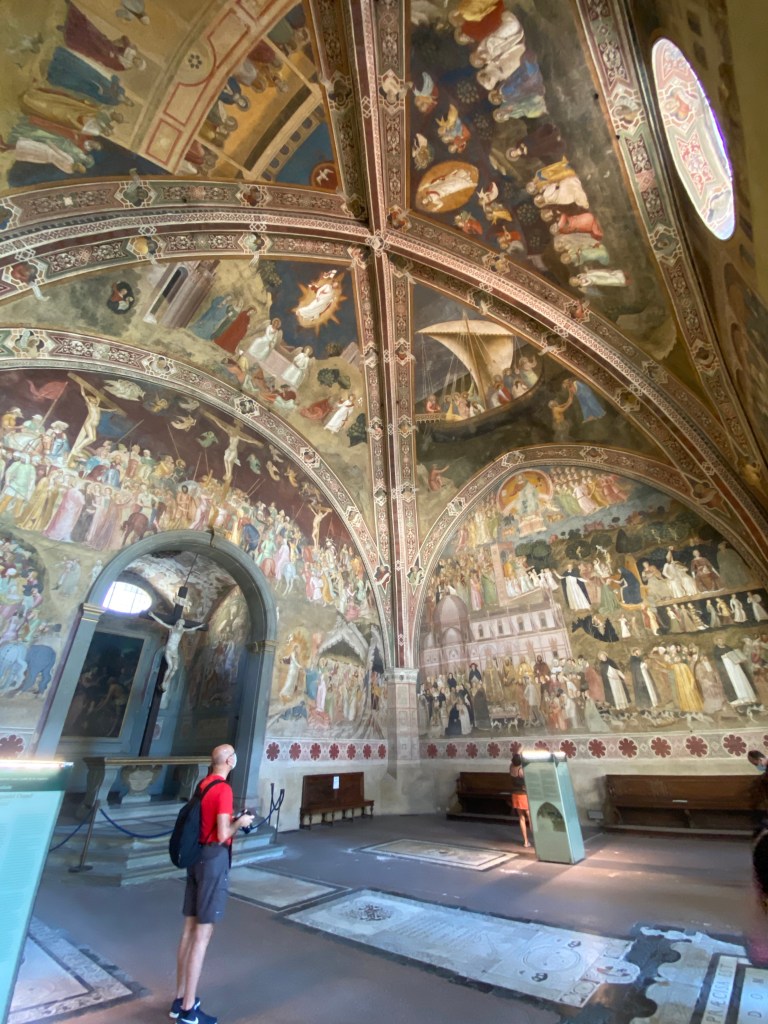
The Spanish Chapel was decorated from 1365 to 1367 by Andrea di Bonaiuto, also known as Andrea da Firenze. I love these paintings.
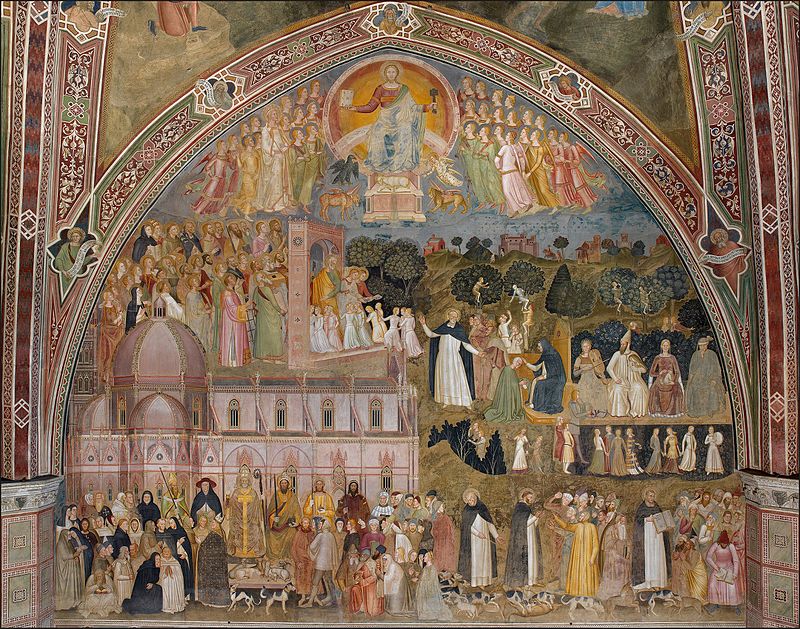
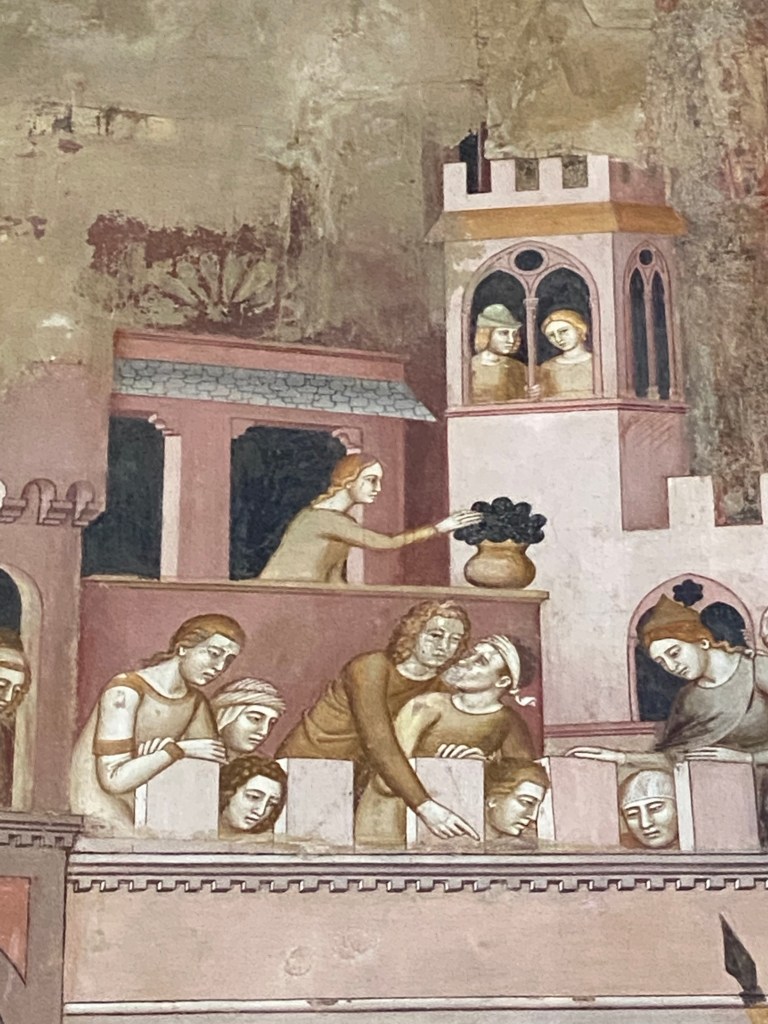
The large fresco on the right wall, shown above and below, depicts an Allegory of the Active and Triumphant Church and of the Dominican order.
It is especially interesting because in the background it shows a large pink building that some think may provide some insight into the original designs for Florence Cathedral by Arnolfo di Cambio (before Brunelleschi’s dome was built). However, such an interpretation is fantasy since the Duomo was never intended to be pink, nor to have the bell tower at the rear.

This fresco also contains portraits of pope Benedict IX, cardinal Friar Niccolò Albertini, count Guido di Poppi, Arnolfo di Cambio and the poet Petrarch.
The frescoes on the entry wall represent scenes from the lives of Christ and St Peter (unfortunately, these were mostly ruined due to the later installation of a choir):
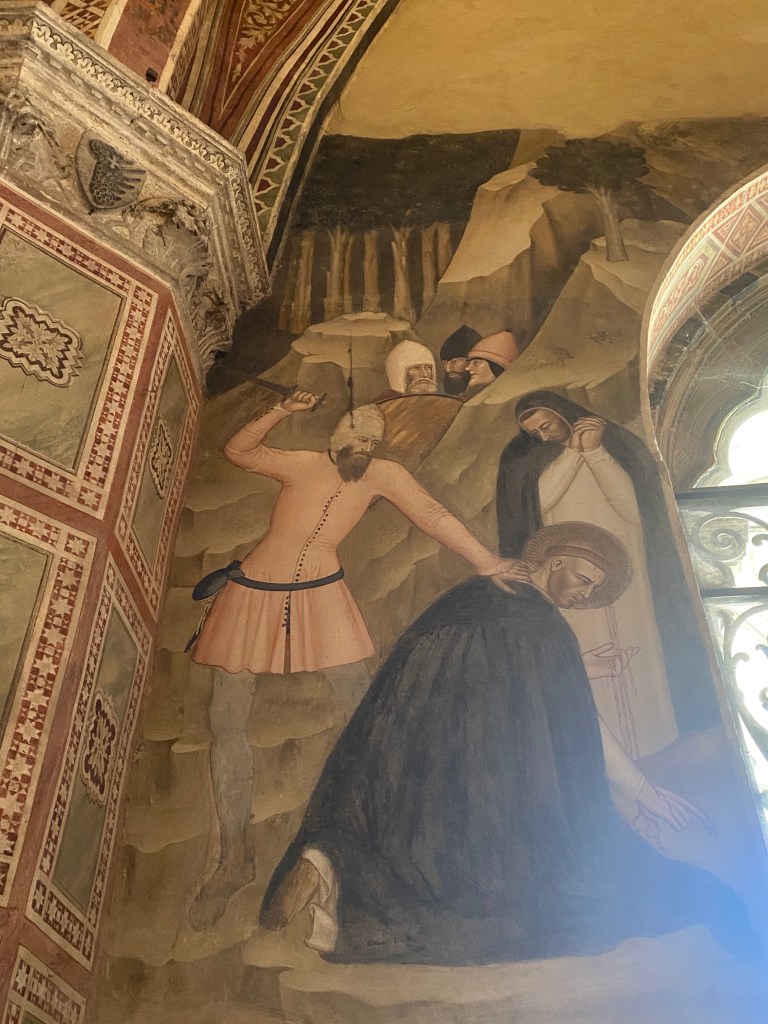
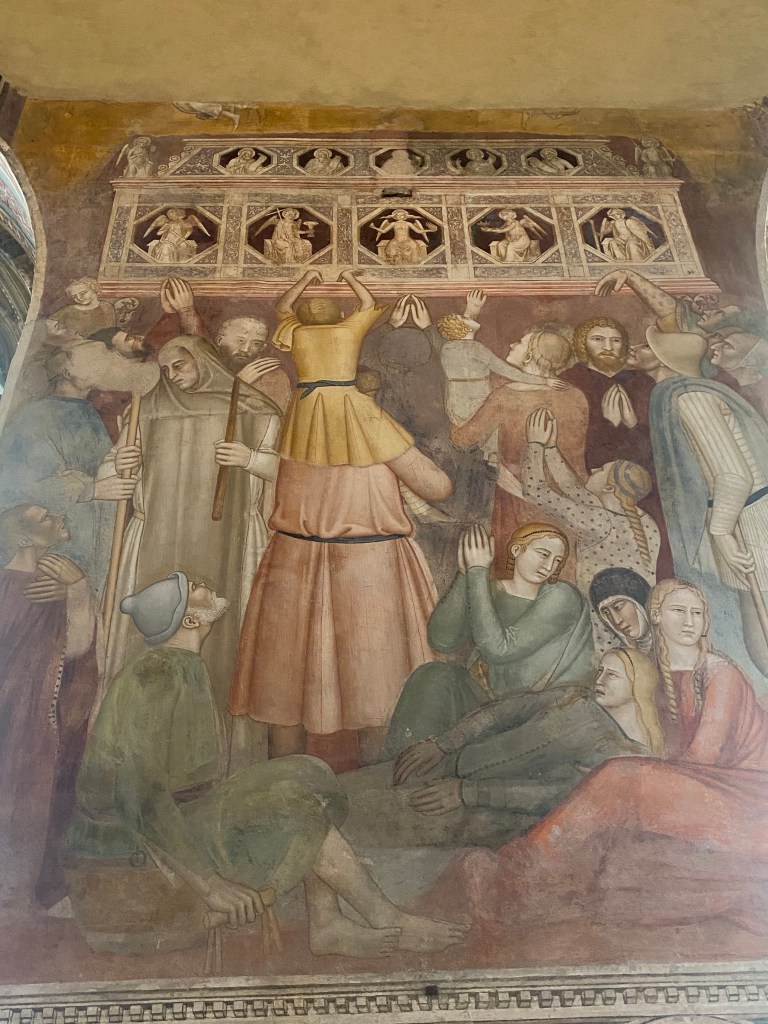
The chapel’s left wall shows “The Triumph of St Thomas Aquinas and the Allegory of Christian Learning.”


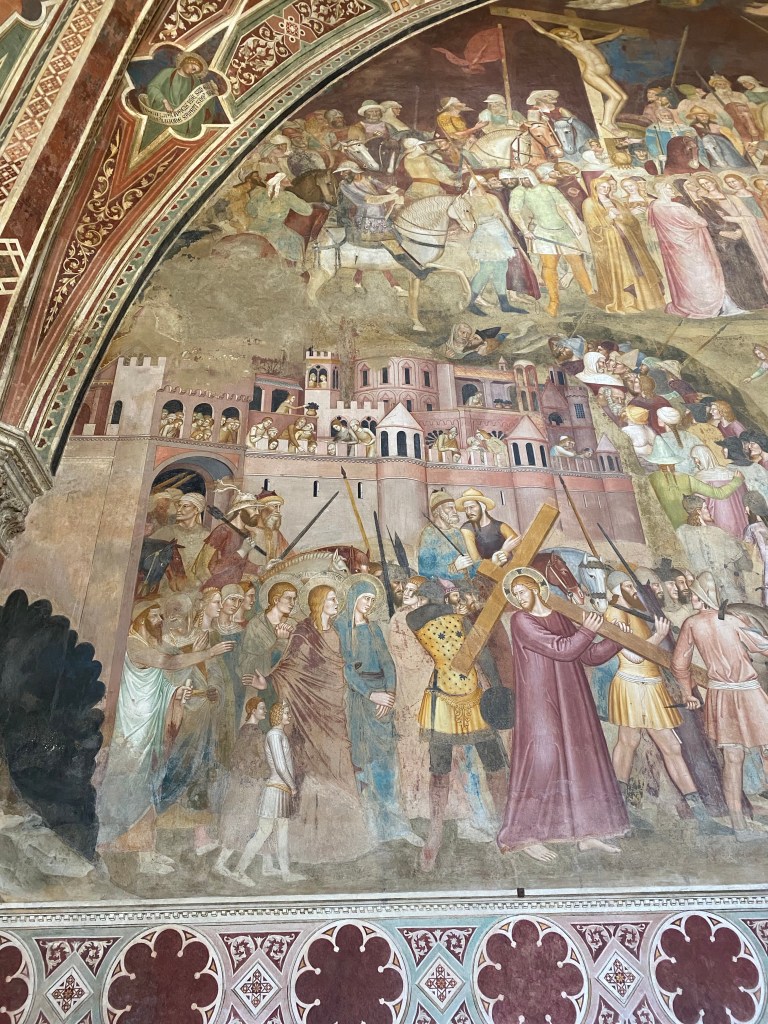
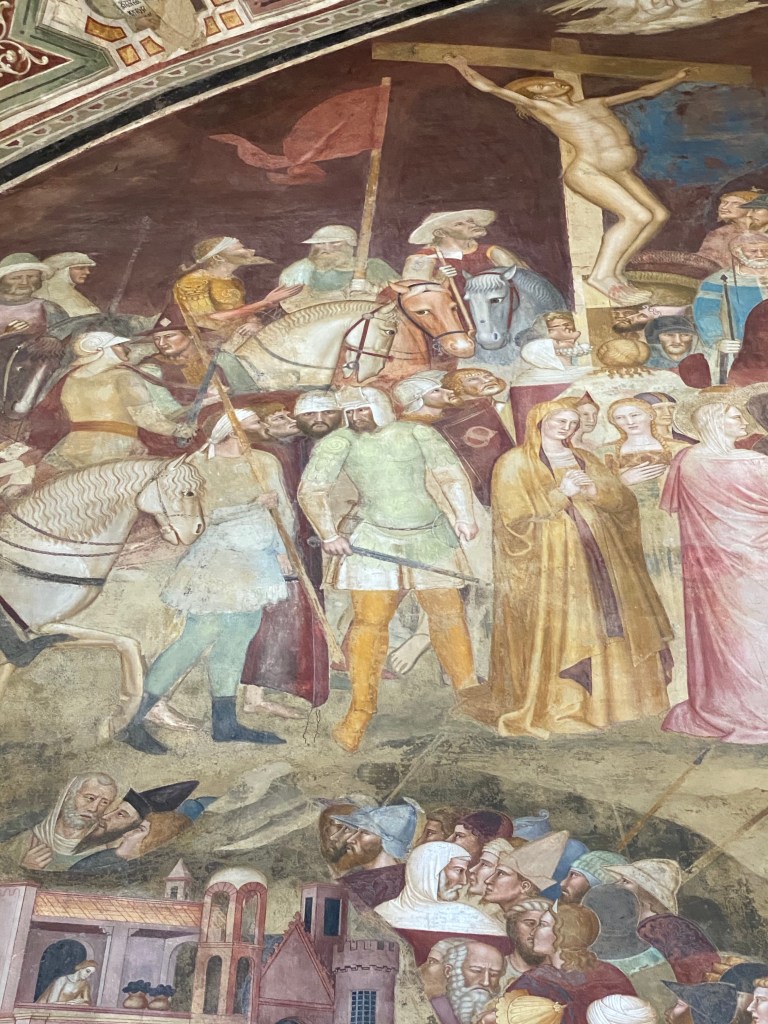
The chapel’s altar wall features images of the large “Crucifixion with the Way to Calvalry and the Descent into Limbo.”


The four-part vault contains scenes of Christ’s resurrection, the navicella, the Ascension, and Pentecost. The “Navicella,” seen below, is my favorite.

The five-panelled Gothic polyptych altarpiece is not shown here. It is on view in an adjacent area. It was probably originally made for the chapel’s altar and depicts the Madonna Enthroned with Child and Four Saints by Bernardo Daddi, c. 1344.
Together, the complex iconography of the ceiling vault, walls, and altar combine to communicate the message of Dominicans as guides to salvation.
I am still not a happy camper with the new formatting I have to use, recently introduced by WordPress.com. Bear with me while I learn to use it. :-(
 get back, lauretta!
You must be logged in to post a comment.