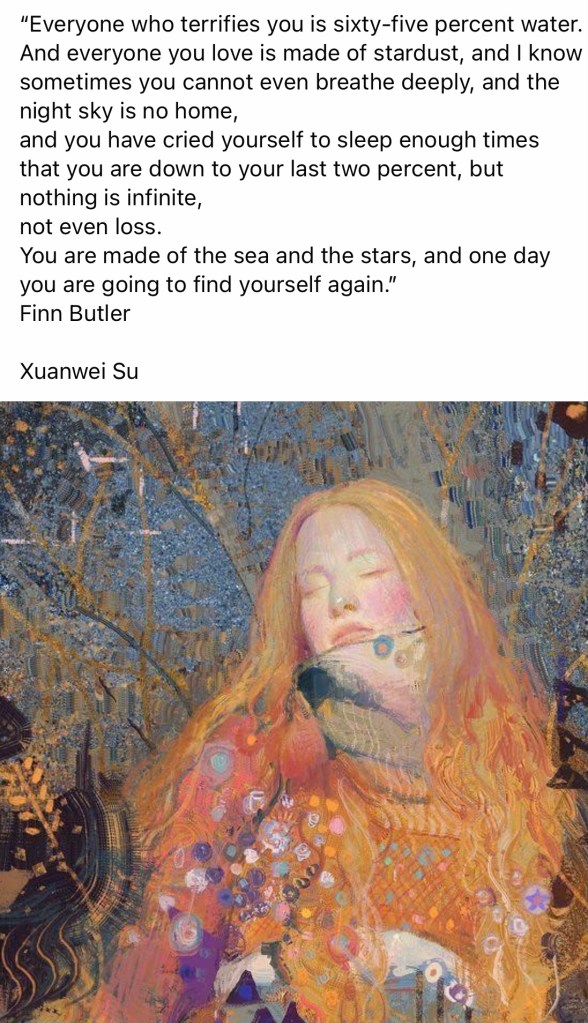
We are simply stardust
I hope you have a heavenly day! Enjoy all your favorite things! I miss you so much and love you forever!
Of course the reason that Pisa looks the way it does today is because of WWII. The historic bridges across the Arno river were destroyed, as were most in Florence. The Pisan bridges were of course rebuilt, but non has the flavor of history.
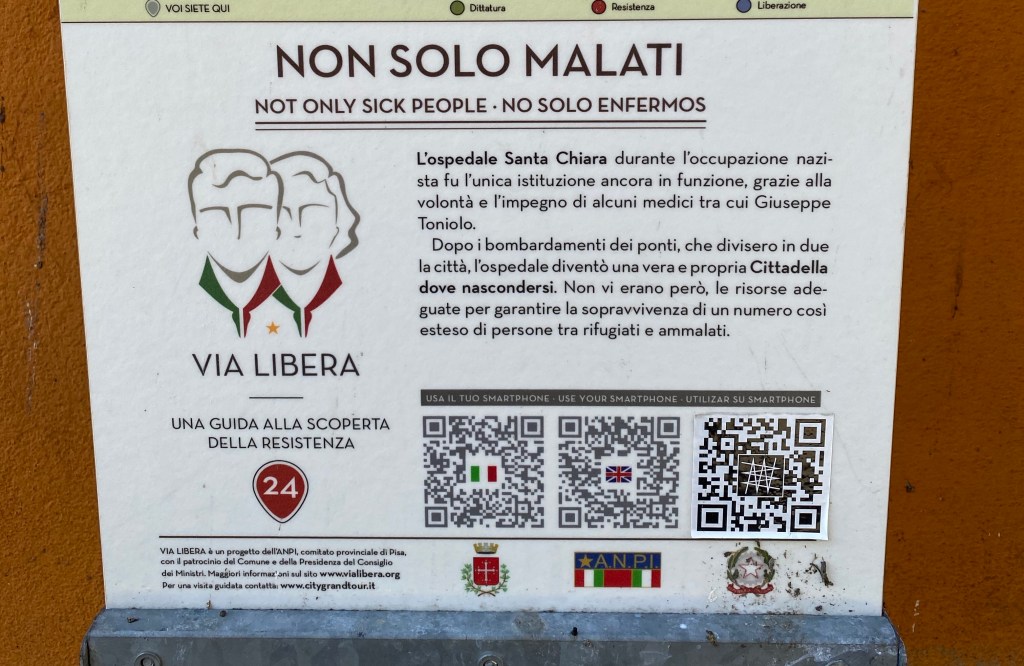
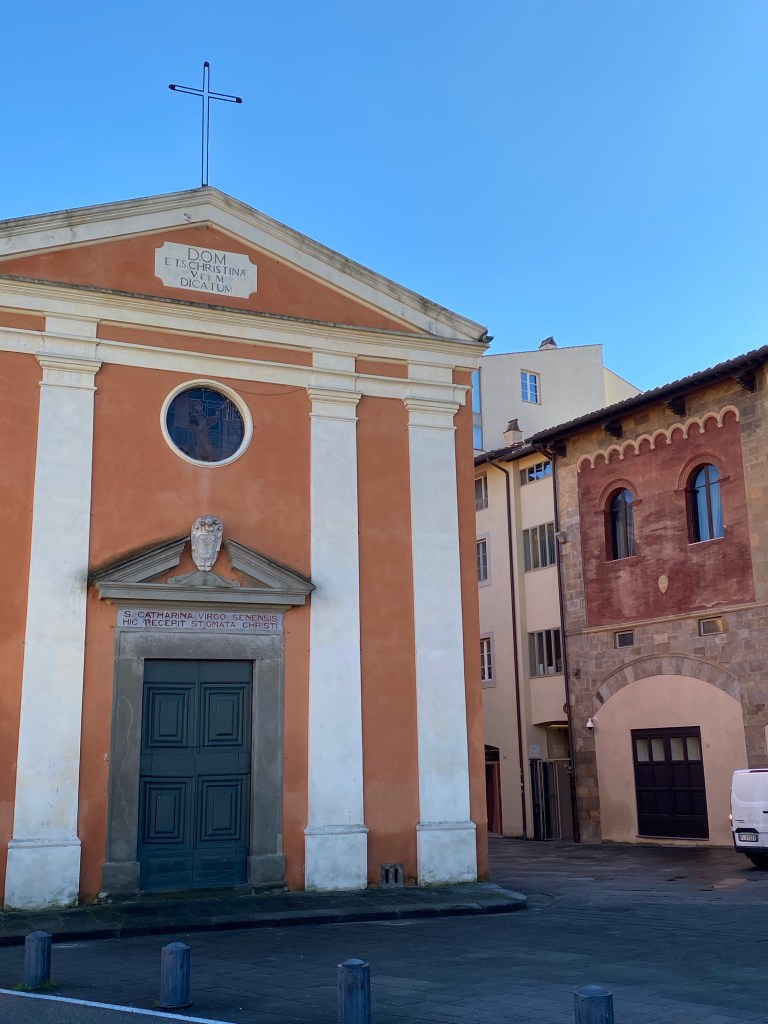
Throughout the historic city of Pisa one is reminded of the war, as in this sign below, that talks about how the hospital of Santa Chiara was the site of the Resistance. I am not well informed enough about WWII to talk with certainty about Pisa and the Resistance, but this sign tells us that Giuseppe Toniolo was instrumental in helping refugees and injured people during the war.
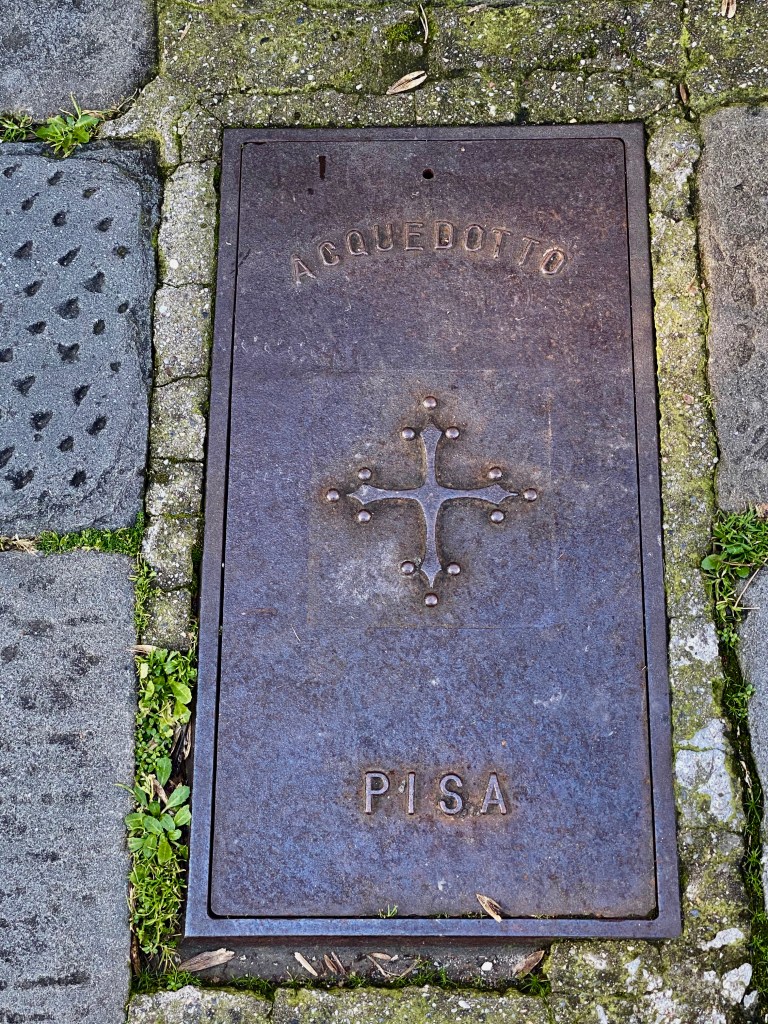
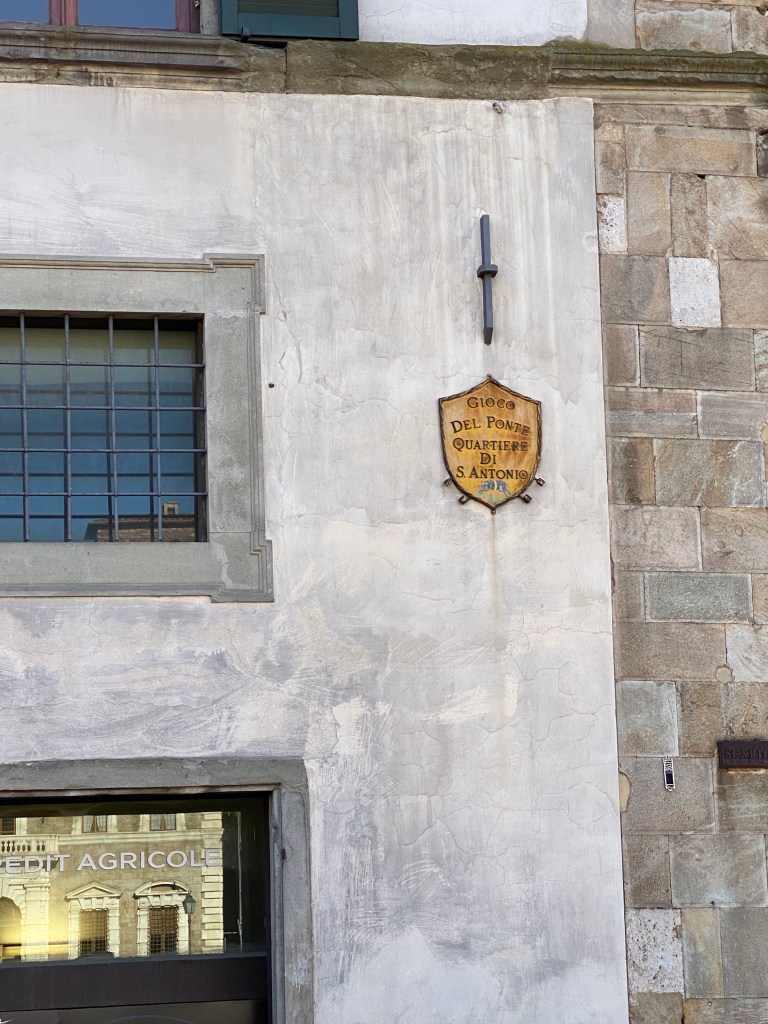
In Rome you see the SPQR signs in the pavement. In Pisa you see this distinctive emblem.
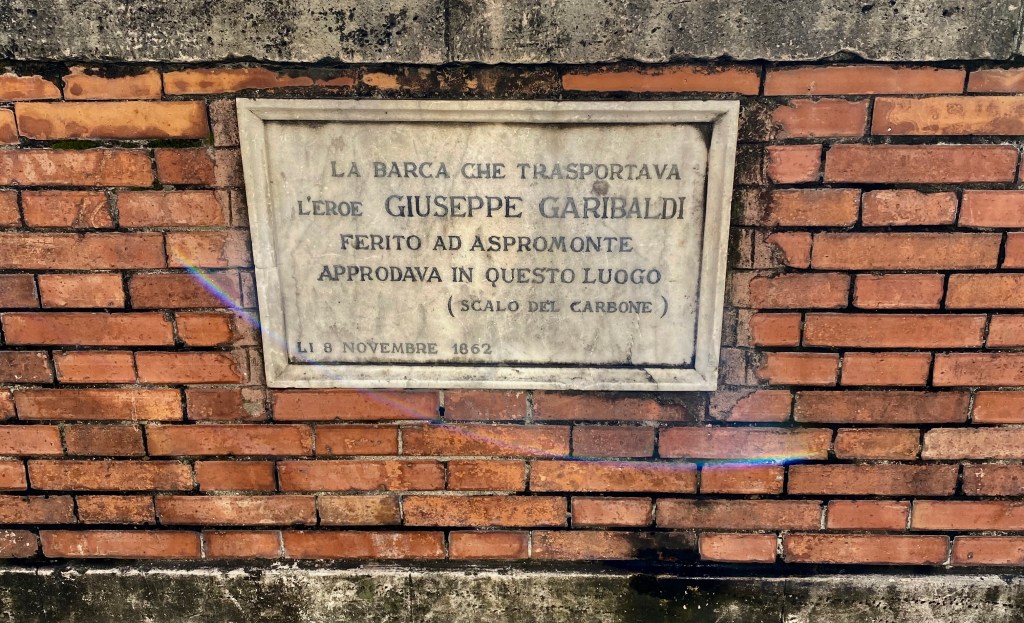
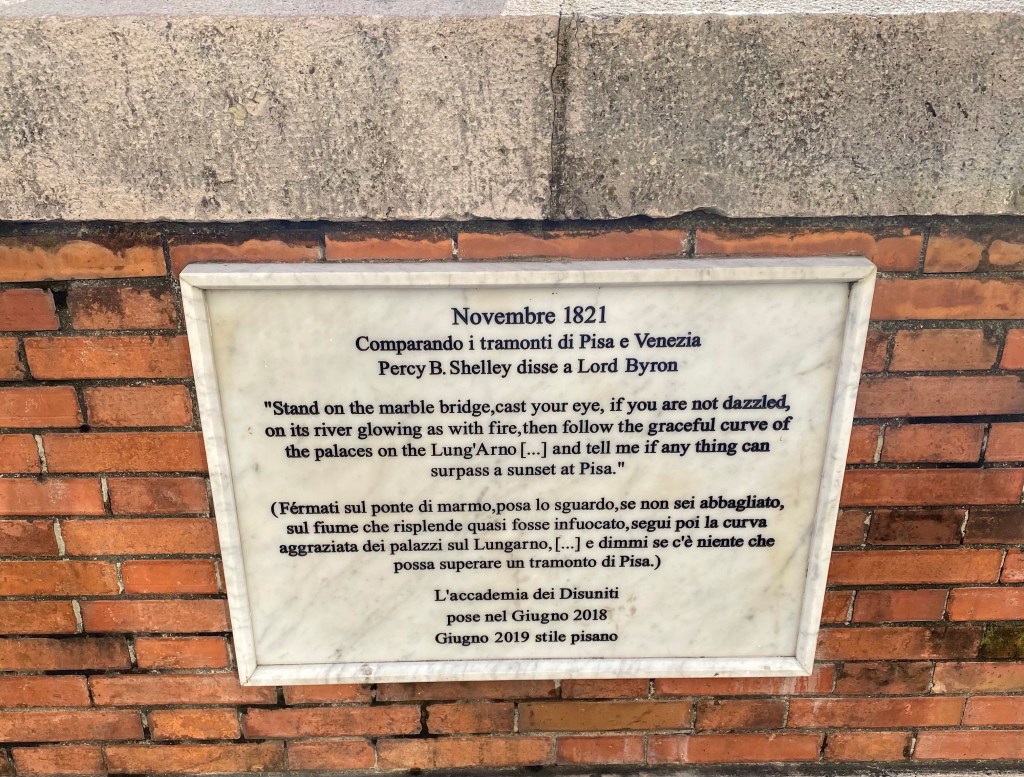
Along the Lungarno are embedded a few plaques. The left one commemorates Giuseppe Garibaldi and the right one the Pisan presence of the English Romantic poets, Shelley and Byron.
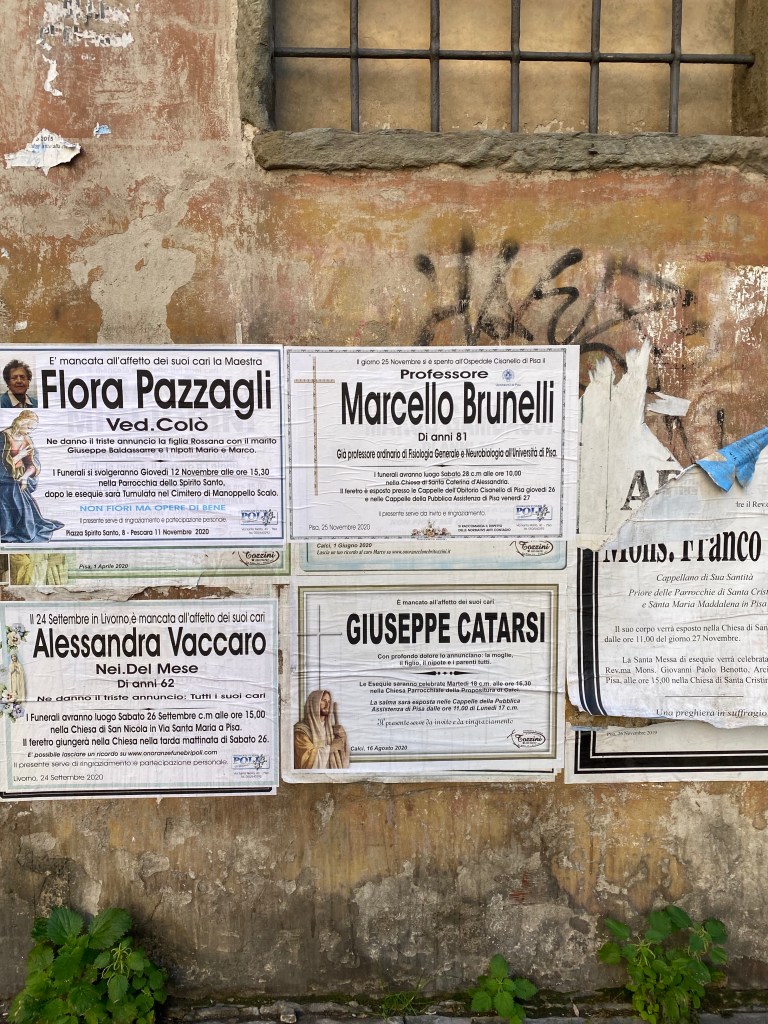
In Pisa, as is other Italian towns and villages I have visited, one finds these posters informing the neighborhood of the death of some fellow citizens. Pisa lost Flora, Alessandra, Marcello and Giuseppe recently. These posters are a charming if sad element to local life.
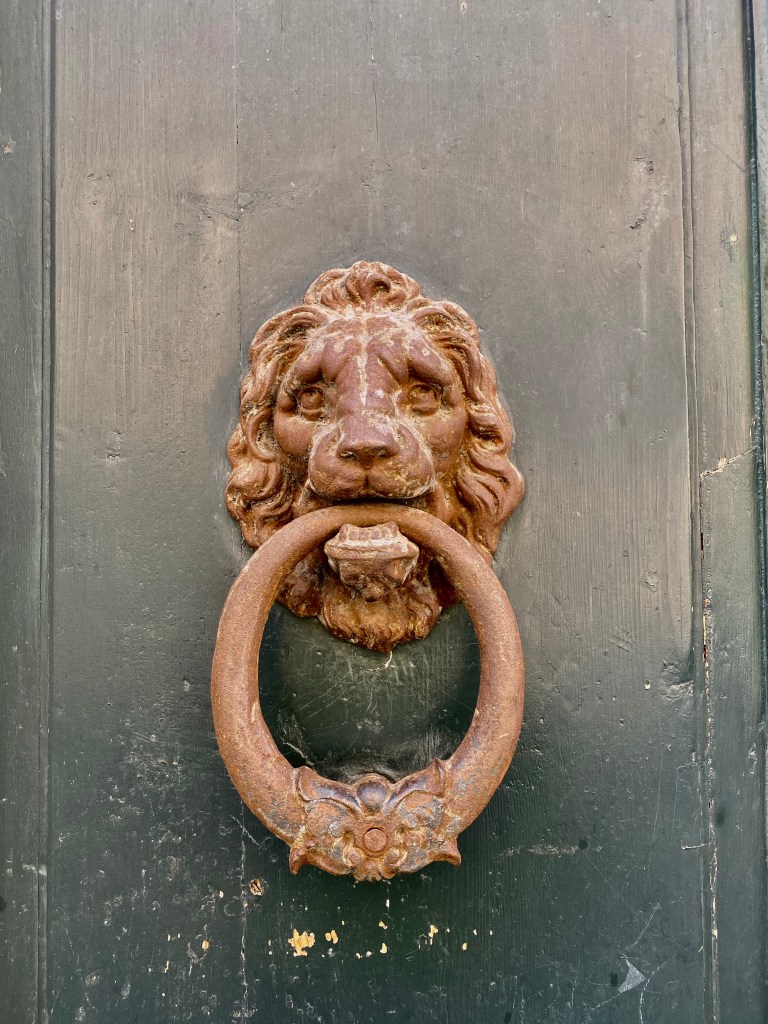
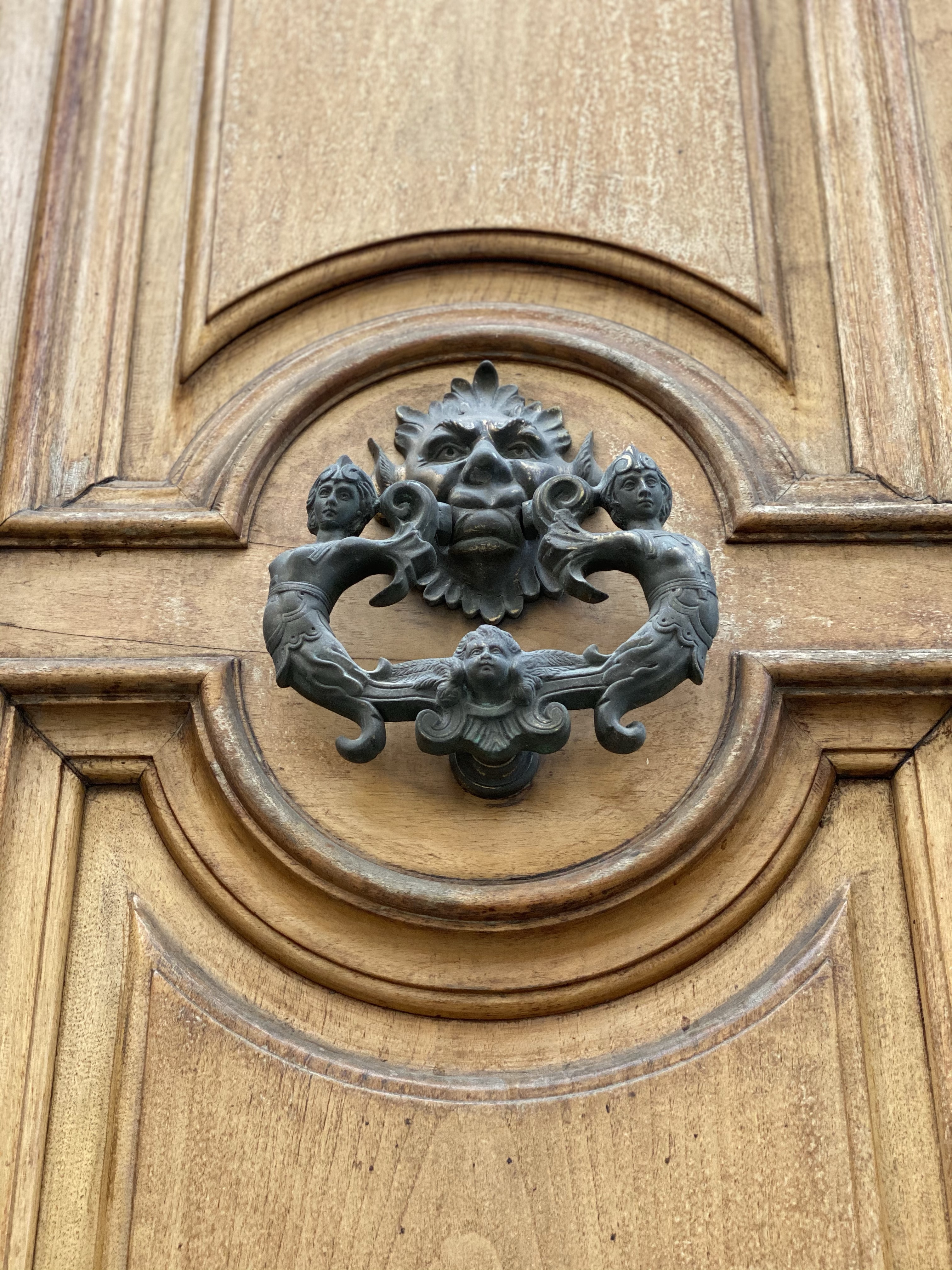
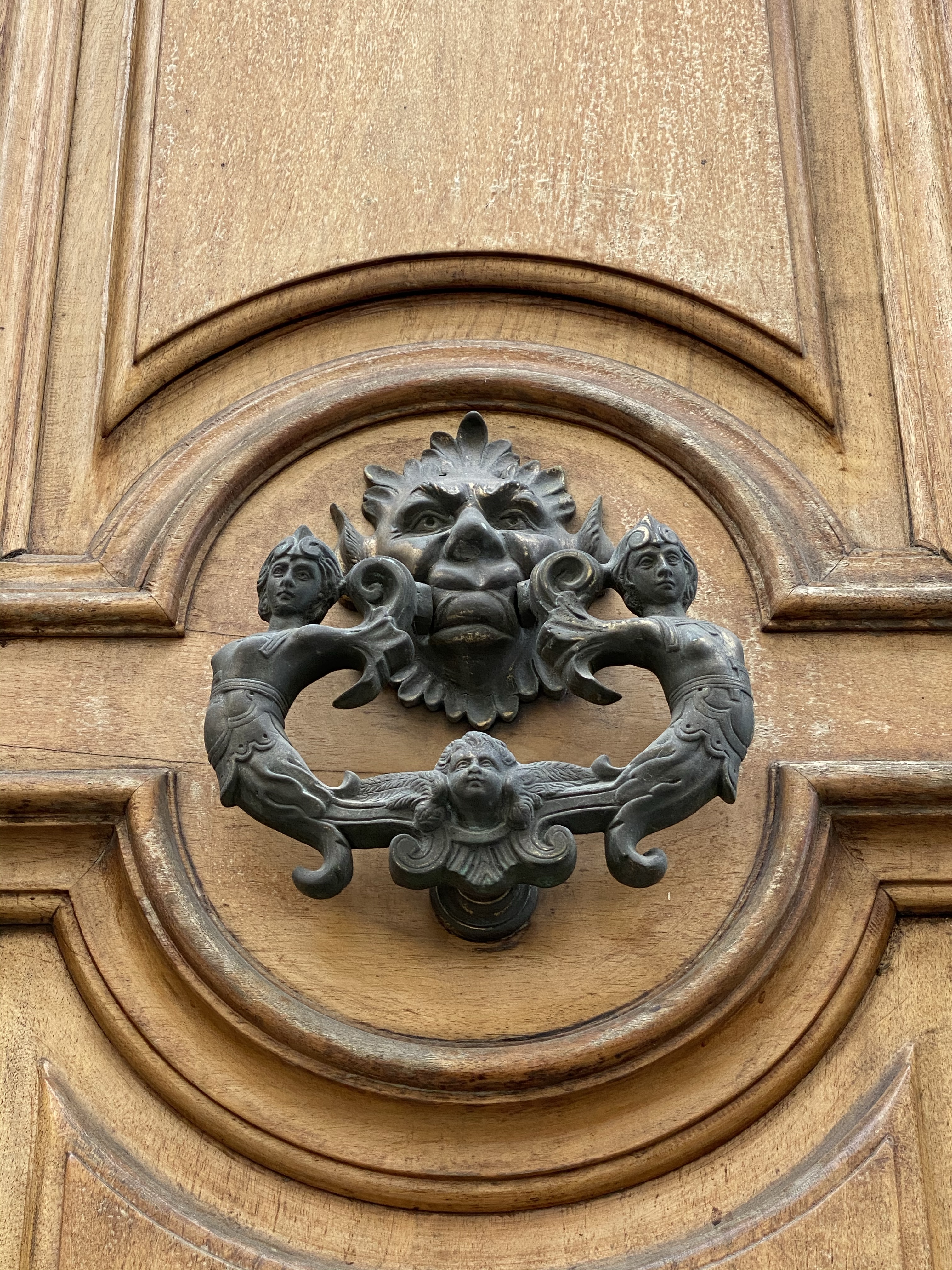
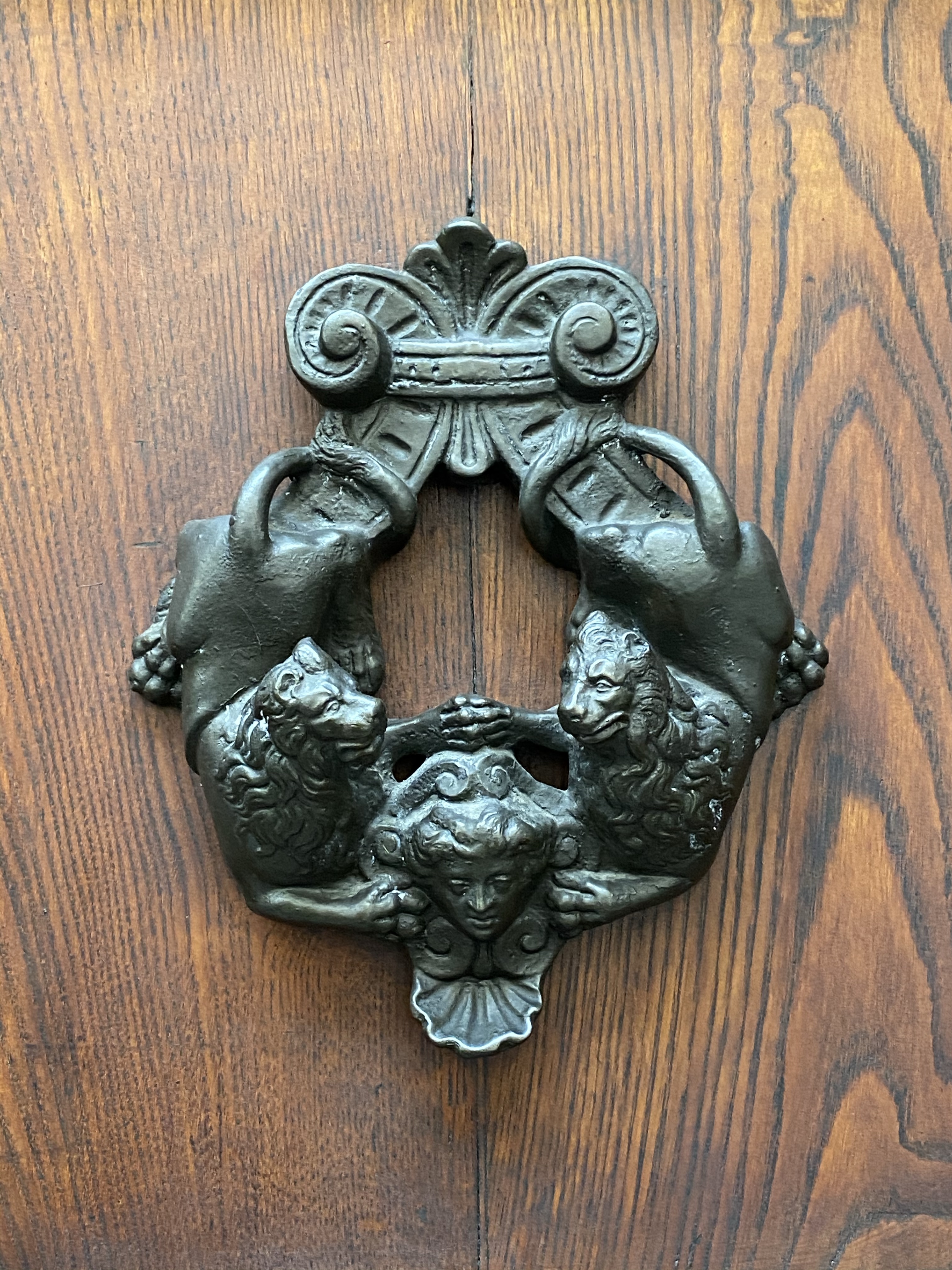
The door knock below speaks for itself.
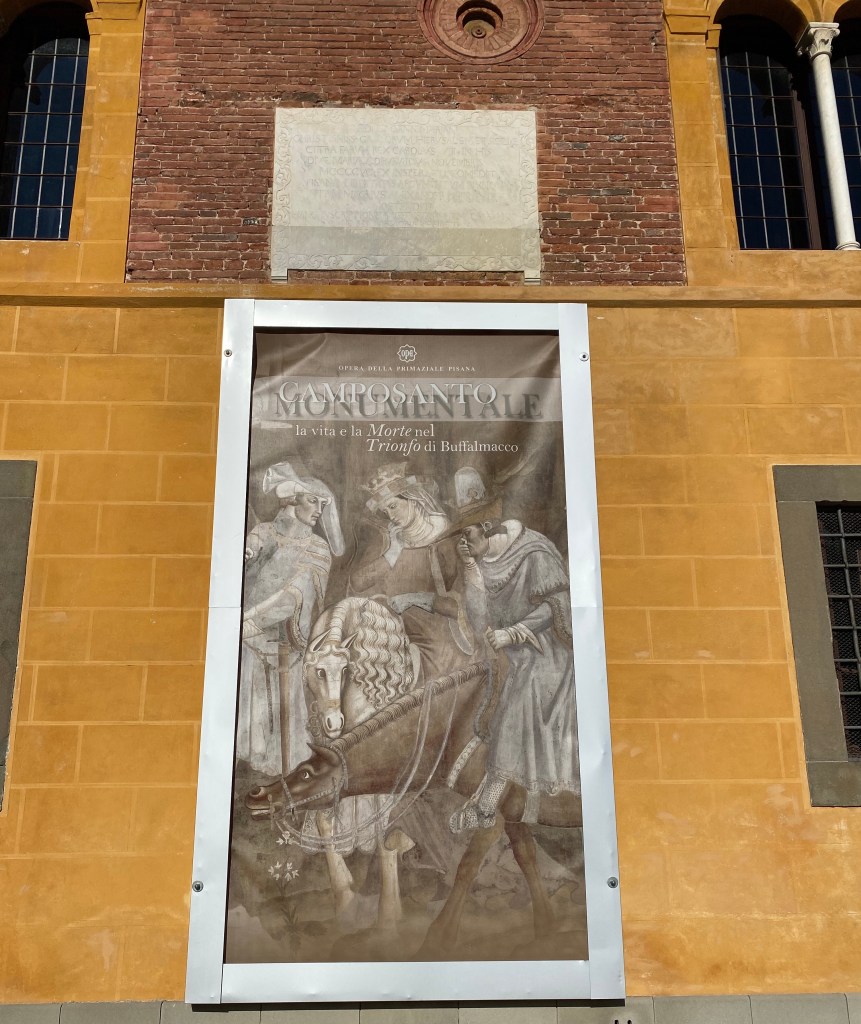
I hadn’t actually planned to visit the Piazza dei Miracoli on this particular visit to Pisa, but I found myself walking toward this splendid architectural ensemble almost without realizing it. Of course the bell tower, cathedral and baptistry were all still closed, thanks to Covid, but I enjoyed wandering around them in the warm February sunshine. I will always remember Covid, and the restrictions and fear it brought, but I think that in the future I might remember fondly the direct experiences I was able to have with some Italian art as result of the lack of people.
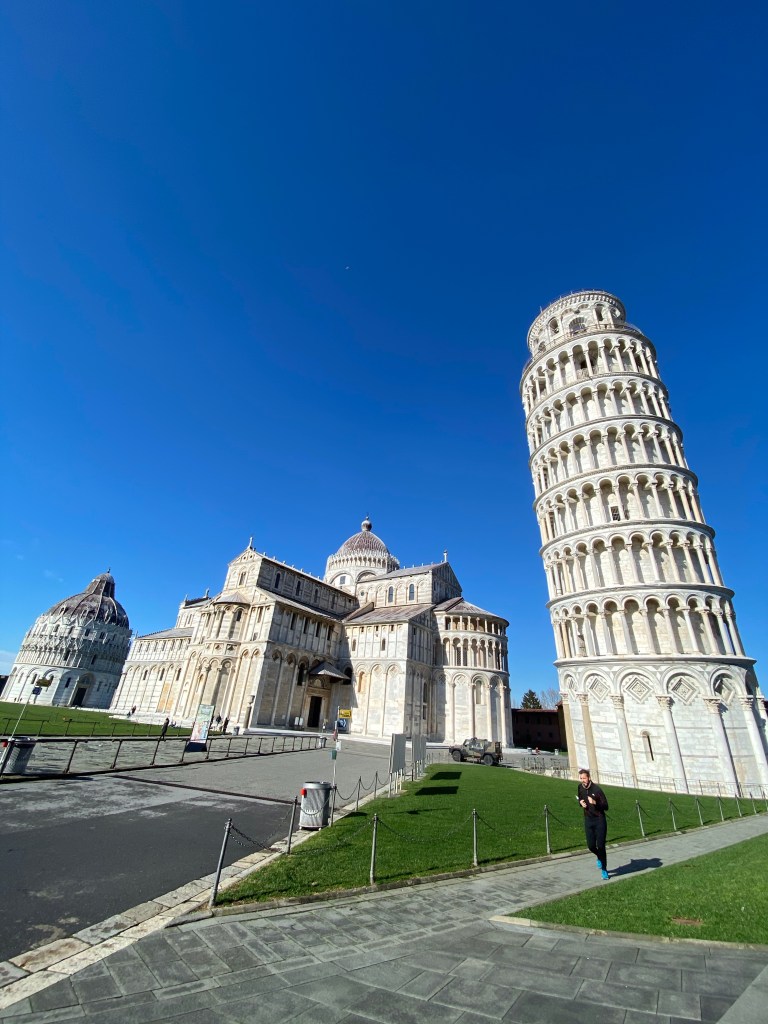
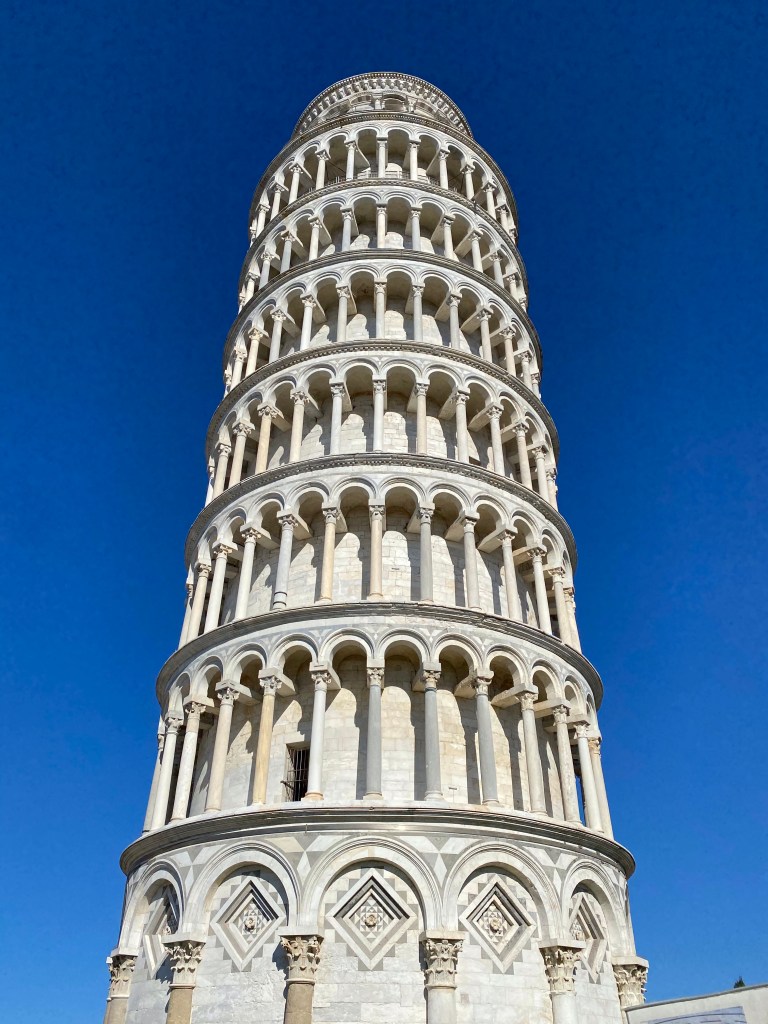
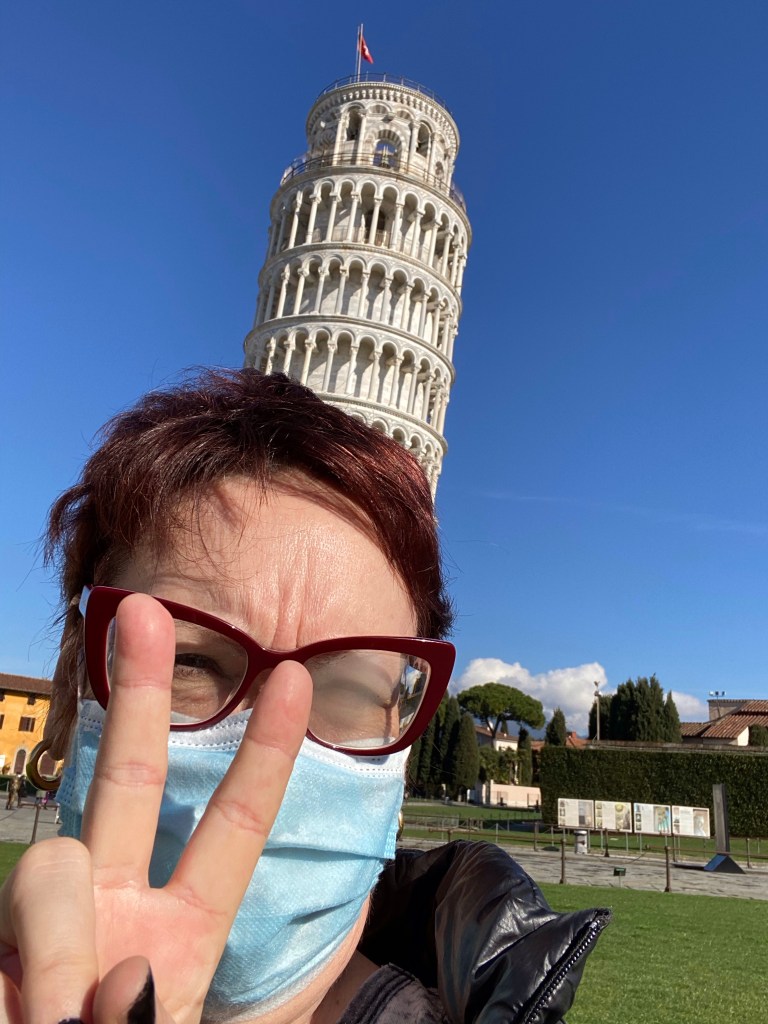
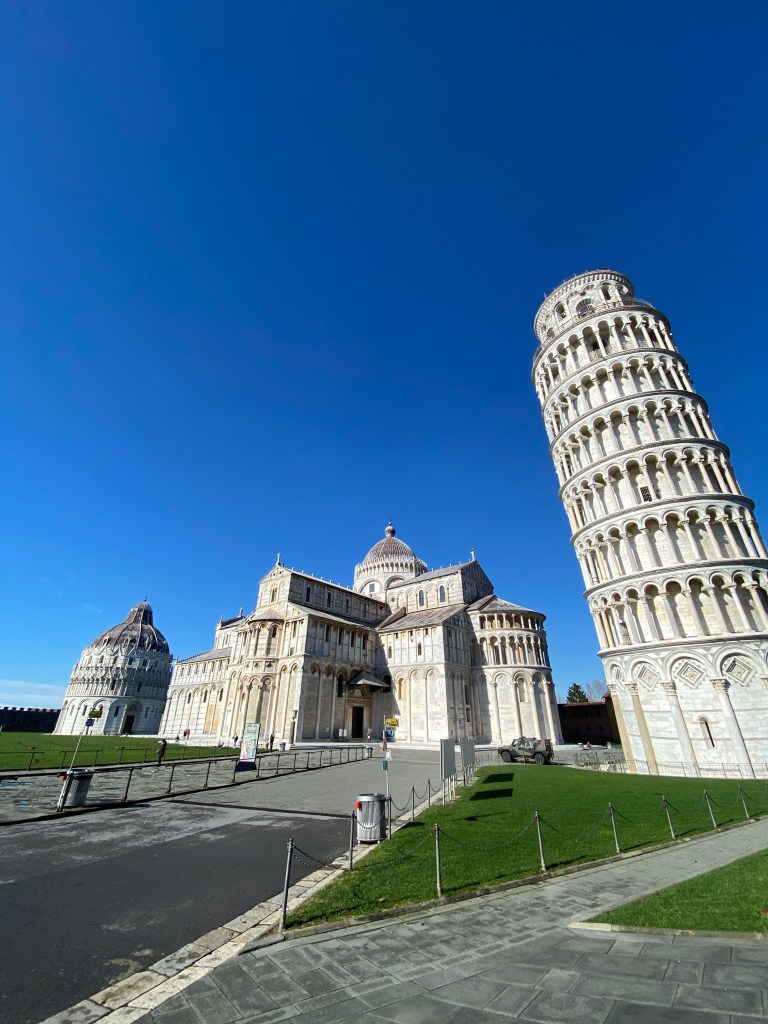
I always remember the neon green grass found in Pisa. No where else in Italy are there fields of so well cared for green grass. It makes me think of the USA.
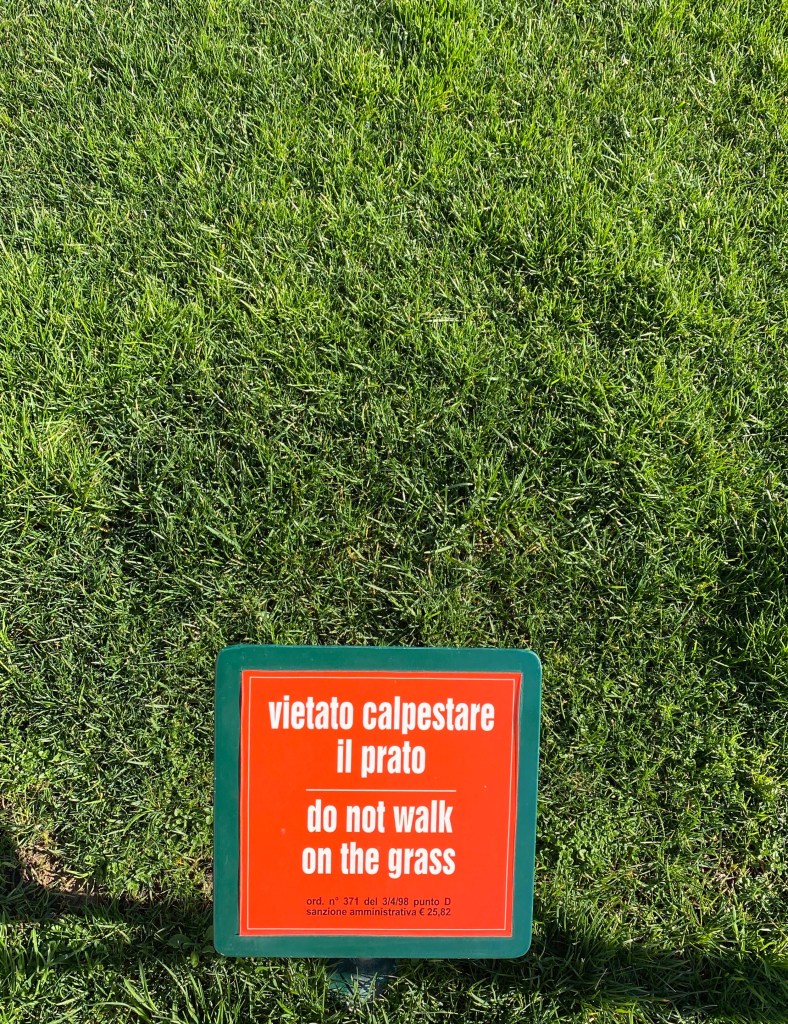
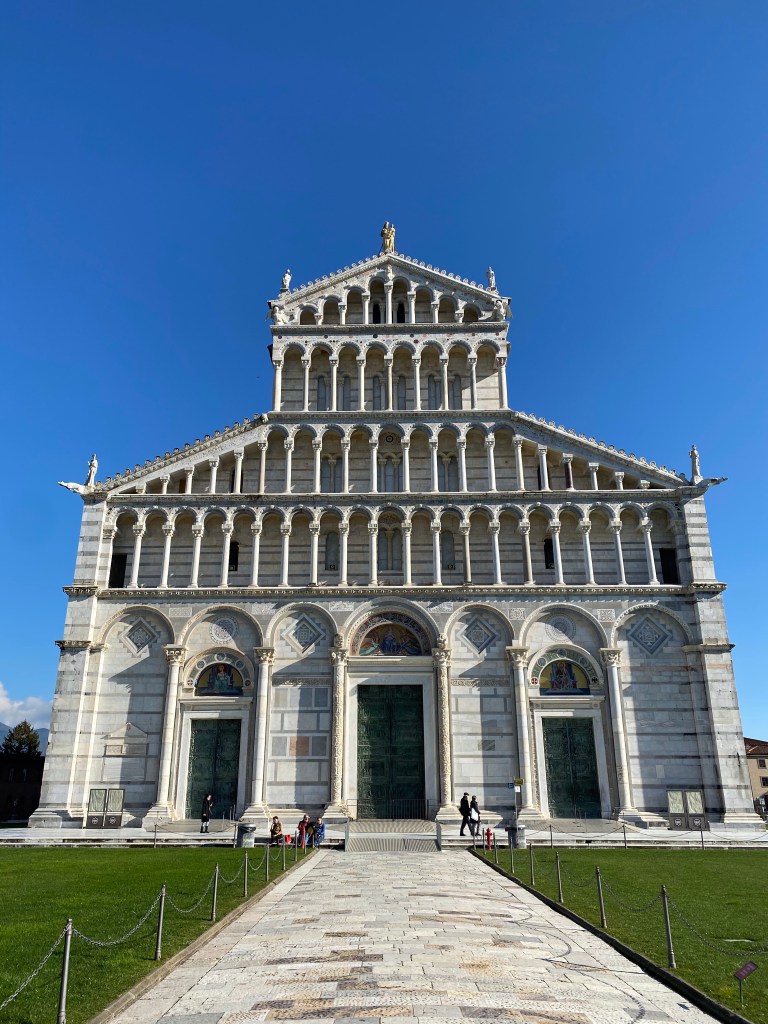
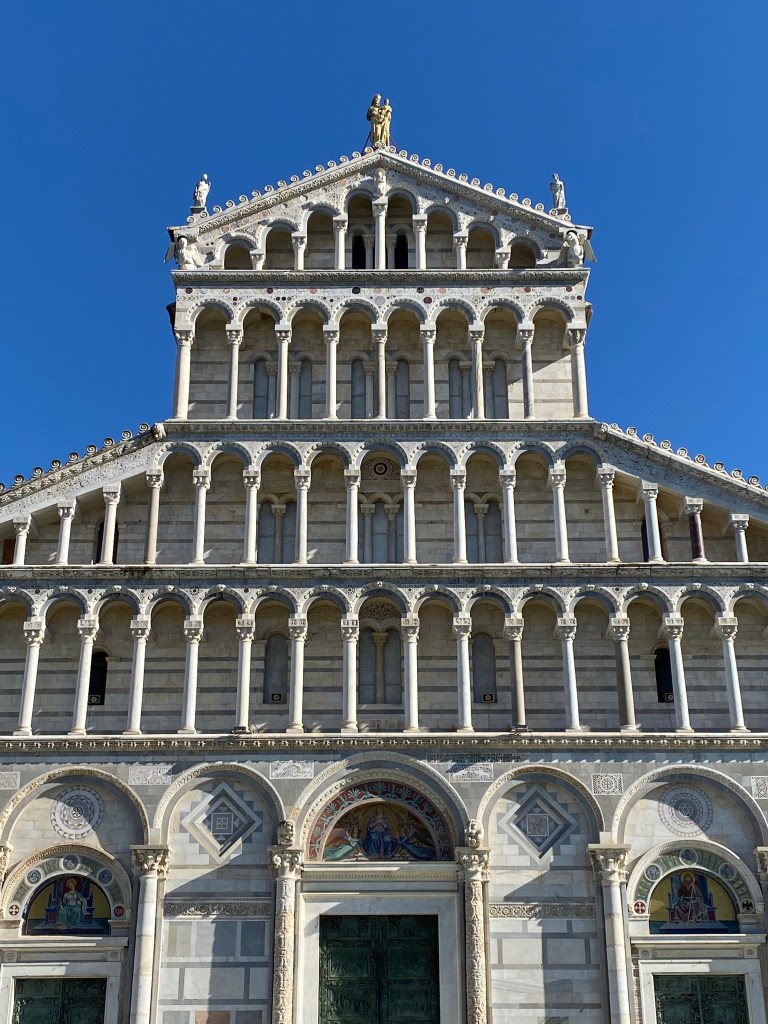
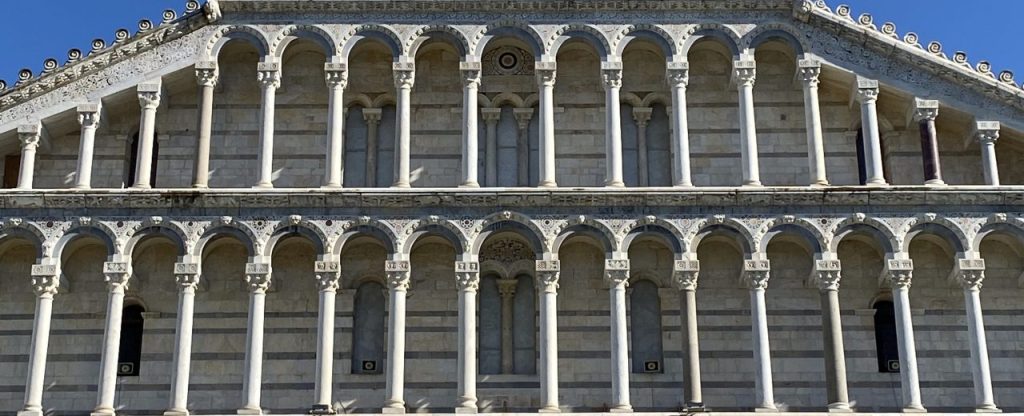
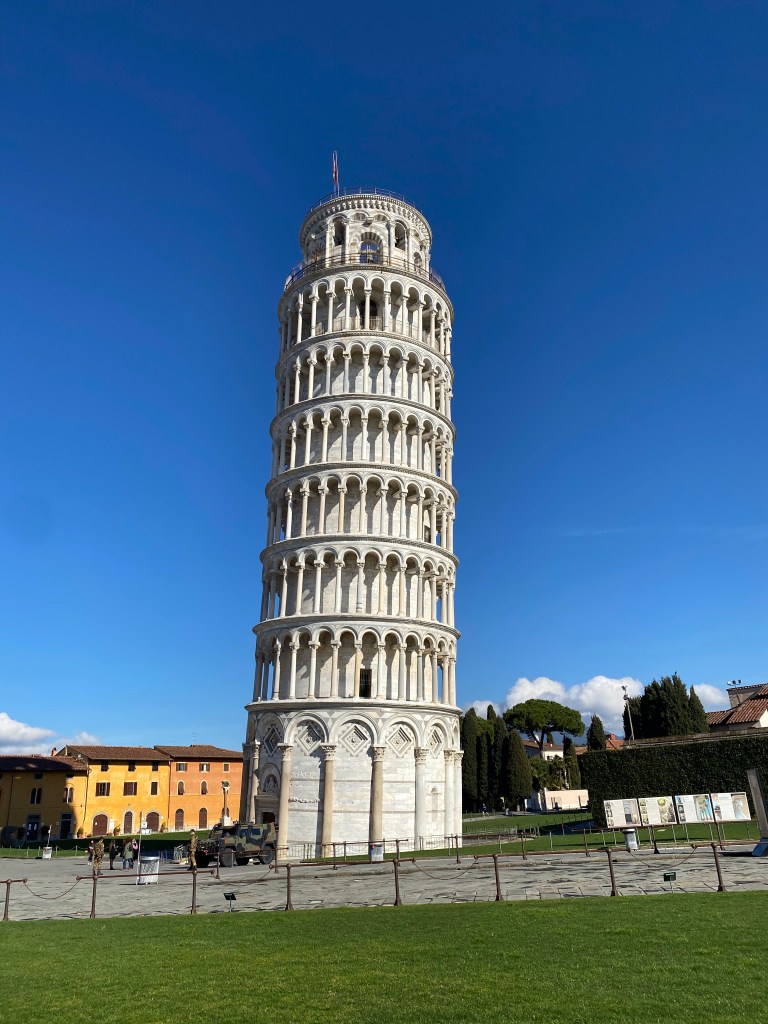
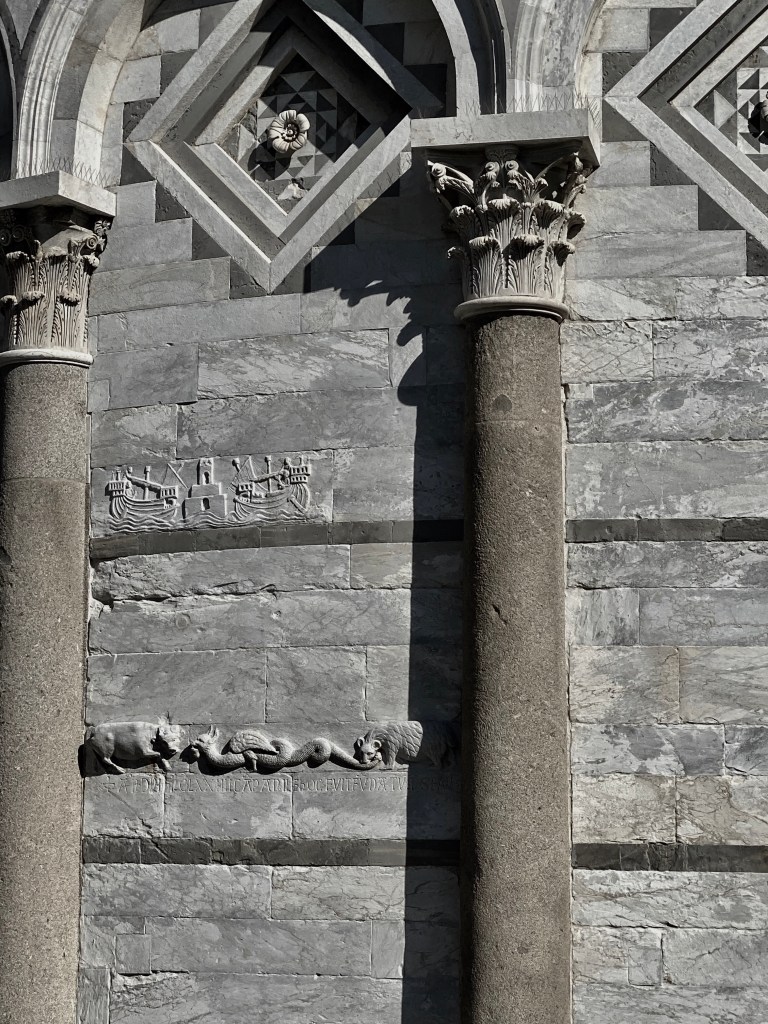
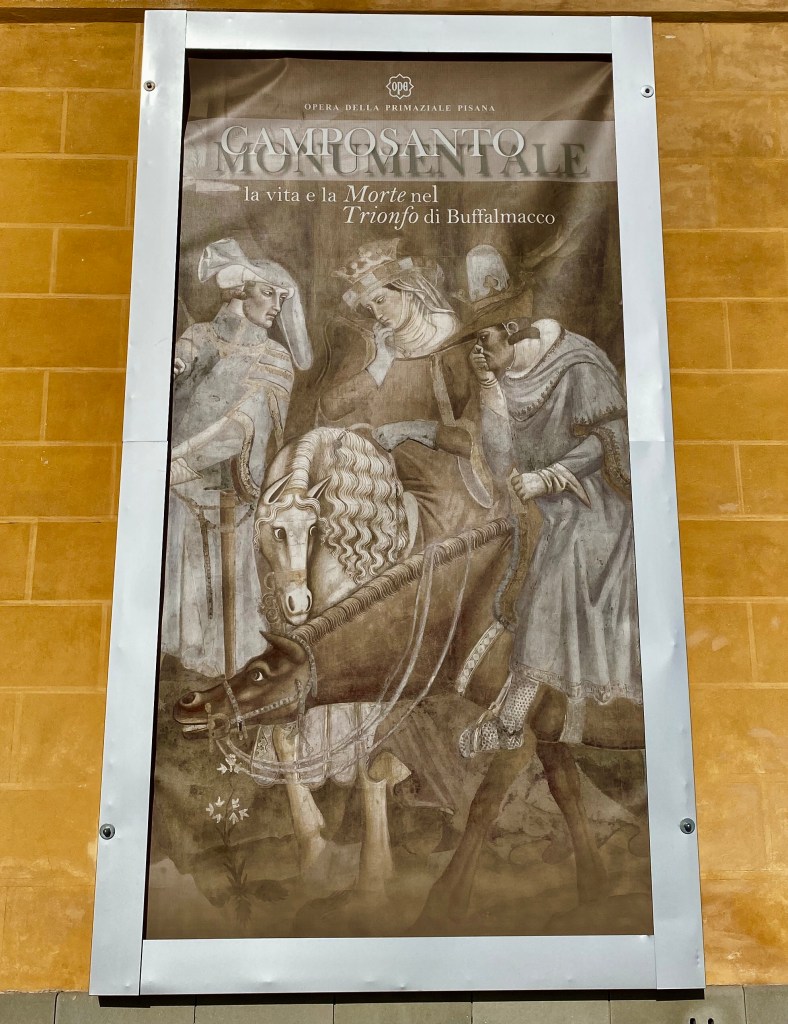
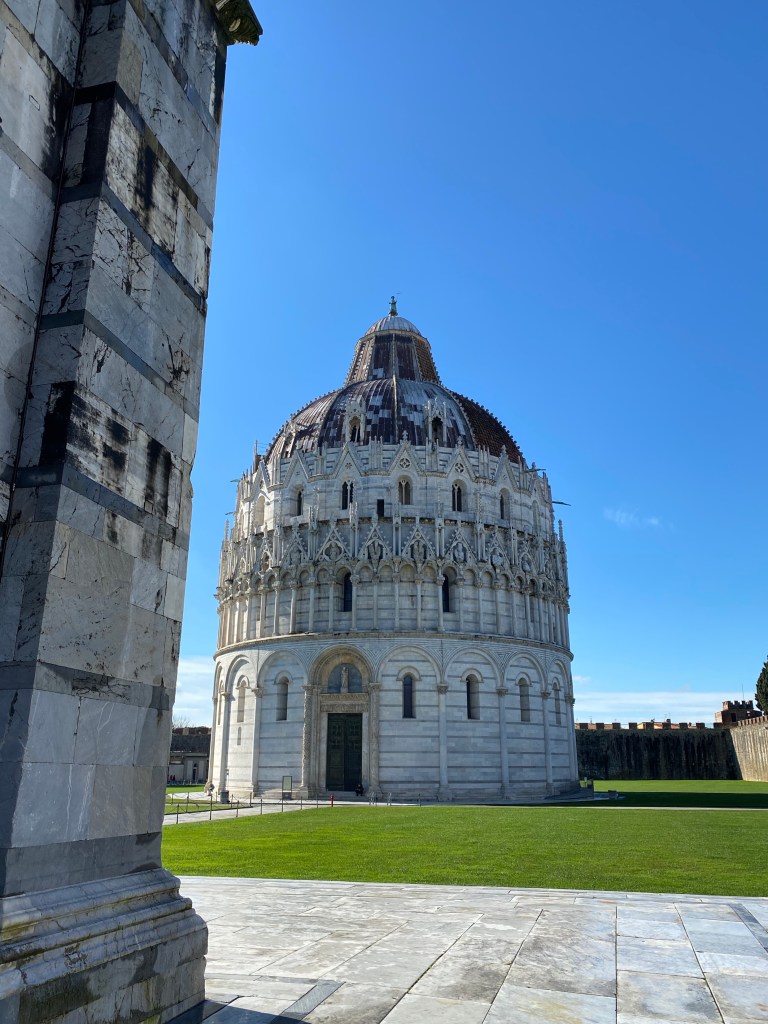
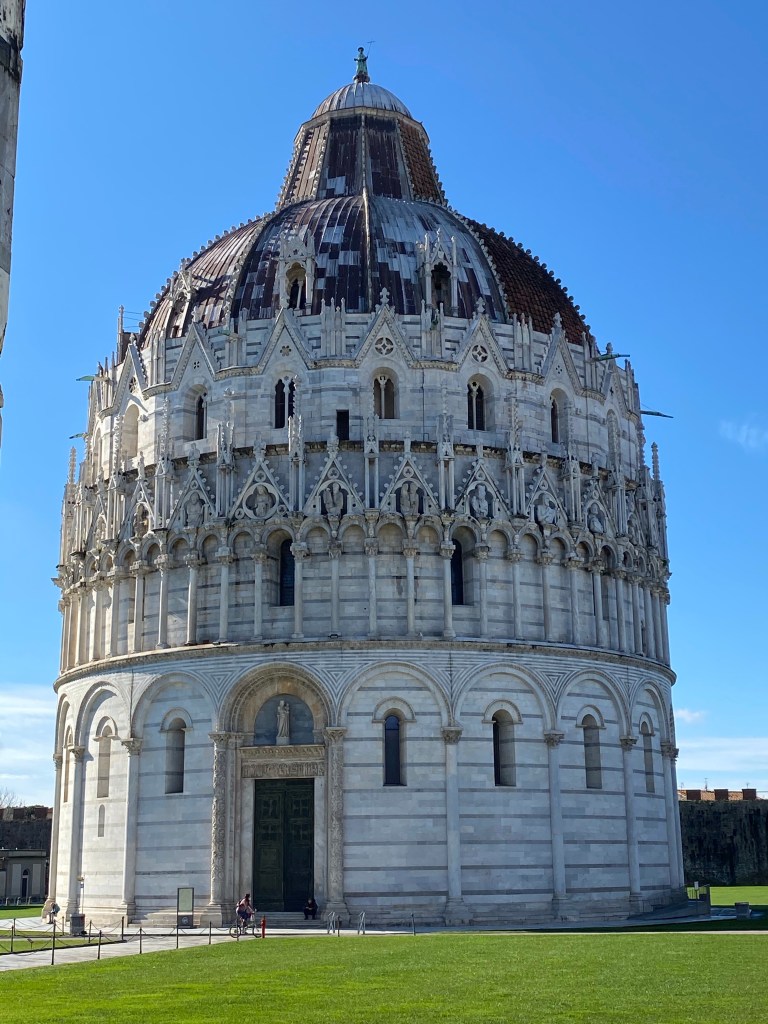
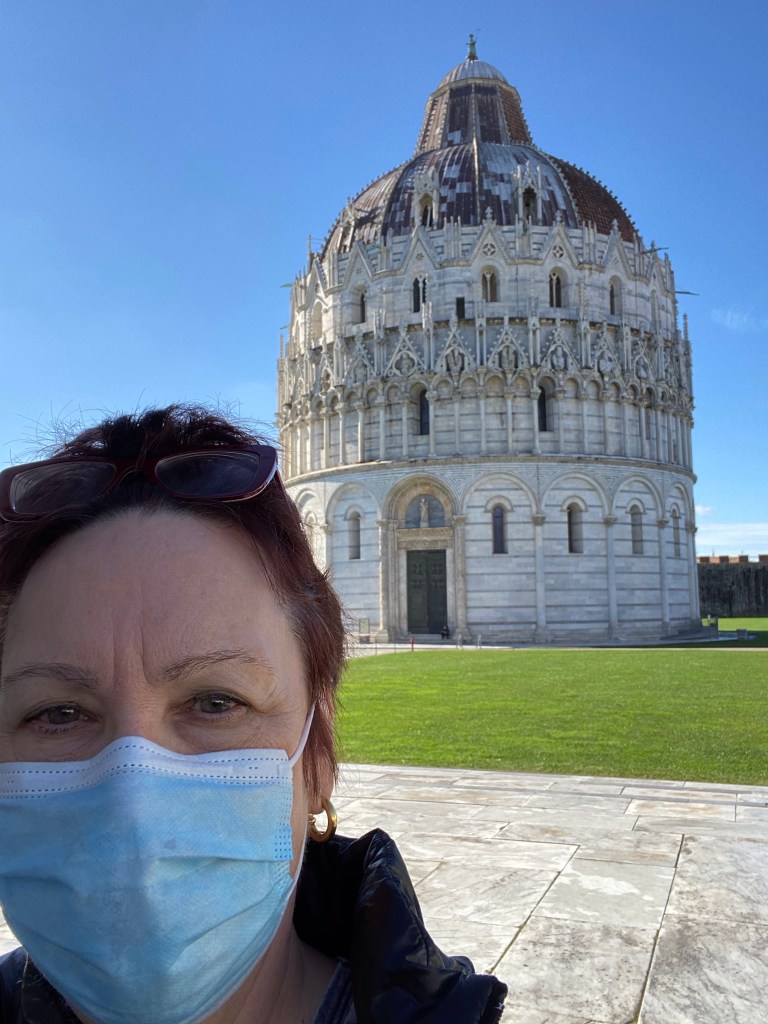
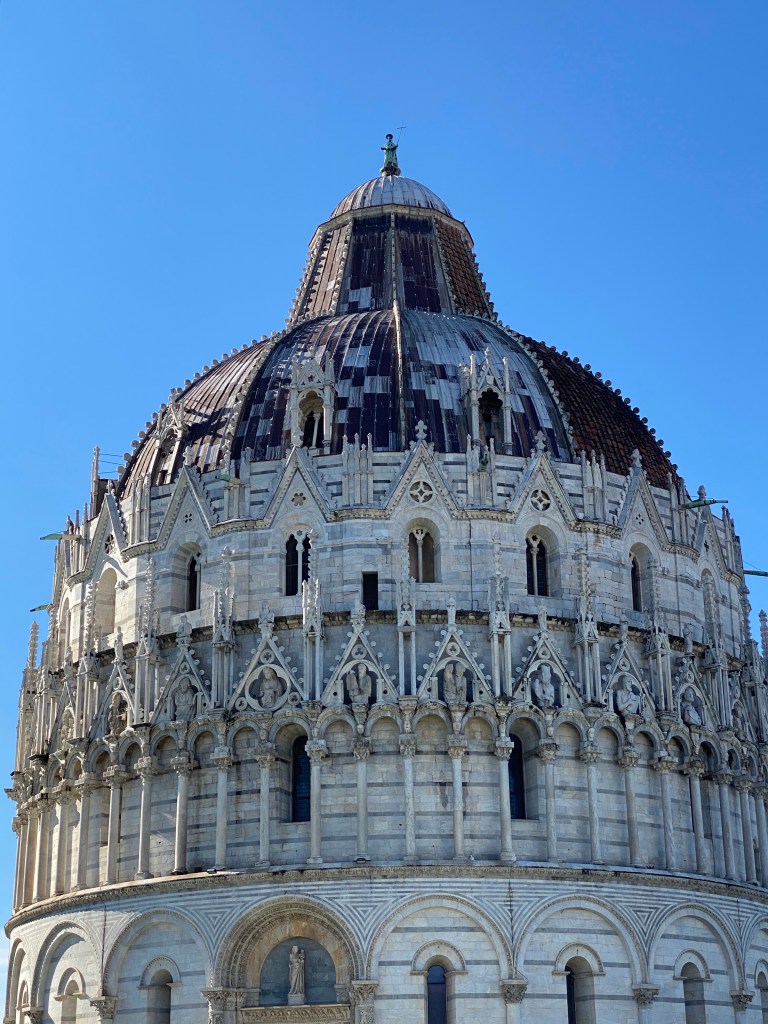
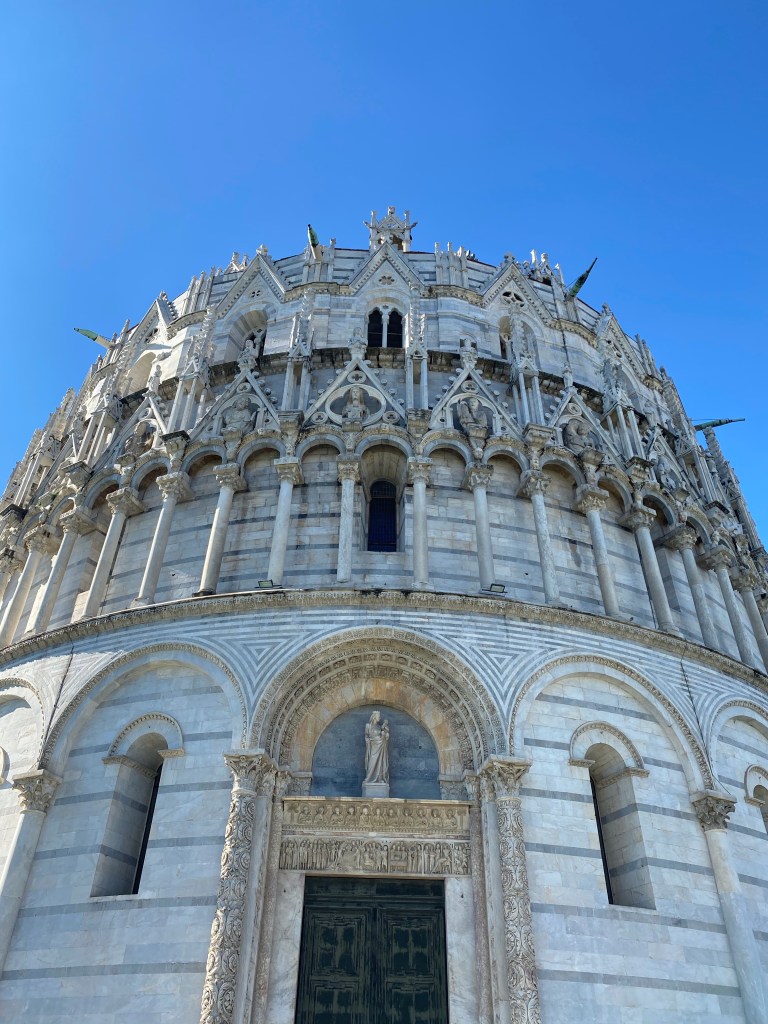
Ah, Pisa! Ah, Italia! You refresh the soul, you inspire. Vi ringrazio tanto.
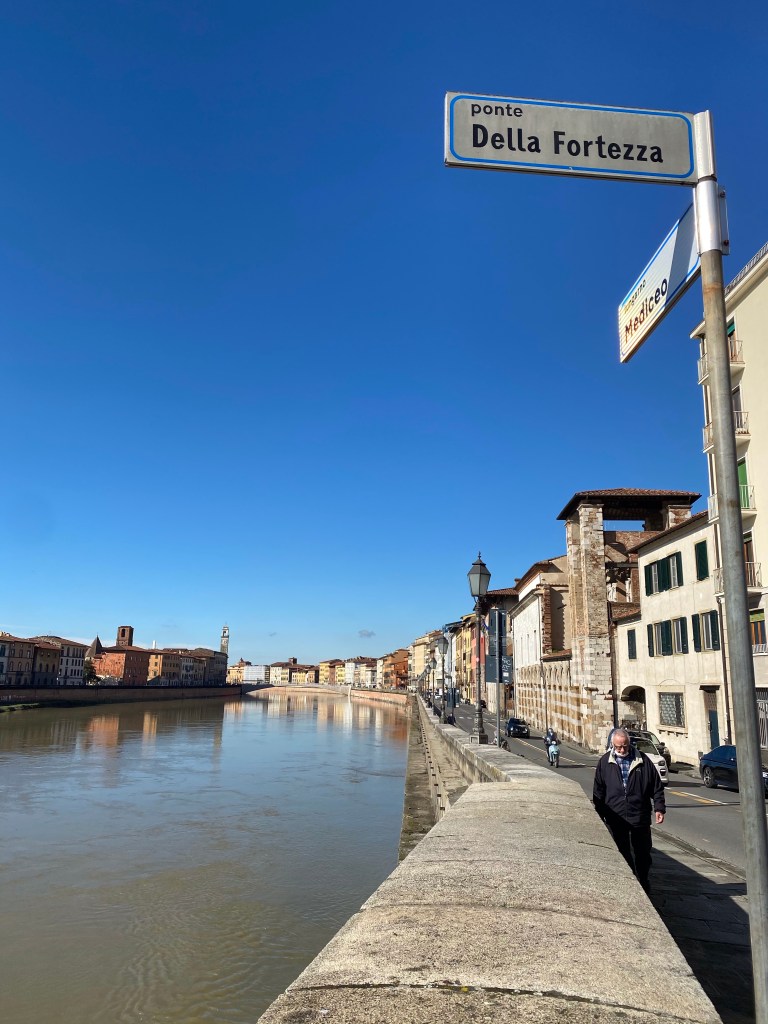
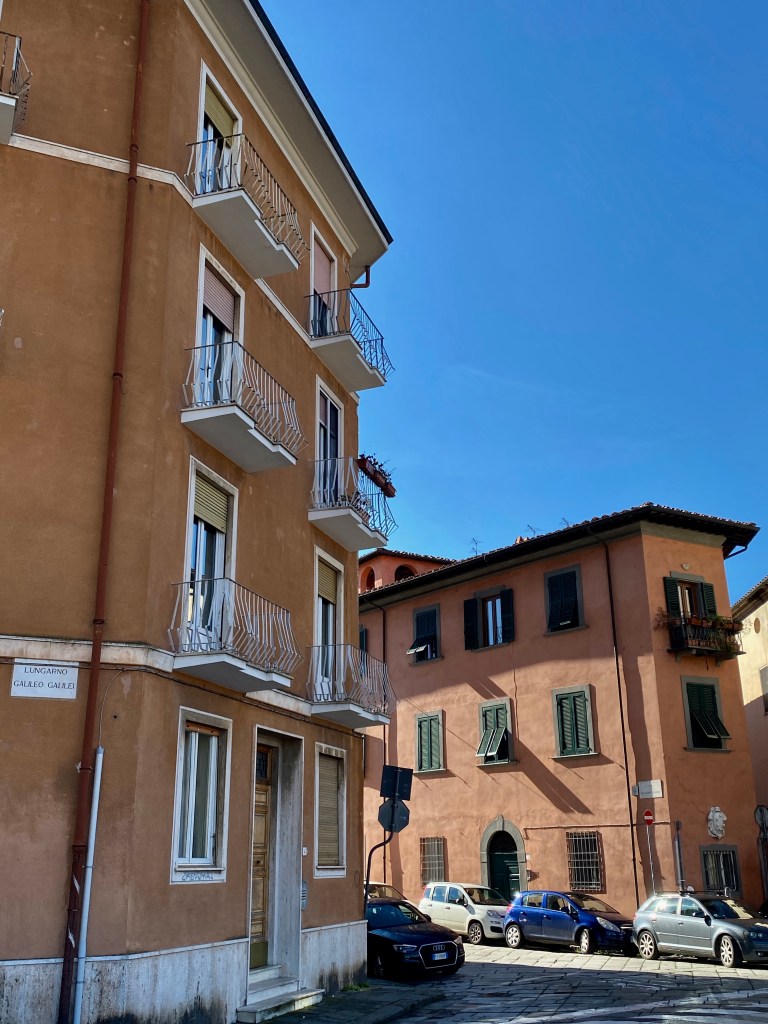
Continuing my walk along the Lungarno Galileo Galilei on my visit last week to Pisa, I came upon the distinctive church of San Sepolcro.
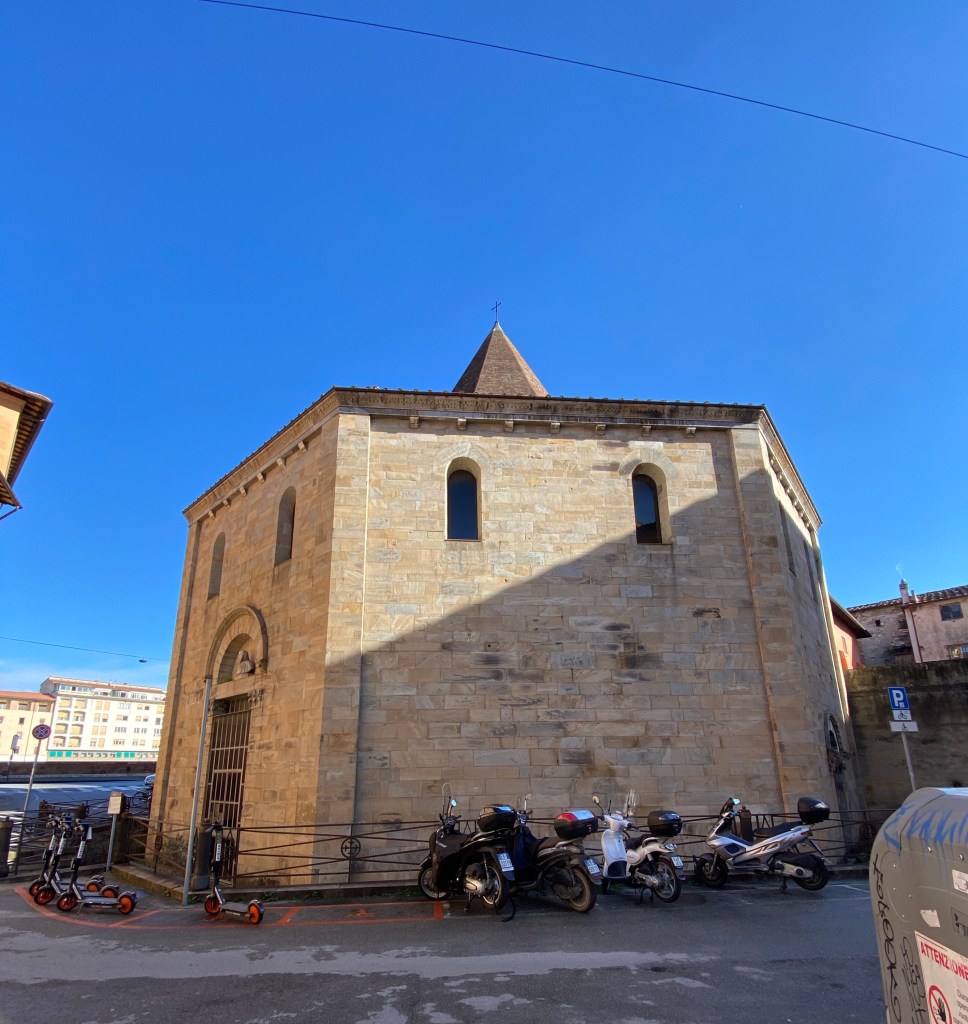
The Church of the Santo Sepolcro (literally meaning the “Church of the Holy Sepulchre”) is shaped to resemble the Dome of the Rock in Jerusalem, which was conquered by the crusaders in 1099. The Pisan church had relics carried to Pisa by archbishop Dagobert, after his participation in the First Crusade.
Built in the early 12th century (it is known at least from 1113), it was designed by Diotisalvi, who also designed the Baptistery of Pisa Cathedral forty years later. It has an octagonal plan and, until the 16th century, was surrounded by a portico. The central tambour, supported by eight ogival arches, is super-elevated and is surmounted by a conic cusp.
The portals have decorations with animals and lions’ heads in marble. The interior, restored in 1720 in Baroque style, was destroyed in the 19th century. What remains include a bust-reliquary of St. Ubaldesca (15th century) with a pail which, according to the tradition, belonged to the saint; the tombstone of Marie Mancini, Mazarin’s niece; and a 15th-century panel of the Madonna with Child.
The unfinished small bell tower is in Pisane-Romanesque style, with rectangular plan.
Unfortunately, the church wasn’t open while I was in Pisa, so I’ll try to visit it on my next trip to this interesting little city.
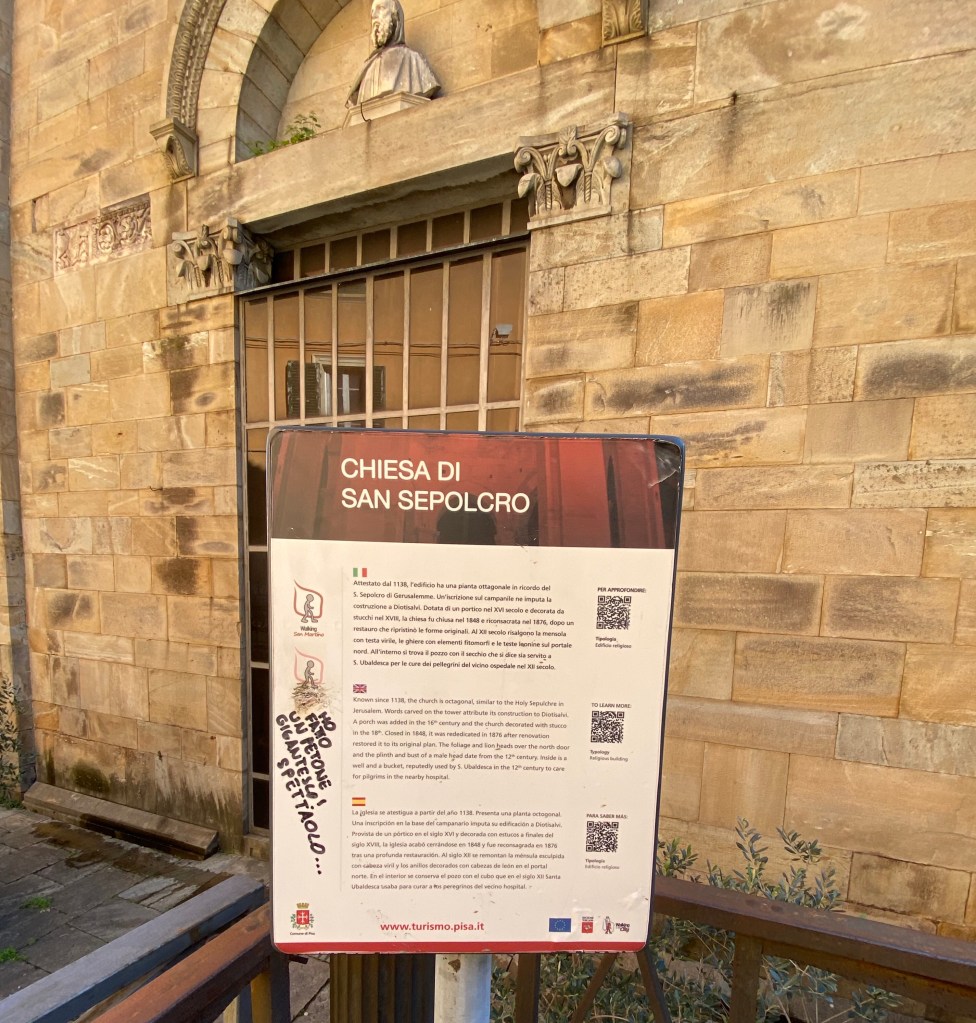
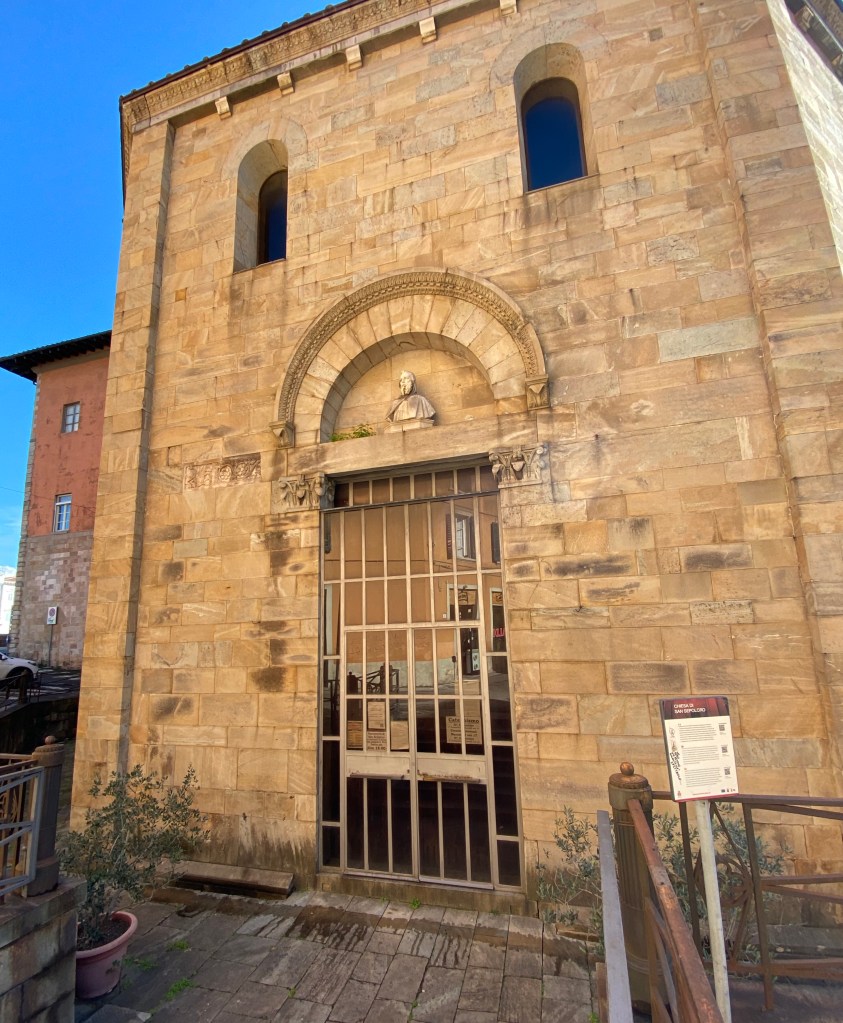
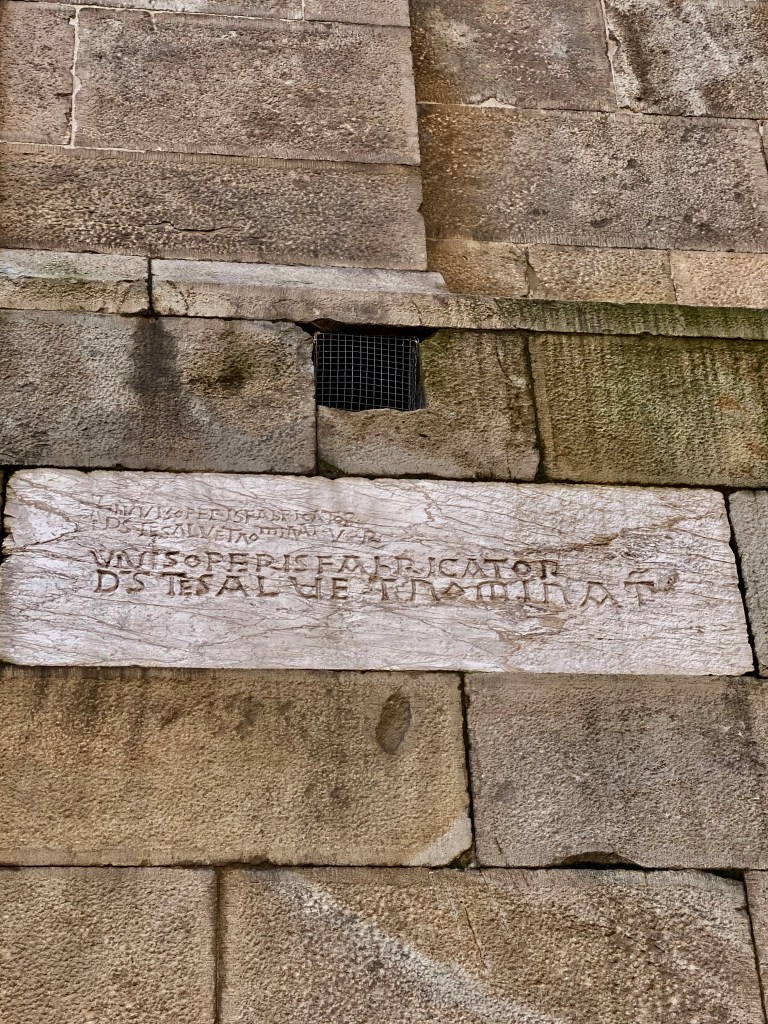
This plaque is embedded int he wall near the church, making reference to Jerusalem.
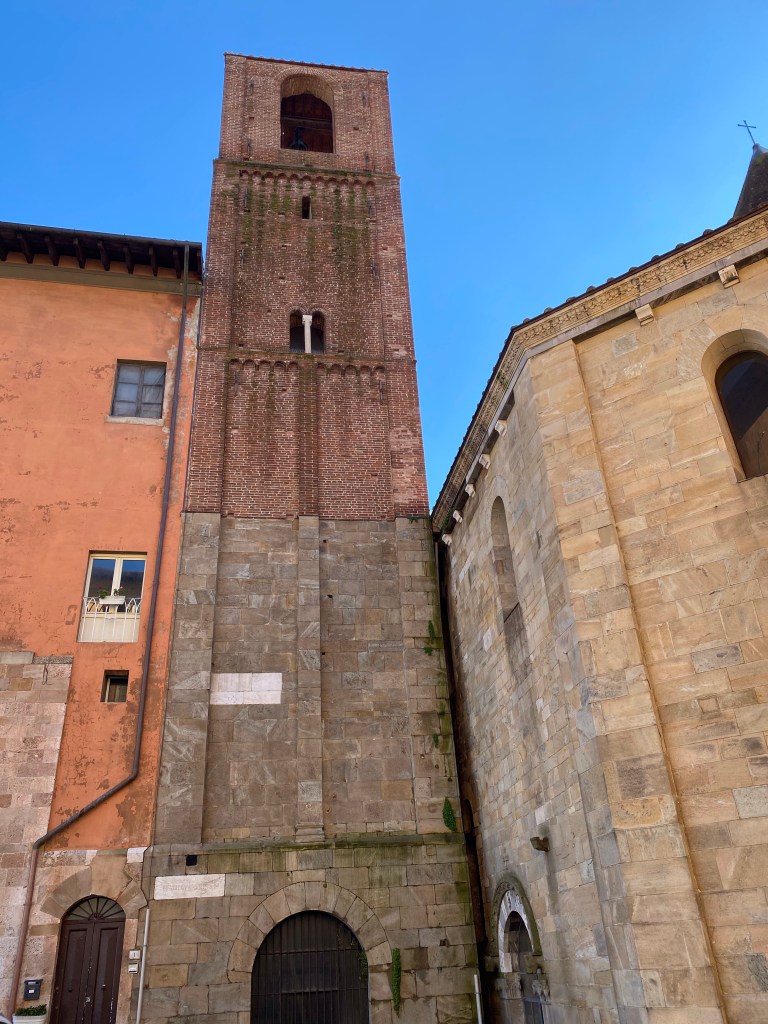
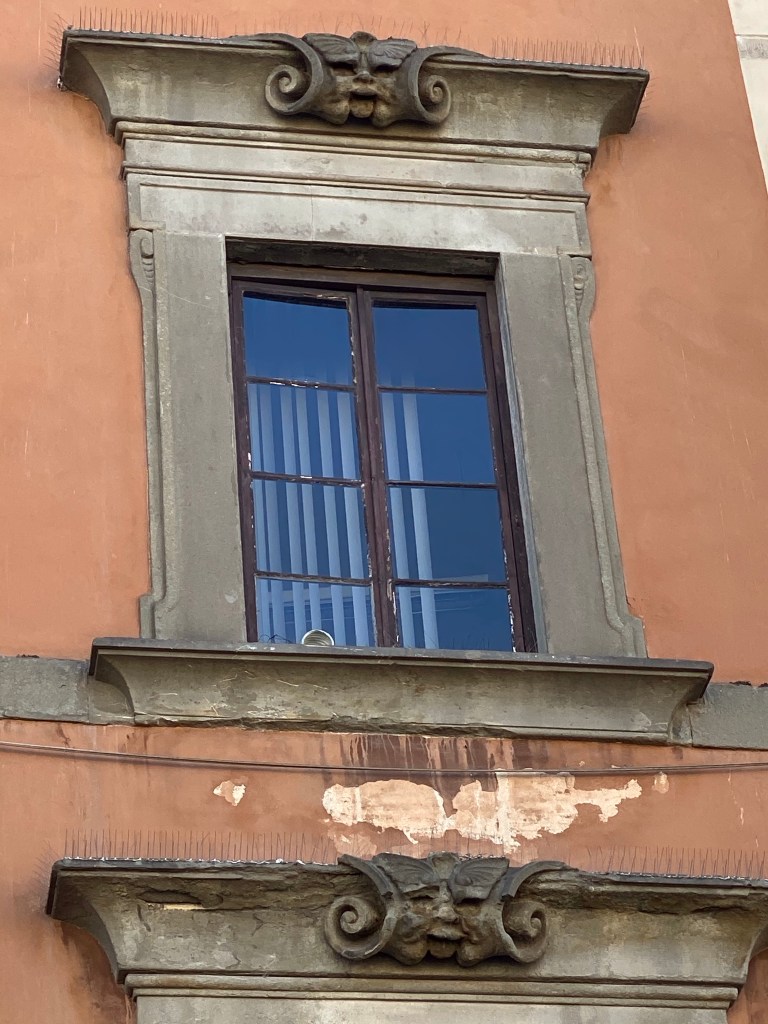
I admire some interesting door ensembles on the fronts of various palazzi along the Lungarno.
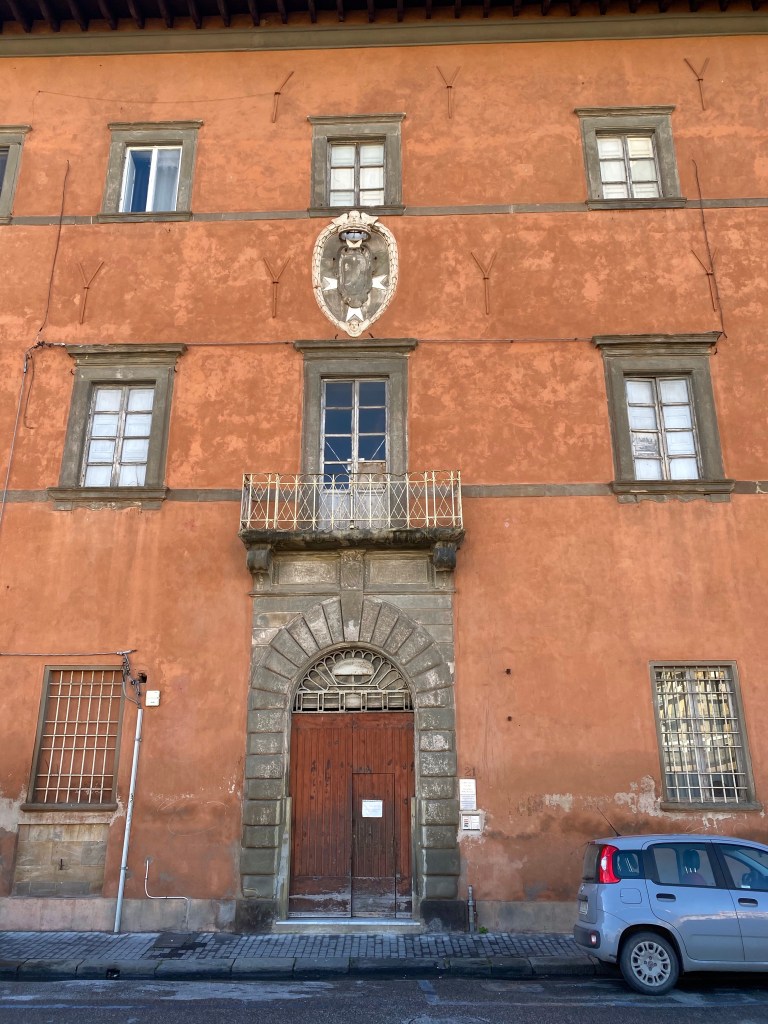
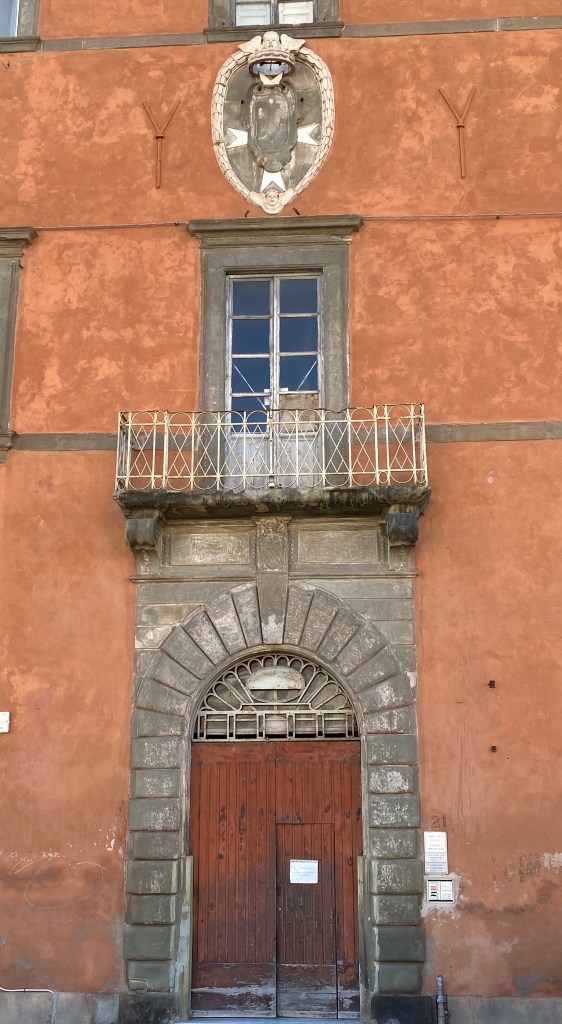
I find these palazzi fascinating, especially when you can see the remnants of older buildings along the facade. See the arches and stone parts on the righthand image in the first row below?
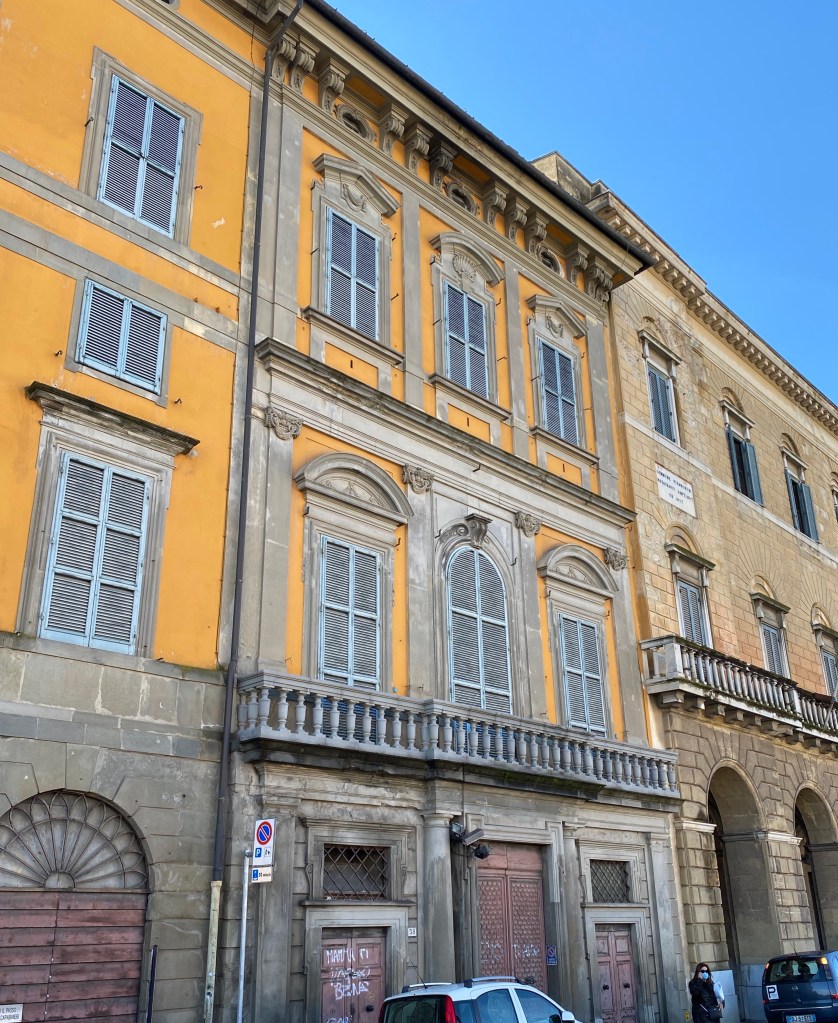
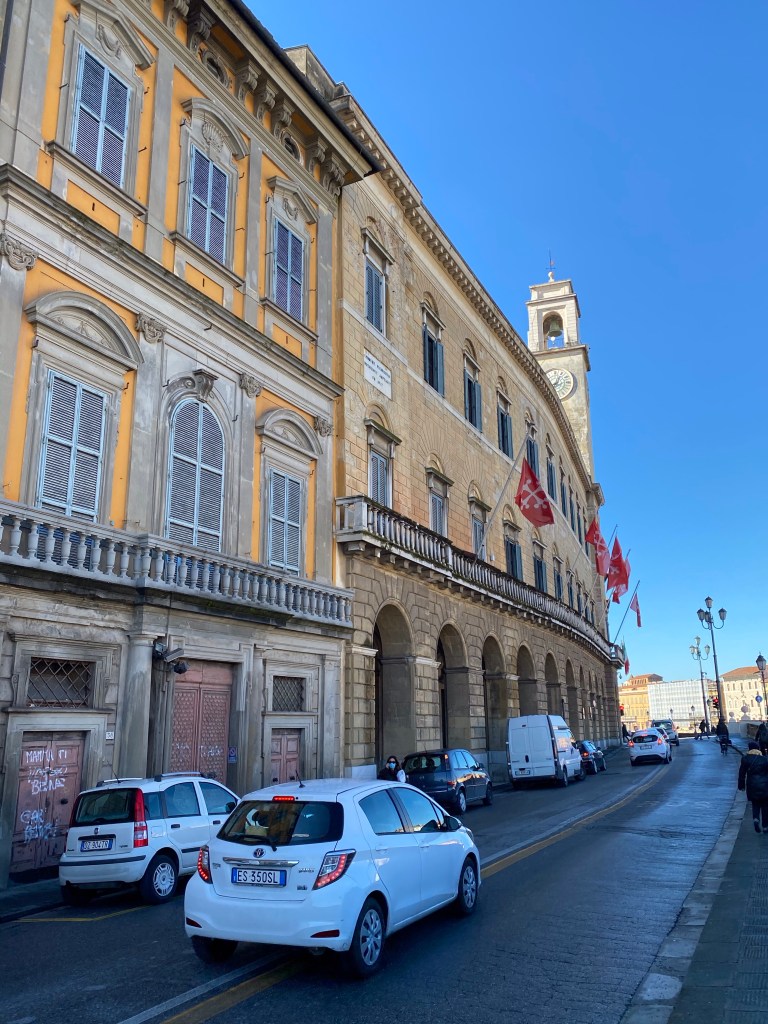
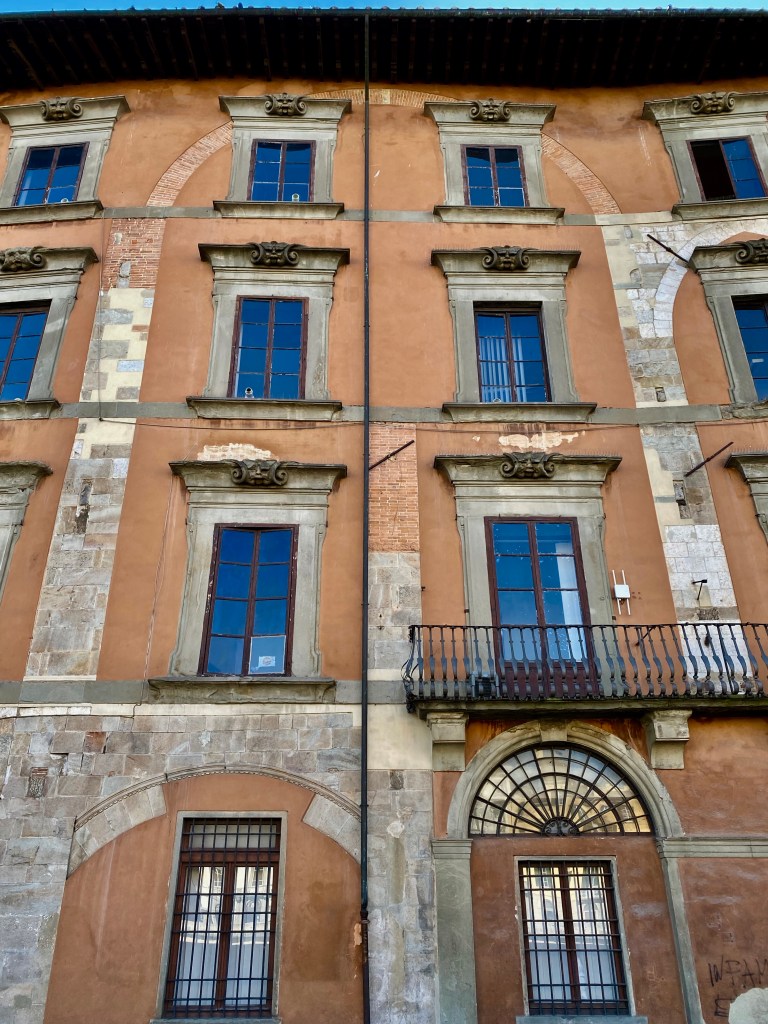
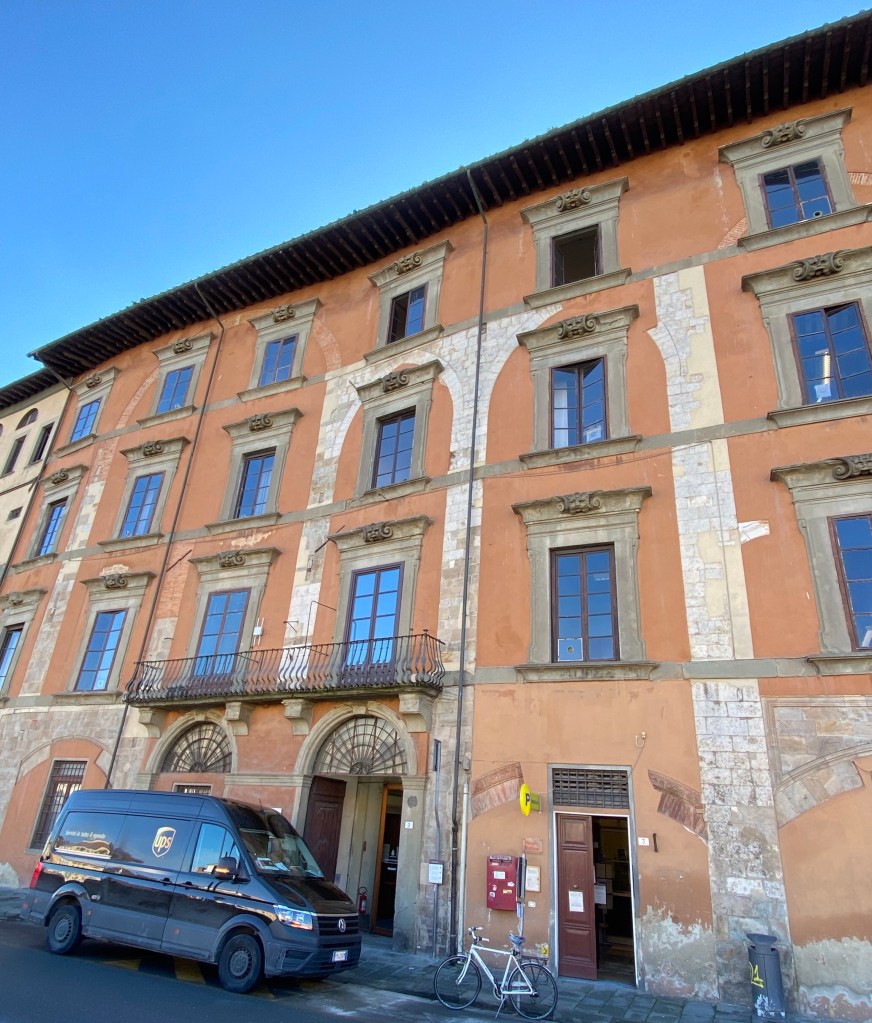
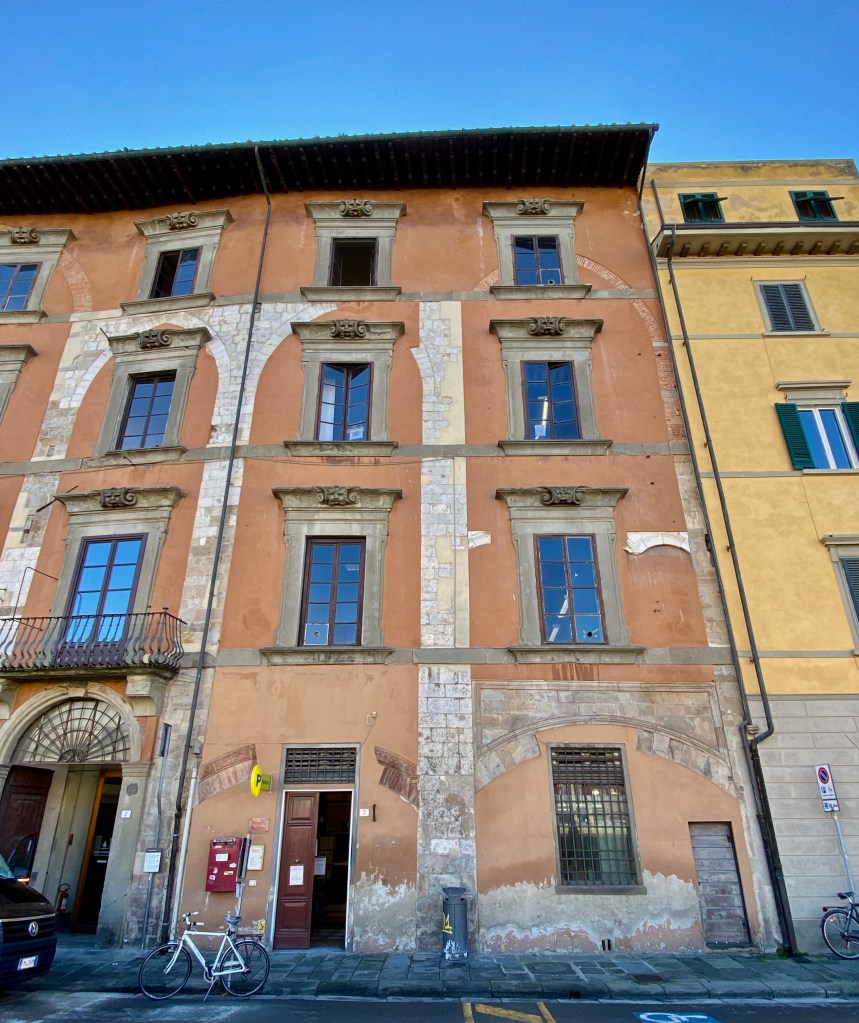
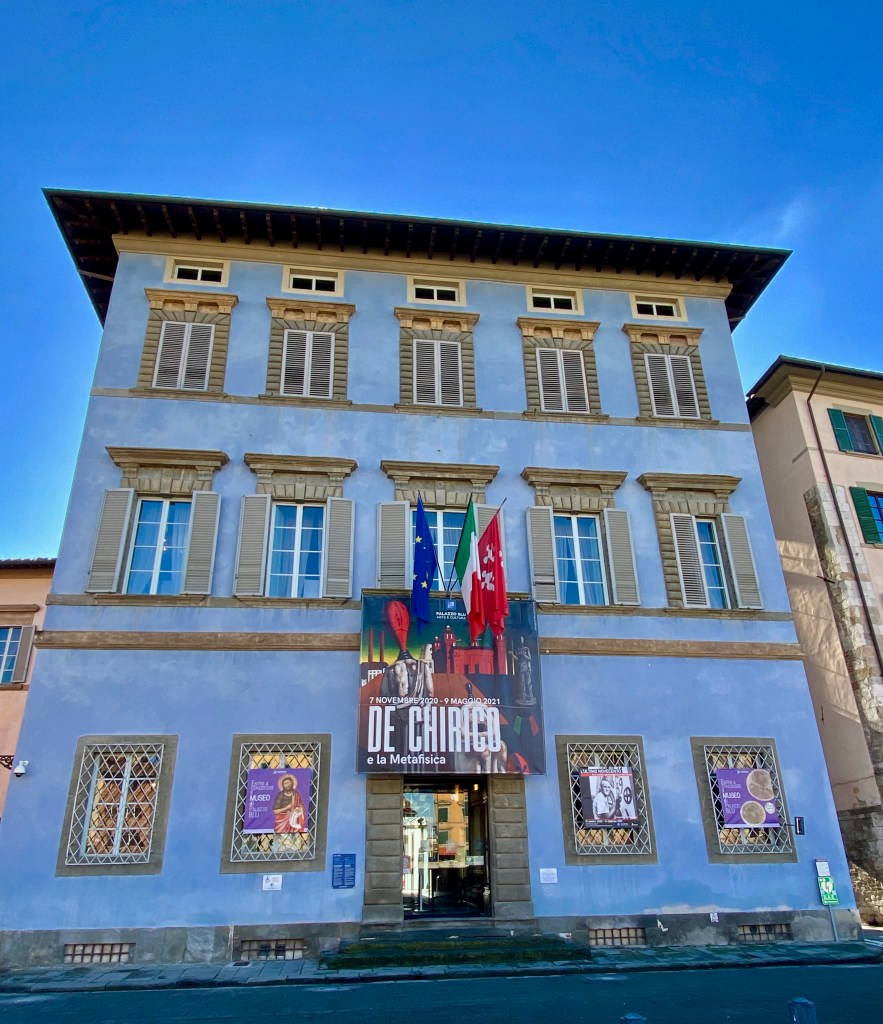
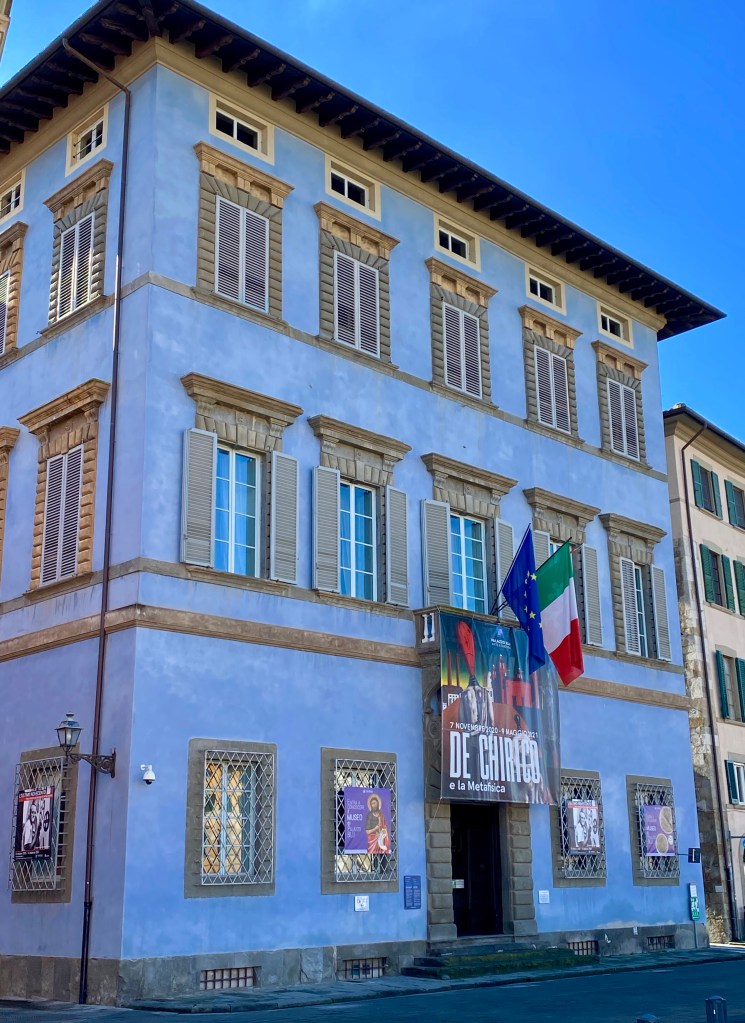
The well-known Palazzo Blu is located along this stretch of the Lungarno, shown below. It surprisingly happened to be open on the day I was in Pisa, with a current exhibition on De Chirico. I didn’t take the time to see the show, but I hope to on my next visit. It is hard to make a plan with museum reopening after Covid. You never know what you to expect or plan for! The palazzo really is this blue. A surprising contrast with the ochre and golden buildings elsewhere along the Lungarno.
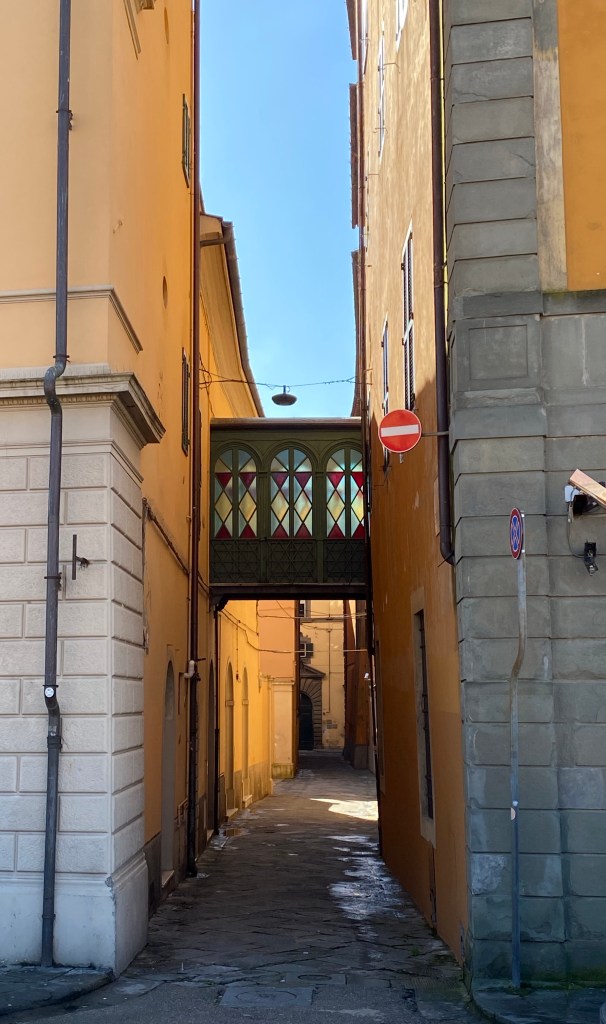
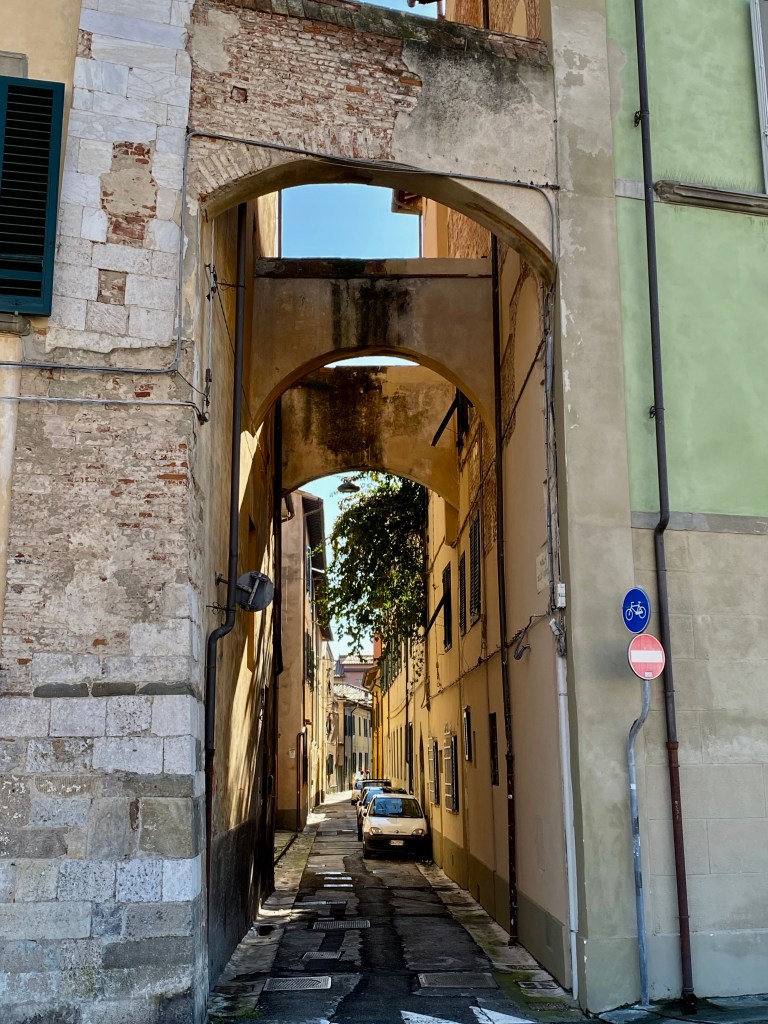
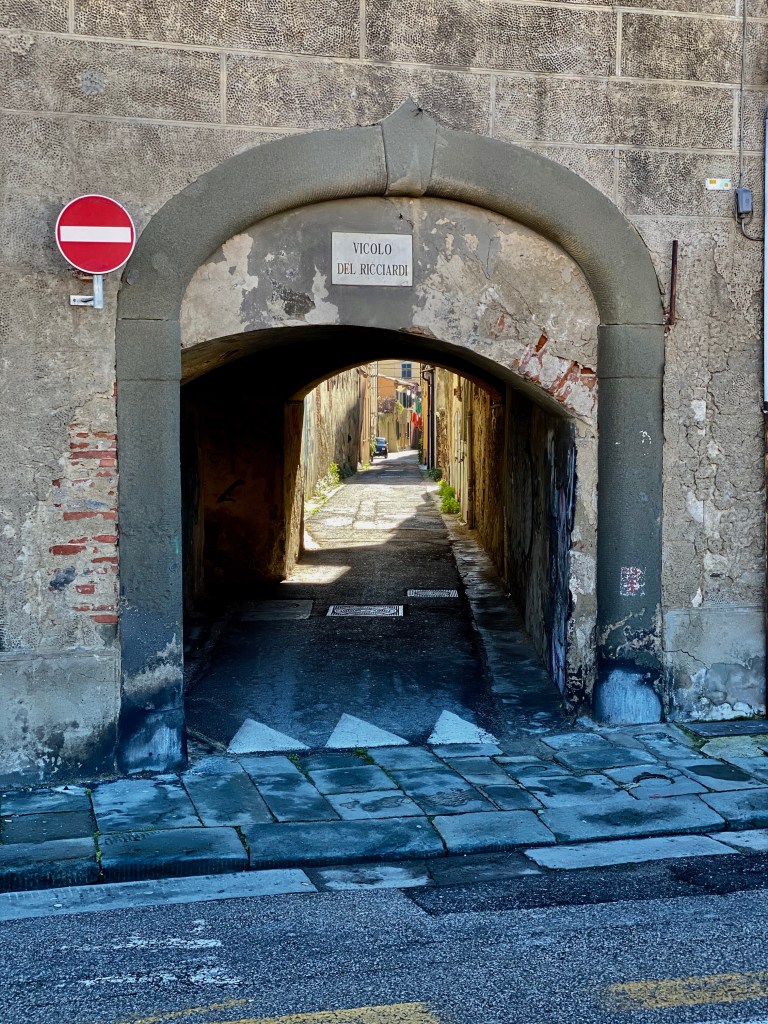
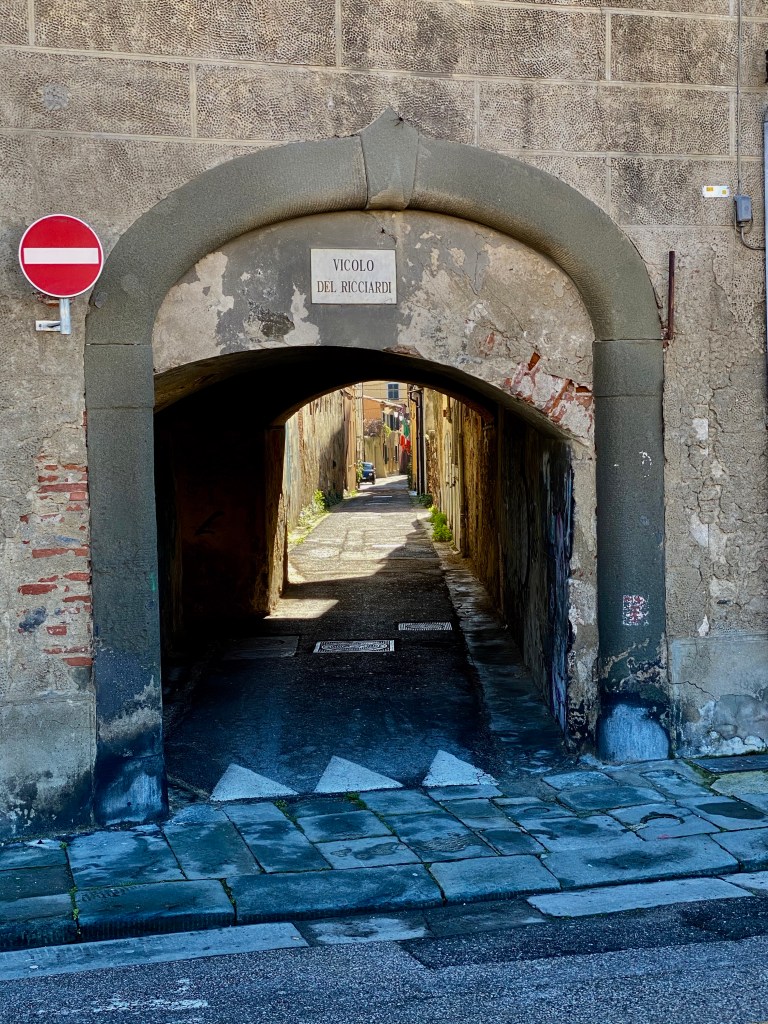
Lots of little medieval alleys and passageways beckon the passerby. You need amble time to follow all these attractive routes.
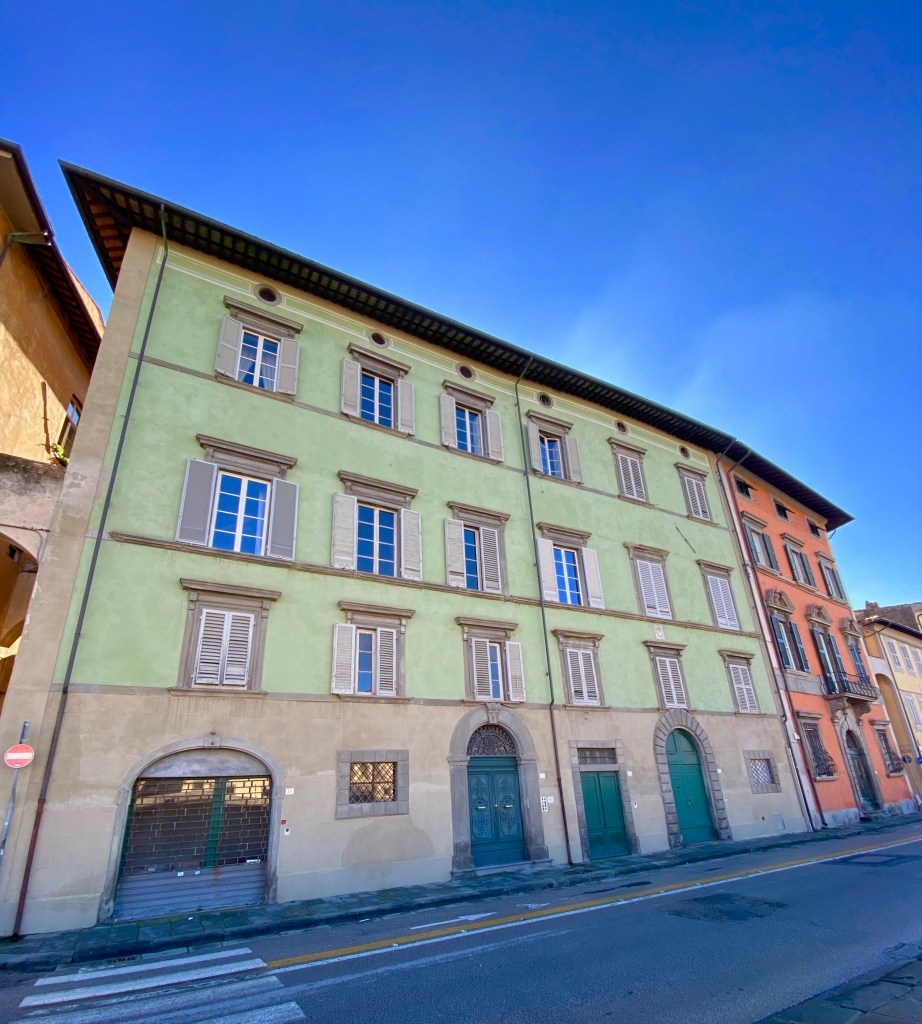
As surprising as the Palazzo Blu is with its blue stucco walls, this lime green palazzo was also a stand out.
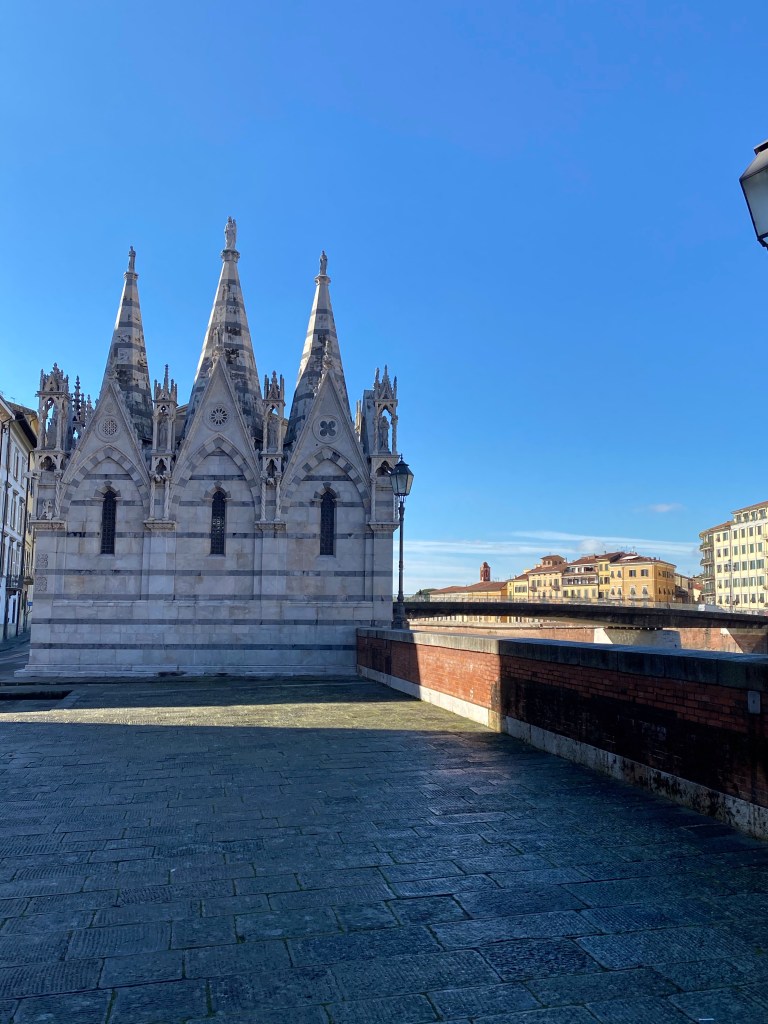
As I continued along the Lungarno on the south side of the Arno, I found this lovely, tiny, gothic church, the Santa Maria della Spina. It is a Gothic style masterpiece.
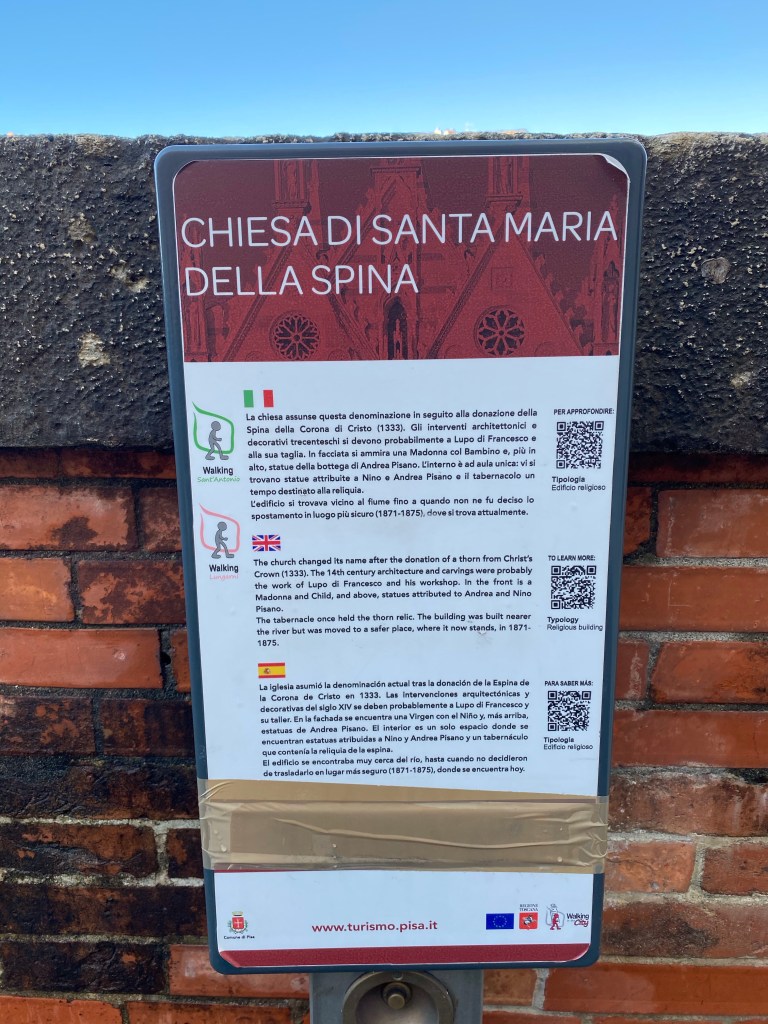
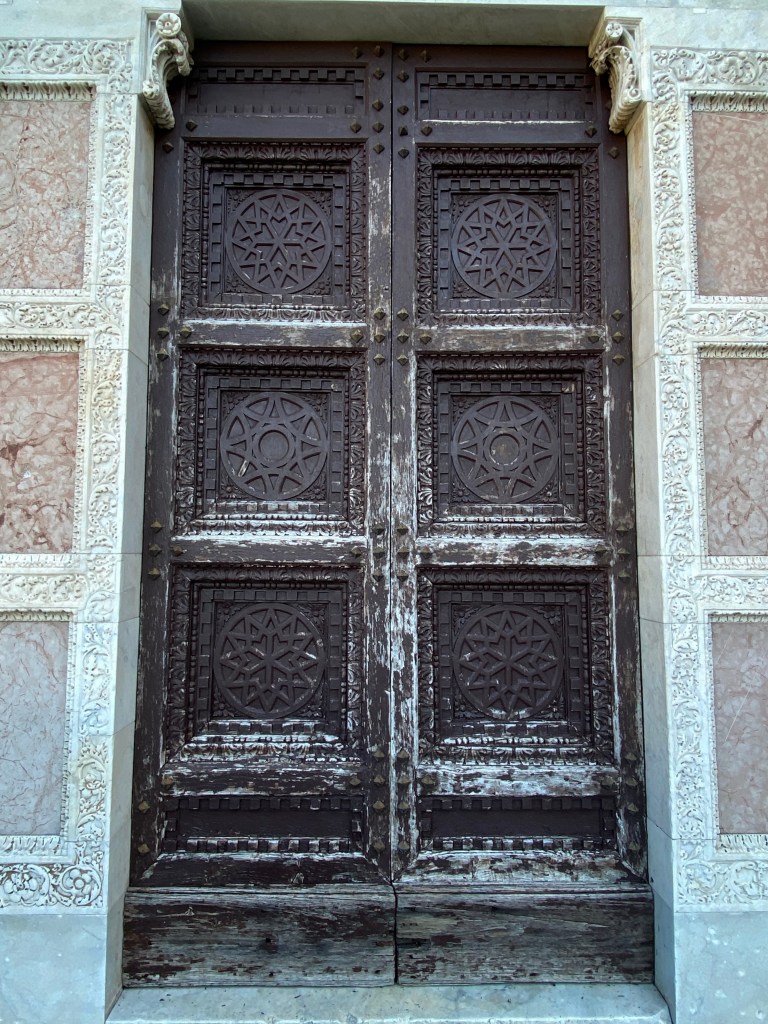
I looked the church up in Wikipedia:
Santa Maria della Spina was erected around 1230 in the Pisan Gothic style, and enlarged after 1325, was originally known as Santa Maria di Pontenovo for the newer bridge that existed nearby. That bridge collapsed in the 15th century, and was never rebuilt.
The name of della Spina (“of the thorn”) derives from the presence of a thorn, putatively part of the crown of thorns placed on Christ during his Passion and Crucifixion. The relic was brought to this church in 1333.
In 1871 the church was dismantled and rebuilt on a higher level due to dangerous infiltration of water from the Arno river. The church was altered in the process, however, and John Ruskin, who visited Pisa in 1872, was outraged about the restoration.
The church no longer houses the thorn relic; it is now in the Chiesa di Santa Chiara, which is on Via Roma.
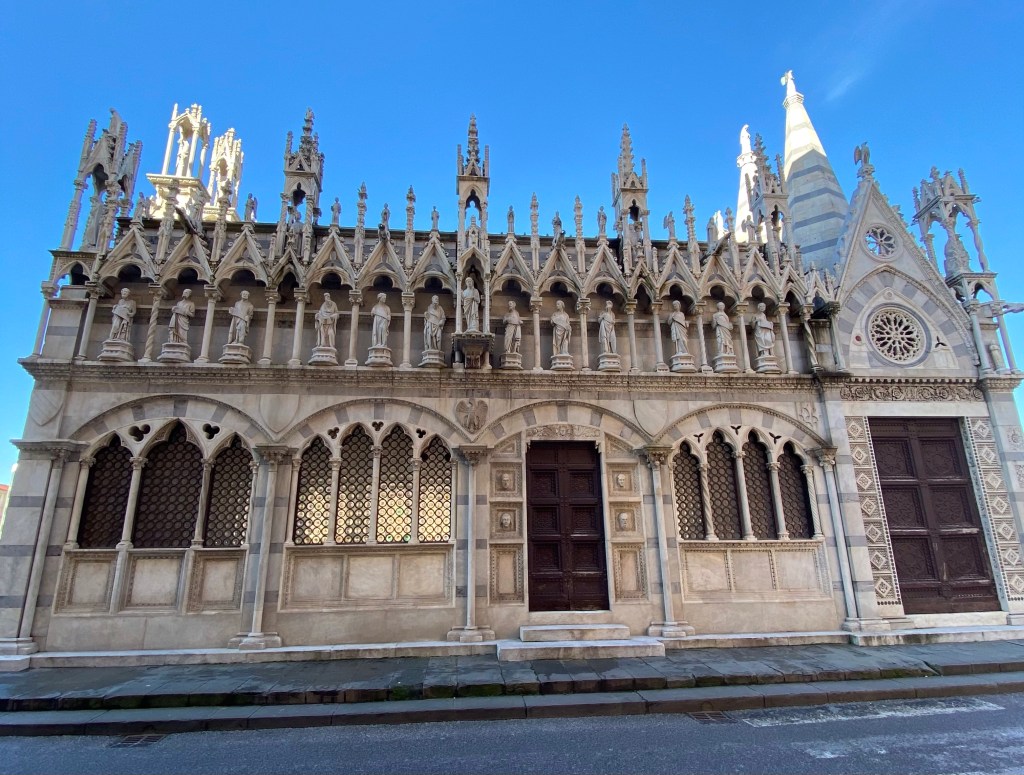
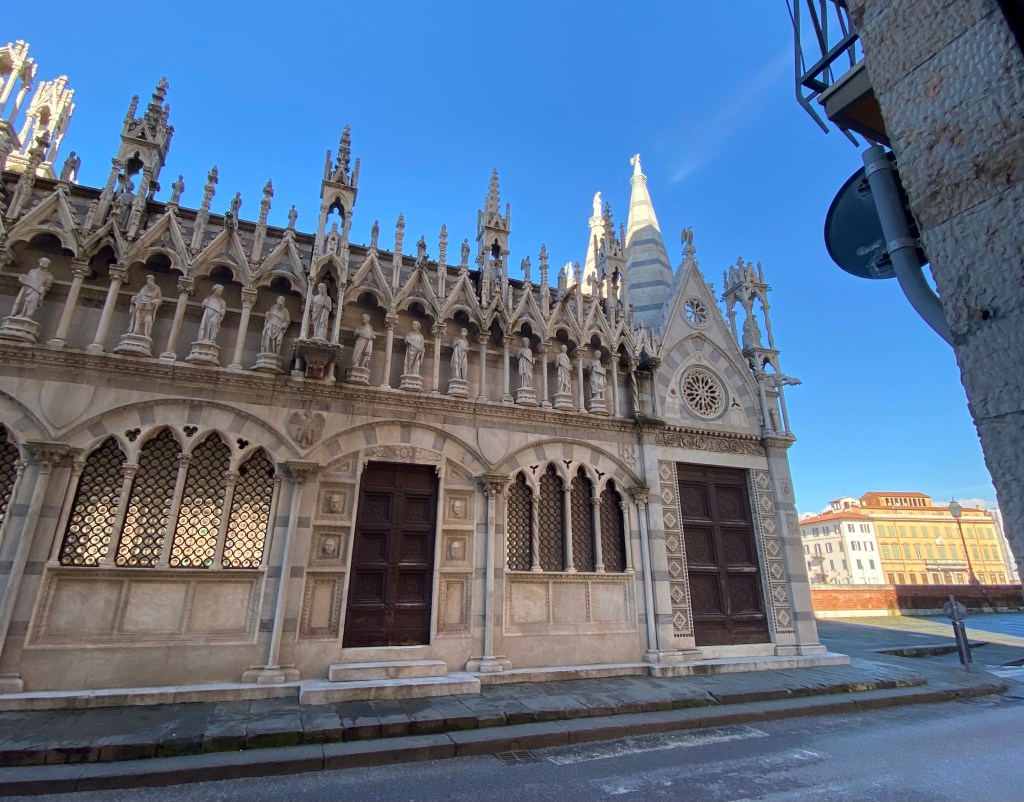
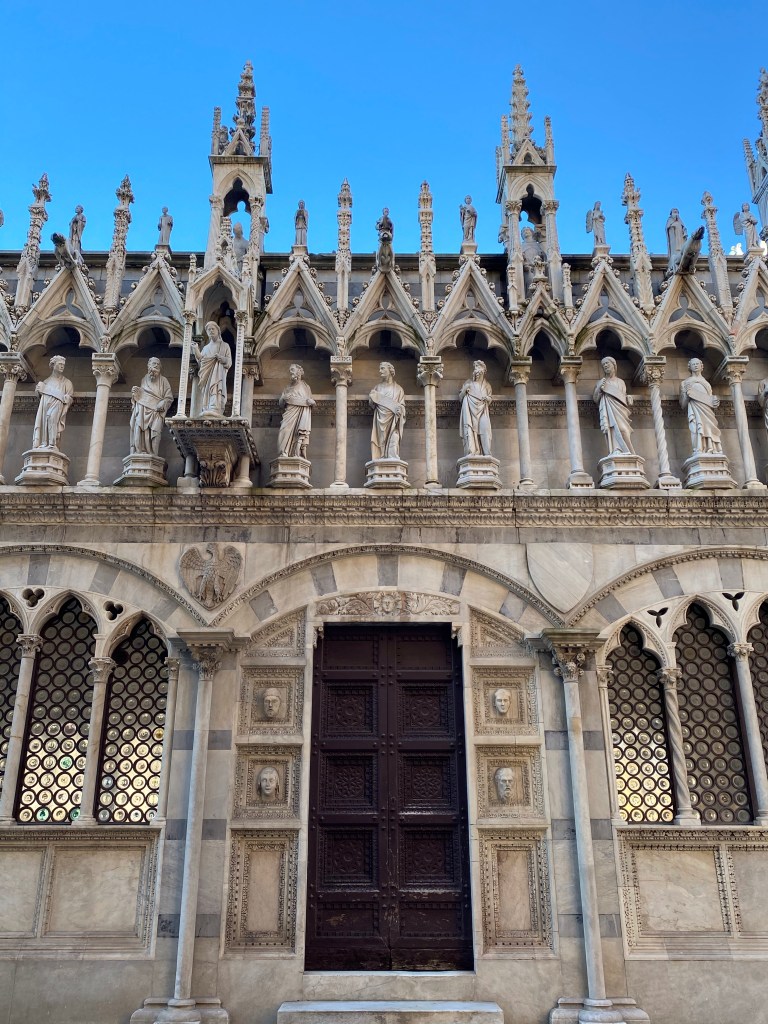
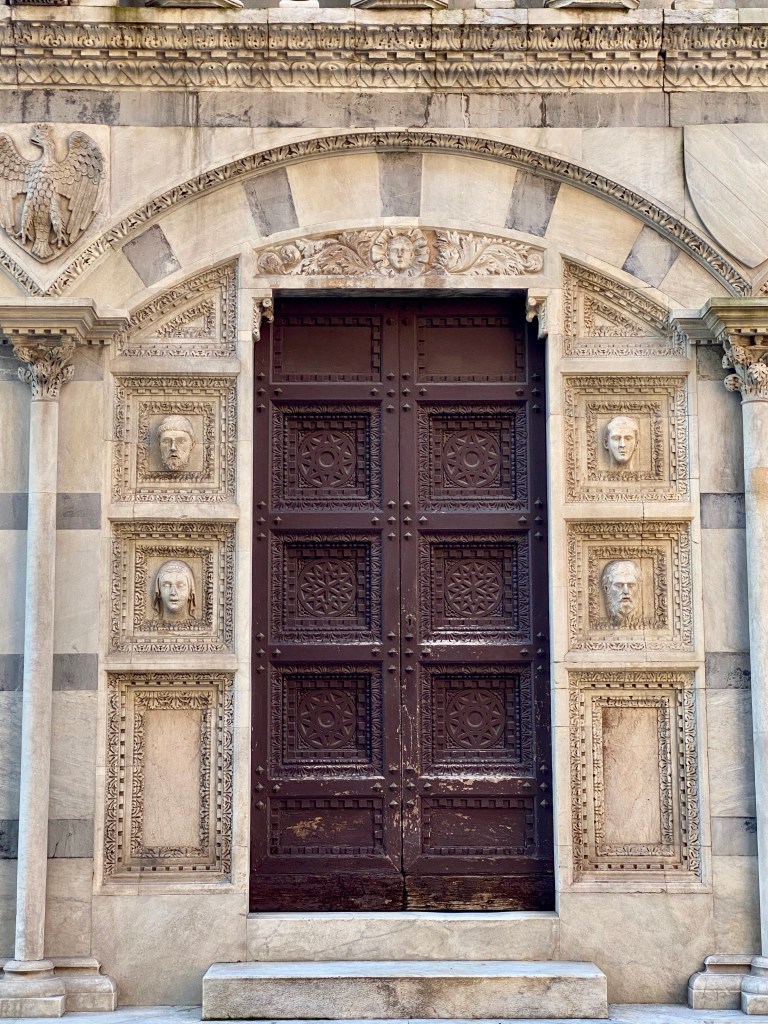
This little church has one of the most outstanding Gothic edifices in Europe: it has a rectangular plan, with an external facing wholly composed of marble, laid in polychrome bands. The exterior appearance is marked by cusps, tympani and tabernacles, together with a complicated sculpture decoration with tarsiae, rose-windows and numerous statues from the main Pisane artists of the 14th century. These include Lupo di Francesco, Andrea Pisano with his sons Nino and Tommaso, and Giovanni di Balduccio.
The façade has two gates with lintelled arches. Among these lies the tabernacle with the statues of Madonna with the Child and two Angels, attributed to Giovanni Pisano. Two niches open in the upper part of the façade: these house the statue of Christ among the two Annunciation ones, and two other angels.
The right side has also a rich decoration with cusps and thirteen statues of the Apostles and Christ, from Lupo’s workshop. The small sculptures portraying Saints and Angels over the tympani are from Nino Pisano’s workshop, while the niche in the right pillar has a Madonna with Child by Giovanni di Balduccio.
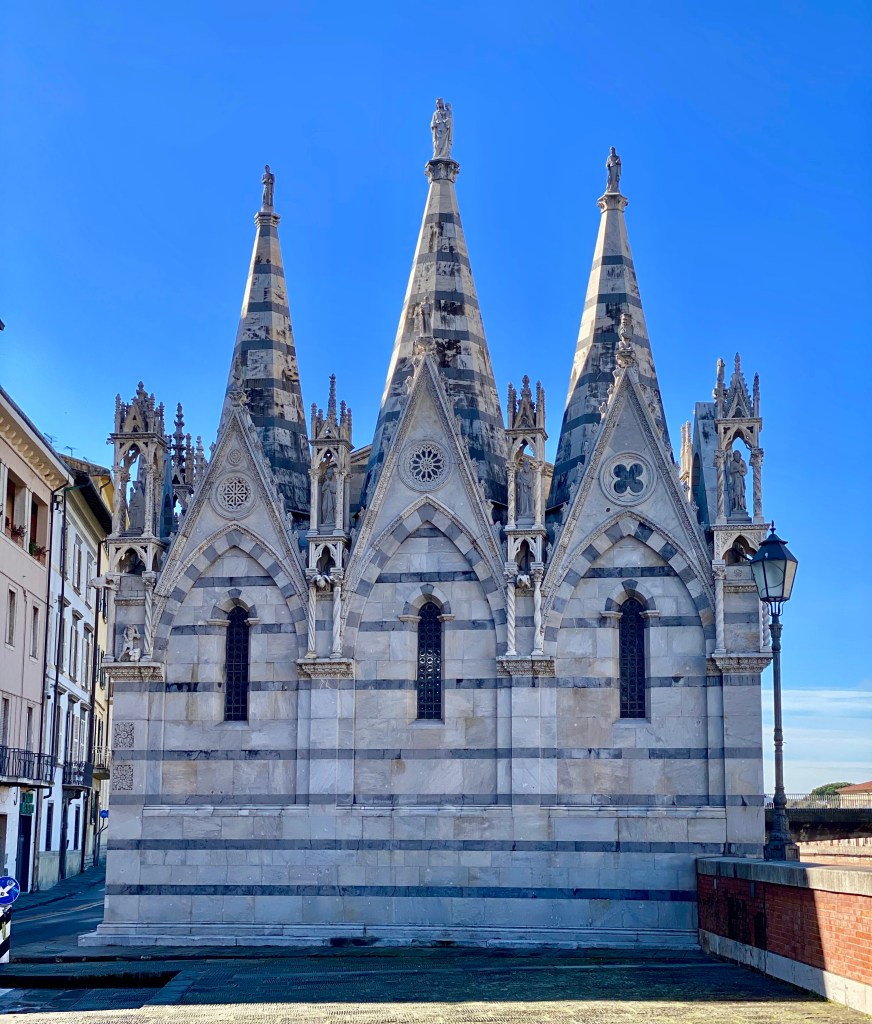
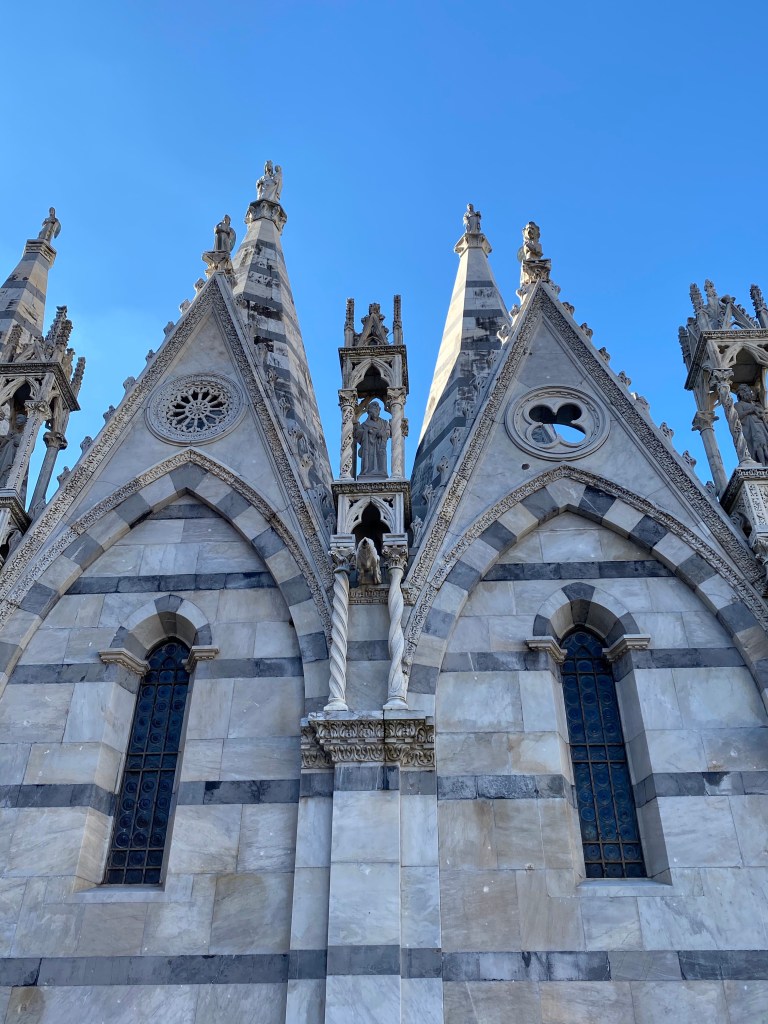
The back side has three round arches with simple windows. The tympani are decorated with the Evangelists’ symbols, intervalled by niches with the statues of the Saints Peter, Paul and John the Baptist. The high pyramid-like spires end with the statues of the Madonna with Child between two angels, by Nino Pisano.
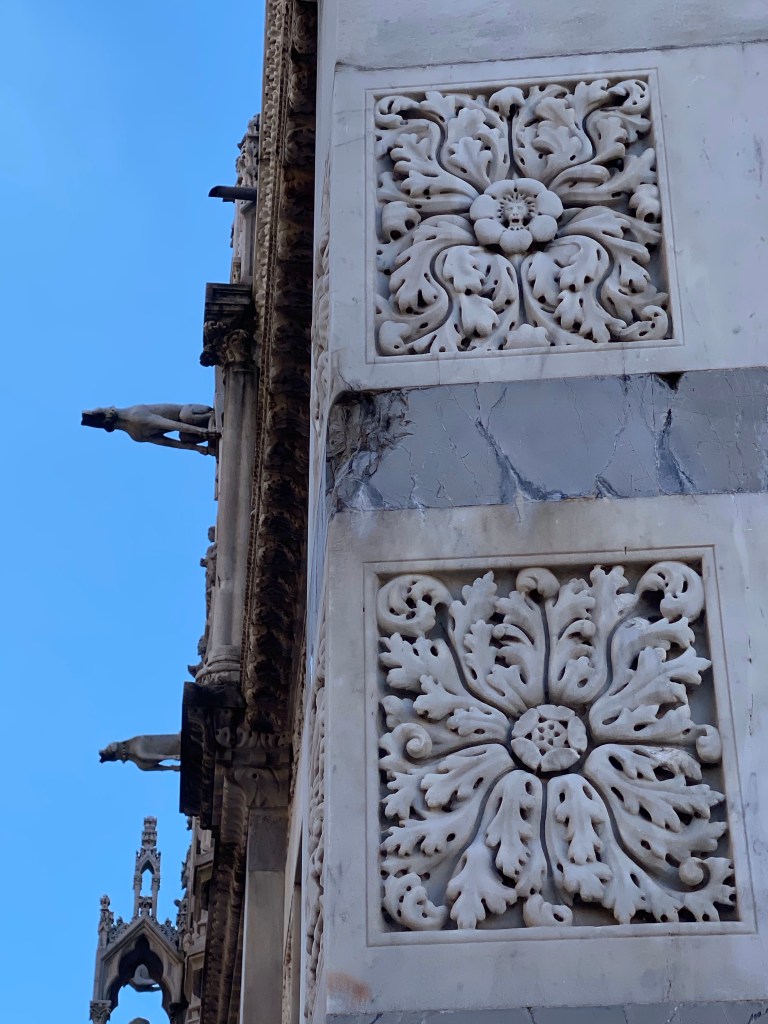
My photos below are from the east end of the exterior, which is the back of the church.
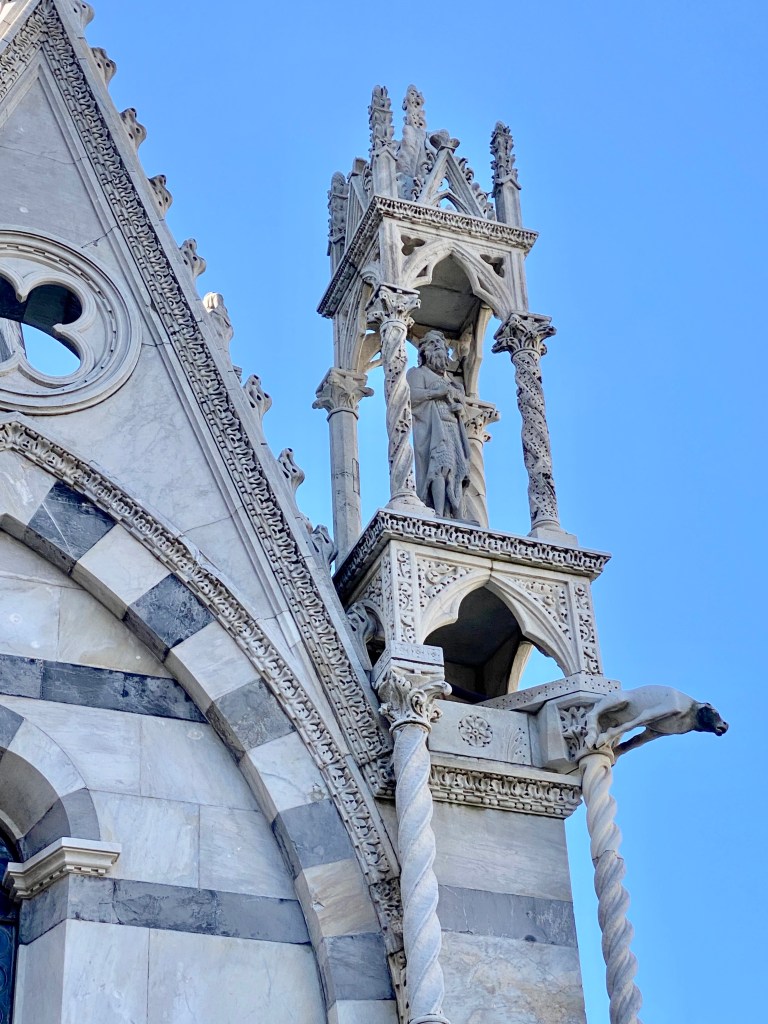
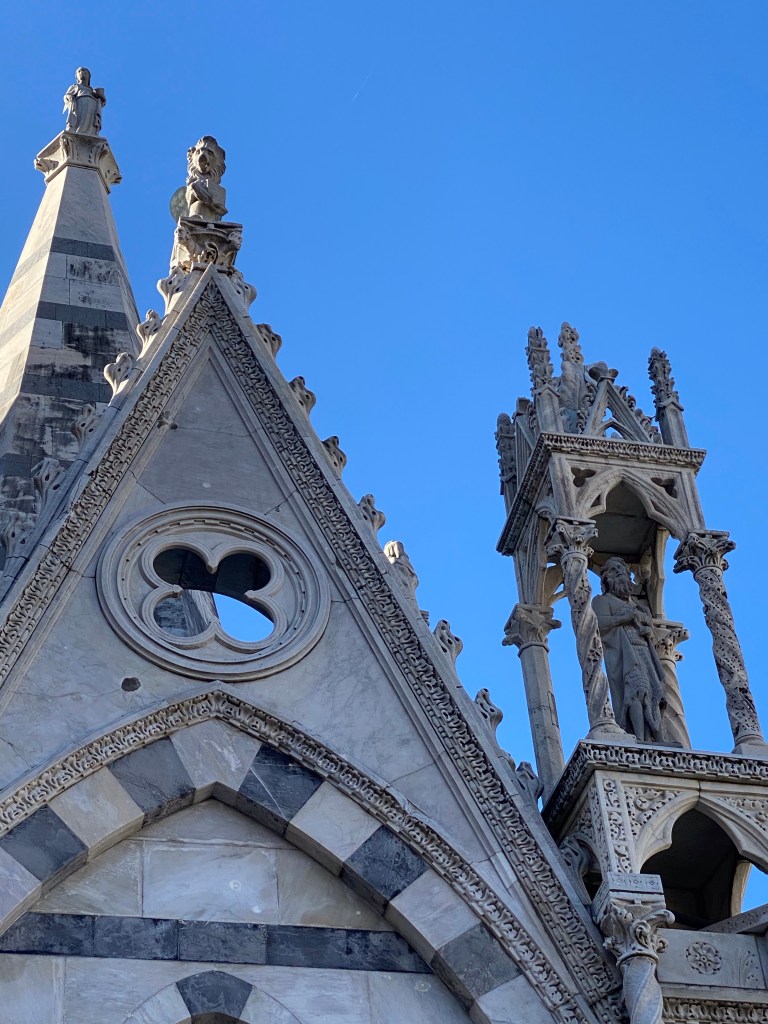
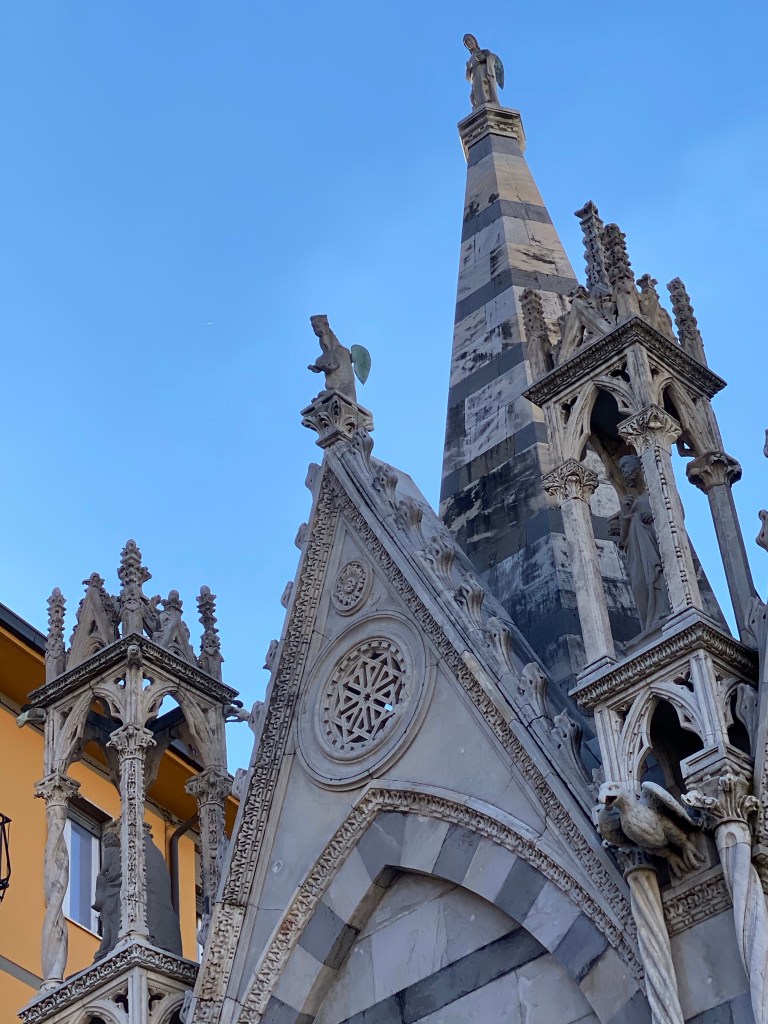
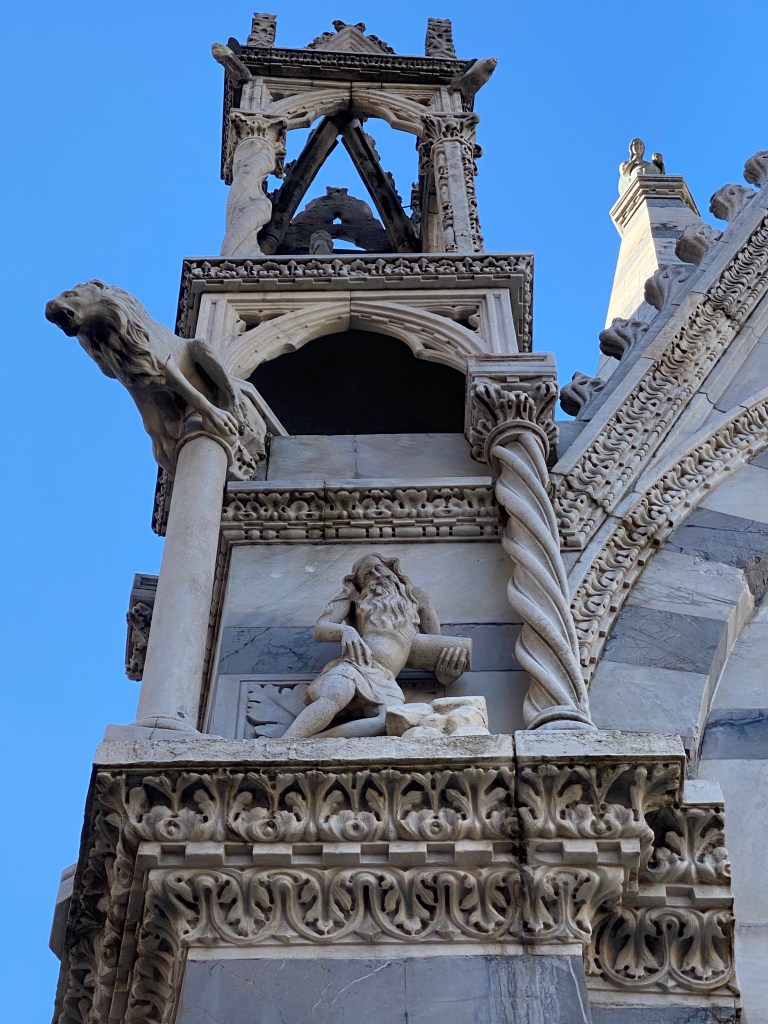
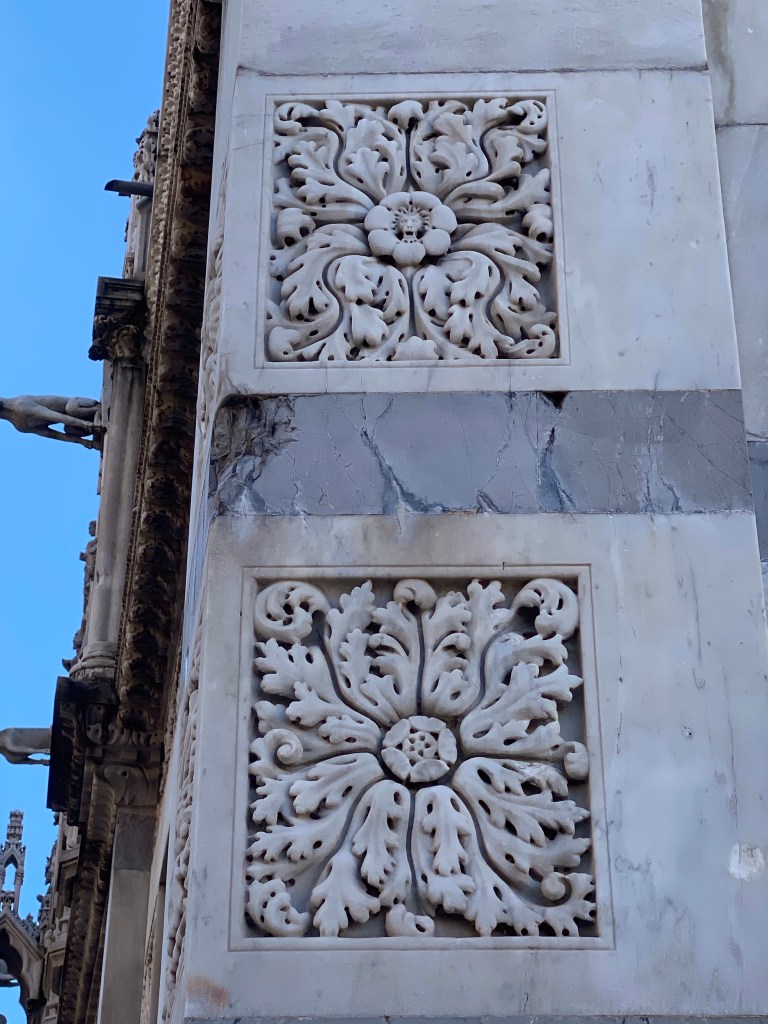
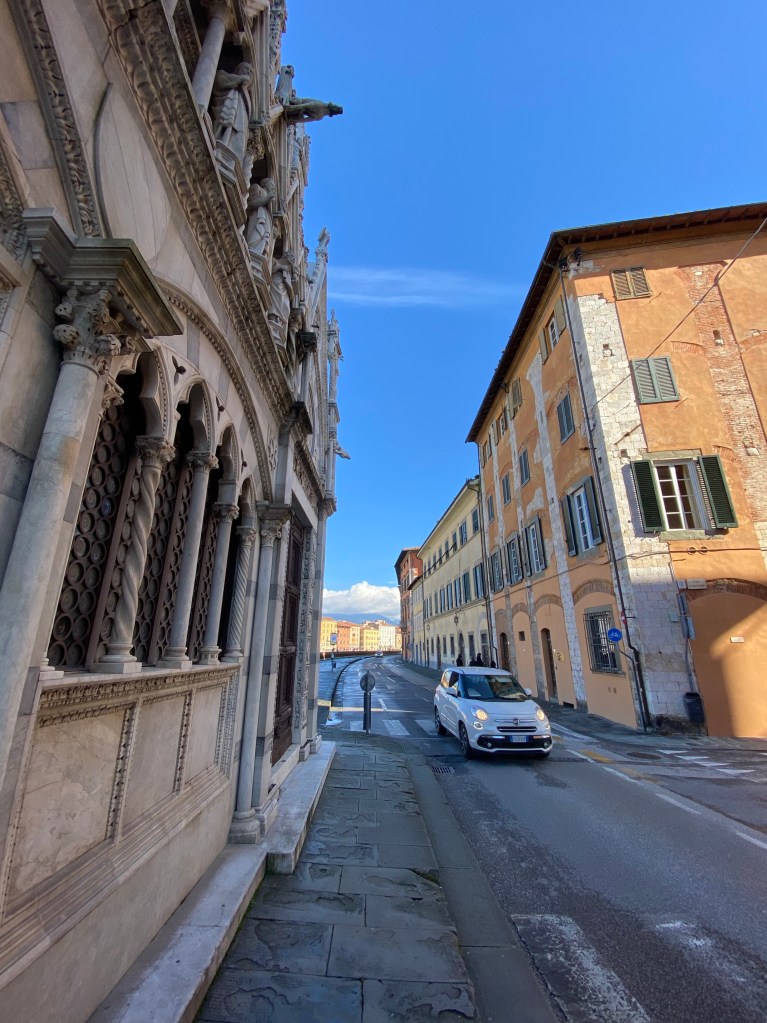
The photos below are from the south side of the little church:
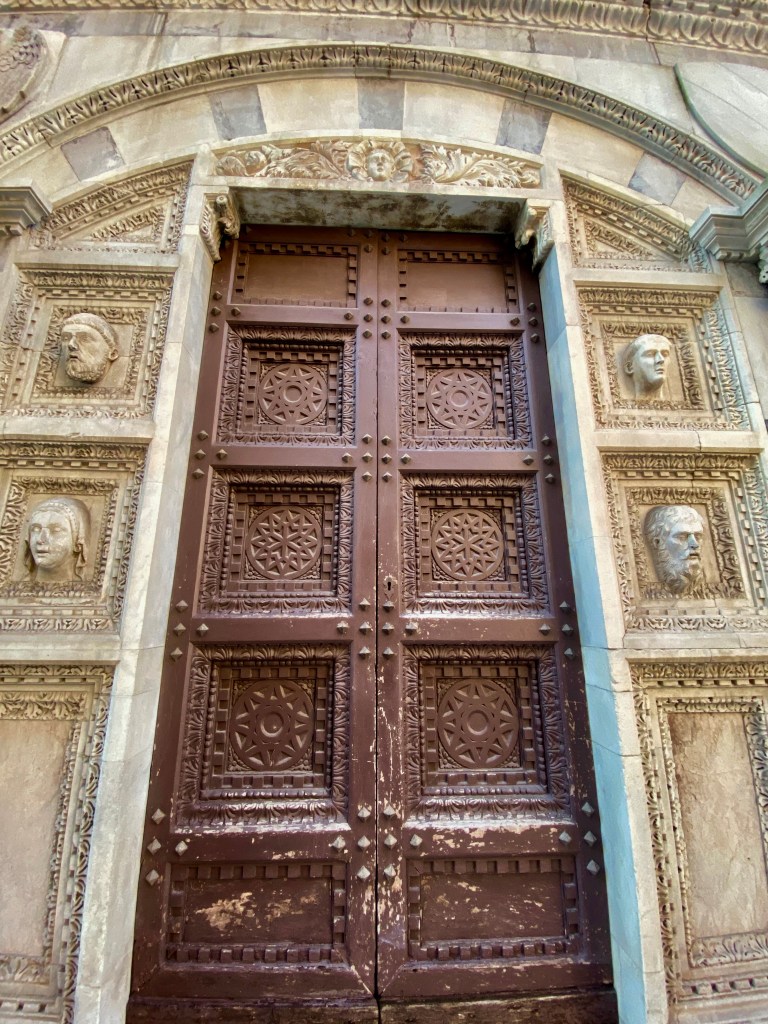
Below is the facade of the chiesa.
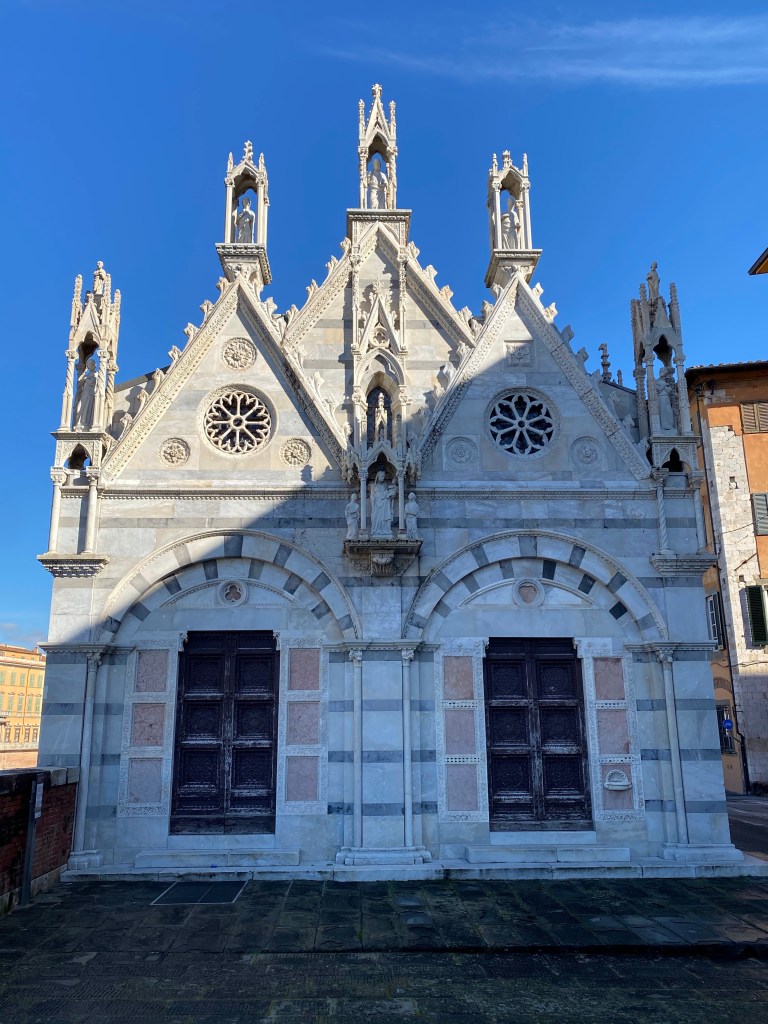
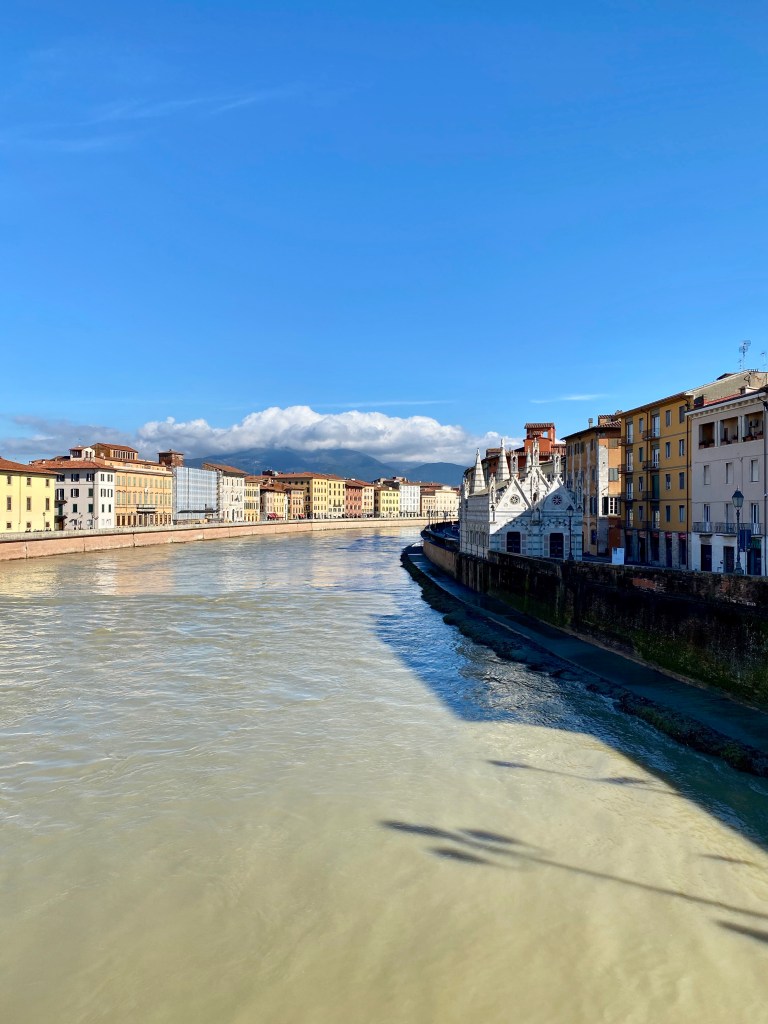
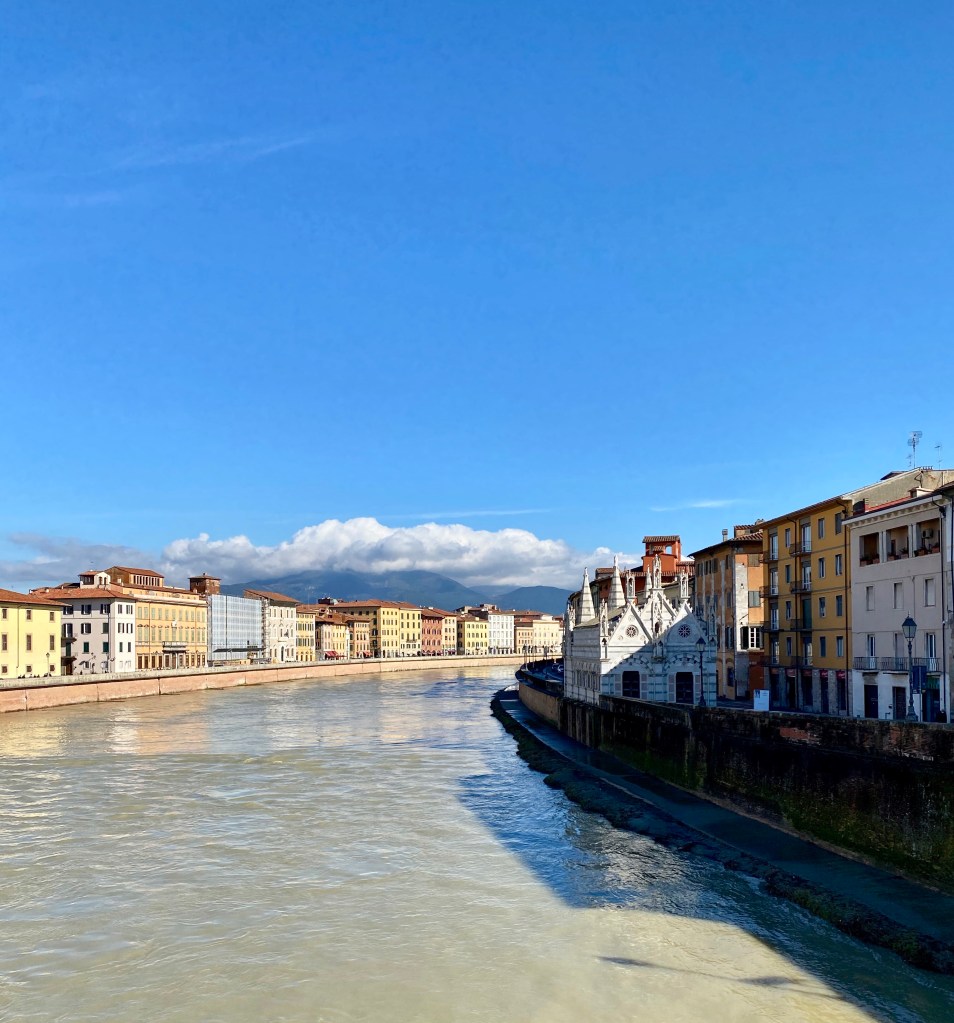
As I cross the bridge to the north side of the Arno river, this is how the little gothic church looks from afar. You can also see what a splendid February afternoon it was in Pisa! I feel so fortunate to be able to spend days in Tuscany, despite Covid restrictions.
A number of people have asked me what the lockdown rules are in Italy, so here’s an update from The Local, Italy.
Covid-19: Italian cities to crack down on crowds as ‘yellow weekend’ begins
The Local
Covid-19: Italian cities to crack down on crowds as ‘yellow weekend’ begins
Shoppers on Rome’s Via del Corso on Friday, February 5th. Photo: Vincenzo Pinto/AFP
With Covid rules relaxed and mild weather forecast, authorities in Italy’s major cities have announced measures intended to stop crowds forming this weekend.
.After scenes of packed streets and squares across Italy last weekend, local authorities insist they’ll do everything possible to keep crowds under control this time after measures were relaxed further.
The coming weekend is the first that most of Italy has been under ‘yellow zone’ restrictions – the most relaxed possible under Italy’s tiered system of coronavirus rules – since December.
Crowds are expected to descend on nightlife hotspots to enjoy the mild weather and increased freedoms, including being allowed to travel freely within the region.
While restaurants must close from 6pm, there were crowded scenes on the main shopping streets of major cities on Friday evening.
But after Italian media published photos of crowds, parties and violence breaking out in the streets of major cities last weekend – when many areas were downgraded from red to orange zones – there are concerns that the same thing may happen again.
Milan has announced an increased number of “clearly visible” police checks in the city centre, where large crowds were reported last weekend in the Navigli area, Corso Como, Corso Garibaldi, and other parts of the city centre.
In Rome, police said they will limit crowds on the Ostia seafront and in other areas associated with nightlife in the capital including Trastevere, the ‘Tridente’ area and Piazza Bologna.
In Florence, mayor Dario Nardella signed an ordinance banning parking in central areas of the city thought to be at risk of crowding.
Anyone violating rules – from the mask requirement when in public, to opening hours for bars and restaurants – risks being fined between 400 and 1,000 euros.
In yellow zones, bars and restaurants can stay open until 6pm, including on Sundays. Takeaway service is allowed until 10pm for restaurants and until 6pm for bars.
The evening curfew remains in place from 10pm-5am across the whole country.
A ban on non-essential travel between regions remains in place, regardless of zone colour.
Cinemas, theaters, betting halls, game rooms, discos, ballrooms, concert halls, gyms, swimming pools, theme parks, spas and wellness centers remain closed.
Please note that different regions of Italy may have additional local restrictions. Check the latest rules where you are: find out how to do that here.
For more information please see the Italian Health Ministry’s website (in English).
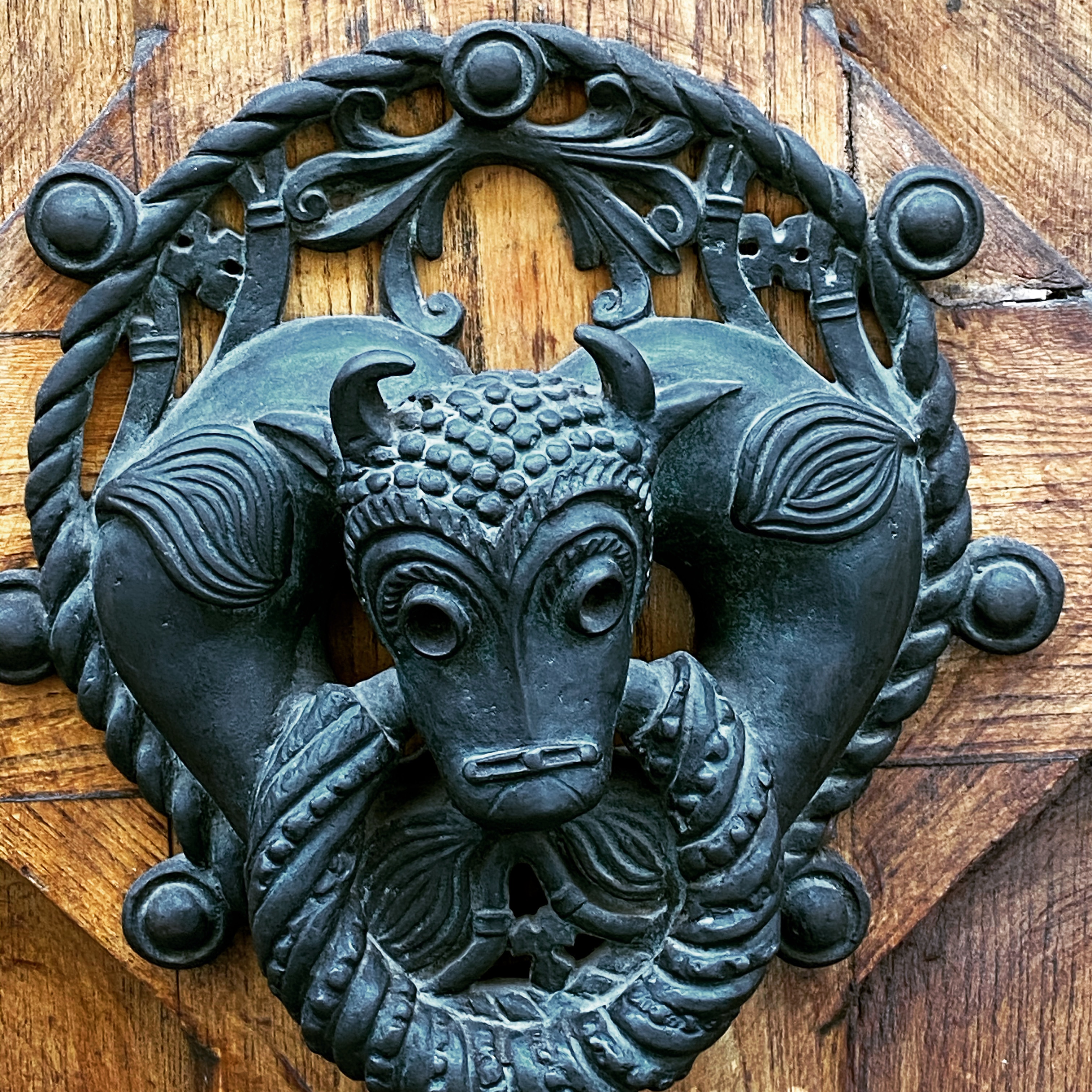
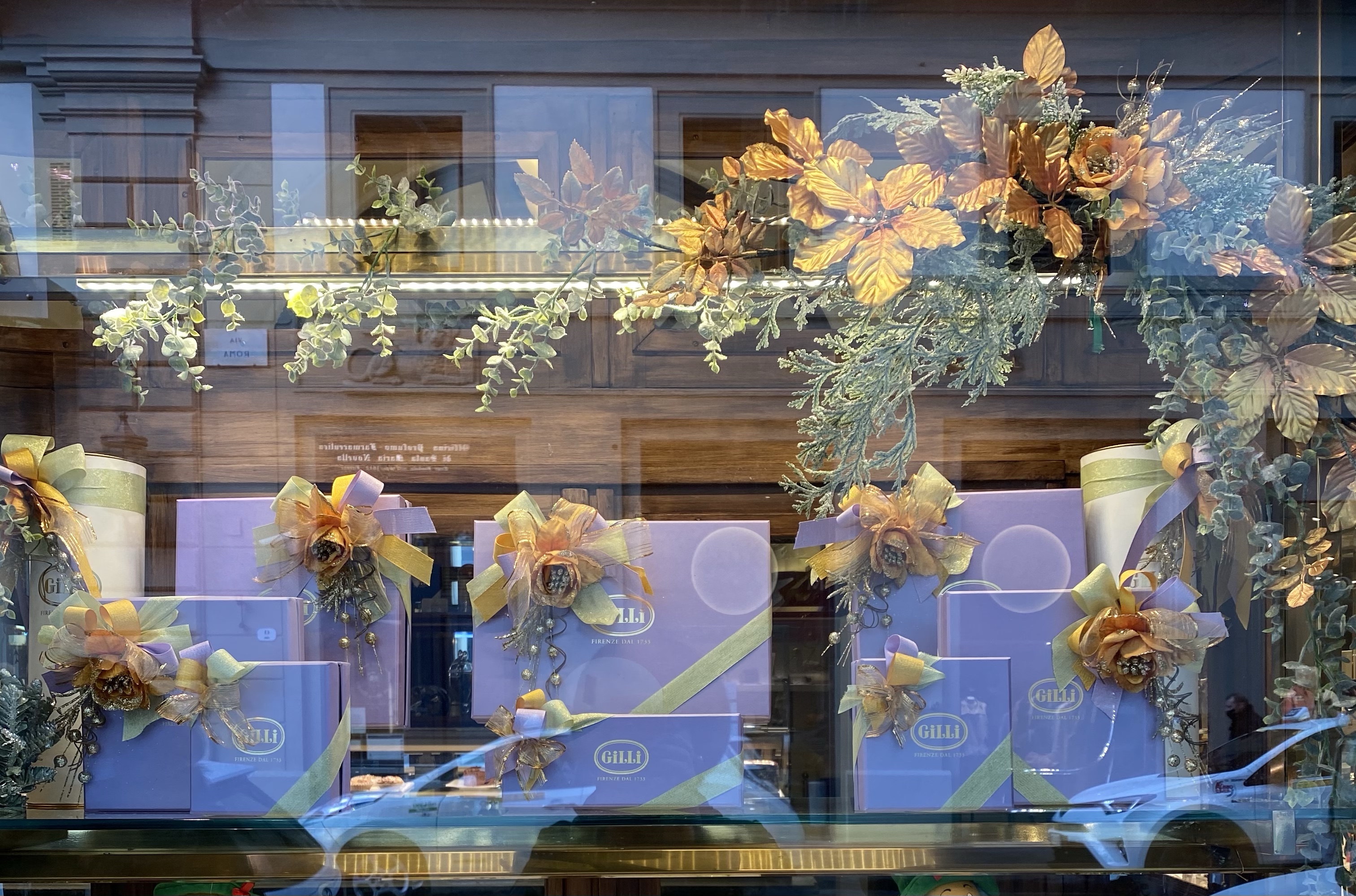
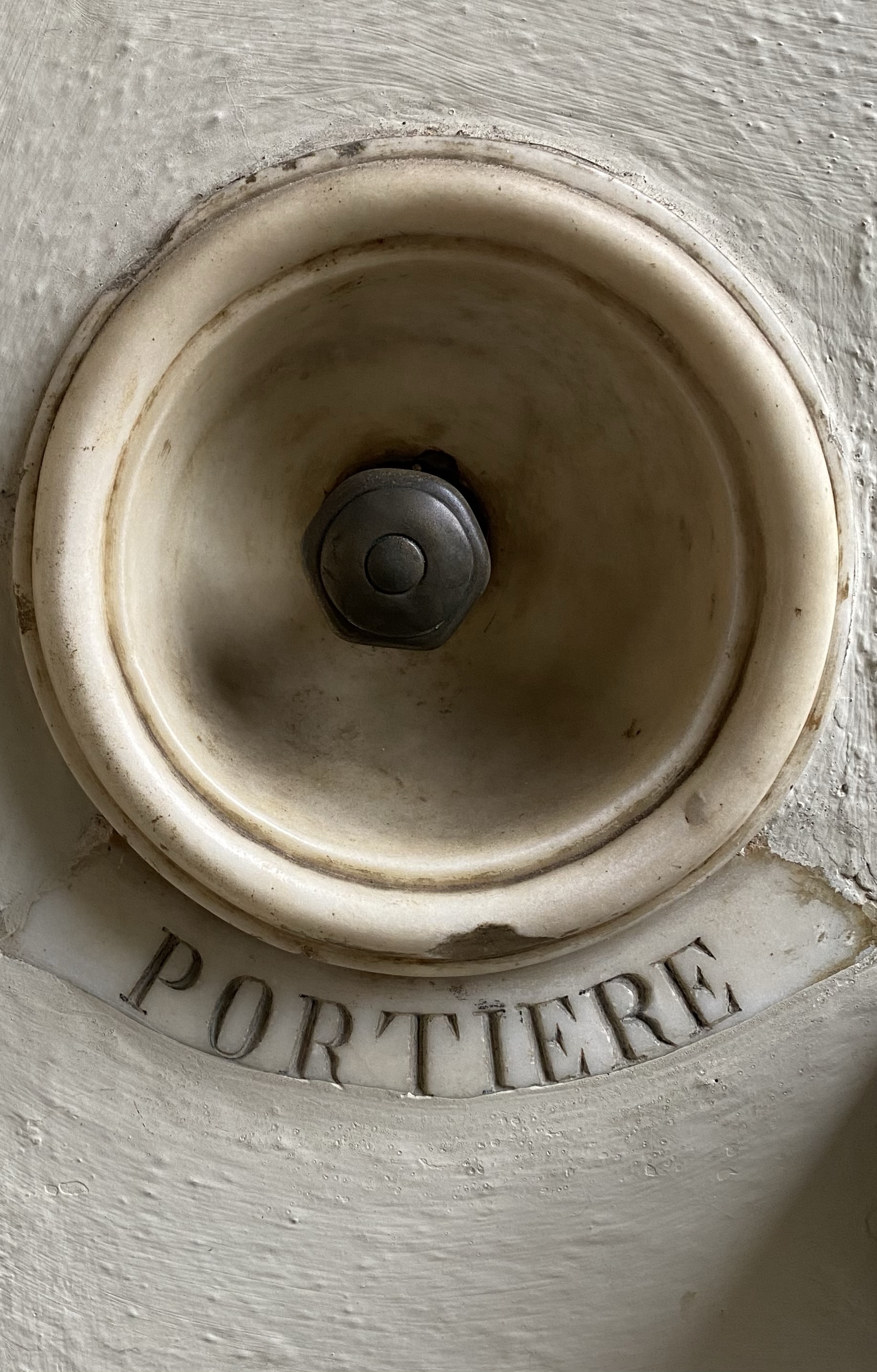
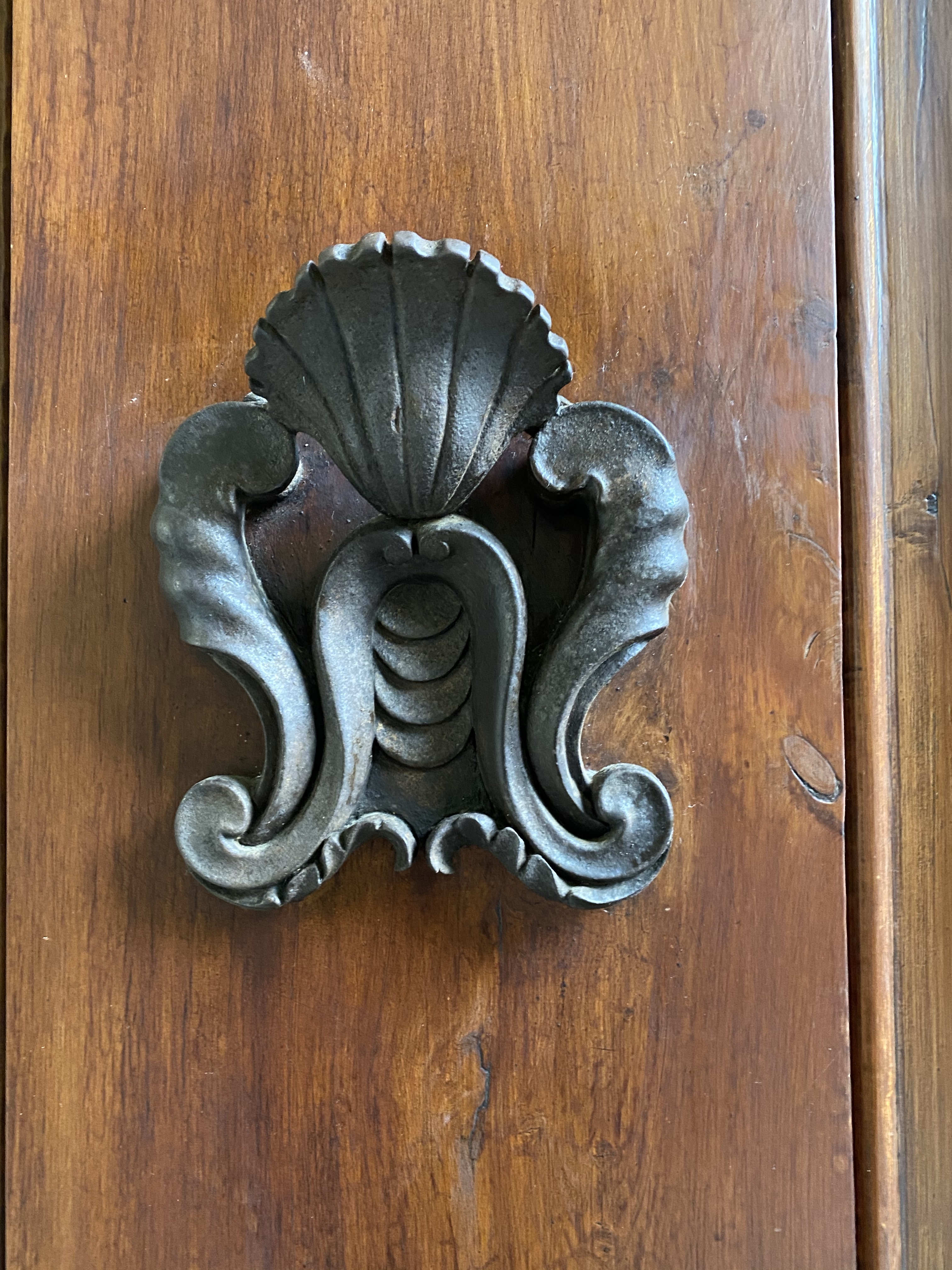
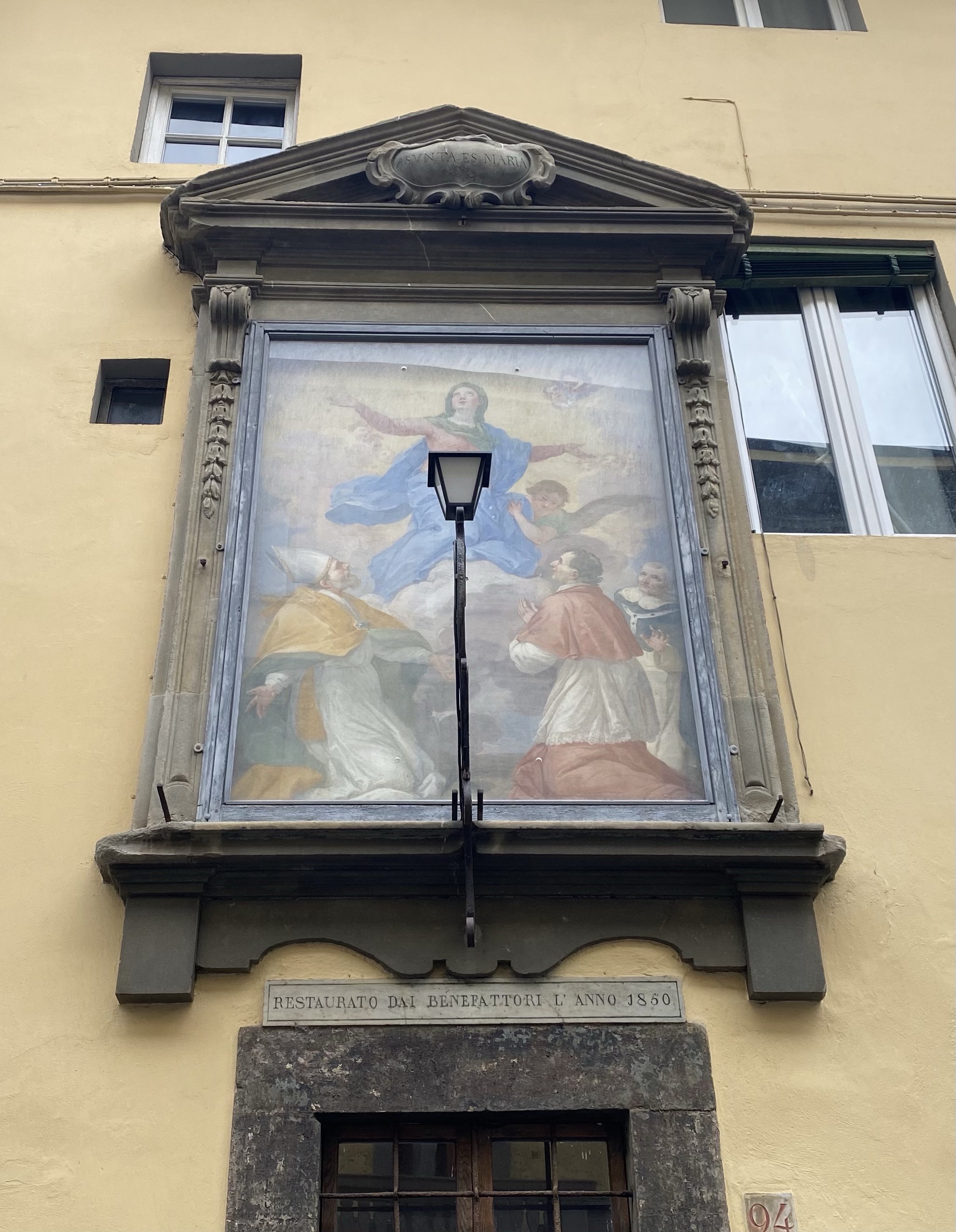
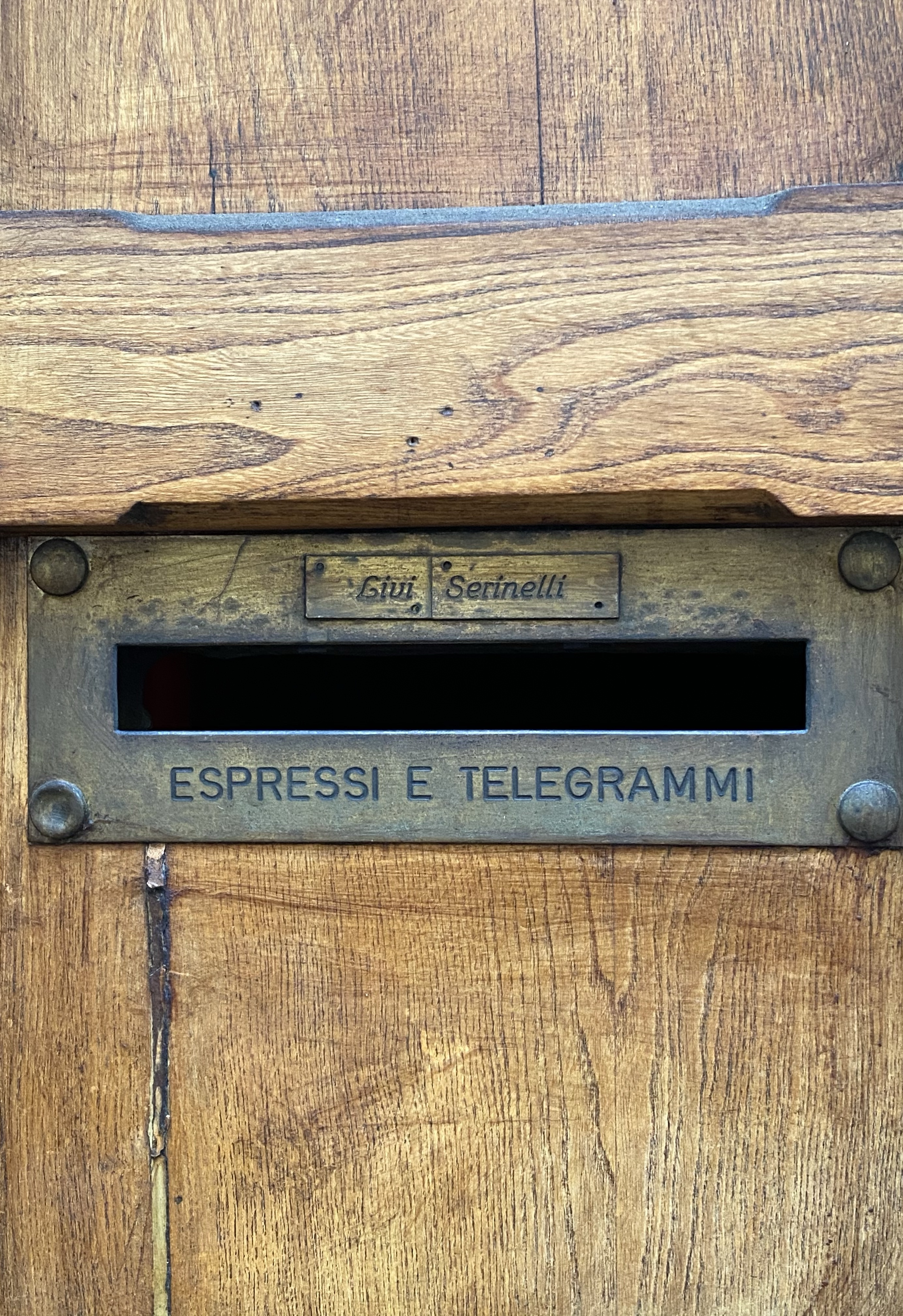
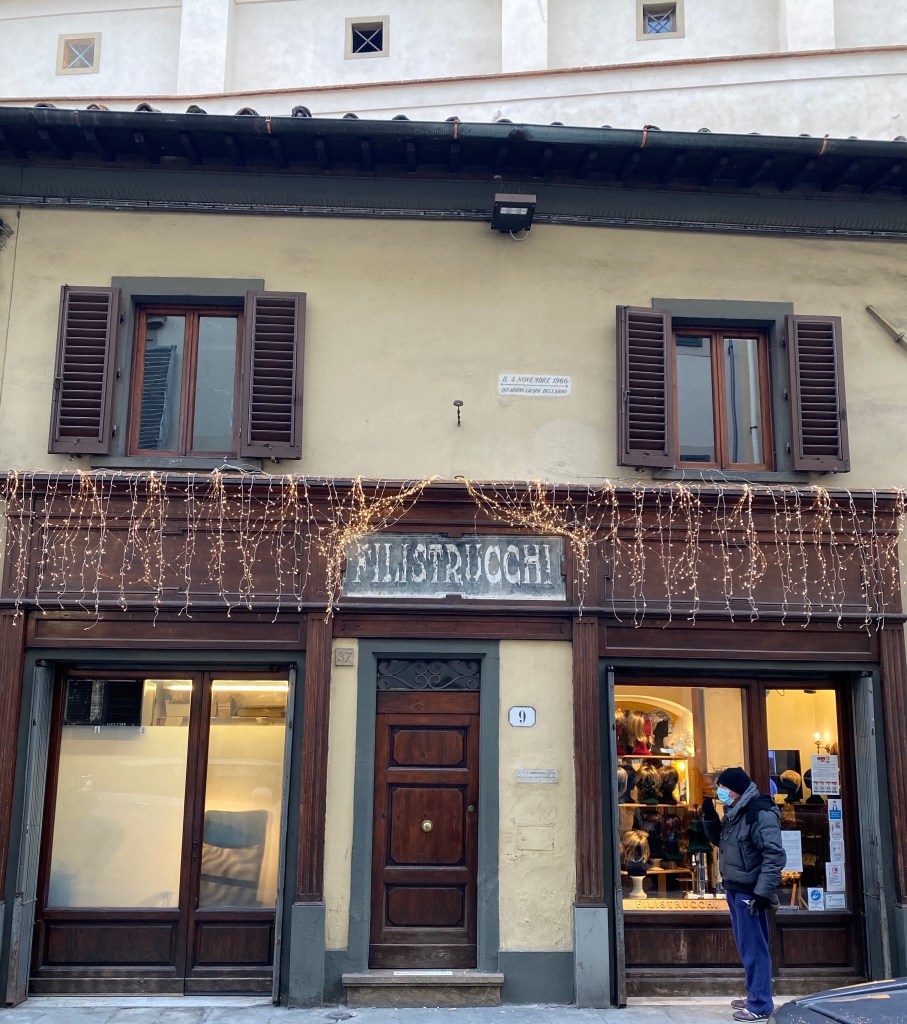
Wandering through the city just before Christmas last December, I happened upon this storefront. What caught my eye was the original sign above the door: Filistrucchi. If I am not mistaken, the old sign refers to a family shop named Strucchi, with the “sons of” as a part of the name. I could be wrong, so don’t quote me on this.
I don’t think the current occupant, the wig shop, has anything to do with the original sign. Florence keeps a lot of old signs as part of the city’s heritage.
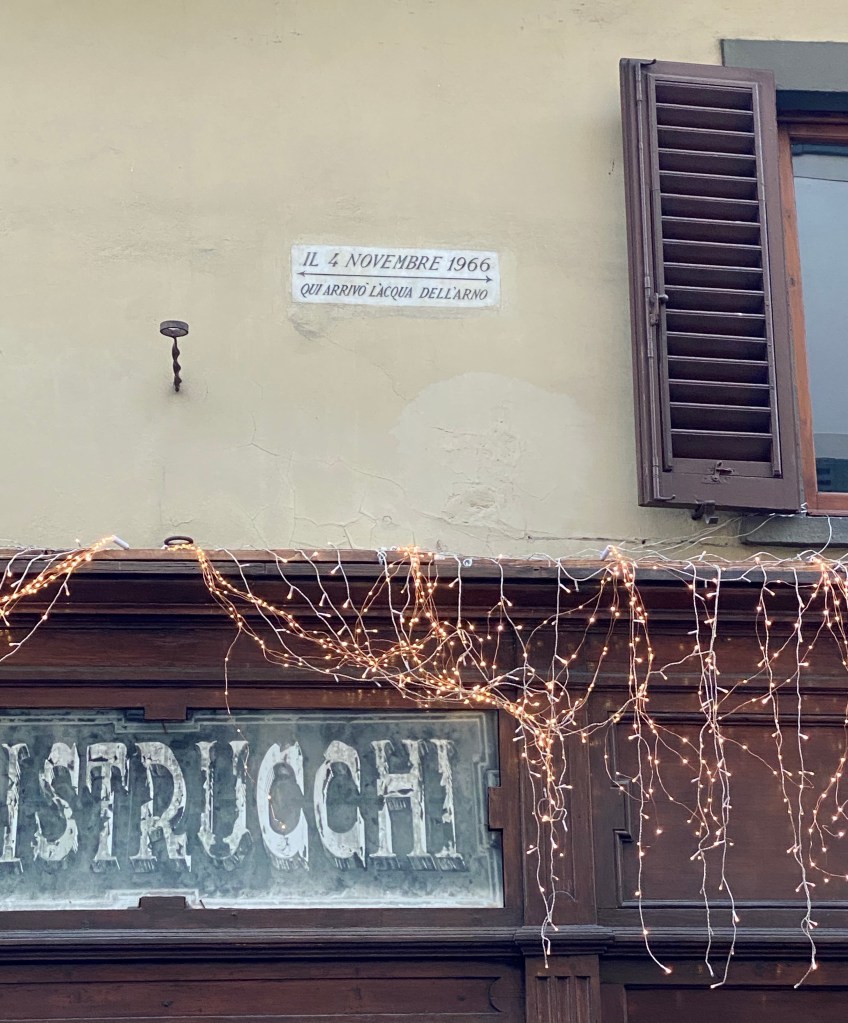
But then, what caught my eye on second glance, was the sign high above that shows where the historic flood of 1966 reached. This shop is no where near the river area, so it just goes to show us, again and again, how far that devastating flood did its damage.
 get back, lauretta!
You must be logged in to post a comment.