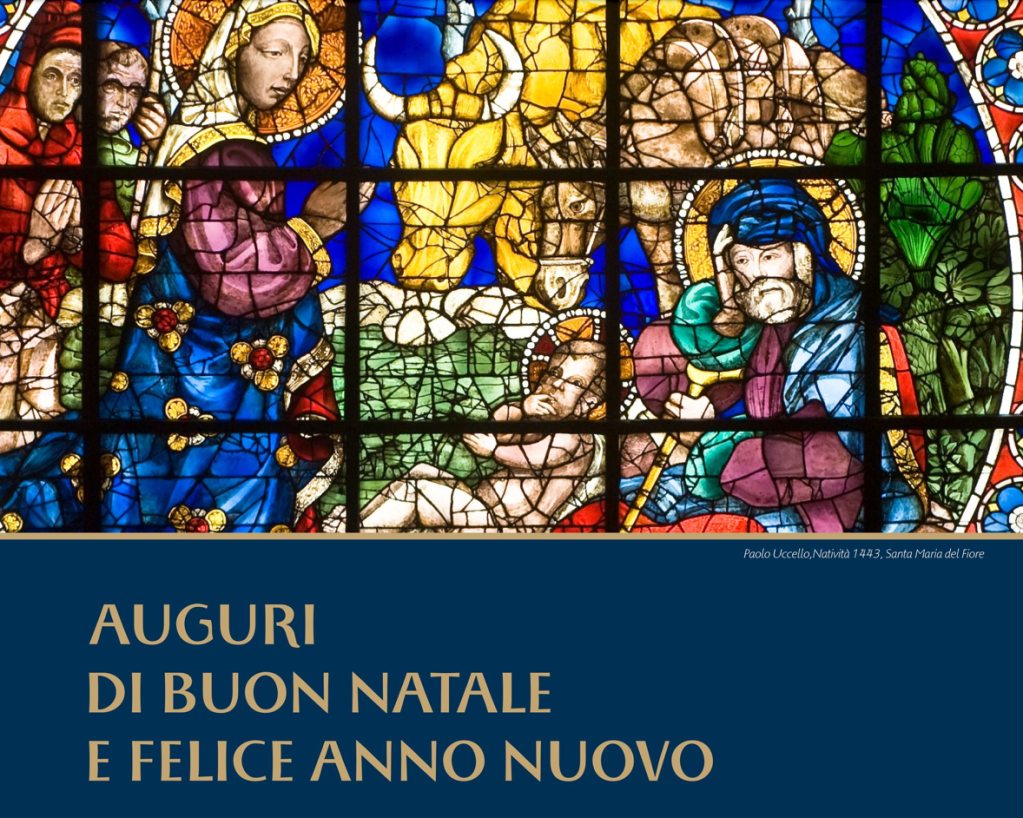
Buon Natale da Italia!
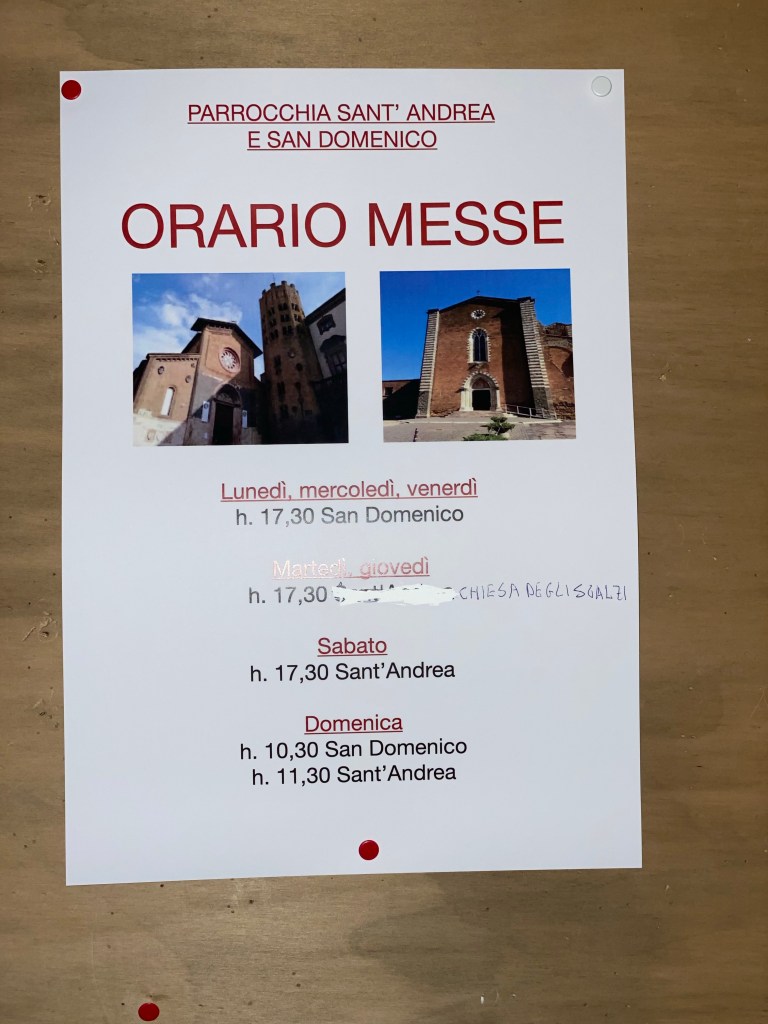
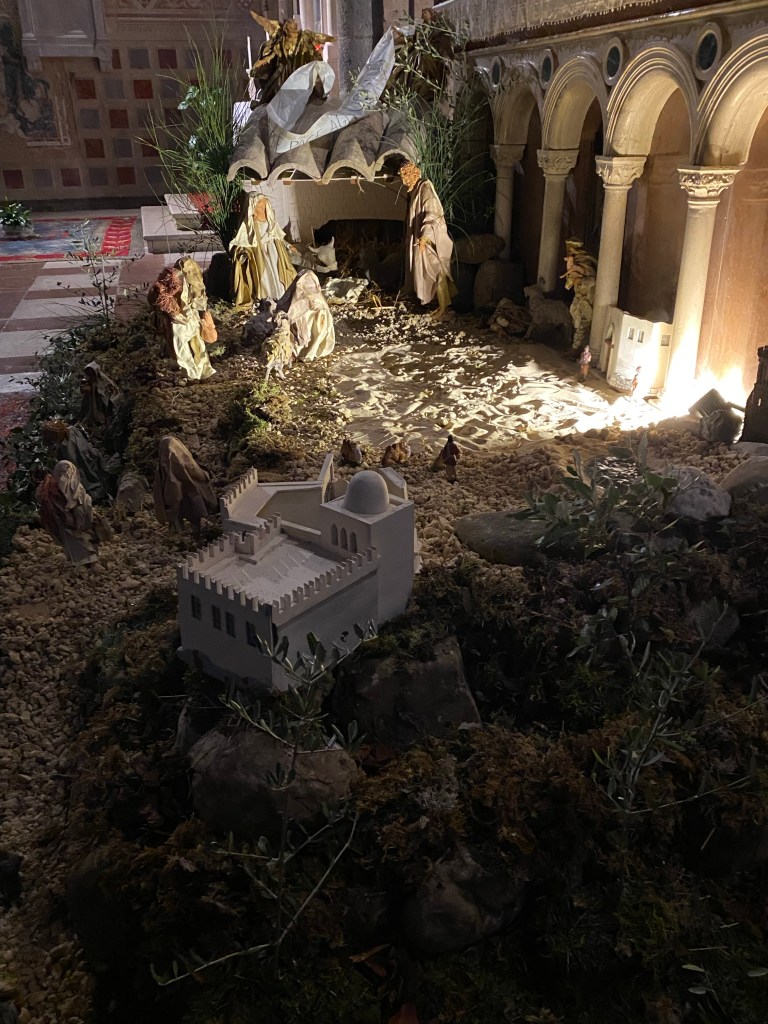
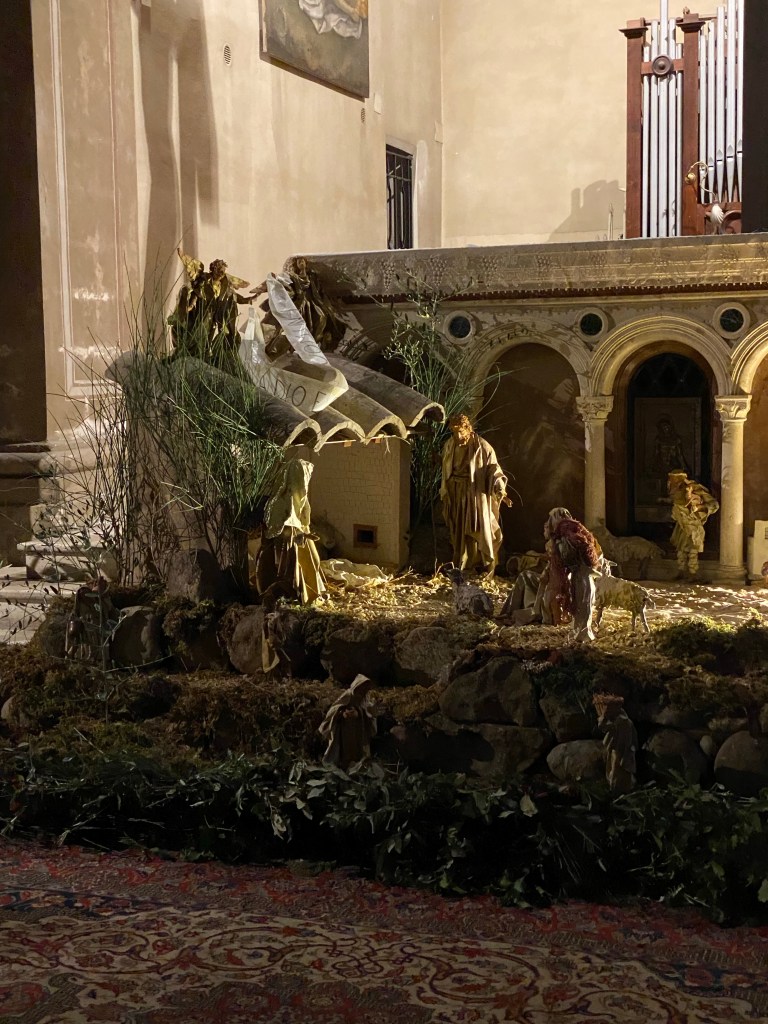
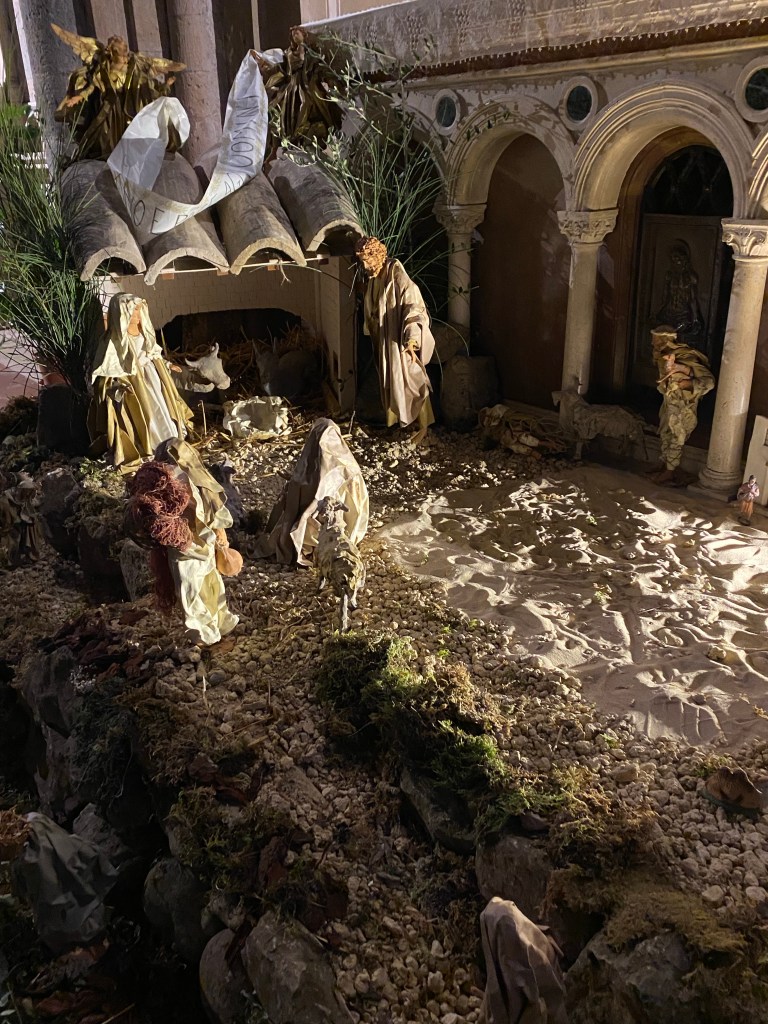
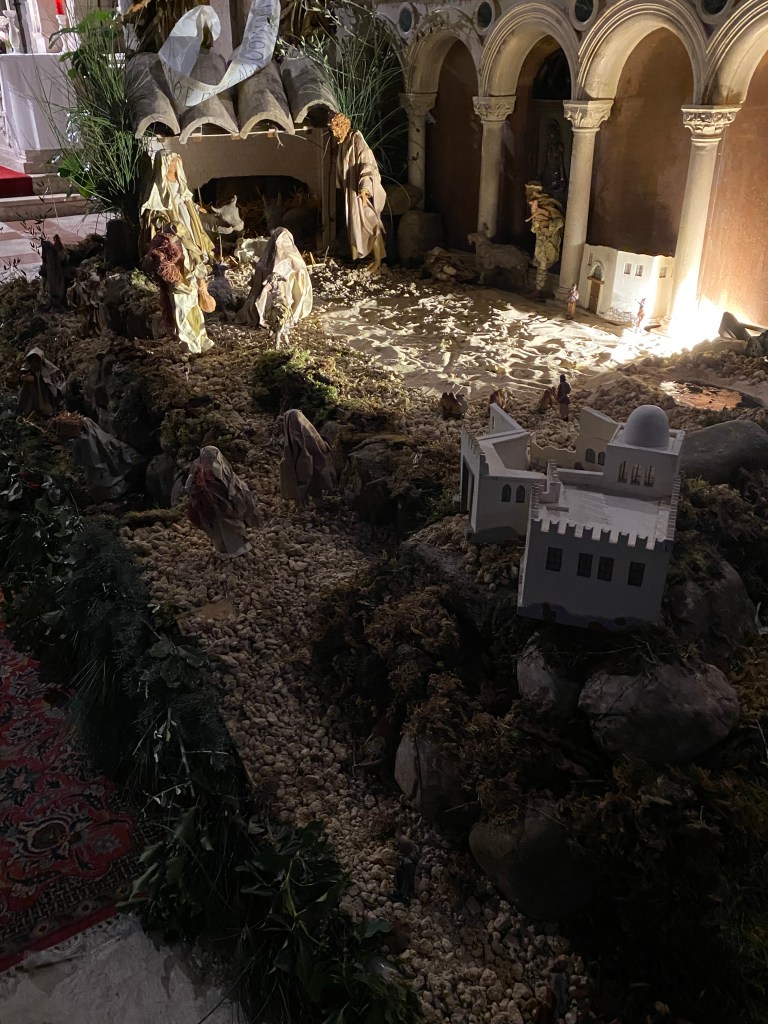
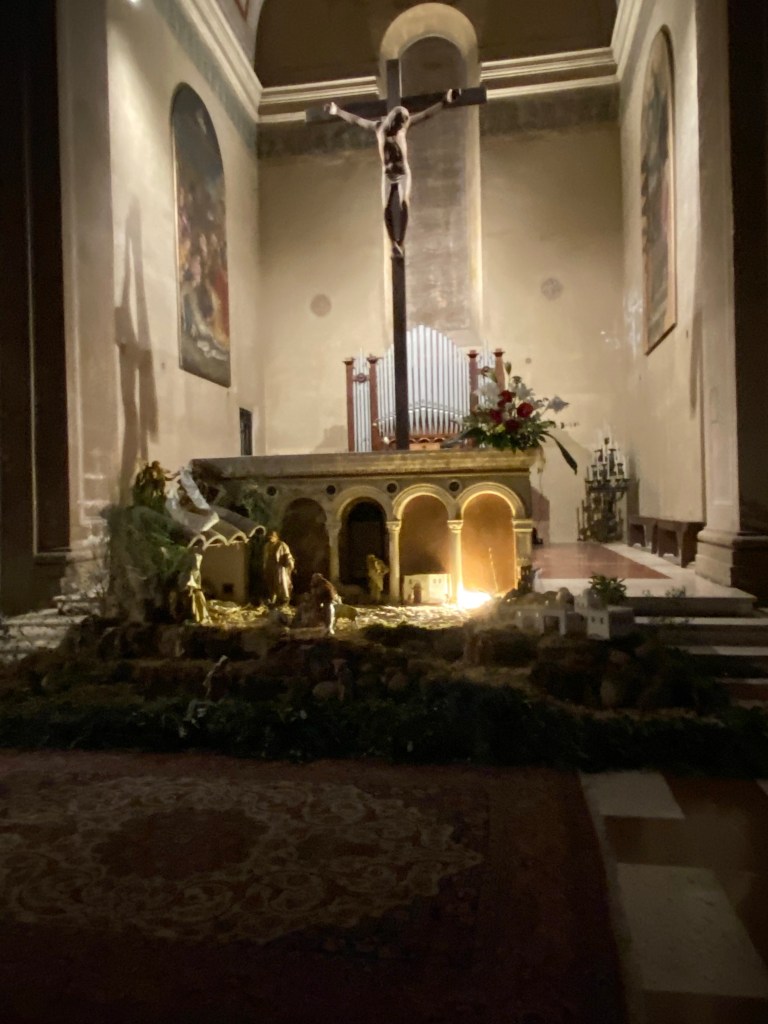
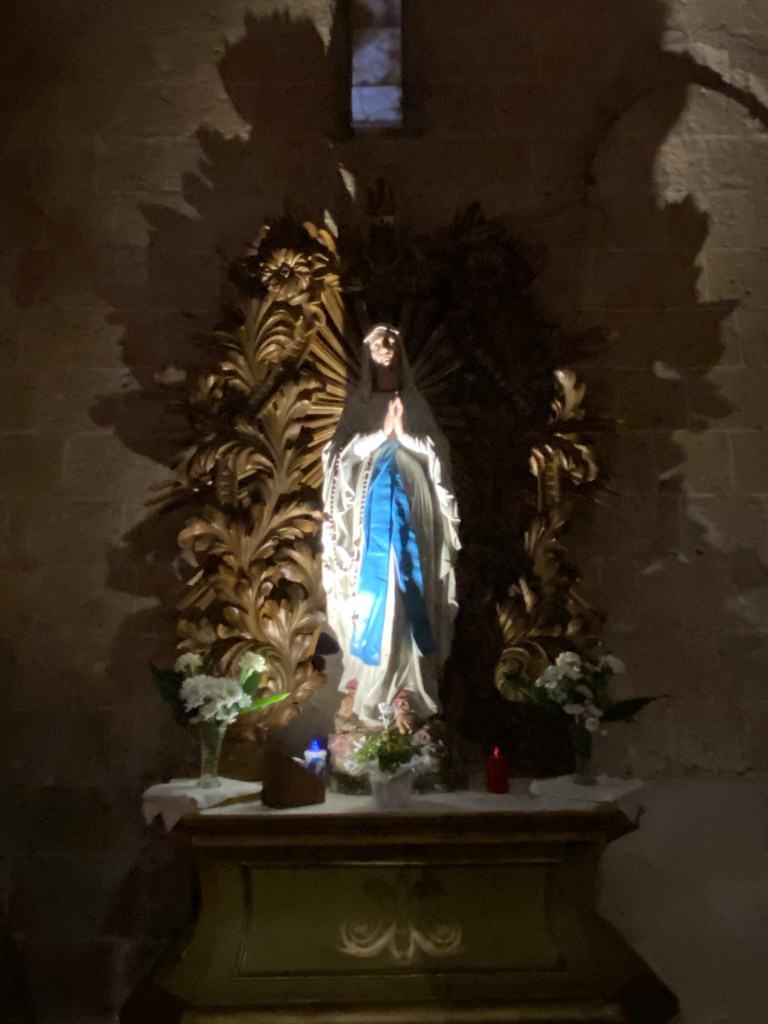
Almost every church in Italy has a crèche scene. I enjoyed seeing this one in a small church,
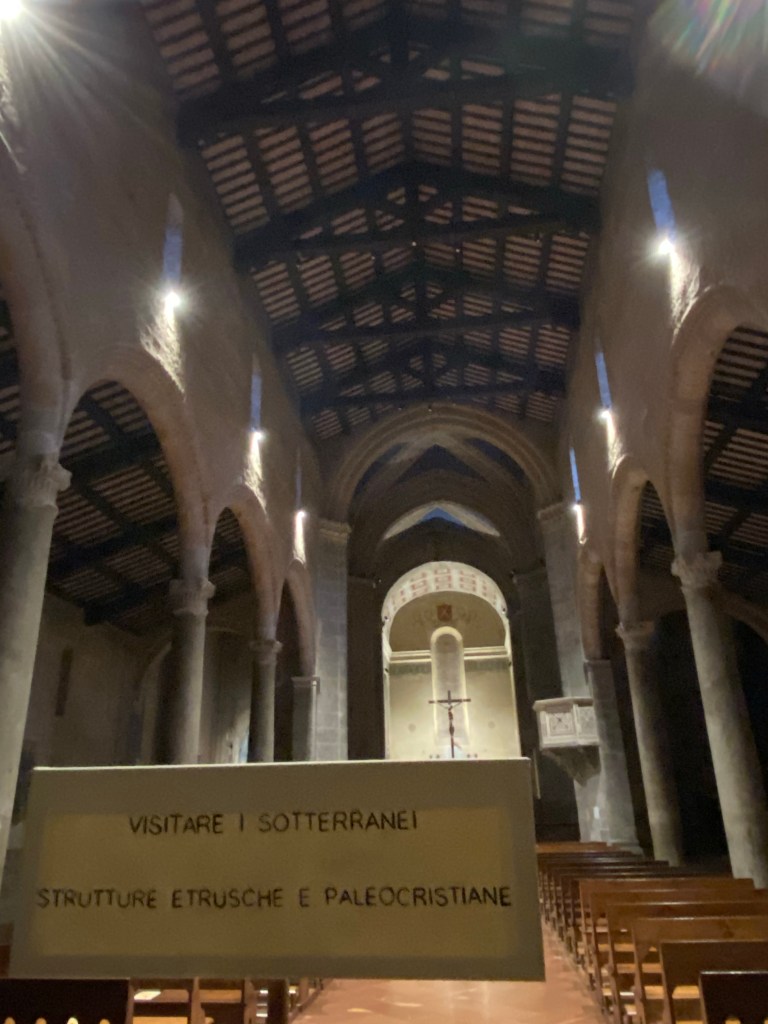
Chiesa di Sant’Andrea, in Orvieto. Located on the Piazza della Repubblica, it dates to the 12th century and is noted for its distinctive decagonal bell tower.
The nativity scene, which is called a crèche in French or presepio in Italian, is a representation of the birth of Christ, which originates from late ancient and medieval traditions; the custom, initially Italian, of setting up the nativity scenes during the Christmas period is widespread today in all Catholic countries of the world.
I’ve seen a lot of crèche scenes, but this is the first one I’ve noticed with a field of sand. It makes sense.
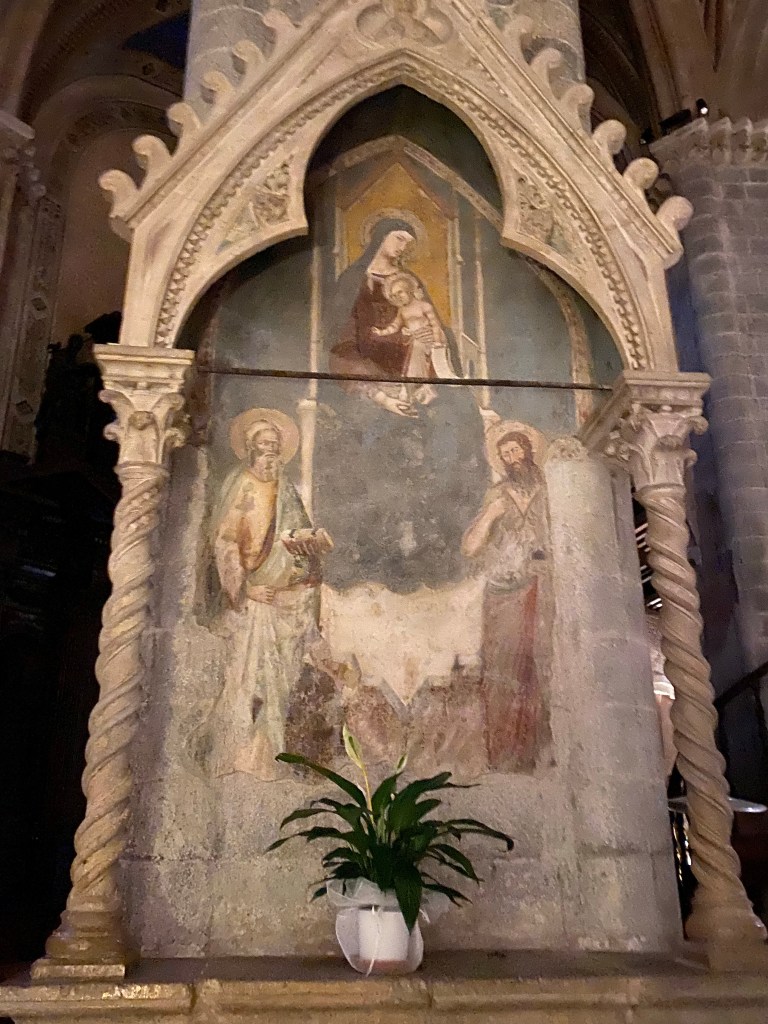
Benozzo Gozzoli’s incredible fresco cycle in the private chapel, Palazzo Medici, Florence. My very favorite work of art in all of Florence!
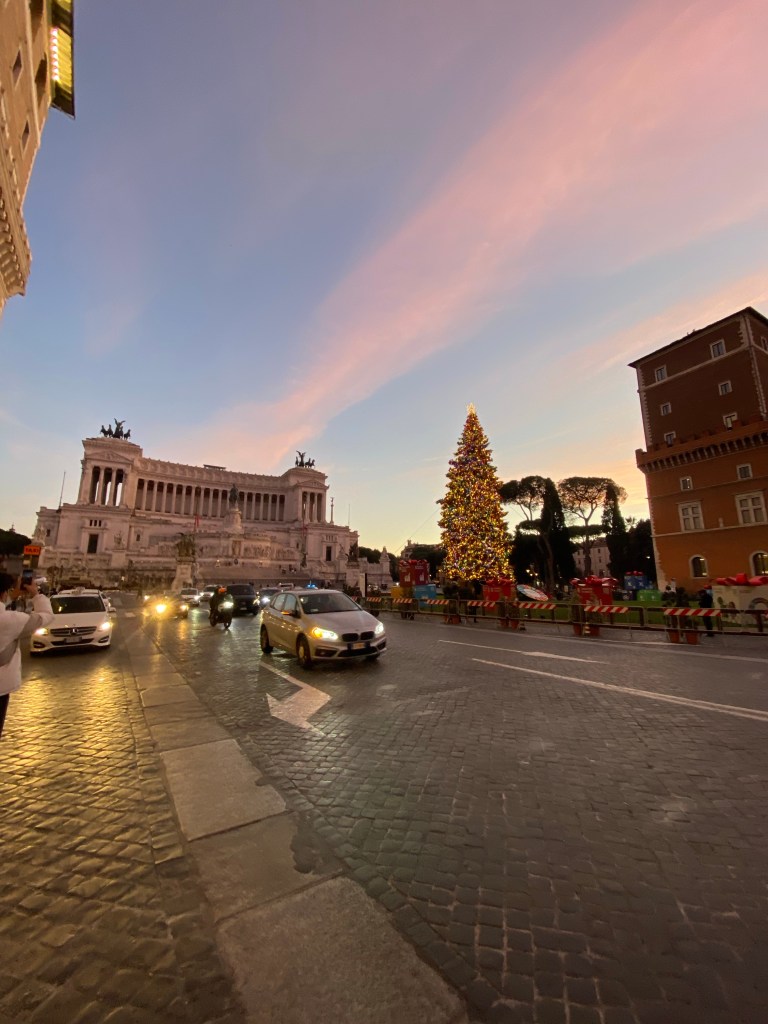
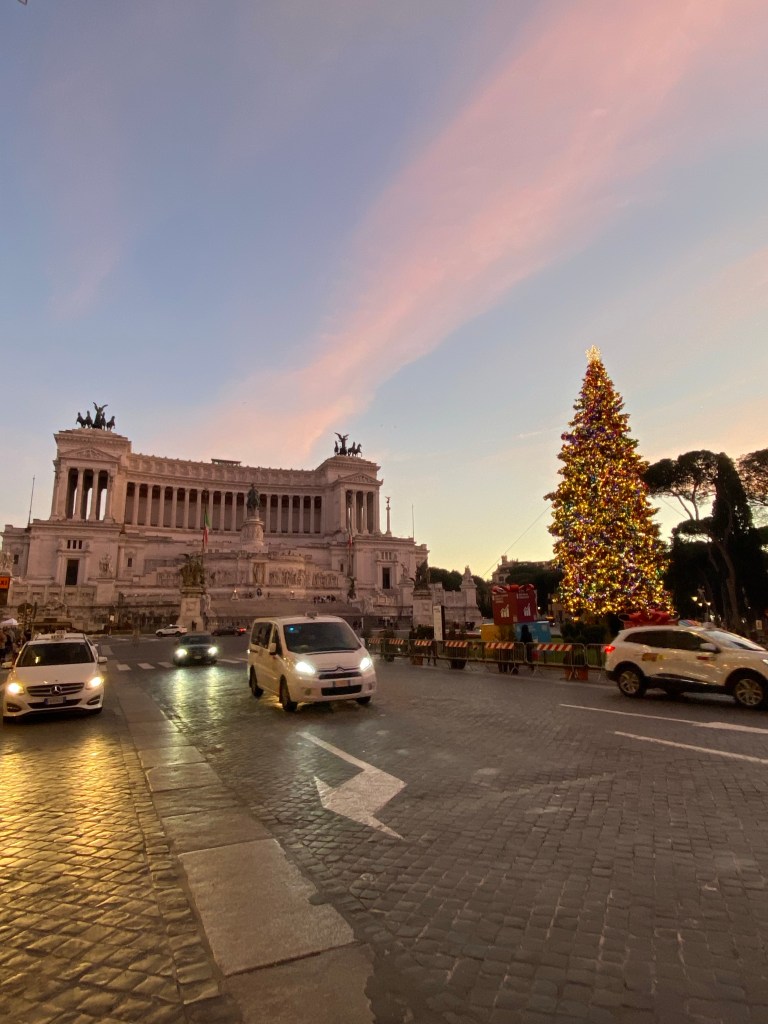

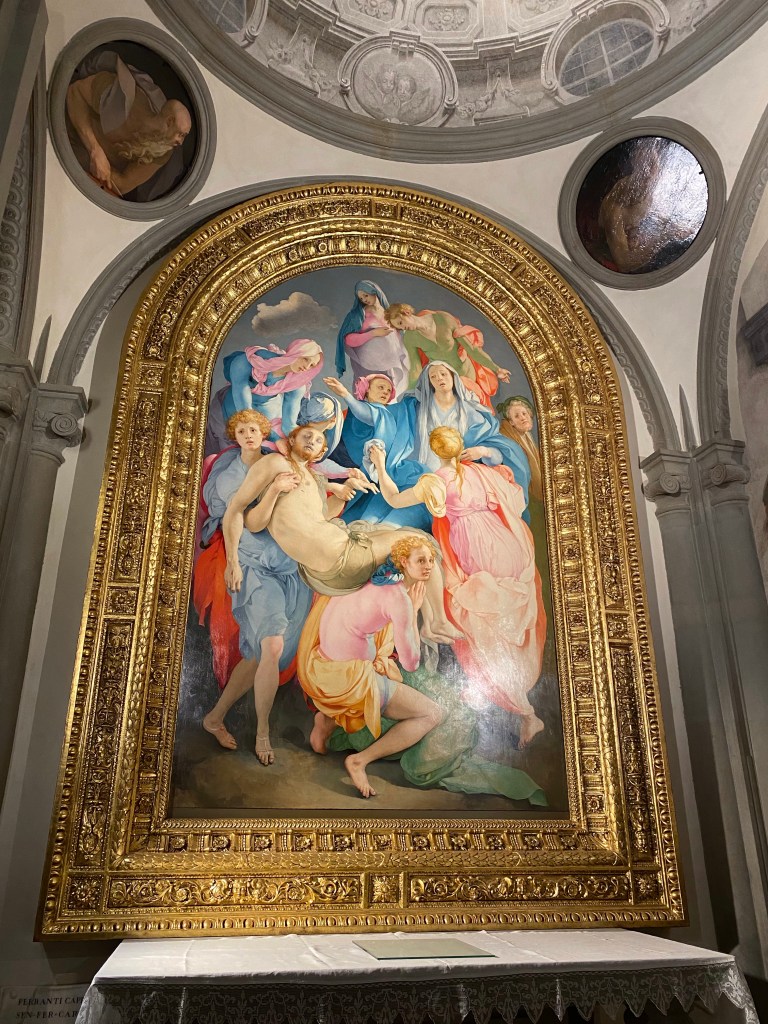
These are not the best videos I ever made, but keep in mind that the painting is within a set of iron gates that are never open. I had to slide my phone thru the bars and film, while desperately afraid I was going to drop my phone inside!
No matter, this is one of my favorite Italian paintings! I’d do anything to photograph it!
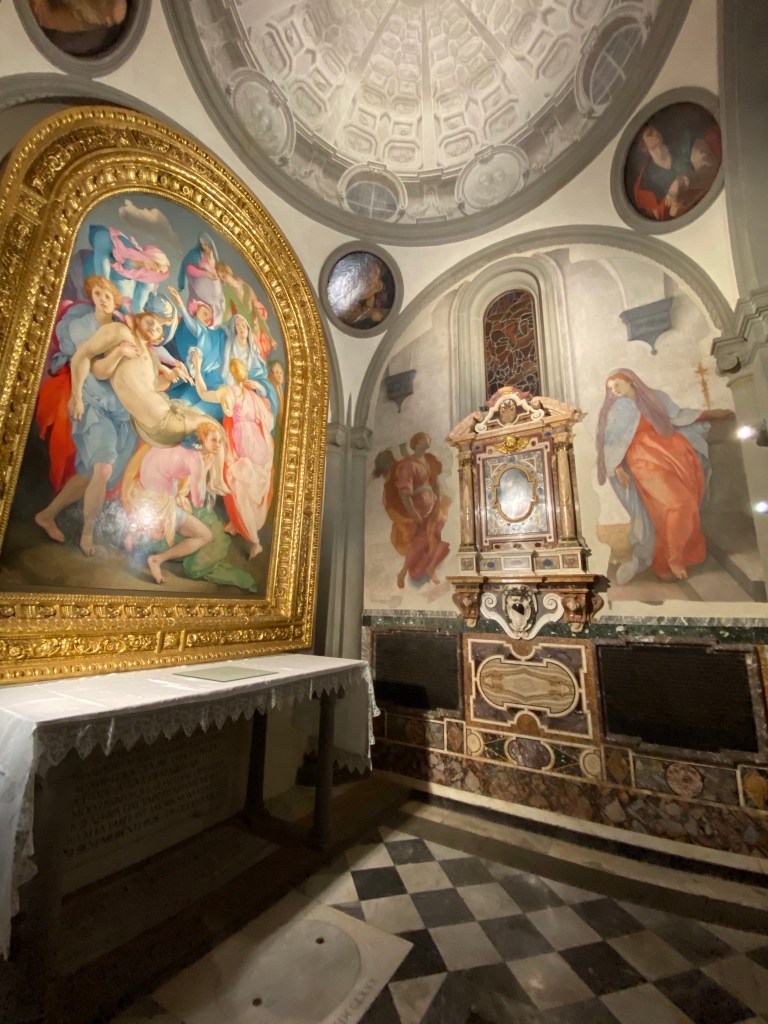
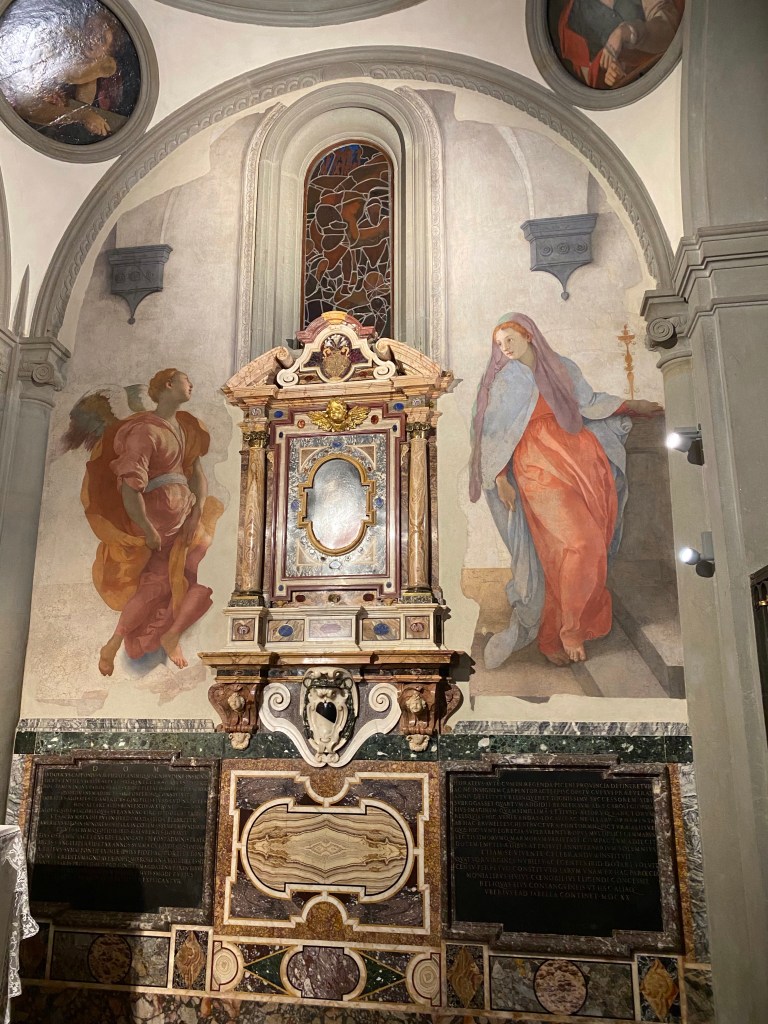
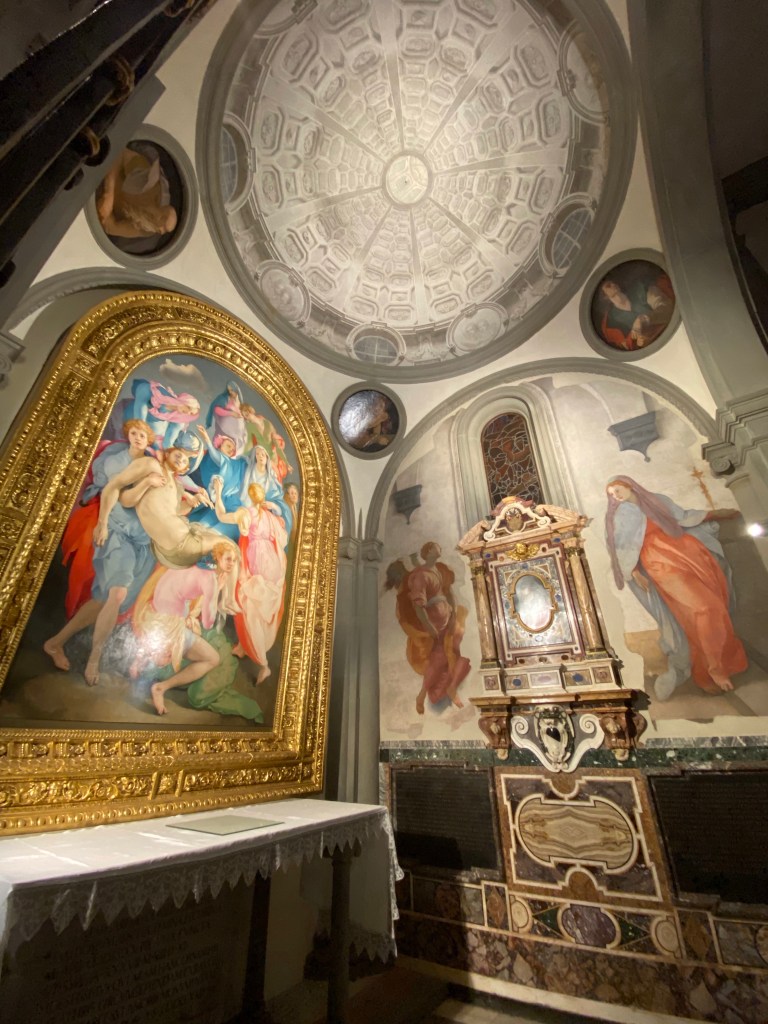

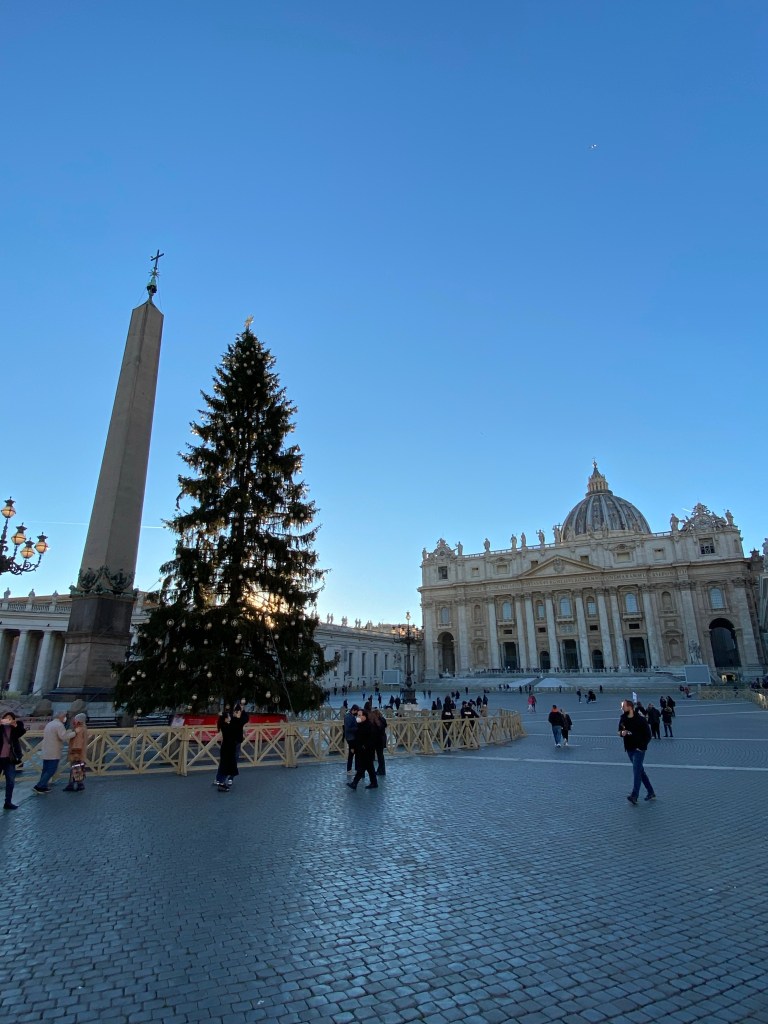


Mantova. Mantua. No matter how you say or spell it, you must see it! The treasures within are astounding.
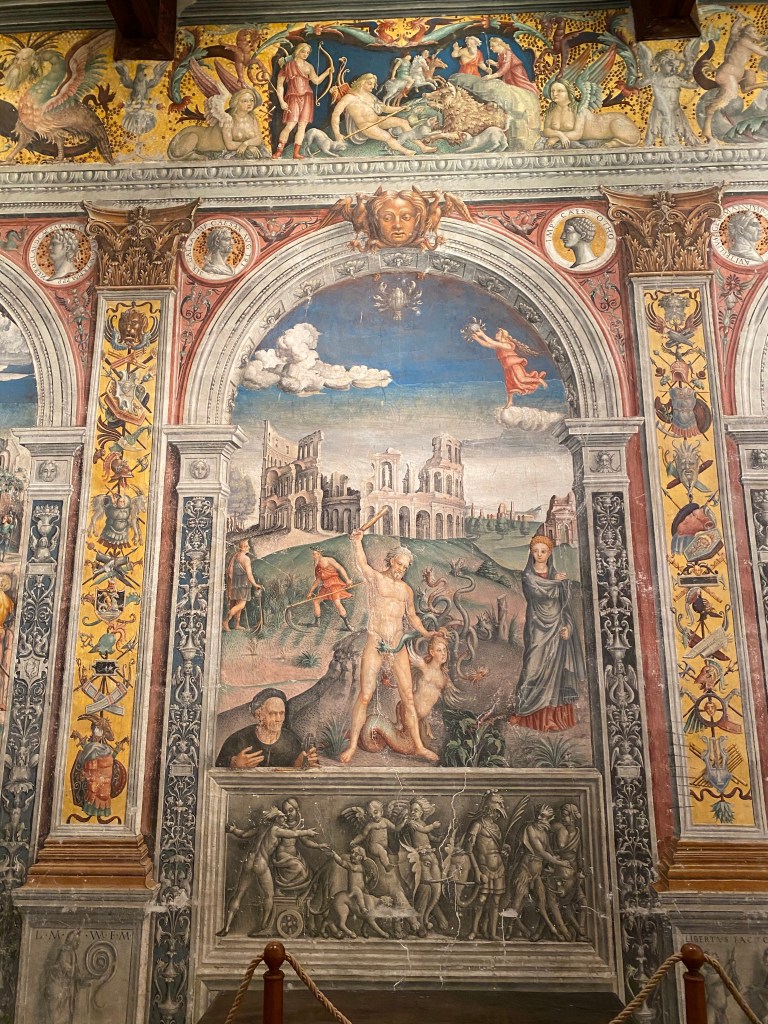
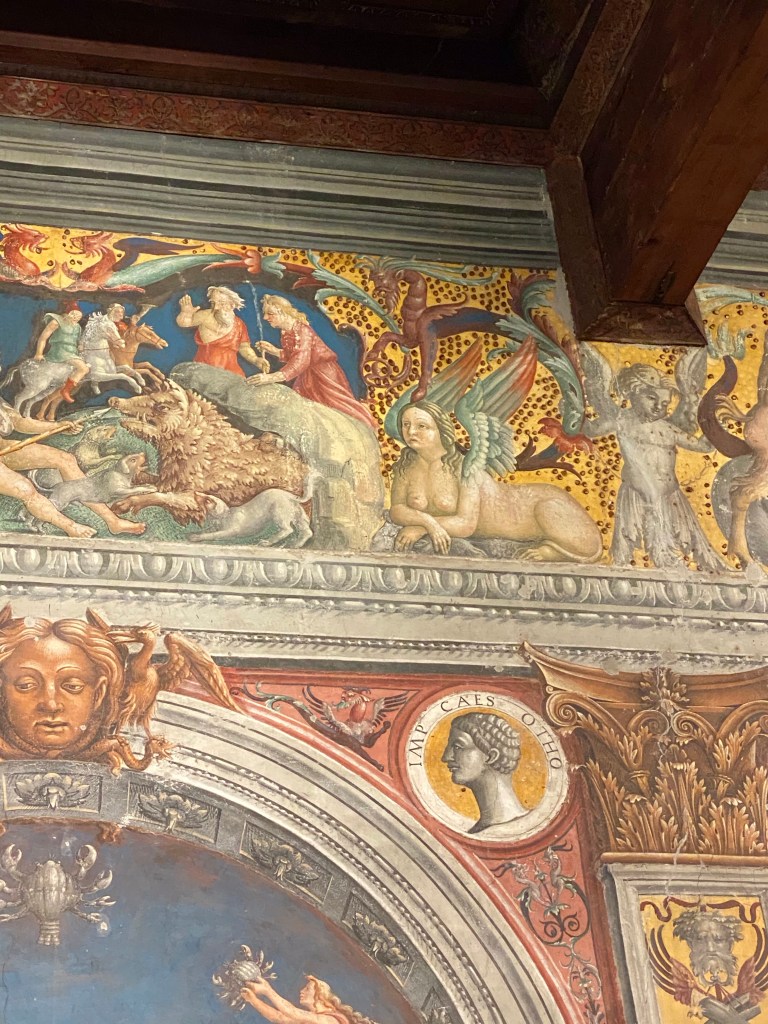
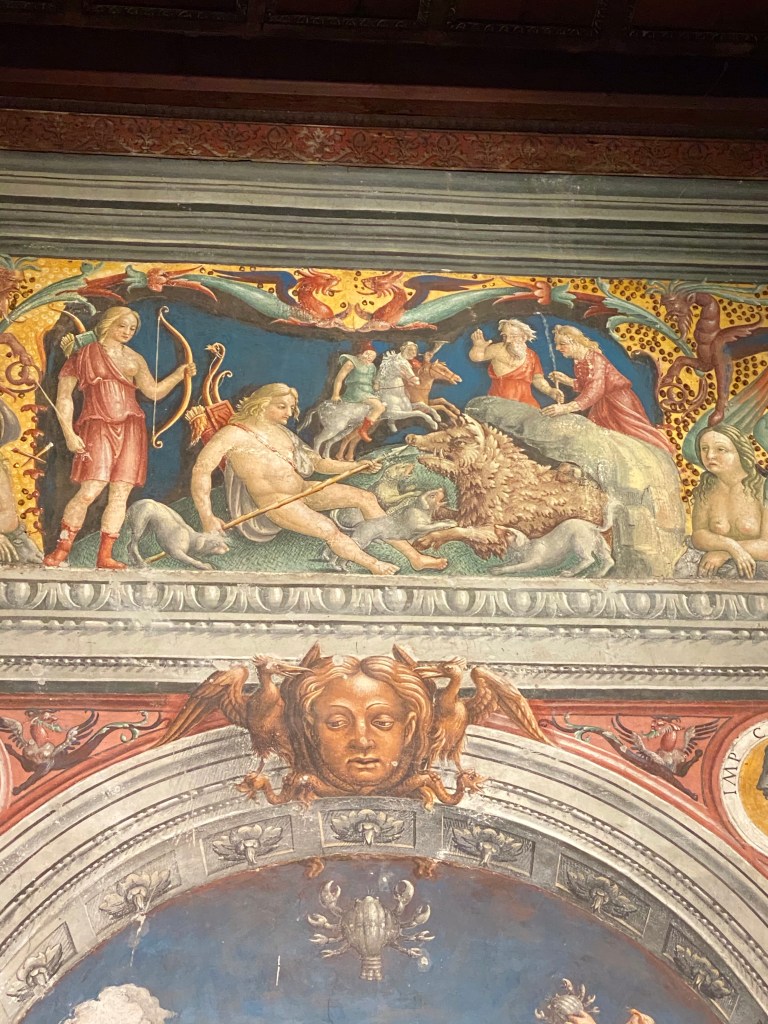
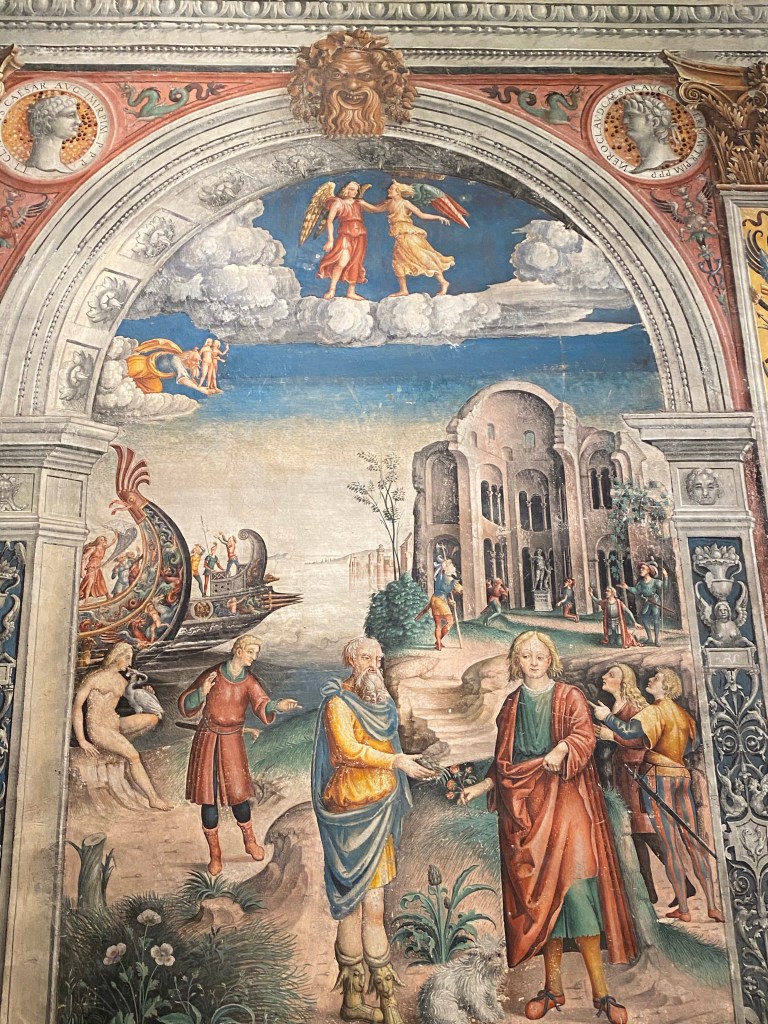
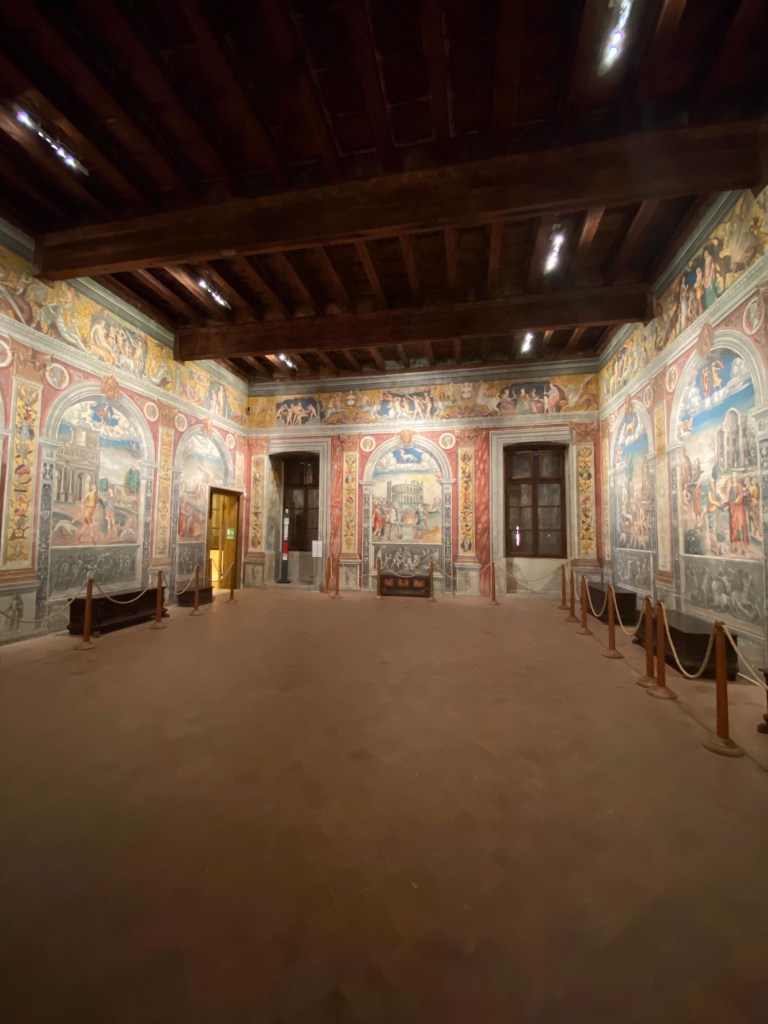
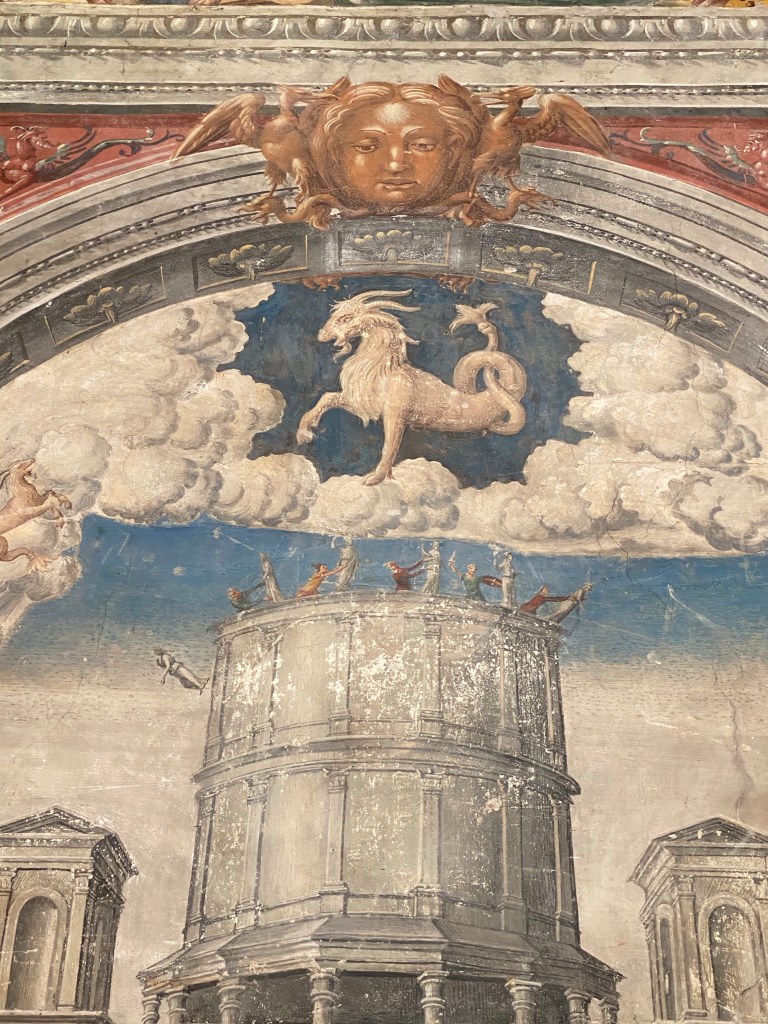
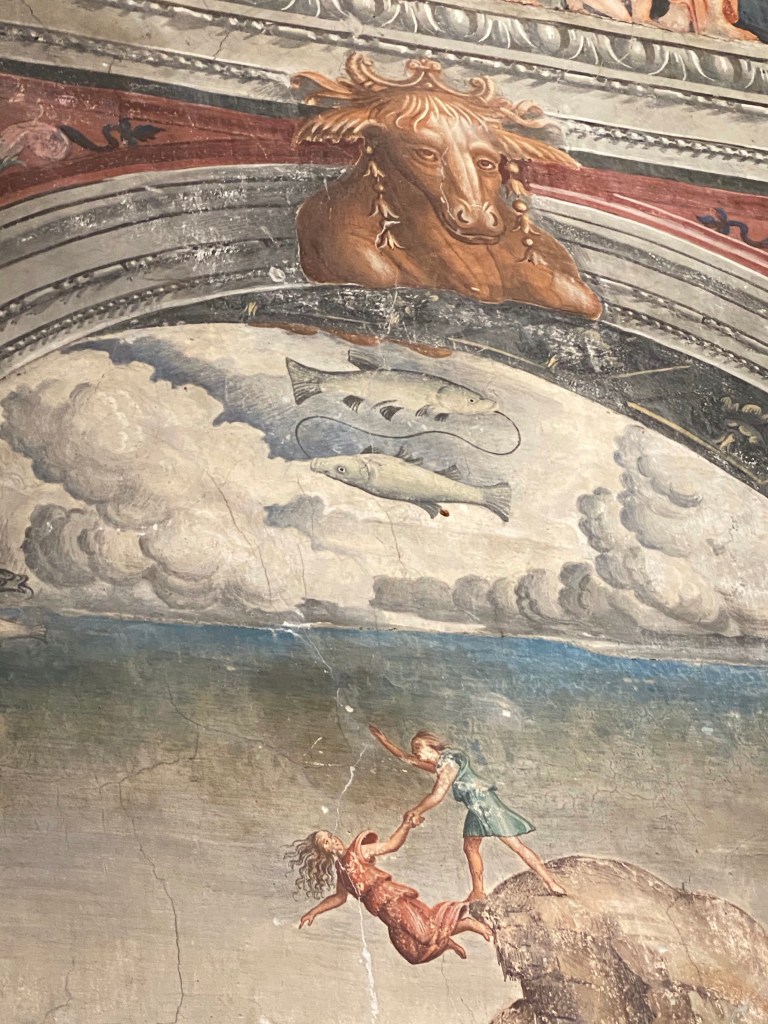
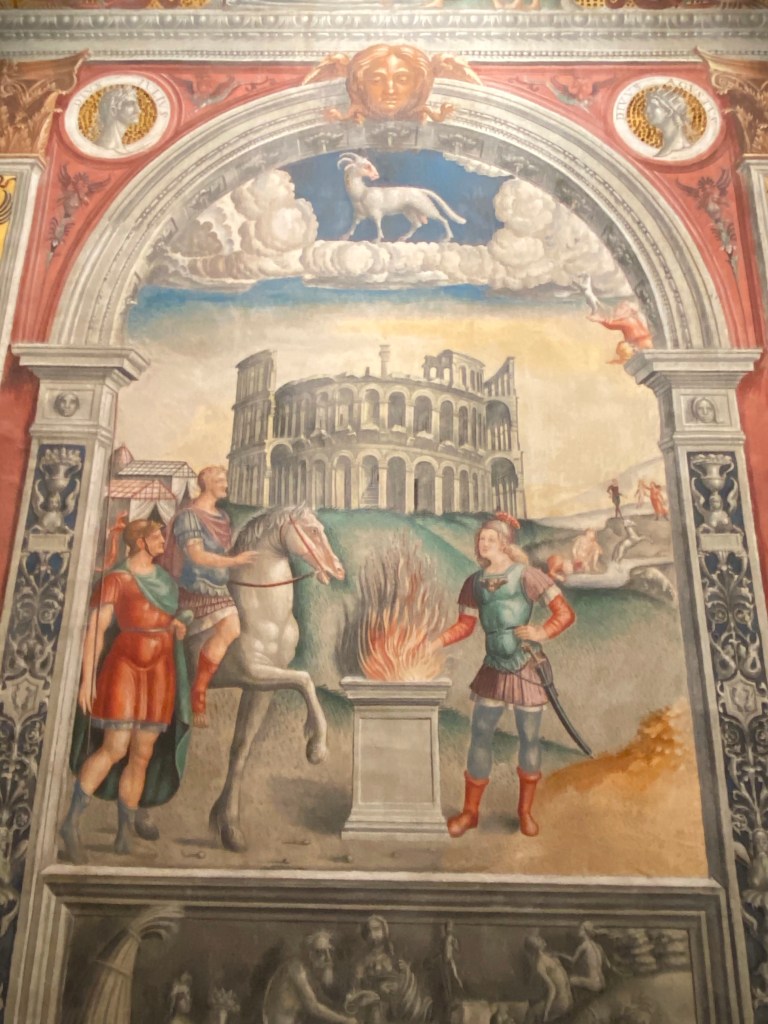
One of the most amazing edifices in Mantova is the Palazzo D’Arco. Here is a video I took while visiting the Sala dello Zodiaco (Zodiac Room) in the palazzo:
The Palazzo D’Arco is a Neoclassical-style palace located on Piazza Carlo D’Arco #4. The palace houses the Museo di Palazzo d’Arco, which displays the furnishings and artwork collected by the Duke D’Arco.

The site had once likely housed a royal palace in the 12th-century. The palace we see today is a reconstruction around a series of earlier buildings, with a long and complex history.
The facade has elements that include the coat of arm of the D’Arco and Chieppio families, and also displays in the tympanum the Habsburg double-headed eagle of the then Austrian rulers of Lombardy.
In 1872 the building was enlarged further by Francesco Antonio d’Arco, buying by the neighboring Marquis Dalla Valle’s palace.
The palace was bombed during World War Two. Finally by the 1978, the will of the last member of the family, Signora Giovanna dei conti d’Arco Chieppio Ardizzoni, marchesa Guidi di Bagno endowed it to foundation to create a museum and retain the interior decor. The museum collections include furniture, ceramics, paintings, musical instruments, and a grand library.

My favorite part of the whole complex is the period kitchen. I’ll post about it separately.
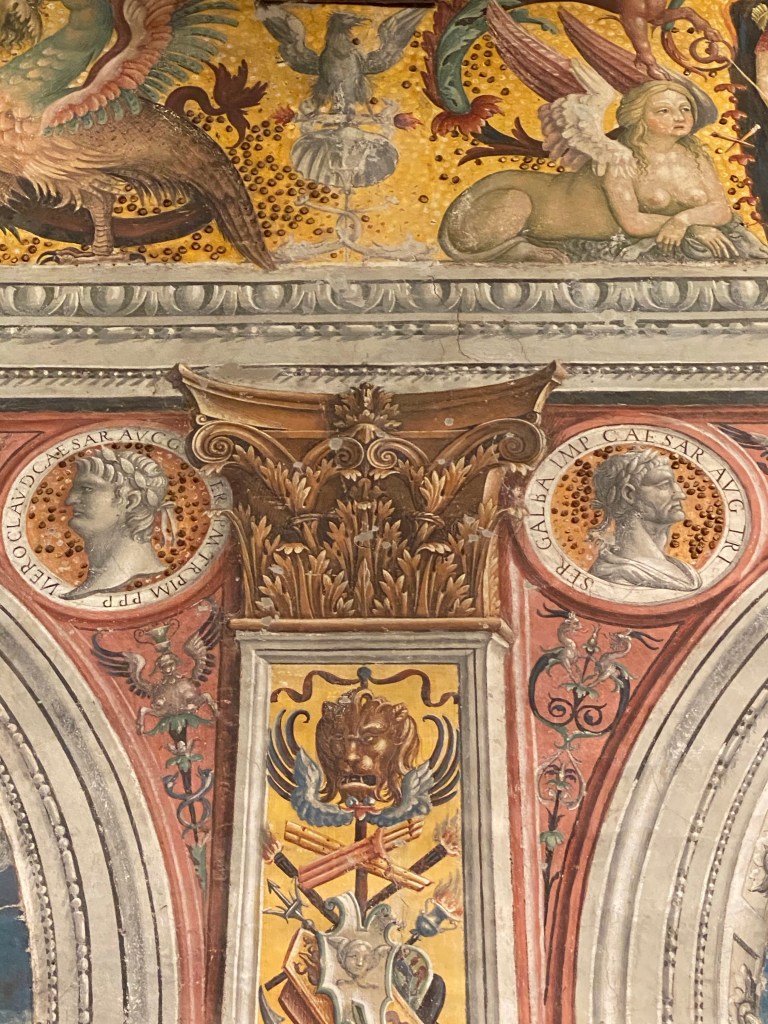
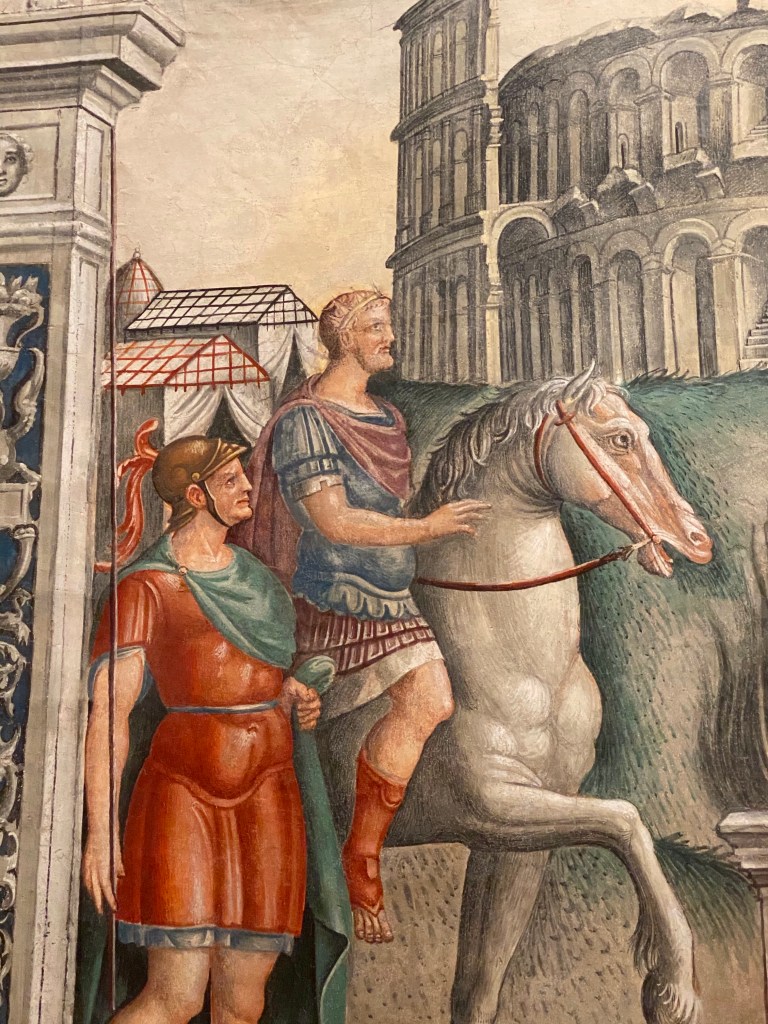
One of the masterpieces in the house is the large frescoed room of Sala dello Zodiaco, painted by Renaissance painter Giovanni Maria Falconetto, circa 1520.




Nn







For more information, see:
 get back, lauretta!
You must be logged in to post a comment.