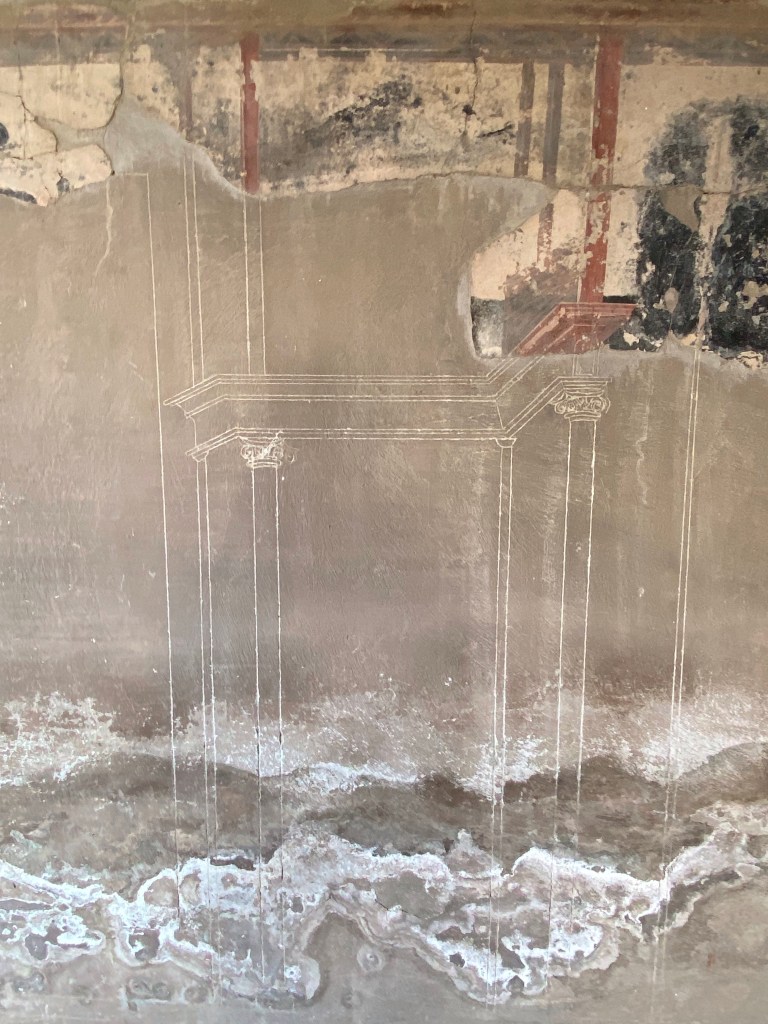
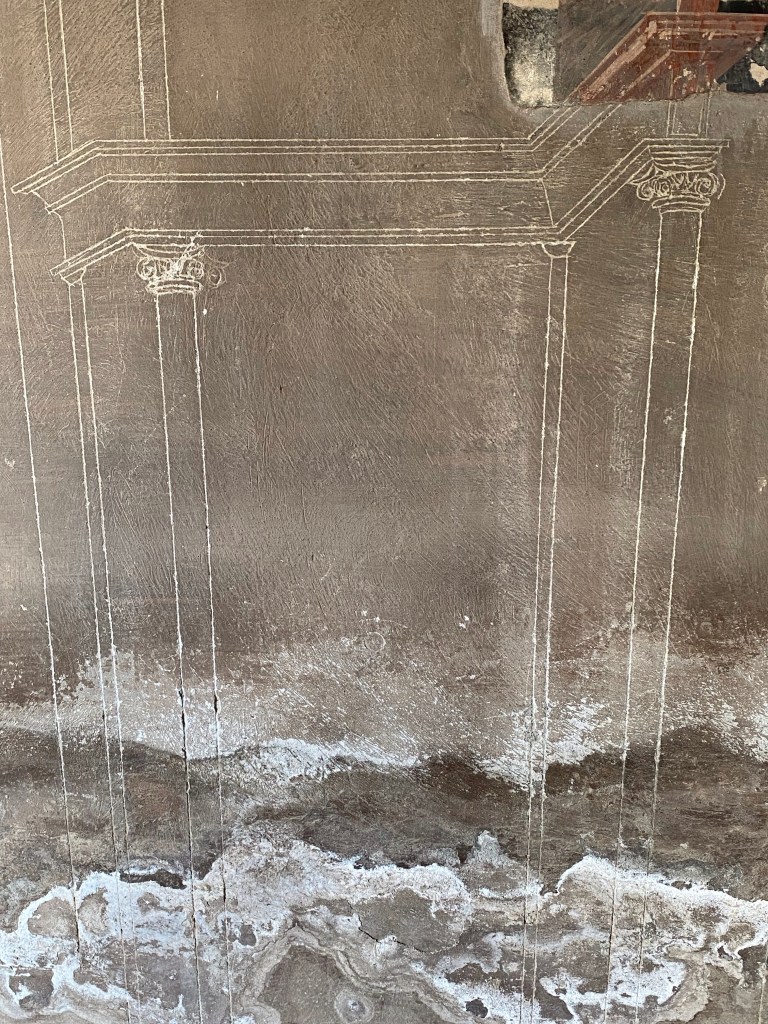
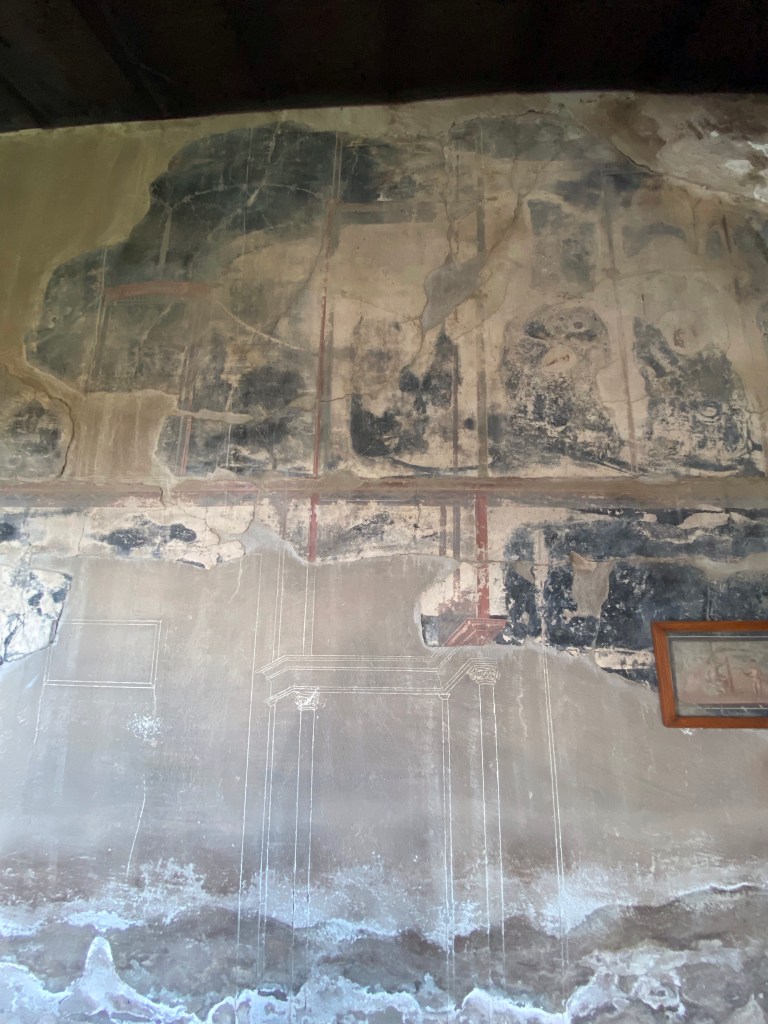
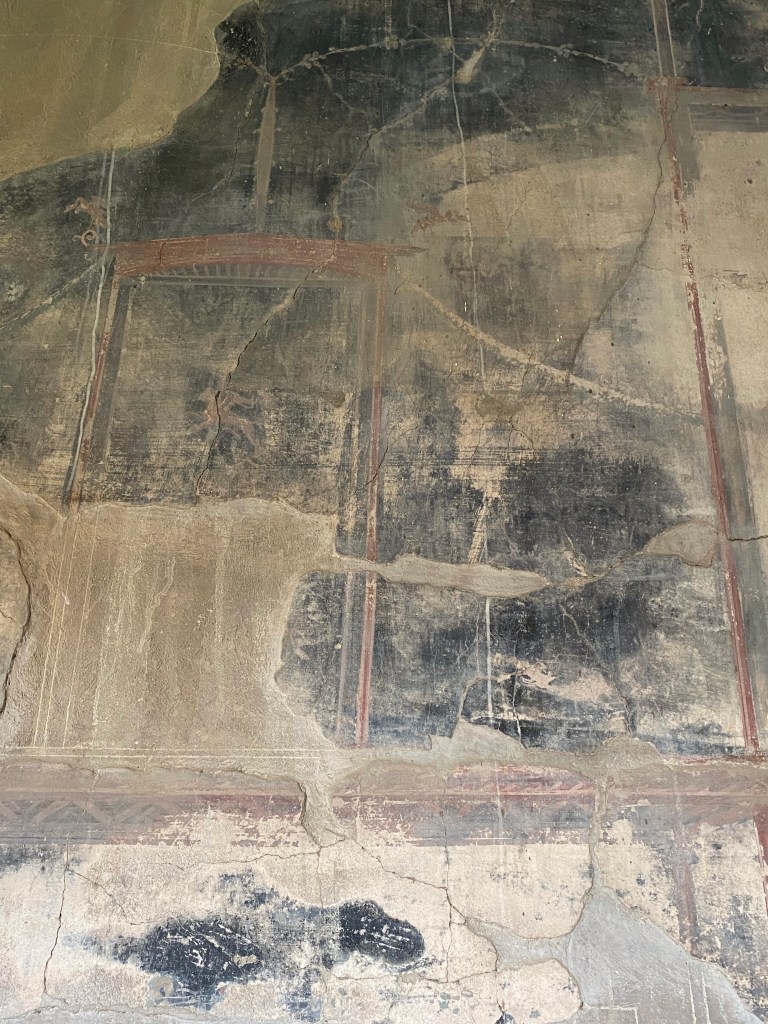
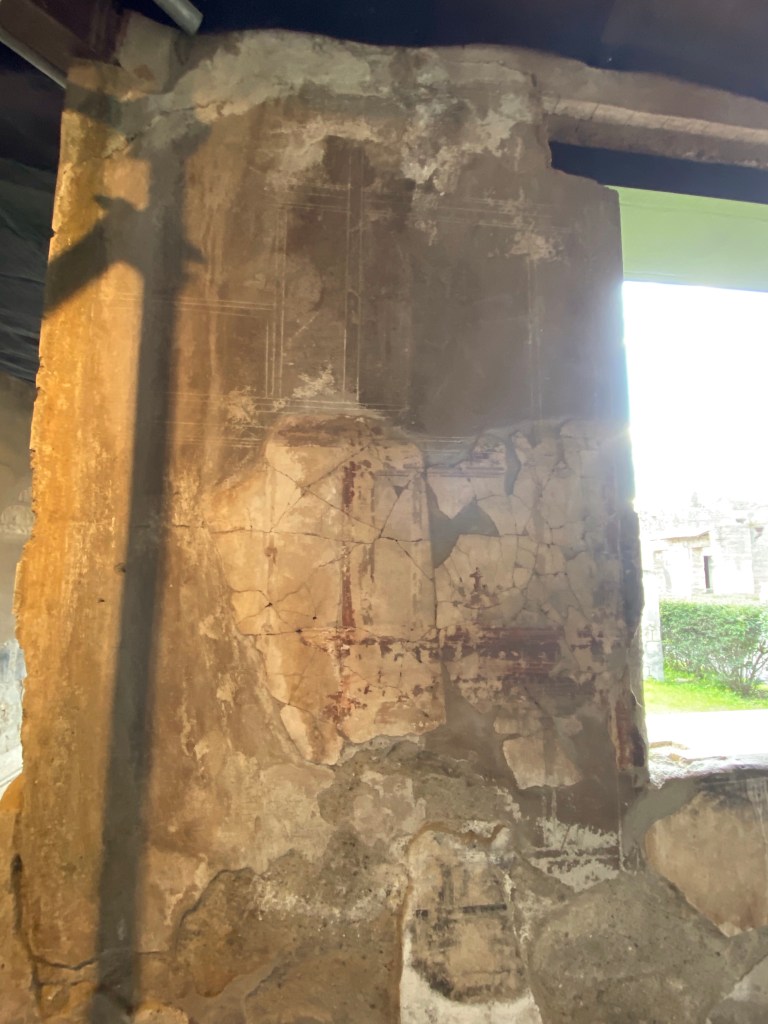
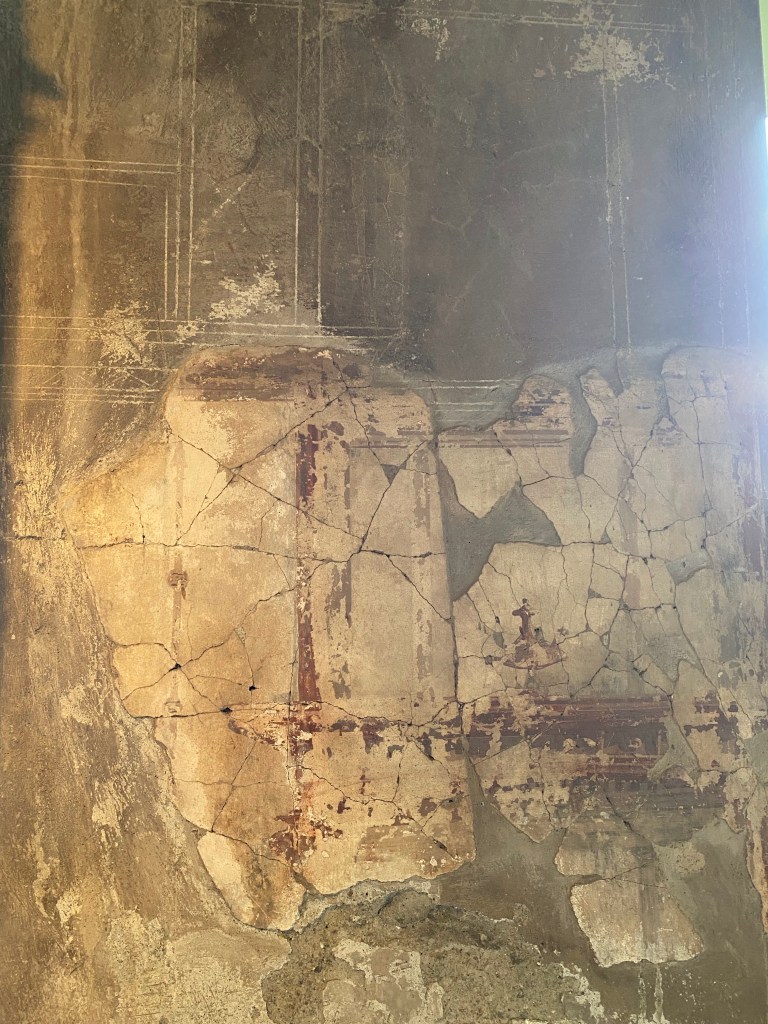
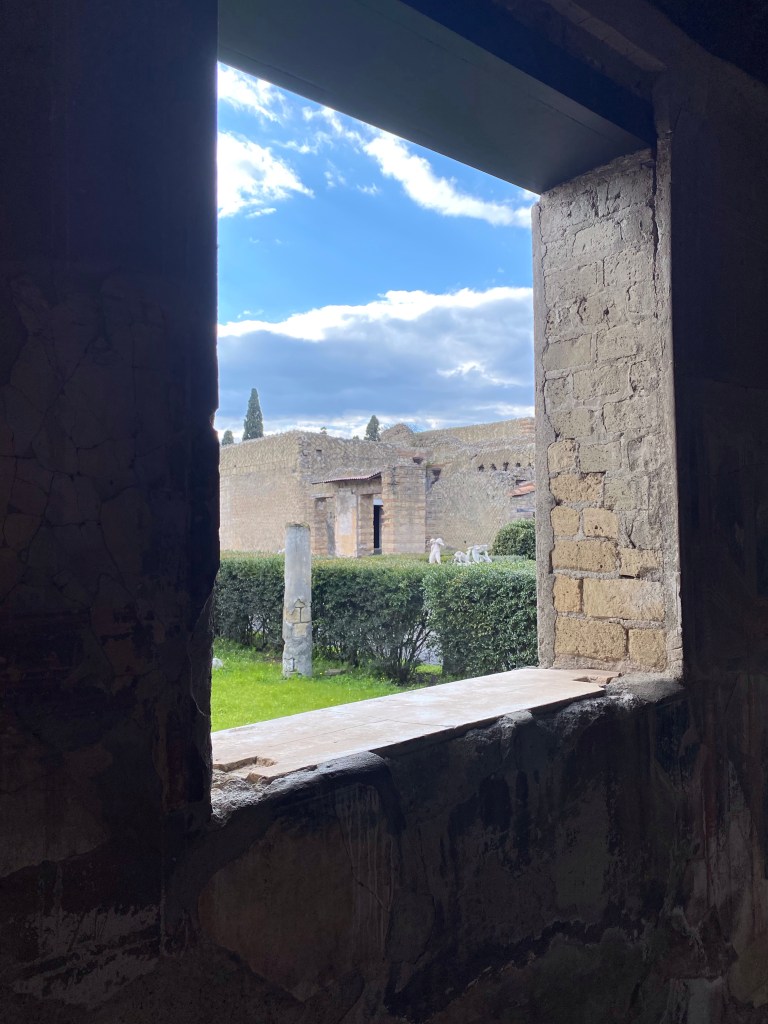
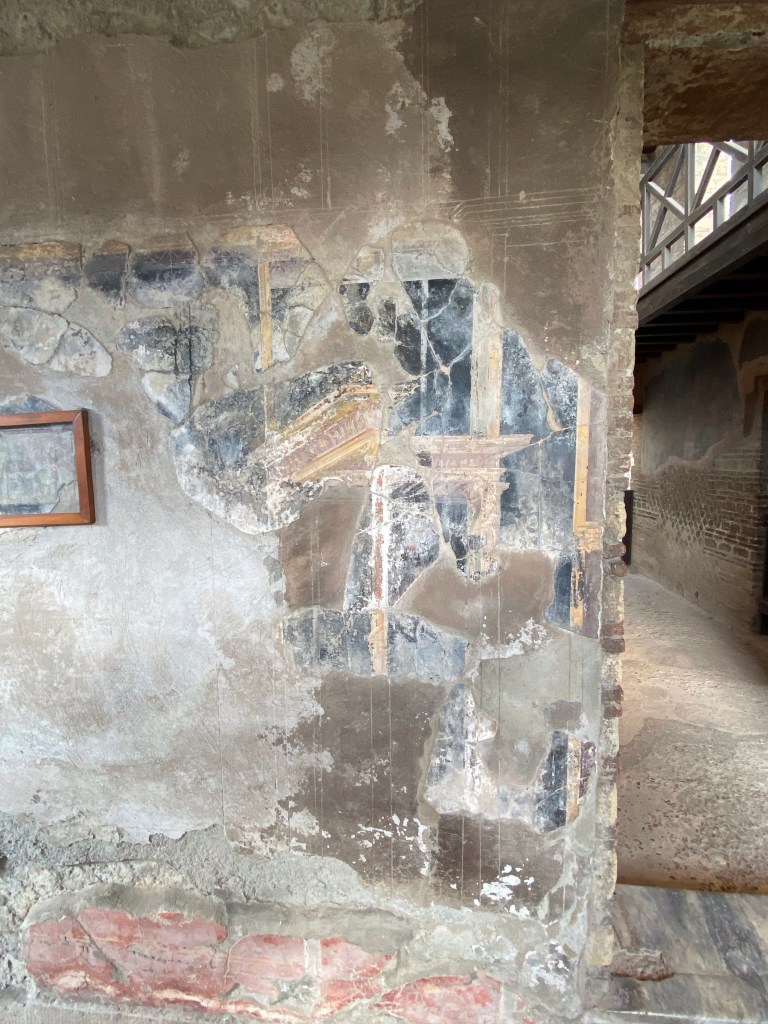
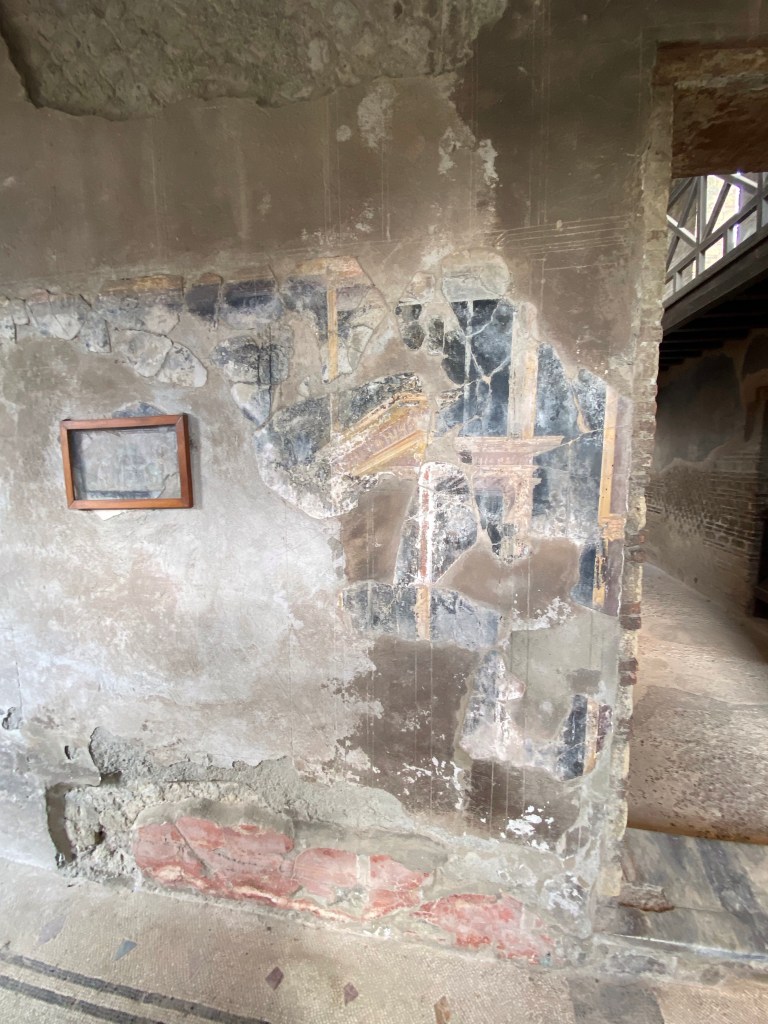
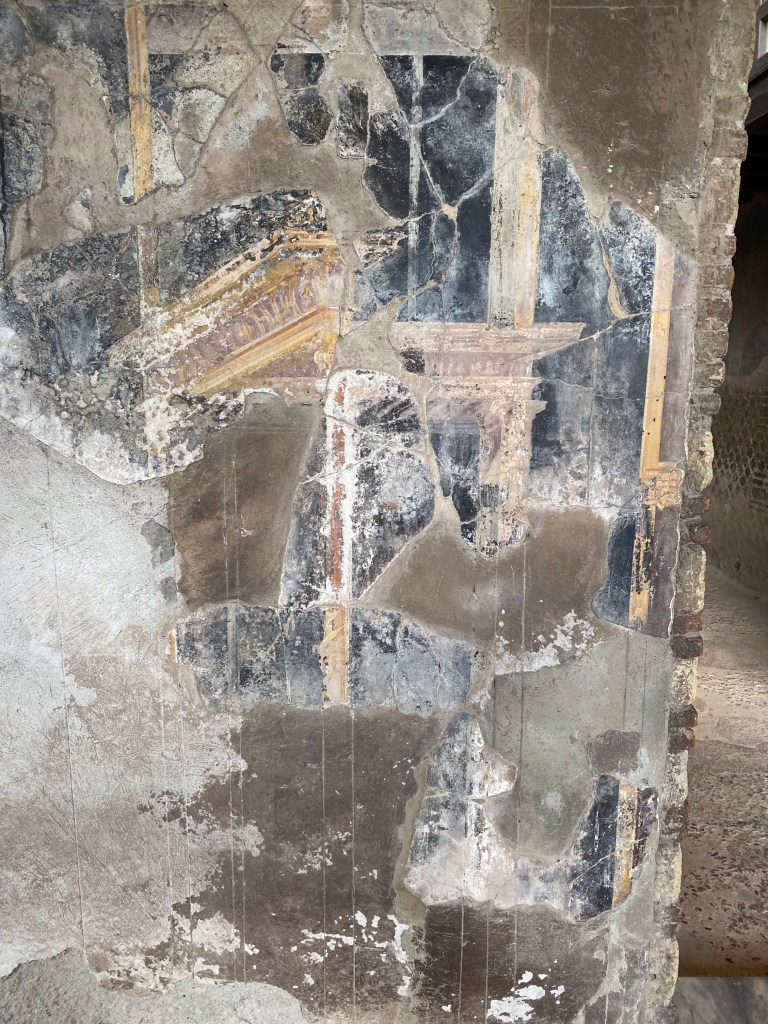
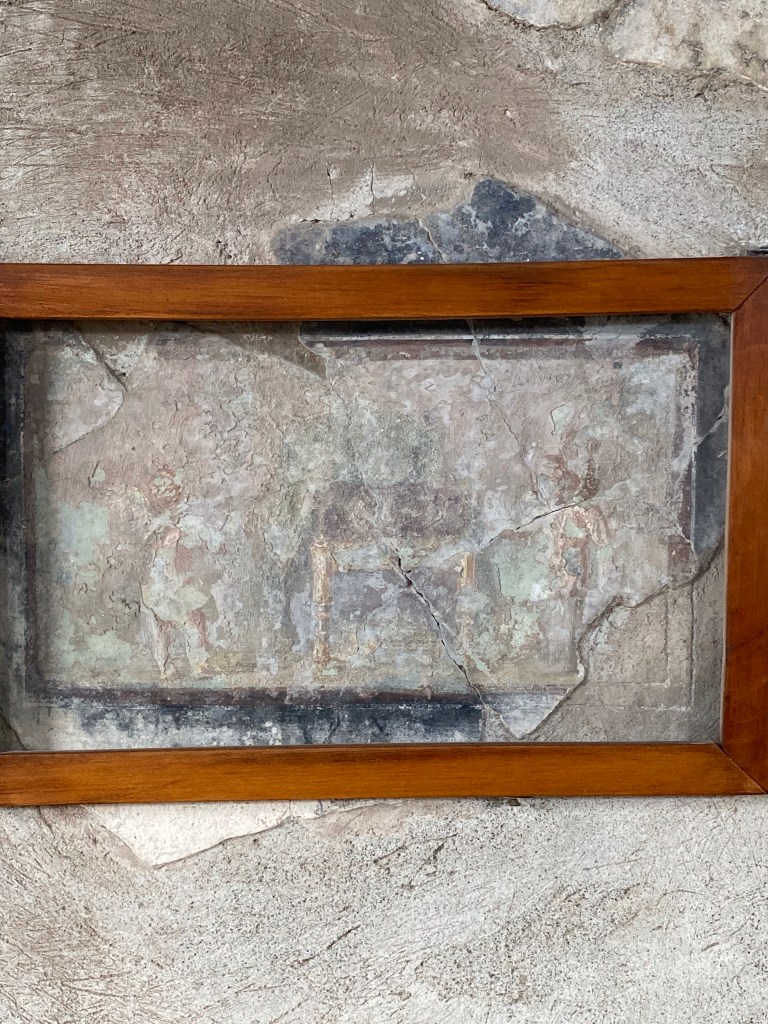
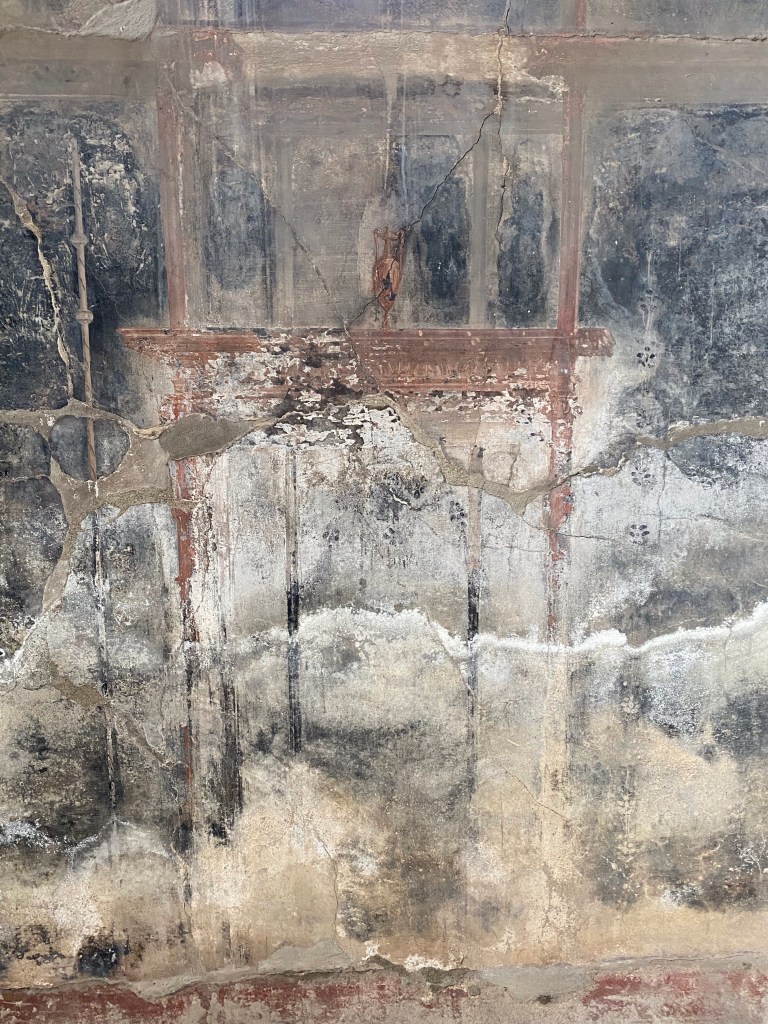
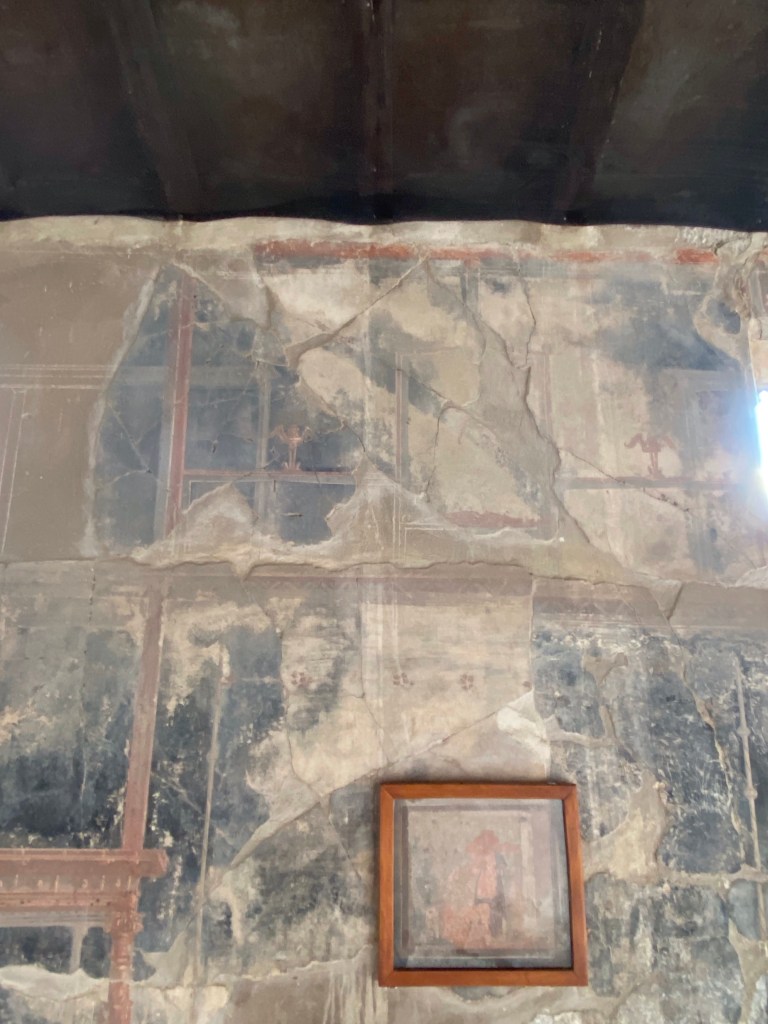
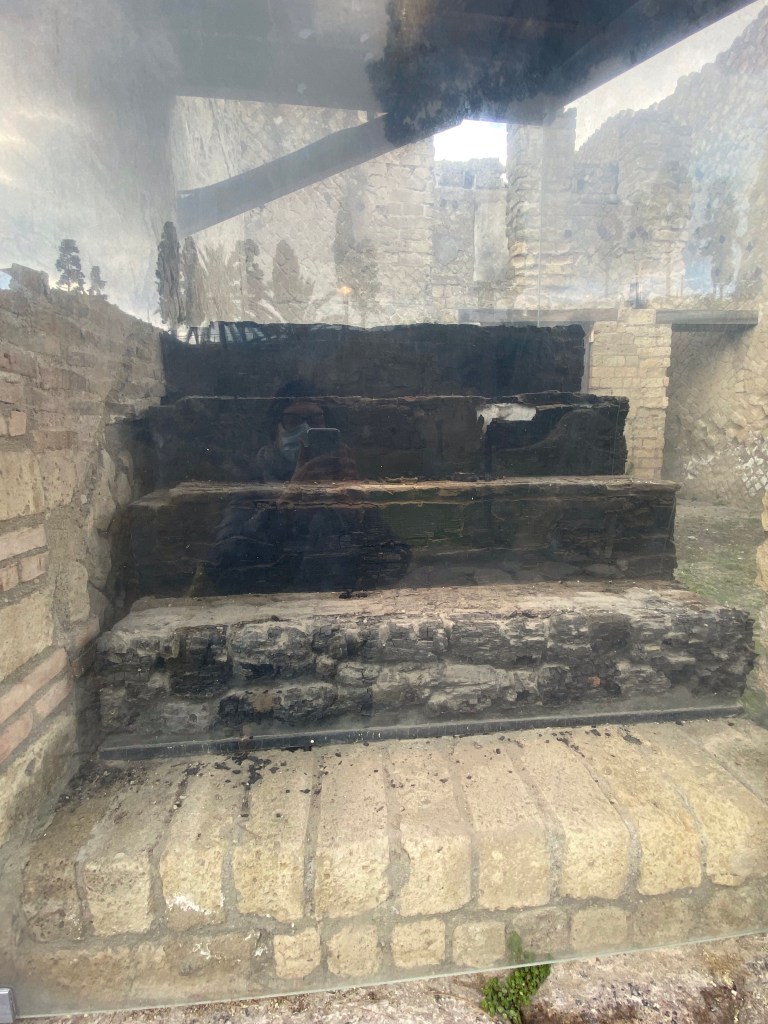
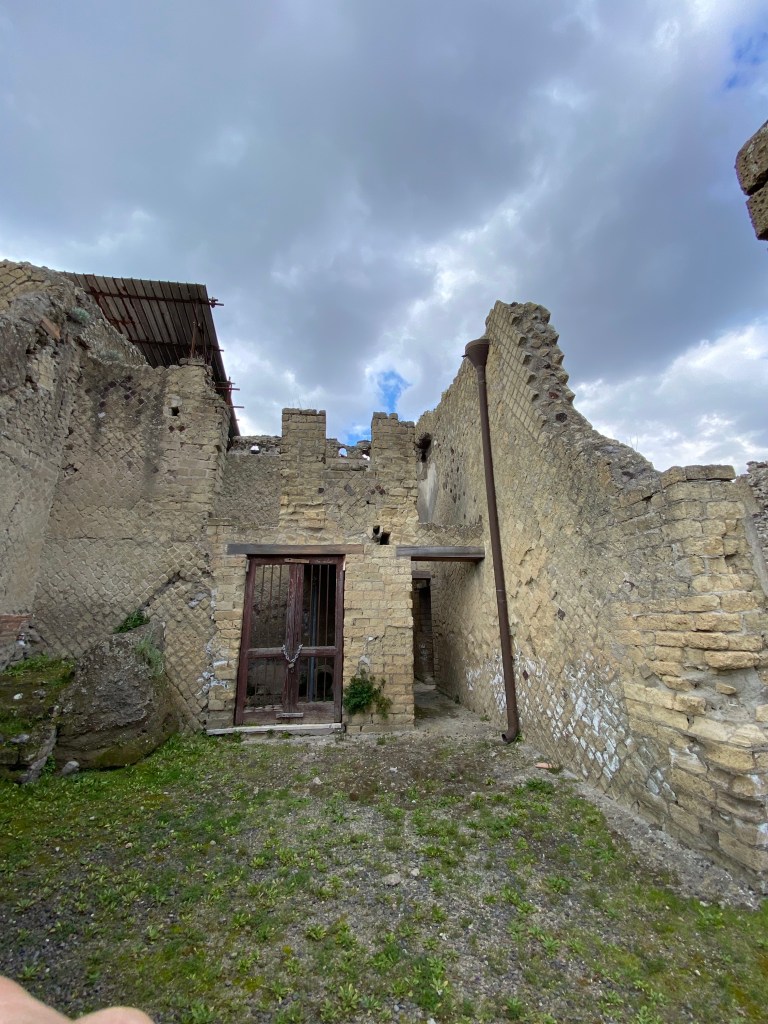
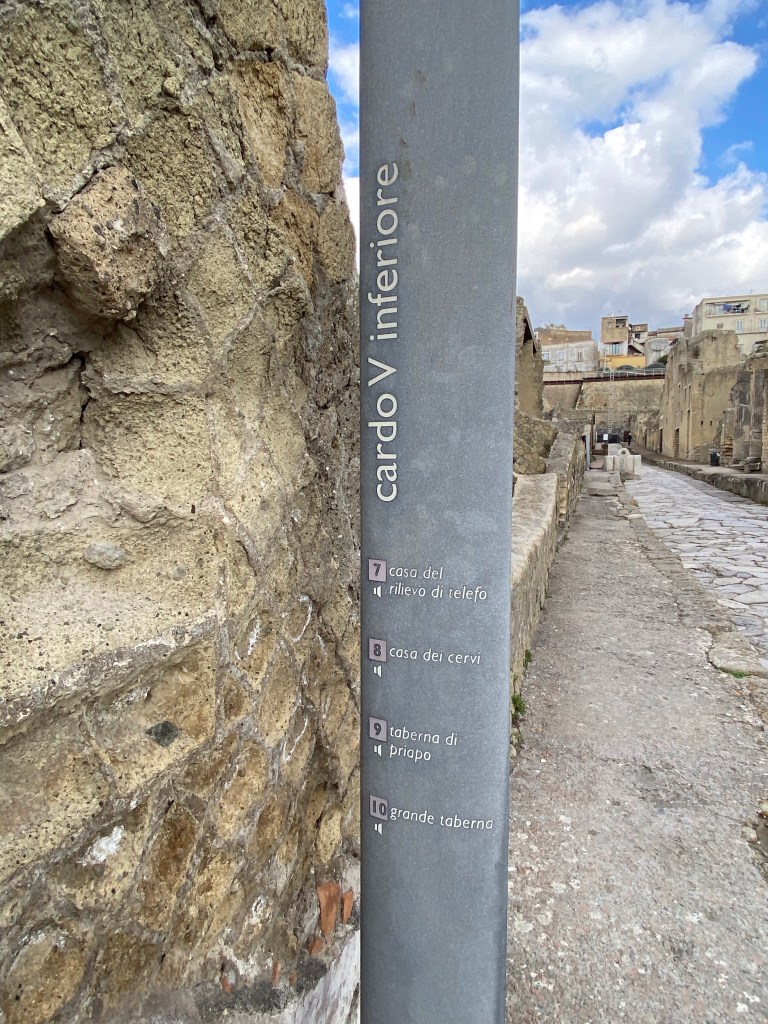
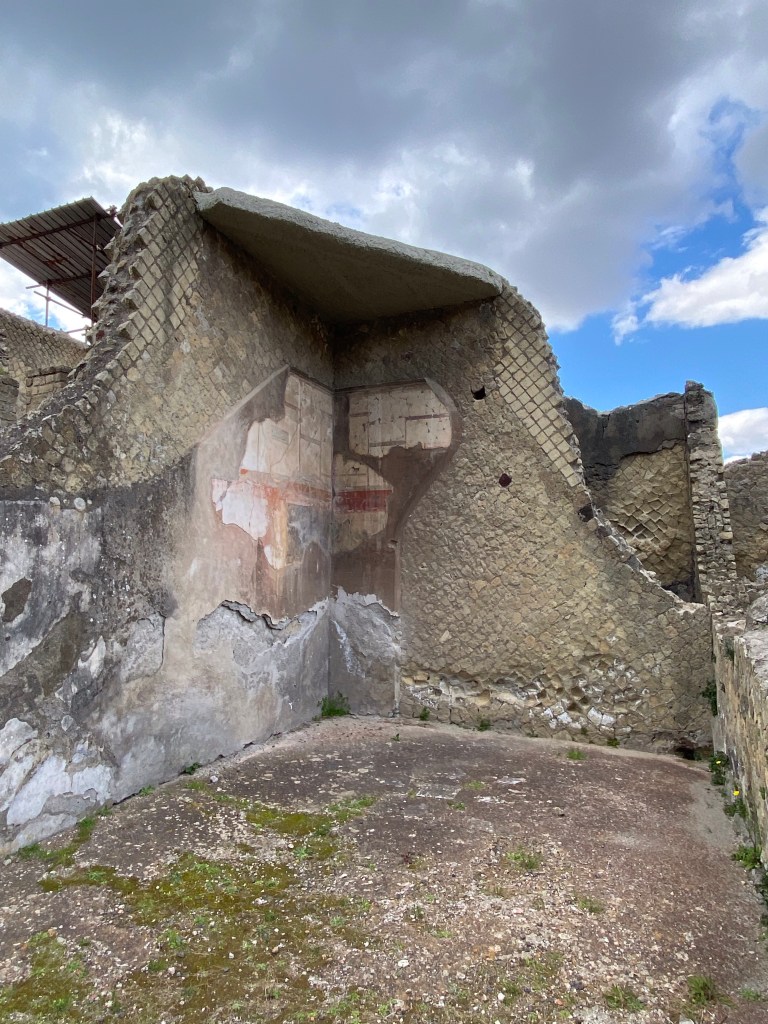
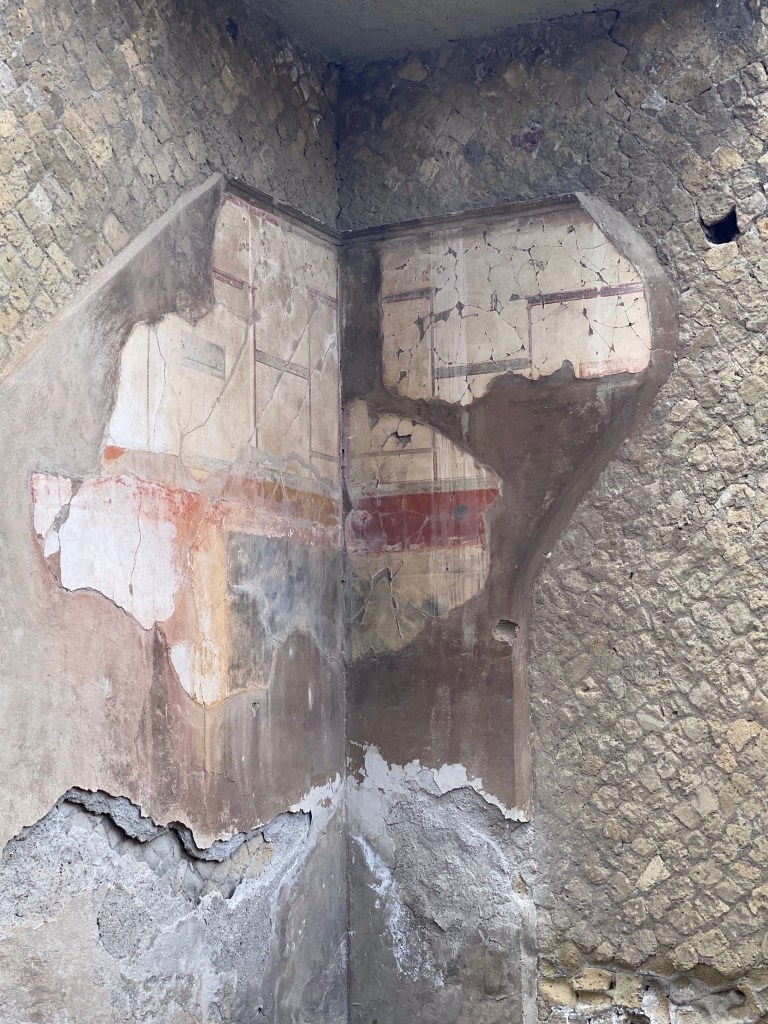
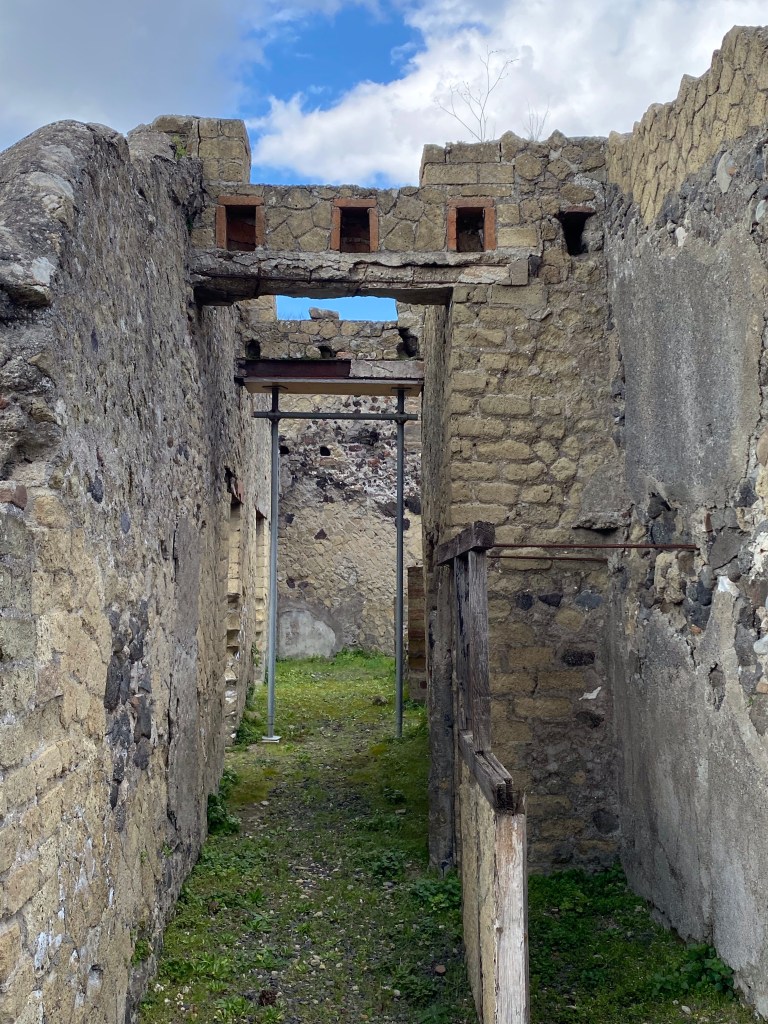
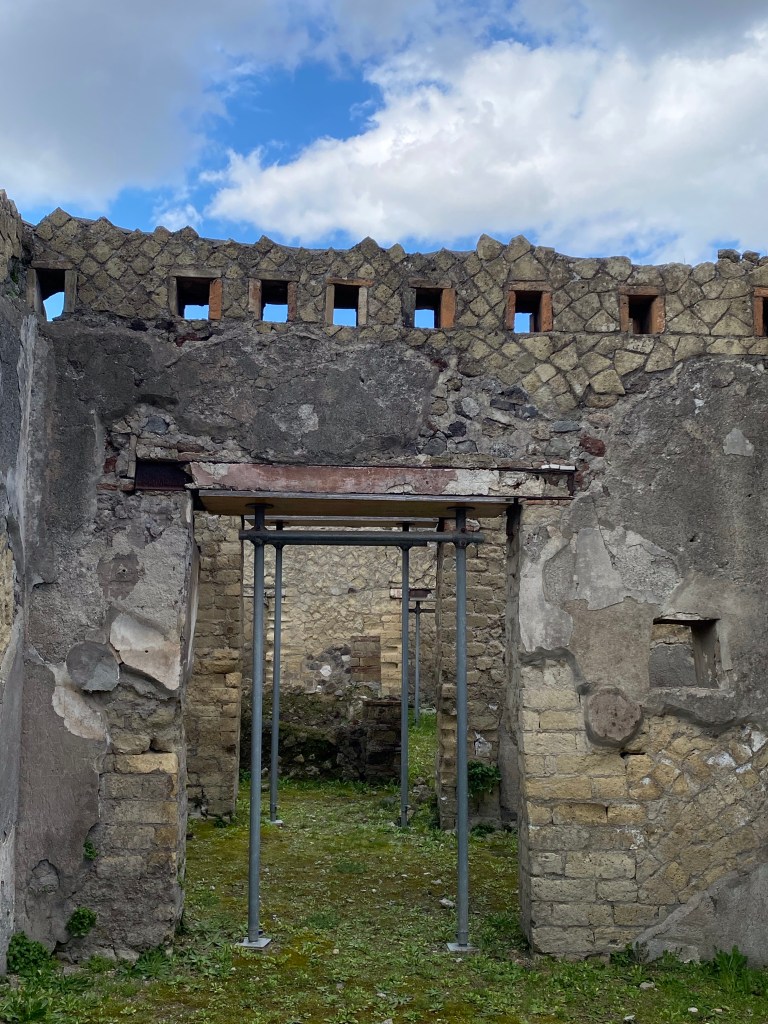
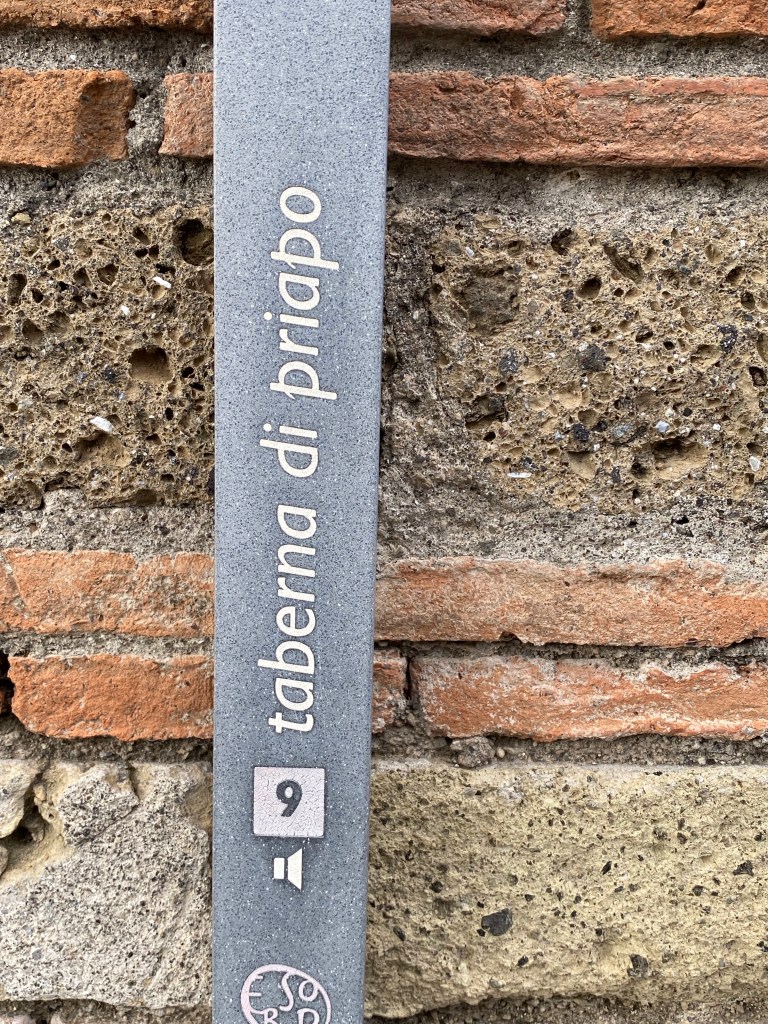
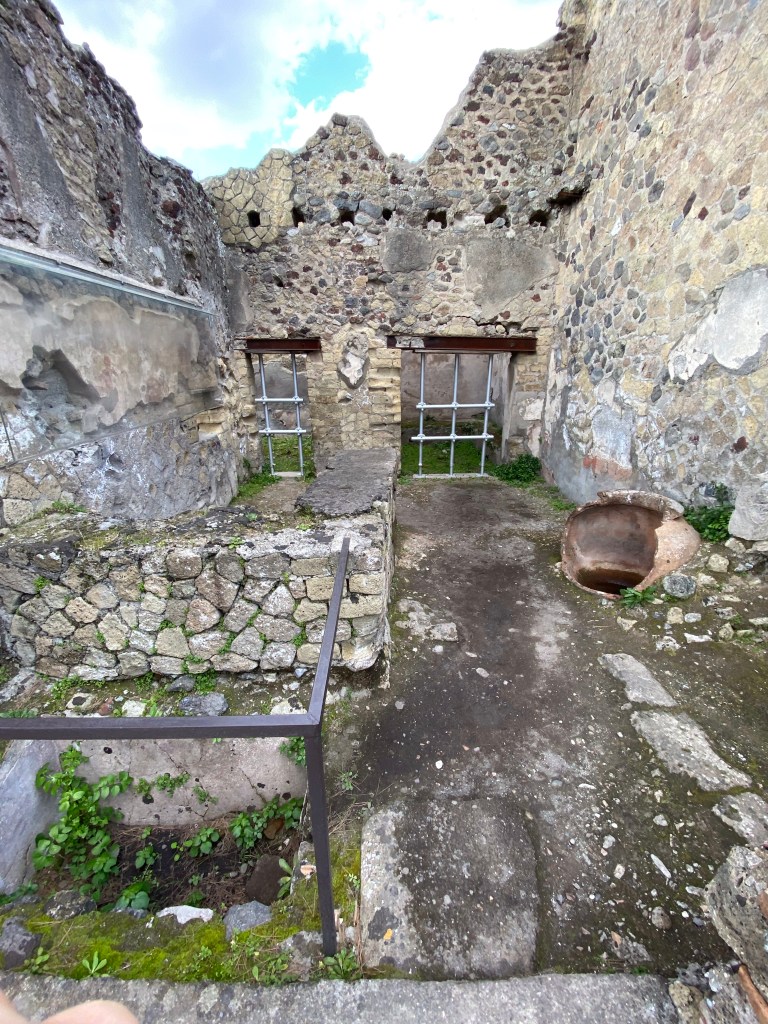
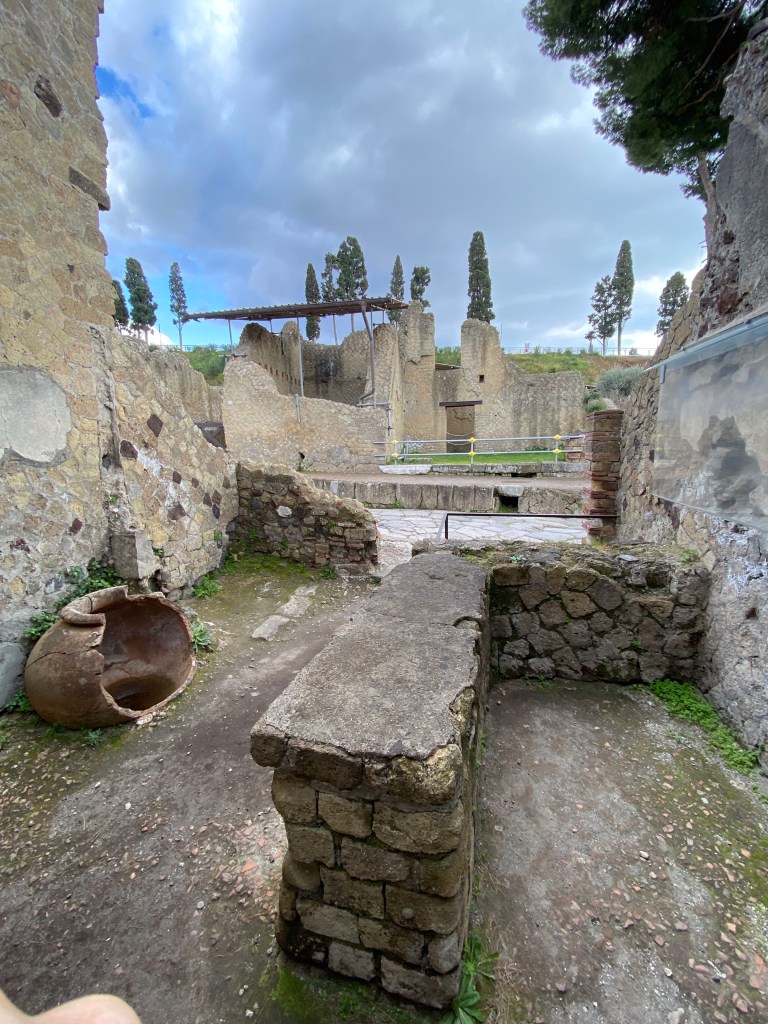
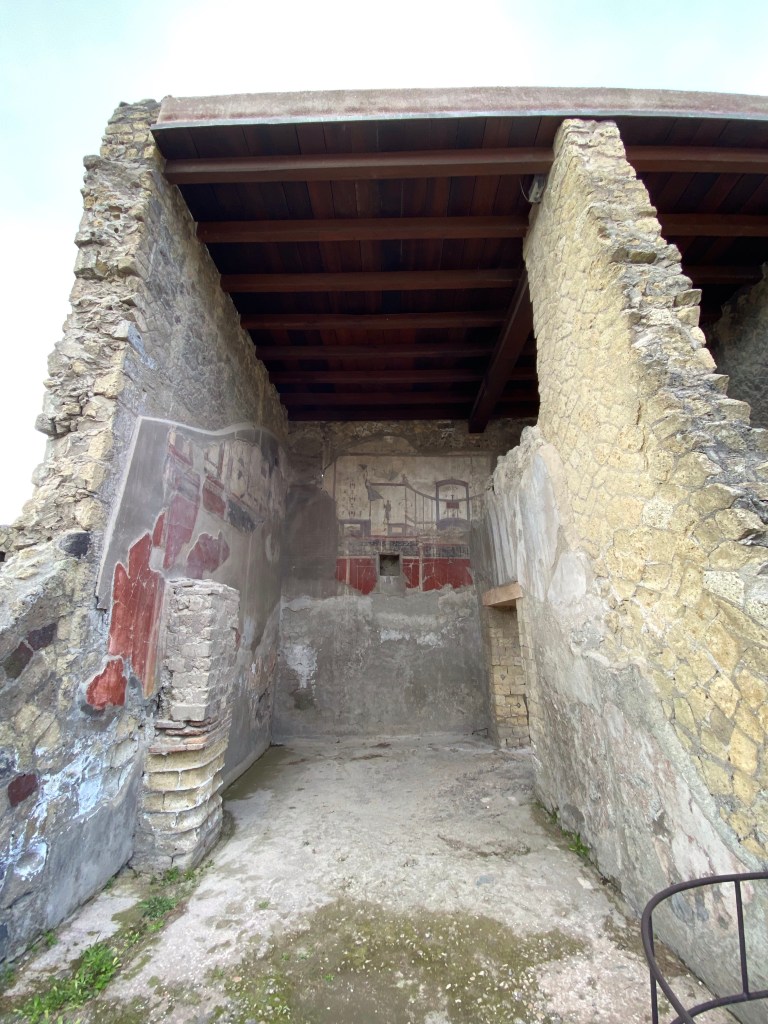
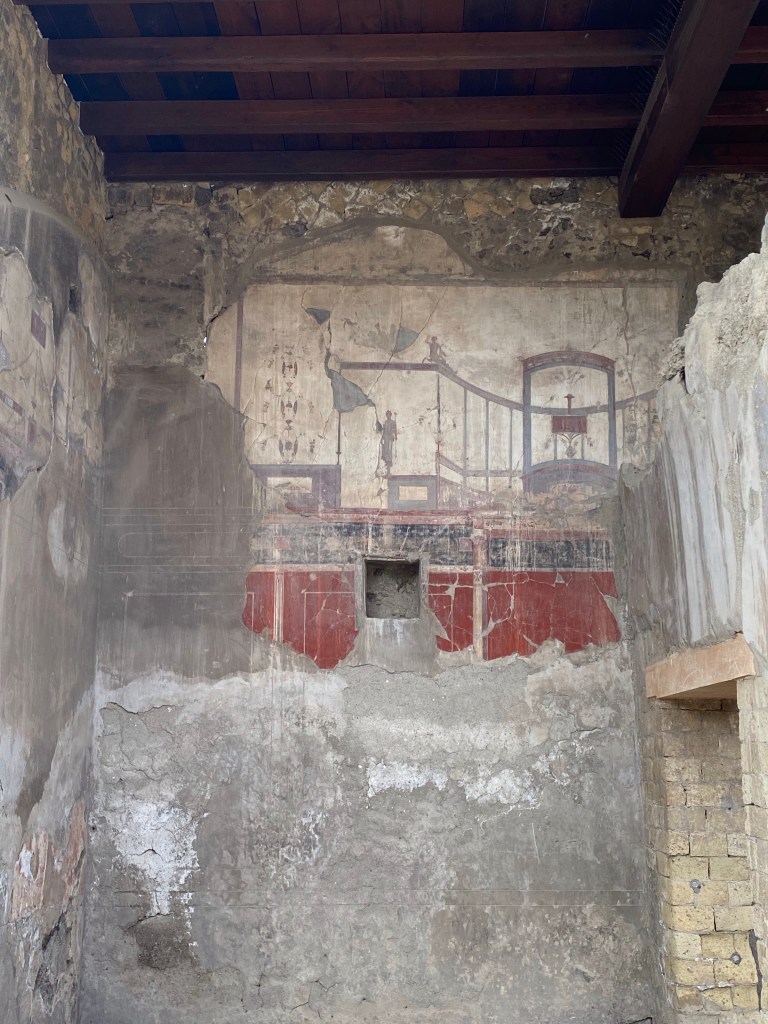
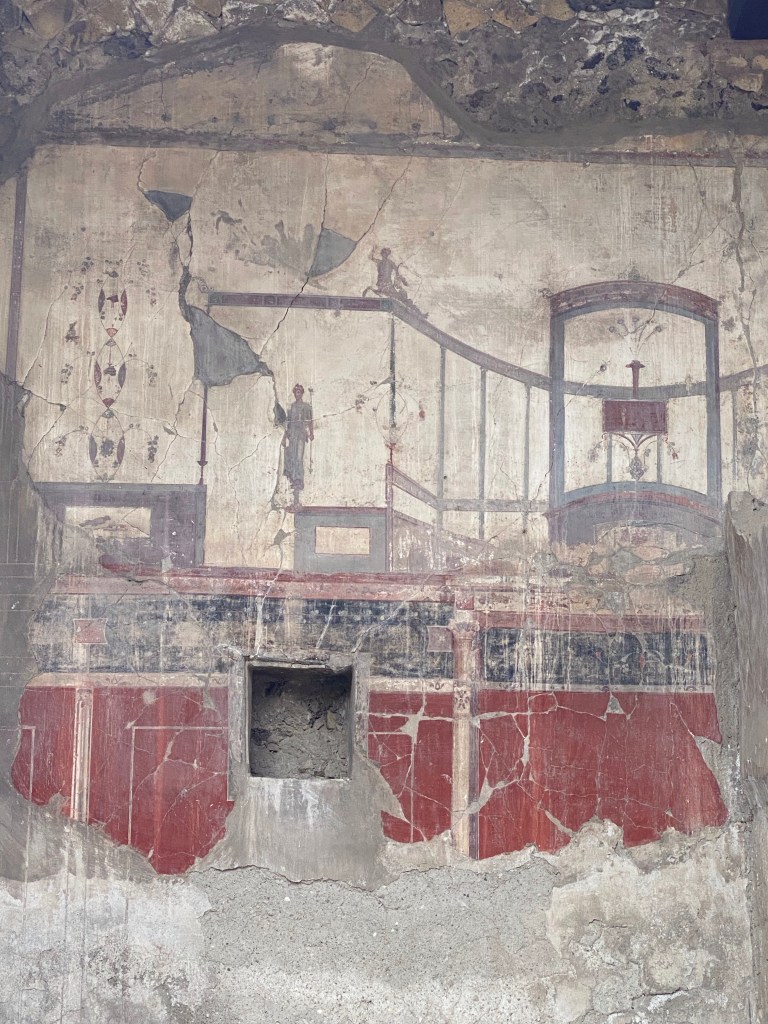
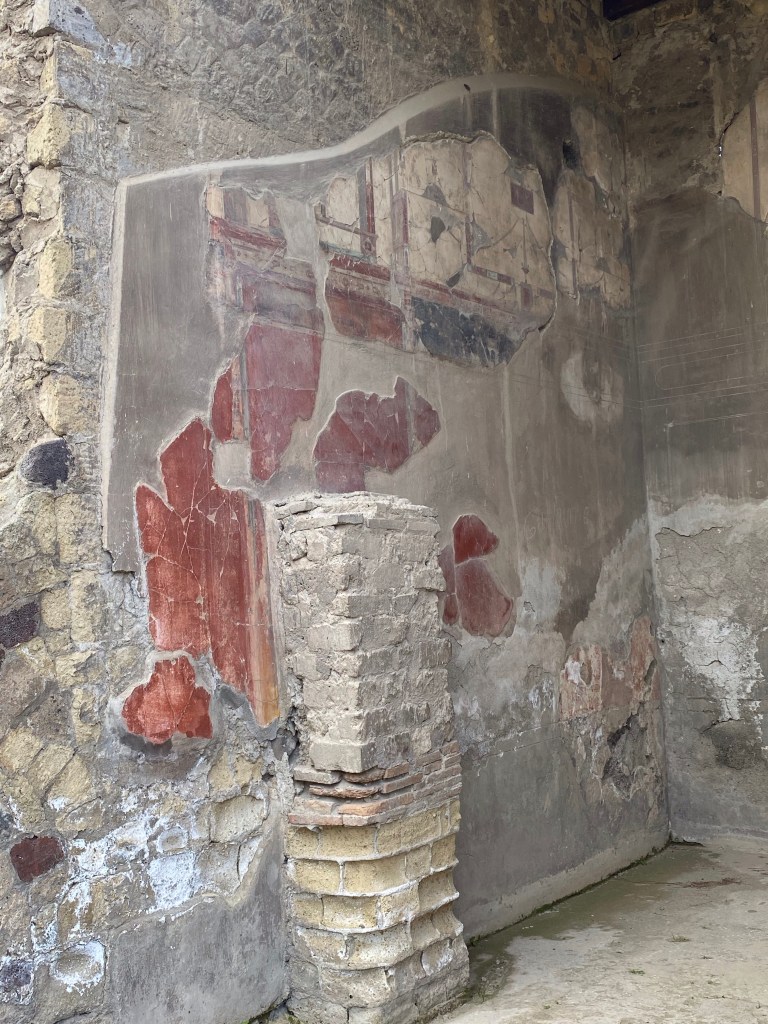
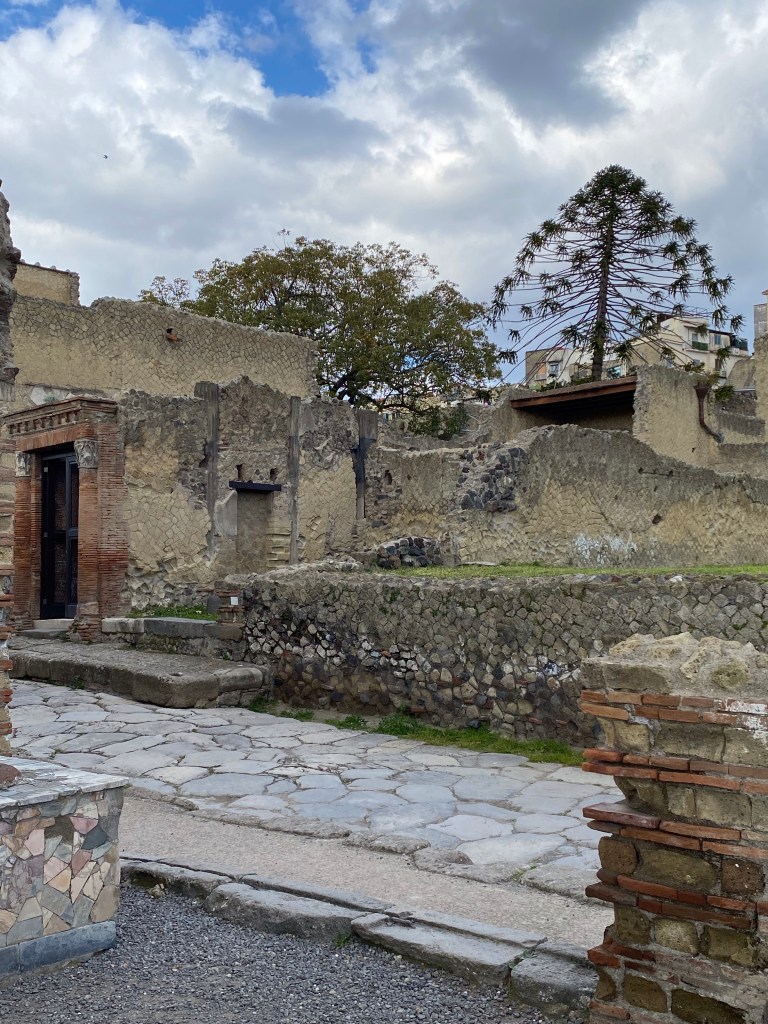
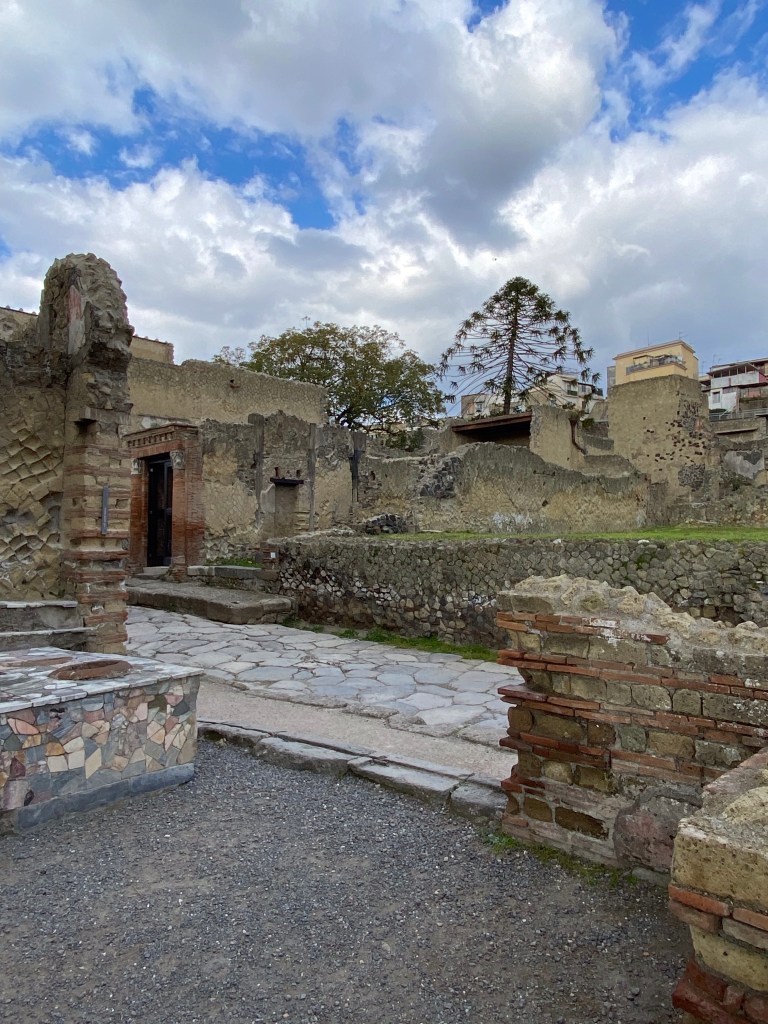
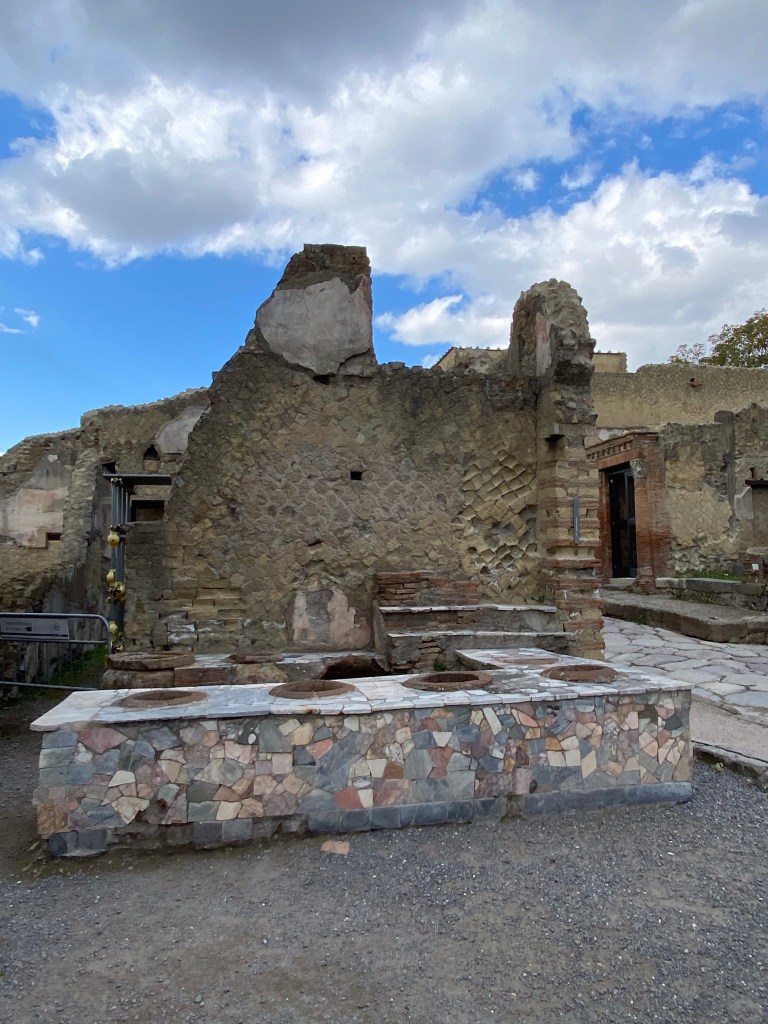
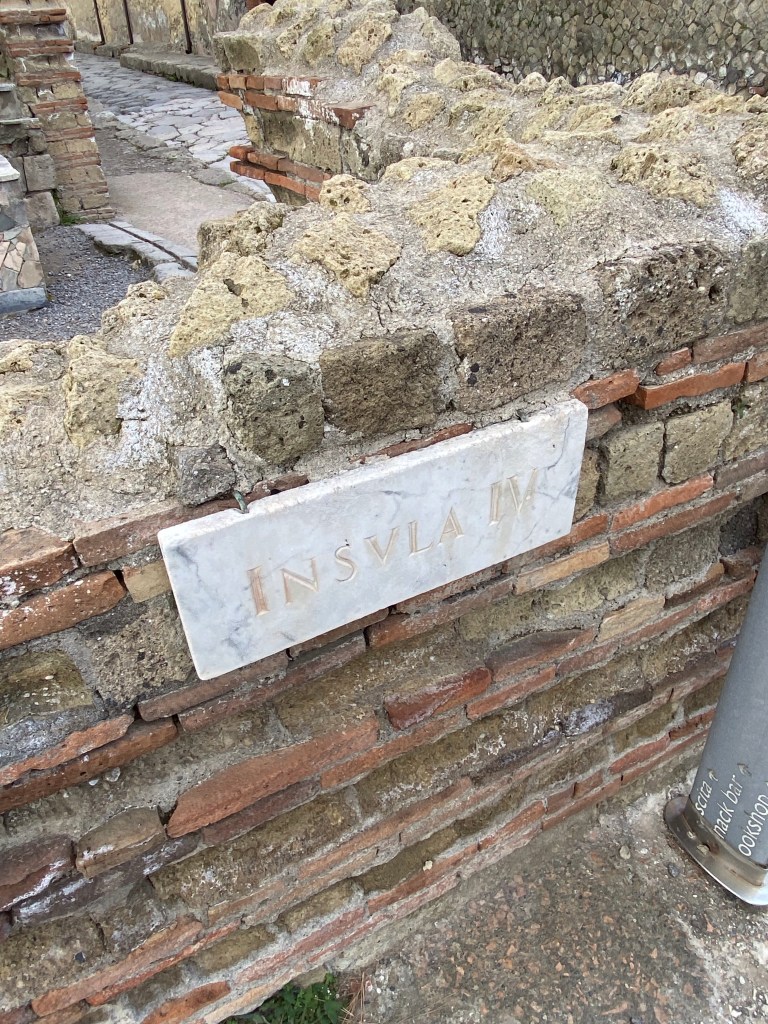
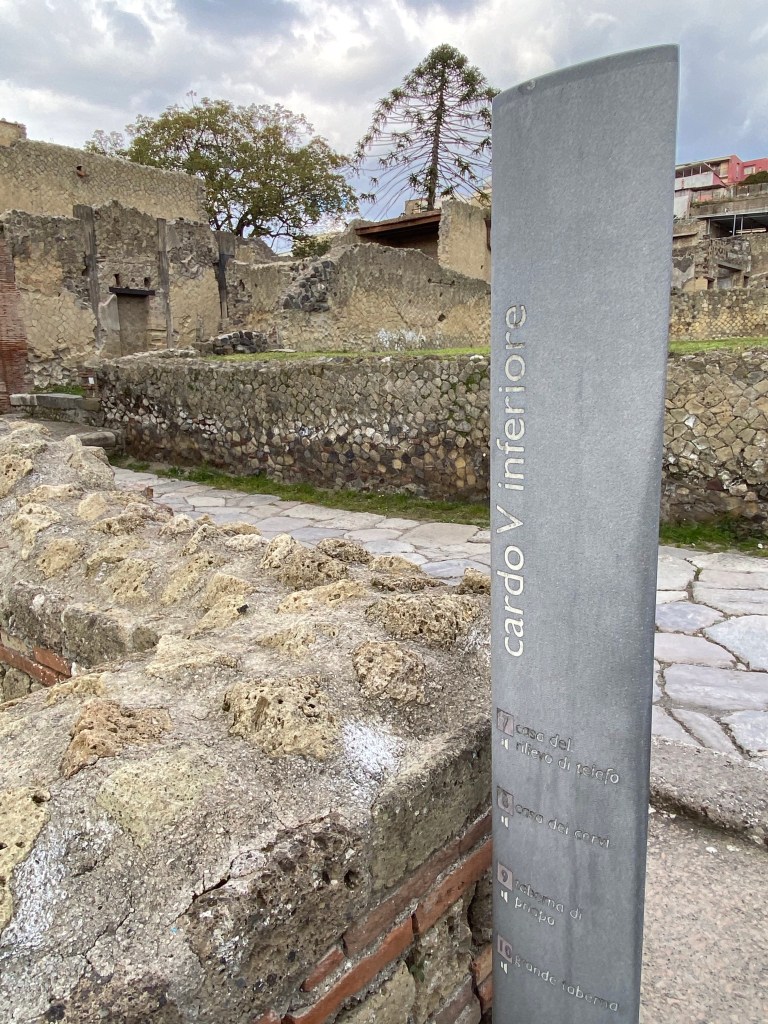
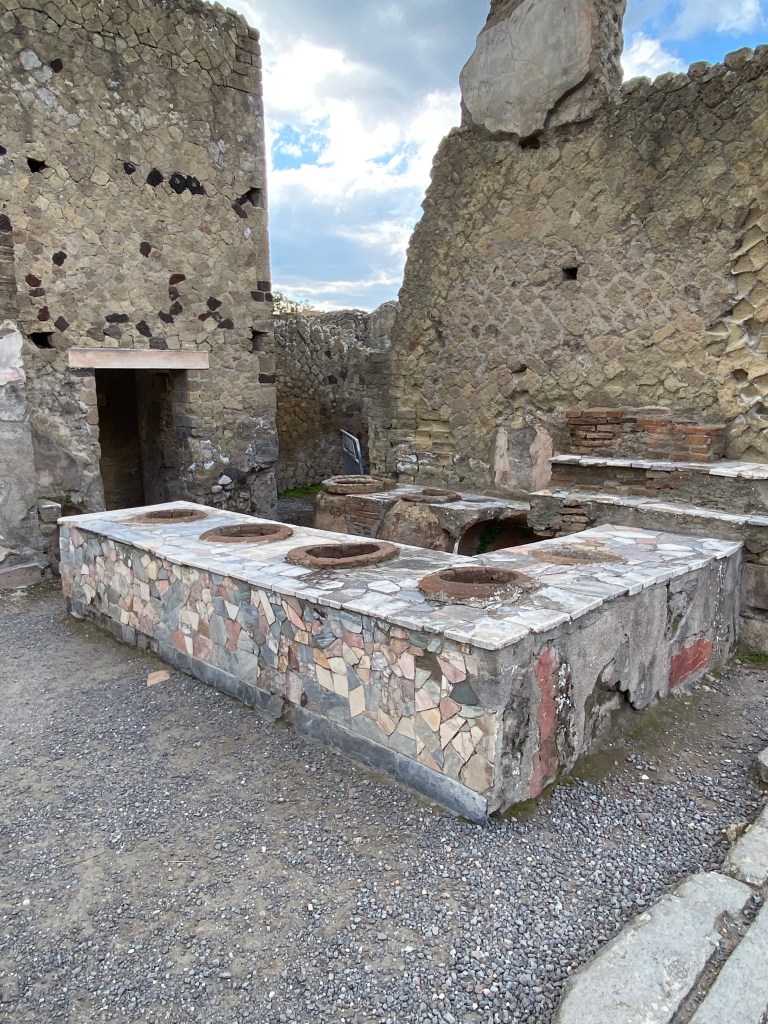
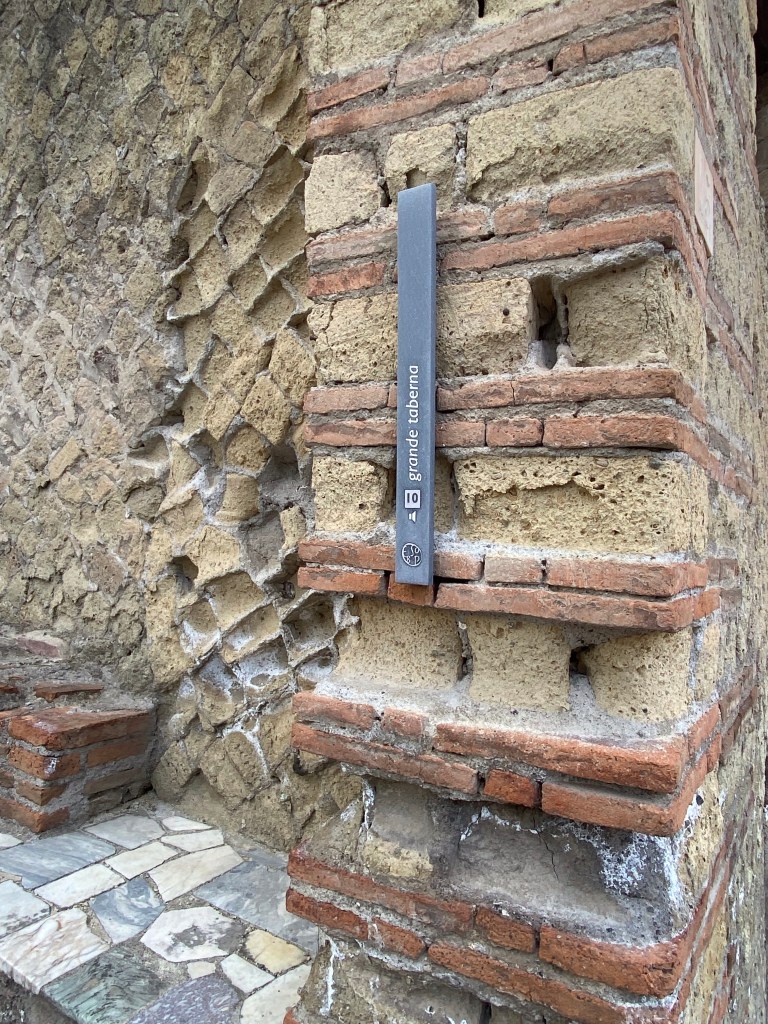
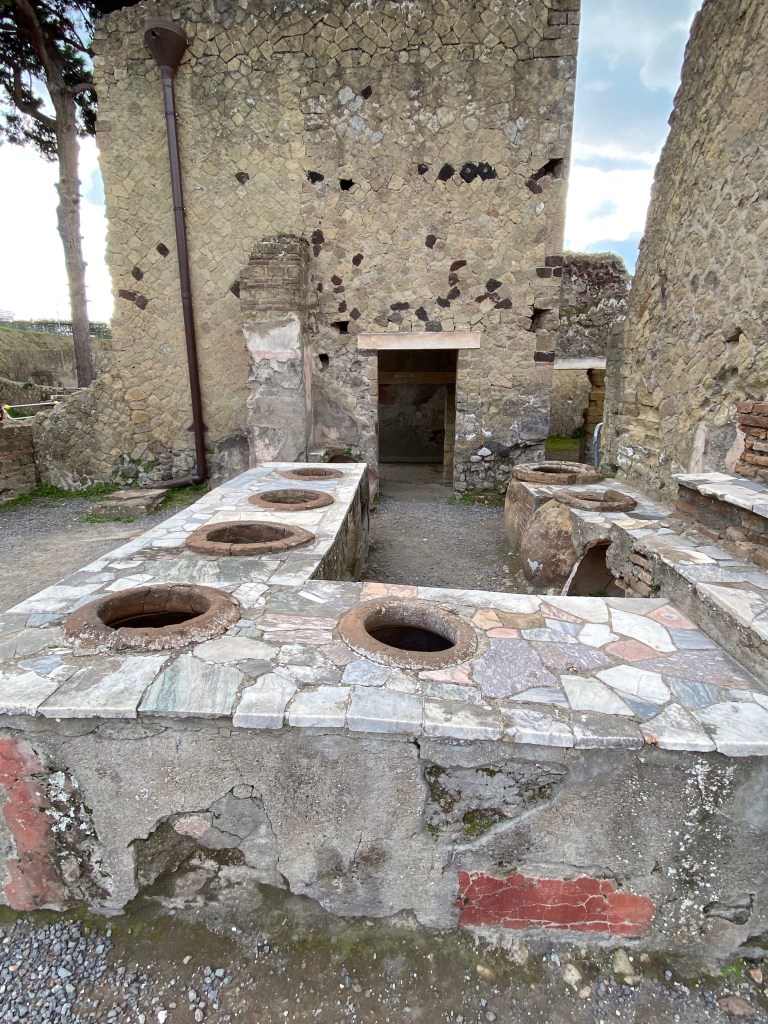
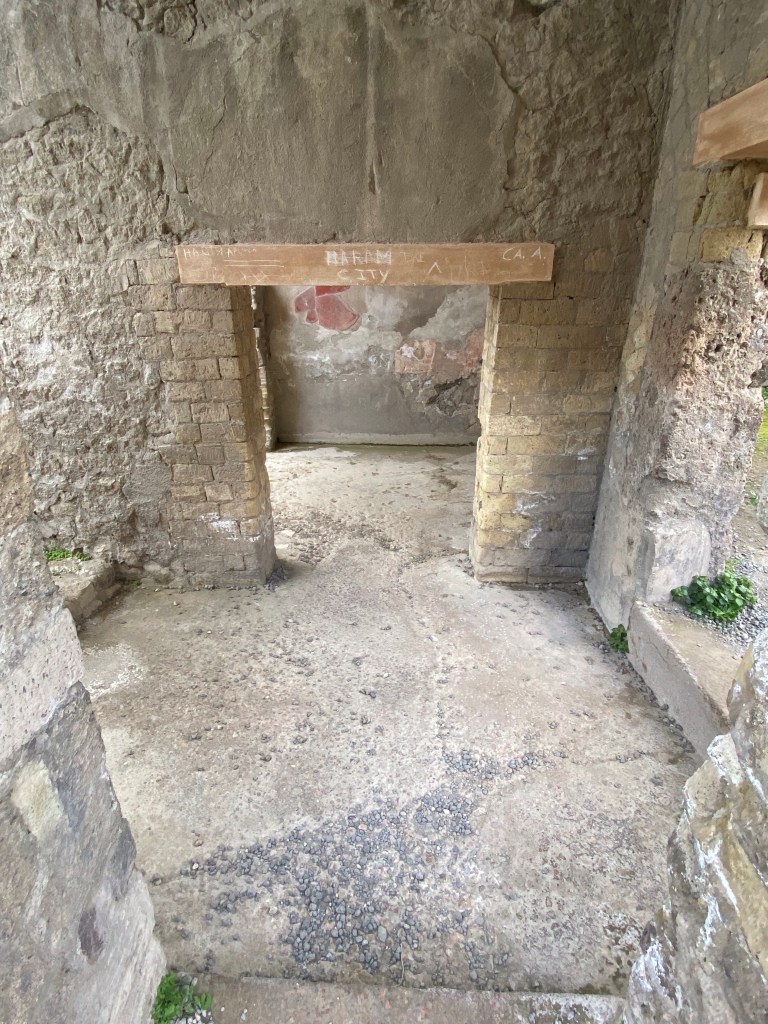
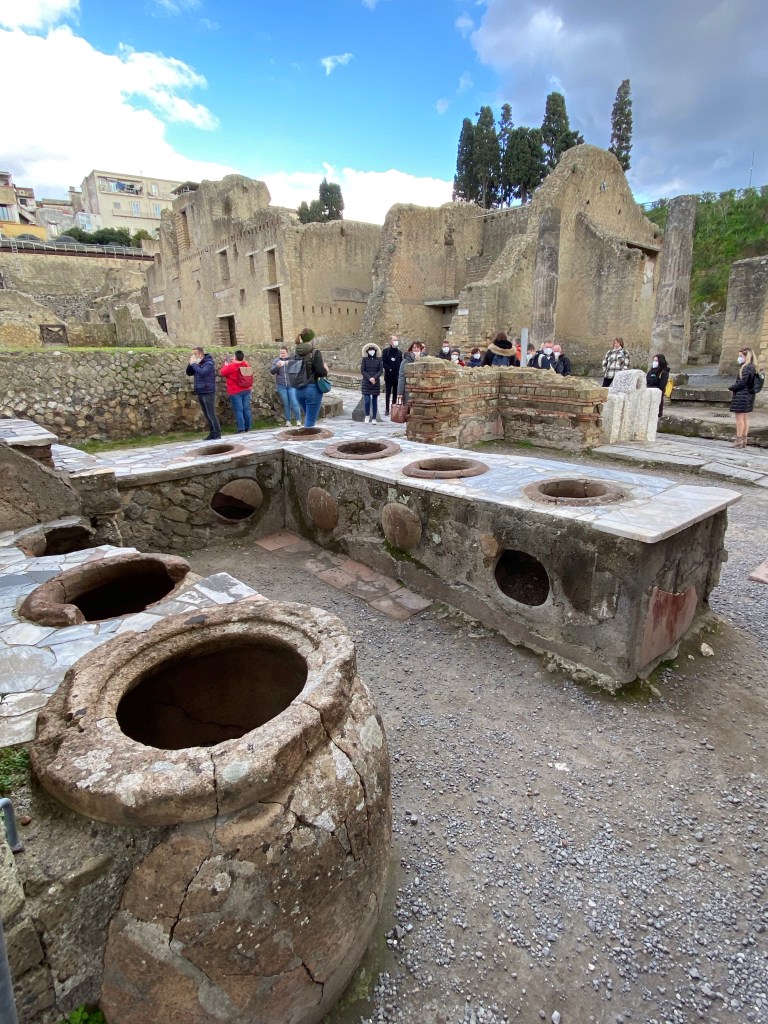
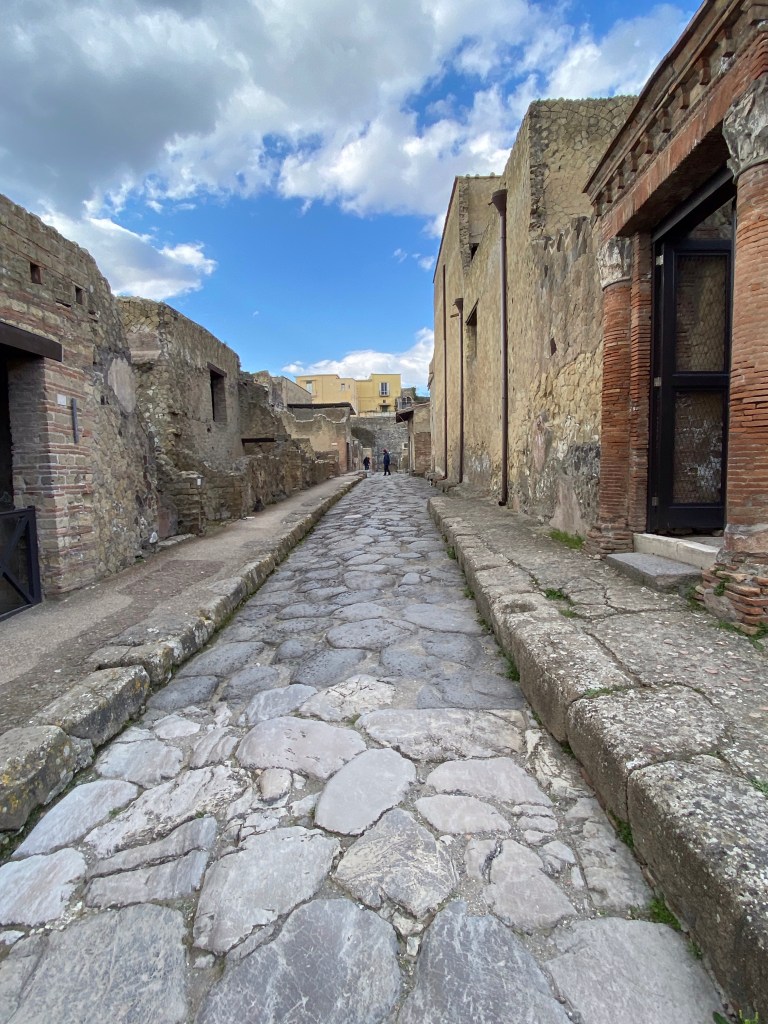
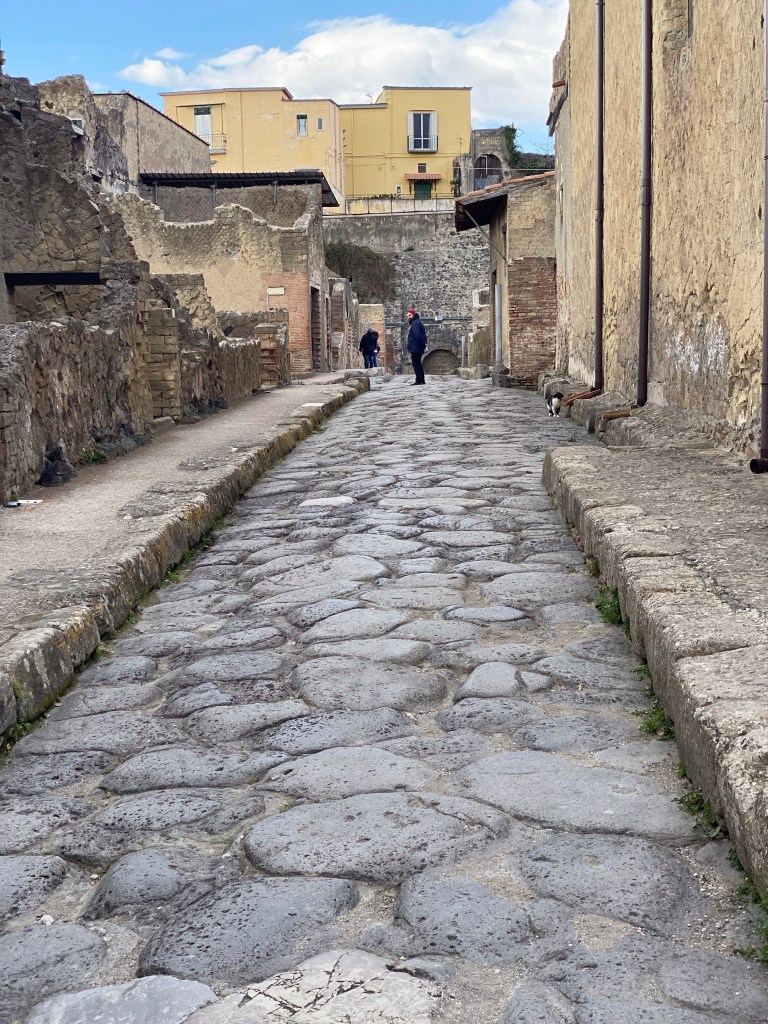
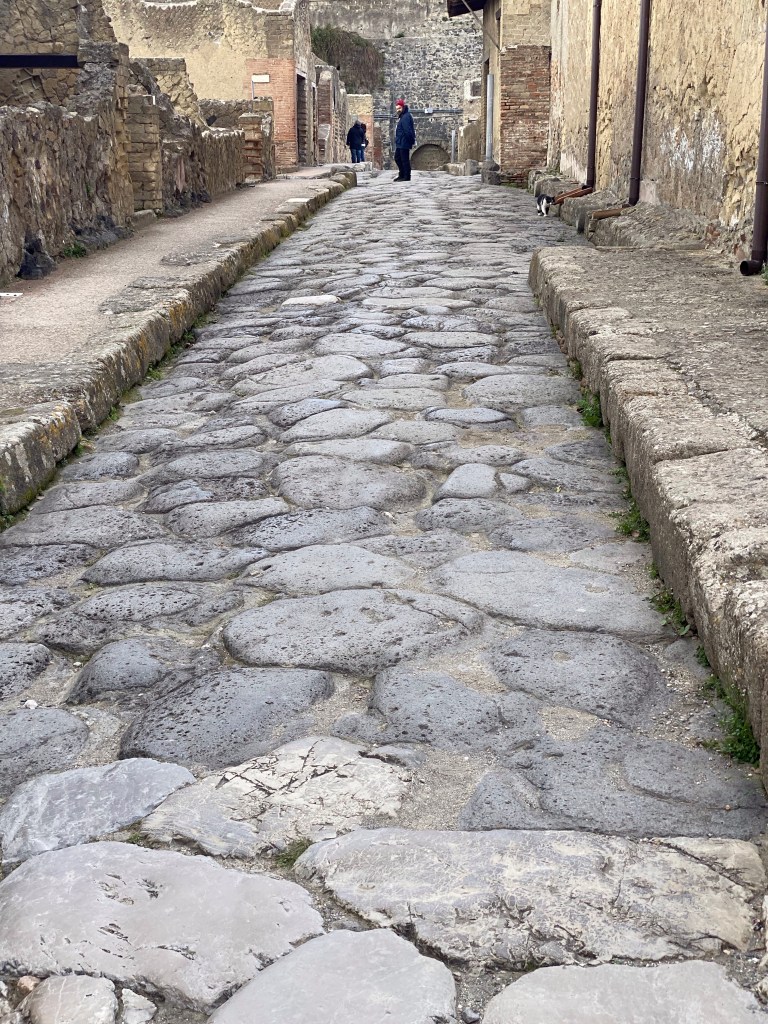
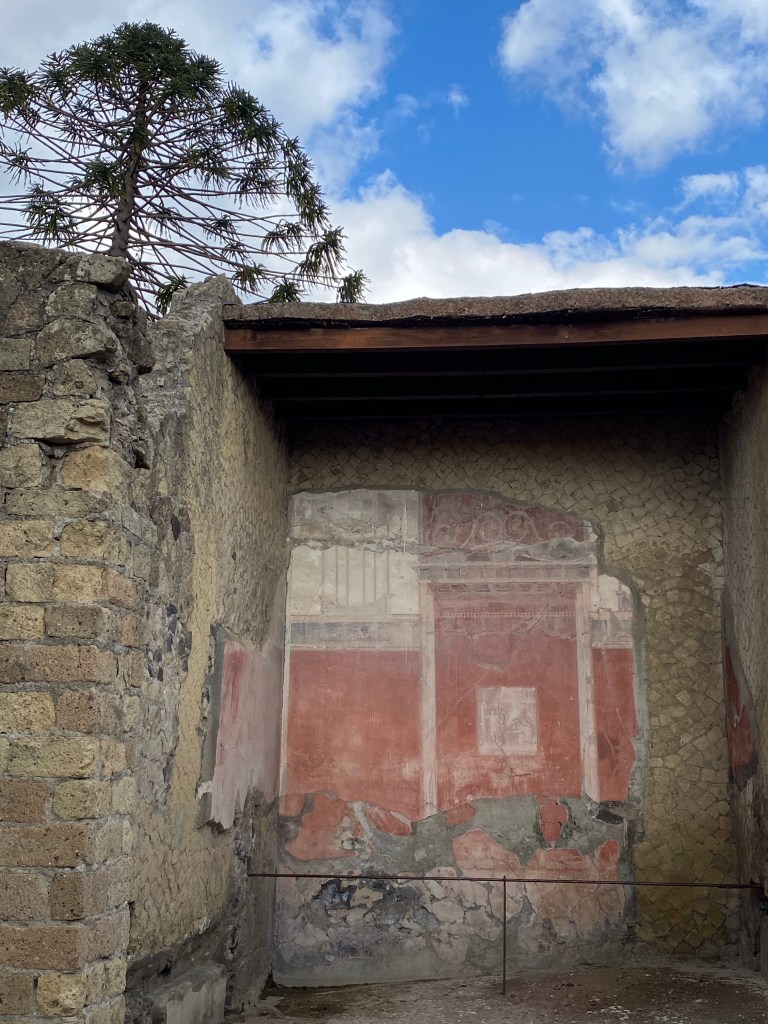
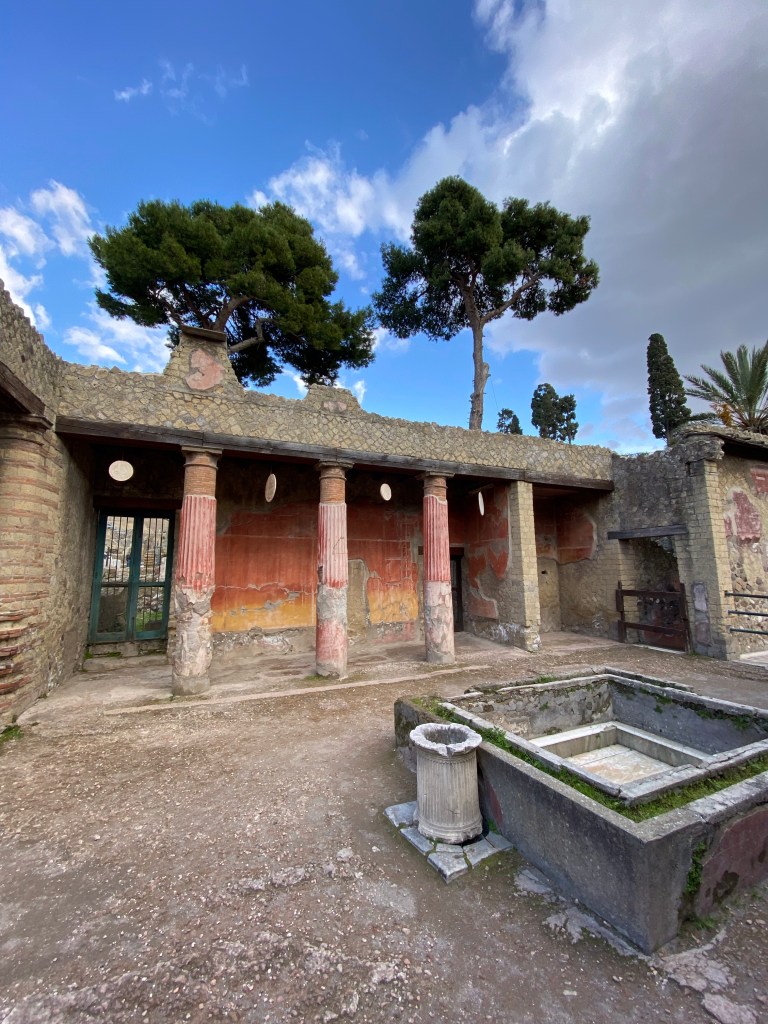
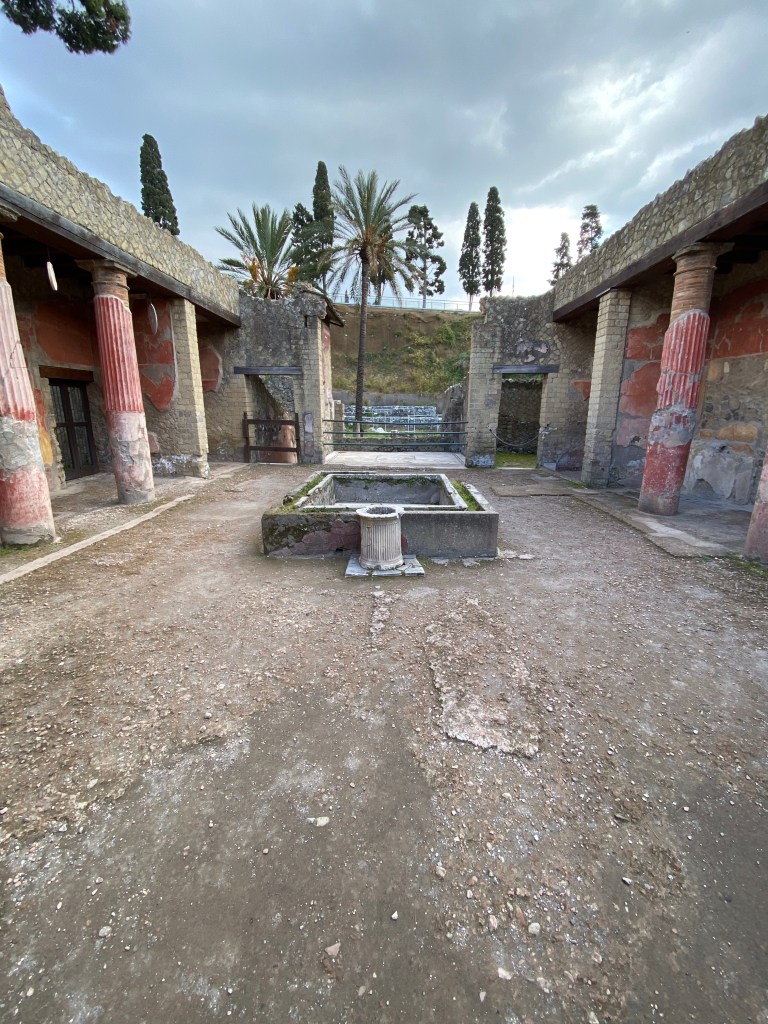
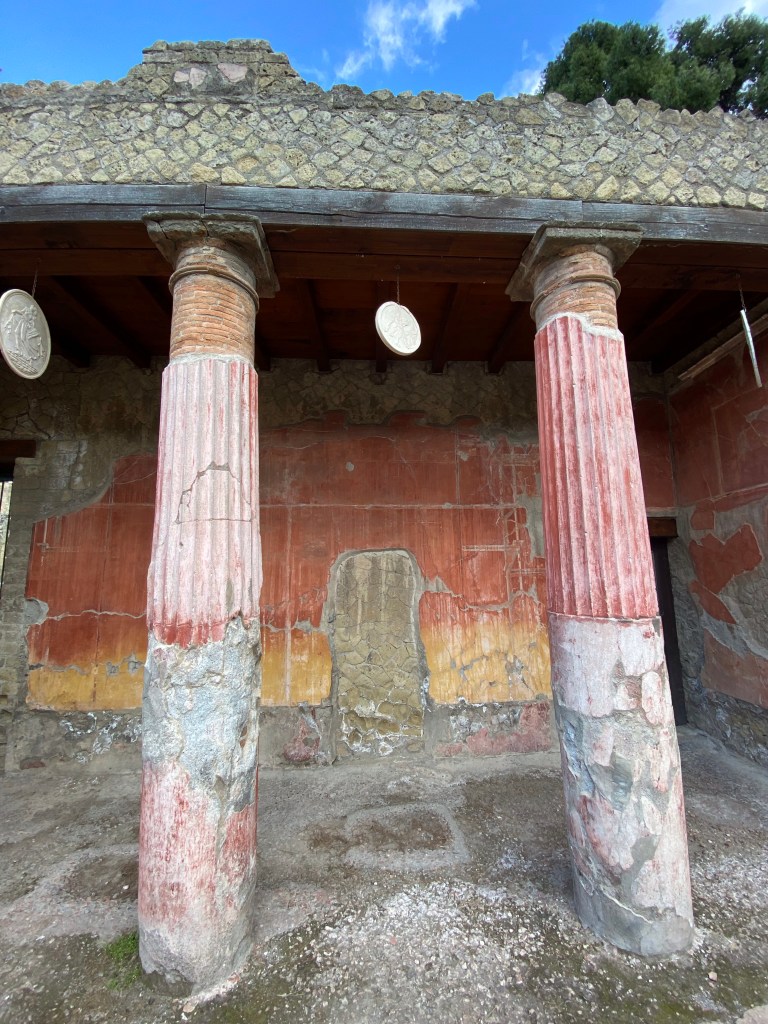
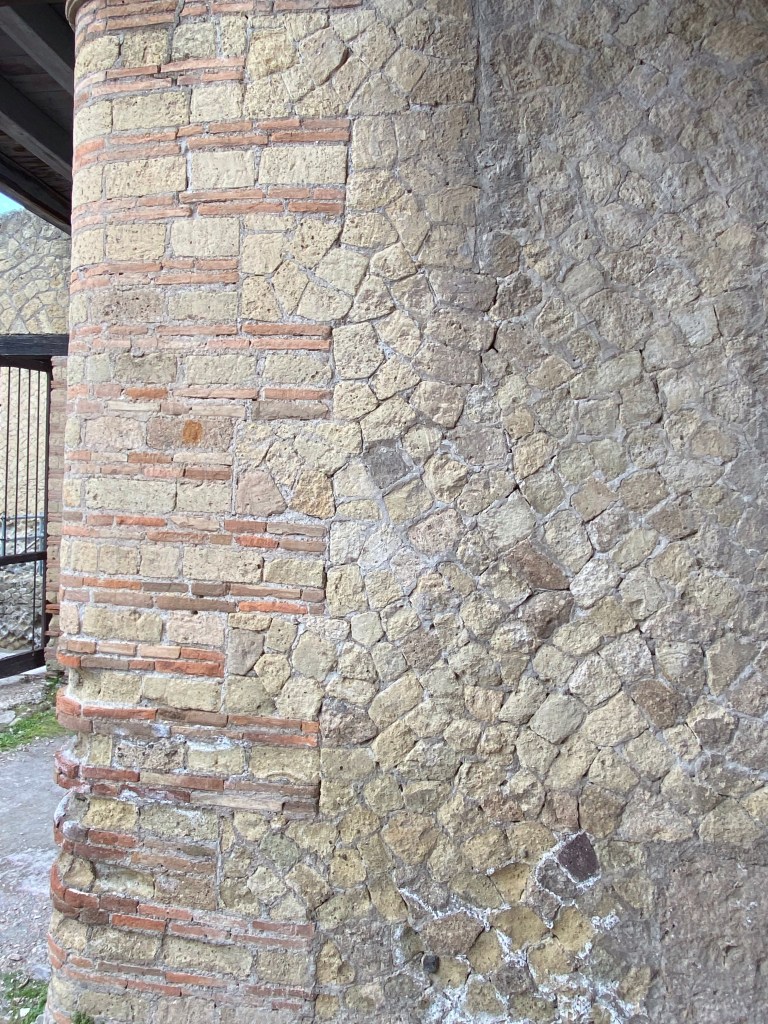
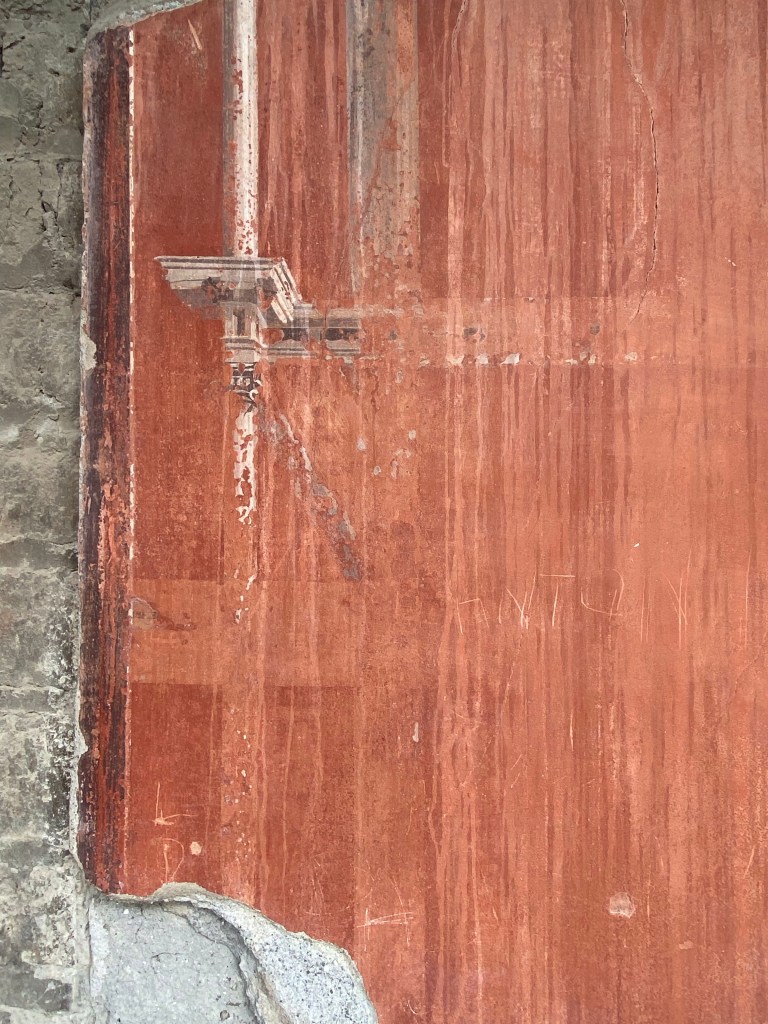
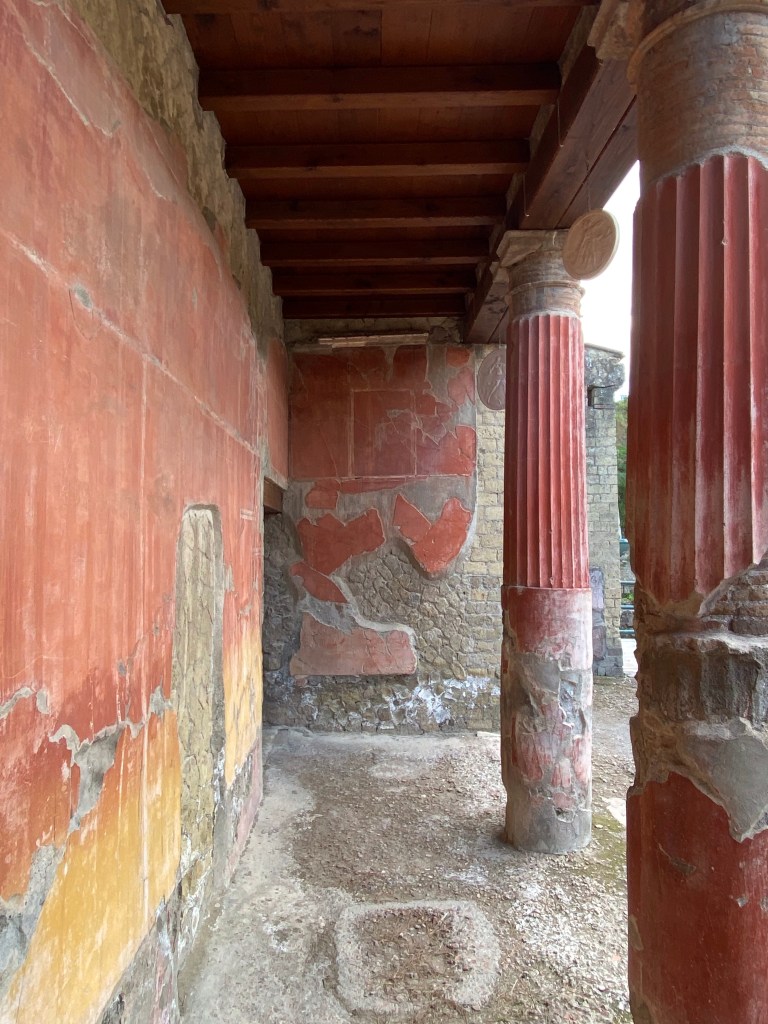
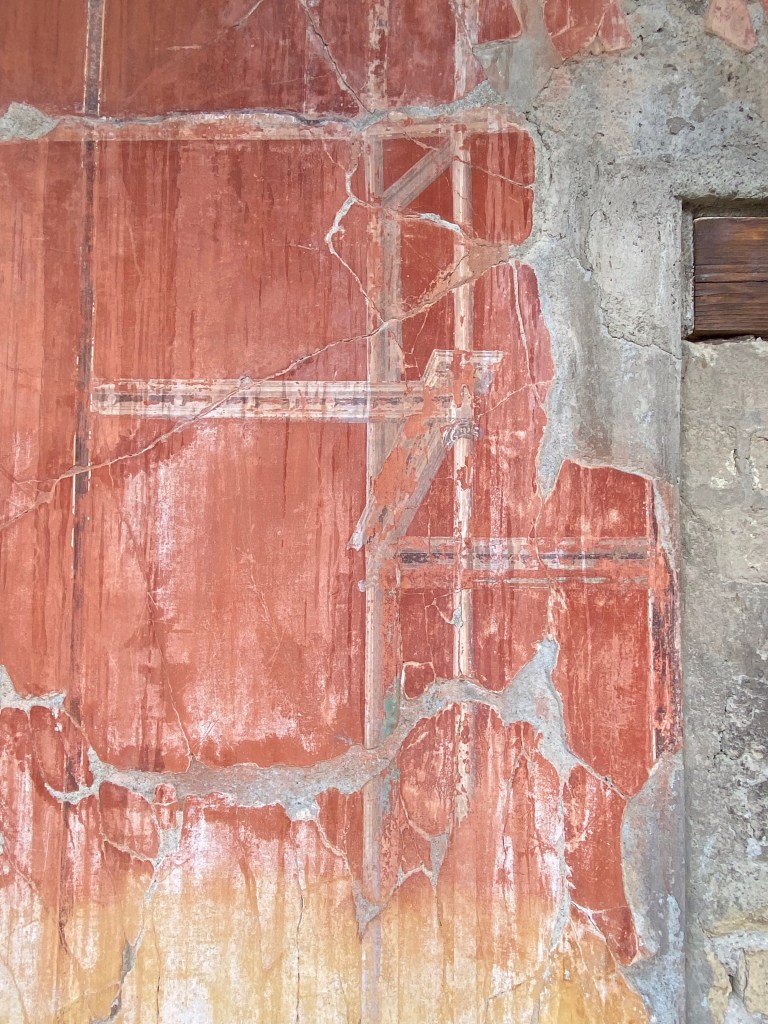
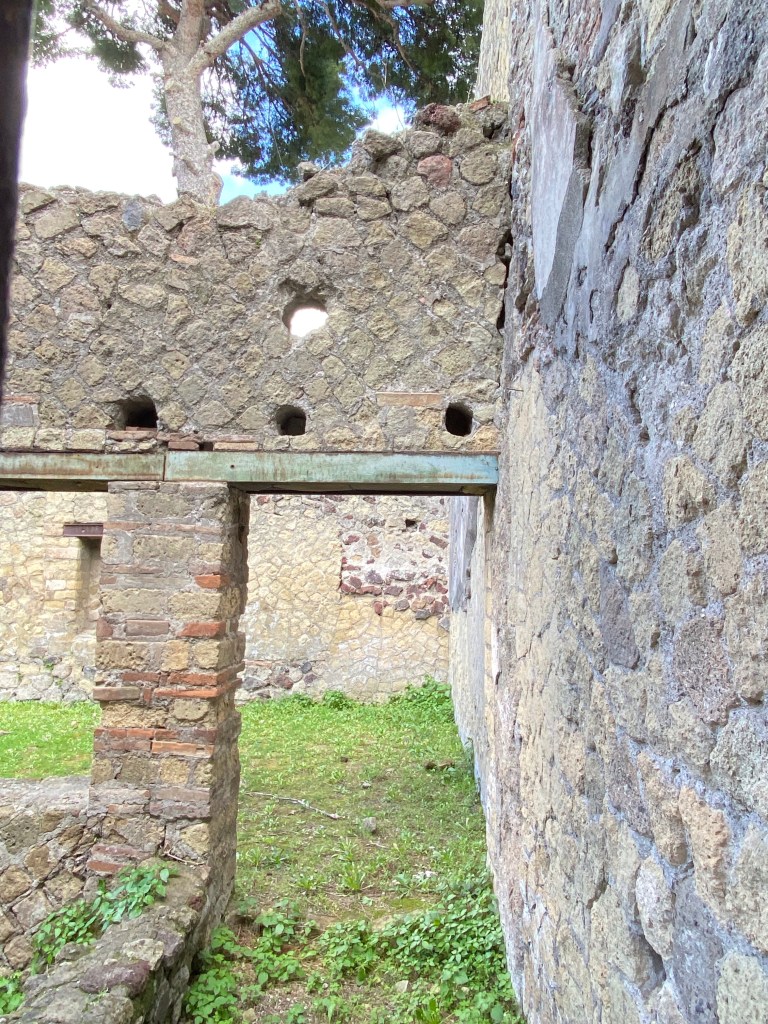
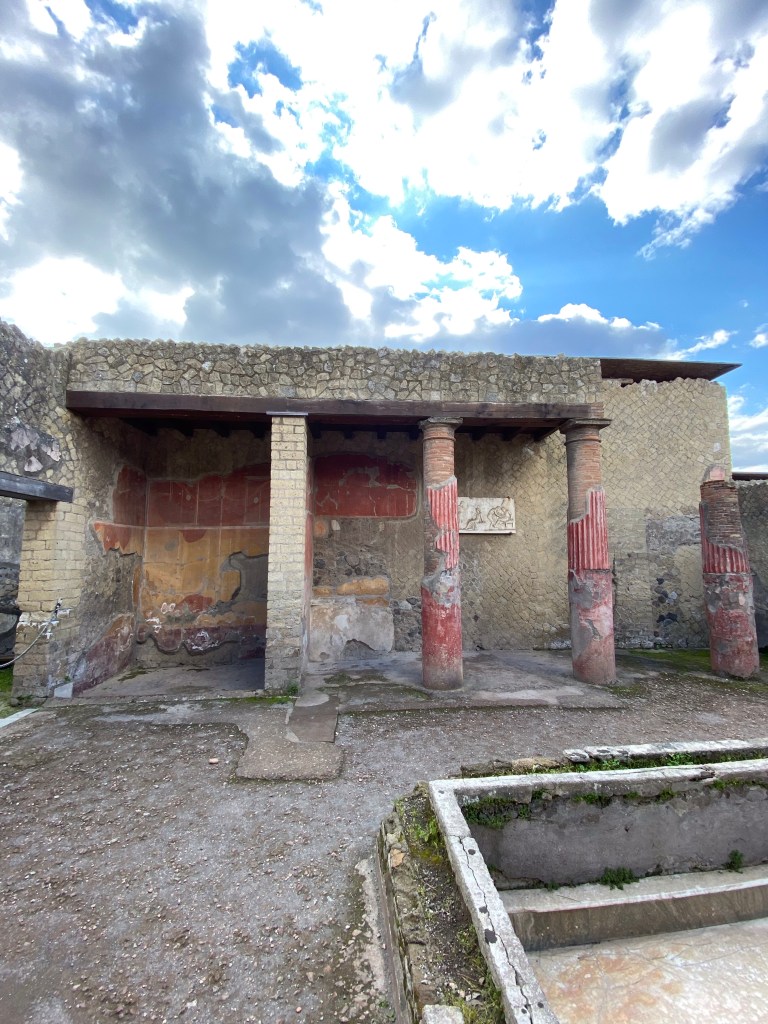
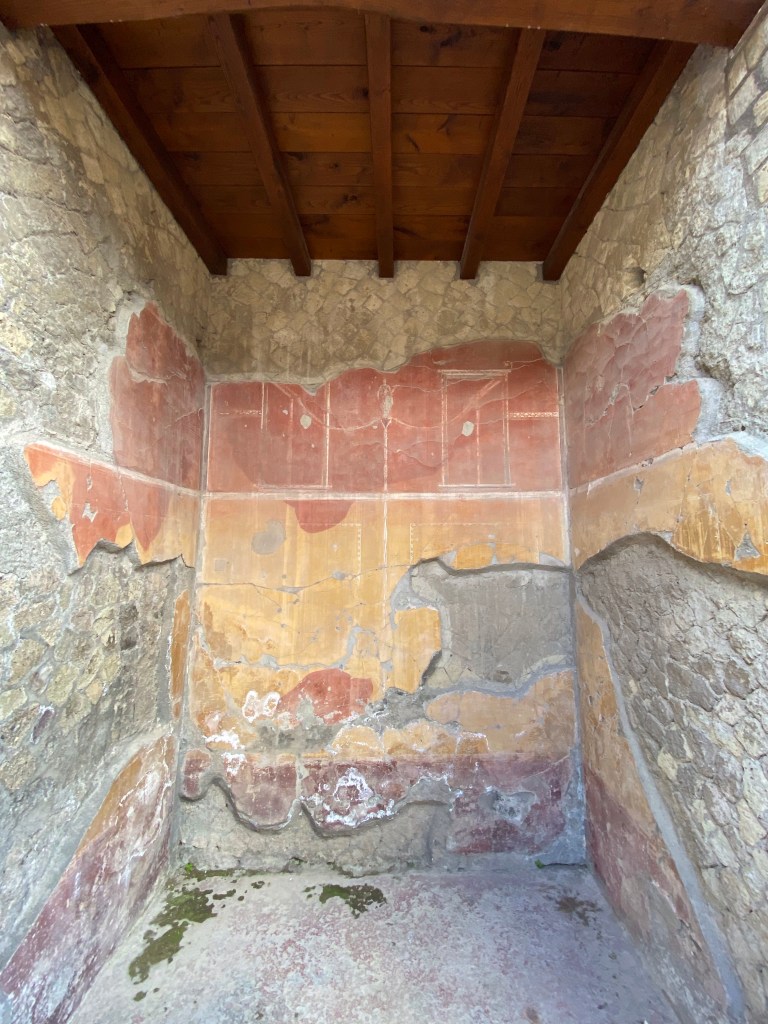
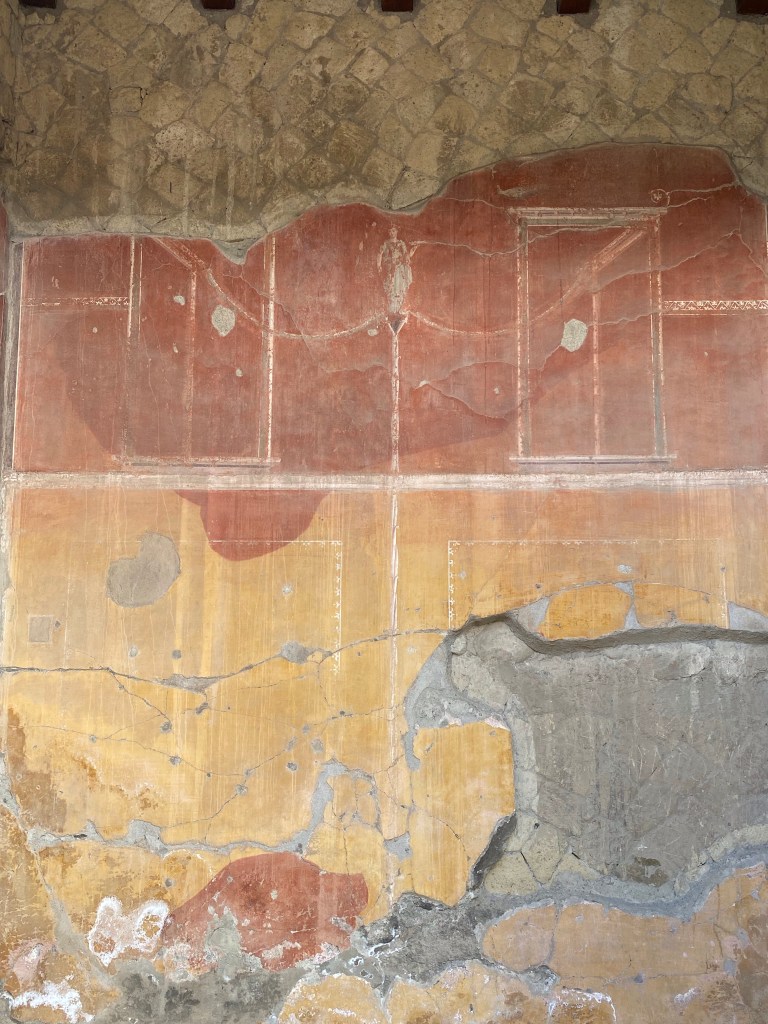
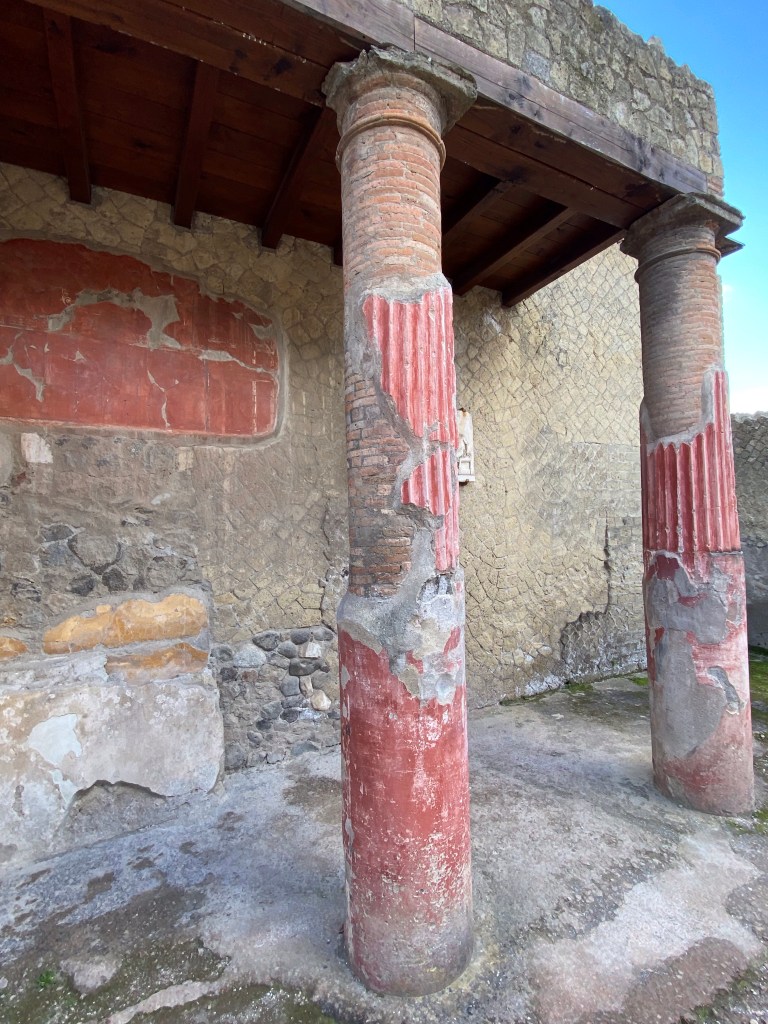
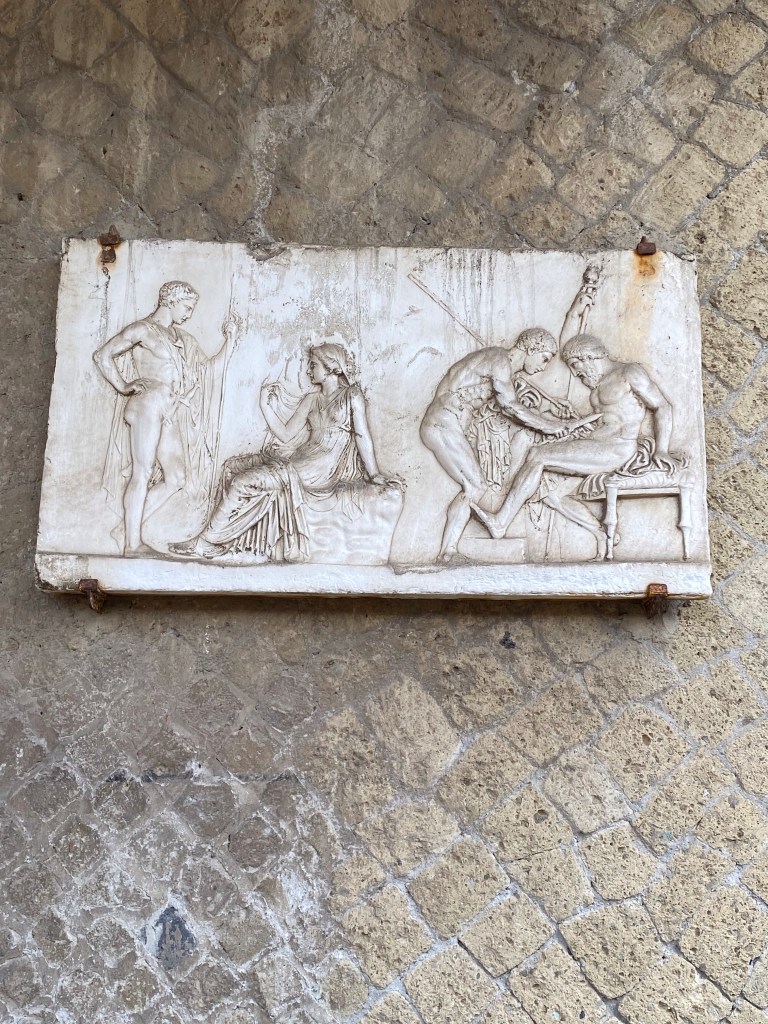
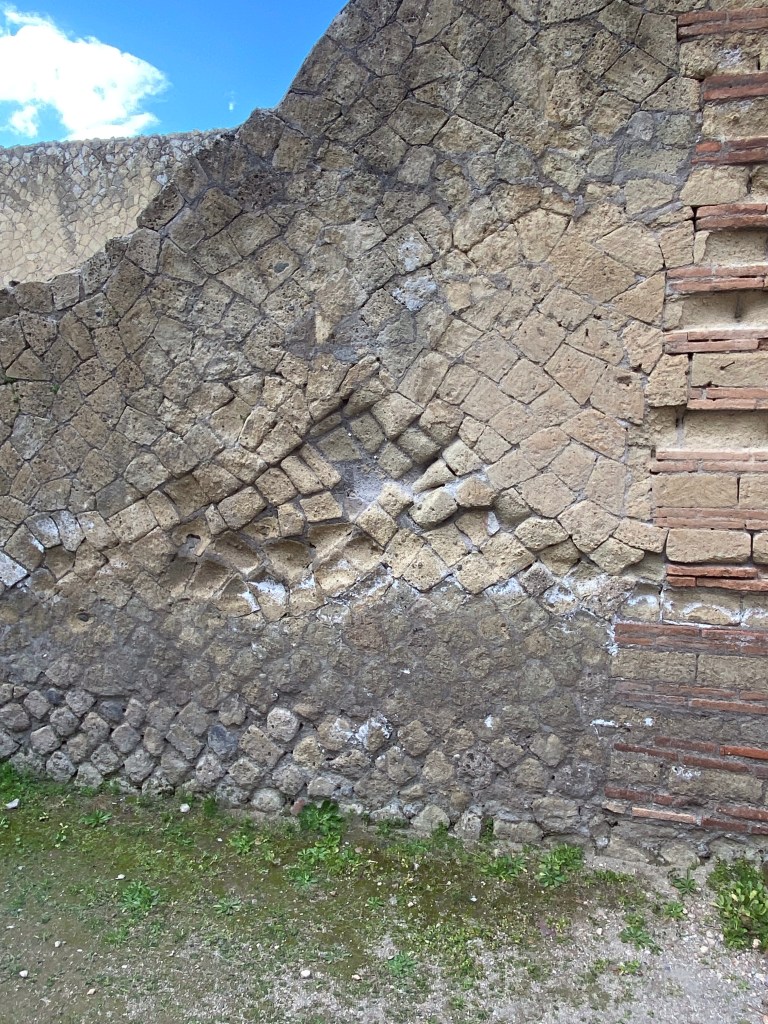
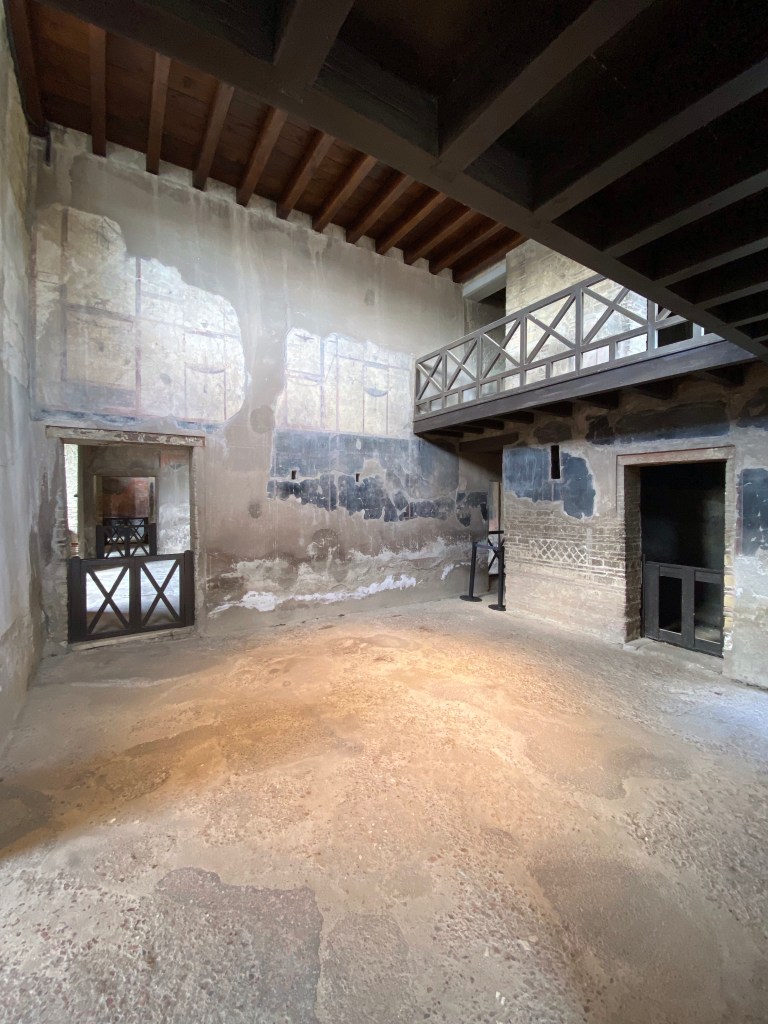
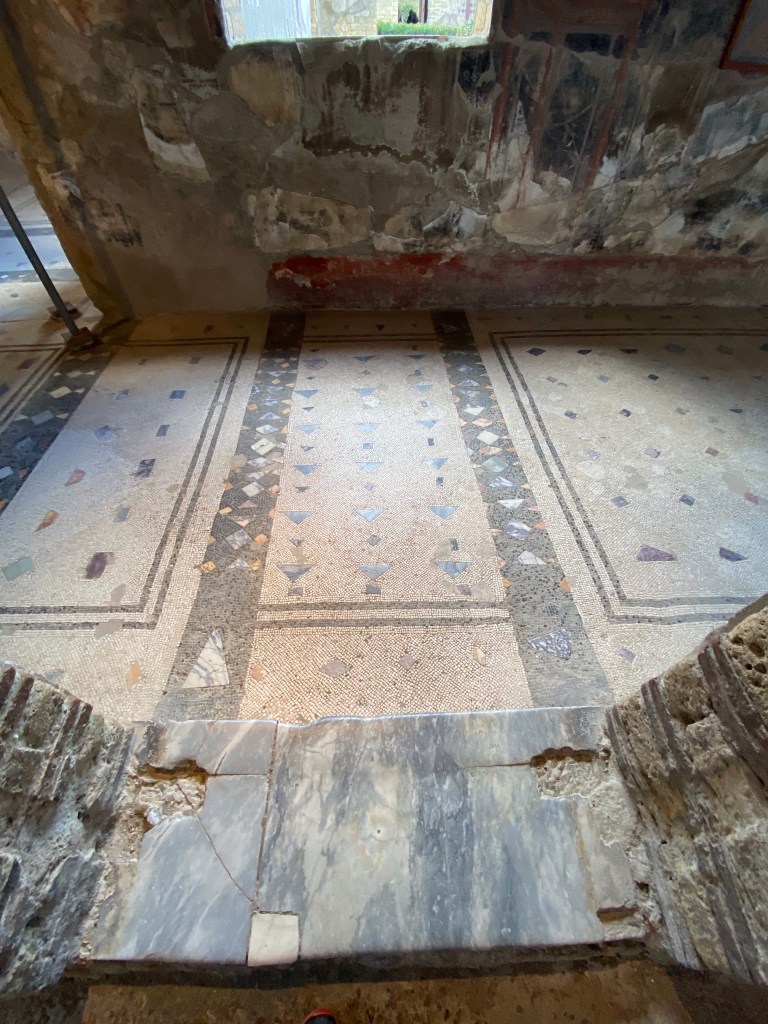
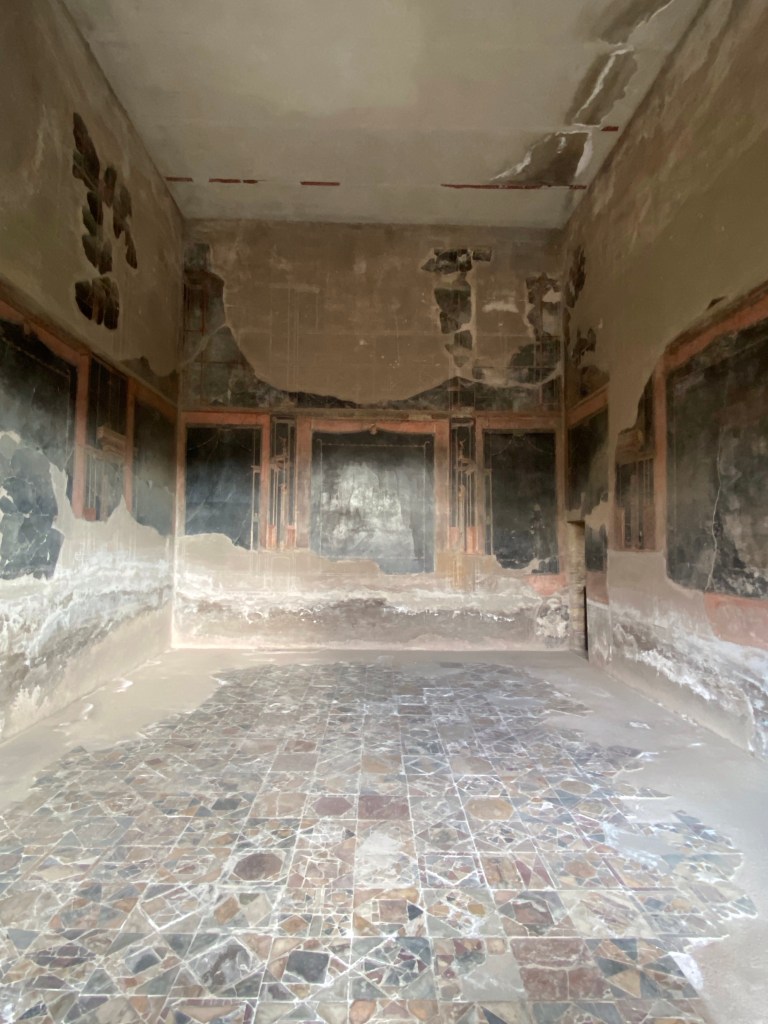
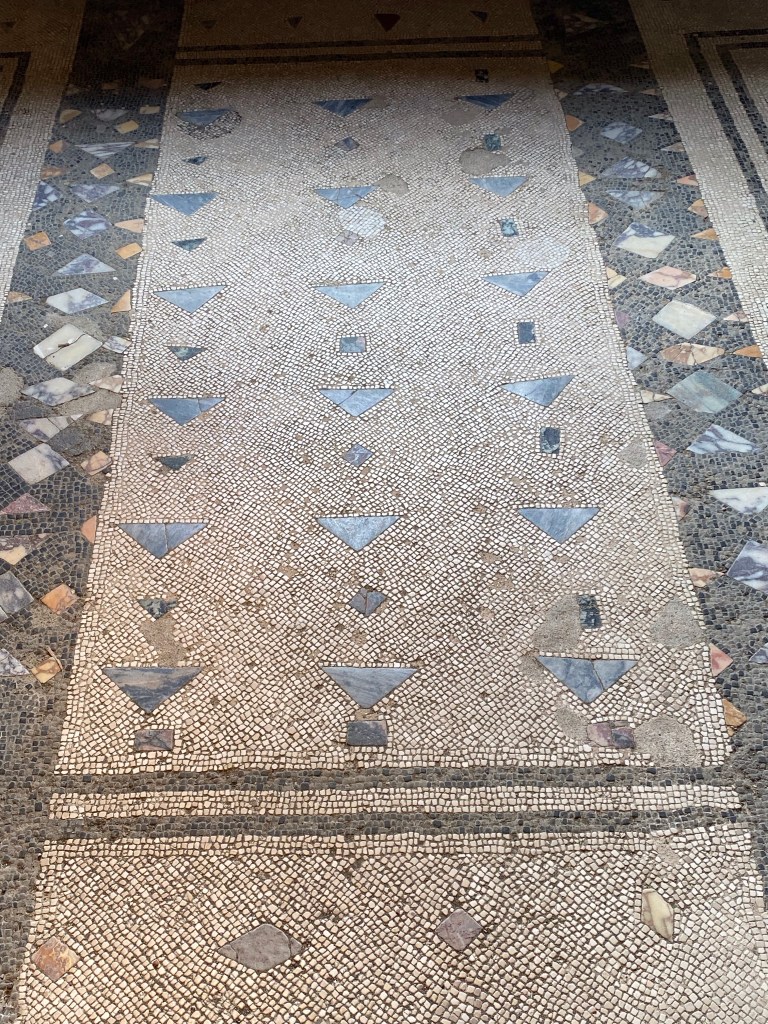
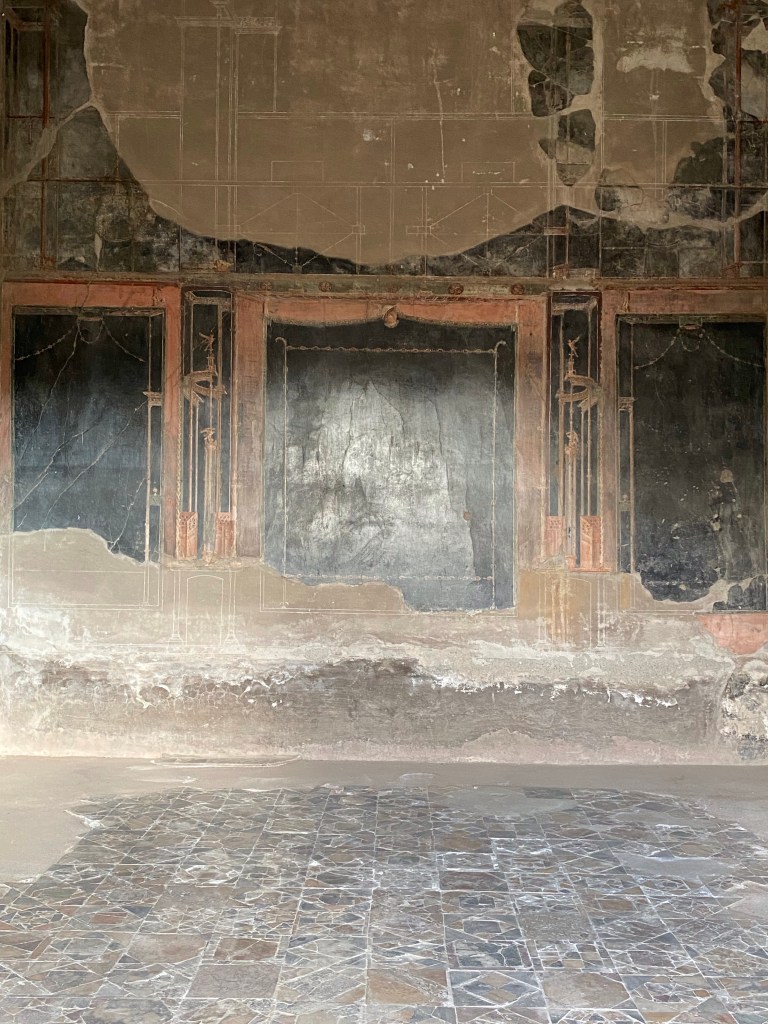
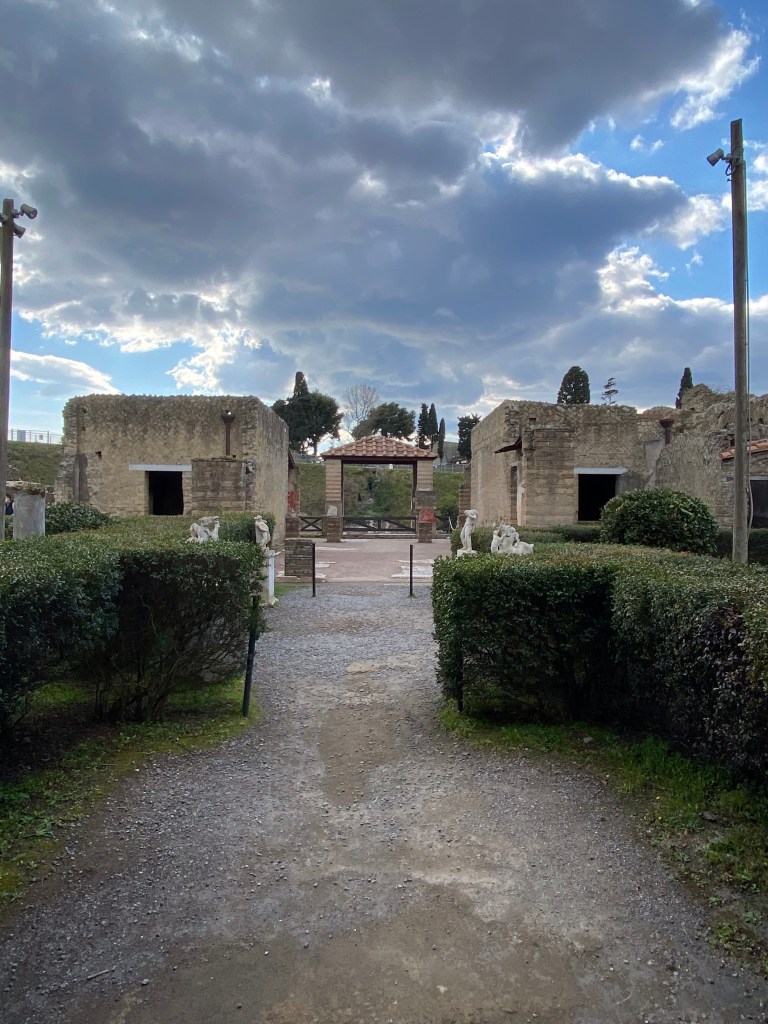
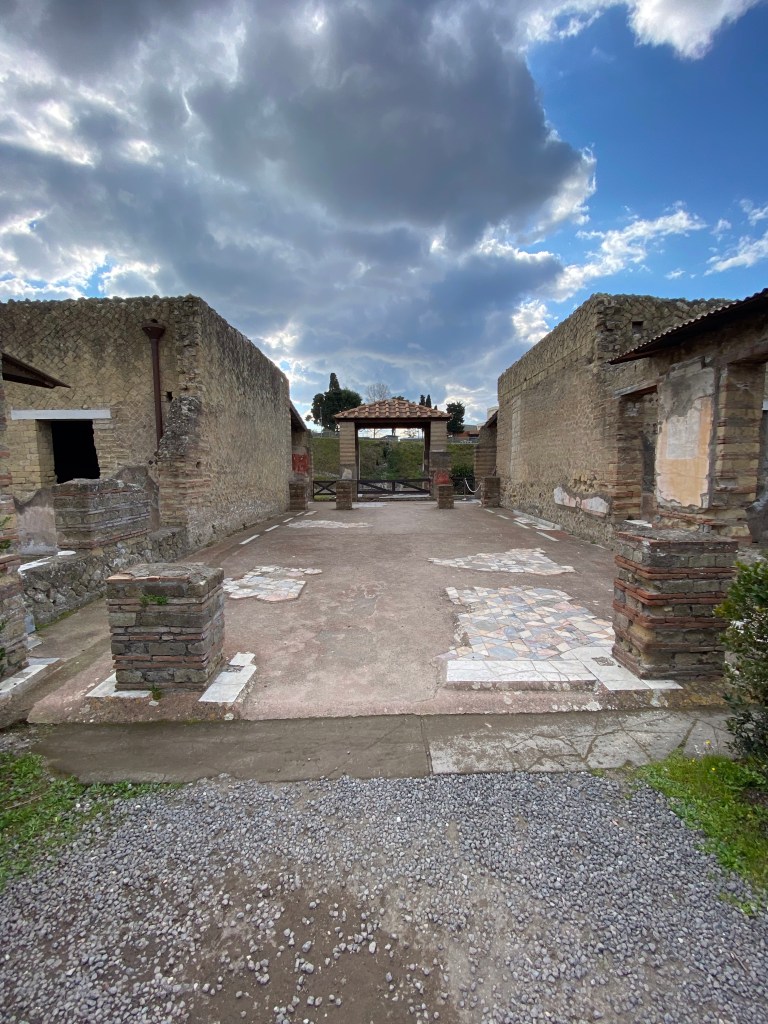
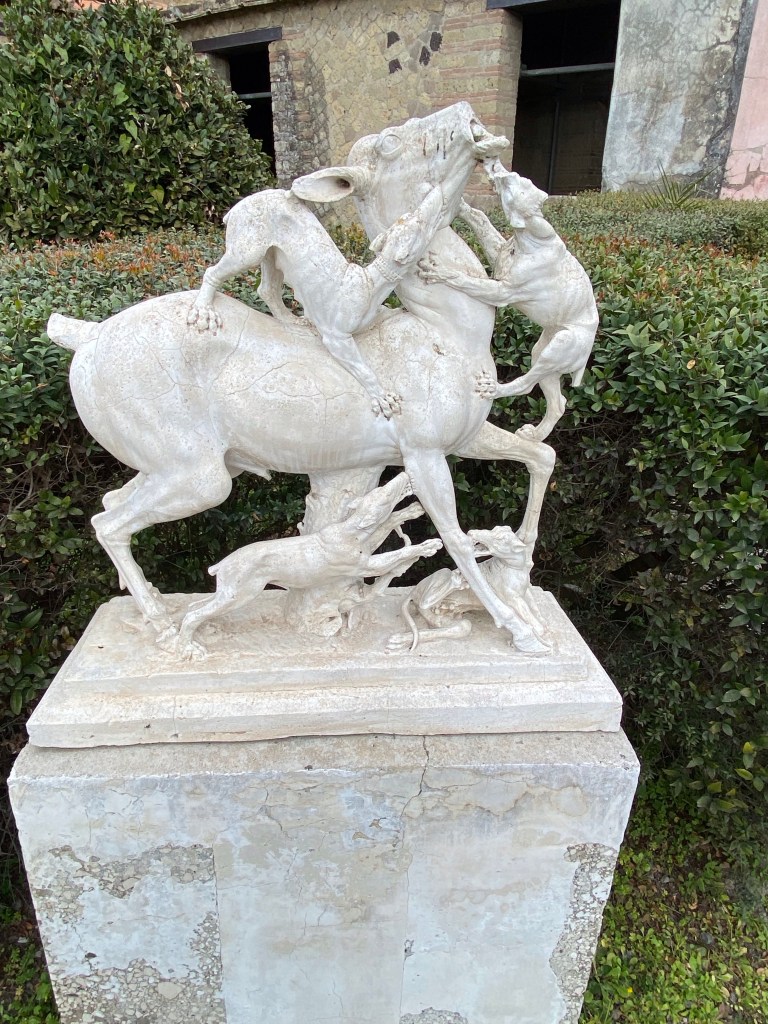
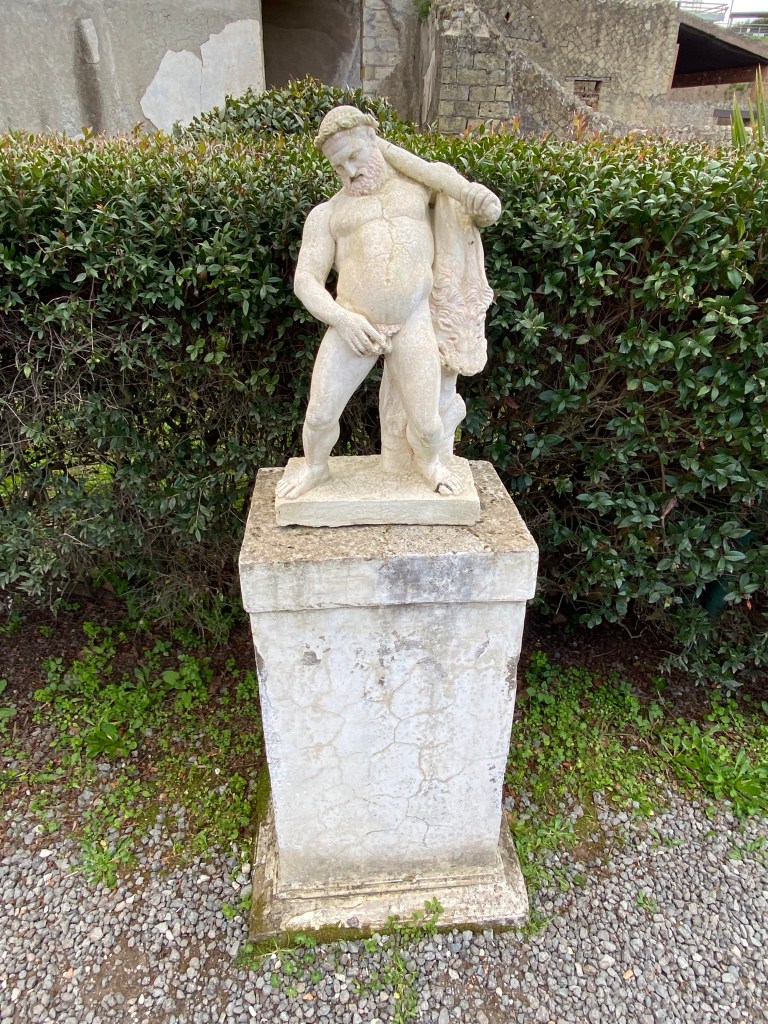
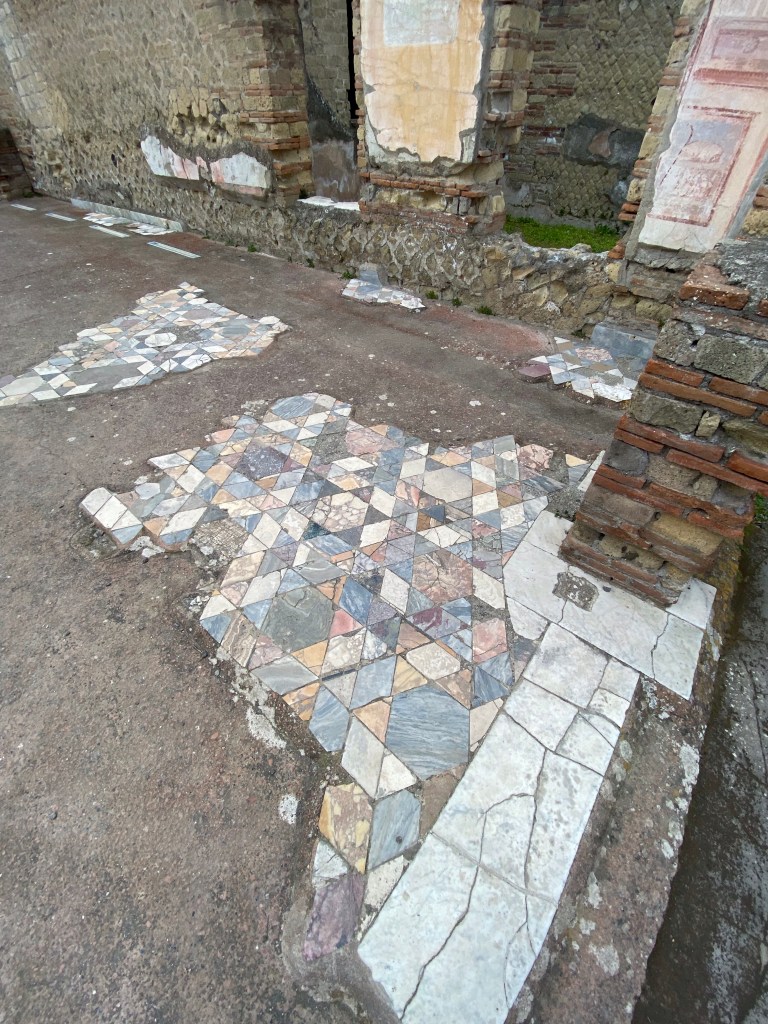
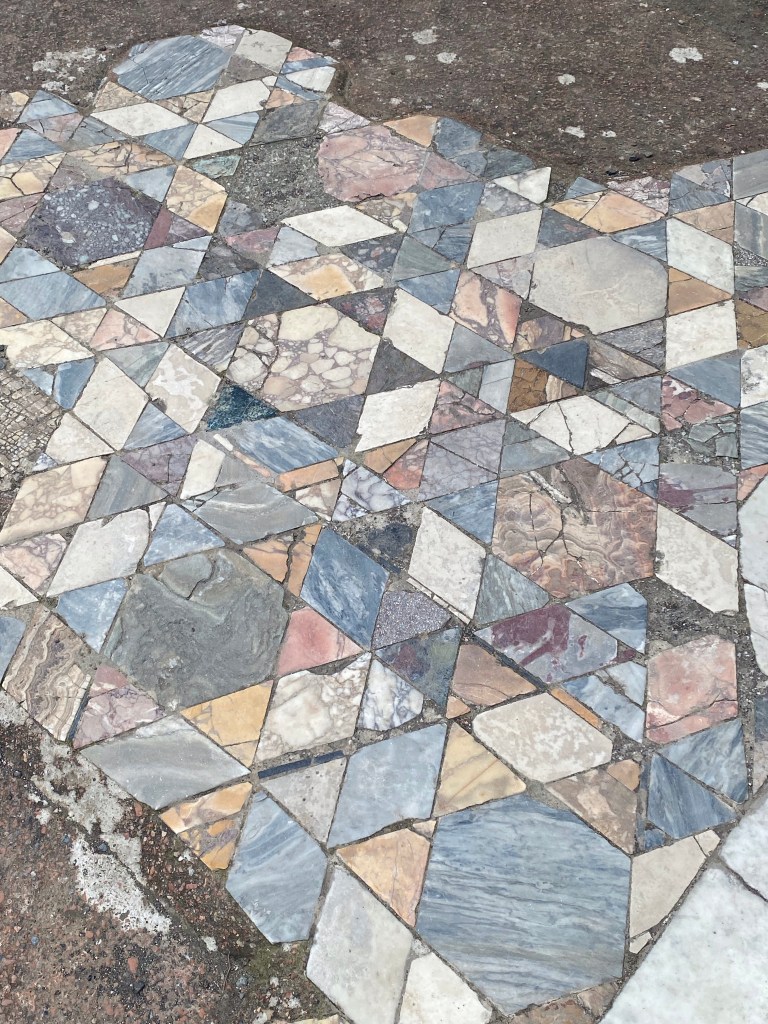
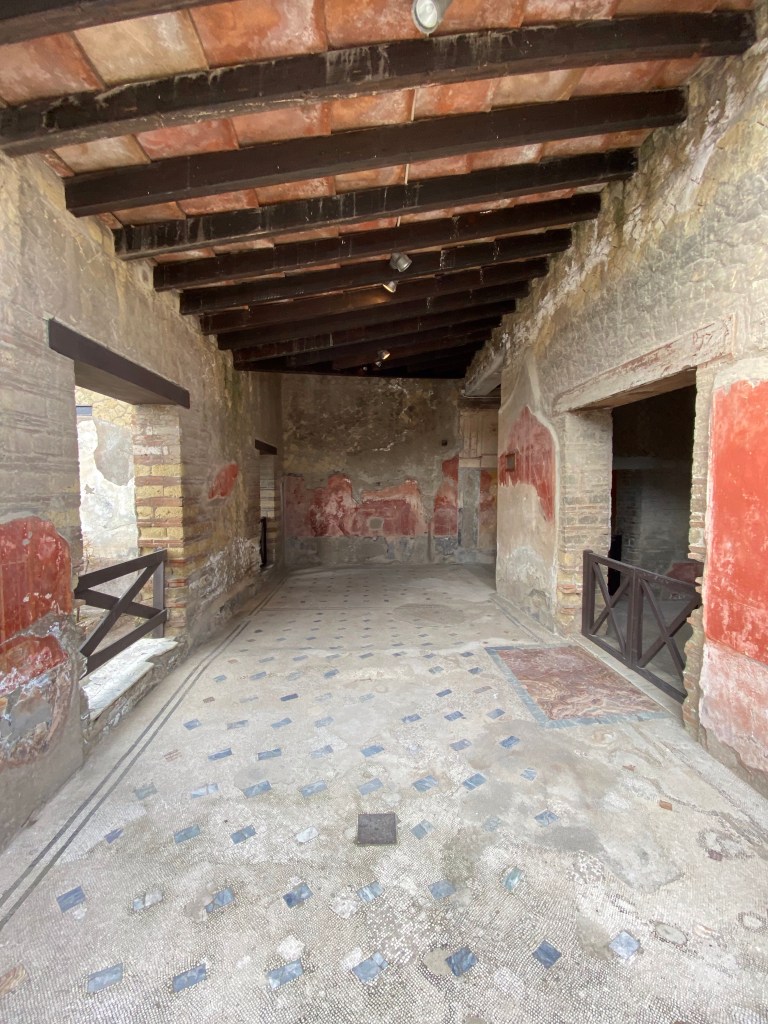
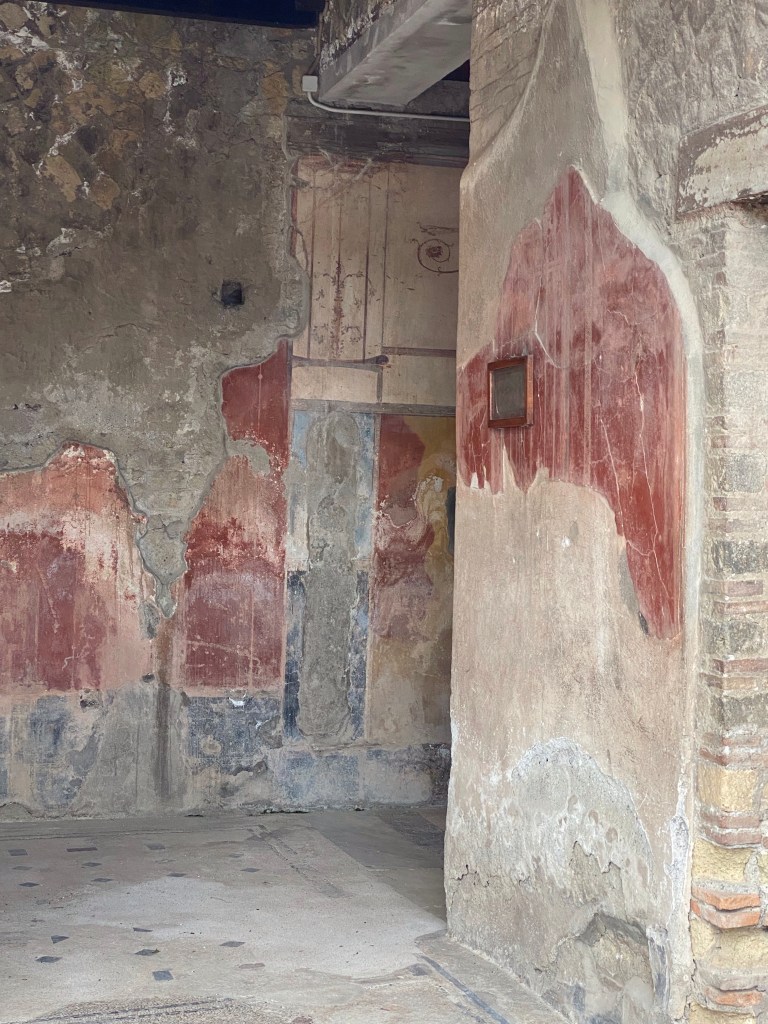
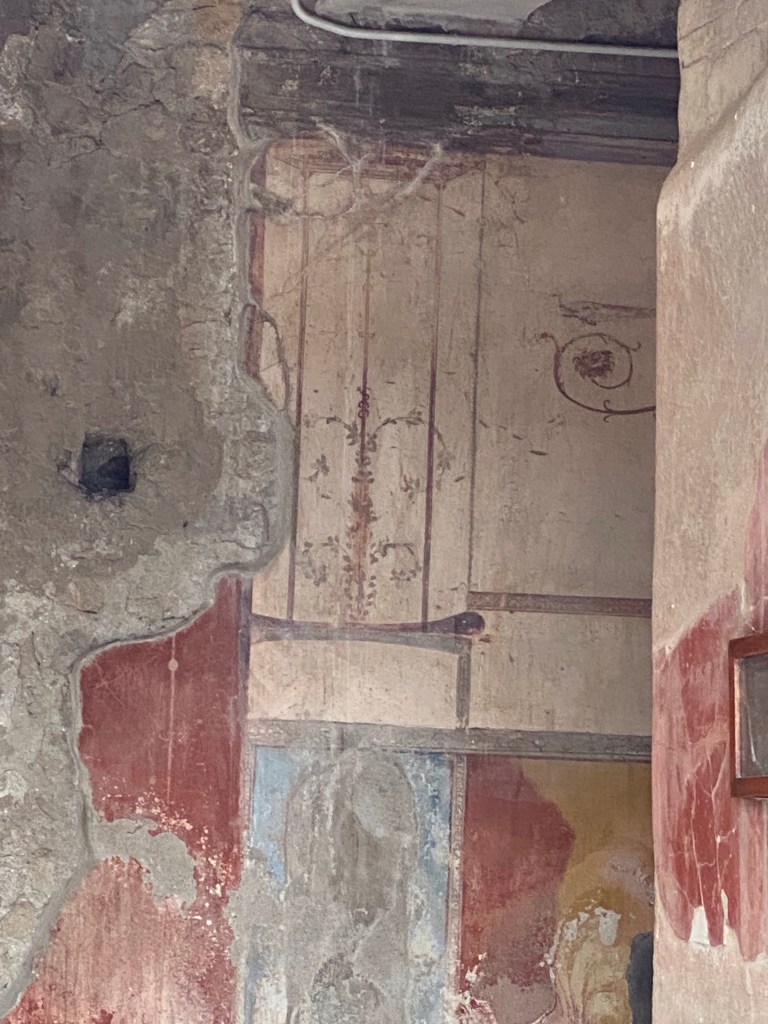
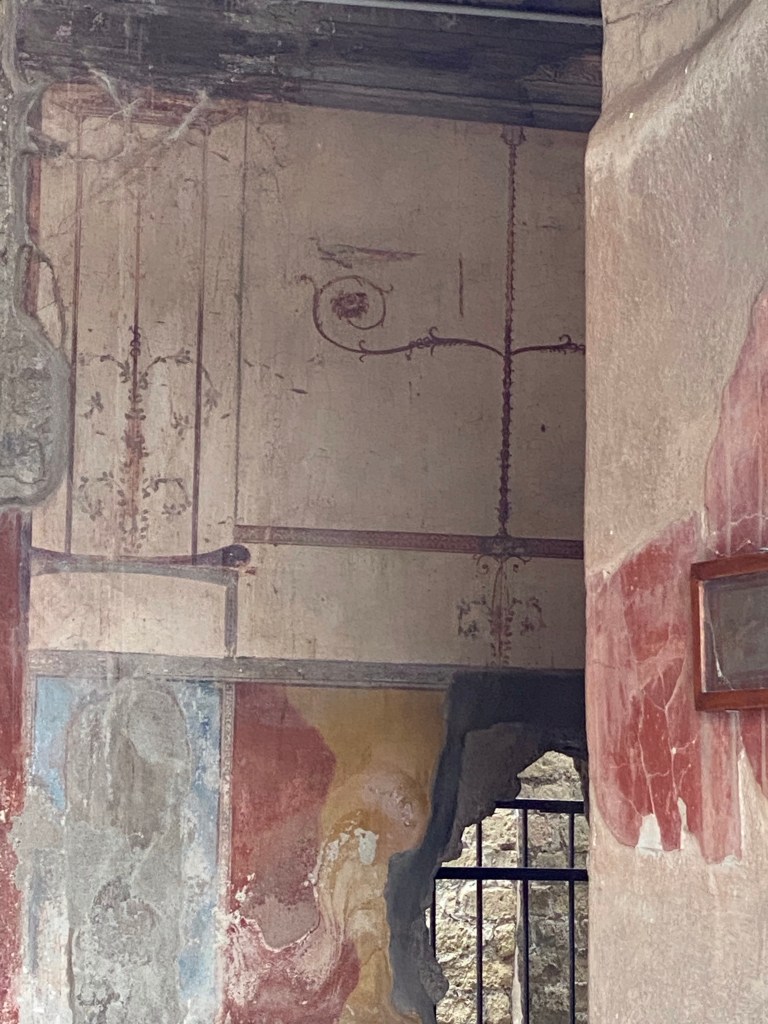
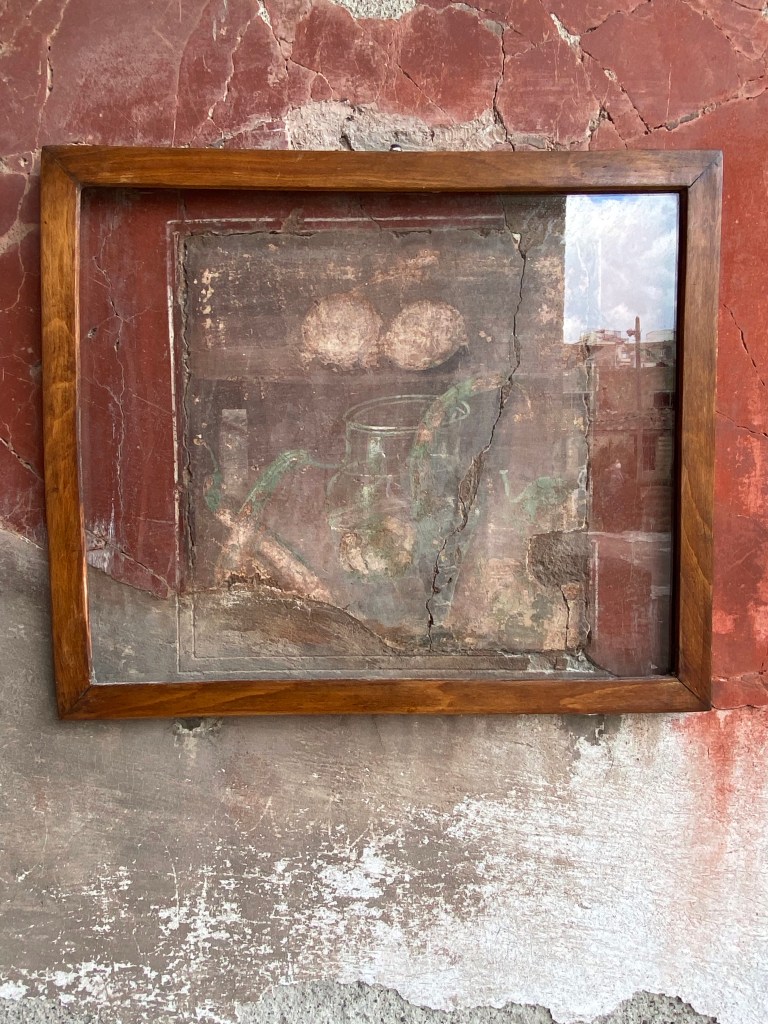
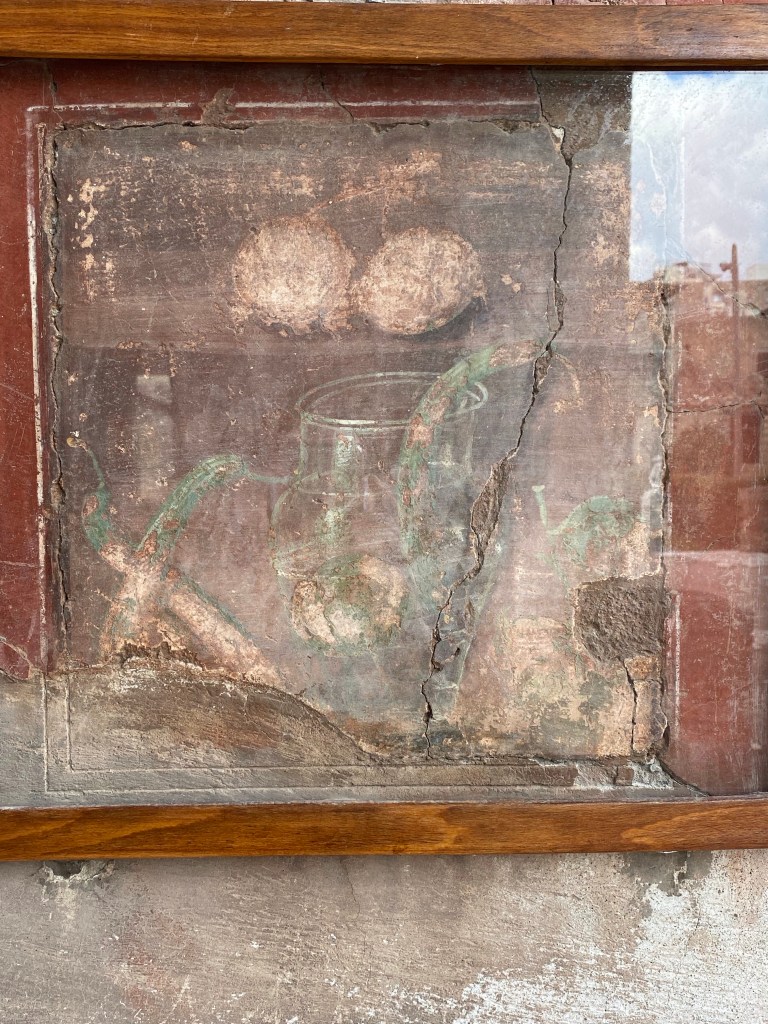
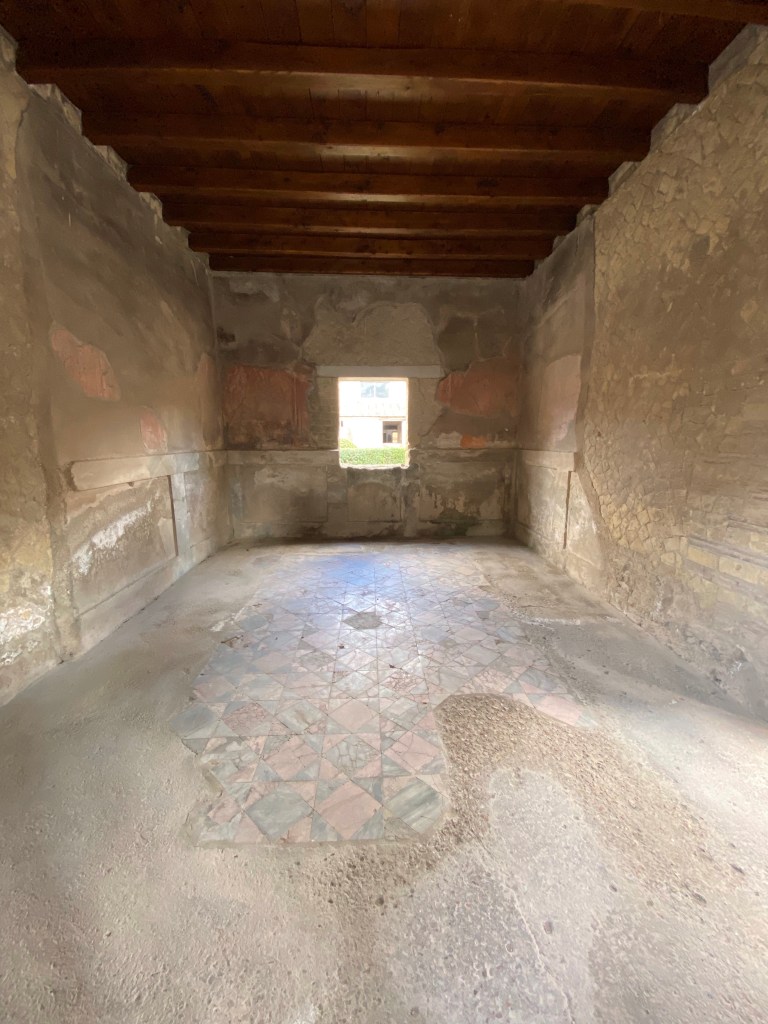
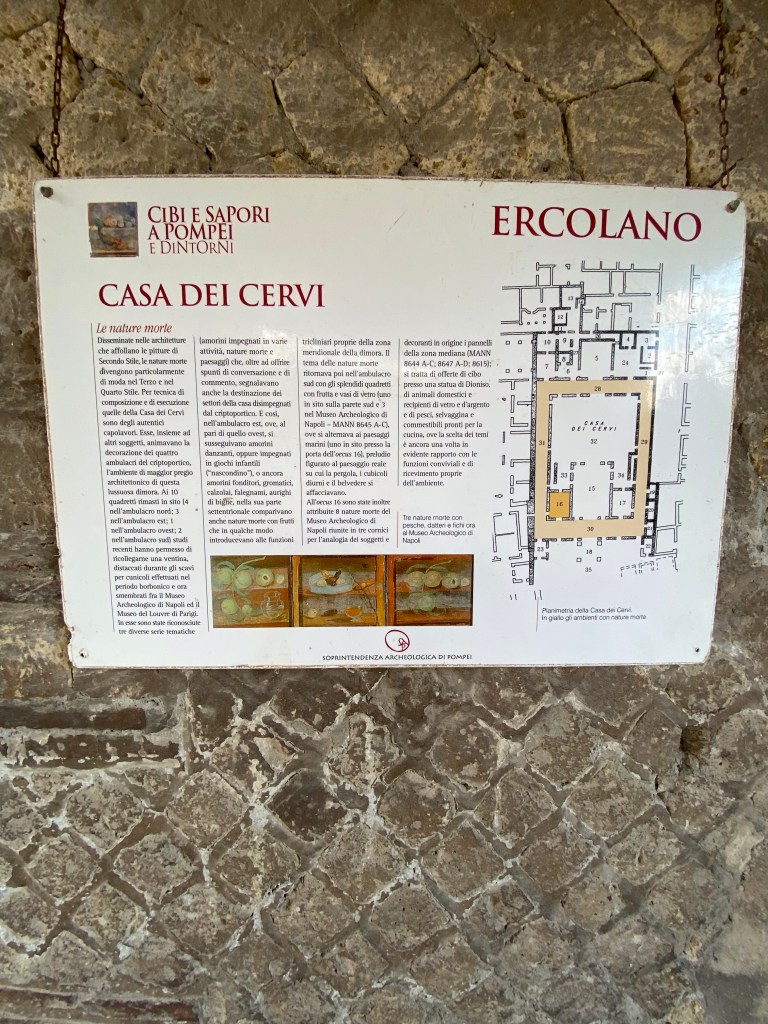
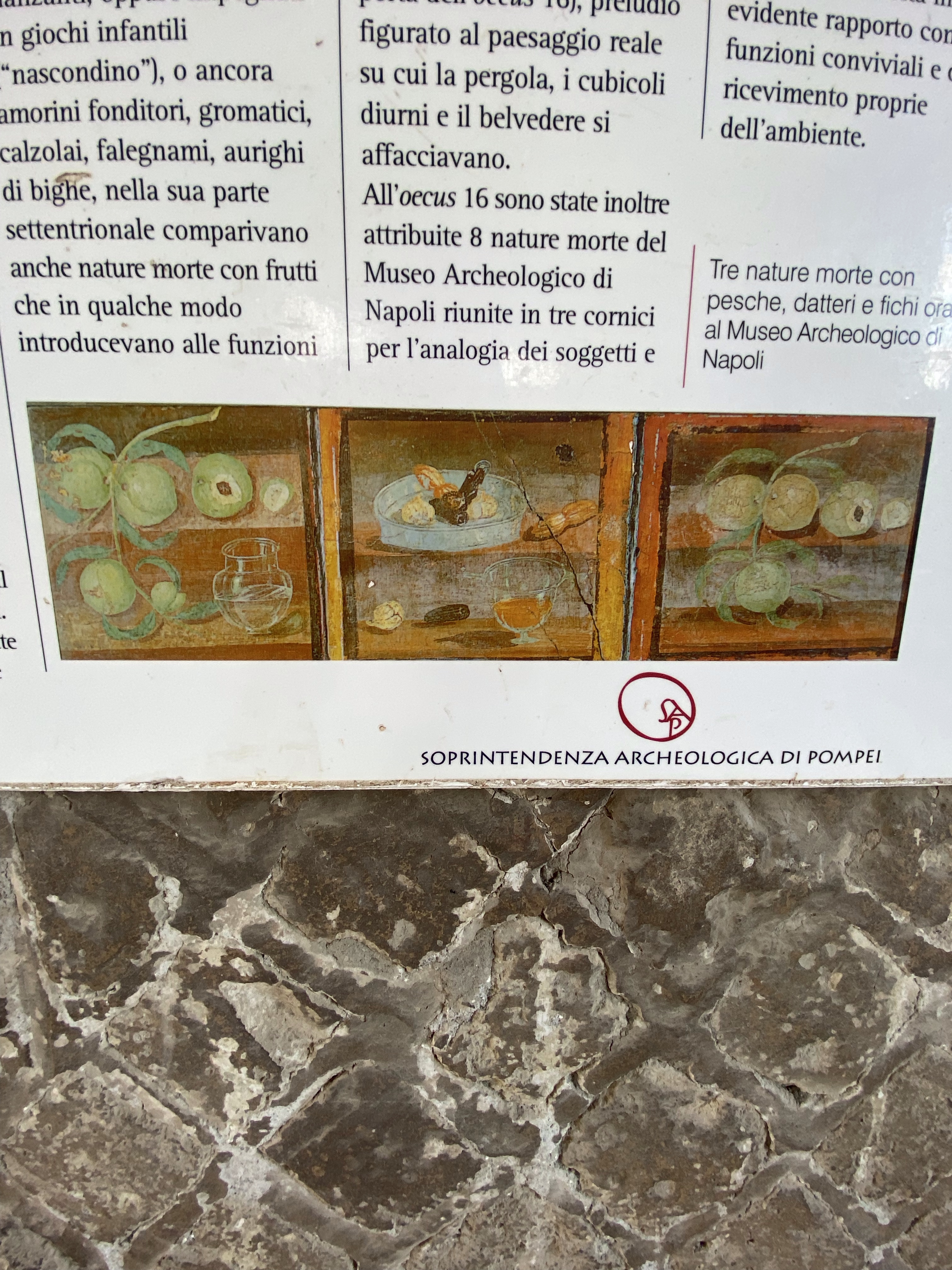
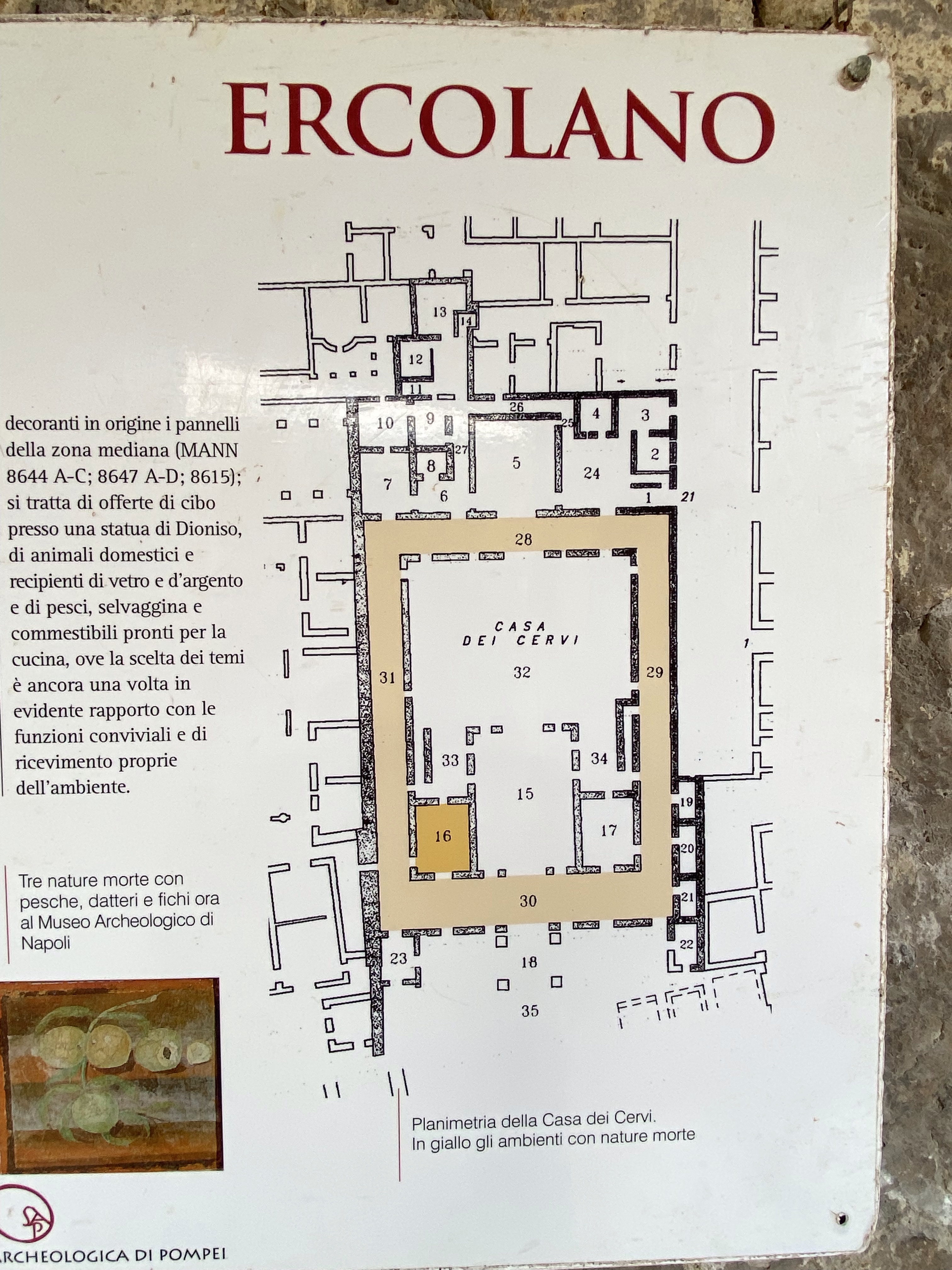
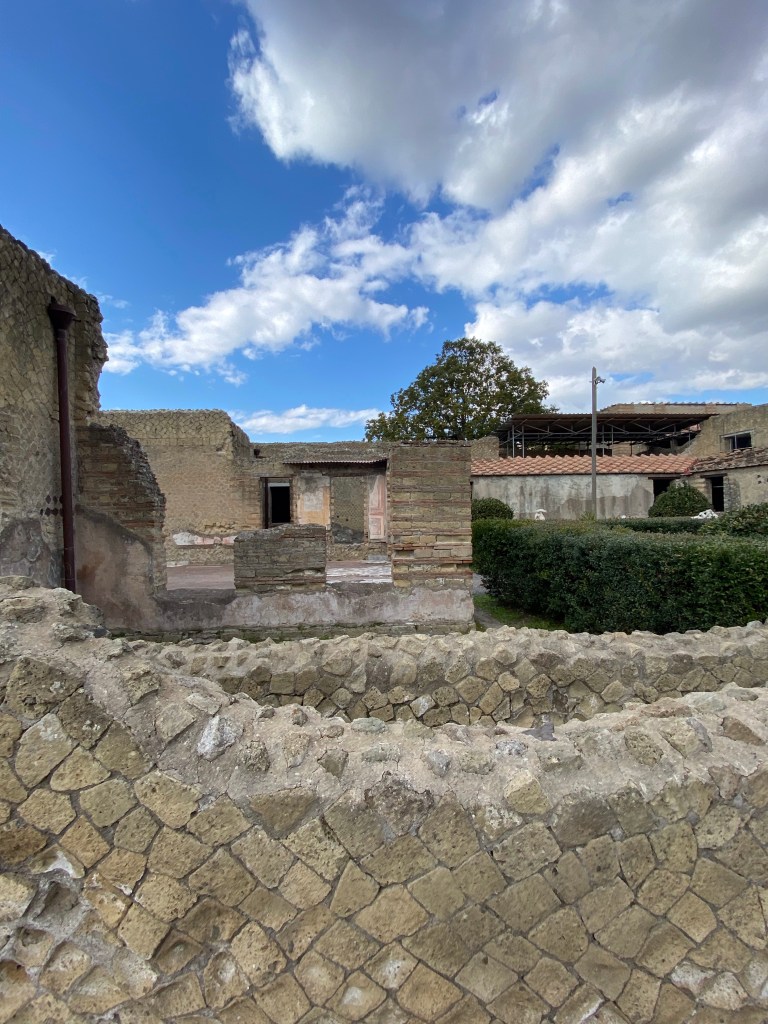
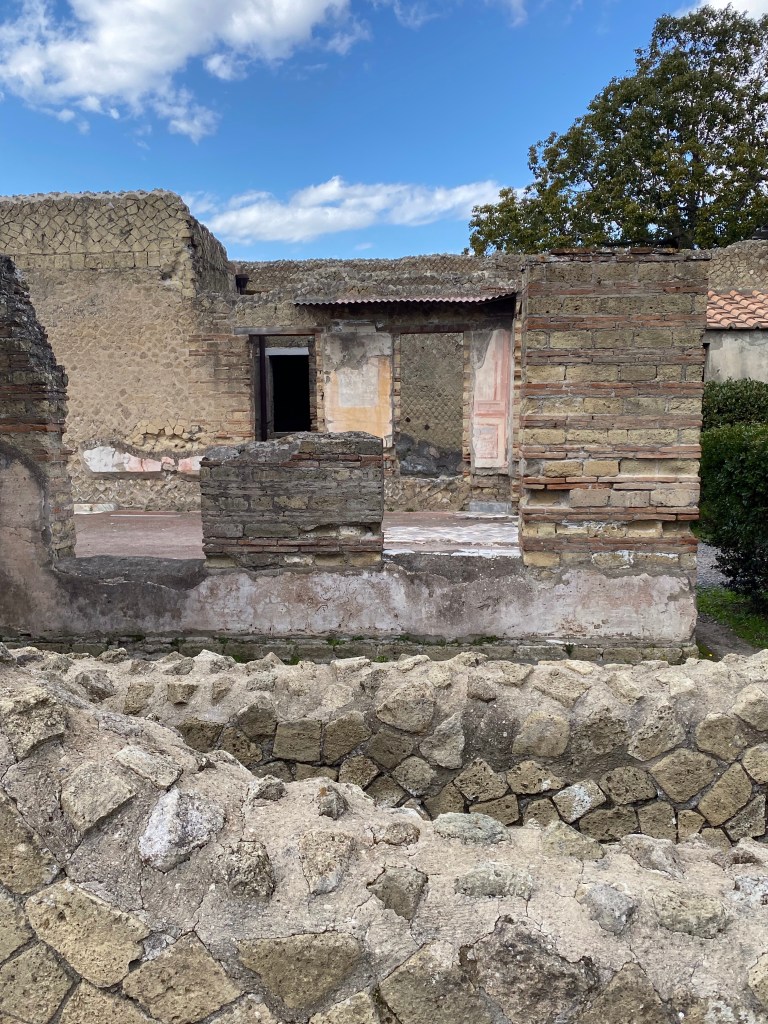
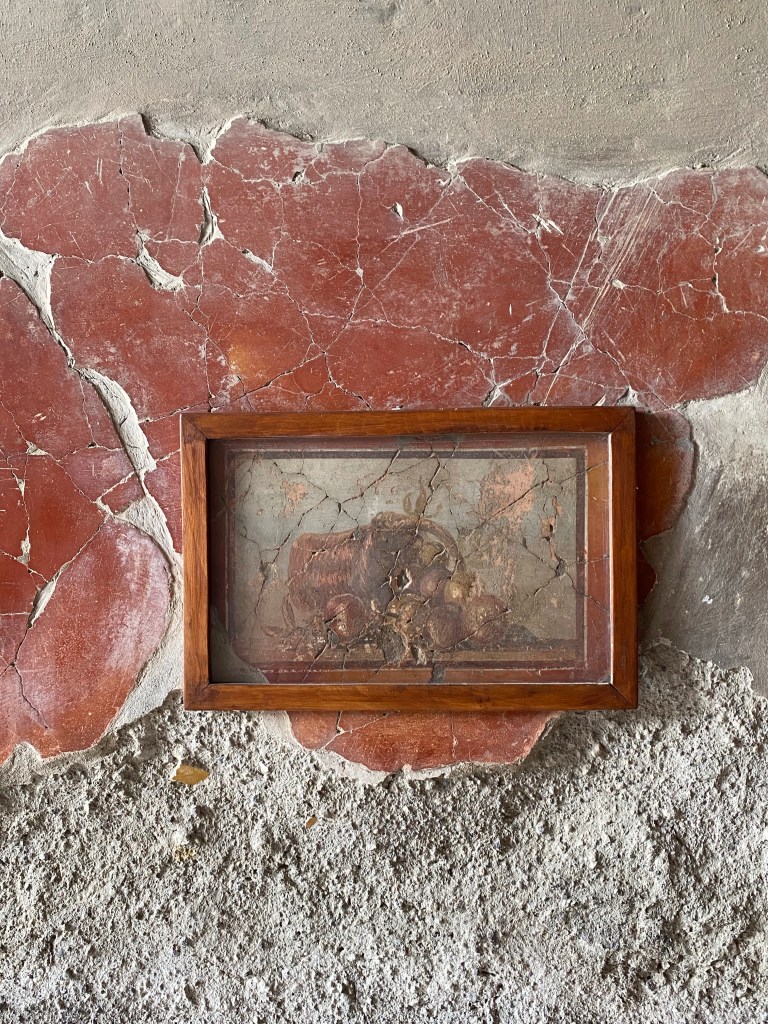
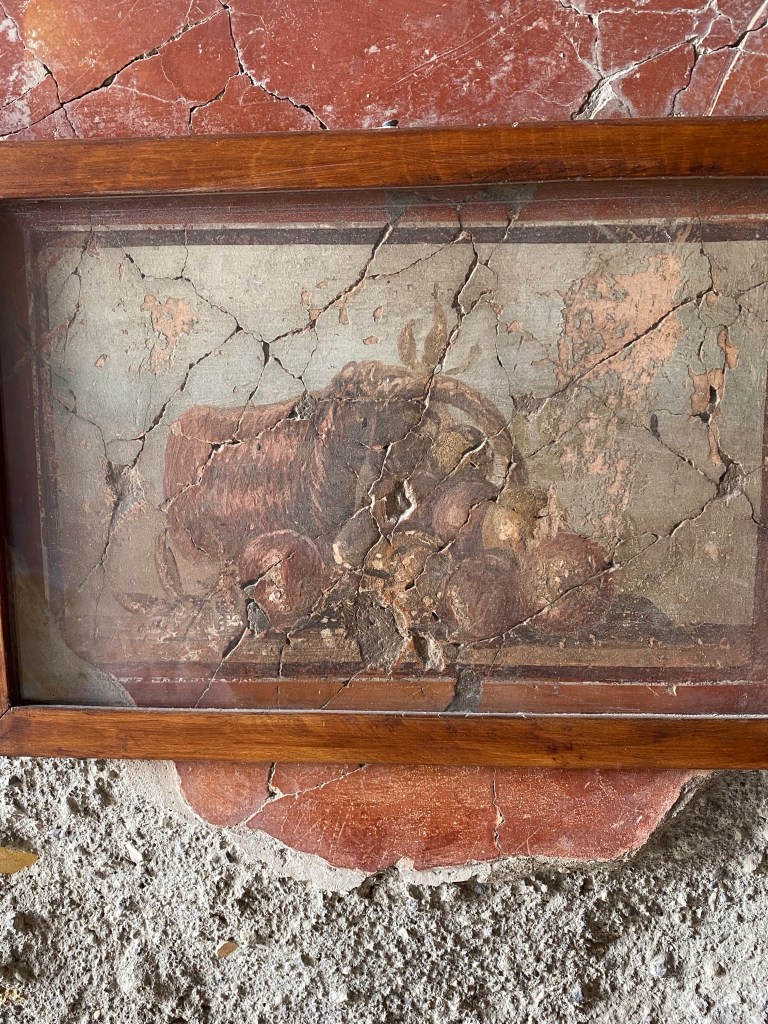
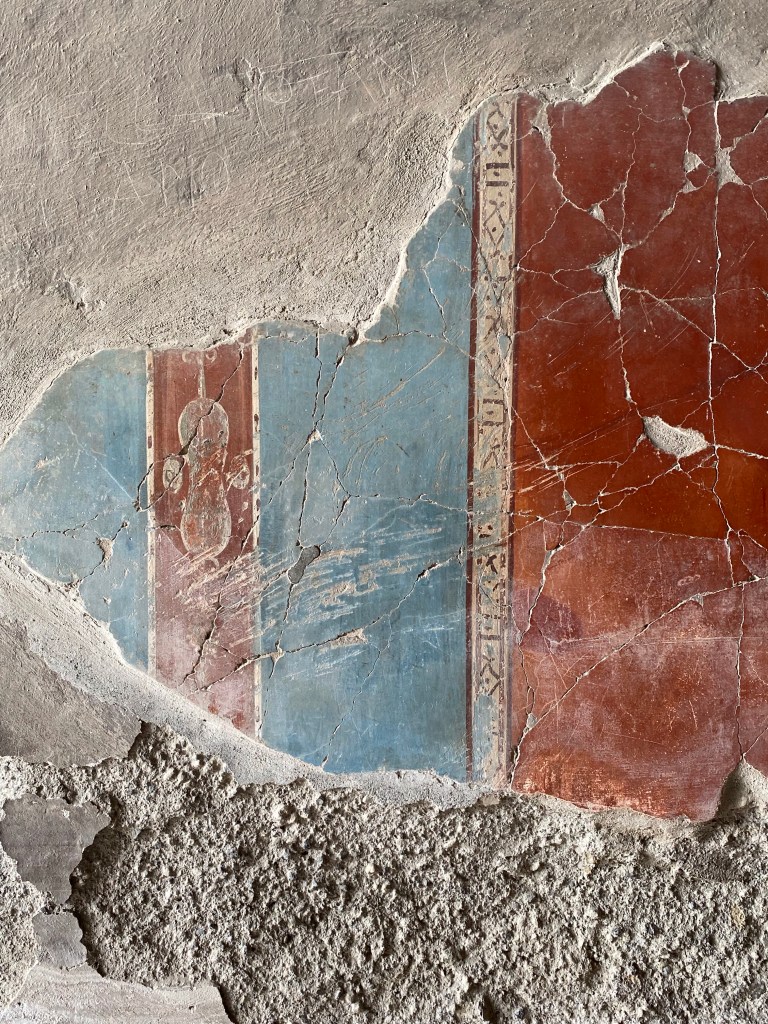
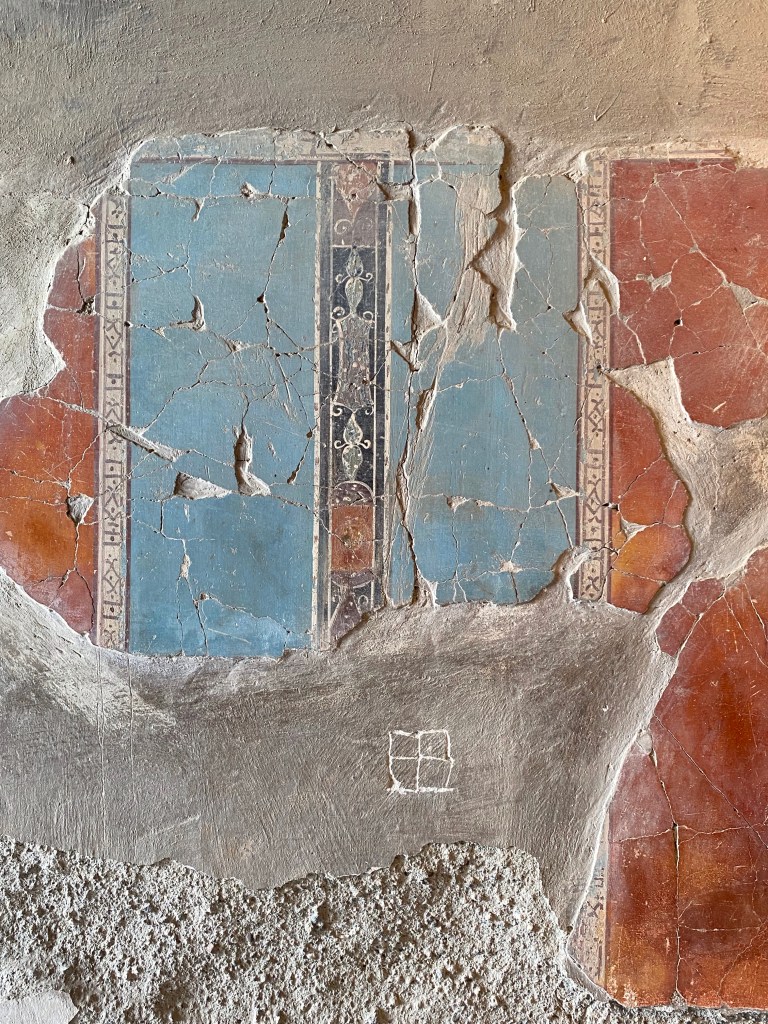
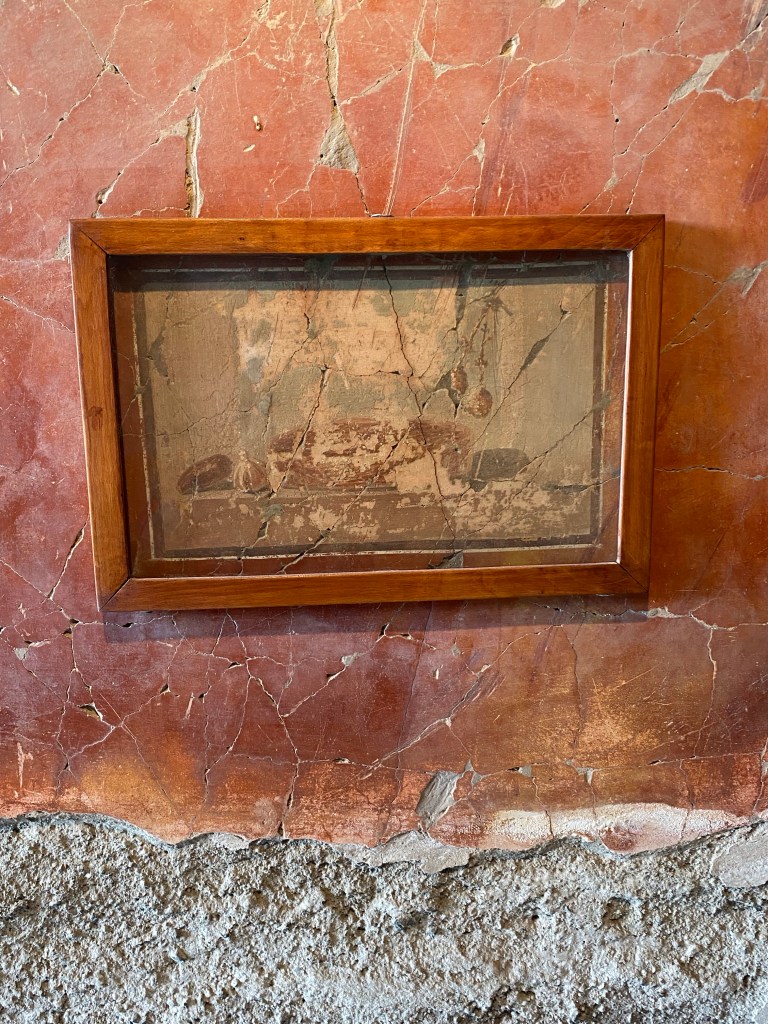
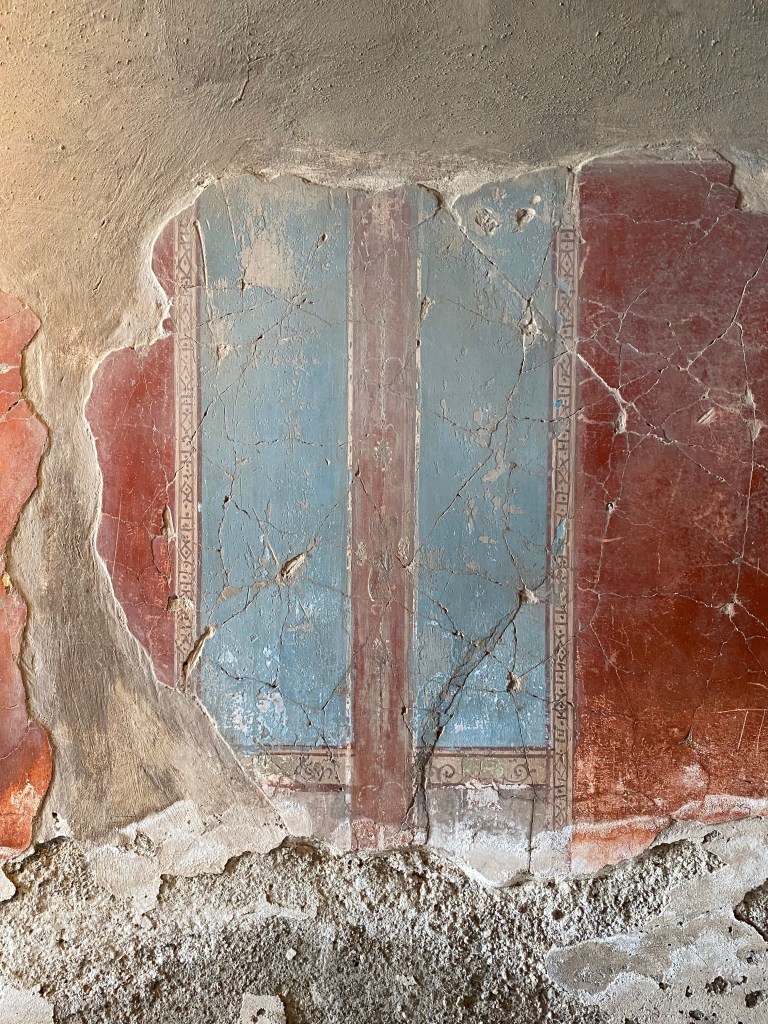
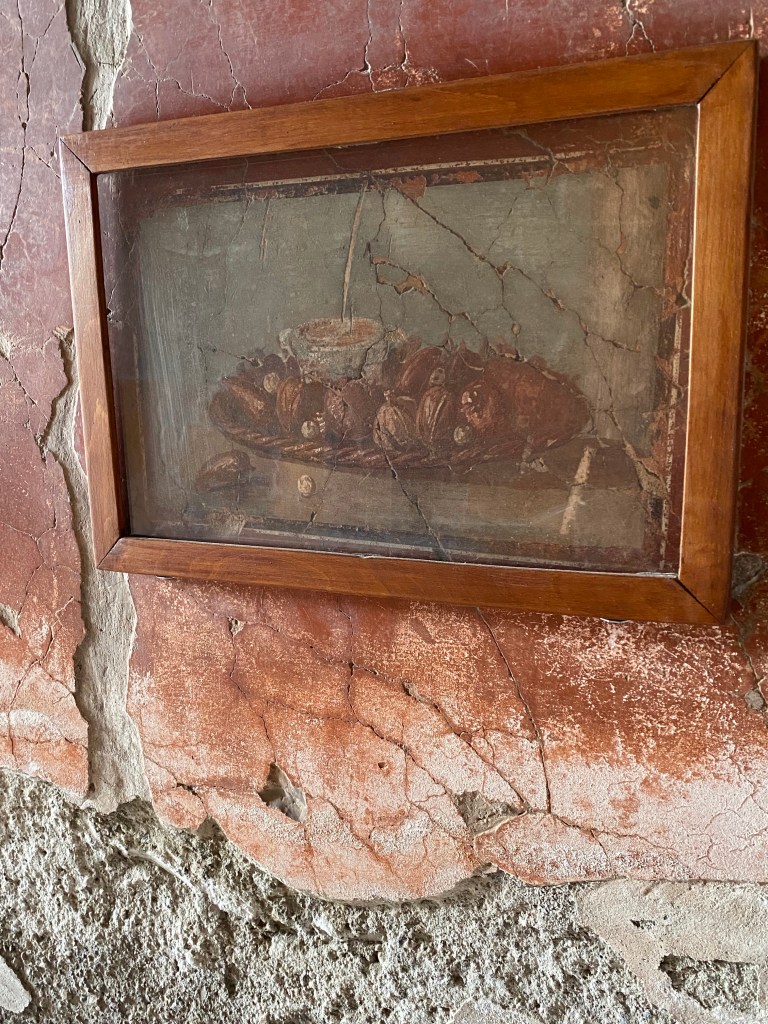
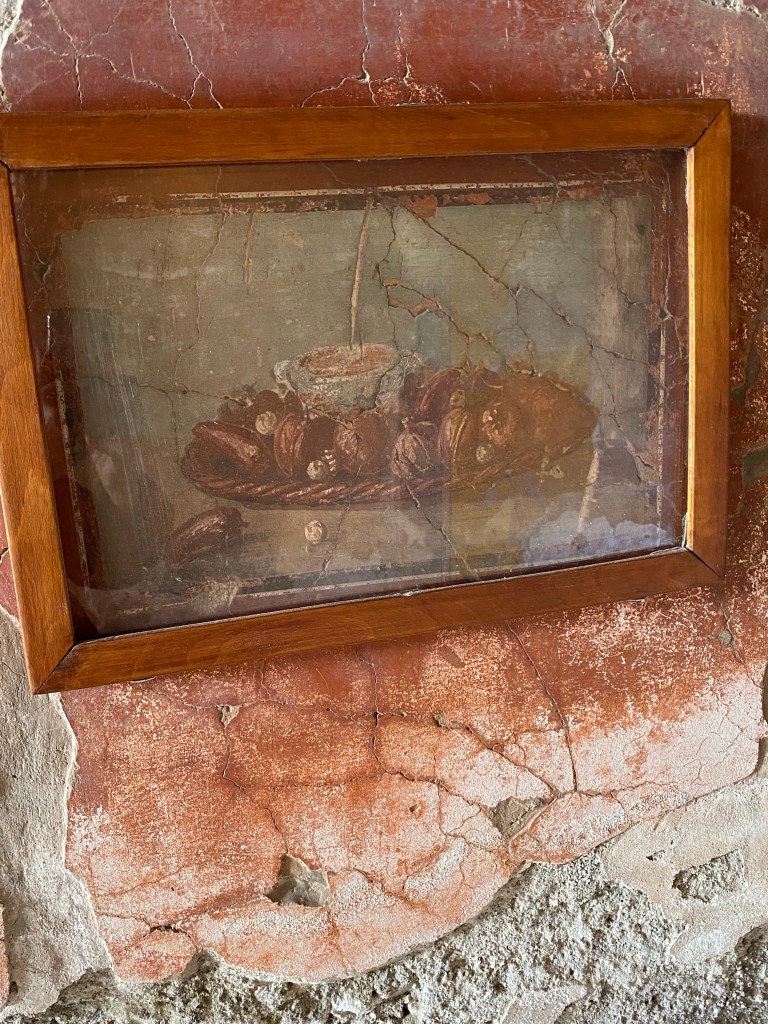
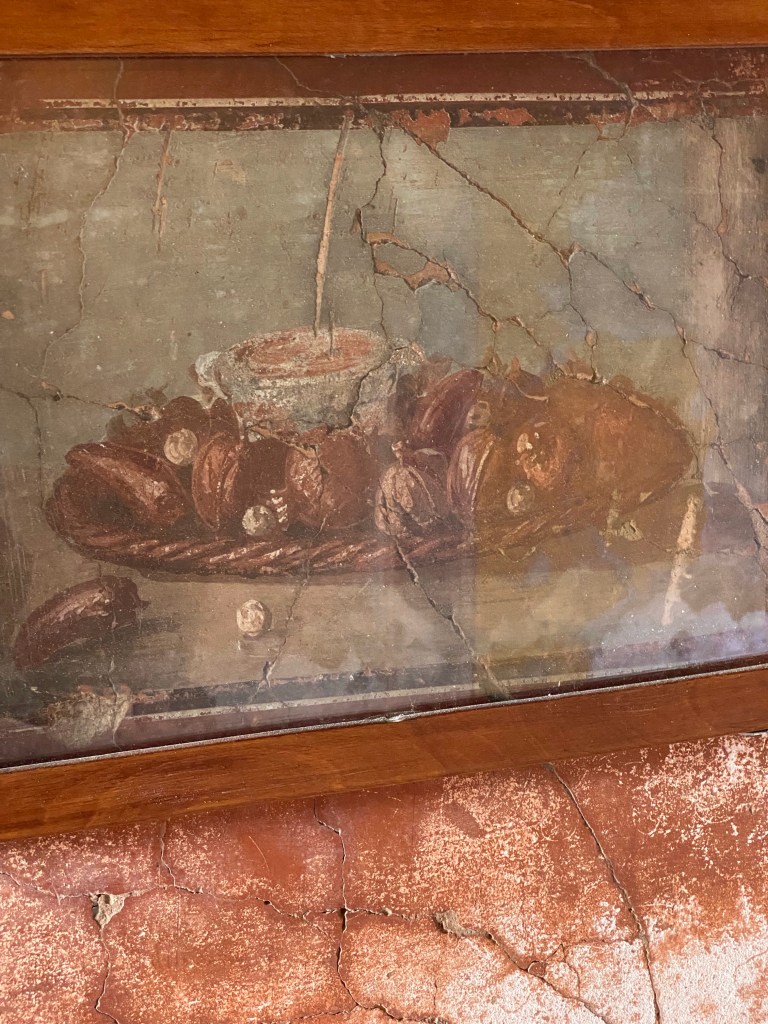
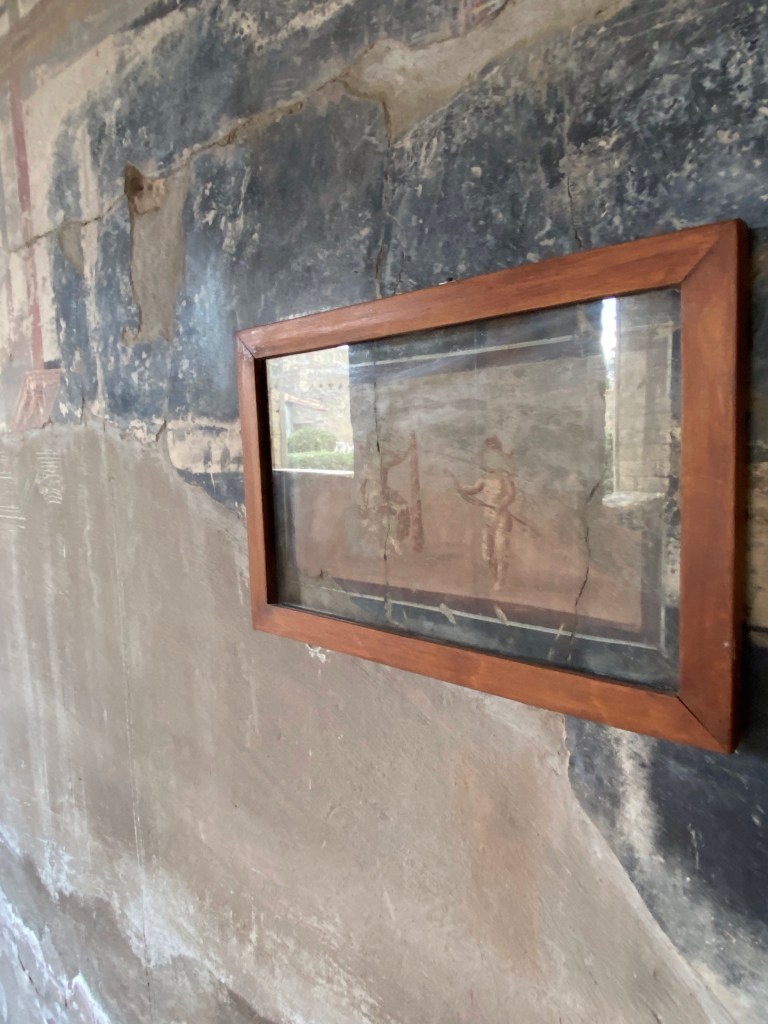
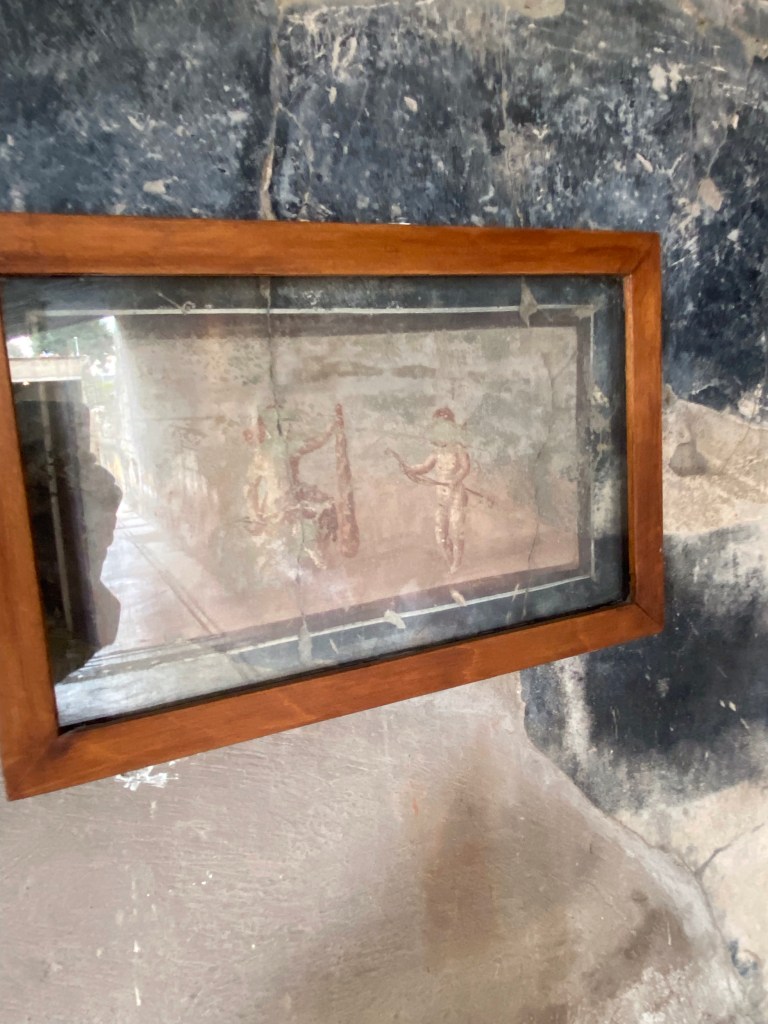
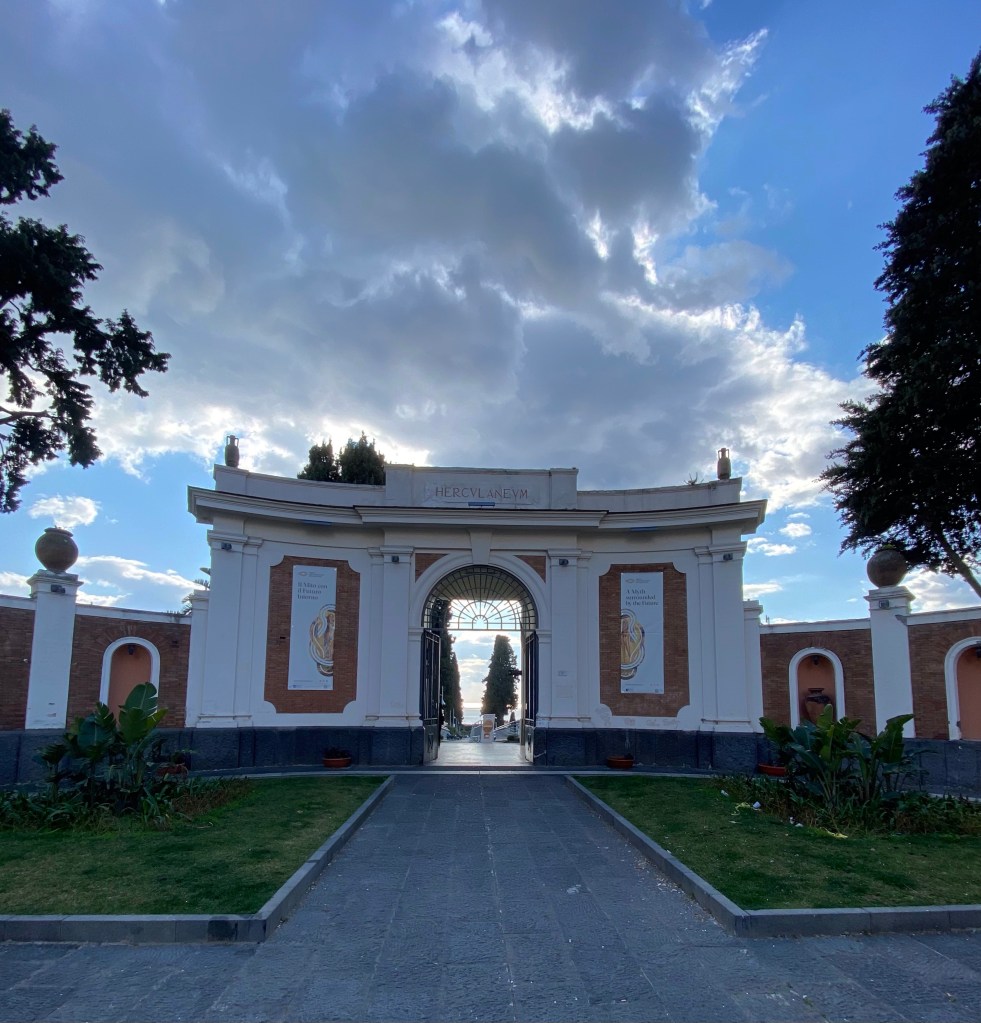
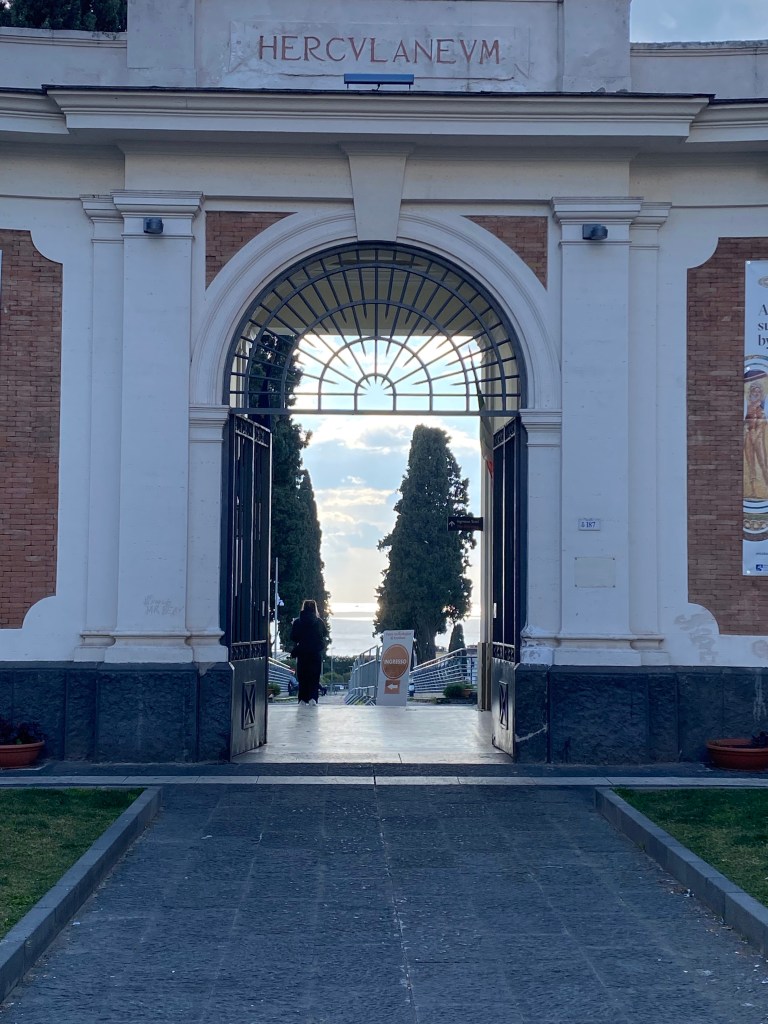
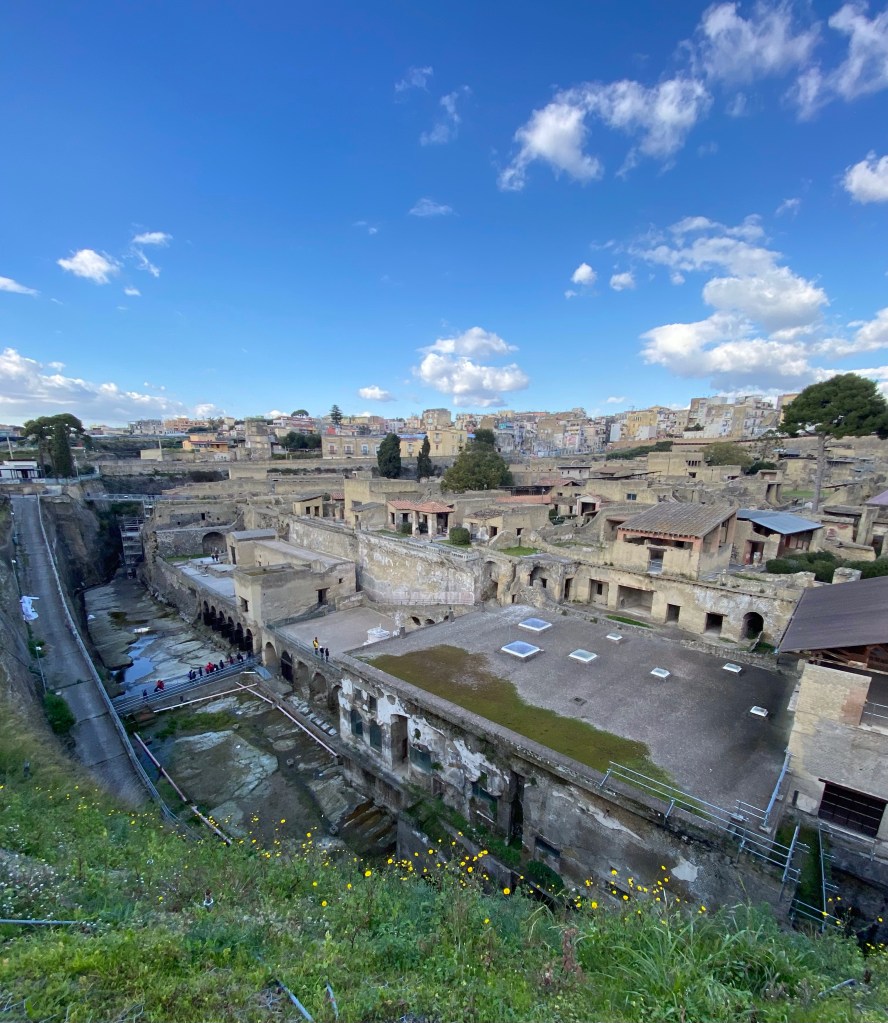
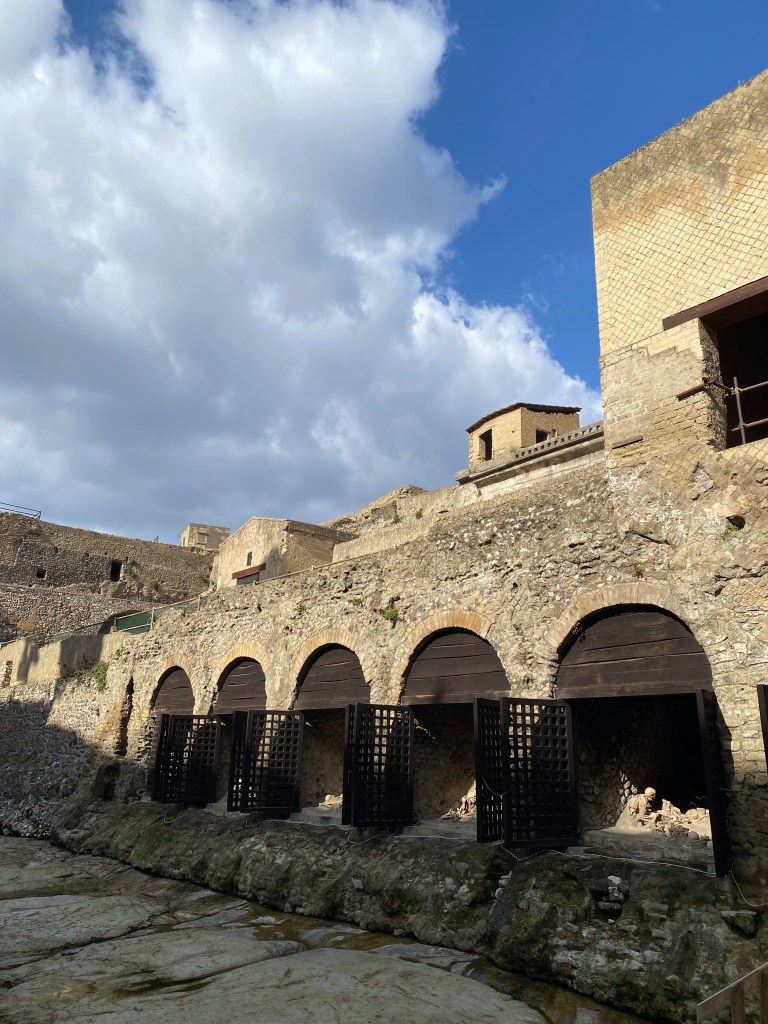
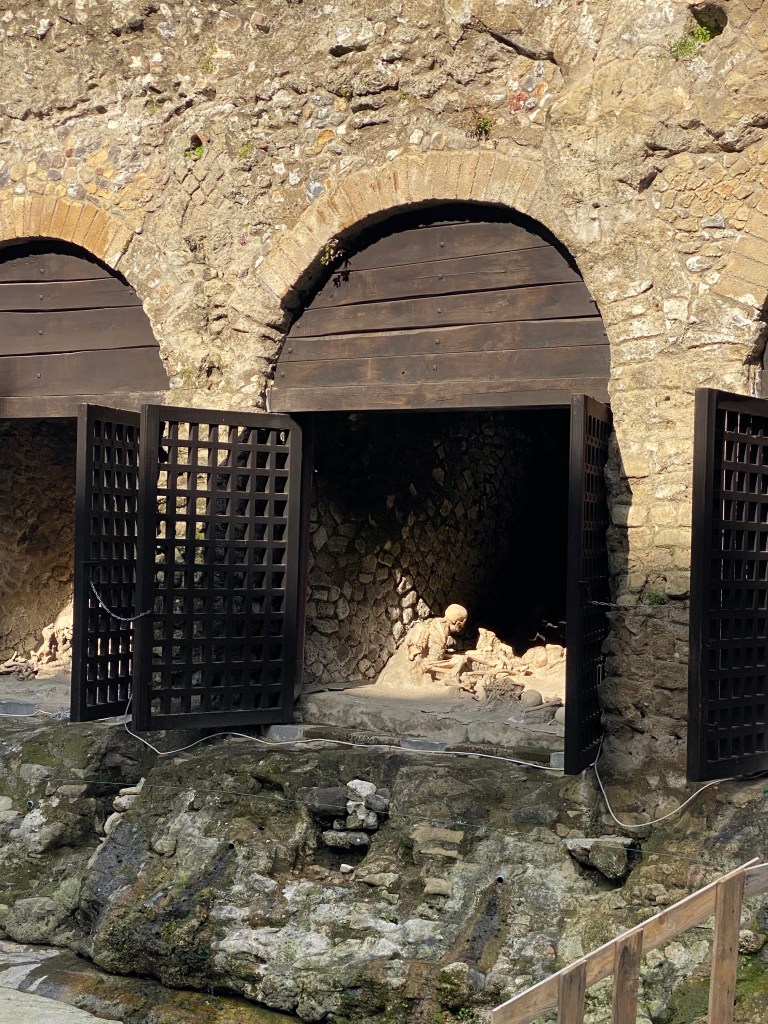
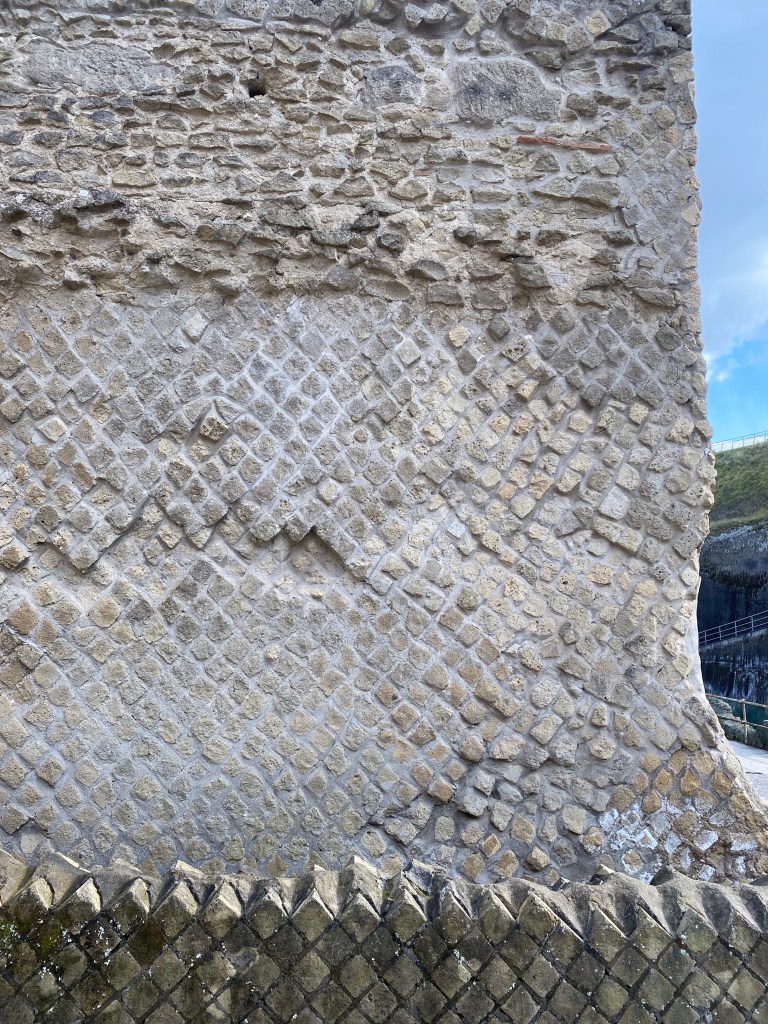
I made it to Herculaneum finally! But, first I did some homework. I hope I never stop learning.
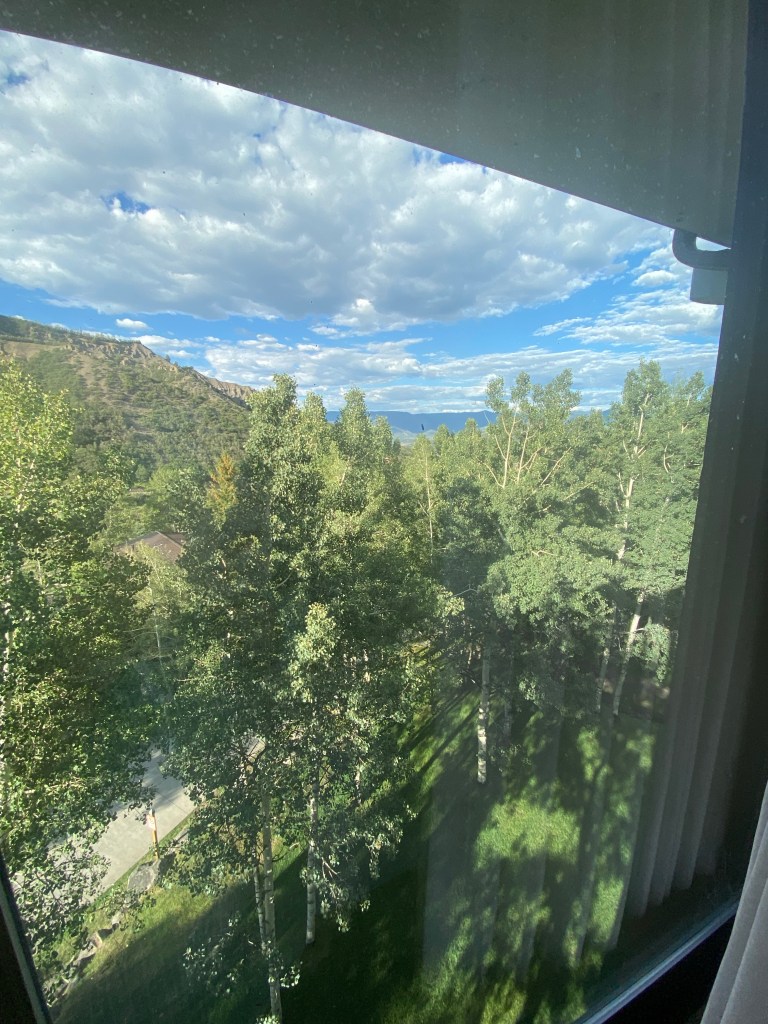
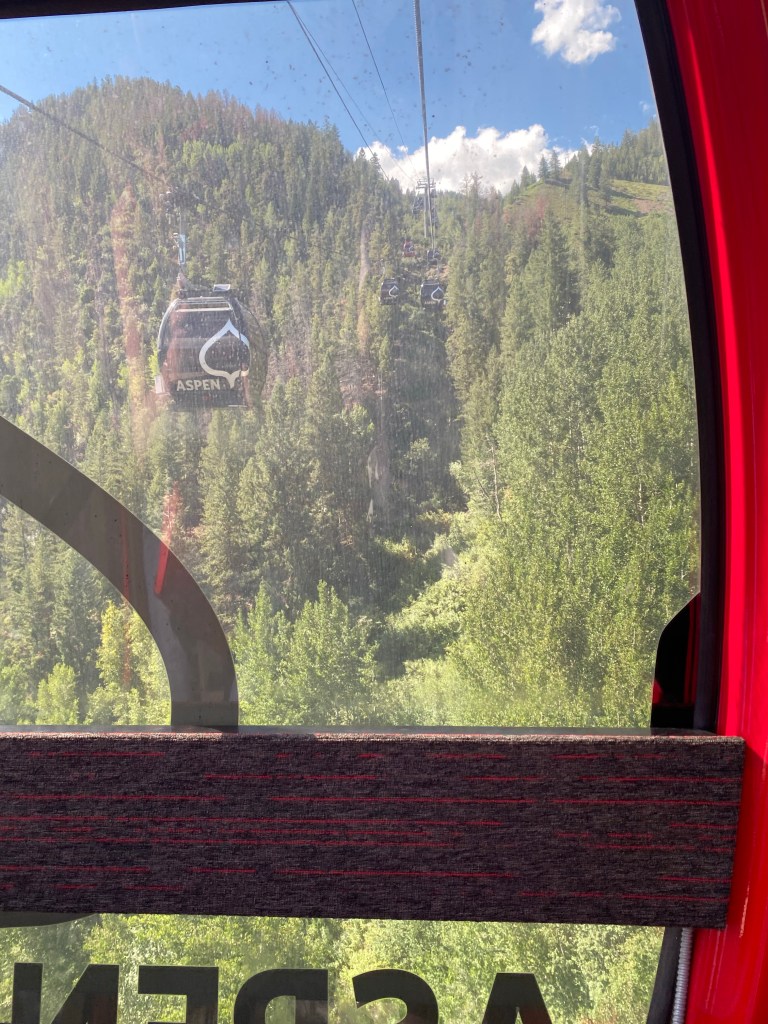

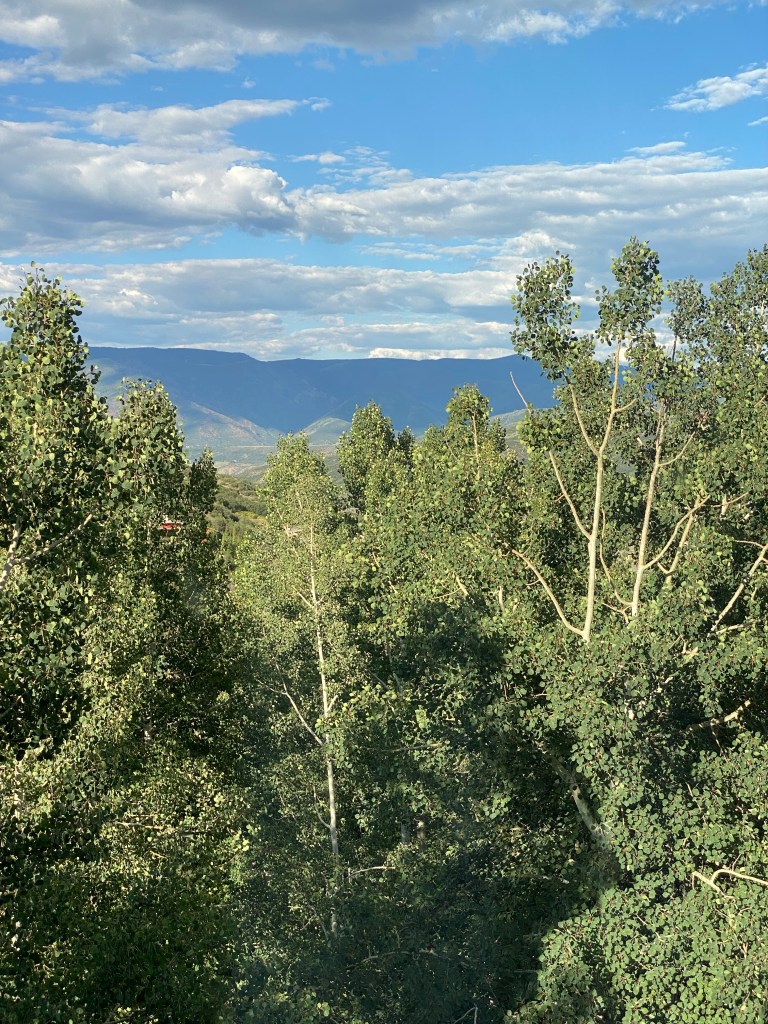
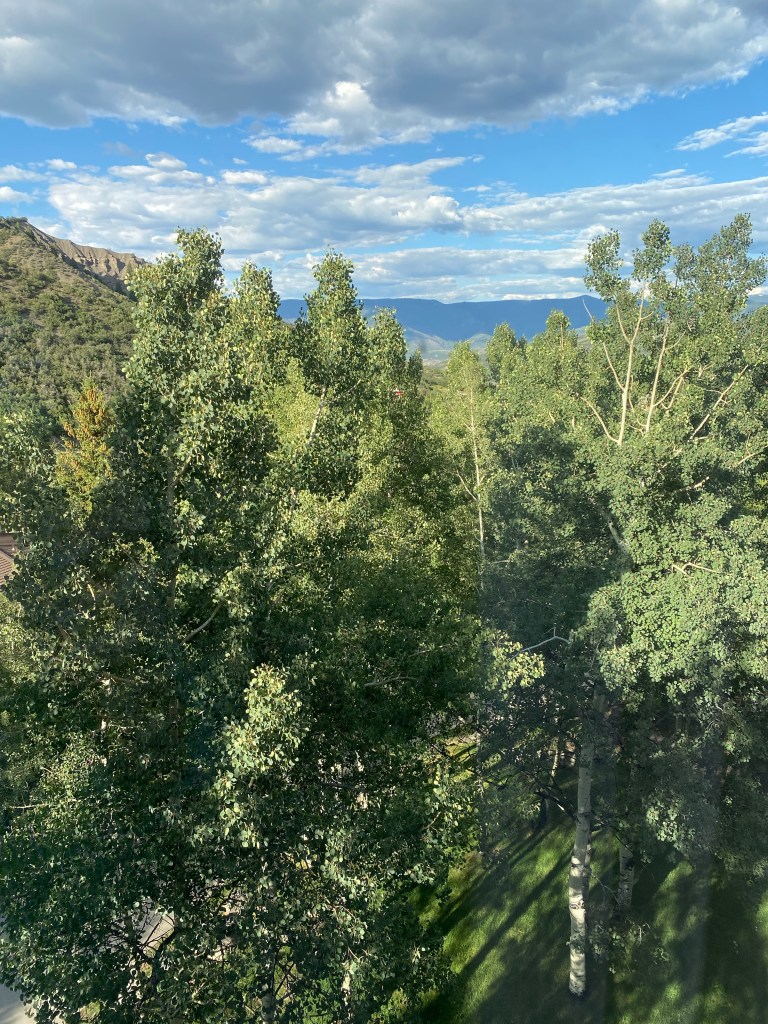

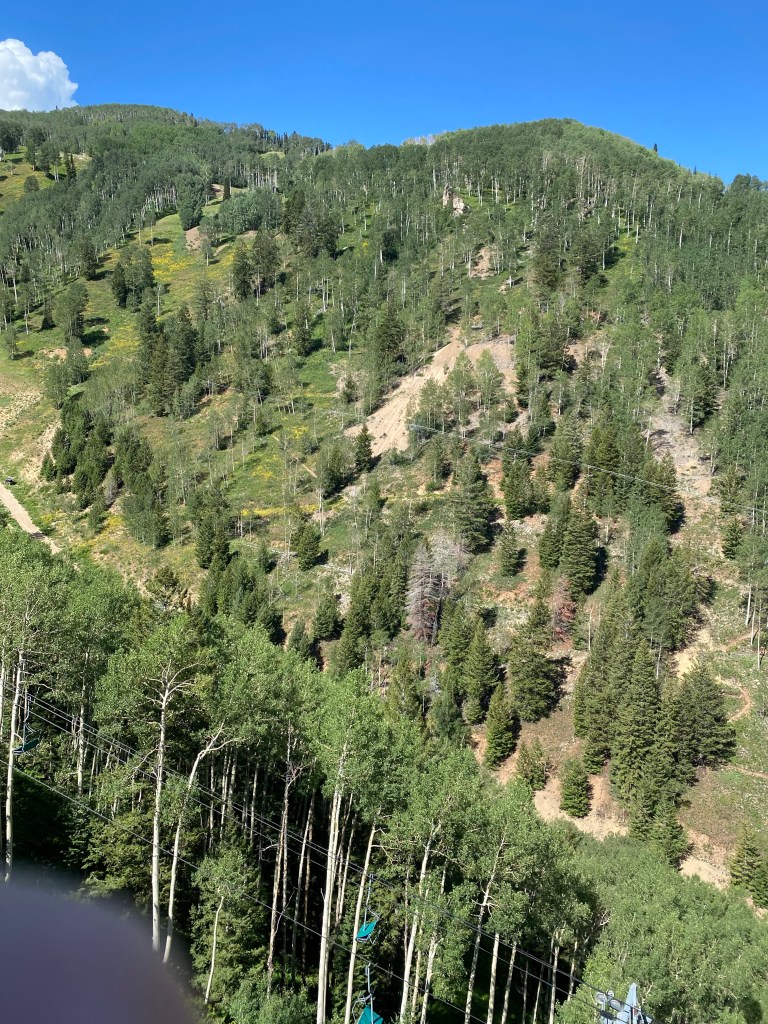


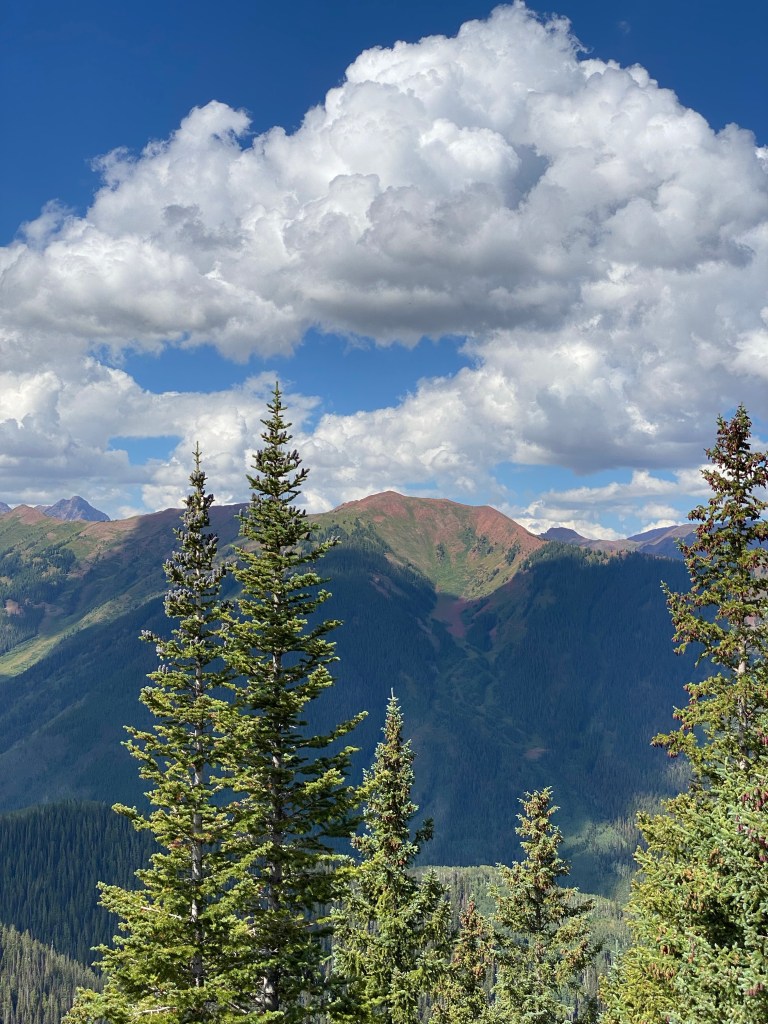
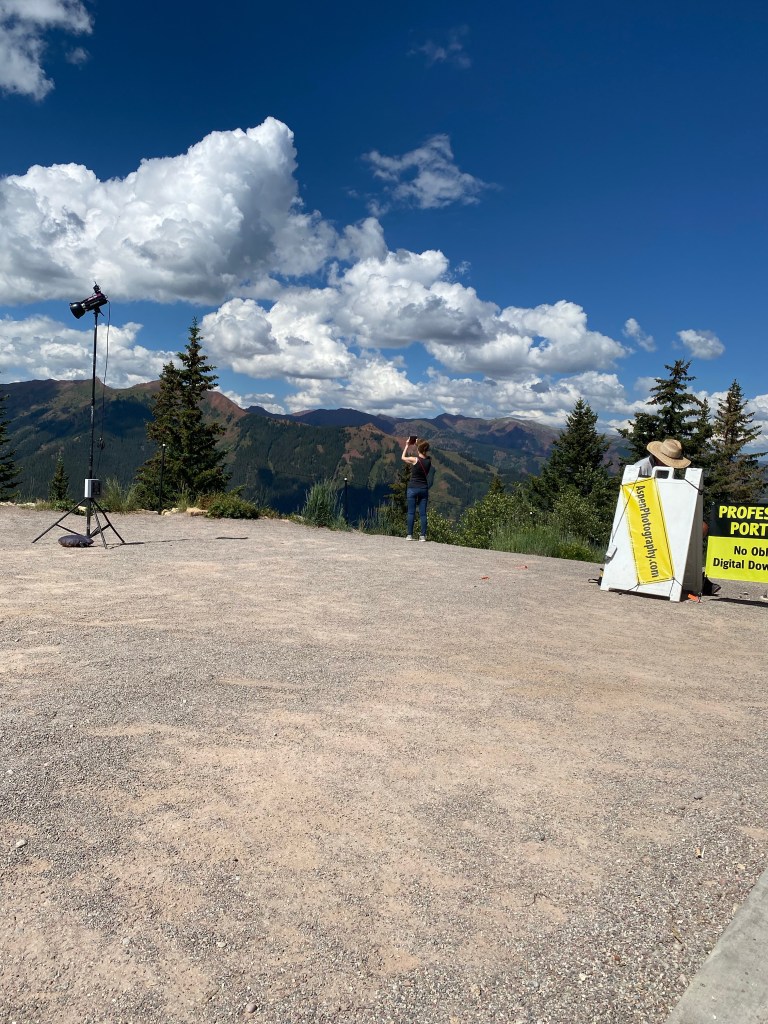
Unfortunately, I wasn’t feeling well this day. The temps were in the 90s and we went to Aspen to escape the heat. It was there too. But, I tried to rally and took the gondola to the top of this beautiful mountain. The scenery was spectacular, even if my photos of it aren’t.















Yowza! What views!
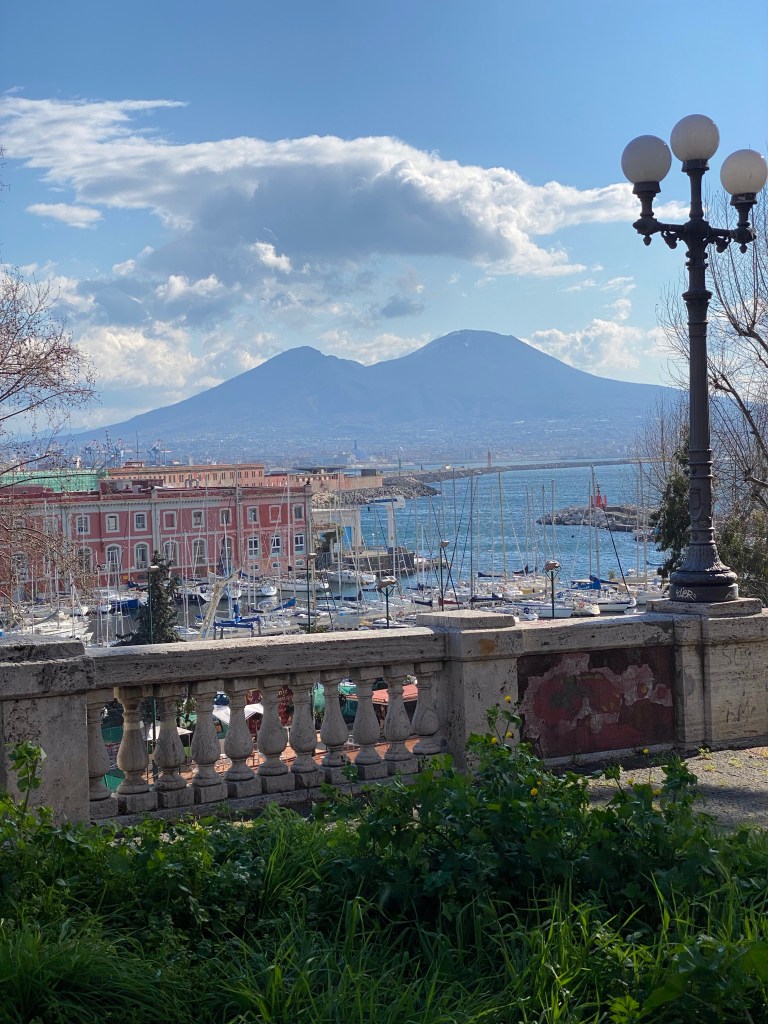
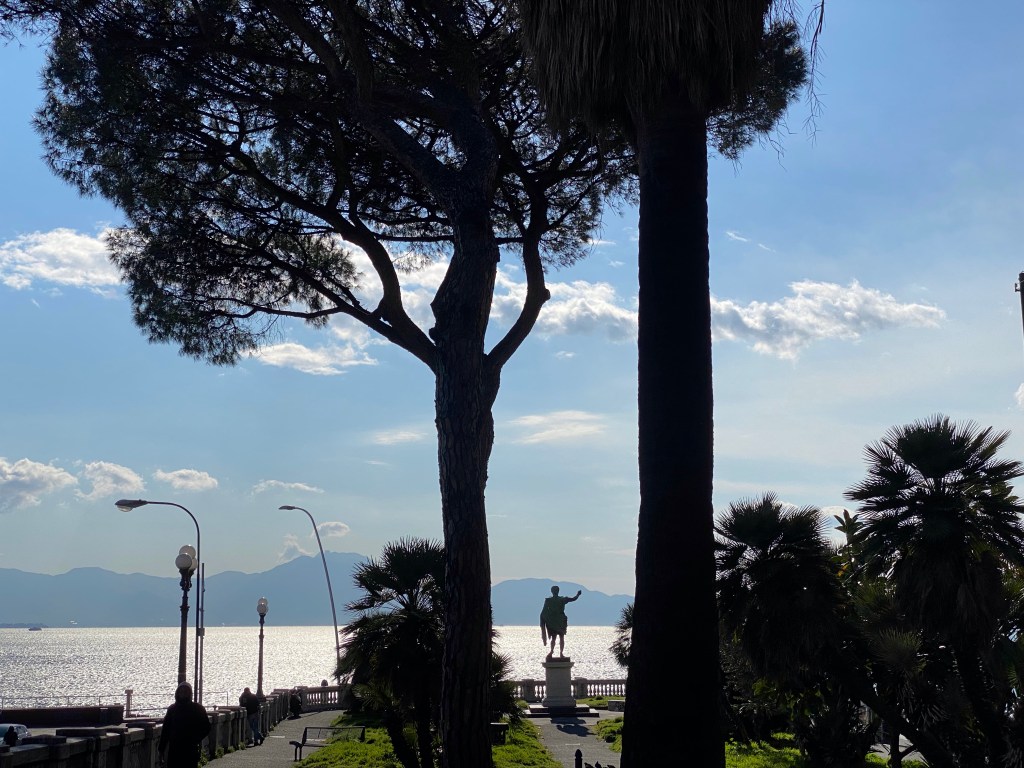
You can understand why Goethe exclaimed “see Naples and die” when he first visited in 1786. It is spectacular! The architects who’ve designed the city over the centuries also made good use of the spectacular vistas!
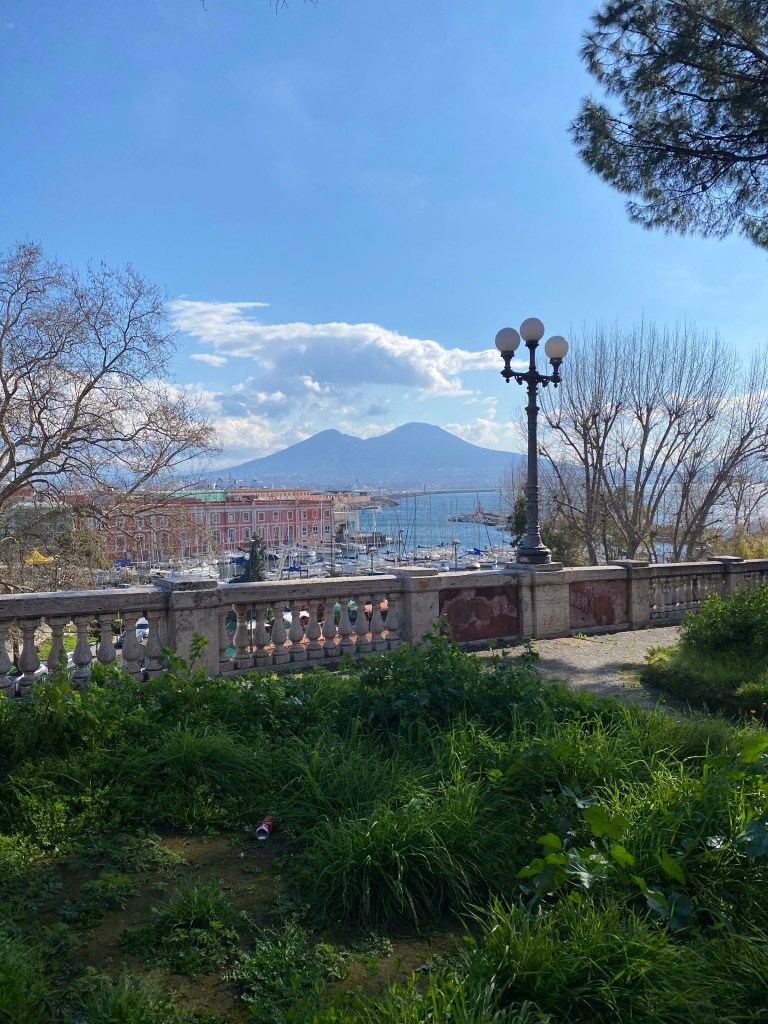
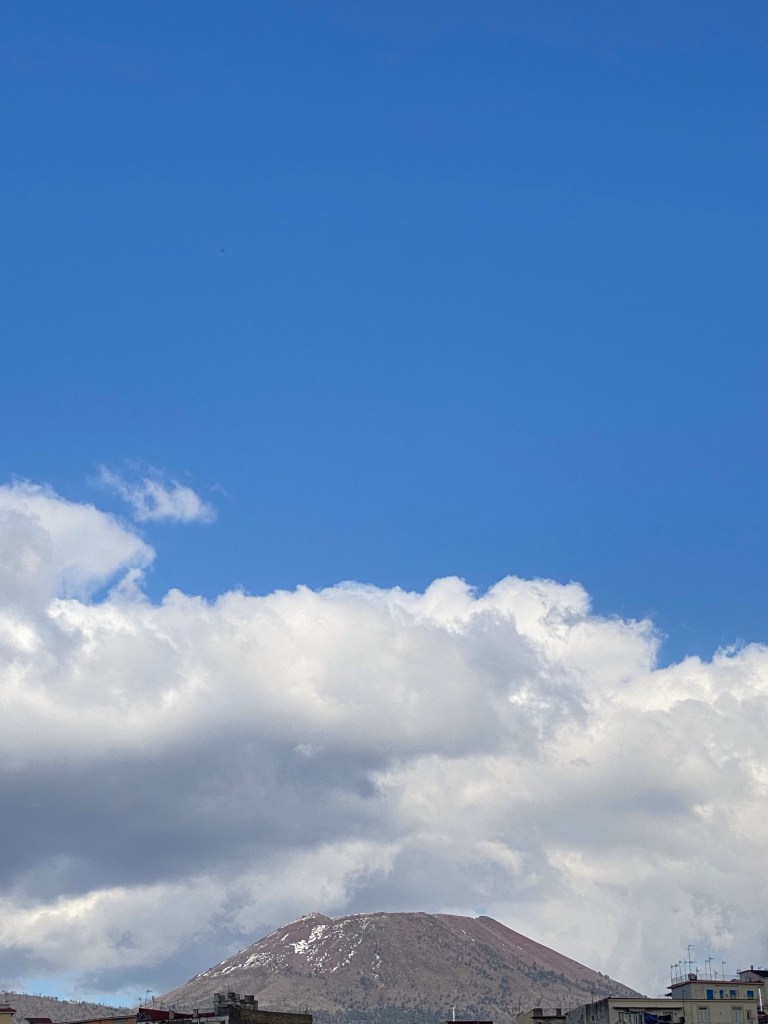
That’s Mt. Vesuvius in the background!
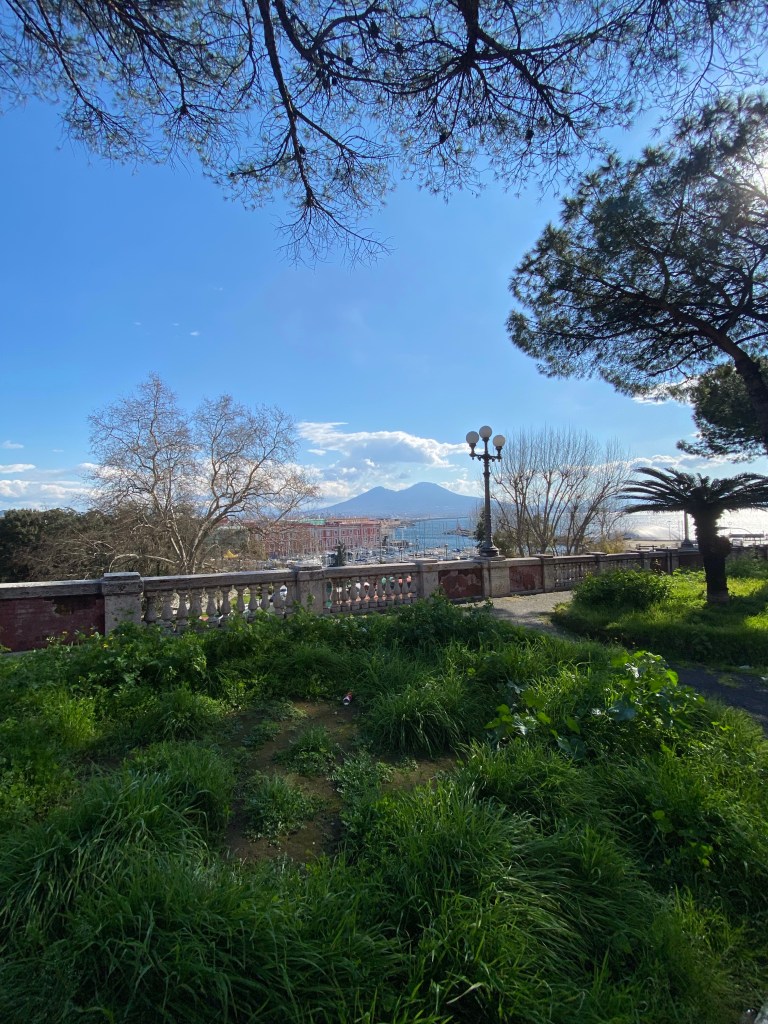
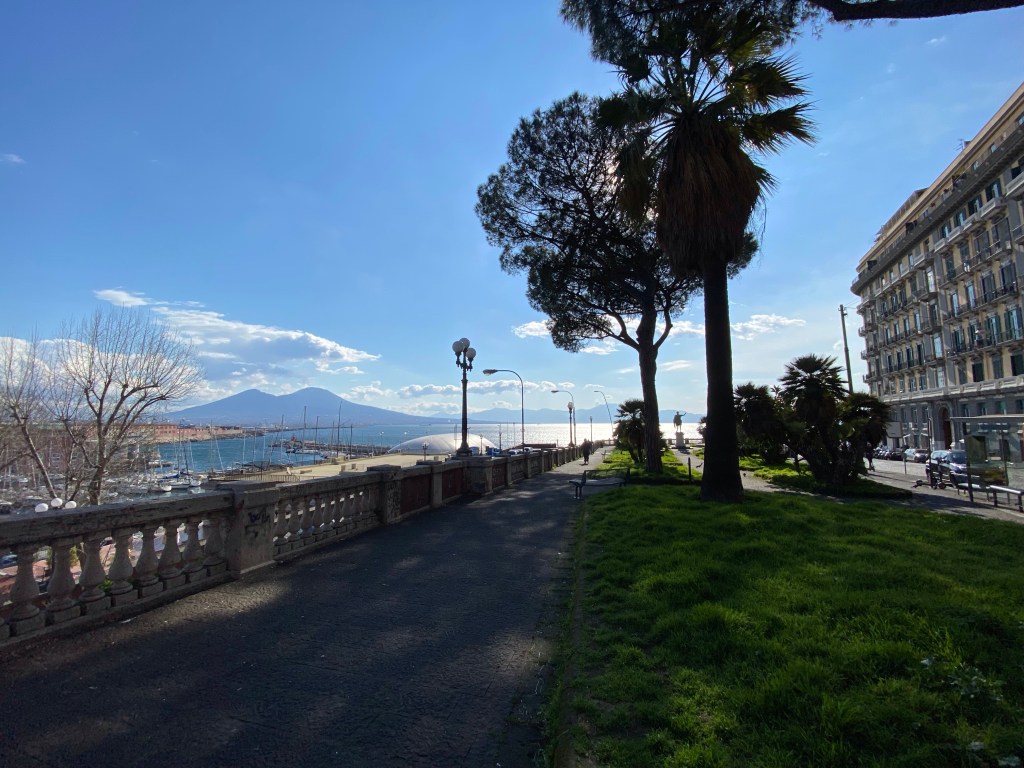
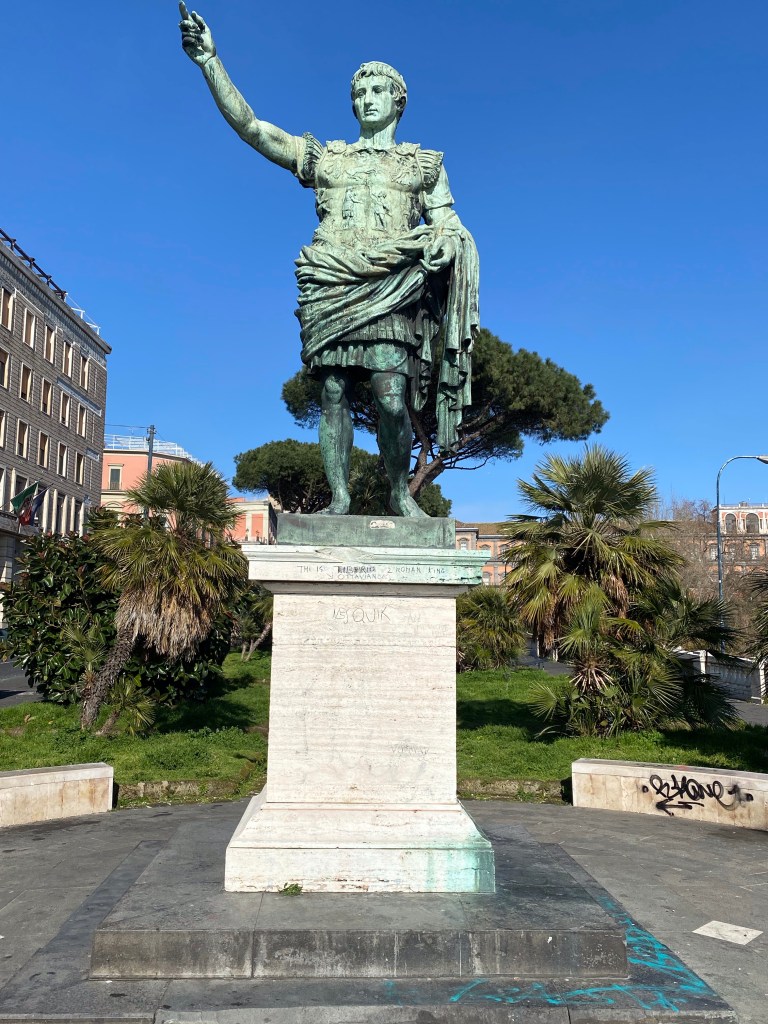
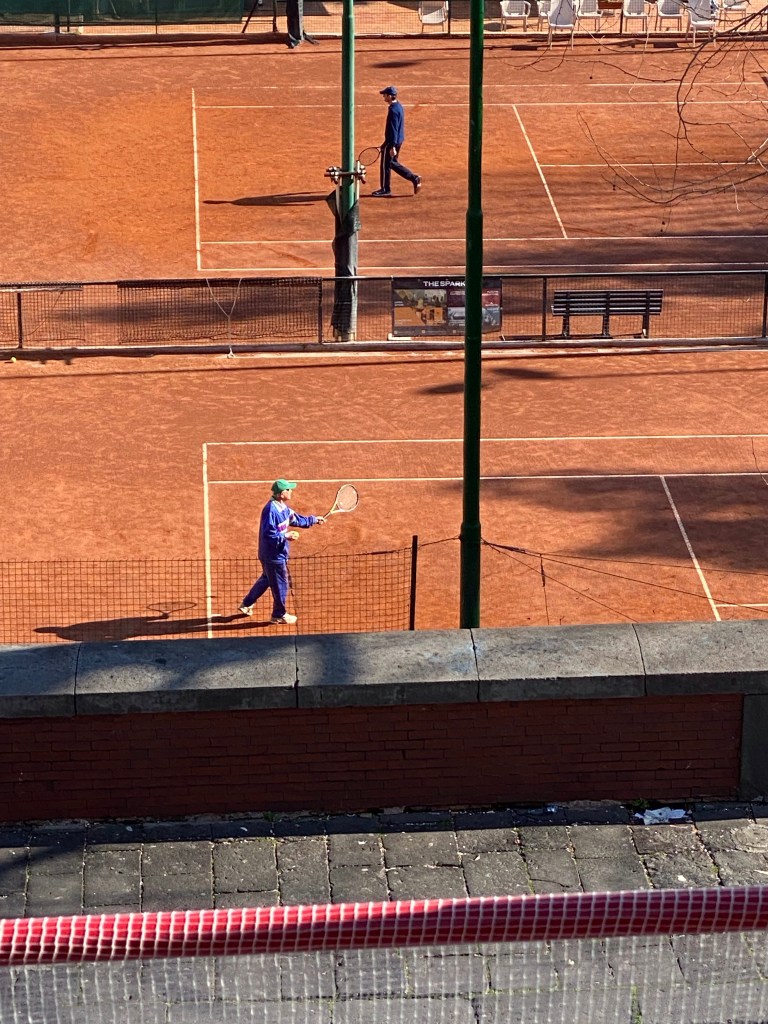
Wait a minute! What’s this I see? Tennis anyone? Right on the Bay of Naples and the marina!
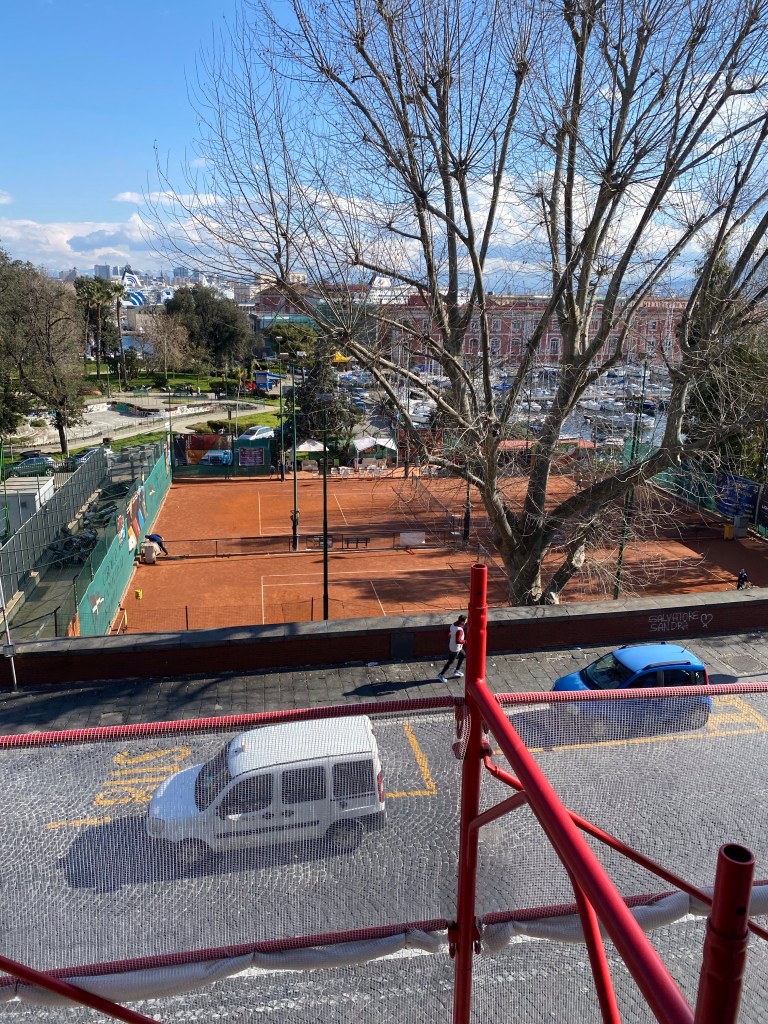
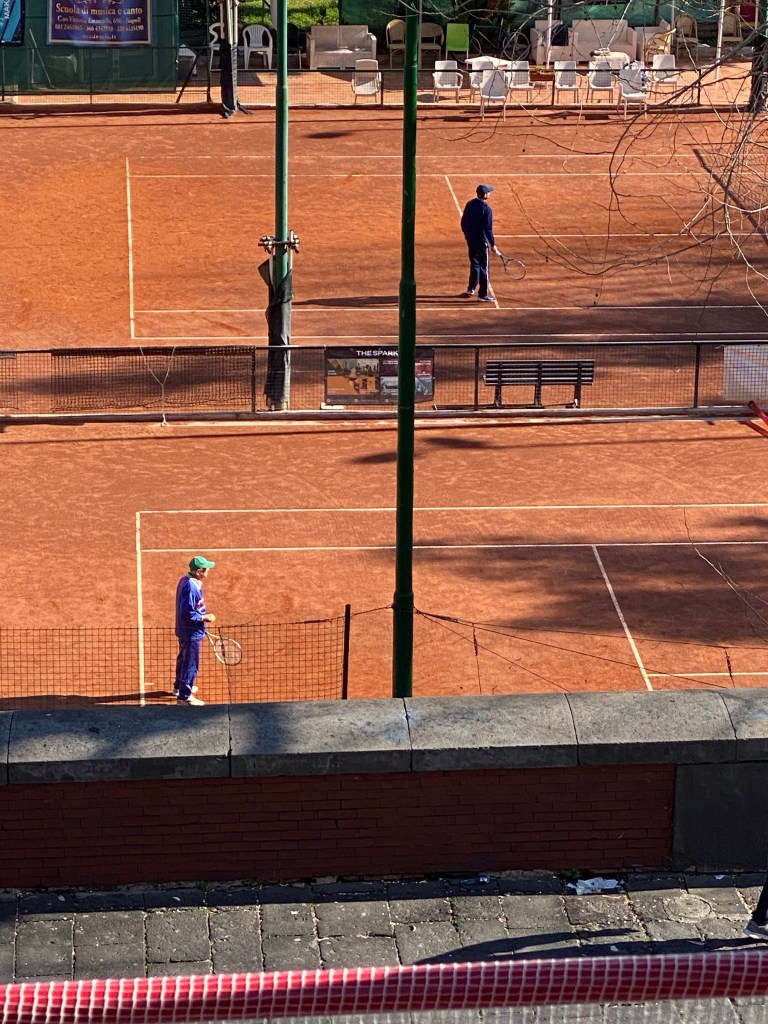
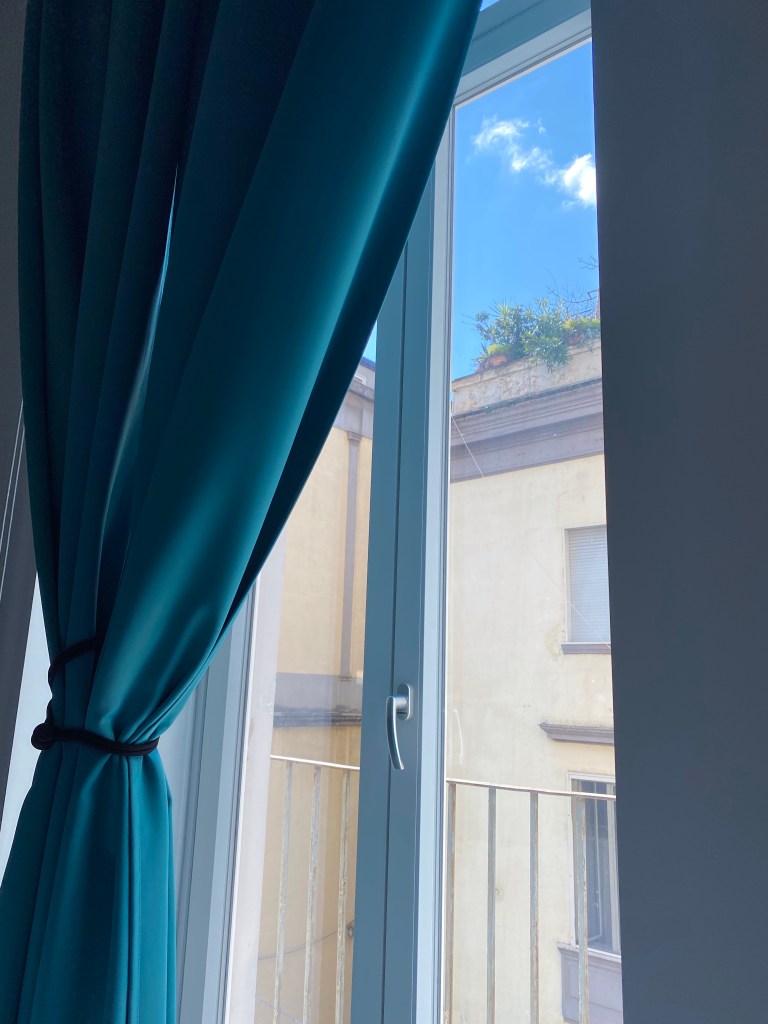
And, be it ever so humble, this is the view from my place called home in Naples. I’m ideally situated between the wharves and the university district with a metro stop.
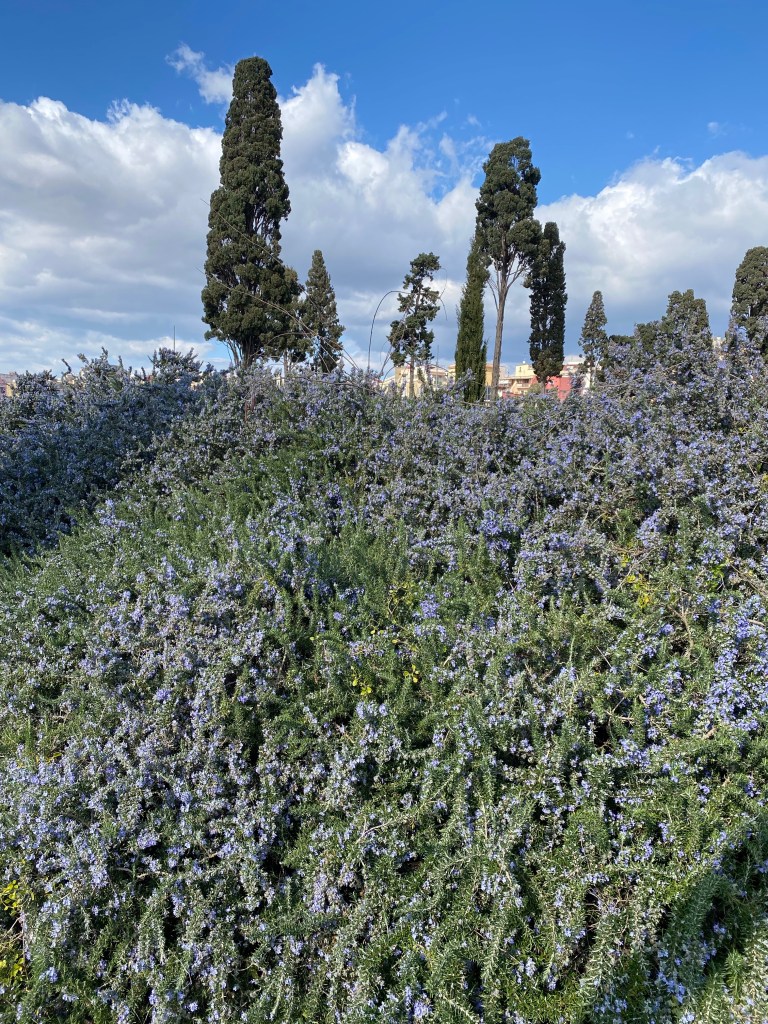
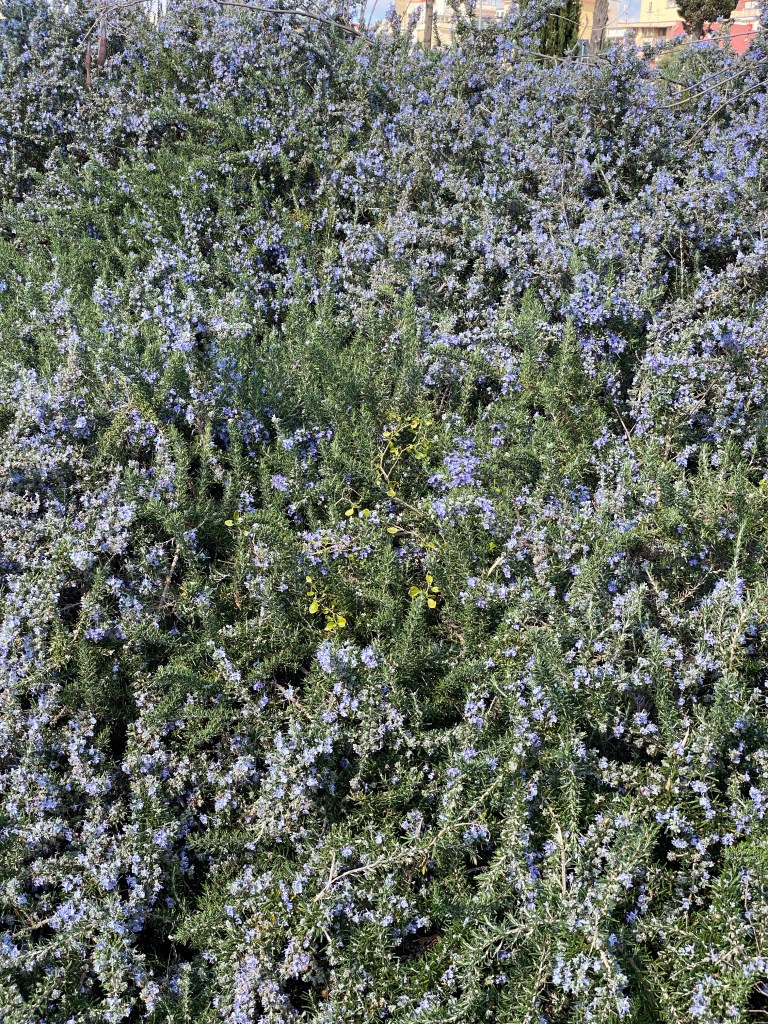
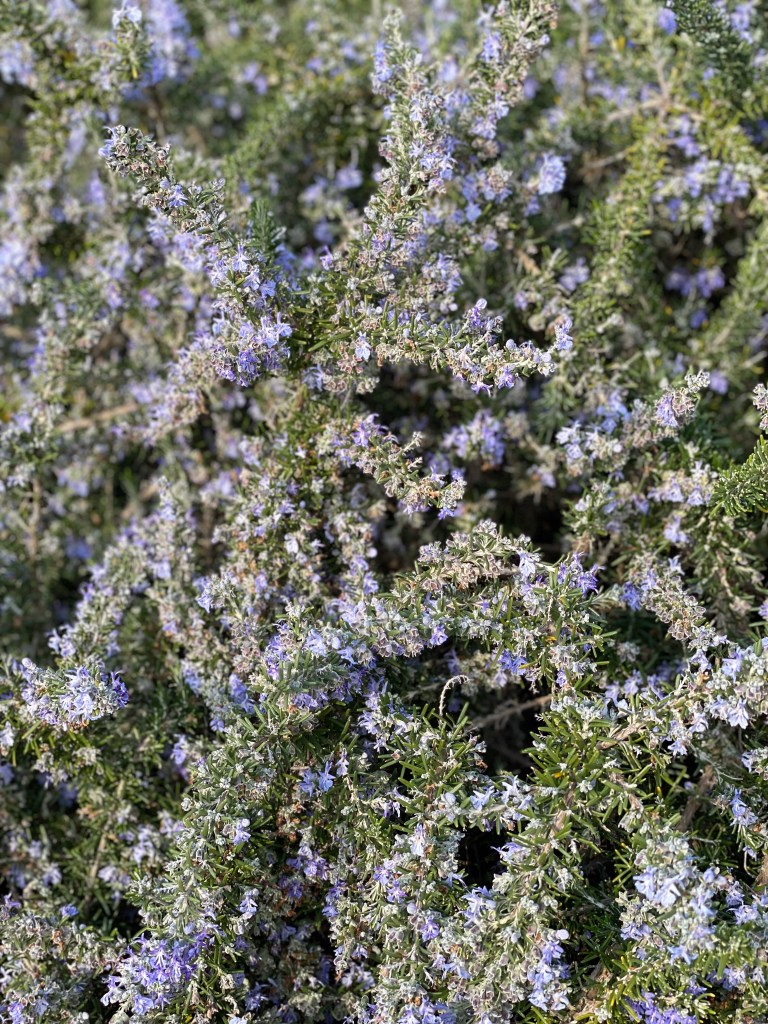
I visited Naples in early March, but flowers were in abundance. There were banks of blooming rosemary!
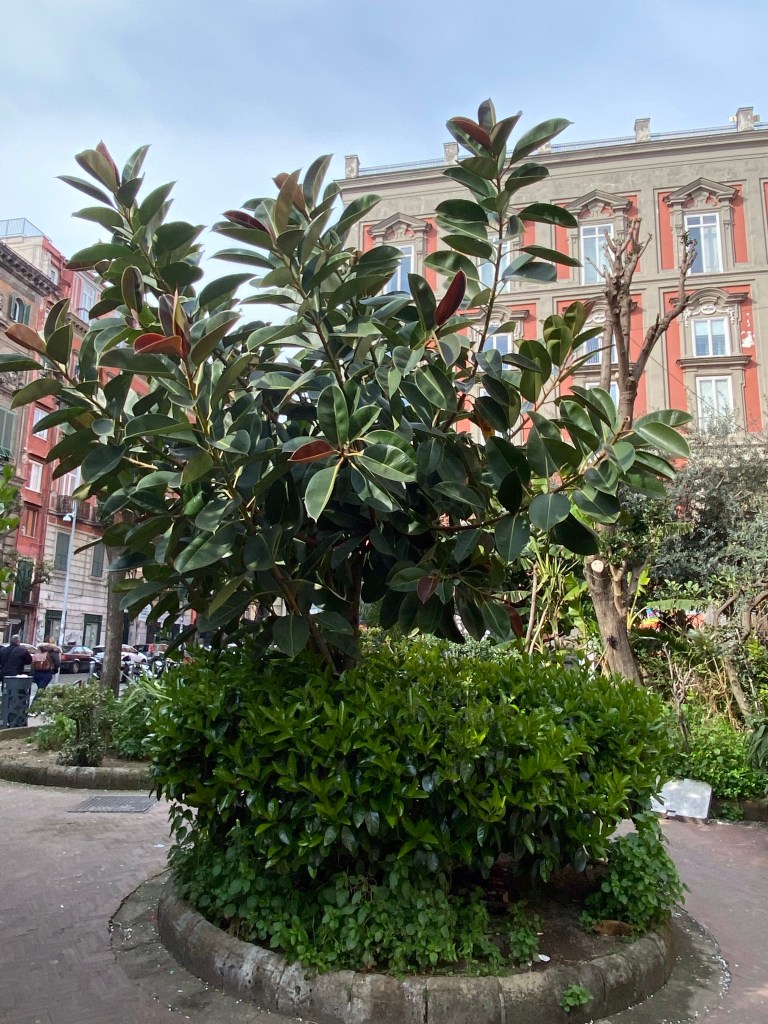
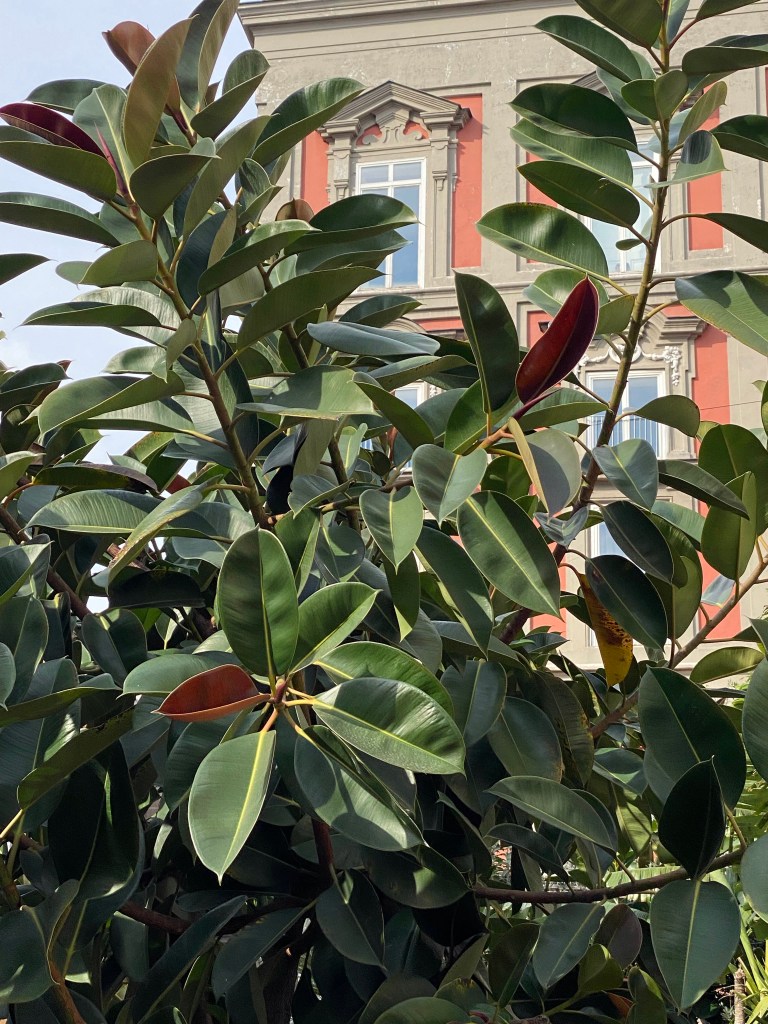
And, speaking of flora: growing up my parents had a rubber tree plant in our house. I remember it clearly because there was a popular Frank Sinatra song at the time about “High hopes” and an ant moving a rubber tree plant. The plant, Frank and the idea of high hopes inspired me!
But, check out the same plant growing in Naples!
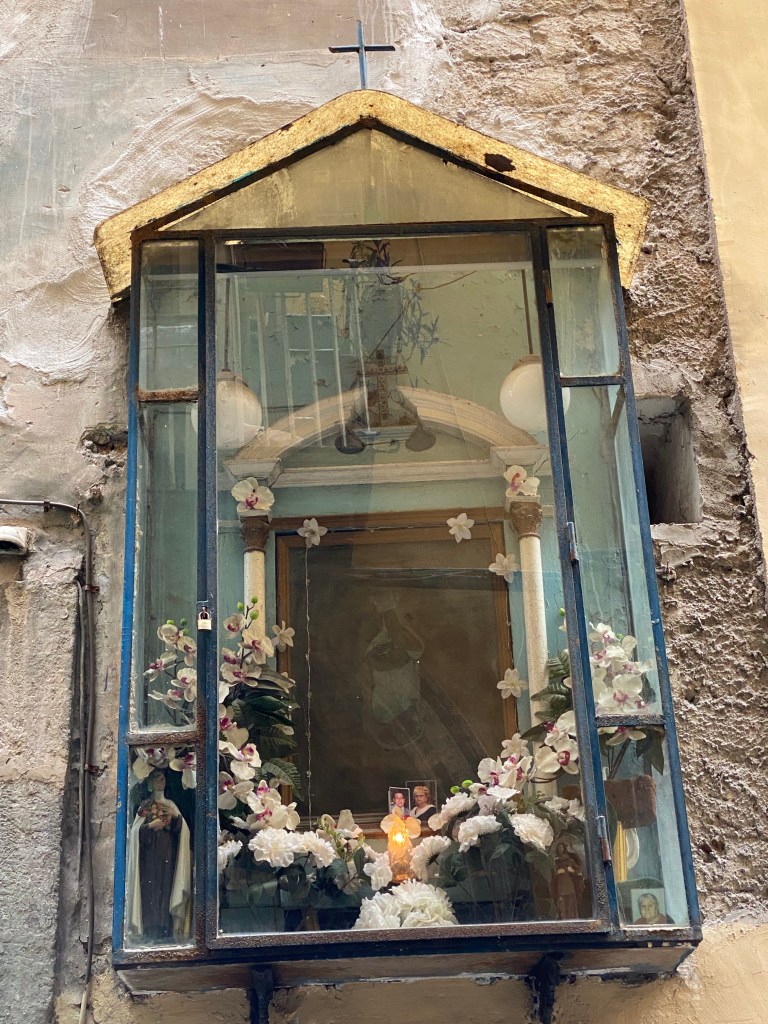
There were all the usual Christian tabernacles on every street, in every Borgo. Maybe the ones in Naples have a special flavor…I’m still studying!
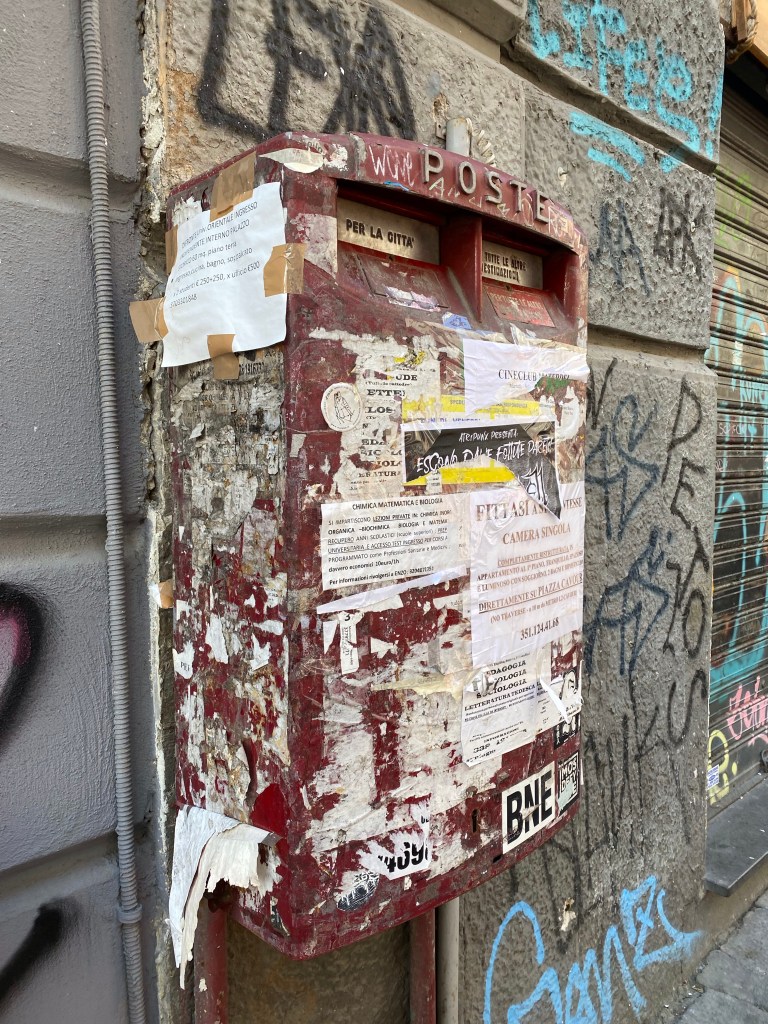
And you can never forget you are in Naples: it’s crusty as this post office drop box illustrates!
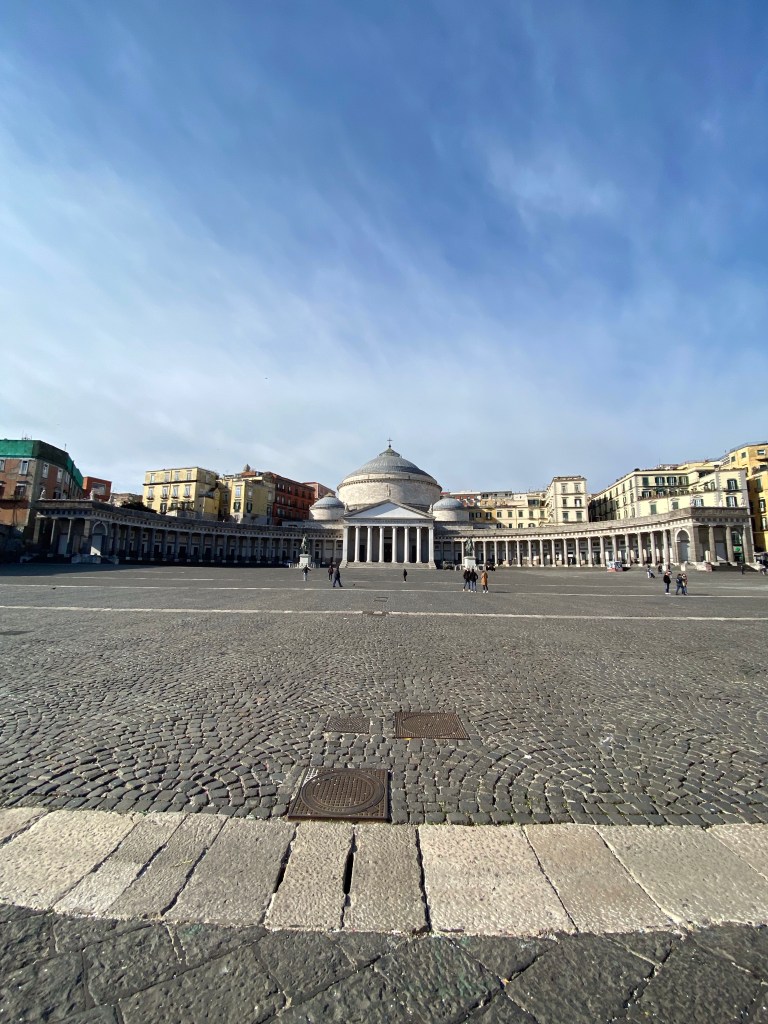
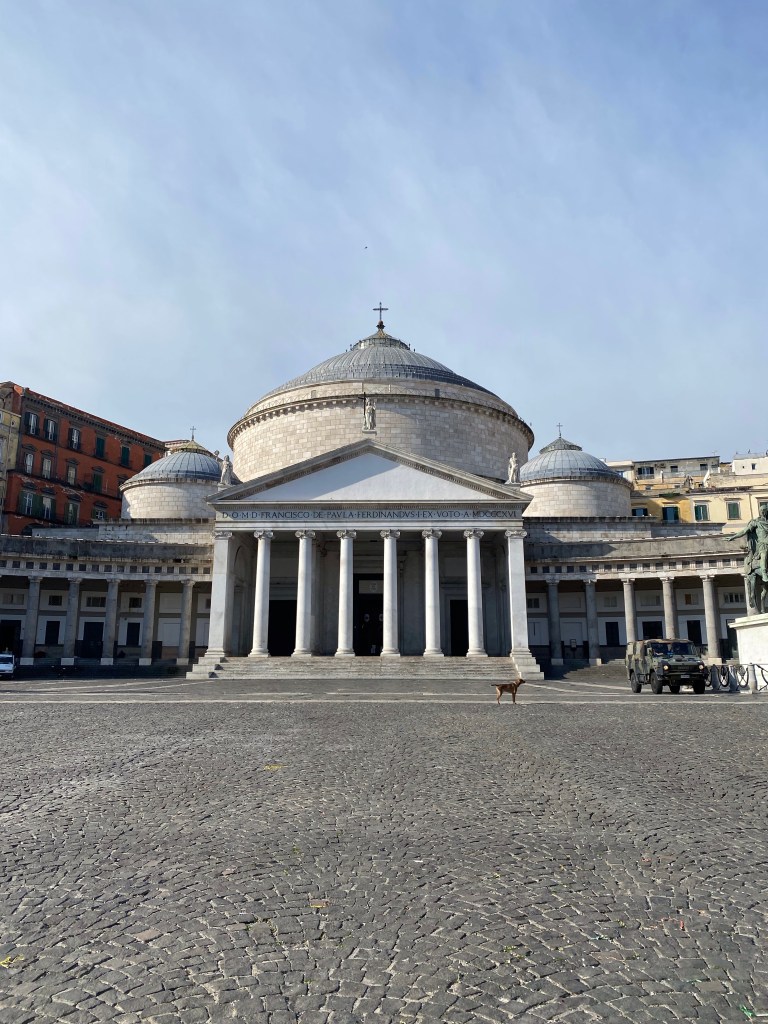
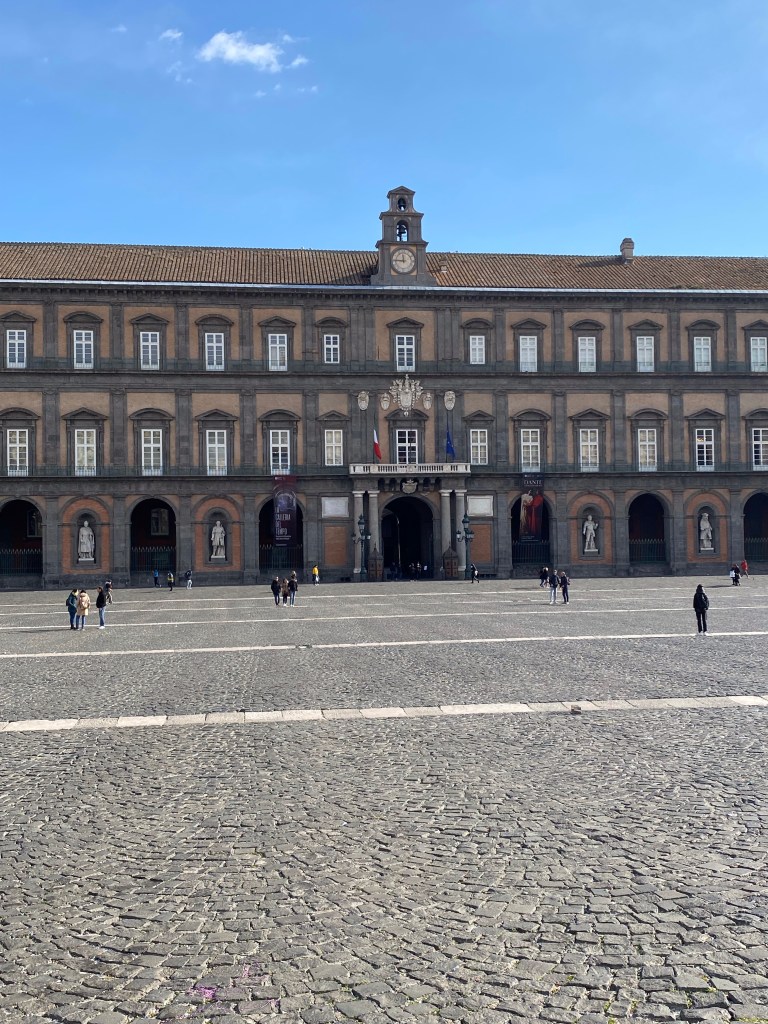
This very grand piazza is among the largest in Italy and was planned by the King of Naples, Murat (Napoleon’s brother-in-law). He planned both the square and building as a tribute to the Napoleon.
Soon after Napoleon was finally dispatched to St Helena, the Bourbons were restored to the throne, and Ferdinand I continued the construction but converted the finished product into the church one sees today. He dedicated it to Saint Francis of Paola, who had lived in a monastery on this site in the 15th century.
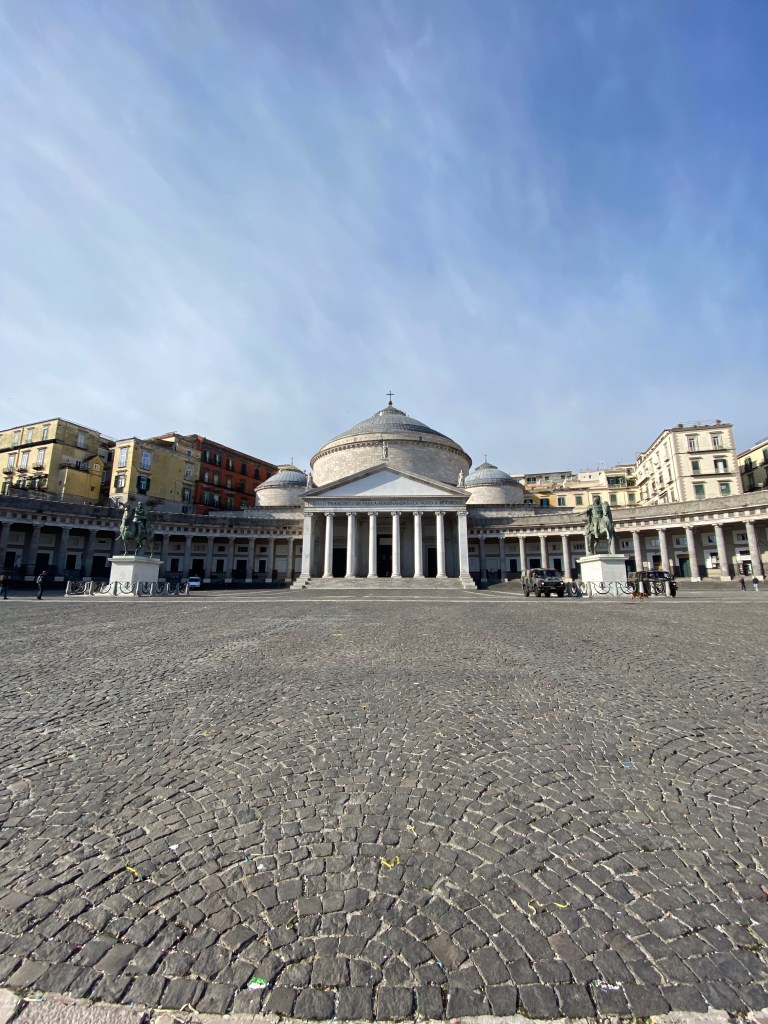
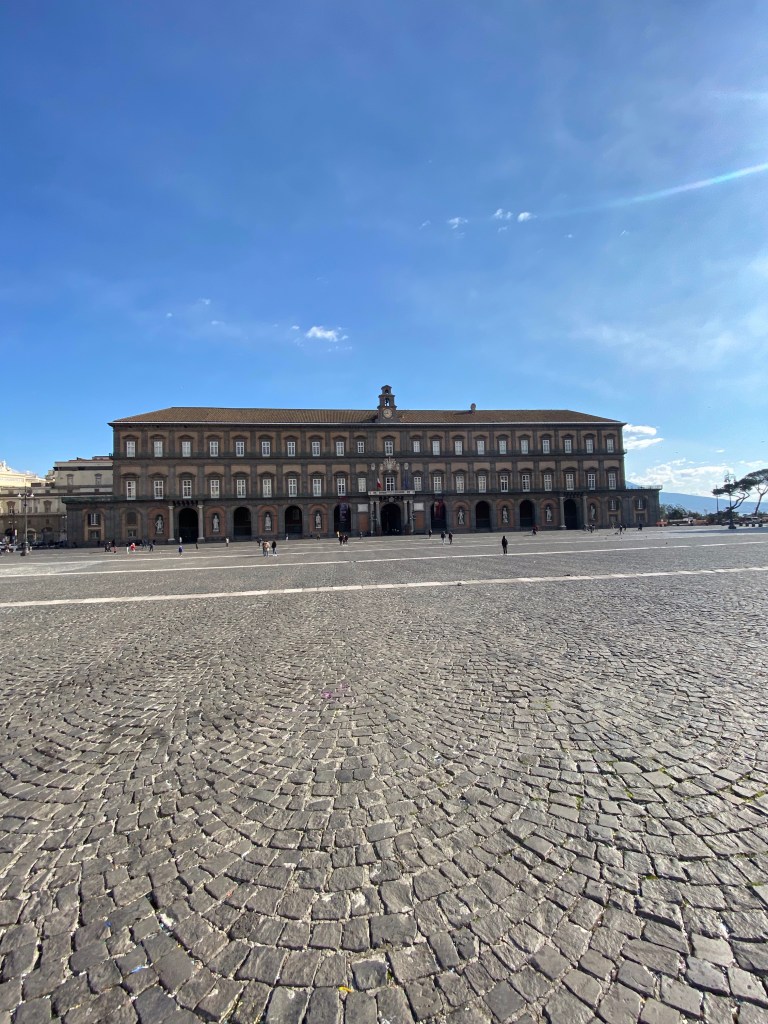
Named after the plebiscite taken on October 21, 1860, that brought Naples into the unified Kingdom of Italy under the House of Savoy, the piazza is very close to the gulf of Naples, and bounded by the Royal Palace to the east and the church of San Francesco di Paola to the west, with its hallmark twin colonnades extending to each side.
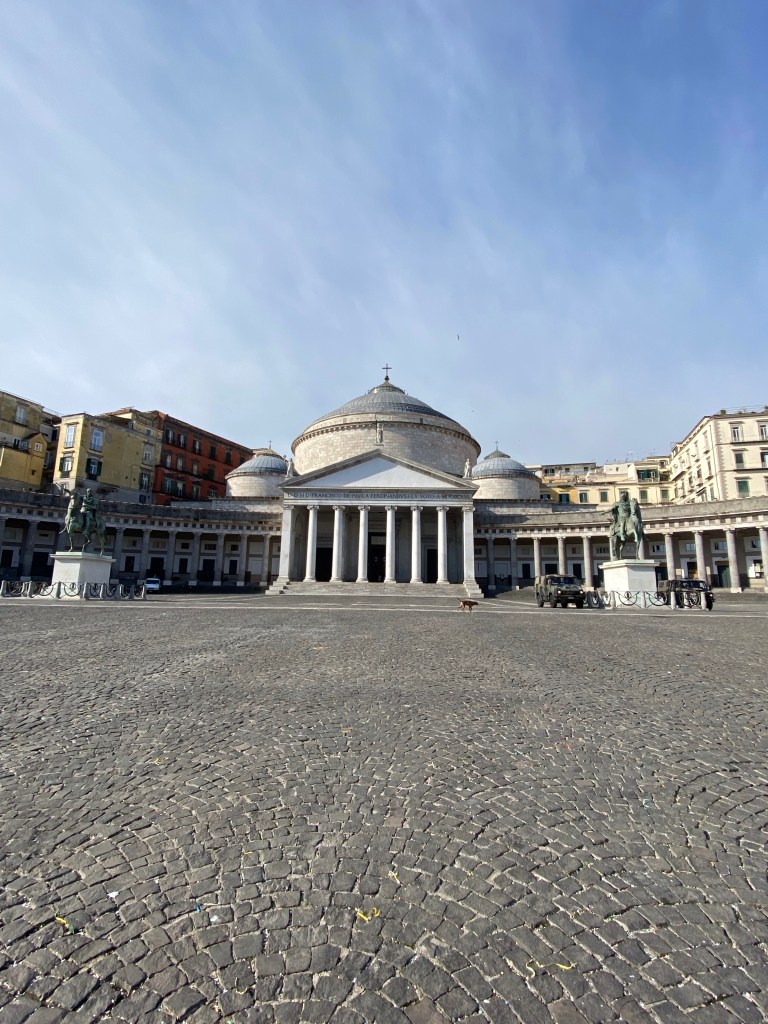
The church is reminiscent of the Pantheon in Rome. The façade is fronted by a portico resting on six columns and two Ionic pillars. Inside, the church is circular with two side chapels. The dome is 53 metres high.
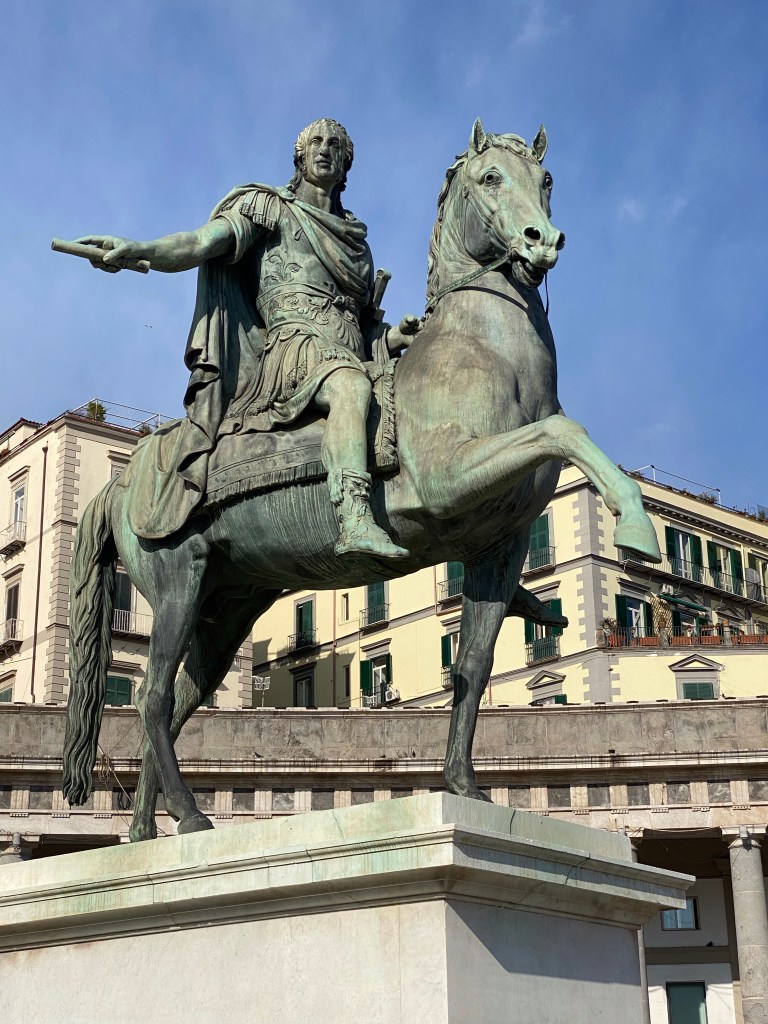
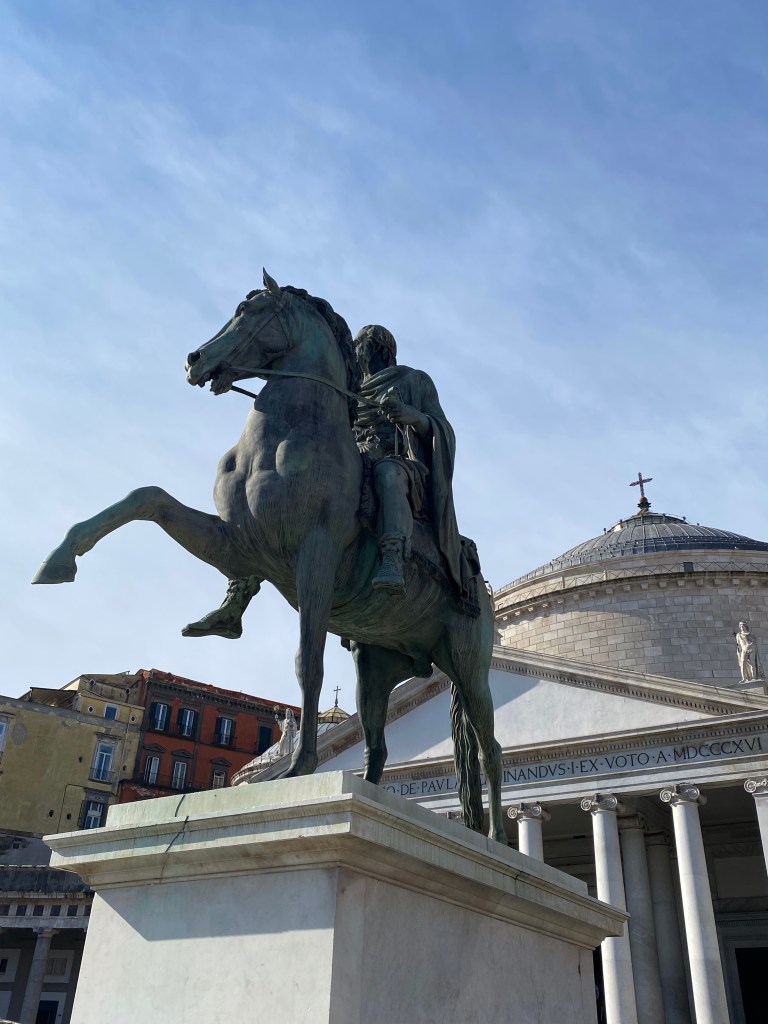
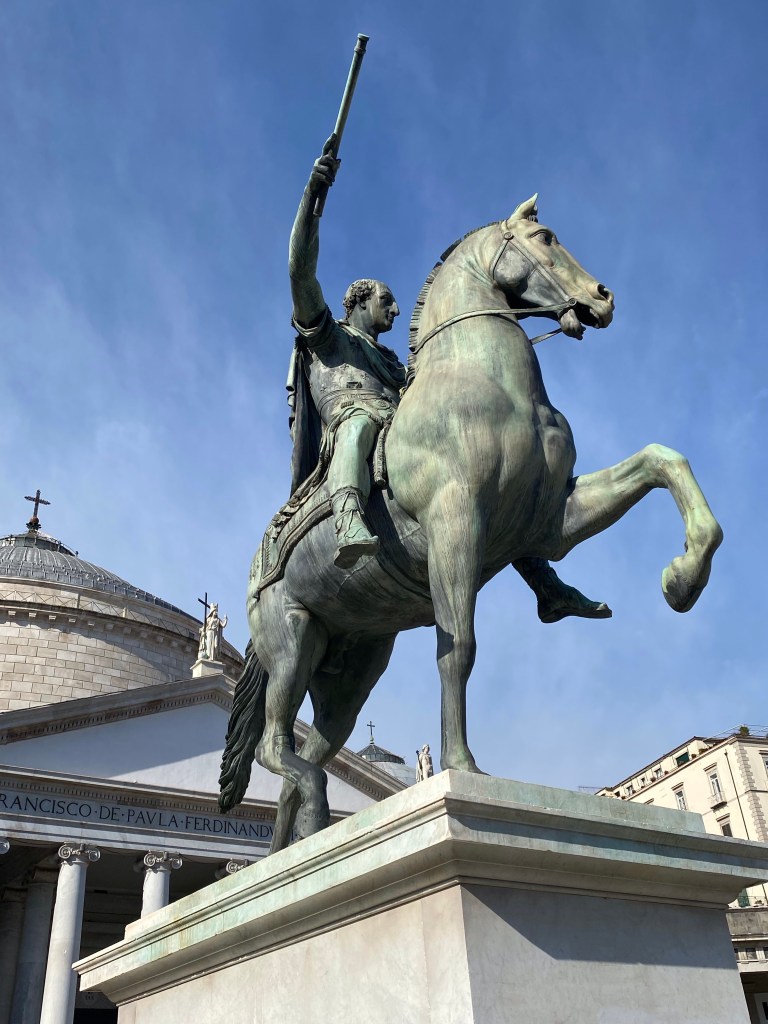
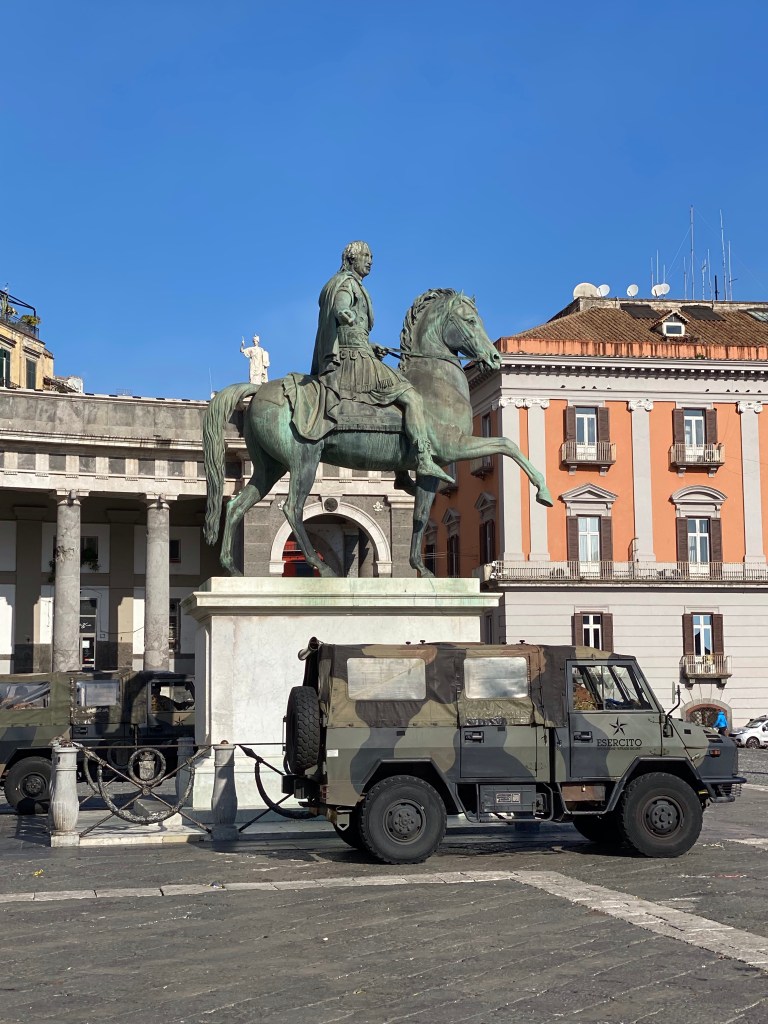
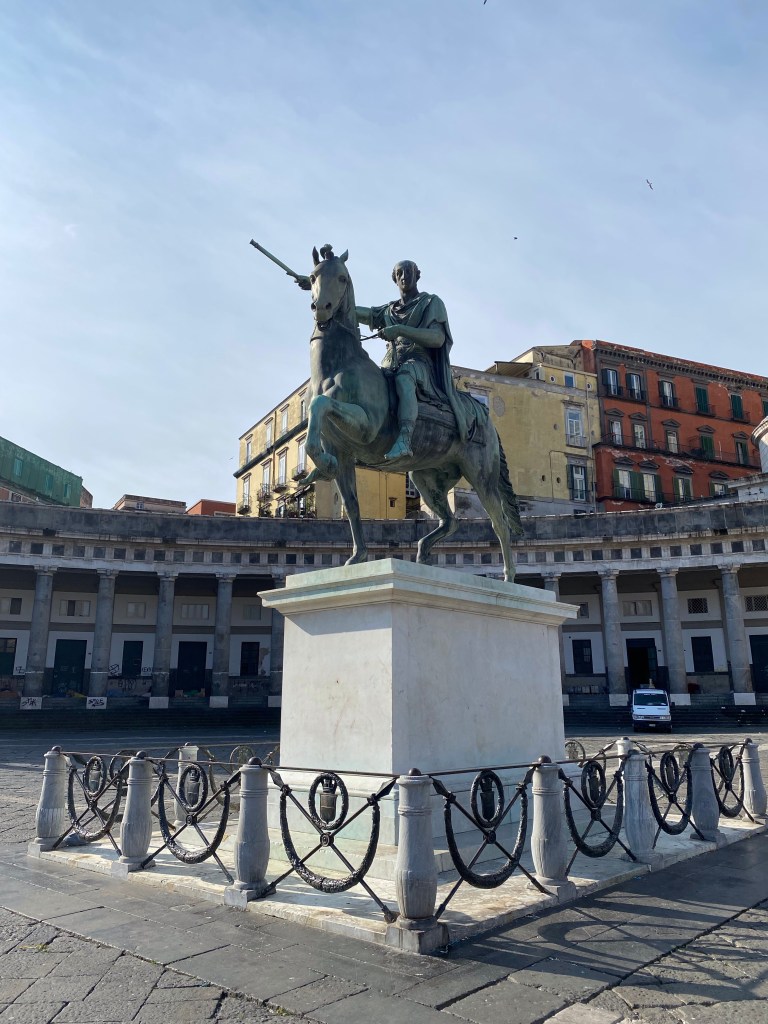
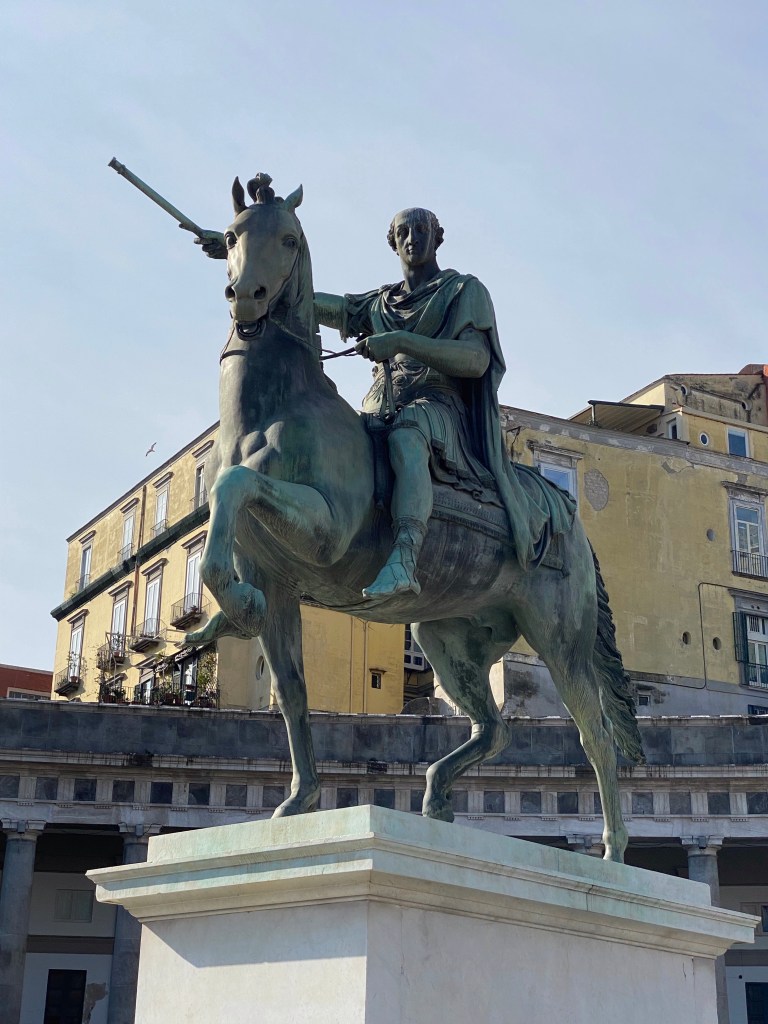
There are 2 equestrian monuments in the piazza, one of Charles III of Bourbon and his son Ferdinand I of the 2 Sicilies, both placed on marble bases (with no inscriptions!) facing the Royal Palace across the piazza.
Below: Ferdinand I
Across from the Plebiscito is the Palazzo Reale, which I recently posted about.
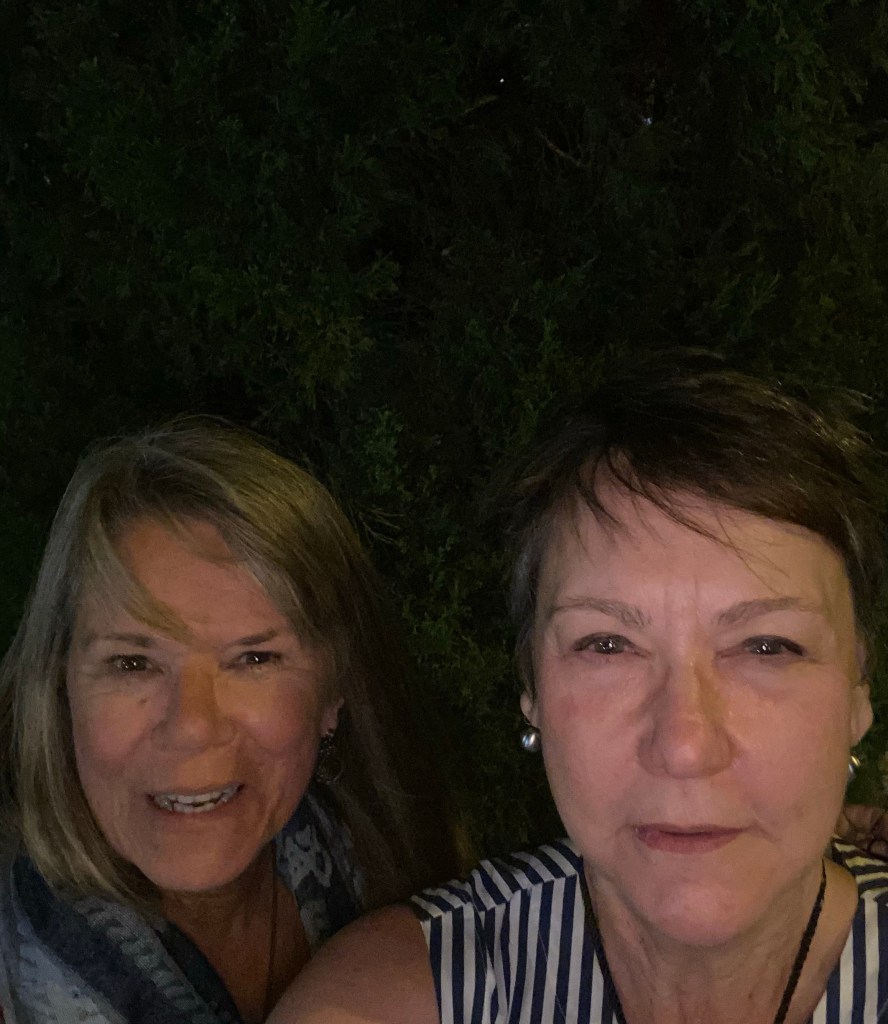
And it began in late August in Denver when high school classmate, Judy Wegner, met me in Denver for a fun evening of dinner and catching up! we hadn’t seen each other since we graduated from high school a long time ago!
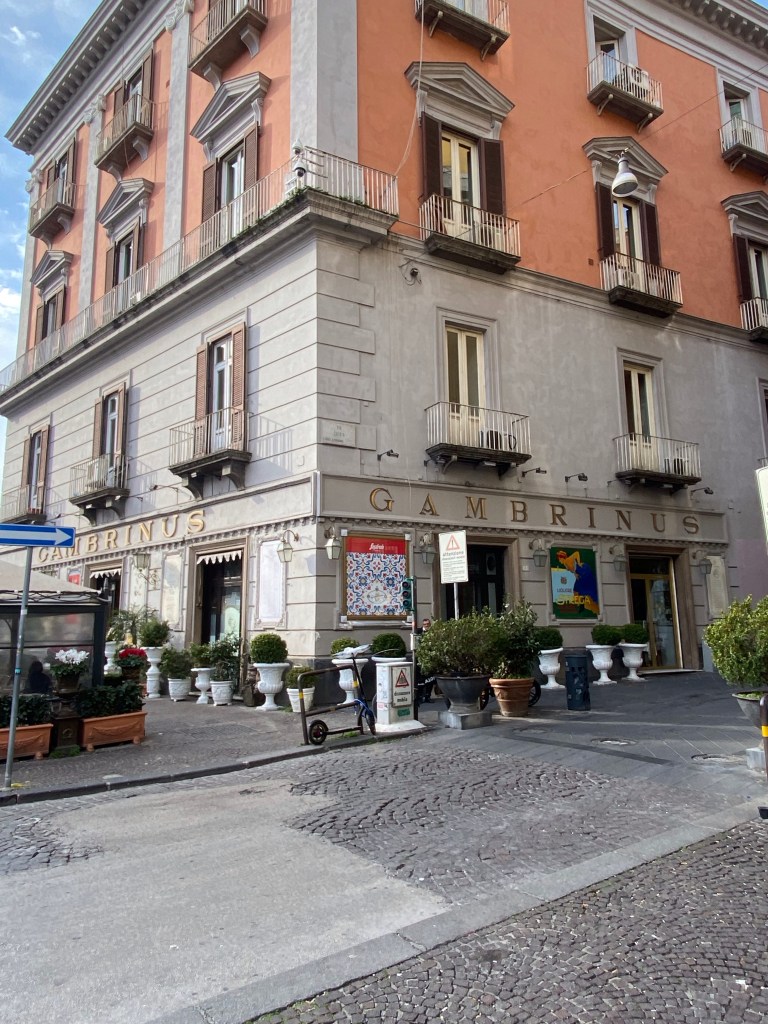
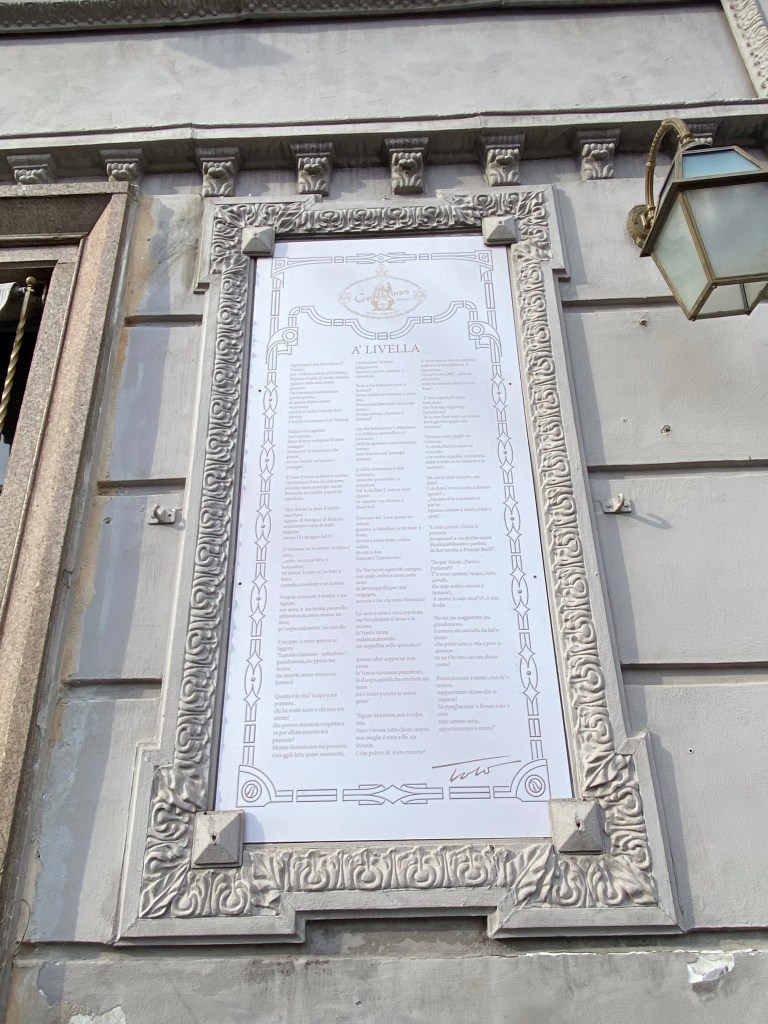
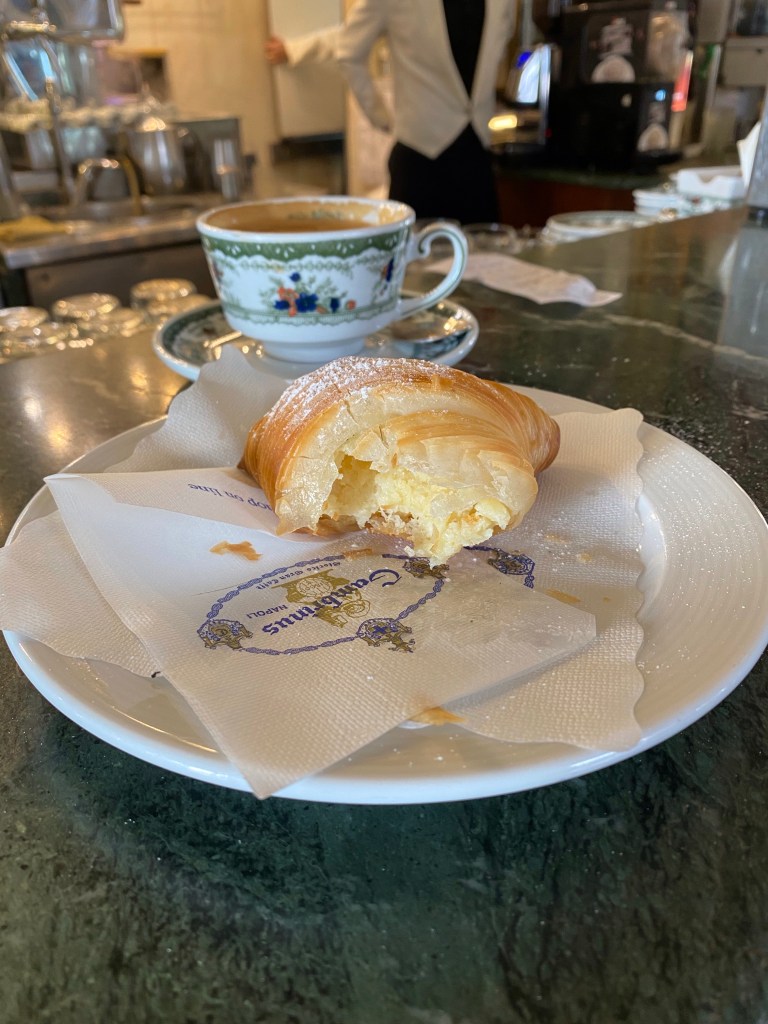
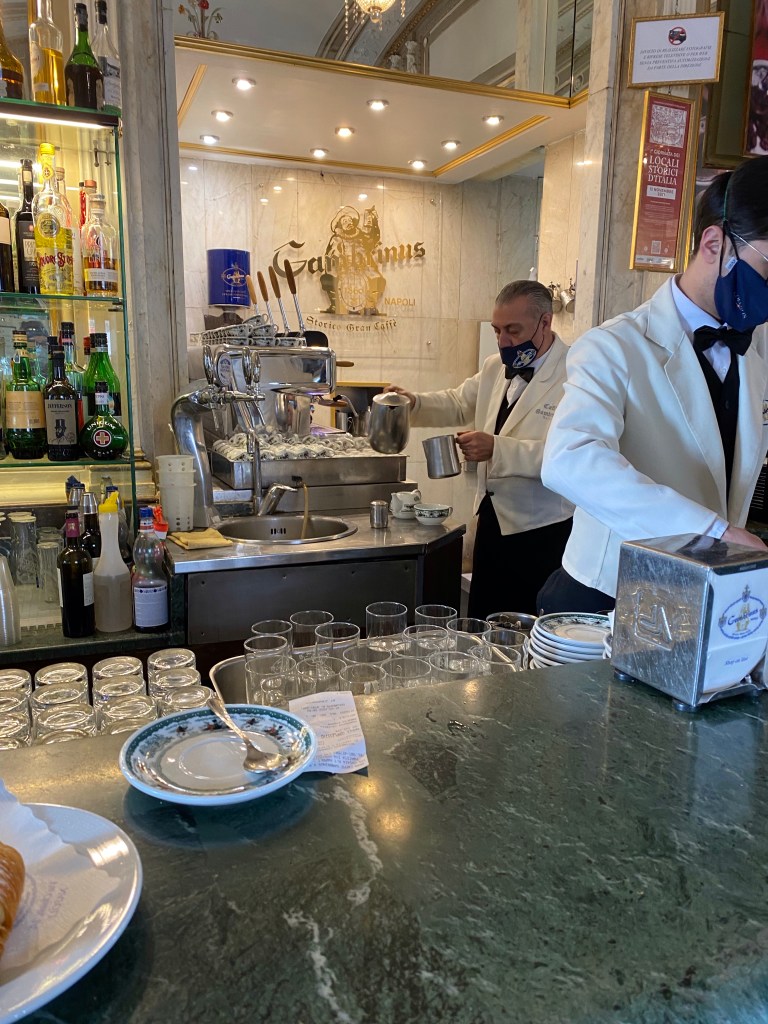
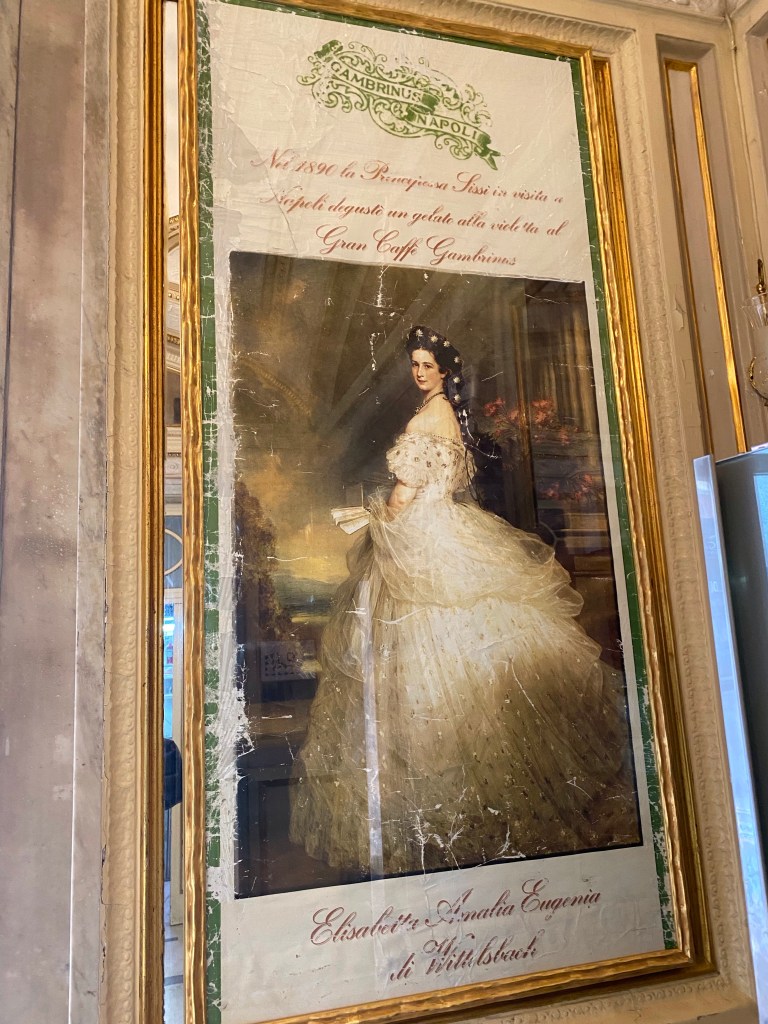
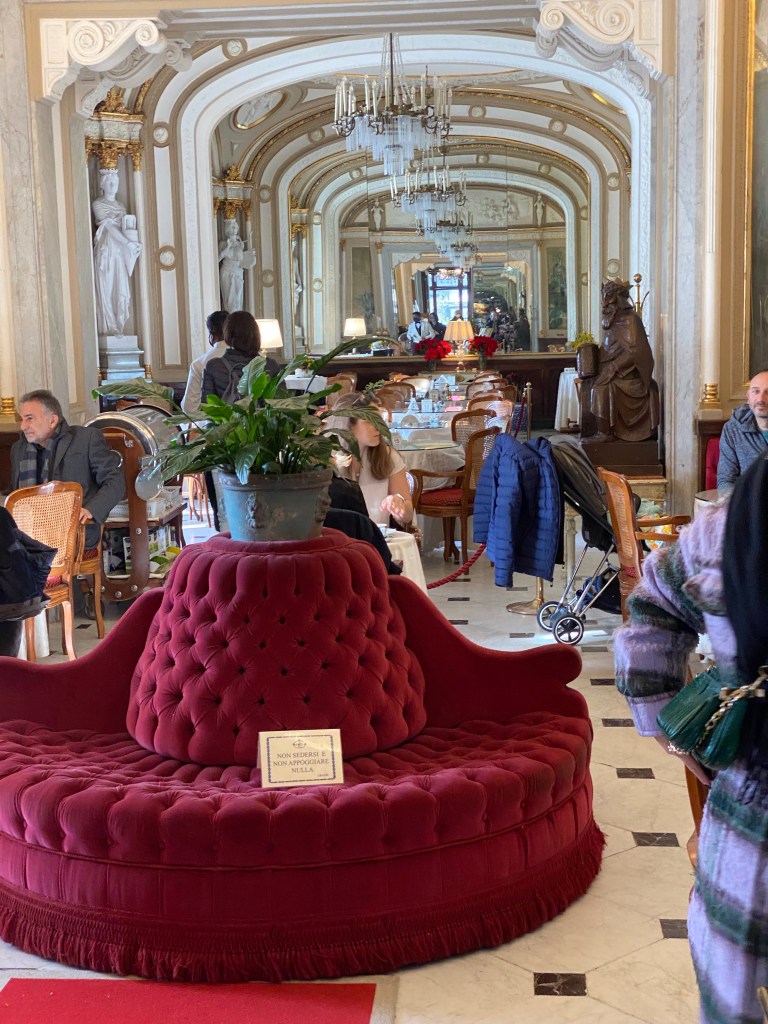
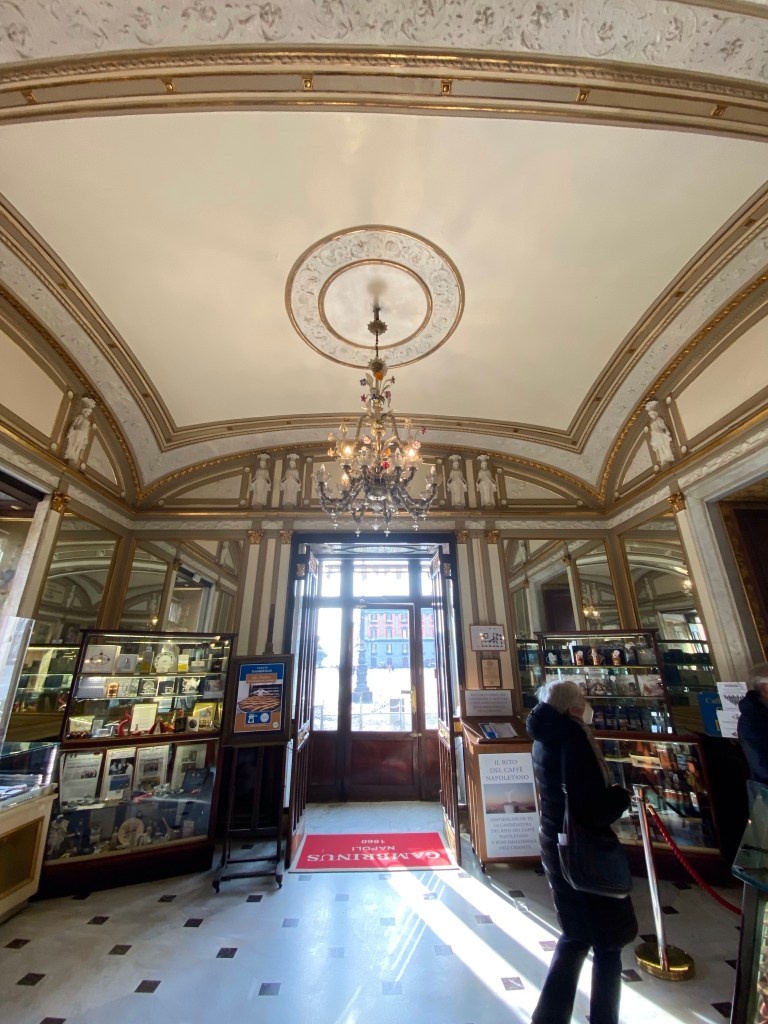
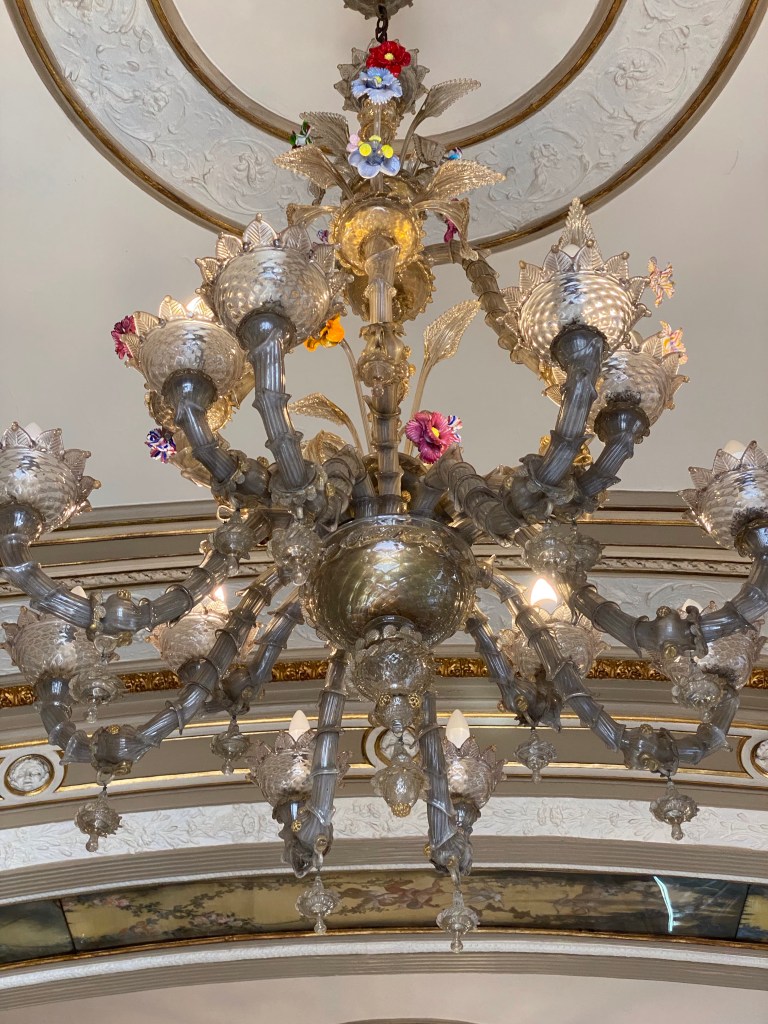
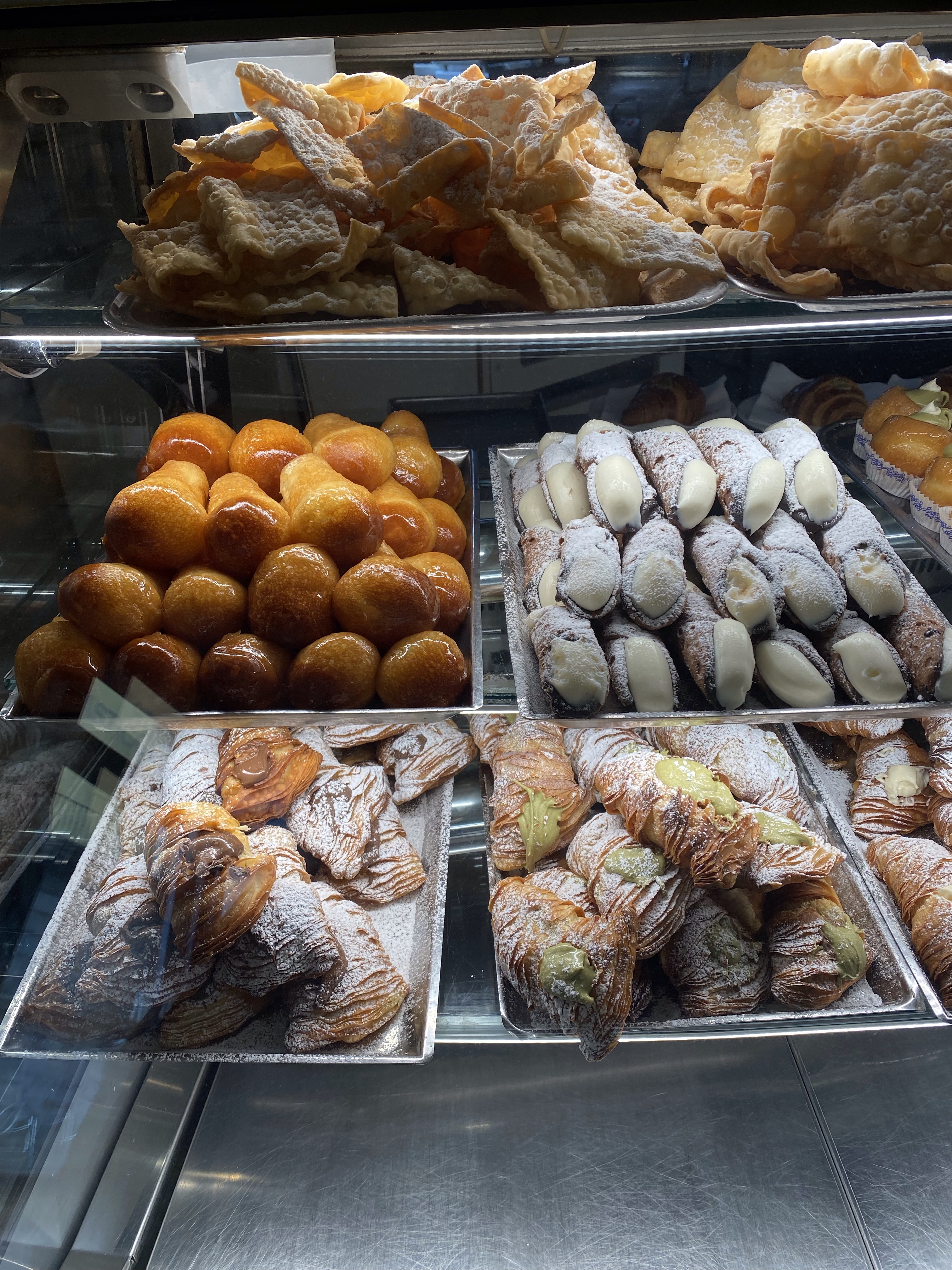
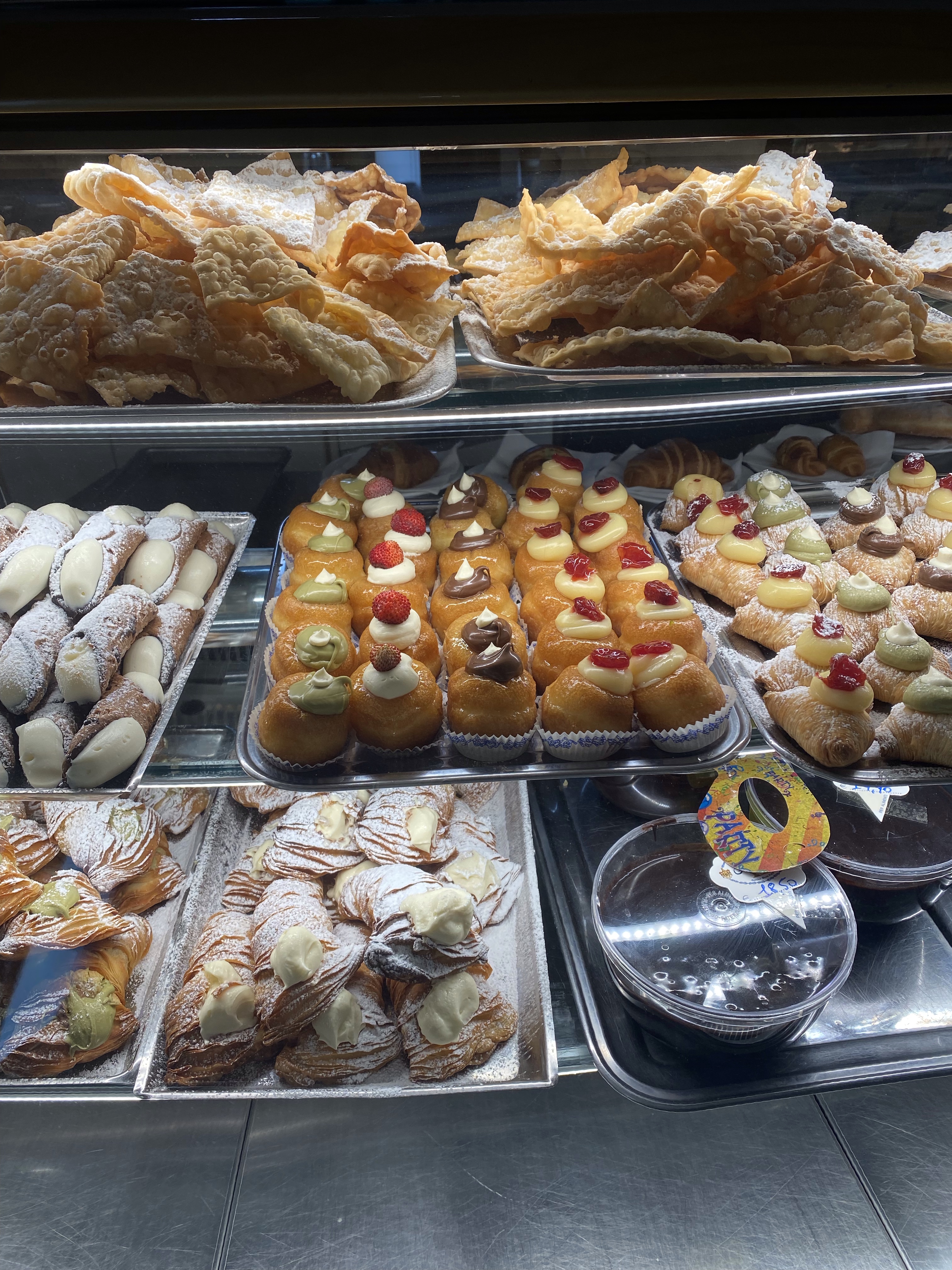
Almost my first stop in Naples was this historic Caffè Gambrinus for a coffee and sfogliatella, pictured below.


Above, the famous sfogliatella, a delightful and rich shell-shaped pastry native to Campania. The name means “small, thin leaf,” and the pastry’s texture resembles stacked leaves.
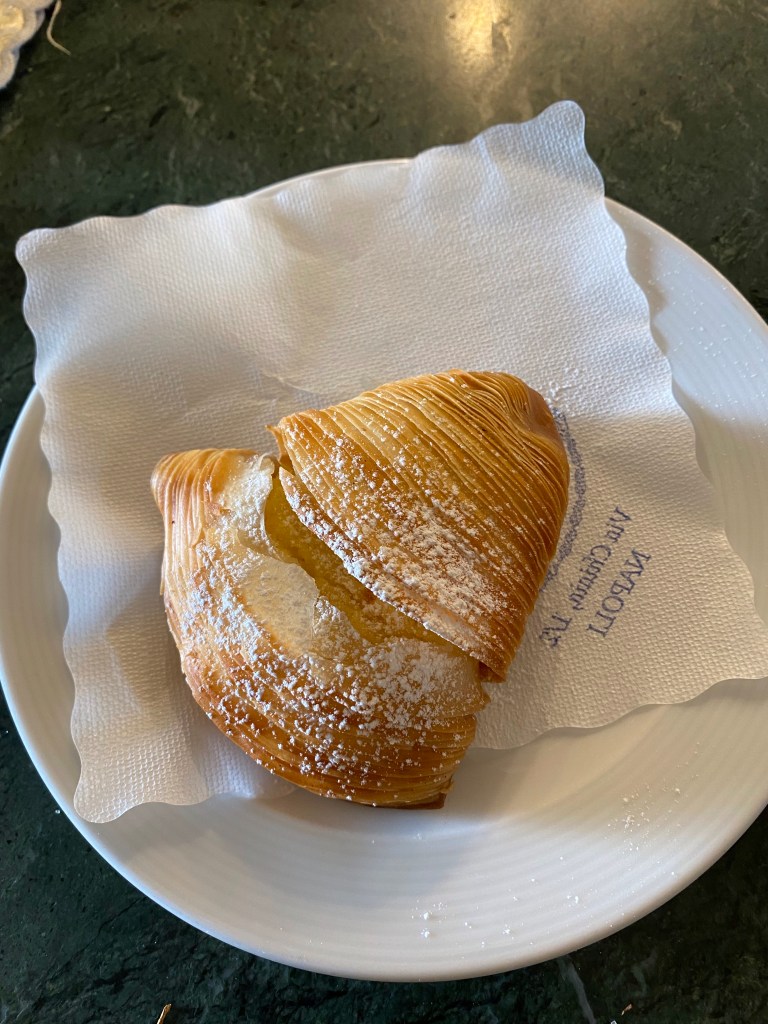
The sfogliatella Santa Rosa was created in the monastery of Santa Rosa in Conca dei Marini in the province of Salerno, Italy, in the 17th century. Pasquale Pintauro, a pastry chef from Naples, acquired the original recipe and began selling the pastries in his shop in 1818.
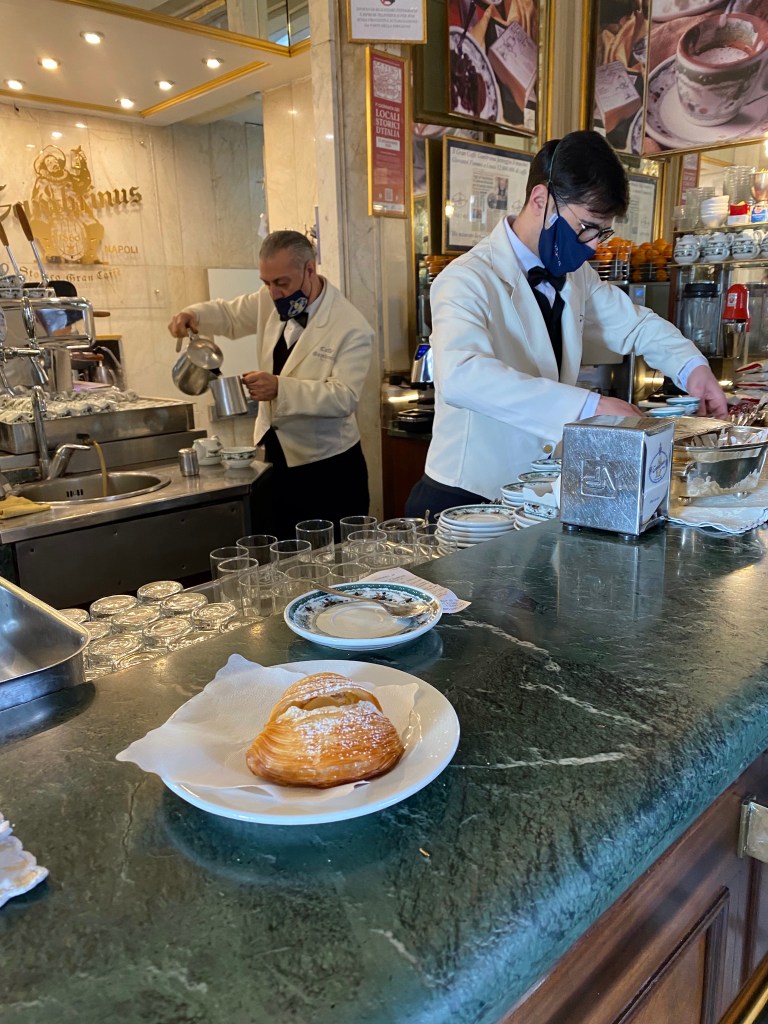
The puff-pastry dough is stretched out on a large table, then brushed with butter, and rolled into a log. Disks are cut from the end, shaped to form pockets, and filled. The pastry is baked until the layers separate, forming the sfogliatella’s characteristic ridges.
Recipes for the dough and filling vary. Fillings include orange-flavored ricotta, almond paste, and candied peel of citron.





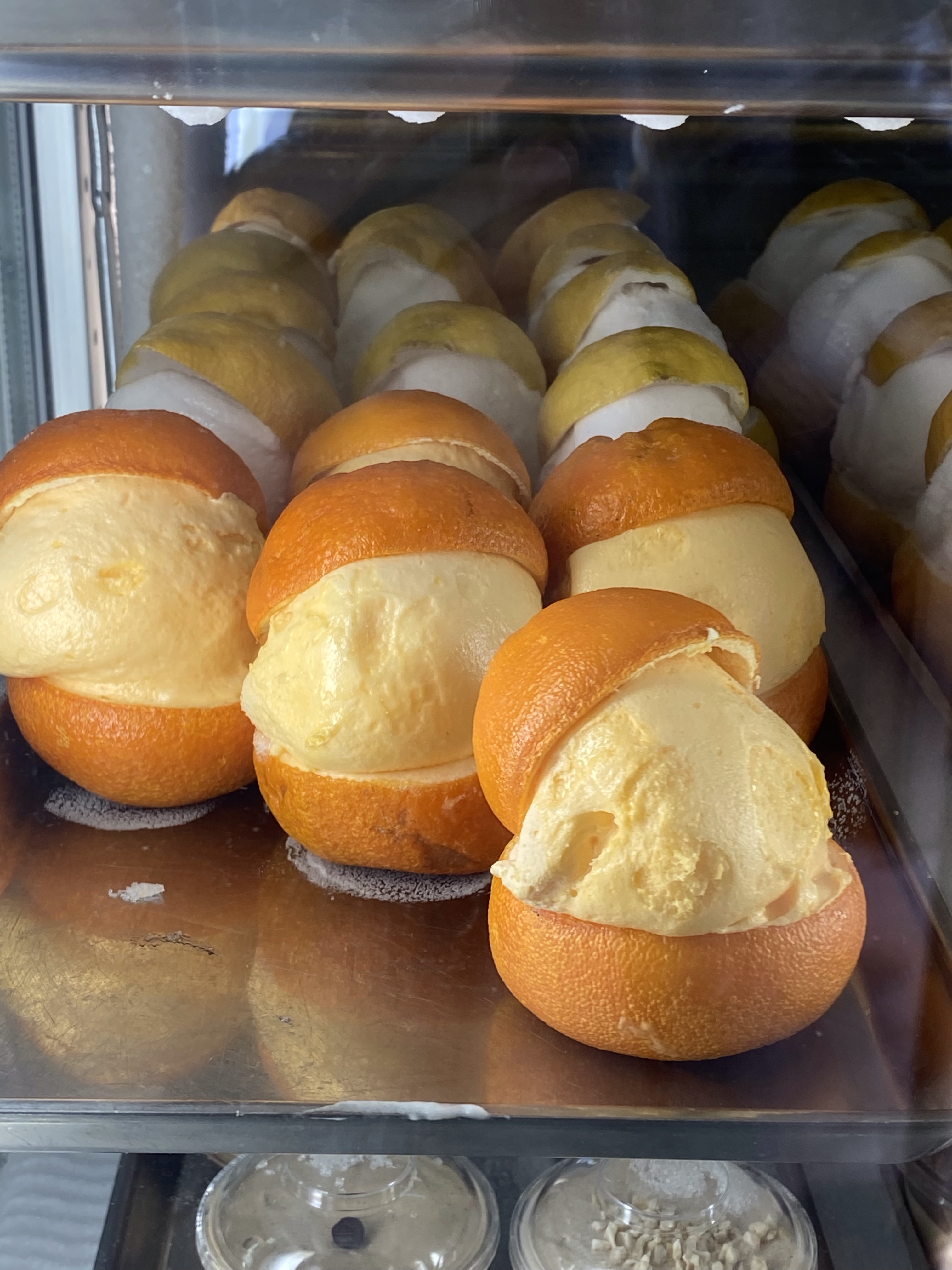

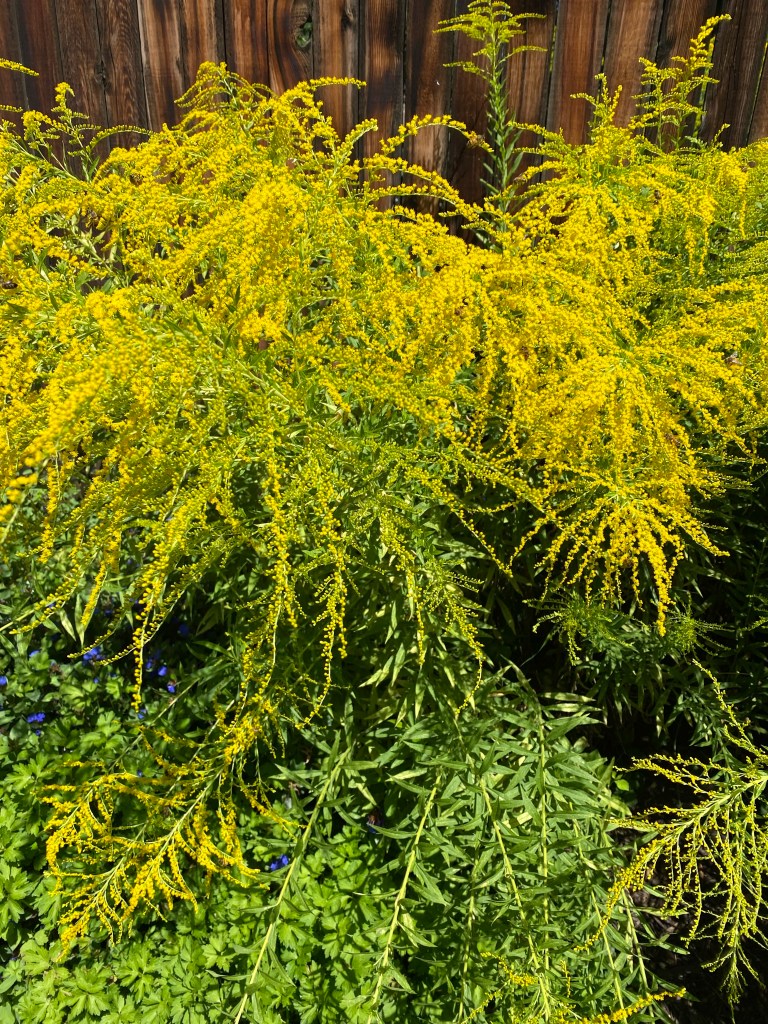
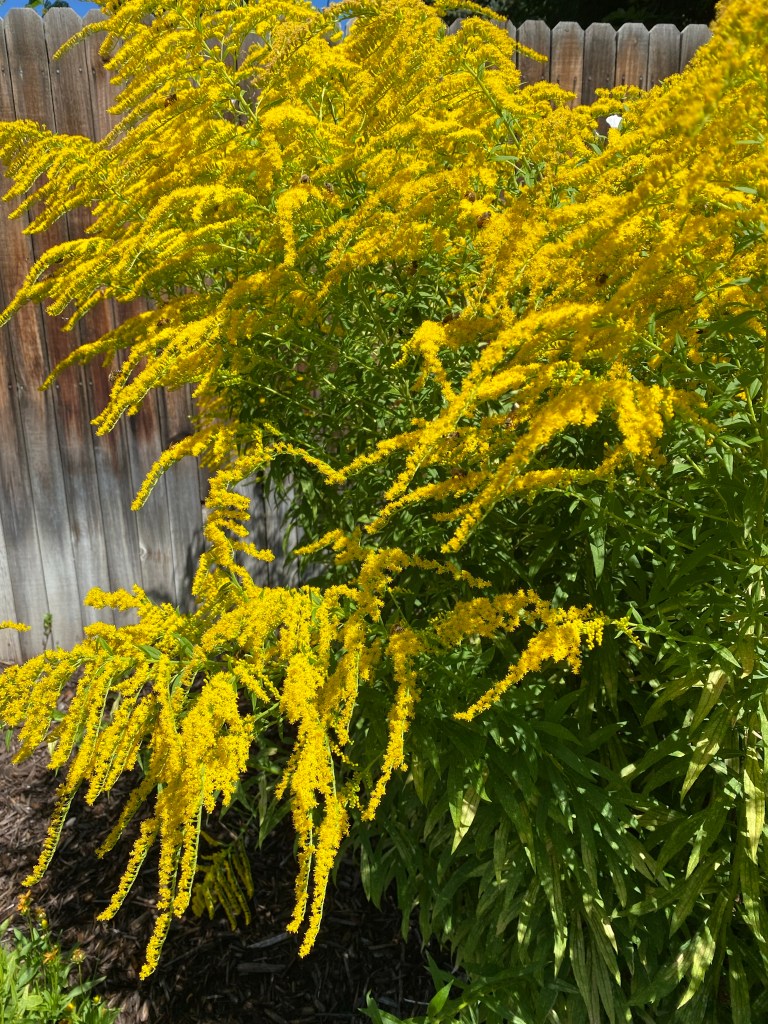
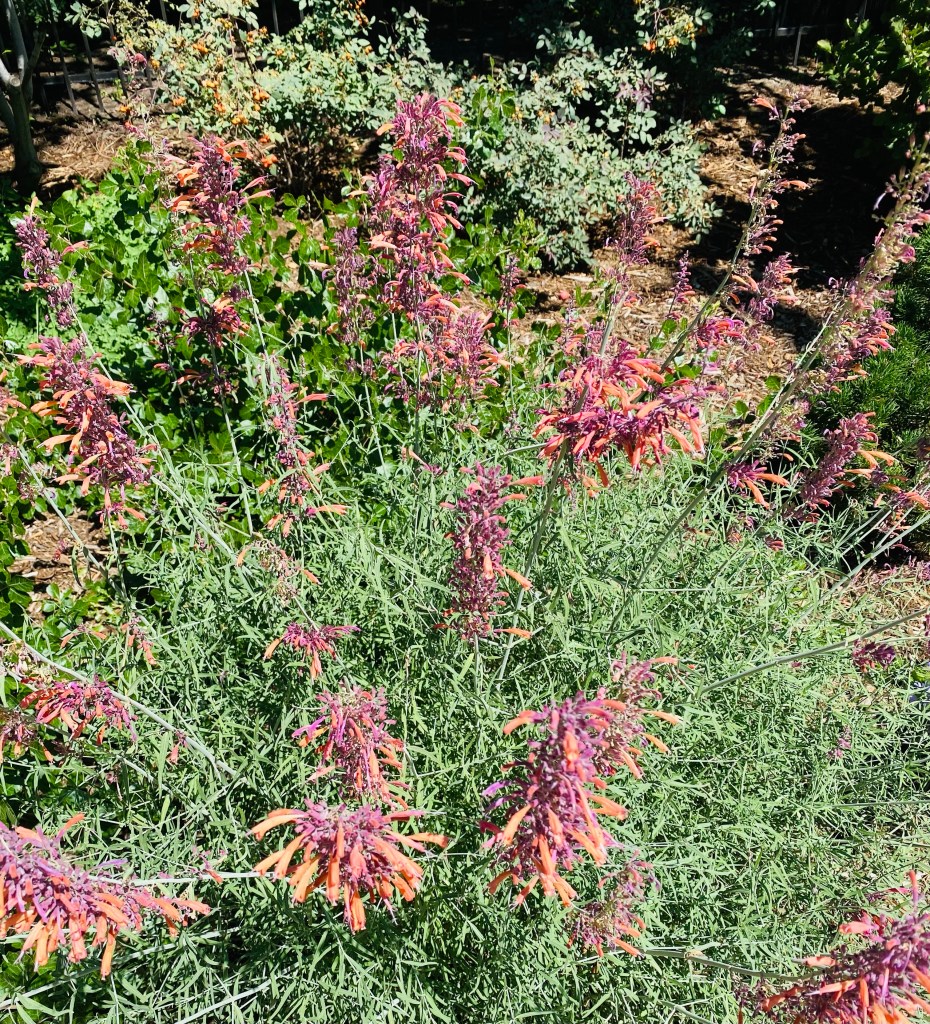
Hoping for better next year, which should be possible as I’ll be around more to care for and plan!


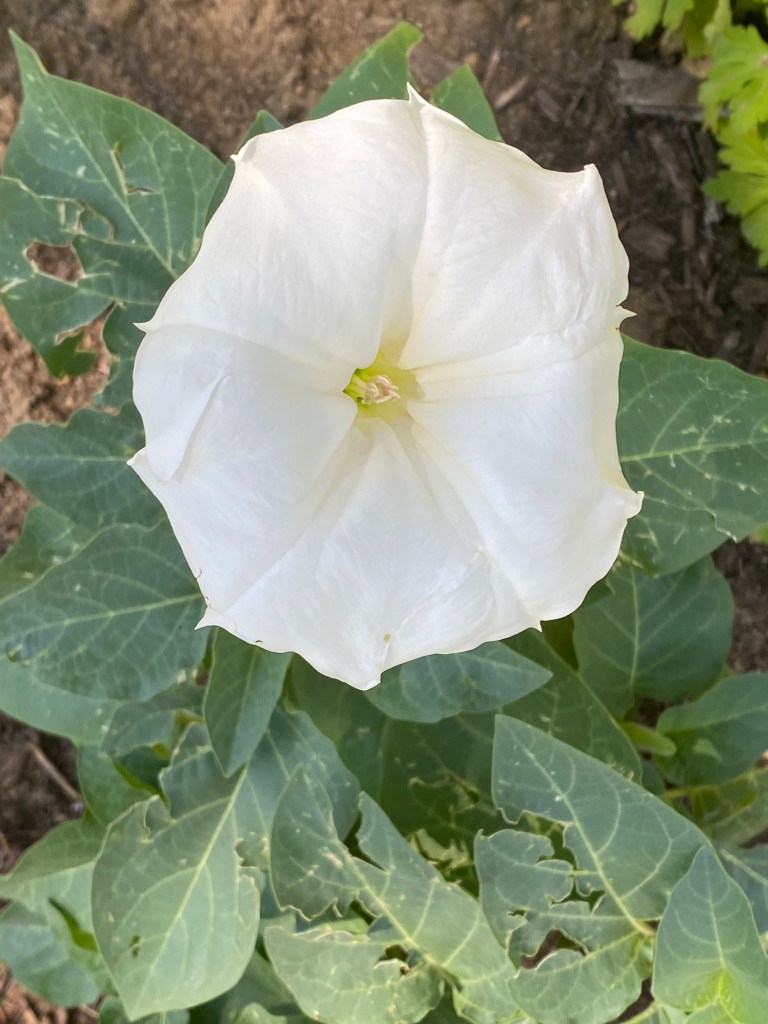
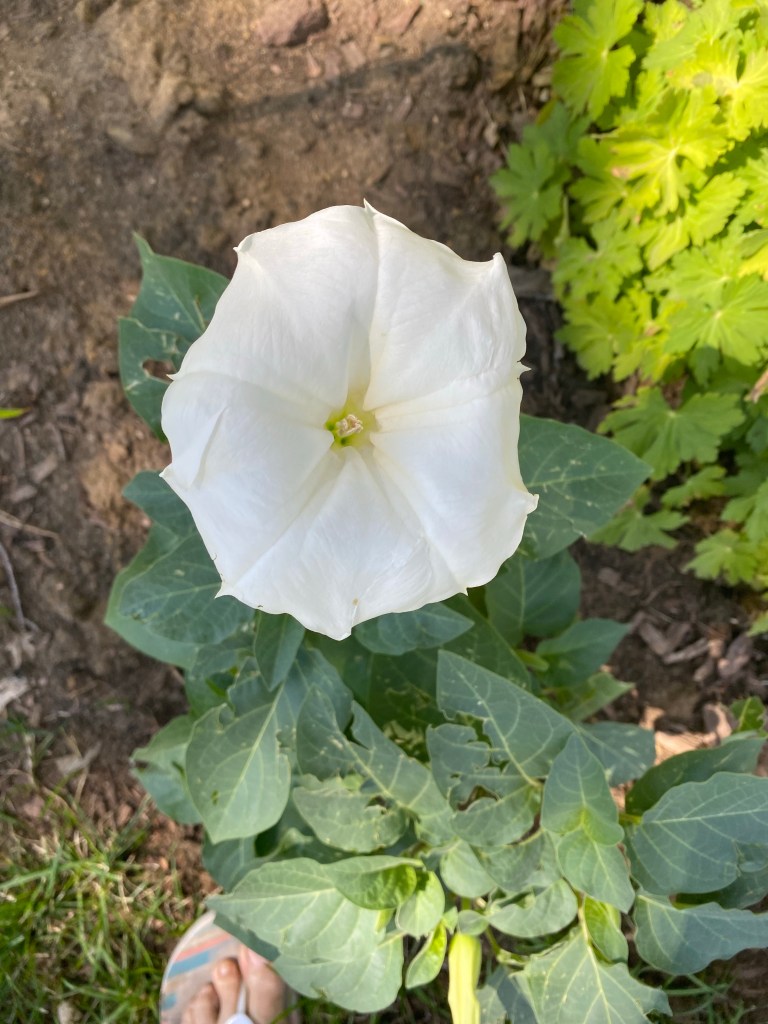


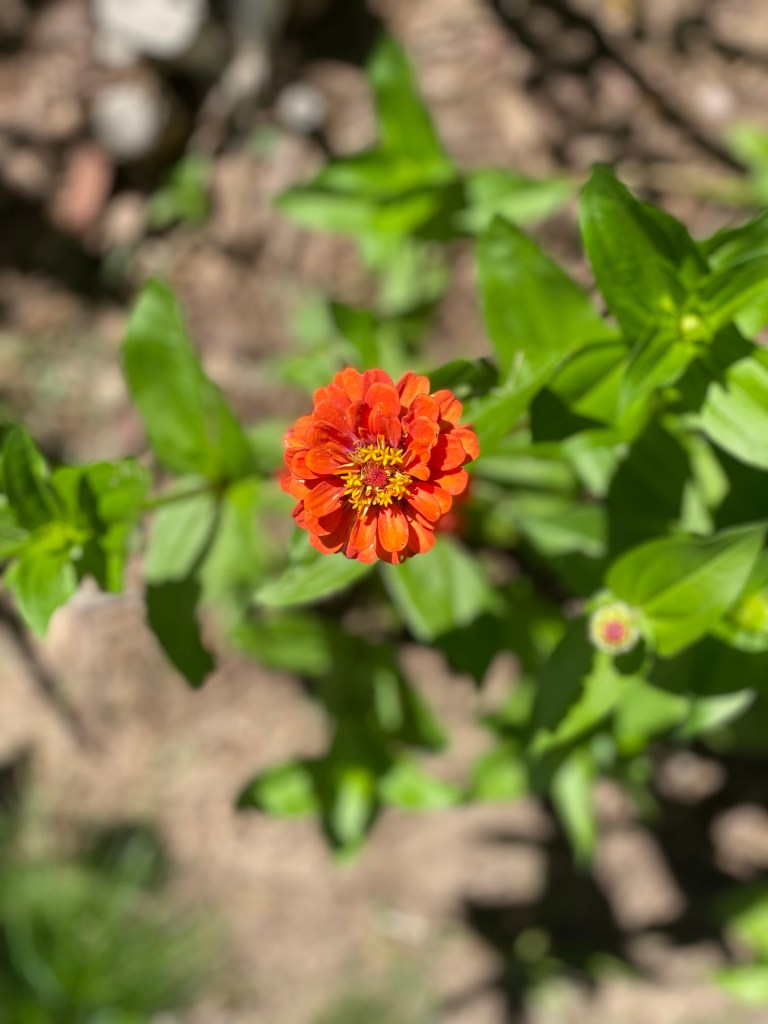


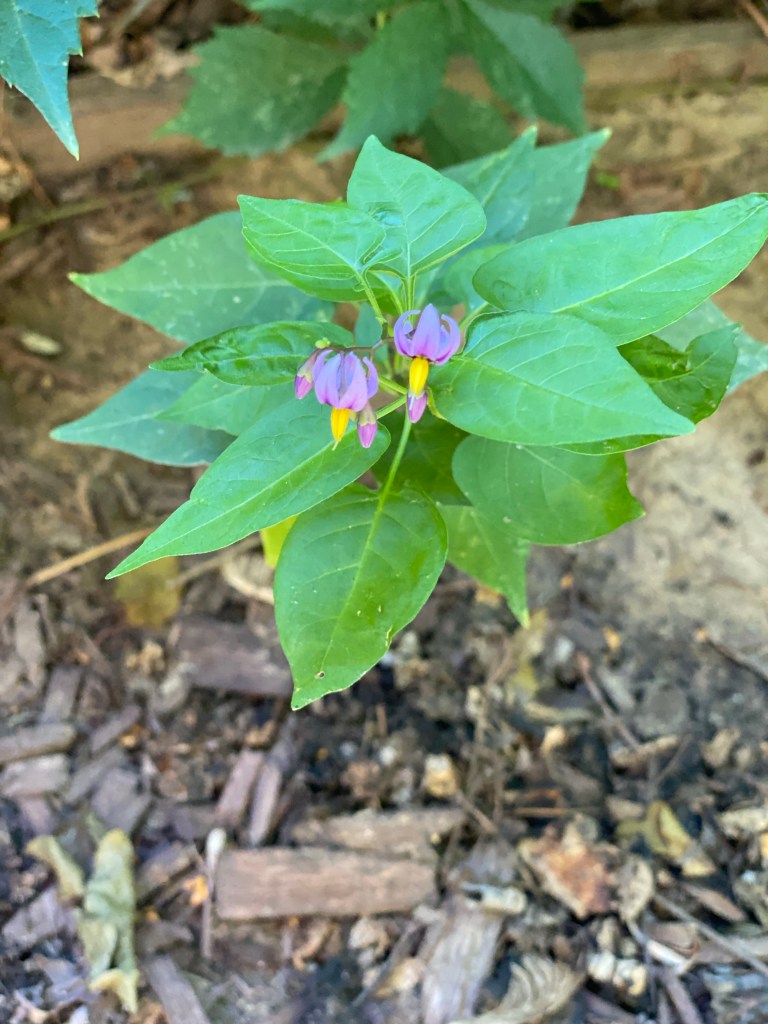

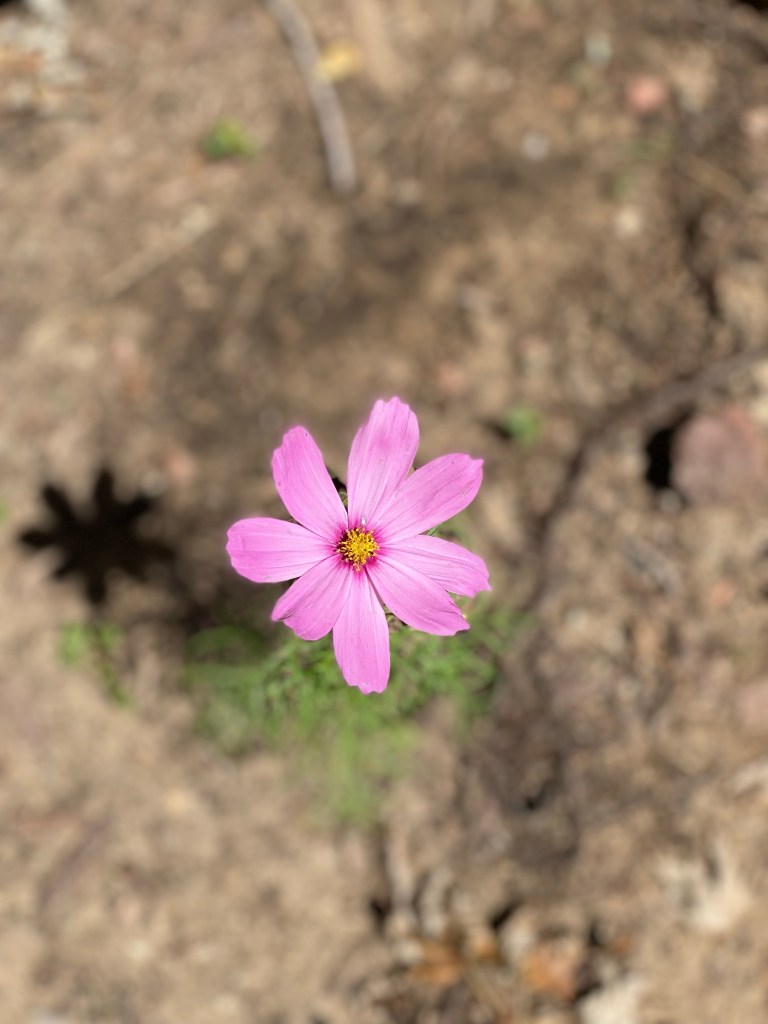

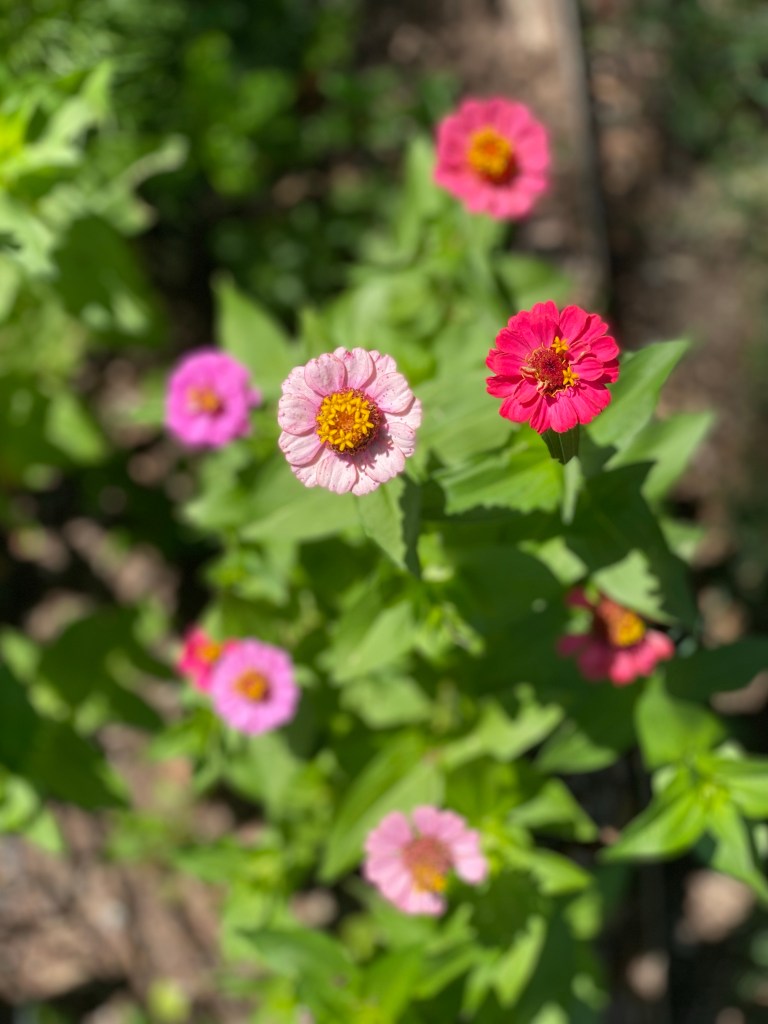
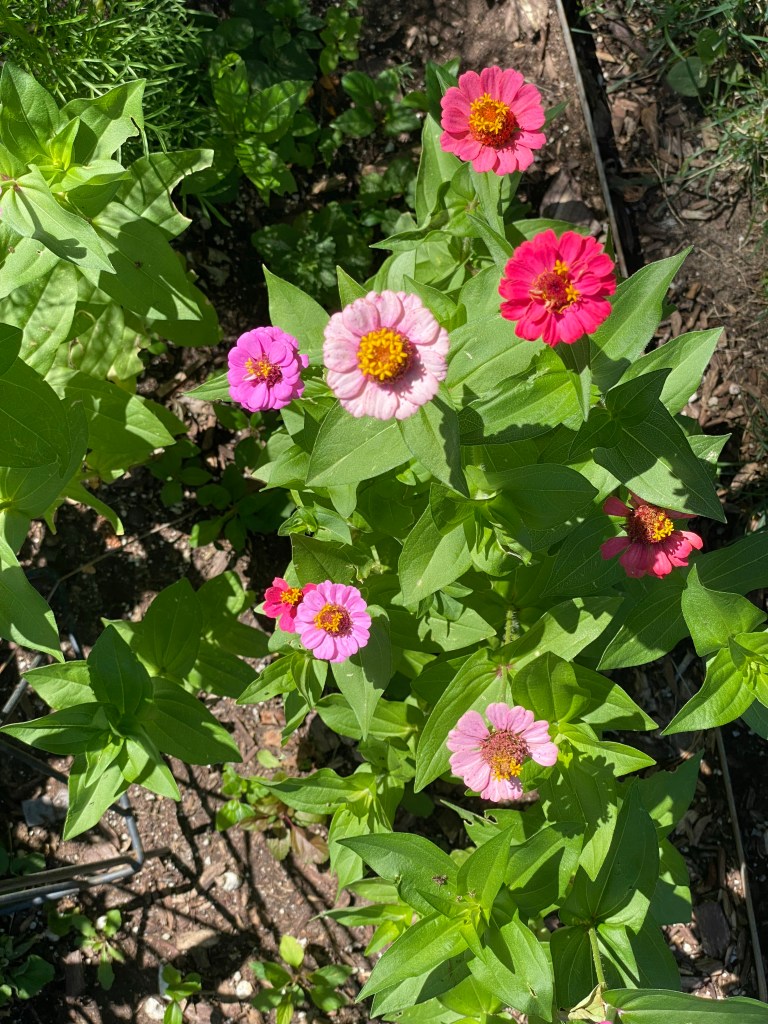
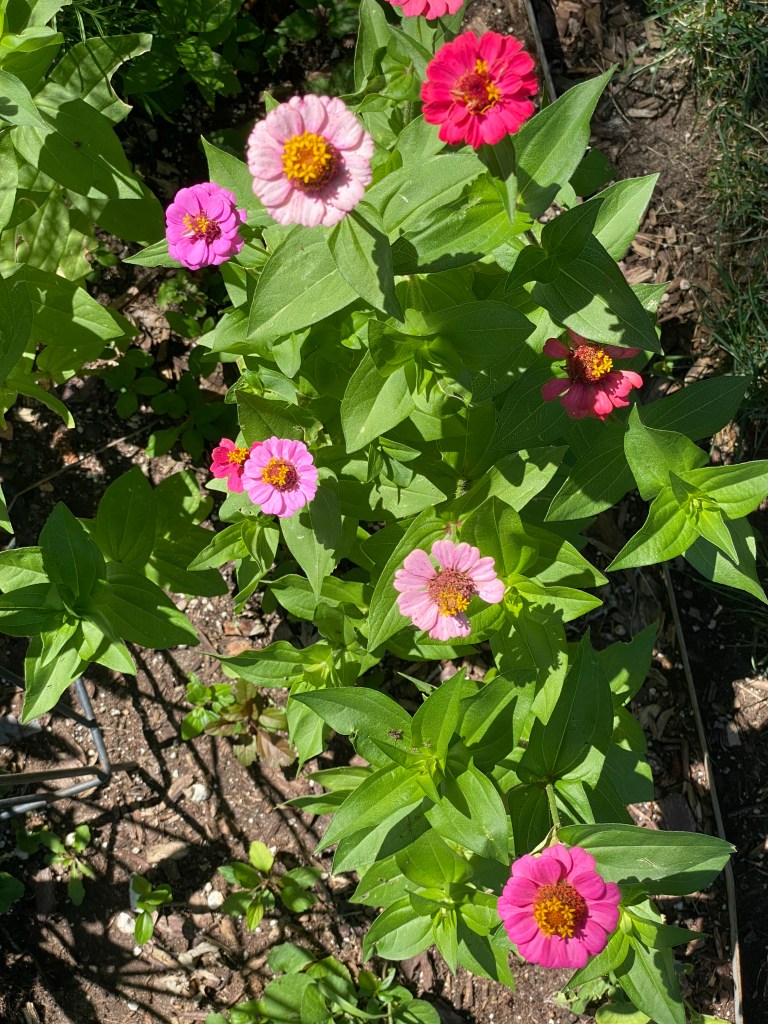
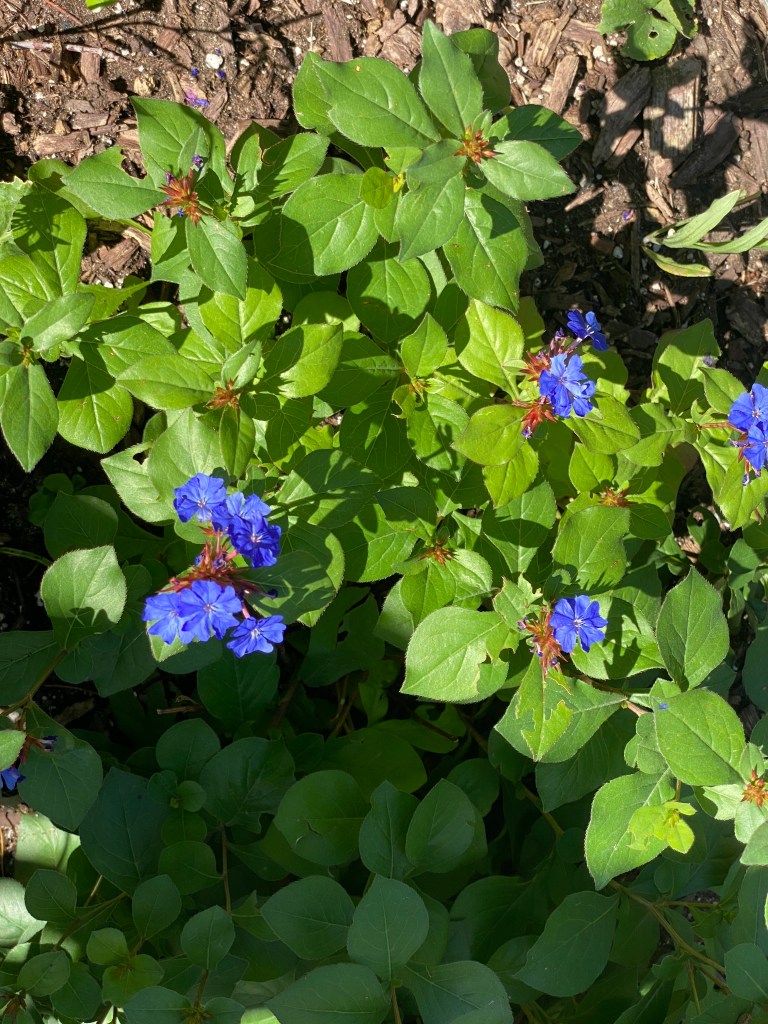
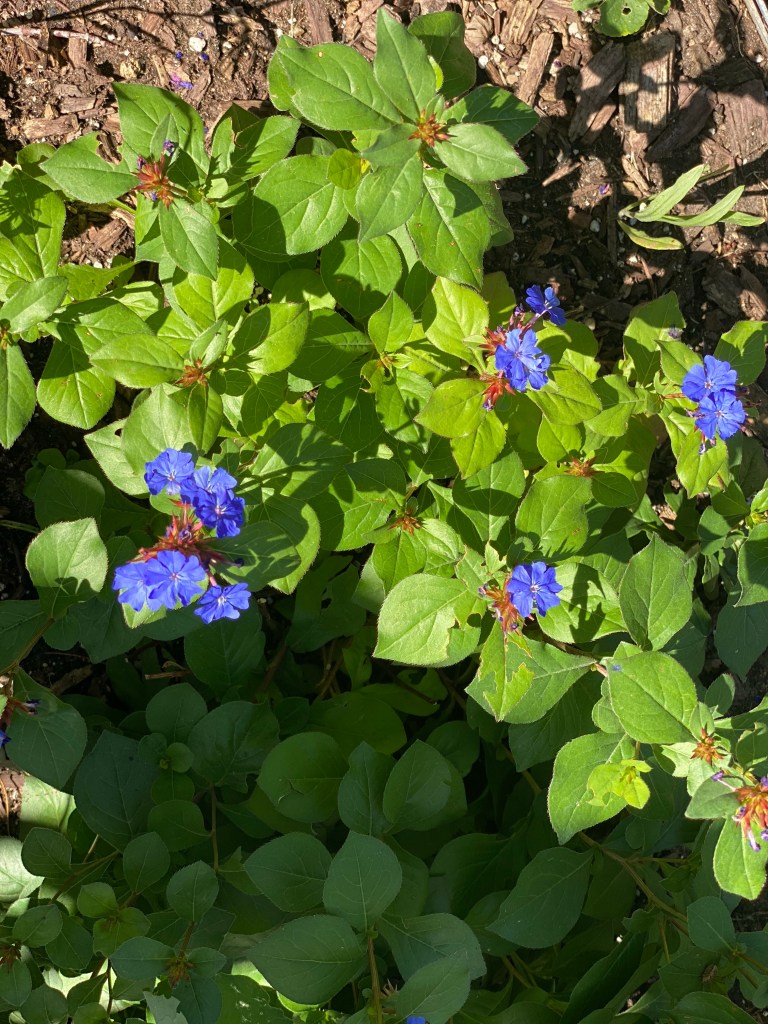

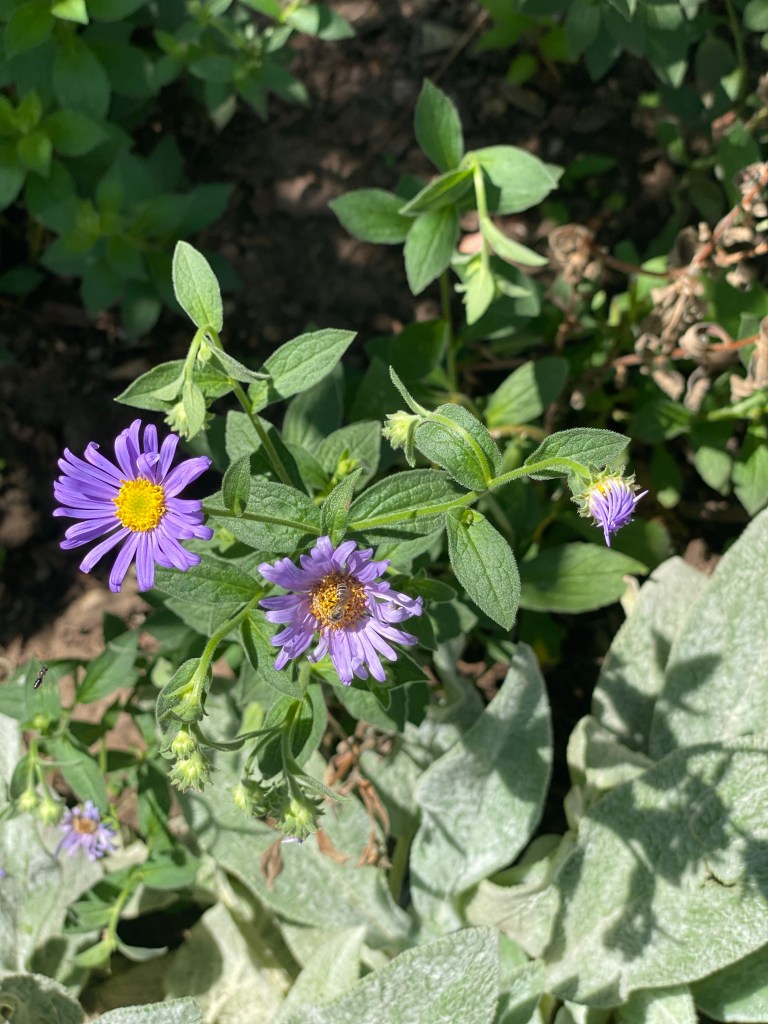
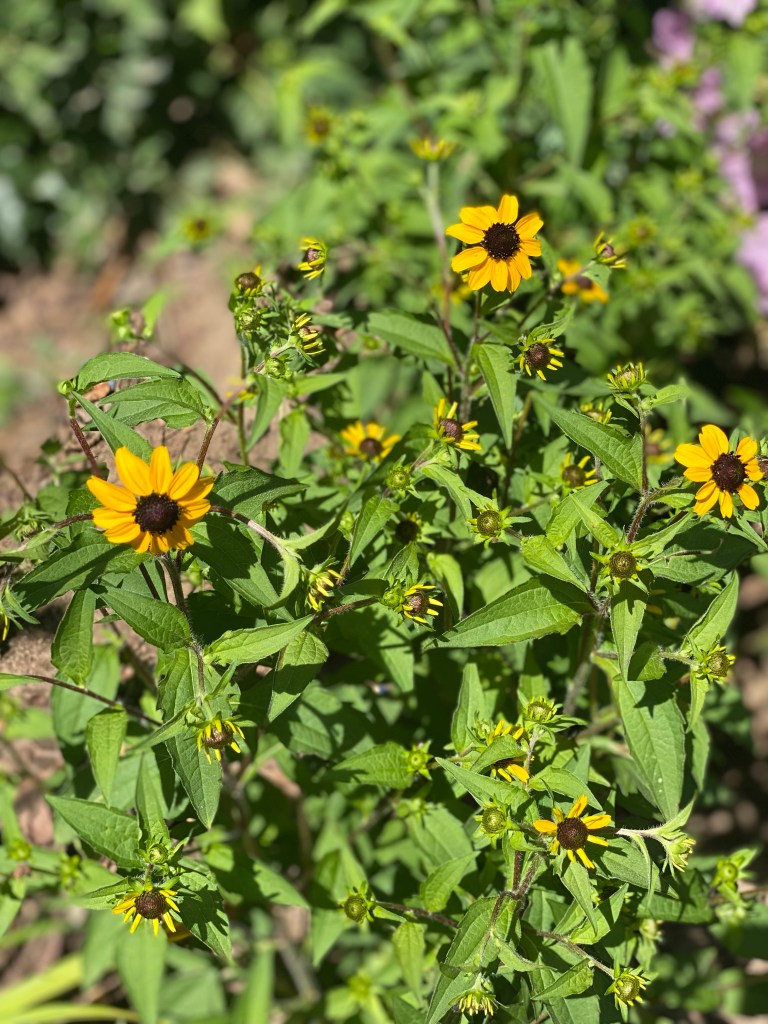
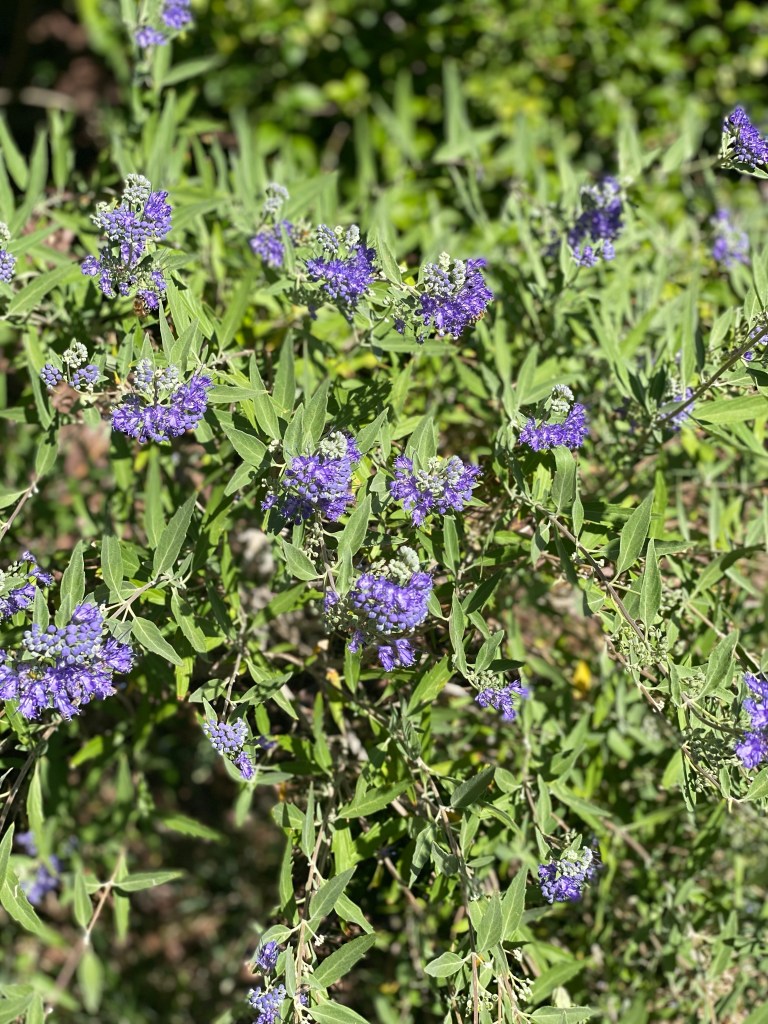
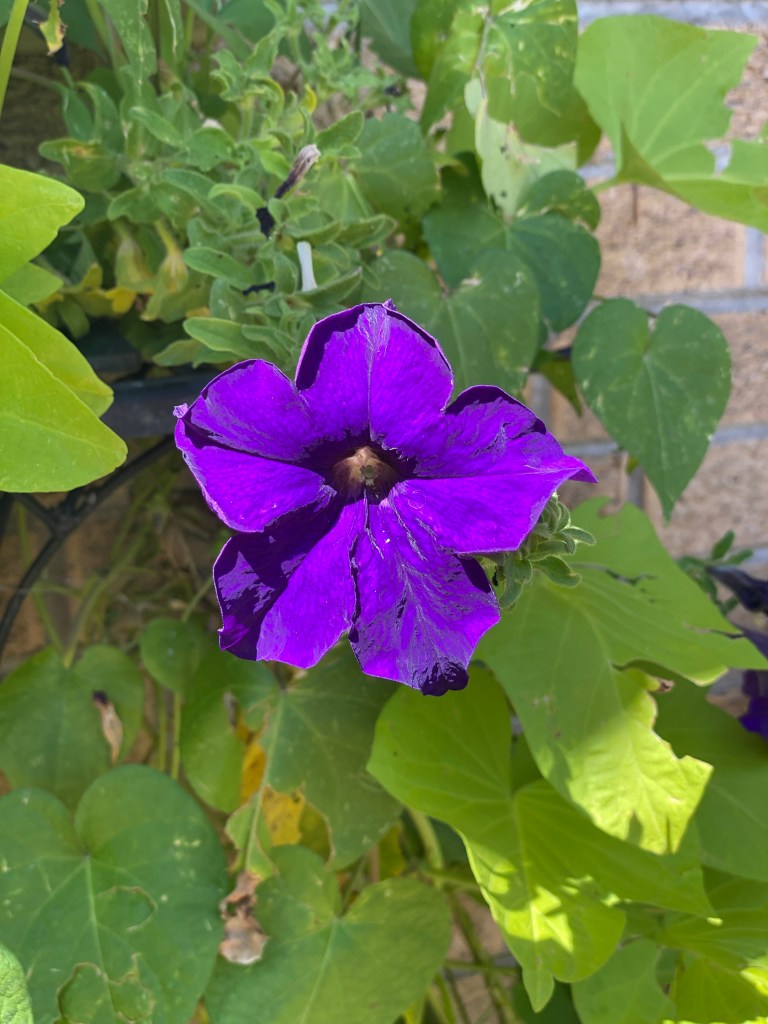

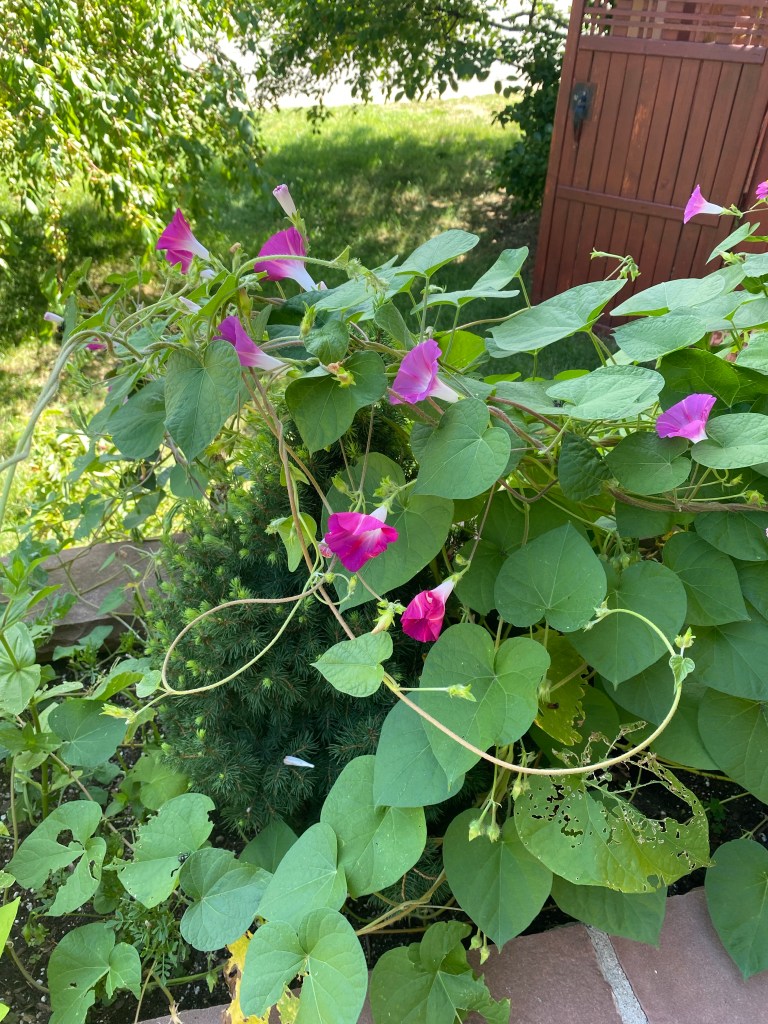

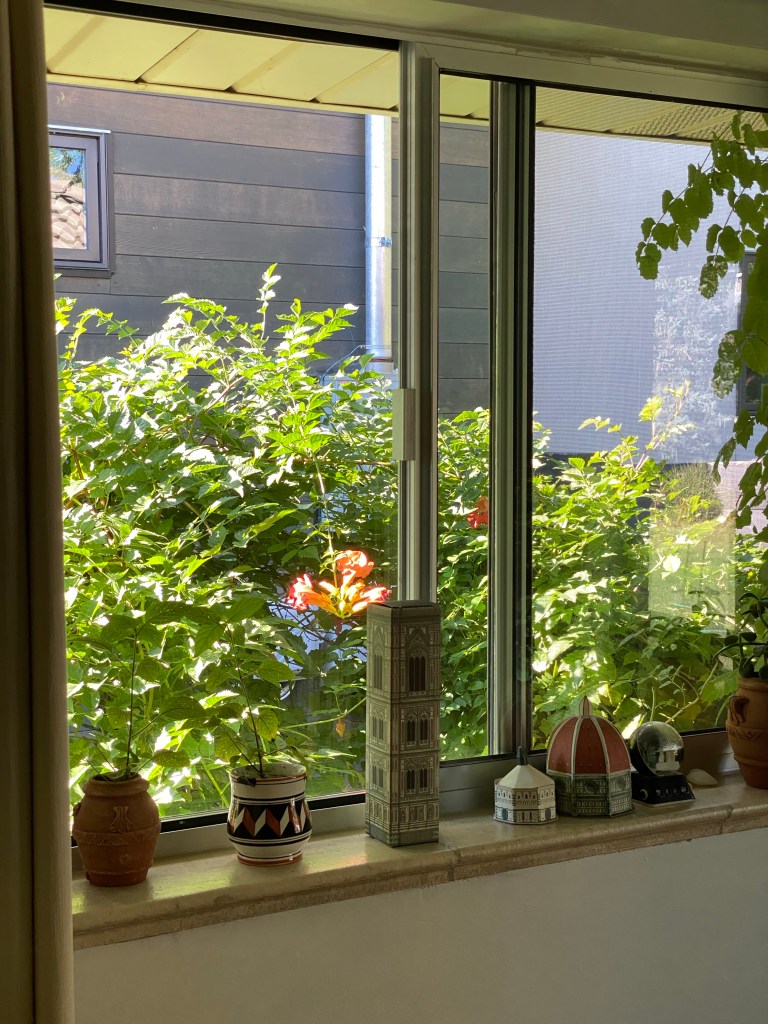
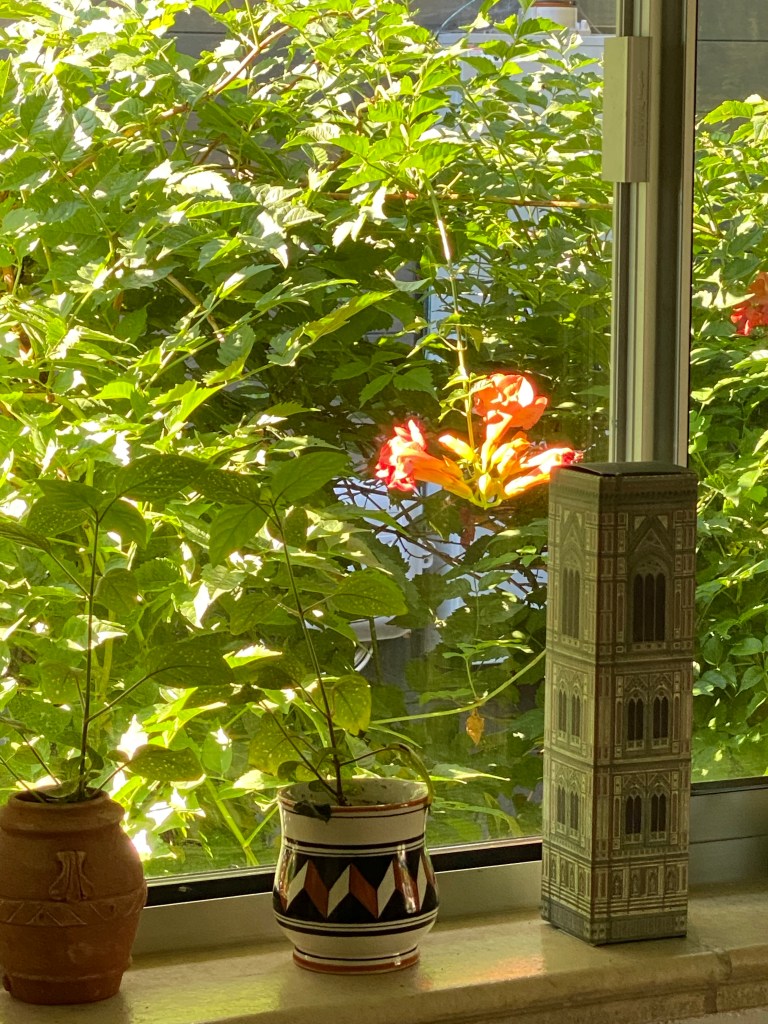
Nothing pleases me more than looking out this bedroom window to see my trumpet vine flourishing and offering a sweet array of bright orange blossoms! Gratitude indeed!
 get back, lauretta!
You must be logged in to post a comment.