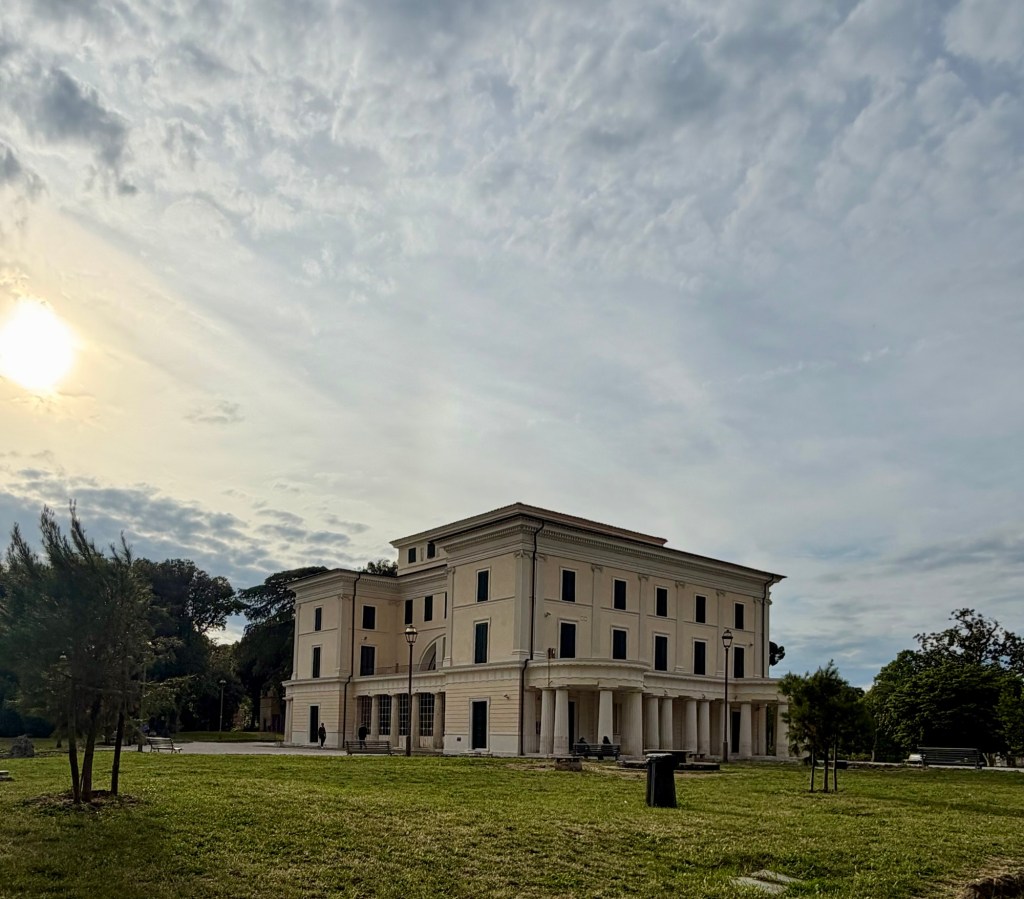
Villa Torlonia is a villa and surrounding gardens in Rome, formerly belonging to the Torlonia family. It was designed by the Neoclassical architect Giuseppe Valadier. Construction began in 1806 for the banker Giovanni Torlonia (1756–1829) and was finished by his son Alessandro (1800–1880).

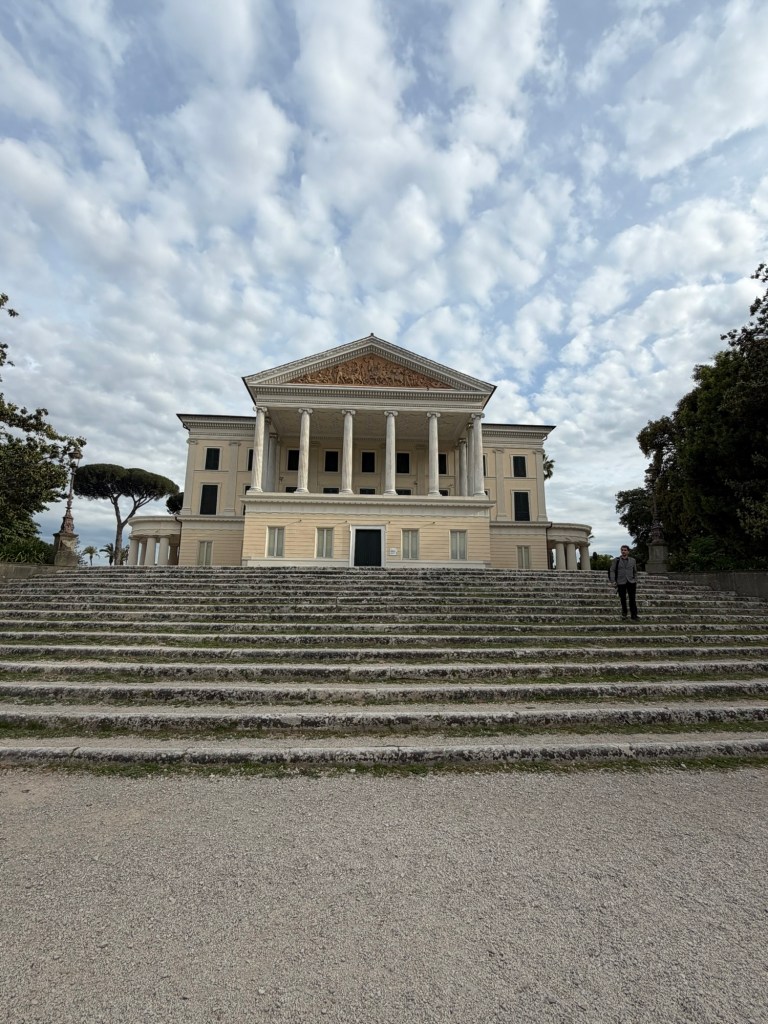
Mussolini rented it from the Torlonia for one lira a year to use as his state residence from the 1920s onwards. He and his family lived there for the next 18 years. Underground, an air-raid shelter was first constructed in the garden of the villa, and then, in a second stage of building, a much larger and more complex airtight bunker was constructed under the villa itself, with the intention of resisting both aerial bombardment and chemical warfare.
In June 1944 the property was all occupied by the Allied High Command, which remained there until 1947.
It was abandoned after 1945, and allowed to decay in the following decades, but recent restoration work has allowed it to be opened to the public as a museum owned and operated by Rome’s municipality.
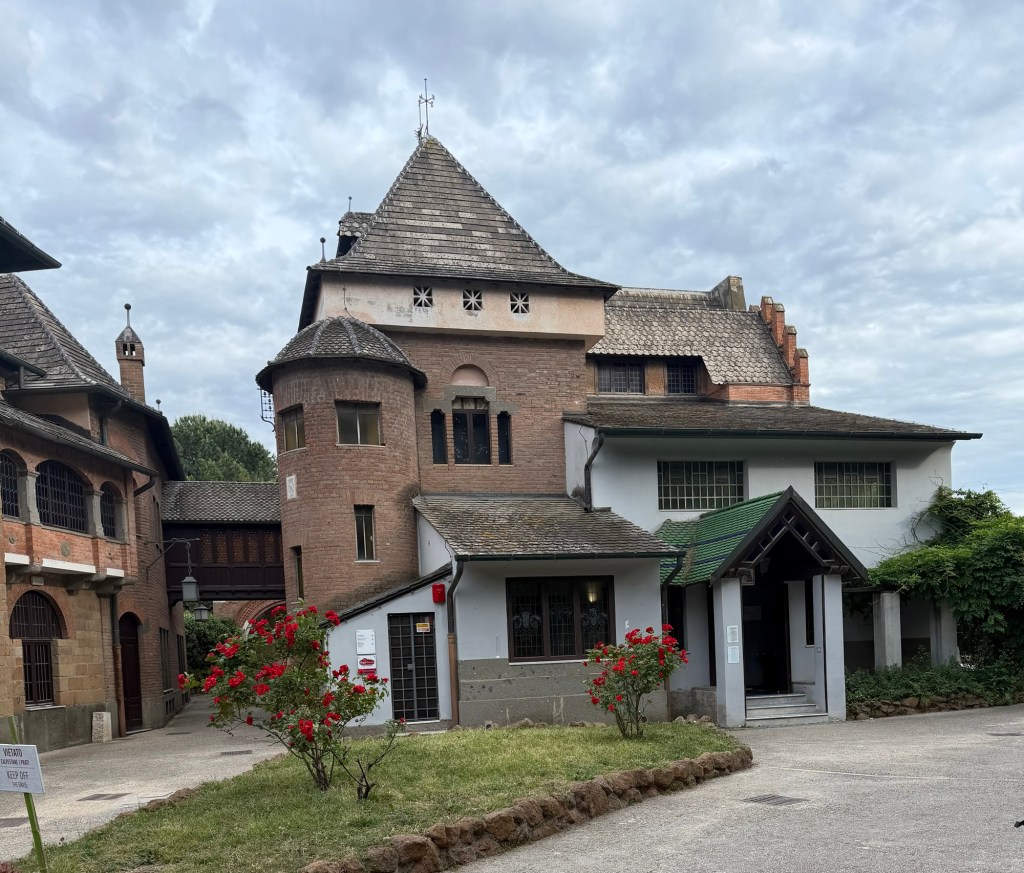
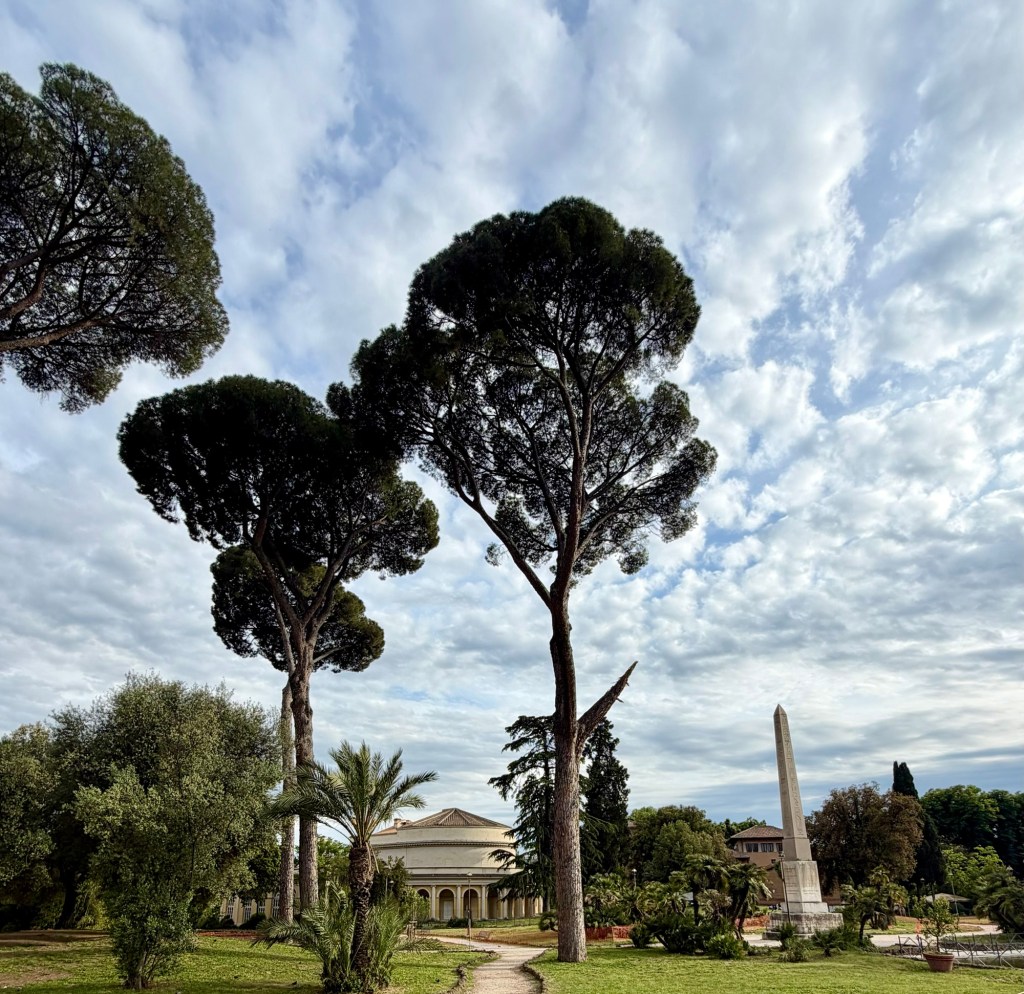
To plan and carry out other works, Alessandro employed Quintiliano Raimondi for the theatre and orangerie (today known as the “Lemon-house”), and Giuseppe Jappelli, who was in charge of the entire south section of the grounds, which he transformed with avenues, small lakes, exotic plants and unusual buildings. These included the Swiss Hut (later rebuilt as the Casina delle Civette), the Conservatory, the Tower and Moorish Grotto, and the Tournament Field. The project culminated in 1842 with the erection of two pink granite obelisks that commemorated Alessandro’s parents.
In 1919 a large underground 3rd- and 4th-century Jewish catacomb was discovered in the north-west area of the grounds. There are about 3,800 graves in the cemetery.[1] It is still not open to the public because the excavation of the catacomb has been questioned by many due to a Jewish religious law that states that all human bodies must remain buried at all times.[1] In 1925 the Villa was given to Mussolini as a residence, where he remained until 1943, with few changes to the aboveground structures.
Underground, an air-raid shelter was first constructed in the garden of the villa, and then, in a second stage of building, a much larger and more complex airtight bunker was constructed under the villa itself, with the intention of resisting both aerial bombardment and chemical warfare.[2]
In June 1944 the property was all occupied by the Allied High Command, which remained there until 1947. The Villa was bought by the Municipality of Rome in 1977 and a year later it was opened to the public, but with many of the buildings in a run-down state. Restoration was initiated in the 1990s, and has been largely completed with the exception of the Moorish Conservatory (Serra Moresca), although there is an ongoing restoration of the villa.[3] The landscaped grounds are in the English ‘picturesque’ style.
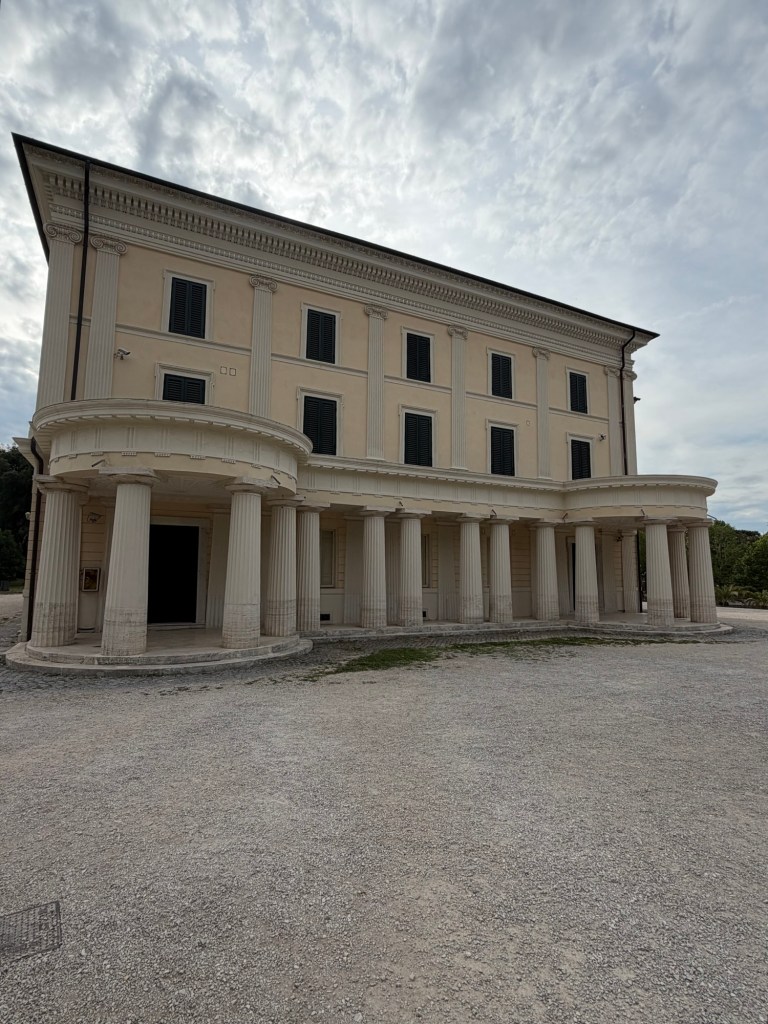
Between 1802 and 1806 Valadier turned the main building. which you’ve been looking at above, into a palace, and transformed other buildings. He also laid out the park with symmetrical avenues around the palace.
Numerous works of classical art, many of which were sculptures, were purchased to furnish the palace.
Following the death of Giovanni, Alessandro commissioned the painter and architect Giovan Battisti Caretti in 1832 to further develop the property. In addition to expanding the buildings, Caretti constructed several buildings in the park. These included the False Ruins, the Temple of Saturn, and the Tribuna con Fontana.
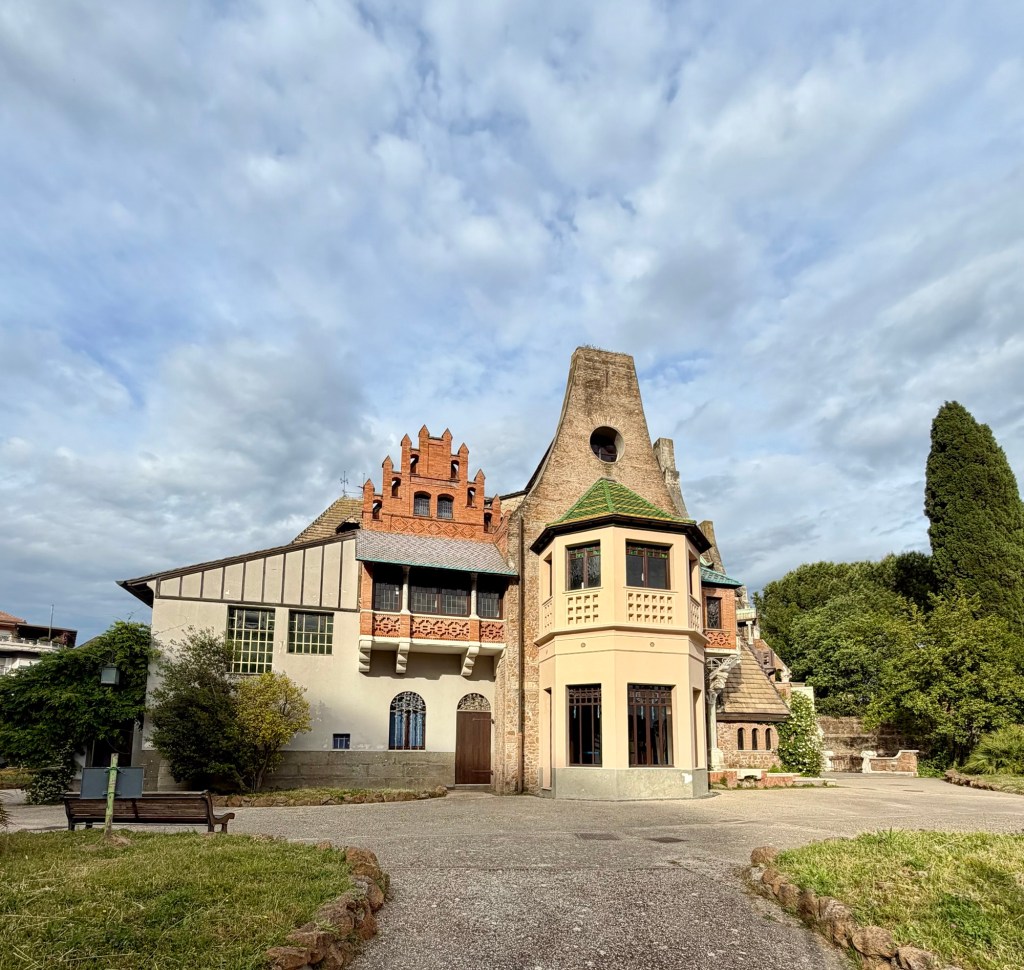
To plan and carry out other works, Alessandro employed Quintiliano Raimondi for the theatre and orangerie (today known as the “Lemon-house”), and Giuseppe Jappelli, who was in charge of the entire south section of the grounds, which he transformed with avenues, small lakes, exotic plants and unusual buildings. These included the Swiss Hut (later rebuilt as the Casina delle Civette), the Conservatory, the Tower and Moorish Grotto, and the Tournament Field. The project culminated in 1842 with the erection of two pink granite obelisks that commemorated Alessandro’s parents.
In 1919 a large underground 3rd- and 4th-century Jewish catacomb was discovered in the north-west area of the grounds. There are about 3,800 graves in the cemetery. It is still not open to the public because the excavation of the catacomb has been questioned by many due to a Jewish religious law that states that all human bodies must remain buried at all times.
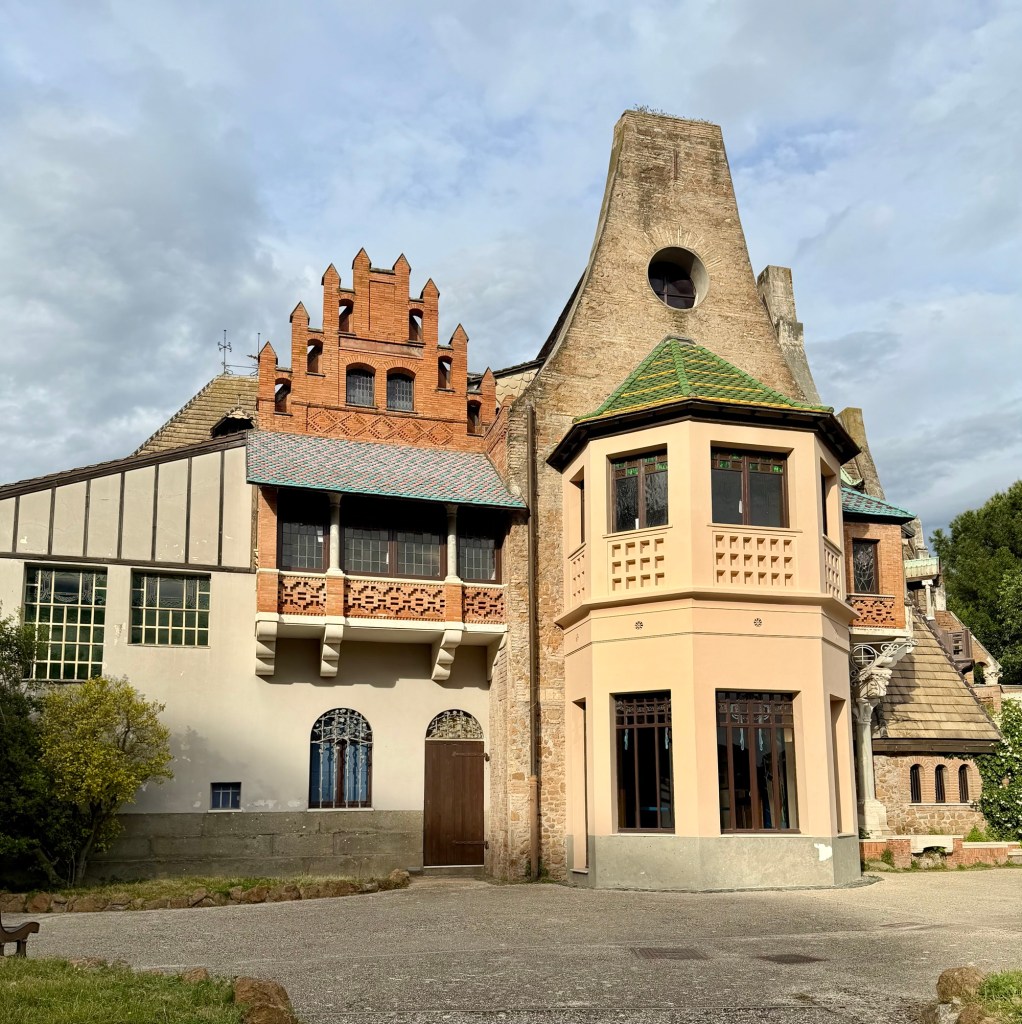
The Villa was bought by the Municipality of Rome in 1977 and a year later it was opened to the public, but with many of the buildings in a run-down state. Restoration was initiated in the 1990s, and has been largely completed with the exception of the Moorish Conservatory (Serra Moresca), although there is an ongoing restoration of the villa. The landscaped grounds are in the English ‘picturesque’ style.



There are a few info repeats, here. I hope you don’t mind me mentioning.
Been on vacation. Amazed I was still able to post!