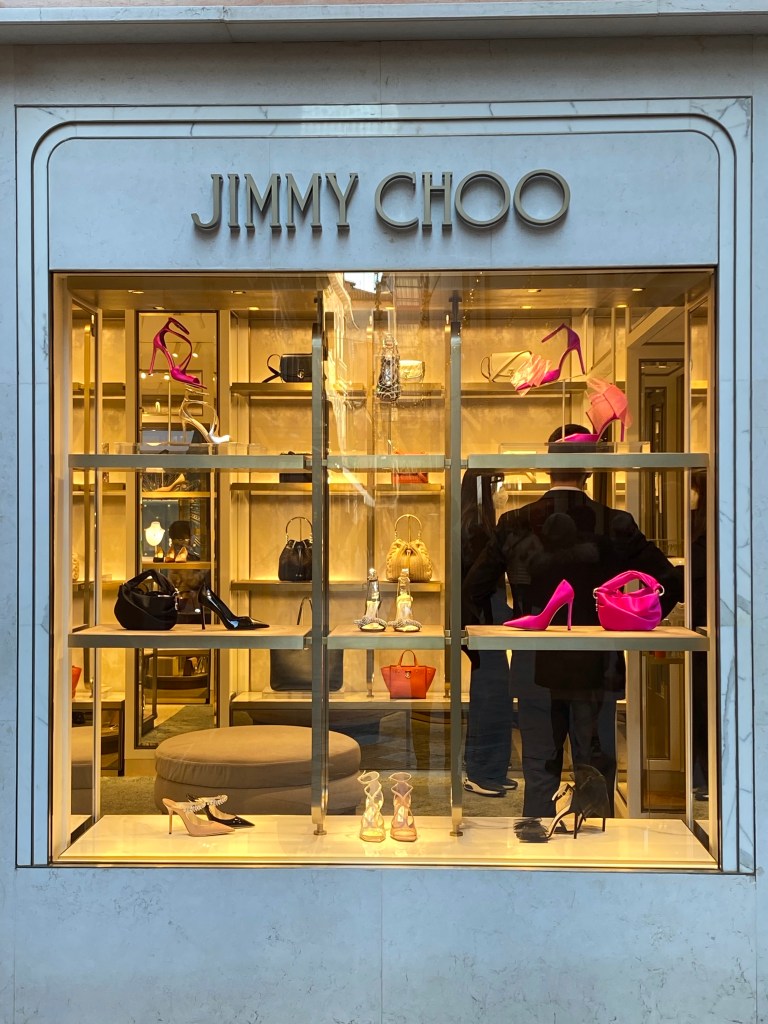
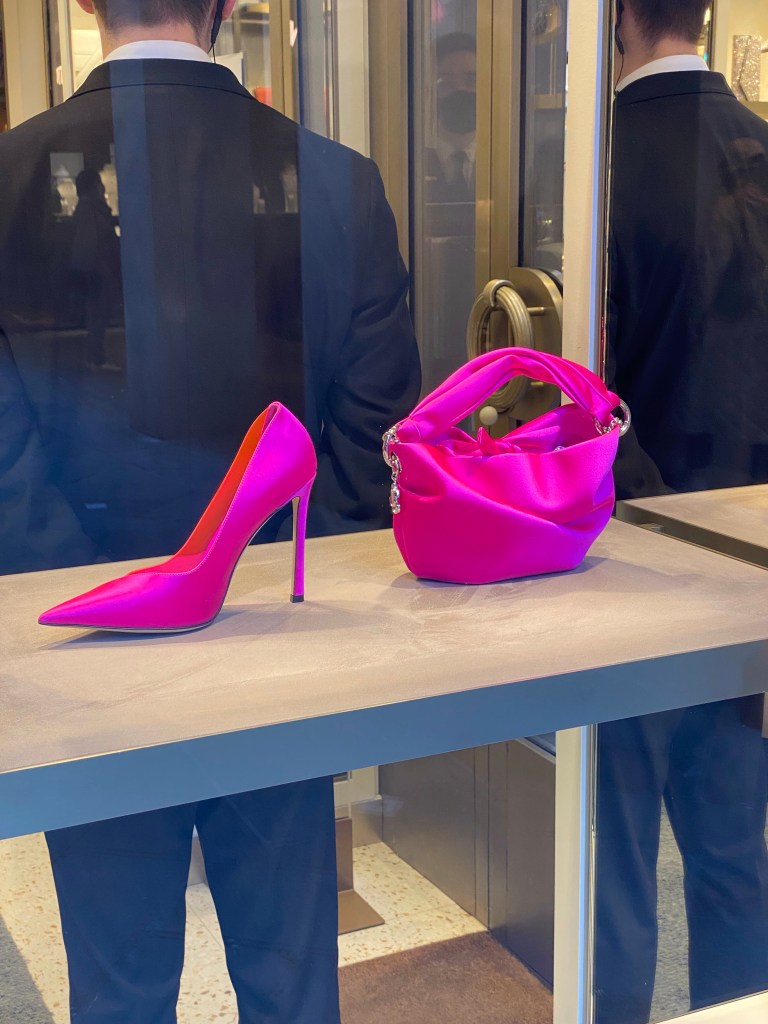
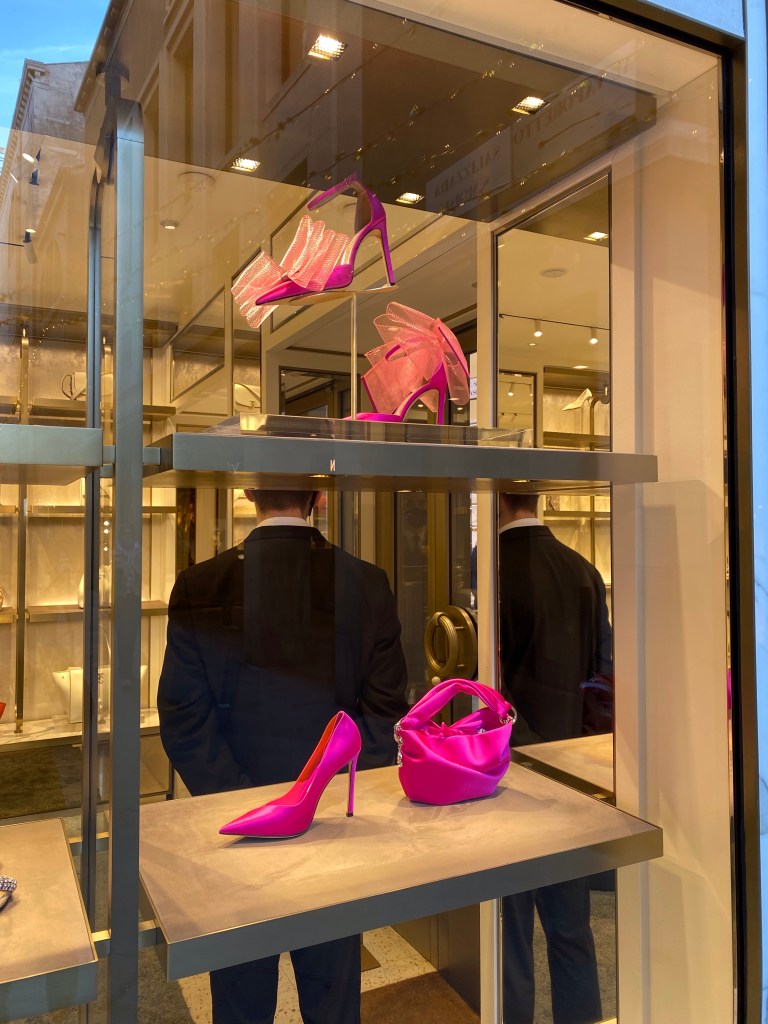
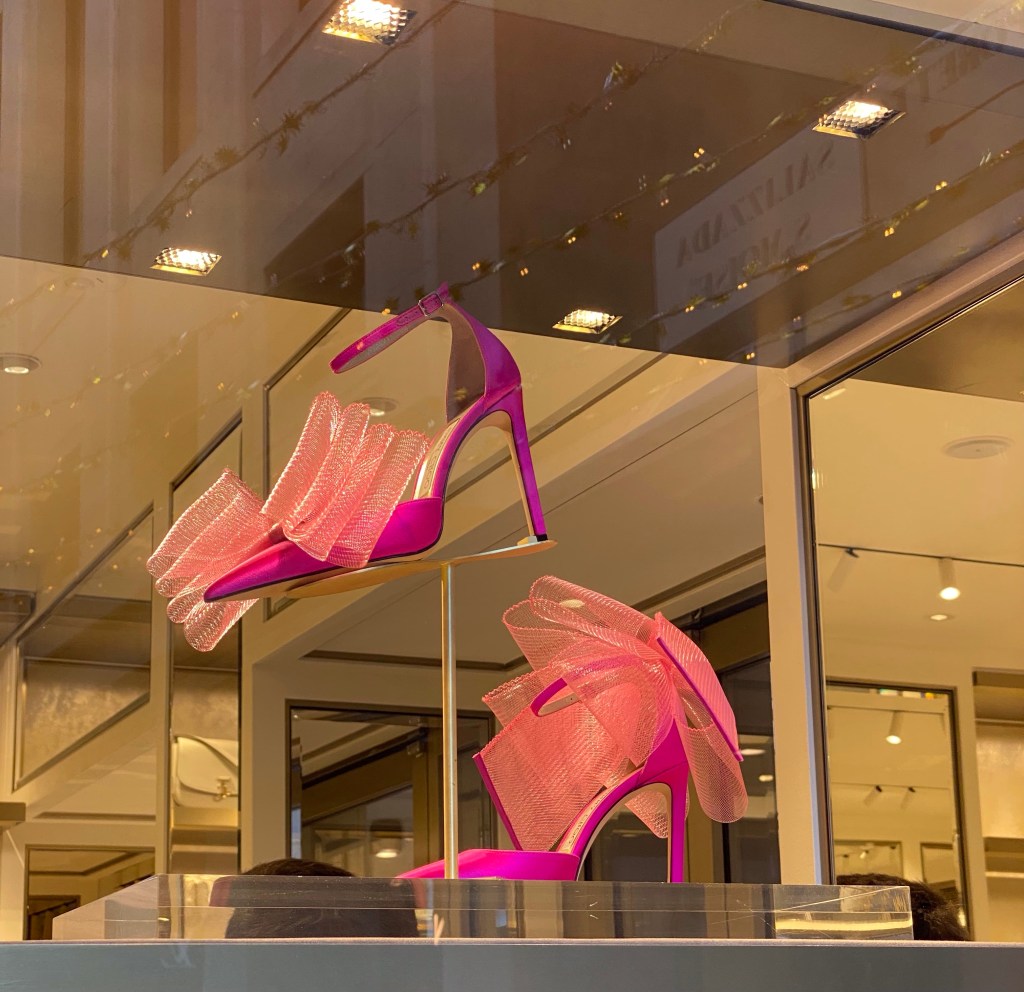

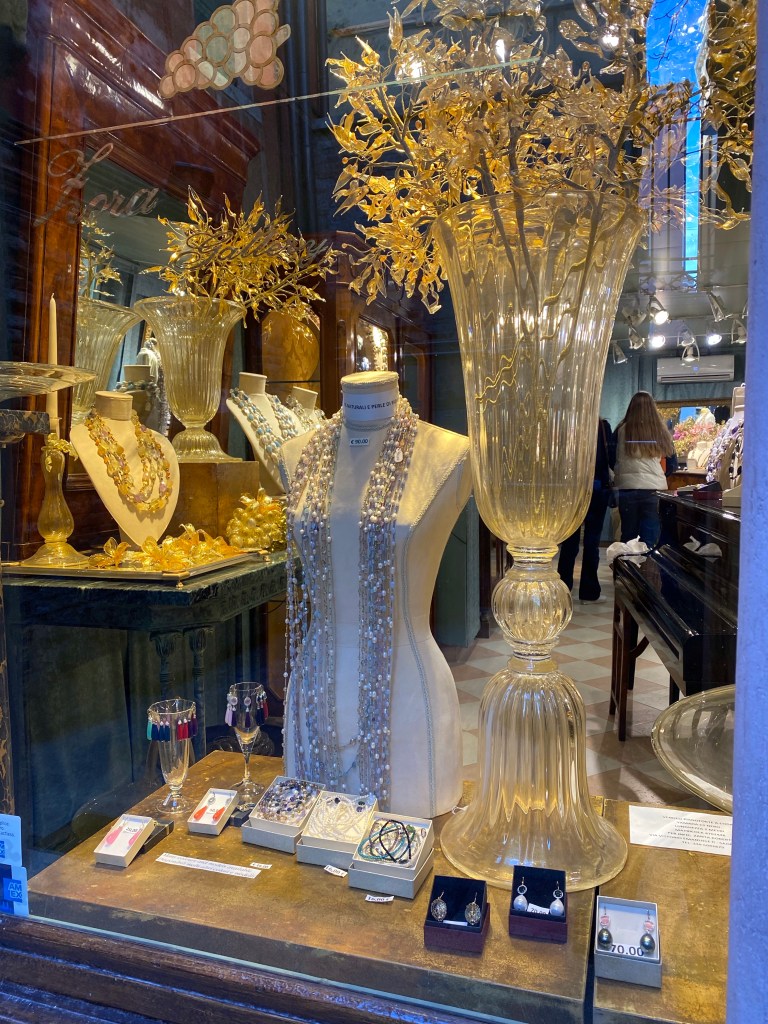
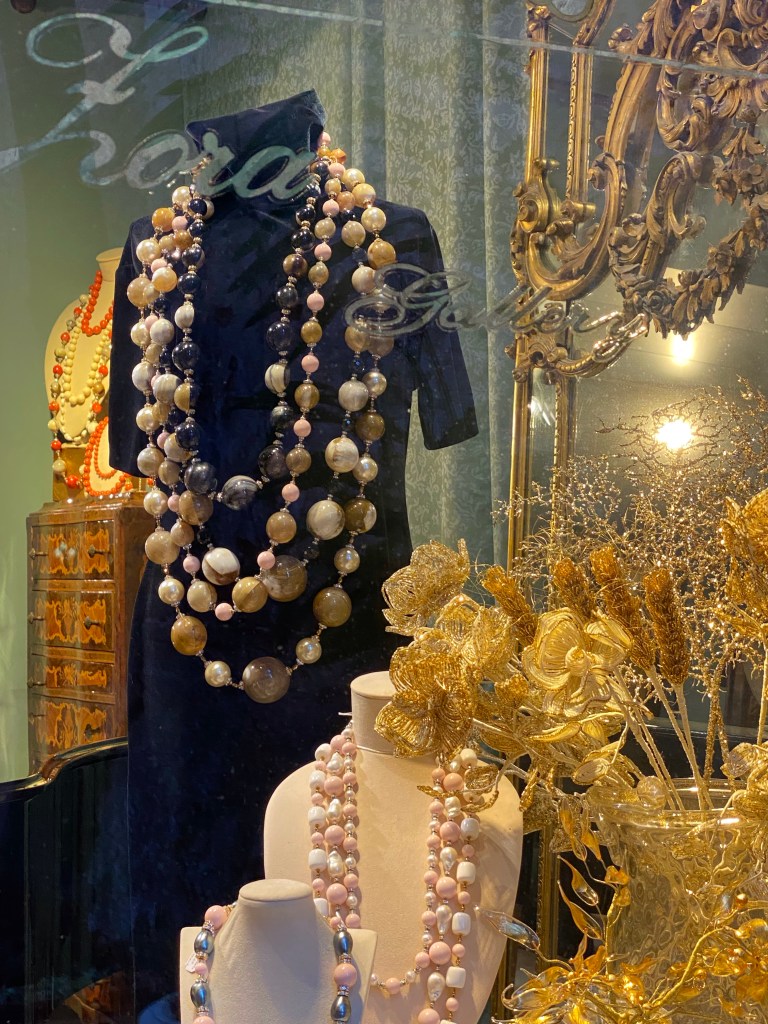
I mean, wow! what talent and what a setting! Ah, Florence, ti amo!
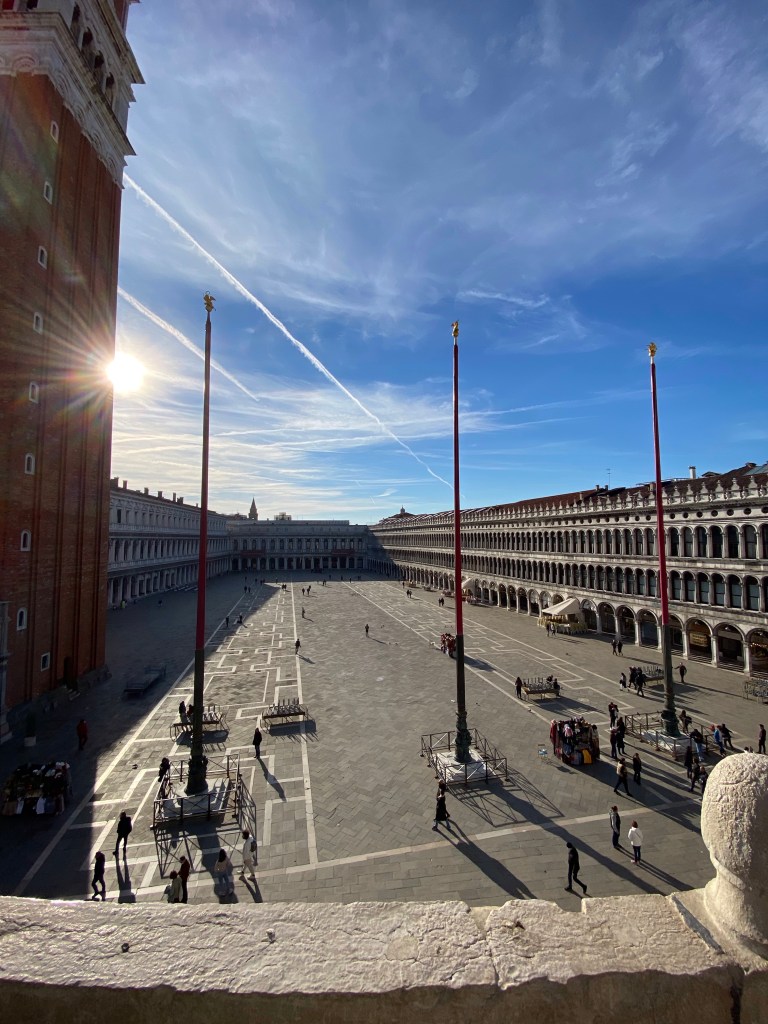
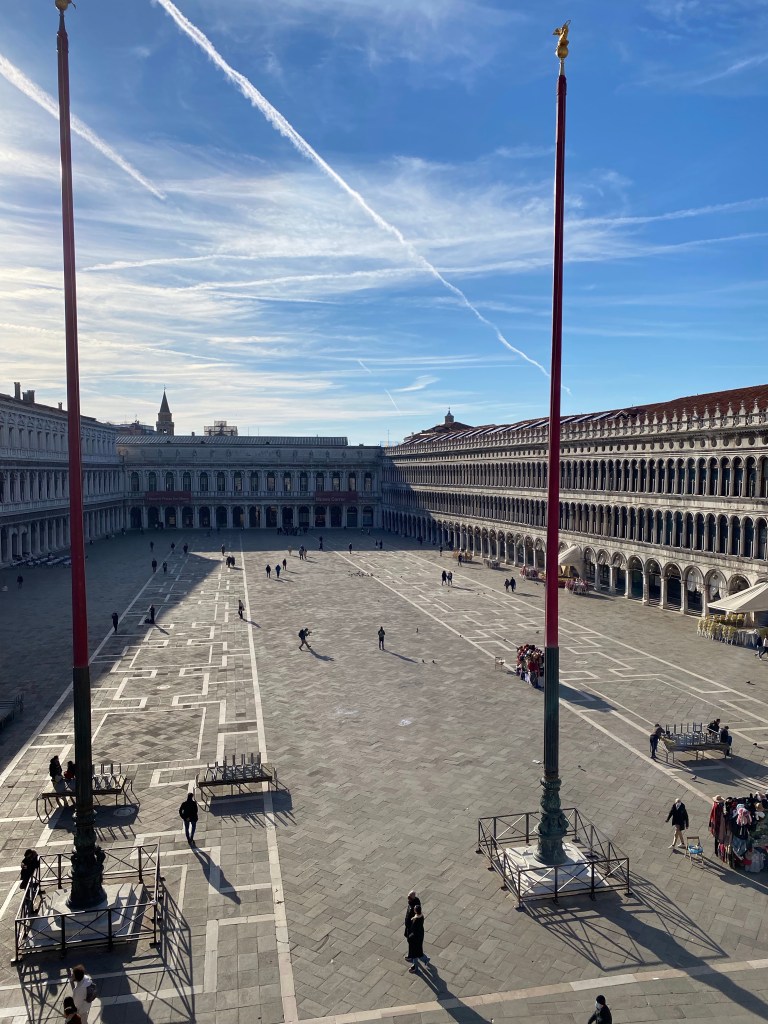
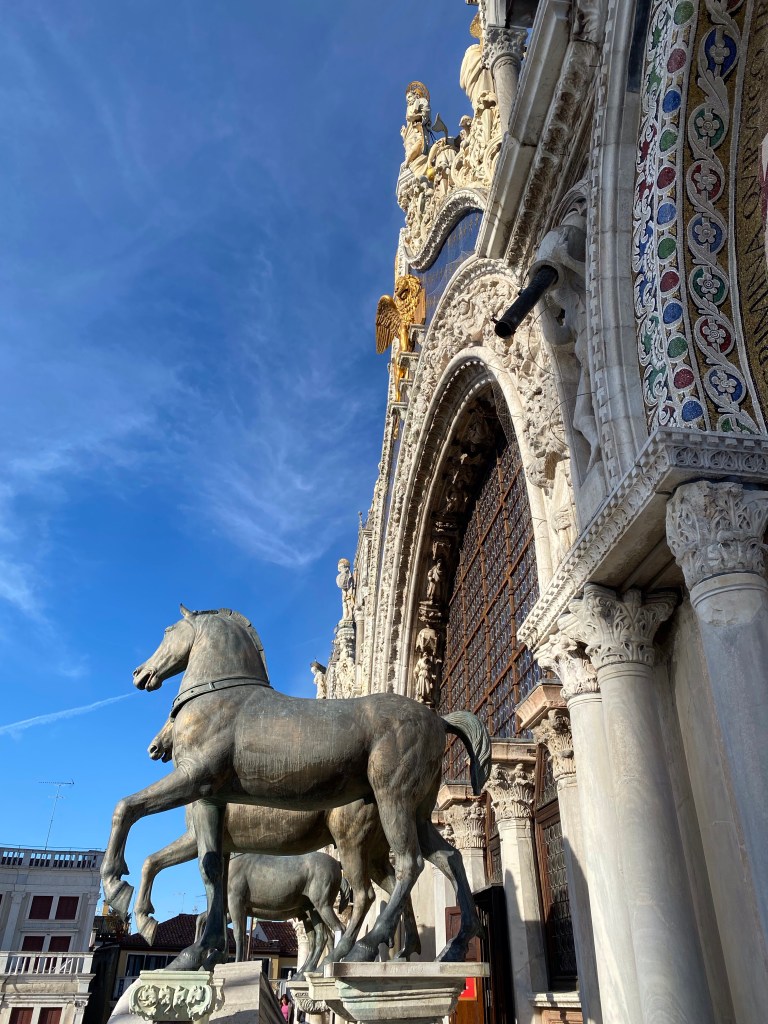
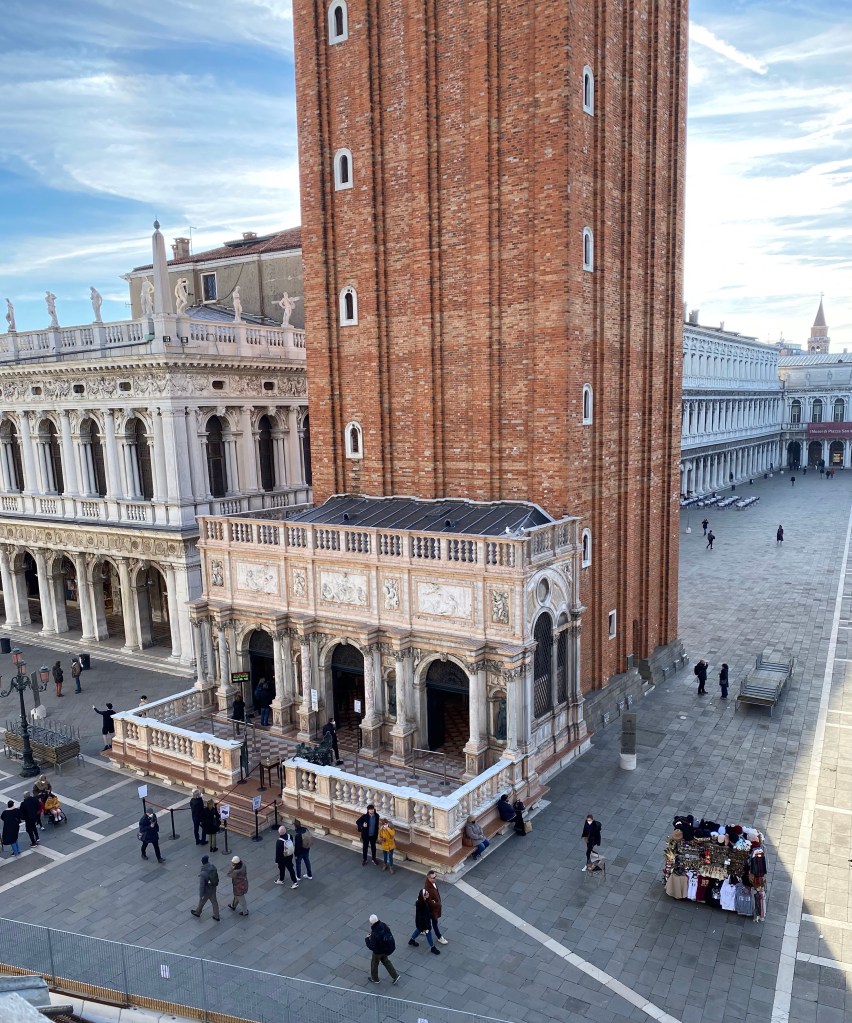
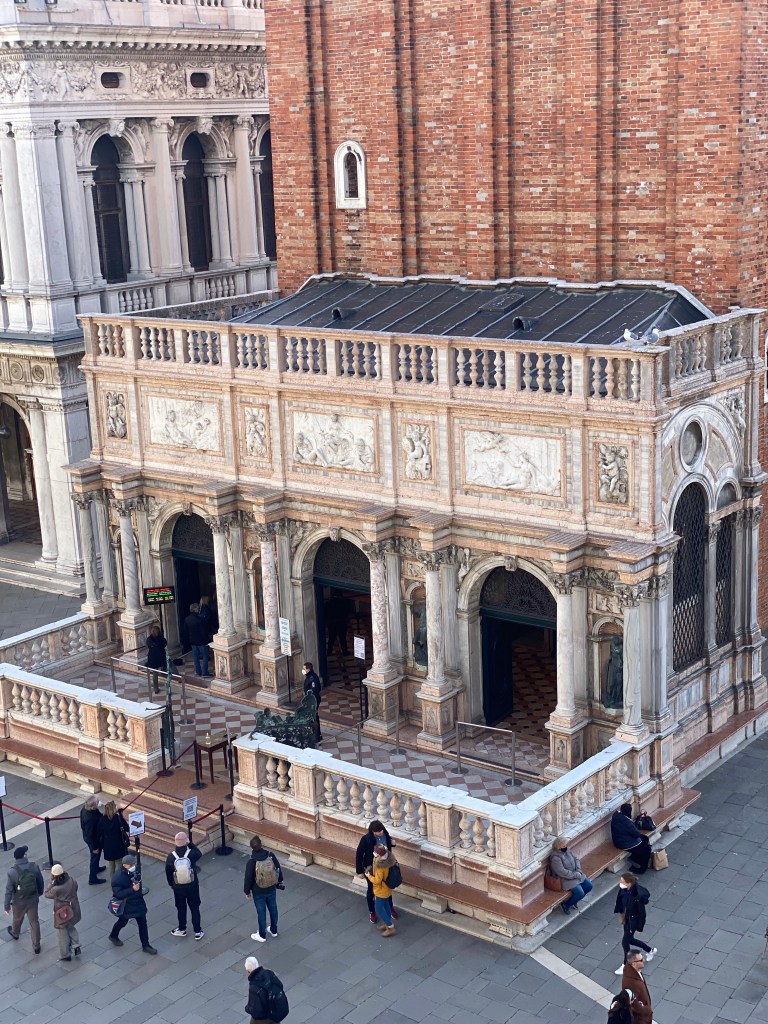

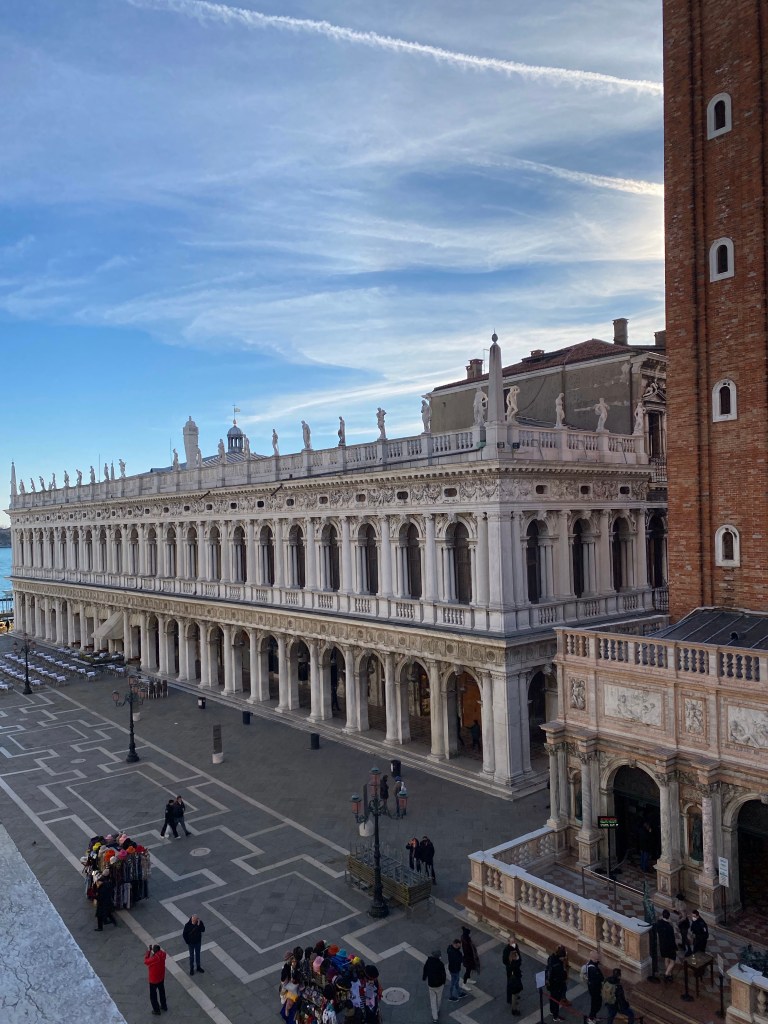
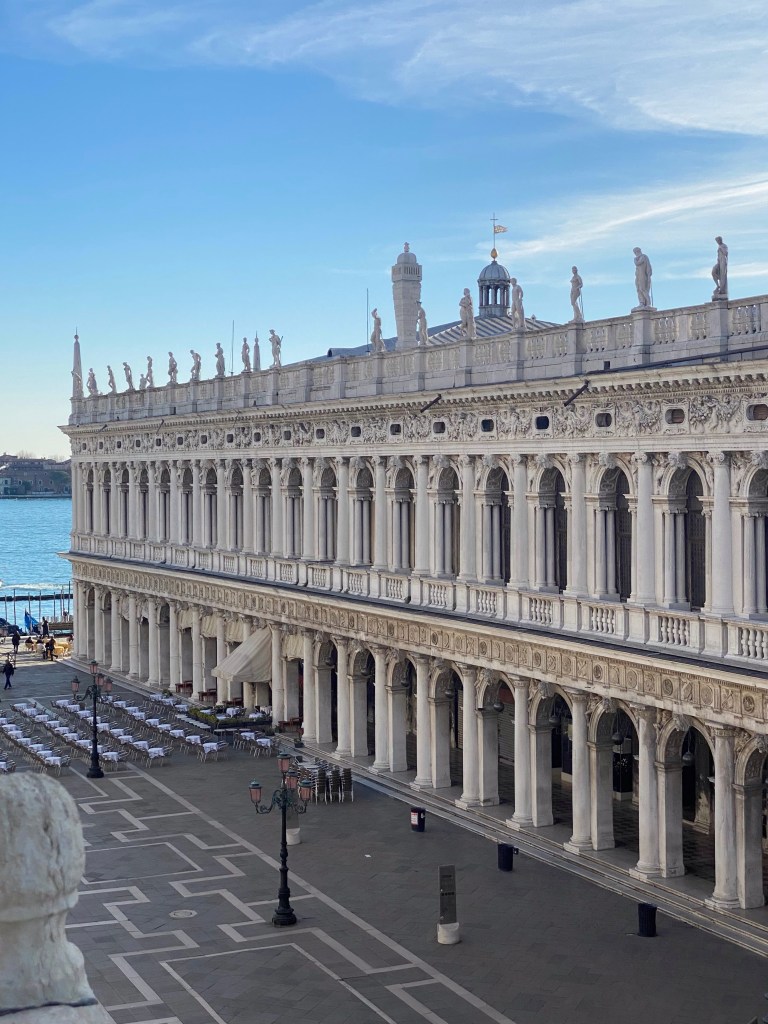
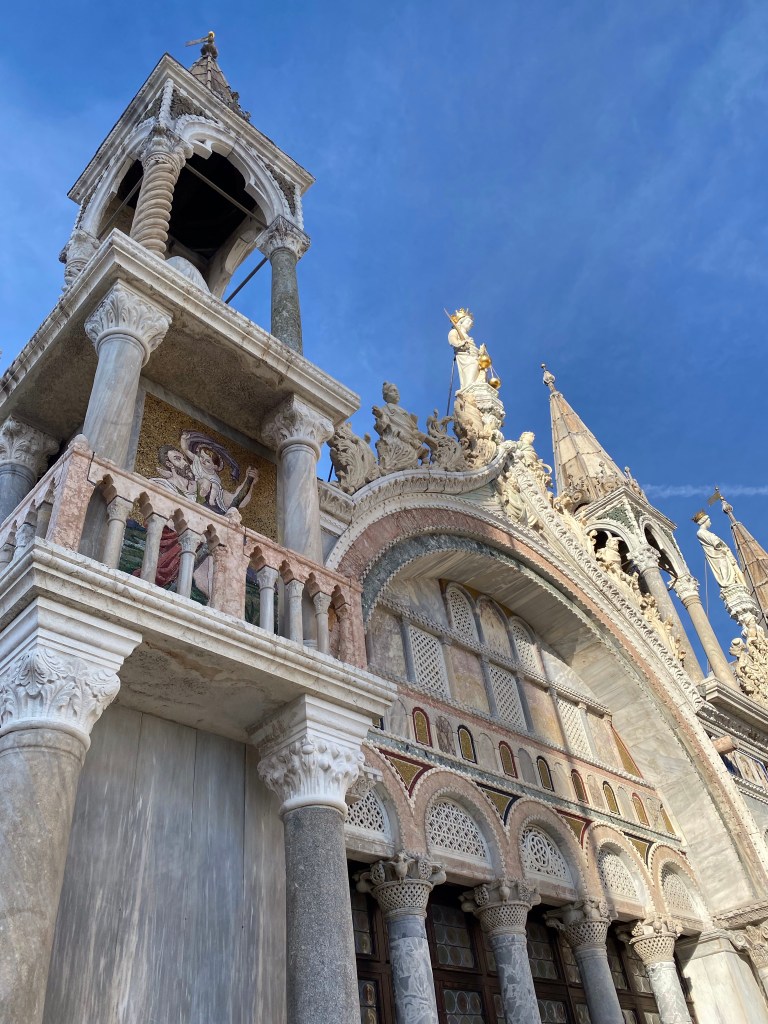
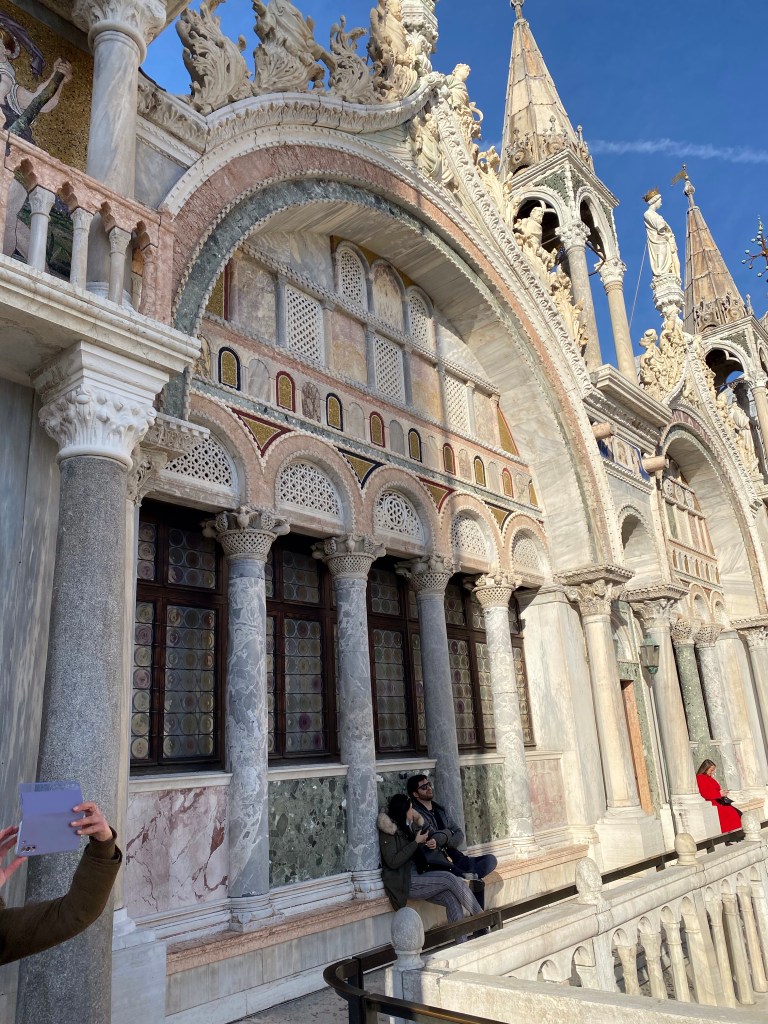
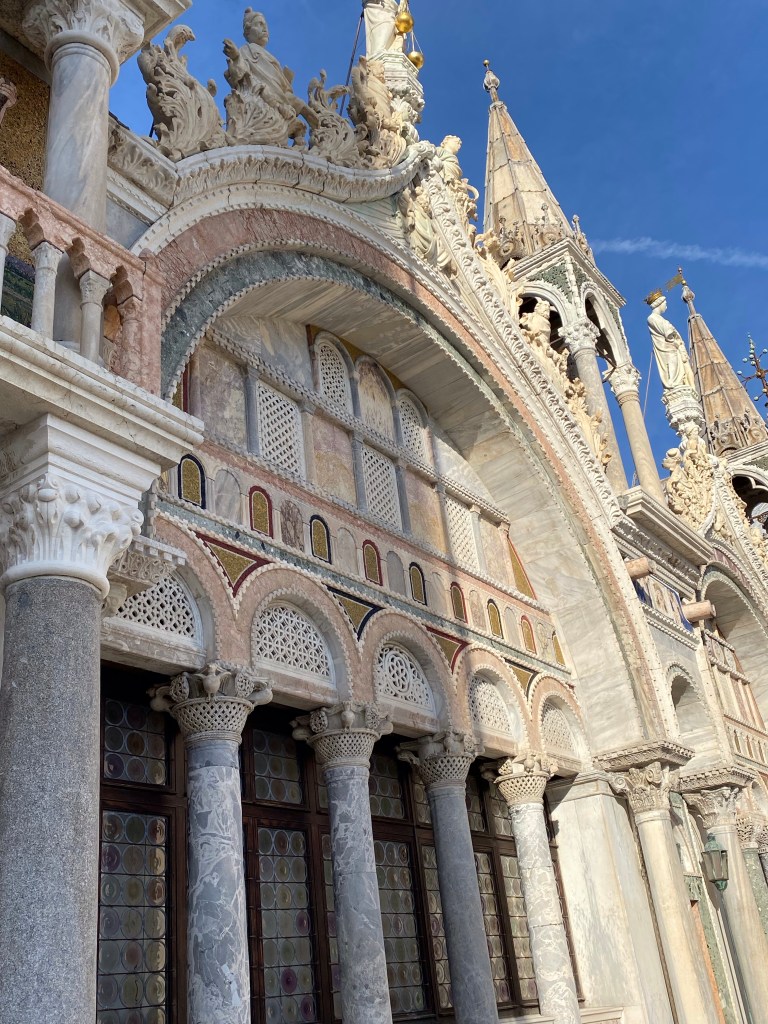
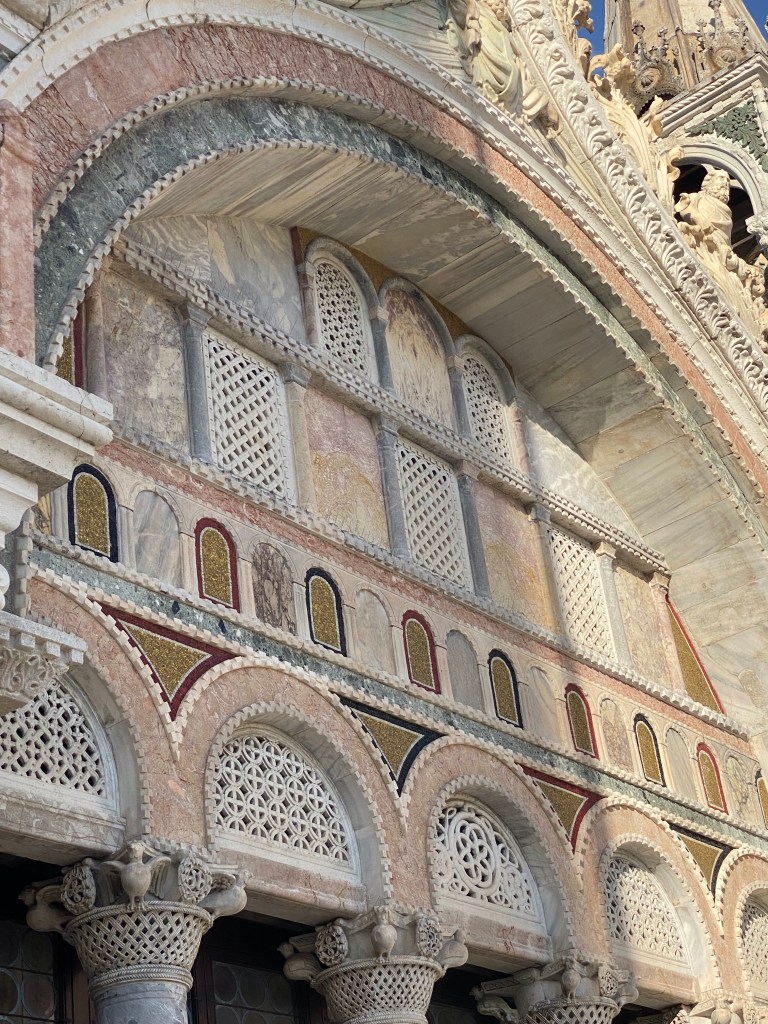
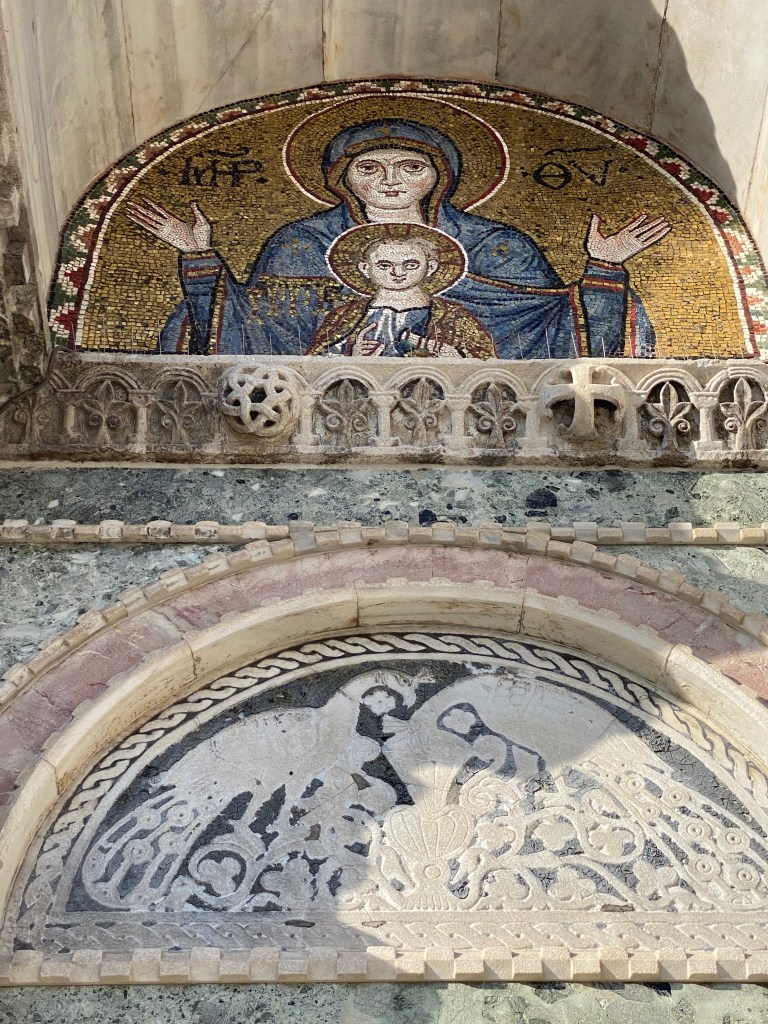
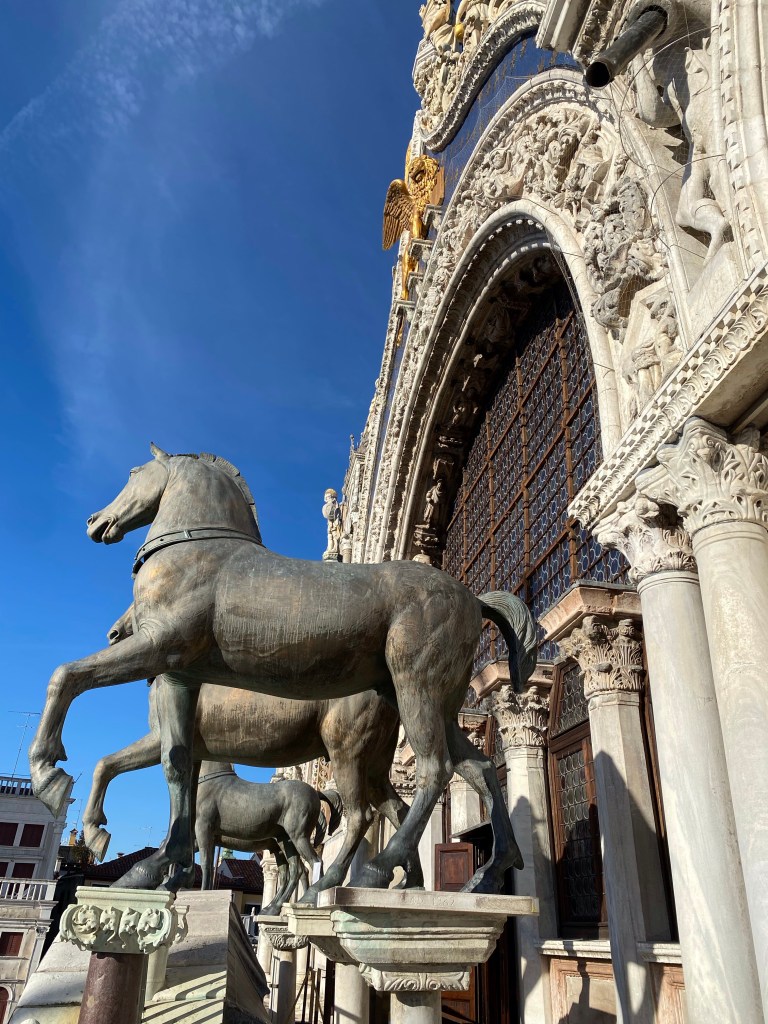
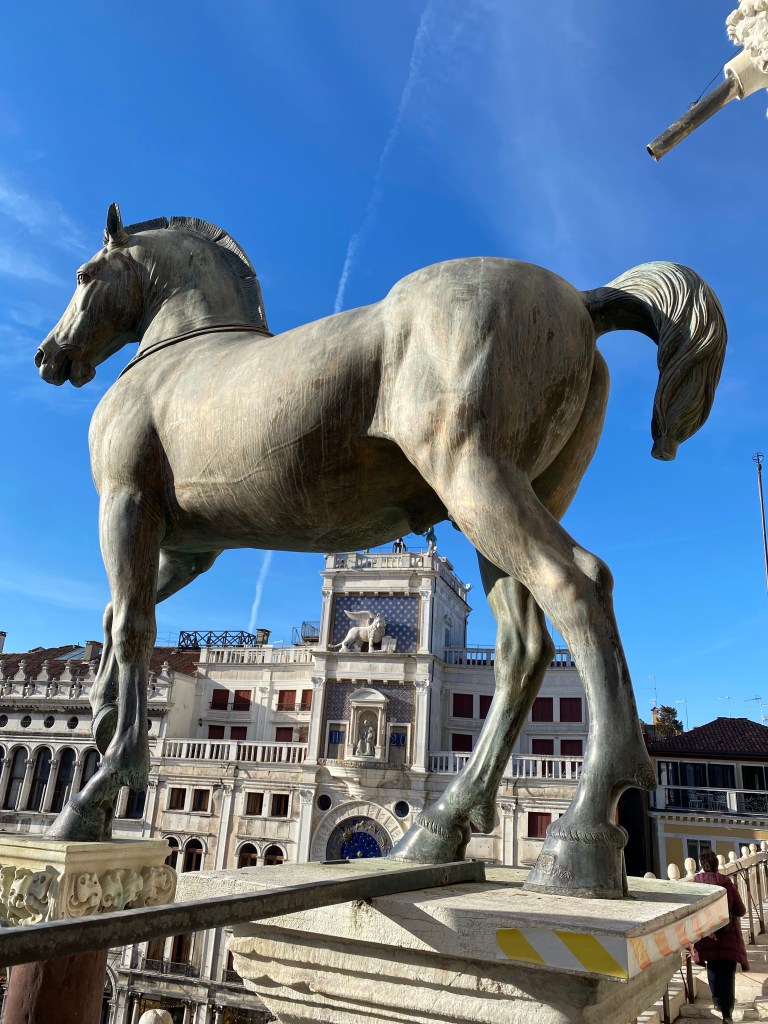
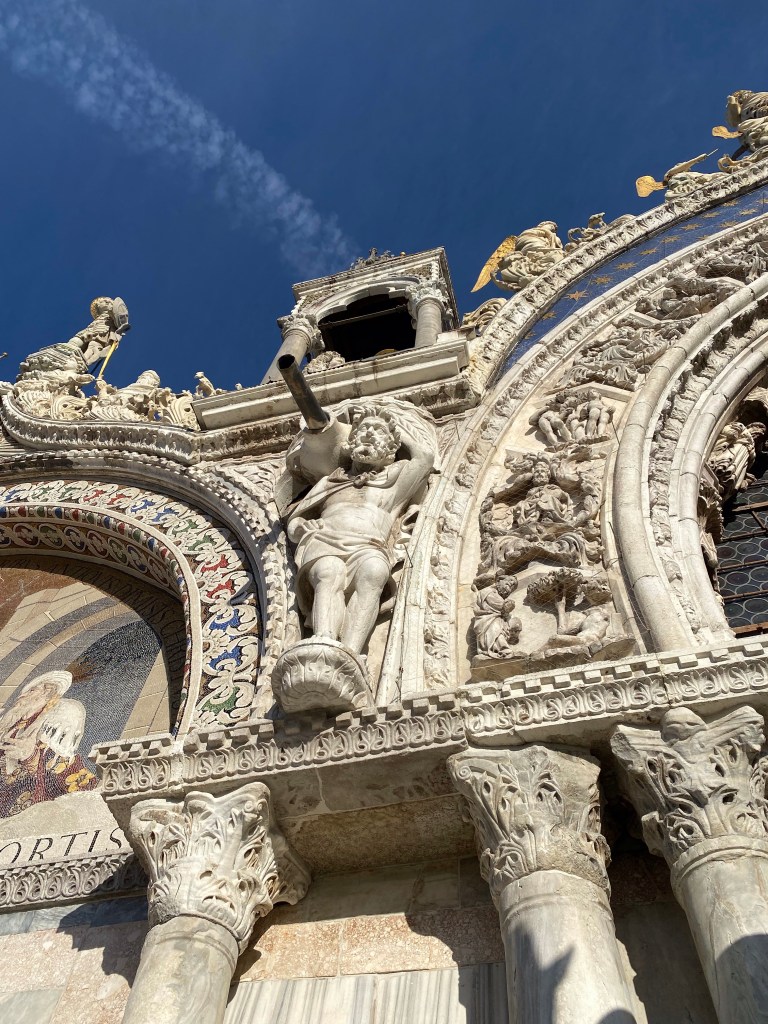
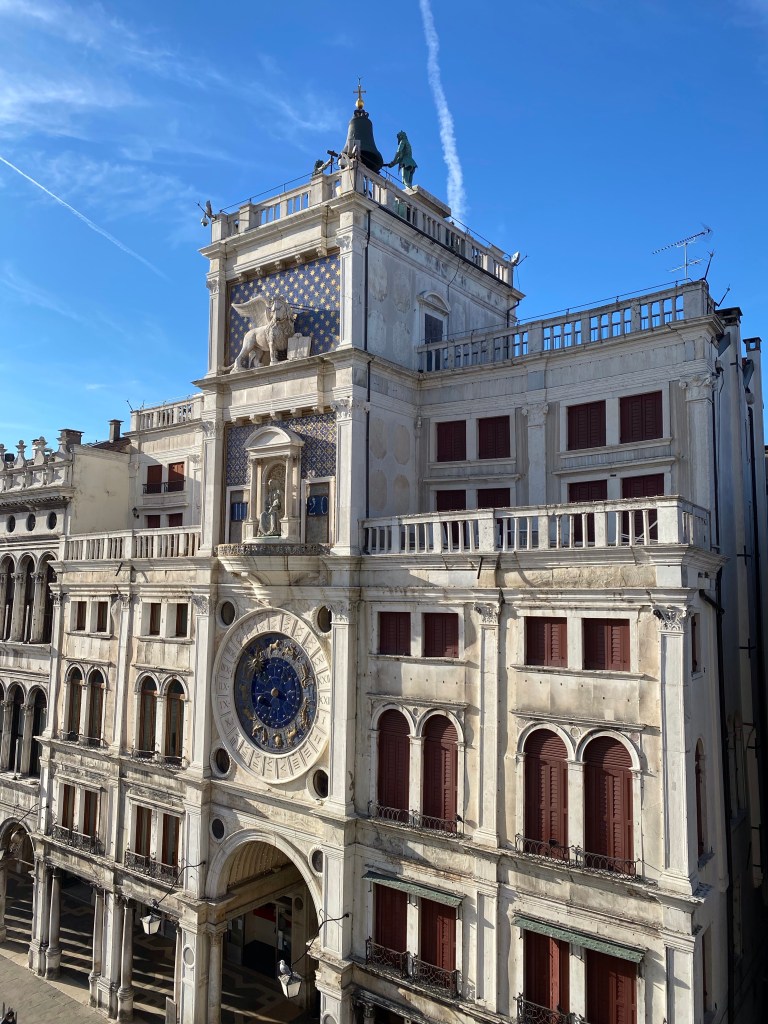
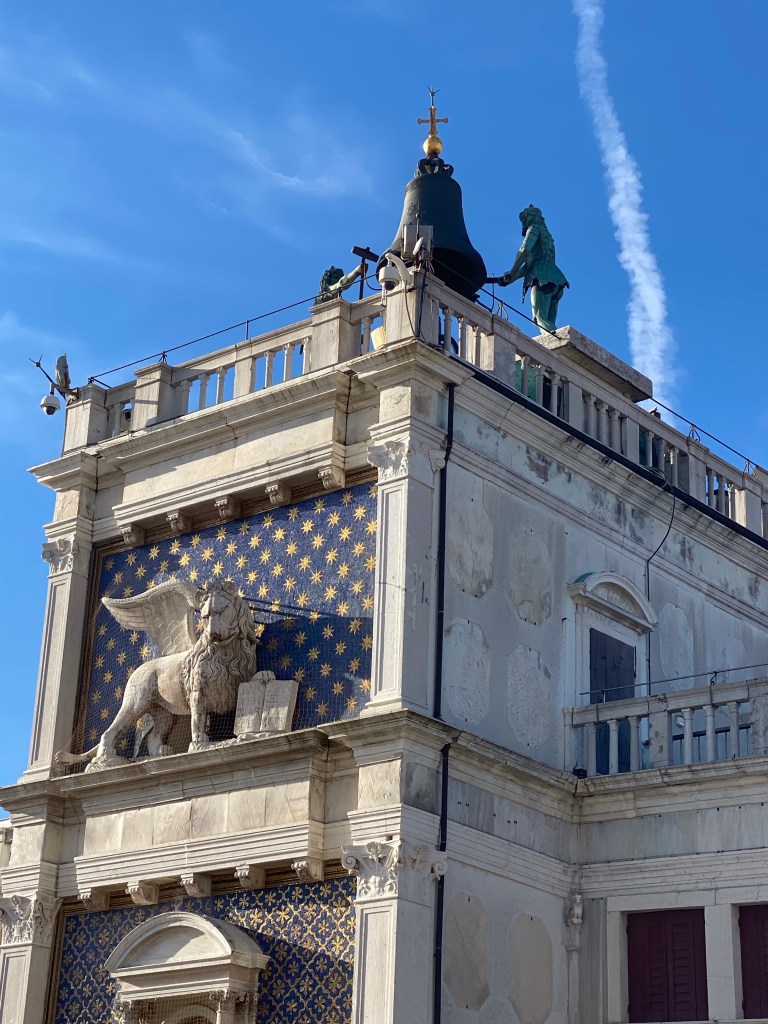
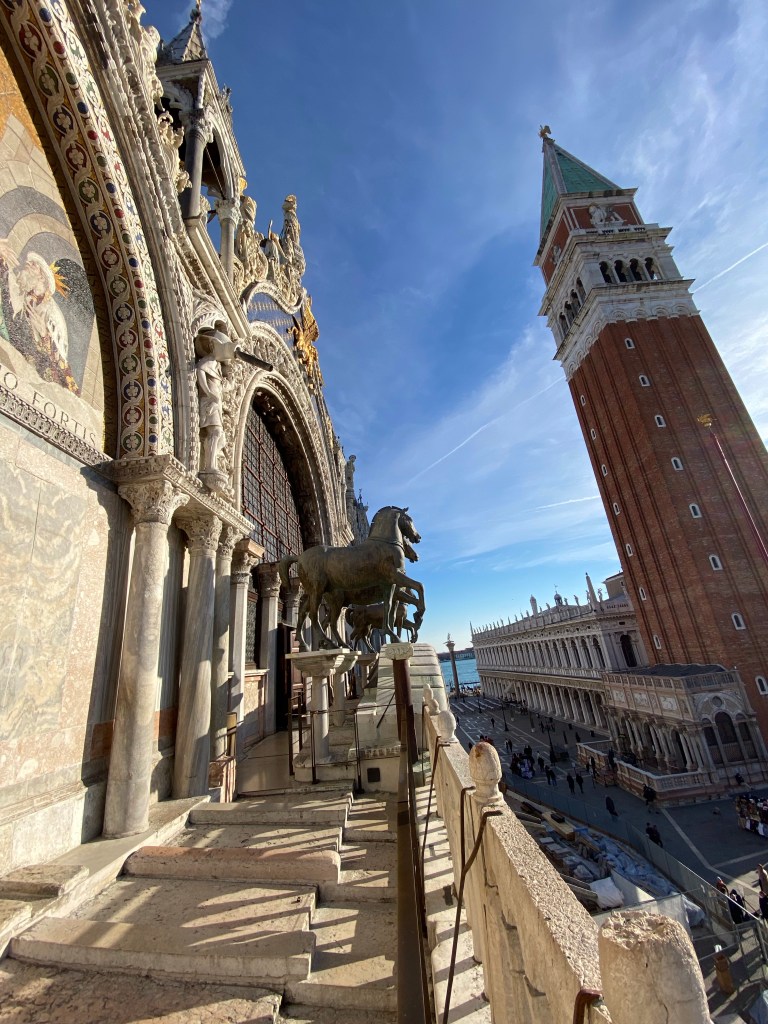
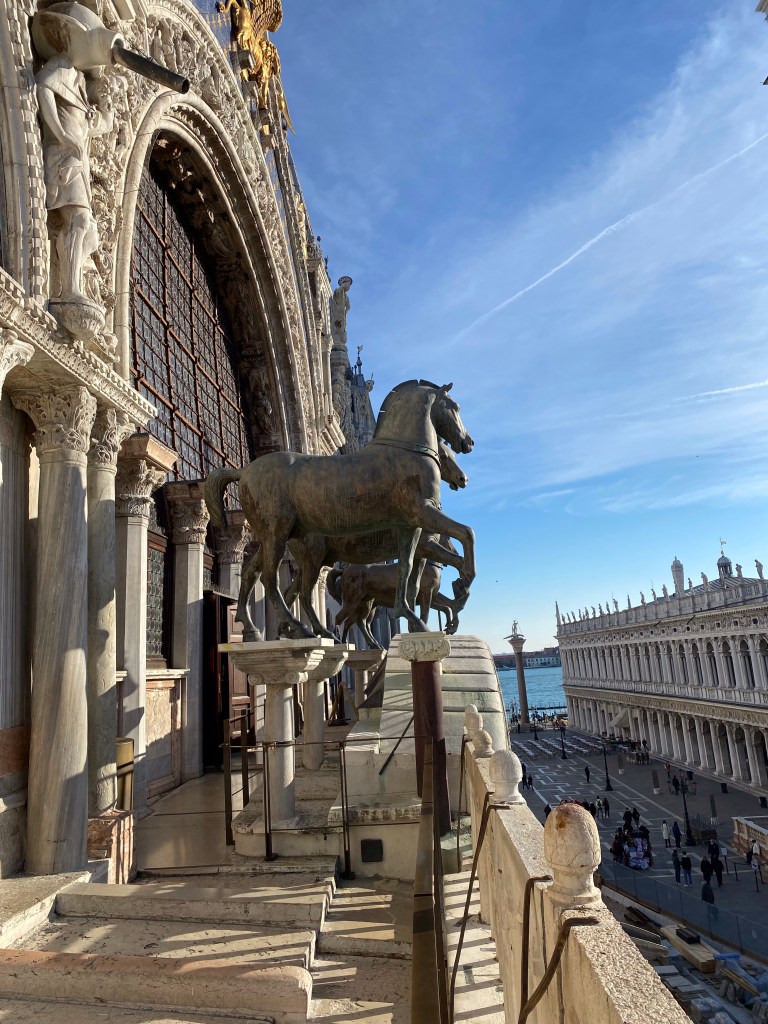
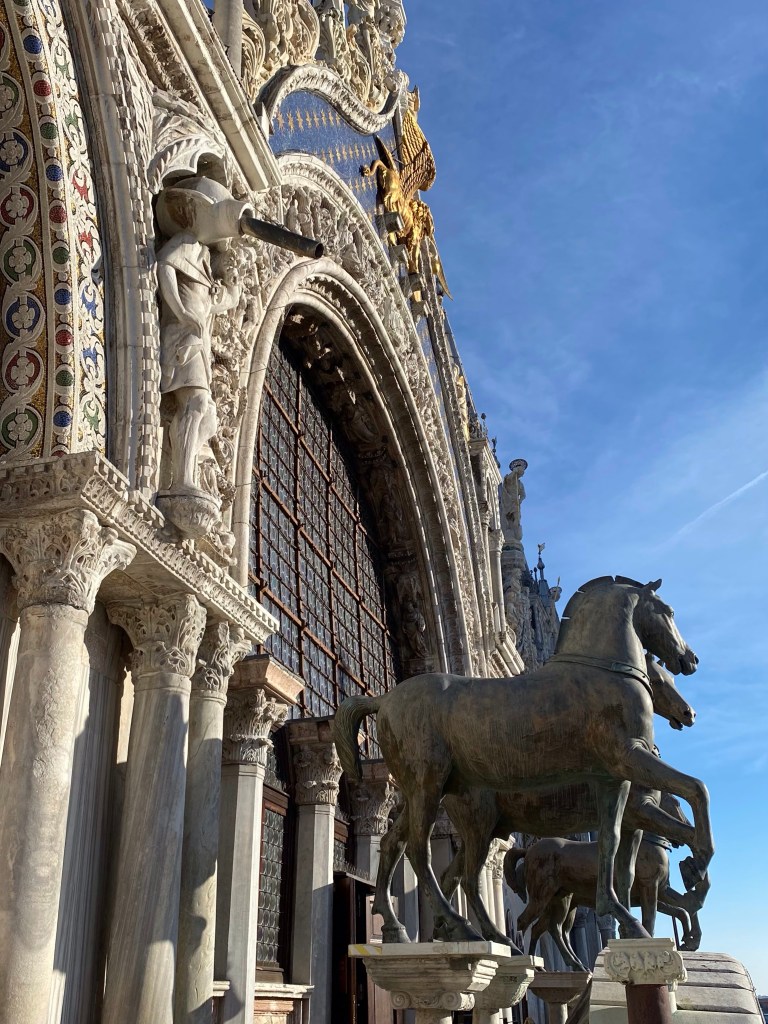
Once upon a time, a long time ago, a young American art museum curator was sent to Venice to bring home to Boston an important 19th century American painting that had been loaned to the Venetian Biennale. She could not believe her good fortune! The Italian government, being the Italian government, arranged for her lodging in a very disorganized fashion, which was to her added good fortune. They miscalculated when she would be needed in Venice and thus she was put up for a week at no expense to her or her museum, the MFA, Boston at the exclusive Hotel Danieli.
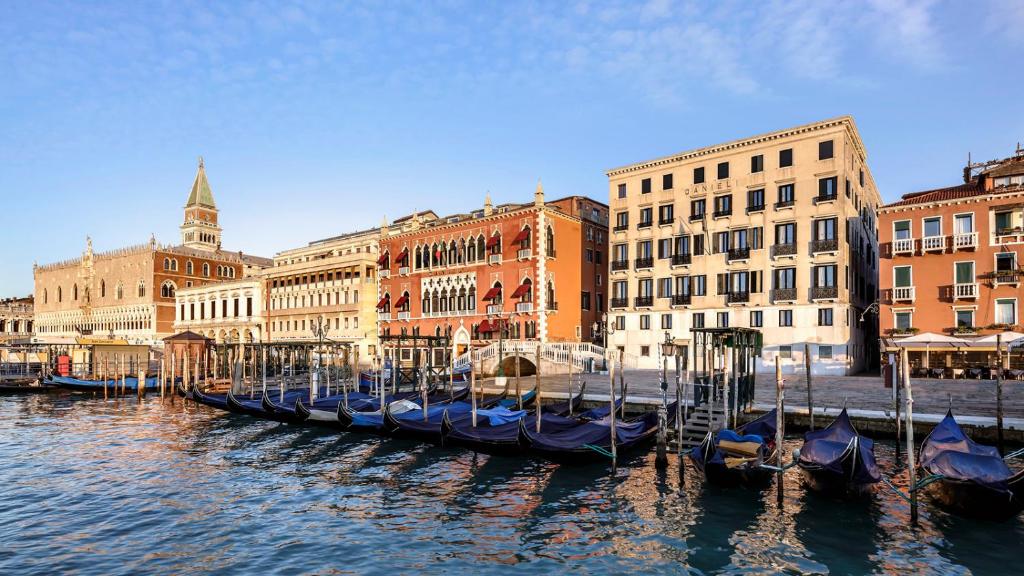

She had a beautiful room with a small balcony and French doors that opened onto the Grand Canal. She called this location home for a week while she explored Venice while waiting to be called to the Biennale to supervise the packing up of her painting.
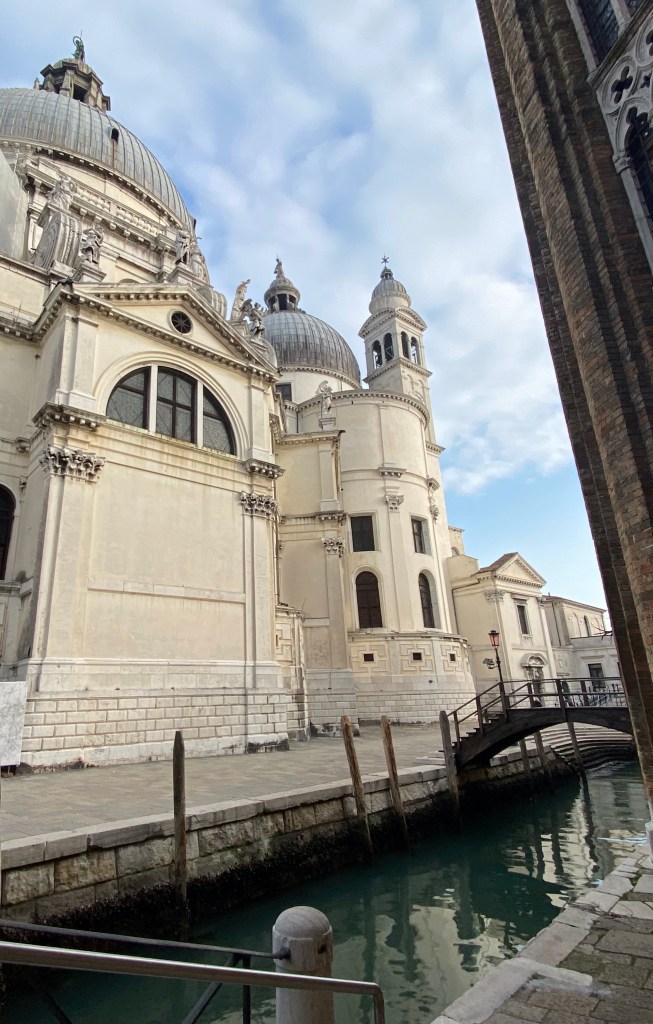
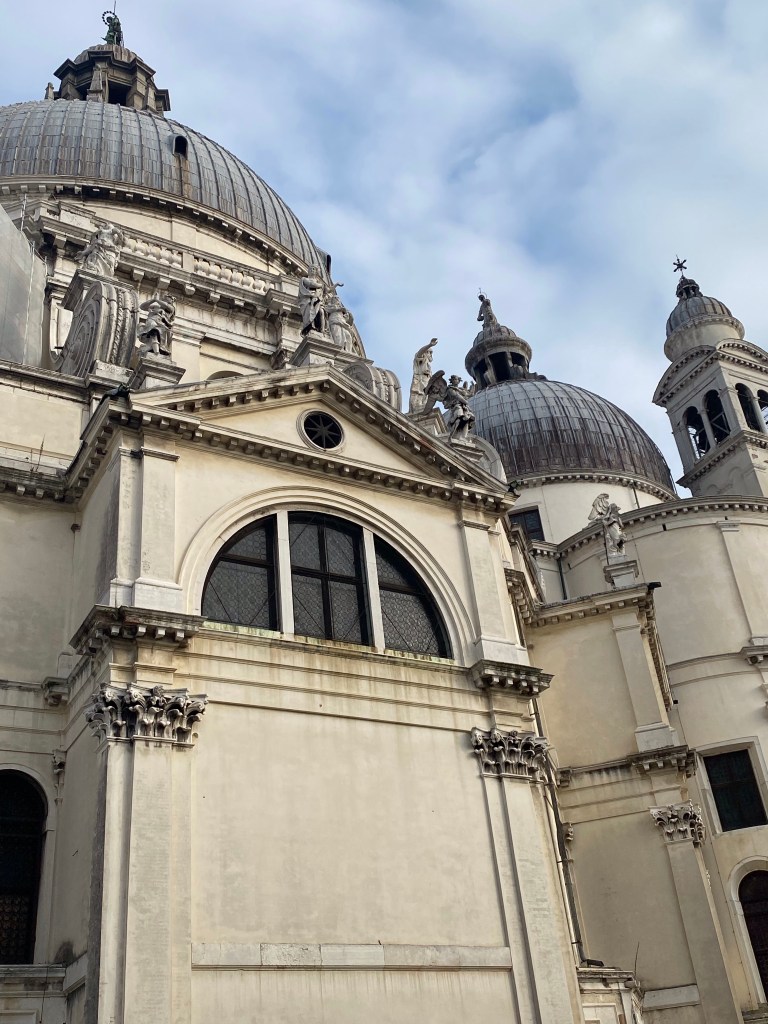
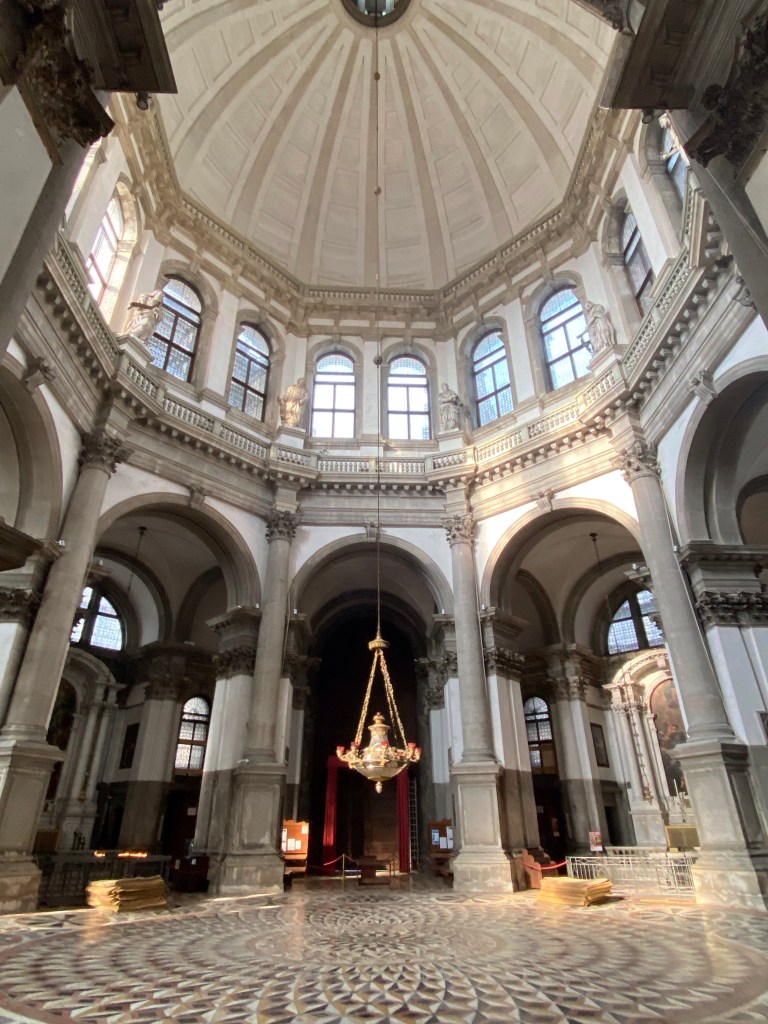
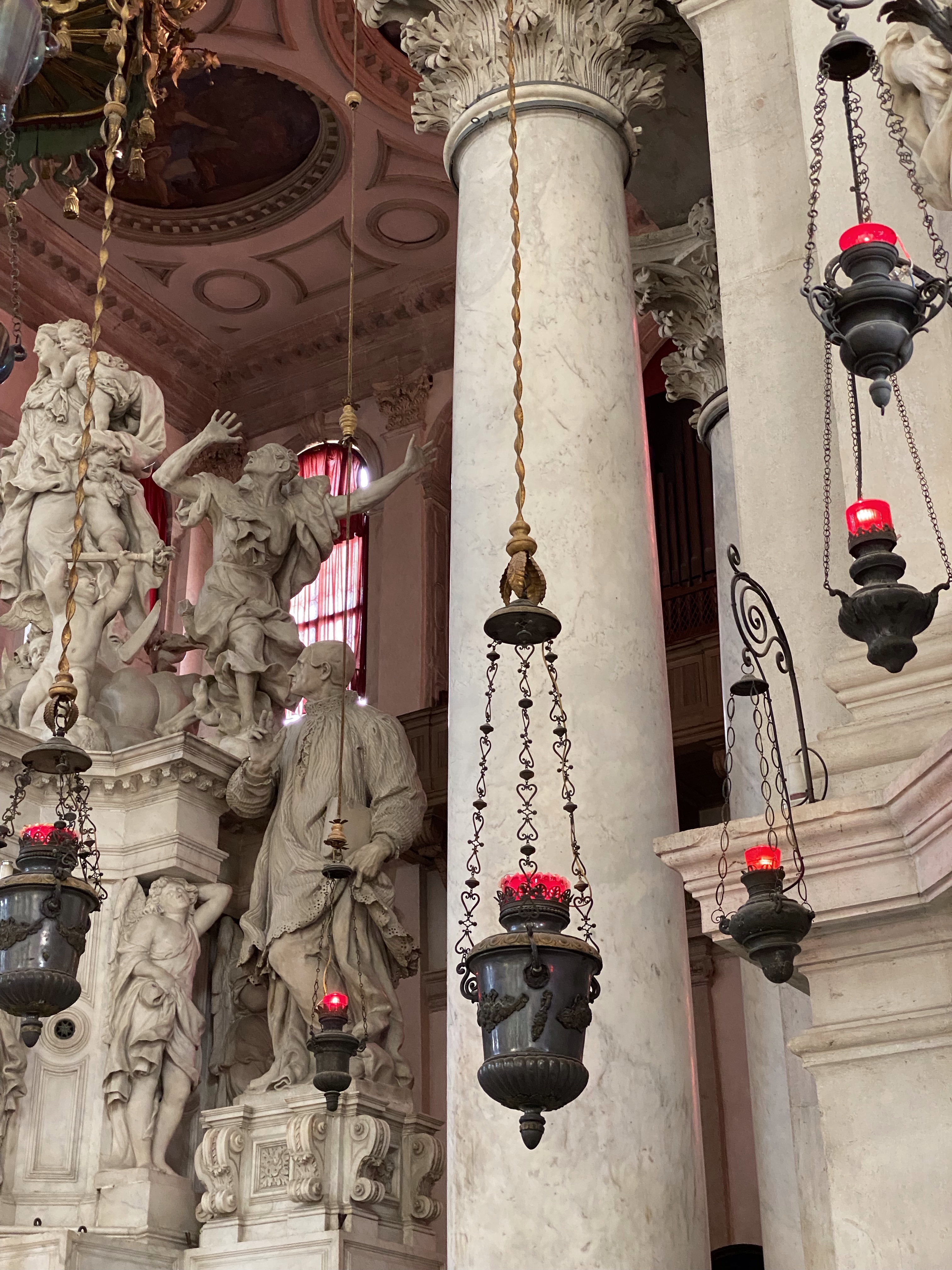
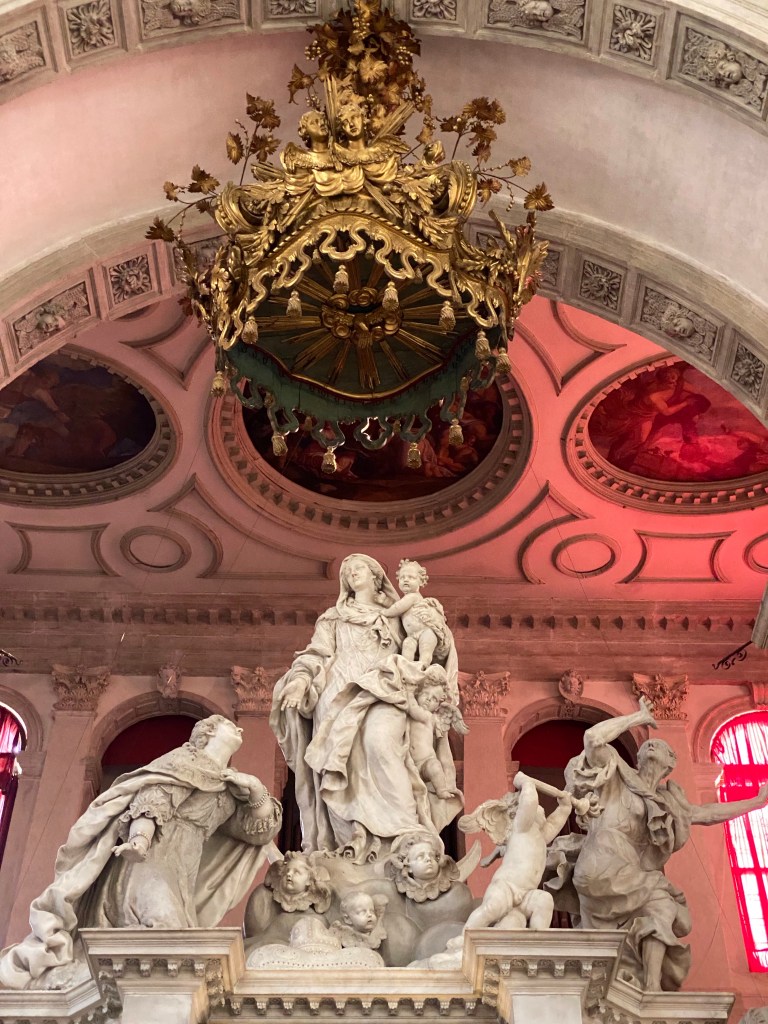
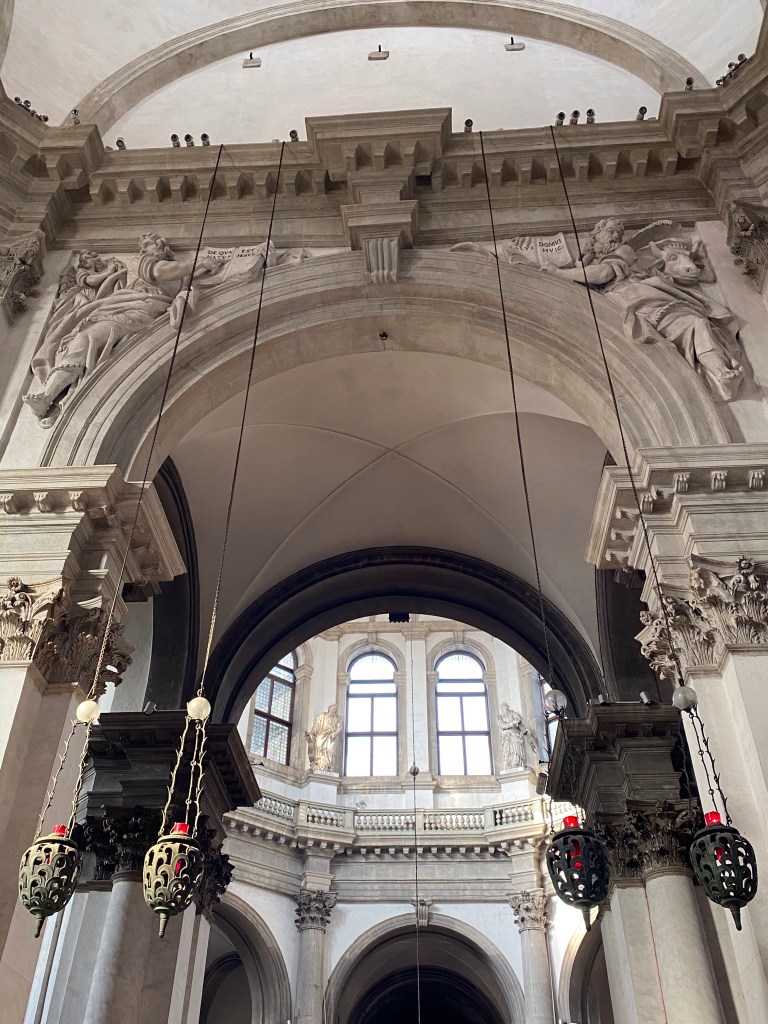
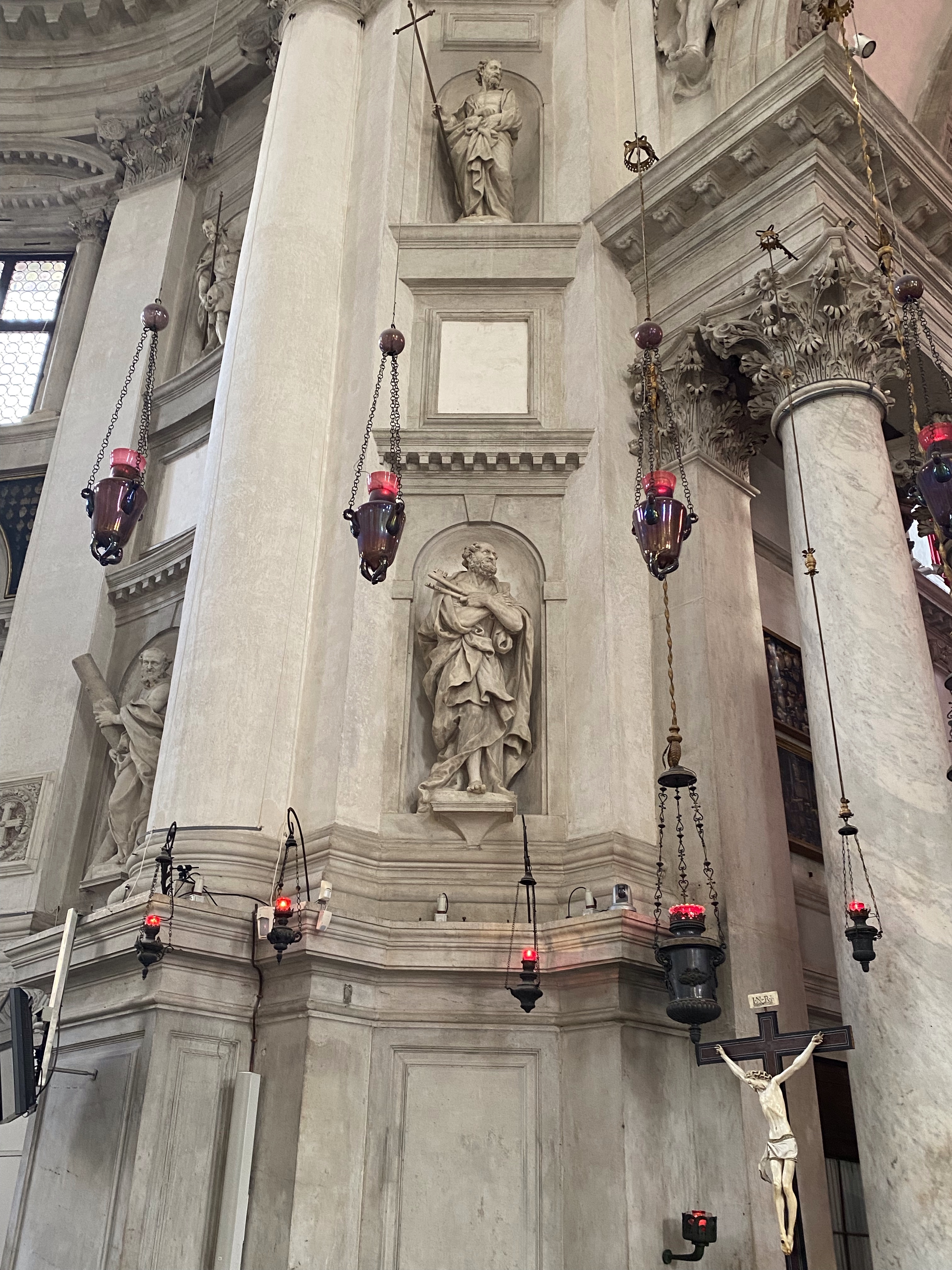
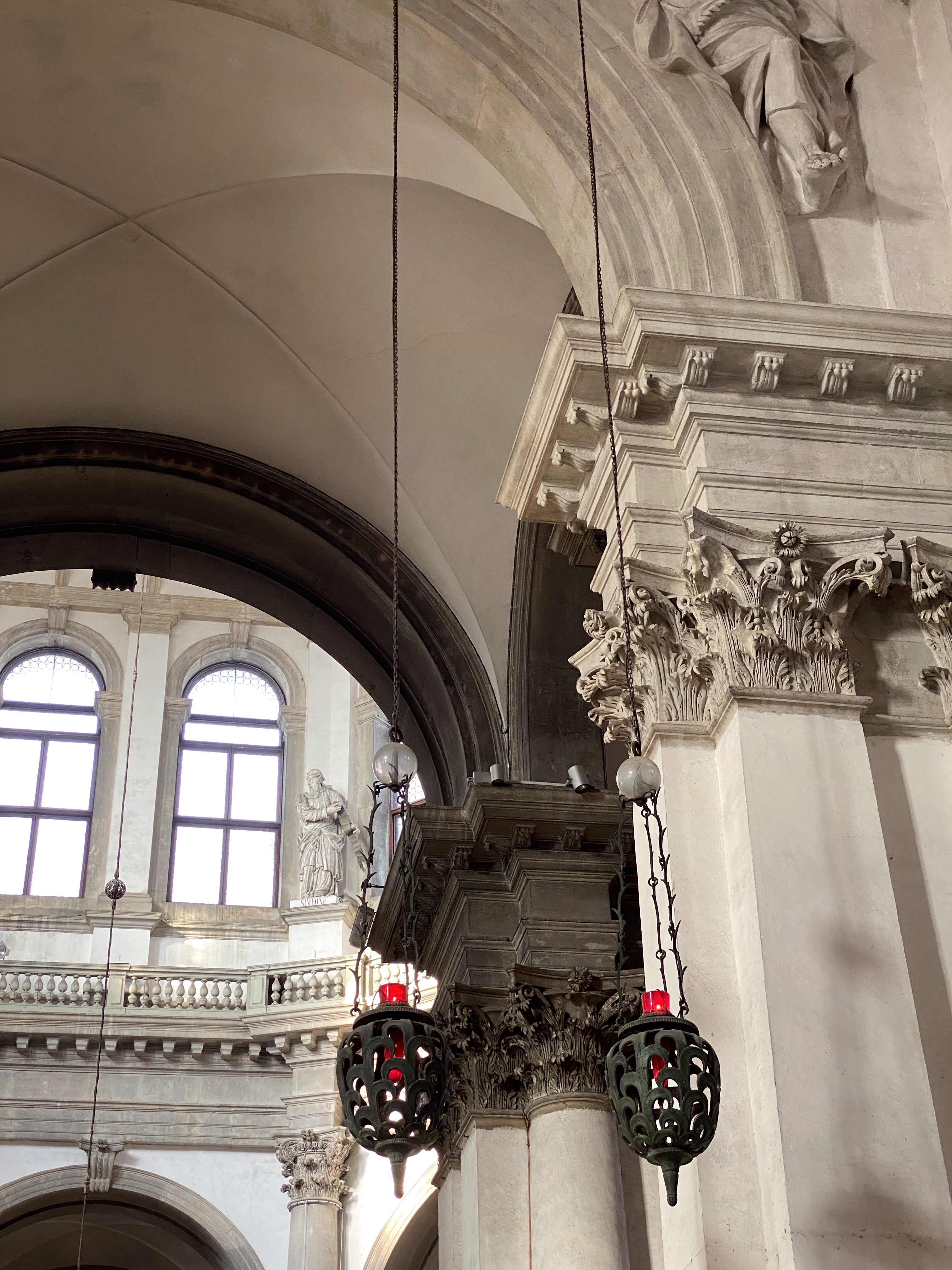
During this week, she gazed across the Grand Canal at one of the most beautiful churches she had ever seen: the Santa Maria della Salute, with its large scroll-like volutes around the dome. She knew she would never forget the look of this church, and indeed she has not.
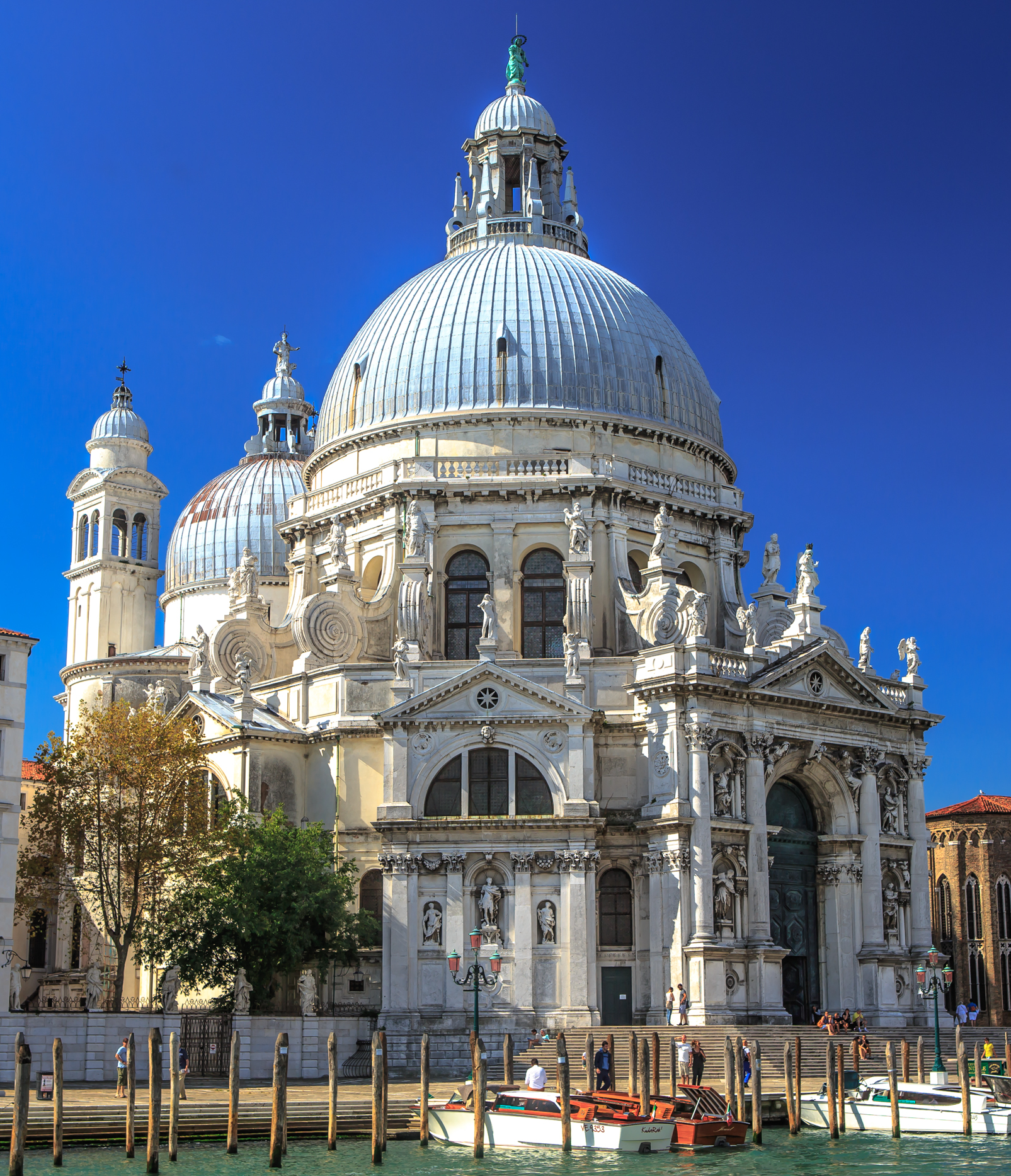
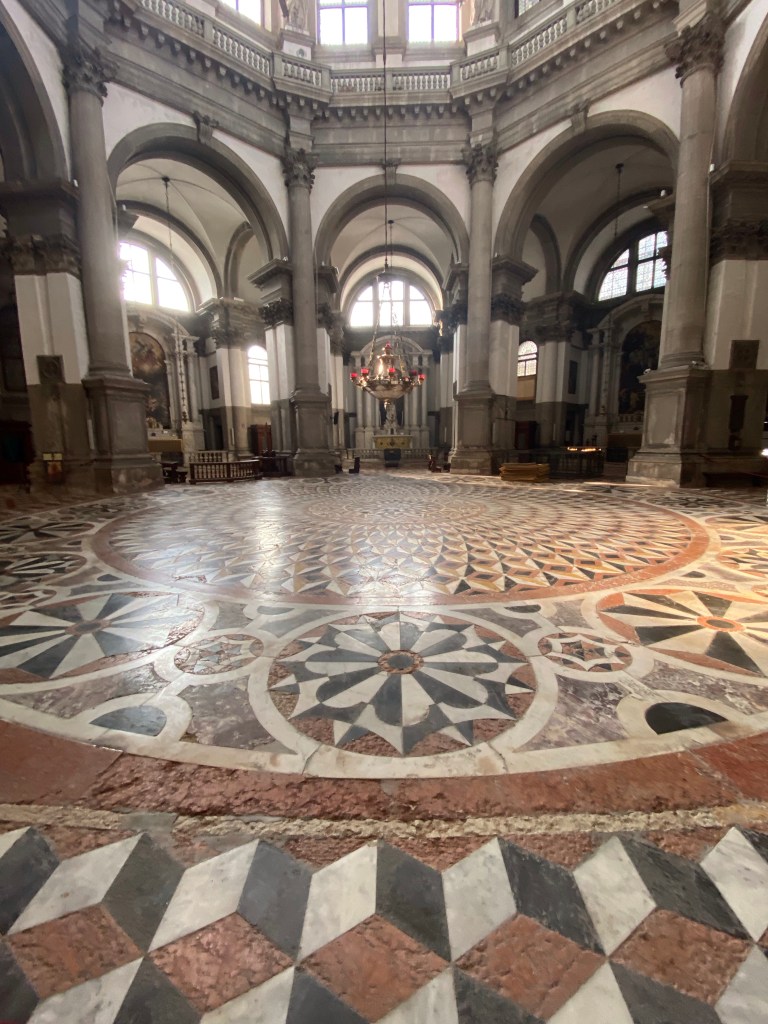
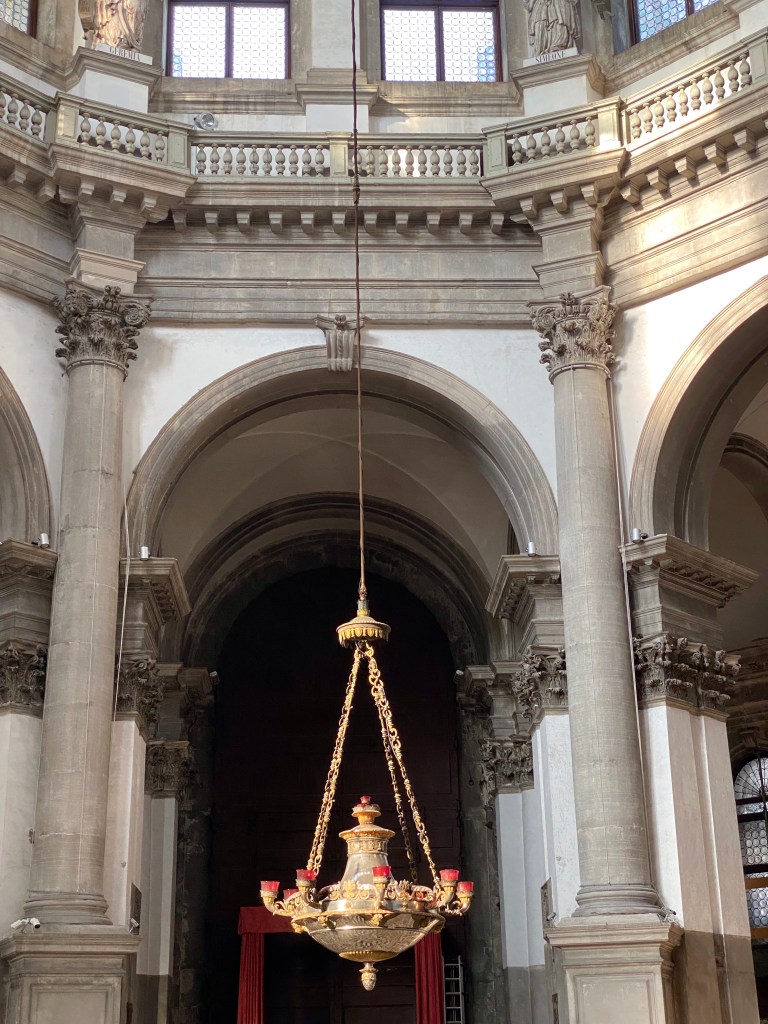
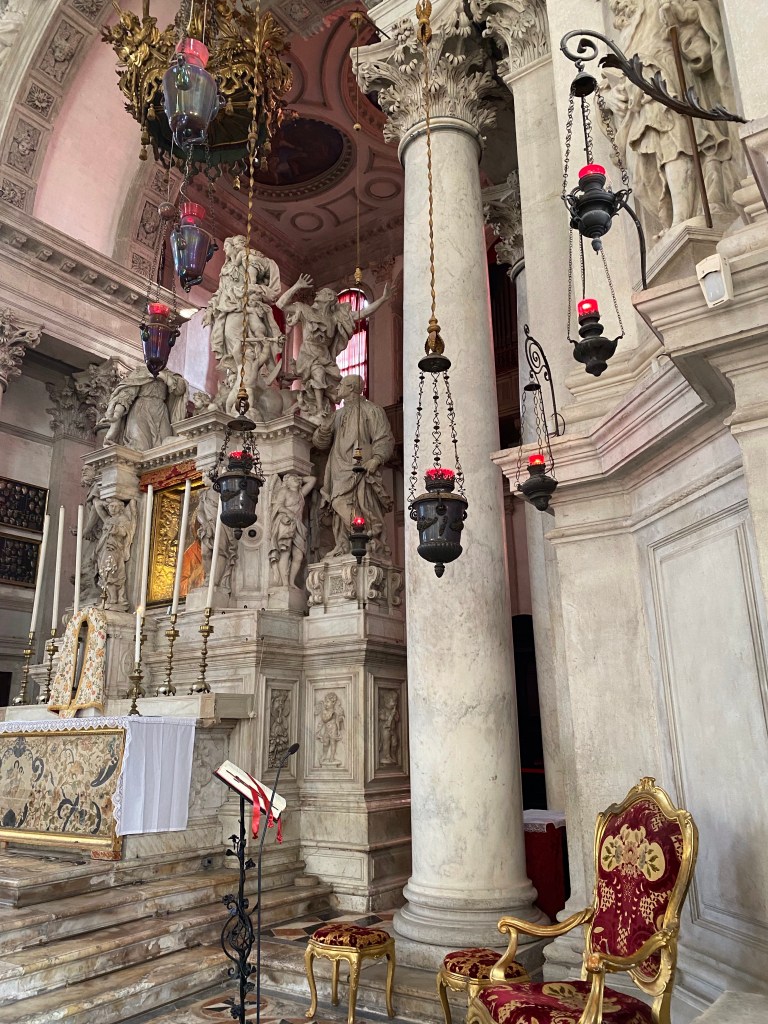
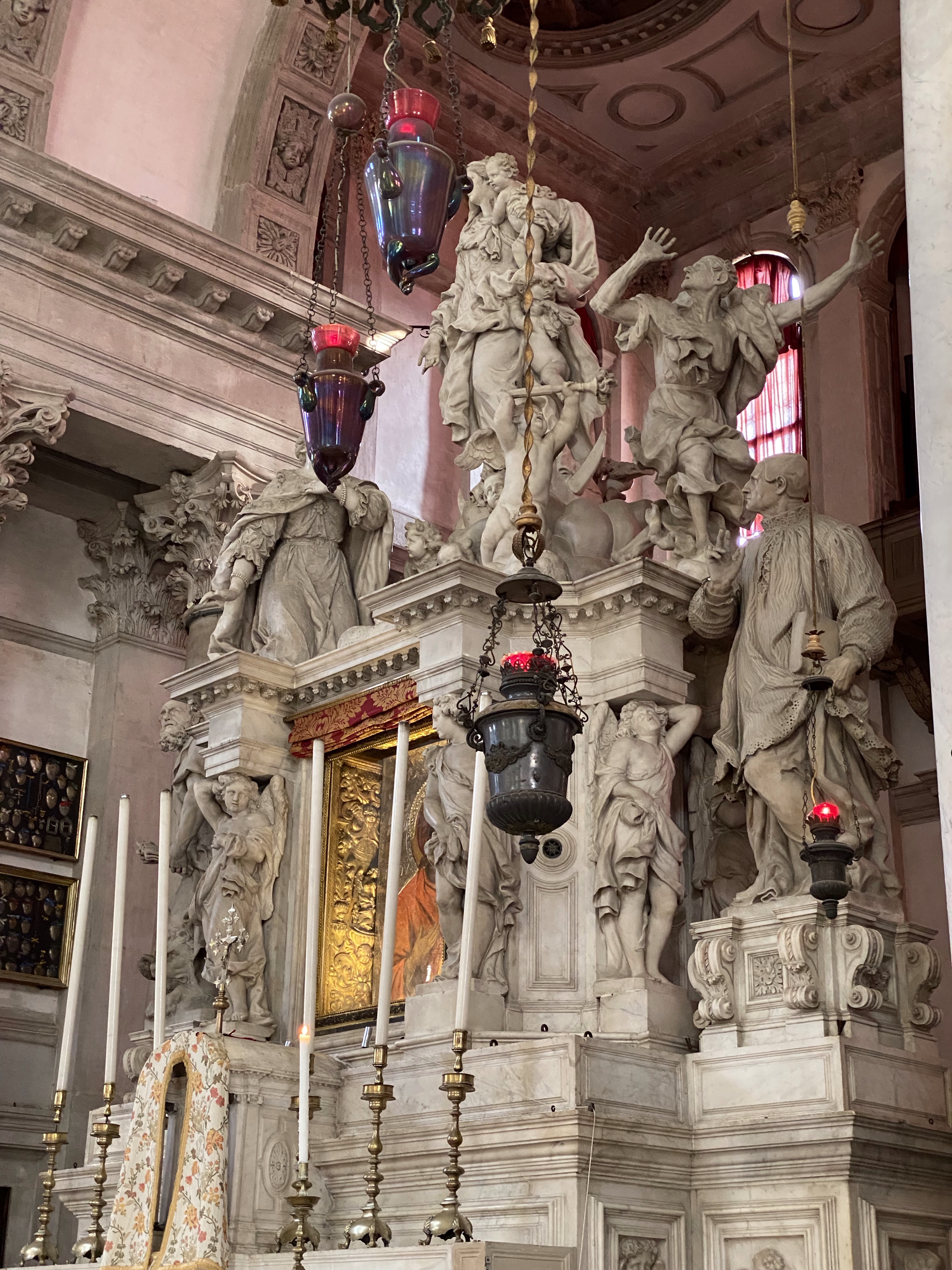
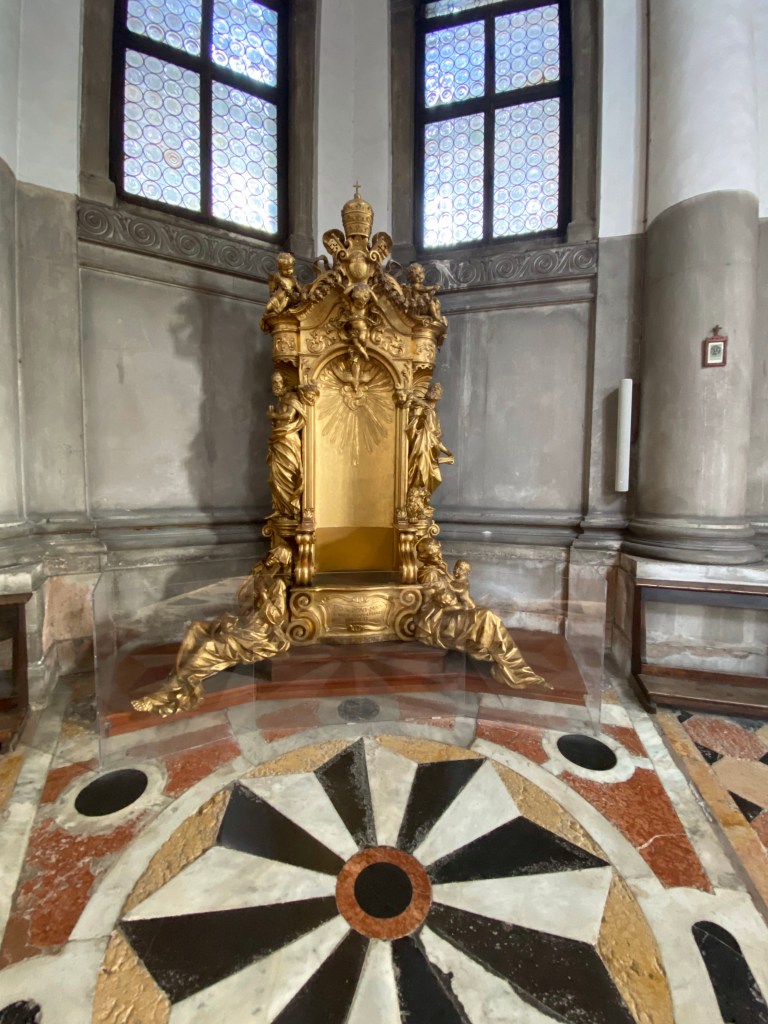
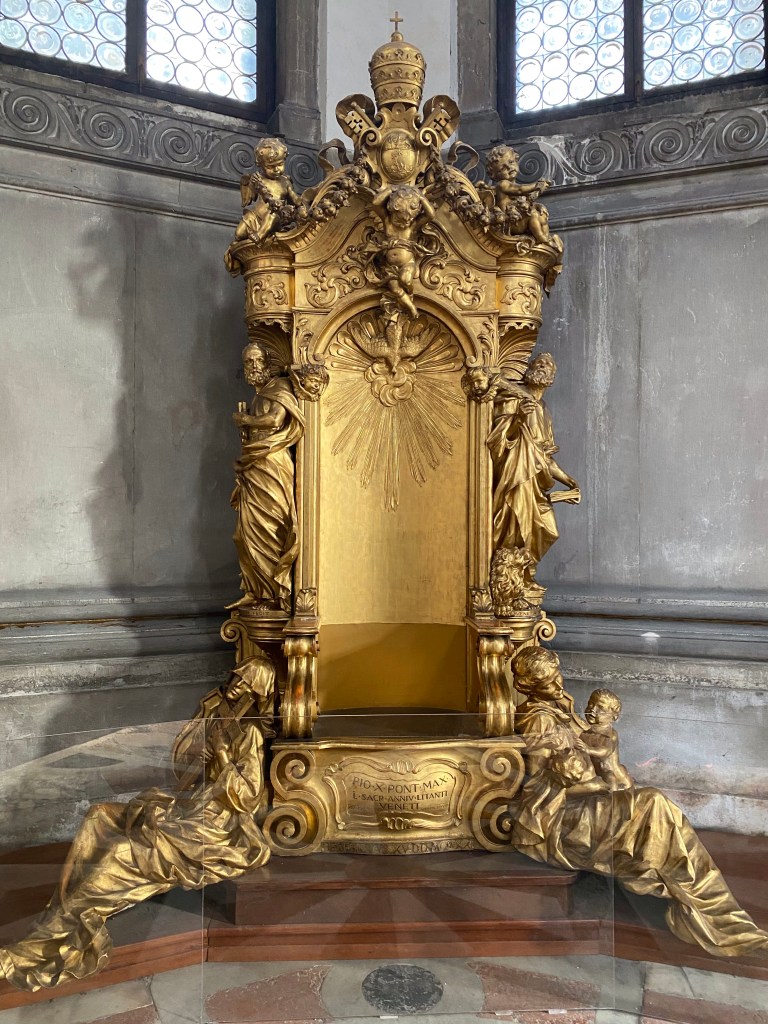
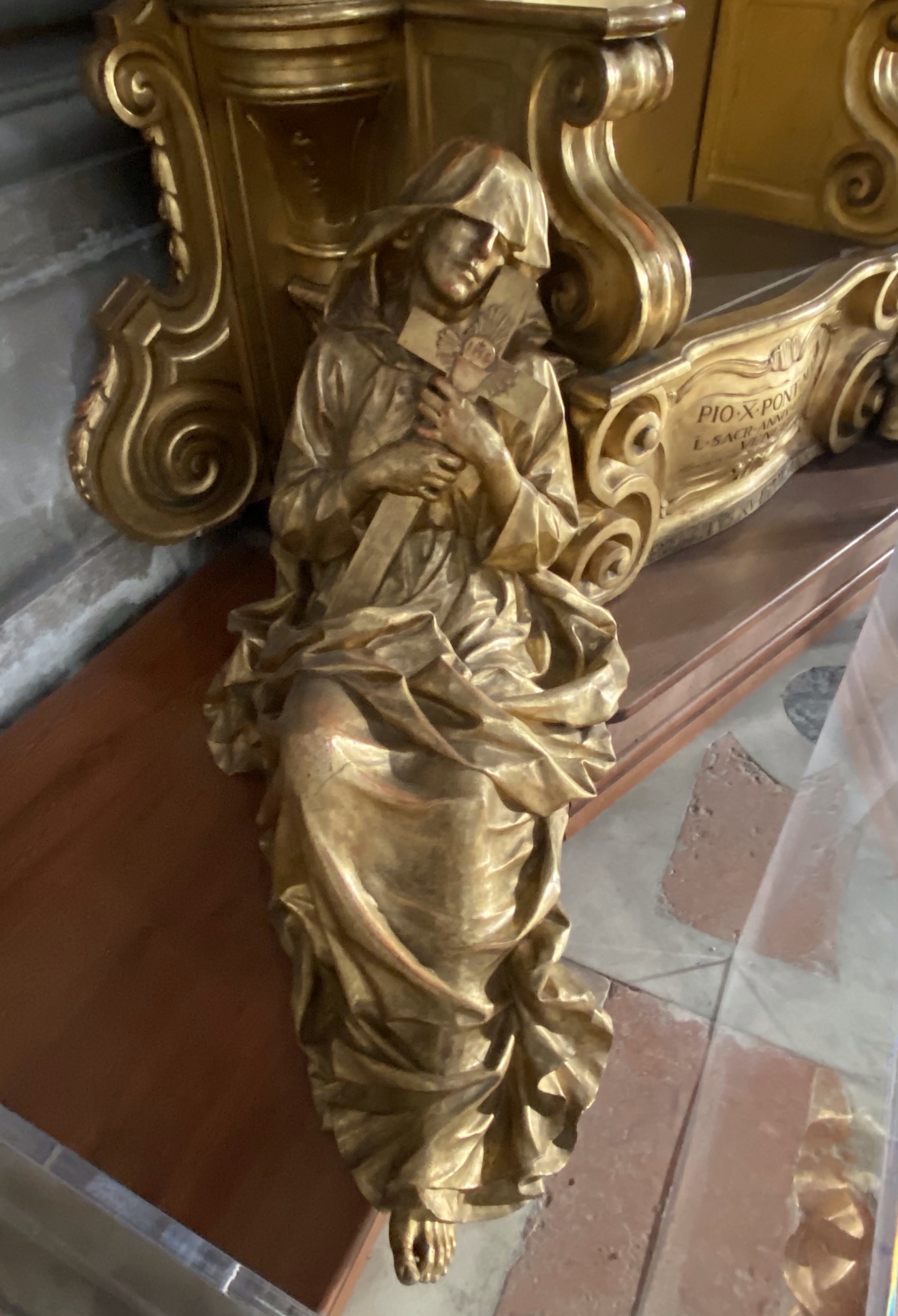
It was not until many decades later, however, that she ever went inside the lovely apparition, which seemed to float–though it was made of stone–above the water. This week, she/I had that chance!
I had to take a traghetto to get across the Canal (it was the best 2 Euro I spent during my time in Venice!):
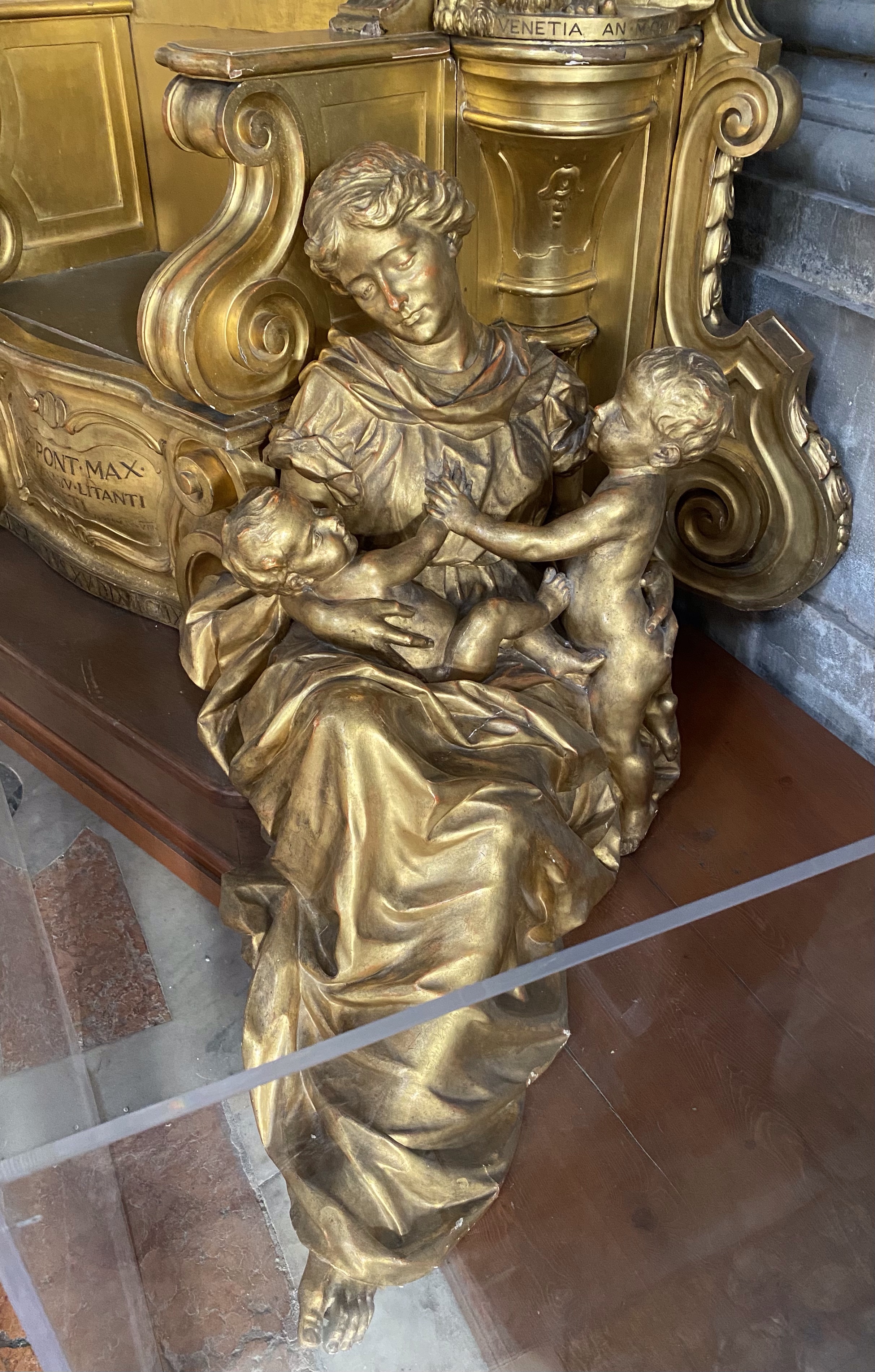
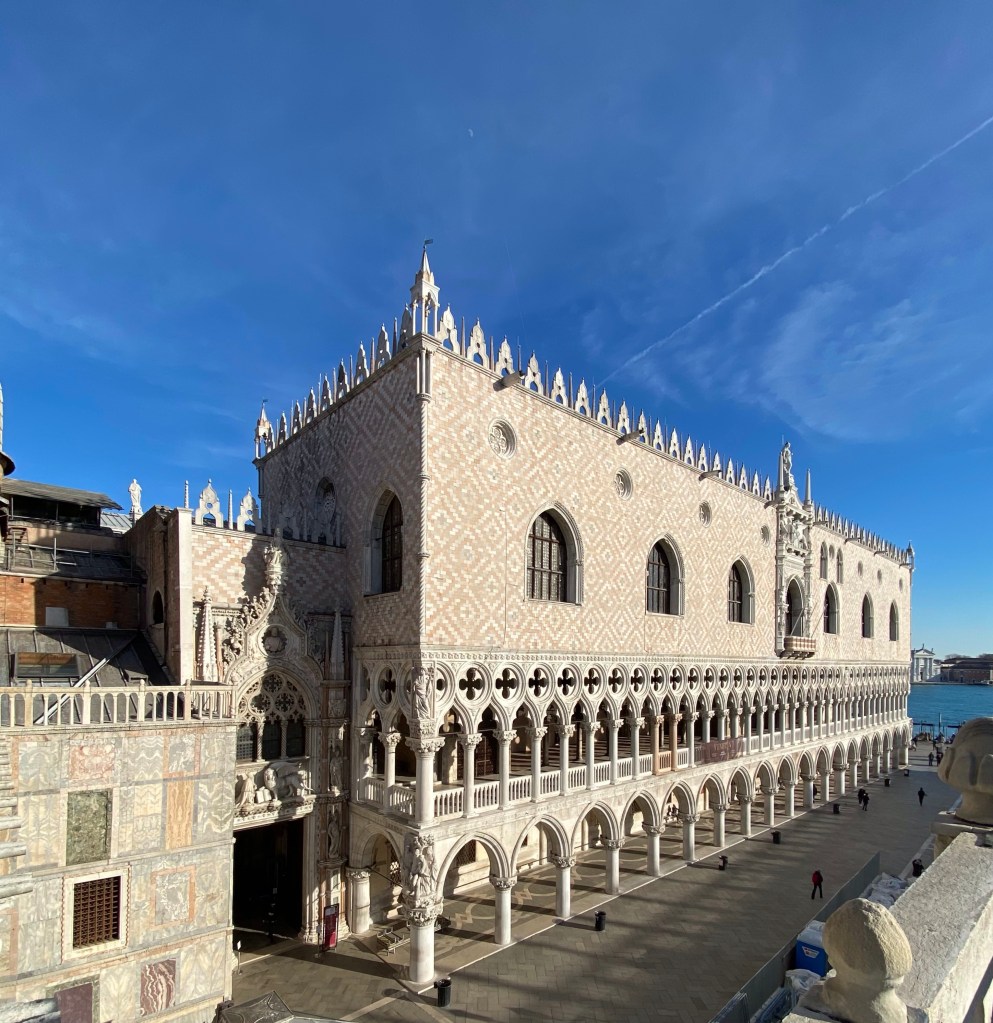
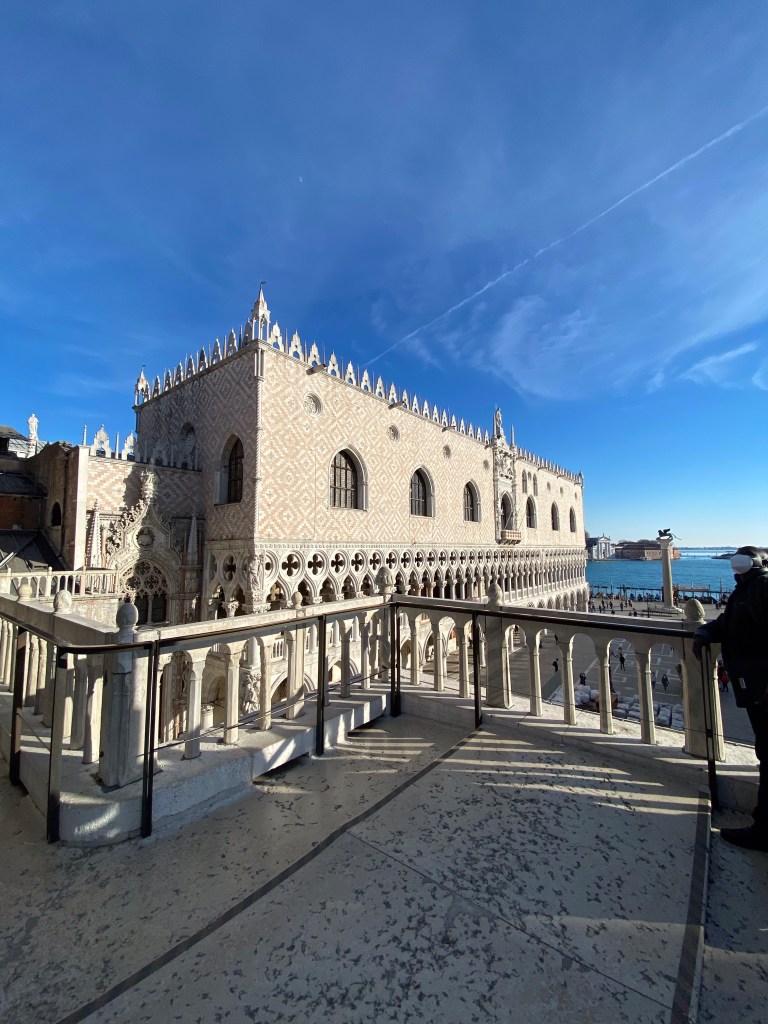
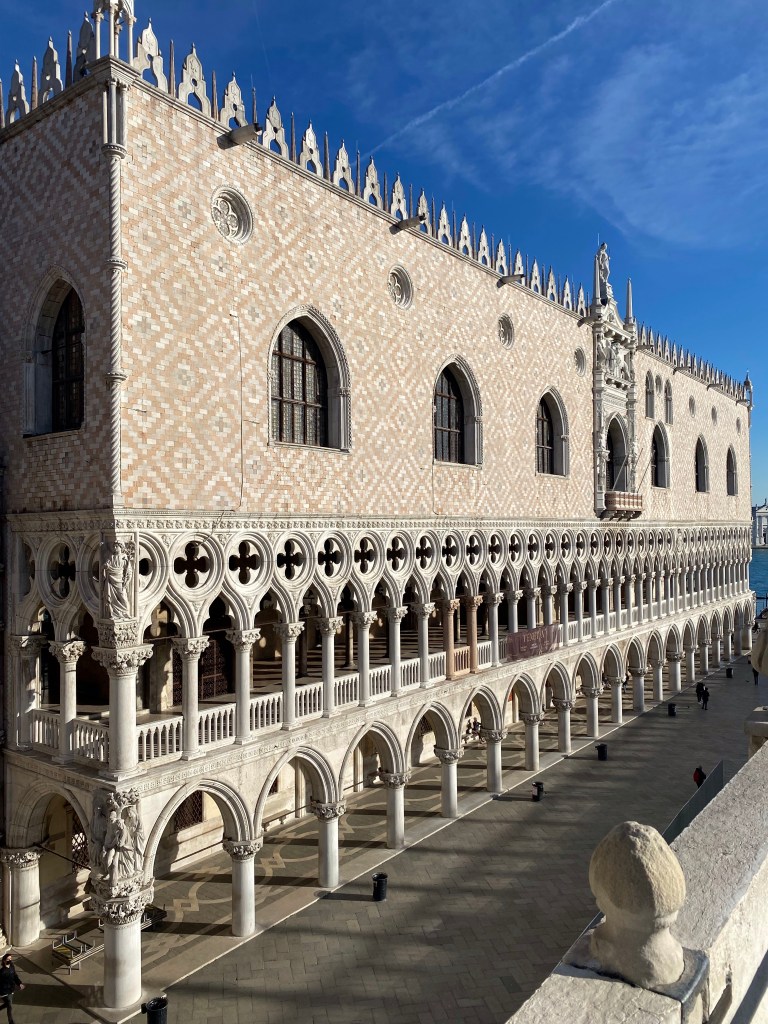
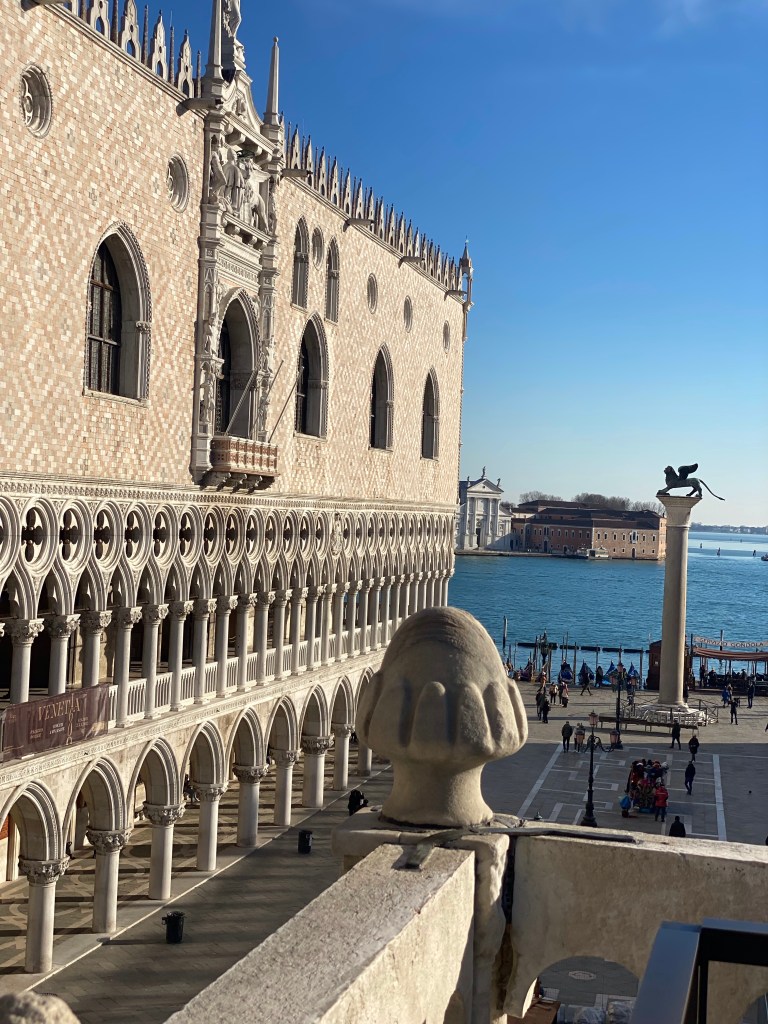
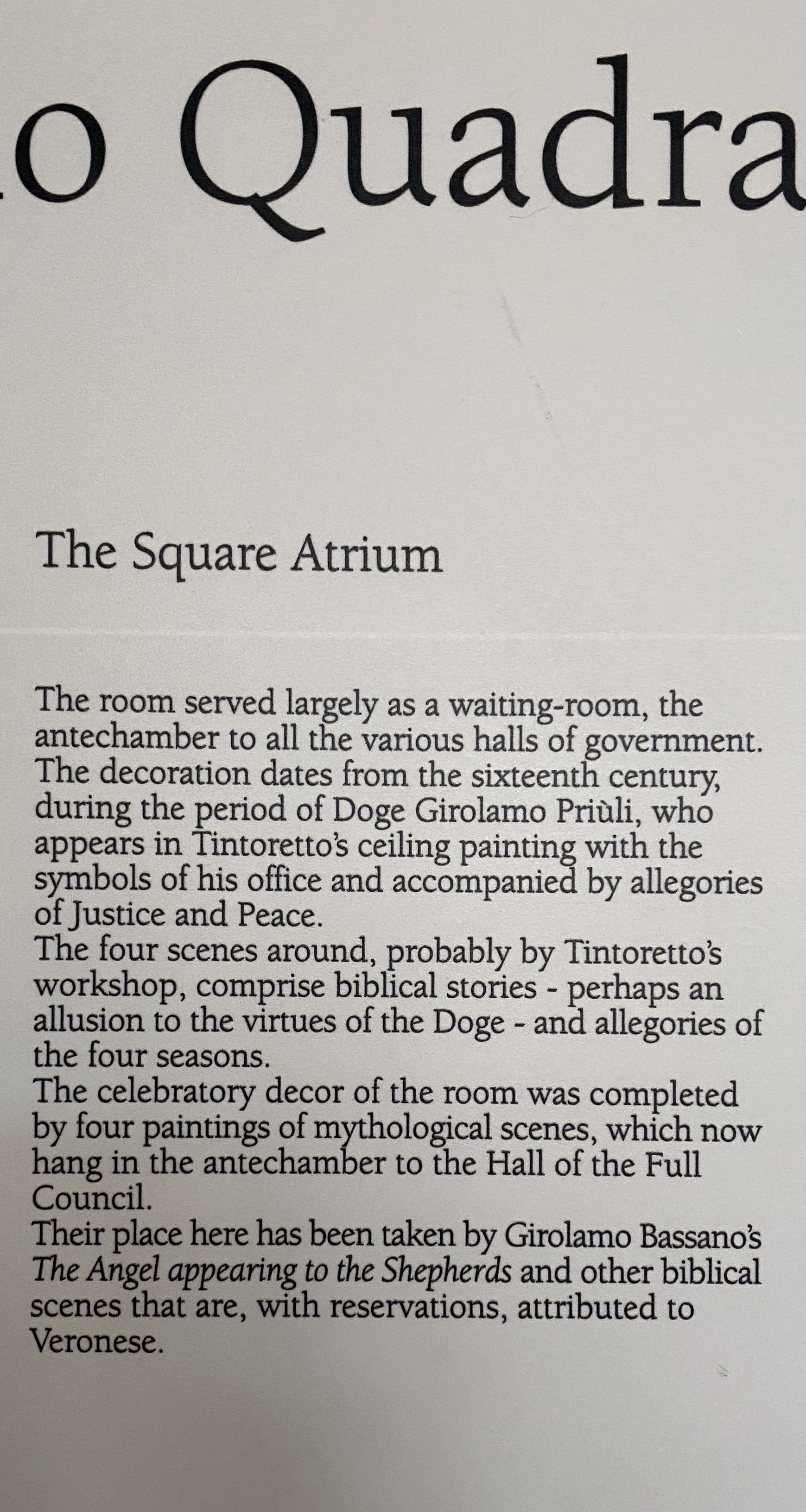
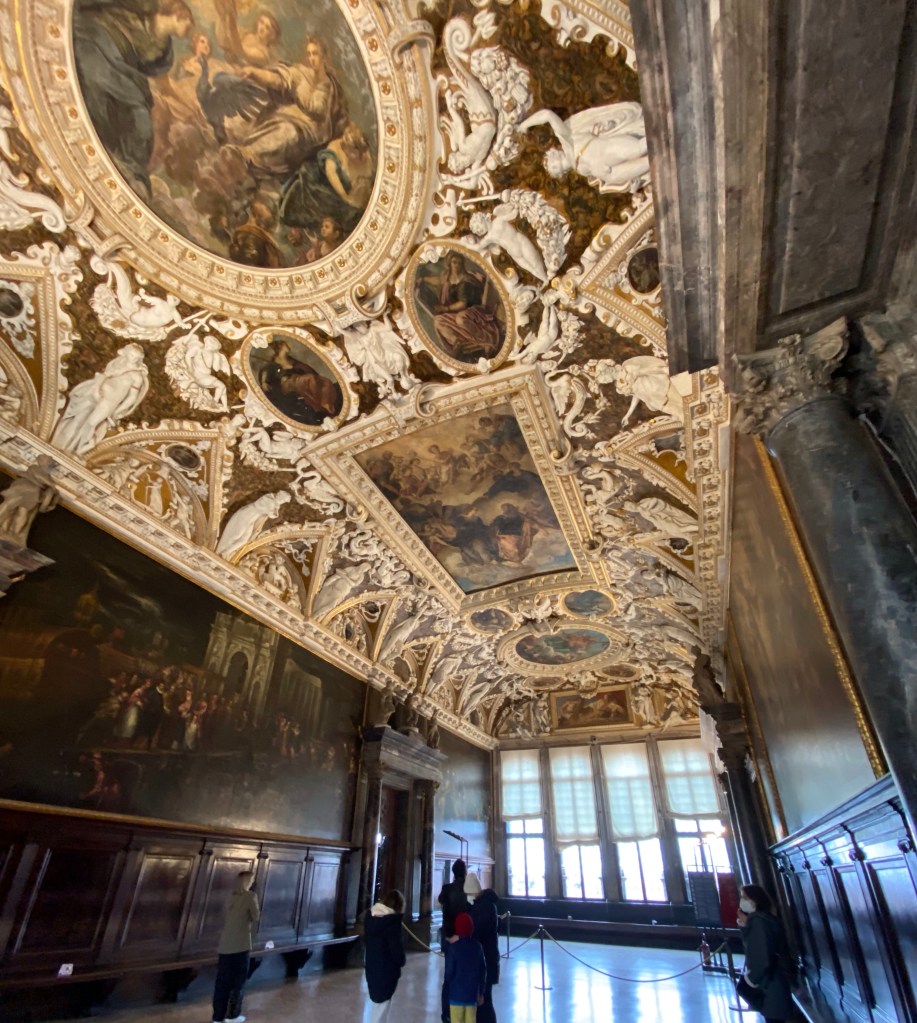
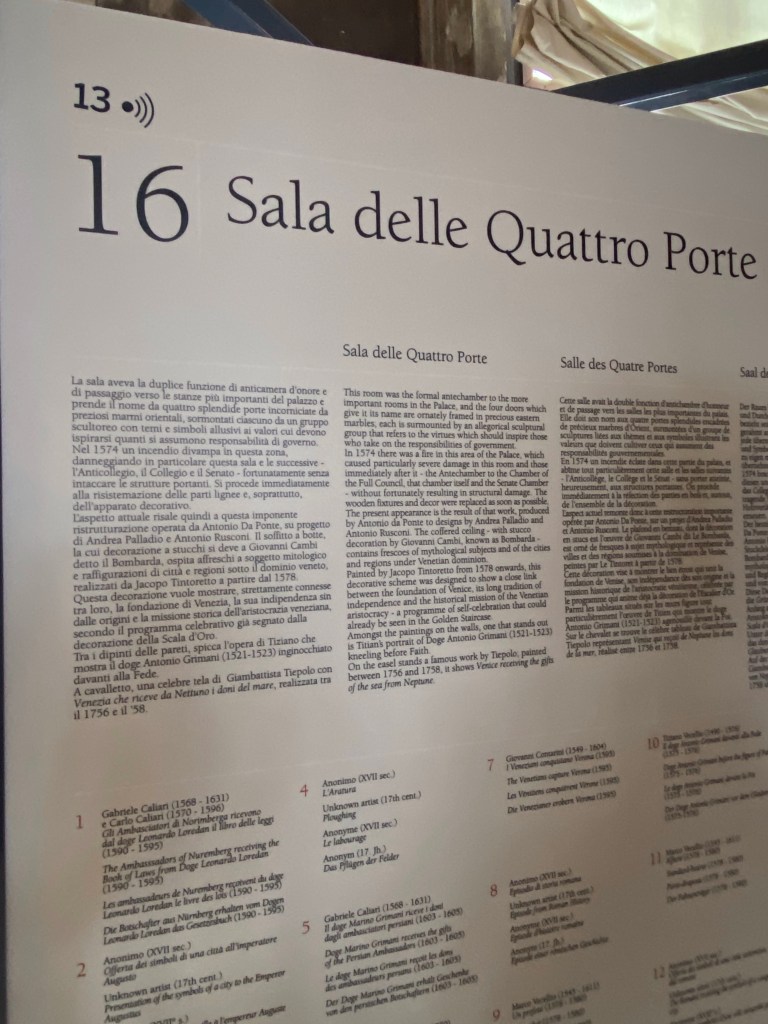
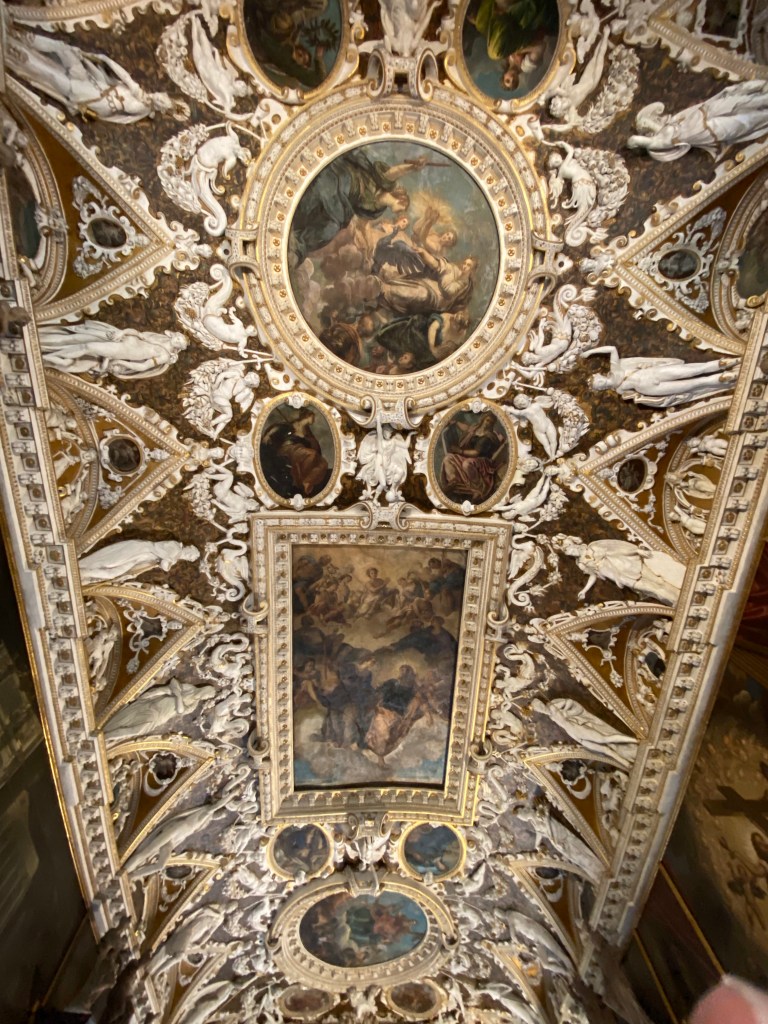
As much time as I have spent in Italy, and as many times as I have been in Venice, it was not until last week that I finally entered the truly astounding Doge’s Palace. It is so overwhelming to visit that I’m going to break these photos into many groups.
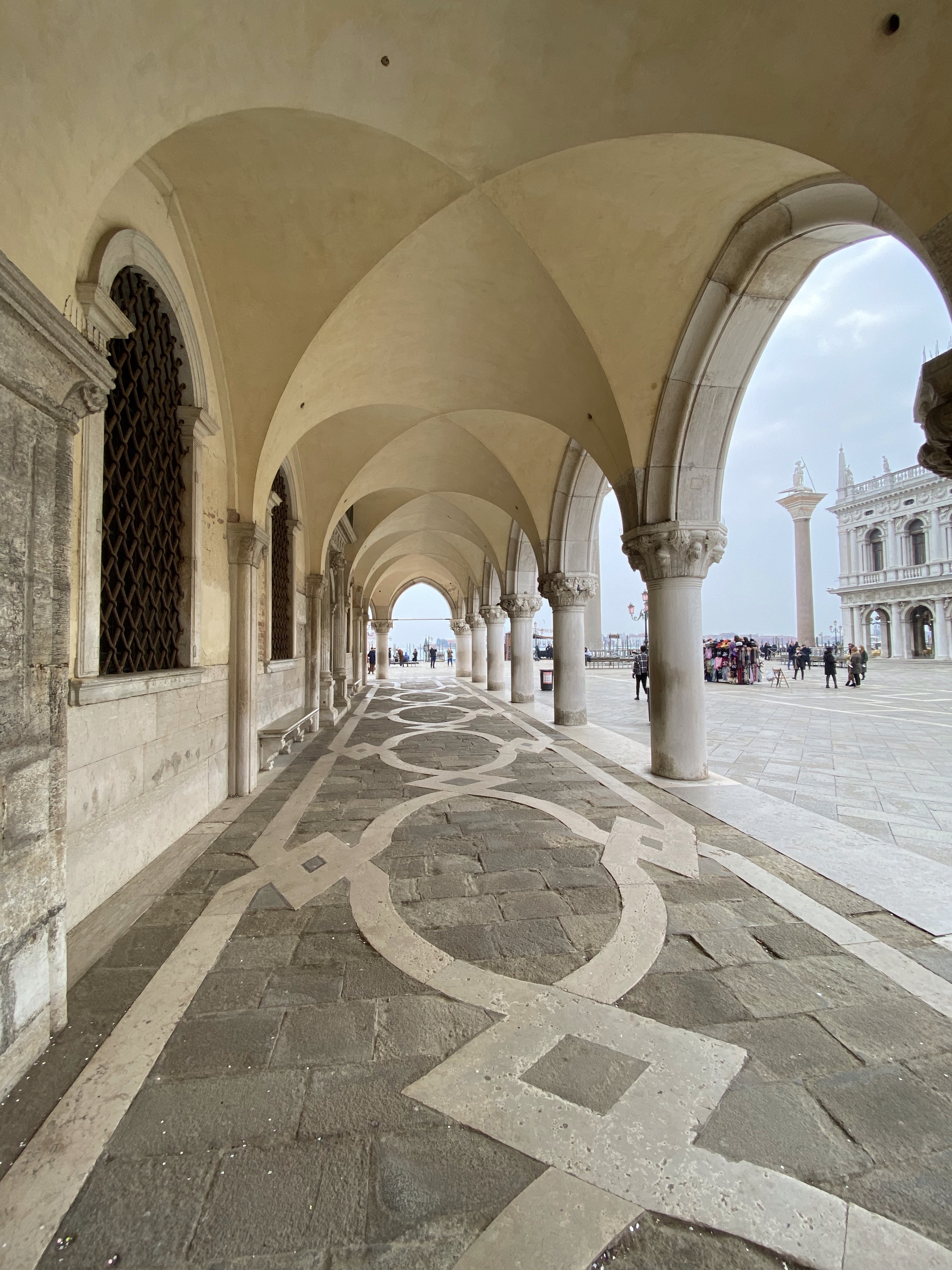
Below: the first few pictures are of the lovely loggia on the ground floor of the exterior of the palazzo. If you’ve been to Venice, you’ve seen this loggia.
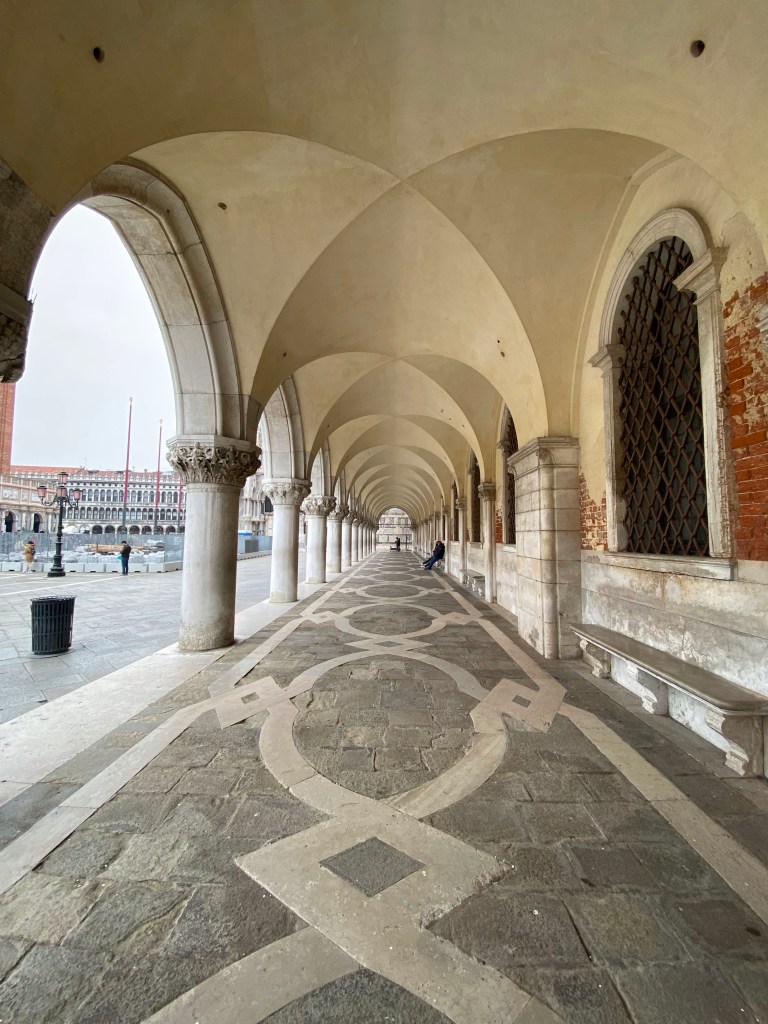
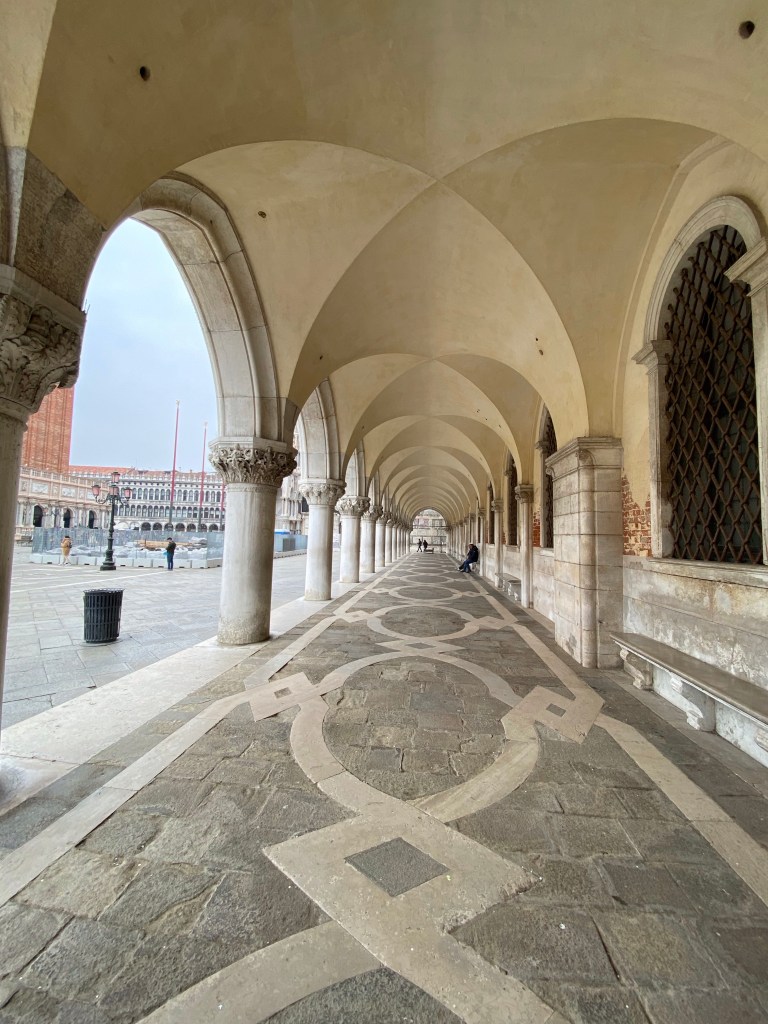
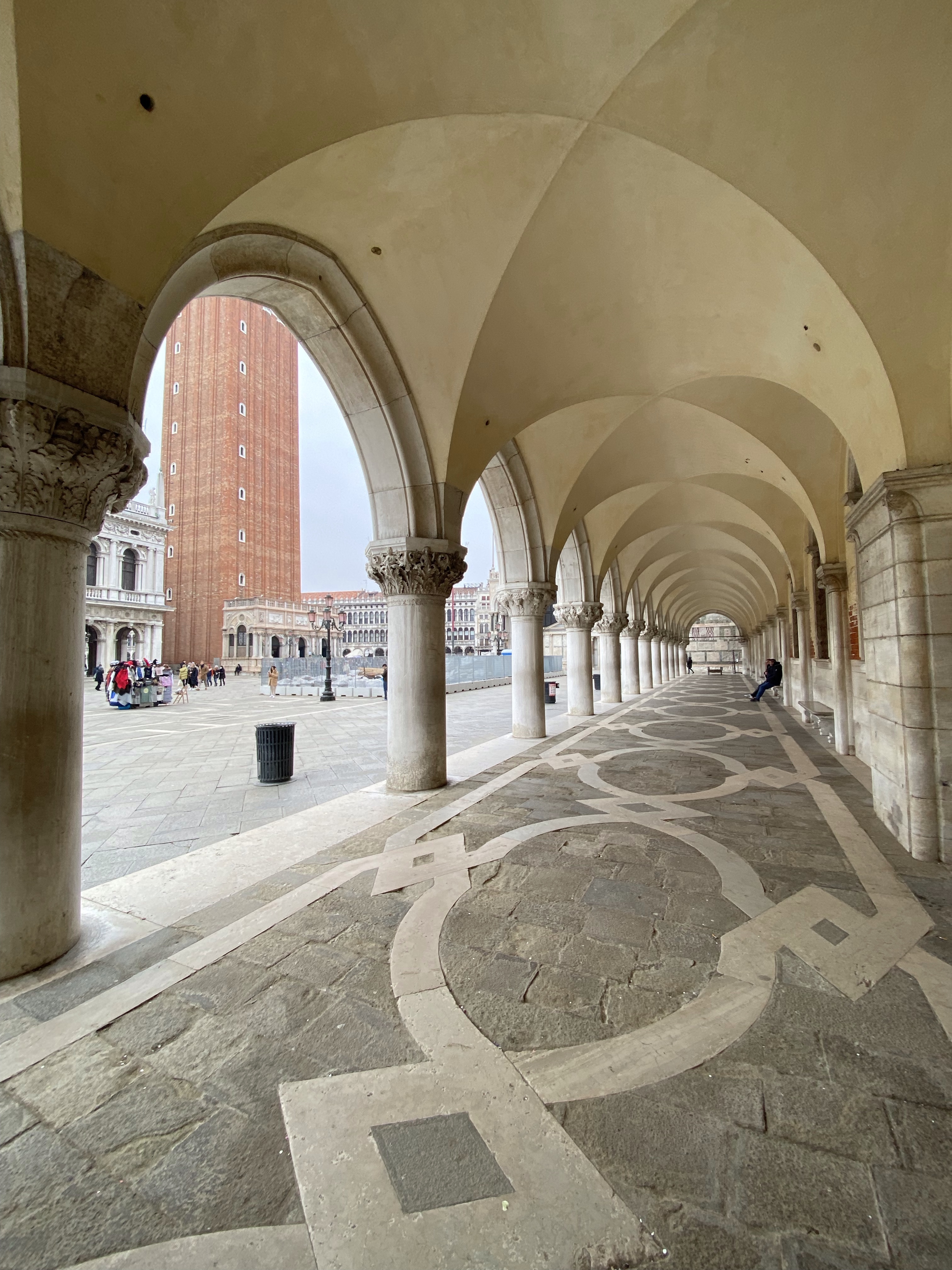
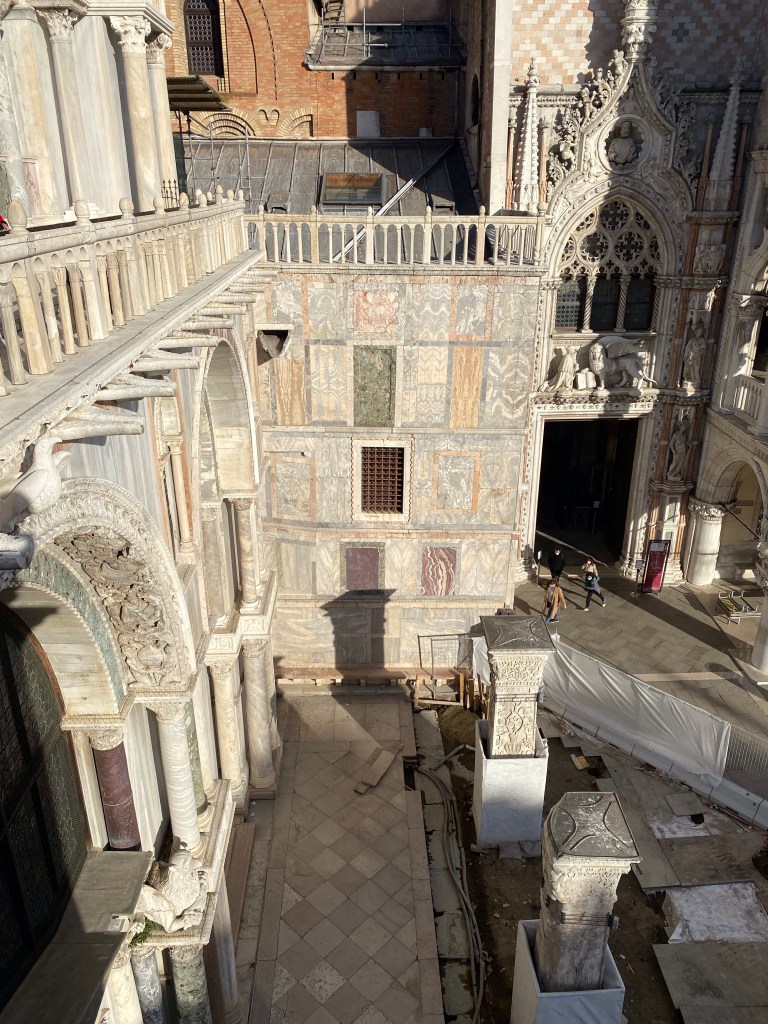
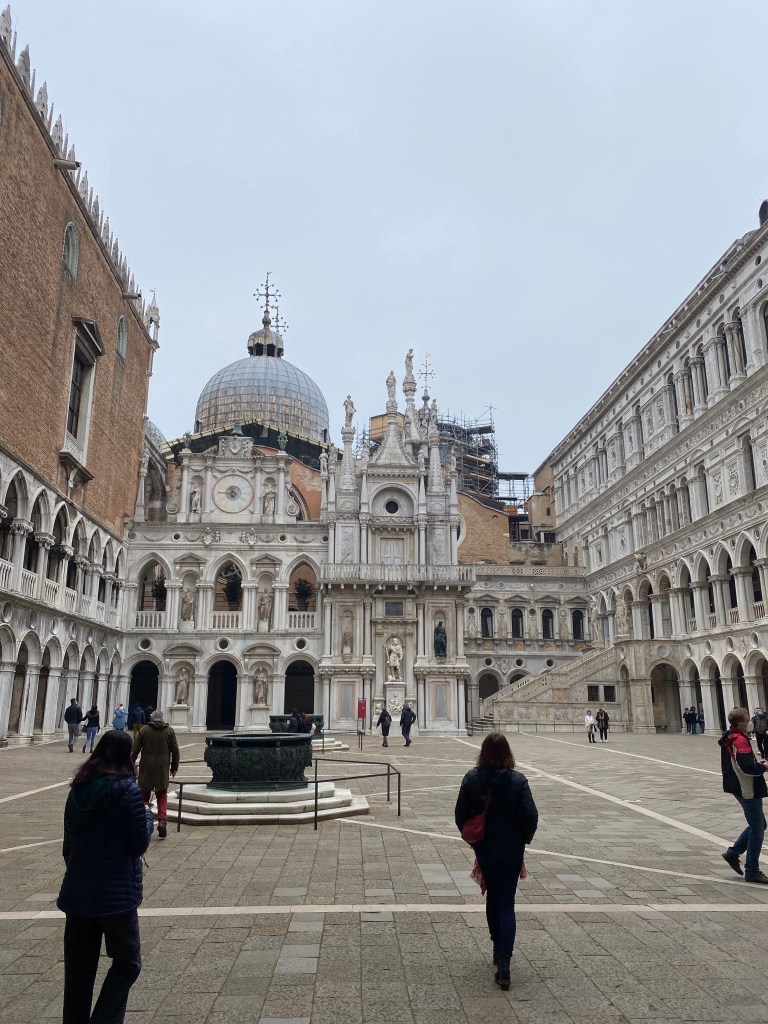
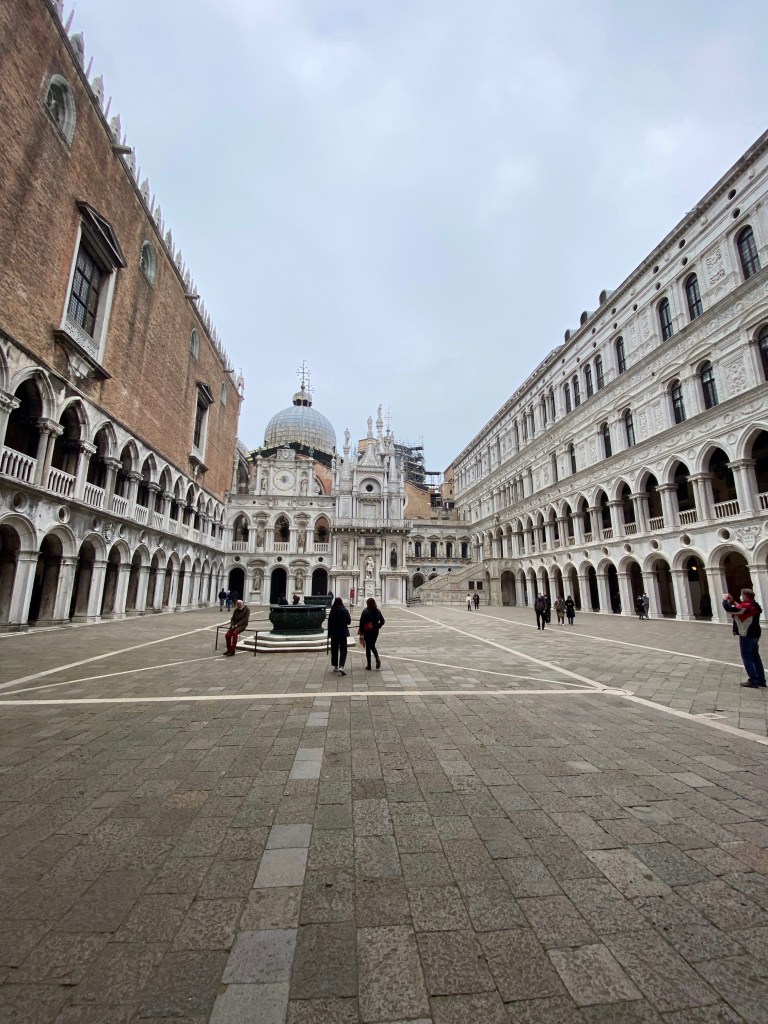
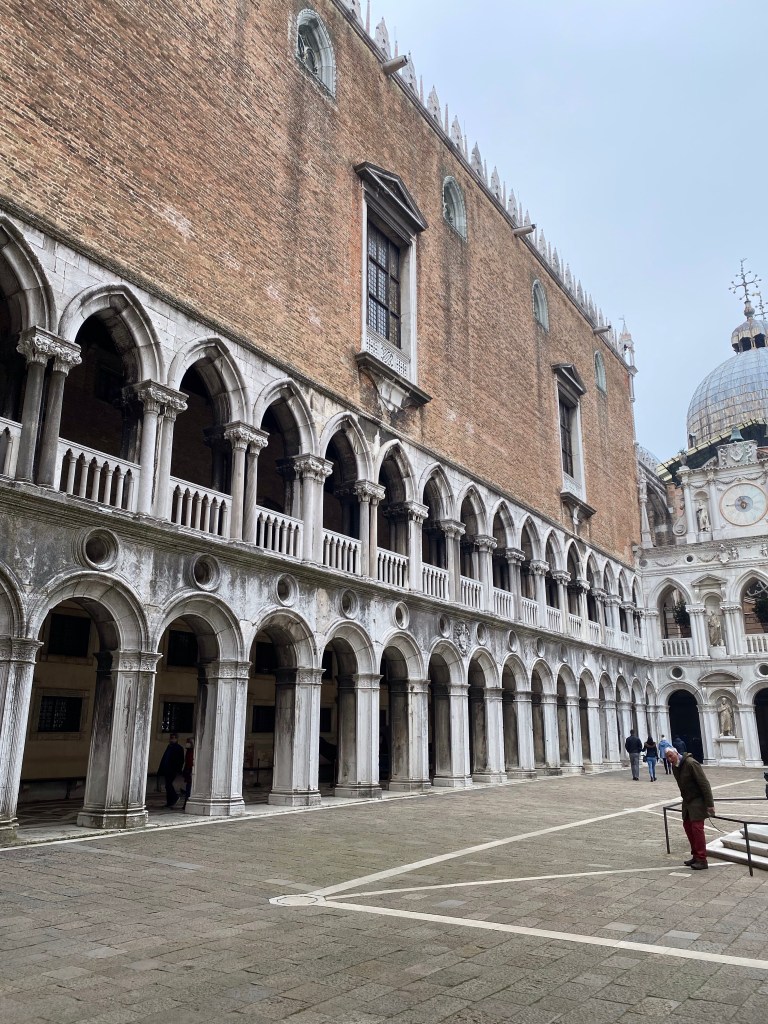
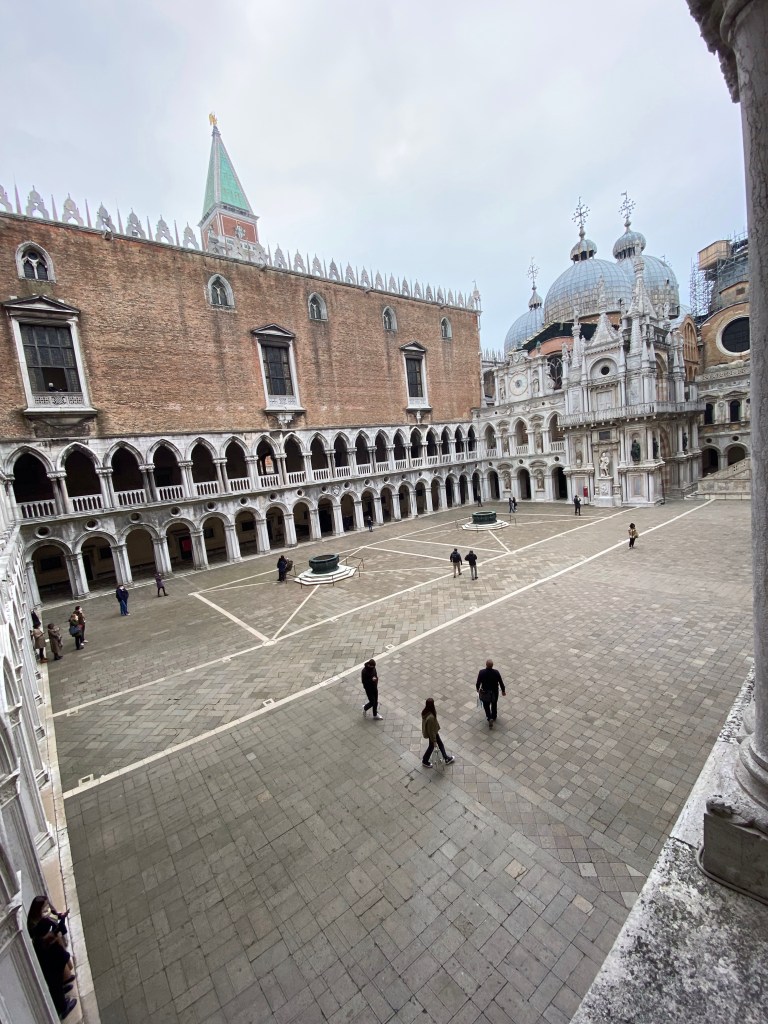
Once you have purchased your ticket for 25 Euro, you are allowed to enter this inner courtyard which, if you didn’t know better, looks like the exterior loggia! It is every bit as ornate.
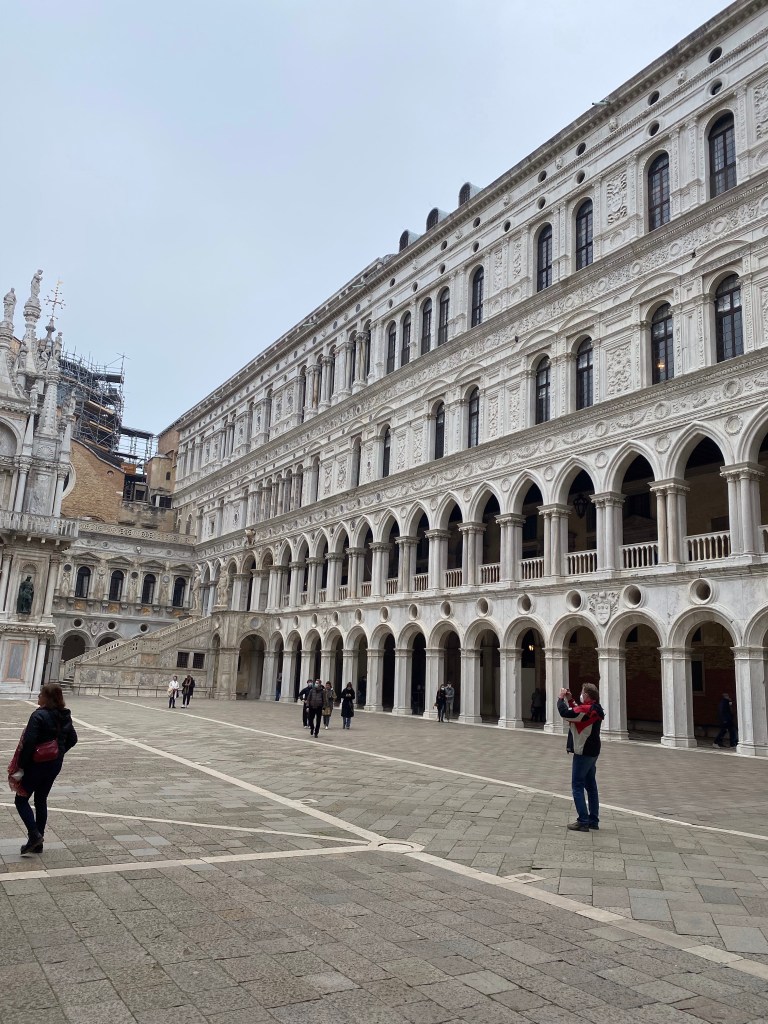
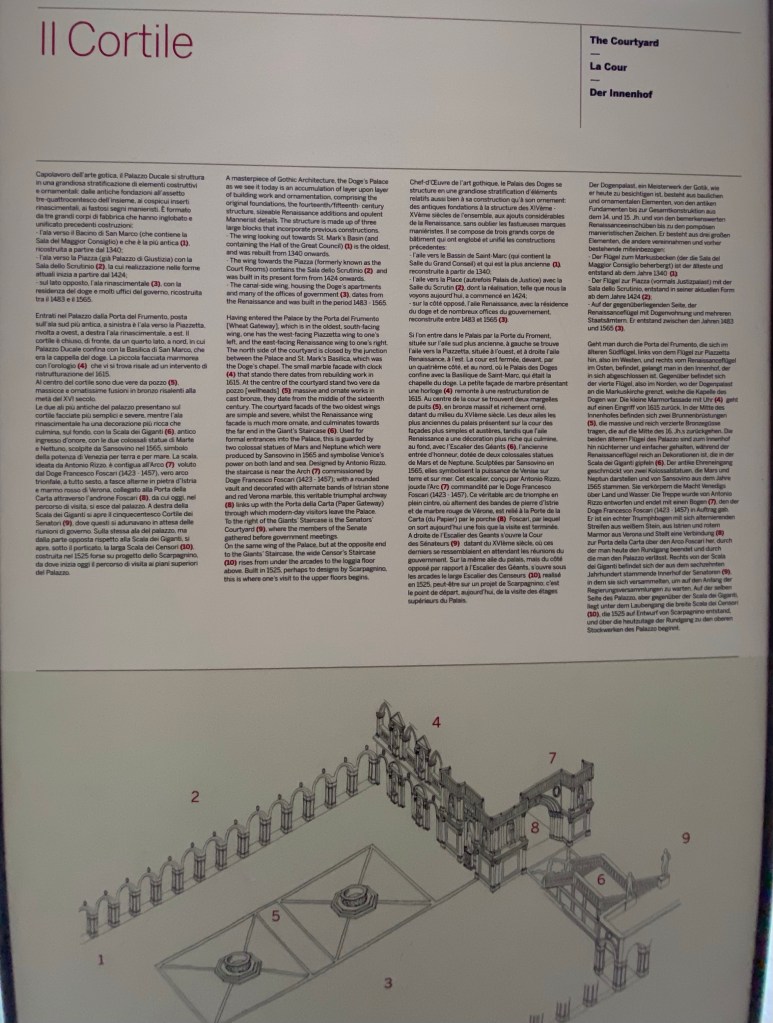
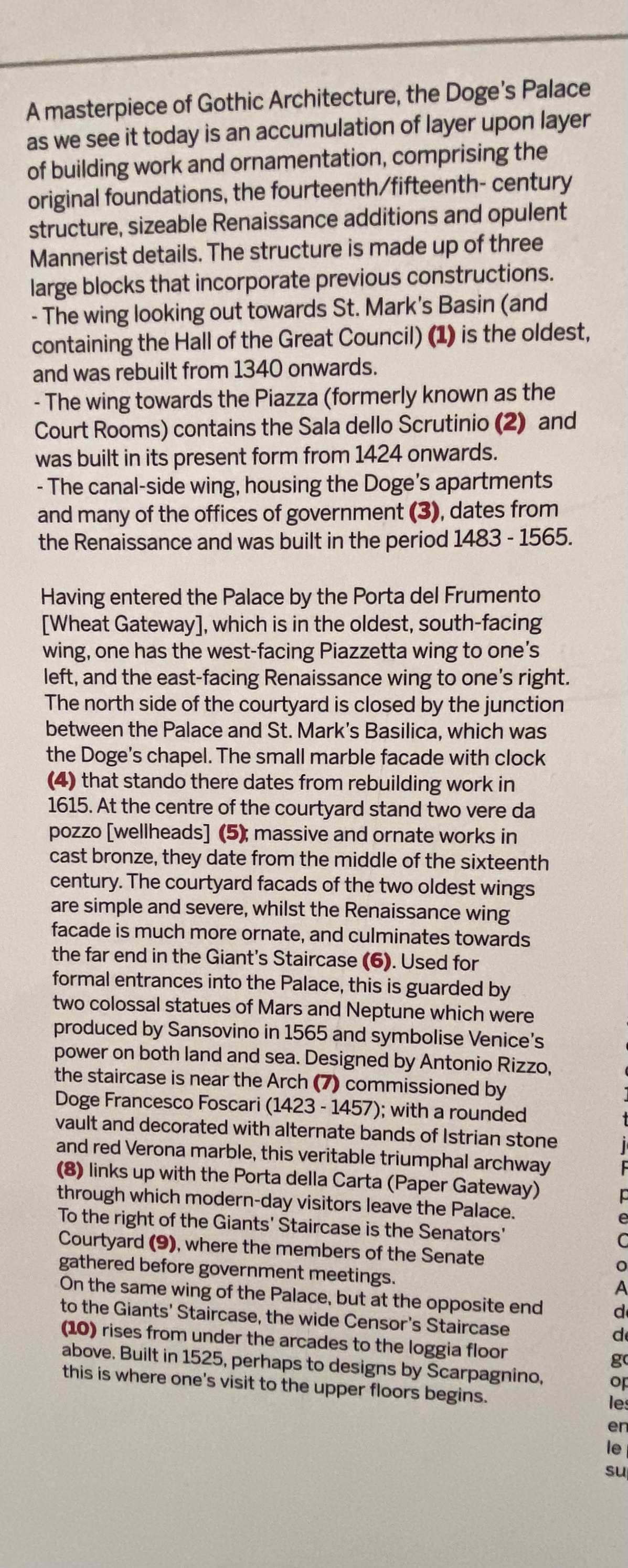
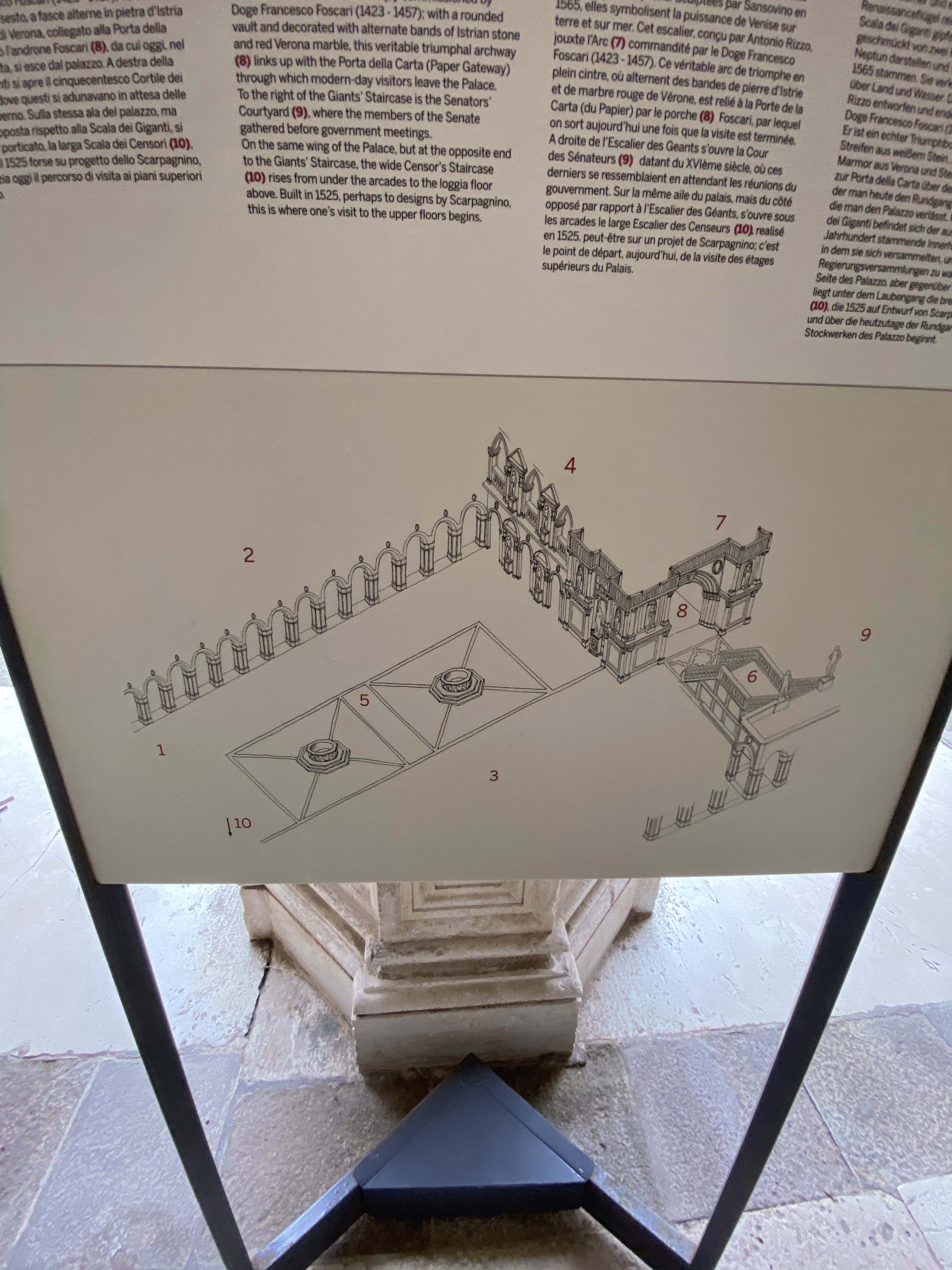
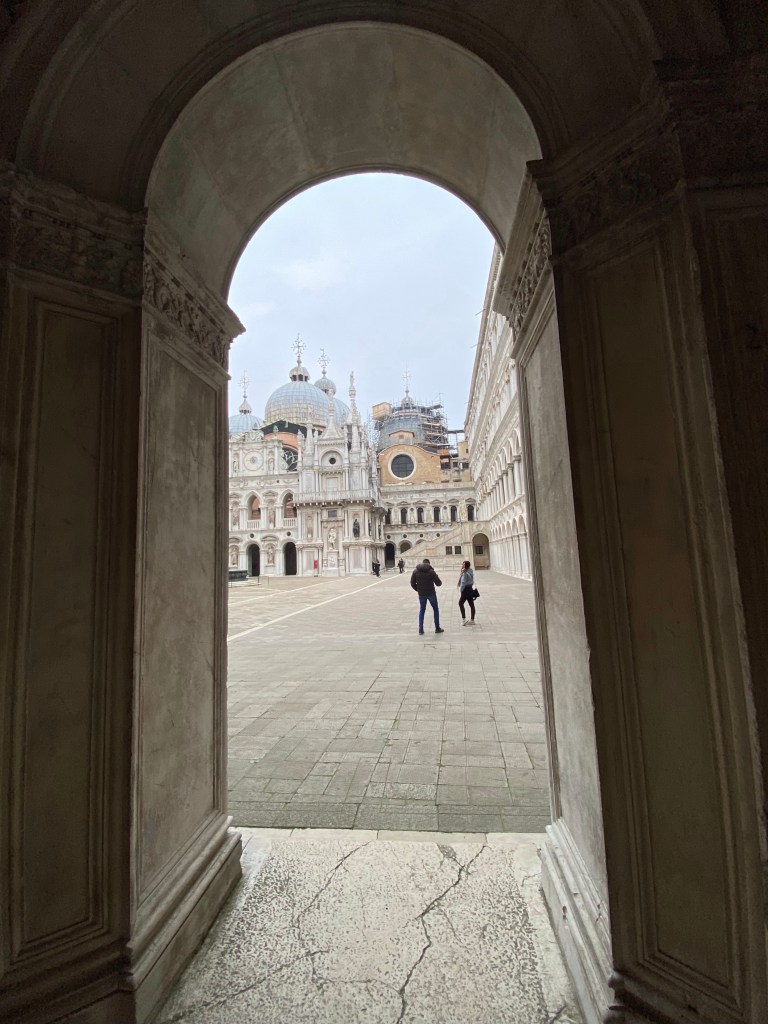
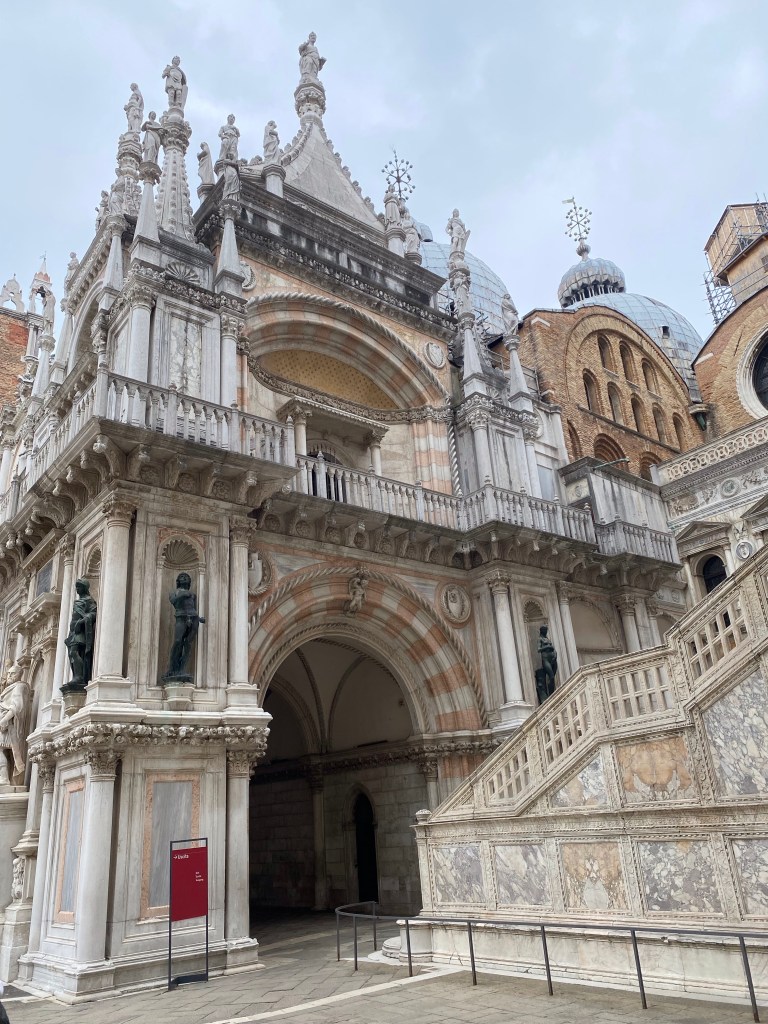
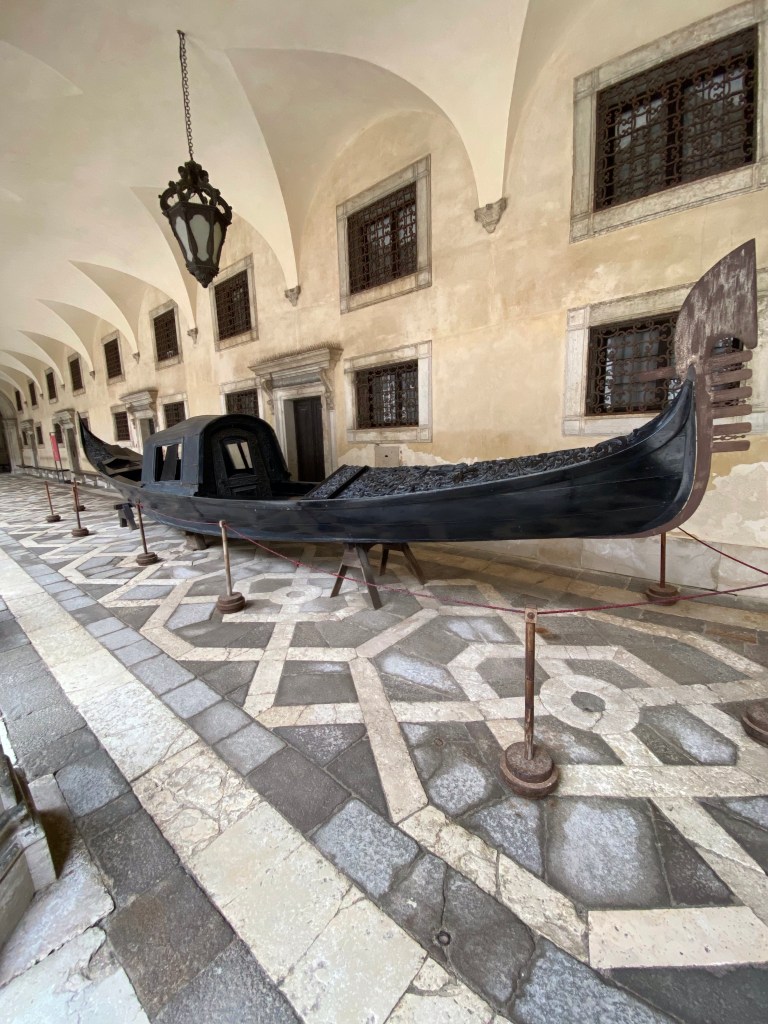
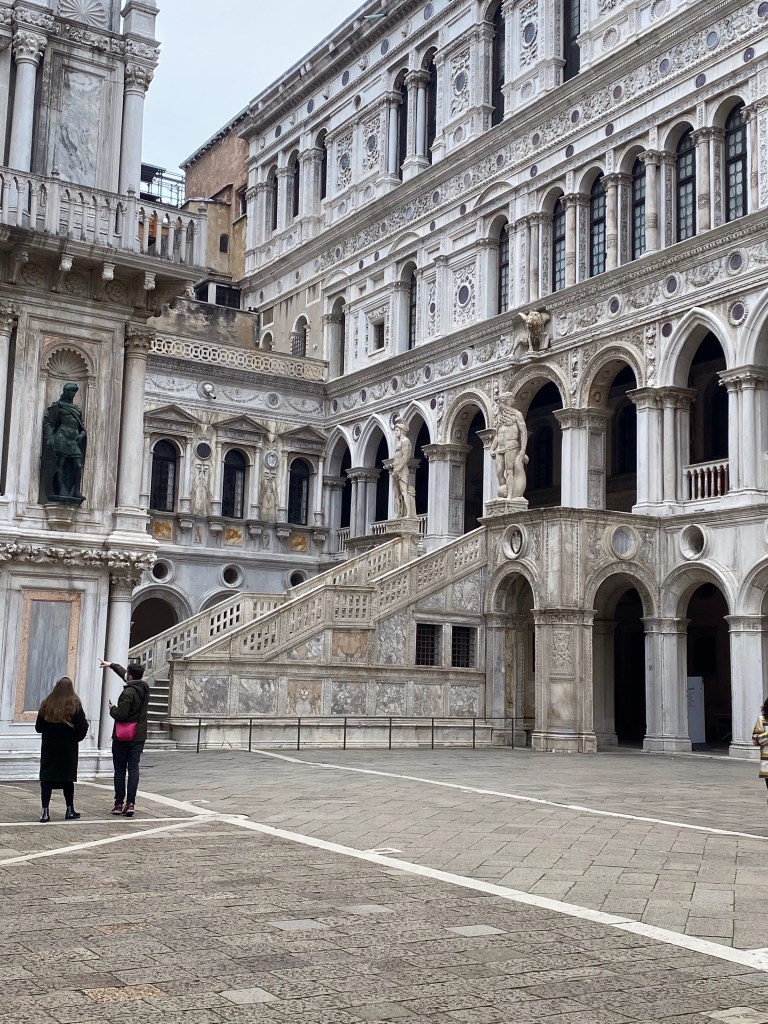
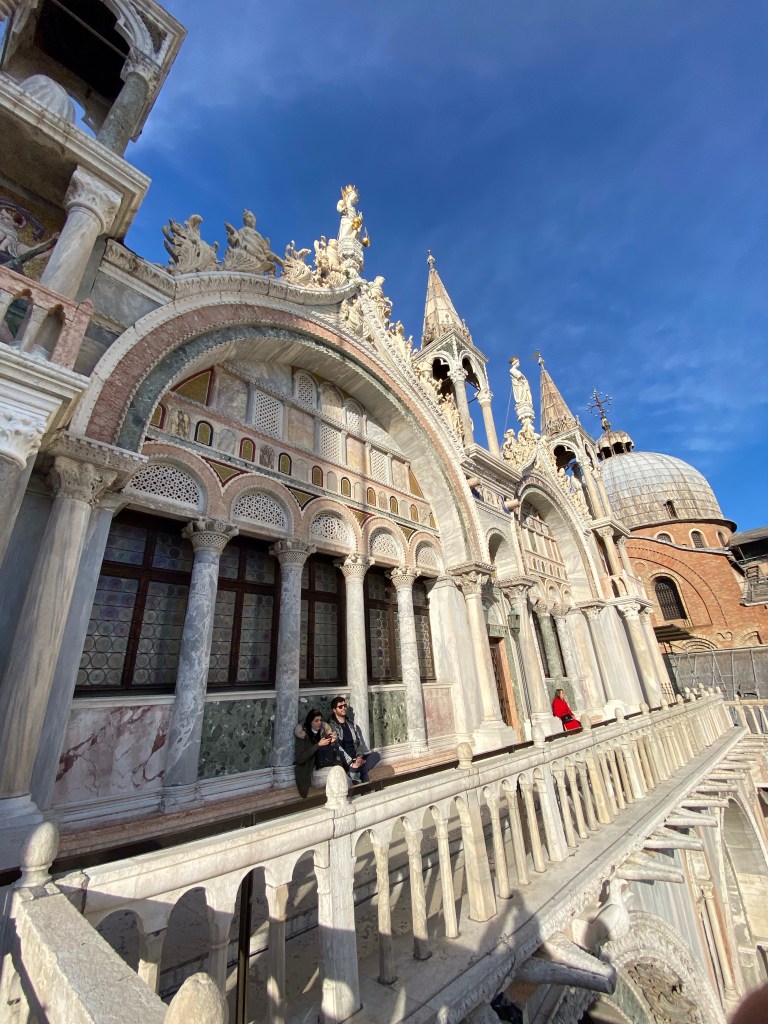
With the next photo, I have entered the palazzo and climbed the stairs to the piano nobile (2nd floor to Americans). The light was all wrong for the photo below, but the view is the Venetian lagoon. It is breathtaking!
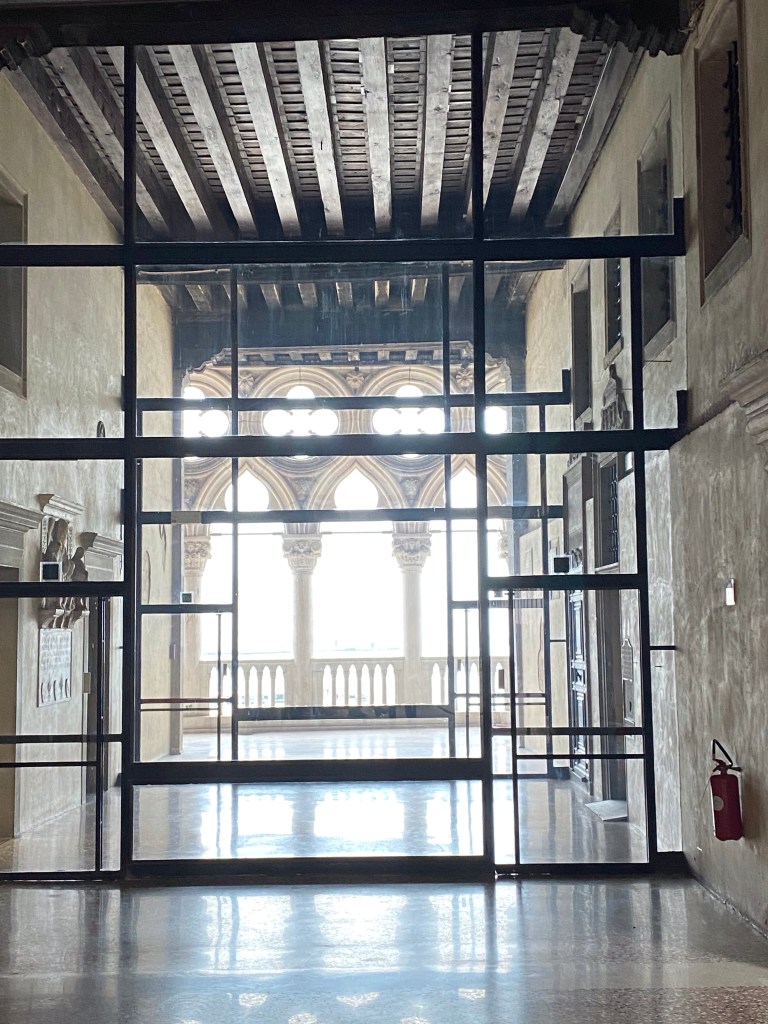
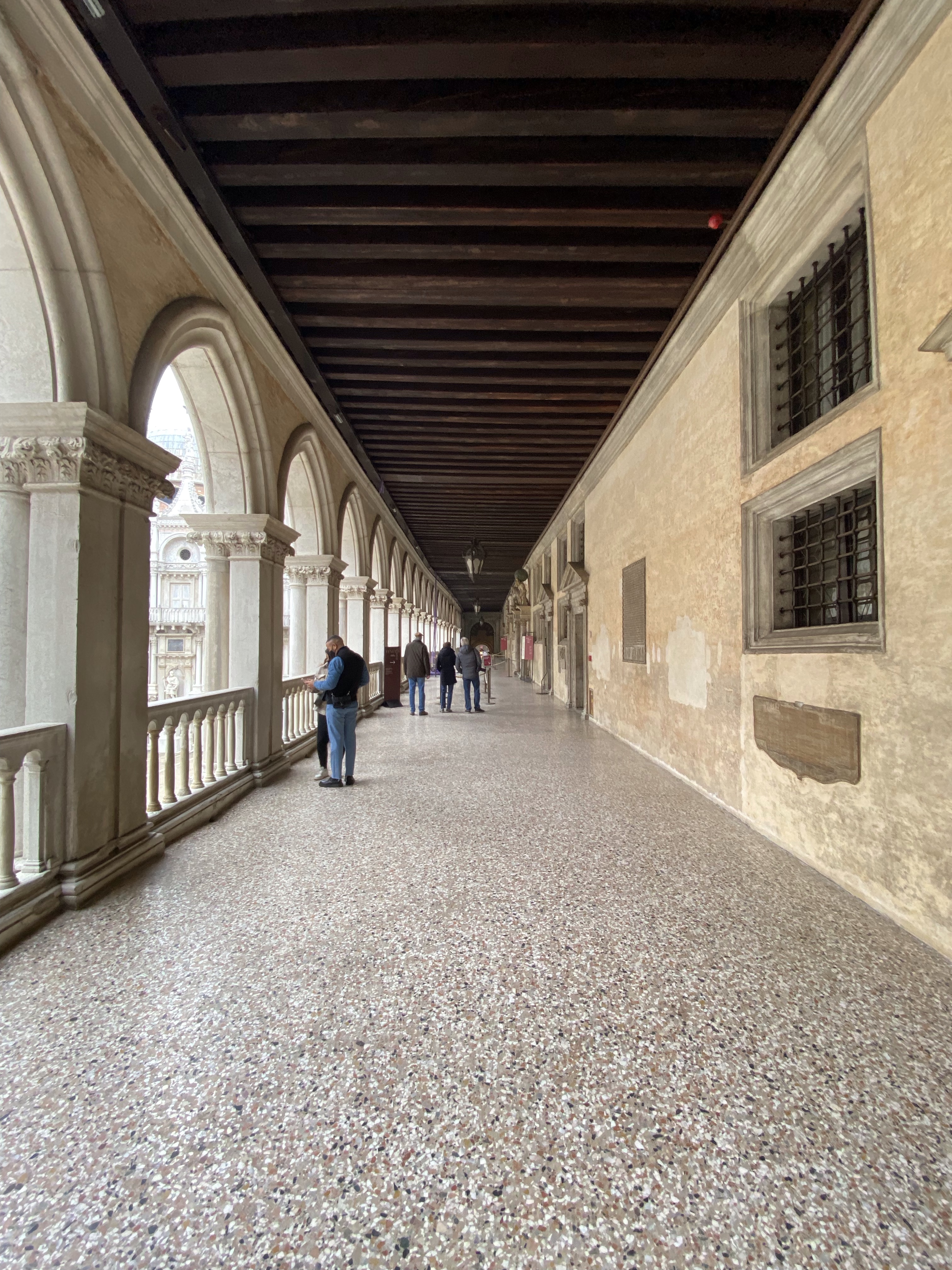
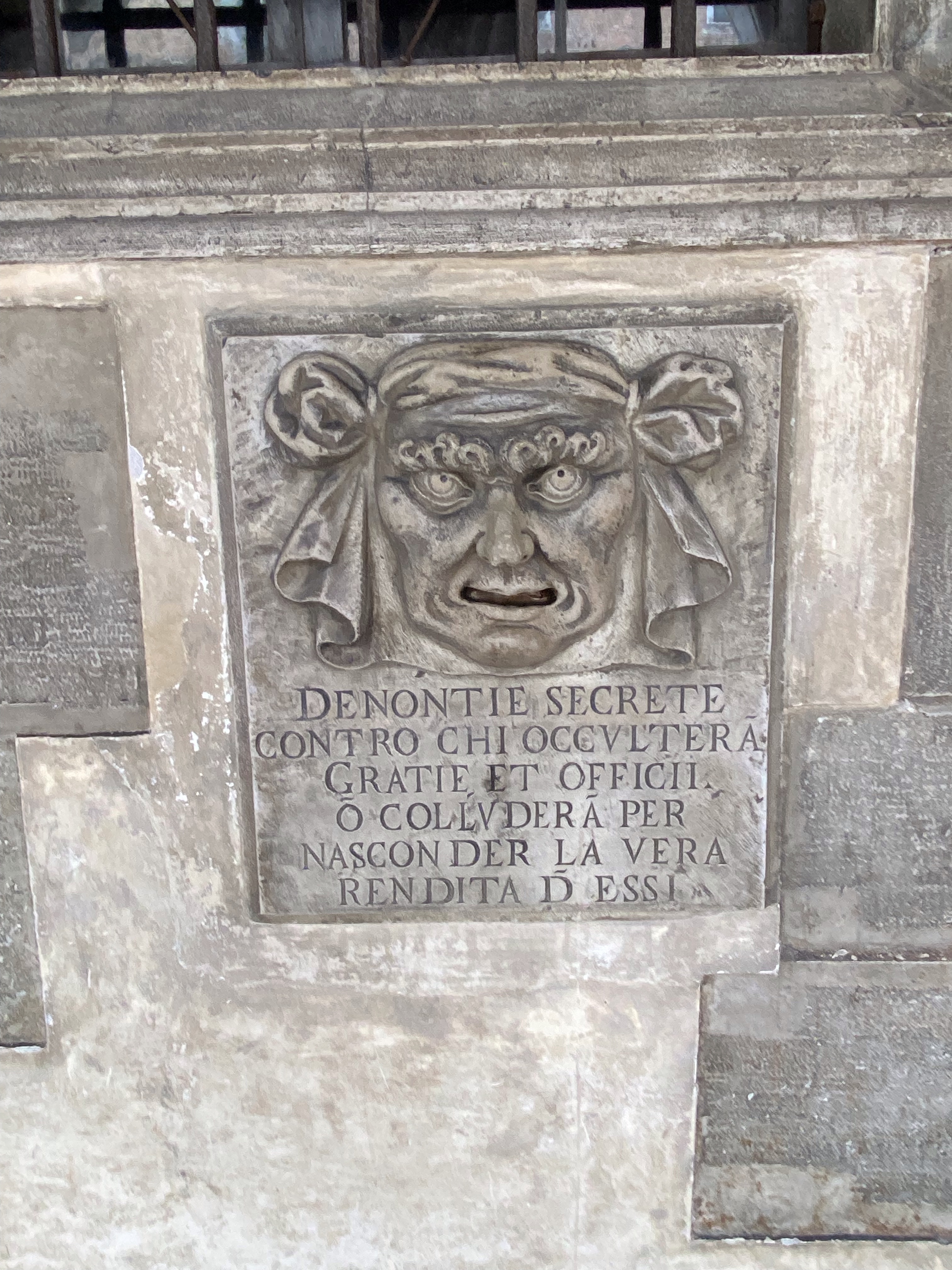
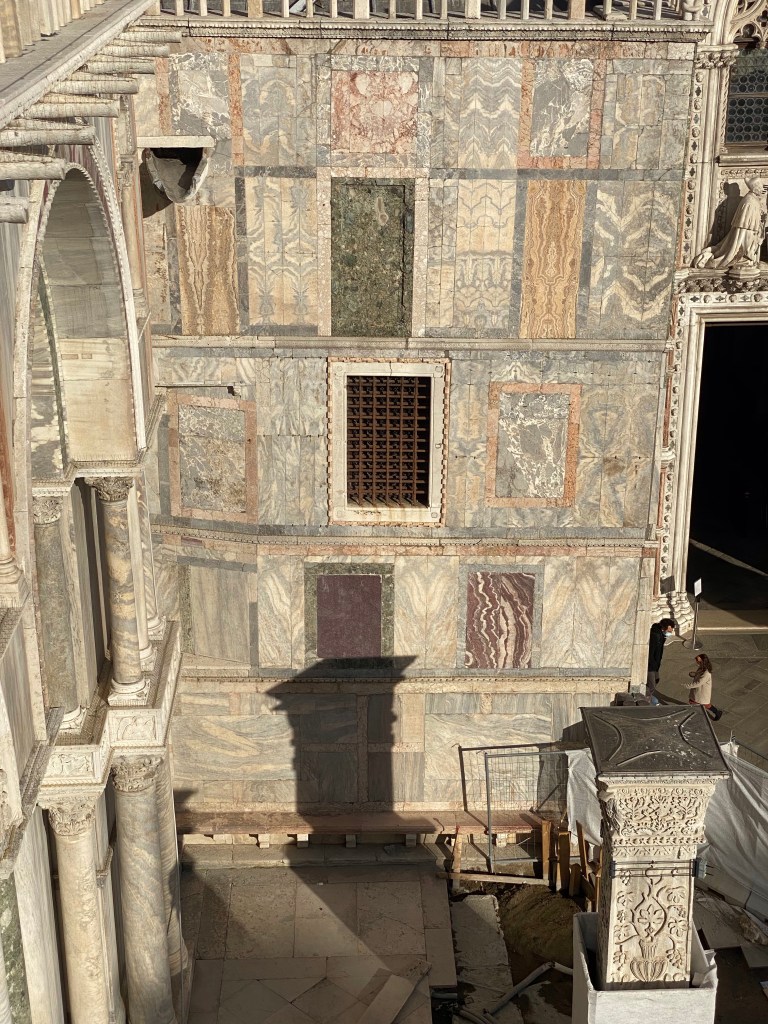
Below: looking down at the inner courtyard from the piano nobile.
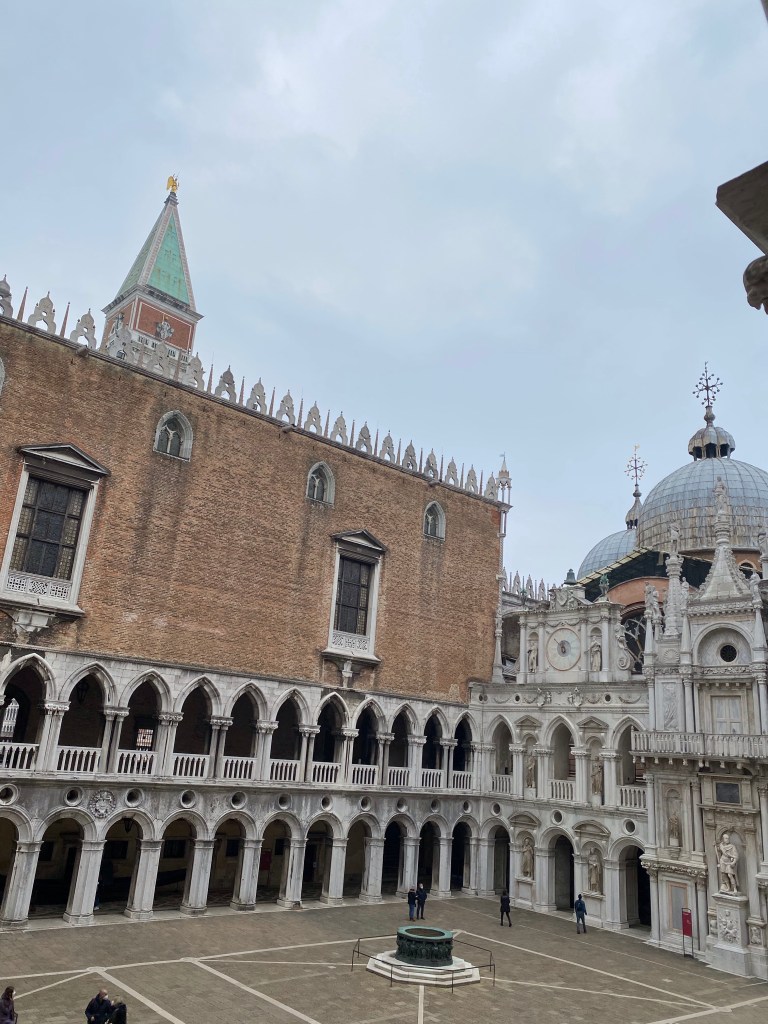
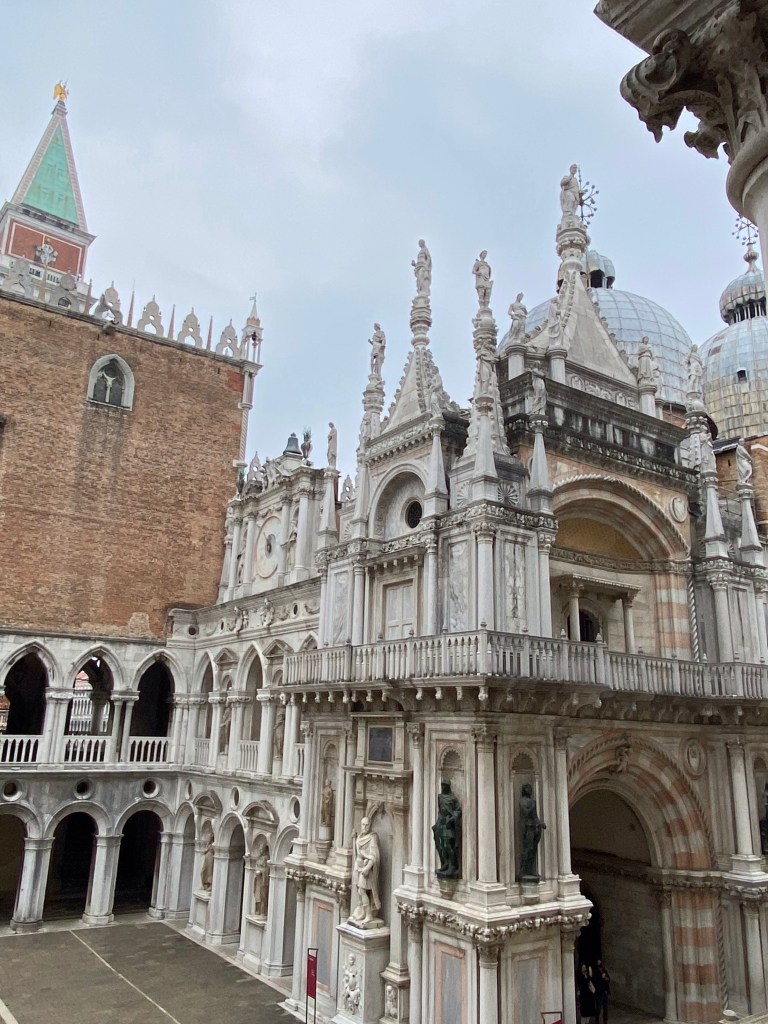
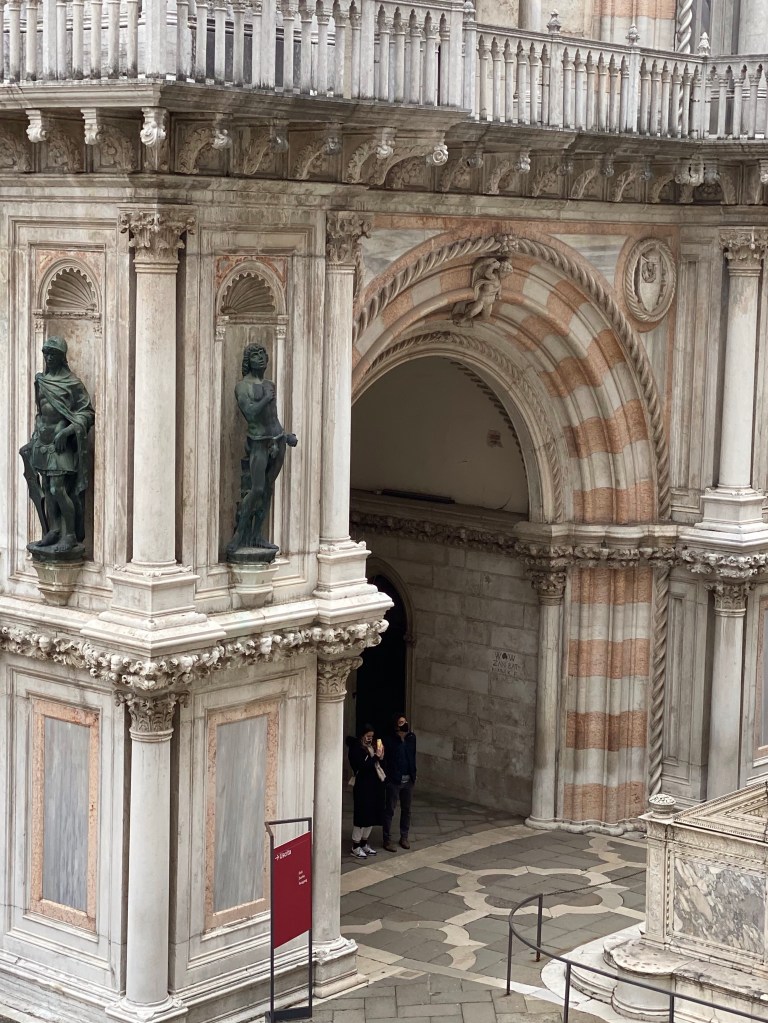
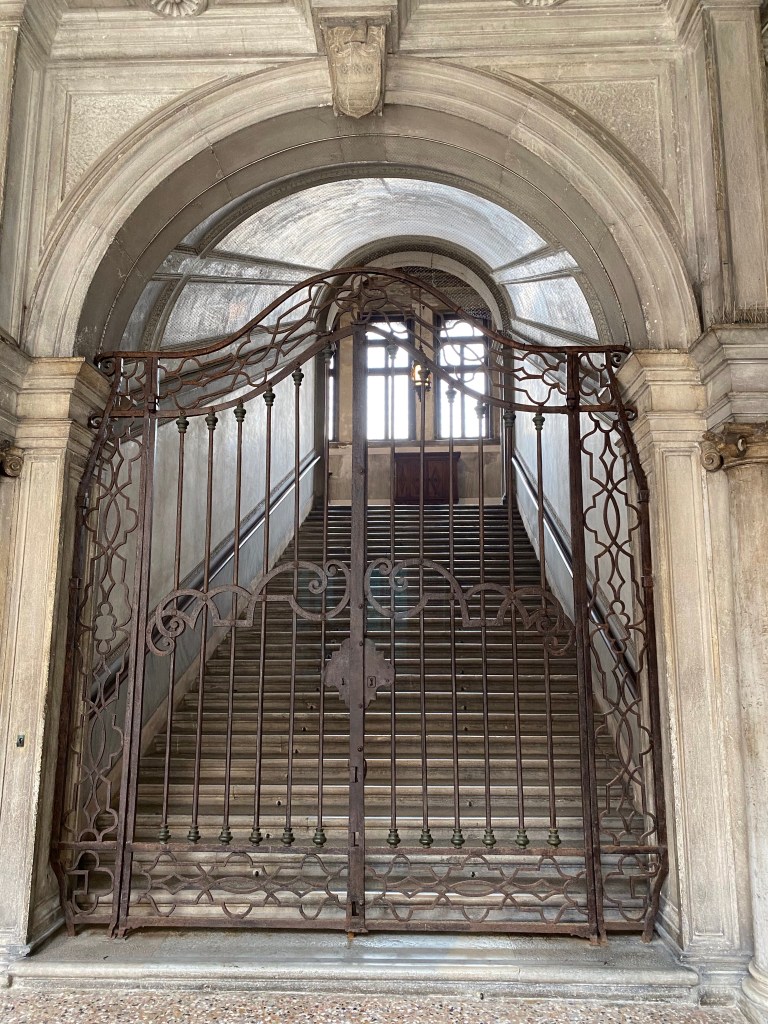
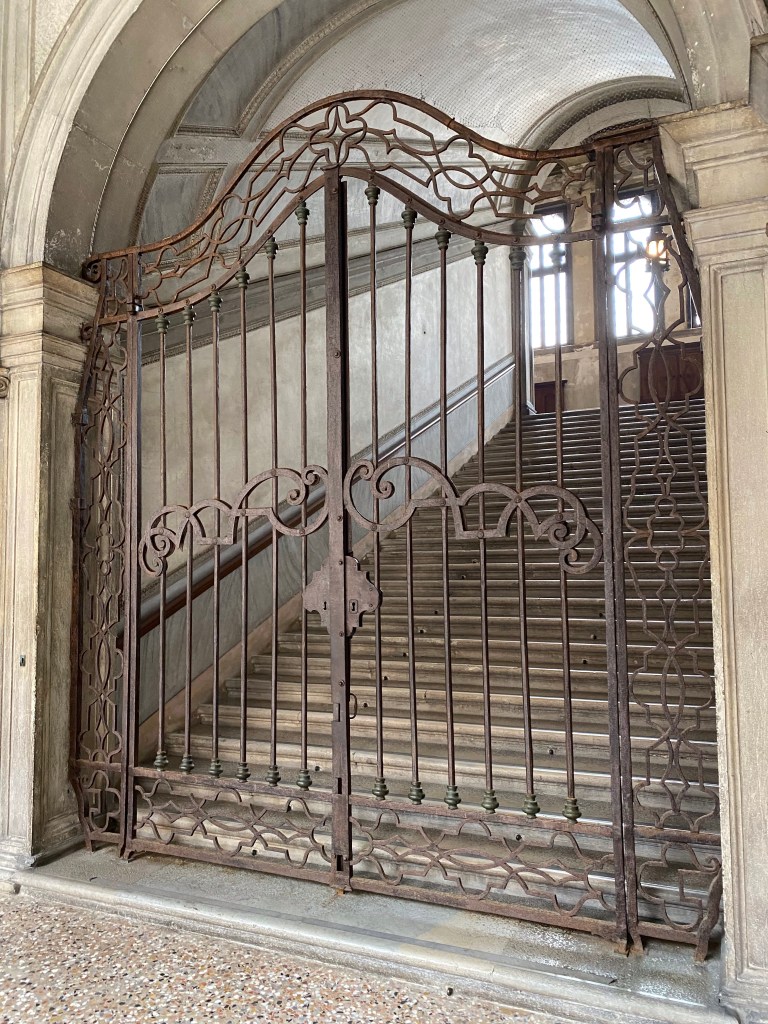
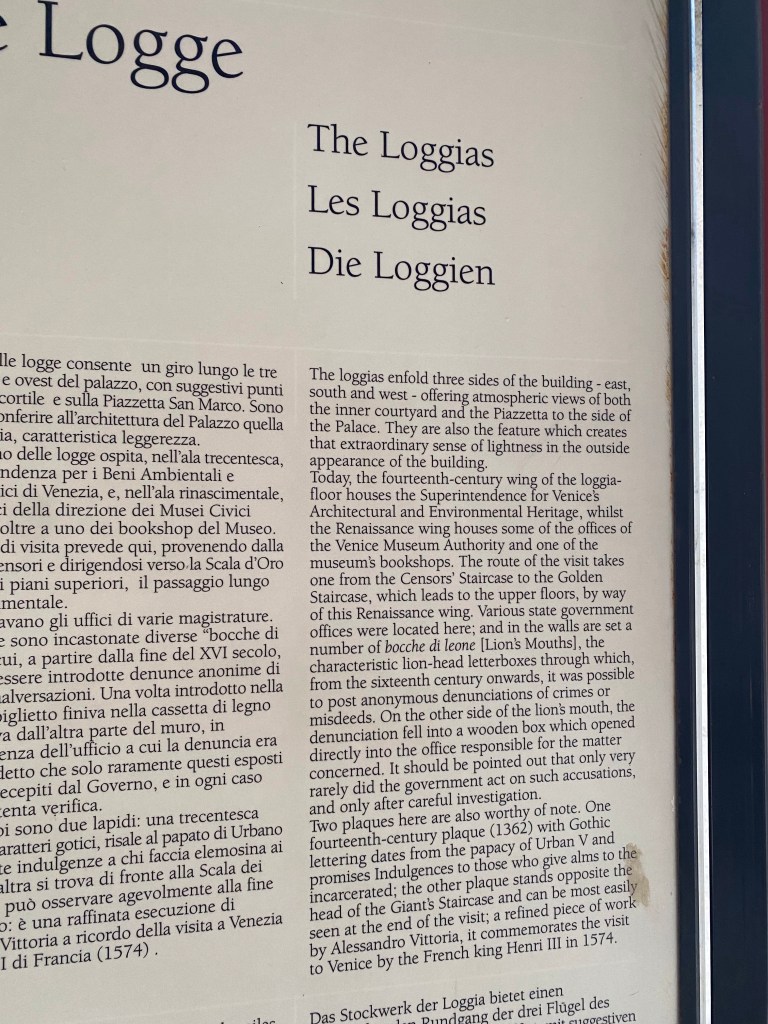
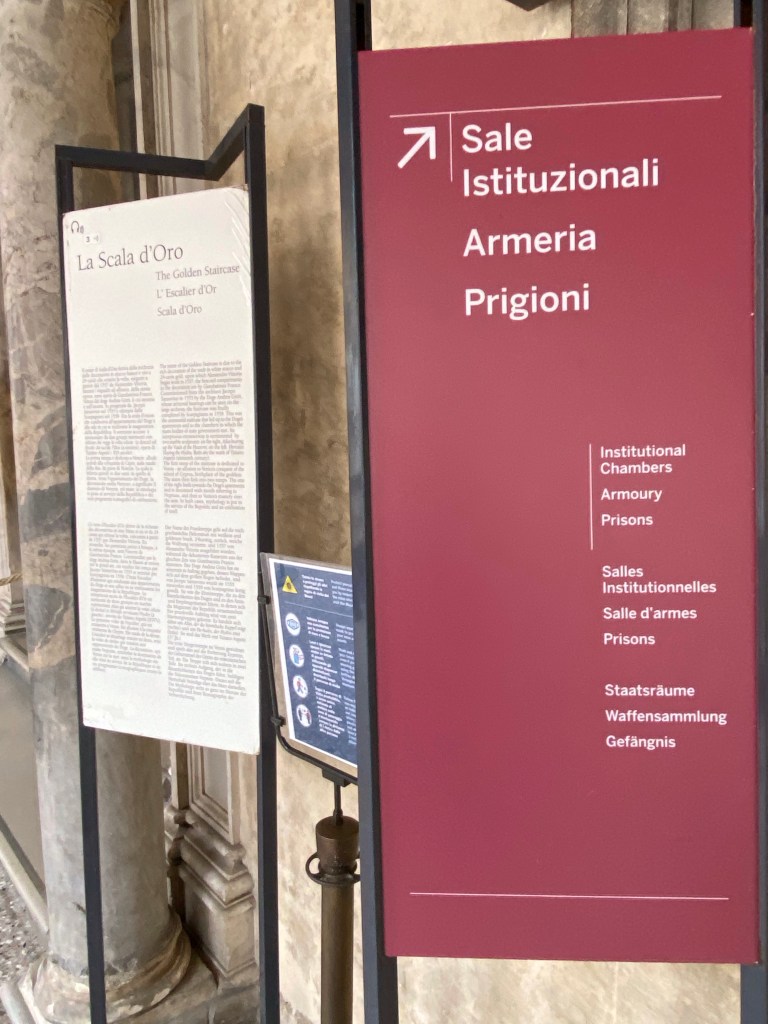
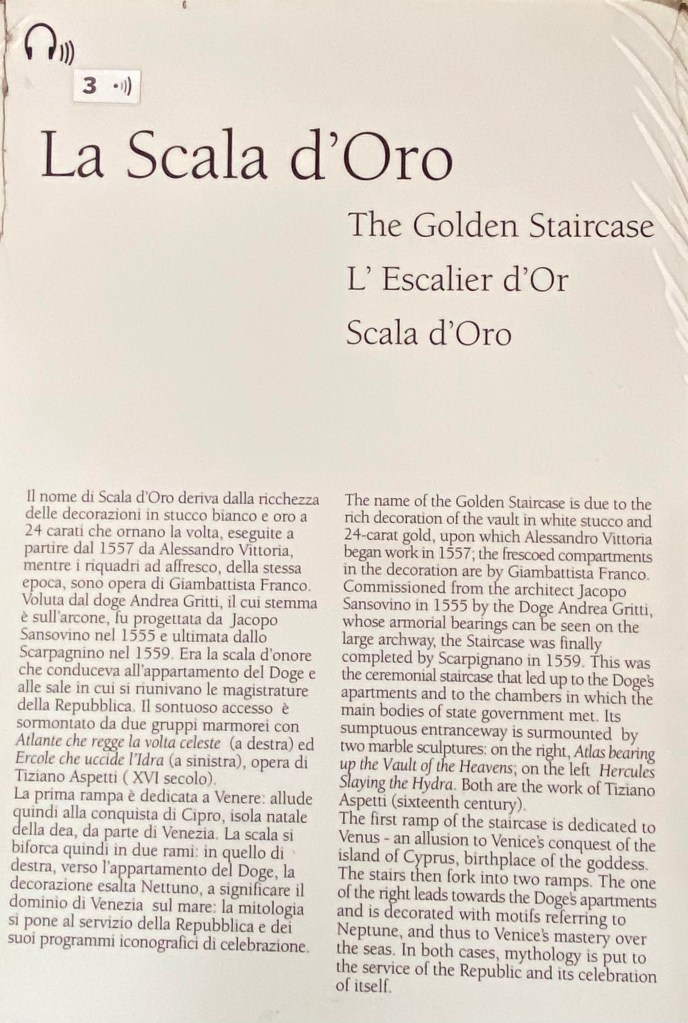
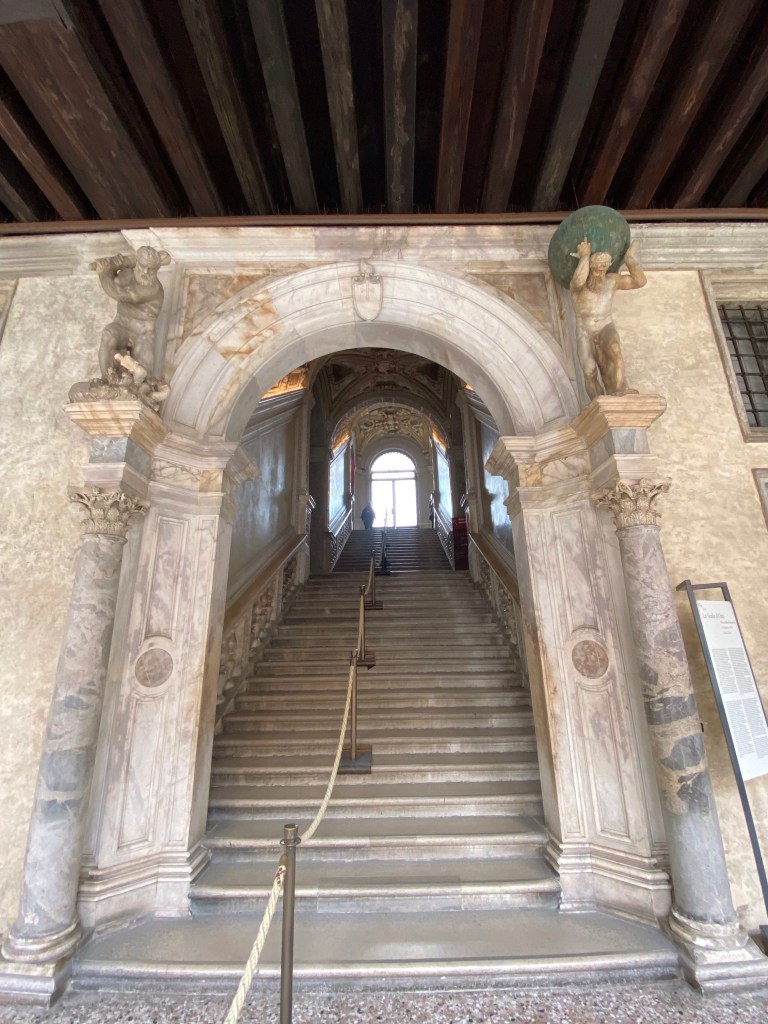
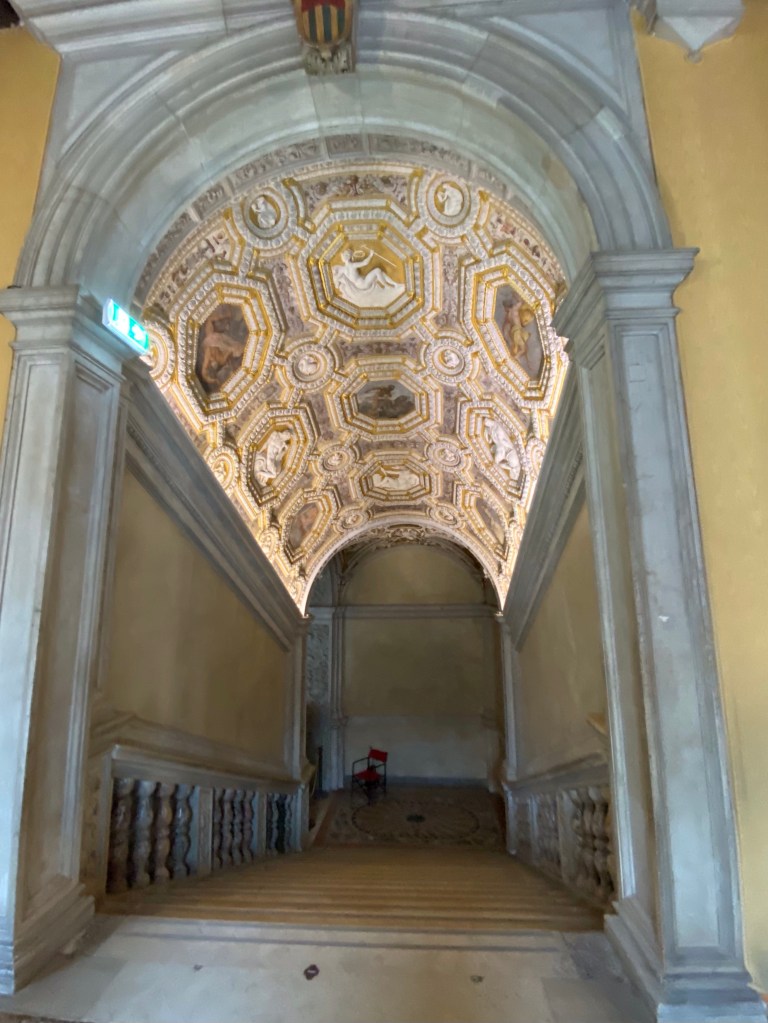
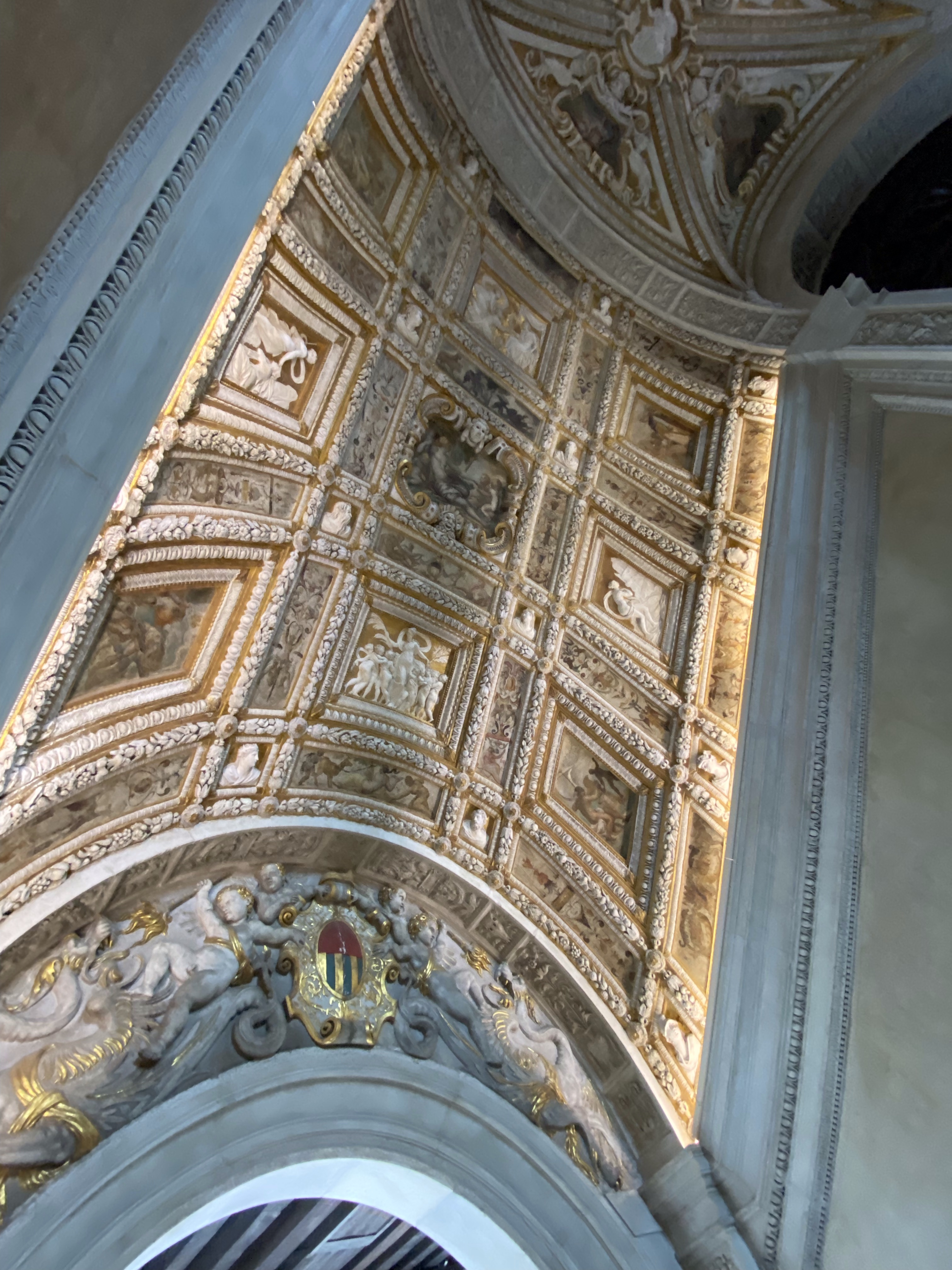
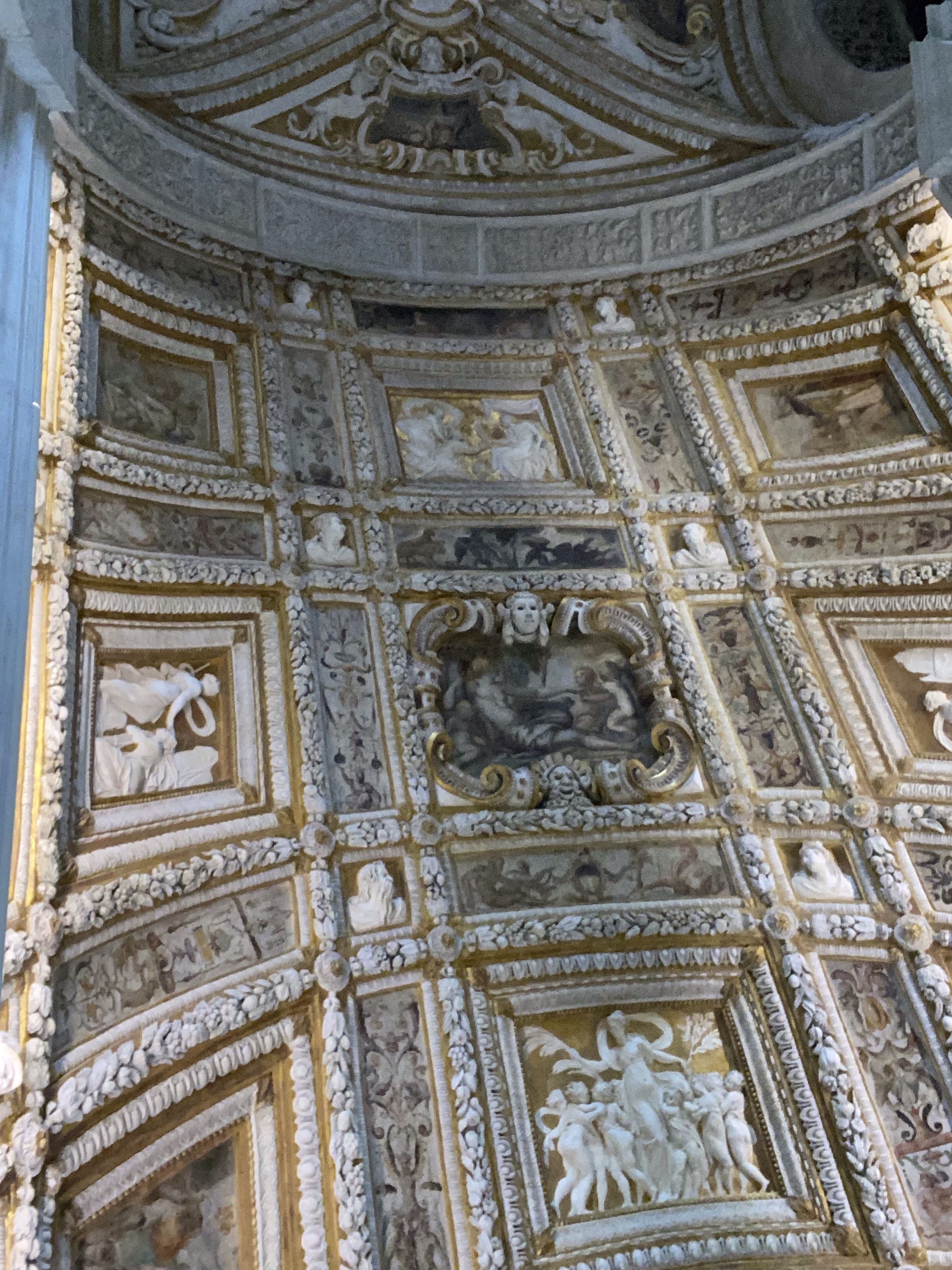
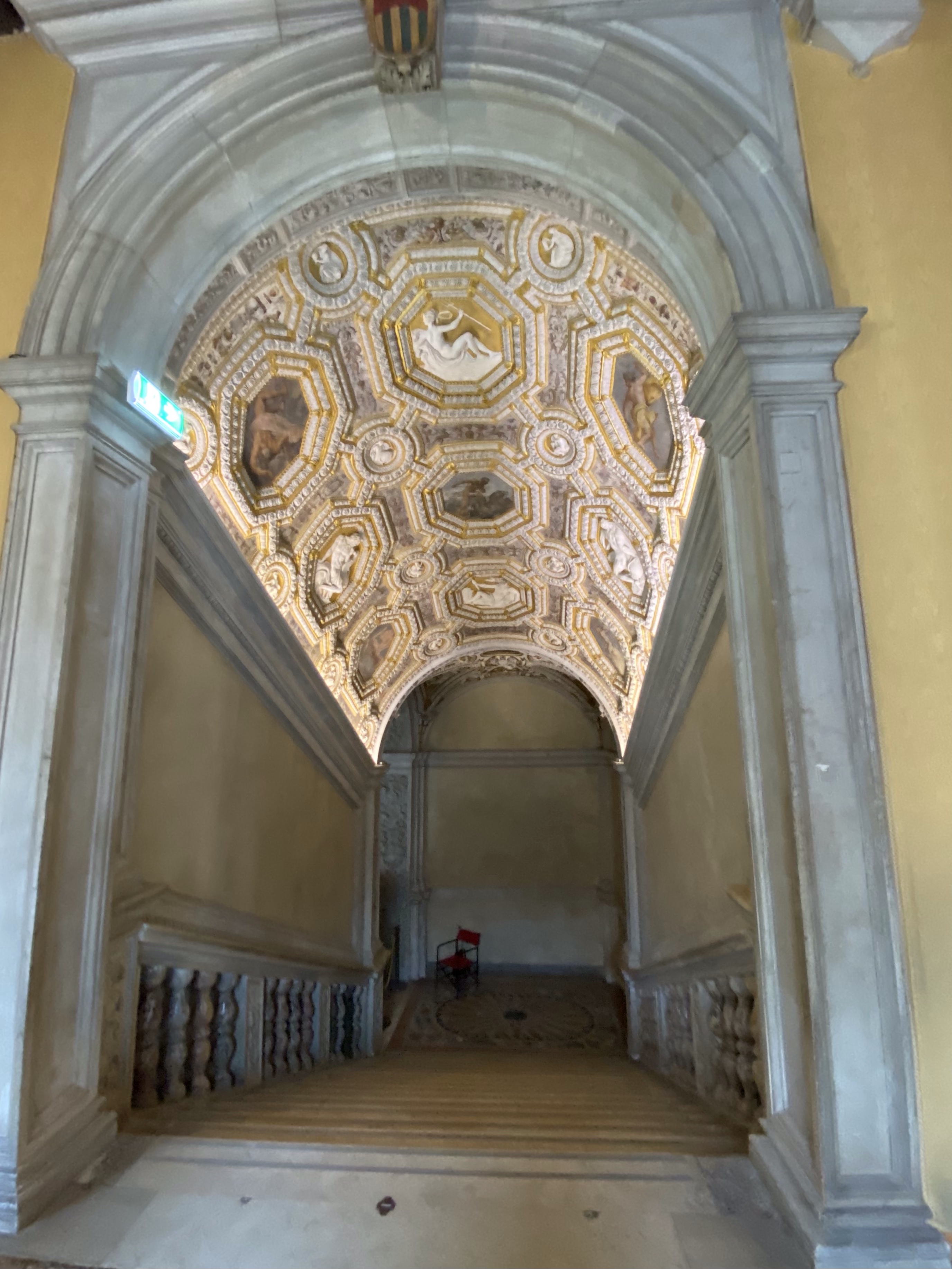
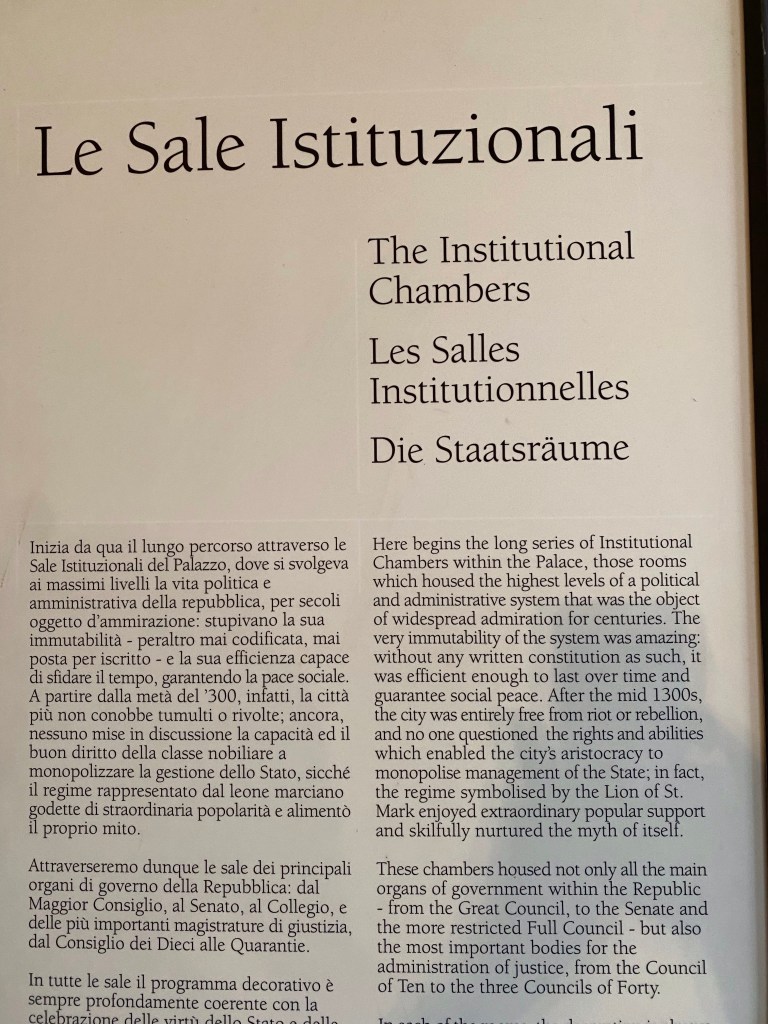
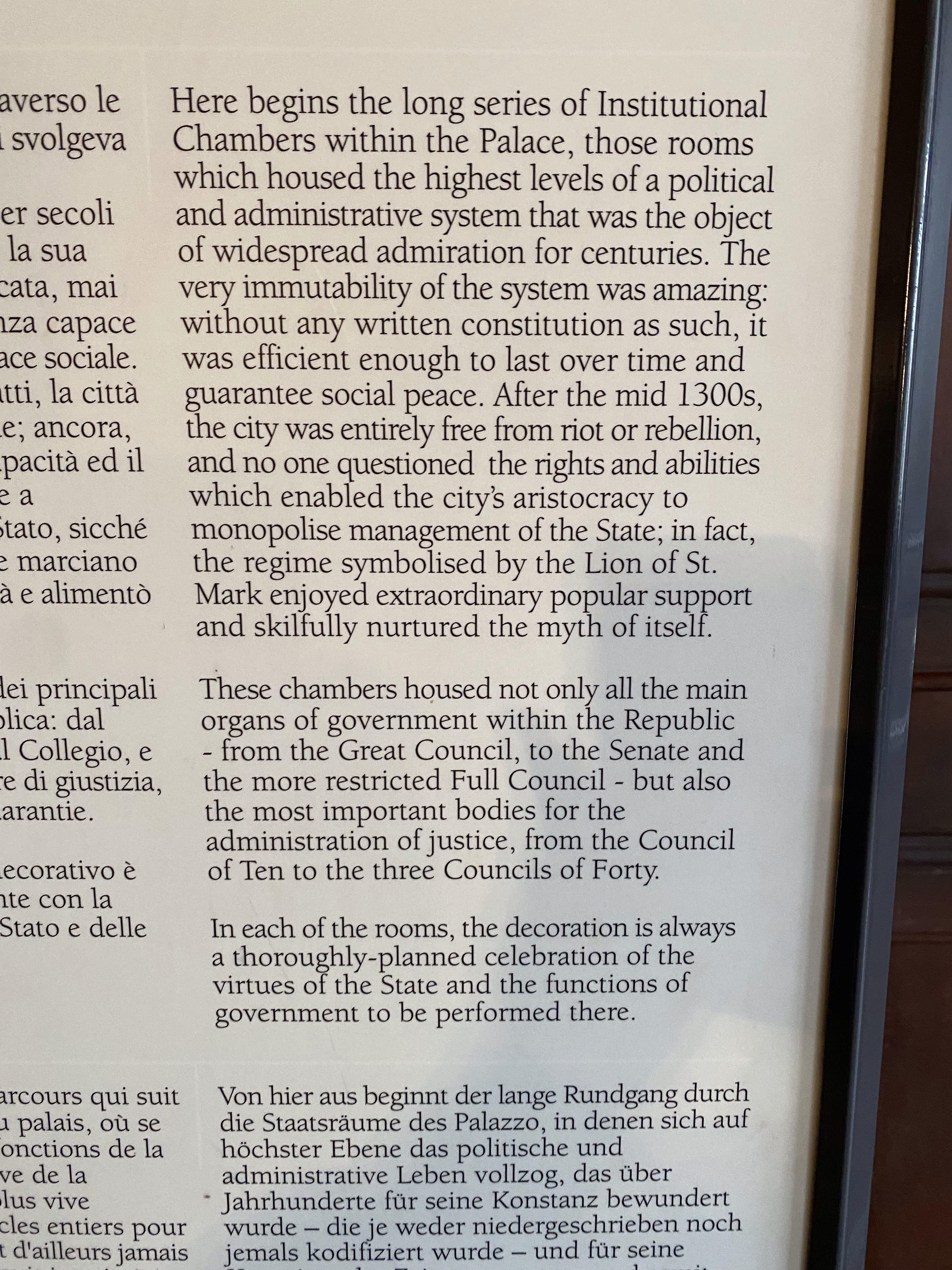
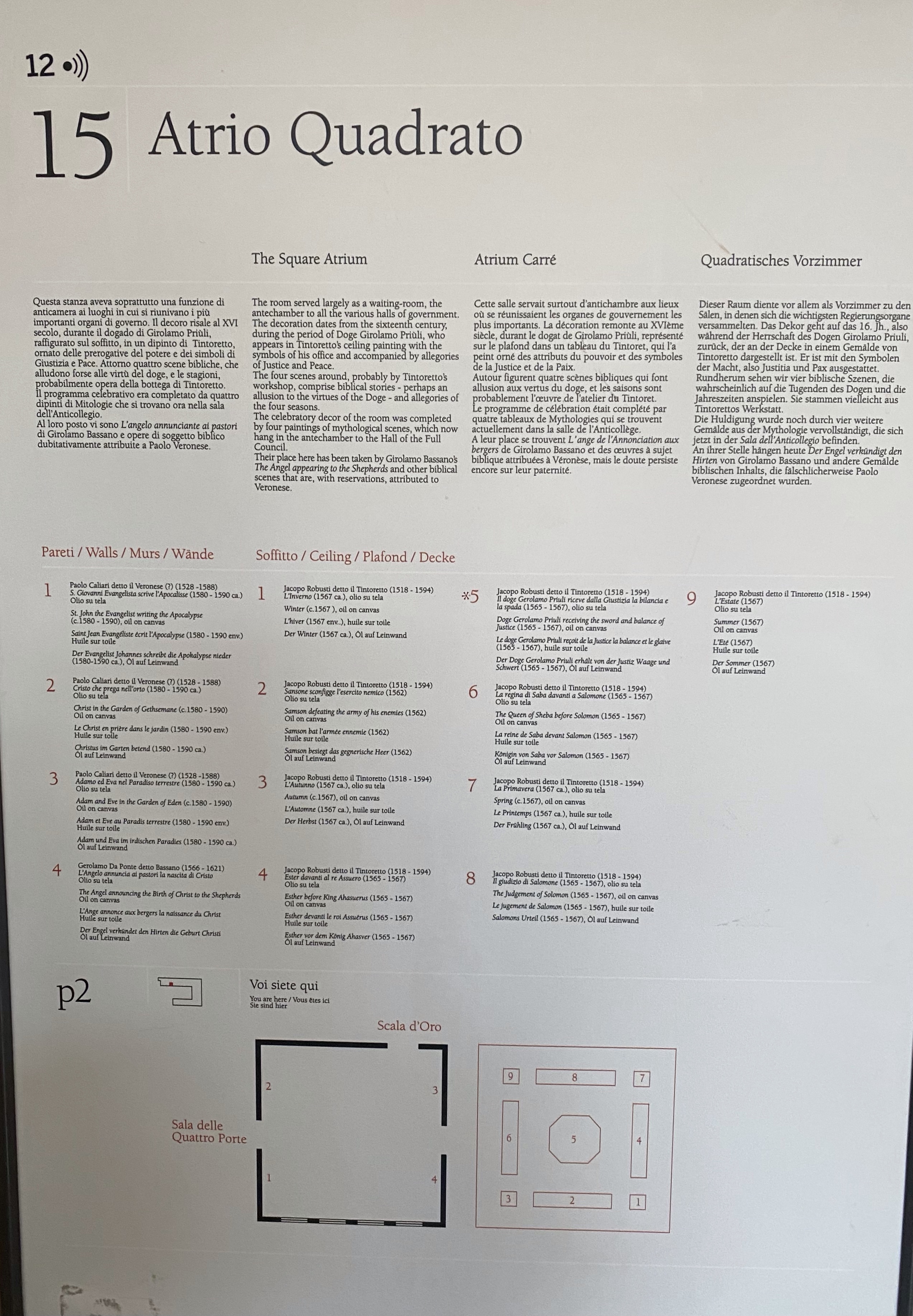
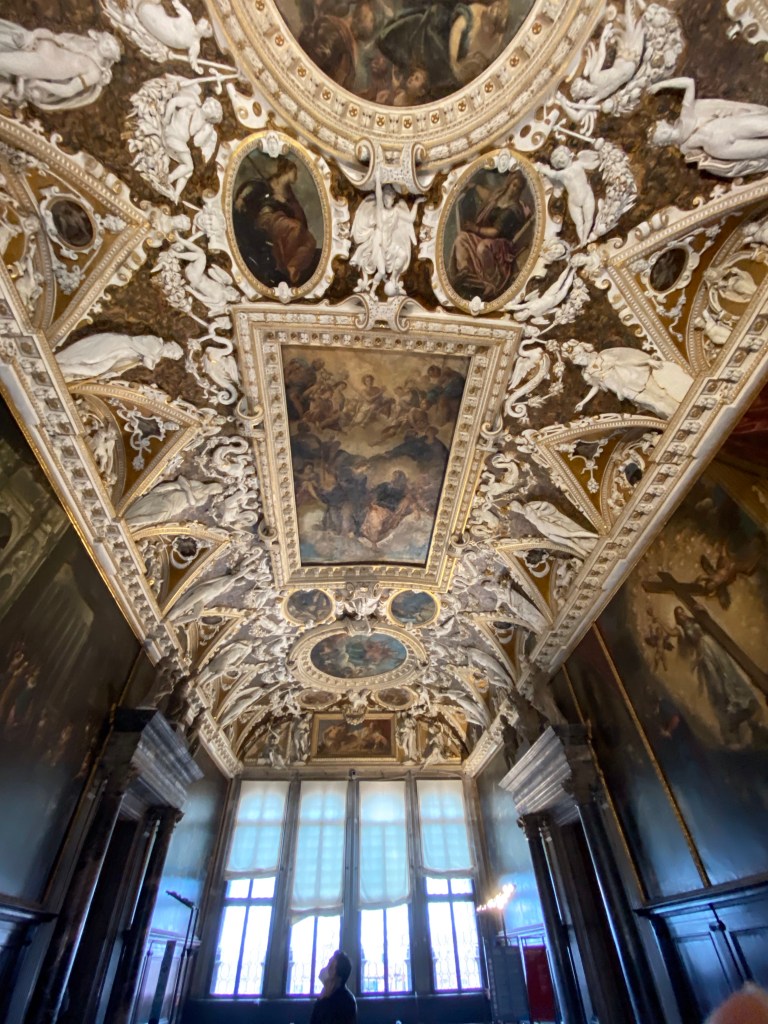
There are many pretty places to choose from, but I enjoyed these 2 on one recent spring day.
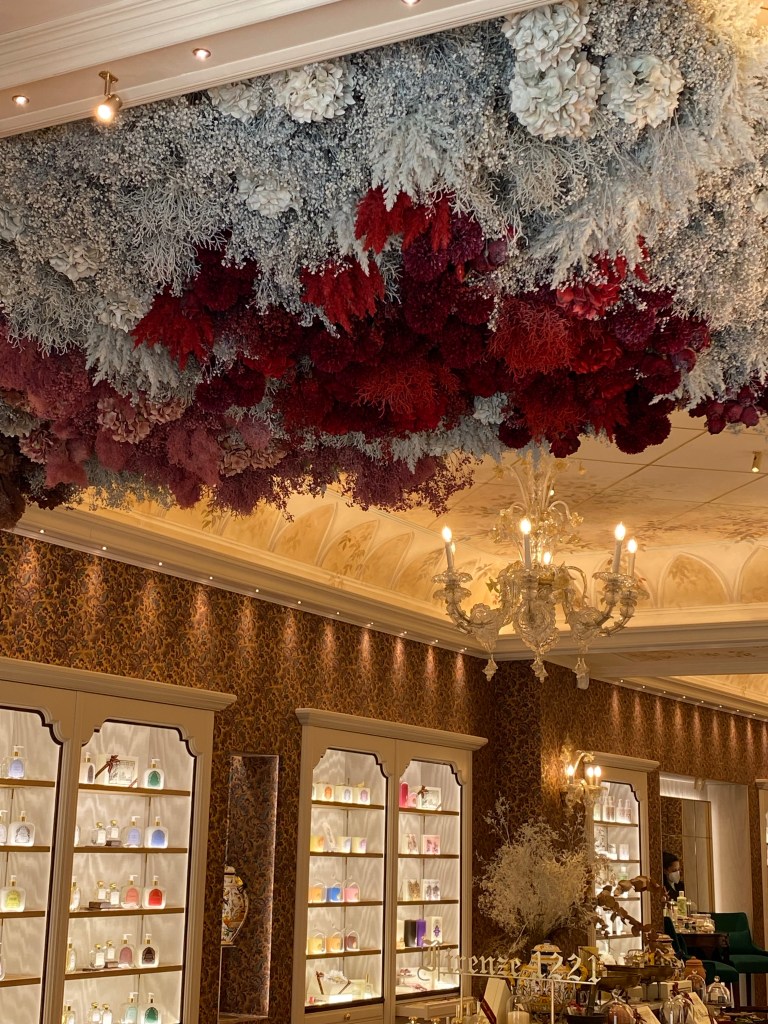
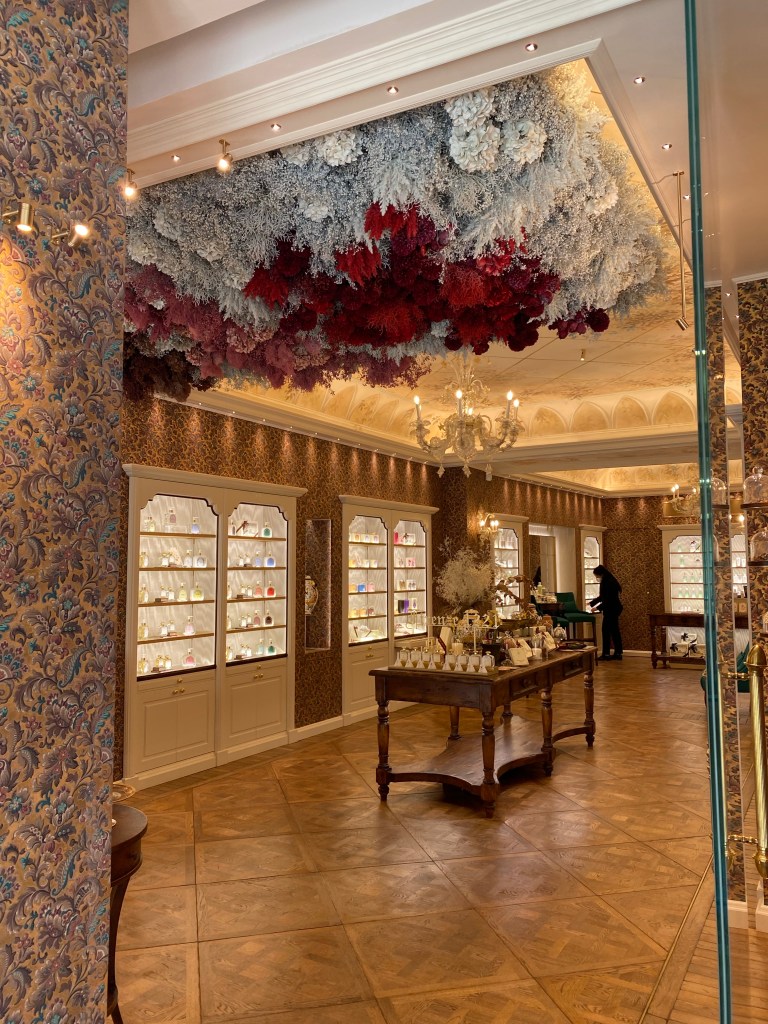
There’s a new branch store of the Farmacia di Santa Maria Novella on Via Tornabuoni. It is beautifully appointed!
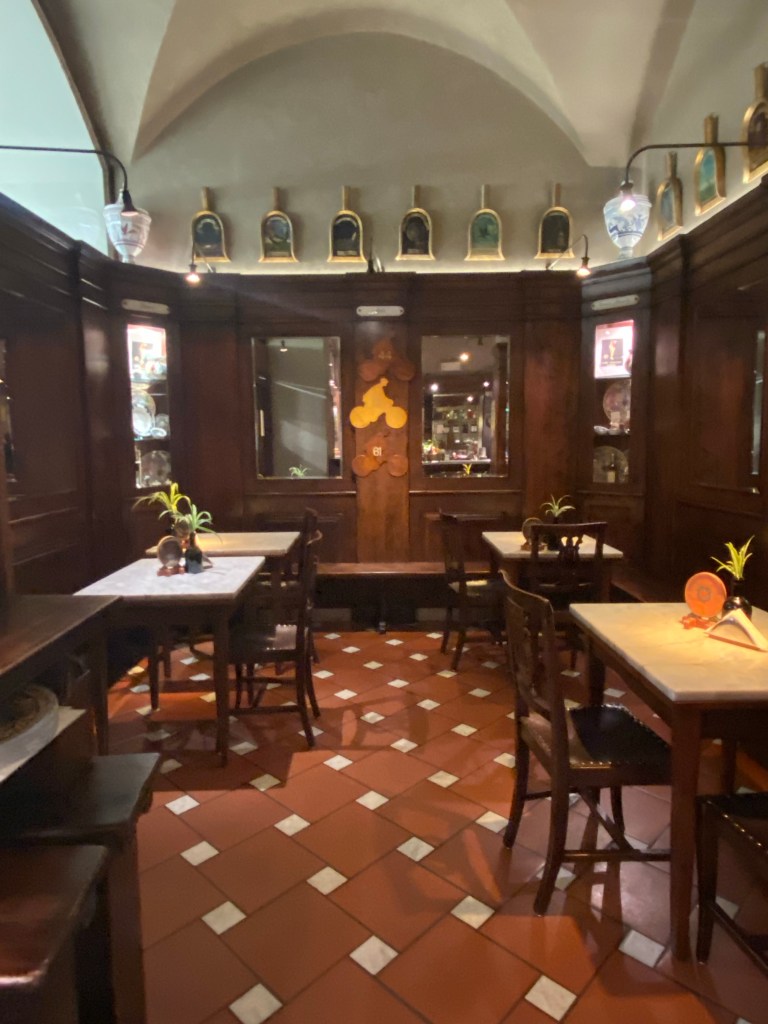
And then there is my favorite bakery, coffee bar, lunch and dinner bistro in the heart of Florence, the Cantinetta dei Verrazzano. It is my go-to place for the seasonal treat of spremuta di melograno, or freshly pressed pomegranate juice. I had some yesterday! I enjoyed the lovely appointments within the Cantinetta as much as the juice.
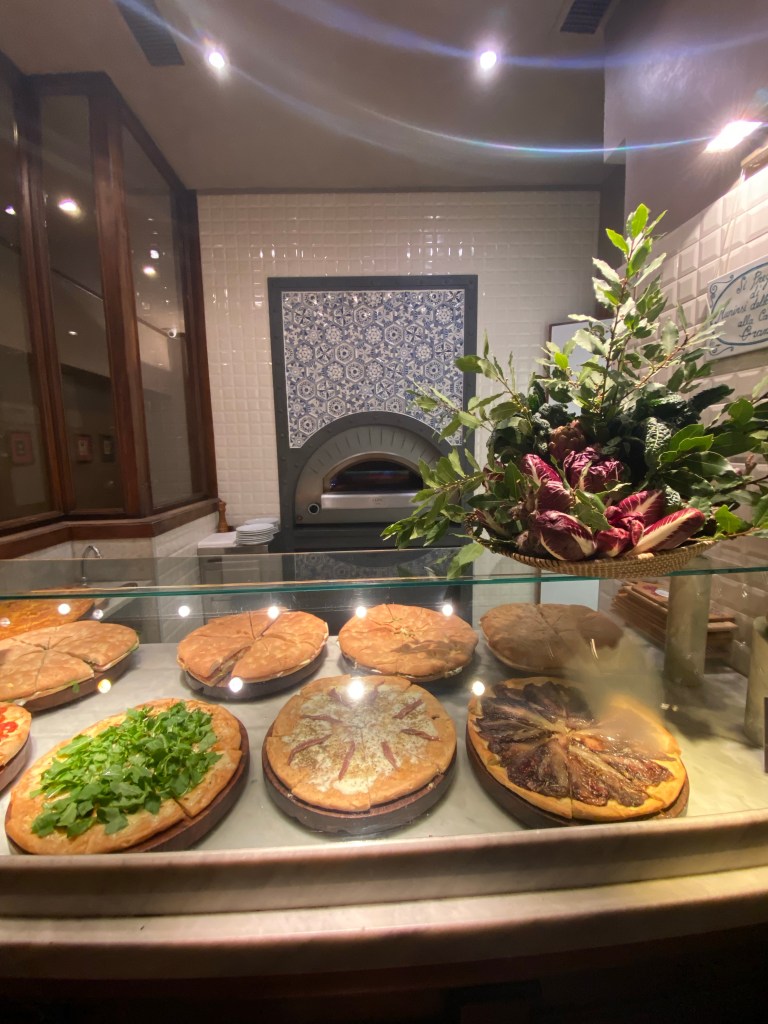
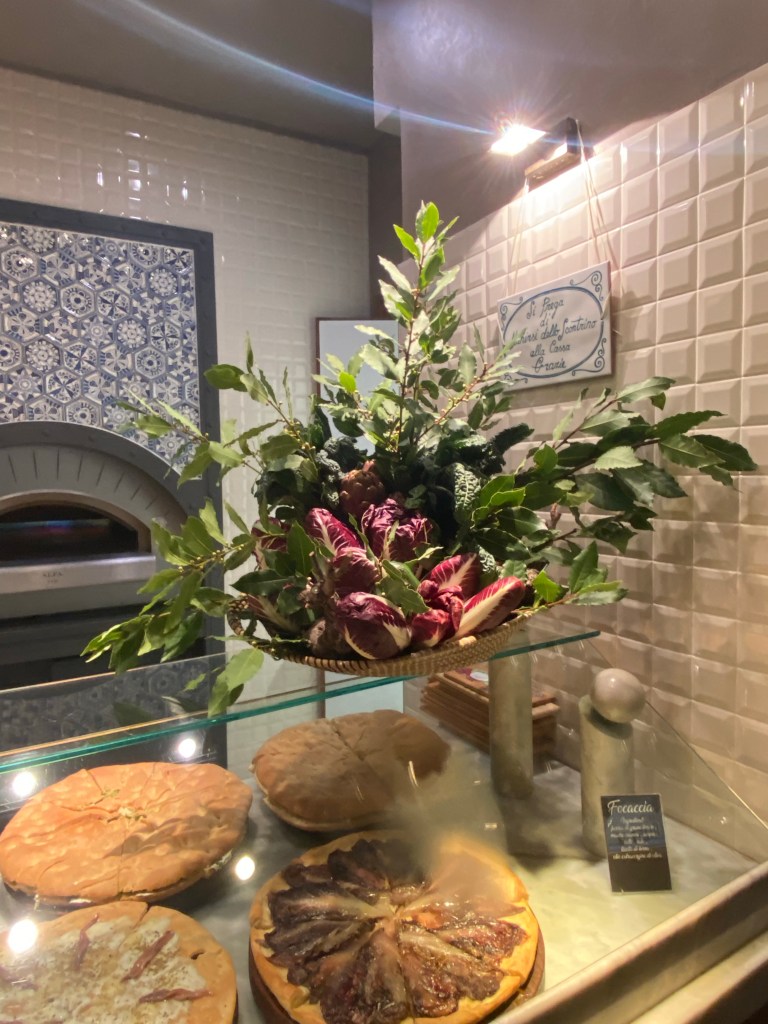
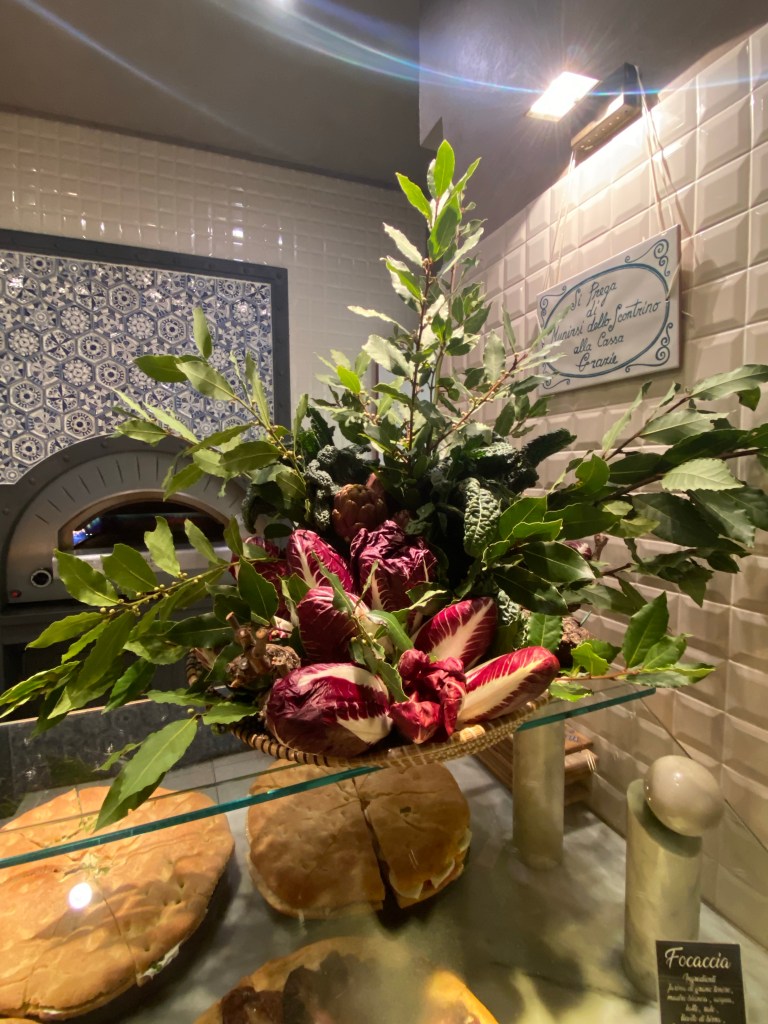
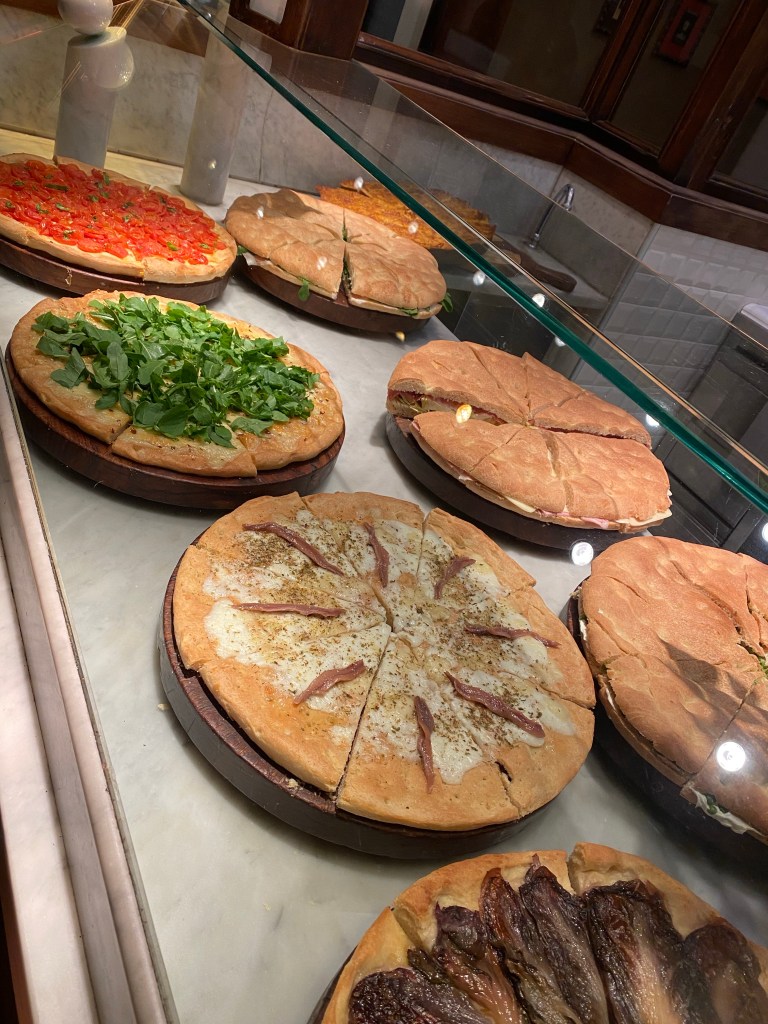
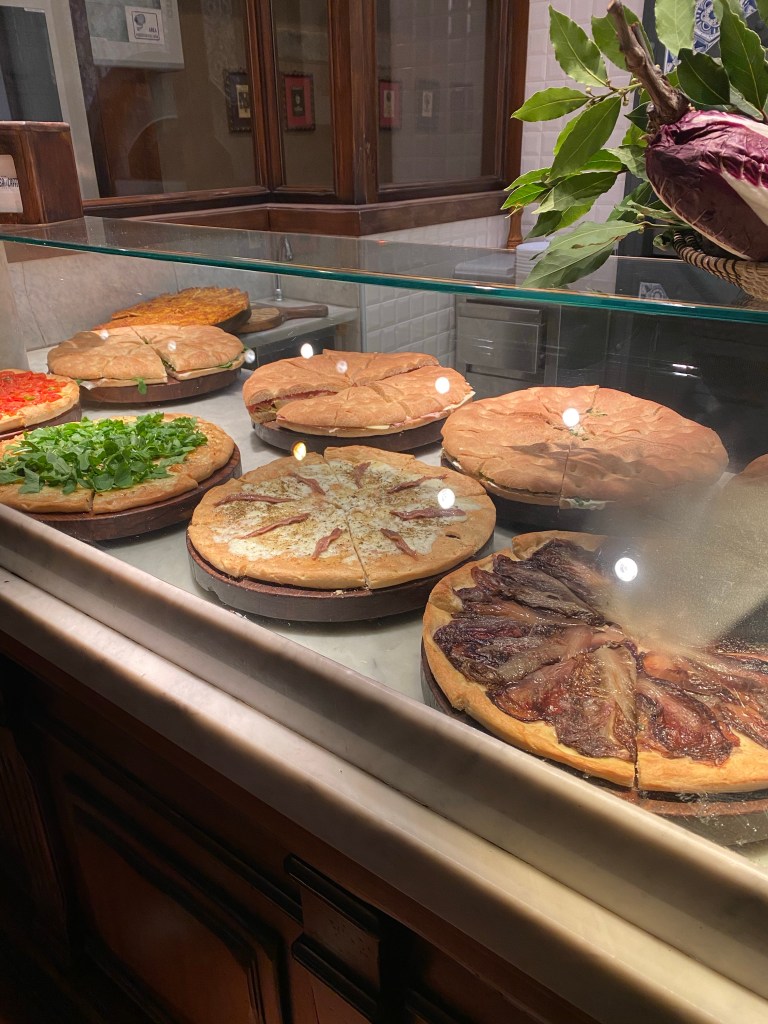
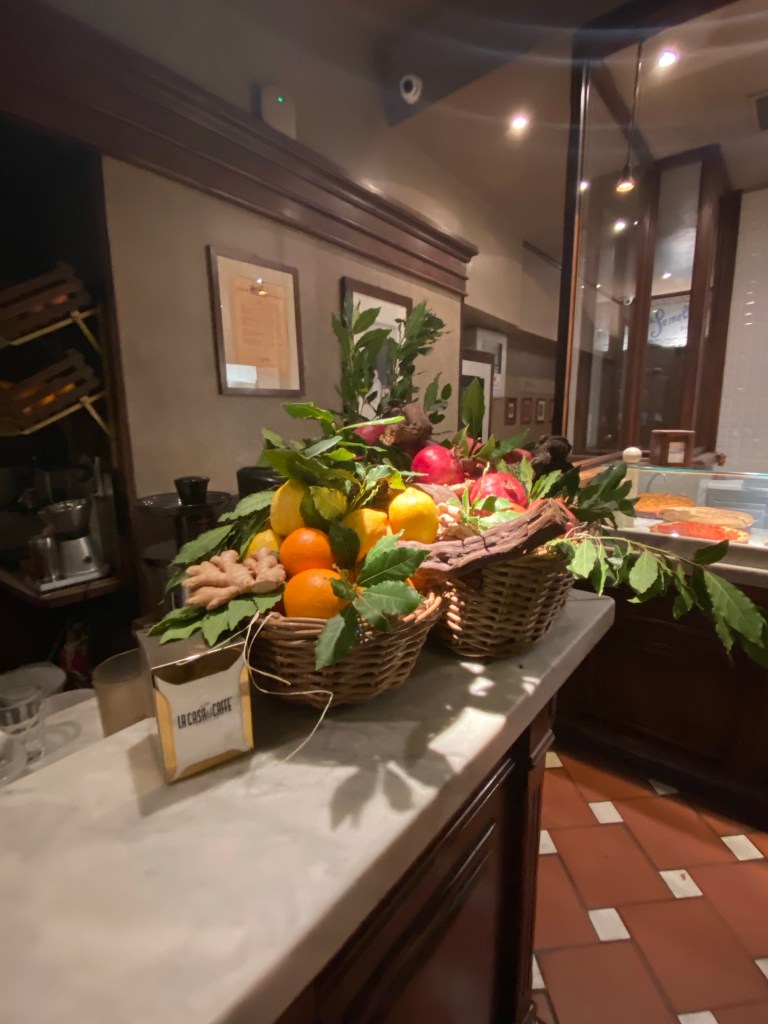
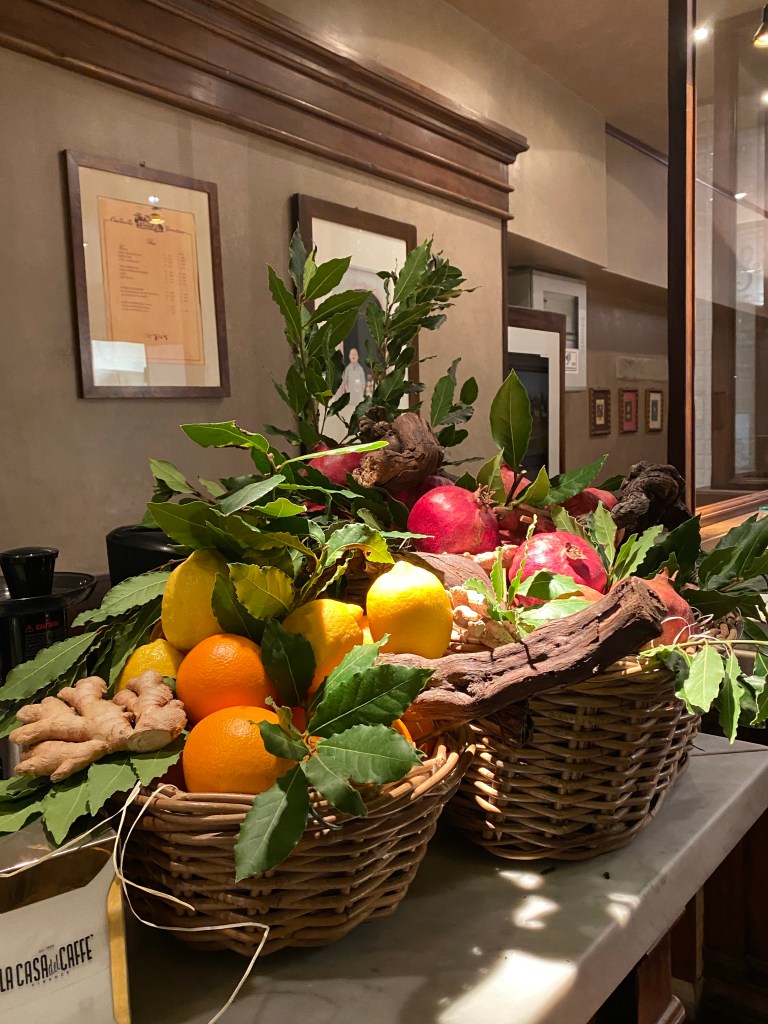
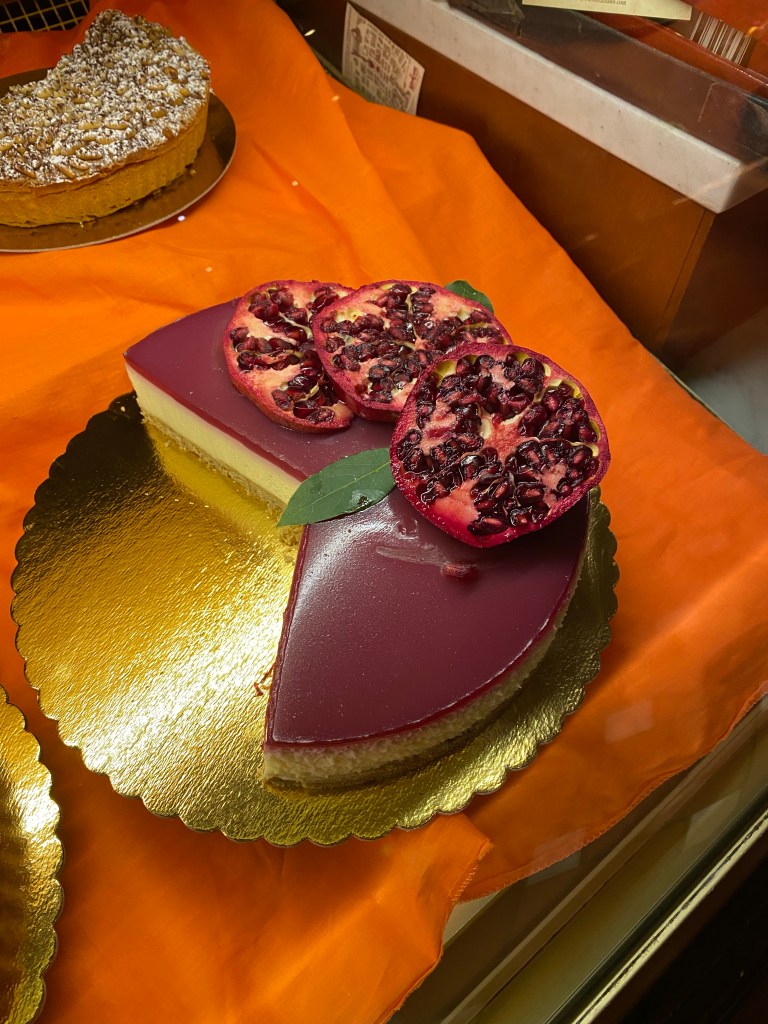
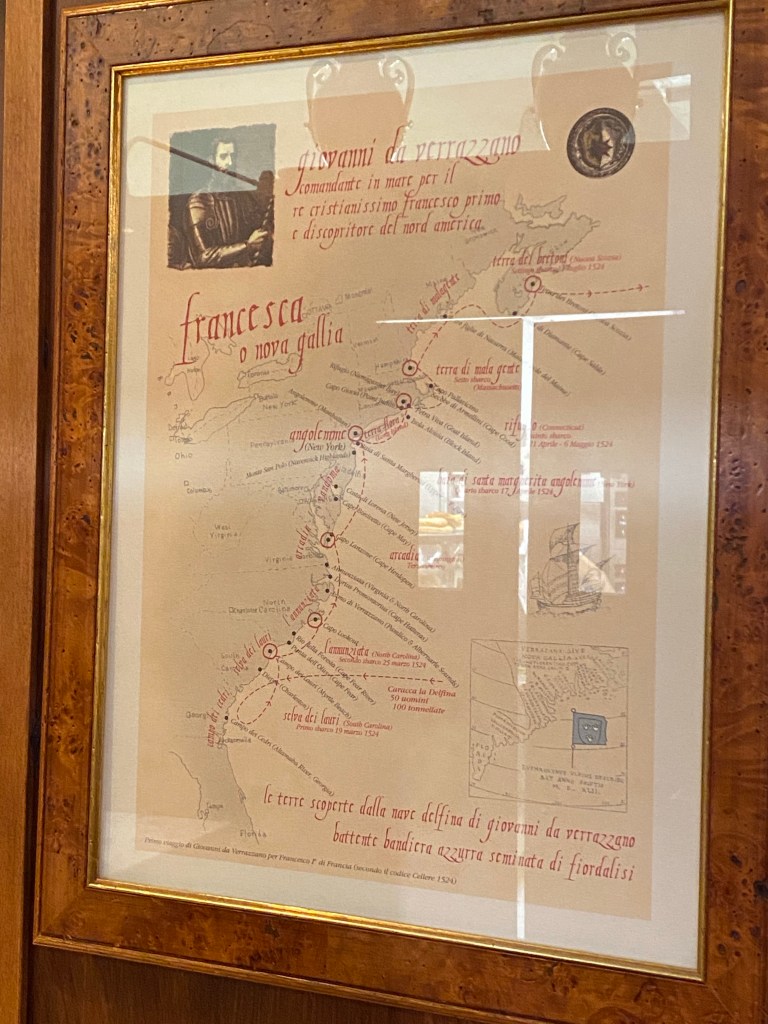
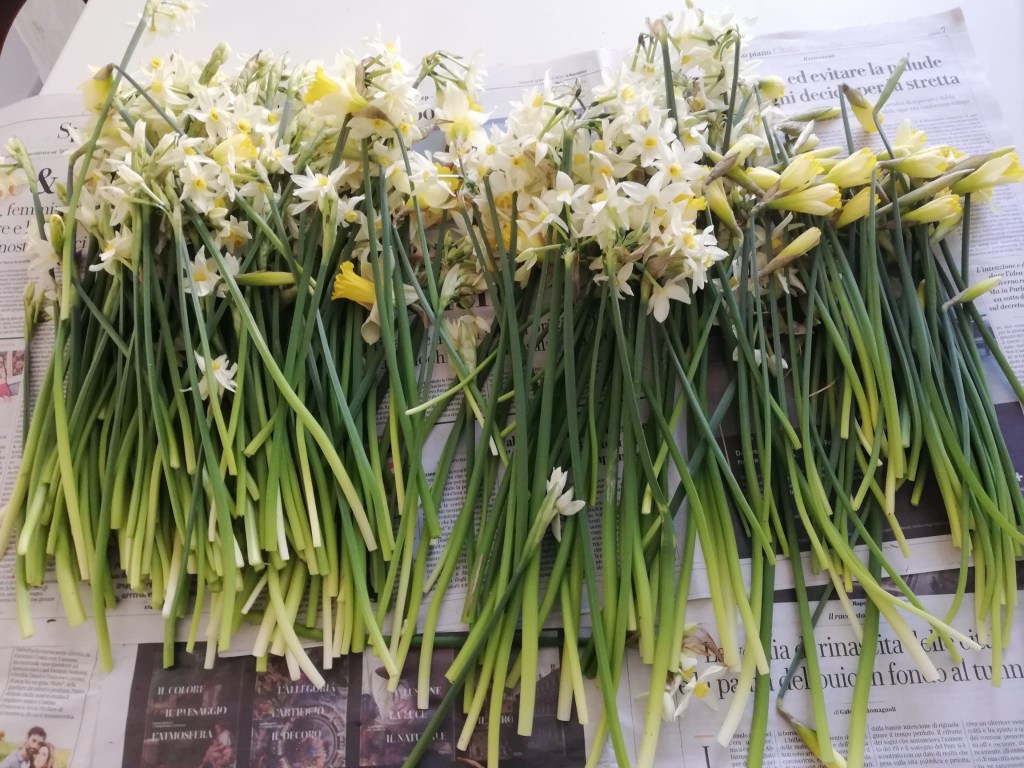
A friend found these narcissus and daffodils growing wild in a his field. Che bello! Welcome to spring in Tuscany!
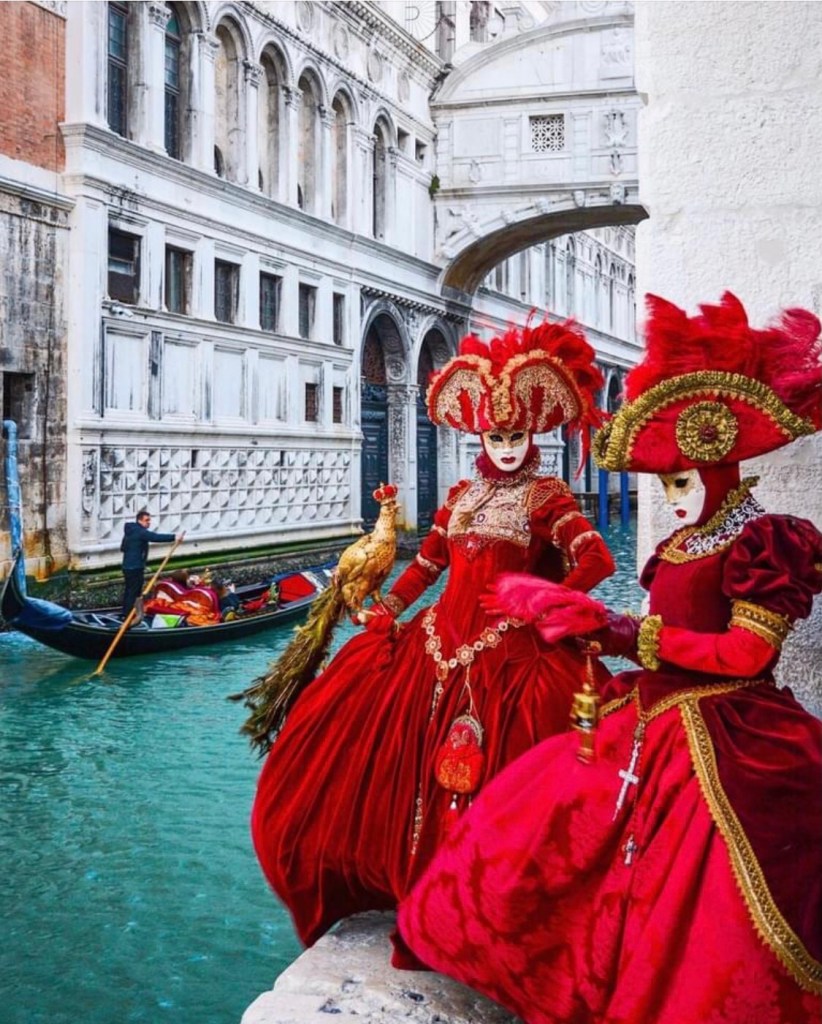
Carnivale has suffered from Covid just like the Palio in Siena and so many other events all around the world. However, even though we are still under some Covid restrictions this year, it is 100% better than the last 2 years, when we were locked down. I could still travel to Venice! Woo hoo!
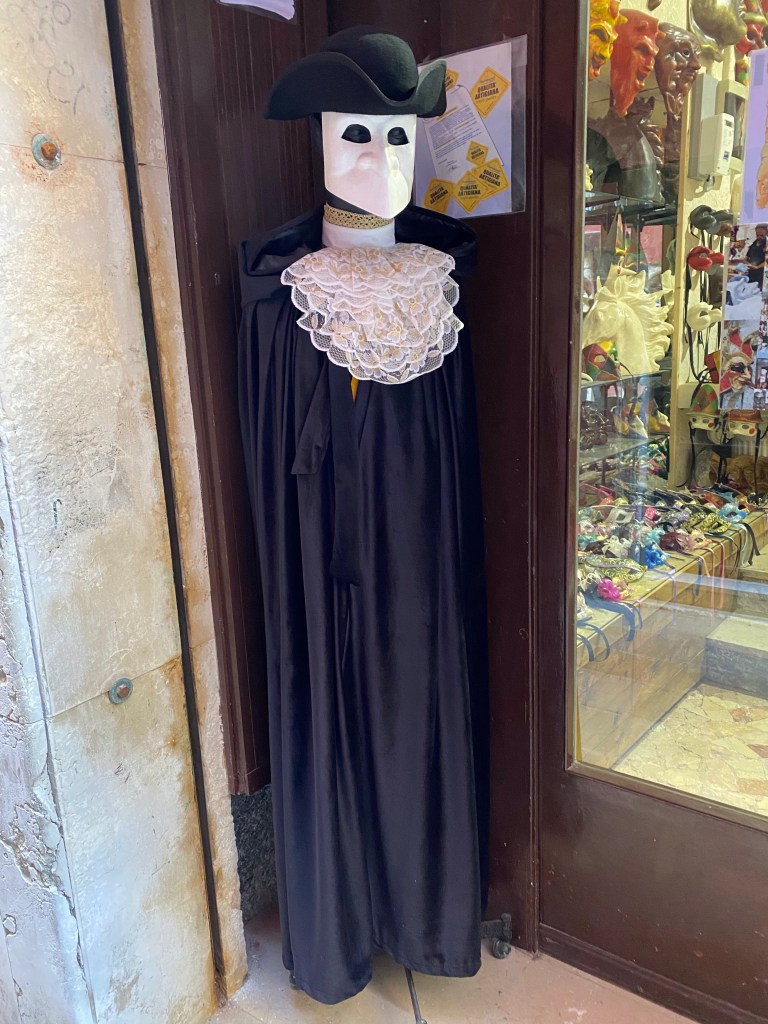
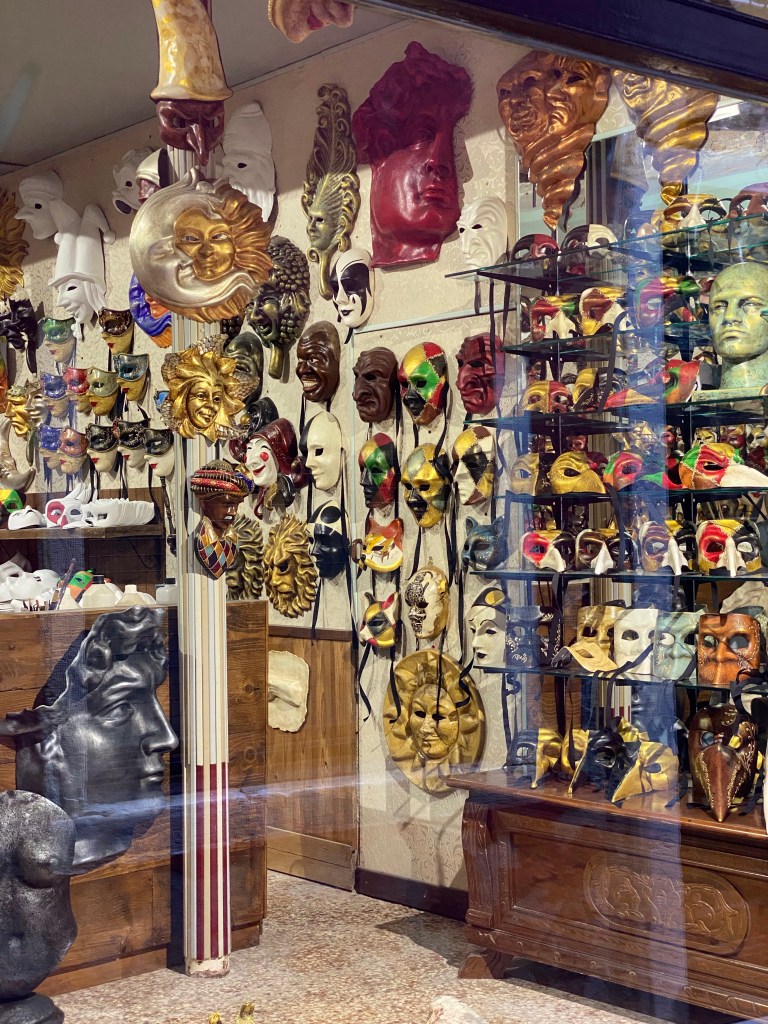
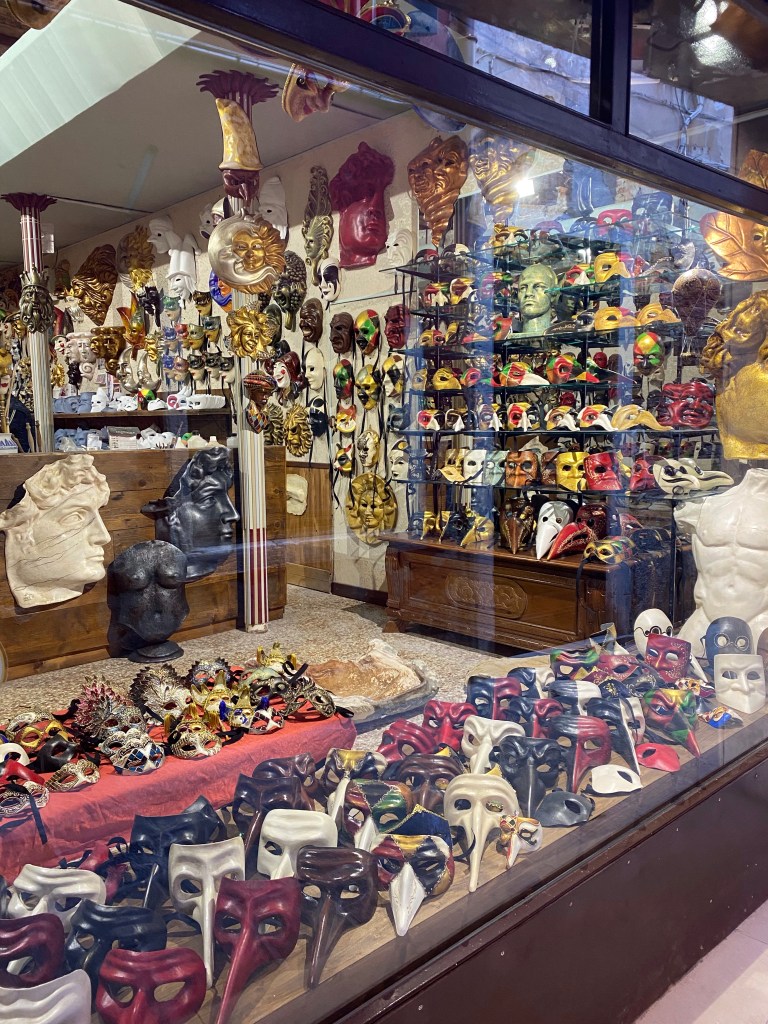
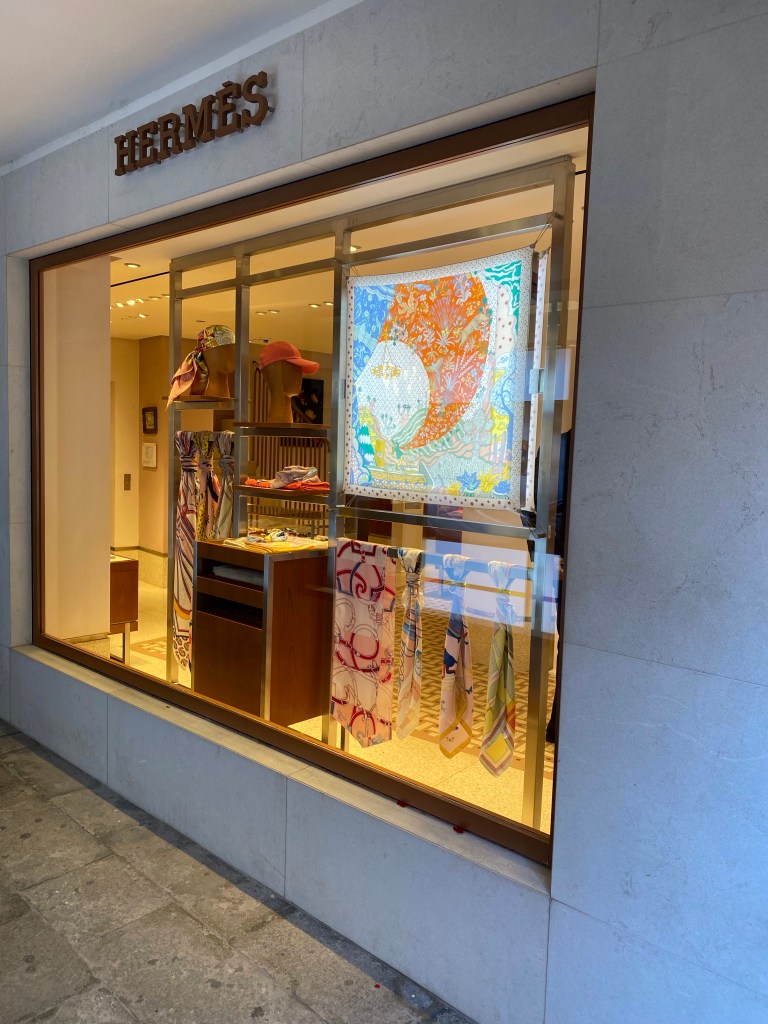
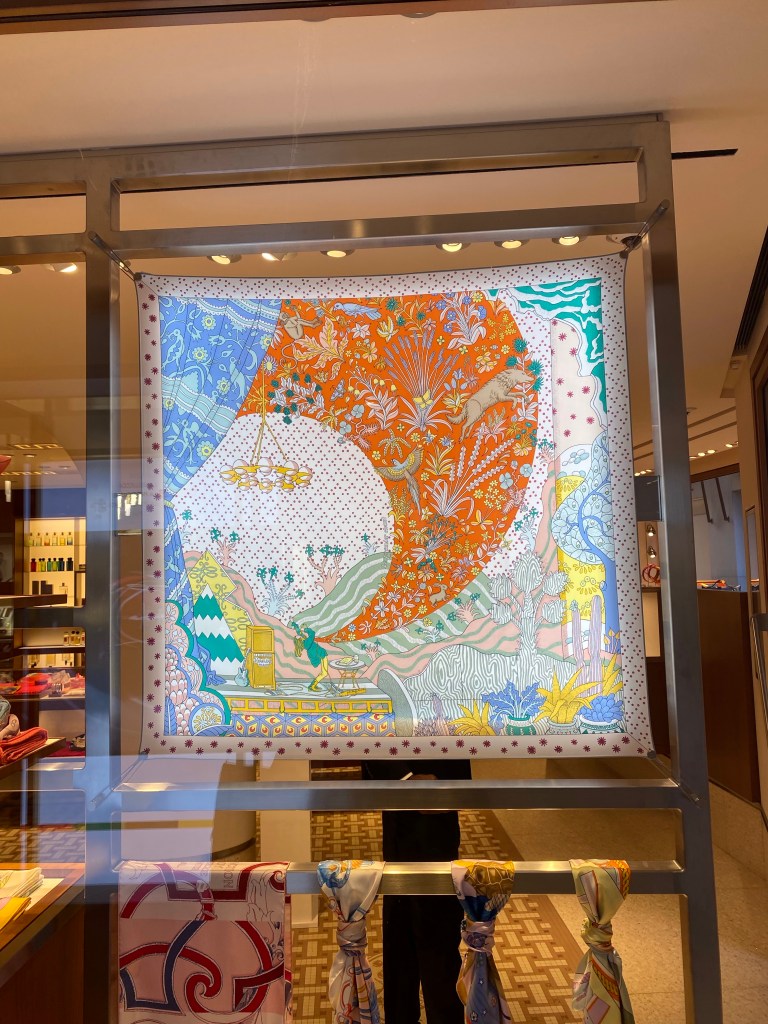
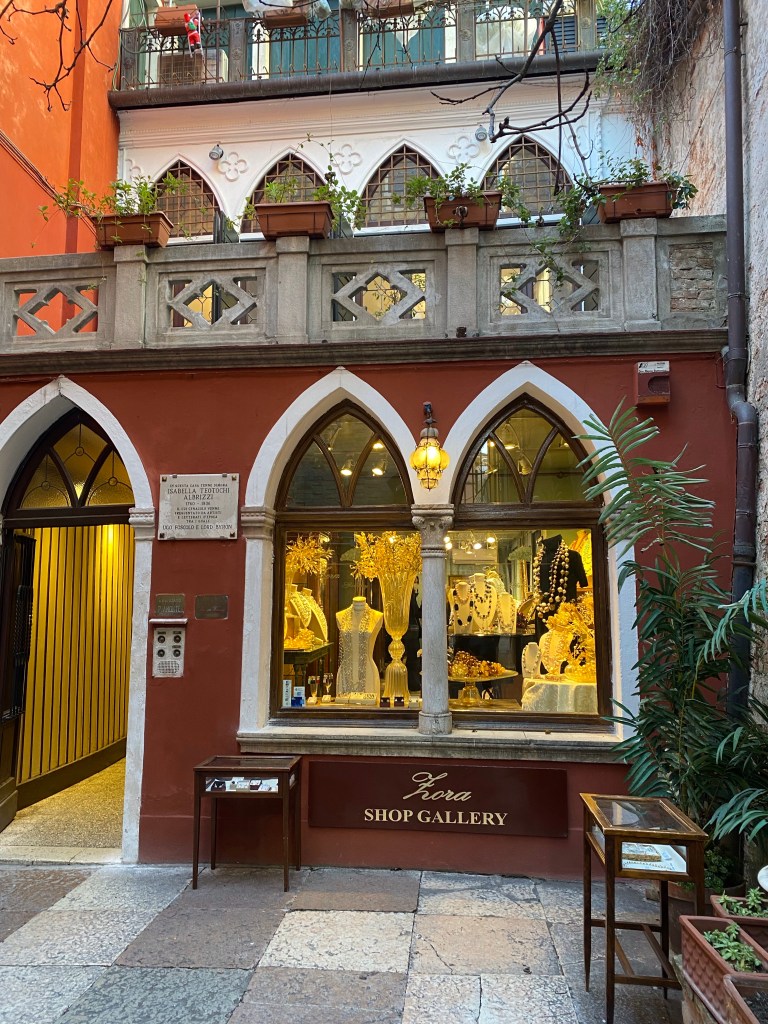
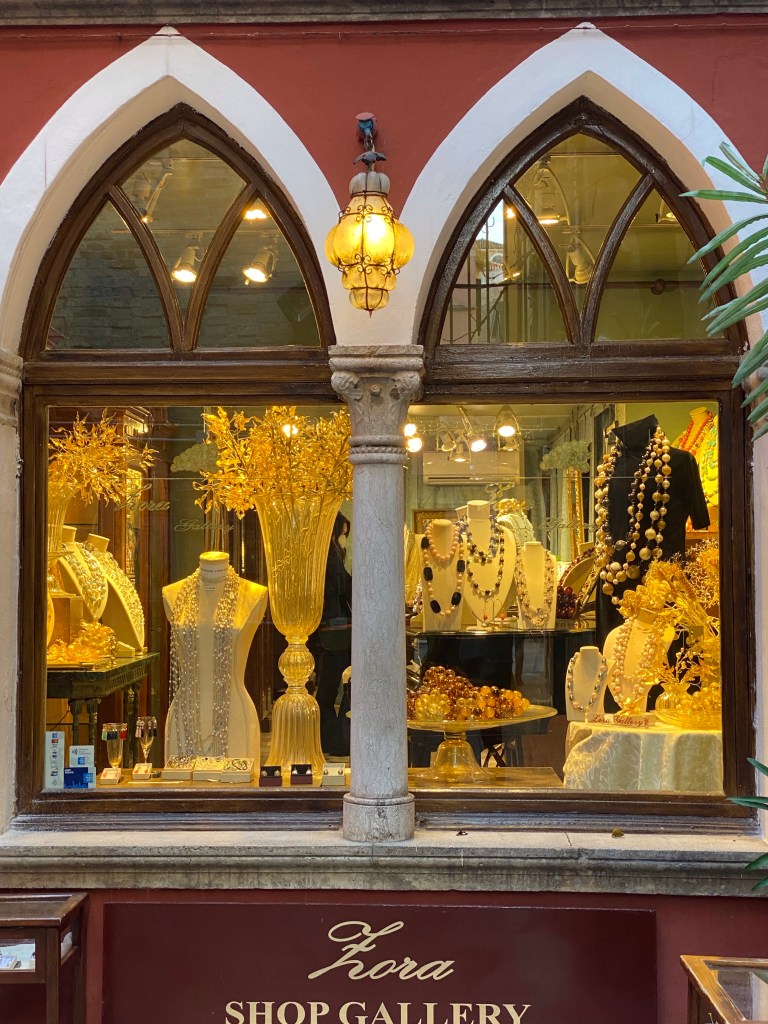
These wonderful miscellaneous sights just keep going and going in Venice. Just like the shopping!
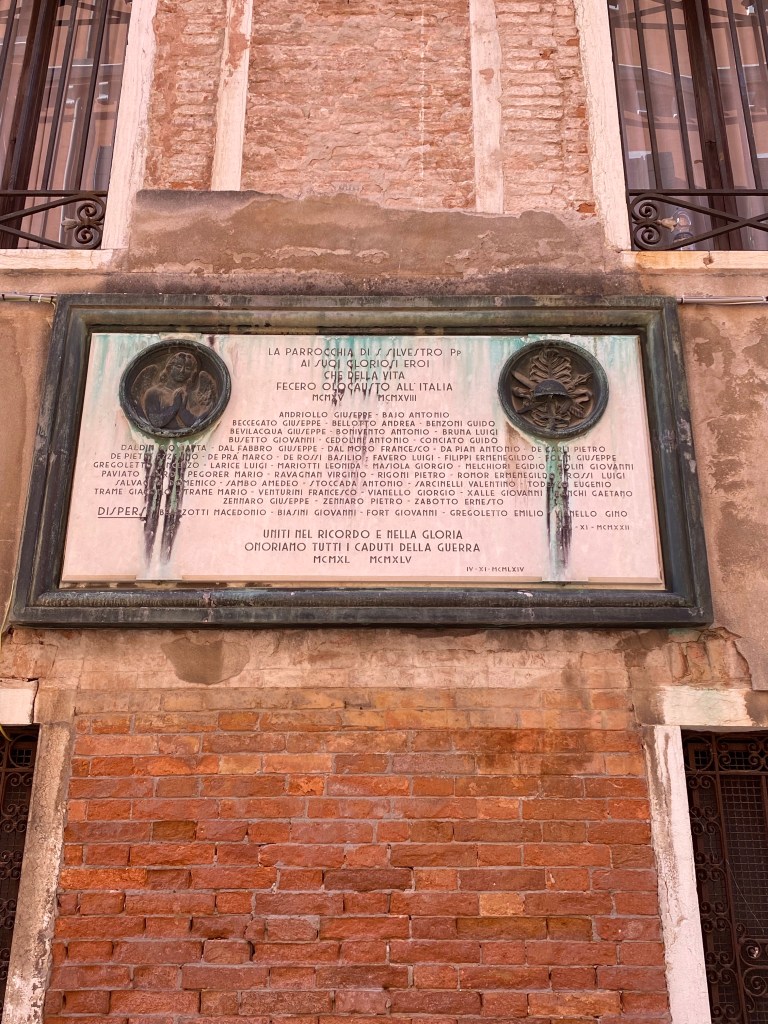
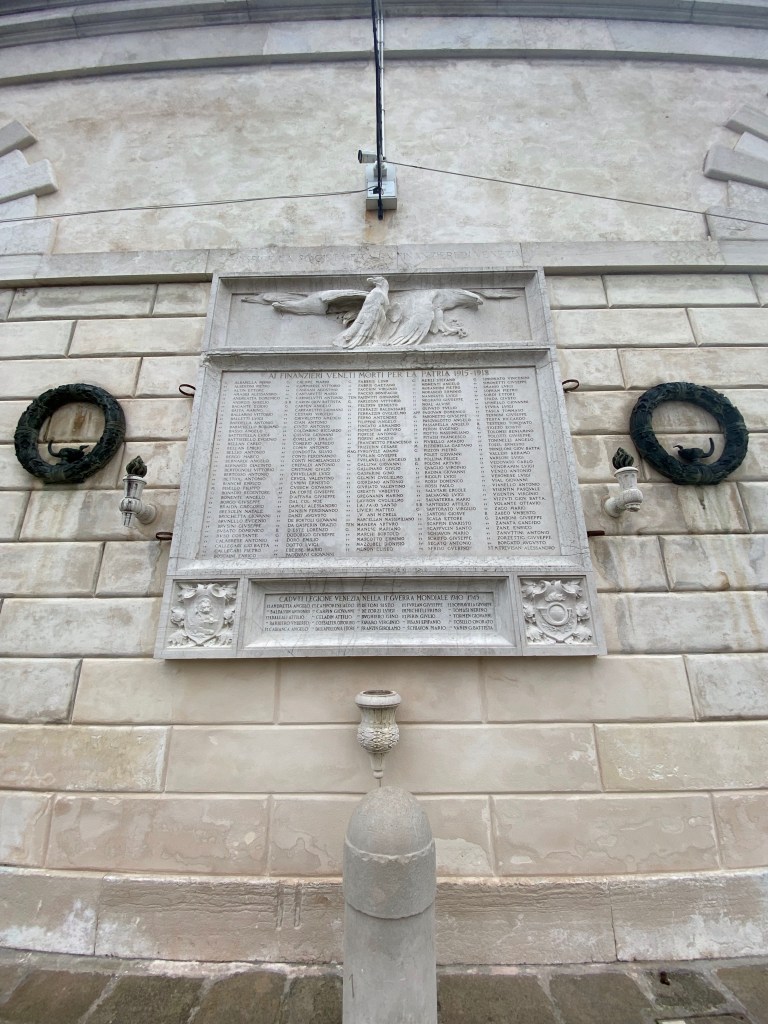
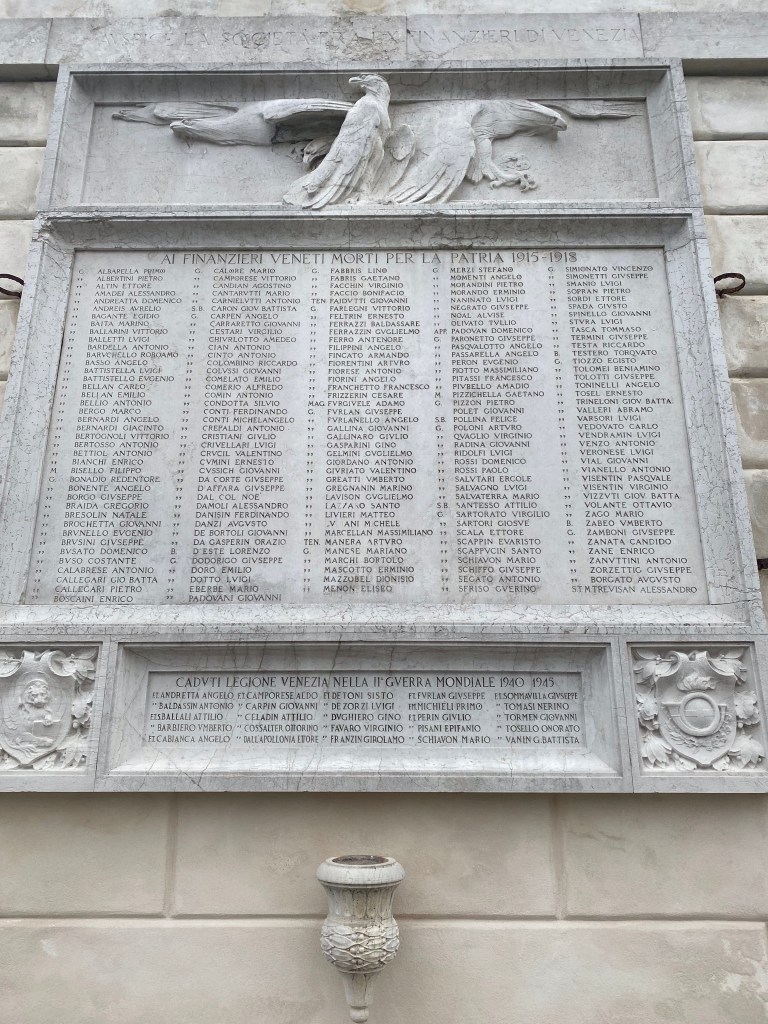
One of the things I most enjoy about traveling around Italy is seeing how each town or city honors its war dead. Most people just stroll by, never noticing the memorials. I always see them.
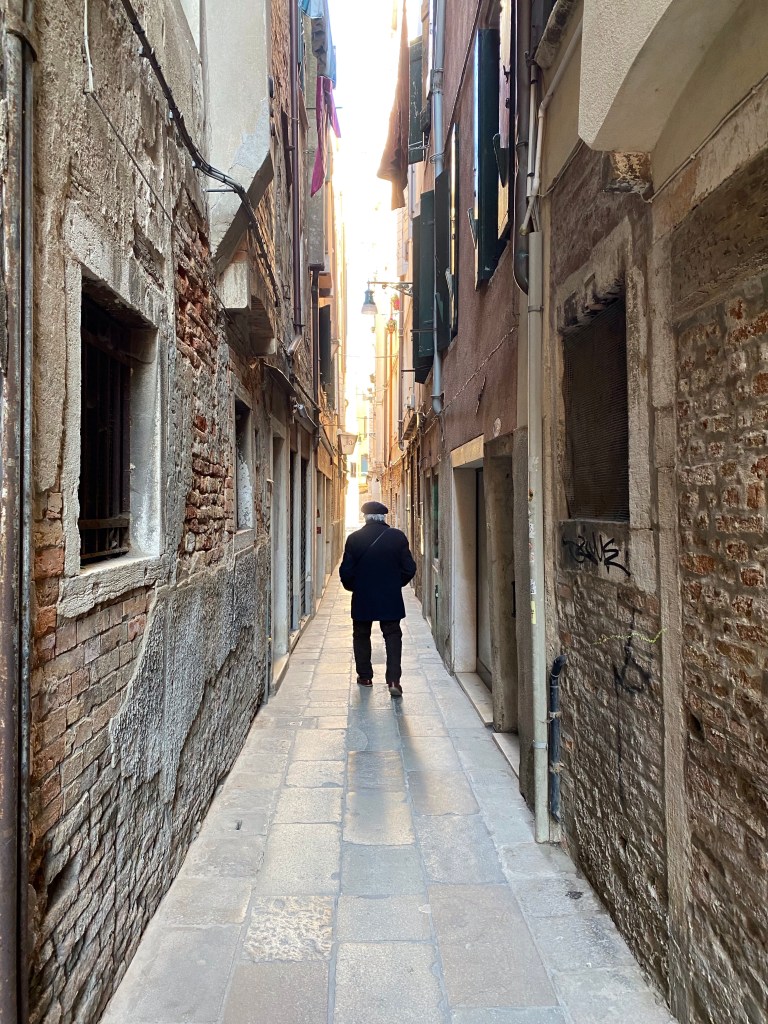
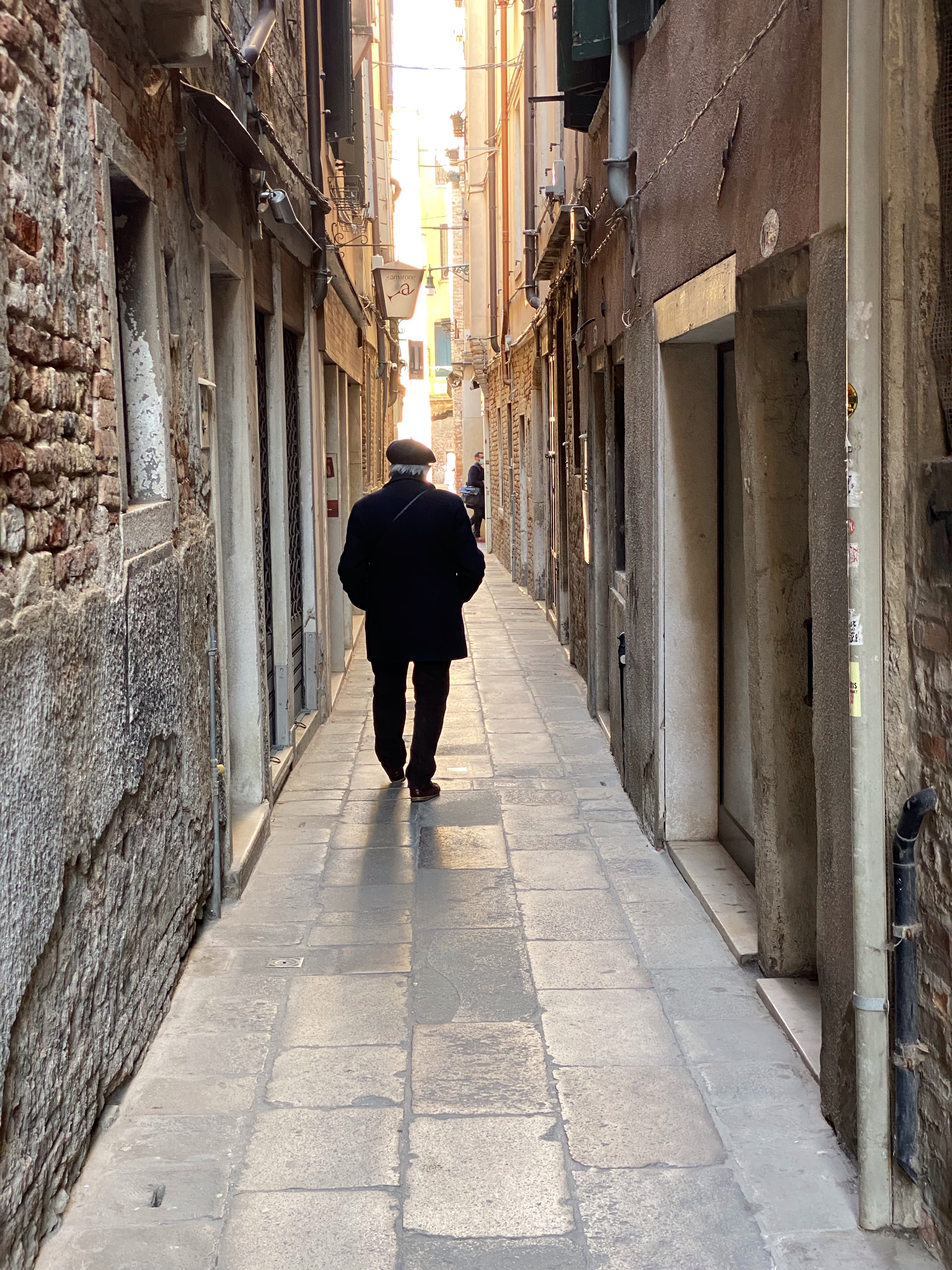
It’s easy to get lost in Venice. But, you find interesting things to see and photograph down every Calle:

The food of Venice is spectacular:
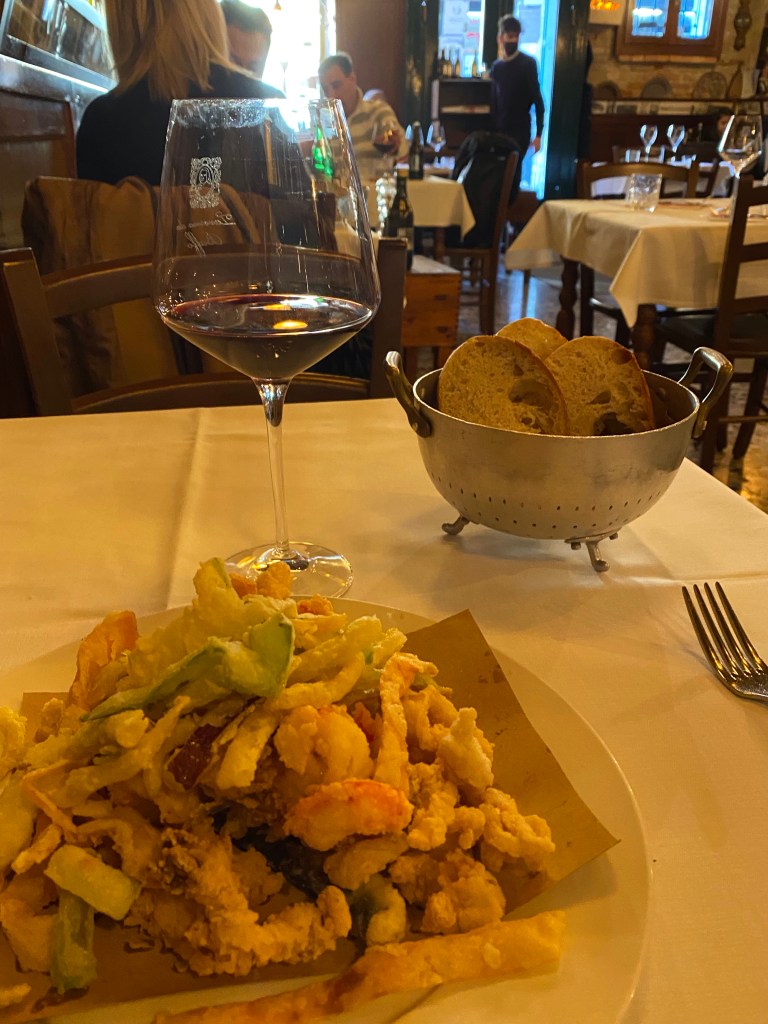
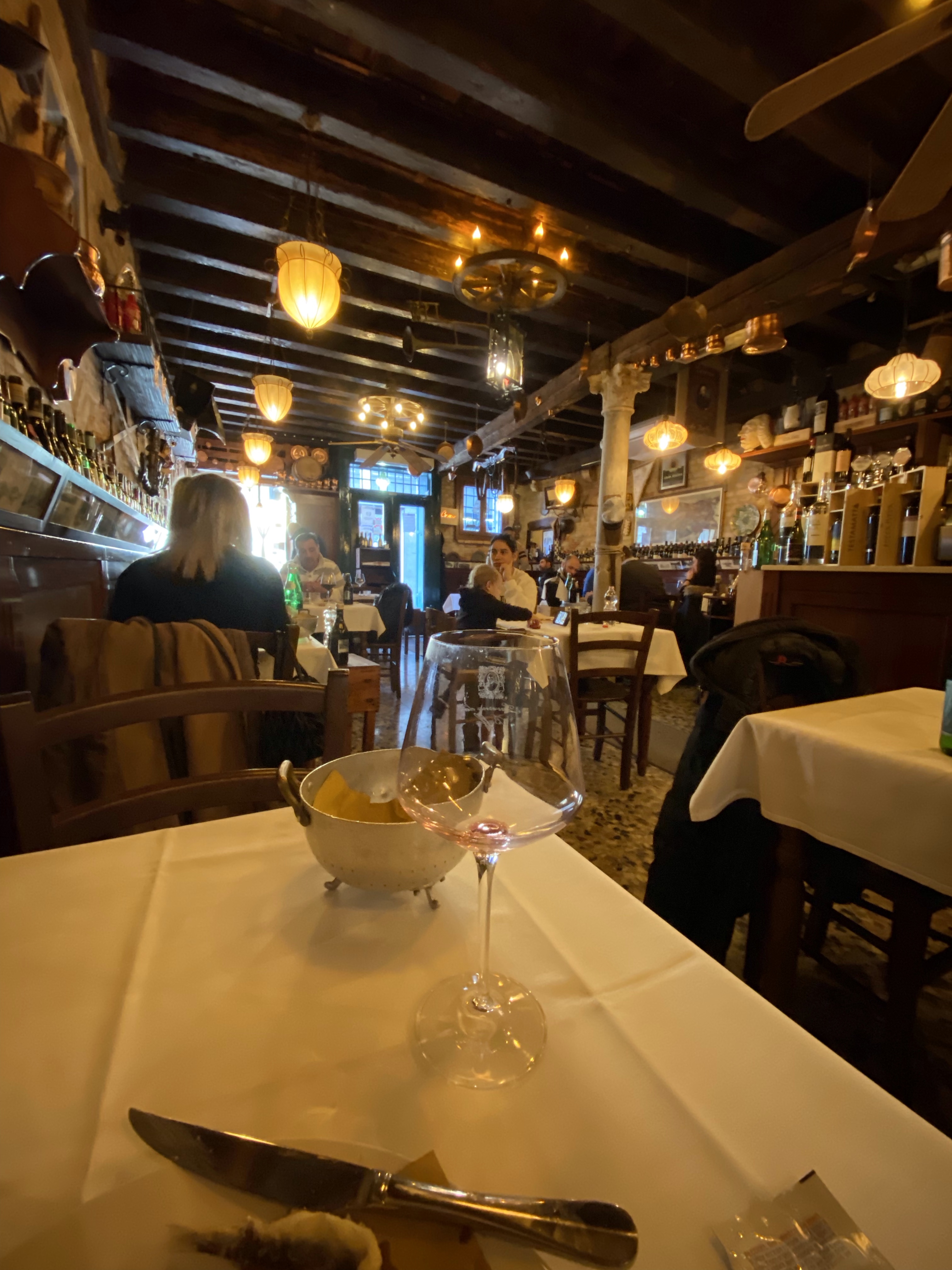
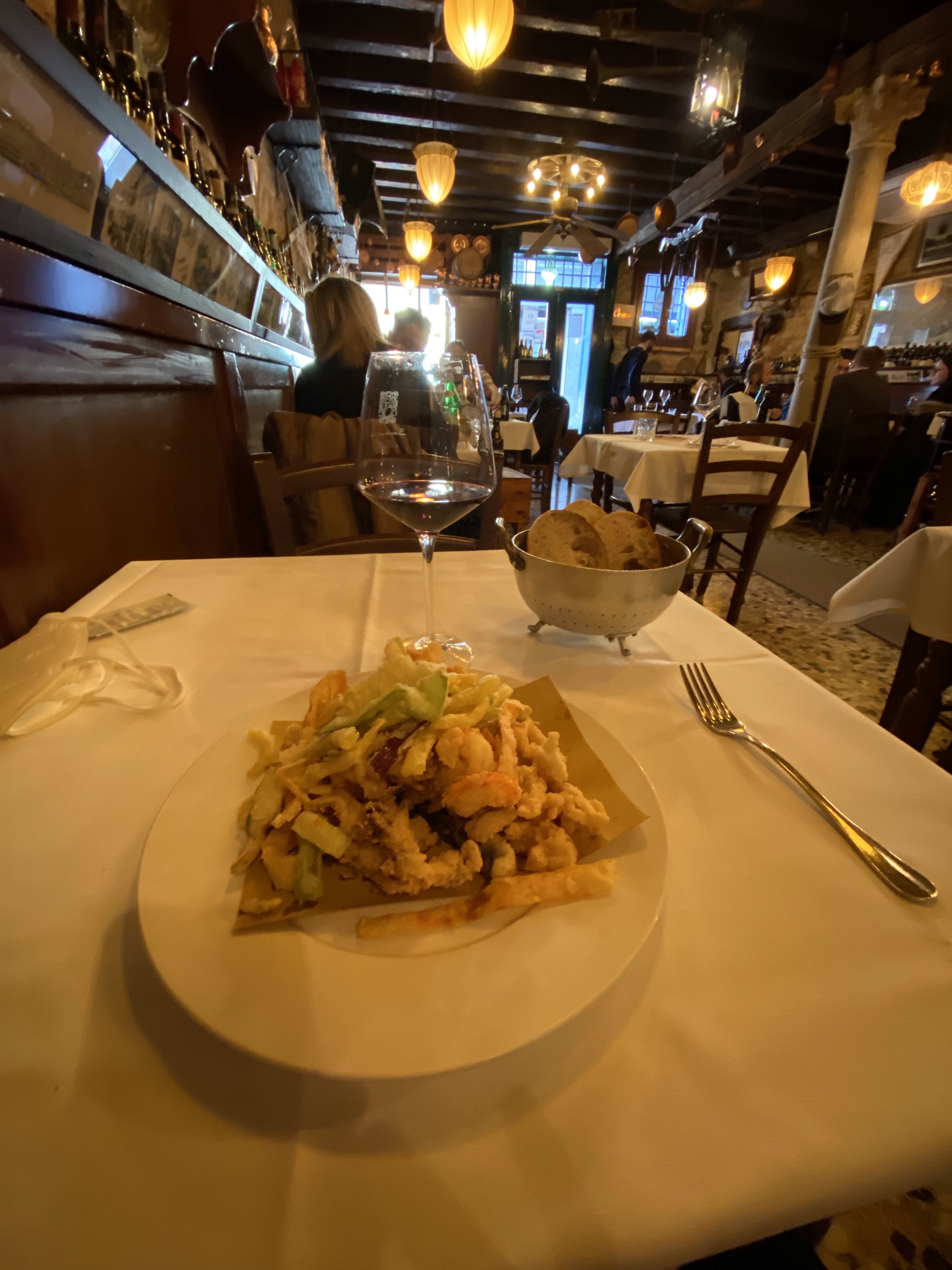
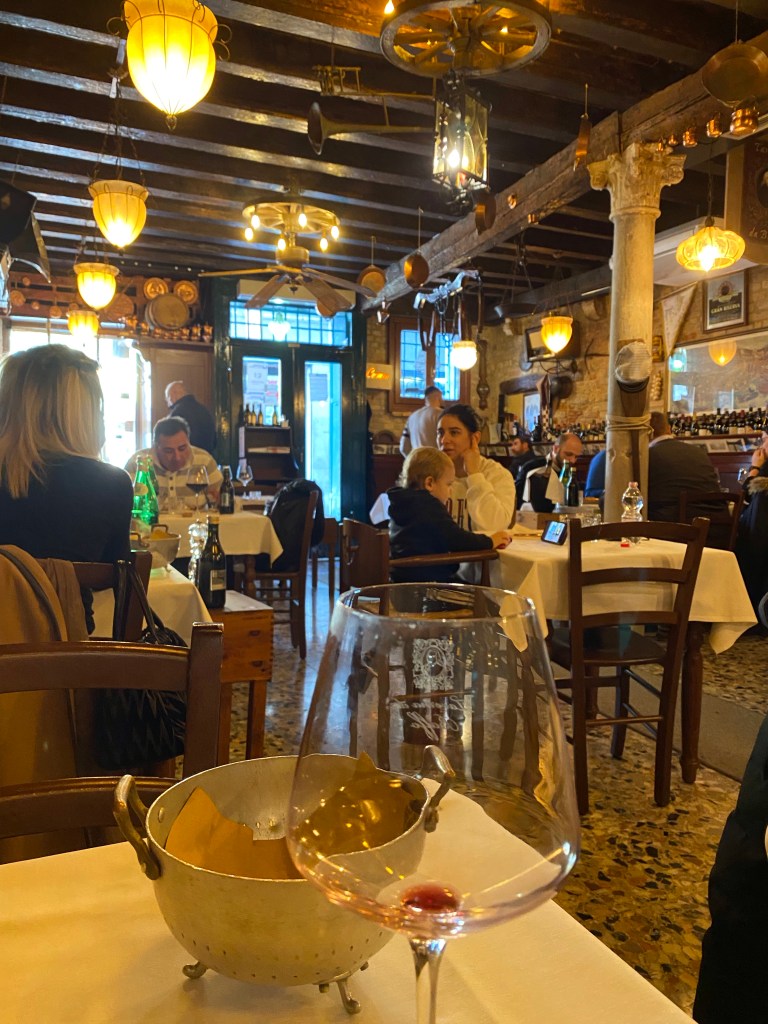
I noticed this small restaurant in the Dosoduro sestieri and saw it was filled with locals and especially with gondoliers. I figured if it was good enough for them, it would more than suffice for me. I was not wrong. The lightly coated and fried seafood was exquisite.
The Fondaco dei Tedeschi is the name of a historic building in Venice, situated on the Grand Canal near the Rialto Bridge. It was the headquarters and restricted living quarters of the city’s German (Tedeschi) merchants. The word fondaco comes from the Arabic funduq (فُنْدُق), which refers to an inn-like establishment for traveling merchants. Tedeschi means Germans in Italian.
Nowadays, it is also the name of a posh department store in the center of Venice. The terrace on the rooftop is something special and I’ll be posting on it soon.
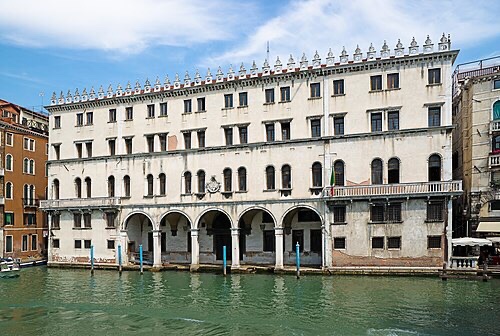
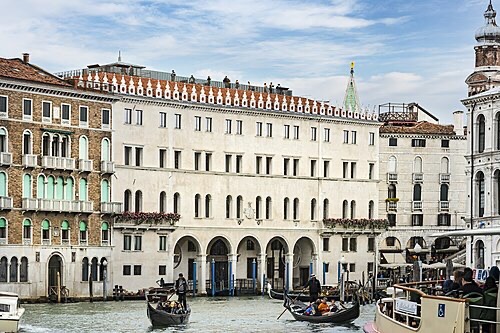
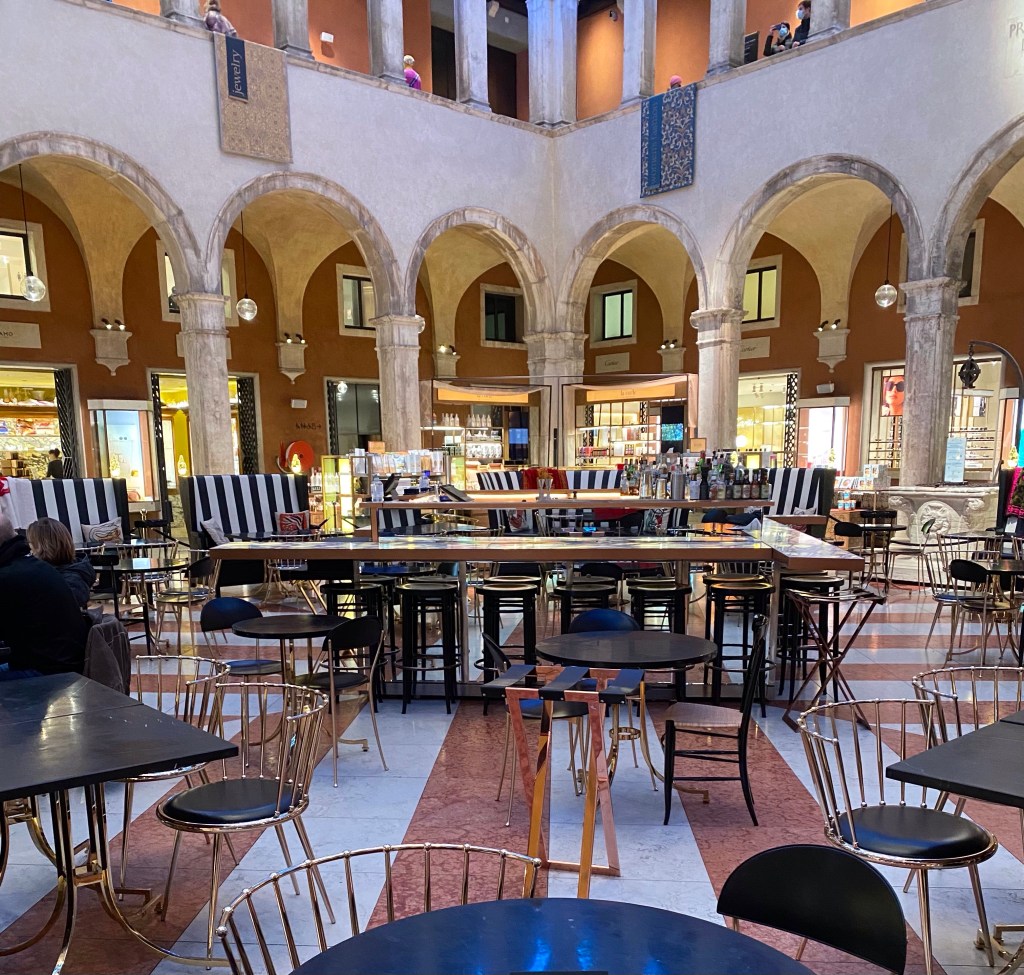
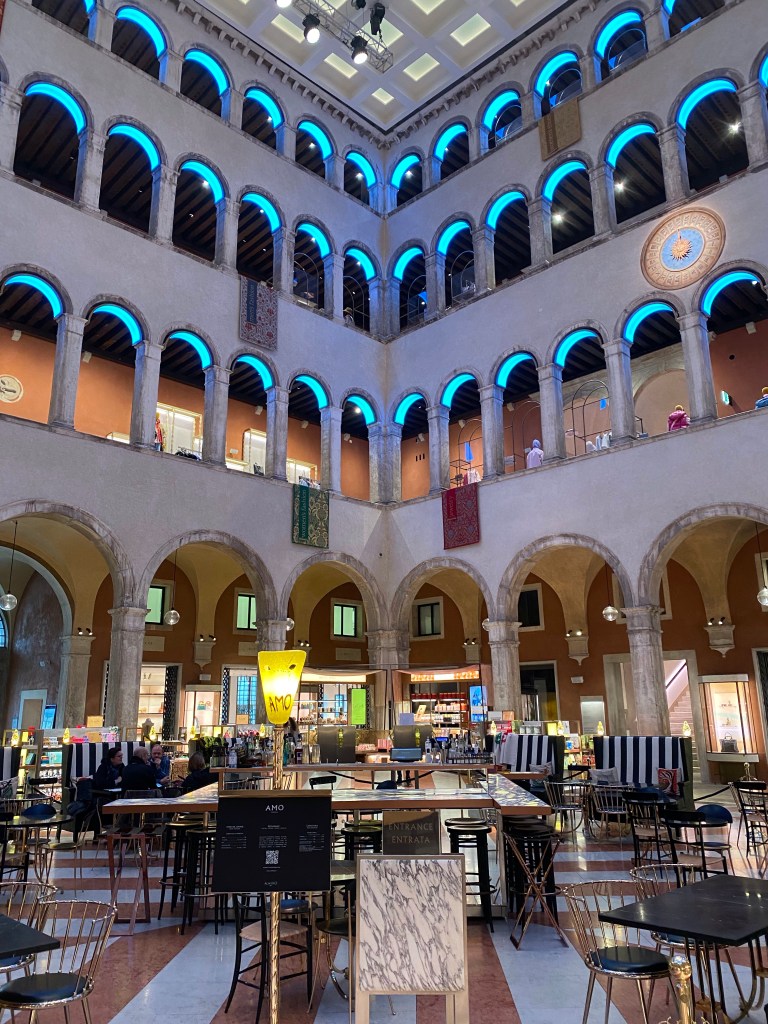
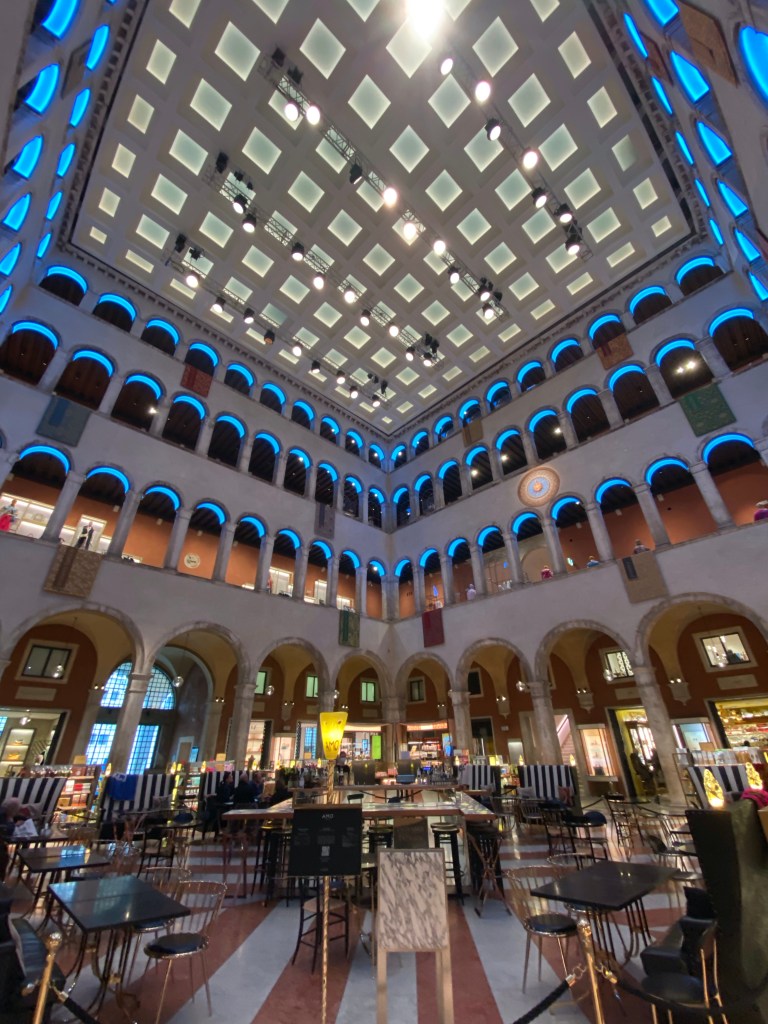
The first notable building constructed on this site was in 1228; the building was rebuilt between 1505 and 1508, after its destruction in a fire. The reconstruction produced a very functional four-floor building surrounding a grand courtyard. Its architecture is typical of the Italian Renaissance style.
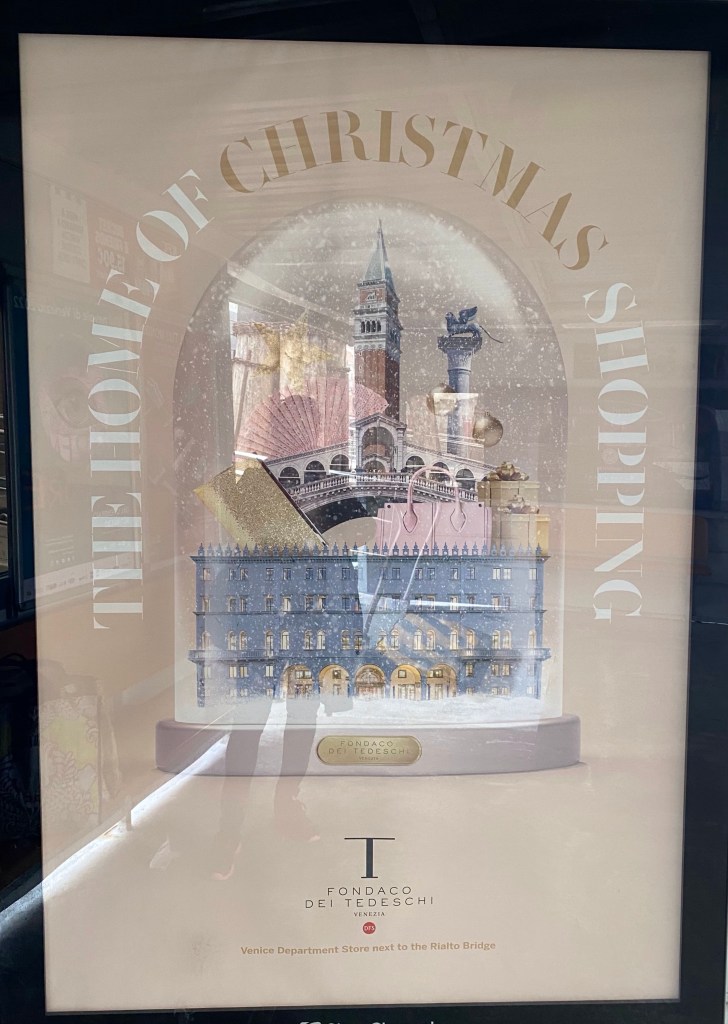
Like the Fondaco dei Turchi, the Fondaco dei Tedeschi combined the functions of a palace, warehouse, market and restricted living quarters for its population, in this case mainly Germanic merchants from cities such as Nuremberg, Judenburg and Augsburg.
The ground floor was accessible by water and was used for storage, while the first floor was dedicated to offices and an upper area contained about 160 living quarters.
The German merchants arrived shortly after the building was originally constructed in the 13th century and stayed until the Napoleonic occupation. It was one of the city’s most powerful colonies of merchants, and consequently the fondaco became an important trading center for goods passing from the Orient on their way towards the Alps. The Venetian Republic took commission on the transactions of the fondaco. The German community worshipped at a nearby Catholic church, San Bartolomeo.
Around 1508, the façade on the Canal Grande was frescoed by Giorgione and Titian. Of that work, deteriorated by the salty and humid climate of the lagoon, only a few fragments survive, now housed in the Ca’D’Oro. The interior also featured outstanding artworks by Paolo Veronese, Titian and Jacopo Tintoretto, also mostly disappeared.
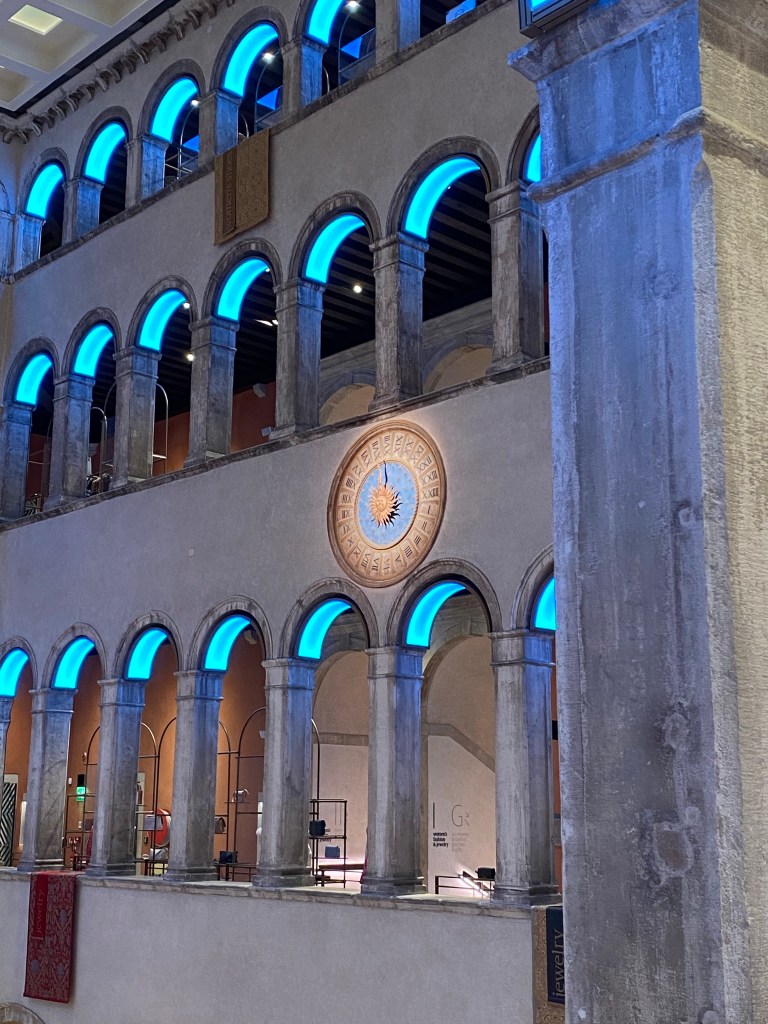
In the 20th century, the building served as the Venice headquarters of the Poste Italiane. In 2008, the building was sold to the Benetton Group and Dutch architect Rem Koolhaas planned a new shopping center to be made from the Renaissance building. Benetton promised to transfer 6 million Euro to the city budget in exchange for building permits handed over by the end of 2012. This caused protests among the groups campaigning for preservation of the Italy’s historical heritage. Today, the building houses a T Galleria duty-free store as part of the DFS Group.
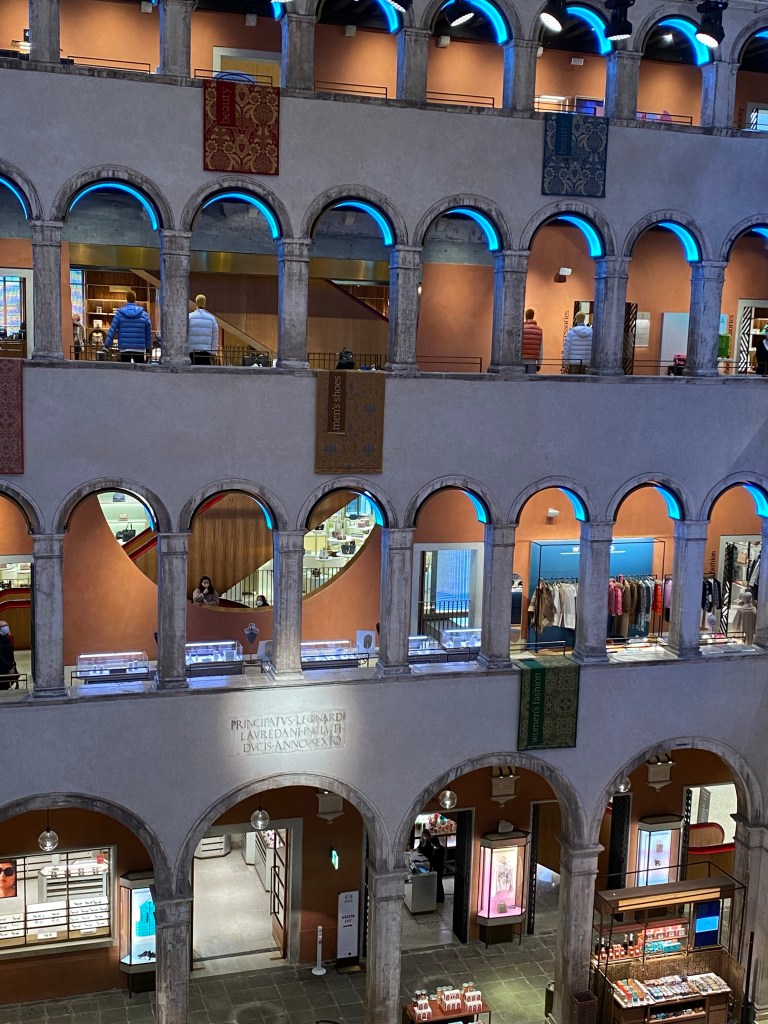
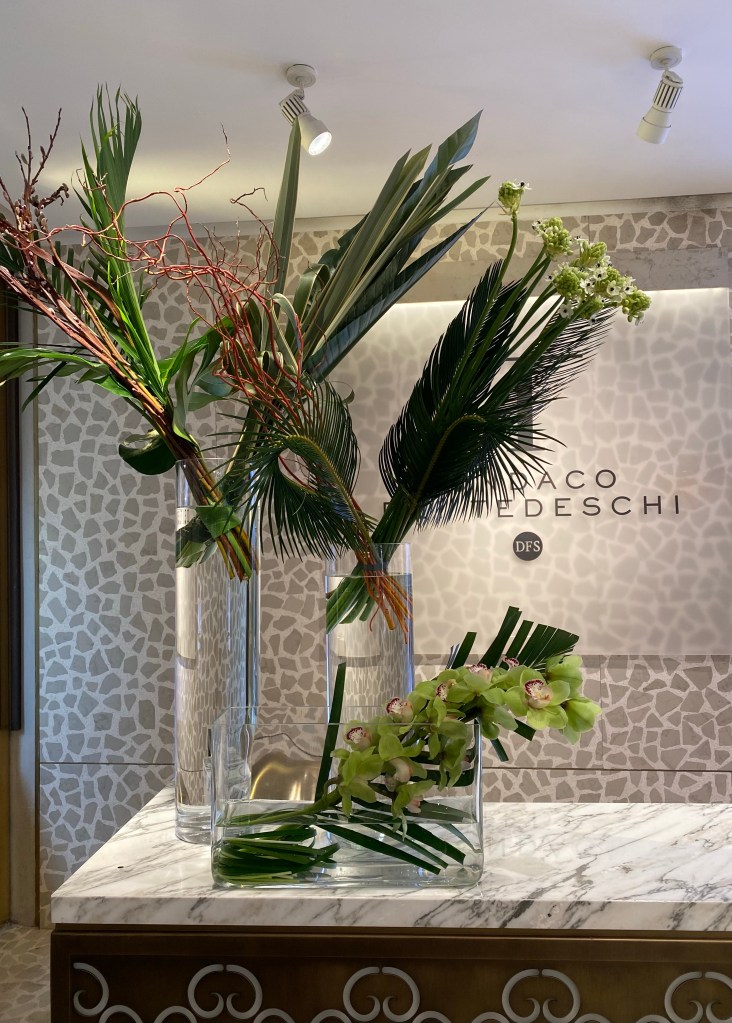
I had my first chance to see this marvel of modernity and high end sales emporium last week. It is quite something.
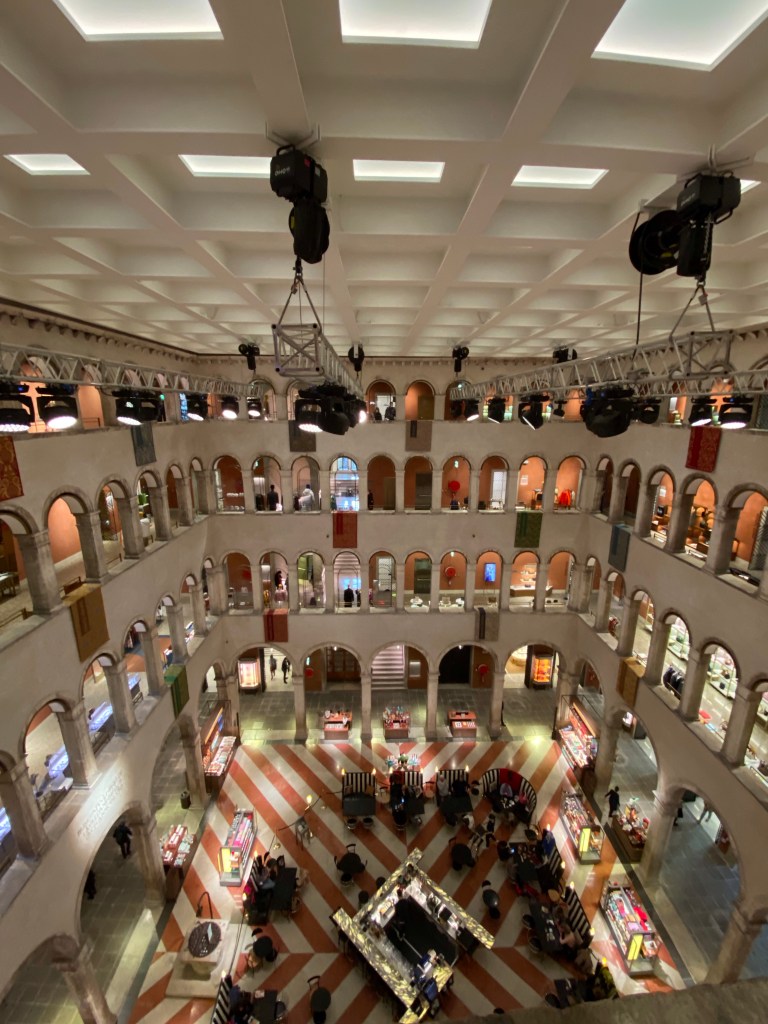
As I walked around each of the 4 floors, organized around a central courtyard of open space, I was reminded of the Liberty store in London. Its as if Liberty had landed in the 21st century. I liked it!
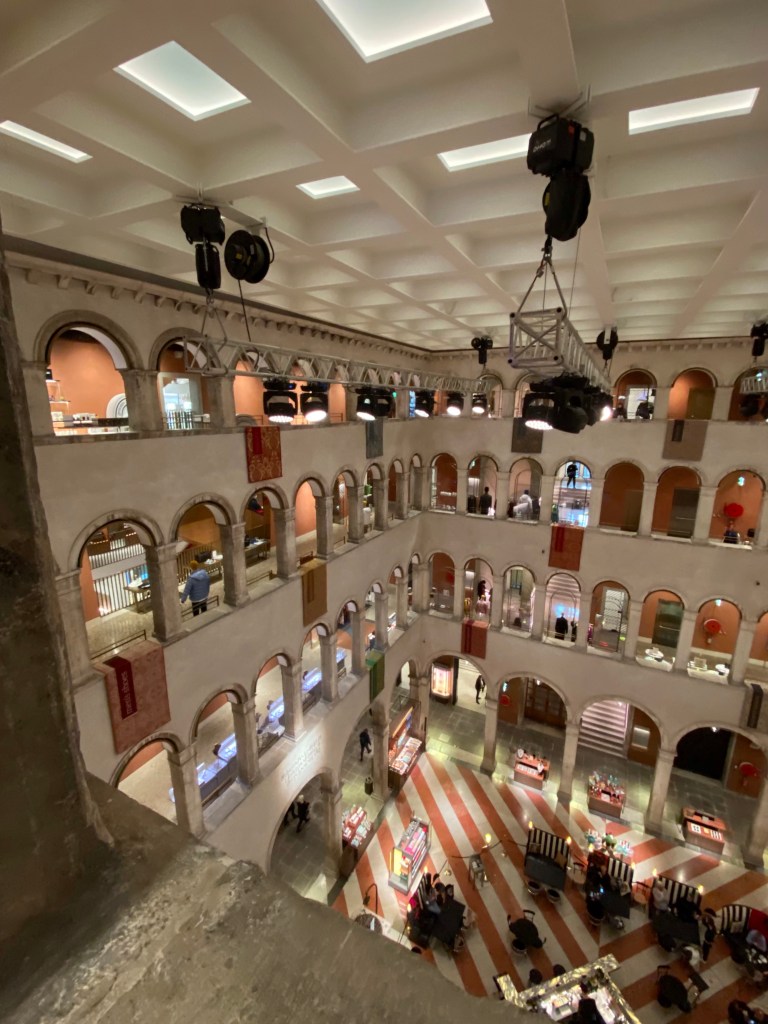
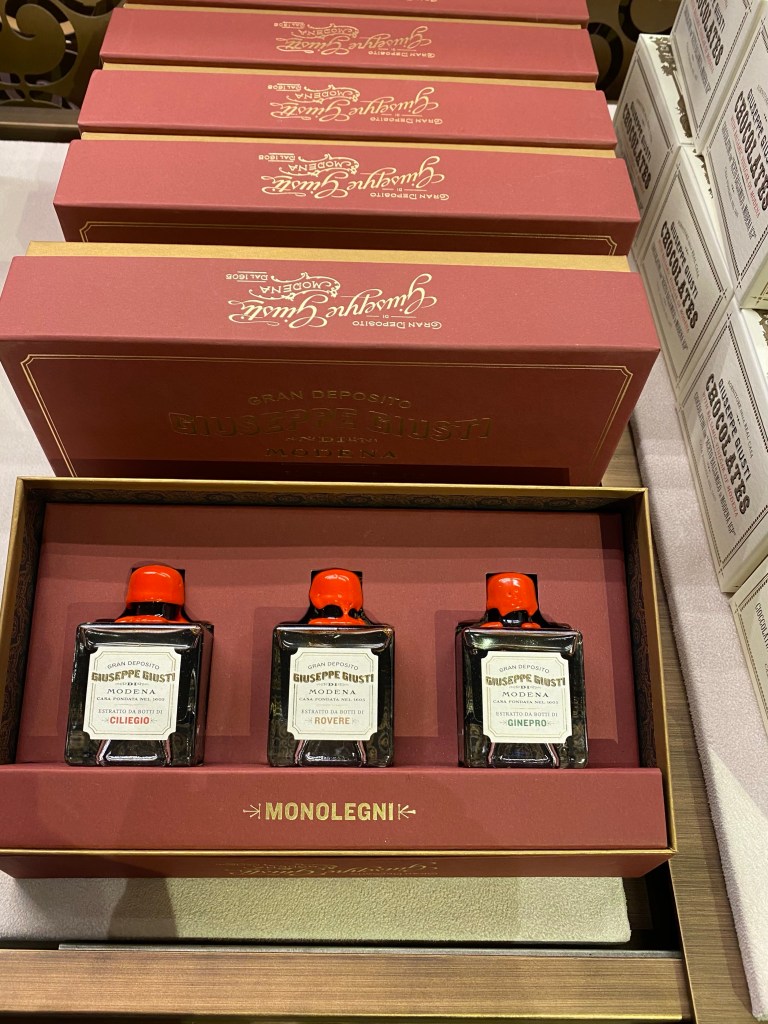
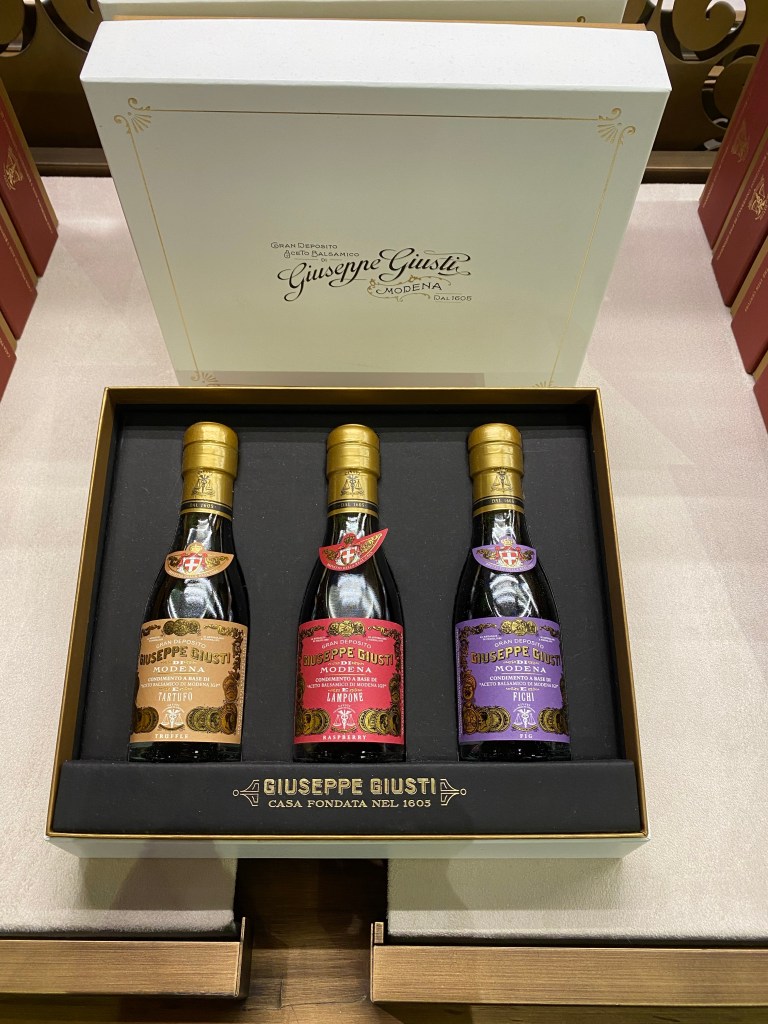
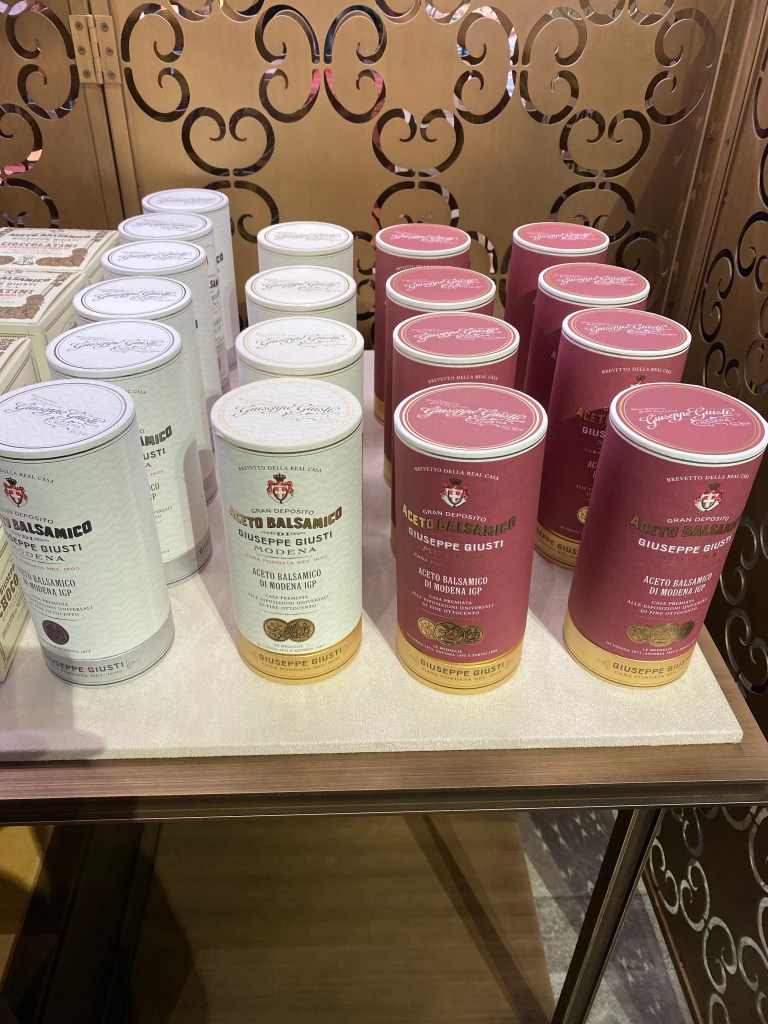
And, my oh my, are the goods high end! All the major international designers have a boutique here. As good an illustration as any of the fancy stuff for sale is this gift box of Italian vinegar. I’ve seen artisinal vinegars for sale all over the peninsula: particularly in Modena and even Parma. But no where have I seen it presented in quite this way!
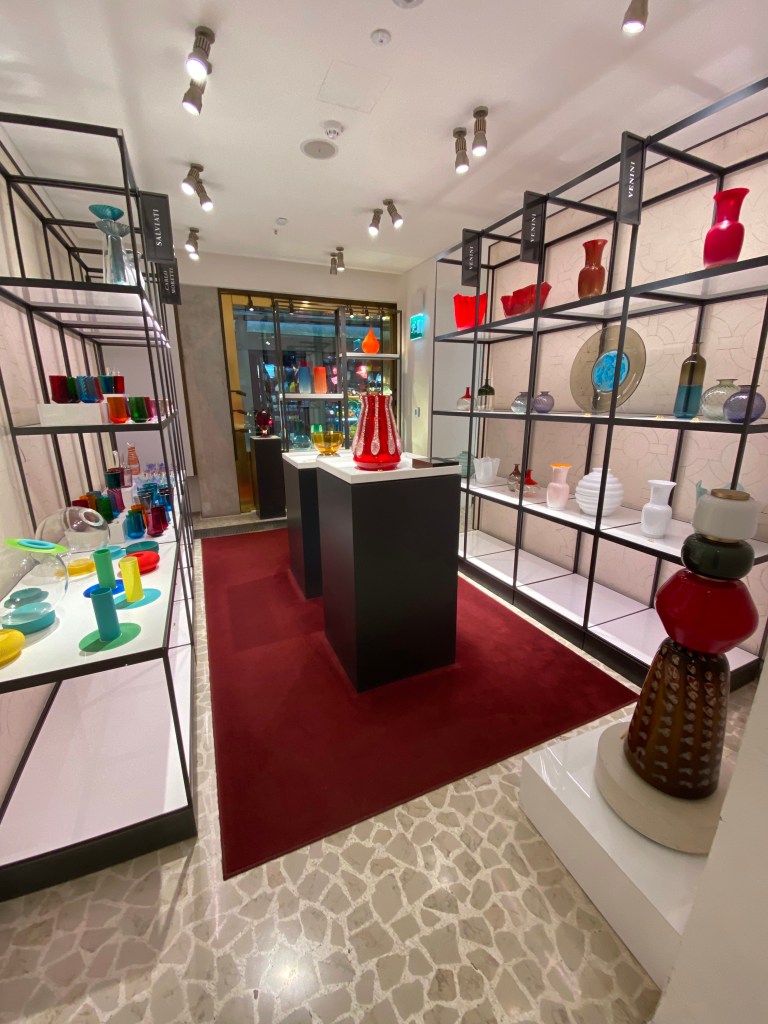
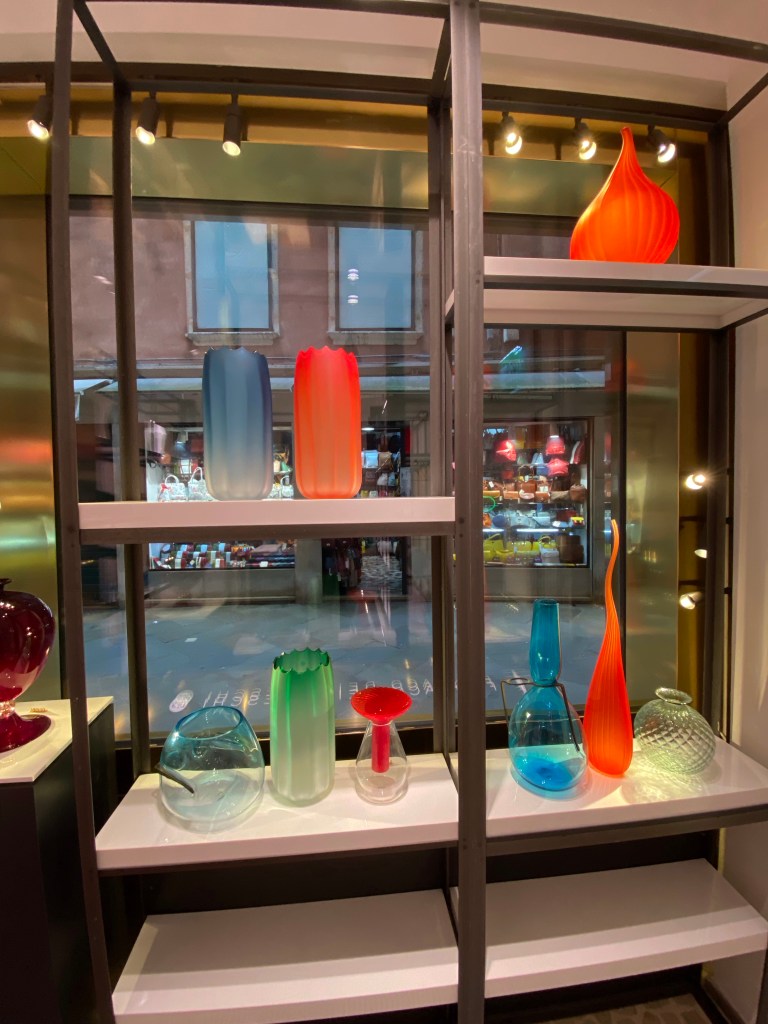
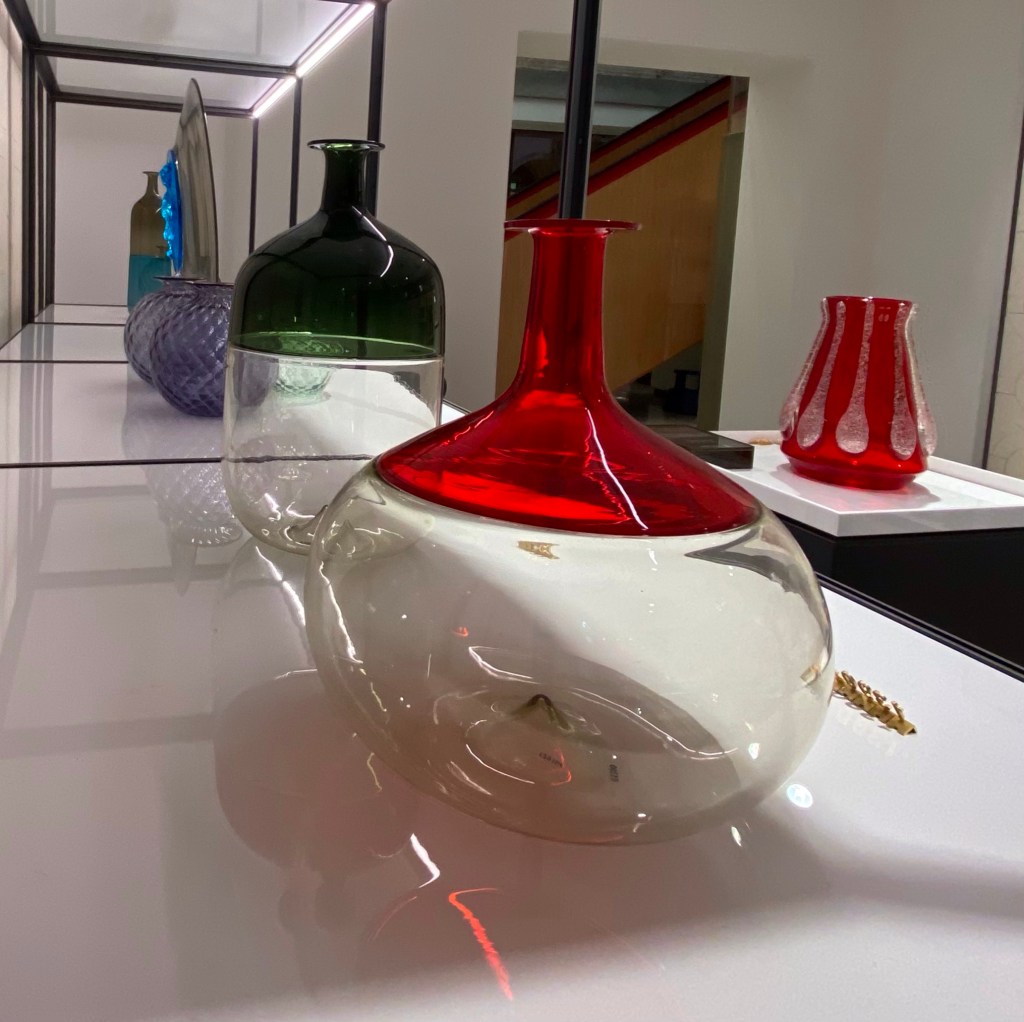
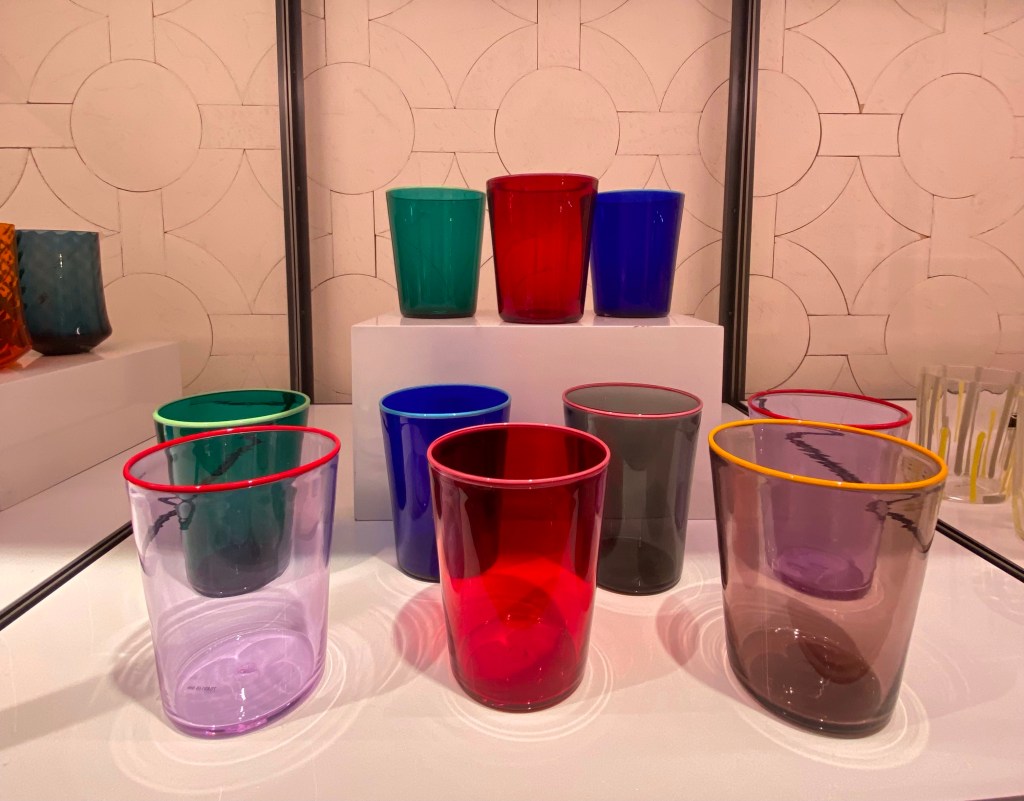
There’s an entire gallery on the ground floor dedicated to the selling of Murano glass. But, this isn’t your grandmother’s Murano glass: it’s modern and very, very high end.
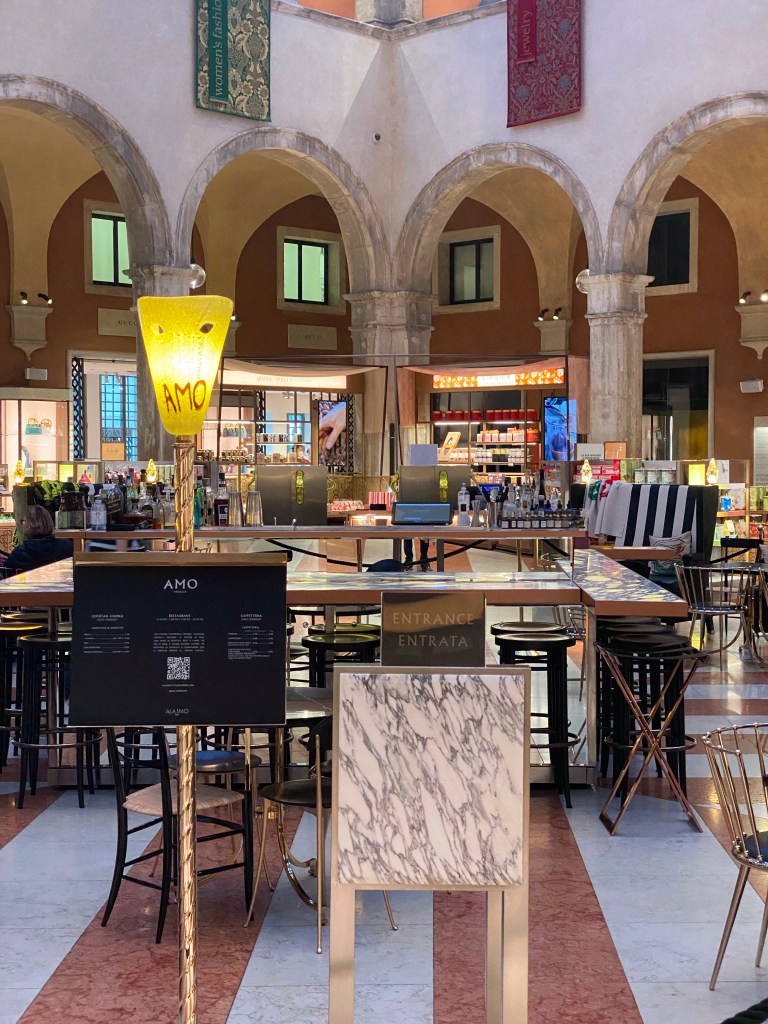
There’s a lovely cafe in the center of the courtyard.
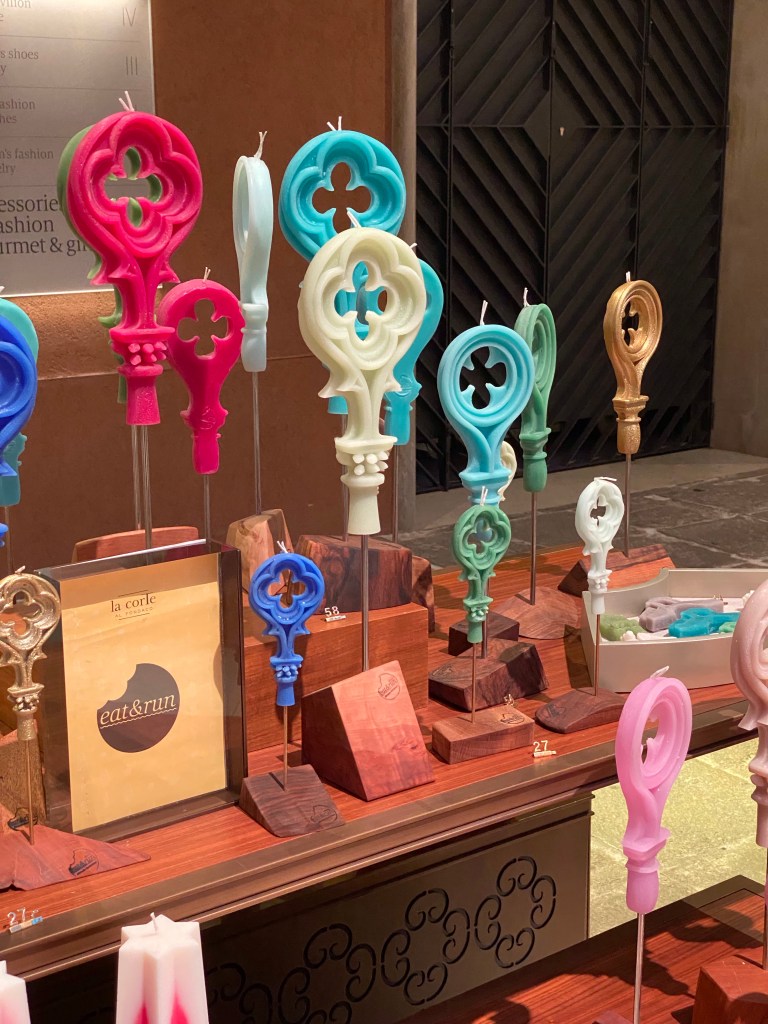
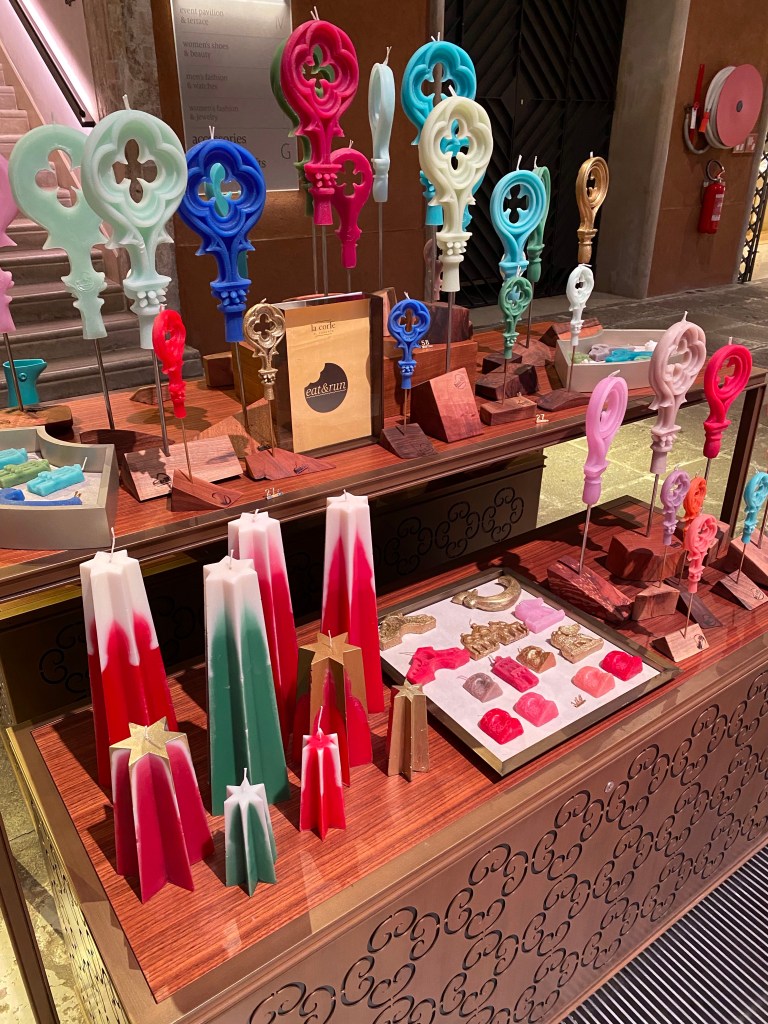
I was particularly taken with a group of artiginale candles that represent the Serenissima herself. I might have come home with a few of these lovelies.
 get back, lauretta!
You must be logged in to post a comment.