World bee day!
We’ve had a week of cool temperatures, cloudy skies, and quite a bit of rain. But, we’re in the Yellow Zone, whoopee!, and you gotta brave the weather!
Florence looks lovely as always, now through a canopy of deciduous tree leaves again!
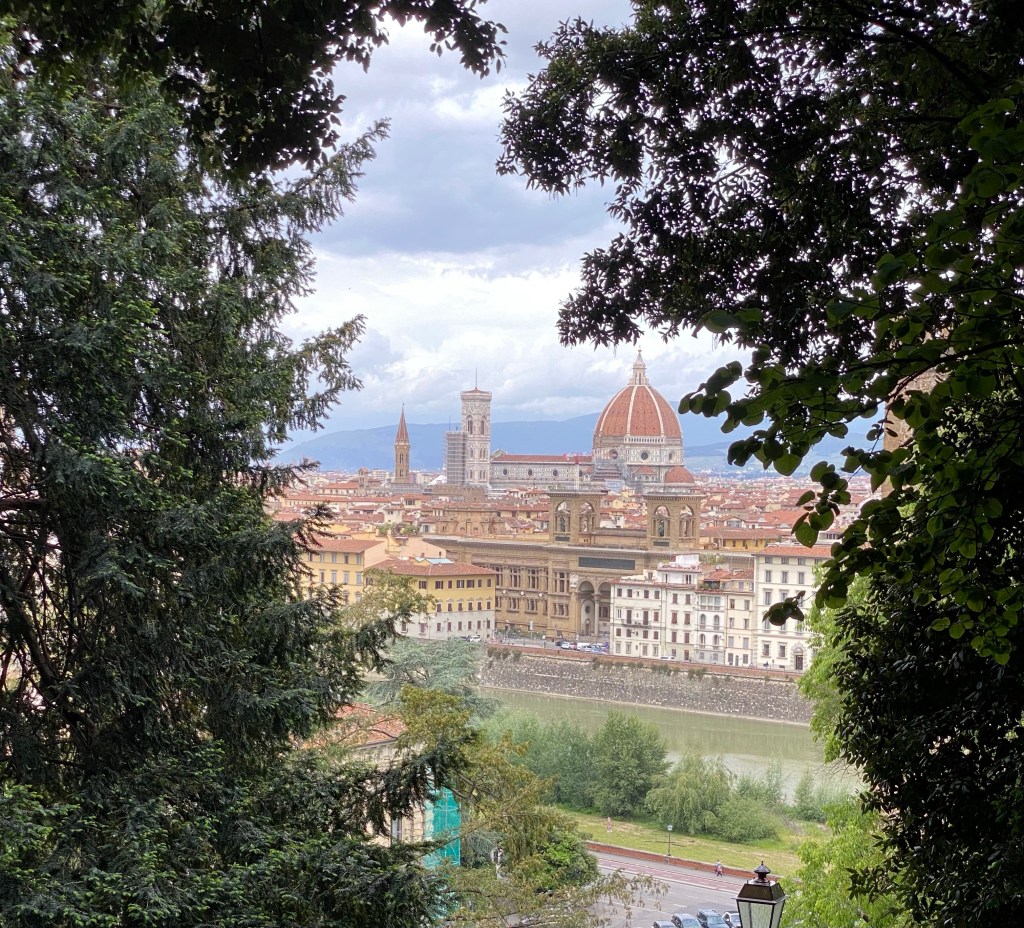
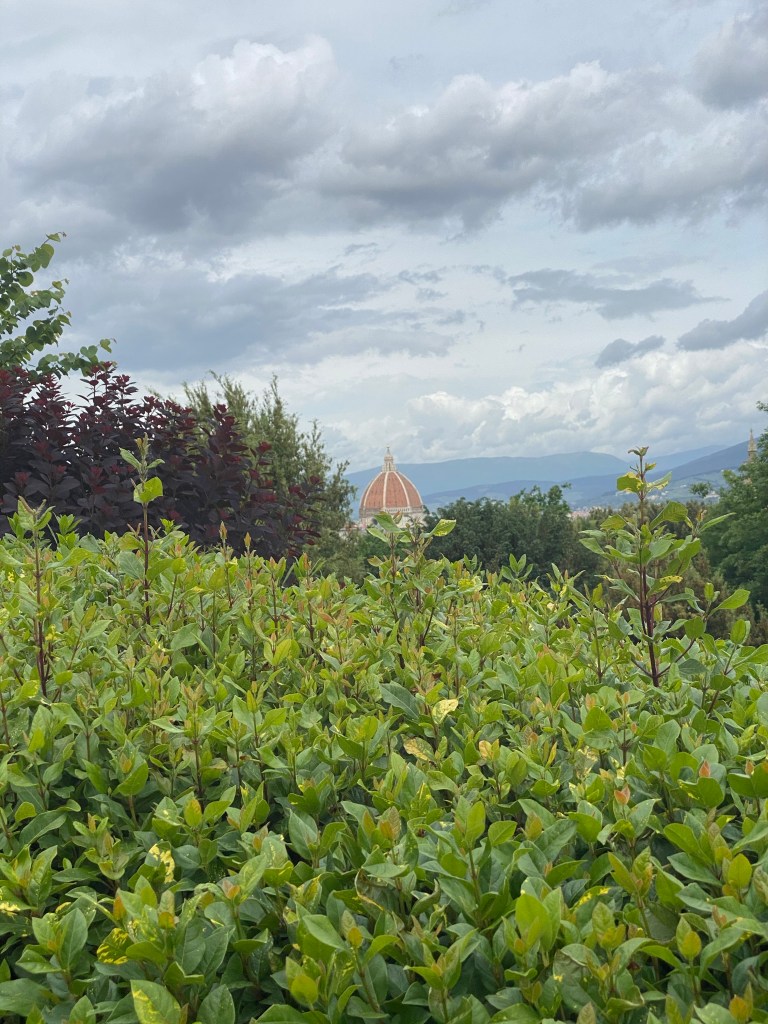
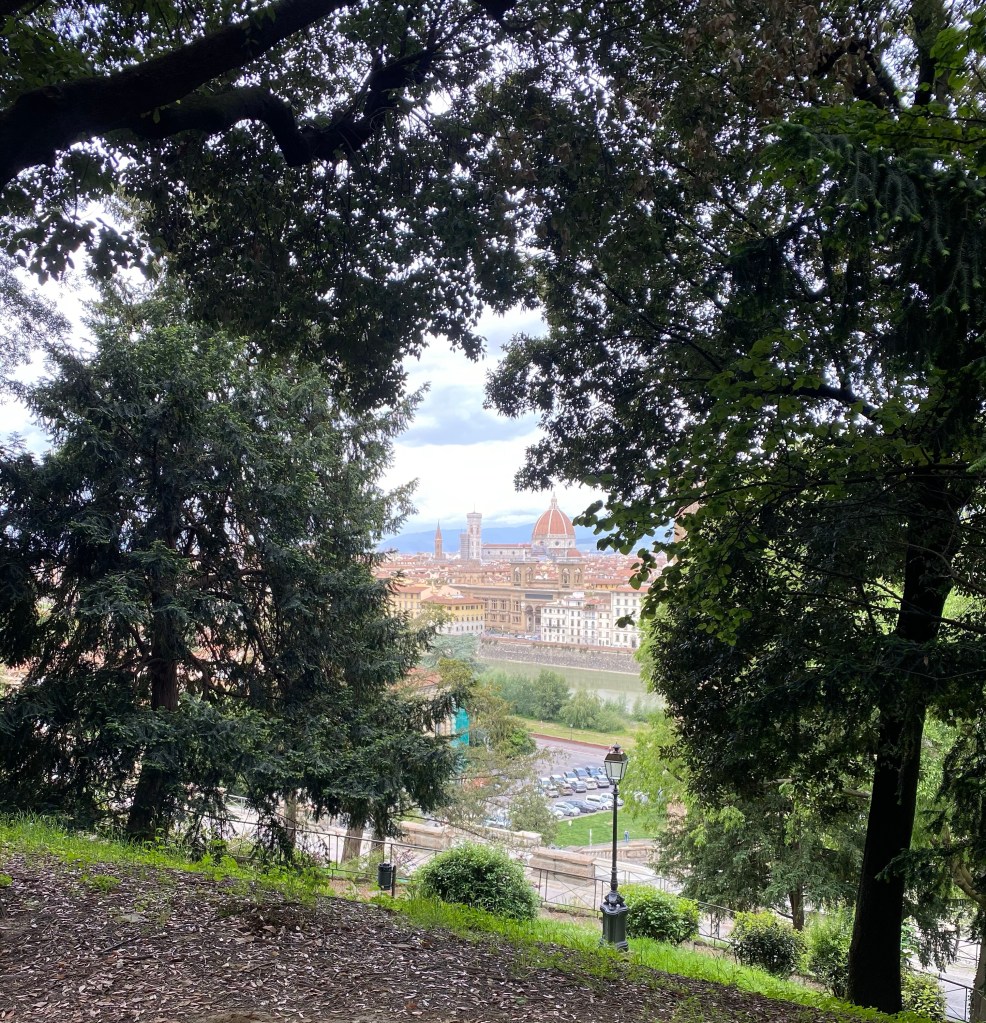
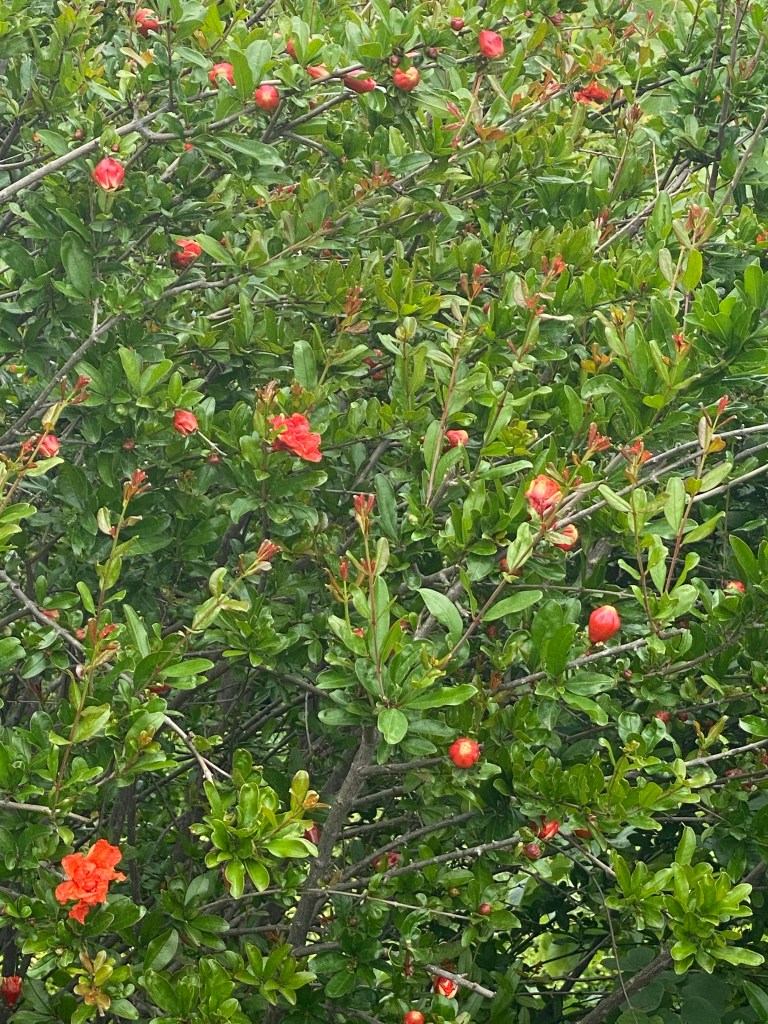
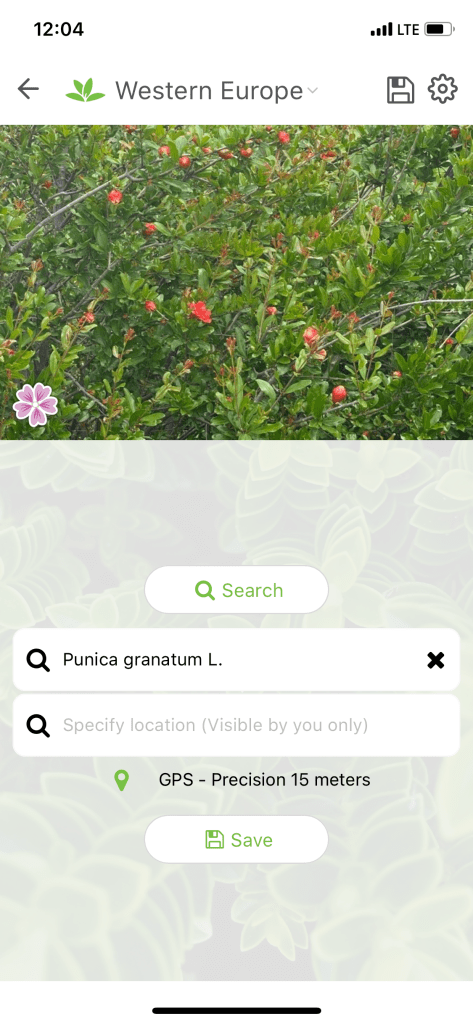
The reddish/orange blooms below caught my eye. They seemed to be the color of flowering Japanese quince, but I knew it was too late in the spring for those blossoms. I opened by handy dandy plant app to discover what they actually were, and they are the blooms of pomegranate. This shrub, or tree, is still pretty new to me, so I am still learning. What pretty blossoms!
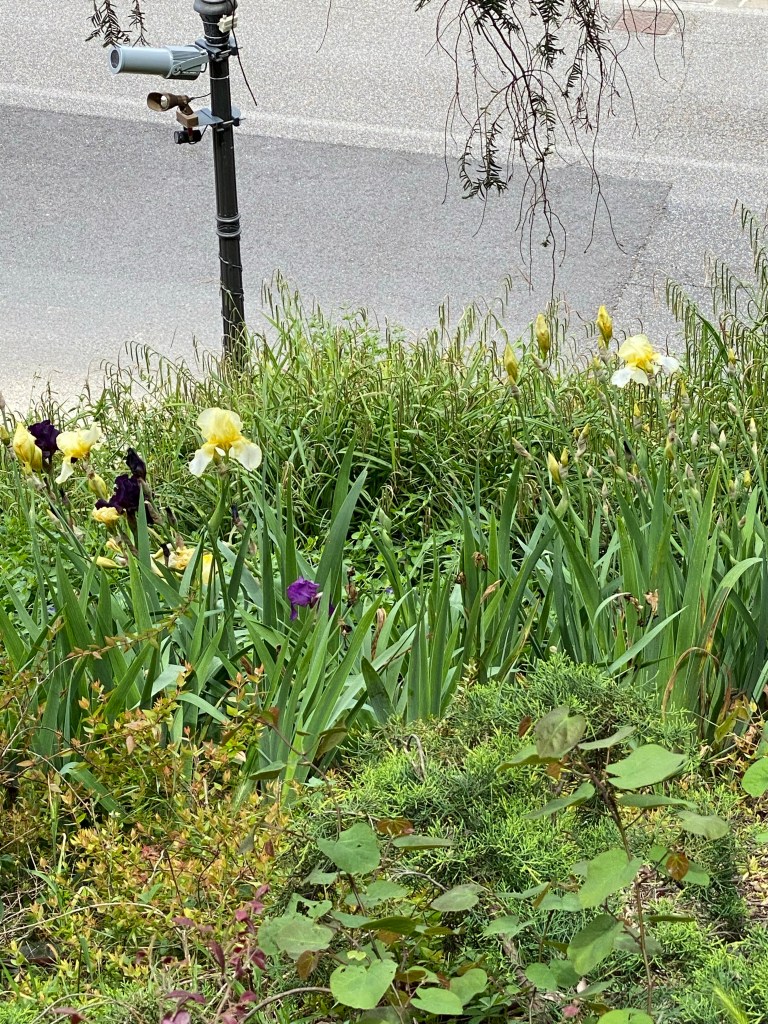
There were some lingering iris blossoms along my favorite path:
But, for me, nothing was more beautiful on that recent day than the stone wall, sprouting with moss and new ferns. How lovely the design!


Happy days are hear again!
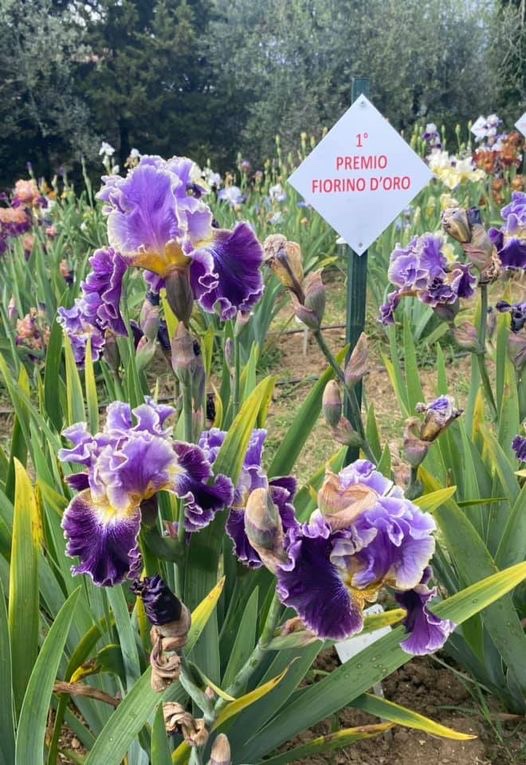
Of the Florence iris show!
First place is awarded the Fiorino door, the gold coin.

Did you know that the famous UK ceramics design company, Wedgewood, inspired leather designs in the fashions of the late 1950s and early 1960s. What do you think?
The founder of modern nursing science, scholar of statistics, promoter of social reform: Florence Nightingale was born in Florence on May 12, 1820. Of course, she was named for the city of her birth.
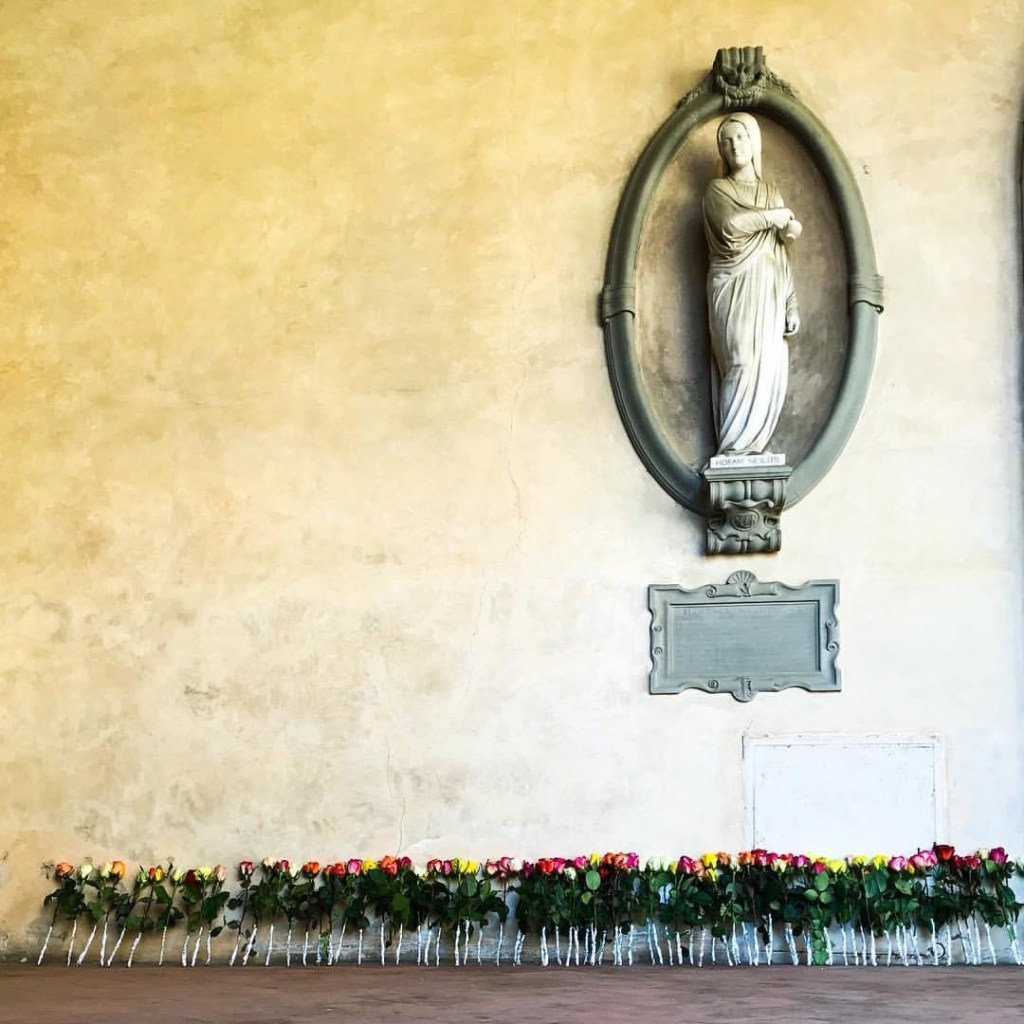
Also known as the “lady with the lamp,” Florence, Italy pays homage to this leader and keeps her memory alive. The Opera di Santa Croce reopened today, coincidentally, after Covid. In the first cloister is a monument and commemorative plaque dedicated to her.
If you are lucky enough to visit Florence in May, you must visit the Iris Garden, just to the east of Piazzale Michelangelo. Did you know that the iris is tied up with the symbol of Florence?
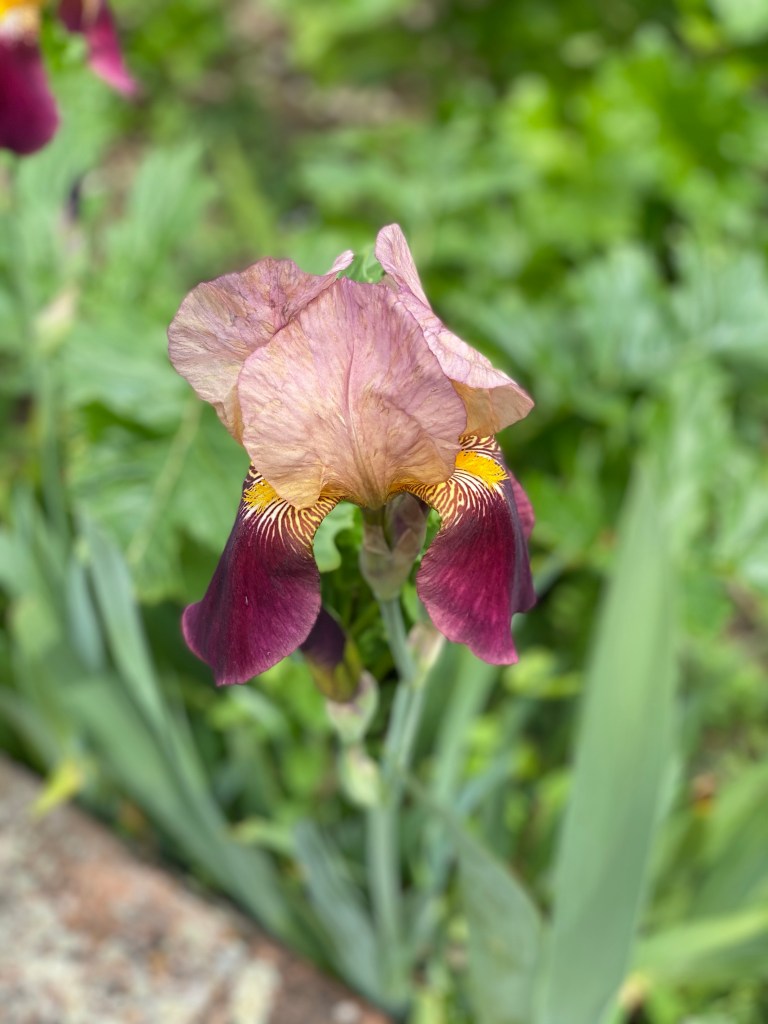
The following is taken from Freya Middleton, of Freya’s Florence Tours. She posted this on her Facebook page and it is so good, I just decided to let it speak for itself. I’m interspersing some of my photos of the flower taken this spring in the Rose Garden.
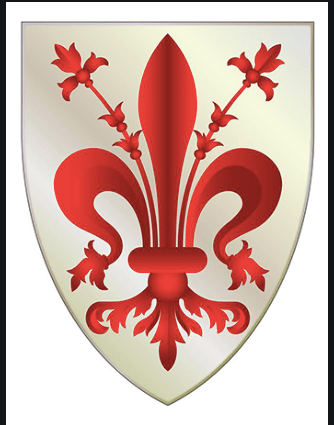
“The Red Lily is the symbol that represents Florence and it’s inspired by the white iris which is very common around the city.
“The best way to see the beautiful Florentine iris is to visit the Iris garden, off Piazzale Michelangelo this month. But if you are lucky enough to walk through the countryside of Florence and Chianti in springtime you’ll see the purple iris everywhere, in the middle of the fields, around the olive trees, in home gardens, in the woods.
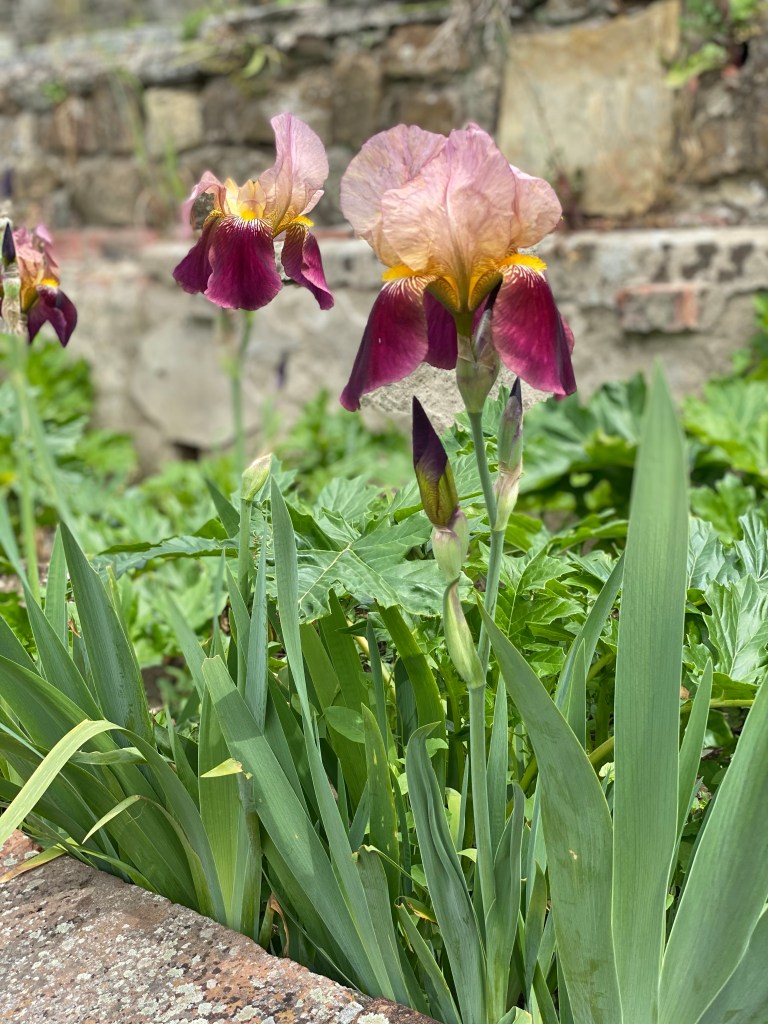
“For Florentine people, the Lily, also called giaggiolo, is a special flower, with a special meaning. It’s been their symbol for over 1,000 years. It represents the city, but for decades it has as well been the symbol of cultural and sport associations.
“Giaggiolo is the name of Iris in the province of Florence and beyond, but talking with a real Florentine you will always hear the word “Giglio” (Lily): the Lily in the Florentine historical banner, the purple Lily symbol of Fiorentina football club, and Florence is called “la città gigliata” (the Lily town) in Italy.
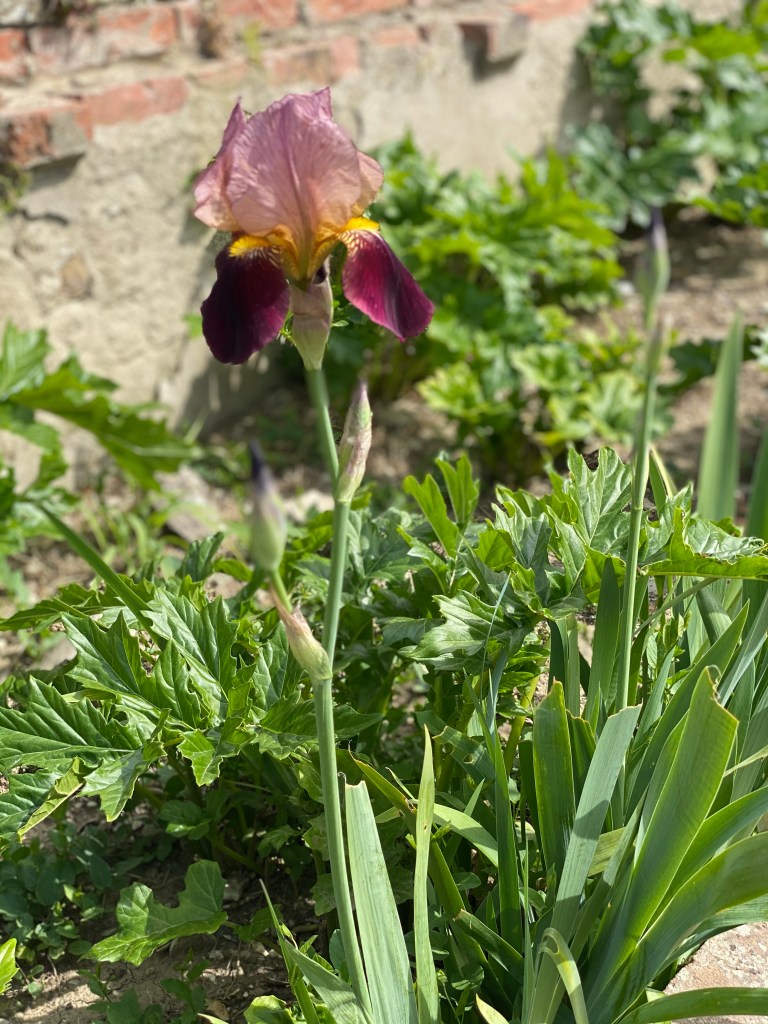
“The iris became the symbol of the city in the second half of the twelfth century; it was natural that the emblem to represent Florence should be a flower. Even during the First Crusade, the Florentines carried into battle their Giglio.
“There are several hypotheses to explain the origins of this symbol. One connects it to the celebration of the goddess Flora, in early spring, when the Romans founded the city; another is tied to the main meaning of the lily: purity.
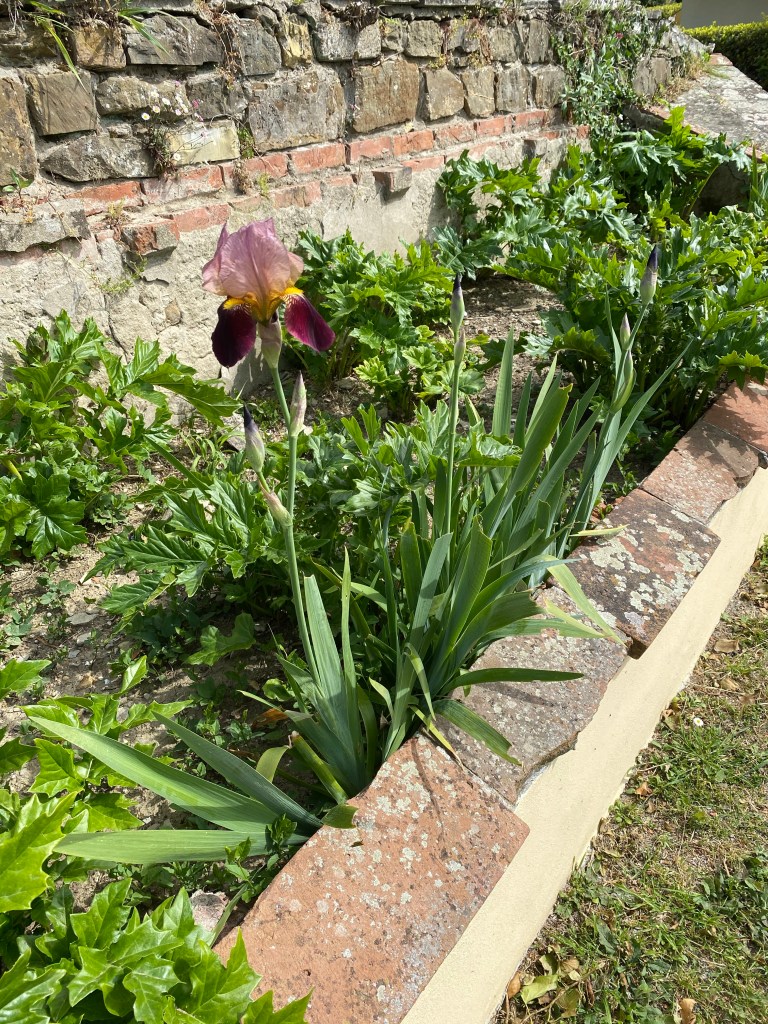
The lily of Florence (the white version with hints of blue veins) was chosen during the Middle Ages as symbol of purity, the perfect flower for the Virgin Mary. Thus the lily is a symbol for Marian devotion (remember the name of Florence’s Cathedral is Santa Maria dei Fiori).
“But the colours of the symbol of Florence at the beginning were just the opposite: white on a red background. It seems that the red lily on white background dates back to 1266, at the time of the war between the Guelphs and Ghibellines. In Florence the Guelph party won and the latter were sent away from the city: the symbol of Florence was modified by the Guelphs, as a sign of their victory over the Ghibellines.
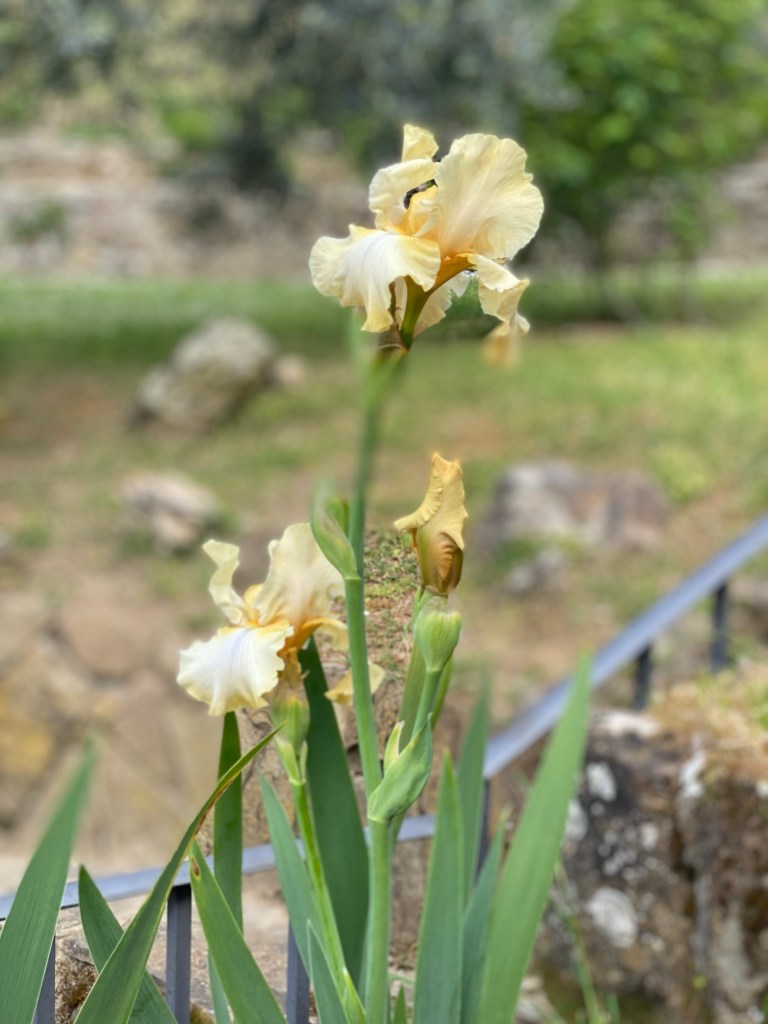
“The lily symbol was sometimes represented on a shield held by a lion, the famous Lion of Florence called “Marzocco” (you can see it in Piazza Signoria in front of Palazzo Vecchio).Florence imposed this symbol also on the territories under its control and you can still see the “red lily” today on many flags of the province’s municipalities, for example Castelfiorentino and Scarperia, but with an important difference: the lily had to be without of the stamens, the reproduction organs. Only Florence possessed them!
“The “fiorino” was coined in 1252 in Florence; it was 3.54 grams of gold 24 carat. The name comes from the flower “lily” represented on the front of the coin, while in the reverse showed the town’s patron: St. John Baptist. The gold “fiorino” was one of the first gold coins minted in Italy after the Roman Empire fell.
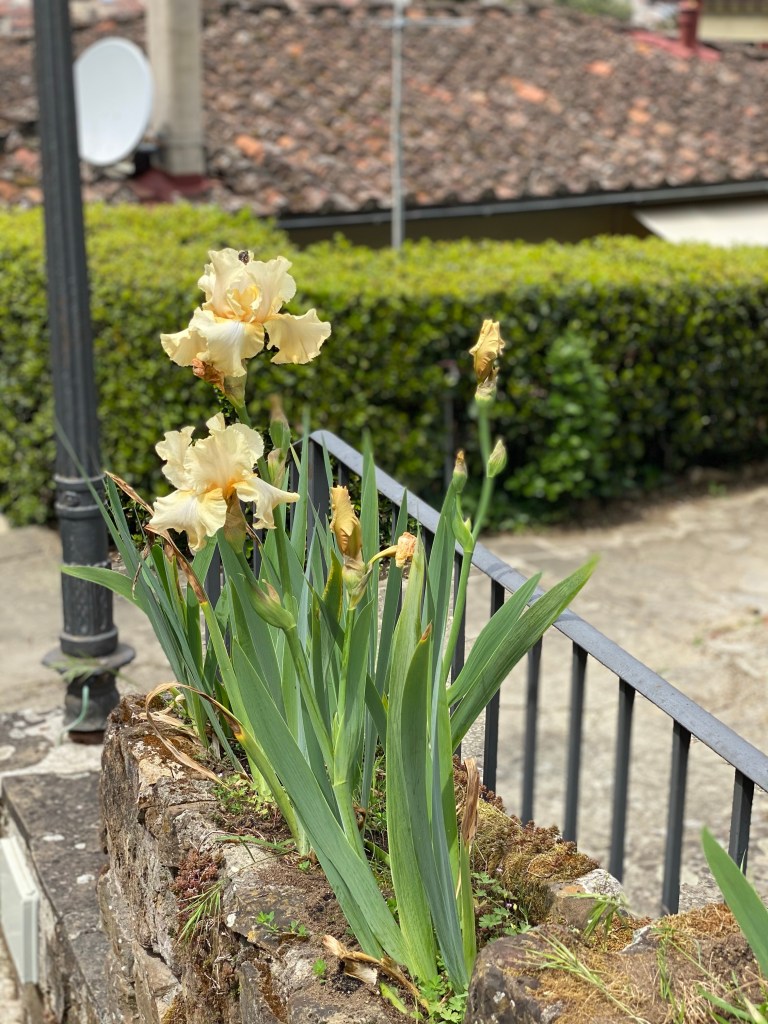
“They also introduced two subdivisions: the Silver Fiorino, initially about 1/20 of the gold fiorino) and the Copper Fiorino, also called “black fiorino” for the colour it took over time, the value of which was about 1/12 of the silver one.In the thirteenth century, and until the Renaissance, thanks to the growing power of Florence bank, the Fiorino became the preferred currency of exchange in Europe (as today US dollar and Euro).”
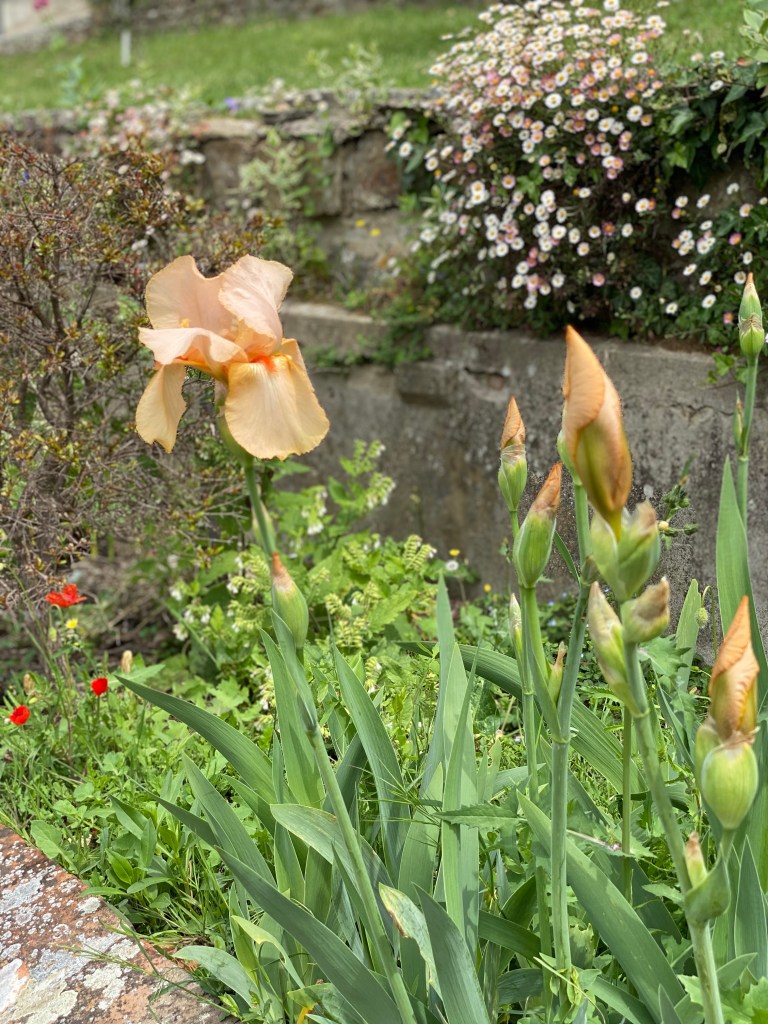
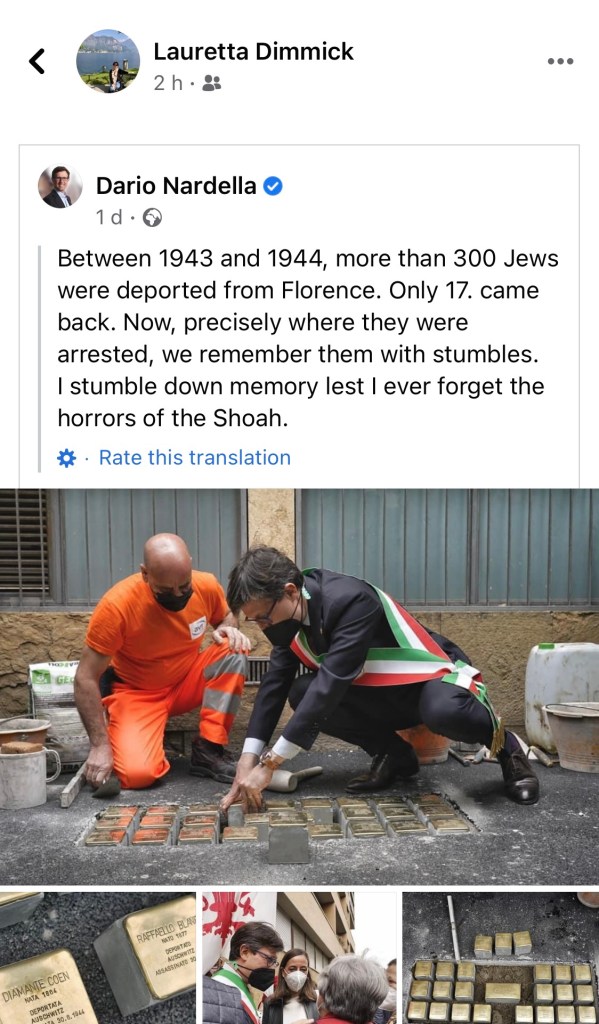
This week our mayor, Dario Nardella, posted a commemoration of the Jews who were deported during WWII. It is a tragic part of the city’s (and the world’s) history. Never forget.
 get back, lauretta!
You must be logged in to post a comment.