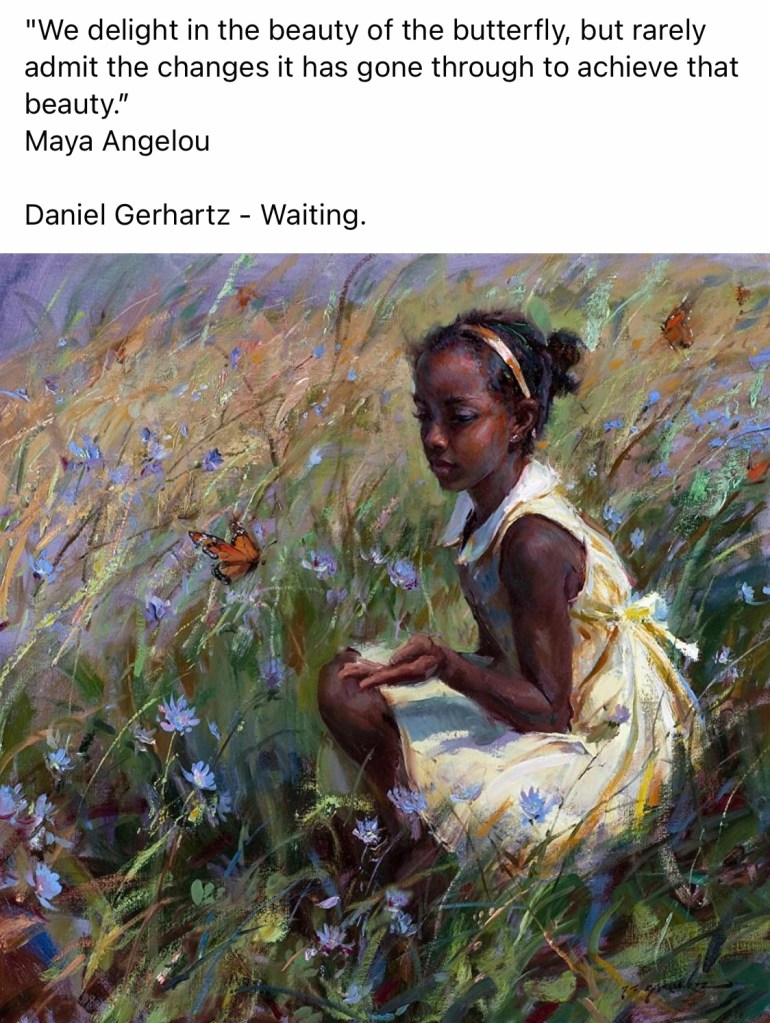
Chrysalis
Everyone knows that just beneath street level in Florence lies a fascinating archaeological history. The city has Roman, if not Eturscan, foundations.
It seems to me, as a somewhat casual observer living here for almost 5 years, that this top layer is disturbed from time to time, but never really examined in a way I would expect. The issues of disruption to contemporary life is likely the main factor, but also money. There is apparently never enough money to carry out what would need to be a very extensive study. Best, I guess, to let it lie.
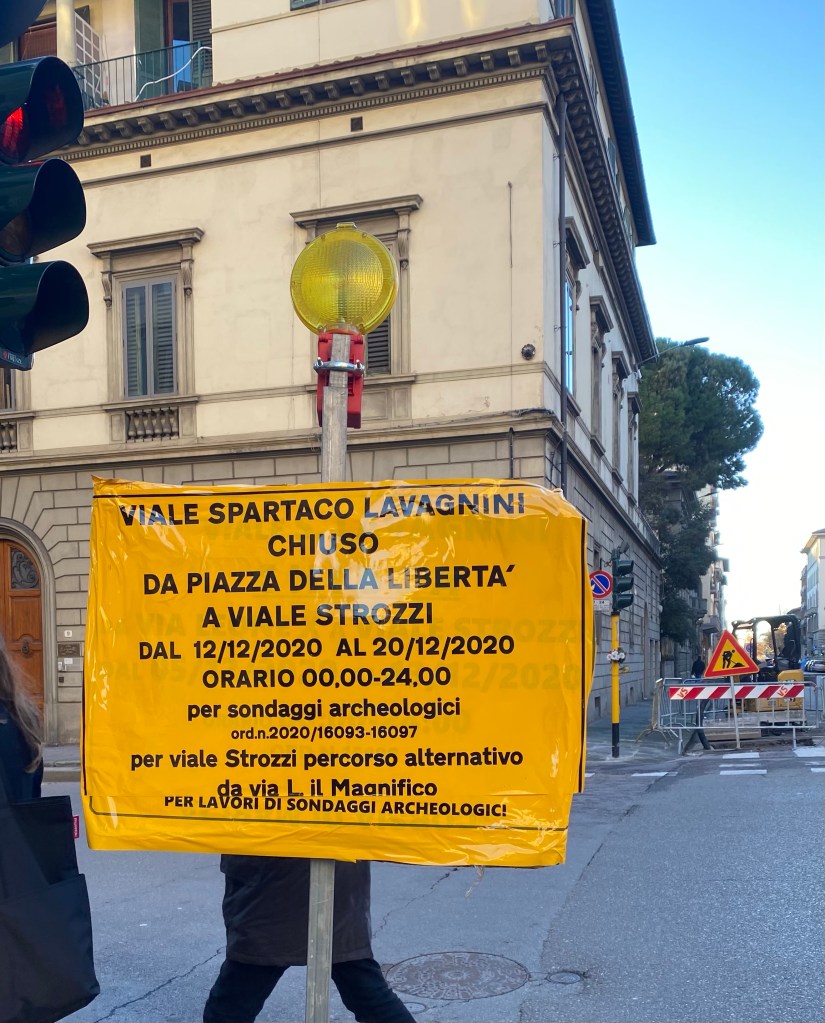
Last fall I saw this sign up on the Viale Spartaco Lavagnini, which courses over what would have been the Medieval wall on this border of Florence. The walls were torn down in the 19th century, and major thoroughfares were placed in their stead.
Florence has begun work on another tram via line which will run along this Viale, and, according to the sign posted, some very quick archaeological work was done to determine if anything precious would be destroyed if the tram line goes along here. The signs were only up for about 2 weeks, so I can’t imagine that any kind of serious study was done. But, interesting, no?
Every walk through this fabulous city brings new horticultural wonders to me. There are spring blooming shrubs and trees that I know from other places I have lived that I don’t see here. Or, then I do.
I have always loved the bright reddish-orange flowers on the flowering Japanese quince shrub. To me, they are the brightest star in the spring blooming universe. The blooms seems to say, “wake up! enough with the sweet shades of pink and white with plum and magnolia trees.”
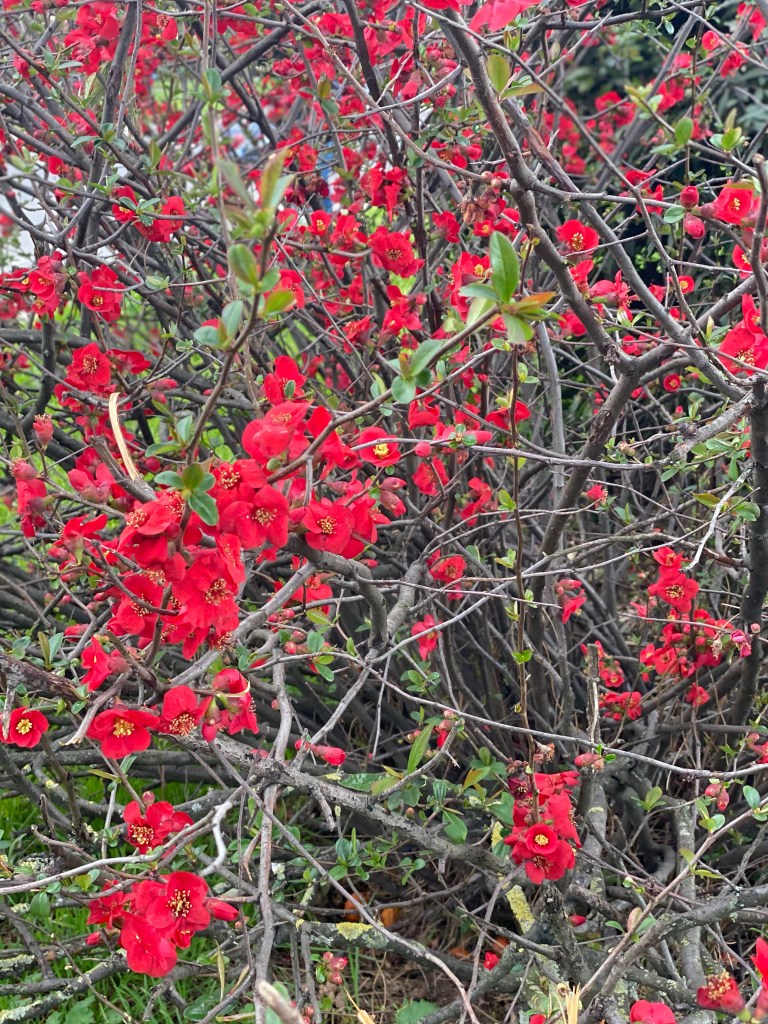
Japanese flowering quince shrubs (Chaenomeles spp.) are a heritage ornamental plant with a brief, but memorably dramatic, floral display. Flowering quince plants light up the spring for a few weeks with a blaze of colorful blooms. This species is an old one, and has been cultivated in Asia for thousands of years. It was brought to Western Europe by plant collectors.
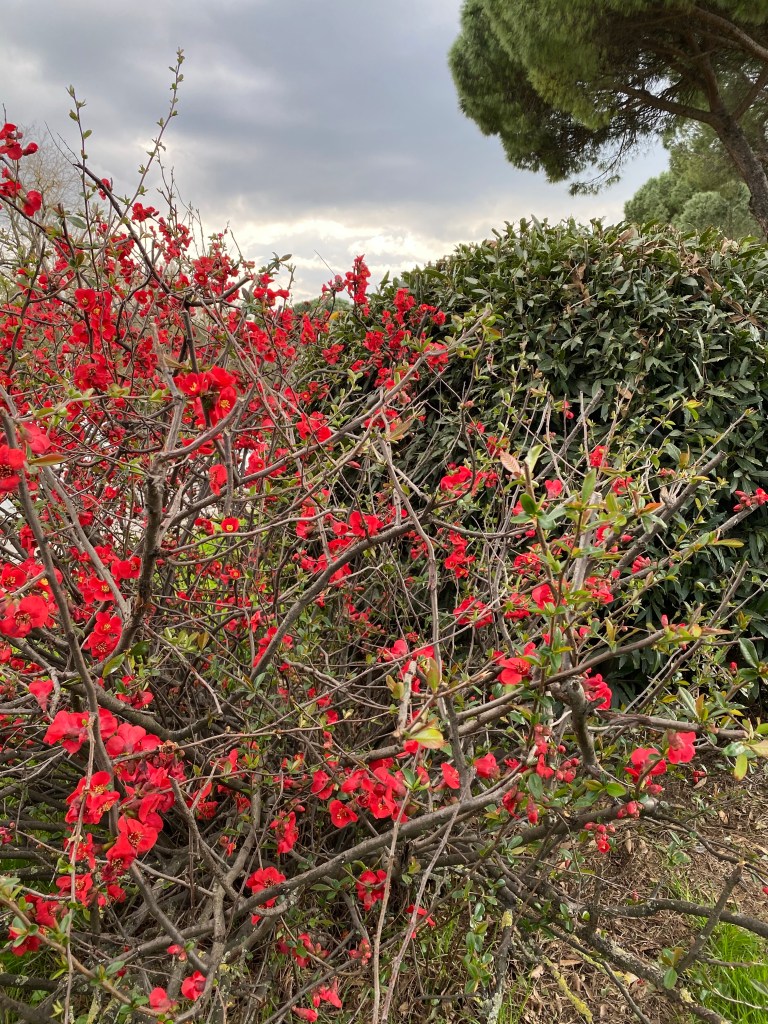
But, what thrills me in particular this year is that I saw this shrub growing, for the first time, around Florence. I am always surprised when I see old favorites for the first time in this climate. Of course they can and do grow here, but maybe because there is such a huge universe from which to choose plants, Italians don’t generally use the ones I happen to be familiar with. Or, maybe it’s a taste thing; maybe Italian taste in spring flowers is just different than mine. Who knows? I often wonder about this with lilac, one of my all-time favorites that you rarely see here.
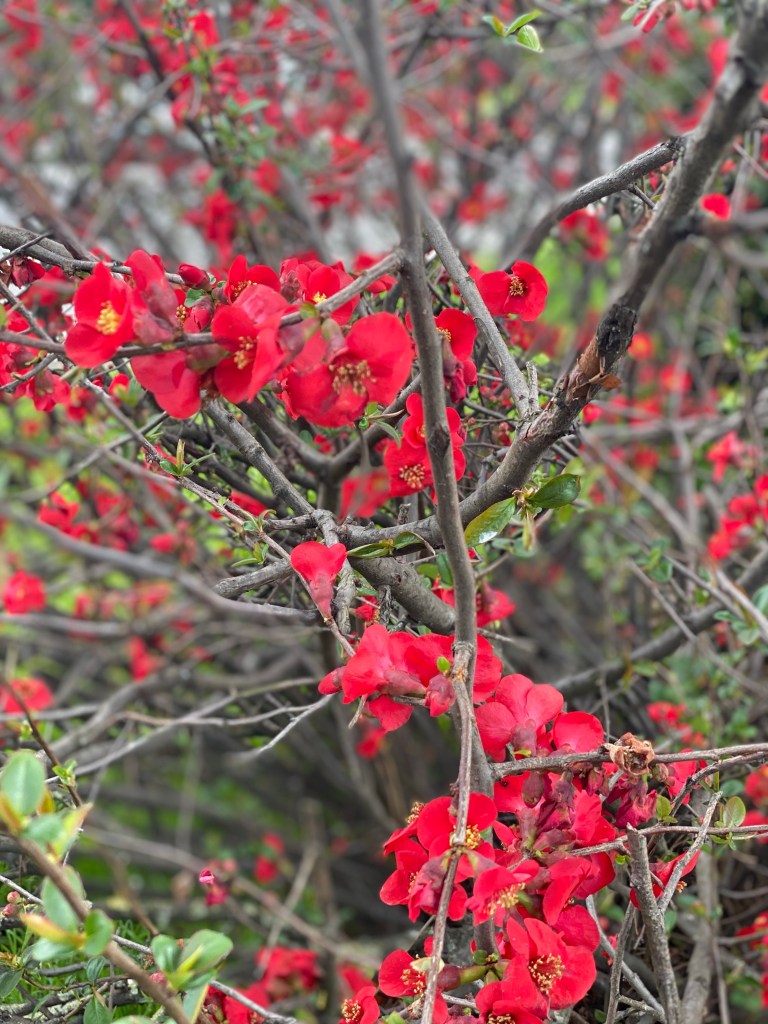
But, for now, I’m just grateful to see the vibrant bloom of the quince!
A surplus of beauty: is that even possible? Doubtful.
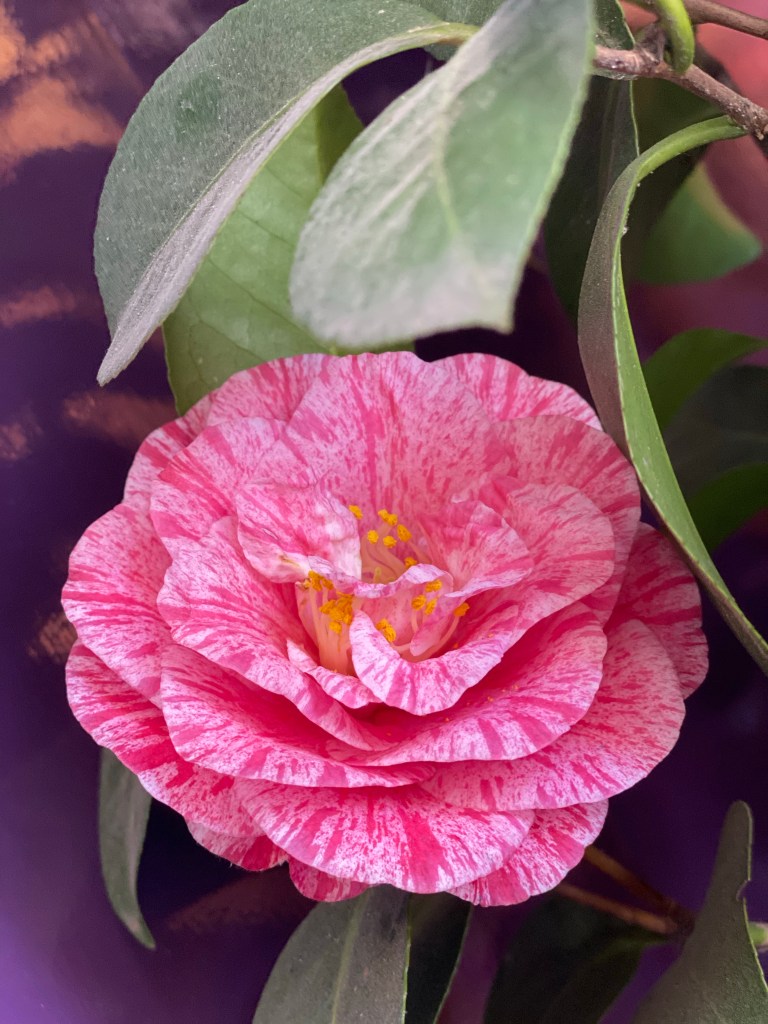
These camellias arrested me in the center of Florence. They were on shrubs, growing in containers. Wow! Spectacular.

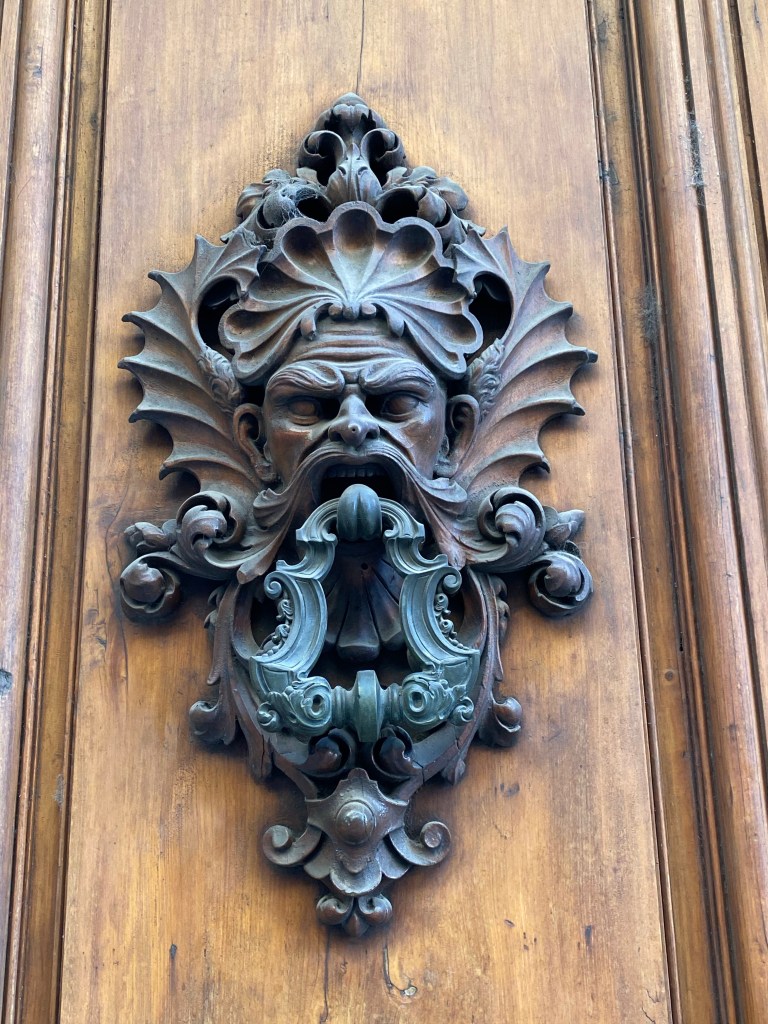
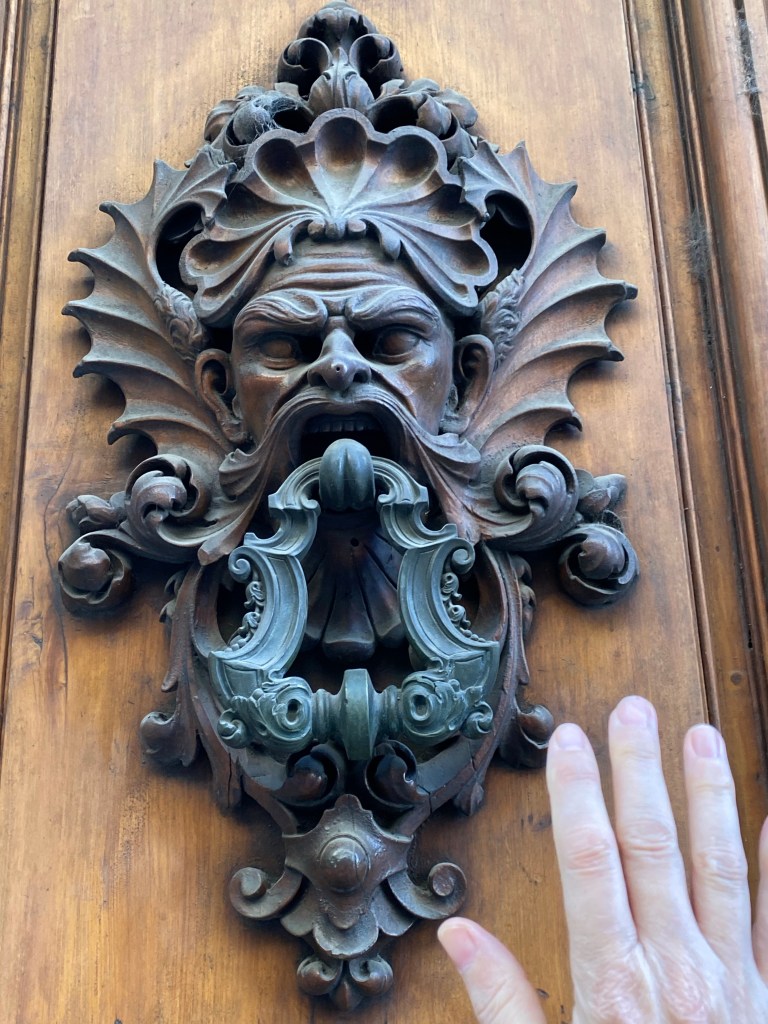
And, below, what is possibly the most impressive door knock in all of Florence. It’s complicated, it’s fantastical, and it’s huge. I added a 2nd photo with my hand, for scale. This poor man has been holding the movable part of the knock for centuries with his tongue!
Ah, Florence, you never disappoint!
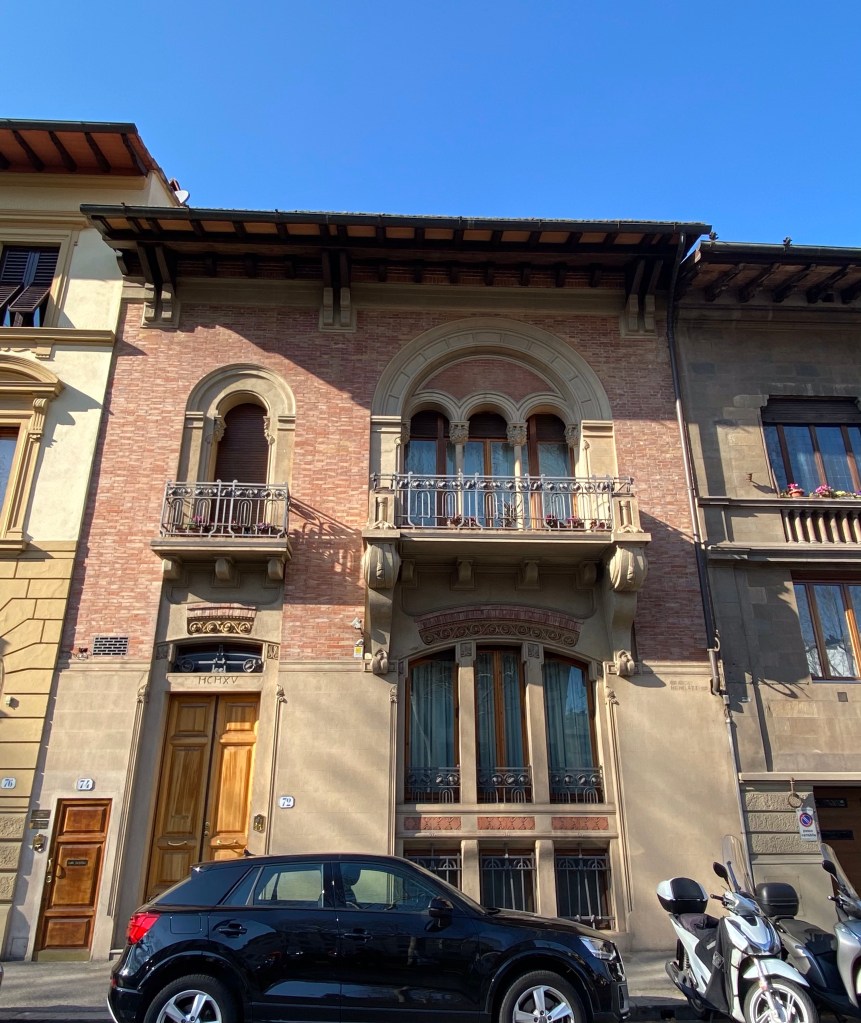
I love walking the streets of Paris, where you often find the names of a building’s architect inscribed on the facade. I don’t see that often in Italy, but, the other day, while traversing the city during the Orange Zone lockdown for Covid (ugh), I almost fell over when I looked up and saw Michelazzi’s name inscribed on a building very near my home in Florence. I mean, like I walk under this inscription pretty much every day, but never saw it until now? How can that be.
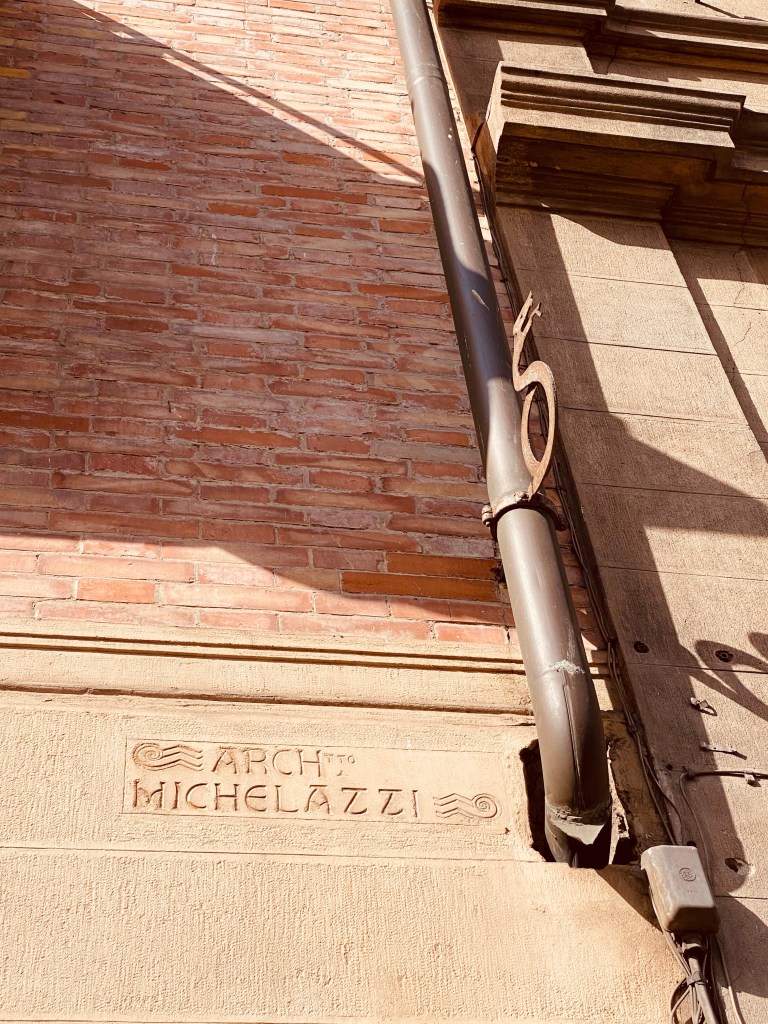
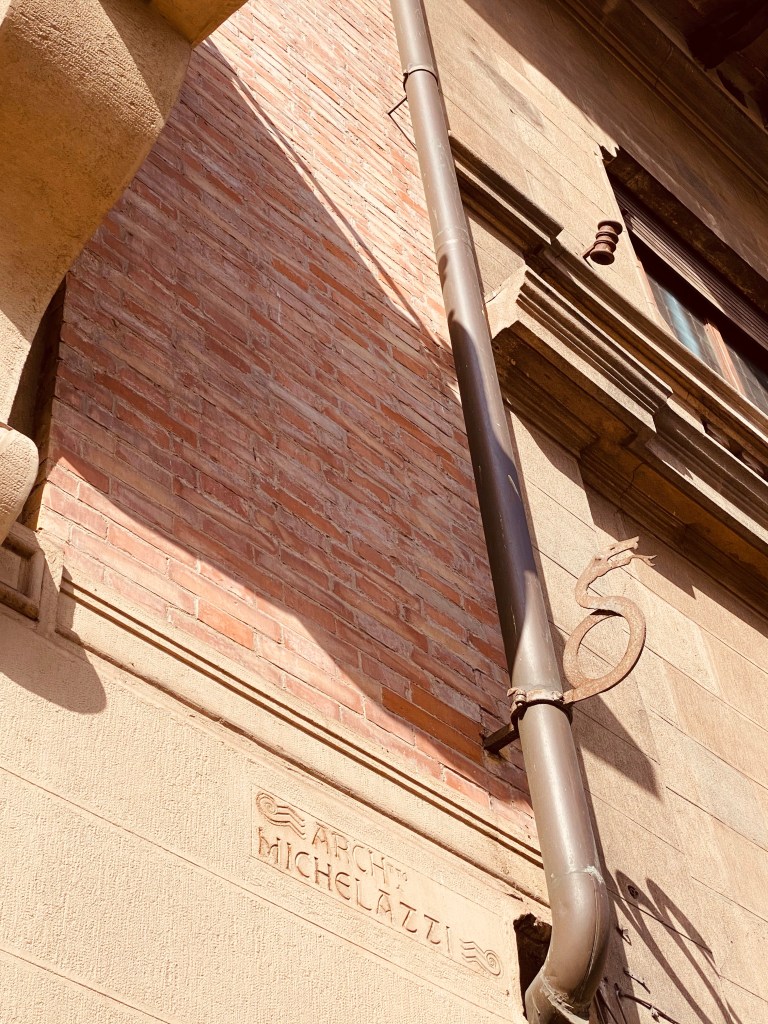
It was actually the snake on the drainage pipe that caught my eye. I love the iron, brass and bronze architectural accoutrements on buildings here, as a quick perusal of my blog in the past few months makes that abundantly clear. I mean, how wonderful, to think of adding a snake to this pipe! I looked up to take the snake in and there, to my surprise, was the architect’s inscription.
This Michelazzi villino or townhouse is scrunched in between two others of different eras, both more conservative in style.
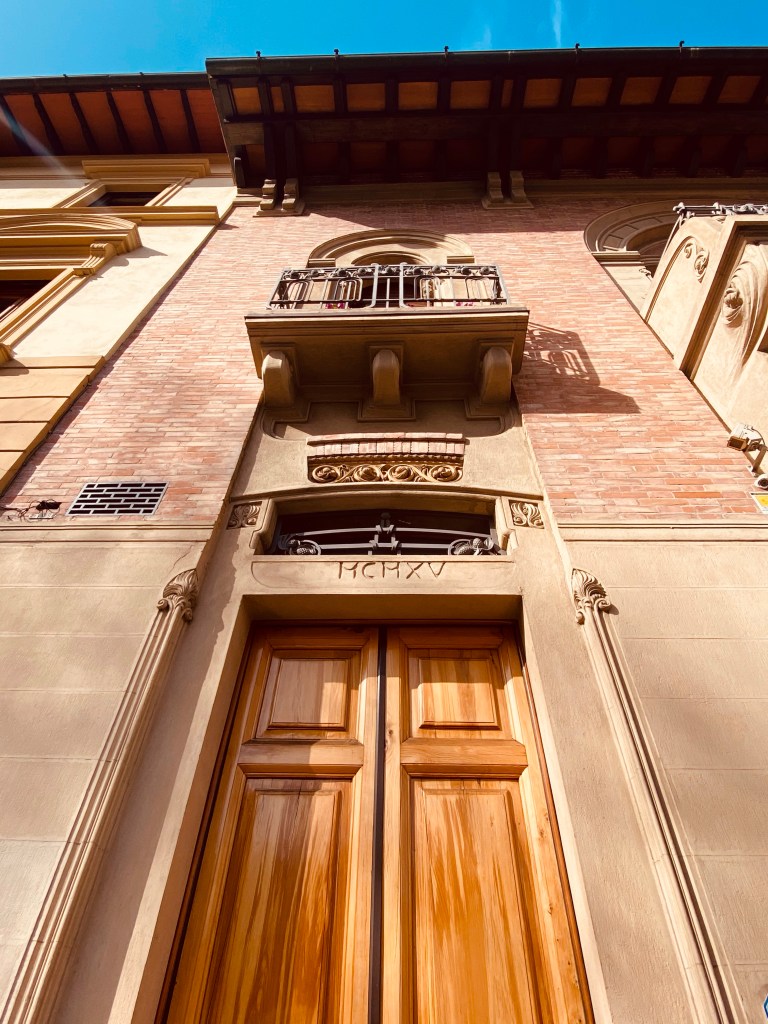
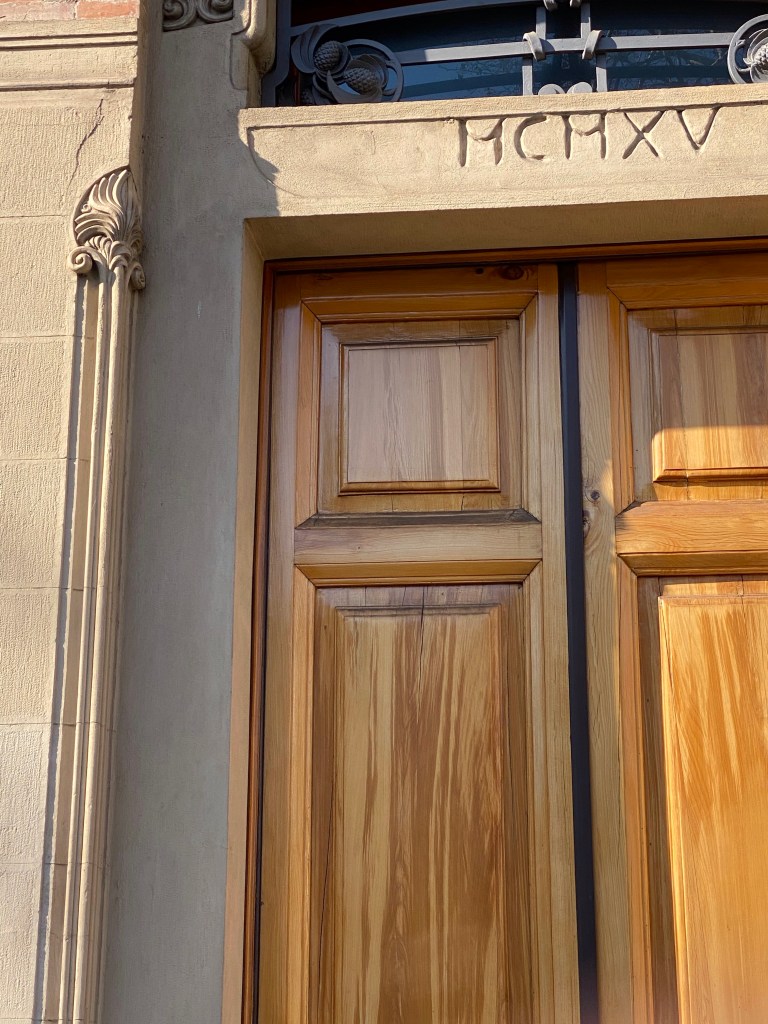
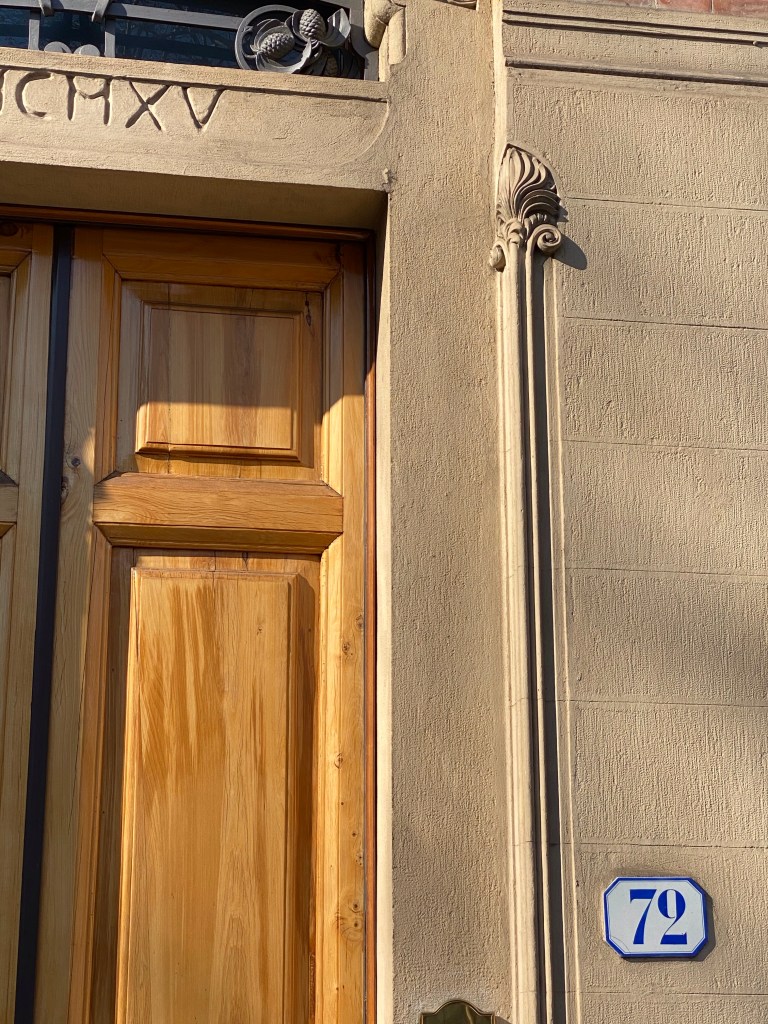
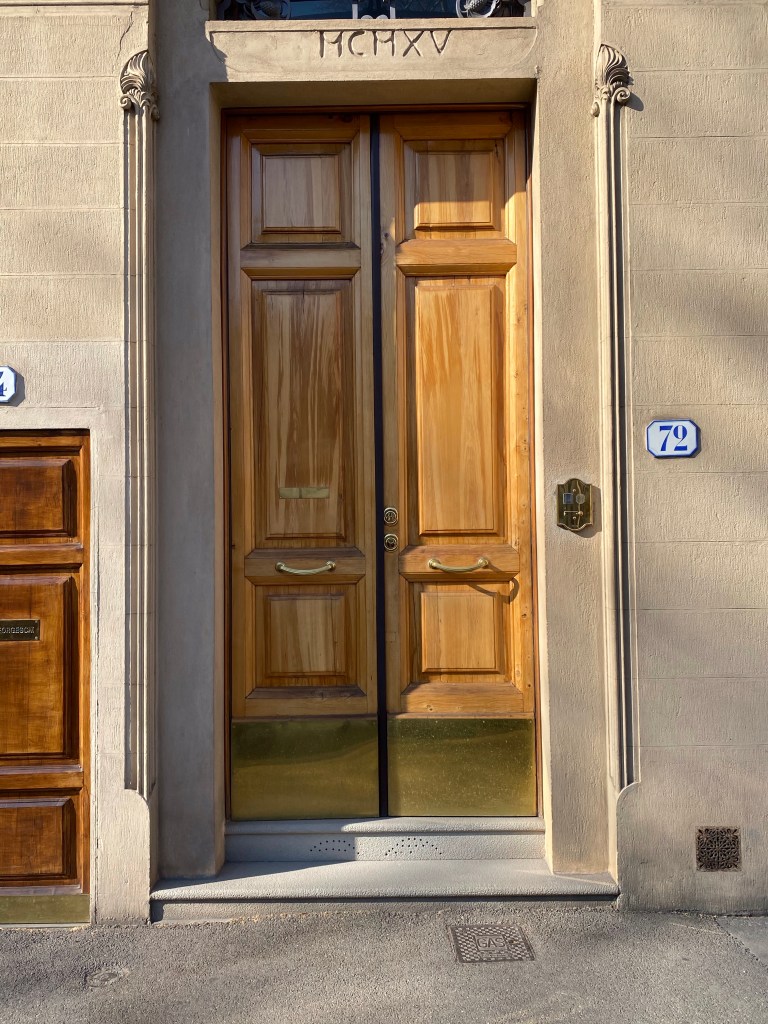
As you can see, inscribed above the door way is the Roman numeral for 1915. So, the palazzo at number 72 on Via XX Settembre, Firenze, was designed by Michelazzi and completed in 1915. Now I want to know more.
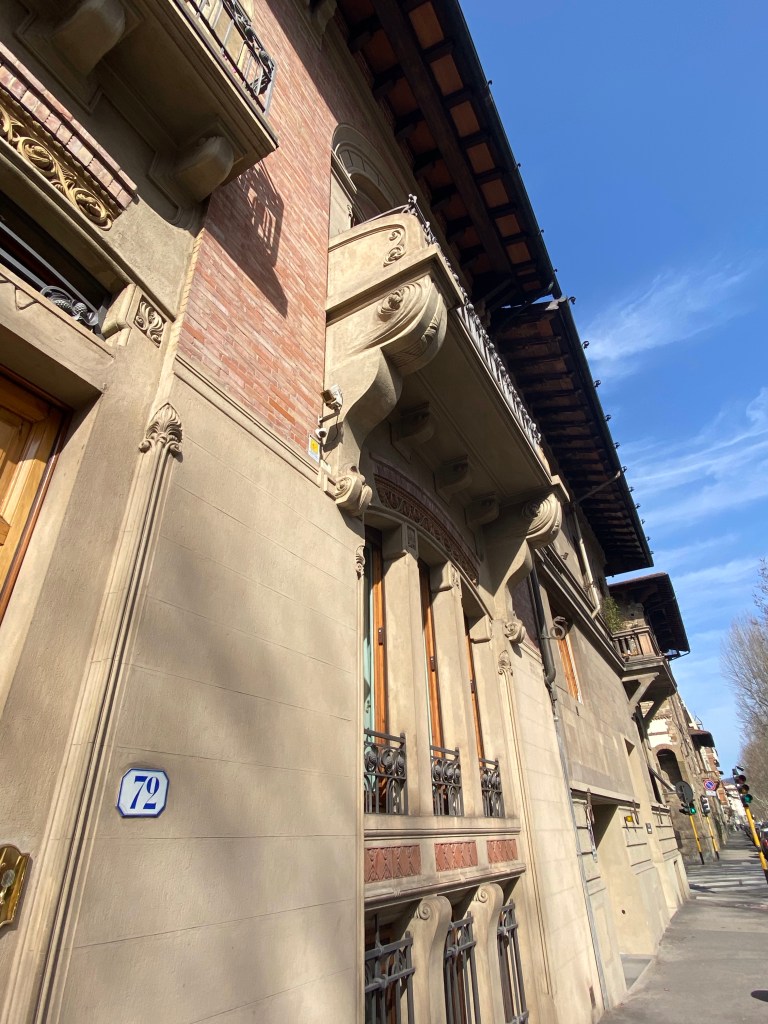
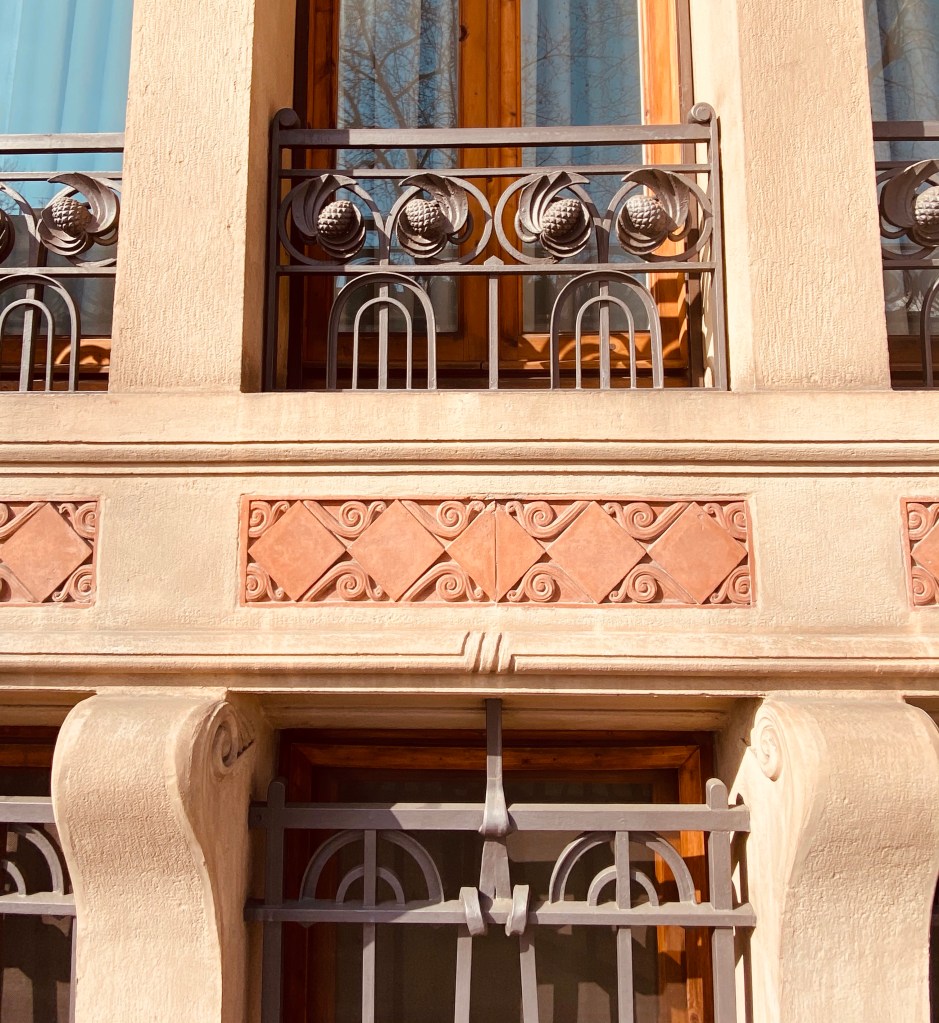
Take note of the lovely details, of a pine cone motif in ironwork on the windows, and the swirl and diamond details in the terra cotta inlays. How delightful!
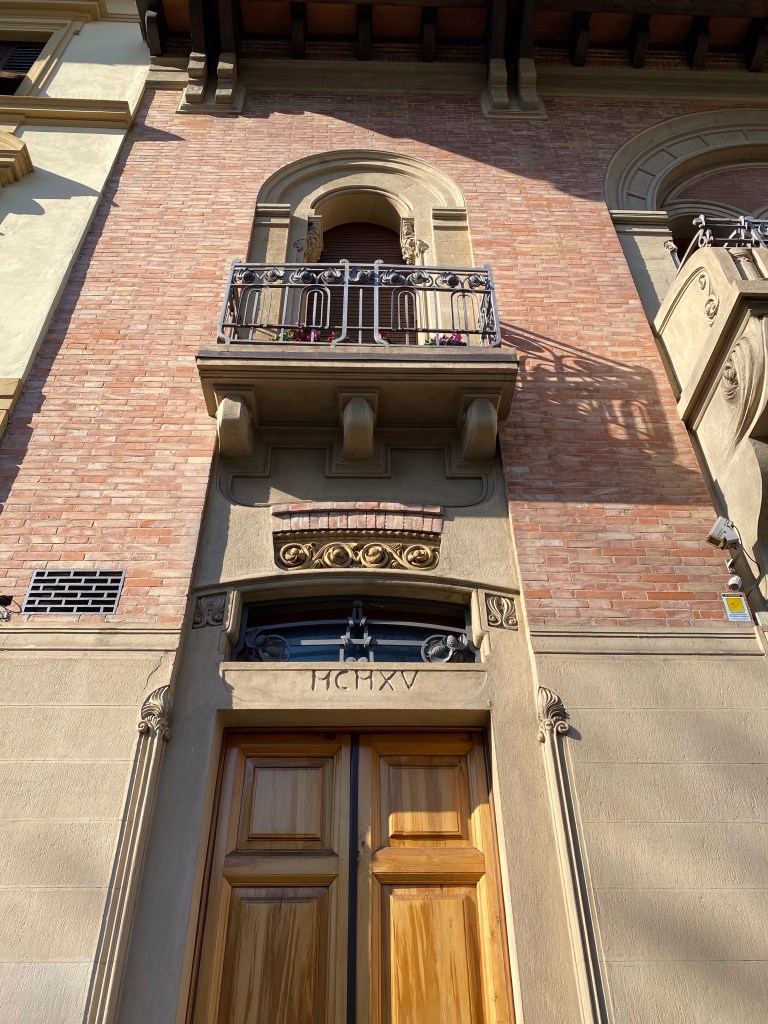
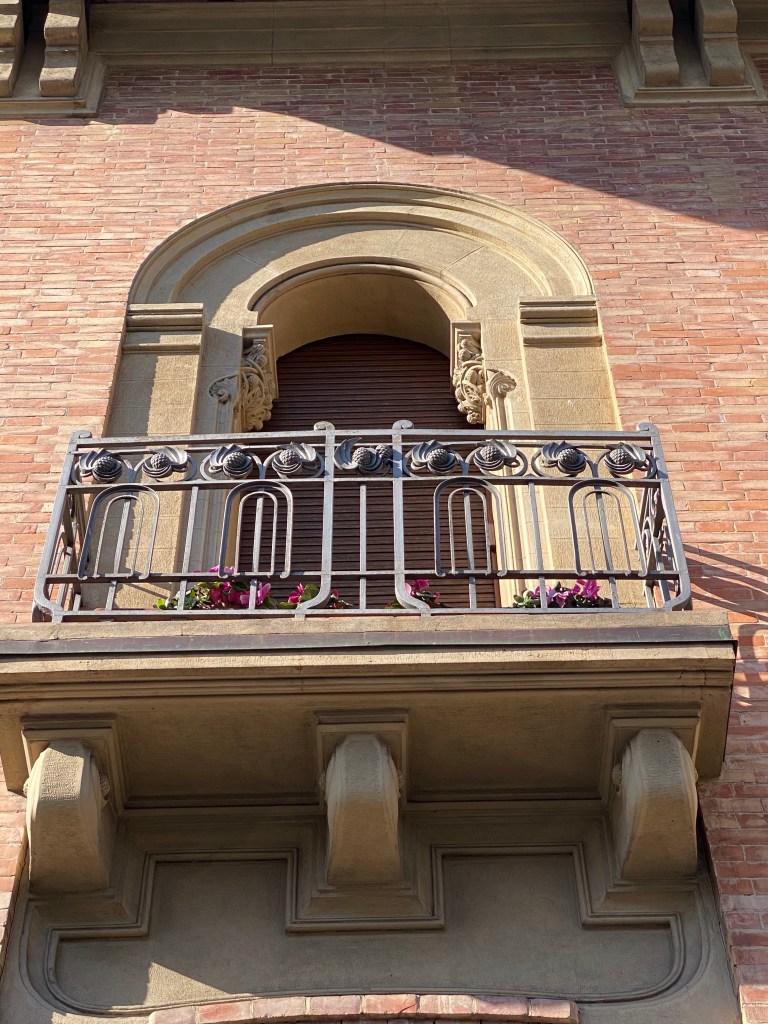
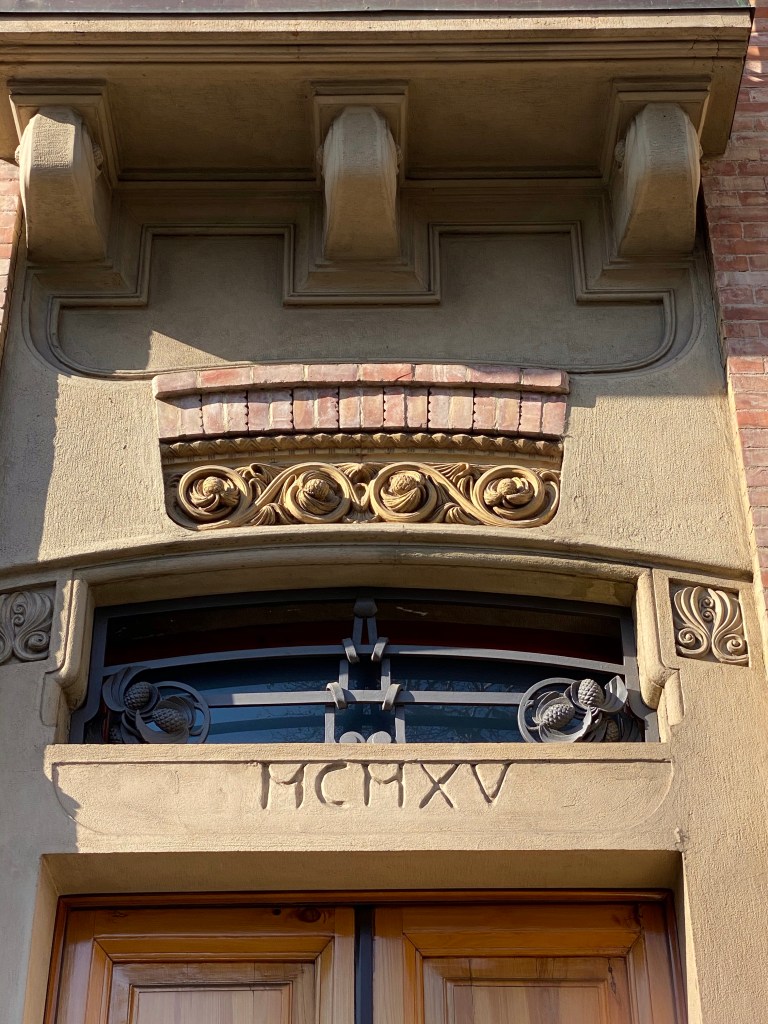


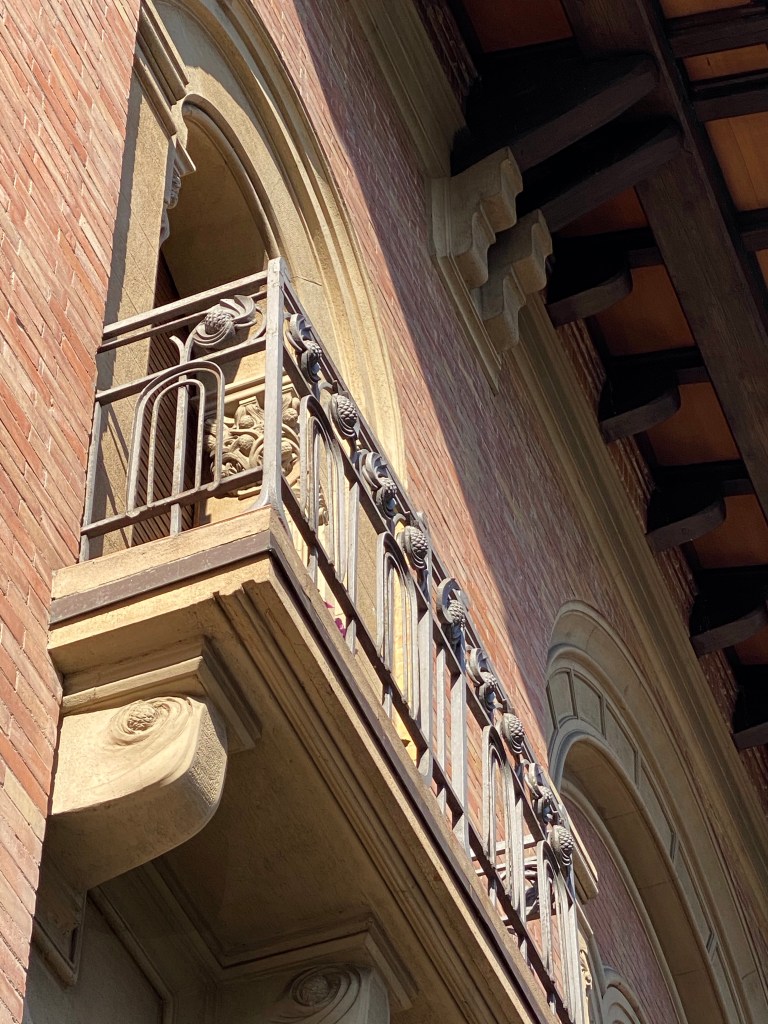
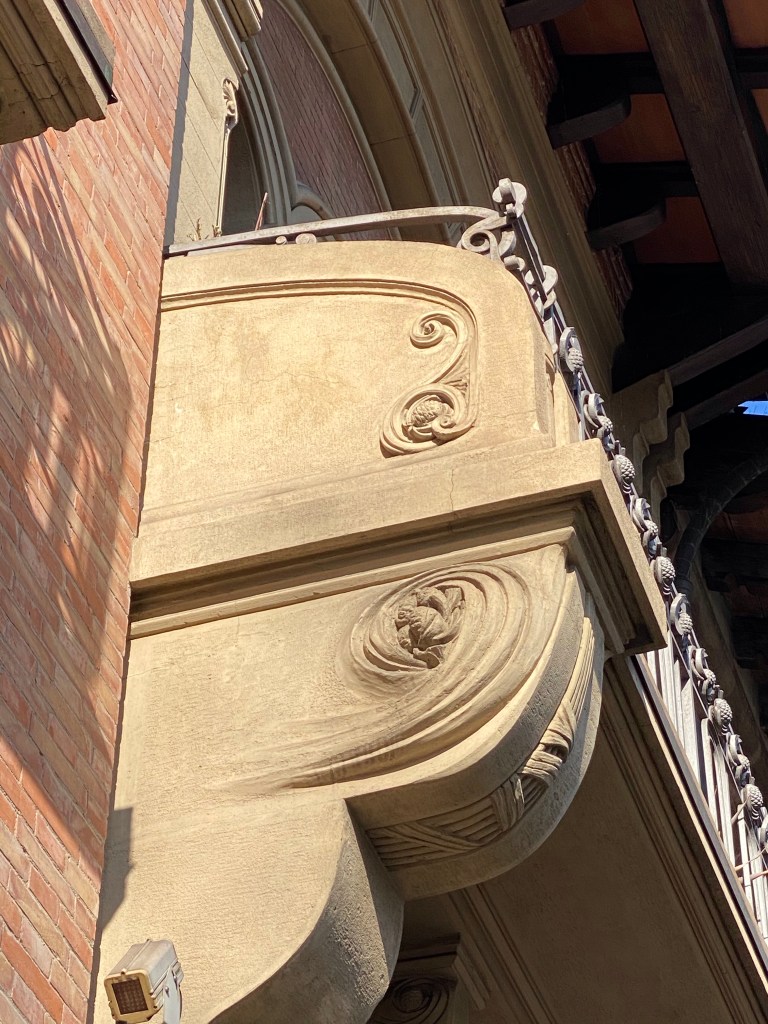
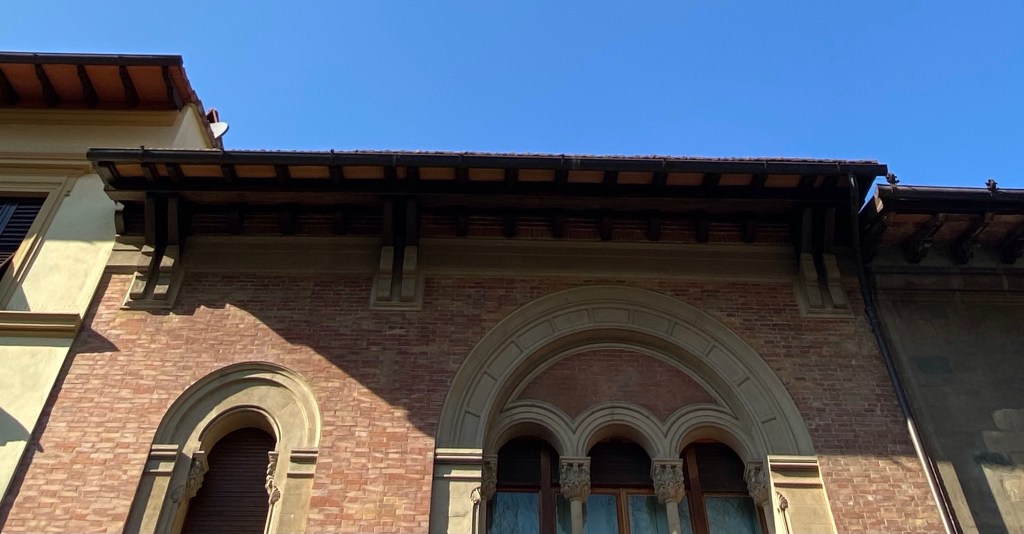
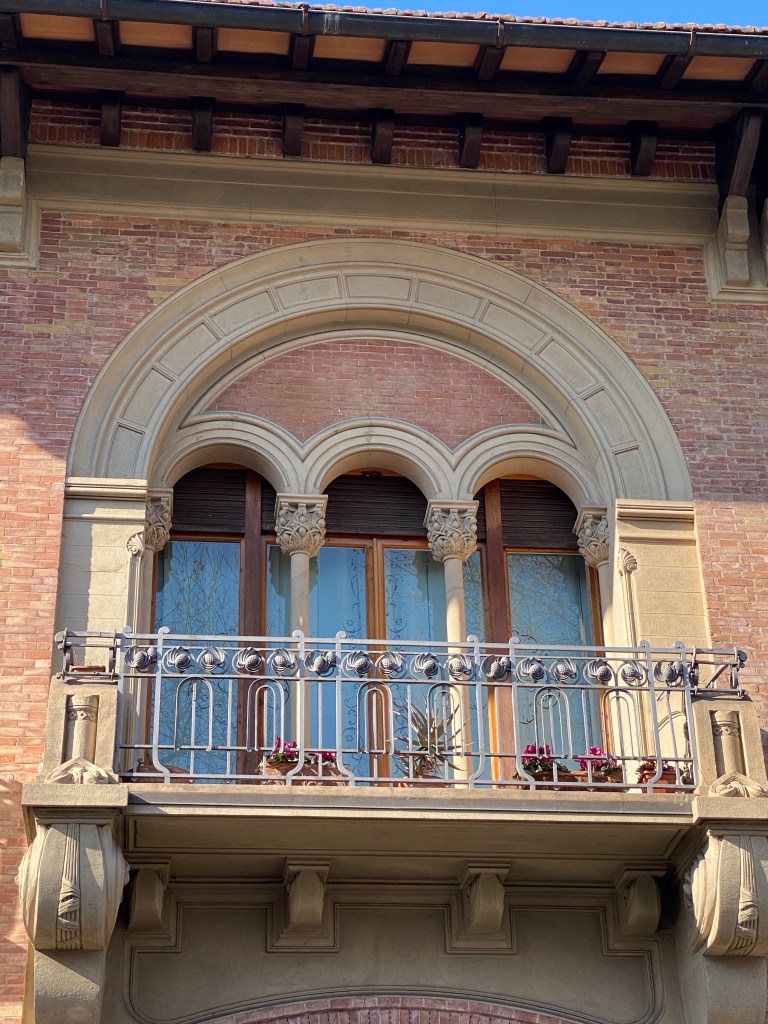
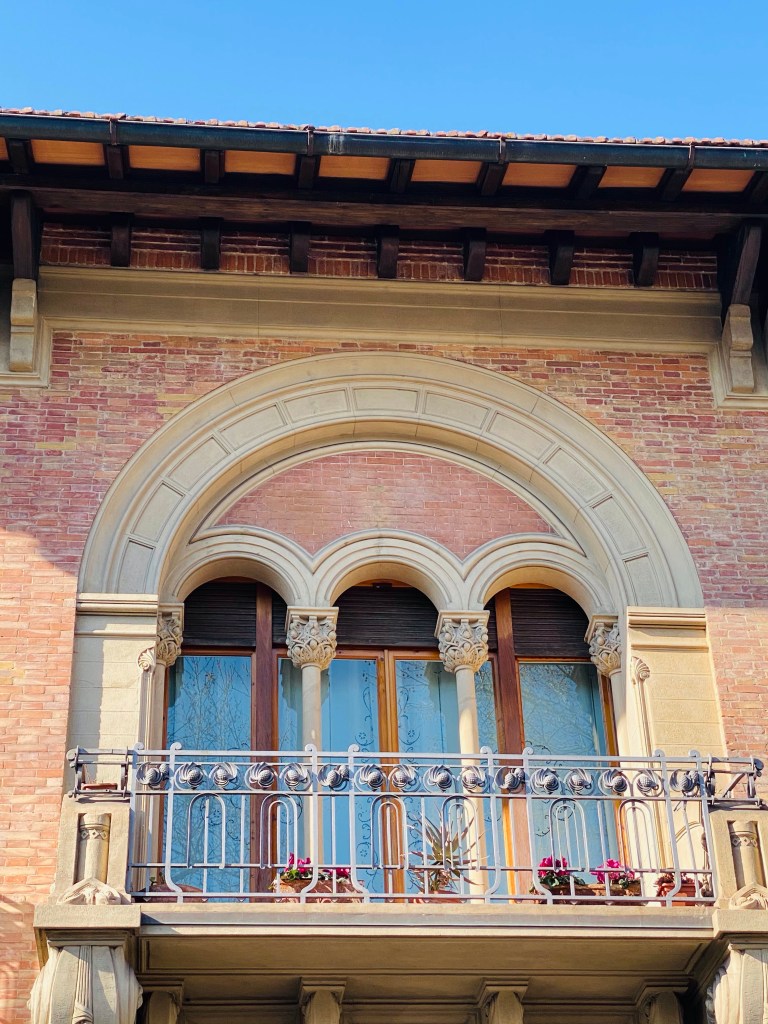
So who was Michelazzi? The name seemed familiar and I had to find out more.
Giovanni Michelazzi (1879-1920), was born in Rome, lived in Lucca and then Florence, where he received his diploma in architecture in 1901. It turns out he was one of the most important exponents of the Art Nouveau, which in Italy is known as the Liberty style, in Tuscany. I knew I had seen that name somewhere else.
He was the author of this Art Nouveau masterpiece, seen below, in the heart of historic Florence.
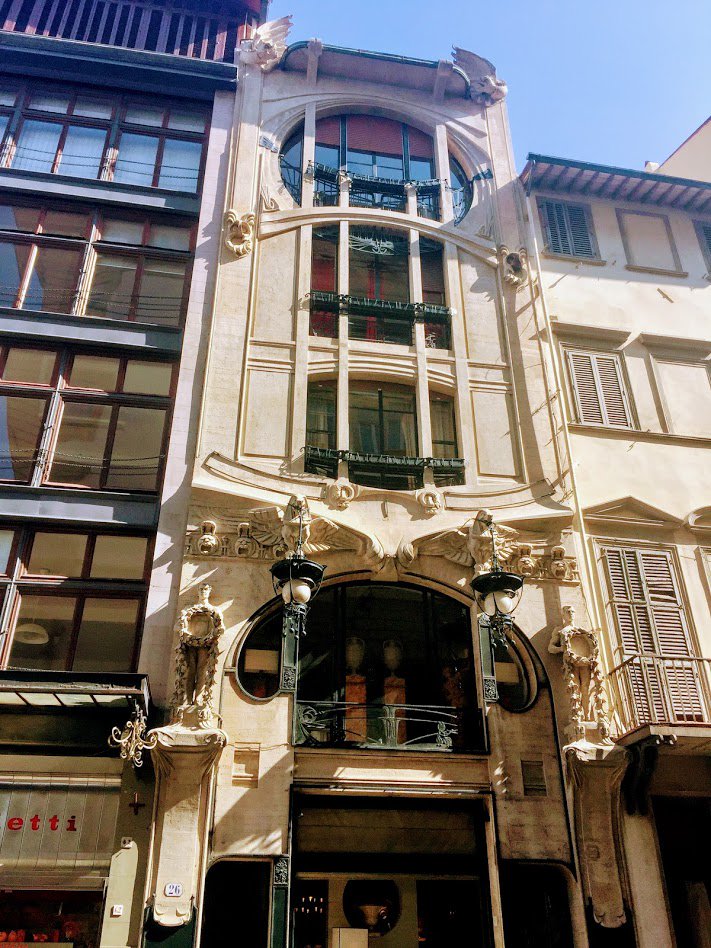
From Wikipedia, both the Italian and English versions, with some edits by me:
Michelazzi is the architect who created all the most important Art Nouveau architectural works in Florence. Yet memory of his work was almost completely lost when that style went out of fashion and some of his buildings were demolished in the 1950s and 60s. Only in the last fifty years has his story been resuscitated. Contemporary architectural critics ascribe an important place for him in the history of Italian 20th century architecture.
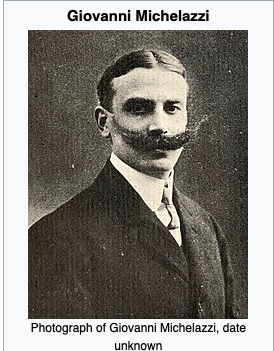
1911 is perhaps the golden year for Michelazzi, with the realization of his masterpiece, Casa-Galleria Vichi, with its tall, narrow façade.
According to the Wikipedia entry, after about 1912, Michelazzi changed direction in his art. His buildings from this point forward seem more Neo-Renaissance and less Art Nouveau. However, the building on my street, #72, falls in line with his Art Nouveau style.
The author of the Wikipedia article on Michelazzi stated that this change in direction is evident in Michelazzi’s Villino Baroncelli on Via Giovanni Dupre #72 in Florence. I hadn’t seen that building until yesterday, when I set off to find it. Here it is! Unfortunately, it seems to be abandoned.
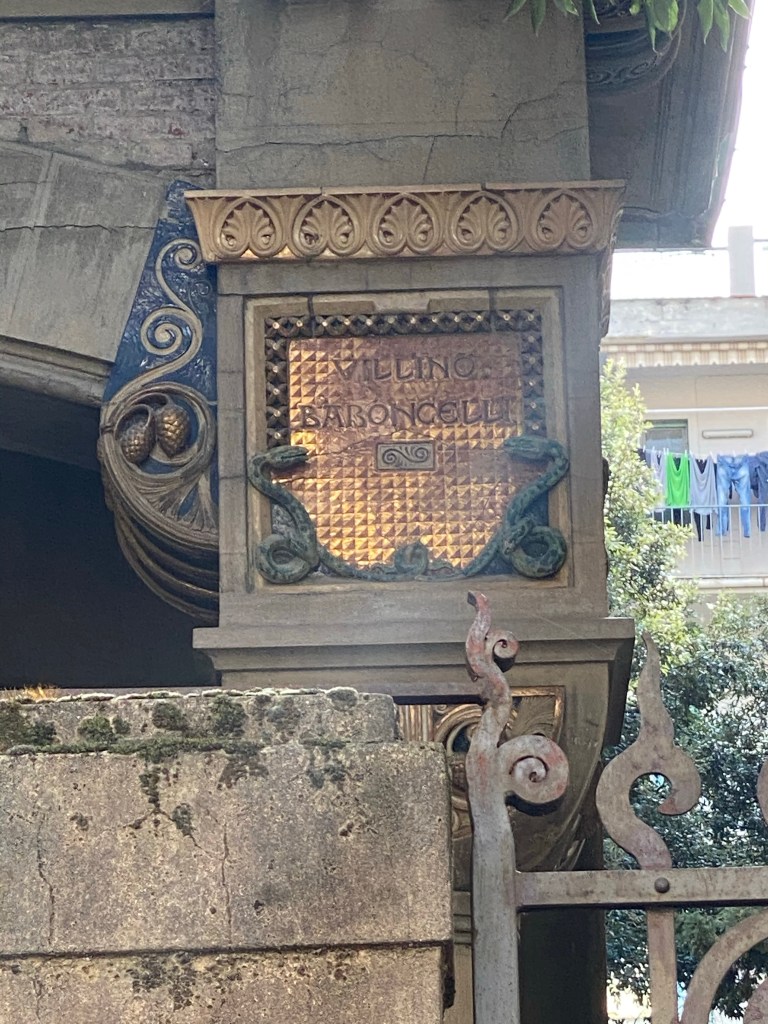

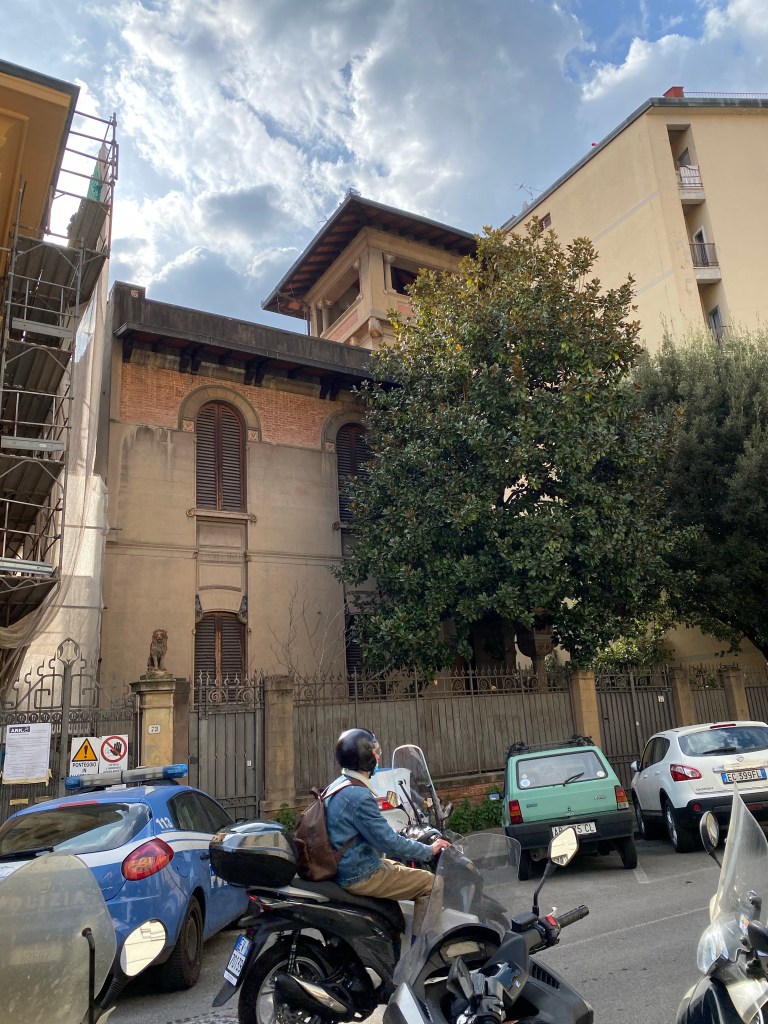
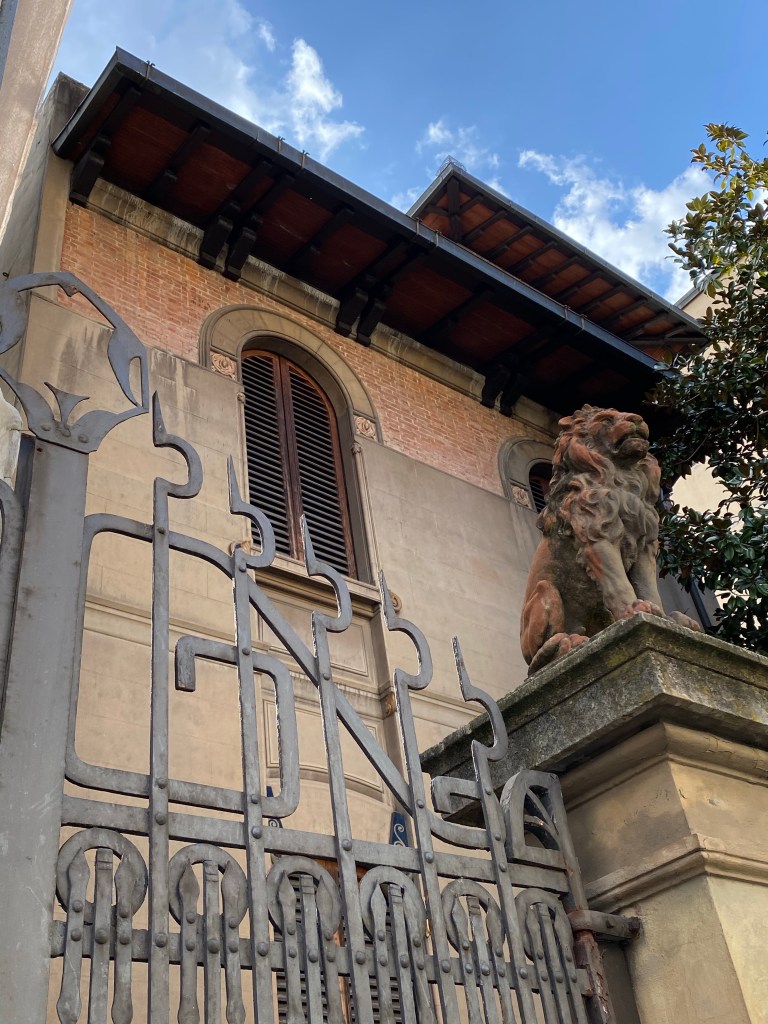
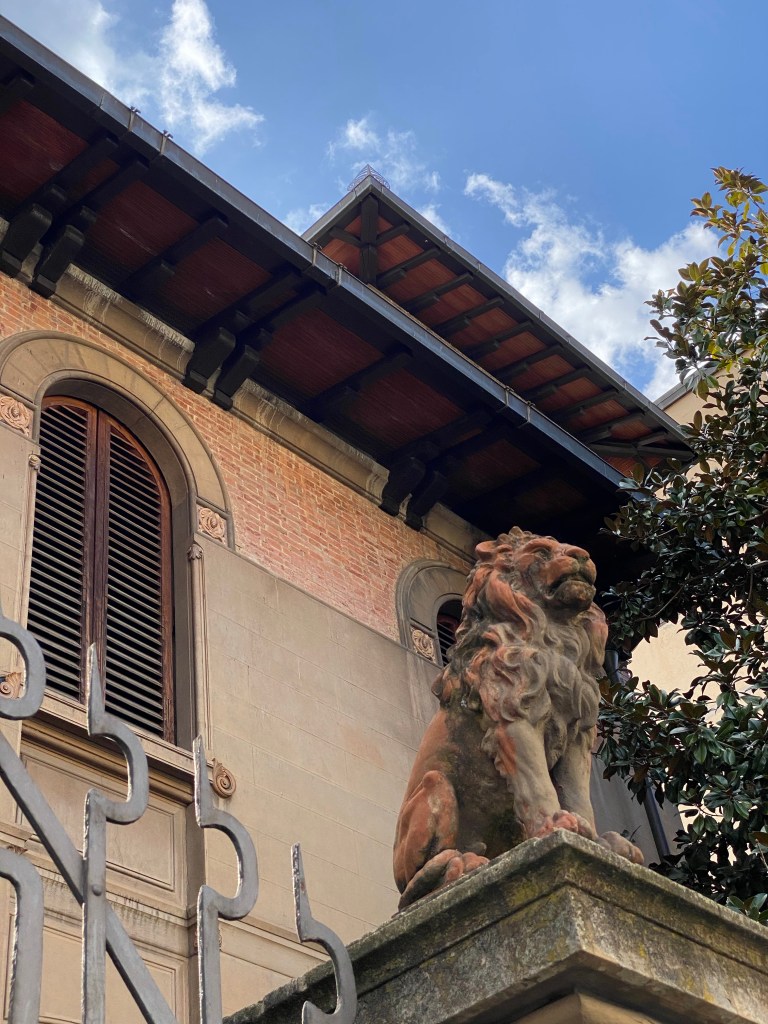
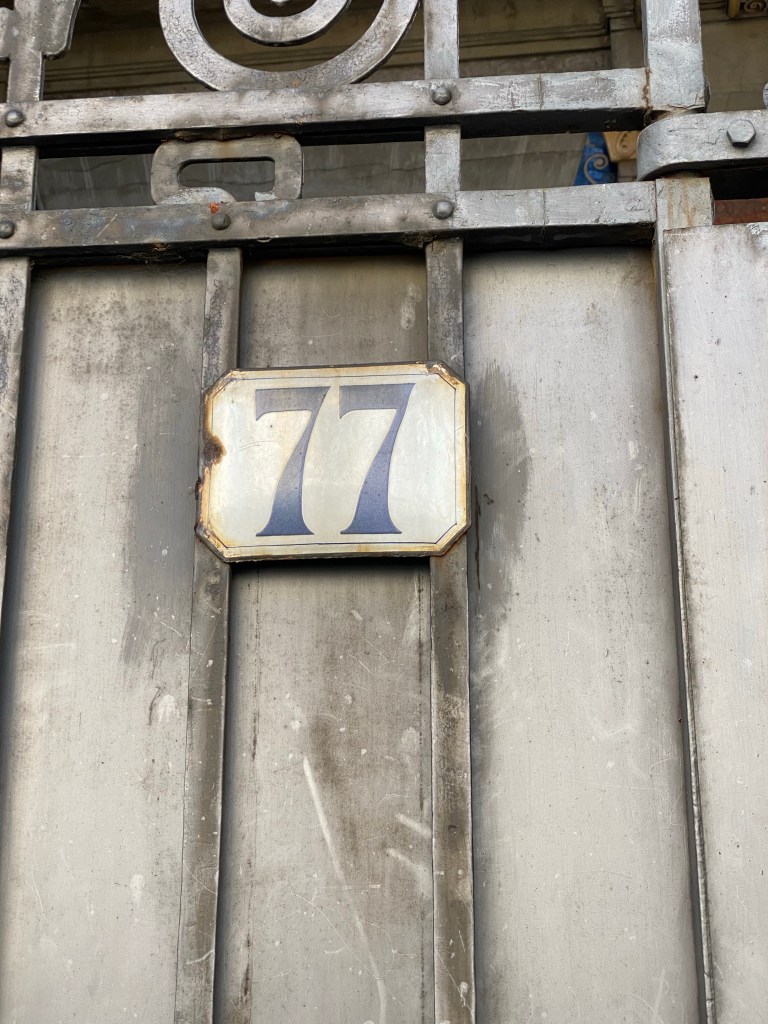
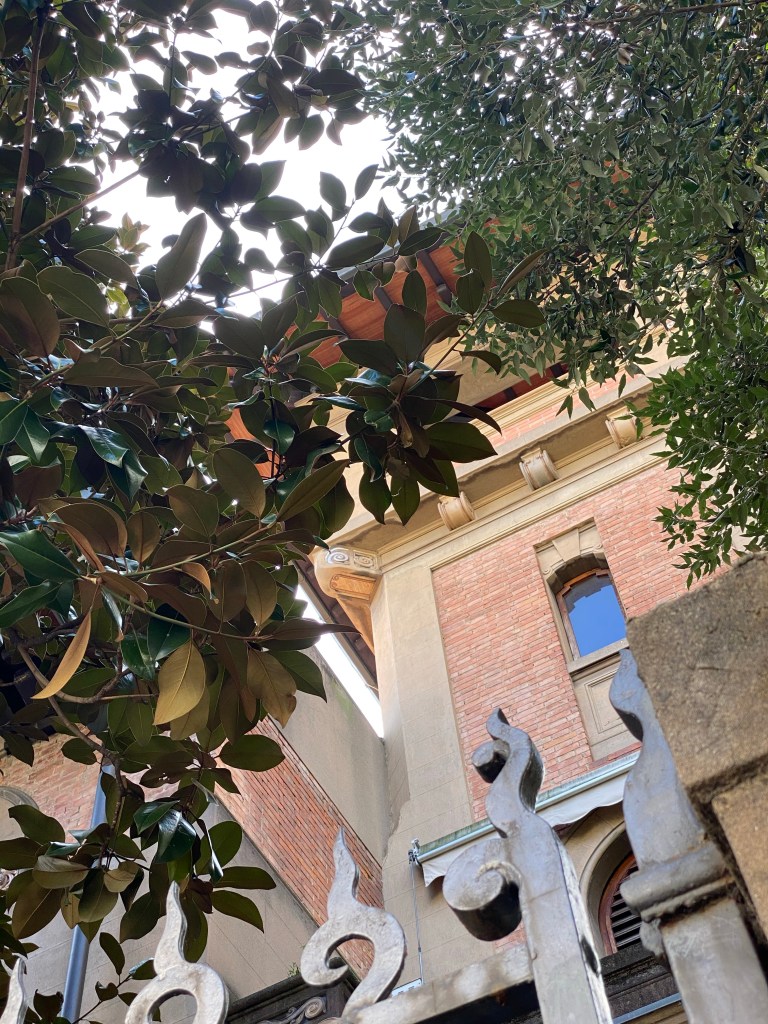
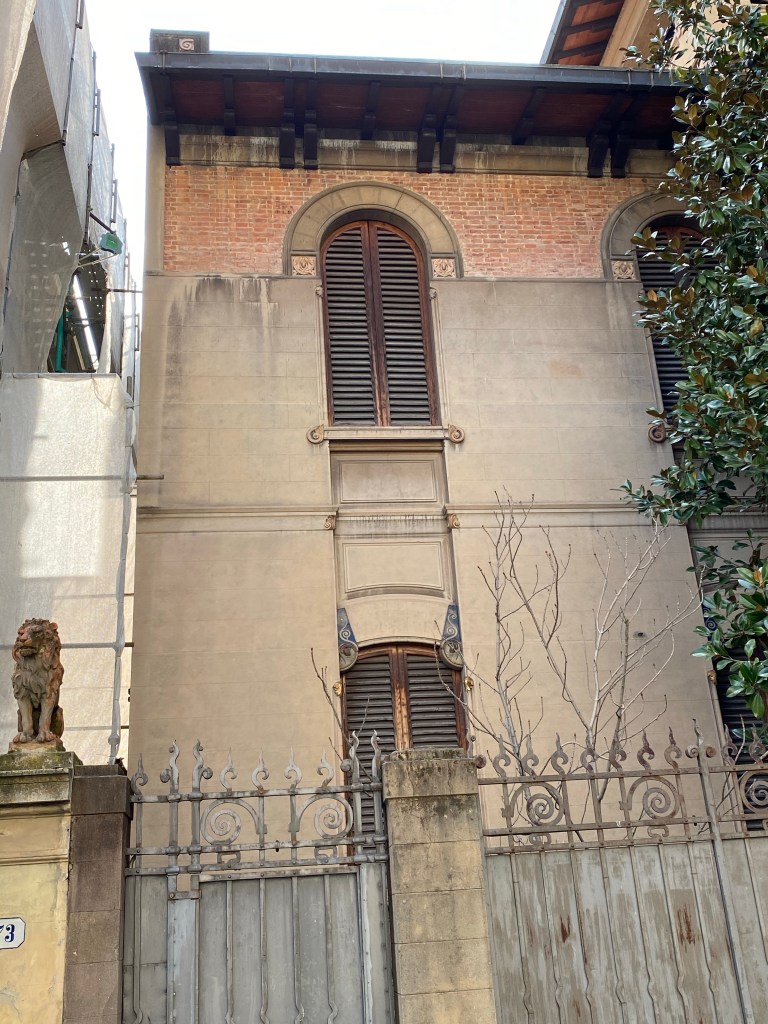
There are other Michelazzi buildings in Florence that I hope to locate soon. Until then, arrividerci!
In my mind’s eye, throughout my lifetime, I’ve seen images like the one below. A priest (or higher rank, sorry, I’m not Catholic and don’t know), walking through a town or village, on his way from his church? to see a parishioner? Who knows these details?!
But, the God’s honest truth is that in 4 1/2 years I’ve been living in Italy this time, and in all my visits to the country before that, I have never witnessed this scene before today. Where are all the church staff anyway? I’ve seen, over the years, a handful of Franciscan monks, but only a handful. I’ve seen 10 fold nuns, many of them Asian or African, over the years. It always entertains me when I see a nun walking down the street looking at her cellphone. I always think, does she have a direct line to the Almighty?
So, when I saw this man walking in the Borgo of Ognissanti in Firenze, I had to whip out my phone and capture his image. Who knows when I’ll see something like this again.
In the meantime, it satisfies one of my fantasies of life in Italy.
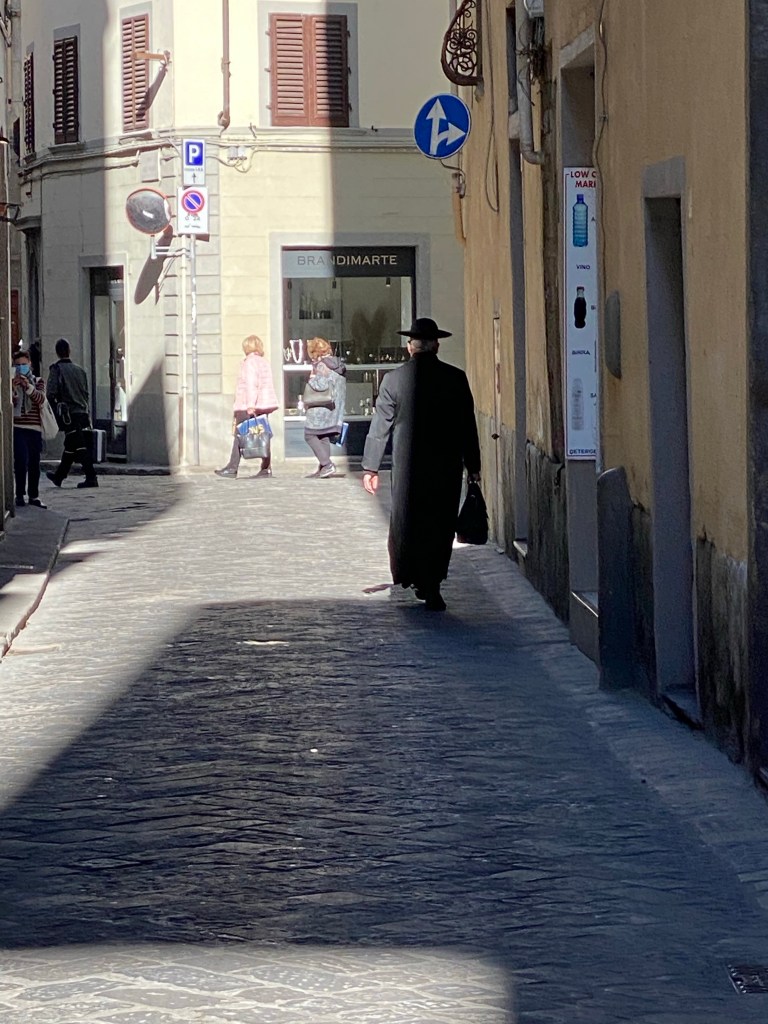
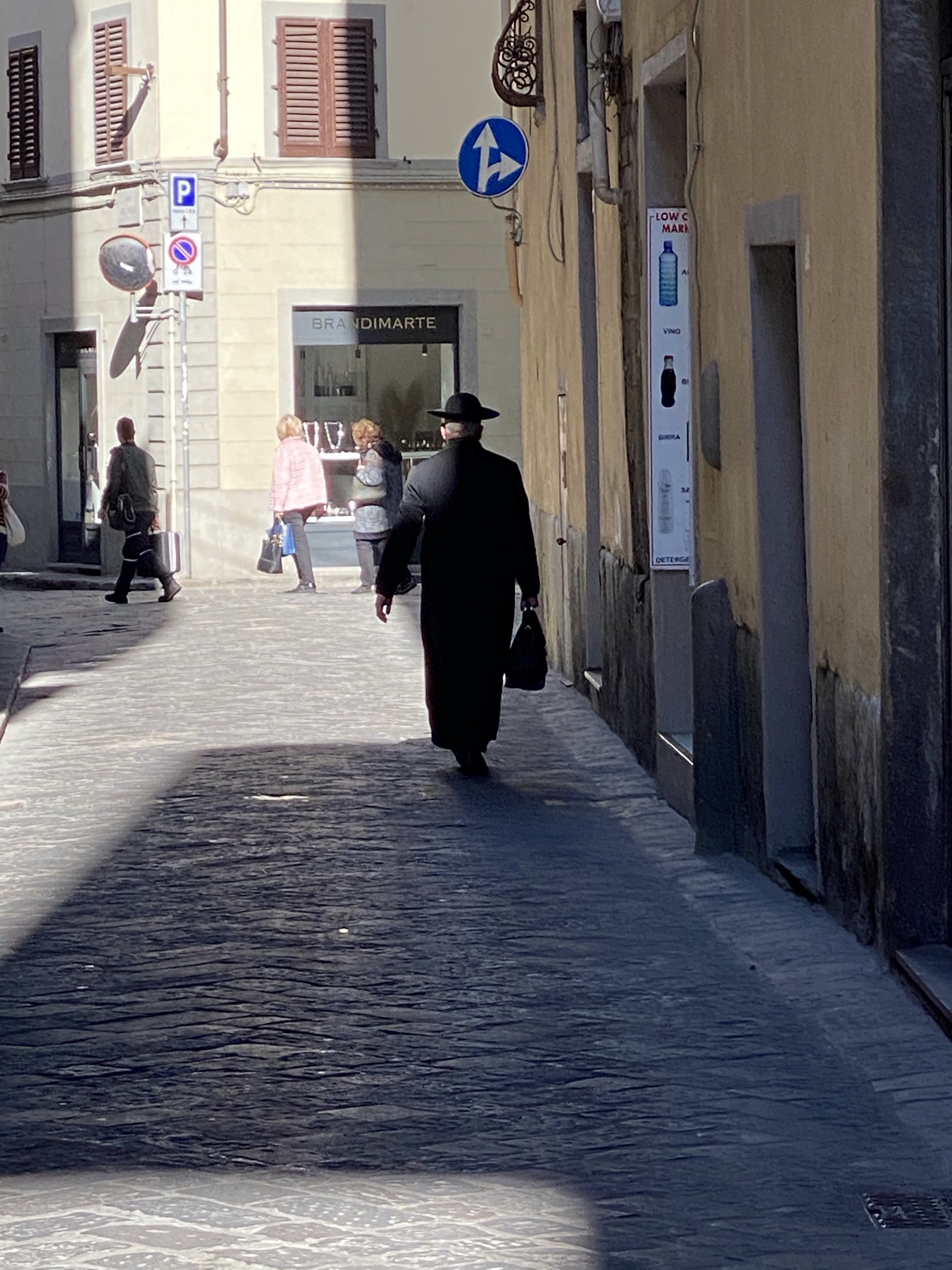
There are rumors afloat that Tuscany is going into lockdown again on Monday, March 21. OMG, I hope not.
I’ve been whinging about being in the Orange Zone for weeks; haven’t been able to leave the Florence city limits. I may soon not be able to leave my house without an authorization form and a very good reason. No more walks across Florence for my pleasure, no more Cascine forays. When will this end? Summertime, I imagine.
So, let’s enjoy what I saw yesterday! Because springtime beauty is all around me.
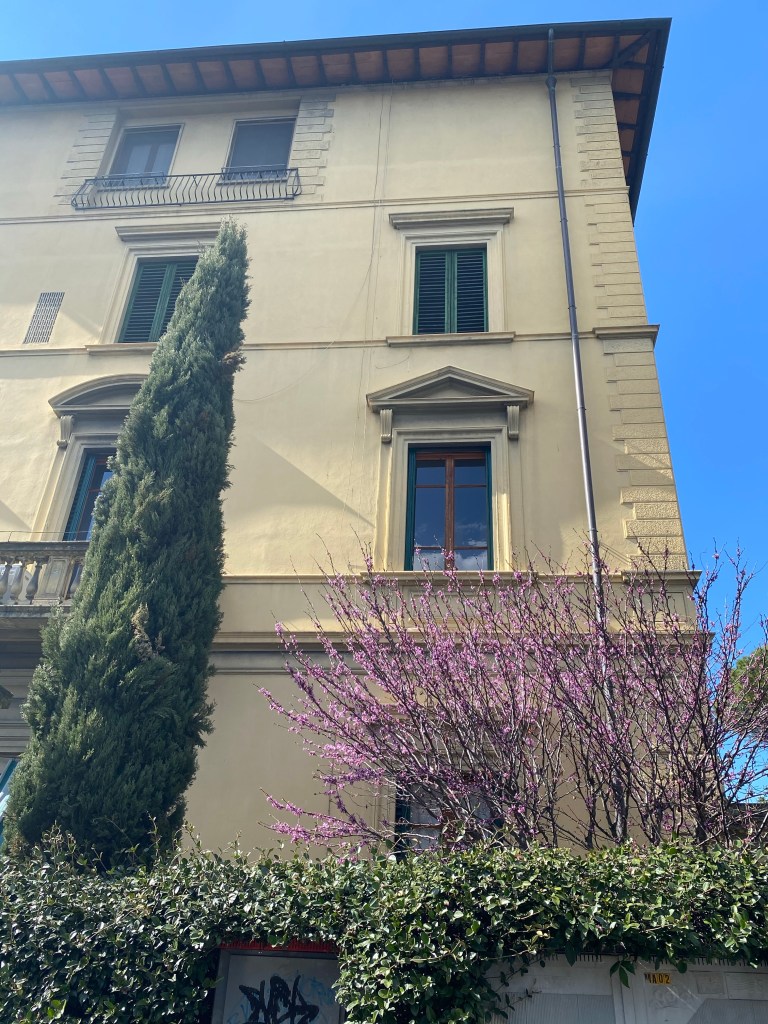

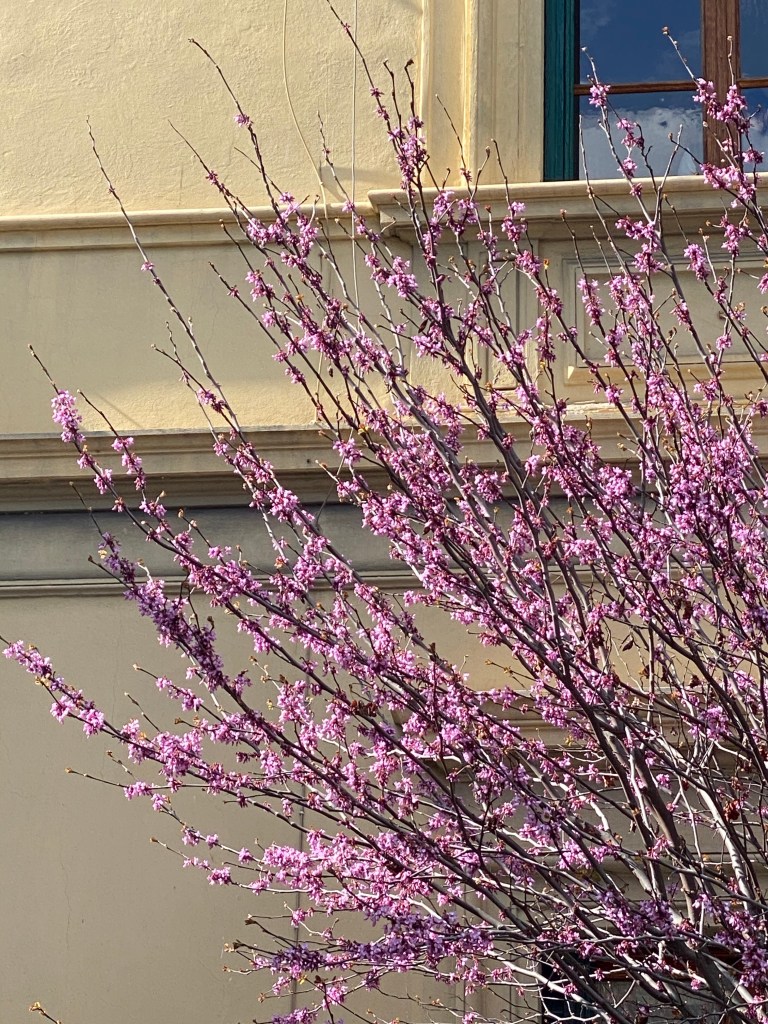
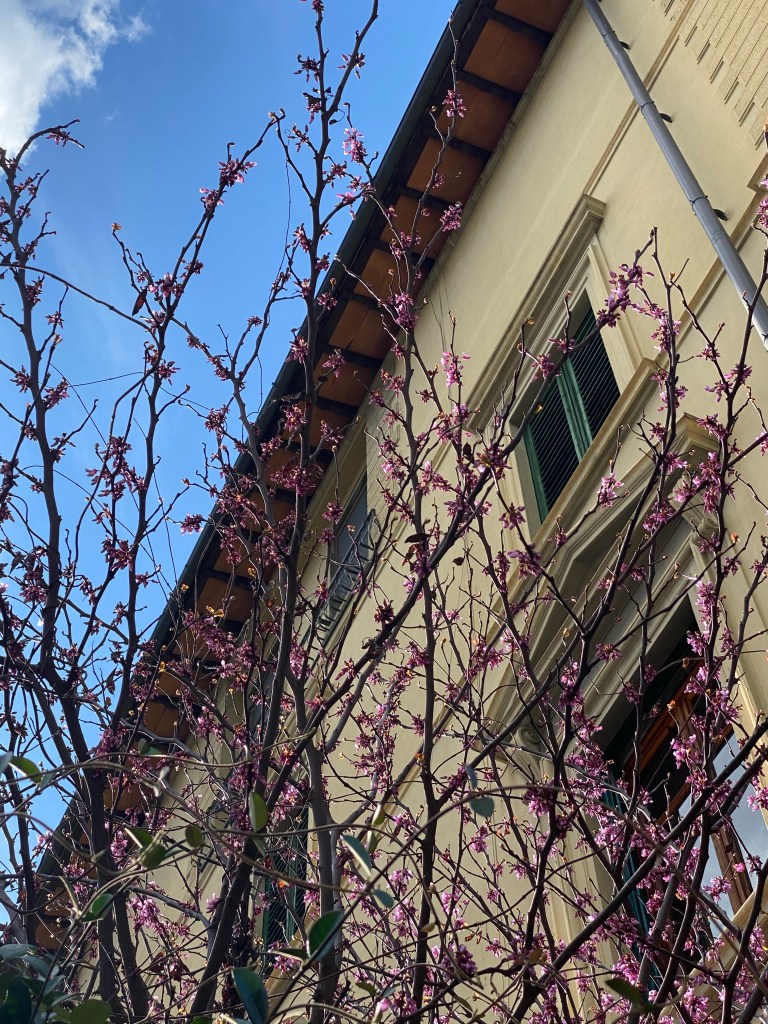
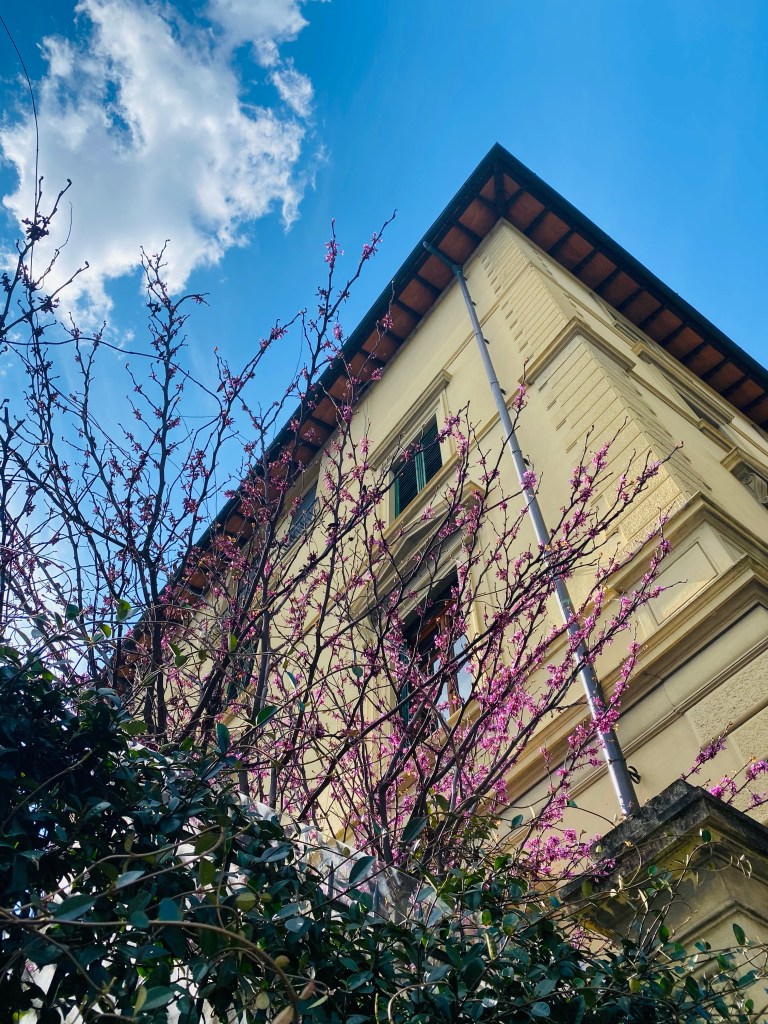

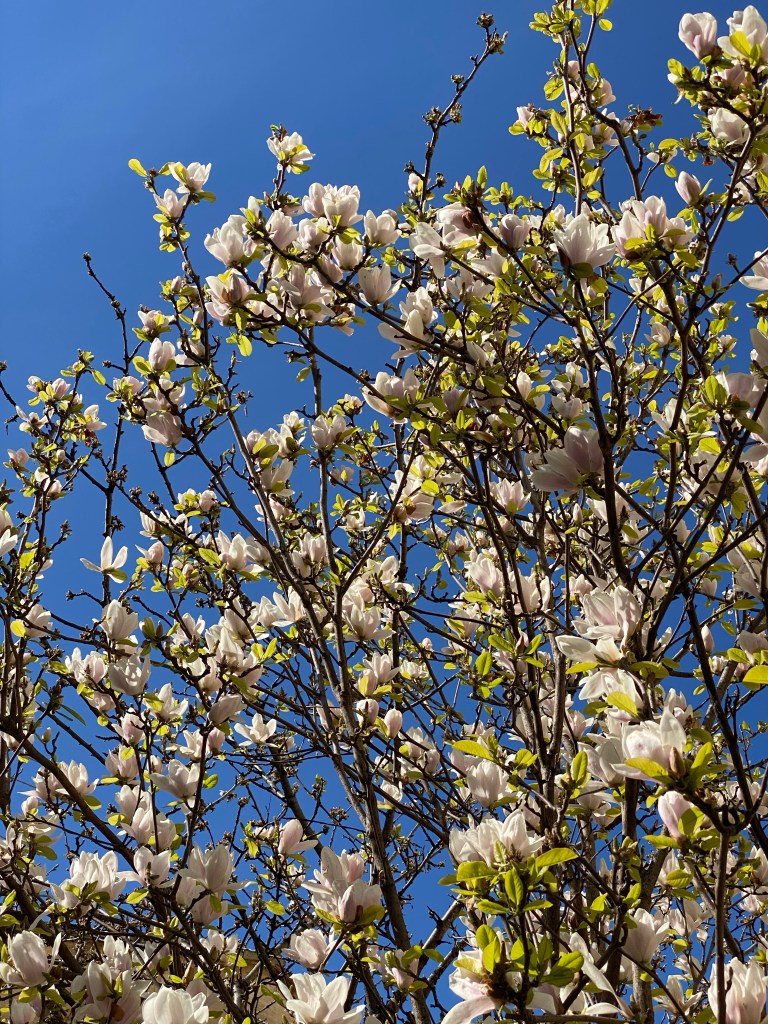
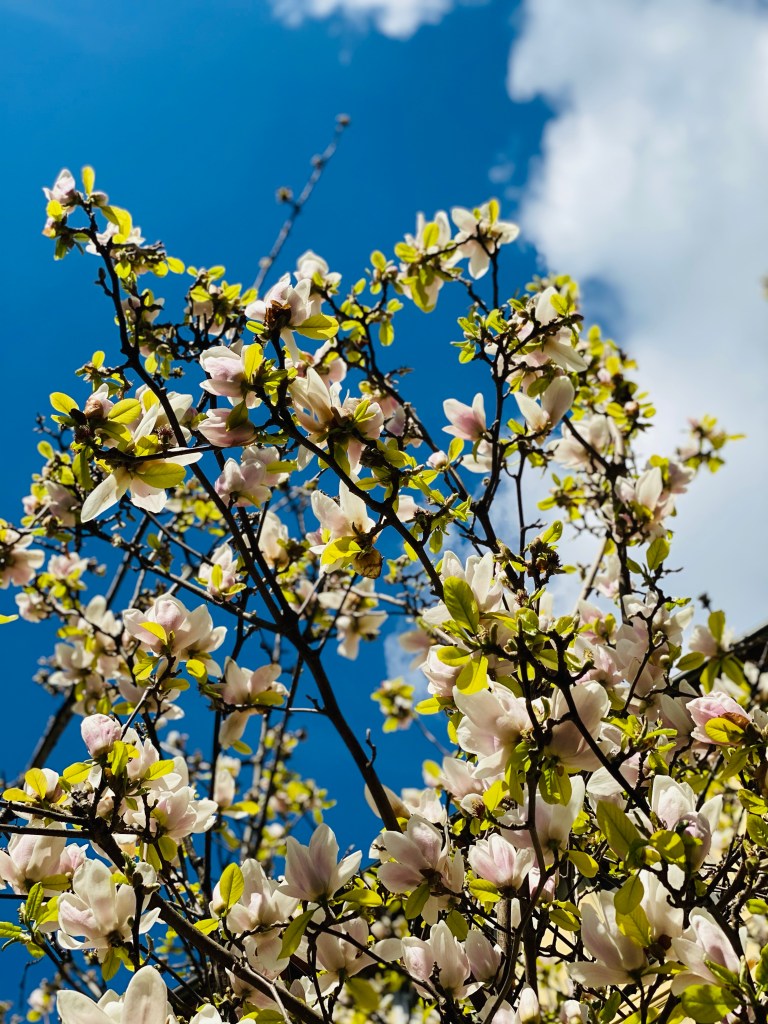
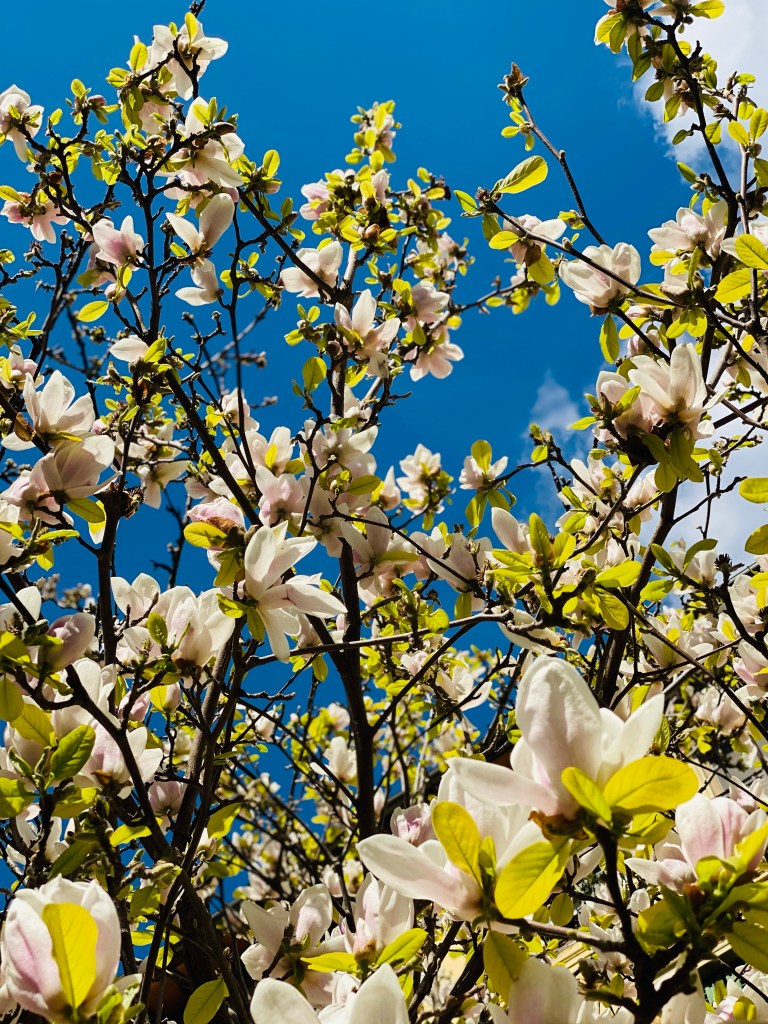
And, up next, a little white magnolia action in the beauty department:
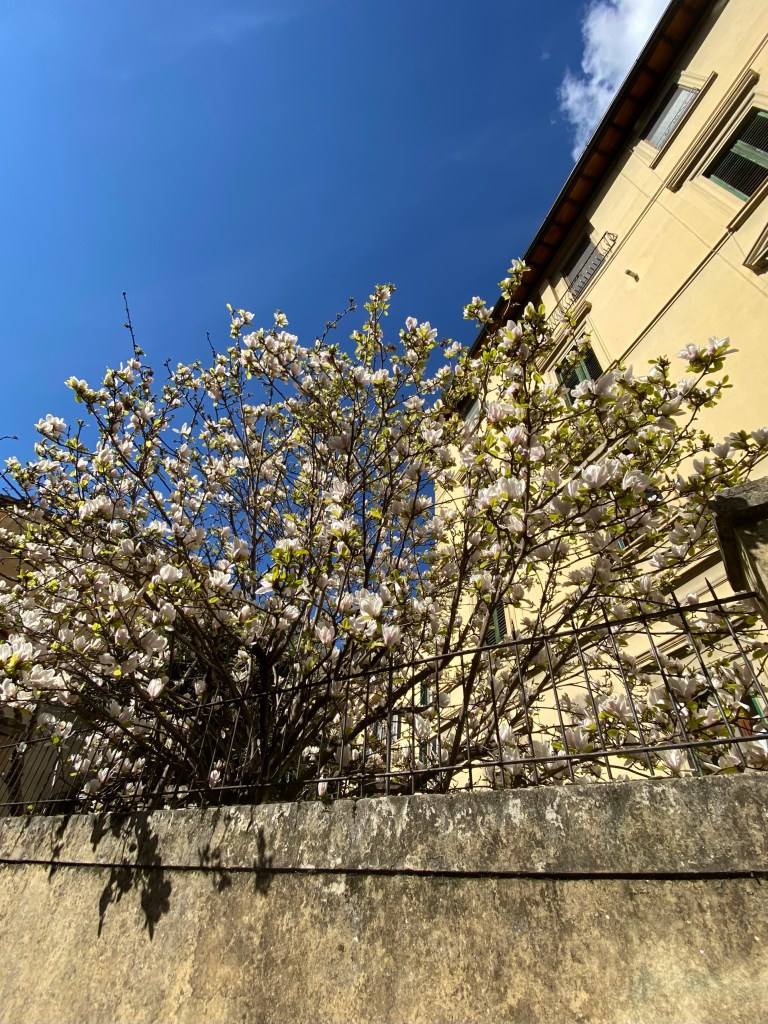

It occurred to me yesterday on my walk that I take the view below for granted. There was a time in my life when the just the idea of cypress trees and umbrella pines, never mind a bright blue sky, filled me with longing for Italy. And now, here I am, able to enjoy it daily. Count your blessings!
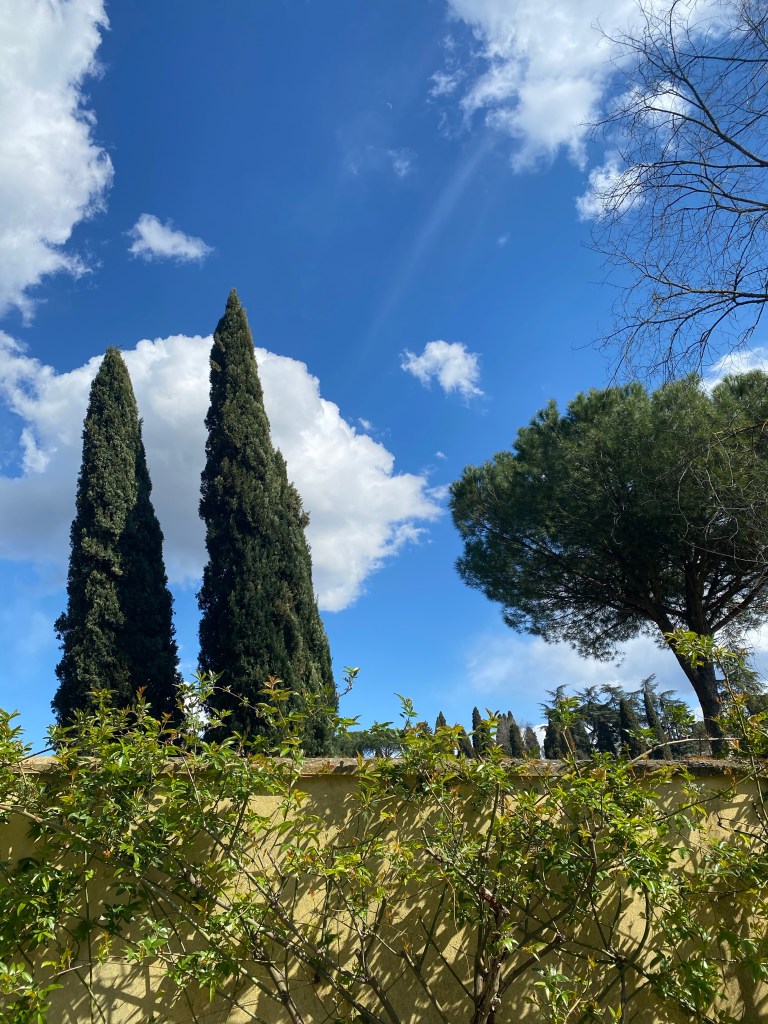
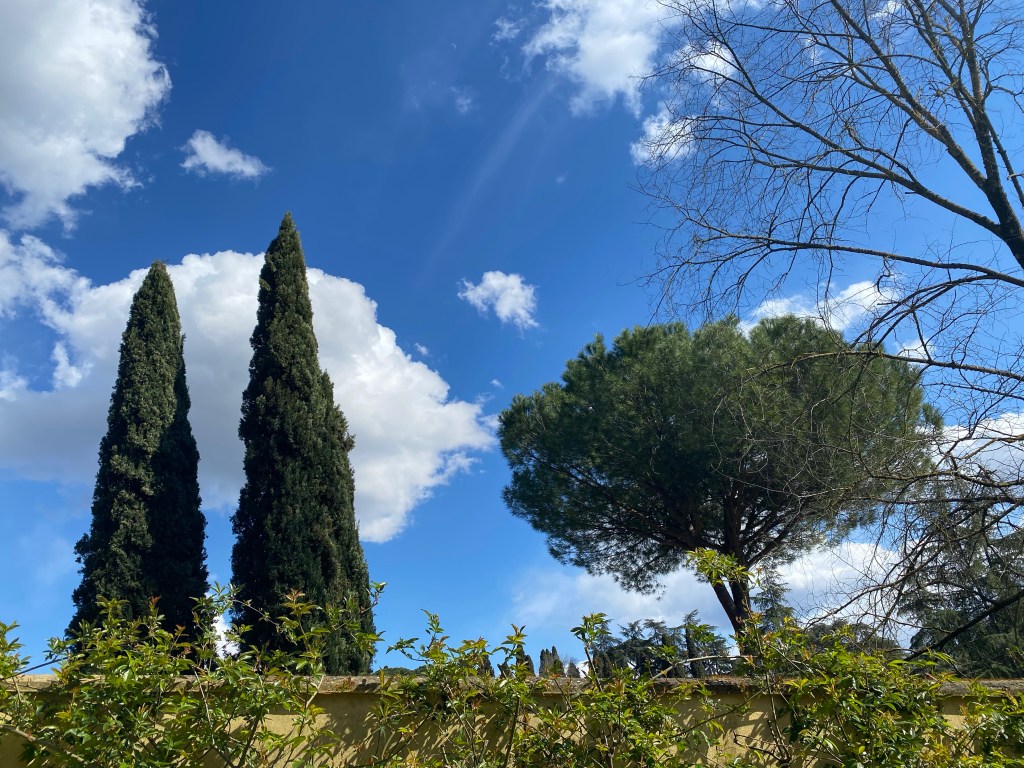
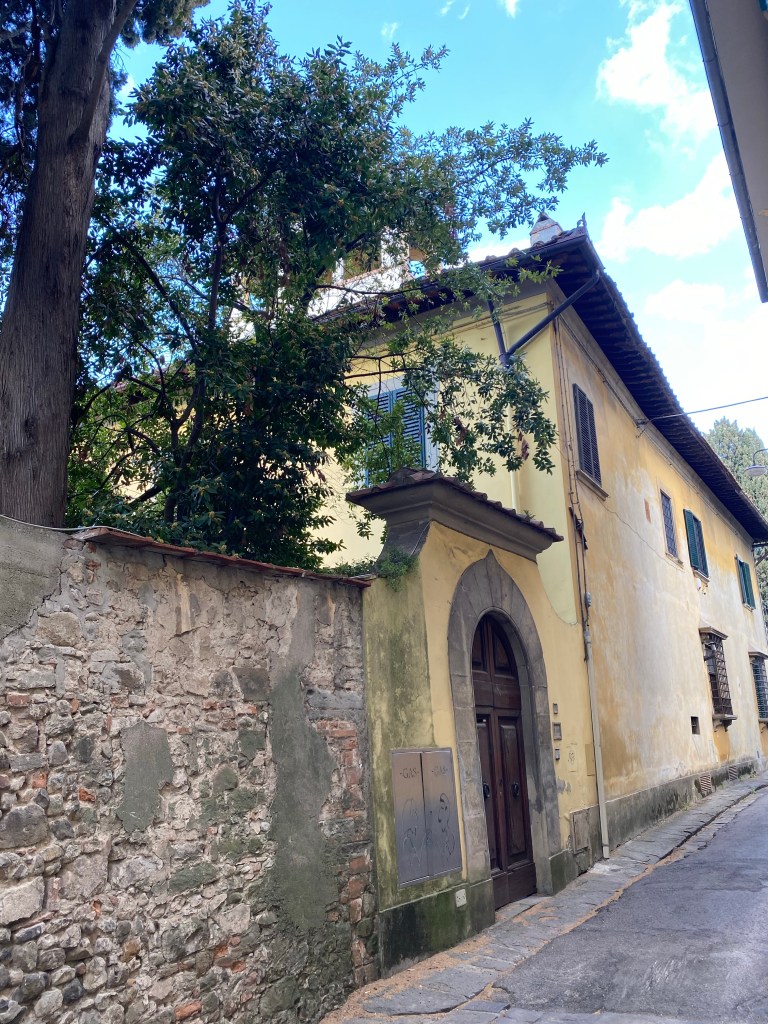
And, how’s this view below? A short walk from my house, I am in the hills below Fiesole, enjoying an unchanged for centuries vista of classic Tuscan countryside.
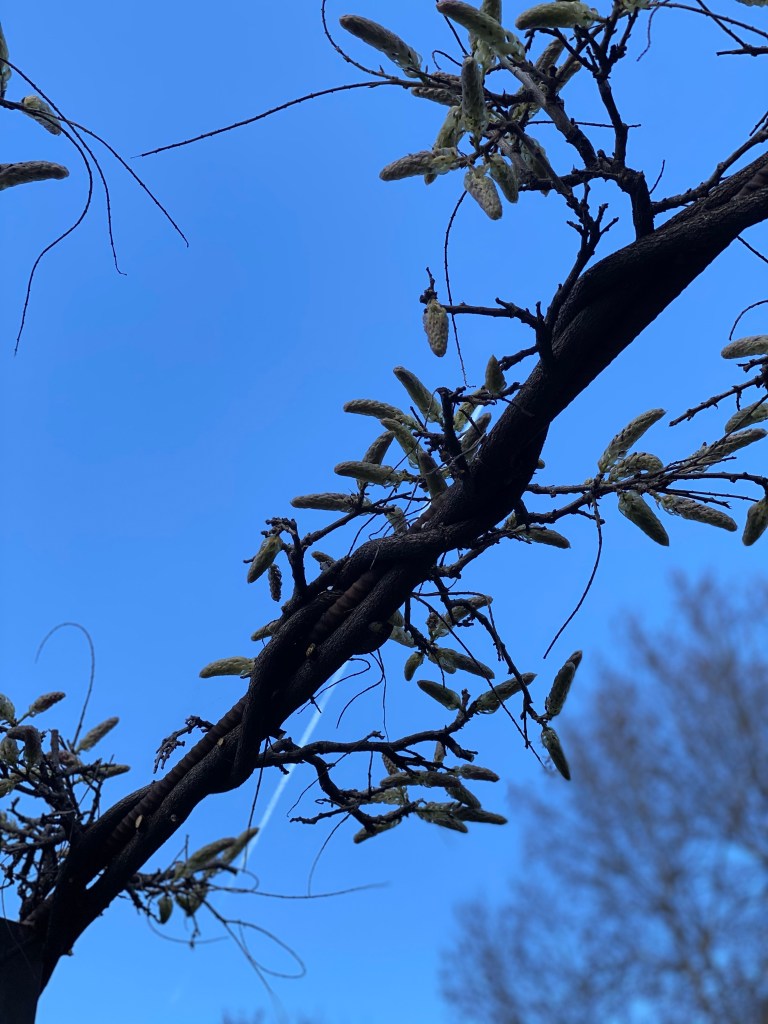
And lastly, the wisteria vine near my house is getting closer everyday to putting on its sublime lilac-colored show. Here is how the racemes are shaping up in March.
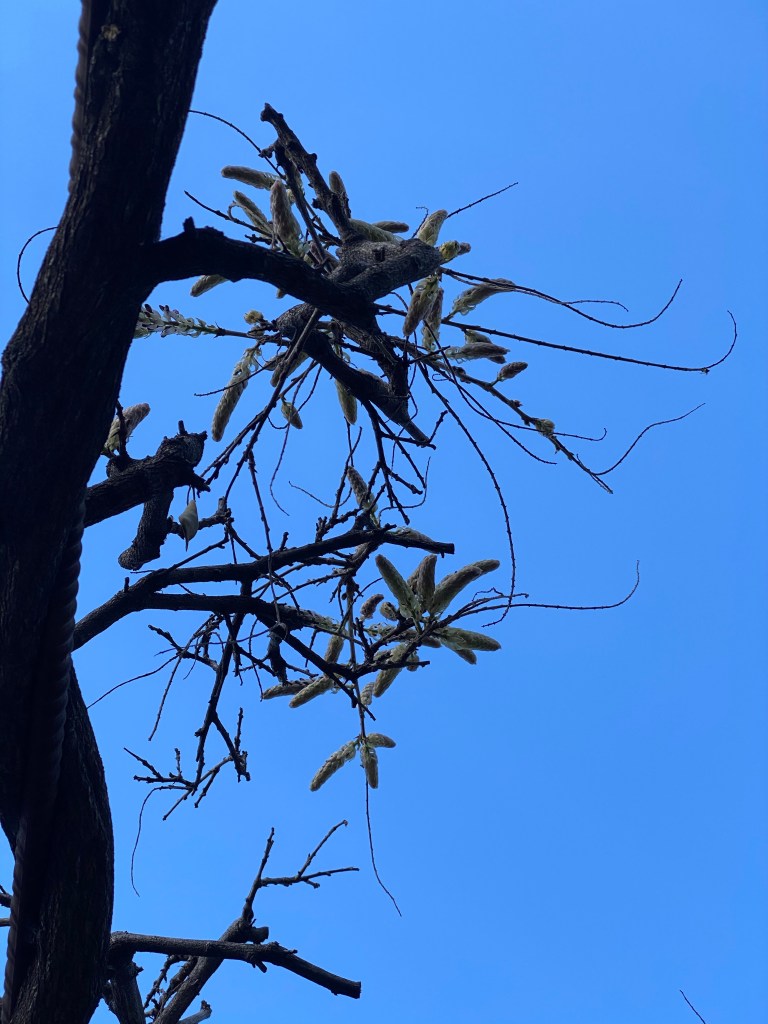
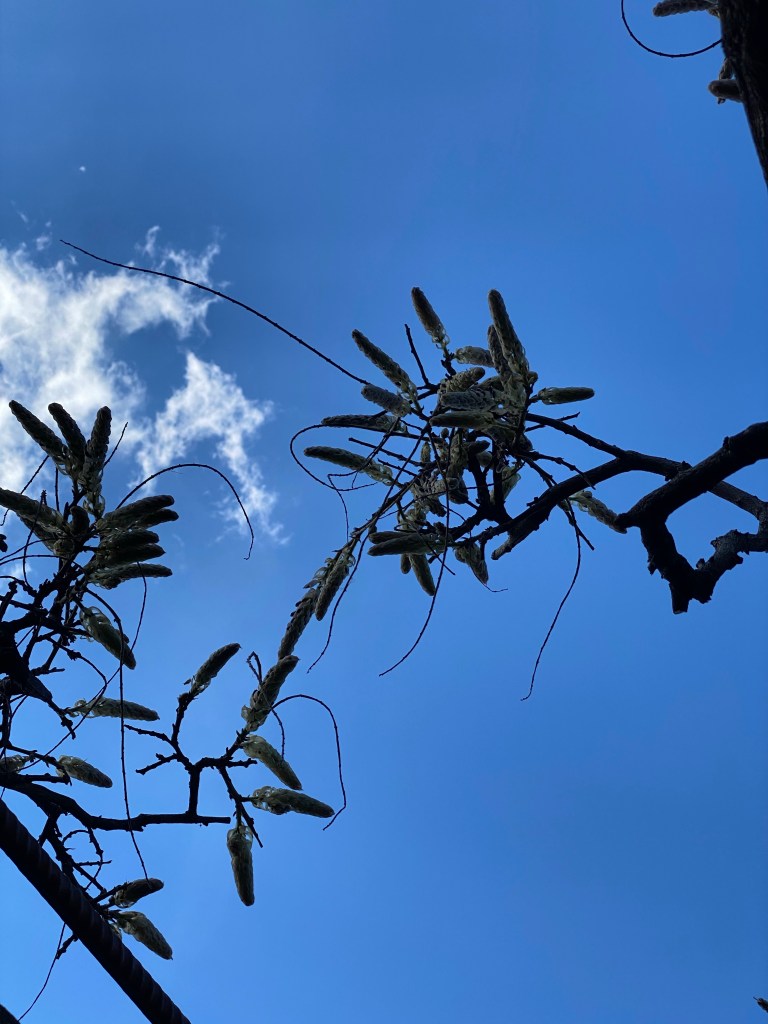
I always feel better after a long walk. Especially through all of this everyday beauty in Tuscany.
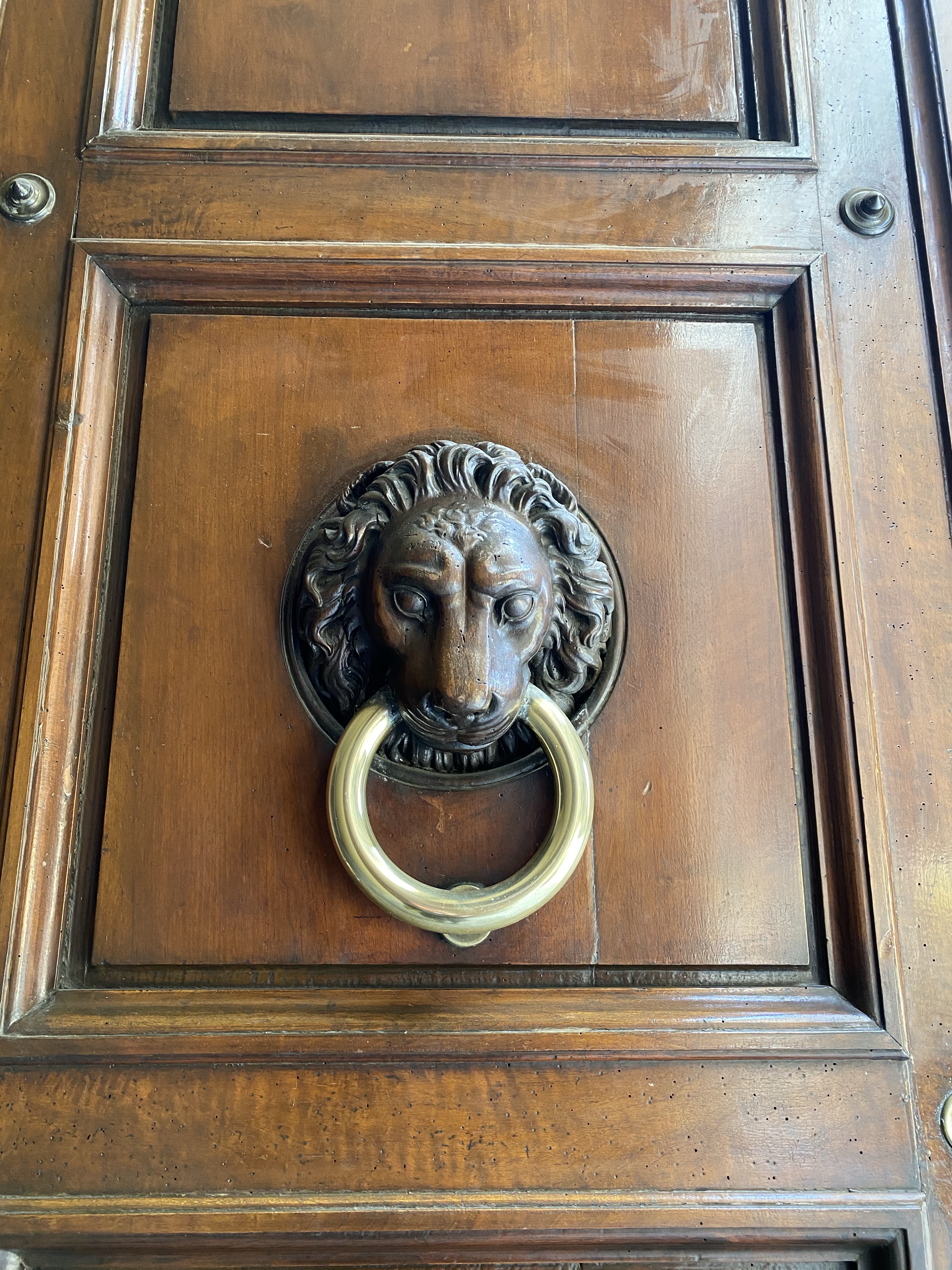
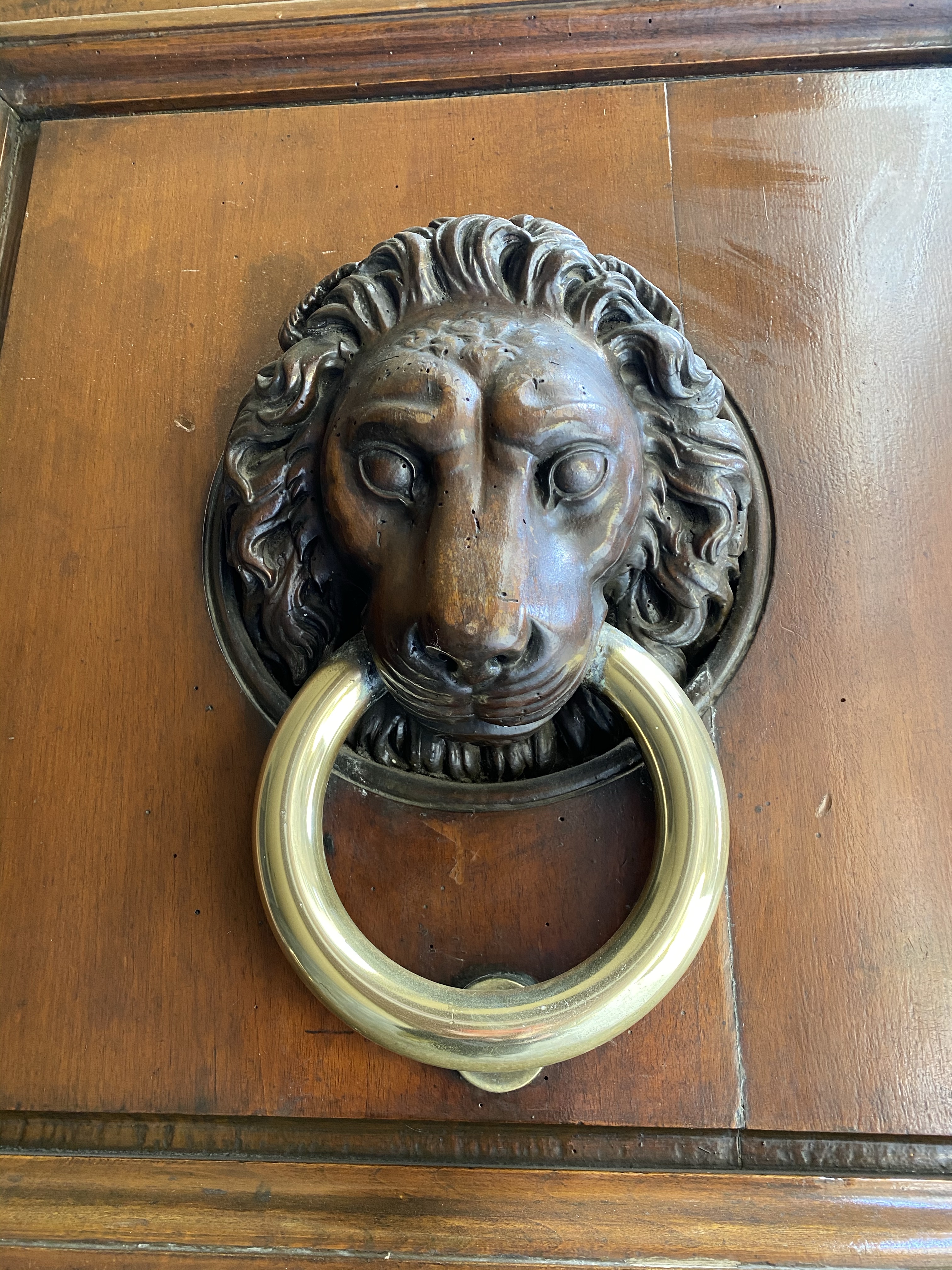
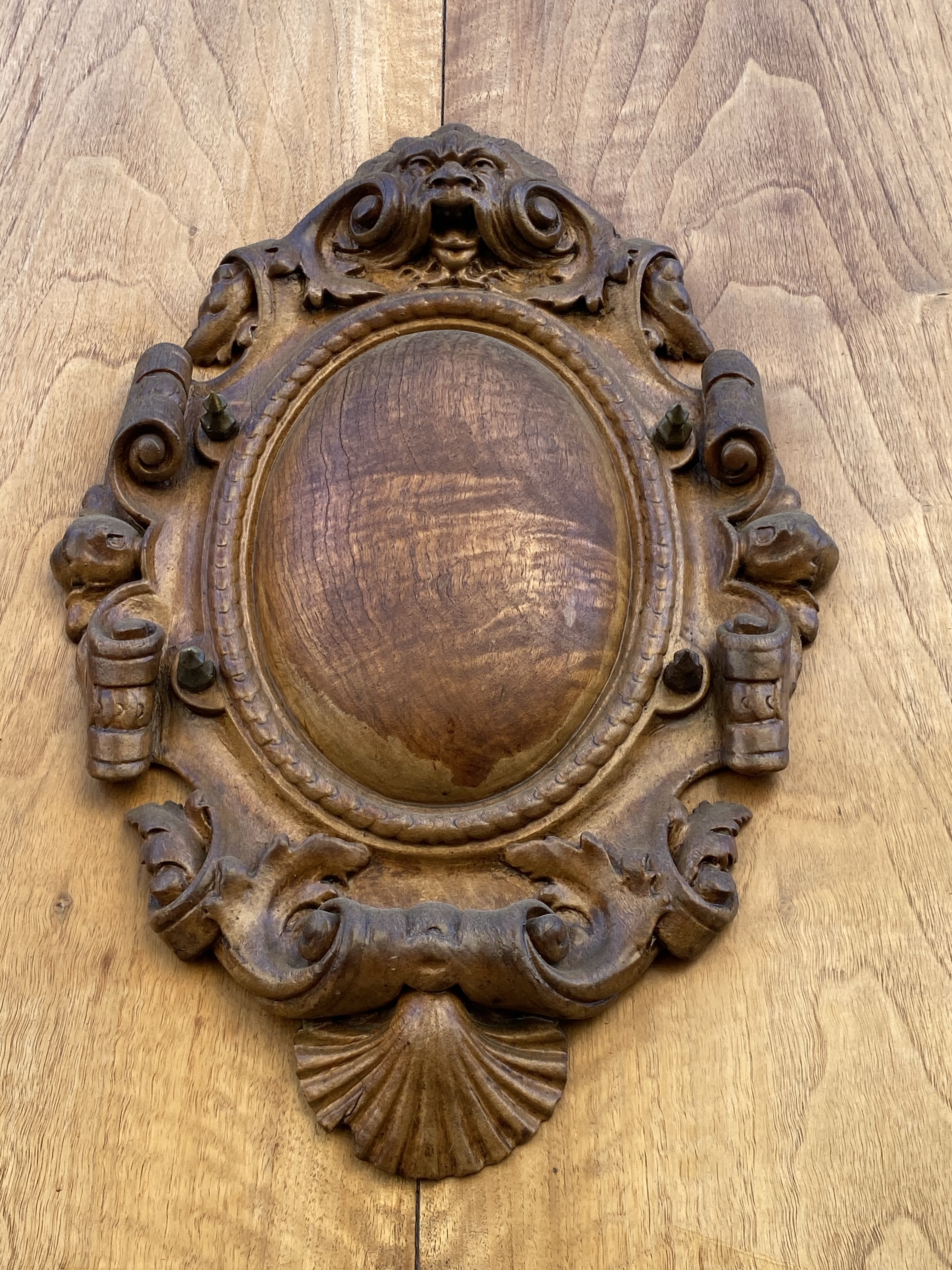
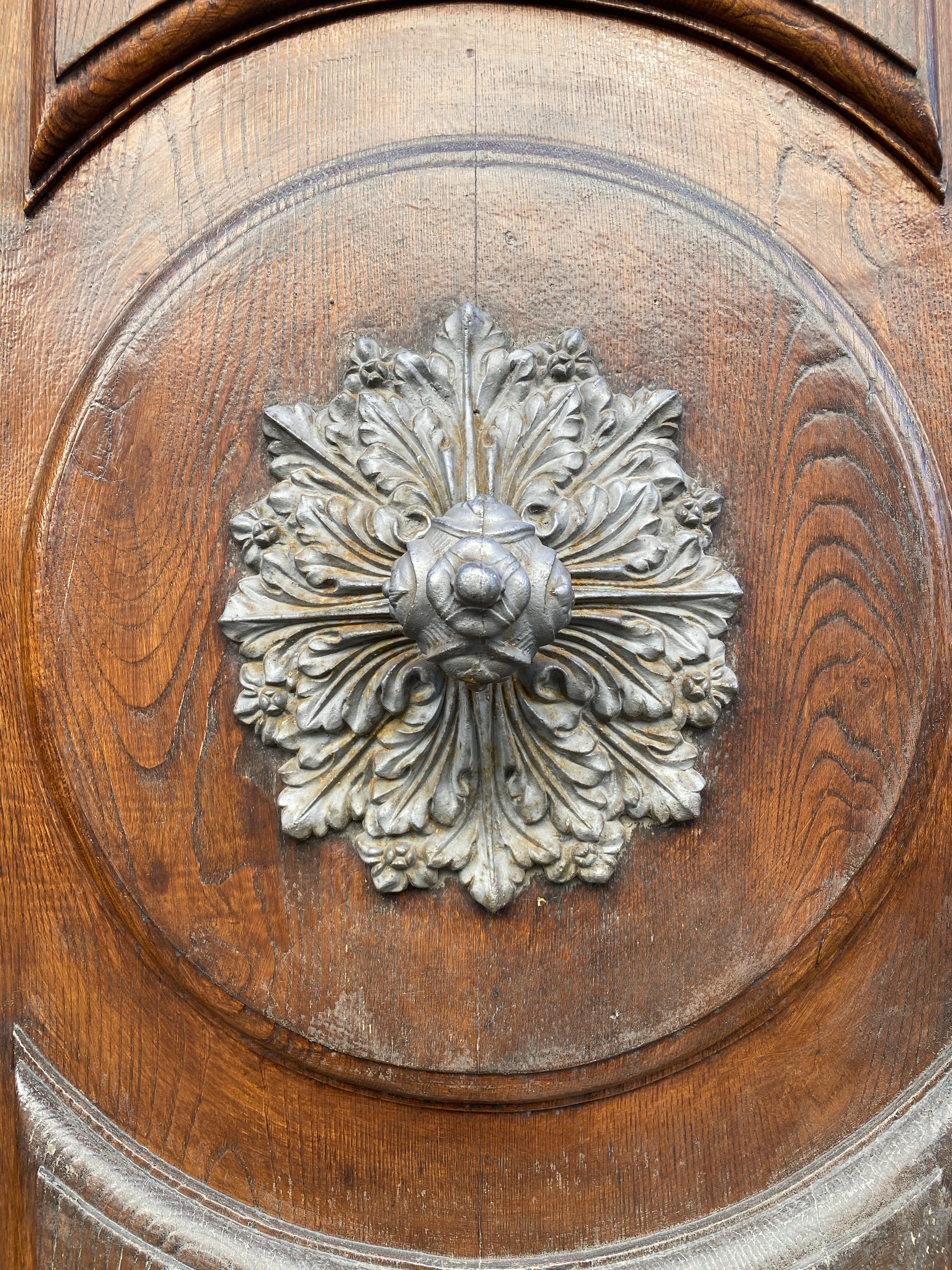
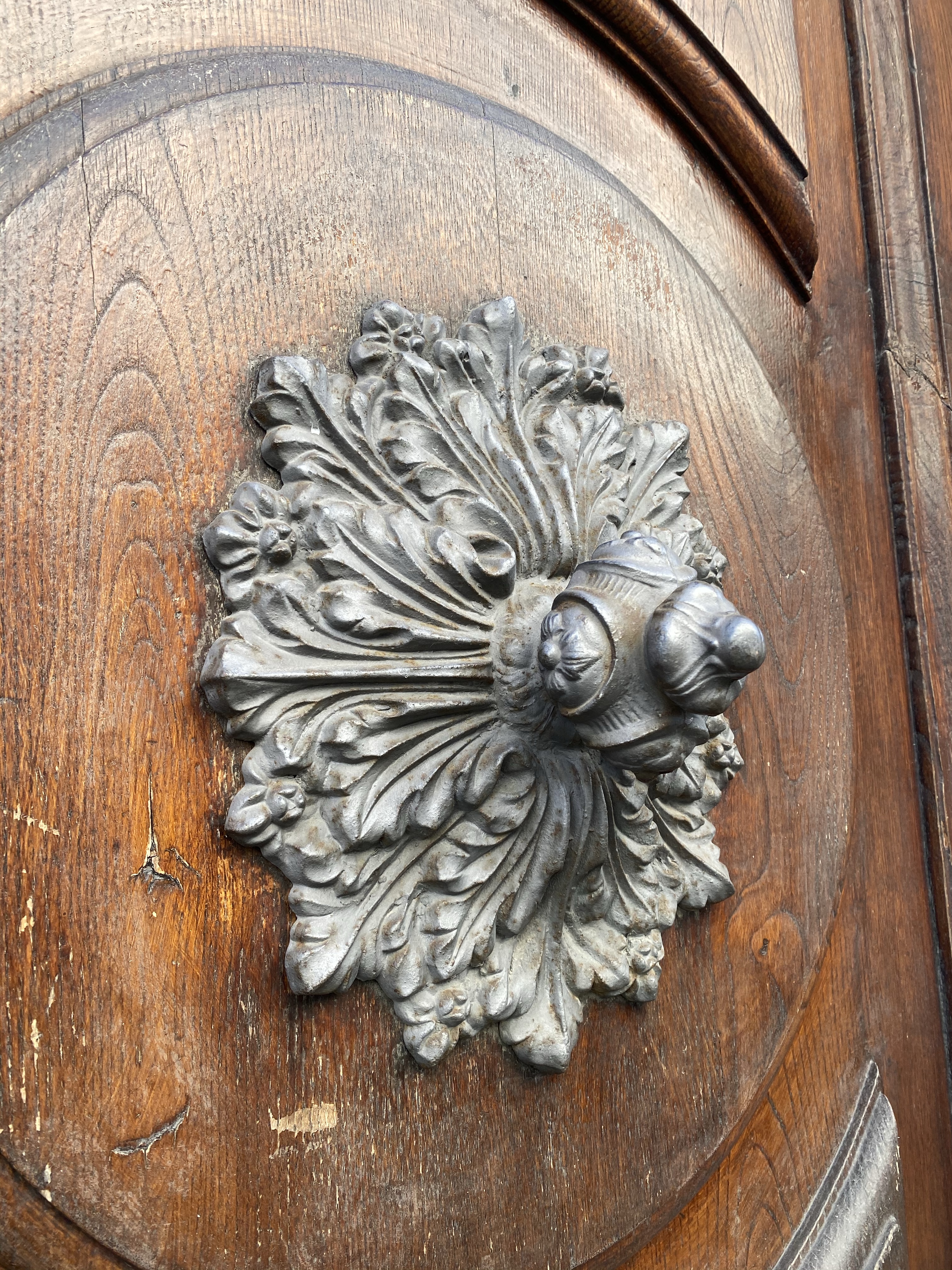
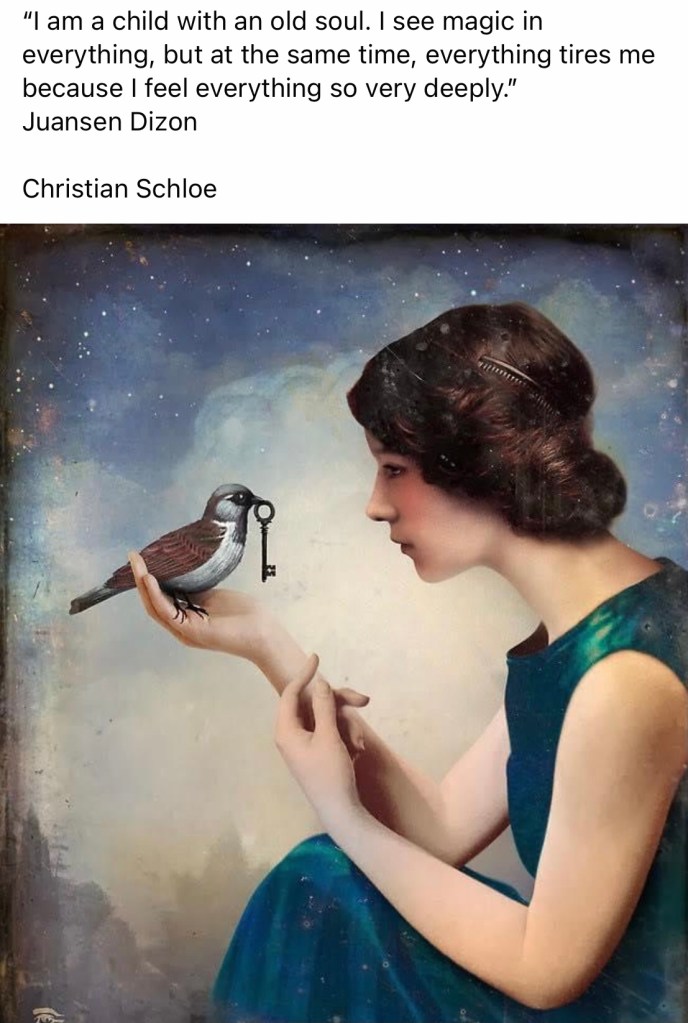
Well, I suppose Brass Age Florence would be more correct. You know I have an ongoing thing with door knocks and other doorway accoutrements here. Here is my latest collection.
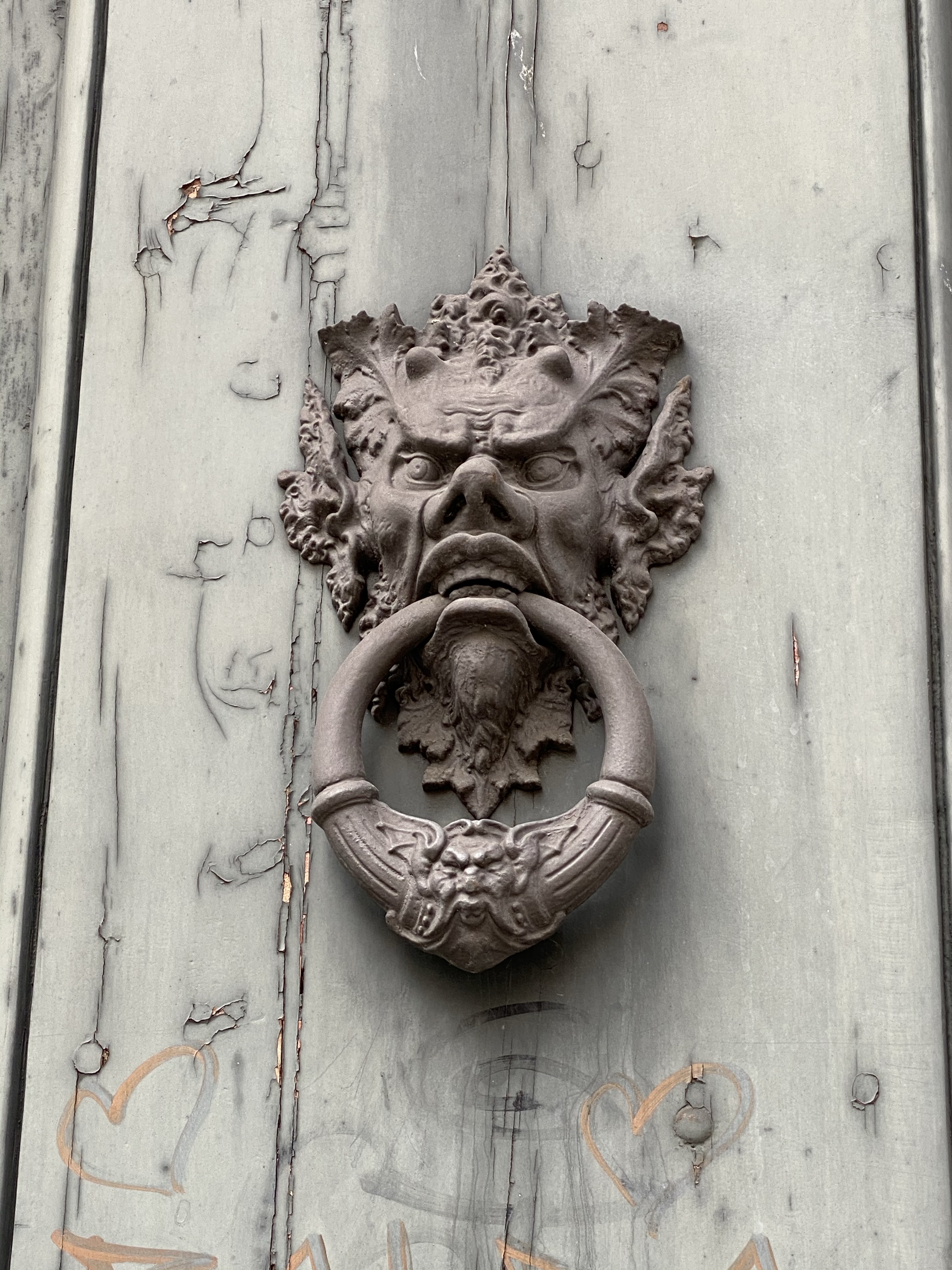
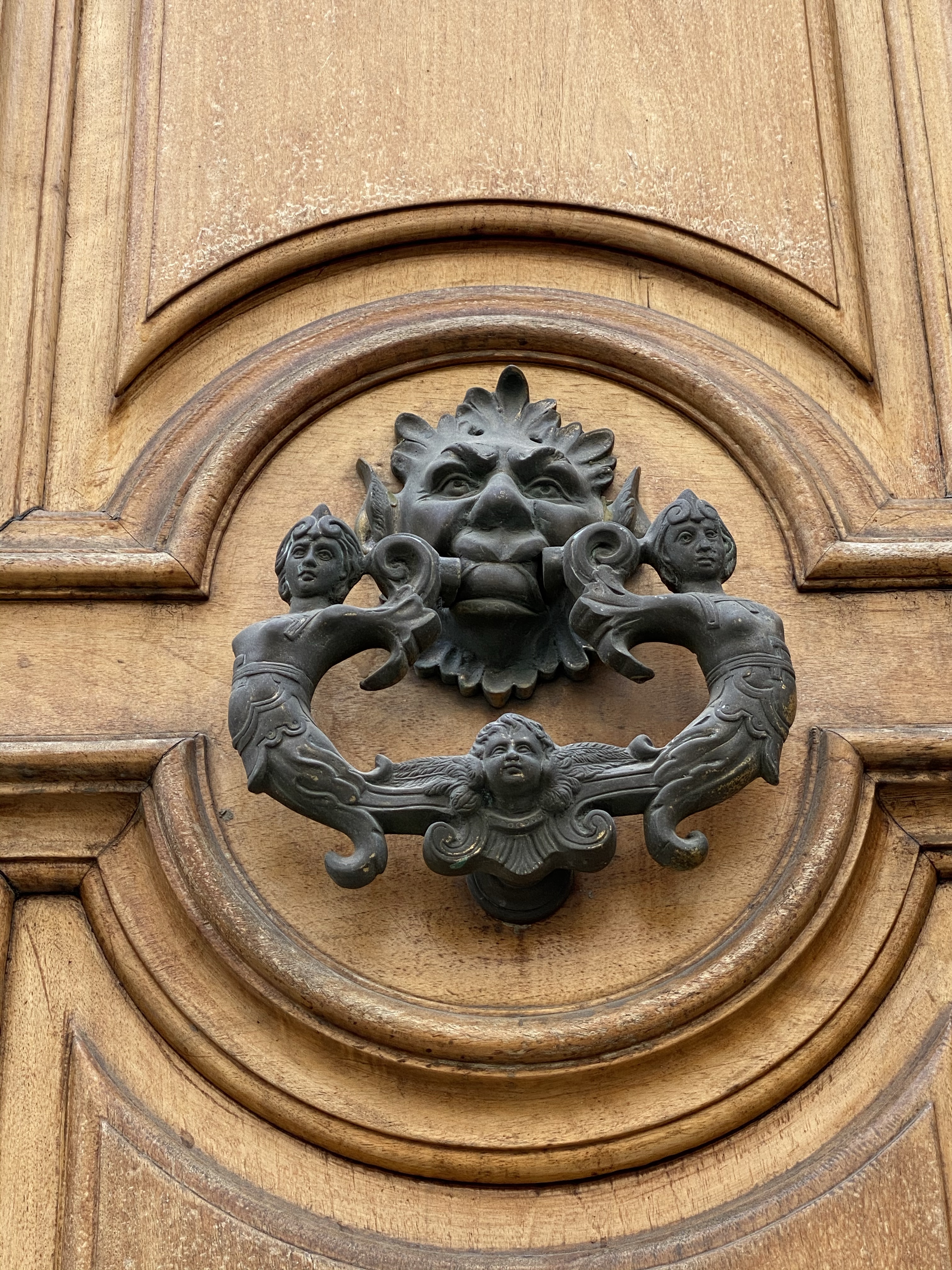
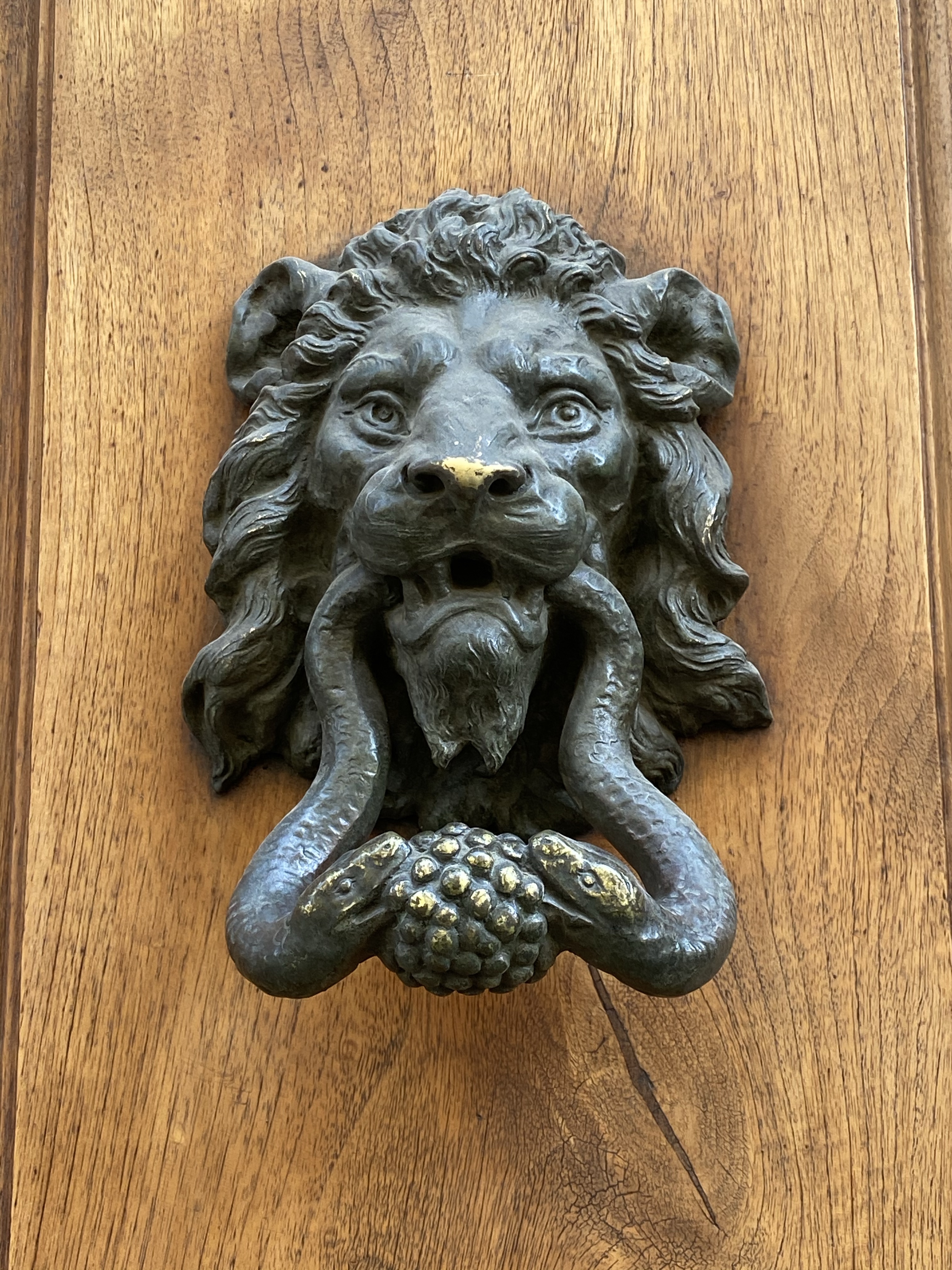
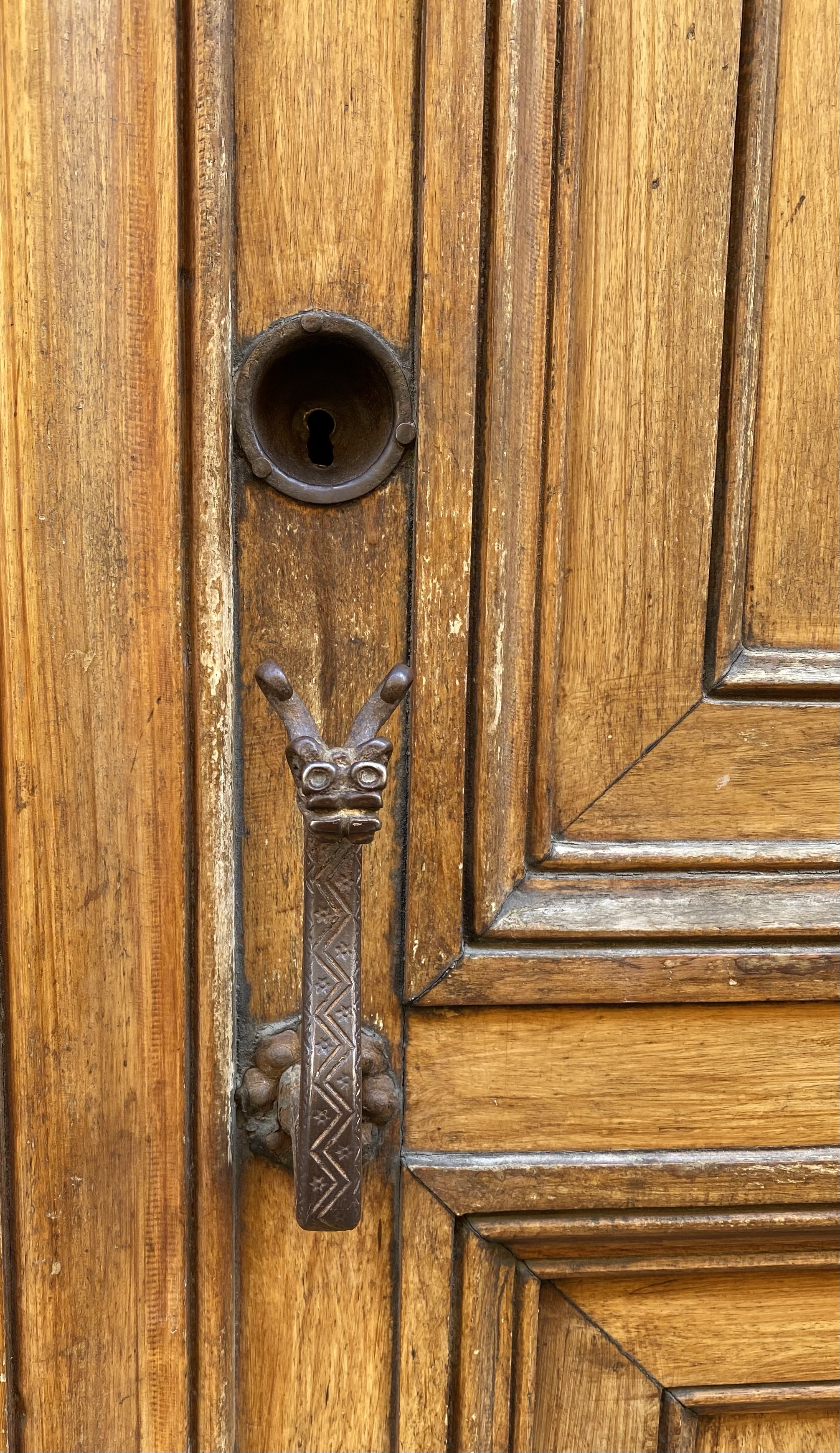


 get back, lauretta!
You must be logged in to post a comment.