Author: get back, laurettadimmick
The Visarno Racecourse in the Cascine, Florence
As you may or may not know, Tuscany is still in the Orange Zone, meaning we aren’t allowed to travel outside our city’s limits. As a result, I’ve been getting to know Florence better and better. Maybe too well. Ha ha. I joke, but I would really like to go somewhere!
Making the best of things, on a recent walk through the Cascine, I spotted these horses practicing their runs in the Cascine Racecourse, also known as the Visarno. Just an fyi: the park hosts a number of civil and sport infrastructures, such as tennis and football fields, a velodrome, shooting and archery fields, two hippodromes, a public swimming pool, the School of Air War, a visitor’s center, police offices, the Faculty of Agronomy and a public school.
There are two racecourses in the park: one for trotting (to the west) and one for galloping (in the center). The gallop racecourse covers an area of 233,000 m² of which 120,000 m² is for running and training tracks, 15,000 m² for stables and 12,000 m² for the public. A structure has 15,000 seats for the public.
The racecourse consists of an oval-shaped racing track with a length of 1961.60 meters and a width of 19.50 meters on the home straight. In addition to the large track, a system of intersection of curves also allows a shorter route: the medium track. Within this complex, there is an even shorter track, on grass.
About 25 years ago there was also an eight-shaped steeple-chase track for obstacle racing, which developed for 1396.85 meters. It was dismantled to make room for a polo field. The training track, inside the small track, is in sand, over 1350 meters long.
Since 2016 the Visarno hippodrome has also become the operational headquarters of the Part Guelph Archconfraternity which enjoys the privilege of representing the Municipality of Florence for ceremonial events on horseback as a Cavalry of the Florentine Republic and the privilege of performing honor services. during audiences and receptions of the Florentine Archdiocese.
Since the summer 2015, the racecourse has been used as an arena to host events and concerts by many important national and international artists, including: David Gilmour, Massive Attack, Einstürzende Neubauten, Sting, Duran Duran, Max Pezzali, Litfiba, and Guns N ‘ Roses. In 2017, the first edition of the Firenze Rocks festival was held there. Sadly, due to Covid, nothing was held in the summer of 2020 and who knows about 2021? although at this time some concerts are on the calendar.
Ah, the delightful prunus mume
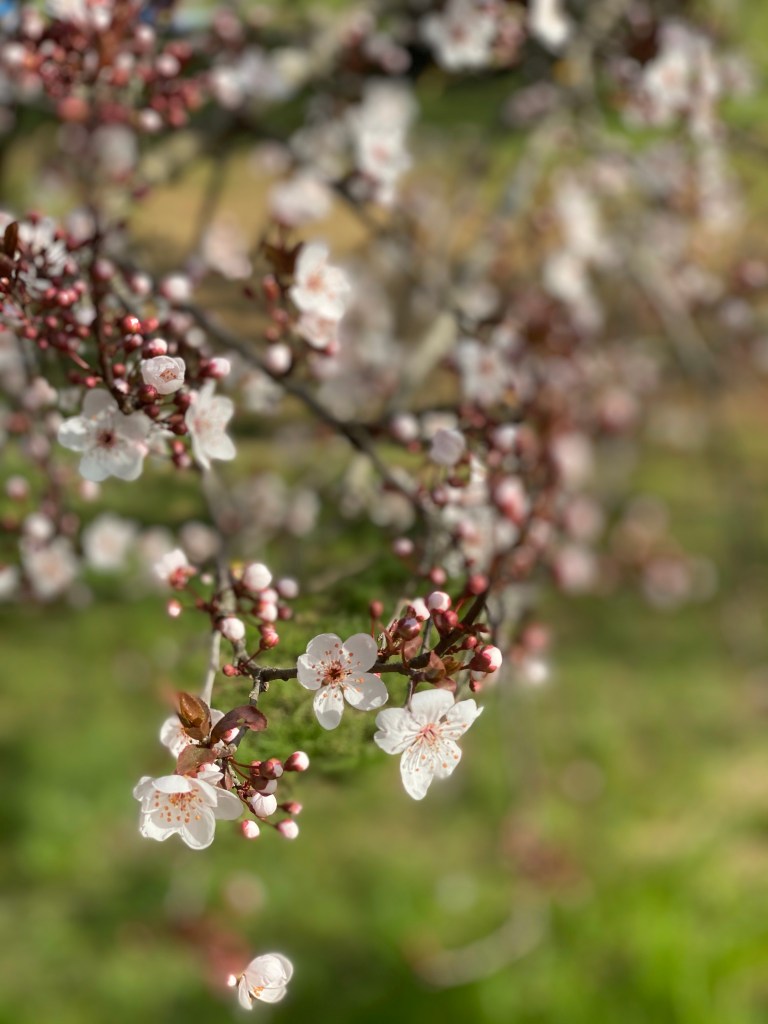
Prunus mume is an East Asian and Southeast Asian tree species classified in the Armeniaca section of the genus Prunus subgenus Prunus. Its common names include Chinese plum, Japanese plum, and Japanese apricot. The flower, long a beloved subject in the traditional painting and poetry of East Asia and Vietnam, is usually called plum blossom.
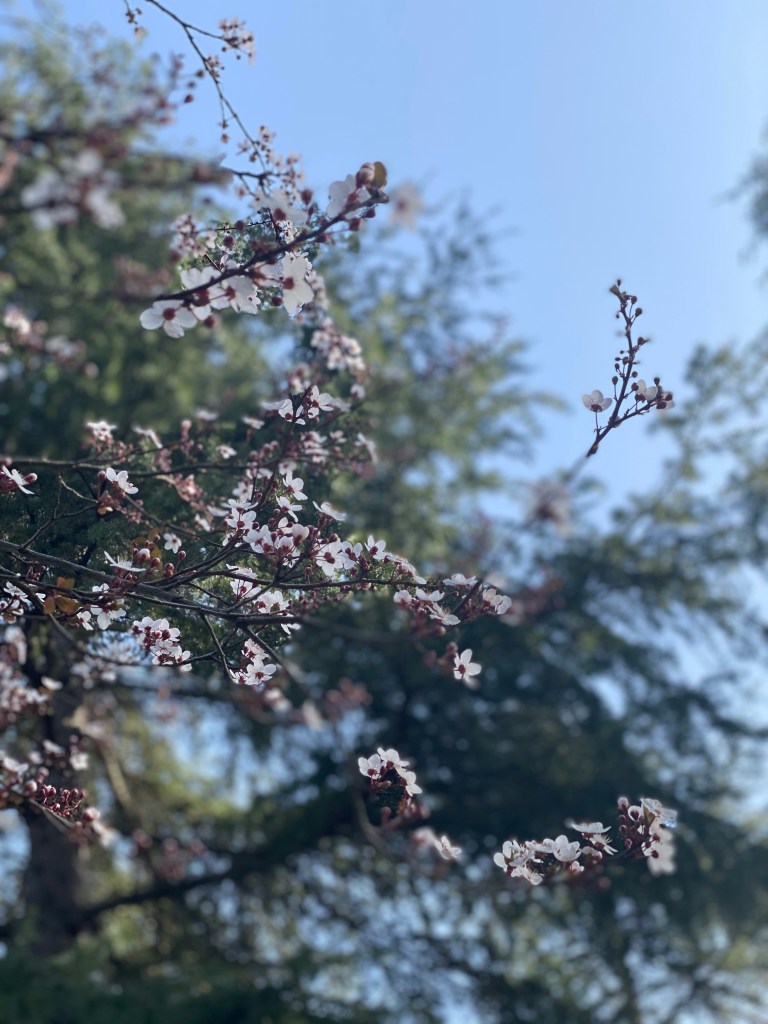
This distinct tree species is related to both the plum and apricot trees. Although generally referred to as a plum in English, it is more closely related to the apricot. In East Asian cuisine (Chinese, Japanese and Korean) and Southeast Asian cuisine (Vietnamese), the fruit of the tree is used in juices, as a flavoring for alcohol, as a pickle and in sauces. It is also used in traditional medicine.
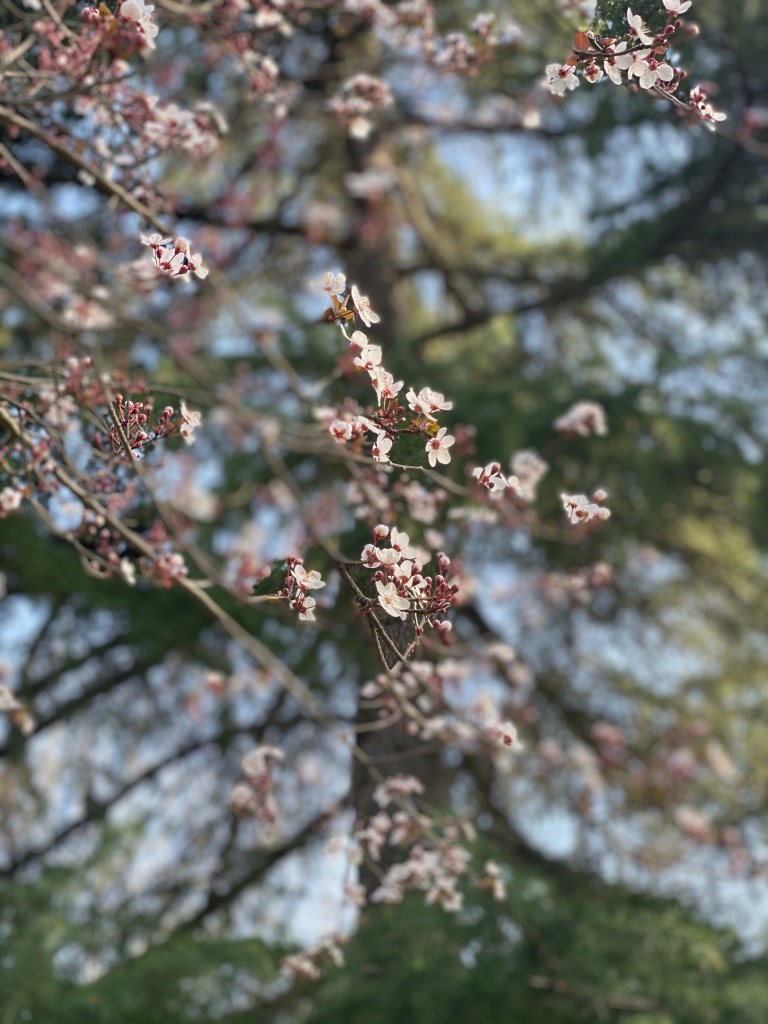
All of that Wikipedia information is fascinating, but the reason I love the plum blossom is that it is usually the earliest fruit tree to blossom in the late winter and early spring. For Florence, that is now!
Because the tree flowers in late winter and early spring, it is highly regarded as a seasonal symbol. For me, it tells me spring is coming or is nearly, almost, here! Hallelujah!
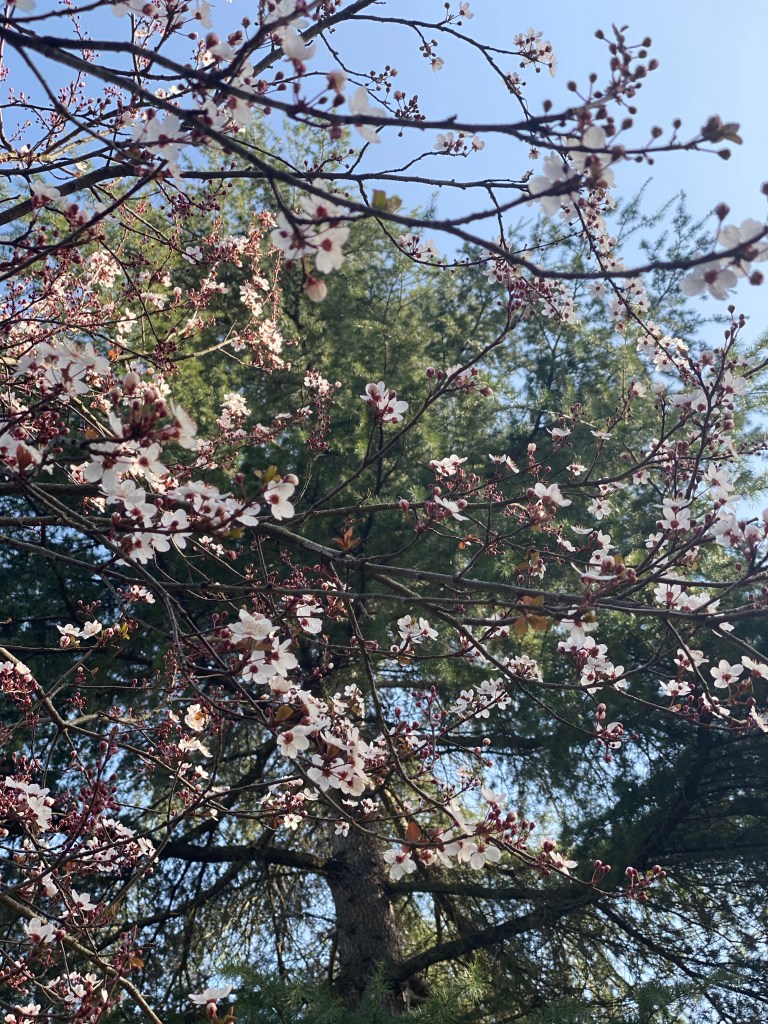
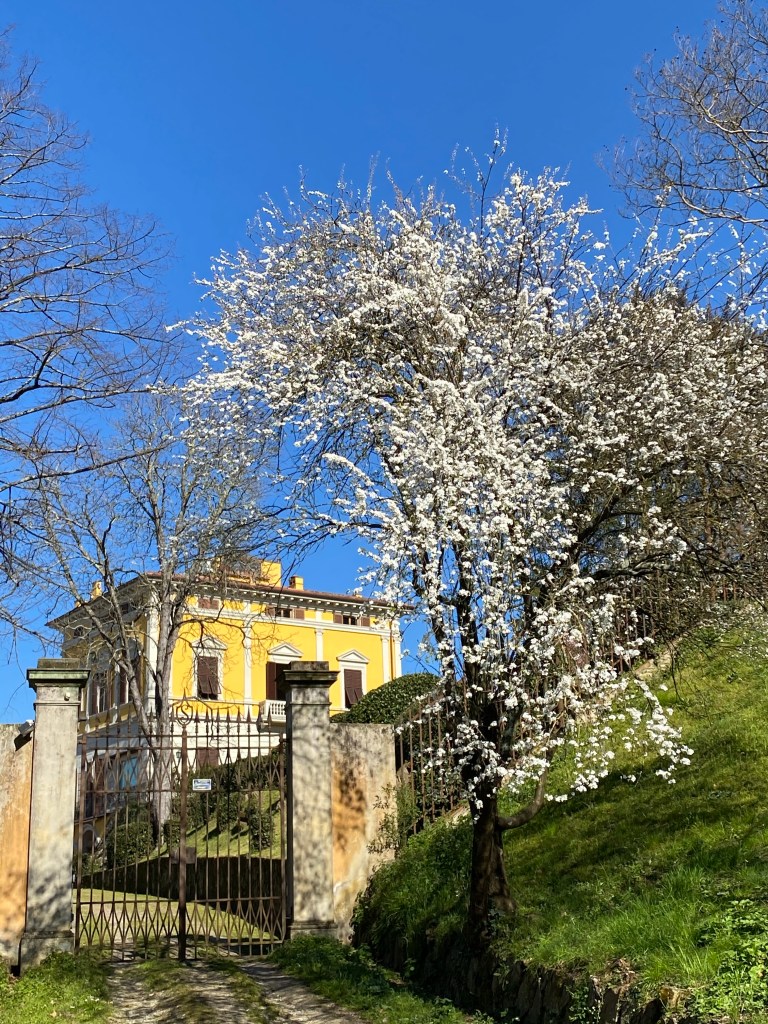
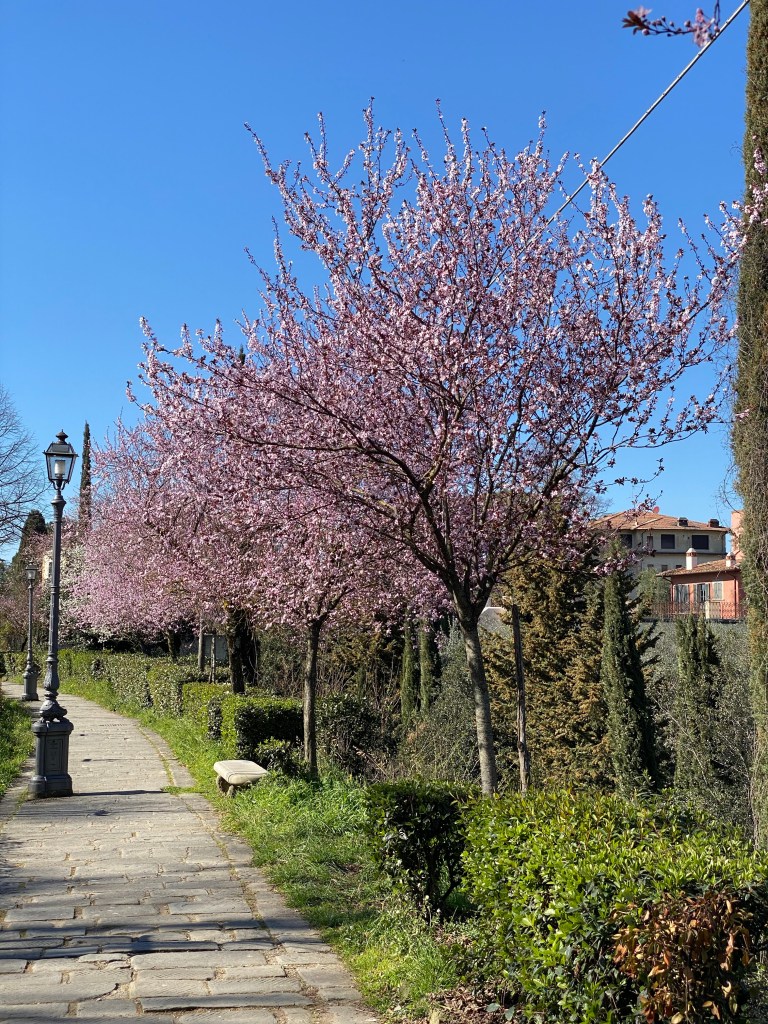
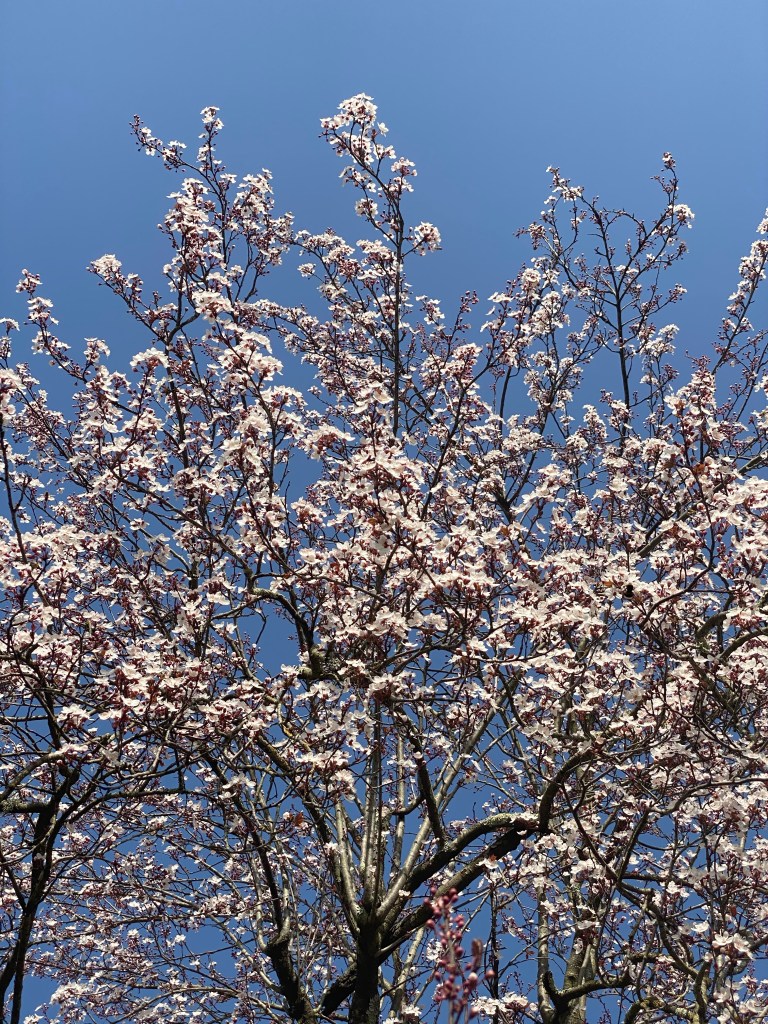
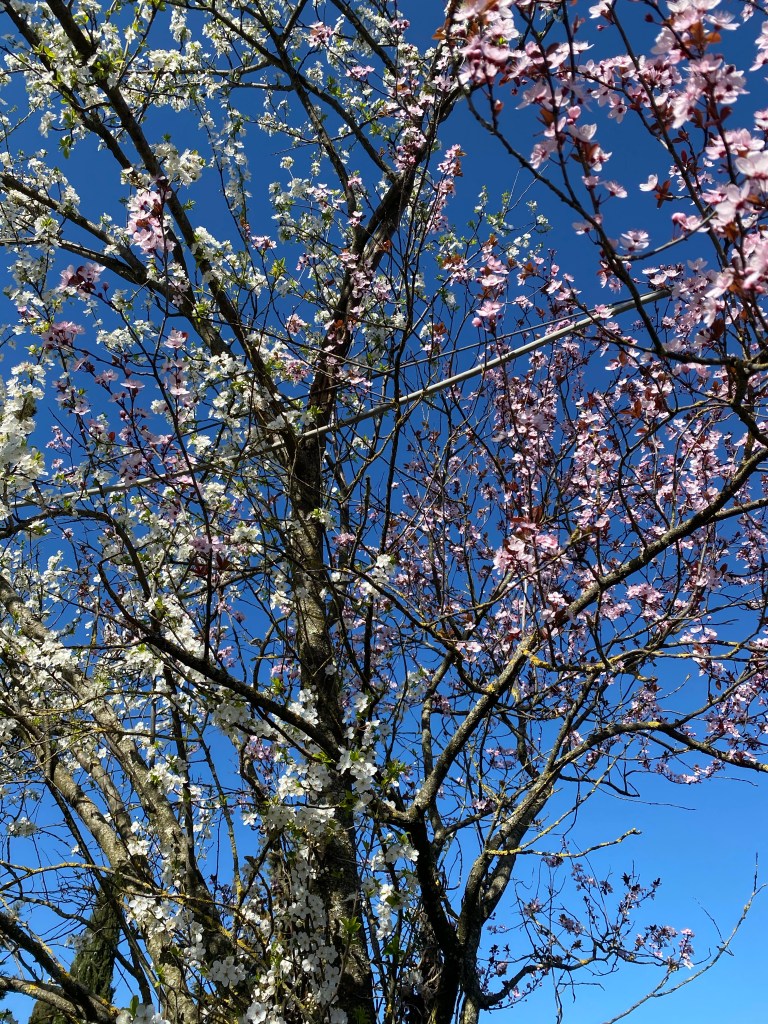
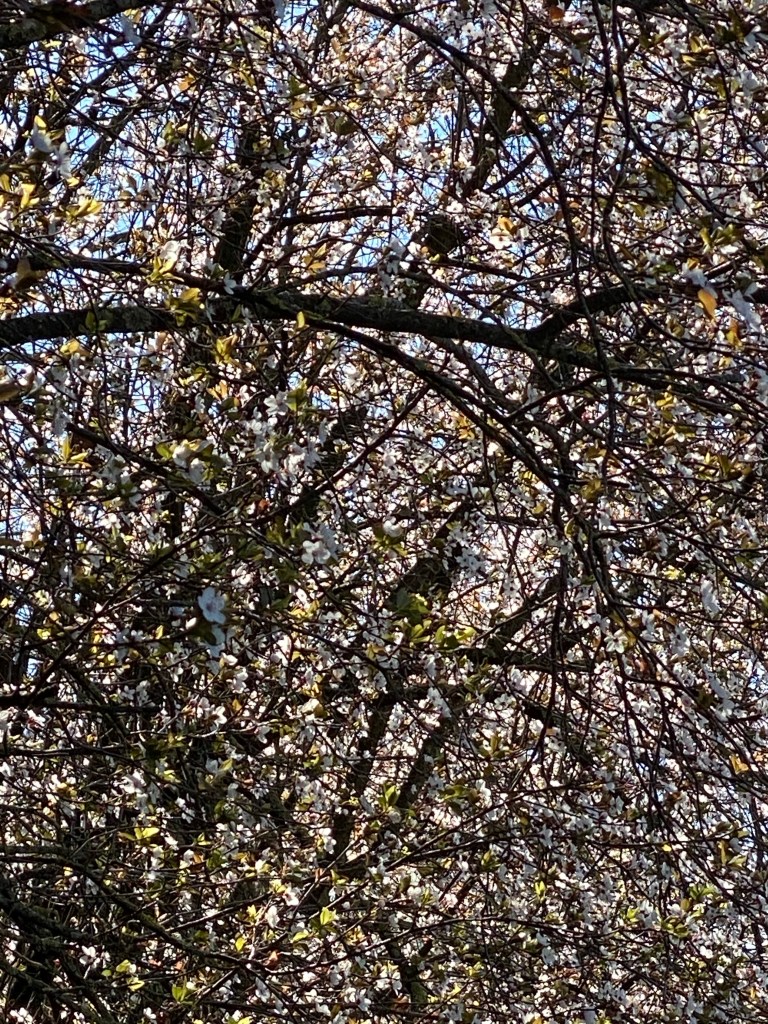
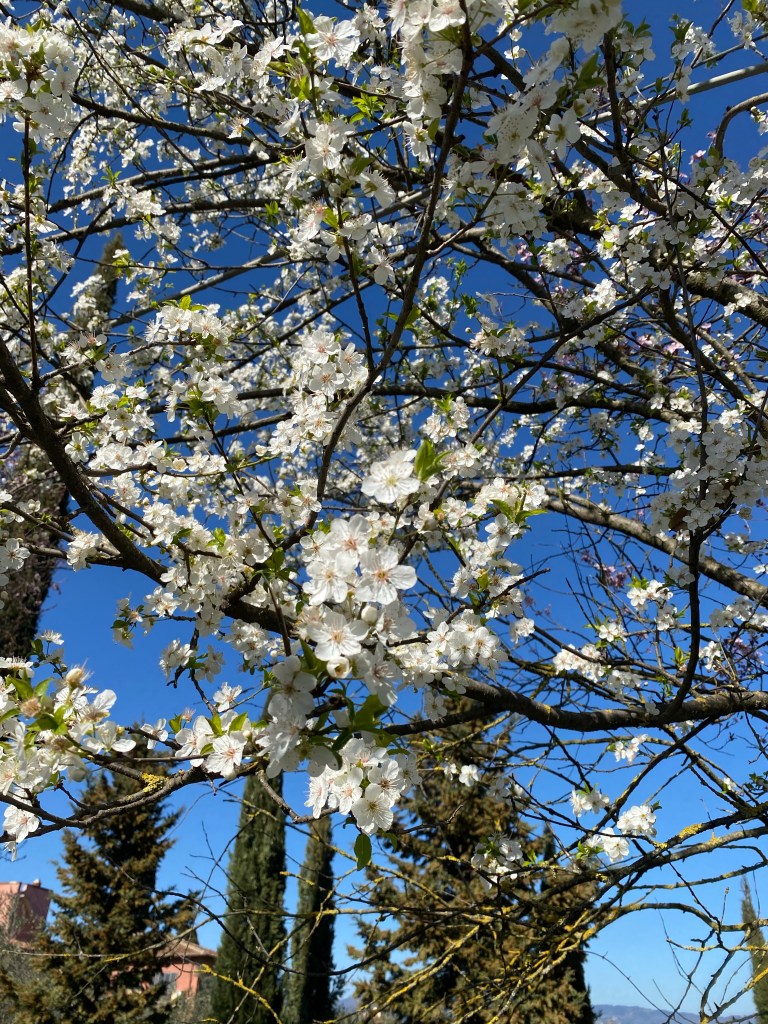
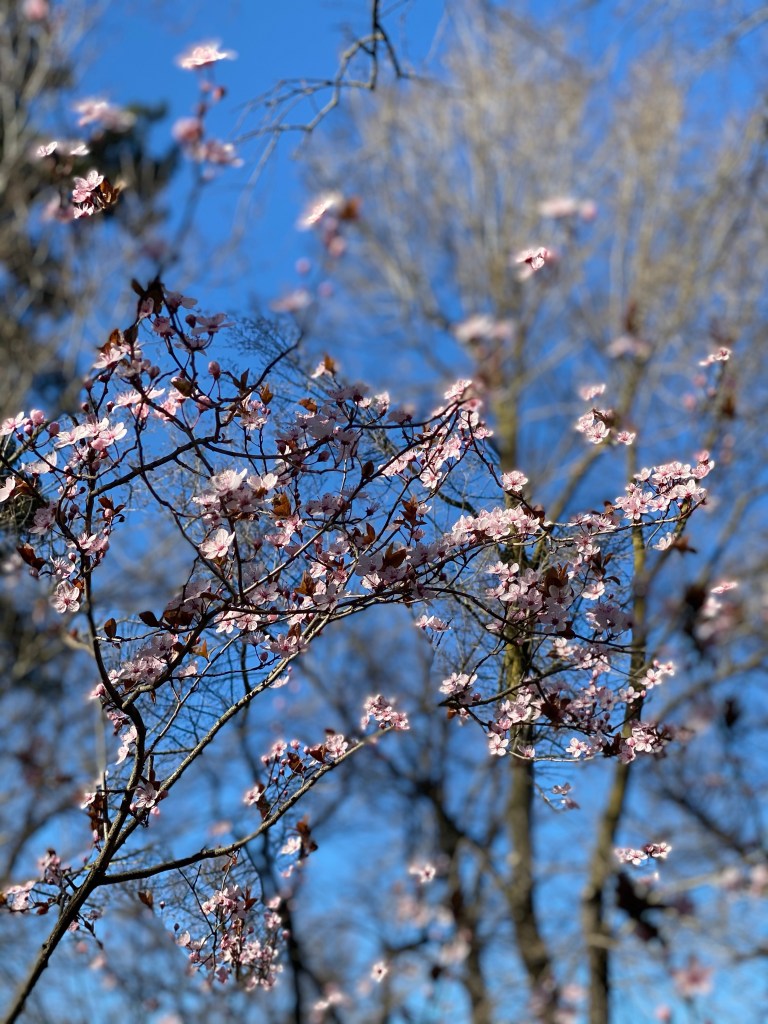
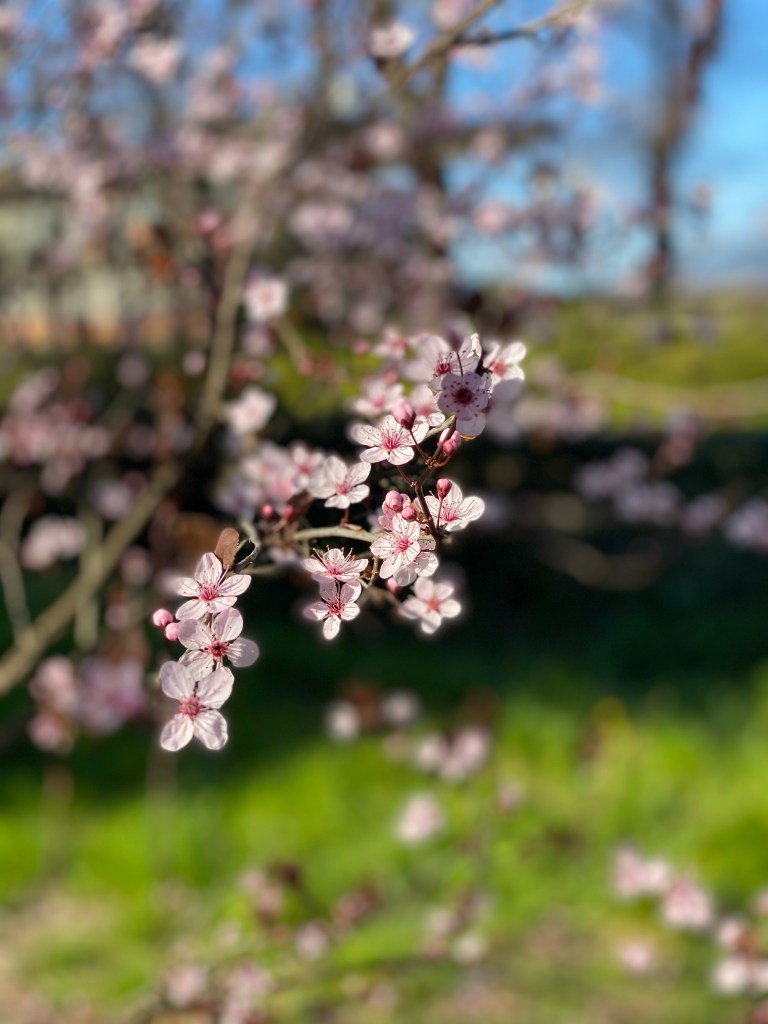
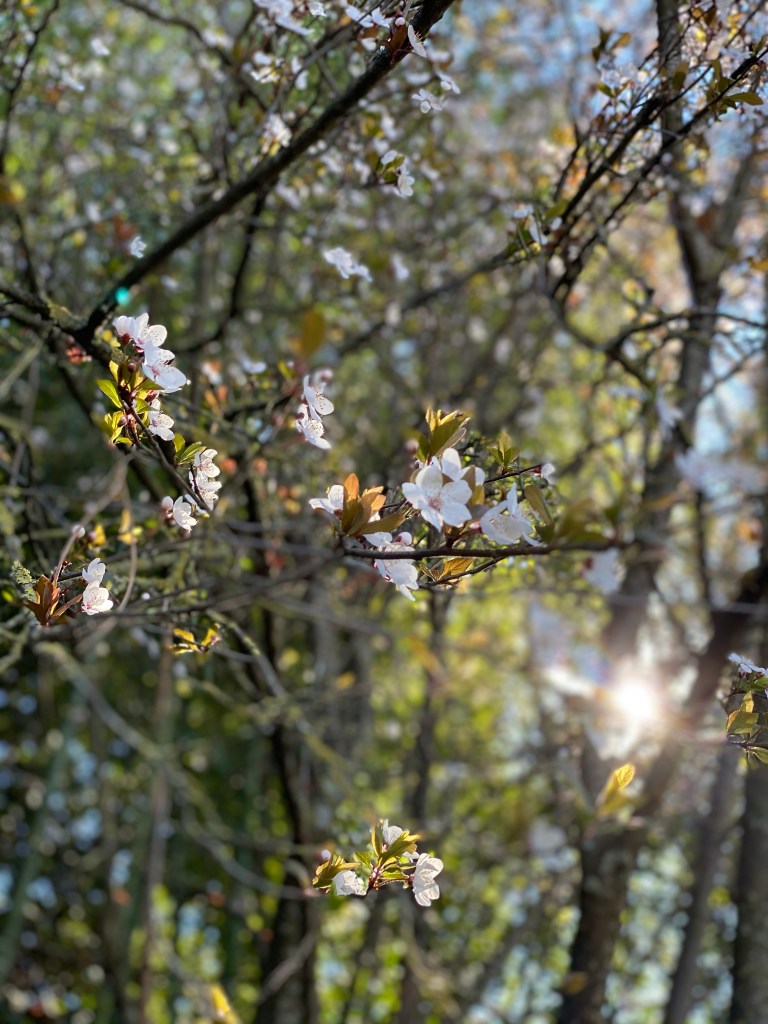
I’ve been all over the city in the past few days, east side, west side, south side…and I’ve spotted some lovely blooming plum trees here and there. Here are my best pictures of this delightful harbinger of la primavera!

Made You Look: a fascinating look at a huge art scandal
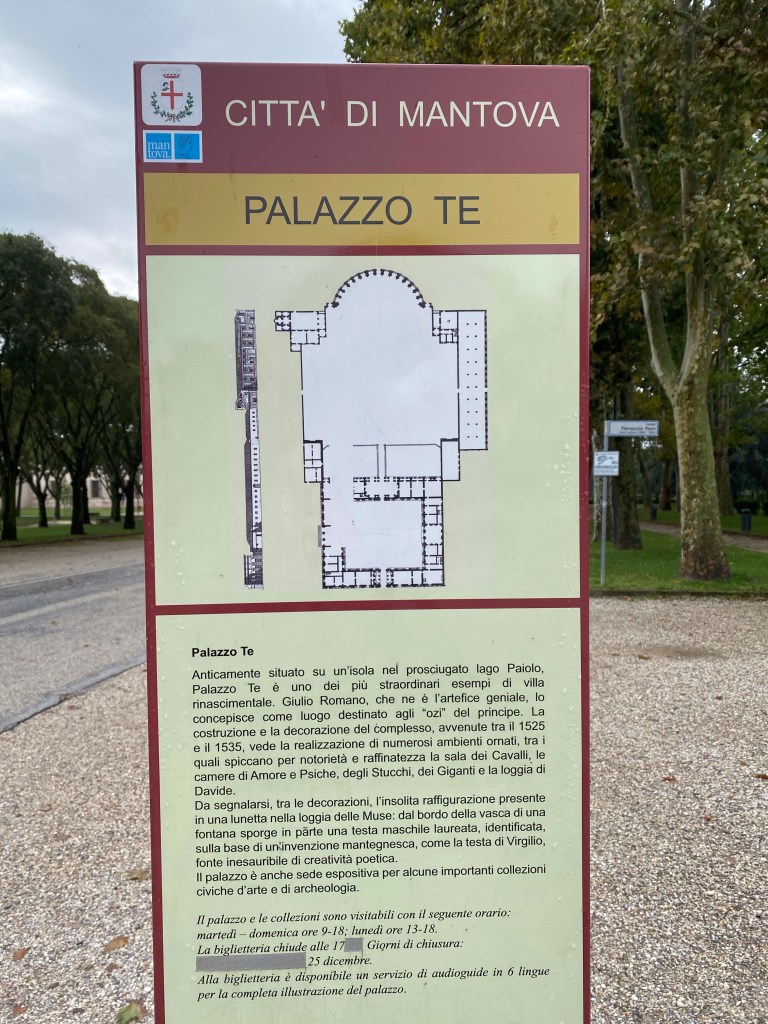
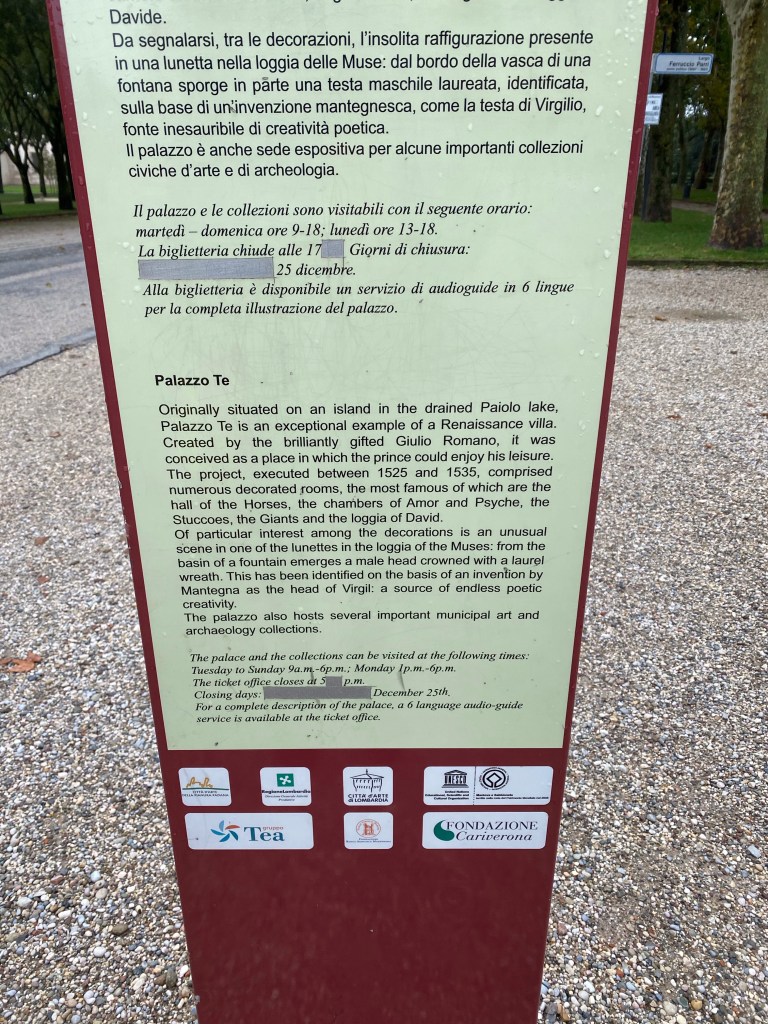
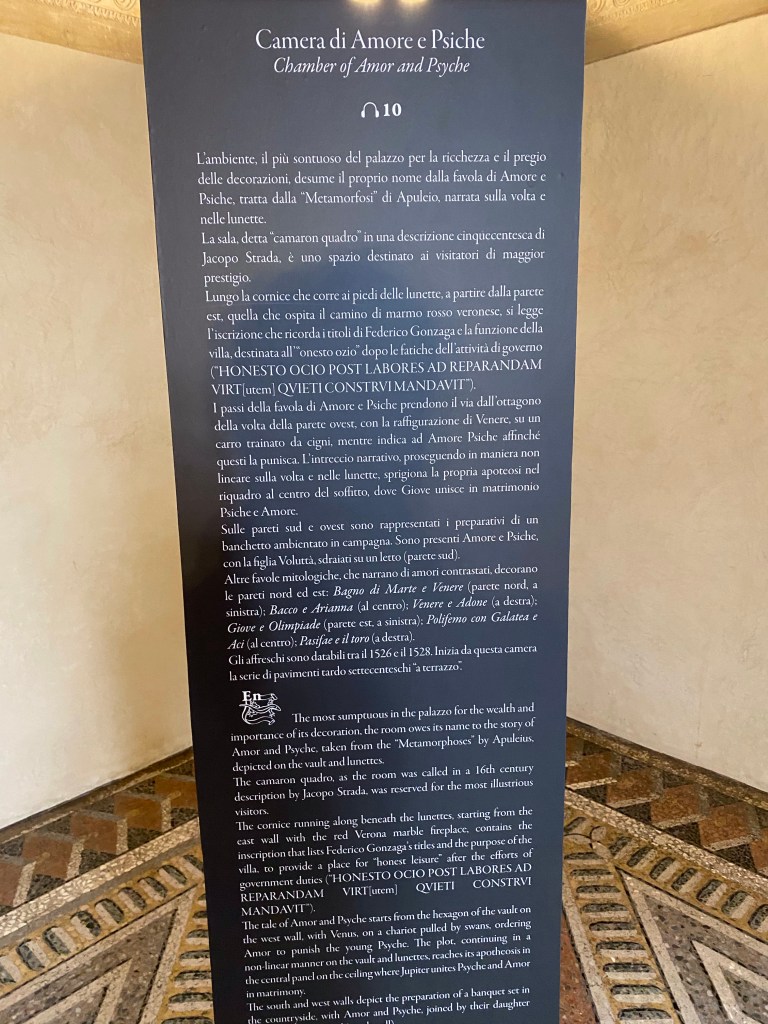
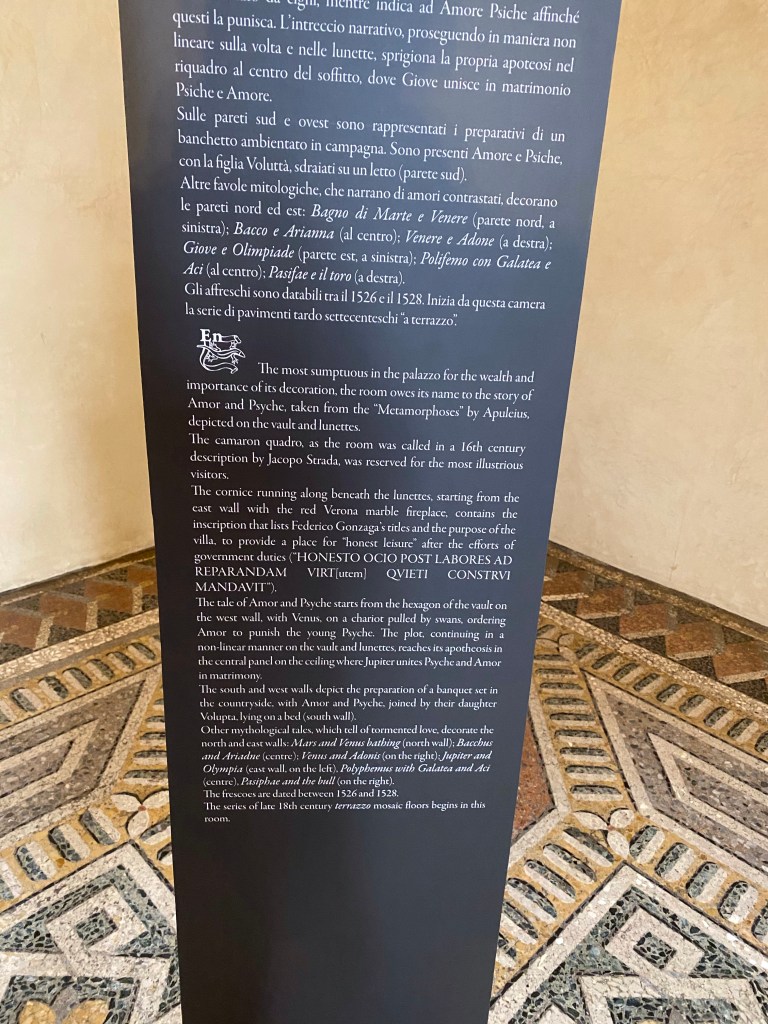
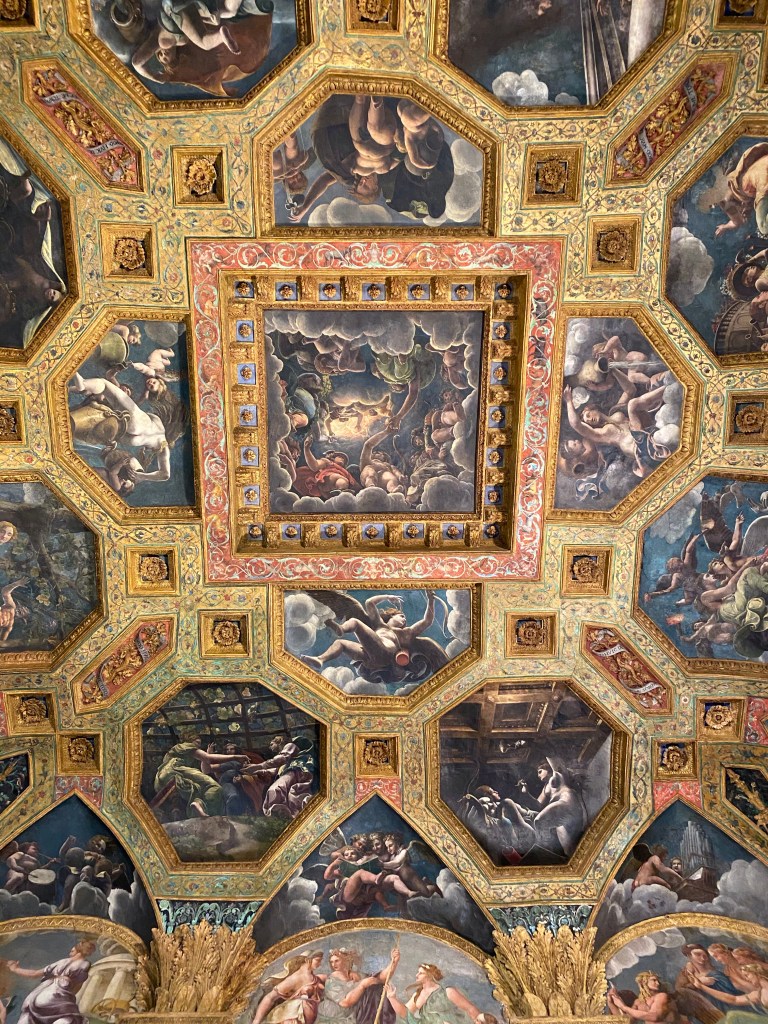
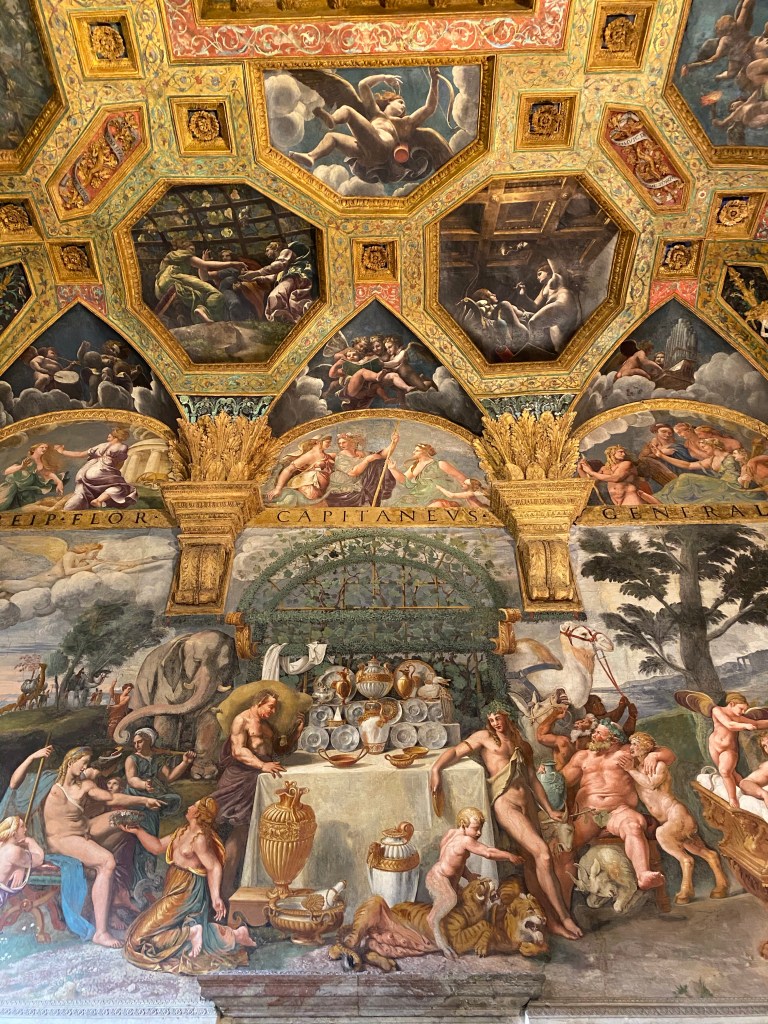
The amazing Palazzo Te, Mantua
My lord! What a place! I could spend a week here!
Let’s start by looking at this amazing ceiling fresco:
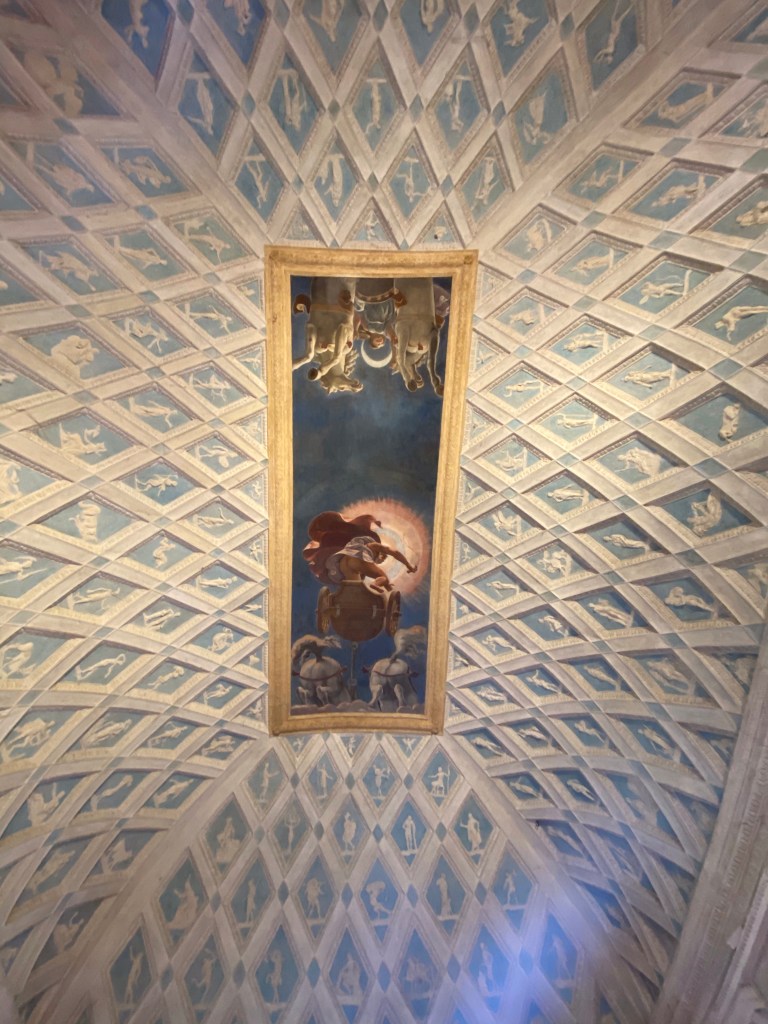
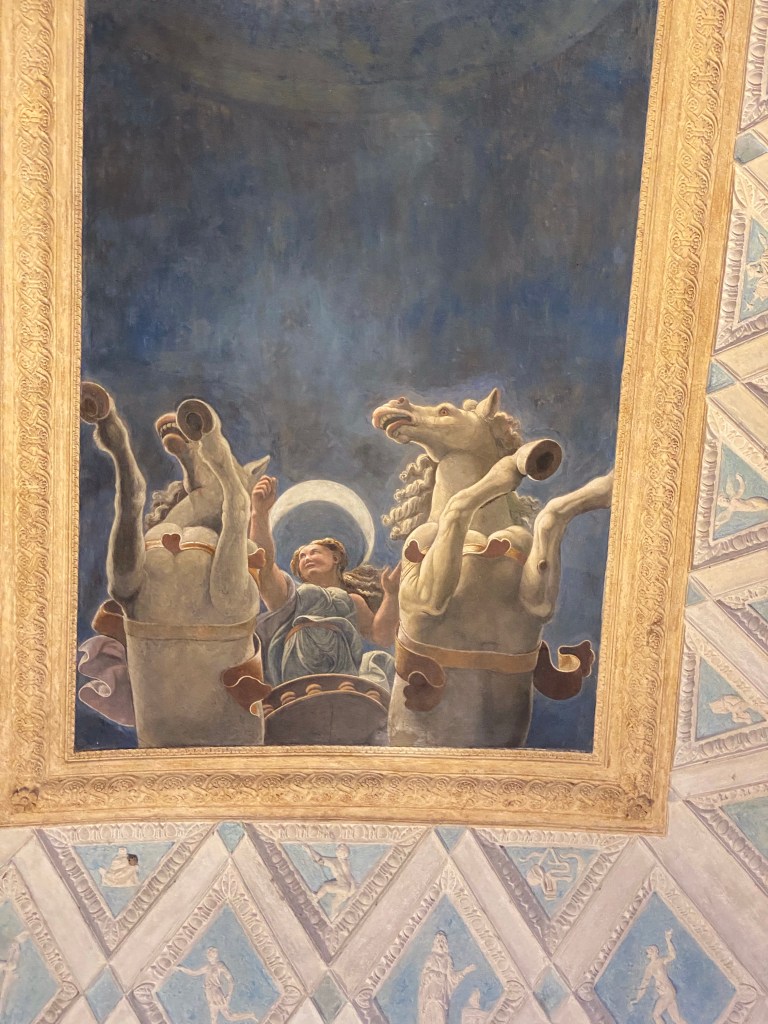
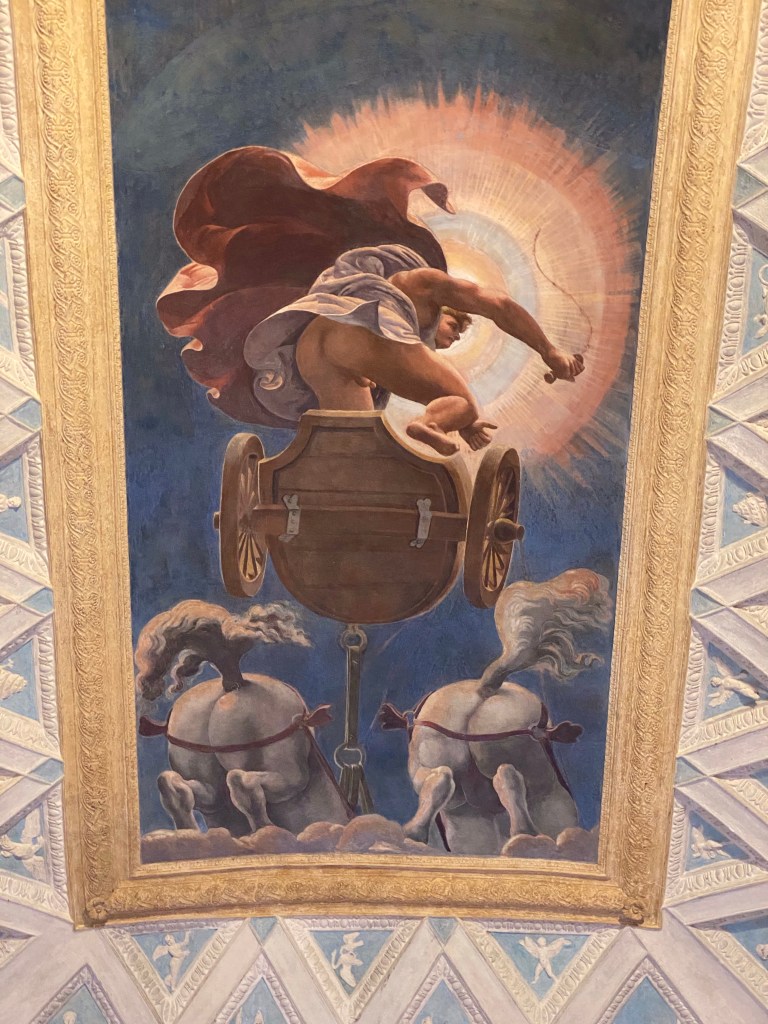
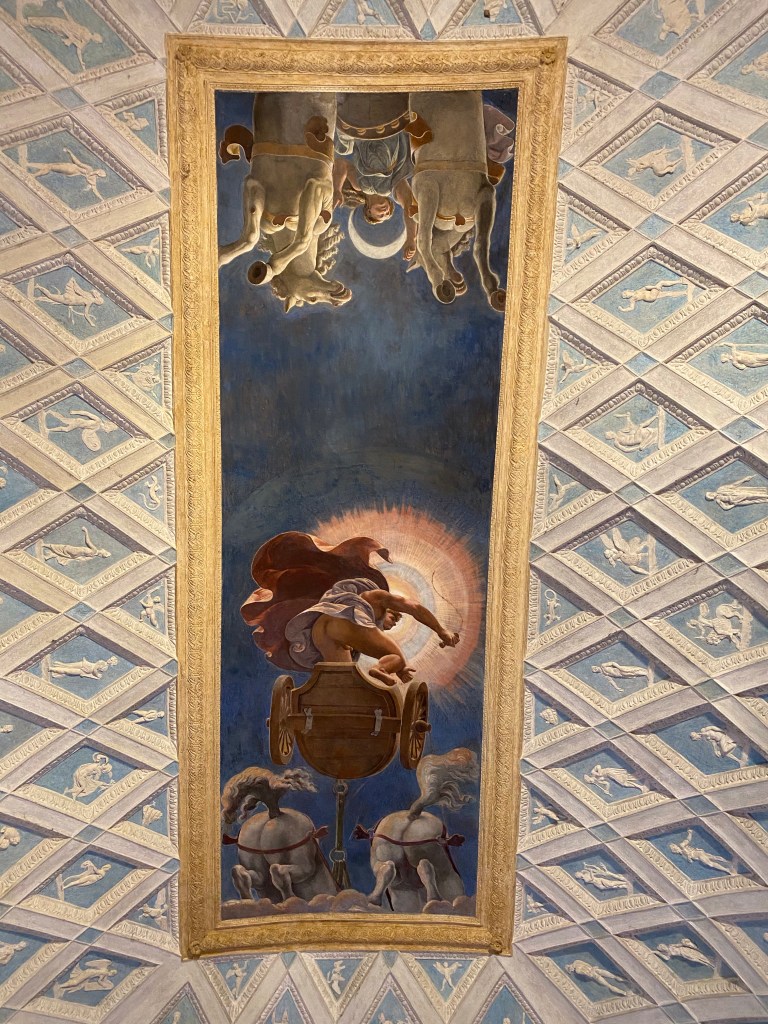
Below, from the Hall of the Horses. The Gonzaga dynasty were particularly well-known for their horse connoisseurship, as well as their horse breeding.
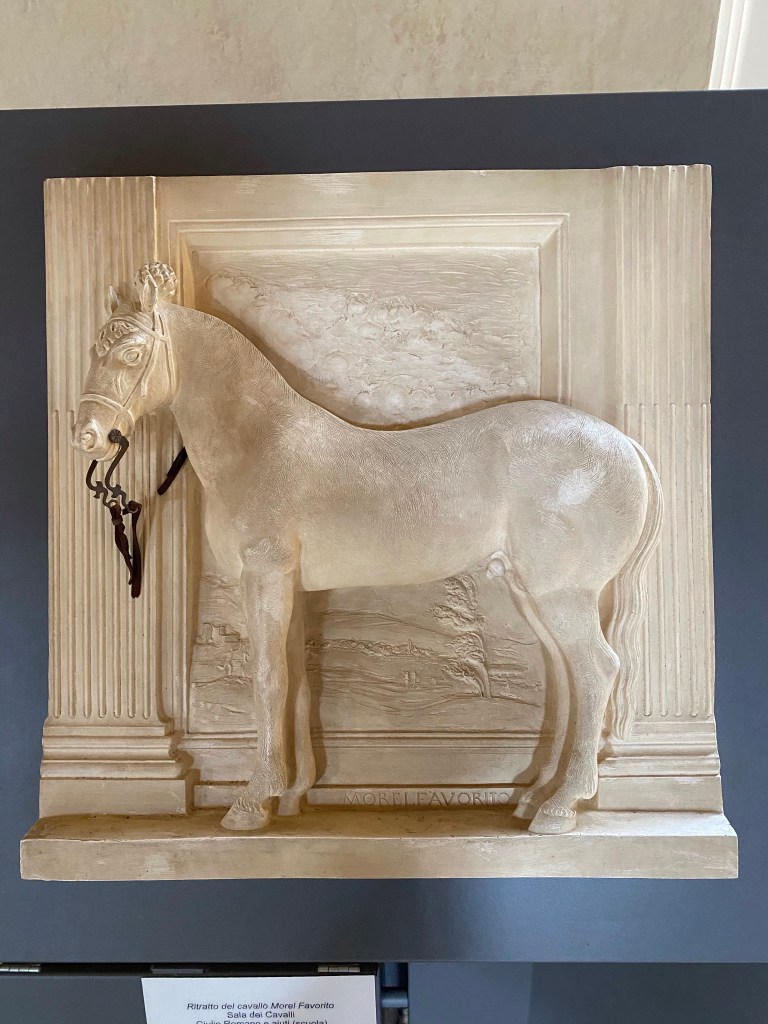
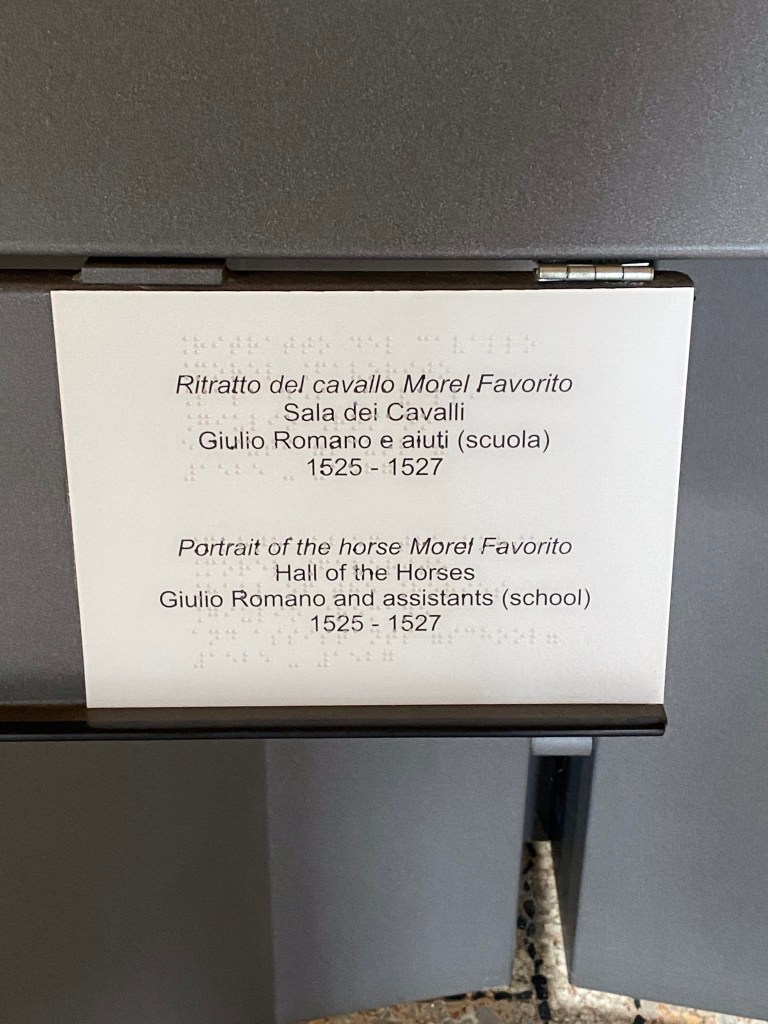
The following photos are just some of the amazing artworks from the Palazzo.
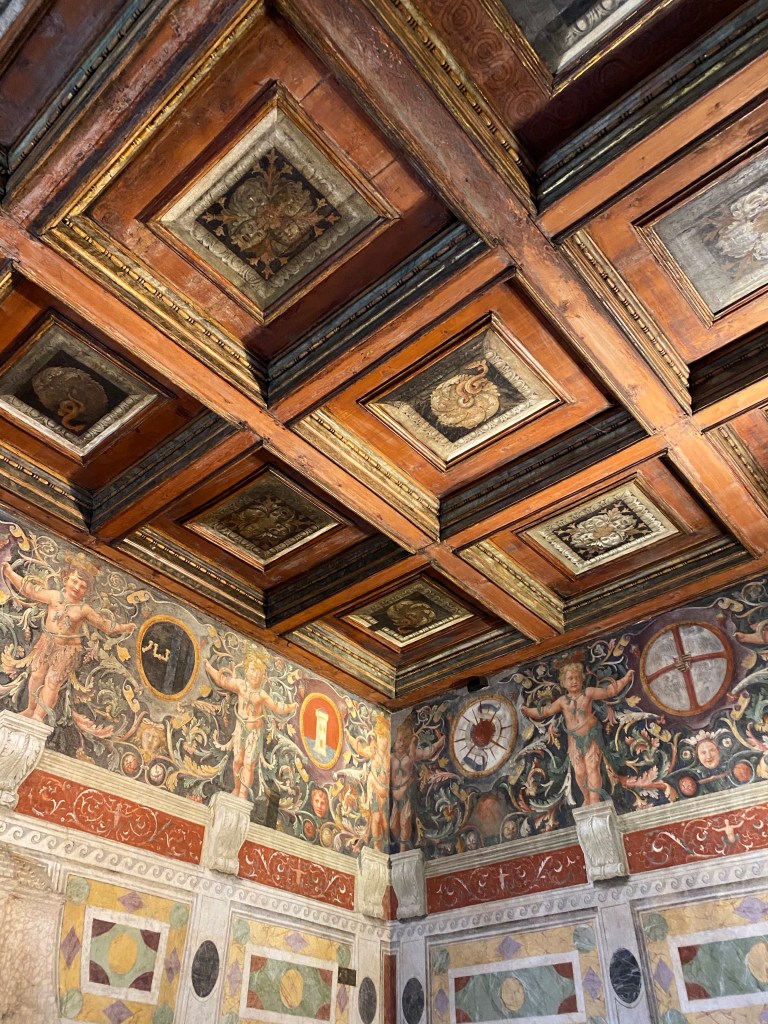
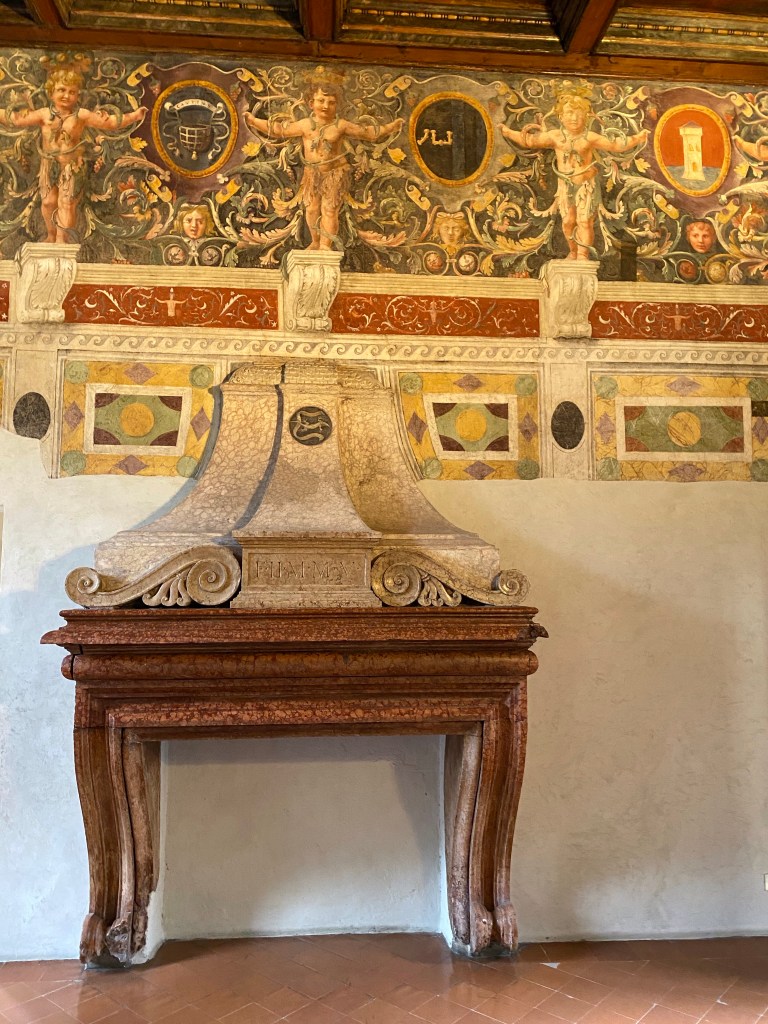
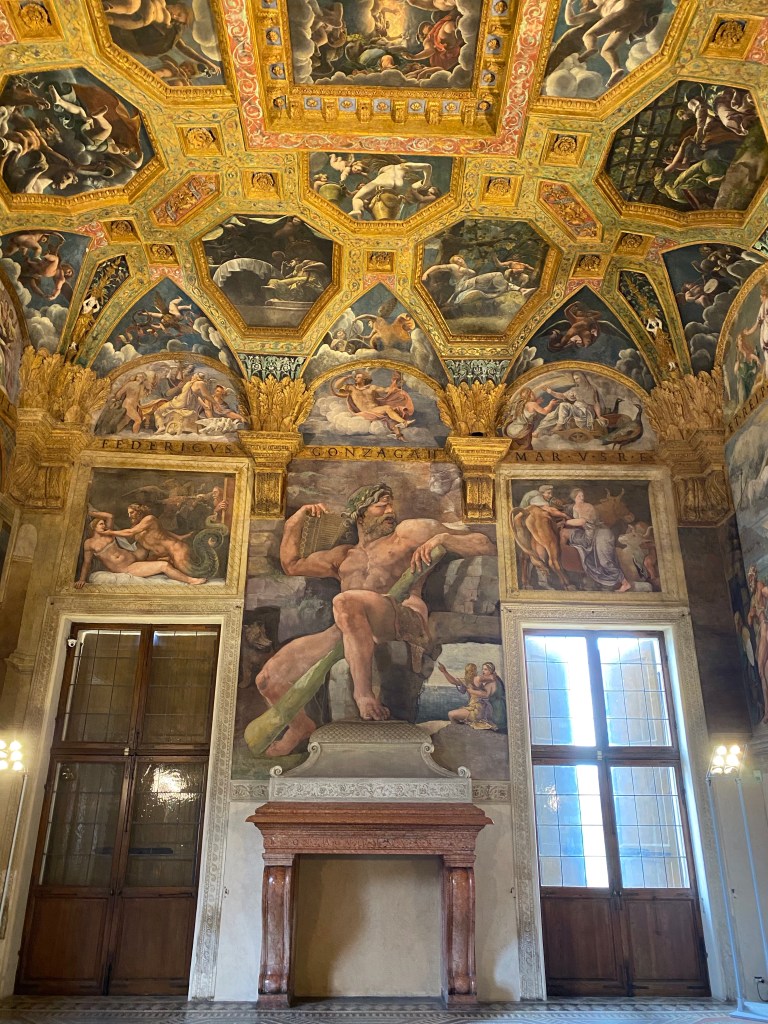
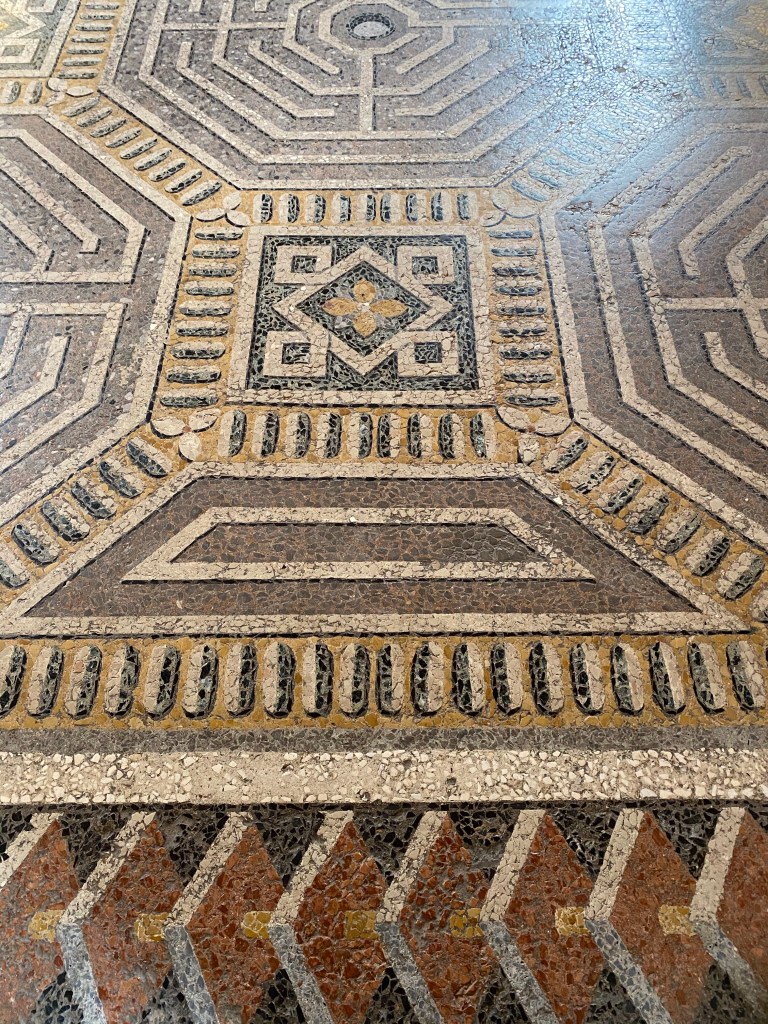
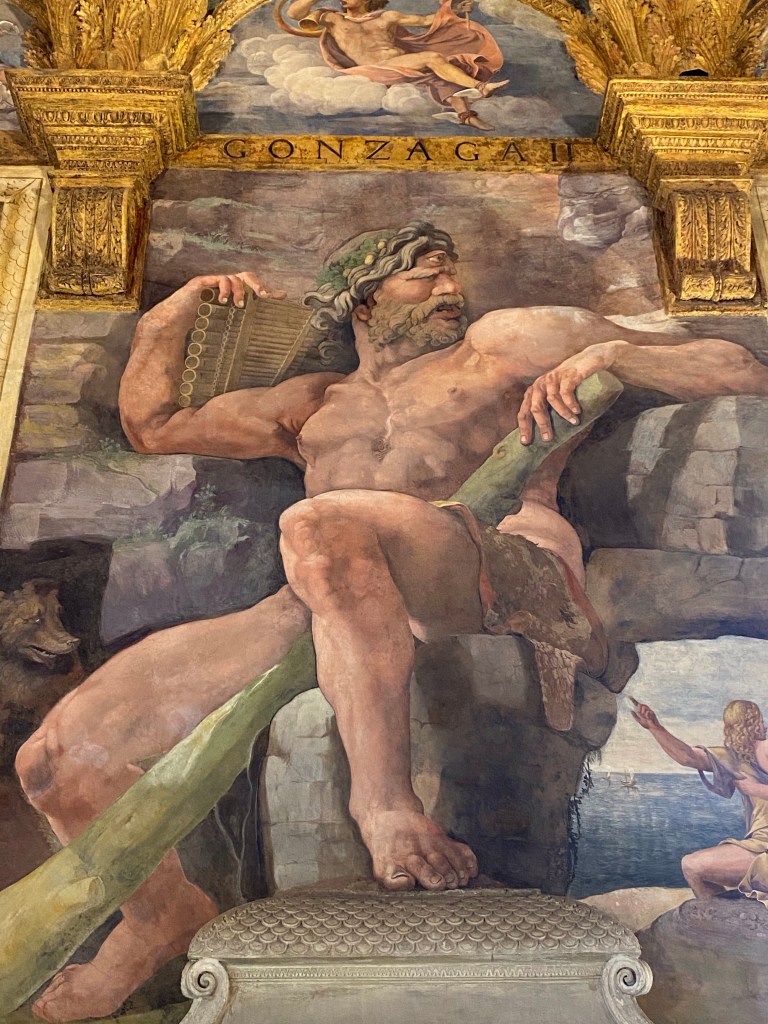
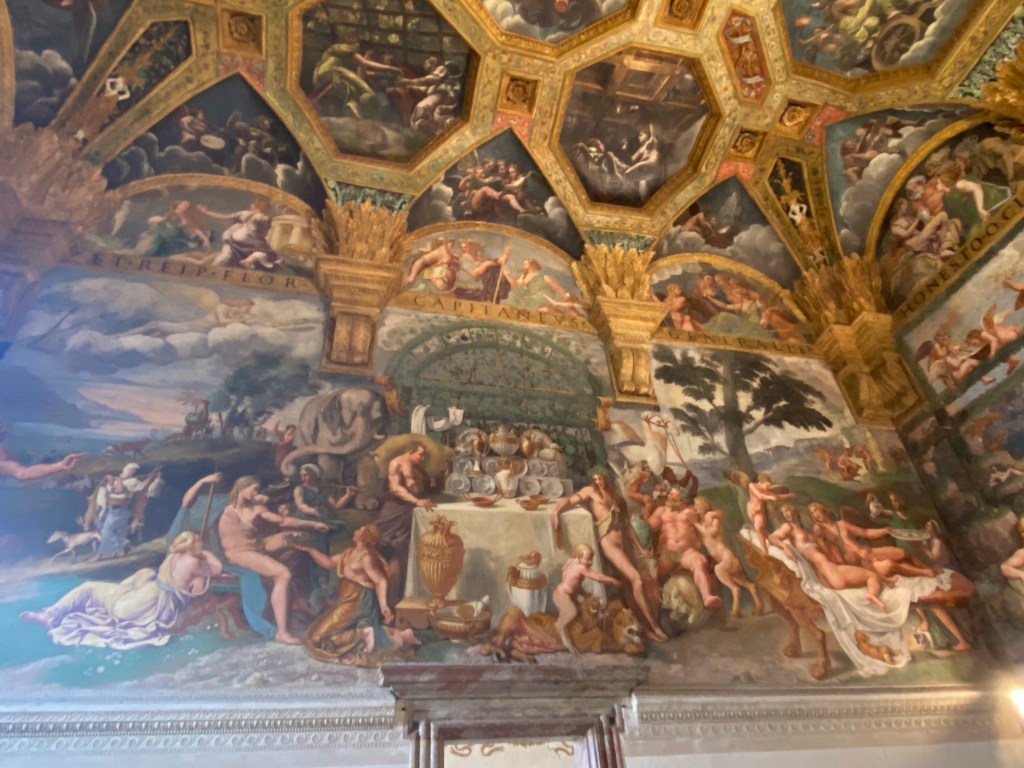
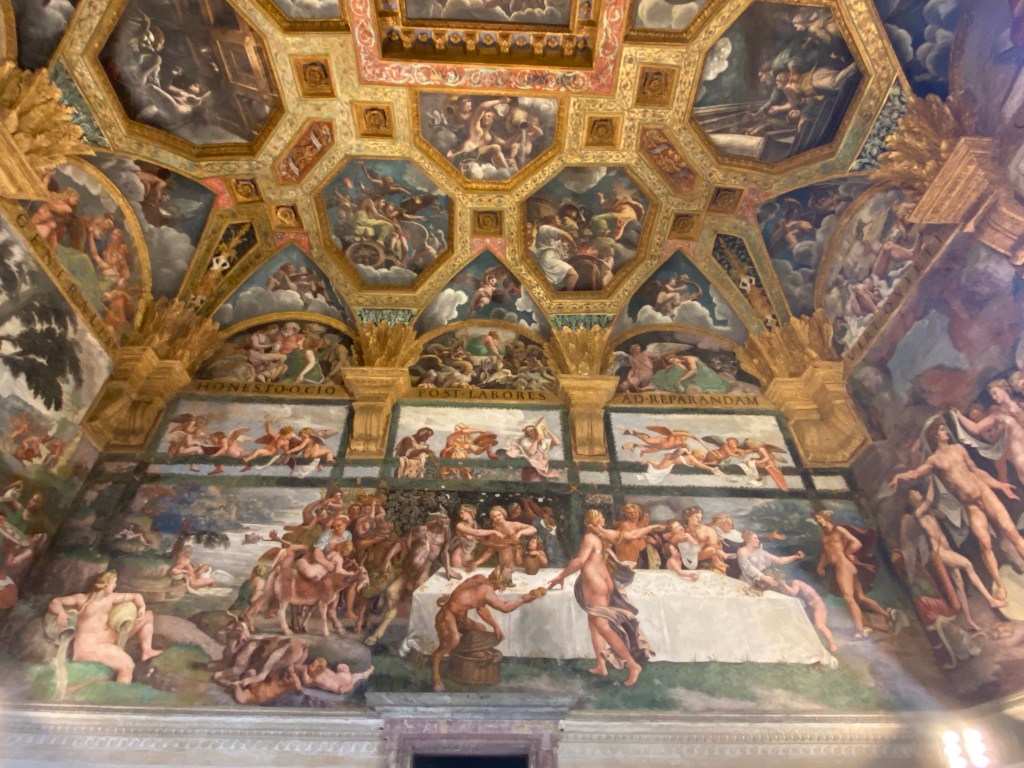
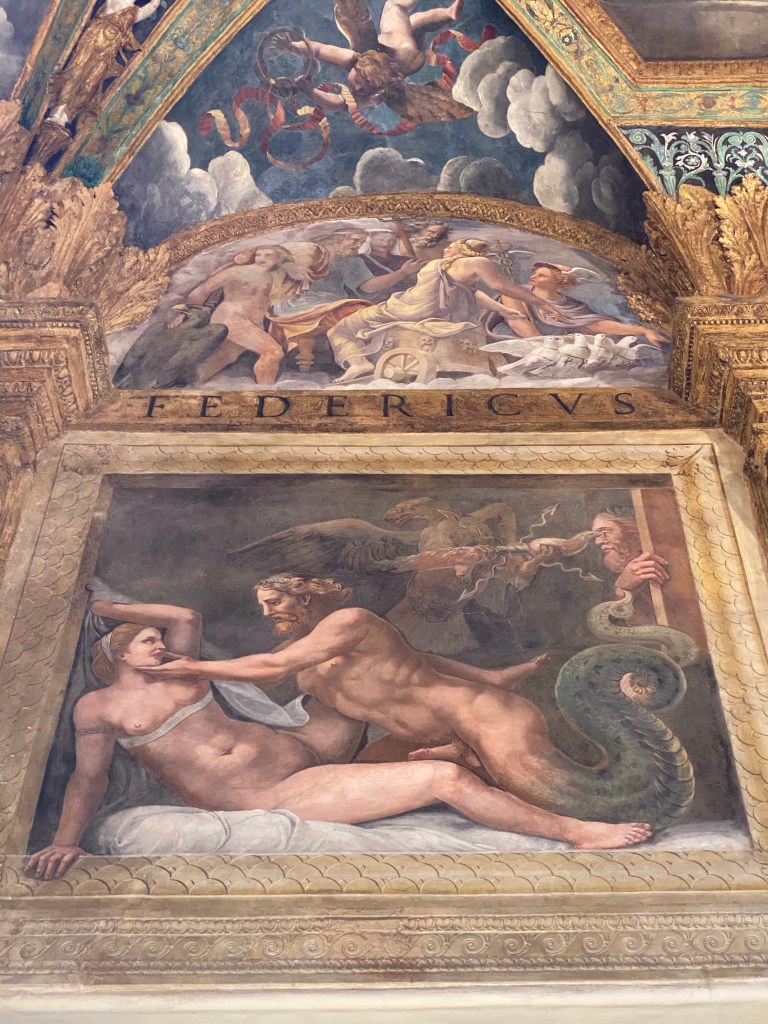
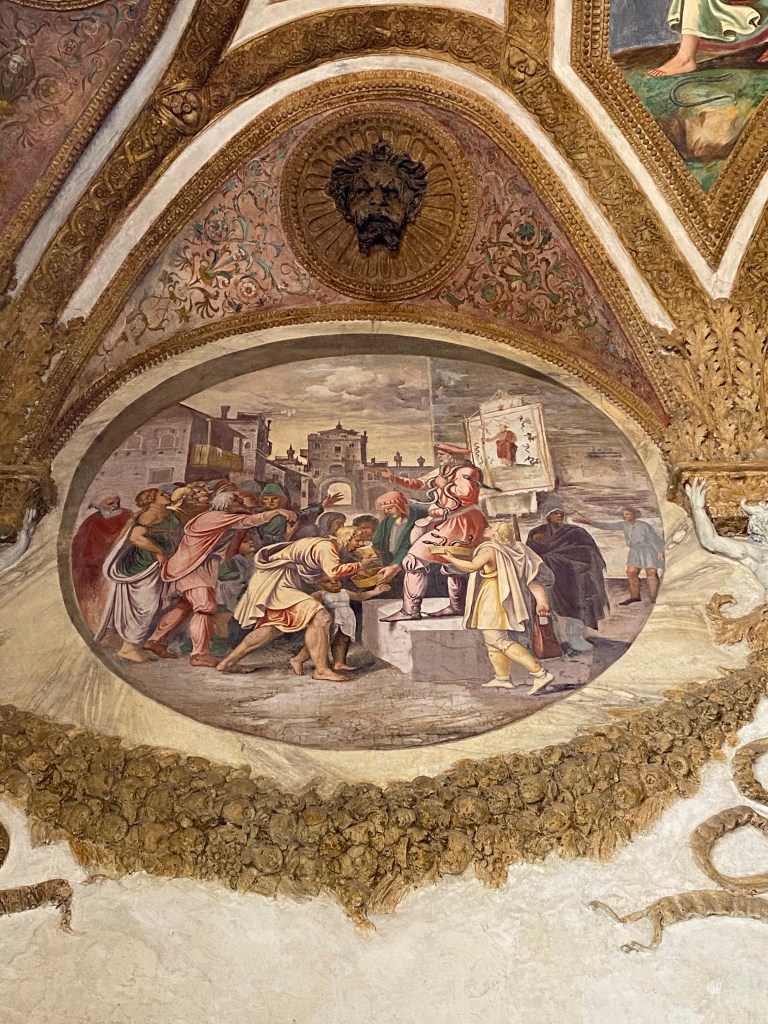
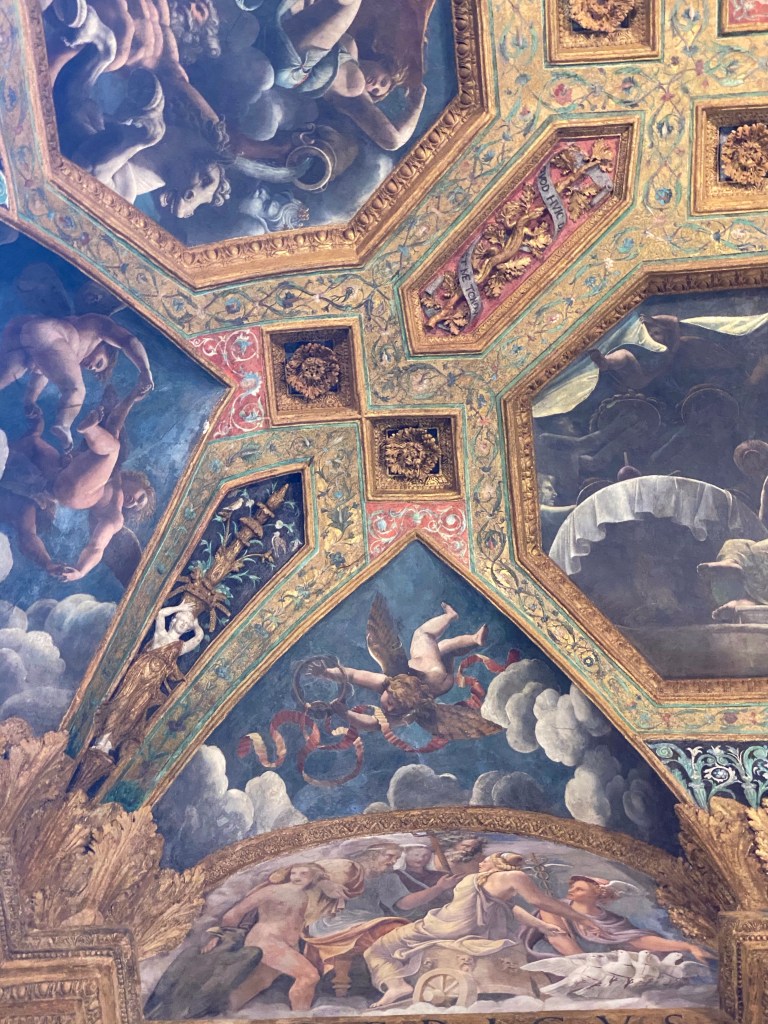
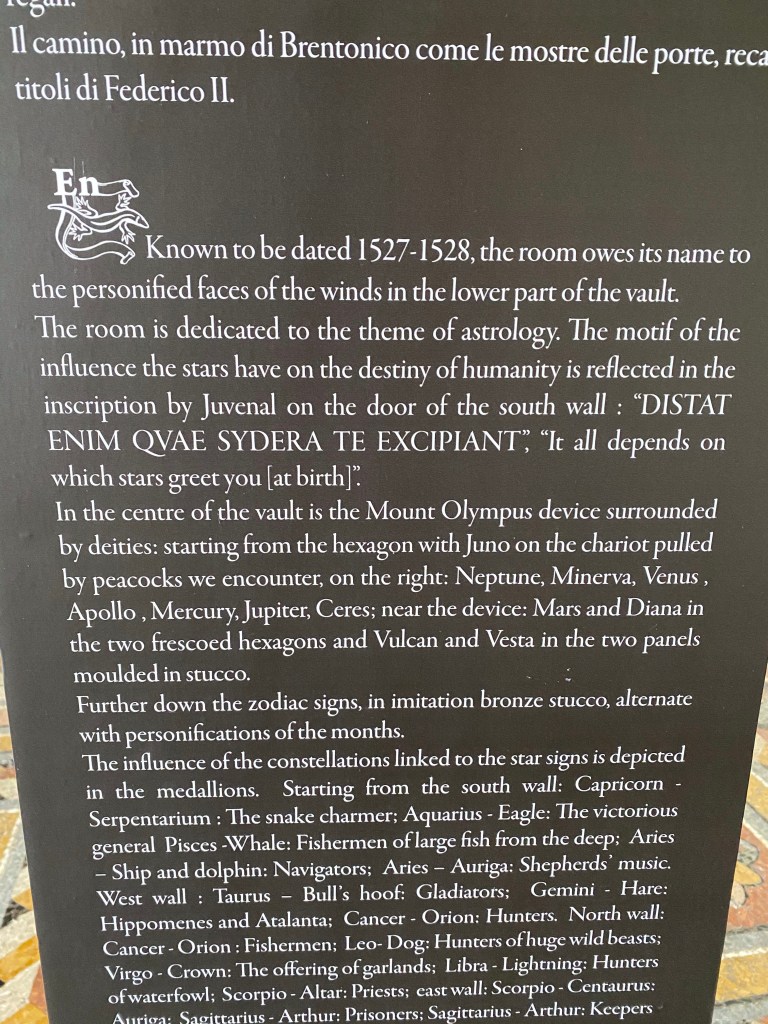
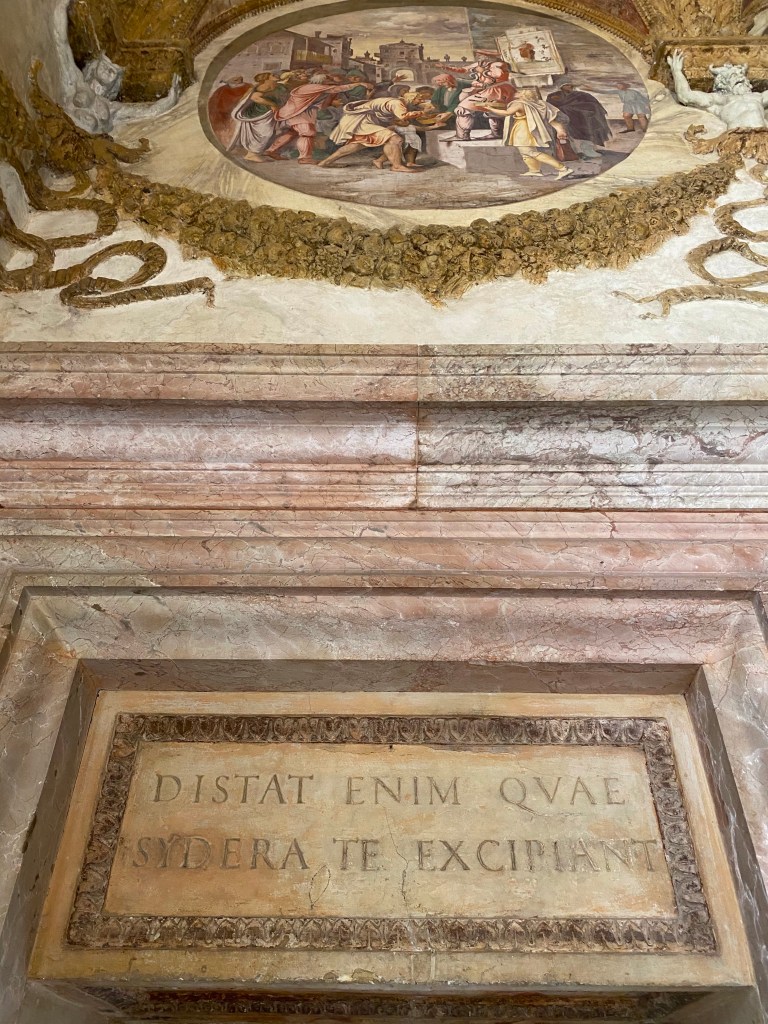
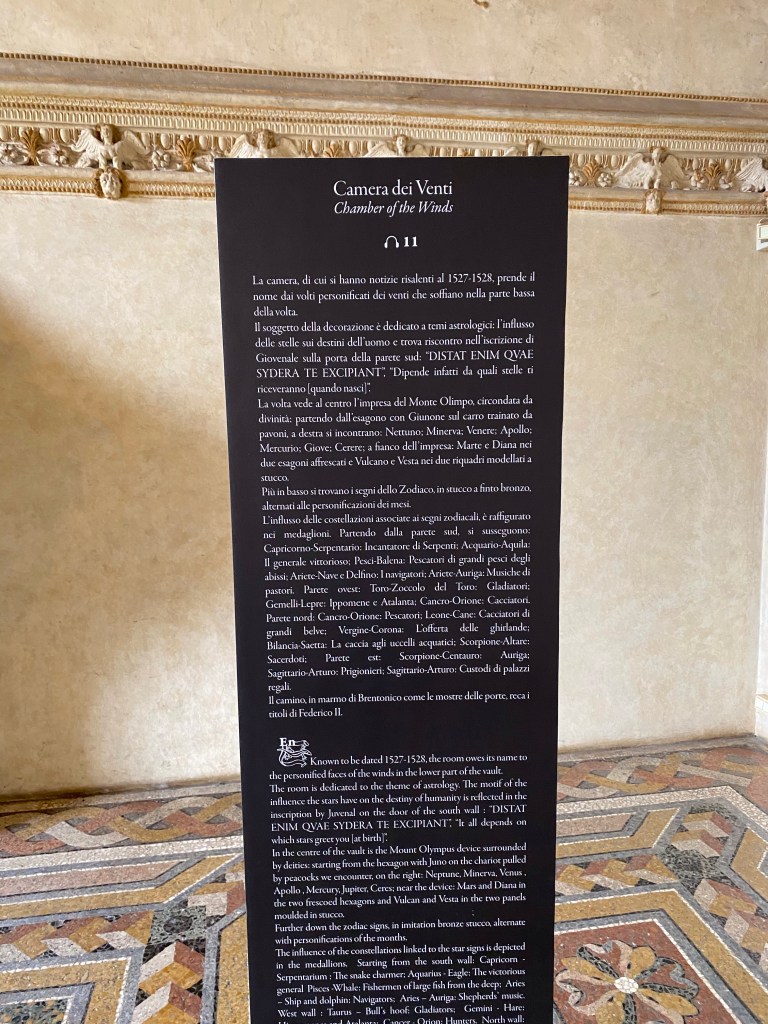
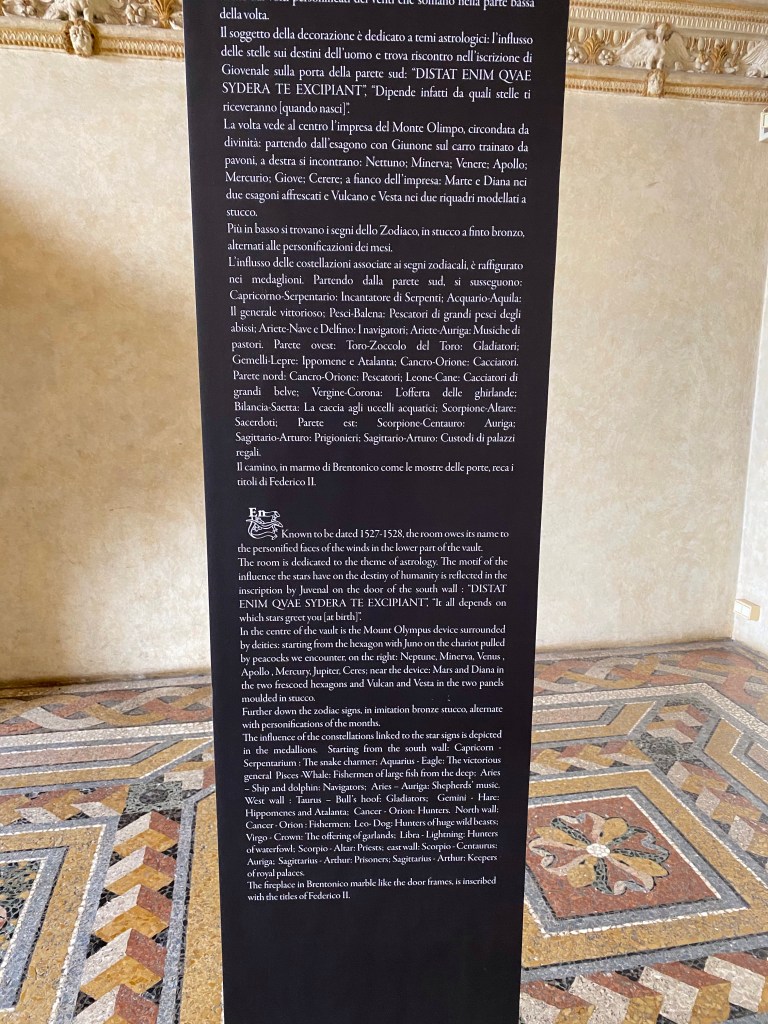
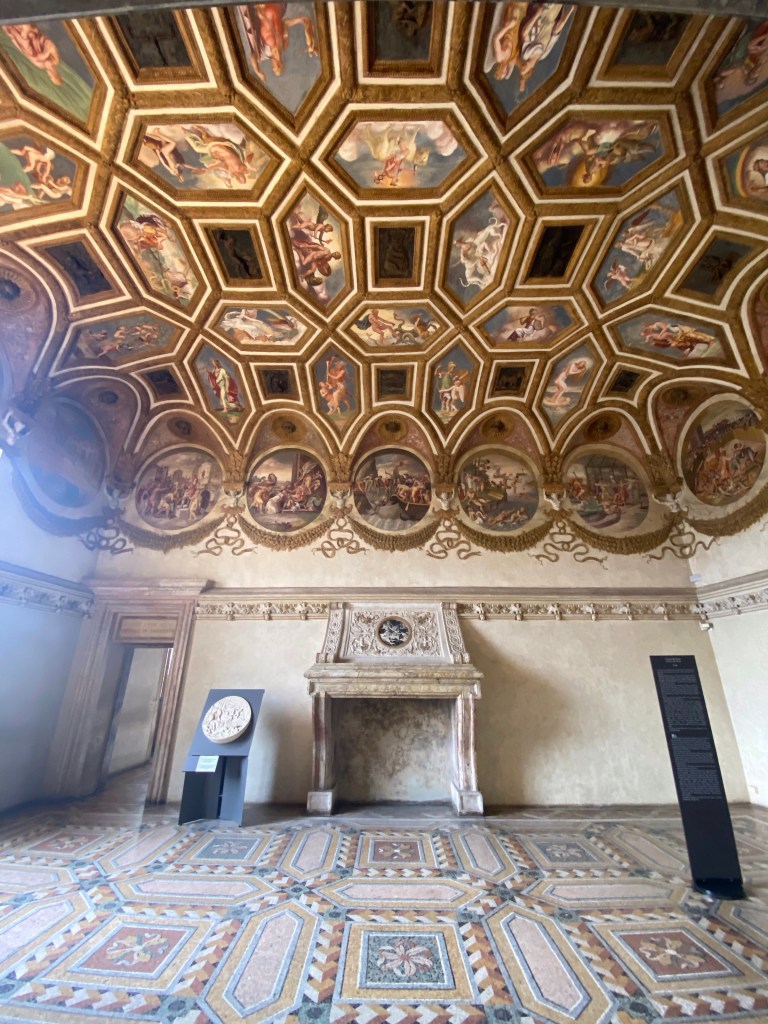
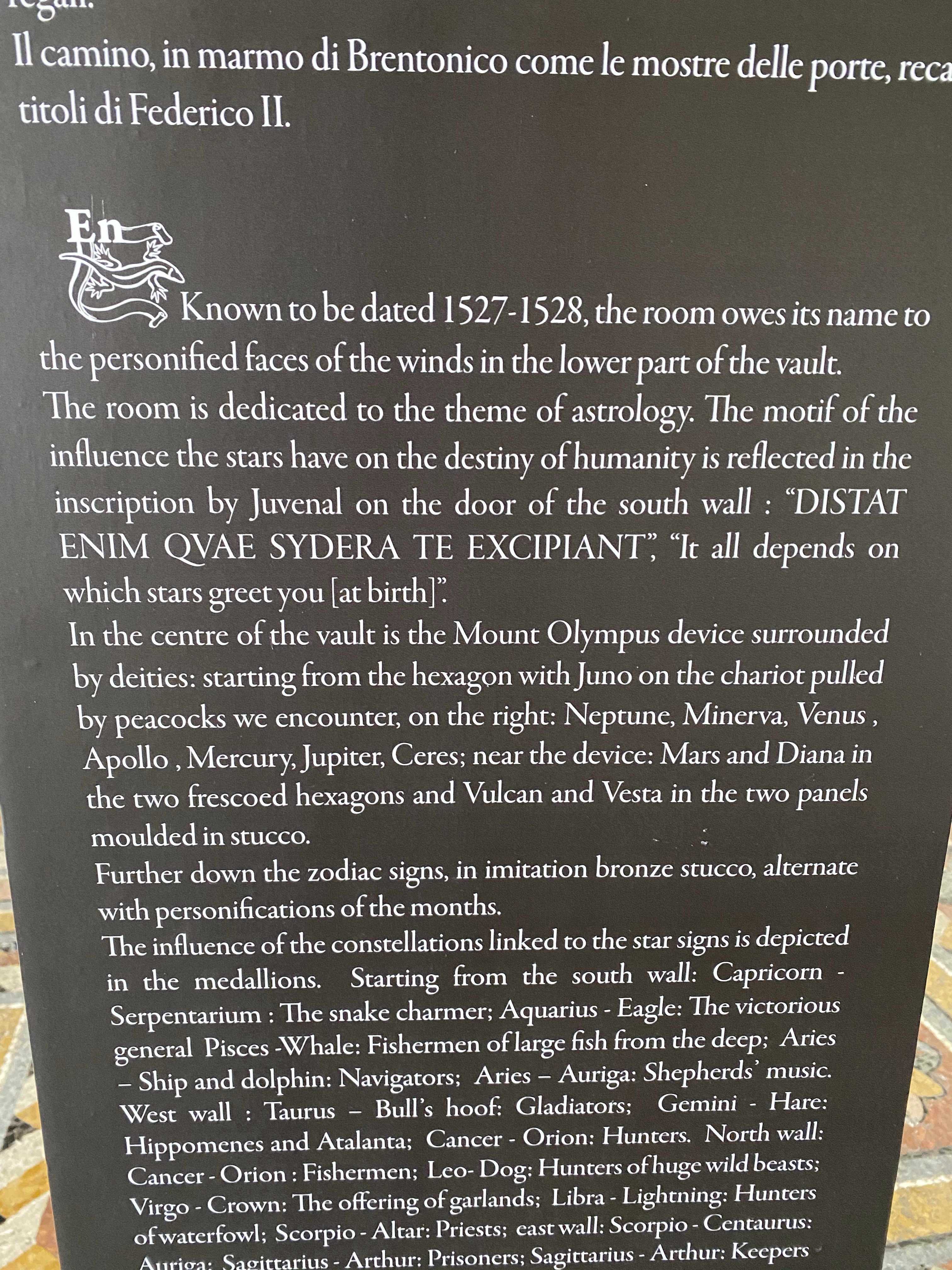
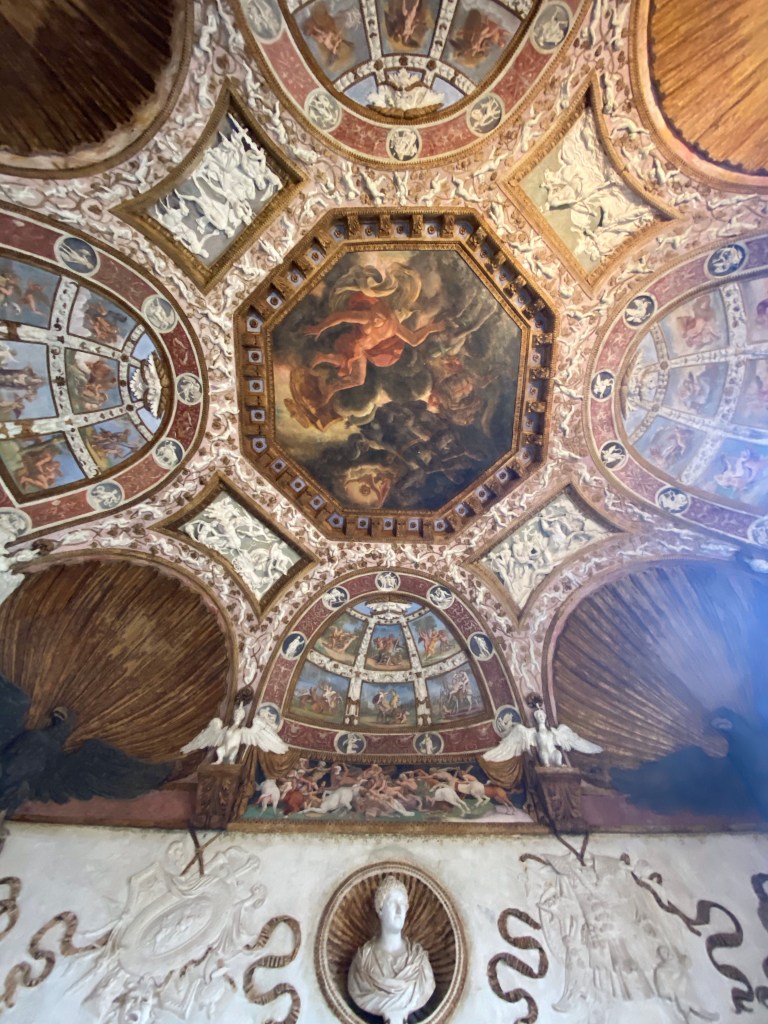
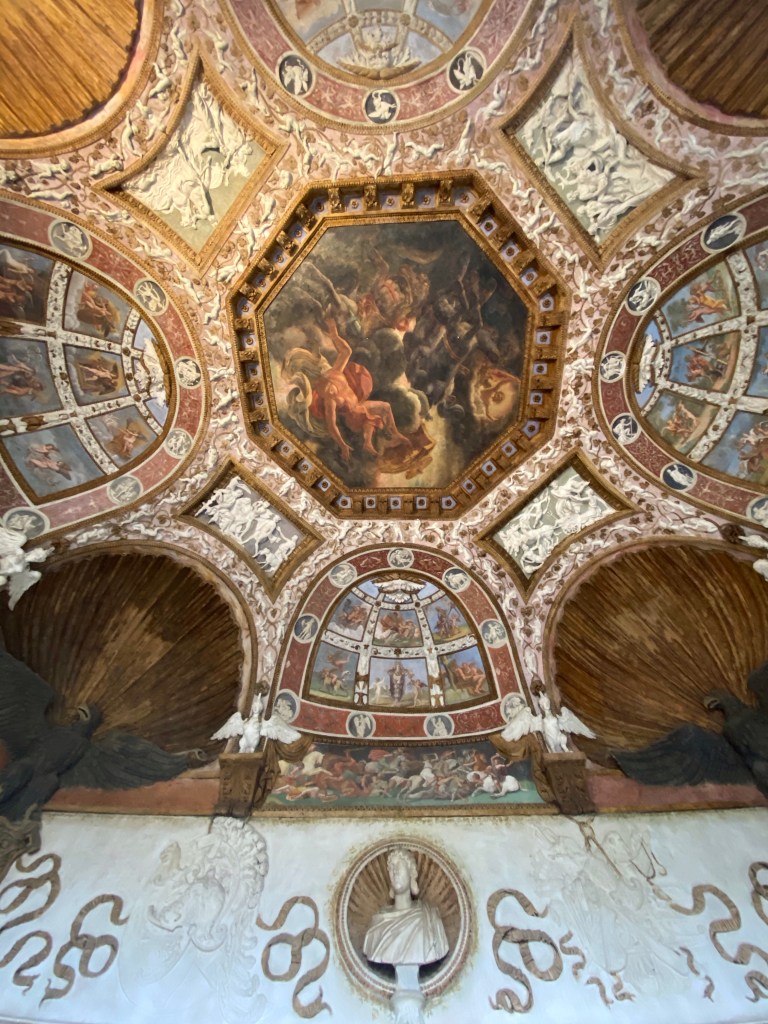
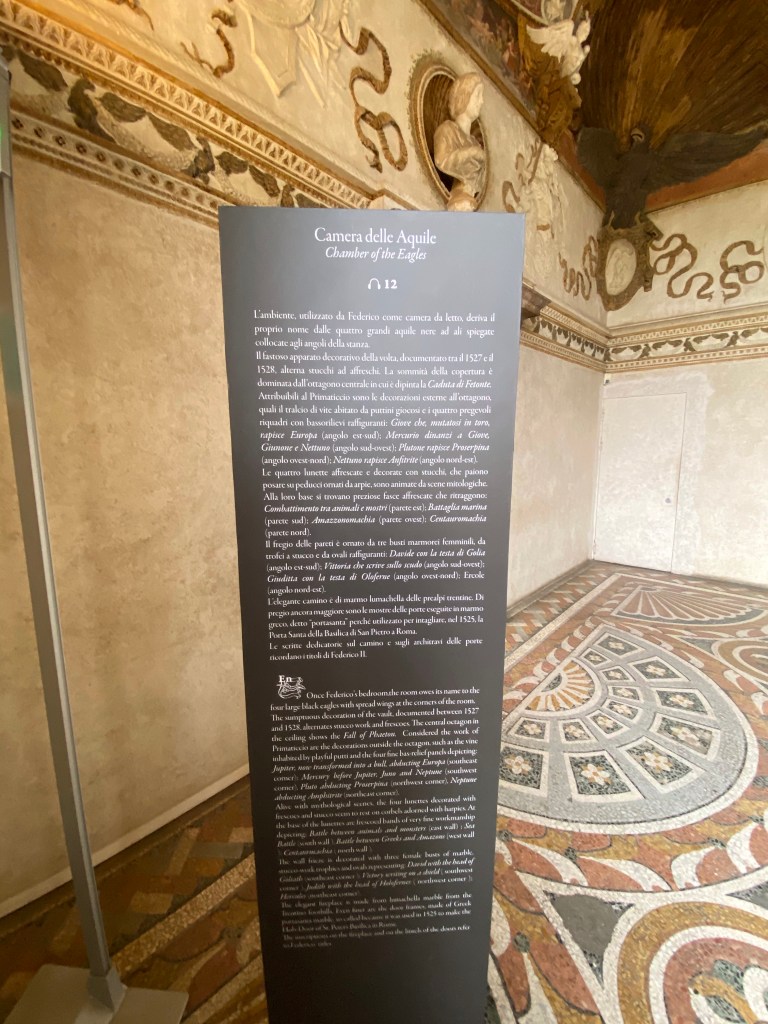
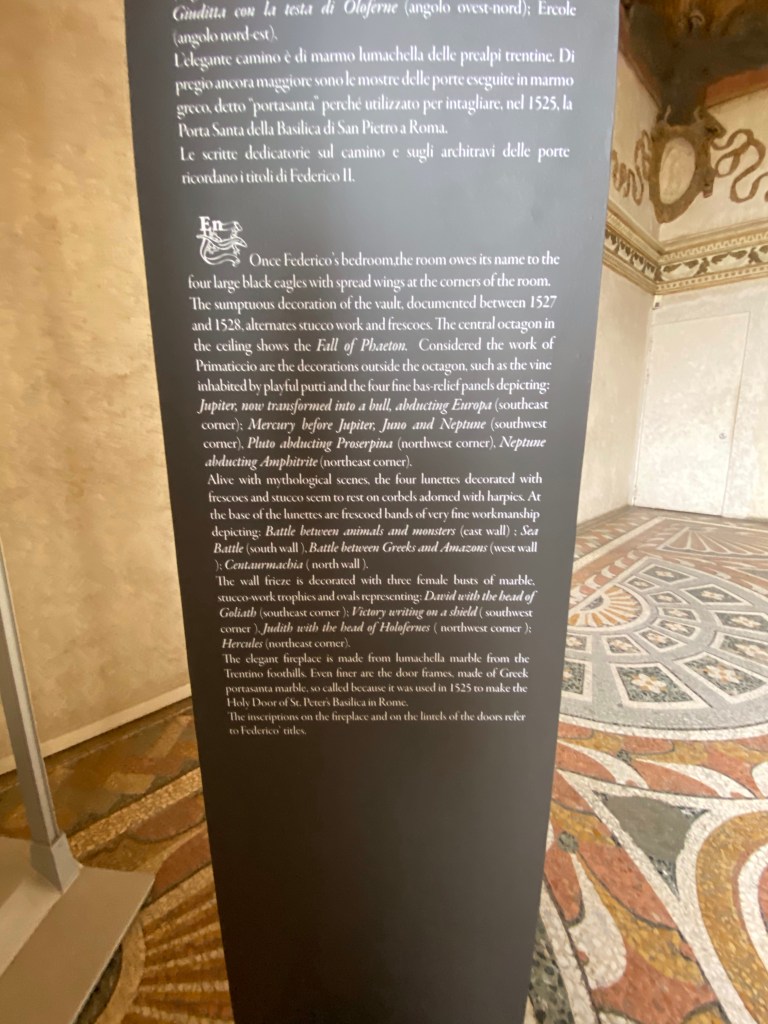
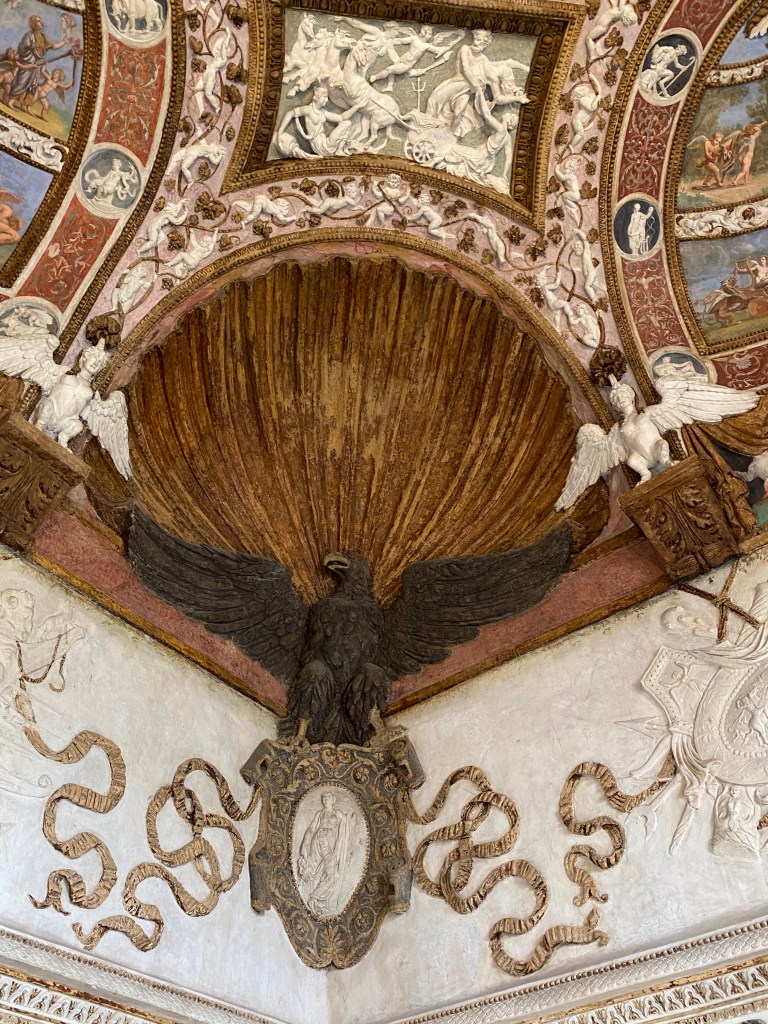
And this still isn’t all of my photos. Stay tuned!
There are all kinds of beauty
Palazzo Te, Mantua and its grotto.
Palazzo Te, in Mantua, should be high on any art lover’s list of places to see in Italy. I finally got to see it a few months ago, when Covid restrictions were very light. Ah, the good old days!
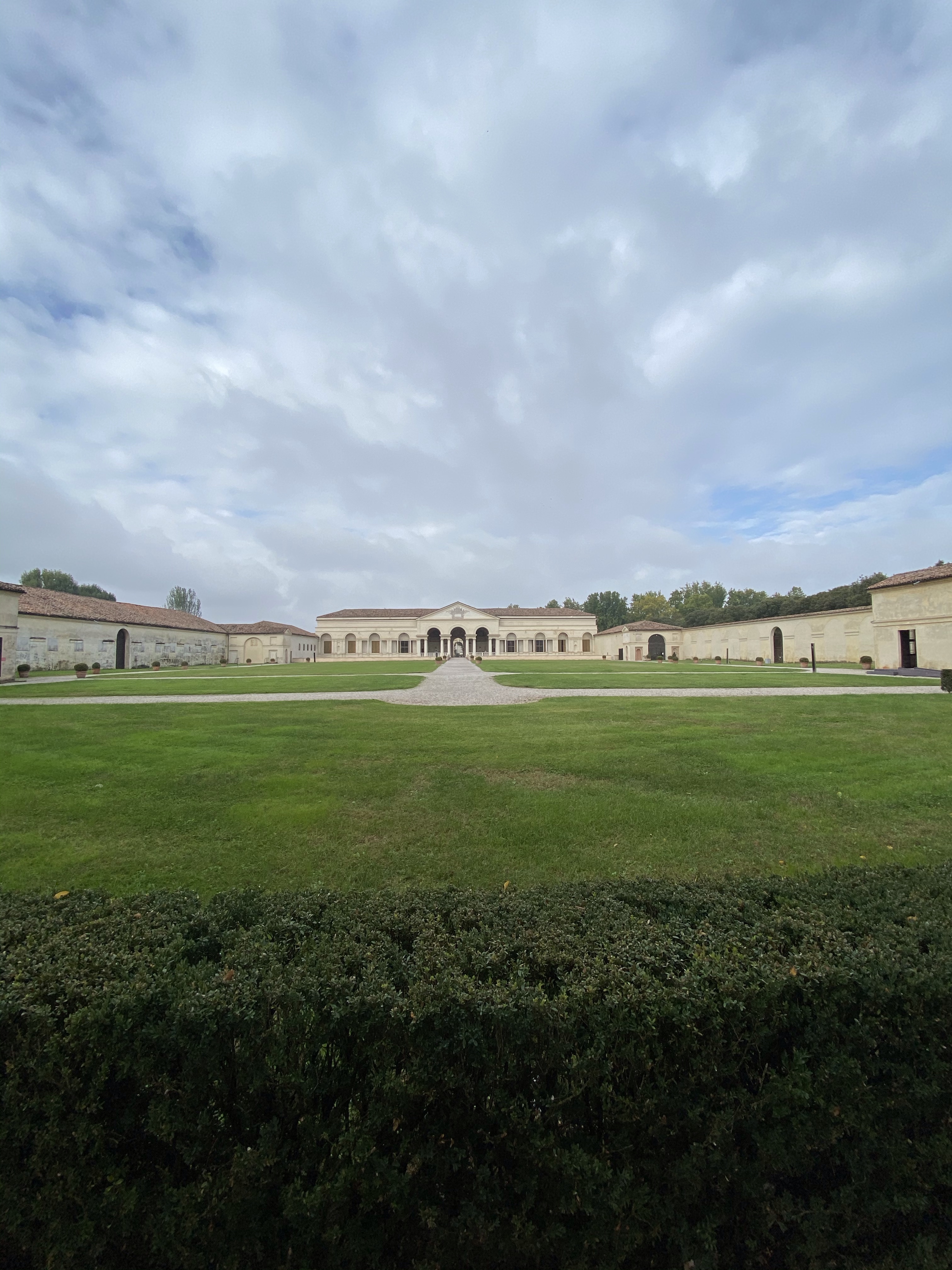
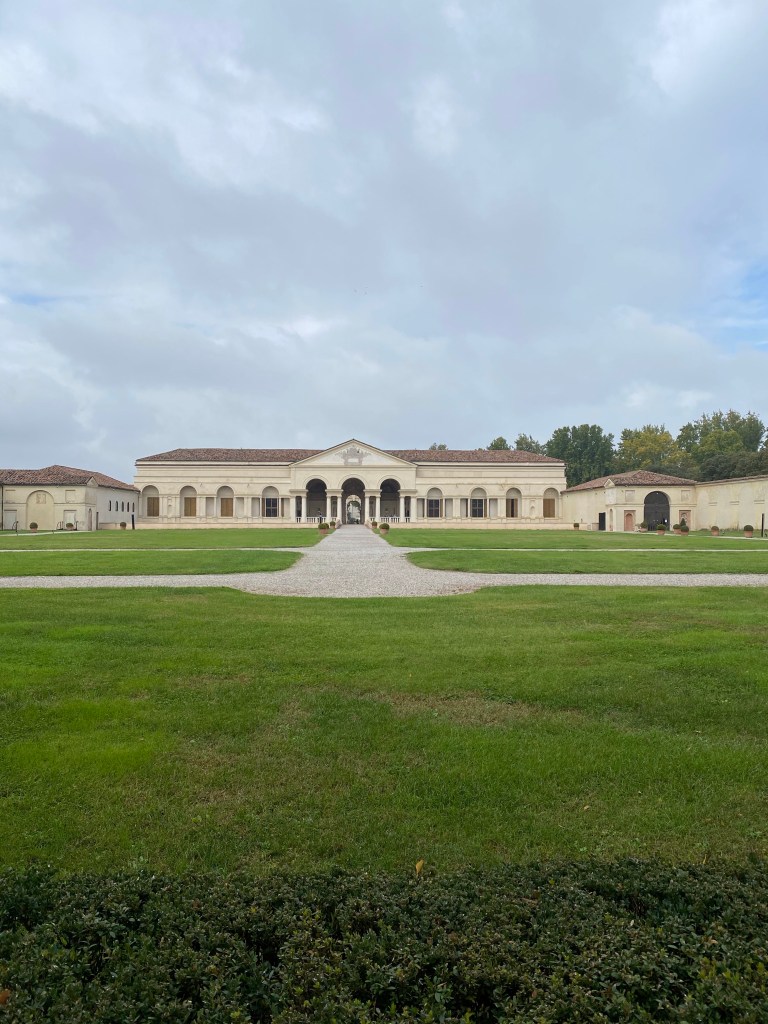
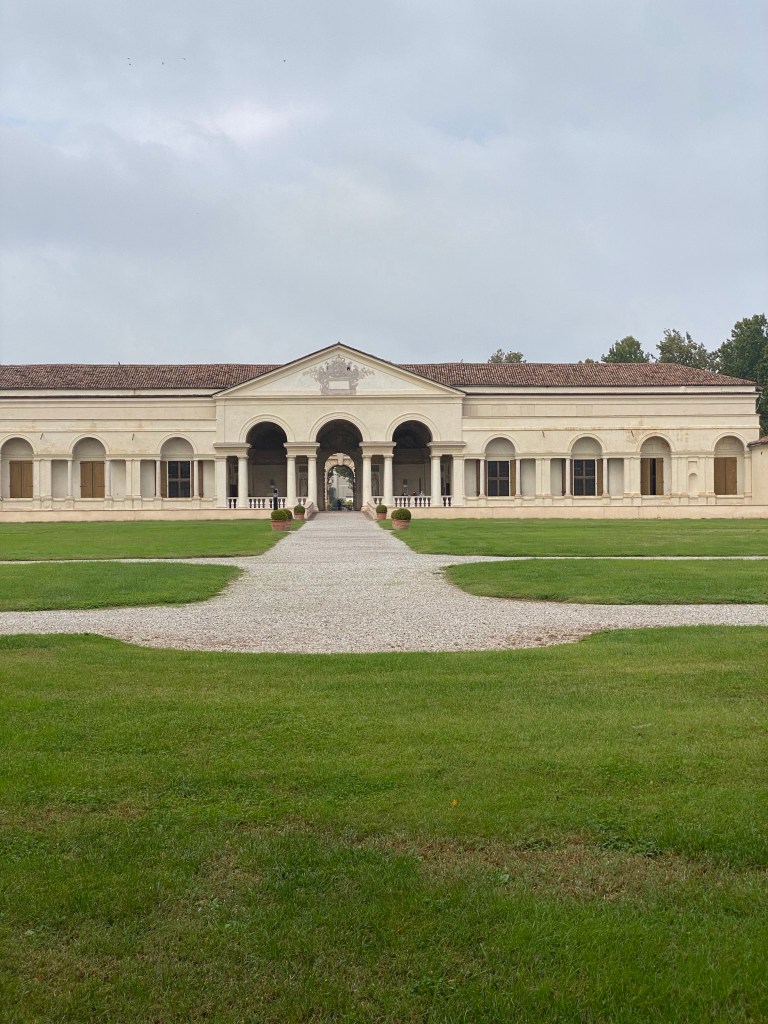
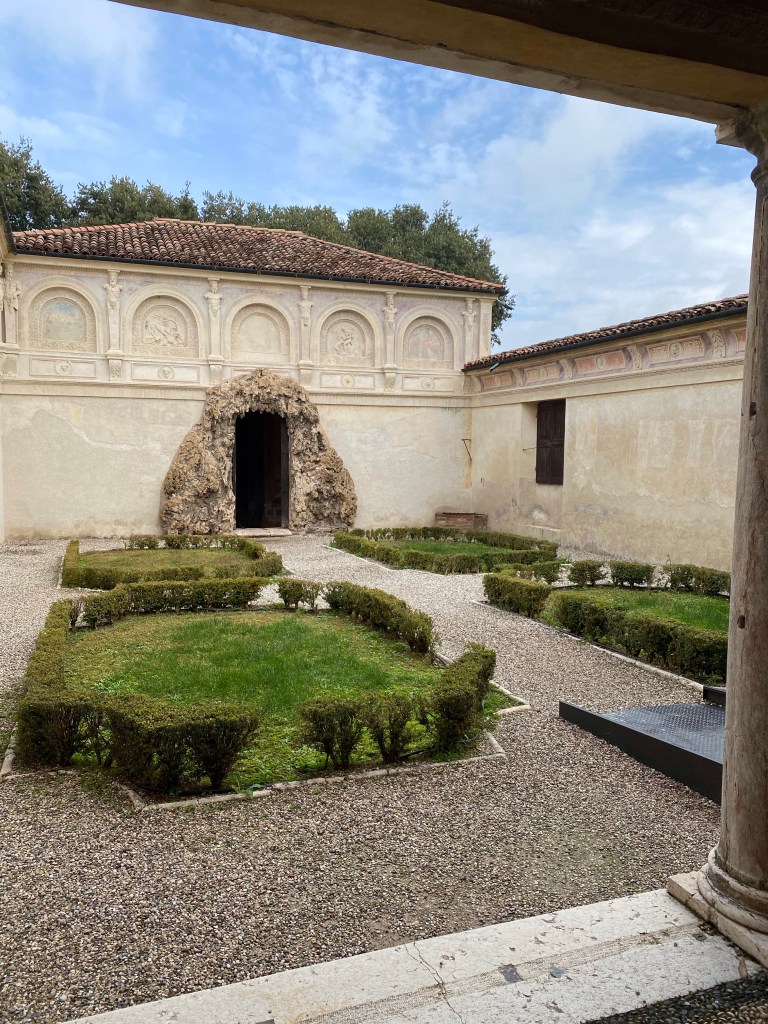
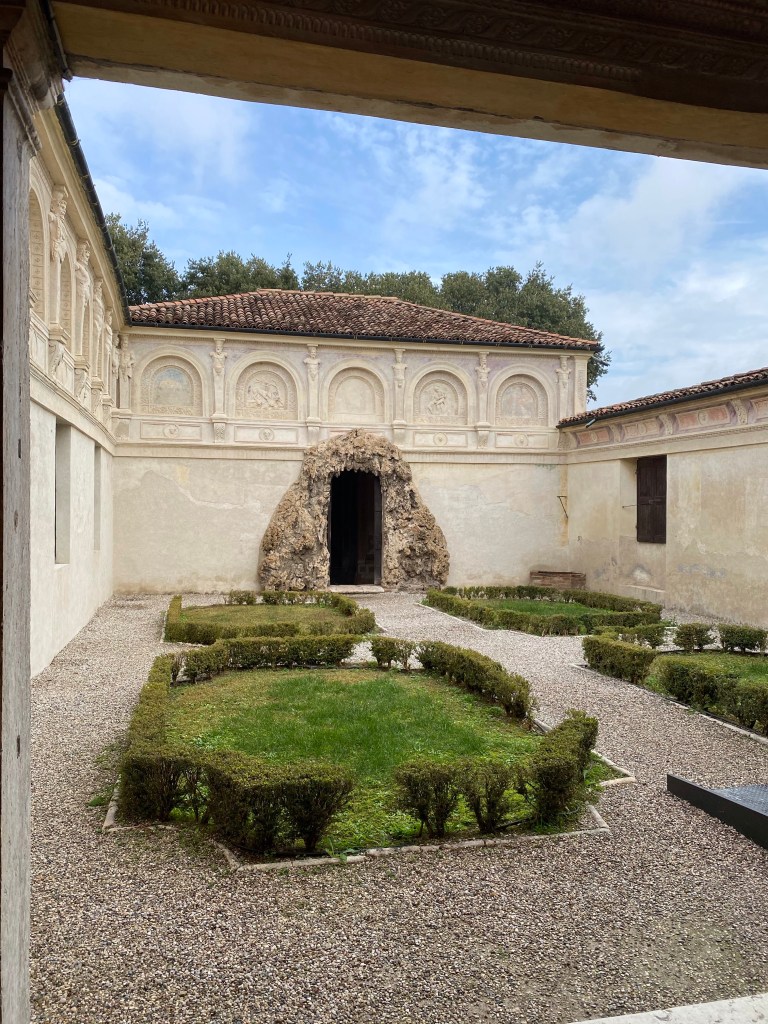
The photo above shows the main building of the Palazzo Te, as see from inside the complex and at the far end of the grassy courtyard.
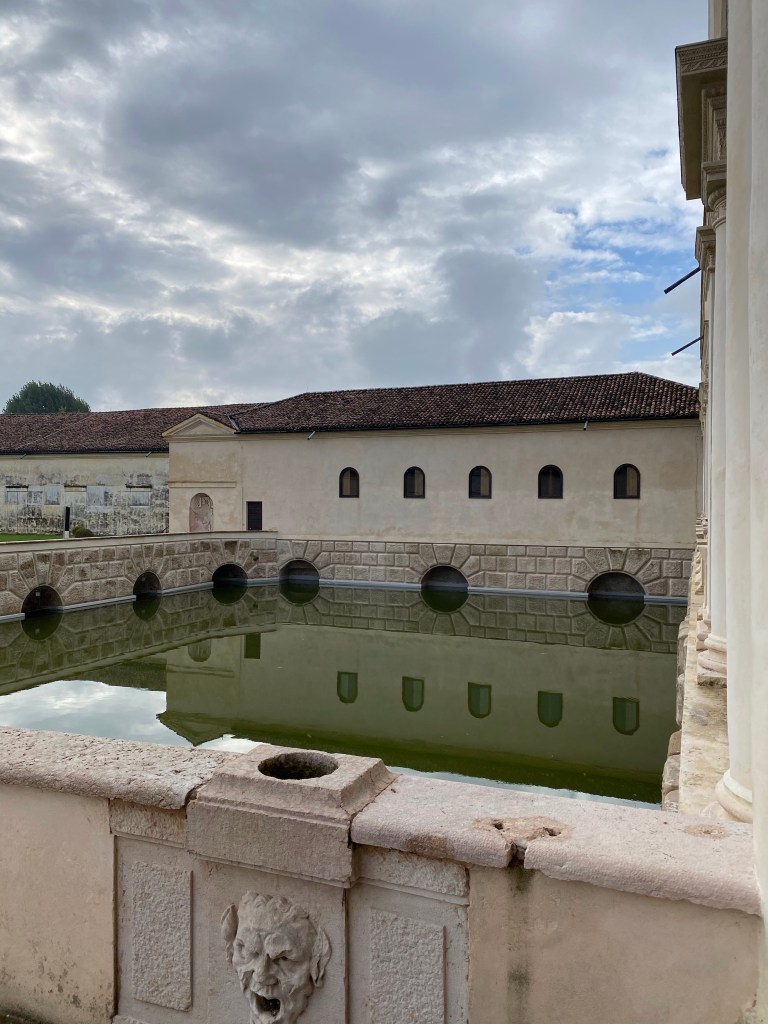
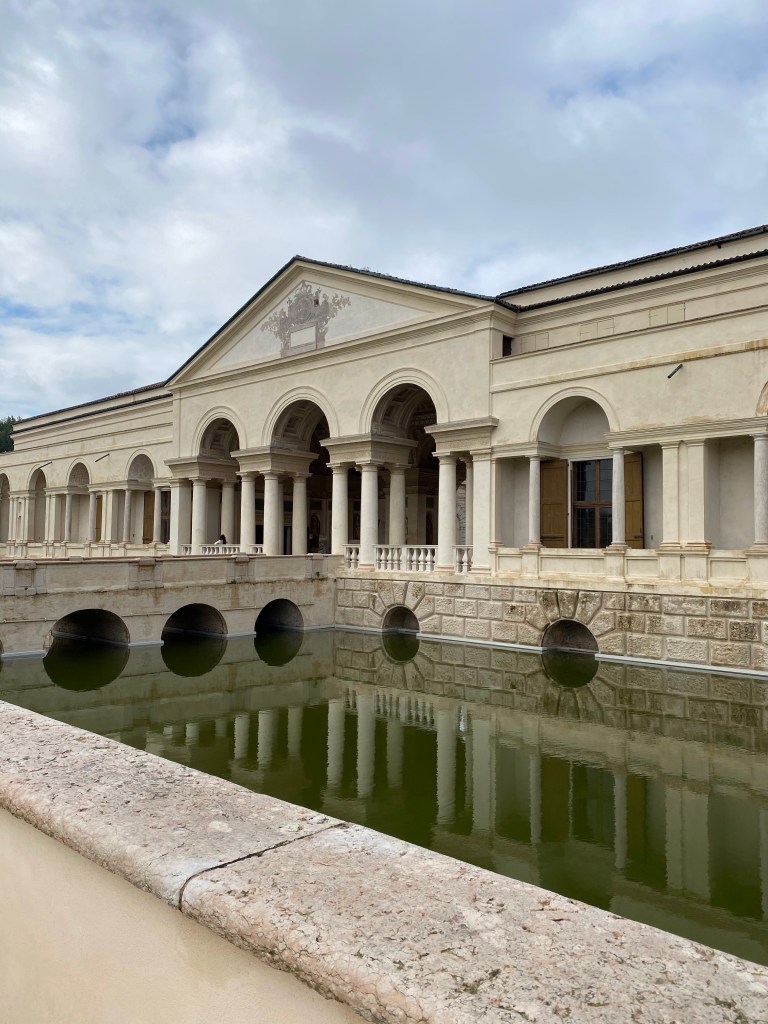
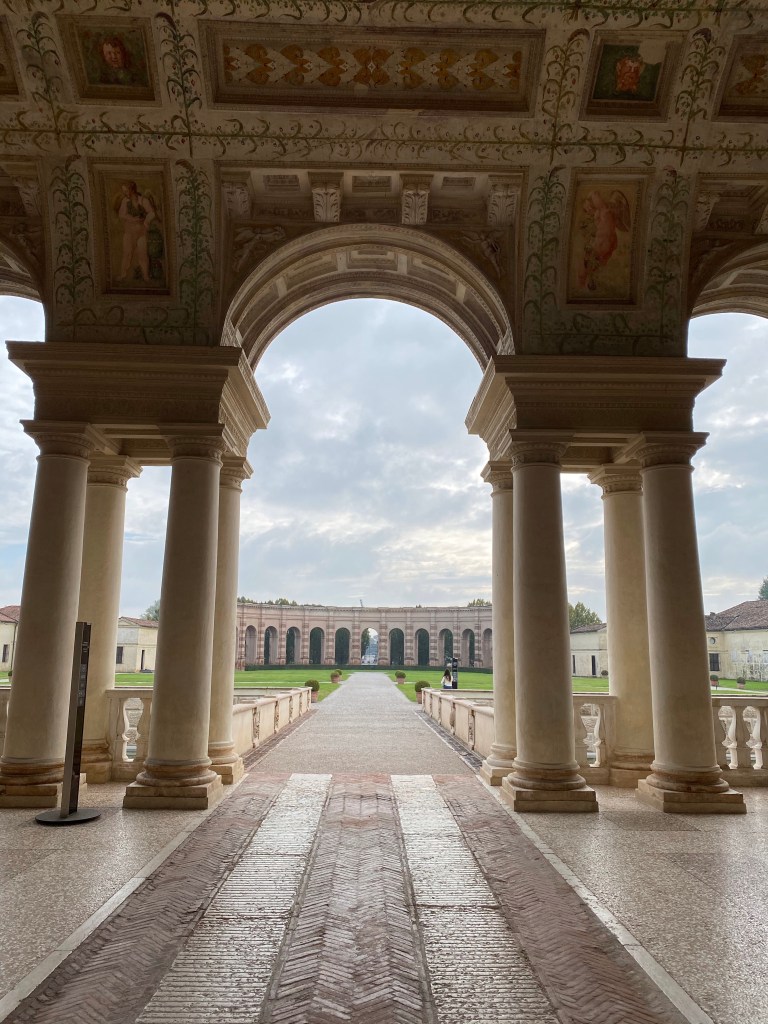
The picture above is taken from inside the arcade within the main building, looking across the grassy courtyard to the far end.
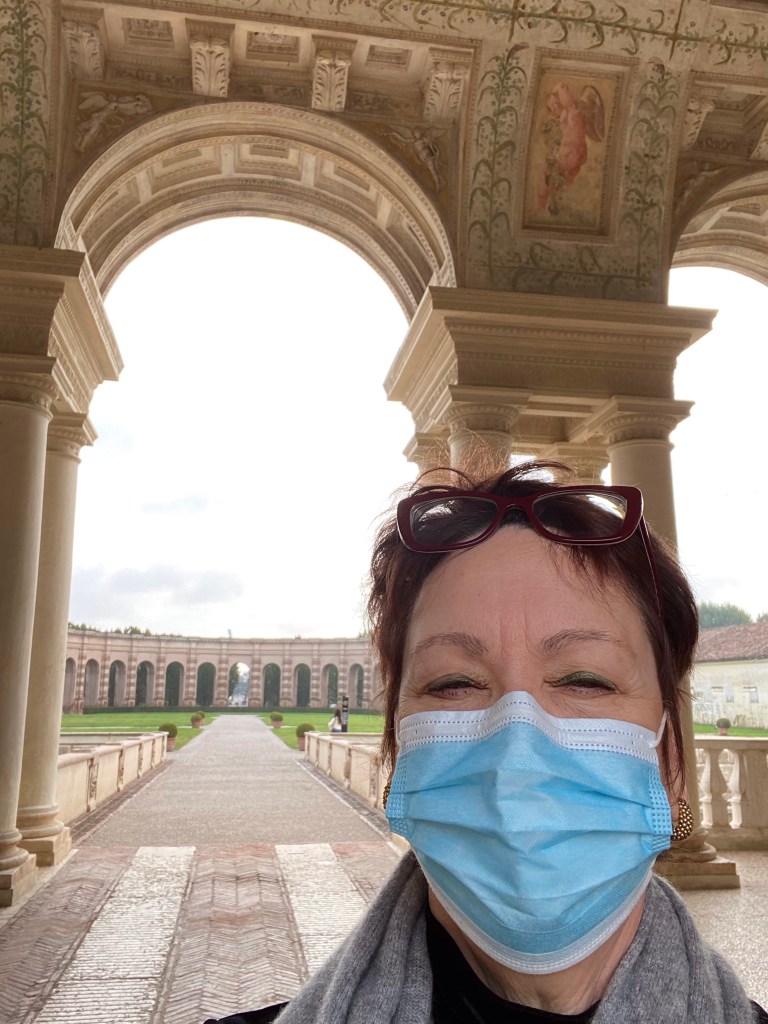
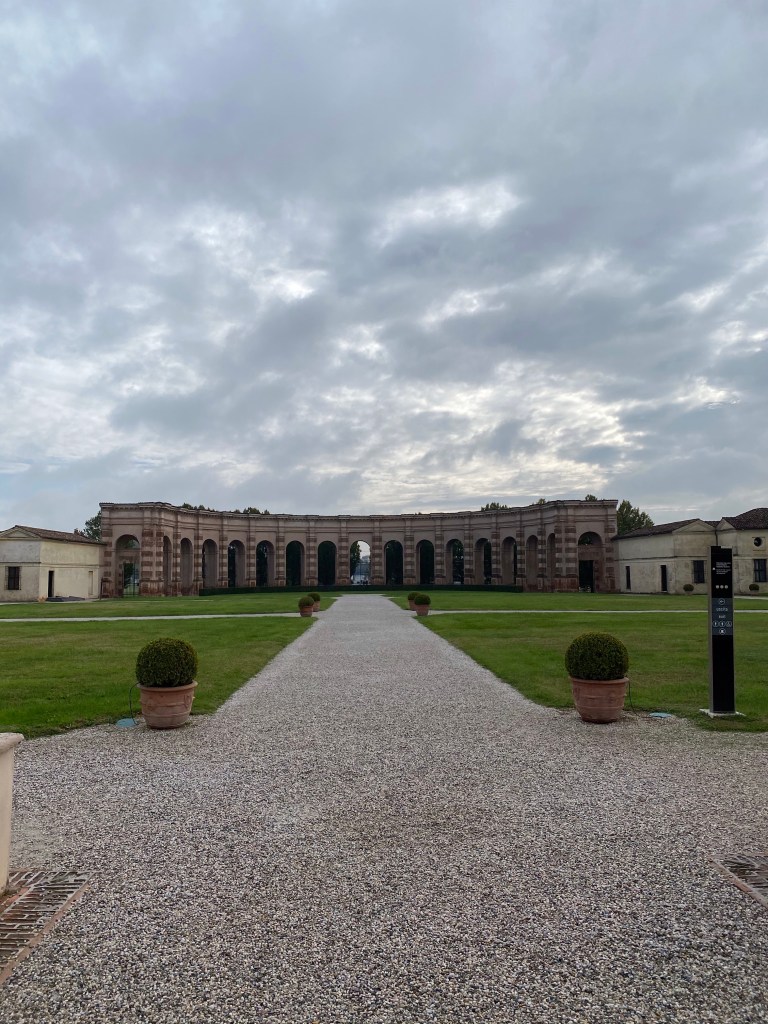
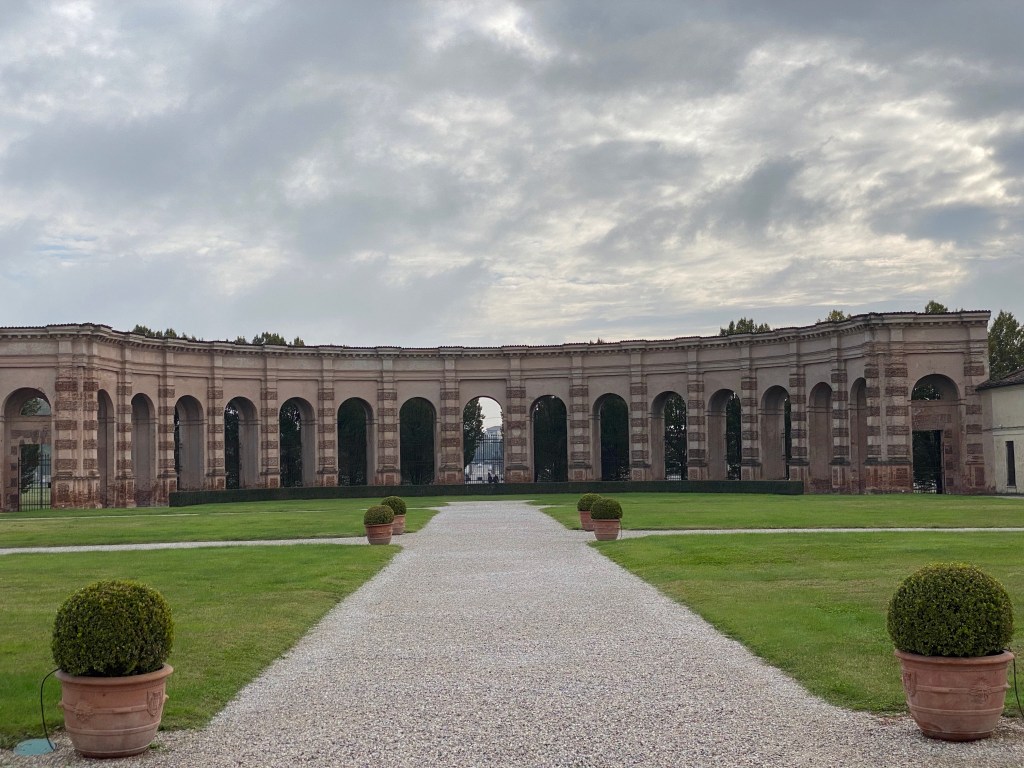
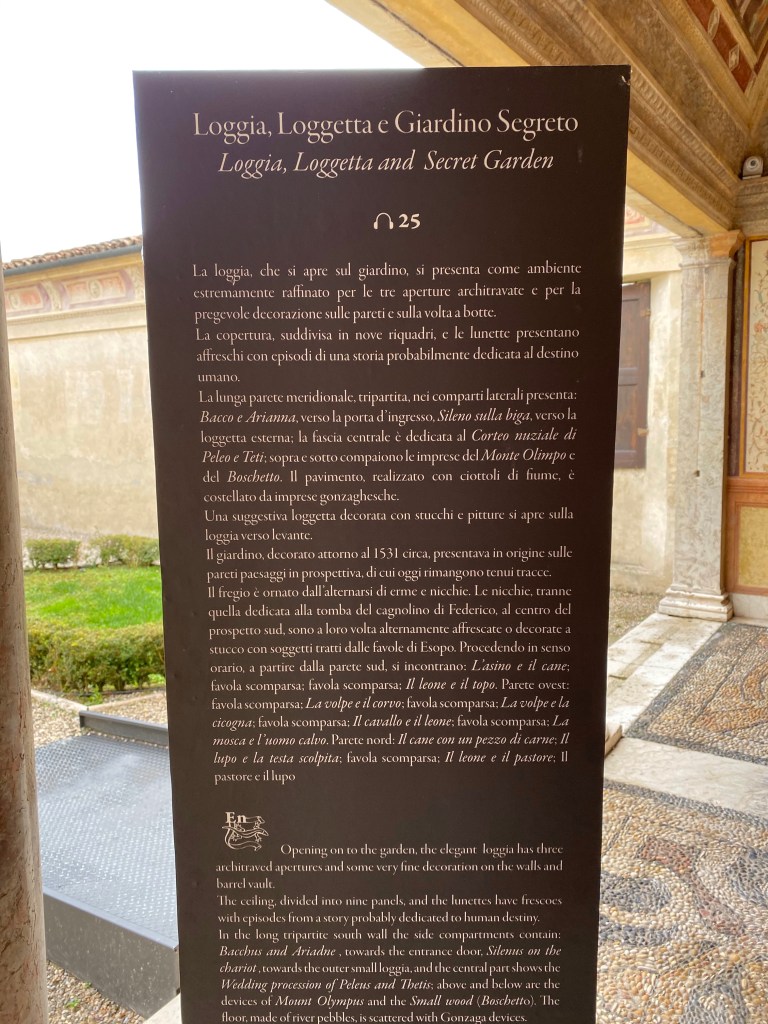
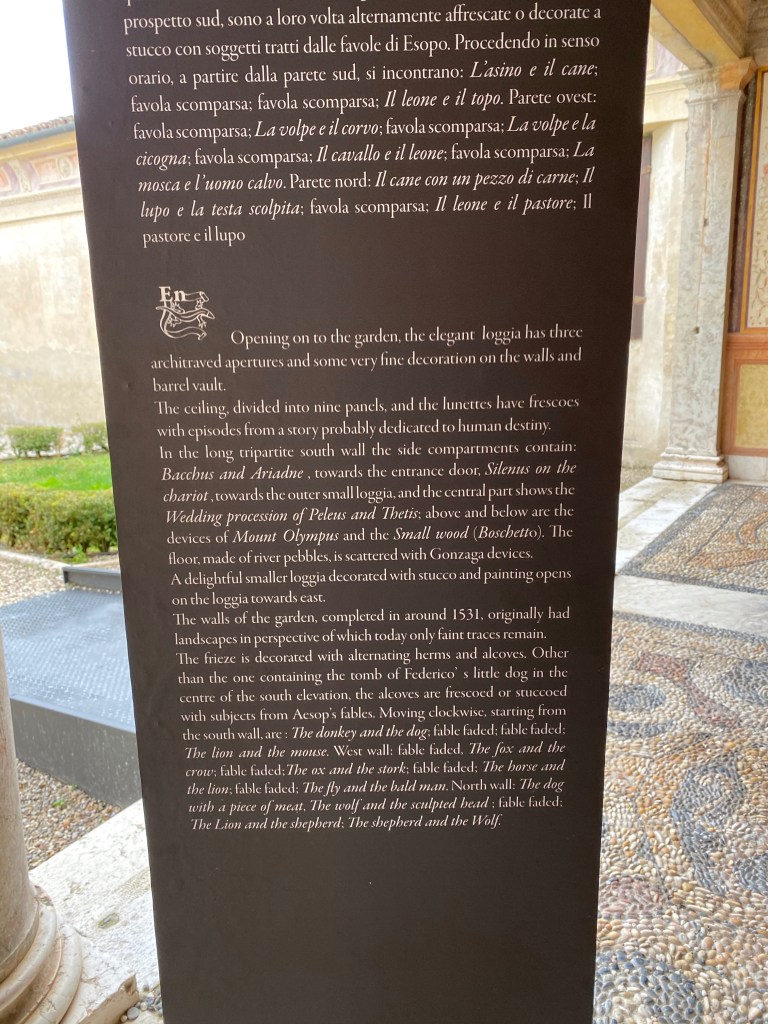
The Palazzo Te complex is a glorious work of art and the paintings inside are beyond belief.
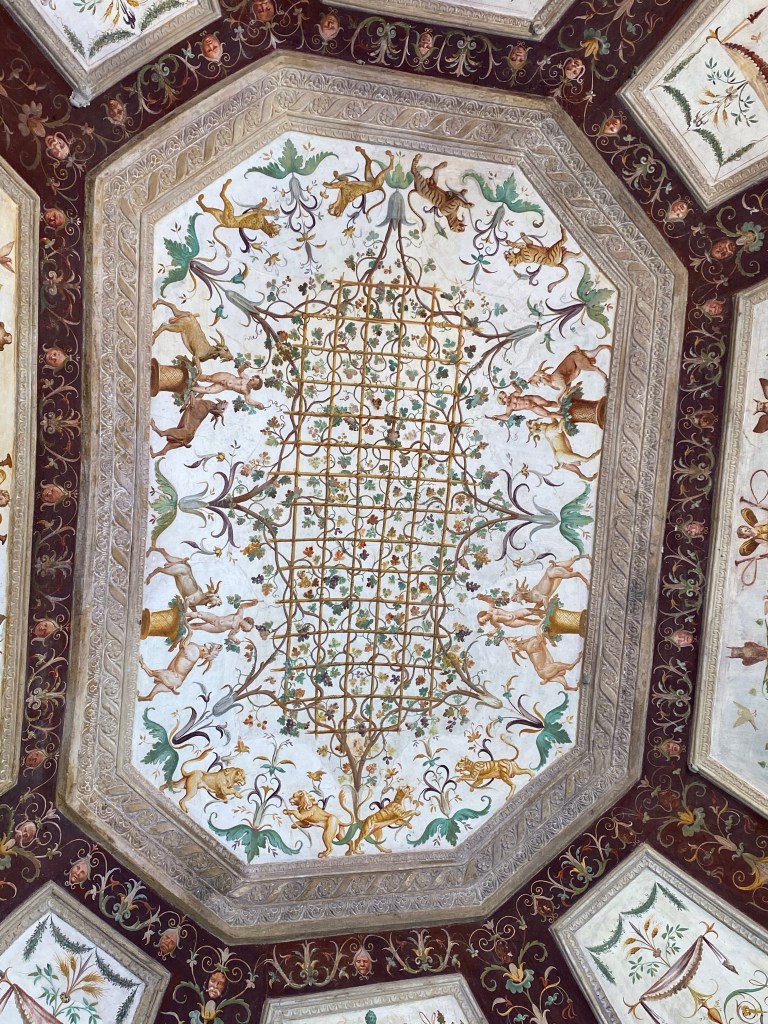
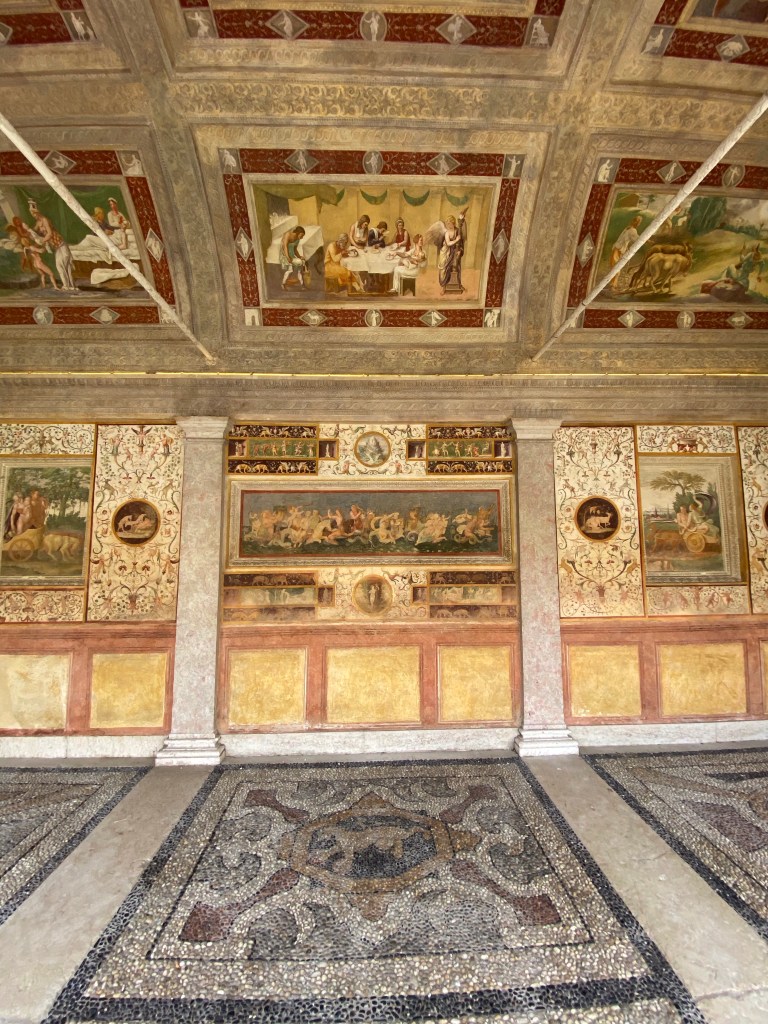
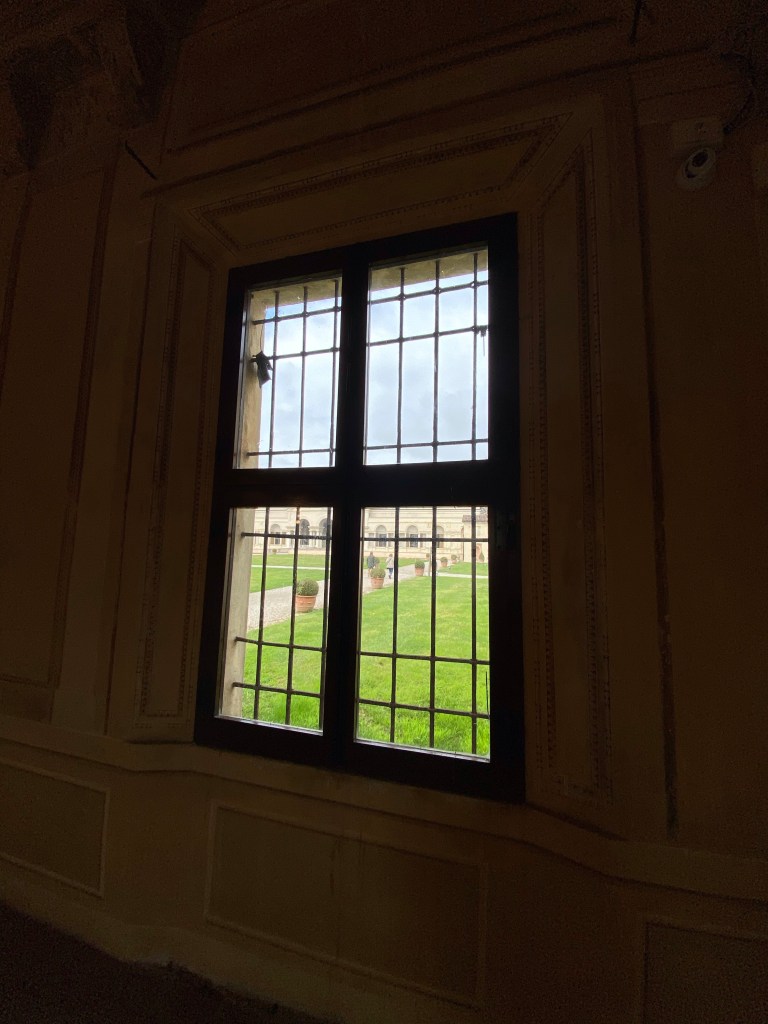
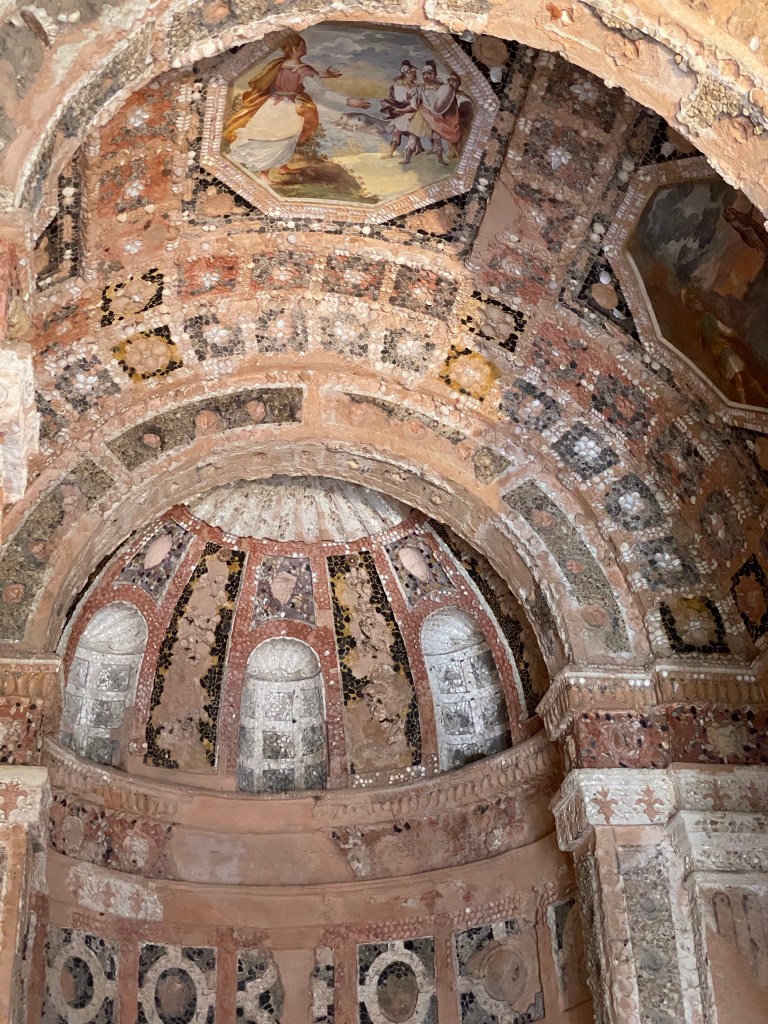
At the far end of the grassy courtyard of the complex, there is a beautiful little grotto:
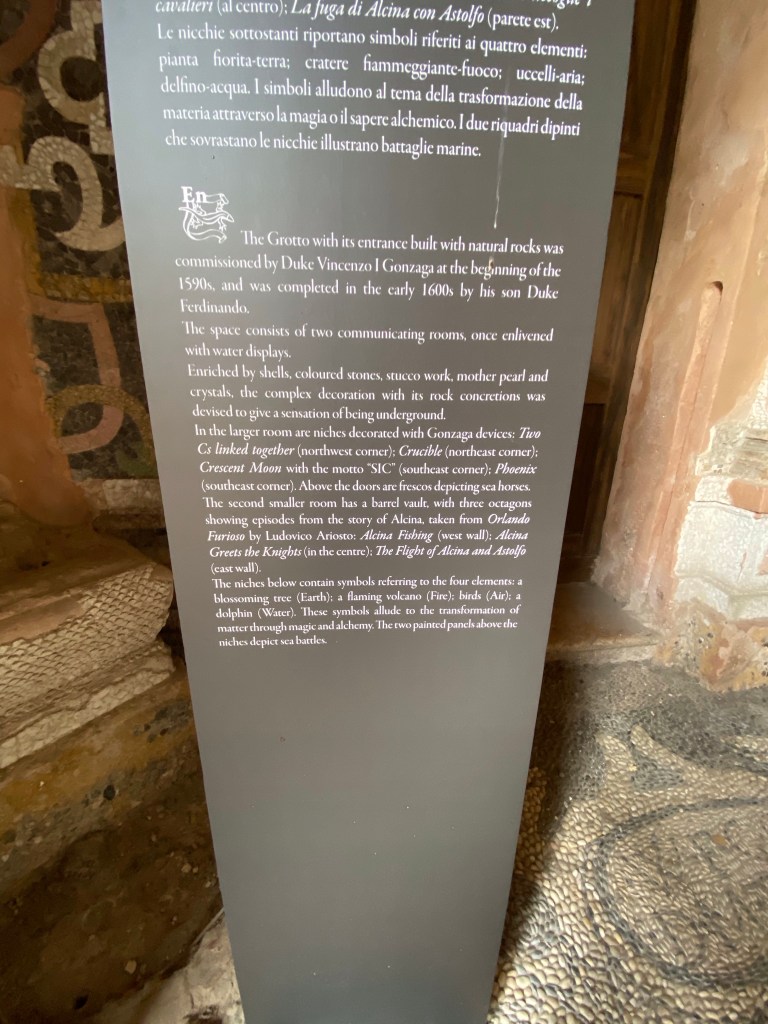
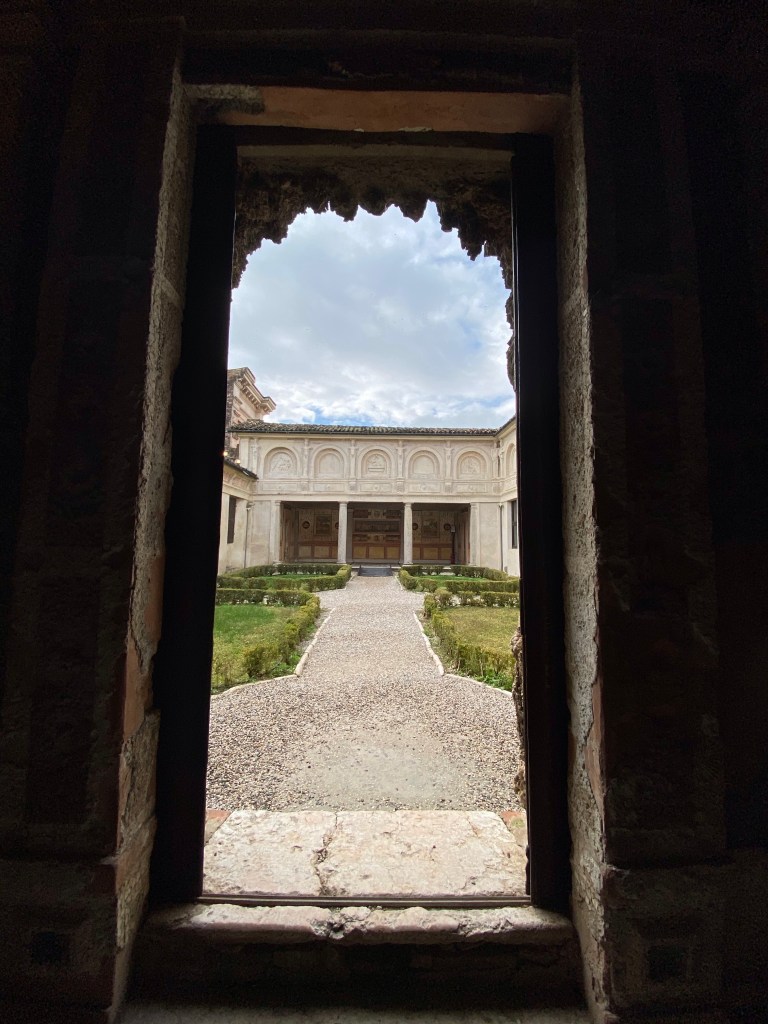
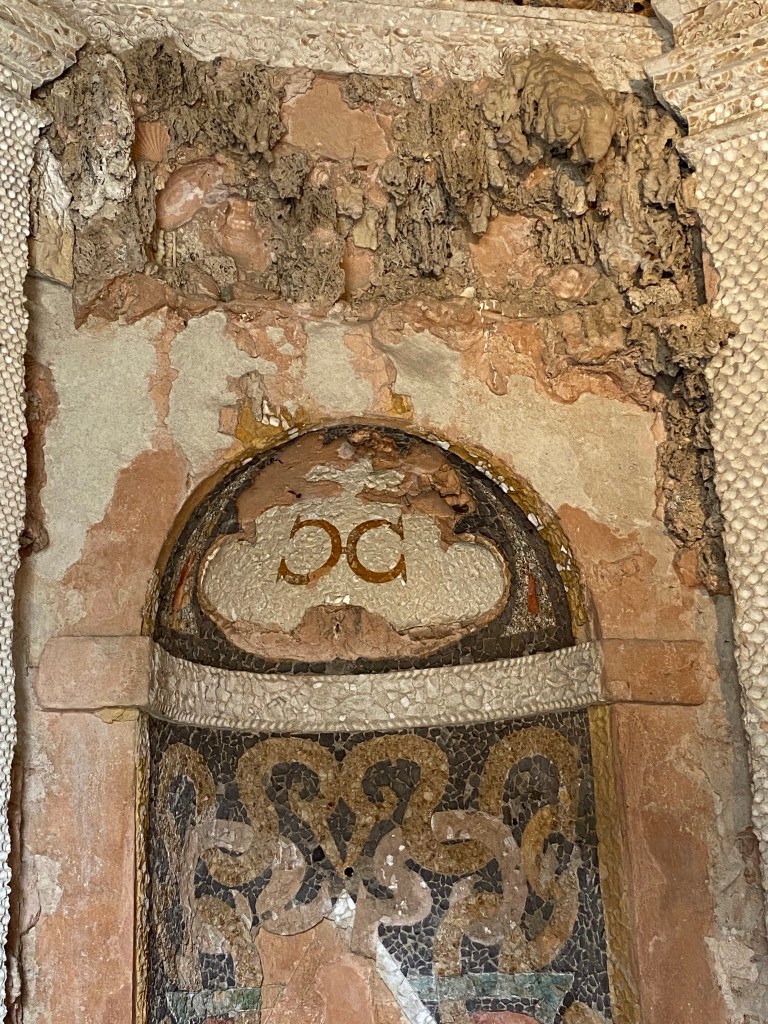
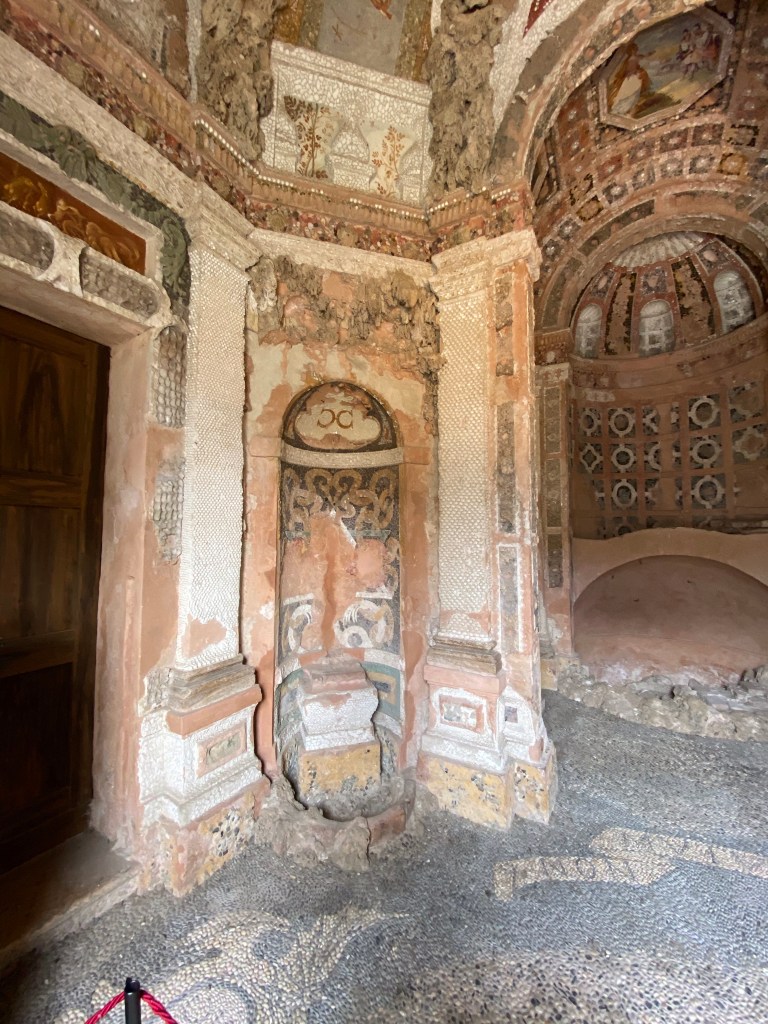
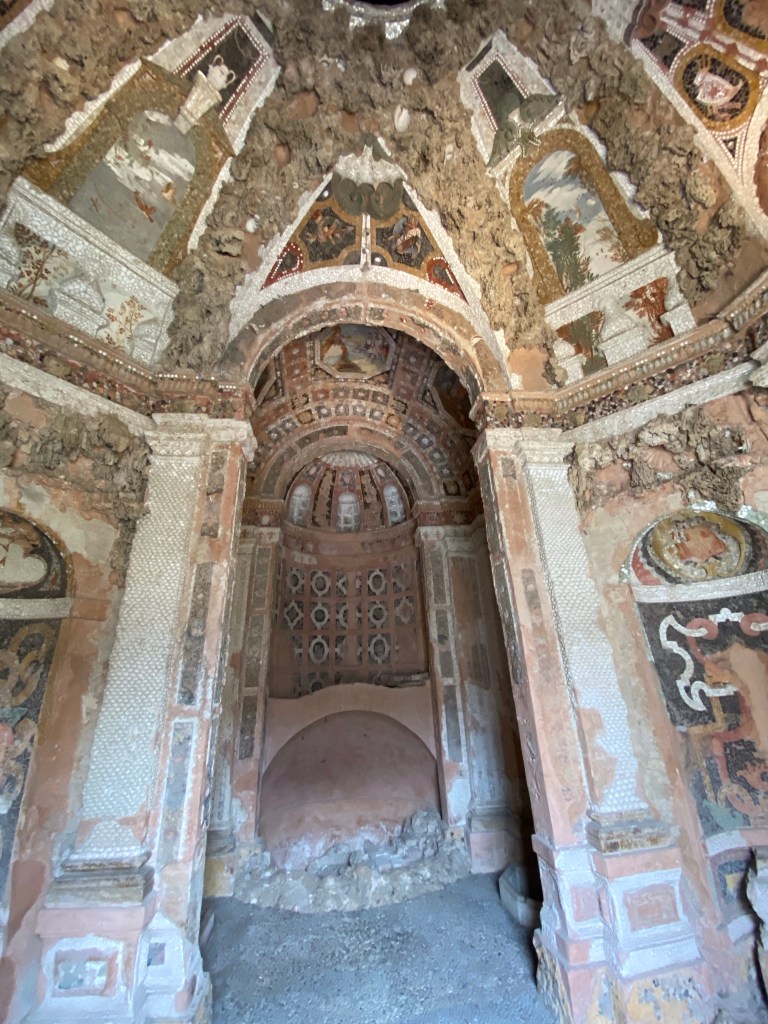
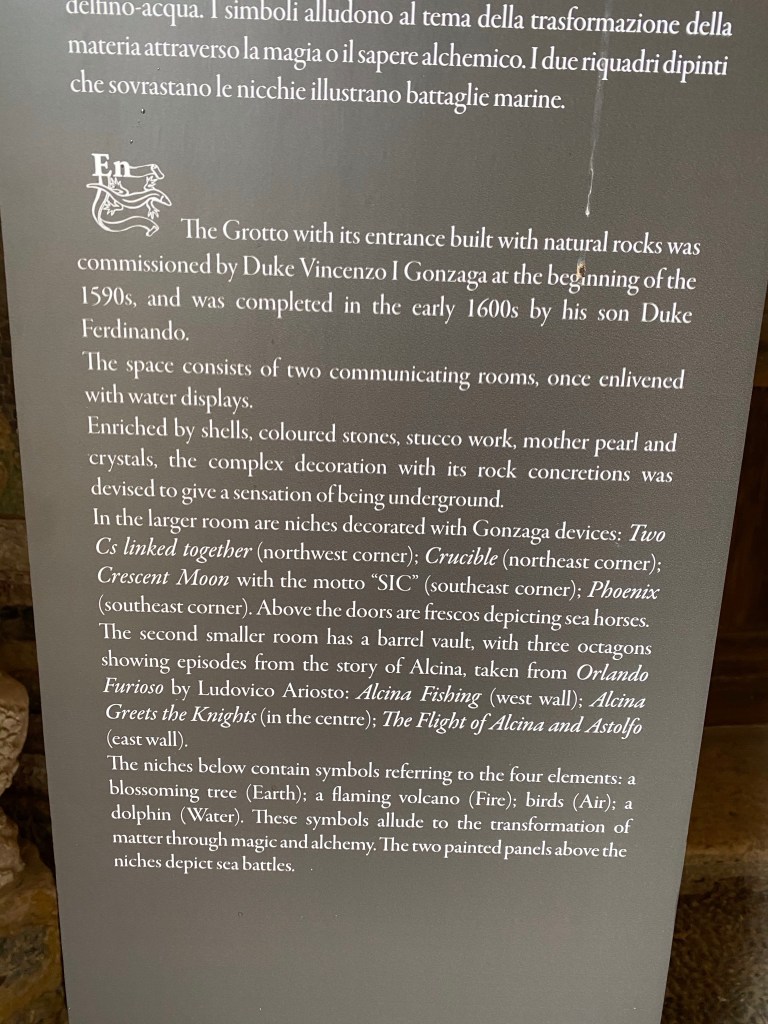
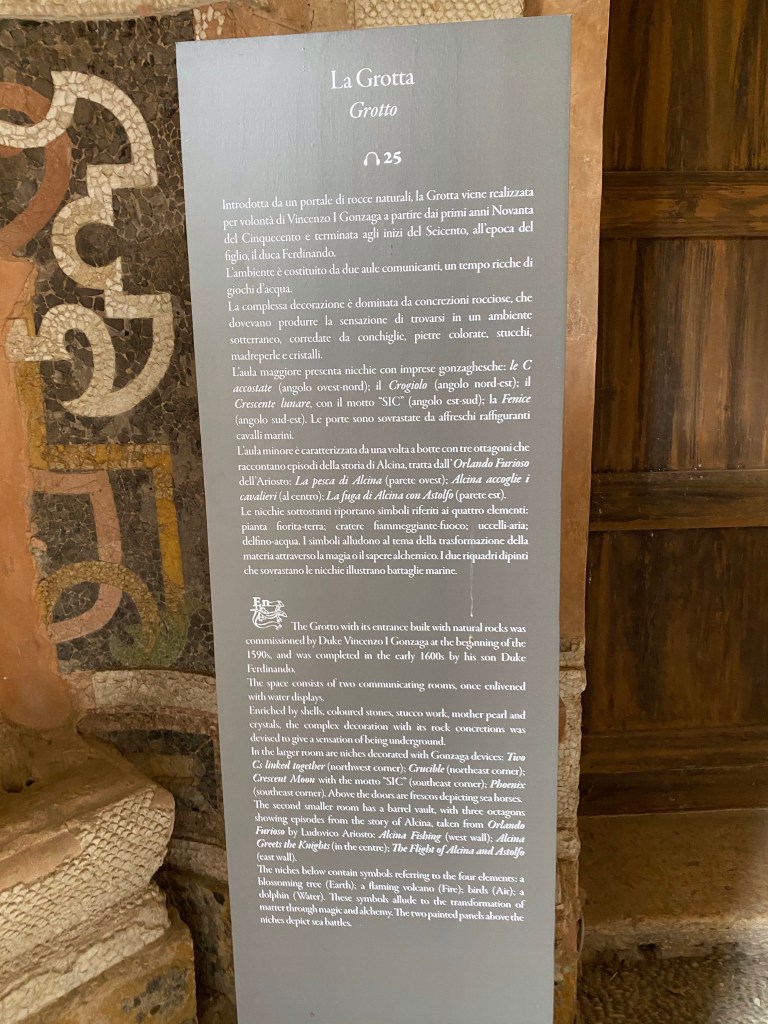
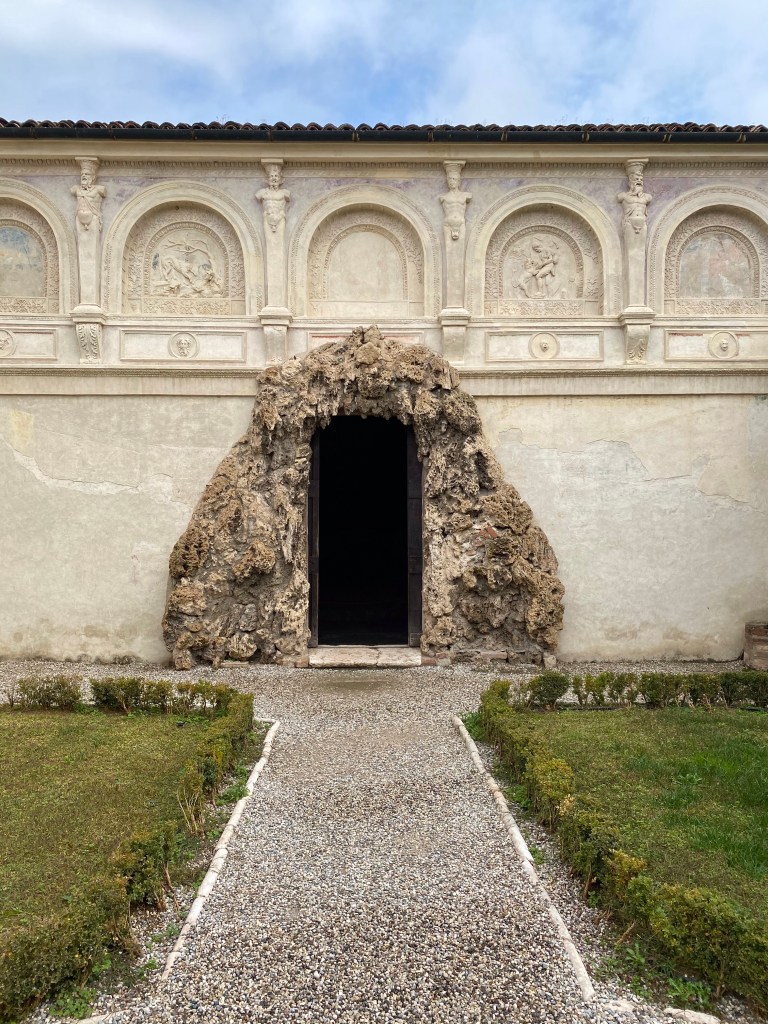
There is so much more to see, I’ll be back soon with more pictures from Mantua and Palazzo Te!
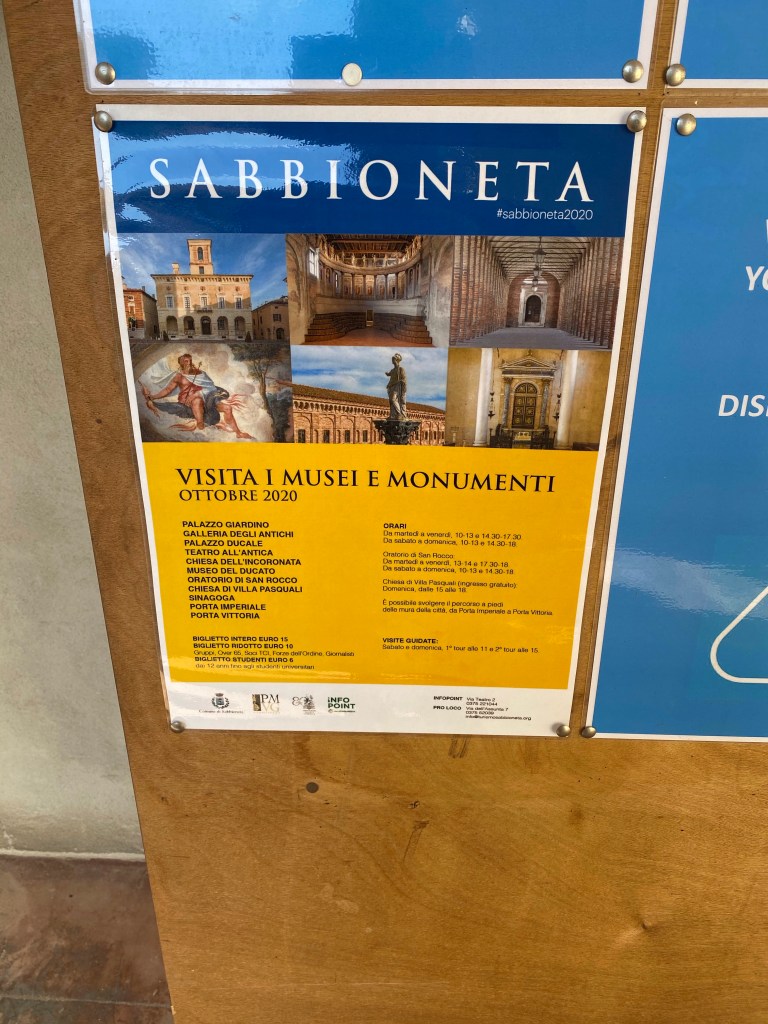
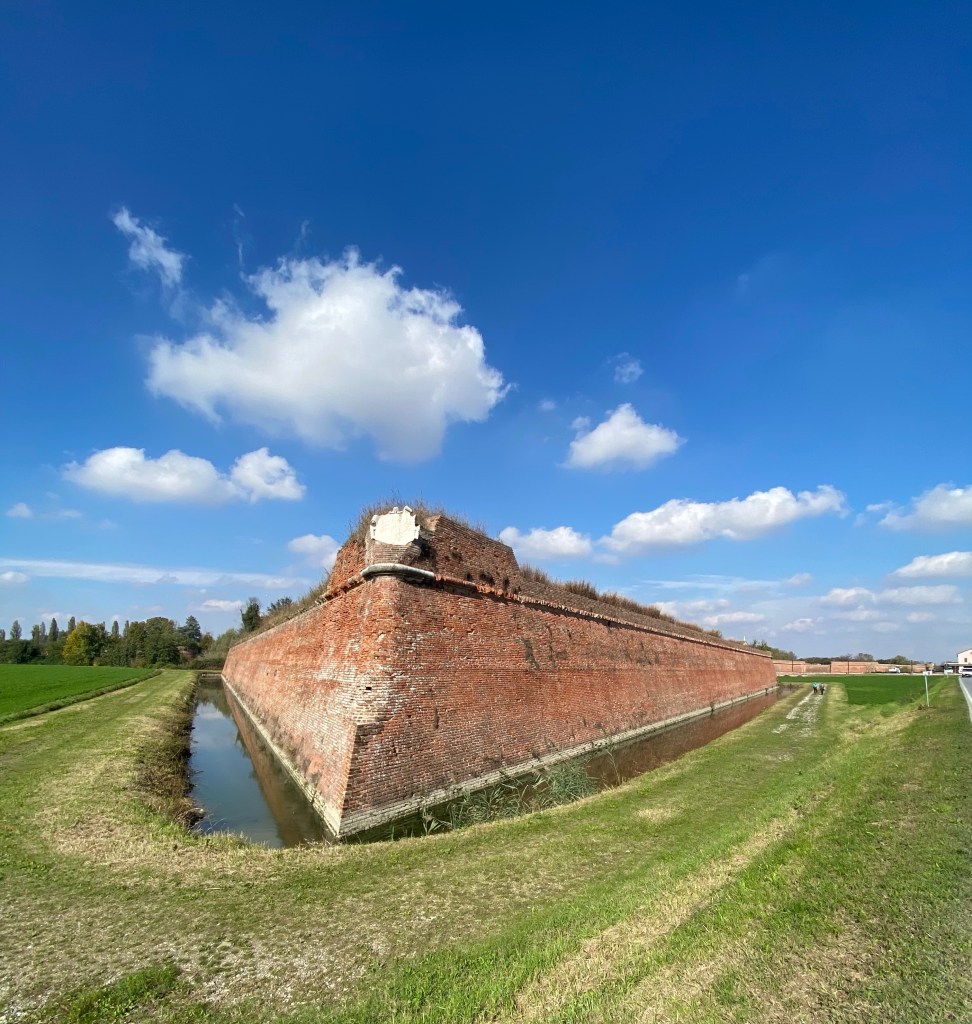
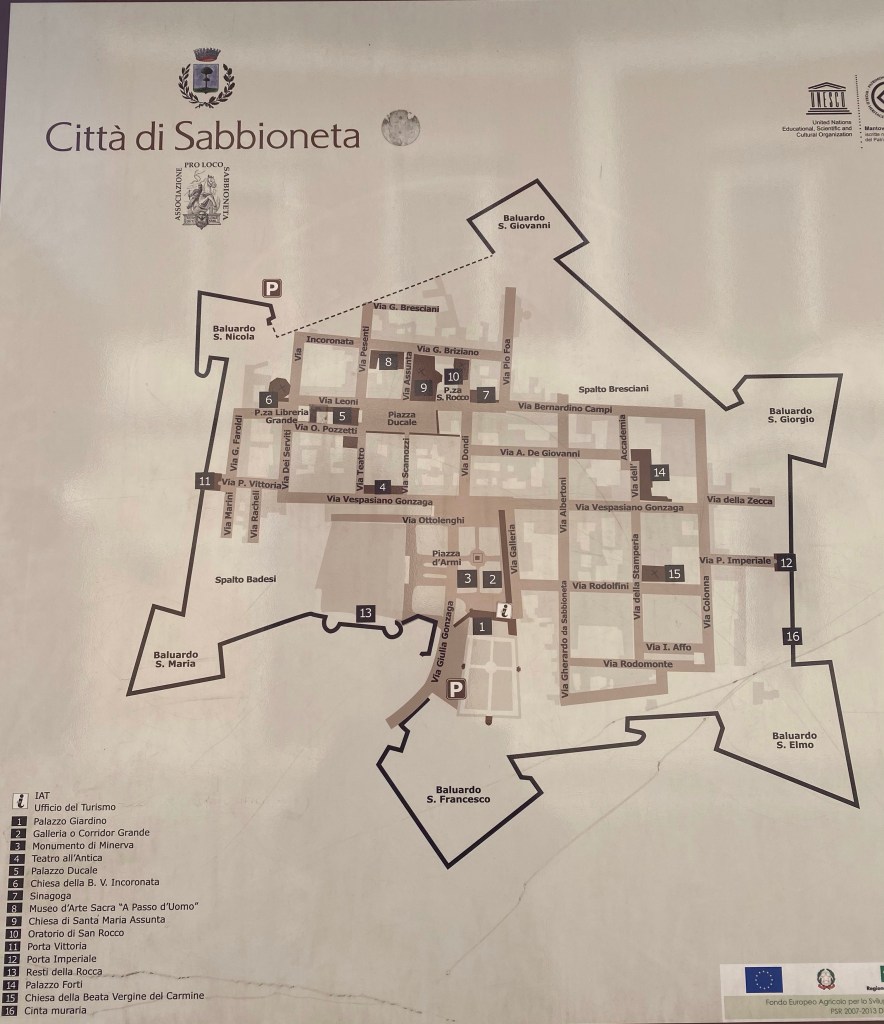
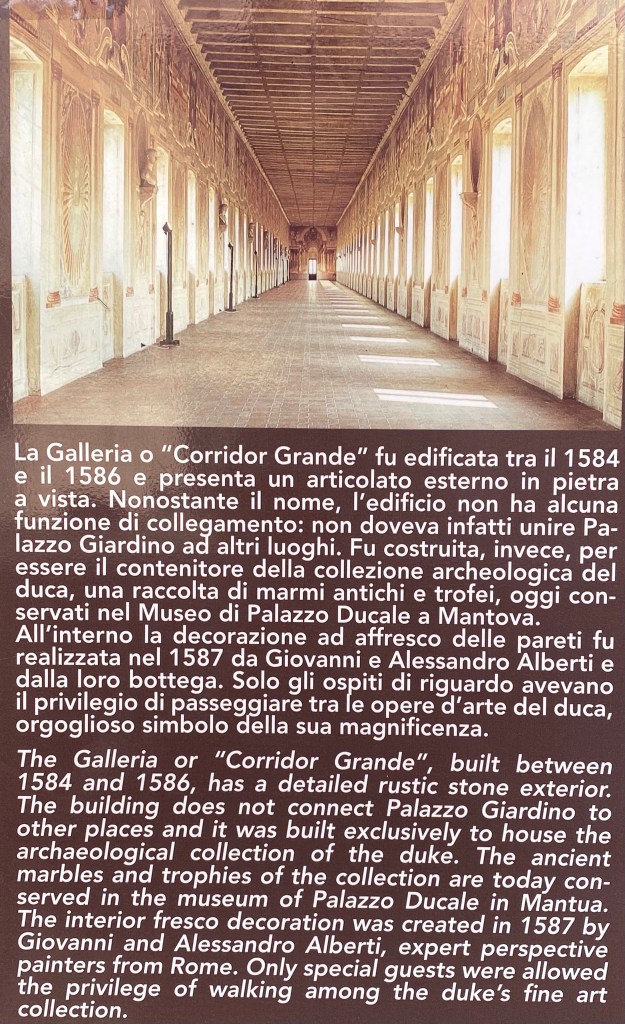
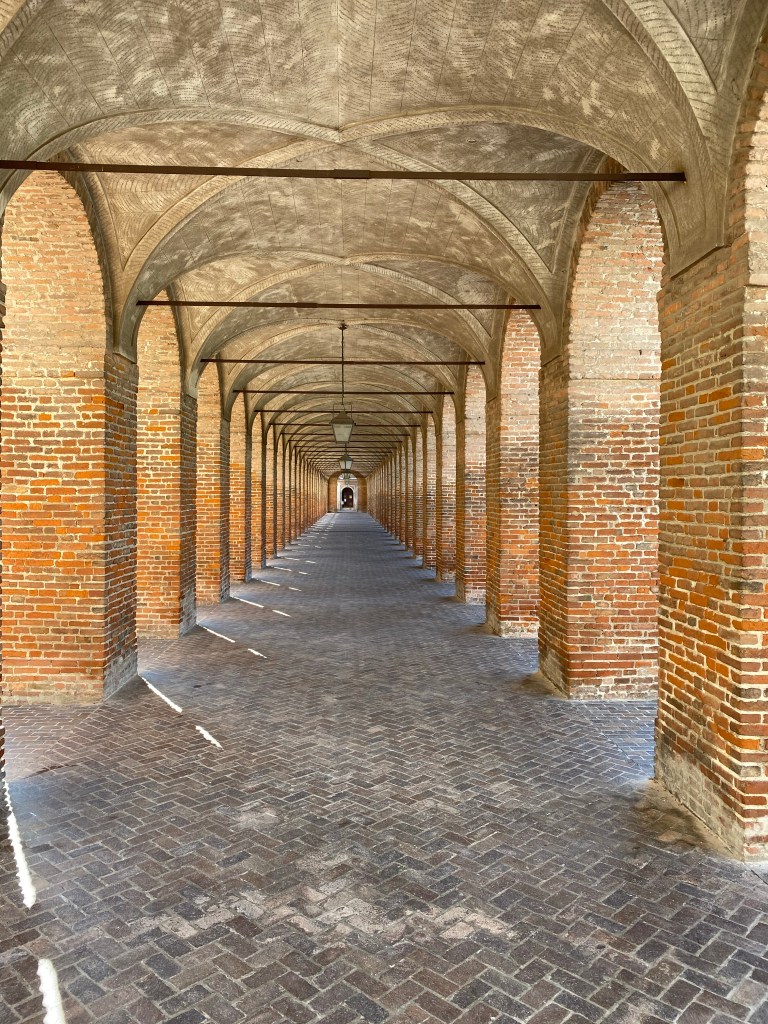
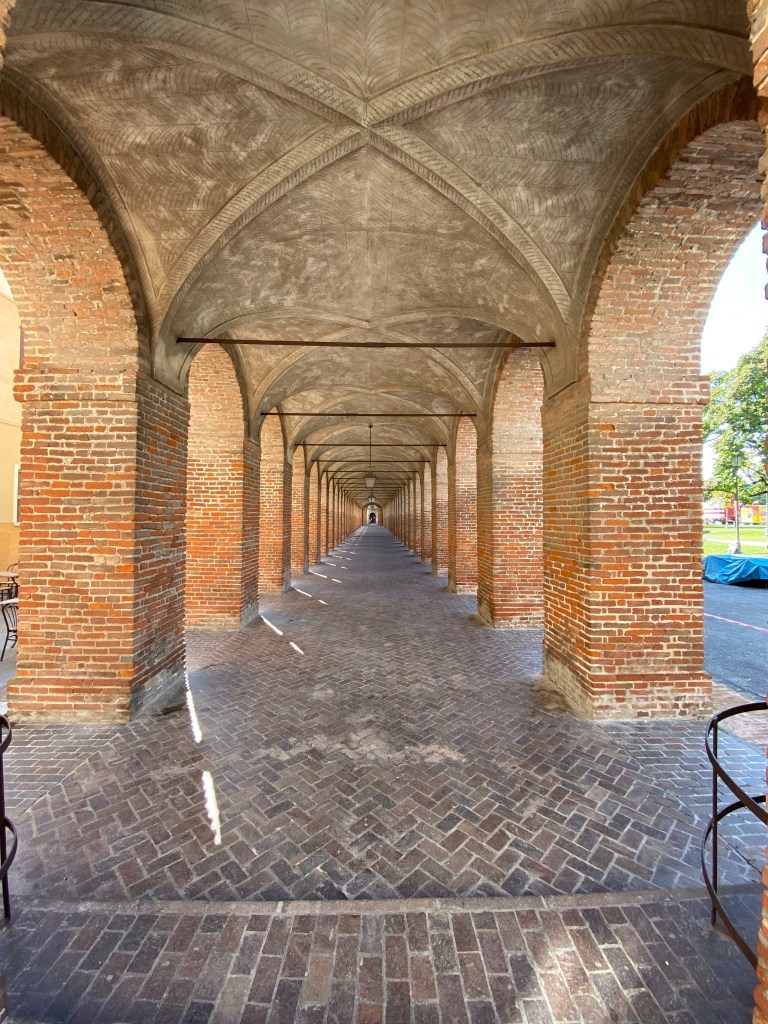
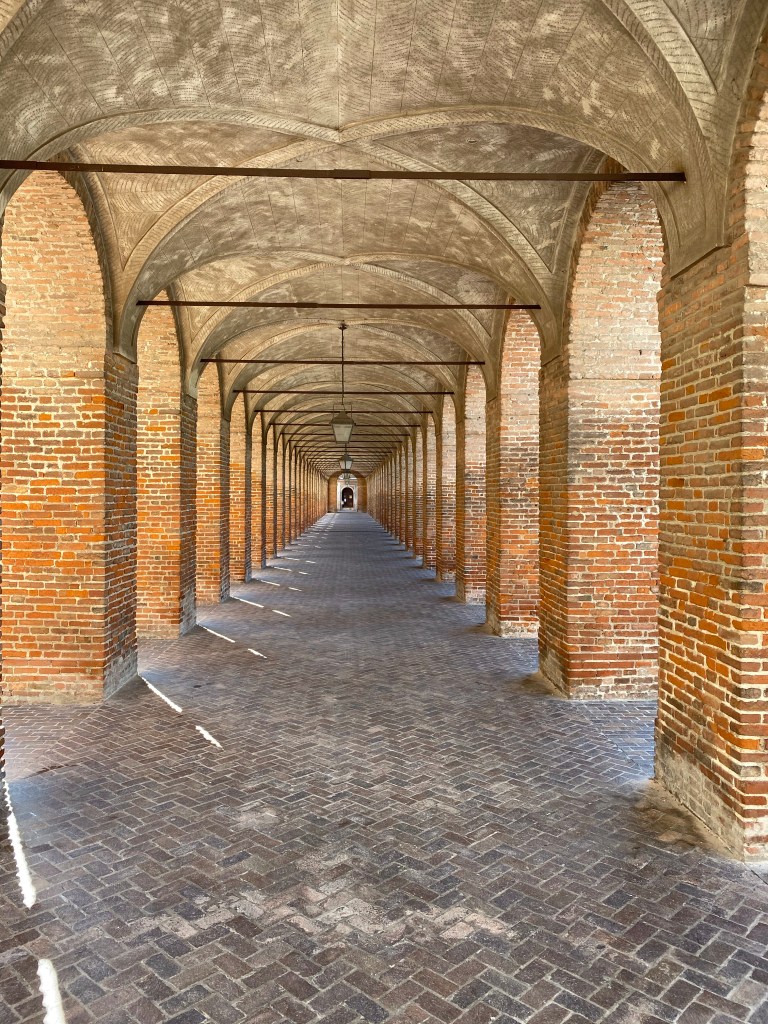
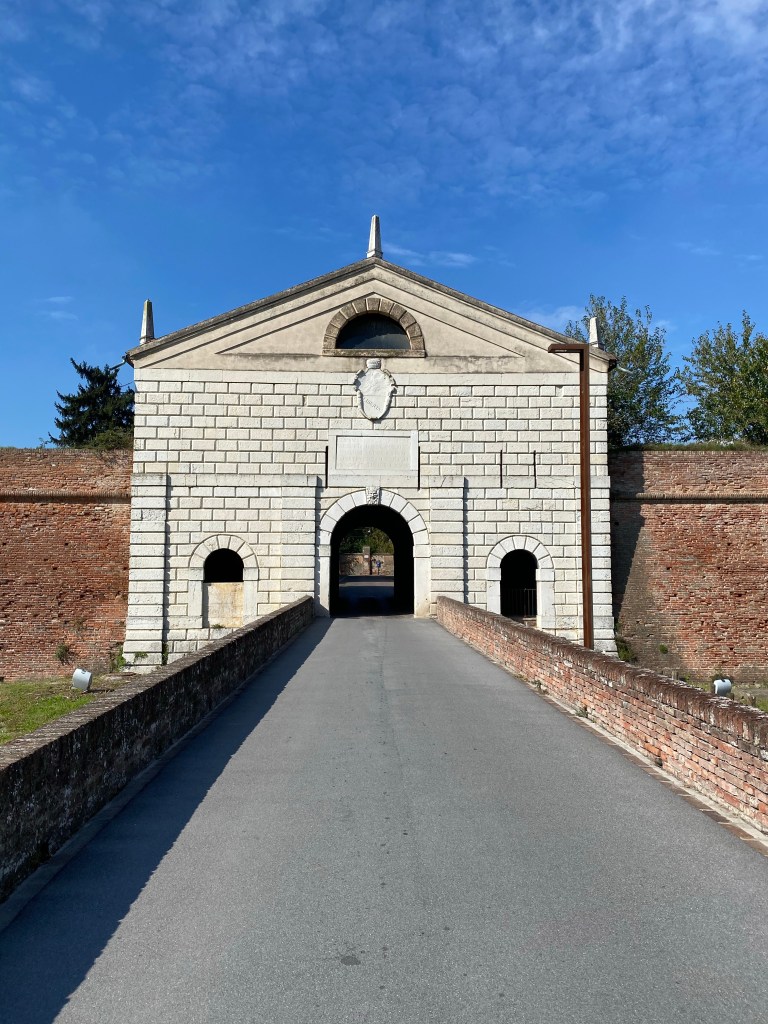
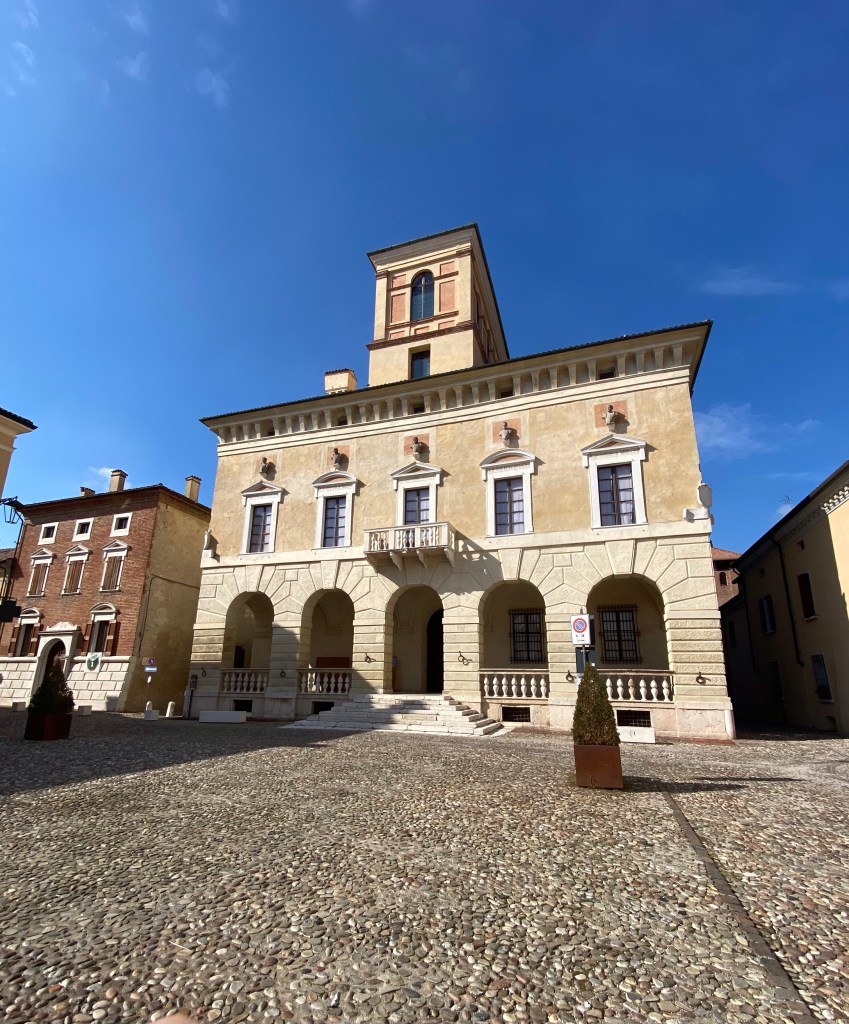
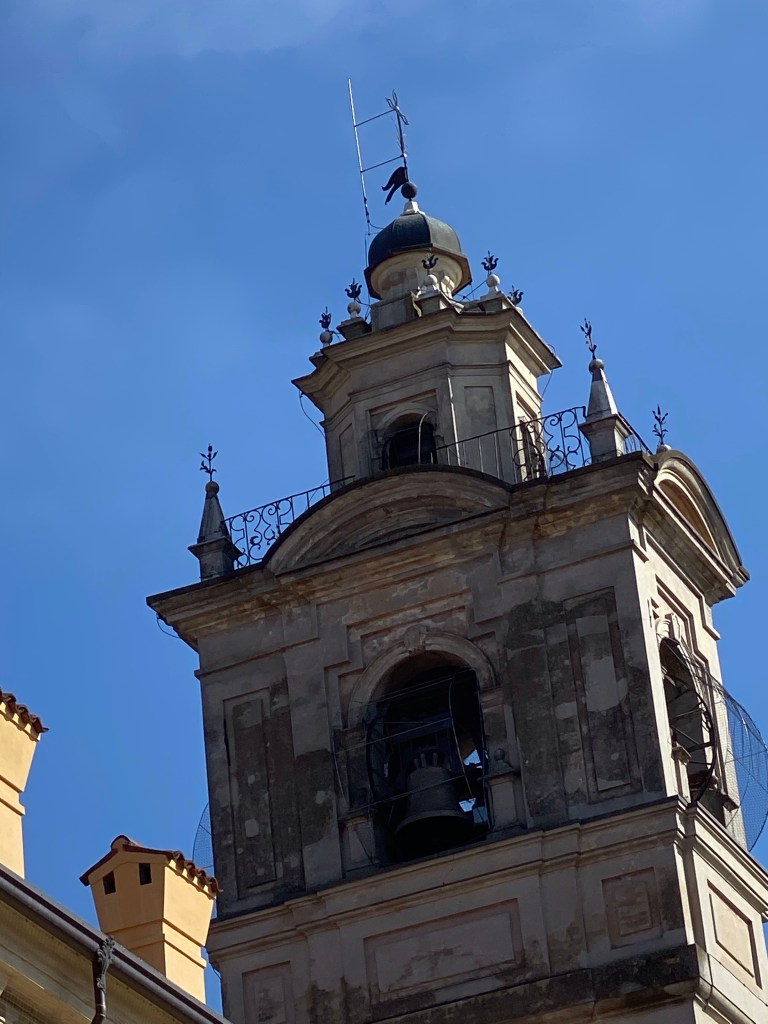
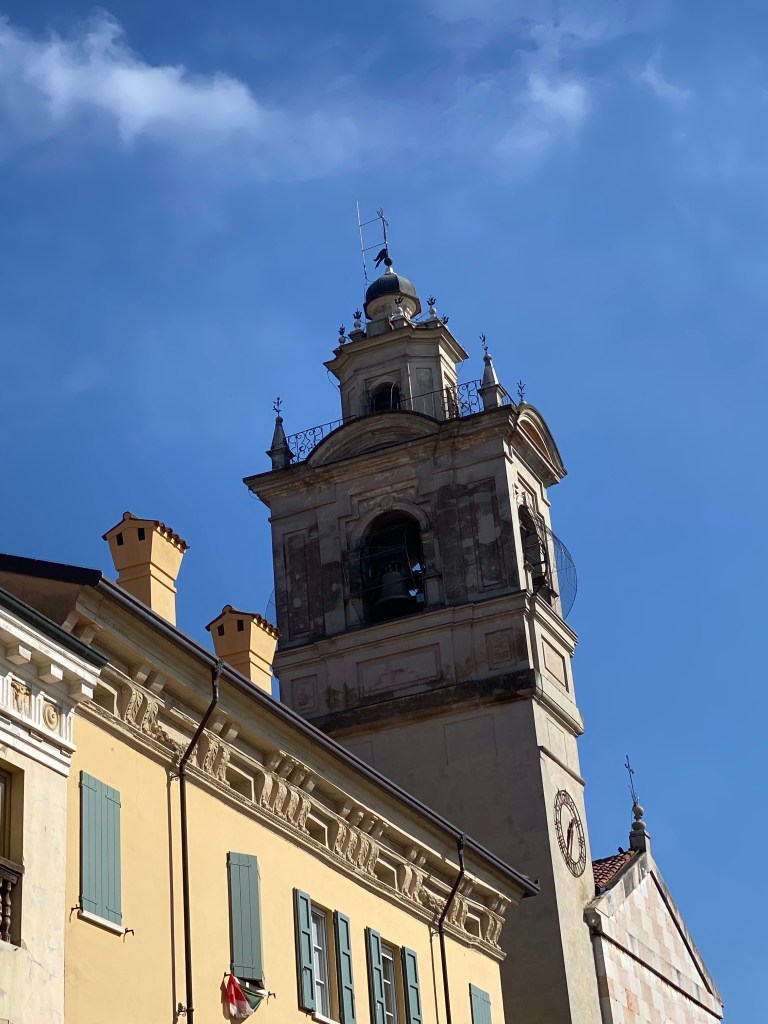
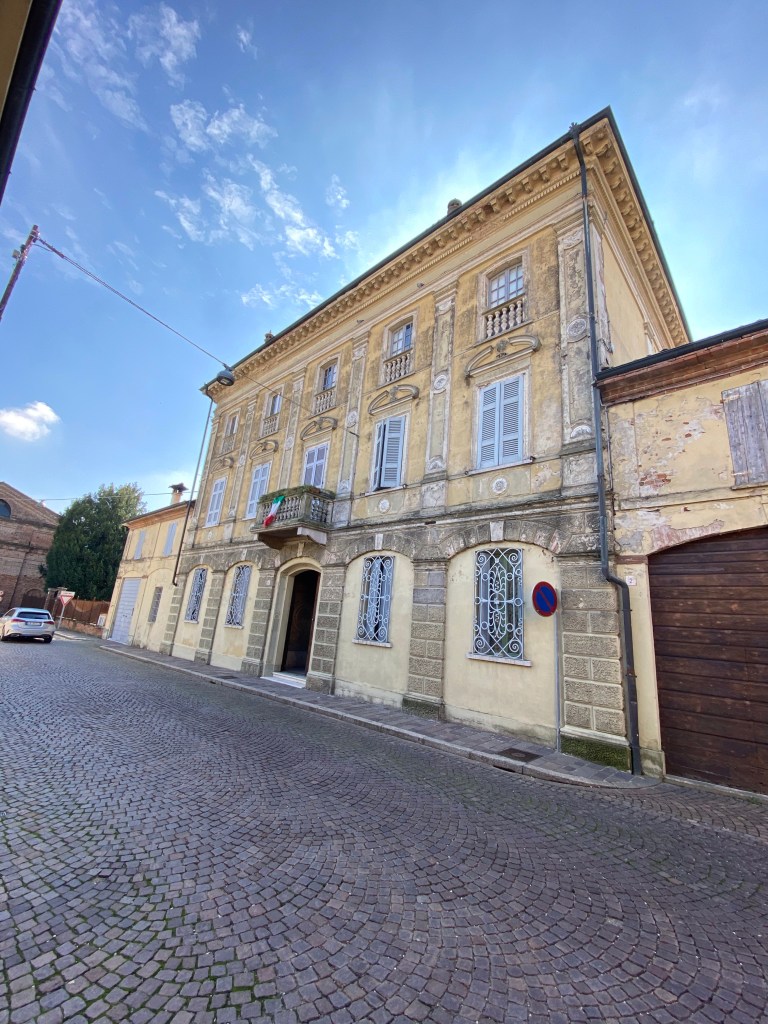
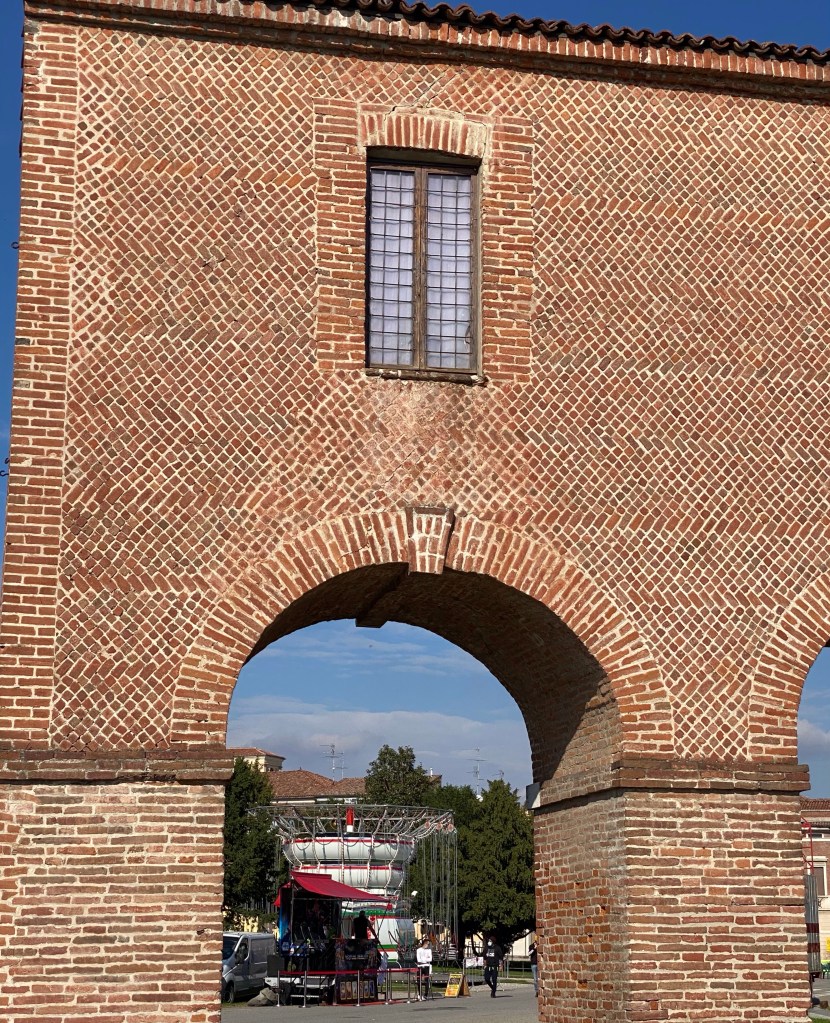
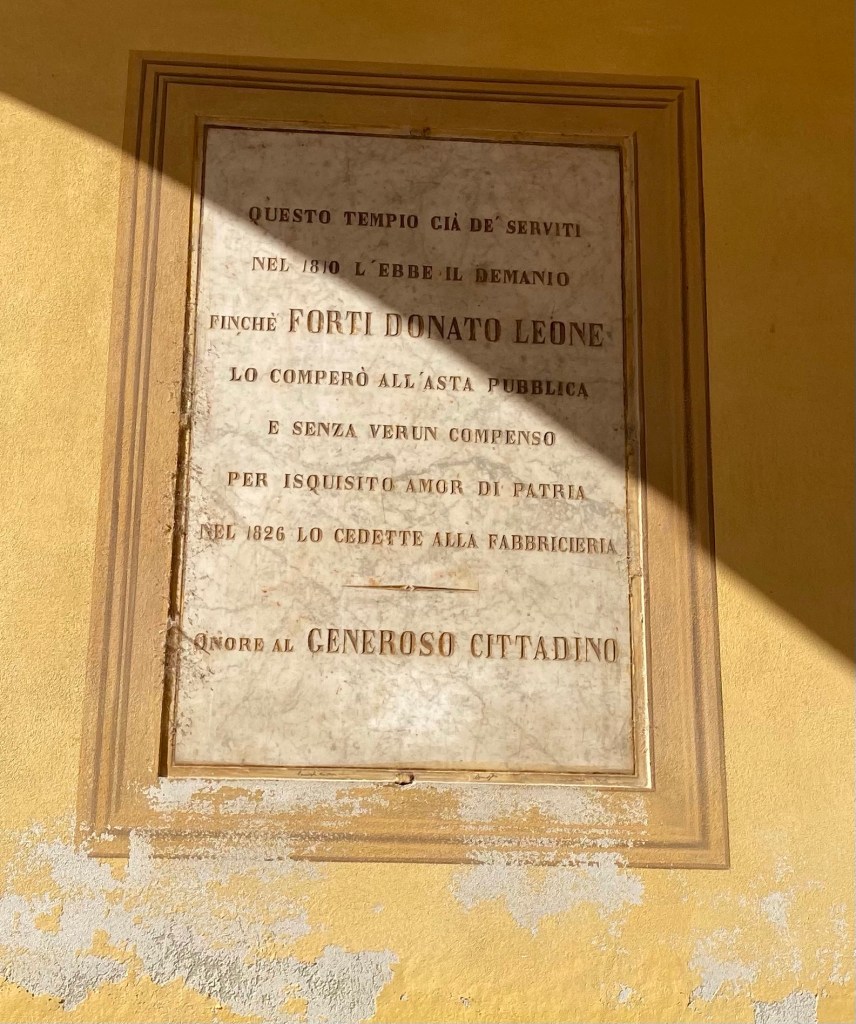
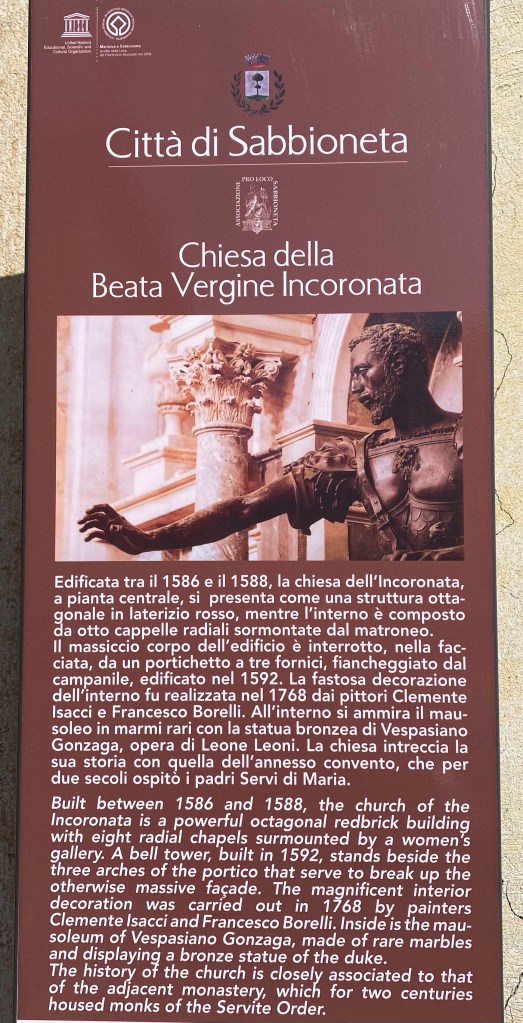
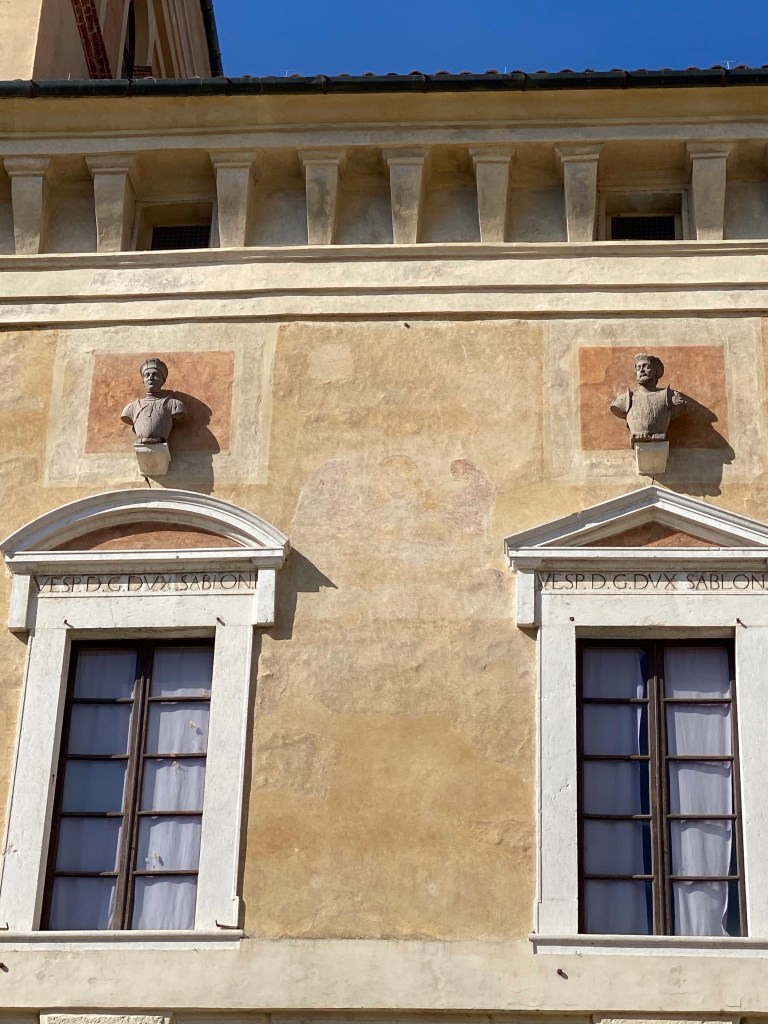
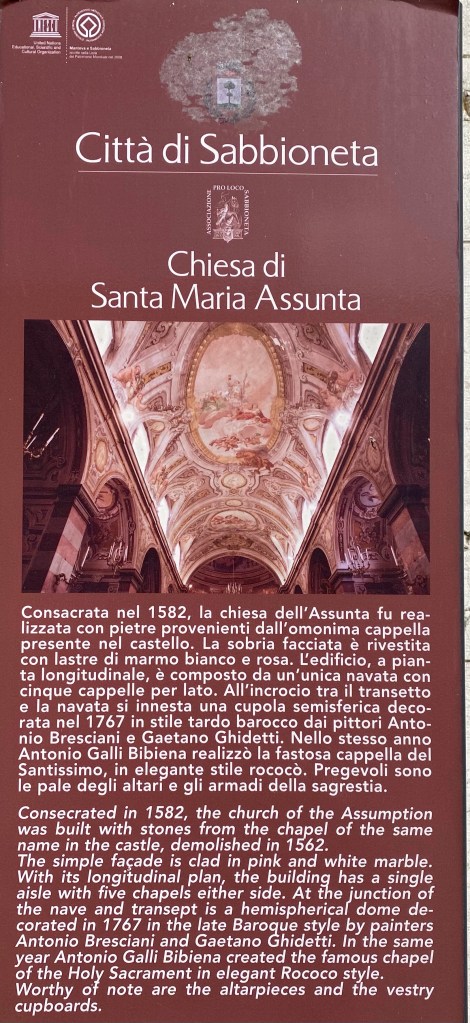
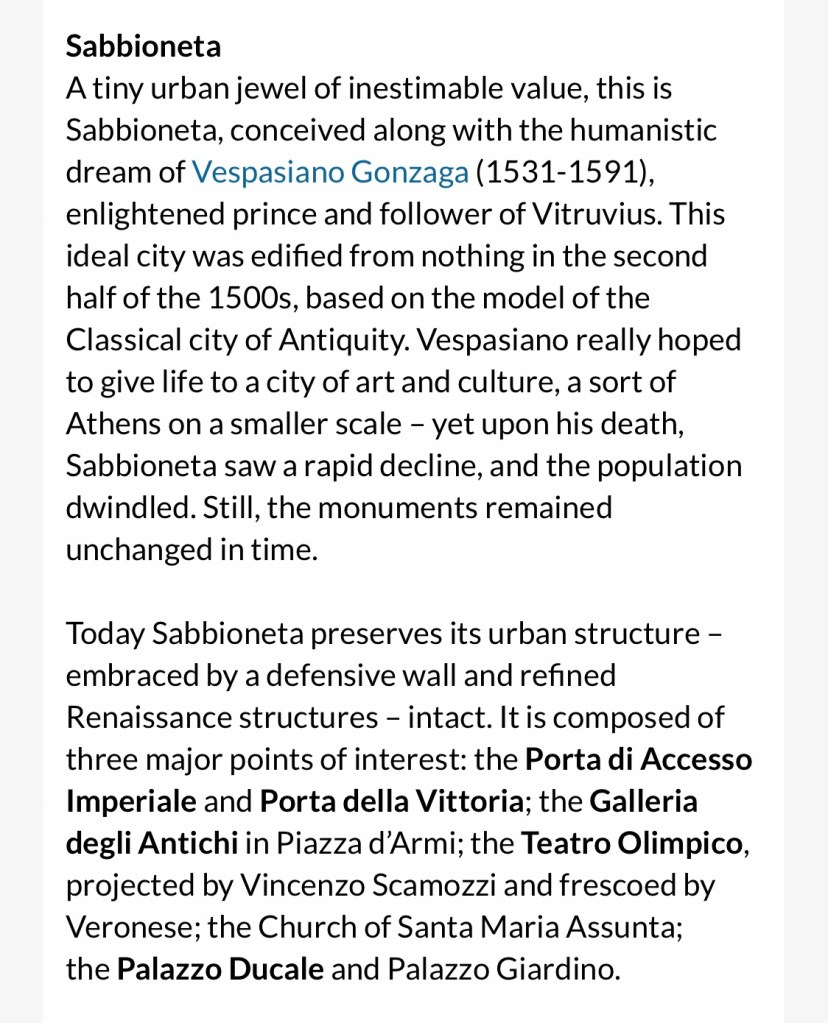
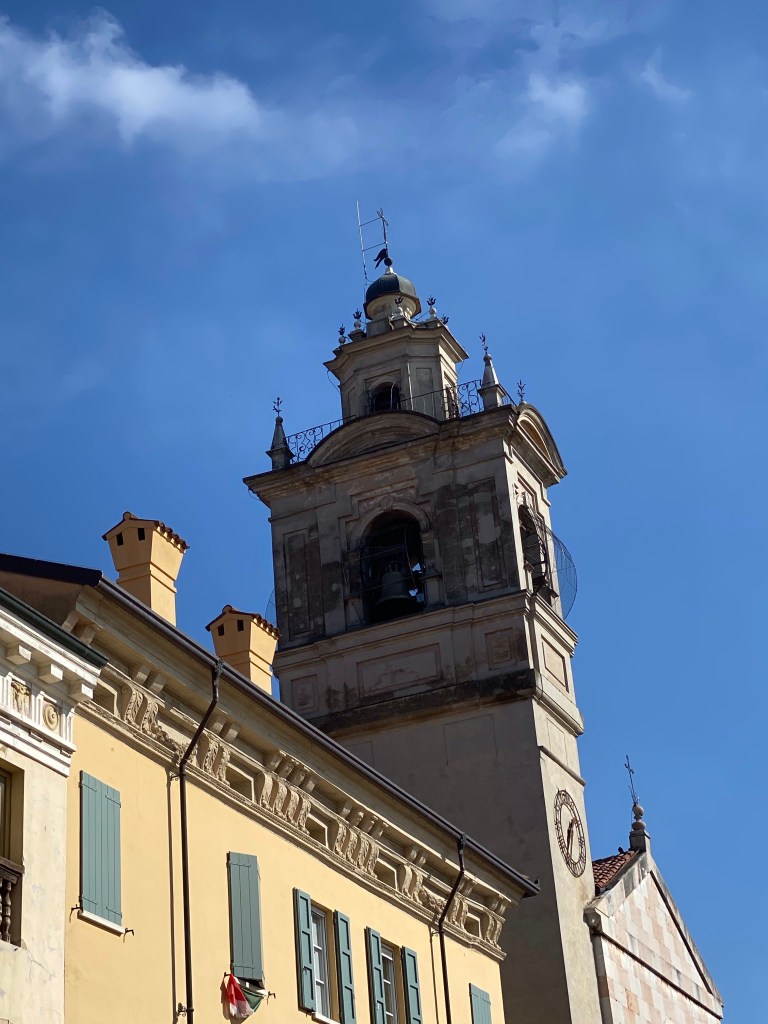
Sabbioneta, a UNESCO site, near Mantua
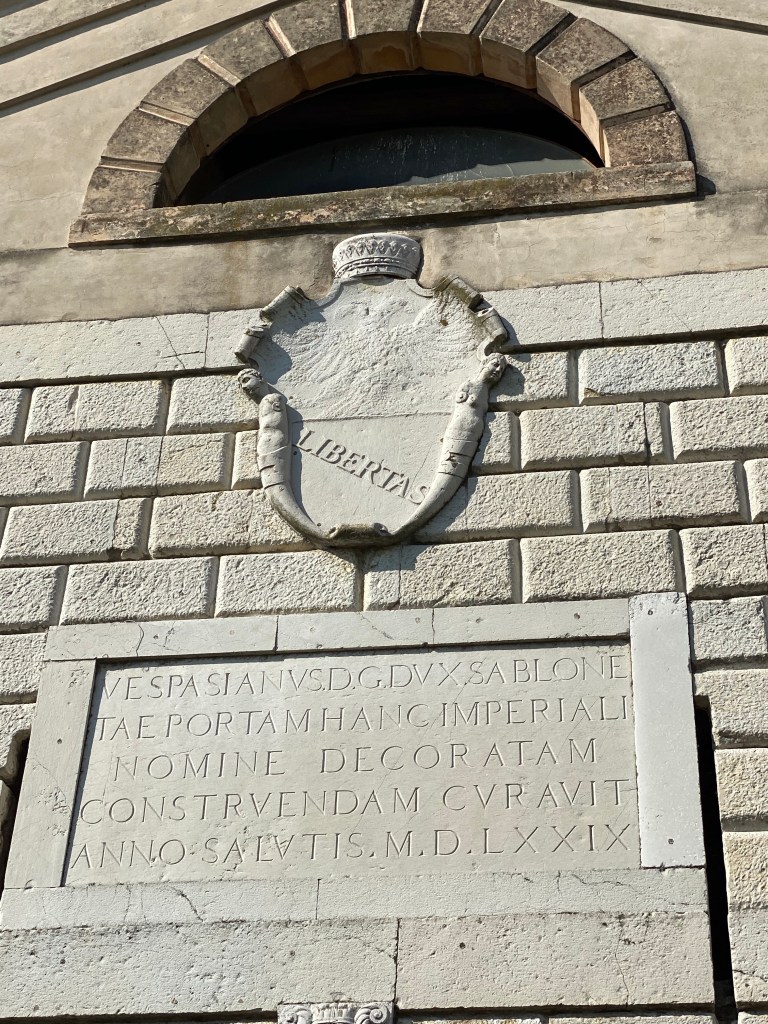
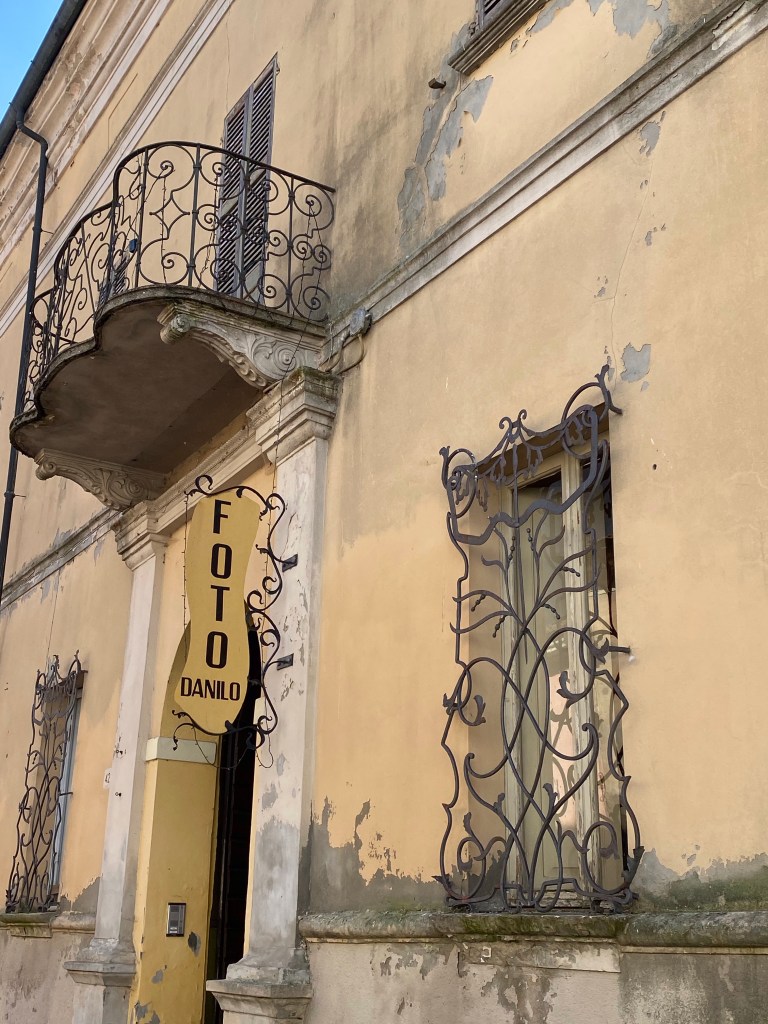
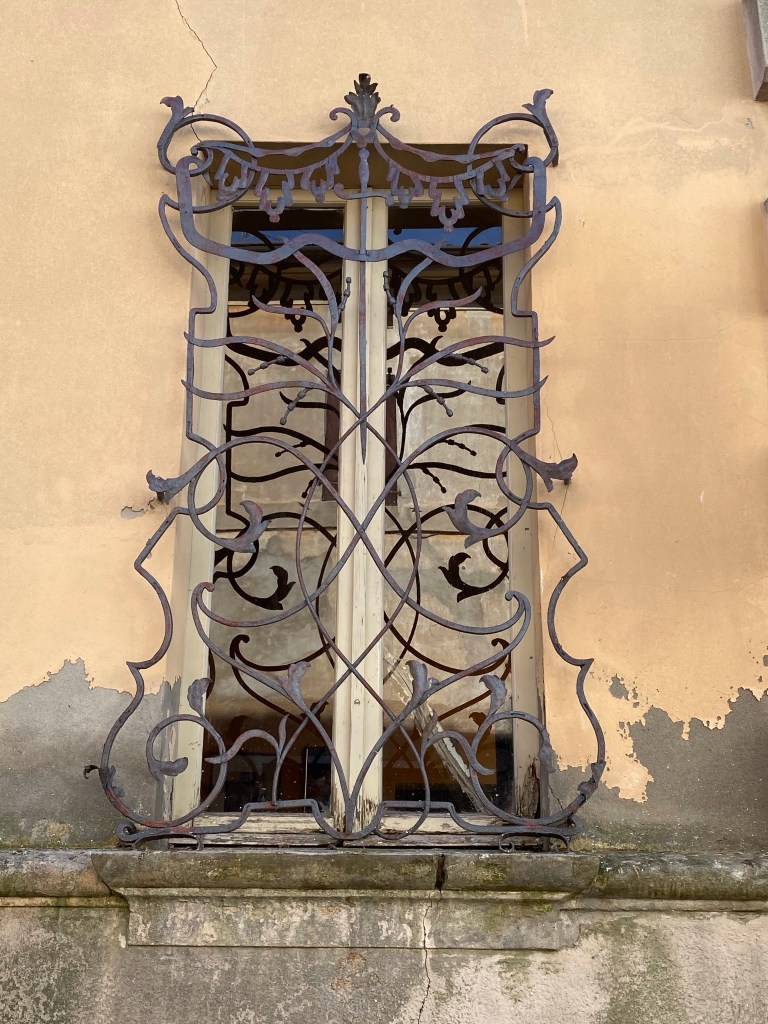
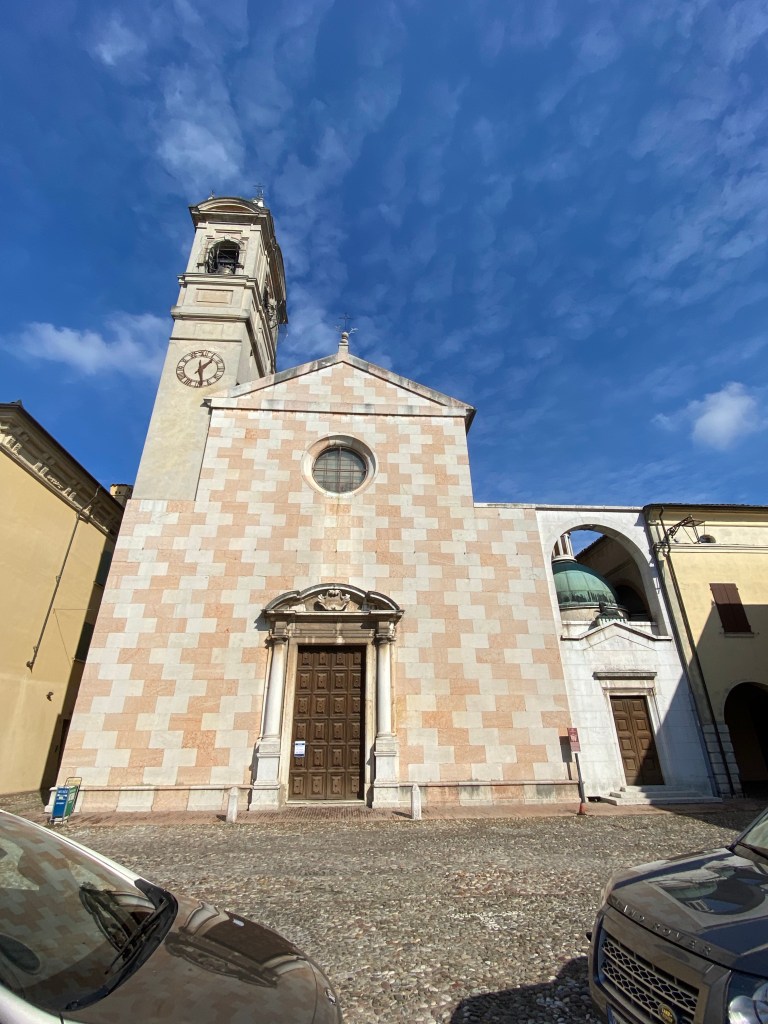
You want to see an “ideal city?” Head about 20 miles outside of Mantova and there you will find a made-to-order small city, created in full during the 16th century by the local Gonzaga ruling family.
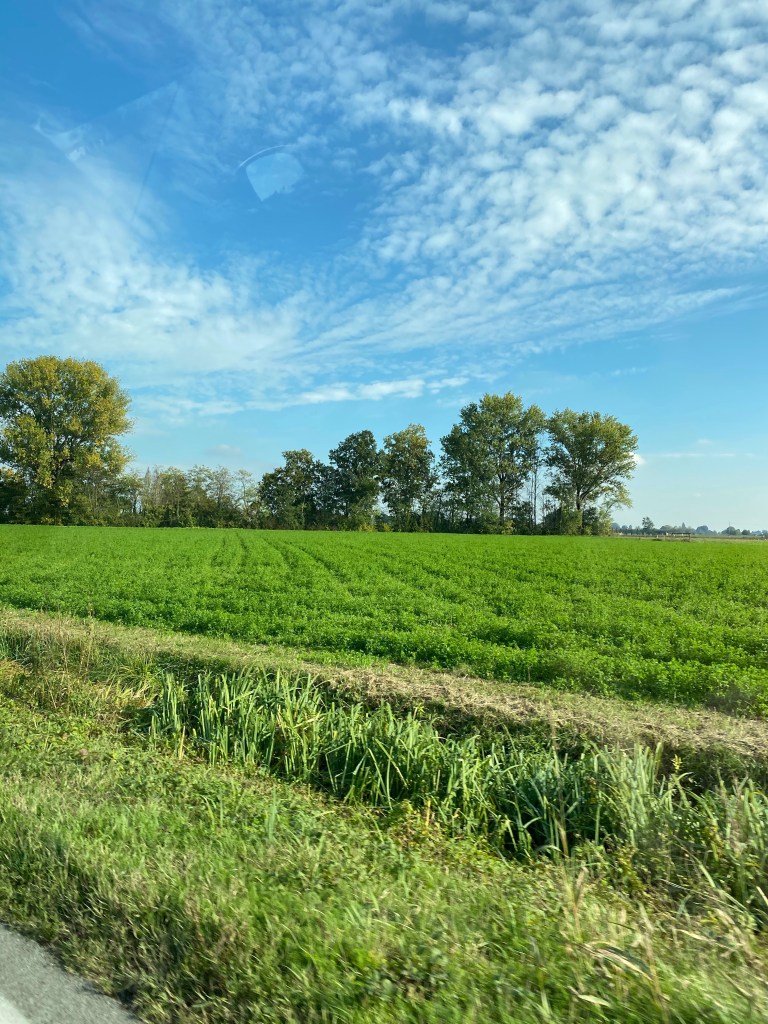
Horses and Mantua
One thing I can say for certain, horses and Mantua are an age-old combination. The Gonzaga court was known for its equine speciality and some frescoes and sculptures from the age speak to this love affair.

Ironically, at least to me, I saw this butcher shop in Mantova, specializing in horse meat. I found it funny. Sorry.

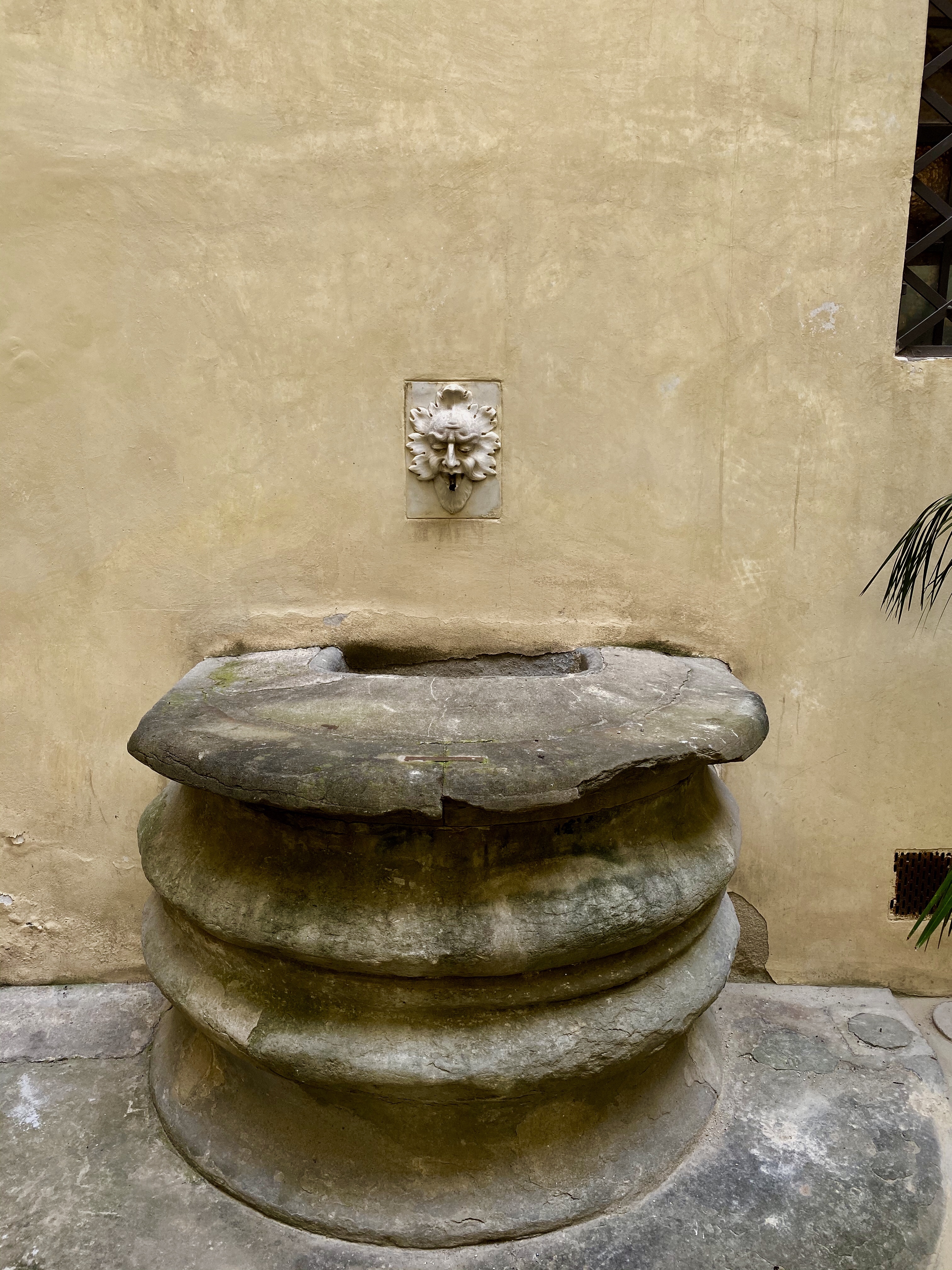
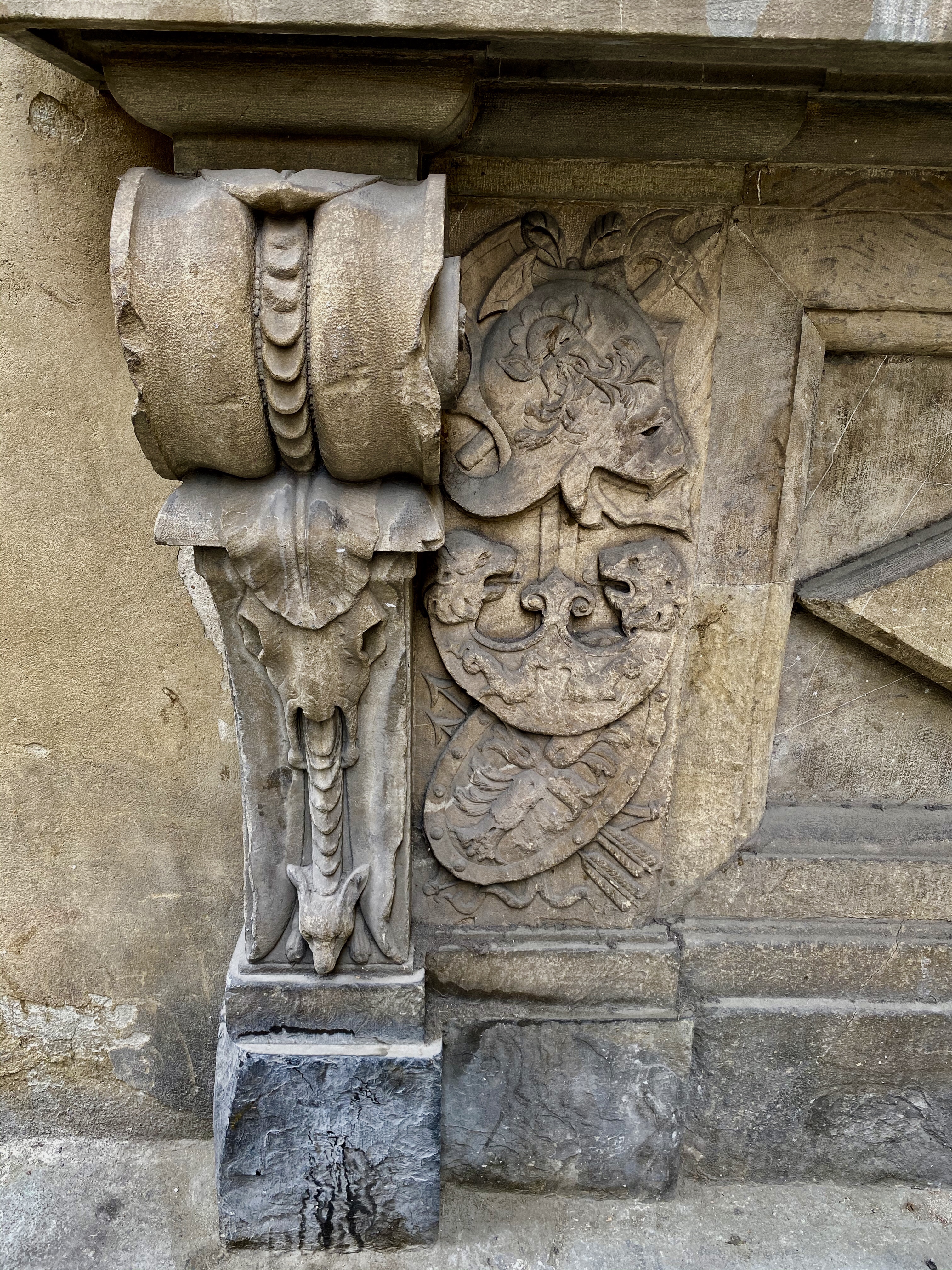
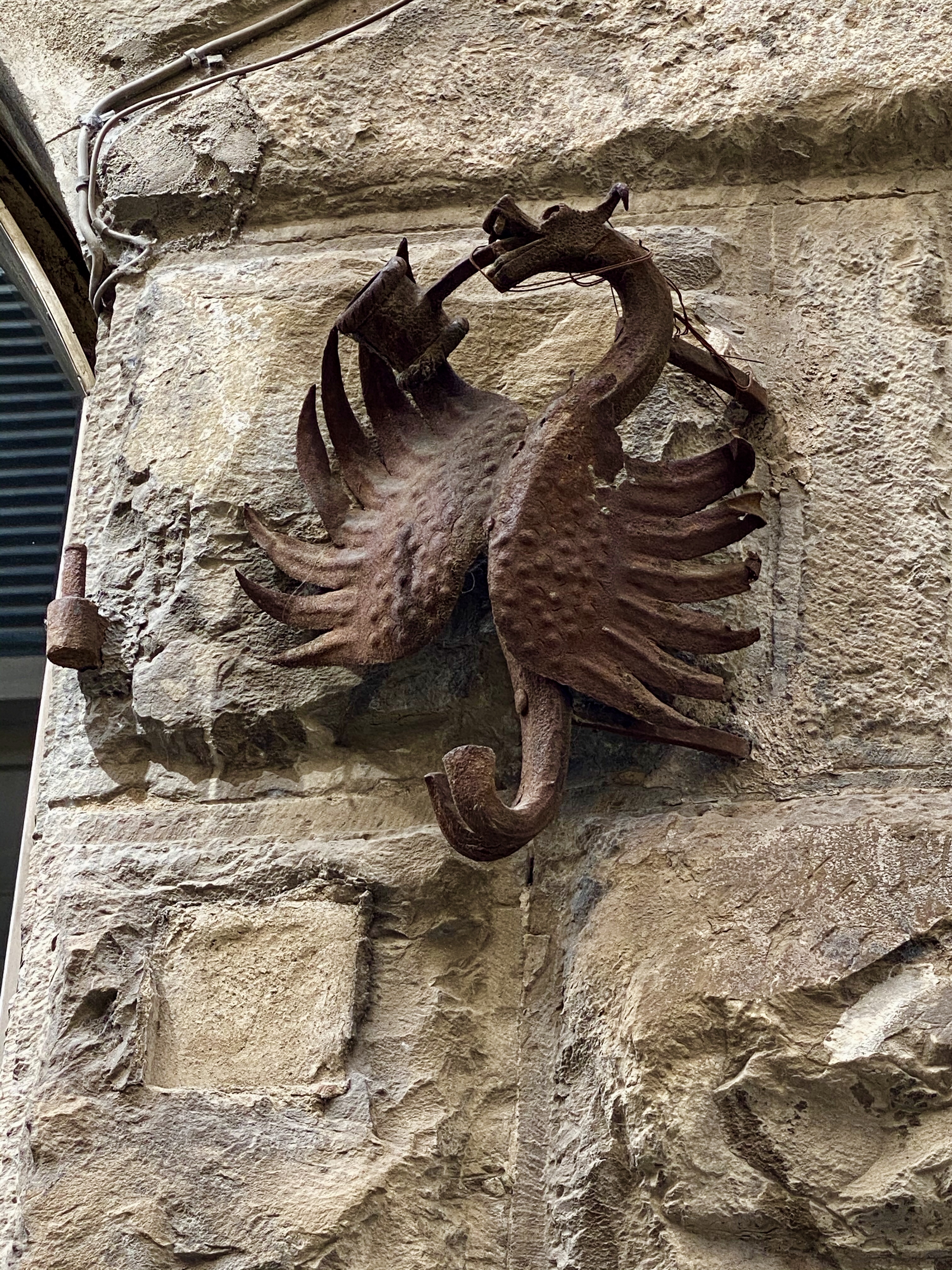
Random shots of things that make me happy
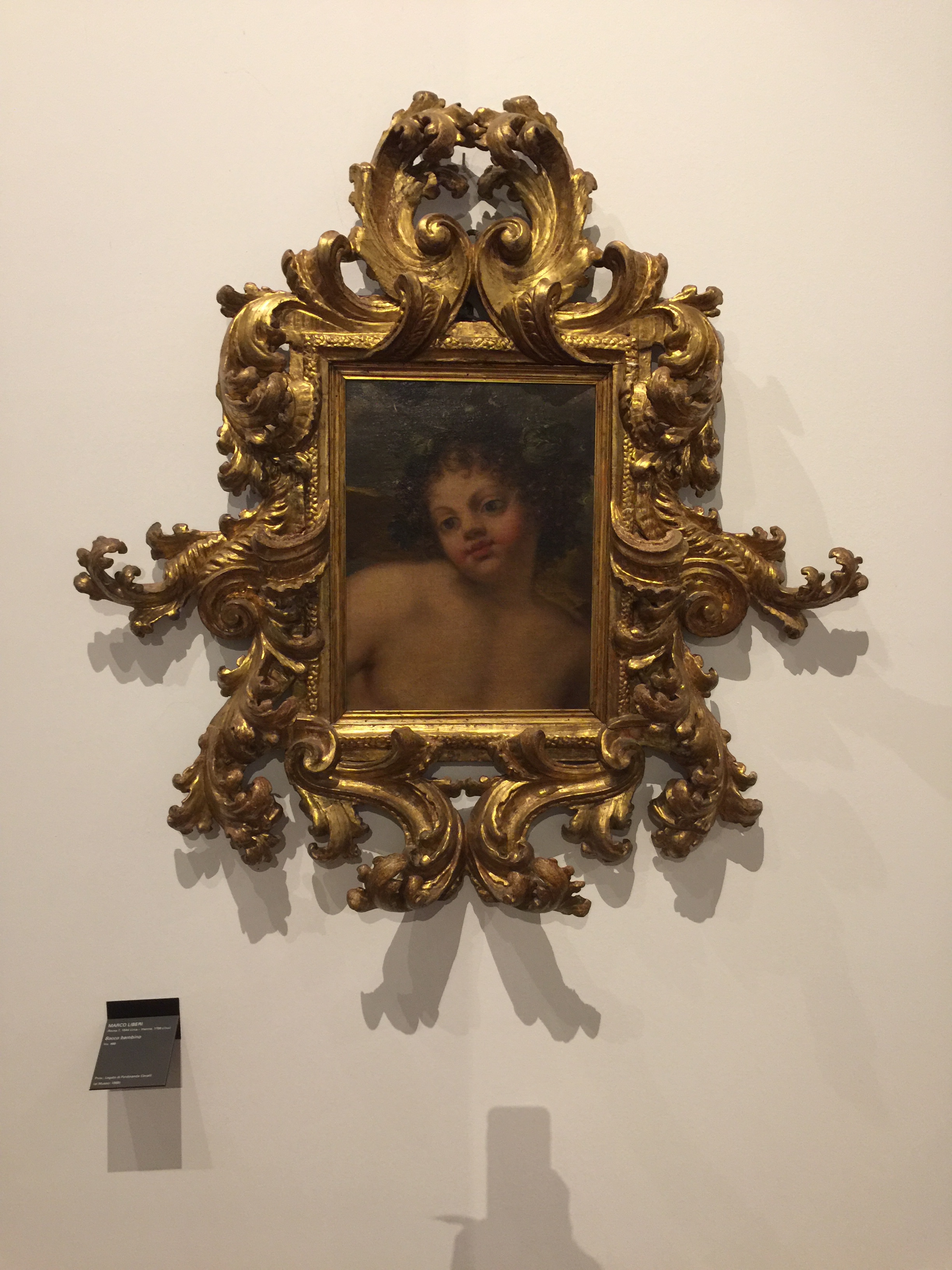
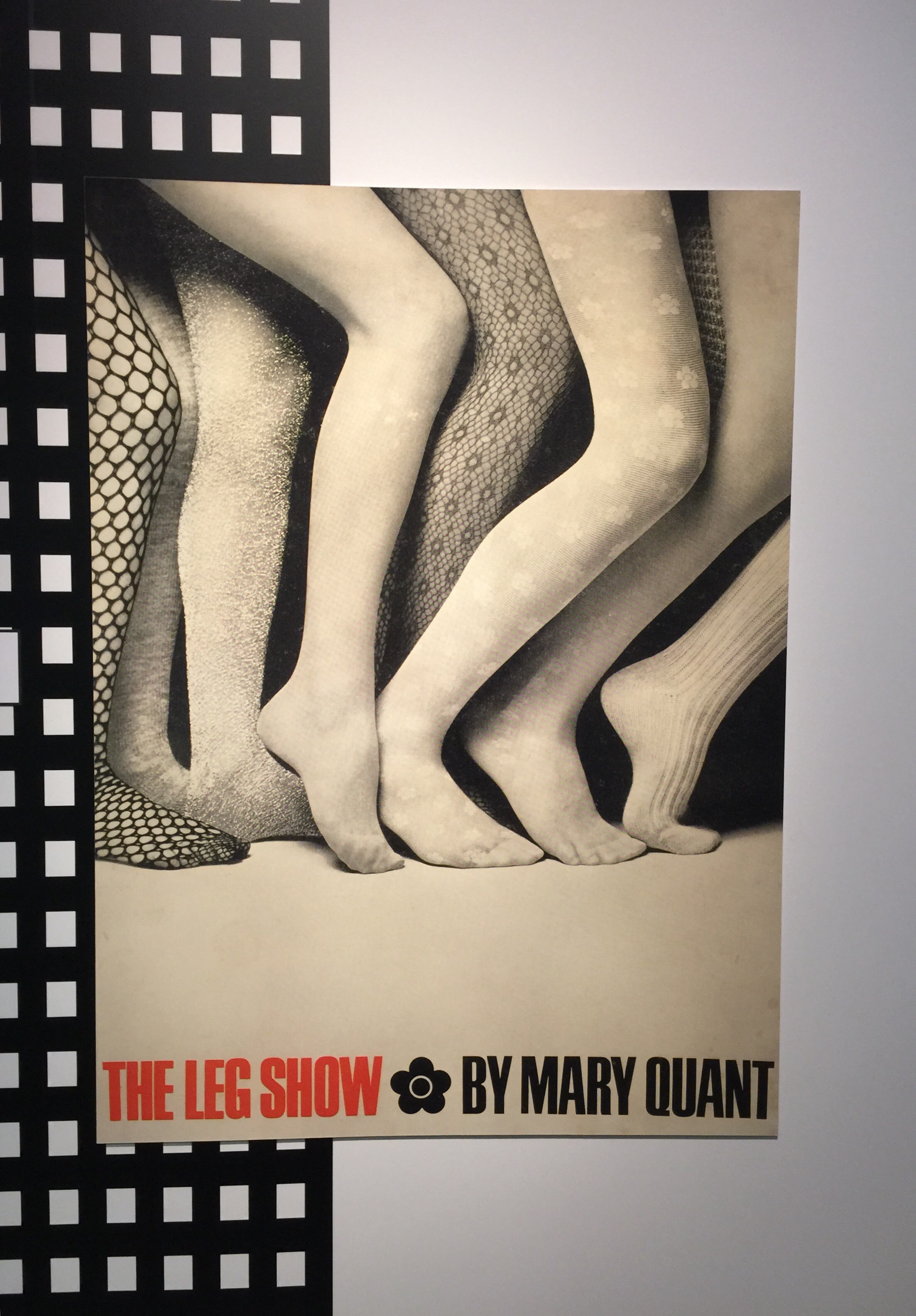
It’s the bleak month of February during a pandemic and I need all the beauty I can find!


 get back, lauretta!
You must be logged in to post a comment.